This silent film shows the jury voting for Chris Marker, who receives the Louis Lumière award for his film ¡Cuba sí!
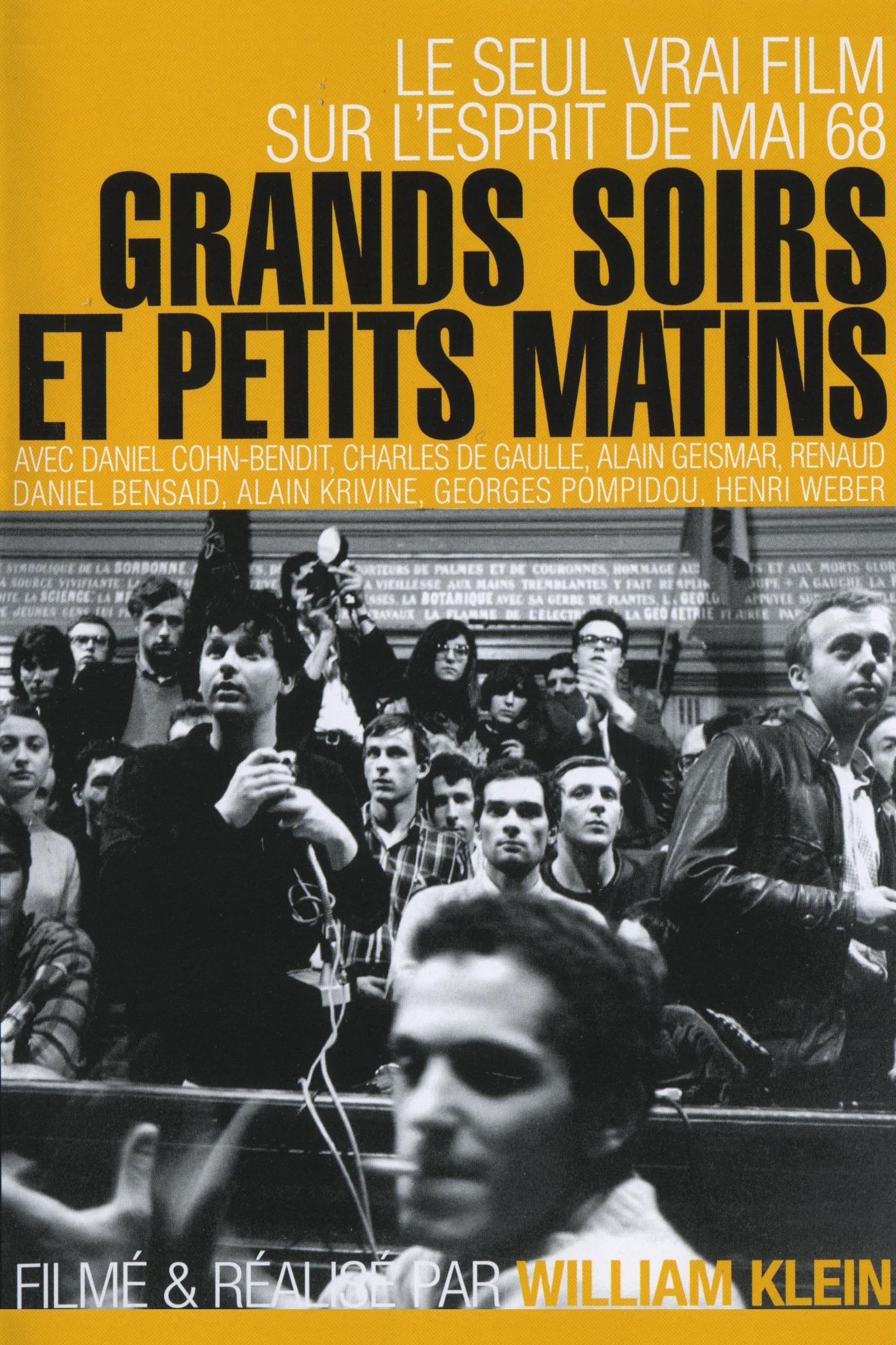
Filmmaker William Klein documents the Paris student riots that occurred in May of 1968.
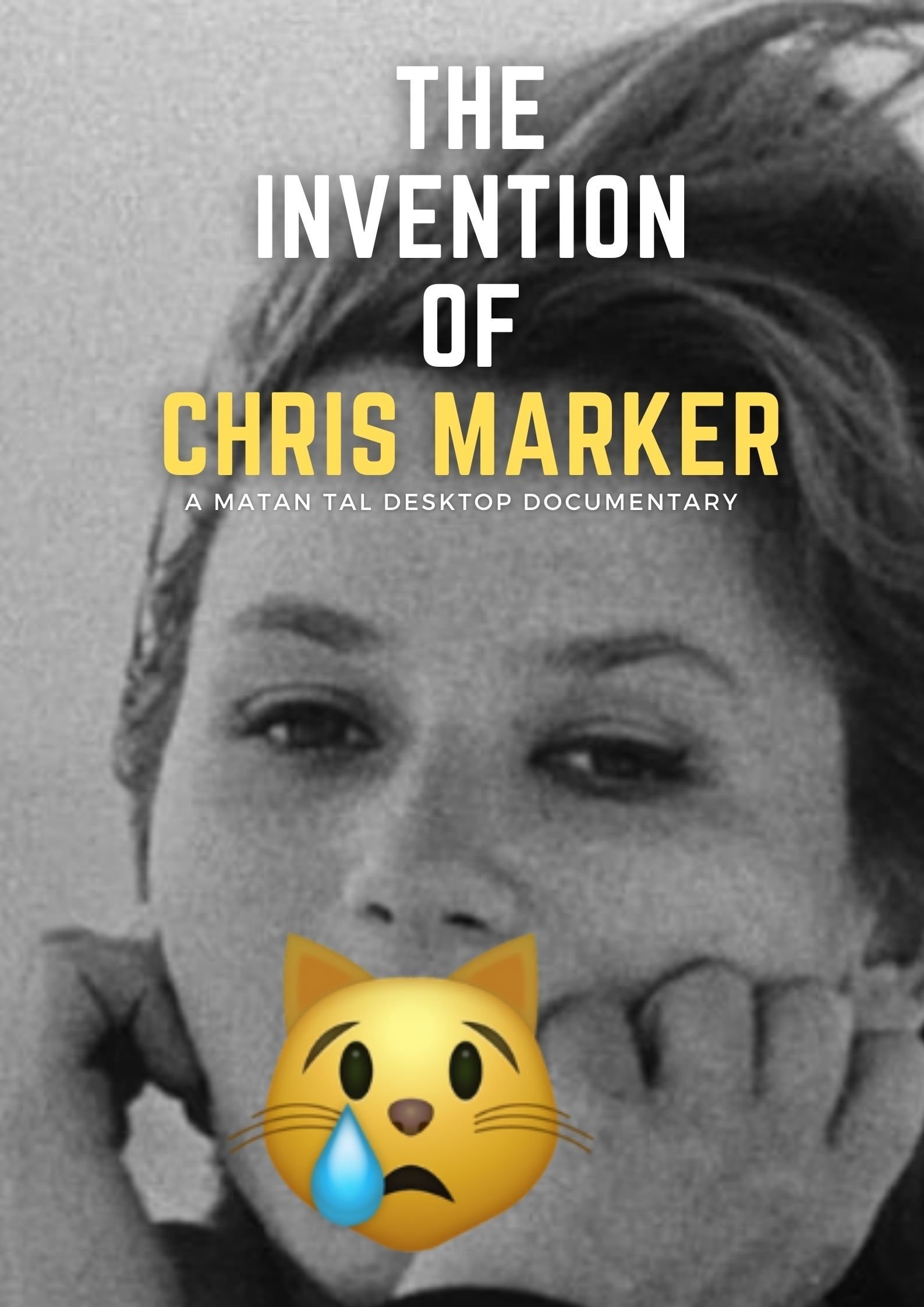
A desktop documentary about the online afterlife of the late French filmmaker, Chris Marker.
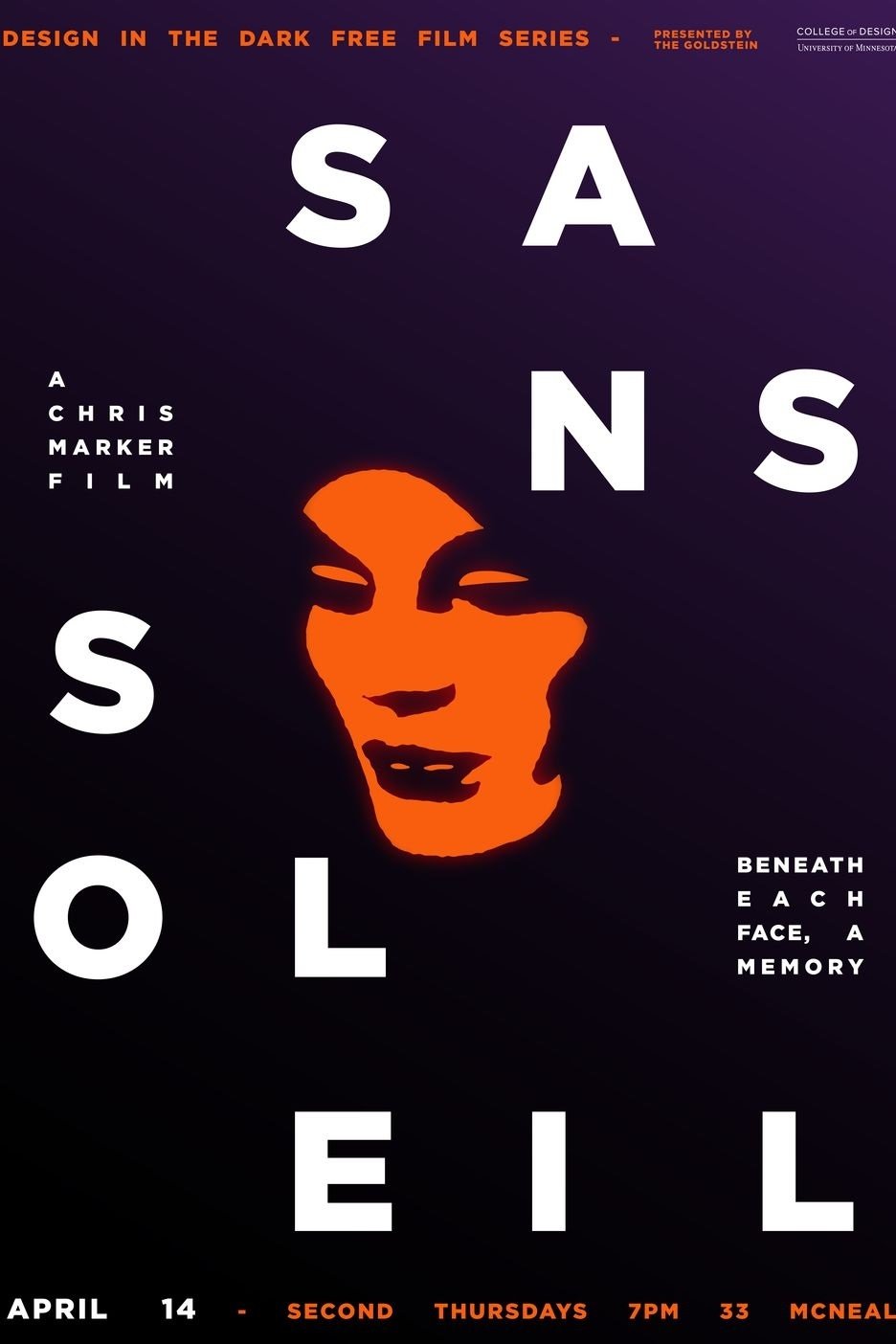
A woman narrates the thoughts of a world traveler, meditations on time and memory expressed in words and images from places as far-flung as Japan, Guinea-Bissau, Iceland, and San Francisco.
A document of Perestroika, to be viewed as (nearly) unedited rushes of a voyage to Moscow, preserved by compatriot Costa-Gavras. Says Émilie Cauquy of the French Cinémathèque, "Astonishing unpublished travel diary, shot by Chris Marker in analog video on the occasion of a screening of L'Aveu in Moscow in 1990 [...] Armed with his camcorder, Marker films and records the comments, takes on the role of contemporary capital according to this unique ethnographic method that he has perfected".

Agnès Varda travels around the world to meet friends, artists and filmmakers for an expansive view of the global contemporary art scene.
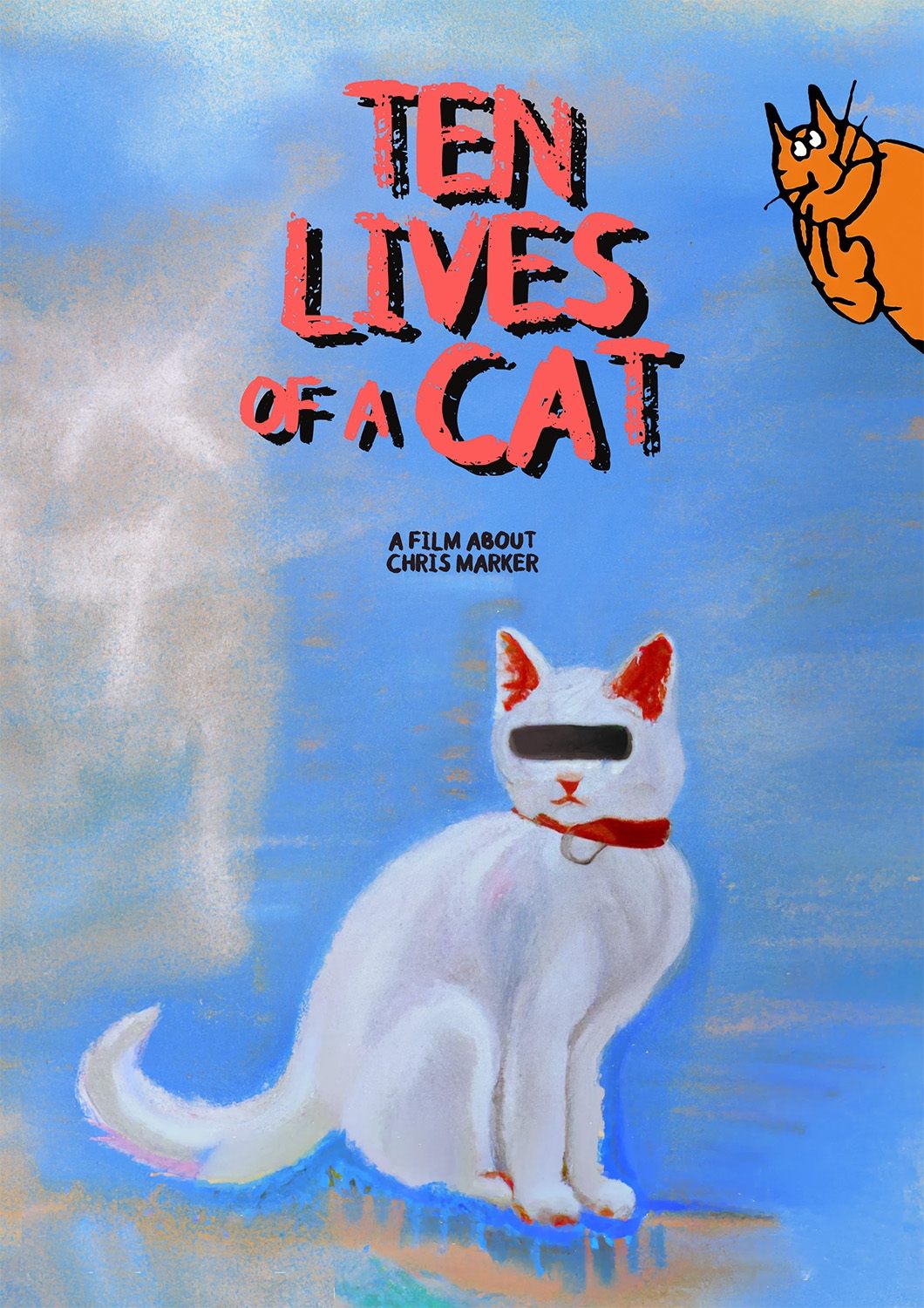
Ten years after the death of iconic French filmmaker, Chris Marker. A filmmaker, hoping to rediscover that unique sensibility against the uncertainty of the new century, returns to the places synonymous with those incomparable and unforgettable films-- From the cat cemetery of Sans Soleil, to the mausoleum of The Last Bolshevik; The caves of Level Five to the rooftops of The Case of the Grinning Cat. A biographical portrait of one of the 20th century's greatest and most misunderstood filmmakers.

Chris Marker’s portrait of Russian filmmaker Andrei Tarkovsky documents the director at work on his final film, The Sacrifice, during the last year of his life. Interweaving behind-the-scenes footage with excerpts from Tarkovsky’s earlier works, Marker crafts a moving reflection on the artist’s vision, methods, and enduring legacy.
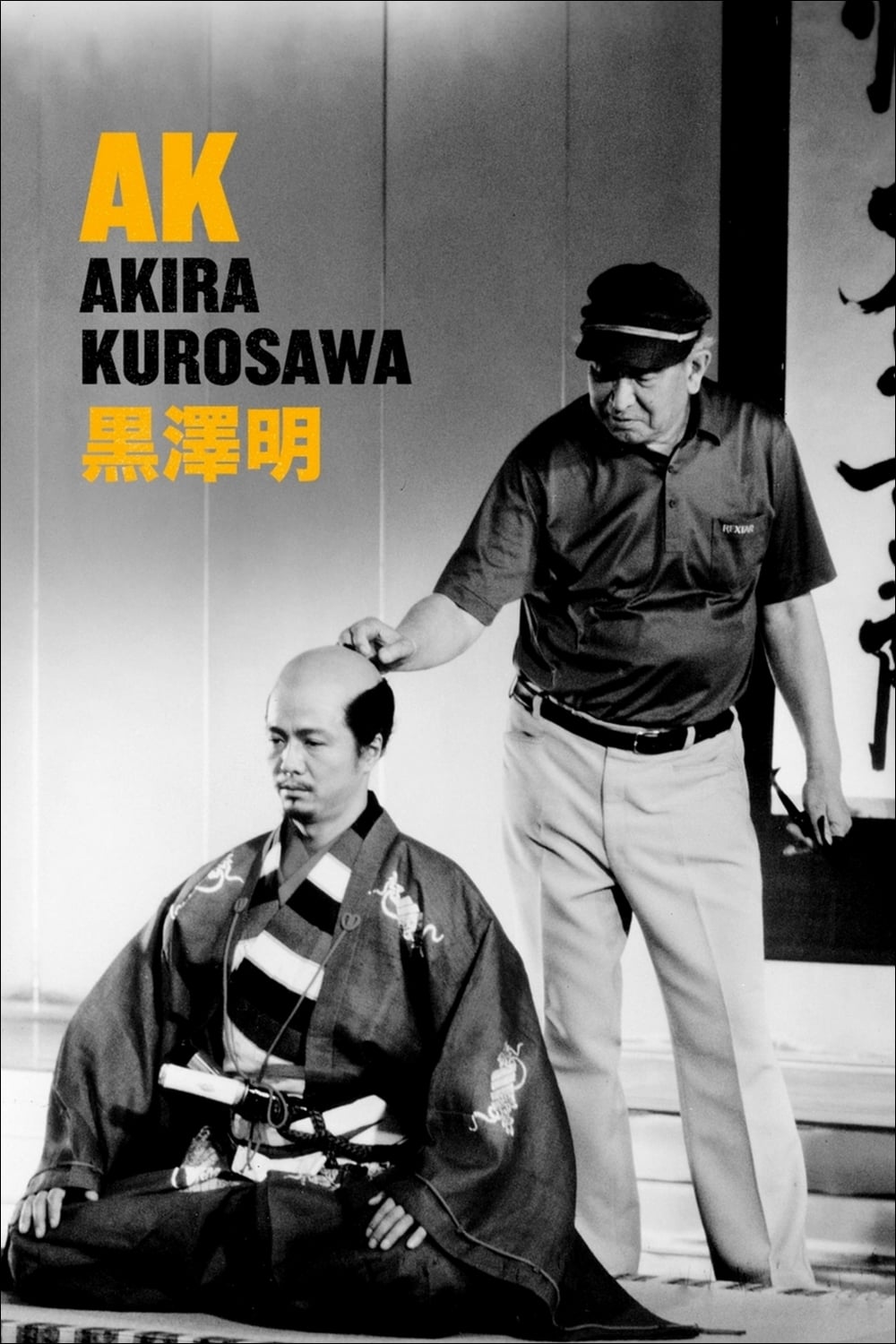
An intimate chronicle of the shooting of Ran (1985), a film directed by the legendary Japanese filmmaker Akira Kurosawa.

Posthumous portrait of Chris Marker, the elusive French filmmaker- essayist, traveller, photographer and cat-lover. Two filmmakers, Jean-Marie Barbe and Arnaud Lambert, propose a chronological journey through his thoughts and cinematographic work: from the cartography of new political utopia in the 1950s, from Siberia to La Habana, to its relentless defeat, starting with Chile; from his review of cinéma-verité to the great television experience in "L'Héritage de la chouette", which traces a journey through classical Greece, organized into twelve words.
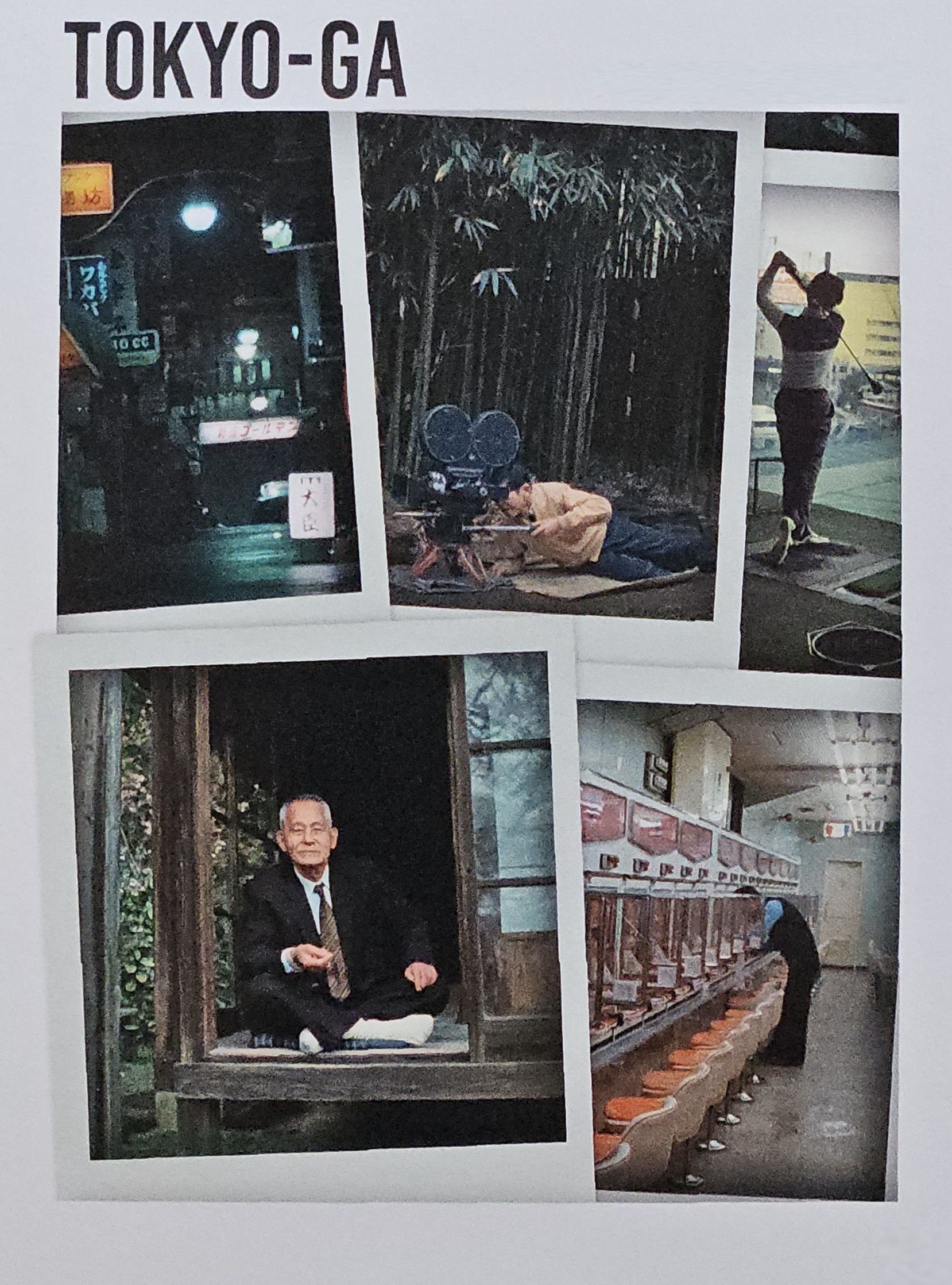
German director Wim Wenders tries to explore the Tokyo that was depicted in the films of Yasujiro Ozu and finds a very different city.
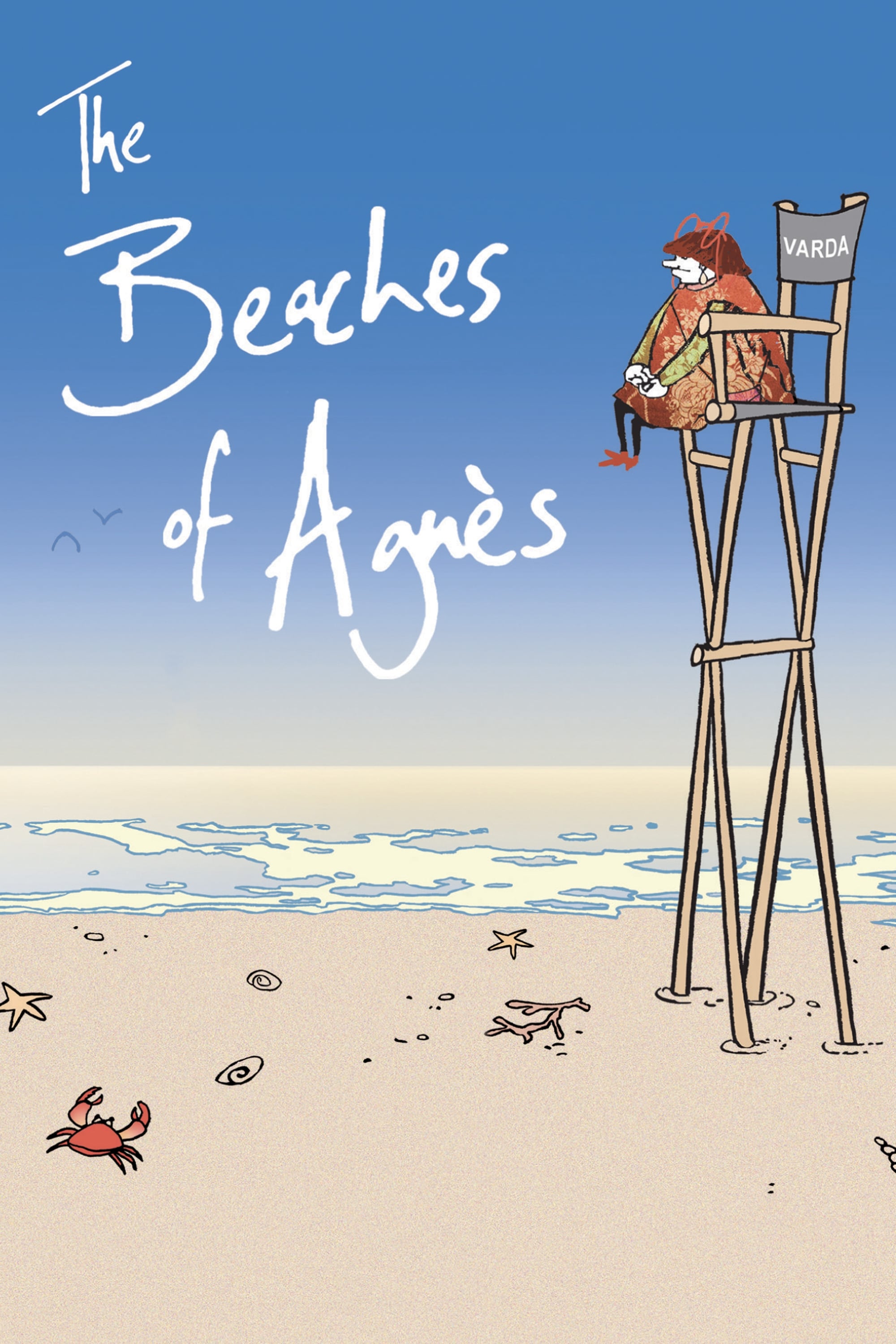
Filmmaking icon Agnès Varda, the award-winning director regarded by many as the grandmother of the French new wave, turns the camera on herself with this unique autobiographical documentary. Composed of film excerpts and elaborate dramatic re-creations, Varda's self-portrait recounts the highs and lows of her professional career, the many friendships that affected her life and her longtime marriage to cinematic giant Jacques Demy.
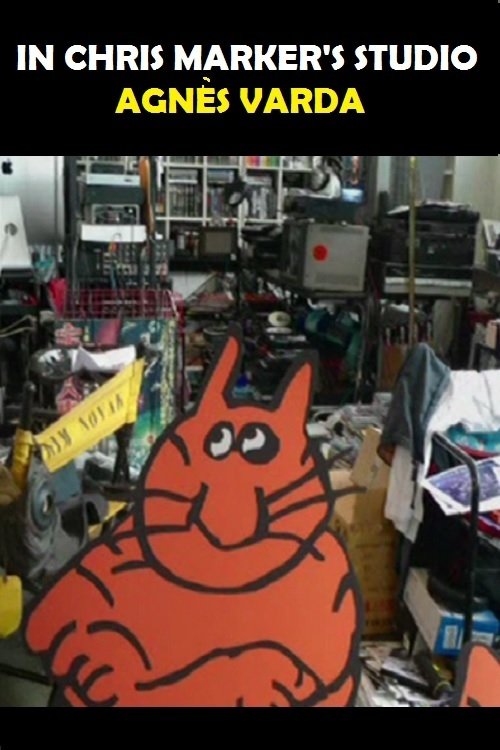
Two friends (and legendary French New Wave filmmakers) meet in real and virtual worlds.
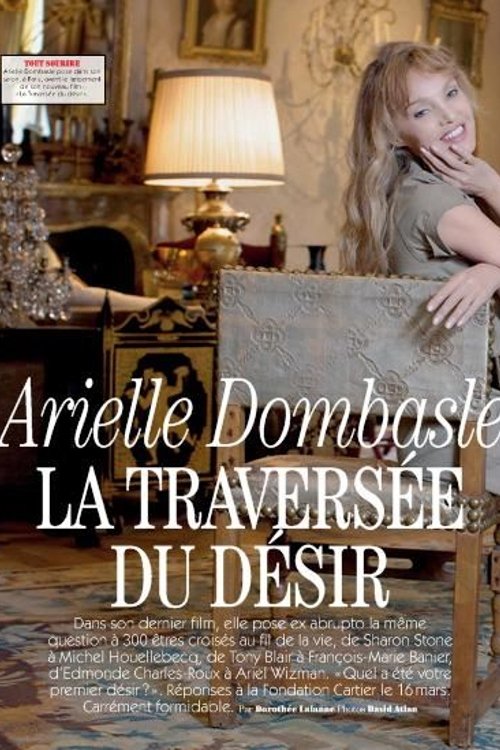
What was your first desire? What did you long for most? Arielle Dombasle put these questions to a wide circle of famous people.
Chris Marker’s Tokyo Days follows the filmmaker and actress Arielle Dombasle as they wander through Tokyo, beginning with an encounter with a live mannequin in a shop window. Mixing casual observation with playful edits, Marker captures everyday scenes—from subways to markets—in a personal video diary of the city.
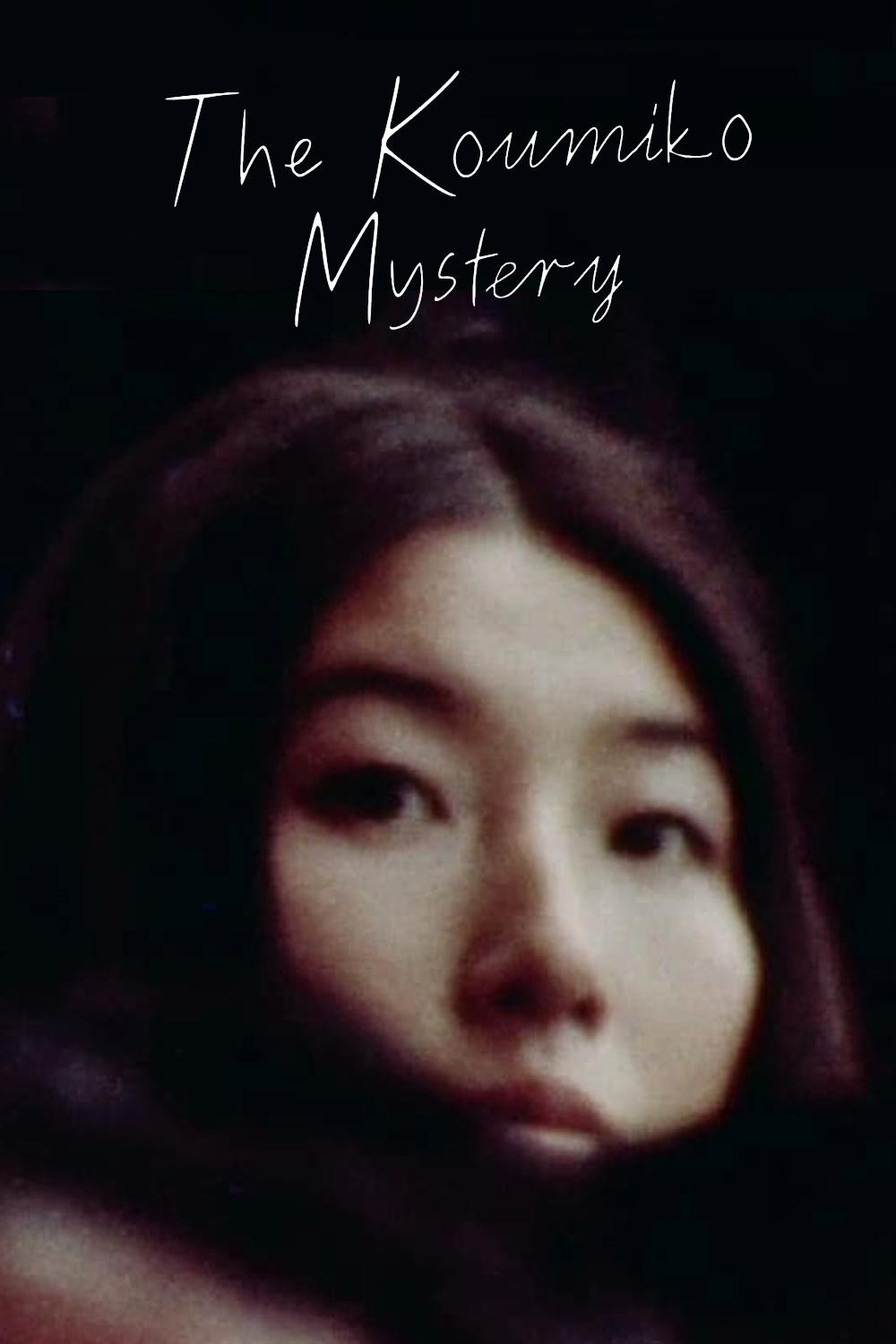
Koumiko Muraoka, a young Japanese woman born in Manchuria and educated in France, wanders through Tokyo while she reflects on identity, memory, and what it means to be Japanese in a rapidly changing world.
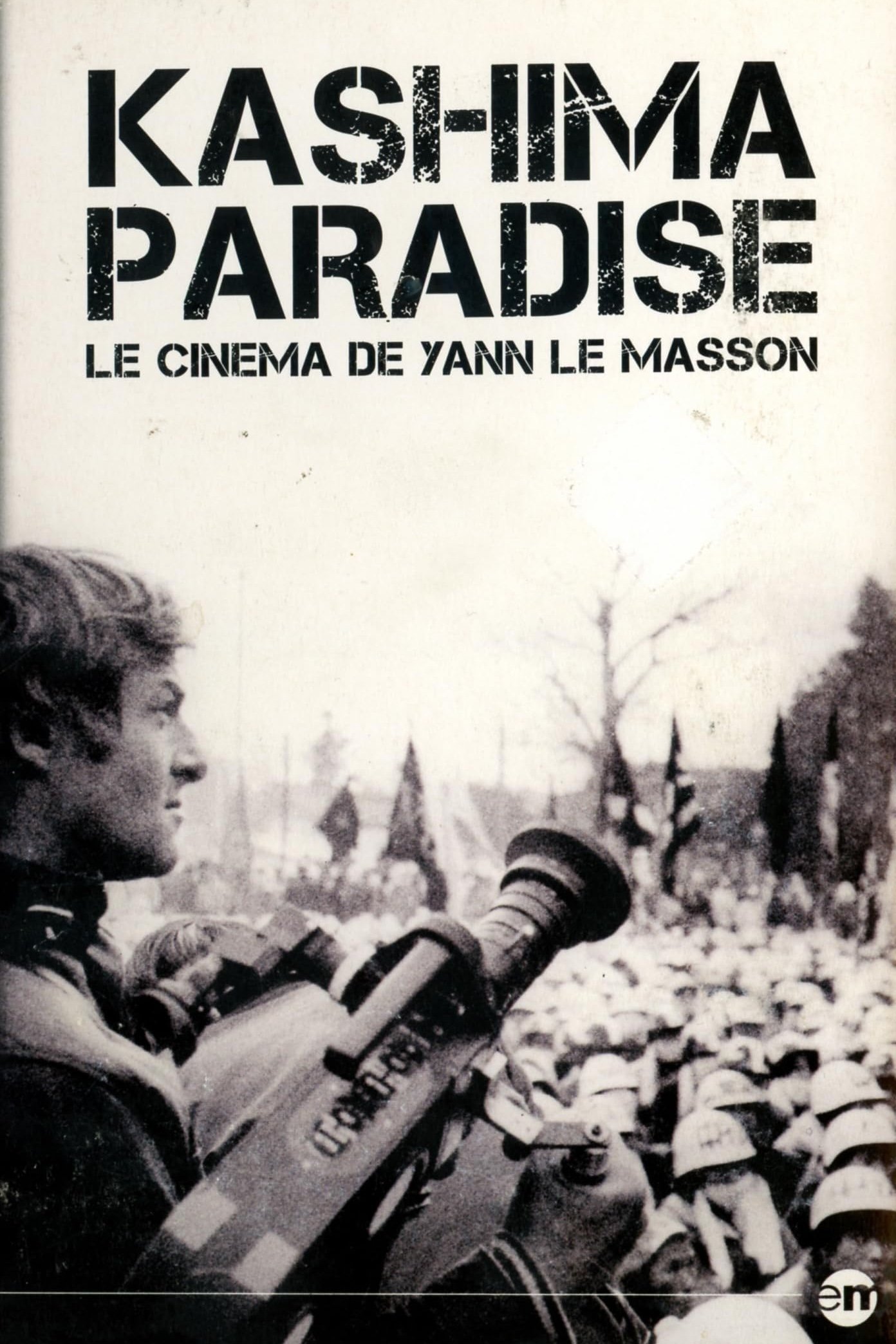
This 1973 French documentary explores the conflict between modern values and material comforts in Japan and the more traditional obligations (giri) and culture which are still the real backbone of the society. Among the topics touched on are the Osaka Expo, battles against pollution, and Japanese leftist movements.

Laura, a French programmer, inherits the task of creating a game about the World War II Battle of Okinawa. Her research and interviews with Japanese experts and witnesses prompt her to reflect on life, humanity, and the lasting influence of history and memories.
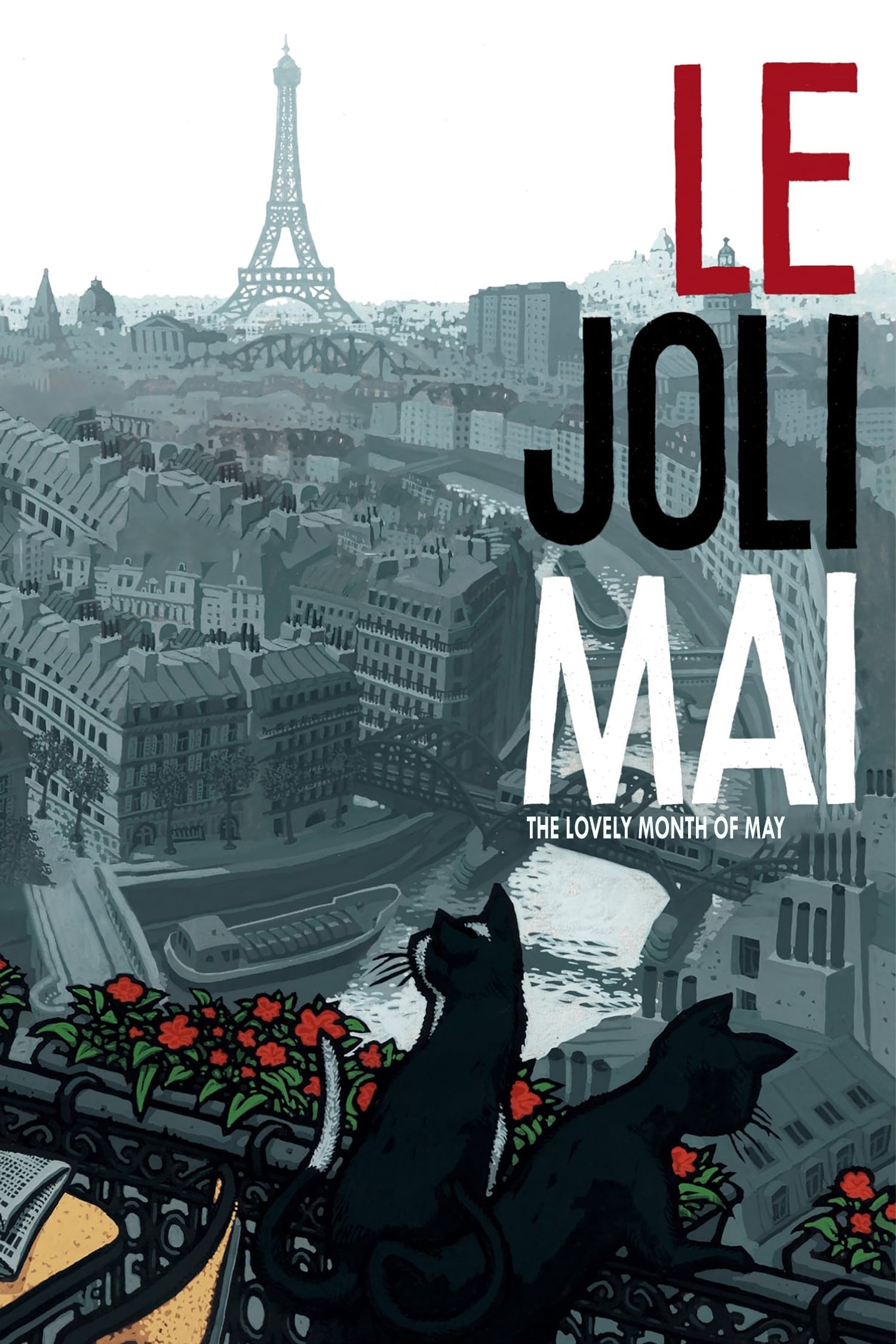
Candid interviews of ordinary people on the meaning of happiness, an often amorphous and inarticulable notion that evokes more basic and fundamentally egalitarian ideals of self-betterment, prosperity, tolerance, economic opportunity, and freedom.
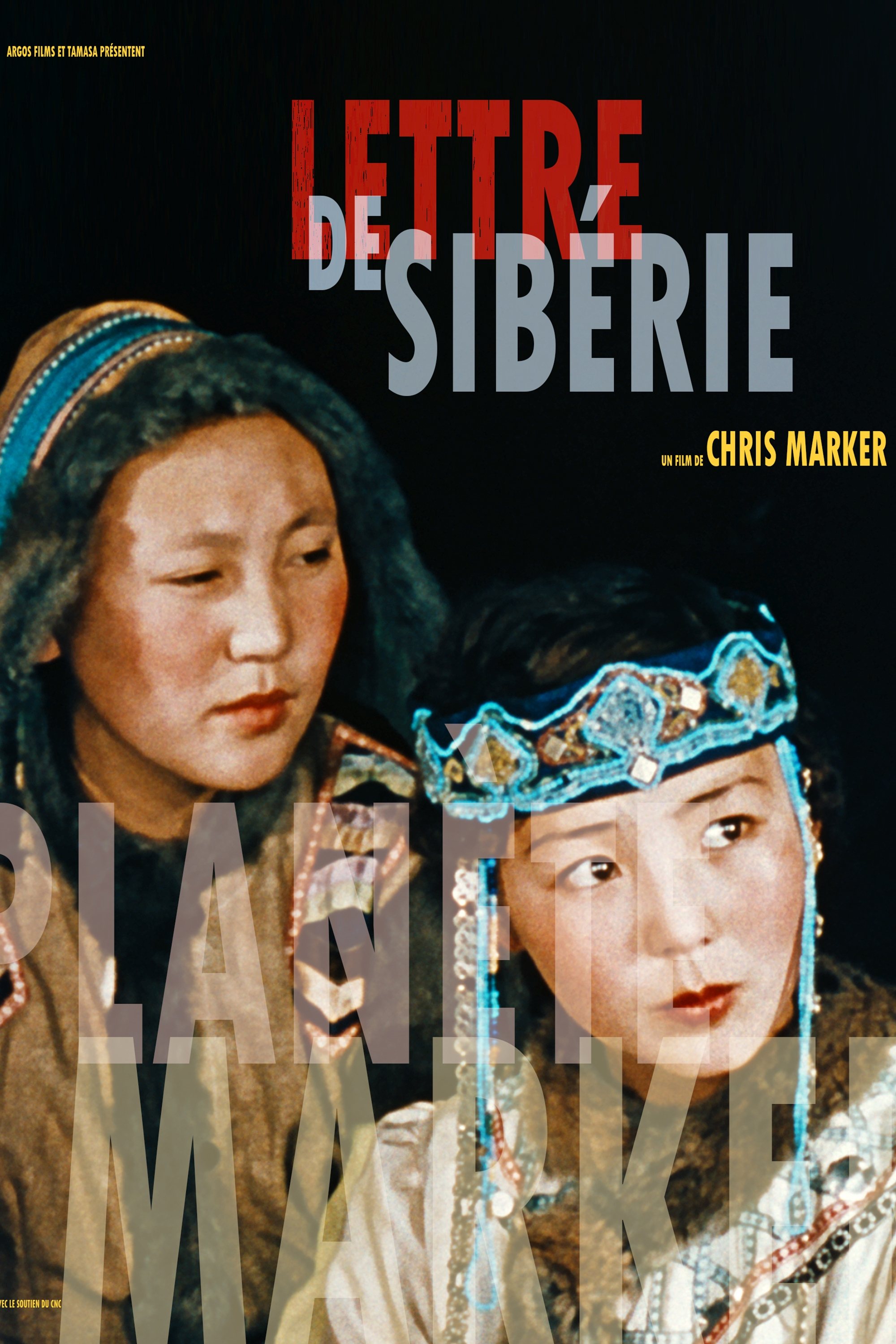
A faceless traveller takes a journey through the barren reaches of a Siberia caught between tradition and modernity, imparting his philosophical musings on its people and places, wildlife and culture.
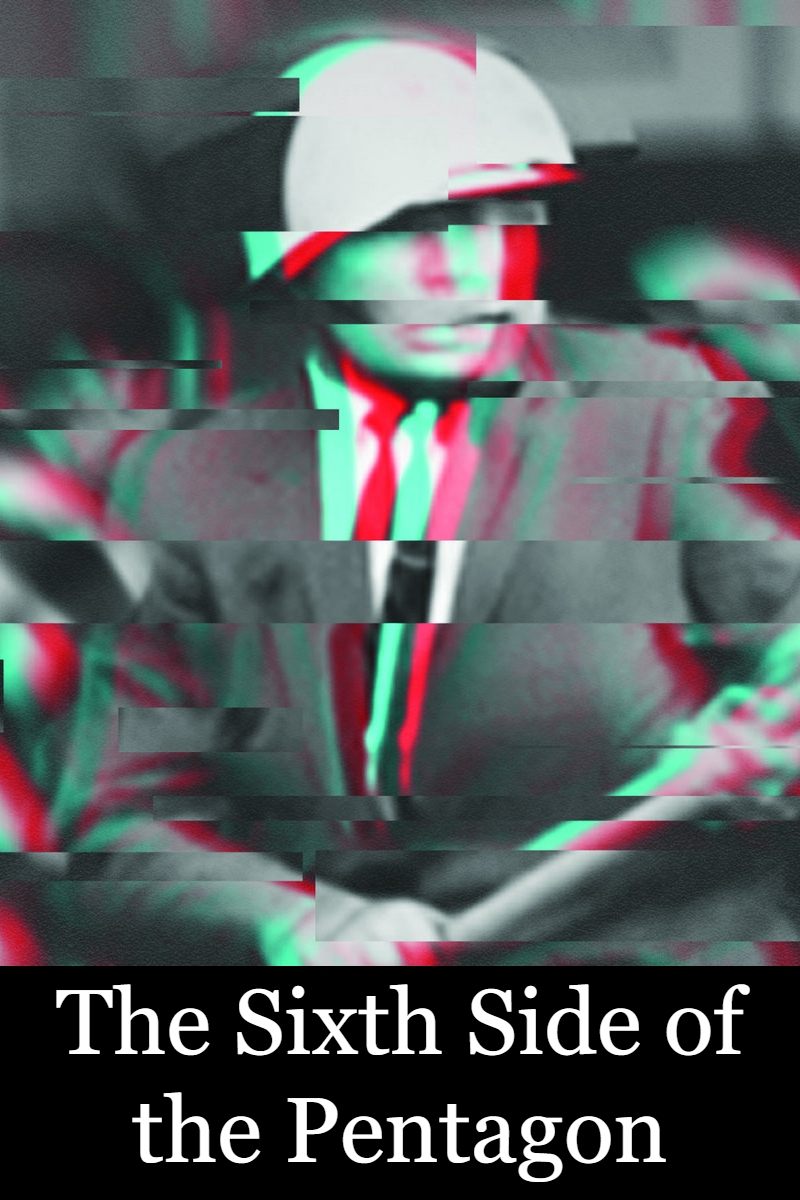
Chris Marker and François Reichenbach document the massive anti–Vietnam War protest held in Washington, D.C., on October 21, 1967, where more than 100,000 demonstrators gathered at the Lincoln Memorial before marching on the Pentagon. Filmed amid the crowd, the short captures the tension, idealism, and growing radicalism of the American peace movement.
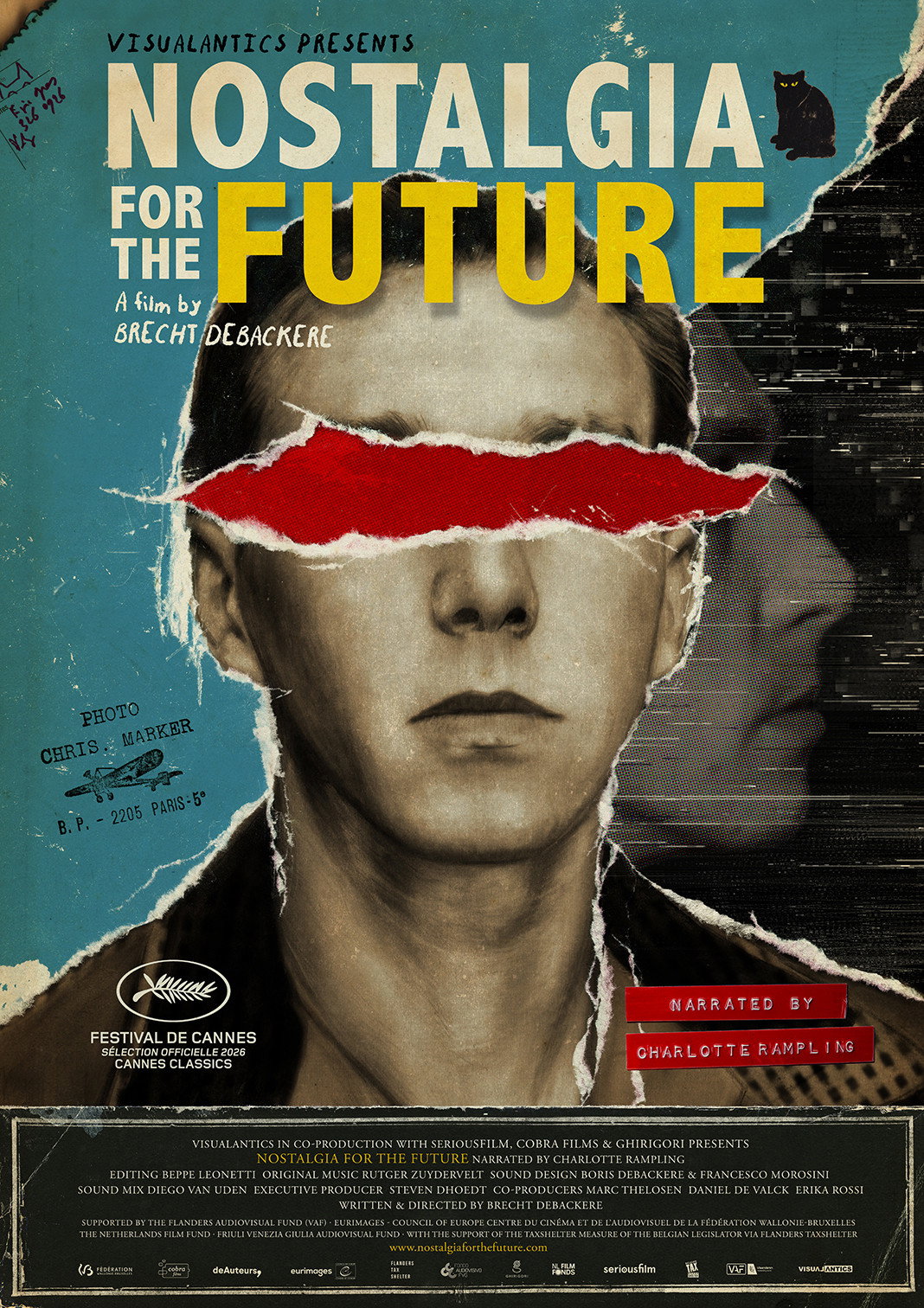
Guided by the evocative narration of Charlotte Rampling, Nostalgia for the Future is a descent into the labyrinthine world of Chris Marker, the “best-known author of unknown films,” who spent a lifetime concealing himself behind a veil of pseudonyms and images of cats. Moving through a constellation of personal documents and film fragments, an archivist attempts to decode the man through the material traces he left behind. By repurposing and recontextualizing Marker’s own body of work, the film treats his images as “time machines,” transforming the archive into a landscape of living memory. Nostalgia for the Future is a meditation on memory, identity, and the power our past images hold over the futures we imagine.