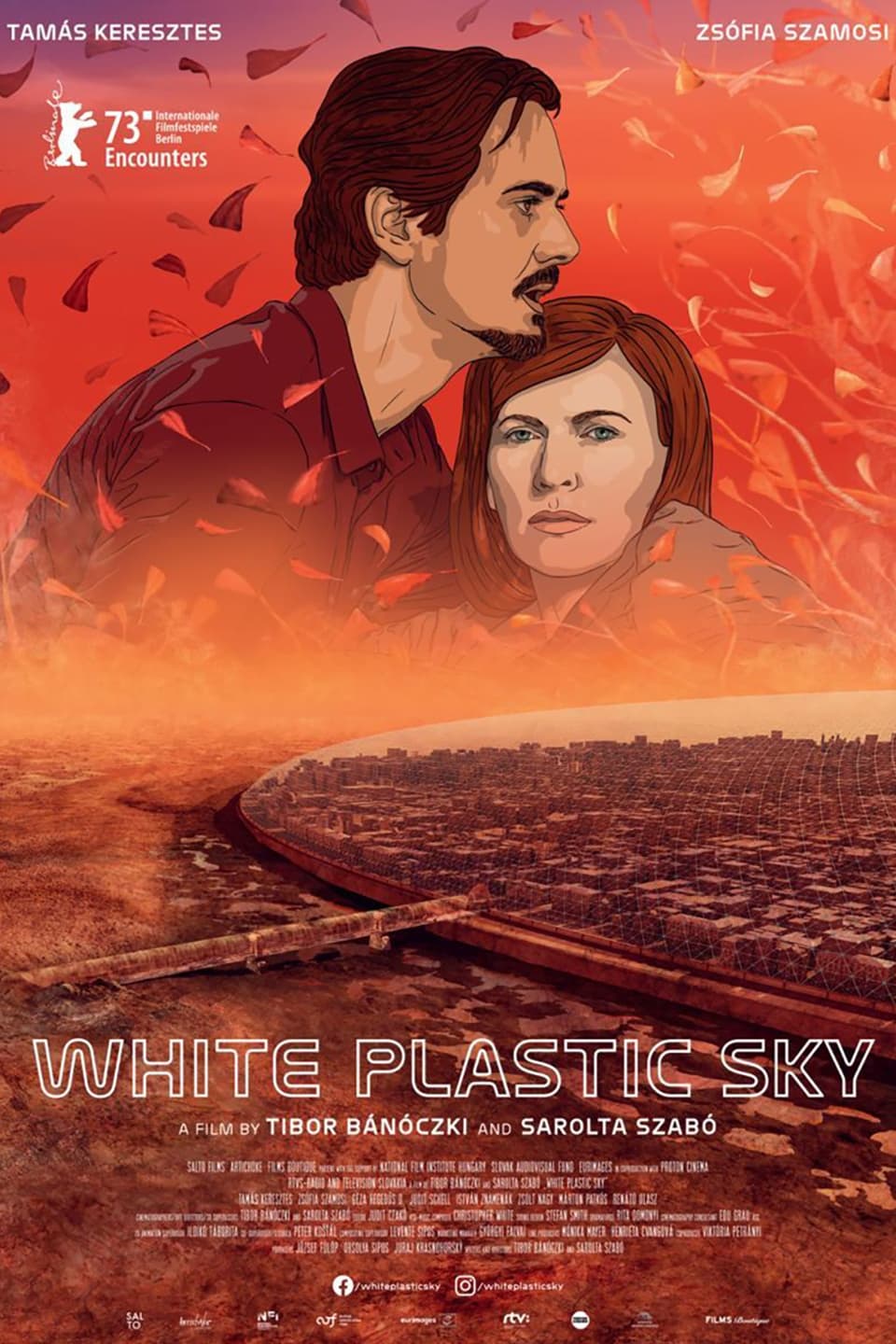
2123. Faced with diminishing resources, the human race can only survive through a trade-off: at the age of 50, every citizen is gradually turned into a tree. When Stefan discovers that his beloved wife Nora has voluntarily signed up for donating her own body before her time, he sets out on an adventurous journey to save her at all costs.
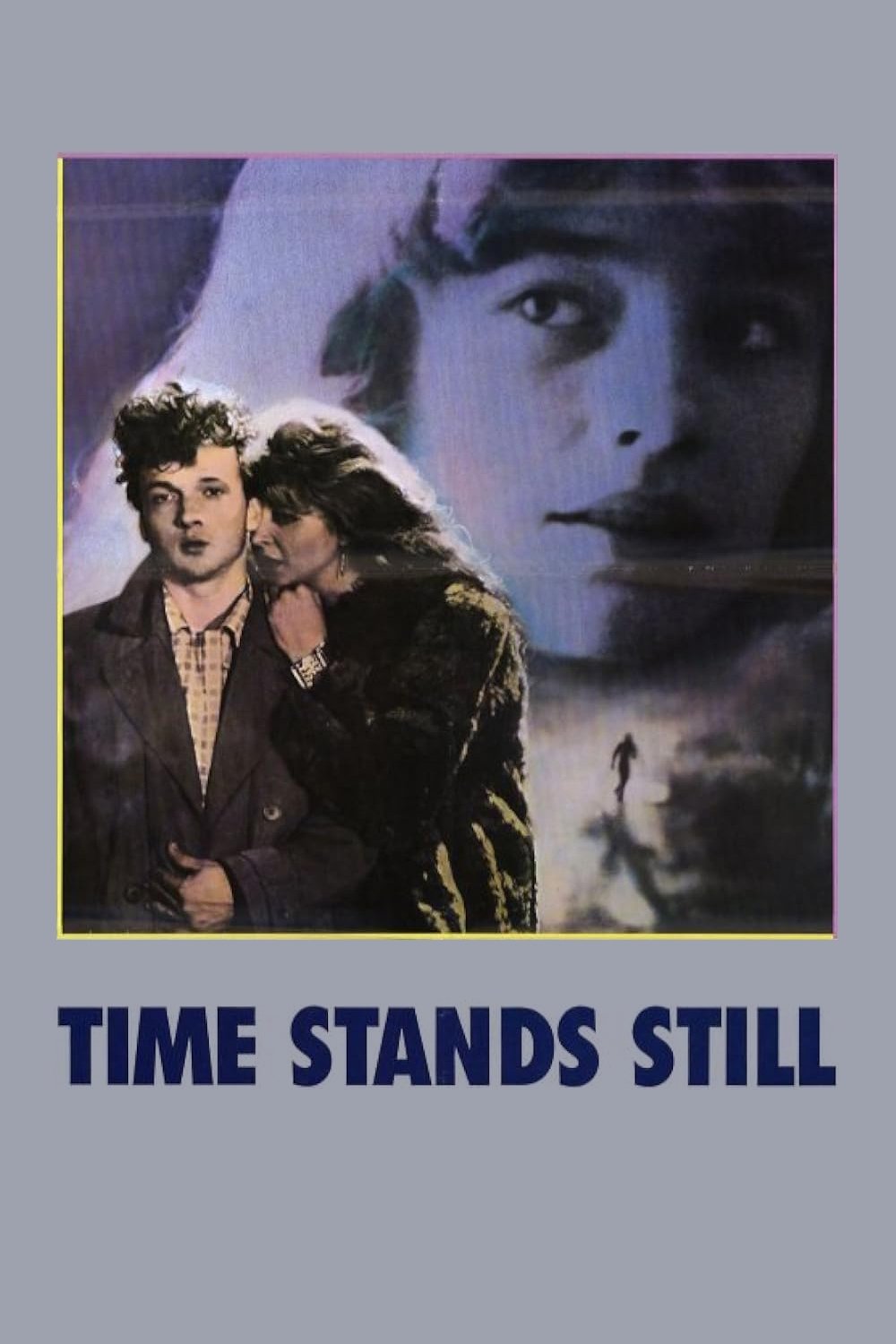
A Budapest high school in the beginning of the 1960s. Dini suffers the torments of adolescence. His father had to leave Hungary after the uprise in 1956, and since then Dini's mother has had to take care of her two sons on her own. A friend of Dini’s father, Bodor, is released from prison and moves in with them. Dini and his brother are far from happy about this intrusion on their family life.

It’s summer in Budapest, high school student Abel is struggling to focus on his final exams, whilst coming to the realisation that he is hopelessly in love with his best friend Janka. The studious Janka has her own unrequited love with married history teacher Jakab—who had a previous confrontation with Abel’s conservative father. The tensions of a polarised society come unexpectedly to the surface when Abel’s history graduation exam turns into a national scandal.
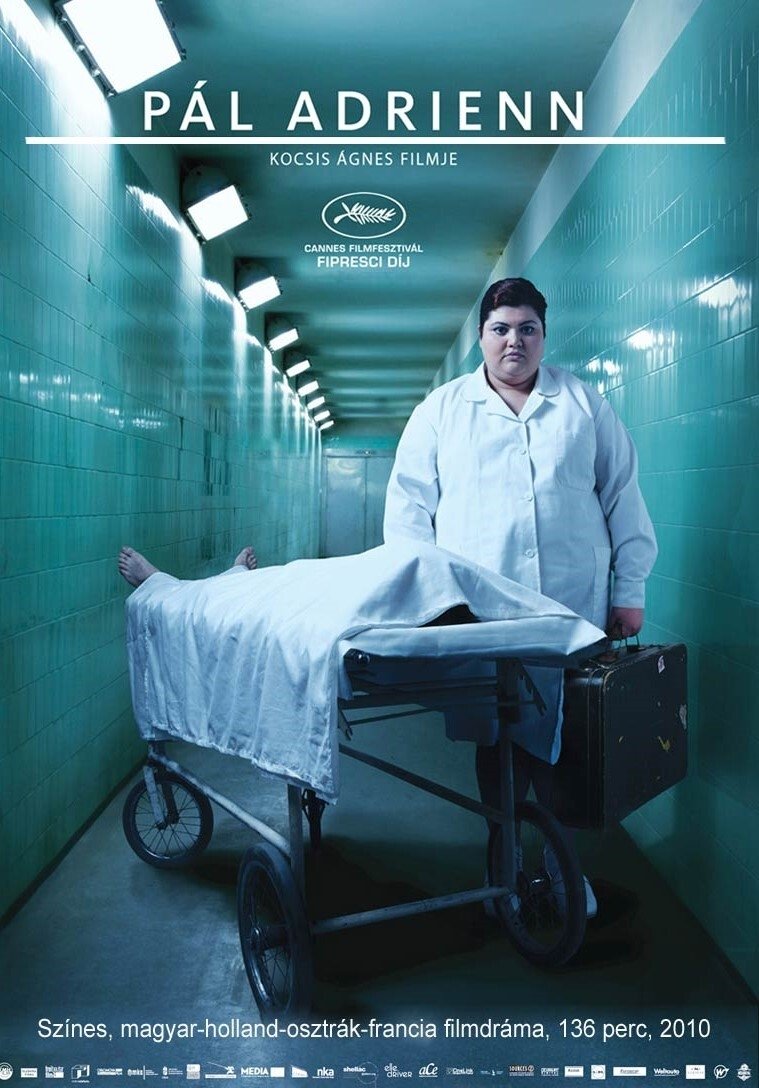
Piroska is an overweight, alienated nurse who can’t resist cream-filled pastries. She works in the terminal ward of a hospital; her life is surrounded by death. One day she sets off to find her long-lost childhood friend. While tracing her recollections, she embarks on a paradox-filled voyage within her own memory and the memory of those she encounters.
Love makes a bad relationship between father and son all the more rancorous in this drama from Hungarian director Viktor Oszkar Nagy. A convict (Janos Derzsi) returns home after a long stretch in prison to a less than enthusiastic welcome; his son (Tamas Ravasz), now in his late teens, was left to fend for himself and tend the family farm on his own after his dad went away, and the youngster blames his father for his mother's untimely death. The father wants to mend his relationship with his son, but the young man makes no secret of his contempt for his dad, and only grudgingly allows him back on the farm.

Set in 19th century Vienna, Ignac Semmelweis, a short-tempered but passionate doctor, delivers babies and carries out autopsies on a daily basis while looking for the cause of puerperal fever, the mysterious epidemic that decimates patients in the hospital.
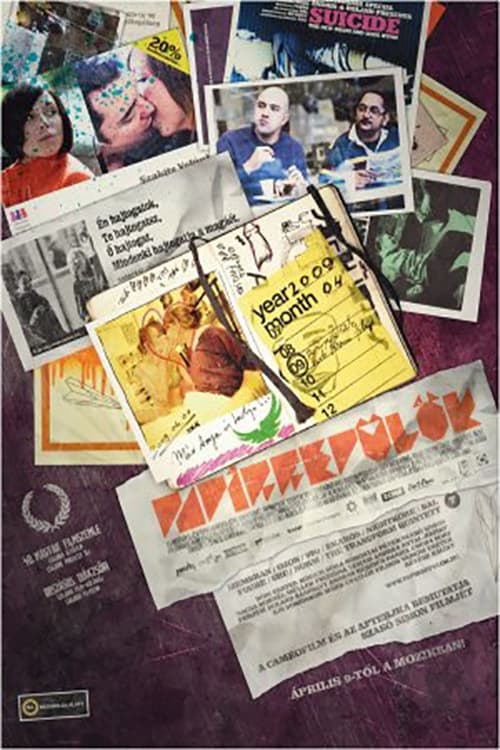
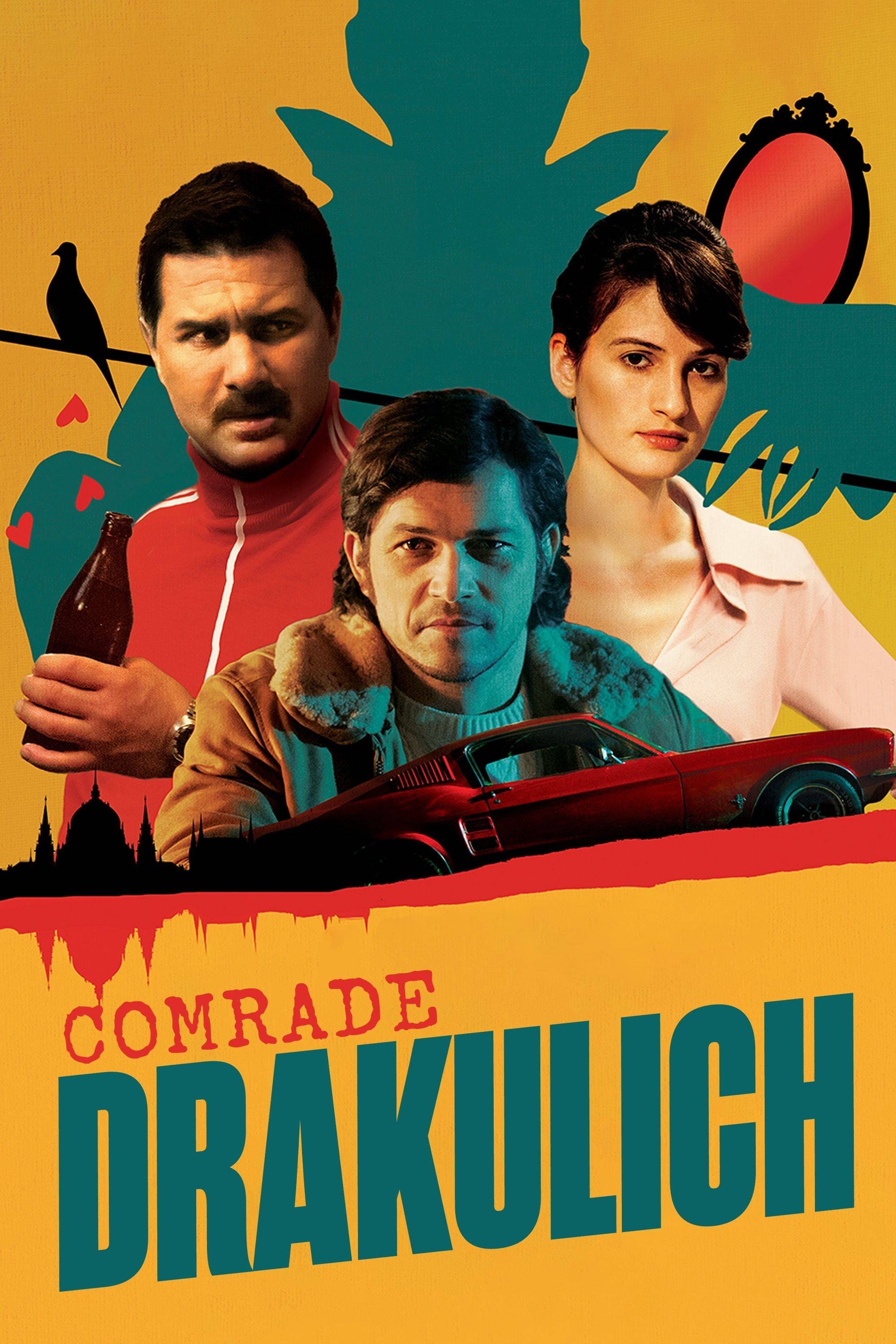
Vampires are among us! But no need to worry: the Hungarian Secret Police are after them, and beyond the usual spy gadgets, they even use garlic to repel the beasts.
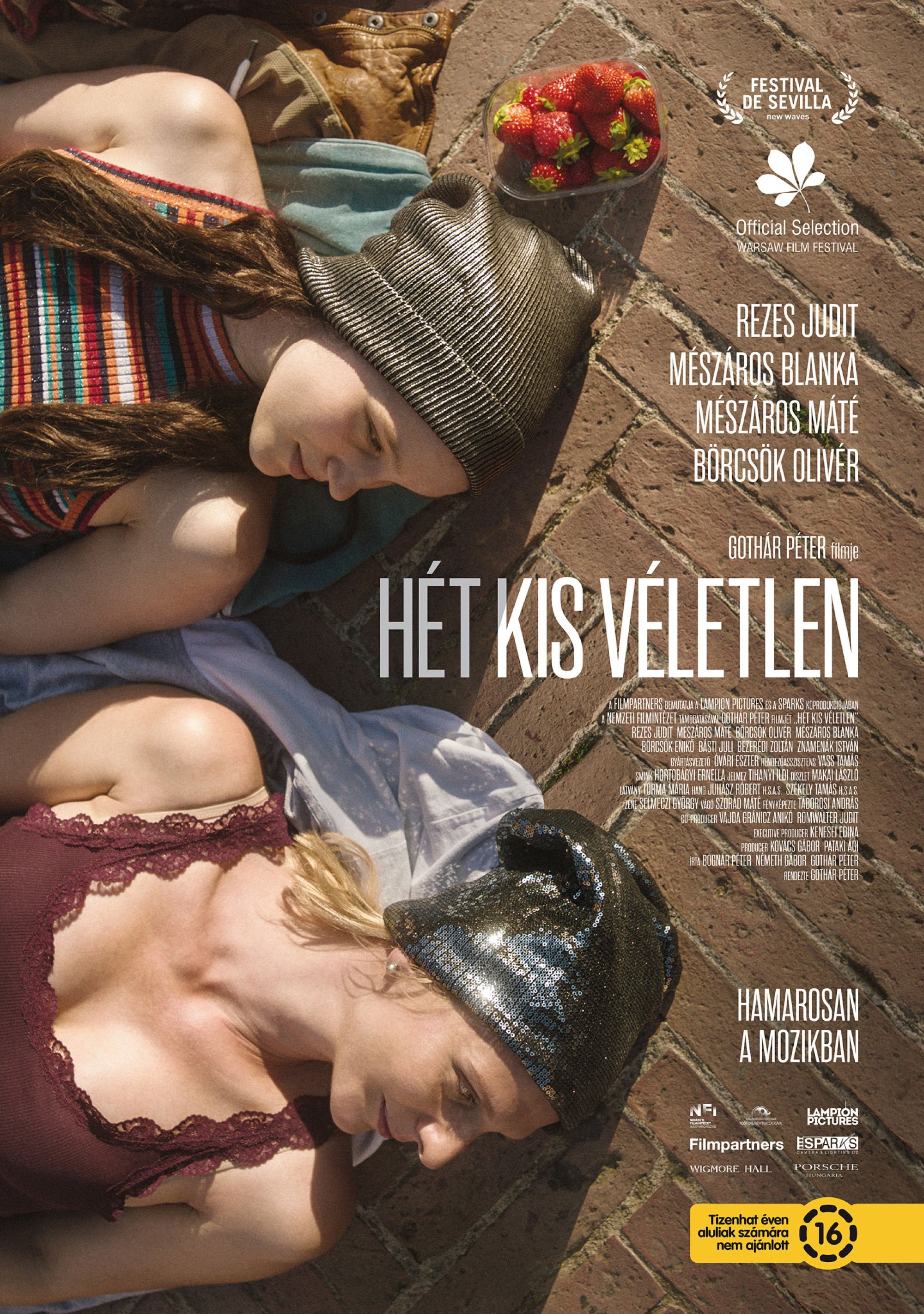
Gertrúd is a middle-aged music teacher. She lives with her art-restorer husband and their teenage son. She is weary of family life, and her relationship with her husband leaves much to be desired. Gertrúd’s settled world is turned upside down when a former student of hers, the beautiful Albán, suddenly shows up. Her presence prompts questions about the past, present, and future. Reality, memories and dreams intermingle dangerously, and the old family roles slowly begin to change. “I wanted this film to be like an enchanted box full of stories and surprises”, Péter Gothár explains. “Its drawers are meant to open in a mysterious rhythm, offering joy and food for thought. First, there was the music of Bartók, which then became the film's main organizing element. It formed around the music – this whole family story full of love and irony”.
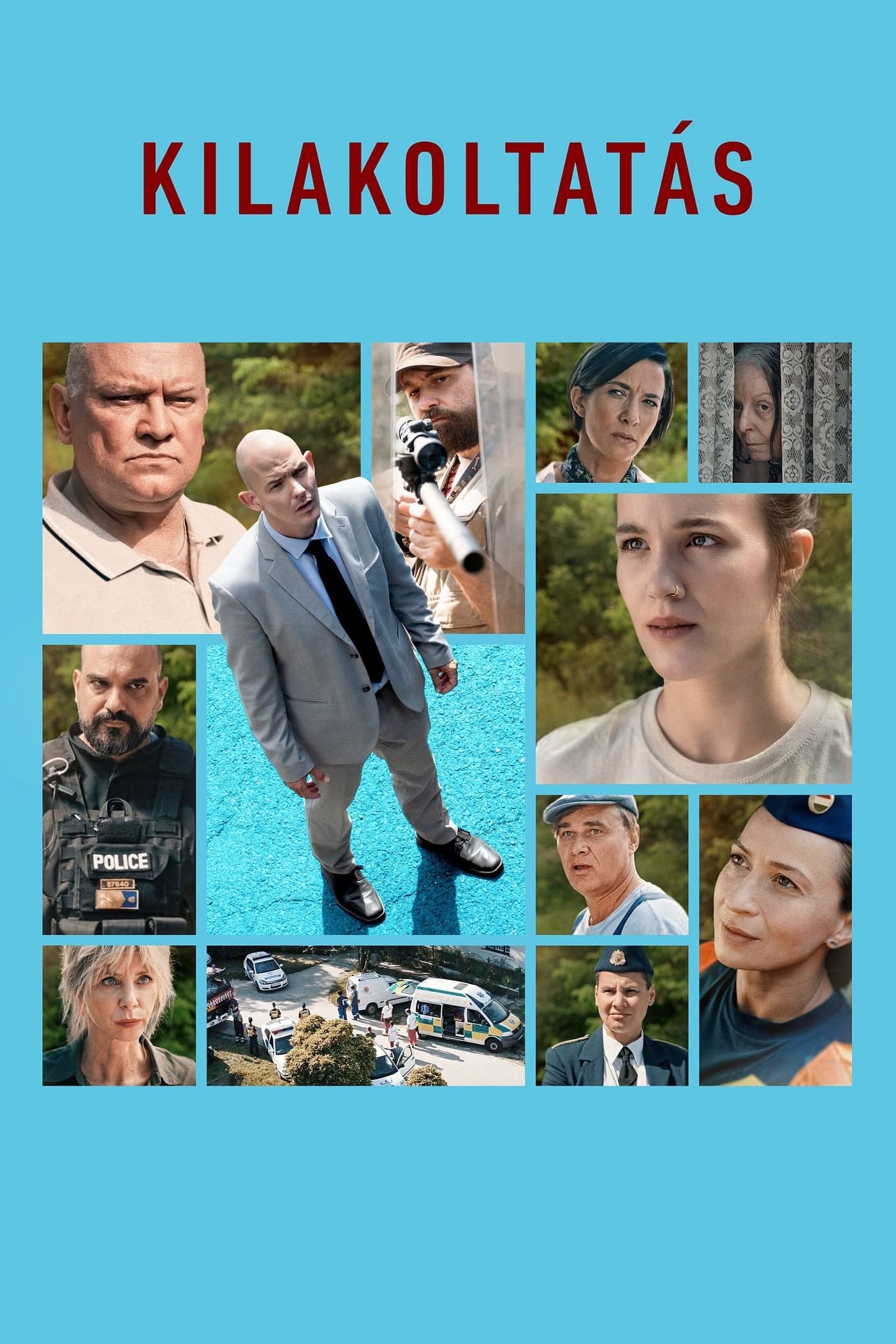
A young court bailiff's first eviction case turns into a nightmare because of a desperate old lady who is willing to sacrifice everything to keep her home.

In a world where childbirth is state-regulated, a couple applies for a license to have a child. They pass the first round of the process, but have no idea what awaits them in the second round.

A single mother’s adventure by the seaside leads her to recognise her unnecessary martyrdom for her disabled teenage daughter.
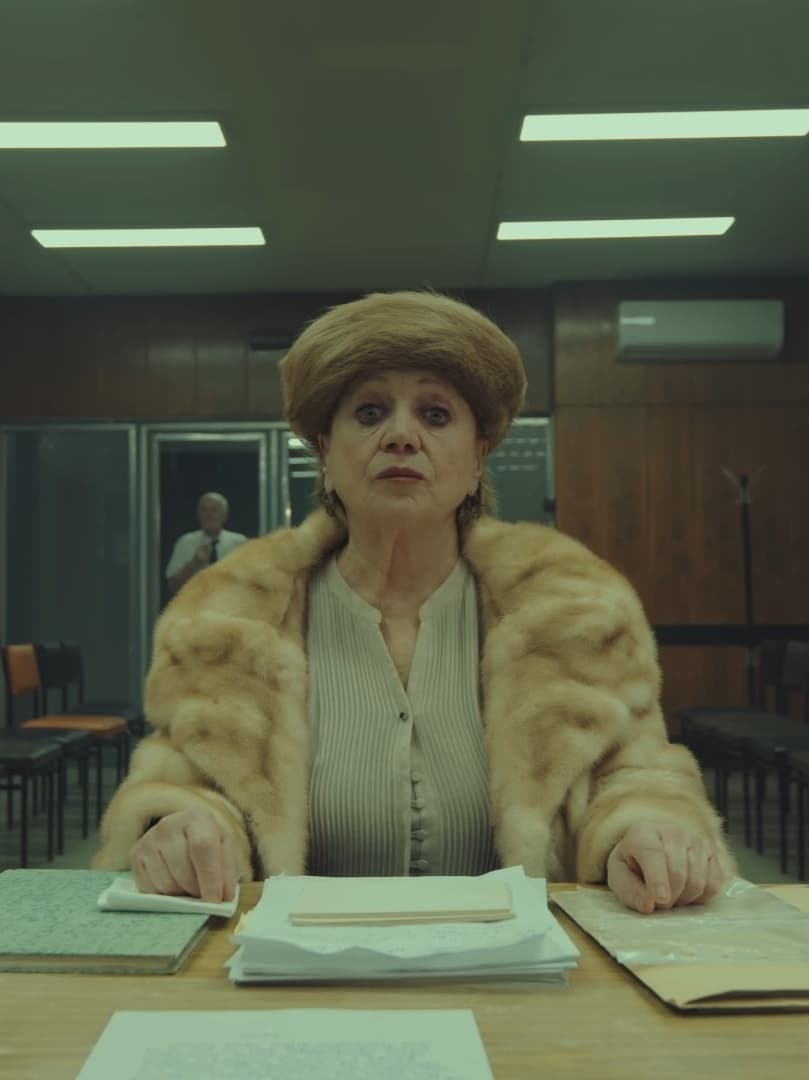
Surreal story about an old lady, who request a permit from the bureau to sneeze. Sneezing is prohibited.
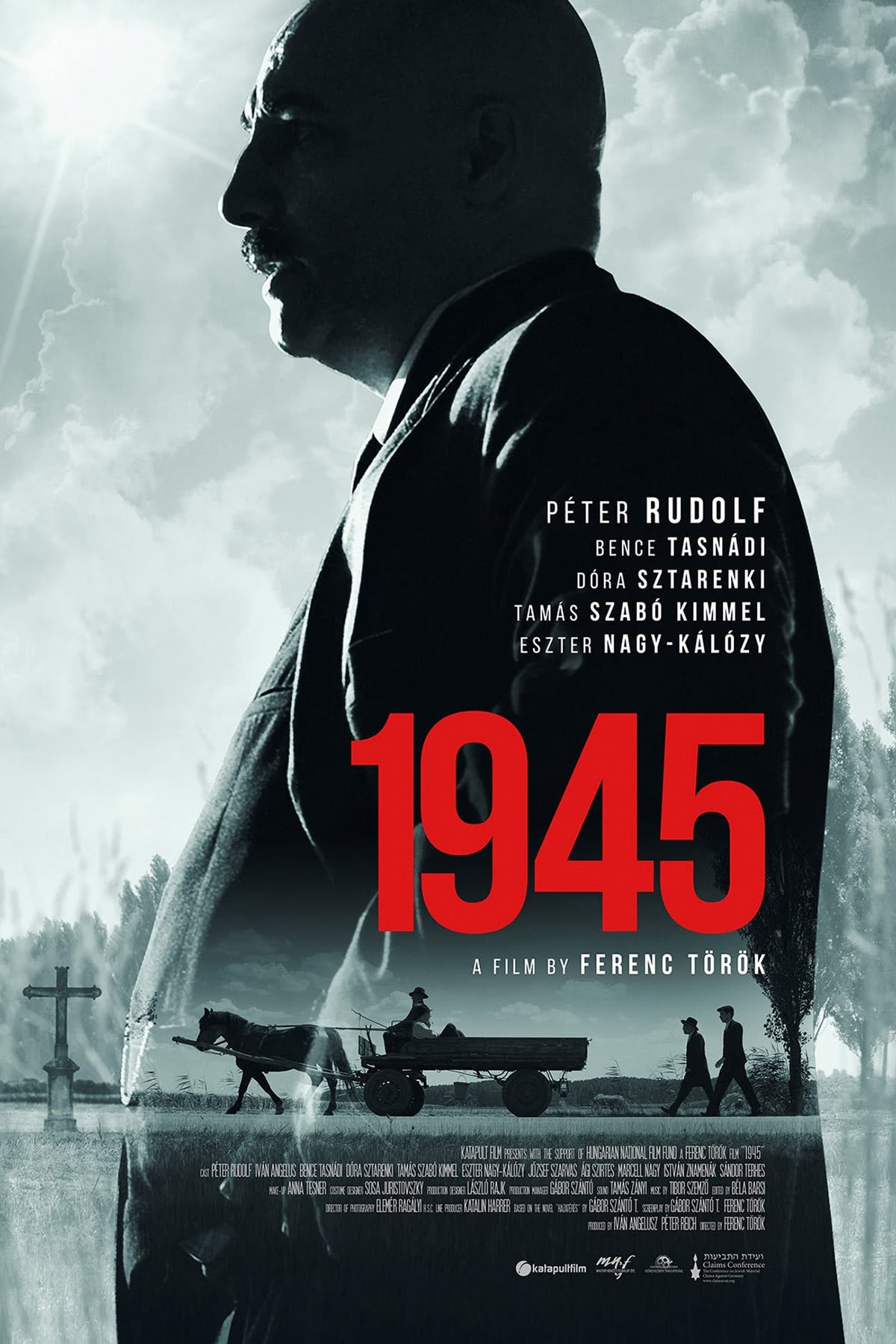
An unsettling feeling overwhelms a small Hungarian town when two orthodox Jews arrive with a mysterious trunk. As residents begin to speculate on the purpose of the visit of these two strangers, order starts to crumble in town with some pursuing devious plans and others finding remorse in their hearts.
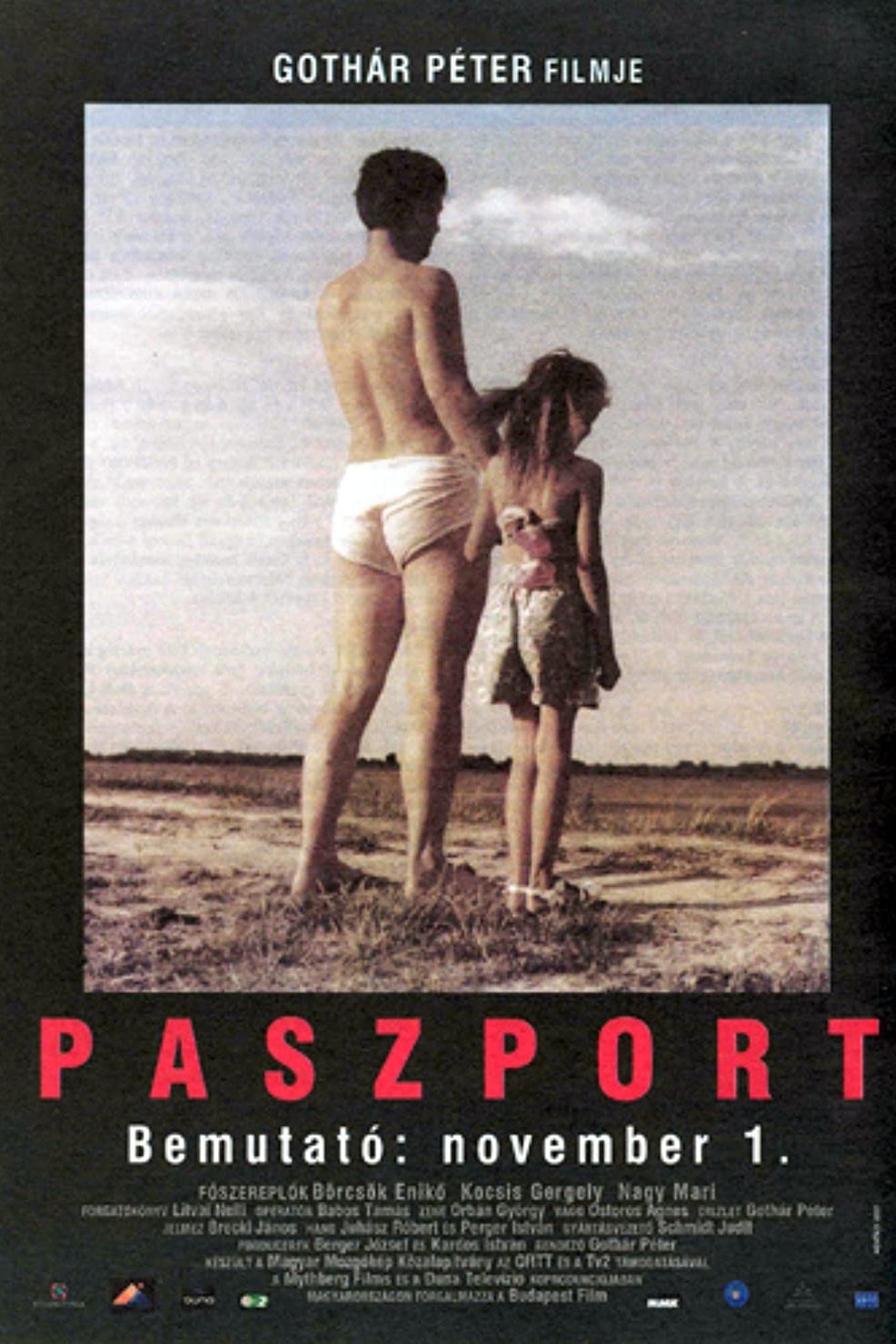
The slow decay of a marriage sets the stage for this drama, which is leavened with understated humor. In 1988, Jozsi (Gergely Kocsis) is a Hungarian laborer who decides to marry Elizaveta (Eniko Borcsok), a woman of Hungarian descent living in the Ukraine. 1996 finds Joszi and Elizaveta the parents of a young girl, but otherwise their marriage is a shambles; Jozsi has become an alcoholic and Elizaveta has decided she needs to strike out on her own for the sake of her child. Shot on digital video as a project for Hungarian television, Paszport was directed by Peter Gothar, who previously made the international success Megall Az Ido.
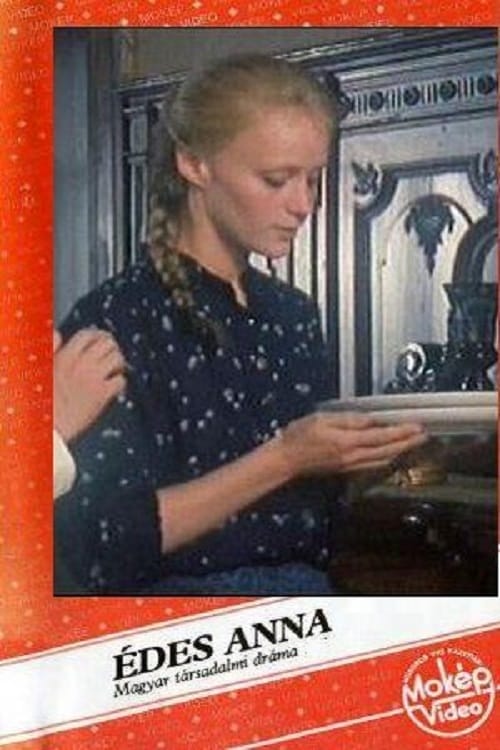
Sweet Anna is sent as a maid to the Vizys immediately after the fall of the revolution in 1919. Since the death of her daughter, Mrs. Vizyné has devoted all her emotions and energy to the "education" of the servants. Anna is sometimes pampered, sometimes humiliated. Her nephew Jancsika seduces the young girl, who wastes all her repressed love on him. Jancsika leaves him, and when Anna wants to leave the Vizys, Vizyné, in a fit of hysteria, blackmails her and holds her back. The morning after a house party, Anna murders her hosts.
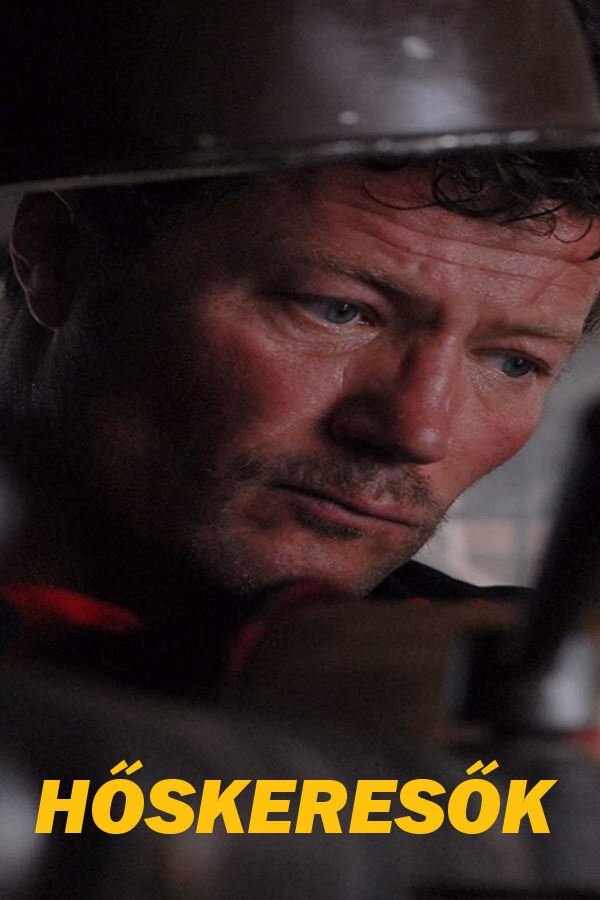
1990. The regime change reached the small village of Borsod. The people are unemployed and get drunk in the pub day after day. Csornai, the former potentate, wants to be mayor, so he lobbies. Polyak, a sullen, philandering lathe operator in his mid-forties, lives with his mother. He has stolen his father's lathe, which he himself has worked on for decades since his beloved father's death, from the factory that was shut down. An American tourist arrives in the village with a metal detector and begins investigating the border. It turns out that his father's plane crashed nearby at the end of the war, and he wants to find it. The pub is immediately in an uproar and the investigation begins. They find the grave of the Americans, but not everyone is there. Csornai wants to make a big deal of it, so he starts investigating. But the story takes an interesting turn, and suddenly the American's cherished...
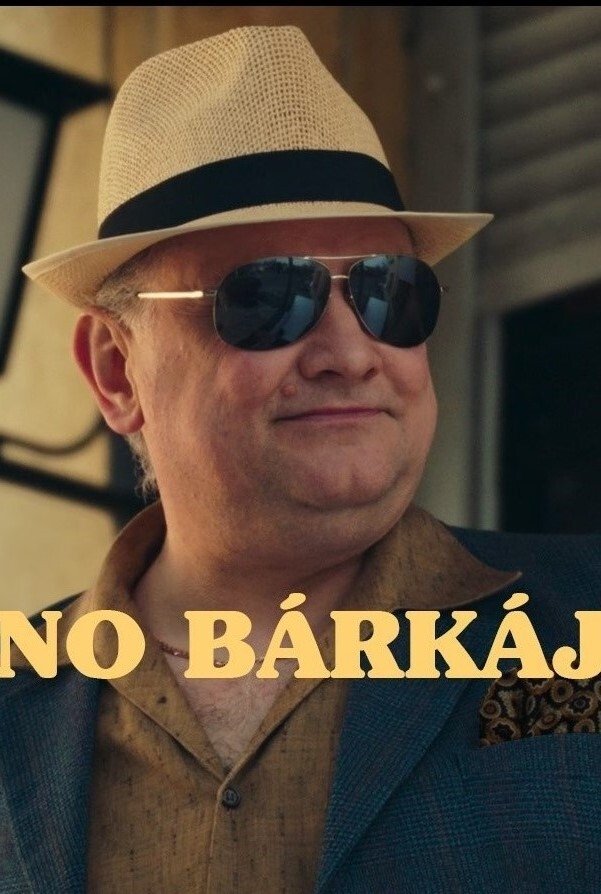
The story focuses on people who suffer from different kinds of disabilities, but they also live whole lifes, they are people who just want to lead a normal life, to work and to prevail.

Budapest, 1944. Three sisters are hiding in the apartment of a well-known doctor during the Holocaust. Their days are filled with paranoia, and it turns out that evil might come from unexpected places.

The heart-wrenching story of The Citizen begins with a citizenship exam, where the examination committee rigorously questions a middle-aged African man. No matter how beautifully he recites Hungarian poetry, Wilson, a political refugee in his late fifties, fails the exams for the umpteenth time, because he doesn’t know where the periodical ‘Magyar Közlöny’ got its name from, and what the Corvinae are. Moreover, inspired by Vörösmarty’s poem, the committee chairman even questions his reasons for leaving his mother country. Wilson argues that his reasons include his fellow citizens cutting pregnant women in half, yet he doesn’t manage to soften the heart of the committee members.

Rita, an ordinary, but lonely woman is kidnapped. Her captors are the Árpáds; they claim she is not called Rita but Szilvi, a runaway from their family. Rita eventually understands that the only way out is in - to escape she must impersonate Szilvi. The more she becomes the lost girl the more she finds out about the family - and understands that her life is on the line.
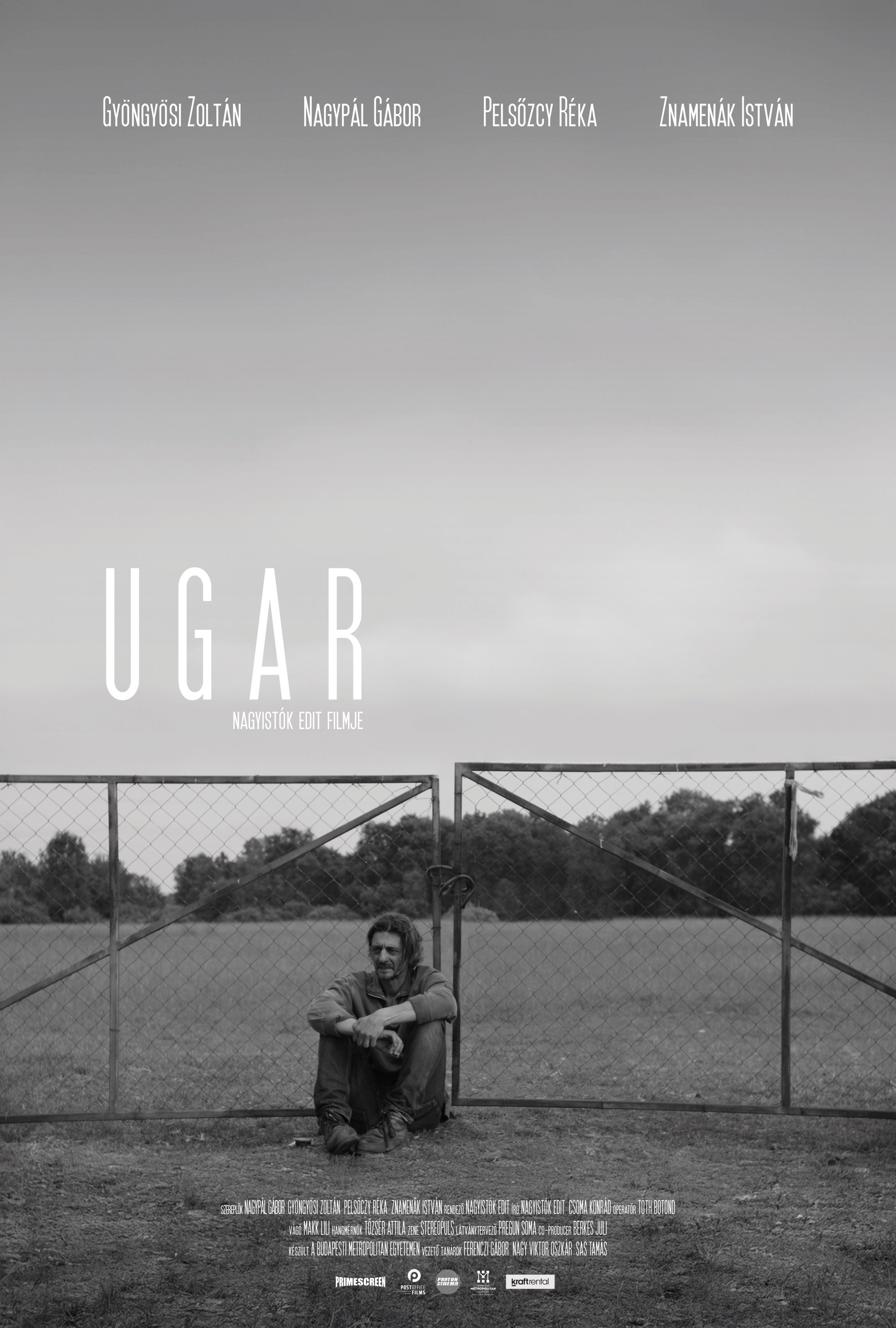
After the death of his brother, modern-day slave Gábor (50) along with another slave Veronika tries to find his deceased brother’s papers to properly bury him outside the farm. Their captors would want to keep this all quiet and hinder Gábor from doing so.