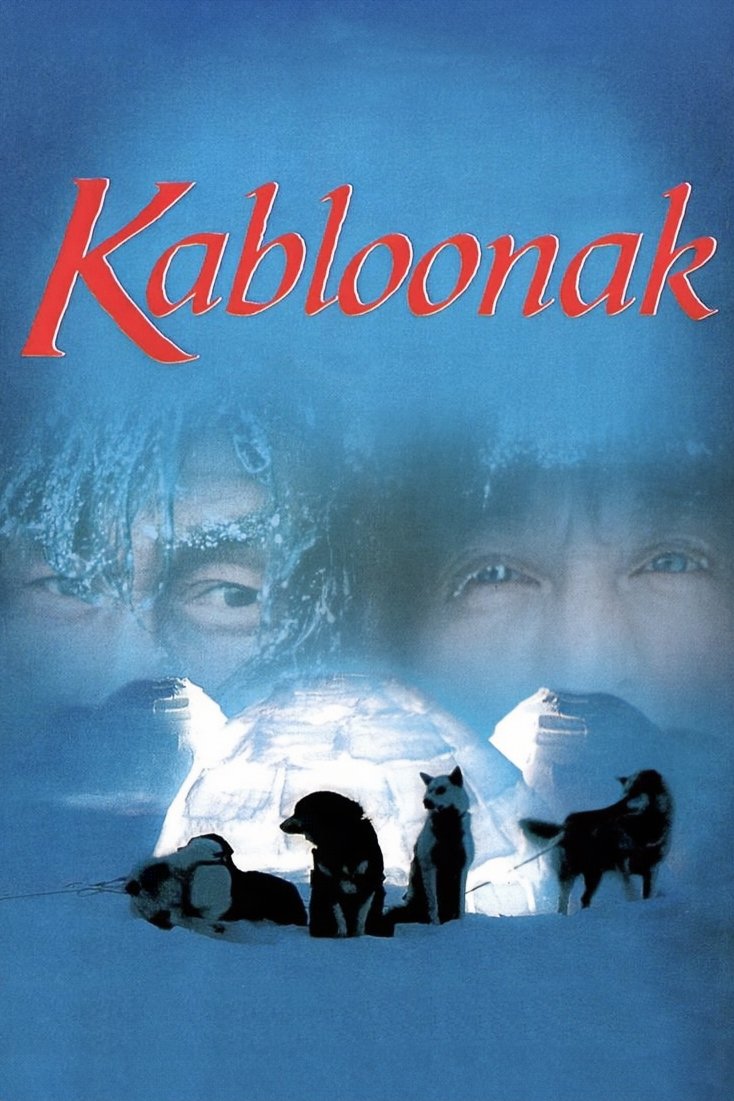
In 1922 the first documentary in the genre sense came on the big screen, "Nanook of the North" (1922). Kabloonak is the story of the making of this movie for which the story was partially staged by his director 'Robert Flaherty'.
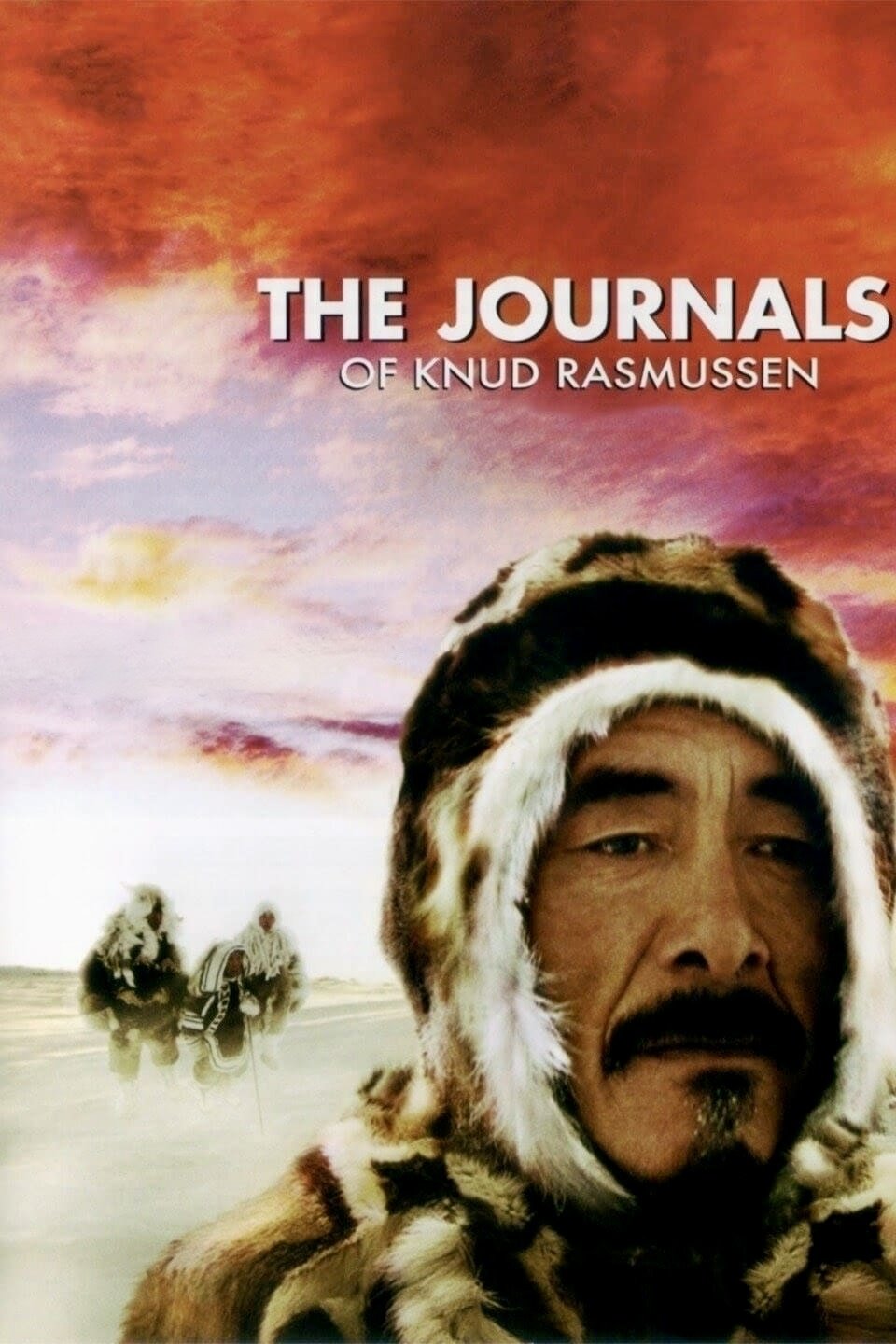
Based on the journal of Knud Rasmussen's "Great Sled Journey" of 1922 across arctic Canada. The film is shot from the perspective of the Inuit, showing their traditional beliefs and lifestyle. It tells the story of the last great Inuit shaman and his beautiful and headstrong daughter; the shaman must decide whether to accept the Christian religion that is converting the Inuit across Greenland.
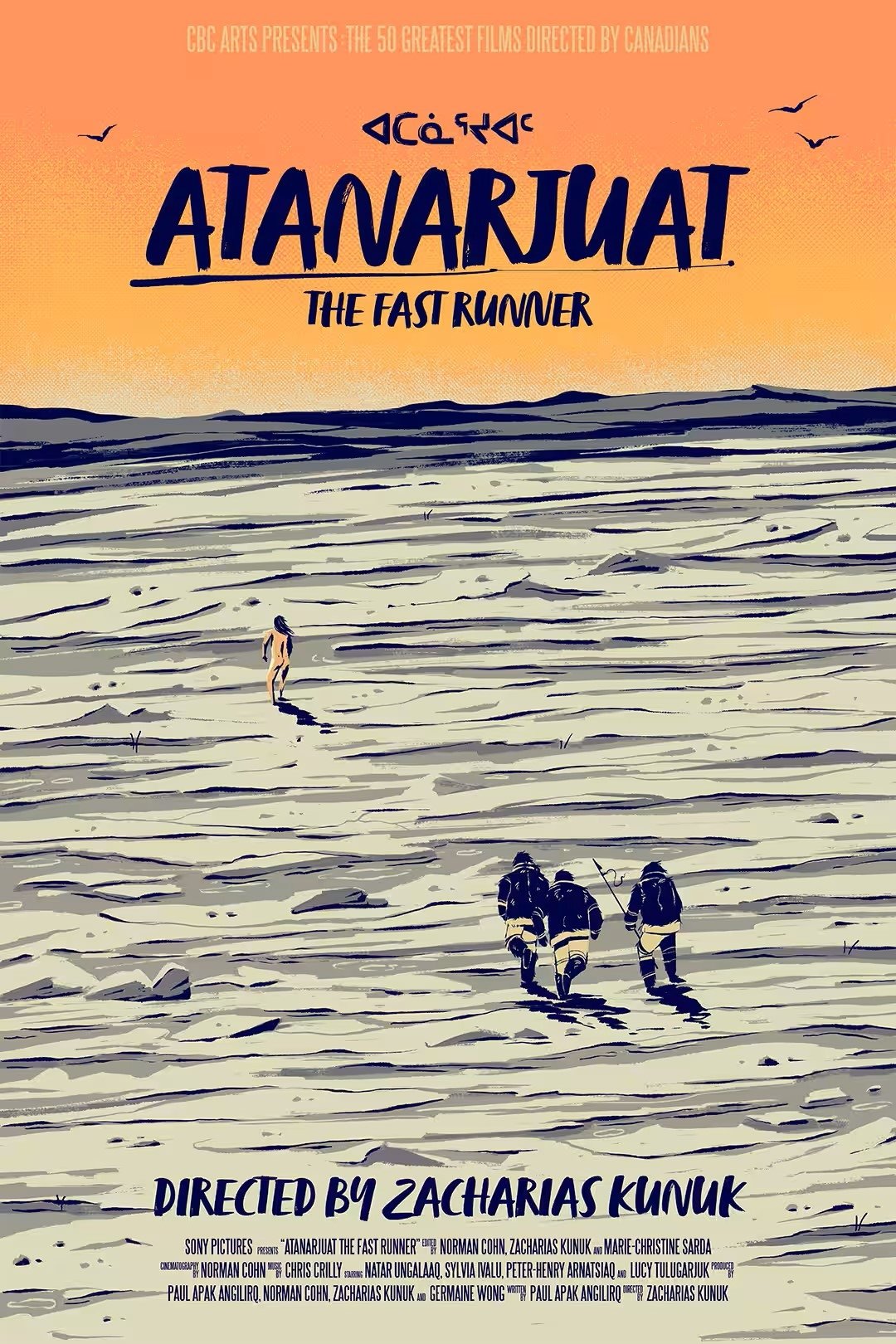
Based on a local legend and set in an unknown era, it deals with universal themes of love, possessiveness, family, jealousy and power. Beautifully shot, and acted by Inuit people, it portrays a time when people fought duels by taking turns to punch each other until one was unconscious, made love on the way to the caribou hunt, ate walrus meat and lit their igloos with seal-oil lamps.
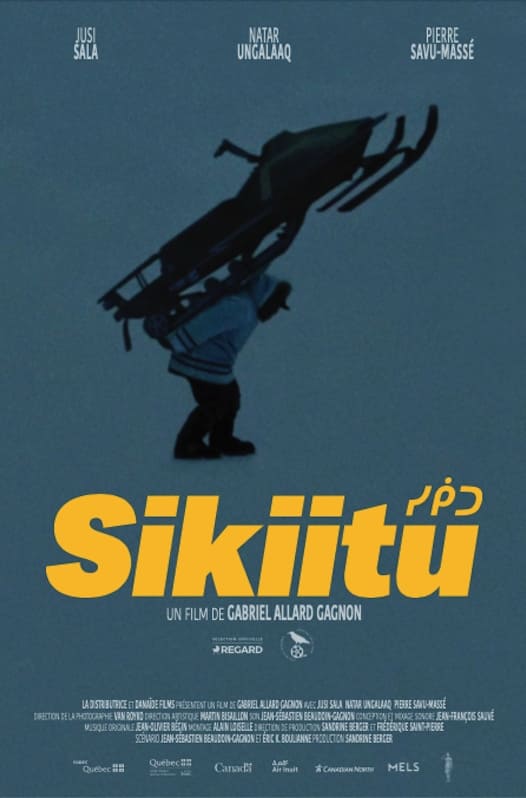
Ali, a teenage Inuit hip hop fan, lives in Ivujivik, a small Arctic village where nothing interests him. All of his problems seem to materialize in his father's old snowmobile, constantly breaking down. His only way out ? The famous Rich E. Murdoch, Ali’s favorite rapper.
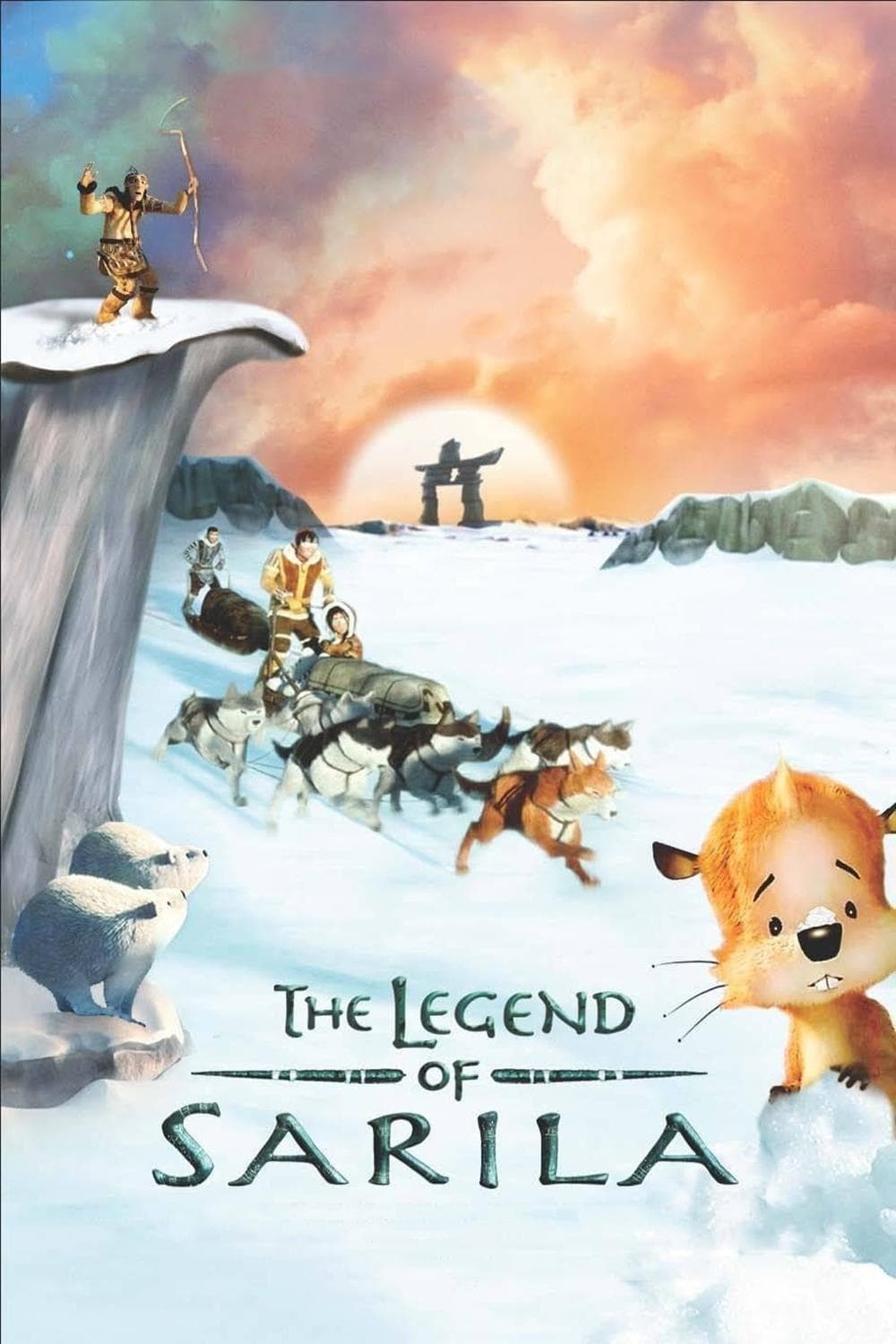
Three young Inuits set off in search of a promised land to save their clan from starvation.

In a remote Arctic community, a group of Inuit girls fight off an alien invasion, all while trying to make it to the coolest party in town.
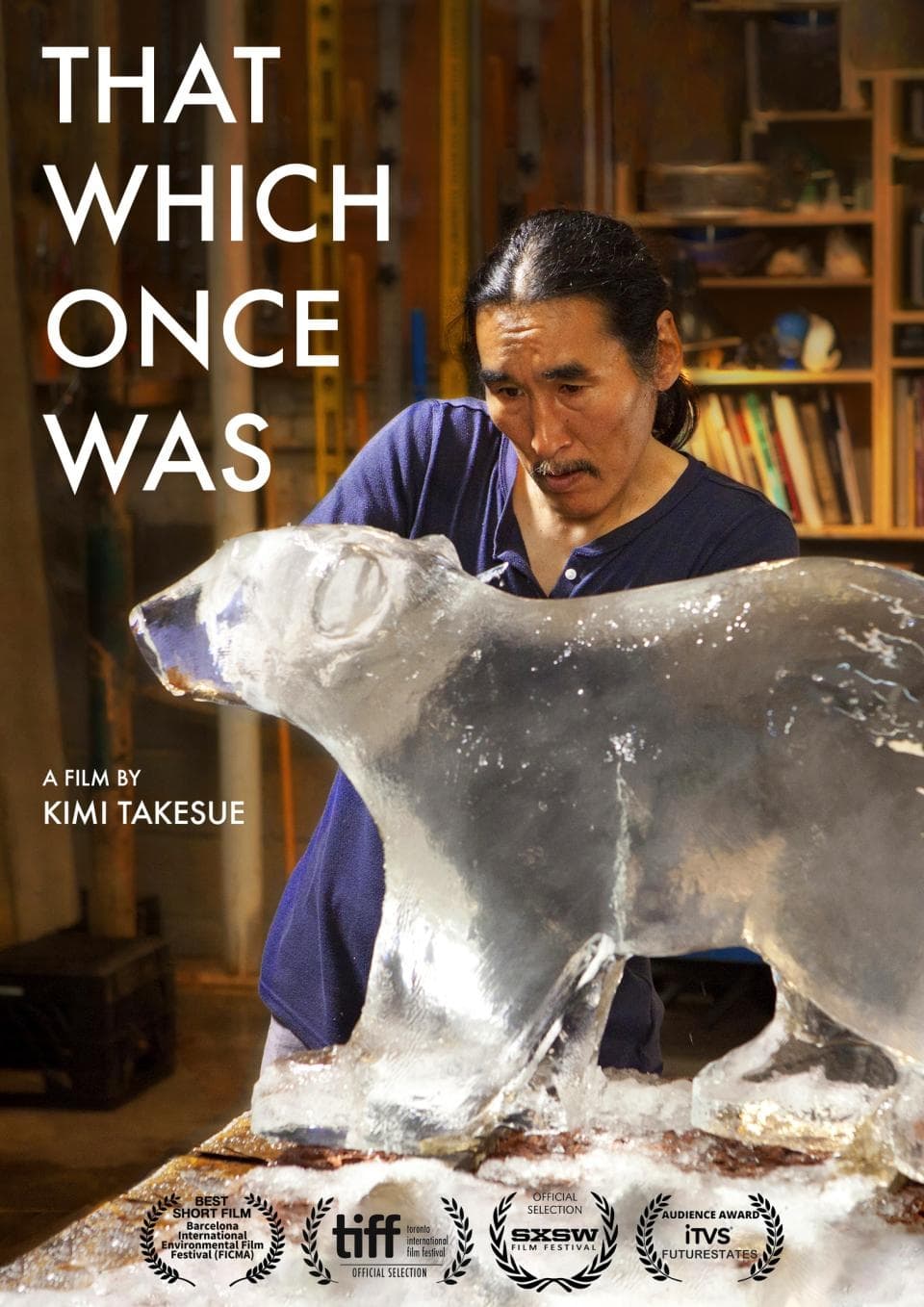
In 2032 an eight-year old boy, displaced by global warming, fends for himself as an environmental refugee in a hostile northern metropolis. Haunted by memories of flooding that left him homeless and orphaned, the boy forms an unexpected friendship with an Inuk ice carver who helps him confront his past.
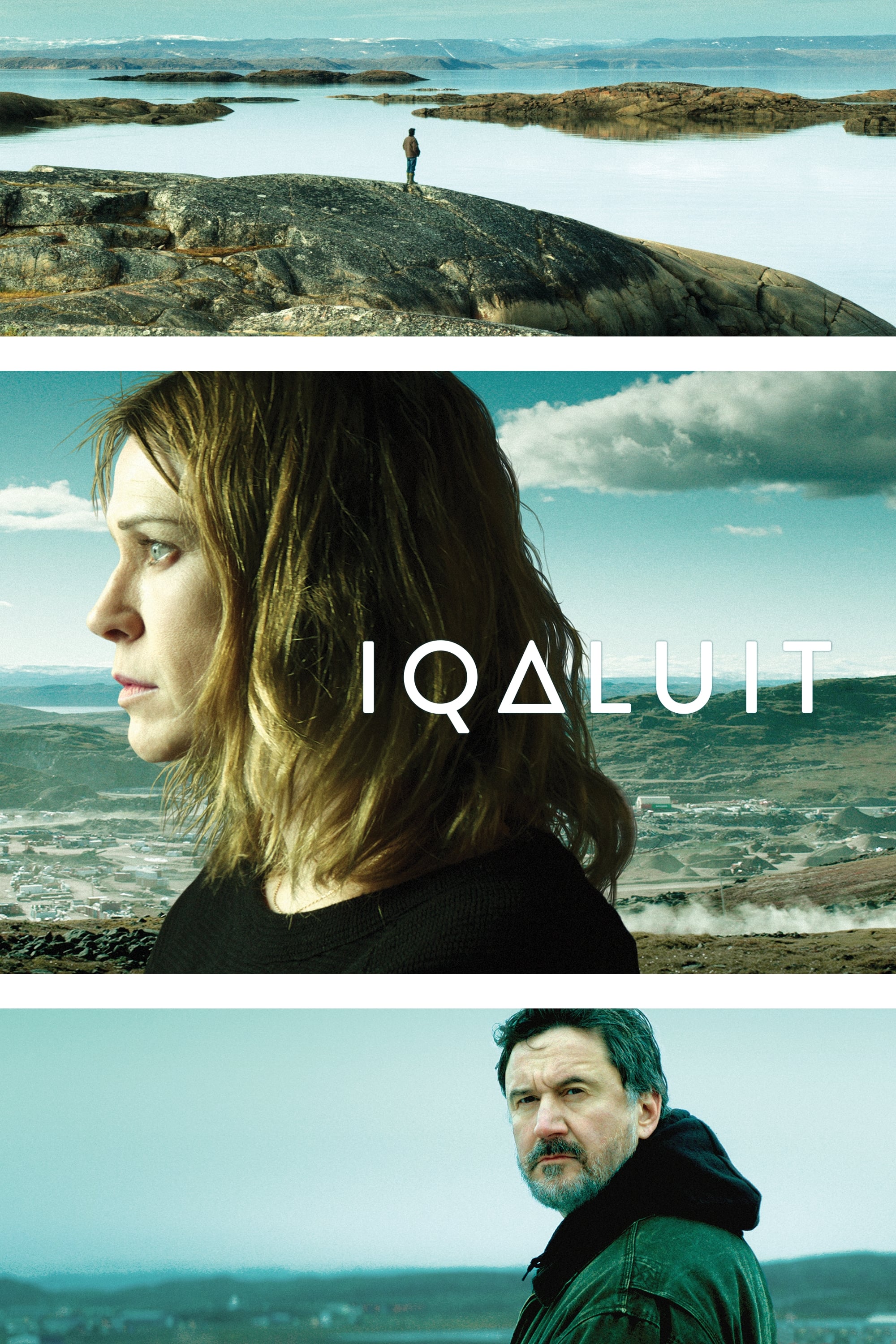
Travelling to the Arctic for the first time, Carmen arrives in Iqaluit to tend to her husband, Gilles, a construction worker who has been seriously injured. Trying to get to the bottom of what happened, she strikes up a friendship with Noah, Gilles' Inuk friend, and realizes they share a similar story. Together, Carmen and Noah head out on the Frobisher Bay - she, looking for answers to her questions; he, trying to stop his son from committing what can't be undone.

Maïna is the daughter of the Innu leader Mishtenapuu, who attends a bloody confrontation between his clan and the clan of "Men of the Land of Ice." Following this confrontation, Maïna chooses a mission that will change her life. To fulfill the promise that she has made to her friend Matsii on her deathbed, she embarked on the trail of their enemies to deliver Nipki, a 11 year old boy that the Inuit have captured. But she was also taken as prisoner by Natak, the leader of the Inuit group, and forcibly taken to the Land of Ice.
This compelling documentary explores Canadian film culture and tries to discover what defines Canadian film through interviews with notable filmmakers.

In 1952, an Inuit hunter named Tivii with tuberculosis leaves his northern home and family to go recuperate at a sanatorium in Quebec City. Uprooted, far from his loved ones, unable to speak French and faced with a completely alien world, he becomes despondent. When he refuses to eat and expresses a wish to die, his nurse, Carole, comes to the realization that Tivii's illness is not the most serious threat to his well-being. She arranges to have a young orphan, Kaki, transferred to the institution. The boy is also sick, but has experience with both worlds and speaks both languages. By sharing his culture with Kaki and opening it up to others, Tivii rediscovers his pride and energy. Ultimately he also rediscovers hope through a plan to adopt Kaki, bring him home and make him part of his family
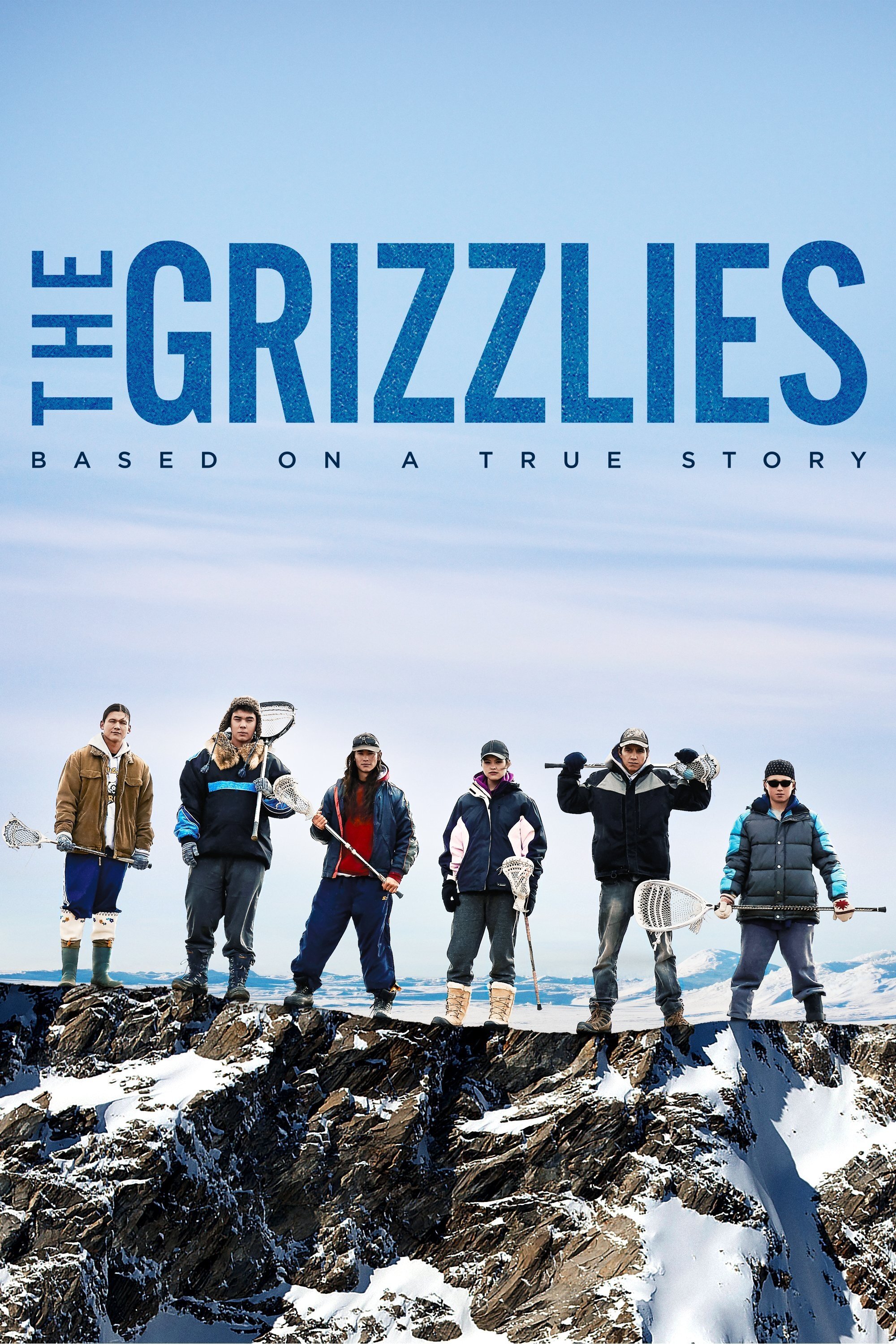
In a small Arctic town struggling with the highest suicide rate in North America, a group of Inuit students' lives are transformed when they are introduced to the sport of lacrosse.
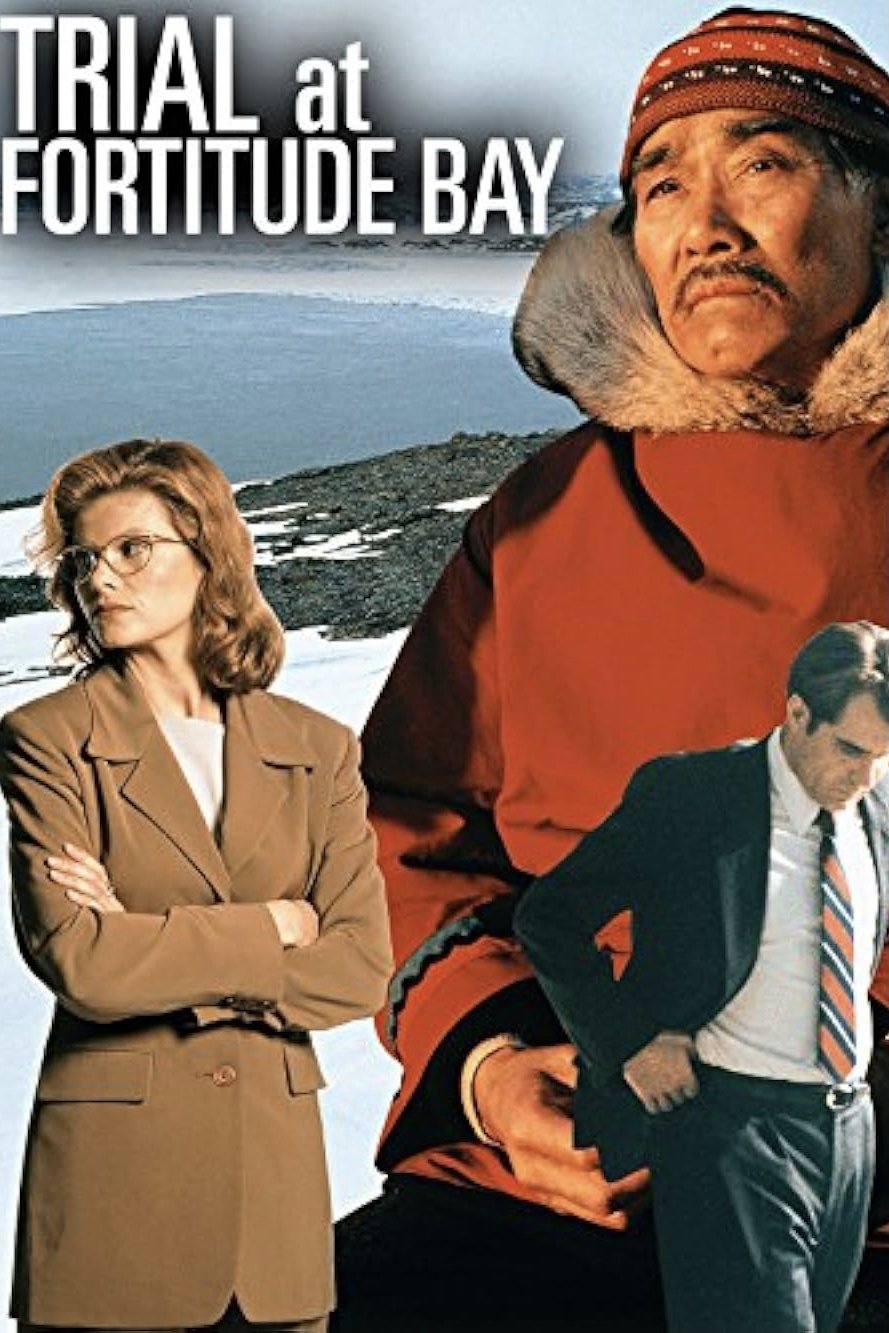
Defence attorney Gina Antonelli is sent to an Arctic village to defend 19 year-old Pauloosie, accused of committing a violent crime. Her rival, prosecutor Daniel Metz seeks the maximum sentence possible under Canadian law, but Gina comes to understand the reasons why the Inuits own justice system has worked for thousands of years. Pauloosie is caught between two rivaling justice systems, and his acceptance of guilt according to the Inuit system, will lead to imprisonment according to the Canadian system.
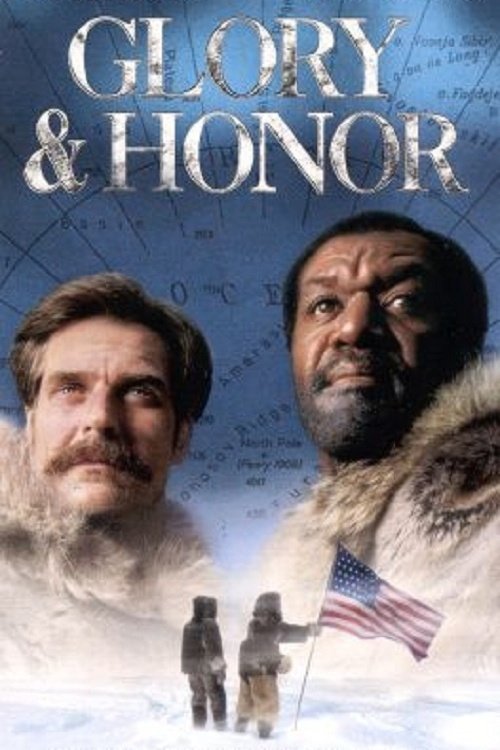
The true story about Robert Peary's forgotten African American employee Mathew Henson who proved crucial in their race to North Pole.