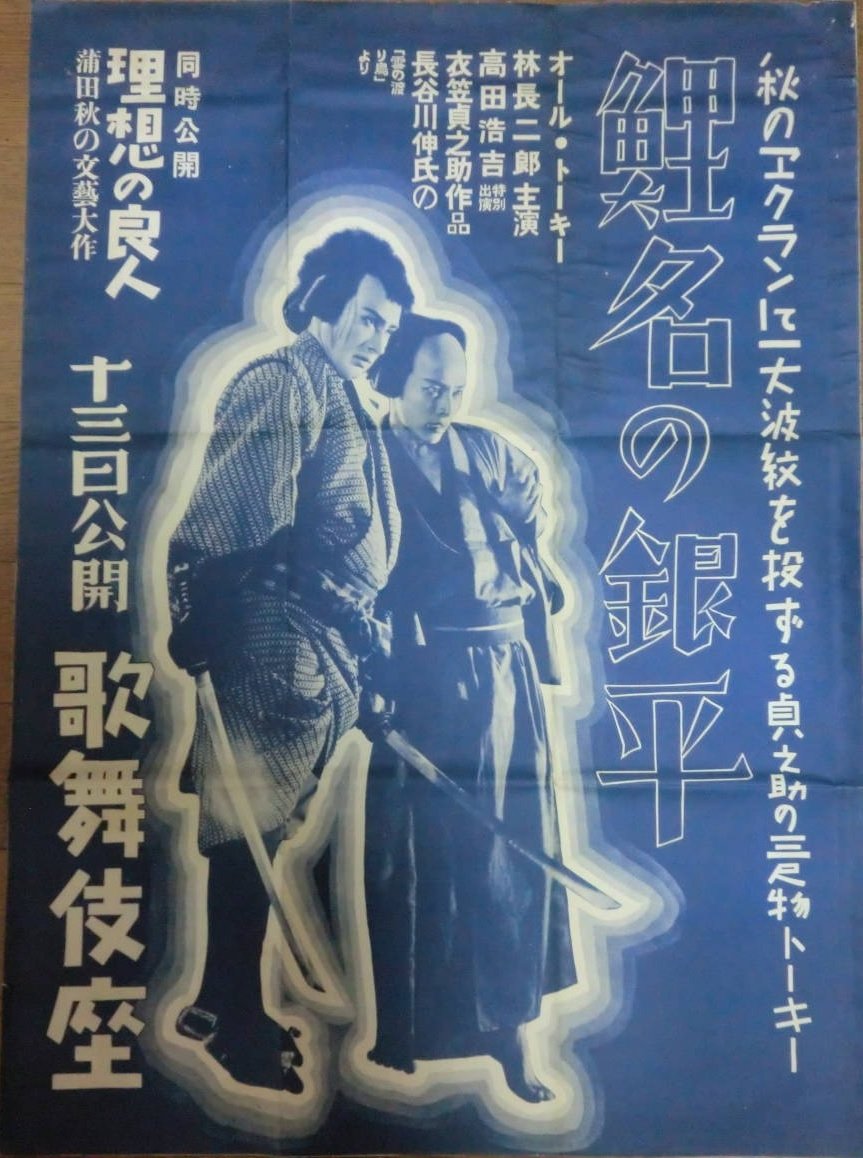
The first half of the movie depicts a man's jealousy of his best friend and the woman he love. The second part depicts a hero who is ready to put the past behind him and risk his life for his friend.
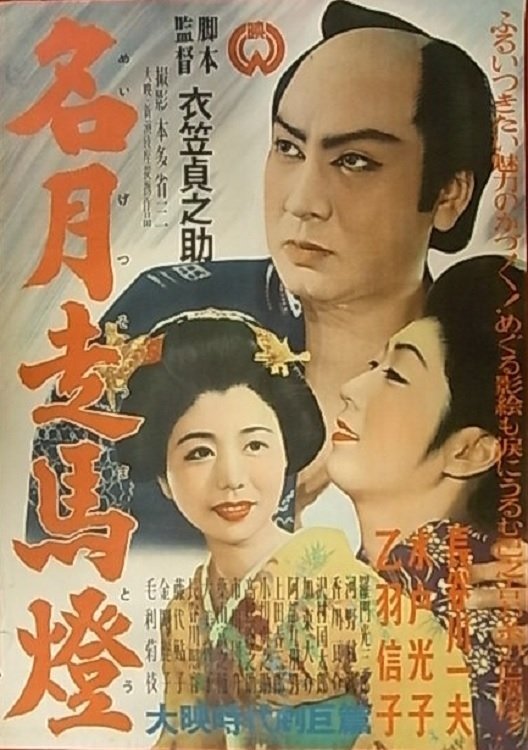
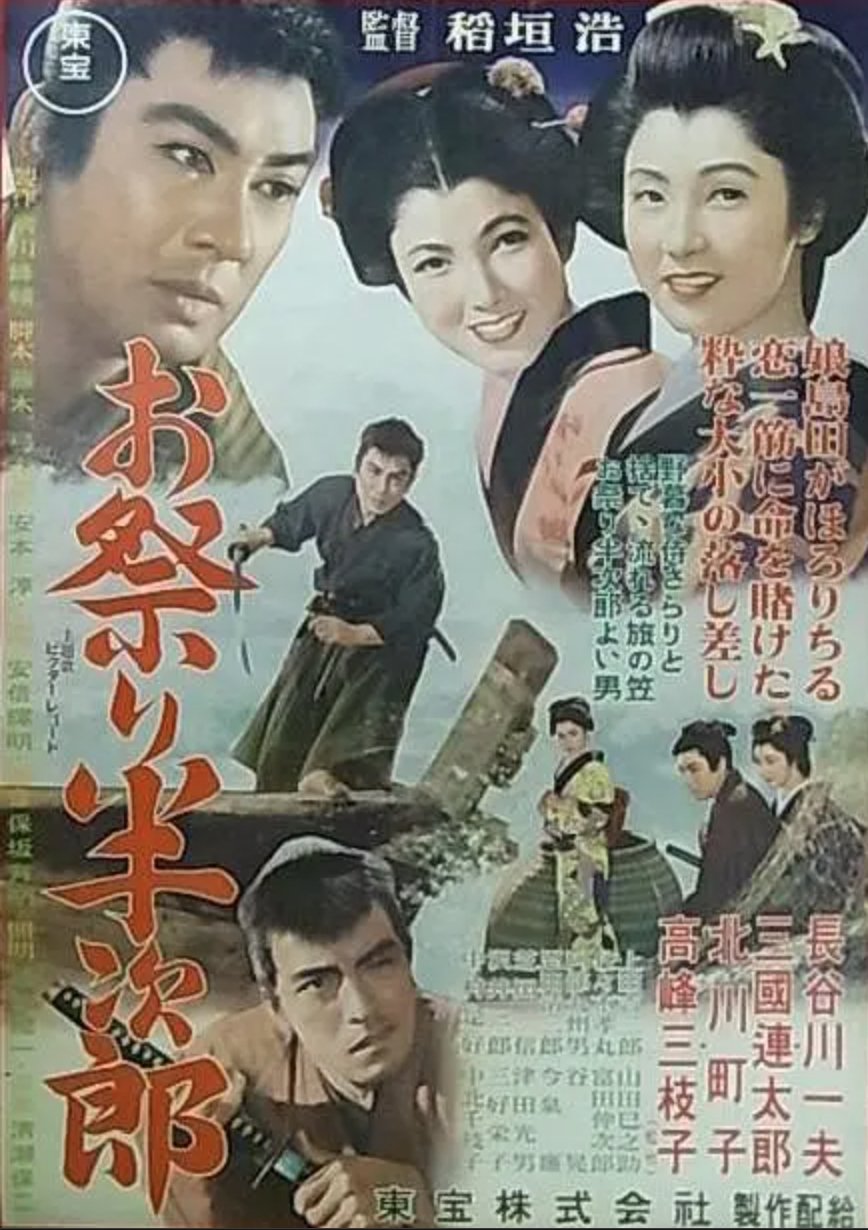
Every year, at the festival, familiar merchants such as Toraemon, a magic trick, Tokubei, a blowgun, Kaji, acrobatics, and Unsaibo, a ritual, gather toward the port town.
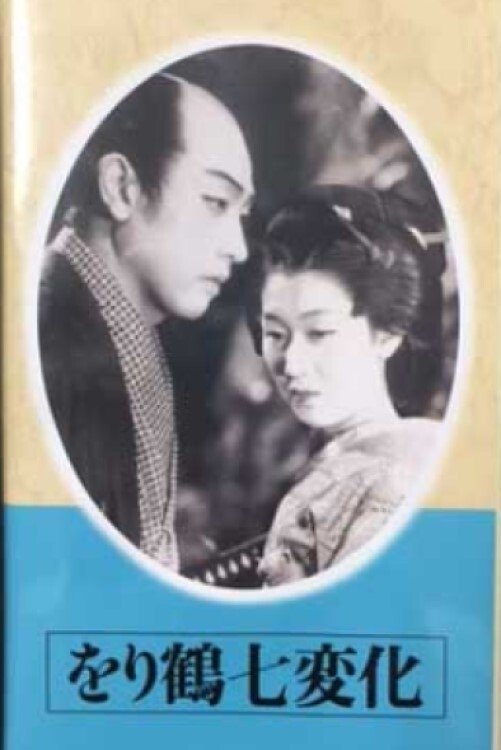
The story is based on the serial novel by Tsunoda Kikuo.
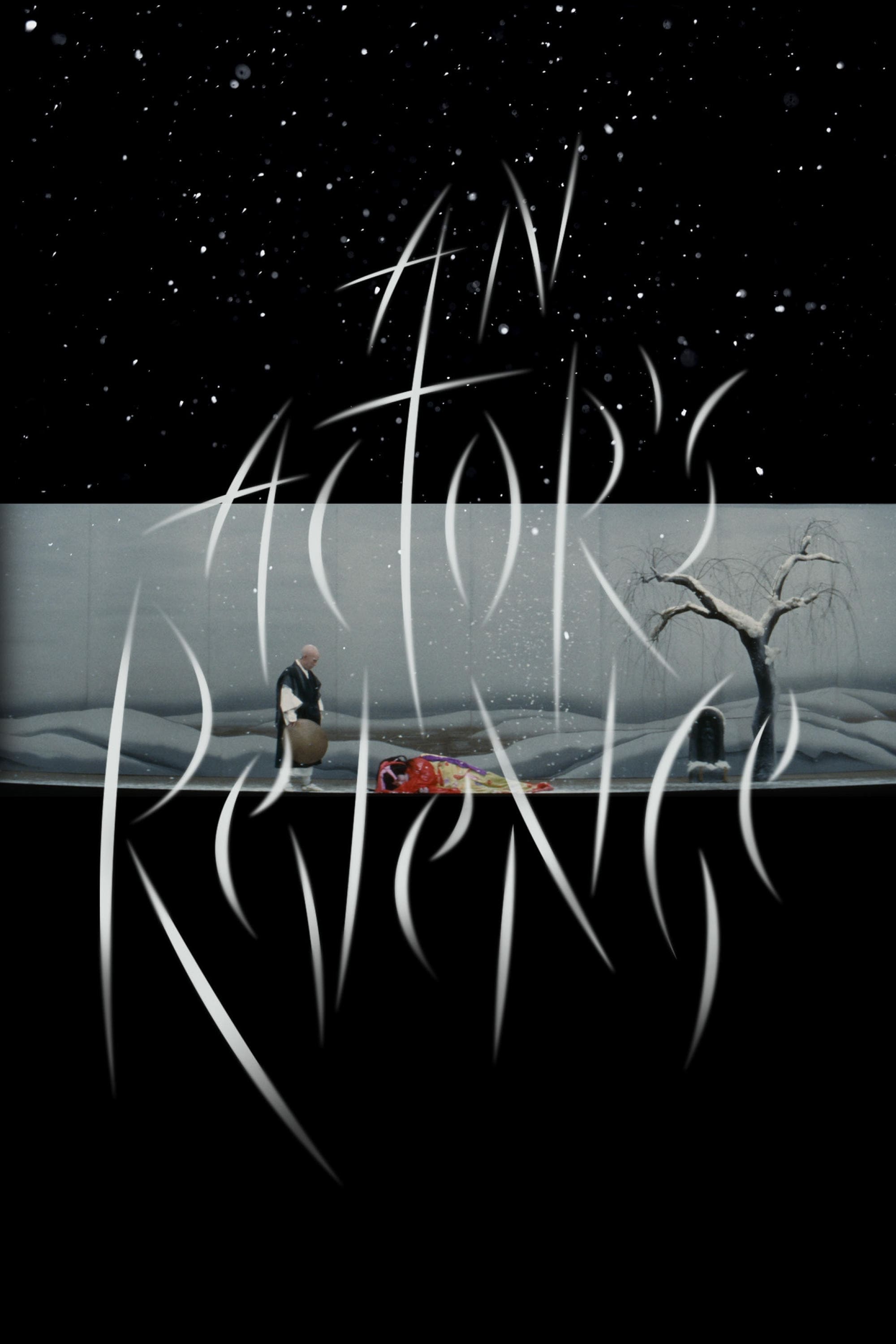
In Edo Japan, a kabuki actor seeks revenge against the three men who drove his parents to their deaths years ago.
The story is based on the serial novel by Tsunoda Kikuo.

When the wife of a 17th-century Kyoto scrollmaker is falsely accused of having an affair with his best employee, the pair flee the city and find themselves truly falling for one another.
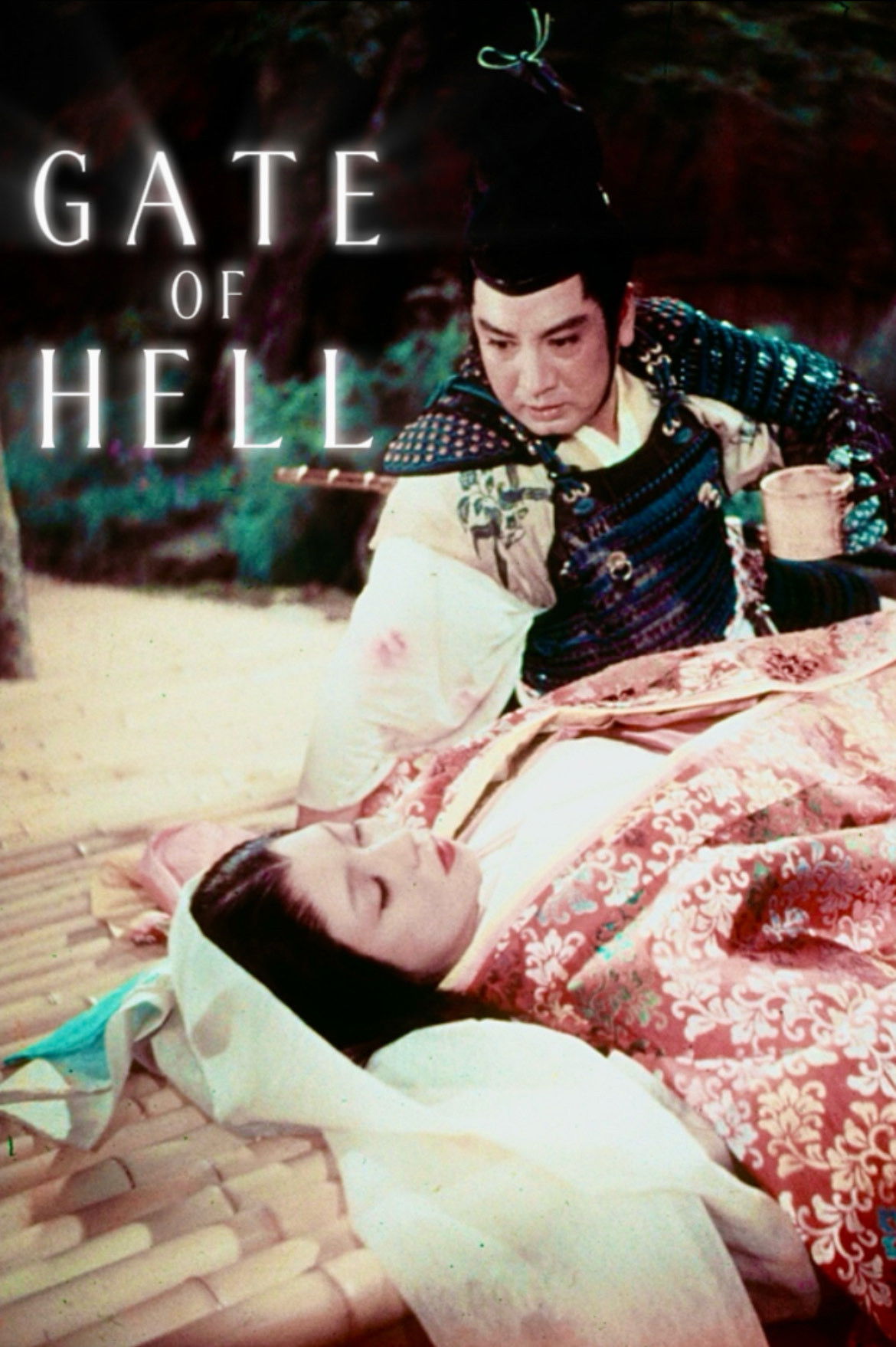
Japan, 1159. Moritō, a brave samurai, performs a heroic act by rescuing the lovely Kesa during a violent uprising. Moritō falls in love with her, but becomes distraught when he finds out that she is married.
Jidai-geki by Ryo Hagiwara
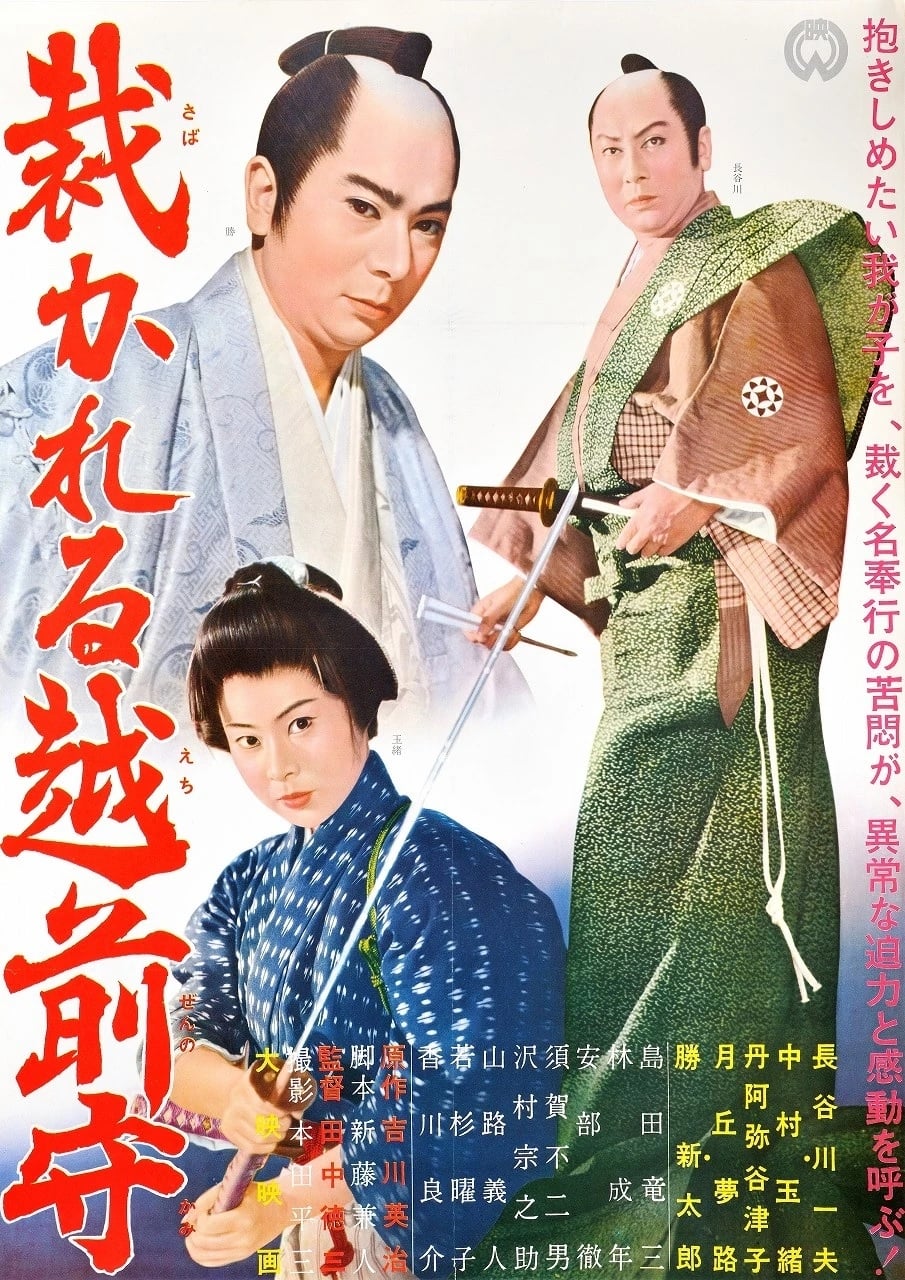
1962 Japanese movie
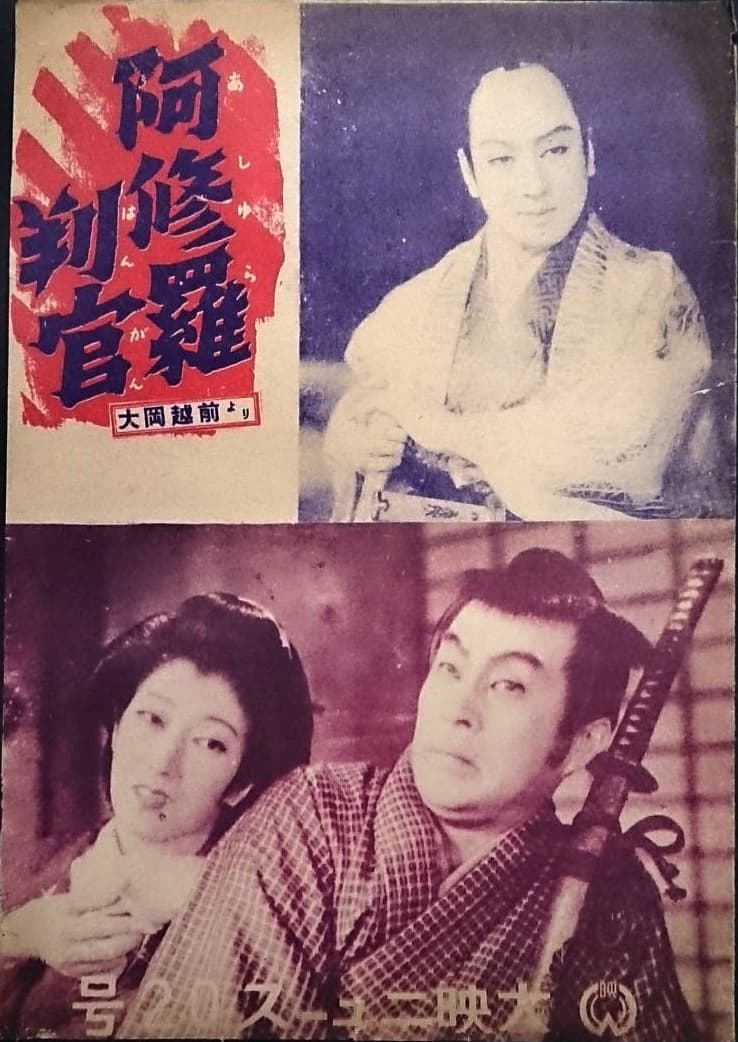
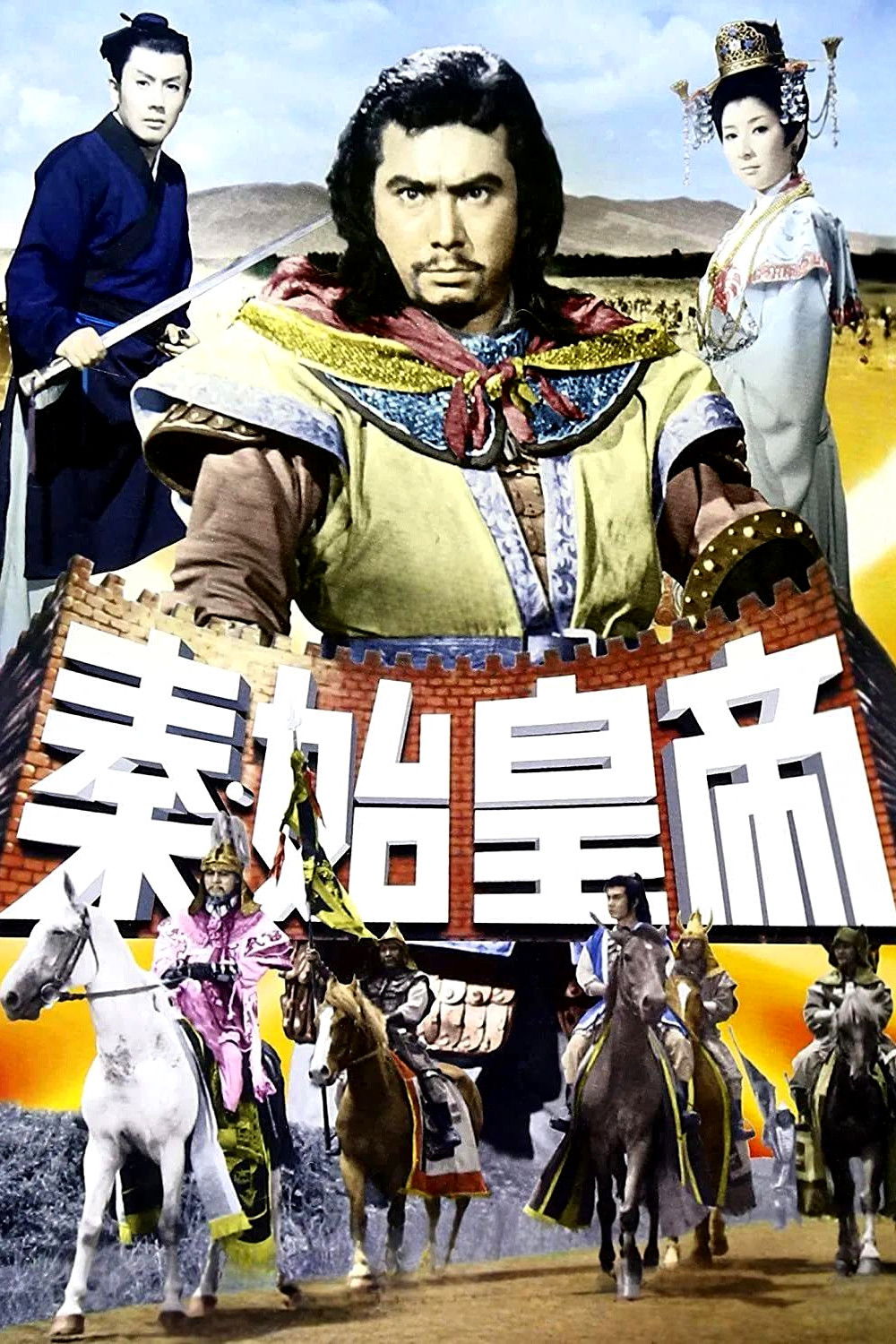
In 221 BC, Qin Shihuangdi conquered the rest of China. Qin's great accomplishments and also his serious faults are showed in this film. Qin adopted autocratic dictatorship and led a luxurious life: abolition of feudalism and the centralization of power in the form of a now-hereditary bureaucracy loyal to himself; burning books and burying scholars; the construction of a sumptuous palace for his concubines and also the Great Wall.
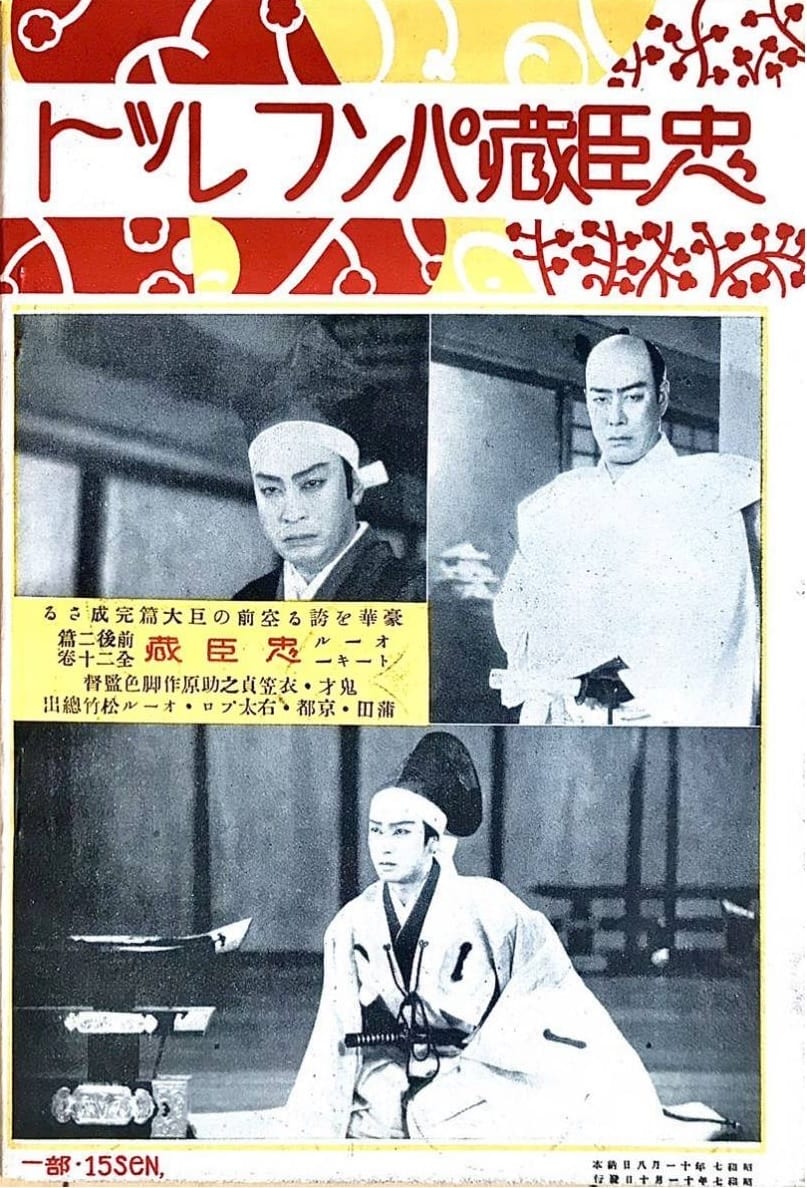

The vast majority of the commercial films made by Kinugasa in the 1920s have, like almost all Japanese films of the period, been lost. Even a fragmentary survival such as Oni azami is to be celebrated – the more so since the film marked the first of many appearances by popular star Chojiro Hayashi (1908-84) in Kinugasa films. The original story of Oni azami is credited to Fred Niblo, the American director of Blood and Sand (1922) and Ben-Hur (1925). It derives from The Red Lily (1924), a Ramón Novarro vehicle that had been a great success on its release in Japan.
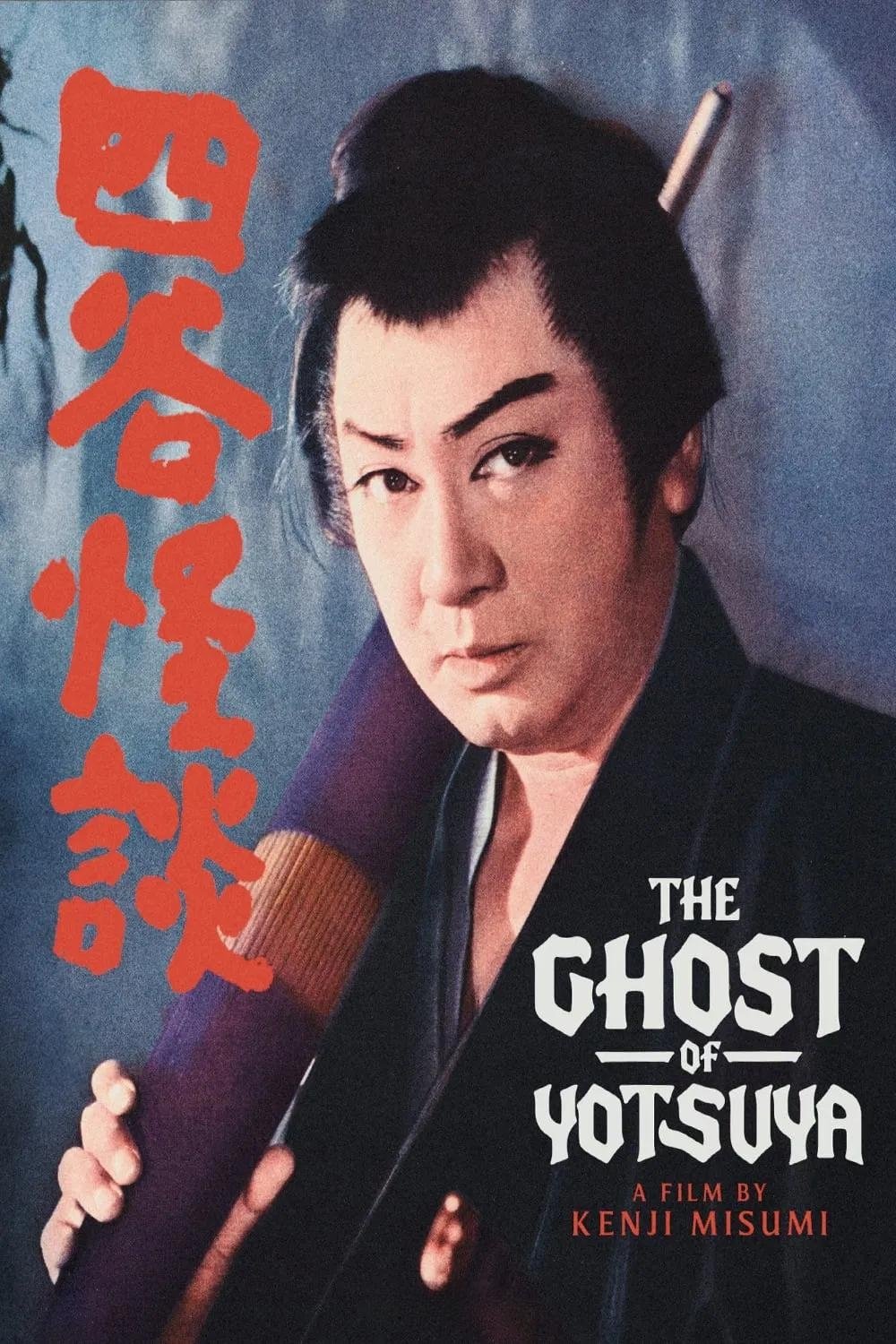
In one of Japan's most frequently-told ghost stories, a murdered wife returns in an act of vengeance.
The doomed love story between a young courtesan and a samurai, in Kyoto.
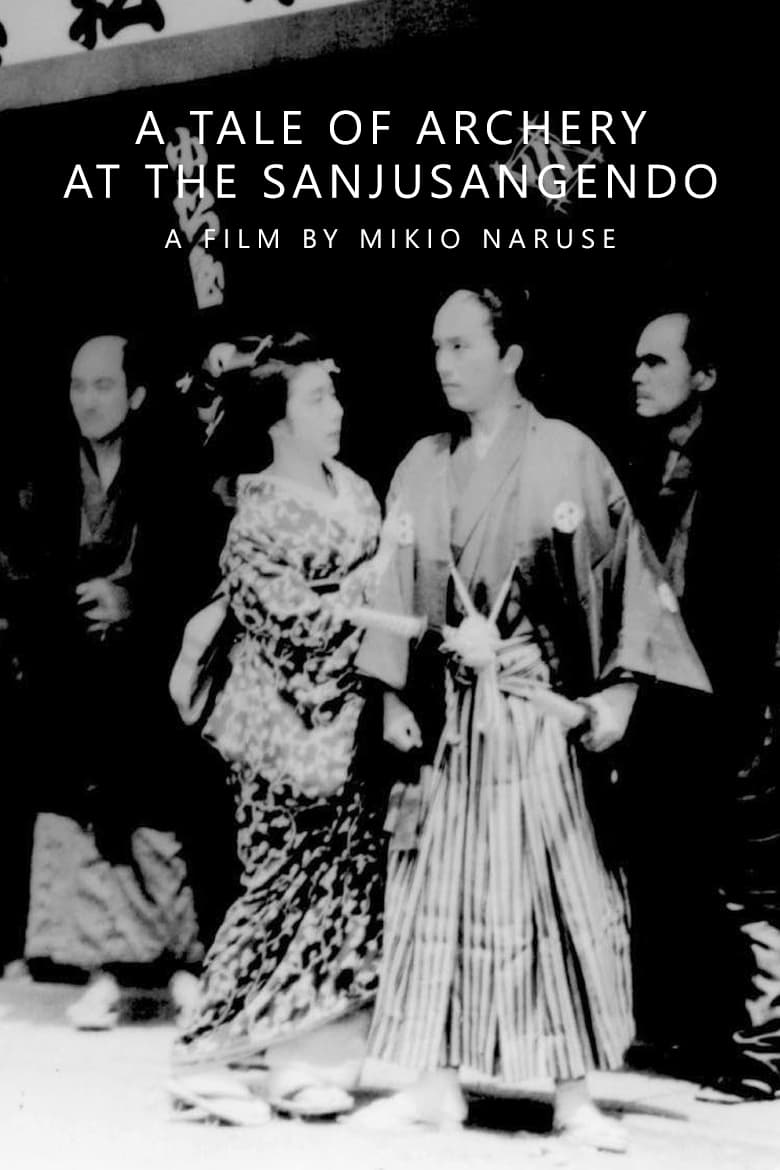
Young, timid bowmaster Kazuma seeks to beat the archery record set by Hoshino Kanzaemon, a mysterious figure who, it is rumoured, drove the previous champion—Kazuma’s father—to suicide. Possessed of much raw talent, Kazuma is very much a coward, holing up in an inn and generally avoiding confrontation. Despite his best attempts to remain clandestine, the locals know of Kazuma’s purpose and an attempt is made on his life. He's saved by Karatsu Kanbei, a samurai who offers to help Kazuma hone his archery skills, though it becomes clear that this apparently selfless stranger has potentially shady ulterior motives.
First film adaptation of the kabuki play Benten Kozo, about a thief who steals from the rich and gives to the poor...
A colourful study of theatrical life. Two acting troupes vie for the Kyoto market during the Genroku Era. Tojuro, an extremely popular actor, feels the limits to his acting when he sees his rival troupe put on a new type of play featuring its star, Nakamura. He has the famous Chikamatsu write a new play but cannot get used to the character he is to play in it.

The hairpin murdered a young girl. Detective Zenigata Heiji begin to investigate. Suddenly a murder case turns into a case of smuggling.
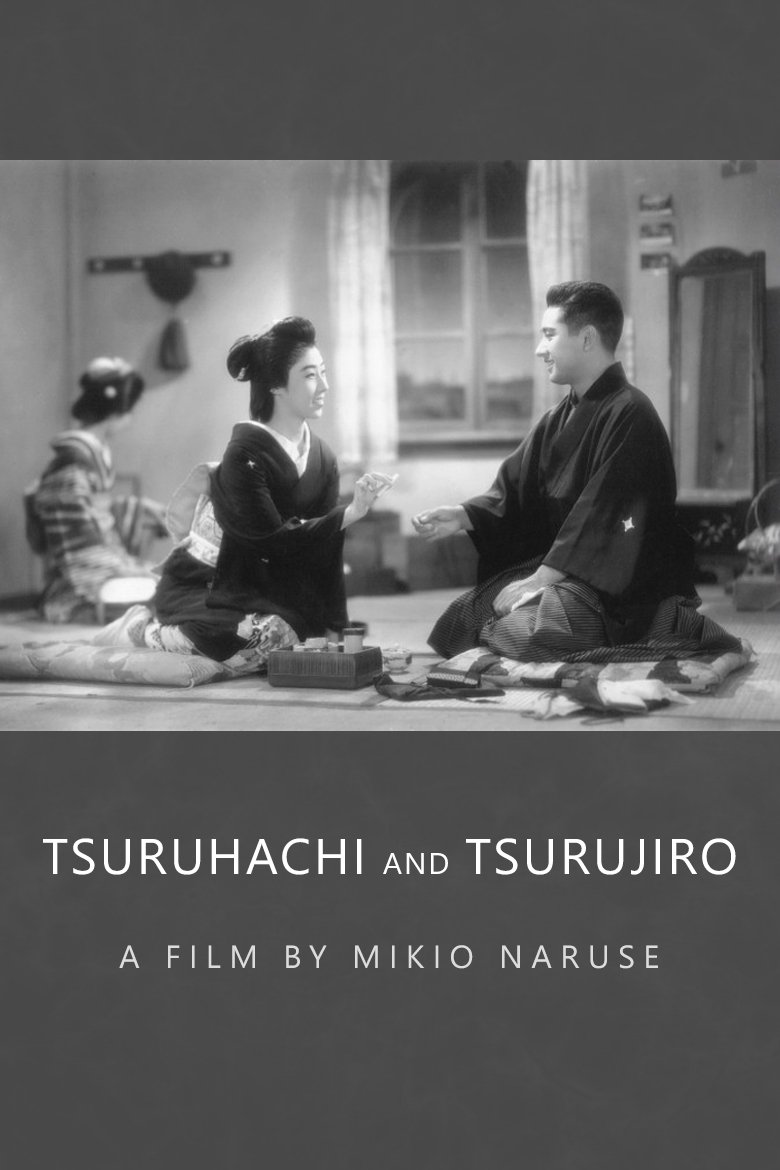
Mr. Tsurujiro is a Japanese folk singer assisted by Ms. Tsuruhachi on the shamisen. The pair is popular, but he often nitpicks her music and so they split. She marries a benefactor, but after a joint show, feels music is above marriage.
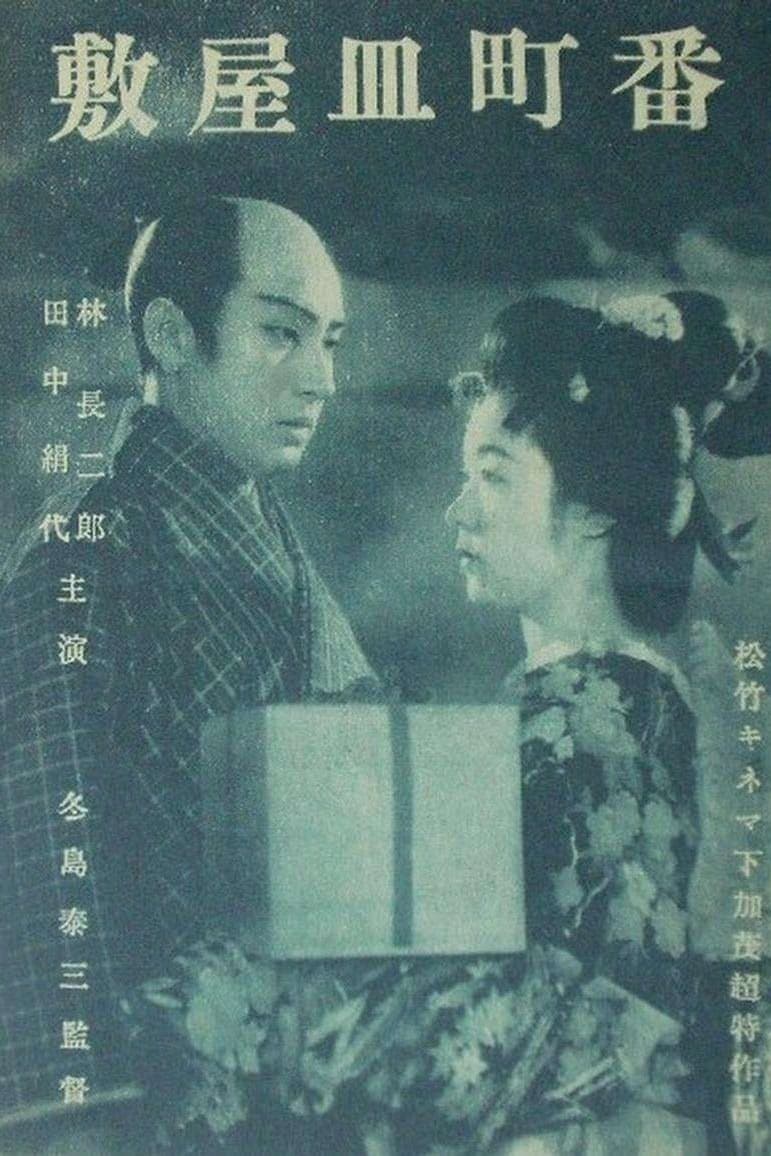
short film about Banchō Sarayashiki.
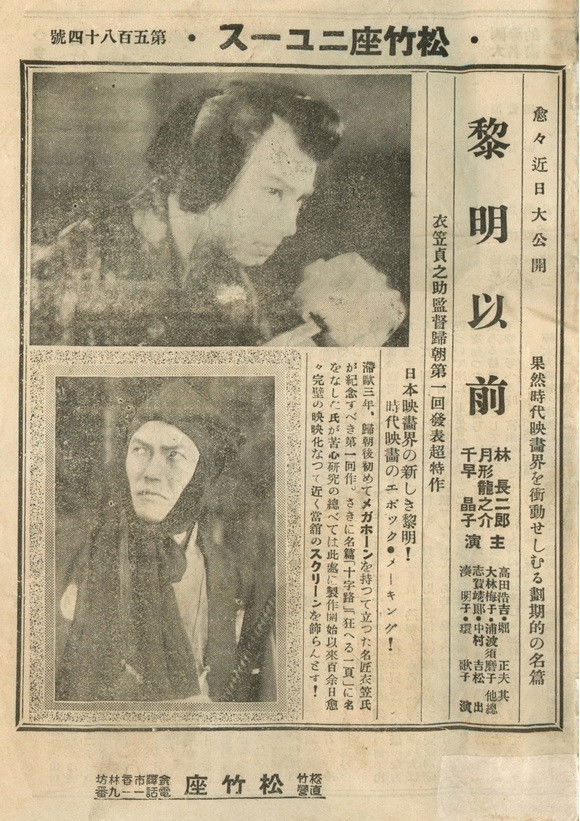
In the age of priests and warriors which the film denounces, a woman revolts after she is sold as a prostitute.
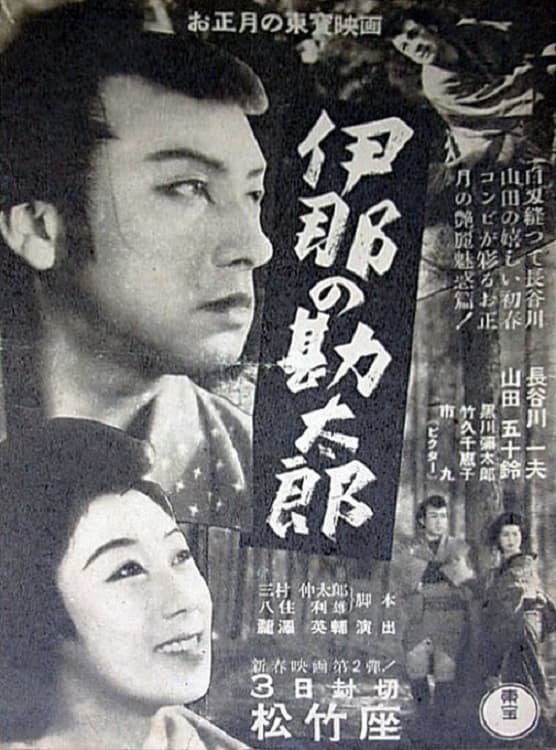
War-time jidaigeki by Eisuke Takizawa.
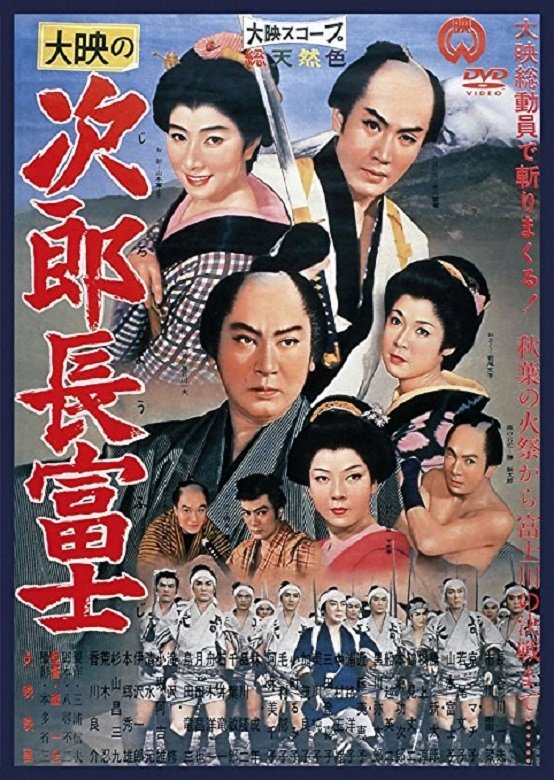
Legendary yakuza Shimizu Jirocho and his 28 henchmen travel the unruly path from a 'Fire Festival' in Akiba to a decisive battle by the Fujigawa.
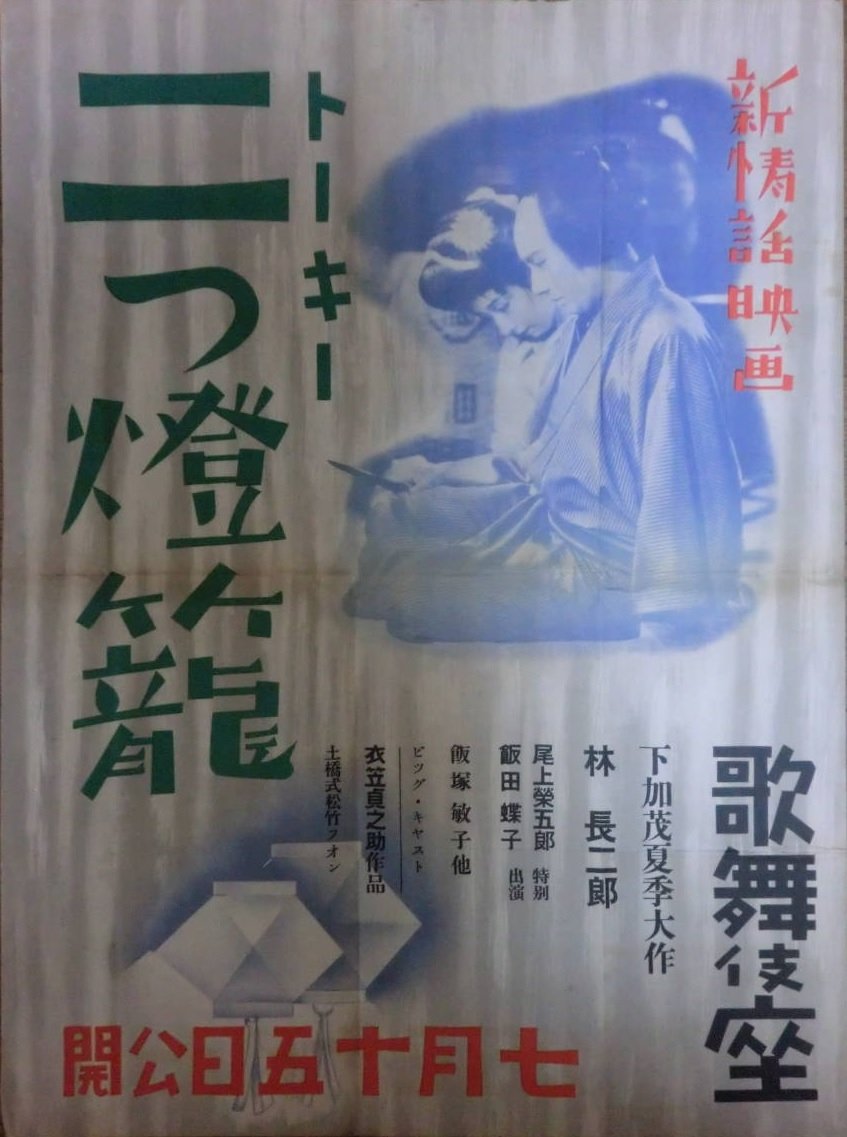
A mournful masterpiece by Kinugasa Teinosuke
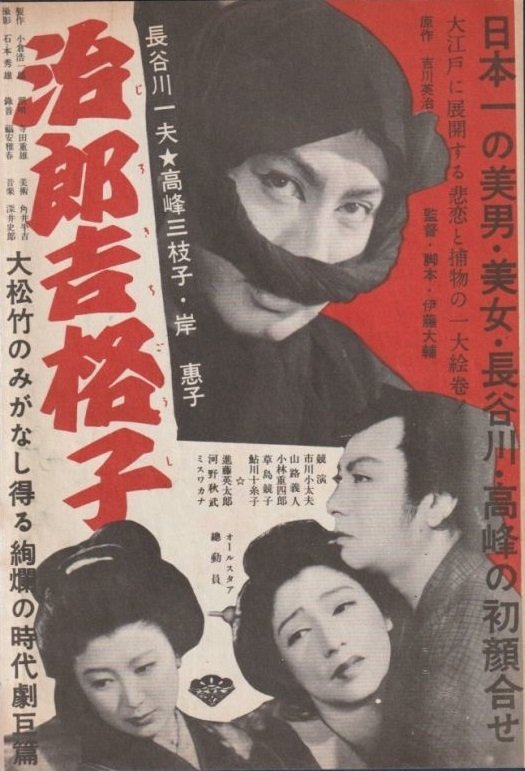
Aboard a ship connecting Kyoto and Osaka, Osan was pickpocketed by a sham blind biwa player. A man who looked like a merchant retrieved the wallet for her. Osan was a woman being sold off for the sake of her yakuza-like brother, Nin'kichi. The man in the guise of a merchant turned out to be the Rat Thief, Jirokichi, the infamous thief of Edo. Due to this chance encounter, the two ended up staying at the same hot spring inn. However, one morning, as Jirokichi was about to leave alone, Osan, with the intuition of a smitten woman, confessed she knew he was the famed Rat Thief.
Aboard a ship connecting Kyoto and Osaka, Osan was pickpocketed by a sham blind biwa player. A man who looked like a merchant retrieved the wallet for her. Osan was a woman being sold off for the sake of her yakuza-like brother, Nin'kichi. The man in the guise of a merchant turned out to be the Rat Thief, Jirokichi, the infamous thief of Edo. Due to this chance encounter, the two ended up staying at the same hot spring inn. However, one morning, as Jirokichi was about to leave alone, Osan, with the intuition of a smitten woman, confessed she knew he was the famed Rat Thief.
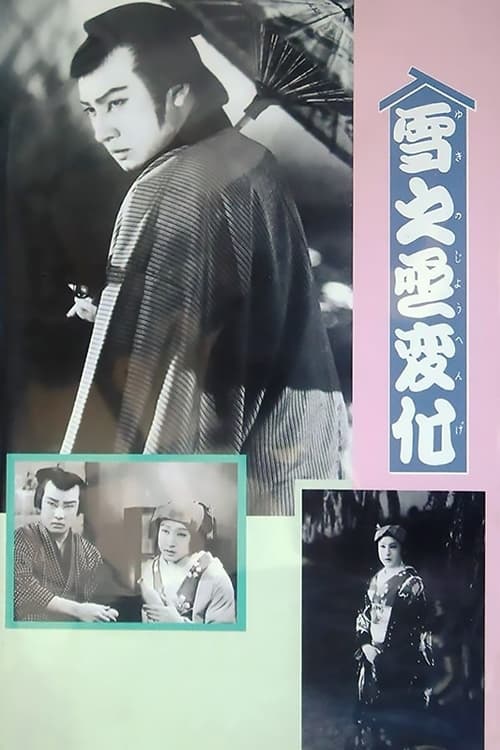
An onnagata (female impersonator) of a Kabuki troupe avenges his parents' deaths. Remade in 1963 as Yukinojô Henge.
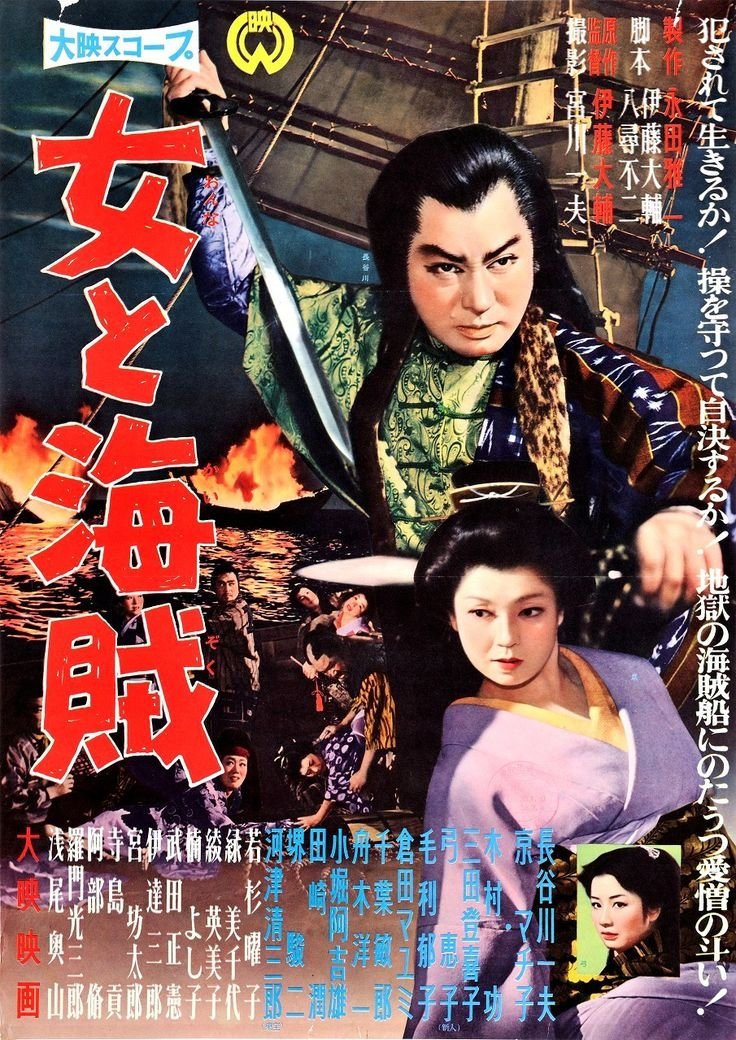
In the early Edo period, among the pirate ships that roamed the seas near Ryukyu and Korea, there was a ship called the Sueyoshi, led by a man known as Misaki Shogoro, who was infamous for his devilish cruelty. Shogoro had a rule: he would kill all the men from the ships he raided, while the women would be distributed among the crew for their pleasure. However, he himself never touched any woman. Aboard the ship was a young girl named Kogane, who had been raised on the ship since she was a child and dressed as a boy. Unbeknownst to others, she had grown to secretly adore Shogoro.
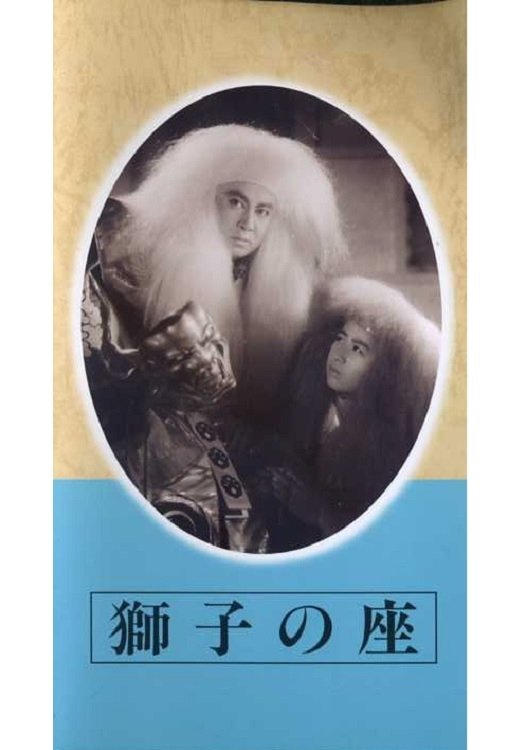
This film stars Tanaka Kinuyo as the mother of the heir to the Hosho name, a famous lineage of Noh actors. The heir, Hosho Yagoro, is played by Hasegawa Kuzuo who went on to become familiar among Ichikawa Kon fans as Yukinojo in An Actor's Revenge, which was also co-written by Ito, adding to the relatedness of An Heir's Place.
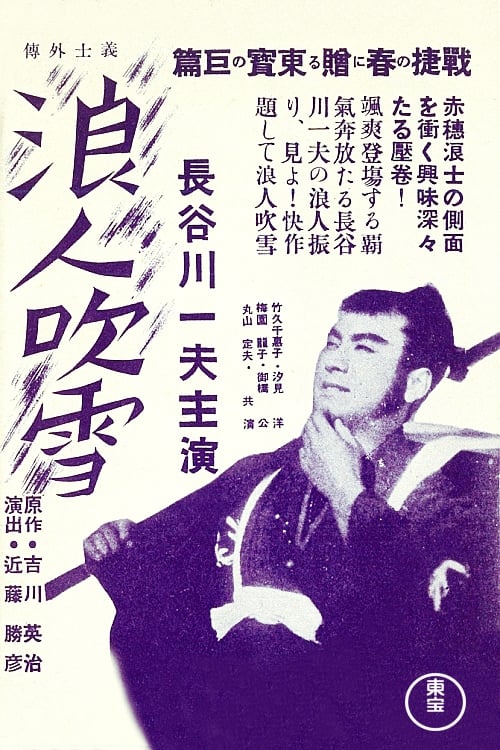
The film tells about the life of the former vassal of the Ako clan - Fuwa Katsuemon Masatane.
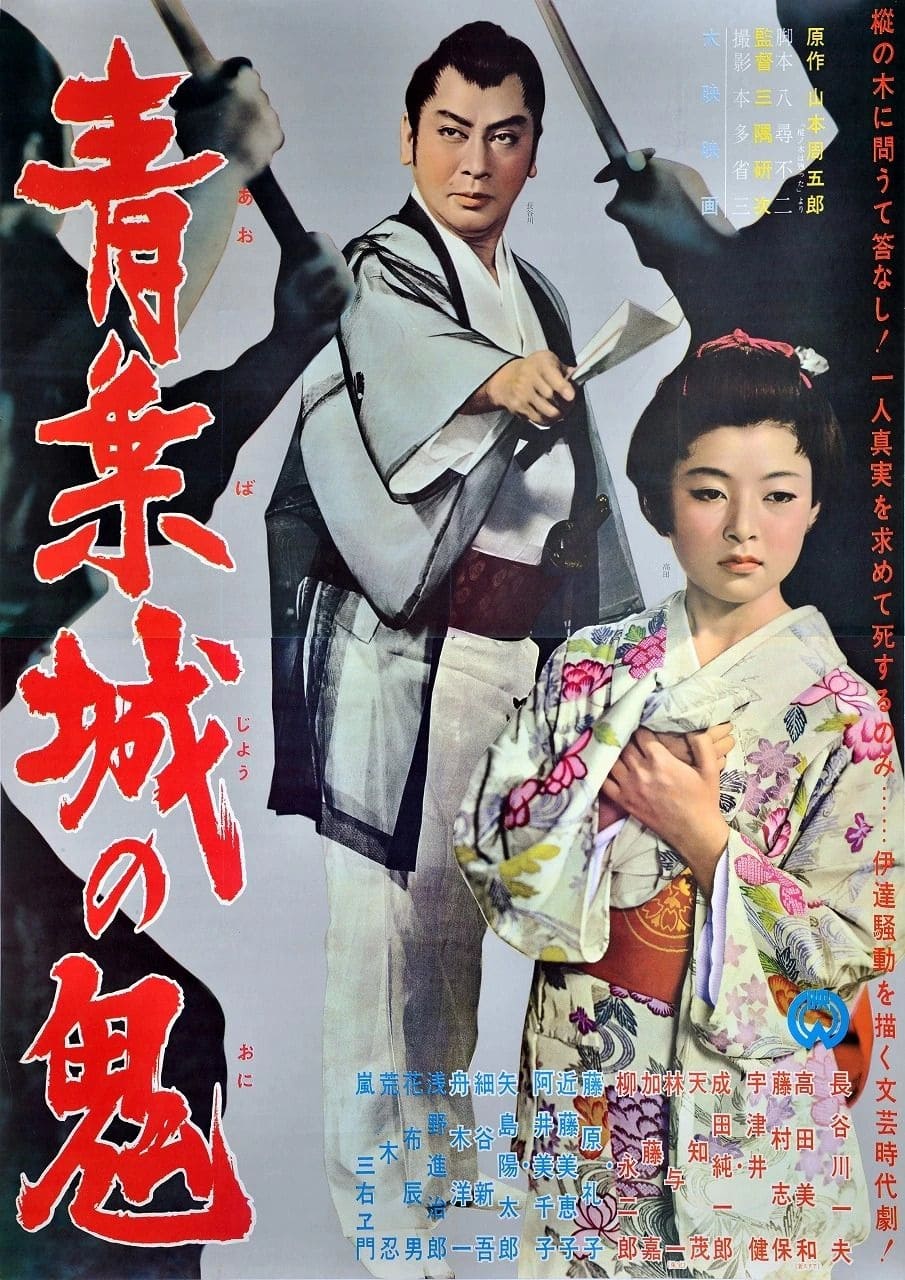
Tsunamune Date, the young lord of Sendai Domain, was ordered by the shogunate to stand down after being spotted in a brothel. Shortly after, four advisors from his entourage were assassinated, calling into question the possessions of the Date family.
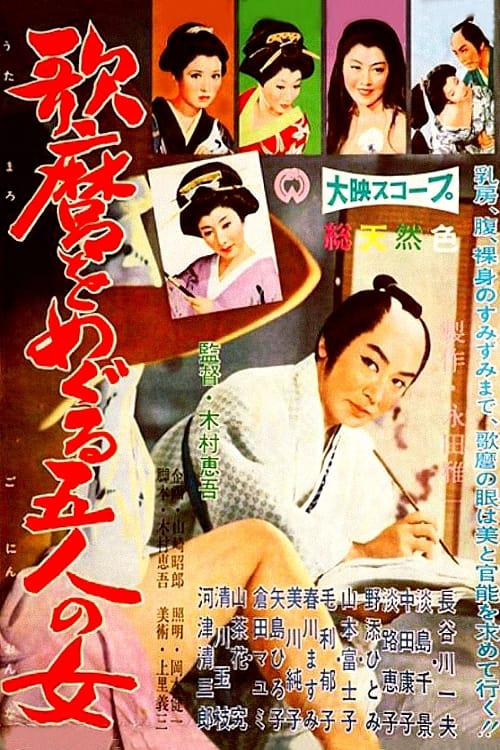
Kitagawa Utamaro is a famous ukiyo-e artist known for his paintings of beautiful women. The courtesan who became his model became even more popular. Ocho, a resident of an apartment building, hears about this and secretly plans to follow Otose, the owner of Mizuta-ya, who became famous as Utamaro's model. At this time, the Kano school, headed by Kano Eikawa, which was under the control of the shogunate, is dissatisfied with Utamaro's fame and tries to compromise him…
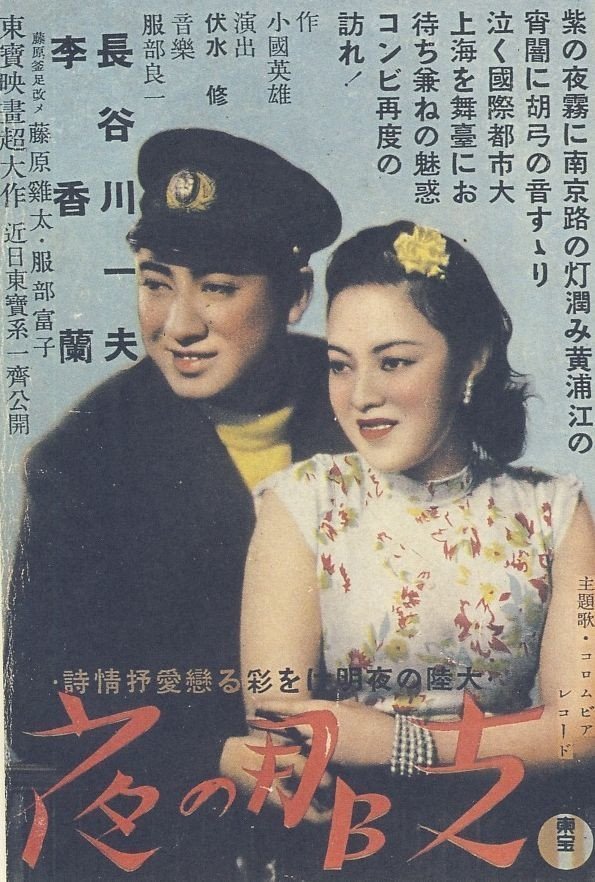
Wartime propaganda filmed by the Japanese in occupied China, Shirley Yamaguchi portrays an orphan rescued from the streets by a kindly Japanese merchant marine officer. Part spy thriller and part Shanghai travelogue, it was part of a popular series known as "Chinese Continental Friendship" made by the occupying Japanese in China.
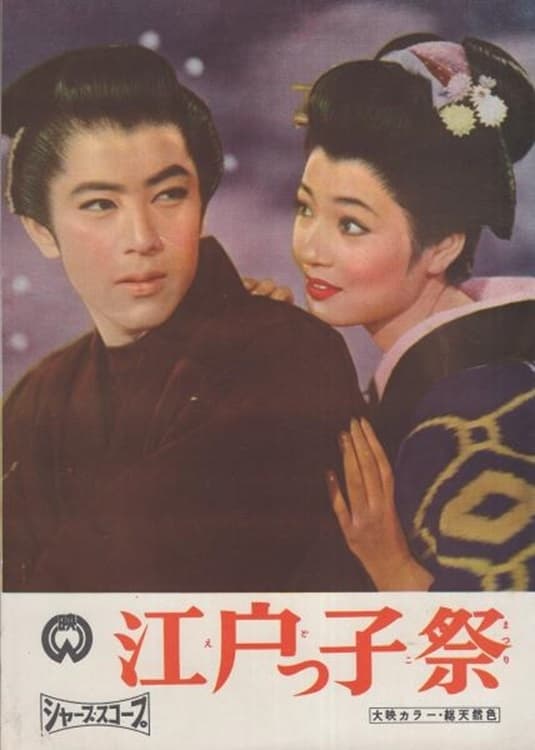
During the reign of Hidetada, the second shogun of the Tokugawa dynasty, the advisor Okubo Hikozaemon (Ganjiro Nakamura) entrusts the young Takechiyo (Hiroshi Kawaguchi) to the fishmonger Isshin Tasuke (Kazuo Hasegawa) to help him understand the world. Tasuke, who does not know that Takechiyo is the shogun's heir, trains him harshly. Tasuke's wife Naka (Michiko Ai) is concerned about his harsh teaching style, but Takechiyo gains strength day by day and adapts to his new life. Soon, Takechiyo begins secretly talking about love with a city girl named Otoyo (Hitomi Nozoe), but...
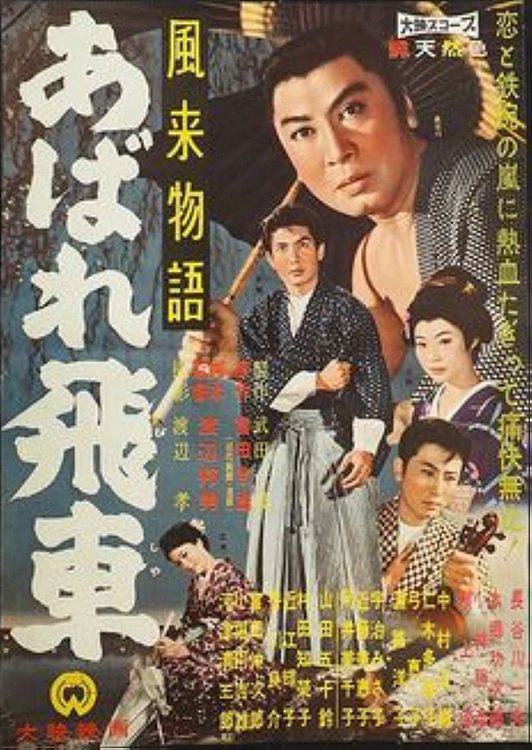
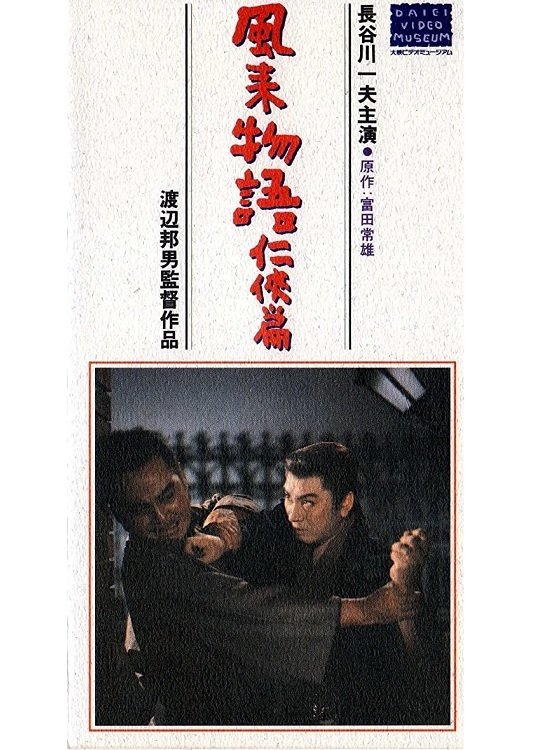
A film about the Ghost of Okiku that's based on the kabuki play Bancho Sarayashiki.
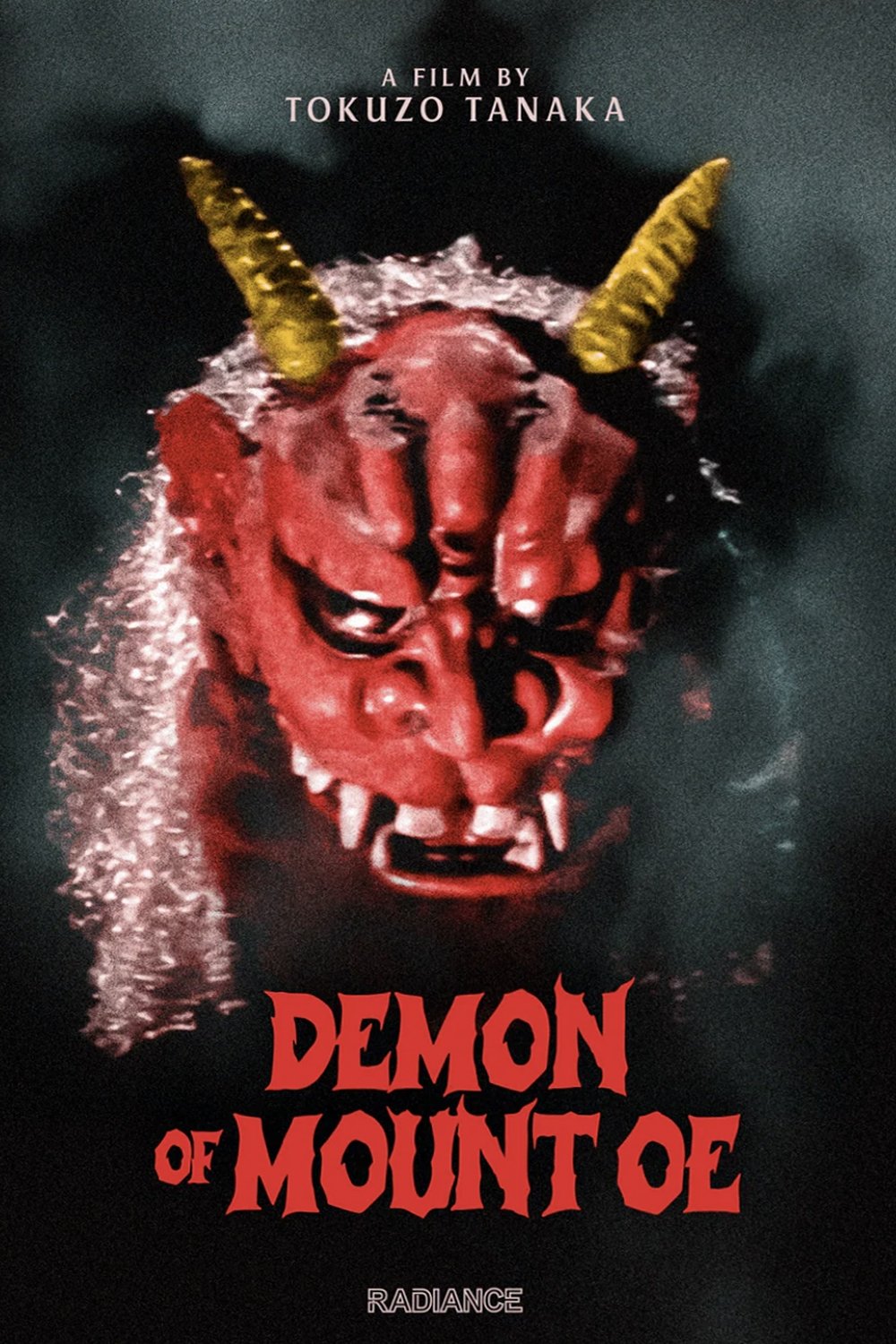
A band of warriors journeys to Mount Oe to rescue abducted women from a demon, overcoming supernatural threats like a giant spider and a diabolical witch along the way.
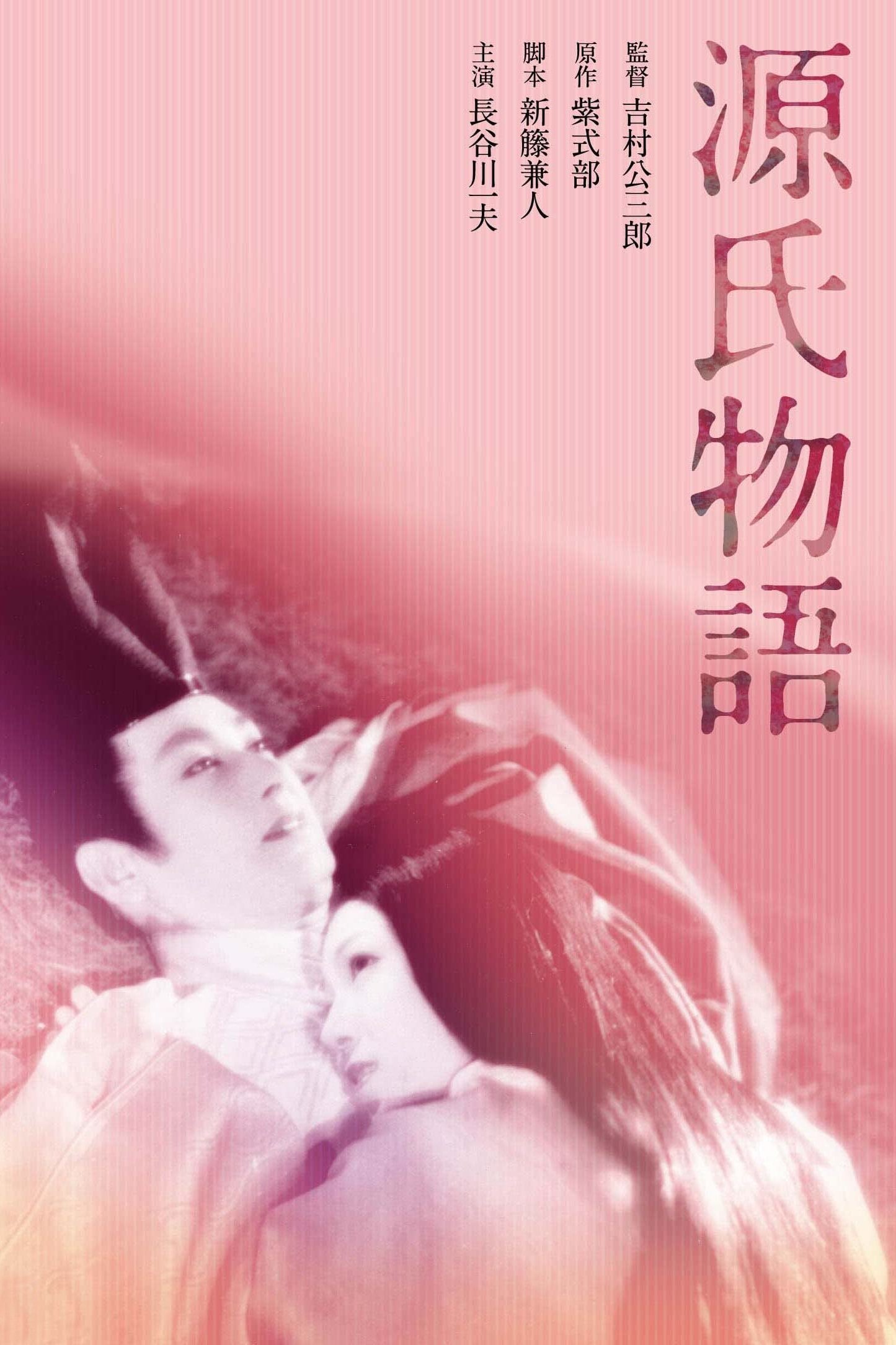
Genji, the illegitimate offspring of a Japanese potentate, goes by the philosophy of "love 'em and leave 'em" as a matter of course. Only when his heart is broken by Awaji does Genji realizes how much pain he himself has caused.
Song of the White Orchid was a co-production of Toho and Mantetsu, the railway that served the colonial region of Manchuria, and the first film in the Kazuo Hasegawa/Shirley Yamaguchi (Ri Koran) “Continental Trilogy.” Handsome Hasegawa (representing Japan) runs up against an impertinent Yamaguchi (representing the continent); not surprisingly, in the course of the film the woman comes around and realizes the benevolent intentions of the Japanese. In Song of the White Orchid Yamaguchi leaves Hasegawa, who plays an expatriate working for the railway, because of a misunderstanding. She joins a communist guerilla group plotting to blow up the Manchurian railway. Learning of the subterfuge that led to the misunderstanding, she renews her faith in Hasegawa—and by extension Japan—and tries to undermine the plot.
Follows the Japanese lieutenant of the invading 228th Infantry Regiment Toichi Wakabayashi, who died in the Battle of Hong Kong.
Shinzaemon has been Sukeroku’s enemy ever since Sukeroku fought and defeated gangs from Shinzaemon’s group at a Kabuki theatre over Agemaki from Miuraya. Sukeroku swears that he will never draw his sword until he finds his family’s treasured blade, Tomokirimaru, so he gets insulted often by Shinzaemon’s men. Bunzaemon redeems Agemaki for Sukeroku ahead of Shinzaemon, but Sukeroku, ever the gentleman, does not accept. When Shinzaemon snatches Agemaki, it is found that he has Tomokirimaru.
A newlywed couple faces tension when the wife, after her husband leaves for work, becomes completely unmotivated to handle household chores and goes back to sleep. Her neglect of daily duties starts to strain their marriage, and the couple is on the brink of divorce. However, a close friend of the husband, determined to save their relationship, introduces a hypnotist to uncover something.
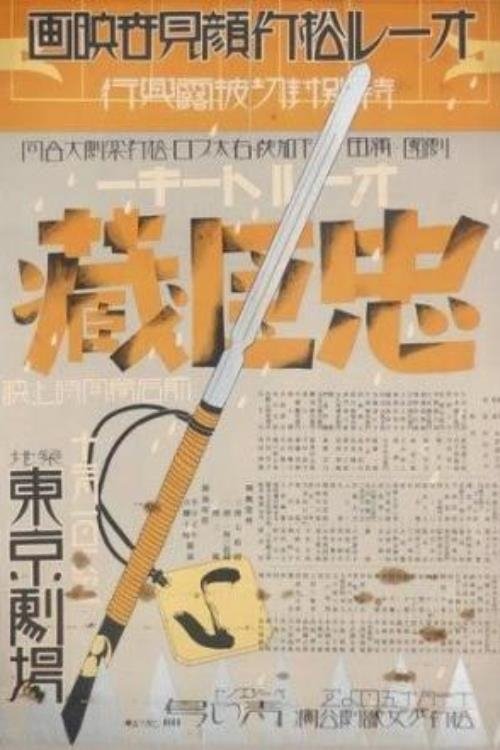
This 1932 adaptation is the earliest sound version of the ever-popular and much-filmed Chushingura story of the loyal 47 retainers who avenged their feudal lord after he was obliged to commit hara-kiri due to the machinations of a villainous courtier. As the first sound version of the classic narrative, the film was something of an event, and employed a stellar cast, who give a roster of memorable performances. Director Teinosuke Kinugasa was primarily a specialist in jidai-geki (period films), such as the internationally celebrated Gate of Hell (Jigokumon, 1953), and although he is now most famous as the maker of the avant-garde silent films A Page of Madness (Kurutta ichipeji, 1926) and Crossroads (Jujiro, 1928), Chushingura is in fact more typical of his output than those experimental works. The film ranked third in that year’s Kinema Junpo critics’ poll, and Joseph Anderson and Donald Richie noted that 'not only the sound but the quick cutting was admired by many critics.

1958 Japanese movie
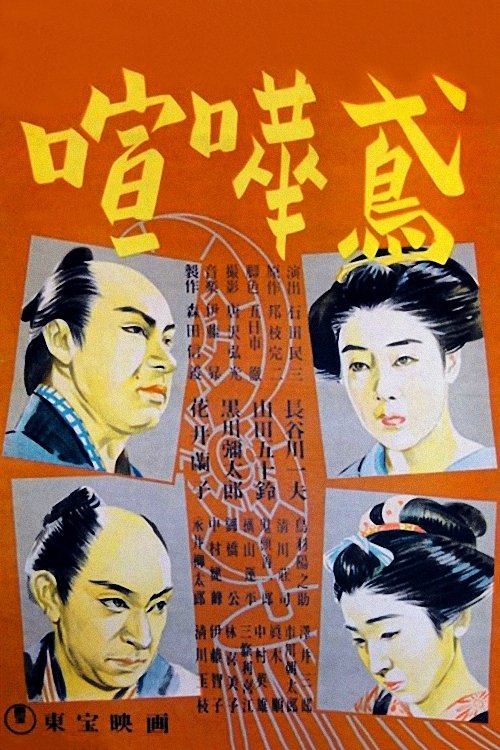
Kichigoro, a firefighter from the Maeda family of the Kaga Principality, rescues Oshimo, the younger sister of Jirokichi, a city firefighter from the Ha-gumi group, from a samurai who is trying to kidnap her. Oshimo has feelings for Kichigoro. At this moment, a fire warning bell sounds in the city...
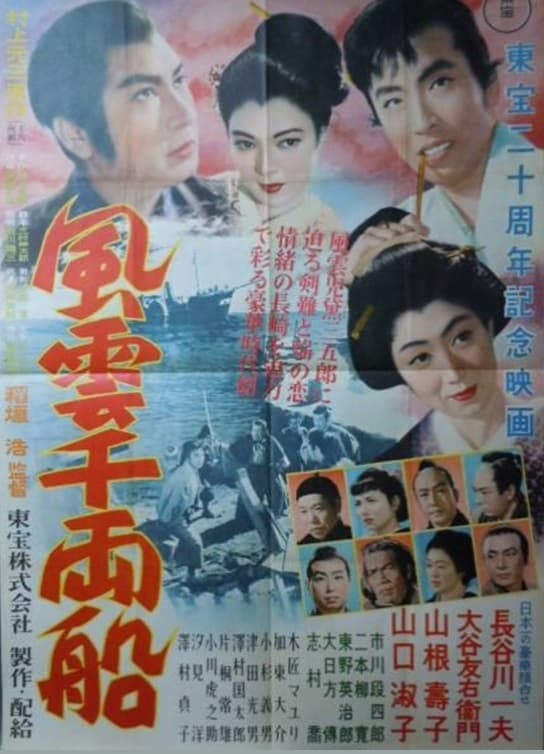
1952 Japanese movie
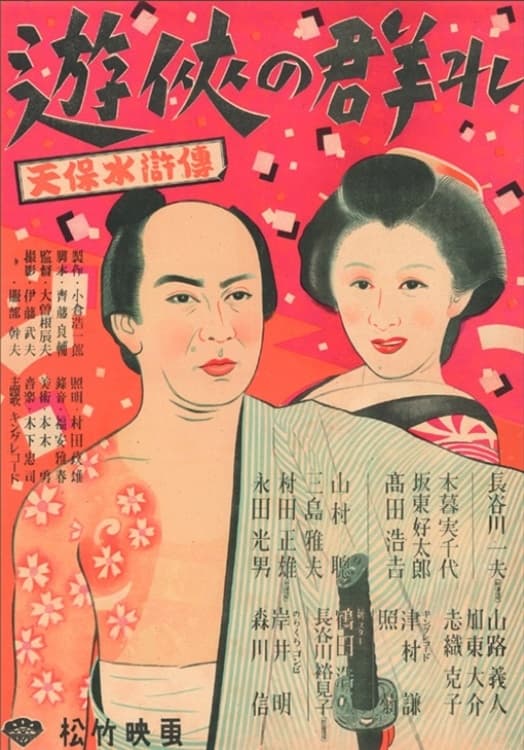
1948 Japanese movie
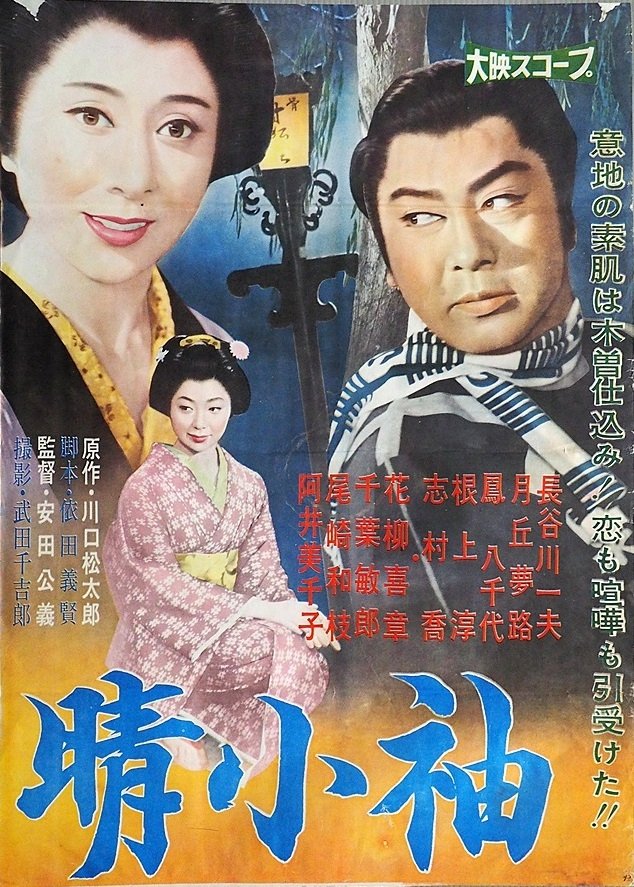
1961 Japanese movie
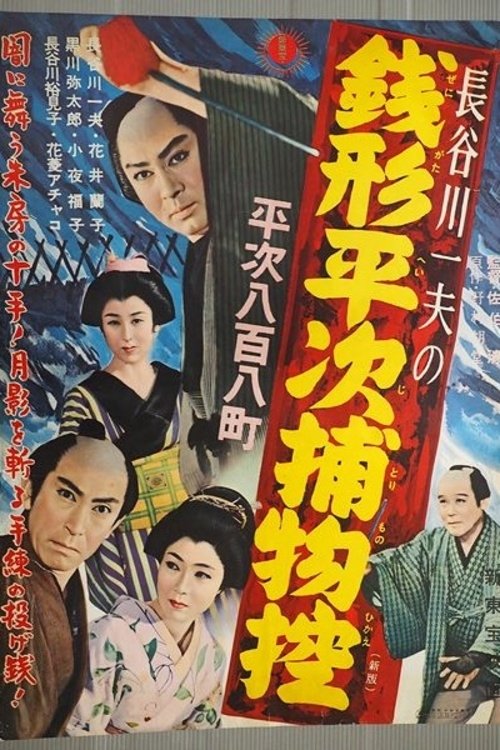
Police detective Heiji is assigned to catch the masked Maboroshi gang of robbers who have terrorized all of Edo leaving few clues as to who their leader is.
A 1930 silent film from director Eichi Koishi, following the adventures of Edo firefighter Sanji.
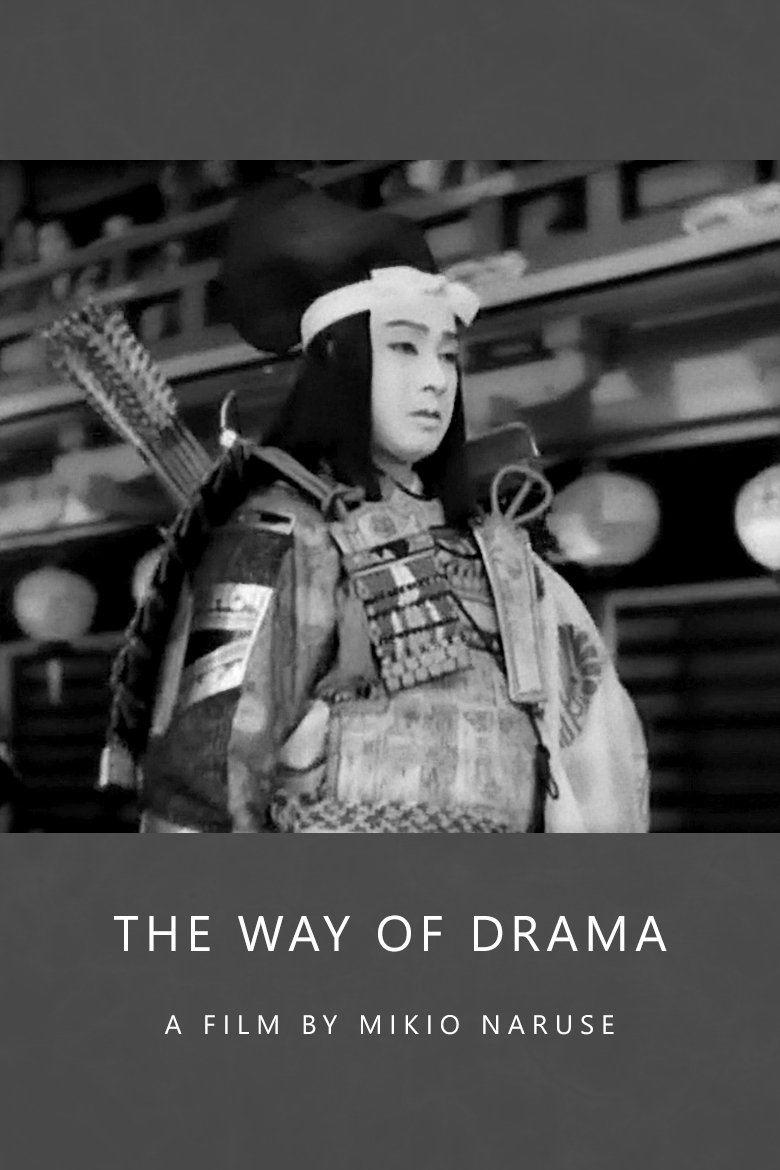
The Way of Drama unfolds in the world of kabuki in Osaka, but also addresses the politics of popular culture and the rivalry between theatrical styles like those used by amateur actors to dramatise contemporary events.
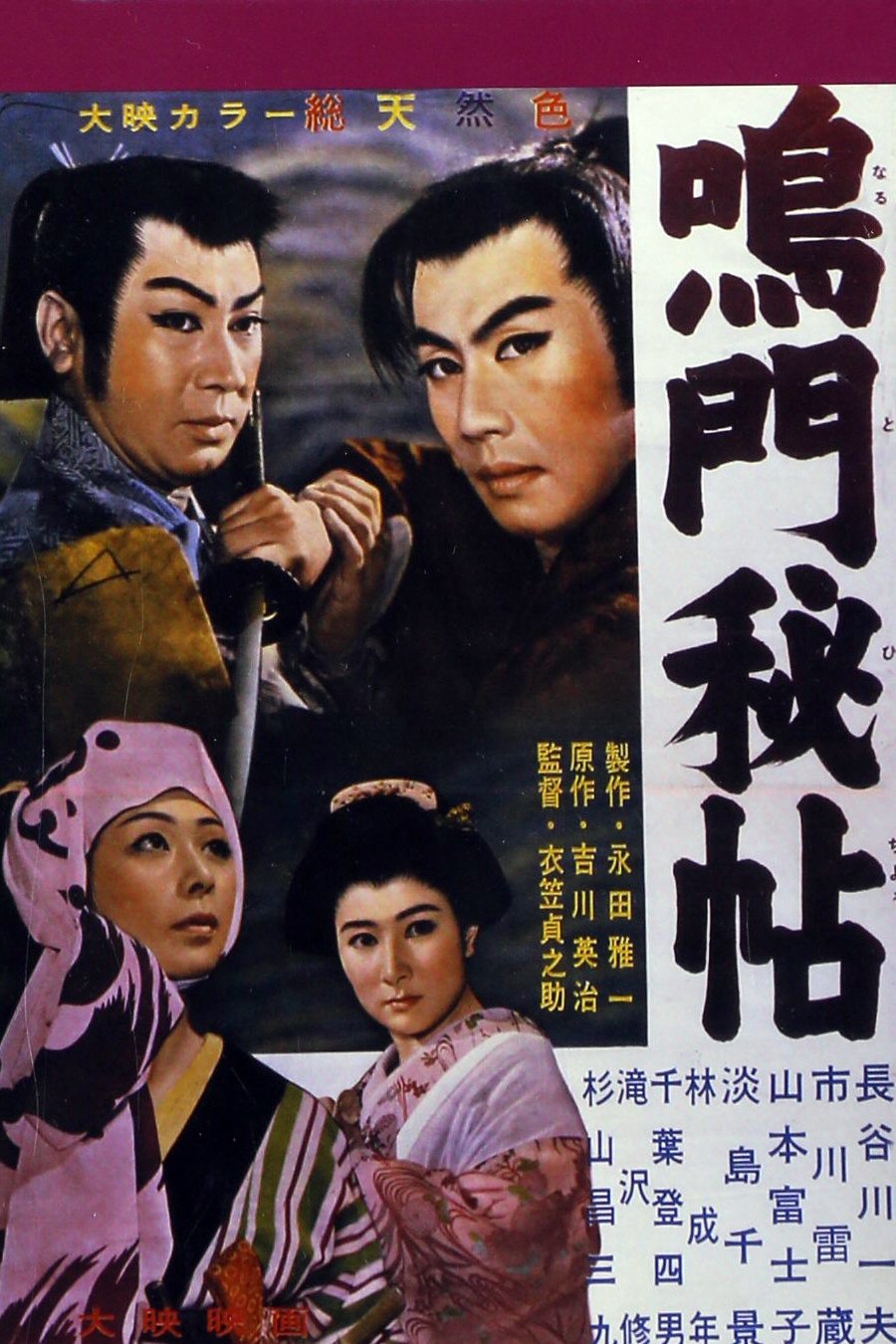
From the pen of Yoshikawa Eiji comes this exciting story. The Naruto Strait separates Tokushima from the islands of Awaji and Honshu. On Tokushima the mad lord dreams of conquest and forges a bloody revolt against the Tokugawa shogunate. A mysterious swordsman named Noriyuki Gennojo has crossed Naruto’s waters to uncover the Awa clan’s secrets. He puts his life on the line after finding a testament of Awa’s secrets, written in blood by a dying man. Joining Noriyuki are a female ninja who loves him, and the beautiful daughter of an enemy who’s sworn to kill him. Awa’s defenders willl stop at nothing to prevent the blood-soaked letter from reaching the shogun.
When Sentarô’s father is killed by a drunken samurai, Sentarô avenges him. His deed puts him on the run and leaves his sister behind. While running from both the authorities and the assassins, Sentarô meets with the beautiful travelling-actress Oshima who takes him under her protection.
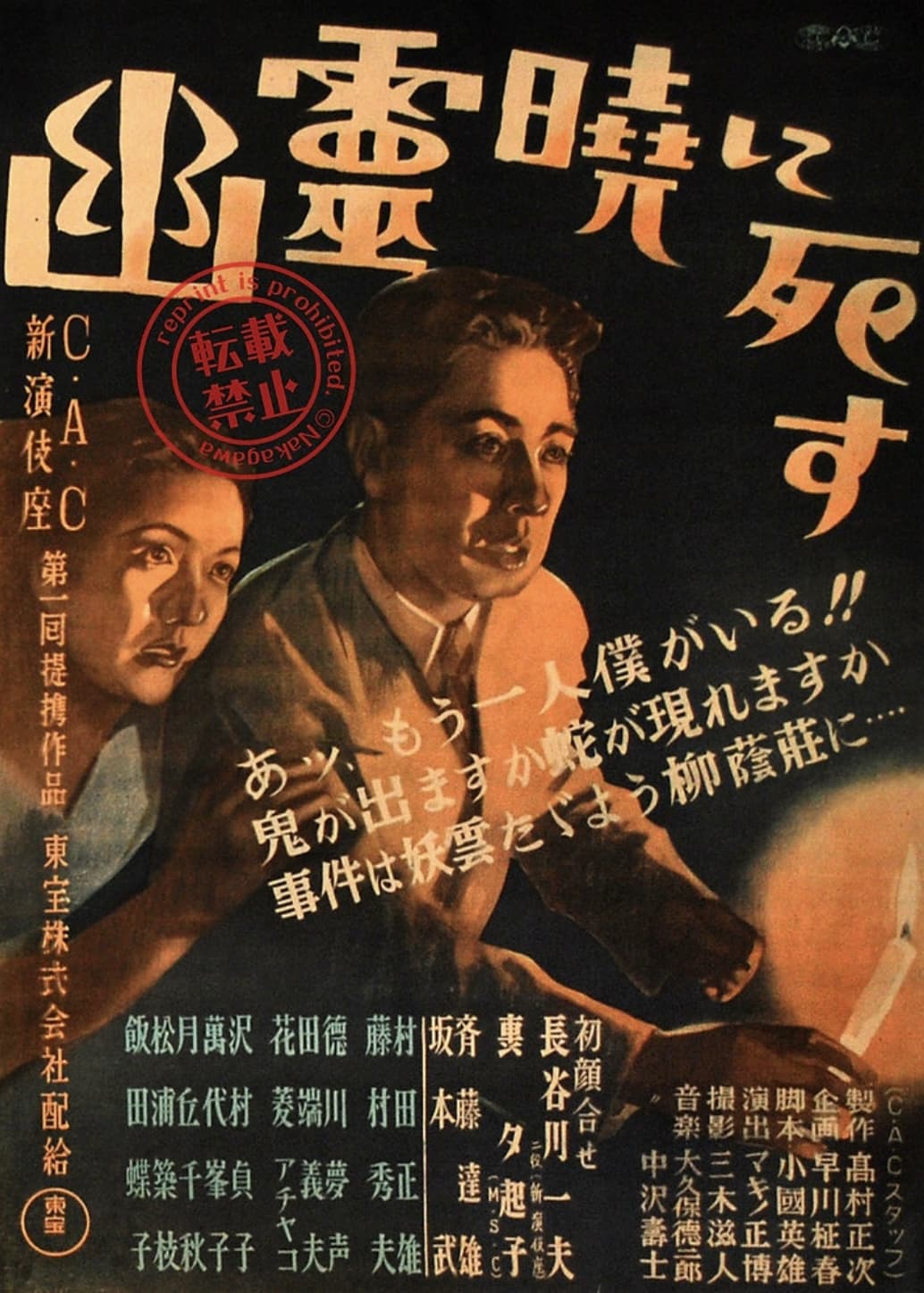
At the wedding of Kohei (Hasegawa) and Michiko (Todoroki), a whisper echoes along with a gust of wind. As if manipulated by the mysterious voice, Kohei takes Michiko to stay at a dilapidated mountain villa in his hometown. What awaited him there...
Government-sponsored film set during the Pacific War, depicting the lives of people working as stevedores.
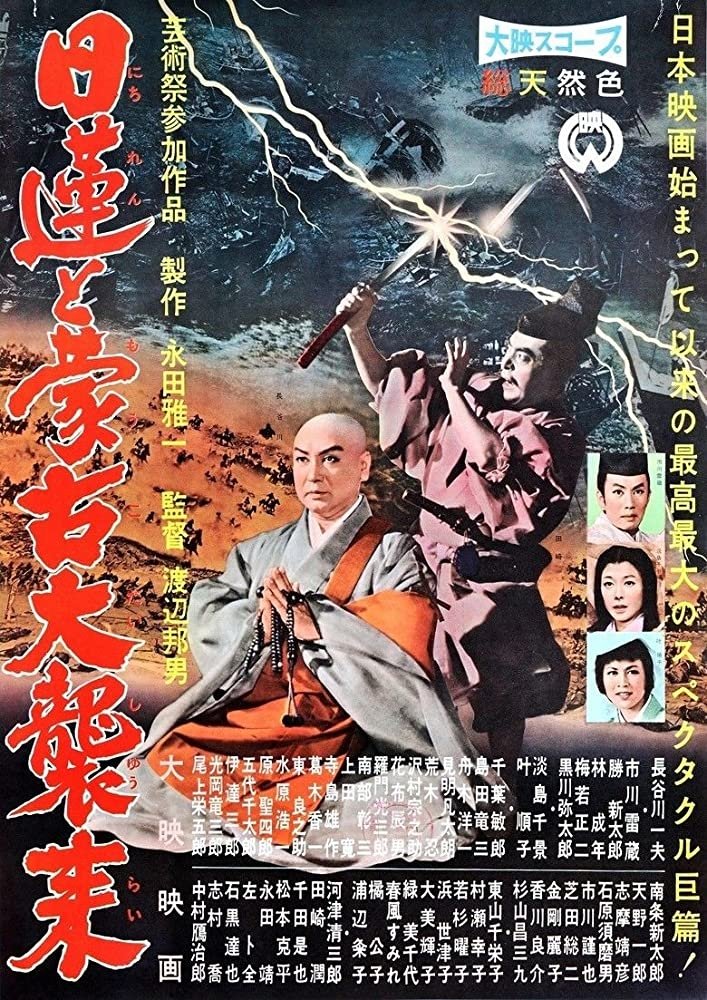
During the 1200's, legendary Buddhist monk Nichiren returns from his studies to lead Japan out of moral crisis and prepare to fight Mongol invaders by creating a new form of Buddhism. He runs afoul of the existing Buddhist sects and their government supporters and is persecuted. Can Nichiren persevere before the Mongol fleet reaches Japanese shores?
At the wedding of Kohei (Hasegawa) and Michiko (Todoroki), a whisper echoes along with a gust of wind. As if manipulated by the mysterious voice, Kohei takes Michiko to stay at a dilapidated mountain villa in his hometown. What awaited him there...
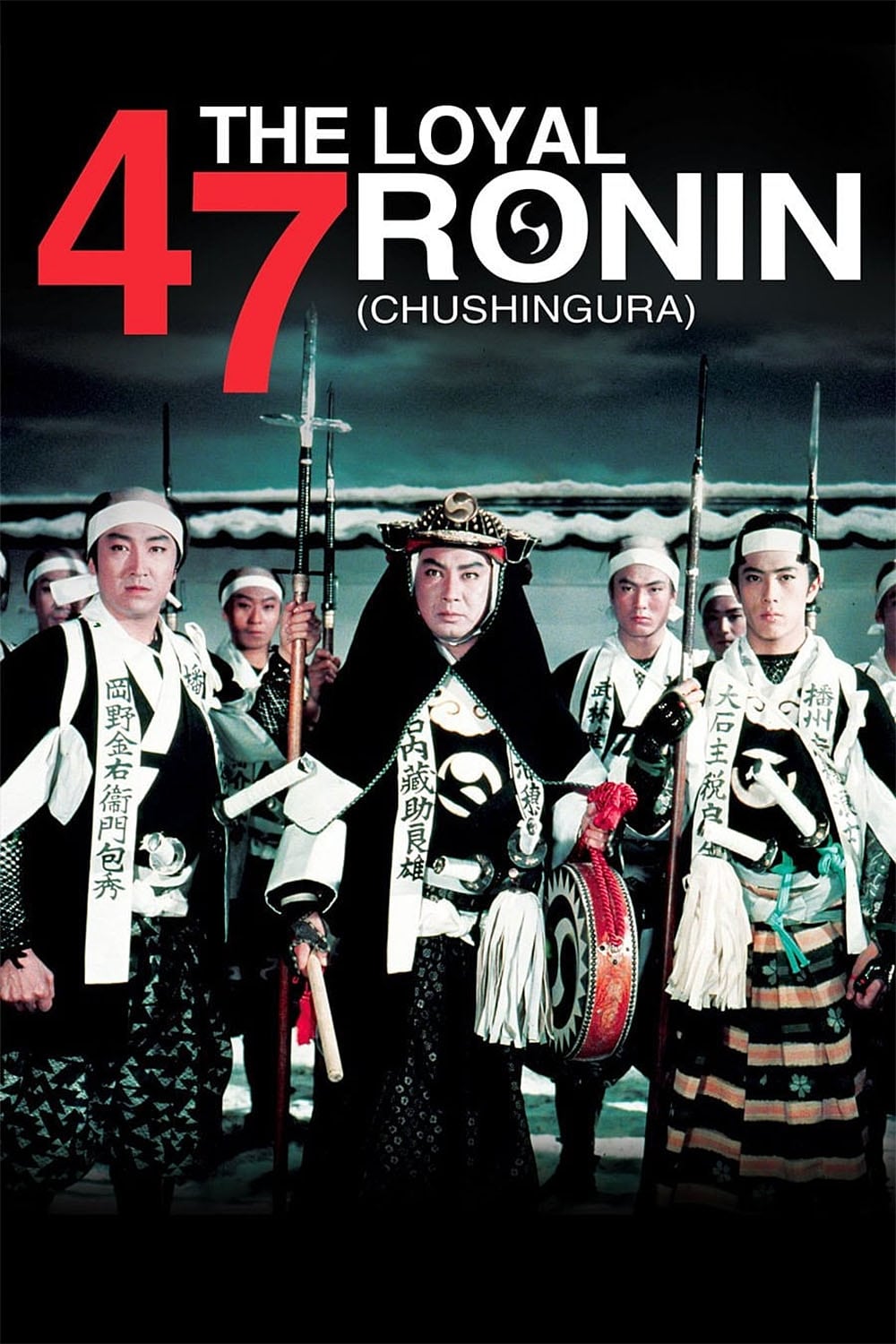
Japan, 1701. A group of samurai become rônin after their lord is forced to commit seppuku for assaulting a court official, who will become the target of a merciless revenge.
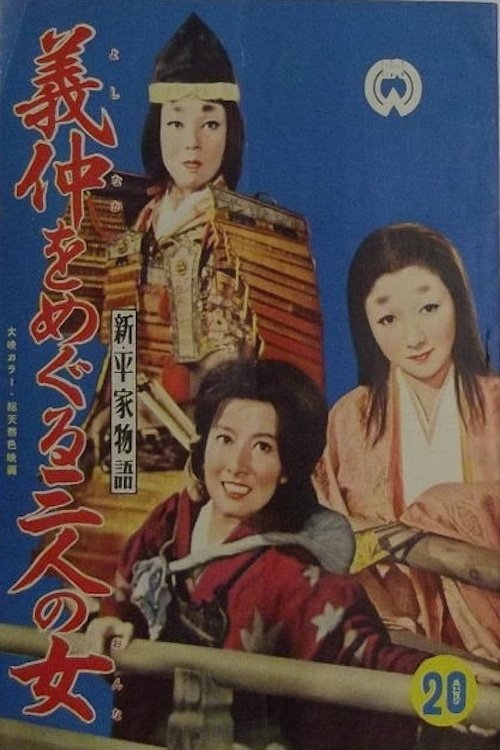
The story of Yoshinaka during the tumultuous period of warring related to us in the Heike Monogatari. Close in setting to Kinugasa’s famous Gate of Hell (1953).
The exciting story of Jirocho and his yakuza gang that controlled the area of the Tokaido during the latter days of the samurai era. Awesome fighting from Katsu Shintaro as One-Eyed Ishimatsu highlights this great tale taken from Japanese history!
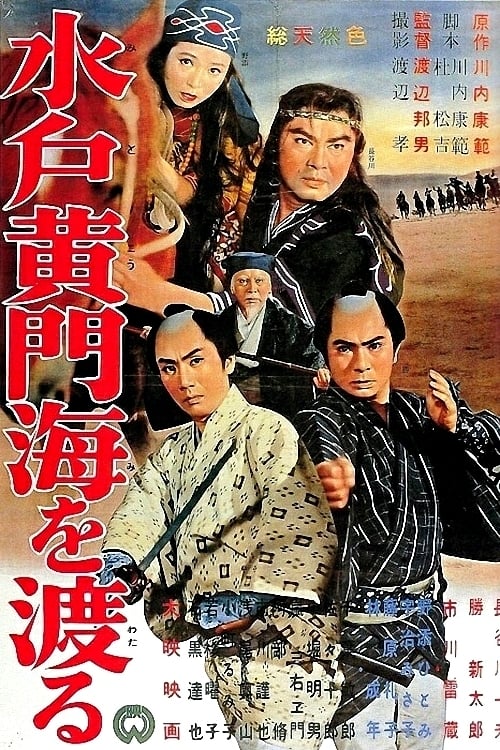
Daiei Film Company's three biggest stars shine in this exciting story about Vice-Shogun Mito Komon's journey to the land of the Ainu. As the shogun's uncle, Lord Mito traveled about the nation seeking to make sure that corruption and injustice did not go unpunished. Traveling together with his two faithful bodyguards Kaku and Suke, they board ship for a voyage to the far northern island of Ezo (modern day Hokkaido) where the indigenous people called "Ainu" live. Somewhat like American Indians, the Ainu had their own culture which had not been subjugated by the Matsumae clan, rulers of the vast island. A revolt is brewing within the leadership of the Ainu, which threatens to destroy their peaceful lives. The elder lord and his retinue are the only ones who can stop this reign of terror!
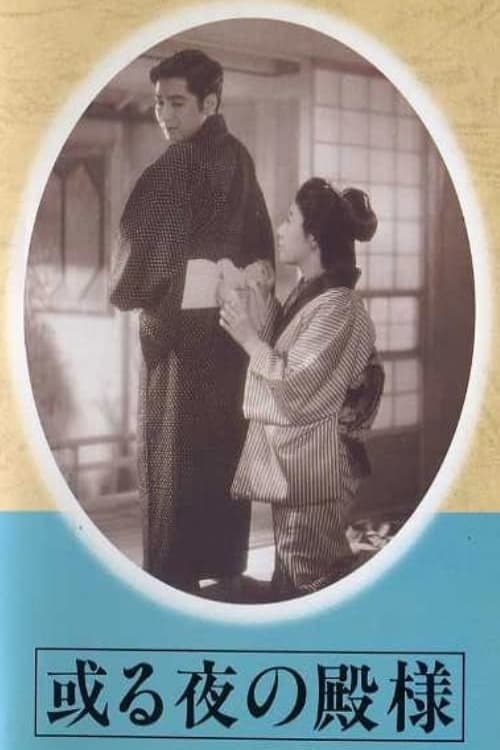
In 1887, two businessmen, Echigo-ya and Kitahara, compete for railroad construction authorization from the government. The minister states that a local noble must not object, and his missing younger brother is the only one who could sway him. Meanwhile, Omitsu, a hotel employee tired of Echigo-ya’s wife’s arrogance, teams up with Kitahara to stage a scheme where a vagrant young man pretends to be the noble’s lost brother, aiming to trick and embarrass the wealthy woman.
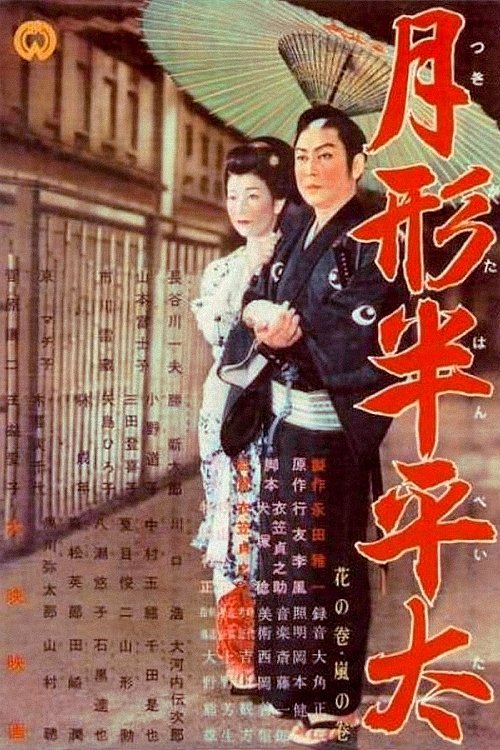
During the bloody era of the Tokugawa Shogunate collapse, a man appeared capable of overthrowing a corrupt government and ending the feud between the Choshu and Satsuma clans. This is the story of Tsukigat Khanpayit, the sword maker of the Choshu clan, who, along with Katsuro Kogoro and Sakamoto Ryoma, sought to fulfill the dream of a new peaceful era in Japan. Can he realize his ideals or will he die in the chaos of internecine fights...

A Girl isn't Allowed to Love is a 1955 Japanese film directed by Teinosuke Kinugasa.
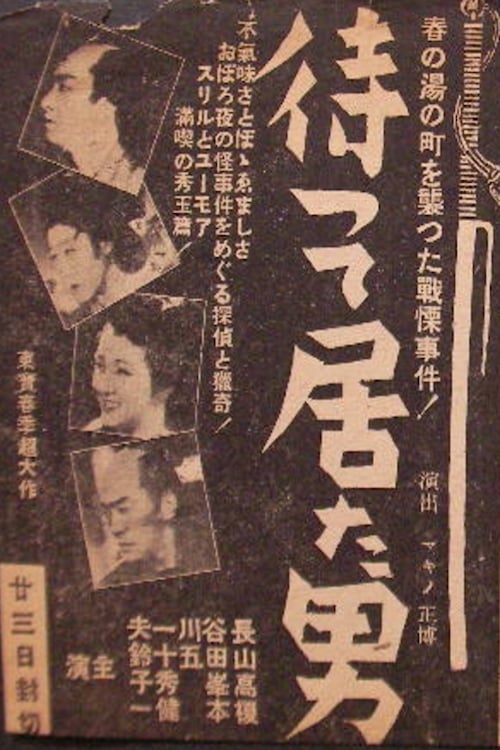
A bizarre murder at a hot springs resort threatens to disrupt an Edo detective's (Hasegawa) vacation. When his hot-blooded wife (Yamada) starts snooping around, however, he finds himself reluctantly drawn in to the case.
1942 adaptation of Izumi Kyoka's novel.
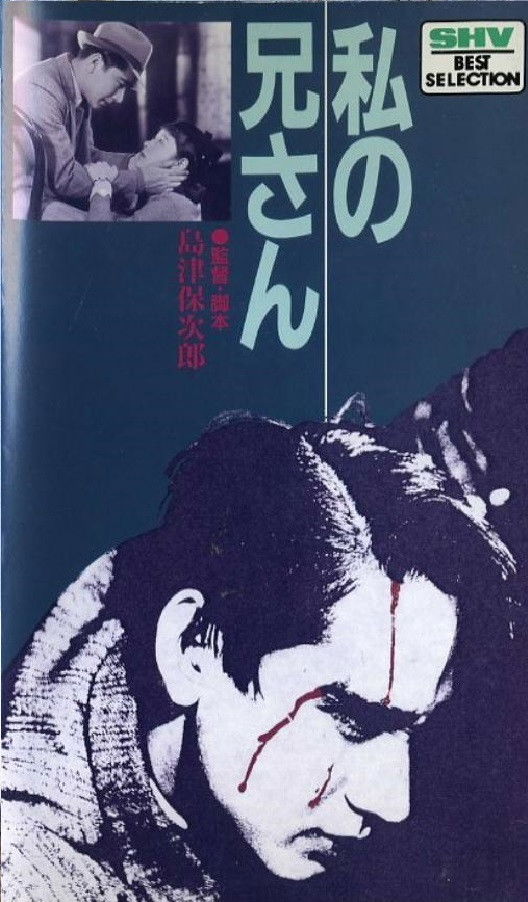
Jyuta, an honest owner of a taxi company, has a younger half-brother who is involved in the yakuza world and doesn’t get along well with his mother. Jyuta tries to correct him…
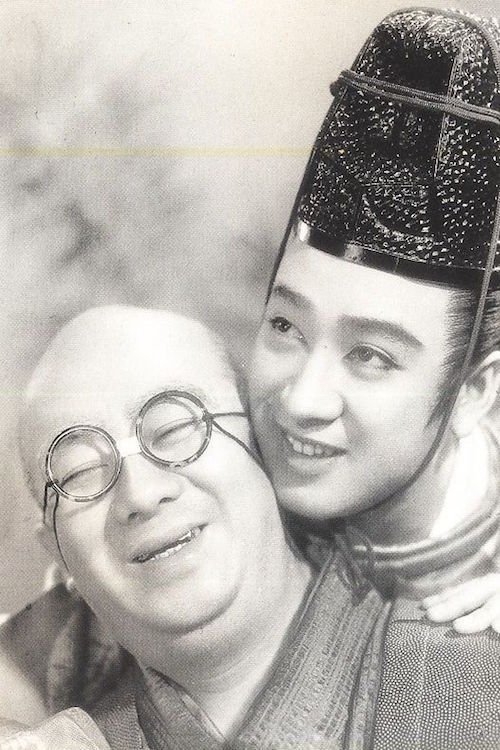
A sentimental tale of the filial love between shogun Iemitsu (matinee idol Hasegawa) and his loyal old retainer Hikoza (comedian Roppa, playing somewhat against type).
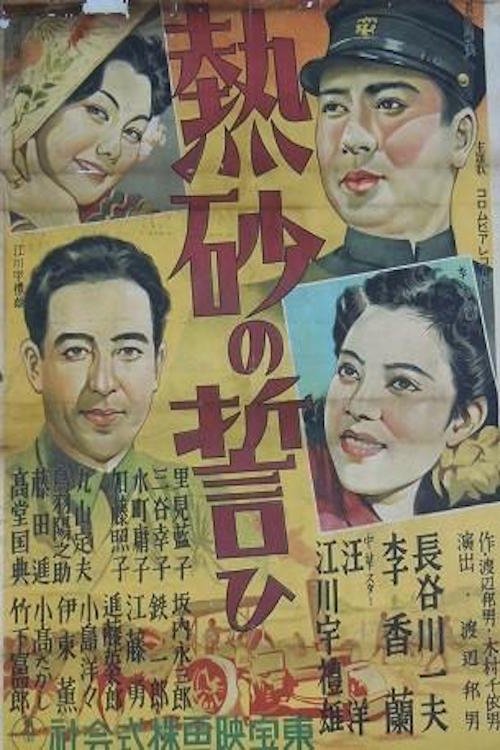
A Japanese army engineer (Hasegawa) on the mainland must put his personal feelings for a beautiful Chinese woman (Ri) aside if he is to succeed at building a highway through the "bandit"- (aka anti-Japanese militia-) infested hinterlands.
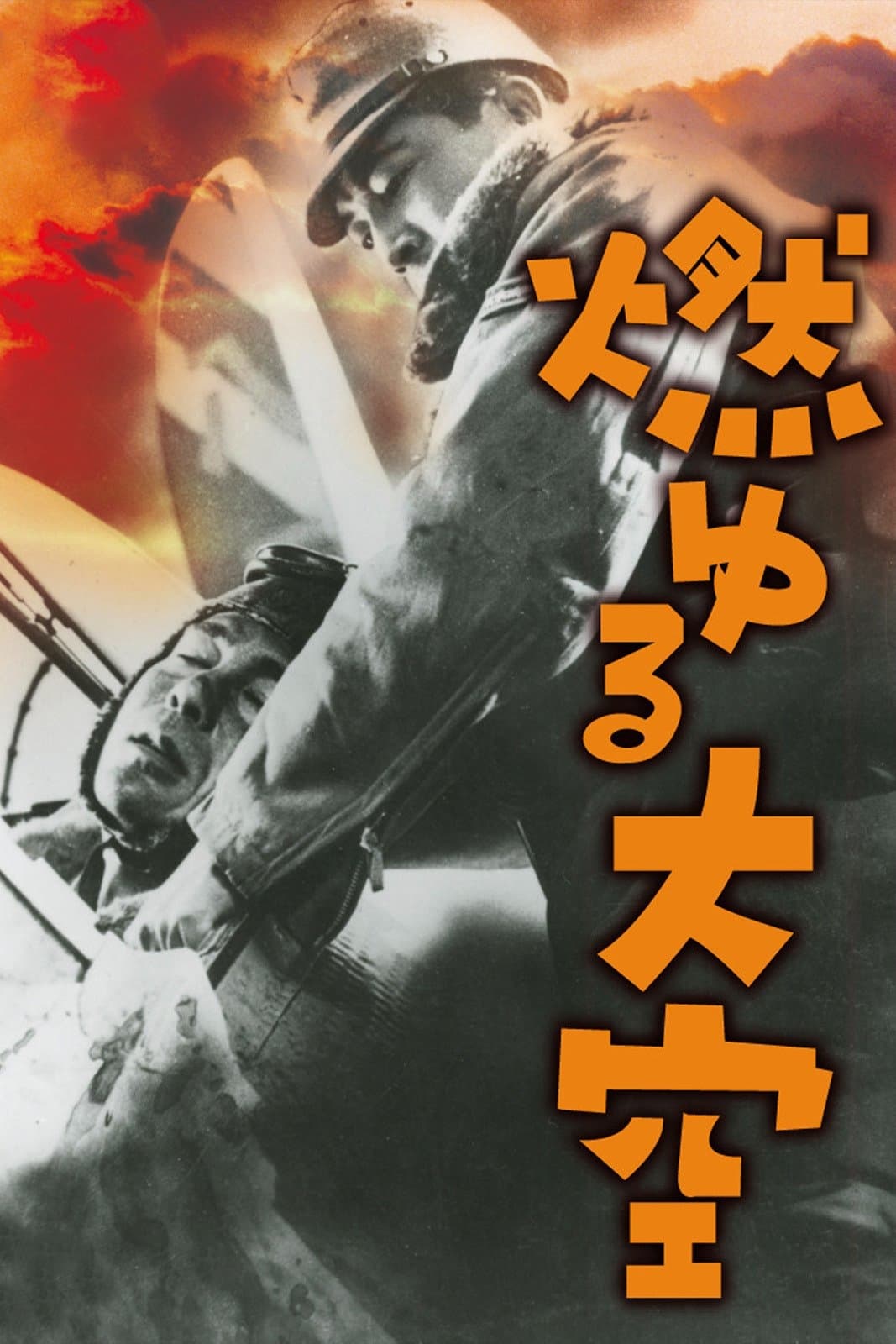
The film was produced during Second Sino-Japanese War, before the Pearl Harbor Attack in 1941. The film mainly concerns the training of newly-recruited pilots and their daily life, then their subsequent fighting experiences in China. Army supported the production, providing all the authentic airplanes, training and actual actions. They even provided the older biplanes disguised as Chinese fighter planes. Obinata plays the trainer-turned-combat-leader, who is passionate and cool at the same time. All his boys love him, of course. The film is not as intense, full of sugar-coated camaraderie, until young pilots are killed in action one by one. Last twenty minutes are fairly grim, as the message of self-sacrifice is heard loud and clear.
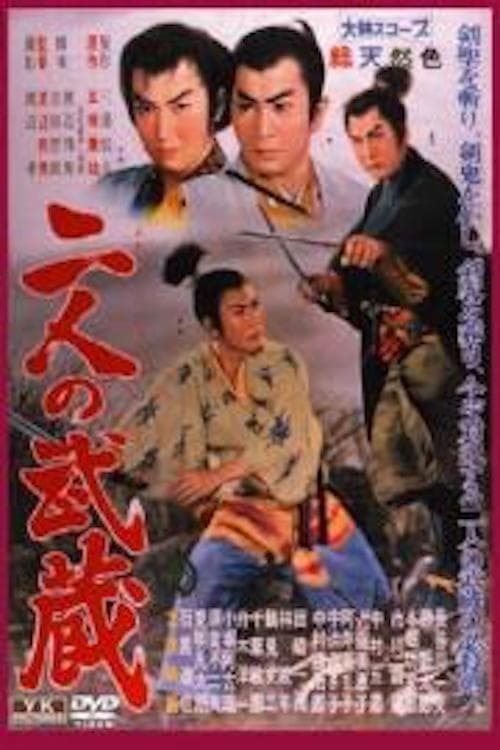
During the reign of Shogun Hidetada, both Hirate Musashi and Okamoto Musashi strive to become the finest swordsman in the land by defeating the Yagyu clan's top instructors and then taking on Sasaki Kojiro!
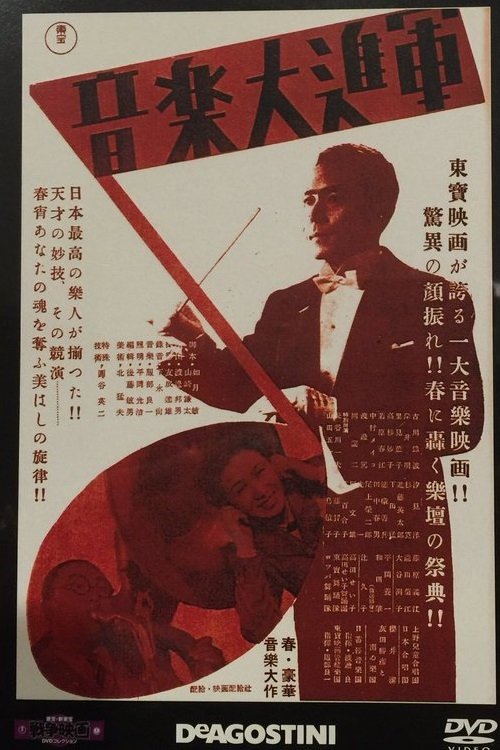
A 1943 film.
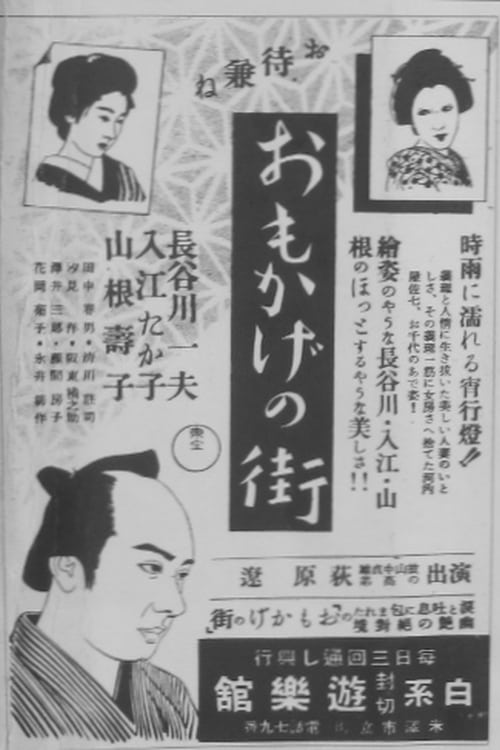
A 1942 film.
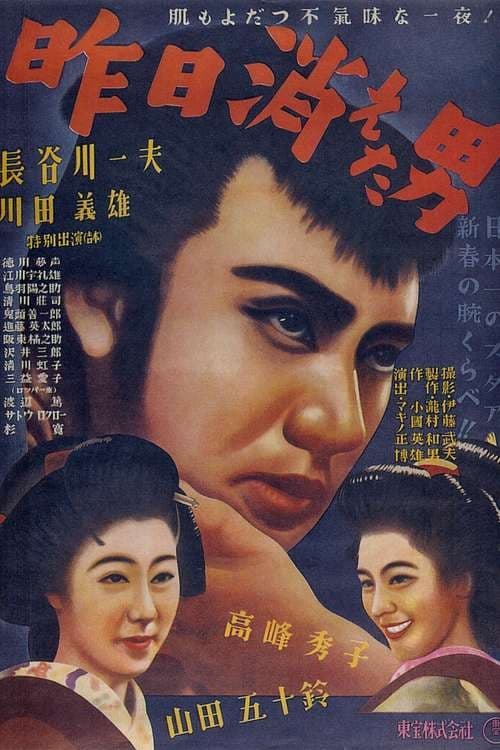

This epic depicts the battle between Uesugi Kenshin and Takeda Shingen. The focus of the story is the struggle by the unit leader in charge of the main supply wagons and the supply troops to transport materiel to the Uesugi army. To this are added episodes involving an itinerant woman.
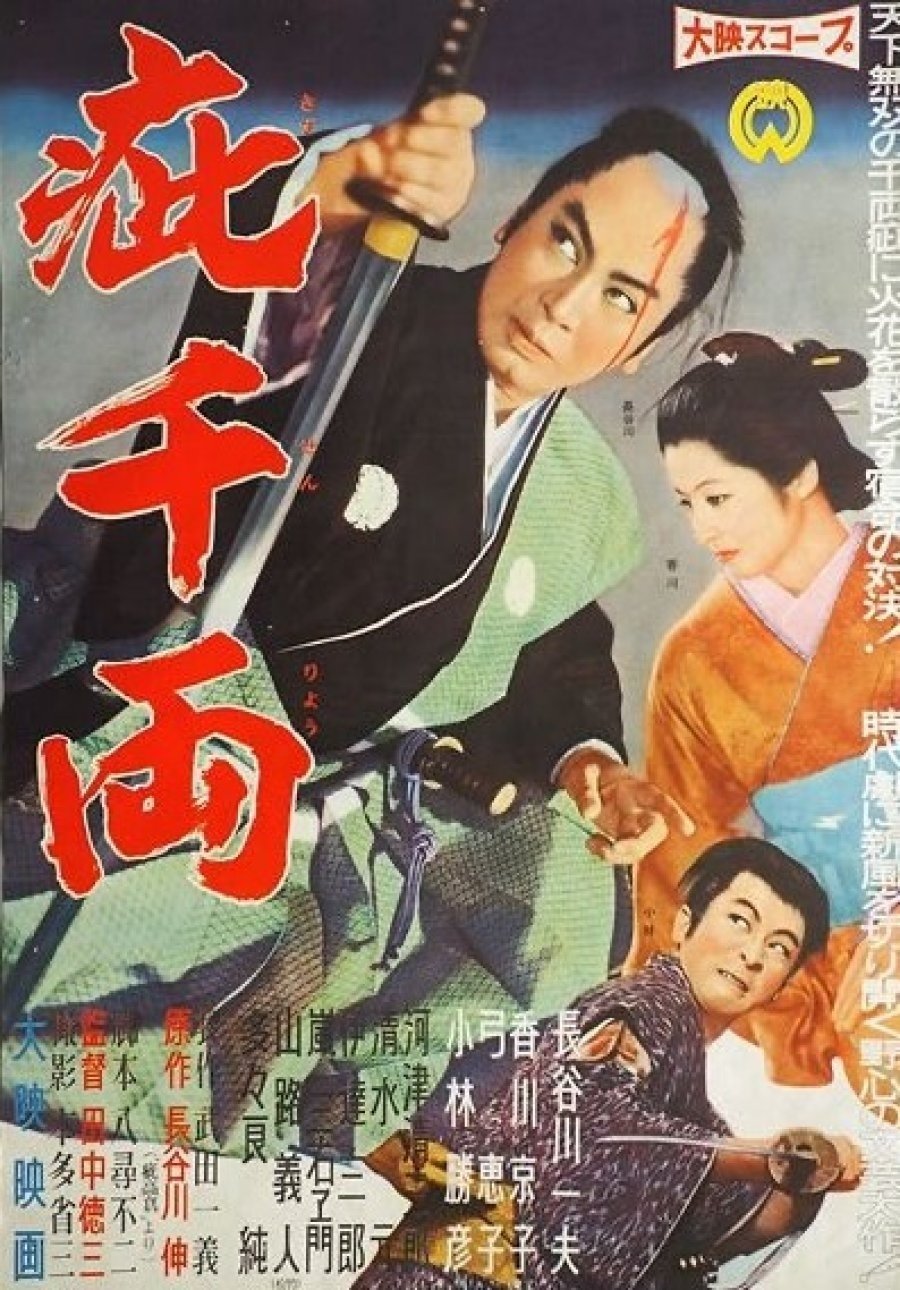
Japan, 1643, as the Kato clan of Aizu falls from power two brave samurai will settle a dispute in the time-honored tradition of their clan, by drawing their blades in a duel to the death.
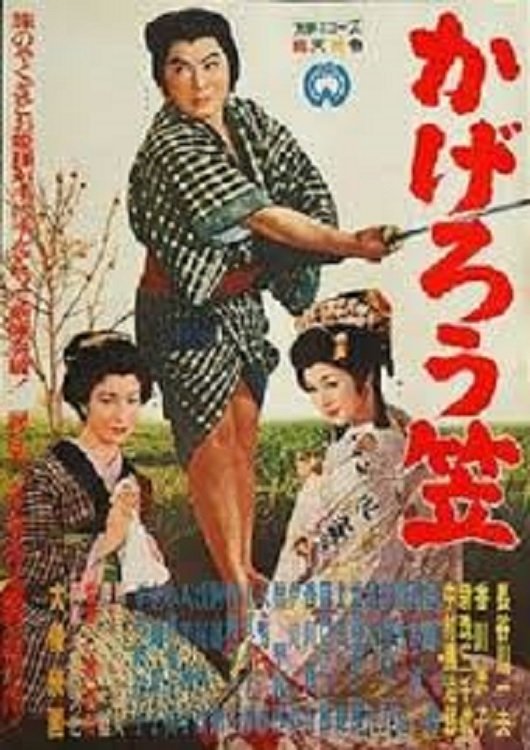
Film directed by Kenji Misumi.
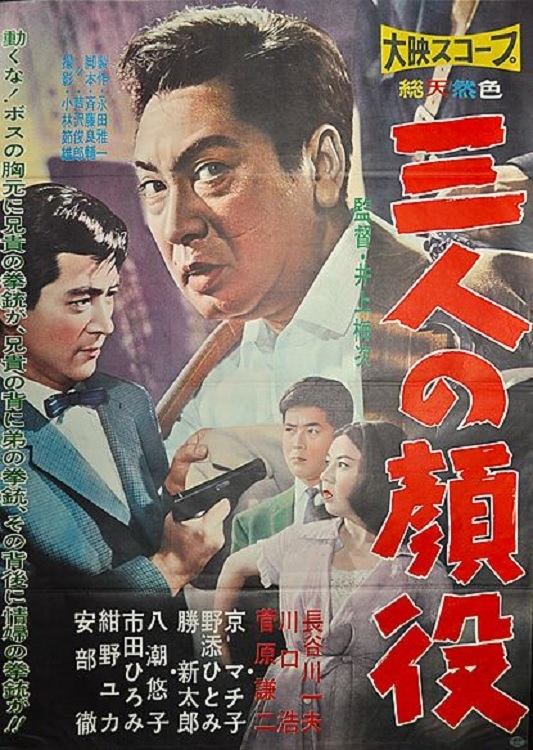
A crime boss gets out of prison and tries to find who from his organization betrayed him.
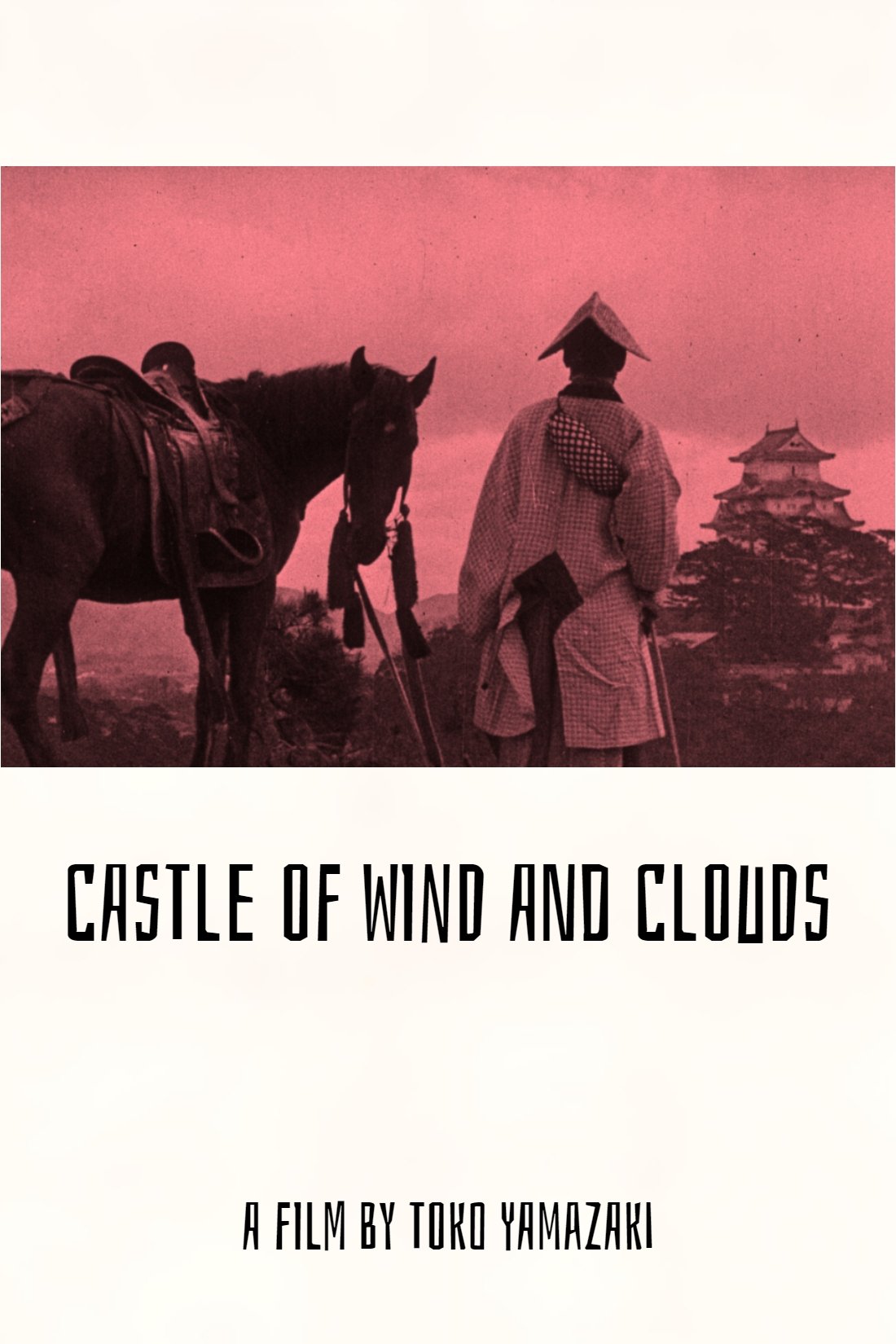
A samurai returns to his homeland after a three year absence and finds his fiance is now one of the prince's concubines.
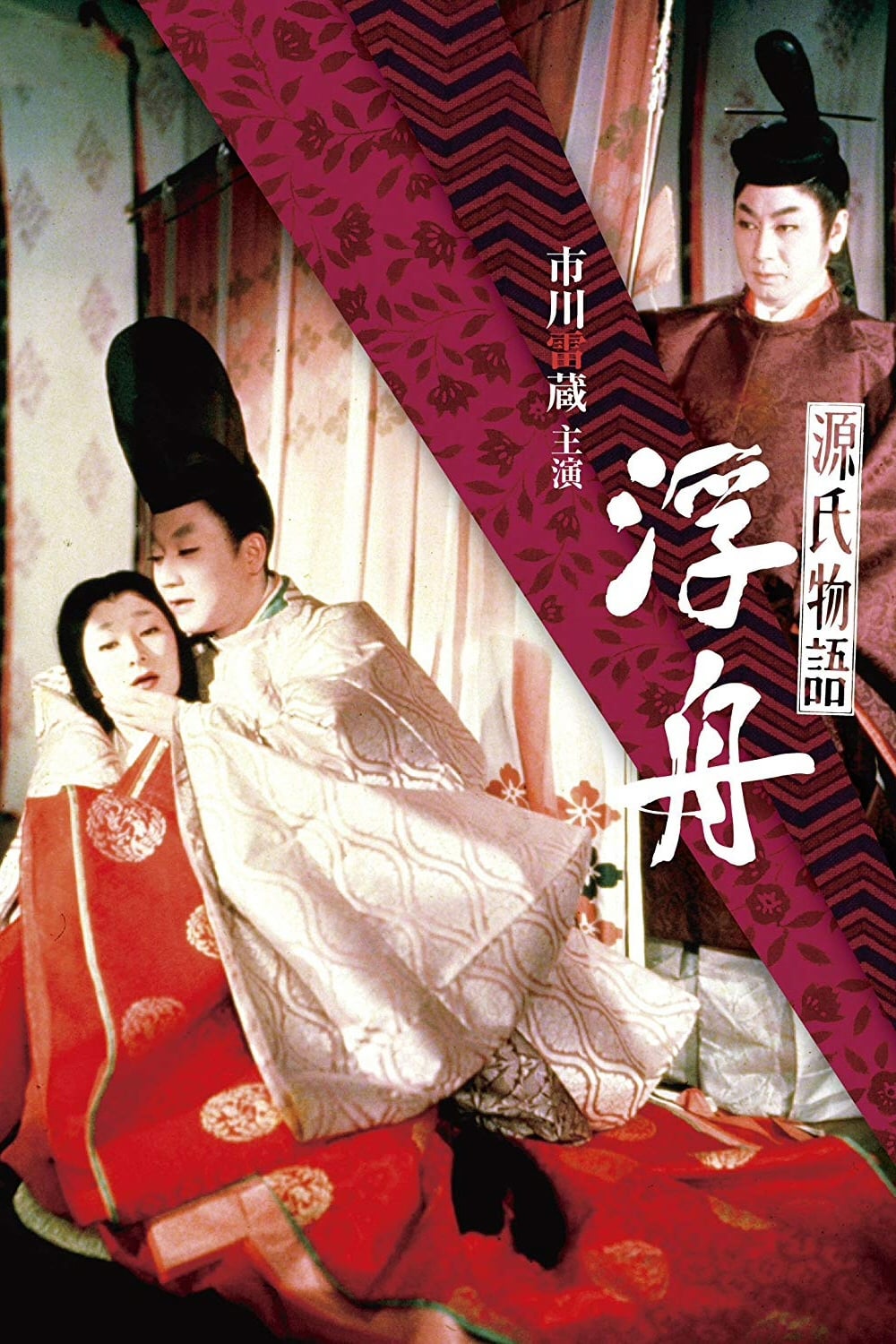
Floating Vessel (源氏物語 浮舟 , Ukifune) is a 1957 color Japanese film directed by Teinosuke Kinugasa. Drawn from parts of the famous Genji monogatari by Lady Murasaki.
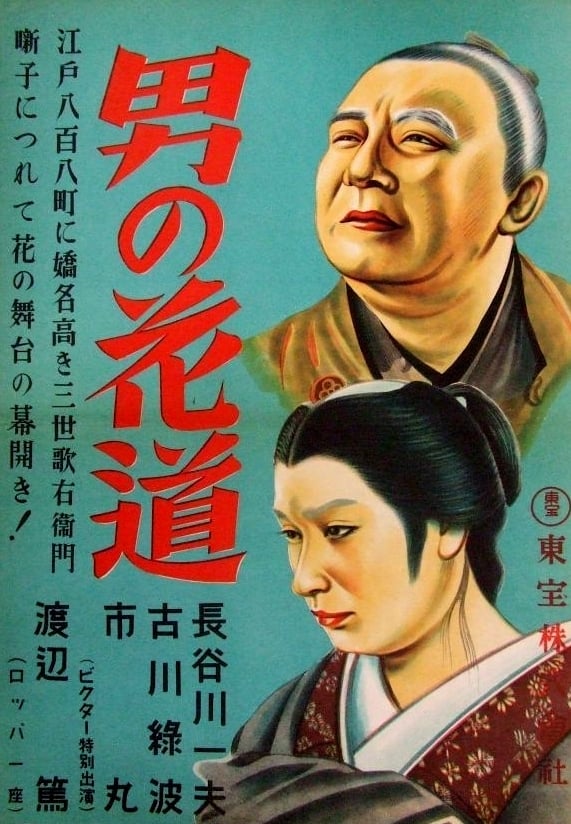
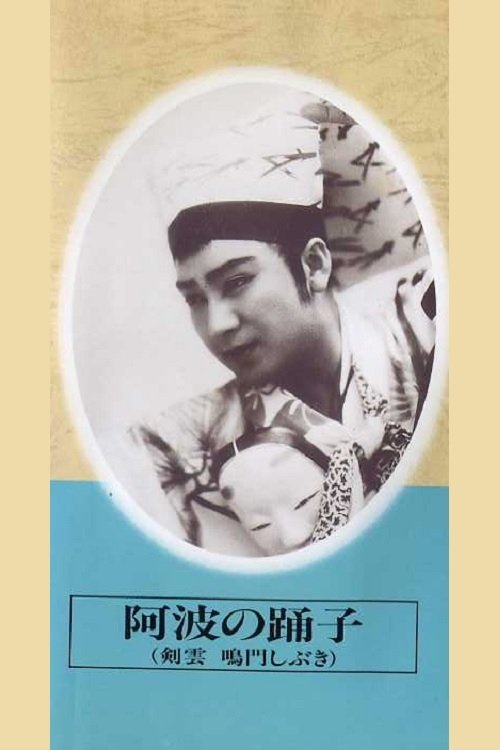
Jurobei, a kaisen tonya (wholesaler in port) in Awa, was wronged and killed on the day of the Dance Festival by the evil merchant & the chamberlin. His brother (Kazuo Hasegawa) vowed vengeance on the day of his brother's death. So every year the villains are worried during the Awa Dance Festival (which is part of the Obon festival), but nothing has ever happened, until seven years later...
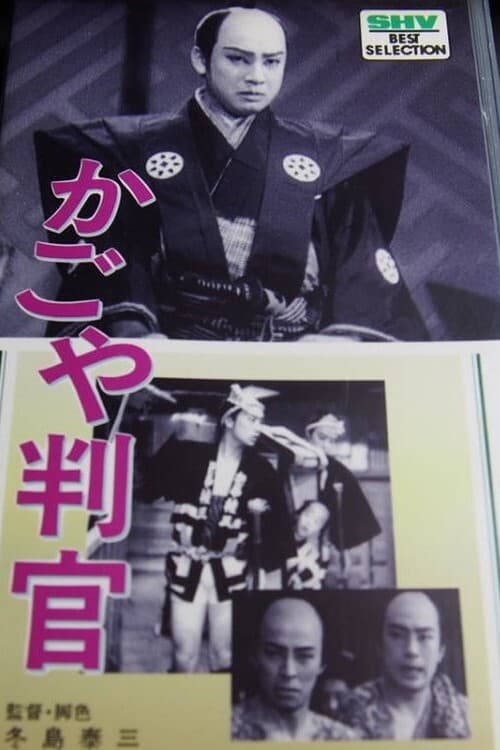
Two cowardly palanquin carriers know the culprit of a murder, but are too scared to report it to the police. In the meantime, an innocent man is arrested as the murderer and chaos ensues.
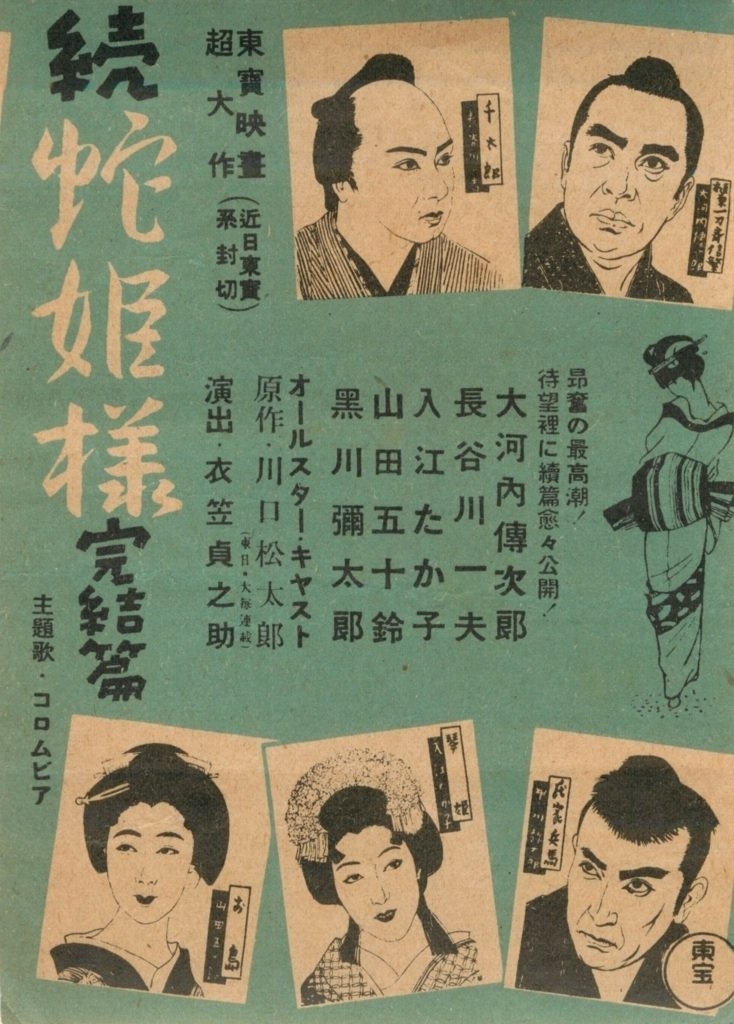
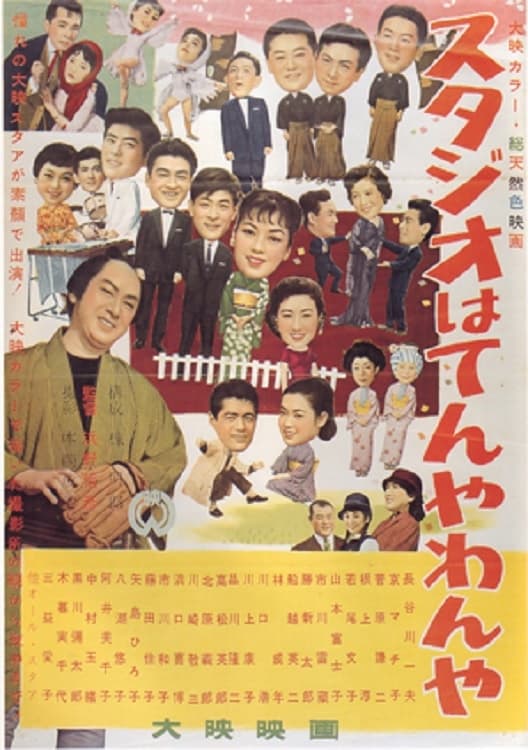
A studio introduction version for Daiei Stars.
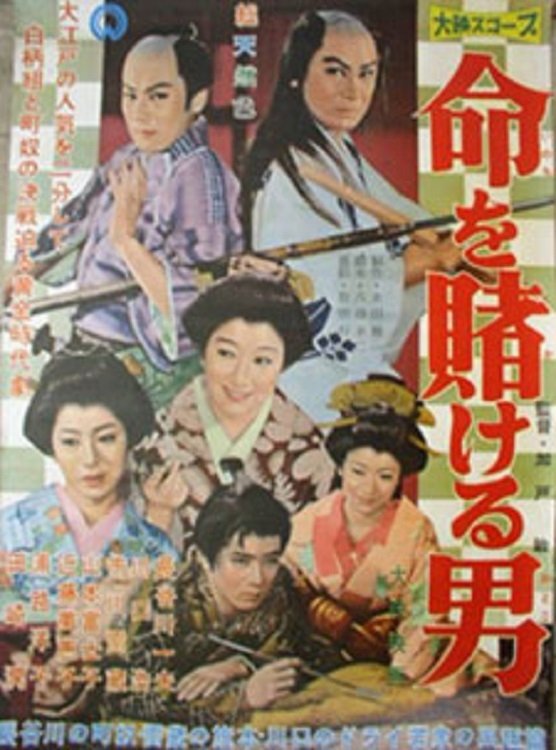
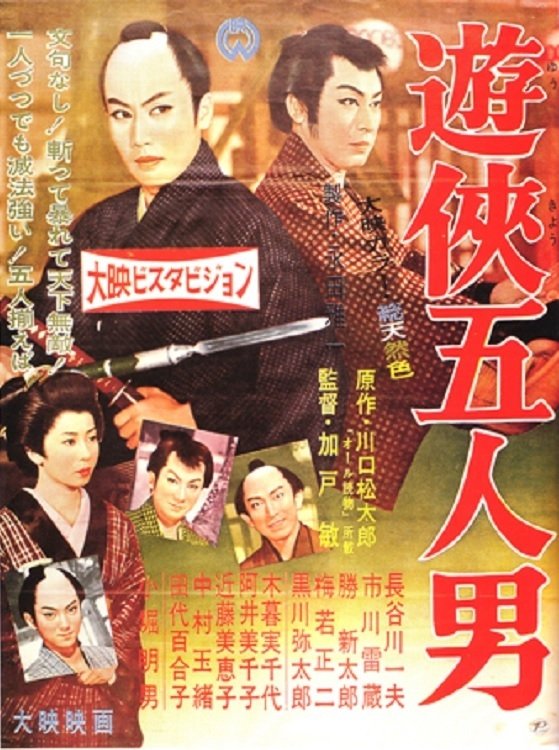
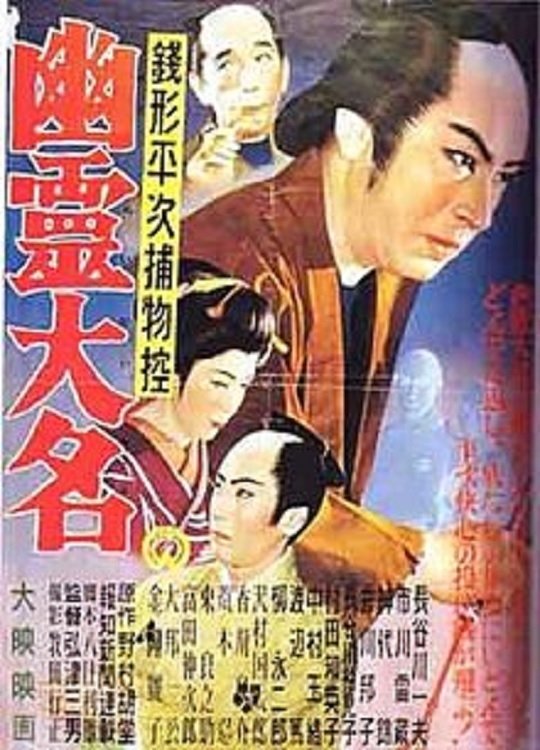
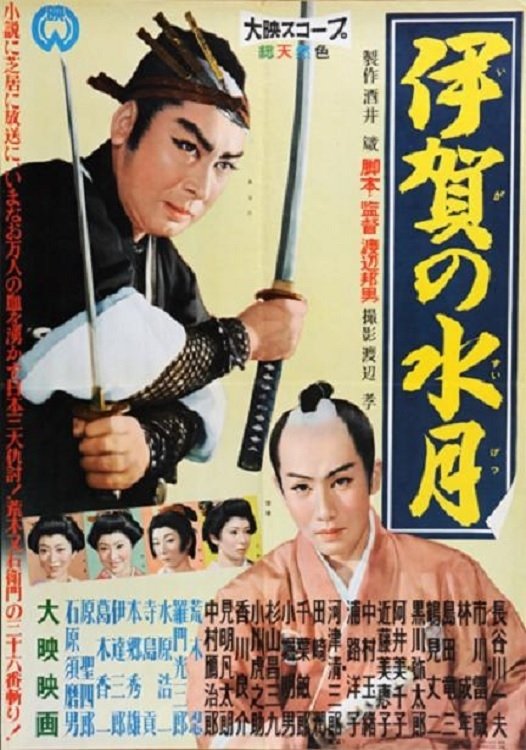
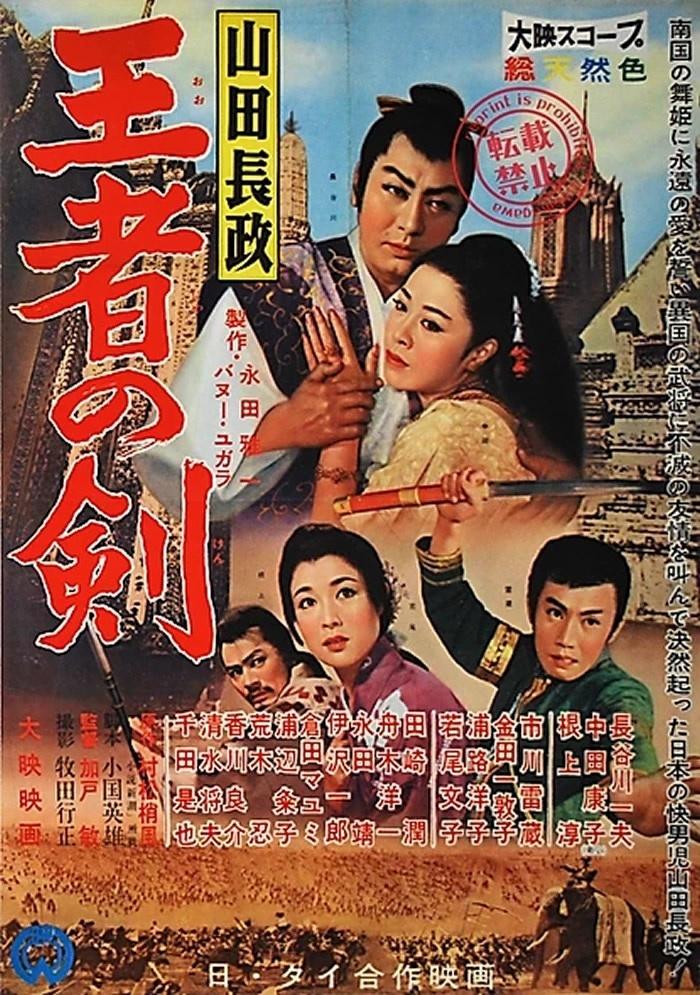
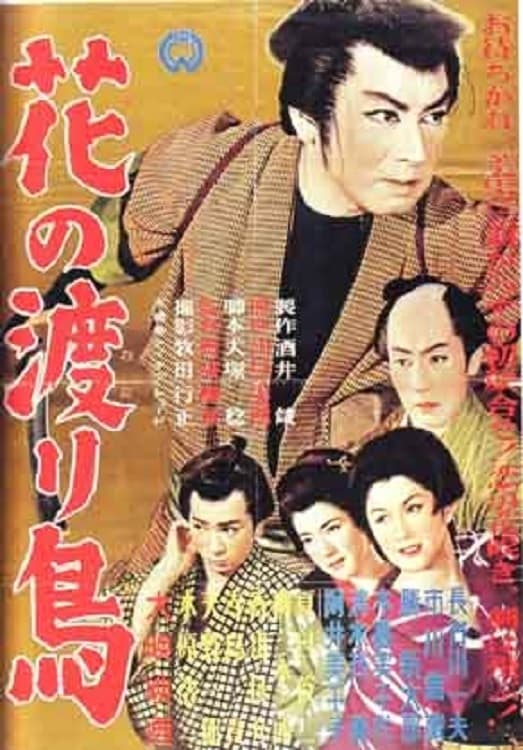
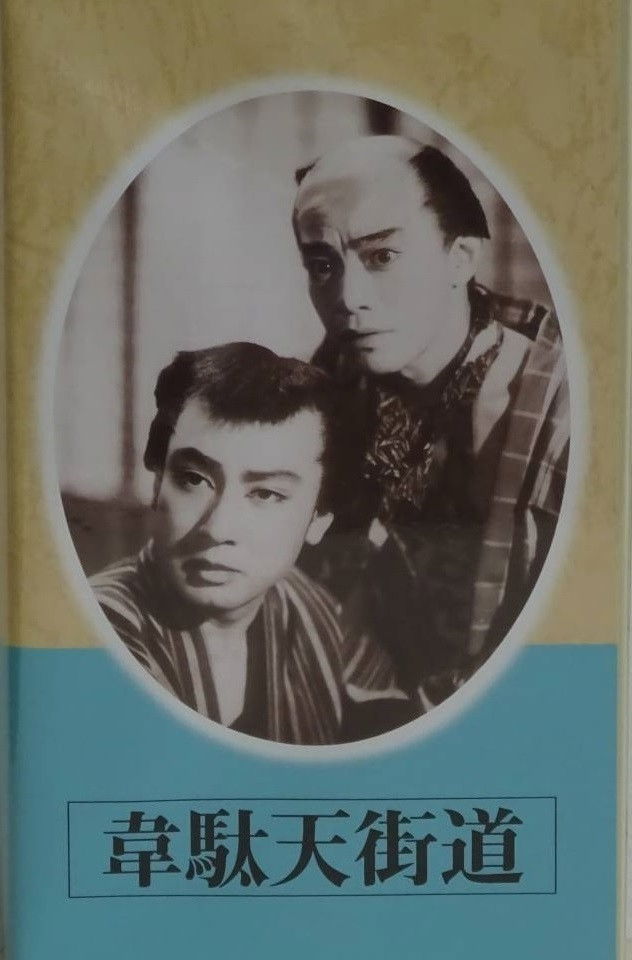
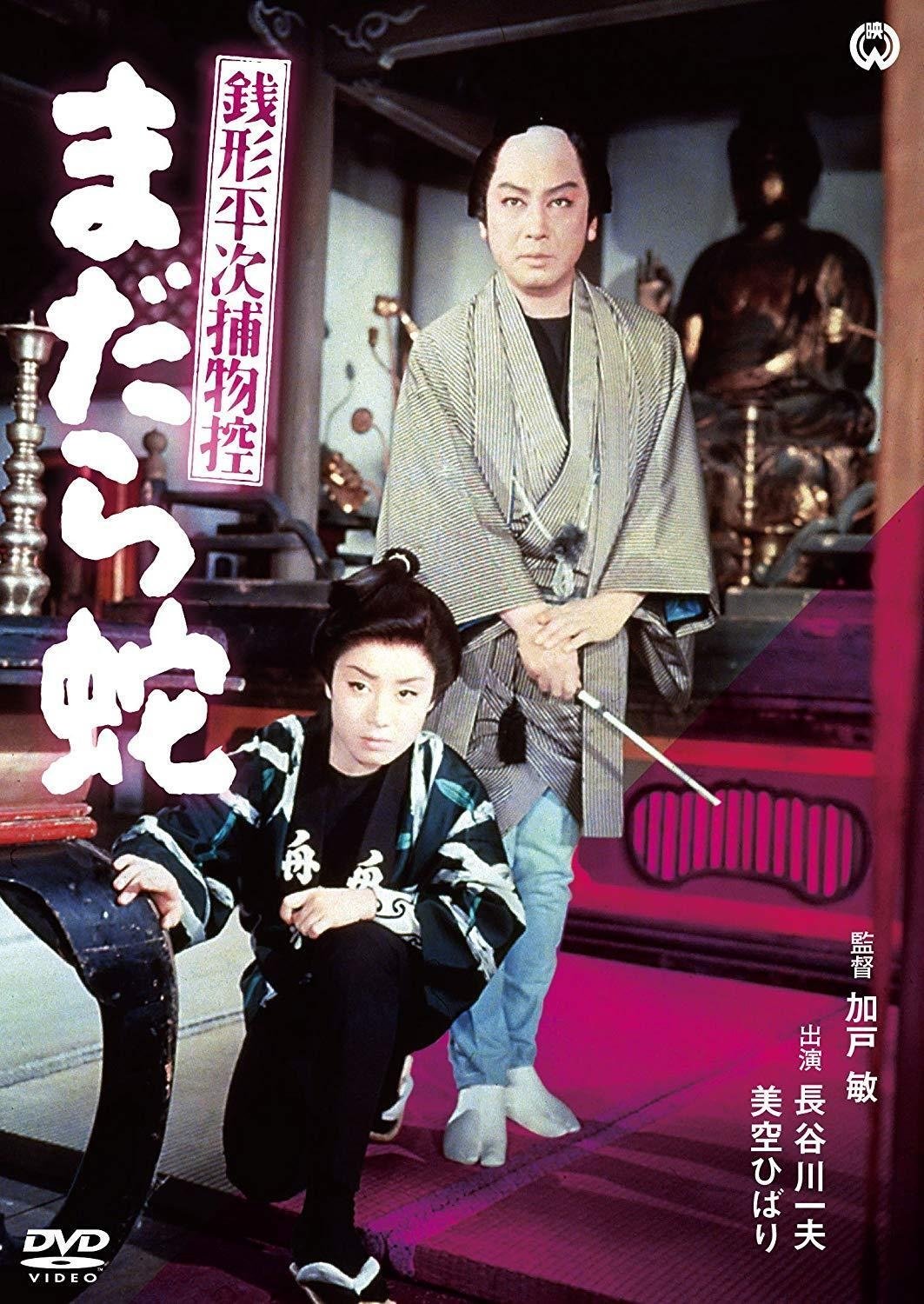
The film depicts how the work to build the Great Buddha overcame a number of obstacles as proponents and opponents clashed over the construction of the Buddha. This work is based on a play by Hideo Osada, which was performed by the Shin Kyodo Theater Company in 1940.
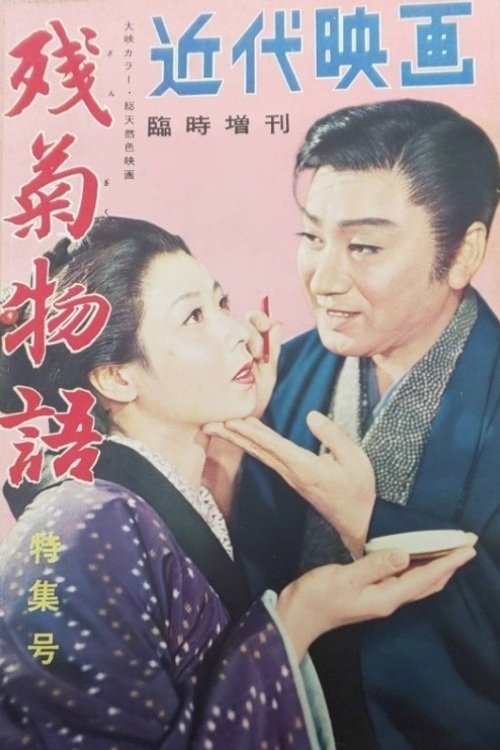
Based on the novel by Shofu Muramatsu, the film is dedicated to the actors of the renowned Japanese Kabuki theatre. Set in Japan in 1885, the story follows Kikunosuke Onoe, the adopted son of a famous Kabuki actor. Kikunosuke’s father teaches him professional acting skills, preparing him to become his successor and continue the acting dynasty. However, Kikunosuke leaves his family, much to his father’s dismay, to hone his craft outside of Tokyo and moves to Osaka.
Hiromasa Nomura World War II era film
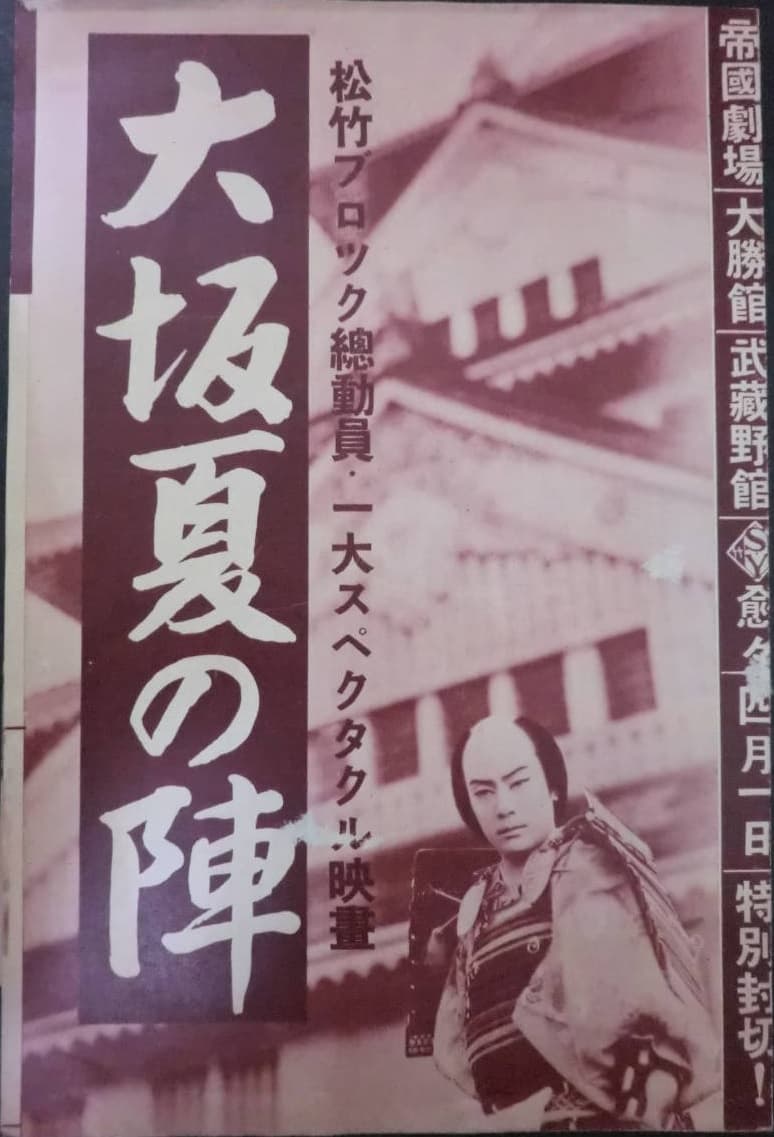
The Siege of Osaka
Period film from 1934.
A young vassal is betrayed by his corrupt lord.
A young samurai rescues his beloved from the clutches of a corrupt priest.
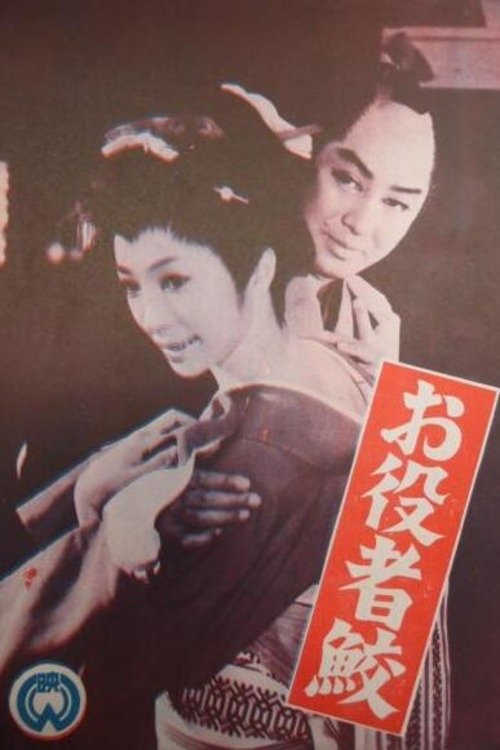
Kantaro, known as a rowdy boy in the town of Ina, attacked the local boss, Kaneoni's Arahira, all by himself, but was defeated by a large group of people and thrown into the Tenryu River, never to be seen again. Three years later, Kantaro, who was rumored to be dead, was reported to have appeared at a boarding house upstream of the Tenryu River by Genkō, a horseman who had been saved by Kantaro. O-Mitsu, the daughter of Chokai-ji Temple, who had secretly been in love with Kantaro, was thrilled by the rumor and told her father, the monk Ryokai, about it. However, Ryokai was none other than the one who had rescued Kantaro from the boarding house three years earlier and had secretly sent him to Edo.
1961 Japanese movie
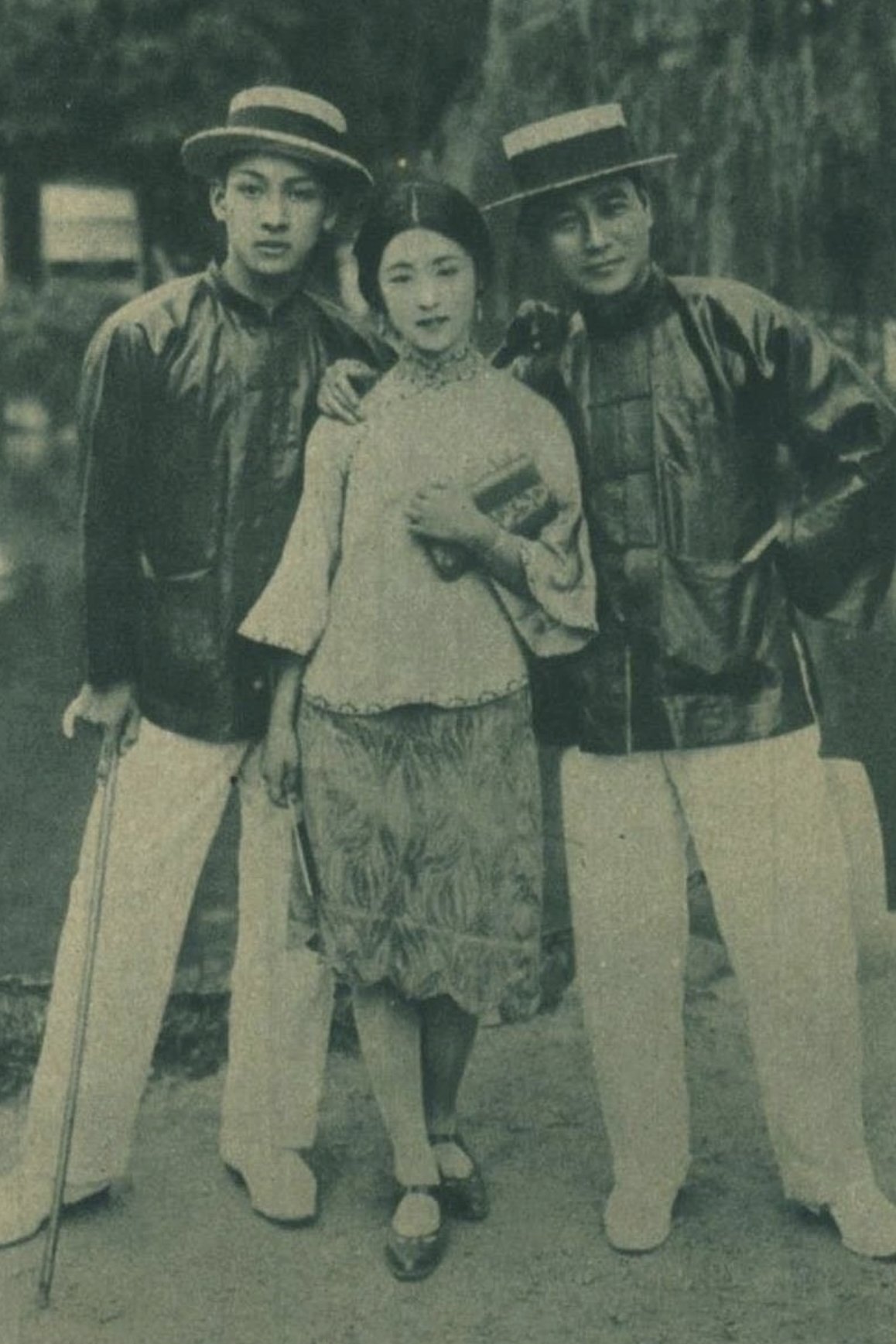
Japanese silent film from 1928, co-starring Chojiro Hayashi and up-and-coming actress Kinuyo Tanaka.
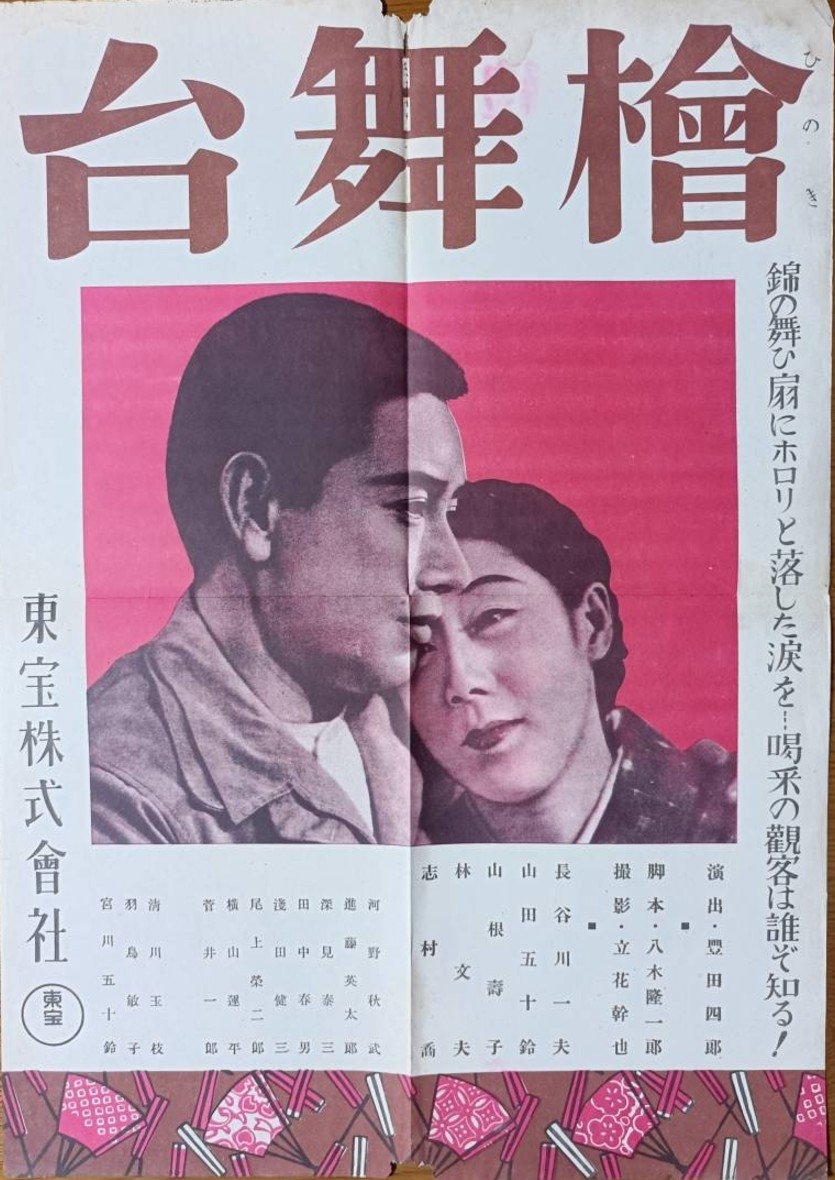
The story is set in a rural village, where the village mayor gives a speech at the local community center as a theater troupe visits the village for the first time in several years.
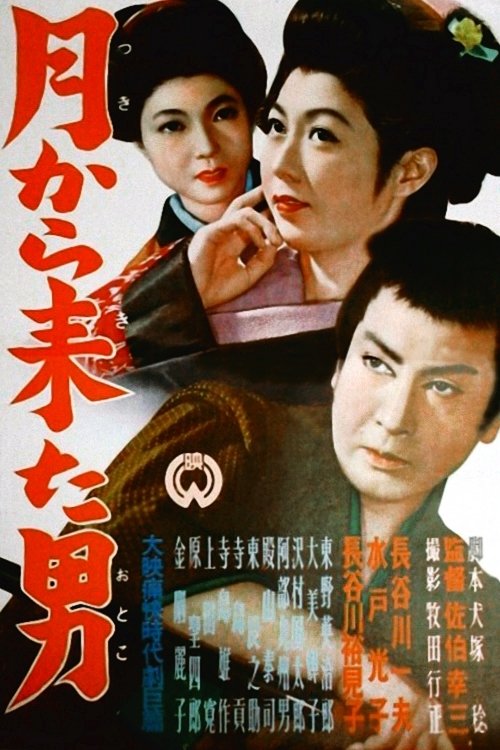
O-Kiyo (Mitsuko Mito), who had escaped from her boss, Shoden, who controlled the Sensoji Temple district, was desperately contemplating suicide when she was rescued by ronin Kojuro Tozawa (Kazuo Hasegawa), who hid her in a dilapidated apartment building. The Shoden clan desperately searched for O-Kiyo, but Kojuro found a huge sum of 50 ryo and ransomed O-Kiyo. Unable to accept this outcome, the enraged Shoden clan attempted to win the favor of constable Jinnosuke Nakayama (Kusuo Abe), seeking to demolish the dilapidated building and transform the area into a pleasure district. However, Kojuro thwarted their plans, bringing joy to the poor residents of the building. After demonstrating his remarkable skills, Kojiro revealed his true identity - he was a prominent hatamoto.
Kan’ichi Hazama and Omiya Shigisawa are engaged to be married, but Omiya breaks the engagement to marry a wealthy banker’s son. Heartbroken, Kan’ichi becomes a moneylender, and years later their paths cross again under changed circumstances. Adapted from a popular serialized novel of the same name.
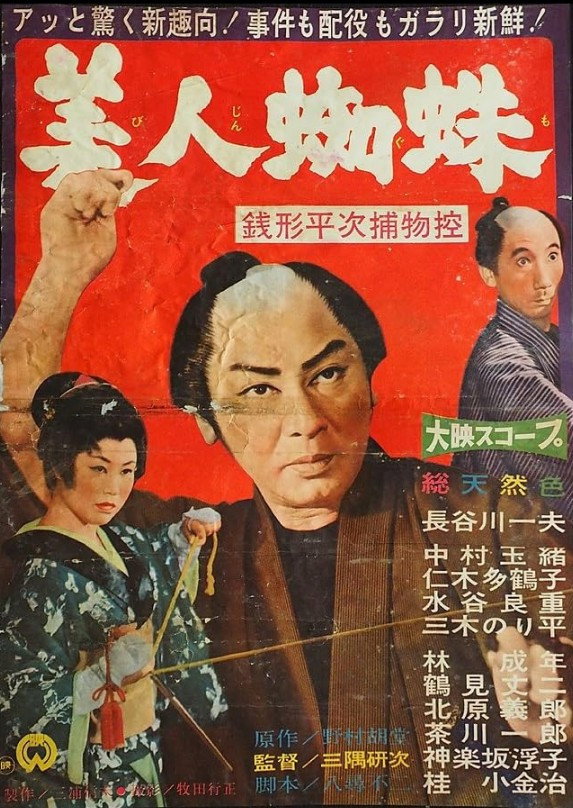
Set in the Edo period, Zenigata Heiji is a policeman who catches criminals by throwing coins (zeni).