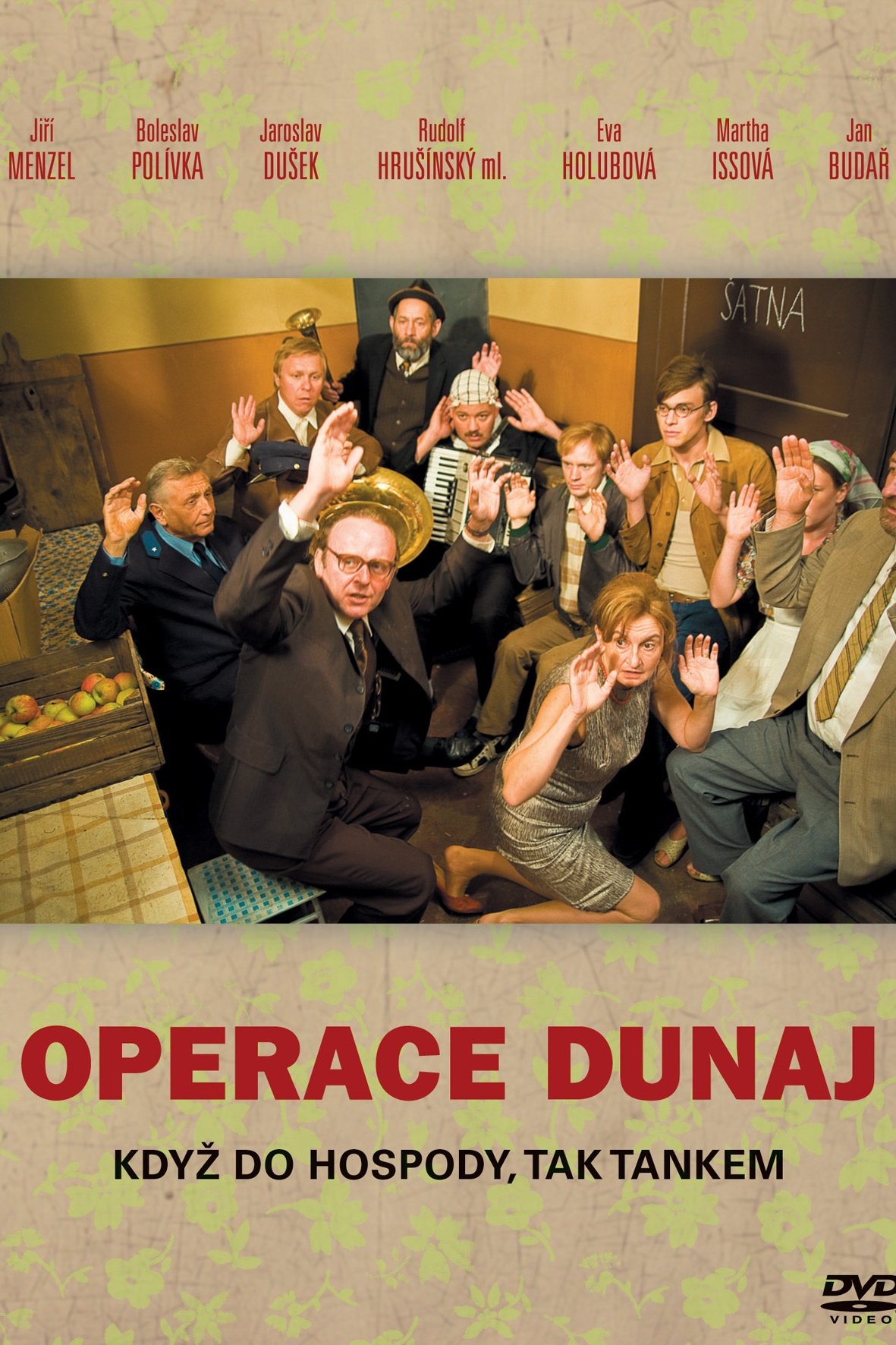
Operation Danube was the cover name for the invasion of Czechoslovakia by Warsaw Pact armies in August 1968. The fleet of Polish tanks which arrive to liberate their neighbor, ostensibly threatened by a counter-revolution, includes the old tank nicknamed Ladybird, which is the last to leave the barracks.

The fate of three Catholic priests were linked together through tragic events a few years back. Every year, on the anniversary of the catastrophe, they gather to celebrate their survival of the tragedy. Lisowski works at a curia in a big city, building his career while dreaming of the Vatican. Standing in his way, Mordowicz, the archbishop, a luxurious church dignitary who is making use of his political connections to build the largest sanctuary in Poland. Trybus, is a parish priest and often submits to human weaknesses. Kukuła also is not doing well. Despite his passion for faith, he is losing the trust of his flock. Soon, through new tragic events, the paths of the three priests will cross again.
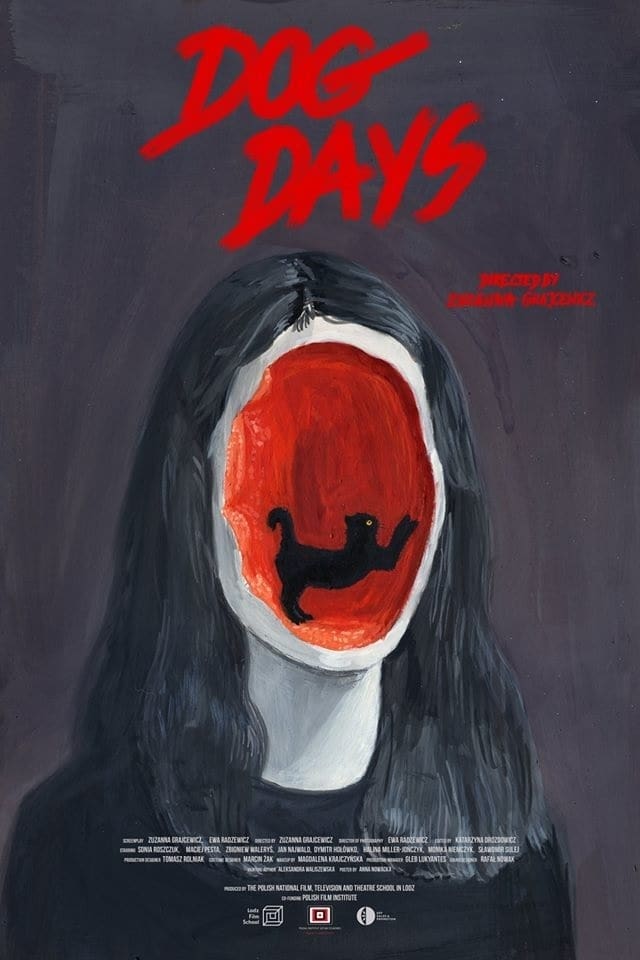
What is lacking in the world in which animals no longer exist? The protagonists decided to establish a company which provides services for those who need a replacement for animals that are already extinct. As it appears, in relations of human and animals, all kinds of emotions are involved.

Young journalist Helena is investigating mysterious suicides. In the course of it, she stumbles onto the trail of a company that buys monthly blood. The traces lead to Victor, a descendant of a Nazi officer, a member of the Vril group, which conducted medical research in the concentration camps. Young Kabbalist Jacob assists Helena in her investigation and introduces her to the subject of Kabbalah and Jewish mysticism. Helena suspects that Victor is illegally continuing his grandfather's research...
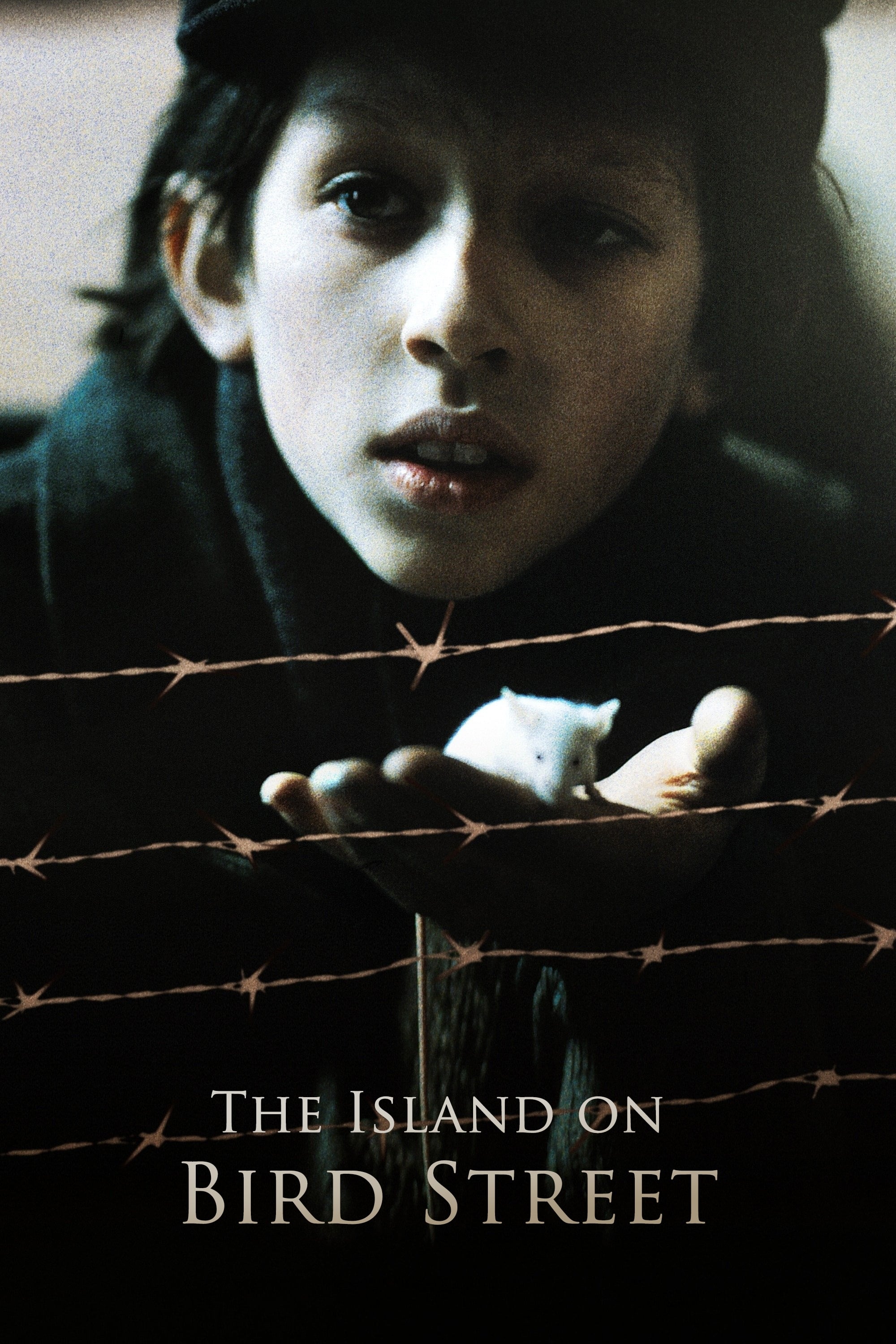
Alex is an 11-year old boy who, during WWII, hides in the Jewish ghetto from Nazis after all his relatives have been sent to the concentration camp. The movie portrays the ghetto through his eyes.
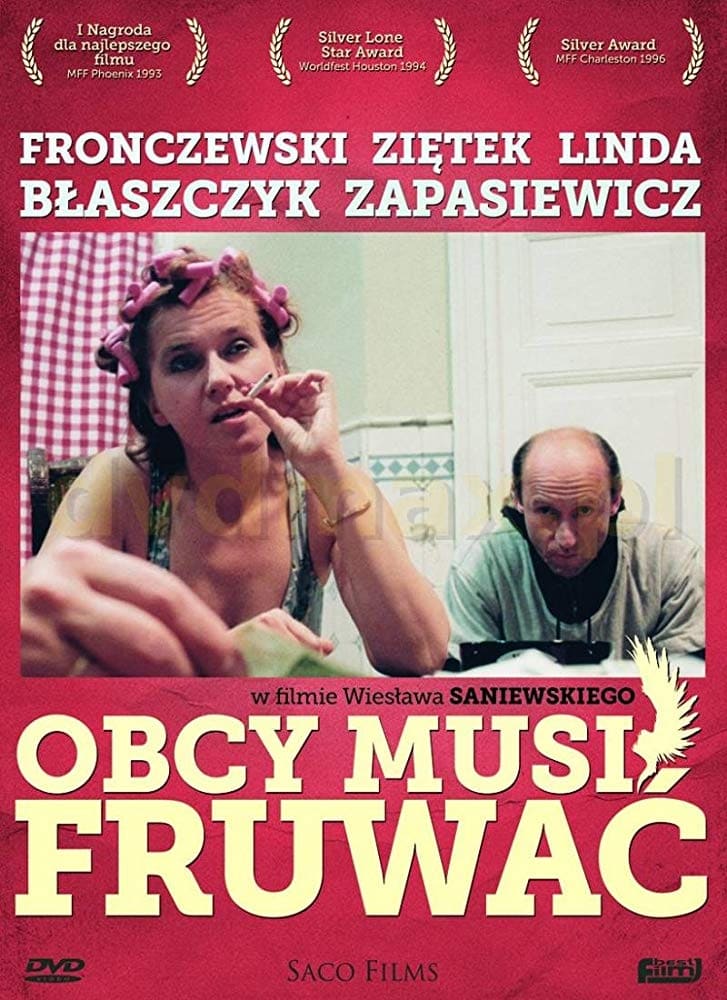
Berlin, 1990. At the invitation of his actor friends, who have already lived abroad for many years, Max, a Polish theater director, comes to Berlin. They begin to work together. They try to realize their dream: to stage a play, the staging of which was prevented by the imposition of martial law ten years earlier. The way they raise funds (selling pieces of the "historic" wall) and struggle against the heartless machinery of bureaucracy forms the axis of the film. In their efforts, the four protagonists are assisted by Regina, a translator familiar with local customs and practices. The film deals with the problems of artists in the new, commercializing reality.
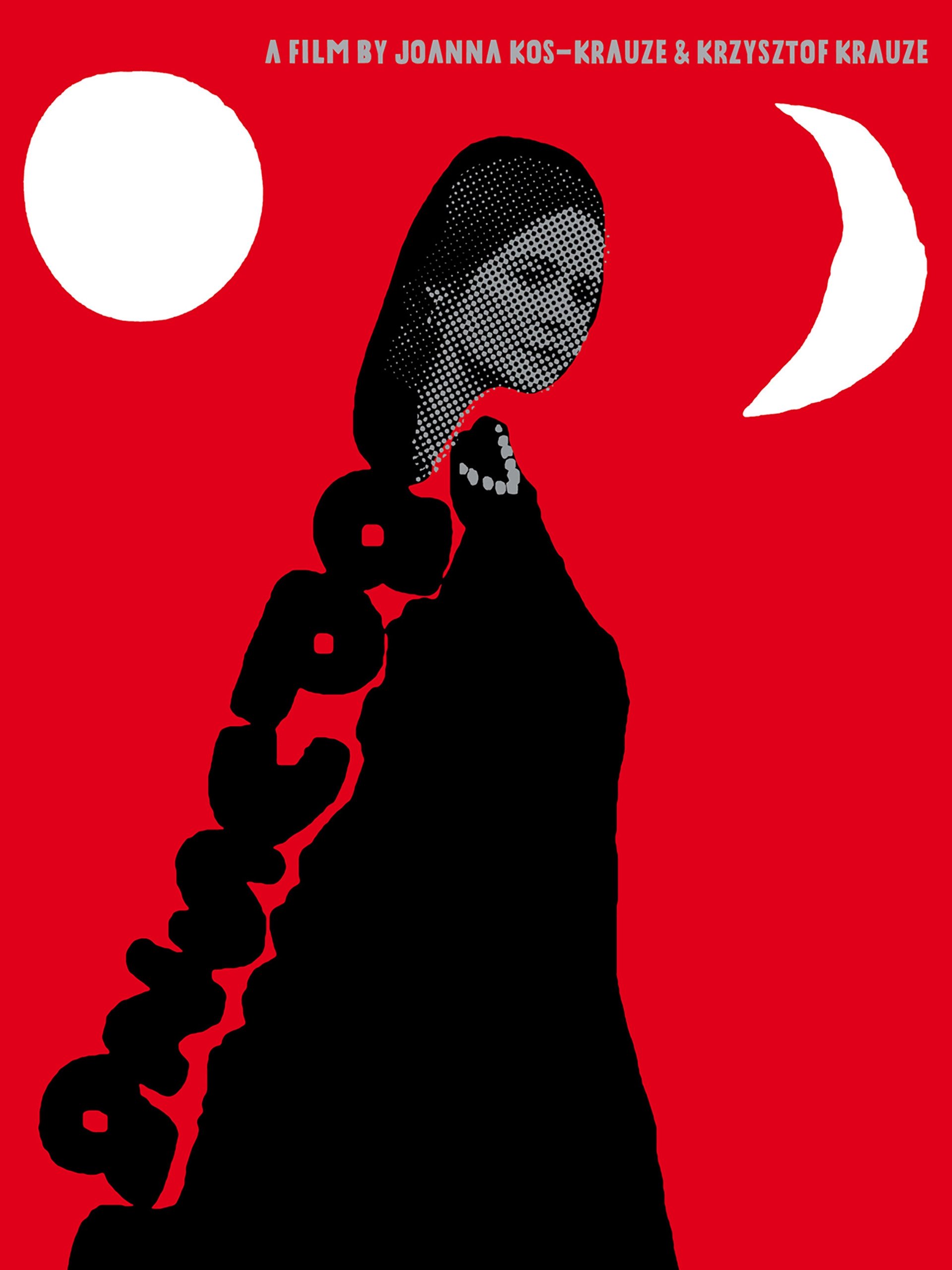
The rise and fall of the most distinguished Polish-Gypsy poetess Bronislawa Wajs, widely known as Papusza, and her relationship with her discoverer, writer Jerzy Ficowski.

In a monastery cut off from the world, the monks run a clinic for the possessed. One day, a young policeman Marek comes to the convent. Posing as a clergyman, he penetrates monastic life and tries to explain the recent, mysterious disappearance of several tormented inmates. It turns out, however, that there is no way out of the monastery.

Wojciech, who does not feel the ubiquitous joyful atmosphere, meets someone who changes his holiday plans. In turn, Karina and Szczepan get embroiled in a fight for an inheritance that may divide even their loved ones. They will see if the only thing that comes out well with the family is in the photos.

Jan Sienkiewicz, a writer and lecturer who was expelled from university, takes a job at a Warsaw high school. Under his care comes the school's famous class of rebellious and knowledge-resistant outcasts. IIB are students from hell, and their future seems doomed. But Sienkiewicz, armed with literature, enthusiasm and a lot of unconventional ideas, will challenge the group doomed to exclusion. Will he be able to tame her and save her? A story about friendship, love, school madness and that everyone deserves another chance.
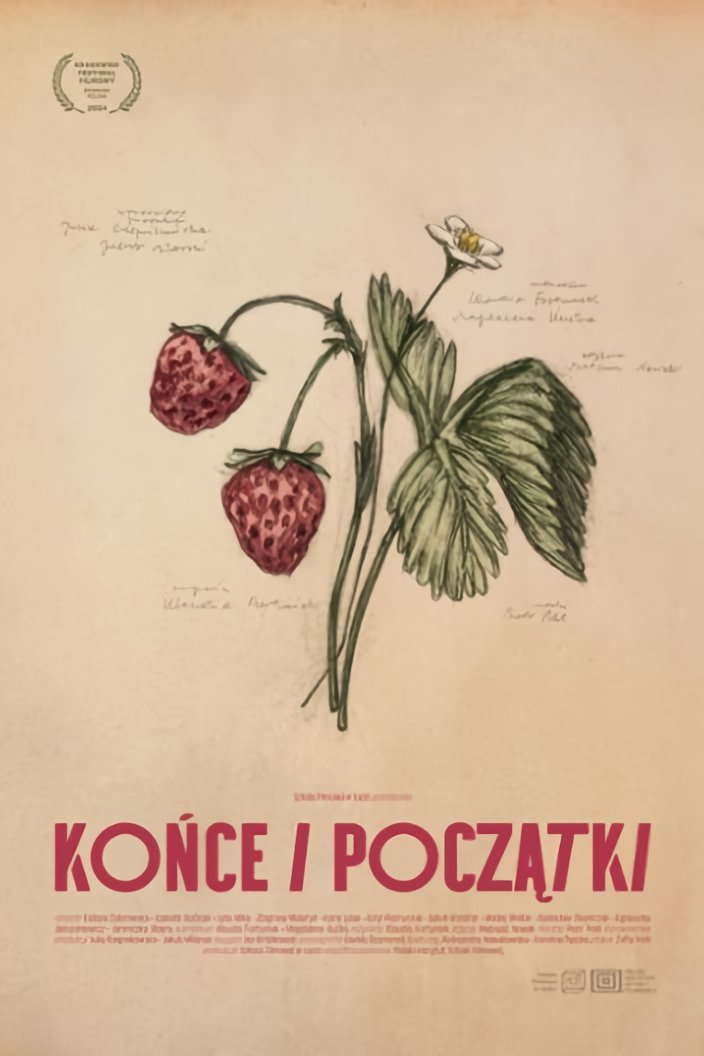
This year has not been kind to strawberries. At the beginning of April it snowed. Strawberries began to bloom on the 21st. The first fruit of the year was eaten by a snail, the second by Adam, and the third appeared simultaneously with hundreds of others. The rest is a story whose heroes are not Peter and Paul, although their interference in fate makes Julia's first kiss taste especially sweet.

The true story of pianist Władysław Szpilman's experiences in Warsaw during the Nazi occupation. When the Jews of the city find themselves forced into a ghetto, Szpilman finds work playing in a café; and when his family is deported in 1942, he stays behind, works for a while as a laborer, and eventually goes into hiding in the ruins of the war-torn city.

A busy attorney, worried that his anorexic daughter Olga, who is still grieving her recently deceased mother, might try to harm herself, sends her to see a psychiatrist who's dealing with her own loss in an unusual way.
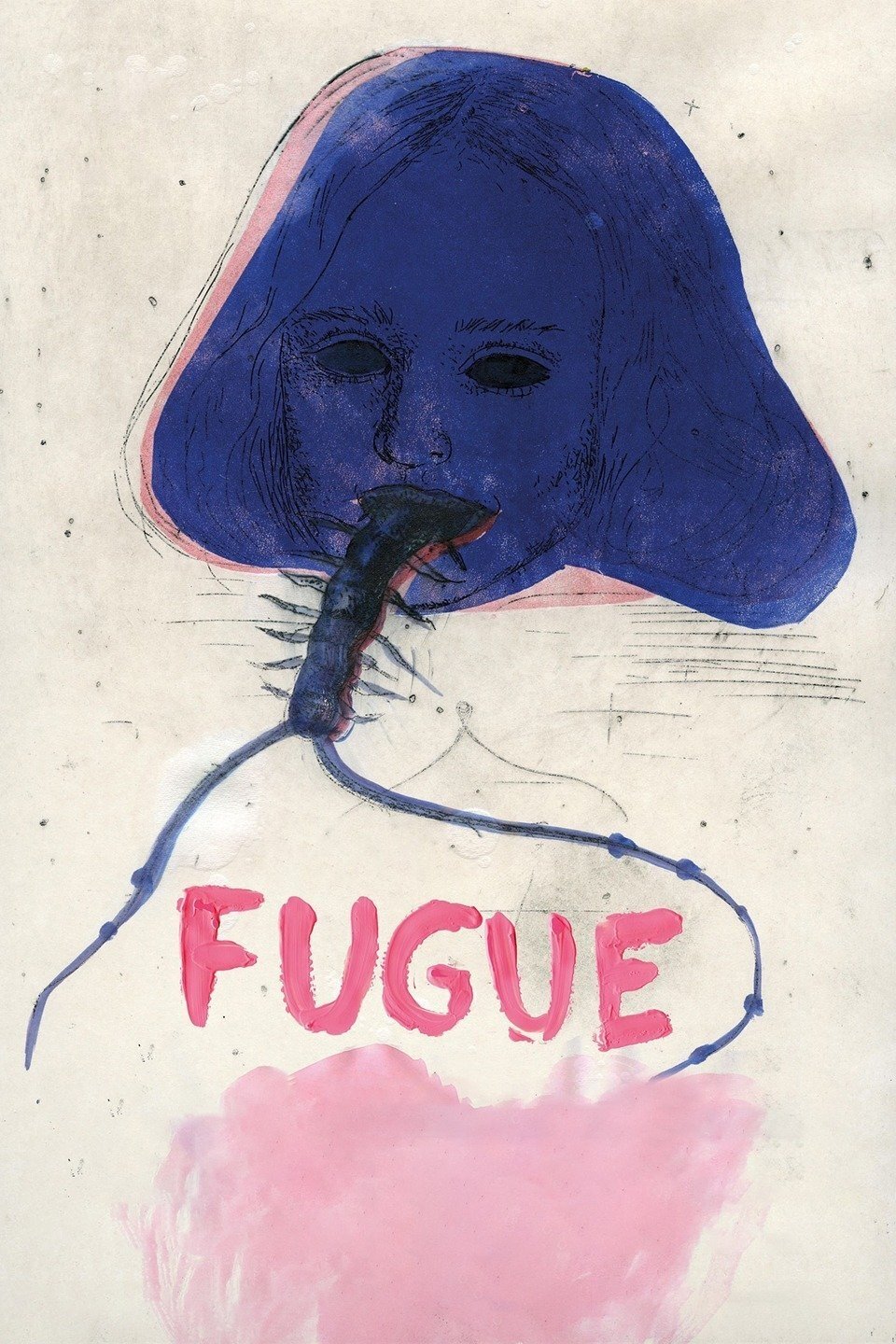
Alicja suffers from memory loss and has rebuilt her own free spirited way of life. Two years later, she returns to her former family to assume against her will her role as wife, mother and daughter.

Ancient Rome, during the time of Emperor Nero. Vinicius, a young patrician, falls in love with the beautiful Lygia, the daughter of a Barbarian commander who was killed in battle, and wants her for his concubine. For Lygia, a Christian, being a pagan's concubine is a severe sin and disgrace. However, when Vinicius is wounded, Lygia cares for him, and starts to reciprocate his feelings. Vinicius, in return, becomes interested in Christian learning and asks Apostle Peter to teach him. In the meantime, Emperor Nero accuses Christians of having started a great fire in Rome. He encourages the imprisonment, torture and murder of his Christian subjects.

Well-known fencer Paweł Kaczmarek makes an important decision in his life – he decides to quit drinking. Unexpectedly, he receives information that his ex-wife is staying in Austria with his child. He immediately sets off for Austria, finds Anna's apartment, and kidnaps his own son.