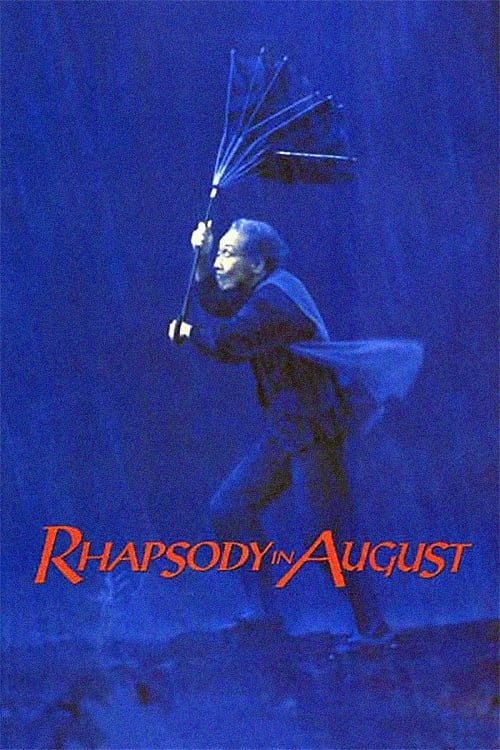
An elderly Nagasaki hibakusha spends a summer caring for her four grandchildren, whose curiosity about the 1945 bombing stirs buried memories and moral questions. When an American nephew from Hawaii visits, the family confronts grief, guilt, and the possibility of reconciliation across generations.

In this humorous paean to the joys of food, a pair of truck drivers happen onto a decrepit roadside shop selling ramen noodles. The widowed owner, Tampopo, begs them to help her turn her establishment into a paragon of the "art of noodle-soup making". Interspersed are satirical vignettes about the importance of food to different aspects of human life.
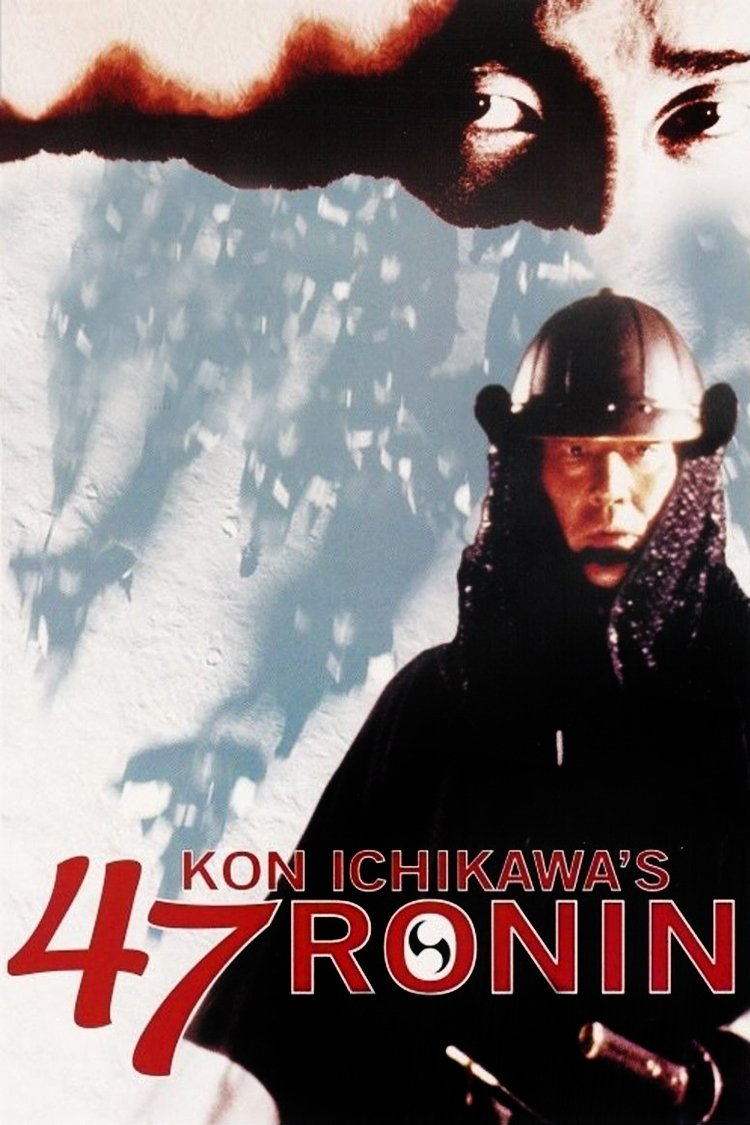
Kon Ichikawa's retelling of the classic true story of Samurai honor. When a young clan lord is forced to commit seppuku (ritual suicide), his loyal followers (now Ronin, masterless Samurai) dedicate their lives to avenging his death.

The tragic, true story about Hachikō, an Akita dog who was loyal to his master, Professor Ueno, even after Ueno's death.
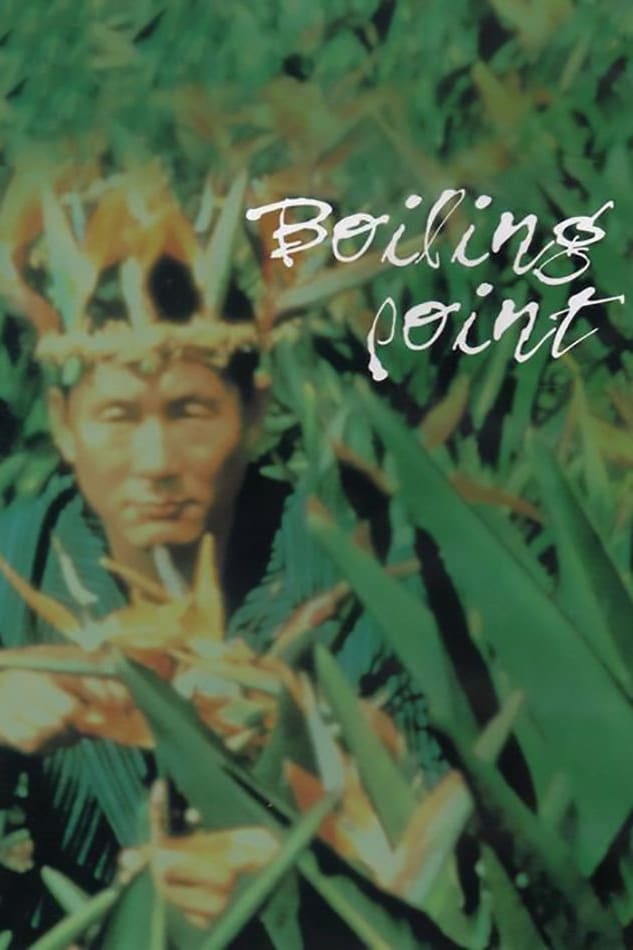
Masaki, a baseball player and gas-station attendant, gets into trouble with the local Yakuza and goes to Okinawa to get a gun to defend himself. There he meets Uehara, a tough gangster, who is in serious debt to the yakuza and planning revenge.
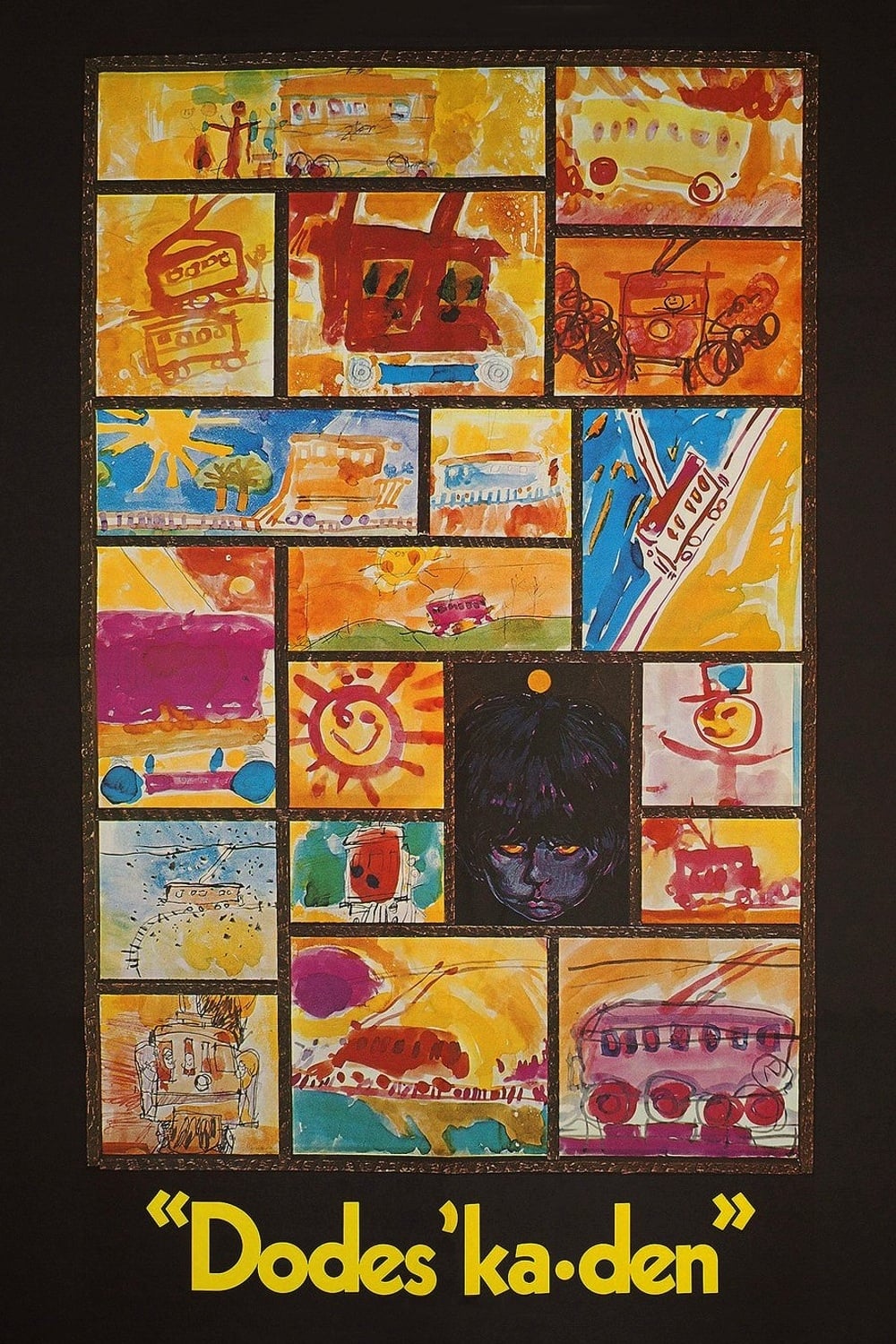
On a Tokyo dump’s shantytown edge, interwoven vignettes follow residents scraping by: a boy who “drives” an imaginary trolley, a homeless father and son designing a dream house, a young woman brutalized at home, drunks, schemers, and saints of small kindnesses. Kurosawa crafts a ragged mosaic of hardship, fantasy, and flickers of grace that keep people moving forward.

After his girlfriend commits suicide, a man becomes embroiled in gang warfare attempting to obtain a gun in hopes to kill himself.
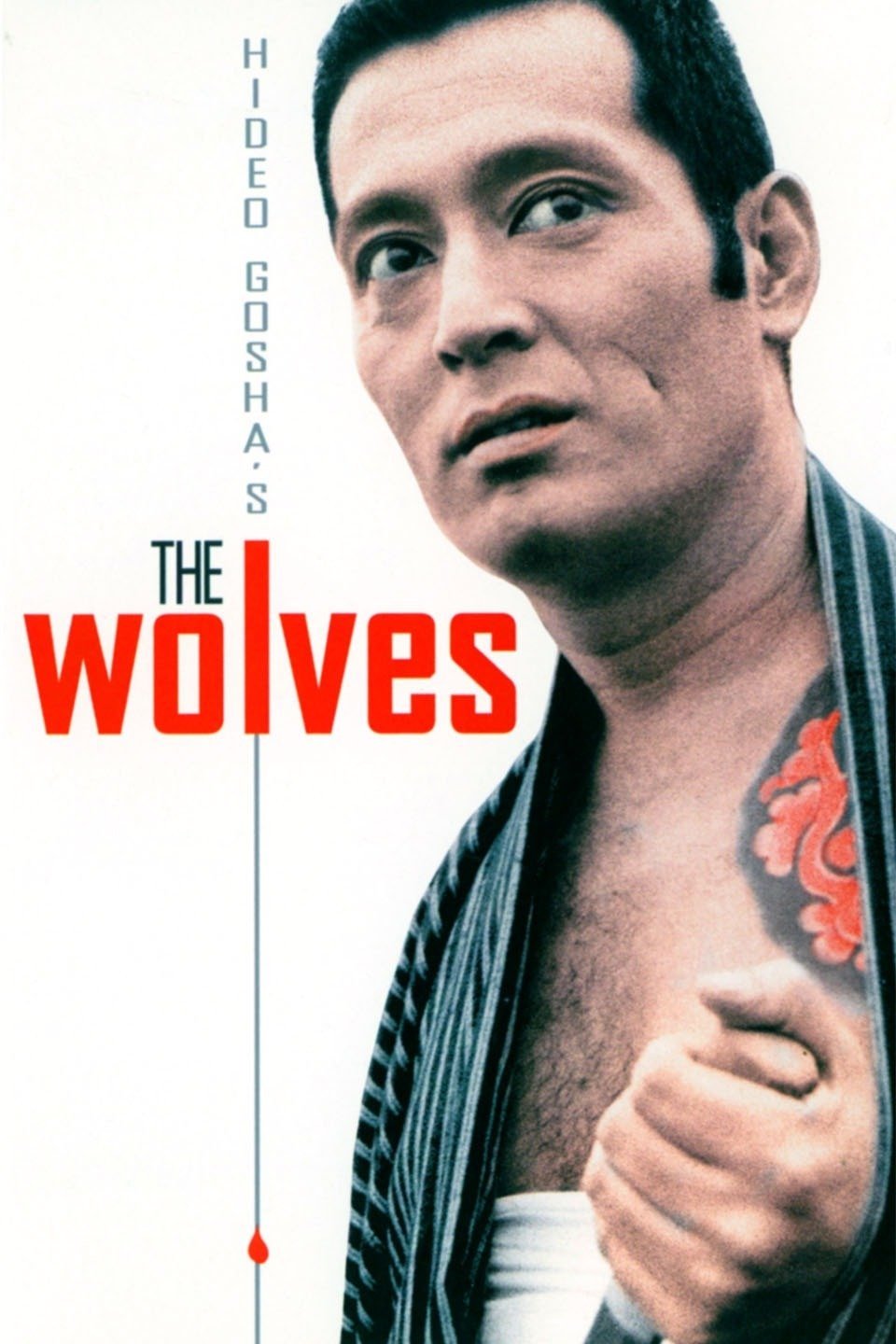
After going to prison for killing the boss of the Kanno gang, Seji Iwahashi gets released early -- only to find that his former gang has merged with the Kannos. But with bitter resentments lingering on both sides, how long will it be before the bloodshed begins anew?

In postwar Tokyo, beloved writer-professor Hyakken Uchida retires and is buoyed through hardship by the fierce devotion of his former students, who honor him each year with a raucous “Not yet!” birthday toast. Told in warm, gently comic vignettes, Kurosawa’s farewell celebrates aging, friendship, and the sustaining ritual of teacher and pupils refusing to say goodbye.

Late in the 1500s, an aging tea master teaches the way of tea to a headstrong Shogun. Through force of will and courageous fighting, Hideyoshi becomes Japan’s most powerful warlord, unifying the country.
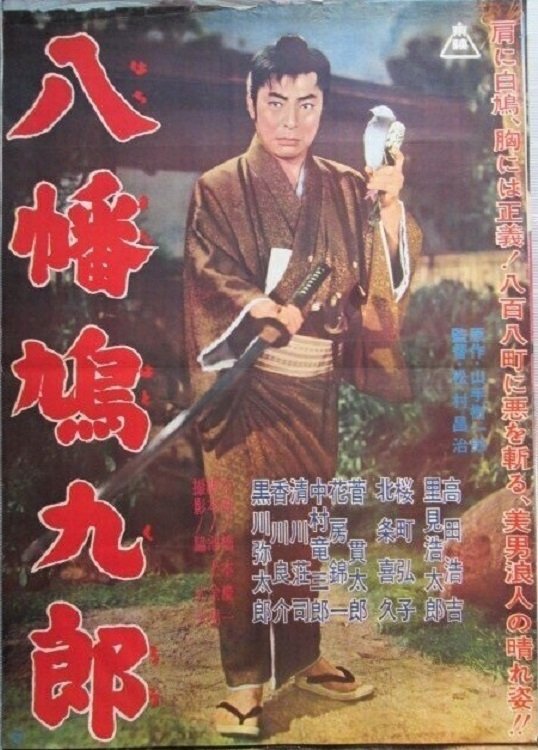
1962 Japanese movie
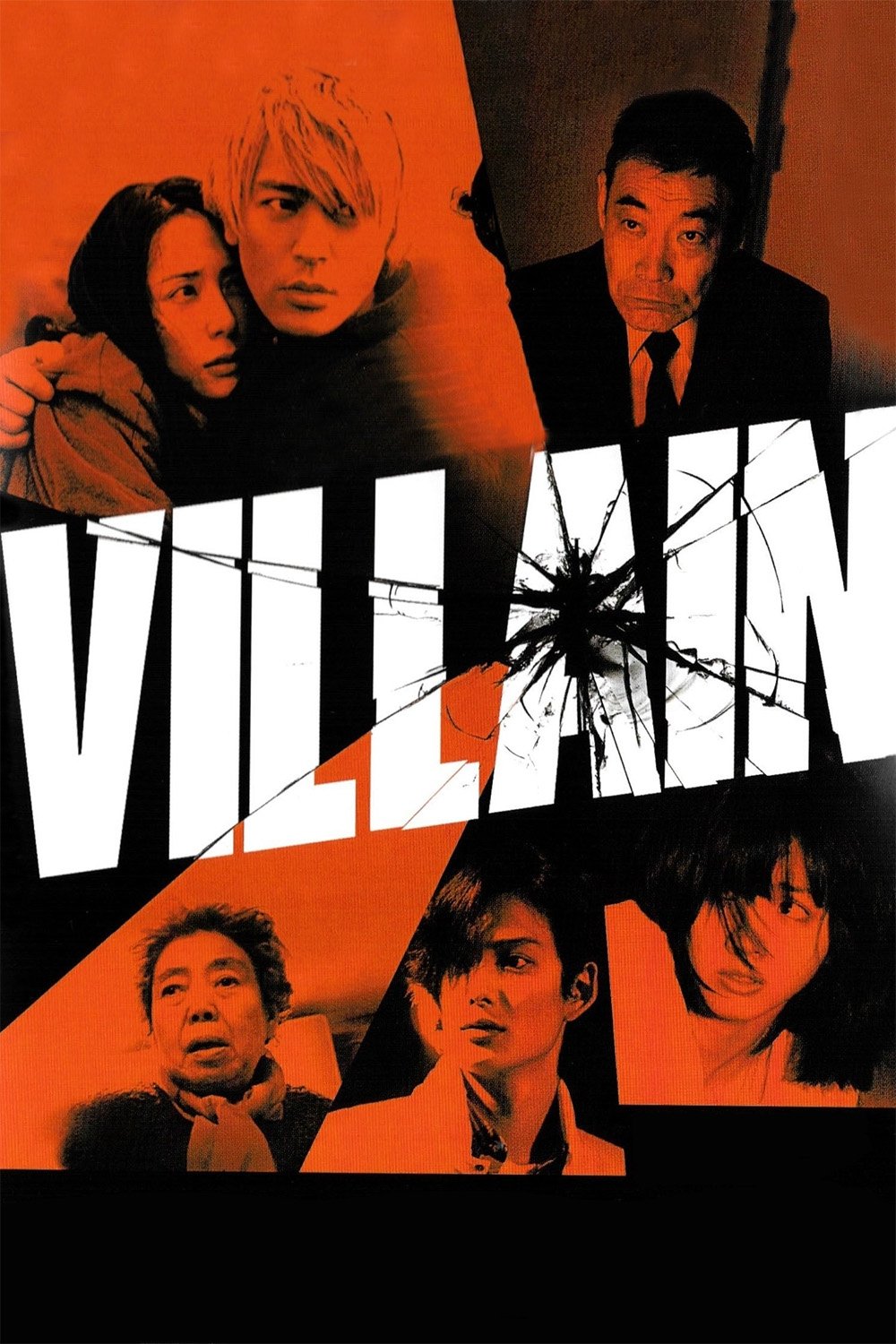
Shimizu Yuichi is a shy and lonely day laborer looking for love. He aimlessly spends time corresponding with girls via telephone dating services and going on random encounters with girls looking for spending cash. His world is shattered one day when he is involved in the murder of one of his former encounters, the sweet-faced Ishibashi Yoshino who, after being jilted by playboy Masuo Keijo, berates and mocks the troubled loner.
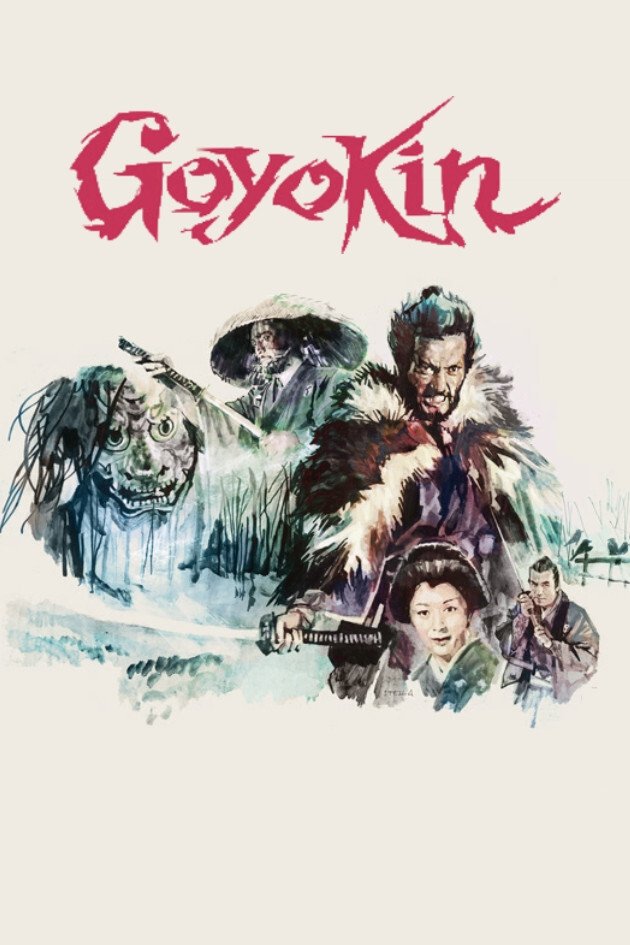
A guilt-haunted samurai warrior attempts to stop a massacre taking place.
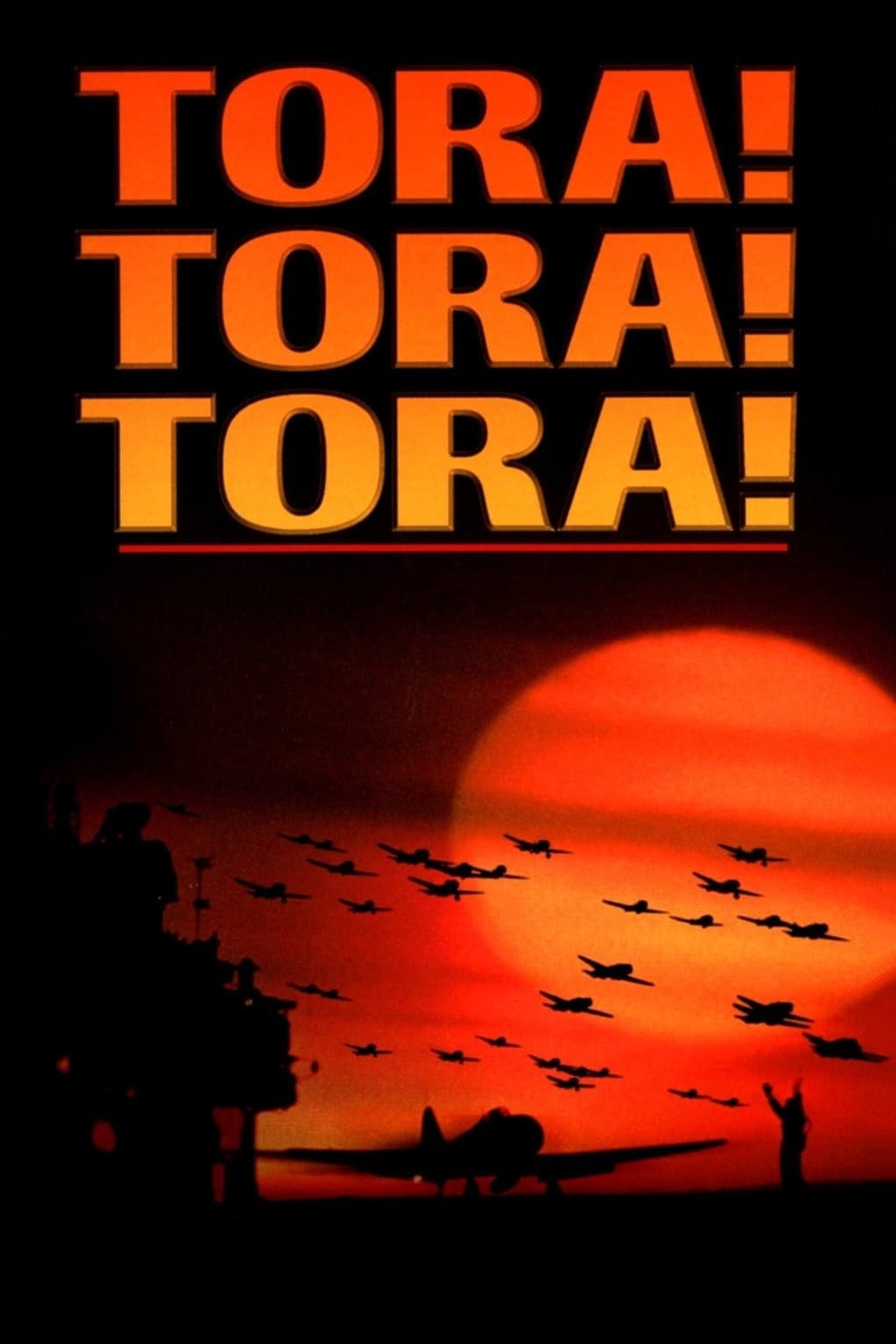
In the summer of 1941, the United States and Japan seem on the brink of war after constant embargos and failed diplomacy come to no end. "Tora! Tora! Tora!", named after the code words used by the lead Japanese pilot to indicate they had surprised the Americans, covers the days leading up to the attack on Pearl Harbor, which plunged America into the Second World War.
A man wanders into a seemingly deserted town with his young son in search of work. But after a bit of bad luck, he joins the town's population of lost souls.
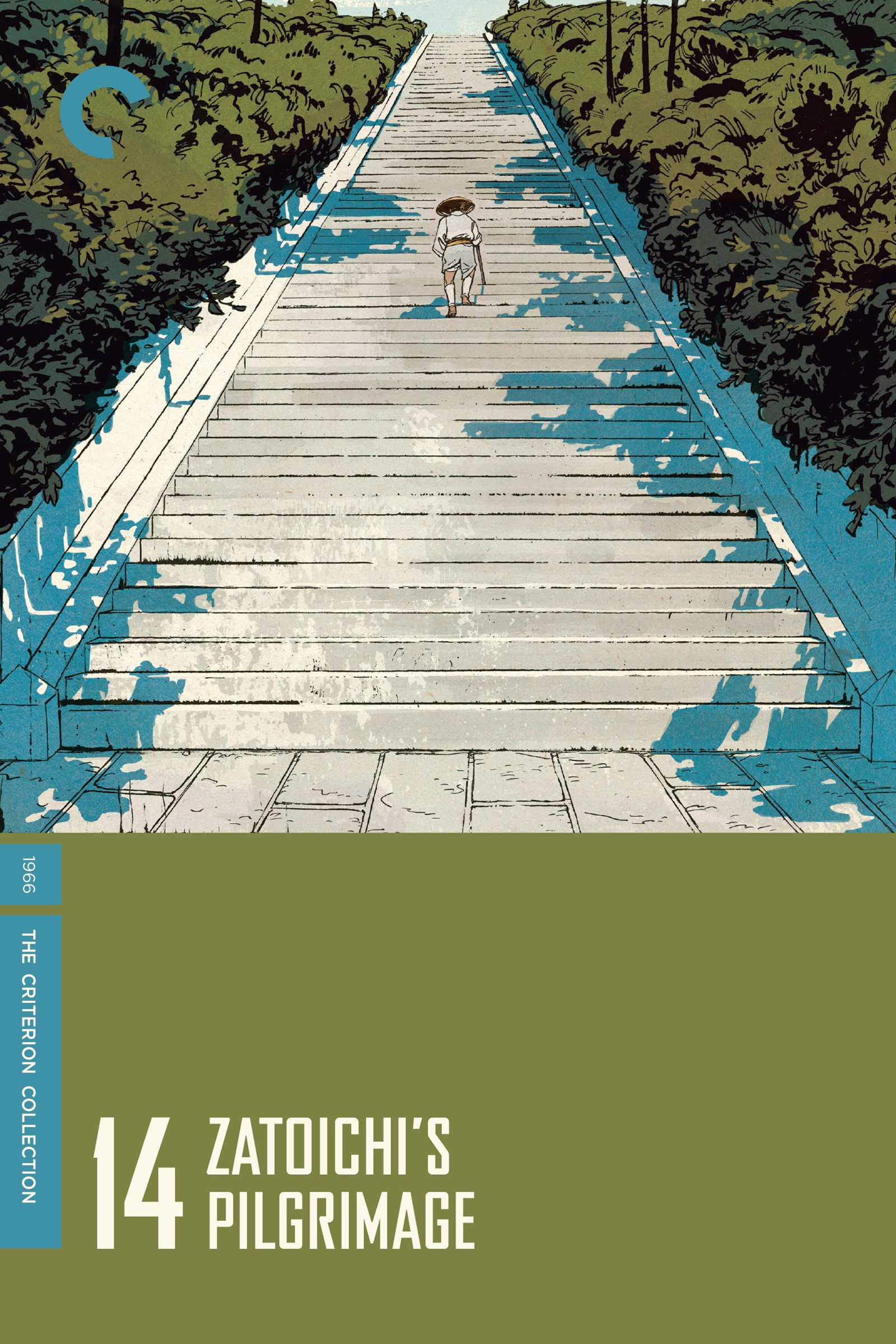
Zatoichi's trek through 88 temples to atone for his violent past is interrupted as he stumbles into a village terrorized by a violent yakuza boss.
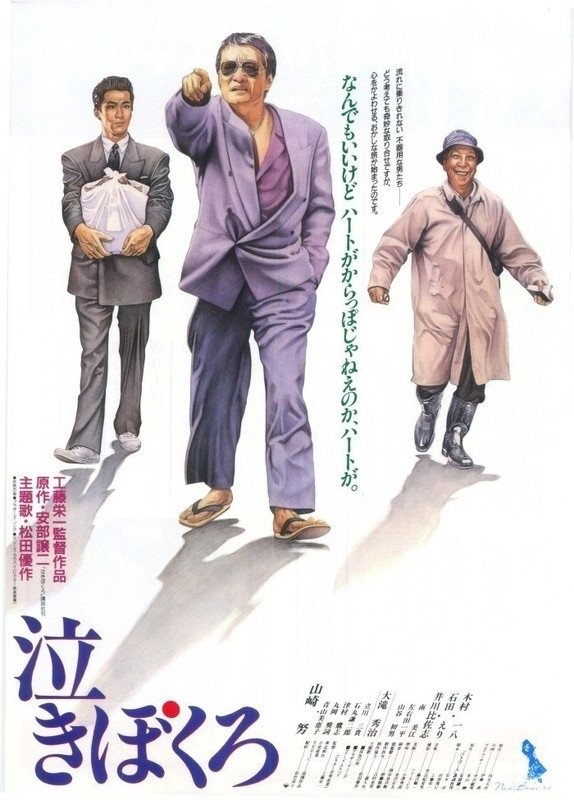
Junko Mizuta, who is returning from juvenile training school, is a former motorcycle gang. Even though he now works, he still goes to his father Junji's yakitori restaurant from time to time. One day, Junichi's uncle, who was returning home from school, came to see Junko and told him that Junji had passed away.
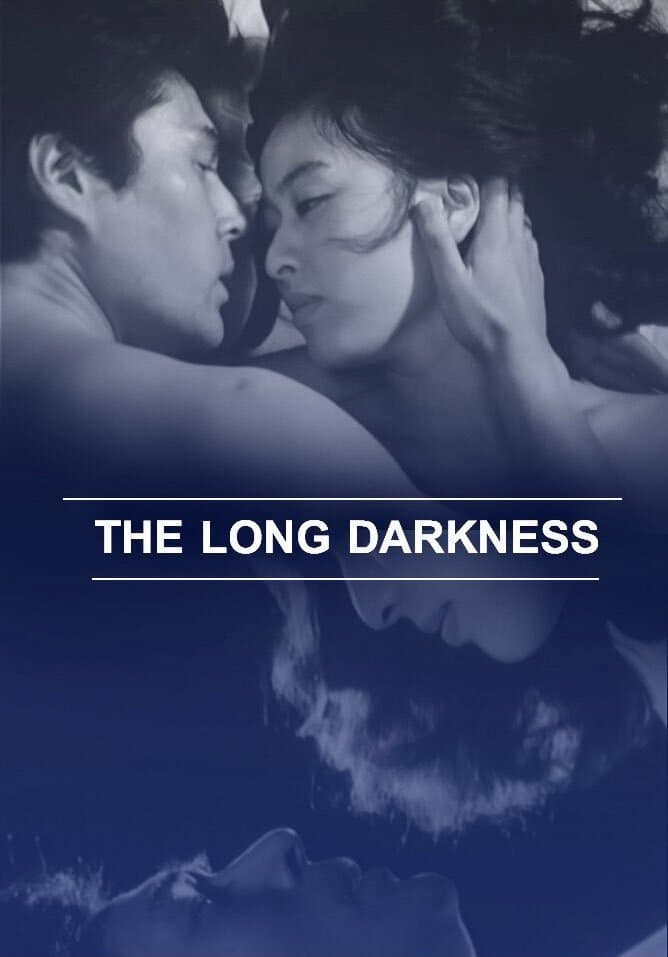
The relationship between Tetsuro, a university student from a disgraced, burdened family, and Shino, a waitress supporting her impoverished relatives. The couple decides to marry despite the significant emotional and social hardships each faces, viewing their love as a means to overcome the shame and despair inherited from their pasts.
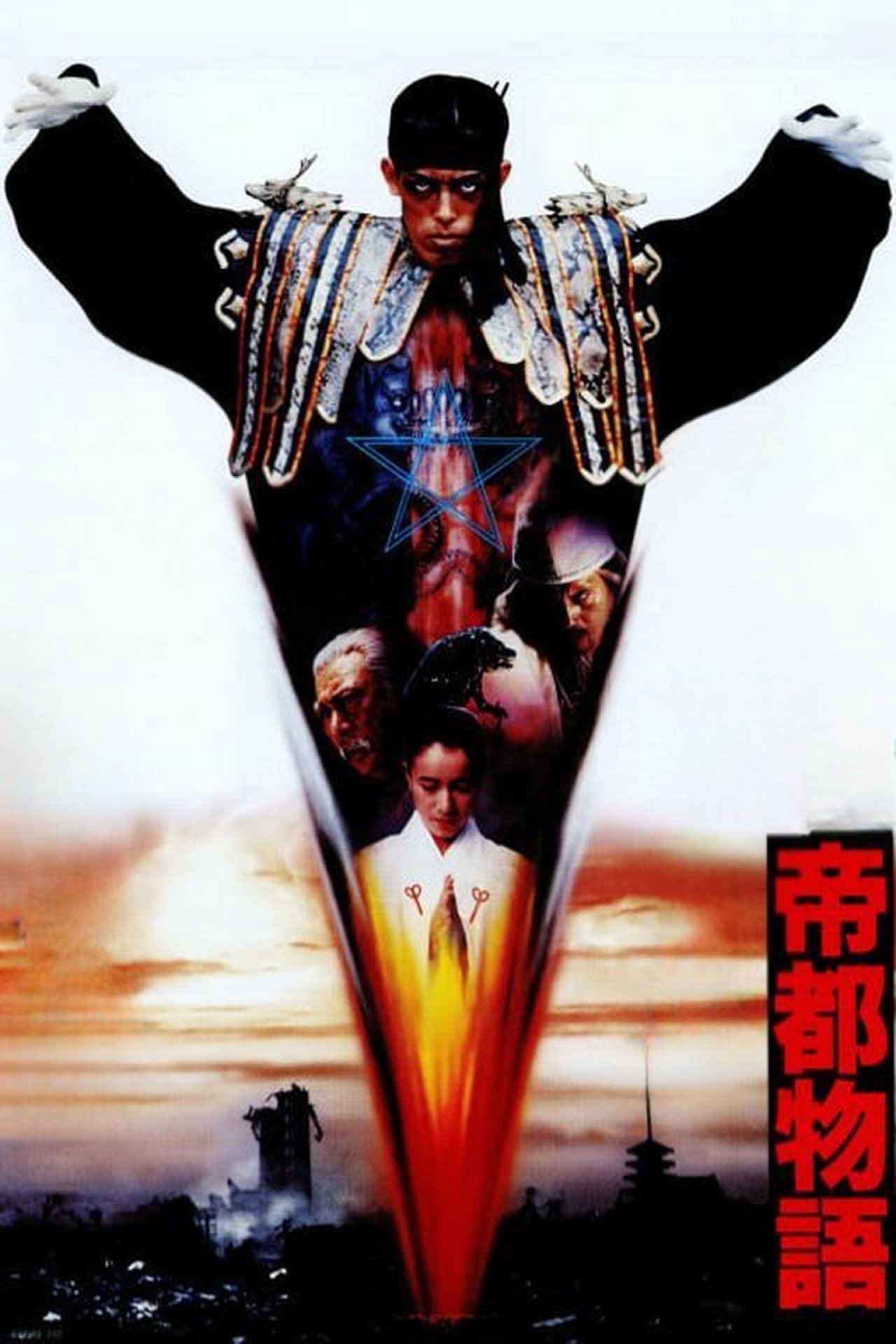
A demonic reincarnation of a Japanese general from the 10th century appears in the early 20th century Tokyo with a mission to destroy the blooming city.
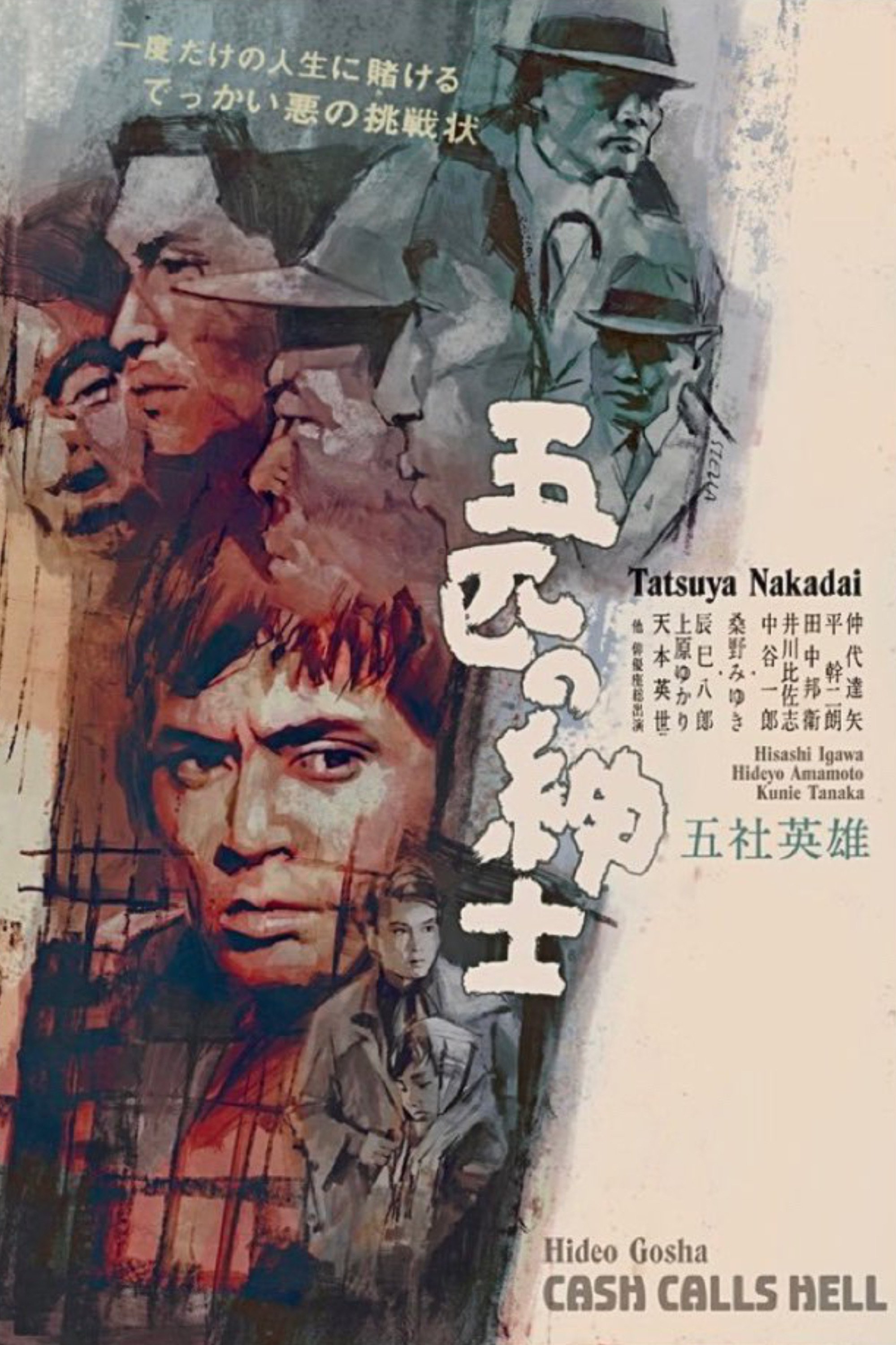
Before leaving prison, Oida uncomfortably enters into an agreement with his cell mate: in exchange for a half-share of 30,000,000 yen, he is to assassinate three strangers given to him on a list. However, upon meeting his first potential victim, Oida has second thoughts. Yet, even as he tries to back out, the body count starts climbing. Oida must now try to alert the people on his list of their impending danger, and find out why they are being targeted in the first place.
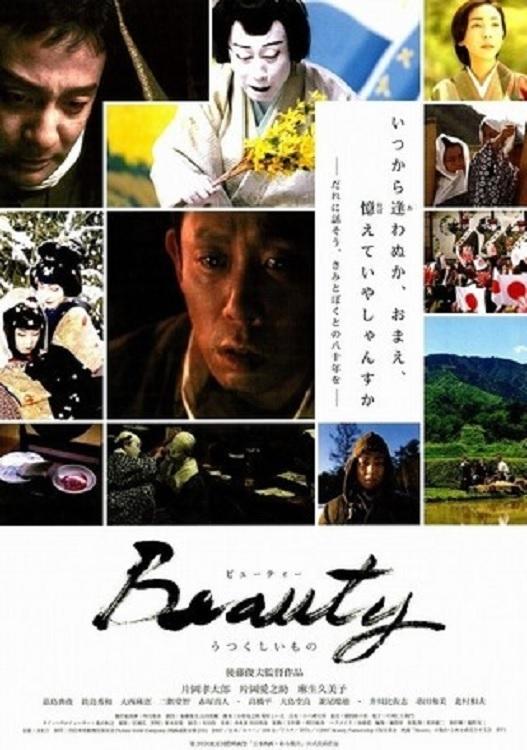
Set in a small Nagano village in the 1930s, the film follows Hanji, a young boy captivated by a local kabuki performance. Inspired by Yukio, Hanji learns kabuki with Utako. As they grow, they become skilled actors, performing in a final kabuki before World War II. After the war, Hanji returns to revive kabuki and restore the community’s spirit. In the 1980s, as he nears death, the villagers organise a final performance in his honour, where he performs “Tenryu Koishibuki” for Yukio.
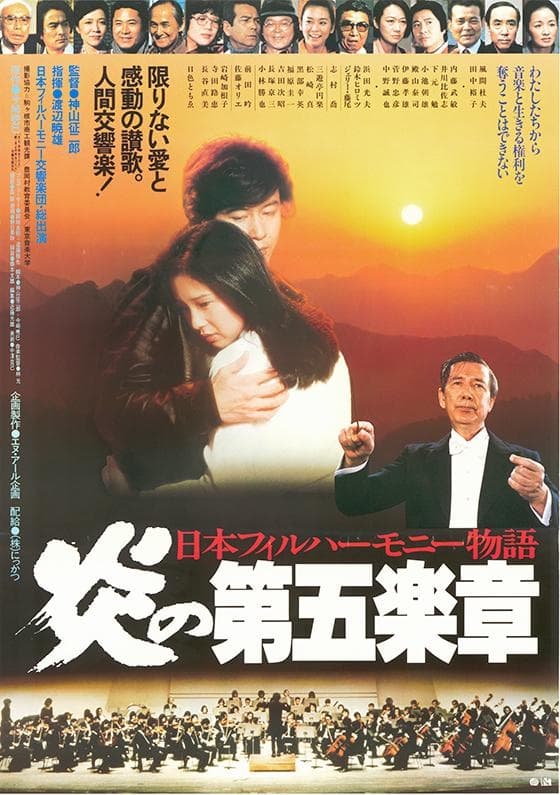
When a broadcasting company takes away its financial support from a symphony orchestra, some of the members refuse to admit defeat. The first violinist returns to his home and manages to get the orchestra back together for a grandiose performance, saved at the last minute by their original conductor -- and boding well for the future of the die-hard musicians.
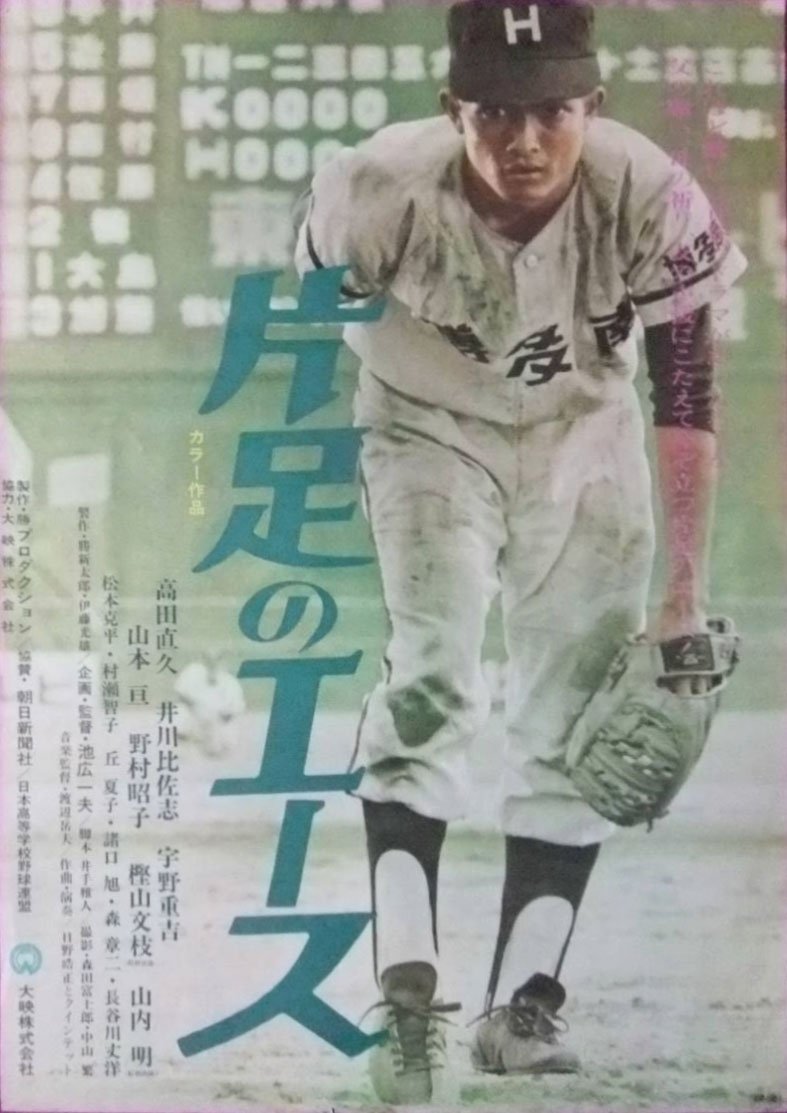

Miyo Hanayama works as a home care nurse, supporting the home care of patients who are close to death. Shigeaki Noguchi complains that his wife has stopped talking to him since he collapsed once. Noriko Imaizumi refuses to undergo surgery because her business has taken off and continues to recuperate at home. And 18-year-old Emi Akizuki insists on visiting the town where she used to live. Everyone is trying their best to live their lives while keeping an eye on their imminent death, which may come at any moment. Meanwhile, Yuki, a nurse like Miyo, discovers she is pregnant.
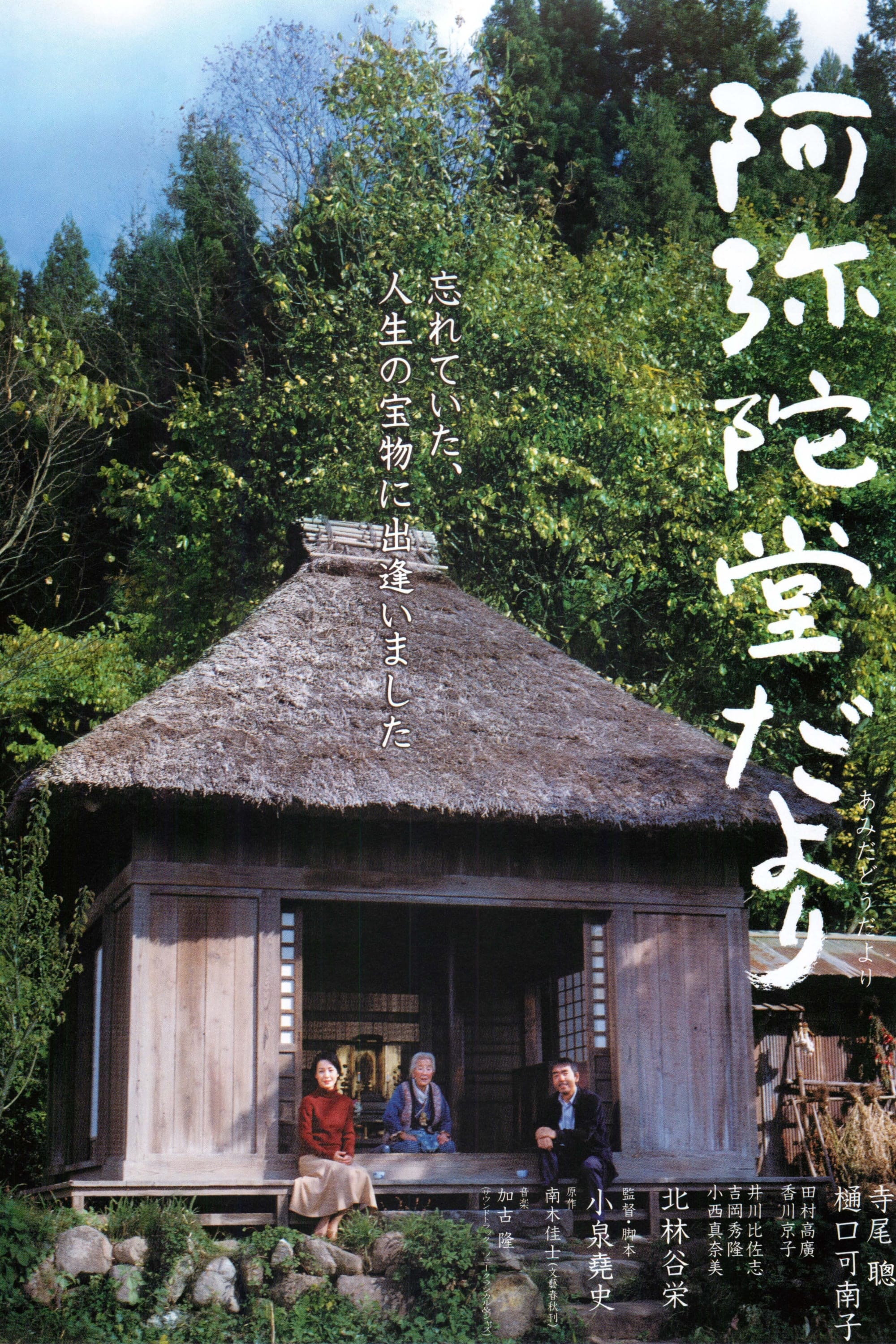
Husband and wife Michiko and Takao move from their urban existence in Tokyo to the isolated, rural farming village where Takao grew up.
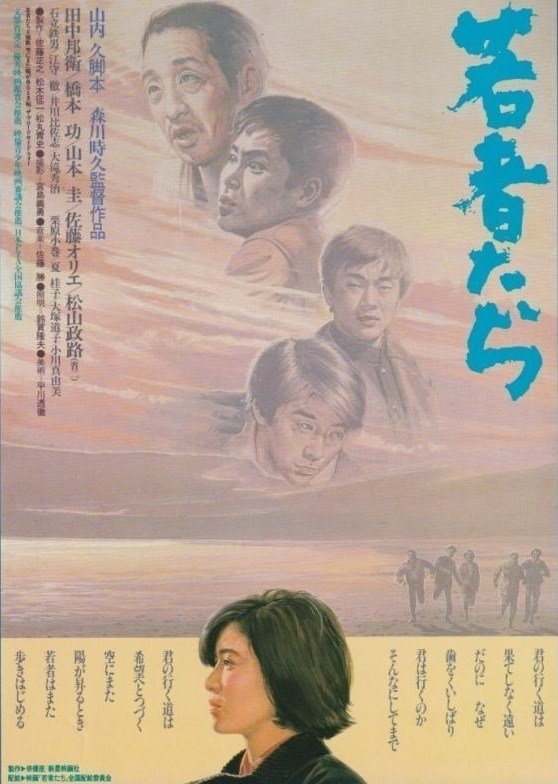
"Young People" is a story about the lives of four brothers and a sister, Sato. After the death of his parents, the older brother, Taro, who works in construction, decides to replace them. The second brother, Jiro, is a truck driver. The third, Saburo, is a student, dreams of a better future for the whole family are connected with him, with his career. Brothers and sisters are fighting to give him a higher education. And, finally, the youngest of the brothers, Suekichi, is also going to enter the university after graduation. The life of the Sato family is complicated. Taro is kind, but limited, not always able to find a common language with his brothers and sister Orie. The girl cannot stand the despotism of her brother, leaves her home and goes to work at the factory. With her departure, everything in the house goes upside down. Suekichi fails her university entrance exams, Orie is forced to return to her family.
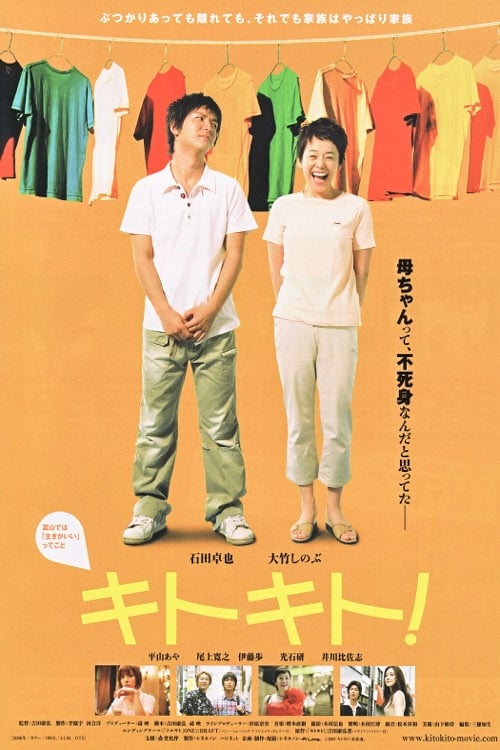
Coming of age story about a boy and his mother.
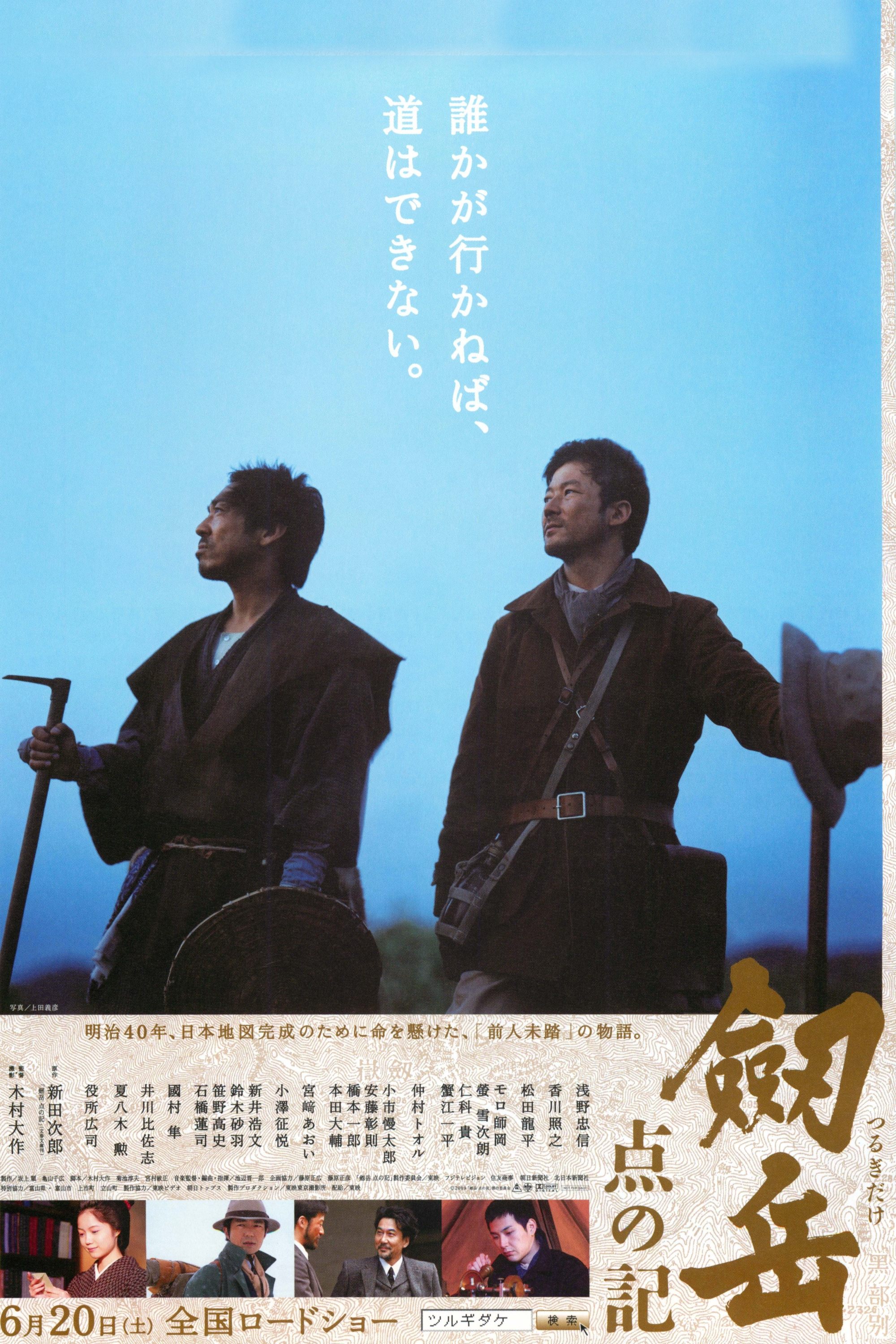
In 1907, a group of men climb an unconquered peak in the last unmapped region of Japan.

A retired samurai must redeem himself for a crime that he committed earlier in his life.
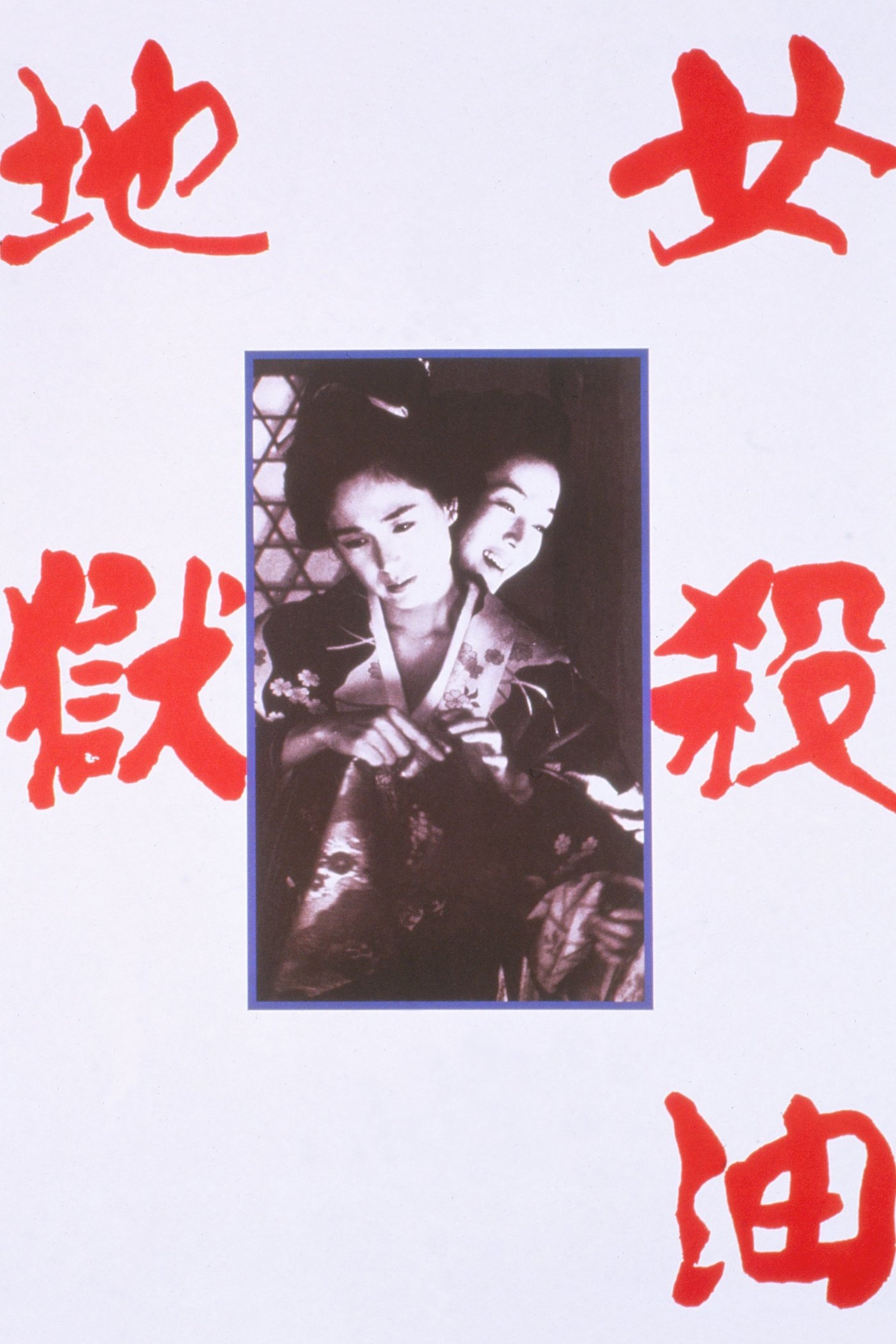
The indolent son of an oil vendor becomes a regular customer of a prostitute, racks up a mountain of debt, and is disowned by his parents.

On a beautiful island in Seto Inner Sea, Seichi and Minko make their living by transporting rocks to construction sites by boat. They cherish the deepest affection for this piece of land they call home, and the simple life they lead. But rapid industrial growth makes it all but impossible to continue their chosen living style, and they are forced to leave their beloved hometown in search of a brighter future. But their hometown lingers on their hearts, and they dream of a time when they may once again return.
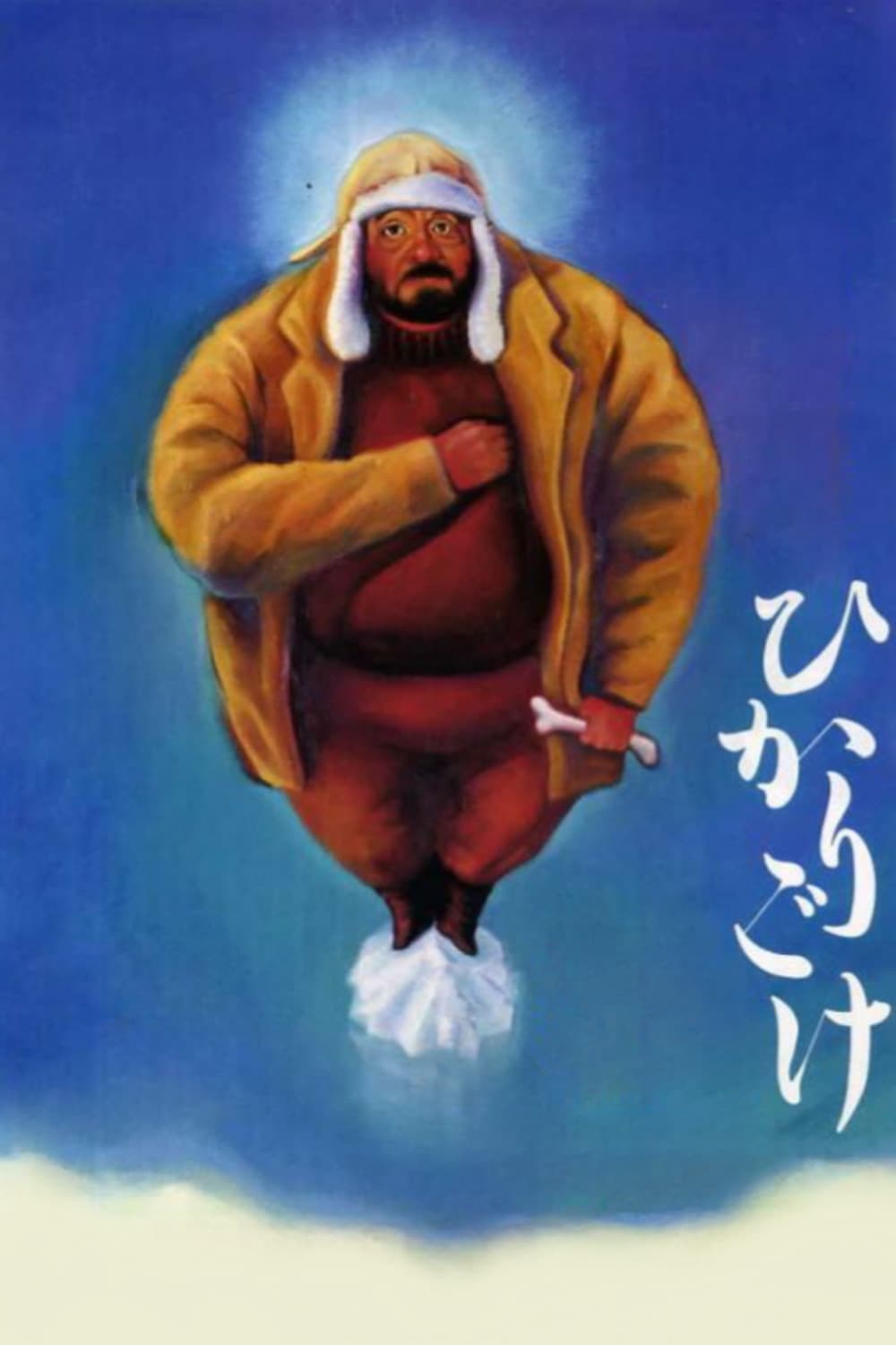
A headmaster and a novelist, looking for inspiration, regard a strange natural phenomenon before sharing stories of their own.
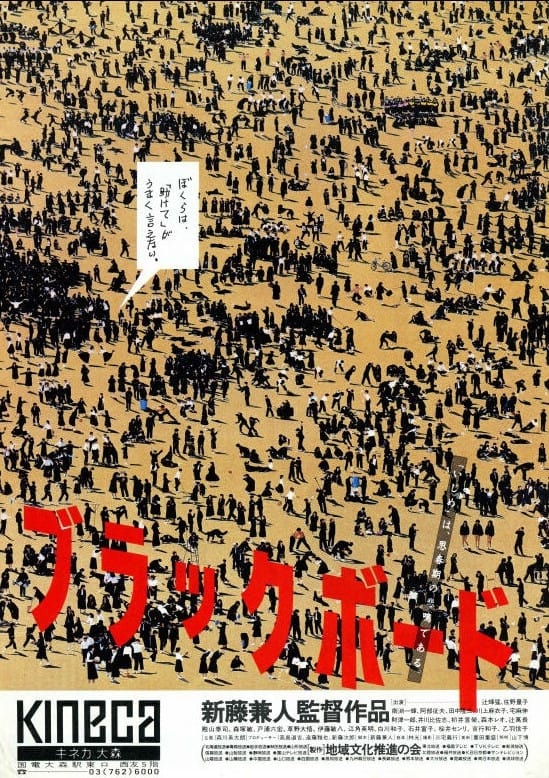
Takeshi Yasui, a junior high school student is found dead in a river. The police investigate it as a murder related to bullying. The dead boy turns out to have been murdered by two of his schoolmates, who he had been bullying.
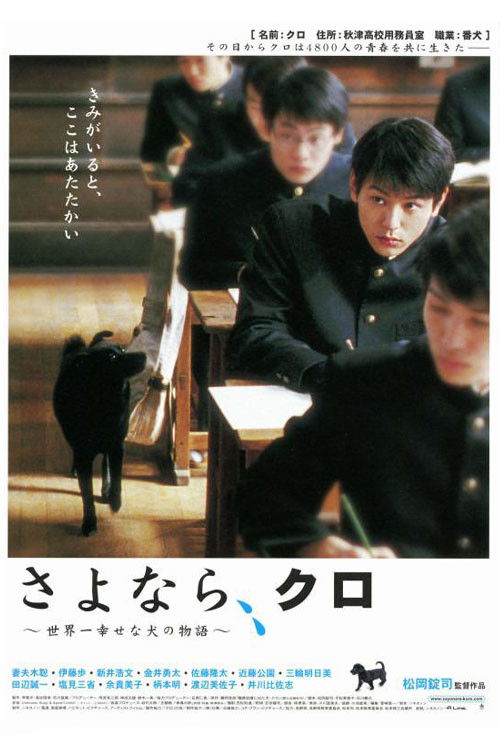
Based on a true story set in Matsumoto city, Nagano, during 1960s. A stray dog wanders into a high school's grounds. The dog, named Kuro, stays at the school and becomes a special friend to everyone.
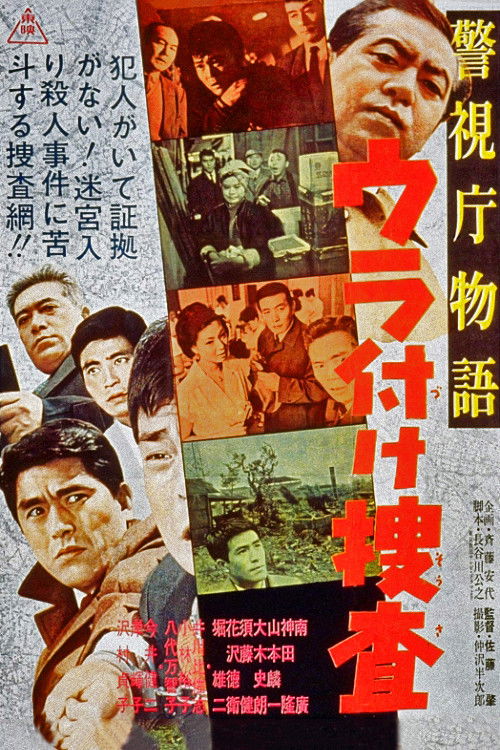
A man confessed to killing a woman in a labyrinth 2 years ago. The detectives must now conduct a "backing investigation" to determine whether his confession is true, because the law states that a confession alone is not enough to make the case. The 20nd work from the popular series "Keishicho Monogatari", which documents the activities of the First Investigation Division of the Capital Police Department.
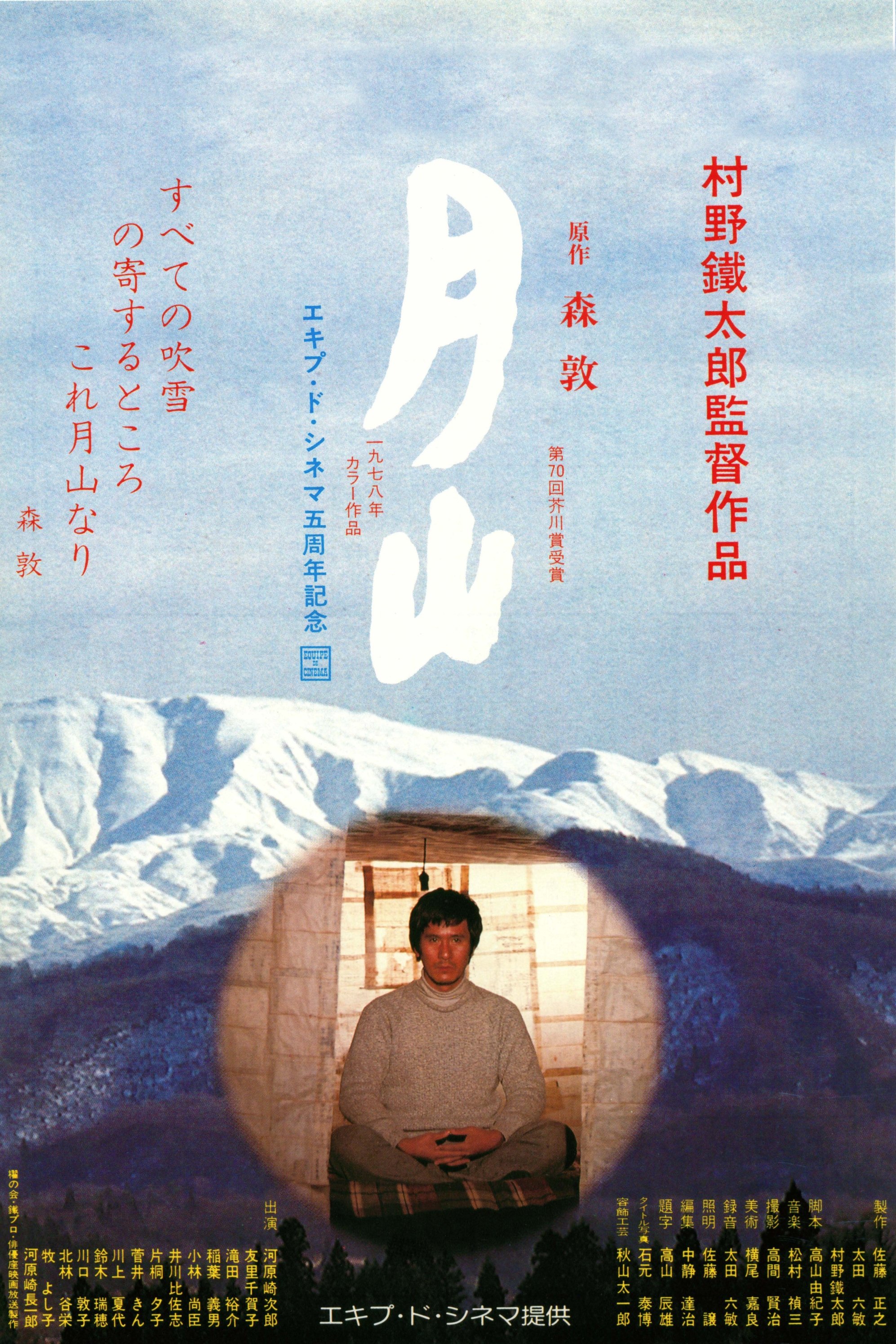
Akira leaves for the Mt. Gassan foothills before winter's onset, visiting the local temple and interacting with the residents all while falling for fair Fumiko.
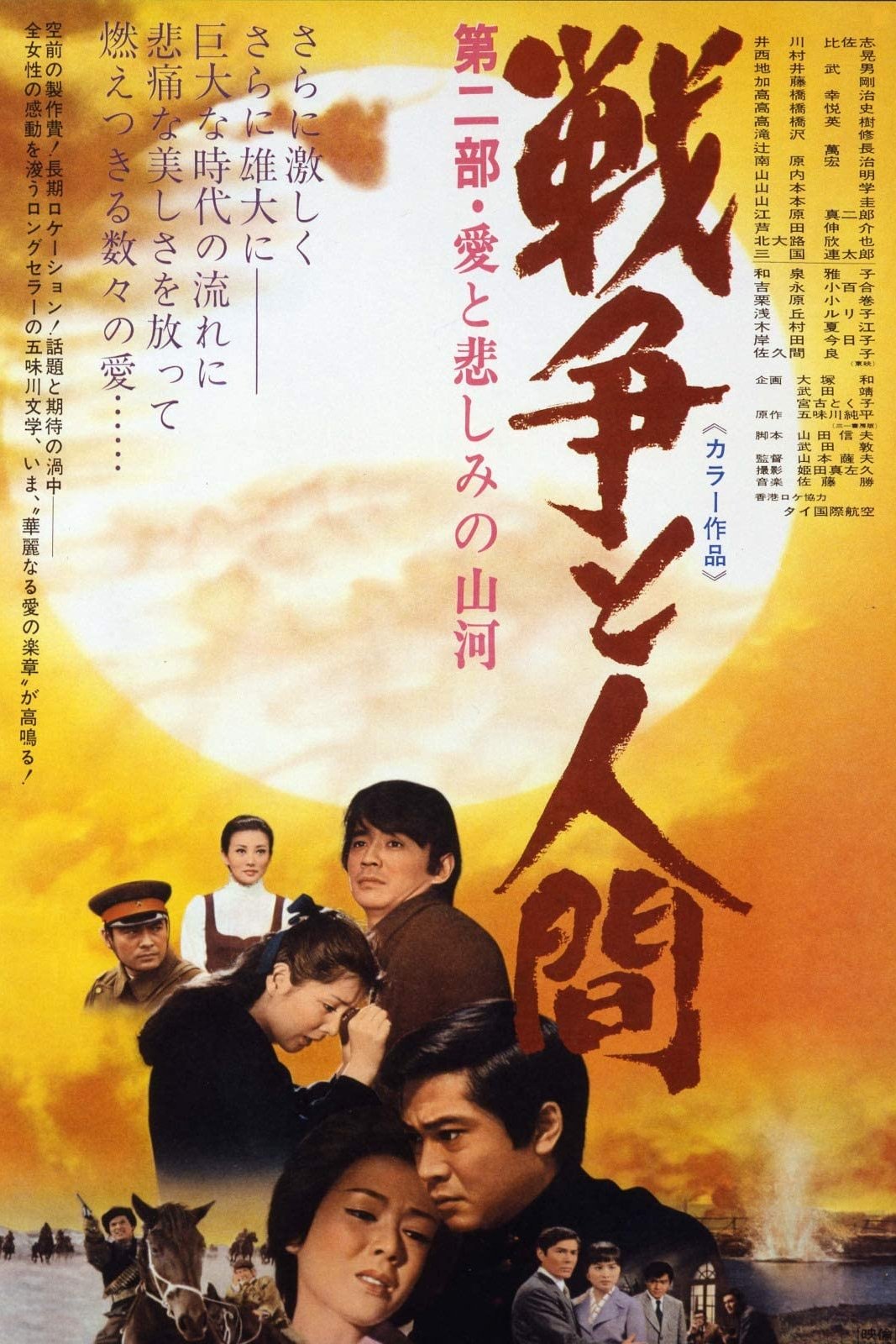
Second part of an epic drama of war and its effects upon human beings, follows the fortunes of the Godai family from 1935 through Japan's invasion of China. Based on the novels by Jumpei Gomikawa, who also penned The Human Condition.
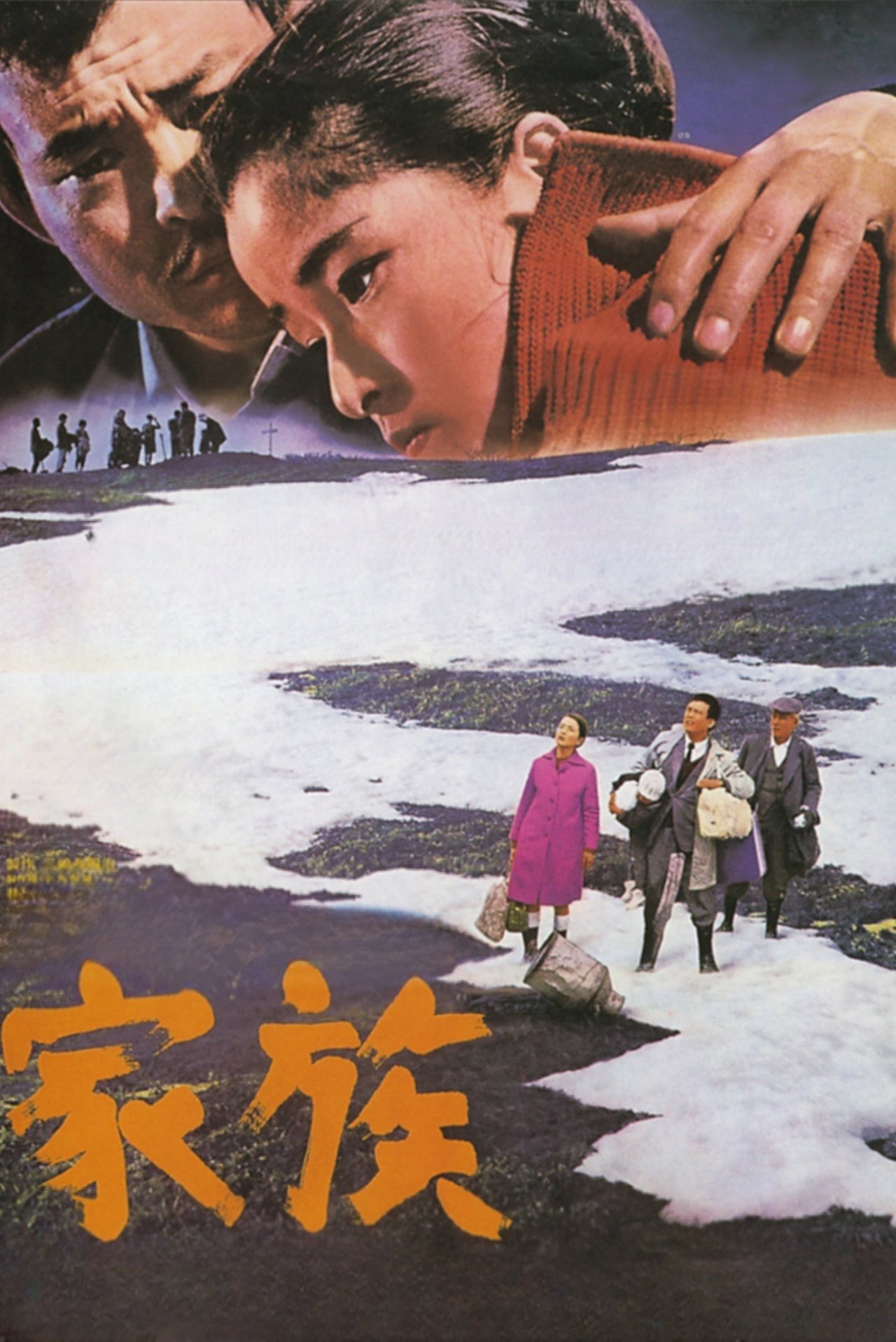
The story is set in 1970 during the time of the first EXPO in Japan. The film’s main figure is a miner who suddenly becomes unemployed because the mine he worked in was shut down. He decides to resettle with his whole family to Hokkaido in northern Japan and start a new life as a farmer.
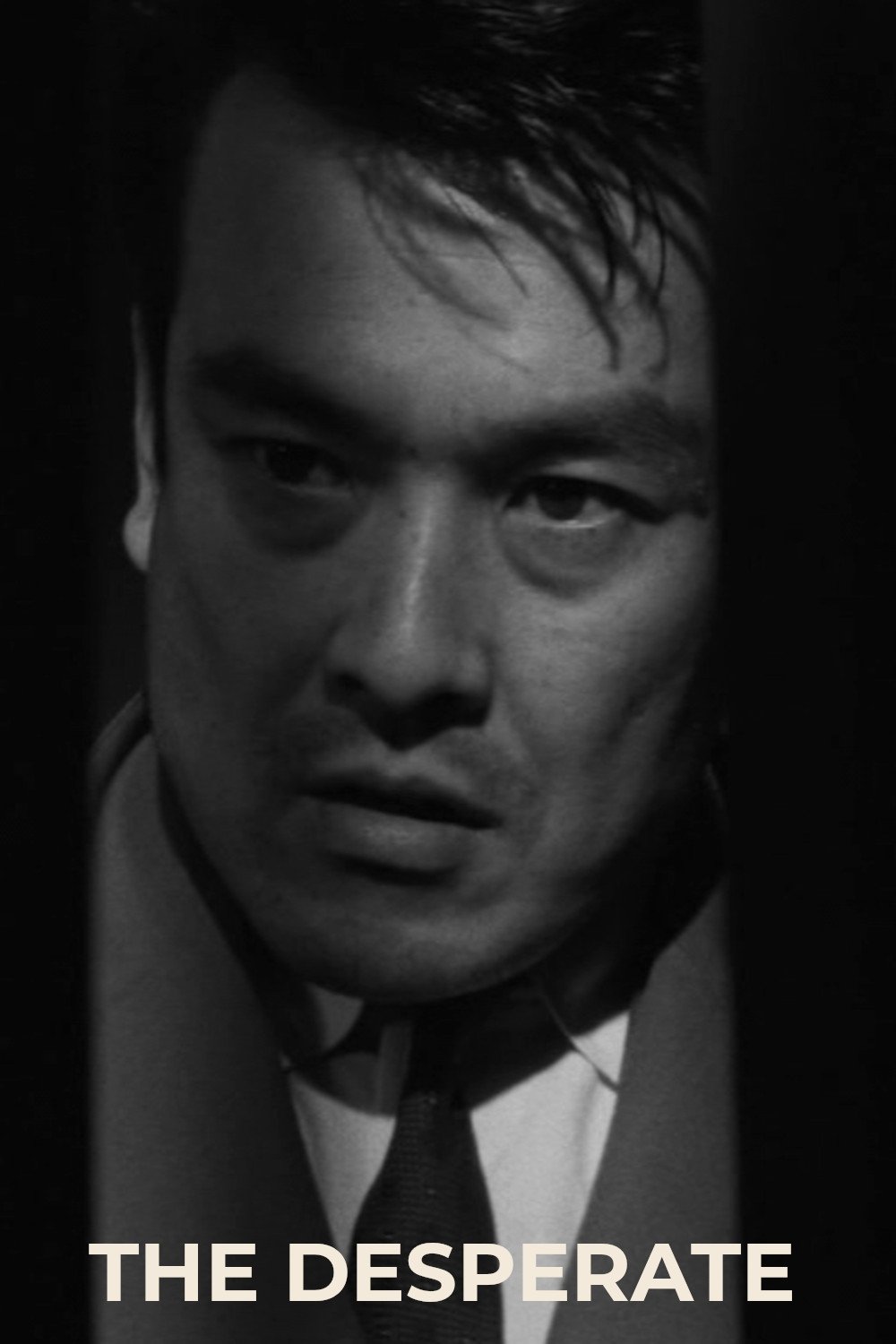
A noir drama depicting the downfall of a veteran detective who hates evil and falls into its depths. Ace detective Sugai pursues Chiyo, the mistress of a man who was arrested for extortion, and takes advantage of her weakness. However, as his colleague Tokumochi and others regard him with suspicion, he is tormented by remorse.
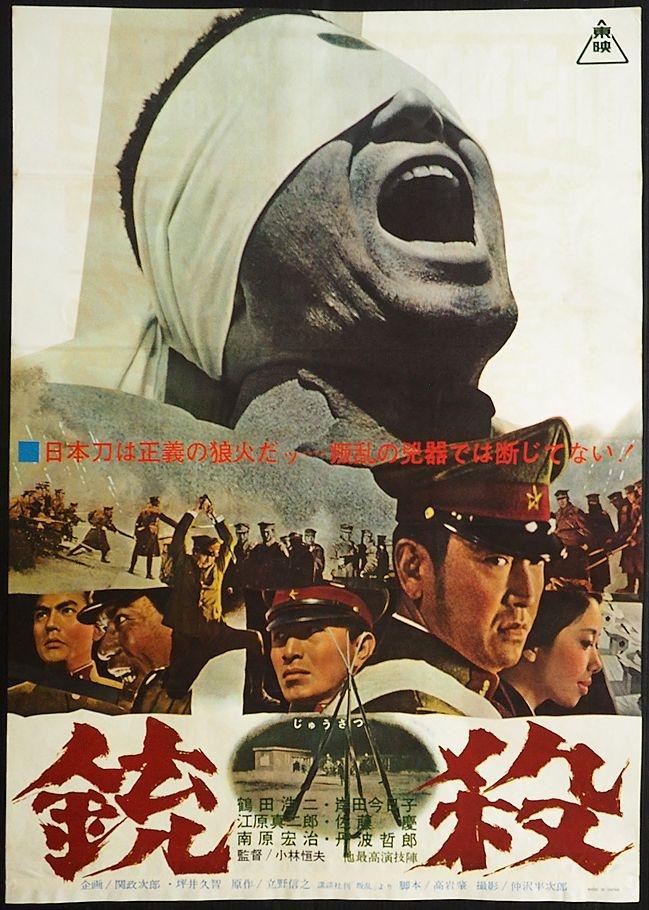
This film tells about the murder of Lieutenant Colonel Aikawa, the head of the Bureau of Military Affairs, about the beginning of the incident 2.26 and the execution of young officers.
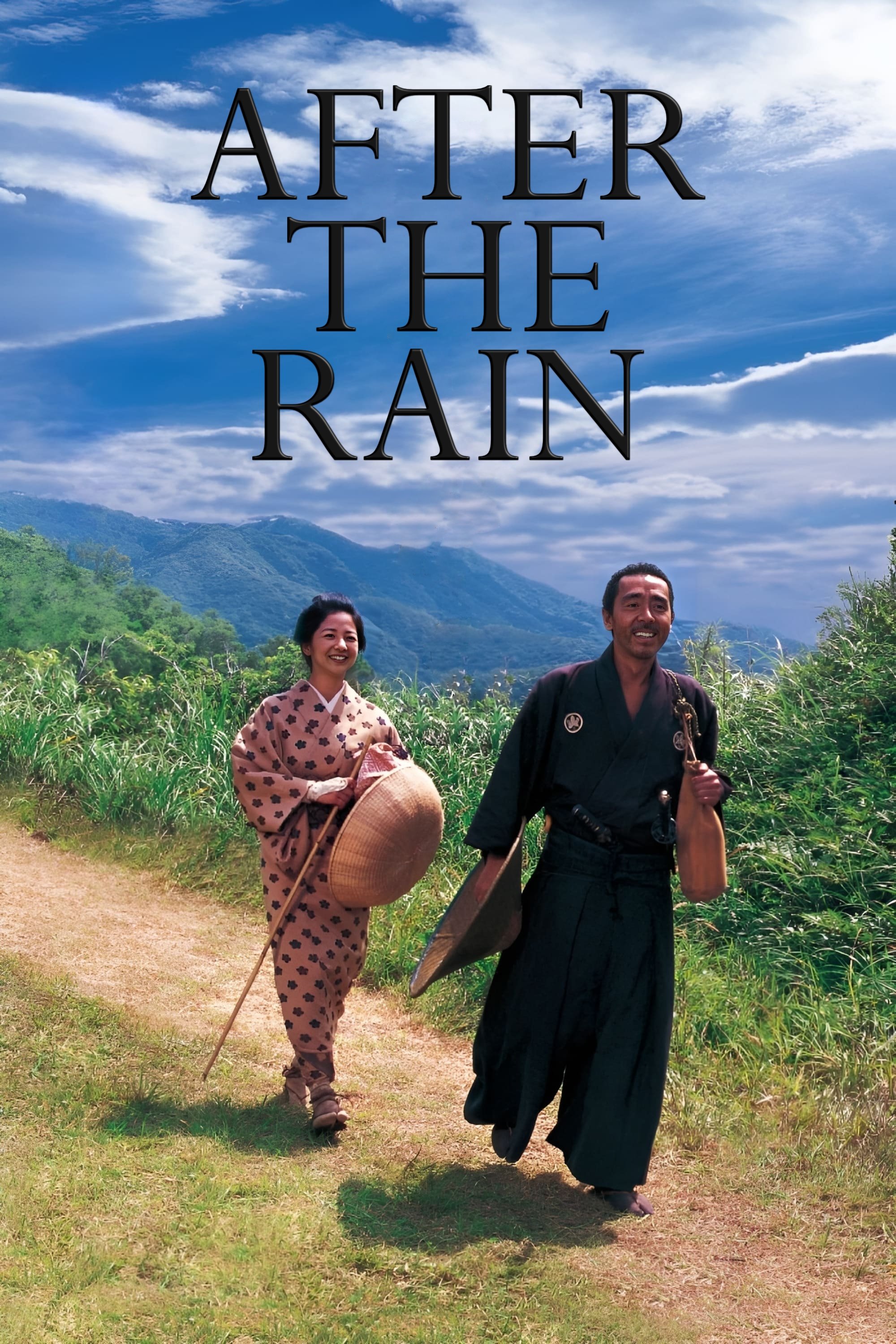
A group of travelers is stranded in a small country inn when the river floods during heavy rains. As the bad weather continues, tensions rise amongst the trapped travelers.
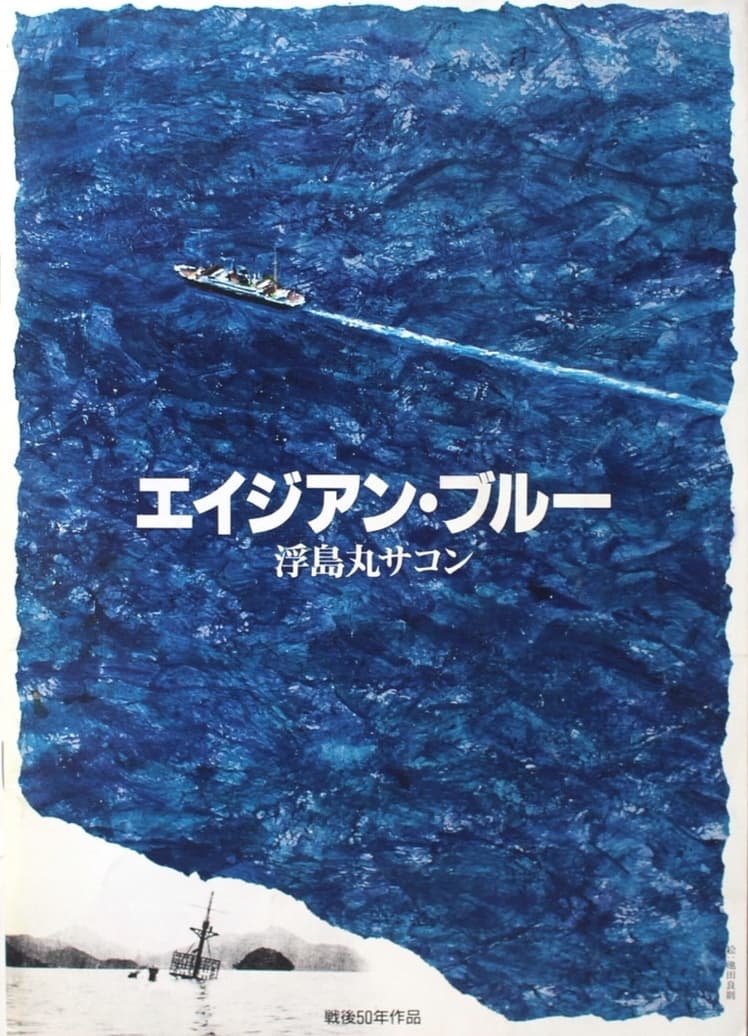
Asian Blue focuses on Koreans brought to Japan to work in forced-labor brigades during World War II
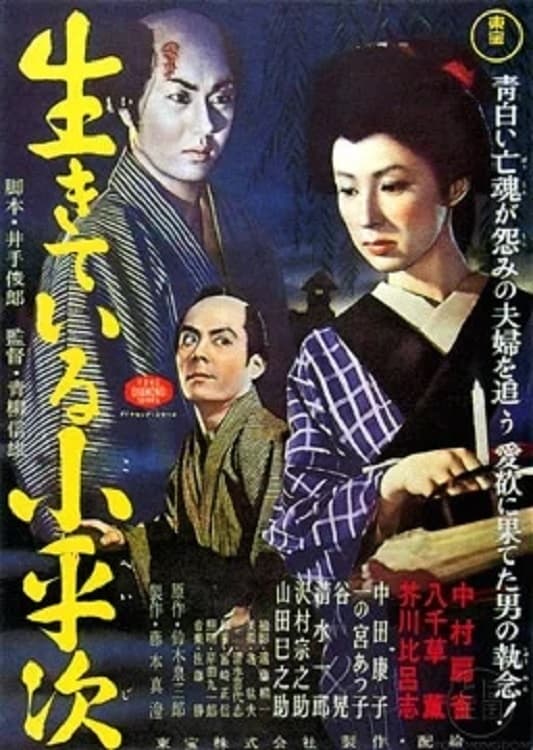
The actor Koheiji is terribly in love with the wife of his best friend, the playwright Takuro; to get her, he would even kill Takuro.

This is the DVD version of the TV show, which consists of a single video that plays the first and last episodes of the tv show bridged by an edit recapping the major events of the lost middle episodes.
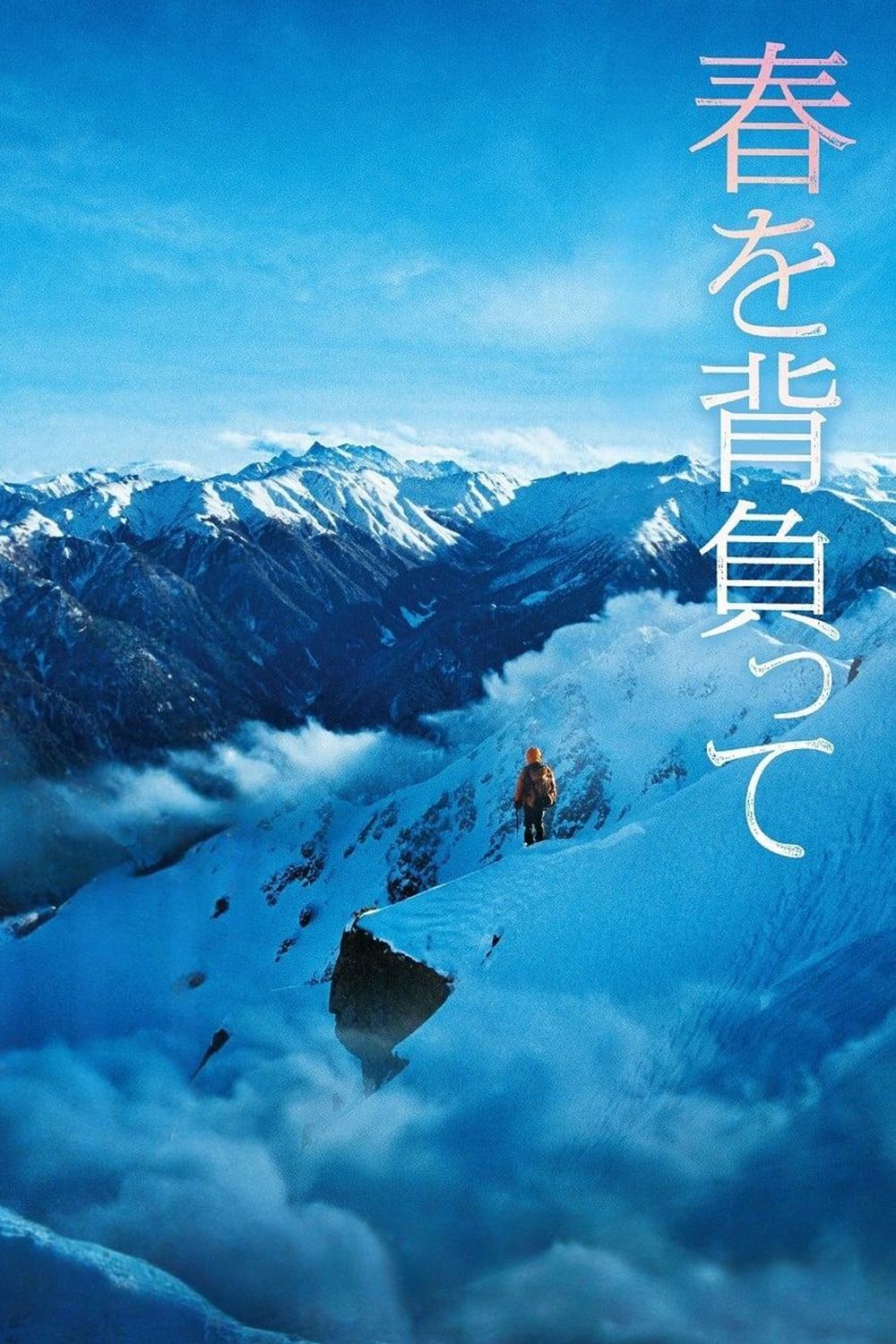
Toru grew up in alpine countryside around Mount Tate. As a child, he resented the yearly trek up the mountain with his father to prepare their mountain hut for the summer season of climbers. When Toru grows up, he leaves his hometown and enters the working world as a stock trader. One day, Toru receives word that his father has passed away. He returns to Mount Tate once again, and becomes conscious of a new calling. But, does Toru have what it takes to follow in his father’s footsteps?
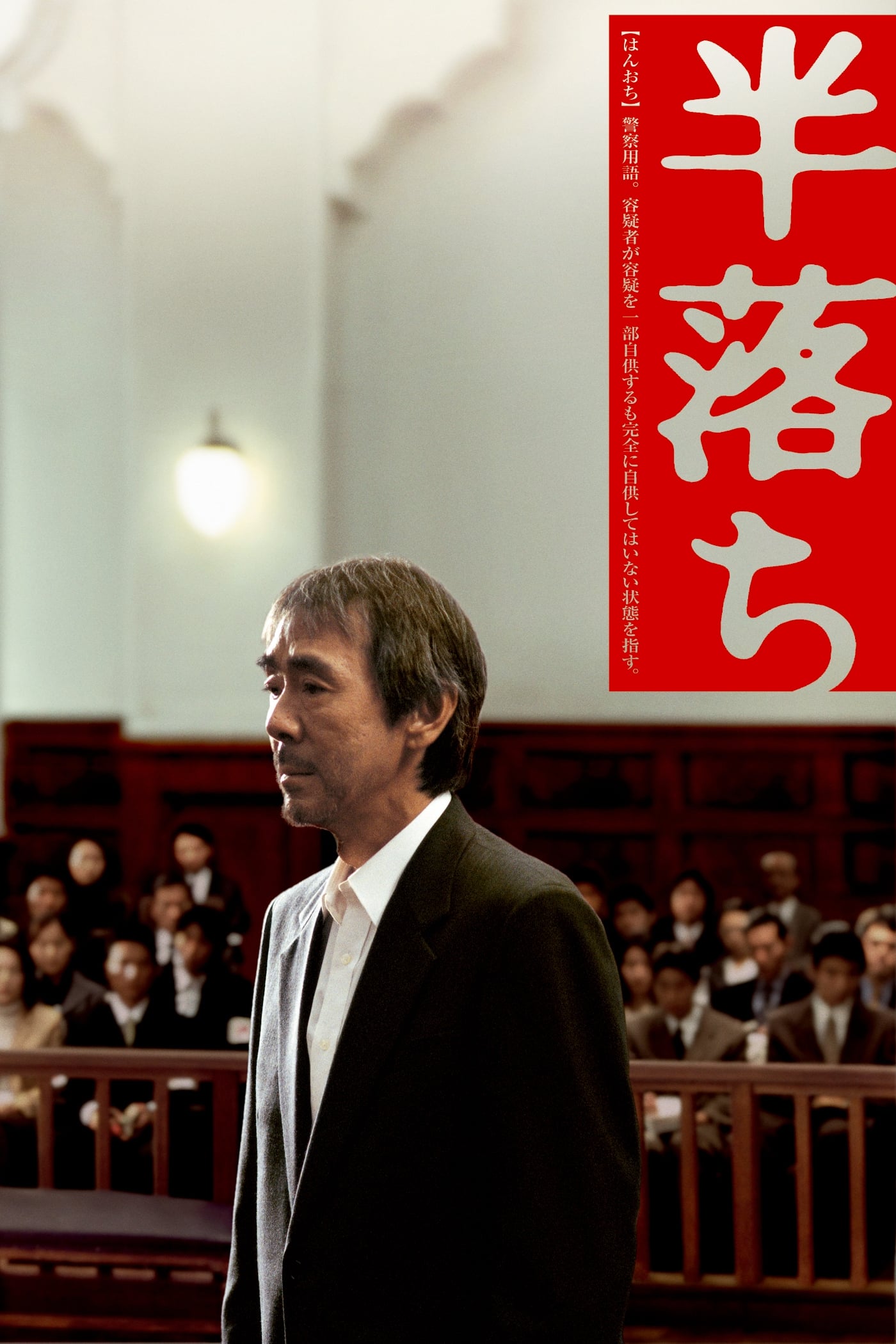
Half a Confession introduces itself as a thriller and abruptly changes gears, transforming into a tale of morality with deeper insights into its characters than we had anticipated. It begins when Soichiro Kaji (Terao), a retired detective, walks into police headquarters and confesses to the murder of his wife. We learn that the victim had prematurely developed Alzheimer's after the tragic death of their son, and in her suffering, had asked to die. The police chiefs would be far more content to take him at his word if it were not for a conspicuous hole in his story: 48-hour gap between the alleged murder and his confession. Fearing a public relations nightmare, they are eager to bury the incident and keep the press in the dark.
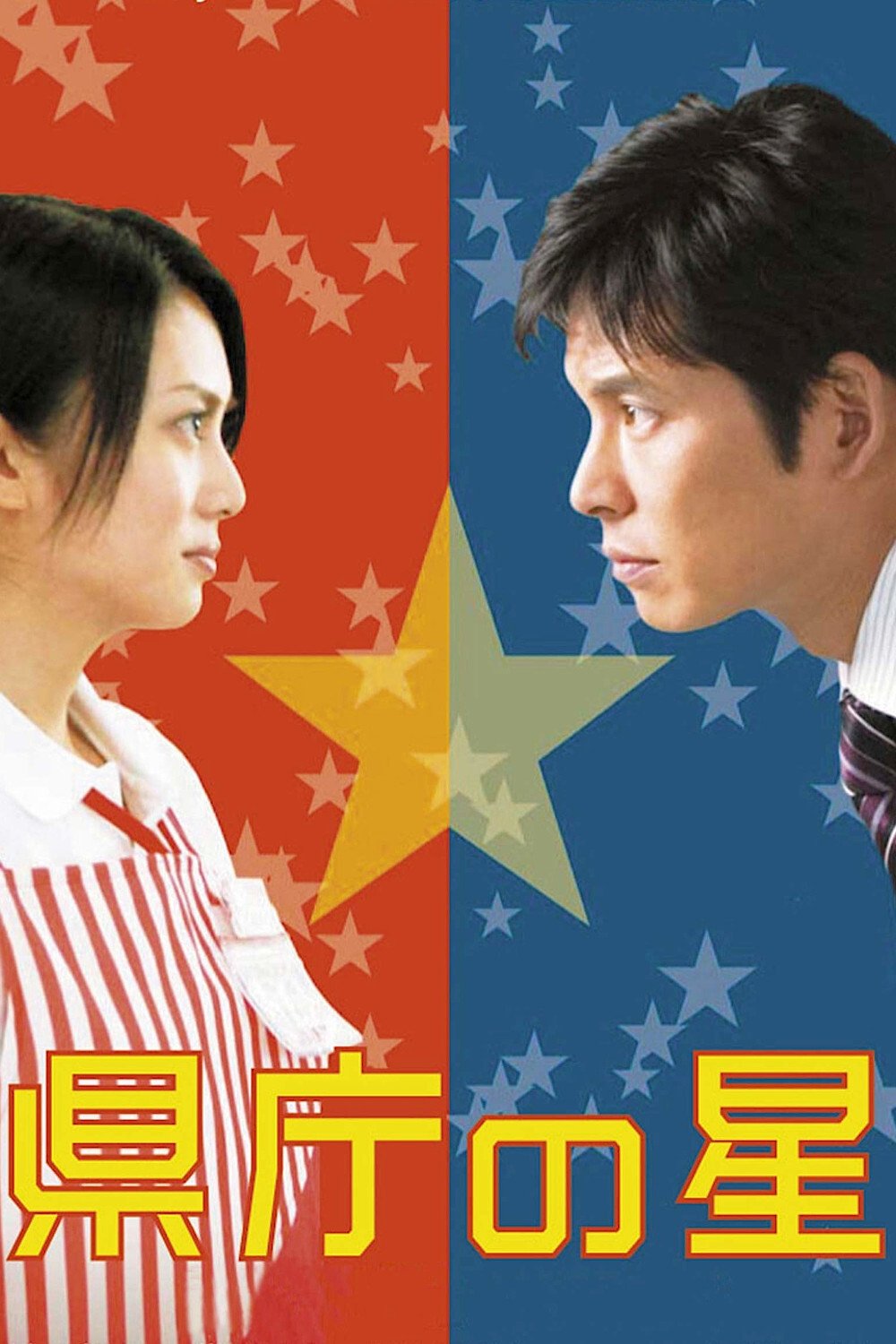
Satoshi Nomura, a top-level bureaucrat of a prefecture government, has passion for his career. One day, he is hired by the fixed-term personnel exchange training between public and private businesses. This personnel exchange training is part of some big prefecture project. This project is very big, so success of this personnel exchange training will probably determine his career. Nomura goes to a supermarket called "Mantendo".
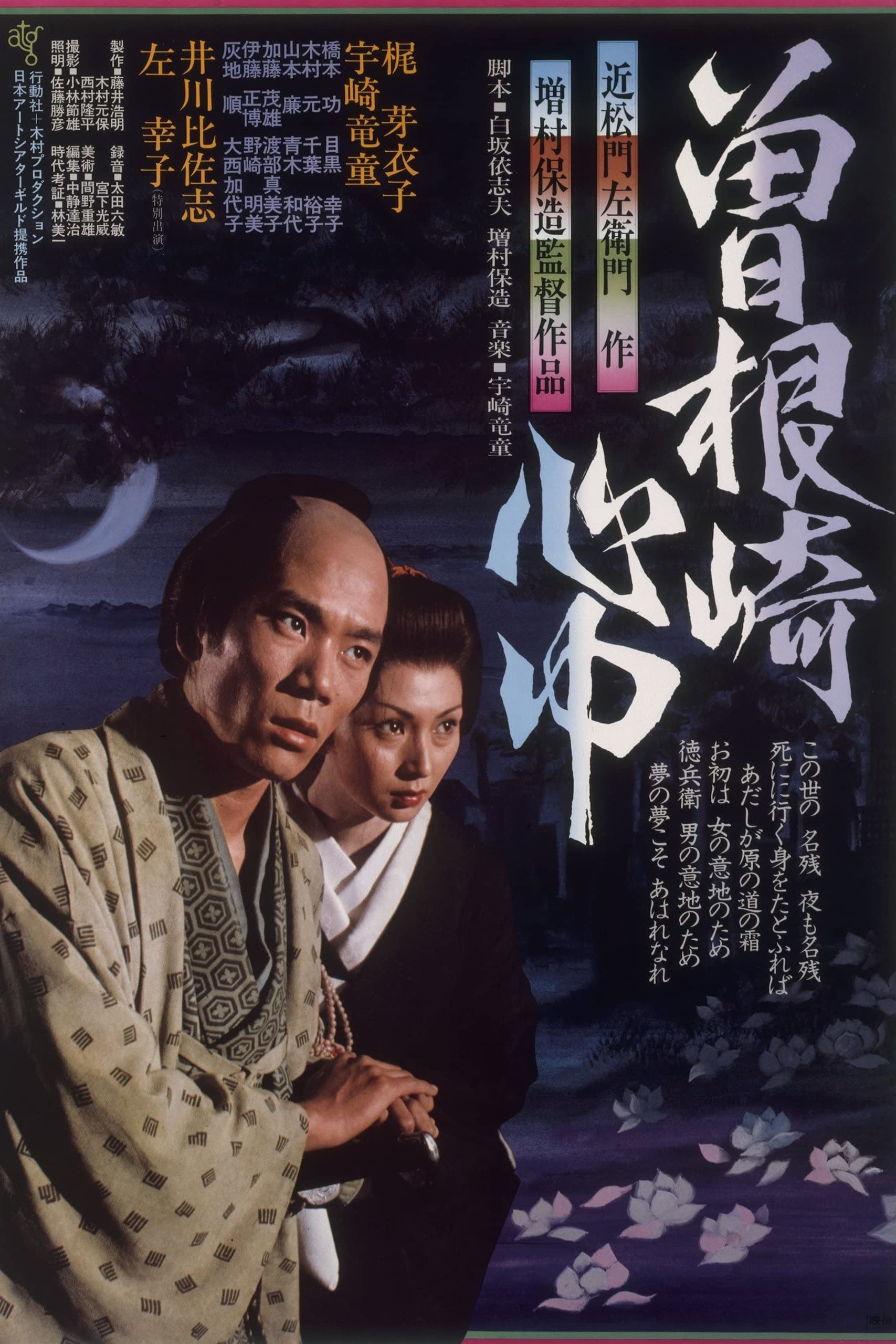
Suicide has long been used as a form of social protest in Japan. In this film, set in 1703, samurai culture is being transformed by the emergence of a new merchant class. Elements of the social contract are beginning to unravel, and some unscrupulous people took undue advantage of these changes before the social order was re-created. In this story, a rich merchant gives his clerk an I.O.U. instead of wages. When the impoverished clerk presents the paper to the merchant at the agreed upon time asking for payment, the man flies into a rage and pretends he never wrote it and claims the clerk is trying to defraud him. Then he sets his henchmen on the clerk to administer a beating.
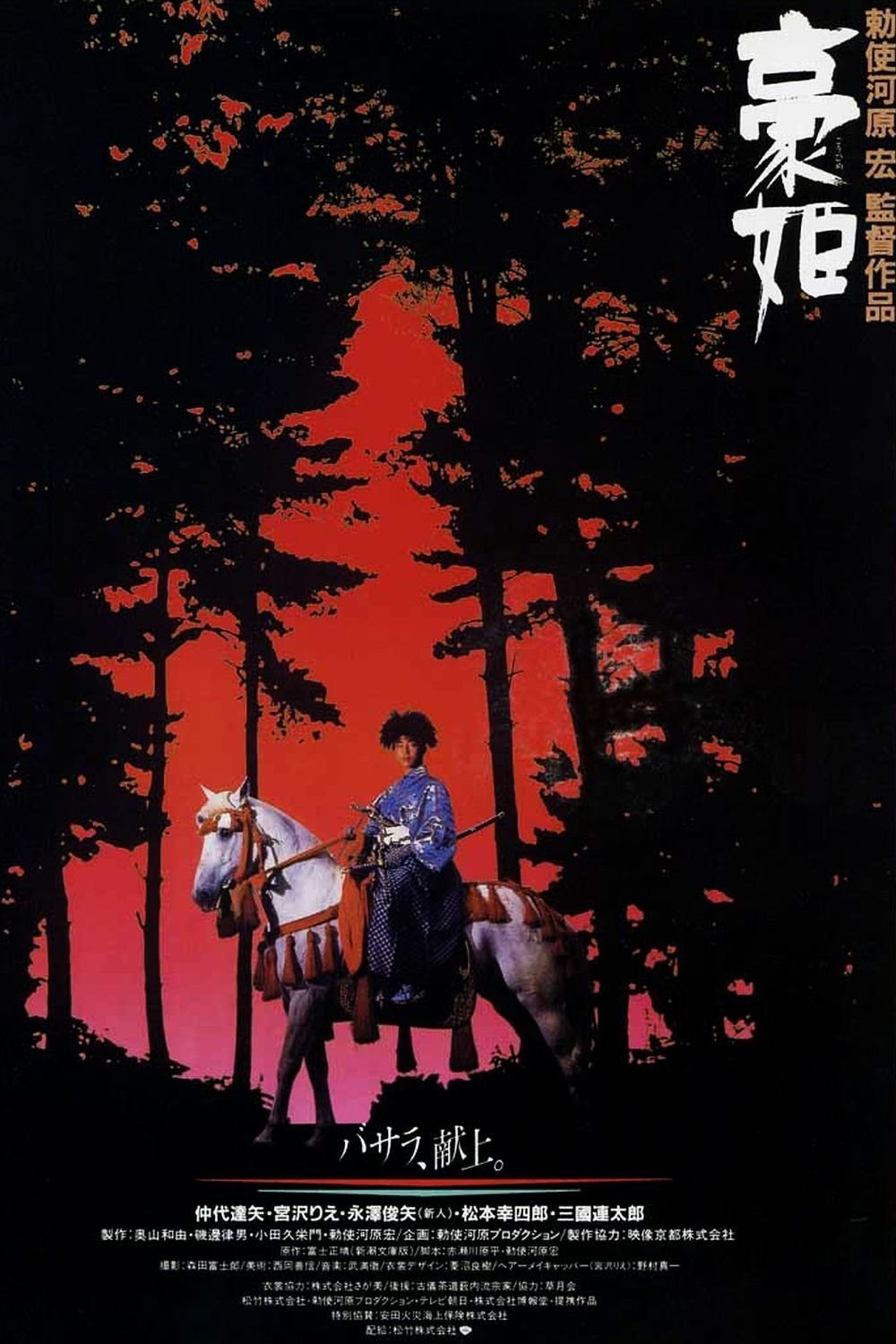
Furuta Oribe is ordered to become tea master under Toyotomi Hideyoshi after his teacher Sen no Rikyū, the former tea master, was ordered to commit suicide. Princess Goh, daughter of the lord but adopted by Hideyoshi, is outraged when Rikyū's severed head is thrown in the Nijo River. She sends Usu, Oribe's servant, to retrieve the head and deliver it to Rikyū's adopted daughter.
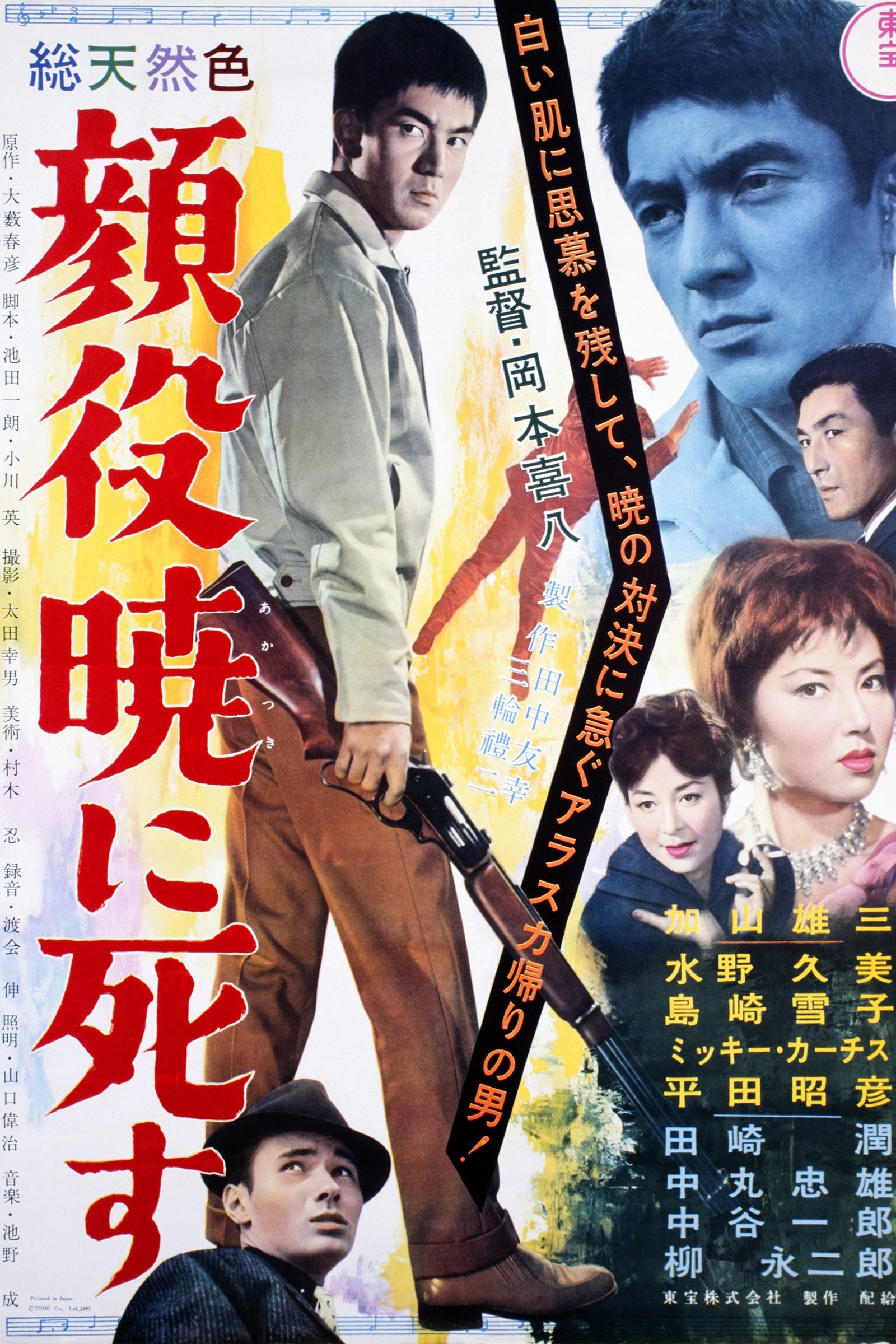
Grown up son arrives home to learn his father, the newly elected mayor, has been assassinated. So he journeys down a path to find the assassin and gets involved with two opposing yakuza gangs.
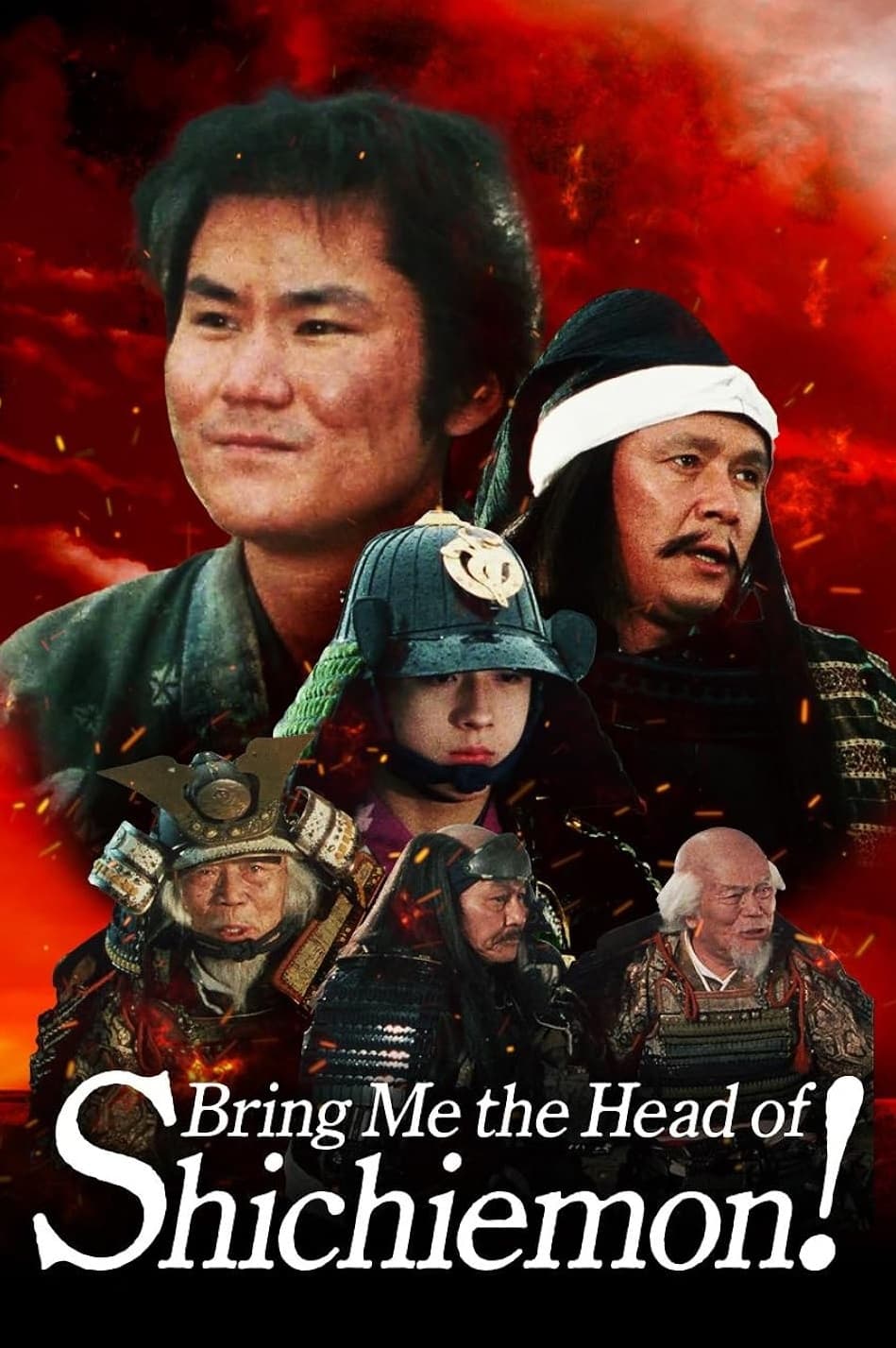
During the Sengoku period, an army relentlessly lays siege to a castle, but they will need the head of the opposing lord to declare victory.
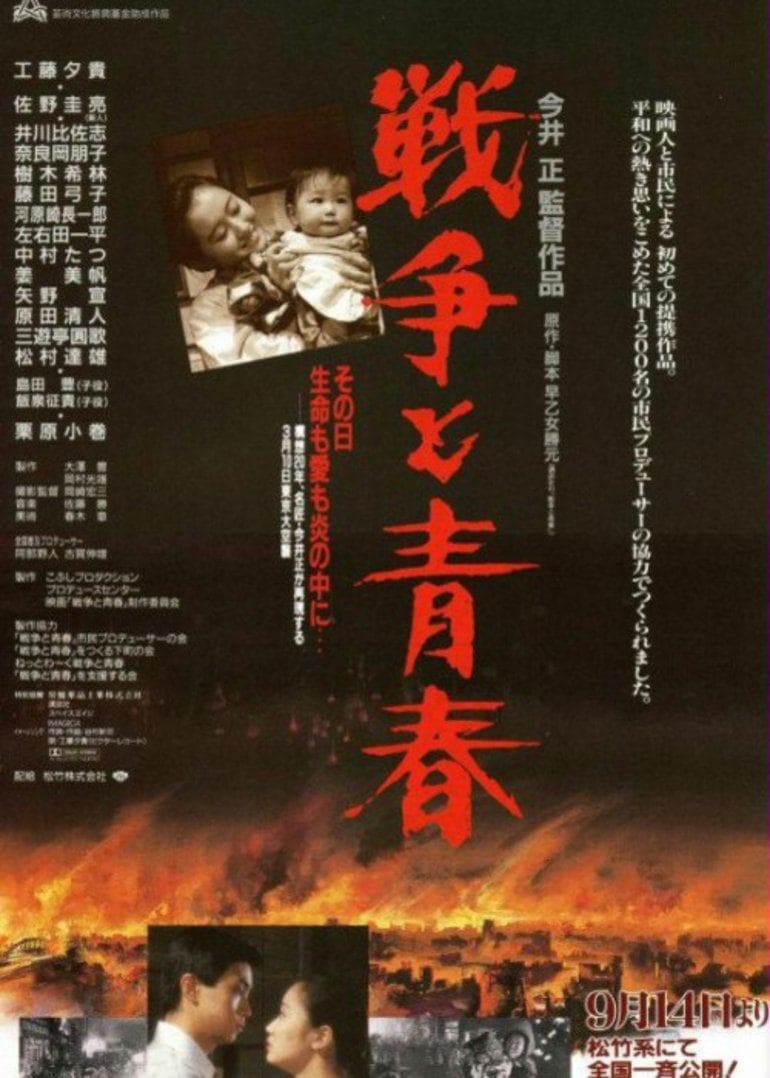
An auto repairman's daughter questions him about what happened to her aunt during the war, but the father remains reticent. Finally the man opens up, and the girl is able to piece together her aunt's tragic story.

Shūji Yamaoka was a suicide pilot during the war who somehow survived Japan's surrender. After decades of working as a fisherman in Kumamoto, a provincial seaside city in southern Kyushu, Yamaoka remains reluctant to discuss his wartime experiences with anyone, much less an intrusive reporter looking for a feature story. Then a series of events shake Yamaoka to the core, forcing him to re-evaluate his past.
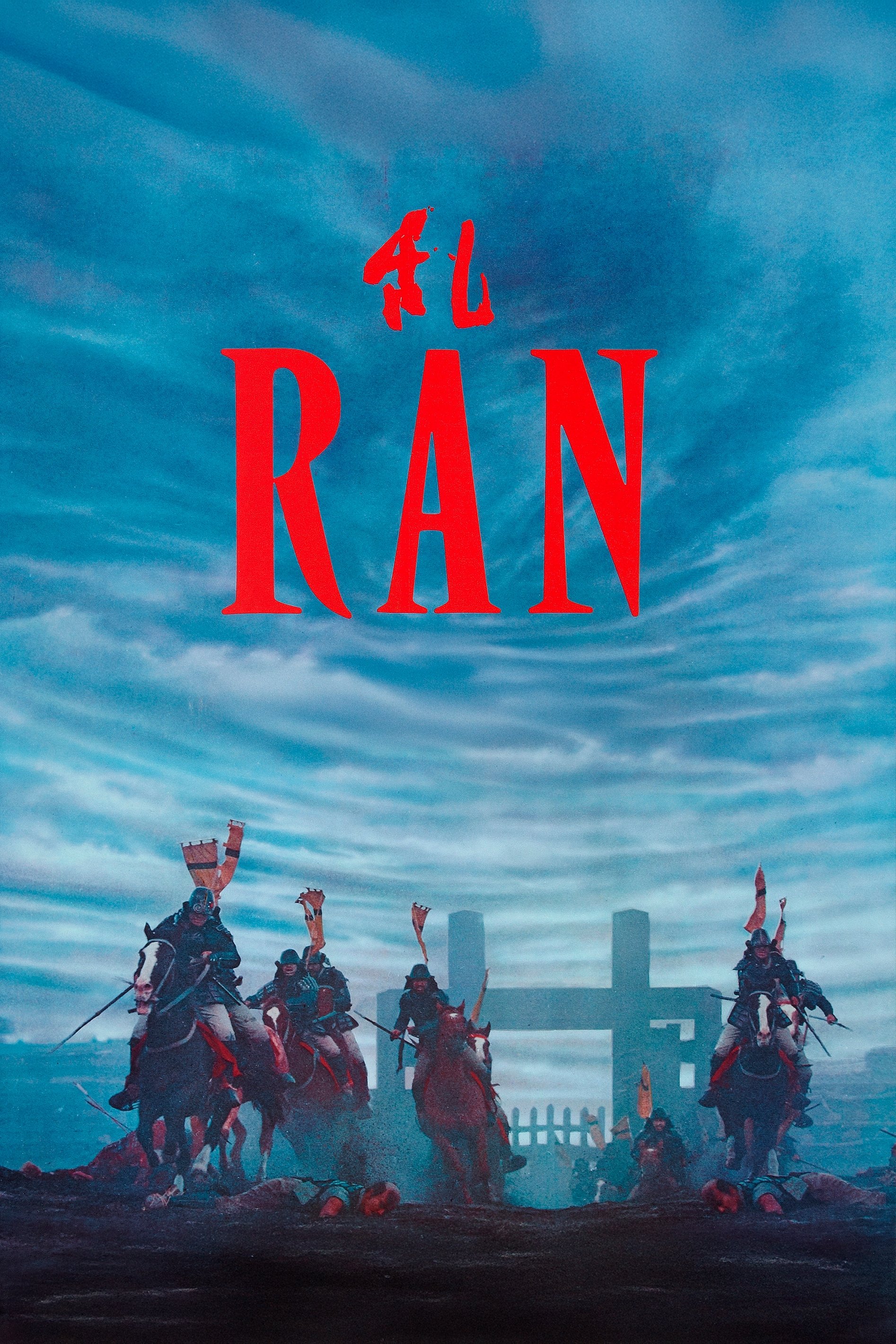
Shakespeare's King Lear is reimagined as a singular historical epic set in sixteenth-century Japan where an aging warlord divides his kingdom between his three sons.
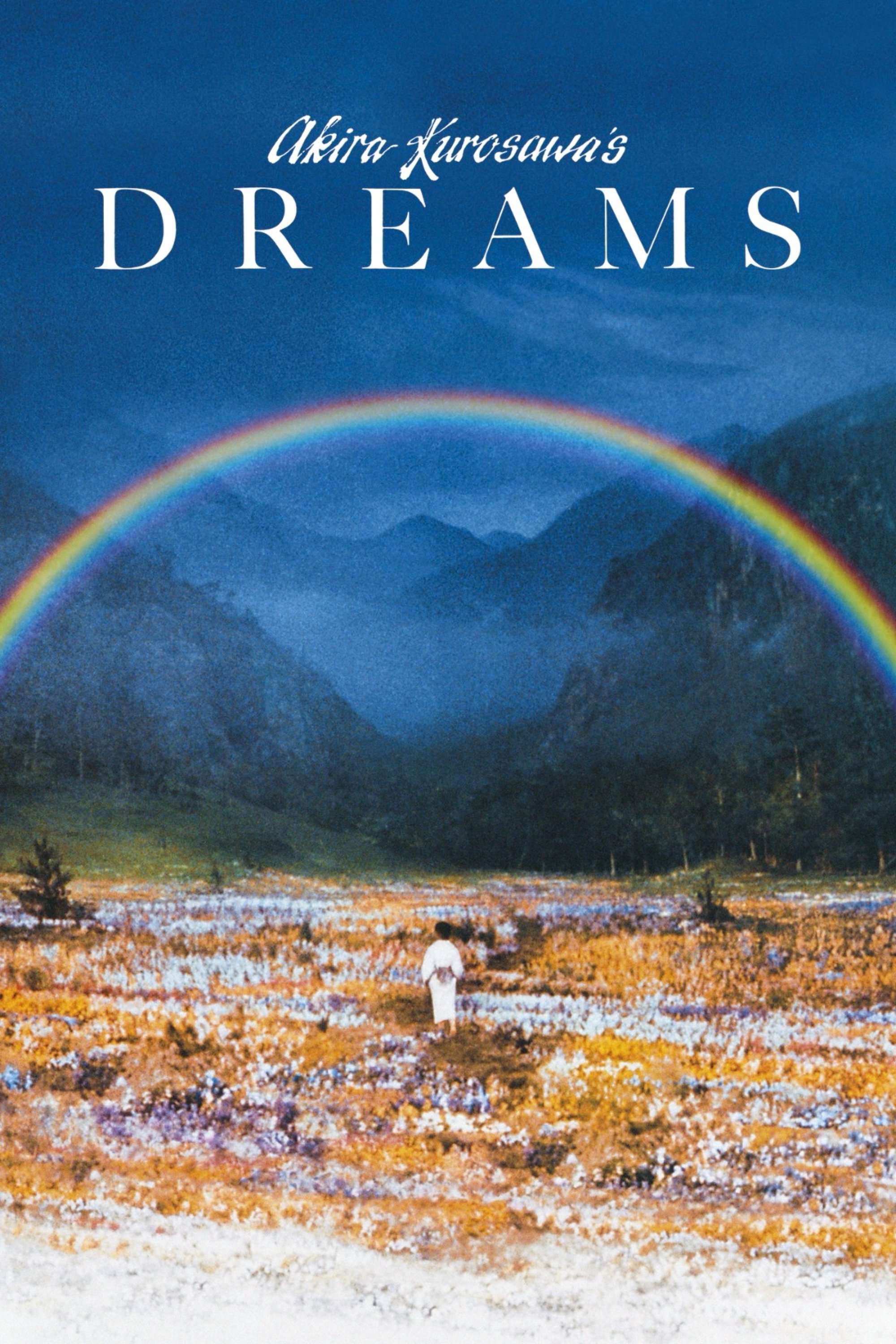
Eight visually rich vignettes drawn from Kurosawa’s own dreams—fox weddings and vanished orchards, a soldier’s ghosts, a walk through Van Gogh’s canvases, nuclear nightmares, and a water-mill utopia—meditate on childhood, art, mortality, and humanity’s uneasy bond with nature.
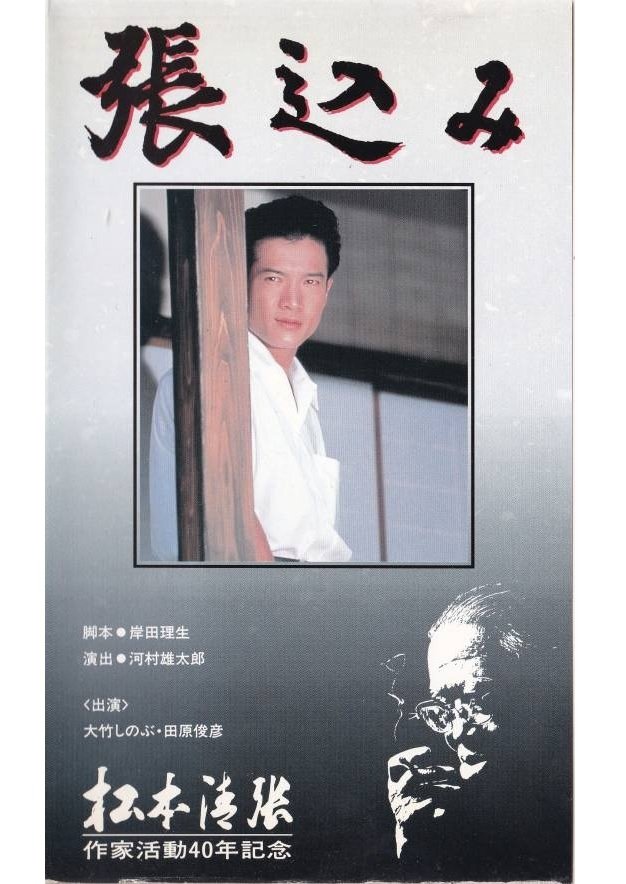
When a team of detectives lose the trail of a murderer, they decide to keep an eye on the suspect’s ex-lover, who is trapped in an abusive marriage.
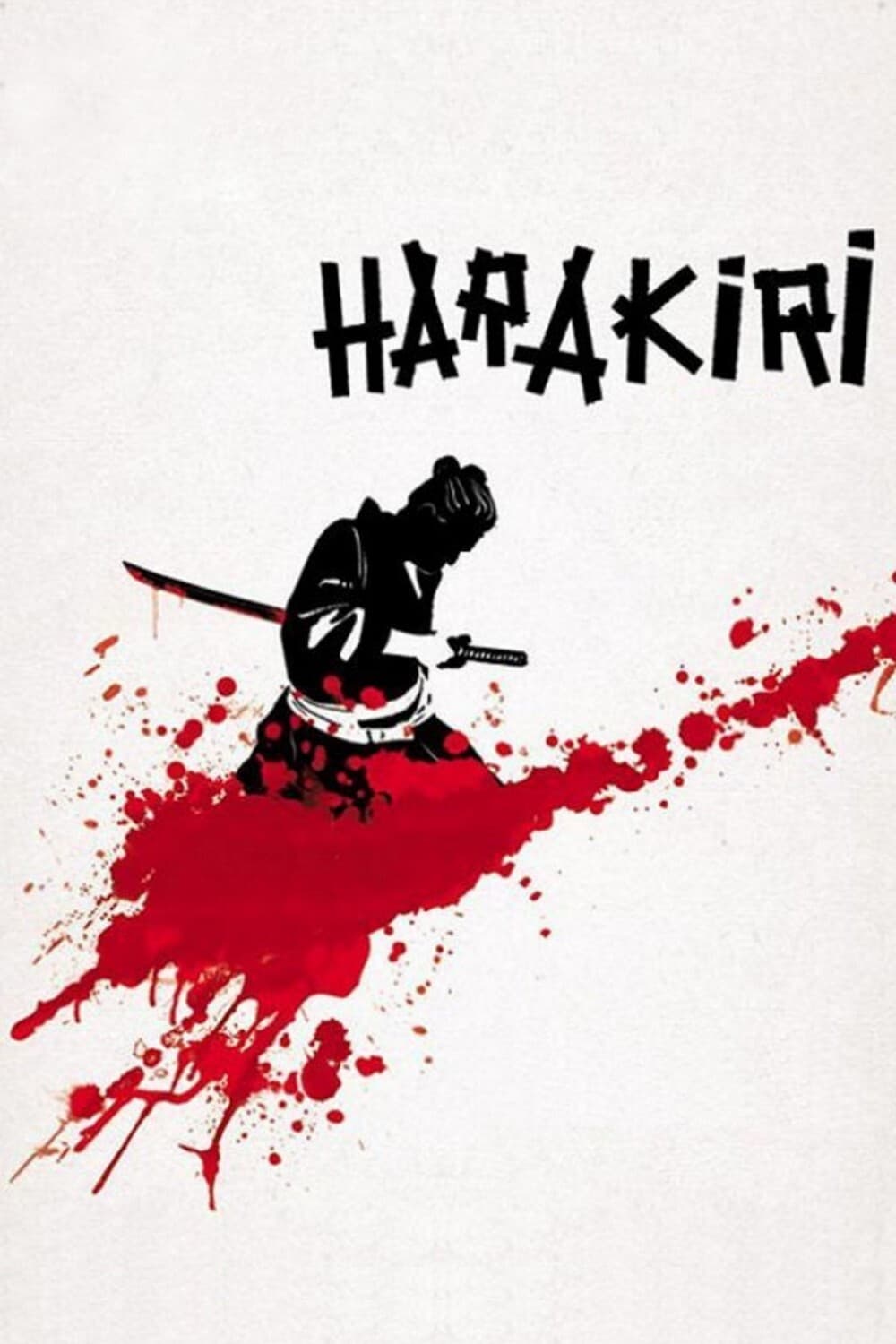
Down-on-his-luck veteran Tsugumo Hanshirō enters the courtyard of the prosperous House of Iyi. Unemployed, and with no family, he hopes to find a place to commit seppuku—and a worthy second to deliver the coup de grâce in his suicide ritual. The senior counselor for the Iyi clan questions the ronin’s resolve and integrity, suspecting Hanshirō of seeking charity rather than an honorable end. What follows is a pair of interlocking stories which lay bare the difference between honor and respect, and promises to examine the legendary foundations of the Samurai code.
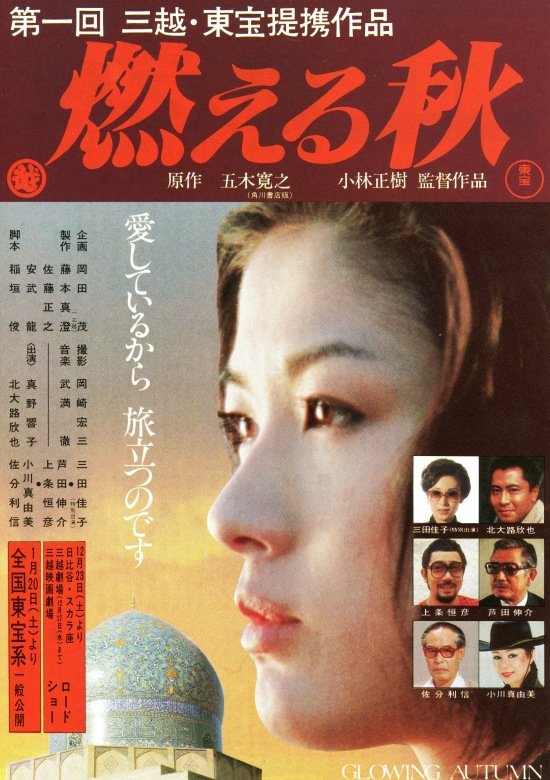
A very beautiful Japanese woman is in love with Persian carpets. She is being chased by lecherous Saburi Shin and a handsome young photographer. Lecherous Saburi Shin knows what she wants, and is able to produce it for her.

Bakyo is a talented but unsuccessful rakugo artist. The very successful Rokyu wants to take Bakyo under his wings, but Bakyo refuses, claiming that Rokyu's rakugo is compromised by the elements of kabuki. But Bakyo changes his mind and determines to learn (or steal) Rokyu's craft and makes it his own.
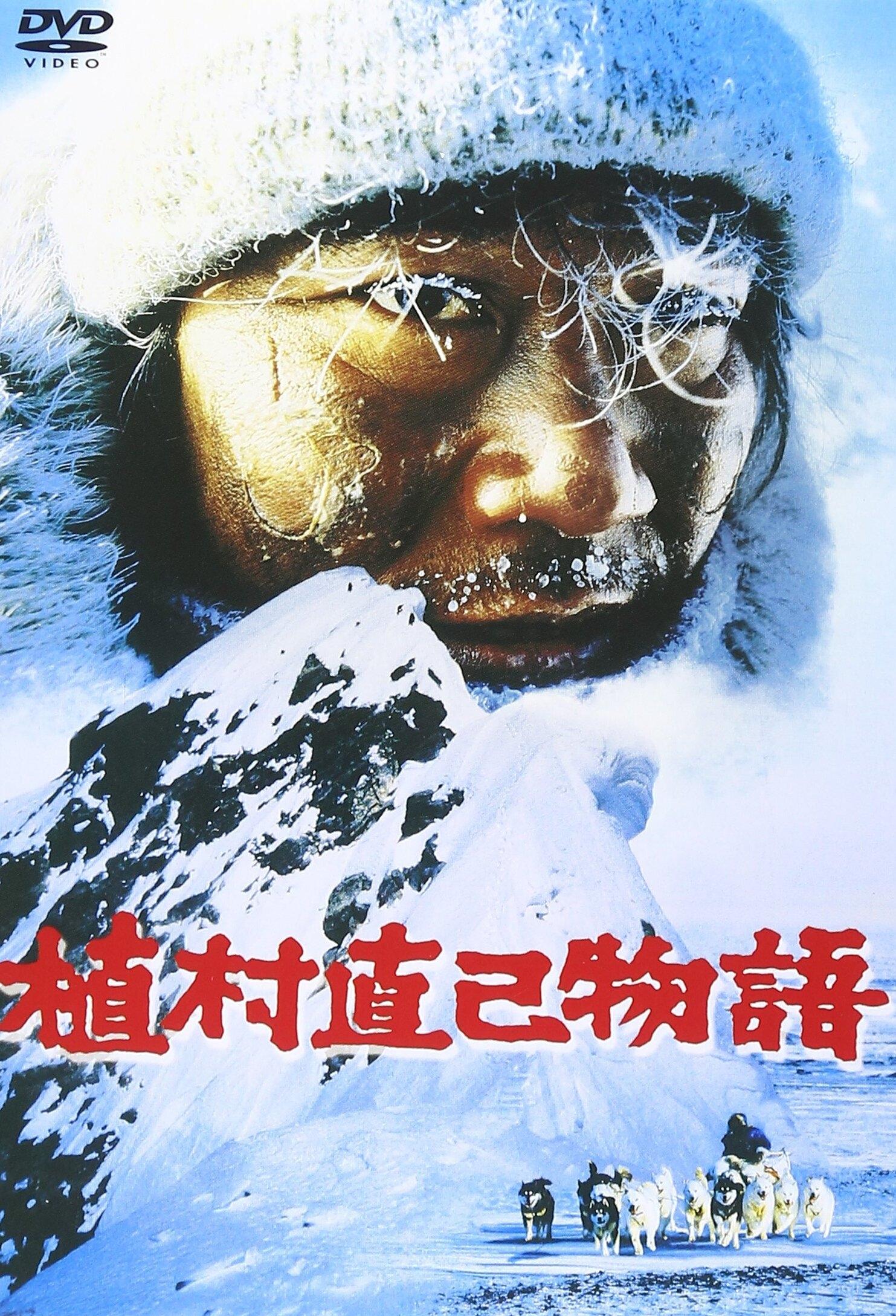
The life and travels of adventurer Naomi Uemura, who disappeared in Alaska in 1984. A member of the first Japanese expedition to reach the summit of Mt Everest in 1970, Uemura also accomplished several "firsts". He was the first man to reach the North Pole solo, climb Denali solo, and float down the Amazon river solo. In the film, Uemura returns to Tokyo after a stint in Siorapaluk in Northern Greenland. In Tokyo, he reconnects with an old friend and, over coffee, shares his life story - from his days as a college dropout to his successful expedition to the top of Everest.
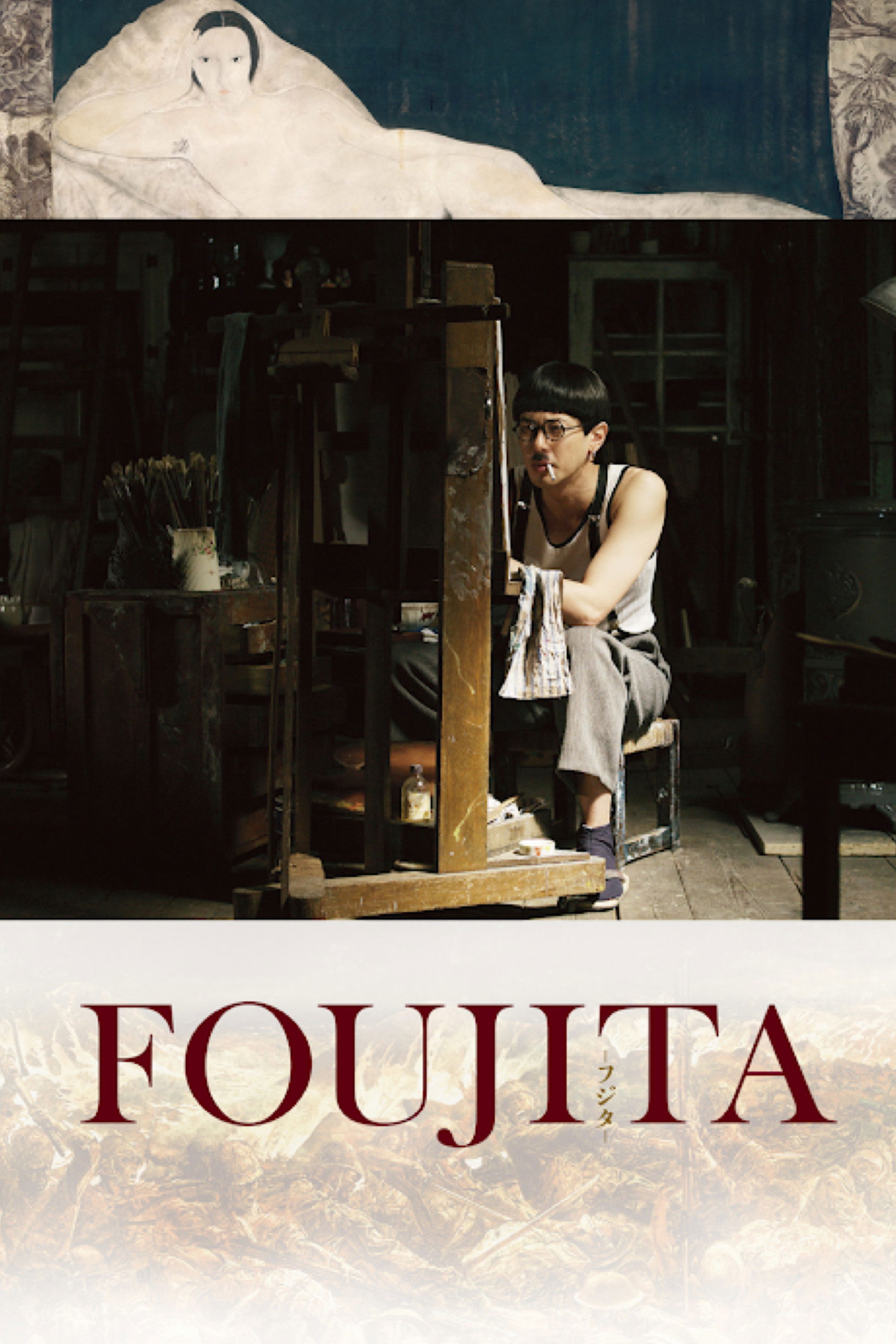
A biopic of seminal 20th century artist Leonard Foujita, a contemporary of Picasso and Modigliani, who was famous for mixing up European and Japanese styles.
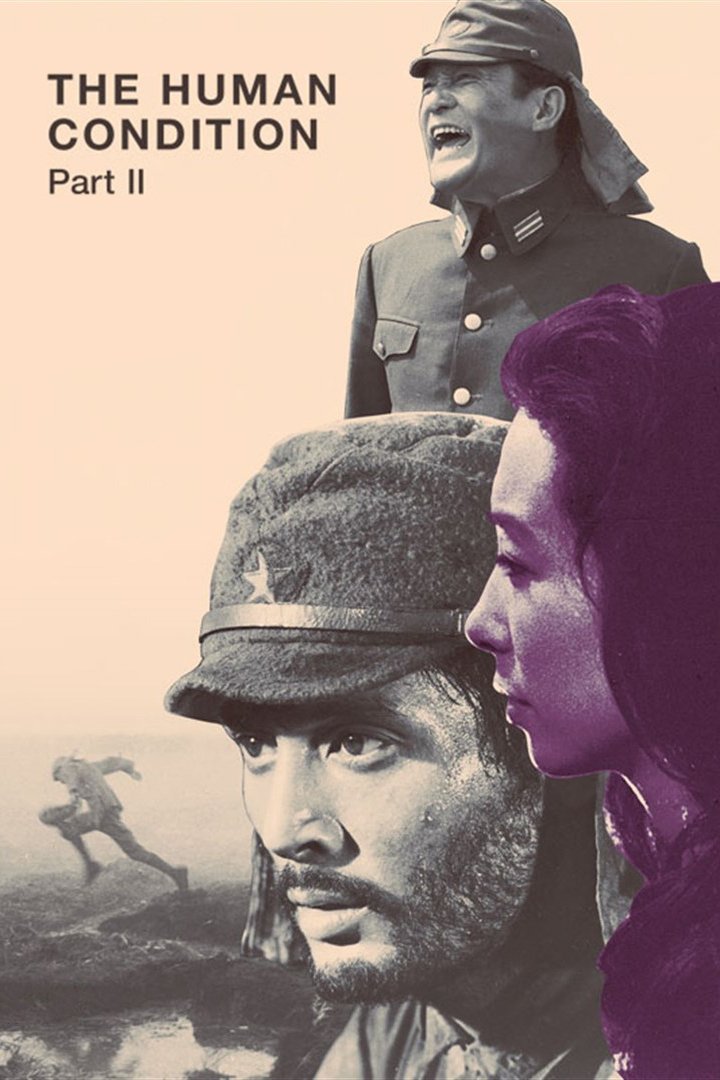
Kaji, sent to the Japanese army labeled Red, witnesses cruelties in the army and revolts against the abusive treatment against a fellow recruit. He also sees his friend Shinjô defecting to the Russian border, and he ends in the front to fight a lost battle against the Russian tanks division.
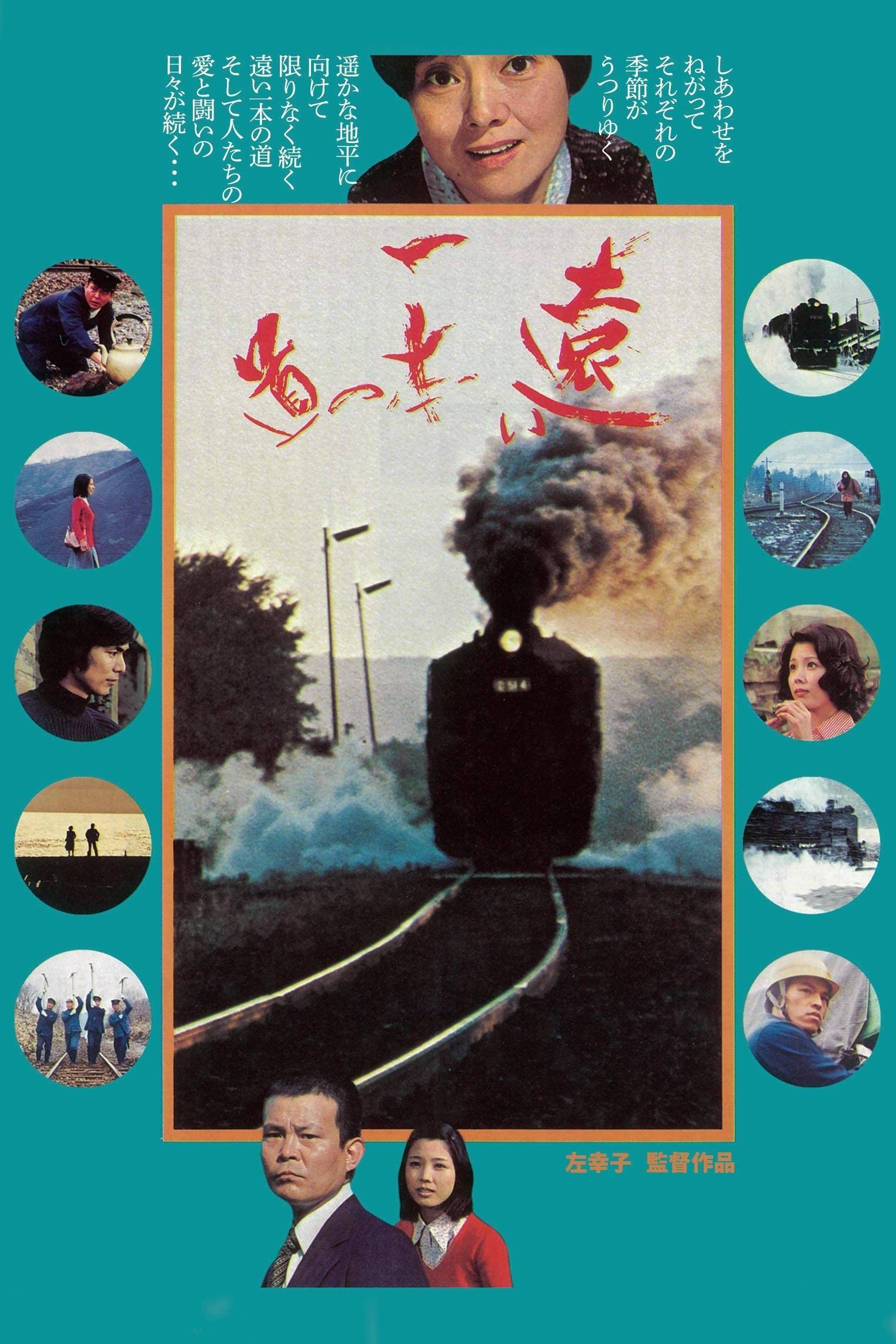
Set in the time of steam locomotives and covering a period of almost 30 years, this sensitive film tells the story of the wife of a railroad worker in the northern part of Japan. The ferocious local class restrictions work to keep her husband in his place, as does his lack of education.
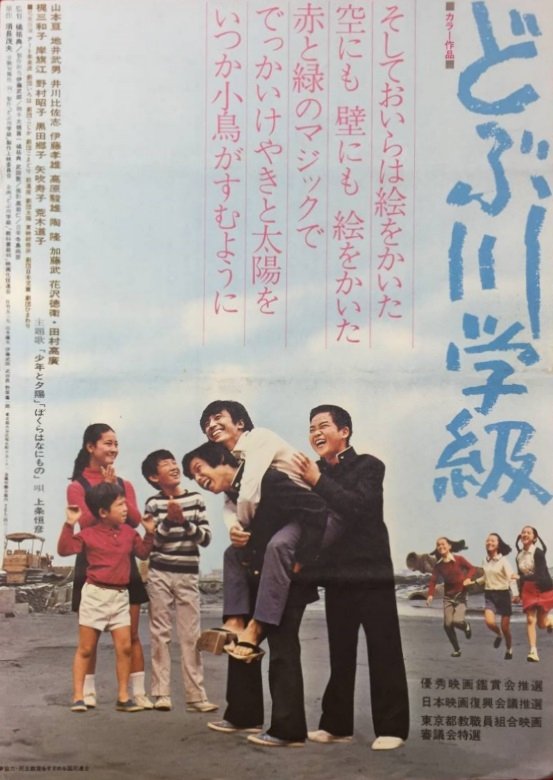
The struggle of a young man and boys who try to create the environment where they can speak their minds freely.
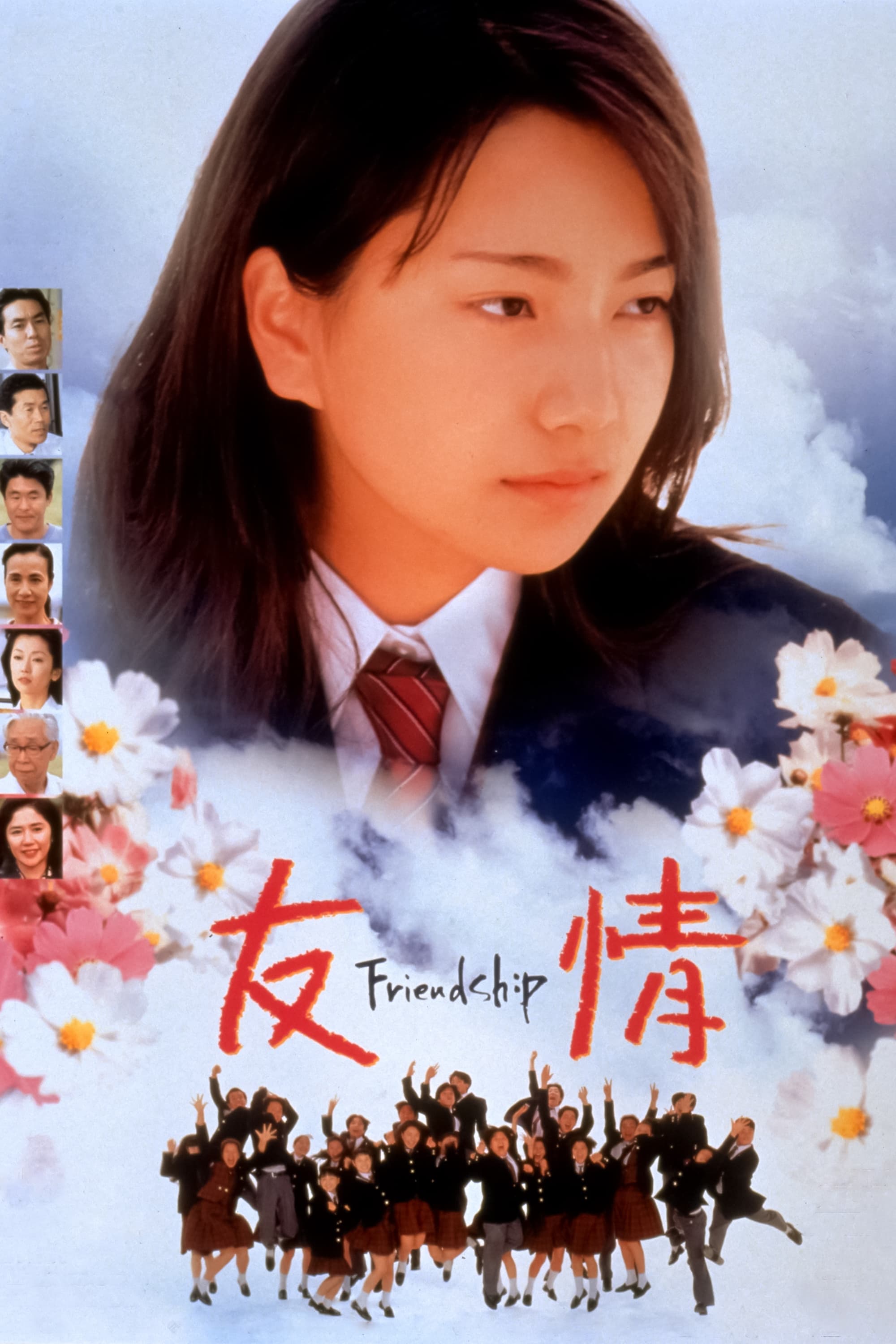
Fourteen-year old student Ayumi has leukemia and starts losing hair. She becomes depressed but receives overwhelming support from her classmates when they all shave their heads for her.
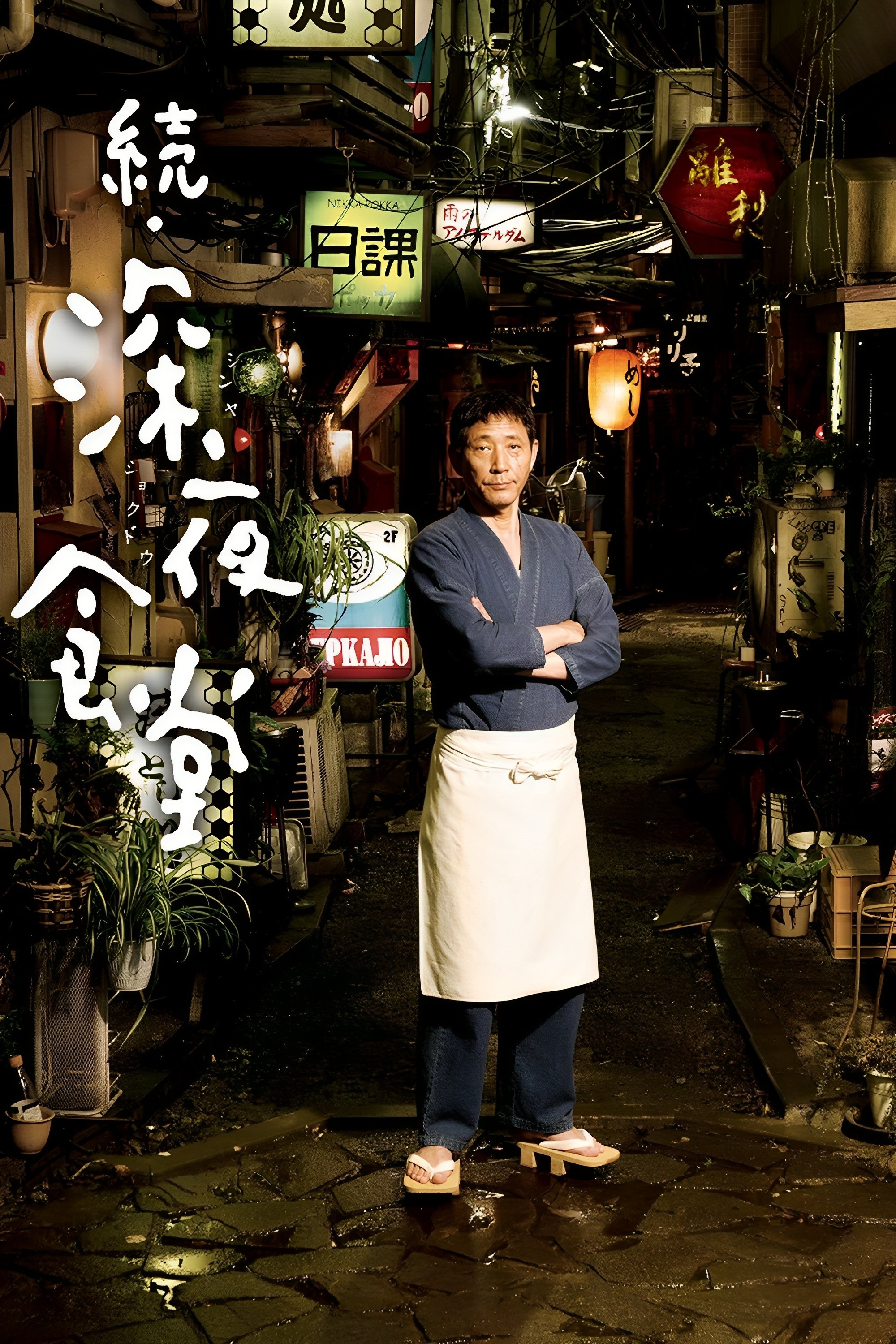
The Master's late-night diner welcomes a woman troubled by funeral fans, an elderly scam victim, and a noodle delivery man struggling with love.
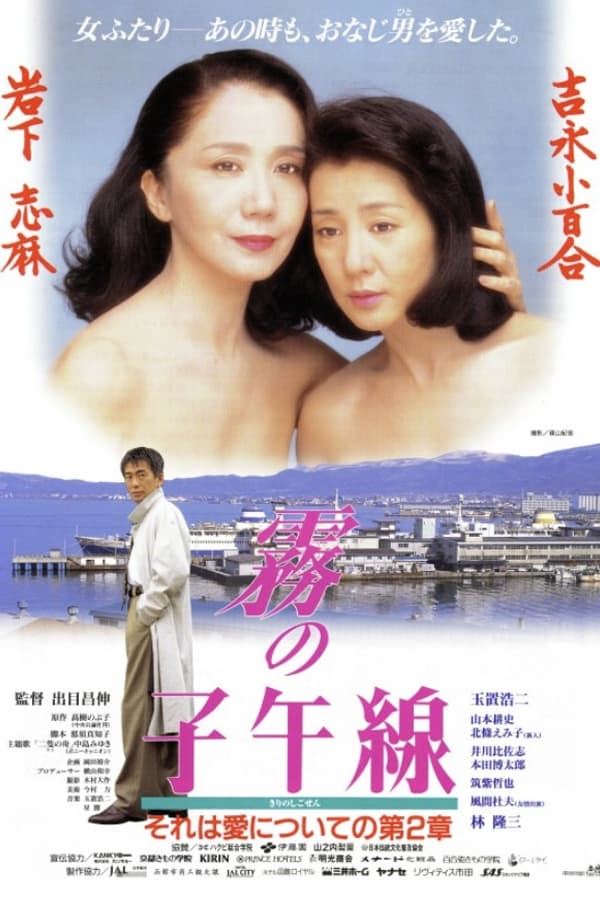
A story of friendship between two women, Yae and Kiyoko. Their friendship is tested when artist Yae, who suffers from fatal illness, develops special feelings towards her best friend Kiyoko’s boyfriend Kosuke.
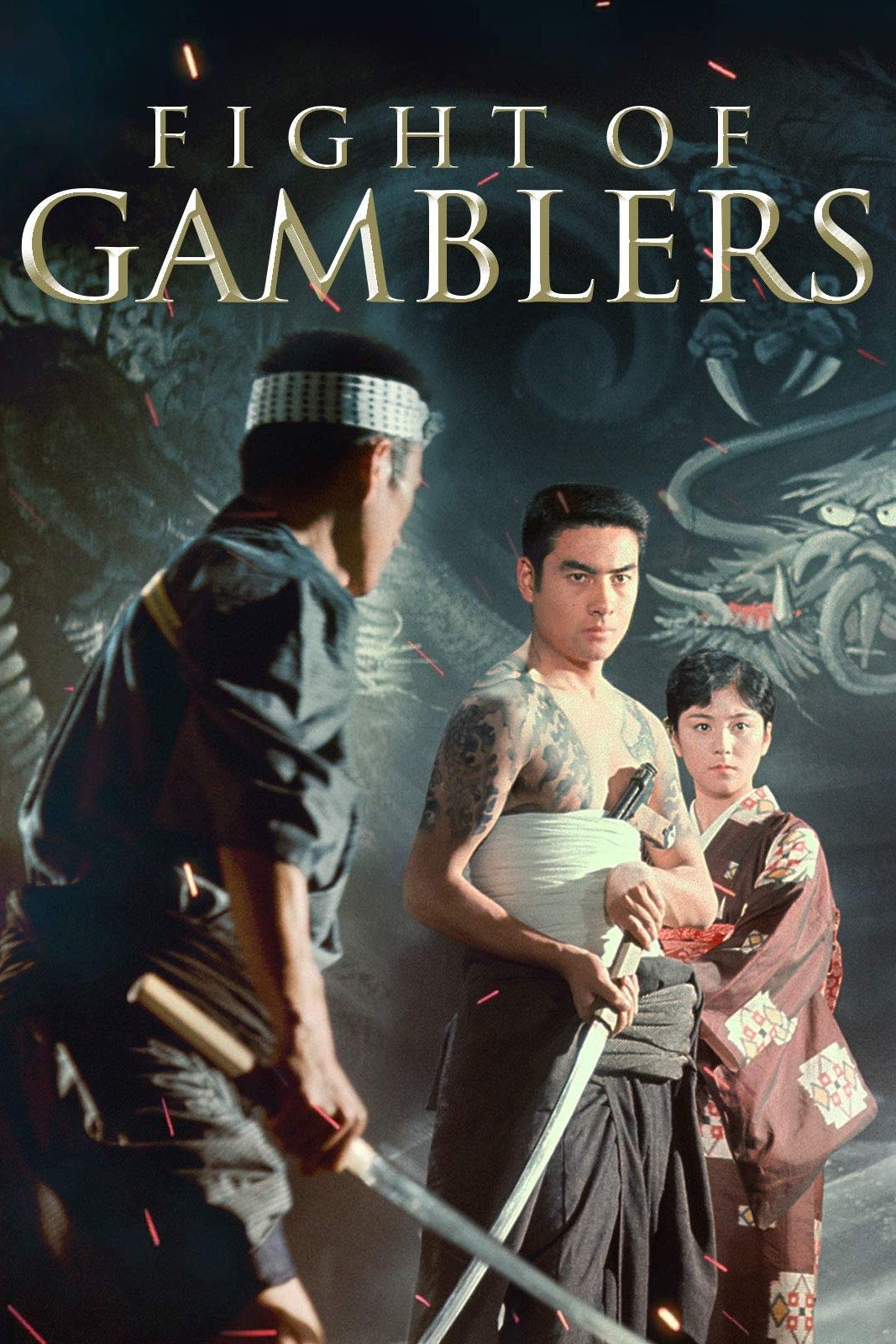
Ryuji Oshima, a gambler, kills Saiga in self-defense, and considering himself unfit to lead men, secludes himself in a temple to atone for his misdeeds. At home, when his mother, the boss of a construction gang, bids for and gets the job of building the Town Hall, other gangs set out to disrupt her business and try to kill her.
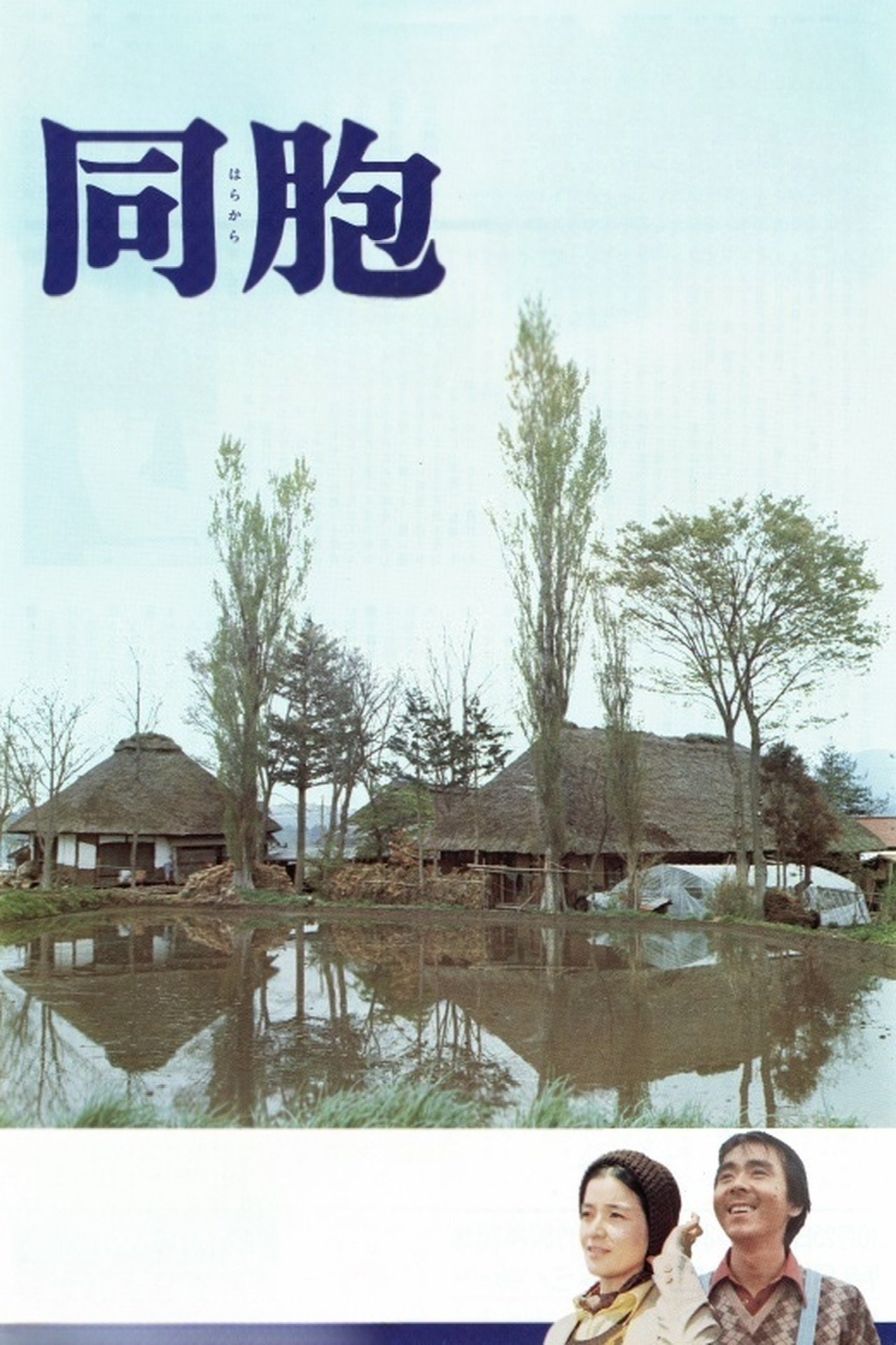
This appears to be a labor of love. Its about a village which is given the opportunity to put on a musical. They would have to pay the overhead and, being that they are farmers and always busy and not rich, question the wisdom and feasibility of such an idea. A spokesperson for the acting troupe Ms. Kono lays out the whole thing and they must decide. You get little slices of rural life in Japan far, at least in sentiment, from Tokyo. The best thing about this film is that it has heart. The acting is good, but it is really about the simple storyline of outing on a show. Films rarely get made with such simplistic plots these days. Enjoy this little slice of what city people call “the simple life”.
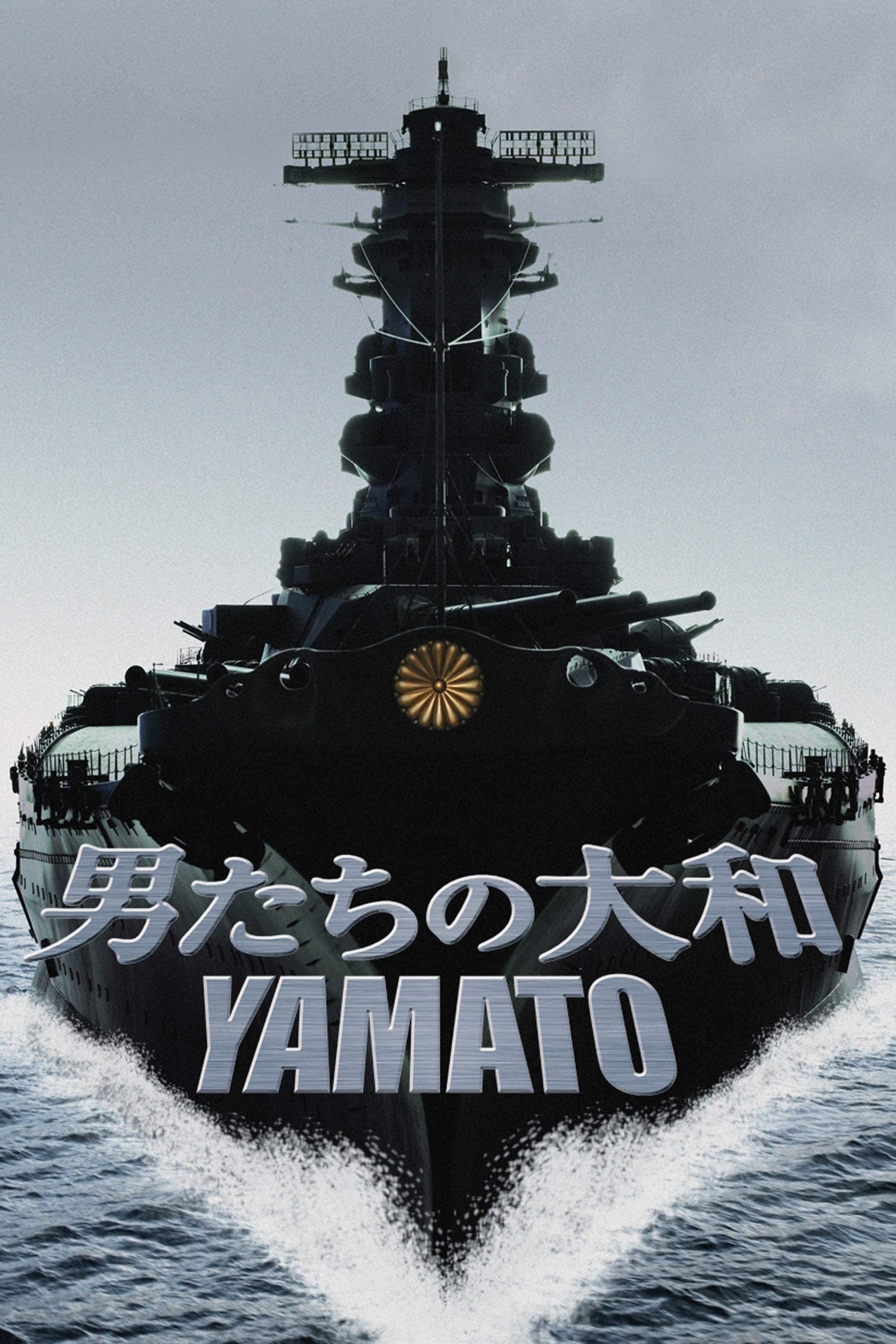
Directed by Junya Sato and based on a book by Jun Henmi, "Yamato" has a framing story set in the present day and uses flashbacks to tell the story of the crew of the World War II Japanese battleship Yamato. The film was never released in the United States, where reviewers who have seen it have compared the military epic to "Titanic" and "Saving Private Ryan."
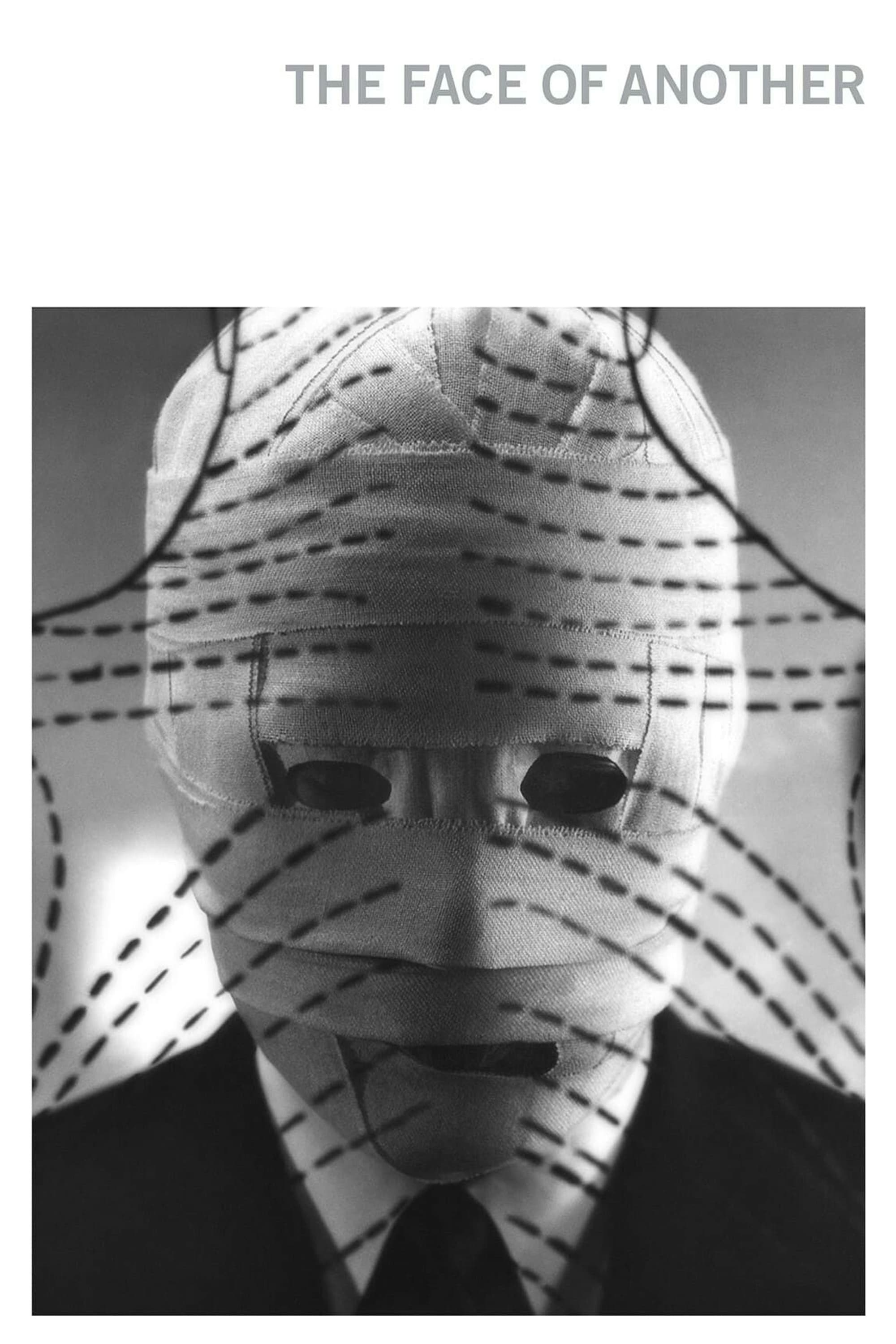
A businessman with a disfigured face obtains a lifelike mask from his new doctor, but the mask starts altering his personality and causing him to question his identity.
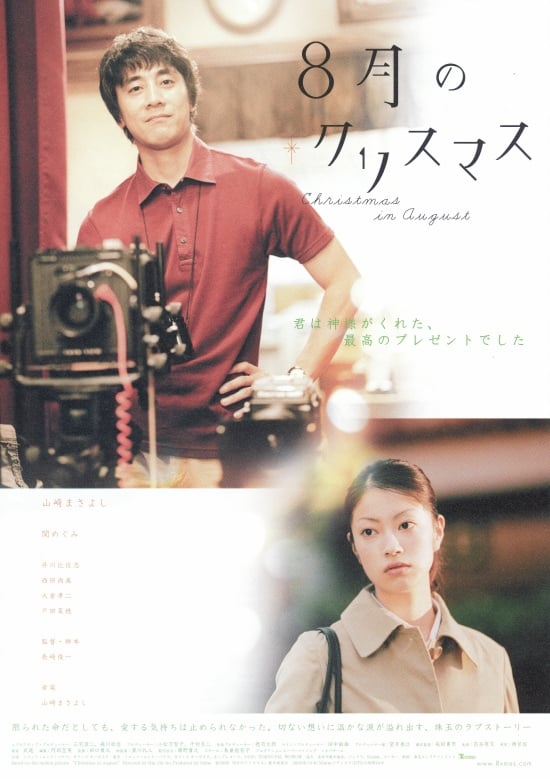
A Japanese remake of the South Korean film of the same name.
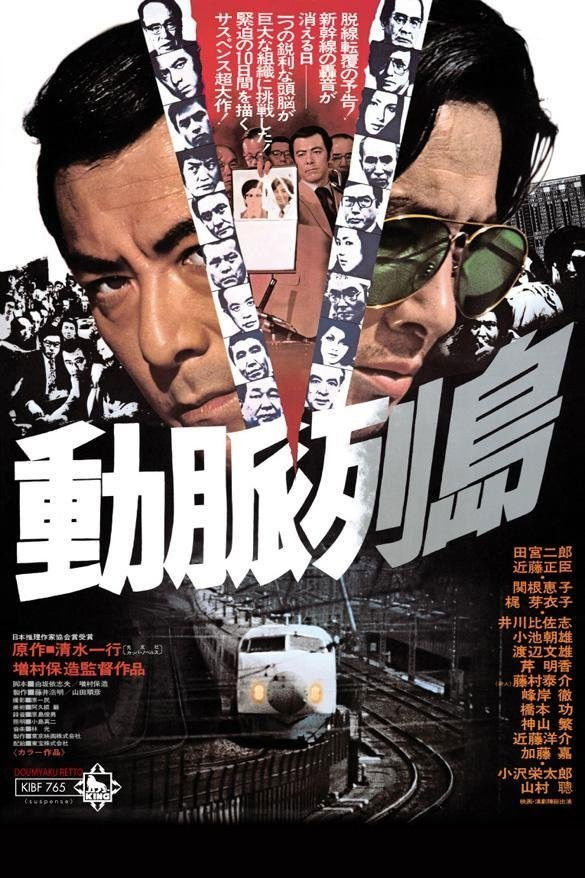
Akiyama is an intern, disgusted with the noise pollution caused by the bullet trains and the heart attacks that noise has been causing in older hospital patients, plots to disrupt and, in ten days, destroy a unit of the operation. He warns the Japan National Railway, that, if nothing is done to reduce the noise, he will derail a bullet train. Takigawa is the police detective sent to stop him.
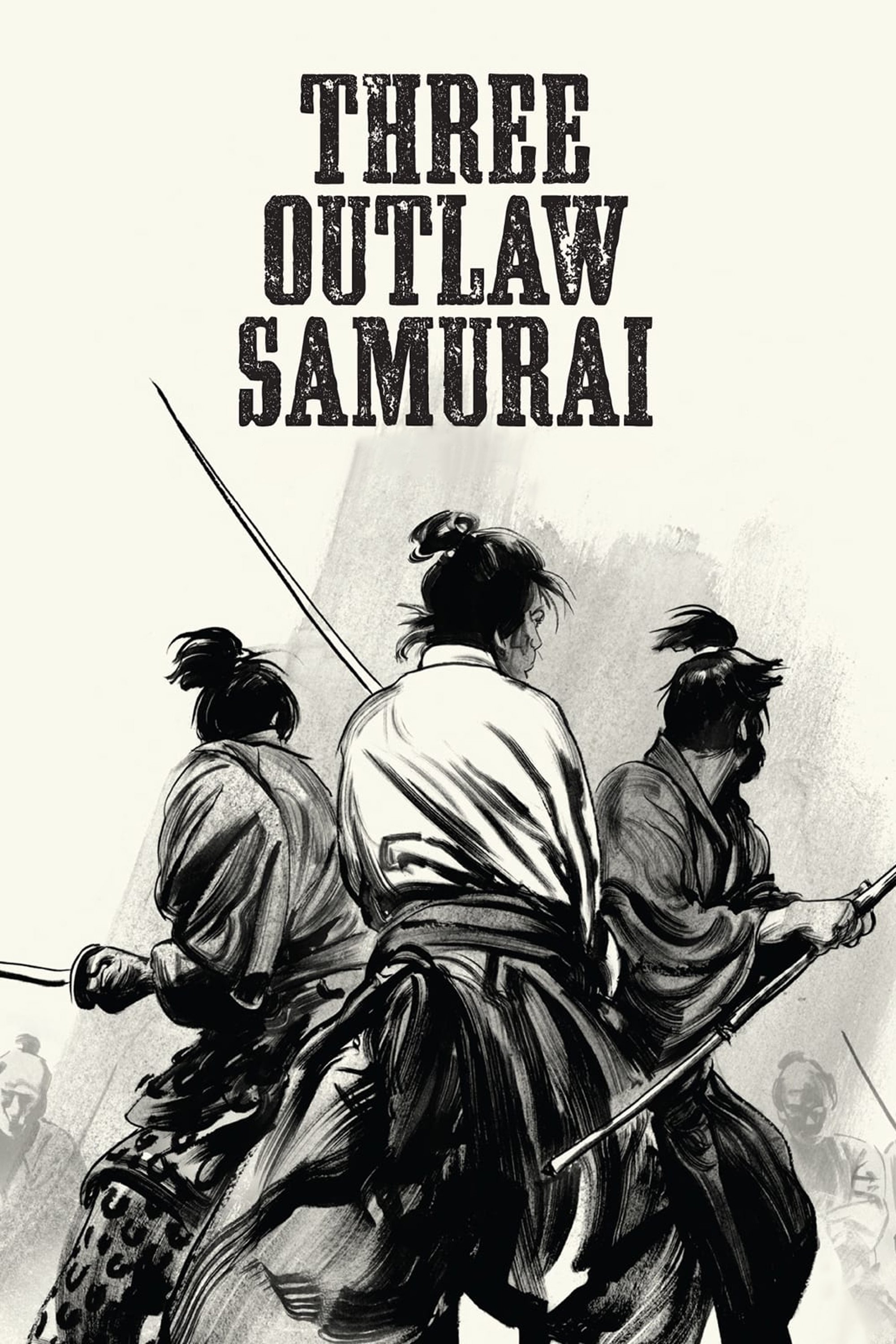
Shiba, a wandering ronin, encounters a band of peasants who have kidnapped the daughter of their dictatorial magistrate, in hopes of coercing from him a reduction in taxes. Shiba takes up their fight, joined by two renegades from the magistrate's guard, Sakura and Kikyo. The three outlaws find themselves in a battle to the death.
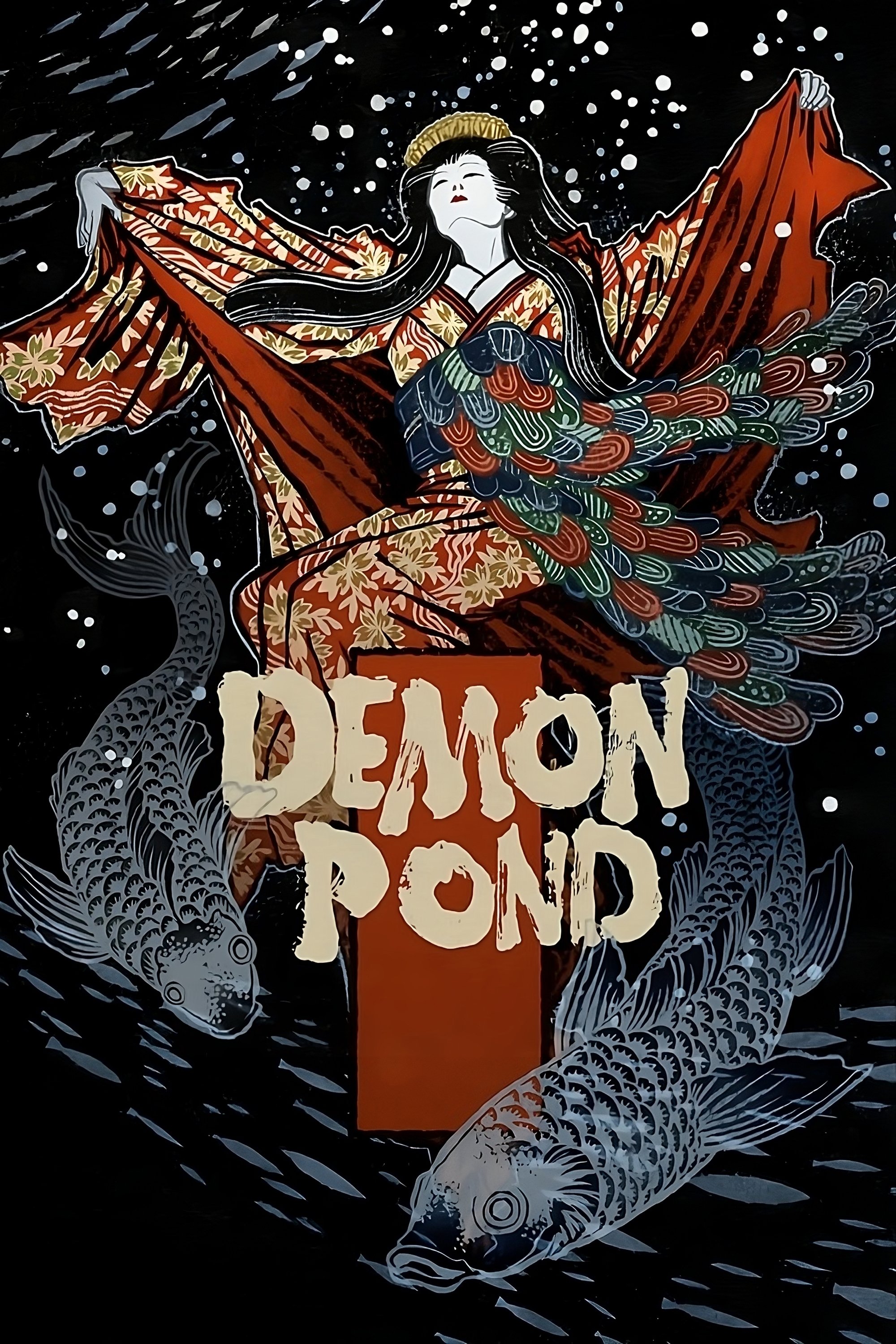
When a lone traveler stumbles upon a remote, drought-stricken village, he finds himself engulfed in a whirlpool of myth, mystery, and magic: in a nearby pond reside spirits who hold the fate of the town’s inhabitants, including lovers Akira and Yuri, in their hands.
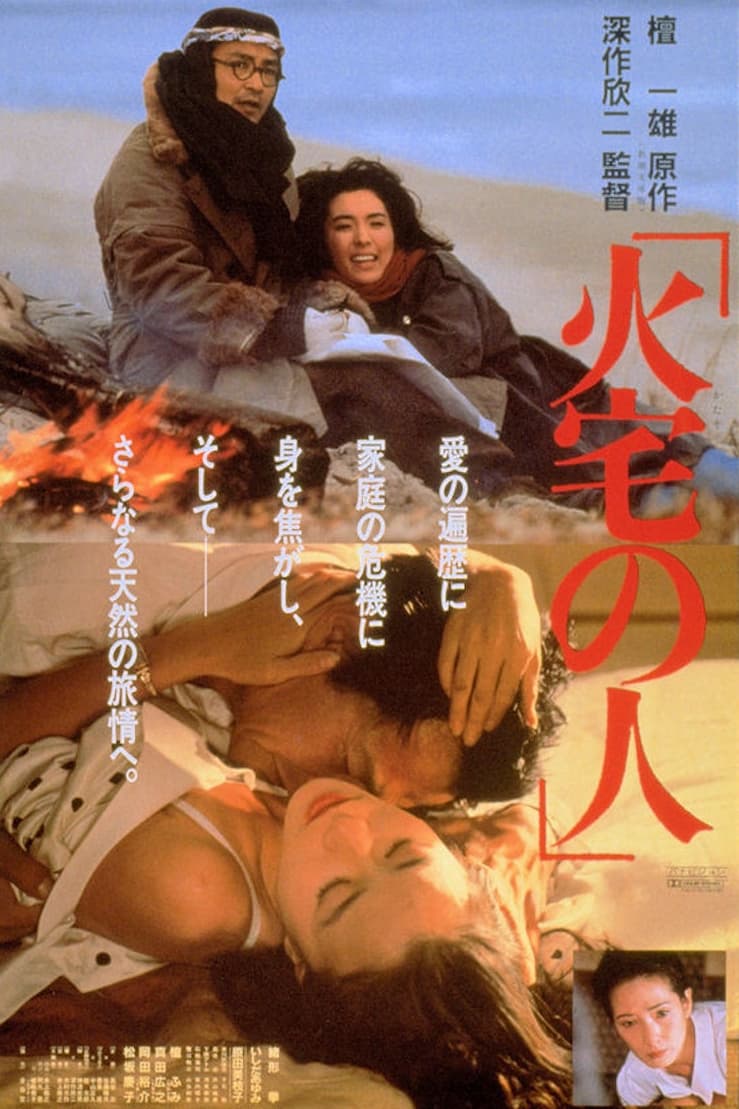
In the 50s, the complicated life of a popular writer who must share his life with his family, his numerous mistresses and his work
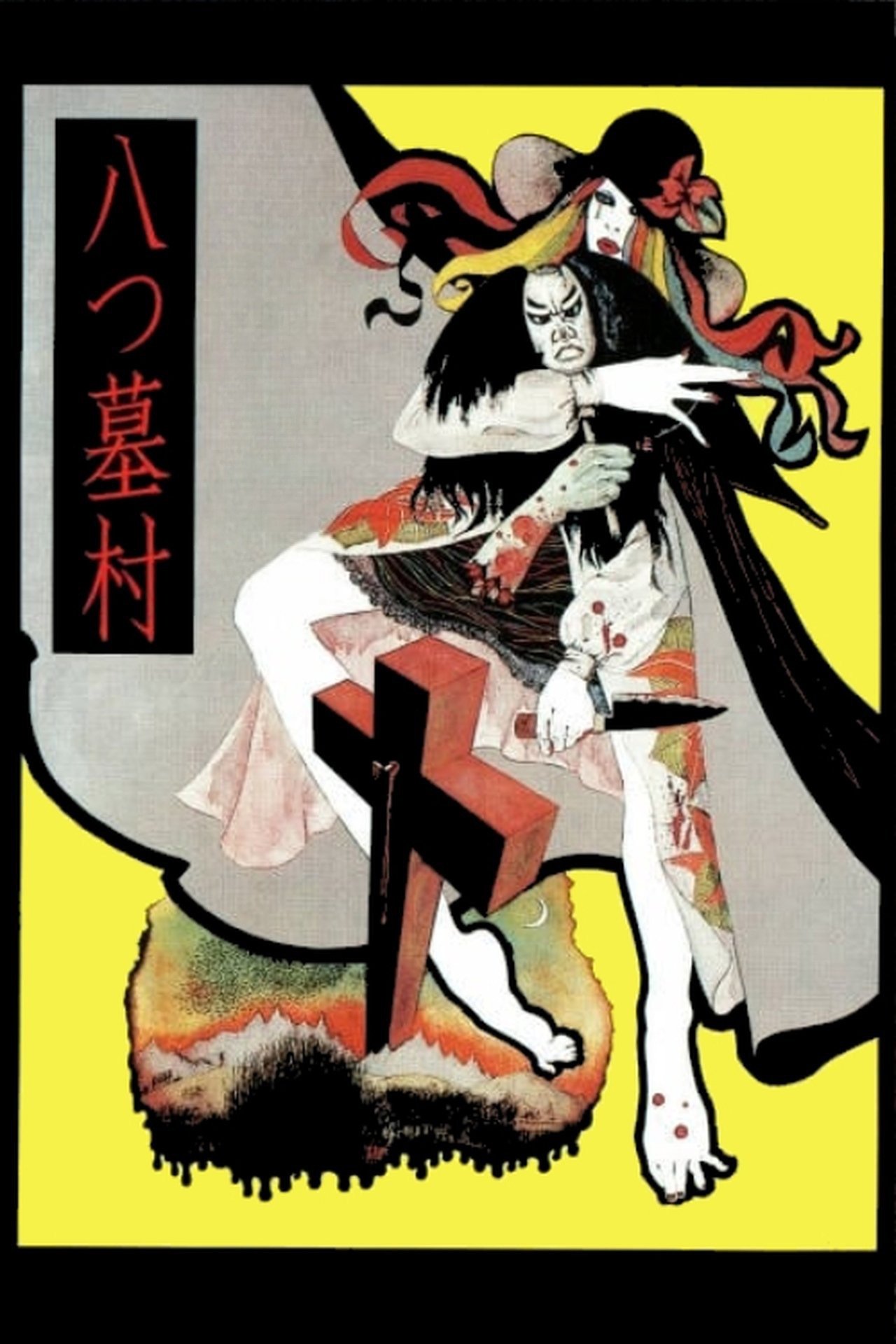
The heir to a family fortune discovers that a curse has been placed on it, put there centuries before by a band of samurai warriors. Adaptation of novel by Seishi Yokomizo
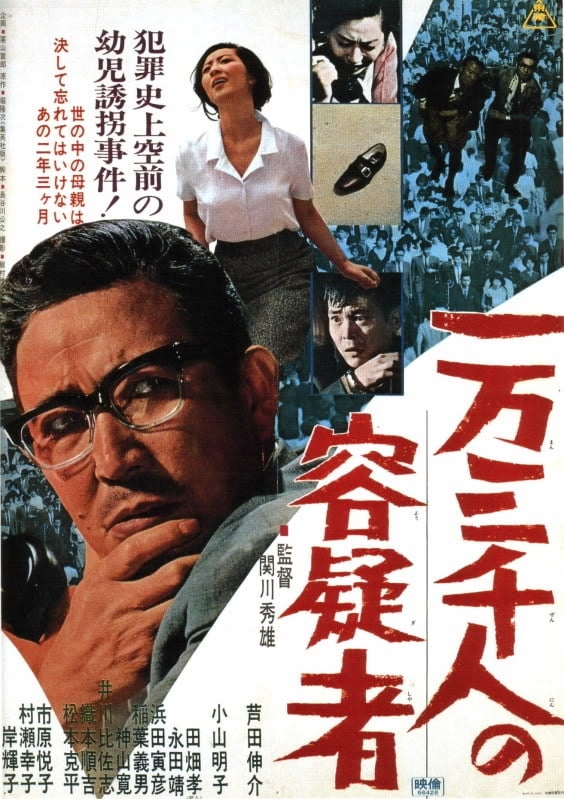
Suspense film based on Ryuji Hori's non-fiction book about the kidnapping and murder of 4-year-old Yoshinobu Murakoshi in 1963.
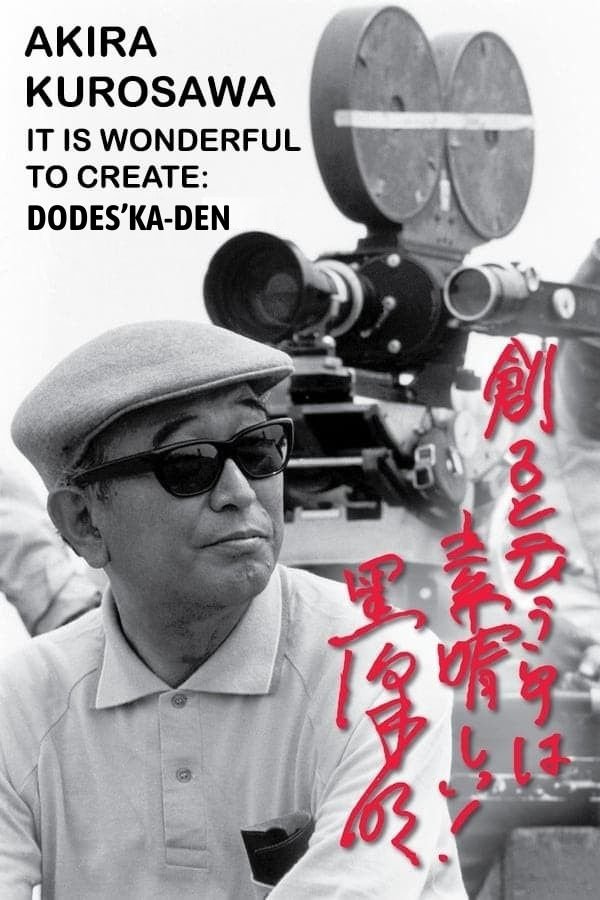
Documentary made by Toho for the Masterworks reissue of all of its Kurosawa films. This one focuses on "Dodes'ka-den" (1970).
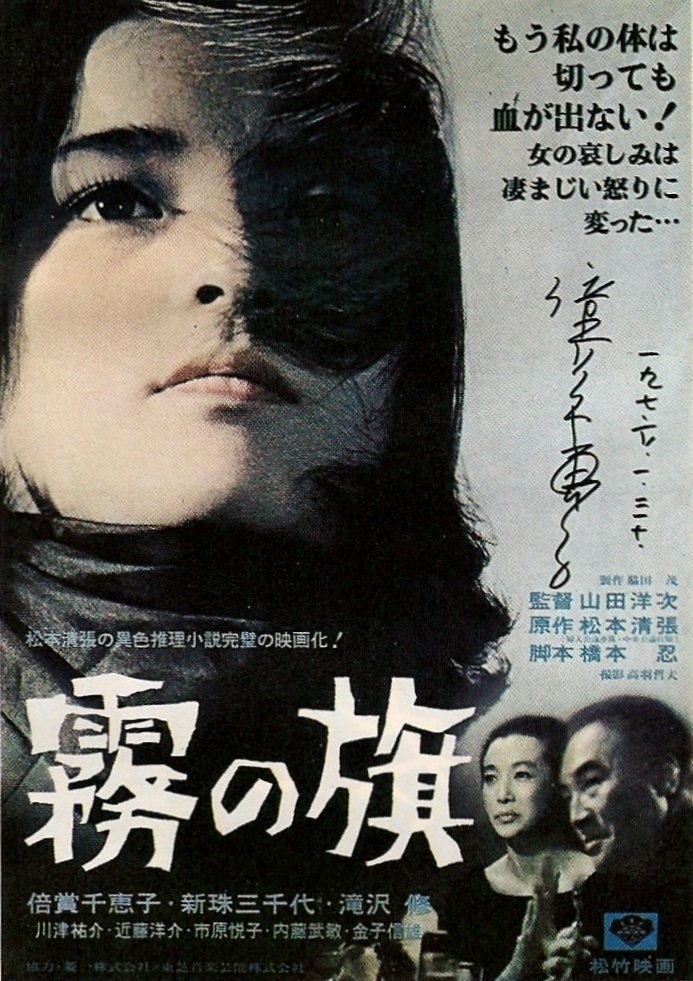
When her only relative, her elder brother is accused of robbing and murdering an old woman loan-shark, pretty, young Kiriko travels from her home in Kyushu to Tokyo to get Japan's top lawyer to defend her brother. Unfortunately her naive idealism is shattered when the lawyer refuses to take the case based on her insufficient funds. What follows is a long determined revenge plot that sees the heroine become a Tokyo bar hostess and worse to punish the lawyer. The plot thickens with another murder mystery and a sleuthing reporter.
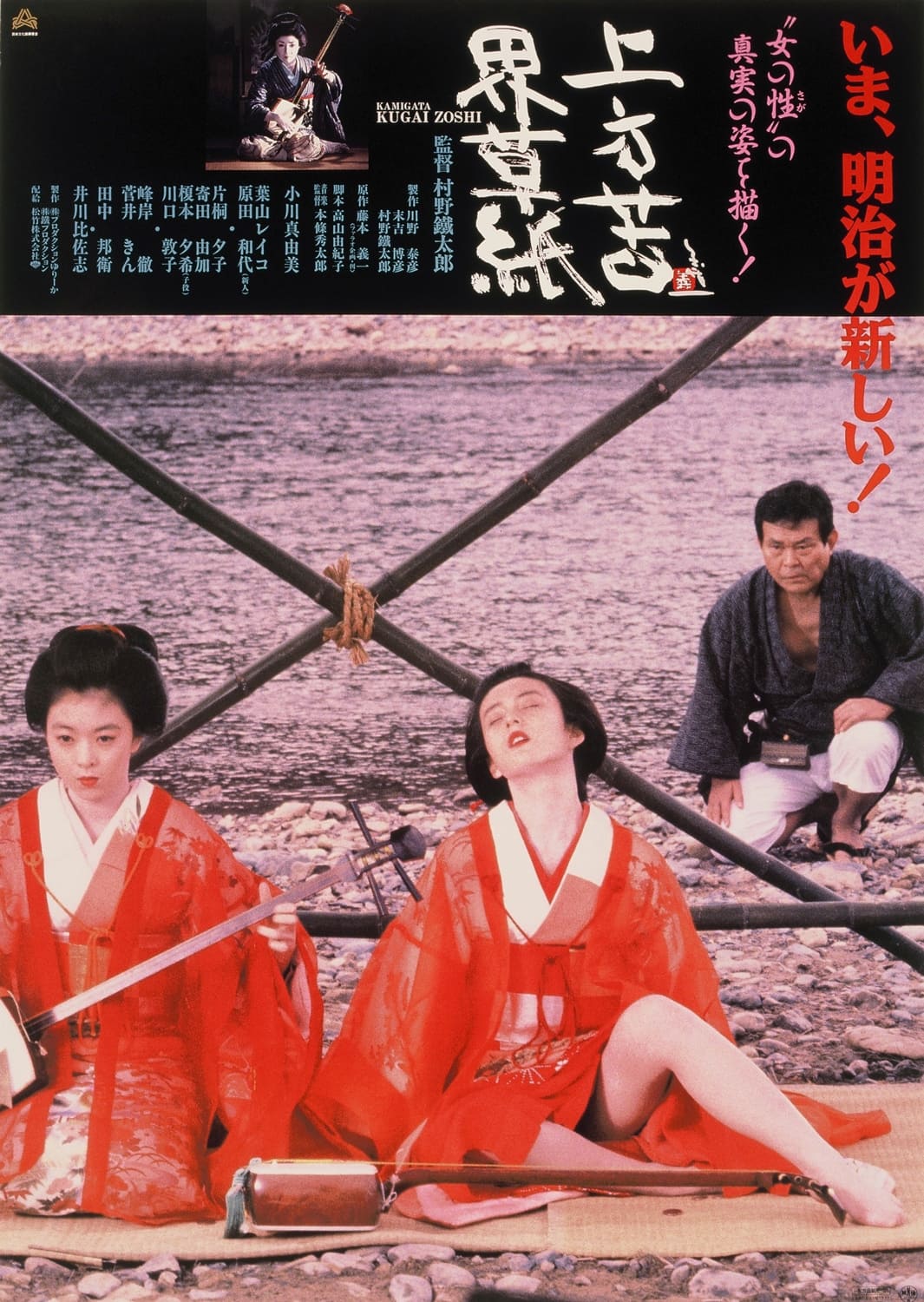
"Do Not Fall" - Set during Japan's Meiji period, three sisters are abused and exploited by their harsh father, including a daughter who plays the three-corded shamisen for pilgrims visiting the sacred chapel of Ise.
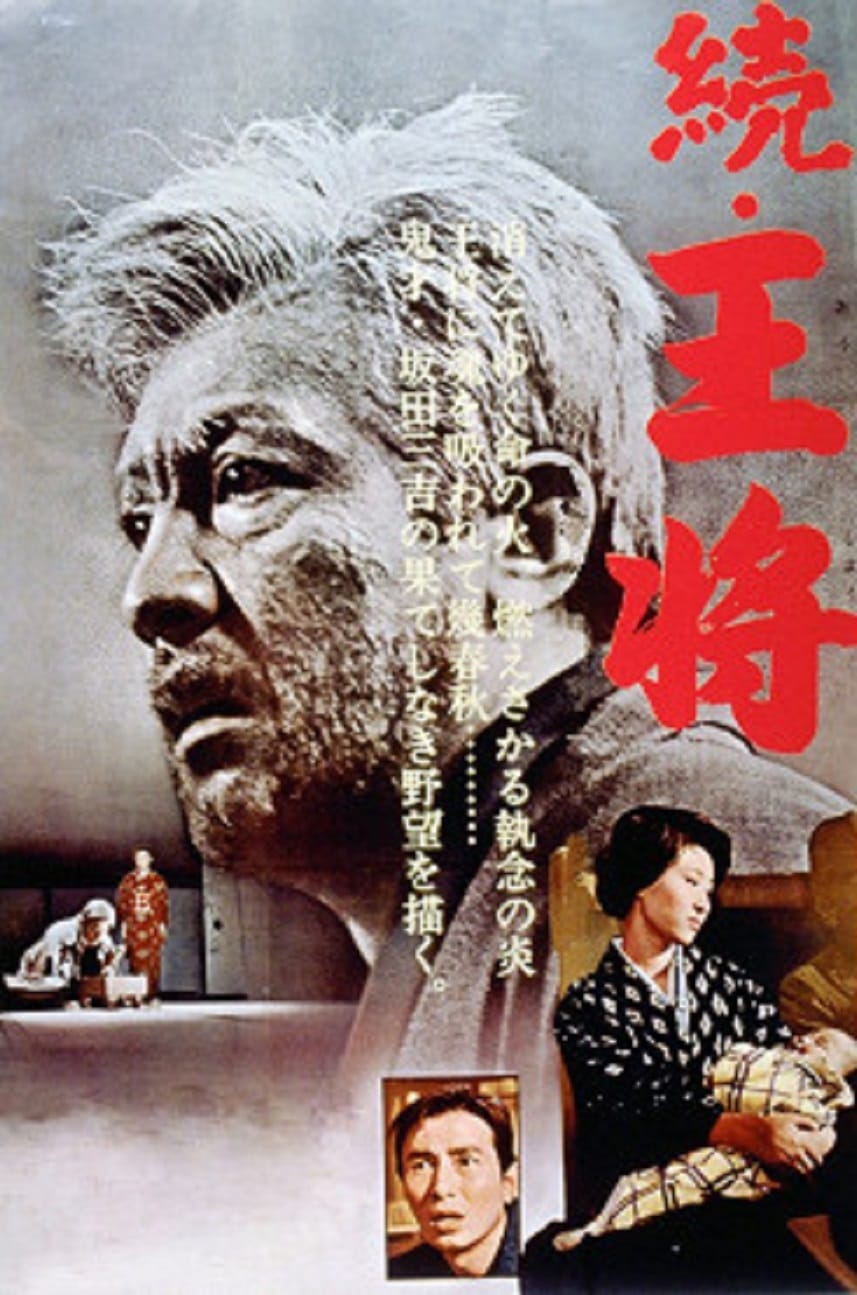
Adaptation of novel.
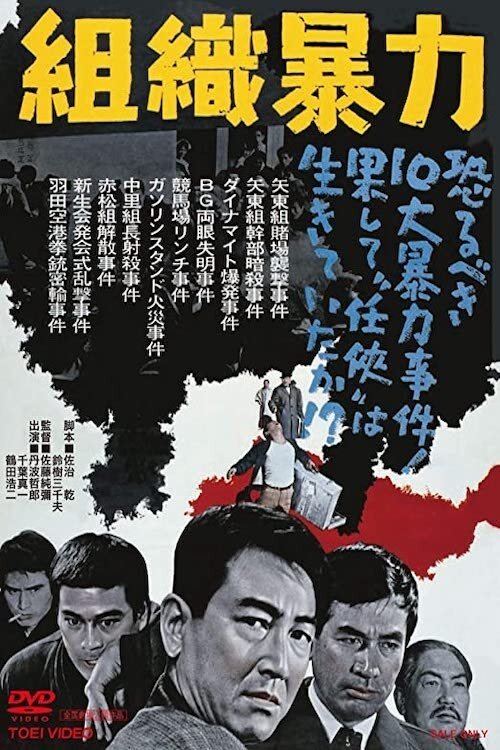
A war breaks out on the streets between rivaling Yakuza clans.
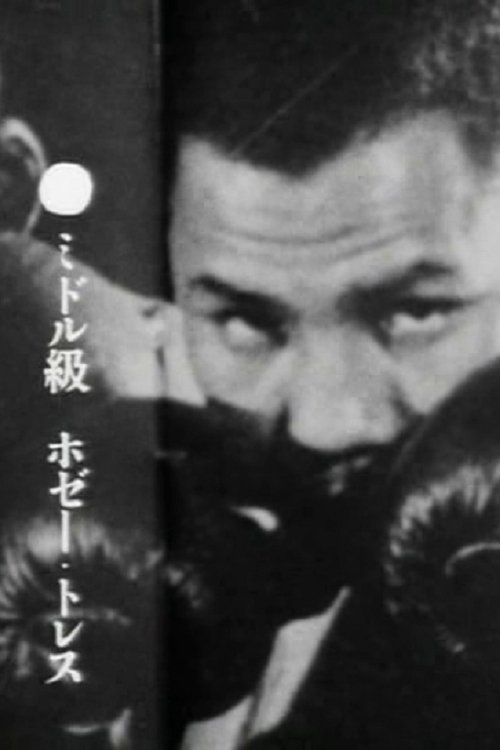
A documentary about the eponymous Puerto Rican boxer
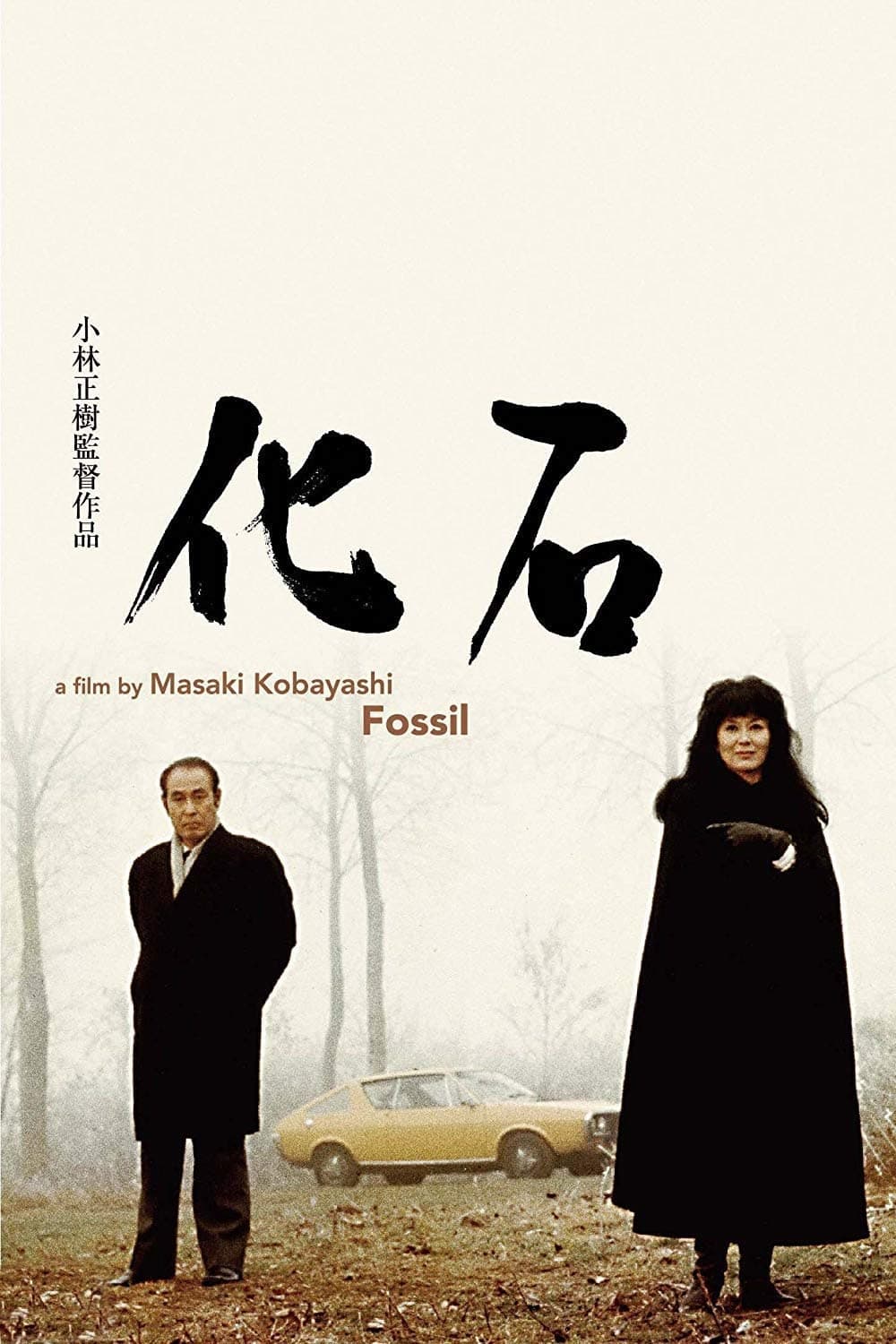
An industrialist is diagnosed with terminal cancer. He is abroad in Europe at the time, and a glimpse of a Japanese woman in that setting causes him to imagine her as the personification of his impending fate. As his dialogue with his imagined mortality continues, he meets the living woman, the template for his fantasy, and together, they tour rural churches. Gradually, he comes to some kind of peace about the diagnosis. When he returns to Japan, he is met with a series of challenges that profoundly test the lessons he has learned.
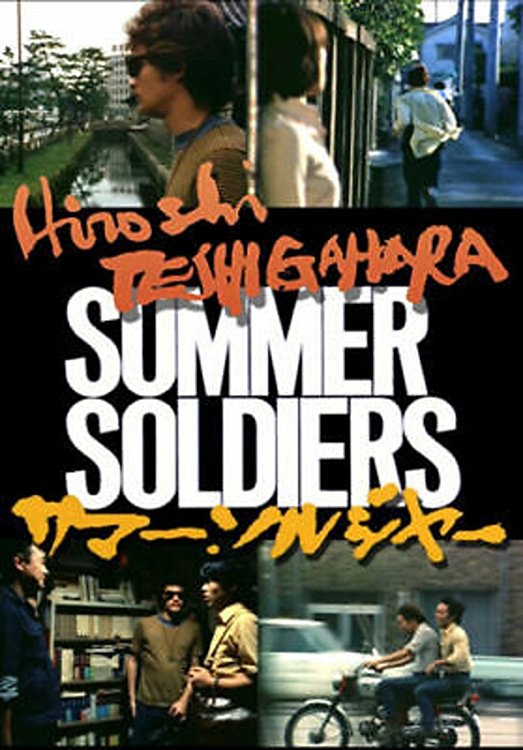
During the Vietnam War, an American G.I. deserts his base in Japan and escapes to Tokyo with the help of his Japanese bar hostess girlfriend. In the capital he gets involved with an anti-war organization while dodging the military police.
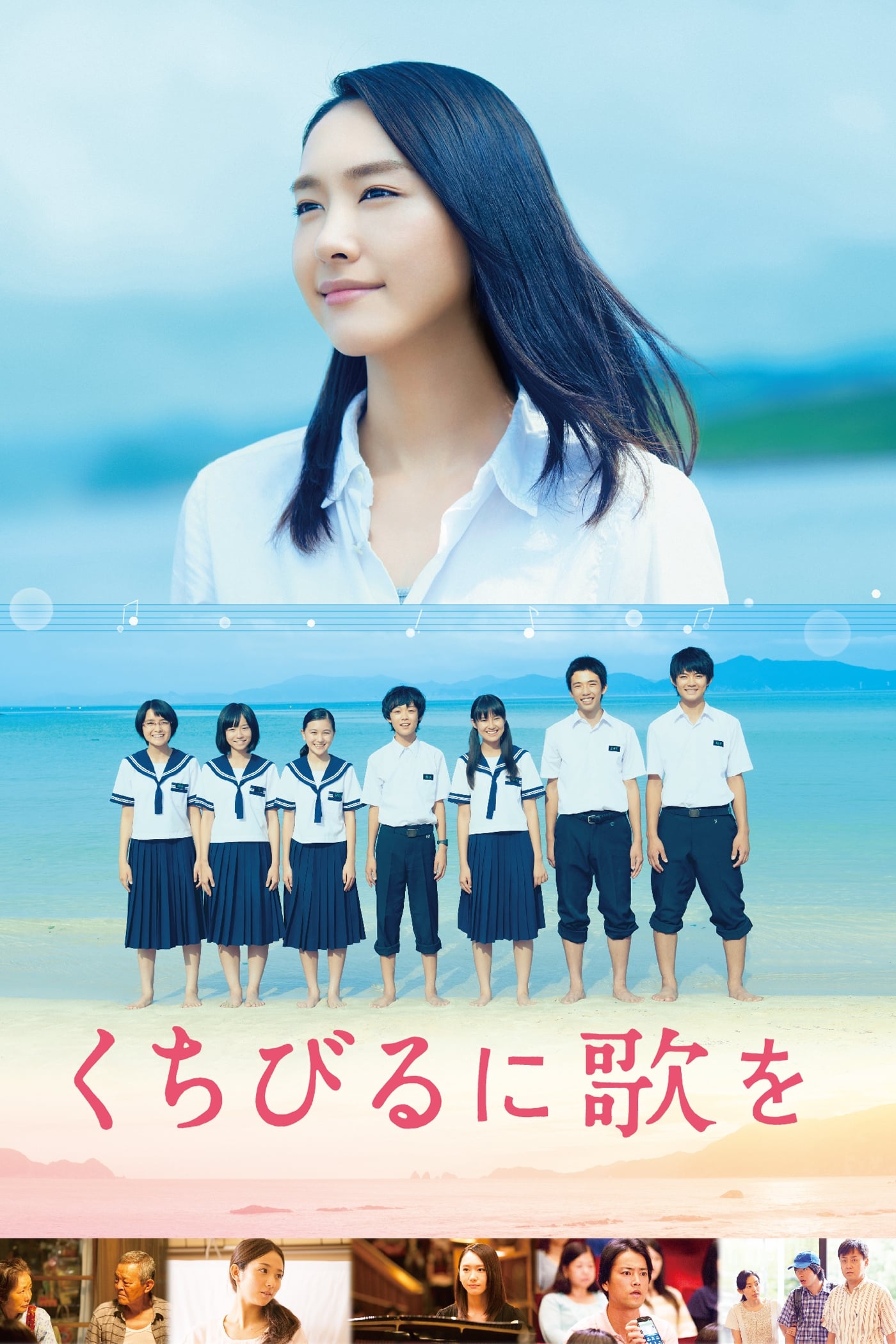
A young piano prodigy, Yuri Kashiwagi, returns to her hometown after several years and joins a middle school to mentor the choir group.
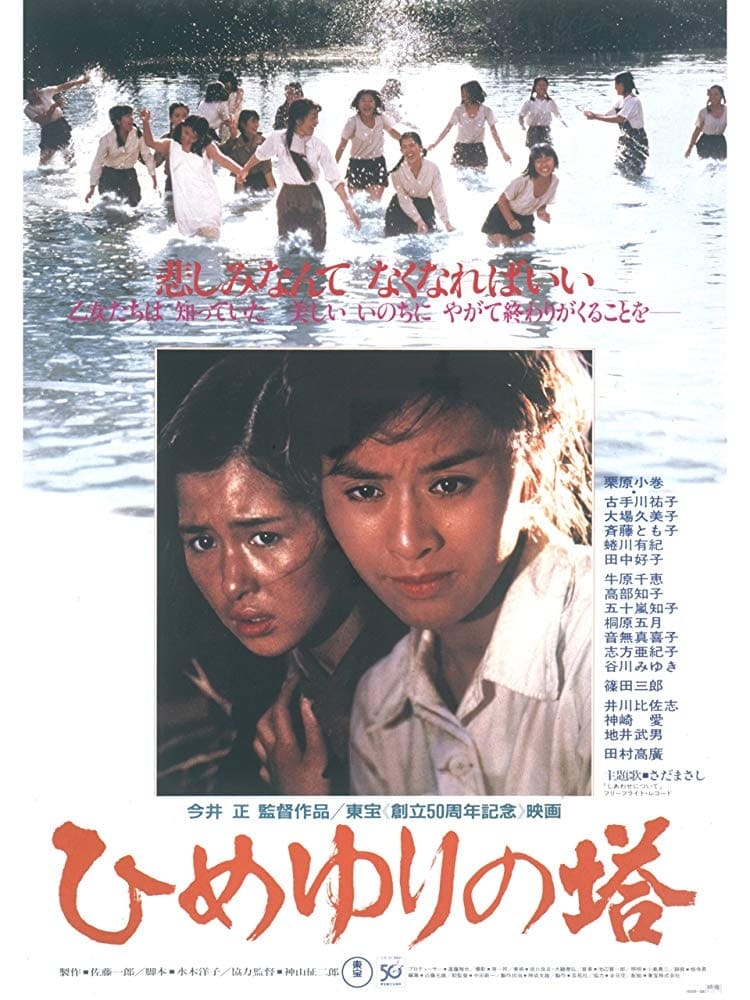
A remake of the 1953 film of the same name.
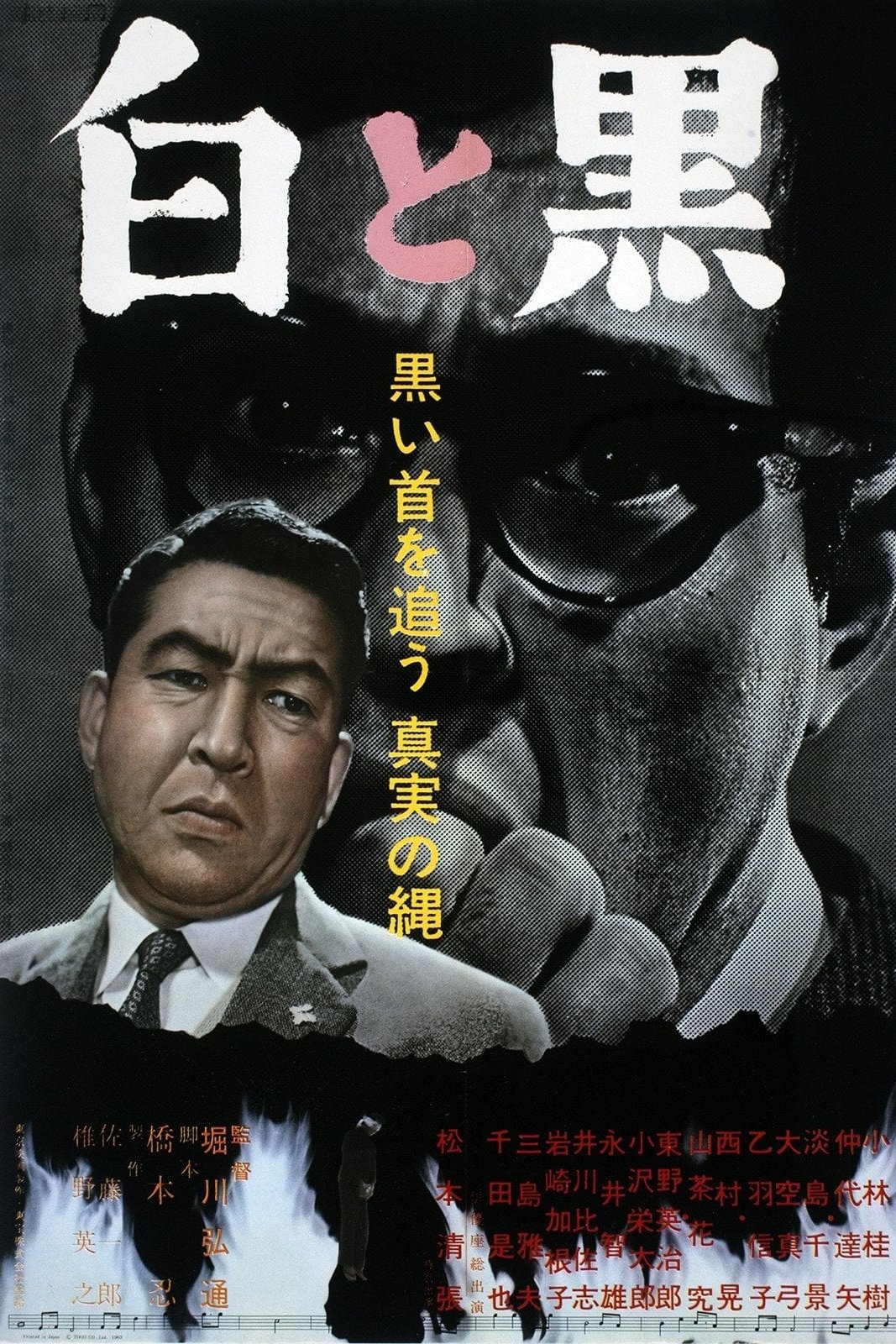
A seasoned prosecutor uncovers the perfect crime committed by a young lawyer.
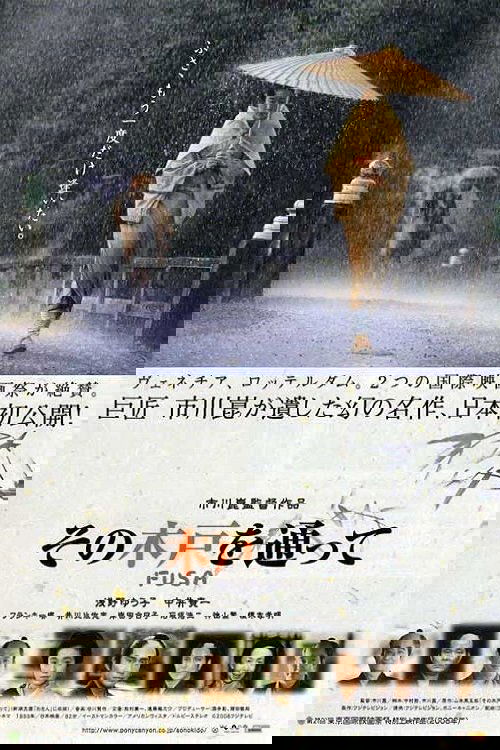
Period piece about a samurai who marries a mysterious beautiful young woman who claims to have lost her memory.
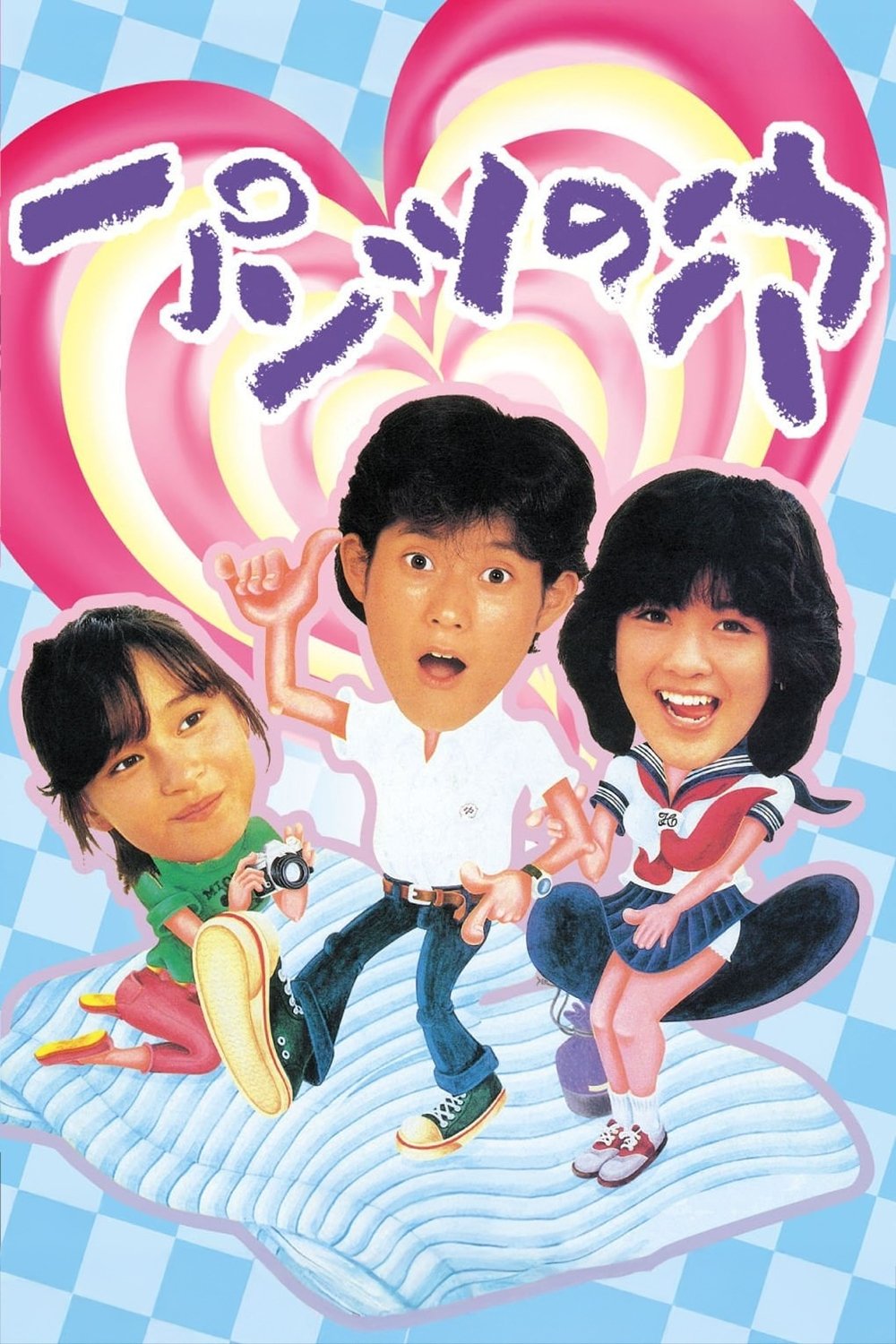
A boy transfers into a new high school in the big city. He gets bullied, but meets a pretty girl. He tries to win her heart, but rivals abound. Debut video release from Pantsu no ana, a subsection of "BOMB" magazine.
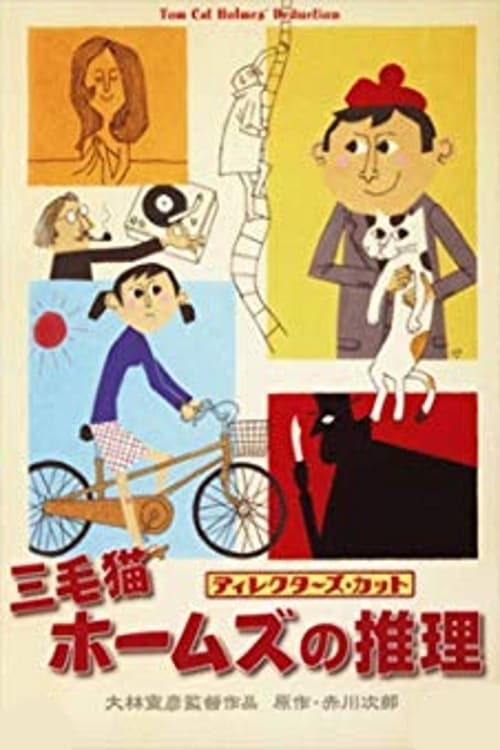
A detective film by Nobuhiko Ōbayashi. Made for TV.
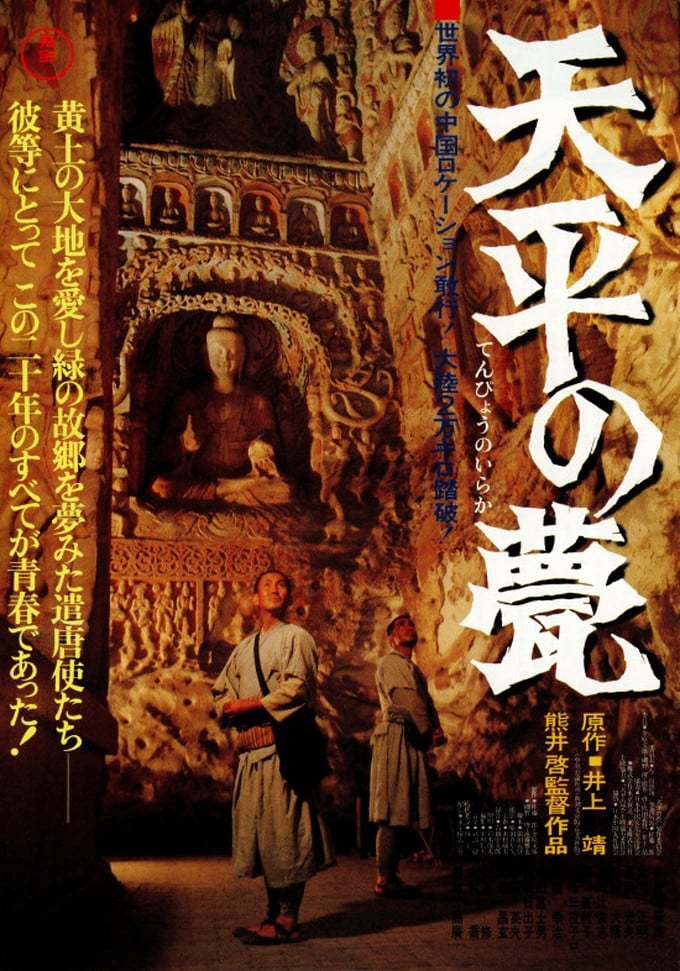
Set in Japan's Tenpyou era (729-749 CE), four young monks are sent to China to study Buddhism and bring a high priest back to Japan with them. The film tells the tale of the four monks' youth and the life and times of the high priest Ganjin.
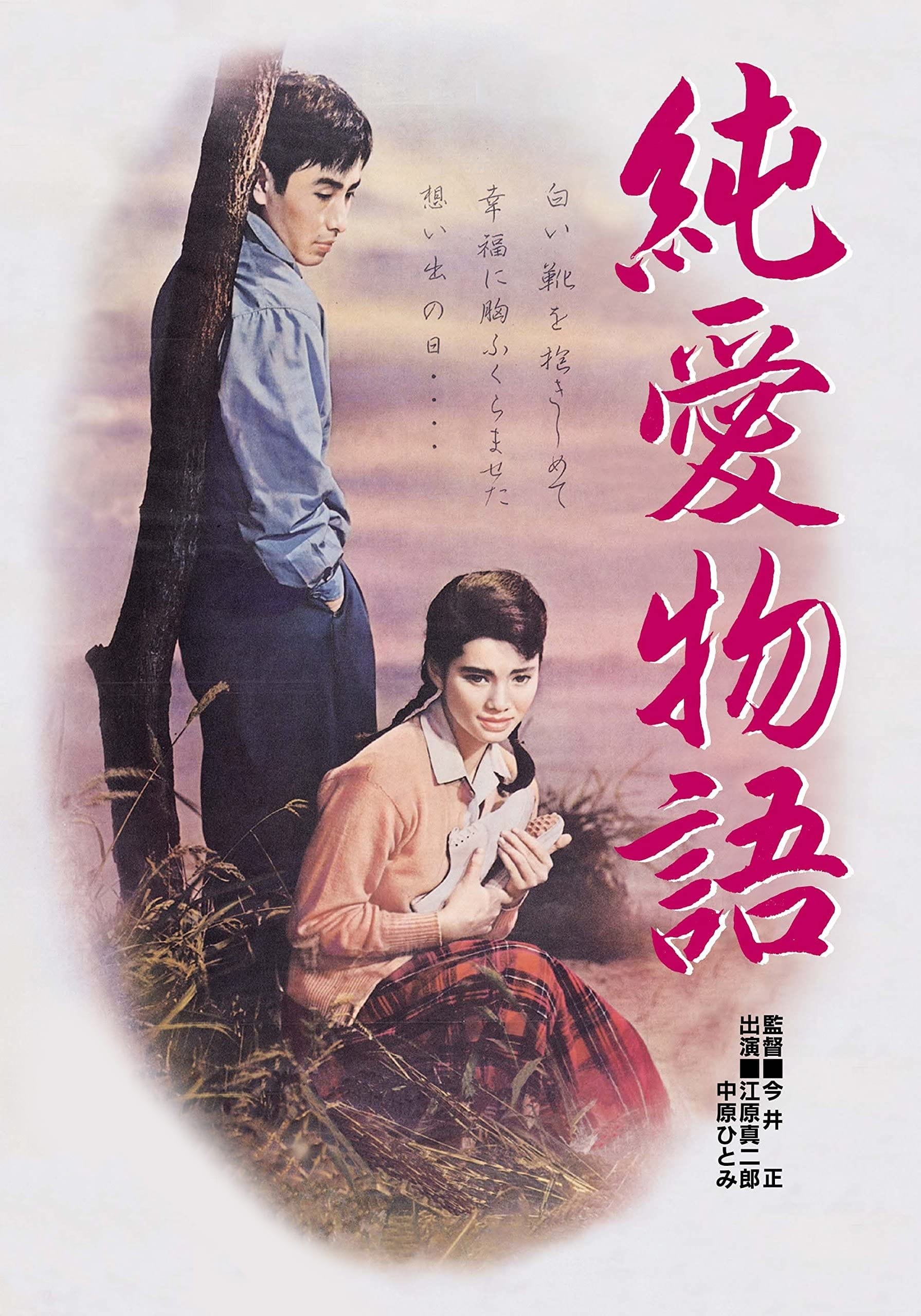
Junai Monogatari AKA Story of Pure Love is about two poor youths, Mitsuko and Kando, rebelling against society in various ways, who are desperately trying to be together despite tortuous circumstances. The film depicts their lives as thieves, menial laborers who can get little pay, society outcasts, and of course, lovers. Junai Monogatari depicts, mostly, their struggles within the Japanese reformatory system and Mitsuko's worsening sickness.
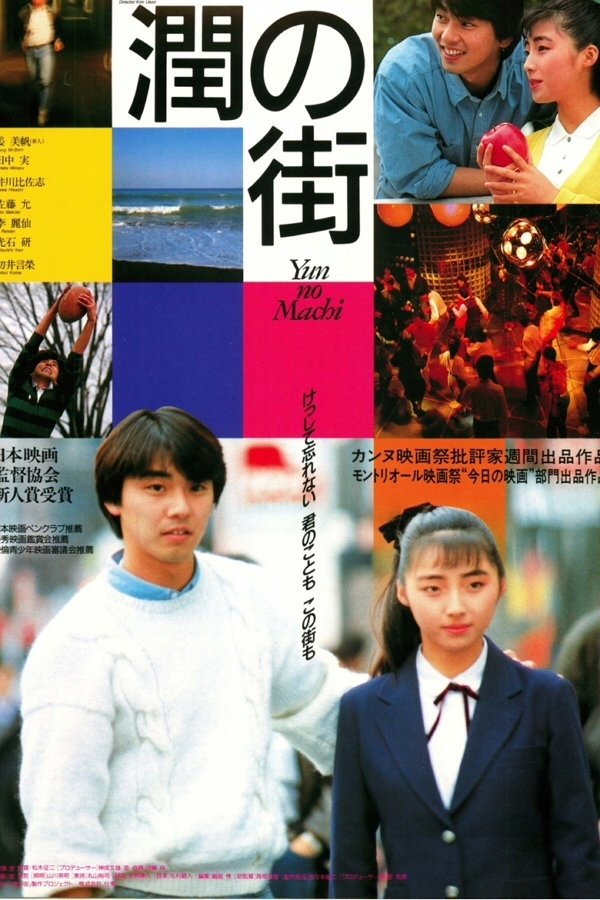
A Japanese boy in love with a girl of Korean origin must battle the prejudices of those around him in order to sustain the relationship.
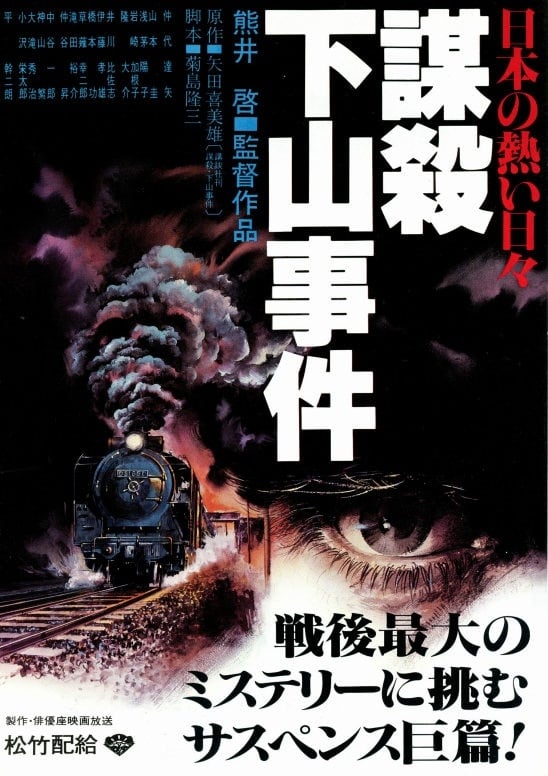
The president of the Japanese National Railways is found dead during a period in which train service is plagued by numerous layoffs, strikes and shutdowns. The government says that the president was murdered; the police claim it was a suicide. A quizzical reporter follows the case for years, but the basic question remains unanswered: was the victim killed by members of the burgeoning Communist movement in Japan, or was the death stage-managed by the authorities in hopes of discrediting the Communists?
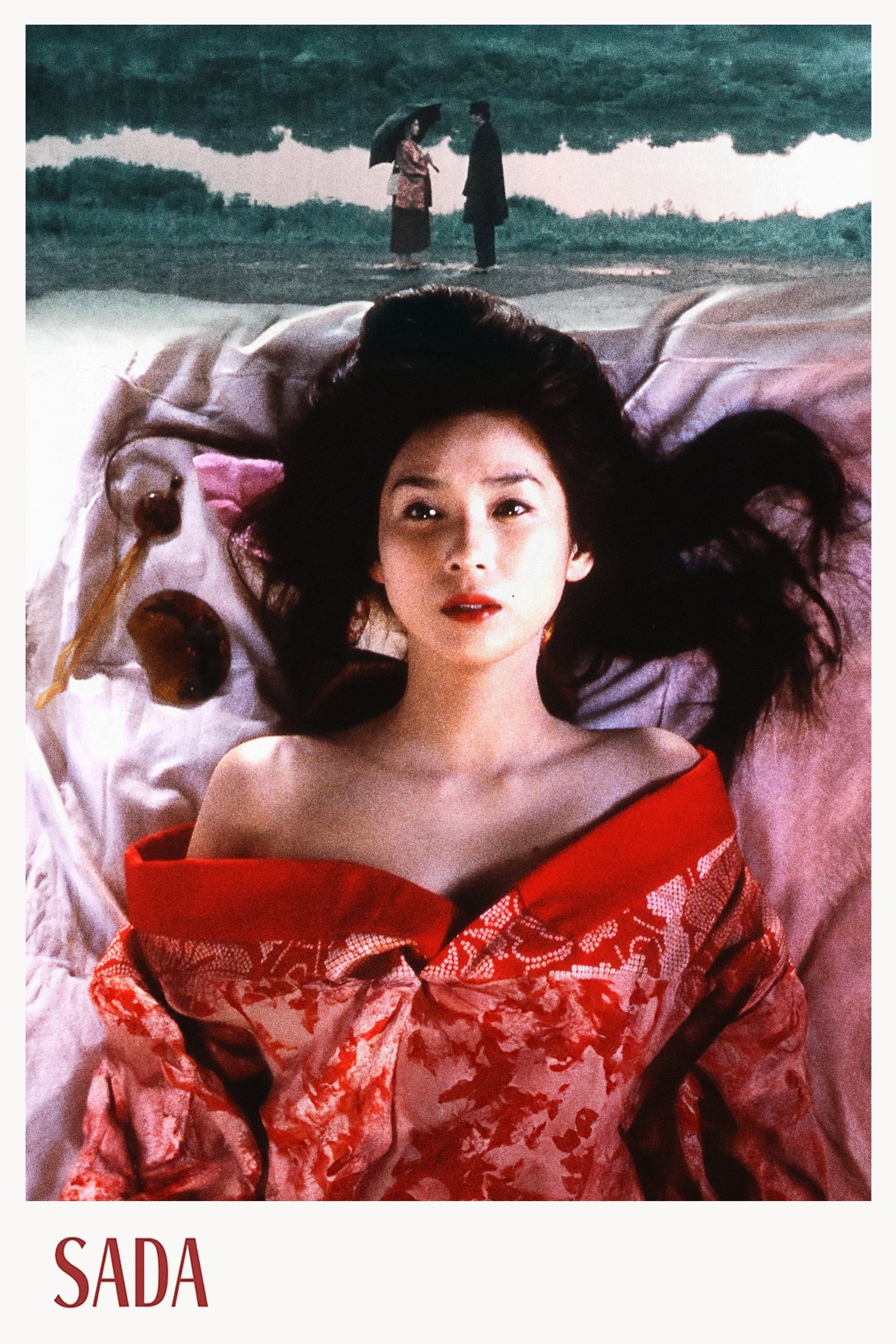
The film follows the life of Sada Abe, who became a celebrity in 1936 after strangling her lover and slicing off his penis.
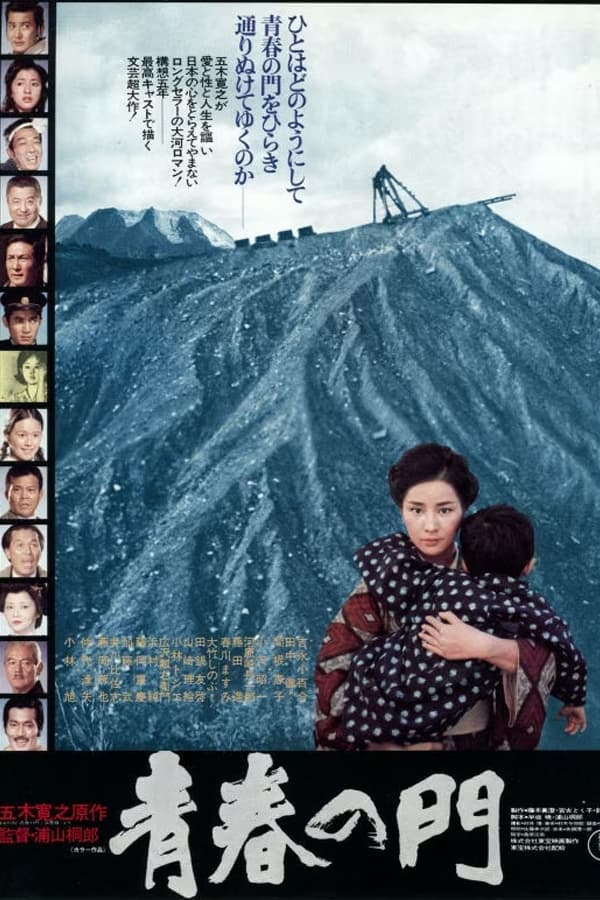
Mainly the story of Shinsuke and his stepmother, ranging from Shinsuke's infanthood to his mid-teens. Coal workers and the mines dominate nearly every aspect of the life of the characters. Shinsuke's father dies while bravely using dynamite to rescue a group of trapped Korean miners. Several older men attempt to help he and his mother cope, including a kind Korean and a Harley-riding yakuza.
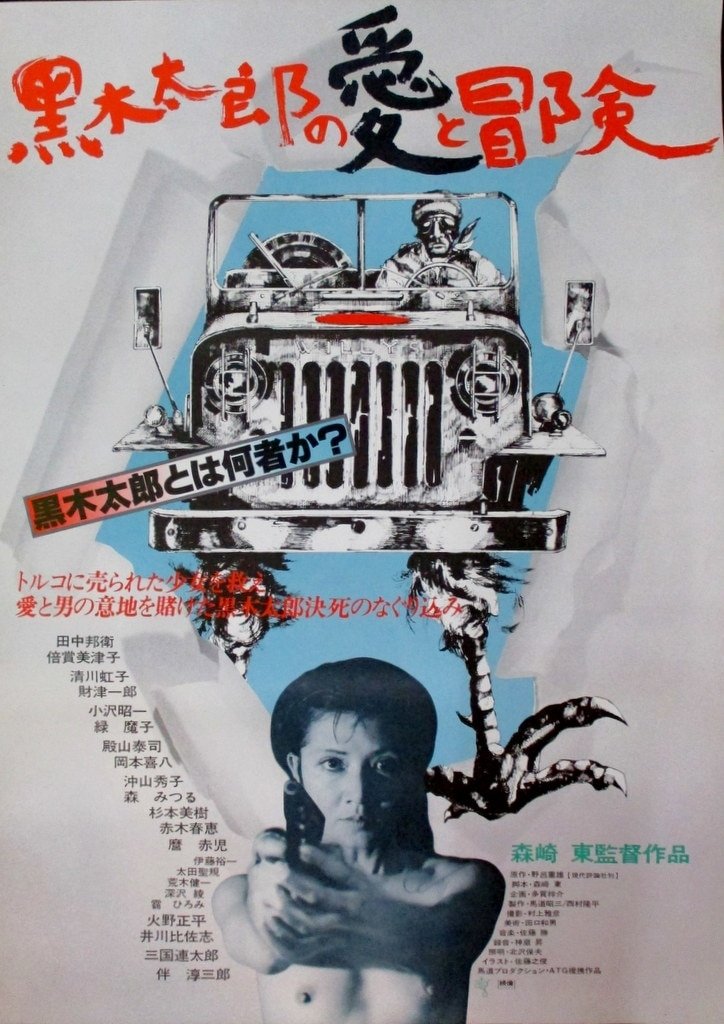
Taro Kuroki, 42, is a stuntman with a samurai's heart. He loves adventures, plays pranks with the police, tries to cure a cat lady by reversing her trauma, and finally, rescues his niece who is about to be lured into prostitution.
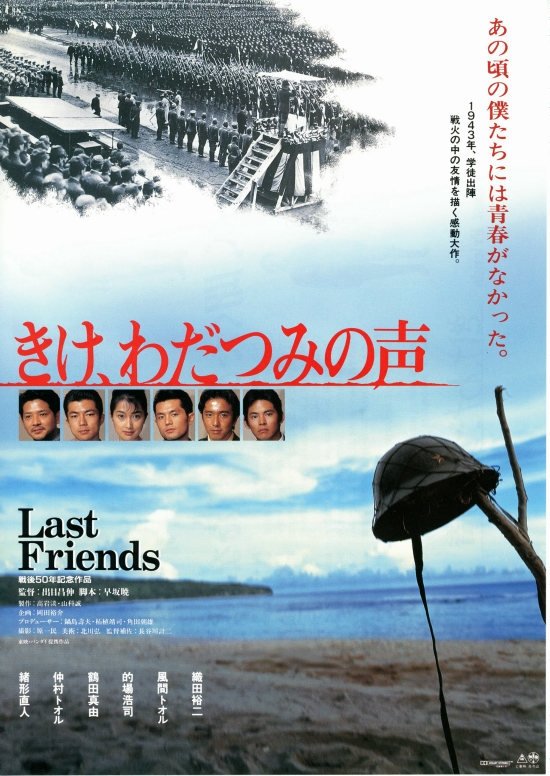
Following the lives of three college rugby players drafted to serve in the military during WWII. Though they believe their service will help to benefit their loved ones back home, they are unprepared for the hardships of war. Through their shared trials and sacrifices, they grow closer as friends, and hope to return together to better days. This movie was released in commemoration of the 50th anniversary of the end of WWII.
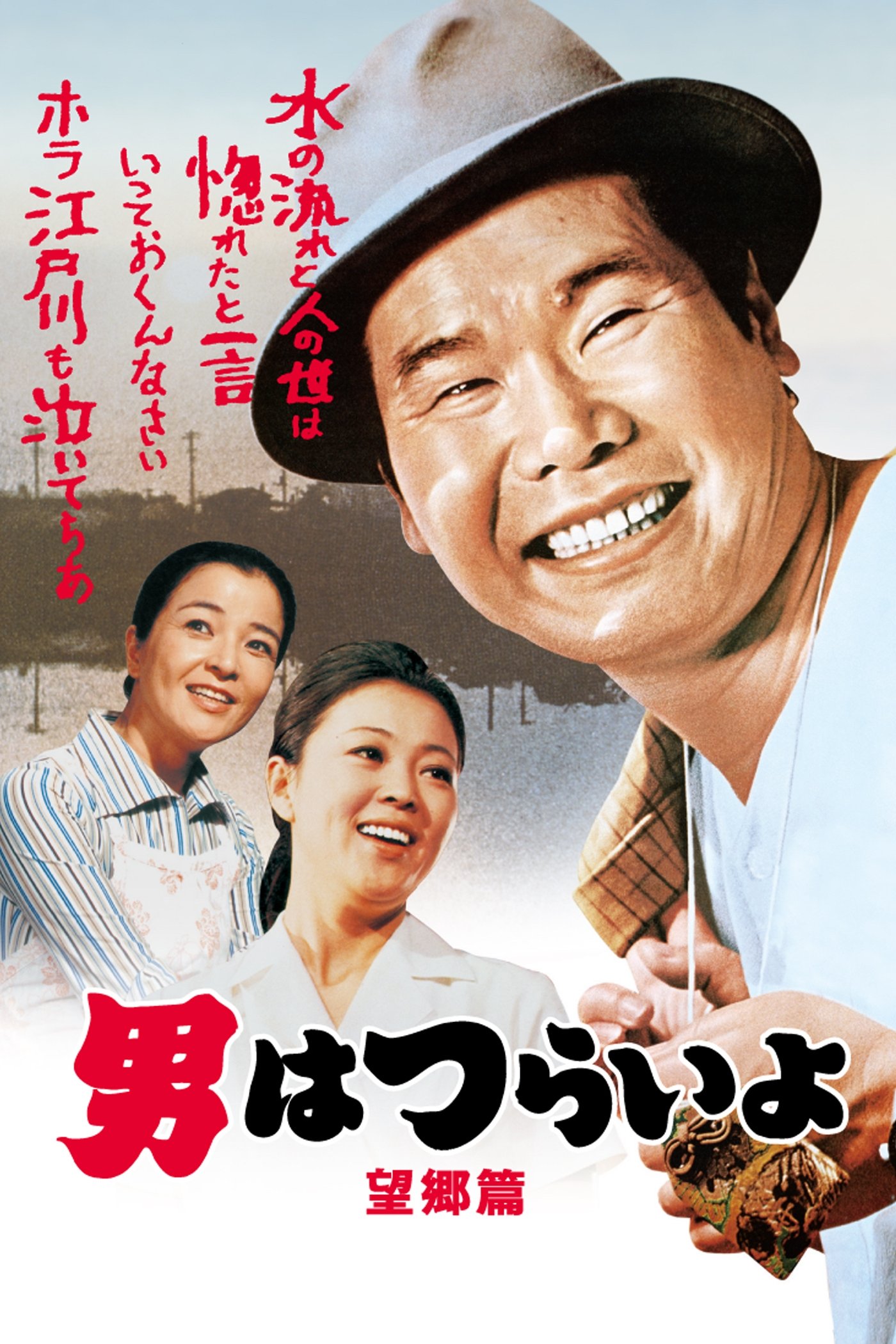
After an encounter with a dying yakuza's son and at his sister Sakura's urging, Torajiro attempts to change his vagrant lifestyle and become an honest worker with a steady job.
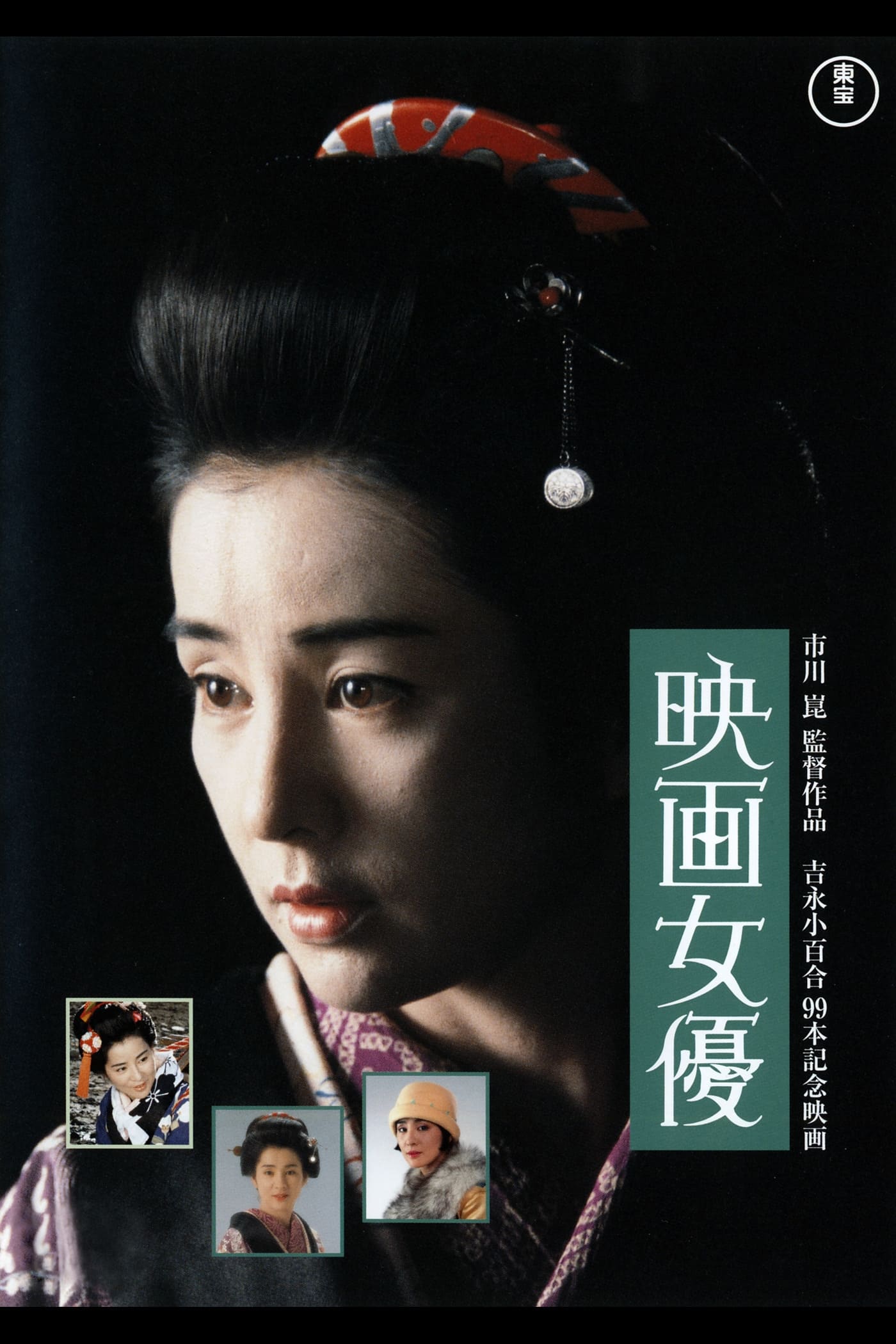
Story of famed Japanese actress Kinuyo Tanaka, with an emphasis on her working relationship with director Kenji Mizoguchi.
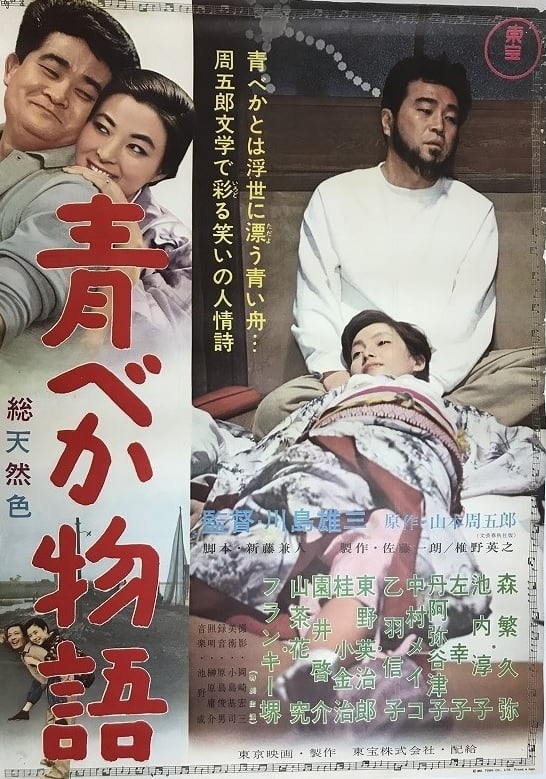
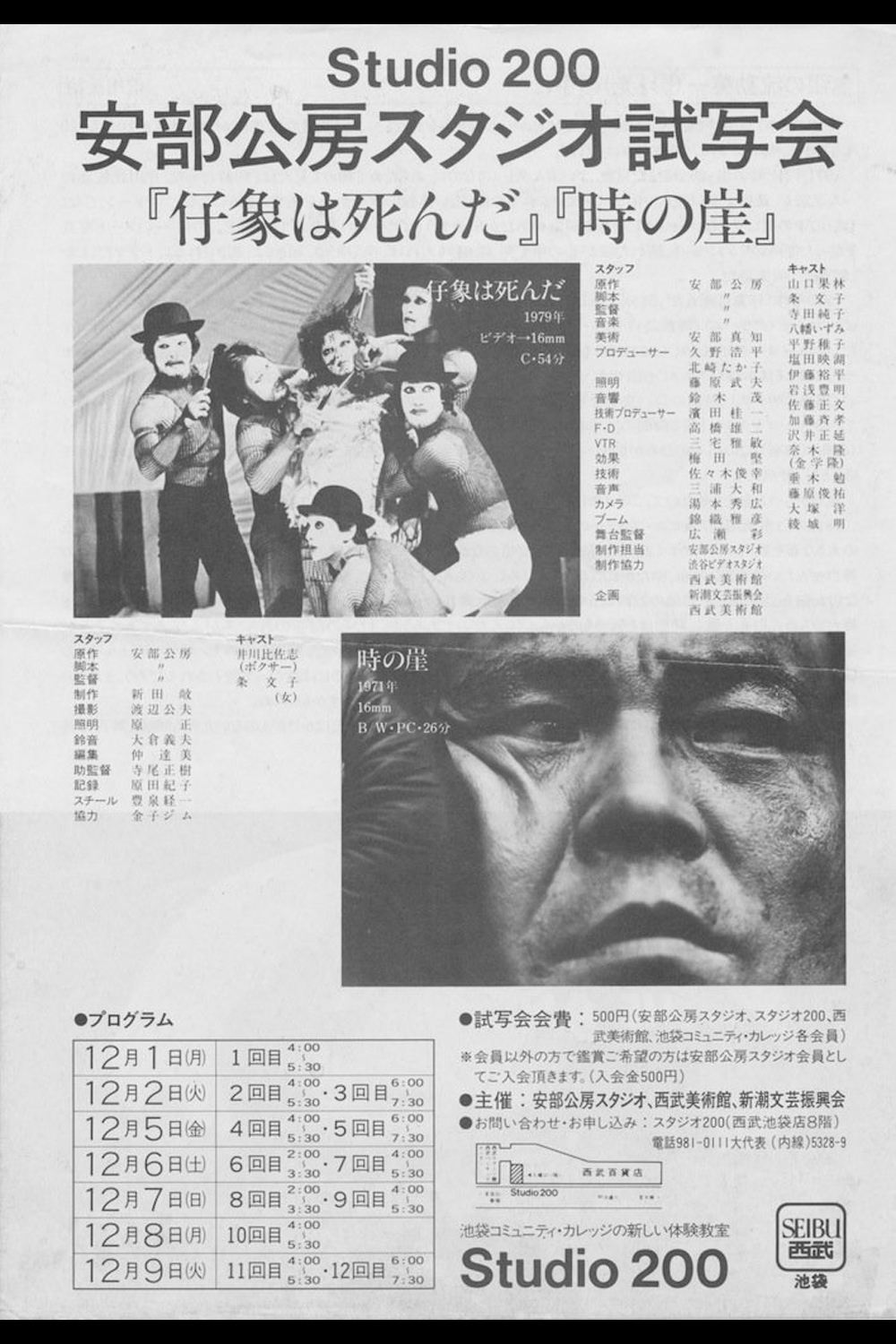
A film adaptation of the second play from "The Man Who Turned Into A Stick" by Kōbō Abe himself.
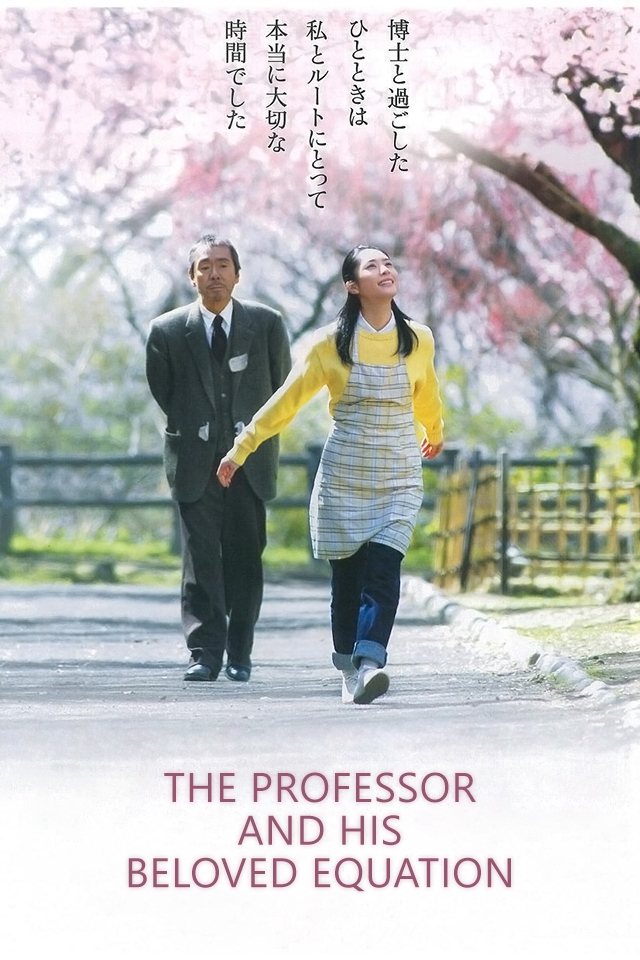
This is the story between single mother housekeeper and mathematics professor,who has a brain damage.

Kaori, a professional thirty-something caught between her passion for an older married man and the indulgence of an energetic, but less-fulfilling, youthful suitor.
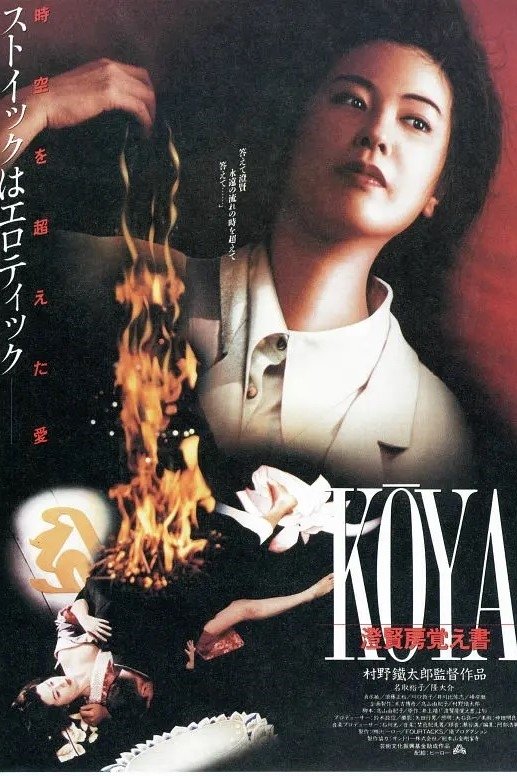
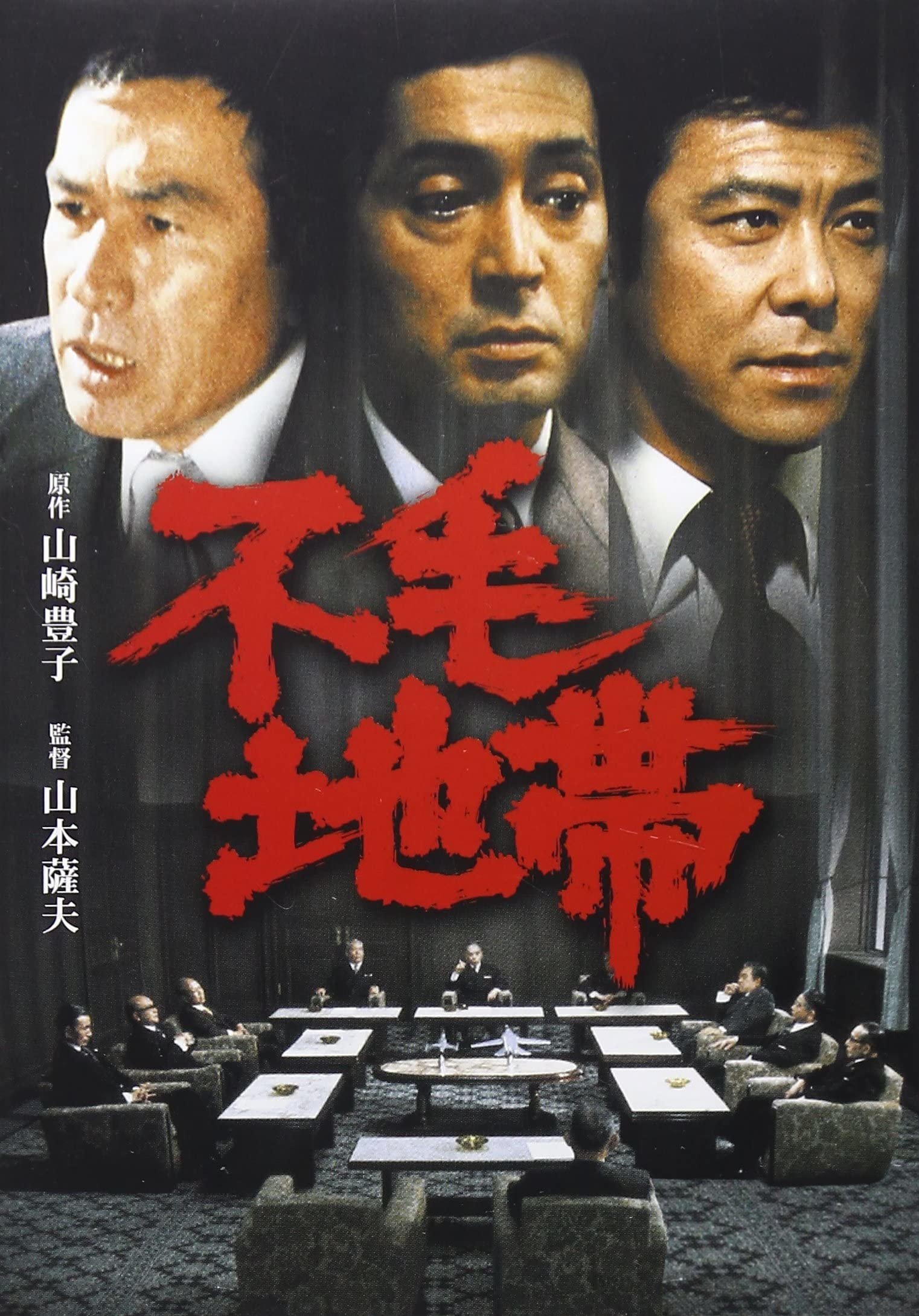
Tadashi Iki returns to Japan from a Soviet gulag 11 years after being captured during the invasion of Manchuria. He is offered a position in the expansive Kinki Corporation, but rival corporations are competing for a government contract to produce fighter planes.
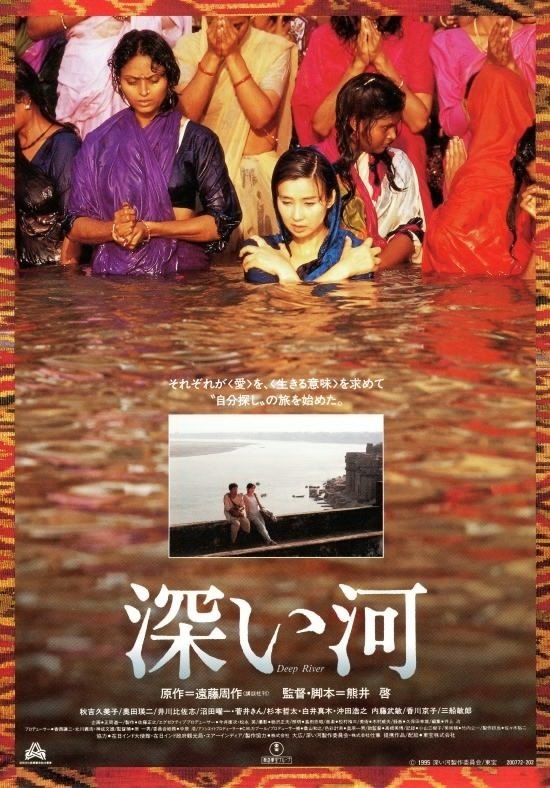
A group of Japanese tourists try to forget their pasts and find themselves in India.
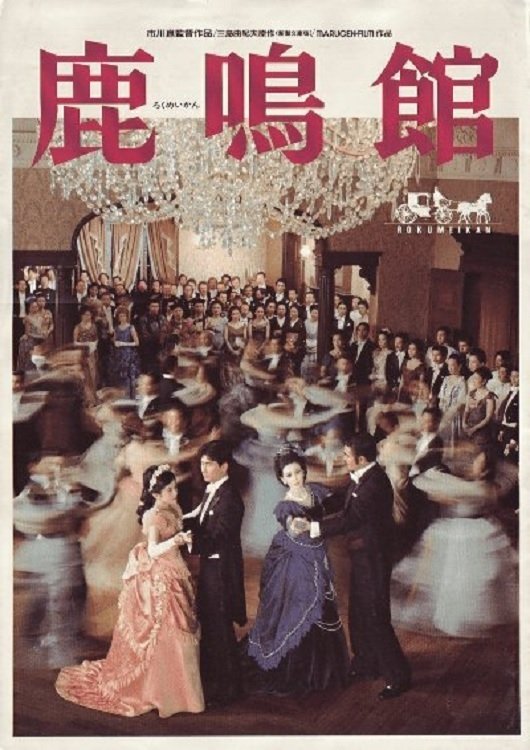
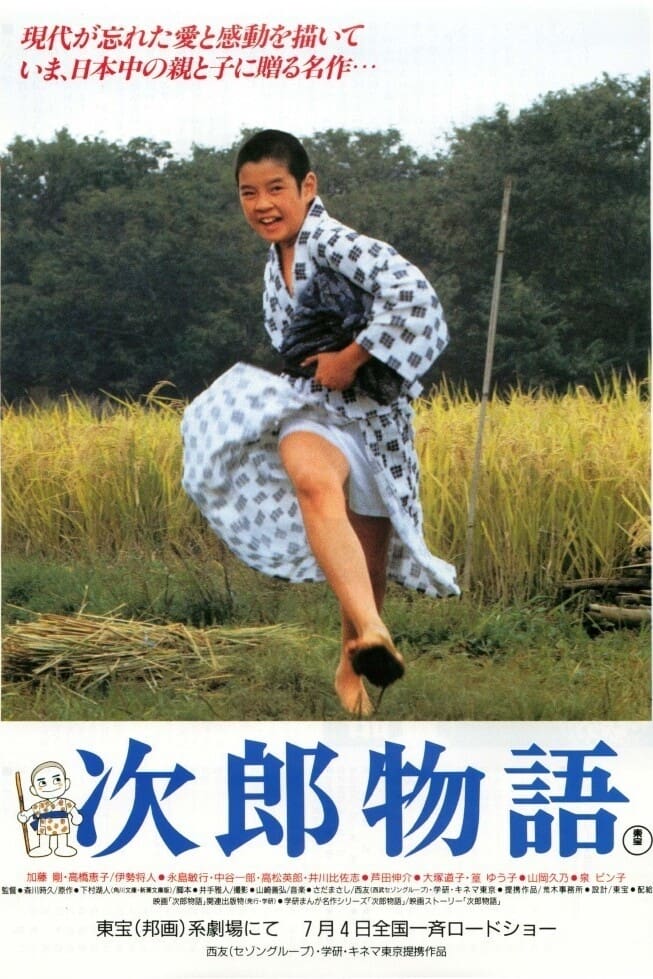
Adaptation of the classic masterpiece about the relationship between parents and their children.
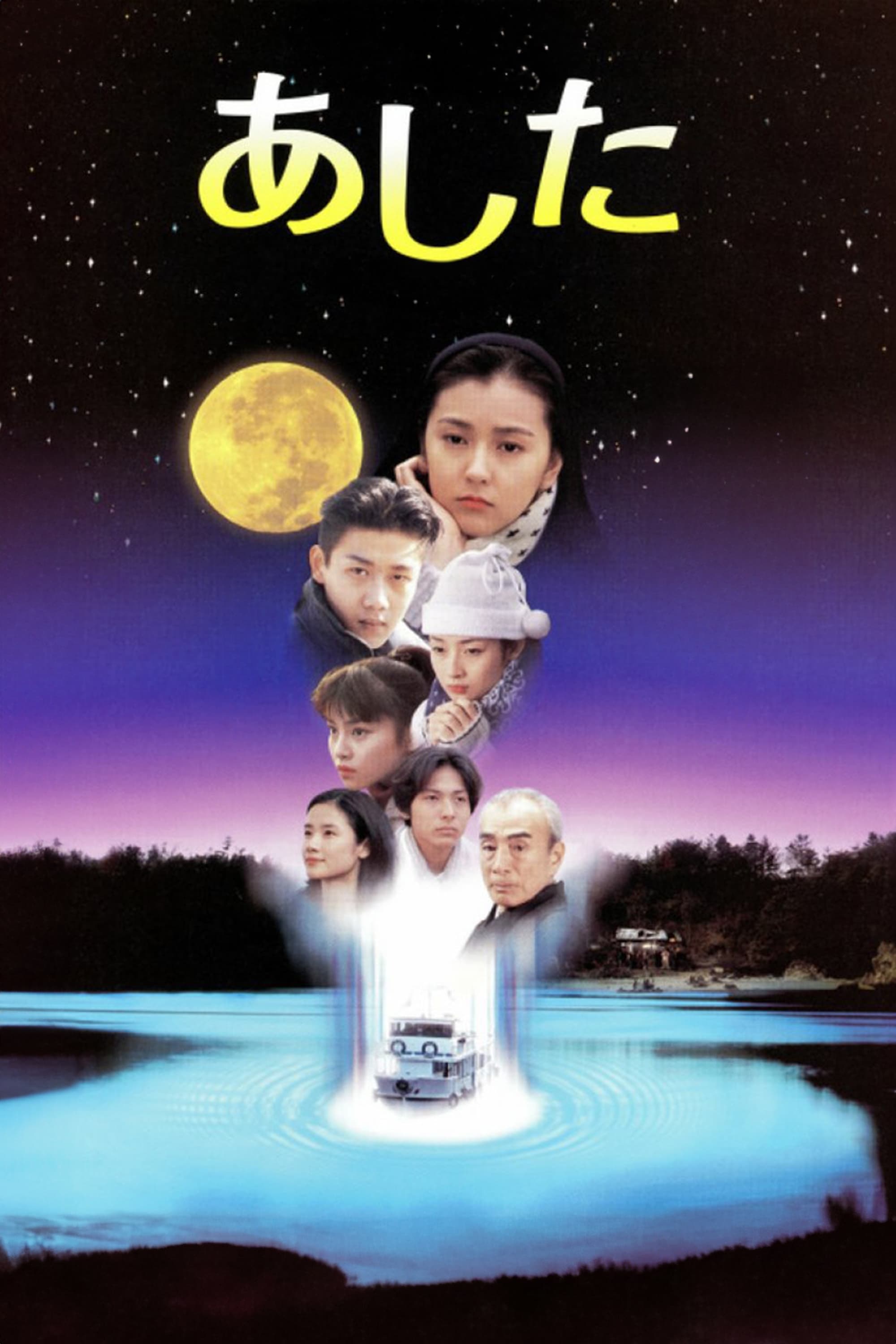
People from all walks of life all receive mysterious messages from loved ones who were killed 3 months earlier in a shipwreck. They are instructed to go to a small island in the Inland Sea that evening.
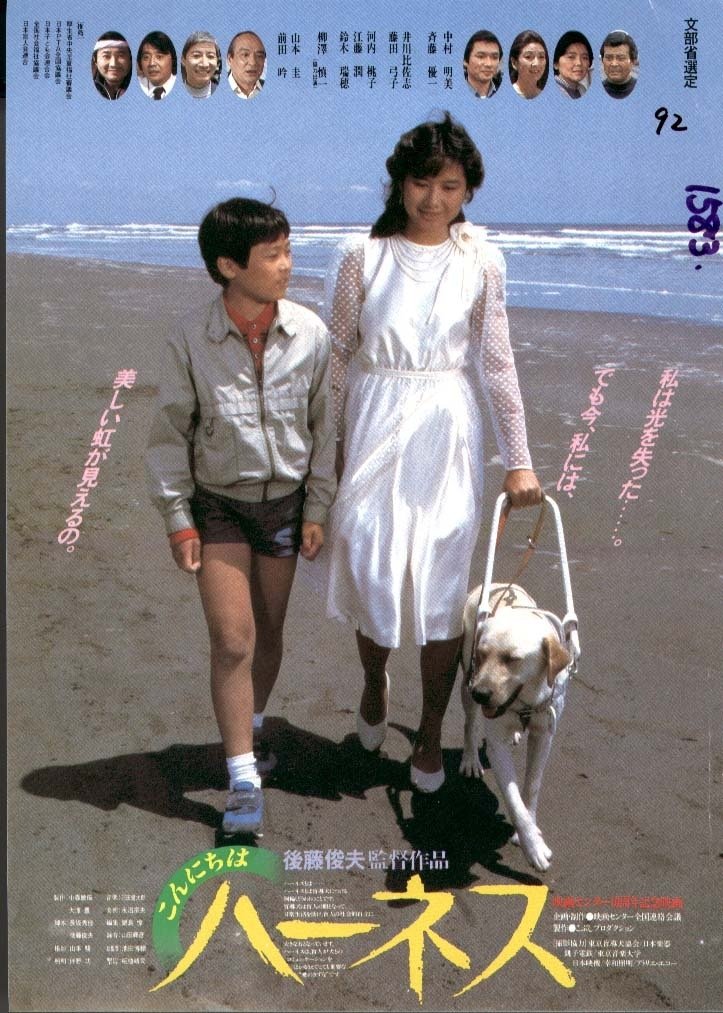
A female college student who aims to become a pianist meets a boy who raises a guide dog.
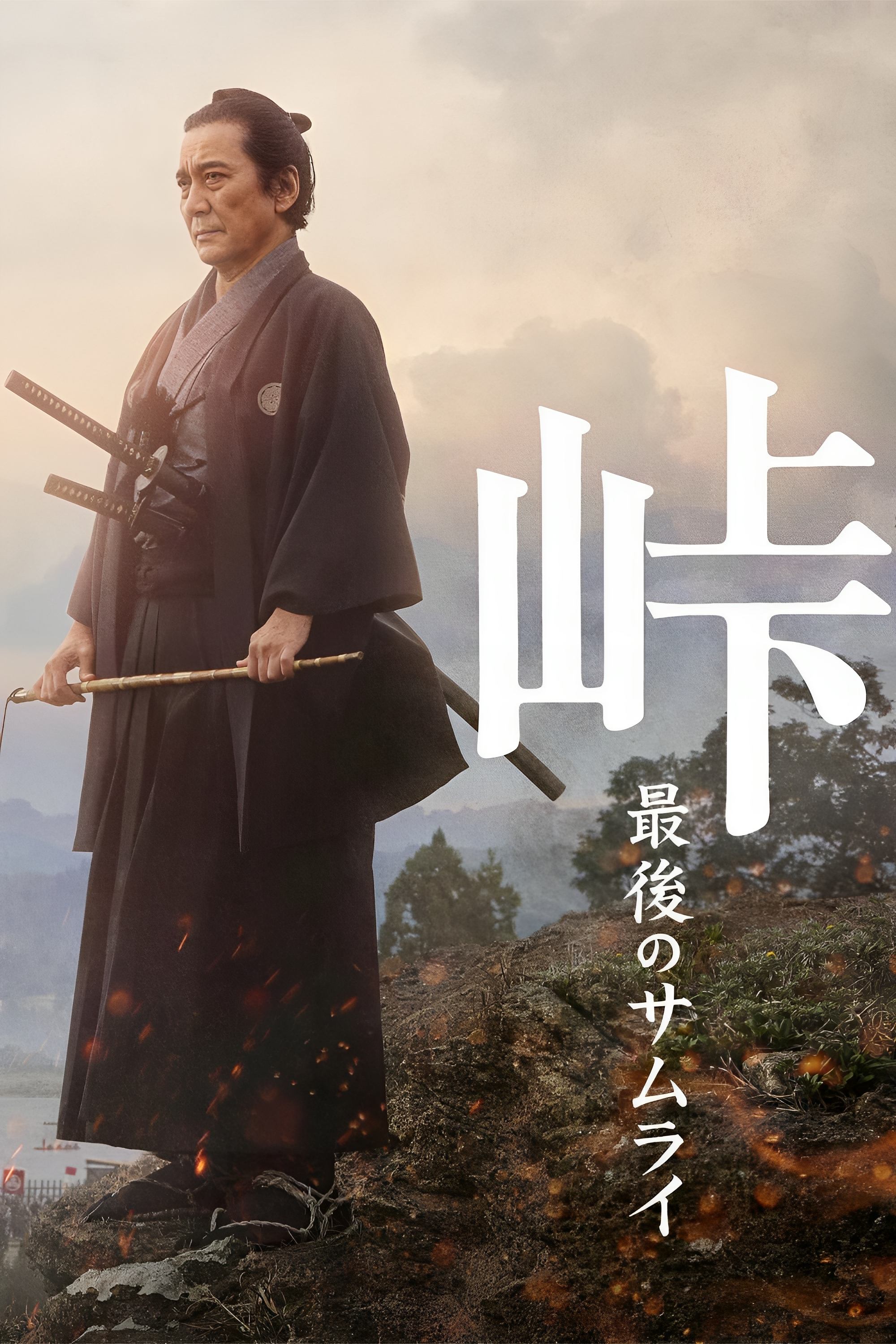
In the turbulent last days of the Edo period, Kawai Tsugunosuke, a Japanese samurai serving the Makino clan of Nagaoka, dreamt of independence from the restraints of vassalship. Despite his progressive views and his desire for his estate to remain neutral during the Boshin Civil War, he was bound by loyalty and duty to the clan and was compelled to choose sides.
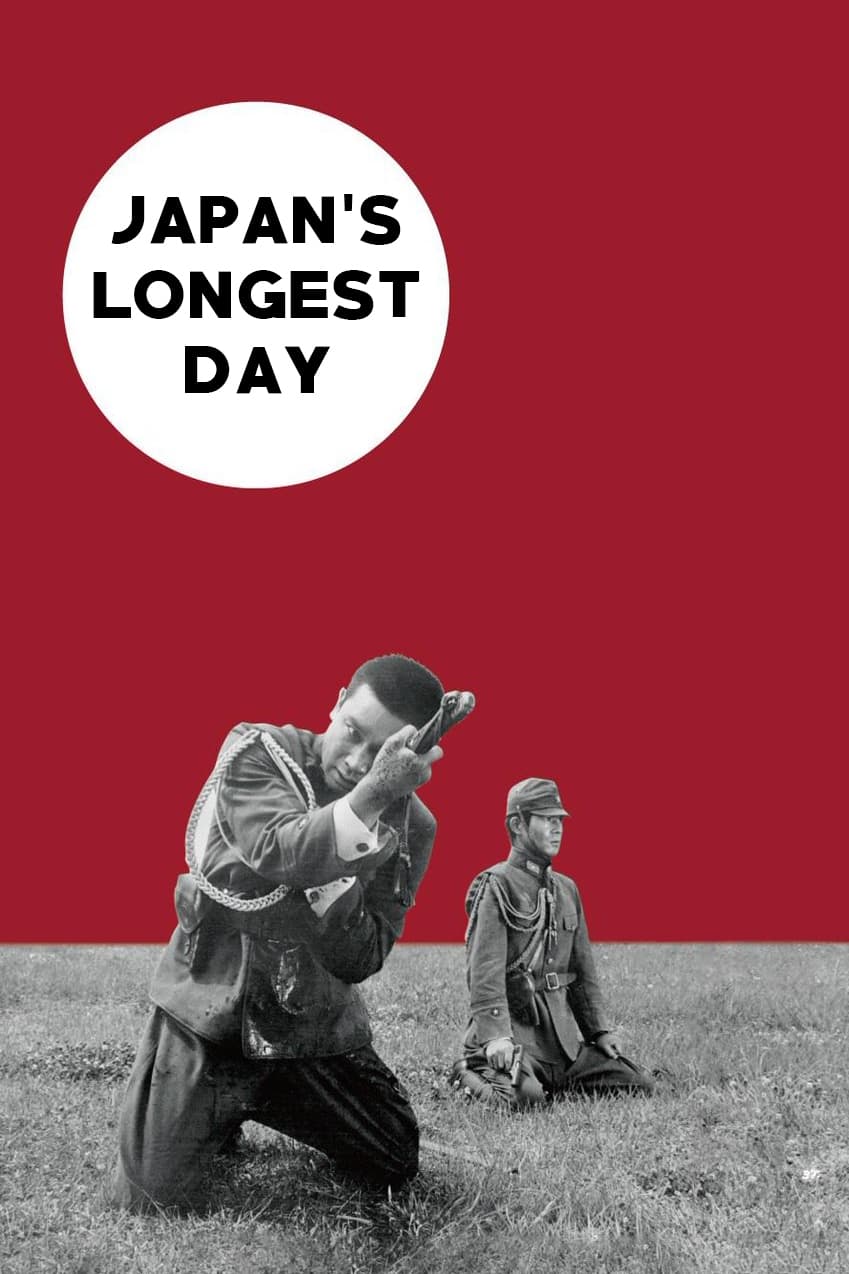
Following the detonation of the atomic bombs on Hiroshima and Nagasaki, the Japanese military and the government clash over the demand from the Allies for unconditional surrender. Minister of the Army Anami leads the military officers who propose to fight on, even to the death of every Japanese citizen. Emperor Hirohito, however, joins with his ministers in asking the unthinkable, the peaceful surrender of Japan. When the military plots a coup to overthrow the Emperor's civilian government, Anami must face the choice between his desires and loyalty to his Emperor.
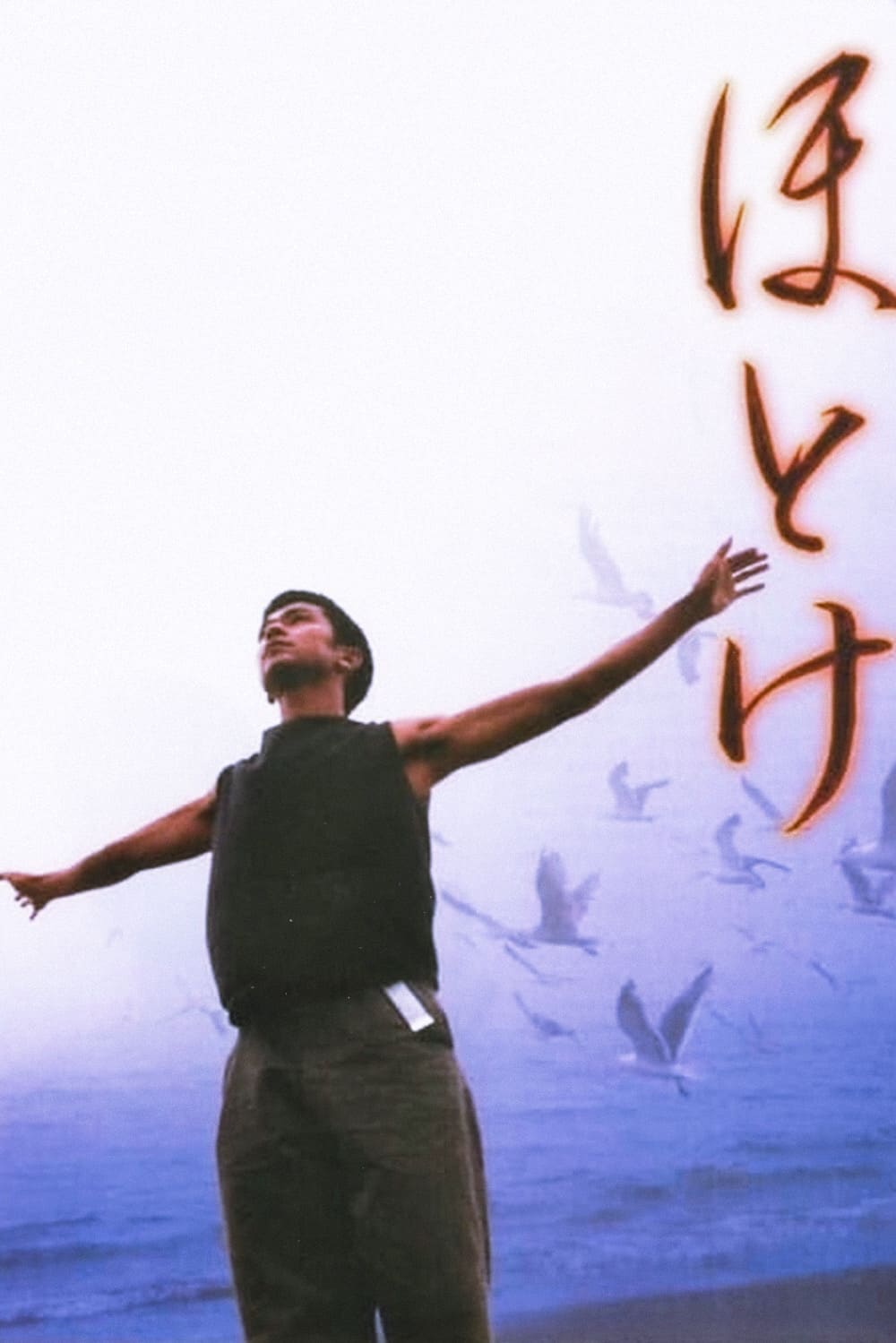
Rai pedals his bike and trailer about town, collecting old iron and sowing flower seeds. Because his face never seems to show emotion, everybody calls him Hotoke - meaning Buddha. His elder brother Shiba, however, is tough as nails and works the black market. Rai is building a gigantic statue of Buddha from the scrap metal he has gathered over the years. He prays the Buddha he is creating will come to life and rid the world of its cruelty.
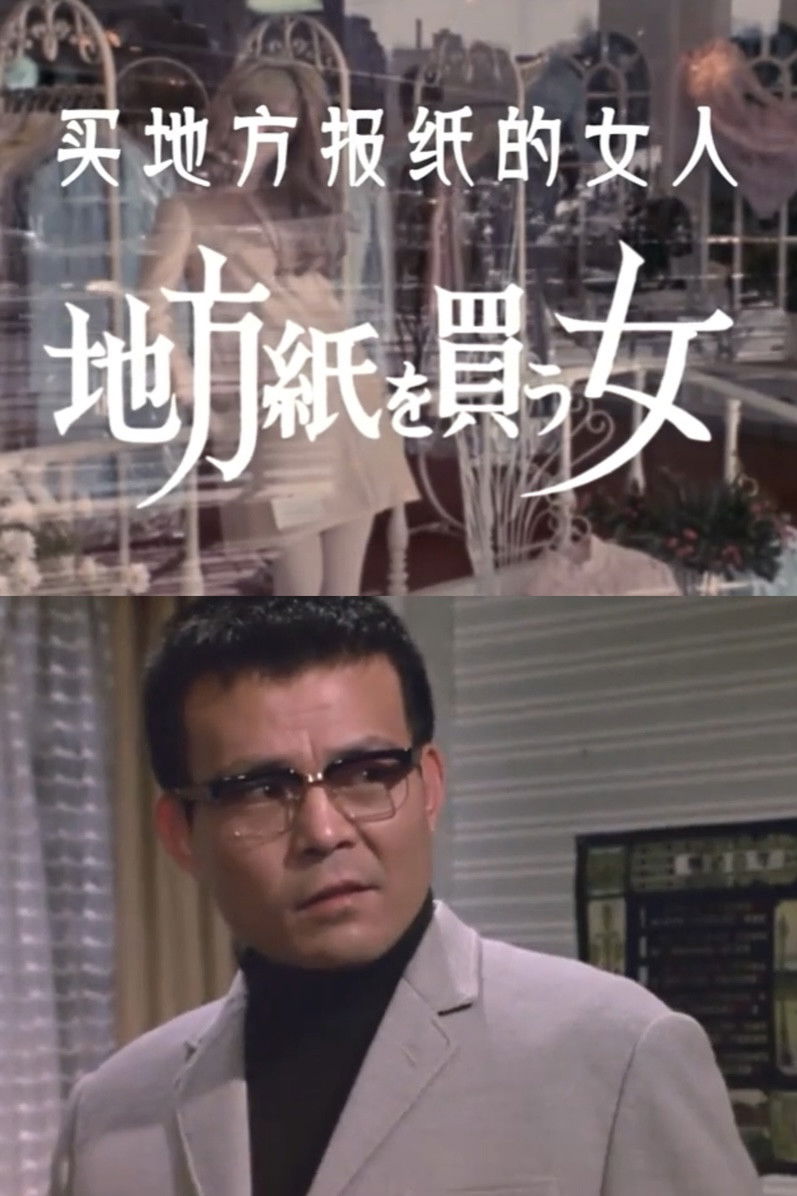
Based on the original mystery novel by Seicho Matsumoto. Novelist Ryuji Sugimoto is publishing his serial in a local newspaper when a woman from Tokyo subscribes, saying she’s interested in his work—only to abruptly cancel weeks later. Suspicious, he realizes her true interest may not be the fiction at all, but a real double suicide reported in the same paper.
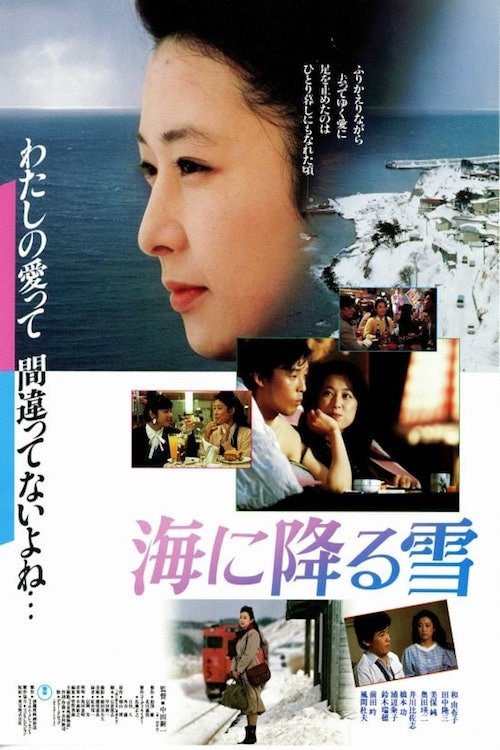
A film adaptation of the novel of the same title written by Hiroshi Hatayama (畑山博).
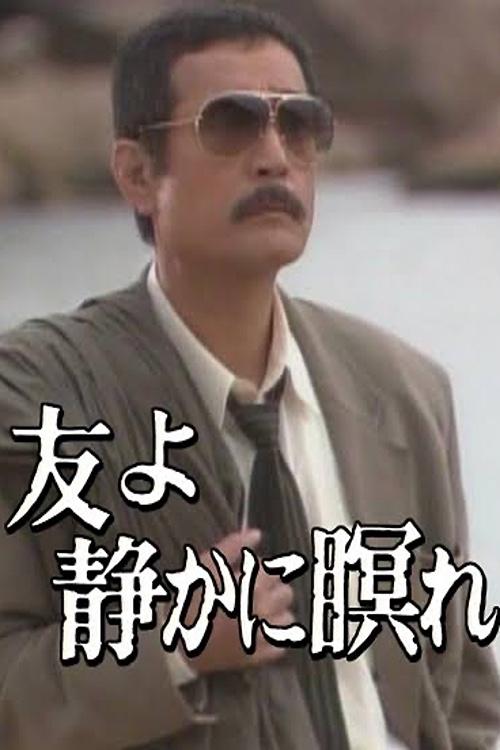
This TV dramatization of Kitakata Kenzo's hard-boiled novel depicts a man who fights a deadly battle with a group of corrupt bosses who control the hot spring town. Sakaguchi, the owner of a long-established inn in a seaside hot spring town, rebels against the Shimoyama Tourism company that dominates the town, and is arrested by the police for a minor assault. One day, Sakaguchi's old best friend Shindo shows up and tells Sakaguchi's son that he will definitely get his father out of the police. (TV film adaptation of the novel, separate from the 1985 Yoichi Sai-directed film)
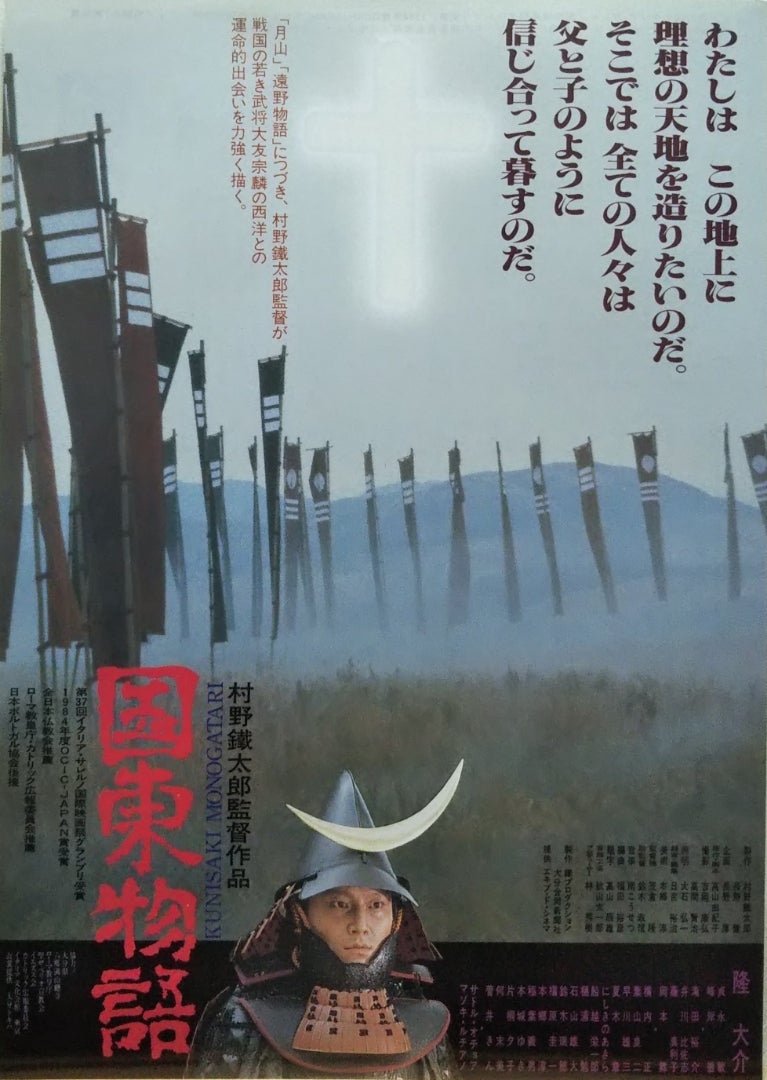
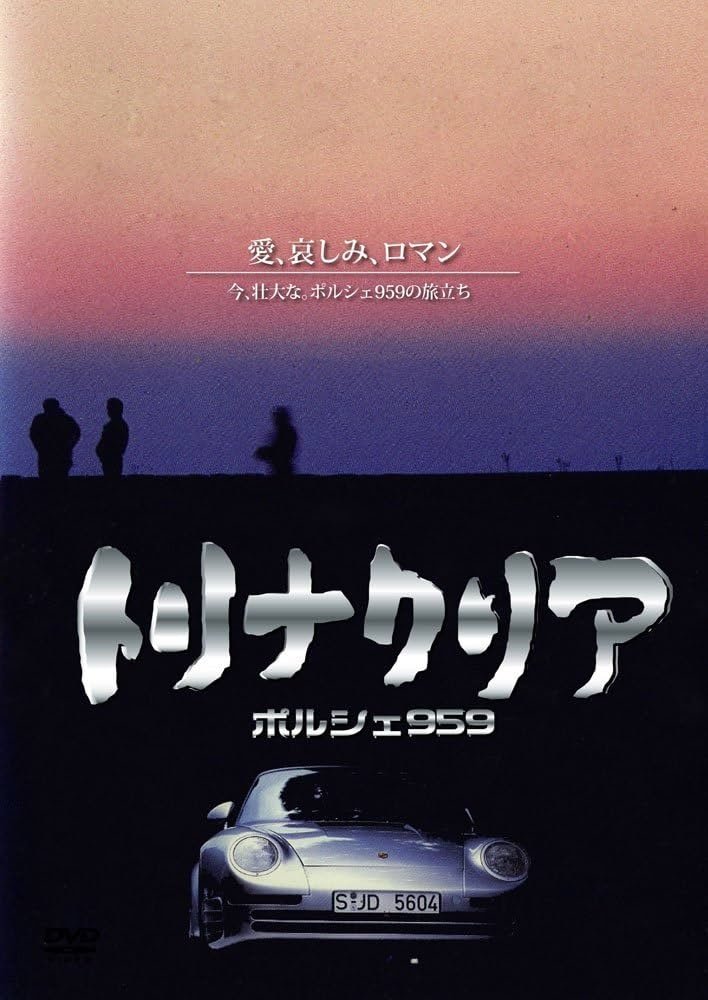
A film director plans to make a film about a man who embarks on a journey to find a missing musician, who has disappeared after becoming obsessed with the sound of a Porsche engine.
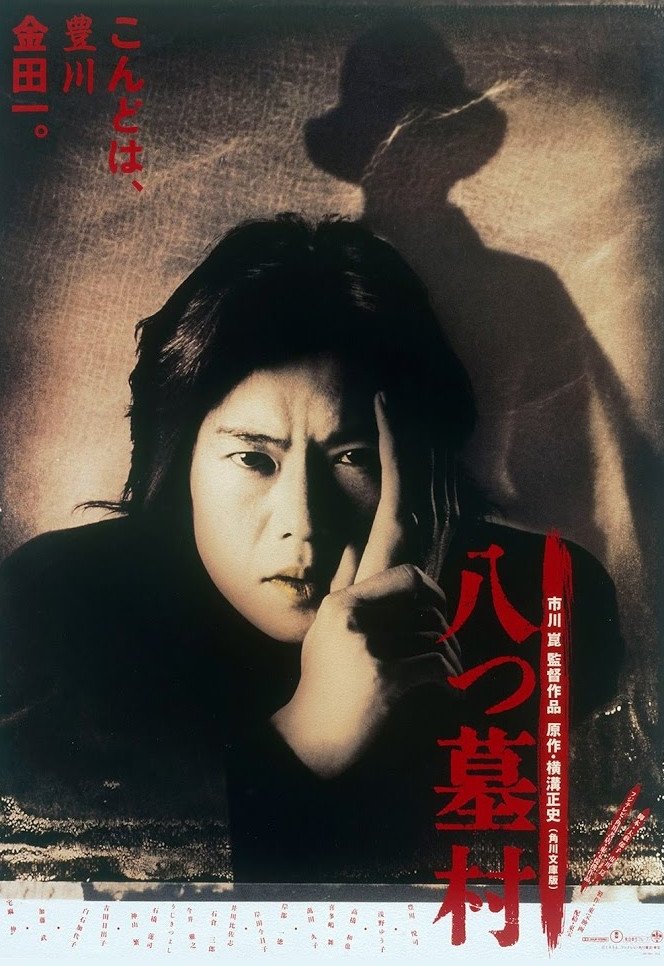
A band of samurai warriors places a curse on a family fortune thus frustrating the heir 4 centuries later.
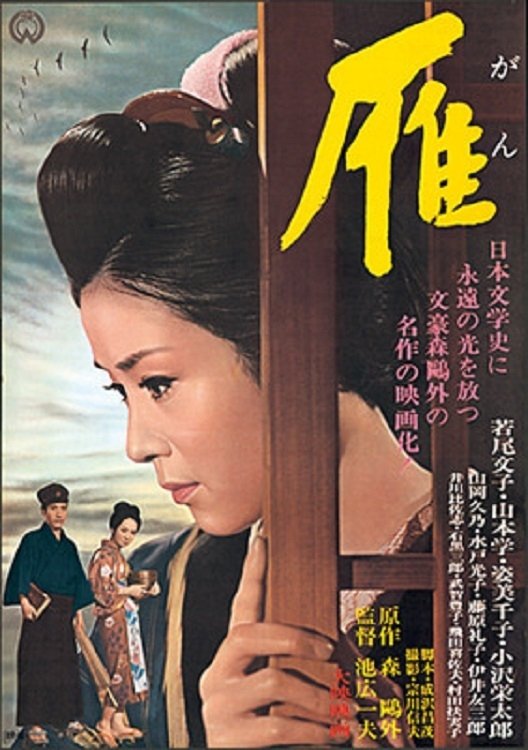
Otama, daughter of a poor candy vendor, becomes the mistress of a man whom she believes to be a widower and owner of a prosperous dry goods store. The man is in fact married with children, and is a despised loan shark who takes money from the poor without qualms. Totally enraptured with Otama, this usurer establishes her and her father in separate houses and generously gives them gifts including silk taken as interest from Oshige, a poor cloth dealer who does business with the sewing teacher, Otama's neighbor. Otama's satisfaction with her situation gradually crumbles as she discovers the truth about her benefactor.
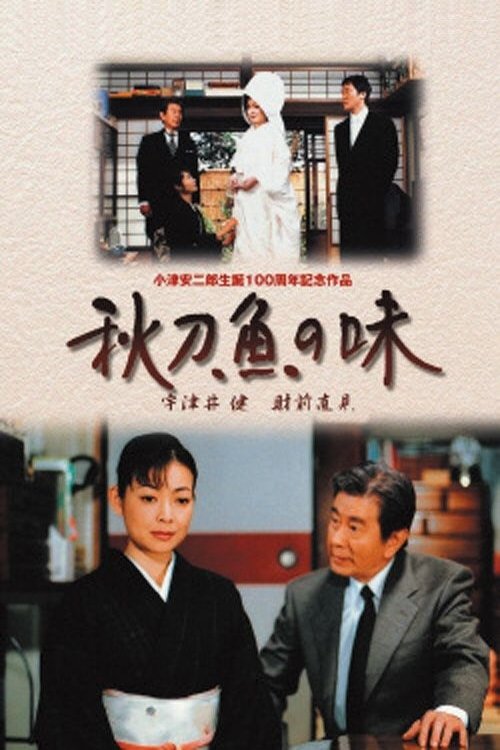
A 2003 version of the 1962 original. Shuhei Hirayama is a widower with a 24-year-old daughter. Gradually, he comes to realize that she should not be obliged to look after him for the rest of his life, so he arranges a marriage for her.
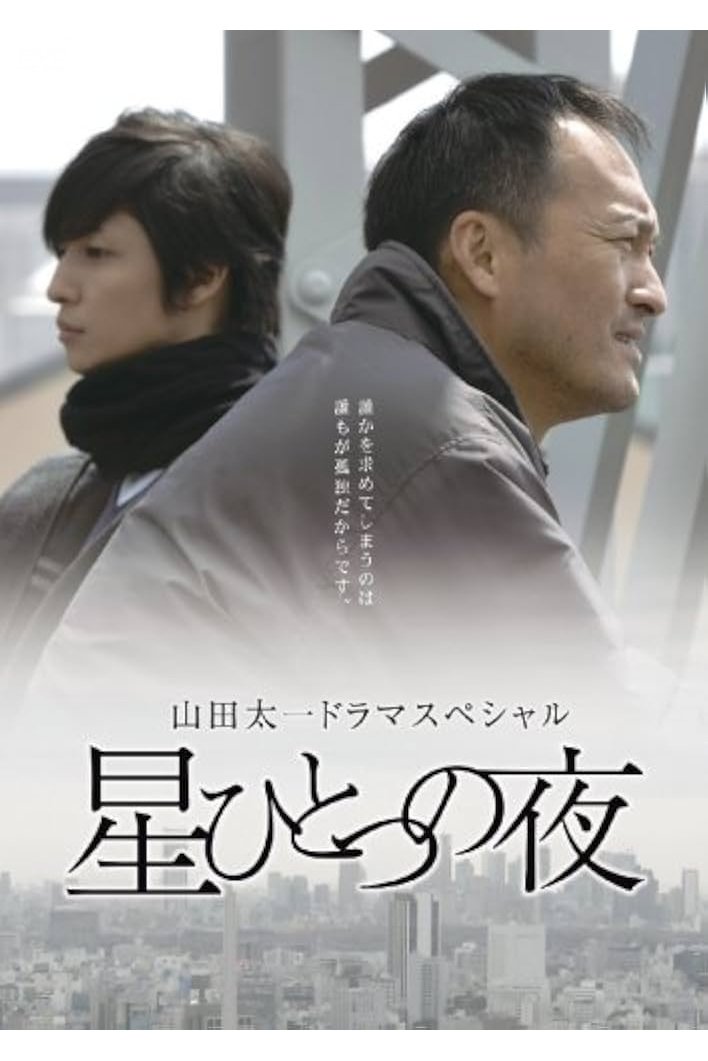
Janitor Hiroharu Nonoyama (Ken Watanabe) discovers a coat filled with cash while working. The coat belongs to Daiki Iwasaki (Hiroshi Tamaki), who lives in a luxury apartment building. When Taiki offers Hiroharu a wad of cash as thanks for returning the coat, Hiroharu refuses and walks away... This incident sparks a connection between the two men, though each has reasons they don't want probed. As Taiki gradually opens up, Hiroharu still carries a secret he doesn't want anyone to know.
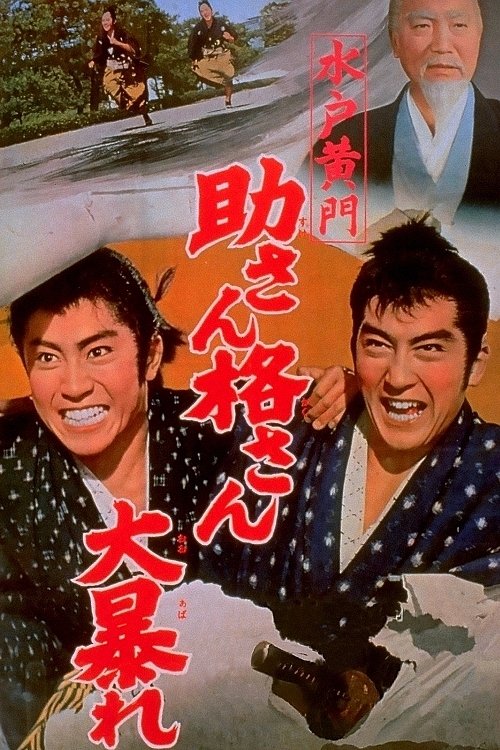
The story of two young men whose ambition is to become the personal bodyguards to the Shogun's uncle, Lord Mito Komon. Portrayed by a pair of up and coming stars, Sasaki Sukesaburo (Matsukata), the son of a widower and Atsumi Kakunoshin (Kitaoji), whose mother is a widow find themselves constantly in trouble and are forced to become two of the most powerful fighters in all Japan. The stories about Mito Komon and his travels througout Japan are many, but this is one that had yet to be told. The struggles of Suke-san and Kaku-san faced in order to join the Elder in his quest to fight against injustice and corruption during the samurai era.