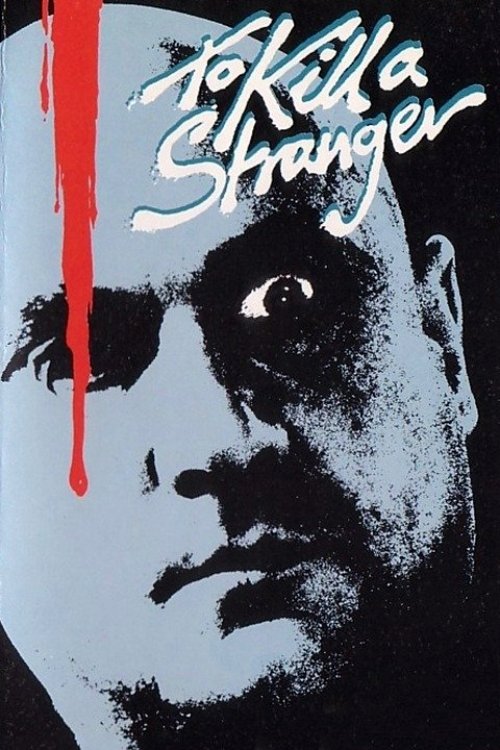
Cristina Carver (Angelica Maria) finds herself in dire straits after she arrives to spend some time with her TV-reporter husband (Dean Stockwell) who is visiting a Latin American country run by a military dictator. After a car accident one day, Cristina brings the helpful Col. Kostik (Donald Pleasence) home and then kills him in self-defense when he violently attempts to rape and murder her. Terrified, she covers up her act and hides the body, yet in spite of her husband's efforts to protect her, a local police detective starts to figure out what really happened.
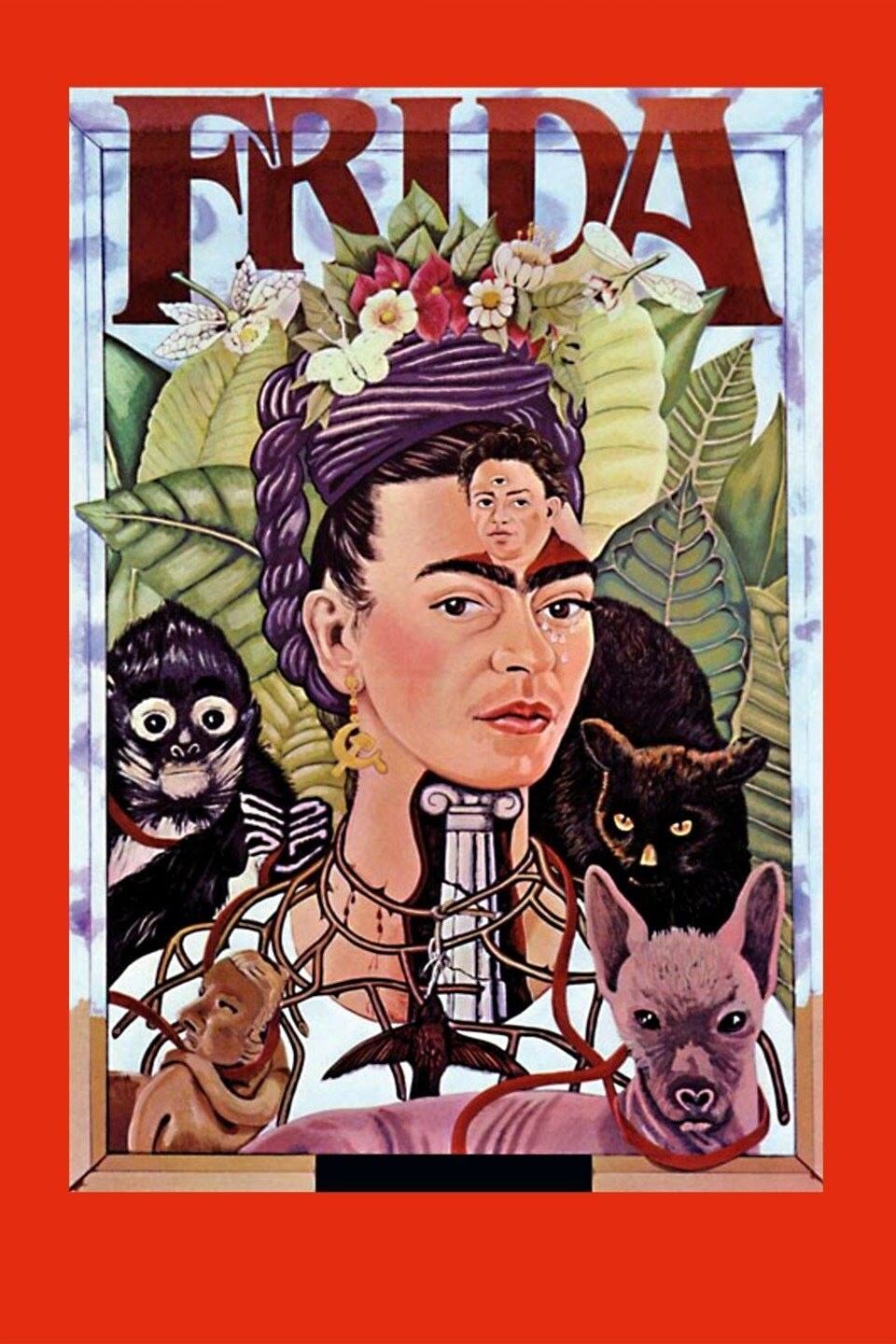
This film is a chronicle of painter Frida Kahlo, and her encounter with the personalities of her time. Despite being confied to a wheelchair as a result of polio, operations and amputations, she faces and traces some of the most colorful and controversial aspects of Mexican history, during the dominant time of Mexican muralism.
A young woman of wealthy class rejects the world that surrounds her and dies, but in her wake a shaman resuscitates her. She is dedicated to transgressing all the rules of her society. In the end a strange character offers him a flower and they both love each other.
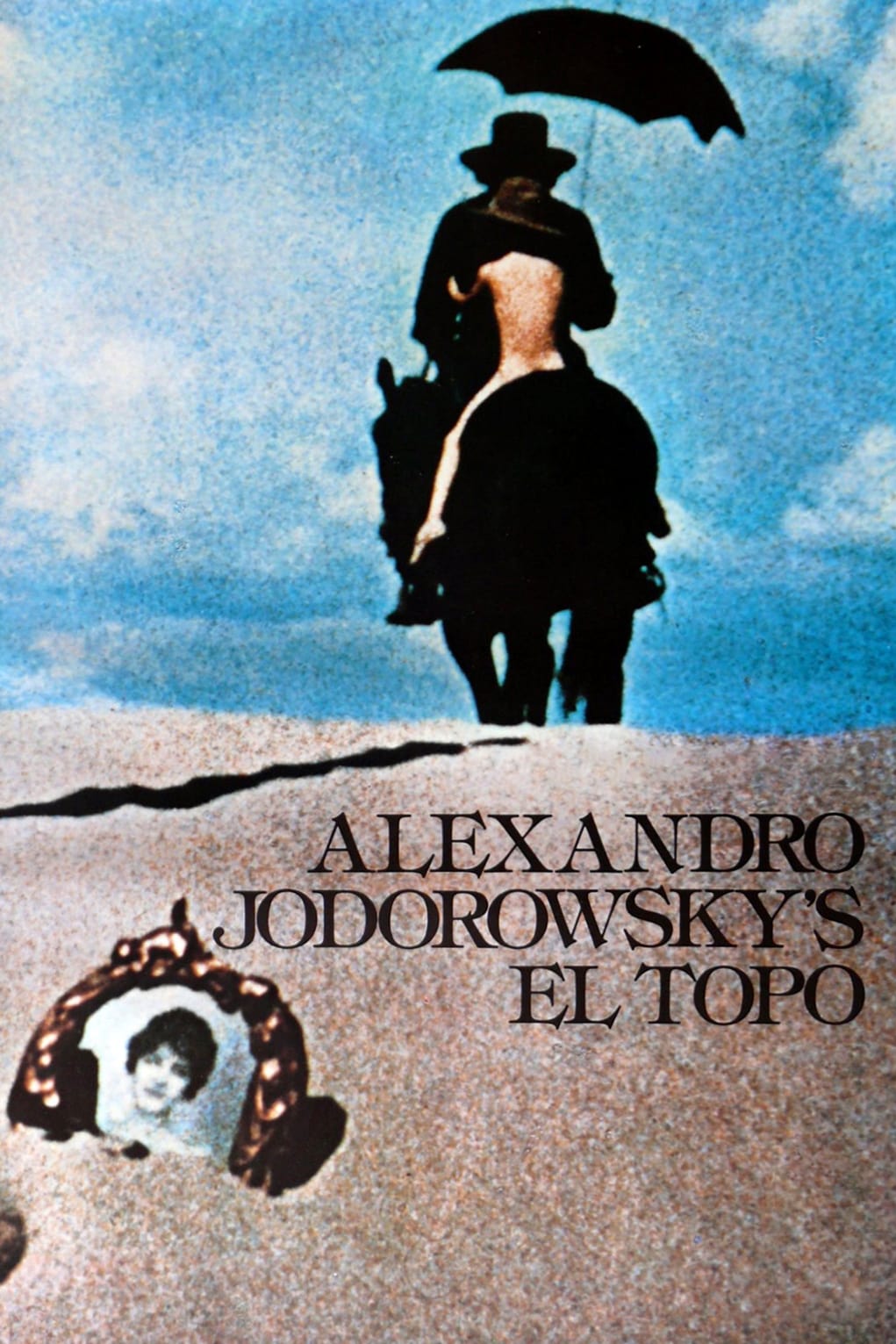
El Topo decides to confront warrior Masters on a trans-formative desert journey he begins with his 6 year old son, who must bury his childhood totems to become a man.
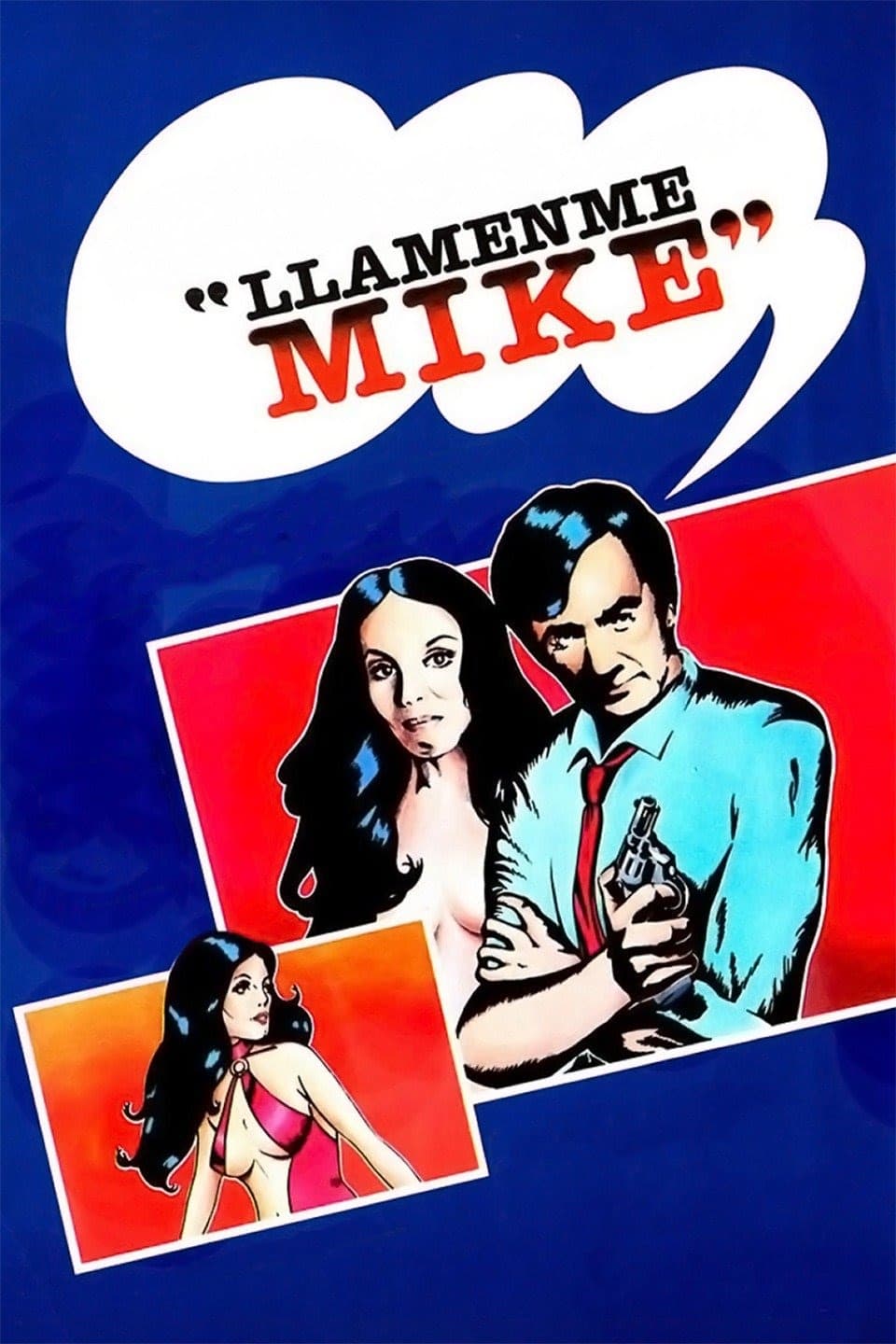
After being unjustly accused of corruption and seriously injured in prison, Miguel's personality will merge with the characters he reads in his police novels.

For Robarte el Arte [Stealing the Art] (1972), Juan José Gurrola together with Gelsen Gas and Arnaldo Coen supposedly stole an artwork during Documenta 5 in 1972 and represented it with an asterisk of scotch tape on a rock in the Wilhelmshöhe Park. Sequences of this performative action are montaged like in a silent movie with panels of cut-up newspaper text blocks, installation shots from the Documenta exhibition inside and outside Fridericianum, and scenes from a horror porn movie based on the story of the serial killer "Goyo" Cárdenas – his case became a sensation on Mexican media in the 1940s and inspired several copycat murderers imitating his crimes – and underscored with a dramatic soundtrack. With Robarte el Arte, the artists satirically destabilize Documenta’s institutionalized role to chart the current art developments and thus setting the foundation for a so-called canon as Eurocentric.
Luisa returns to her village, where she cares for her uncle on his deathbed, who tells her the story of his life with a hidden purpose.
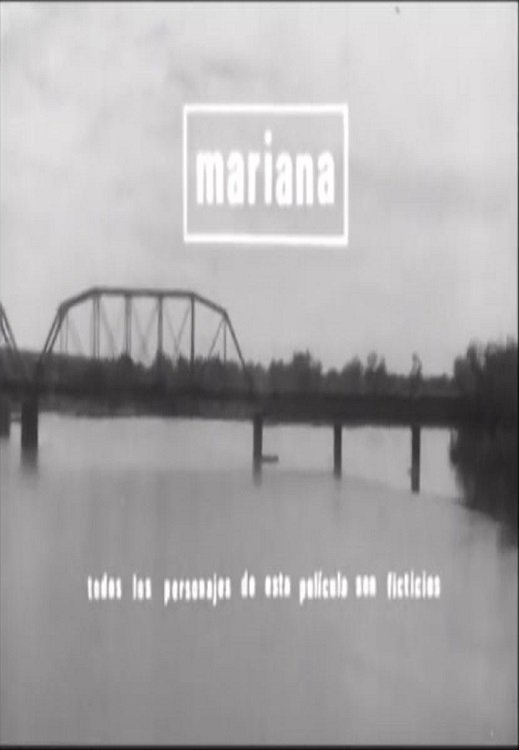
As a teenager and student at a convent school, young Mariana runs away with her boyfriend, provoking the wrath of her father who sends her to Switzerland for ten years.