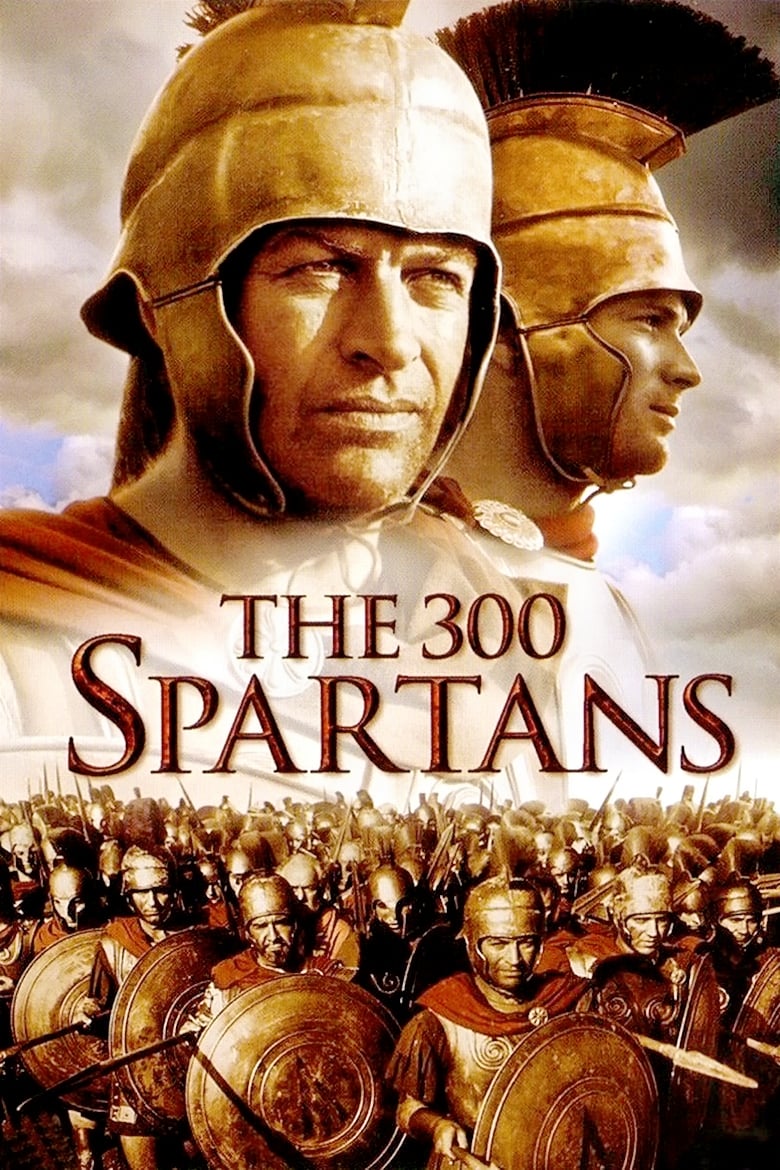
The 300 Spartans is an account of the 480 B.C. Battle of Thermopylae, in which the Greek Spartan King Leonidis, played by Richard Egan, led a remarkably small number of Greek Sparta to victory over an invading Persian army led by evil King Xerxes that was thought to number over 25,000. This spectacular conflict gave the Grecians enough time to organize a force to ultimately repel the Persians, and thus change the course of Western civilization.
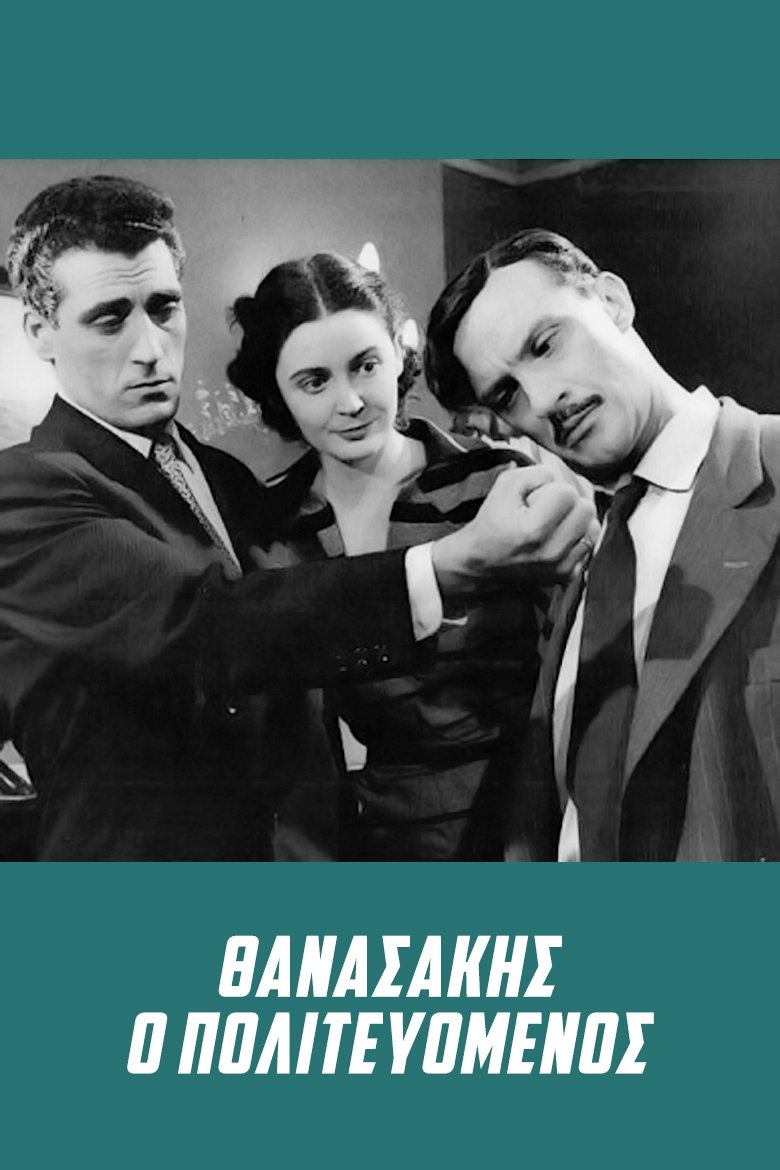
The young daughter (Anna Synodinou) of a well-off family comes back from Switzerland after completing her studies, married to a young scientist, Thanasakis (Byron Pallis), who comes back to Greece determined to serve his country as a politician. With the financial support of his brother-in-law (Dinos Iliopoulos) he enters the election with no results. Soon though, another election is announced and he decides to run for a second time, again asking support from his brother-in-law who insists that a new campaign would be financial suicide for the family.

Filmed version of stage director Takis Mouzenidis' production of the Sophocles tragedy.
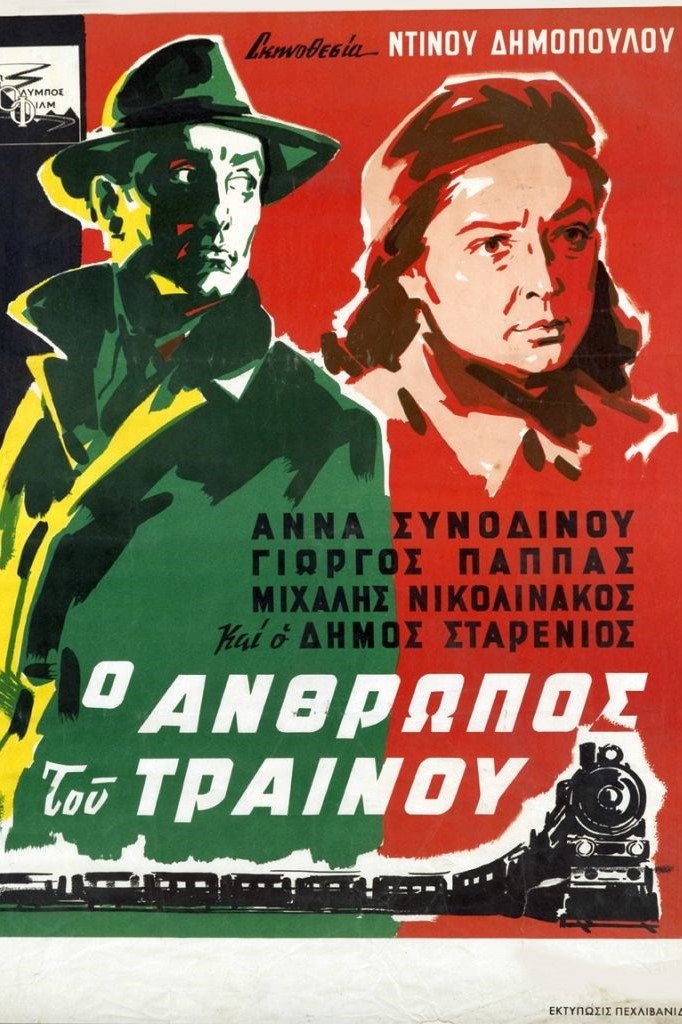
A party of couples from Athens is planning to attend the performance of Medea in Ancient Epidaurus. They set off in their cars bright and early in the morning, combining their theater outing with a side trip to Nauplion. They stop at a railroad junction for the train to pass. There Mado recognizes the fleeting figure of the man standing at the window of the train and she faints.

To locate the heir of $500,000, an affluent Greek-American places an announcement in the newspaper, and hundreds of potential plutocrats start flocking to the city. Will he ever find the lucky one? Is love more important than money?

Hecuba (Ancient Greek: Ἑκάβη, Hekabē) is a tragedy by Euripides, written c. 424 BC. It takes place after the Trojan War but before the Greeks have departed Troy (roughly the same time as The Trojan Women, another play by Euripides). The central figure is Hecuba, wife of King Priam, formerly queen of the now-fallen city. It depicts Hecuba's grief over the death of her daughter Polyxena and the revenge she takes for the murder of her youngest son, Polydorus.