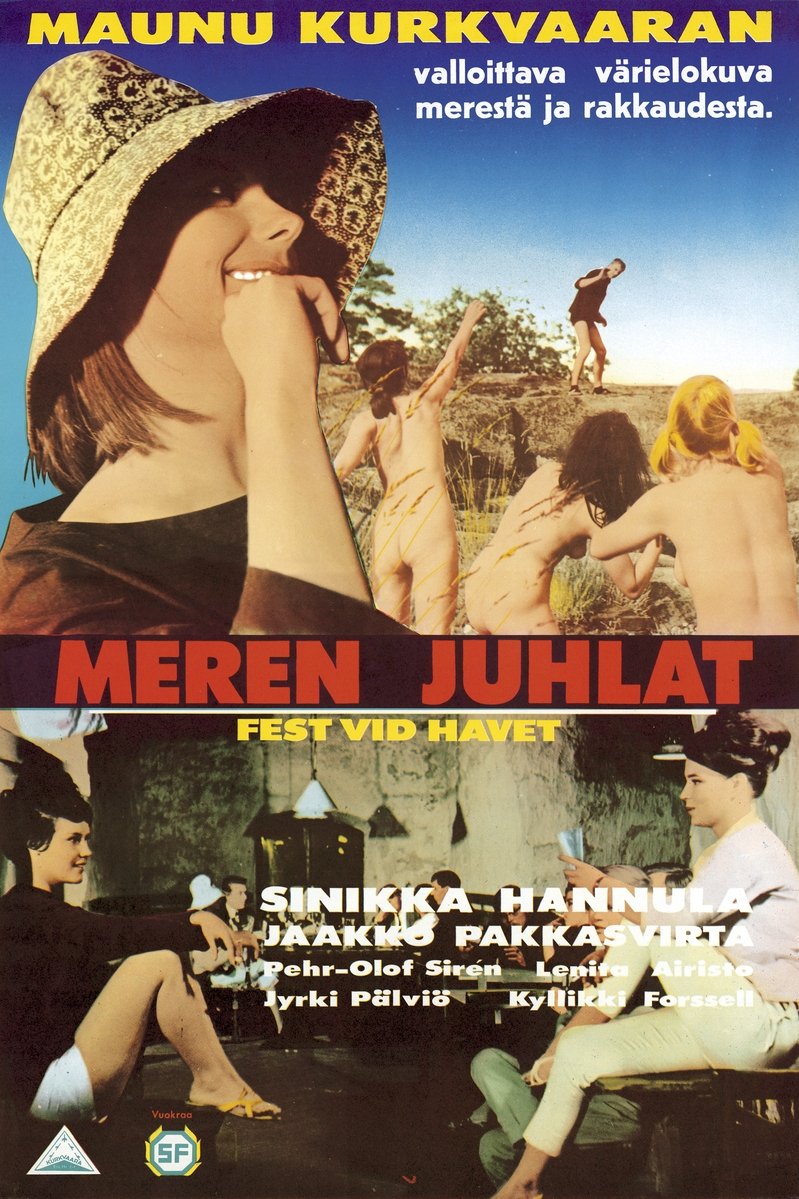
Sini is waiting for her husband to return from a trip and starts thinking about her past relationship with Jaska. She invites him to a party, where old feelings resurface. Afterwards, they go to an island they used to visit and confront their memories and the past of their relationship
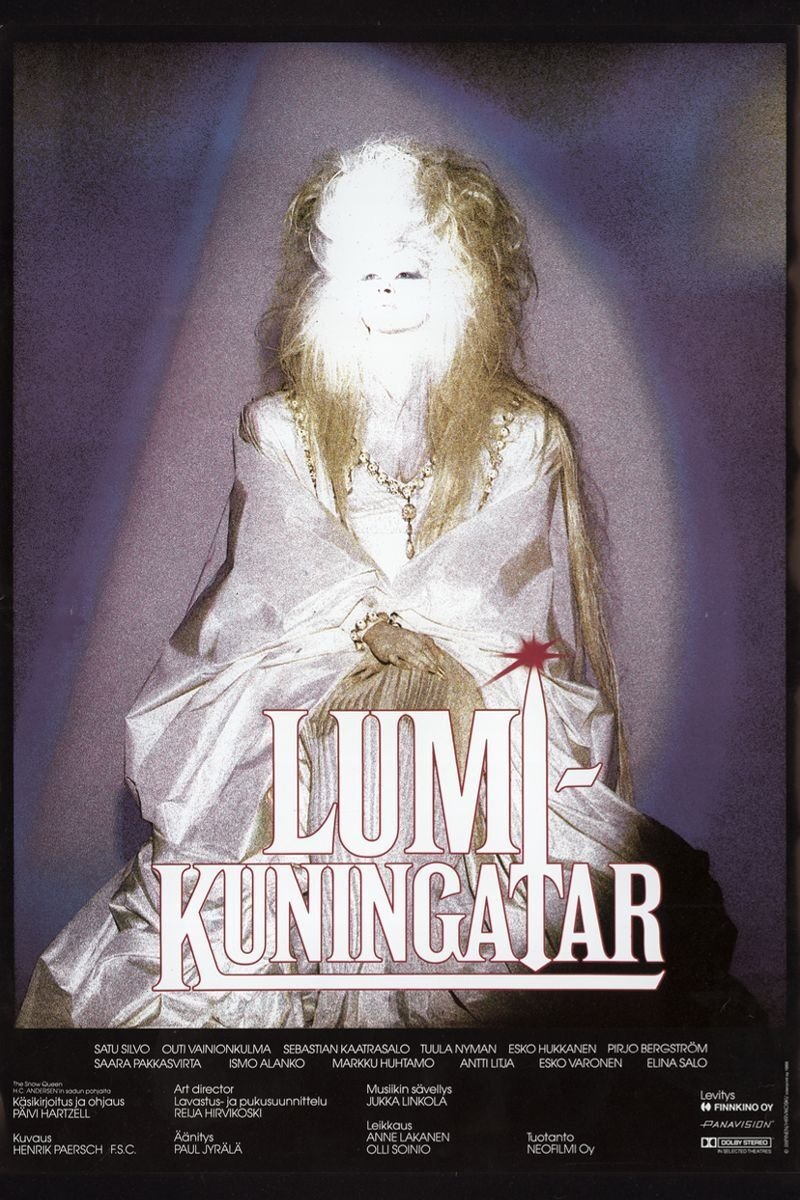
A Finnish live action adaptation of Hans Christian Andersen's fairy tale, The Snow Queen. The tale centers on the struggle between good and evil as experienced by a little boy and girl, Kai and Kerttu.

Longtime couple Venla and Antero come to a serious impasse. After years with Antero, Venla wants to start a family, but her boyfriend, worried that parenthood will stifle his speed-skating career, secretly gets a vasectomy. Determined to have a child, Venla seeks help from a female fertility doctor, a decision that breeds new possibilities for the prospective mother when she falls in love with the doctor.
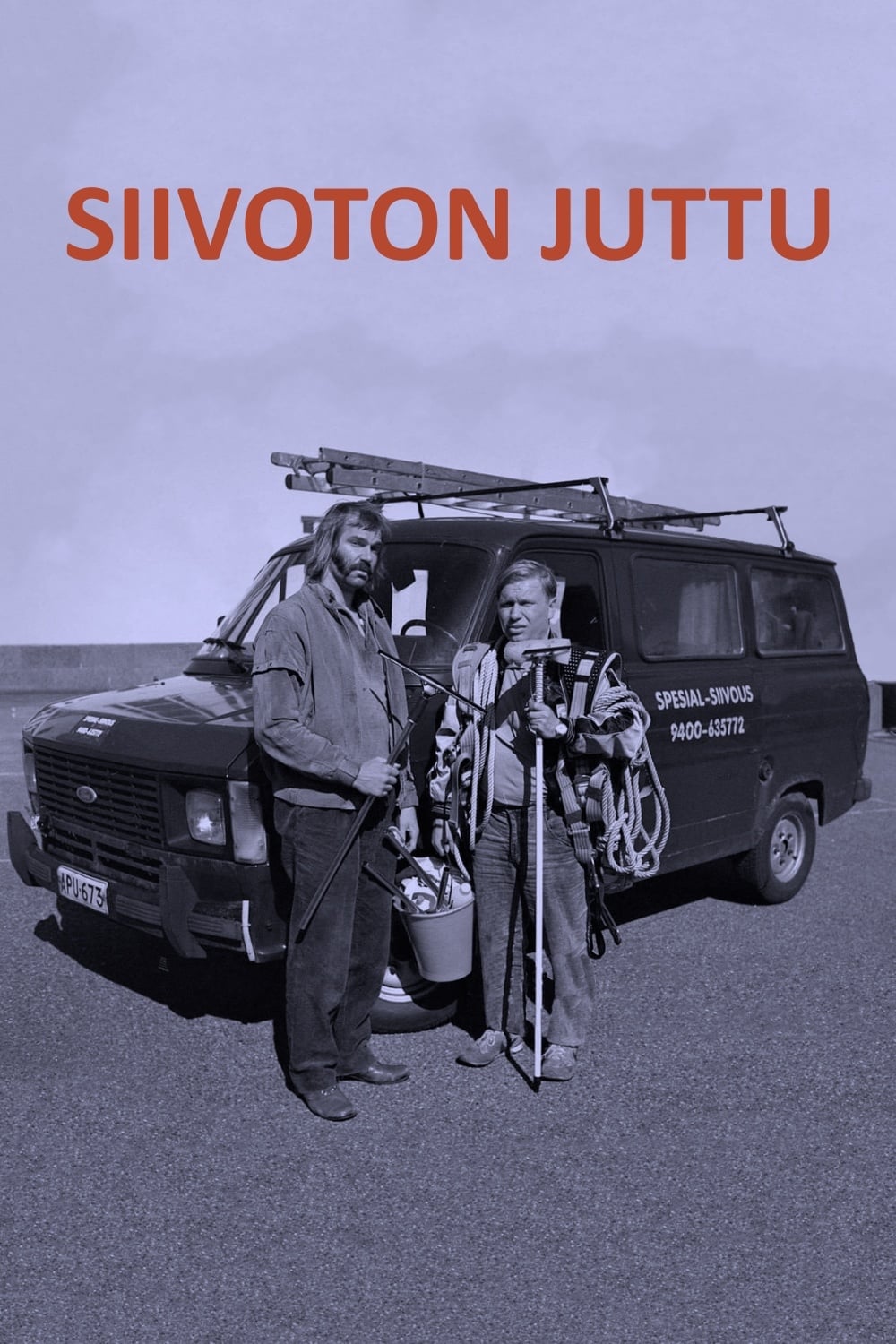
A ragtag team of cleaners tackles absurdly dangerous jobs - explosions, devastating water damage, and “impossible” stains - while dreaming of escaping poverty and enjoying holidays in the sun.
A psychotherapist's life is wrecked when her private life is exposed in a sensation magazine.
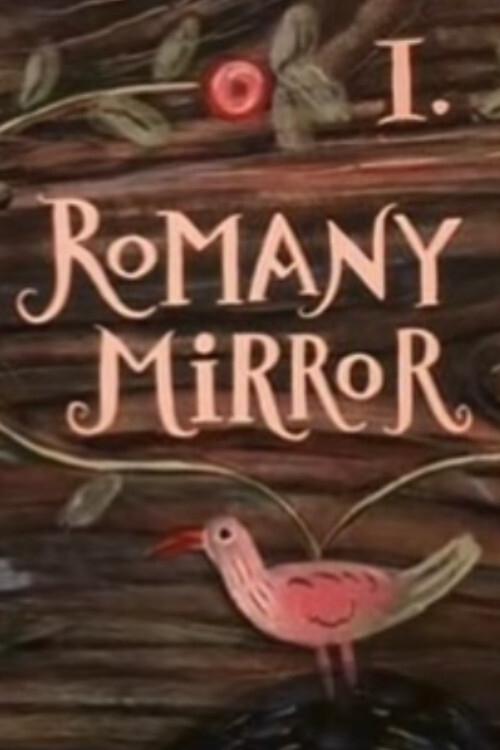
Mire bala kale hin, (which means the girl with the long black hair in Romanes) was the first TV programme ever produced as a childrens program about the Roma minority in Czech Republic. It is a co-production between Finnish/ Czech/Netherlands television. The story is about a Roma girl, who is told Roma stories, legends, dreams, fairy-tales and true stories. Beside the Czech and Finnish also an english version had been produced.
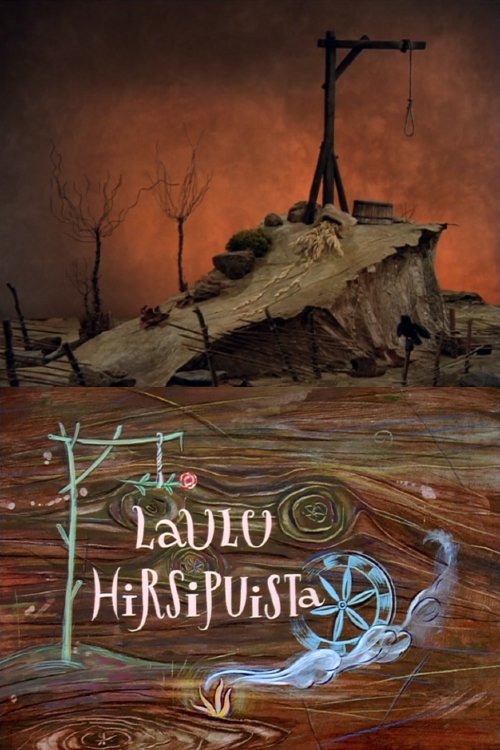
The Song of the Gallows is based on a medieval, seventeenth-century story about a magic violin that saves the life of a Roma man from the gallows. The Polish princess Katarina Jagellonica arrives in Finland in order to get married to Duke Juhana; after listening to the Romani musician playing his instrument she agrees to his request that all the gallows should be torn down in the country to save the Roma from execution.
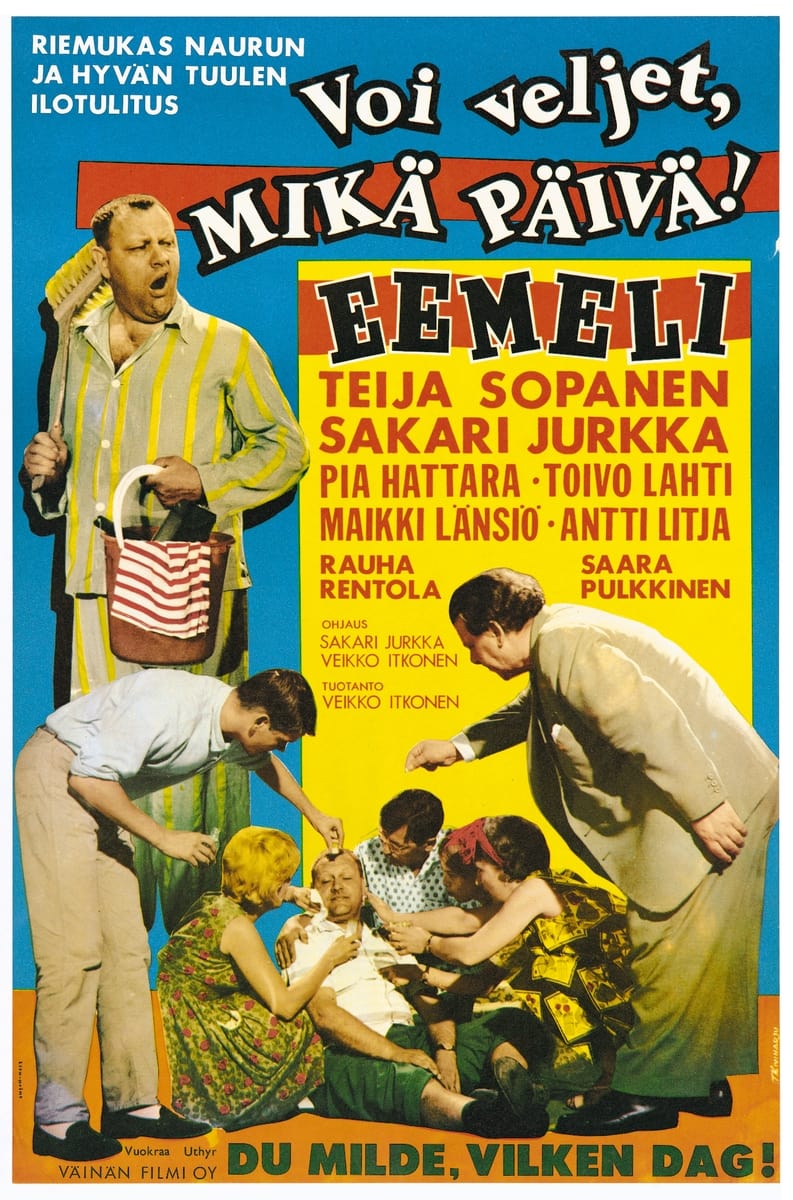
Director Emil Rantamo goes with his family to the country for the summer. The family's son Fritsu gets engaged to Tipuli Niemi. Sausage maker Niemi thinks his daughter is engaged to the manager Rantamo himself.

16-year-old Eveliina accidentally sees her mother kissing another woman. Fearing her parents' divorce, she decides to intervene, by any means and without permission. In her opinion, the best way to destroy her mother's extramarital affair and bring her parents back together is a teenage daughter in trouble. Thus, Eveliina gets herself in trouble as many ways as she can. Along the way, the lives of a few others are at stake. Still, Eveliina guards her plan to the last, and the adults have their own secret ways of survival - until the bubble bursts.
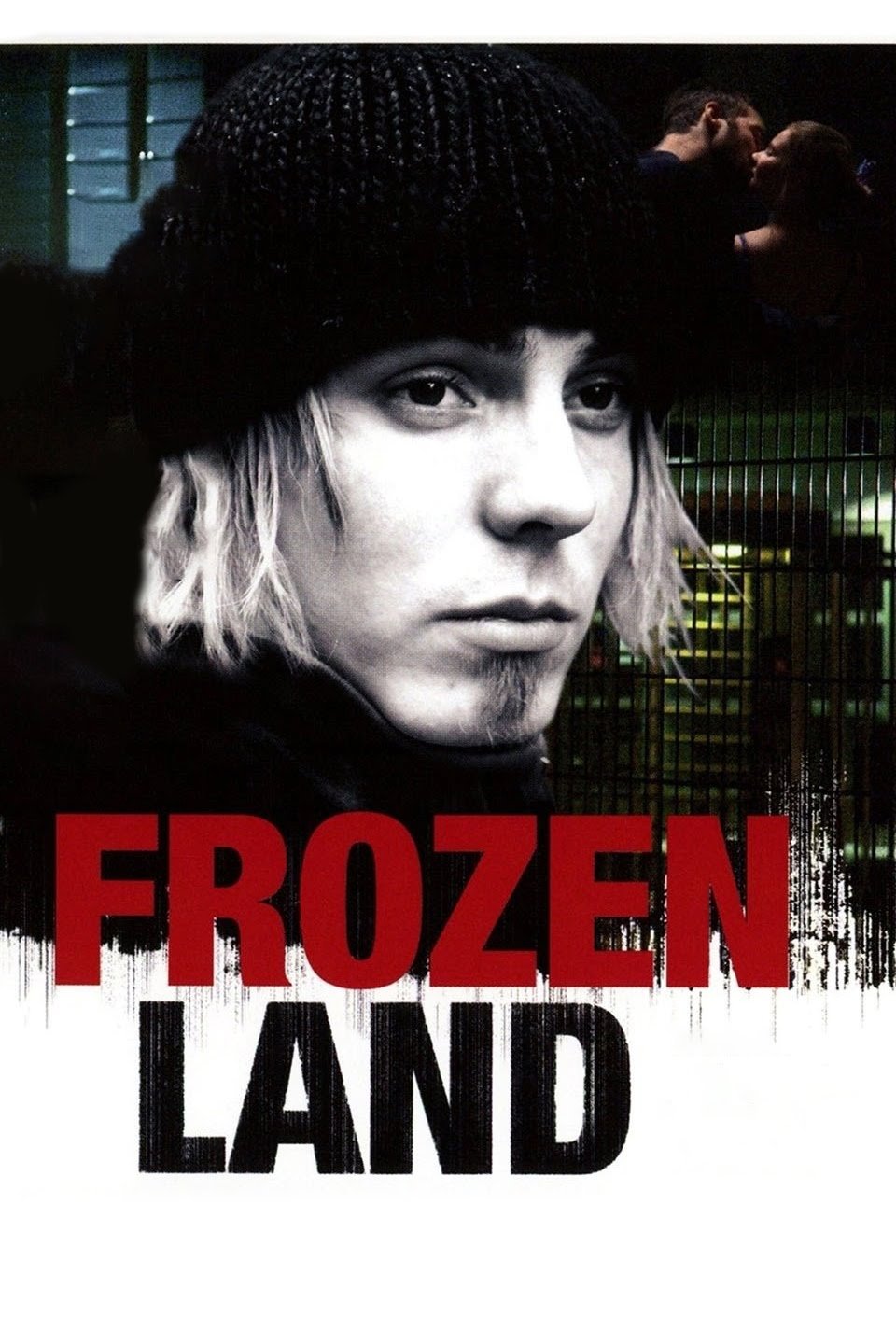
When a schoolteacher is sacked, he projects his bad mood at his troubled teenage son. The son, in turn, buys a CD player from a pawnshop with counterfeit money. This starts a chain reaction of misery as every victim projects his problems on to another person.

Set during the Second World War in the Finnish war zone.
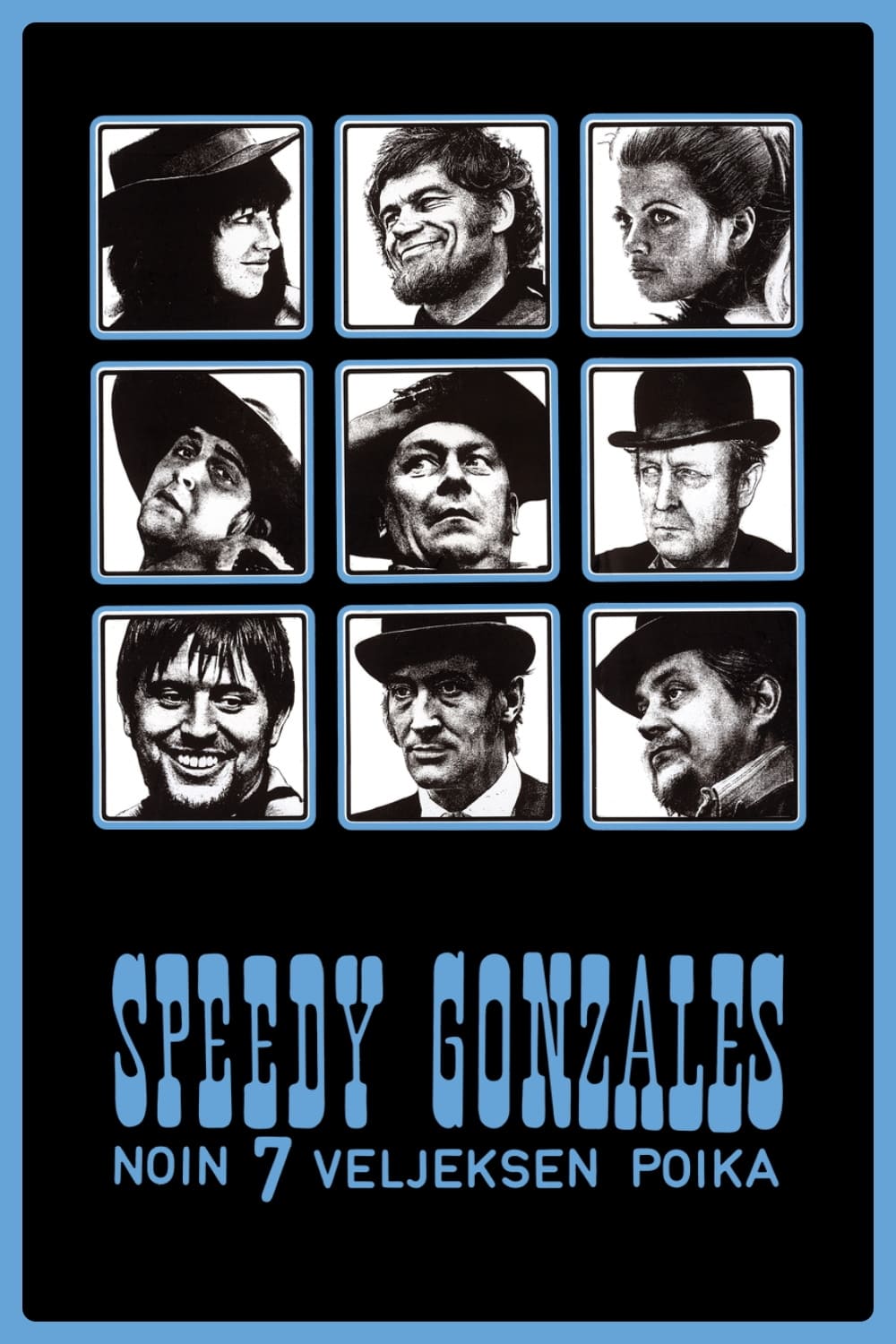
Speedy Gonzales arrives in a small village in New York to investigate the mysterious death of his brother Moses, with the help of the lively Rita. In the village, they are met by Hämeen Hitain, Manolito, Bat Mastersson, and Clyde, among others, with whom Speedy must compete. His curiosity ultimately leads him to become the target of a manhunt.
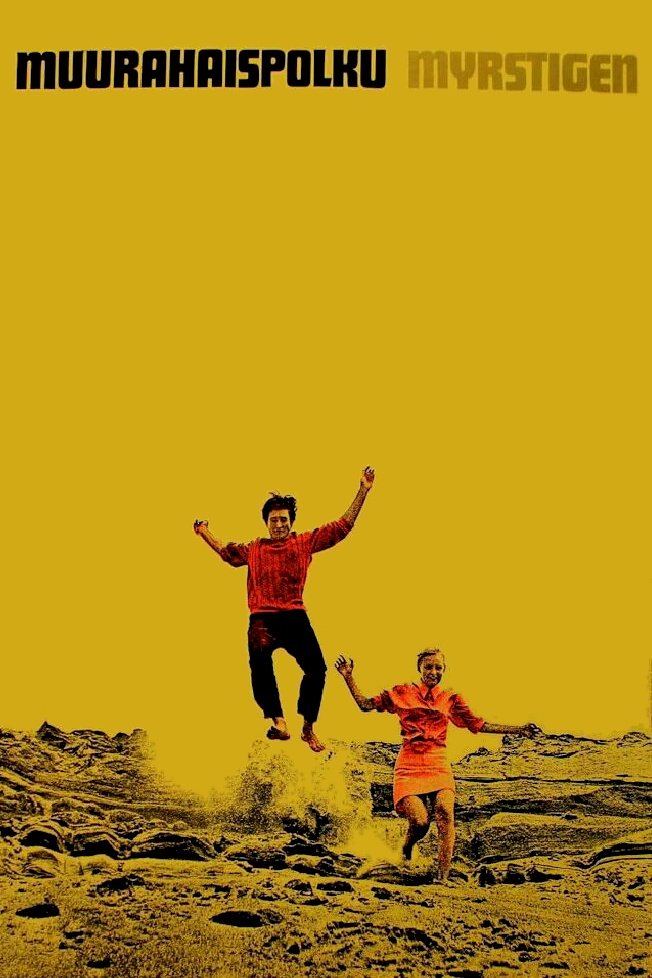
On a road trip across Finland, Jari stops in a small town where he meets Marja. The young people continue their journey together all the way to Haaparanta, until a police raid reveals that Jari's car is stolen. Their escape takes them even further north, where they team up with a gold miner.
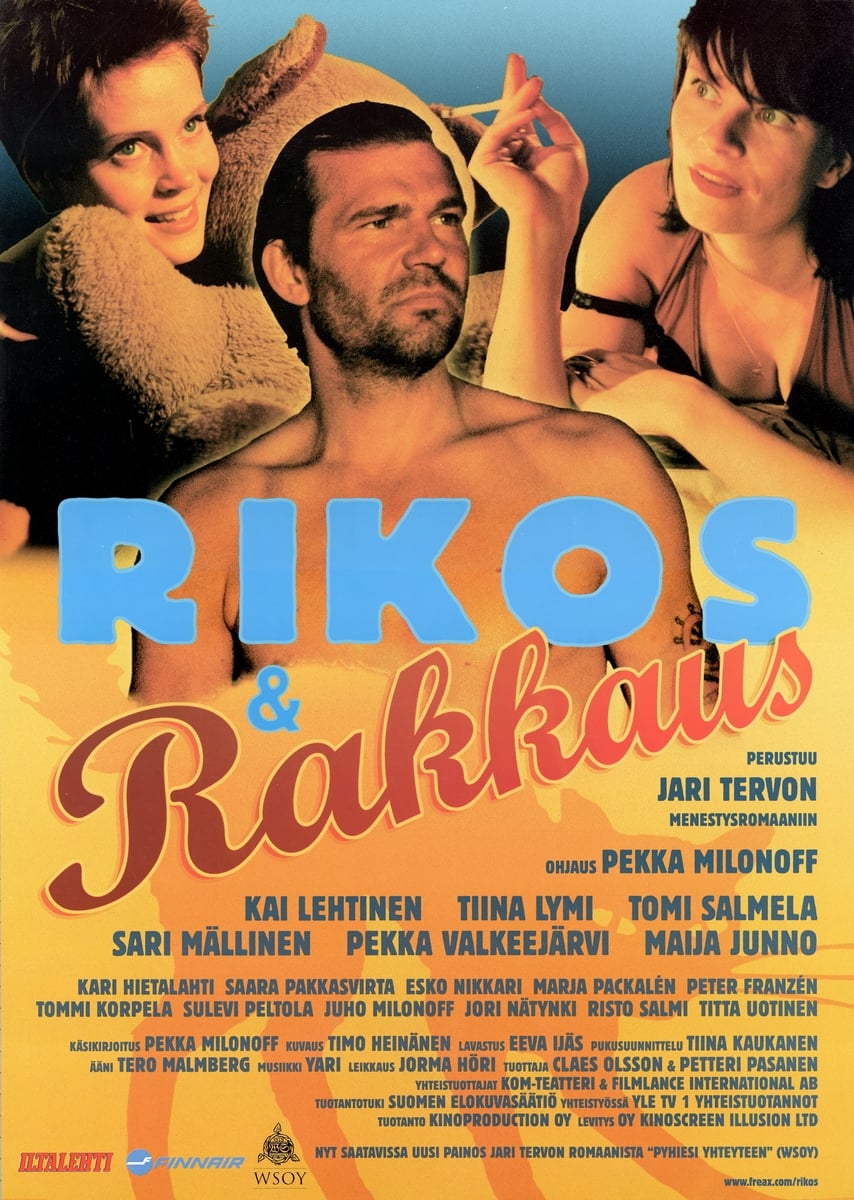
In a comedy set in Rovaniemi, the parish’s housekeeper Kristiina Pahka falls in love with Marsipaani Räikkonen, even though he knows that the man is a petty criminal. Under the leadership of hard-hitting Inspector Rautapää, the city’s police force will have to investigate many kinds of crimes, of which Marsipaani’s close friends know one or another.
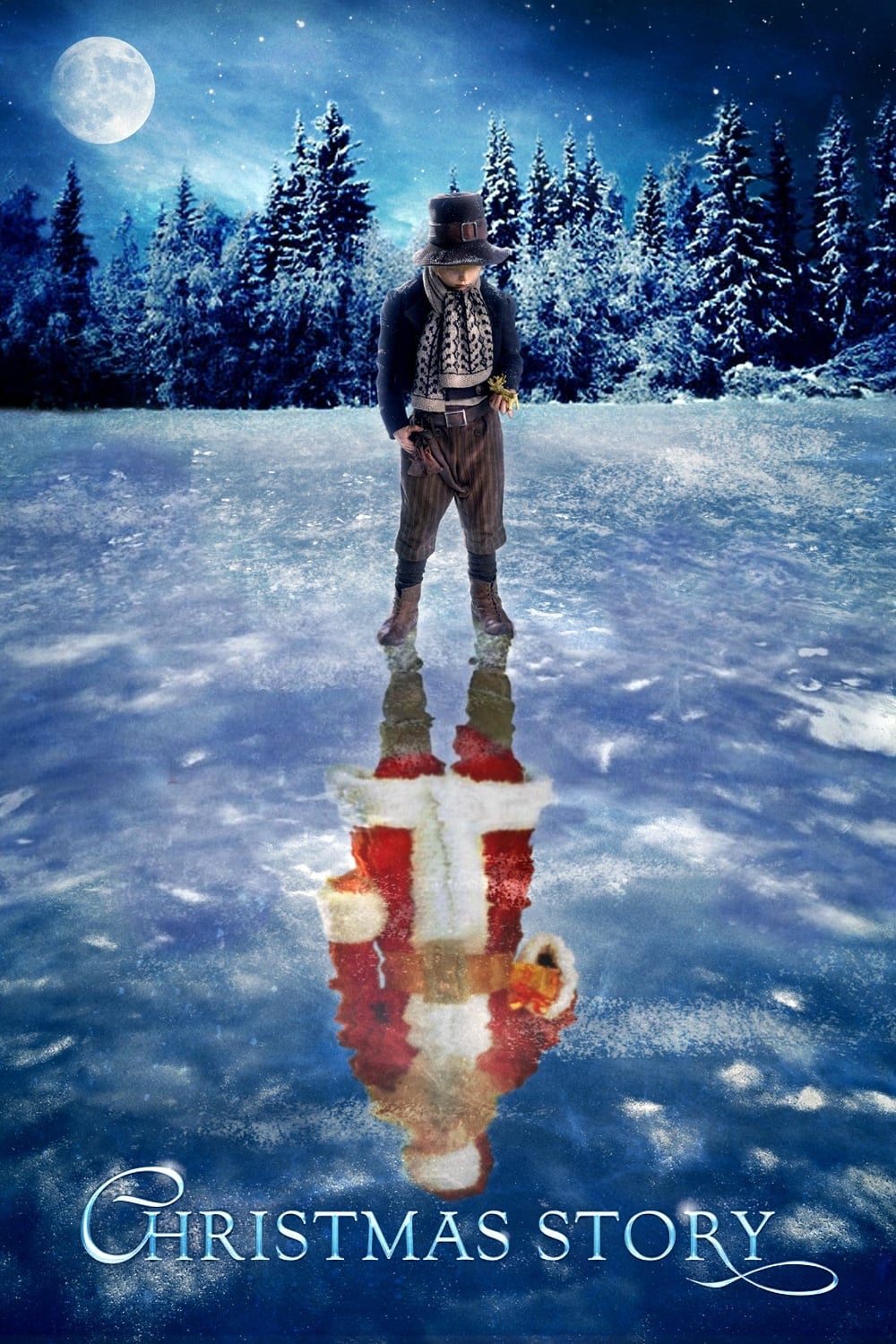
Hundreds of years ago in Lapland, a little boy named Nikolas loses his family in an accident. The villagers decide to look after the orphaned boy together. Once a year - at Christmas - Nikolas moves to a new home. To show his gratitude, Nikolas decides to make toys for the children of the families as good-bye presents. Over the years, Nikolas's former adoptive families become many, and soon almost every house has presents on its doorstep on Christmas morning. At thirteen, Nikolas is sent to live and work with Iisakki, a grumpy old carpenter, who forbids Nikolas to continue making presents for Christmas. Gradually, however, Nikolas wins Iisakki's trust. Together they begin to look after the Christmas traditional that Nikolas has begun. When the aged Iisakki has to leave Nikolas and move away, the tradition of Christmas presents is once again at risk. Thankfully, Nikolas comes up with a solution that brings children joy every Christmas, even continuing to today.
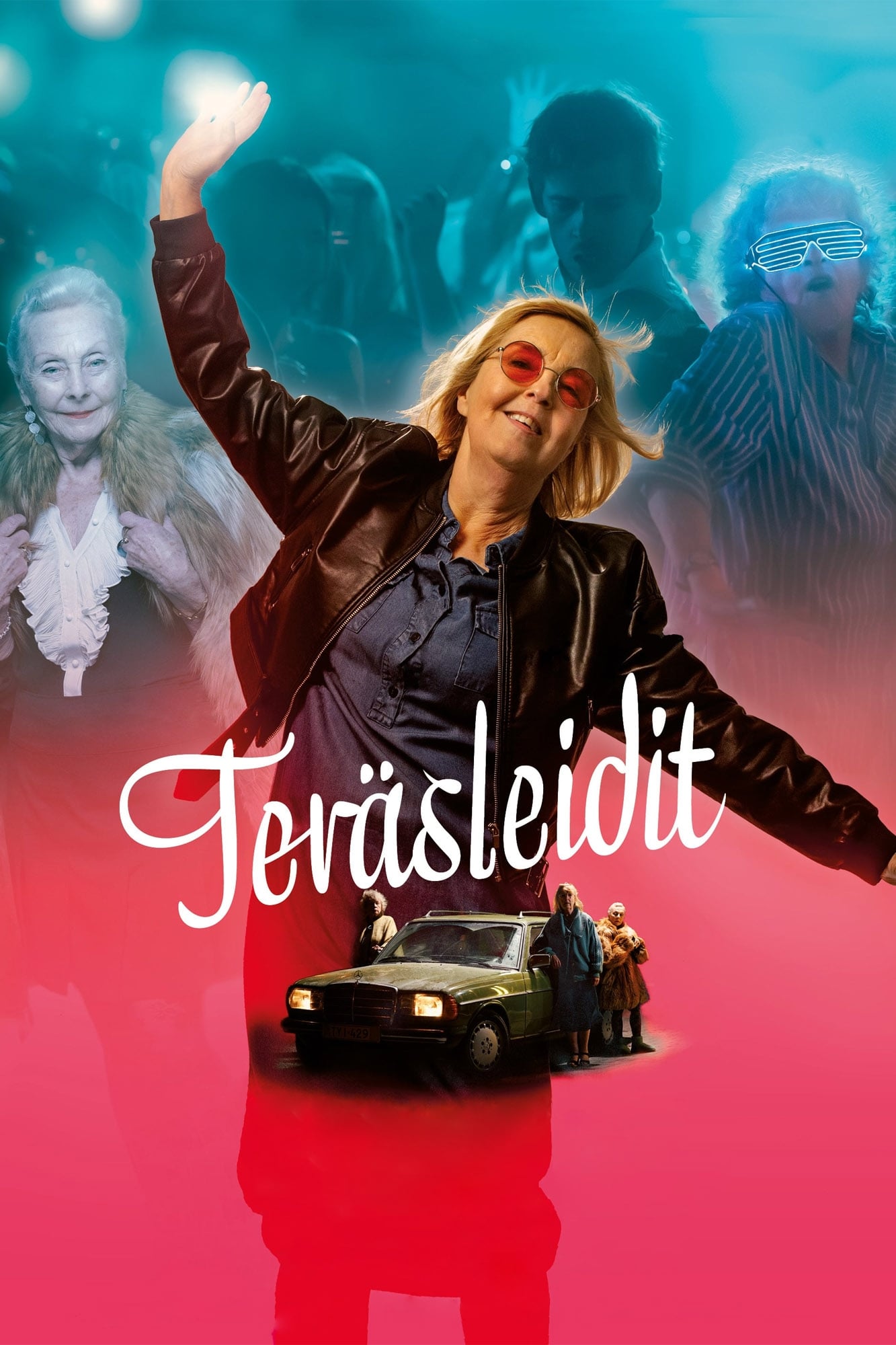
Inkeri, 75, has hit her husband on the head with a solid iron frying pan and is planning to bury him in their garden. Before facing the rest of her life in prison, there may yet be a moment left to really live. Inkeri makes her sisters Sylvi and Raili join her on a trip to the Koli National Park. Will Inkeri find in her that free young woman who desired a feminist revolution in the 70s?
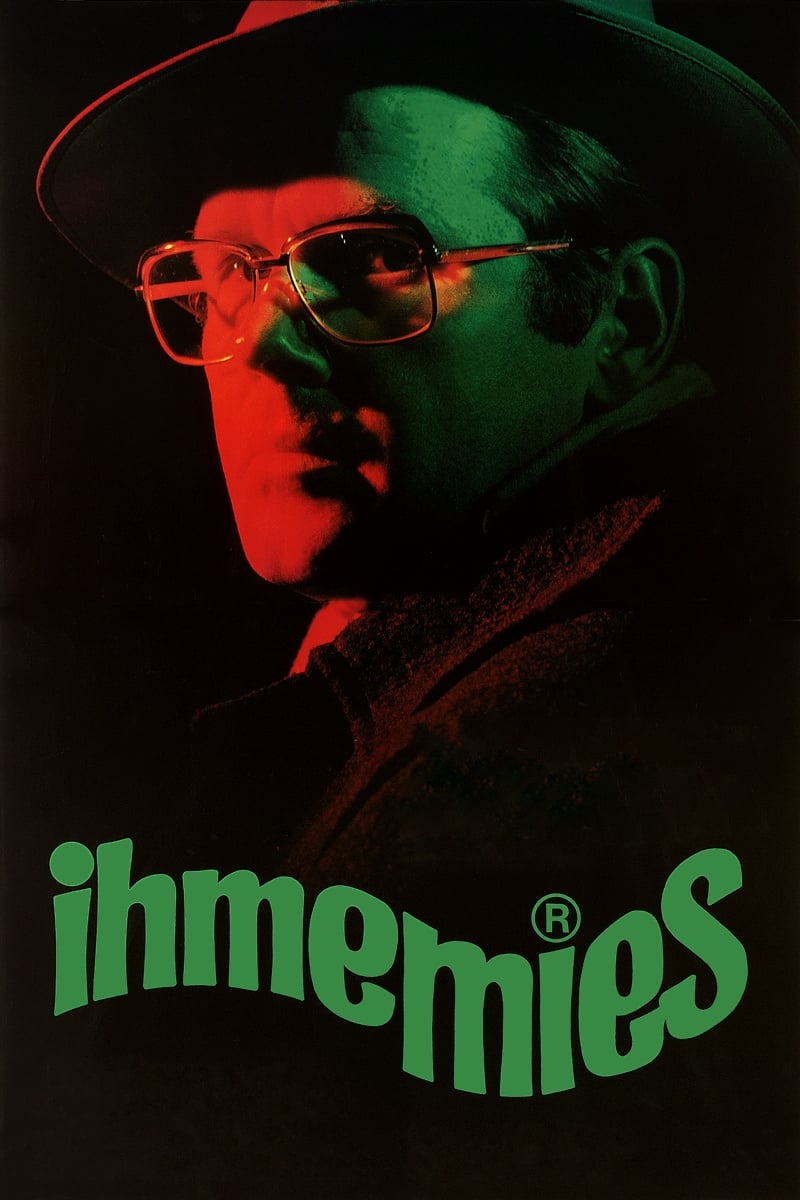
Olli Ruusunen attended a special training course in the US, where his brain capacity has been developed to the extreme.

A comedy of a Finnish man who falls in love, gets tangled deeper into a circle of lies and finds out that he has suddenly changed his name, nationality and skin colour for the sake of love.

An old man gets lost looking for a post office. Every time he turns around a street corner, he ends up in the same small café. The café owner builds an ice sculpture of the woman he admires.

The daughter of two famous writers, Helena upholds her late father's reputation, reciting his poems on various occasions and cherishing the memory of the legend. Relations with her mother have deteriorated since she moved to Sweden. Helena blames her mother for abandoning her father. Helena and her mother meet again as Helena's mental health deteriorates and in order to cope, she must face reality through her mother's memoirs. Helena becomes intensely involved in the story and relives it by imagining herself in her mother's place.