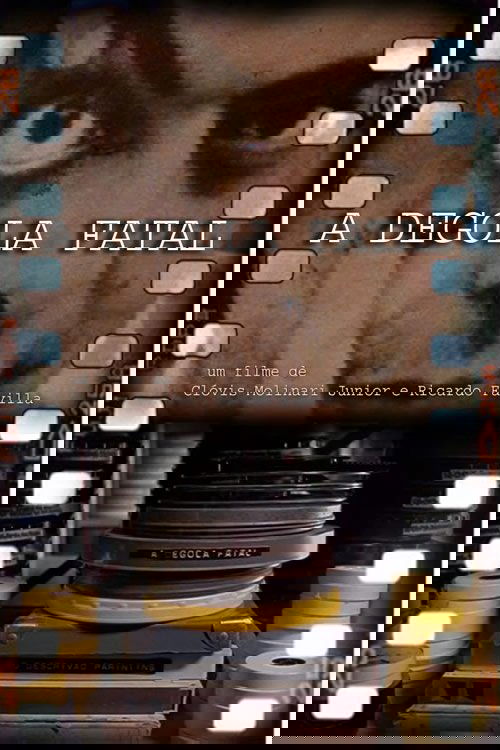
"Portraits and excerpts from Brazilian films from all times. Actors, directors and images that affirm cinema."

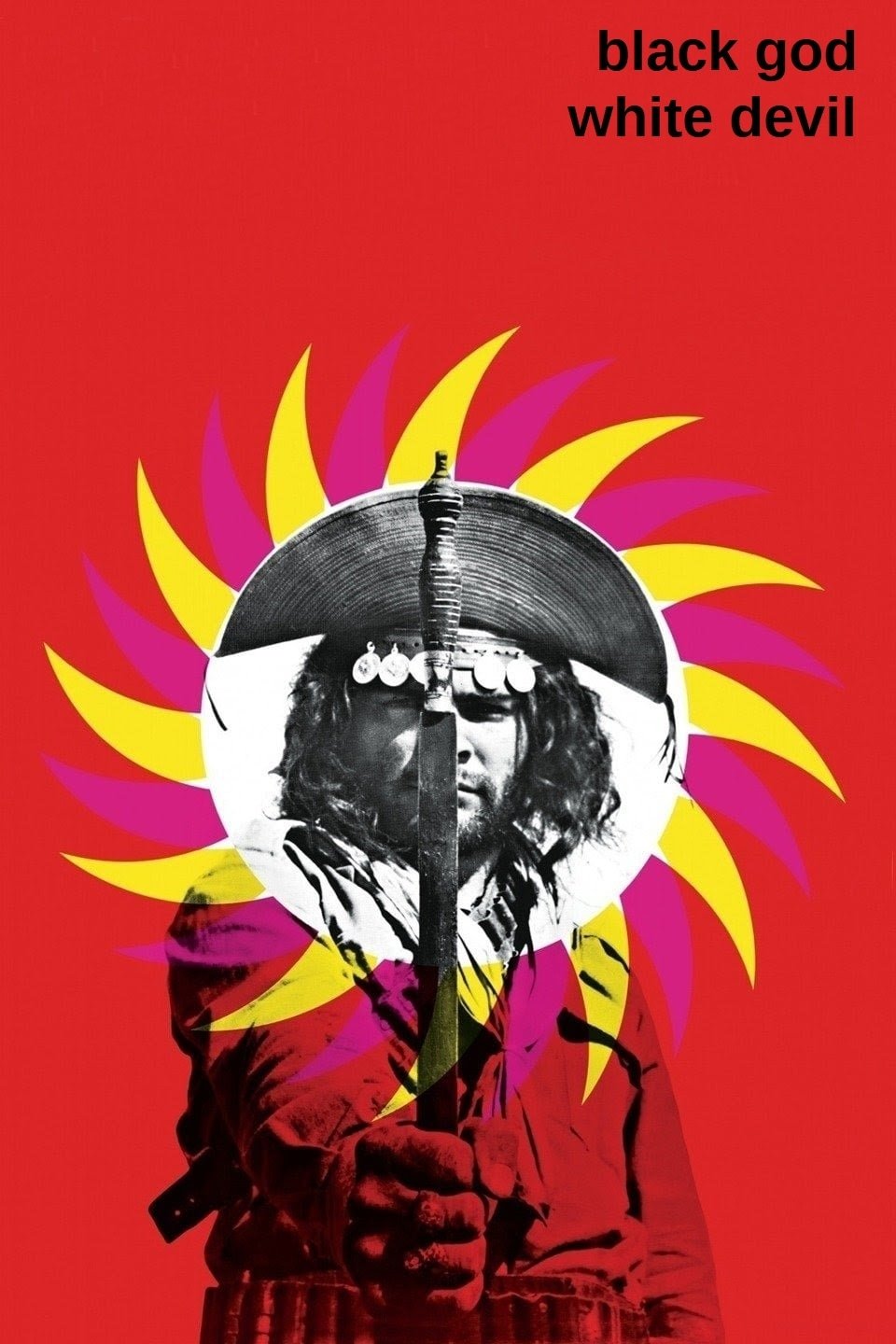
Wanted for killing his boss, Manuel flees with his wife Rosa to the sertão, the barren landscape of Northern Brazil. Thrust into a primordial violent region, Manuel and Rosa come under the influence and control of a series of frightening figures.

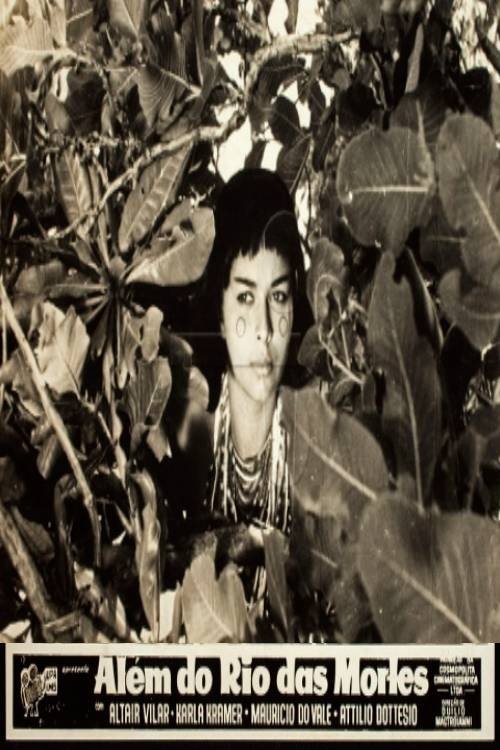
Young women in the Amazon are kidnapped by a ring of devil-worshipers, who plan to sell them as sex slaves. Some of the women escape, but are pursued into the jungle by their captors. The women must band together to turn the tables on their kidnappers.
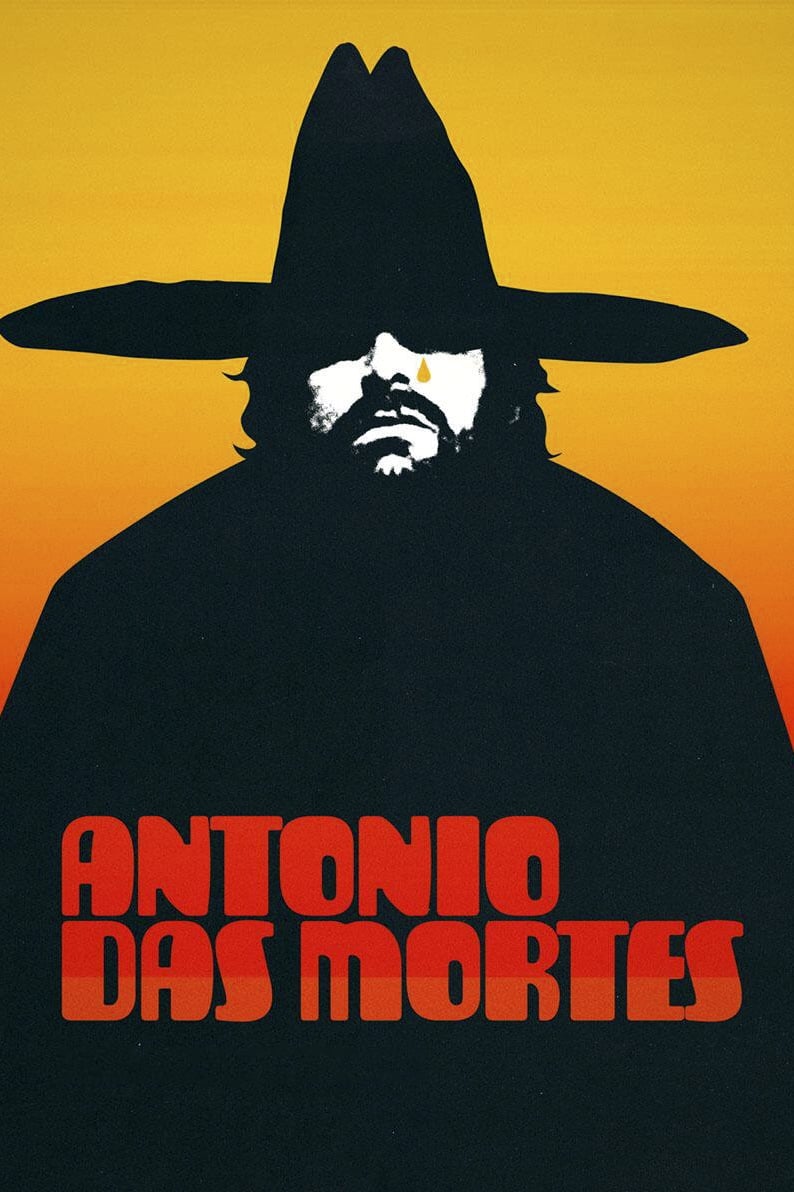
A new incarnation of Cangaceiro bandits, led by Coirana, has risen in the badlands. A blind landowner hires Antônio to wipe out his old nemesis. Yet after besting Coirana and accompanying the dying man to his mountain hideout, Antônio is moved by the plight of the Cangaceiro’s followers. The troubled hitman turns revolutionary, his gun and machete aimed towards his former masters.

'Bruce' goes to head with bandits who are terrorising and murdering villagers.
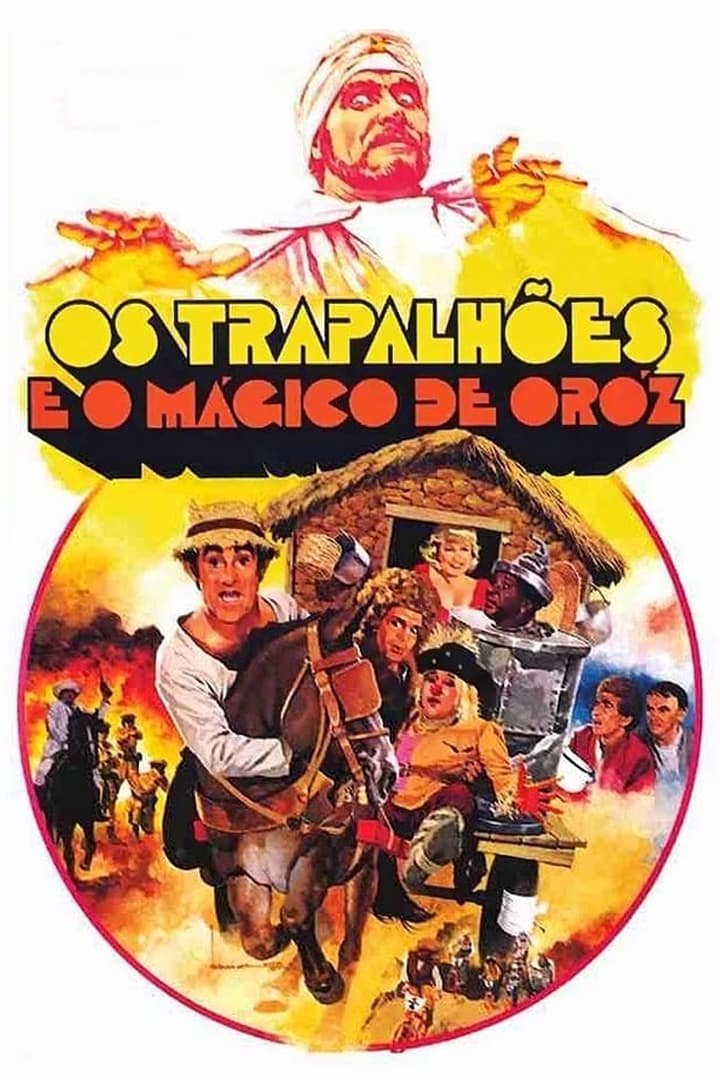
Didi, Soró and Tatu in search food and water head for the town of Oróz. On their journey they find a Scarecrow, a man in a metal vat, and later are arrested by a Lion Sheriff.

The team of Galinheiro Futebol Clube, formed by emeritus fighters, has as technical Cardea, advised by three direct assistants: Elvis, former player as Cardinal and aspiring singer; Fumê, cook of Independência Futebol Clube, great team in which Cardeal also works as a wardrobe; and Lupine, samba and composer.
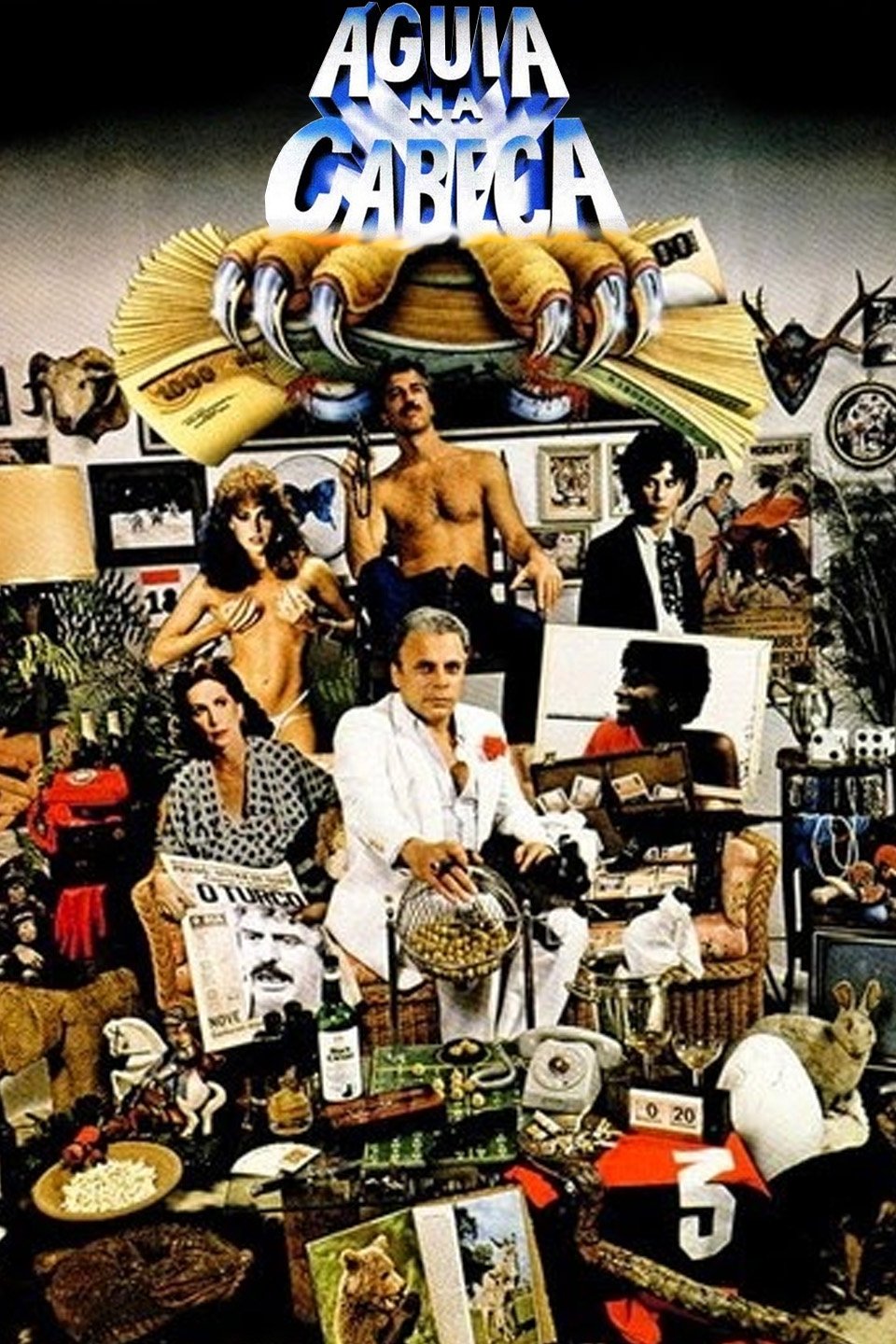
A senator having contacts with illegal betting activities is killed by the man who is his right arm, who wanted to get his position. But the power structure resents this disturbance and can fall apart, specially since there's a witness.
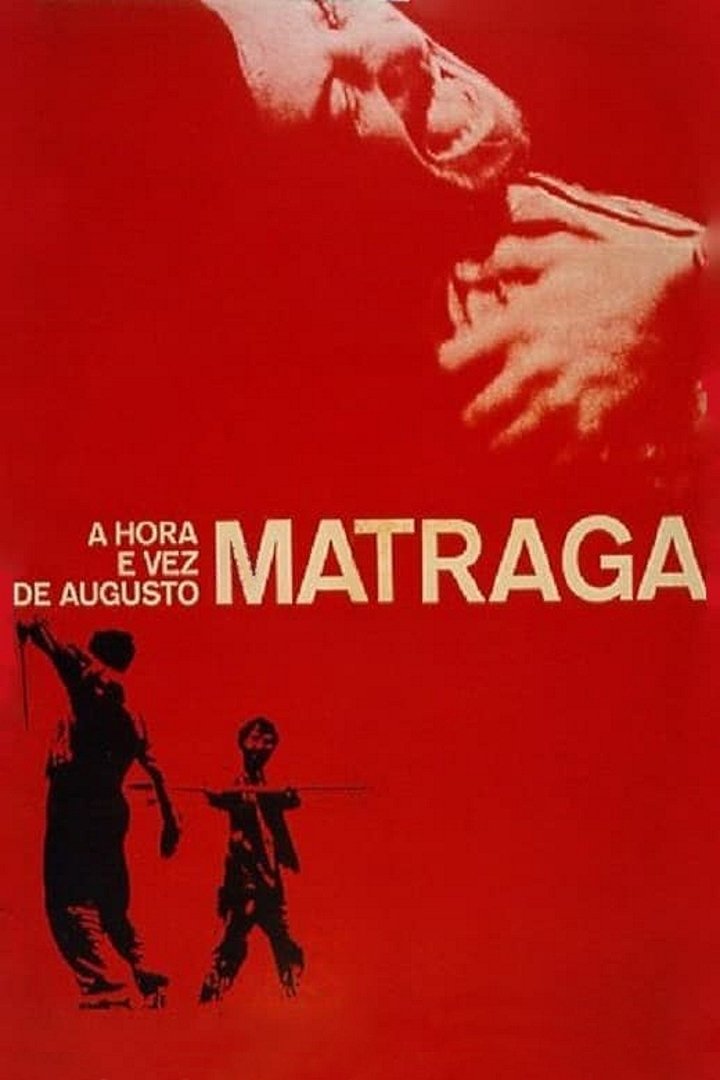
Augusto Matraga is a violent agressive farmer who, after being betrayed by his wife and trapped by several enemies, is beaten up and left for dead, being rescued by a couple of humble small farmers who nurse him for a long time until he is well again. Influenced by the couple, Matraga starts a long penitent life while waiting for his hour and chance to payback, starting a fight between his violent nature, his hidden desire of vengeance and the mysticism and goodness which is also part of him.
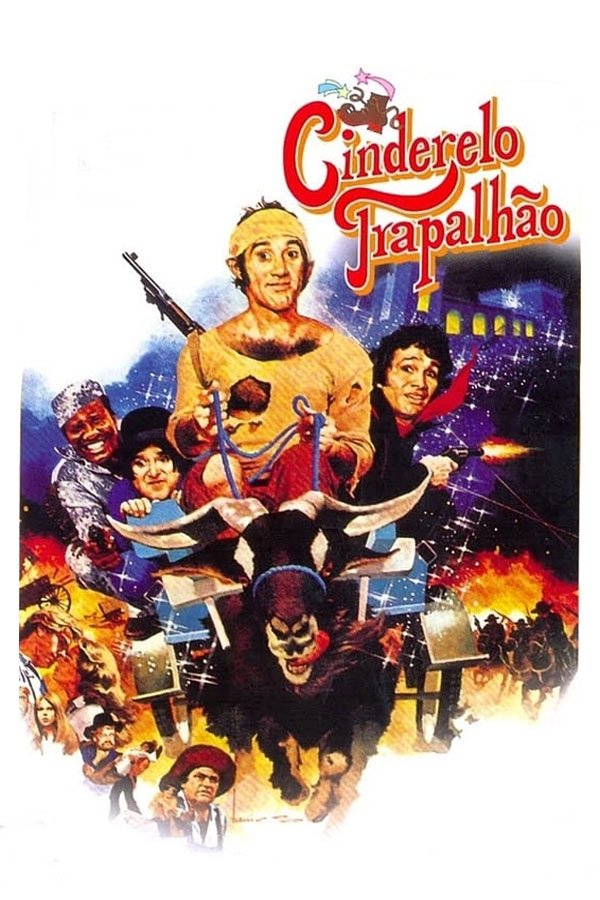
Cinderelo is a quiet young man from a small town, looked down upon by his peers for being dirty and cowardly. In truth, he is very brave and shows his strength when a family of devout people asks the group for help against a powerful landowner, Colonel Dourado. The colonel covets the family’s land, which is located in an oil-rich area. Dona Ivete, the landowner’s niece, assists the Trapalhões in fighting against the henchmen led by Souza.

Noronha is a low middle-class civil servant who lives with his frustrated wife Gorda and their four eldest daughters. The youngest one, virginal Silene, is unexpectedly sent back from boarding school after killing a female cat and her seven newborns in a hysterical fit. Many dark family secrets will emerge from that episode leading to tragic events.

Life and death of the jesuit who fought for the peaceful relationship between colonists and the indigenous peoples of Brazil.
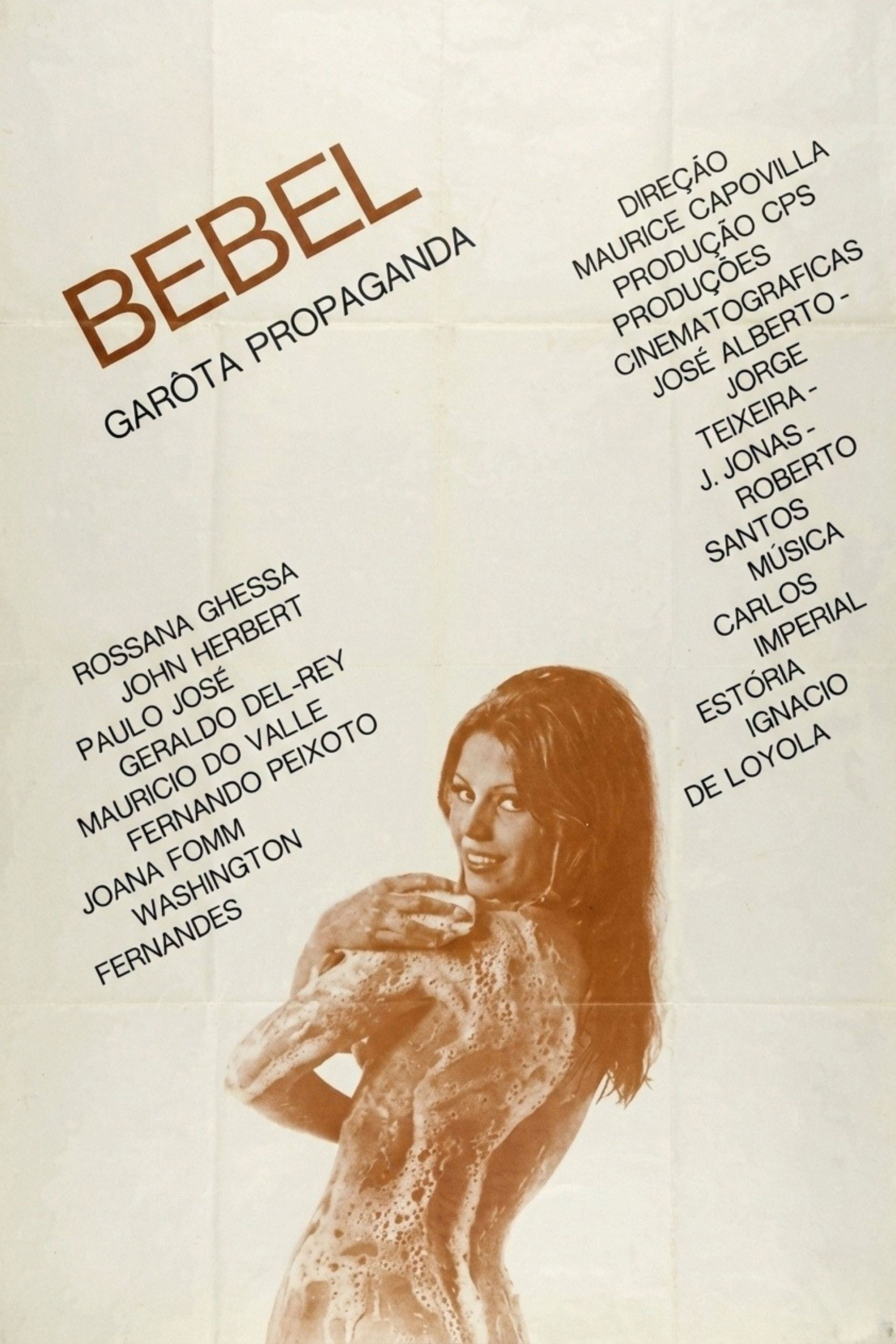
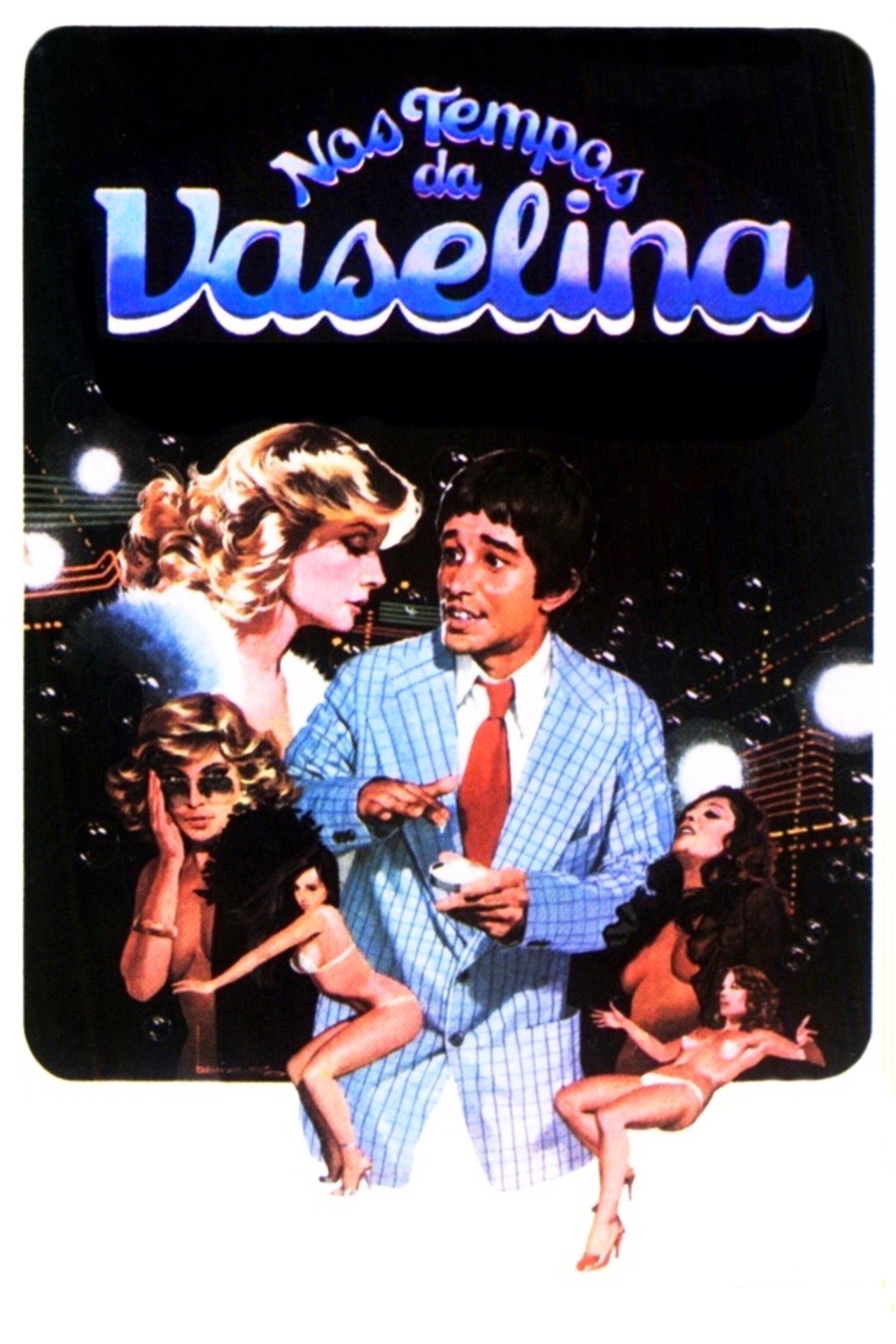
Poor and beautiful girl is hired by a sales promoter to advertise a new brand of soap. The success is immediate, but the need for a new face hinders her way to stardom.
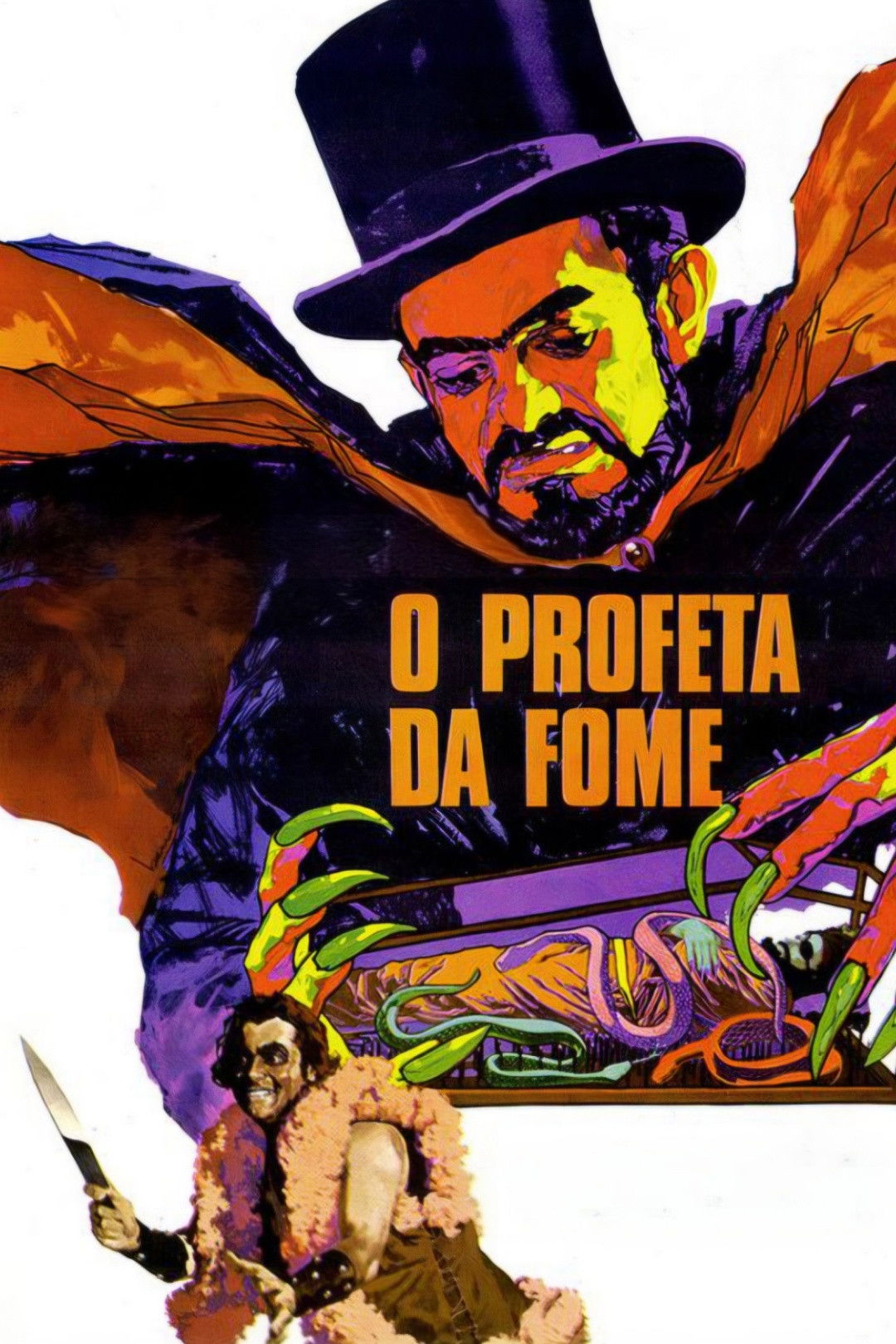
The story of a fakir who works in a decadent circus. He and his colleagues do weirder numbers each day to attract audience, and warrant their survival. The numbers resemble a horror-show and they get marginalized. Through fable and allegory, reality turns stronger and stronger, and more absurd.

The dreams and problems of three friends: Malagueta, an inveterate gambler; Perus, former factory worker who abandoned the assembly line to earn his living at the billiards; and Bacanaço, trickster who puts on chic airs, always dreaming of performing the ultimate big swindle.

A religious comedy in 5 segments, illustrating maniqueism on Earth, as shown by movies. God and his son Jesus disagree on how to manage human life on Earth.

The destiny of four women - a beautiful model, an alcoholic, a middle-aged spinster and a famous model - is traced inside an advertising agency. They all look for true love and professional recognition, but get involved in turbulent relationships instead.
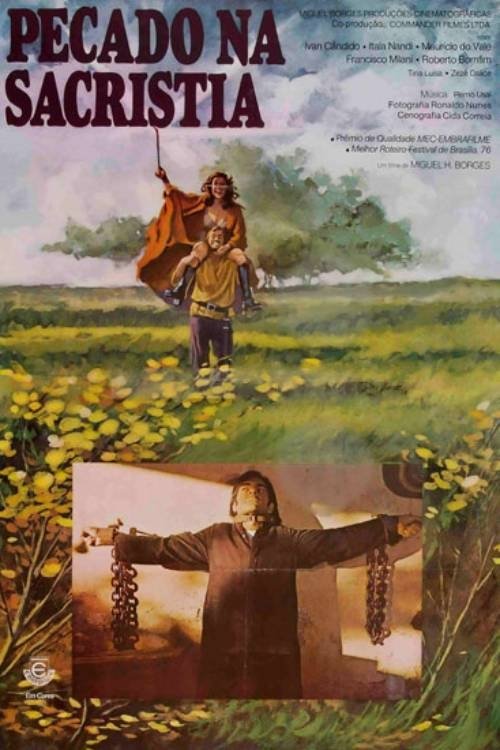
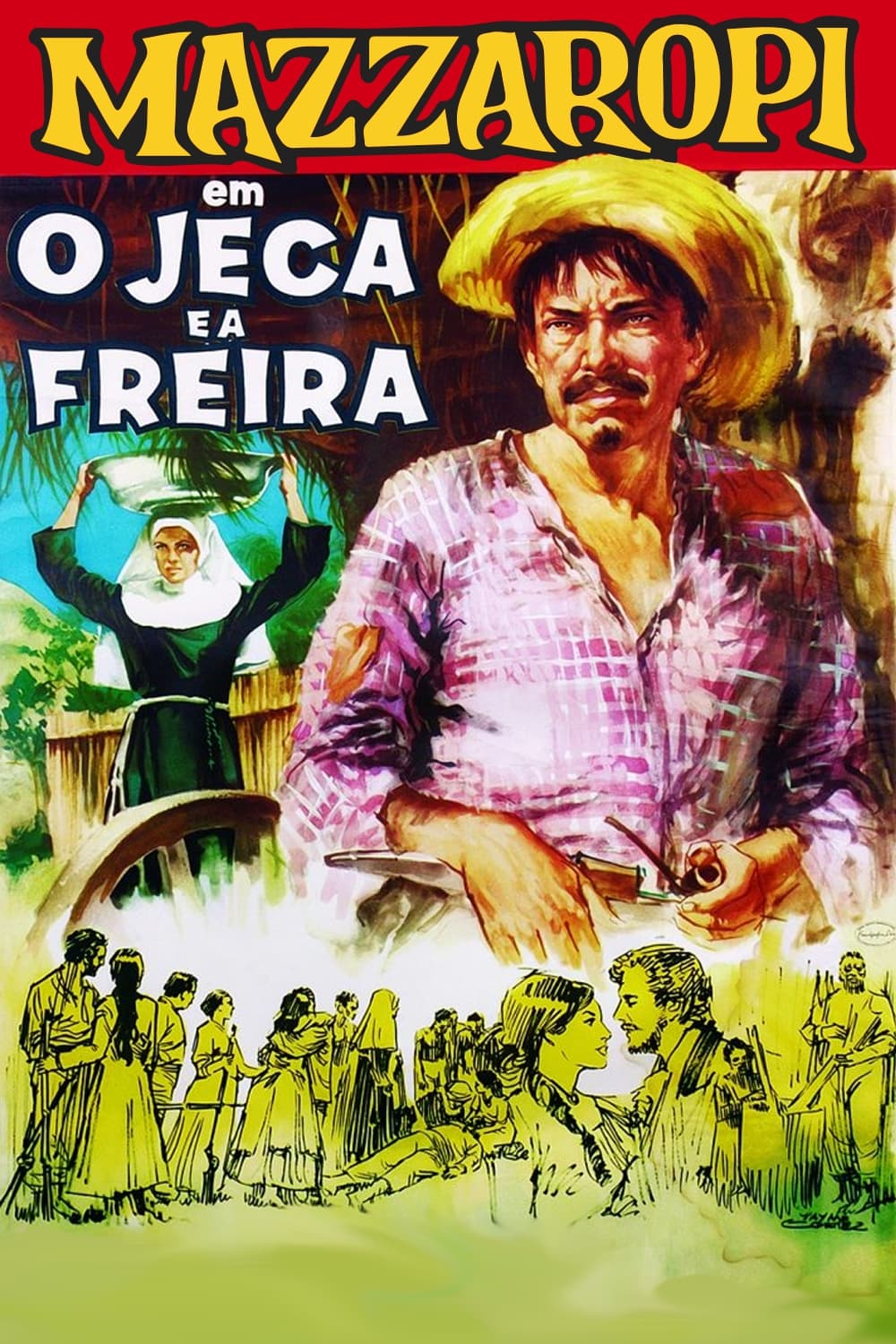
In the interior of Brazil, a farmer is responsible for the education of the daughter of one of his settlers. Years later, the girl returns from school with a nun and the farmer does everything to prevent her from know her parents.
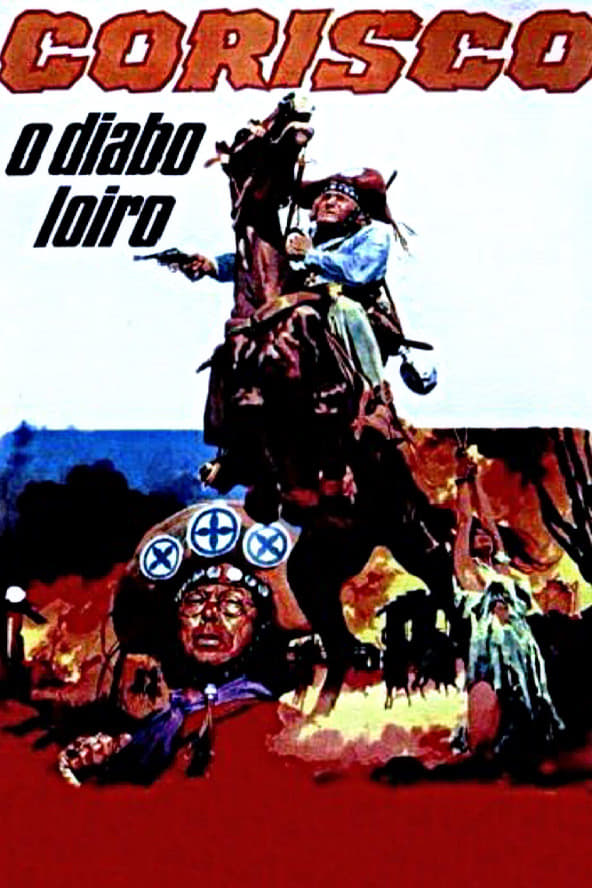
After killing a troublemaker, Cristino flees to a town in the Northeast and is forced to join Lampião's gang, where he becomes his right-hand man, under the name Corisco, the Blond Devil. He falls in love with Dadá, a farmer's daughter, and takes her with him by force. Gradually, she learns to love him, and they live together for 13 years in the cangaço. Corisco escapes the Angico massacre but is captured by Lieutenant Zé Rufino's volante after beheading the family of Lampião's informant. Dadá and Corisco, on the way to hand them over to the authorities, reminisce about the adventurous adventures of their lives.
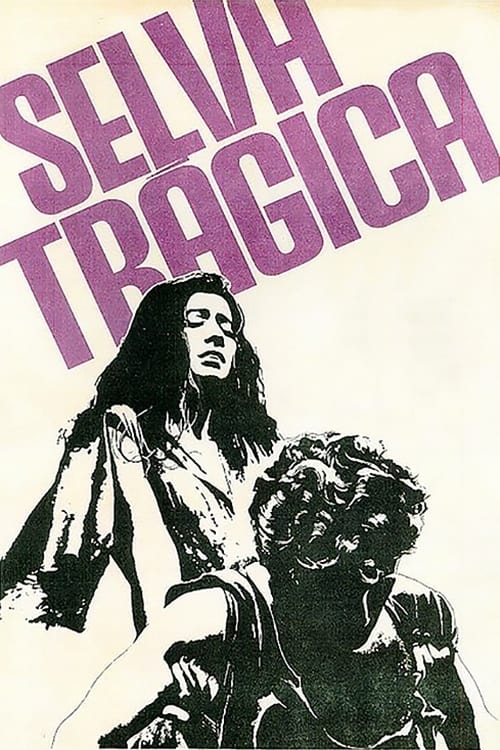
In a company trading maté, workers are treated as slaves. Some of them try to escape, but those who are caught suffer severe punishments.
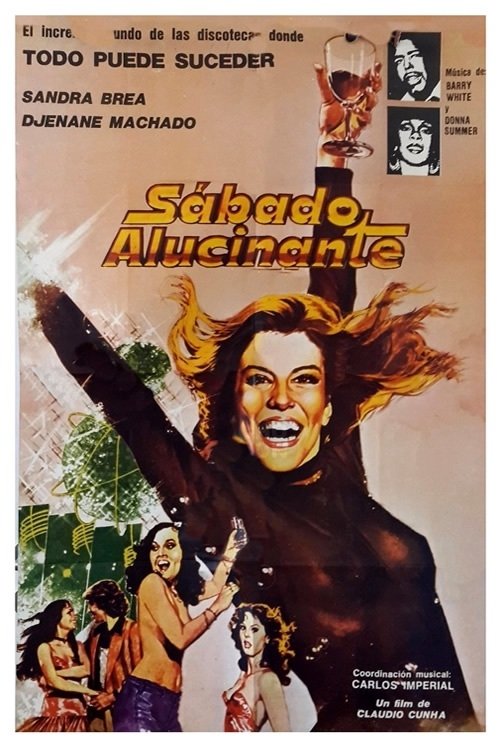
From Friday night 'til Sunday morning, the doors of a new world open inside a nightclub in the South Zone of Rio de Janeiro. We watch the emotions and conflicts experienced by a series of characters, who find on the dance floor the ideal stage to represent the tragedy of their lives.
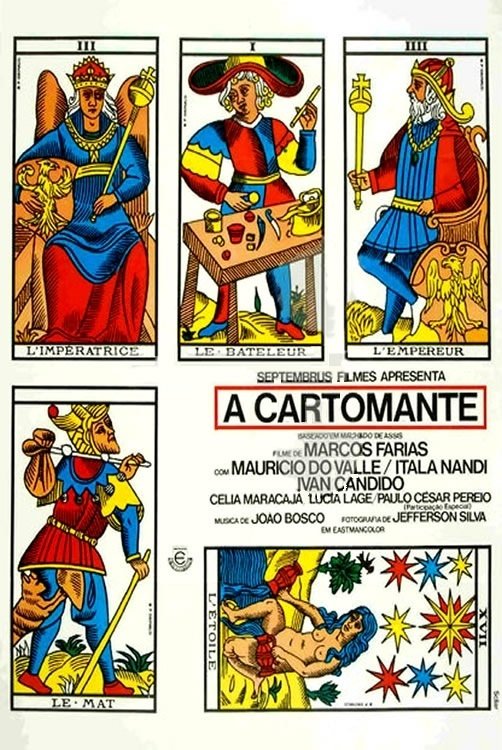

Earning her living by dubbing American TV Series, a woman dreams of becoming an international Hollywood star.
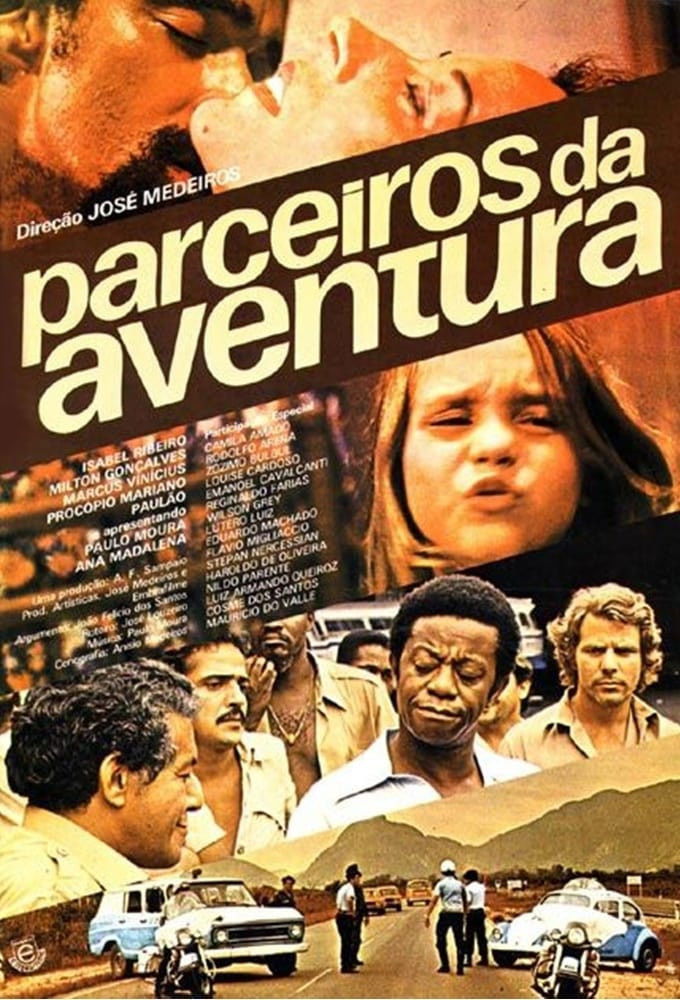
Rio de Janeiro crooks rove about, performing petty tricks to survive, and get involved with a woman who steals cars.
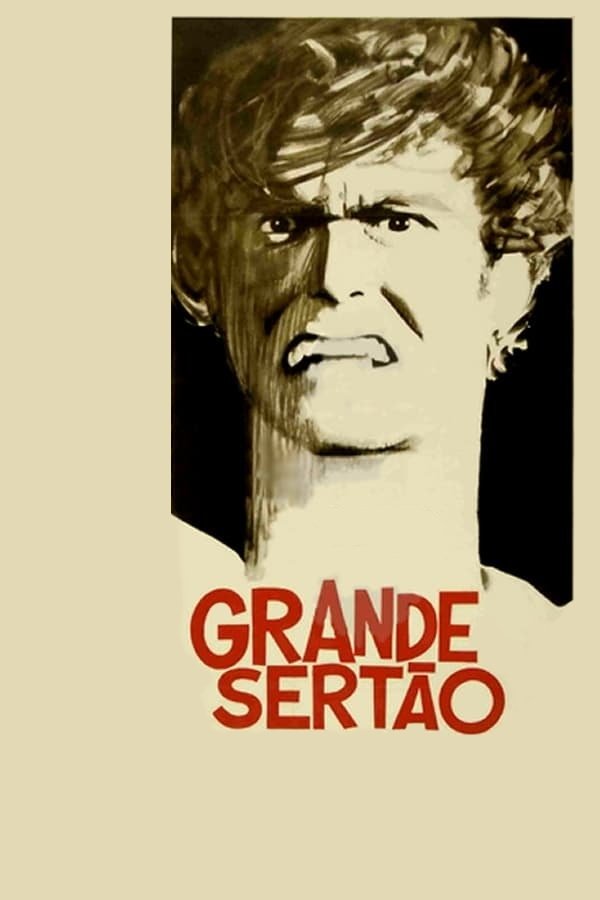
Cowboy Riobaldo is attracted to same sex Diadorim, not knowing that "he" is a girl dressed in man's clothes. After Diadorim's father is killed, she swears revenge, being joined by Riobaldo in this mission.
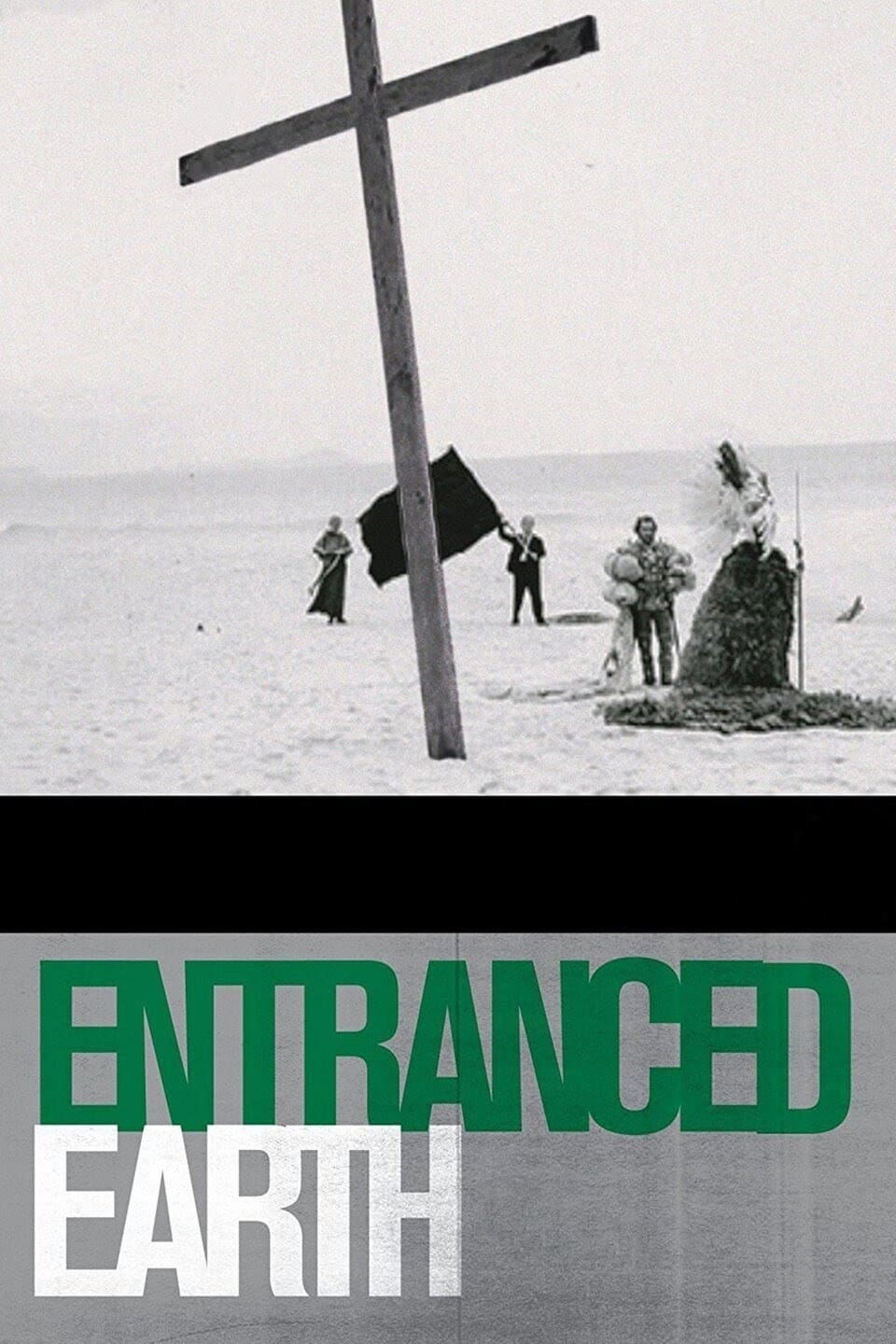
Eldorado, a fictitious country in America, is sparkling with the internal struggle for political power. In the eye of this social convulsion, the jaded journalist Paulo Martins opposes two equally corrupt political candidates: a pseudopopulist and a conservative. In this context, Paulo is torn between the madness of the elite and the blind submission of the masses. But, in this complex tropical reality, nothing really is what it seems to be.
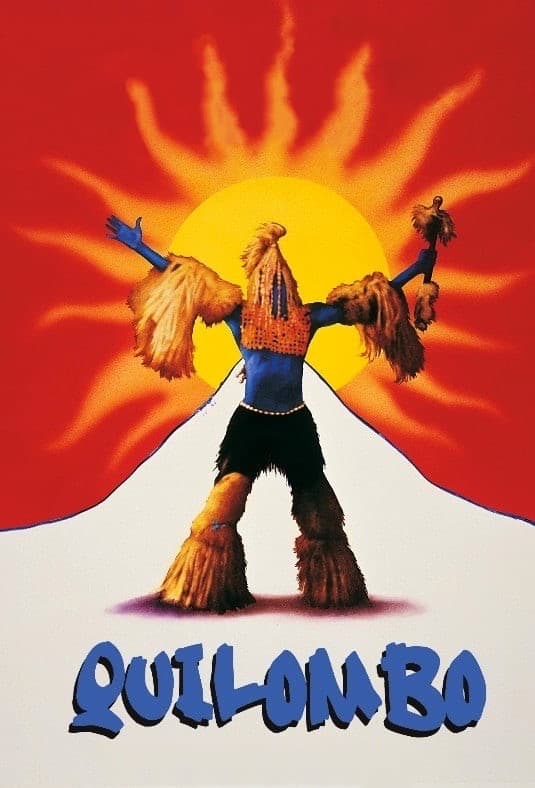
Quilombo dos Palmares was a real-life democratic society, created in Brazil in the 17th century. This incredibly elaborate (and surprisingly little-known) film traces the origins of Quilombo, which began as a community of freed slaves. The colony becomes a safe harbor for other outcasts of the world, including Indians and Jews. Ganga Zumba (Toni Tornado) becomes president of Quilombo, the first freely elected leader in the Western Hemisphere. Naturally, the ruling Portuguese want to subjugate Zumba and his followers, but the Quilombians are ready for their would-be oppressors. The end of this Brave New World is not pleasant, but the followers of Zumba and his ideals take to the hills, where they honor his memory to this day. Writer/director Carlos Diegues takes every available opportunity to compare the rise and fall of Quilombo with the state of affairs in modern-day Brazil.
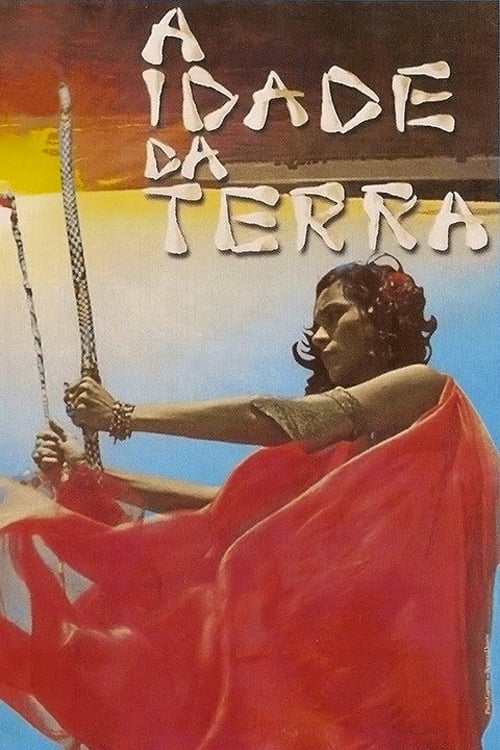
Drawing inspiration from a poem penned by Castro Alves, this film vividly captures the political, cultural, and intellectual climate of Brazil during the late 1970s. At its core, the story revolves around four distinctive embodiments of Christ's image: a black man, a soldier, an Indian, and a guerrilla fighter. These courageous individuals, hailed as the harbingers of doom in the tupiniquim lands, valiantly combat the insatiable avarice and oppressive "civilizing" brutality propagated by the formidable John Brahms—a foreign exploiter devoid of morals.
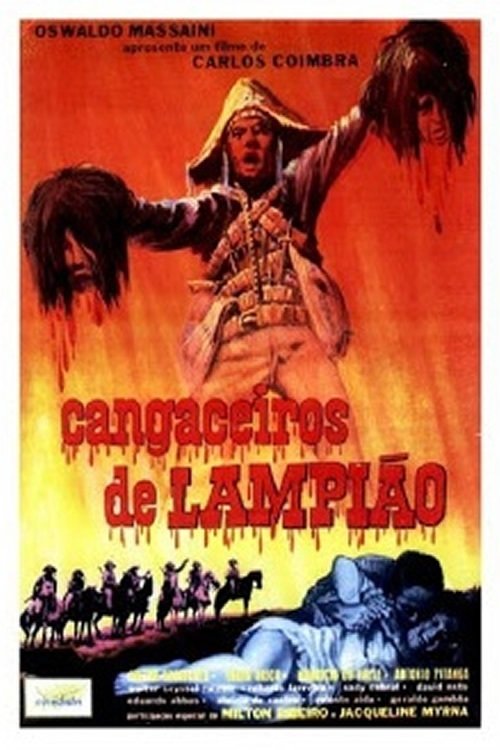
On the day of Pedro Boiadeiro's wedding, a band of cangaceiros who survived the Angicos massacre invade his home, then proceed to beat him up, and abuse and murder his wife. Pedro sets out to get revenge on each one.
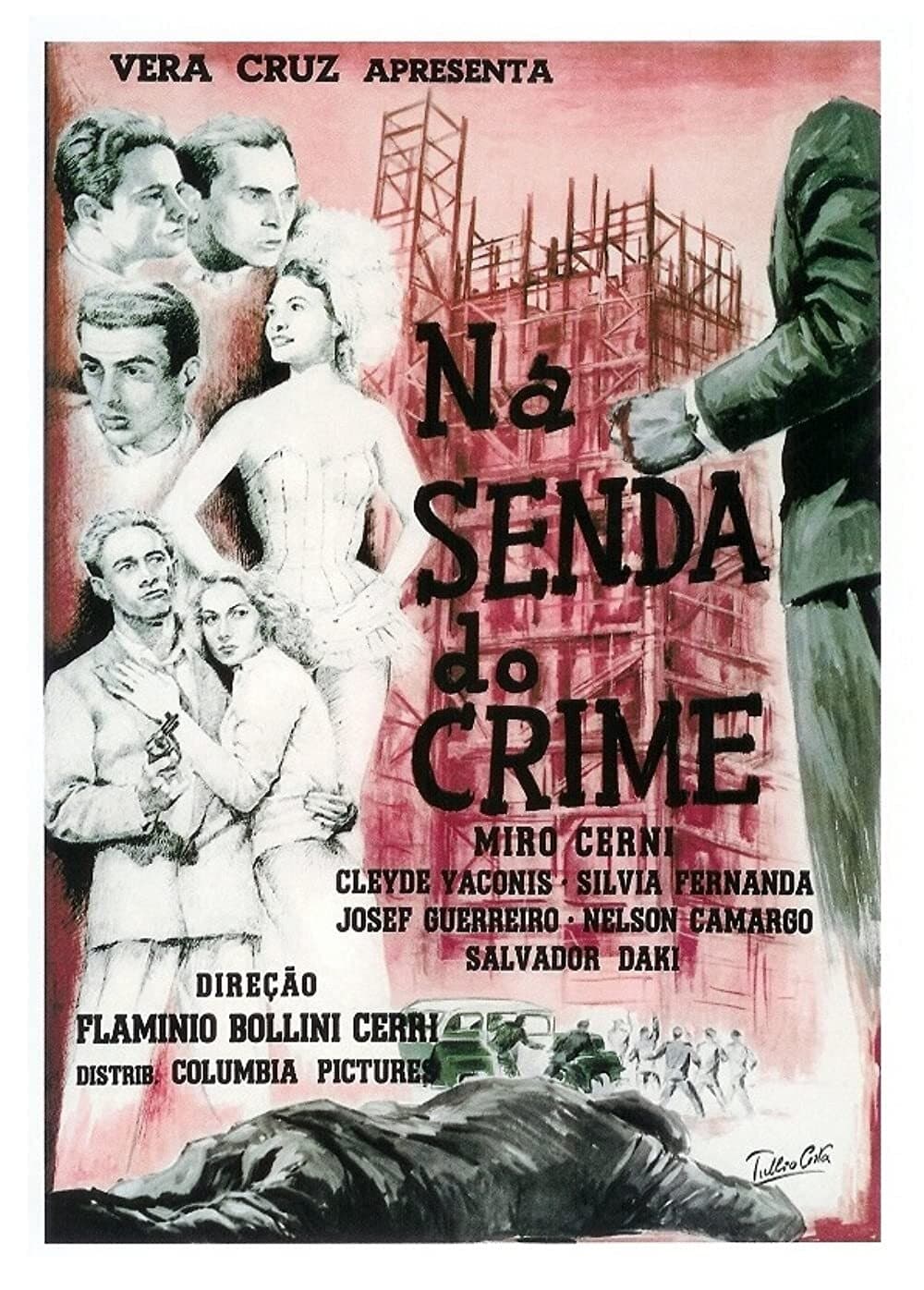
In São Paulo, young Sergio works at a bank where his wealthy uncle is the president. By leveraging his uncle's name to borrow money, Sergio leads a wasteful life, frequenting nightclubs and dating Margo, a sophisticated revue starlet. When his uncle refuses to cover the loans, Sergio finds himself in a desperate situation that leads him down a dark path.
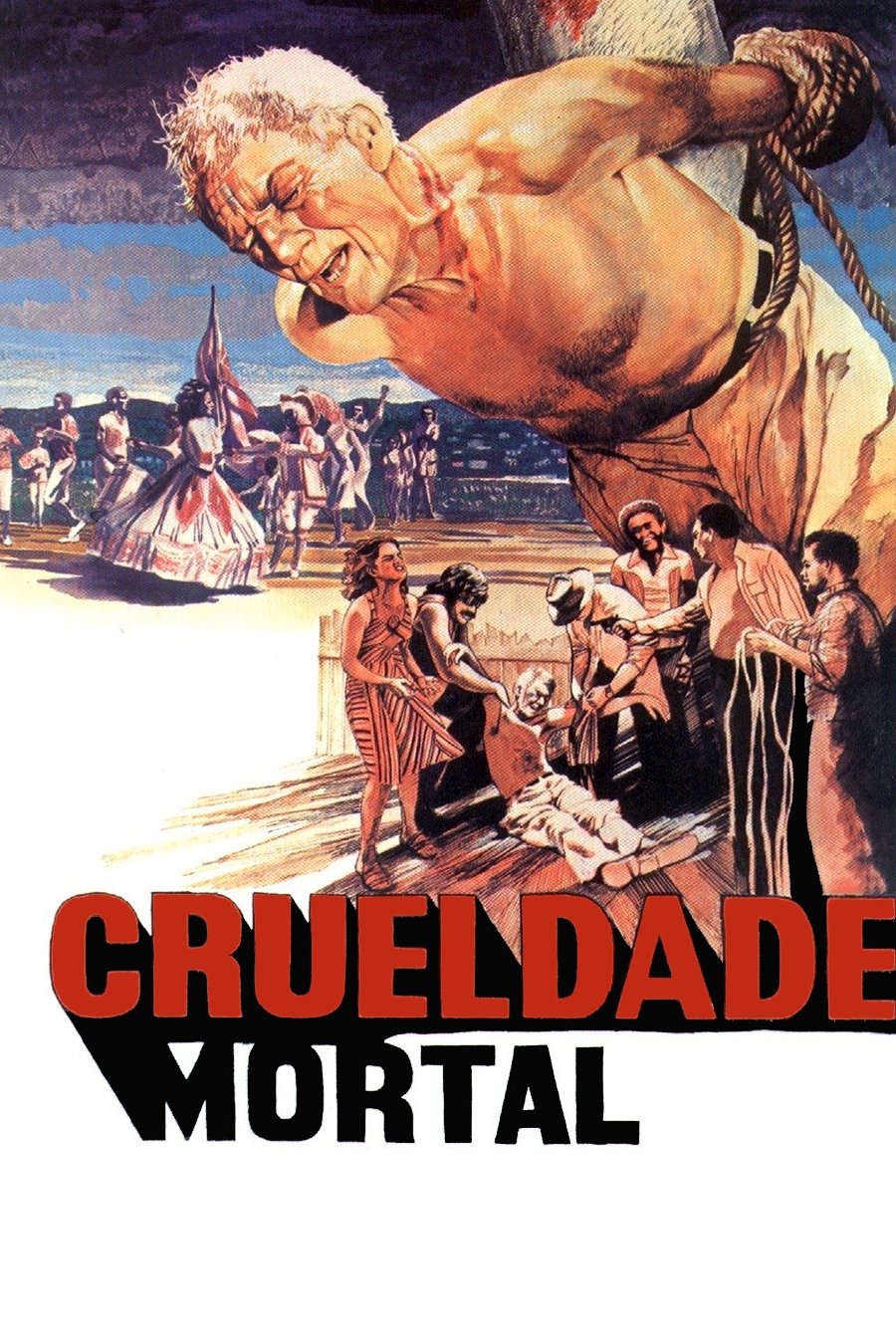
Man leaves his family behind and moves to Nova Iguaçu, a poor and violent city in the outskirts of Rio de Janeiro. He tries to rebuild his life, but falls in love with a woman who despises him, which drives him mad.

Brazilian comedy in two segments. 'Theft of the Panties': Four friends are broke during Christmas. Genaro decides to rob a brothel because he thinks that the victims won't call the police. To get to know the place, one of the friends, Alfredo, disguises as a woman and goes there with Genaro. They set up a plan and then return to execute the robbery. 'I Love Cod': The owner of a bar in the suburbs, the Portuguese Manuel, wins the sports lottery. Three mechanics find themselves wronged for having almost won the prize and abduct Manuel's wife, demanding ransom. Manuel refuses to pay, as he finally got rid of his wife and can now win the woman of his dreams. Knowing this, the wife collaborates with the kidnappers to reverse the plan: Manuel will have to pay the ransom if he does not want to see her again.
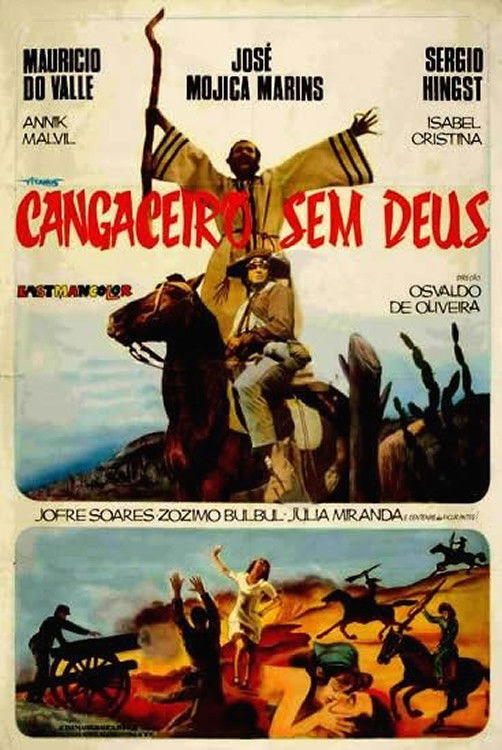
After the proclamation of the Republic, a group of fanatics in the sertão dreamed of and fought for the restoration of the Monarchy. At that bloody time, Fabiano, a quiet boy, becomes a cangaceiro and is attacked by the police. Although wounded, he manages to take refuge on a farm where he is hidden in by Lúcia, the farmer's daughter, with whom he falls in love.
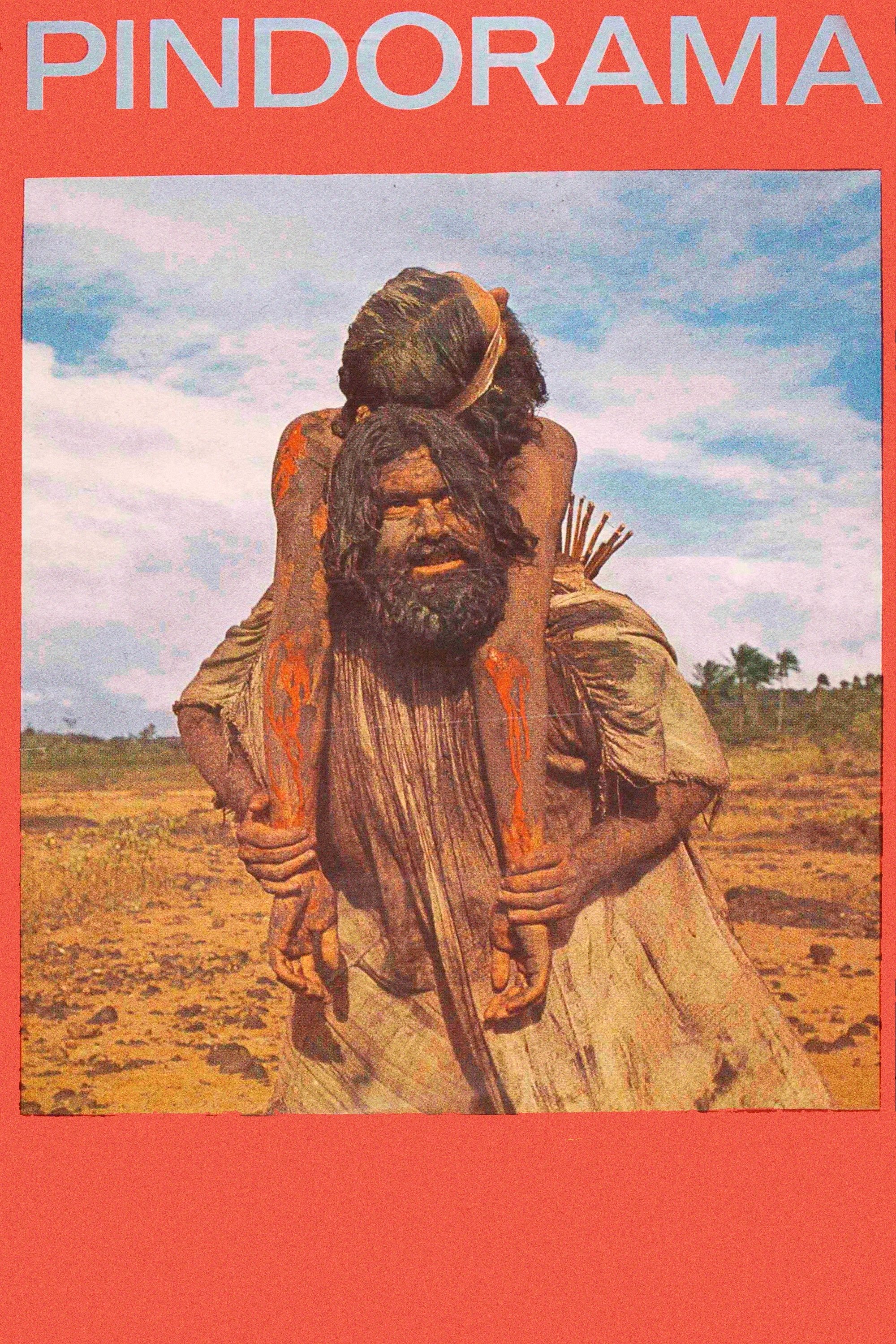
This Brazilian film is set during the period of its initial colonial discovery and settlement. The title refers to a word the native peoples used for the coastal lands: "pindorama," or "place of the small trees." A ponderous and grandiose film, it was roundly booed when it was aired at the 1971 Cannes Film Festival.
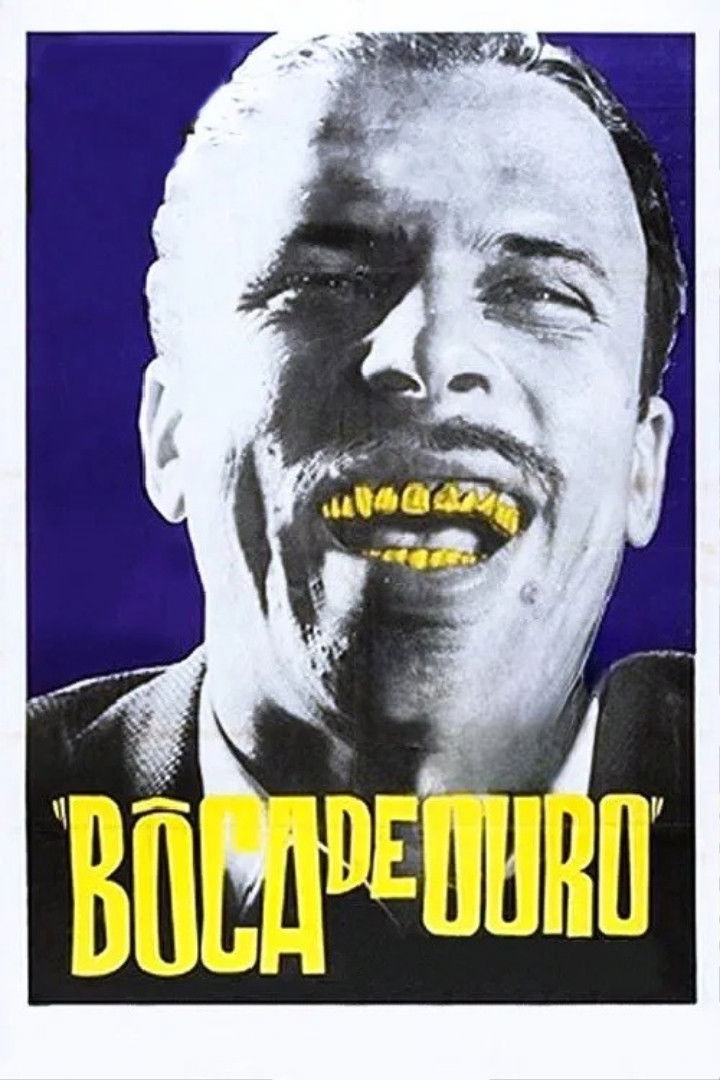
After a powerful outlaw dies, a reporter interviews his lover and gets three different stories about the legendary man.
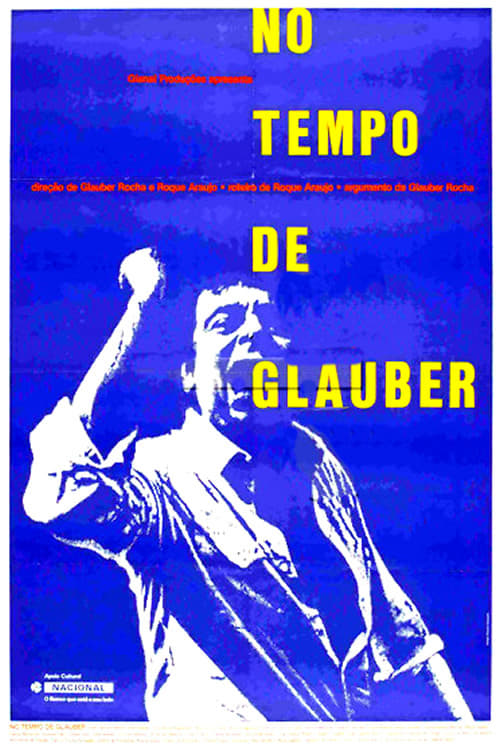
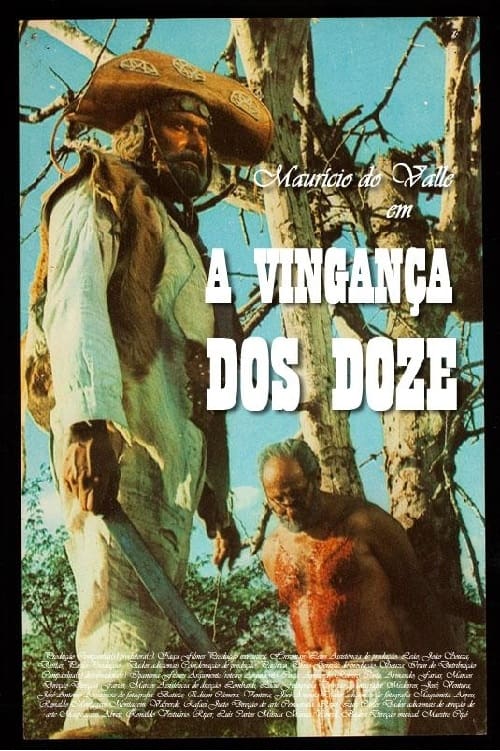

Contemporary film critics regard the epic film I Am Cuba as a modern masterpiece. The 1964 Cuban/Soviet coproduction marked a watershed moment of cultural collaboration between two nations. Yet the film never found a mass audience, languishing for decades until its reintroduction as a "classic" in the 1990s. Vicente Ferraz explores the strange history of this cinematic tour de force, and the deeper meaning for those who participated in its creation.
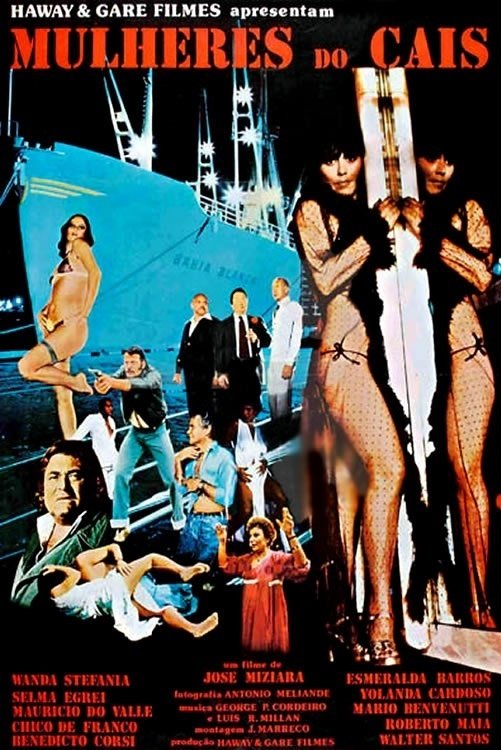
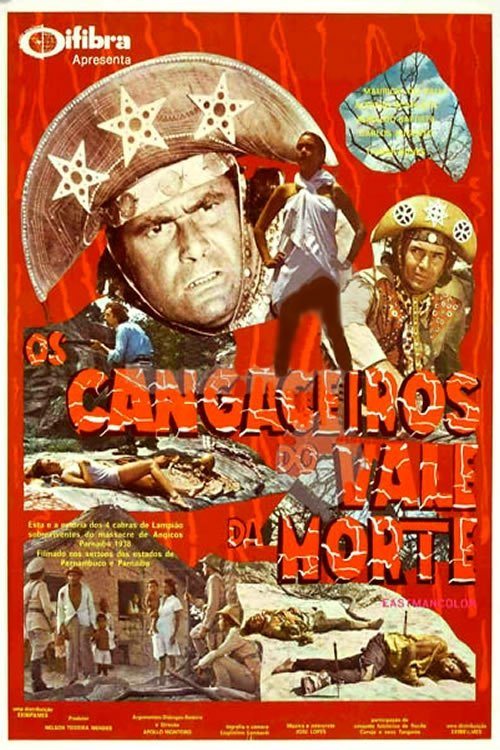
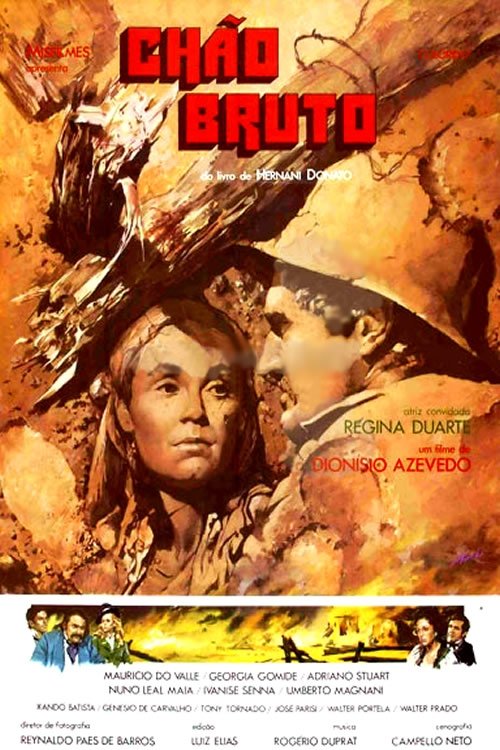
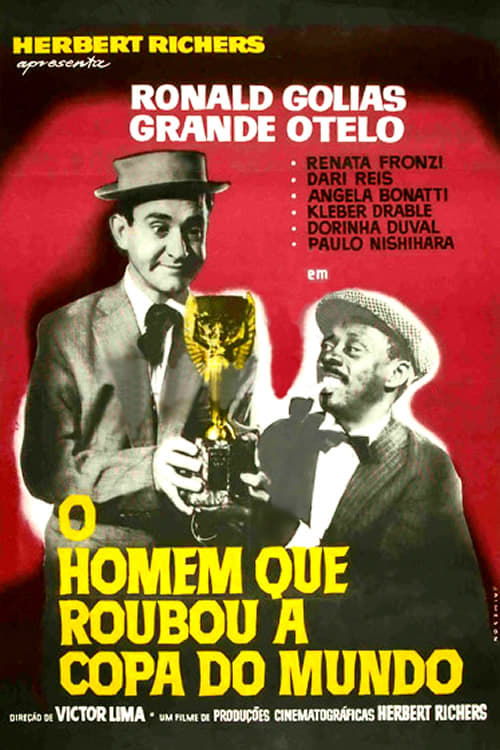
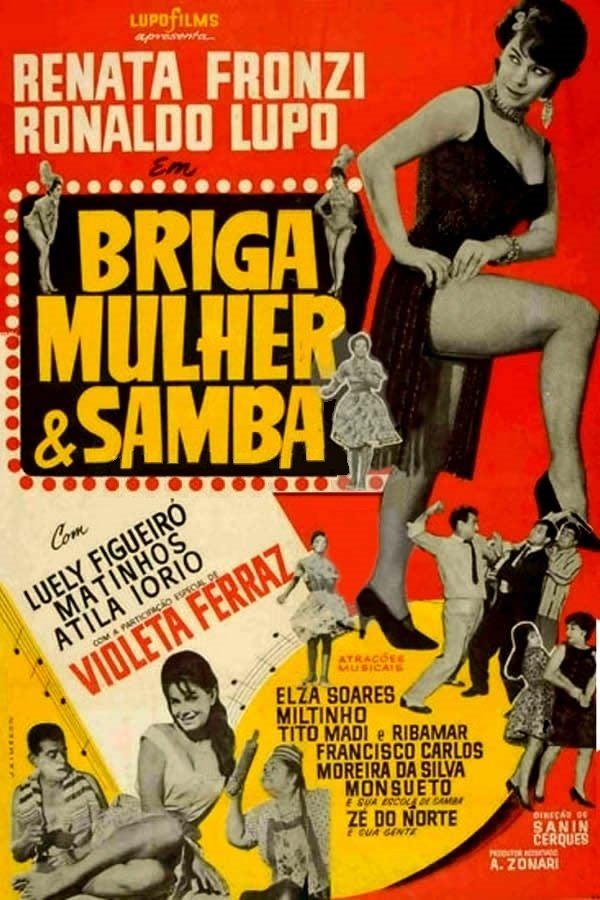
Marcelino, a country bumpkin, comes from the countryside to try his luck in Rio de Janeiro. His uncle Simão, a taxi driver and resident of a favela with Sofia, comes to greet him at the train station. A neighbor, Tereza, takes an interest in the newcomer. At the pier, the criminal Zé receives a package and is pursued by police. Mira Diler performs at the Caverna nightclub. In her dressing room, the criminal Zé is found, injured and without the package. Valentino complains about the police action that is disrupting his "business." Marcelino still hasn't found work; at the same time, he tries unsuccessfully to sell his compositions. He begins helping his uncle as a driver, but puts his own worries first: he goes to the nightclub looking for Mira, but finds himself caught up in Valentino's schemes.

Documentary on "Antonio das Mortes", Glauber Rocha's 1969 film.
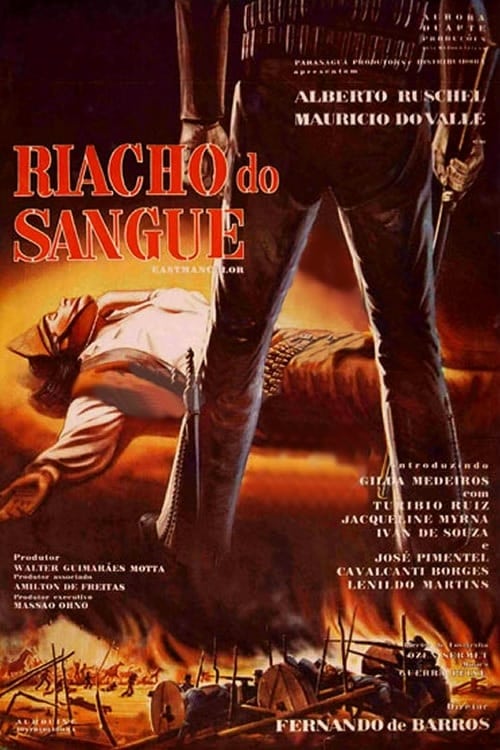
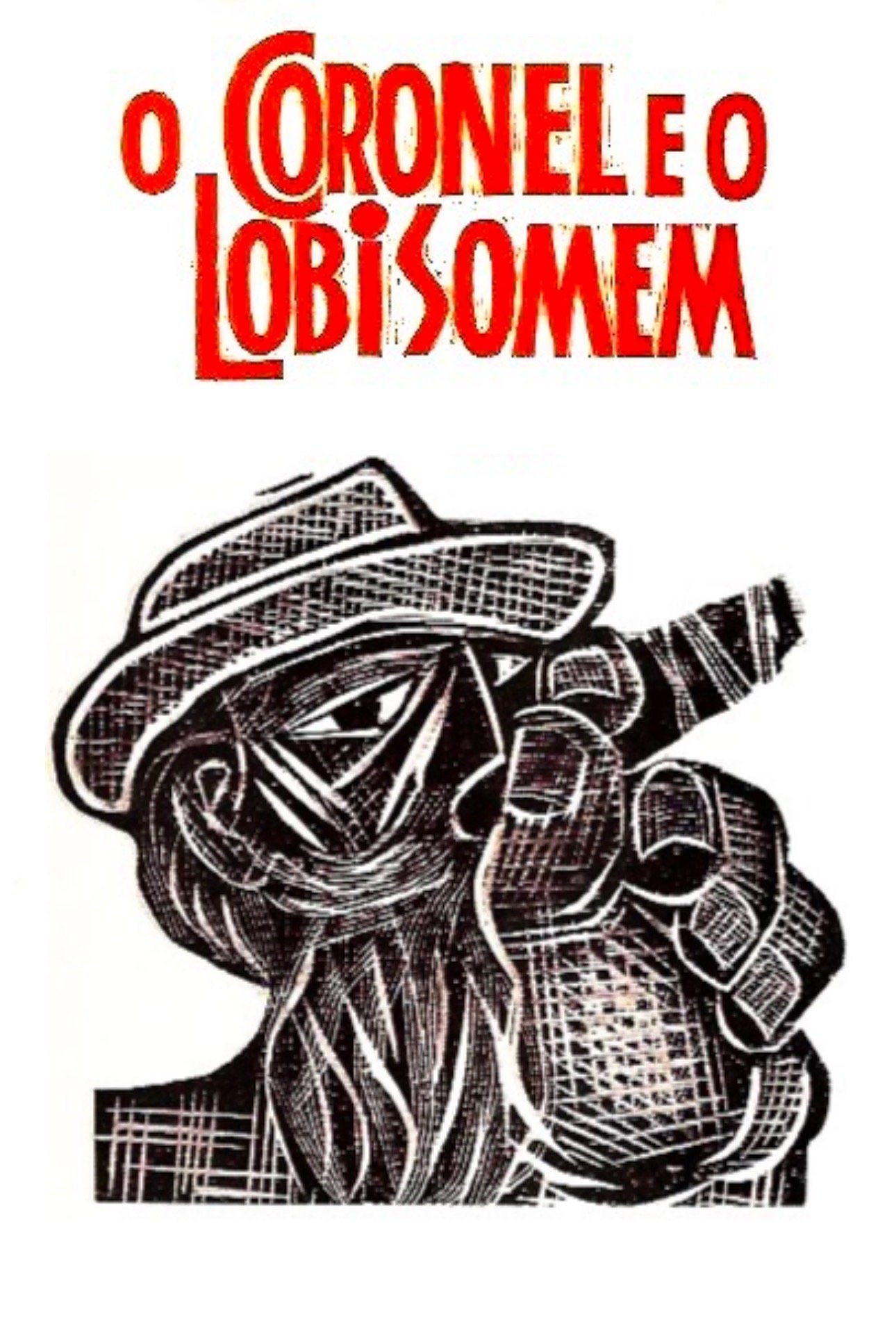

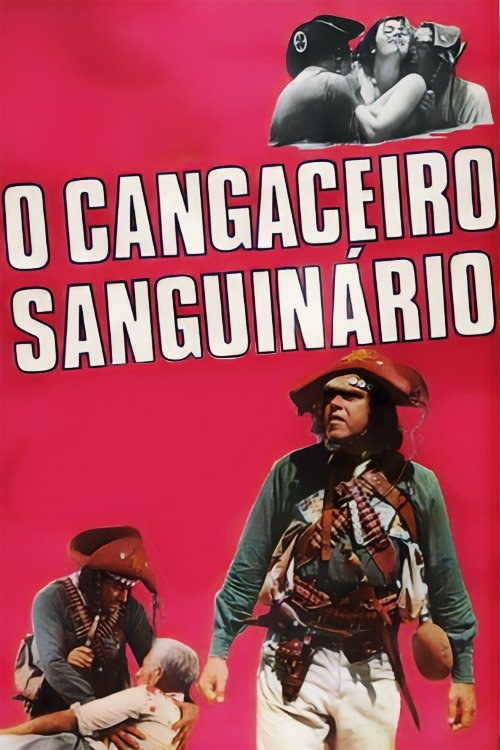
After robbing and massacring a village, the head of a gang of bandits, Captain Jagunço, kidnaps Flô, Mayor Cisso's wife and tortures her.
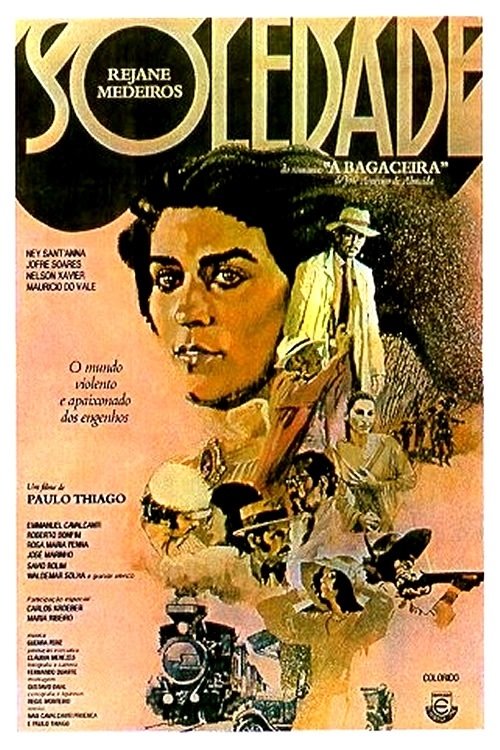
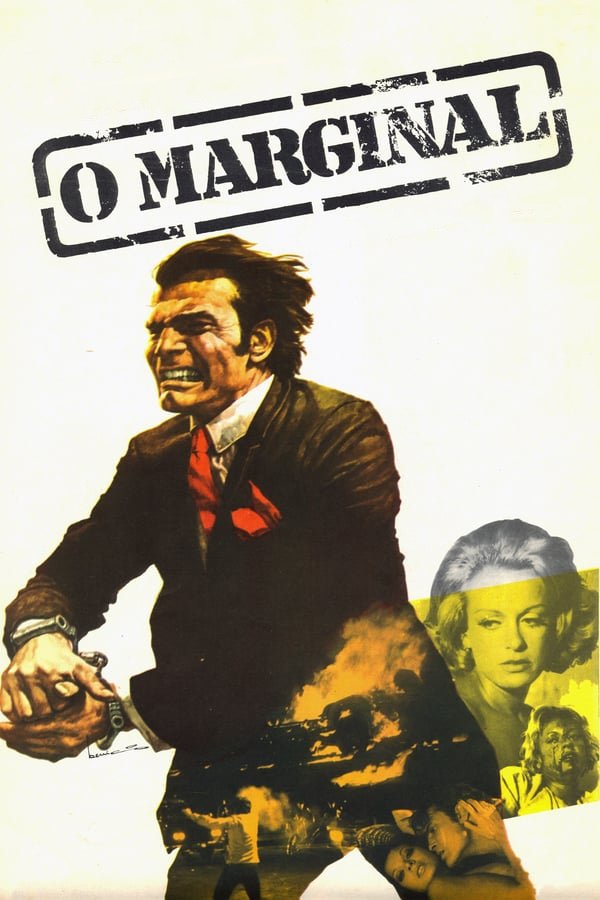
Fleeing from the orphanage where he was living, young Valdo immediately entered the life of the crime, establishing himself as a dangerous adult criminal. However, his petty thefts do not satisfy him and he longs for bigger things and when he becomes a lover of Beth, the young criminal realizes that he can enrich himself very and very fast.
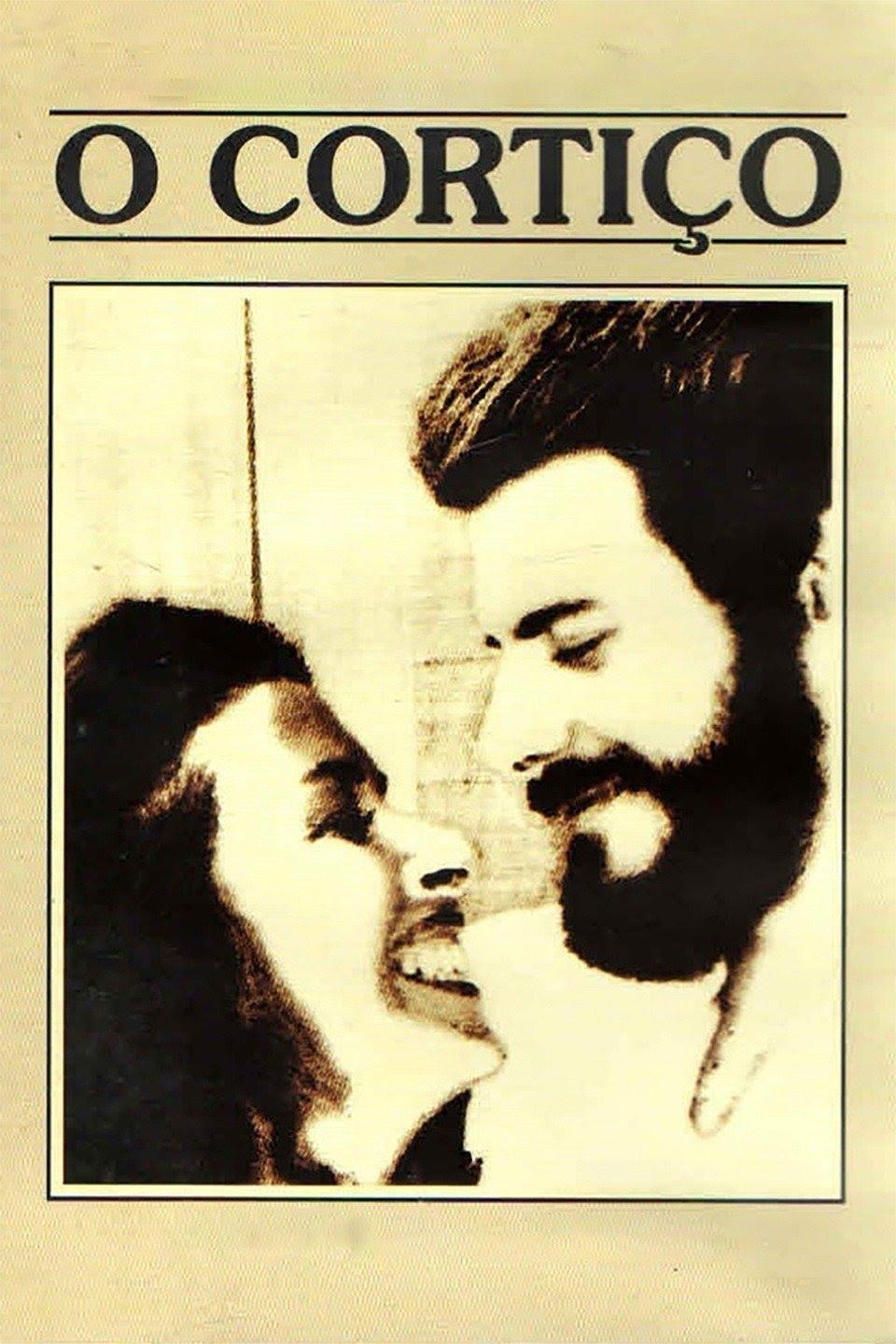
This adaptation of a classic Brazilian novel focuses on the relations of charismatic characters within a tenement.
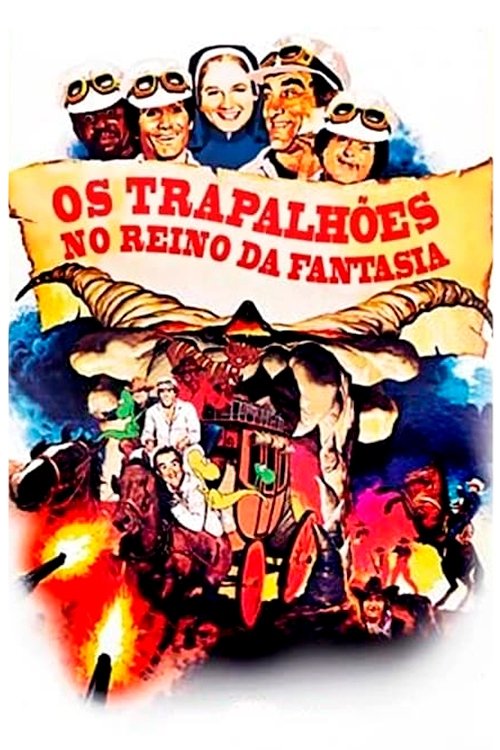
The Trapalhões put on a show to raise money for an orphanage run by Sister Maria (Xuxa), which is facing financial difficulties. During the performance, the ticket money is stolen. Now, the Trapalhões and Sister Maria must go on an adventure to catch the thieves.
A documentary about the most famous Brazilian jockey of all times, who remembers his glorious past in Rio's Jockey Club.
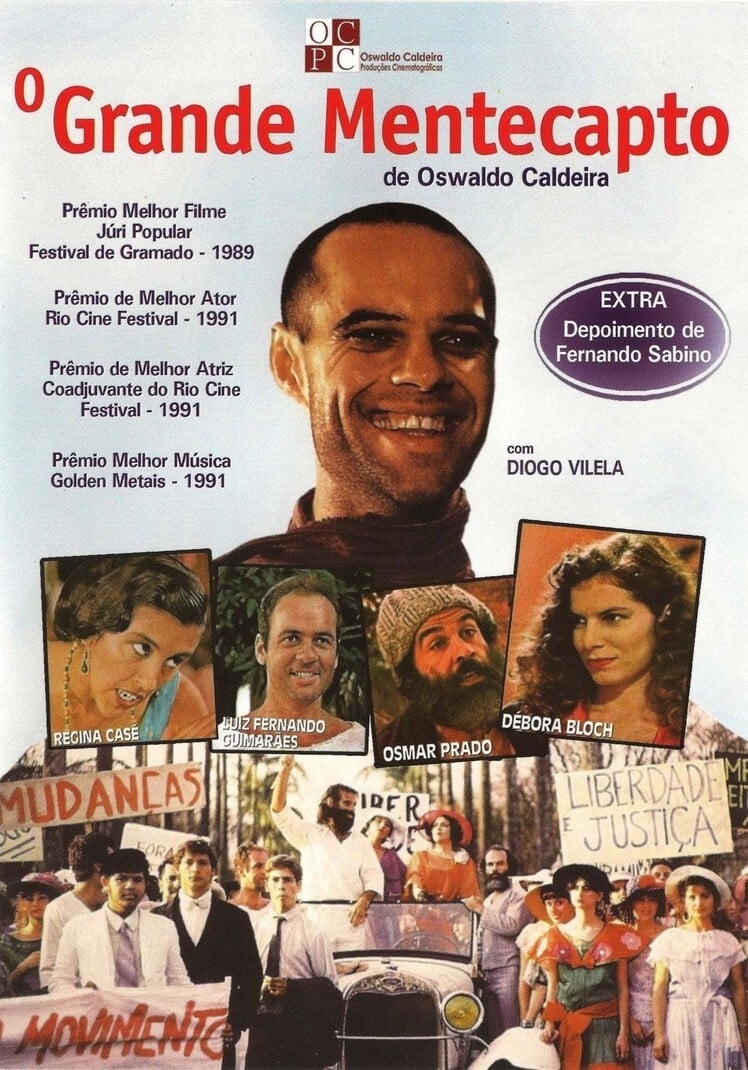
Geraldo Viramundo (Diogo Vilela) is a nice guy with absurd ideas. Genial and / or insane, he decides to leave her small town in Minas Gerais and win the world. Your goal is to destabilize the system and their accomplices are the prostitutes and the destitute.

After separating from her abusive husband, Analu knows Fernanda, a lovely lady who offers her shelter. The friendship between the two turns into an intense love affair, but Fernanda shows possessive and violent. The situation worsens when her husband discovers her whereabouts Analu and starts chasing her. And even worse when Fernanda also rejected, decides to put an end to the life of the lover, without considering the consequences.
Countryman Onofre is convinced by his cousin to live in Rio de Janeiro together with him so he can enjoy the delights of summer in Rio.
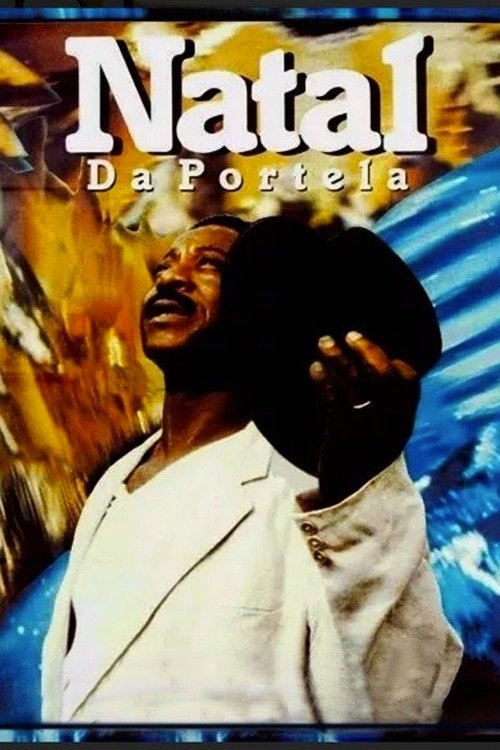
Biography of one of the legendary names in the Samba genre of Brazilian music. Although he could hardly dance or play an instrument, he became one of the main composers of Portela, an important Samba "school" in Rio de Janeiro.
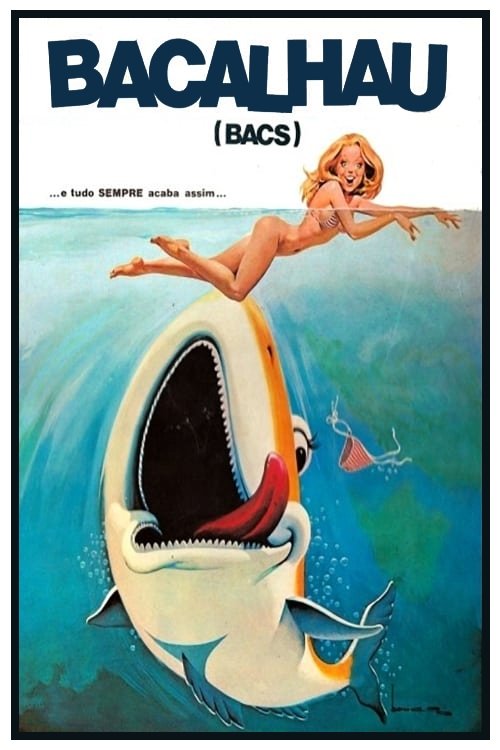
"Jaws" spoof. The title means "Cod". A terrible monster threatens the beach season: the cod from Guinea. To catch the fish, local authorities count on the expertise of a Portuguese oceanographer, a fearless fisherman and baits made with Amália Rodrigues's records.
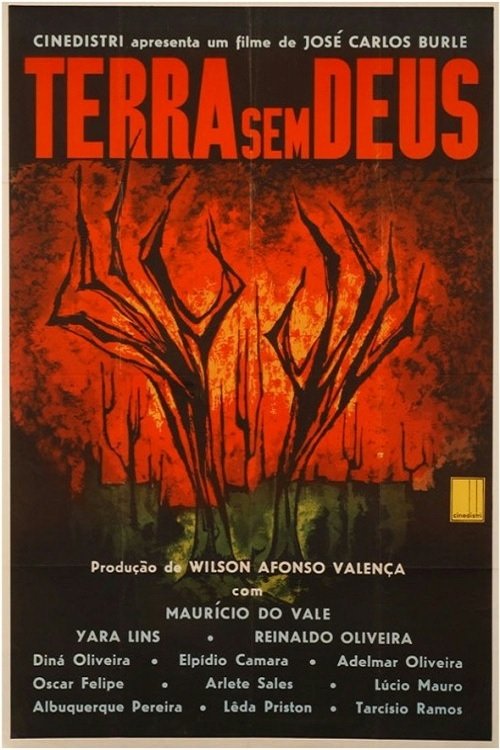
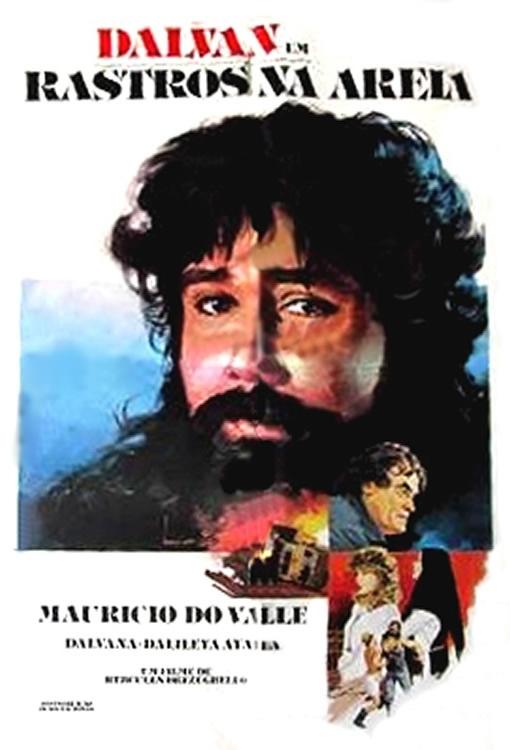

In 1925, Gabriela, a poor, uneducated, yet charming woman becomes cook, mistress, and then wife of Nacib, a bar owner in Ilhéus, a small Brazilian coastal town run by the local colonels.
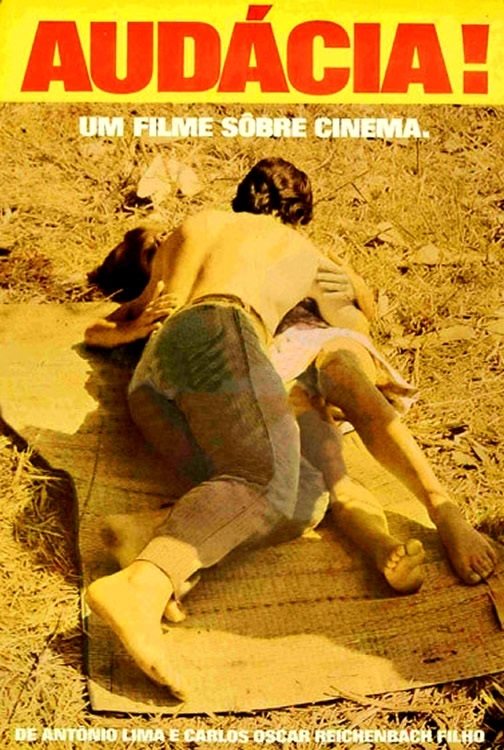
Segment "Prólogo": interviews and scenes with some of the most important filmmakers of the "Boca do Lixo" of São Paulo. Segment "A Badaladíssima dos Trópicos x Os Picaretas do Sexo": shenanigans of a troubled fictional film production. Segment "Amor 69": Actress Maria Vargas is expected to appear nude in a scene, but ultimately refuses to do so.
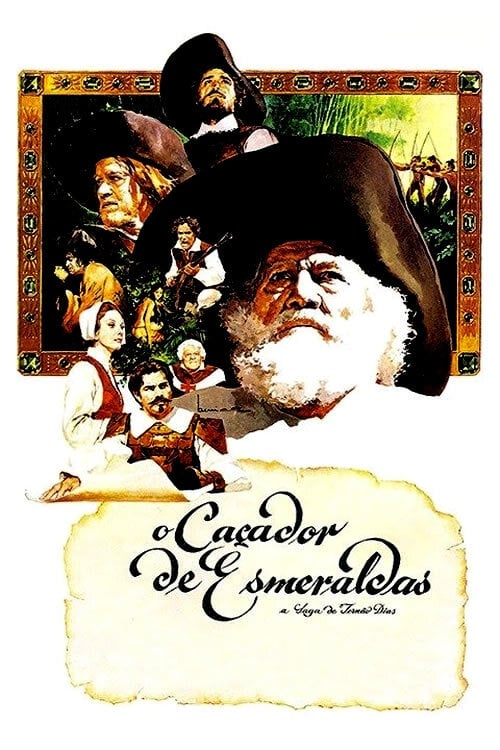
The life of Fernão Dias, a 17th century Brazilian frontiersman known as "the Emerald Hunter".
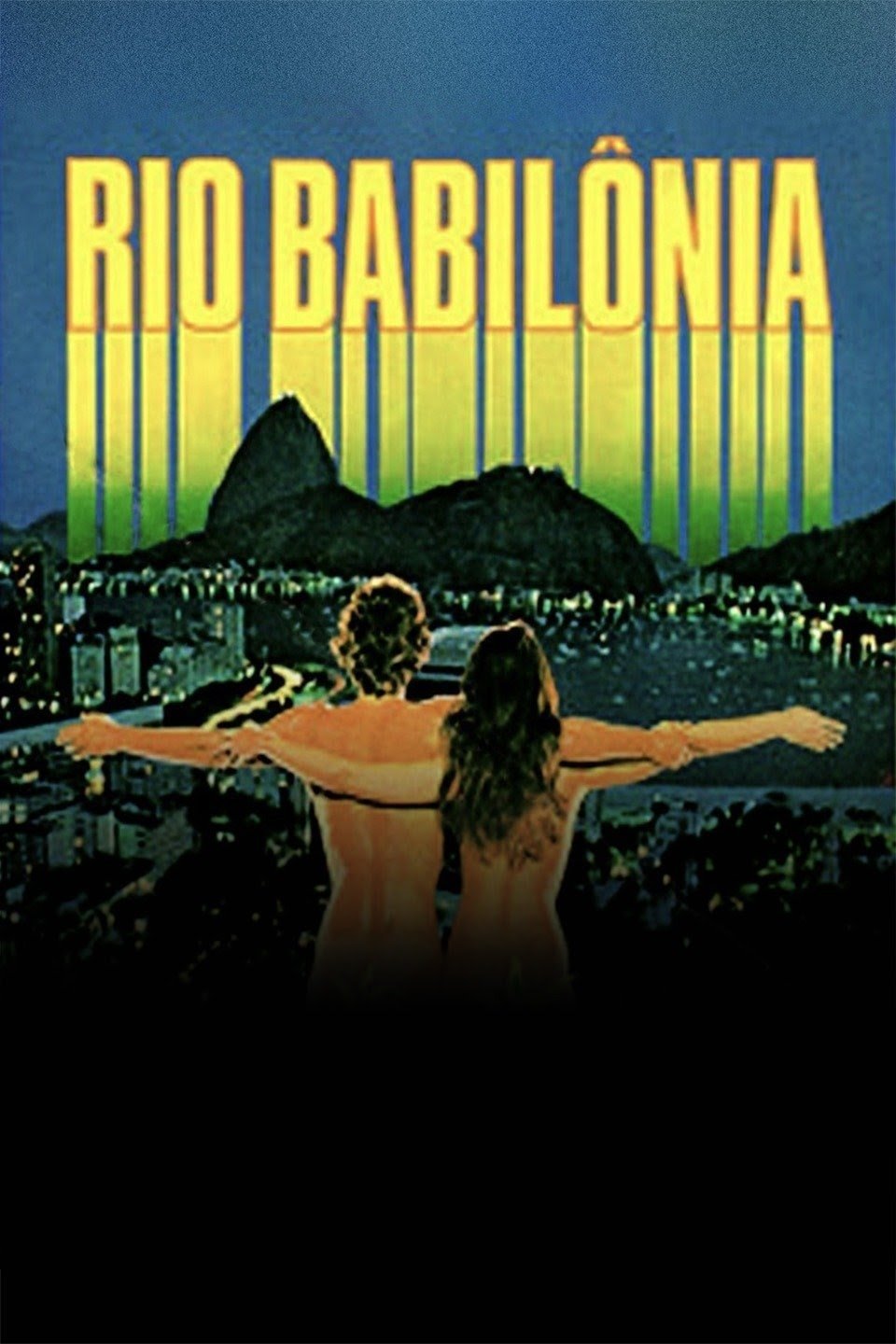
A public relations man is invited to guide an American millionaire during his stay in Rio de Janeiro. He gets involved in the most bizarre situations, from orgiastic mega-parties to confrontations with the police, meetings with drug dealers and movie stars, facing corruption and even murder.
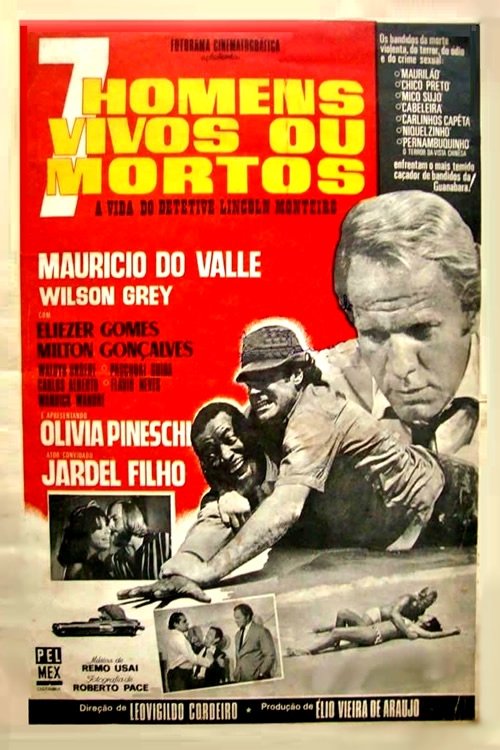
Five criminals captured by Detective Lincoln Monteiro escape from the penitentiary, seeking revenge on enemies and traitors. Niquelzinho and Paulo Cabeleira kill bookmakers, while Maurilão, Chico Preto, and Mico Sujo commit several robberies. Lincoln, always refusing to adopt his colleague Morelli's doctrine of violence, receives other police missions: to solve the murder of two tourists, the marijuana spill at a school, and the capture of criminal Carlinhos Capeta.
In 1988, Brazilian rock band Titãs recorded "Go Back", a song with lyrics written by the late poet and songwriter Torquato Neto. A music video was made by Ivan Cardoso from scenes of his 1970 film "Nosferatu no Brasil", starred by Torquato.