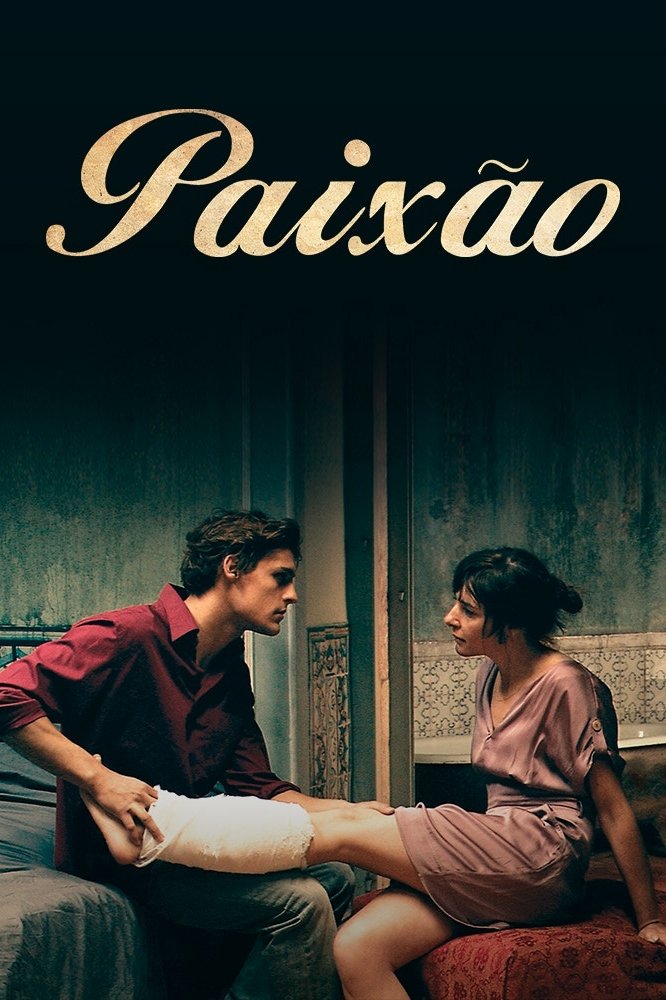
A woman recovering from a personal tragedy imprisons a man she met at a party, shutting him in a room of a building demolition.
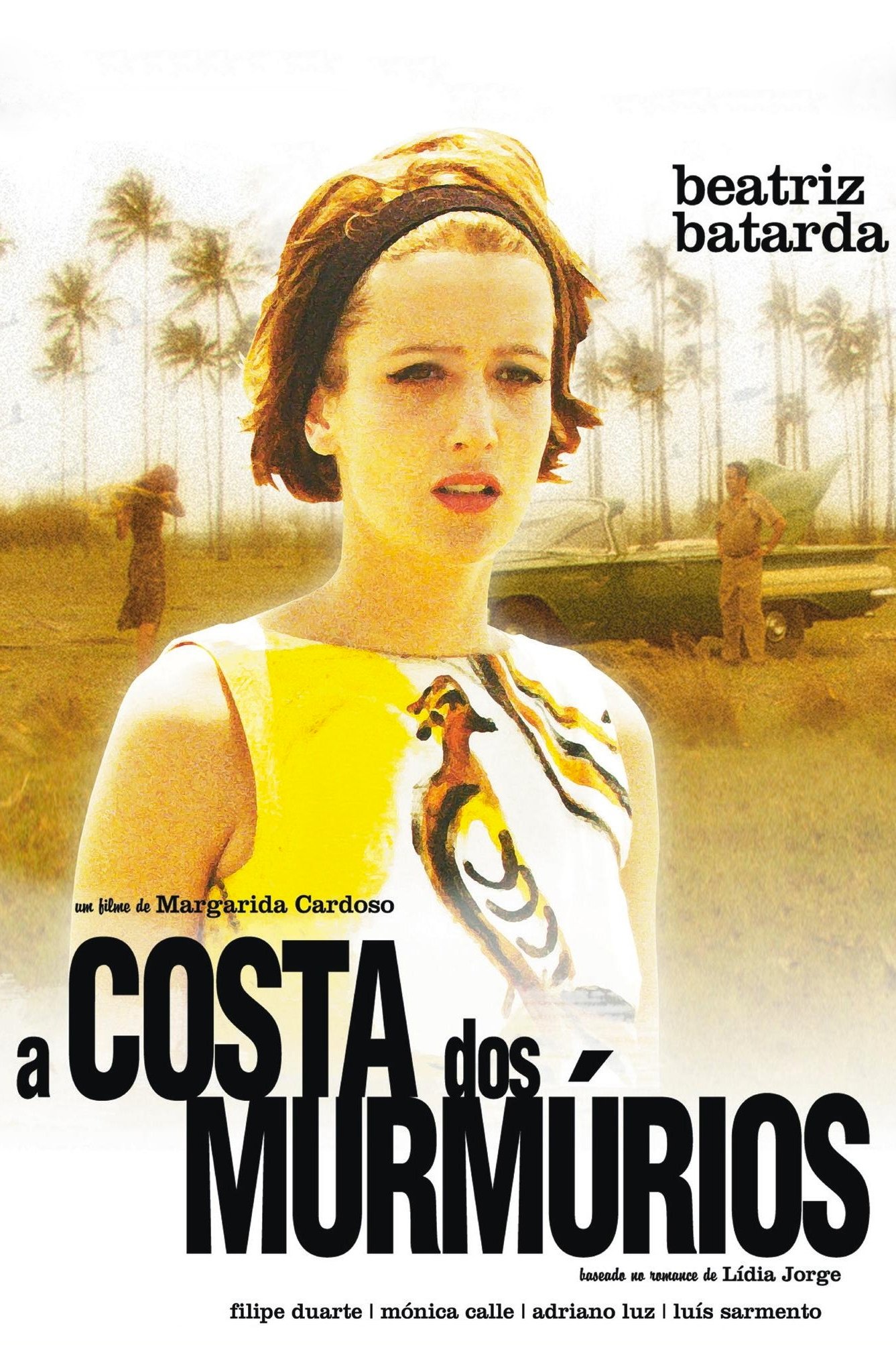
During the war of in-dependency Evita moves from Lisbon to Mozambique to marry Luís. She slowly discovers how different and disturbing life is in a country of war and when her husband is send on a military mission she starts to fight loneliness. Over time she finds out more about her husband and Mozambique than she would have imagined in her peaceful European home. Racism, violence, injustice and fatalism make life unbearable...
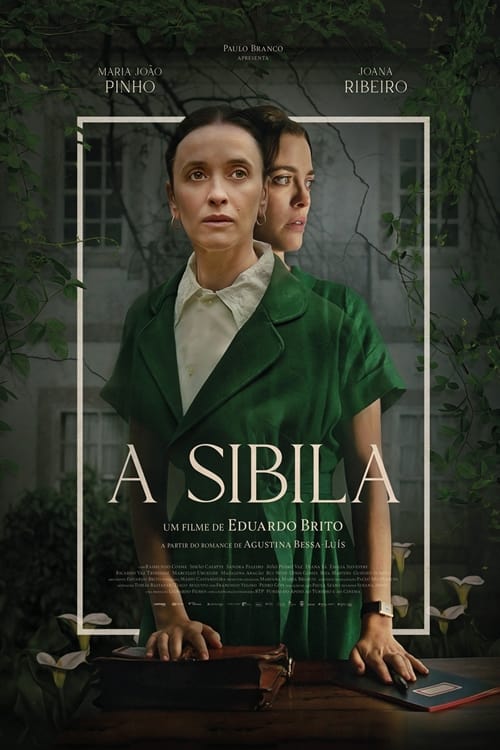
In the mid-20th century, a troubled relationship between Germana, a young writer, and Quina, her aunt who lives in the northern Portuguese countryside. Feelings of jealousy, admiration and the complex magnetism between these two strong women arise.

Xavier returns to Lisbon after a military stint, determined to lead a meaningful life, only to find his world closing in on him.
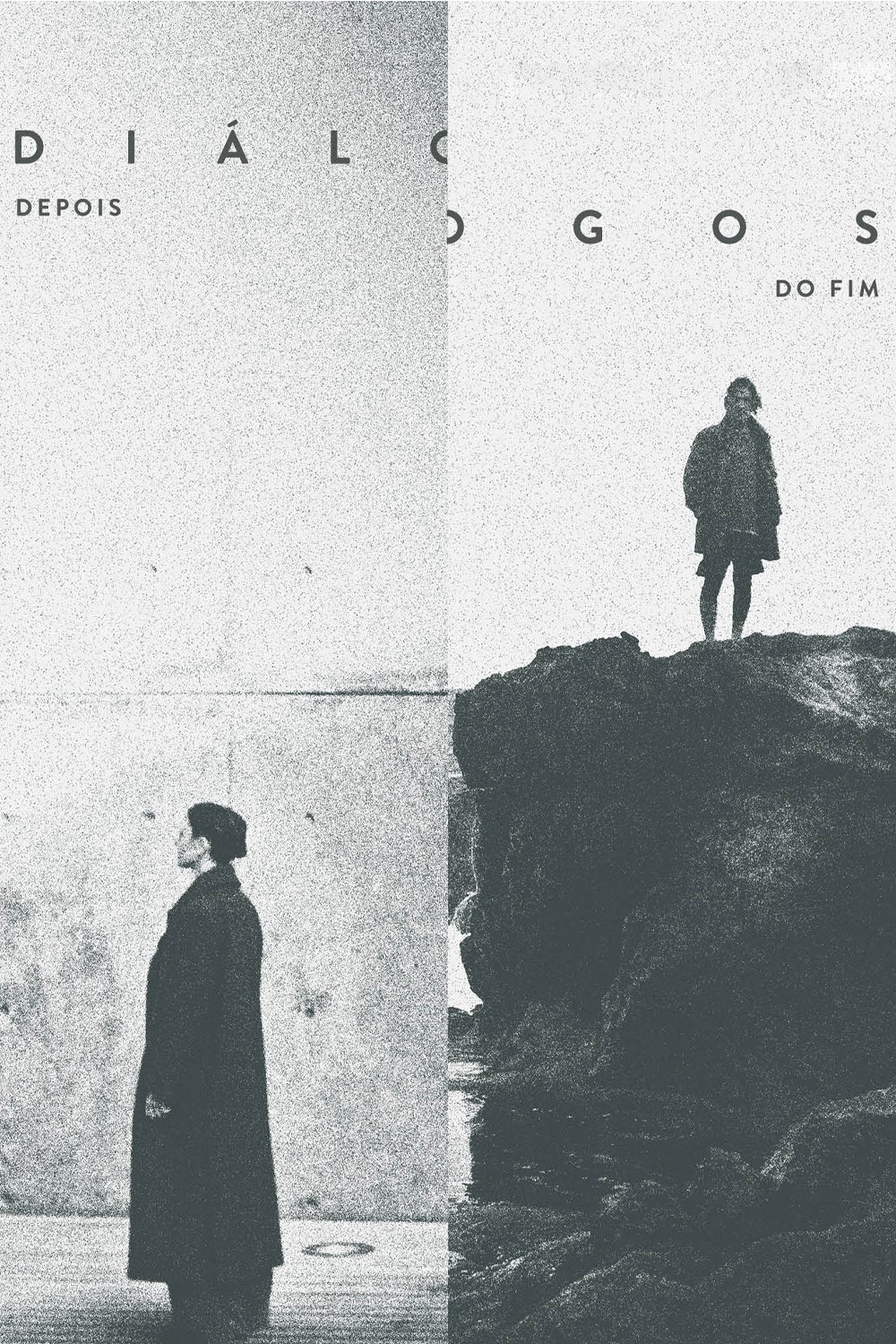
Pavese considered Dialogues with Leucò his best work. Eloquent and at the same time sententious and fragile, but implausible among humanized gods, demigods, heroes, and other pagan figures of Greek mythology, who question, through the imaginary of myths, the society of contemporary man. Out of a time and a certain space, and thus, and like all myths, always current.

Thirty-something Vítor still lives with his mother, Fátima, in his grandmother Júlia’s apartment. Fátima is a hairdresser with a quiet disposition who, at night, fantasises about the policeman who has just moved in next door. By day, Vítor is a lowly employee on a TV show. But at night, he dons his neighbour’s uniform to win the favour and satisfy the desires of a boy he’s met online. In her retirement home, Júlia is unable to sleep at night and has long forgotten what drugs she is meant to be taking. She misses her dead husband, who manifests himself in the body of a living friend, and gets involved in her daily activities. Through these characters, Diogo Costa Amarante constructs a fascinating portrait of lives lived while desires remain unrealised.
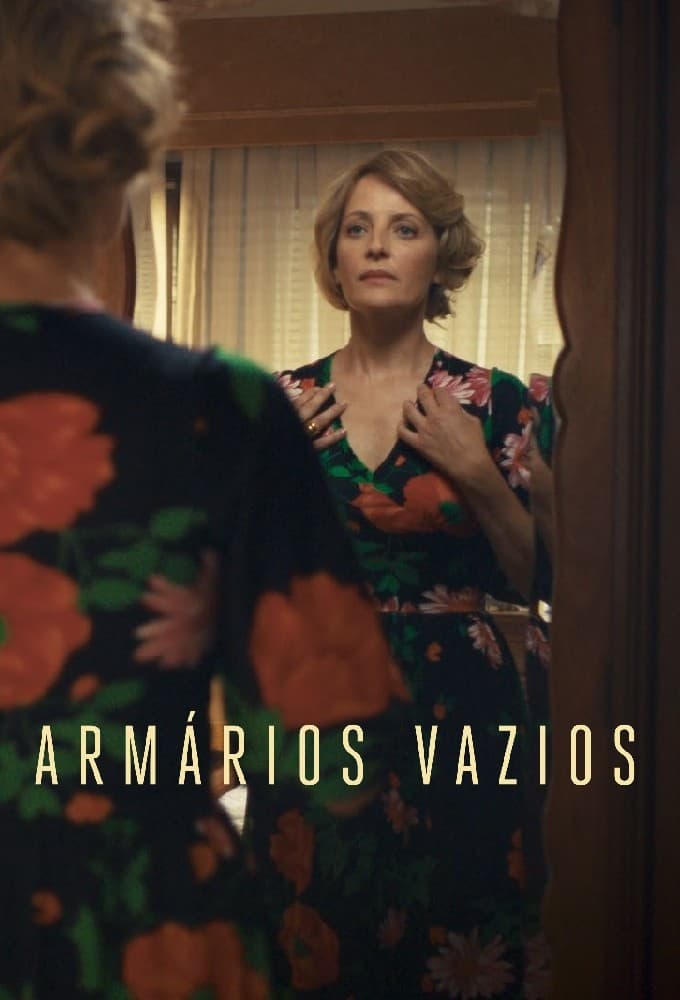
When her husband dies, Dora Rosário, a woman trapped in the dark years of the Estado Novo, begins to live only for her daughter Lisa and for the memory of her deceased husband, who accompanies her daily. However, when she discovers that her husband was not who she thought he was, Dora questions her entire past and ventures out in search of a new life. But she will soon discover that mourning will not be as easy as she wants to believe.
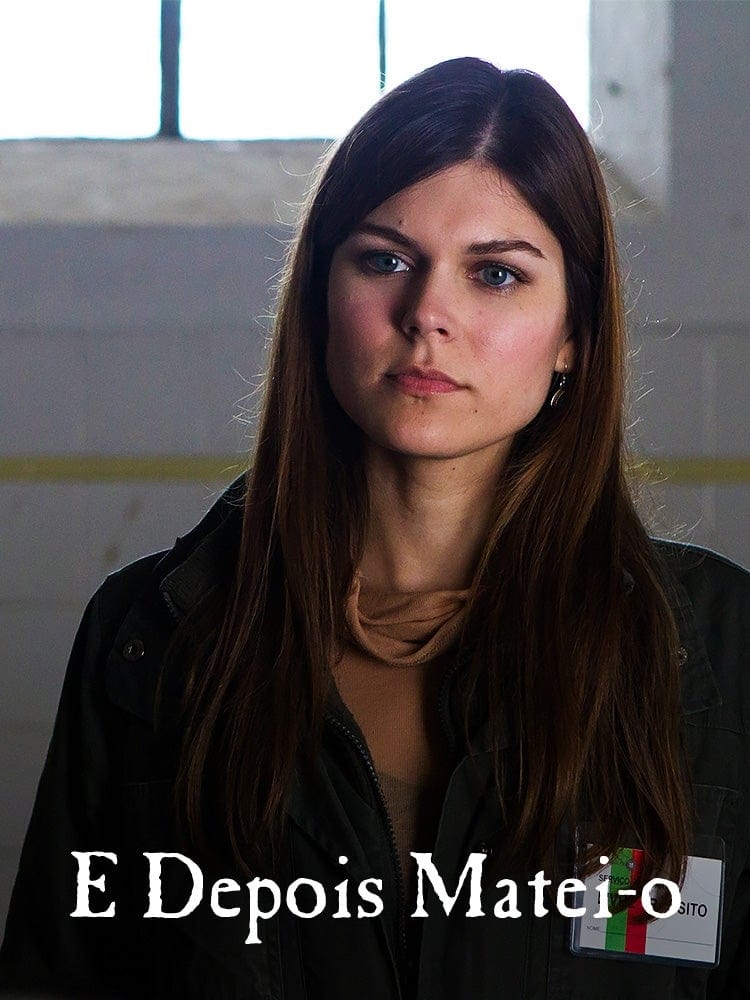
Two women victims of domestic violence exchange stories through the grids of a prison. One changes the life of another.

The start of Luís Rovisco’s old age isn’t exactly cheerful. Already in his sixties, he’s still roaming the country by himself, carrying out his tasks — increasingly less real — as sales director for the company SegurVale. Sadness, resignation? Not with the songs Luís makes up behind the wheel, and that take over this film from start to finish.
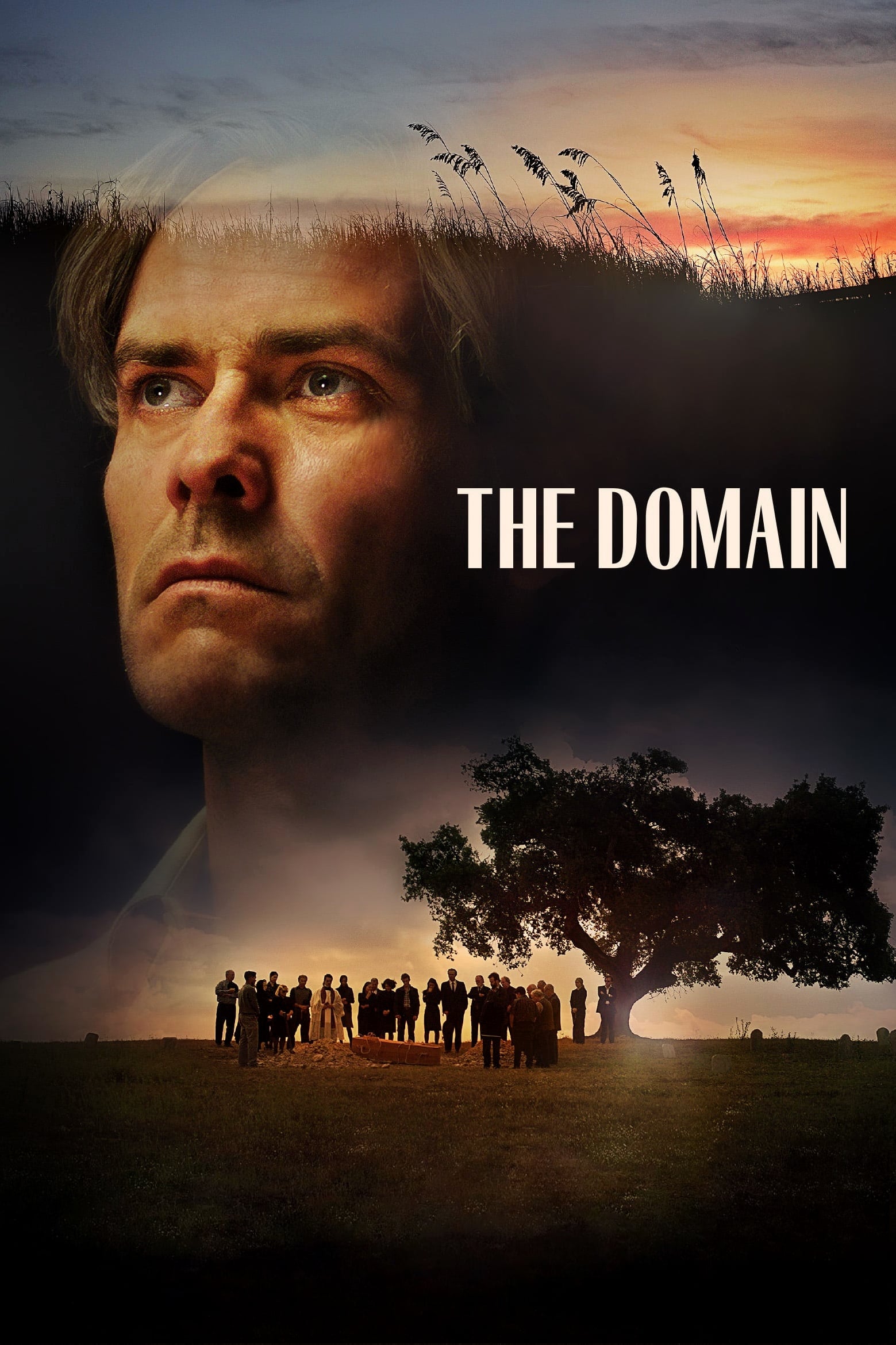
The chronicle of a Portuguese family that owns one of the largest estates in Europe, on the south bank of the River Tagus. The Domain delves deeply into the secrets of their homestead, portraying the historical, political, economic and social life of Portugal, since the 1940's to these days.
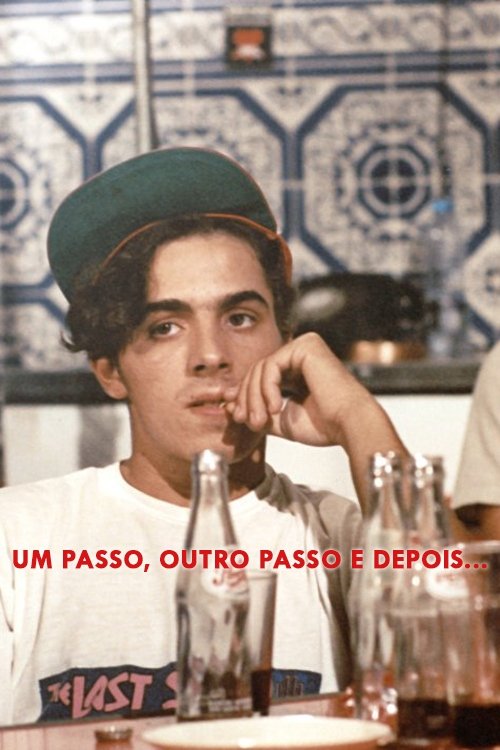
Nogueira, a man in his fifties, is a relic of times long past. While the youngsters at the school where he works as a caretaker still think the world is their oyster, Nogueira knows that, for him, most doors have long closed.
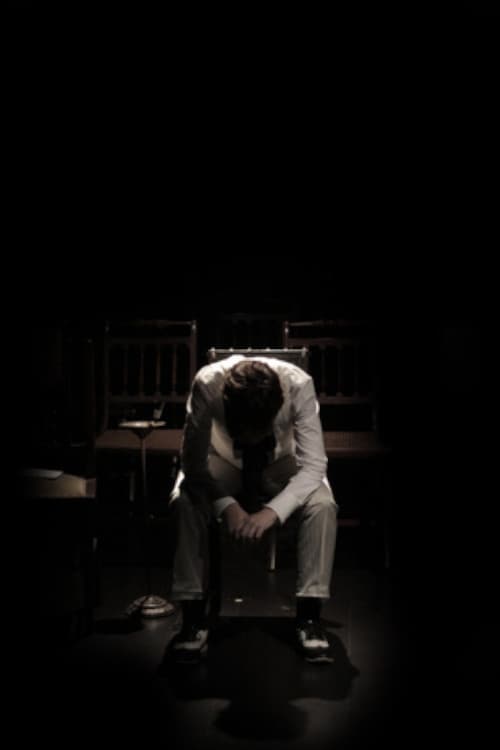
A group of actors interpret the words of Basil, Lord Henry, Dorian Gray, Sibyl Vane and James Vane, from the novel "The Picture of Dorian Gray" by Oscar Wilde. Next to them are the Butlers - figures that compose the scenic space, essentially empty. In this adaptation of a literary work to the scene, the actors struggle with the movement of the words and their suitability for the drama. This film, instead of portraying the show creation process, sought a view from afar in order to enhance a point of view on the borders between art and life.
This short film is based upon a book of tales "Exemplary Crimes" by Max Aub who, in his turn, was inspired by real testimonies that describe crimes straightforwardly. The Testimonies are individual confessions by different persons that have nothing in common but the fact that all committed murder.
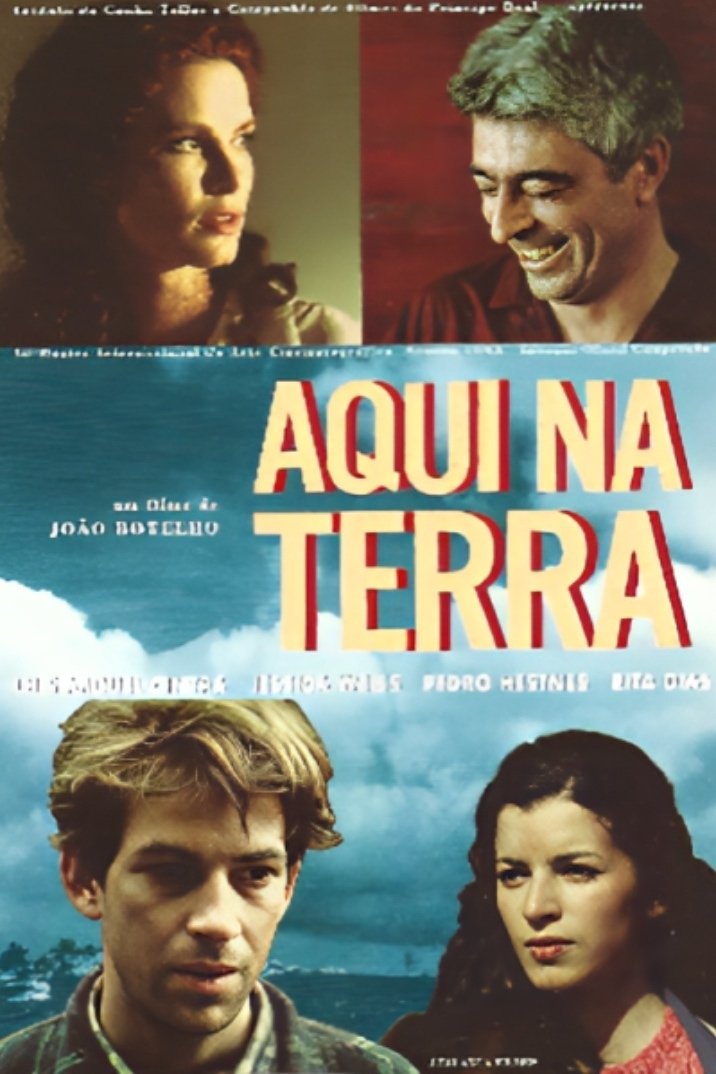
Miguel (Luis Miguel Cintra) is lucky that his income will only level off if he neglects his business as a financier, and his wife and family will be well supported. Why? Because he has begun hearing noises that no one else hears, noises that bother him a great deal, and that make it impossible for him to bear human society. His wife (Jessica Weiss) is thoroughly put out by this radically changed behavior in her formerly good husband, but though she considers leaving him, she stays by his side. Deep in the mountains, Cecelia (Rita Dias), a devout, pure young cowherd, has been brutally raped by an old man. Her boyfriend (Pedro Hestnes) has killed the rapist, and fled the area. As a result of the rape, Cecelia is pregnant. One day, while driving in the mountains, Miguel gives Cecelia's boyfriend a ride. The two of them chance upon her sitting amid the rocks with her infant baby.
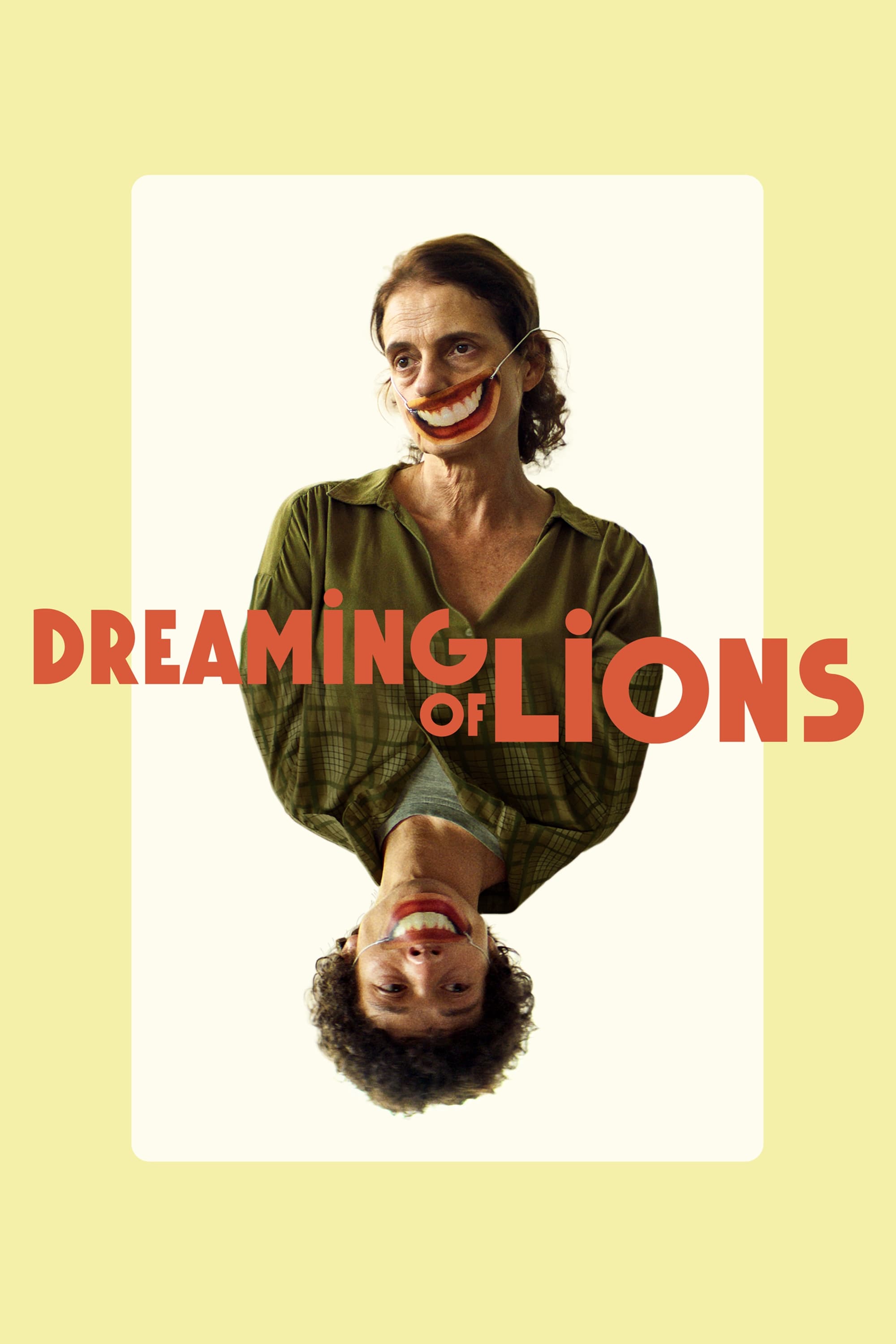
Gilda is terminally ill. Her only wish is to die without pain, and as all her suicide attempts comically fail, she decides to seek professional help.
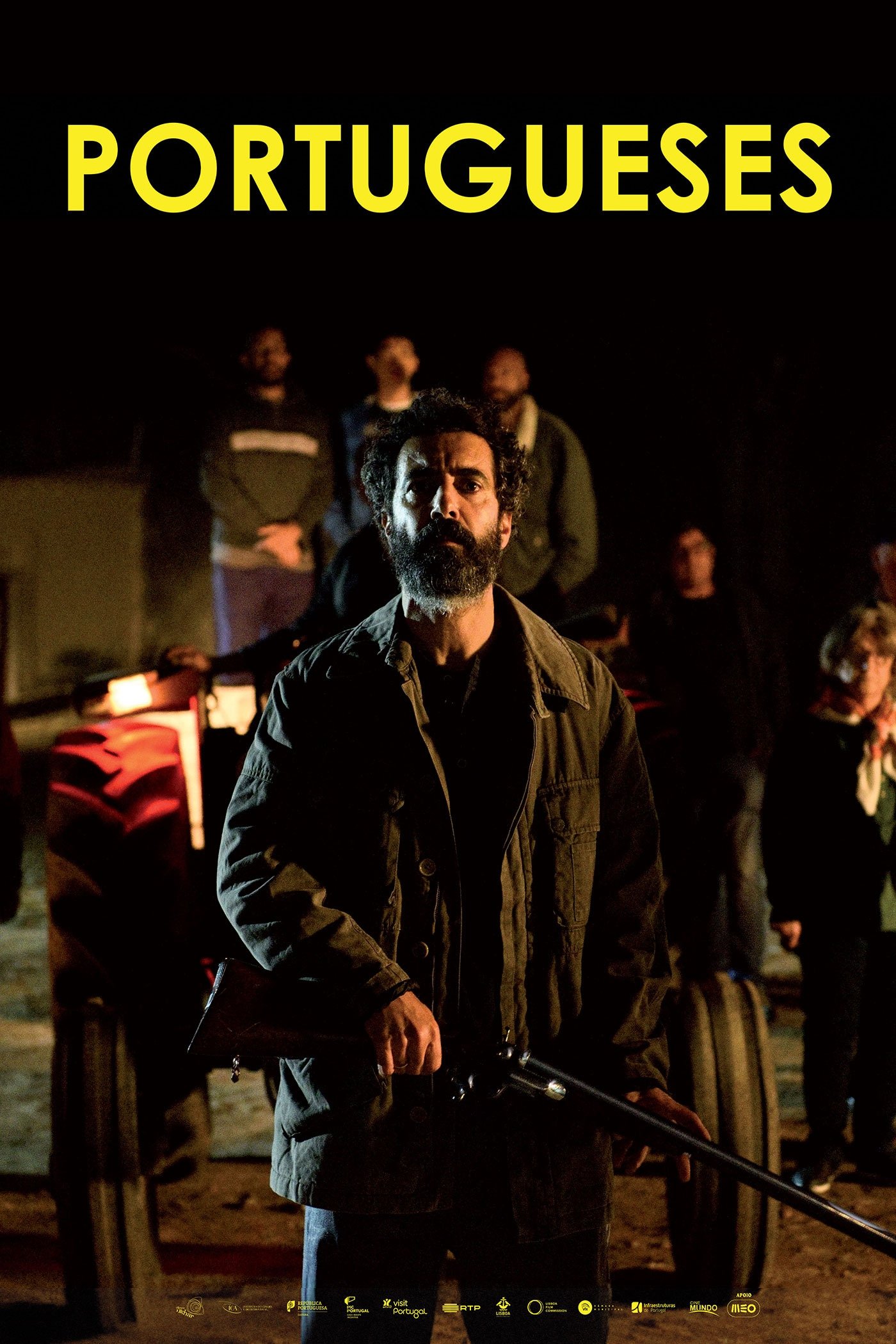
In a time preceding the Carnation Revolution, we meet two men: one young, one old. One is fleeing the country, and the other helps him escape through Trás-os-Montes. While they make “the leap,” they speak about their lives and their troubles… This is an ode to those who fought for Freedom, and to these fifty springs that have passed. Throughout 13 performed songs, we travel across the country, hand in hand with several Portuguese people who tells us their stories through music, until we get back to this young man who runs away and returns to Lisbon, shortly after the Revolution, to reunite with his loved ones and live in freedom.