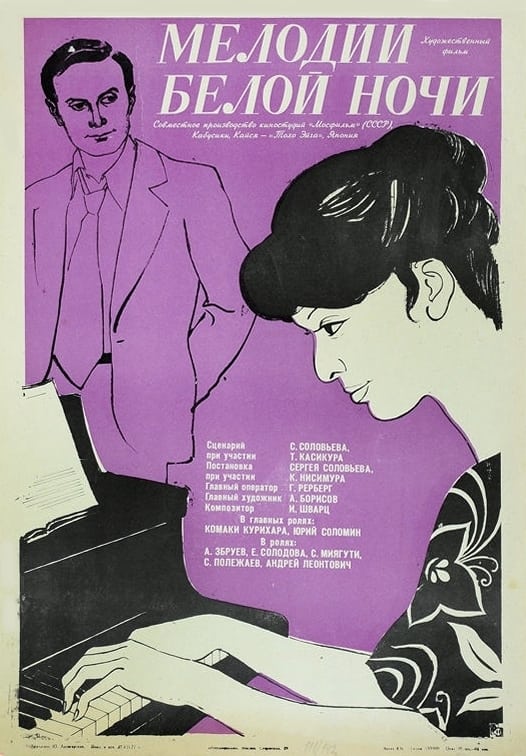
A Russian composer and Japanese pianist enter a relationship strained by their geographic and cultural boundaries.
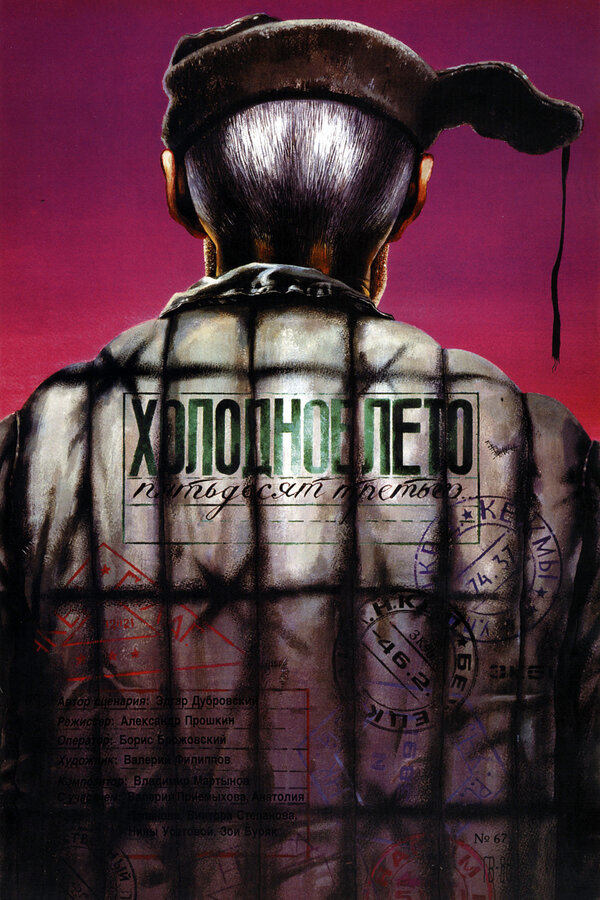
In 1953, the year Stalin died, many prisoners (some political, but mostly common criminals) were released from the Soviet Gulags. This is the story of a remote settlement which was under attack by a bunch of these recently-released blood-thirsty thugs in the summer of 1953, and the townspeople, along with a two political prisoners, who try to stop them.
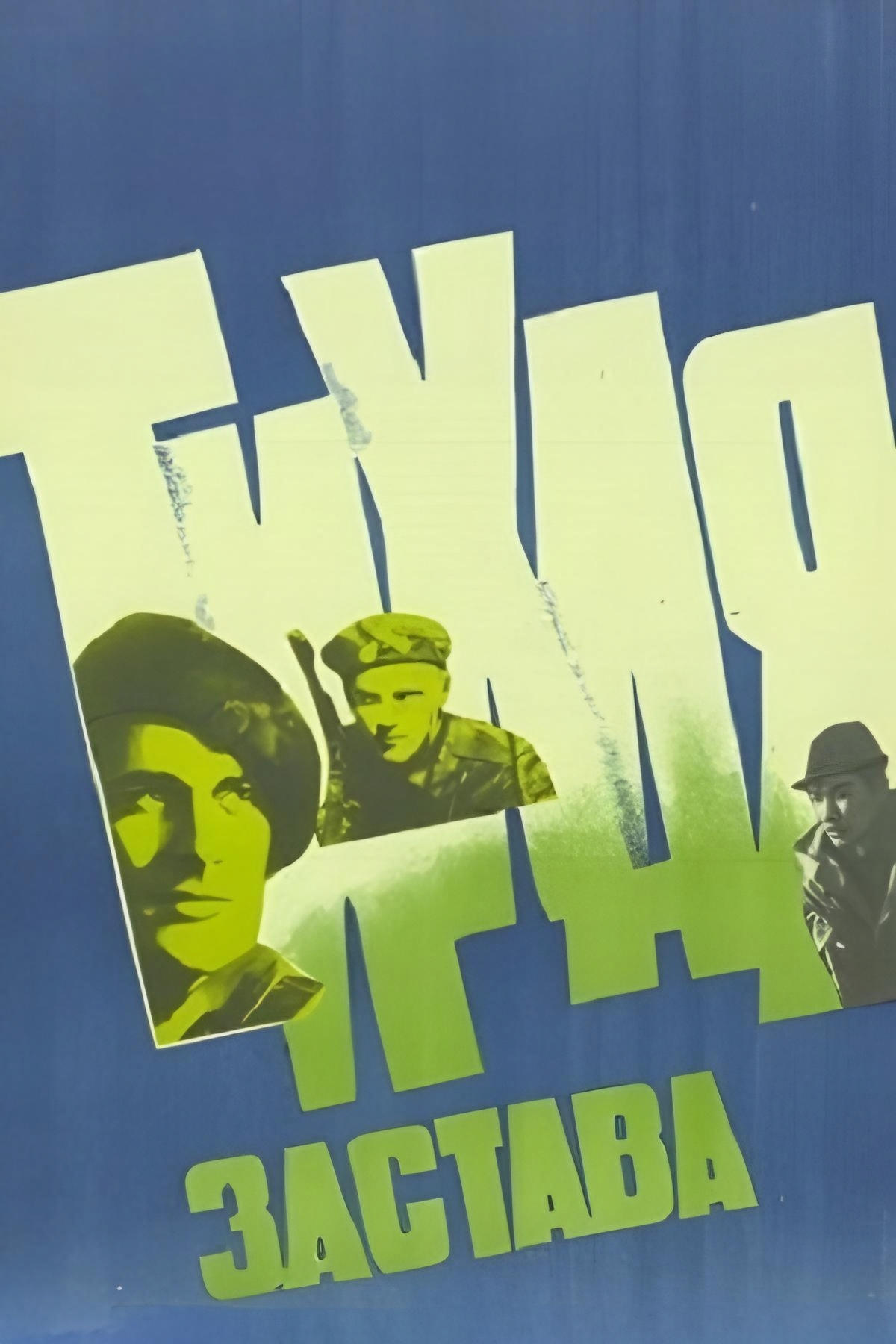
Senior Lieutenant Vasily Bodrug and his wife Evgenia arrive at the border outpost after the wedding to serve. An intruder was killed while trying to cross the state border, and border guard Vaskov was injured during detention. Vasily, risking his life, detains an accomplice of the violator. But a complete surprise for the lieutenant was the arrival of his former lover Vyacheslav to his wife.
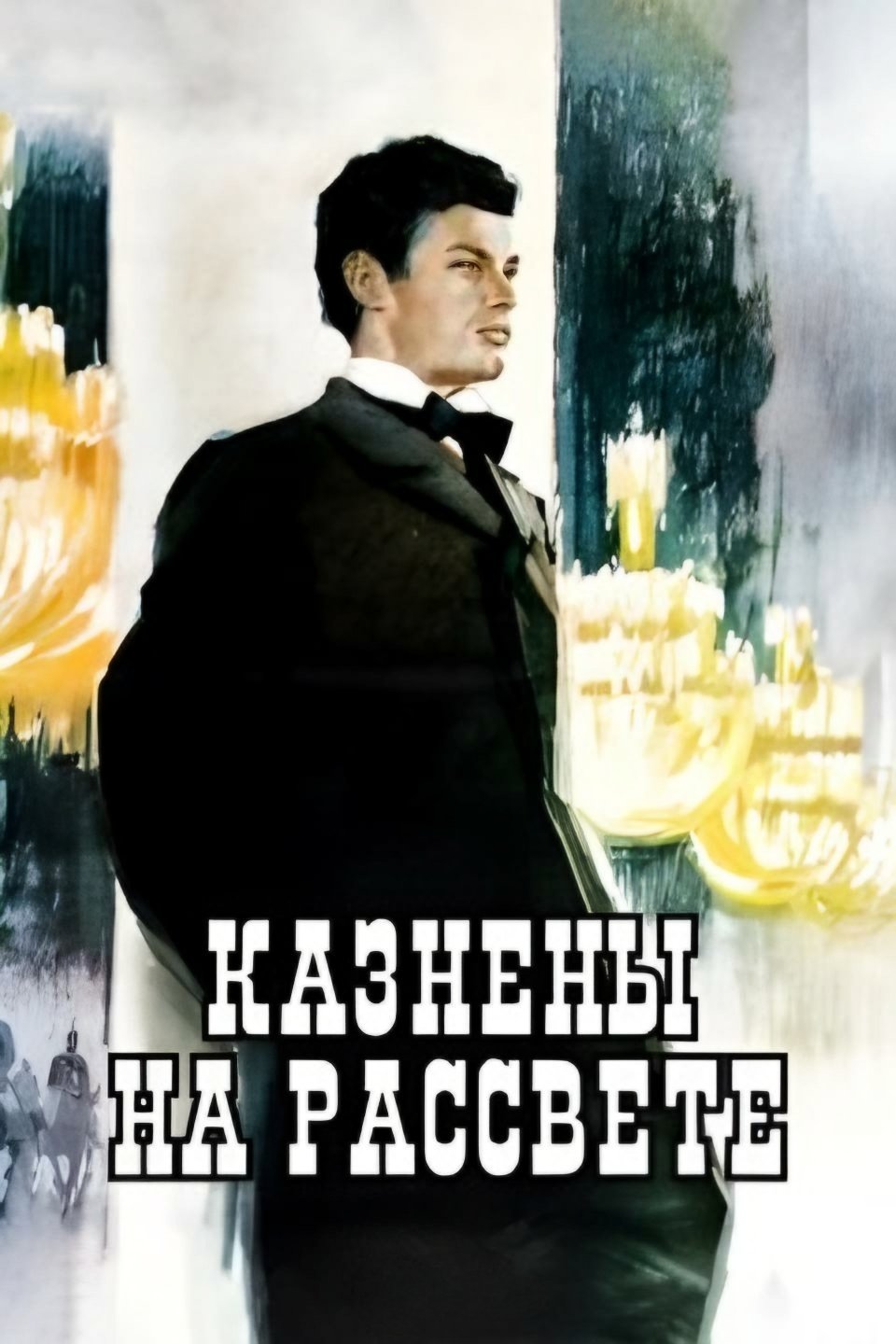
About Lenin's brother Alexander Ulyanov and his comrades' fight against the Russian autocracy.
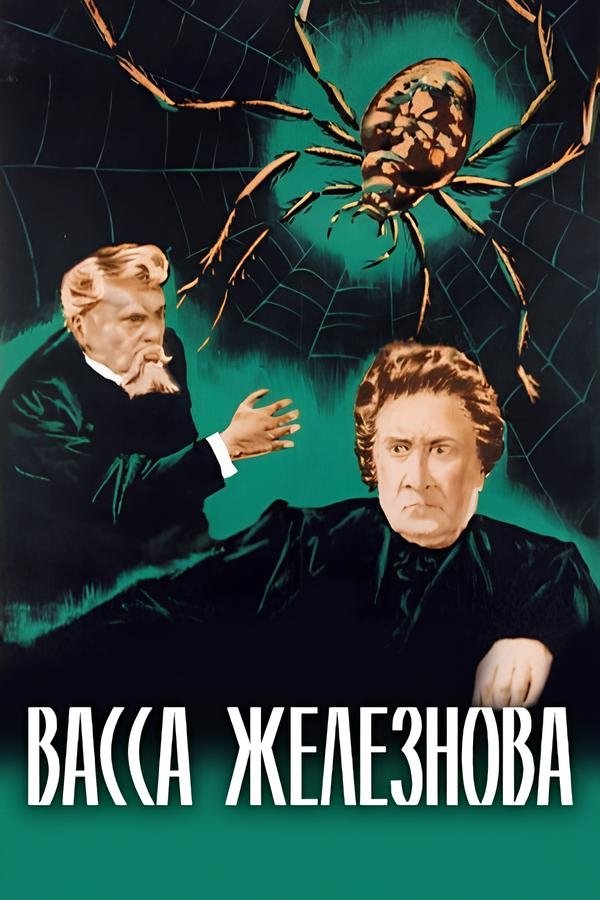
The tragedy of a talented and strong woman who built the well-being of her family on blood and blood. And well-being turned out to be just as false and ghostly.
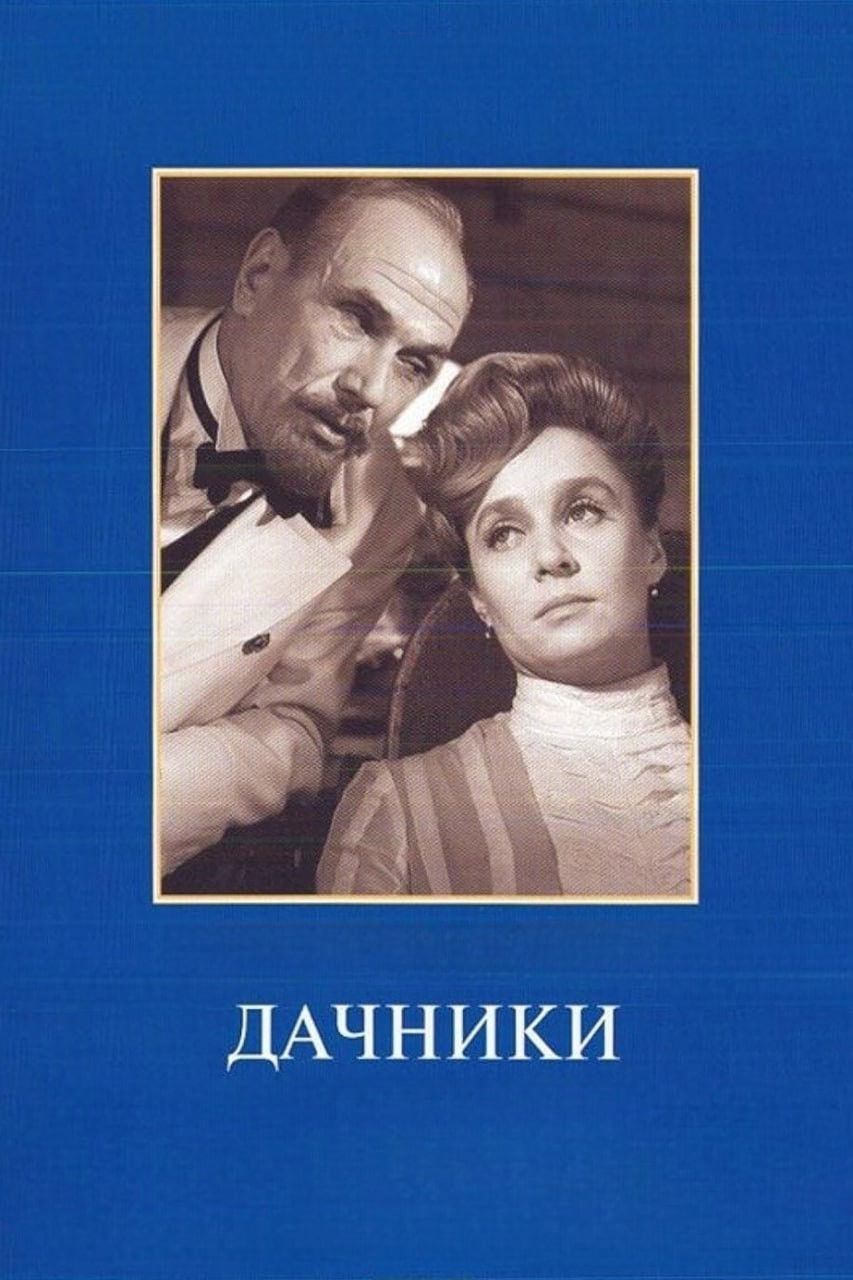
In the focus of the film is the fate of Varvara Basova, whose painfully soulless, philistine-gray existence, devoid of ideals and moral content. Relevant today, the picture sounds like a verdict to all who are mired in vulgarity, who have exchanged life for petty pleasures, profit, empty philosophizing.
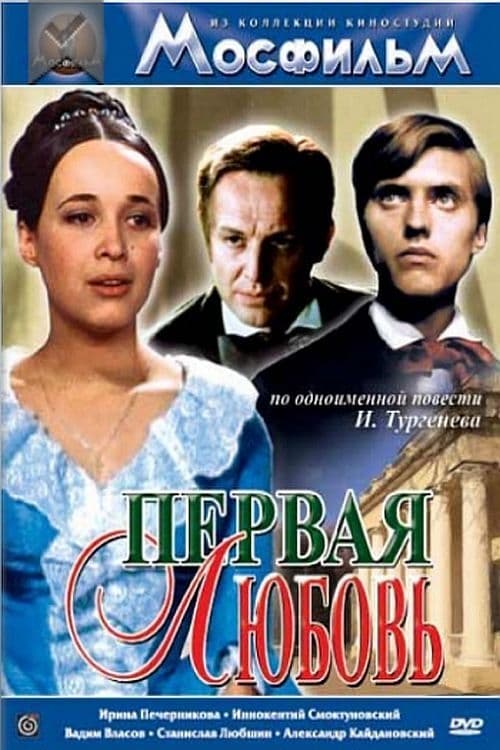
First Love is based on the eponymous novella by Ivan Turgenev set in the first third of the 19th century. It follows a 16-year old boy who becomes infatuated with a next door neighbor.
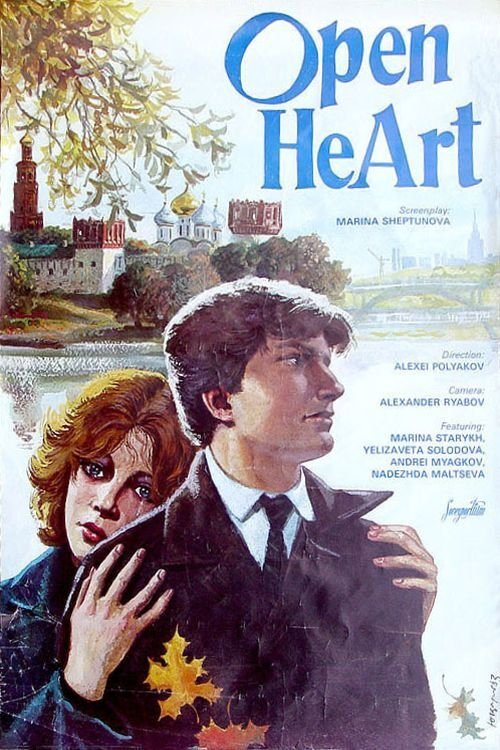
A film about the all-encompassing maternal love that lives in every woman. One day, out of the kindness of her heart, Lyuba sheltered a pregnant woman.
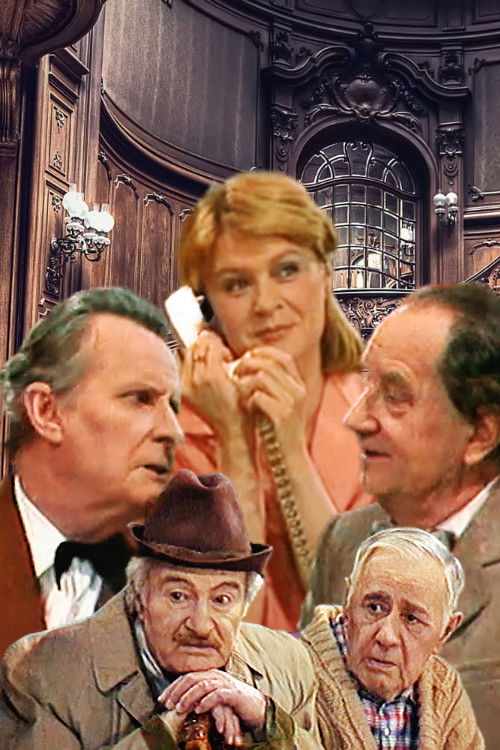
Pensioner organizes a meeting of former classmates fifty years after graduating from school. Many are no longer alive, but those who came touchingly remember their distant childhood and youth, the joys and sorrows of bygone years.
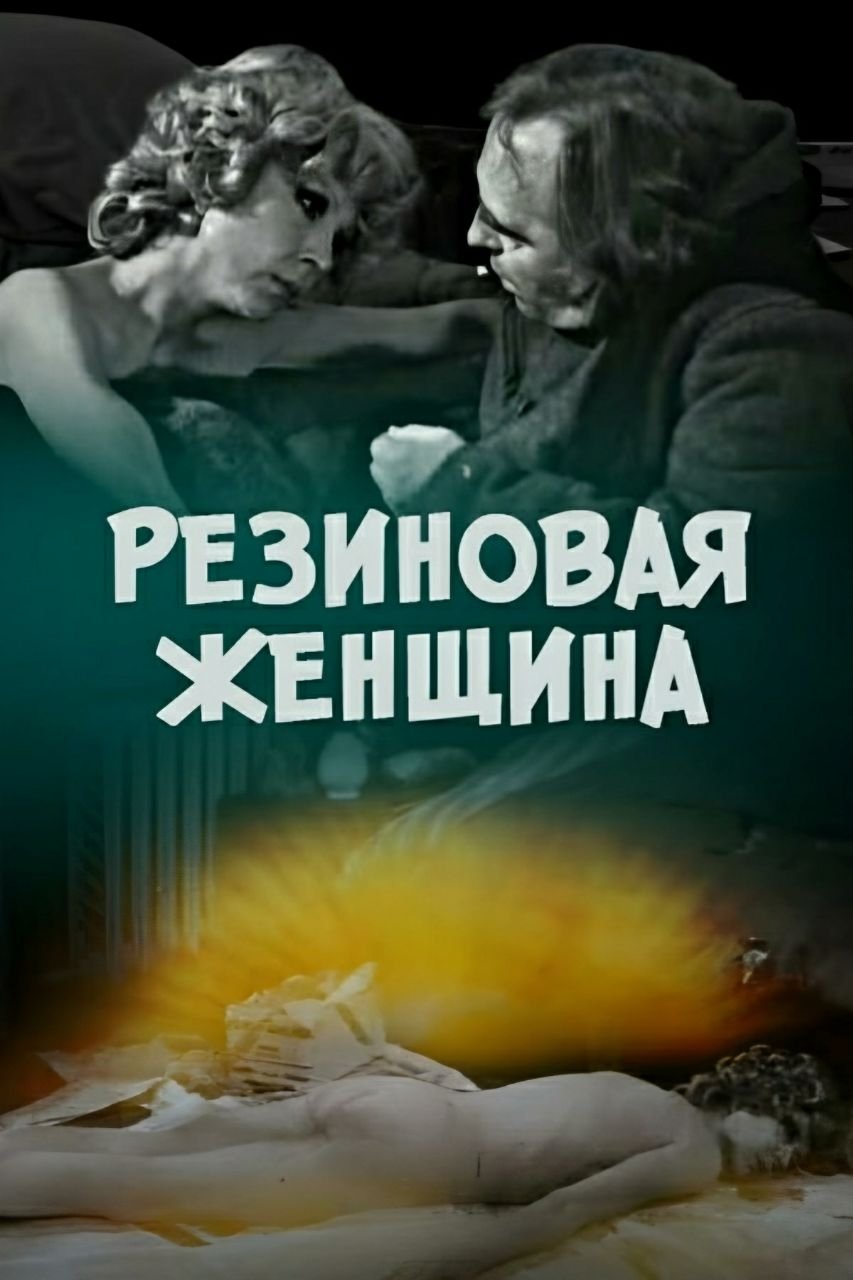
The sculptor lives as a hermit in the country, drinking vodka with a local cheerful drunkard and "sealing plaster piglets" for his wife, who sells these products on the Old Arbat. A friend sends him a rubber woman from Italy who miraculously assumes the appearance of a living woman. He buys outfits for the "doll", paints portraits of her, and life becomes joyful for him. Happiness, however, was broken by the drunkard who stole a doll with dirty intentions.
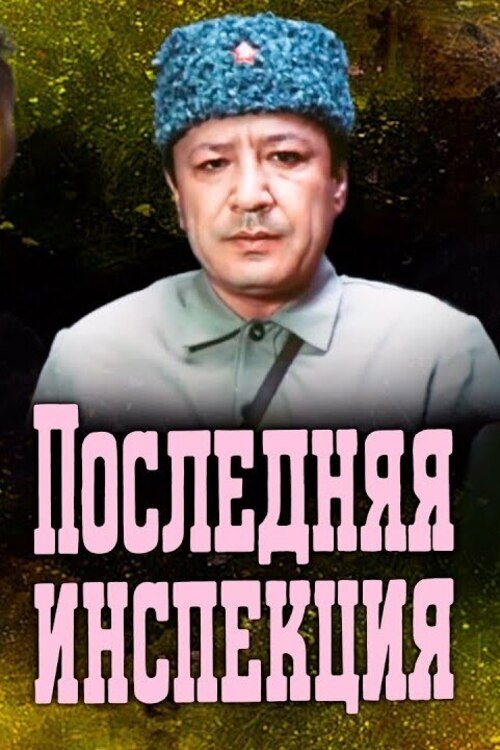
The film takes place in 1927 in Uzbekistan. A group of Central Investigation officers has been sent from Moscow to Tashkent to assist the local police in the fight against banditry. At the same time, they participate in the fight against the remnants of the Basmachi and the White Guard underground.
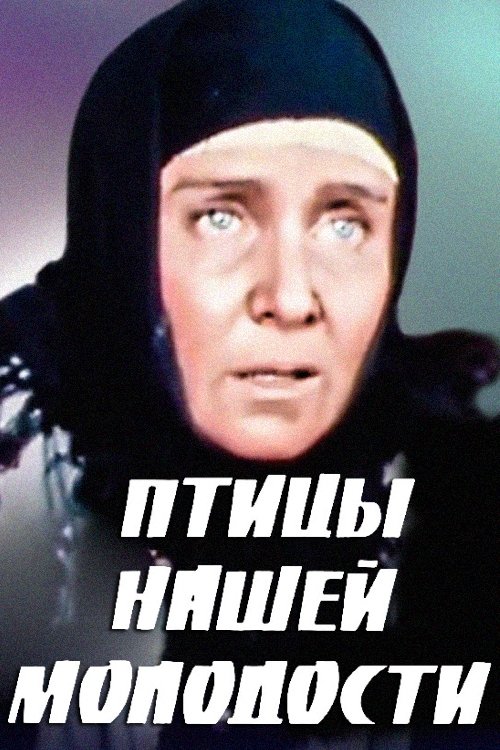
On the edge of a Moldovan village lives a wise old and infinitely lonely Aunt Ruta. She is always eager to help her fellow villagers, to cheer them up, to give them useful advice. It was not easy for her to forgive a long-standing offense, but she finds the strength to forget it and visits her dying relative to ease the last hours of his life.

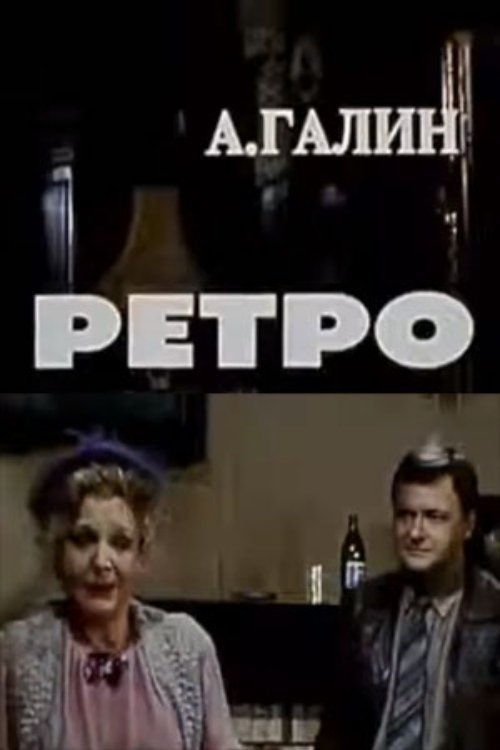
The daughter and her husband are trying to arrange the fate of the old man—her father. This old man has come to Moscow from a village; he suffers from loneliness and the alien city life. He gladly communicates only with the stray street birds, although he lives in a nice apartment with his daughter and son-in-law. They, in turn, to distract him from sad old-man thoughts and purely out of good intentions, decide to find him a wife and select "brides" for him. All three brides come to the meeting, and many funny situations arise because, by mistake, they all came at once. These three brides are pensioners — an eccentric former ballerina, a strict former nurse from a psychiatric hospital, and a kind-hearted mother of a family. But among these lonely elderly people, interest in each other awakens, warm relationships develop, and there is hope that something in life will change.
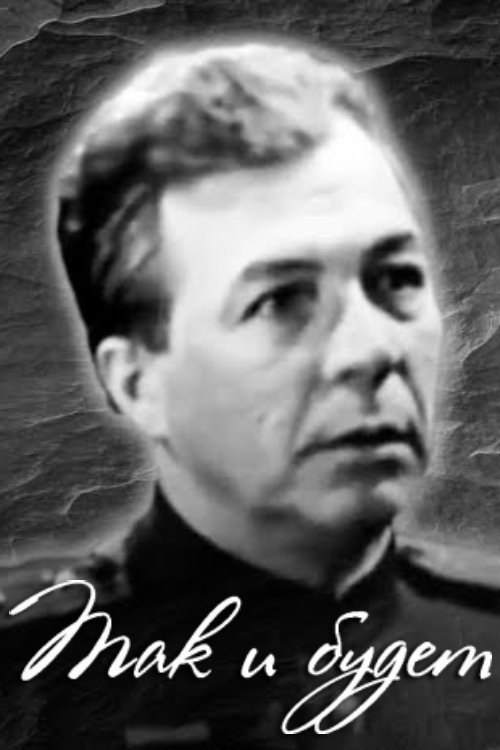
Based on the play of the same name by K. Simonov, in the production of the State Academic Maly Theatre of the USSR. The events of September 1944 are described, when military engineer Saveliev arrives in Moscow for a few days. In his apartment, he finds new tenants—the Vorontsov family. A mutual love sparks between him and Olya…
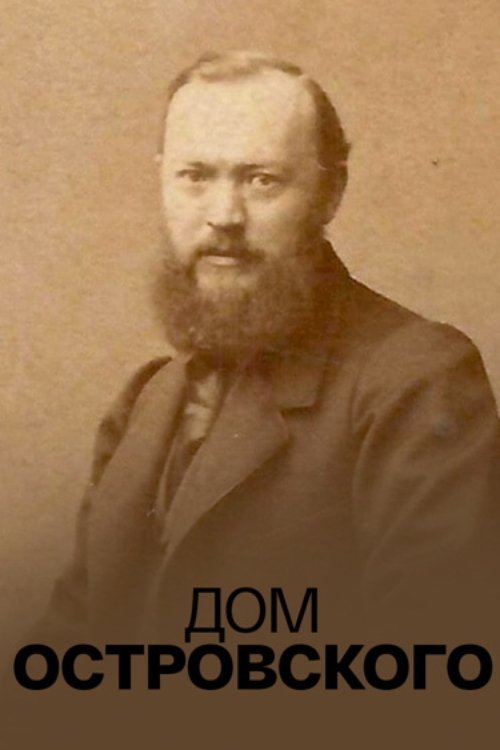
A production of the State Academic Maly Theater. The film, dedicated to the memory of Alexander Nikolayevich Ostrovsky, includes fragments of plays based on the playwright's plays: "We'll settle accounts with our own people", "Thunderstorm", "Wolves and Sheep", "The Abyss", "The Snow Maiden", "The Heart is not a Stone", "It Shines but Doesn't Warm", "Mad Money", "The Truth is Good, but Happiness is Better", and "It's not all for naught".
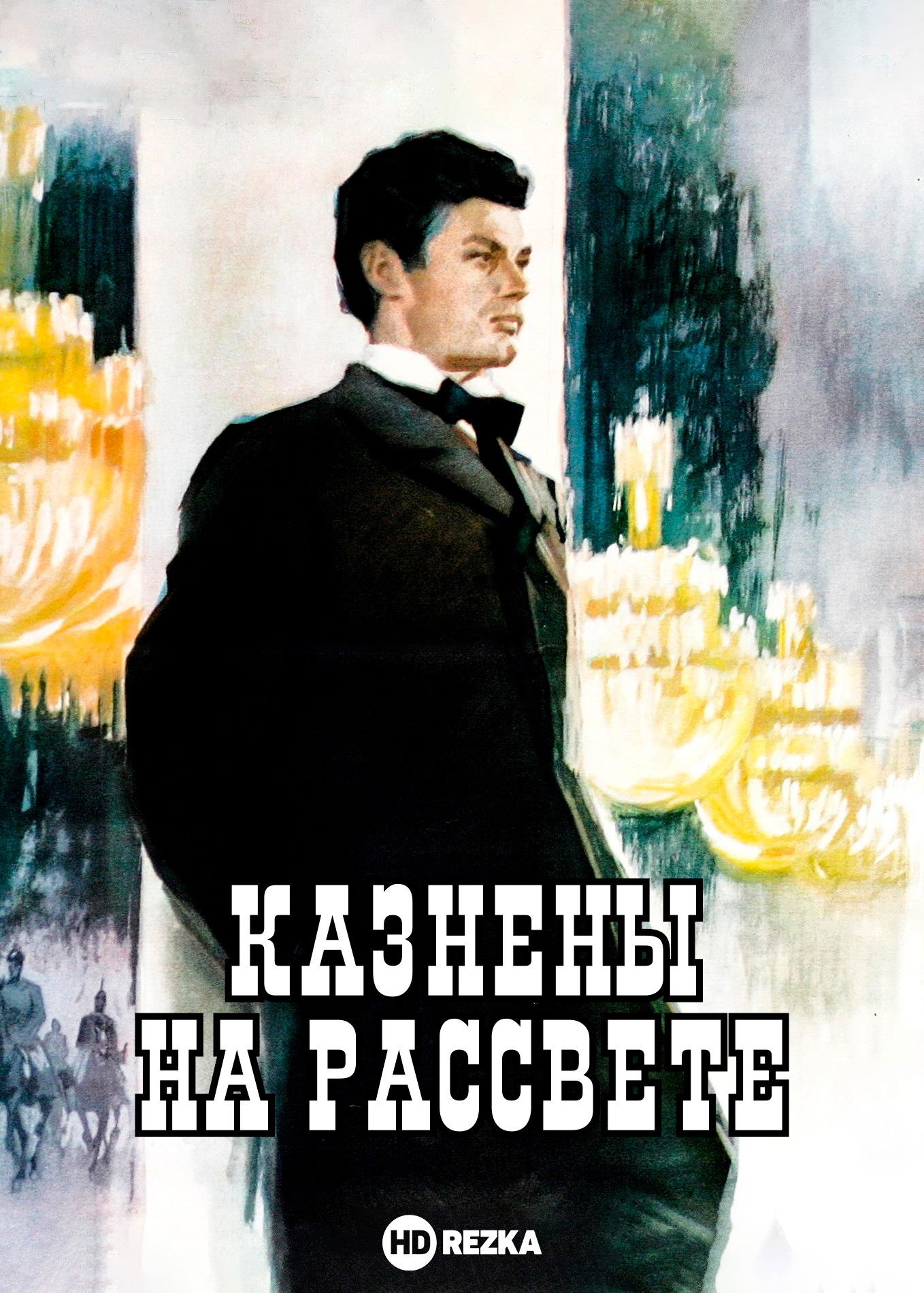
A film about Alexander Ulyanov (1866-1887), the organizer and leader of the “Terrorist Faction” of the Narodnaya Volya party, the older brother of Vladimir Lenin, participant in the preparation of the assassination attempt (03/01/1887) on Alexander III. Alexander Ulyanov was executed by hanging in the Shlisselburg fortress.
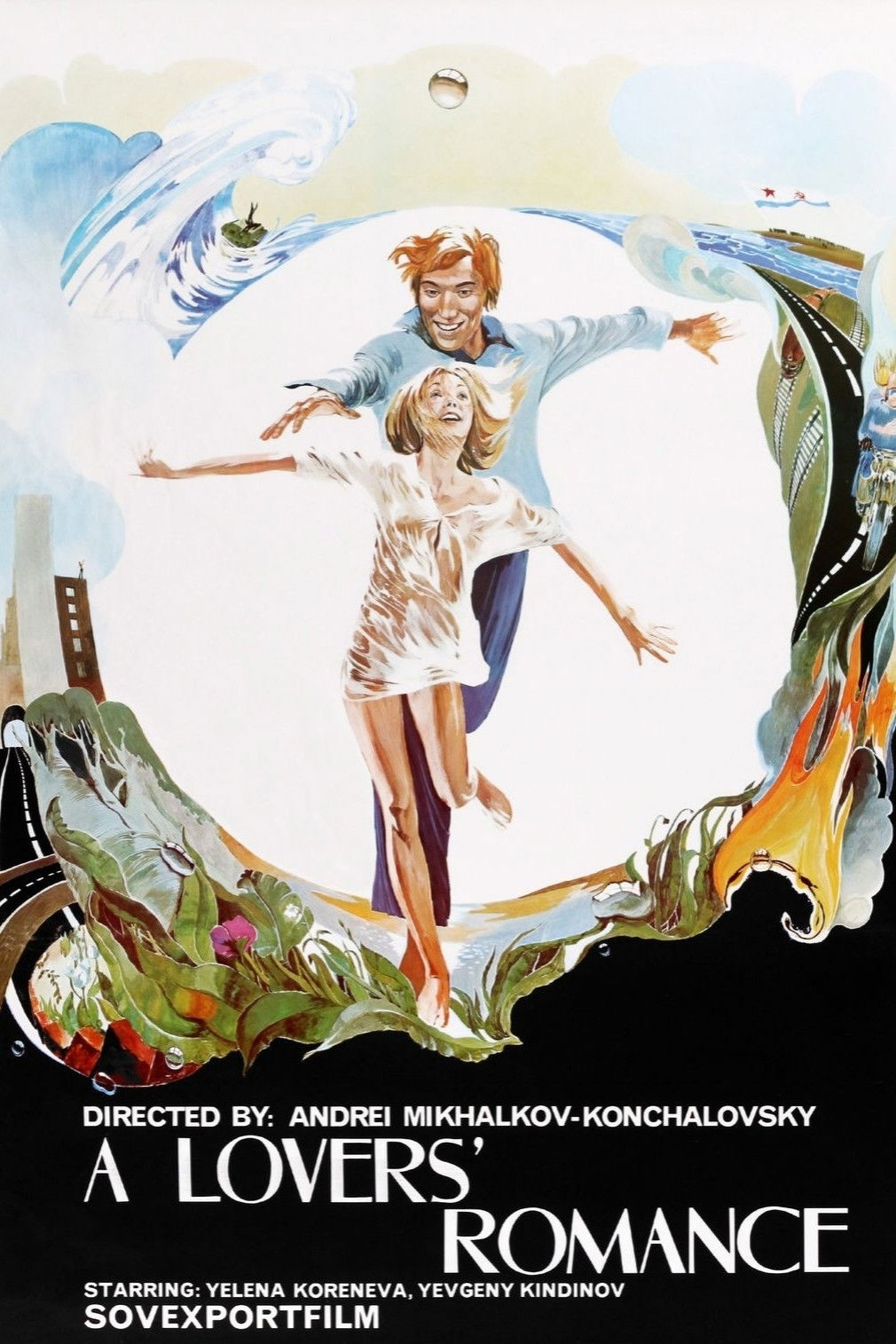
Sergei and Tanya are in love with each other. Sergei is drafted into the marine corps and Tania waits for his return. Sergei's division is abandoned in favor of helping local residents in distress. During the operation, his armored personnel gets carried into the sea. His relatives receive a notice of his death. Tanya's loving childhood friend, a hockey player, helps her to cope with misfortune and she marries him. But it turned out that Sergei did not perish. He, together with a wounded friend he saved, are found on a deserted island after a long winter. Back home, Sergei learns that Tanya has married another. Unable to accept the loss of his beloved, Sergei dies; but this death is a symbolic and emotional one, not physical. Sergei continues to live a normal life without shock and strong distress, meets another girl, marries her, has a child. In the finale there is a spiritual rebirth of the hero.