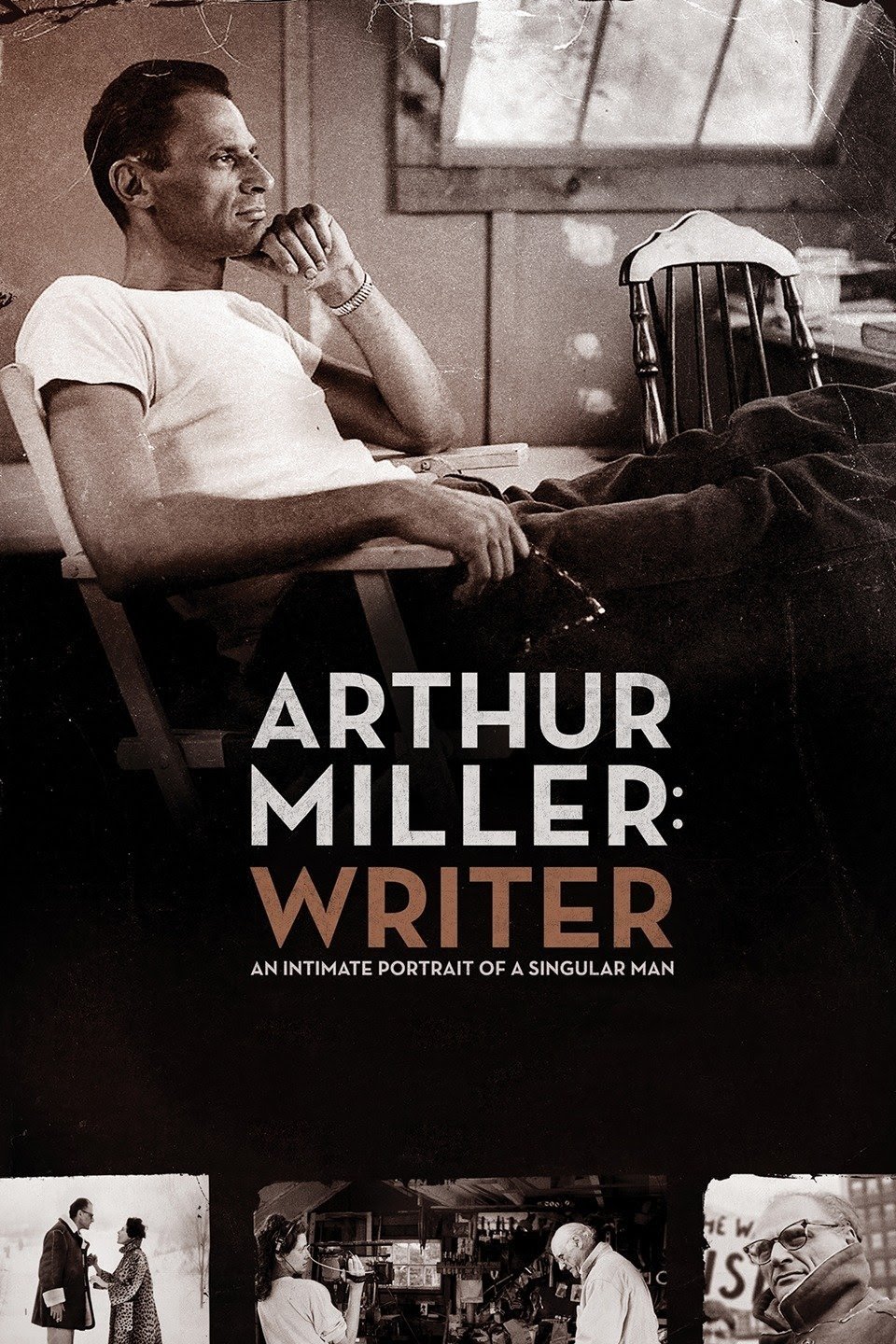
One of the greatest playwrights of the 20th century, Arthur Miller created such celebrated works as Death of a Salesman and The Crucible, which continue to move audiences around the world today. He also made headlines for being targeted by the House Un-American Activities Committee at the height of the McCarthy Era and entering into a tumultuous marriage with Hollywood icon Marilyn Monroe. Told from the unique perspective of his daughter, filmmaker Rebecca Miller, Arthur Miller: Writer is an illuminating portrait that combines interviews spanning decades and a wealth of personal archival material, and provides new insights into Miller’s life as an artist and exploring his character in all its complexity.
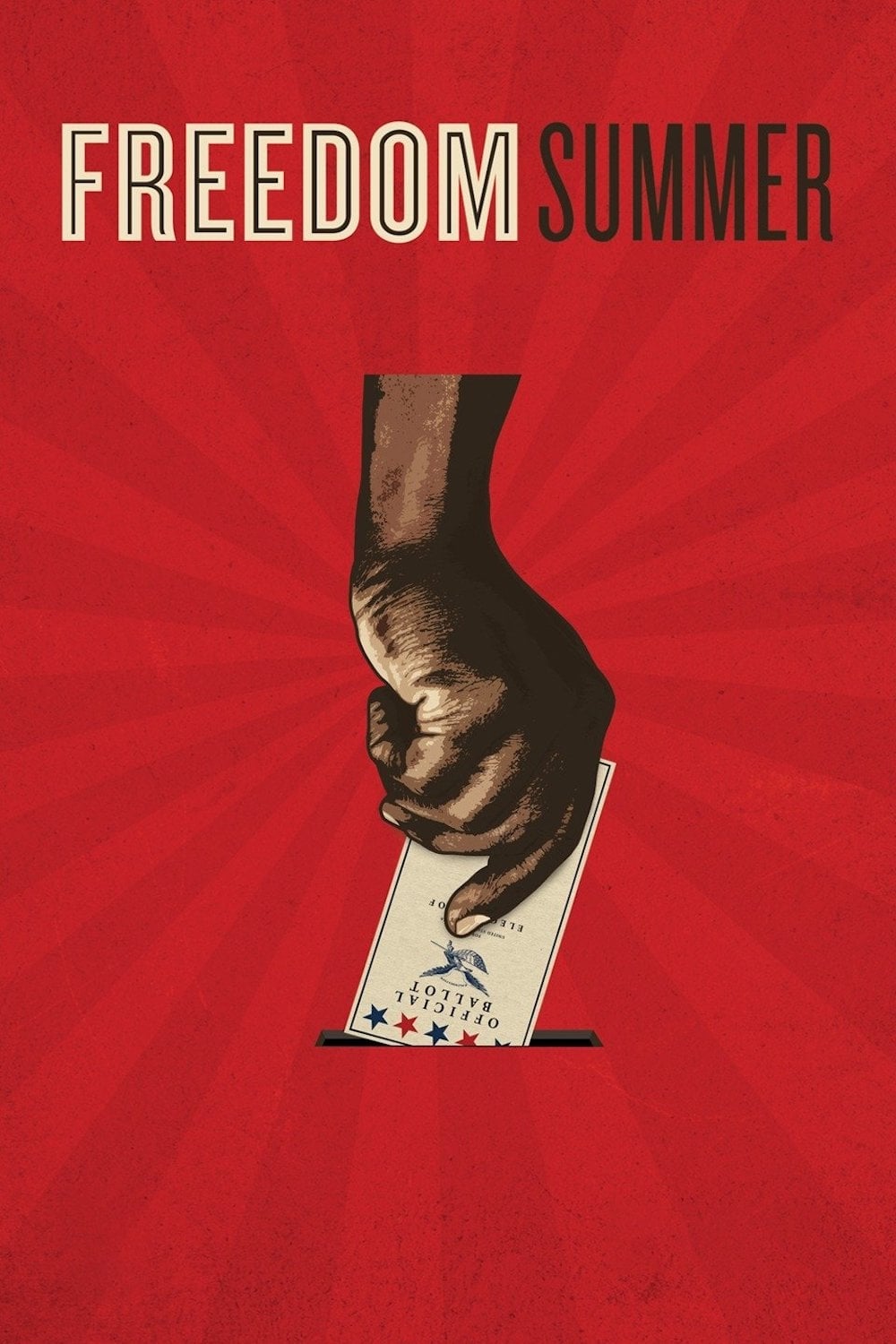
In the summer of 1964, more than 700 students descended on violent, segregated Mississippi. Defying authorities, they registered voters, created freedom schools, and established the Mississippi Freedom Democratic Party. Fifty years later, eyewitness accounts and never-before-seen archival material tell their story. Not all of them would make it through.

National Geographic documentary on Martin Luther King Jr. helps drive change in the United States in the face of bitter opposition, not least from opponents within the U.S. government; King is subjected to a fierce campaign of intimidation by J. Edgar Hoover's FBI.
The life and work of the documentary pioneer.
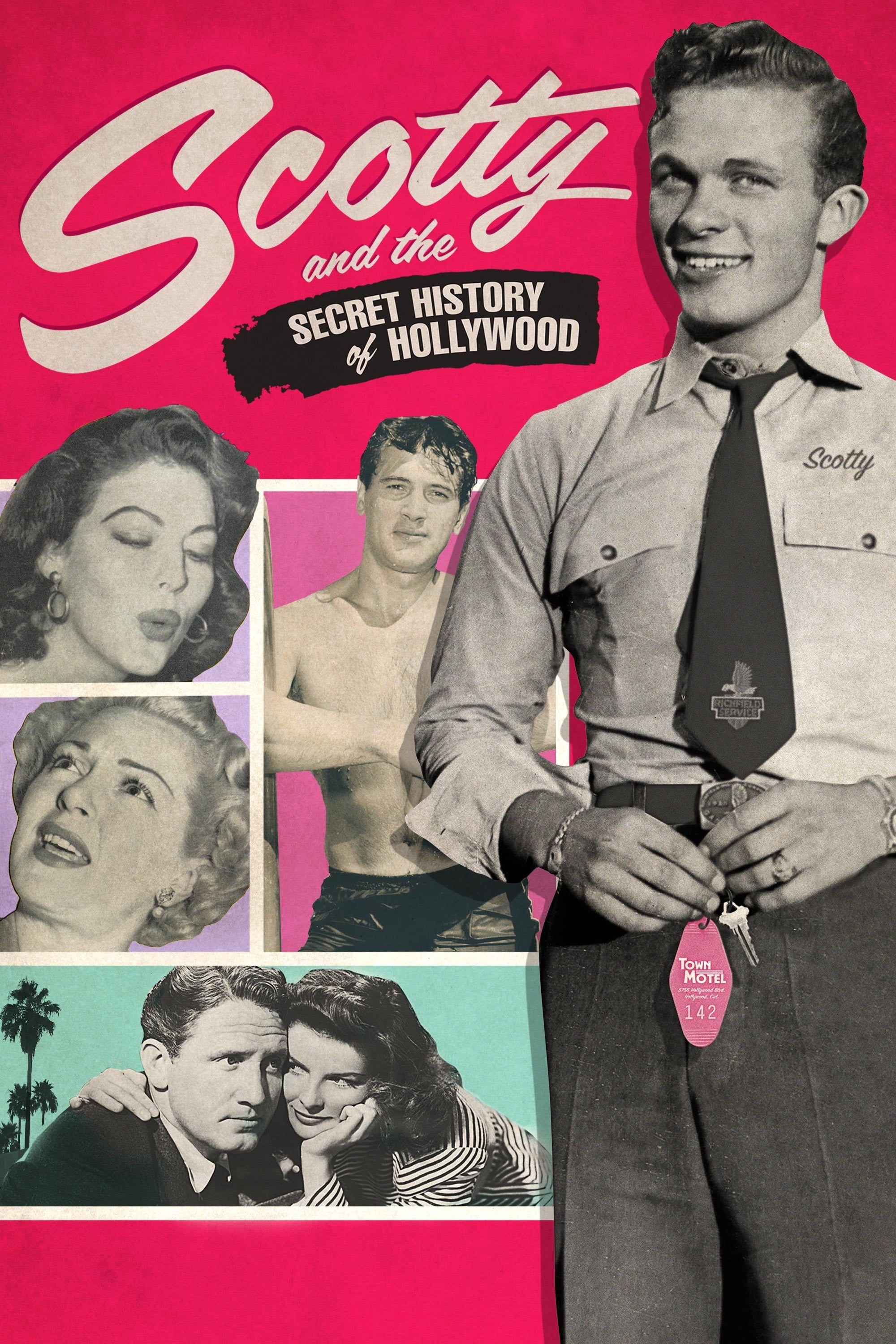
A deliciously scandalous portrait of unsung Hollywood legend Scotty Bowers, whose bestselling memoir chronicled his decades spent as sexual procurer to the stars.
U.S. government film that examines the duties of an FBI employee.
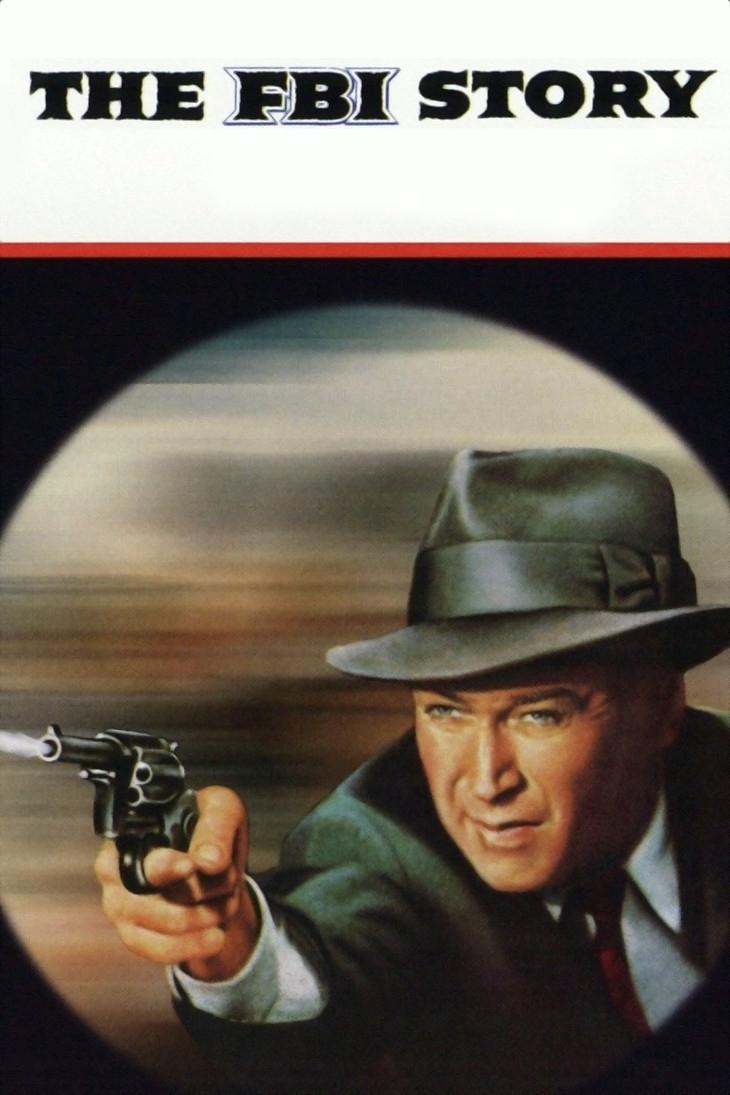
A dedicated FBI agent recalls the agency's battles against the Klan, organized crime and Communist spies.
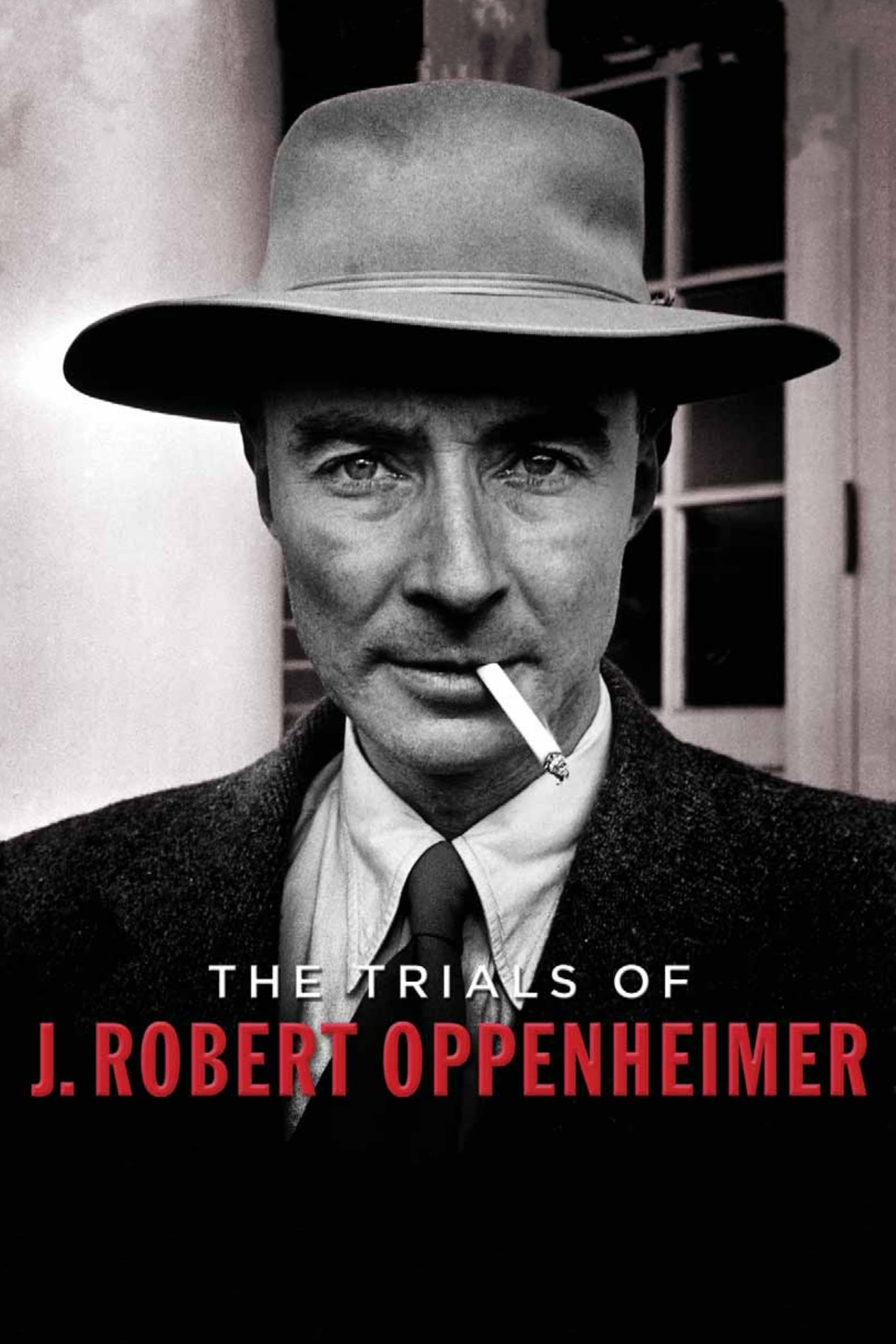
J. Robert Oppenheimer was a national hero, the brilliant scientist who during WWII led the scientific team that created the atomic bomb. But after the bomb brought the war to an end, in spite of his renown and his enormous achievement, America turned on him - humiliated and cast him aside. The question the film asks is, "Why?"
There is a vast increase of youth crime, doubling in the two years since the US entered World War II. With fathers off to war, women are working in the factories leaving children at home for the day or after school, unsupervised and free to get into trouble. Young men and women, some working and making an adult wage, now feel that they have the right to act and do as adults. Others are trying their hands at new thrills, such as smoking marijuana. Young women are getting into trouble by getting involved with the many servicemen that they are attracted to. This film shows how these kinds of subversive thoughts that lead to juvenile delinquency can be broken by having youths selling war bonds and organizing 4-H clubs, among other activities.

A 60-minute salute to American International Pictures. Entertainment lawyer Samuel Z. Arkoff founded AIP (then called American Releasing Corporation) on a $3000 loan in 1954 with his partner, James H. Nicholson, a former West Coast exhibitor and distributor. The company made its mark by targeting teenagers with quickly produced films that exploited subjects mainstream films were reluctant to tackle.
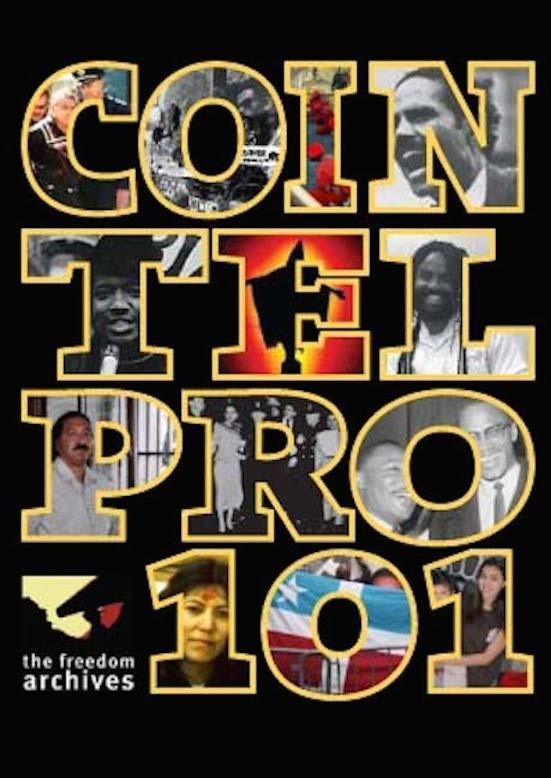
COINTELPRO 101 exposes illegal surveillance, disruption, and outright murder committed by the US government in the 1950s, 60s, and 70s. “COINTELPRO” refers to the official FBI COunter INTELigence PROgram carried out to surveil, imprison, and eliminate leaders of social justice movements and to disrupt, divide, and destroy the movements as well. Many of the government's crimes are still unknown. Through interviews with activists who experienced these abuses first-hand, with rare historical footage, the film provides an educational introduction to a period of intense repression and draws relevant lessons for the present and future.
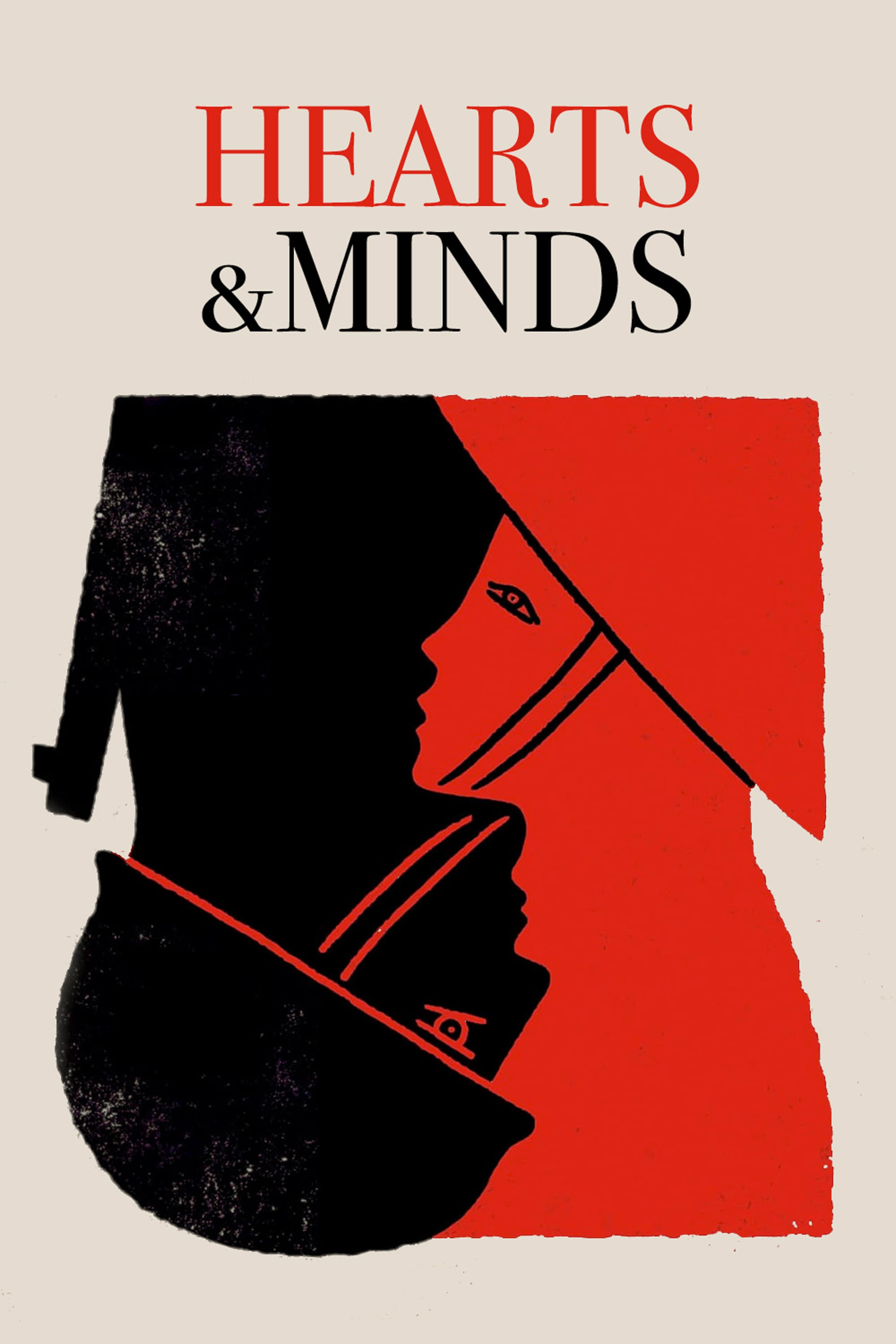
Many times during his presidency, Lyndon B. Johnson said that ultimate victory in the Vietnam War depended upon the U.S. military winning the "hearts and minds" of the Vietnamese people. Filmmaker Peter Davis uses Johnson's phrase in an ironic context in this anti-war documentary, filmed and released while the Vietnam War was still under way, juxtaposing interviews with military figures like U.S. Army Chief of Staff William C. Westmoreland with shocking scenes of violence and brutality.
This color propaganda film made National Education Program (NEP) as a warning to citizens of the USA about the subversive groups within the country looking to destroy the American system and its people. It dates to 1968, one of the most chaotic years in 20th Century American history.
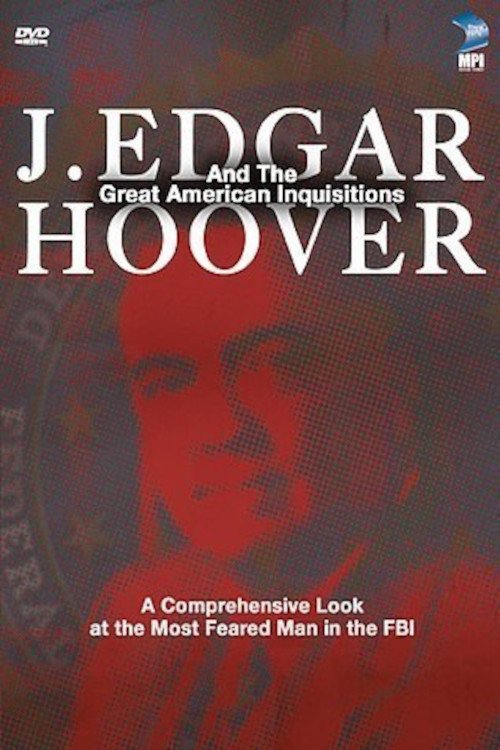
A sizzling look at the one, the only, J. Edgar Hoover-a man whose very name conjures up images of top level law enforcement and respect. Having served tirelessly as director of the FBI for more than 40 years, J. Edgar's life was chock-full of secret investigations that were as much responsible for preserving freedom and stamping out Communism as any U.S. President that ever served.
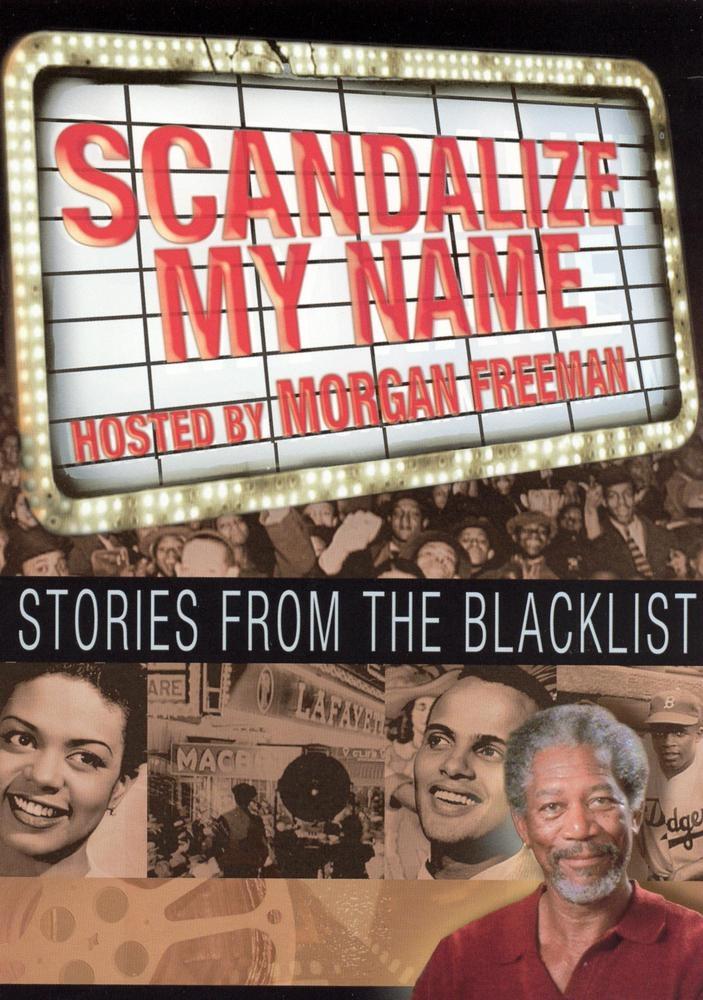
A look at the confluence of the Red Scare, McCarthyism, and blacklists with the post-war activism by African Americans seeking more and better roles on radio, television, and stage. It begins in Harlem, measures the impact of Paul Robeson and the campaign to bring him down, looks at the role of HUAC, J. Edgar Hoover and of journalists such as Ed Sullivan, and ends with a tribute to Canada Lee. Throughout are interviews with men and women who were there, including Dick Campbell of the Rose McLendon Players and Fredrick O'Neal of the American Negro Theatre. In the 1940s and 1950s, anti-Communism was one more tool to maintain Jim Crow and to keep down African-Americans.
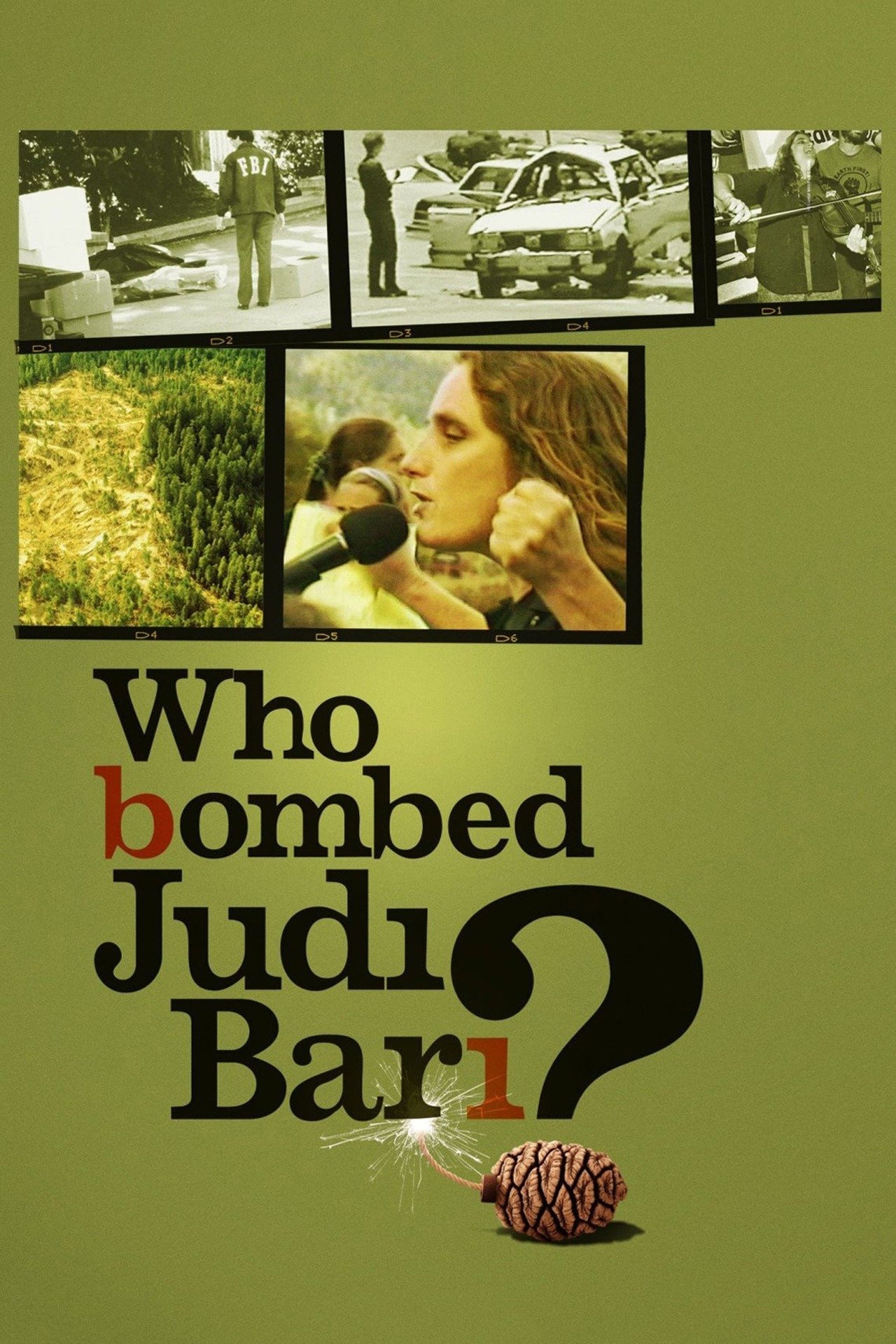
Judi Bari and Darryl Cherney were falsely arrested for car-bombing themselves on May 24, 1990 while on an Earth First! musical organizing tour for Redwood Summer. They sued the FBI for violations of the First Amendment, claiming the FBI knew they were innocent but arrested them to try to silence them. Having survived the bomb but now stricken by cancer, Judi Bari, a leader of the movement to save California's old growth redwoods, gives her on-camera, deathbed testimony about the attempt on her life and her colorful organizing history with the radical environmental movement Earth First.
Explore America’s enduring relationship with firearms: From the first European settlements in the New World to frontier justice; from 19th Century immigrant riots to gangland violence in the Roaring Twenties; from the Civil War to Civil Rights, guns have been at center of our national narrative for four hundred years.

From 1971 to 1973, Richard Nixon secretly recorded his private conversations in the White House. This film chronicles the content of those tapes, which include Nixon's conversations on the war in Vietnam, the Pentagon Papers leak, his Supreme Court appointments, and more--while also exposing shocking statements he made about women, people of color, Jews, and the media.
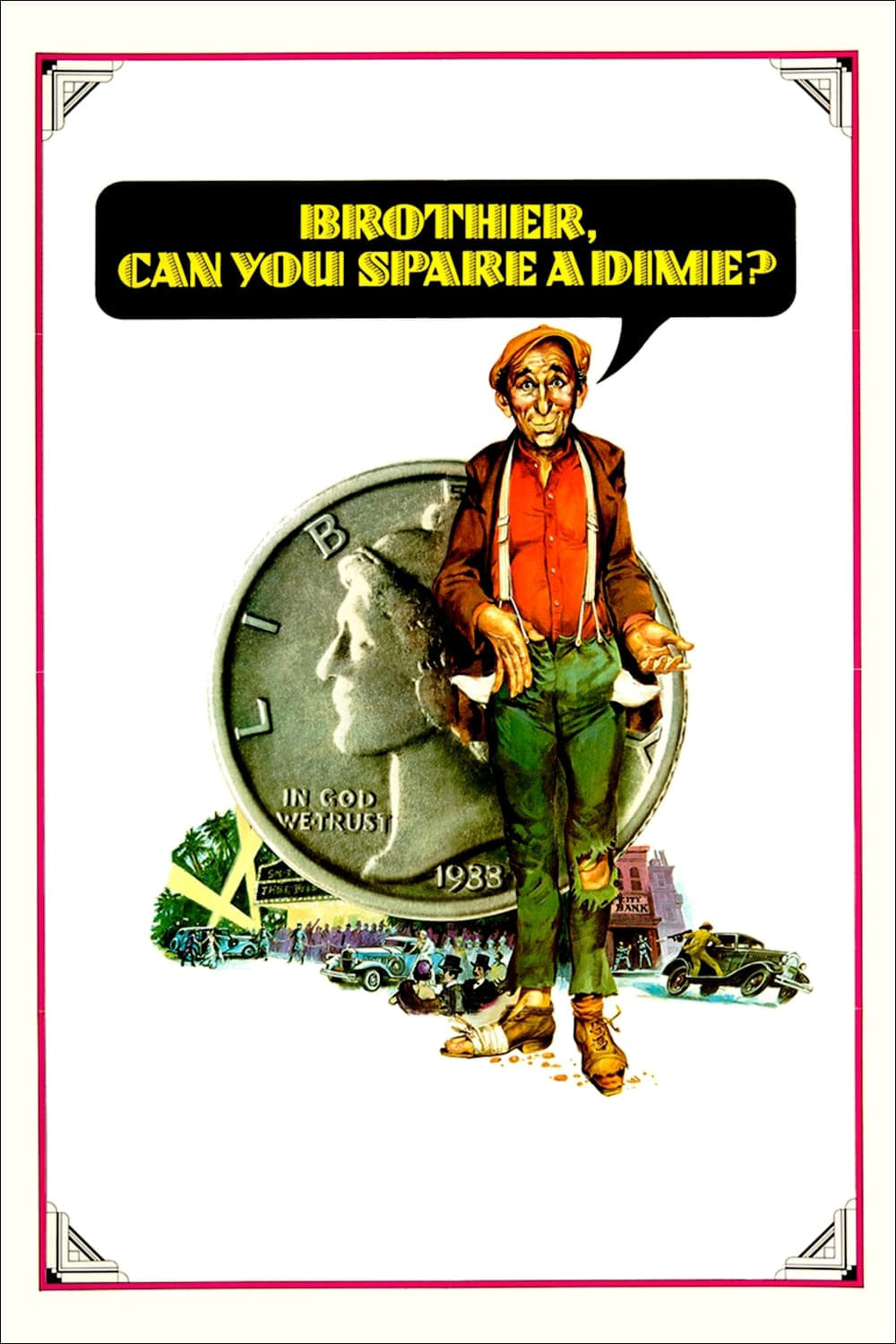
Period music, film clips and newsreel footage combined into a visual exploration of the American entertainment industry during the Great Depression.
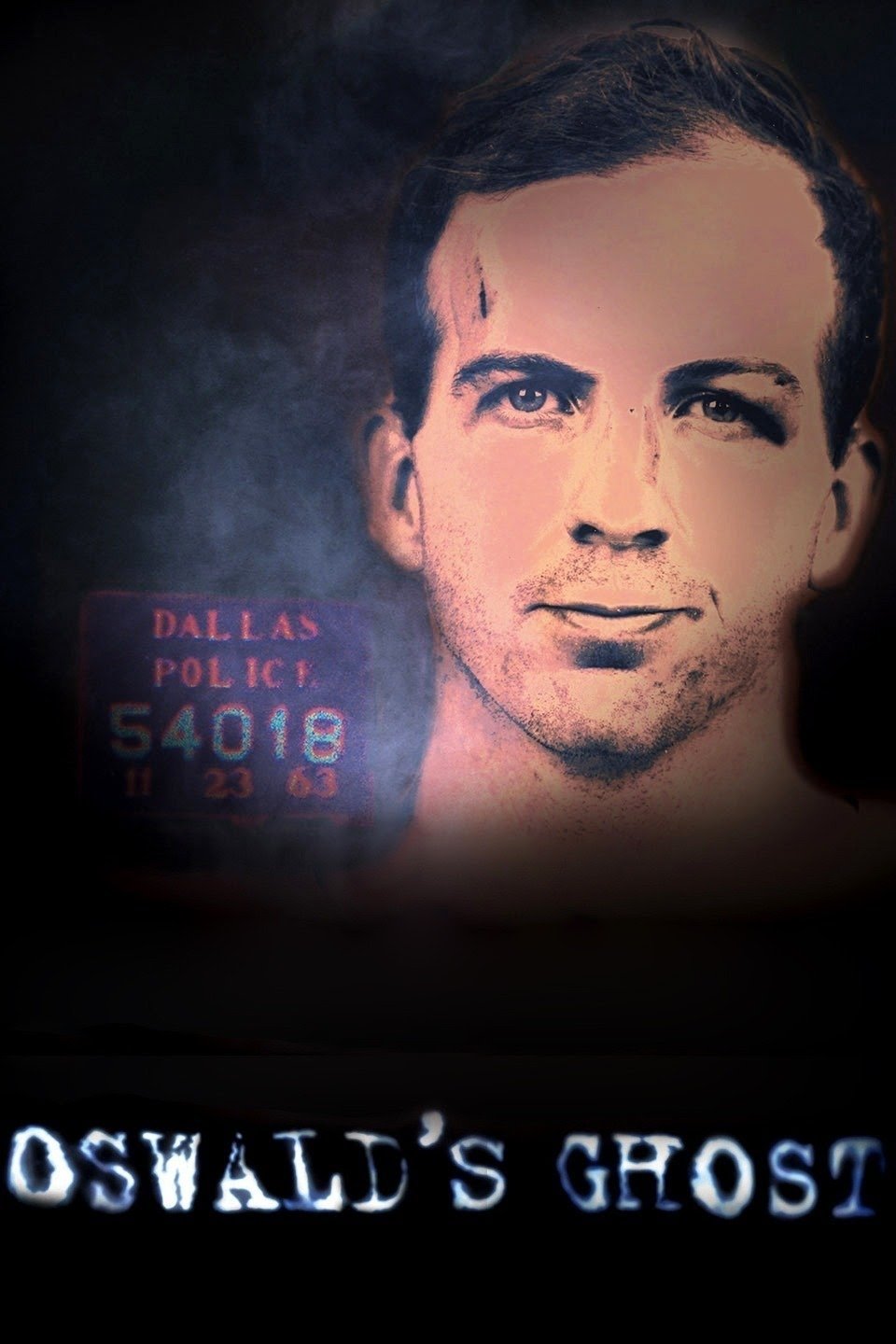
For the Baby Boomers, the assassination of President John F. Kennedy took on the same sense of tragedy as the September 11, 2001 terrorist attacks did for Generation Y - not only for the effect that it had on the nation's morale but for the conspiracy theories that would follow in its wake as well. In the aftermath of the assassination,
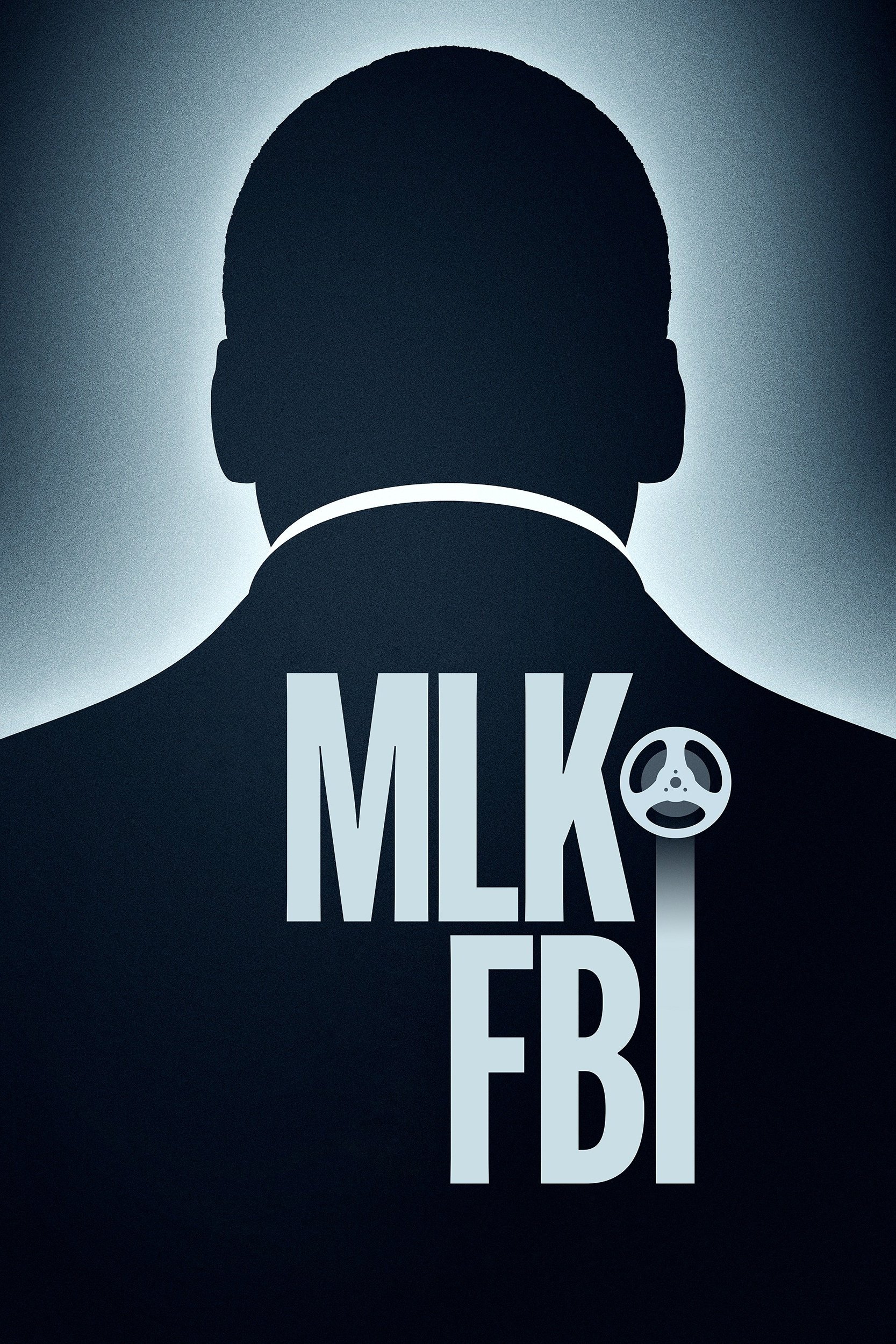
Based on newly declassified files, the film explores the US government’s surveillance and harassment of Martin Luther King, Jr.
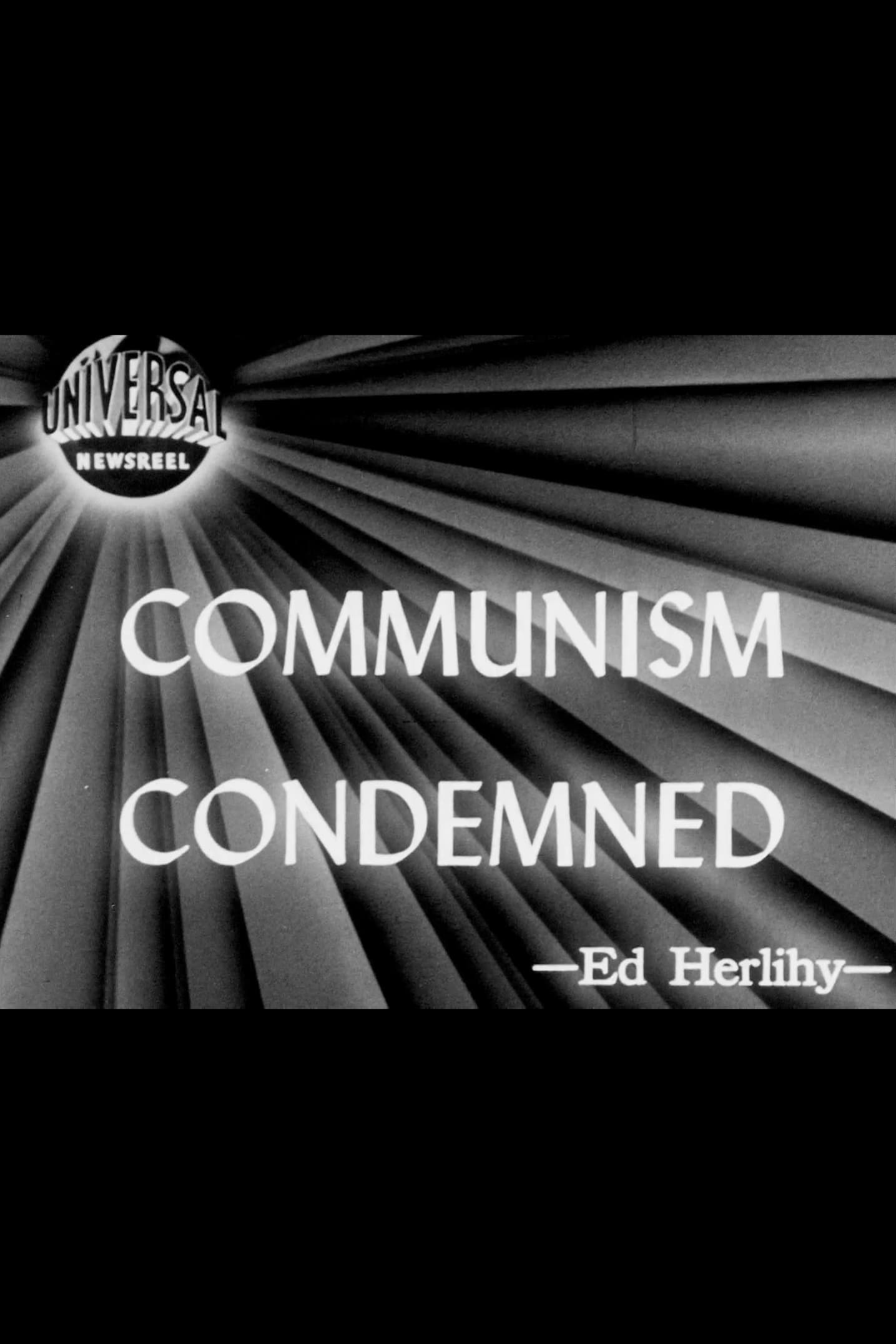
Universal newsreel recounts the proceedings at the House Un-American Activities Committee
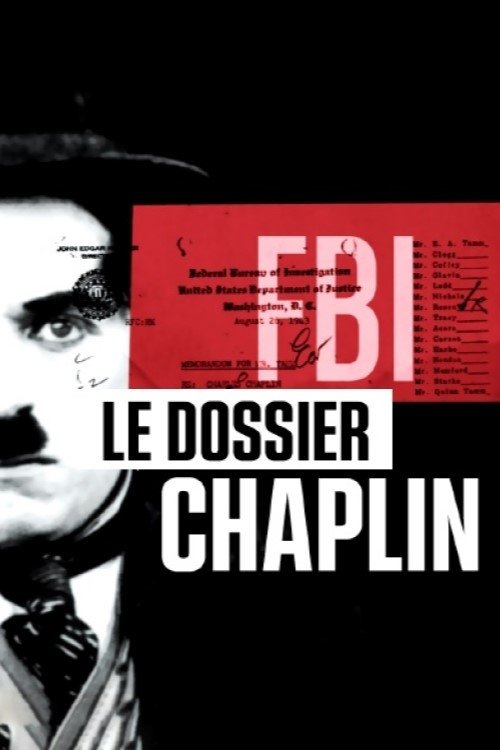
How FBI followed Charles Chaplin for 50 years. Hoover was convinced that Chaplin is a communist or communist supporter.
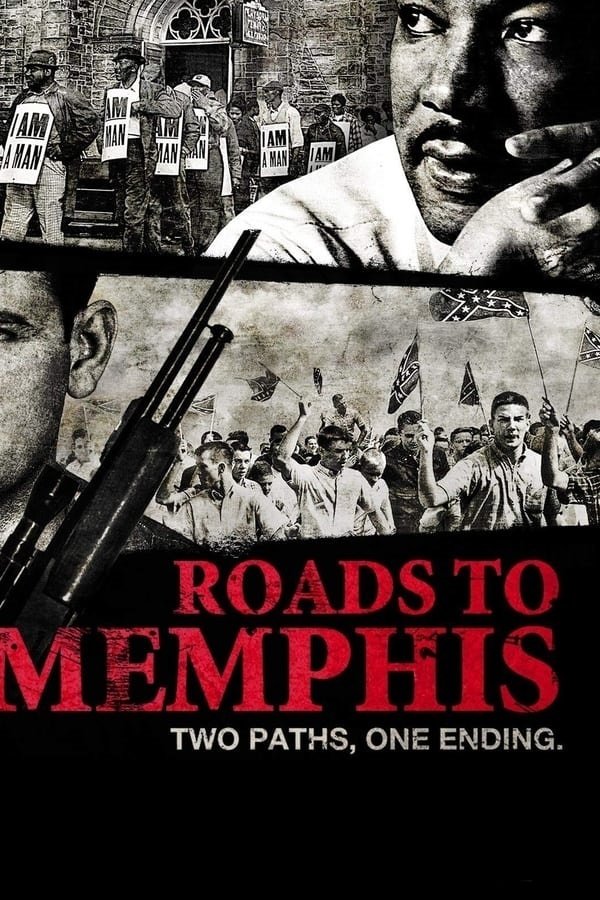
The wildly disparate yet fatefully entwined stories of assassin James Earl Ray and his target, Dr. Martin Luther King Jr.

A look at the history of the comic book publication that launched such legendary characters as Superman, Batman and Wonder Woman.
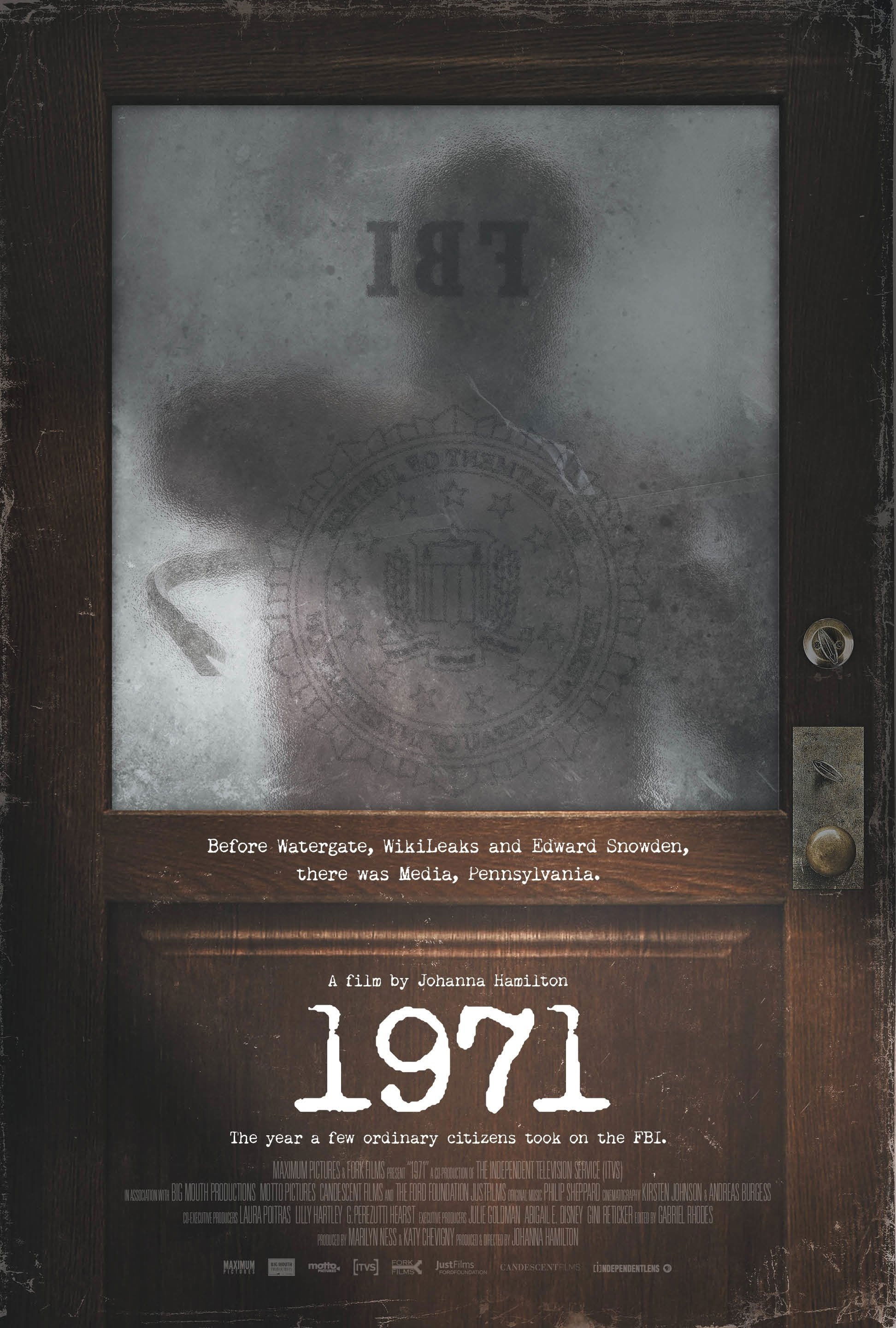
Forty years before WikiLeaks and the NSA scandal, there was Media, Pennsylvania. In 1971, eight activists plotted an intricate break-in to the local FBI offices to leak stolen documents and expose the illegal surveillance of ordinary Americans in an era of anti-war activism. In this riveting heist story, the perpetrators reveal themselves for the first time, reflecting on their actions and raising broader questions surrounding security leaks in activism today.
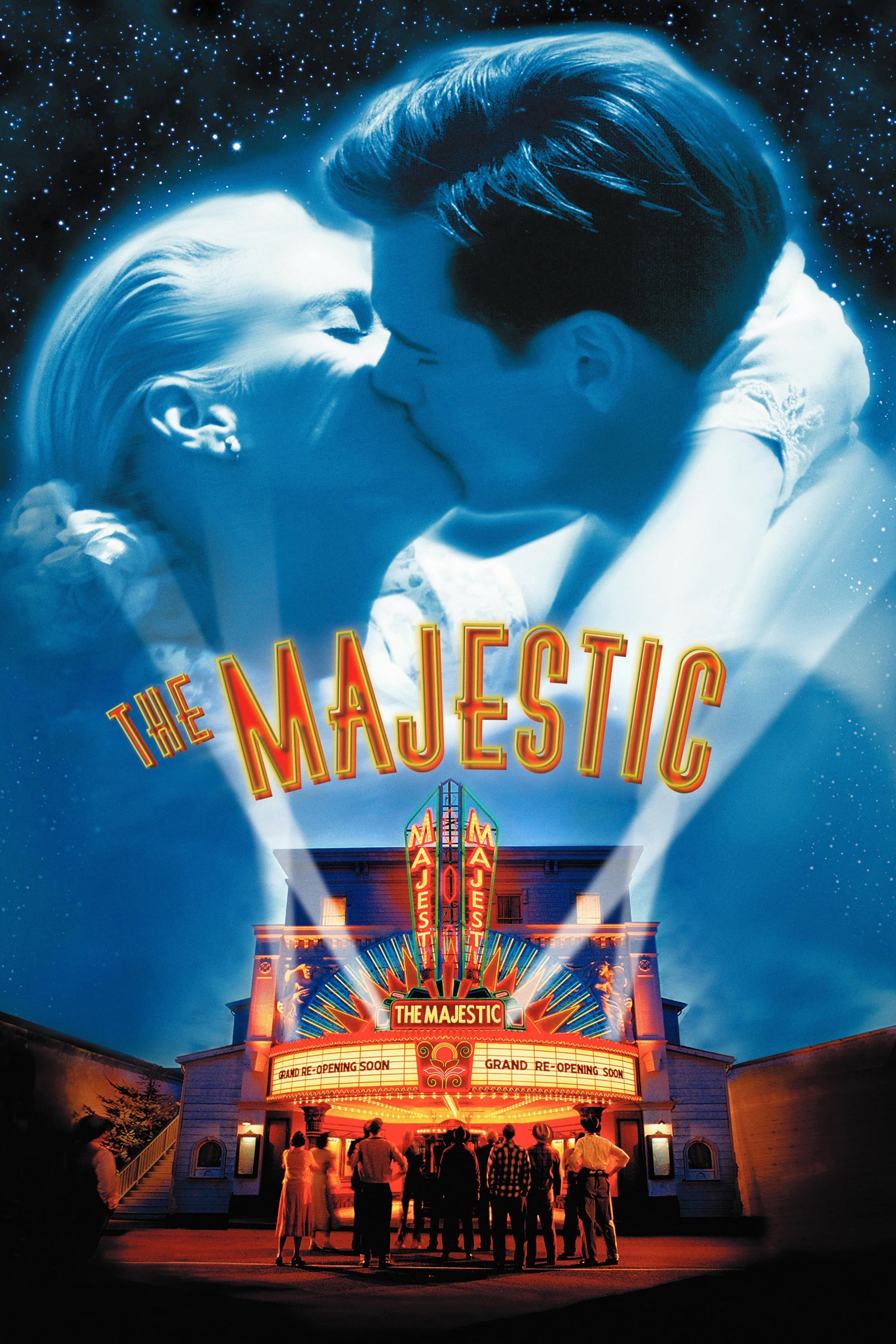
Set in 1951, a blacklisted Hollywood writer gets into a car accident, loses his memory and settles down in a small town where he is mistaken for a long-lost son.
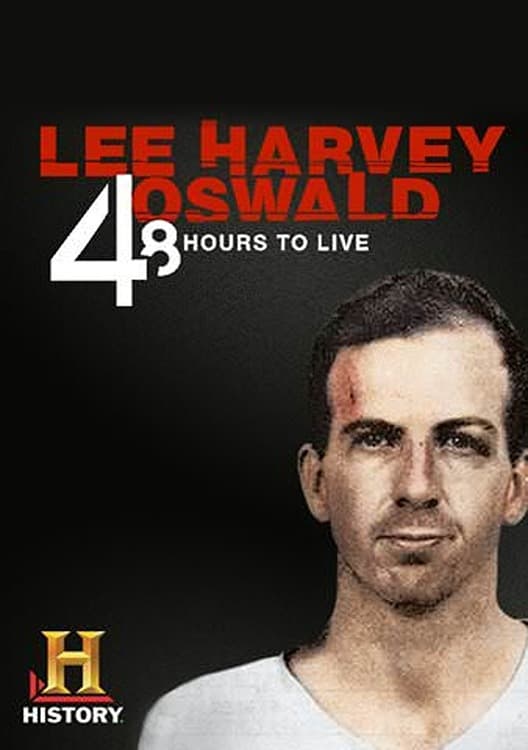
Documentary - This special seeks to explain the enigmatic Oswald using a brand new approach. No other documentary has exclusively traced Oswald's actions in the minutes, hours and days following the events in Dallas. By shifting the focus on that November weekend, we're able to tell a familiar story in an unfamiliar way, providing a refreshing new perspective on Oswald himself, as well as on the Kennedy assassination. - Michael Baker, Jason Lee Boyson, Sarah Joy Byington
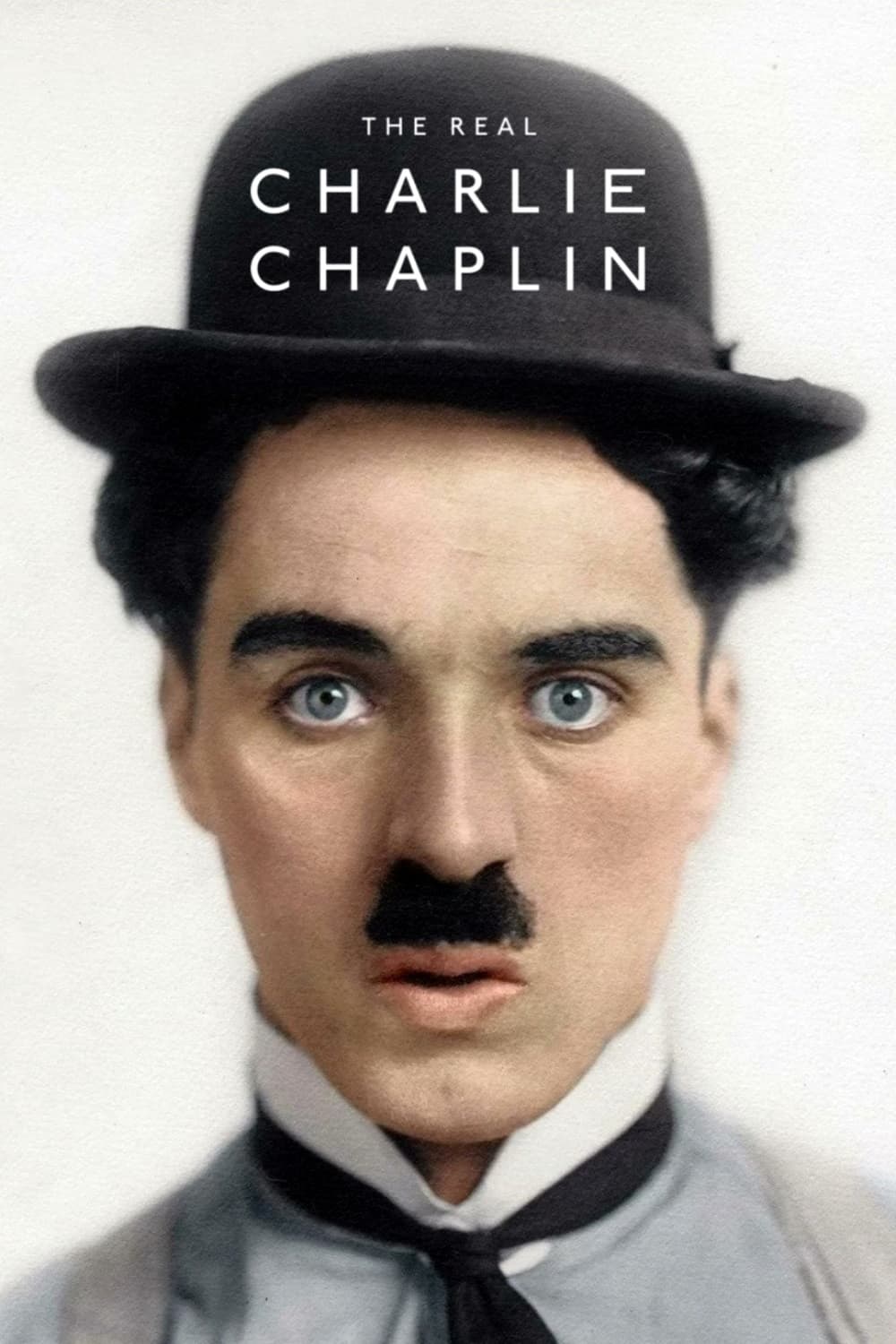
A look at the life and work of Charlie Chaplin in his own words featuring an in-depth interview he gave to Life magazine in 1966.
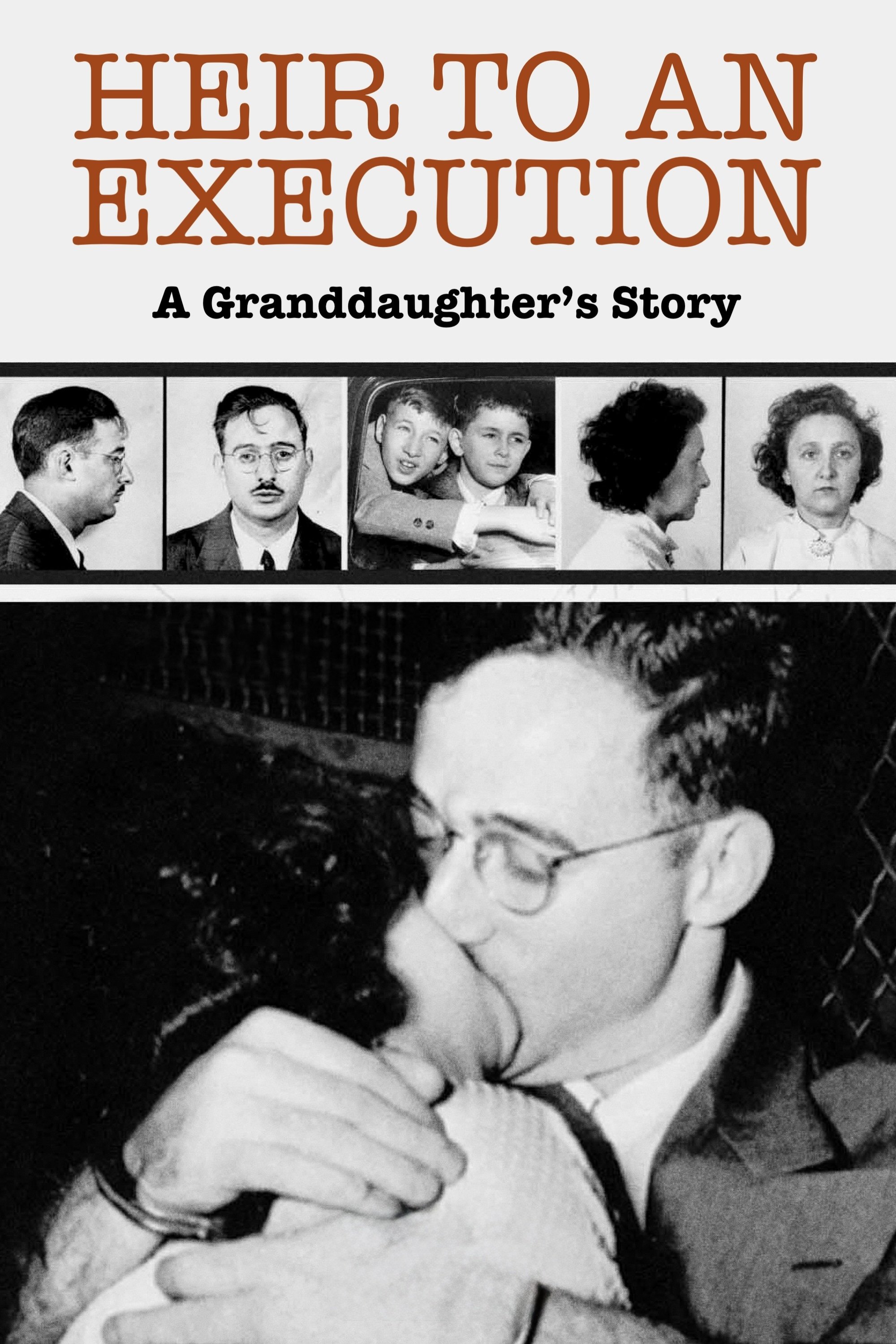
When Julius and Ethel Rosenberg were put to death in 1953 for selling atomic secrets to the USSR, their two children were orphaned after every family member refused to take them in. Documentarian Ivy Meeropol, raised to believe in her grandparents' innocence, begins investigating what actually happened, interviewing family members and friends. With declassified papers indicating Julius was participating in espionage in some capacity, Ivy tries to understand the beliefs that drove the couple.
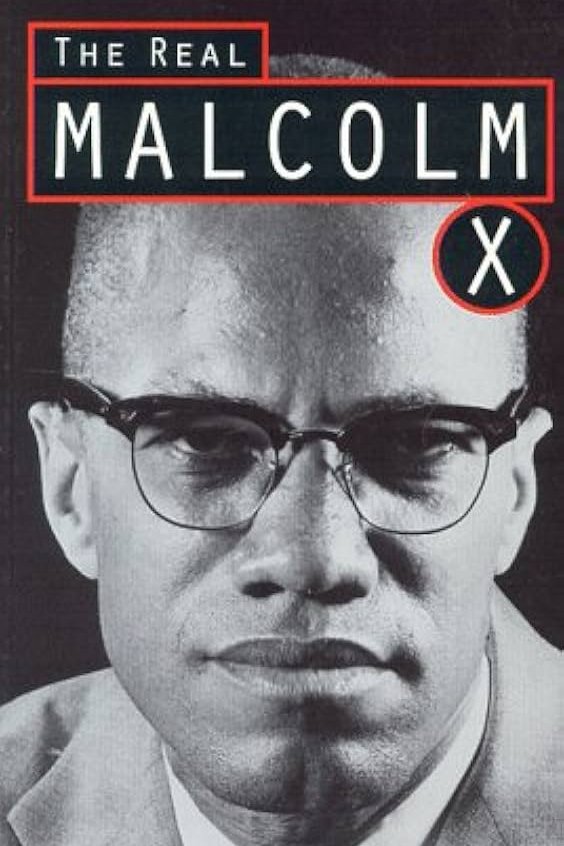
CBS News looks at Malcolm X, focusing on his public life from 1959 to his assassination in 1965, suggesting that his death was a great loss to the nation. The film intercuts archival footage of Malcolm and interviews with family, friends, colleagues, scholars, and writers. CBS documents Malcolm's move from being Elijah Muhammad's deputy in the Nation of Islam to his embrace of Islam: his new links with the civil rights movement posed a real threat to the powers that be. CBS details his death after secret FBI acts to increase the rift between Muhammad and Malcolm. Maya Angelou, Dick Gregory, and Andrew Young offer trenchant comments. "He was our manhood," eulogized Ossie Davis.