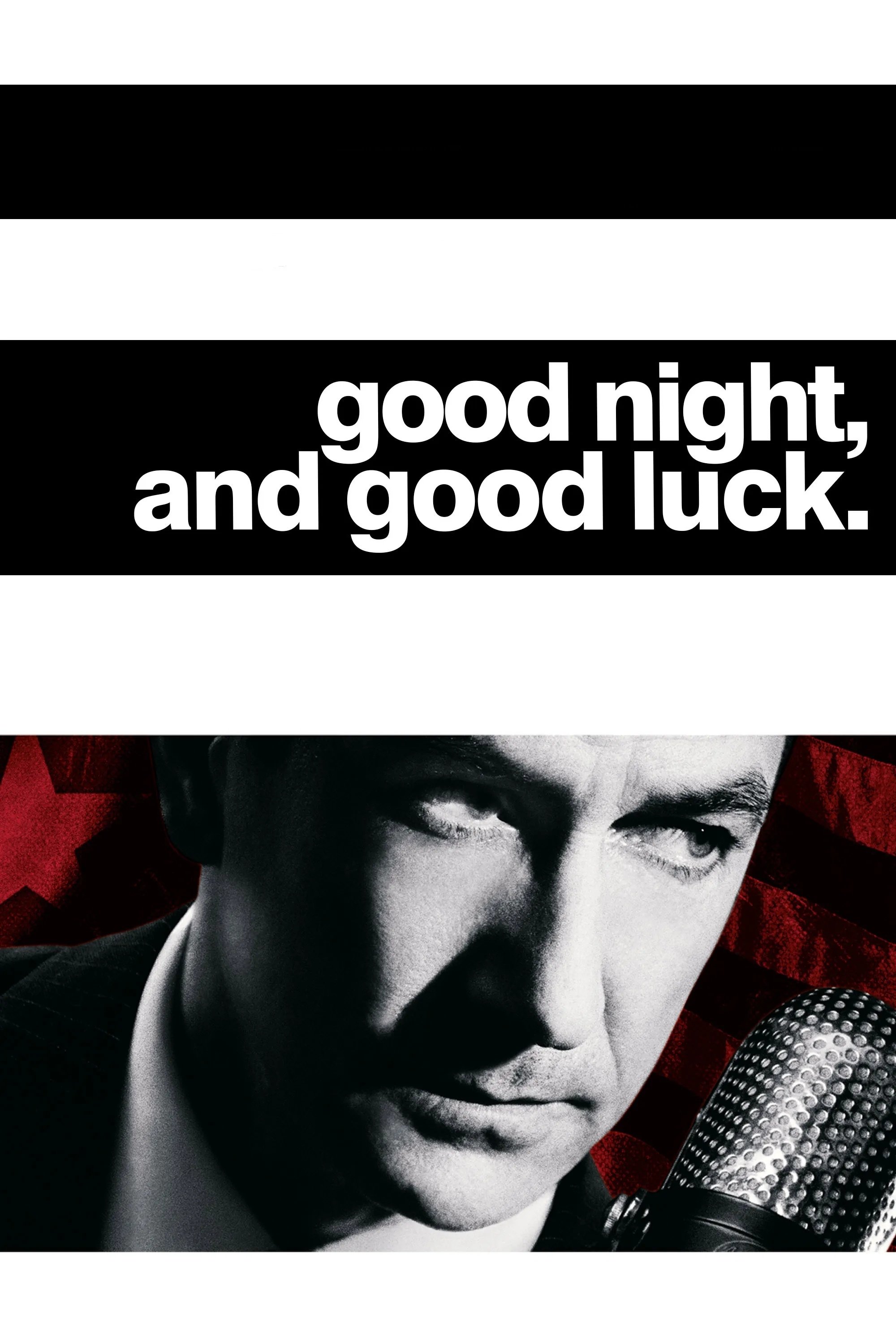
The story of journalist Edward R. Murrow's stand against Senator Joseph McCarthy's anti-communist witch-hunts in the early 1950s.
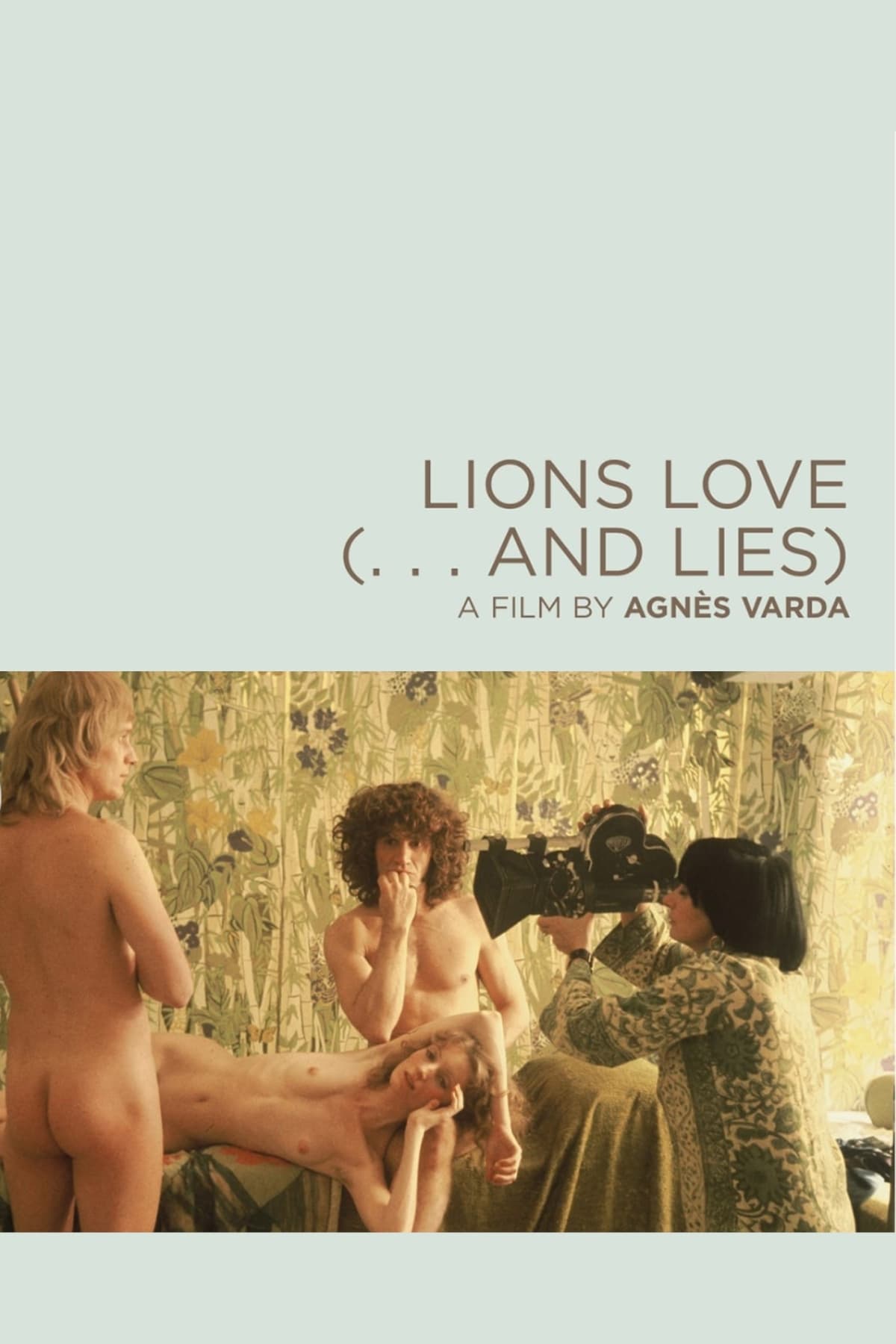
Three actors in Hollywood live and love together. A director comes from New York to make a movie about actors and Hollywood.
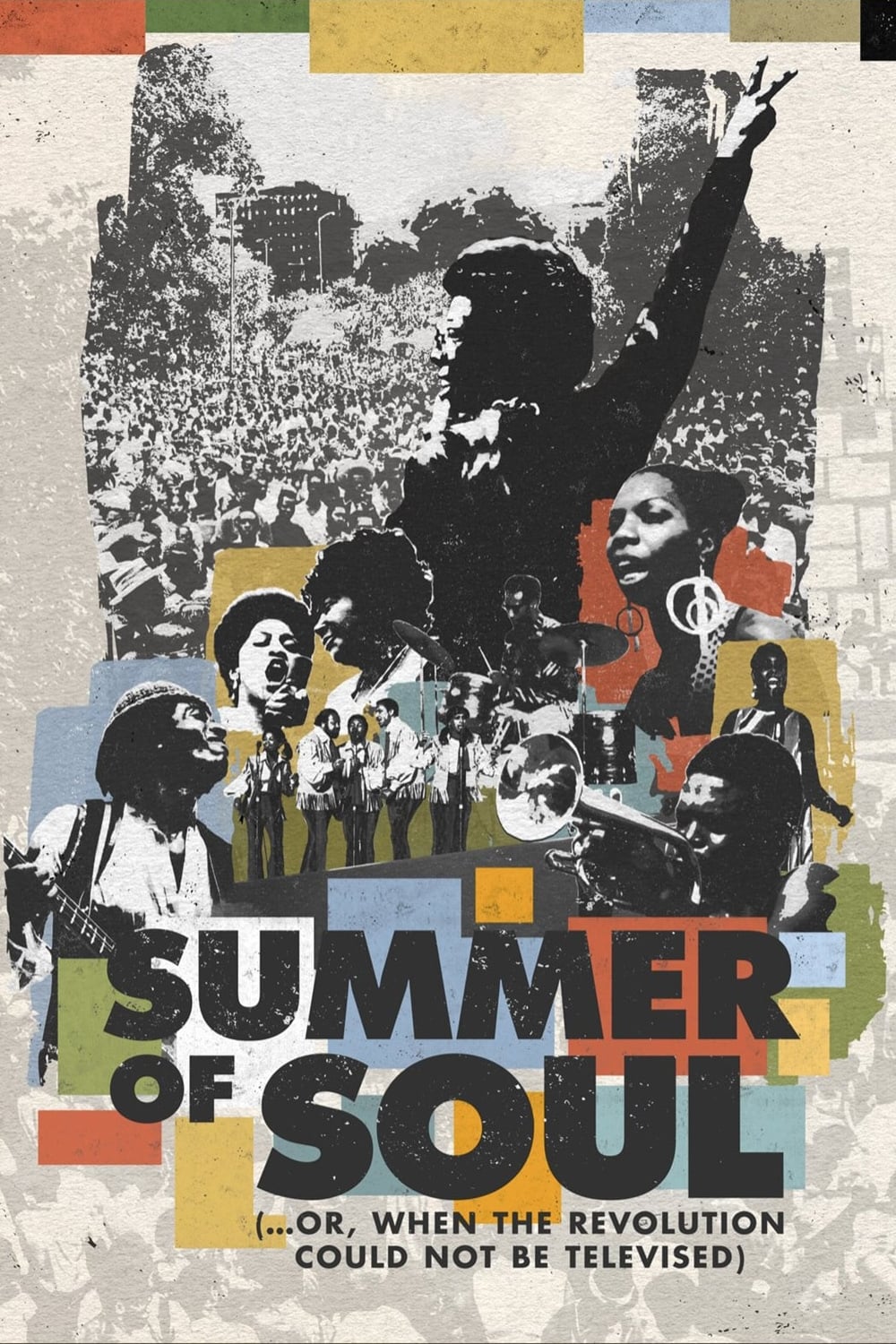
During the same summer as Woodstock, over 300,000 people attended the Harlem Cultural Festival, celebrating African American music and culture, and promoting Black pride and unity. The footage from the festival sat in a basement, unseen for over 50 years, keeping this incredible event in America's history lost — until now.
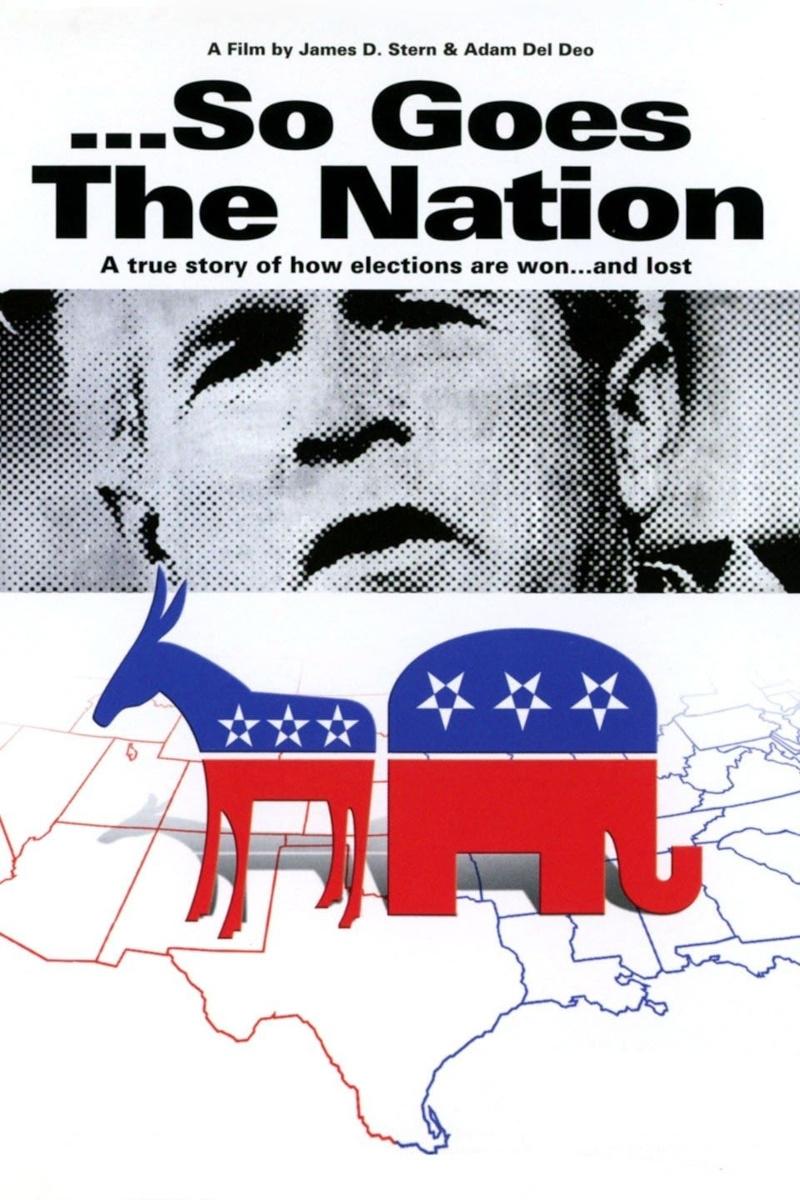
A look at the role of the Buckeye State in the 2004 Presidential Election.

An examination into the nature of 1960's-70's horror films, the involved artists, and how they reflected contemporary society.
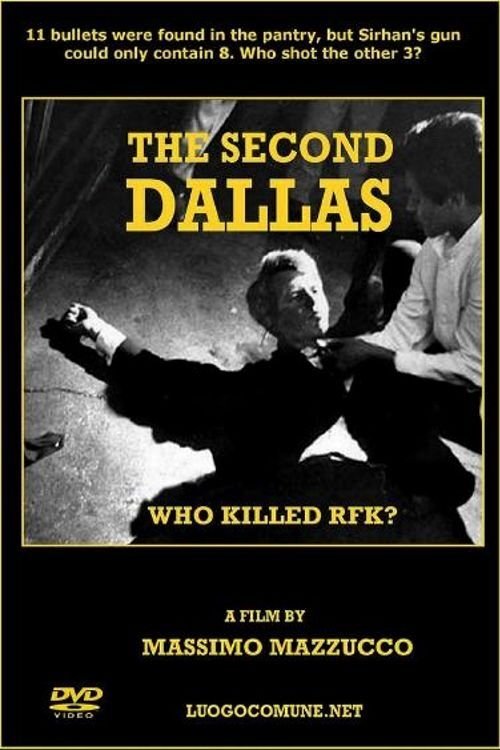
As with the plot to frame Lee Harvey Oswald, the verdict on Robert Kennedy's murder was decided even before the case went to court. A lone, deranged assassin has always been the best way to explain away, and distract attention from, much more intricate conspiracies. This landmark documentary summarizes the best evidence that has ever emerged, contradicting the official story of Robert Kennedy's assassination. While sold by the corporate media as an open and shut case against "Palestinian radical" Sirhan Sirhan, this riveting film presents meticulously researched evidence, by several independent investigators, exposing outrageous procedure violations, blatant forgeries, and unexplained dismissals on the part of the authorities, revealing a world-class cover-up.
50 years after the legendary fest, Barak Goodman’s electric retelling of Woodstock, from the point of view of those who were on the ground, evokes the freedom, passion, community, and joy the three-day music festival created.
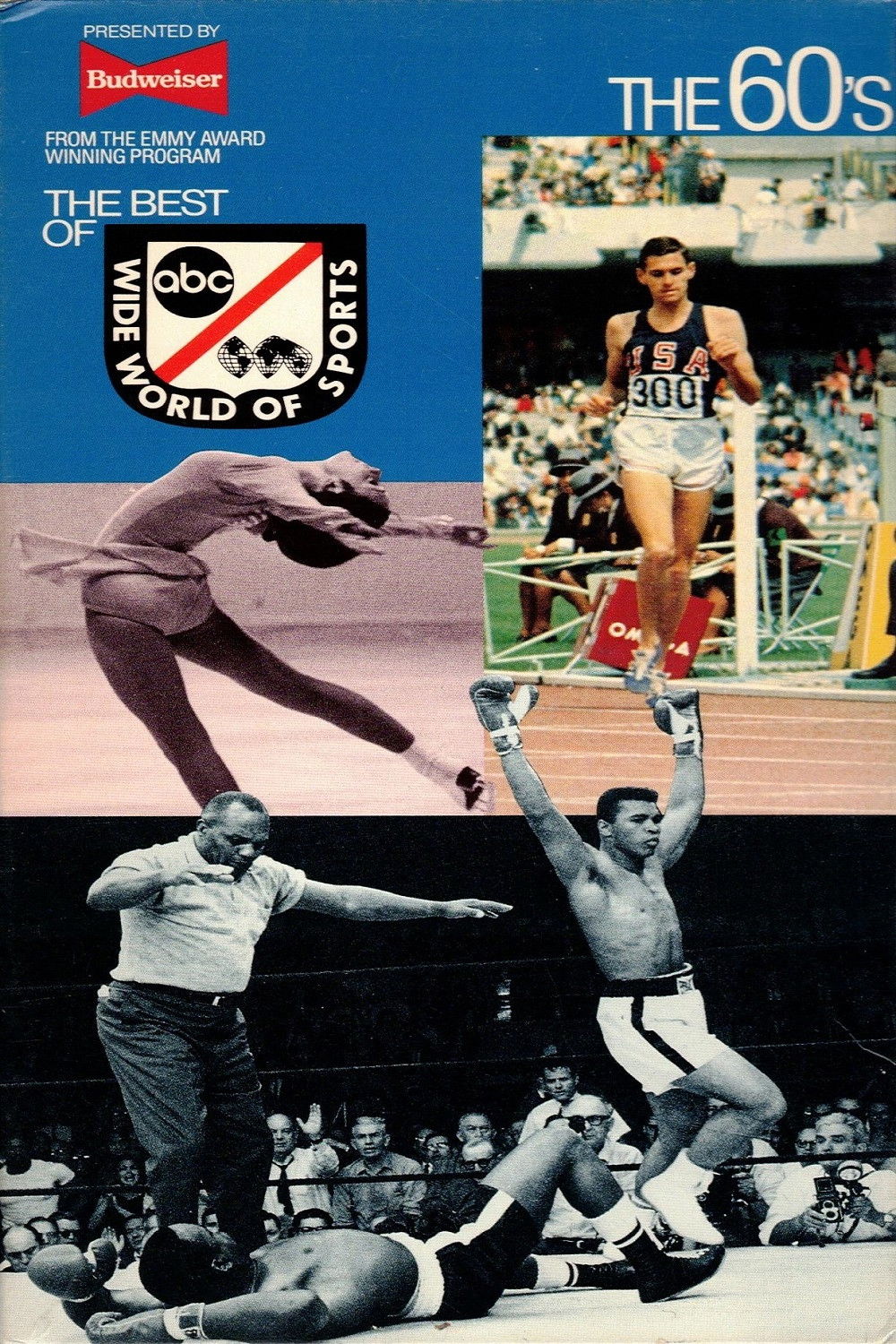
ABC's Wide World of Sports first started spanning the globe in 1960, and a generation of sports fans and weekend TV viewers were hooked from the start. In this videocassette, featuring highlights of that first decade, Wide World captured the famous moments of competition all over the globe.
"The Art of Dissent" celebrates the resilience and power of artistic engagement in Czechoslovakia before and after the 1968 Soviet-led invasion. The documentary's main protagonists - Václav Havel, banned singer Marta Kubisová, and the underground rock group the Plastic People of the Universe (PPU) - became the most recognizable dissidents during the 1970-80s. Havel bridged the disparate clusters of individuals and fused the literary, musical, political, and philosophical nonviolent elements into a hybrid network that eventually toppled the totalitarian regime in 1989.
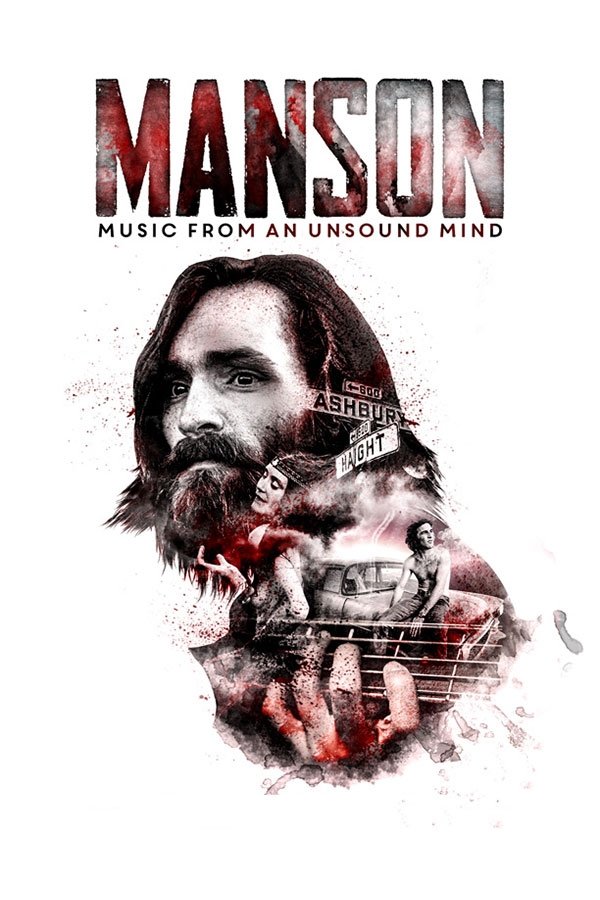
The untold story of Charles Manson's obsession to become a rock star, his rise in the LA music scene, the celebrities who championed his music, his tragic friendship with The Beach Boys' Dennis Wilson and his descent into violence and chaos once his dreams fell apart.
This entry in the "Reel Moments" video series contains newsreel and archive footage of famous 20th century disasters, including: the collapse of the Tacoma Narrows bridge, various ship sinkings, racecar crashes, and assassinations, with emphasis on the assassinations of Martin Luther King, John F. Kennedy, and Robert F. Kennedy.

During a two-day period before and after the University of Alabama integration crisis, the film uses five camera crews to follow President John F. Kennedy, attorney general Robert F. Kennedy, Alabama governor George Wallace, deputy attorney general Nicholas Katzenbach and the students Vivian Malone and James Hood. As Wallace has promised to personally block the two black students from enrolling in the university, the JFK administration discusses the best way to react to it, without rousing the crowd or making Wallace a martyr for the segregationist cause. Preserved by the Academy Film Archive in partnership with The Film Foundation in 1999.
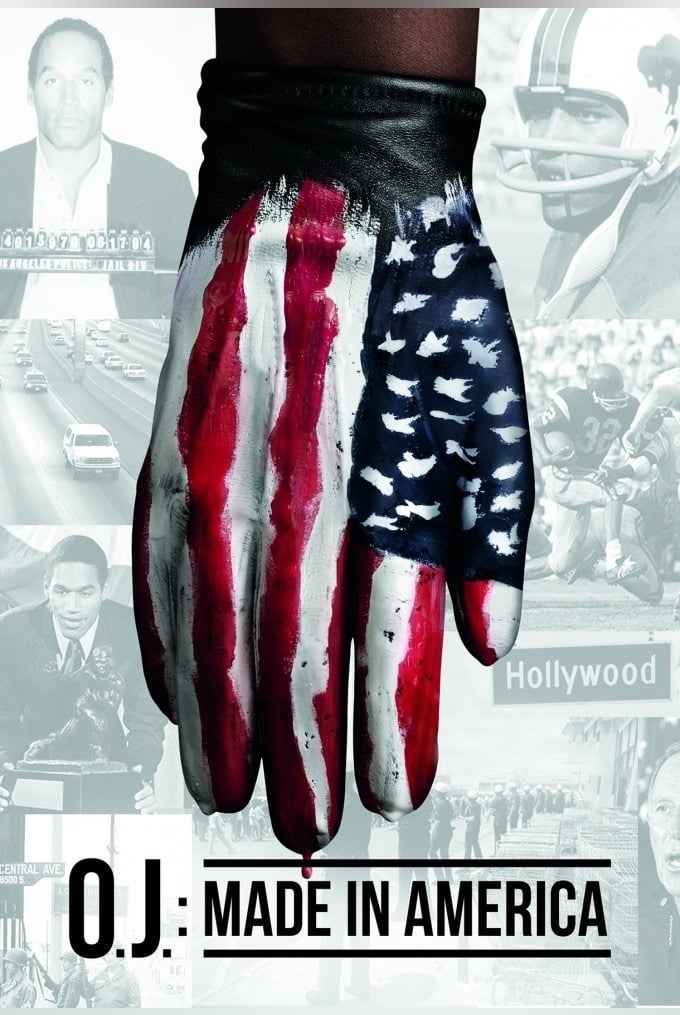
A chronicle of the rise and fall of O.J. Simpson, whose high-profile murder trial exposed the extent of American racial tensions, revealing a fractured and divided nation.
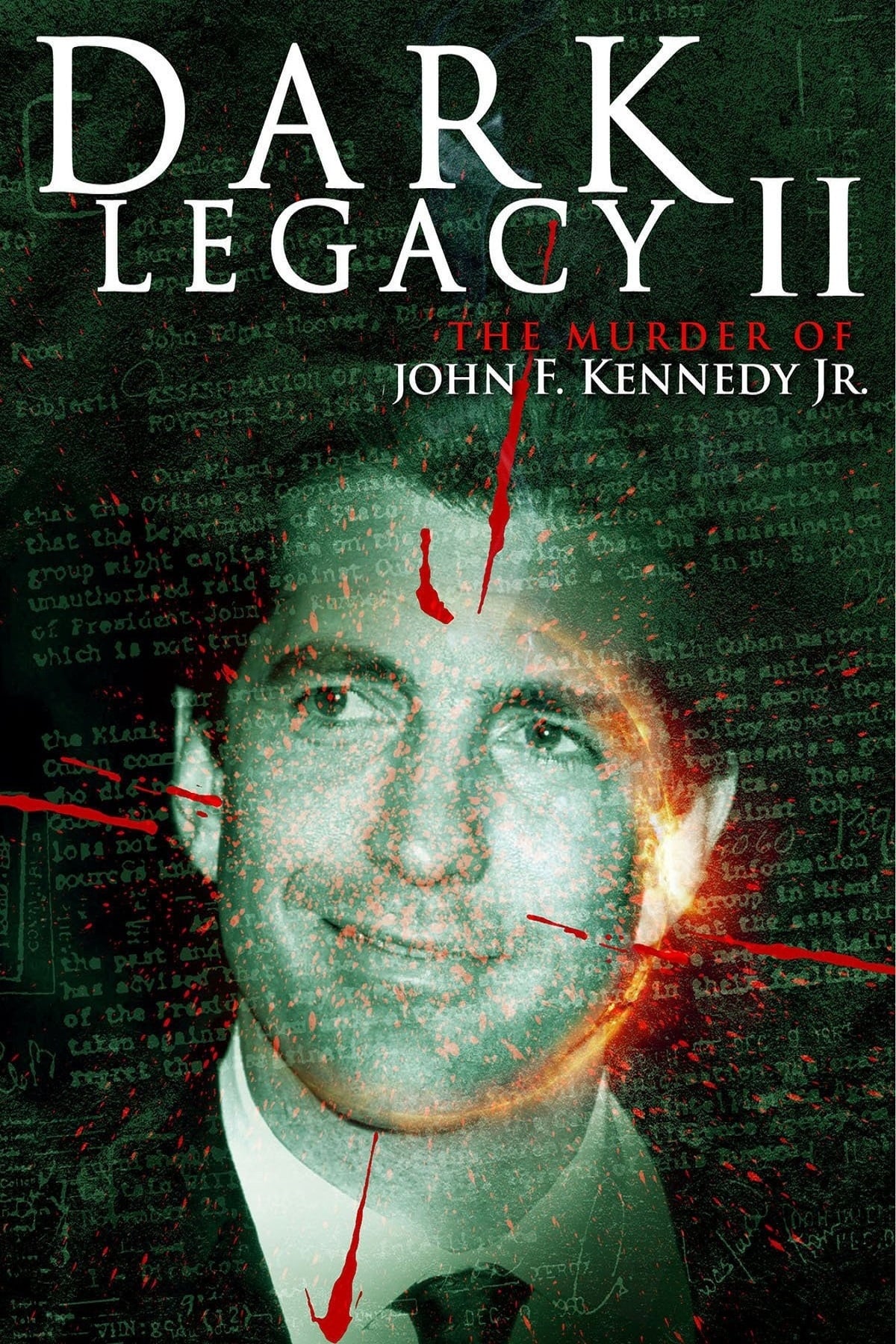
Jaw-dropping evidence of foul play in the death of JFK Jr., all based on official gov't documents. The prime suspect, George W. Bush, though very publicly running for president, disappeared the day of the murder, and stayed missing for 3 days.
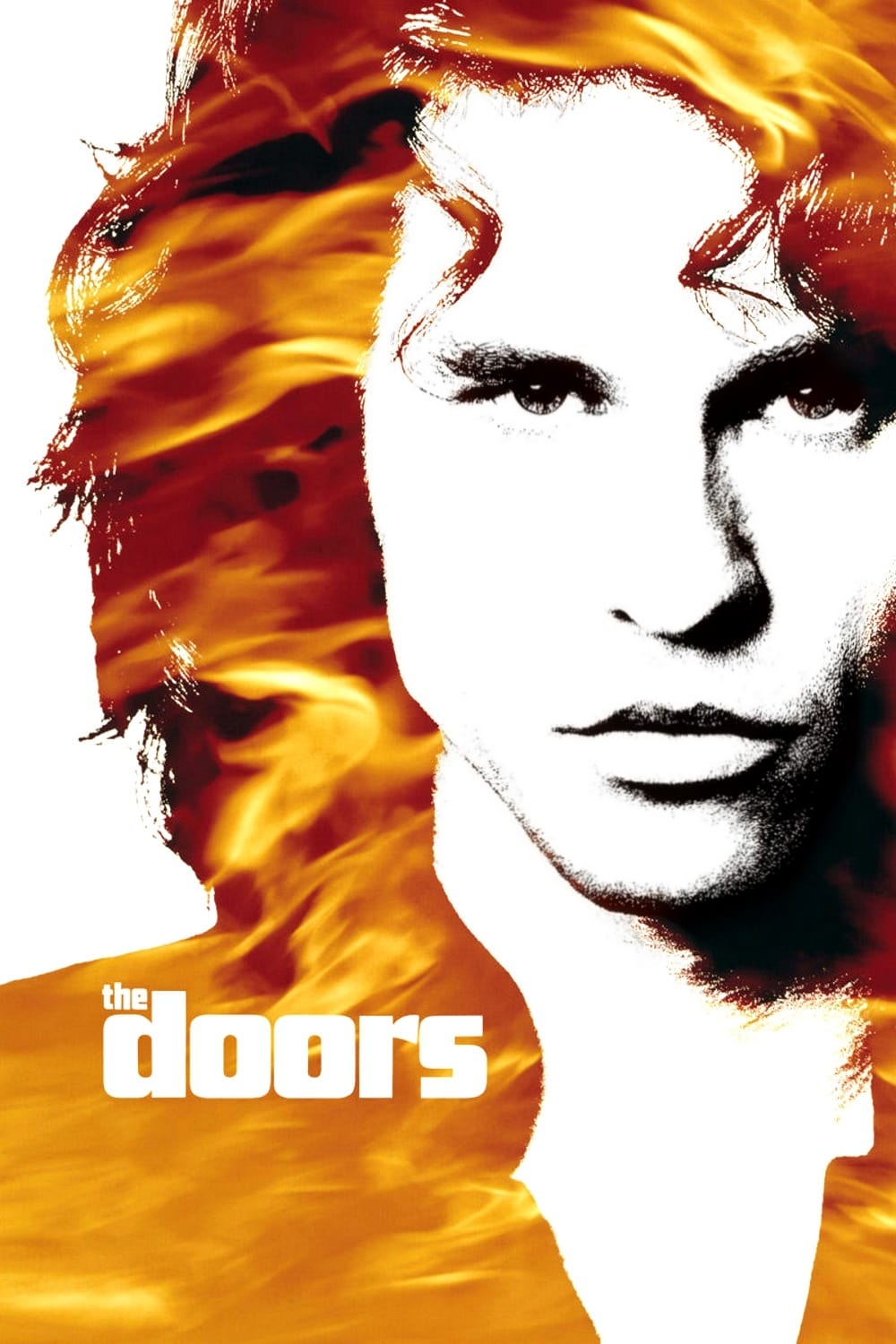
The story of the famous and influential 1960s rock band and its lead singer and composer, Jim Morrison.
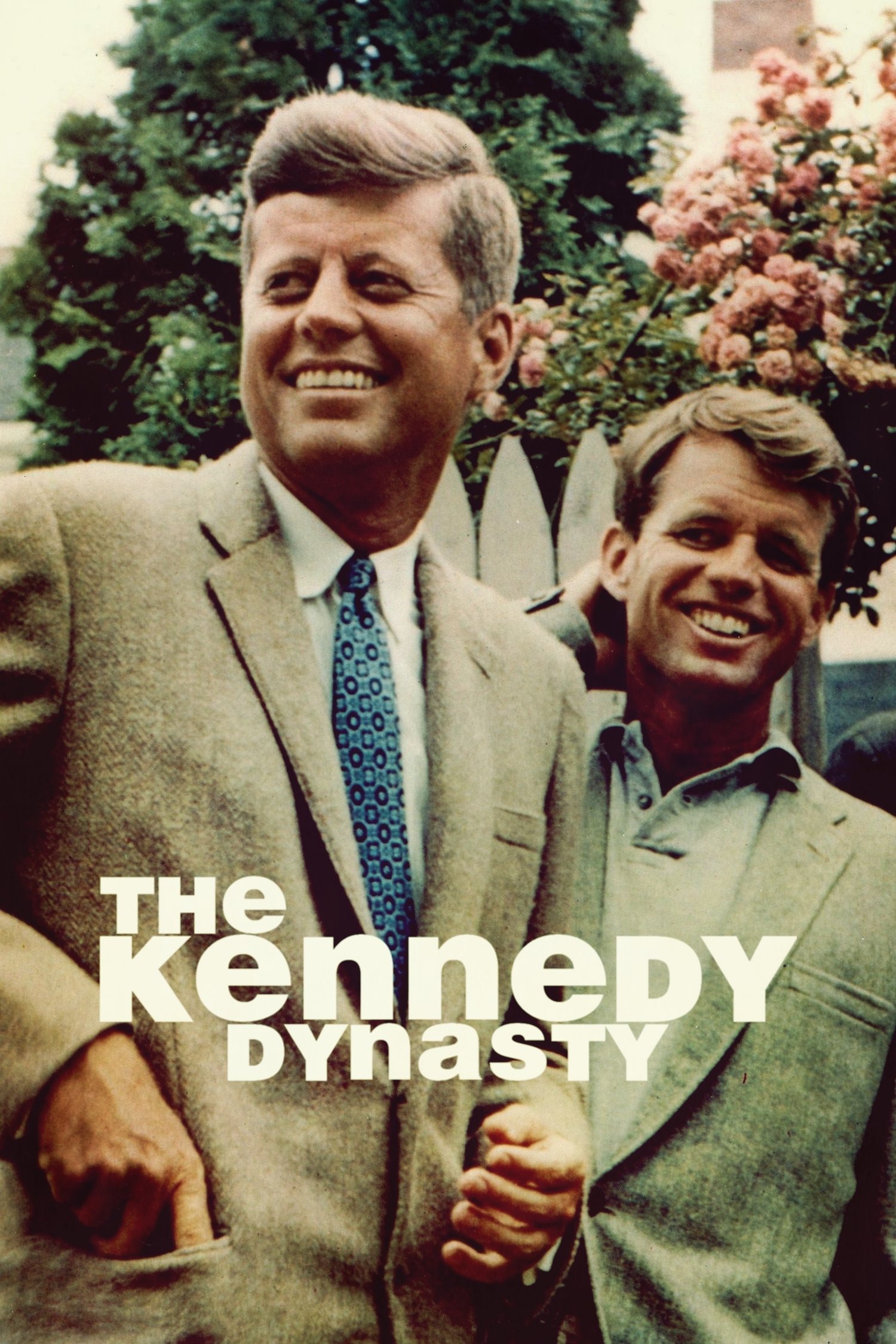
The story of a powerful political and economic dynasty, fundamental to understanding the turbulent destiny of the United States of America throughout the 20th century; of nine brothers who had truly extraordinary lives, marked by both greatness and tragedy: the story of the Kennedy family.
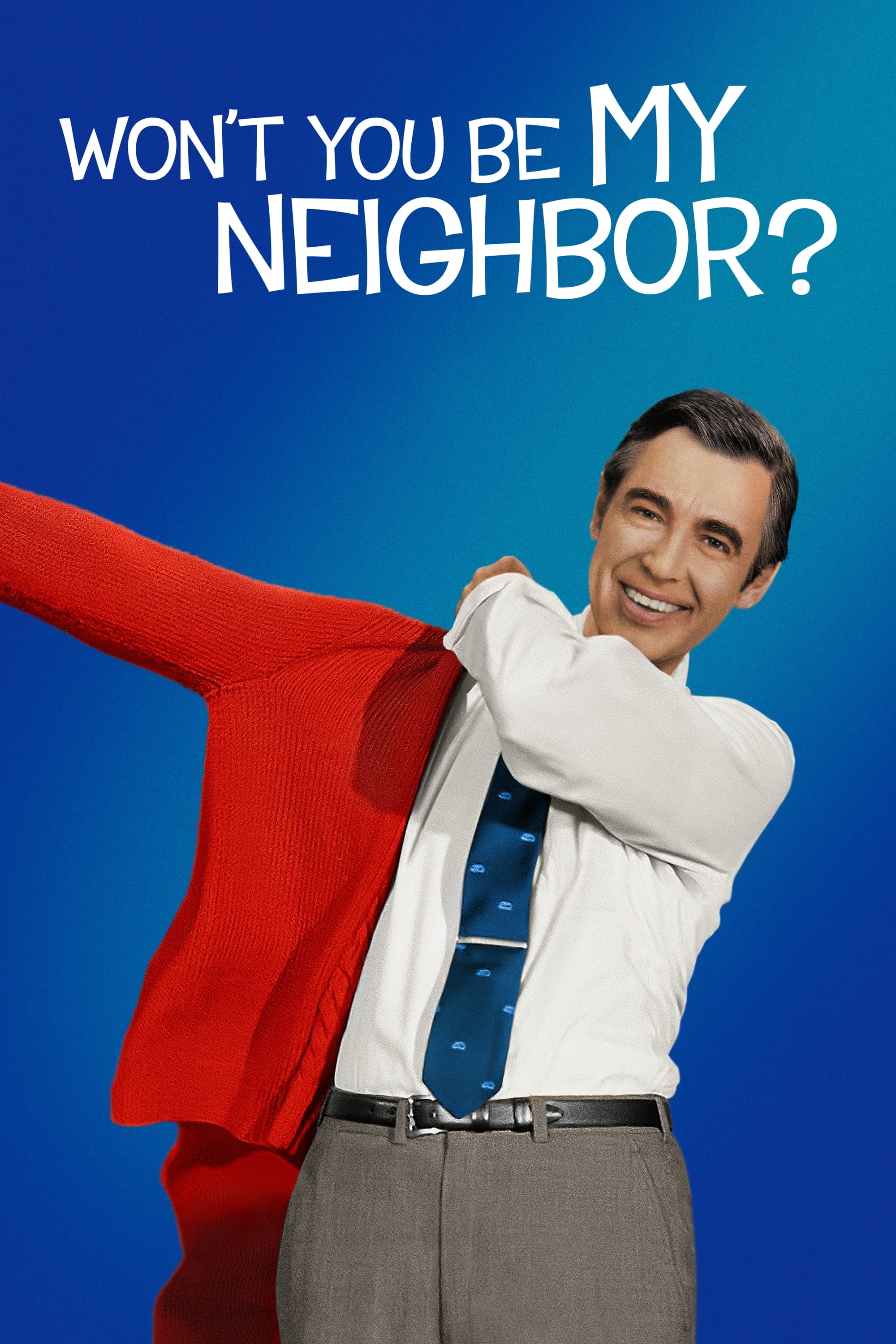
For more than thirty years, and through his television program, Fred Rogers (1928-2003), host, producer, writer and pianist, accompanied by his puppets and his many friends, spoke directly to young children about some of life's most important issues.
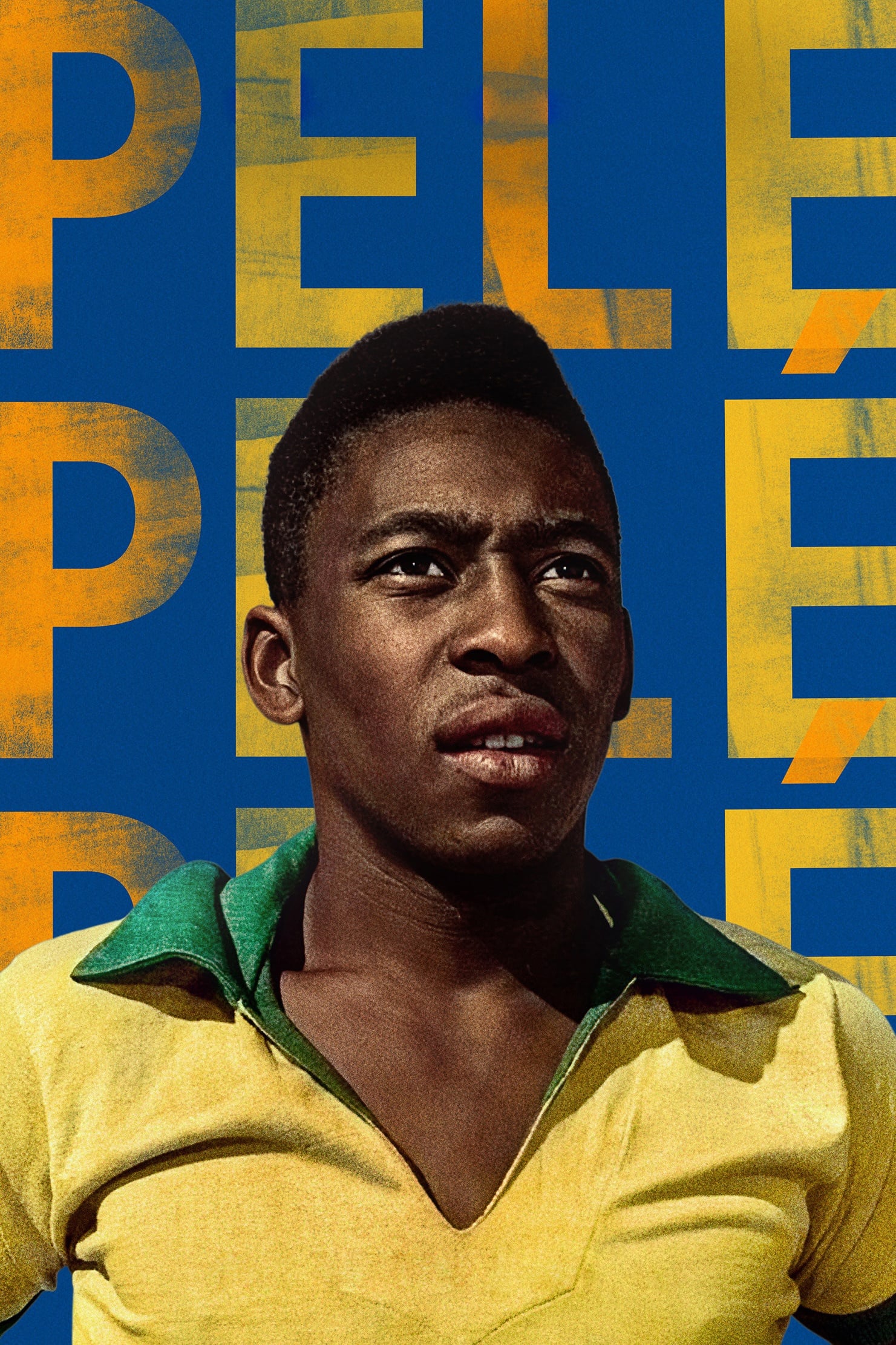
Against the backdrop of a turbulent era in Brazil, this documentary captures Pelé's extraordinary path from breakthrough talent to national hero. Mixing rare archival footage and exclusive interviews, this documentary celebrates the legendary Brazilian footballer who personified football as art.
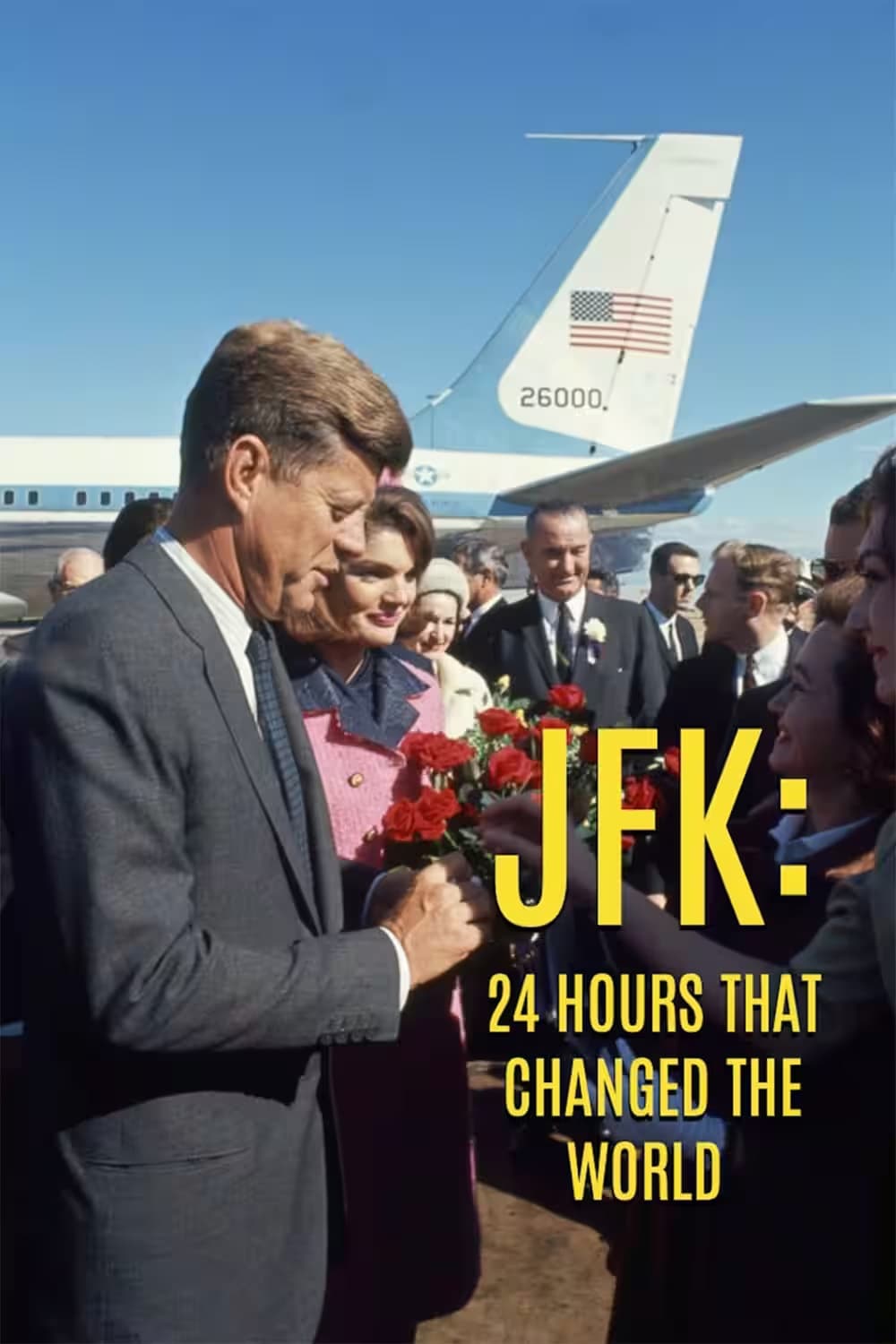
Created for the 60th anniversary of the assassination of John F Kennedy, this is a unique, moment-by-moment view of the events in Dallas, Texas on the 22nd November 1963.
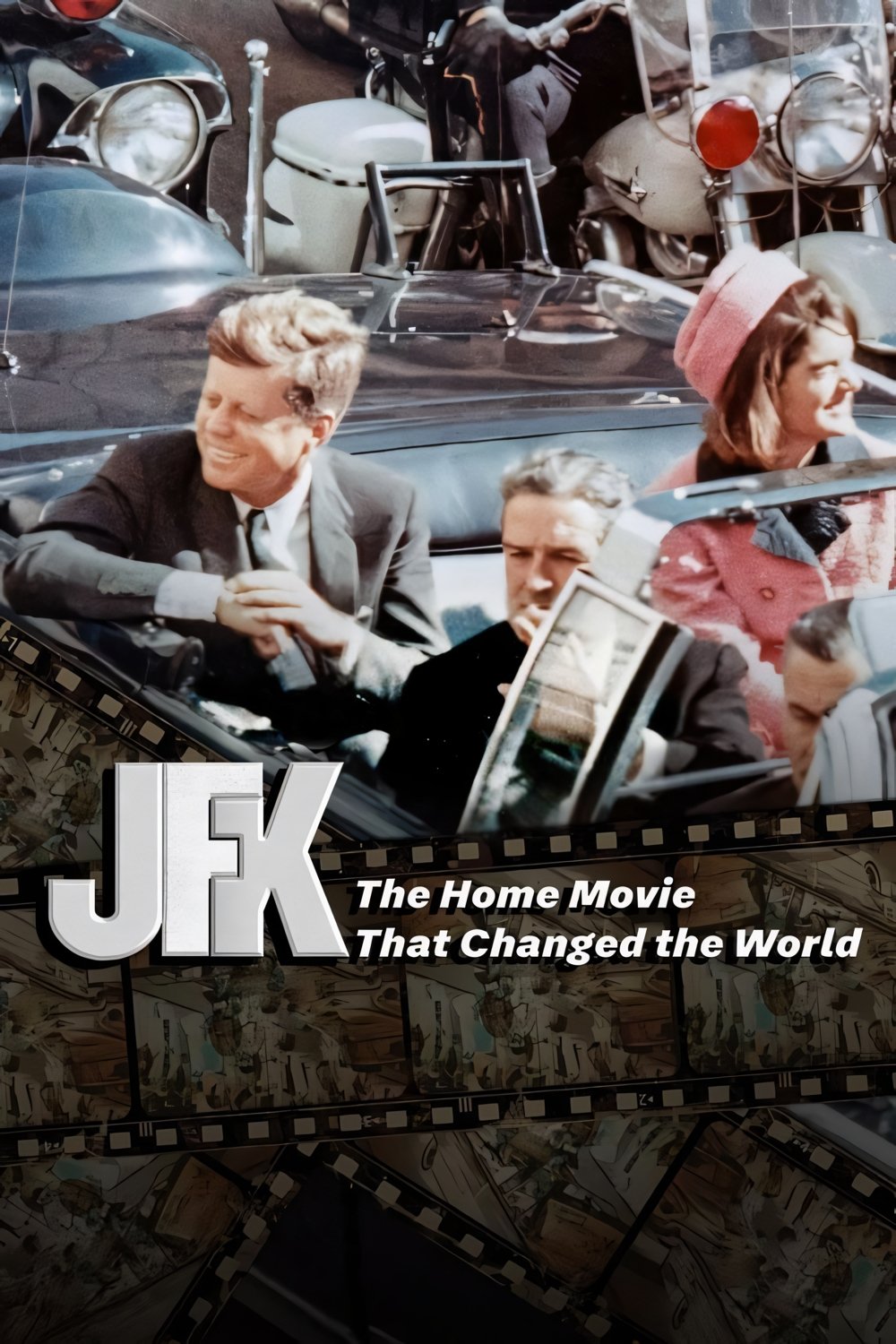
60 years on from President John F Kennedy's assassination. This is the gripping true story of Abraham Zapruder, who filmed the iconic moment.
Many times during his presidency, Lyndon B. Johnson said that ultimate victory in the Vietnam War depended upon the U.S. military winning the "hearts and minds" of the Vietnamese people. Filmmaker Peter Davis uses Johnson's phrase in an ironic context in this anti-war documentary, filmed and released while the Vietnam War was still under way, juxtaposing interviews with military figures like U.S. Army Chief of Staff William C. Westmoreland with shocking scenes of violence and brutality.
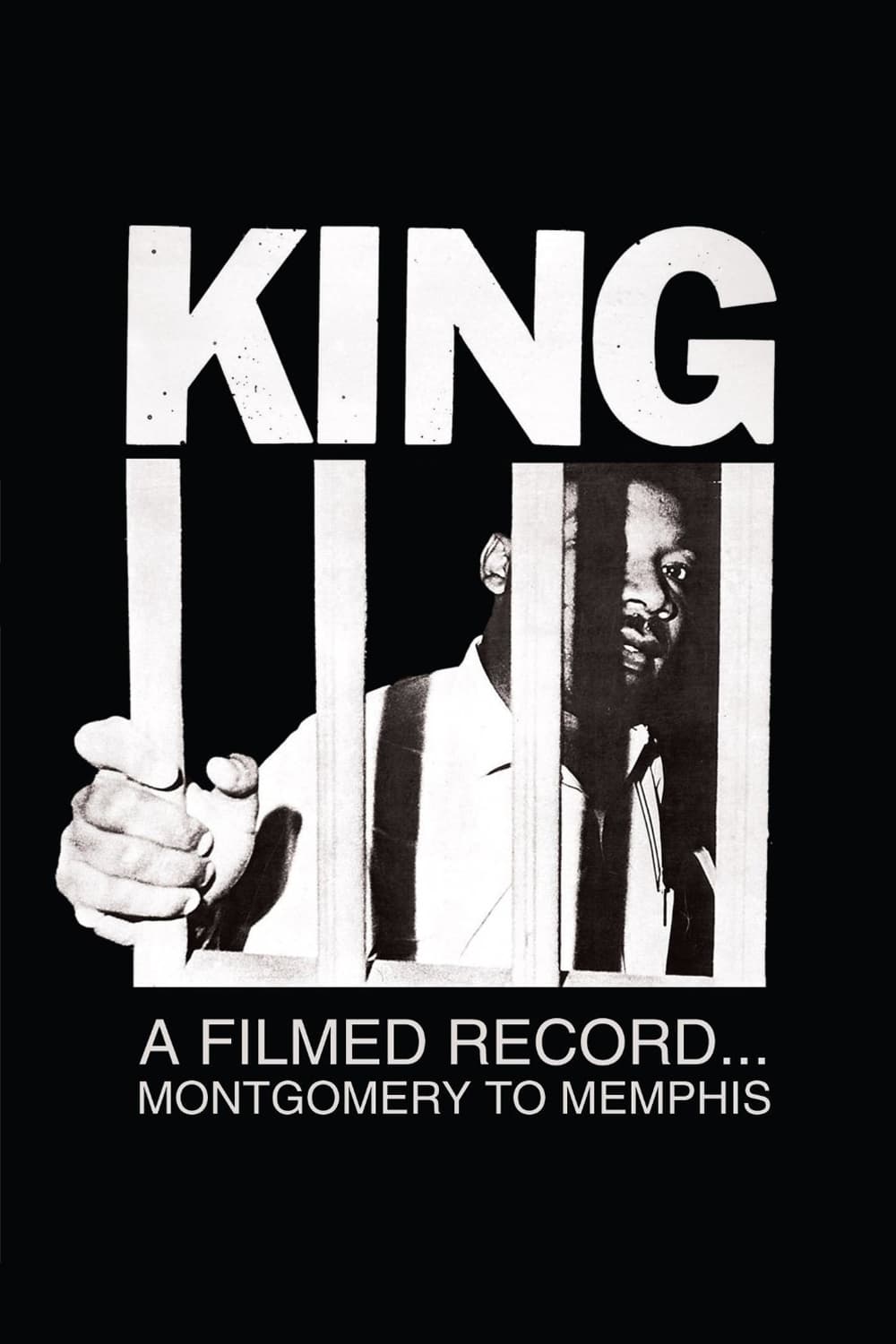
A presentation of key events in the life of civil rights activist Martin Luther King Jr. Beginning with the 1955 bus boycott in Montgomery, Alabama, MLK is followed through major steps in his struggle to promote racial equality. Including footage of King's stirring speeches, it is a fitting tribute to his legacy, and features clips narrated by a wide range of celebrities, including Harry Belafonte, Paul Newman Charlton Heston, Ruby Dee, Burt Lancaster, Anthony Quinn, Walter Matthau, Ben Gazzara, Clarence Williams III, Joanne Woodward, and James Earl Jones.
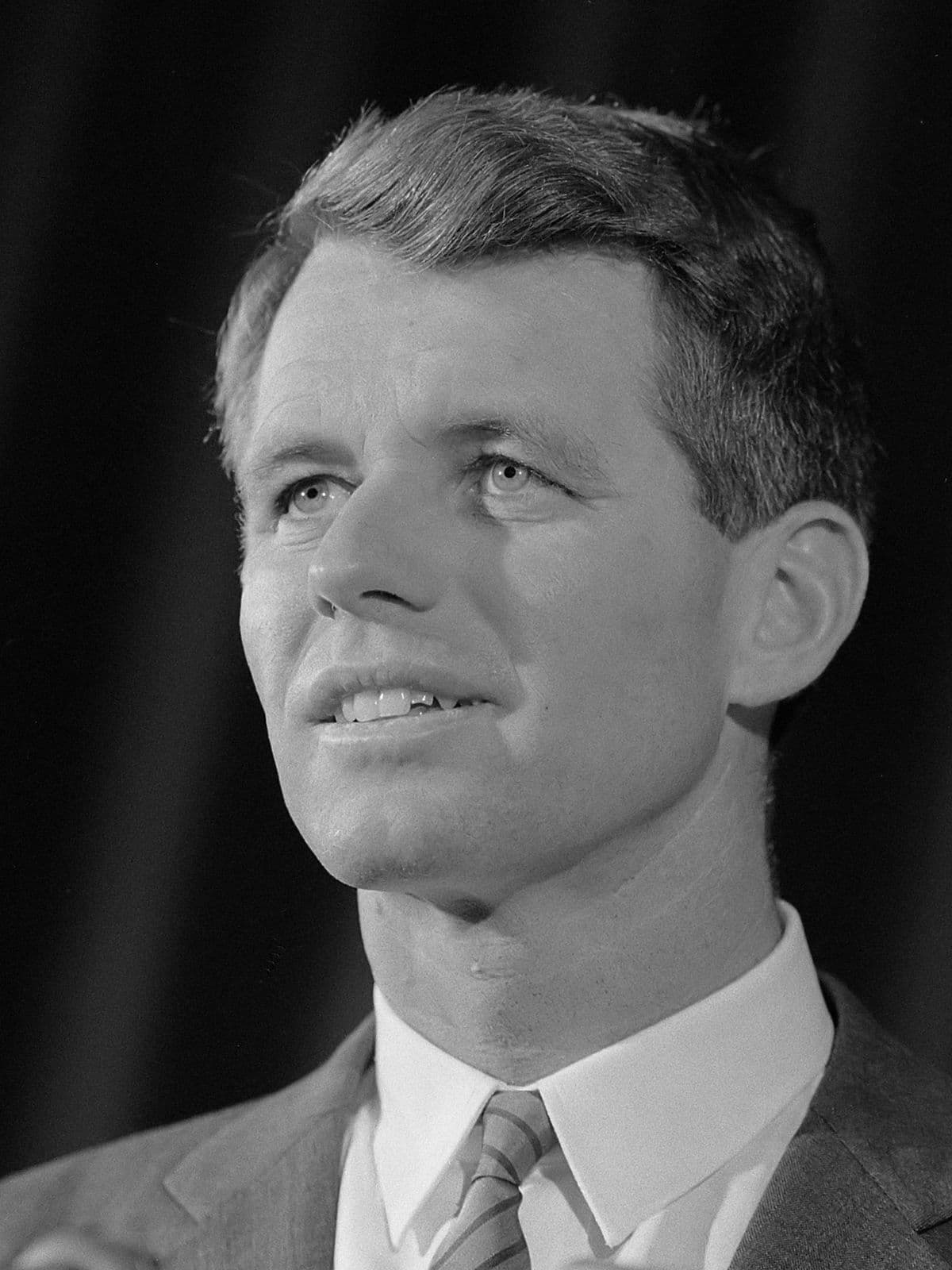
In August 1964, less than a year after President John F. Kennedy’s assassination, delegates to the Democratic National Convention gathered to nominate the Democratic Party's presidential candidate. On the convention's final day, Bobby Kennedy gives a tribute speech in honor of his late brother, President Kennedy, and receives an overwhelming standing ovation for more than 12 minutes.
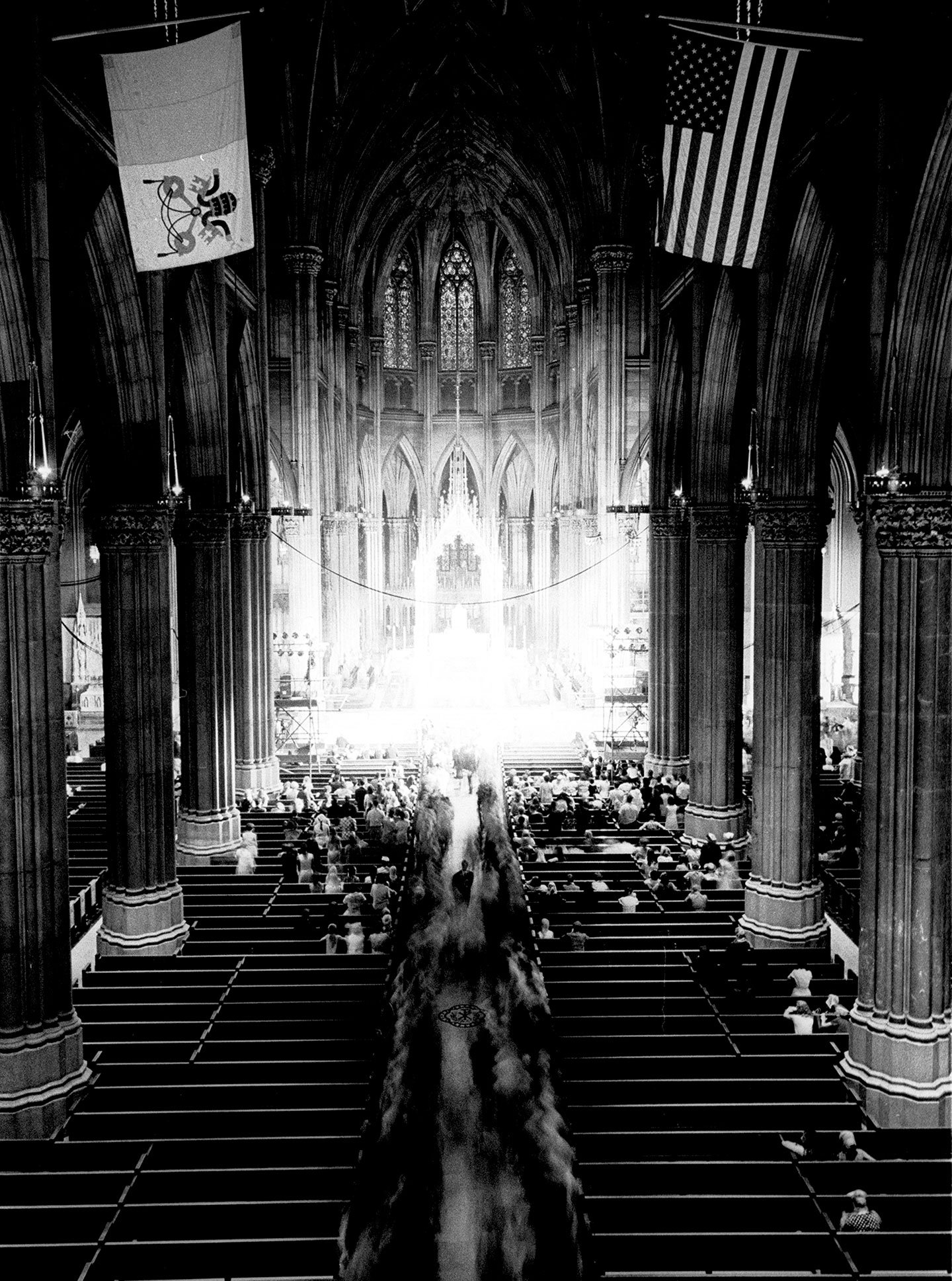
On June 8, 1968, at NYC's Saint Patrick's Cathedral, Ted Kennedy gave the eulogy at the funeral of his brother, Bobby Kennedy.
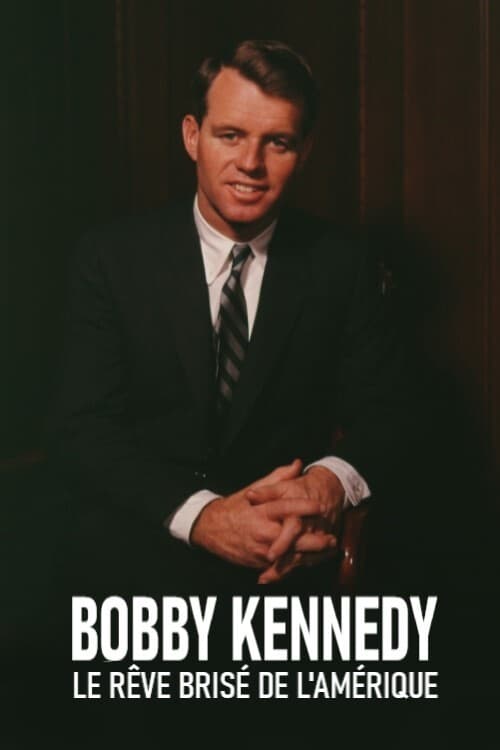
On June 6, 1968, Robert F. Kennedy, a staunch opponent of racial discrimination, supporter of the inhabitants of poor neighborhoods and advocate of social change in America, was assassinated. With him, a whole section of the American dream collapsed. From the day of President Kennedy's assassination to the death of his brother Bobby Kennedy at the Ambassador Hotel almost five years later, this film looks back at the journey of this statesman and his fight for a fairer world. Four years during which Bobby Kennedy will fly on his own wings in politics, four years that will leave an indelible mark on American politics, four years full of hope, but ending with a bitter disillusionment. Through unique archives, discover a new portrait of this Kennedy that everyone called "Bobby".
Relive an unspeakable tragedy detailed with unforgettable images, videos, and recordings only recently rediscovered.

Explains techniques used by Communists to gain control over young people. Hosted by then- Attorney General Robert F. Kennedy.
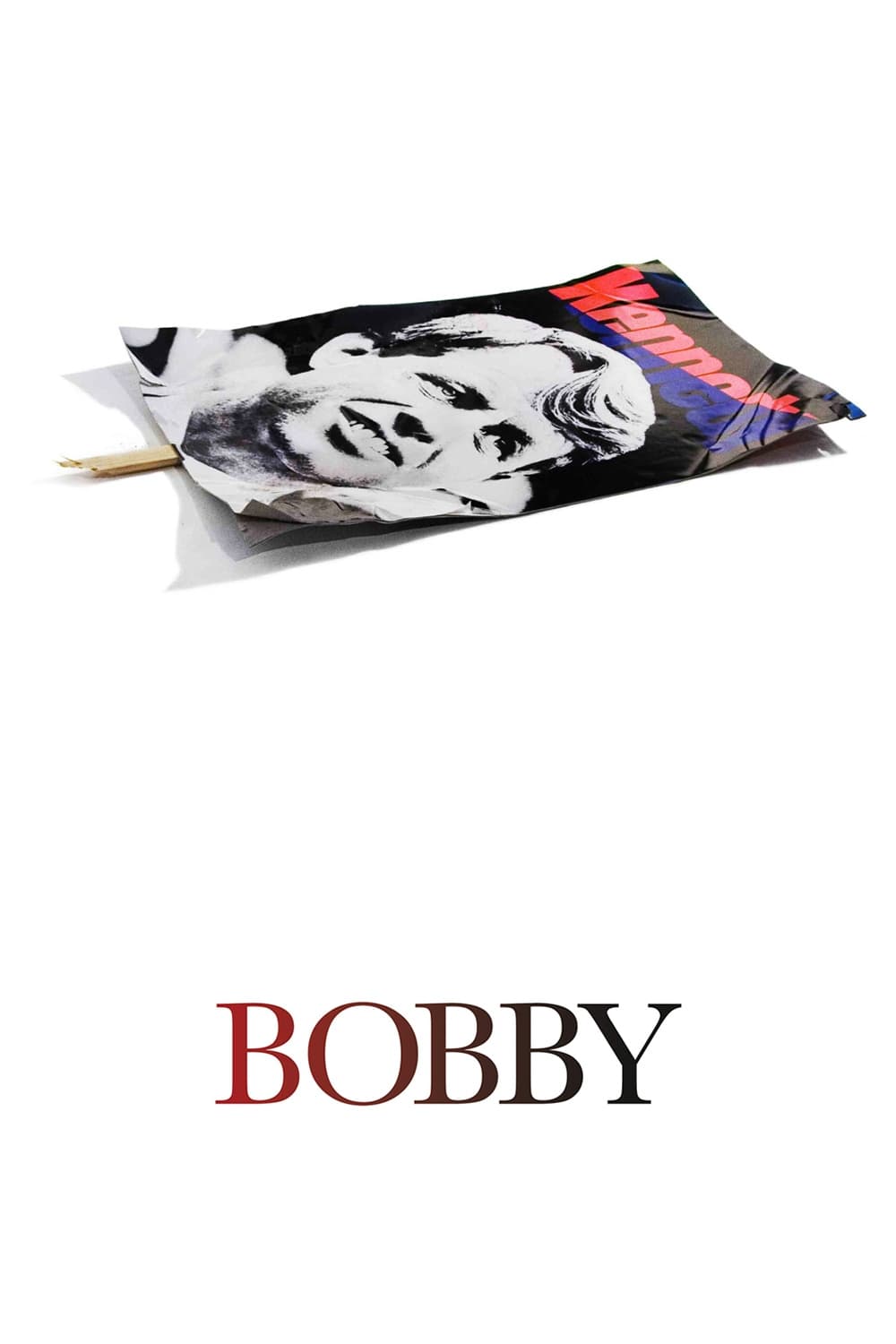
In 1968 the lives of a retired doorman, hotel manager, lounge singer, busboy, beautician and others intersect in the wake of Robert F. Kennedy's assassination at the Ambassador Hotel in Los Angeles.
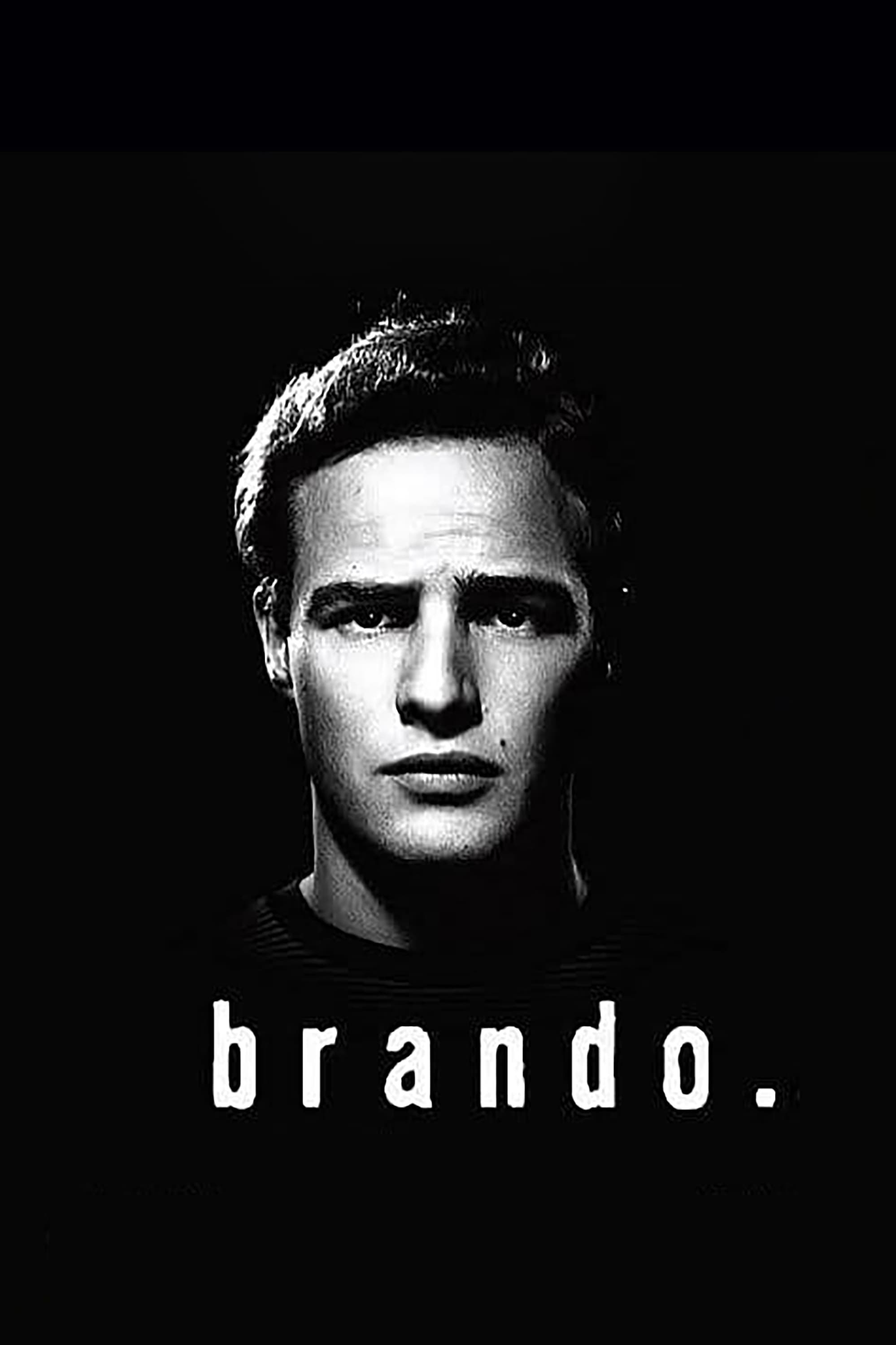
The life and legacy of Marlon Brando and how he changed acting.
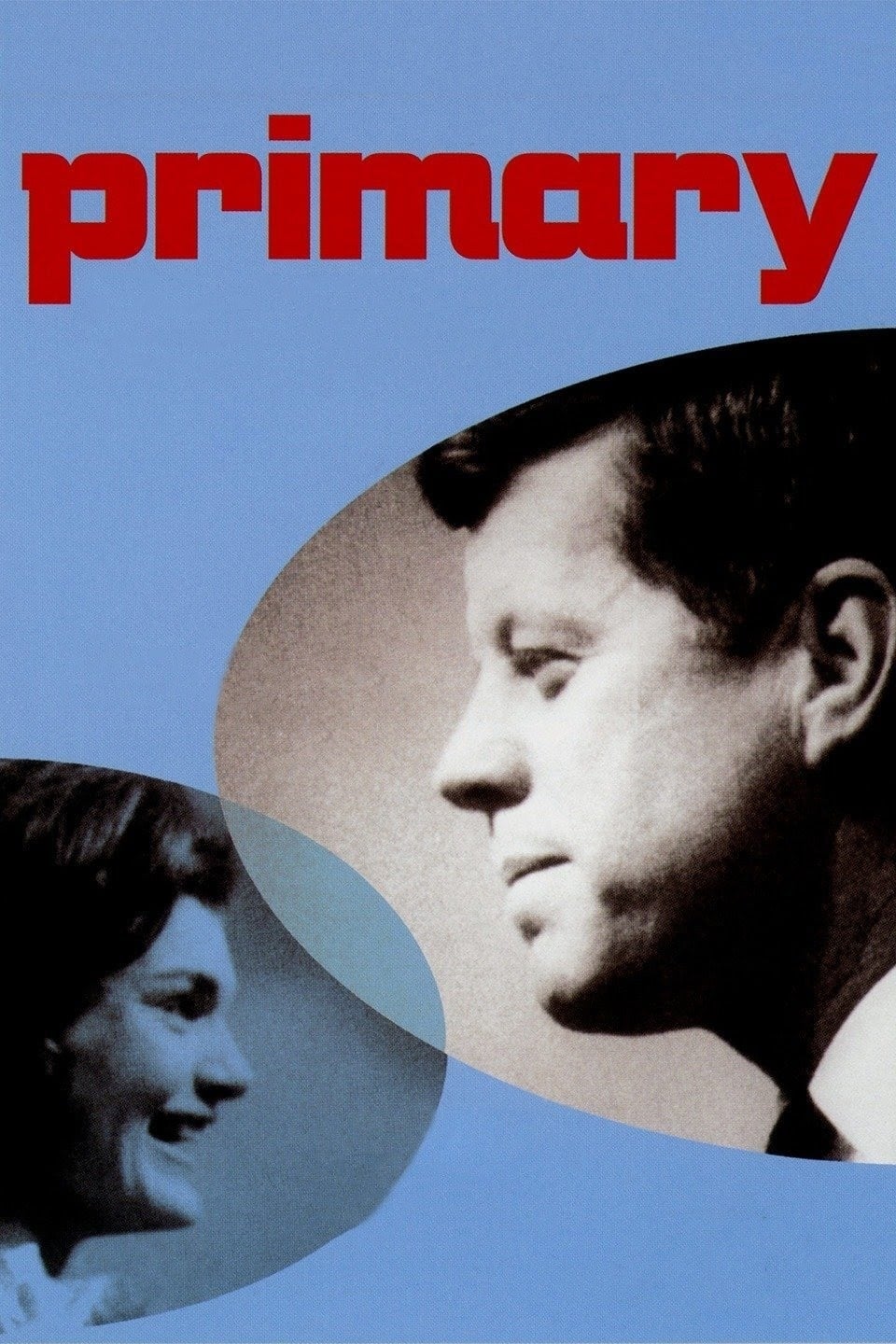
Primary is a documentary film about the primary elections between John F. Kennedy and Hubert Humphrey in 1960. Primary is the first documentary to use light equipment in order to follow their subjects in a more intimate filmmaking style. This unconventional way of filming created a new look for documentary films where the camera’s lens was right in the middle of what ever drama was occurring. Preserved by the Academy Film Archive in partnership with The Film Foundation in 1998.
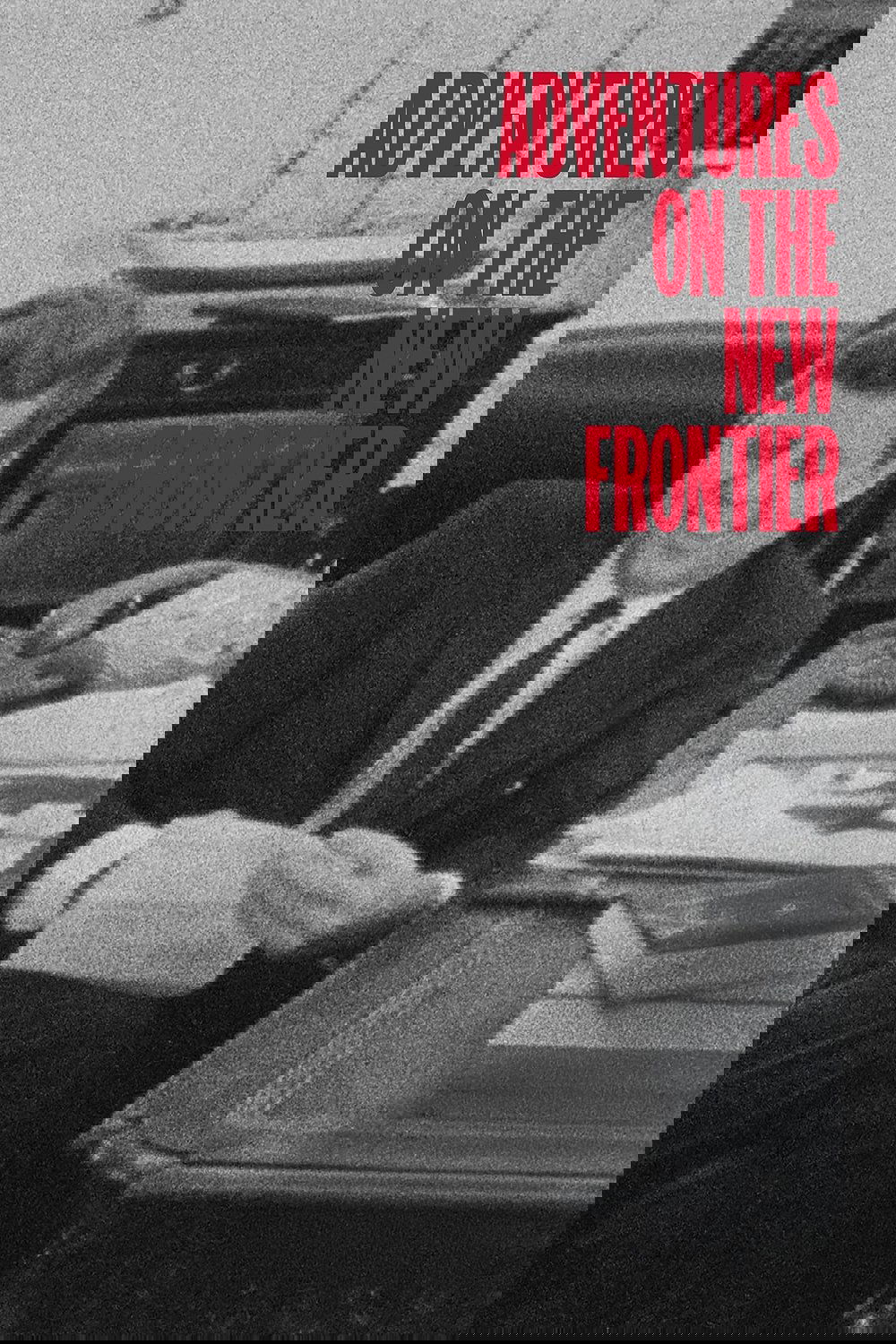
A look at the daily business of U.S. President John F. Kennedy, with a focus on some of the political issues he faces six weeks into his term. Preserved by the Academy Film Archive in 2007.
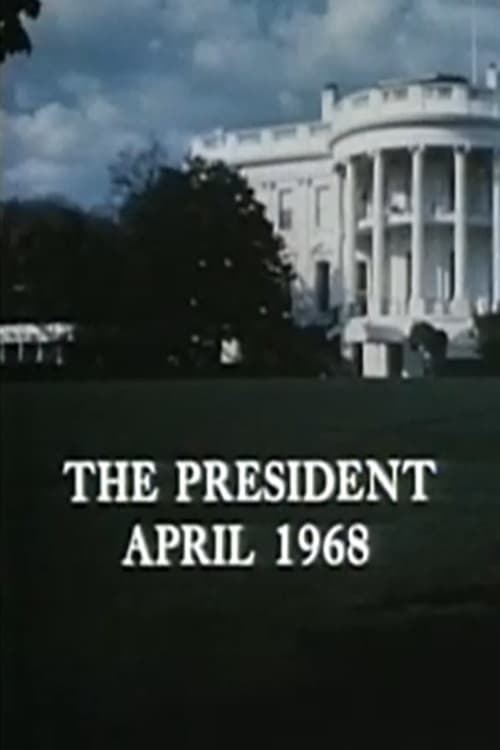
The film captures the pivotal events surrounding President Lyndon Johnson's historic address on March 31st, focusing on his decision to halt bombing in North Vietnam and his surprising announcement not to seek re-election. The speech aimed for peace negotiations amidst the Vietnam War, leading to diplomatic breakthroughs with North Vietnam. It also chronicles the aftermath, including societal unrest following Martin Luther King Jr.'s assassination and Johnson's efforts to maintain national unity.
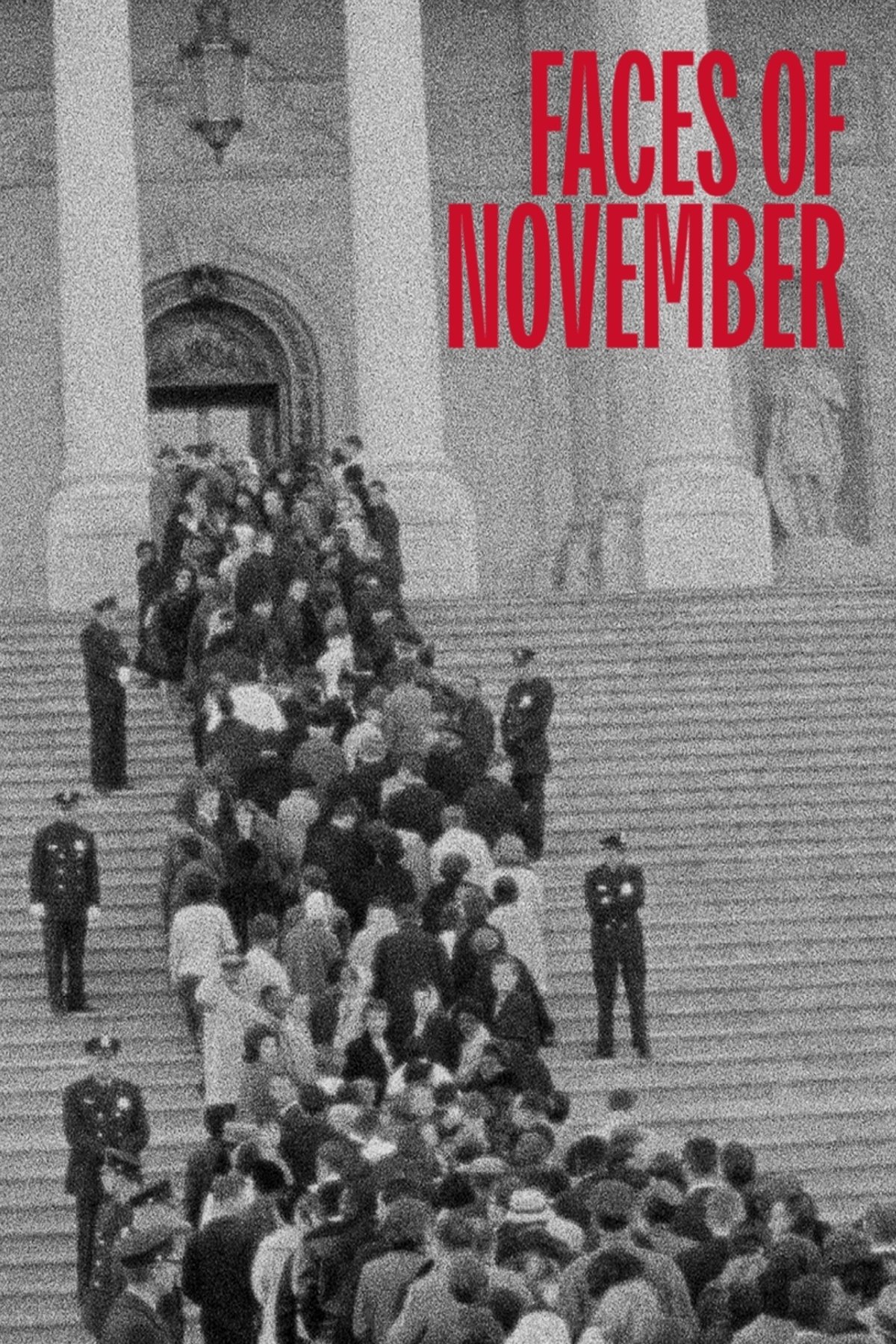
Robert Drew shows the sights and sounds from the funeral of President John F. Kennedy in November, 1963. Preserved by the Academy Film Archive in 2002.
Acclaimed producer David L. Wolper presents this landmark documentary (based on Theodore H. White's best-selling book) that analyzes Democrat Lyndon B. Johnson's landslide victory over Republican Barry Goldwater in the 1964 presidential election.
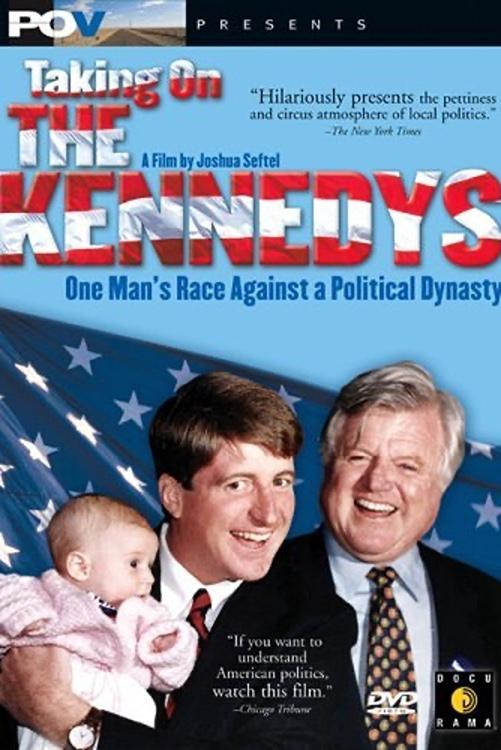
What would it be like to run against one of the most powerful political families in America? Enter the backrooms of American politics as a doctor named Kevin Vigilante takes on the Kennedys. In his first race for public office, Kevin Vigilante challenges Ted Kennedy's youngest son, Patrick, and gets the political education of a lifetime. Dedicated to running a clean fight, Vigilante soon finds himself in the midst of a mud slinging contest. With negative ads about Vigilante filling the airwaves, and John F. Kennedy Jr. signing autographs outside polling stations, Vigilante realizes he has no chance of winning without slinging mud of his own, and proceeds to take off his gloves. Endemic of contemporary campaign politics, the sound byte takes precedence over the speech as issues are overshadowed by negative television advertisements. Taking on the Kennedys aired as a part of PBS' P.O.V. series.
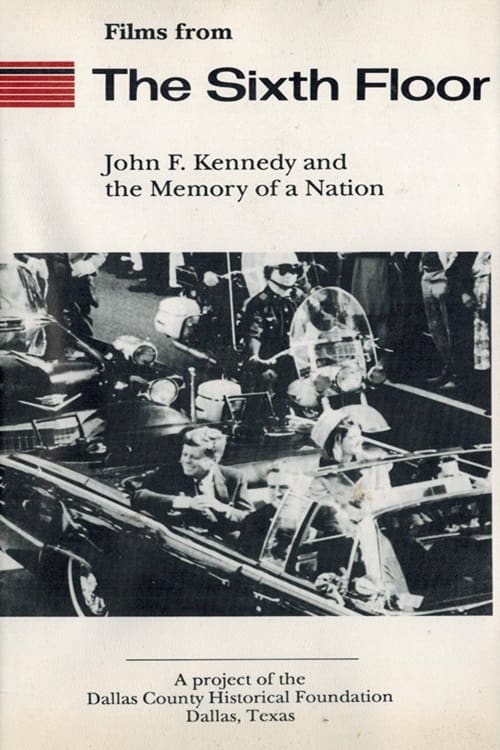
The Sixth Floor museum at Dealey Plaza presents a group of six short films about the life, death and enduring legacy of John F. Kennedy that are shown in the Sixth Floor Exhibit of the former Texas School Book Depository in Dallas, Texas. The sudden death of this young, vibrant world leader sent shock waves around the globe. The assassination remains one of the most vividly remembered and controversial events of the century. The Sixth Floor Museum at Dealey Plaza is a permanent exhibit in the former Texas School Book Depsitory. The films included in this exhibit have been adapted as an educational video examining the life, times, death and legacy of President John F. Kennedy
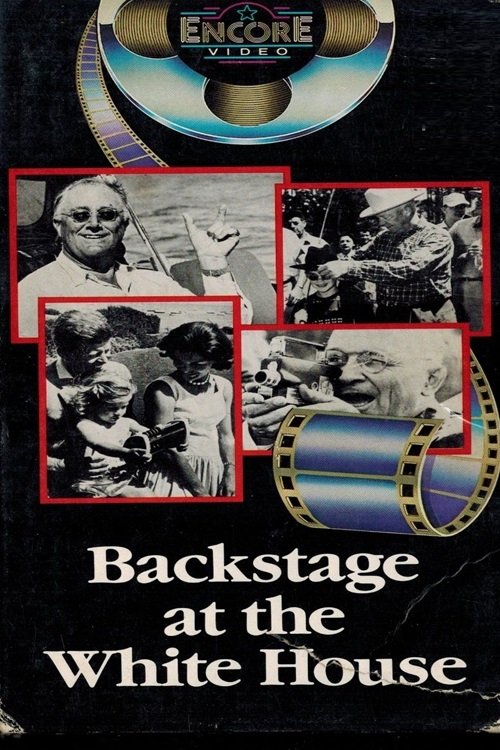
This unique glimpse into the private lives of our Presidents and their families showcases some of the most significant personal moments they have experienced. These instances have not only resonated with our emotions but have also elicited joy, creating lasting memories that highlight the humanity of these influential leaders.
Surrounded by his children, his wife Ethel, and Sammy Davis, Jr., RFK visits schoolchildren around the city, and is every bit the good patriarch and dutiful public servant. But it’s the films’ fleeting, in-between, moments where Pennebaker most precisely hits the mark, offering reflection on the possibilities that Robert Kennedy’s all too brief life foreclosed. Set against the pageantry of a long ago Christmas, the film speaks to tragic contingencies of history lying far beyond the ken of politics that continue to circumscribe the tortured destiny of our country.
Relive the glory moments of John F. Kennedy's life as A&E's award-winning "Biography" series presents the compelling story of this unforgettable leader and the rich dynasty he left behind. John F. Kennedy will always be remembered as the youthful president who inspired America, a charismatic leader who gave the nation a sense of pride and confidence. His sharp mind, quick wit, and boundless determination won him friends, confidantes, and devoted followers. A World War II hero, respected senator, and author of the Pulitzer Prize-winning "Profiles in Courage," Kennedy regarded life as a race against boredom. Through archival footage and interviews with friends, famous journalists, Hollywood actors, and former staffers- including ex-cabinet member John Kenneth Galbraith- "JFK: A Personal Story" revisits pivotel moments of Kennedy's life and presidency with clarity and insight.
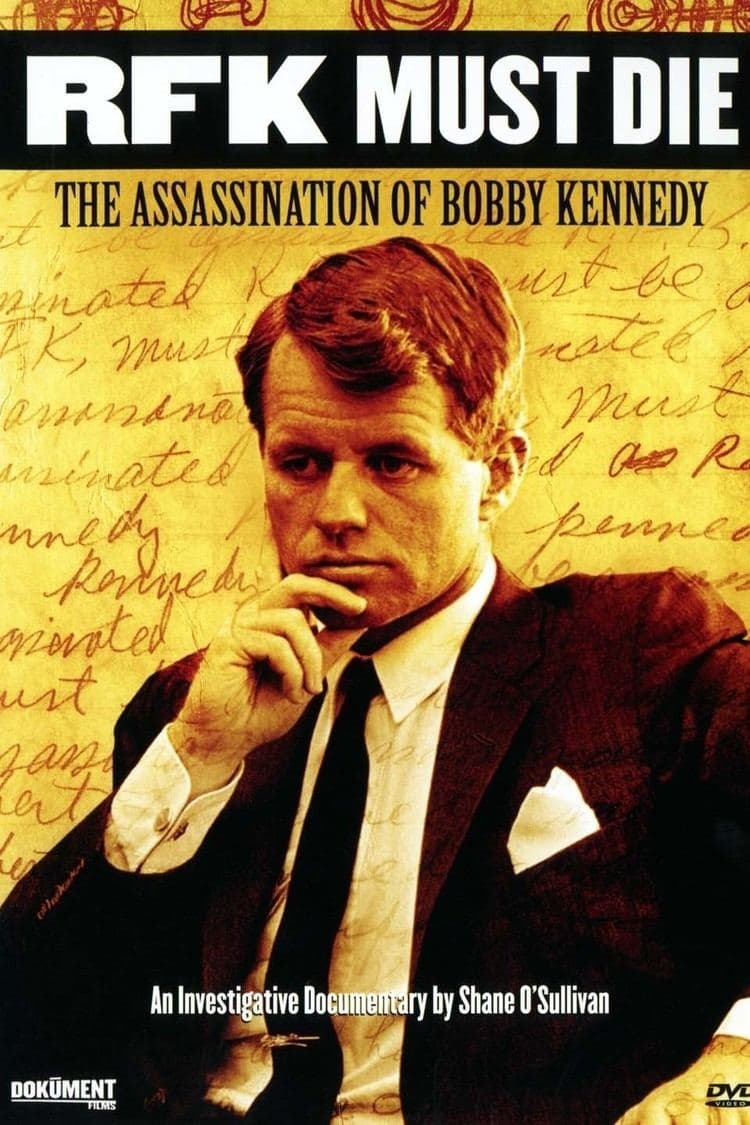
A new investigative documentary exploring the controversies surrounding the assassination of Bobby Kennedy on June 5, 1968 as he looked set to challenge Nixon for the White House. Munir Sirhan tells how his brother Sirhan has never been able to remember the shooting. Sandra Serrano speaks for the first time in forty years about the girl in the polka-dot dress fleeing the scene, yelling "We shot him! We shot him!" And Dr. Herbert Spiegel of Columbia University describes how Sirhan was hypnotically programmed to kill Robert Kennedy.
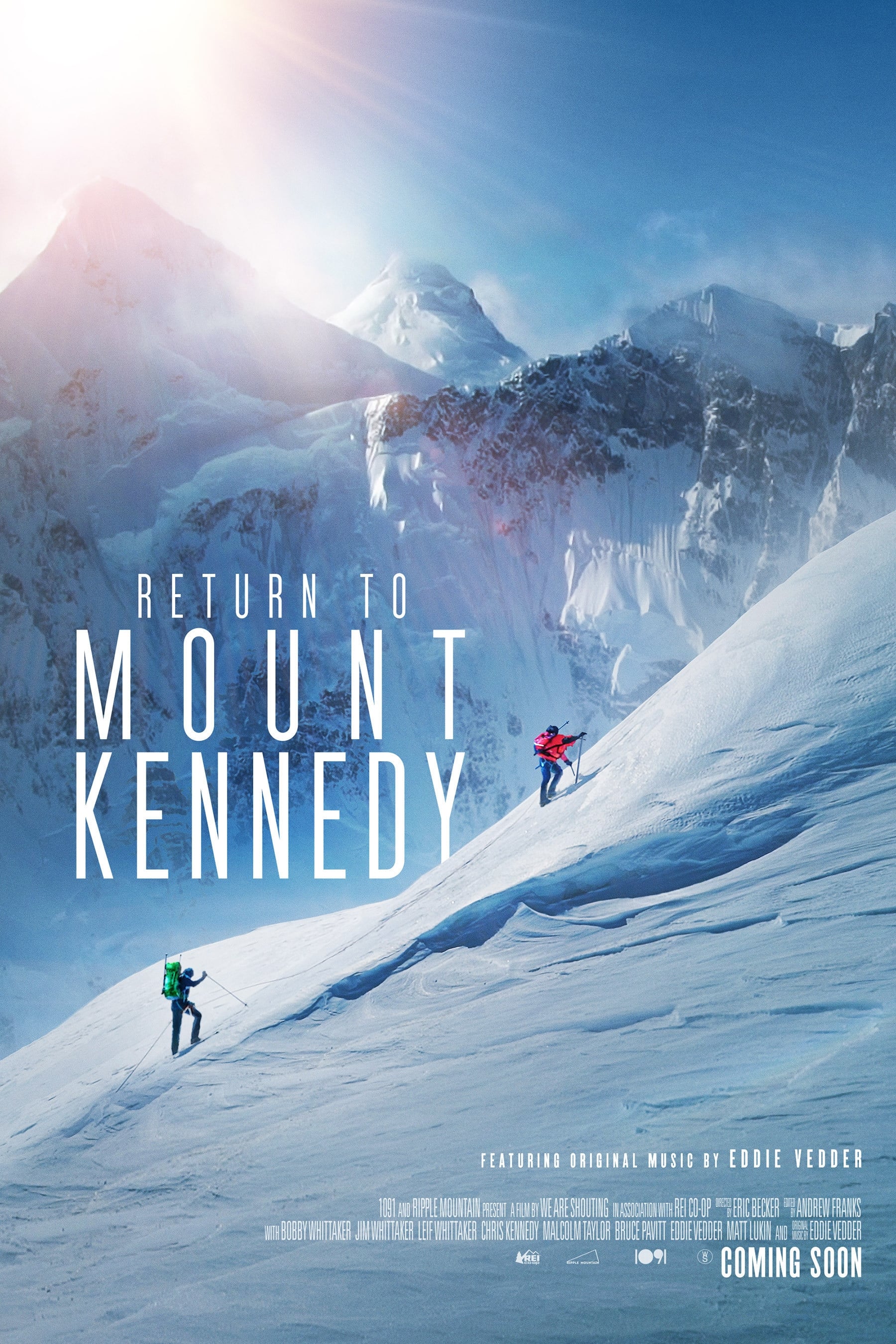
In 1965, Robert Kennedy was the first man to summit Mount Kennedy in the Yukon Territory, named in honor of his late brother. Leading that expedition was Jim Whitaker, the first American to summit Everest and original fulltime employee of REI. 50 years later, Jim’s sons Bob and Leif, along with Christopher Kennedy, decide to climb the mountain again in honor of their fathers’ joint accomplishment and unique friendship. Seattle-based filmmaker Eric Becker’s touching documentary combines archival footage—including several Kennedy home movies—with interviews from Jim himself and those who them best as we follow three sons and the journey literally in their fathers’ footsteps. Eddie Vedder, a personal friend of Bob’s, writes original music for film that tailor shots of the expansive mountain ranges together in this wholesome story.
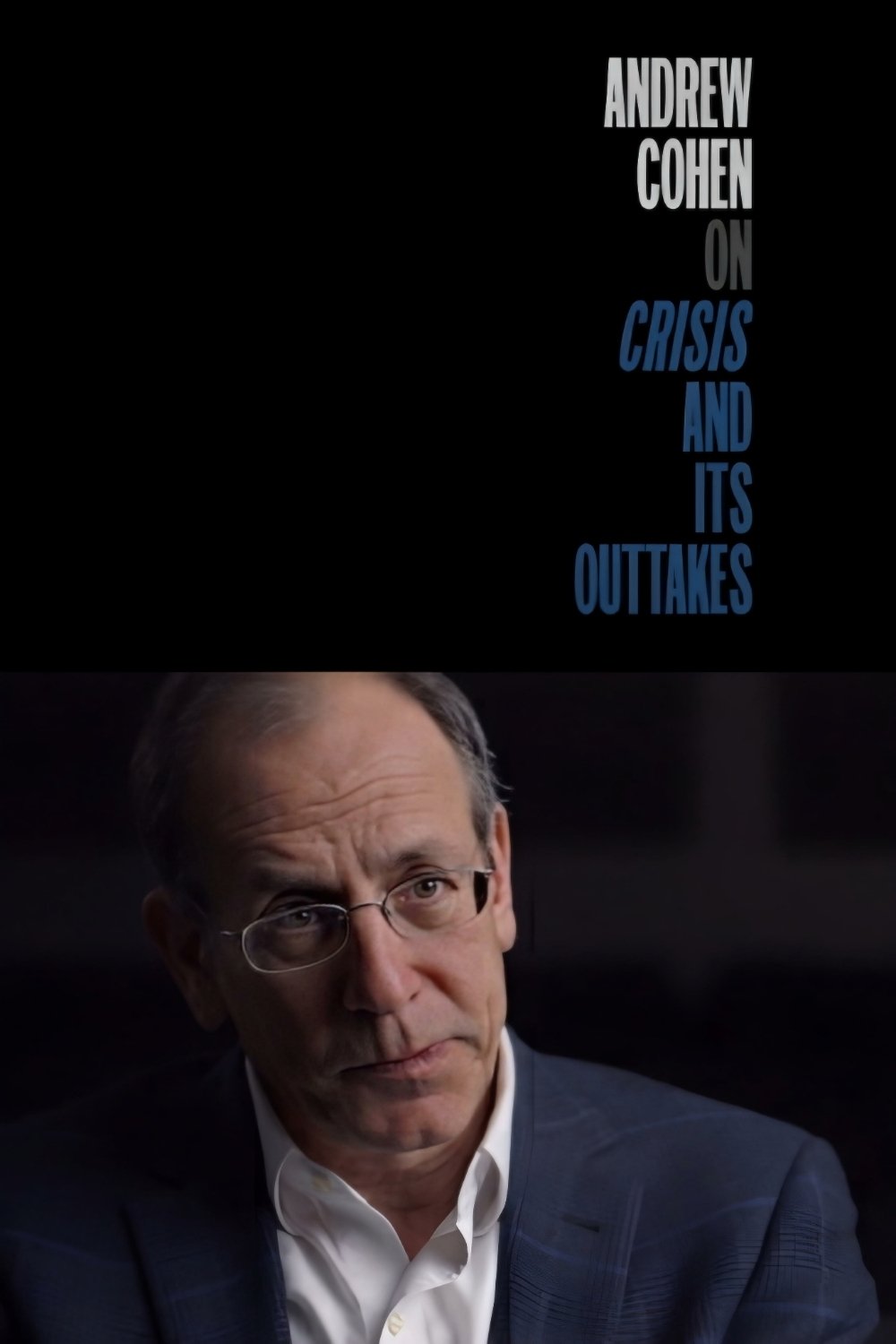
Historian Andrew Cohen discusses Robert Drew's 1963 documentary Crisis: Behind a Presidential Commitment.
An interview with Sharon Malone and Eric Holder regarding the 1963 desegregation of the University of Alabama.
This collection of archival footage features the most compelling speeches, press conferences and appearances made by Robert F. Kennedy, easily one of the most beloved political figures in the history of the United States. Highlights include RFK's eulogy to Martin Luther King Jr. in 1968, a tribute to John F. Kennedy at the 1964 Democratic National Convention and his stirring address at Columbia University later that year. 1) Senate Investigation on Organized Crime (August 1957) 2) Tribute to JFK at the Democratic National Convention (August 27, 1964) 3) United States Senate Campaign 4) Campaign Appearance at Columbia University (October 5, 1964) 5) Presidency Candidacy Announcement (March 16, 1968) 6) Eulogy for Martin Luther King, Jr. (April 4, 1968) 7) Campaign for President (1968) 8) Eulogy Given by Ted Kennedy at St. Patrick's Cathedral (June 6, 1968)
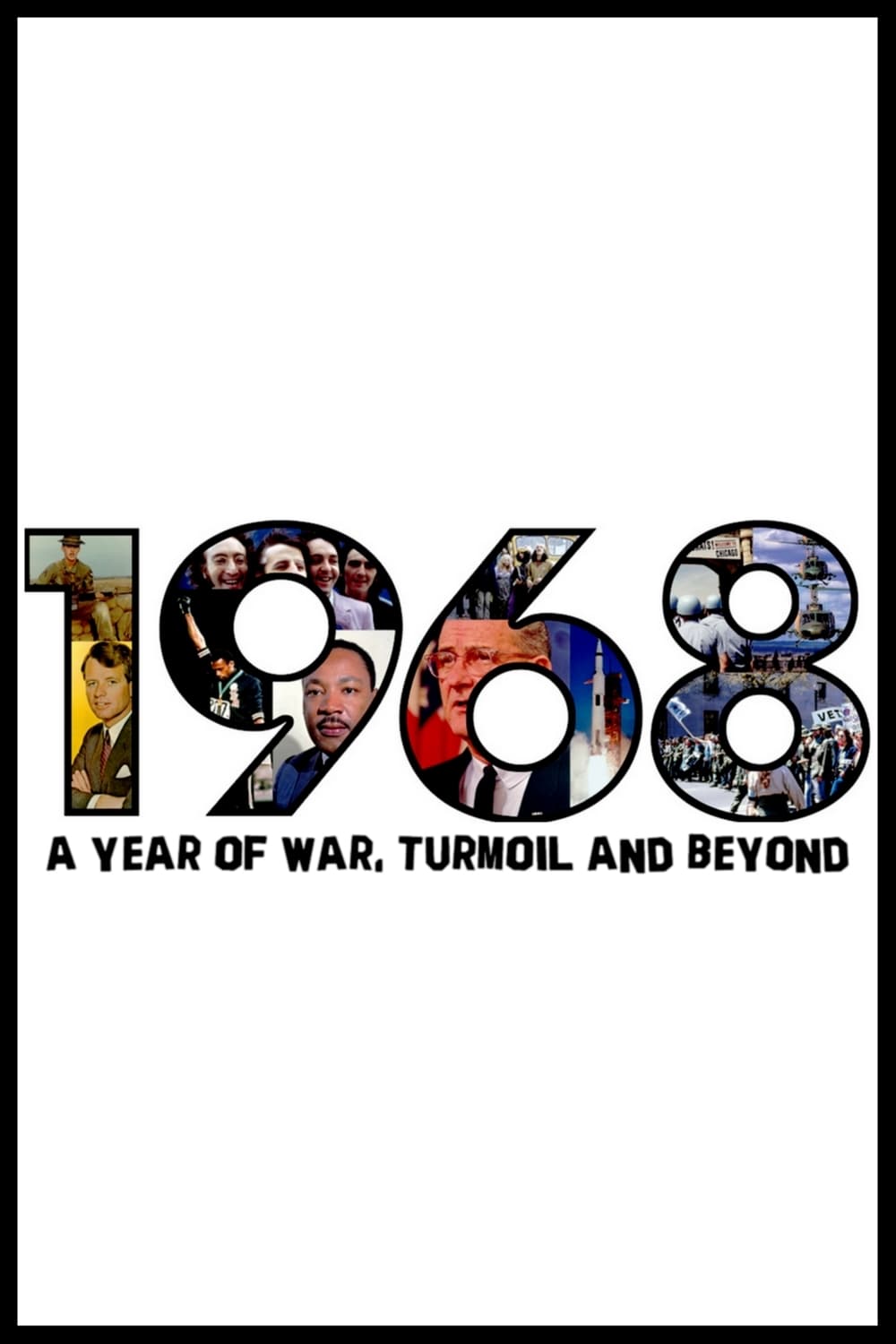
The Tet Offensive during the Vietnam War, the Civil Rights Movement, the May events in France, the assassinations of Martin Luther King and Robert F. Kennedy, the Prague Spring, the Chicago riots, the Mexico Summer Olympics, the presidential election of Richard Nixon, the Apollo 8 space mission, the hippies and the Yippies, Bullitt and the living dead. Once upon a time the year 1968.
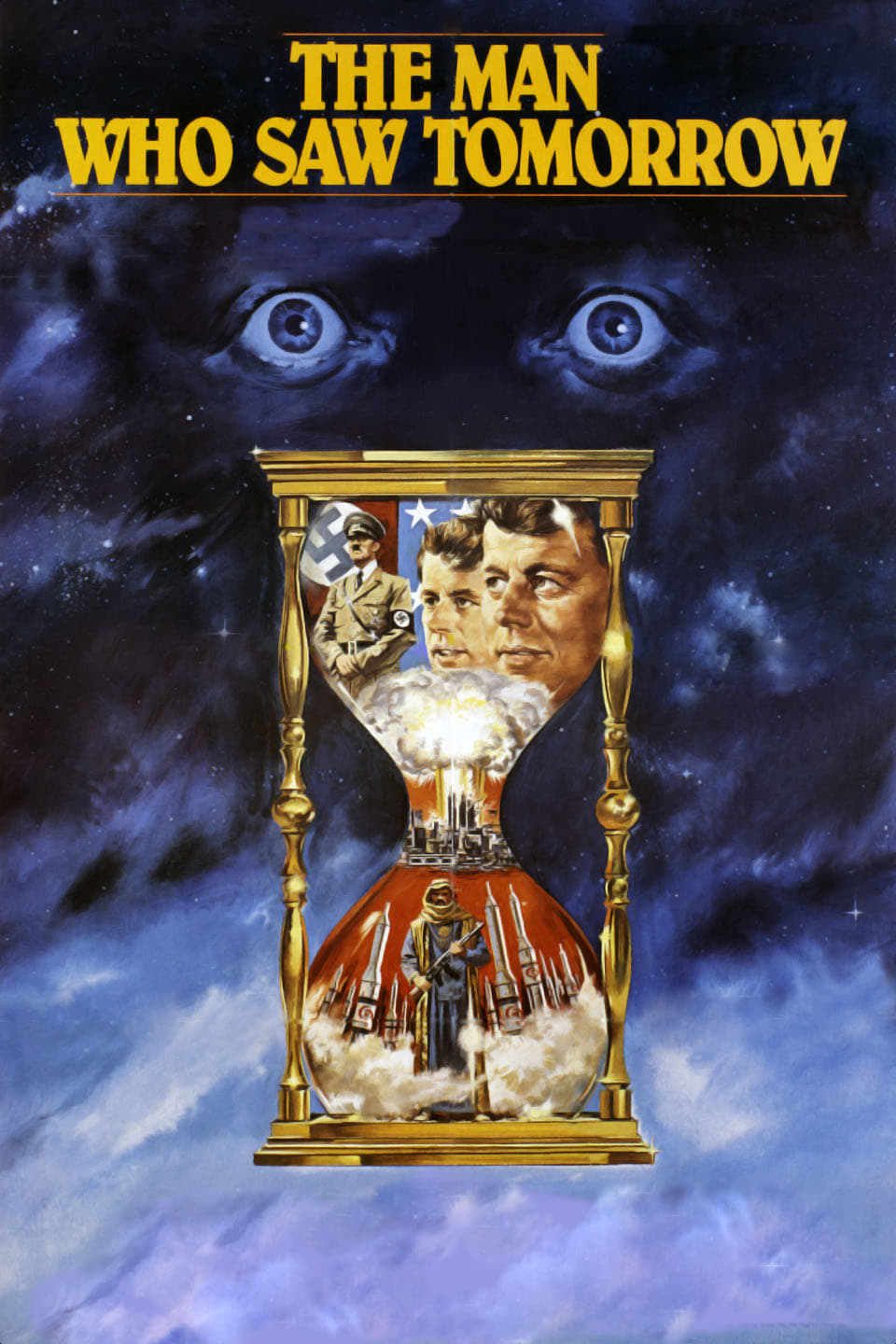
Hosted by Orson Welles, this documentary utilizes a grab bag of dramatized scenes, stock footage, TV news clips and interviews to ask: Did 16th century French astrologer and physician Nostradamus actually predict such events as the fall of King Louis XVI, the rise of Napoleon, the assassination of President John F. Kennedy? And are there prophecies that have yet to come true?
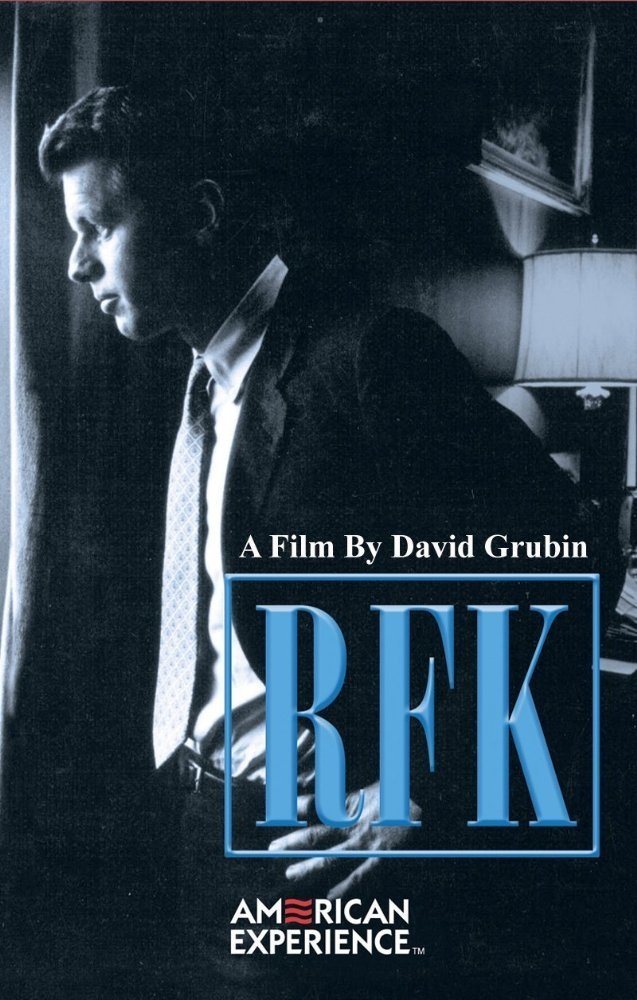
David Grubin's probing and perceptive biography reassesses the remarkable and tragic life of Bobby Kennedy, whose early life was spent in the shadow of his elder brother John. After JFK's assassination, he discovered his own identity in the forefront of American politics before his career was also tragically curtailed by an assassin's bullet.

PBS documentary examining the work of Jack Paar.
A 1964-1973 Retrospective for homecoming POWs.
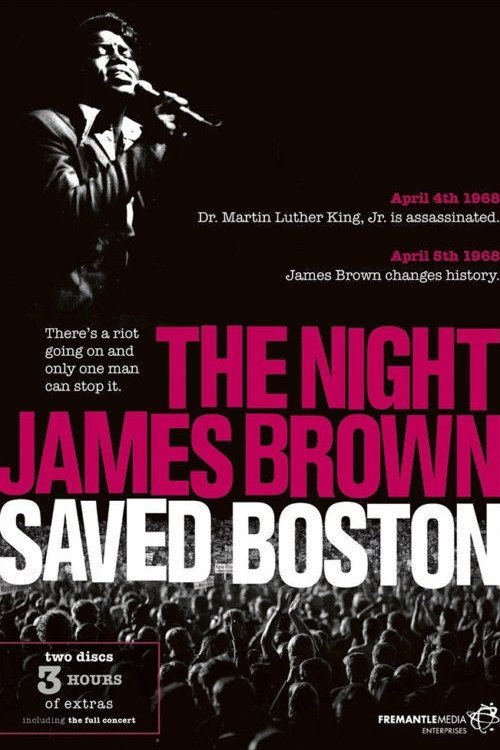
On April 5, 1968, soul legend James Brown performed a concert in Boston that many say shielded that city from the kinds of devastating riots that ripped other cities apart after the assassination of Martin Luther King, Jr.
Documentary of the U.S. Senator Joseph McCarthy, who rose to prominence in the early 1950s by trumpeting allegations of a vast conspiracy by alleged Communist agents whom he claimed had infiltrated the U.S. government, media, film industry, labor unions and other organizations.
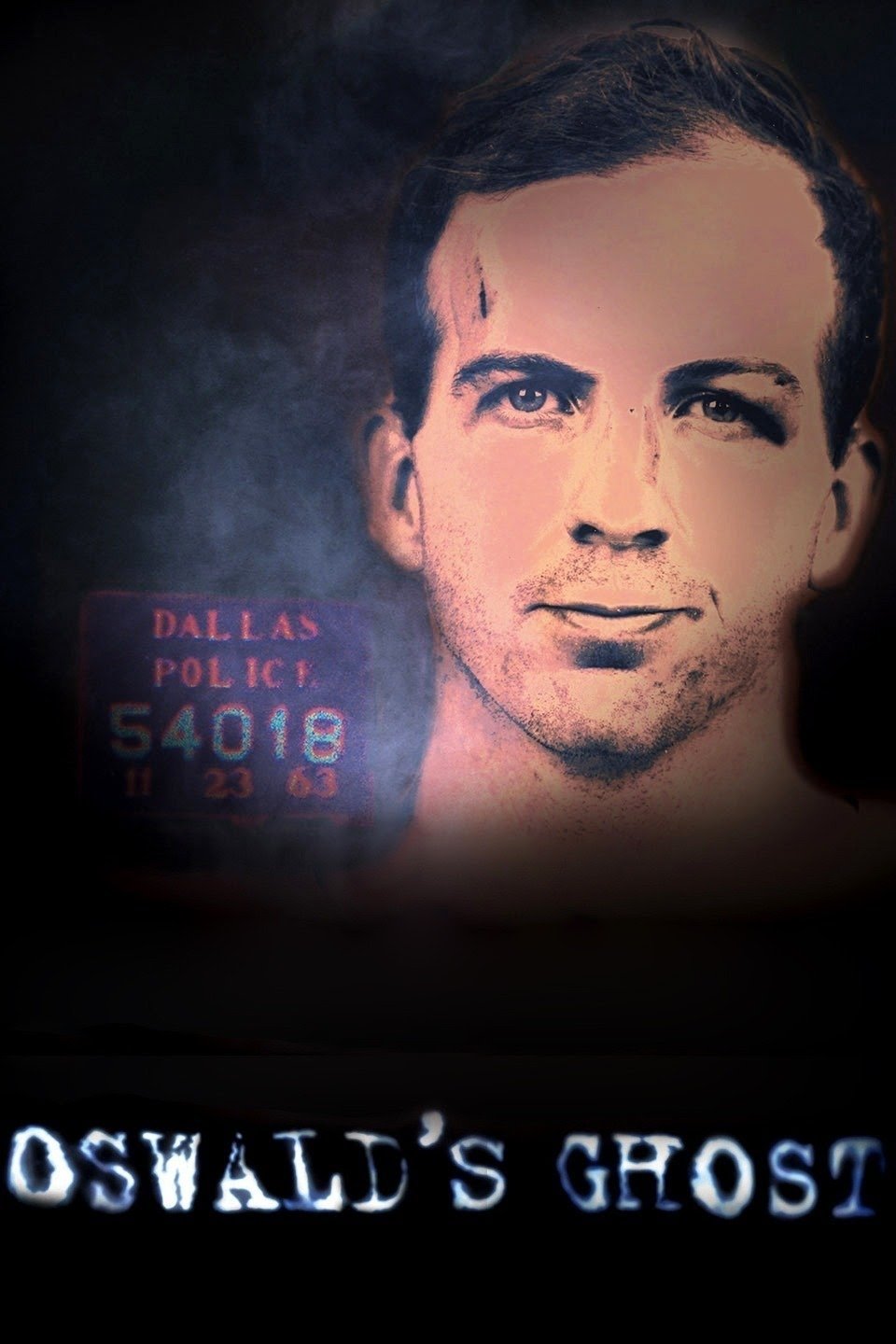
For the Baby Boomers, the assassination of President John F. Kennedy took on the same sense of tragedy as the September 11, 2001 terrorist attacks did for Generation Y - not only for the effect that it had on the nation's morale but for the conspiracy theories that would follow in its wake as well. In the aftermath of the assassination,
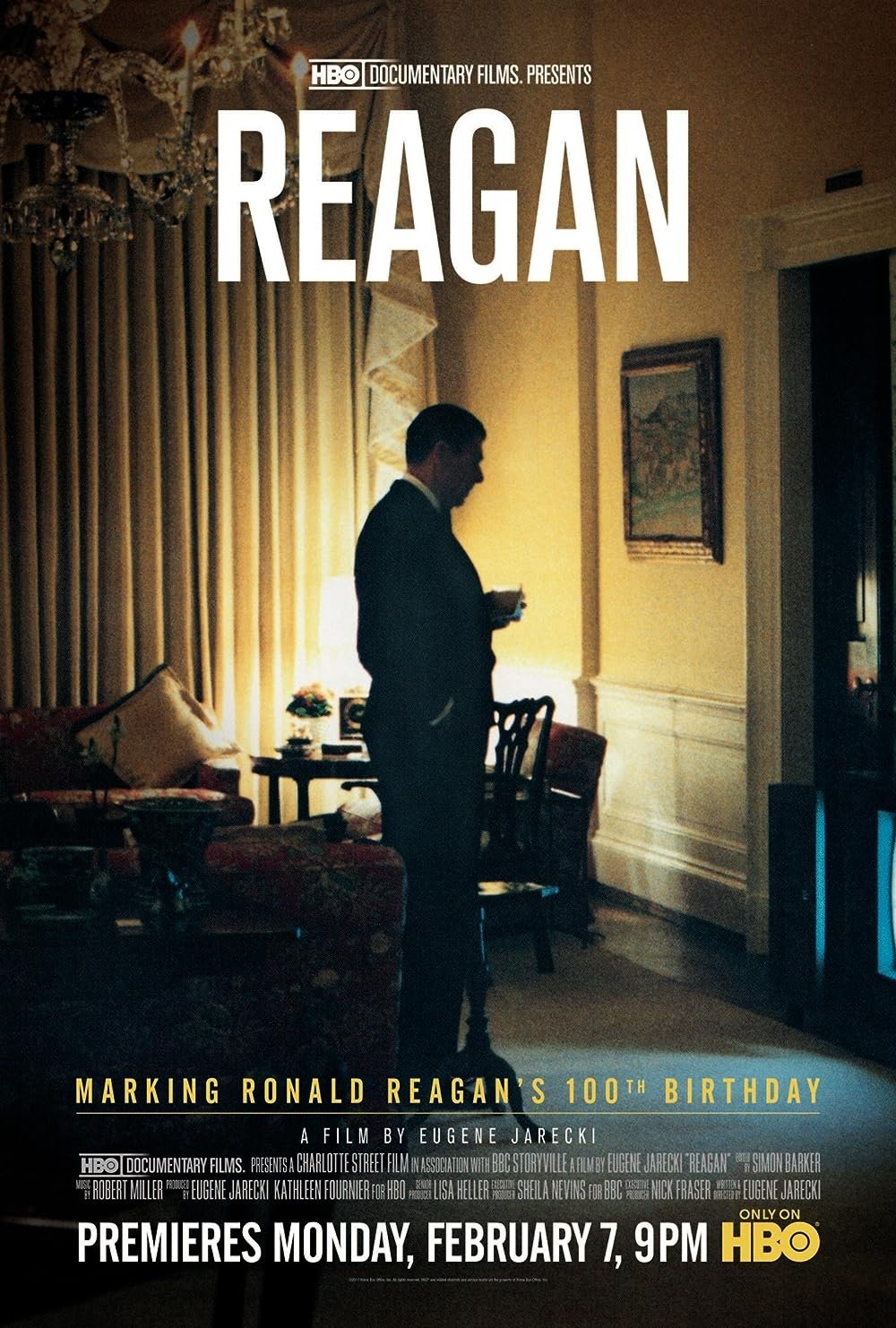
Based on the story of Americas enigmatic career of one of the revered architects of the modern world - icon, screen star, and two-term president, Ronald Reagan.

The timely biopic focuses on John Lewis’ longstanding prominence as a civil rights champion and his continuing crusade for racial and social equality. The documentary illuminates the 80-year-old Congressman’s life as it chronicles the moments on the extraordinary journey that have shaped his place in history and make him such a galvanizing figure today as protests circle the globe. Lewis’ schedule has increased ten-fold as he has become the go-to figure for TV news shows, podcasts and newspapers and magazines from the Washington Post to Vanity Fair, commenting on and leading the way forward through today’s worldwide protests and demonstrations.

Filmmaker Rory Kennedy interviews her mother, Ethel Kennedy, who discusses family, marriage and politics.
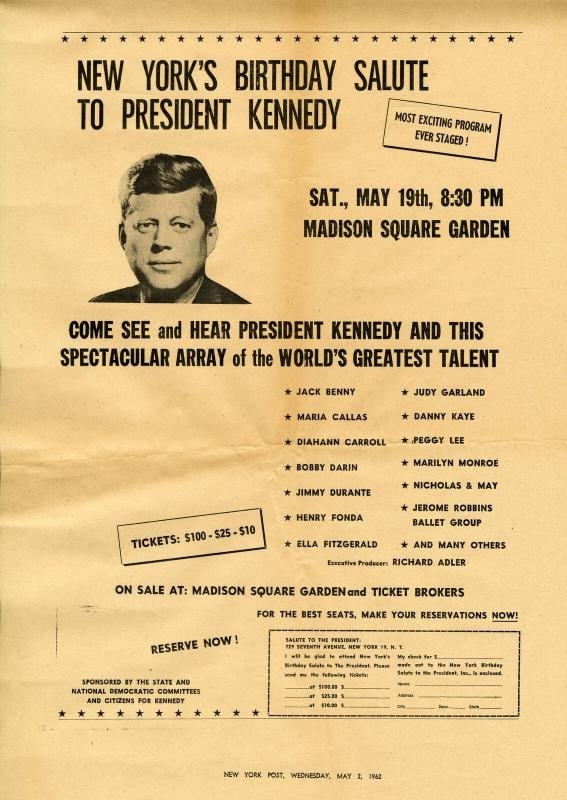
President Kennedy's birthday celebration was held at the third Madison Square Garden on May 19, 1962, and more than 15,000 people attended, including numerous celebrities. The event was a fundraising gala for the Democratic Party. Features Marilyn Monroe singing to JFK.

A personal exploration into the life of America's controversial former CIA Director told through the eyes of his wife and filmmaker son, Carl. Through extraordinary events in twentieth century history, this consummate soldier/spy stood at the center of the Agency's most clandestine activities and operations. The film reveals the 'cover life' of this CIA operative, who followed orders and took on the dirtiest assignments until the Nixon Administration ordered him to 'stonewall' Congress about the CIA's past abuses, but he refused. This film reveals why, for the first time, he could not obey.

Using government documents, archive footage and direct interviews with activists and former FBI/CIA officers, All Power to the People documents the history of race relations and the Civil Rights Movement in the United States during the 1960s and 70s. Covering the history of slavery, civil-rights activists, political assassinations and exploring the methods used to divide and destroy key figures of movements by government forces, the film then contrasts into Reagan-Era events, privacy threats from new technologies and the failure of the “War on Drugs”, forming a comprehensive view of the goals, aspirations and ultimate demise of the Civil Rights Movement…
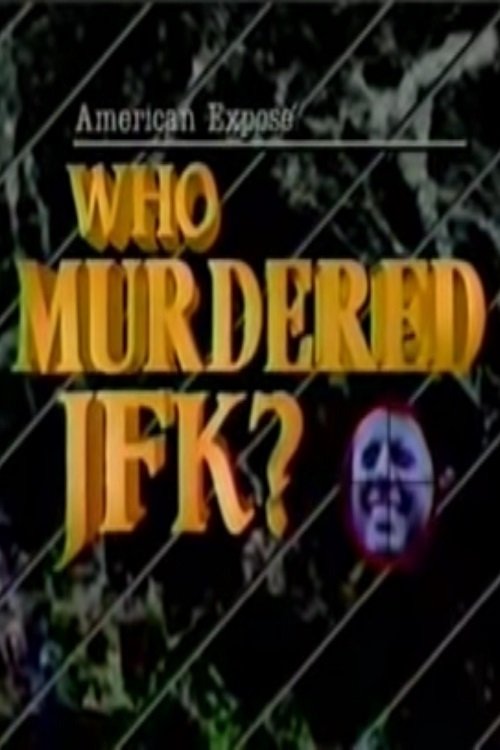
Investigative reporter Jack Anderson hosts a two-hour investigation of the Kennedy Assassination featuring interviews with experts, eyewitnesses, government officials and authors. Includes dramatic recreations of key events.
The real reasons and orchestrators behind Hitler, to an incredible theory of the JFK assassination, all the way to 9/11 and the current age of the terrorist. Taken from an historical perspective starting around World War 1 leading to present day.
On October 6th, 2018, Storm Lake High's Class of '68 had their 50th class reunion. We sat down with them to talk about their high school experiences.
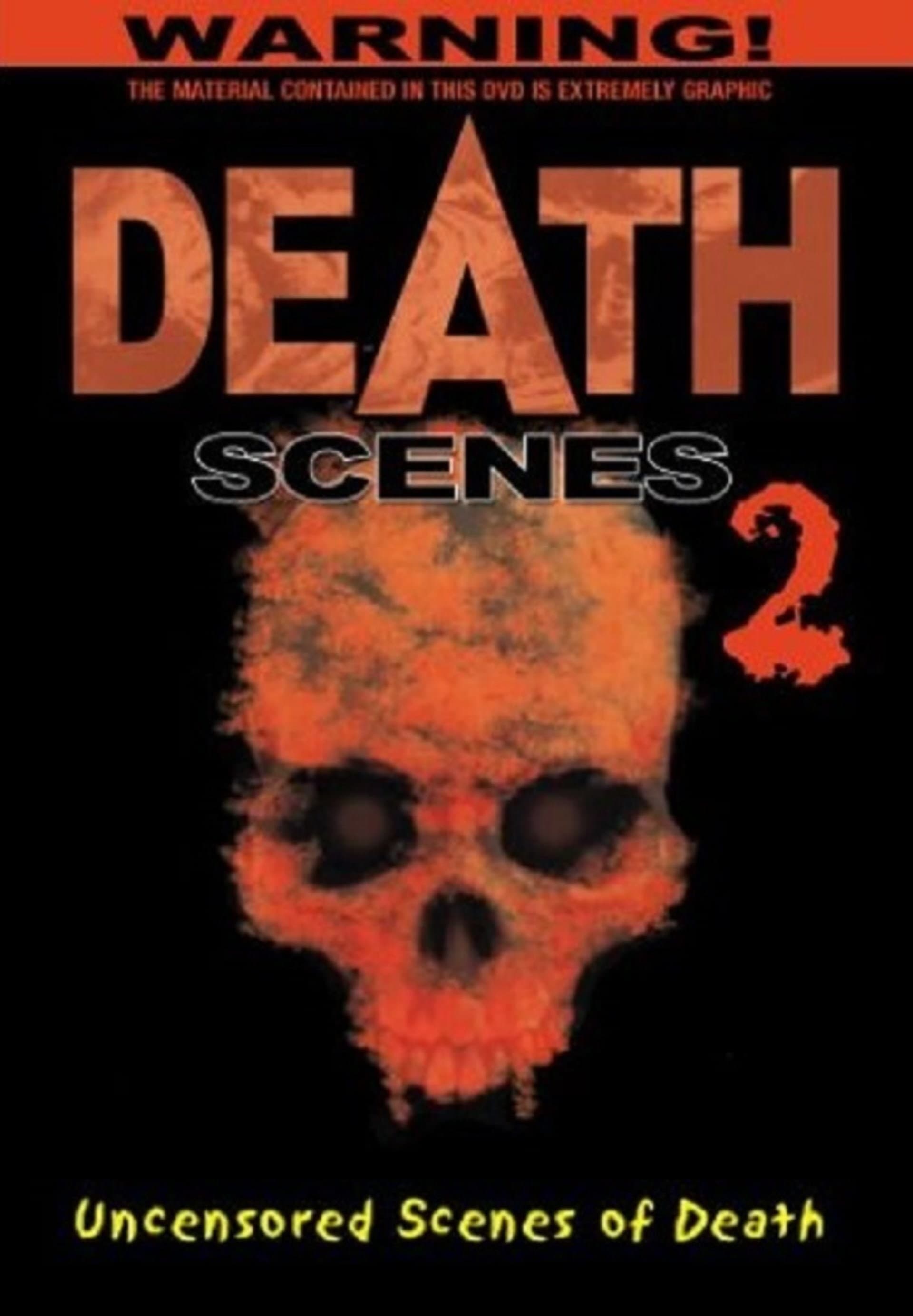
DEATH SCENES II continues the exploration into the dark recesses of violence and rage that ended in such heinous crimes as the Manson Family's assault on society. You'll see the gruesome aftermath of mob reprisals, public executions and international terrorism. DEATH SCENES II uniquely ushers the brave and curious into a spellbinding trip through the reality that is our world today.
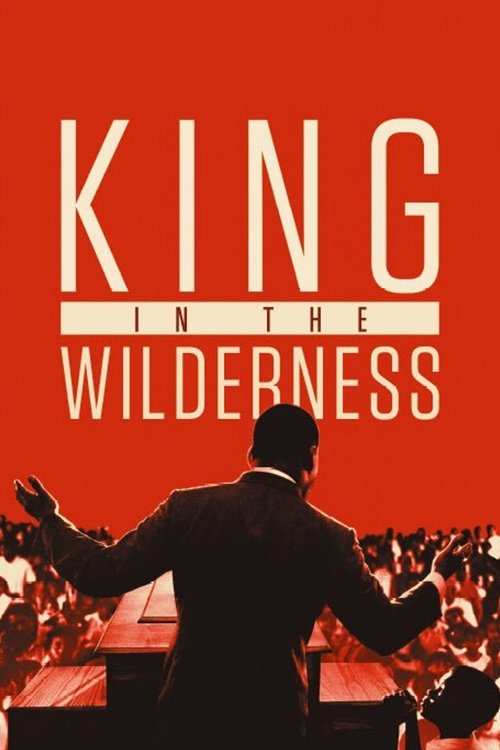
A chronicle of the final chapters of Dr. Martin Luther King Jr.’s life, revealing a conflicted leader who faced an onslaught of criticism from both sides of the political spectrum.
UCLA Student Film, Preserved by the UCLA Film and Television Archive. A striking documentary shot cinema verite style of the 1968 Democratic National Convention in Chicago, with contrasting film and audio inside the convention center and the protests outside.
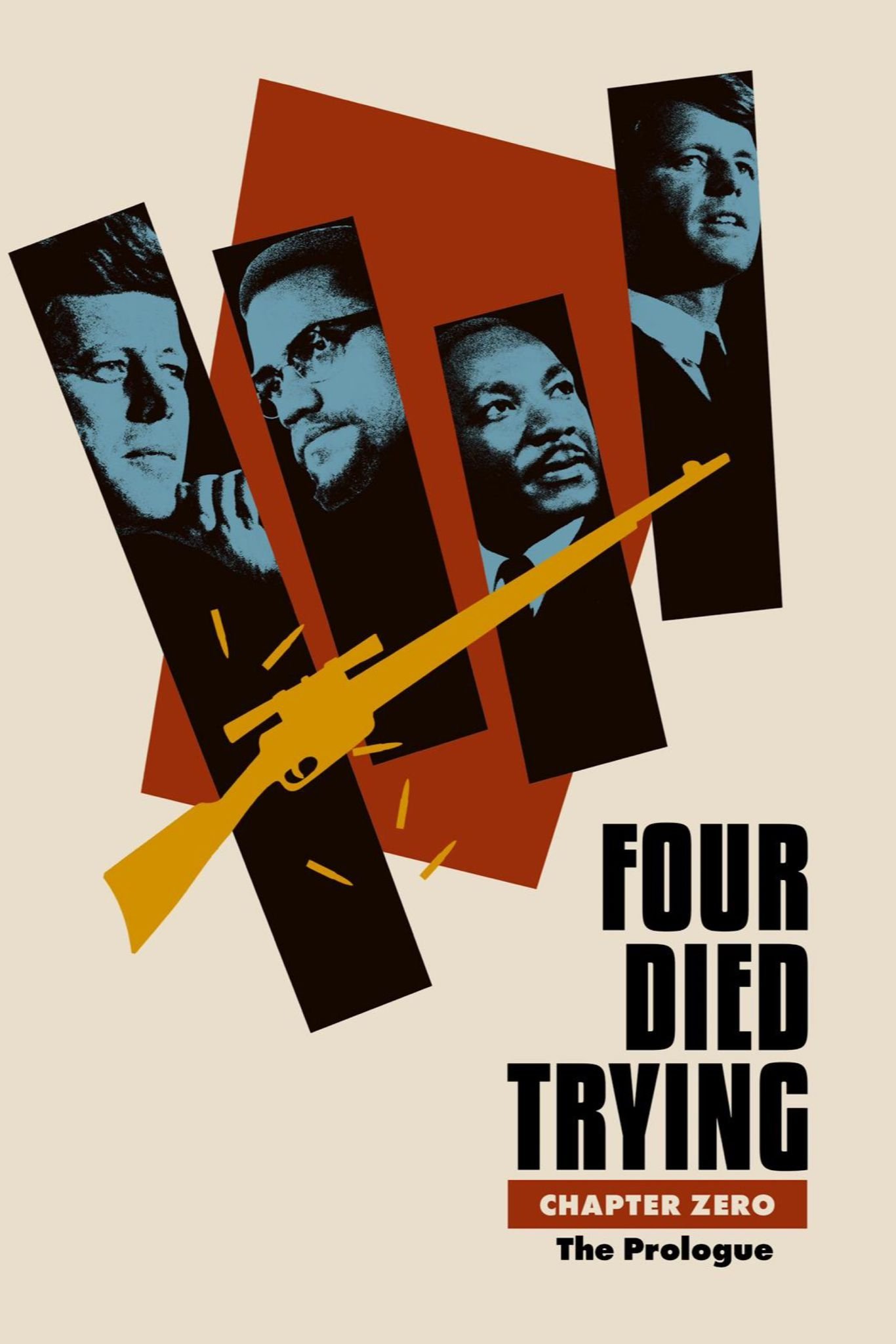
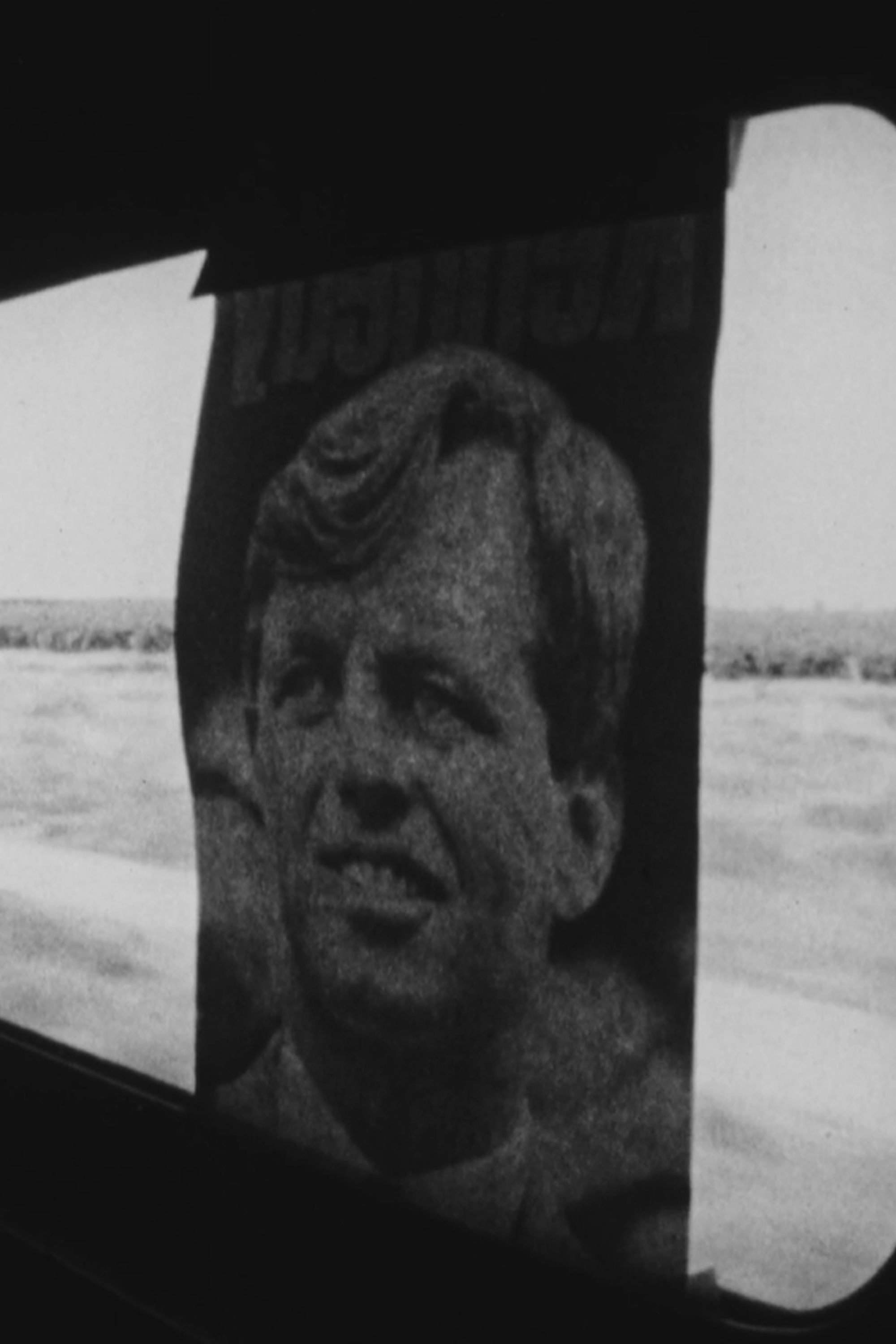
The footage of RFK was shot on the last day of his life. We took the train trip with him from SF to LA and you know what happened later that night.
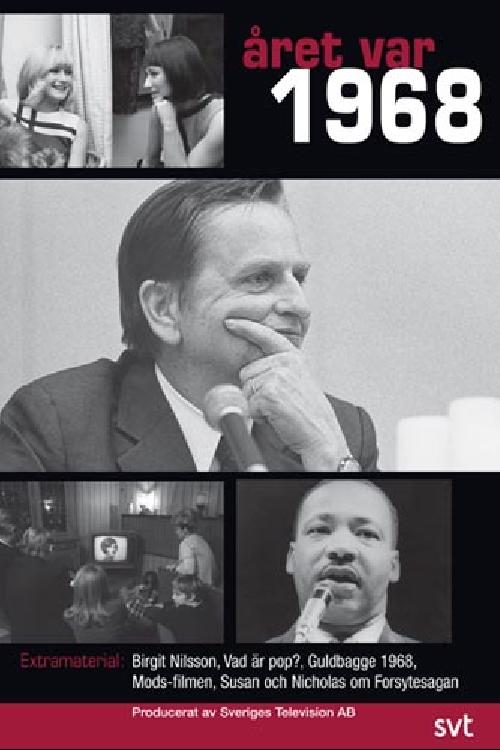
1968 - the year of riots, fights and protests. And demonstrations: against the Vietnam War, against teenage fairs, against the Davis Cup and even against Christmas. It is also the year of the invasion of Prague, the very last student exam and the assassination of Martin Luther King.
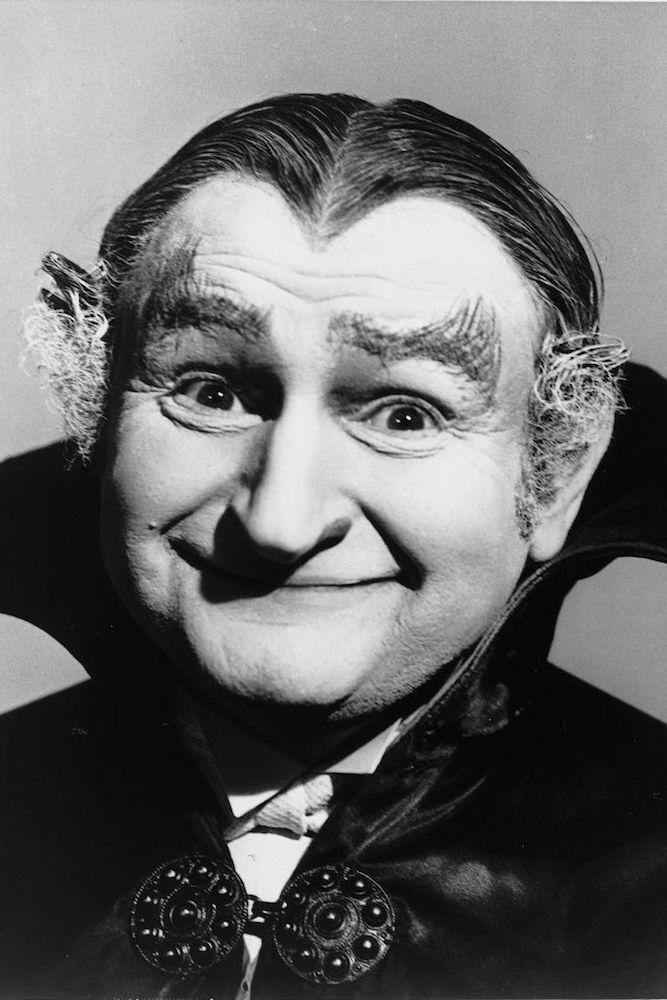
Al Lewis becomes well-known for his iconic role as Grandpa on "The Munsters".
illustrates how directors pushed boundaries and altered the art of filmmaking during the turbulent, swinging 1960s. Narrated by Woody Harrelson, "Reel Radicals" features clips from such seminal films as Arthur Penn's "Bonnie and Clyde" (1967); Mike Nichols' "The Graduate" (1967); Dennis Hopper's "Easy Rider" (1969); John Frankenheimer's "The Manchurian Candidate" (1962); Stanley Kubrick's "Dr. Strangelove" (1964) and "2001: A Space Odyssey" (1968); John Schlesinger's "Midnight Cowboy" (1969); Richard Brooks' "Elmer Gantry" (1960) and "In Cold Blood" (1967); and Norman Jewison's "In the Heat of the Night" (1967) and "The Thomas Crown Affair" (1968). Frankenheimer, Jewison, Hopper, Schlesinger, Penn, Buck Henry, Paul Mazursky, Roger Corman and Arthur Hiller are among the filmmakers who discuss the decade.
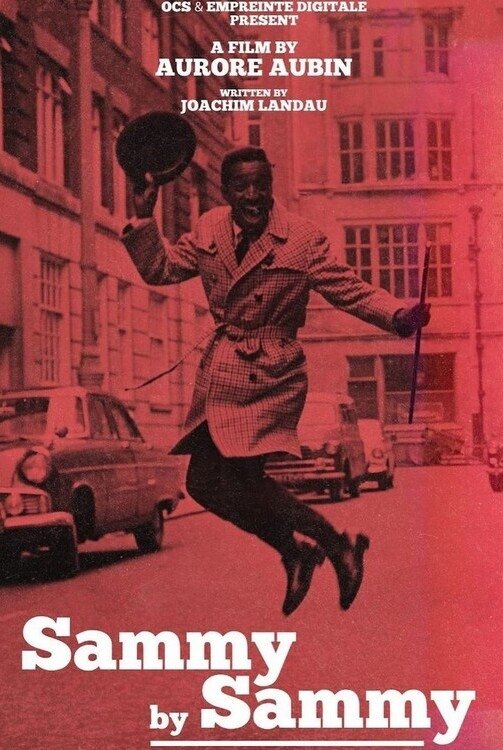
An original documentary that deciphers in depth, like no other before, the ten most singular years of the life of Sammy Davis, Jr. the legendary performer of "Mr. Bojangles". From 1957 to 1968, he was both at the height of the star system and confronted with a violently racist and segregated America. The film addresses the main pillars of his career and his intimate life as he pursued his dream during this incredible decade.
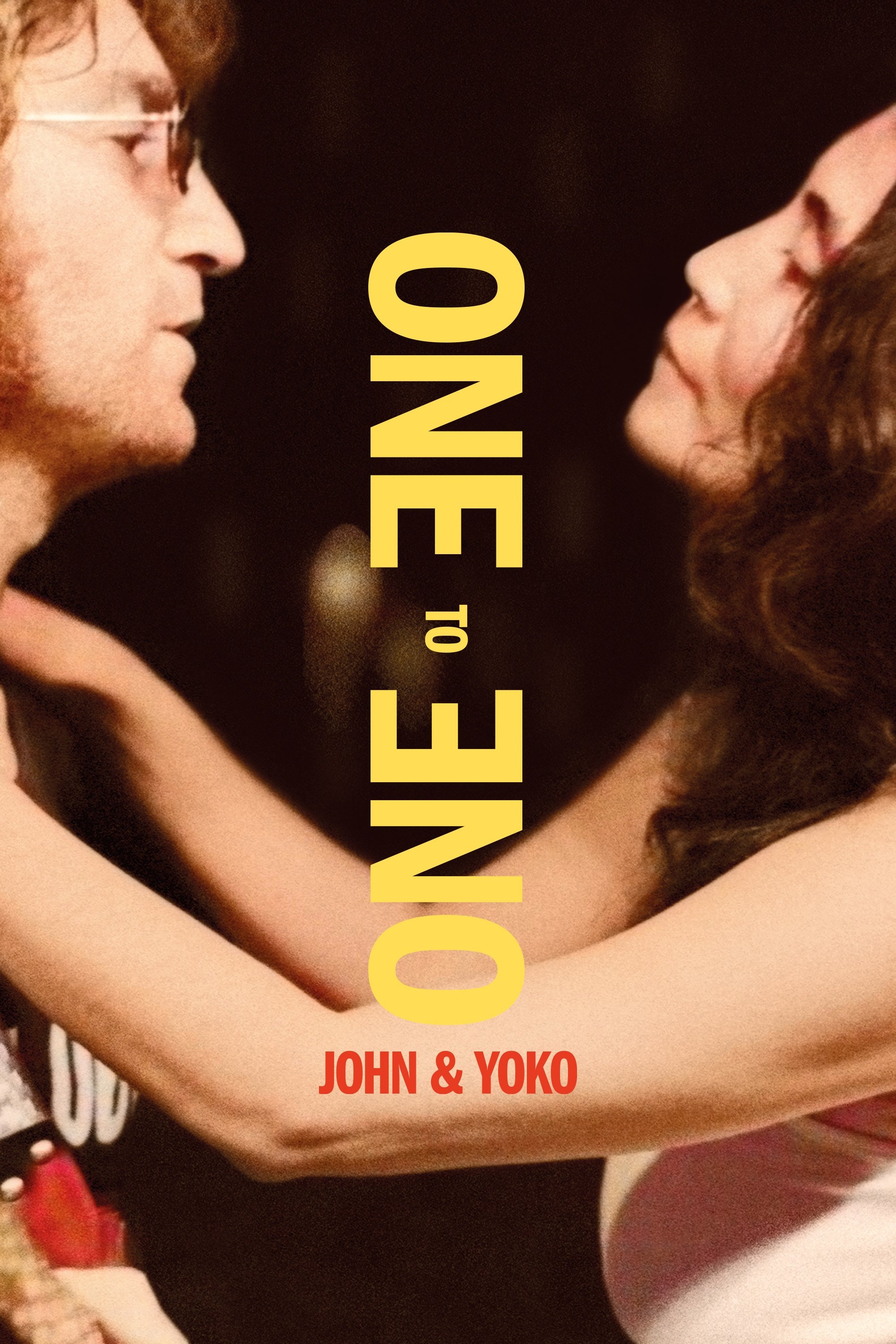
An exploration of the seminal and transformative 18 months that one of music’s most famous couples — John Lennon and Yoko Ono — spent living in Greenwich Village, New York City, in the early 1970s.
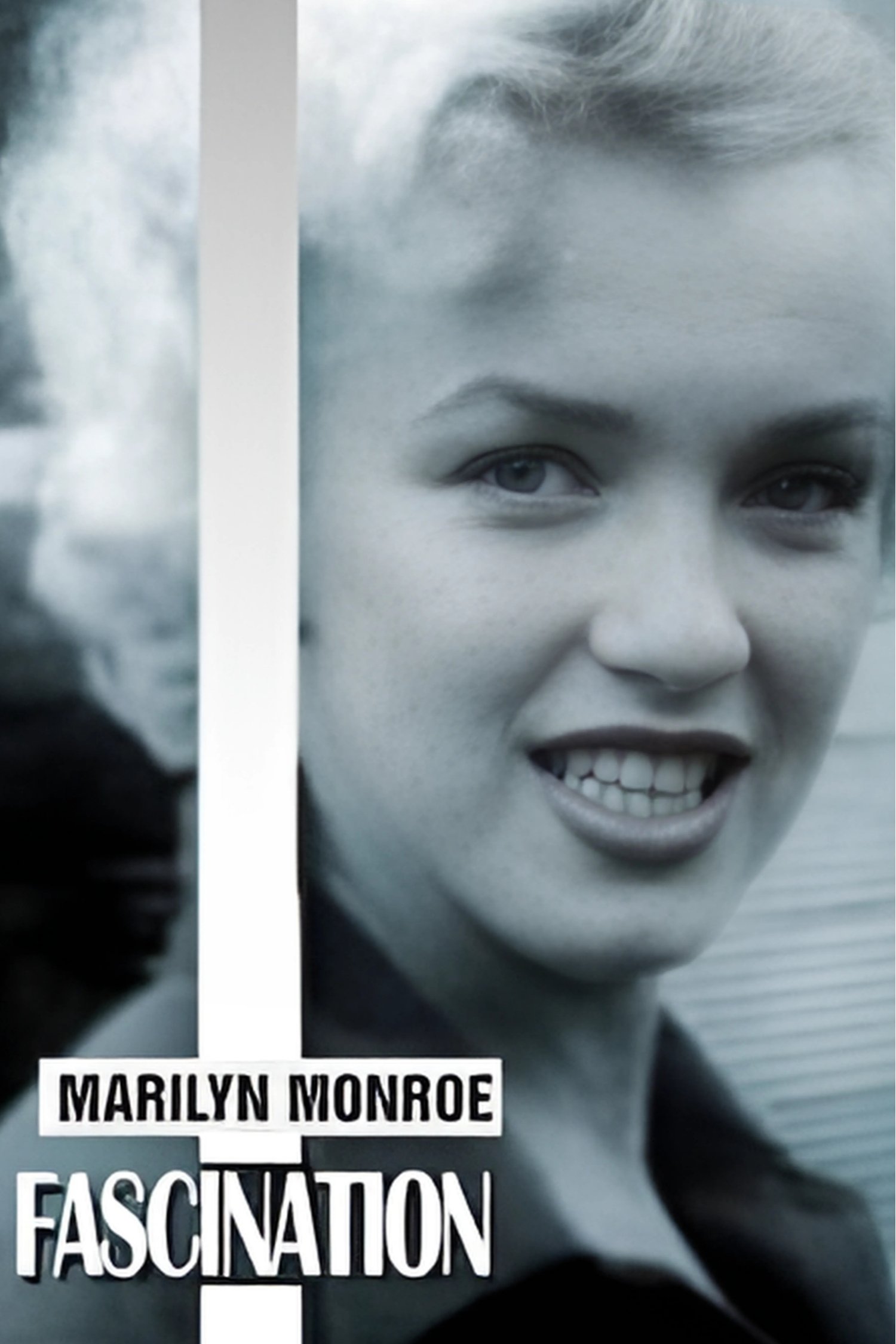
Marilyn Monroe is one of the most famous and adored icons of the 20th century. Like no other Hollywood star, she won the hearts of millions around the world. It's been said that: "Monroe played the best game with the worst hand." Her journey to stardom stemmed from a childhood of poverty, neglect, and loneliness. 'Fascination' tells the remarkable story of Marilyn's life. From birth to her premature death she endured criticism, insecurities, drug dependence, numerous miscarriages, and three broken marriages. Despite all her demons, her unprecedented beauty, talent and quick wit amazed all that came before her.

With the release of new documents in 2025, this gripping exploration revisits the JFK assassination, featuring expert insights and theories that leave viewers questioning the truth behind the events of a day that changed history.
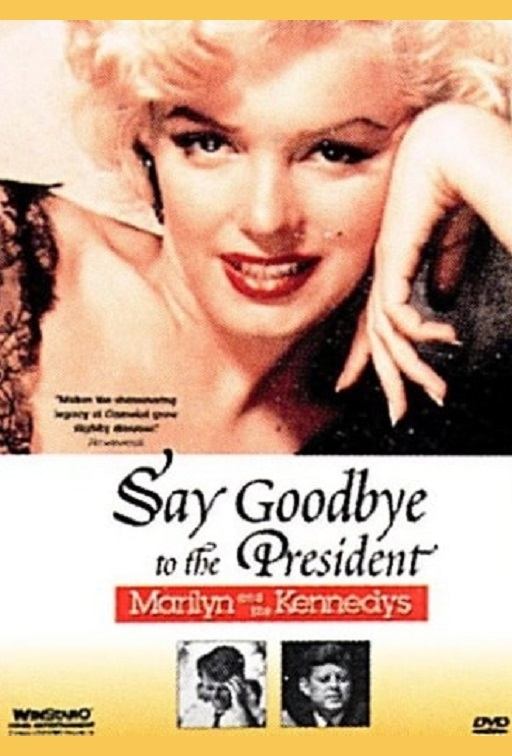
What really happened to Marilyn Monroe? People still speculate that Ms. Monroe had affairs with both President John F. Kennedy and his younger brother, Robert F. Kennedy. Director Christopher Olgiati explores the theory that Ms. Monroe got too close to both brothers, and that this may have ultimately led to her demise. The documentary includes interviews with historians, friends and those purported to be involved in the alleged cover-up.
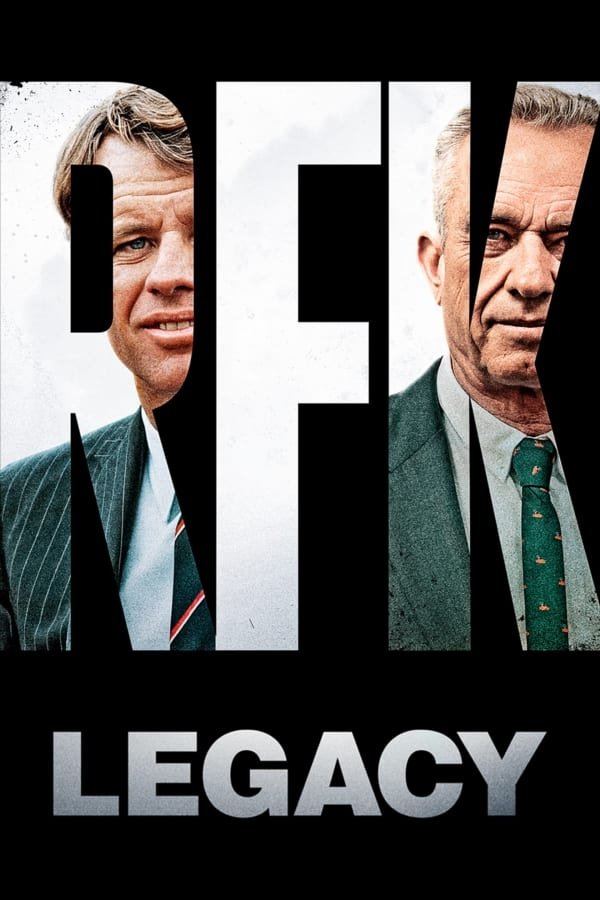
From the turmoil of the 1960s to the chaos of today, RFK: Legacy follows the father-son journey of two political insurgents who refused to play by the rules. Robert F. Kennedy and Robert F. Kennedy Jr. stood up to the establishment in pursuit of truth, justice, and accountability—at great personal cost. This powerful documentary is both a tribute and a warning: history doesn’t repeat itself—it echoes.
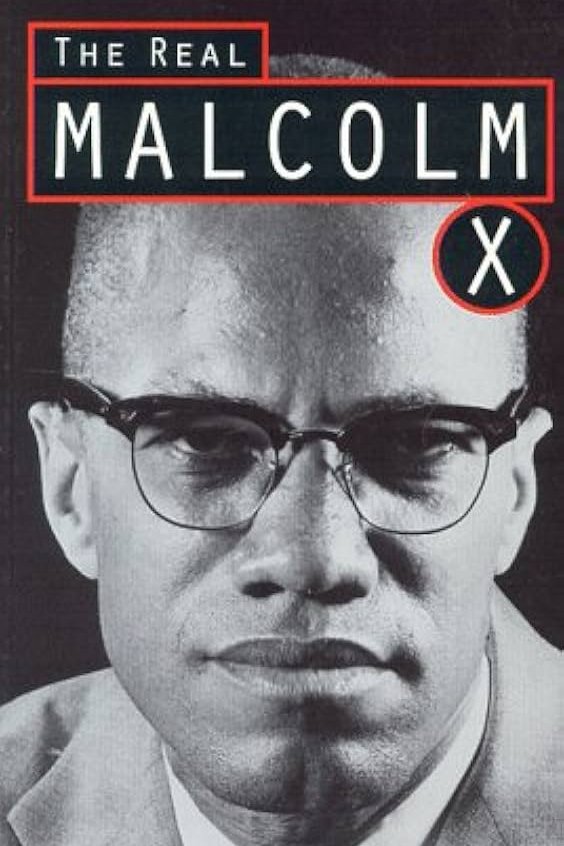
CBS News looks at Malcolm X, focusing on his public life from 1959 to his assassination in 1965, suggesting that his death was a great loss to the nation. The film intercuts archival footage of Malcolm and interviews with family, friends, colleagues, scholars, and writers. CBS documents Malcolm's move from being Elijah Muhammad's deputy in the Nation of Islam to his embrace of Islam: his new links with the civil rights movement posed a real threat to the powers that be. CBS details his death after secret FBI acts to increase the rift between Muhammad and Malcolm. Maya Angelou, Dick Gregory, and Andrew Young offer trenchant comments. "He was our manhood," eulogized Ossie Davis.
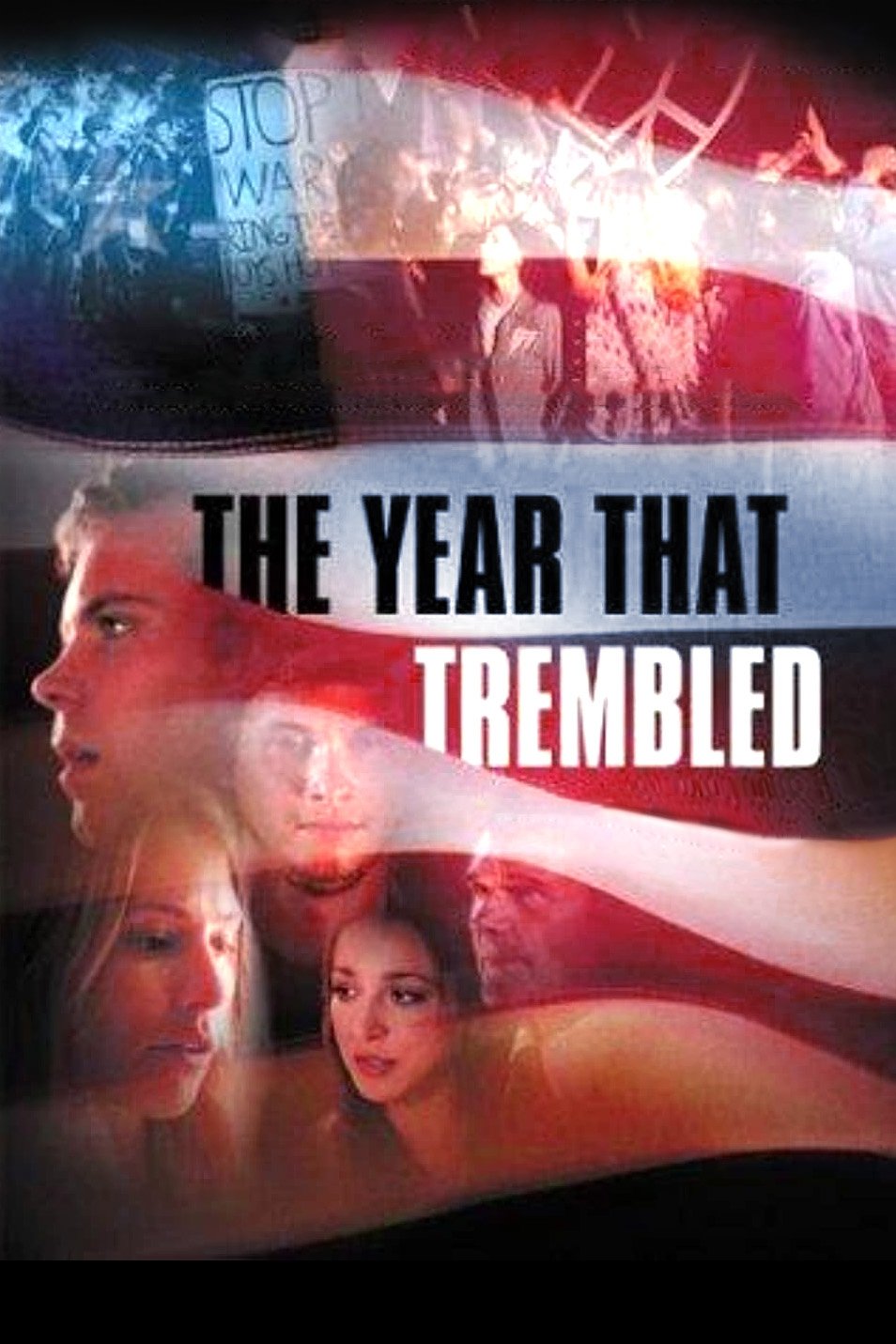
The Year That Trembled is a coming-of-age story set in 1970 in the shadow of Kent State that focuses on a group of young people facing the Vietnam Draft Lottery.
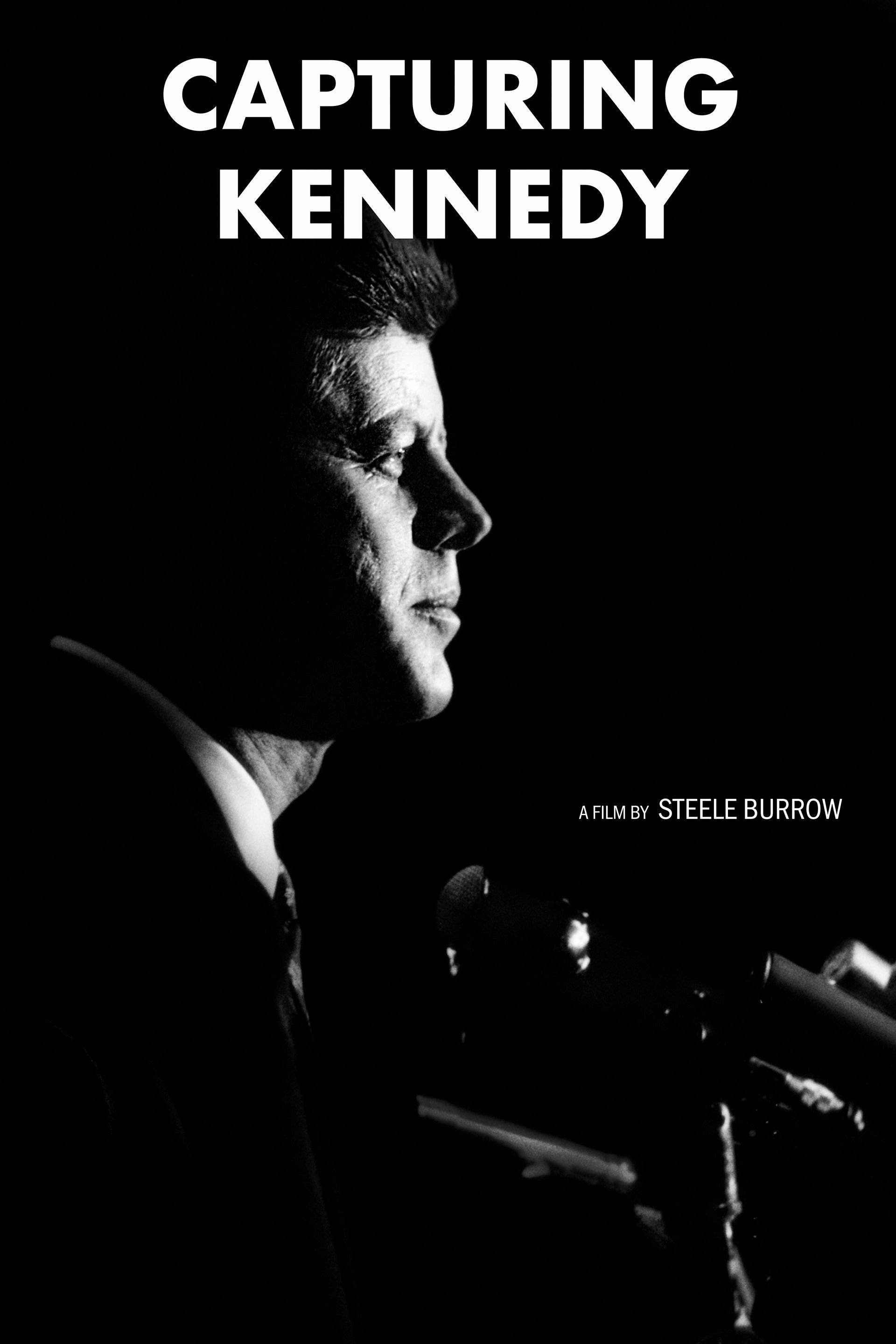
The extraordinary untold story of Jacques Lowe, a young immigrant who, at just 28, became the personal photographer to President John F. Kennedy. Experience the untold stories behind the images that shaped Camelot.
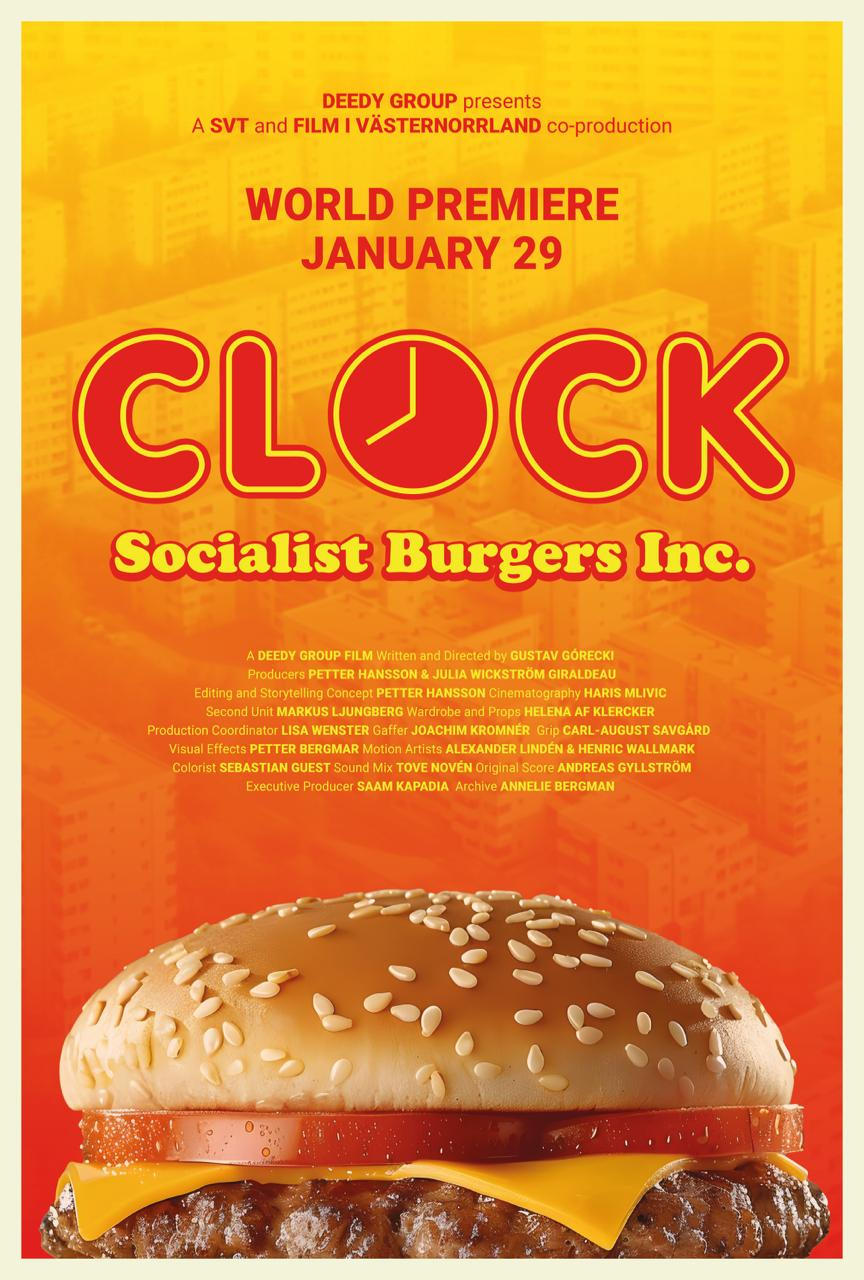
Clock looks, smells and tastes just like any other fast food chain. Its owner? The Swedish state.
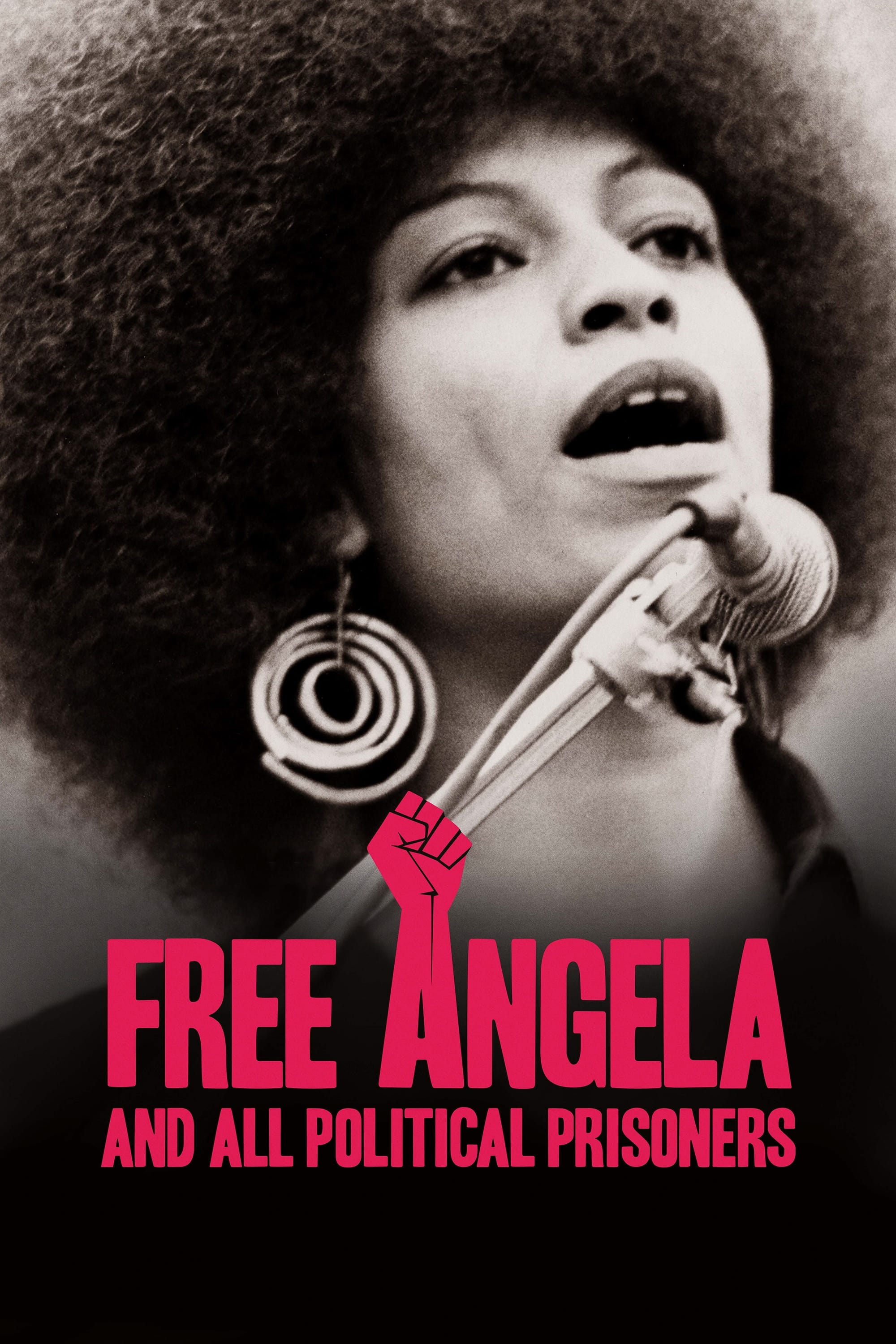
The story of how, in 1970, the social activism of young UCLA philosophy professor Angela Davis led her to become involved in a failed kidnapping attempt that ended in a shootout, four deaths, and her name on the FBI's Ten Most Wanted list.
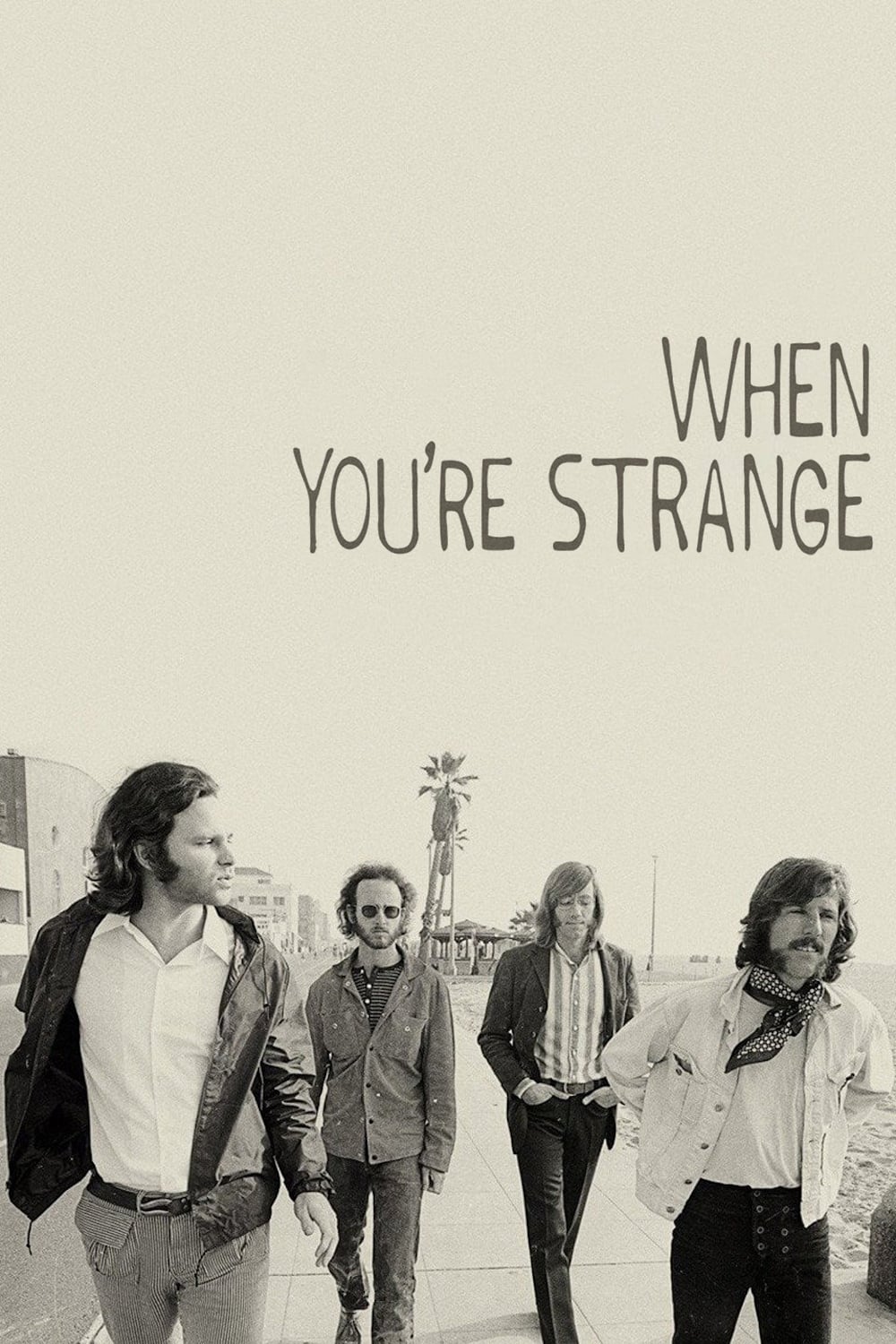
The creative chemistry of four brilliant artists —drummer John Densmore, guitarist Robby Kreiger, keyboardist Ray Manzarek and singer Jim Morrison— made The Doors one of America's most iconic and influential rock bands. Using footage shot between their formation in 1965 and Morrison's death in 1971, it follows the band from the corridors of UCLA's film school, where Manzarek and Morrison met, to the stages of sold-out arenas.
BBC investigation documentary on the Chappaquiddick incident, which proposes an alternative explanation to the death of Mary Jo Kopechne in Senator Ted Kennedy’s car in 1969
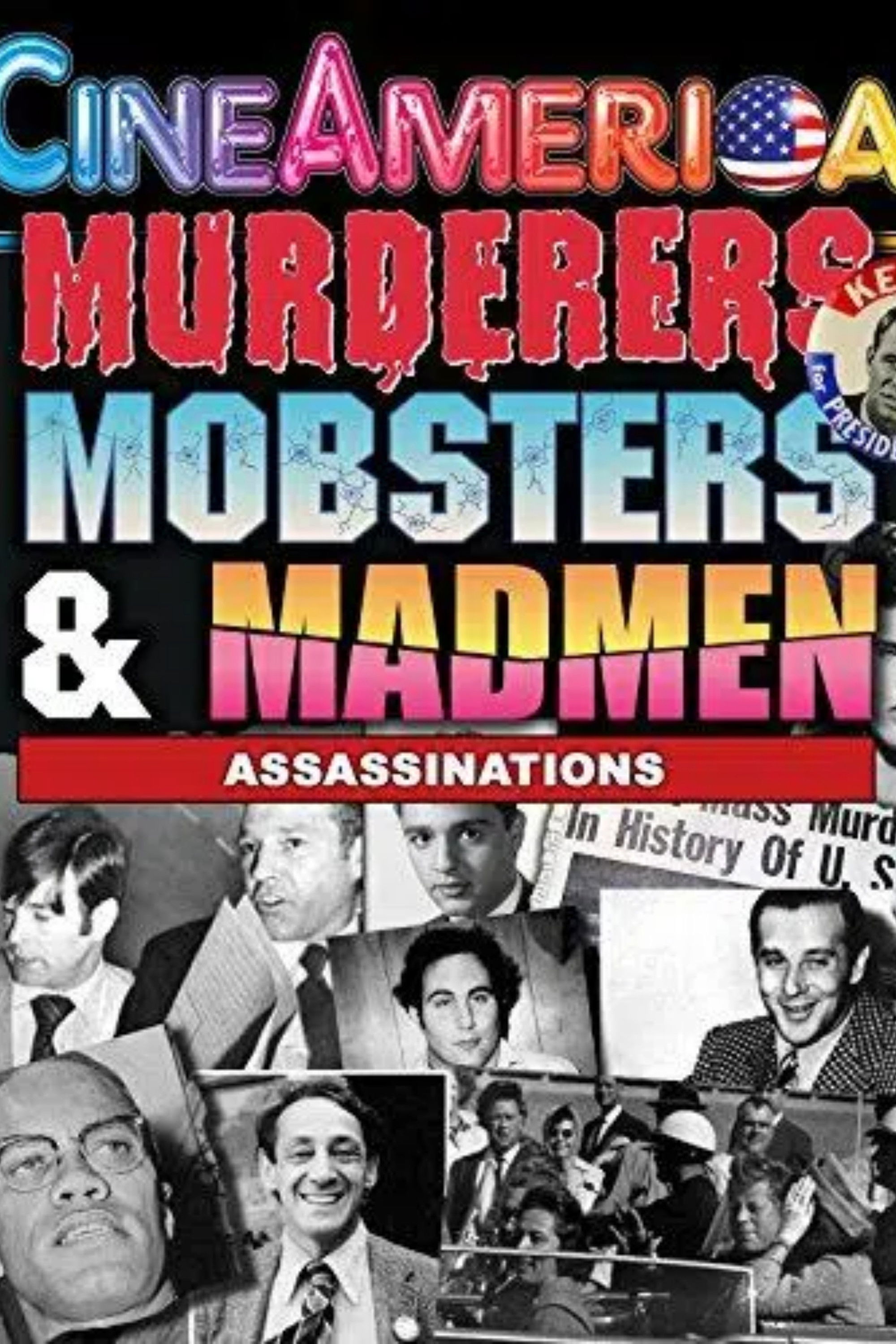
Reveals through graphic historical and exclusive footage the tragic murders of political and social leaders. These heinous crimes help make the 20th century man's most most violent era. Included also are numerous attempted assassinations and the stories behind those who are driven to kill prominent figures. ASSASSINATED: Malcolm X John F. Kennedy Dr. Martin Luther King Mahatma Ghandi John Lennon Robert Kennedy George Moscone
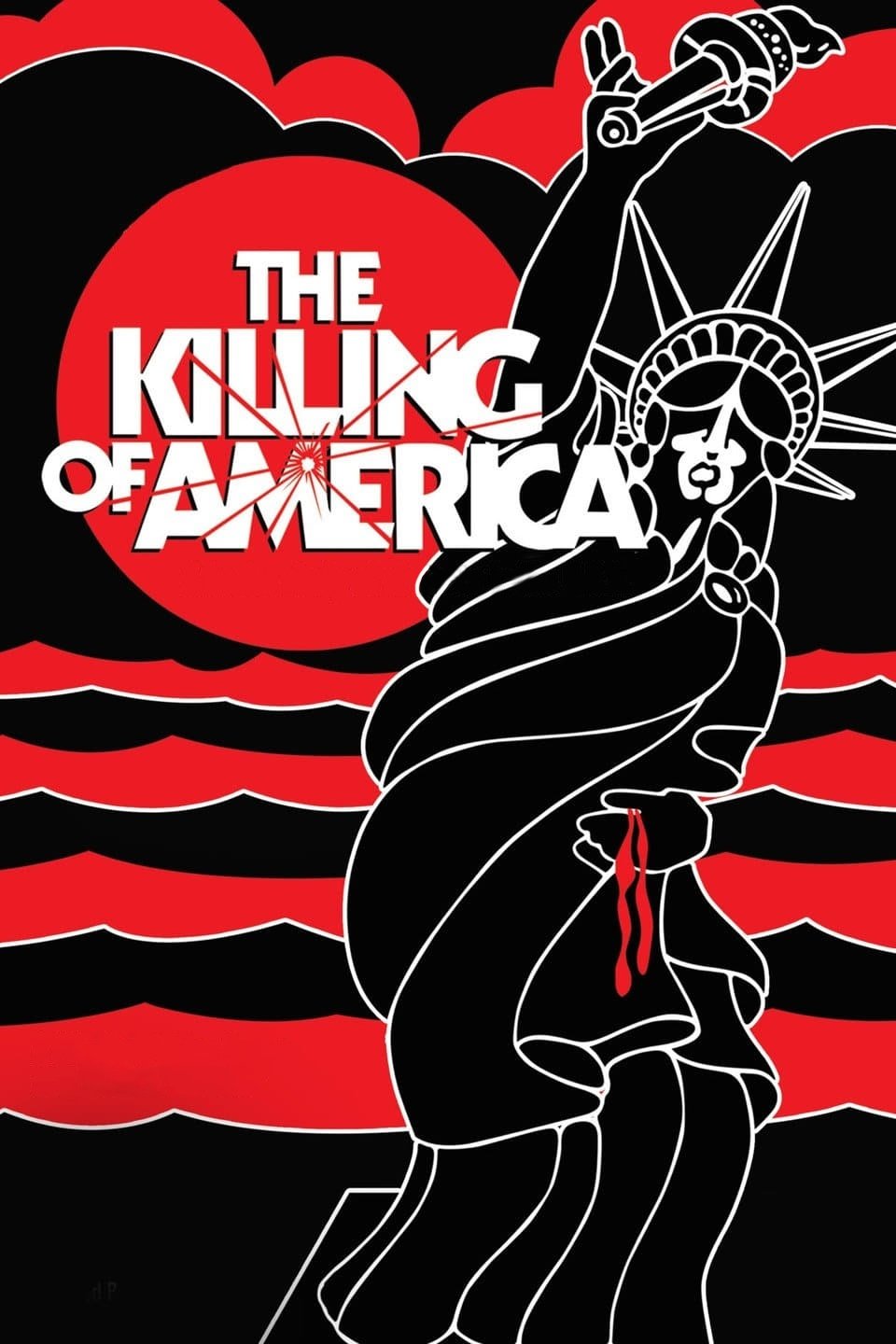
A documentary of the decline of America, composed of archival material and exclusive footage, carnage, madness, and mayhem with an unapologetic sincerity on the factual depiction of violence in the industrialized nation of the United States. Featuring a juxtaposition of detailed accounts of terrible acts, brutal behavior, and interviews from experts and convicted killers alike.
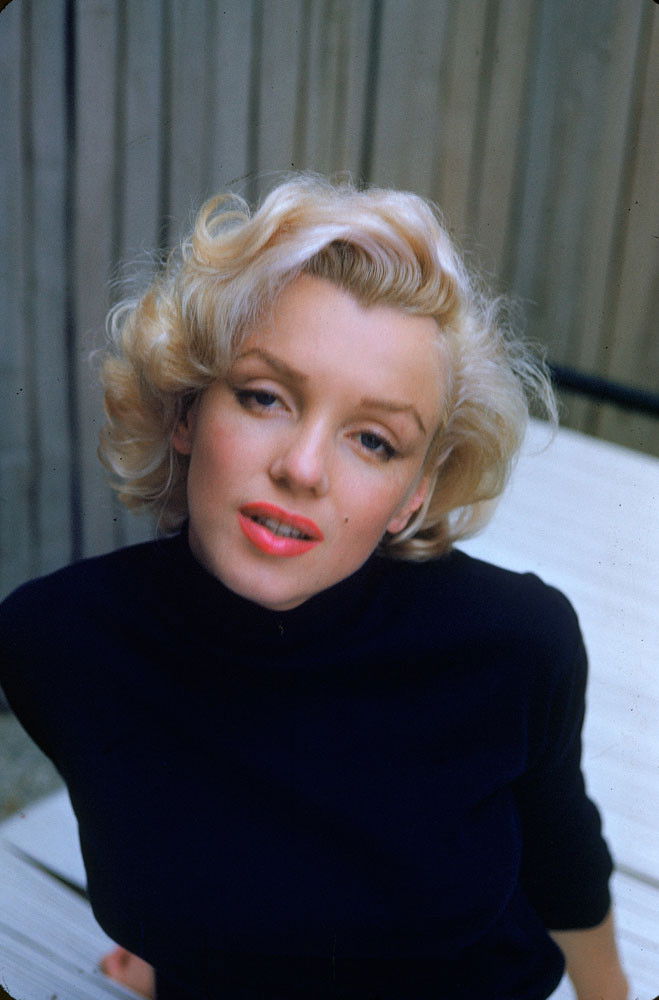
story of Marilyn Monroe
In the softened light of a psychoanalyst's office, Marilyn's last session is repeated.