
This documentary follows the 2004 Missouri Democratic primary to replace retiring 28-year veteran and former House Majority Leader Dick Gephardt. It is told from inside the campaign of Jeff Smith, a 29-year old part-time political science instructor at Washington University.
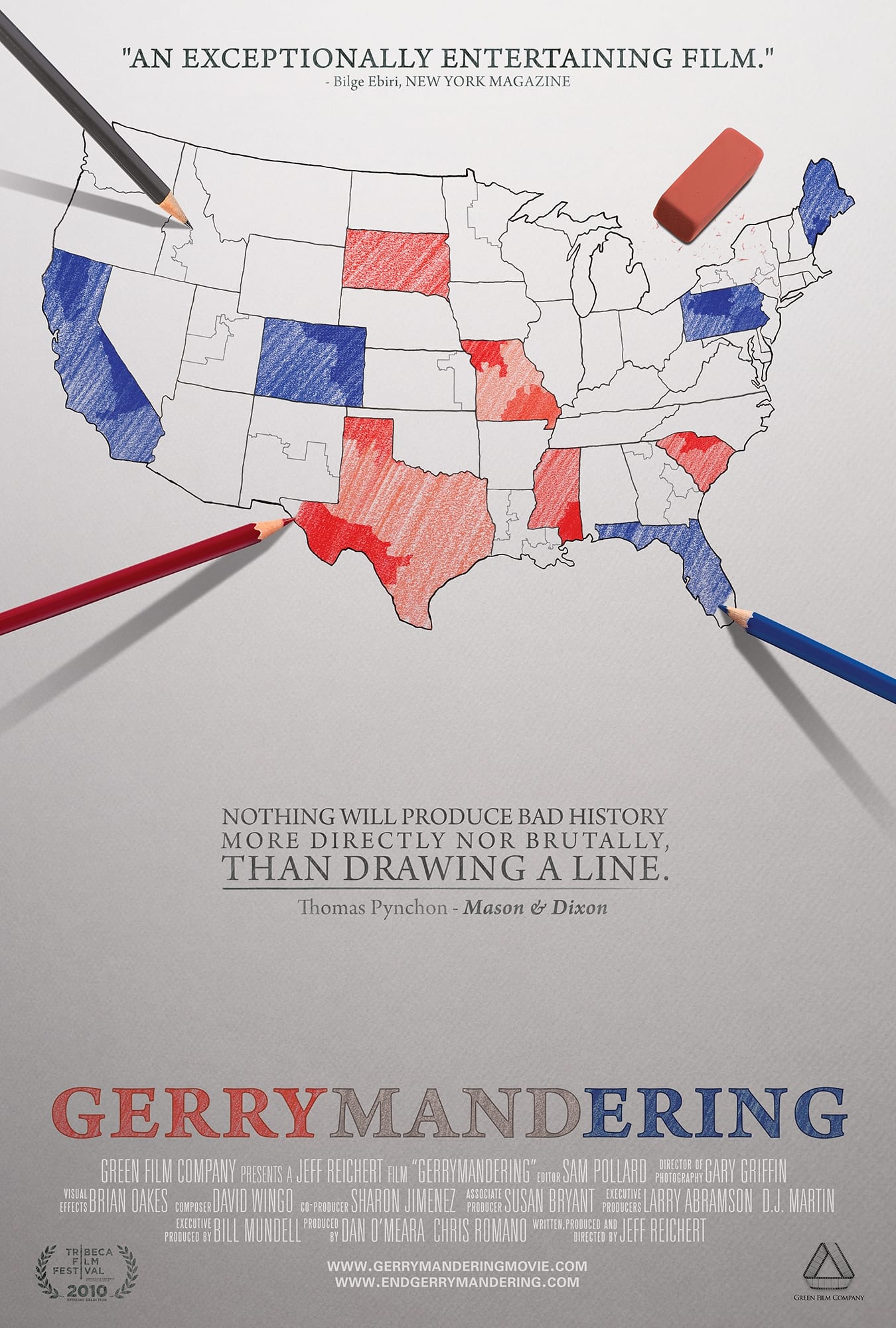
Gerrymandering is a 2010 documentary feature film written and directed by Jeff Reichert. The film explores the history and the ethical, moral and racial problems raised by redistricting, i.e., the drawing of boundaries of electoral districts in the United States.Gerrymandering covers the history of the redistricting practice, how it is used and abused, how it benefits the two major major political parties, Democrats and Republicans. The documentary draws on the perspectives from different individuals, reporters, pundits and politicians.

This is the small feature film that formed the integrated backdrop for the live performance/music piece. As abstract images and sound combine with the various stories and insights of the subjects interviewed, an illustration of memory is created. Seemingly unrelated video images merge with the images of the storytellers to create a common thread: the views of the Silent Minority.

The untold story of how legal pioneer Mary Bonauto partnered with small town Vermont lawyers Beth Robinson and Susan Murray in a 2-decade long struggle that built the foundation for the entire marriage equality movement. Despite fierce opposition, Vermont became the first state to grant same sex couples legal recognition through a groundbreaking 1999 State Supreme Court decision, and the first to legalize marriage equality by legislative vote in 2009. HRC's Marty Rouse said, "They really changed the course of American history." Featuring Freedom to Marry founder Evan Wolfson, civil rights legend Rep. John Lewis, and Tony-winning playwright Terrence McNally.
Following the 2002 HBO documentary "Journeys with George," Pelosi's irreverent account of George W. Bush on the campaign trail, she set out on the road again with a handful of distinguished men competing to see who could eat the most pies, raise the most money and get the most votes to become the Democratic Party nominee.

Feature length documentary about Howard Dean and the Democratic primary.
The story of 2004 Democratic presidential candidate Howard Dean and his infamous scream speech after his defeat in the Iowa Caucus.
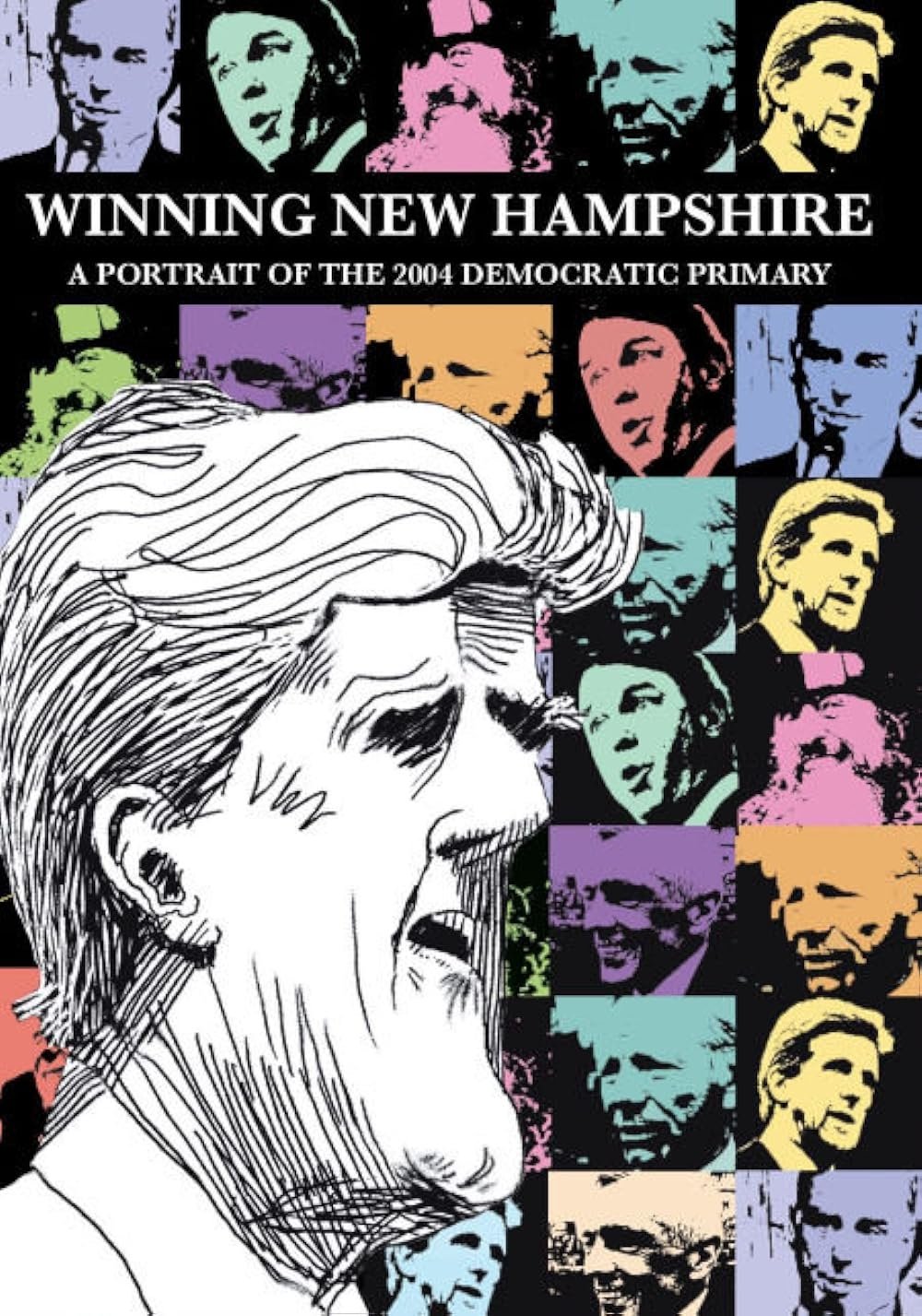
Every four years, the citizens of the United States of America perform their most sacred national duty: electing a President to lead the country. For the last five decades, the fiercely independent residents of one small Northeastern state have played a vital role in this search. Before the election, before the conventions, before a presumptive nominee is chosen, there is New Hampshire . Winning New Hampshire is the 2004 edition of this American tradition. The film captures the essence of the New Hampshire Primary, what it takes to win, the effects of the media and the new political youth movement. With a focus on the John Kerry Campaign, the winner of both the New Hampshire Primary and the Democratic Nomination, Winning New Hampshire provides an experience of this extraordinary political phenomenin and presents a distinctly new perspective of the Presidential selection process.
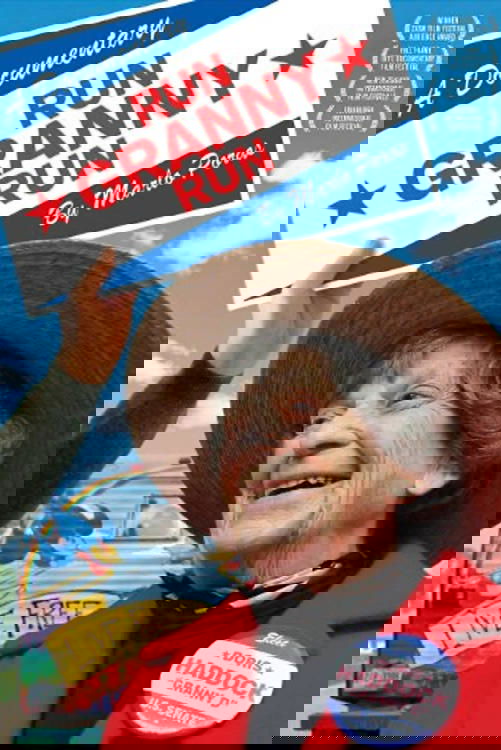
Doris "Granny D" Haddock is the nation's oldest political newcomer. At 90, she laced up her sneakers and walked across America to rally against the influence of big money in elections-making both friends and enemies inside the Washington beltway. Now 94 and still fed up with politics as usual, she jumps at an unexpected chance to run for U.S. Senate. With just four months until Election Day, Doris and her motley crew of political aces and amateurs craft a feisty campaign that personifies her democratic ideals of a government of, by and for the people.

"Michael Moore doesn't like documentaries. That's why he doesn't make them." A documentary that looks to distinguish what's fact, fiction, legend, and otherwise as a camera crew trails Michael Moore as he tours with his film, Fahrenheit 9/11.
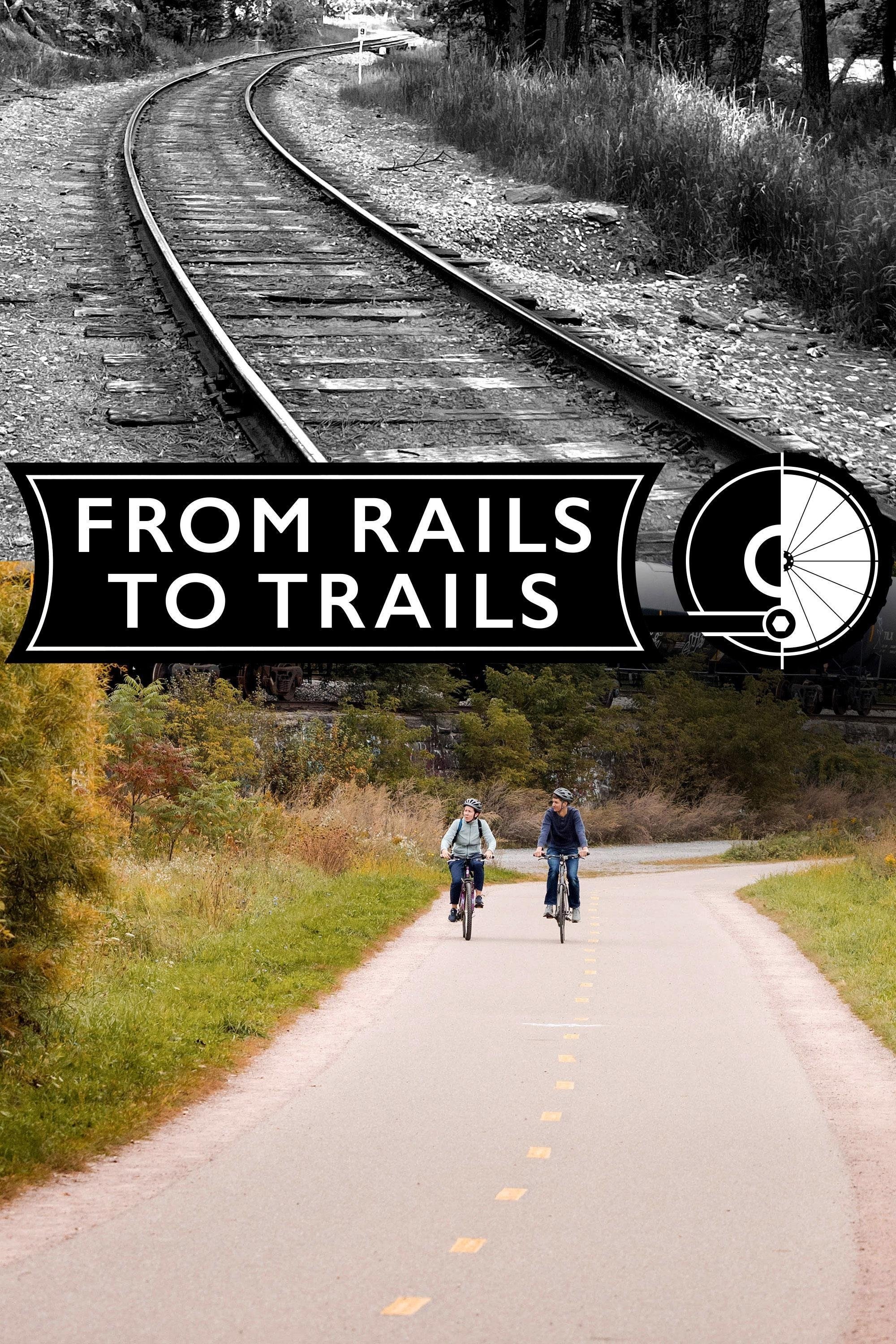
Edward Norton narrates the story of one of the most unlikely social movements in American history: the struggle to convert thousands of miles of abandoned railroads into trails for cycling and walking. Facing fierce opposition and legal challenges from private property owners, leaders fought to reclaim these corridors for the public, creating a national network of scenic, car-free paths.