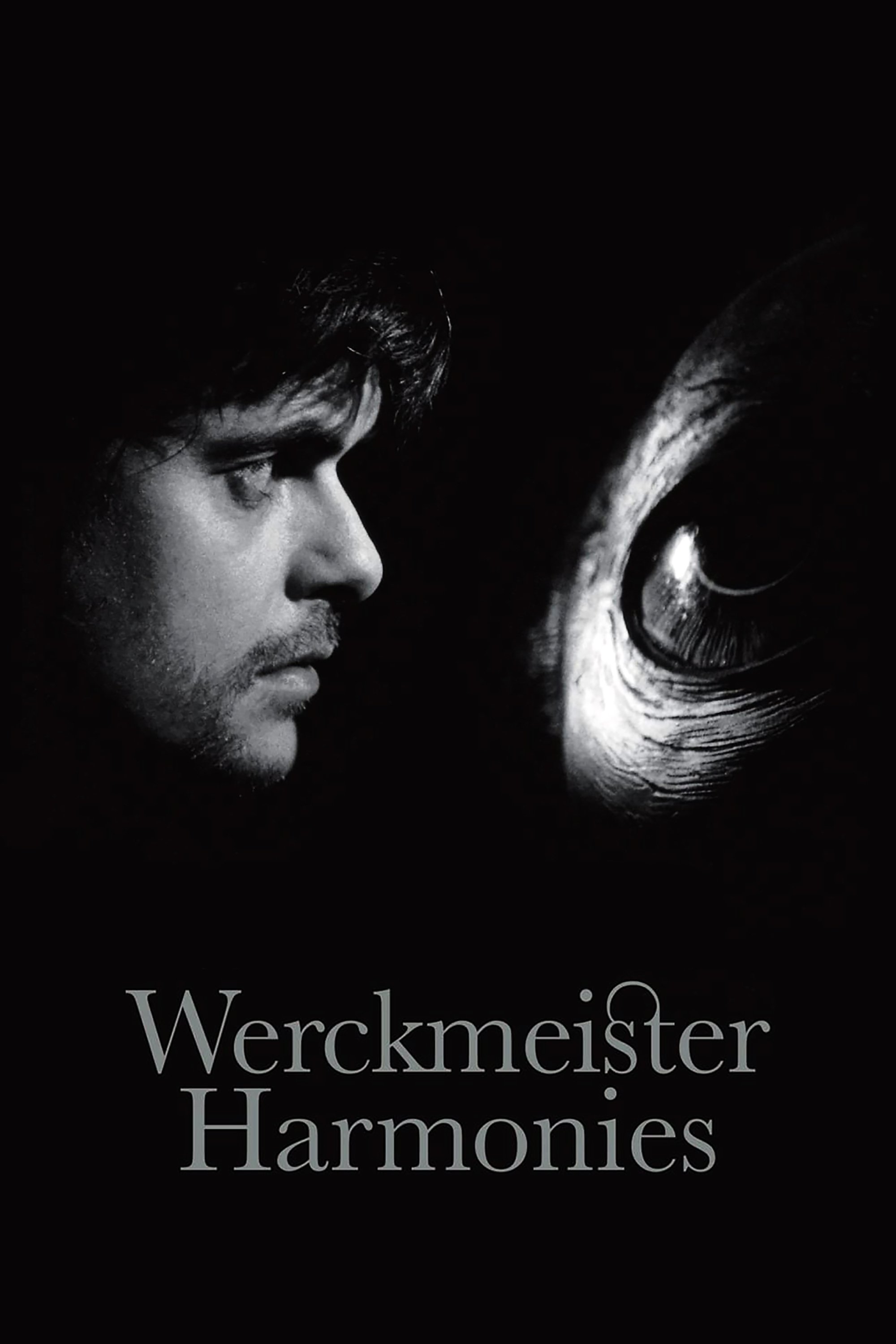
A naive young man witnesses an escalation of violence in his small hometown following the arrival of a mysterious circus attraction.

The movie is set in the actual "Ki Mit Tud?" talent contest in 1962. In reality the contest in dance music category was won by an army brass band. "Omega" which later became one of the most successful Hungarian rock bands came out in the second place.
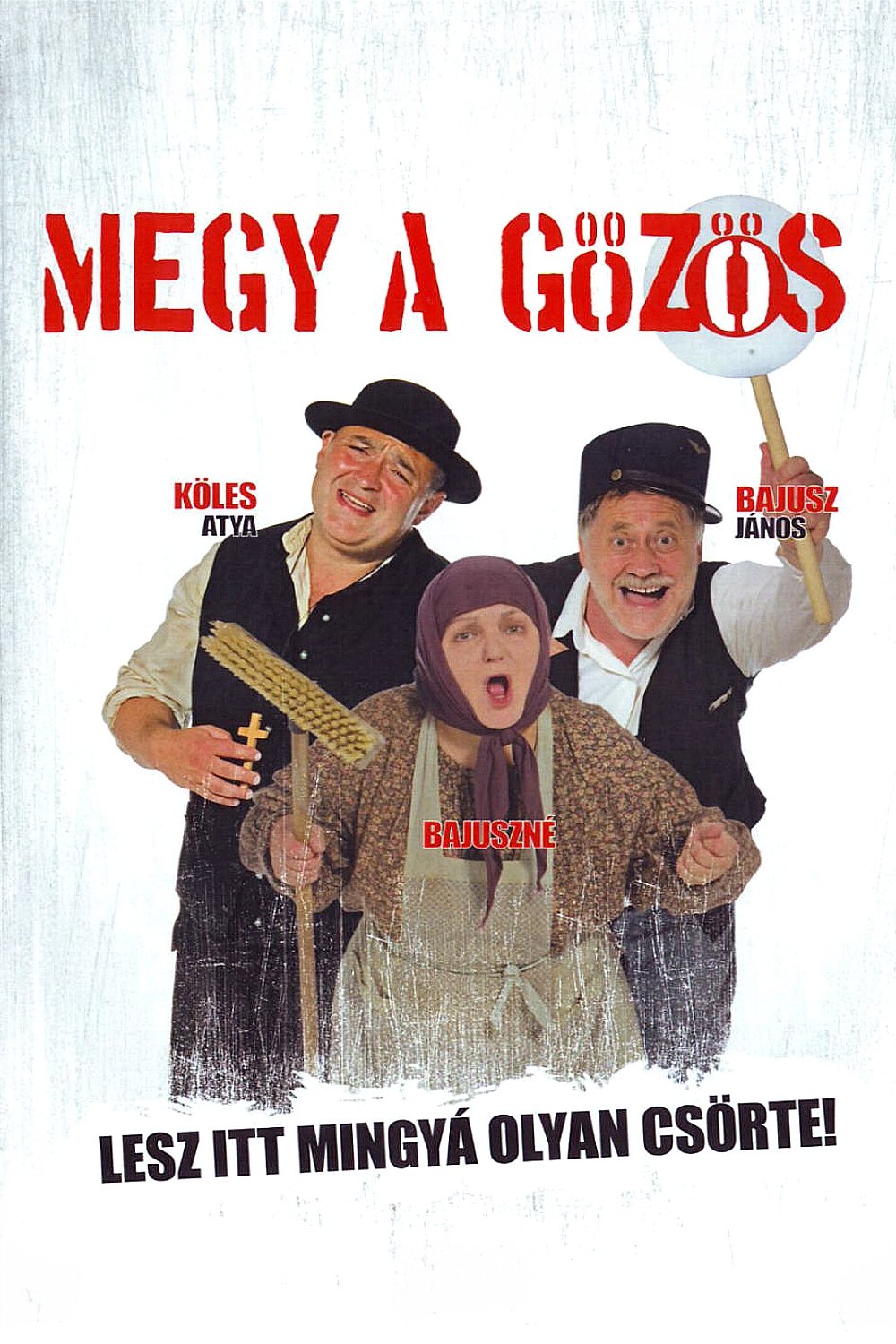
A priceless archaeological find, the “Mother of Barcika”, is loaded onto a special train to tour Hungary, only for fate to derail it at the sleepy Ivaros station. There, the engine, a gendarme, the relic and its guards all end up stranded in a pigsty, igniting chaos: the relic is gambled away, the station master loses control, and the local mayor’s daughter finds unexpected love. In the ensuing mayhem, rivalries, romances and small-town intrigues all collide until order is somehow restored.
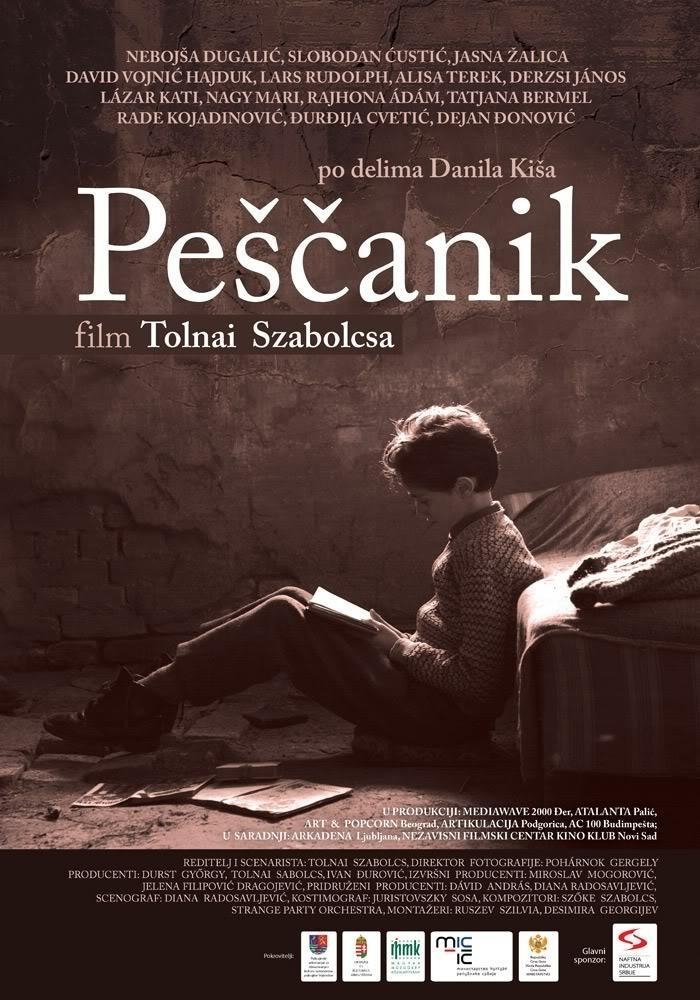
A story of a Jewish-Hungarian-Serbian family. The plot is centered about trying of an adult son to reconstruct his childhood dream of and memories. Looms, but a sunken world, the central European town with its figures, the way to experiencing deep and see a sensitive boy, his father, who by their fears that penetrate to the bone and the final humiliation of acting madness escapes and becomes a lonely, pathetic buffoon in the drama of life.
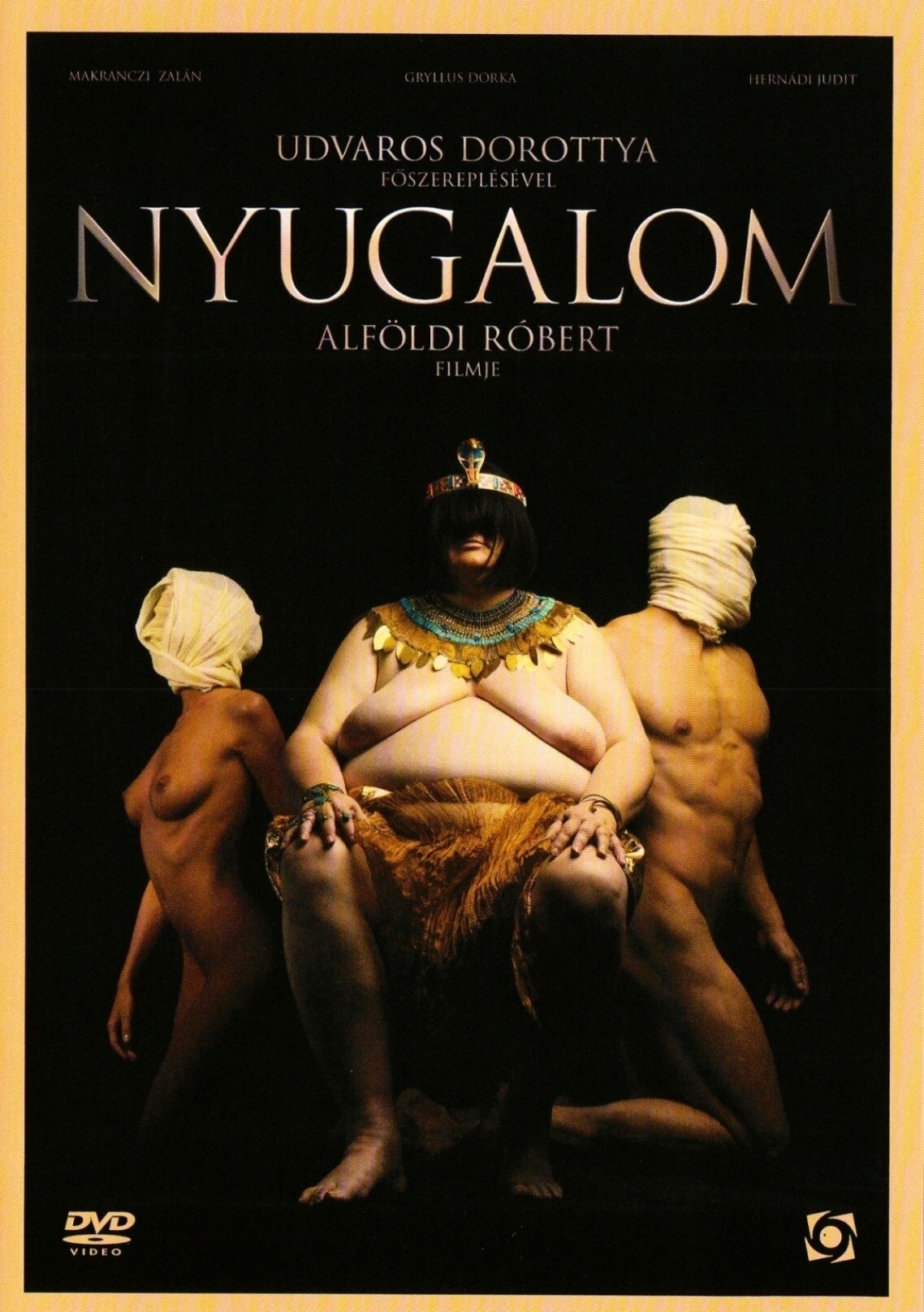
Set in a large apartment in Hungary during the death throes of communism, obedient Andor lives with his eccentric mother, Rebeka, a once-celebrated stage actress-turned-recluse. After years of coexisting in a love-hate relationship marked by routine and possible incest, Andor brings home Eszter, a beautiful girl his own age. Her advances awaken Andor's repressed desires, the depths of which prove shocking. Opera director Robert Alfoldi renders this bizarre story in a melodramatic style, and veteran Hungarian stage star Dorottya Udvaros rises to the occasion. If you can imagine the intersecting area on a Venn diagram that includes Taxidermia and Sunset Blvd., that's where Where Were You, My Son? was born. The original title, Nyugalom, which translates to Tranquility, is ironic to say the least. ...over the-top...memorable...thunderous...sex and violins (Variety).
Lajos Mezei is an insignificant, average, middle-aged man. He works at the post office sorting letters using a machine. His life is but a series monotonous everyday events, but he has a passion that makes him different from his fellow humans. This passion replaces all human relationships and events in his life - he flees into a world of his own, hermetically sealed, which only he can understand and where he therefore feels safe. One day, however, his well-balanced life is turned upside down.
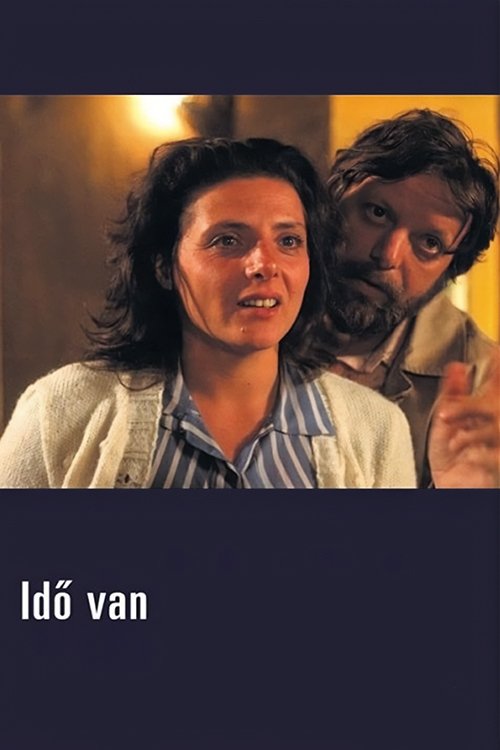
Peter Gothar films give a sharp, uncensored view of the society. This film is no different. The plot is rather simple: a family goes to vacation with the usual stress. Then on the vacation the wife gets a strange kind of sickness and they go back to Budapest for a cure. While the wife is in the hospital, the husband visits his family. This is quite banal. However the scenario was written by Peter Esterhazy, one of the most influential contemporary writers in Hungary. His style uses a lot of surrealism but in a way that profoundly illuminates the reality. In this film, the reality is an atomized society where the so-called communist ideals are nowhere so everyday people are fully disoriented.
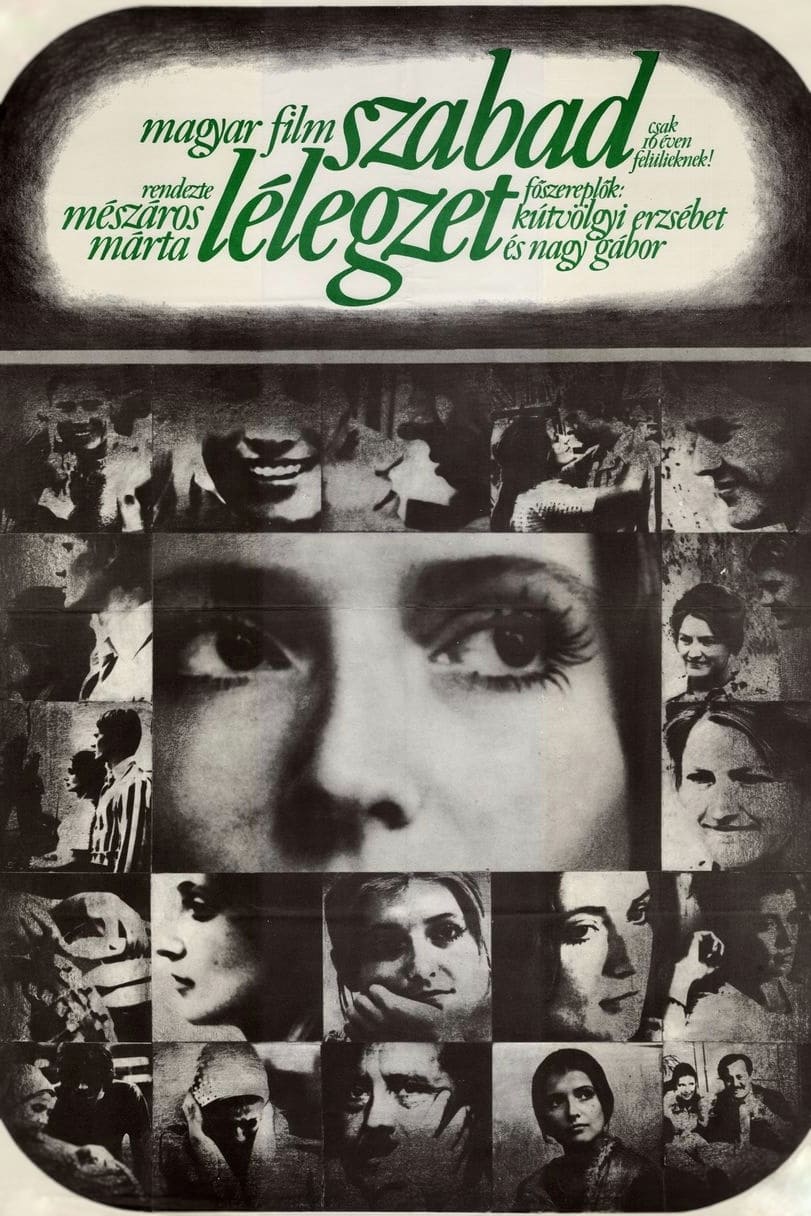
Jutka, a young woman who works in a factory, falls in love with Andras, a university student. She pretends to be a student, to him and to his parents, and begins to live a lie. Finally she rebels against Andras and his demands and the social conventions that forced her to live a lie.
The details of a young girl's brutal murder are told through manipulated chronology and fragmented storylines.
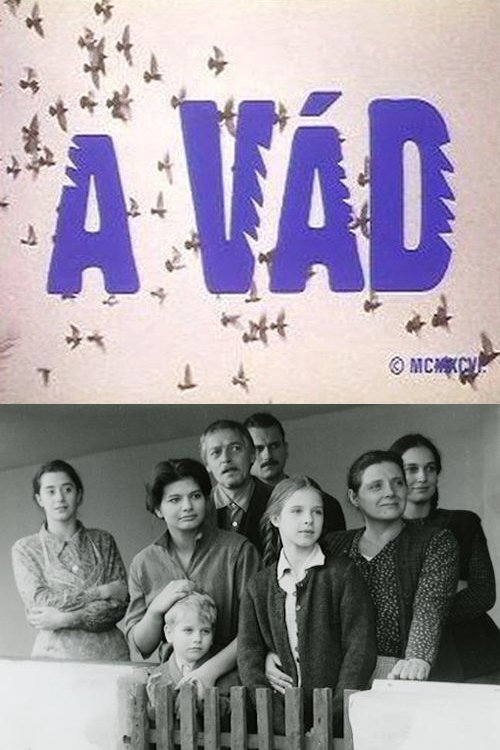
The Christmas of 1944. The Pásztor family (father, mother, four daughters and a grandchild), are spending the holidays at their country farm. Péter, mothers apple of the eye, soon arrives, and has no objections when his soldiers uniform is made to disappear during the night. The Soviet army, arriving in the footsteps of the fleeing Hungarian army, is commandeering. At night, the soldiers turn up at the house where young women are abiding.
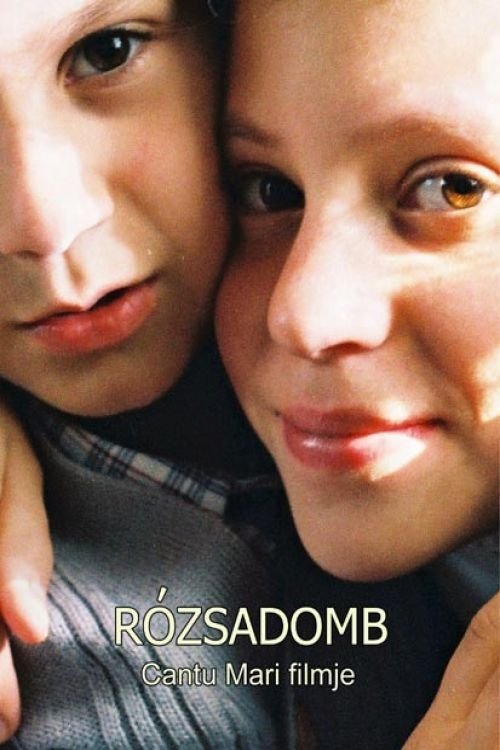
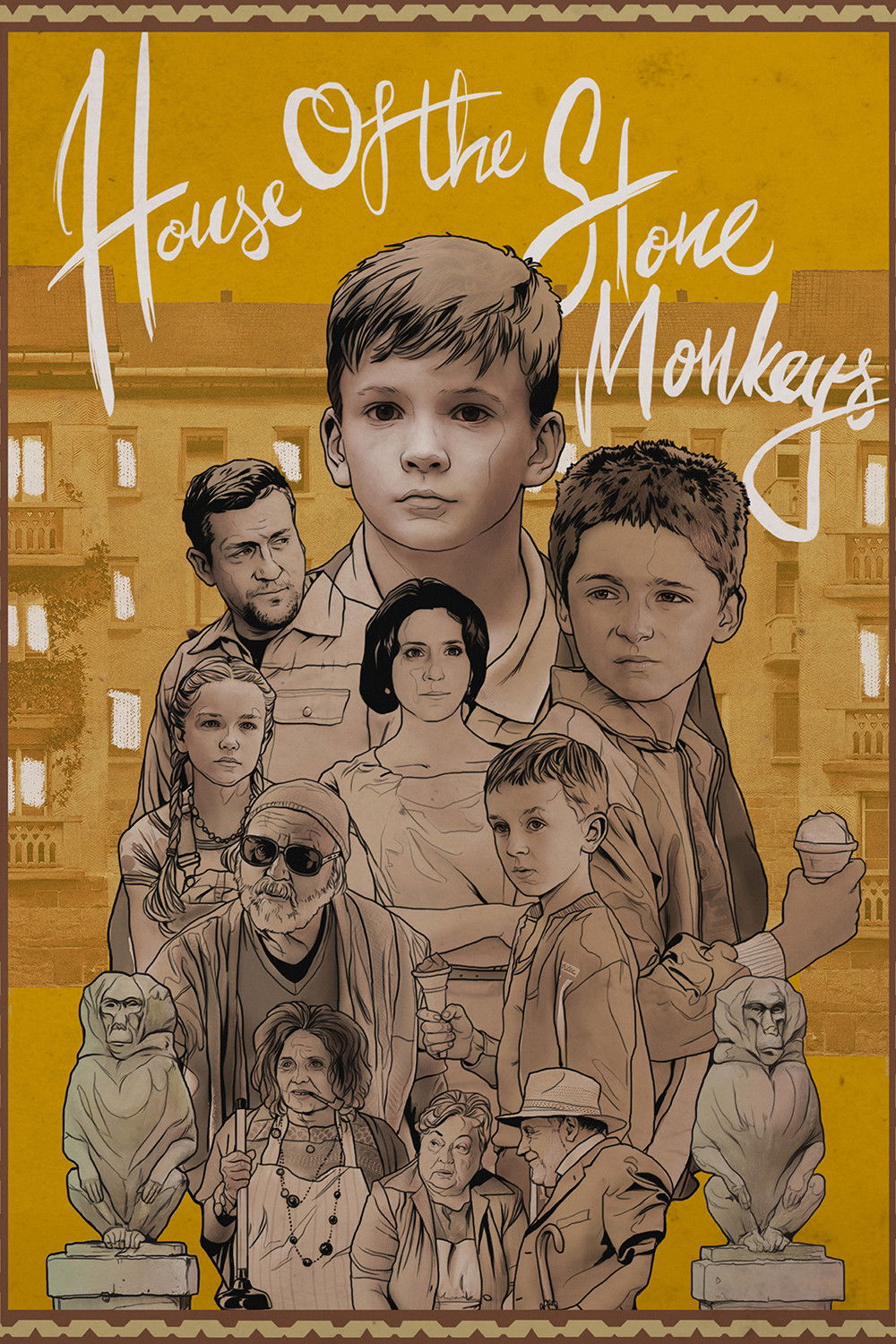
The film shows the times directly before and after the revolution of 1956 in a Rosehill villa and its garden, guarded by the state security, from the perspective of a powerful party functionary’s children living there. The children witness a lot of things they do not understand, mysterious things, which they interpret in their own way.

International peace conference, events take place in the last week of 1899. Tragic love story between Vilma, daughter of the Austro-Hungarian envoy/ambassador, and Zoluk of Montenegro.
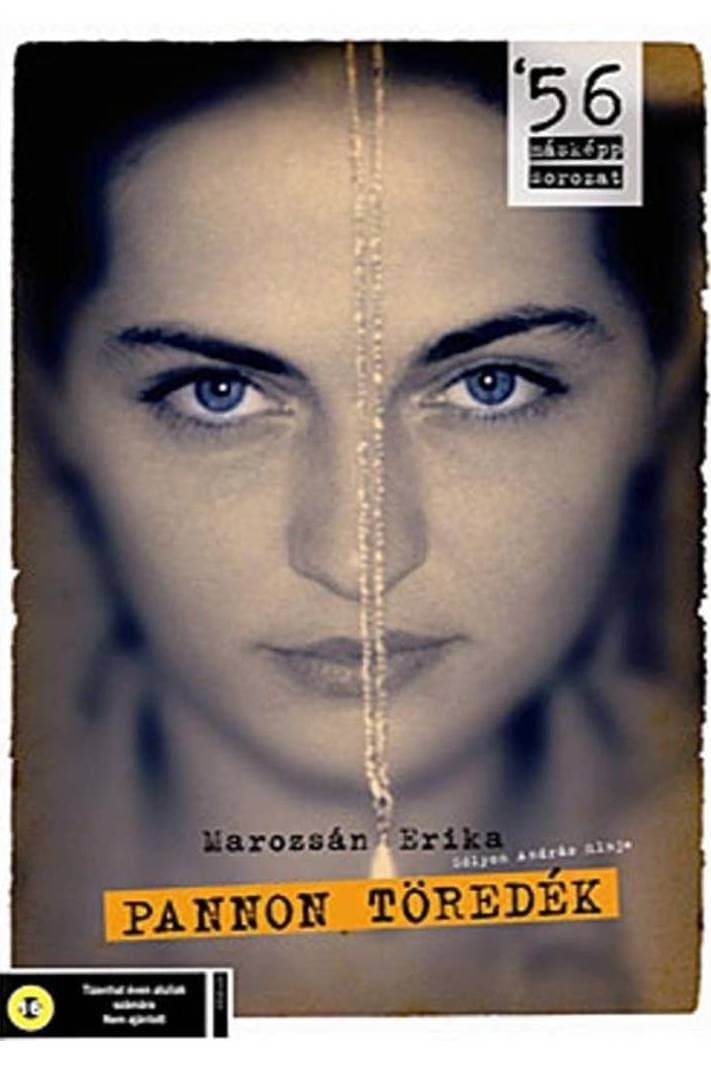
Peter falls in love with Lena, a Bulgarian female student in the days of the 1956 revolution. They were both involved in the events of the Revolution, enthusiastically recount their experiences of an American journalist. The boy's parents leave the country, but he did not go with them.
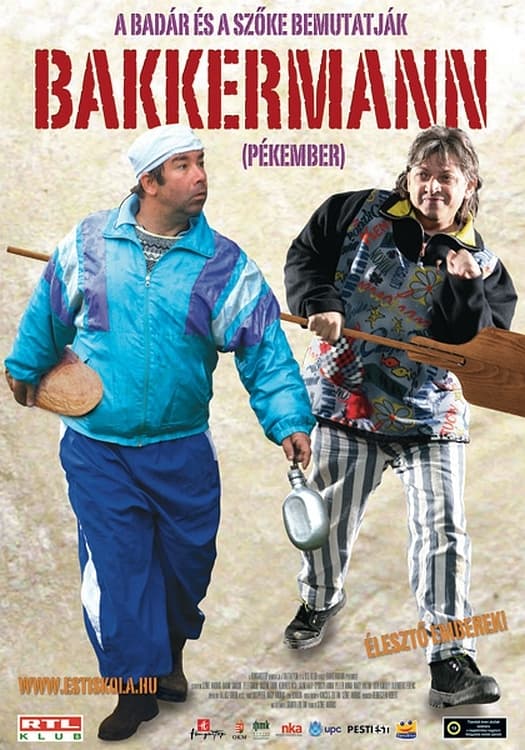
The story of hopelessness, which is independent and politics. Symbolic little people are faced with the absurdly large accelerated world. Resolutely themselves taken up the challenge, bravely struggling against fate ...
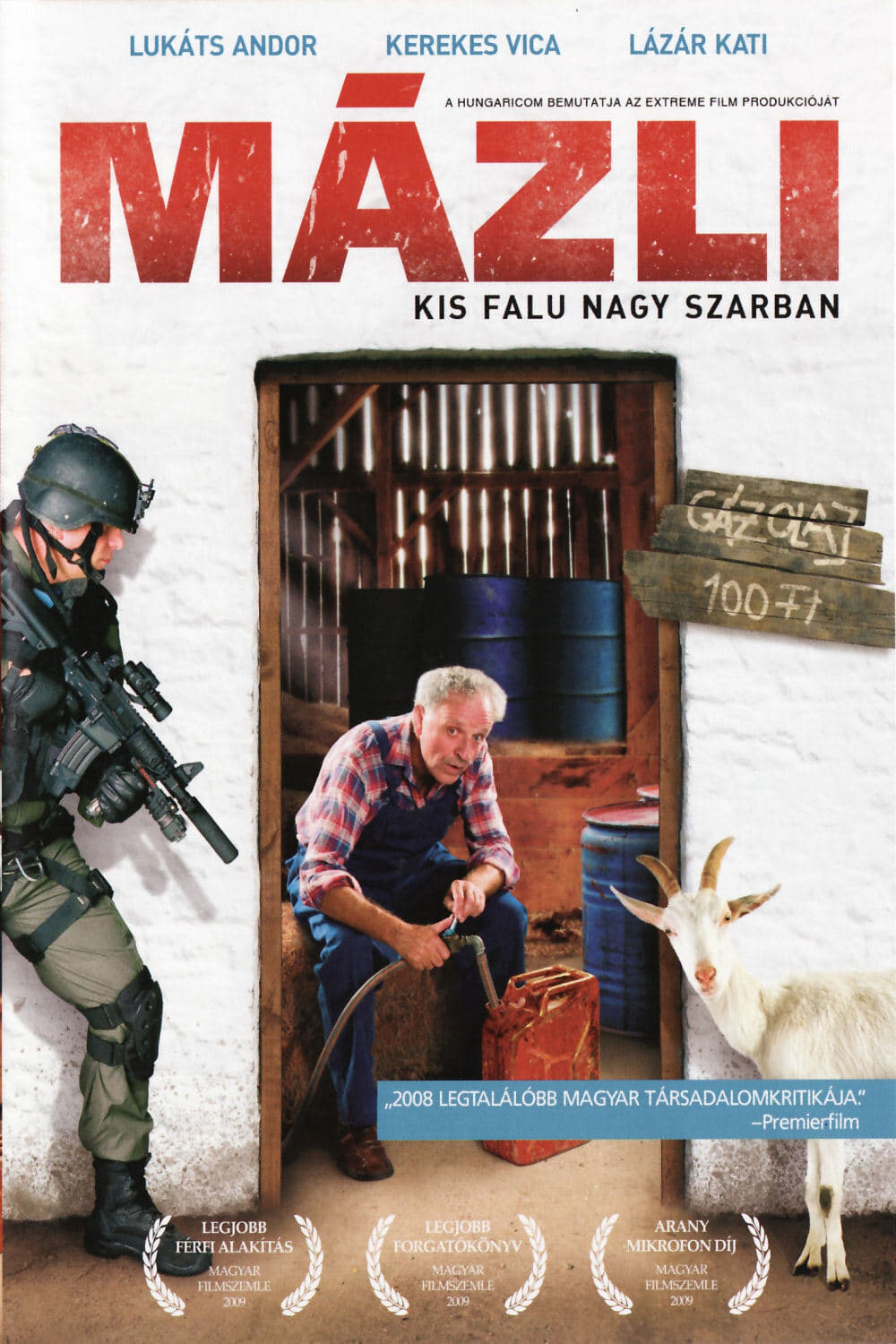
In the tradition of "My Sweet Little Village" and "Waking Ned Devine" FLUKE is a satire about a small village full of colorful characters, whose lives radically change due to a miracle. Or a simple crime.
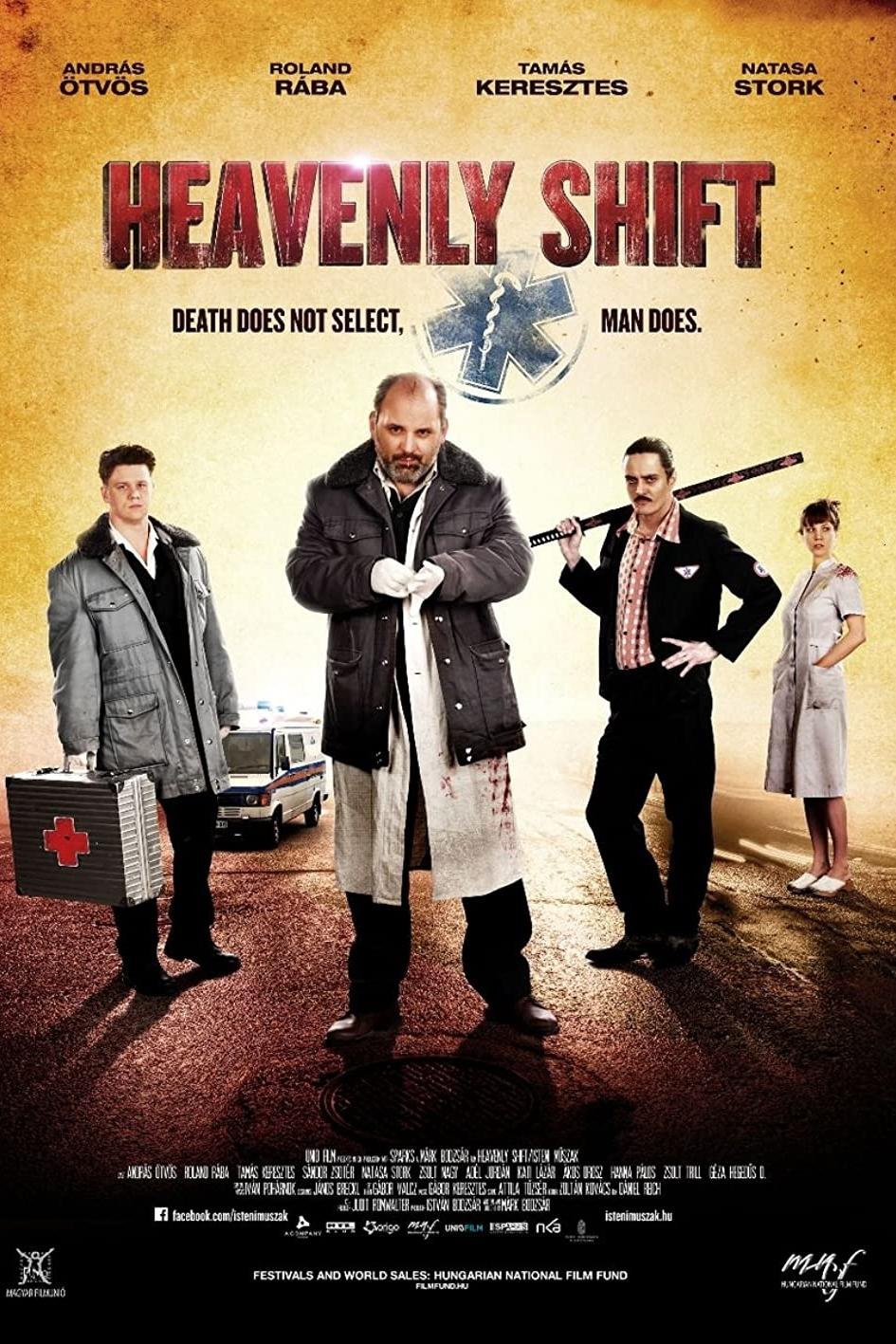
Death does not select, man does. Set in Budapest, Heavenly Shift offers an eerie insight into the everyday lives of a rather extraordinary ambulance crew. The films main character is Milan, a young refugee from the Balkan War, who joins a team of paramedics but inadvertently ends up involved in the funeral business in order to finance his fiancee s rescue from the hostilities.
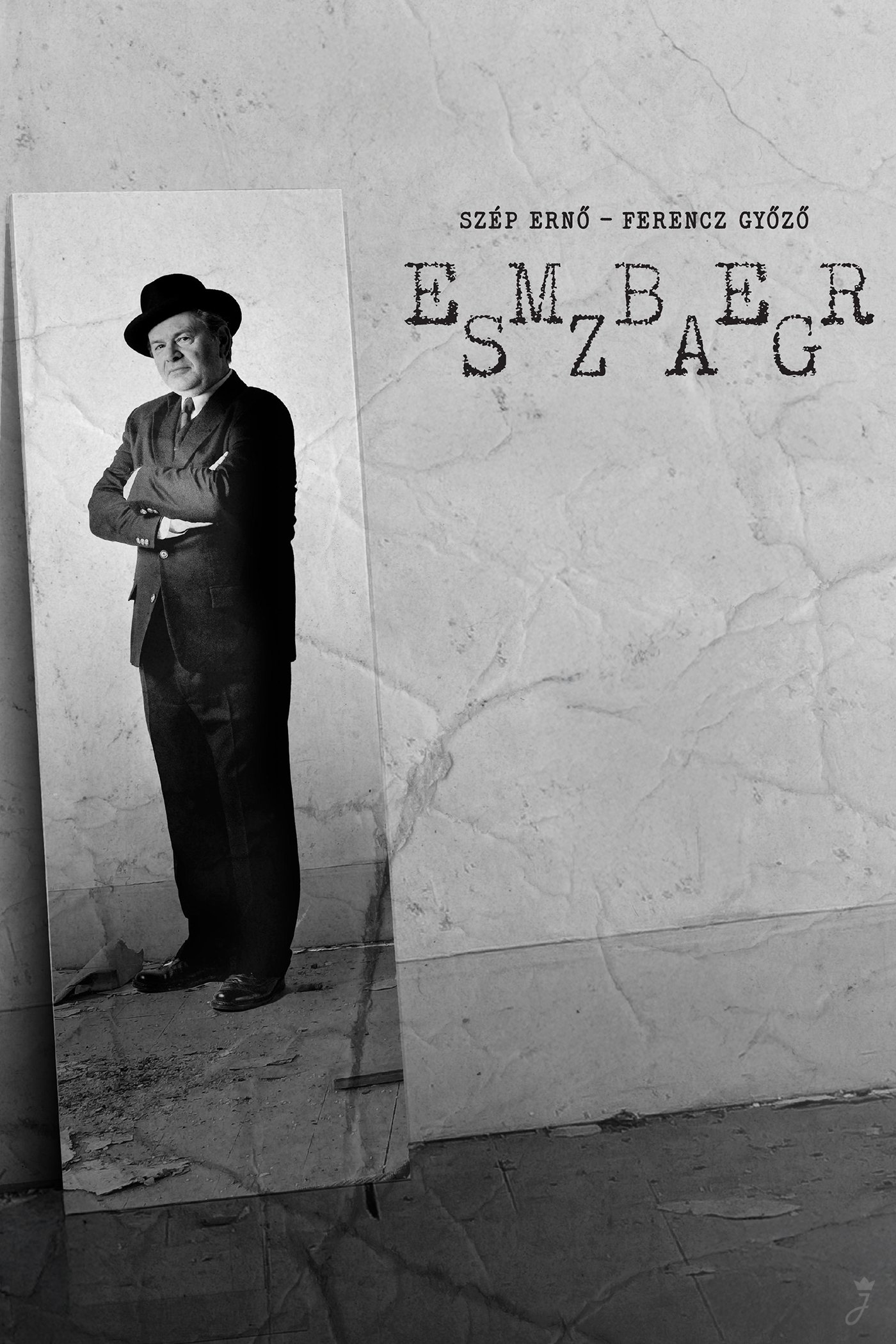
The profound depths of Ernõ Szép's life and poetry are revived in a new film adaptation of the poet's novel, 'The Smell of Humans'. This stoic and lyrical narrative of twenty fateful days offers an authentic account of an inhuman era.
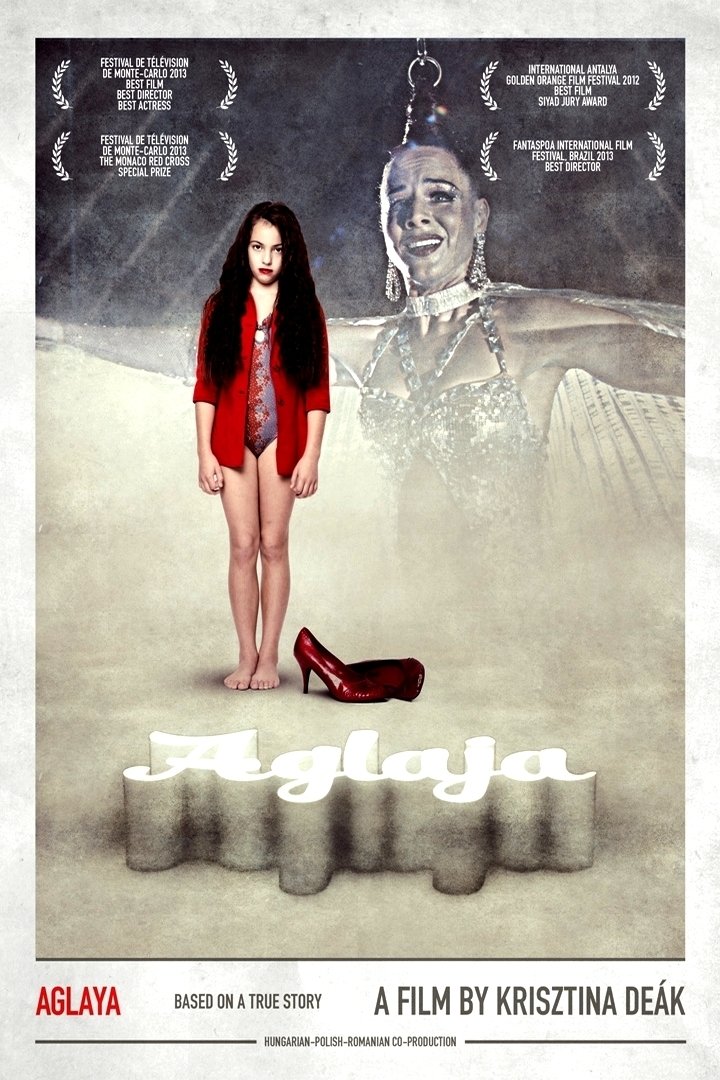
This film is about the relationship of a mother and her daughter, the split-up of their family, the blessing and curse of belonging together and about coming of age - all this from the perspective of the young girl Aglaja. The story is based on real-life events, an Eastern European circus artist family that fled to the West. If they want to stay in the circus business they have to make up an exotic act. The mother spends all their money to buy a very dangerous act: hanging by her hair high up in the dome of the circus while juggling with burning torches. Every night Aglaja is terrified by the fear of losing her mother. But, on some day, she has to follow the family tradition and become the "Woman with the Hair of Steel".
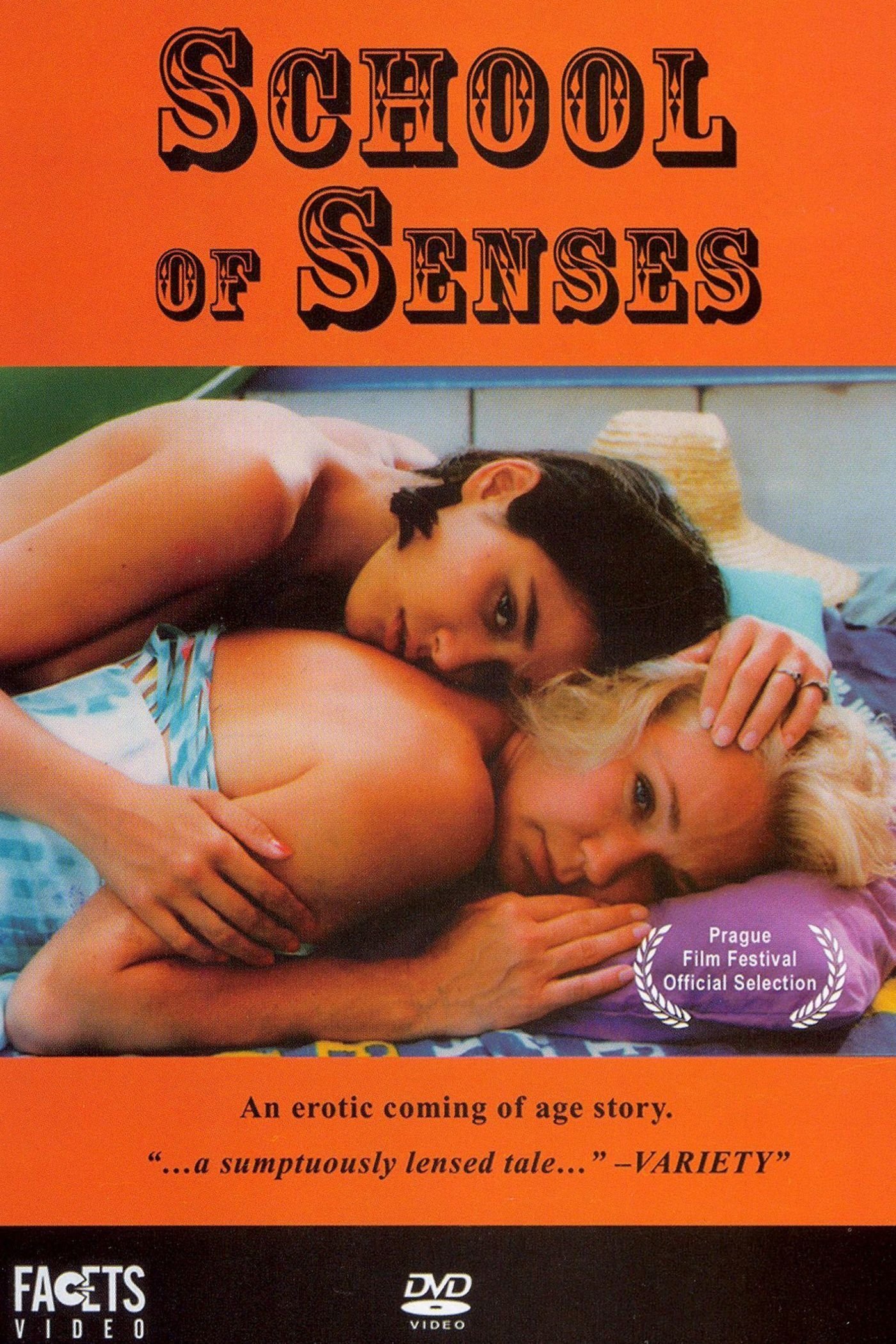
Hungarian erotic thriller based on the novel Erzekek Iskolaja. Lily, a young gypsy girl, falls madly in love with a dashing salesman who introduces her to life's pleasures. When Lili discovers he is engaged to another, her life begins to spiral downward.

Karcsi, a Roma policeman, lives with Eva, a Swede. One day he is called to the scene of the murder of a wealthy trafficker named Schulter. He begins to investigate the crime, interrogate neighbours and suspects, and untangle a complex situation - one that he, himself, complicates even further. For he is a gypsy, who despite being adopted and raised by "regular" Hungarians, has his nose rubbed in his minority status every day. The film, which is based on the novel by Ákos Kertész, is a shrewd genre work full of dusky humour and surreal situations. Tabló follows a vivid succession of strange images that eventually lead to the emergence of the central story about a charismatic police officer on a tireless quest for the truth, though he must fight against virtually everyone and is just as fallible as the next person. Tabló makes a statement on the issue of race and racism - or, indeed, relations between any minority and majority.
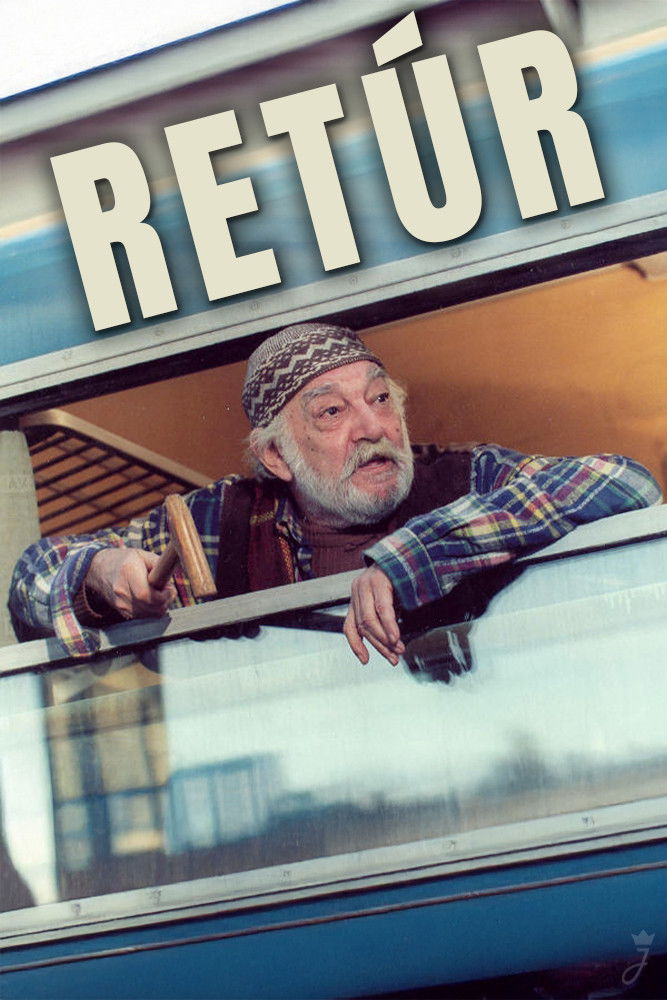
Five old men and a kid are travelling in a train's cabin without purpose. They travel because it's free and they don't have another place to stay. From their conversations we learn the tragedies of their lives. Also the hidden interlockings of their faith will out slowly.
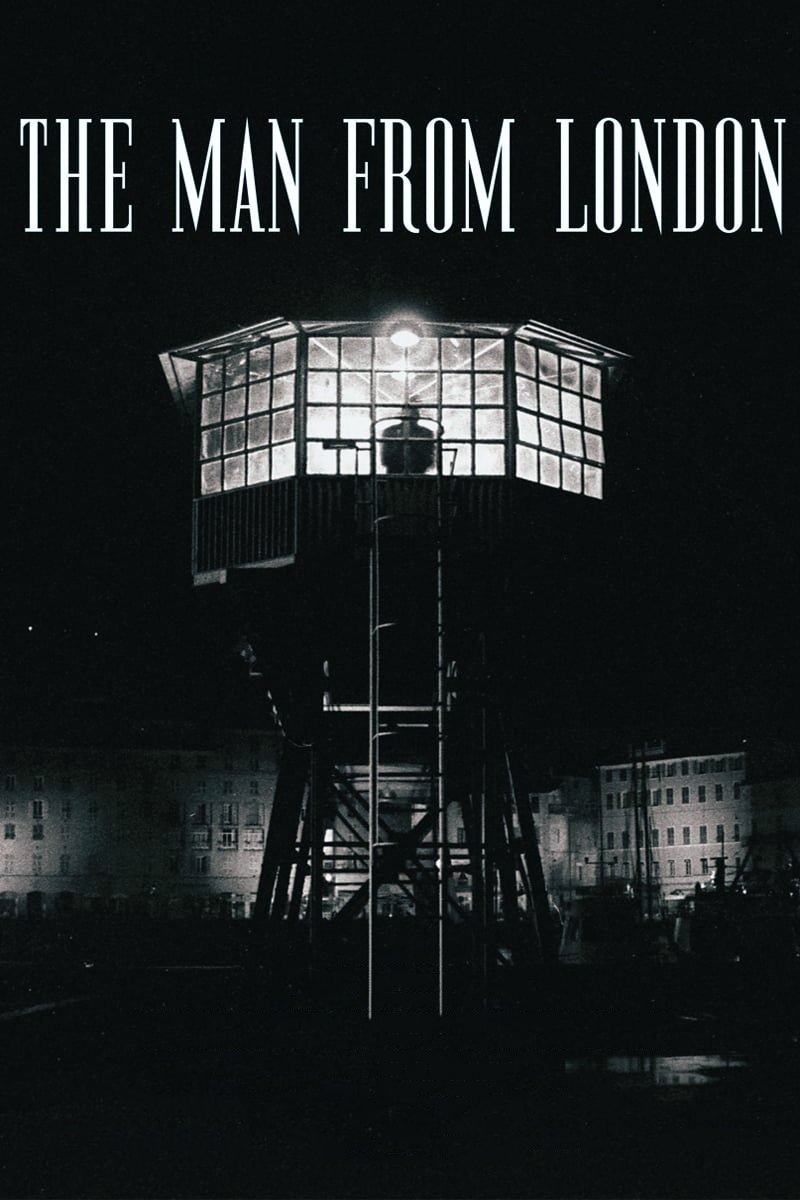
A switchman at a seaside railway witnesses a murder but does not report it after he finds a suitcase full of money at the scene of the crime.
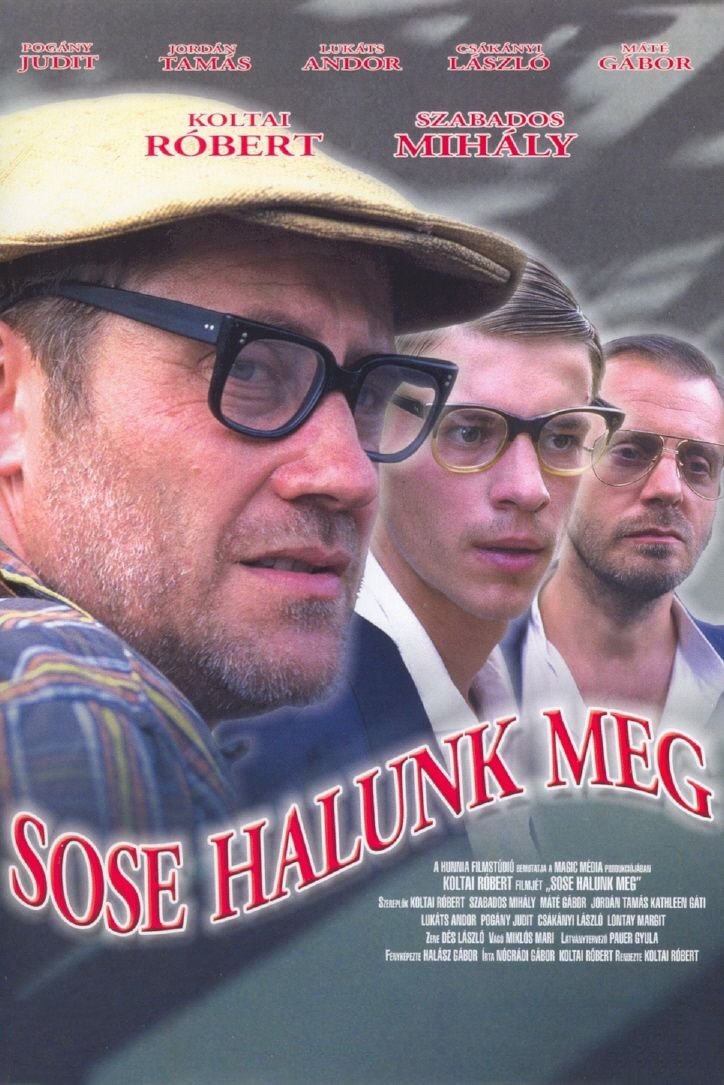
In 1960s Hungary, an introverted teenager’s life is turned upside down by a few days in the company of his coat hanger salesman uncle: a roguish charmer with a zest for life and a weakness for horse racing and women.

A Minister and the Secretary of the Opposition party go to a 5 star hotel to conduct a secret affair. Their plans are ruined when they discover a corpse lodged in the window of their room.

One summer morning, Anna tells her husband, the writer, that she is in a blessed state, but that she doubts whether she should have a fourth child in addition to the three she already has, because "having children here is, to put it mildly, illogical". This decision is explored in the film as events of the present are interspersed with memories of the past.
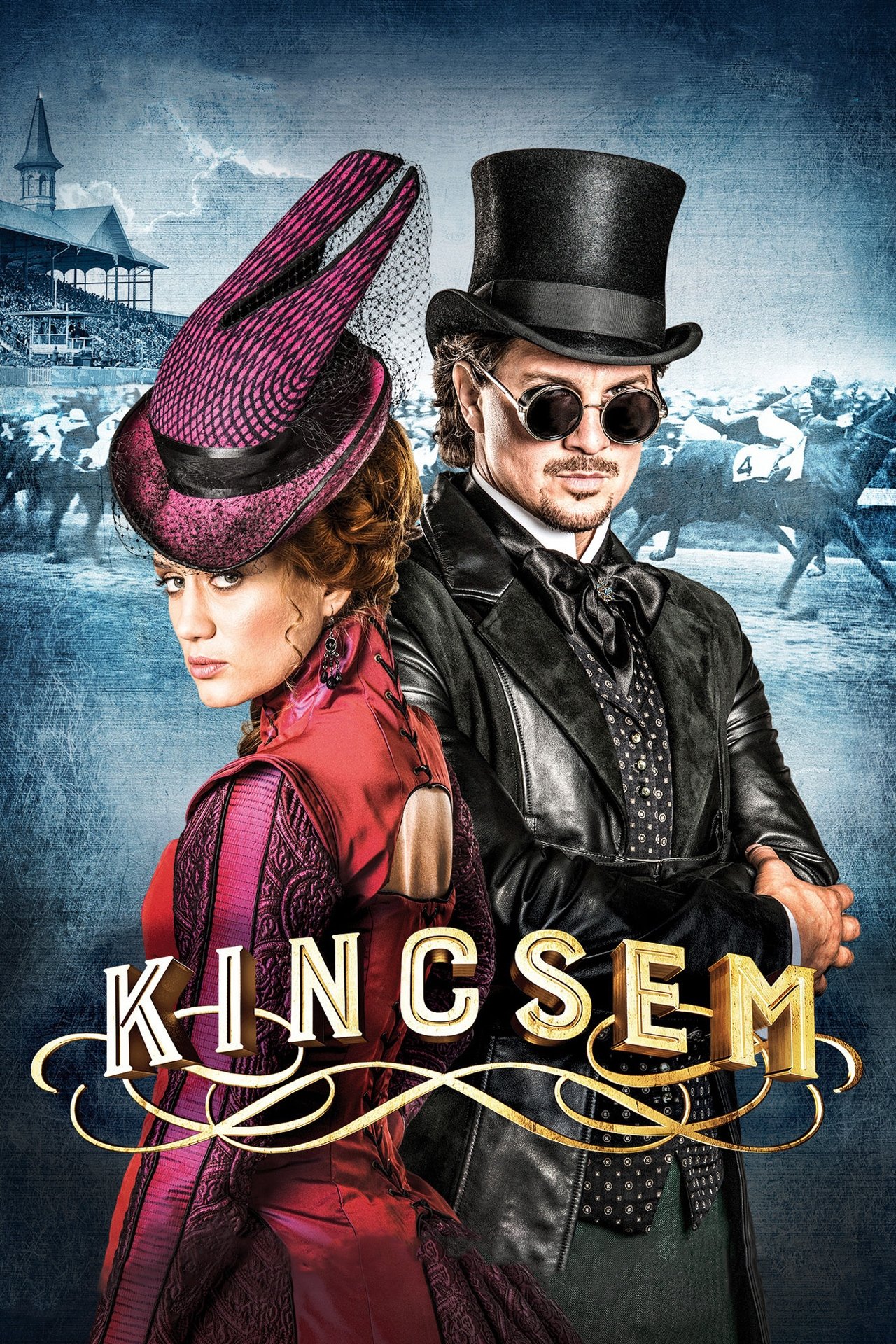
The new owner of a brilliant race horse finds love while carrying out his revenge on the man who murdered his father.
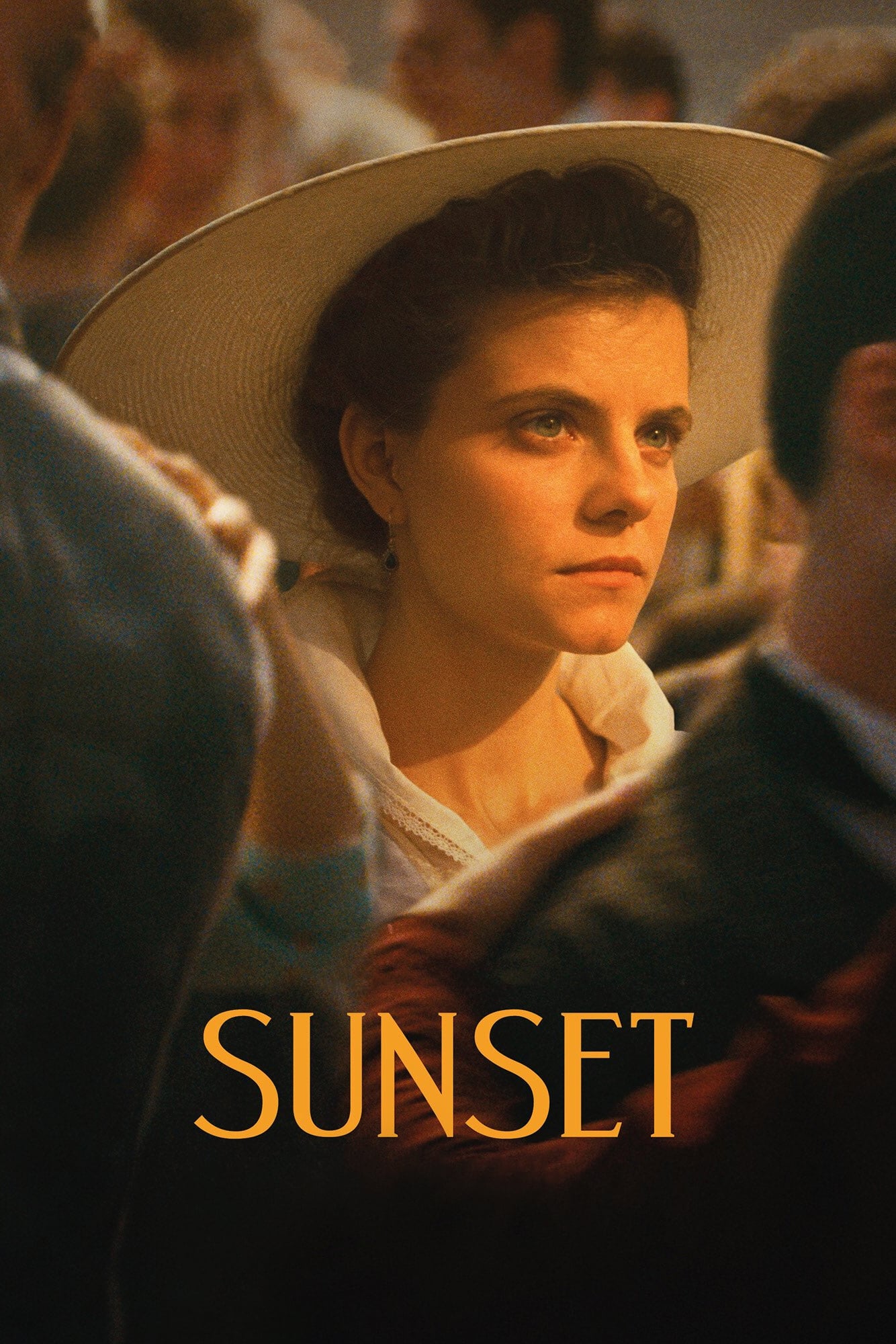
In 1913, an orphaned young woman arrives in Budapest to take up employment as a milliner at the hat store that belonged to her late parents but becomes mired in a search for a brother she had never known of.

In the dense and murky woodlands of provincial Hungary, the search for a child murderer drags a once-respected detective into an all-consuming obsession enshrouded by irresolution and despair, even long after he has been taken off the case. What emerges is not a crime story, but a harrowing venture through the darkness of the human soul.
Hungary, 1948. The Stalinist regime is settling in on the ruins of the war. A young woman meets a stranger in an elevator. She recognizes him from another life, and soon has to make a complicated decision.

A satirical tale of the adaptation, casting and rehearsal of a theatrical version of Winnie-the-Pooh.
The story stars teenager Kornél, who is raised alone by his mother and suffers from asthma, which often prevents him from playing with his friends, and Gyuri, who is the same age as Kornél, but lived in the same house 30 years ago. During the summer holidays, a strange little girl turns up and tells Kornél amazing stories about the house's inhabitants and their mysterious past. Iza inhabits a whole little magical universe in which everything and everyone has wonderful properties and abilities. The boy and the girl embark on a joint investigation to find the former Garaboncias, Kornél's father, who has been kidnapped by the evil Shadow Robbers (Peritons)...
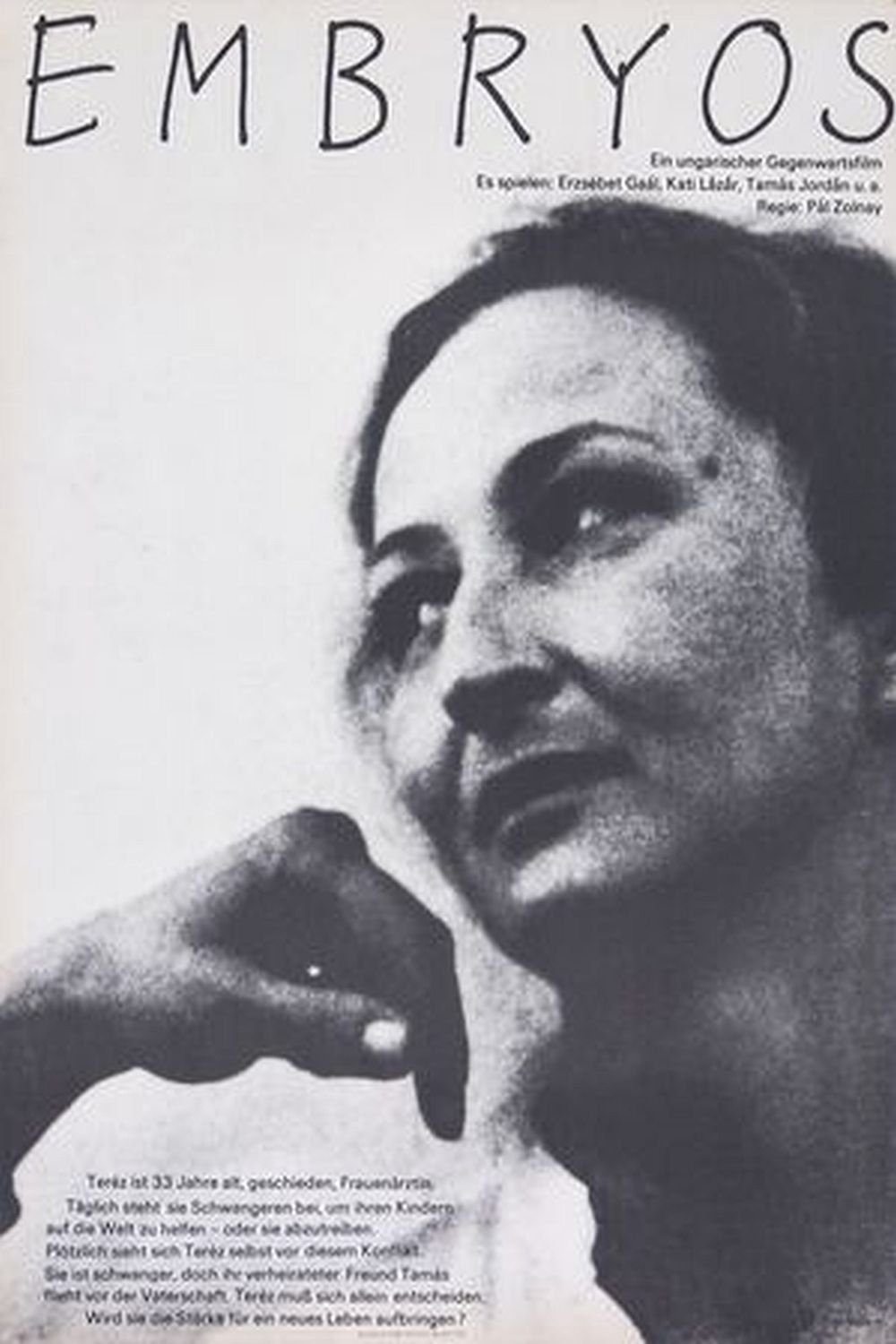
Teréz is an obstetrician-gynaecologist. After her regular working hours she conducts a sociological survey about why couples do not have more children.