
St. Petersburg, mid 19th century: the indolent, middle-aged Oblomov lives in a flat with his older servant, Zakhar. He sleeps much of the day, dreaming of his childhood on his parents' estate. His boyhood companion, Stoltz, now an energetic and successful businessman, adds Oblomov to his circle whenever he's in the city, and Oblomov's life changes when Stoltz introduces him to Olga, lovely and cultured. When Stoltz leaves for several months, Oblomov takes a country house near Olga's, and she determines to change him: to turn him into a man of society, action, and culture. Soon, Olga and Oblomov are in love; but where, in the triangle, does that leave Stoltz?
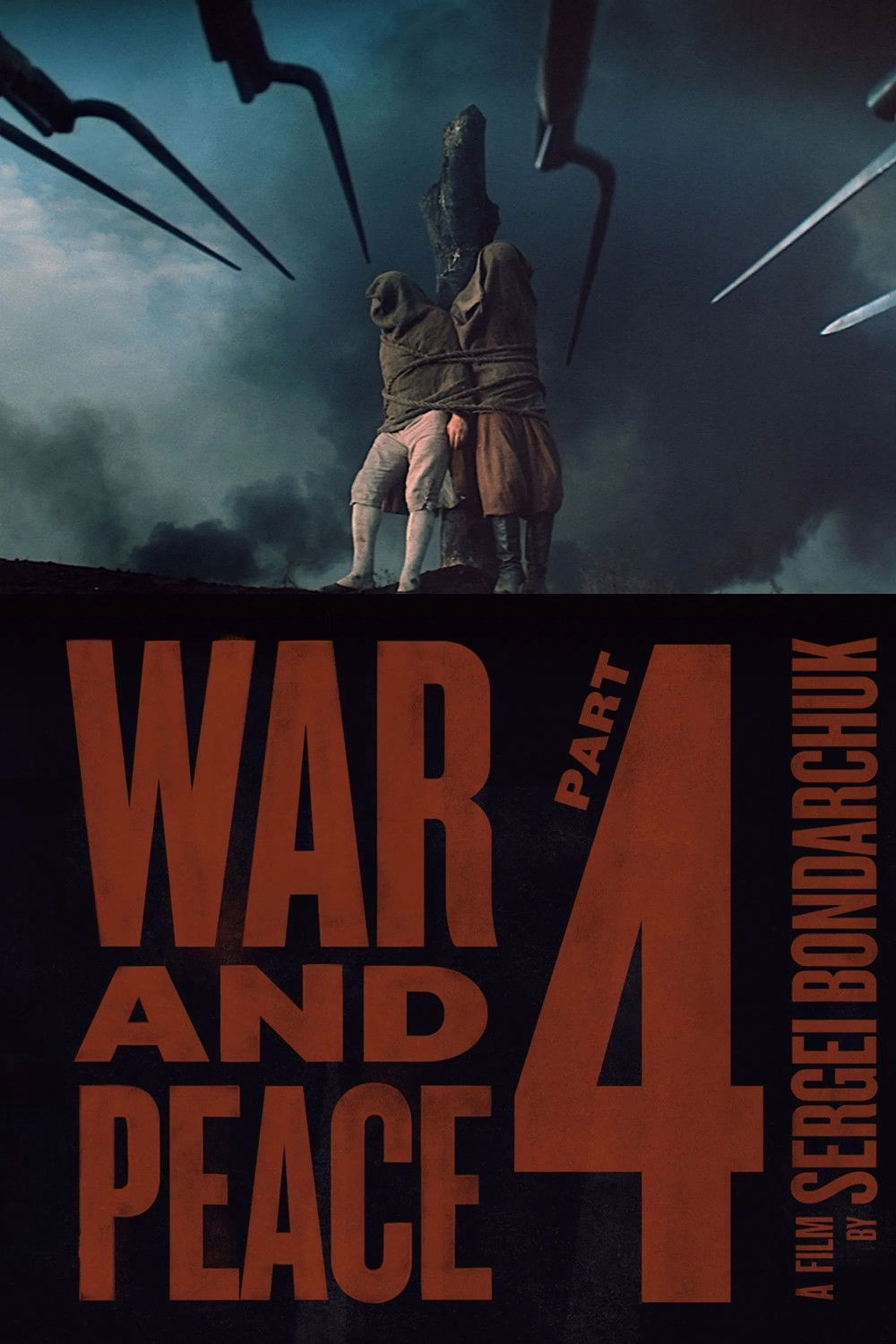
As Moscow is set ablaze by the retreating Russians, the Rostovs flee their estate, taking wounded soldiers with them, and unbeknownst to them, also Andrei. Pierre, dressed as a peasant, tries to assassinate Napoleon but is taken prisoner. As the French are forced to retreat, he's marched for months with the Grande Armée, until being freed by a raiding party. Part four of the four-part adaptation of Leo Tolstoy's 1869 novel.
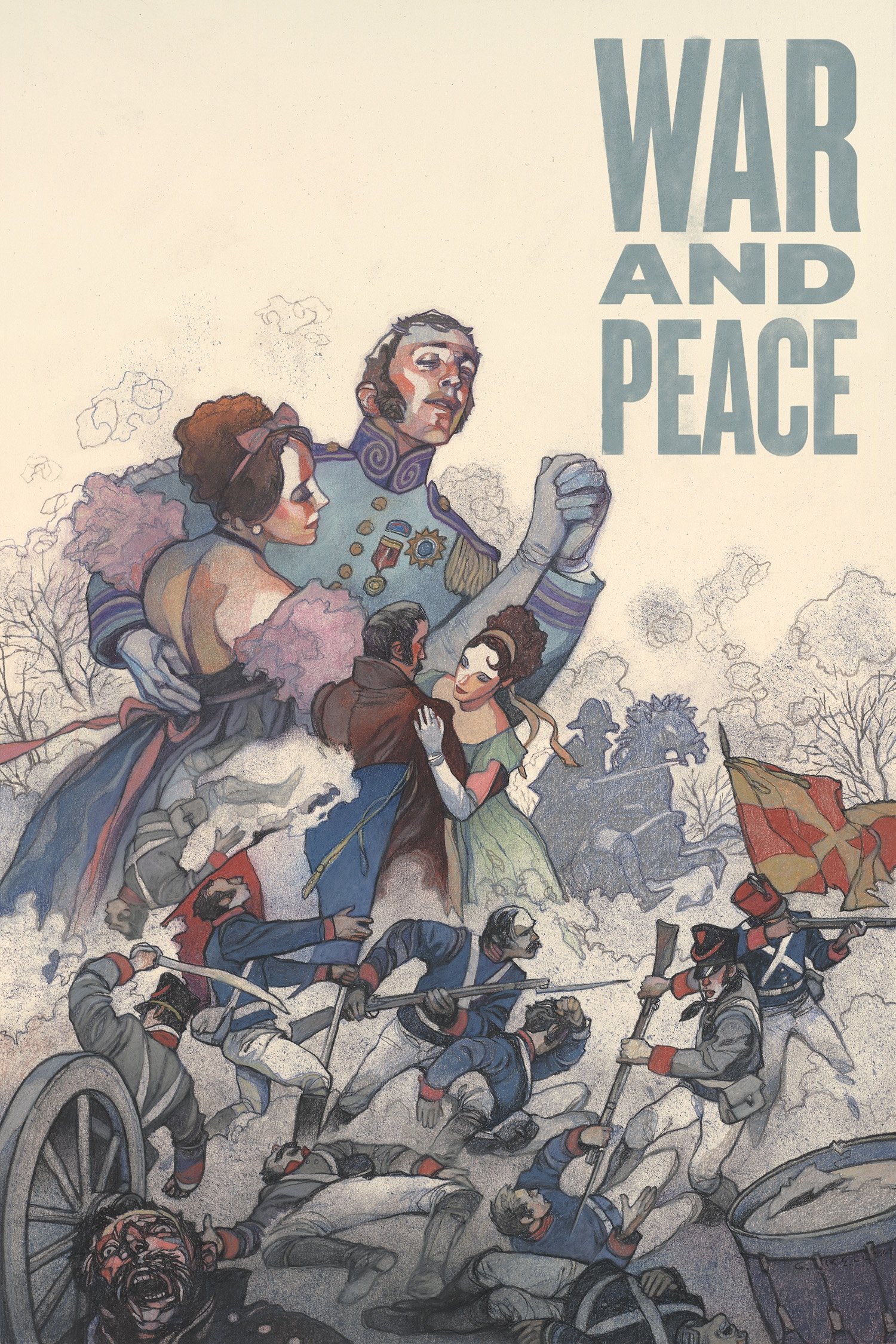
The love story of young Countess Natasha Rostova and Count Pierre Bezukhov is interwoven with the Great Patriotic War of 1812 against Napoleon's invading army.
Performance of the Gorky Moscow Art Theater based on the play by N. Pogodin.
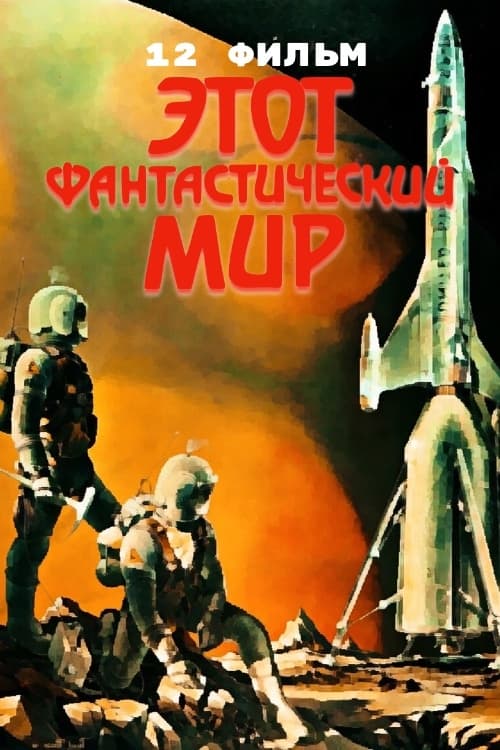
Based on science fiction stories about the relationship between man and robot: A. Belyaev’s “Open Sesame” about how a robot servant robbed two old men; A. Azimova's "Liar" about a robot who can read minds and turns out to be the most humane among people; F. Chilander's "Court" about how robots tried the last person living in the city.
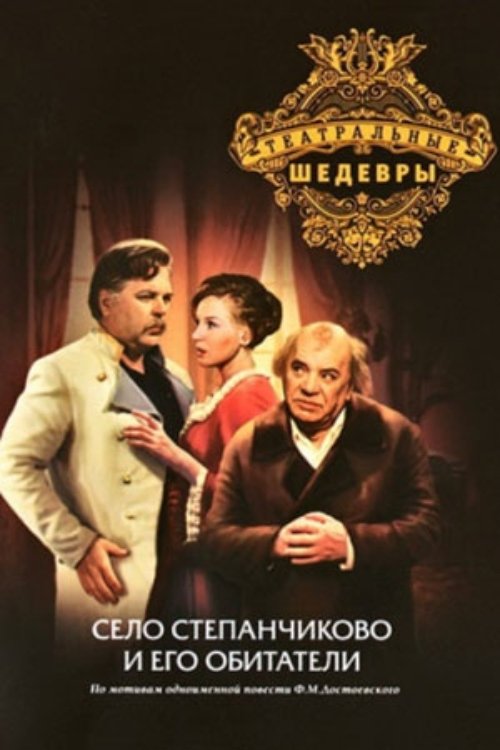
Based on the story of the same name by F. M. Dostoevsky, and staged by Moscow Art Theater named after. Gorky.
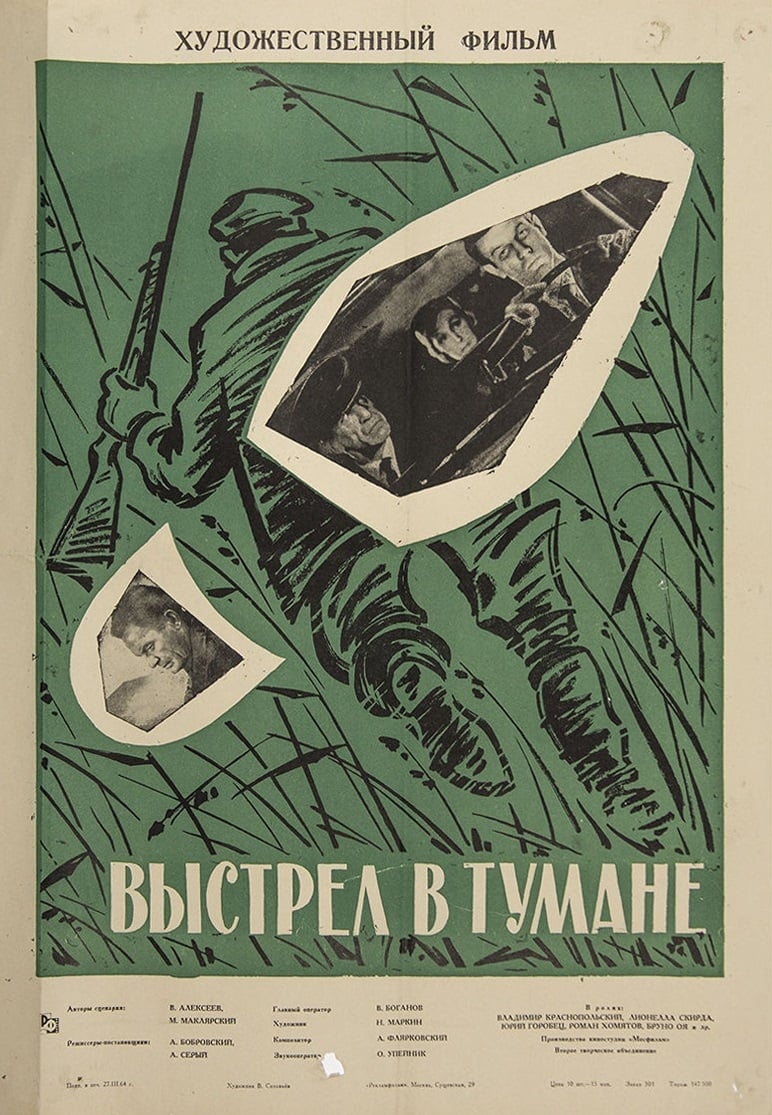
The very first work of a young scientist Igor Panteleyev caused a sensation. Not surprisingly, they are interested in foreign intelligence. Soviet security officers are taking measures to protect the scientist. The name of Panteleyev disappears from the pages of newspapers and magazines. The scientist is transferred to work in another research institute, changing his surname to Evdokimov. But due to chance, foreign spies found a researcher.
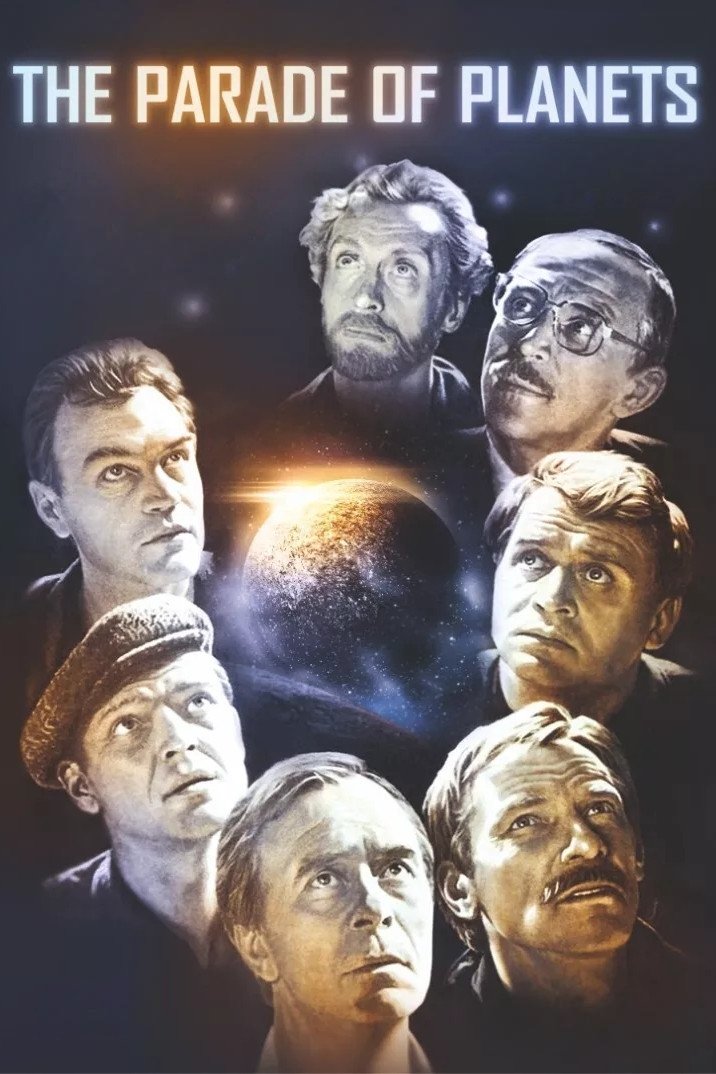
A rare astronomical phenomenon — the parade of planets — has a strange effect on several men. The heroes of the film — an astrophysicist, locksmith, salesman, architect, loader, trolley bus driver — are called up for military training, which ends ahead of time. There is a strange pause in their life — no one knows where they are, no one is waiting for them, and they themselves can not rush anywhere. This short respite in a hasty and busy life gives the heroes the opportunity to experience strong and very important feelings for them.
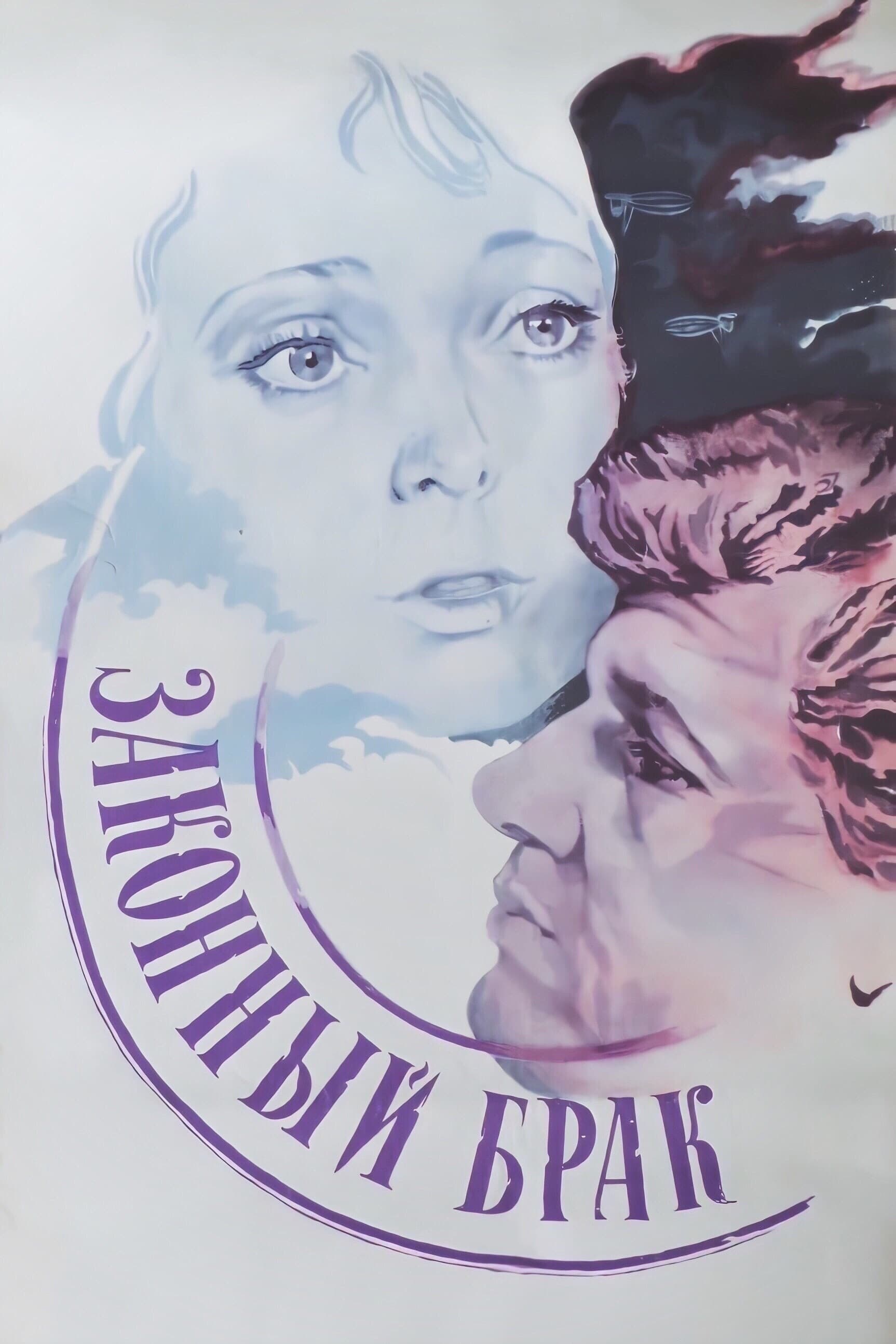
At the beginning of the 1941 war, a young talented artist Igor and his theater were evacuated to Tashkent. Here he meets music teacher Olga, who is seriously ill with malaria. Igor understands that only treatment in the capital will save the girl. But they are allowed into Moscow only on special passes. And then Igor almost by force drags Olga to the registry office. Feeling responsible for the girl, Igor begins to patronize her more and more...
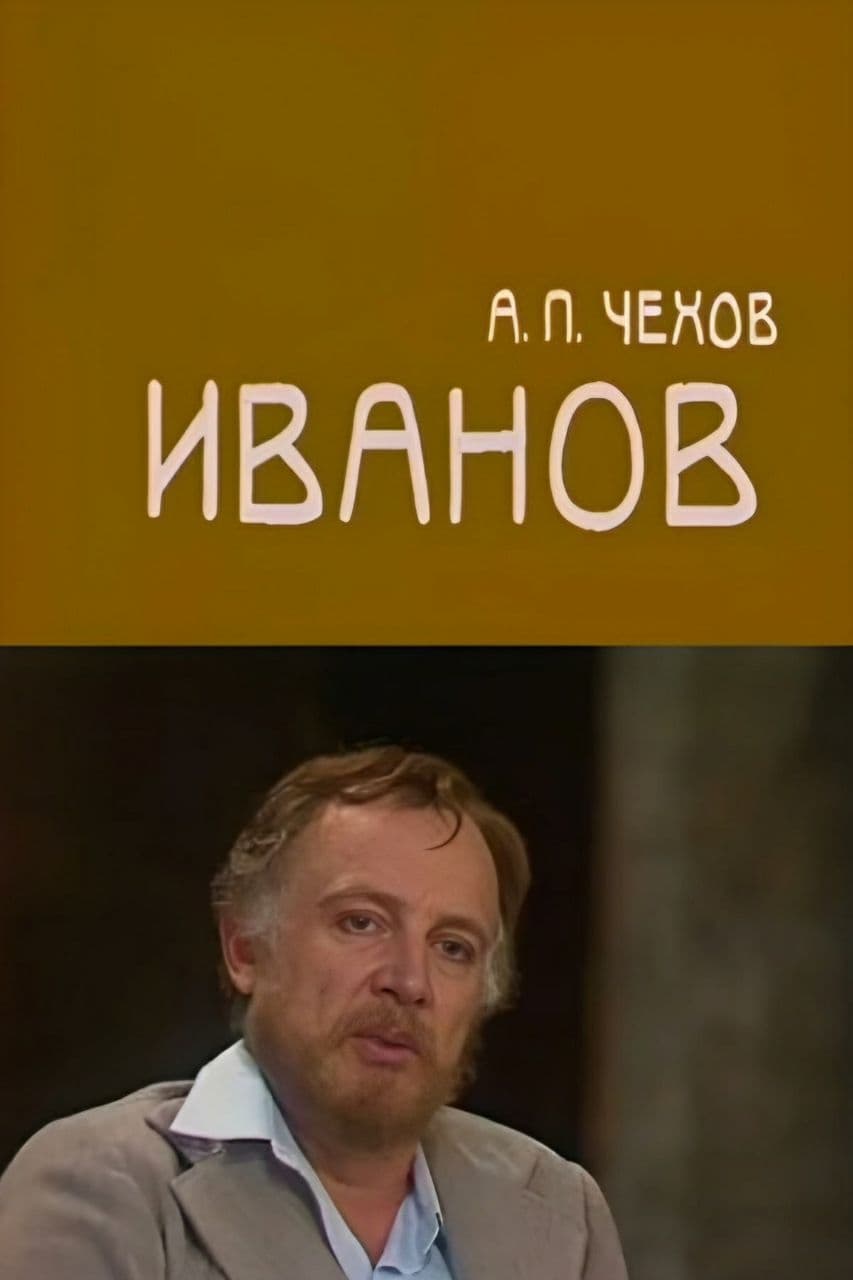
Based on the play of the same name by A.P. Chekhov.

The television play is based on three stories by Turgenev: "A Meeting", "Pyotr Petrovich Karataev", and "Hamlet of Shchigrovsky District".
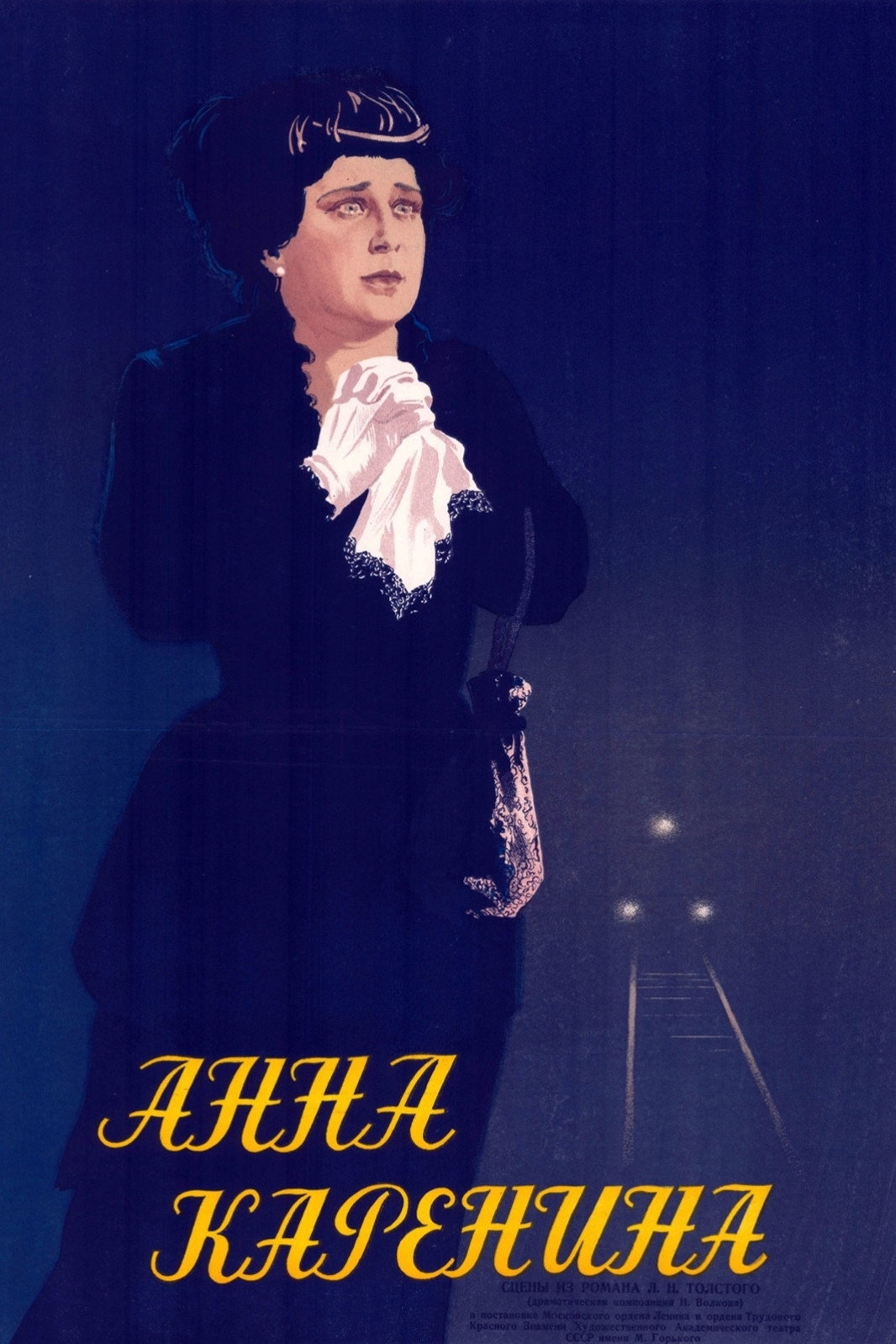
In Imperial Russia, Anna, wife of the officer Karenin, goes to Moscow to visit her brother. On the way, she meets charming cavalry officer Vronsky, to whom she's immediately attracted. But in St. Petersburg’s high society, a relationship like this could destroy a woman’s reputation. The performance of the Moscow Art Theater. Gorky based on the novel of the same name by L. N. Tolstoy, staged for the stage by one of the founders of the theater V. I. Nemirovich-Danchenko.