
Three friends, Hilda, Matilda and Gaspar, meet in a rundown downtown apartment during a weekend to chat, drink and experience pleasure.
An essay around the streets, as an homage to Fernando Pessoa
The history of Brazilian popular music in the 20th Century, focusing specially on the life and works of intriguing singer Mário Reis, a loner who, with his special way of singing - whispering and softly saying the words - in a time when singers with potent voices ruled, was in a way a forerunner of Bossa Nova style.
Policarpo is a chauvinistic patriot, a major who tries to find solutions for Brazilian problems using only the resources of his own country. His visionary and idealistic temperament is behind his strange ideas about how to build a great nation.
They live, they act, they love. Today they remember, they relive, they live through cinema and life.
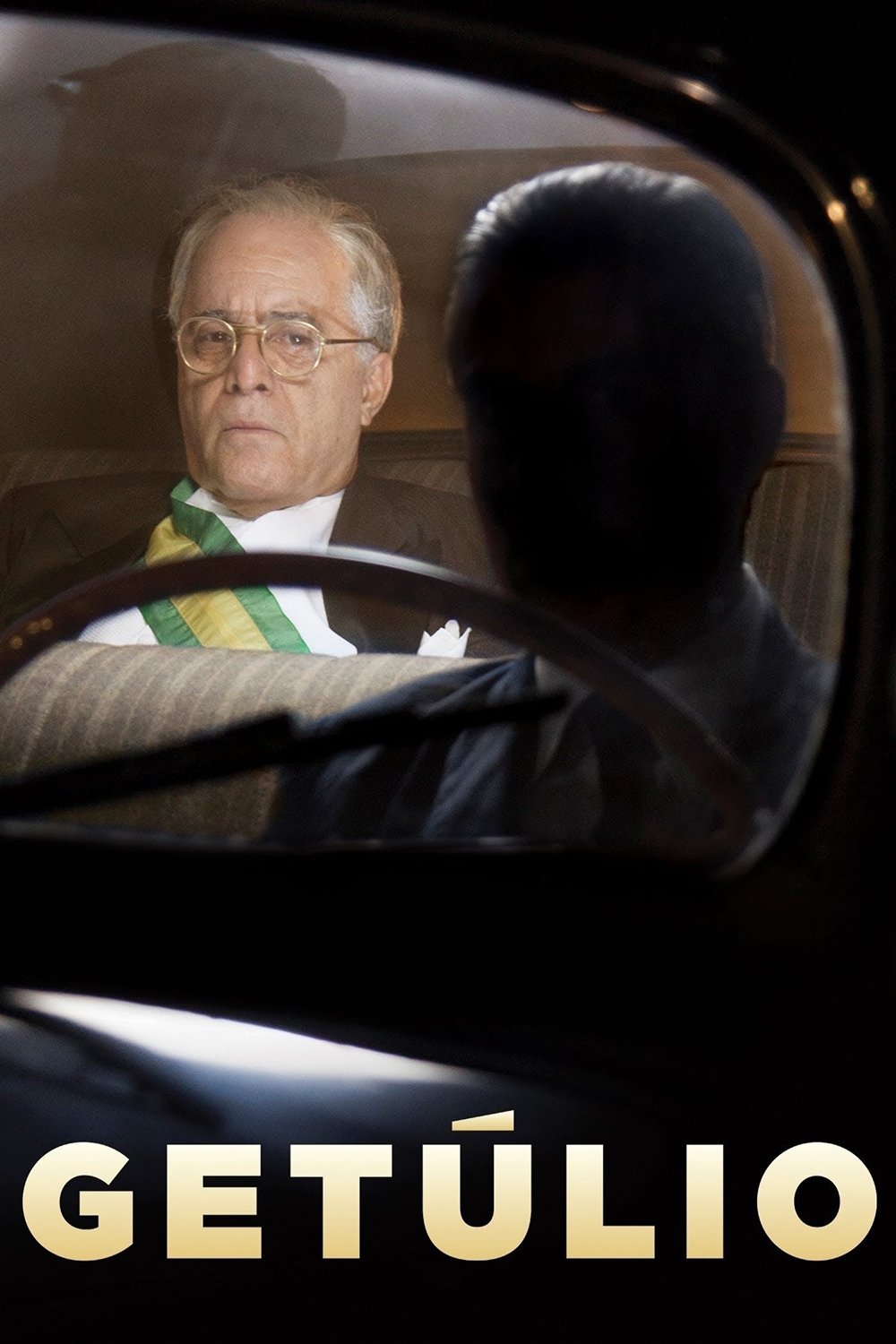
The movie depicts the political crisis that led to the suicide of president Getúlio Vargas, in the 19 days that preceded August 24, 1954. The crisis began with the attempted assassination of journalist and politician Carlos Lacerda in August 5, 1954, at rua Toneleros, Rio de Janeiro, in which Major Vaz was assassinated instead. Investigations pointed to Gregório Fortunato, chief of Vargas' personal guard, as the orderer of the frustrated assassination. This incident was one of the most importants in the history of Brazil.
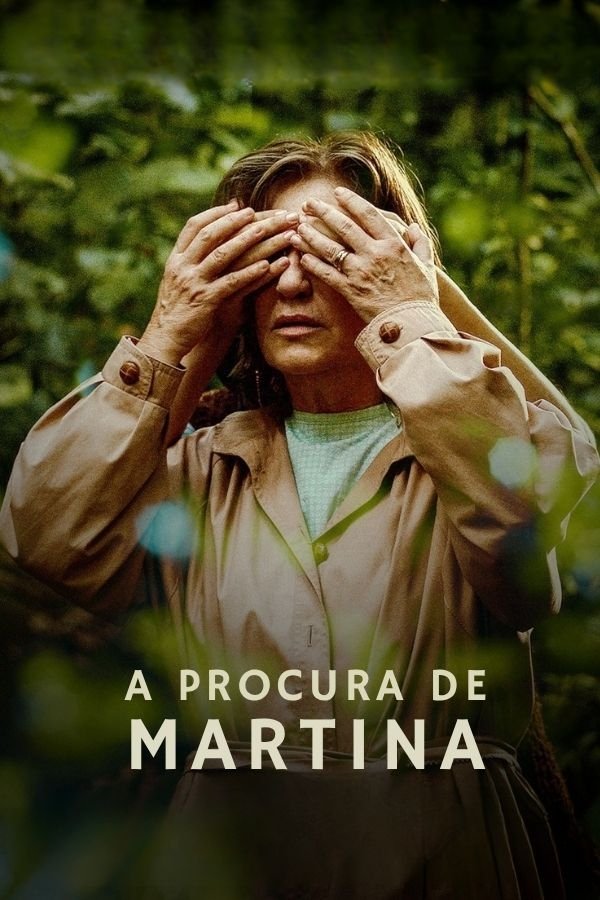
Martina, who has Alzheimer's, has been searching for her grandson for over three decades. Discovering he is in Brazil, her long and solitary journey becomes an intense struggle against time and oblivion.
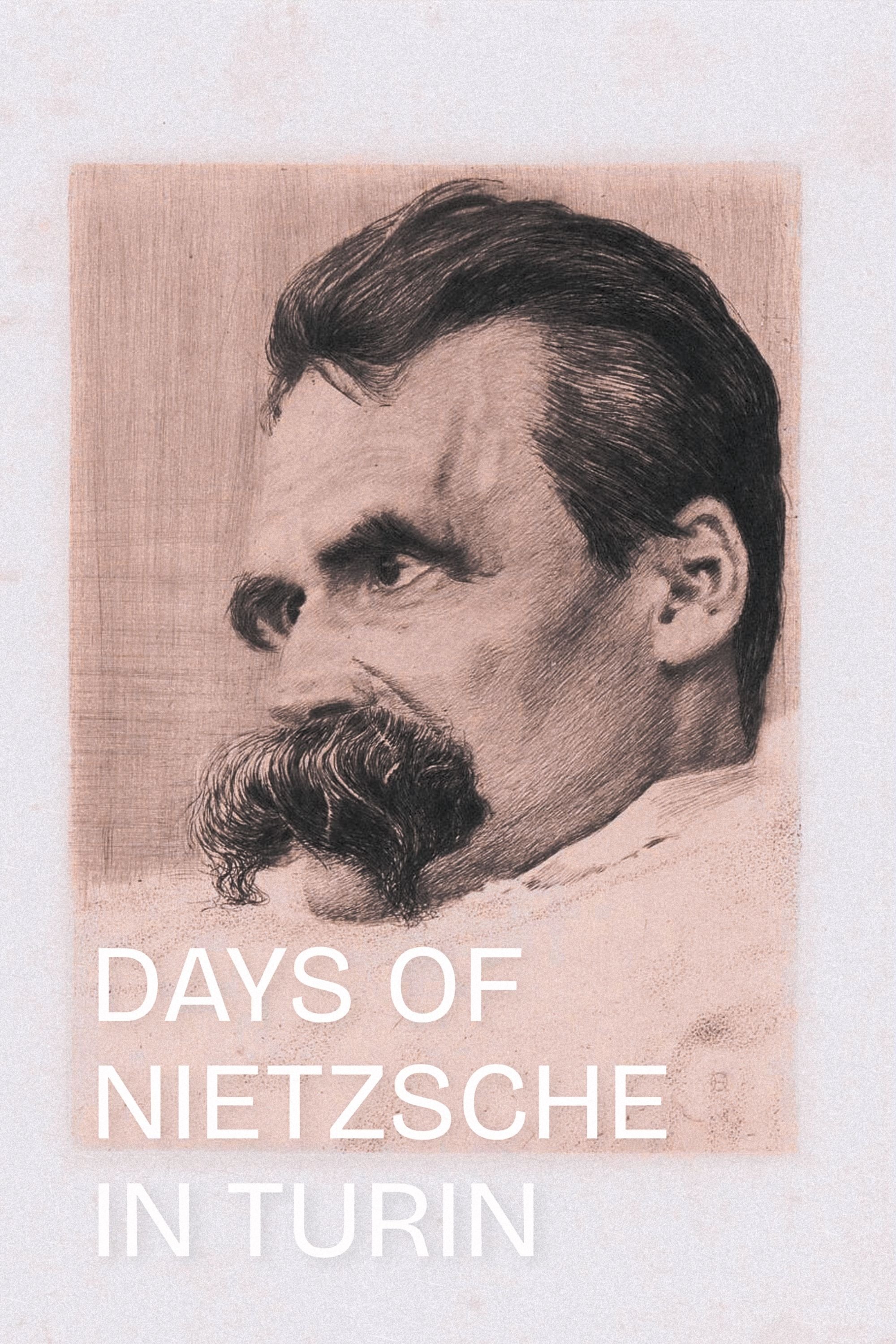
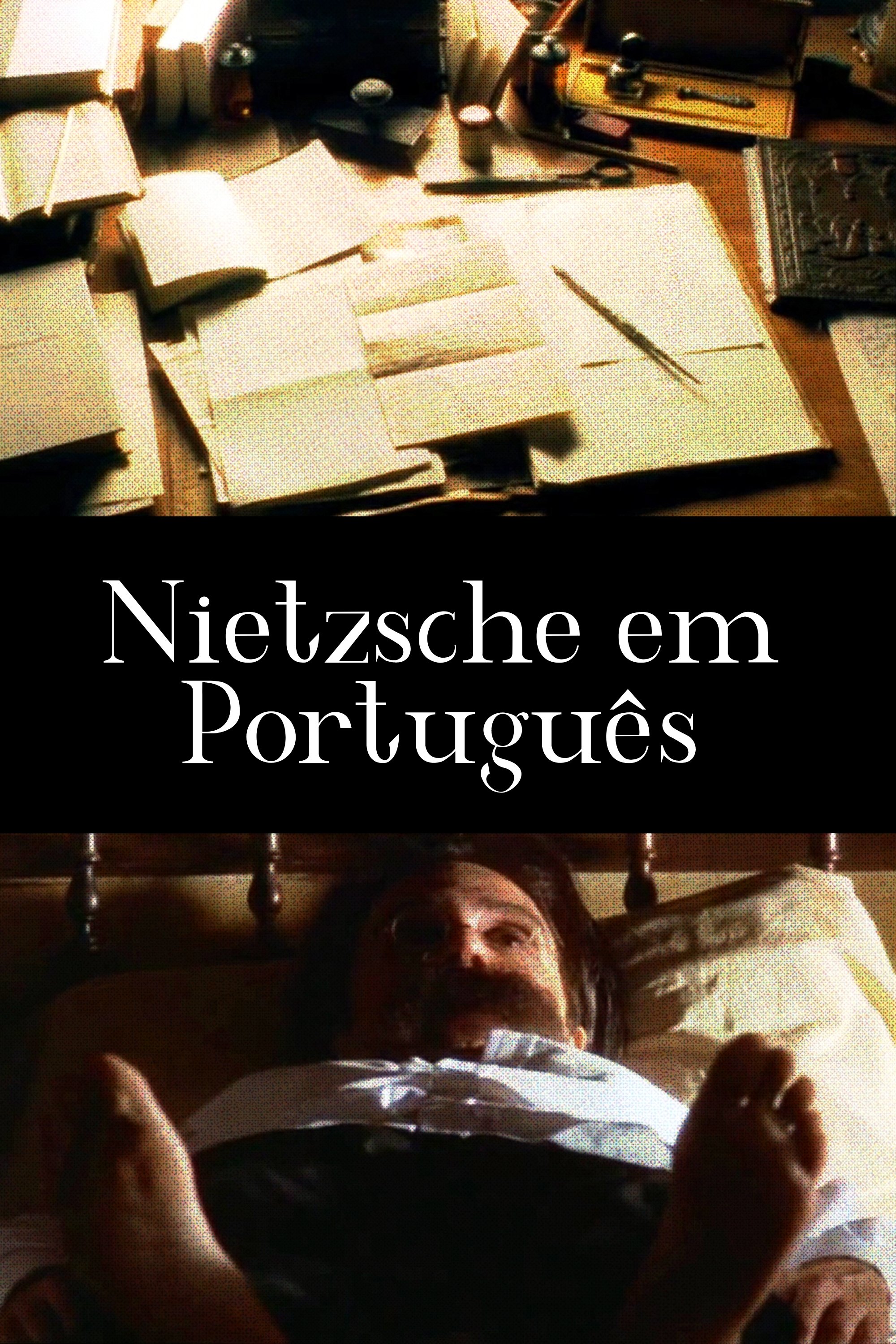
A cinematographic essay, without dialogues, about the months Nietszche spent in Turin, Italy, with narration quoted by his original writings.
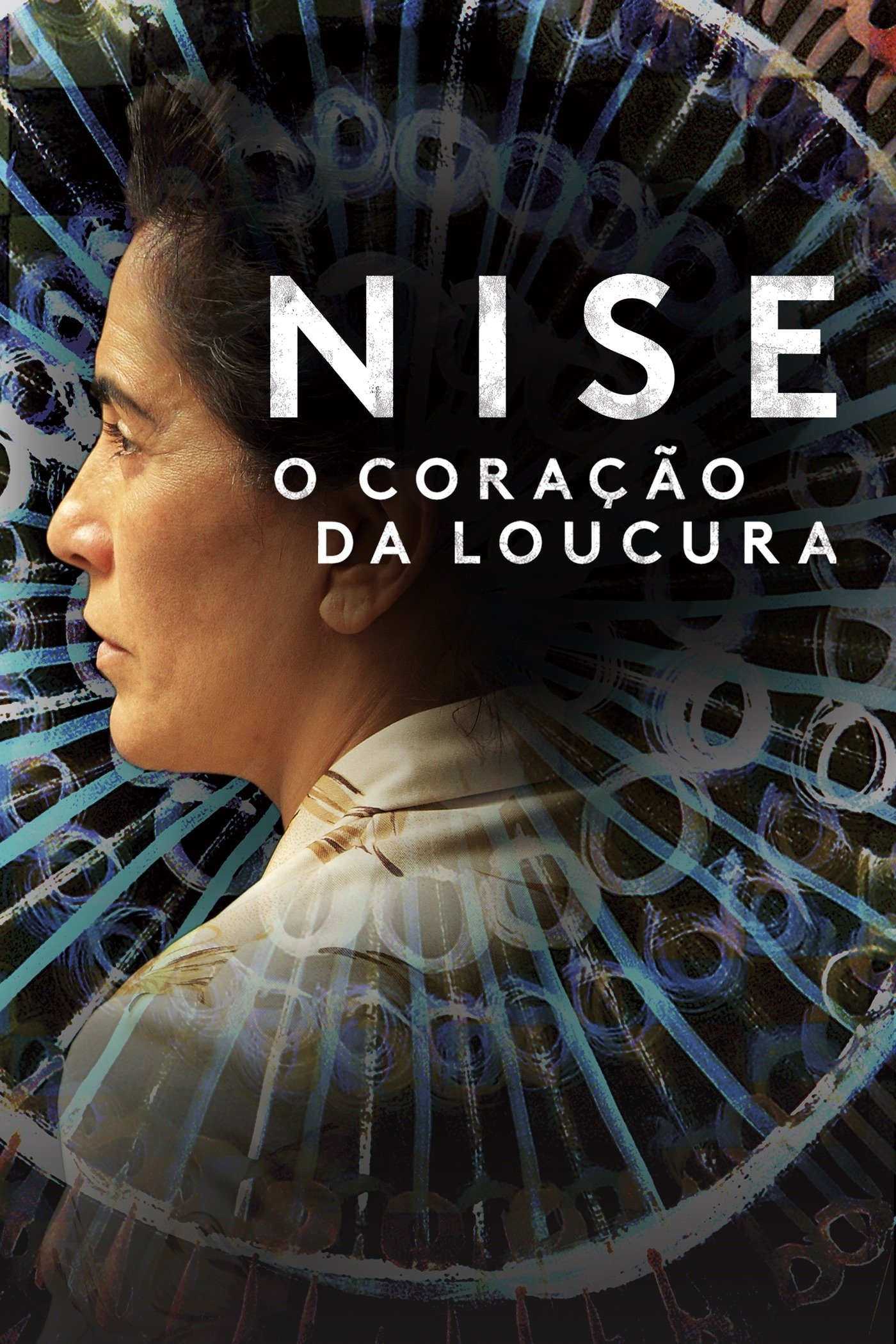
After being released from prison, Dr. Nise da Silveira is back at work in a psychiatric hospital on the outskirts of Rio de Janeiro where she refuses to employ the new and violent electroshock in the treatment of schizophrenics. Ridiculed by doctors, she is forced to take on the abandoned Sector for Occupational Therapy, where she would start a revolution through paintings, animals and love.

For this behemoth, Bressane took his opera omnia and edited it in an order that first adheres to historical chronology but soon starts to move backwards and forward. The various pasts – the 60s, the 80s, the 2000s – comment on each other in a way that sheds light on Bressane’s themes and obsessions, which become increasingly apparent and finally, a whole idea of cinema reveals itself to the curious and patient viewer. Will Bressane, from now on, rework The Long Voyage of the Yellow Bus when he makes another film? Is this his latest beginning? Why not, for the eternally young master maverick seems to embark on a maiden voyage with each and every new film!
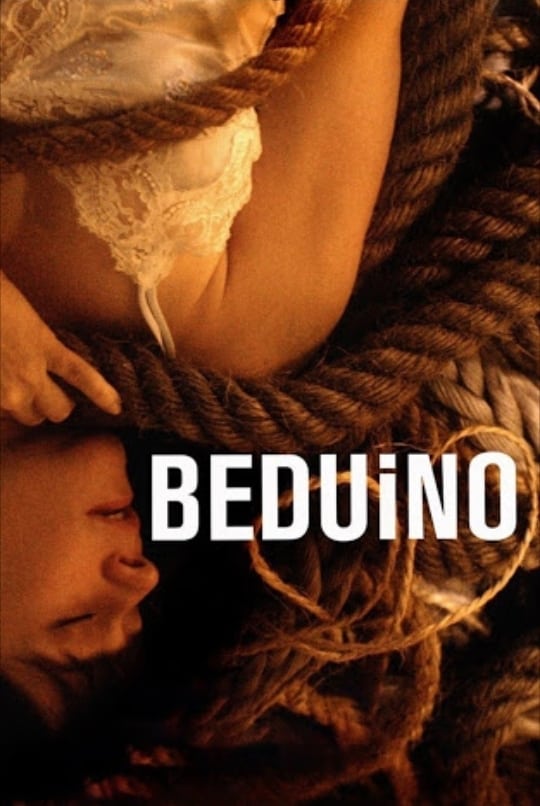
A curious couple, whose existence takes place where art arises along a singular metaphysical desire. They search for it through repeated and varied representations, in a setting of light where hope and desperation blend together.

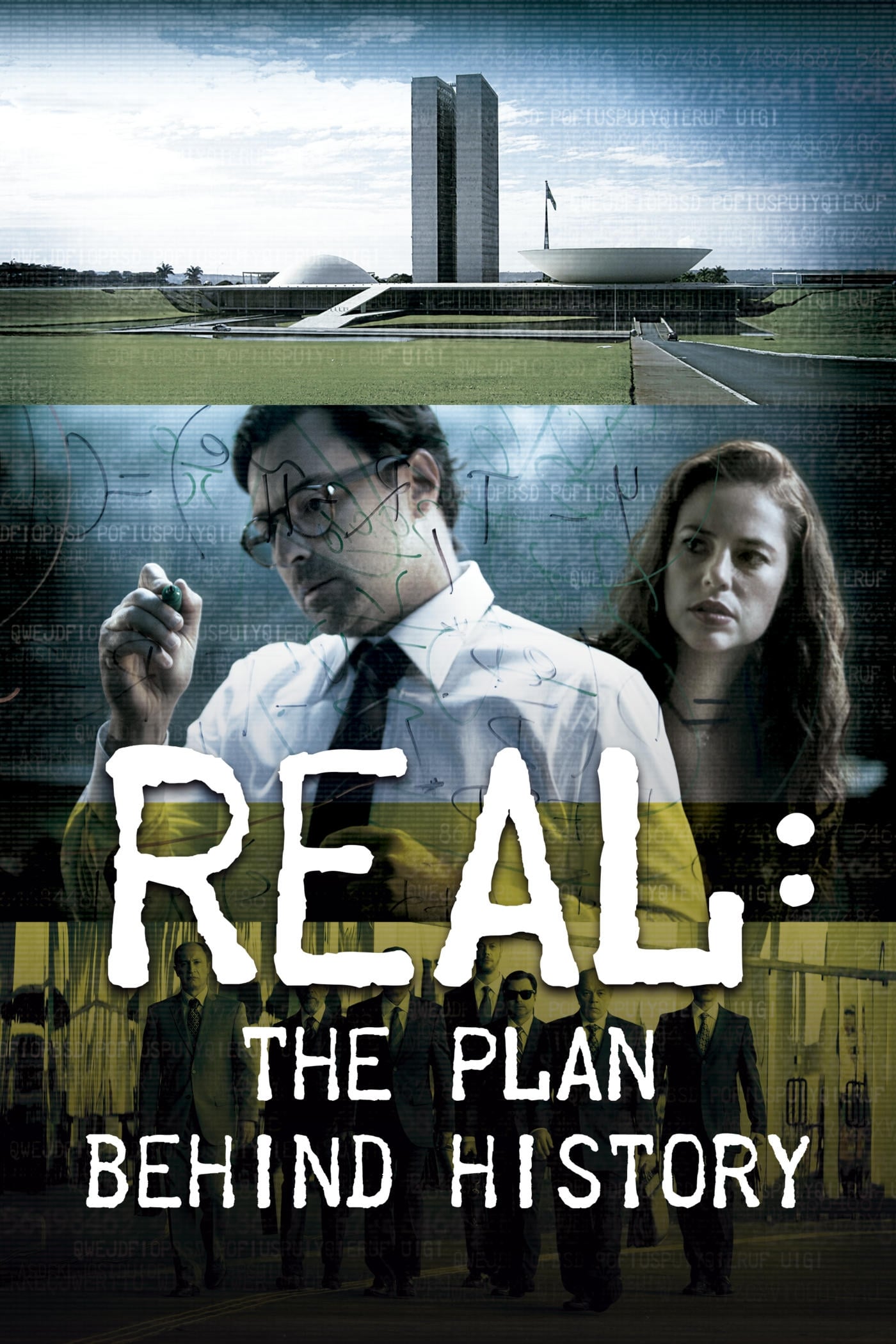
In May 1993, Brazil experienced one of the worst economic crises in its history. The government then decides to set up a real task force to solve the problem. Confined to a bunker as a way of shielding the operations of growing political pressures, the special economic team will have to do its best to reach agreement and create the Plano Real.
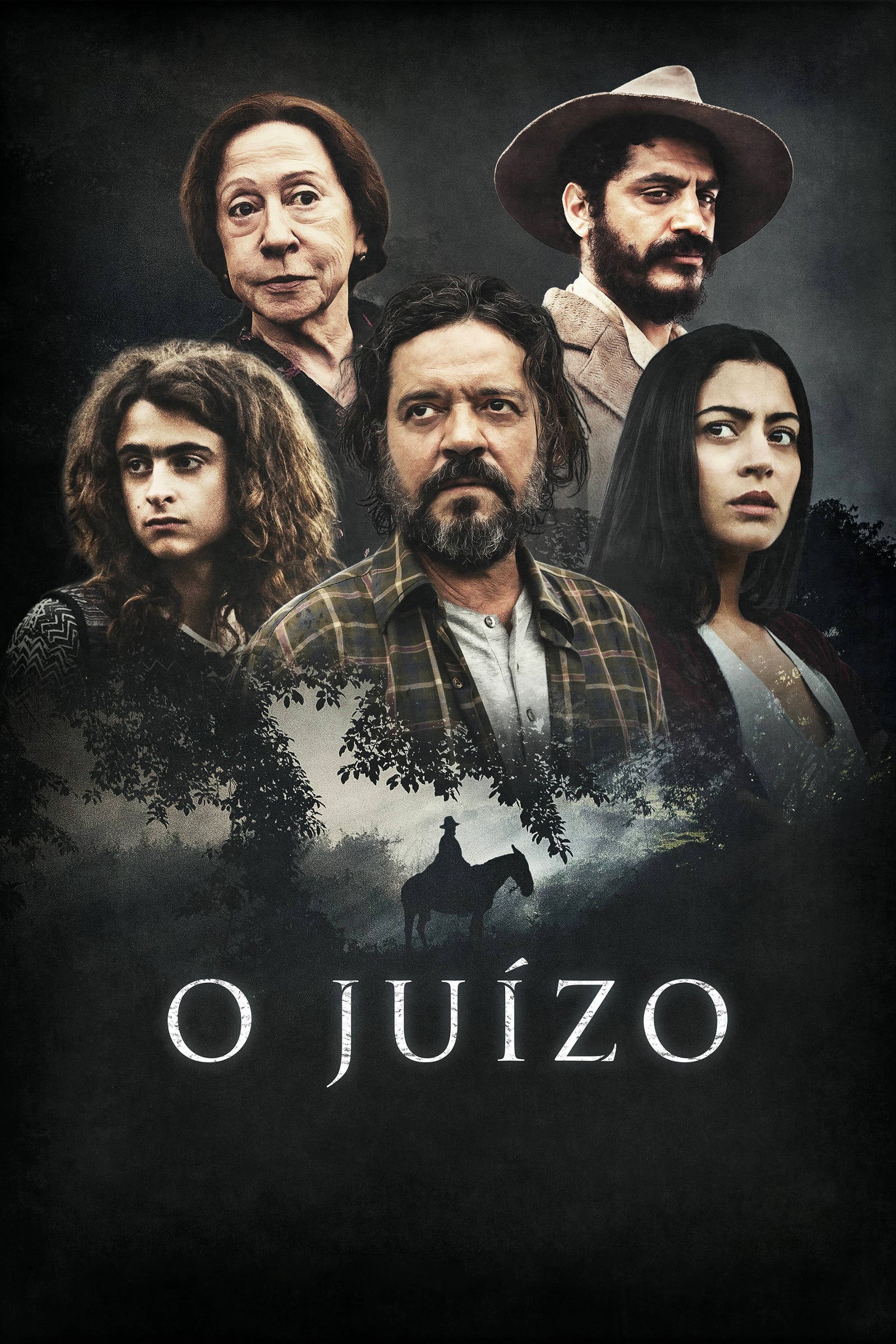
Augusto moves with his family to an abandoned farm, inherited from his grandfather, hoping to put his life back on track. The property, however, carries the karma of the betrayal of the slave Couraça who seeks revenge against Augusto's family.

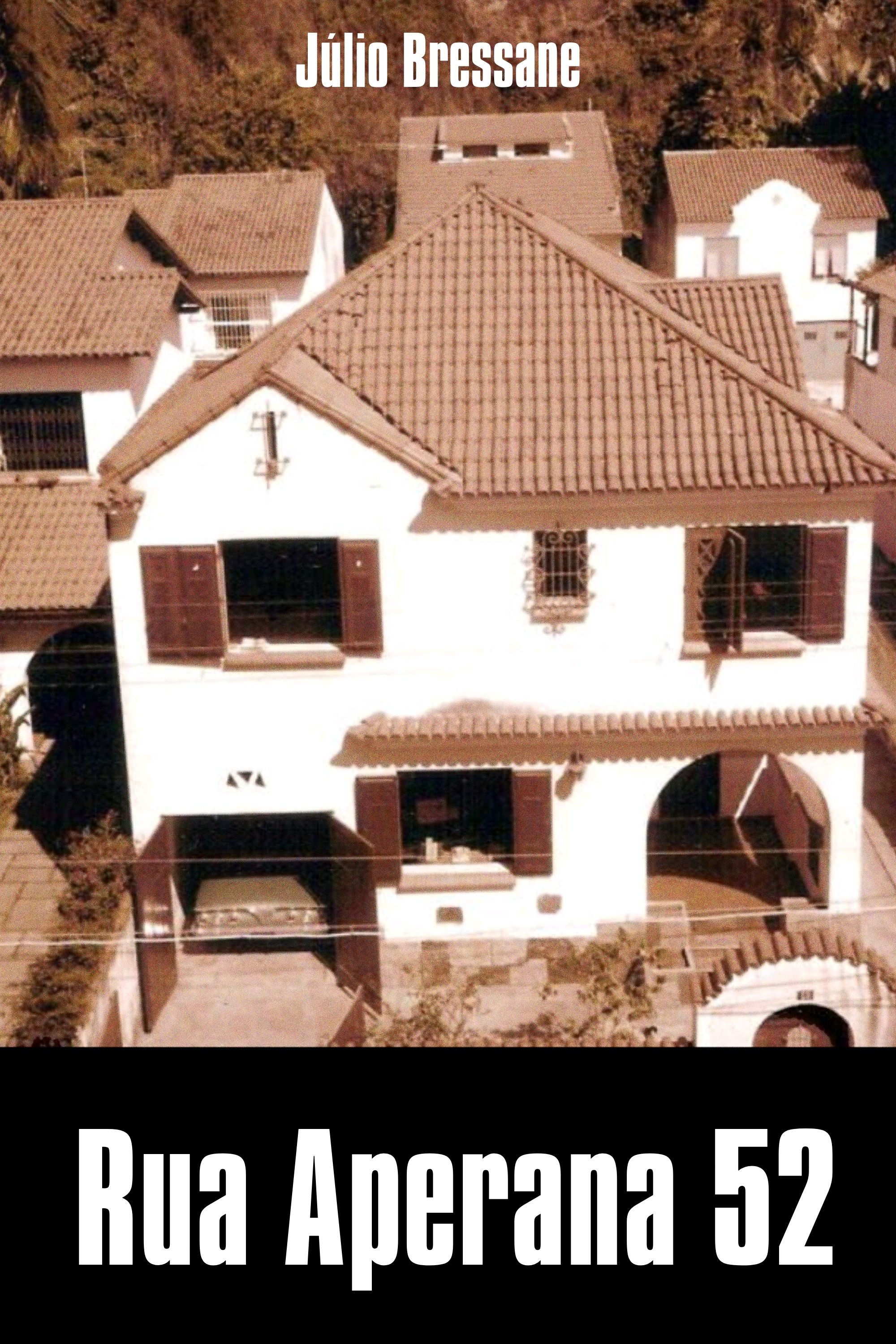
In his film Rua Aperana 52 Júlio Bressane describes the invention of a landscape, the topology of a corner of Rio de Janeiro. The film consists of a series of photographs taken between 1909 and 1955 by, among others, Bressane's parents at and around the address used as a title. These are interlarded with scenes from films made between 1957 and 2005, bringing the total fictional time the film covers to almost a century; one hundred years in which the winding road featured in almost every shot structures the new landscape behind the Aperana, which means 'wrong road'. Rua Aperana 52 is autobiographical, as it is a landscape from Bressane's youth, but it is also not so; it is more a multi-subjective mythology of a place seen through all those films and photographs. Bressane refers to his editing as an intuitive form of thinking aimed at evoking moods which make the viewer the new witness of the fictional landscape. A fiction about a fiction,


Hebe Camargo is one of the most emblematic entertainments in Brazil. At her 60s, she went on to control her own career and, despite the criticism, the dreadful husband and the powerful and sexist bosses, she revealed herself to the public as an extraordinary woman, capable of overcoming any personal or professional crisis.

A history of vendetta and redemption occurs in the vicinity of a road, when the trajectory of a young policeman from the Capital intersects with a sergeant.
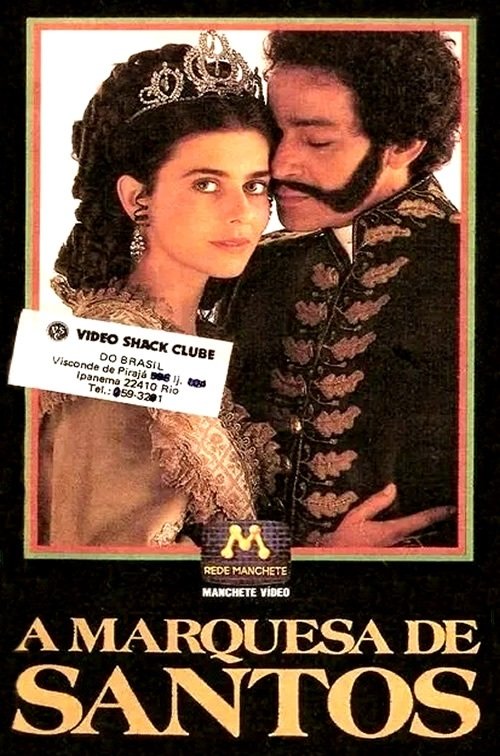

Betty, a famous brasilian 'telenovelas' star, is in search of her twin sister Marlene, who vanished when the kids were four years old (Marlene is now a prostitute). Fragments of other stories, like that of an italian traveller Filippo who left in Italy Giuli, pregnant, and claims to have a split-personality, are inter-twined with the main one

Mixed with fiction and documentary, the film relives the interviews conducted by the writer Clarice Lispector published in the magazines "Manchete" and "Fatos and Fotos" in the 1970s.

The singer Dalva de Oliveira and the composer Herivelto Martins lived intensely on the stage and in life. The 13 years of marriage and the disagreements, which gained emphasis with the separation, contributed to an important artistic and cultural production.

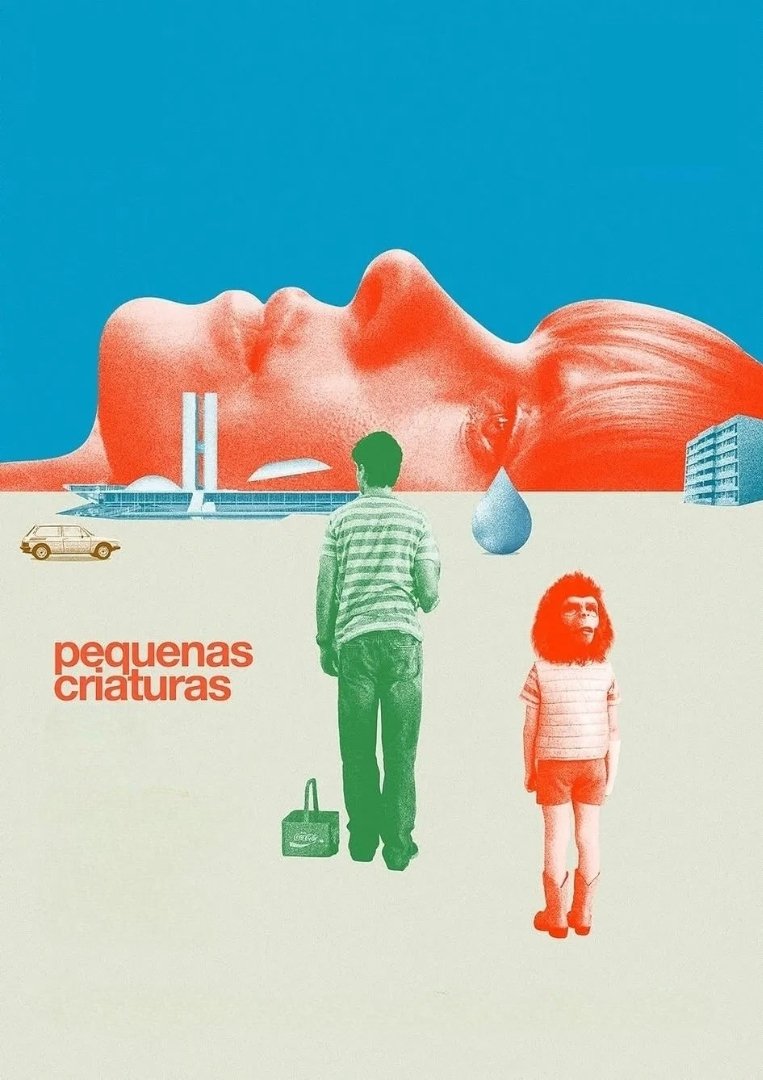
Brasília, 1986. Helena has barely settled in with her family in Brazil's futuristic capital when her husband leaves on a business trip. Stranded in an unfamiliar city, she questions her choices, feeling frustrated and lost. Her teenage son rebels and discovers his first love; her seven-year-old finds magic in unlikely friendships and unseen possibilities. In a democracy less than a year old, everyone lives in limbo—trapped between what was and what could be.

Discover the story of the father of the gang: Mauricio de Sousa, Brazil’s most important comic artist, and how he created his most famous characters. Responsible for bringing to life iconic figures that have marked generations, the film stars Mauro Sousa, the artist’s son. The production follows Mauricio’s journey from childhood, through his discovery and passion for comics, to the creation of a career once considered impossible and his adventures to make a living and achieve professional success.