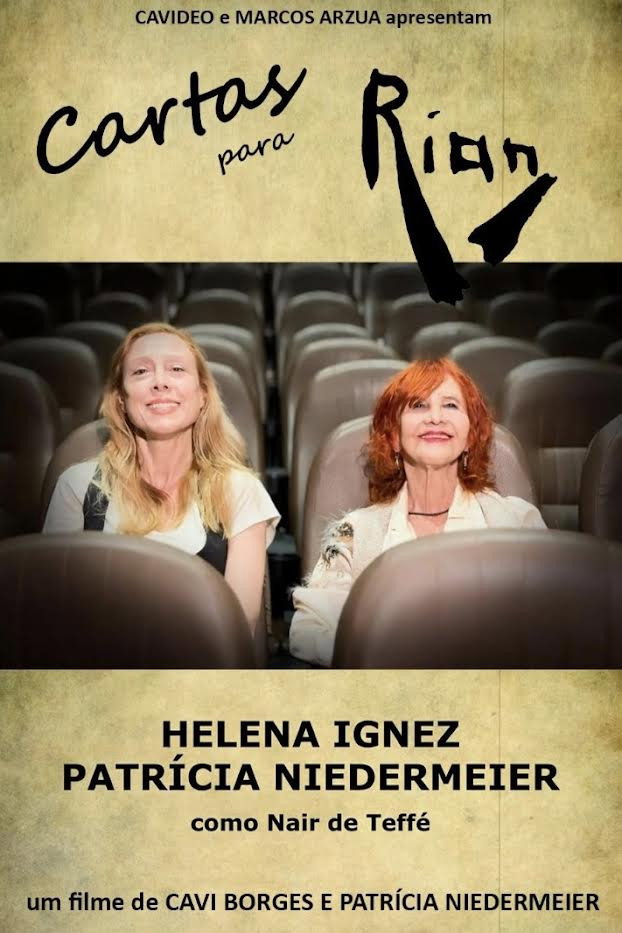
A documentary short on Glauber Rocha's mother Lúcia.

A film about love, also a memoir, about the trip made in the 1970s to Morocco by Jarda Ícone, an artist, sexologist, and octogenarian rocker, as she defines herself, and Lírio Terron, a human rights activist. In fact, a journey that is not over in their lives. Jarda Icon teaches classes on how women can obtain their own orgasm. With her group of disciples and friends Ana Brasil, Sheyla Fernanda, Caroline Sylvie and Lakshmi she develops self-sustainable feminist and artistic projects. The film is political, but not at all politicized in the traditional sense. It is an ode to the underground and counterculture movements, it is a hymn to freedom, and its title is also a tribute to Oswald d Andrade, one of the main names in Brazilian modernism.

An authentically marginal cinema created in Catholic university in Brazil. One of the most intriguing and imaginative moments in modern cinema in the voice of some of its select conspirators—with Carlos Reichenbach at the lead—, and through the most razing flow of images that can possibly be conceived.
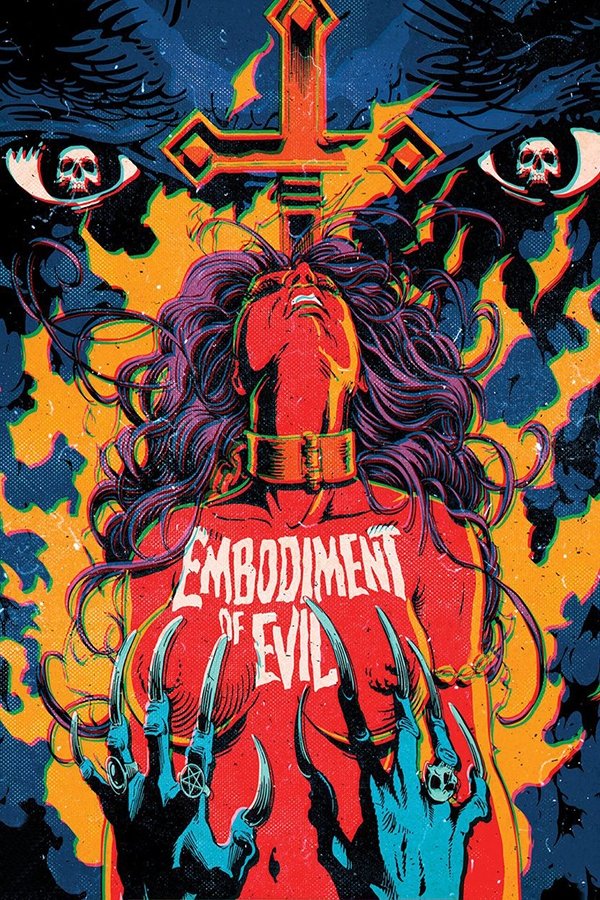
Released from the Mental Health Wing of São Paulo State Penitentiary after forty years, the sadistic undertaker Zé do Caixão is back on the streets, haunted by ghostly visions and spirits of past victims but still set upon the goal that sent him to prison in the first place: finding a woman who can give him the perfect child.

"Portraits and excerpts from Brazilian films from all times. Actors, directors and images that affirm cinema."

A street vendor who lives in the outskirts of São Paulo returns home at night and does not find her teenager son. After a nonstop search, she finds out the boy was killed by the police and his body is missing. This is the beginning of this woman’s vertiginous fight for the right to bury her son, a fight that will not only unveil the excessive violence of one of most lethal police forces of the world, but also how structural is racism in Brazilian society.
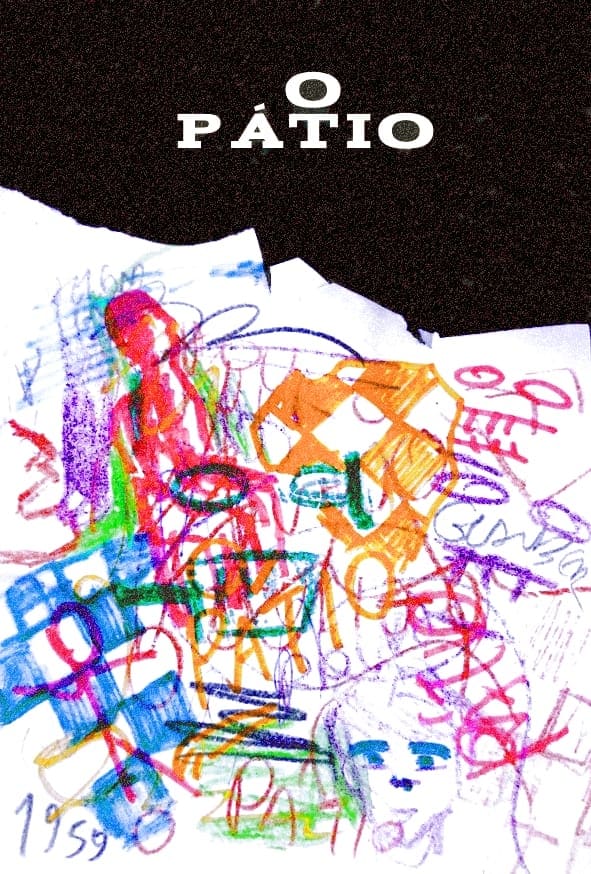
A man and a woman are laying on a chess-like patio. Both are trying to reach each other in the best way they can. However, for some odd reason they don't get on their feet, they don't talk to each other, and the only sounds heard are voices coming from a radio and strange sounds that seem to indicate something's about to happen.
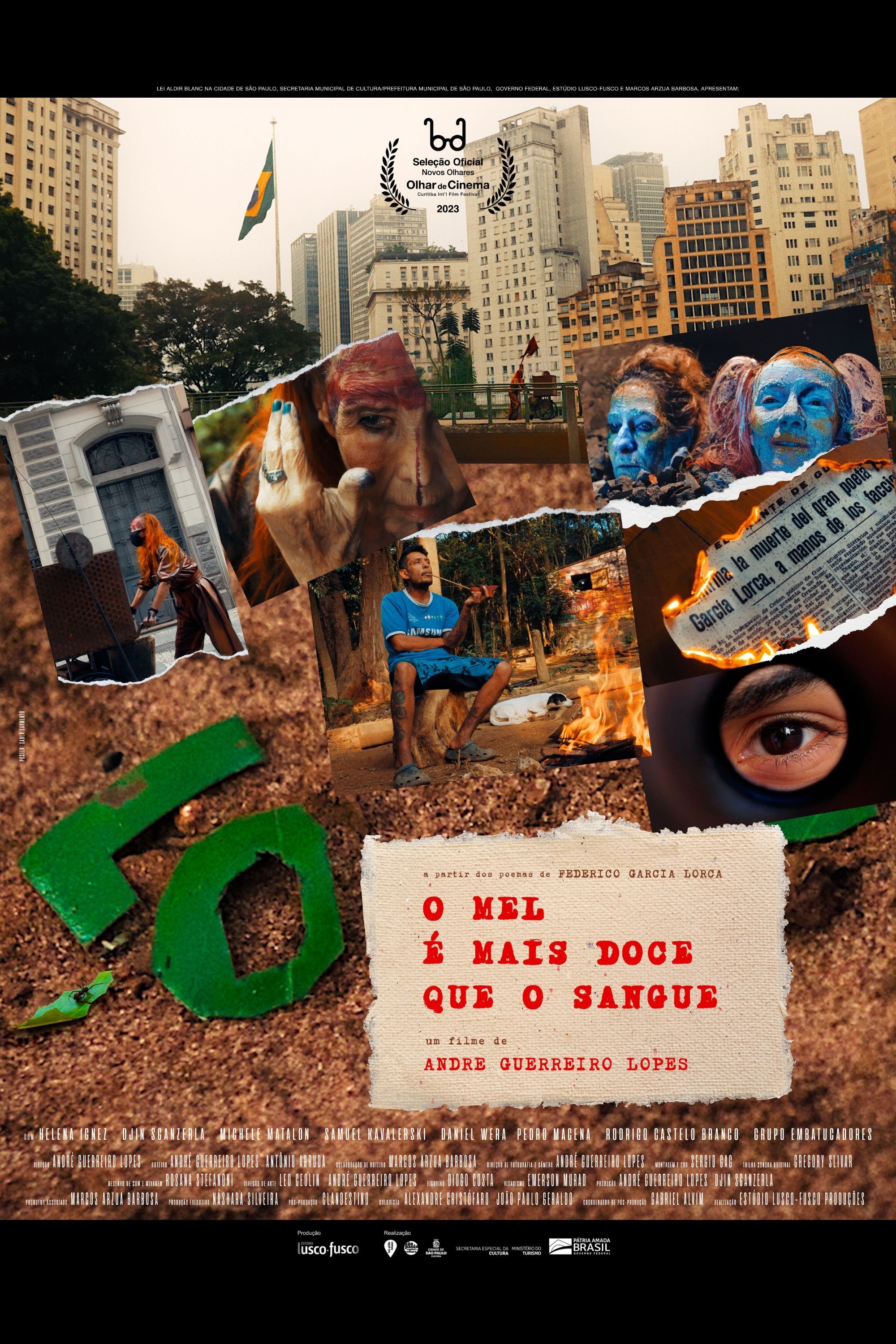
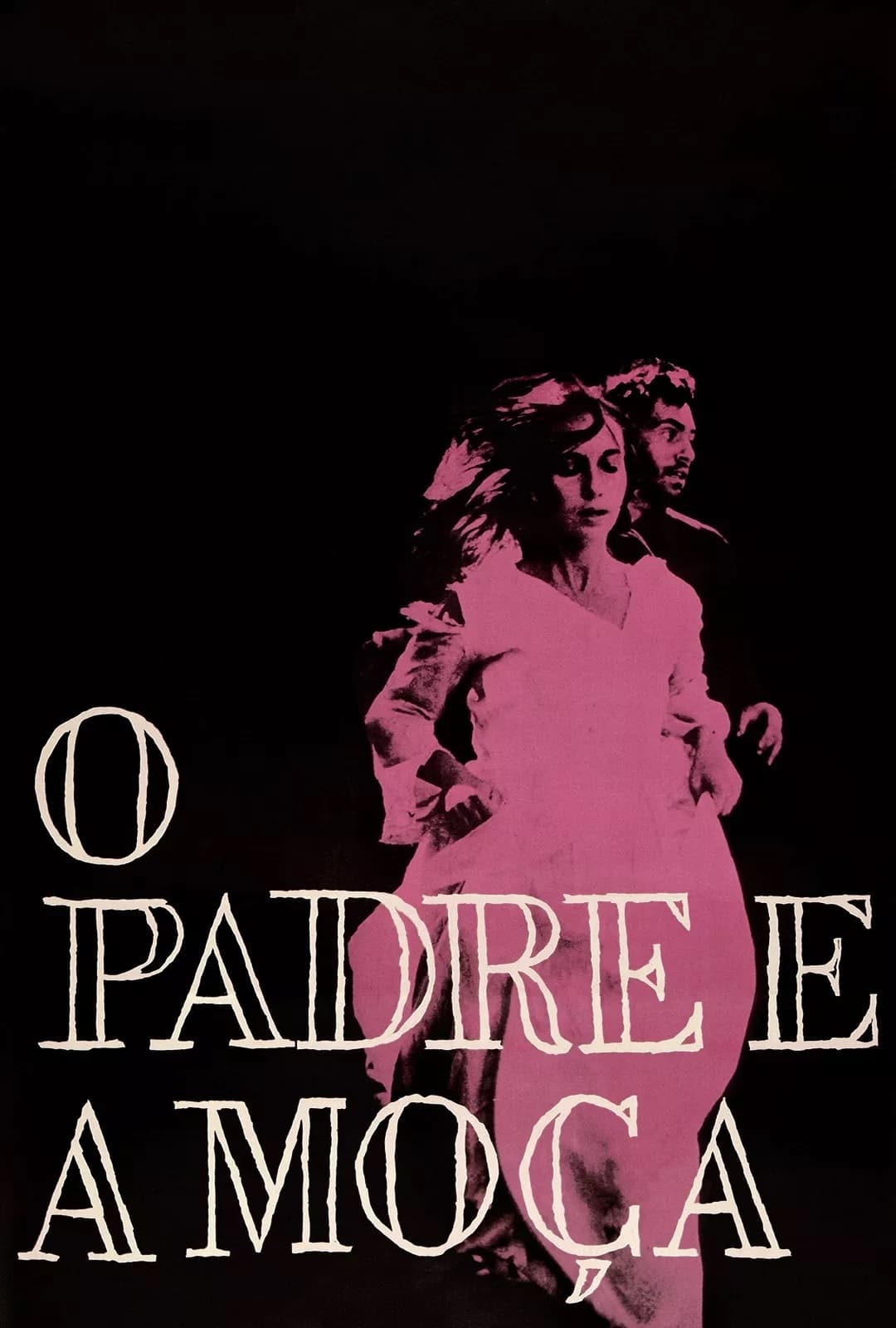
In a small town in Minas Gerais, the arrival of a young priest causes a commotion in the conservative atmosphere of the place, aggravated by the sudden attraction this priest feels for a beautiful girl. This forbidden love affair soon turns into an unbridled passion.
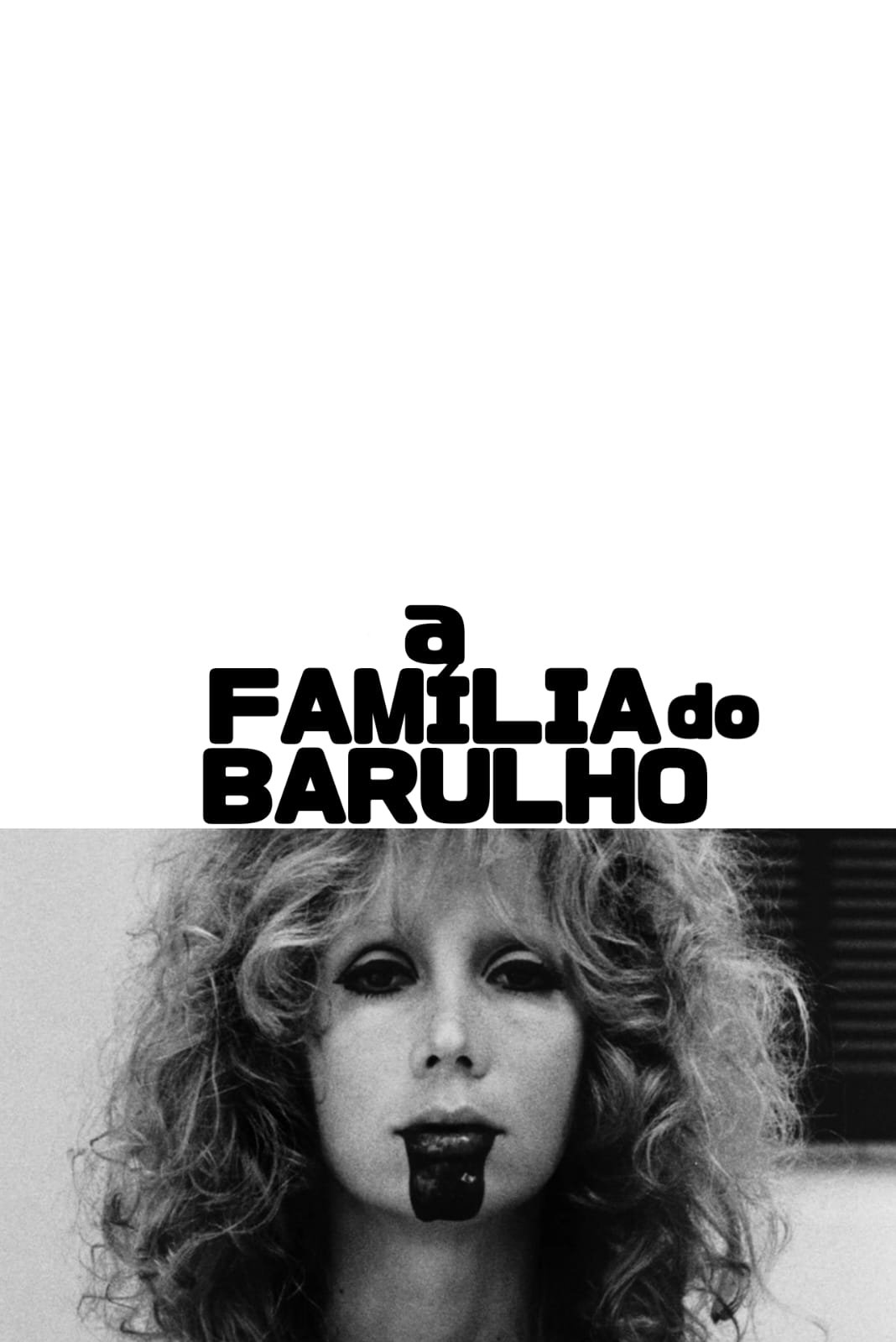
A dysfunctional family, composed of a prostitute and two gay men, one strong and the other fragile and stupid, lives a routine life in Rio de Janeiro. When the slut threatens the other two to stop supporting them, they decide to find an odalisque as an alternative to keep their easy life.
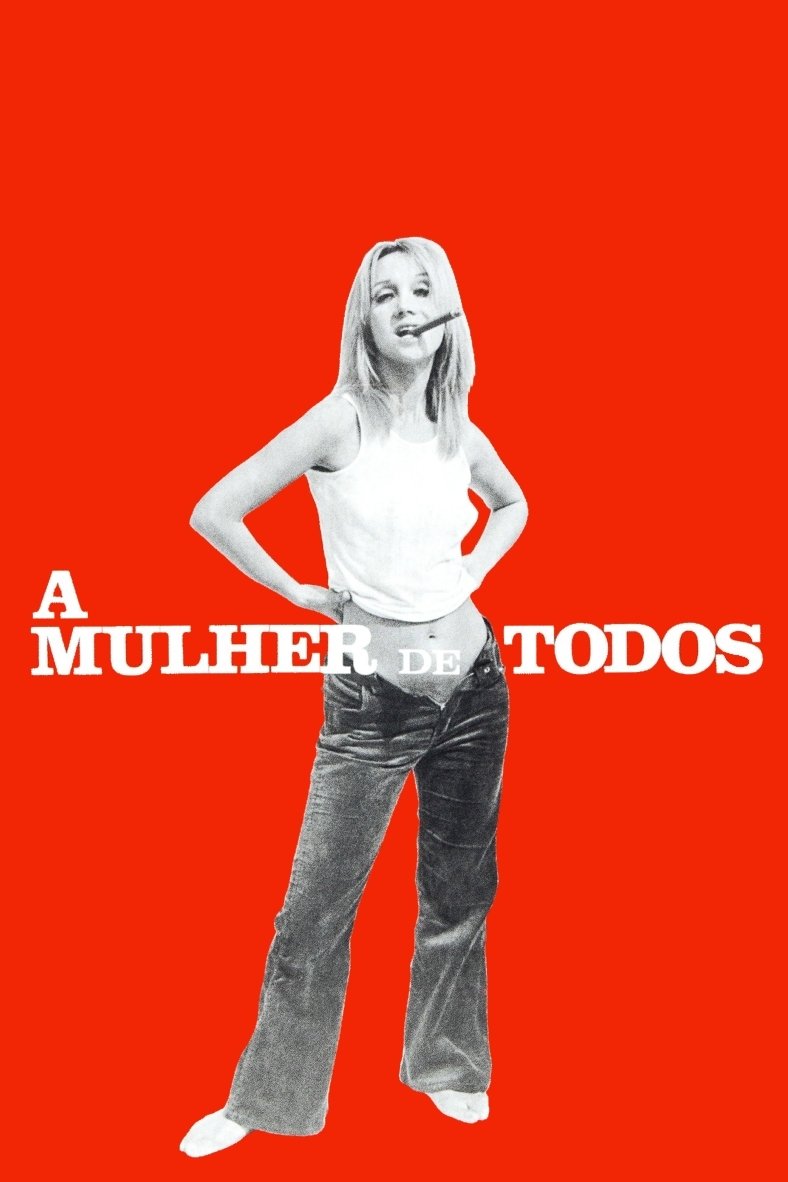
Ângela Carne e Osso (Angela Meat and Bone), a young nymphomaniac, lives surrounded by delinquents, and exerts intense allure on them, dominating them all with her erotic power.

Sônia and her homosexual brother are both believed by their mother to be possessed by the devil. She works as a prostitute in the streets of Copacabana and he’s a servant who falls madly in love with his employer.
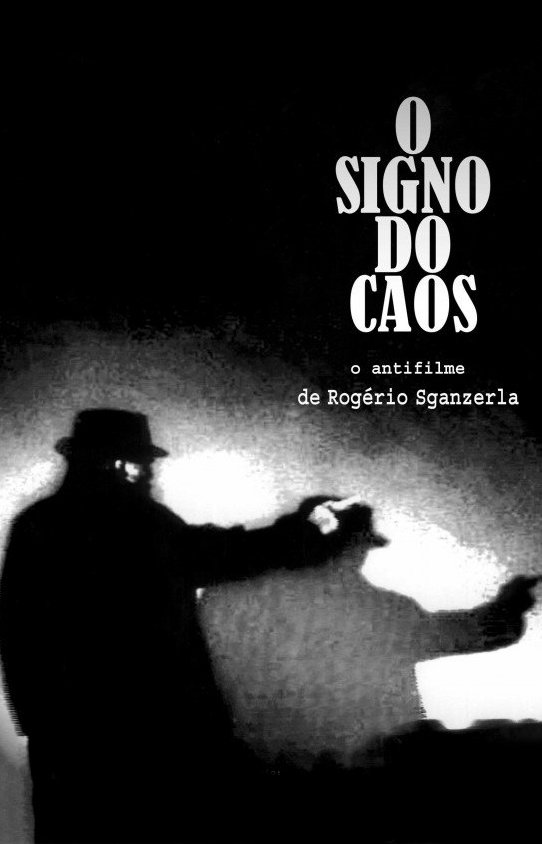
A customs agent, Dr. Amnésio, examines some reels of film, a documentary Orson Welles made about Brazil, and tries to confiscate the material. Then, a party in which repression agents celebrate their victory against freedom and creativity.
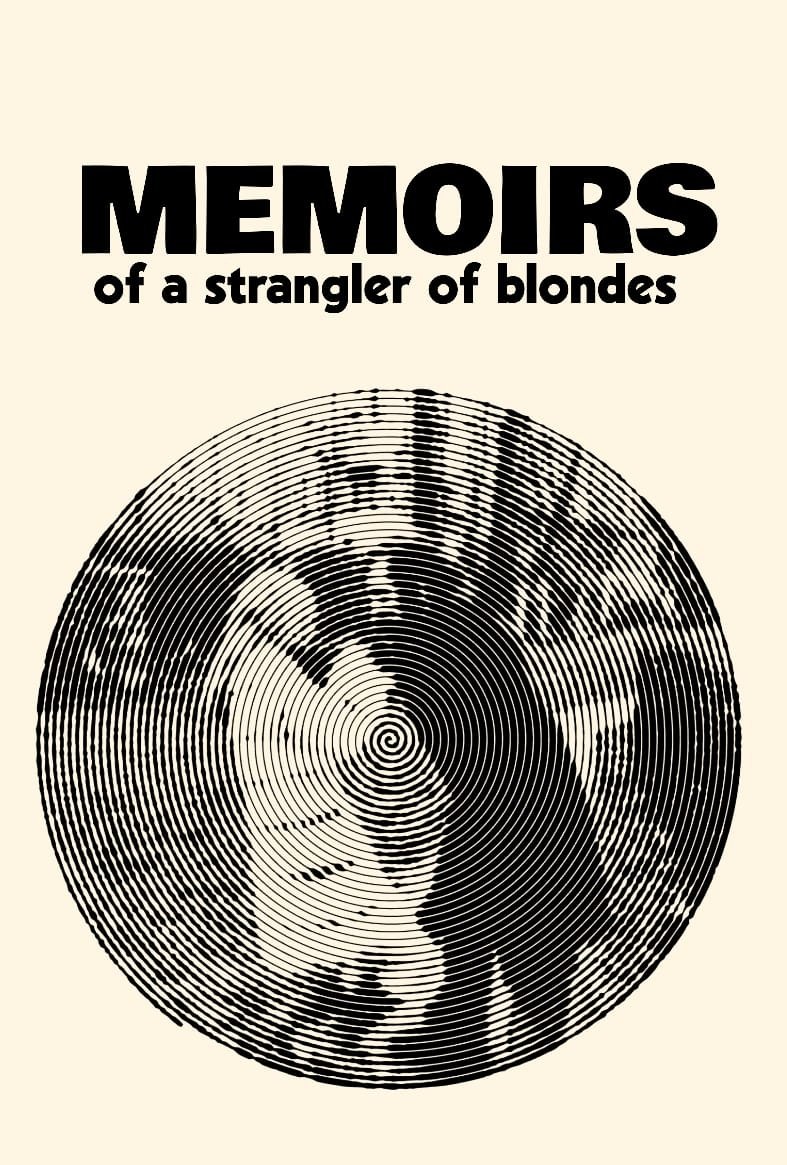
First film by Julio Bressane shot in exile, "Memoirs" is a film about a man who repeatedly kills the same type of woman in same places, the same way. Filmed on the streets of London.
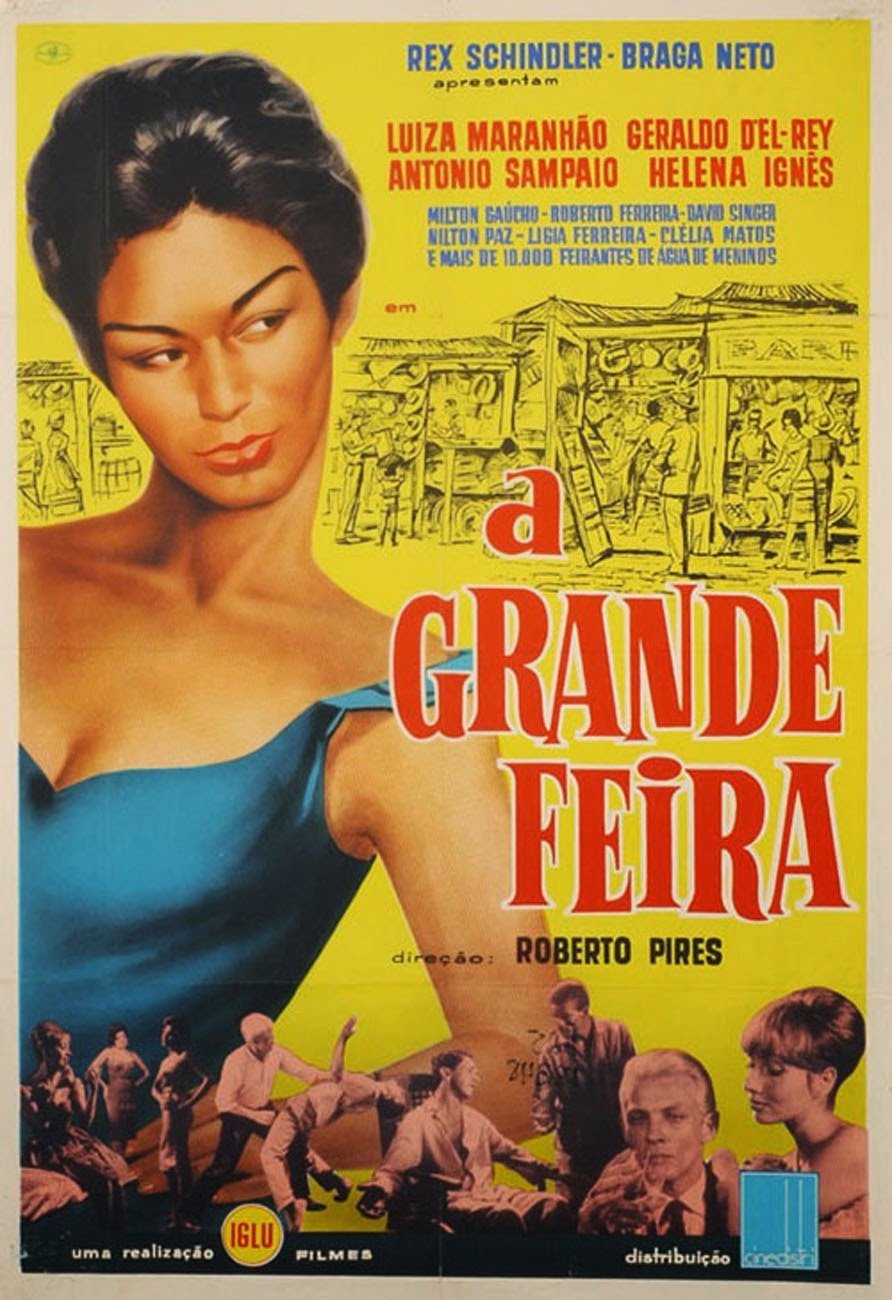
The naive sailor Ron arrives in Bahia to visit the famous Água dos Meninos street market. There, however, he is passed behind by the prostitute Maria, lover of the bandit Chico Diabo, who stabs him. He, however, can't forget her.
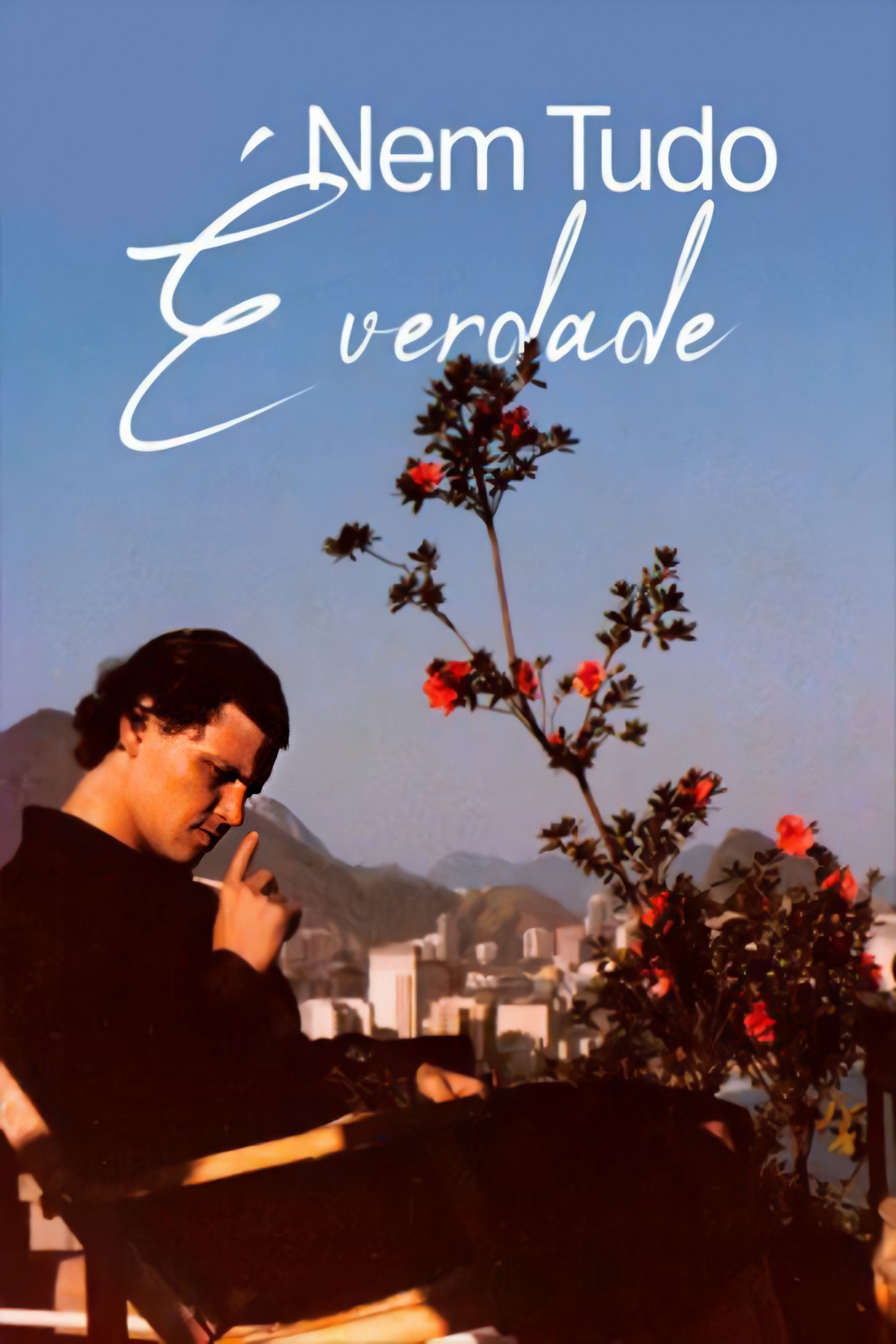
Orson Welles goes to Brazil to shoot his documentary It's All True.

Two days in the life of André Provisório, a man with many occupations: private detective, drug dealer, and incorrigible seducer. Between his activities, he meets Mariana, an aspiring theater actress, and falls in love.
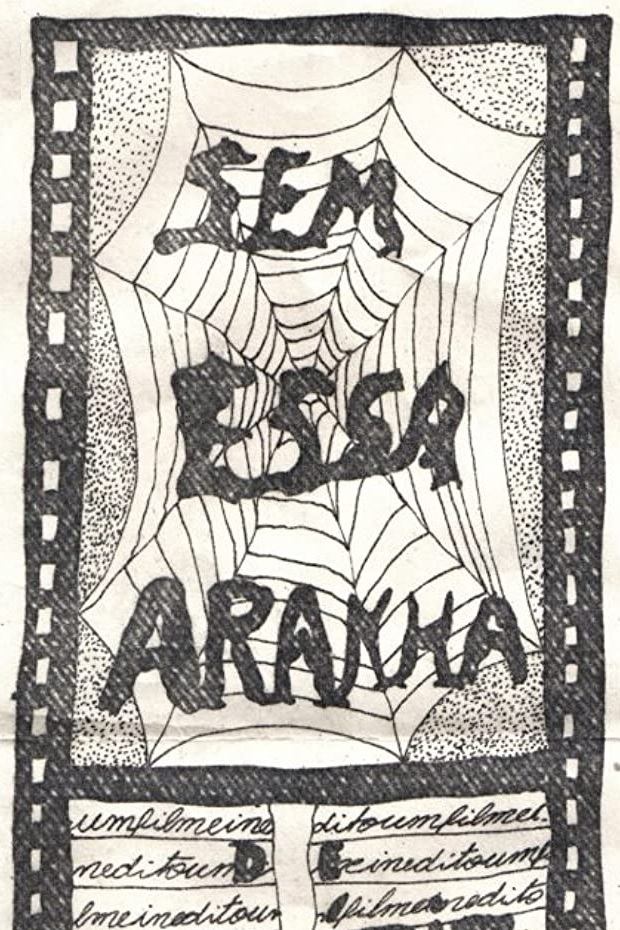
Spider, a banker, lives with three women. This tycoon is a caricature of Brazil's bourgeoisie, his trajectory is the starting point for an essay on the mental underdevelopment of Brazilian elites, in which black humor sets the tone for sharp criticism.
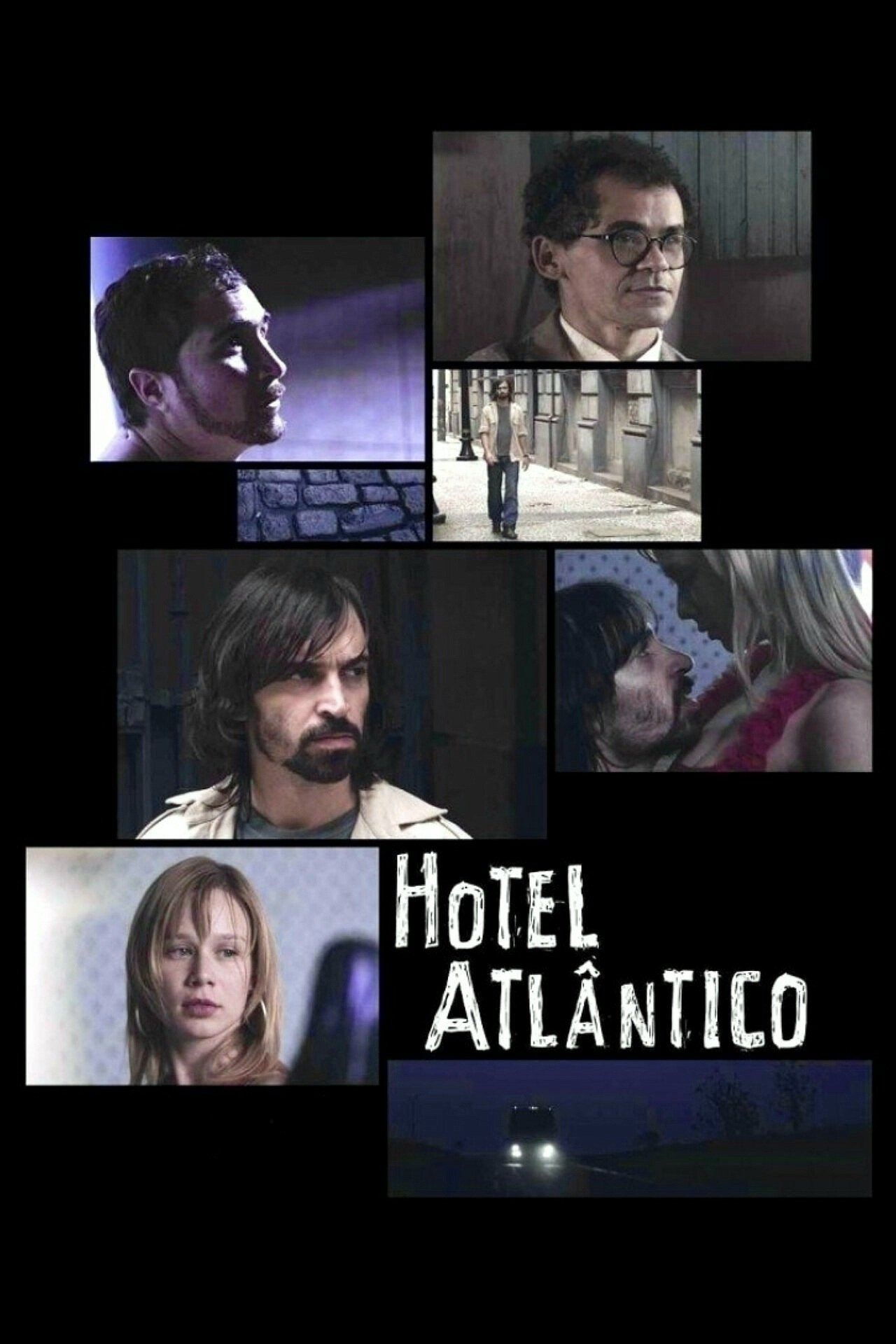
A road movie that follows a solitary man as he sets of on a journey to the south of Brazil. The strange characters and absurd situations he encounters along the way present an extraordinary portrait of human relations.
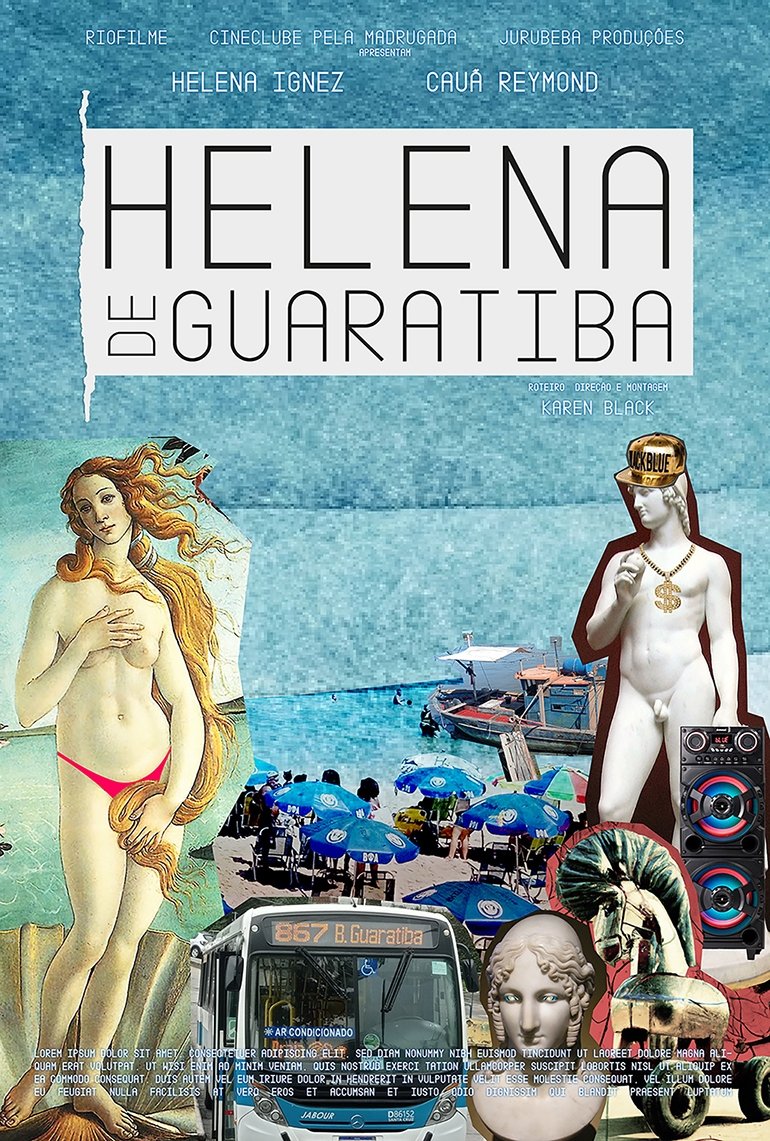
Hated by the Greeks, detested by the Trojans, Helena lives a peaceful life in Guaratiba, a fishing neighborhood in Rio de Janeiro. Until love knocks on her door, bringing back ghosts from her past.
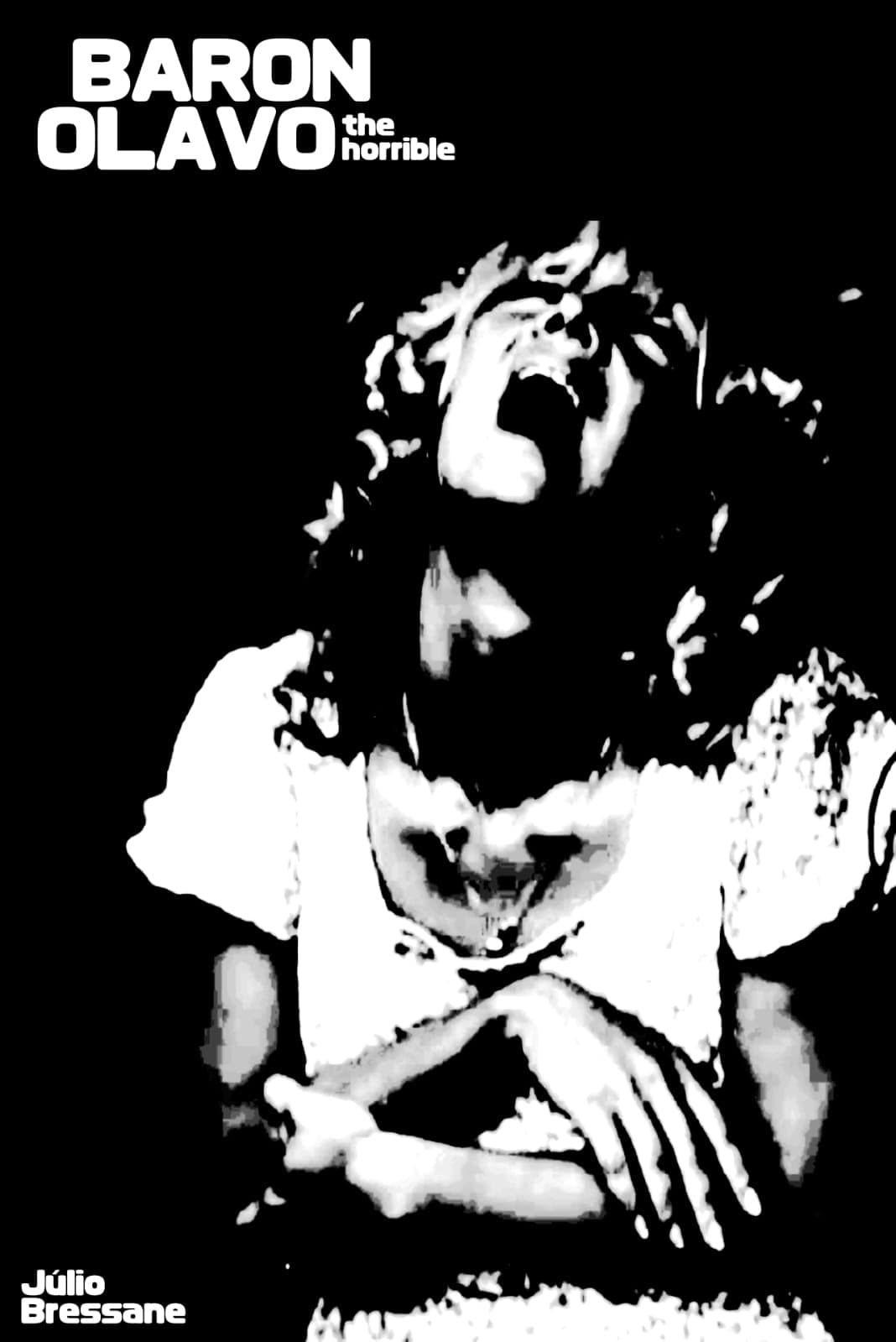
Bressane’s first color film, shot in the home of the artist Elyseu Visconti. Part of it is missing sound and final editing because the director was forced to leave Brazil. Horror and humor to deal with the subject of insanity: “In the end everyone leaves the house as though they were laboratory mice escaping, they invade the city and contaminate the world”. “If we talk about horror, this film deals with national horror, with Mojica Marins as an emblem. There might be a few touches of Corman and English horror, but it is another level of horror. What transformed the film was the location where we were shooting, the house of a 19th century painter, a receptacle of light. When I arrived and saw that house, that light, I said: ‘This is the film. This is the horror’. The meaning of the film, its appeal, derives from this laboratory of light” (J. Bressane). — Torino Film Festival
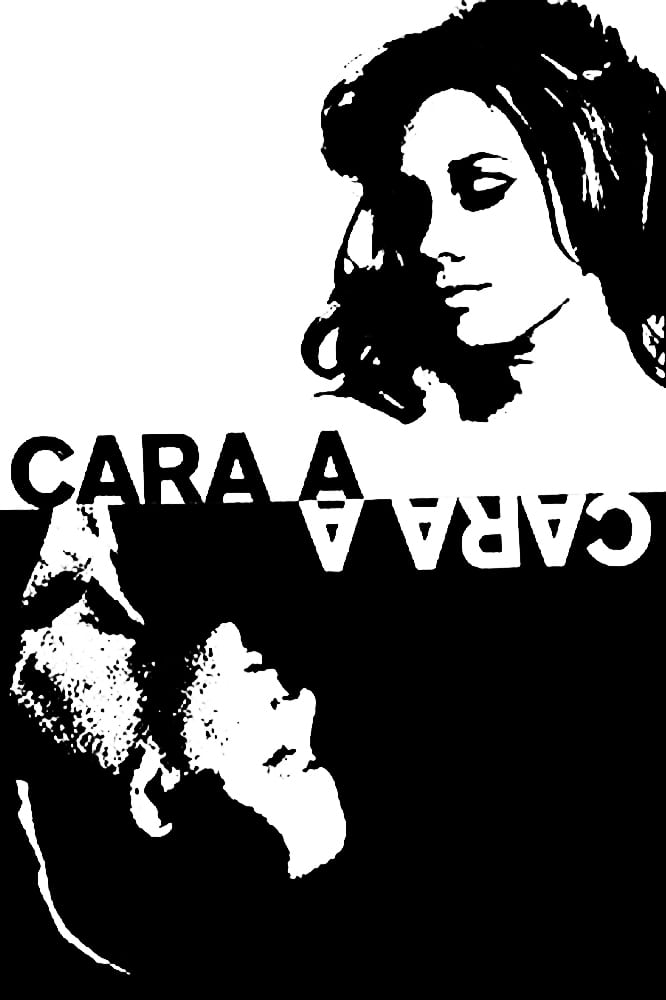
The story of a civil servant who lives with his elderly mother. Falling in love with a corrupt politician's young and rich daughter, he abandons himself to crazy and violent situations.

Elias sees his world threatened when his ex-wife, one recovering junkie, asks for the guard of their son. Fito is in desperation for losing his father because of Elias. Isis, who hides in a vagabond hotel, can be the salvation for Fito and Elias.
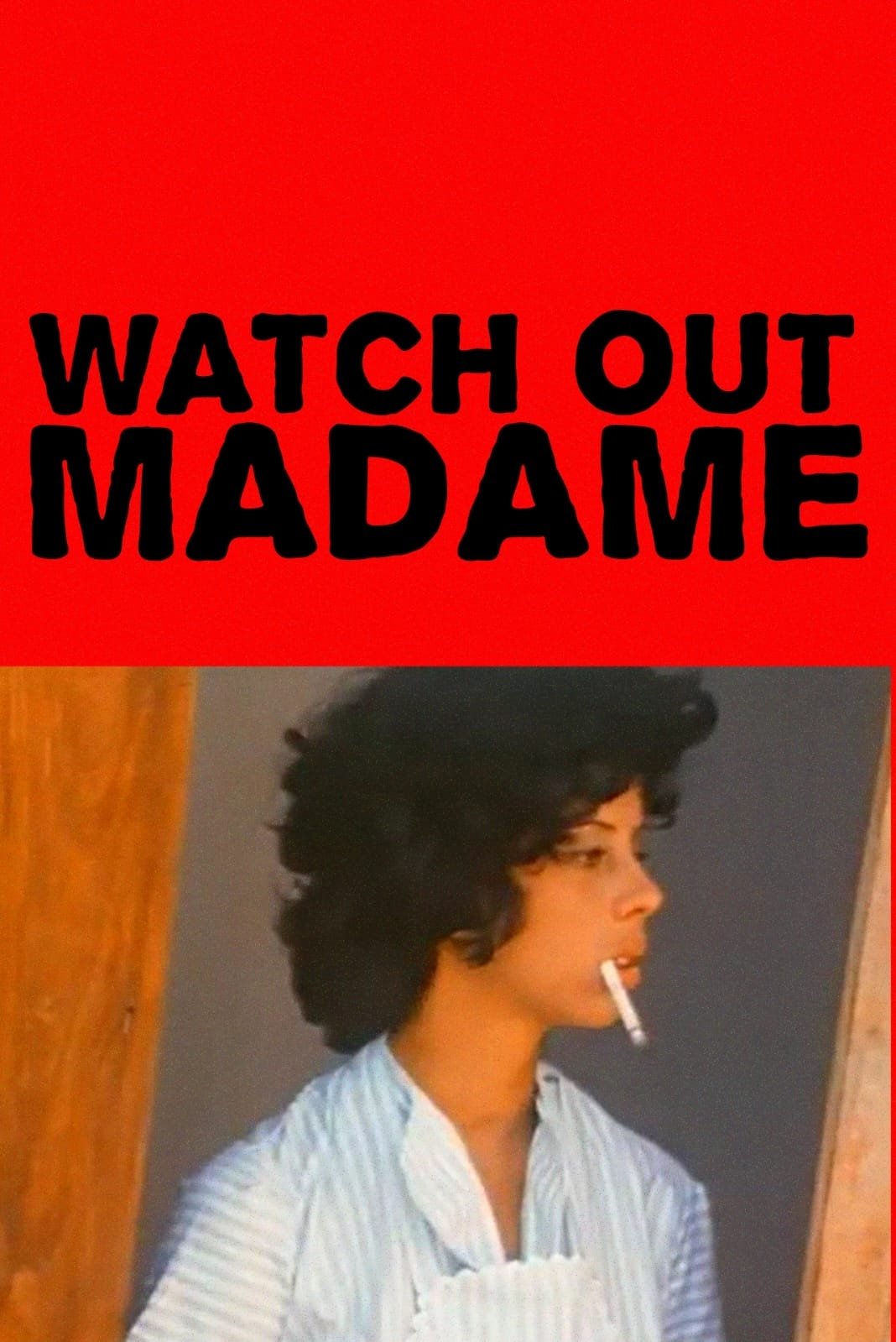
Two maids decide to rebel against the society that oppresses them and start murdering their own mistresses.
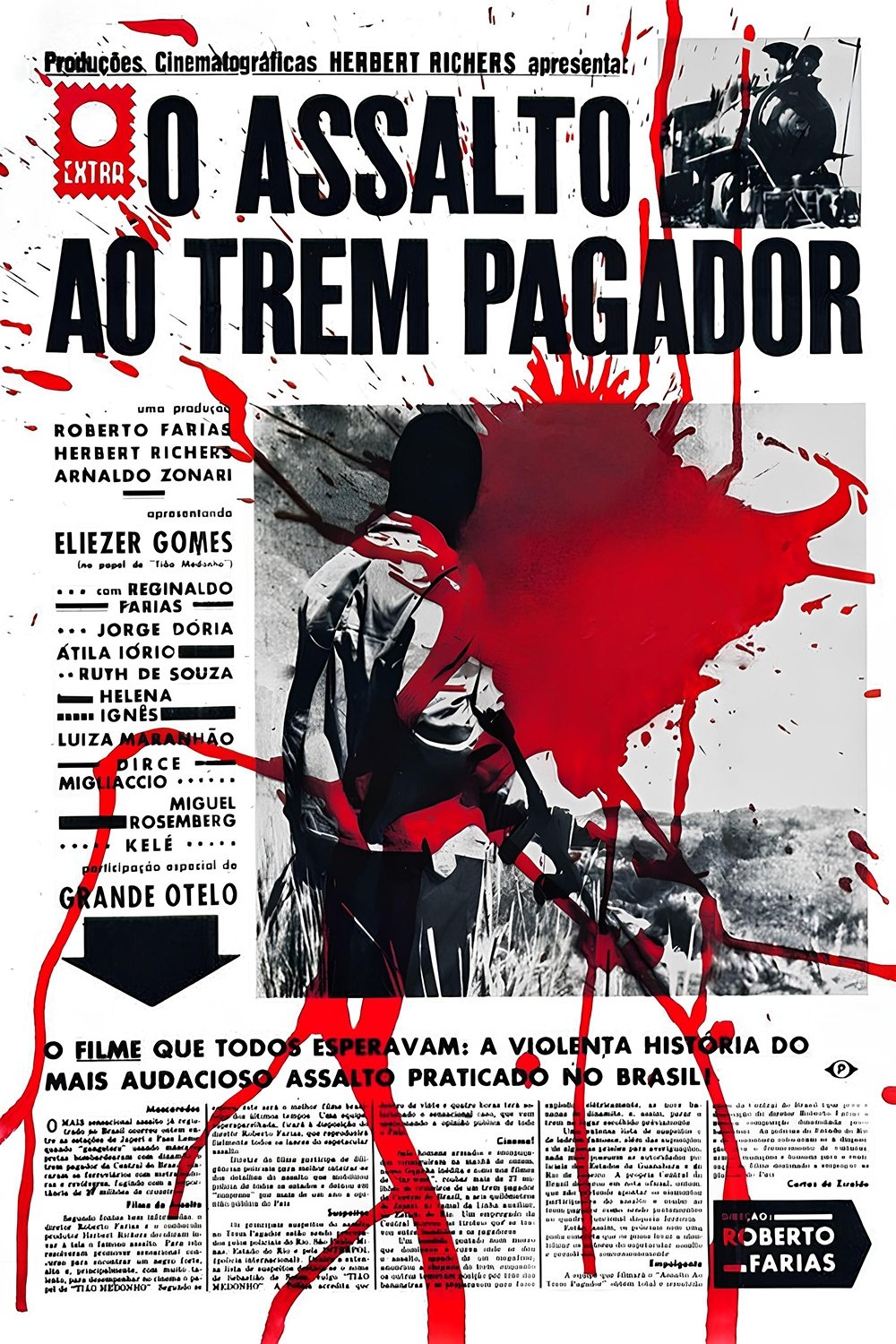
Based on true events in Rio de Janeiro, in 1960, when a gang having the infamous outlaw Tião Medonho as a leader performed a sensational railroad hold-up on a train carrying a small fortune.

Close to turning forty and away from his job as a librarian due to depression, Marcos needs to take care of Baby, his sister's pet dog. Isolated in an apartment in the city center, Marcos relies on the support of analyst Dr. Juliana R., who sees him in therapy sessions. Together, they look for ways to deal with the grief over the death of his ex-boyfriend, Pedro, and the arrival of a new love, Gabriel. Baby, a special hairless dog of Aztec origin, will redefine his relationship with the world of the dead and the living as well.

They live, they act, they love. Today they remember, they relive, they live through cinema and life.
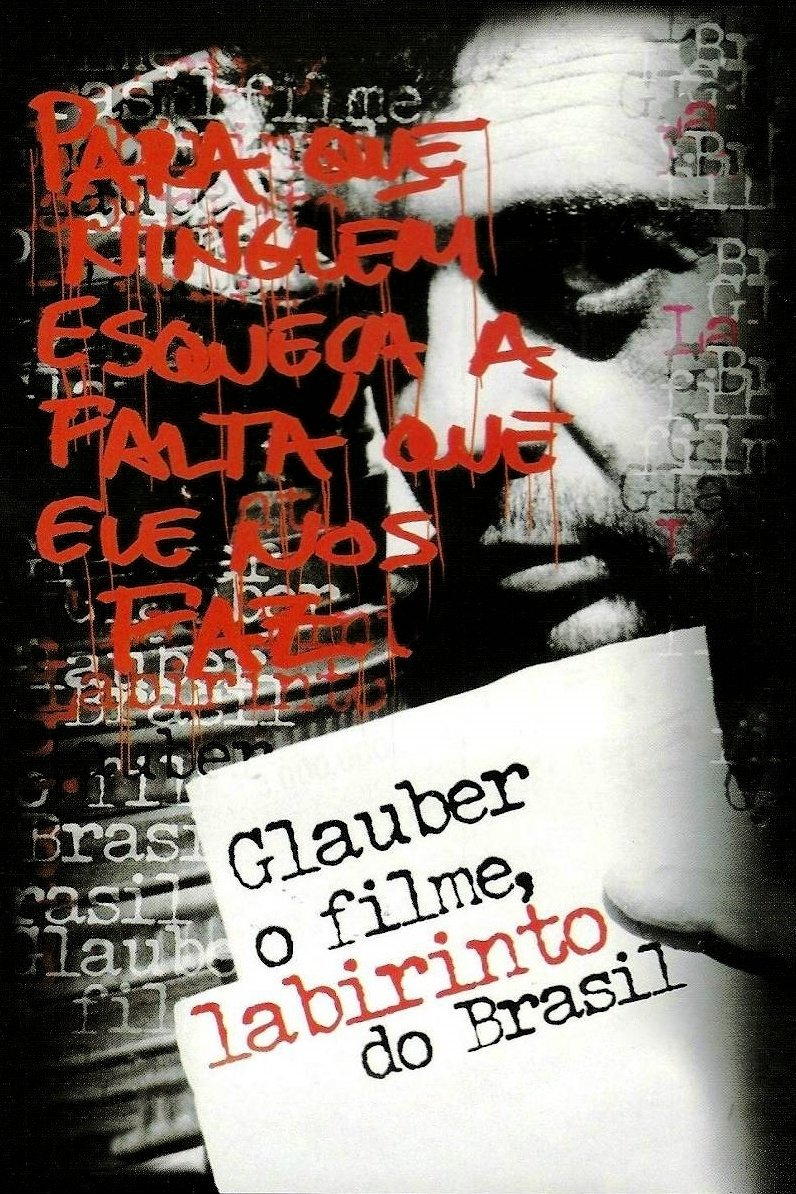
Documentary about Brazilian filmmaker Glauber Rocha, one of the most important names in the Cinema Novo, with interviews with some of his friends and colleagues.

Filmed over six years in four countries: Portugal, Brazil, Colombia and United States, this romantic drama tells the story of Luzia, a Brazilian screenwriter, and Adrian, a Colombian actor, that fall in love during a film festival in 2009 and will live a fragmented love story while competing in different film festivals around the world.
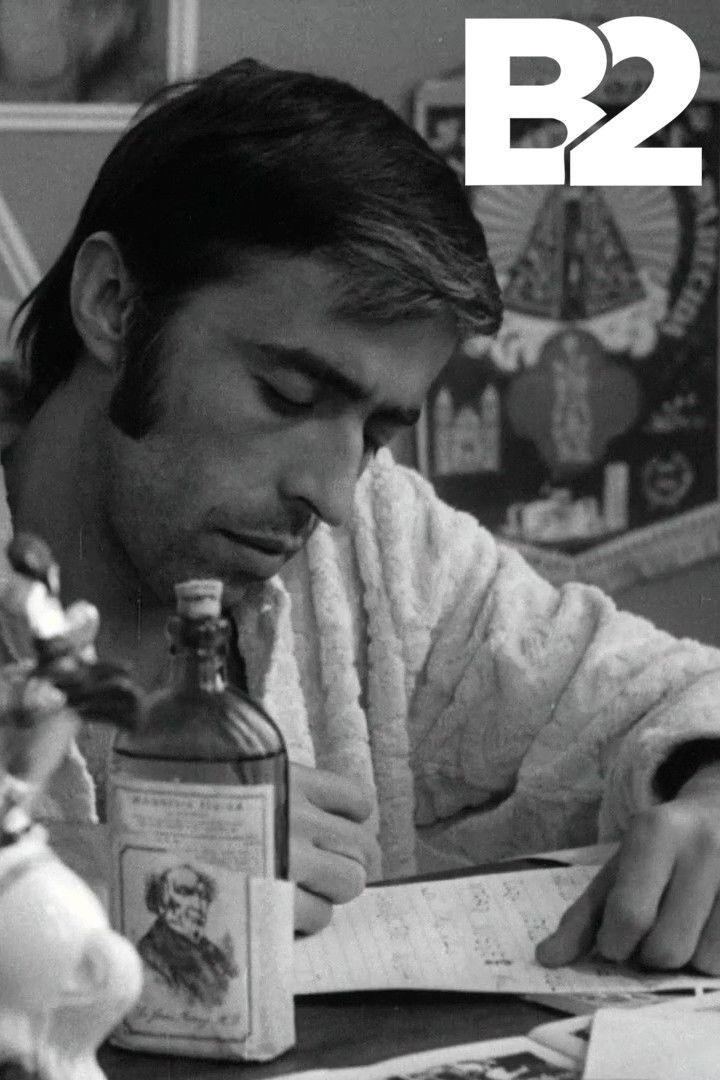
A short film made with unused footage from The Red Light Bandit and Carnaval na Lama.

The relationship of a woman with three men - her husband, her lover and a man who fell in love with her -, told in a single night, through flashbacks
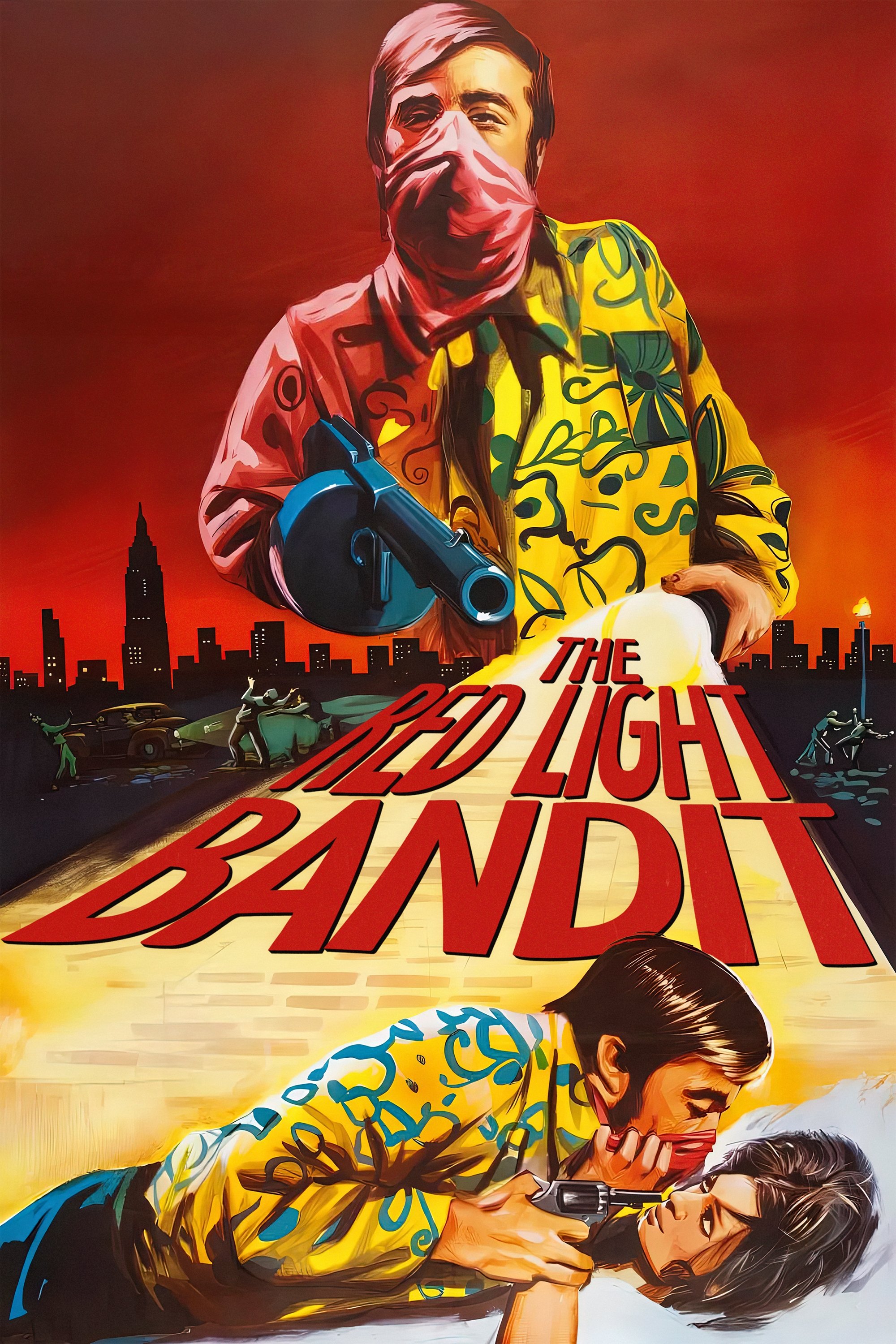
Born and raised in the misery of Brazilian slums, Jorge becomes a luxury house burglar in São Paulo and gets nicknamed "The Red Light Bandit" by the sensationalist press. In addition to wearing a red flashlight, he talks to his hostages in an irreverent tone and makes bold breakthroughs to later spend the money extravagantly. His world is the decadent neighbourhood of Boca do Lixo.

Collective film with five segments around the works and life of brazilian writer Oswald de Andrade.

Three artists from São Paulo - Leda Catunda, Leonilson and Ciro Cozzolino - talk about their work and the rebirth of painting through pop, conceptual art and graffiti.

In rural Brazil, villagers battle wealthy land barons for the sake of their own survival.

Topless muse in Rio de Janeiro, Ana Paula Nogueira uses the ban on bare breasts and her story to debate freedom and feminism in the city that exported thongs and which has the false reputation of being libertarian.

70 years ago, a visionary management in education and culture as a political strategy for the dissemination and development of Bahia gave rise to an artistic vanguard that still impacts Brazilian culture today.
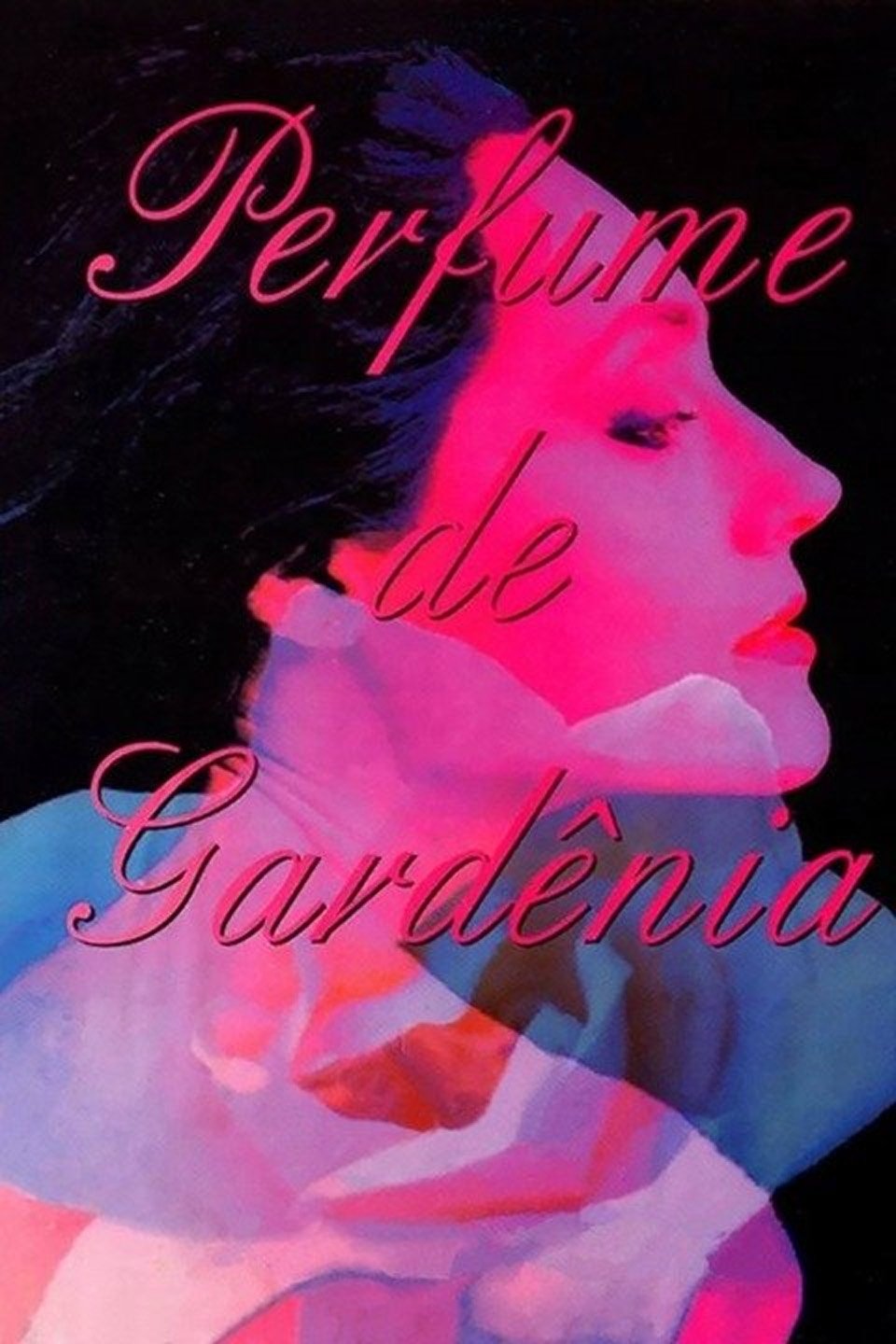
Daniel is a taxi driver who’s married to Adalgisa. When she starts acting in low-budget movies, he forbids her from seeing their son, Joaquim. For more than a decade, Daniel nurtures a feeling of revenge for his ex-wife, which gains strength when their now adult son finds his mother in full professional decay.
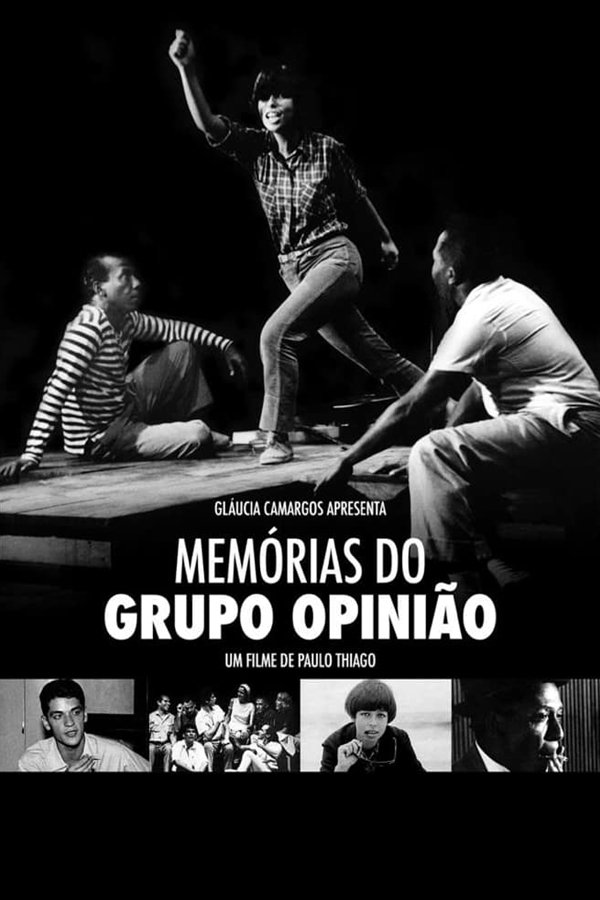
Follows the story of Opinião, a theatre group created in 1964 during the early Brazilian dictatorship period to oppose the government through artistic performances. Considered the first left-wing response to the dictatorship, the group gathered now famous Brazilian artists such as Nara Leão, Maria Bethânia, João do Vale and Millôr Fernandes.
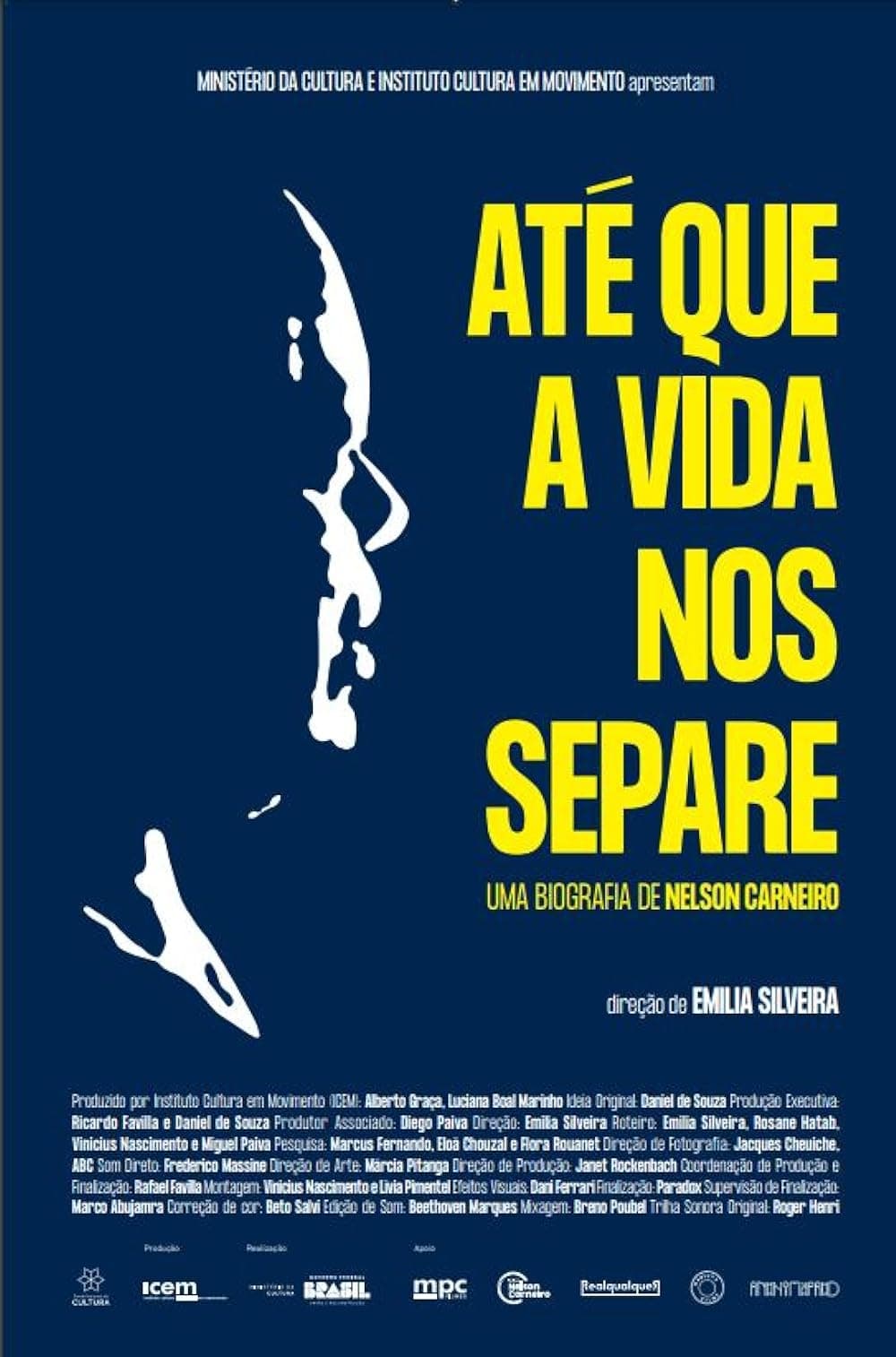
In 2018, Brazil’s 1988 Constitution turned thirty. Known as the Citizen Constitution, it was a landmark in the history of Brazil, the outcome of across-the-board engagement of society in its preparation. In Congress, the parliamentarians best known for their involvement in this initiative were names that are still familiar today in Brazil’s political history: Ulysses Guimarães, Teotônio Vilela, Tancredo Neves and Nelson Carneiro.

Brazilian director Julio Bressane directs this religious biography on the life and work of Saint Jerome, the monk who first translated the Bible into Latin. Set both in the desert and in the posh confines of the Vatican, Jerome (Everaldo Pontes) agonizes over which Latin word would best fit its Hebrew counterpart. ~ Jonathan Crow, Rovi
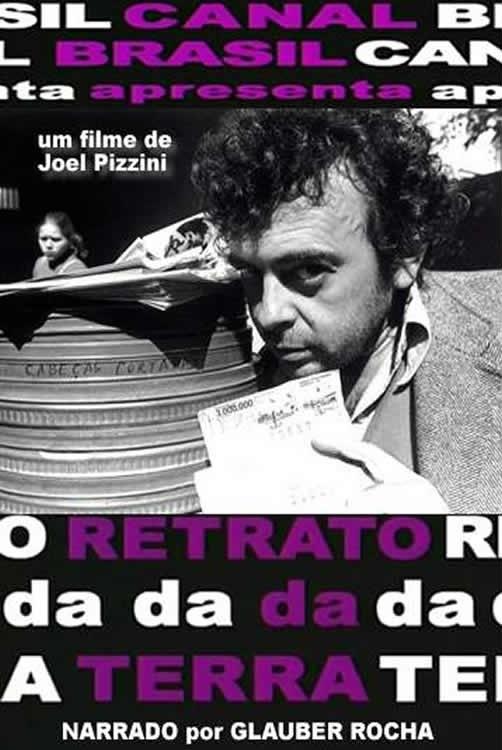
Rogério Sganzerla’s lost film. The only existing copy was lost in 1992 and the negatives are lost. It tells about the history of Betty Bomba, an exhibitionist woman.
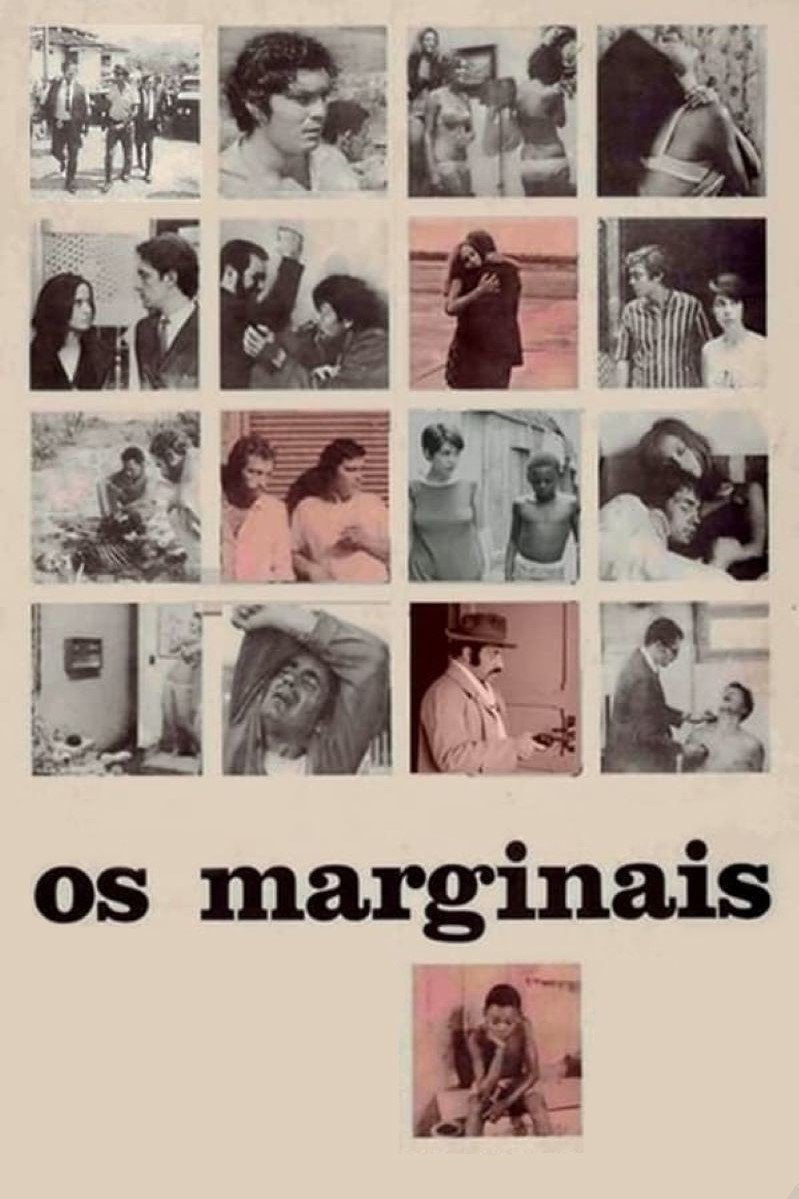
Guilherme, who has the police on his trail for having been involved with a niece of the mayor of his city, runs away with the girl after receiving threats. On the other side is "Papo Amarelo": a bandit from Rio de Janeiro who spends the rest of his problematic life acting in robberies.
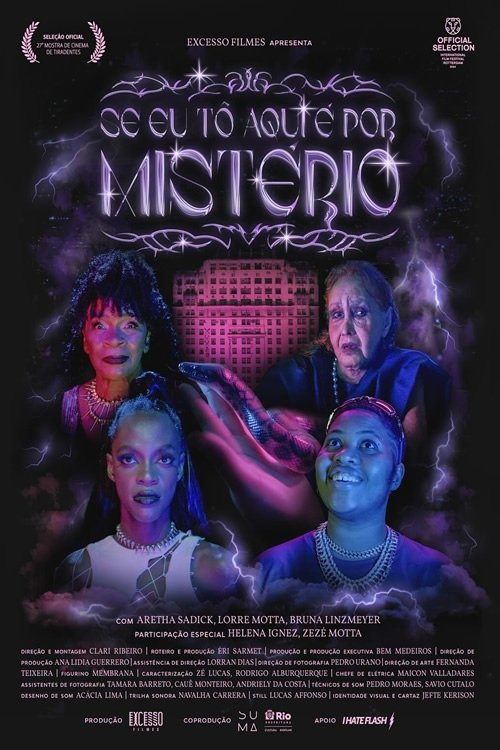
New Rio, 2054 AD. The Order of Truth wreaks havoc on the streets, killing every being that has special powers. Renowned witch Dahlia is determined to beat the Order and assembles a clan of trans and queer people, each with their own supernatural talent. The fate of the city is in their hands.

At 84 years of age, Lúcia Rocha admitted herself to a hospital in São Paulo to undergo heart tests. Upon receiving the news about the risk to her life, Lúcia, laconic, tells the doctor: 'Then open it'. This is the second time she has undergone bypass surgery. From this gesture, the documentary Abry was born (with y, sign of the unconscious, according to the nomenclature invented by his son, Glauber Rocha). To relate her memories, she invites filmmaker Joel Pizzini, who offers his mini camera as an instrument to amplify Lúcia's imagination. Abry is a poetic dive into Lúcia Rocha's fabulous universe, reconstructing her trajectory in Brazilian cinema through sounds, images and characters with whom she lived closely.

For this behemoth, Bressane took his opera omnia and edited it in an order that first adheres to historical chronology but soon starts to move backwards and forward. The various pasts – the 60s, the 80s, the 2000s – comment on each other in a way that sheds light on Bressane’s themes and obsessions, which become increasingly apparent and finally, a whole idea of cinema reveals itself to the curious and patient viewer. Will Bressane, from now on, rework The Long Voyage of the Yellow Bus when he makes another film? Is this his latest beginning? Why not, for the eternally young master maverick seems to embark on a maiden voyage with each and every new film!
Young directors are filming “The Exhibitionist” in the middle of a farm in a paradise-like region. The film poetically investigates the Brazilian soul, with the Amazon as the center of the world, reflecting on existential issues, the right to sexual freedom and individuality.
A documentary on prolific underground Brazilian filmmaker Rogério Sganzerla.
A short documentary on Belair, an independent Brazilian film company that lasted for only five months in 1970.
The painter Tino, in professional and political crisis, receives a telegram from his mother-in-law, Selma, announcing her return from Europe. After his wife's death, Tino continues living with Selma, with whom he had ambiguous relations, which he now wants to sever. Weak at this impossible love, he asks the maid Enedina to lock him in his room. There, he revives memories through letters, notes and photographs. Selma's son João is waiting for her at the airport and dreams of loving fulfillment in his own mother's arms.
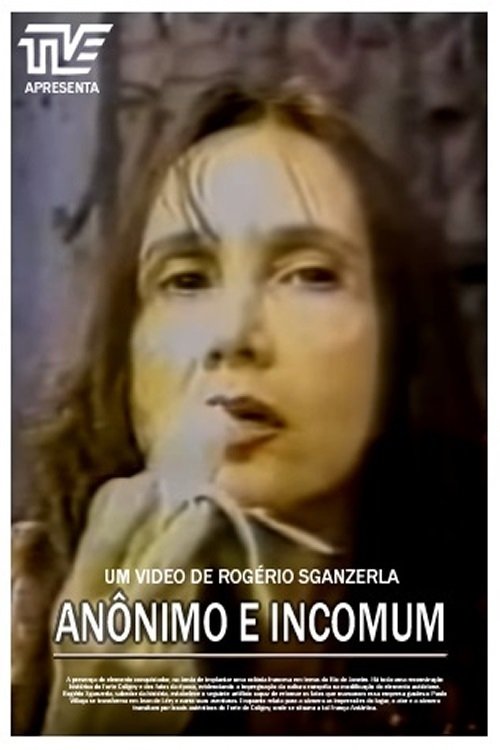

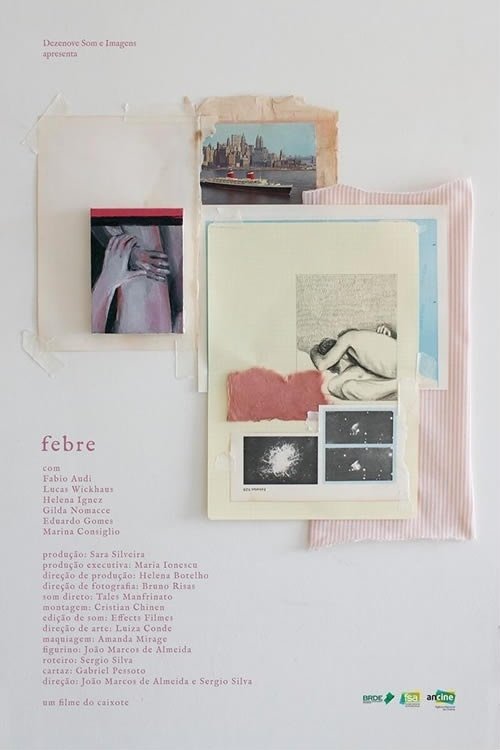
Marcos returns home after a few years away.
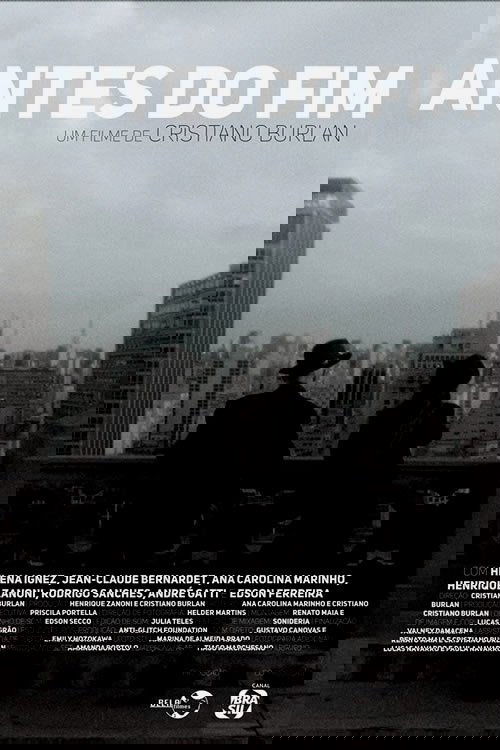
Jean feels trapped in the logic of longevity that the pharmaceutical industry imposes on him and decides to plan a conscious suicide. He invites Helena to commit suicide to two. She, on the other hand, hesitates, knows that she will live well even if she needs to live alone, but she helps him in his intentions. The silence between them does not reveal distance, but intimacy. These are years of shared affection. Together, they will prepare all the details for the funeral. He dances death while she continues rehearsing life. In the process, the two realize that before the end, there is still a lifetime.
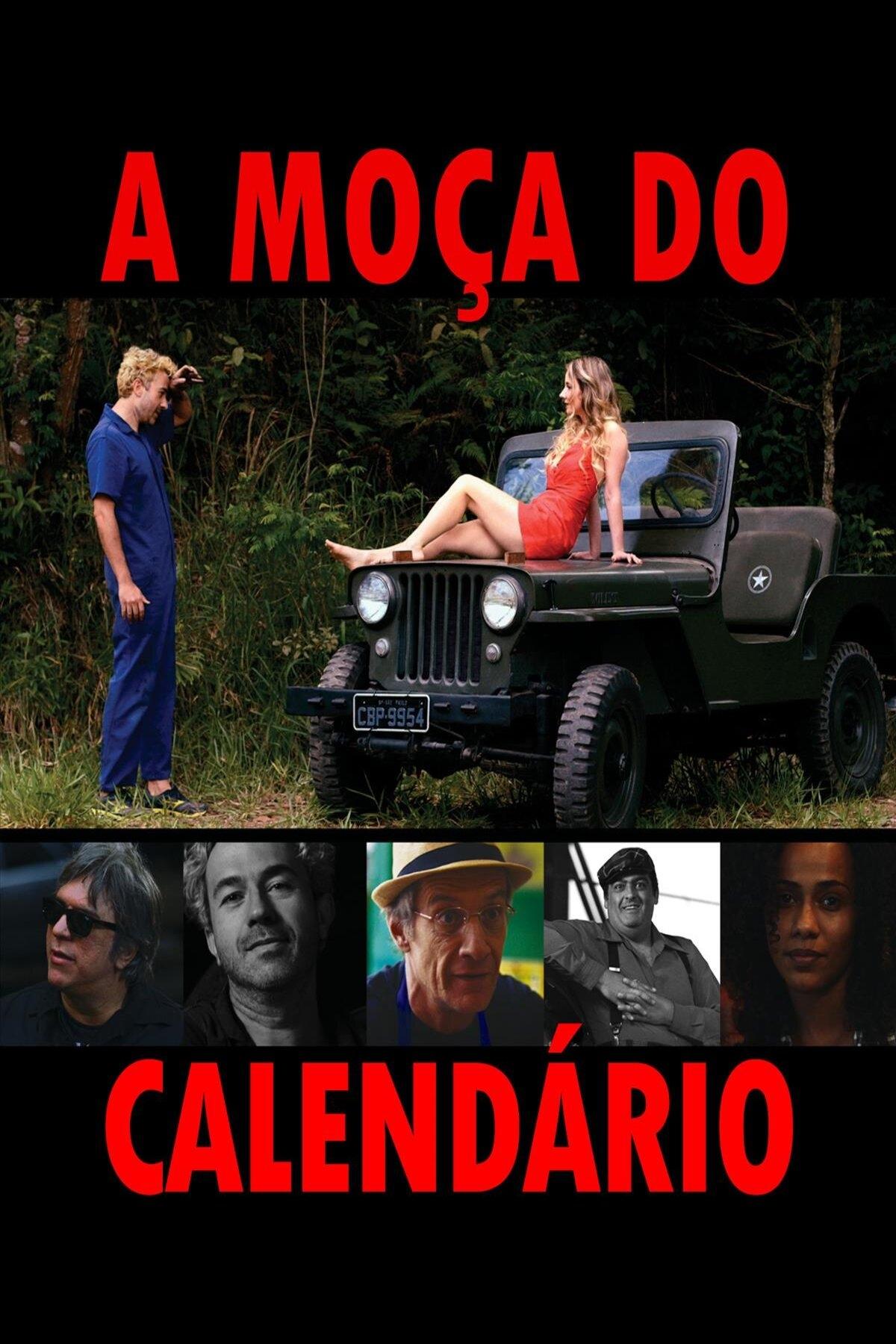
A film in which dream and reality intertwine, A Moça do Calendário tells the story of inácio, 40, married, without a permanent job. Ex-street sweeper, he works as a mechanic at Barato da Pesada, where he dreams of the calendar girl.
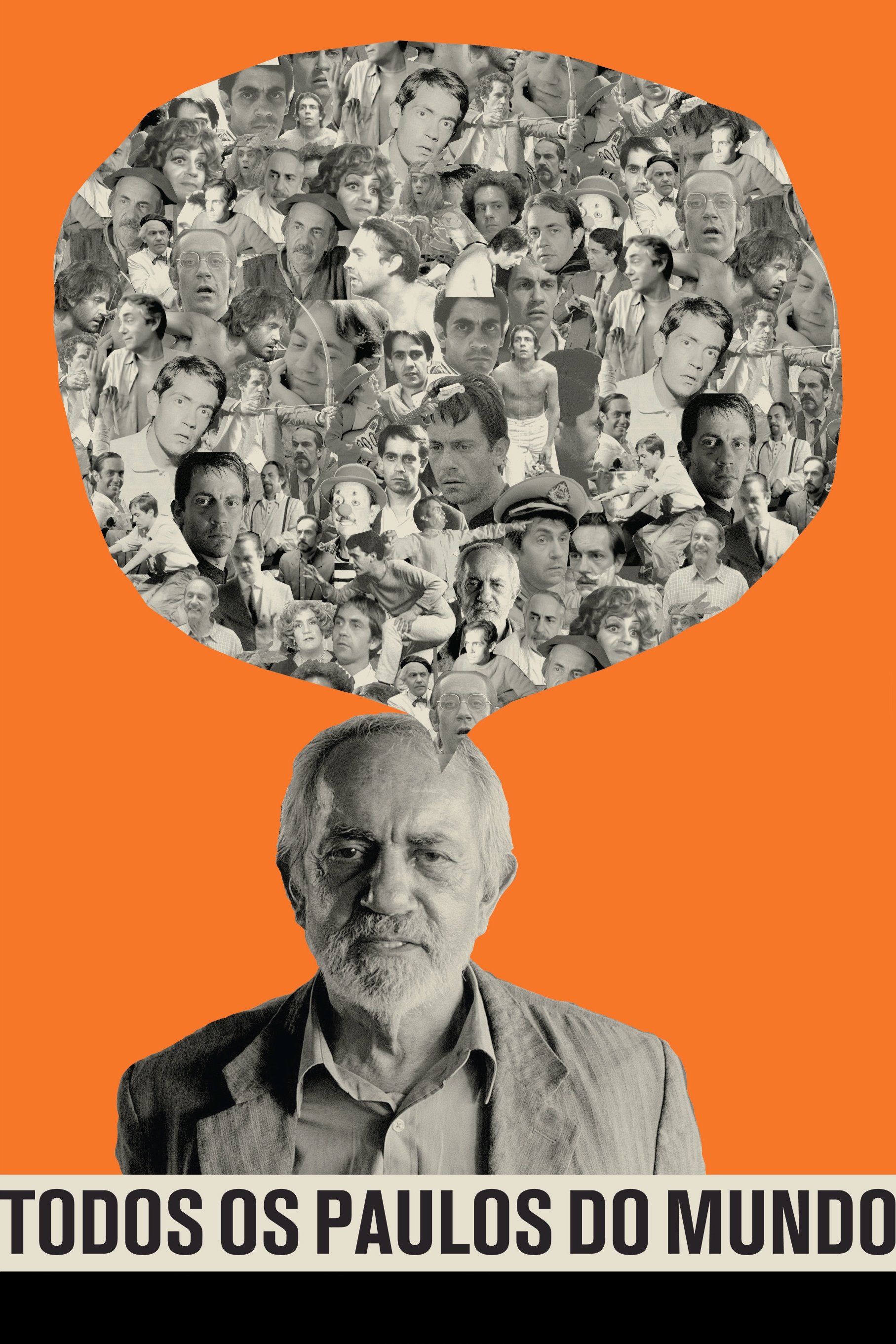
"All Paulos in the World" is a cinematographic essay about Paulo José, one of the greatest artists in Brazil, in the year in which he turns 80 years-old.
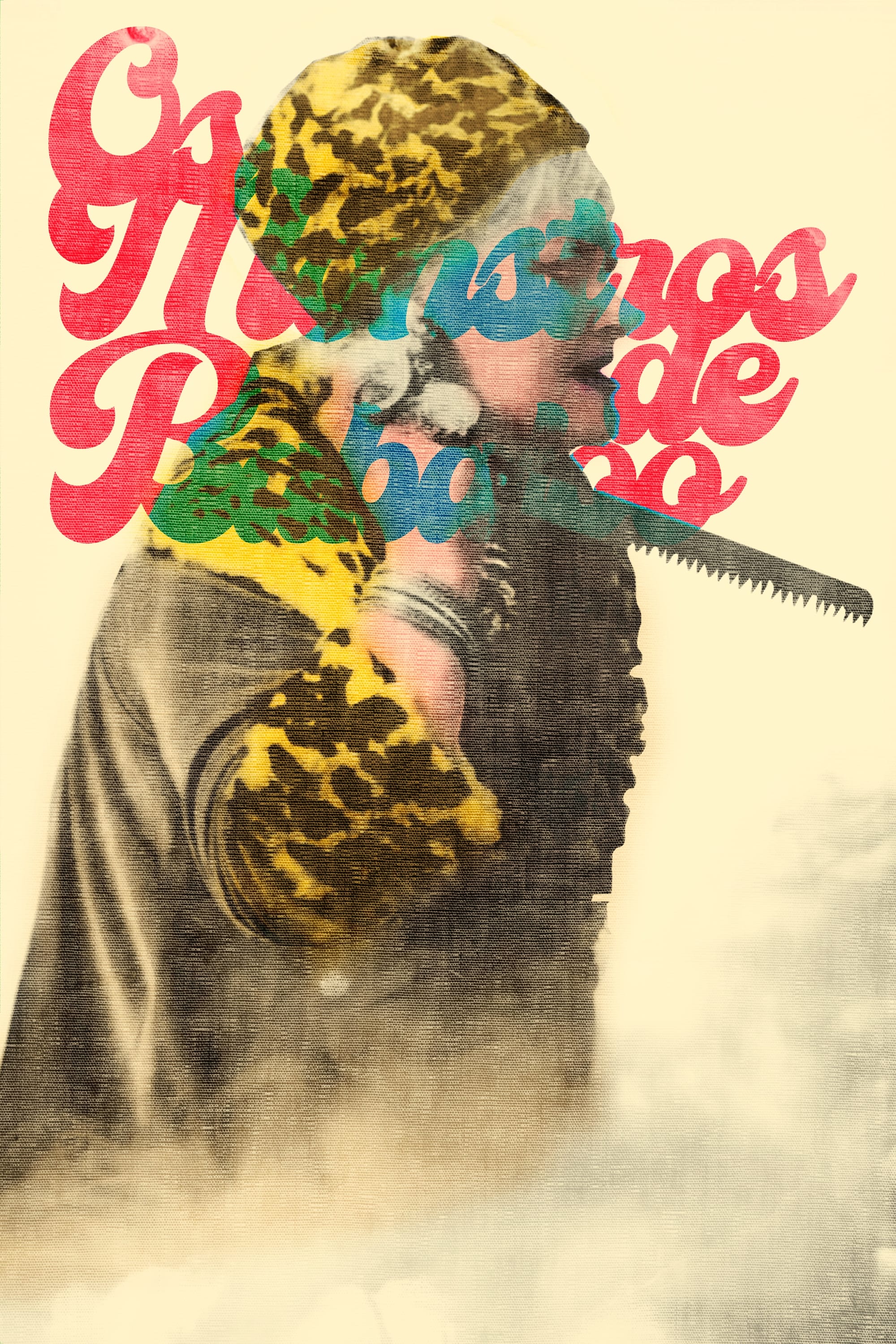
Daily scenes of a grotesque family living in the metaphorical island of Babaloo.
Documentary on famous Brazilian actresses, female directors and the role of women in Brazilian film history.
A fantastic tale in the brutal reality of a slum. The life of a boy with the rare gift of flying. Based on a Will Eisner's story

In this animated fairy-tale Filly, a lesbian fairy with nimble fingers, seduces women by day dressed as a boy. But at night something strange happens and soon half the population of Whatsit Village are eagerly queuing up.
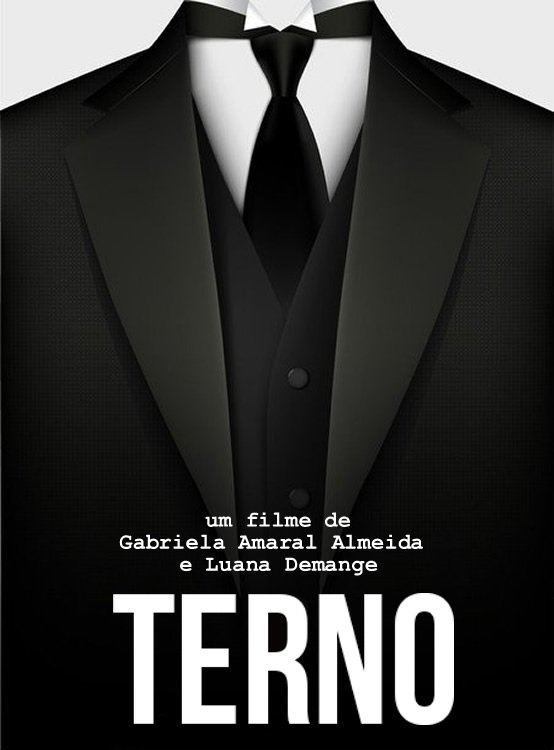
One day away of Marcelo's wedding, the tailor, the groom and his father will have to correct much more than the suit's measures.

A documentary on the restoration of Rogério Sganzerla's 1970 film "Copacabana, Mon Amour".
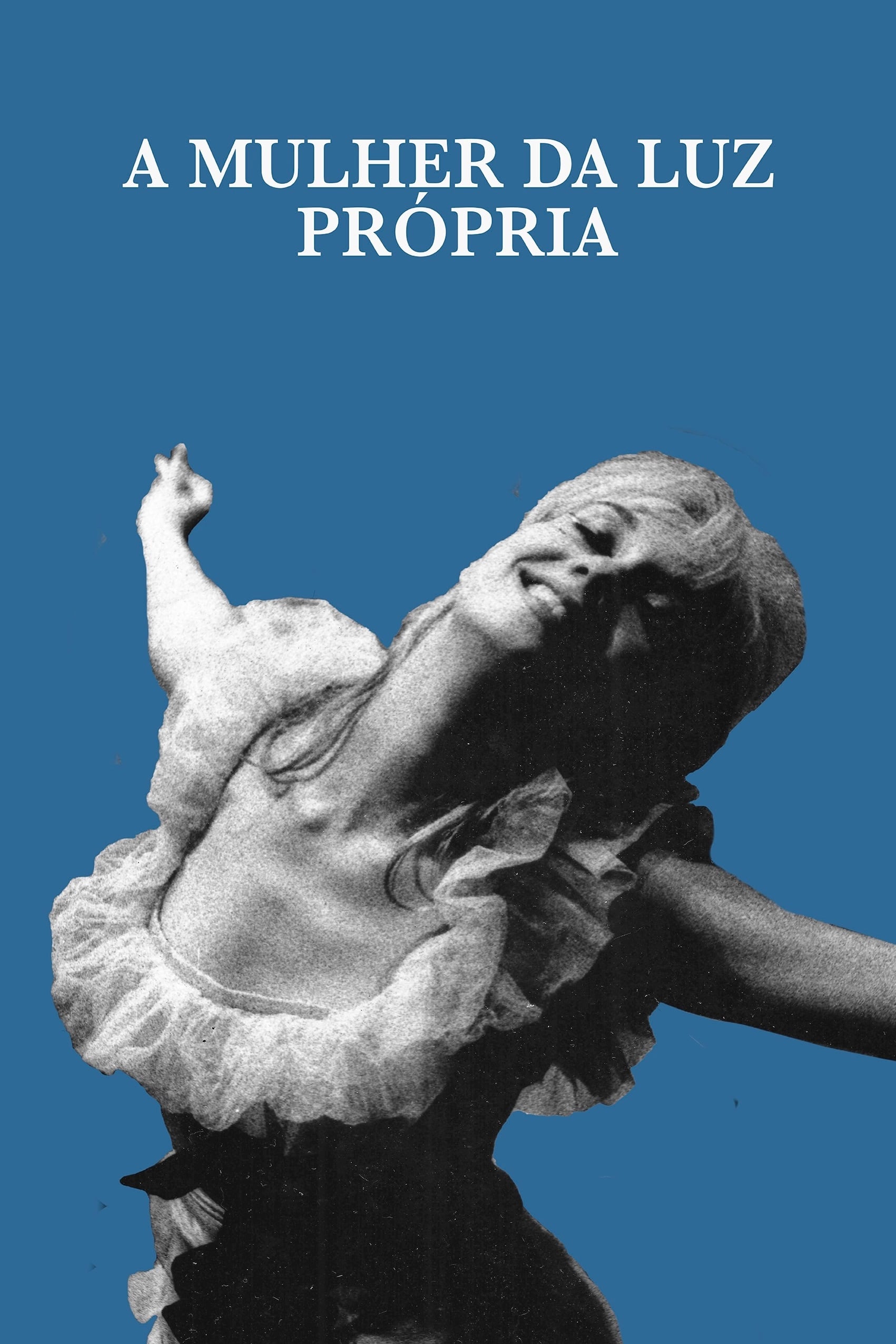
Helena Ignez is one of the main female figures of Brazilian cinema. She developed a new style of acting. Nowadays, she directs independent films. The documentary tells some of the History of Brazilian cinema, its political context and Helena's trajectory.
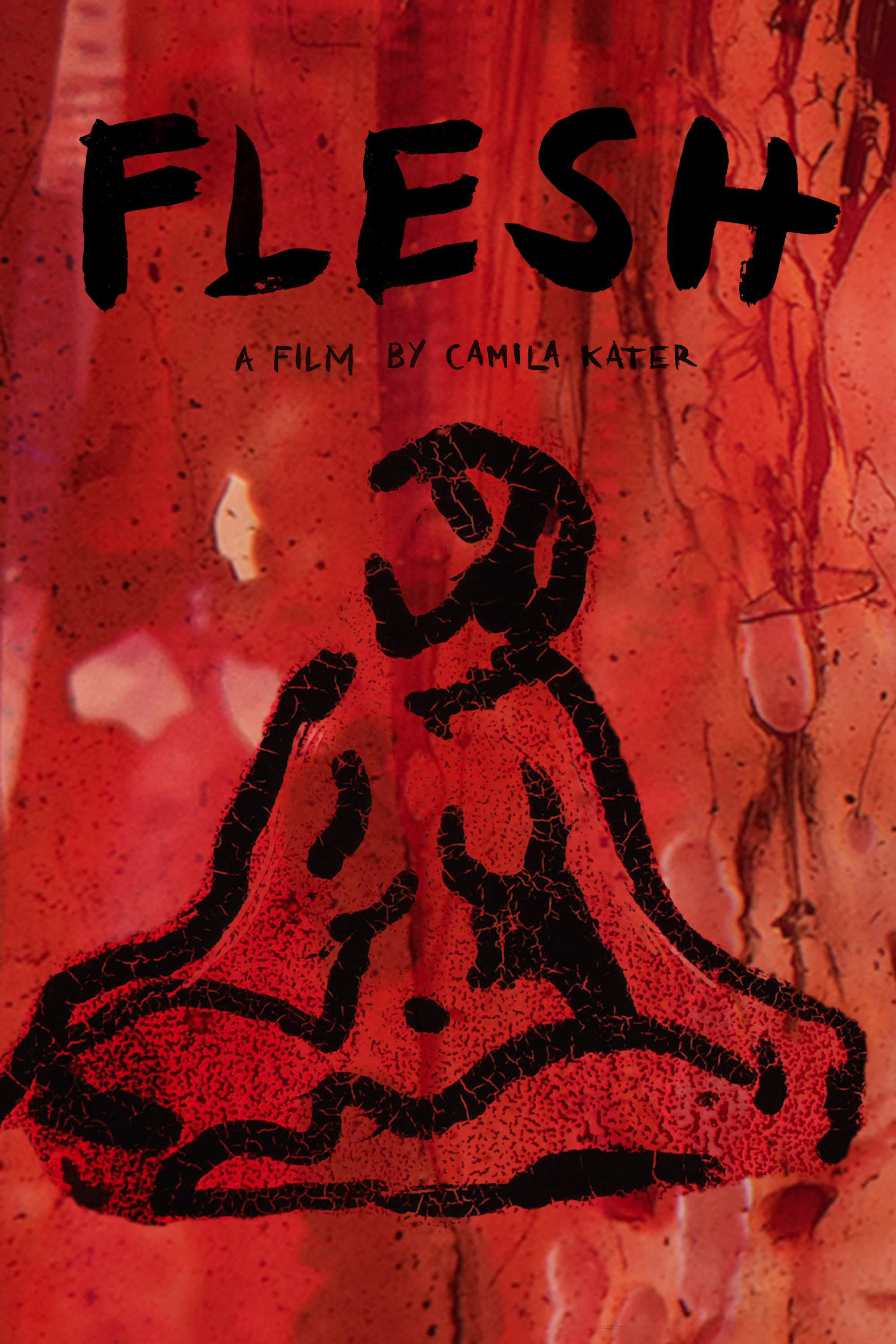
Rare, medium rare, medium, medium well and well done. Through intimate and personal stories, five women share their experiences in relation to the body, from childhood to old age.
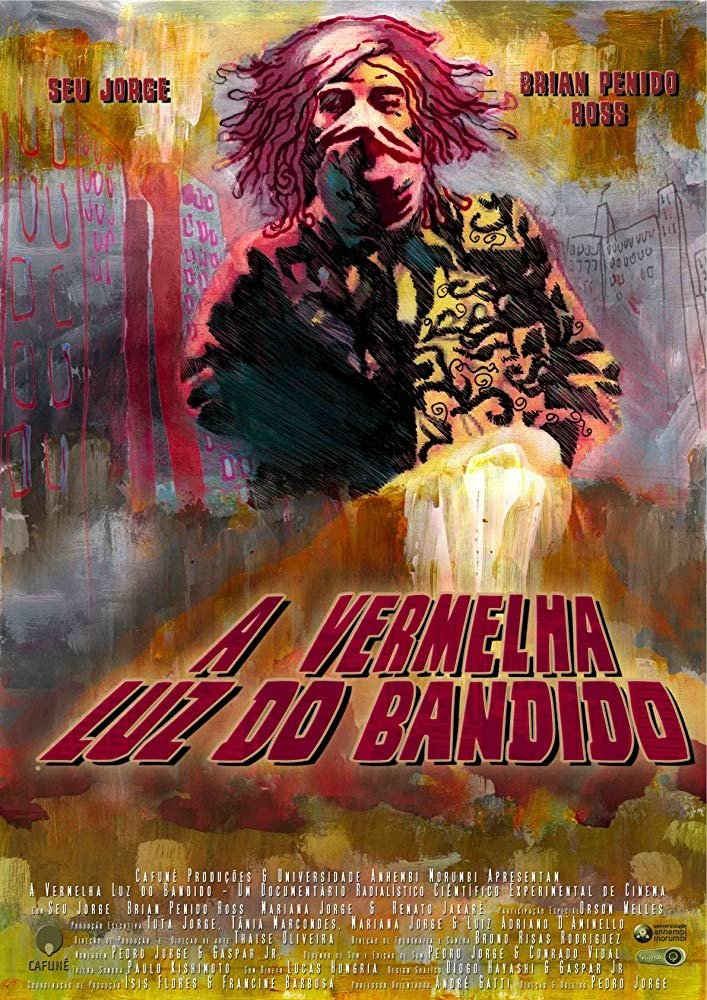
Experimental documentary short that debates over Rogério Sganzerla's Brazilian cult classic "The Red Light Bandit".
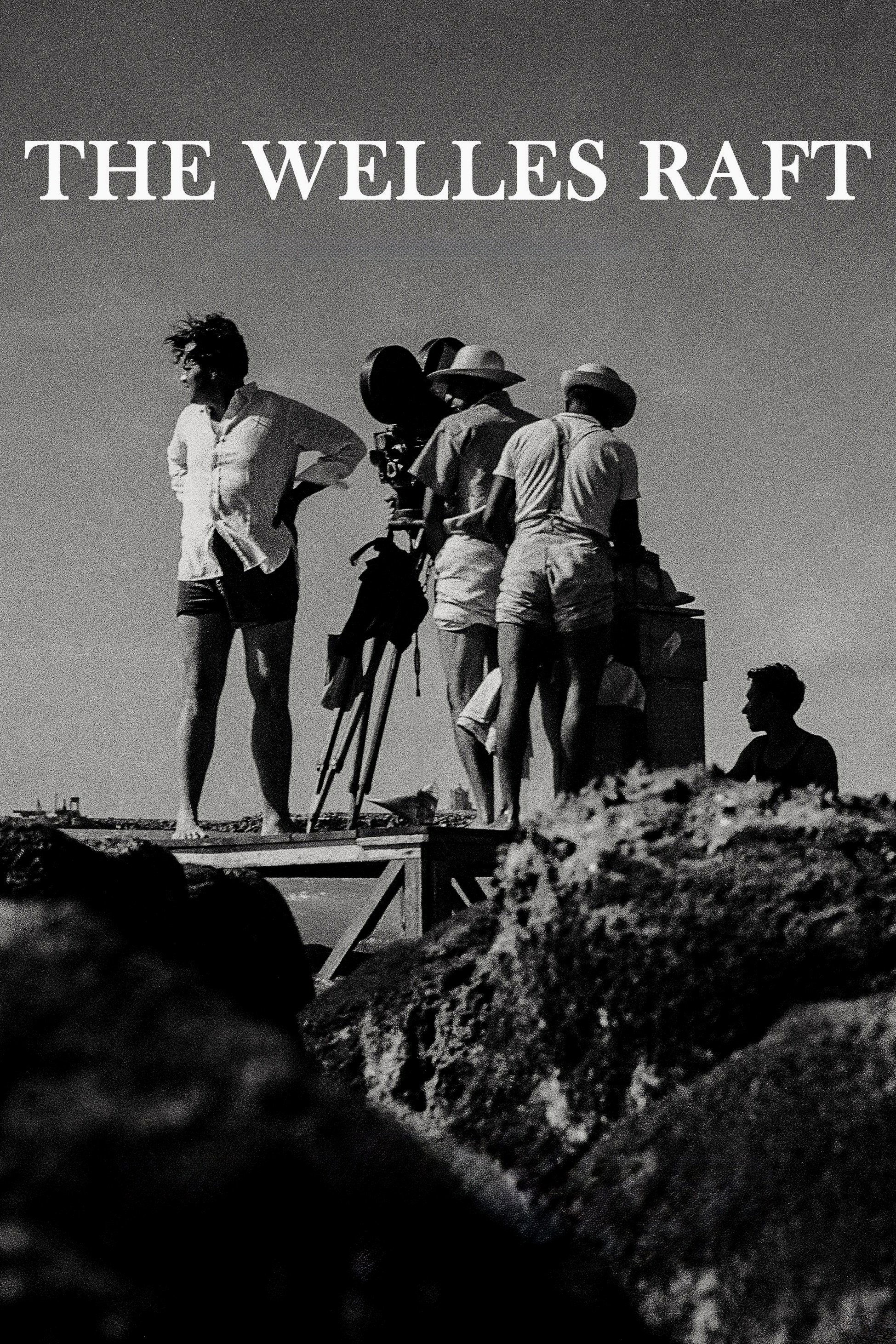
The raft man Manuel Jacaré was swallowed by the sea when Orson Welles was filming It's All True in 1942. The fact evokes memories of the dictatorship of the Estado Novo, of World War II, of Ceará fishermen's struggle for labor rights and housing in their traditional space - target of real estate speculation.
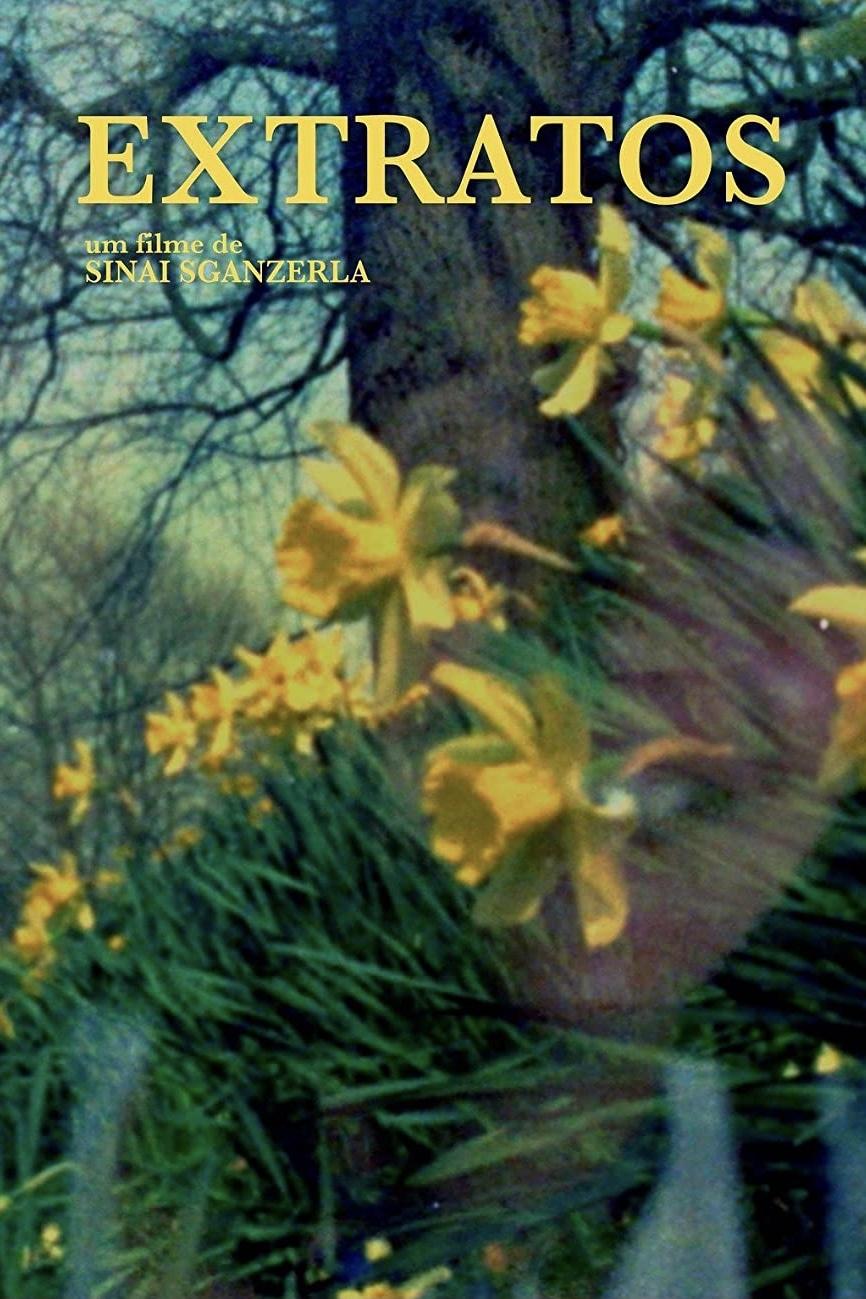
Extracts is a short film with images from 1970 to 1972 in the cities of Rio de Janeiro, Salvador, London, Marrakech, Rabat and the Sahara Desert region. The images were filmed by Helena Ignez and Rogério Sganzerla in exile, in the "leaden years" of the military dictatorship.

Isabel is a babysitter pregnant of her own child and can't wait to be a mother. Until she meets Joana.
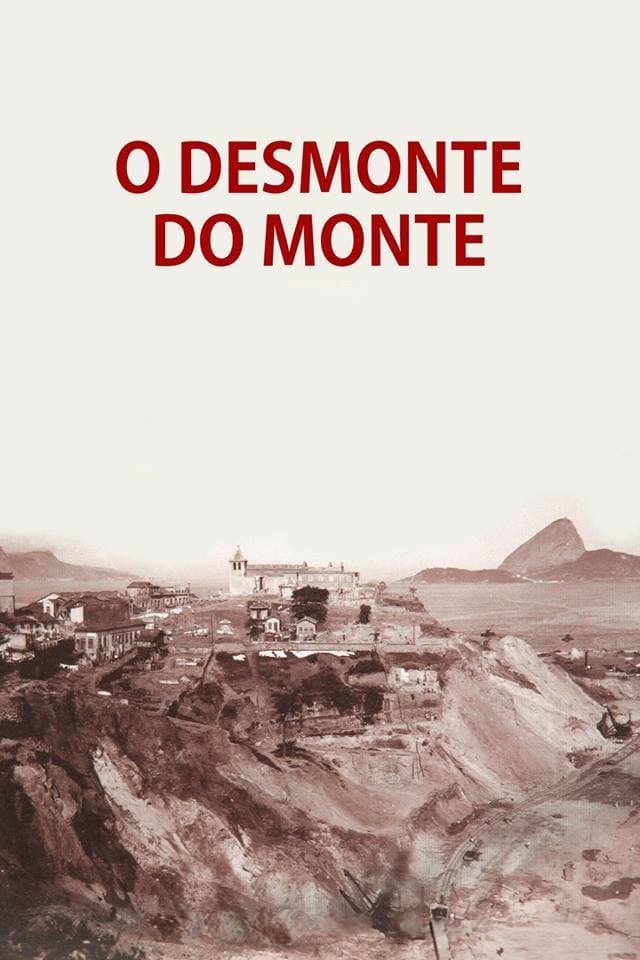
Morro do Castelo was chosen by the Portuguese to found Rio de Janeiro city. It was an important historical and architectural reference. Despite its relevance, the hill was destroyed by urban reforms aimed to promote real state speculation.
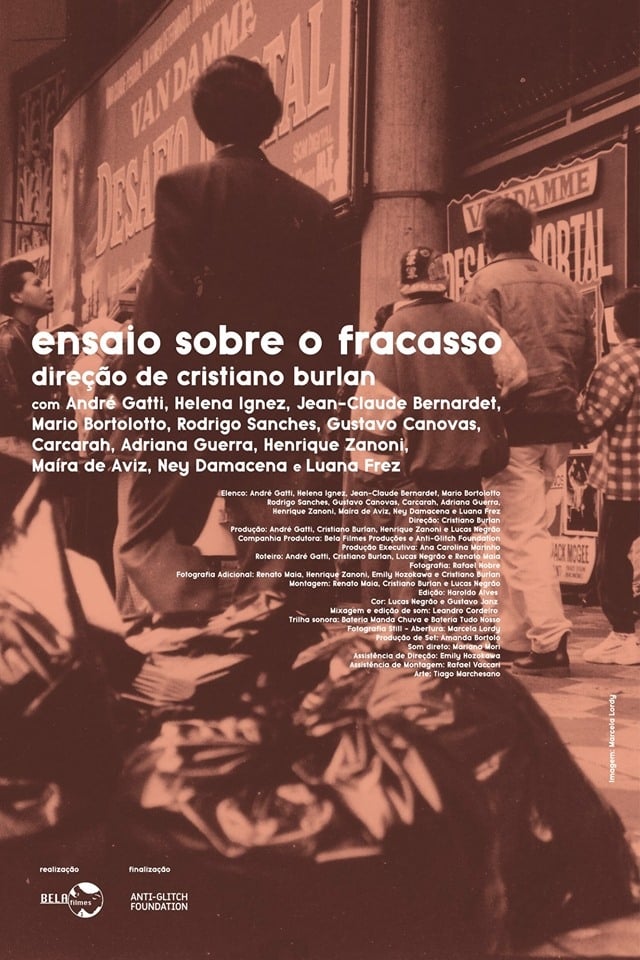
A projectionist at a porn cinema in downtown São Paulo, makes his first film in Super8, an essay about the failure of a lifetime. The scenes from the films you watched intersect with the new images they capture, fiction and reality blending together, weaving a bridge between the past and the present.

The narrative takes place in 1888 and tells the story of Lenita, a young woman, raised by her father, with an educated background, who disregards the existence of a man at his intellectual height. The film exposes the character's internal conflicts and the conventions of the time.
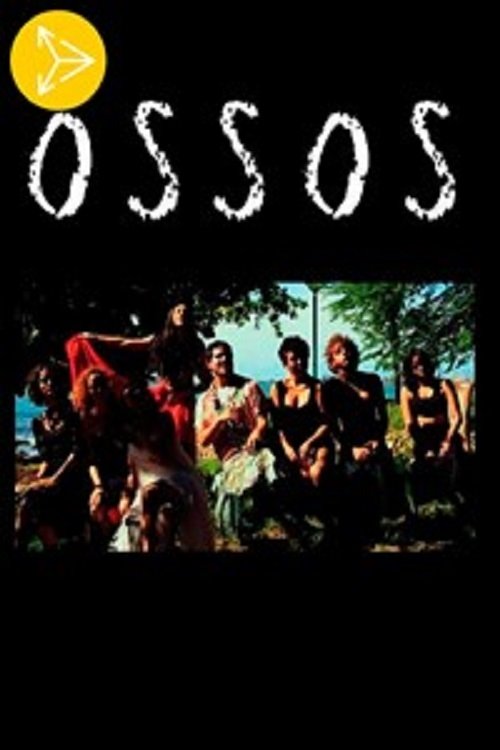
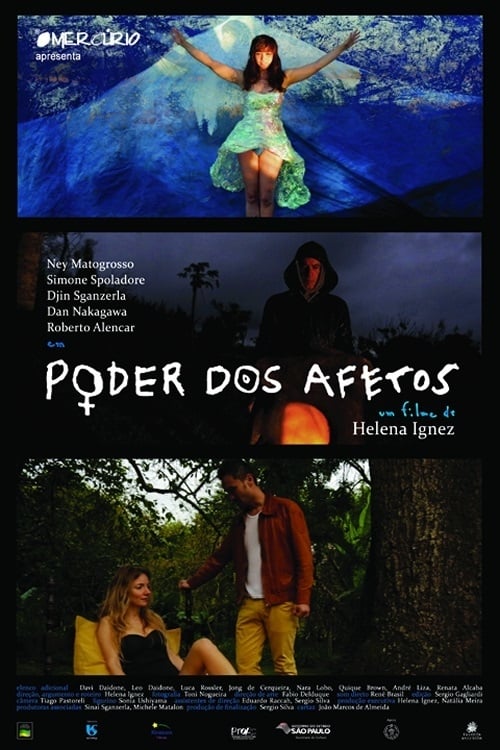
A study that unwraps a paradisiac scenery, reaching the subjects of Brazility and its force in the change of habits, breaking taboos and bringing out a magical and original reality throught its characters.
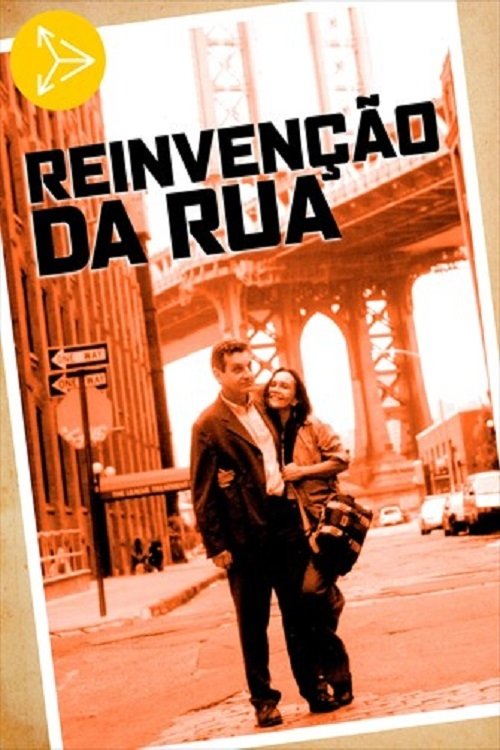
Helena Ignez's first film as a director is a homage to American architect and contemporary artist Vito Acconti, who made an urban intervention over a bridge in São Paulo, transforming that space for it to be used as shelter by nearby homeless people.
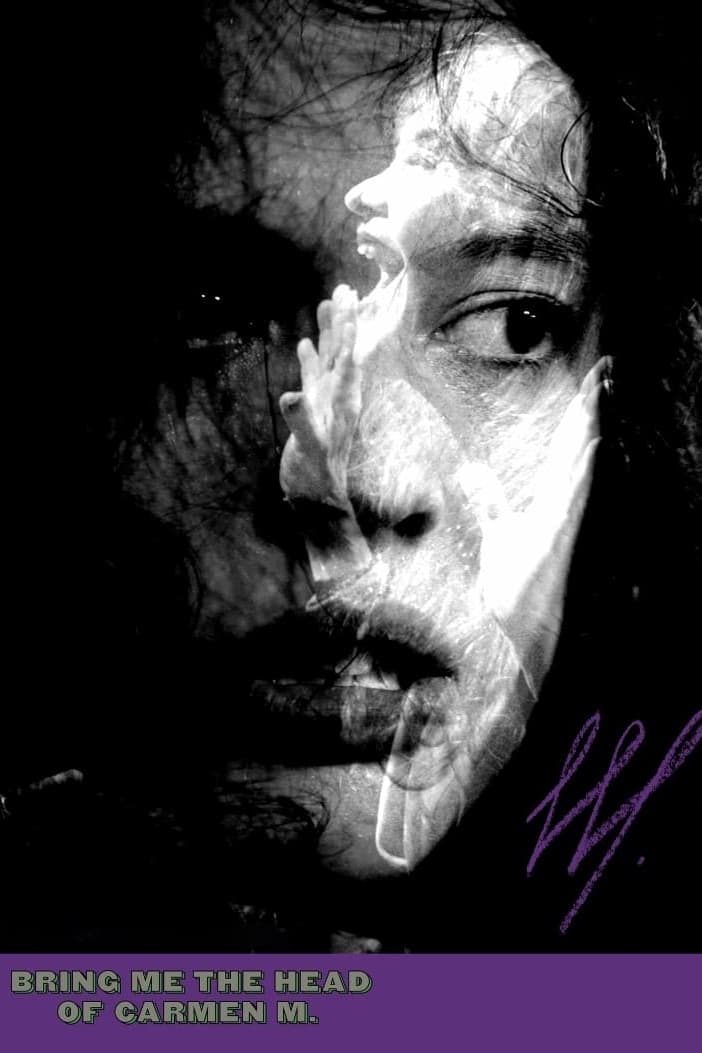
Ana, a Portuguese actress, dives into Brazil's current atmosphere of identity and political crisis while trying to portray in a feature film the colourful life of famous singer and actress Carmen Miranda, who helped define Brazil's identity.

The human body in 5 parts.
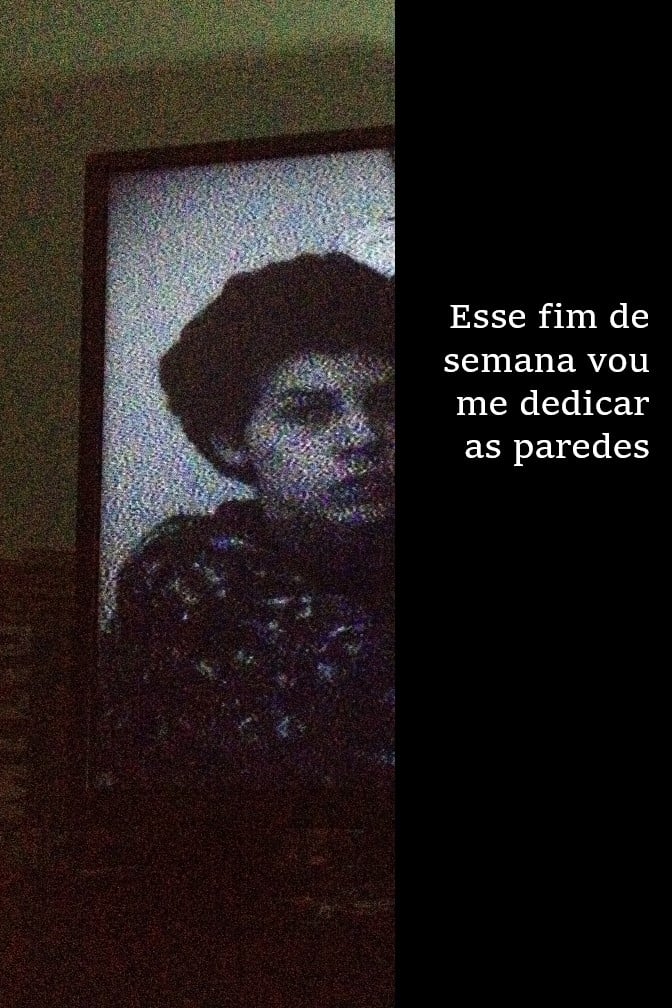
A person locked in the room.

Short film by Helena Ignez, for the "Programa Convida", from IMS, dedicated to creation during quarantine.

Loosely based on an Oswald de Andrade screenplay, "Perigo Negro" is a segment of anthology film "Oswaldianas" which deals with a uprising soccer player who has his career spoiled by a unscrupulous gambler

Two years of research and visits to collections, cinematheques and museums; almost seventy interviews that generated 30 hours of recorded material; more than two hundred scanned photos and more than one hundred films watched. In total, more than a thousand hours of work were needed to prepare Brazilian Cinema in the 20th Century. The work is a fascinating journey through all the cinematic cycles that Brazil lived, from the pioneering Belle Époque, through the great studios like Atlântica and Cinédia, Cinema Novo, the urban comedies of the 70's, until the resumption in the late 90's. The documentary is unique, it gives the floor to who really wrote and lived this story intensely.
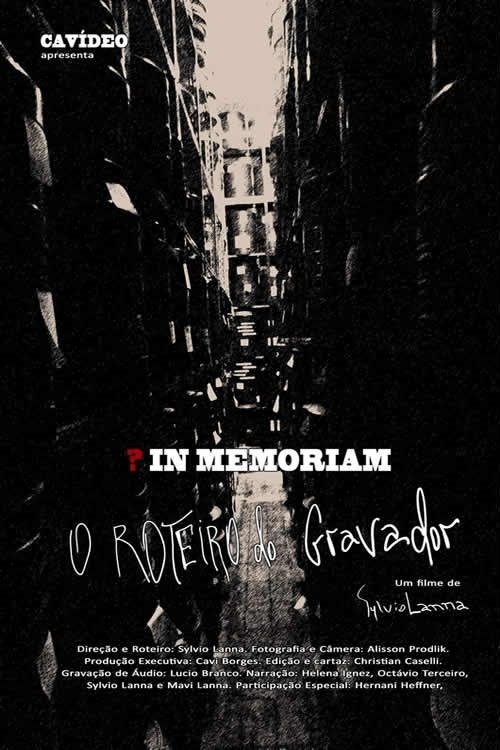
Experimental movie about Rio de Janeiro's Museum of Modern Art's Movie Archive (Cinemateca).

In 1979, while Brazil was going through the troubled moment of the Amnesty Law, Glauber Rocha directed the program Abertura for TV Tupi, in which he interrogated a contradictory and boiling Brazil head-on, full of utopias but always under the weight of secular wounds.

Employee exploited by her employer changes her life by winning the lottery.
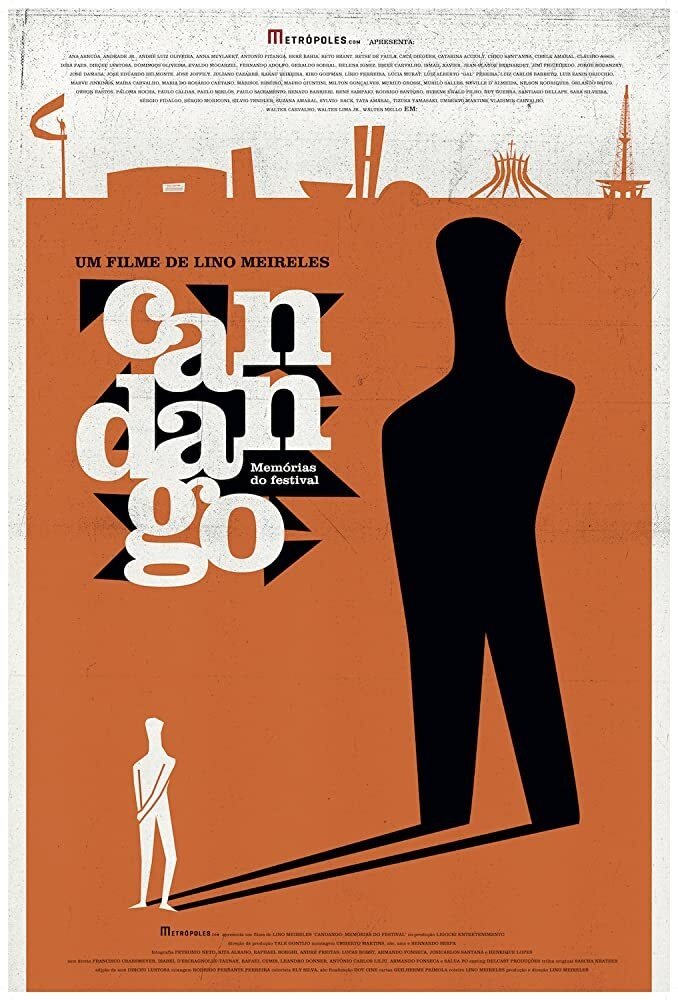
In 1965, a year after the military coup in Brazil, an oasis of freedom opened in the country's capital. The Brasília Film Festival: a landmark of cultural and political resistance. Its story is that of Brazilian cinema itself.

After relocating to Tokyo, a Brazilian writer begins a new novel, provoked by her experiences in Japan and by one of the last scenes she witnessed in Rio de Janeiro: a female swimmer tearing up the horizon with powerful strokes in the wide, open sea. Those two women apparently share no connection, until their lives start to interfere in one another, strangely linked through the sea. Hannah, the writer, plunges into a journey of self-discovery in Japan, while Ana, the swimmer in Rio de Janeiro, oddly has her body transformed into some kind of inner Ocean.
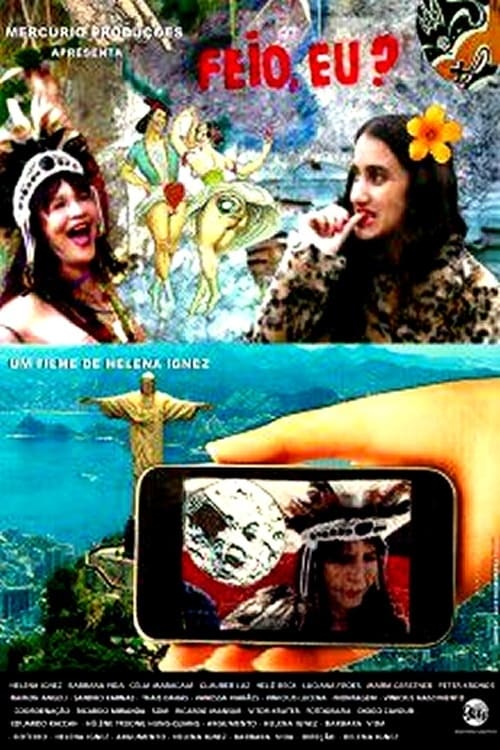
Ugly, Me? is a film manifesto made from a workshop for actors called Characters in Search of a Movie, in 'La pa', 'Rio De Janeiro', extended to Paris and 'Kerala' (India). Multifaceted like a kaleidoscope, the characters appear in multi-screens scenes and sequences. The images were captured with different kinds of cameras and Ugly, Me? uses this sign of the variety imposed by independent production as language experimentation. Transposing the boundaries of style, Ugly, Me? navigates in a sea of metaphors, philosophical and musical politics, from Prince Harry to Heraclitus, going through a series of authors like Rimbaud, Brecht, Nietzsche, Bispo do Rosario and Eduardo Viveiros DE Castro, capturing a contradictory and original country.
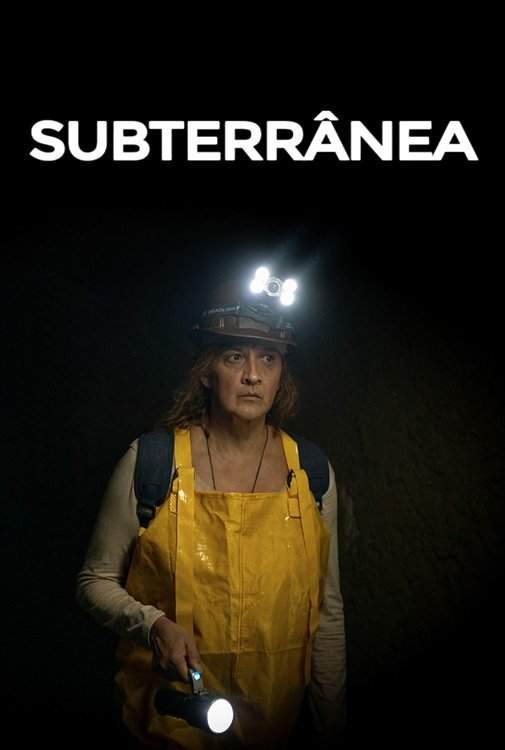
An experimental trip about Brazil after H.O.
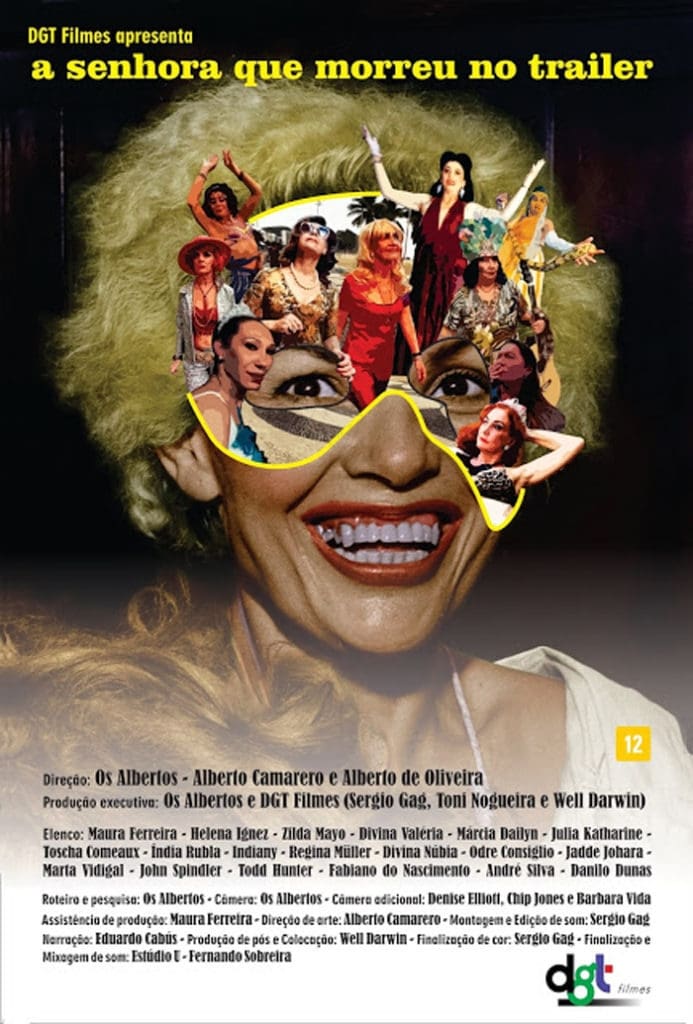
After being born Georgina in the outback of Bahia, she became known as Diva Rios in São Paulo’s Boca do Lixo and Rio de Janeiro’s Lapa, as well as Suzy King in the nights of Copacabana, but died as Jacuí Japurá on the border of the United States and Mexico. Four names for just one woman: fascinating, moody and very creative. Singer, songwriter, actress, ballet, folk, burlesque and exotic dancer, snake charmer and fakir were only some of the artistic endeavors she tackled during her life. Found dead on the trailer where she lived in August of 1985, in California, she left behind stories without conclusion, lost remainings of her troubled trajectory and a trail of mystery. Three decades later, two historians gather fragments of her tale with the goal of piecing together the complex puzzle that was her life. Actresses, singers, musicians and performers join them to rescue the poetic aspects of her unique personality. A question resounds throughout the entire movie: Suzy King, who are you?
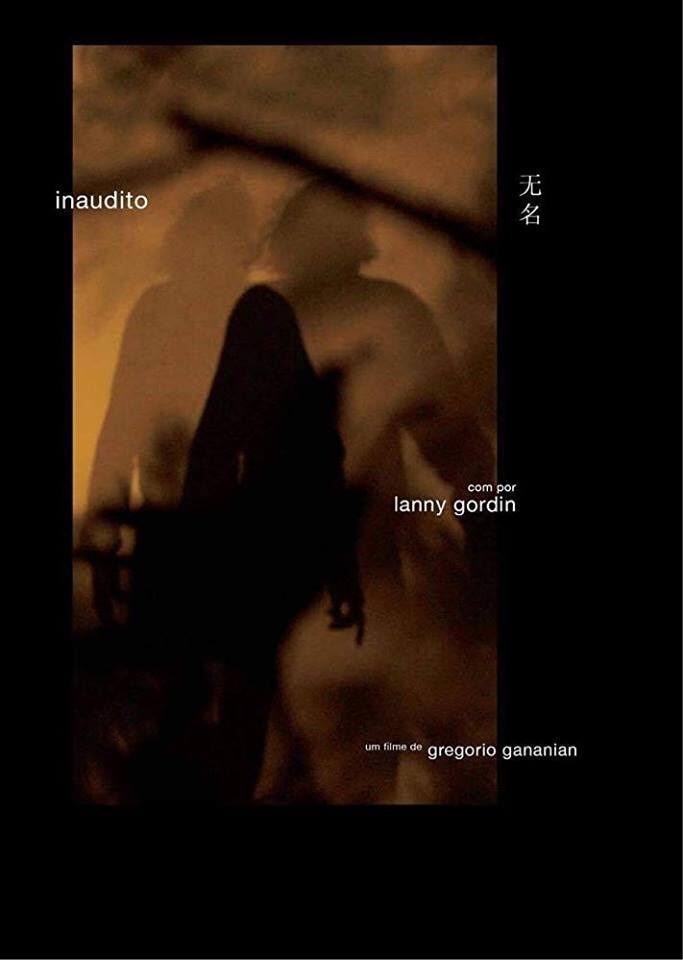
Guitarist Lanny Gordin was one of the fundamental characters in the transformation of Brazilian music from the 1960s onwards. He electrified Gal Costa, Gilberto Gil, Caetano Veloso and Jards Macalé, among others. Lanny reveals his libertarian process of composition and current thinking, embarking on an unusual odyssey through China, his birthplace, and Brazil, the country where he lives.

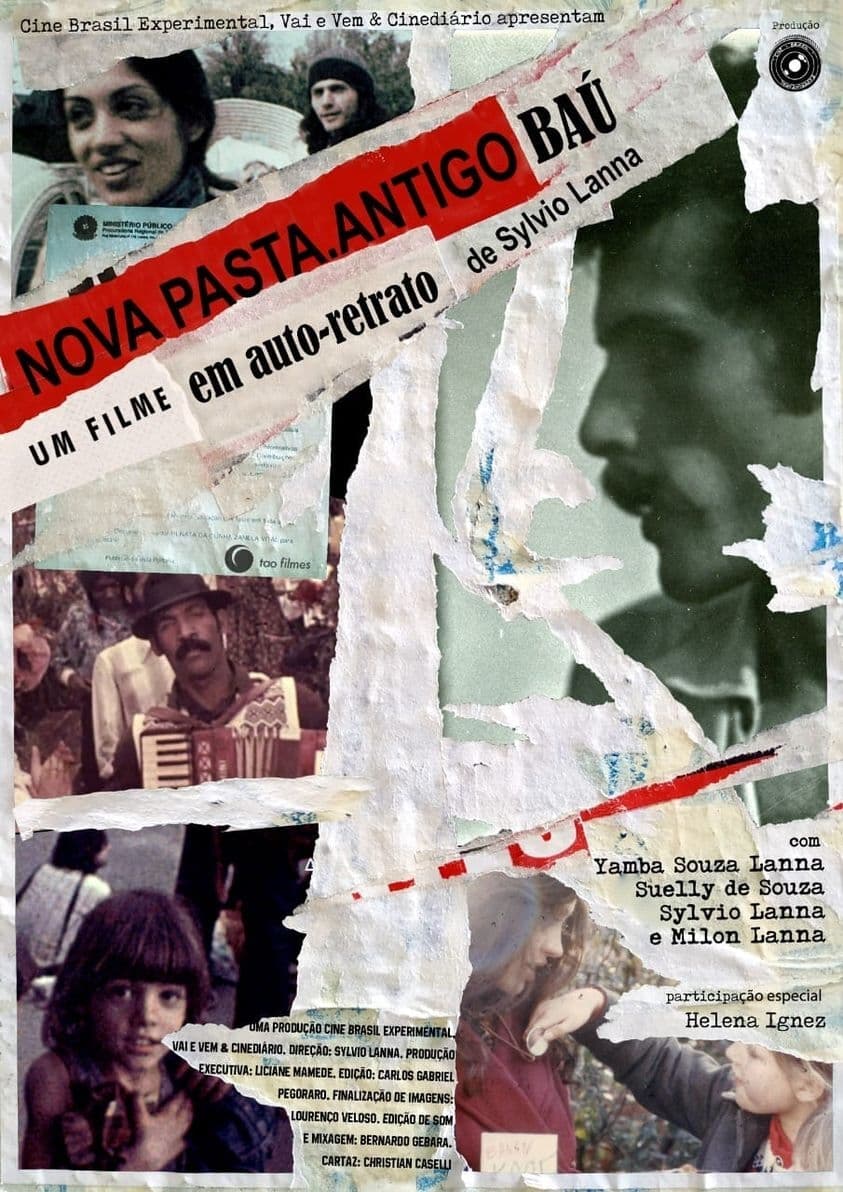
A self-portrait short film by veteran Brazilian filmmaker Sylvio Lanna.

Benjamim Zambraia is a young drunk who wanders around the city and is sometimes treated with pampering and sometimes with a beating by his parents (Helena Ignez and Otávio Terceiro). As in Chico's book, the boy is obsessed with a big stone.
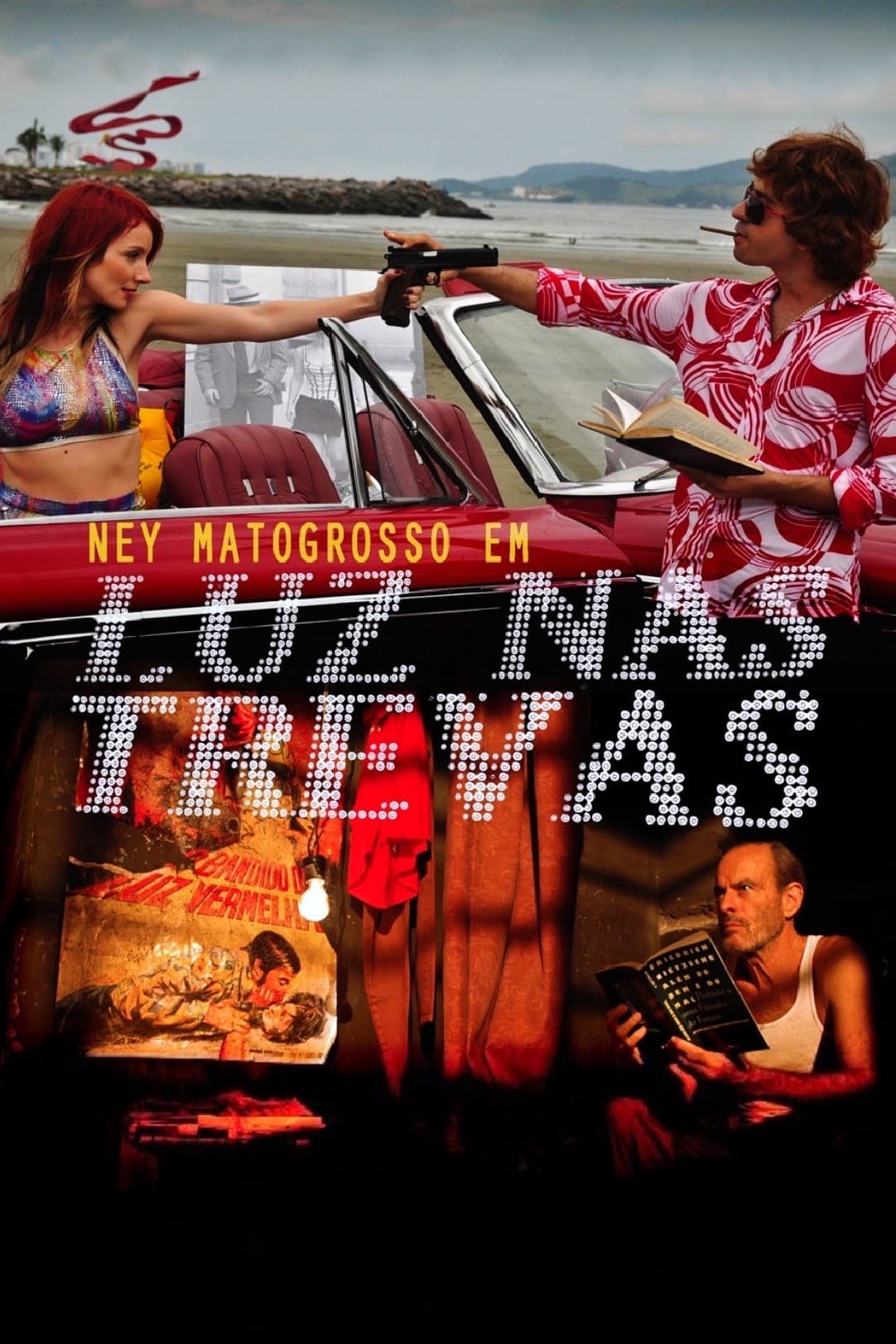
Jorge, bastard child of the infamous Red Light Bandit, decides himself to pursuit a life of crime after meeting with his father, who has been incarcerated for the last 30 years.
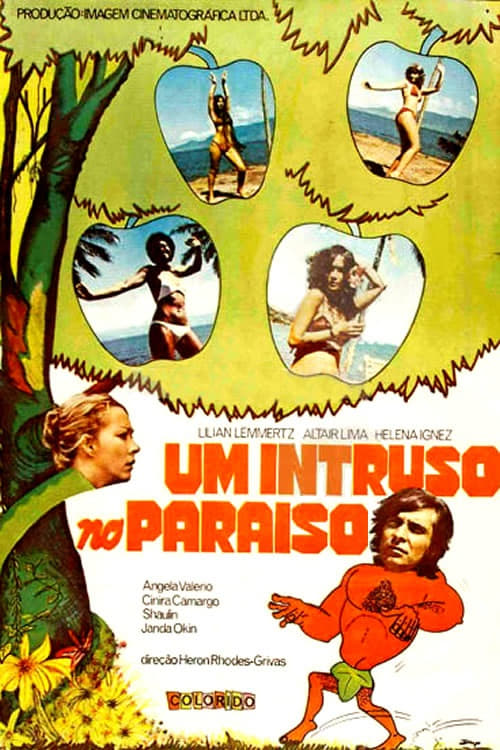
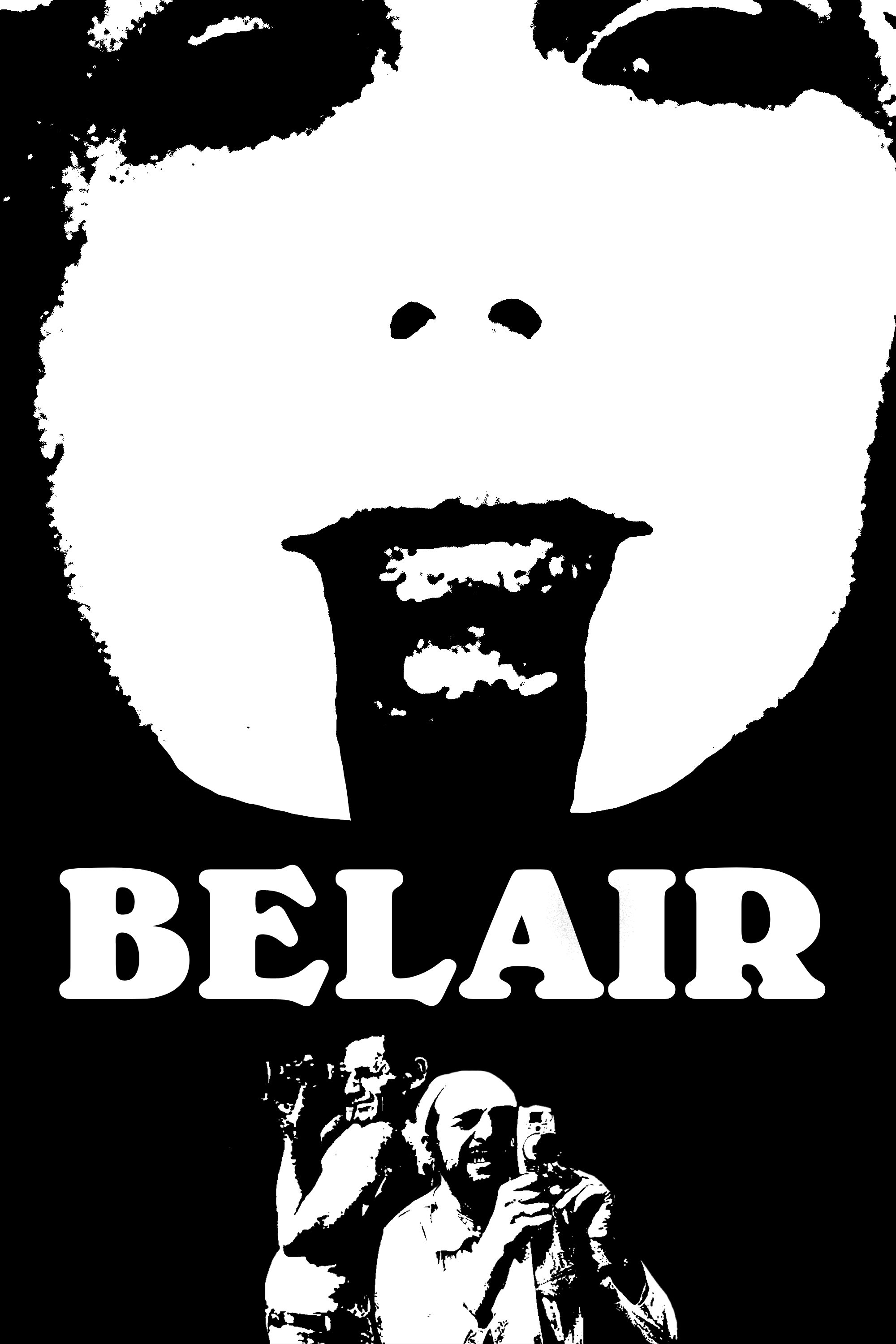
Between February an May of 1970, Julio Bresane and Rogerio Sganzerla made 7 films for their company Belair that were forbidden by the Brazilian censorship that reveal today images of an unique freedom.
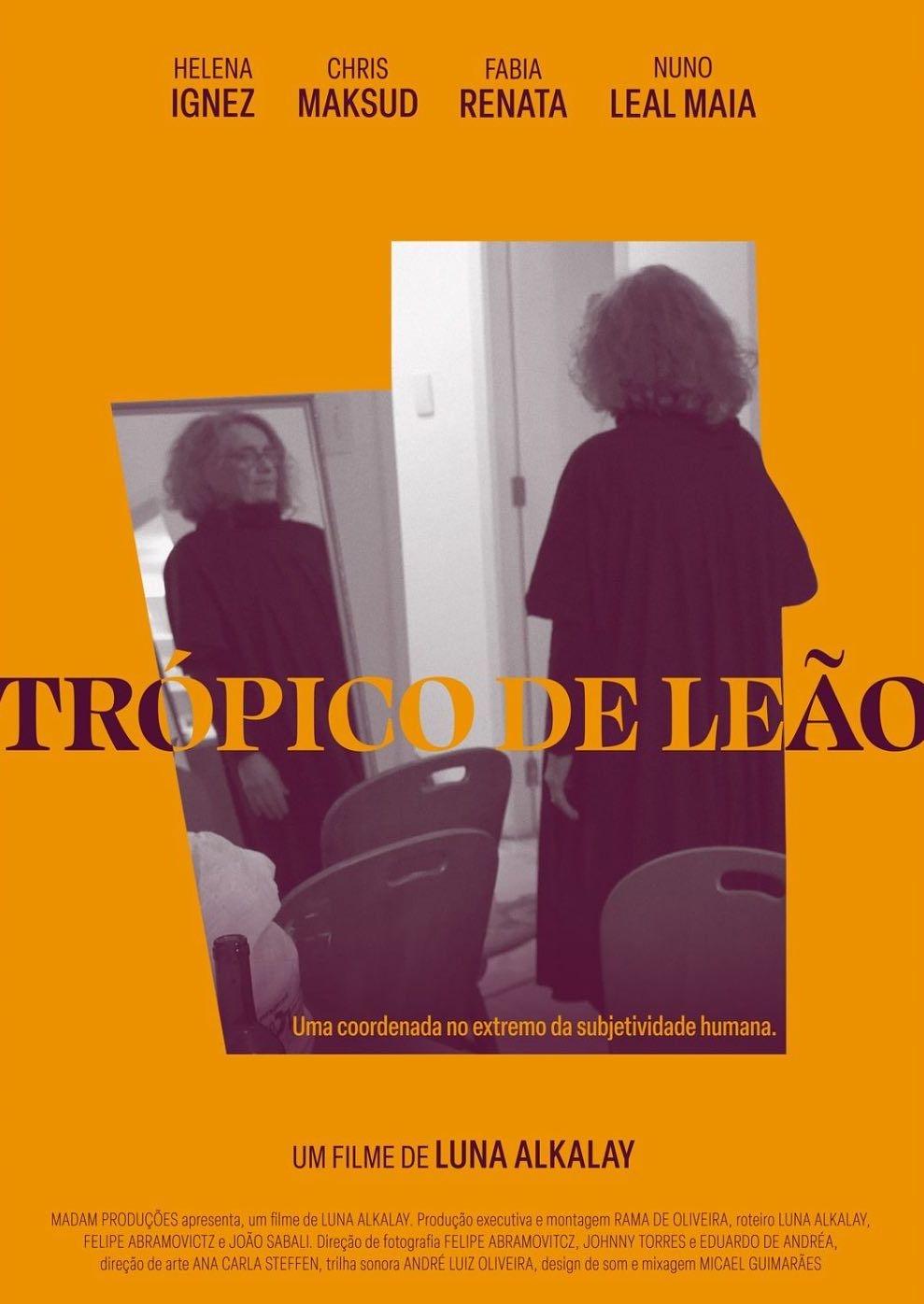

In an old, dilapidated mansion in downtown São Paulo, an old Shakespearean actor exiled from the stage lives with his ghosts. In his bed, surrounded by red curtains taken from an abandoned theater, he dreams of the plague and fire spreading throughout the country. A strange community forms around the old actor.

The feature-length documentary Fakir portrays the success of fakirism in Brazil, Latin America and France. This circus art origin show is presented and analyzed through archives that reveals the success of these presentations with their pain resistance championships and the great public presence, including politicians and government officials. Fakir spans current footage from contemporary artists who keep this art alive in performances and shows.

In an ancient family mansion, mother Sydia and daughter Nina spend a tense night of isolation just as a solar storm threatens to collapse the Earth’s gravity. What begins as a fraught domestic moment quickly shifts when a mysterious visitor, Lara, arrives, and the house’s long‑missing employee, Joana, returns with disturbing news from the outside world. As the cosmic and terrestrial crises gather, the four women are forced to face buried secrets, generational trauma and shifting power dynamics. Their physical refuge becomes a battleground of psychological and symbolic upheaval, where the end of the world becomes mirror to the end of the old order — and perhaps the beginning of something new.

An old man is tired of celebrating his birthday.
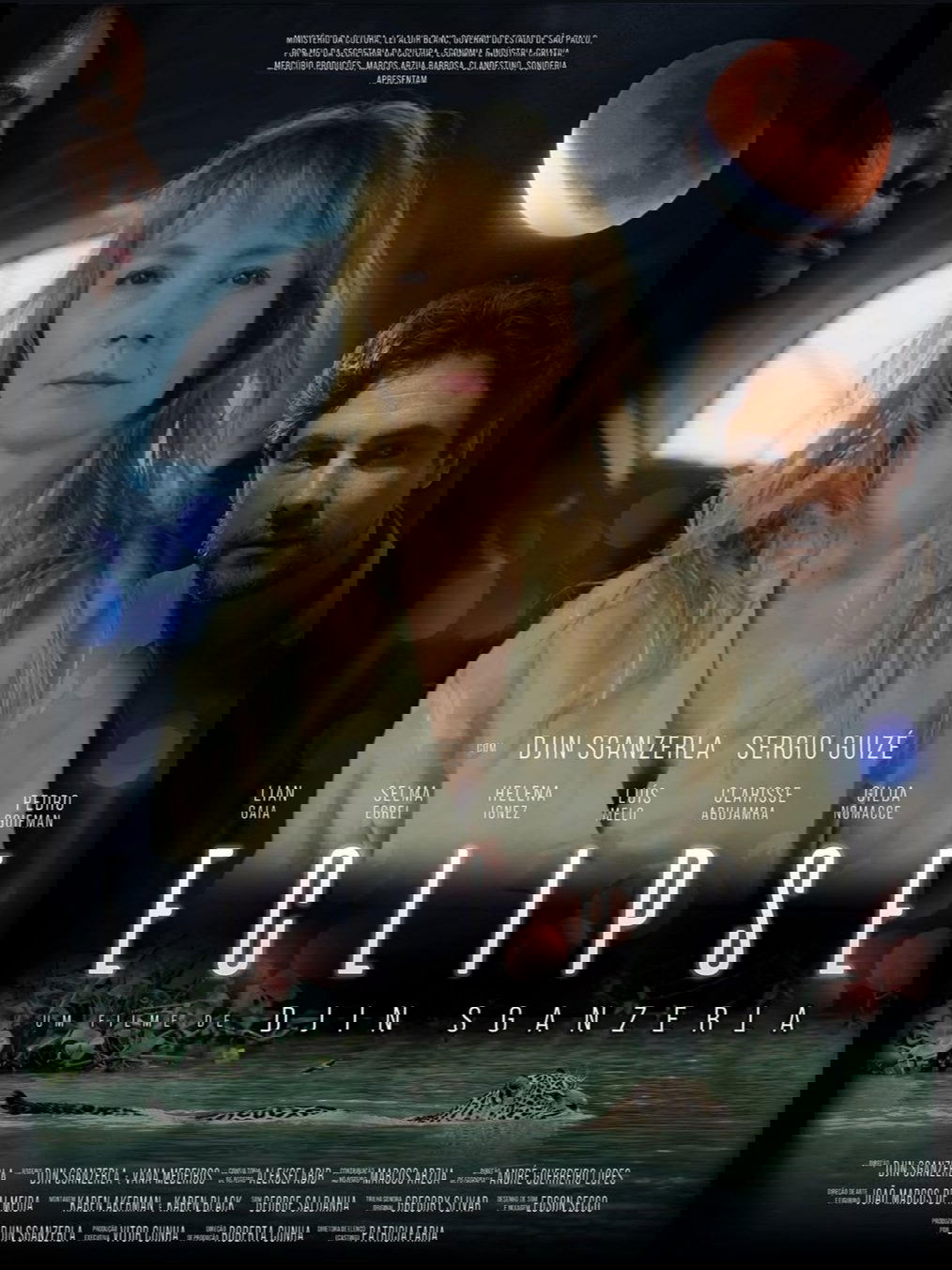
Cleo, a 43-year-old astronomer who is pregnant and emotionally fragile, is surprised by a visit from Nalu, her half-sister of Indigenous descent. The encounter reveals dark secrets and stirs up fragmented memories in Cleo, leading the two of them down a path of mysterious investigations.
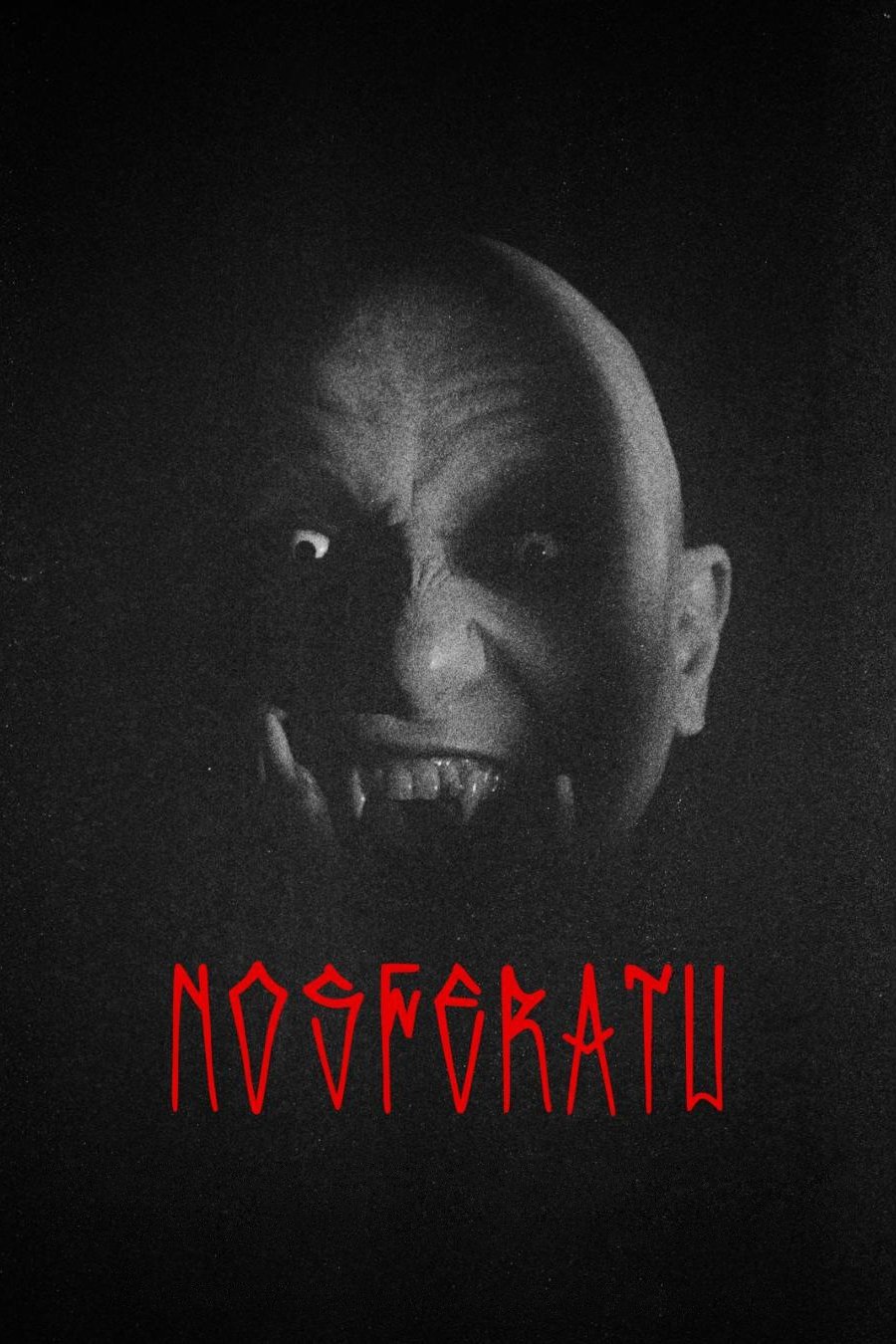
Nosferatu arrives in a town escaping from Van Helsing. He brings not only his curse, but ghosts from his past. In this escape, he dives into a macabre dance searching for an actress and faces the horror of eternity and the pain of an endless existence.

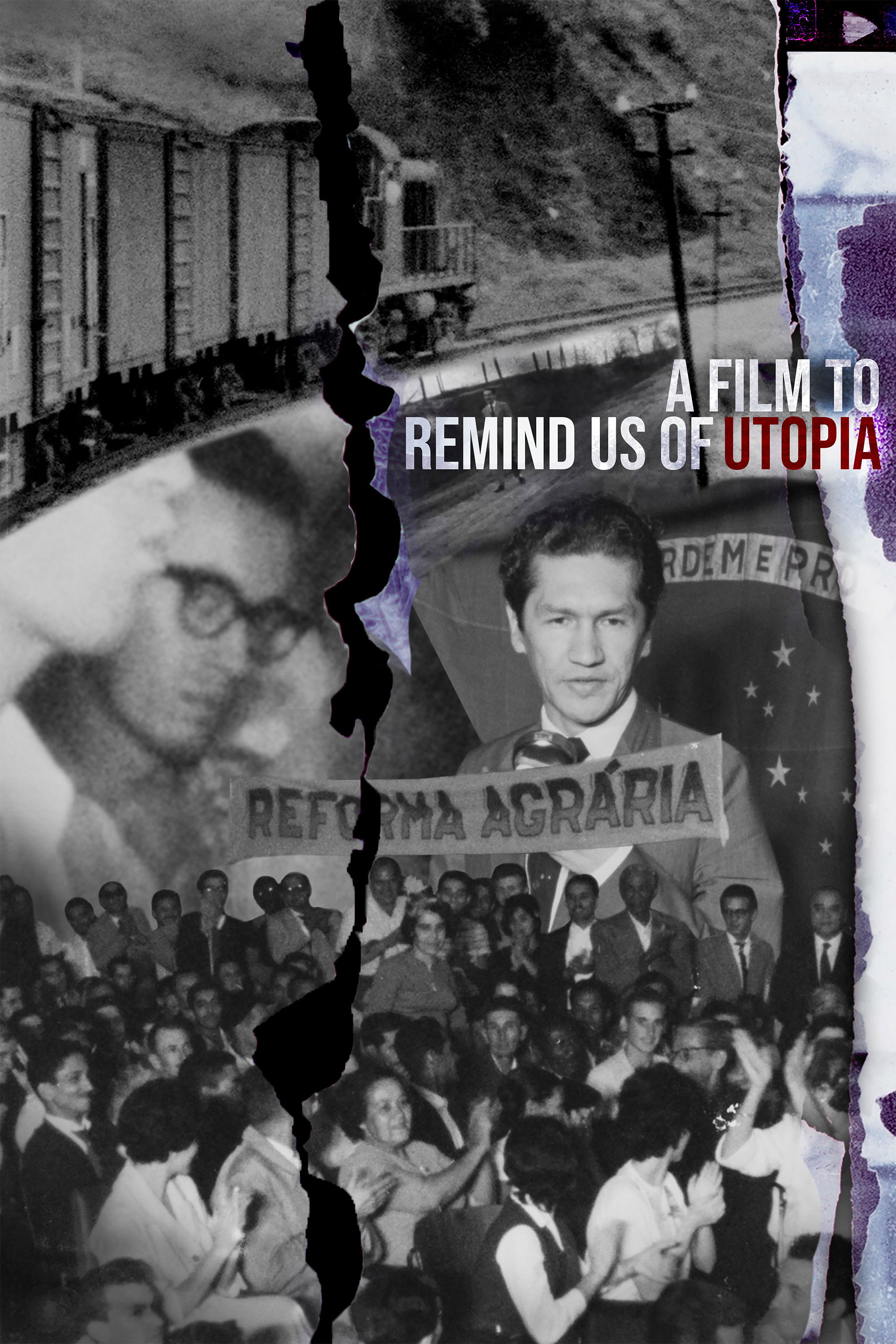
In Esdras Baptista's film archives, kept at his home for decades, one can feel the fervor of those who believed in a new tomorrow. Filmed in Brazil in the early 1960s, in the heat of a libertarian political movement, the filmmaker's images materialize the incandescence of collective desires at the historic moment of their emergence. Utopia, though unattainable, is never a mere abstraction. A force that mobilizes actions and feelings, it constitutes the impetus necessary for human existence.