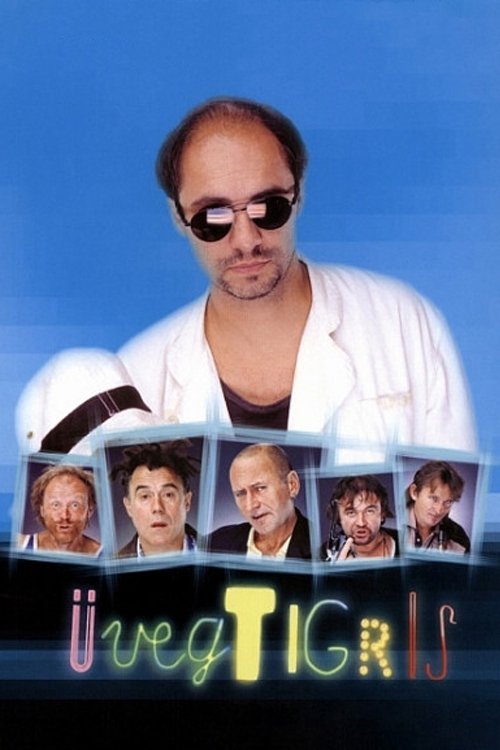
This film tells the story of a few uneventful days in the life of six pals. Lali, a great fan of America, owns a sandwich stand on the side of the road, called The Glass Tiger. Gaben pinches cars; Fox is a petty swindler; Sanyi a half-wit homeless; Coco can't shut up about getting some dough and going to America; Slimmy keeps playing the saxophone, despite the others' frayed nerves. Gaben talks Lali into buying an old Chevrolet Impala, the real American dream. After the long escapade of getting the car, Lali doesn't even get the chance to try the Chevvy out, because a truck completely demolishes it. Fox in the meantime is looking excitedly for the "Wreck", what he has been trying to sell for big money. But Lali has sold what he thought to be scrap, not good for anything. Fox is threatened by some tough guys to bring it back or pay up. He has to get money at all costs...

In the sequel to the surprise hit Üvegtigris (2001), we witness the 6 losers again as they run amok around the roadside buffet, which again fails to make their dreams come true, but which serves as the basis and end station of numerous funny adventures.
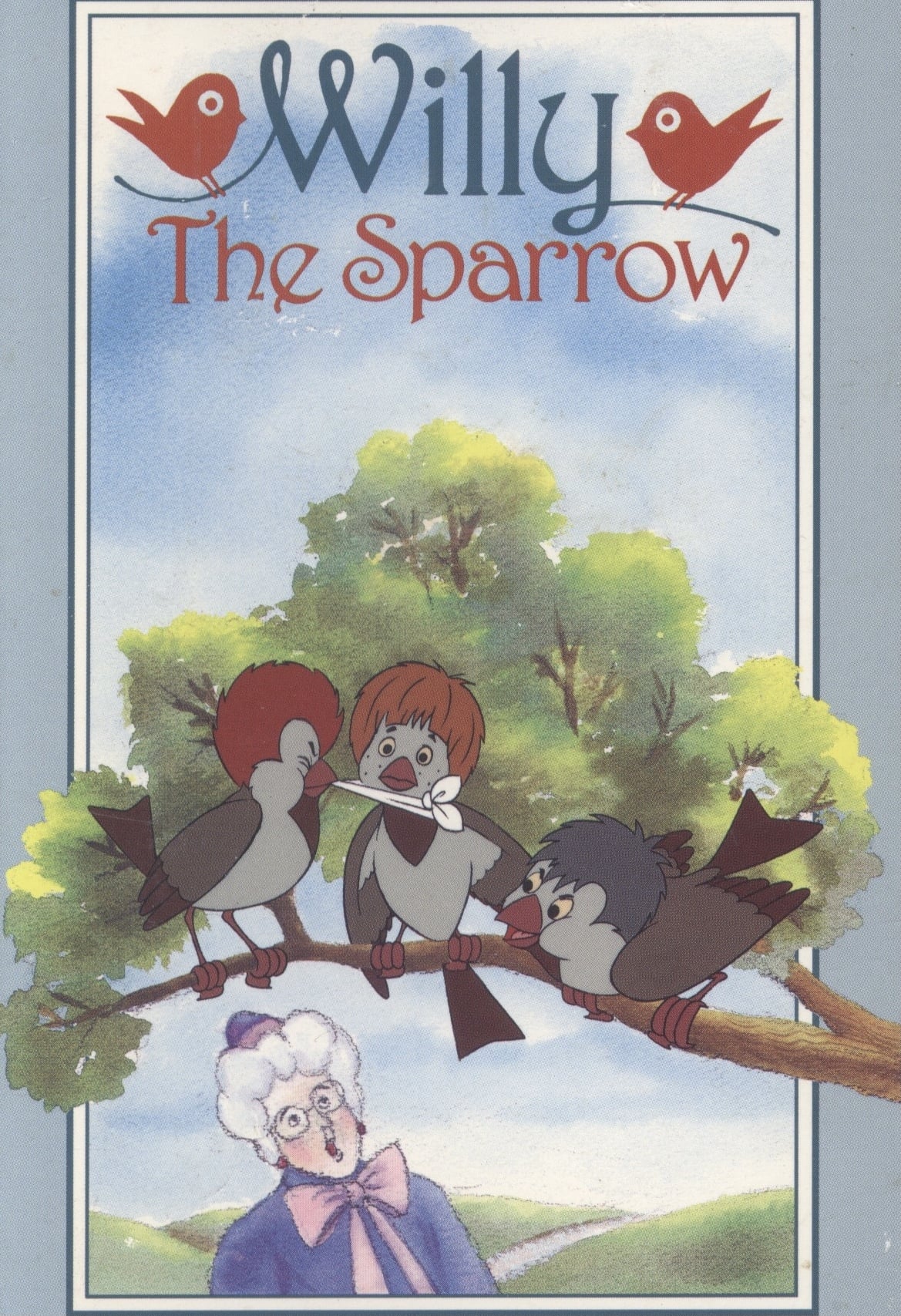
Vili fakes illness so he doesn't have to take a math test. Instead, he starts shooting at sparrows from the window with an air rifle. The kindly old lady who feeds the birds turns out to be a real-life fairy who tries to turn Vili into a good boy.
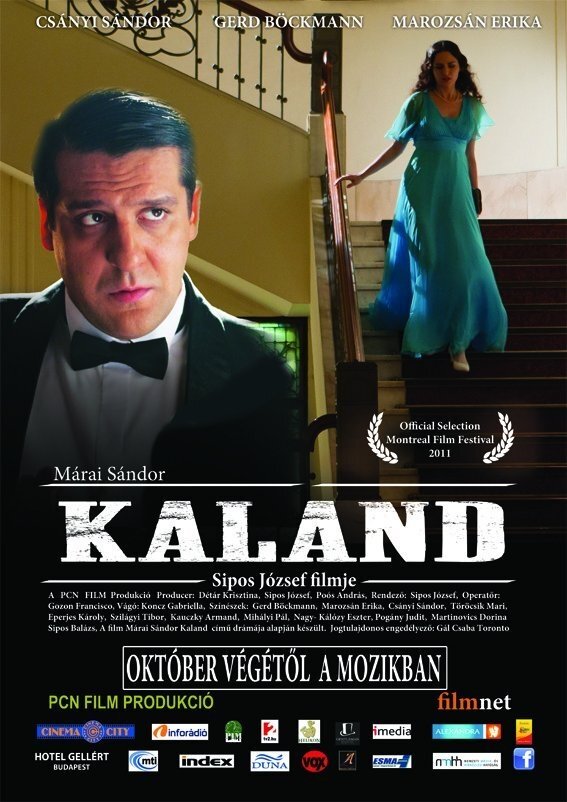
In 1940 Budapest, a successful doctor leads a perfect life, unaware that his wife and his adopted son are planning to run away together.
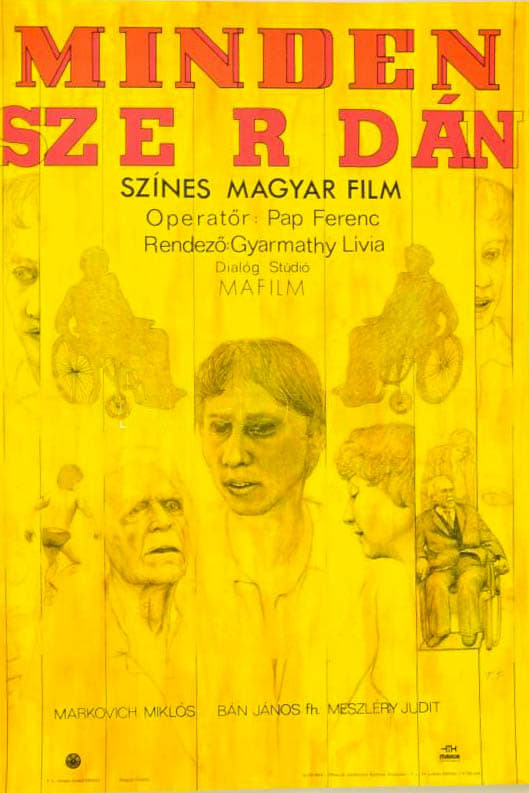
Stephen, living in a troubled family, breaks into a grocery store and wreaks vandalism. He is sent to a reform school. Later he works in a cleaning brigade and accidentally meets József Draskóczi, who denounced him. Draskóczi lives in an unloving, troubled atmosphere with his barren daughter and cynical son-in-law, ascetic about his youthful communist beliefs. He feels responsible for Istvan's fate, offering him a human voice and love. Despite his daughter's hysterical jealousy, he sends Istvan to school and then, through his previous connections, provides him with an apartment...

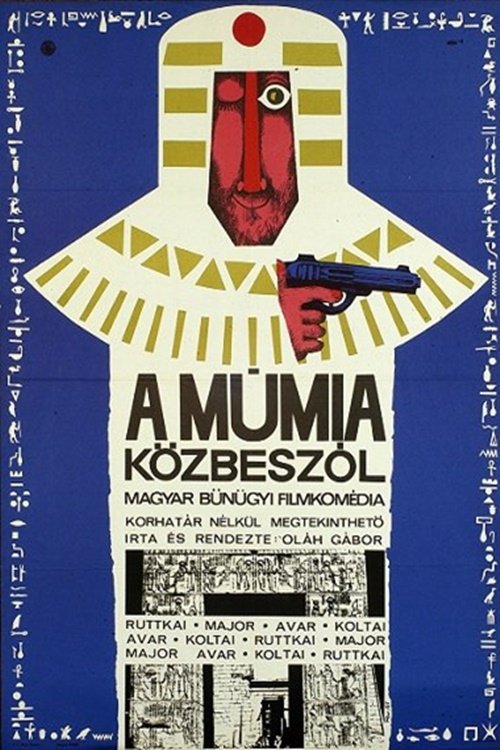
Crime is increasing in Hungary. Commander Papp is about to catch a maffia member.
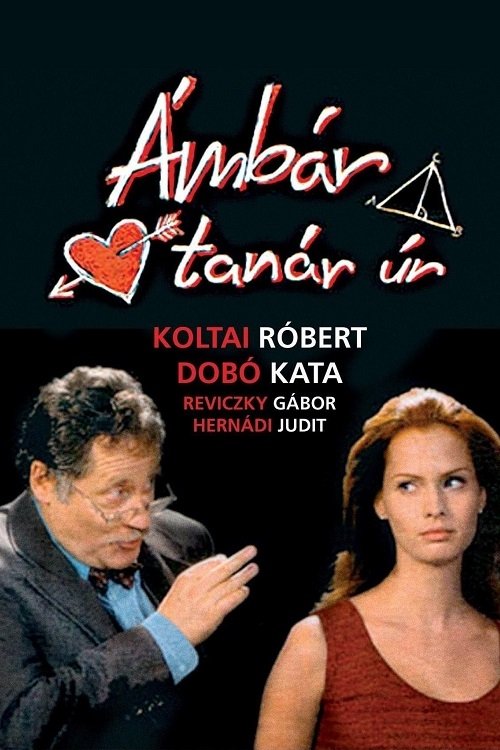
Young substitute teacher Rómeó Baradlay suddenly inherits homeroom duties for class 4C and struggles to keep order, only to develop feelings for one of his students.
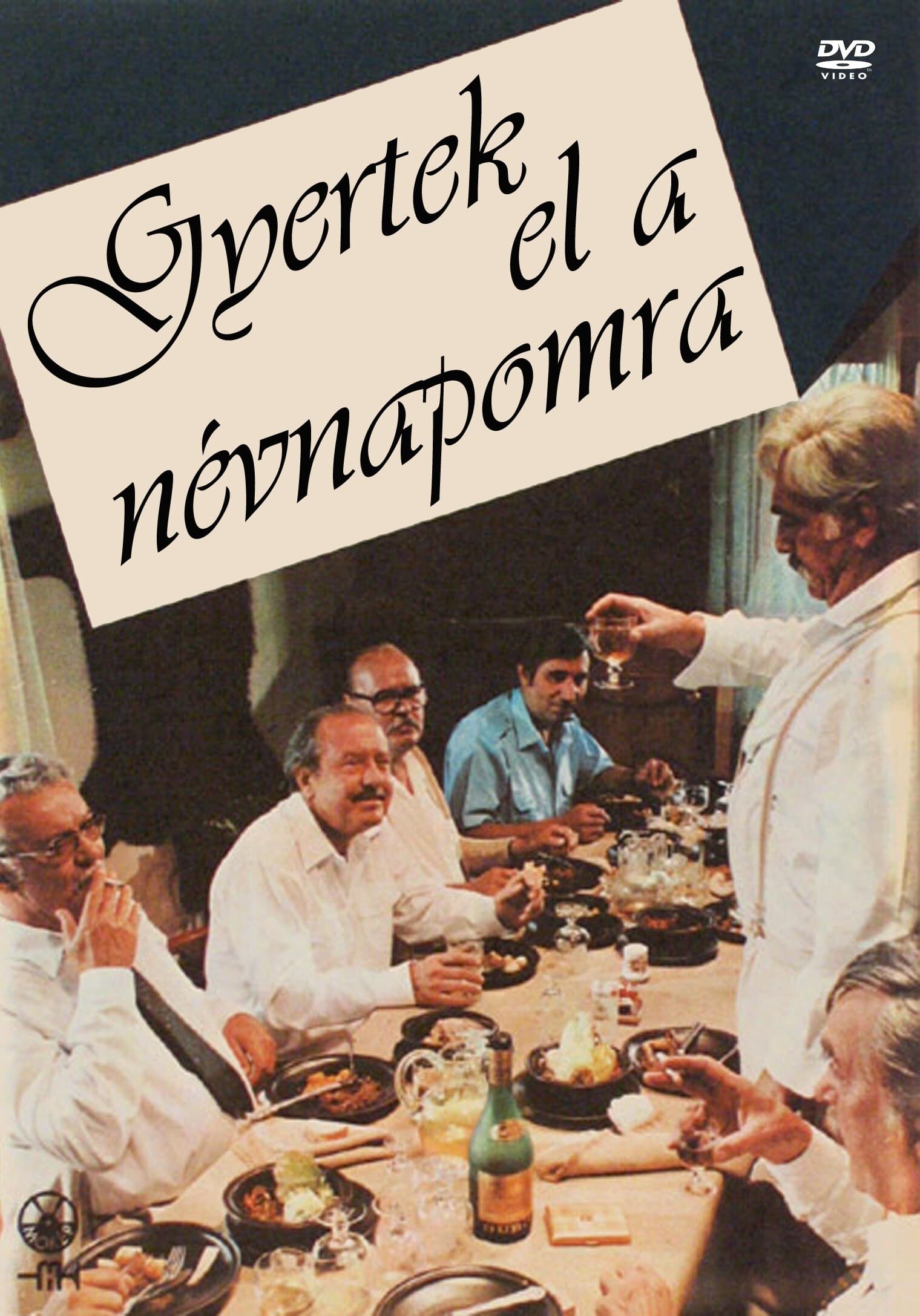
The elite of political and business life of the country town gather to celebrate the namesday of László in the luxury villa. Everything begins just as usual, but now an incident disturbs the stag party.
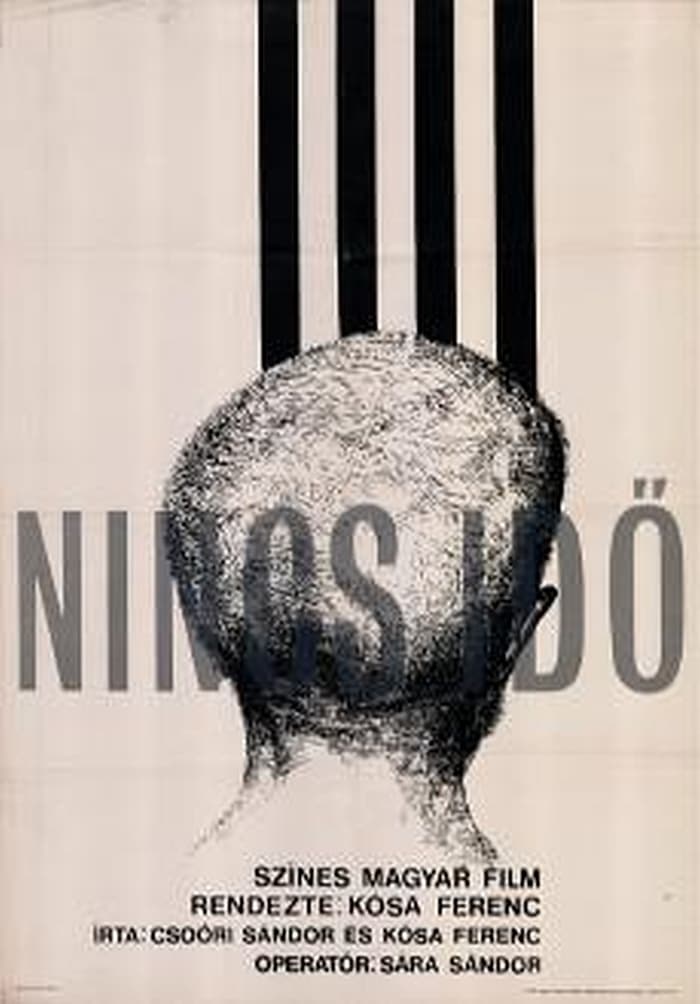
The story of the film takes place in 1929 in a model prison providing a kind of reflection how society works out there. Udvardi, the weakling and indulgent director is experimenting with putting in practice a kind of pseudo-humanist utopia about the institution of a 'civilised prison'.
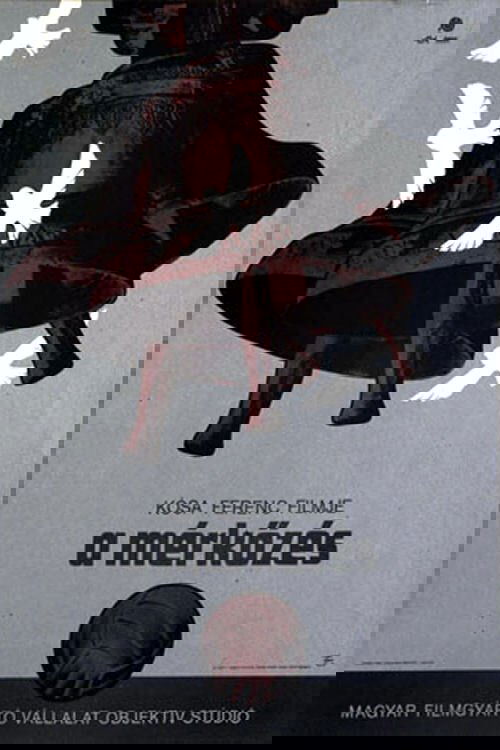
Summer of 1956. In the small town in the Hungarian country-side, during the time the chief of police spends in a course in Budapest, Rigó Dezső is the boss with full powers. He is fighting tooth and nail to help the local football-team stay in the second national selection. During one of the matches, he beats the referee to death.
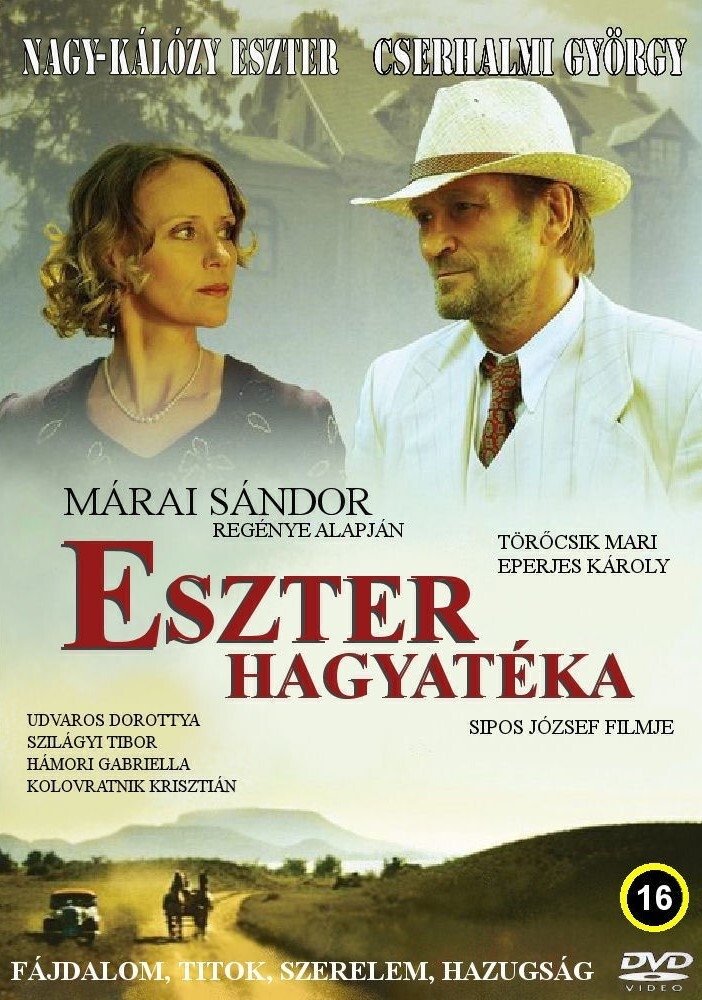
The aging Eszter clarify outstanding relationship.
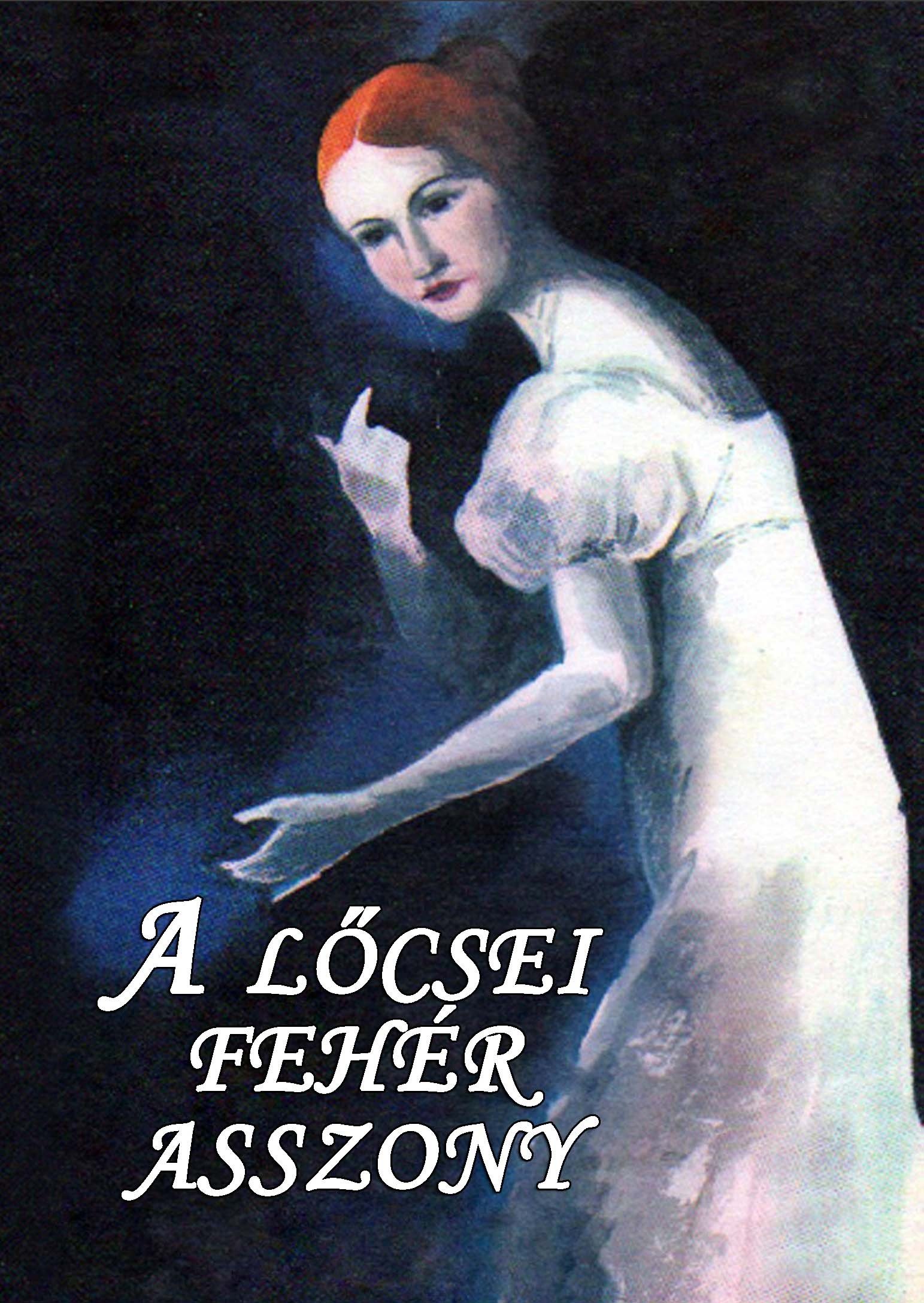
During the Rákóczi War of Independence, noblewoman Julianna Géczy becomes caught between warring factions as the city of Lőcse falls under siege.
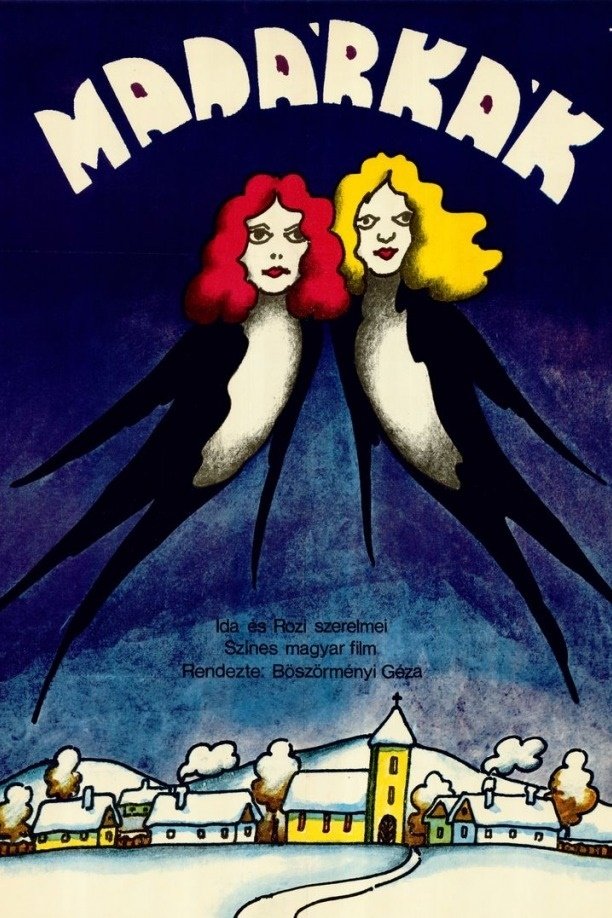
The heroines of this lyric comedy full of burlesque elements are two girls from a village who get totally engrossed in their day-dreaming. Ida and Rozi escape to the city to catch husbands for themselves.

Film about the Holocaust. A Jewish family is allowed to keep the flat they have always lived in and to live a relatively normal life. One day their 10-year old son disappears. He has been sent to a deportation camp which seems like paradise except that the inmates are being used for medical experiments.
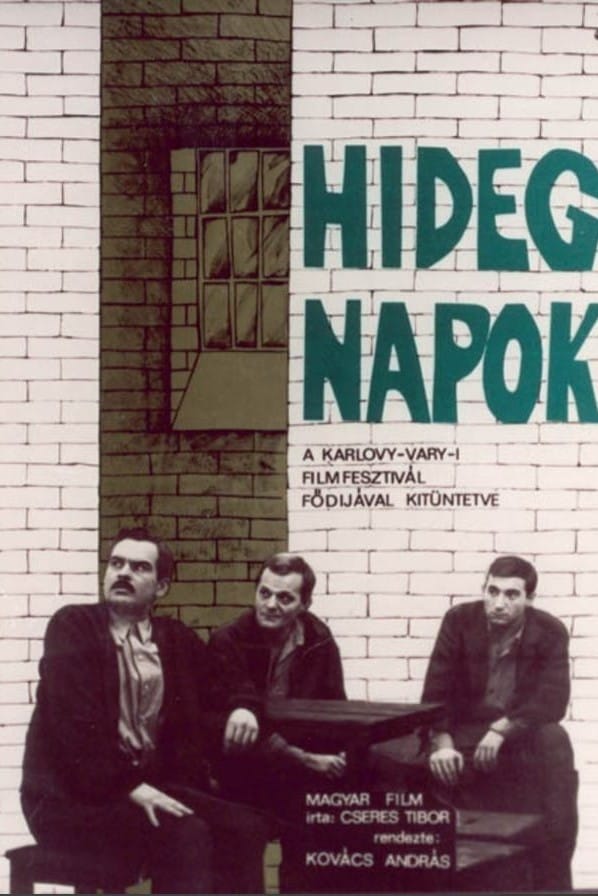
Andras Kovacs' film, considered one of the most important Hungarian films of the 1960s, centers around four men who await trial for their involvement in the massacre of several thousand Jewish and Serbian people of Novi Sad in 1942. Each denies any responsibility, claiming that they were only following orders. The film is significant for its willingness to address the subject of Hungary's role in WWII, which was taboo at the time of the its release.

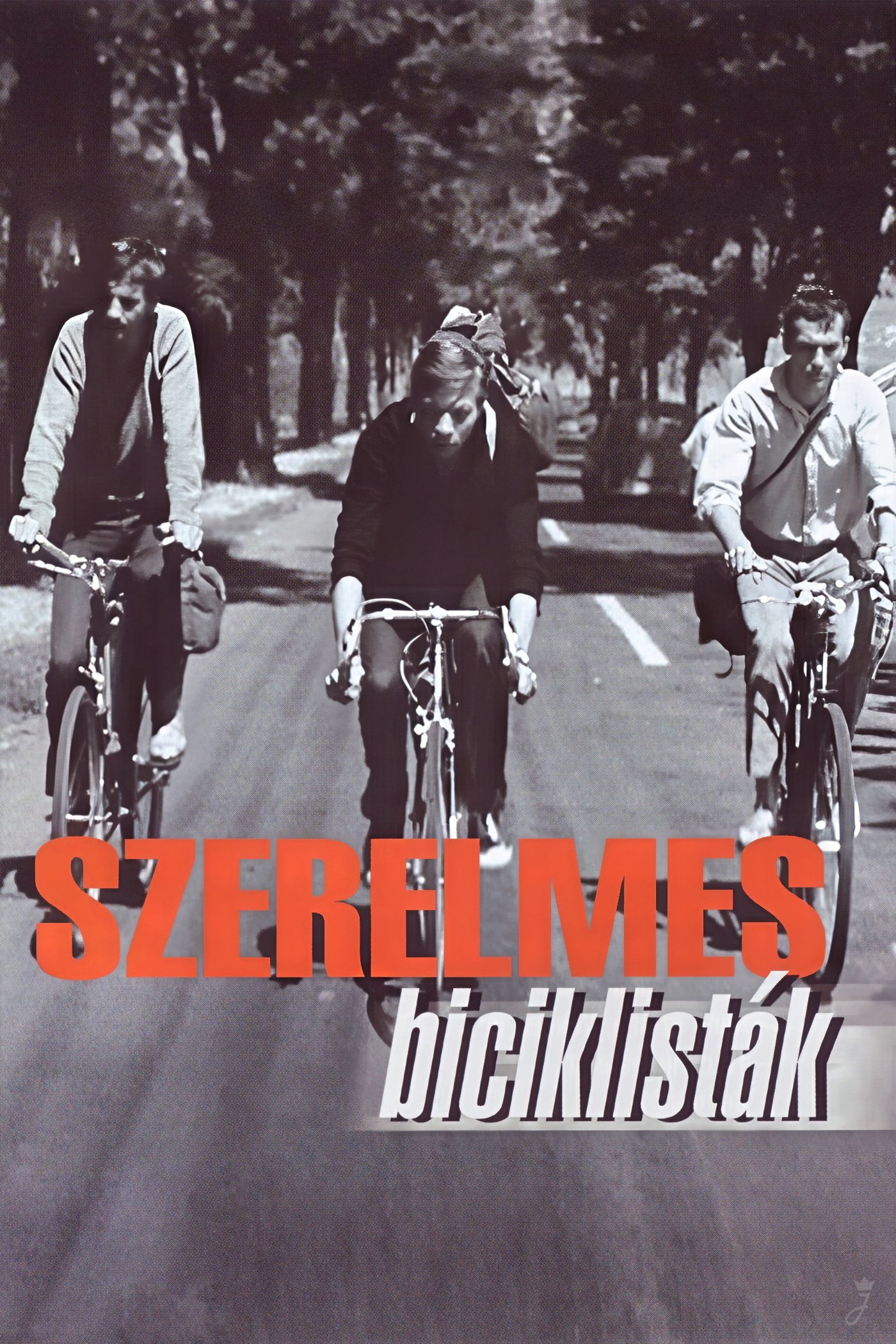
When András, Albert and Bence are on a cycling tour around Lake Balaton, their dreams come true. Sunshine, beach and pretty girls. András and his younger brother run after the same girl, Eszter. András persuade his brother not to pinch the girl. András pick her up one night and split up with her next day. Eszter follows the boy, but András sends her away...
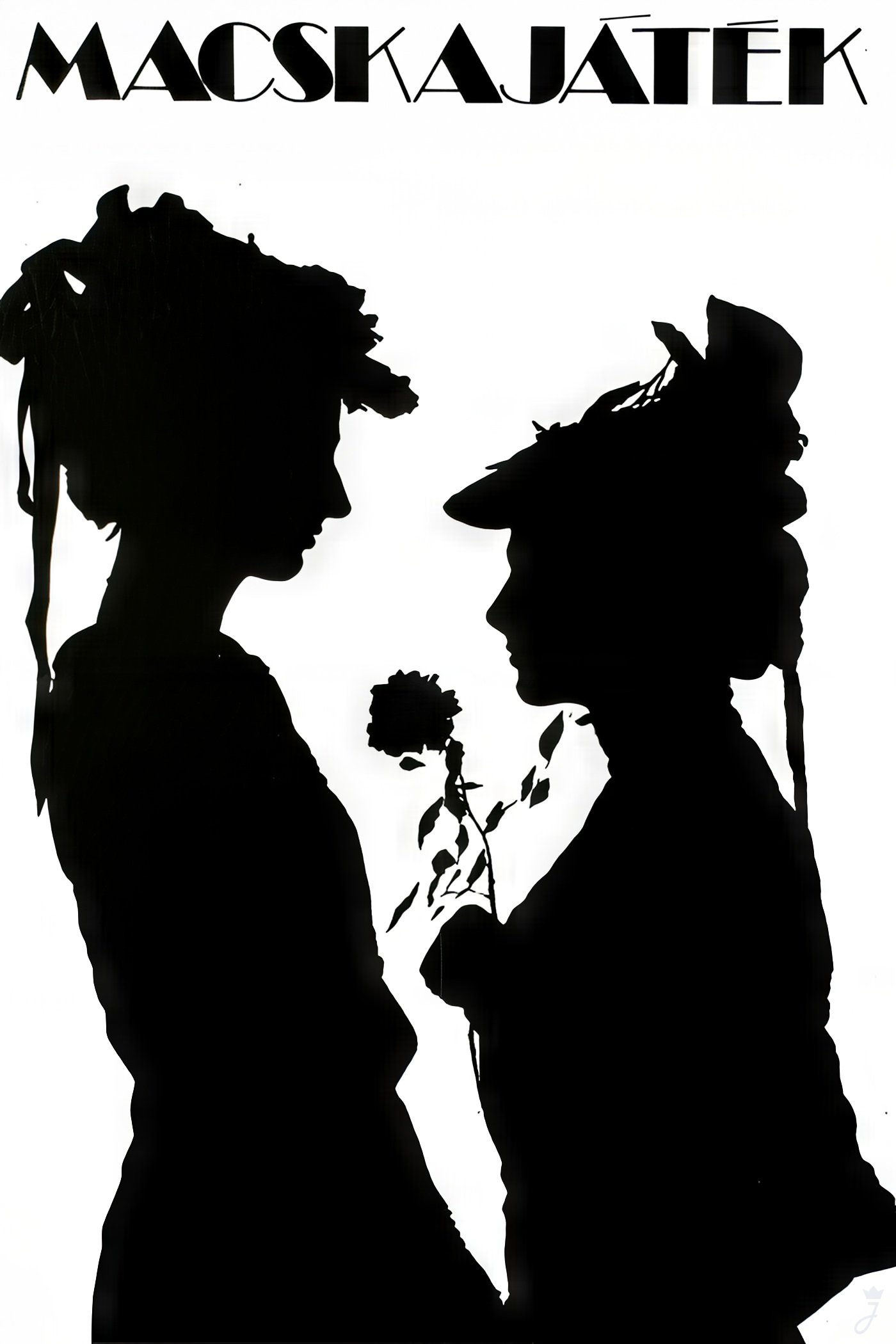
Karoly Makk's heartbreaking story of two unmarried sisters who cast wistful glances back at their lives, but still believe in hope and love, earned an Academy Award Nomination for Best Foreign Language Film in 1974. In this follow-up to the director's internationally acclaimed Love, Makk once again exhibits his extraordinary skills at drawing emotionally compelling performances from his talented female leads. Makk's film opposes the bleakness of the outside world with passion, love, and loyalty.
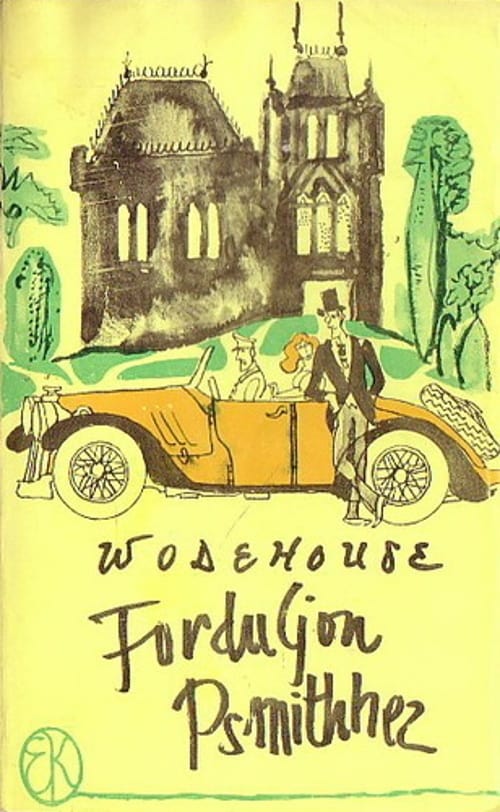
A young man offers his services through a newspaper advertisement: Mr Psimth takes care of everything. A man approaches him and asks him to steal his aunt's precious brilliant necklace. Mr.Psmith arrives at the castle and realises that all the guests there want the jewels. The young man exposes the company and takes a wife instead of the necklace.
The setting is Croatia and the time is the first third of the 20th century. The characters in this carnival "comedy" are drawn from the upper echelons of Croatian society. Krleza's characters talk of love, morality and art, but their appreciation of each other, their sense of true love, is as alien to them as true art: their approach to life and art are both false.
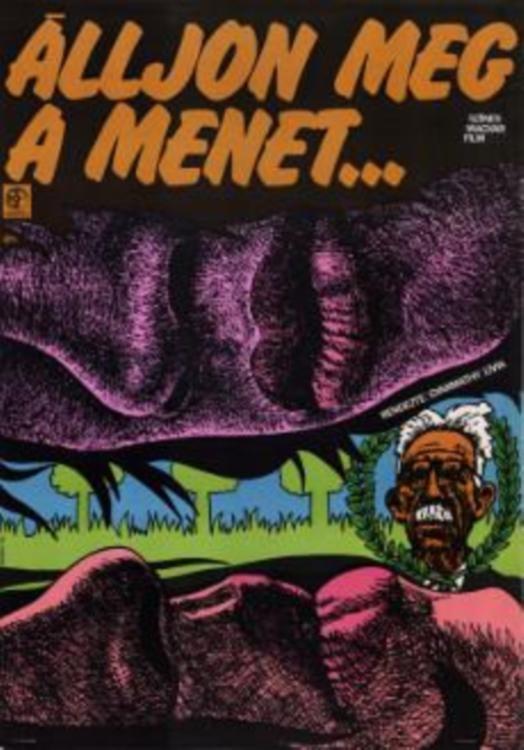
This film shows us around a factory in the seventies in Hungary. In the outskirts factory of Kőbánya workers celebrate the foundation members and want to present the oldest member, Uncle Benda, now a pensioner, with a golden ring. His grandson, Karcsi Merkovics, an industrial apprentice, is in love with the foreman's daughter.
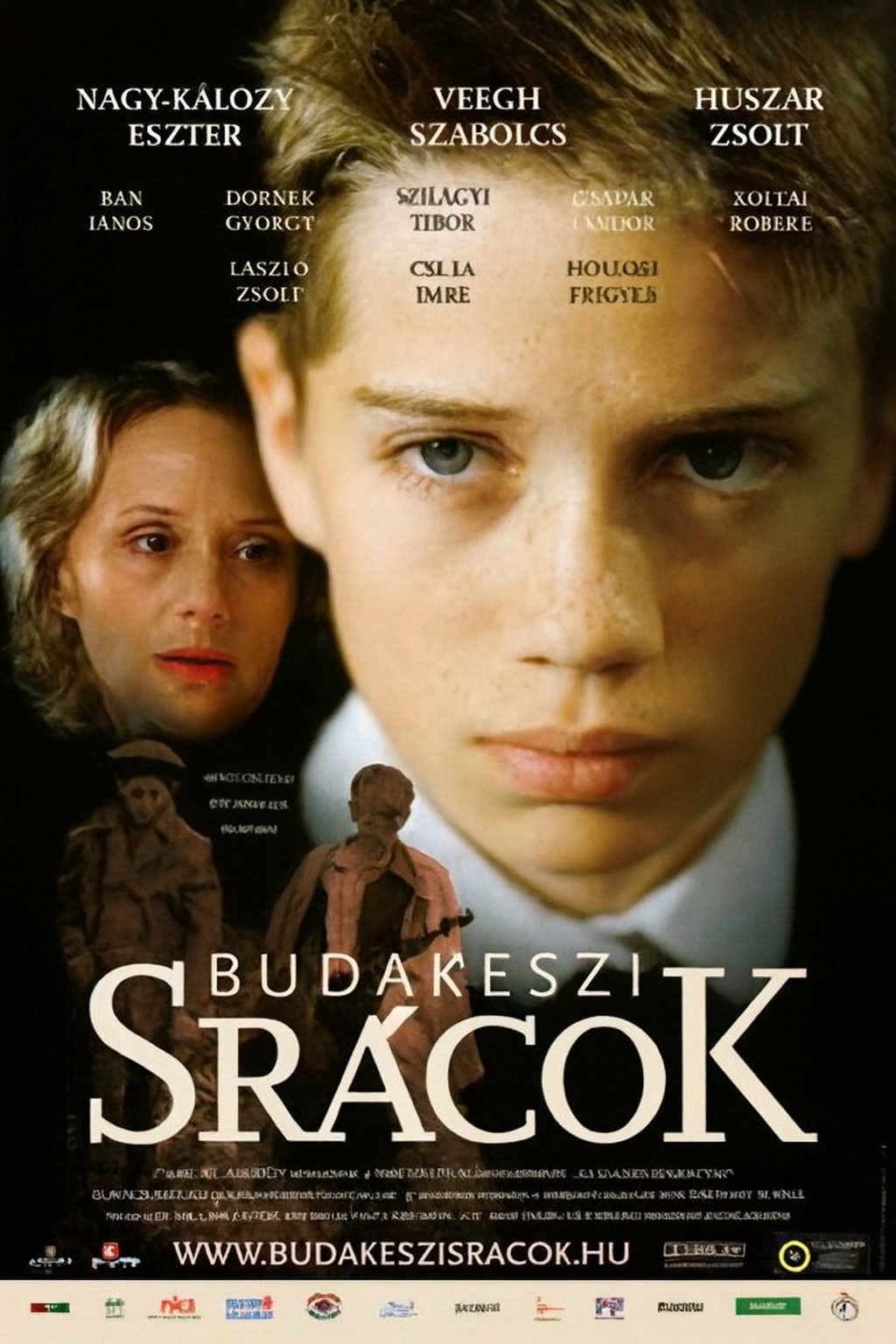
Hungary, 1950s. Istvánka is a sensitive little boy, longing for a role model and friendship, whose father died in the war before he was born. Before school starts, his mother takes him from the countryside to the capital. One day, he meets Lacy Márity, a 21-year-old big boy from Budakeszi, who from then on not only goes to play football with him, but also answers his most secret questions. He becomes his friend. Istvánka then becomes more tolerant of the local children's digs and the often incomprehensible behaviour of the adults. But the 1956 revolution intervenes. Laci Márity takes the lead in the rebellion.
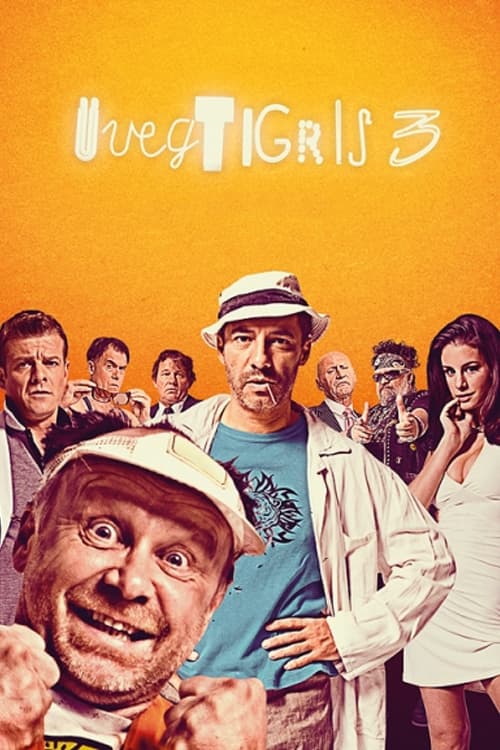
A single gunshot and a pointed toothpick drive Lali to abandon his life and disappear, only to find himself stranding Feri, a high-profile Budapest lawyer, at the Üvegtigris snack bar while Lali hops into Feri’s Bentley convertible. As the pair roar through the city, Lali’s sudden swagger attracts a dazzling woman - and then another - launching him on an outrageous day of living large. What began as an impulsive escape becomes Lali’s wildest adventure yet, filled with fast cars, femme fatales and the thrill of starting over.
In a castle, the General and Bálint gathered boys for a strange training. They want to select the most capable of them for the big operation. The choice falls on the Son, who must pass the final test before his mission. He will be beaten, but he cannot reveal the name of his handler. The Boy is not broken during the beating, but afterwards he falls into apathy, refusing to leave his room. Teresa talks to him emotionally, threateningly, logically - but to no avail. When she tells him that he will not get up, he gives her a cruel order...
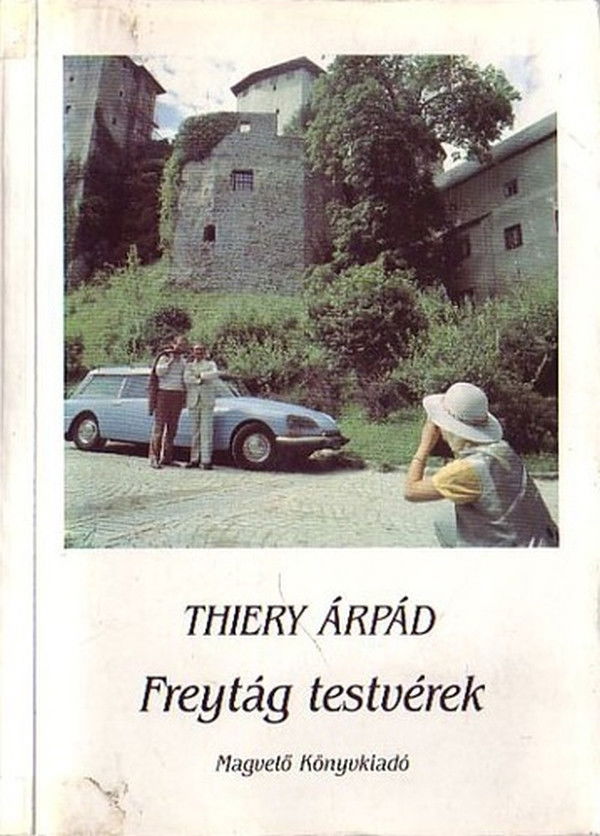
Few writers today tackle sweeping, multigenerational family sagas, work that demands vast life experience and insight. József Attila Prize–winner Árpád Thiery has done just that: his two published volumes of the Freytág Siblings’ story (1943 through the late 1960s) have been adapted by Hungarian Television into a five-part series slated for January 1989, and he’s already completed the trilogy’s final installment. Thiery describes it as a historical family novel, tracing postwar Hungary, from the Stalinist 1950s and the 1956 uprising’s aftermath to the upheavals of 1968, while celebrating freedom, truth, hope, boundless faith and innocent responsibility.
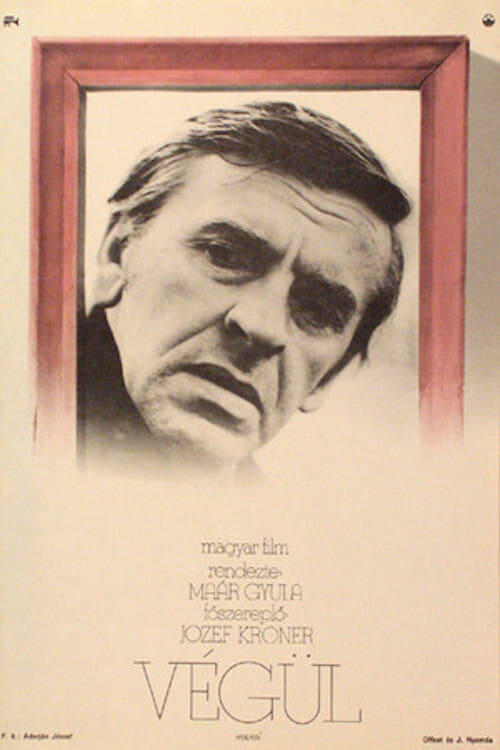
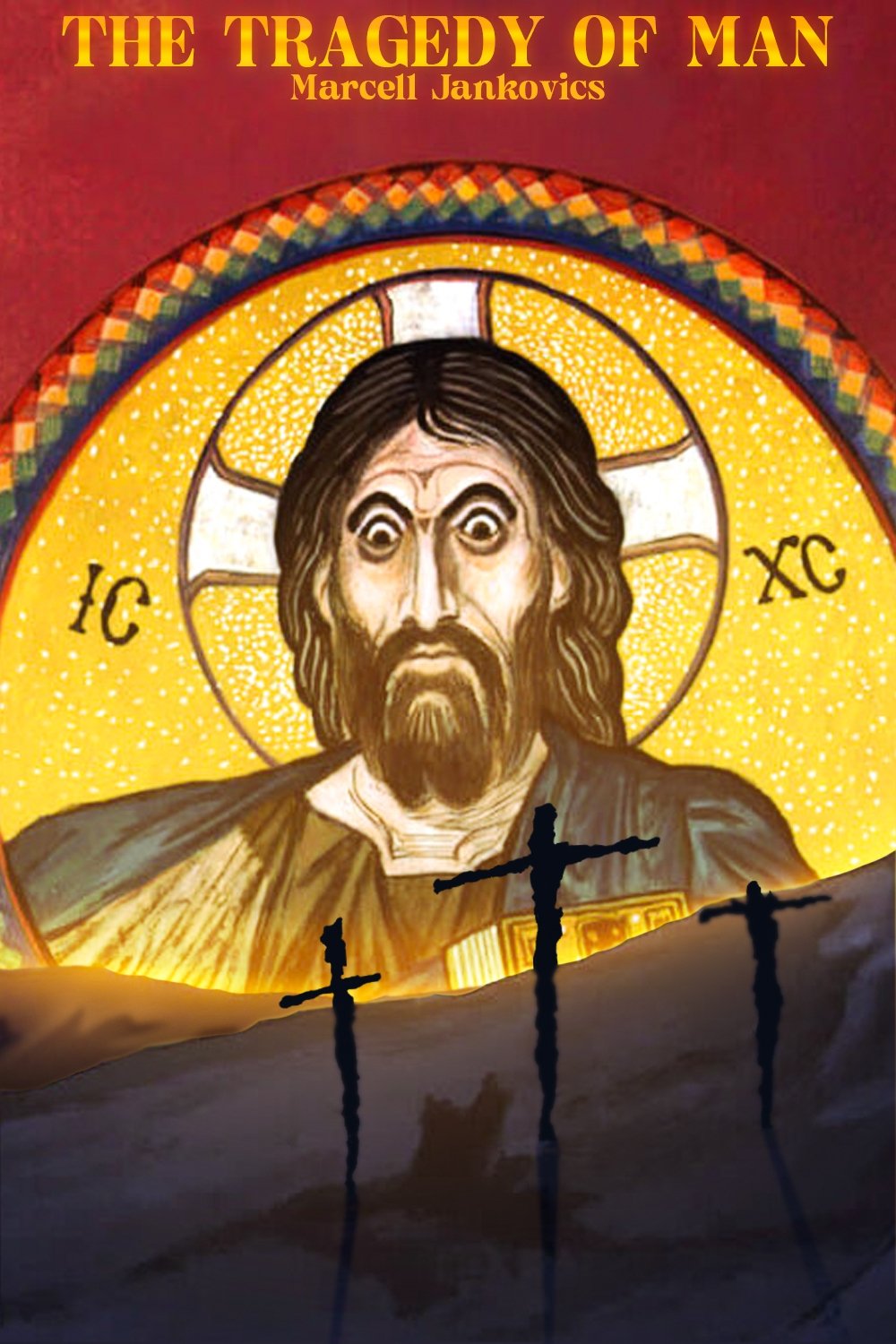
Jankovics's adaptation of the eponymous play is divided into multiple parts, and depicts the creation and fall of Man throughout history.
Vilmos Gonda, a former bomb expert, wants revenge for the rape of his daughter Mari at a house party. Gonda even sheds human blood for this, but he has no idea that his daughter is also responsible for what happened, and she does not want to press charges. In fact, she feels it is more important to assert herself in this kind of friendship at any cost...
The penniless but handsome Count Zalavári chooses a rich girl from the countryside for her money. They don't get to marry because the butler catches him with the maid. He meets an American millionairess who gives him expensive jewelry as a gift. She is killed by her driver later that night. All suspicion falls on the Count.