
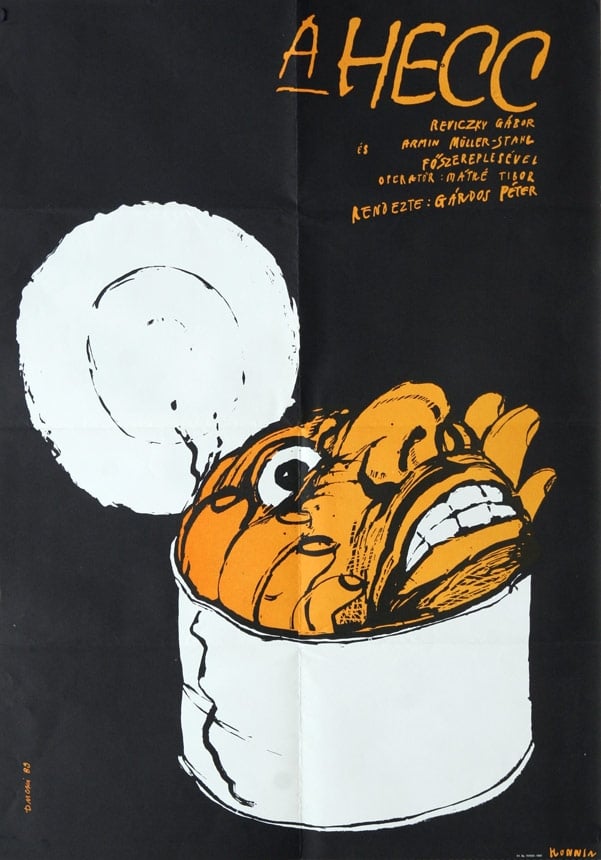
This film tells the story of a few uneventful days in the life of six pals. Lali, a great fan of America, owns a sandwich stand on the side of the road, called The Glass Tiger. Gaben pinches cars; Fox is a petty swindler; Sanyi a half-wit homeless; Coco can't shut up about getting some dough and going to America; Slimmy keeps playing the saxophone, despite the others' frayed nerves. Gaben talks Lali into buying an old Chevrolet Impala, the real American dream. After the long escapade of getting the car, Lali doesn't even get the chance to try the Chevvy out, because a truck completely demolishes it. Fox in the meantime is looking excitedly for the "Wreck", what he has been trying to sell for big money. But Lali has sold what he thought to be scrap, not good for anything. Fox is threatened by some tough guys to bring it back or pay up. He has to get money at all costs...

In the sequel to the surprise hit Üvegtigris (2001), we witness the 6 losers again as they run amok around the roadside buffet, which again fails to make their dreams come true, but which serves as the basis and end station of numerous funny adventures.

Directed, written, and co-produced by Zoltan Kamondi), Kisertesek ("Temptations") illustrates the struggle between ancient traditions and the modern world of restless young Marci (Marcell Miklos), a fatherless young man who is considered somewhat of an outcast within the community.

A popular writer with lack of inspiration and his never-seen son meets unexpectedly. From there they have to deal with living with the other in joy, in emtions and with the imagination of the child, this tales goes beyond reality.
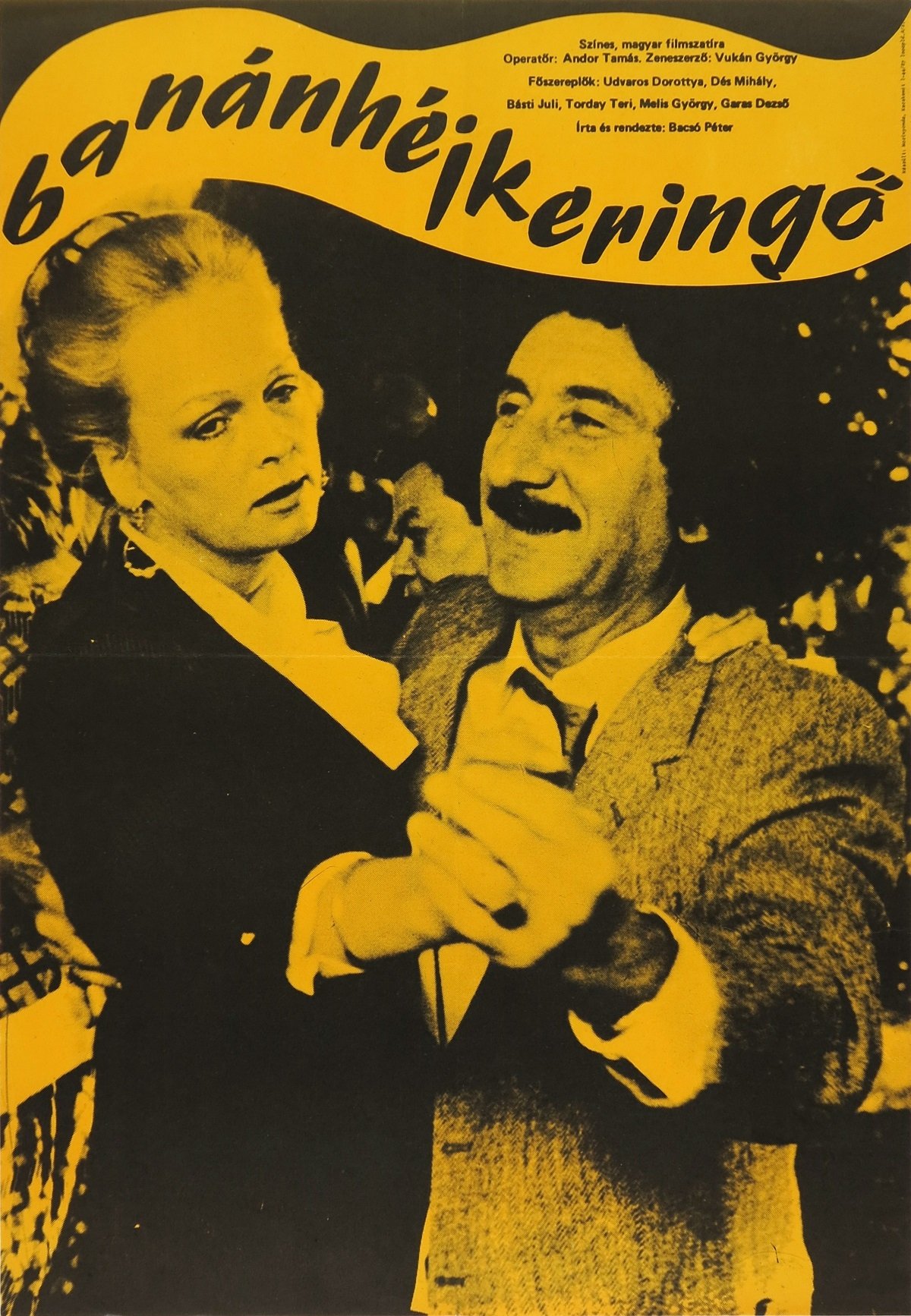
A typist girl who is under the influence of nervous breakdown walks out to the street stark naked from the office she works in. A young physician goes by accidentally and tries to help her, spreading his coat over her nude body. From this moment his life changes completely.

Laura is personnel manager in a hospital. Her father-in-law was a high ranking cadre, her mother-in-law is an influential functionary, it is only her husband - director of an archives - who is unfit for everything. Laura does not like to be home. During one of her rovings she meets her former classmate, who wants to break into the world of pop music with a new band.
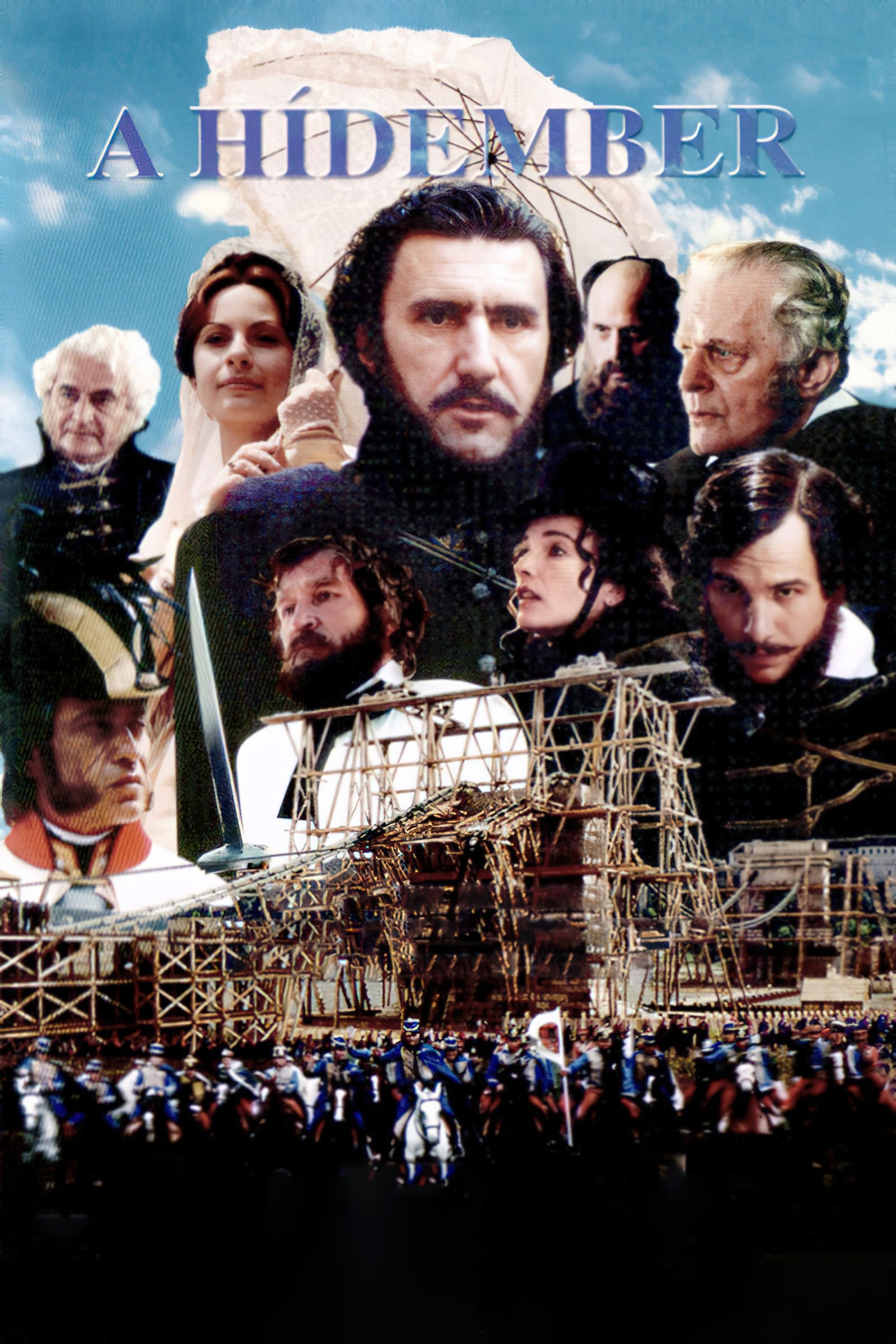
This epic story takes place between 1820 and 1860 during the Habsburg Monarchy, and portrays the life one of the greatest Hungarian aristocrats - Count Széchenyi - who was born with extra-ordinary mental and spiritual talents. In the years following the fall of Napoleon the young count Széchenyi irresponsibly seduces his brother's wife, and the consequent scandal ruins his career as an army officer. After the sudden death of his humiliated lover Count Széchenyi drastically changes his character from that of a shallow young man into a responsible nobleman seeking to conquer his fate by creating great achievements in his remaining life.
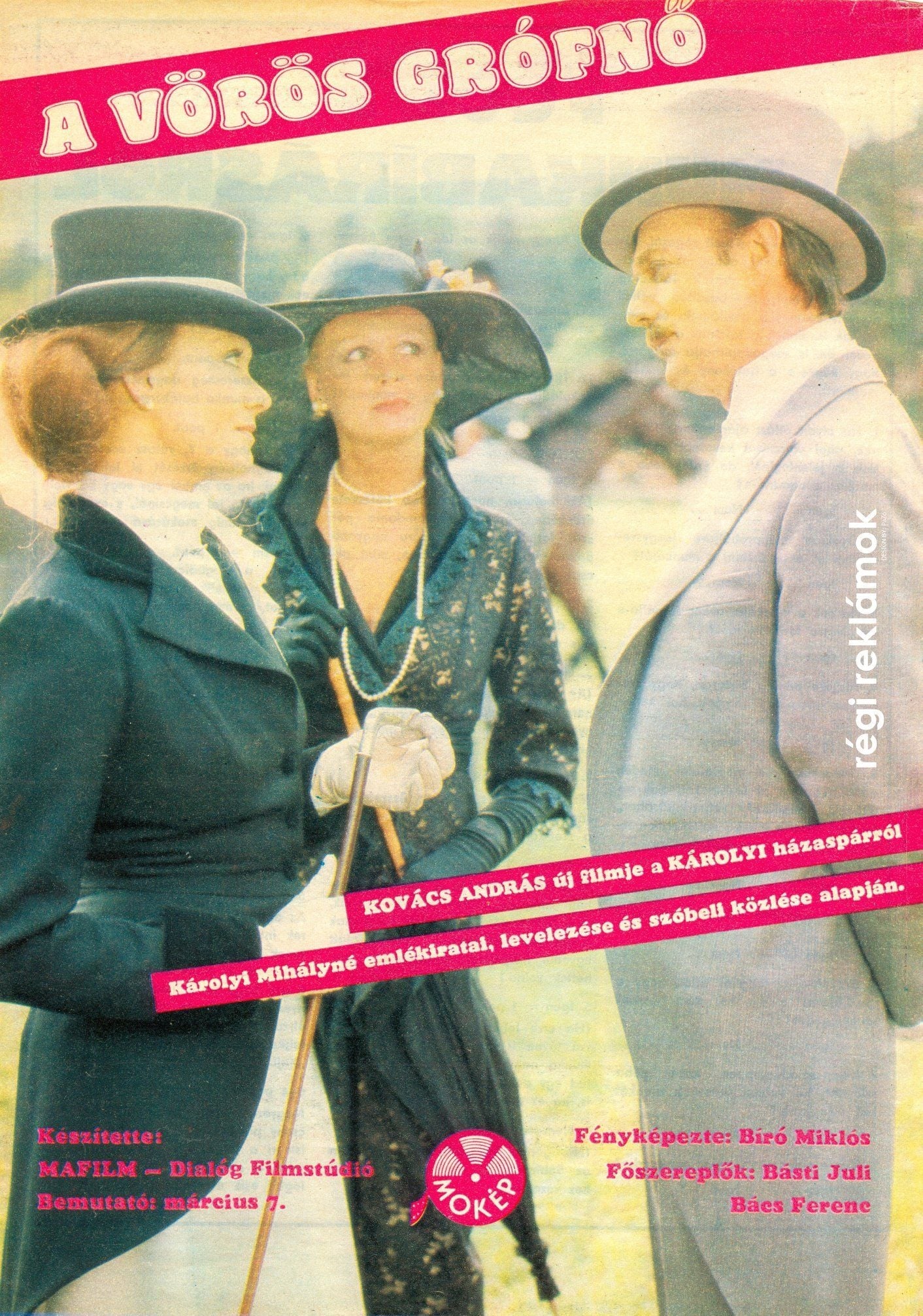
The plot of the film starts at the beginning of the century, in the heyday of the Andrássy and Károlyi families, during the ever increasing crisis of the Austro-Hungarian Monarchy, and ends with the emigration of the Károlyi couple after the collapse of the 1918-19 revolutions. It tells the story of this historical period (war, revolution, take-over by the proletariat, dictatorship) from the view of an extremely wealthy lady, Andrássy Katinka. The authors tried to evoke the special story during which a strange and unique woman gets thoroughly involved in history through her love and at the same time keeps her own identity and self-governance.
In the first half of the fifties Júlia, the weaver meets engineer Szél on a visit with "educative" purpose, who raises his three children alone in a mighty villa. Júlia is willing to take care of the adolescent children and she moves in to the villa. She falls in love with the man but he is not able to express true, deep feelings.
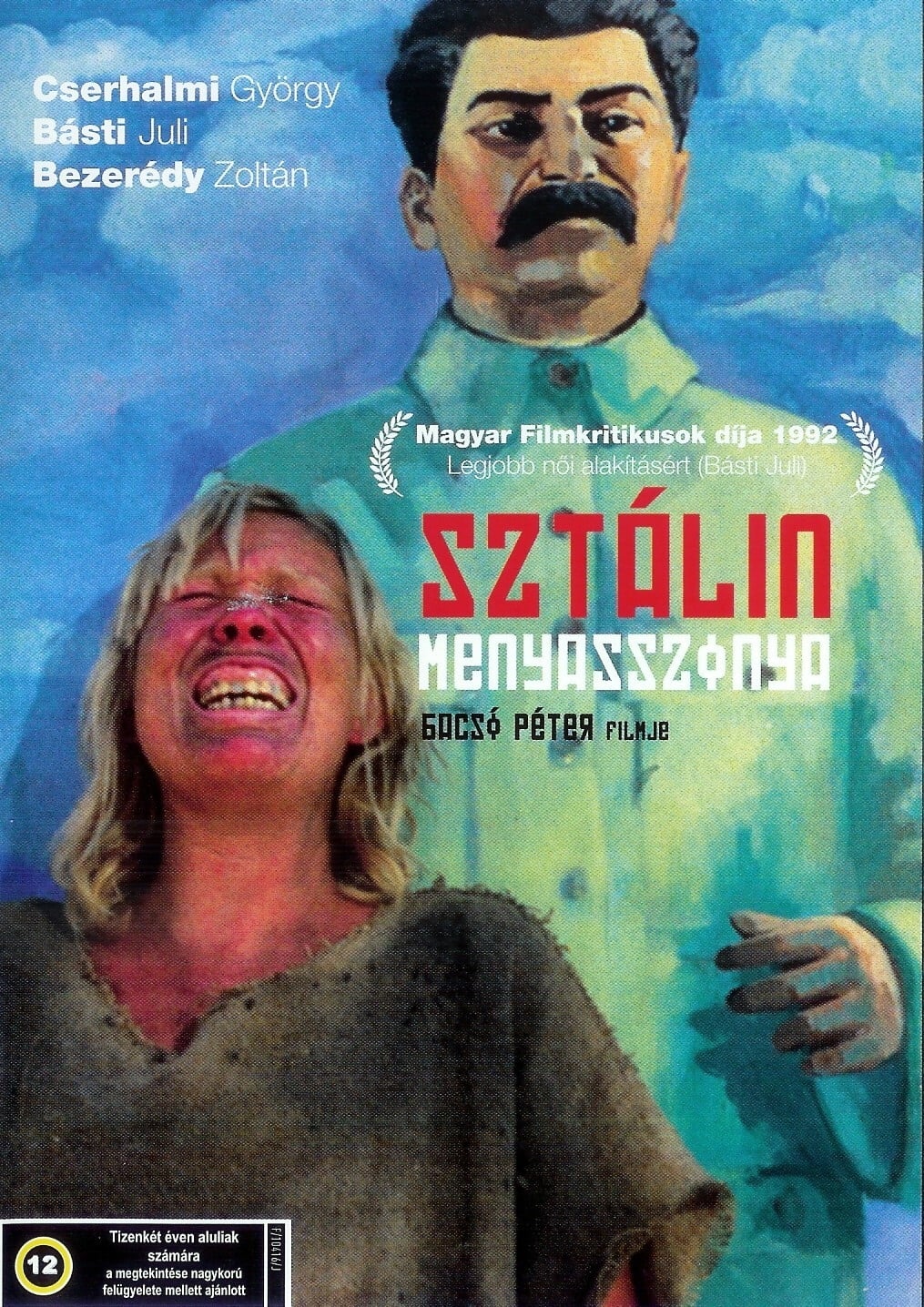
At a dusty crossroads in the Soviet Union villagers surrender their possessions - a horse, a samovar, a goat - to the state. The train which takes them away brings to the village a physically and mentally handicapped woman, barely able to speak. She makes herself bracelets of burrs and studies herself in a cracked and cloudy mirror. Befriended by very few, teased and tormented by many she seeks protection at a huge portrait of Stalin.
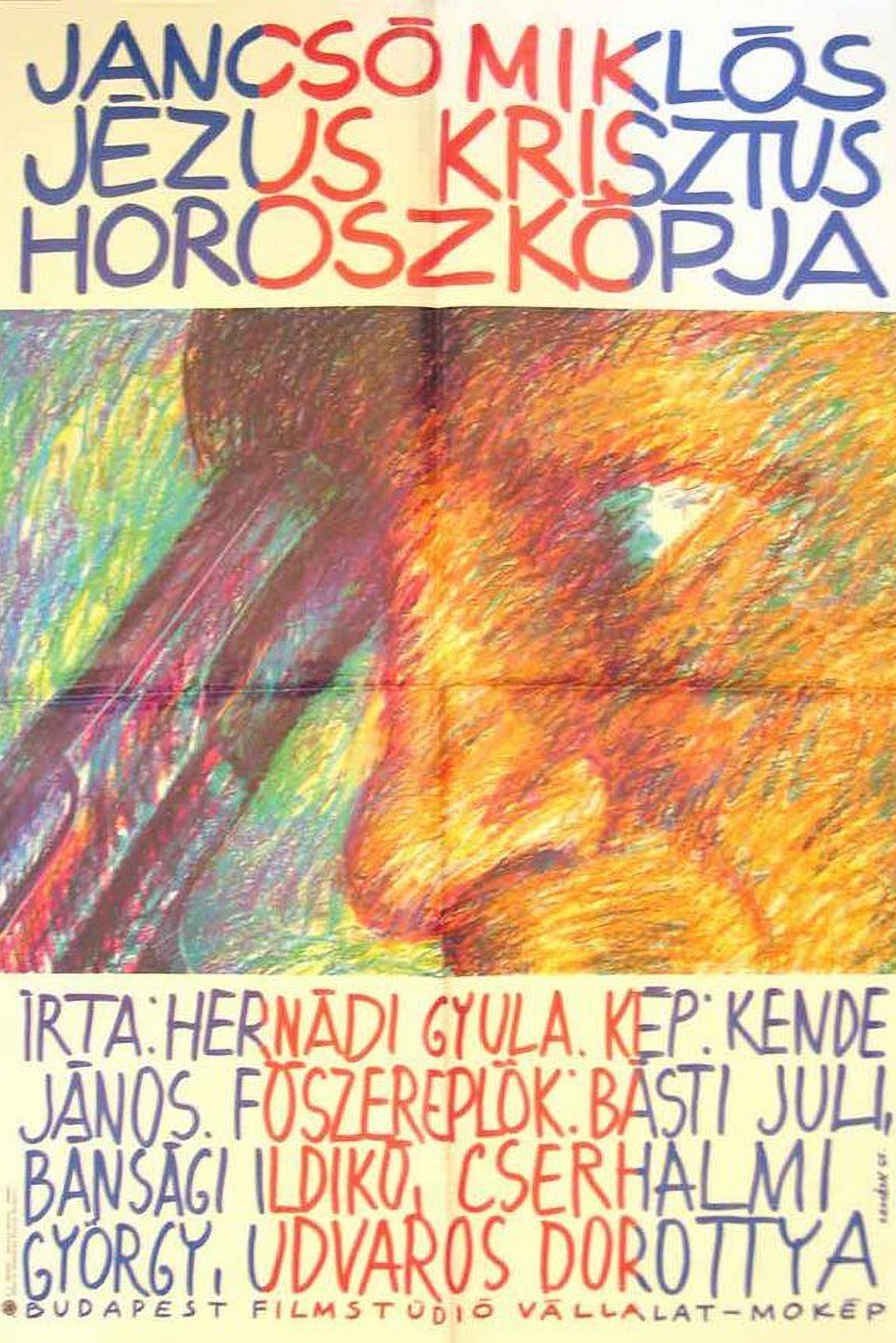
A focus on the tormented lives of intellectuals who failed to protest recent troubles in their homeland. Jancsó emphasizes highly evocative and ambiguous imagery over dialog or exposition as he – through visually fascinating imagery – depicts the painful, stunted lives of Hungary's intellectuals who have remained silent and ineffectual during various political crises.
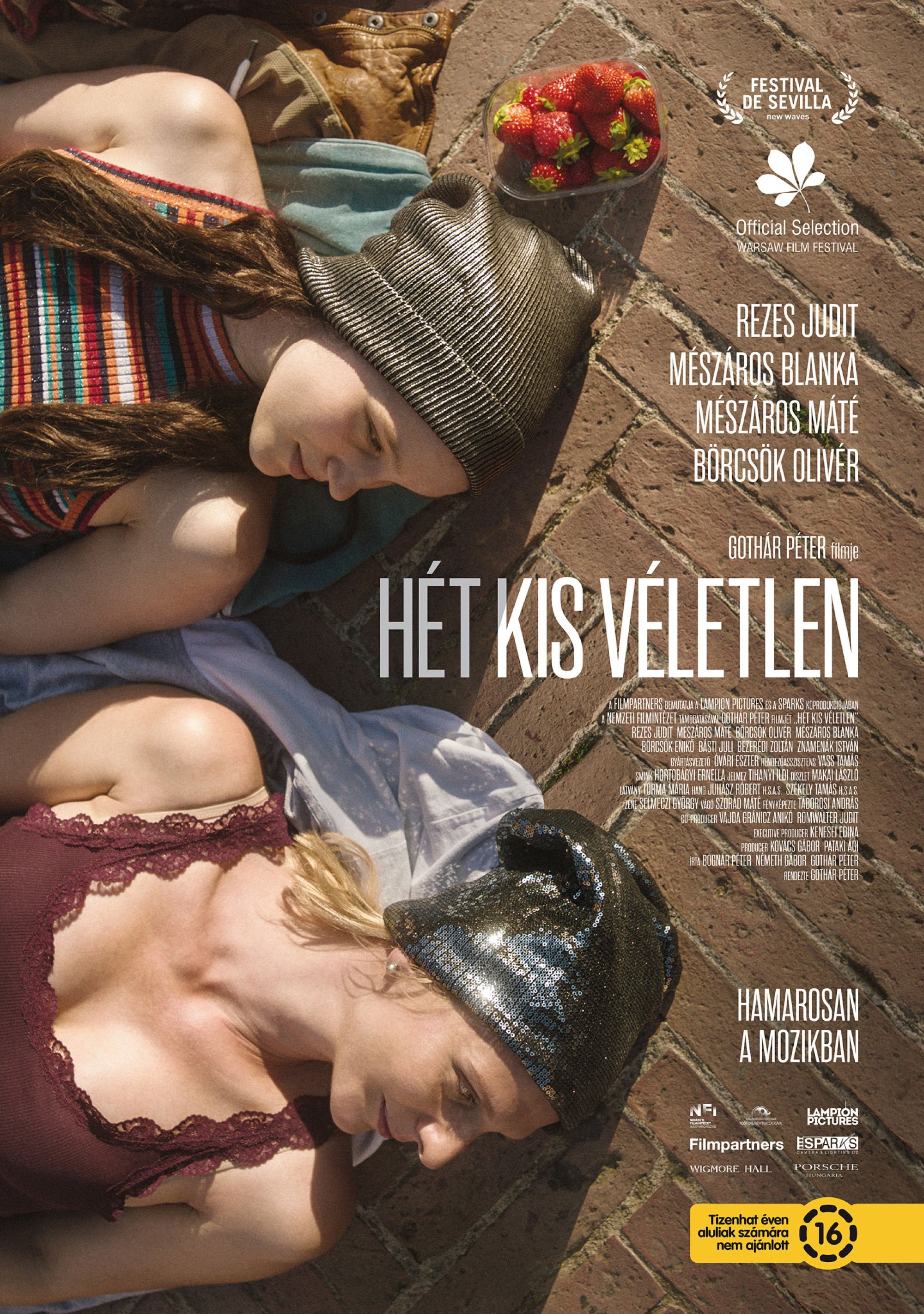
Gertrúd is a middle-aged music teacher. She lives with her art-restorer husband and their teenage son. She is weary of family life, and her relationship with her husband leaves much to be desired. Gertrúd’s settled world is turned upside down when a former student of hers, the beautiful Albán, suddenly shows up. Her presence prompts questions about the past, present, and future. Reality, memories and dreams intermingle dangerously, and the old family roles slowly begin to change. “I wanted this film to be like an enchanted box full of stories and surprises”, Péter Gothár explains. “Its drawers are meant to open in a mysterious rhythm, offering joy and food for thought. First, there was the music of Bartók, which then became the film's main organizing element. It formed around the music – this whole family story full of love and irony”.

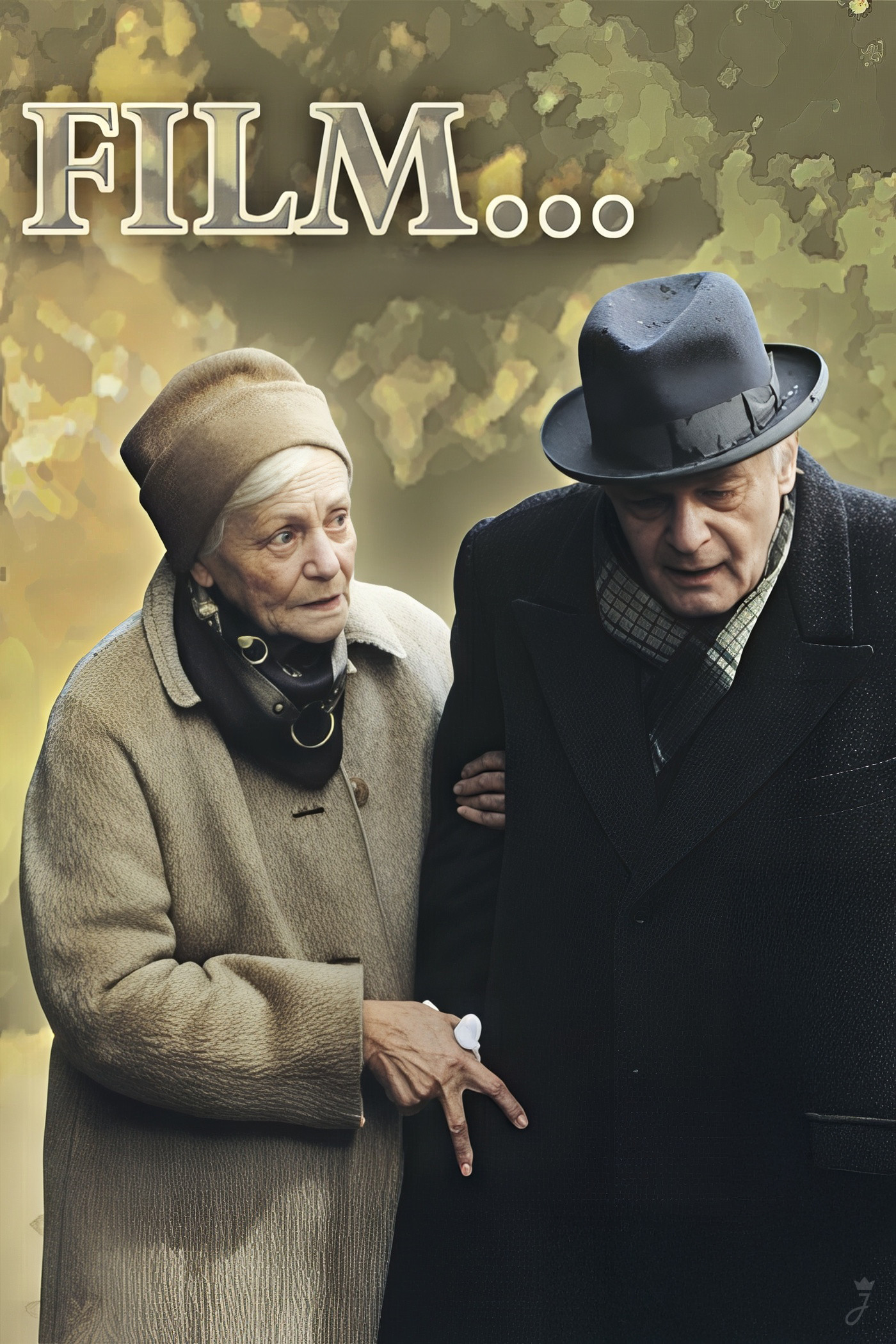
Miklós Mészöly's short novel Film aims to show the last few hours of an elderly couple's life. The last moments of two people who, in the midst of historical storms, inhumanity and loss of values, remained together in the strange grip of love and dependence. The most moving is the formulation of the fundamental question: can we and can we say goodbye with dignity, how much we are lost and vulnerable when we set off into the unknown.
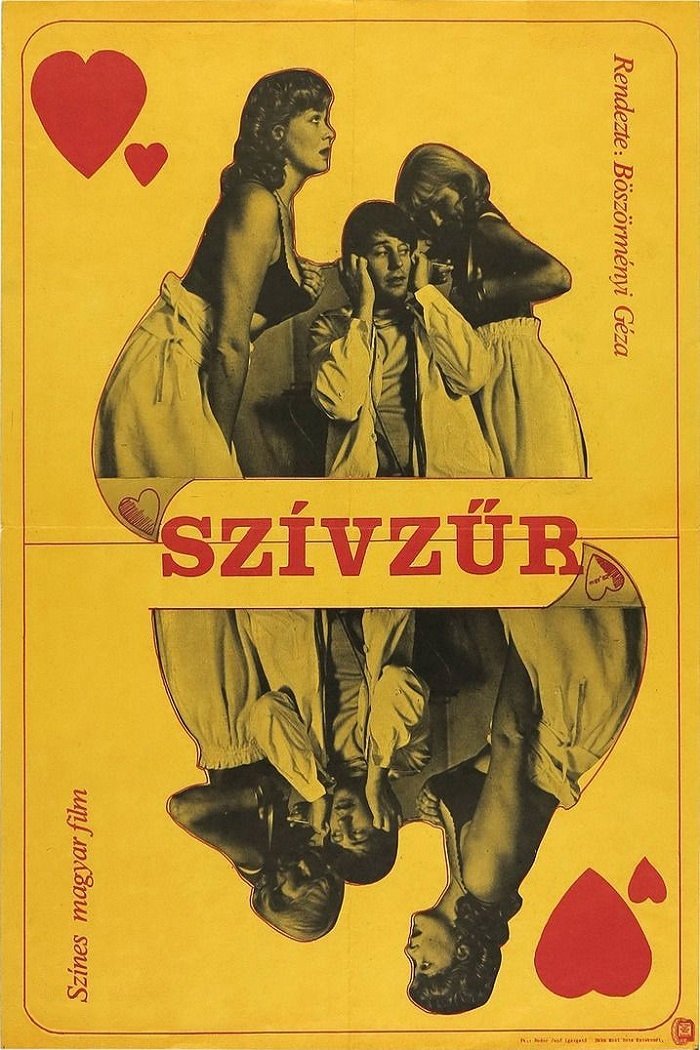
The general practitioner Balla and his wife abandoning her higher education begin their common life in the small mountain village in the hope of quick enrichment and return to the capital. Despite Éva and Emma, the two school mistresses longing for love and Demeter, the dove-keeper obsessed with a desire for flight life is boring in the country.
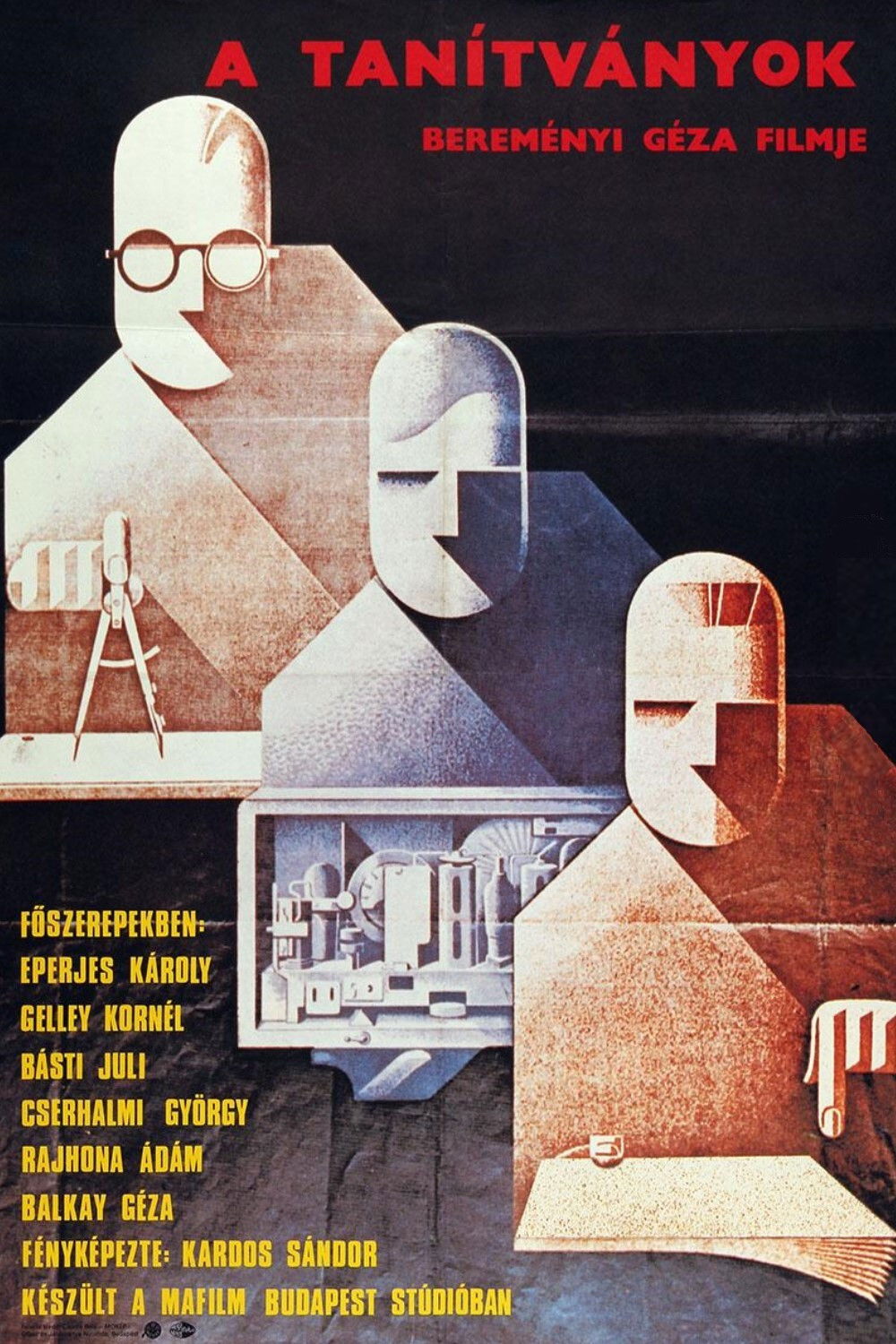
The heroes of this story, based on real events at the end of the 1930s and during World War II, face and dismiss the illusions of intellectuals about their ability to transform society. Professor Magyary and his disciples hoped to promote the modernisation of Hungarian society through a radical reform of public administration.
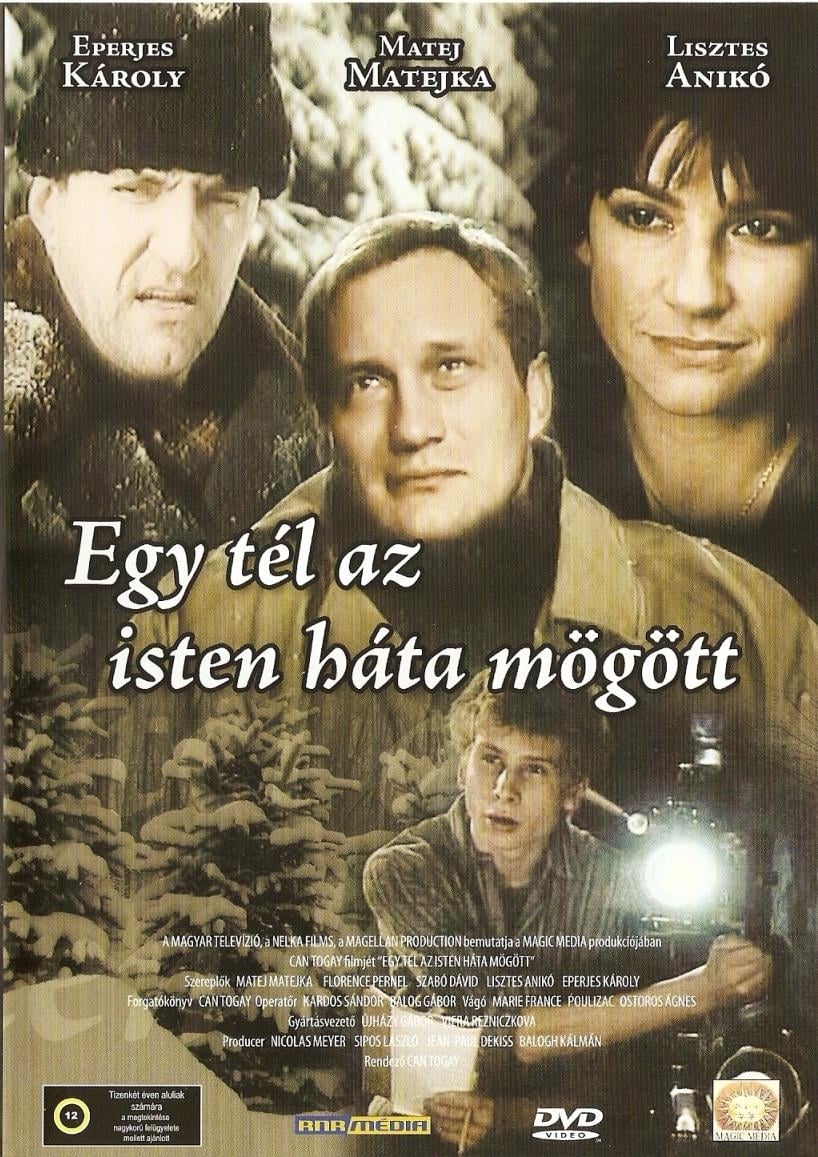
In the year of change in Eastern Europe, in a remote village, the regular movie show, scheduled once a week, terminates due to the motor courier’s being killed in an accident. The children find the scattered film containers, and along with the old reels left in their place they play the films they have seen so often before.

Story of the owners (Mastroianni and Schygulla) of a fancy nightclub in Budapest before and during WWII.
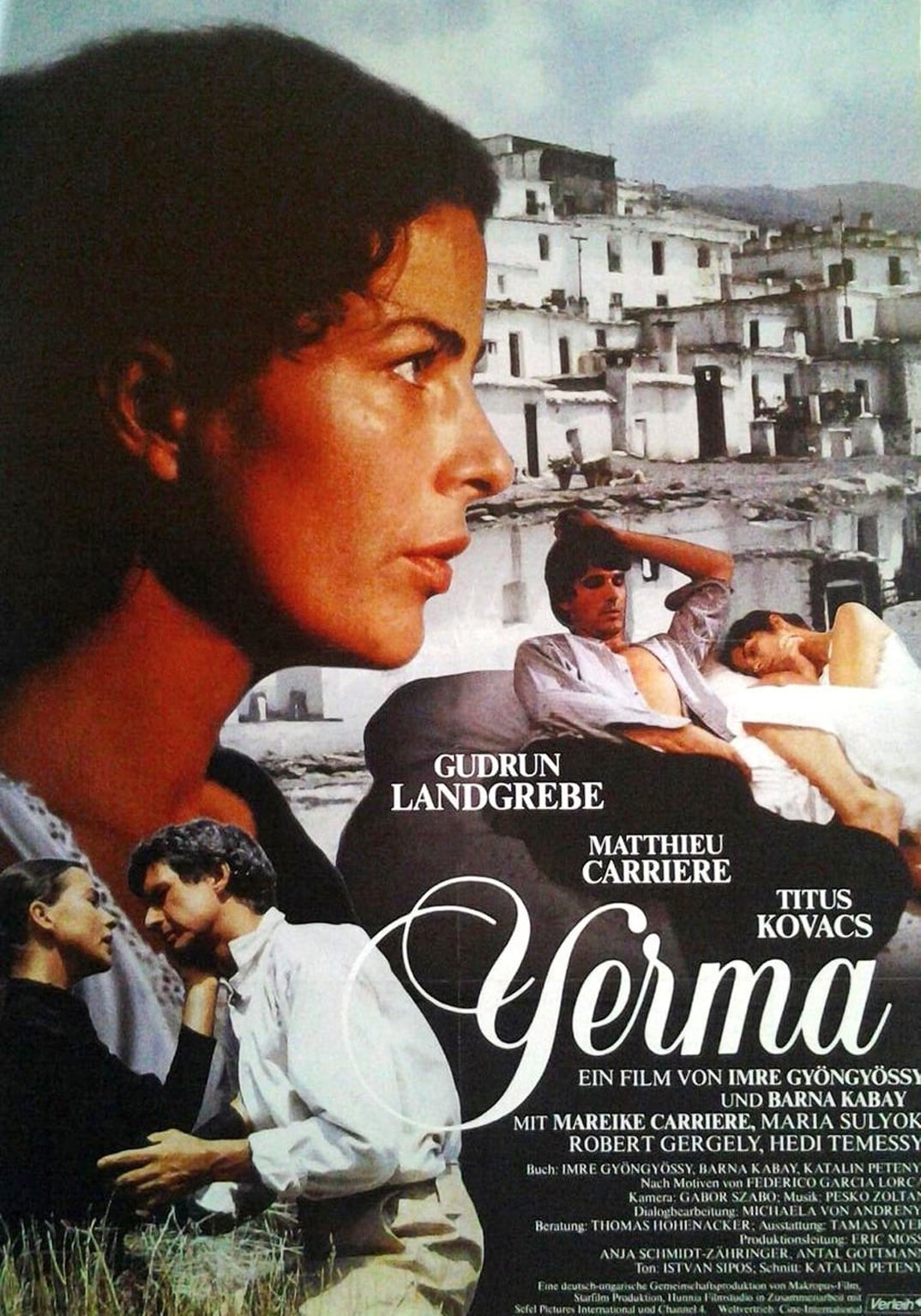
Inspired by García Lorca's stage poem, this is the story of a young woman who cannot realize her desire for self-realization either in the confines of her Andalusian village or in her relationship with her traditional husband.

"What can happen between a man and a woman? Everything. Anything. Anything from passion to indifference. Can you sum it all up in one concert? Yes. At least, that's what four excellent actors (two women and two men) and an excellent score are trying to do. The lyrics are not the least of it." Passing through, Listen a little! Two albums from the 80s, both legends since then. Dorottya Udvaros sings about Hóesés, The Vainly Beautiful Girl, Stripping, passionate duets by Juli Básti and György Cserhalmi, like Játszótársak or Ten Little Scapegoats. These songs have rarely or never been performed in concert. János Kulka has also sung Dés songs on record. After more than twenty years, the Big Team is finally getting together and will present this special performance on a national concert tour, with musical direction by László Dés and direction by Géza Bereményi. The composer duo Dés-Bereményi have also written new songs for the four actors for the occasion.
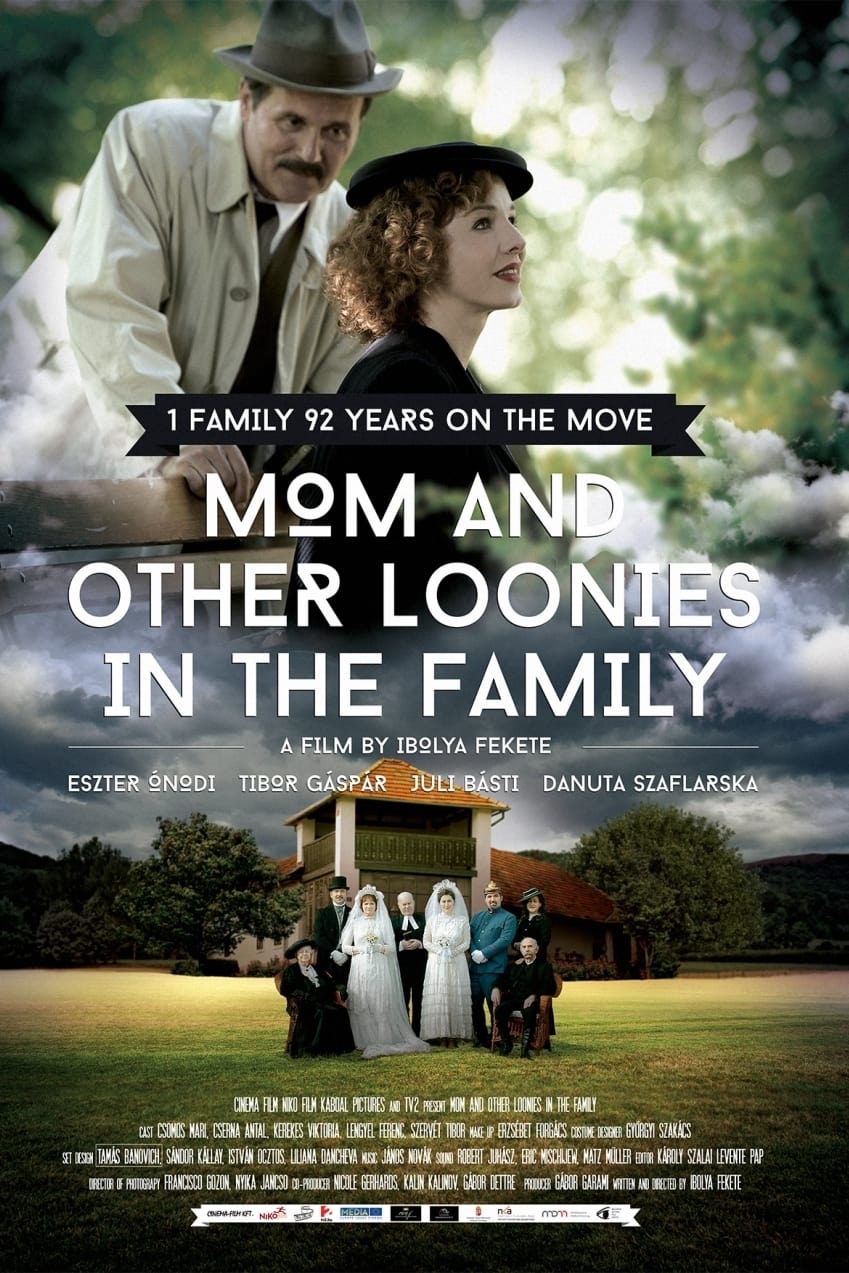
Over the course of four generations, a family in Hungary confronts poverty, political turmoil and a life that's perpetually on the move.
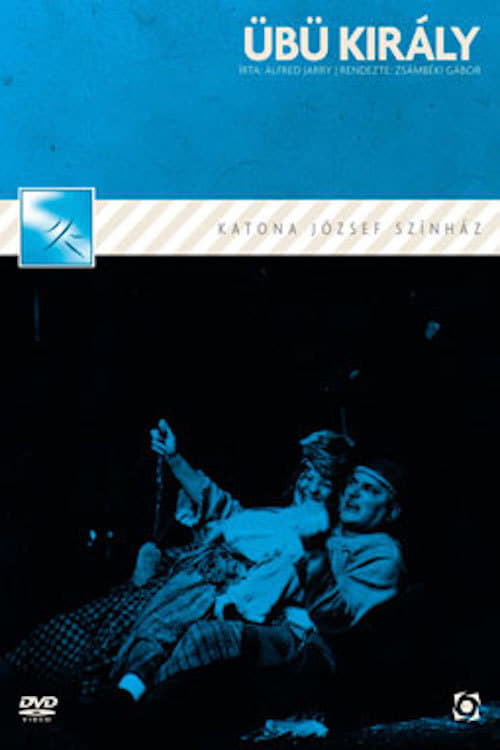
The Empty King created a mythical figure and a whole world from grotesque, archetypal images. The drama was originally conceived as a student tirade against a teacher at Jarry's school, the Lyceum of Rennes. This teacher, Hébert, was the target of public ridicule. In 1888, at the age of 15, Jarry wrote a puppet play about the exploits of the Woolly Tartar and staged it to the amusement of his friends. The figure of Übü is a crude, cruel caricature of the foolish, selfish bourgeoisie as seen through the unrelenting gaze of a schoolboy; but this Rabelaisian figure, in all his falstaffian greed and cowardice, is more than a mere social satire. It is a terrifying picture of man's animal nature, his evil and cruelty. The Katona József Theatre in Budapest premiered Jarry's play in 1984, and it ran continuously for more than 10 years.
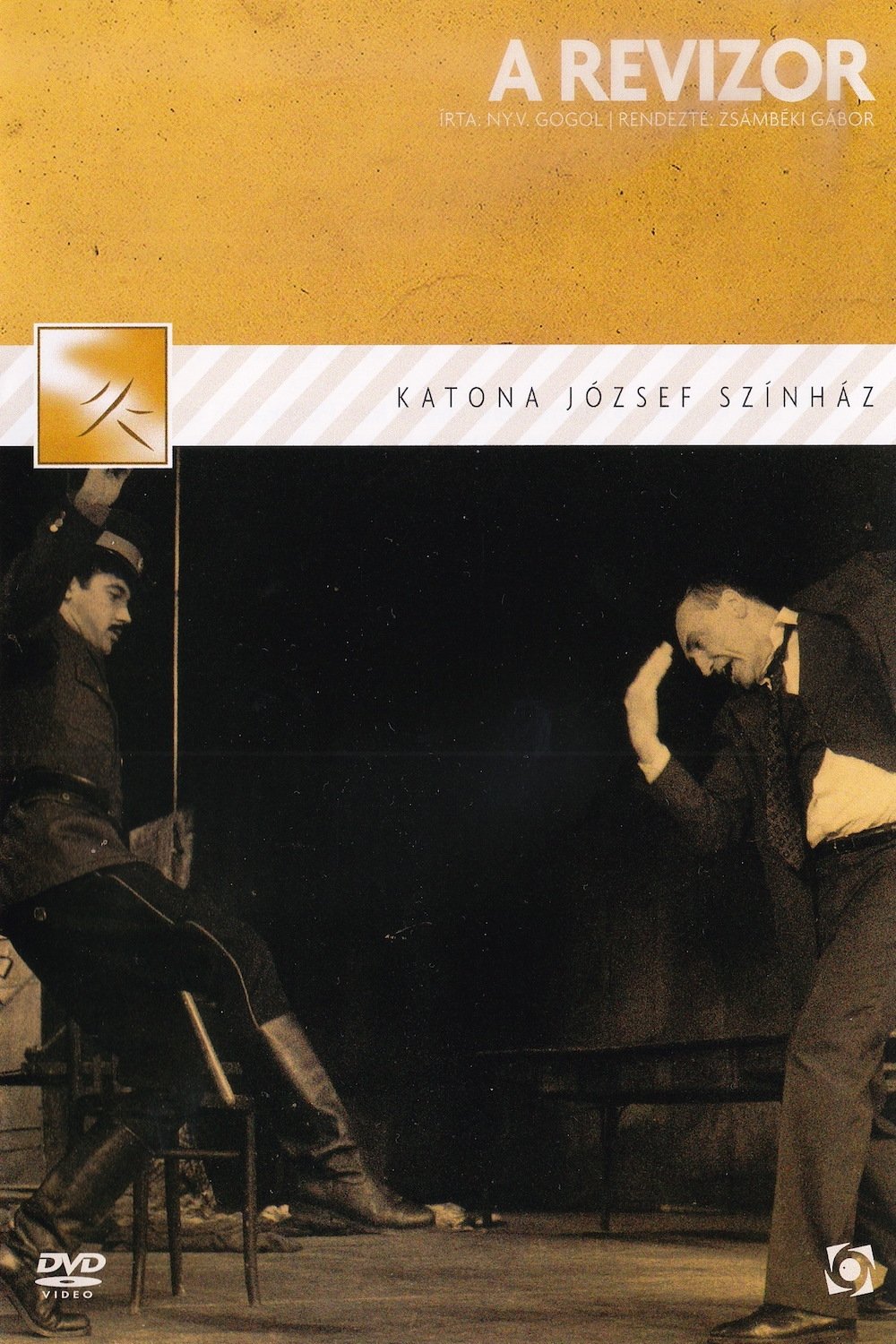
The corrupt leaders of a small rural town learn that an auditor is coming from St Petersburg. Frightened, they try to put things in order. Hlesztakov, a Petersburg official, has been starving for days in his inn in the small town, having gambled away all his money and no credit. In a misunderstanding and a bit of backstabbing, the town's corrupt leaders mistake him for an auditor. The bureau chiefs are watching his every move, and the mayor's daughter is a hit. When he leaves, the whole town celebrates and expects him back for a wedding. But a letter reveals the fraud, and at the same time the real auditor arrives.

Lt. Kojak arrives in Budapest as a guest speaker for the 'International Crime Writers Conference'. Soon after he starts enjoying the pleasures that the city has to offer, he assists his old friends at the police department with a case. The case involves solving the murder of a noted scientist, unaware that a Mafia hit man and his female companion are targeting him.

Tamás is a young, Budapest-based director of video clips and commercials who dreams of directing his...
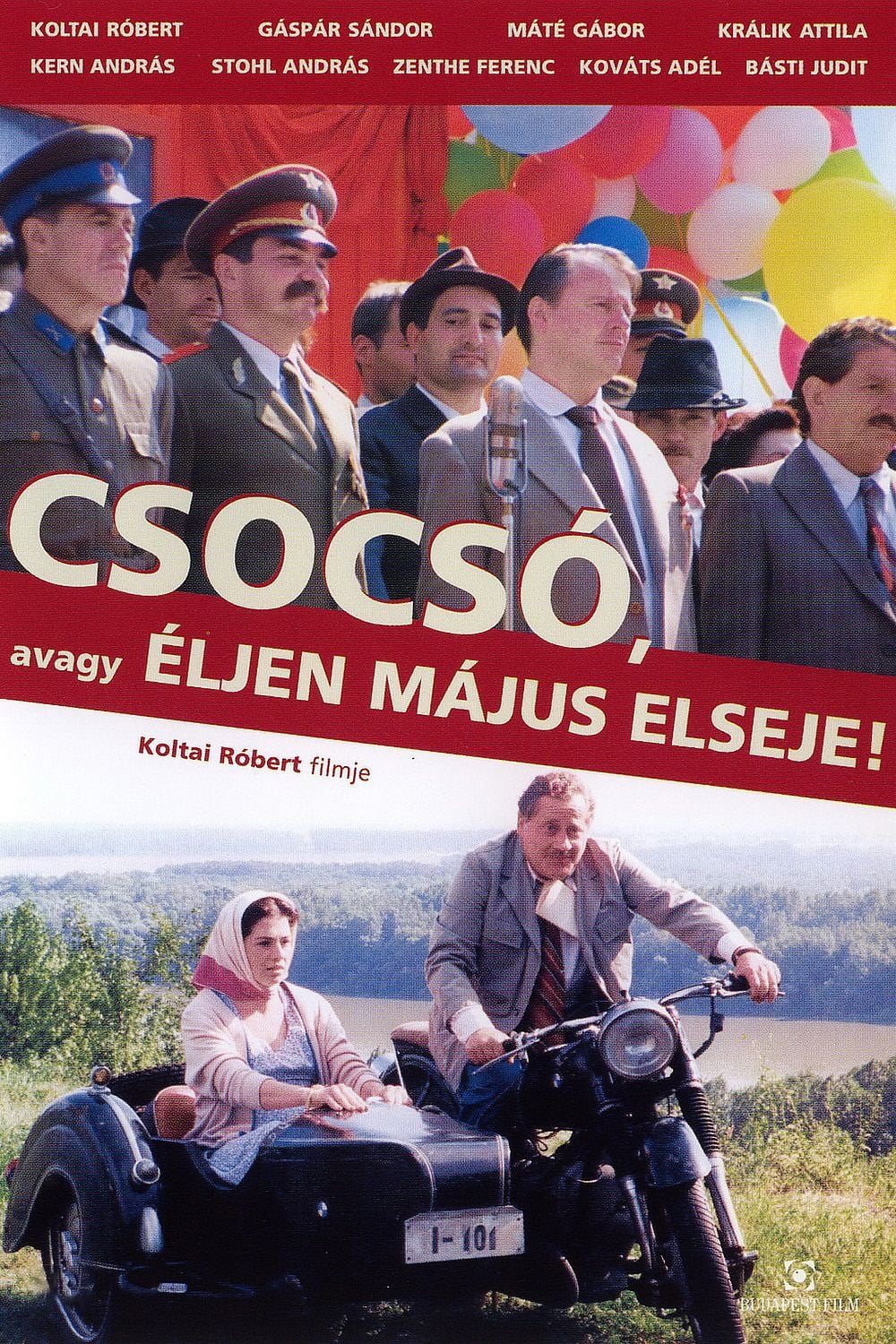
A new socialistic city is being built on the Danube's riverbank in the early 50's. The story is about a teacher who's living there.

Would you believe in a policewoman who suffers from such serious panic disorders that she is afraid to get close to any crime scene and has been on permanent office duty for more than a decade? Would you believe a lone mother who is unfit to pay her mortgage and also raise her rebellious teenage daughter? Indeed, no one believes that the troubled ex-detective has discovered a serial murder case. Personal dramas and a murder mystery unfold in present-day Budapest, where demonstrations are part of the pre-election life of a city still trying to cope with the shadows of its historical and recent past. It is a city where nothing seems honest and true, except through the eyes of an emotionally unstable policewoman and her misfit daughter who wants to know who her father truly was.


A single gunshot and a pointed toothpick drive Lali to abandon his life and disappear, only to find himself stranding Feri, a high-profile Budapest lawyer, at the Üvegtigris snack bar while Lali hops into Feri’s Bentley convertible. As the pair roar through the city, Lali’s sudden swagger attracts a dazzling woman - and then another - launching him on an outrageous day of living large. What began as an impulsive escape becomes Lali’s wildest adventure yet, filled with fast cars, femme fatales and the thrill of starting over.

Gergő’s mother is obsessed with having a grandchild. She has a serious heart disease and has only days left to live. To give his mum some joy during her final hours, Gergő asks his neighbour Saci, who is five months pregnant, to visit his mother in hospital with him and tell her that she is carrying his child. It all goes smoothly, but a new heart arrives, and his mum is operated. Therefore, Gergő and Saci are forced to play the roles of the loving couple.
The life of Tamás, antiquities dealer, runs in a normal, everyday way, he is stealing, swindling, cheating on his wife just like everybody else. Suddenly three men, who live in the attic, start harassing him. They construct coarse and unpleasant schemes against him and carry them into effect at the most unexpected times and places.
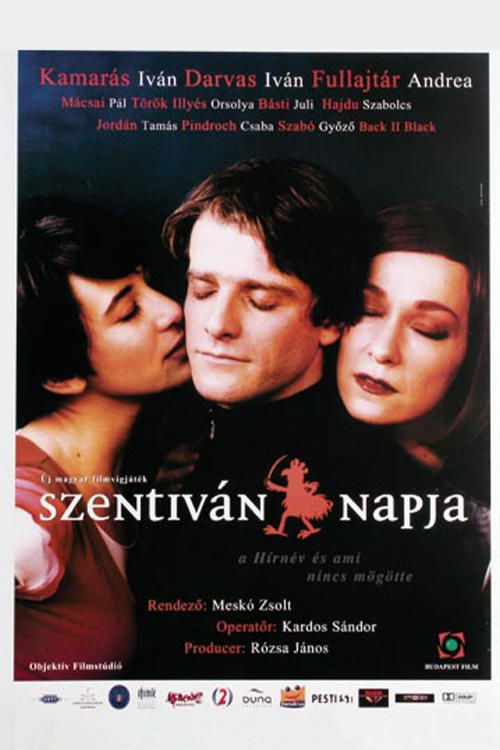
A day in the life of hungarian movie star Iván Székely.

Lilla, a forty-something couples therapist devoted to her family, is blindsided when her husband suddenly leaves her for a younger nail technician. Struggling with heartbreak, Lilla finds herself being pushed by her headstrong daughter, Zsófi, and her no-nonsense mother, Vilma, to snap out of her depression and start dating again. In a bid to lift her spirits, Vilma introduces Lilla to a charming journalist — but things take an unexpected turn when Zsófi discovers a potential match of her own for her mother.
József Tógyer, the typical nobody, just wanted to buy some cloves for their New Year's Eve punch, but ends up as a hostage to a bank robbery gone wrong. In distress, he takes out life insurance, that makes his wife want him to die, while the insurance company wants to save his life. The local radio-station offers him a job and he gains surprising popularity, and finds new love.