
The struggle to eradicate apartheid in South Africa has been chronicled over time, but no one has addressed the vital role music plays in this challenge. This documentary by Lee Hirsch recounts a fascinating and little-known part of South Africa's political history through archival footage, interviews and, of course, several mesmerizing musical performances.
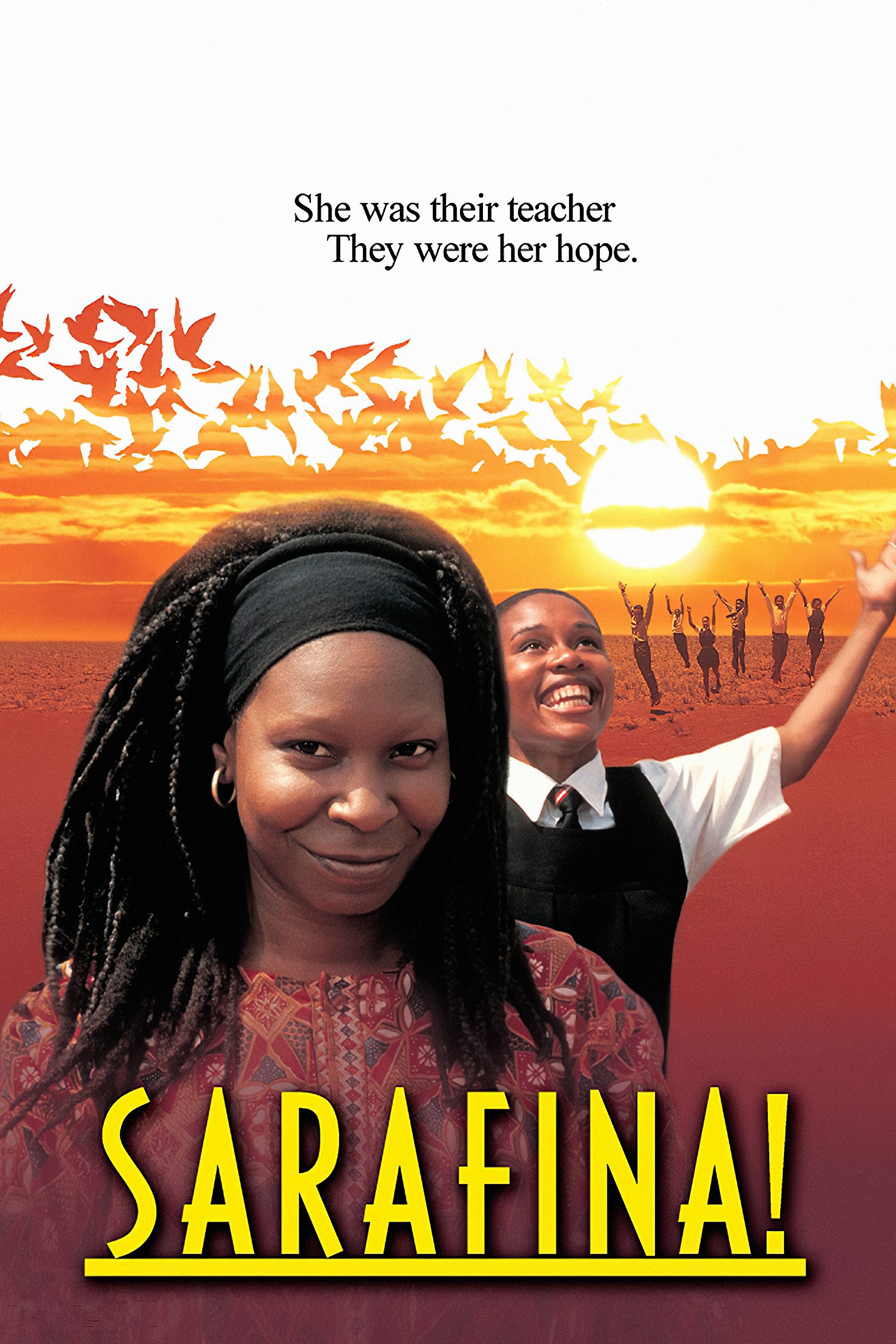
A Soweto schoolgirl named Sarafina is galvanized to protest apartheid after her teacher is arrested for her activism, leading her to join the student resistance movement.
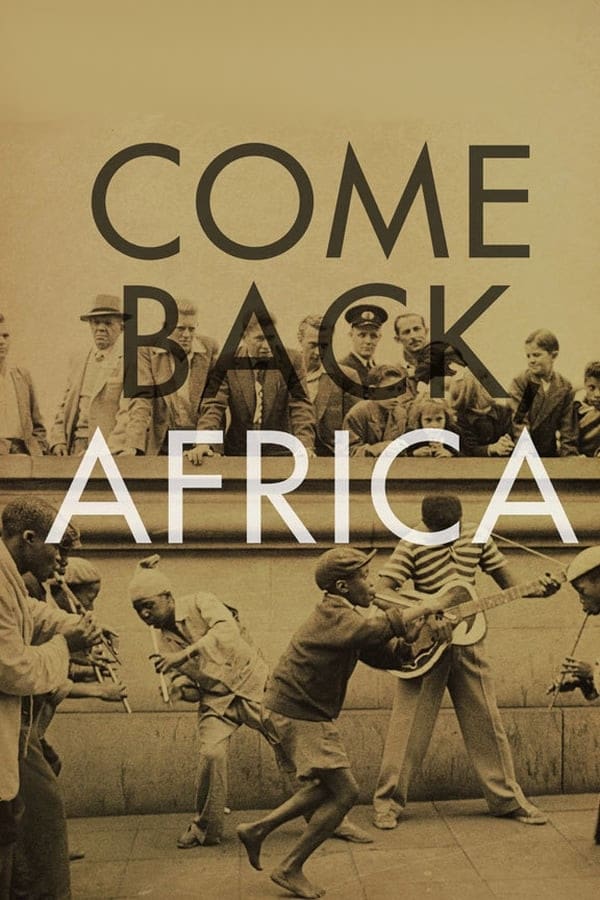
Come Back, Africa chronicles the life of Zachariah, a black South African living under the rule of the harsh apartheid government in 1959.
Festival panafricain d'Alger is a documentary by William Klein of the music and dance festival held 40 years ago in the streets and in venues all across Algiers. Klein follows the preparations, the rehearsals, the concerts… He blends images of interviews made to writers and advocates of the freedom movements with stock images, thus allowing him to touch on such matters as colonialism, neocolonialism, colonial exploitation, the struggles and battles of the revolutionary movements for Independence.
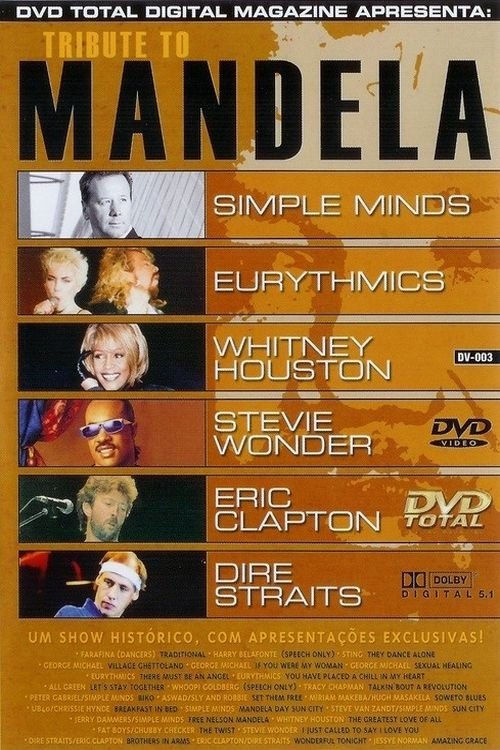
There was a time when the biggest names in pop music believed they could change the world for the better. Faced with the intolerance and excesses of the established authorities, music celebrities decided to use their prestige to draw attention to the problems that less favoured people in the world faced. Wembley Stadium, London, 1988: thousands of English people fill one of the most famous football arenas in the world to celebrate an unforgettable pop music festival, with a lofty goal above entertainment - the celebration of the seventieth birthday of African leader Nelson Mandela.
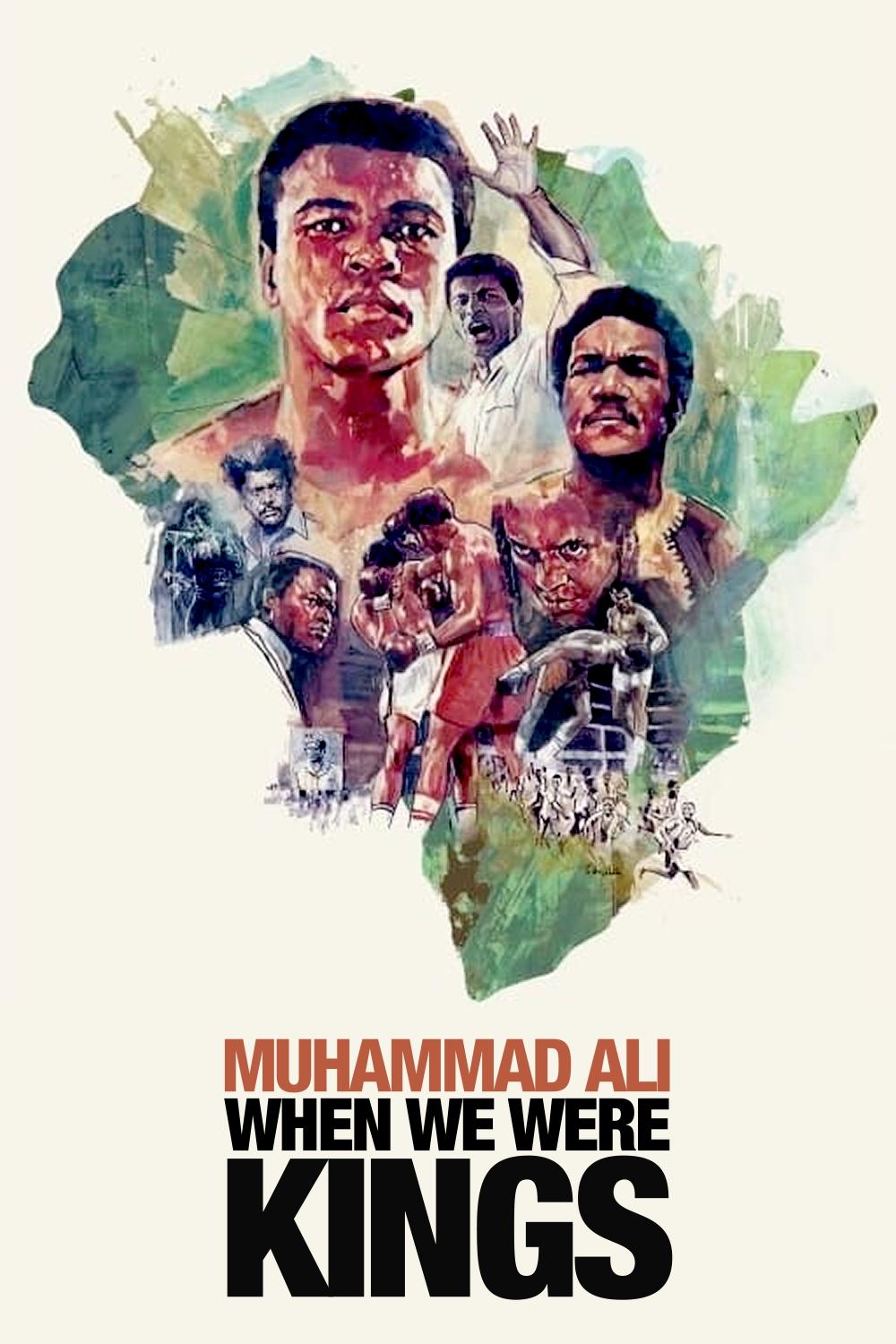
It's 1974. Muhammad Ali is 32 and thought by many to be past his prime. George Foreman is ten years younger and the heavyweight champion of the world. Promoter Don King wants to make a name for himself and offers both fighters five million dollars apiece to fight one another, and when they accept, King has only to come up with the money. He finds a willing backer in Mobutu Sese Suko, the dictator of Zaire, and the "Rumble in the Jungle" is set, including a musical festival featuring some of America's top black performers, like James Brown and B.B. King.
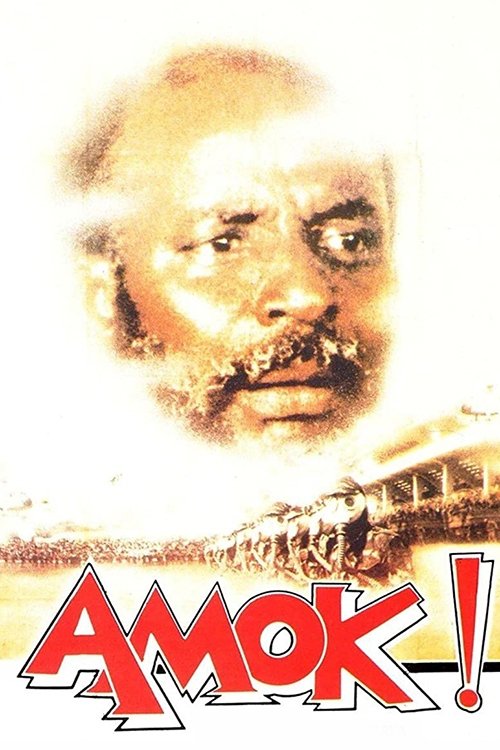
A rural teacher discovers the harsh realities of his South Africa.
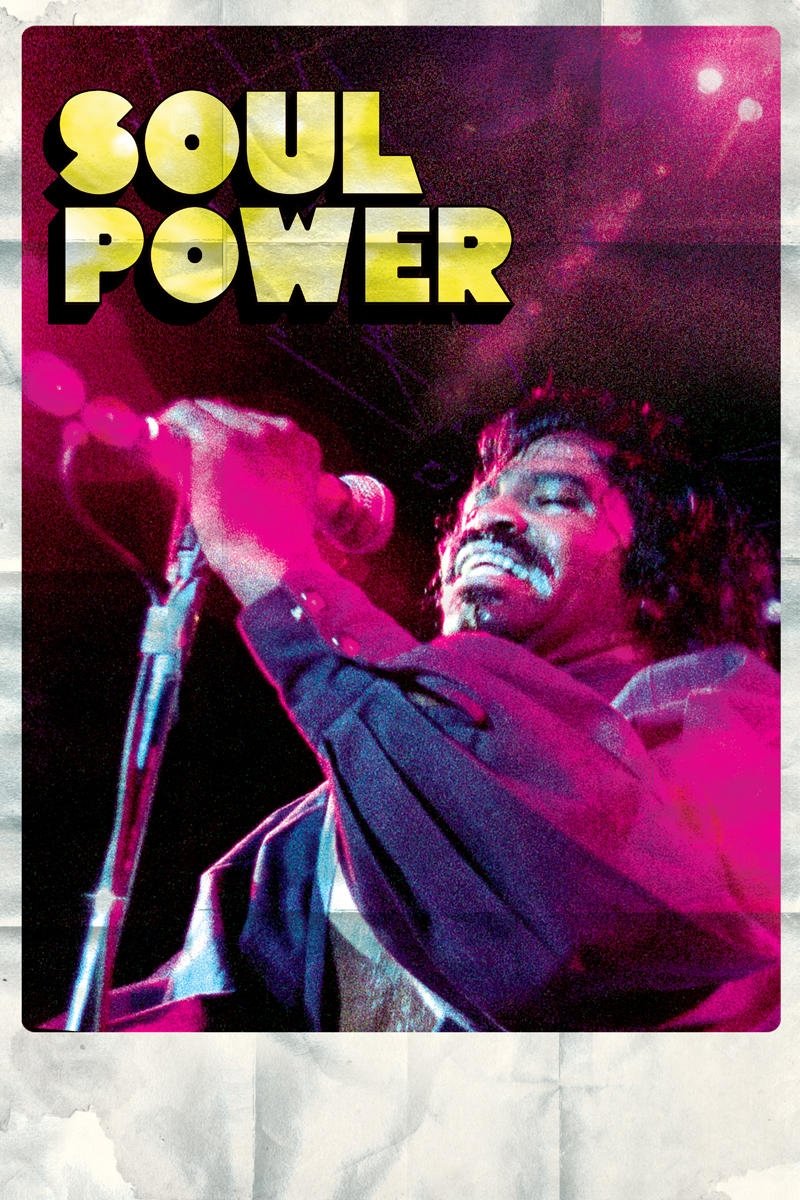
Soul Power is a 2008 documentary film about the Zaire 74 music festival in Kinshasa which accompanied the Rumble in the Jungle heavyweight boxing championship match between Muhammad Ali and George Foreman in October 1974. The film was made from archival footage; other footage shot at the time focusing on the fight was edited to form the film When We Were Kings.
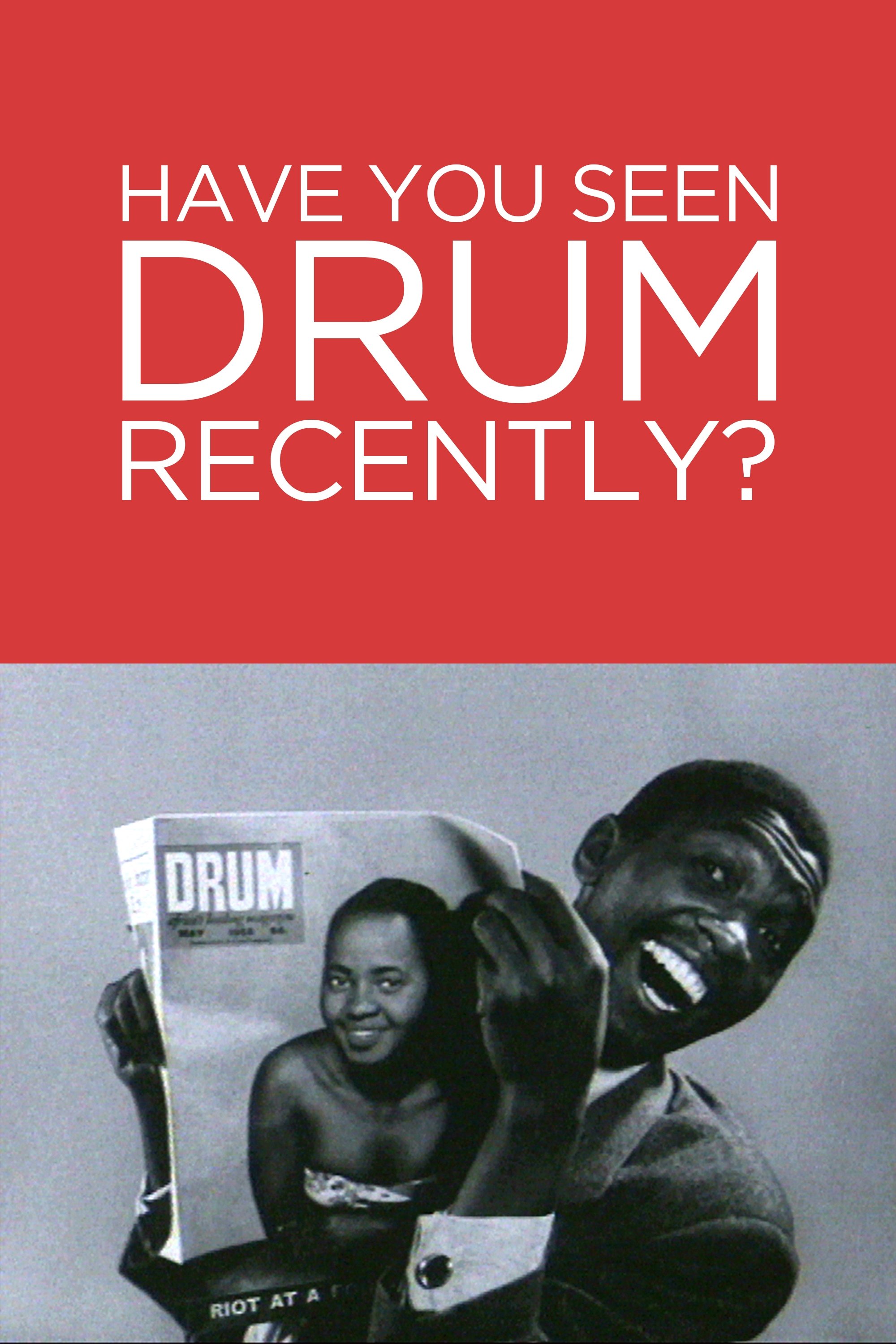
Have You Seen Drum Recently? is a 1989 film which uses photographs from the Drum archives to tell the story of the magazine and documents its contribution to the cultural and political life of South Africa.
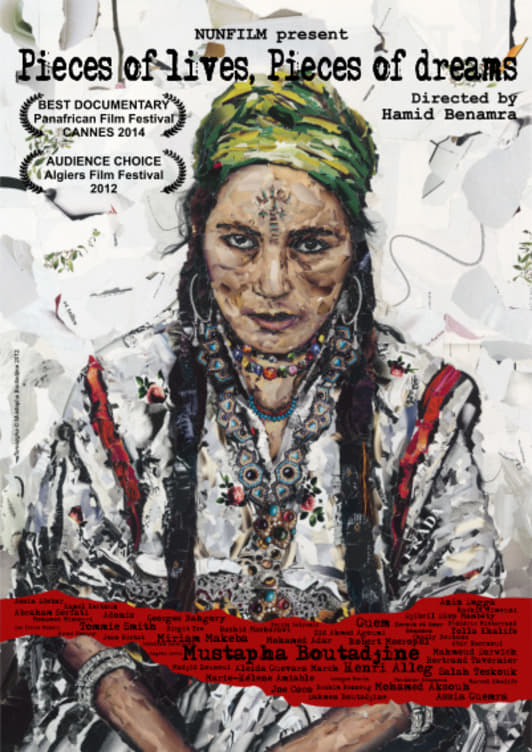
Algerian director Hamid Benamra turns his focus to Mustapha Boutadjine, a charming, mercurial collage artist in Paris whose very work methods embody resistance, and celebrate those who work to liberate others. Boutadjine creates his portraits of Third World artists such as Miriam Makeba, and Algerian figures such as Assia Djebar from pieces of paper torn from high end fashion magazines and other, glossy, glitzy publications. Using this material is as much an act of rejecting bourgeois standards, which are often anti-North African in France, as much as elevating these figures and making them the social and visual standard against which we should judge ourselves, not the runway models of Chanel.

Miriam Makeba was one of the first African musicians who won international stardom and whose music was always anchored in her traditional South African roots. Miriam Makeba was forced into exile in 1959. She sang for John F. Kennedy, performed with Harry Belafonte and Nina Simone, was married to Hugh Masekela and also Stokely Carmichael. Her life was tumultuous. She always stood for truth and justice. She fought for the oppressed most importantly for black Africans, as a campaigner against apartheid. She died November 2008 after a concert in Italy. Mika Kaurismäki's documentary, traces fifty years of her music and her performing life. Through rare archive footage of her performances and through interviews with her contemporaries we discover the remarkable journey of Miriam Makeba.

How African artists have spread African culture all over the world, especially music, since the harsh years of decolonization, trying to offer a nicer portrait of this amazing continent, historically known for tragic subjects, such as slavery, famine, war and political chaos.
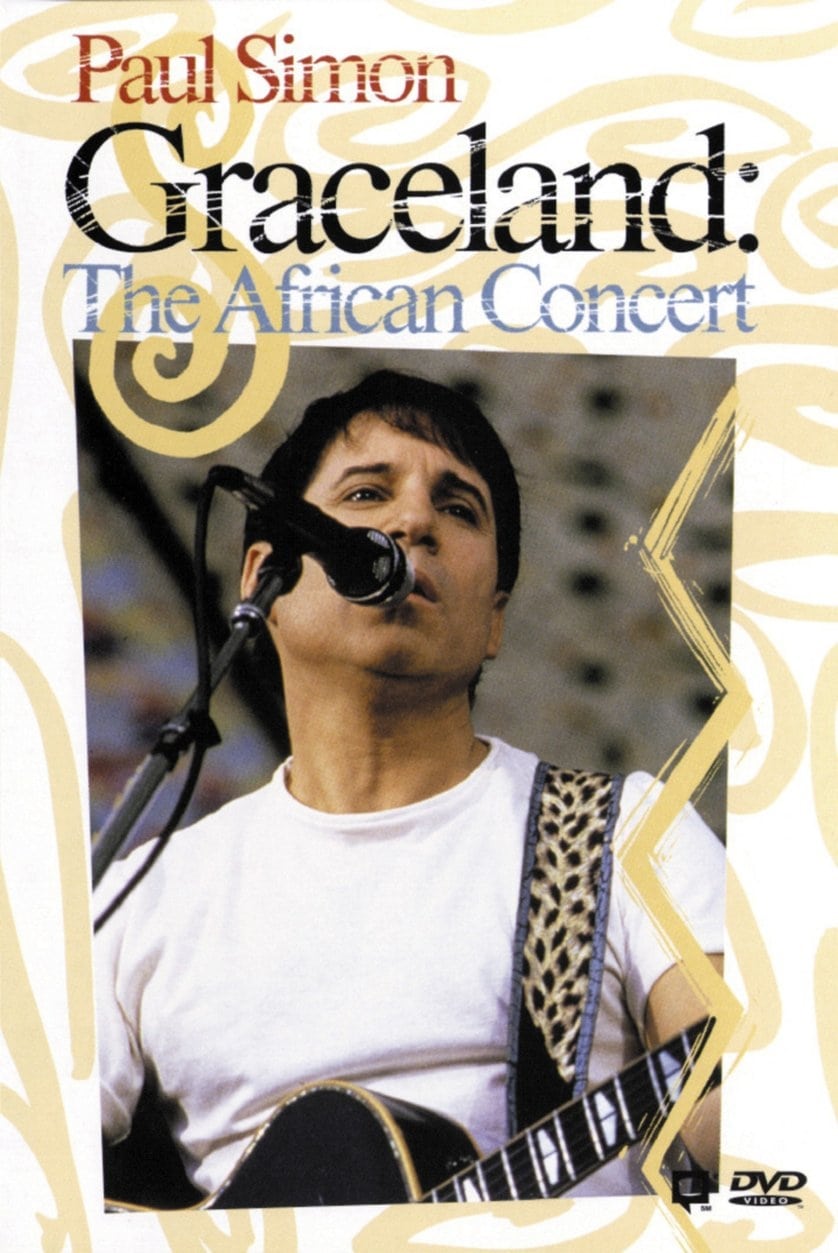
Singer Paul Simon and several African musicians perform a concert to benefit victims of apartheid in South Africa.
Wembley Stadium hosts a concert featuring stars from the fields of music, comedy and film, in celebration of the 70th birthday of imprisoned ANC leader Nelson Mandela. Highlight of the evening is the one hour live performance of Dire Straits feat. Eric Clapton.
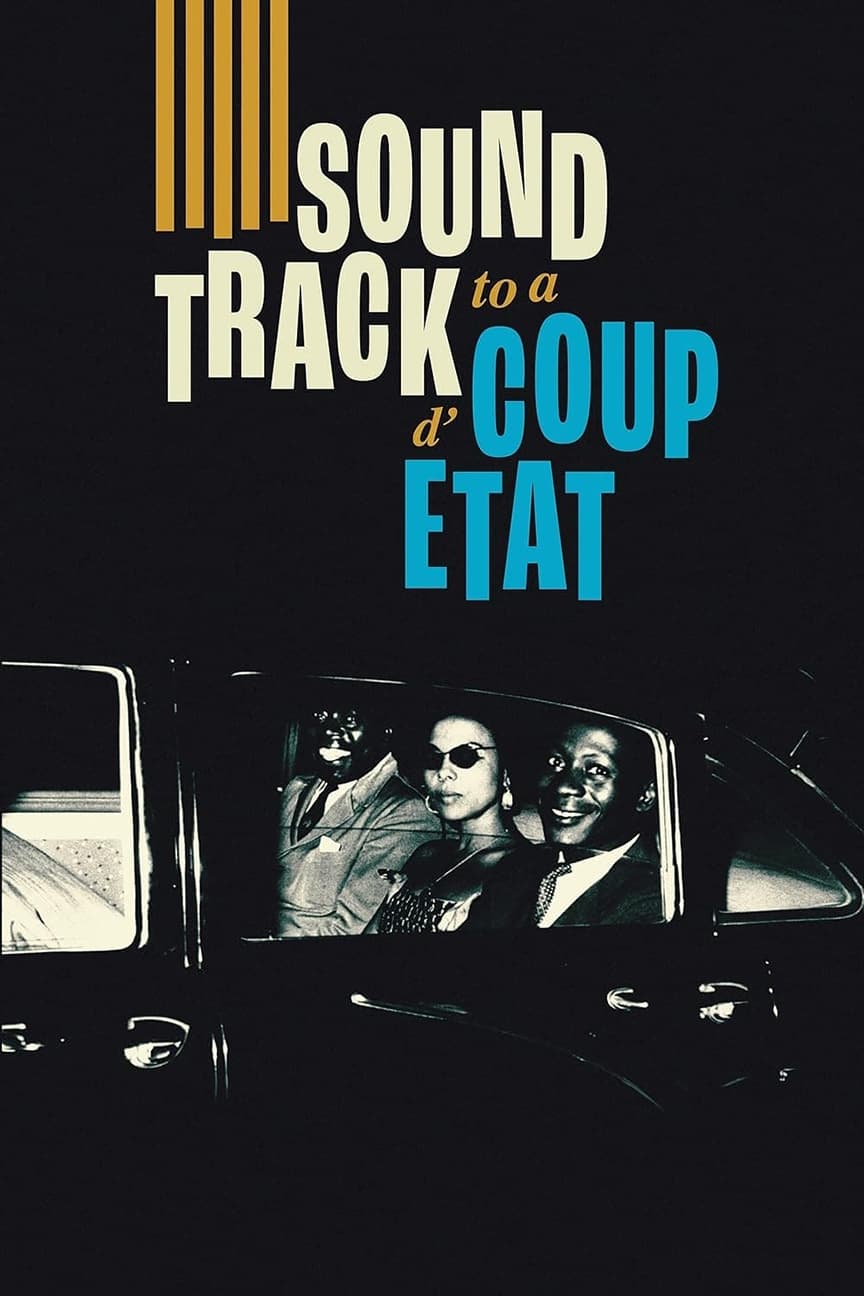
Jazz and decolonization are intertwined in a powerful narrative that recounts one of the tensest episodes of the Cold War.

Over two days at De Appel, ‘Collective Study in Times of Emergency’ brought together texts, voices, music, films, artworks, digital images, and printed materials – creating a space where individual and collective research and archives came into dialogue. This video reflects on moments when international solidarity with the Palestinian resistance intersected with solidarity against South African apartheid. These encounters revealed the archive not just as a site of preservation, but as a living network – crossing borders of geography, time, and form. What futures do these archives hold? What kinds of solidarity will we imagine and practice in a distant future, once these materials have decomposed and become part of us? As Matter Speaks moves across different traces of the 'Collective Study' programme, summoning a space between permanence and fragility, where archives circulate endlessly.
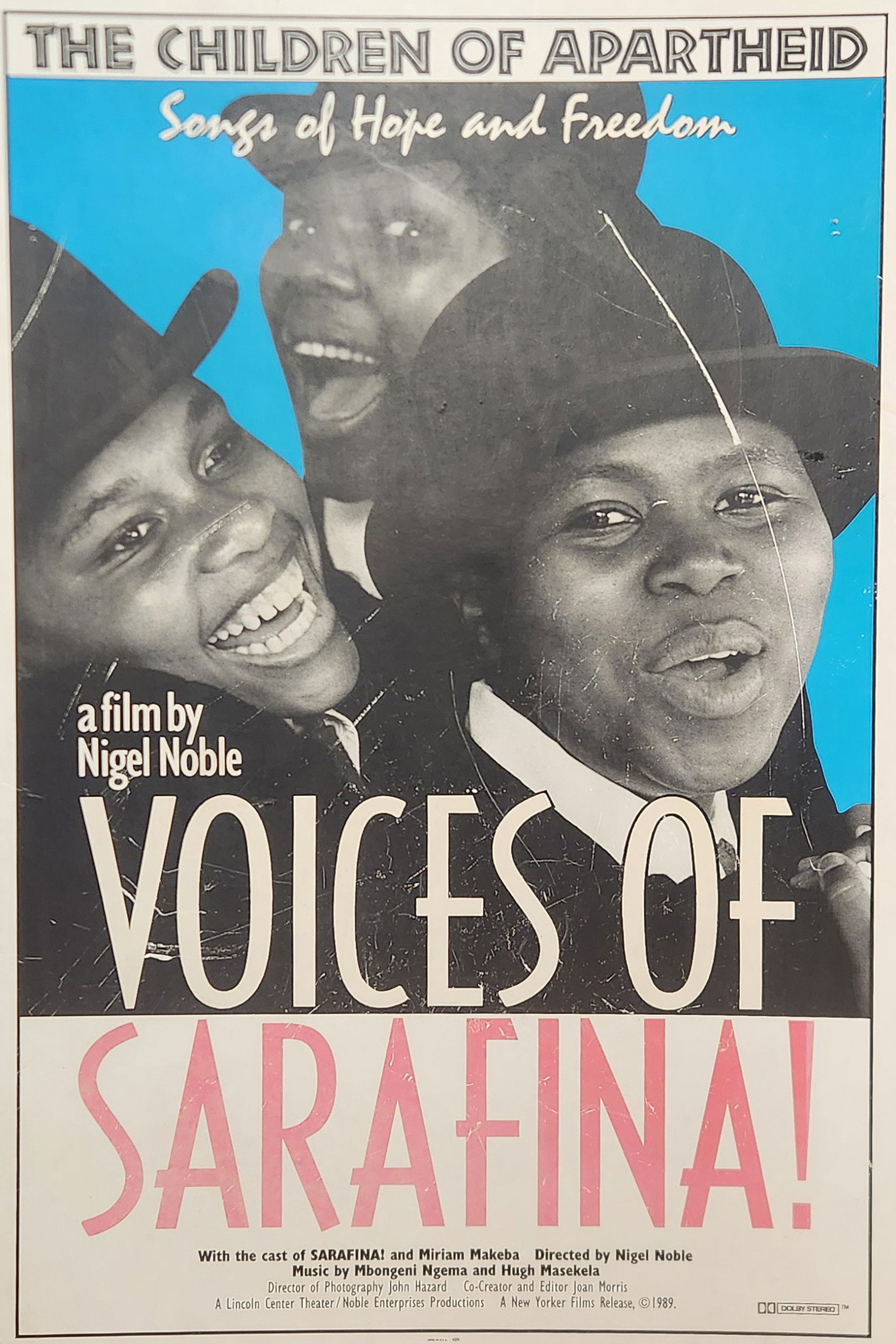
At the Lincoln Center, the South African cast members of the anti-Apartheid Broadway hit musical Sarafina perform and later give interviews about their politically and socially troubled country in this documentary. Writer-director Mbongeni Ngema cautions his cast that their opinions could bring trouble from the government once they return to South Africa. The cast later meets exiled singer Mariam Makeba, who in a moving, sentimental gesture expresses her gratitude for the company bringing the story to the rest of the world. The performance combines singing and dancing, combining ancient folk songs with modern music from Hugh Masakela and others from South Africa.
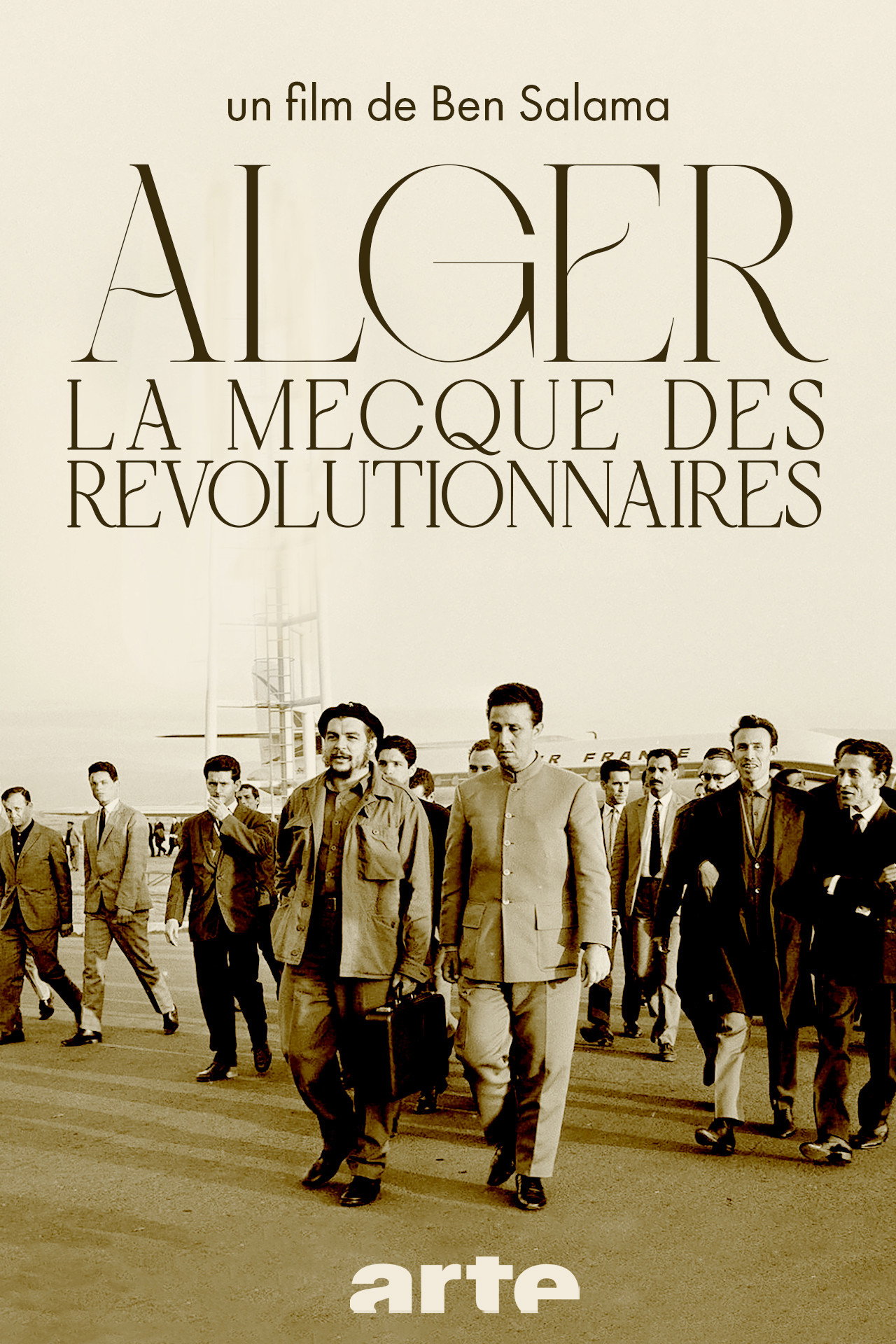
From the early 1960s to the mid-1970s, independent Algeria provided significant support to anti-colonial movements and revolutionaries worldwide. Successive presidents, Ahmed Ben Bella and then Houari Boumédiène, made Algiers a haven for activists fighting against colonial and racial oppression. Algiers the White became Algiers the Red. The internationalist Che Guevara established his base of operations there for his guerrilla activities in Africa. The African-American leader Eldridge Cleaver made it the international headquarters of the Black Panther Party. During this period, Algiers was known as "The Mecca of Revolutionaries."