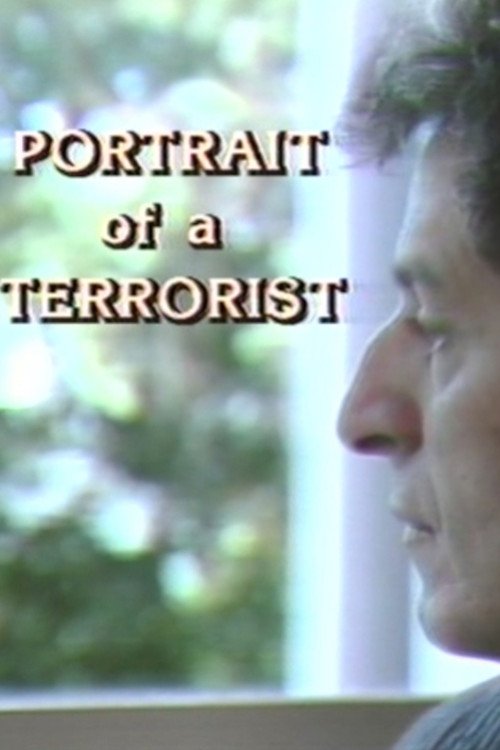
In 1969, Fernando Gabeira was among terrorists who kidnapped Charles Burke Elbrick, then the U.S. Ambassador to Brazil. Eventually Gabeira was captured and tortured before being exiled from his homeland for eight years. He talks candidly about his experiences in captivity as well as the abduction and the motivation behind choosing Elbrick.
The documentary "Depois do Transe" covers the entire process of creating the masterpiece "Entranced Earth", which was released and awarded at the Cannes Film Festival in 1967. "Entranced Earth" charmed the world and won great admirers such as filmmaker Martin Scorsese and the writer Marguerite Duras, who at the time considered a "fabulous filmic opera."

Humorous short about the 1989 Brazilian presidential election.

After a brush with death, Maya Gabeira makes history in the male-dominated world of big wave surfing.

Documentary about the trajectory of the Brazilian journalist, writer and politician Fernando Gabeira. With testimonies of Armínio Fraga, Aguinaldo Silva, Leda Nagle, among others.
Chronicles the life of military lieutenant, later communist militant and Brazilian politician Luiz Carlos Prestes.
A comedy addressing the issues of being single in Rio de Janeiro.
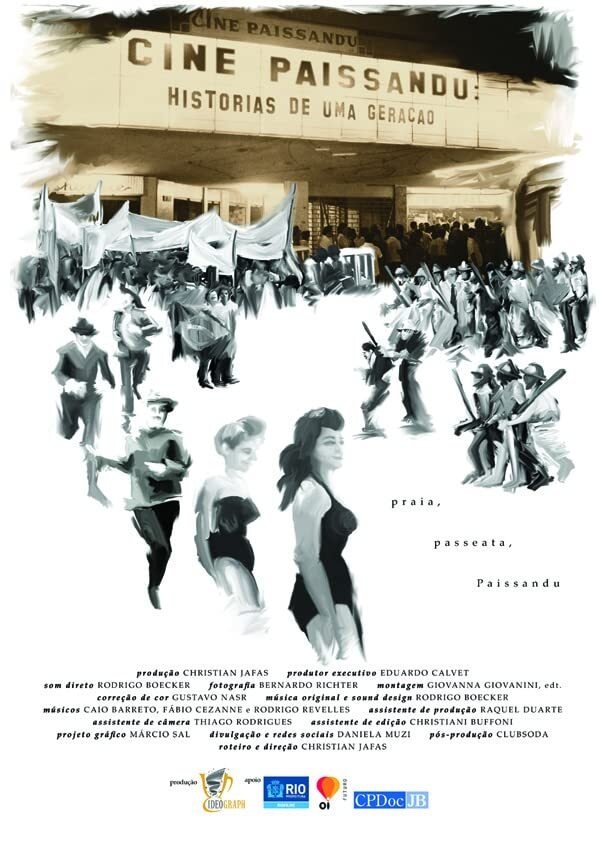
Documentary about the cinema that formed the Paissandu Generation, in the 60s, and the cultural and social impact of that period for the country's history.
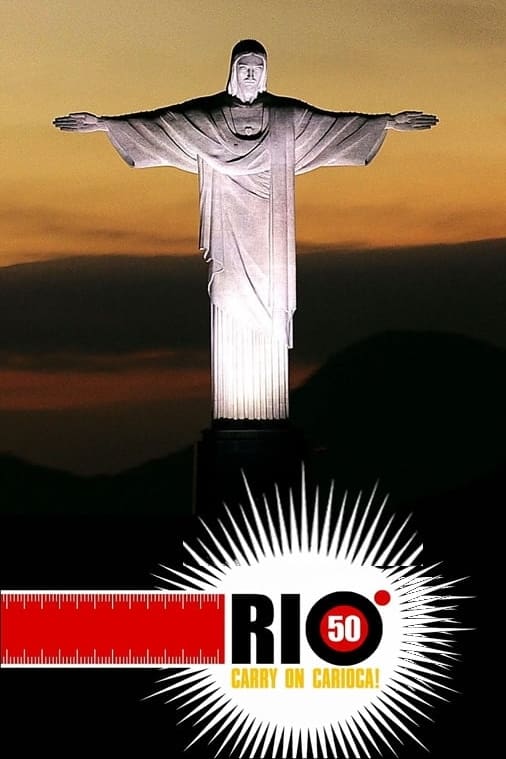
A look at Rio's cultural, political and technical revolutions since the 1970s to 2011
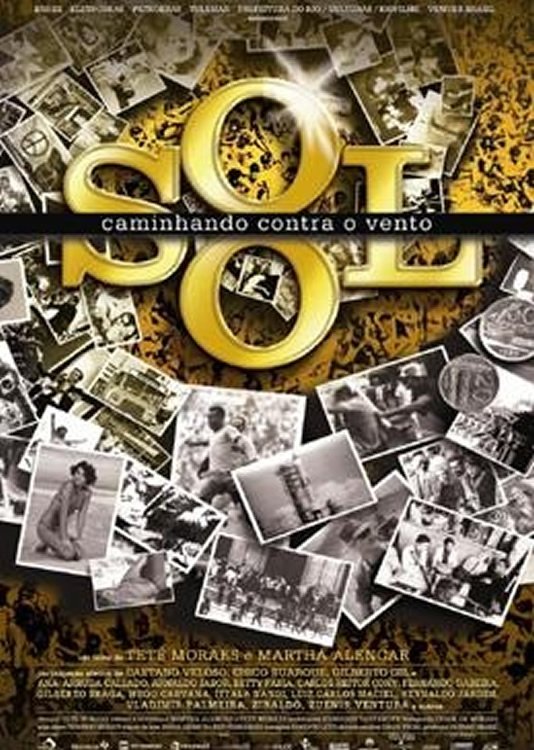
Documentary about the 68-generation, told through the story of the newspaper “O Sol”, one of the first vehicles of the alternative Brazilian press, produced daily for six months, in the 1960s. The newspaper spoke of culture, politics and education through satires and prominent figures in the cultural scene of the time passed through him. Archive scenes and music from the period seek to reconstitute the spirit of the 68-generation. The film has the participation of personalities such as Ziraldo, Zuenir Ventura, Arnaldo Jabor, Chico Buarque, Caetano Veloso, Carlos Heitor Cony, Fernando Gabeira, Betty Faria, Hugo Carvana, among others.

Learn about the trajectory of student leader Marcos Medeiros and learn more about his exile in France and Cuba. In 1968, he joined the counterculture when political activism became an audiovisual expression of intervention in social reality.
The most successful case of collective fight for women's rights in Brazil.
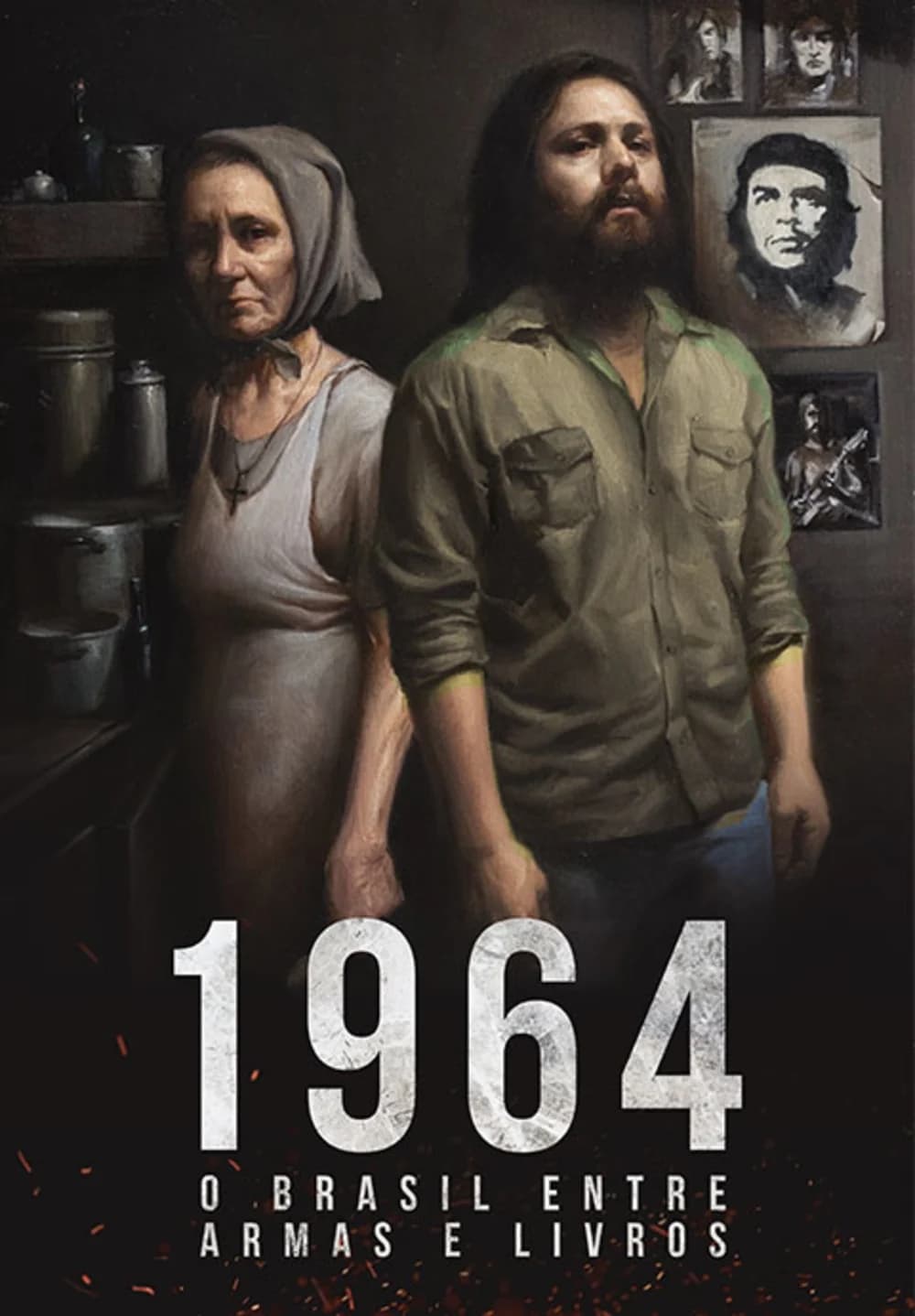
We question the most unquestionable period in our history. The result was an international investigation with part of secret attempts, discovery of Soviet documents and a lot of investigation by the Brazilian media. It was all under our eyes.