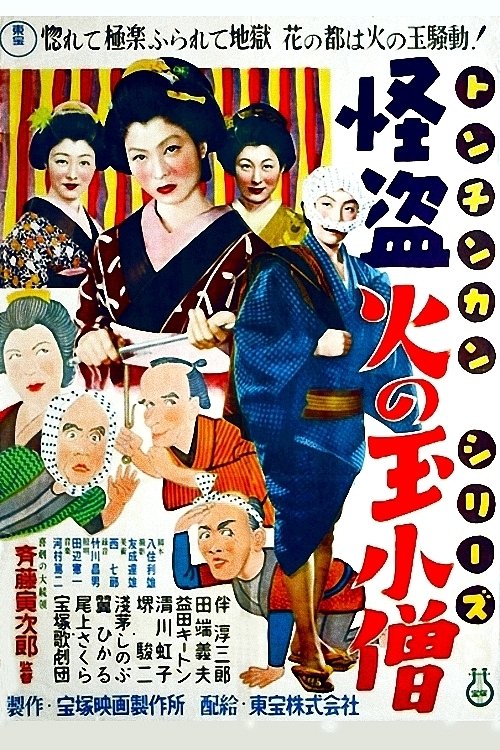
The story of a ghostly thief in Edo who calls himself the fireball guy.

Residents of a rundown boardinghouse in 19th-century Japan, including a mysterious old man and an aging actor, get drawn into a love triangle that turns violent. When amoral thief Sutekichi breaks off his affair with landlady Osugi to romance her younger sister, Okayo, Osugi extracts her revenge by revealing her infidelity to her jealous husband.
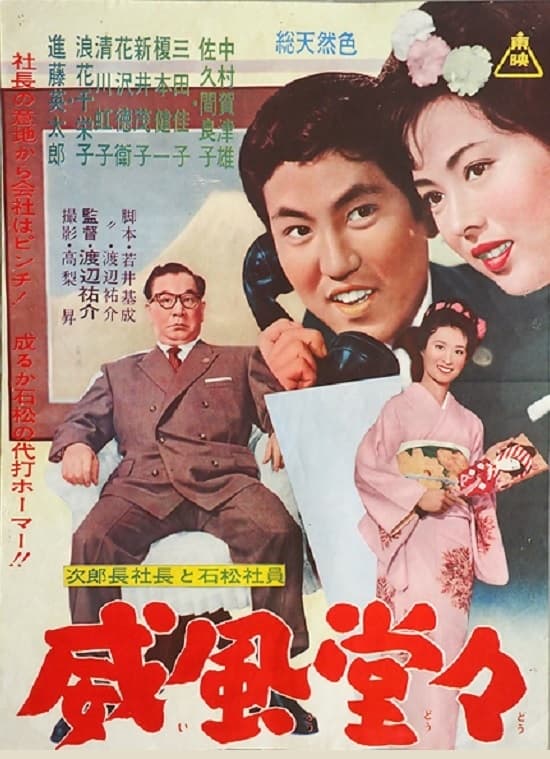
1962 Japanese movie

Ginshiro, threatened by poor repute and upcoming star Tachibana, forces his friend Yasu to marry Konatsu, Ginshiro's pregnant mistress; Yasu becomes a stuntman to make ends meet.
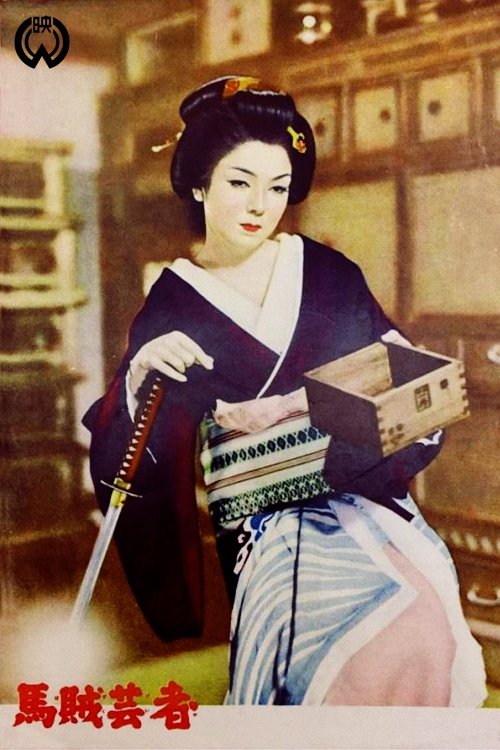
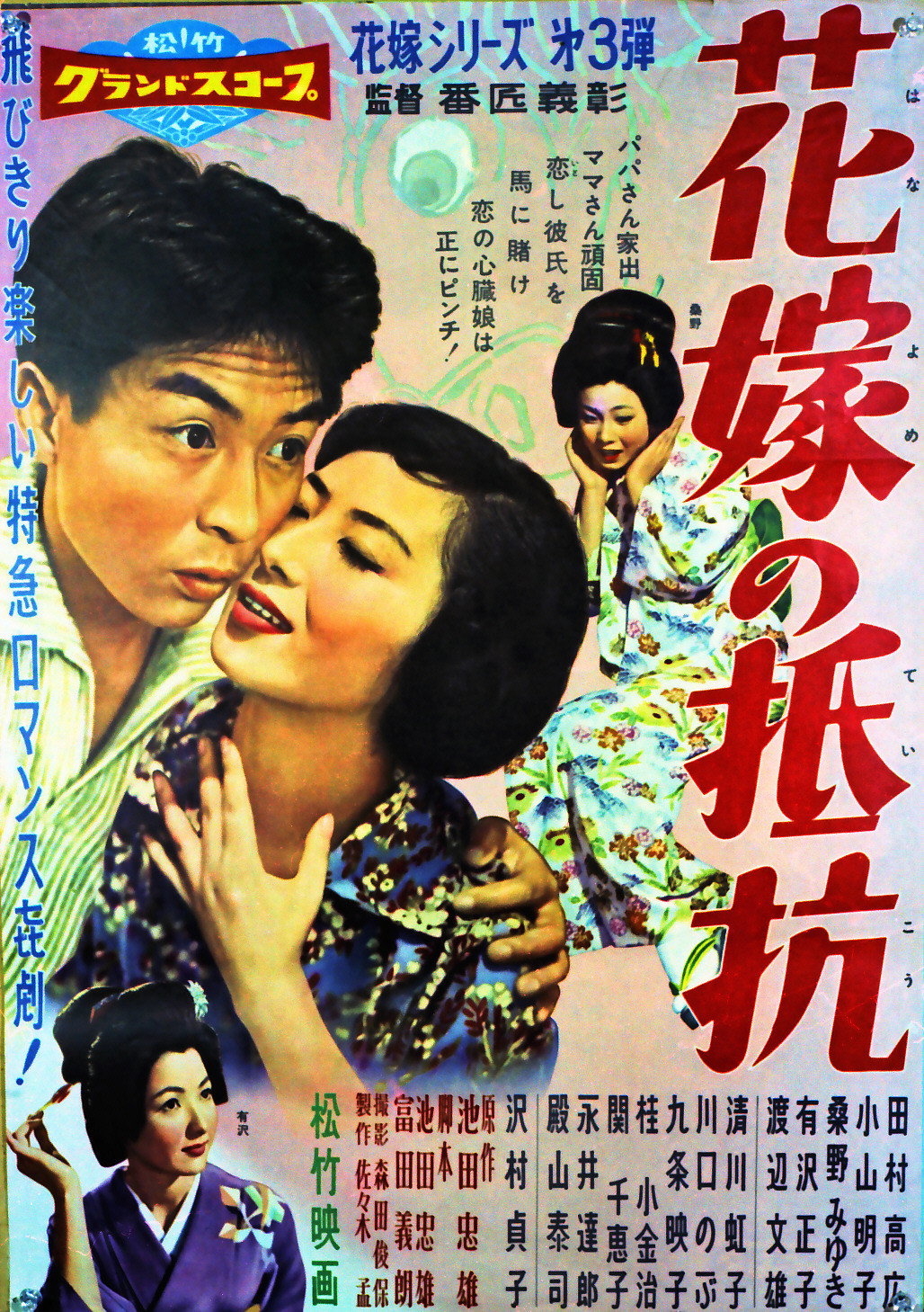
Based on the original work of Akutagawa Prize-winning writer Ashihei Hino, the film depicts the love of the proud geisha Nobukichi Hakata in the early Taisho era.
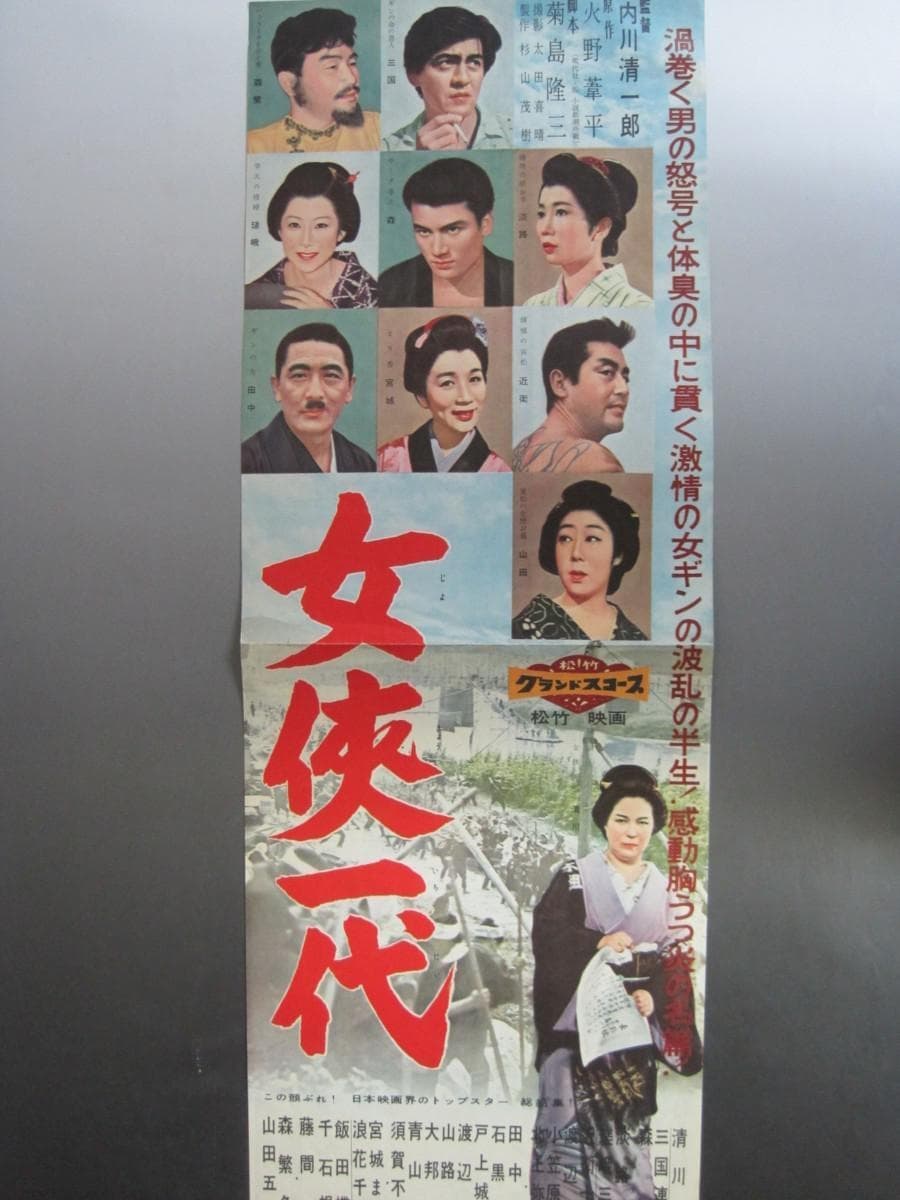
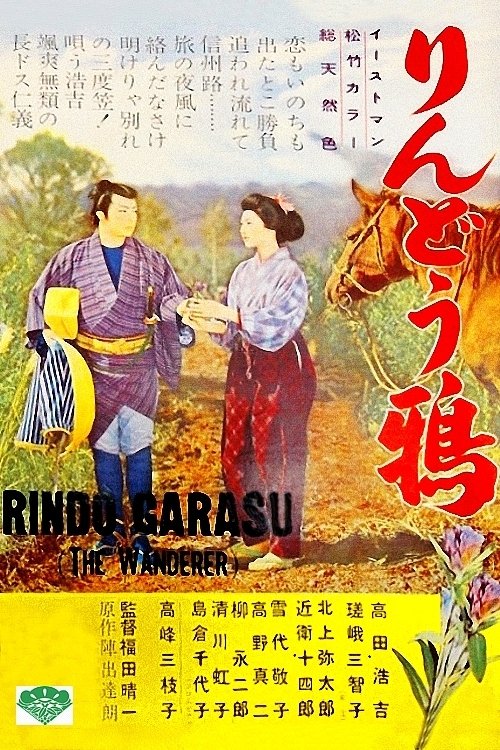
After killing the deceiver, the Masa gambler comes to Ina. There is a horse market in Ina, and the landowner Tamegoro, plans to steal the proceeds from the sale. Tamegoro steals money and blames the Masa for this crime. Masa has to go on the run, because now he is wanted for a crime that he did not commit...
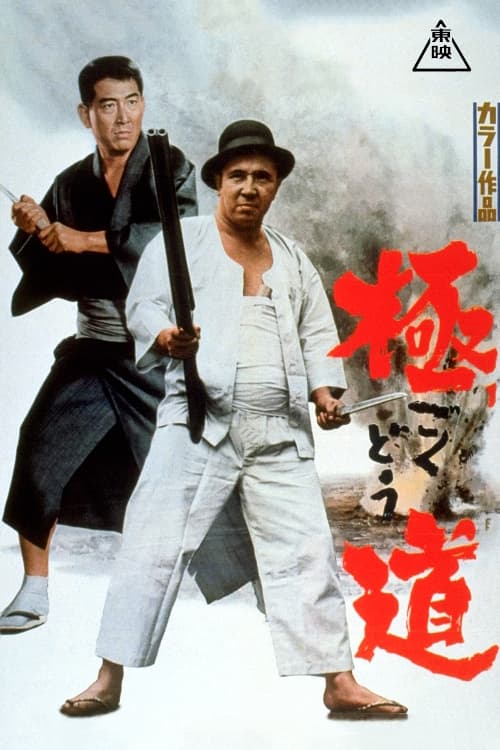
Shimamura is a violent street thug who joins the yakuza & is merciless & unscrupulous on his rise, lacking any sense of either duty or chivalry. When imprisoned, he is repeatedly transferred from one prison to another, because no one can handle him.
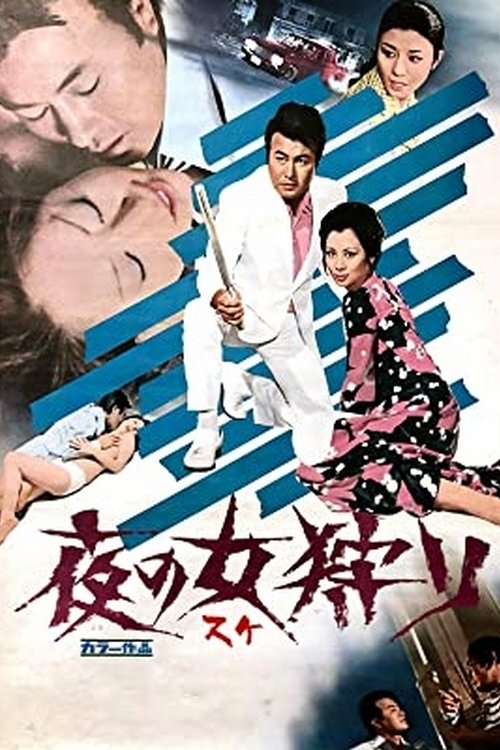
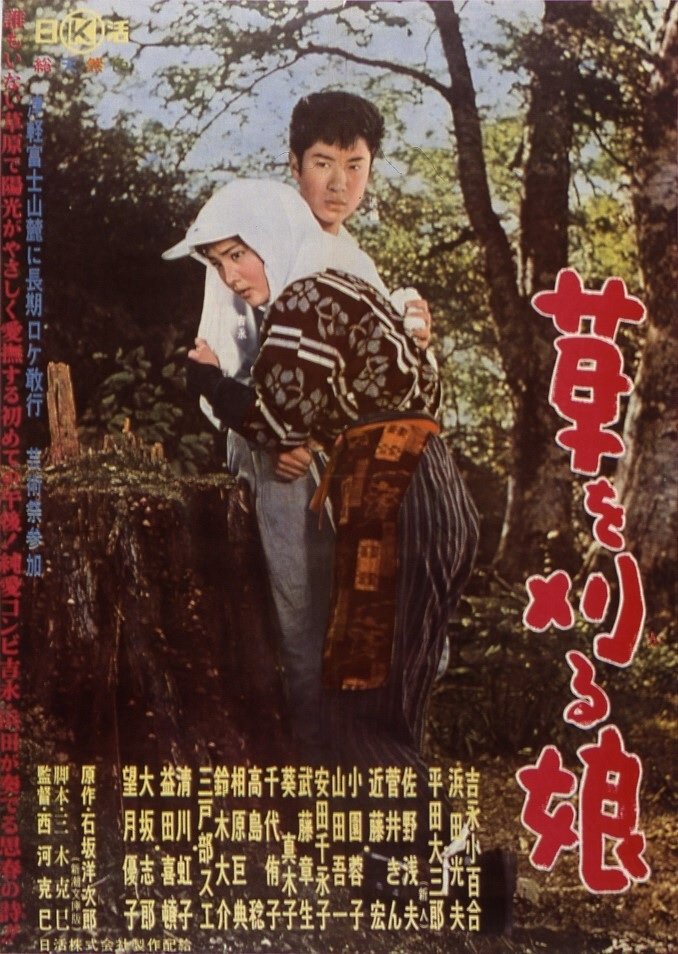
1961 Japanese movie
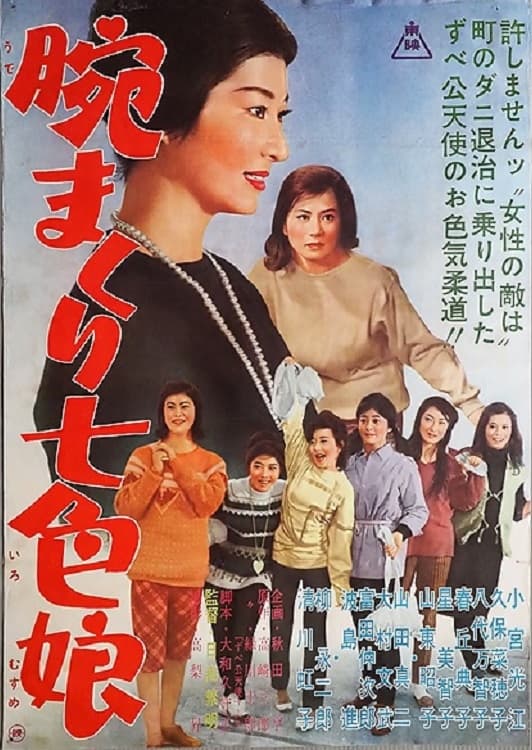
1961 Japanese movie
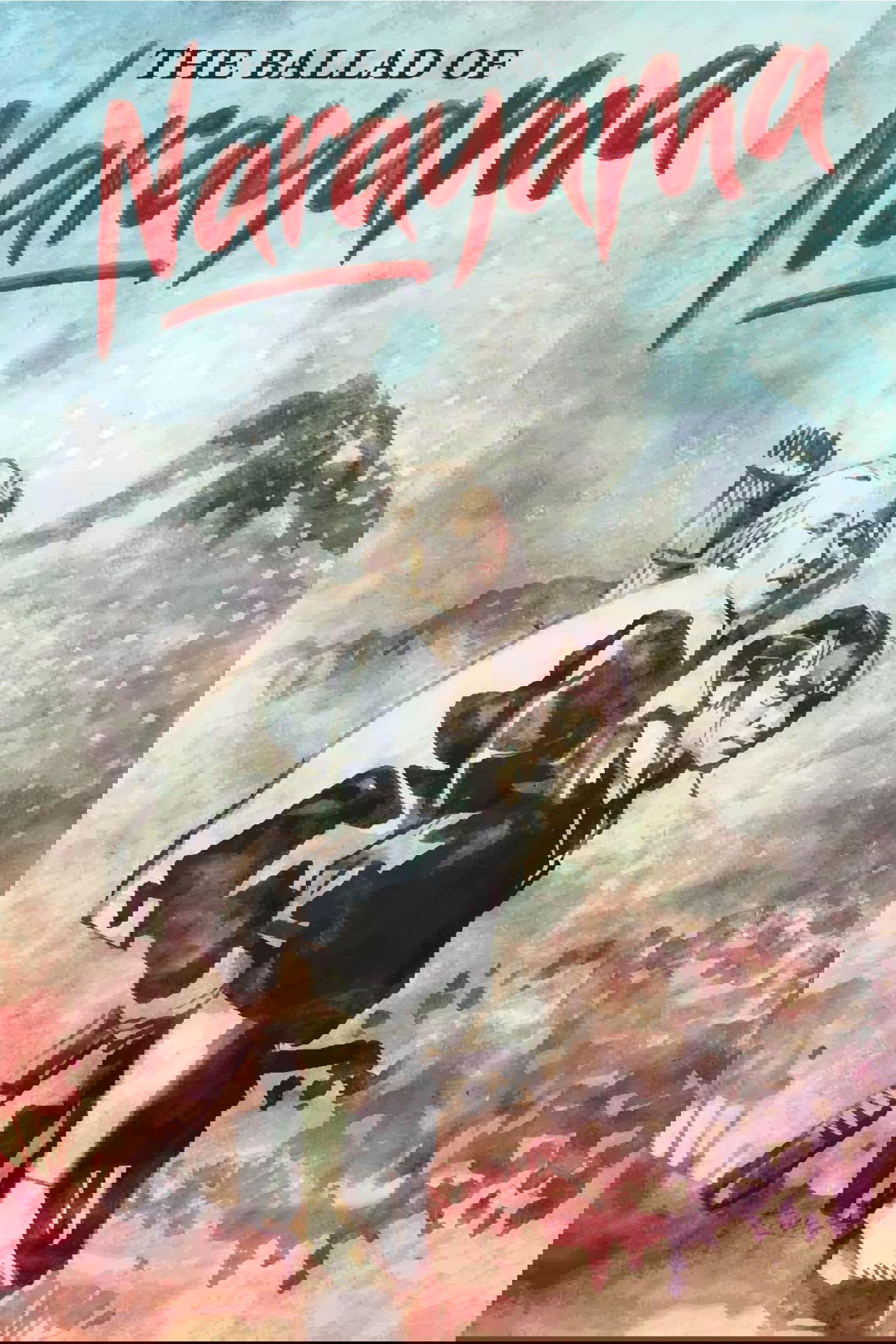
In a small village in a valley everyone who reaches the age of 70 must leave the village and go to a certain mountain top to die. If anyone should refuse they would disgrace their family. Old Orin is 69. This winter it is her turn to go to the mountain. But first she must make sure that her eldest son Tatsuhei finds a wife.
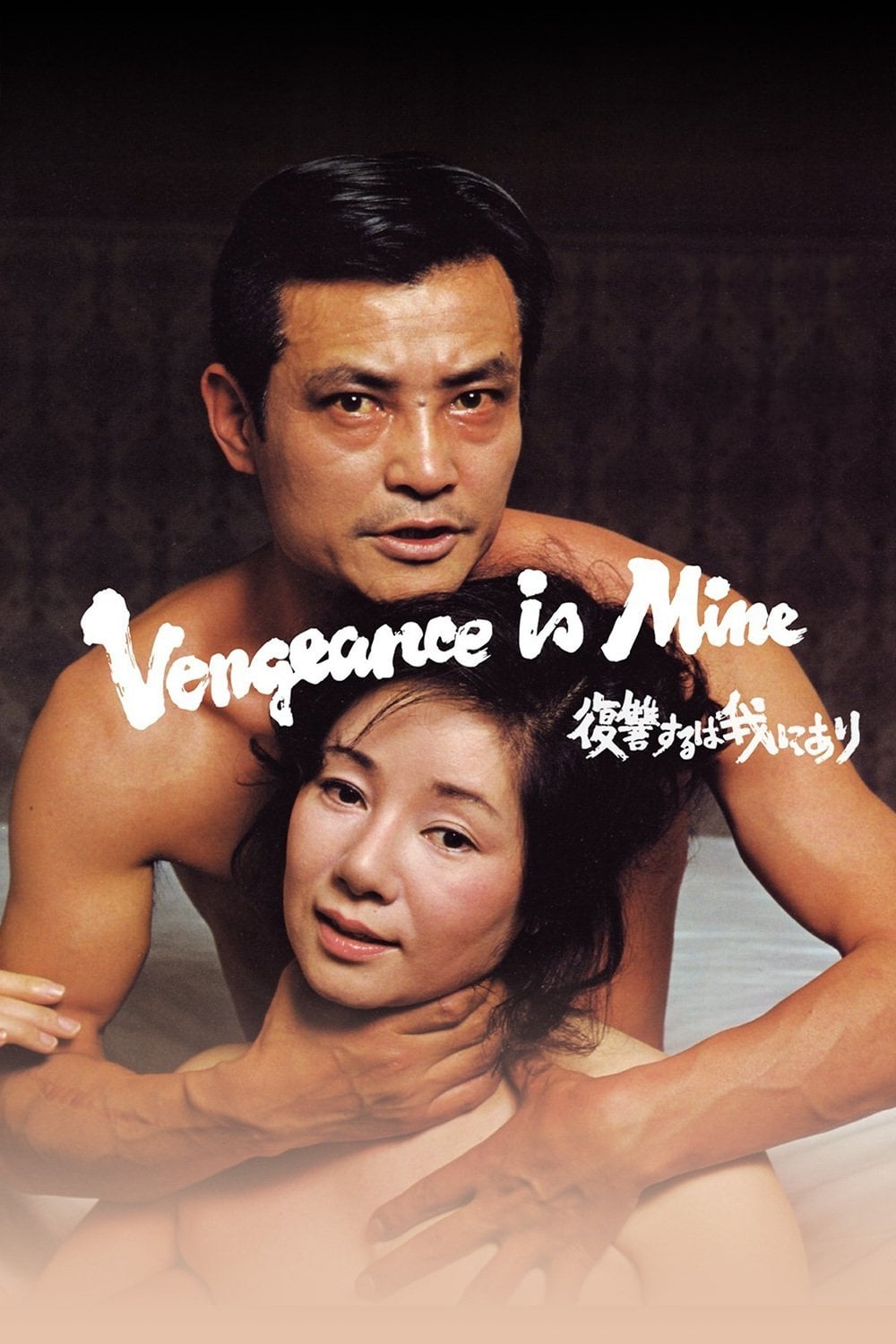
A thief, a murderer, and a charming lady-killer, Iwao Enokizu is on the run from the police.
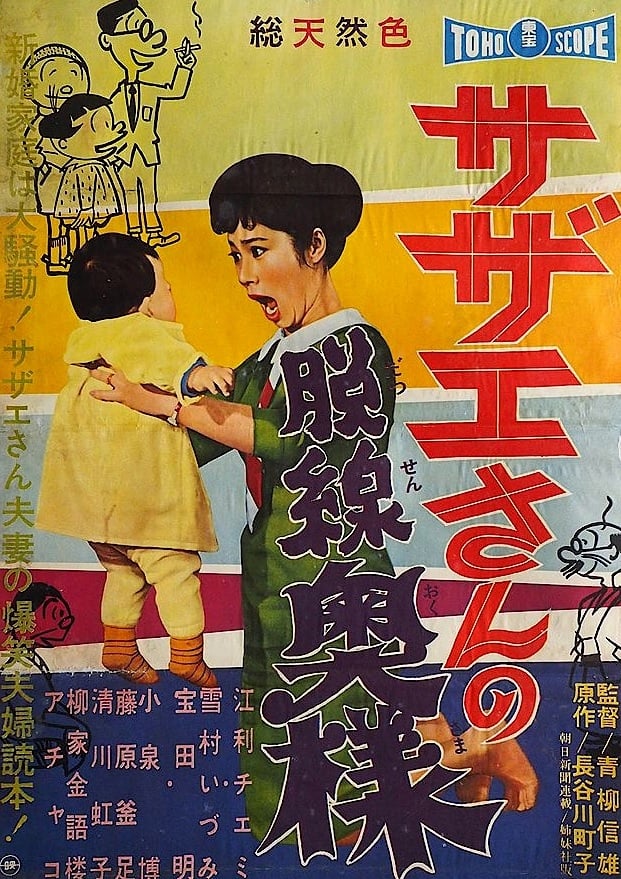
Masuo and Sazae are enjoying their newlywed life in their new house, even though they are in company housing. Masuo's colleague is invited to thank him for the newlyweds, but Masuo has been told by Managing Director Hanamura to go on a business trip to Kansai. Before long, Masuo contacted Sazae to come to Osaka.
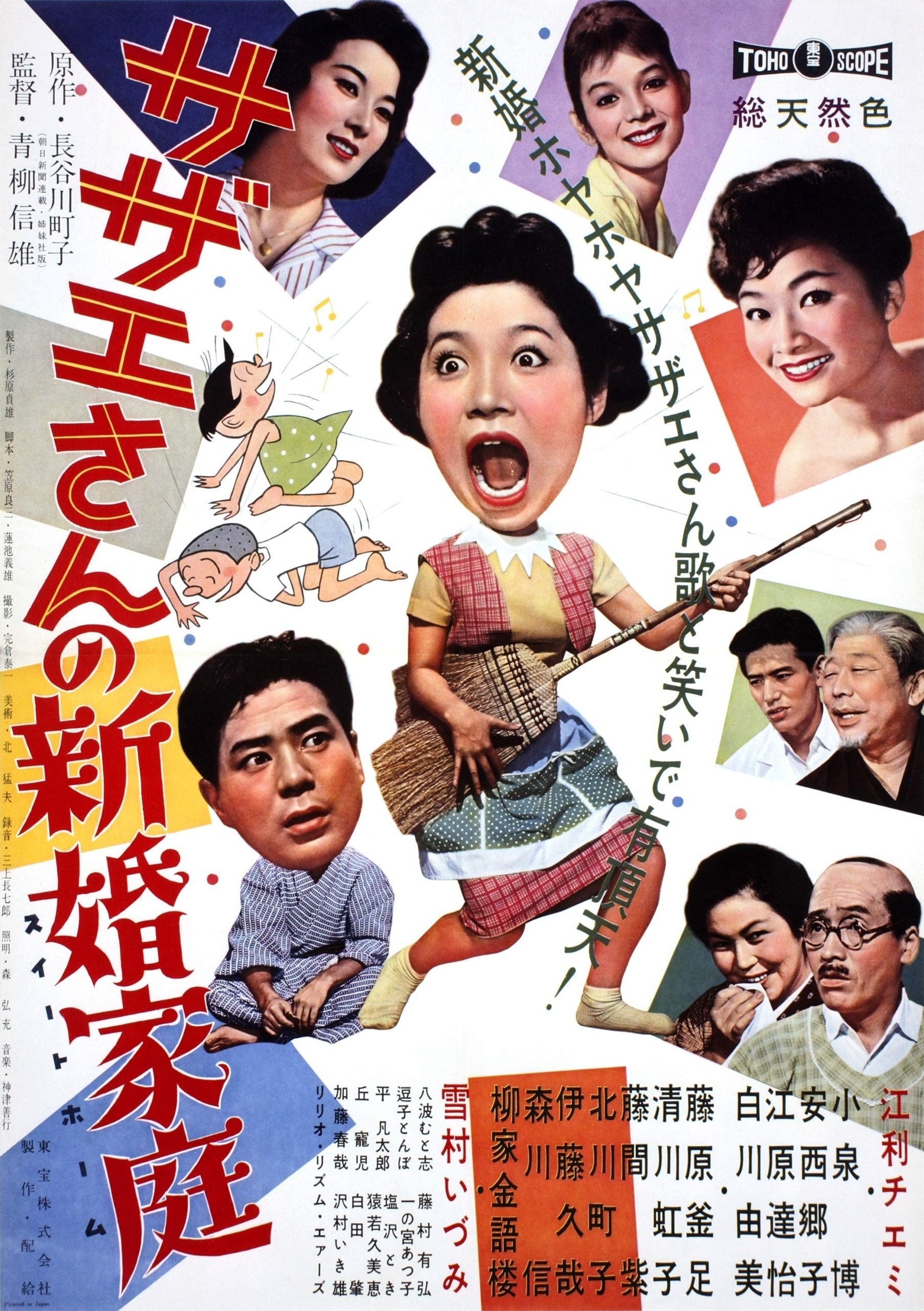
Sazae's wish came true and she got married to Masuo. The two ended up living together at Sazae's parents' home, the Isono family. However, the newlywed life that started at the Isono family was a disaster. At the Isono family, where bonito and Wakame pranks and neighbors visit, it is difficult even to be alone.
Sazae finally gets married, but right after that, Masuo is transferred to Osaka. A heartbroken Sazae sends her parents on a silver wedding trip, and eventually heads for Nikko, a travel destination. Sazae is once again overwhelmed by the sight of the newlyweds bustling with sunlight, but...
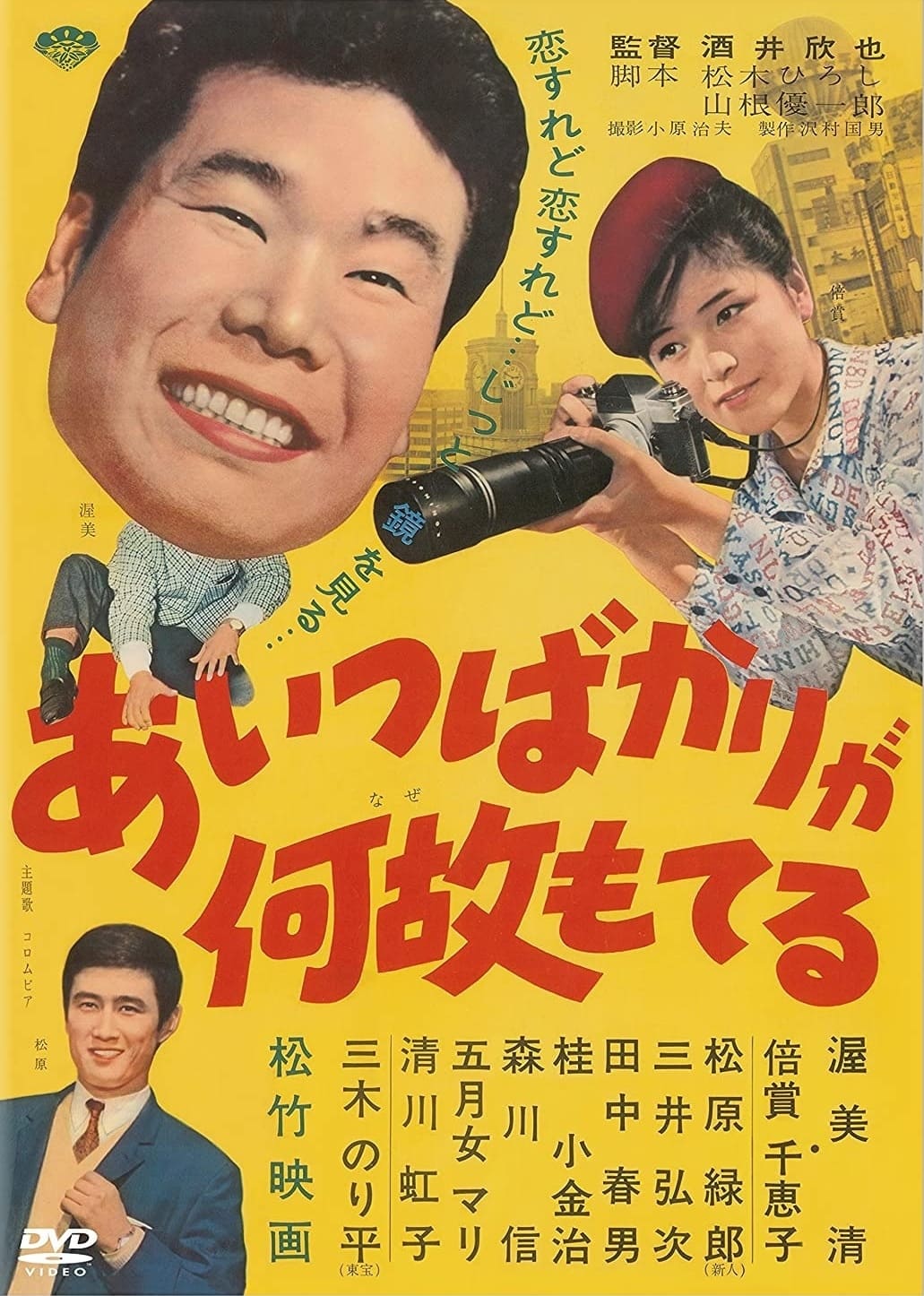
1962 Japanese movie
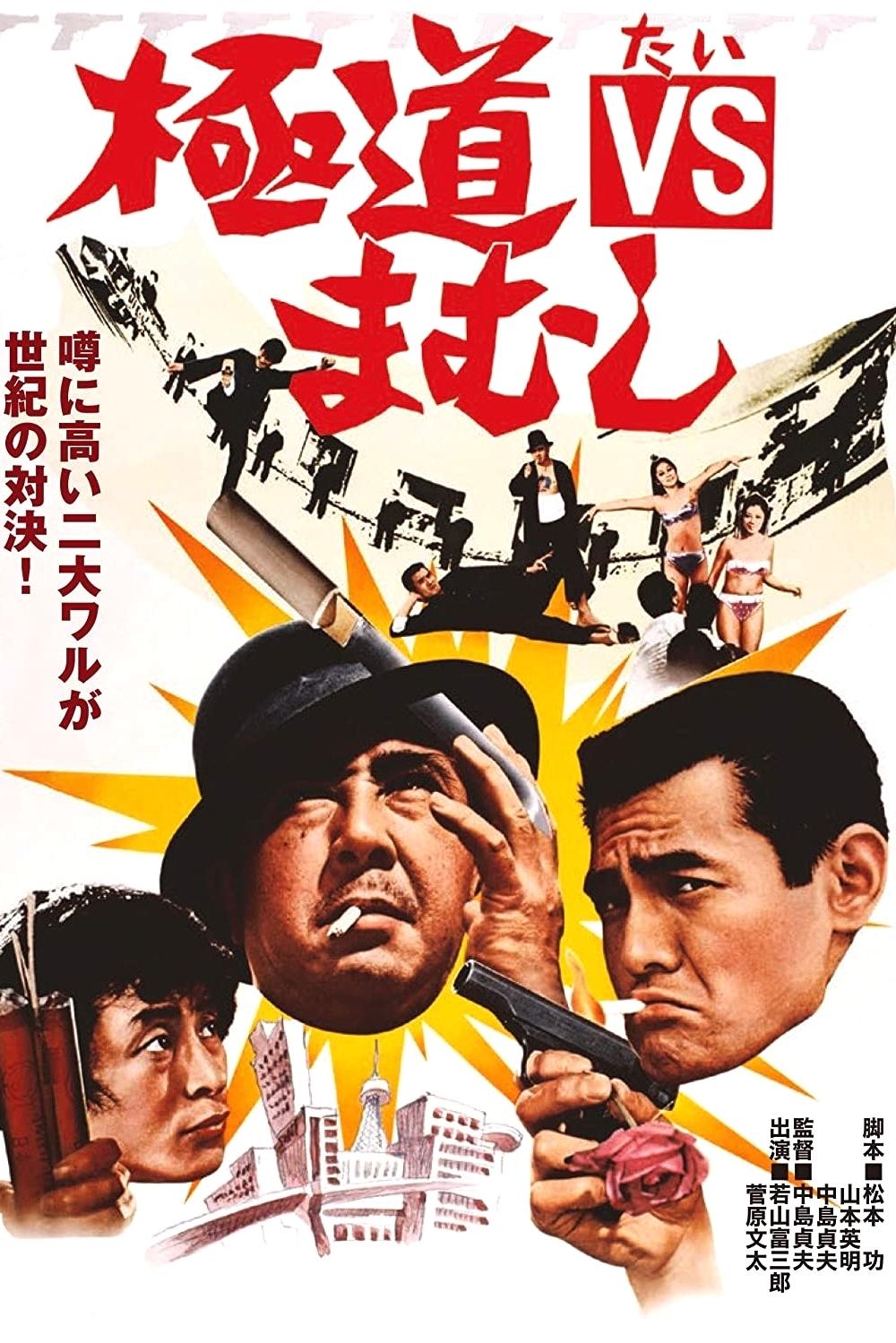
A crossover between Wakayama's Gokudo and Sugawara Mamushi series. Gokudo runs a restaurant and makes Takuzo Kawatani his kitchen bitch. He tries to do the same for the Mamushi bros. but the boys don't play along, which pisses Gokudo off. Things get worse when he starts helping a young teacher and Bunta has a crush on a pretty girl... and unbeknownst to them it's the same woman! Yes, the film has not one but two romantic subplots! Of course it all ends in bloodshed.
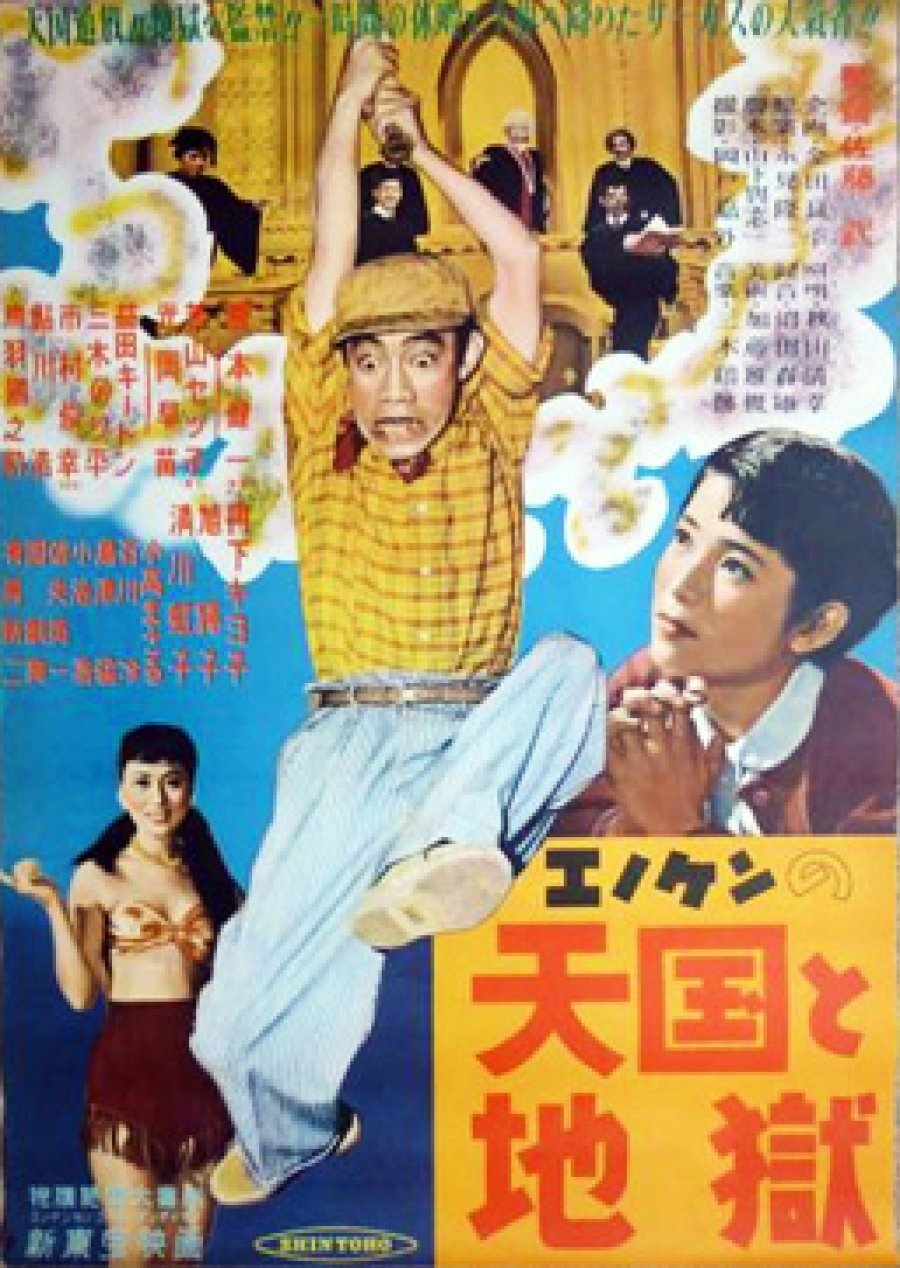
Keita, after his death, was taken to the court of heaven as Defendant No. 1361, where his past was projected. He was formerly a favorite of the Meriken Circus troupe, yet he sinned by exposing a certain woman. During the screening, he realizes what he has done, and fate gives him a chance to redeem his sins.
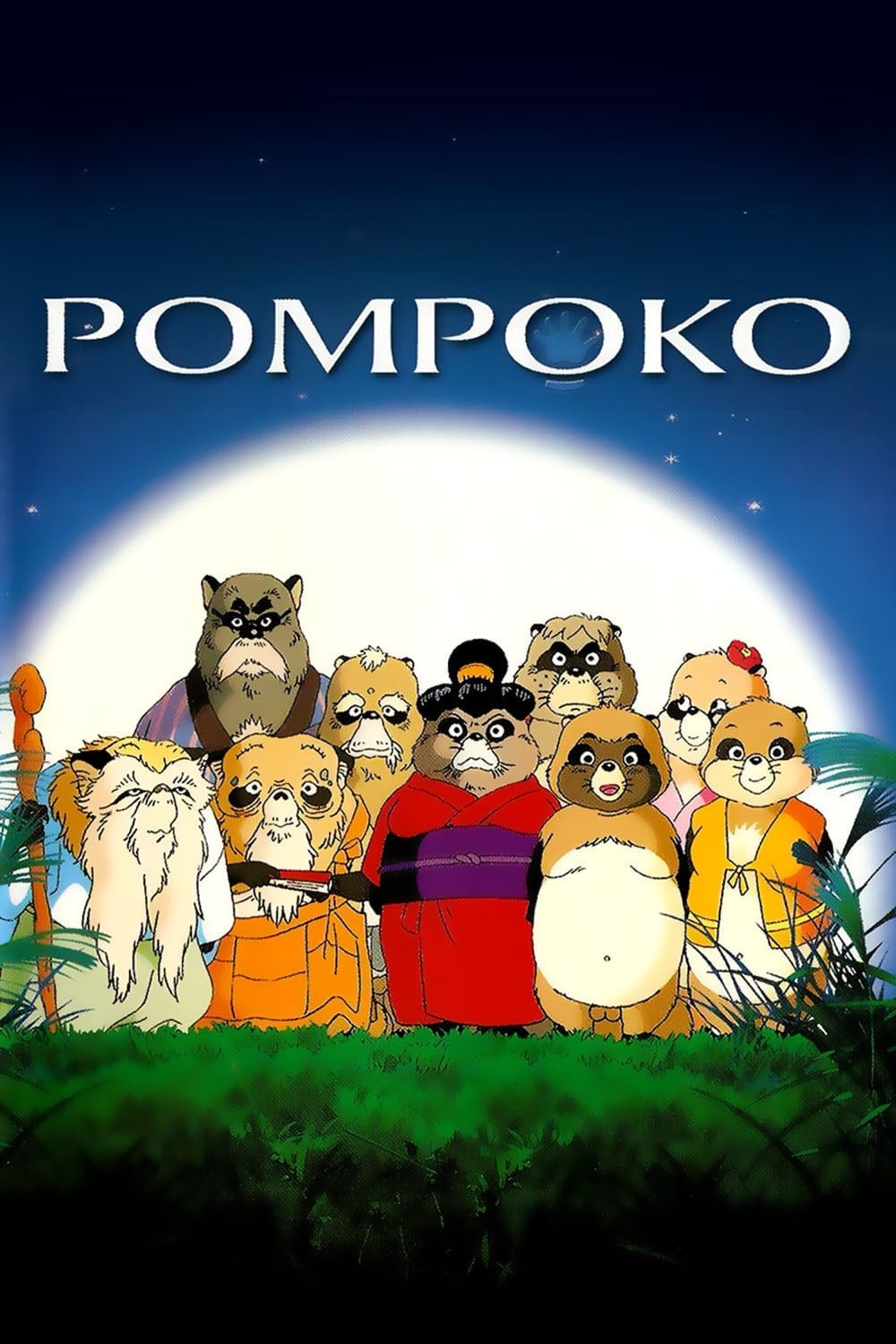
The Raccoons of the Tama Hills are being forced from their homes by the rapid development of houses and shopping malls. As it becomes harder to find food and shelter, they decide to band together and fight back. The Raccoons practice and perfect the ancient art of transformation until they are even able to appear as humans in hilarious circumstances.
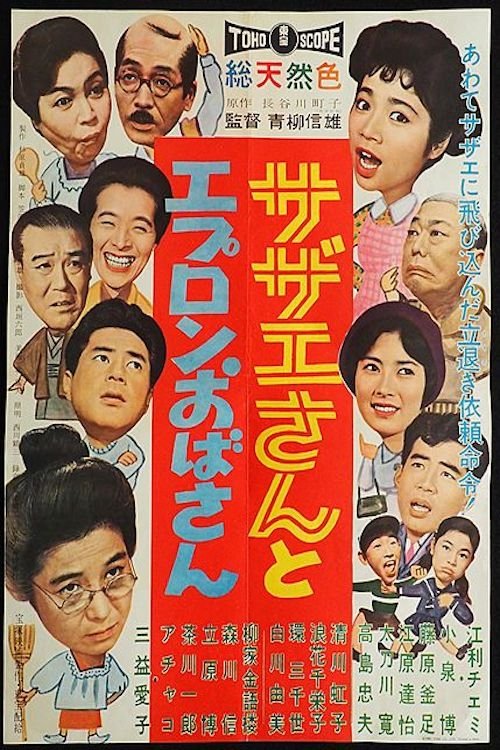
An adaptation of the popular Sazae-san comic strip
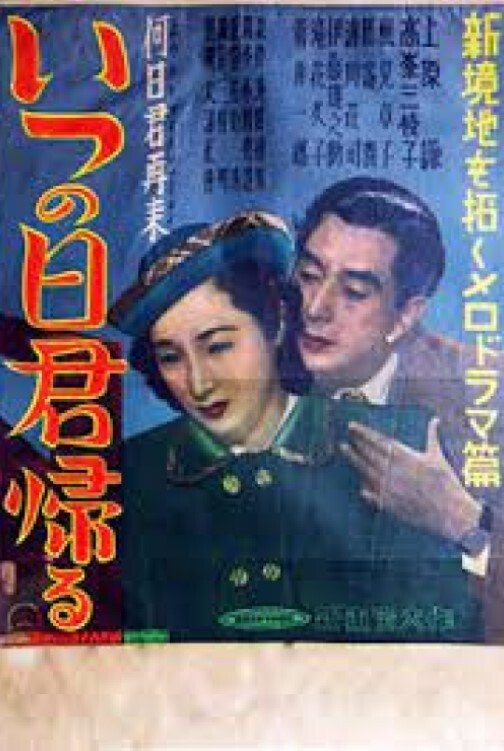
Melodrama by Kiyoshi Saeki
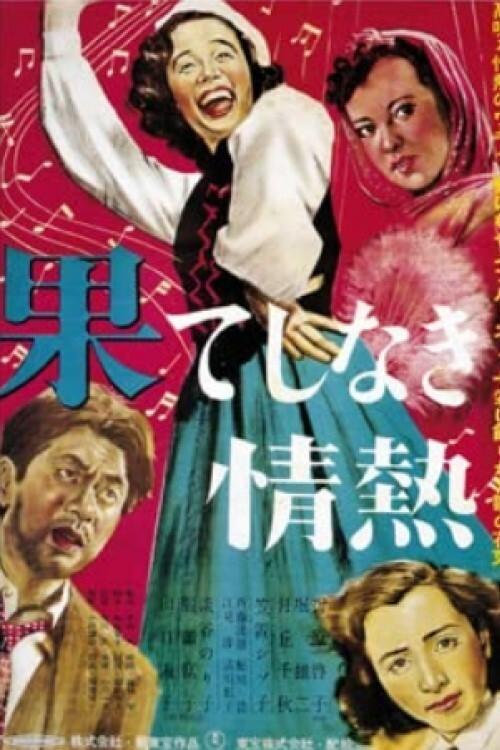
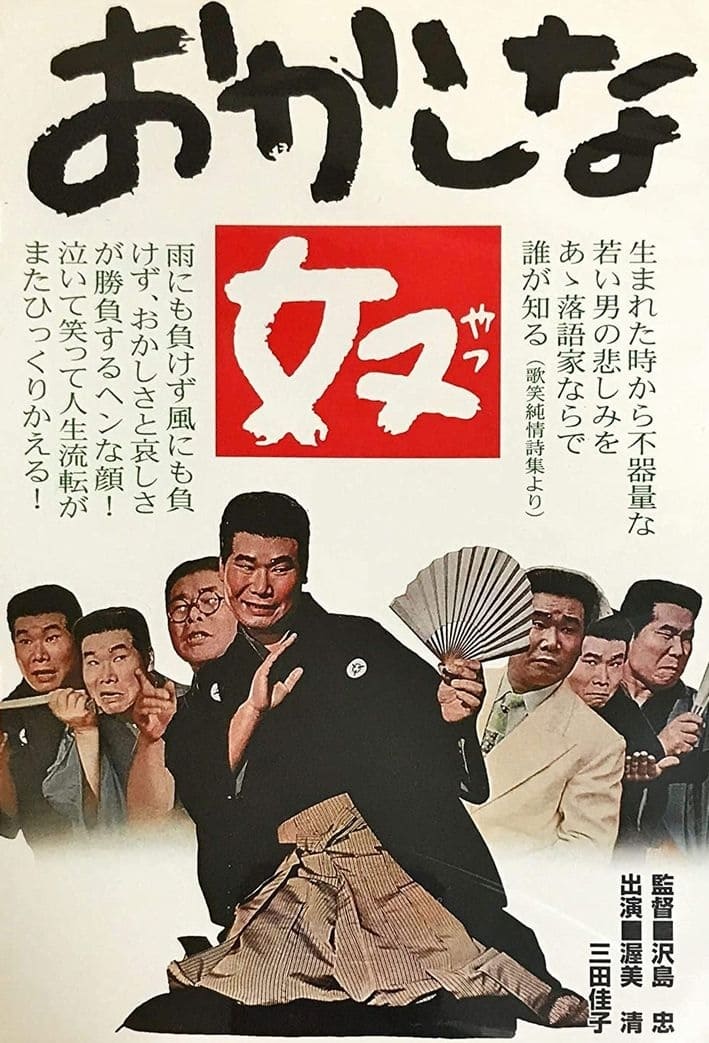
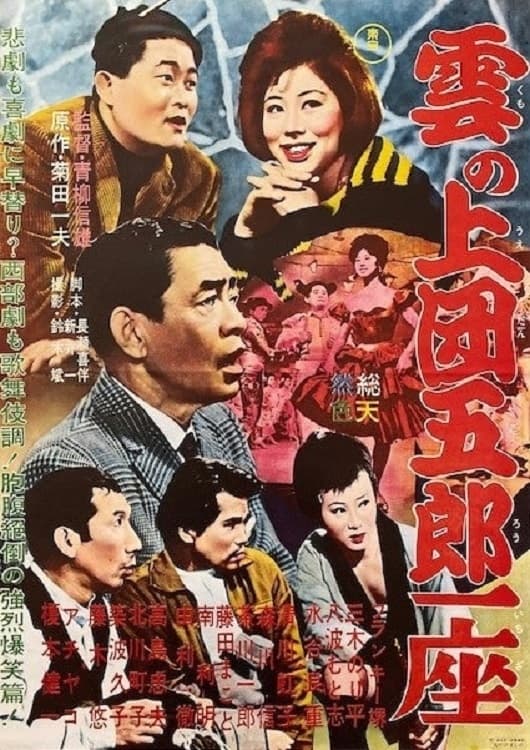
The film adaptation of Kazuo Kikuta novel "Kumo no Ue Dangoro Ichiza", which enjoyed great success at the performances of the Toho Takarazuka Theater at the end of the year. The troupe "Kumo no Ue Dangoro" continues to tour from town to village. The small cast of the troupe includes its leader (Kenichi Enomoto), Norizo (Norihei Miki) and Taizo (Mutoshi Happa), who play female roles - they are all super actors, each of whom plays five roles. Dan Goro dreams of performing in a major theater and tries to put on a big show with a young man he meets in Shikoku named Sakai (Frankie Sakai), but...
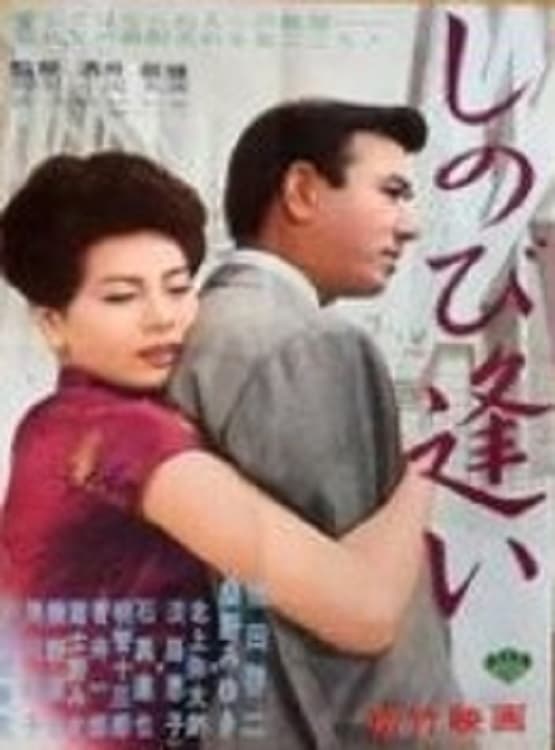
A painfully sad woman's heart cries from forbidden love. A love triangle drawn by three stars of Japanese cinema: Keiji Sada, Miyuki Kuwano and Keiko Awaji.
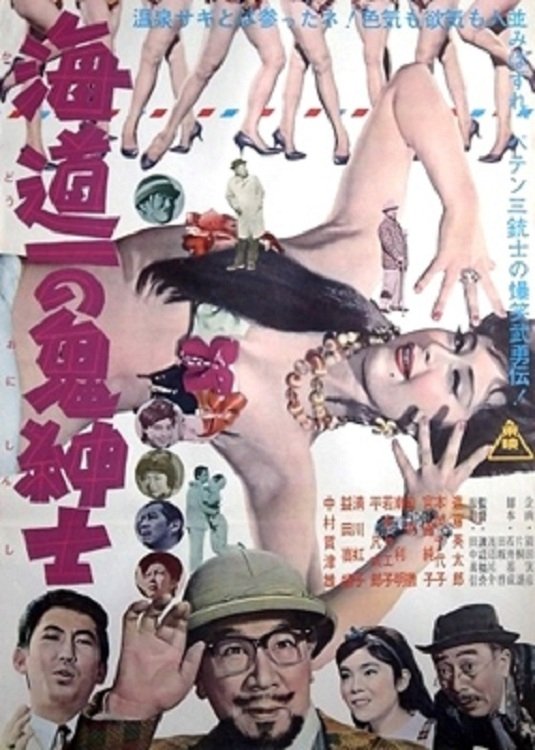
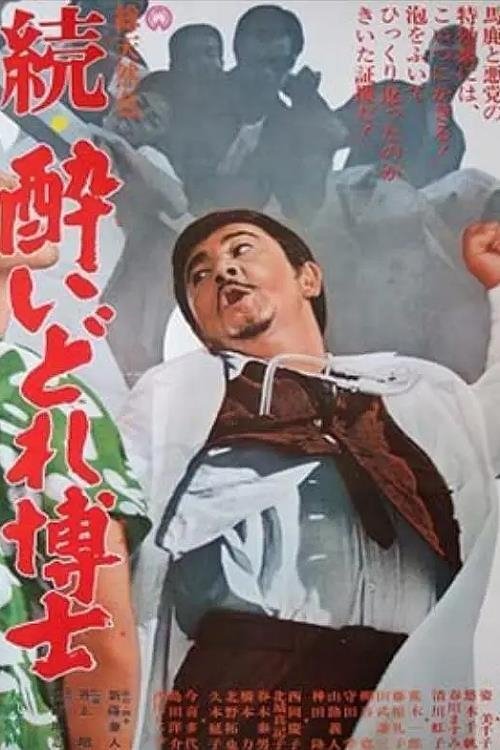
Second movie in the yoidore hakase serie
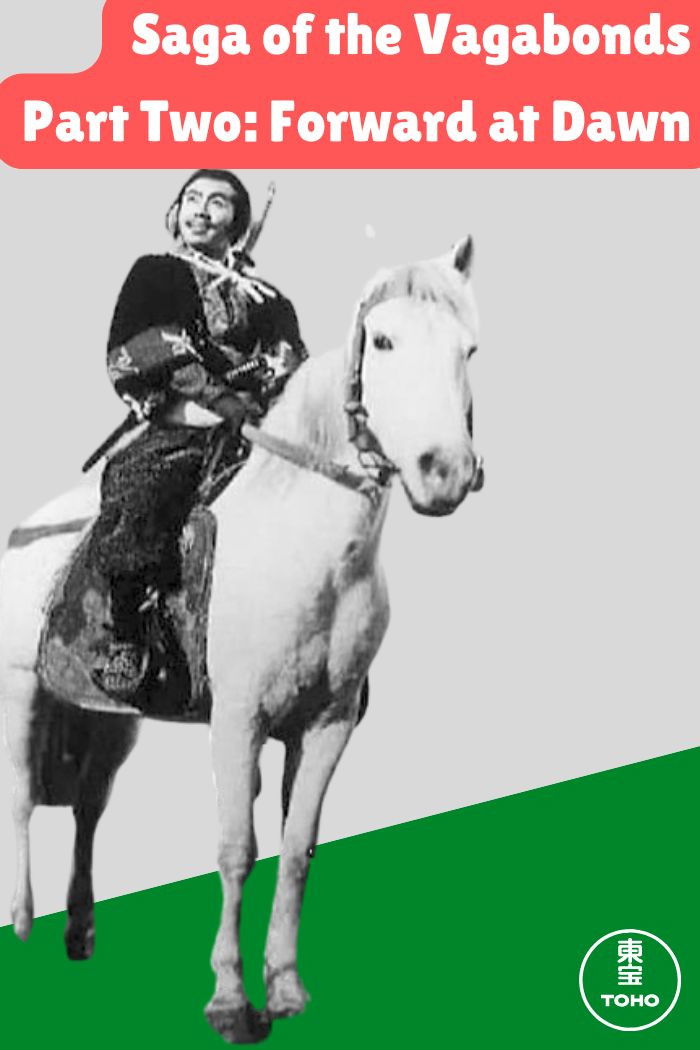
Story of a bandit king part 2.
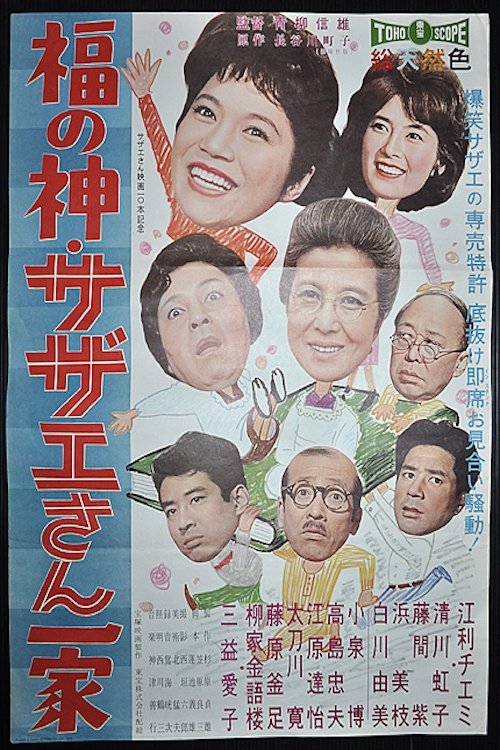
An adaptation of the popular Sazae-san comic.
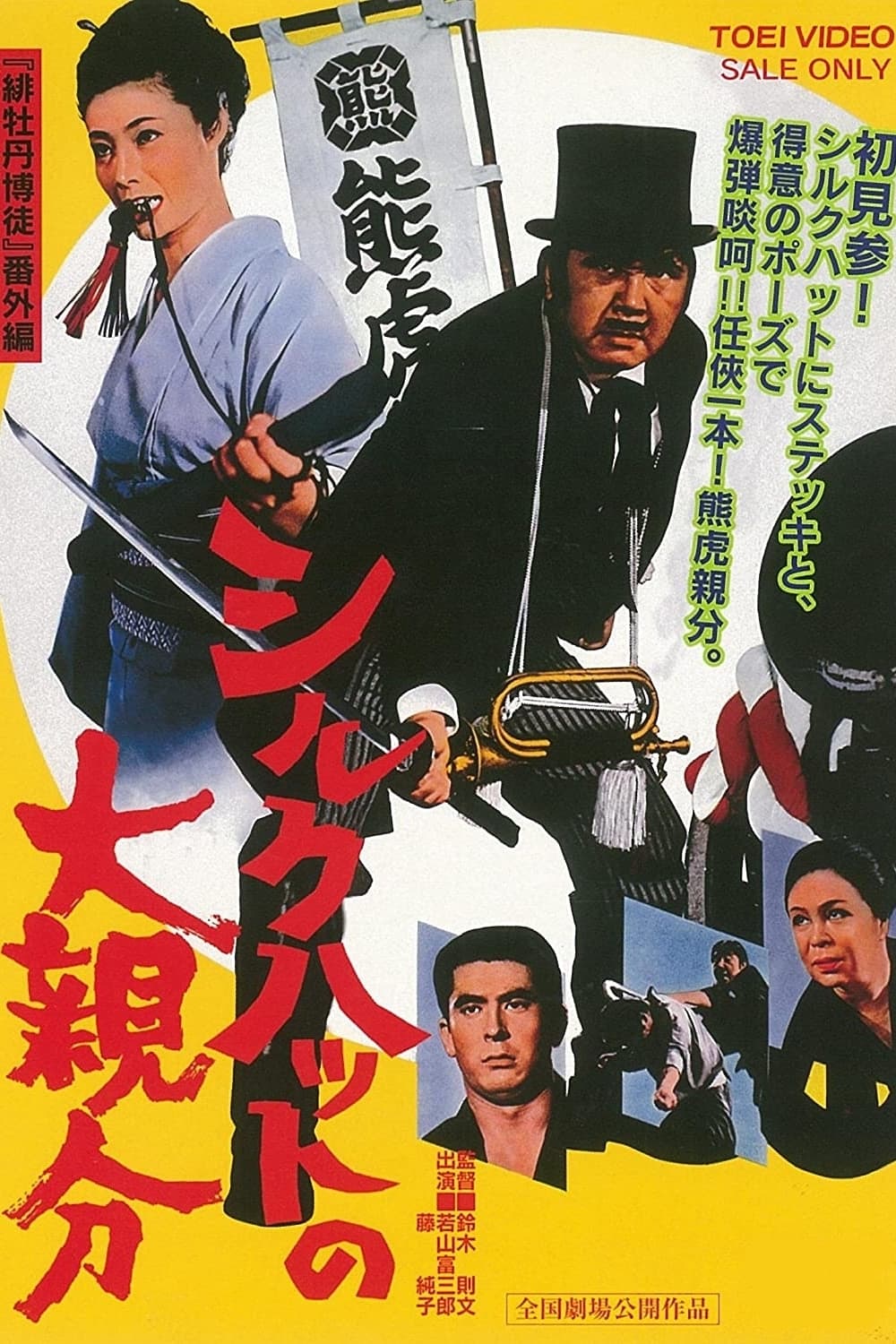
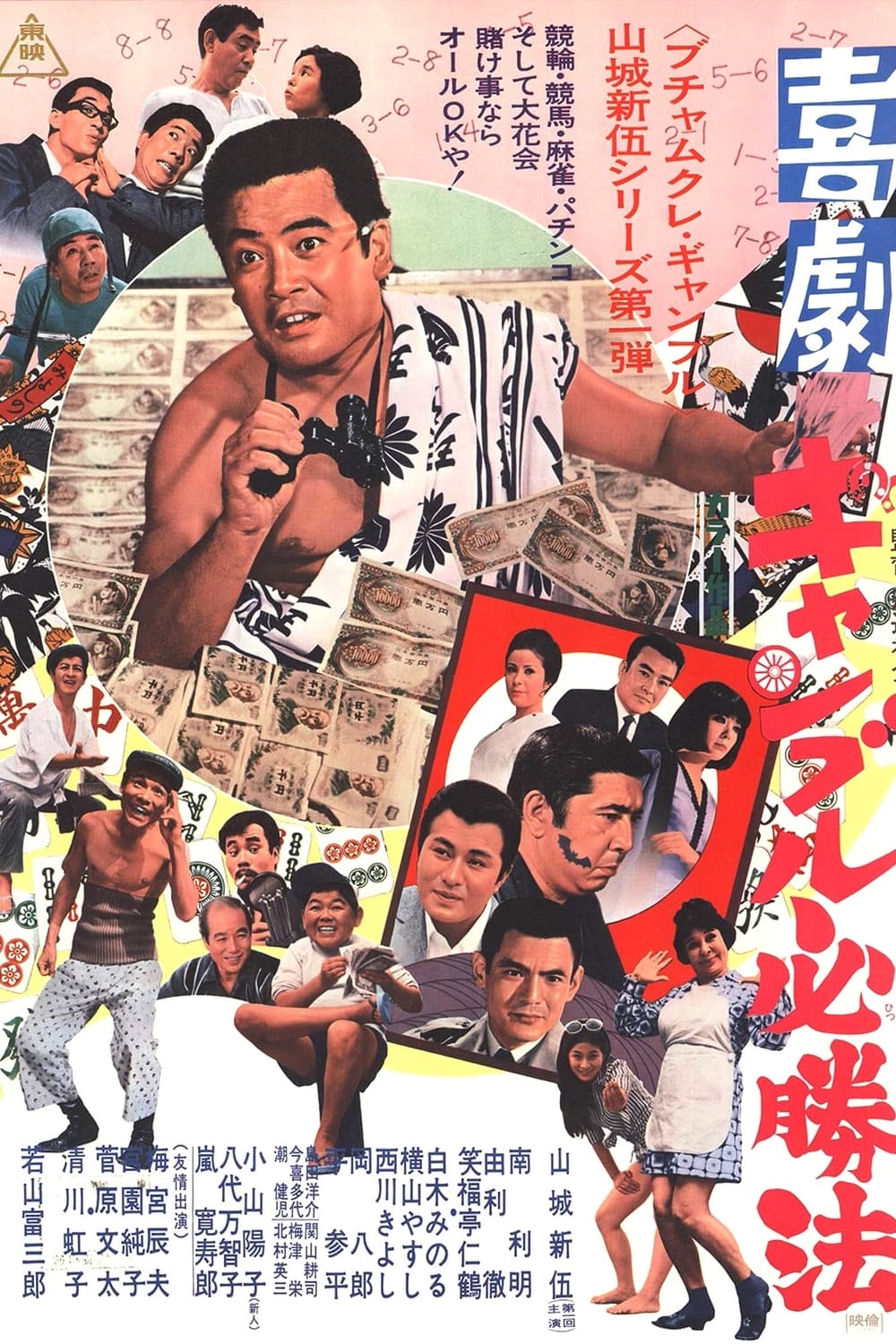
In a strange outfit and full of youthful energy, the explosive Boss Kumatora raises hell like there's no tomorrow. The first movie of a new series starring Wakayama Tomisaburo as everybody's favorite character Boss Kumatora from the Red Peony Gambler series. Having made a fortune in the Russo-Japanese War, the Kumatora Family migrates to Kyushu to take on a military-related job. There they encounter the evil and malicious interference of the Chindai family of Kumamoto, and Boss Kumatora boldly fights back with the help of O'Ryu the Red Peony. A super entertaining film with non-stop comedy and action directed by Suzuki Norifumi.
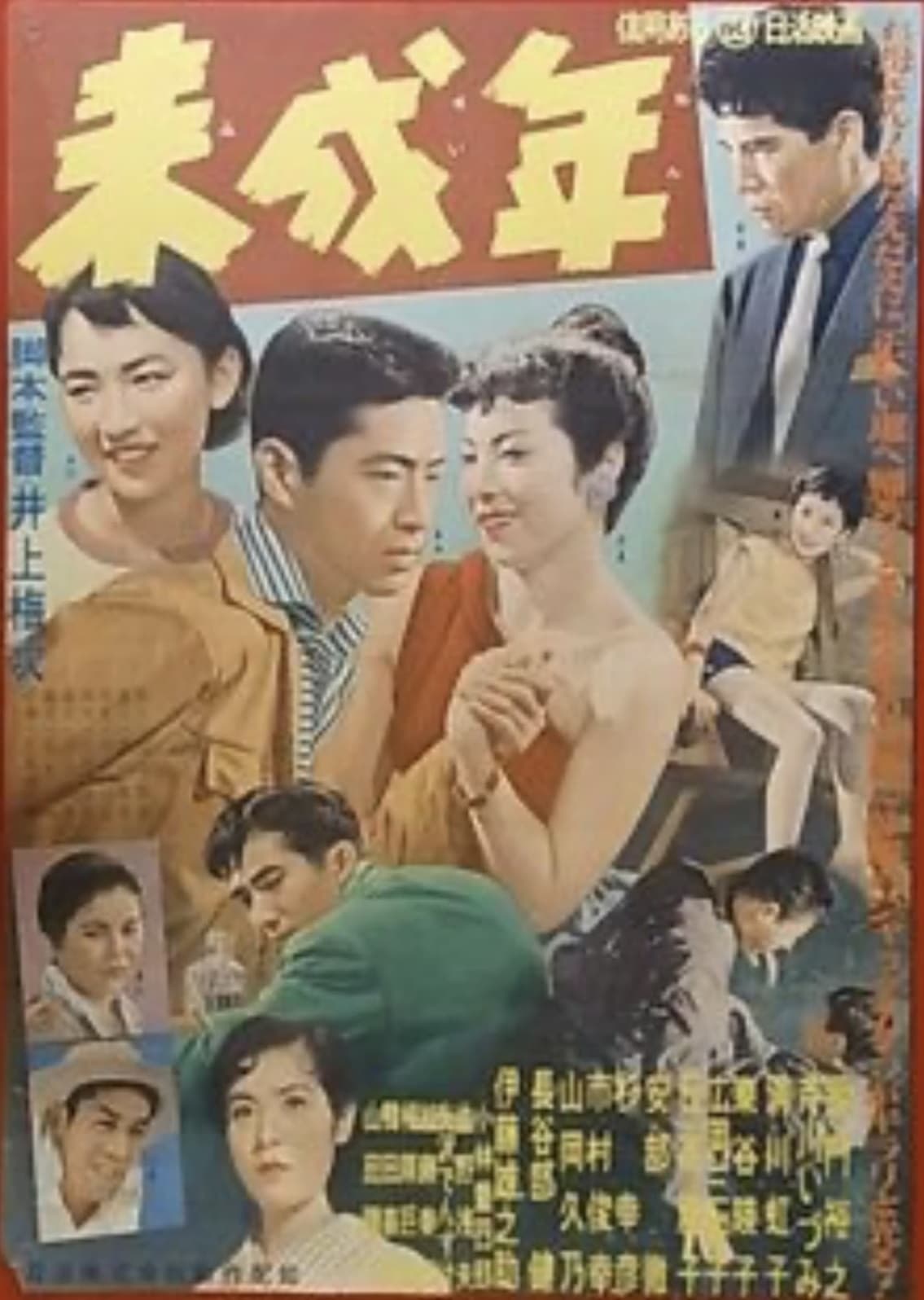
A good young man accidentally joins a group of leg breakers

It has been two years since unsuccessful cartoonist Tsube started to live with Kuniko casually in a small apartment.
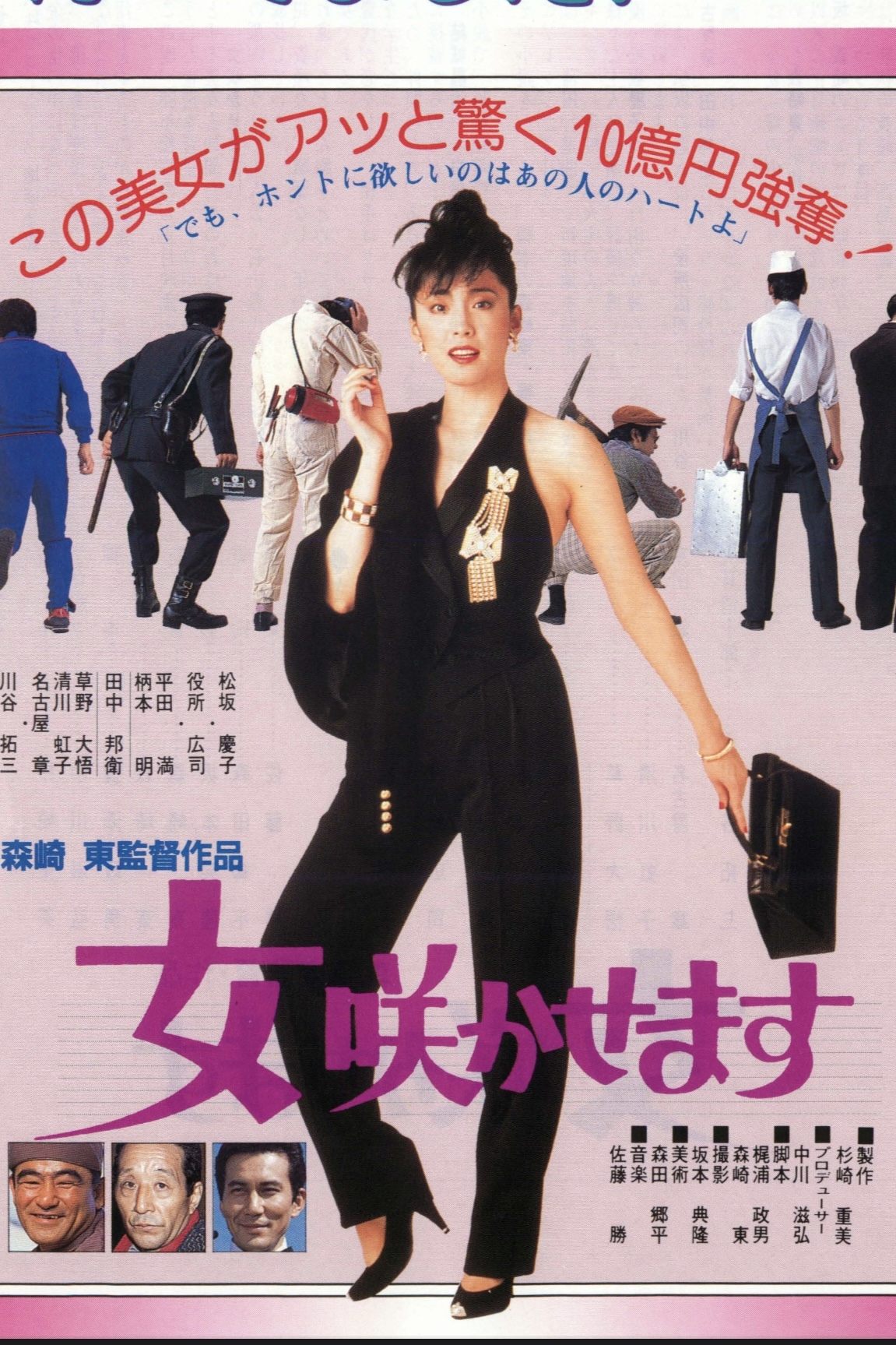
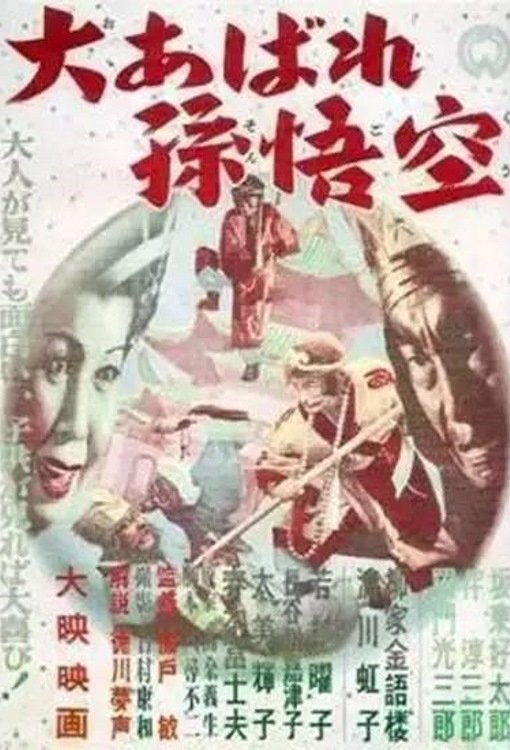
Sequel to "Saiyuki" (1952)

1958 Japanese movie

After some fruitless career hunting in downtown Tokyo, Chiyo accepts a job as a bar hostess in Shiba ward. Well away from glamorous Asakusa and Ginza, this is a neighbourhood tavern where the women are dirt poor, each having only one kimono to their name...
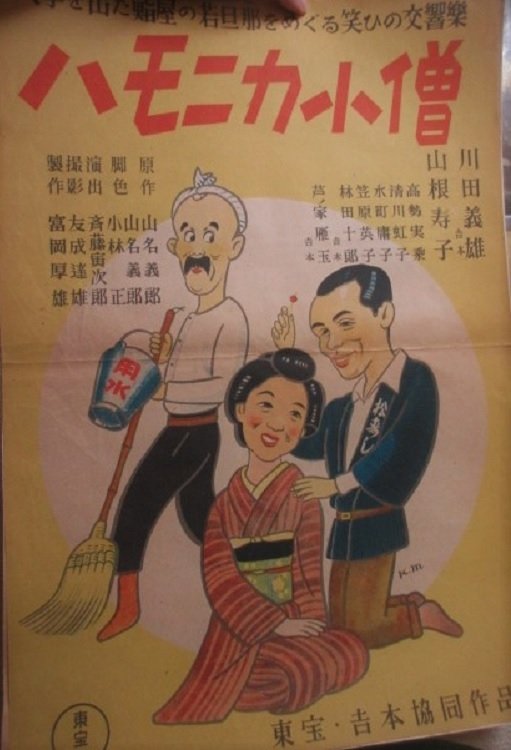
The only son of a sushi chef hates sushi and decides to leave home to search for a job and make his own way.

My Daughter's Only Wish tells the story of a poorly paid and clumsy office clerk, played with much comedic talent by Atsushi Watanabe. His biggest problem: His daughter Hideko is too clever and is expected by her teachers to enter the school for higher girls after graduating from primary school. But how is our poor clerk supposed to pay the school fees? How does poor Hideko feel about the situation? How can they cope with the envious colleagues who have less brighter daughters? And - an important question for Hideko's mother - what will the neighbours think? What's the point about getting a good education for girls anyway?
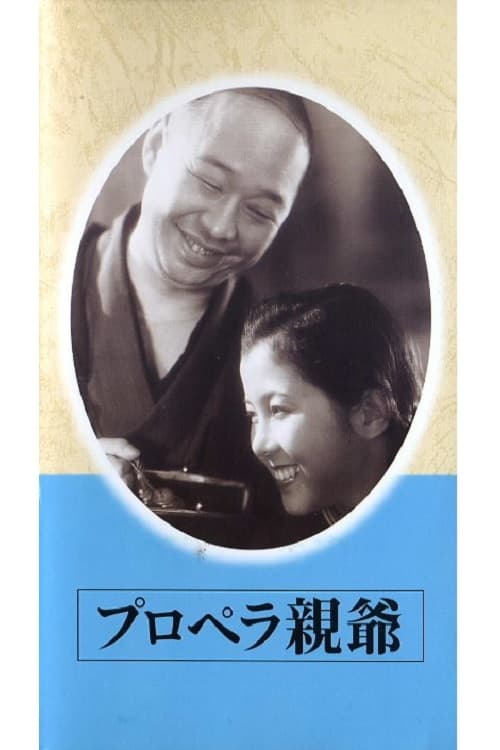
The Old Man of the Propeller can be seen as a comedic amalgam of “King Lear” and “Christmas Carol”. A neighborhood loan shark is hounded by his relatives expecting big inheritance. But he is not giving any favor to anyone. His only joy of life is to go on junk hunt in the neighborhood, collecting garbages and scraps and selling them to junkmen to make profit.
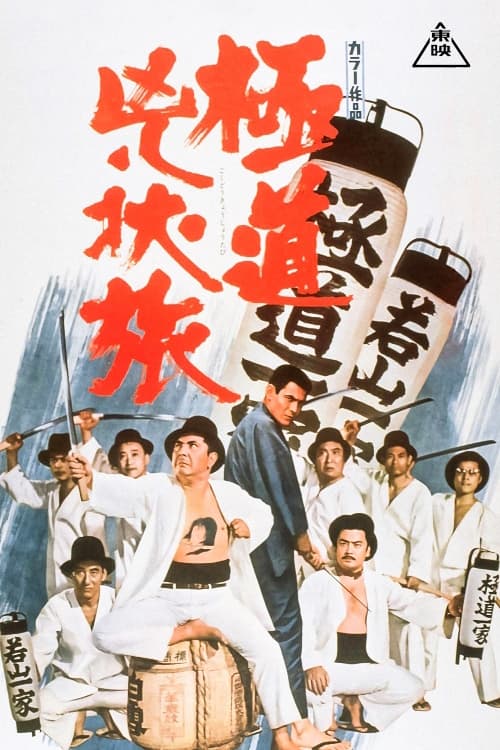
Gokudo goes politics. Gray-haired Bin Amatsu has Wakayama assist a politician, meaning trashing the opponent. But of course the opponent has a pretty daughter to have a crush on. Enter protective Bunta Sugawara and Gokudo’s gotta settle for a cheaper Toei nude actress.
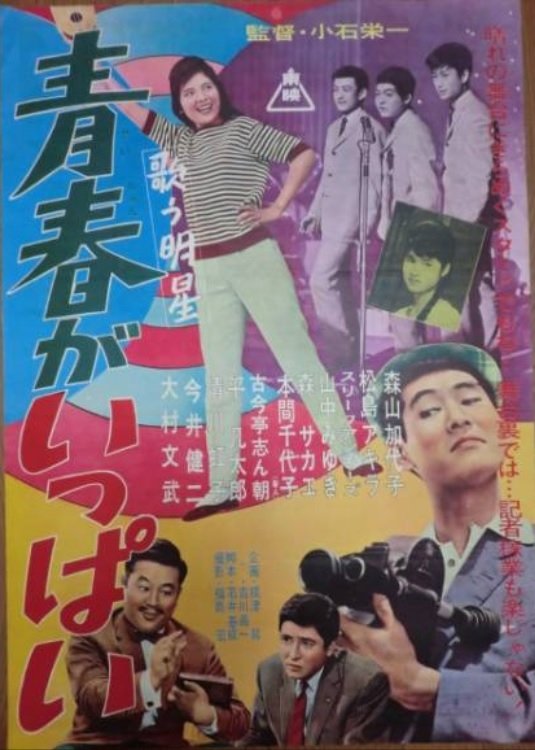
1962 Japanese movie
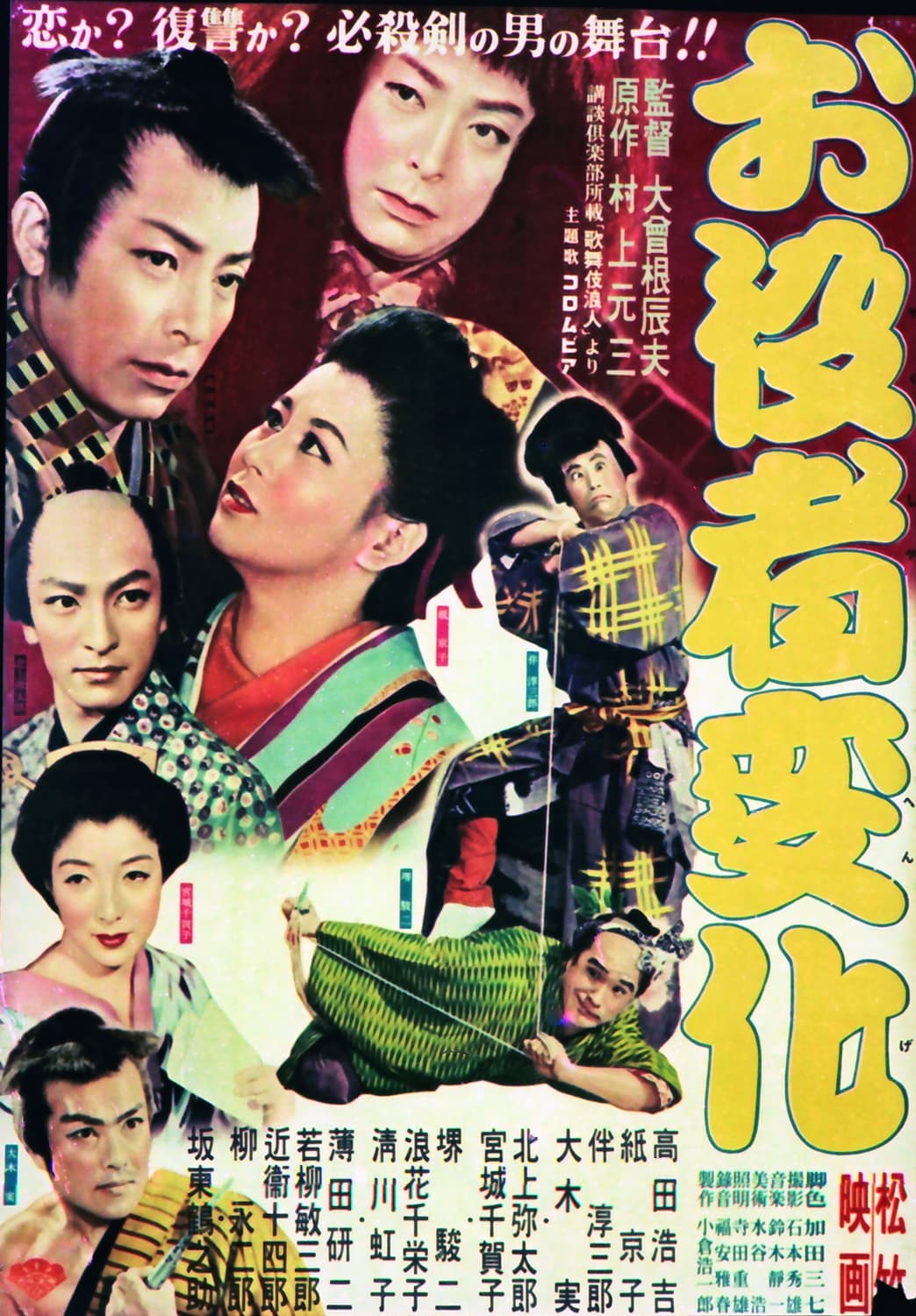
During the Genroku era, Azusa Gennosuke, renowned in Nara as a top swordsman and a scholar, crossed swords with the Magistrate Kurobane Yatayu, who tried to force himself on Gennosuke's beloved foster-sister, Kikuno. As a result, Gennosuke's younger brother, Shichisaburo, was killed. Separated from his mother, Gennosuke found himself on the run from the officials.
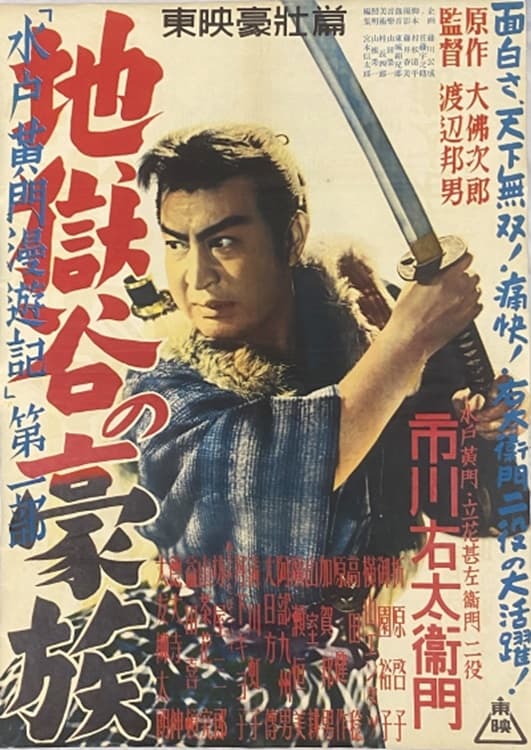
The deputy shogun of the realm, accompanied by his loyal and capable aides, makes a stop at Jigokudani, a place along his journey through various provinces. Here, a lively and entertaining tale unfolds, filled with swordplay where heroes and villains clash, intertwined with heartwarming humor.
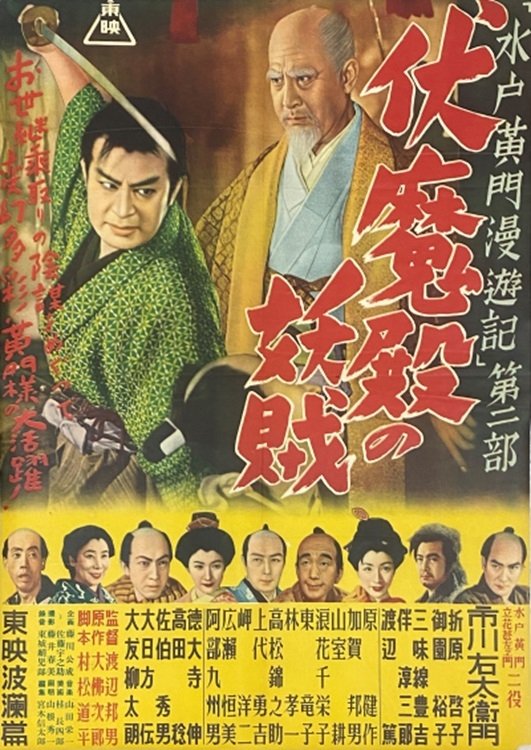
At the transformed Fumaden (Demon Subduing) Temple, with the dynamic efforts of Sukesan and Kakusan, and the appearance of the heroic woman Oshin, Lord Kōmon's ingenious strategy swiftly overcomes the wicked bandits in this exhilarating and unrivaled episode.
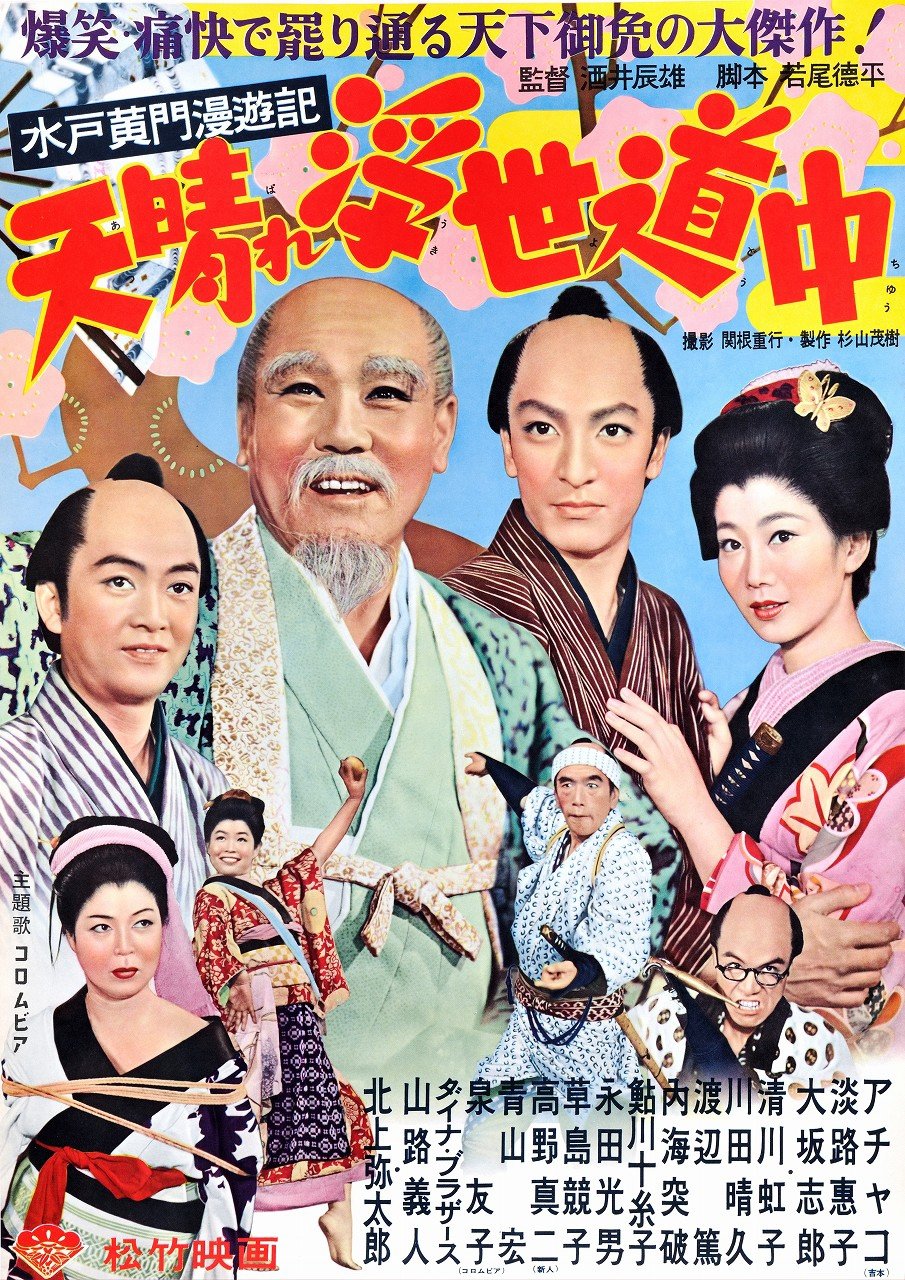
Third film in the 'Travels of Lord Mito' franchise.
Enoken plays a frog-oil-hawking conman whose claims to martial prowess land him in hot water with the local samurai gentry - but not before he falls in love with exactly the wrong girl. Another musical comedy period film quick on the heels of the earlier Kondo Isami.
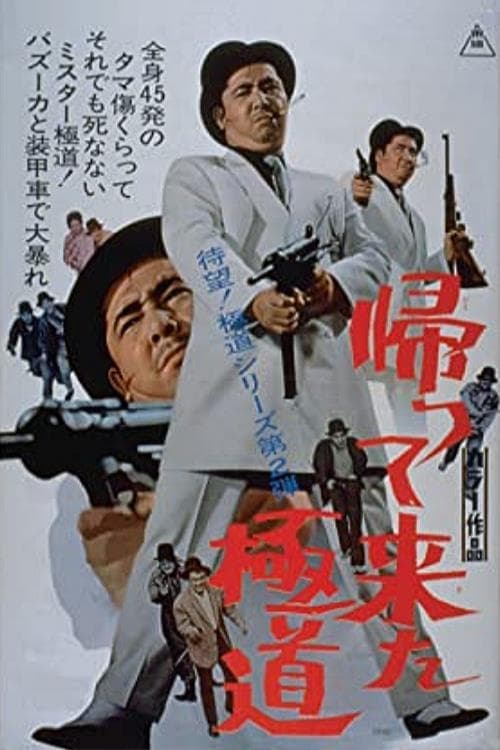
Second film of the Gokudo series starring Tomisaburô Wakayama
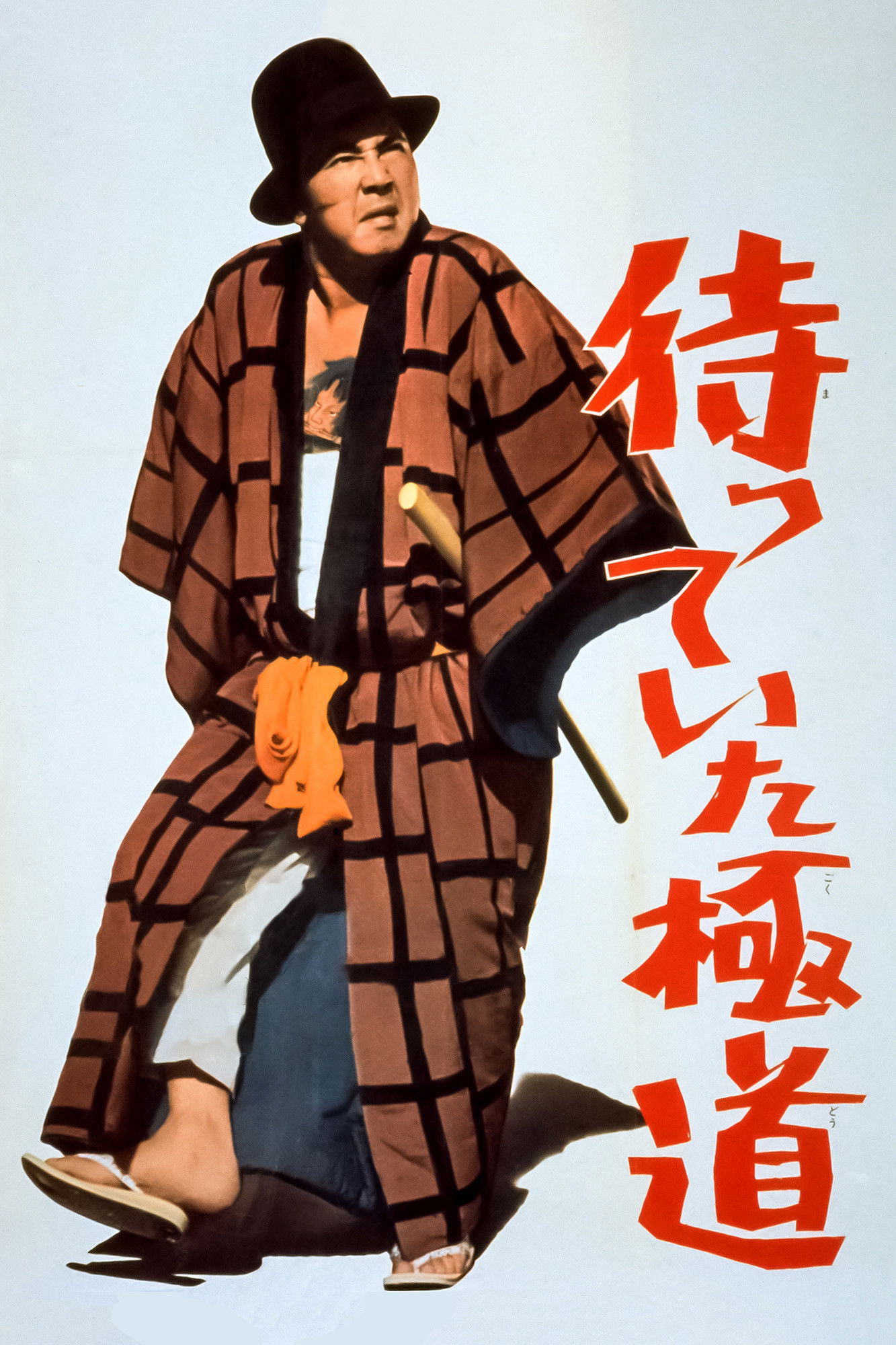
Forth film in the Gokudo series with Tomisaburô Wakayama
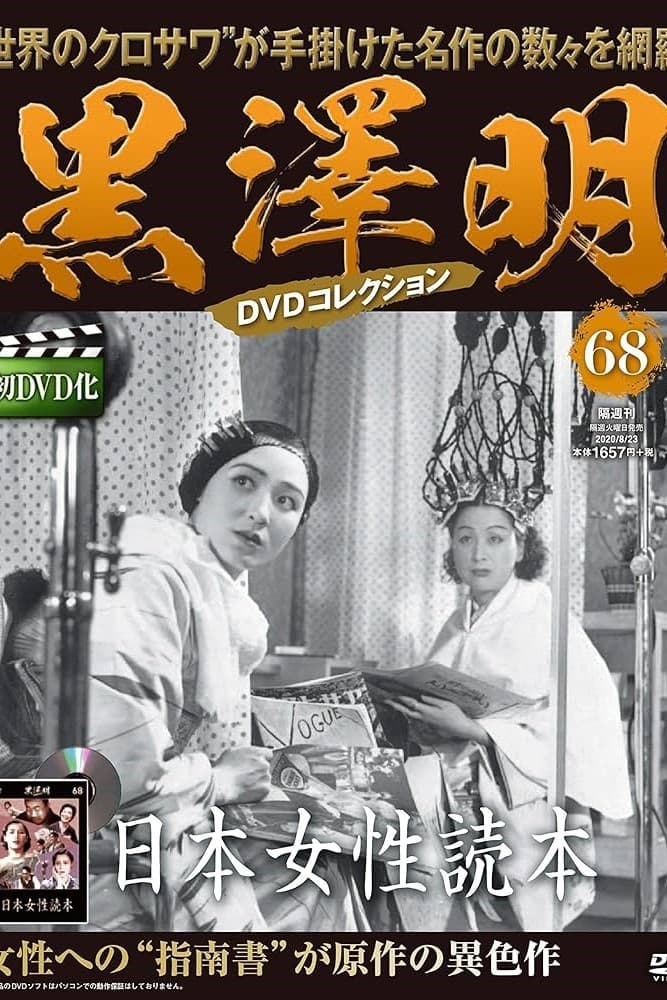
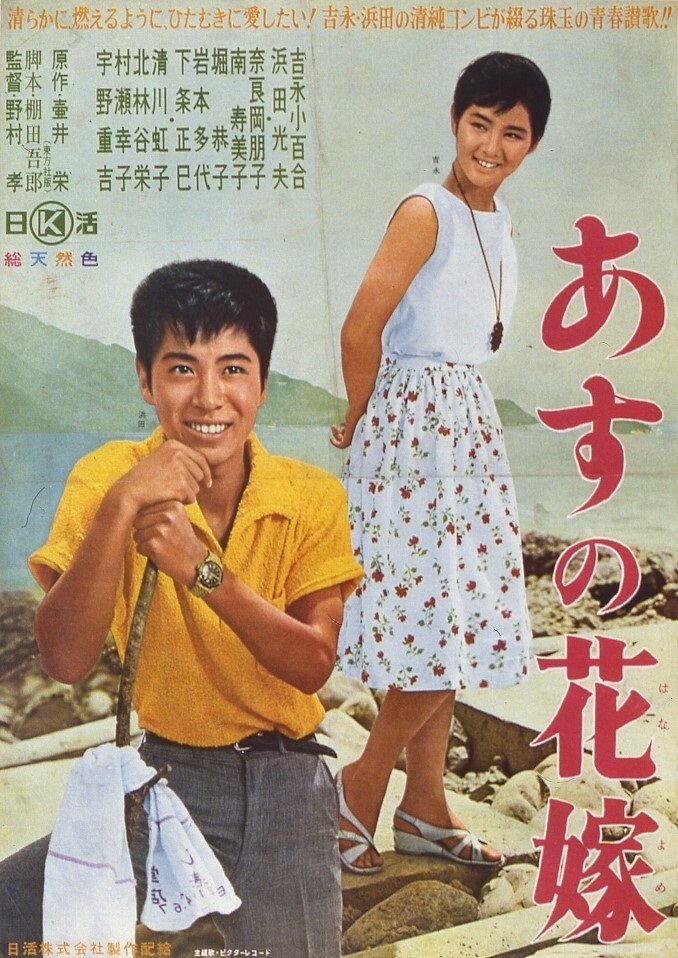
1962 Japanese movie
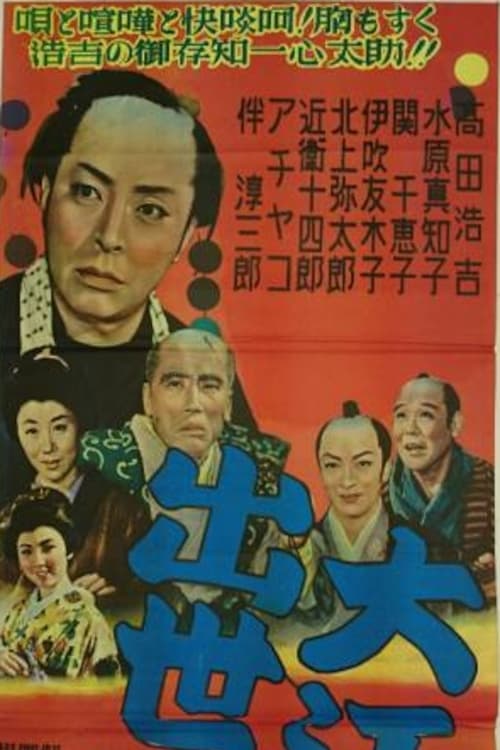
Isshin Tasuke, a friend of Ōkubo Hikozōemon, the esteemed public arbitrator of the realm, saved the maid Onatsu from punishment after she accidentally broke a plate gifted by Lord Ieyasu. Tired of the strict samurai service, Tasuke moved to the Genbei tenements and opened a fish shop. This tenement housed various characters, including the landlord's daughter Osen who had a crush on Tasuke, the midwife Okan, the blind masseur Oyone and her husband, the carpenter-loving couple Yoshigorō and Ohama, the rōnin Takeuchi Yogoemon, and the siblings Ochika and Shin'nosuke who cared for their sick mother.
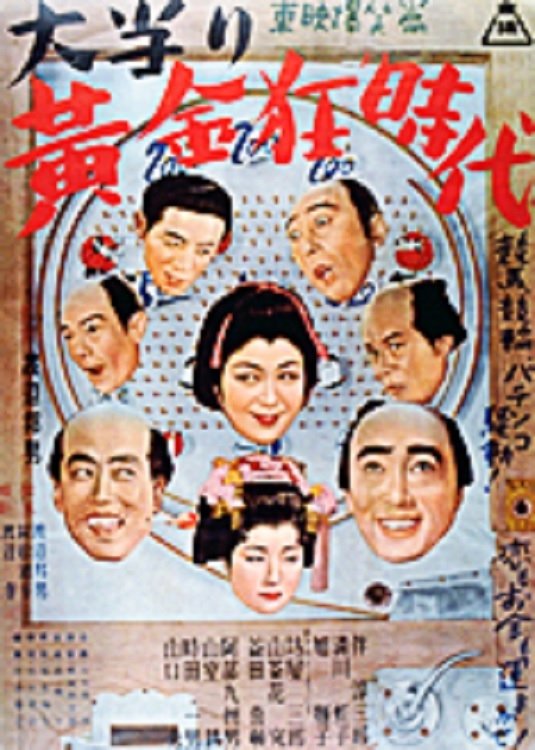
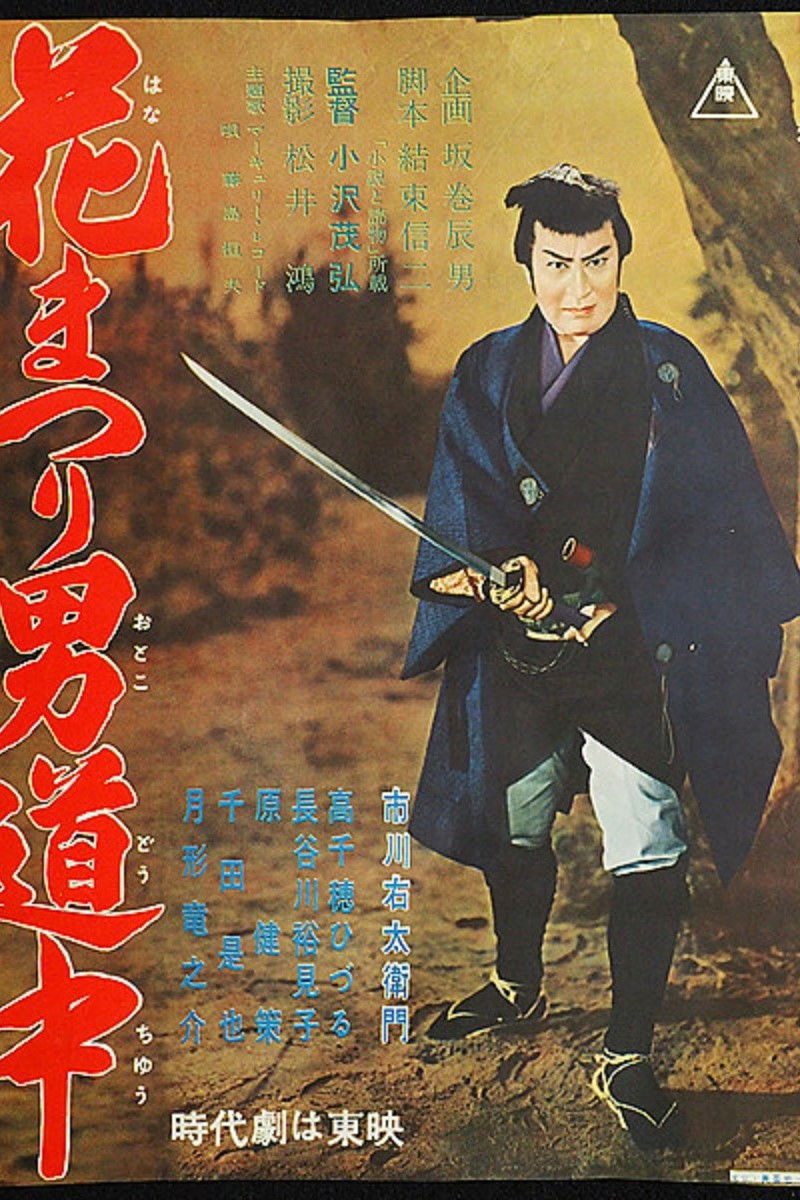
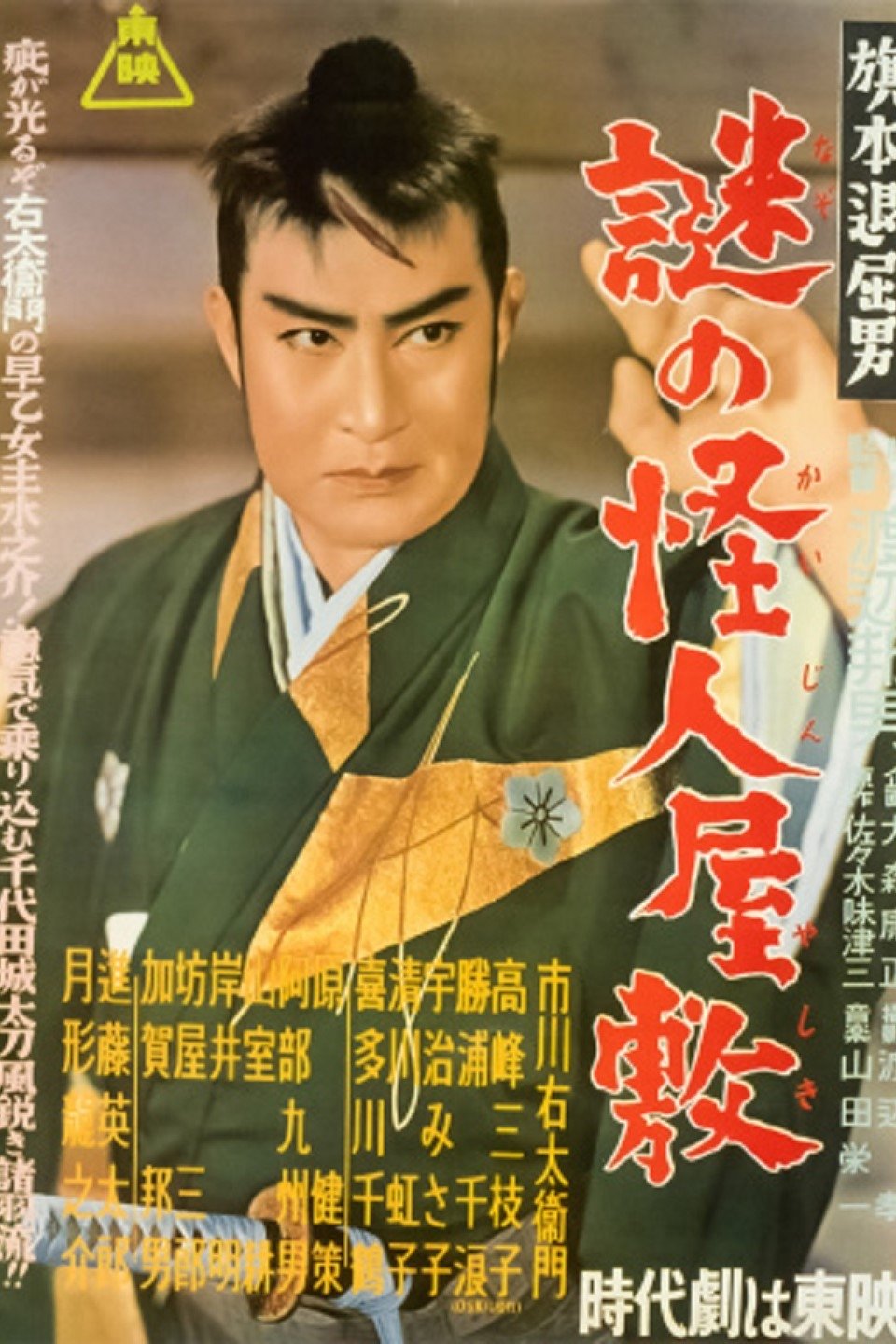
Bored Hatamoto film #17
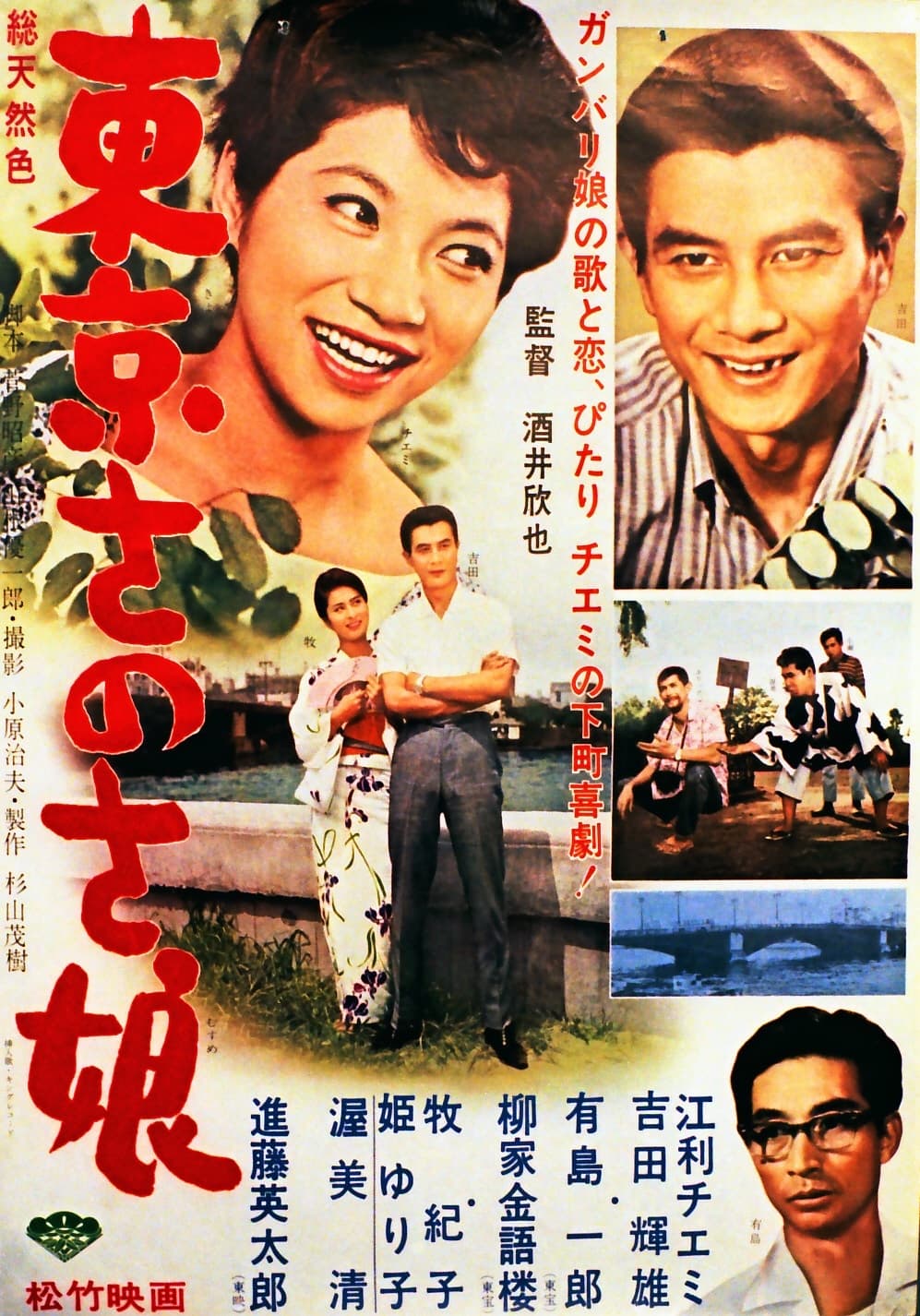
1962 Japanese movie
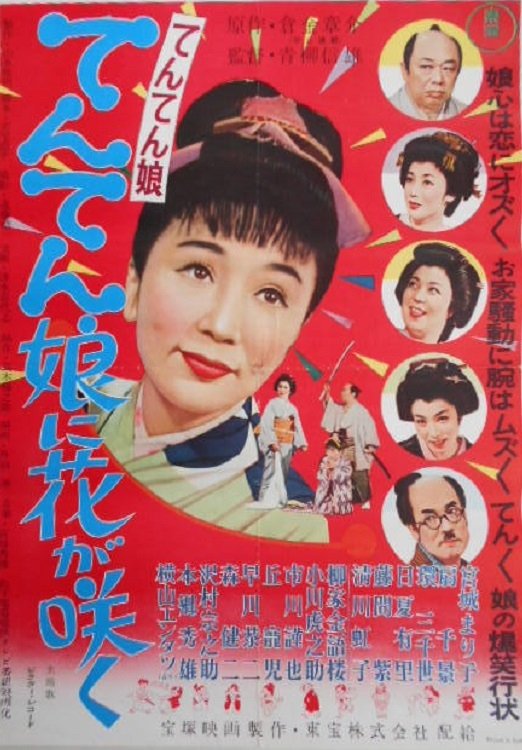
Based on the comic by Shosuke Kurakane. Shown in two parts.
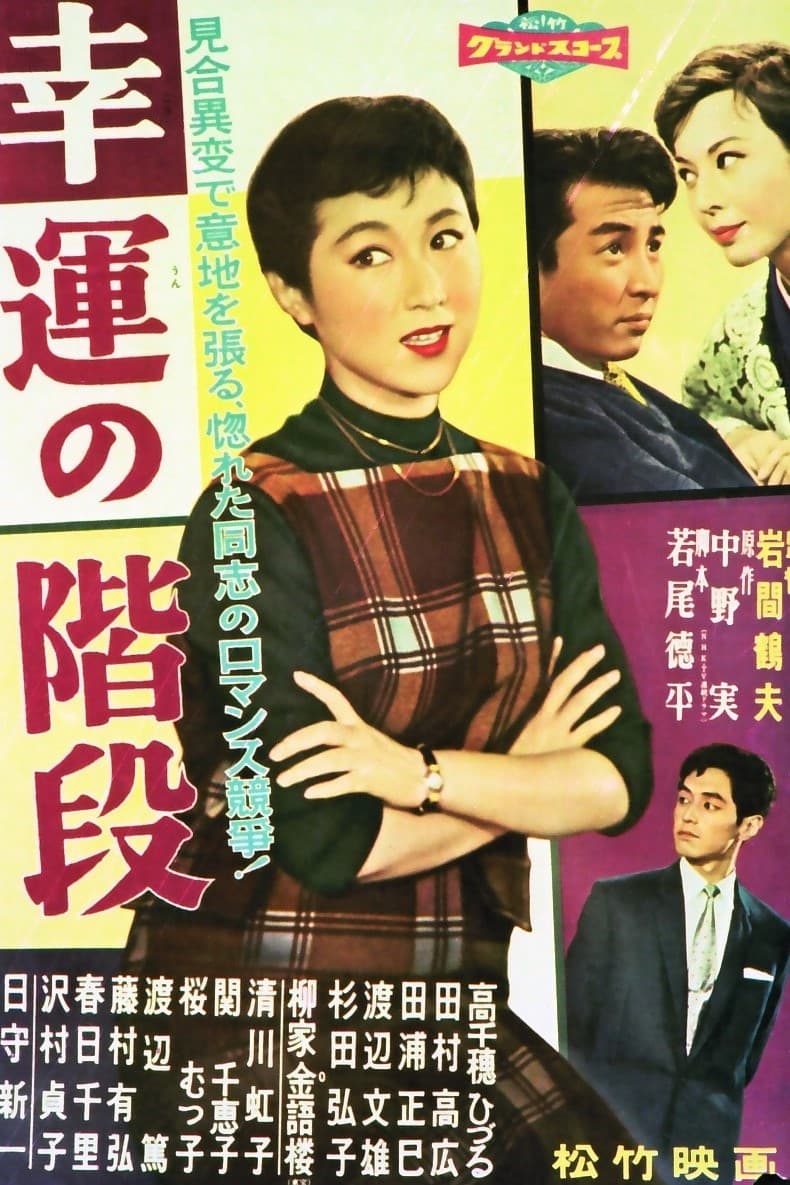
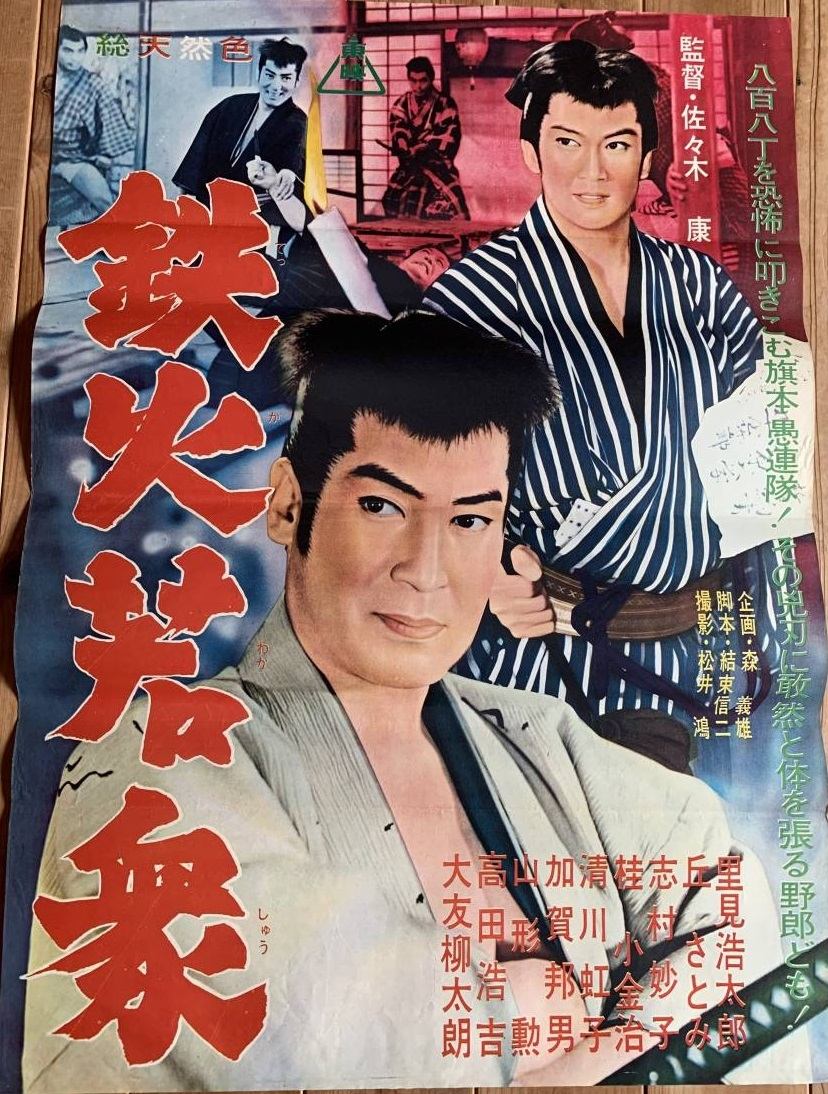
1962 Japanese movie
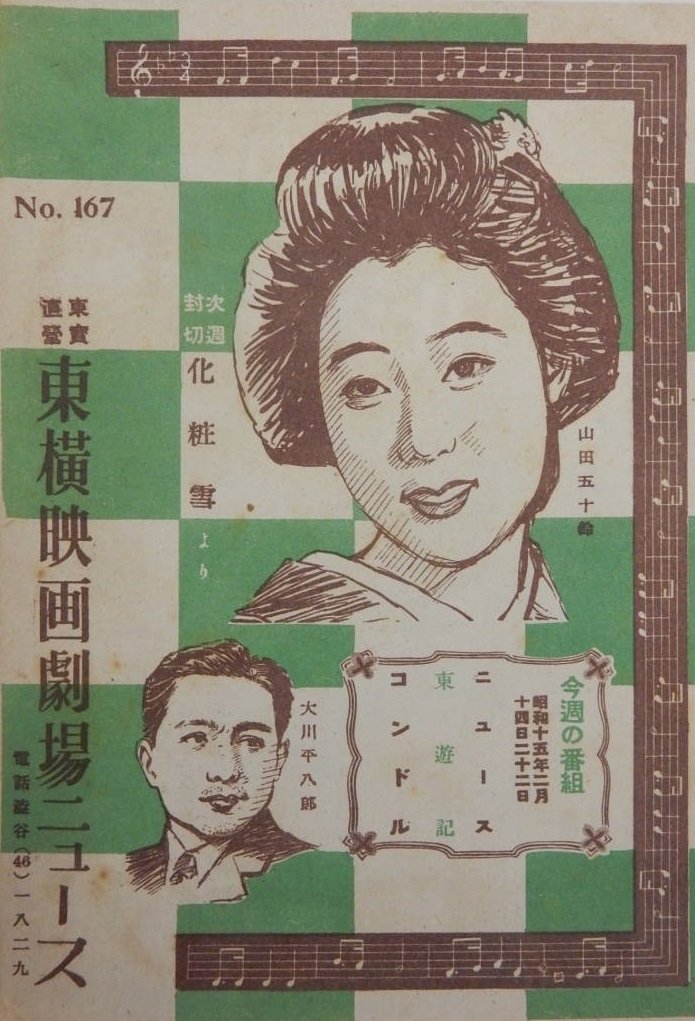
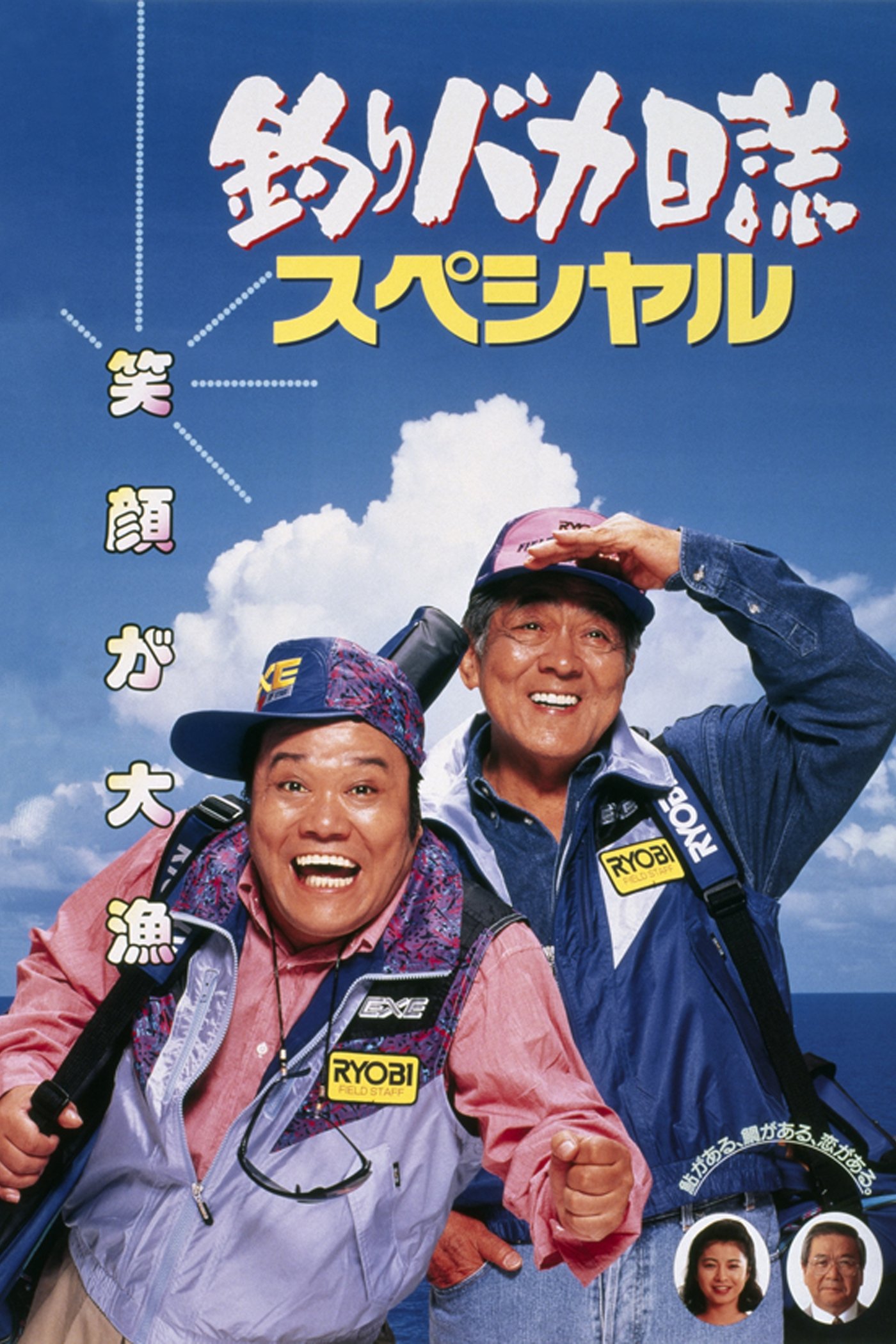
Approached by a friend about a matchmaking arrangement, Su-san goes to Hama-chan's home seeking help. Hama-chan is away on a business trip, but Michiko entertains Su-san late into the night. When he gets drunk and ends up spending the night, Hama-chan, begins to question his boss's relationship with Michiko.
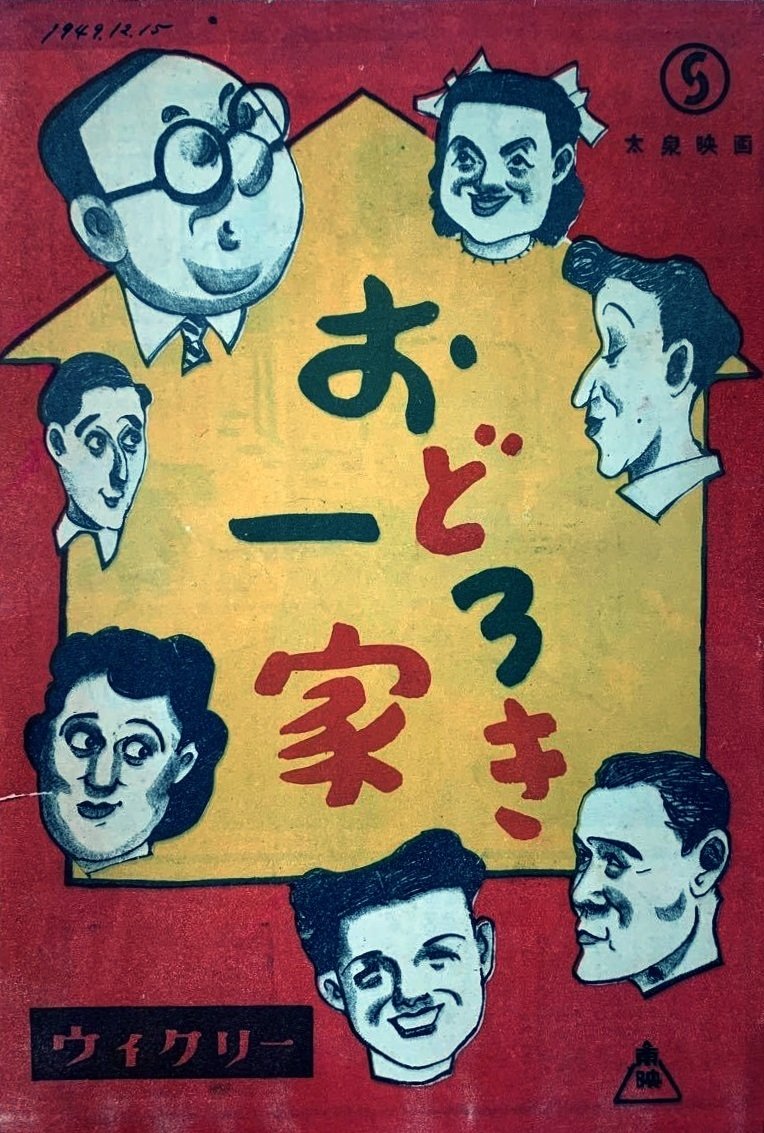
1949 Japanese film
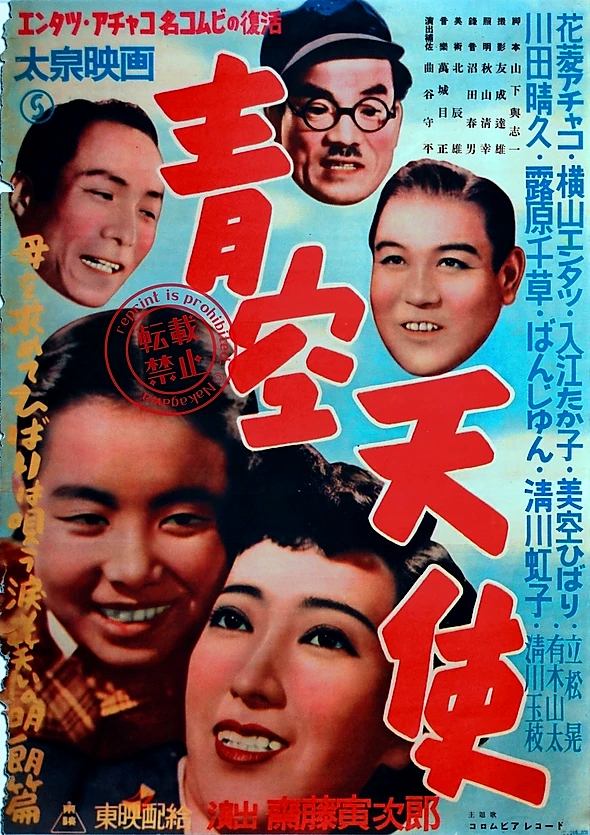
1950 drama film
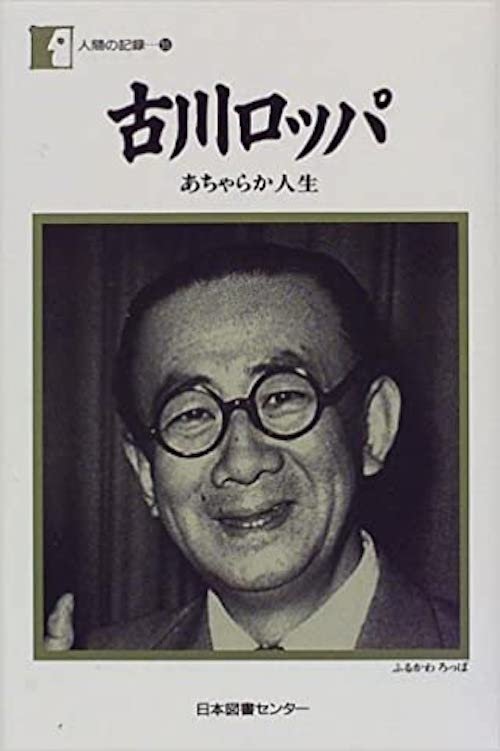
A Kajirô Yamamoto directed comedy starring Roppa Furukawa.
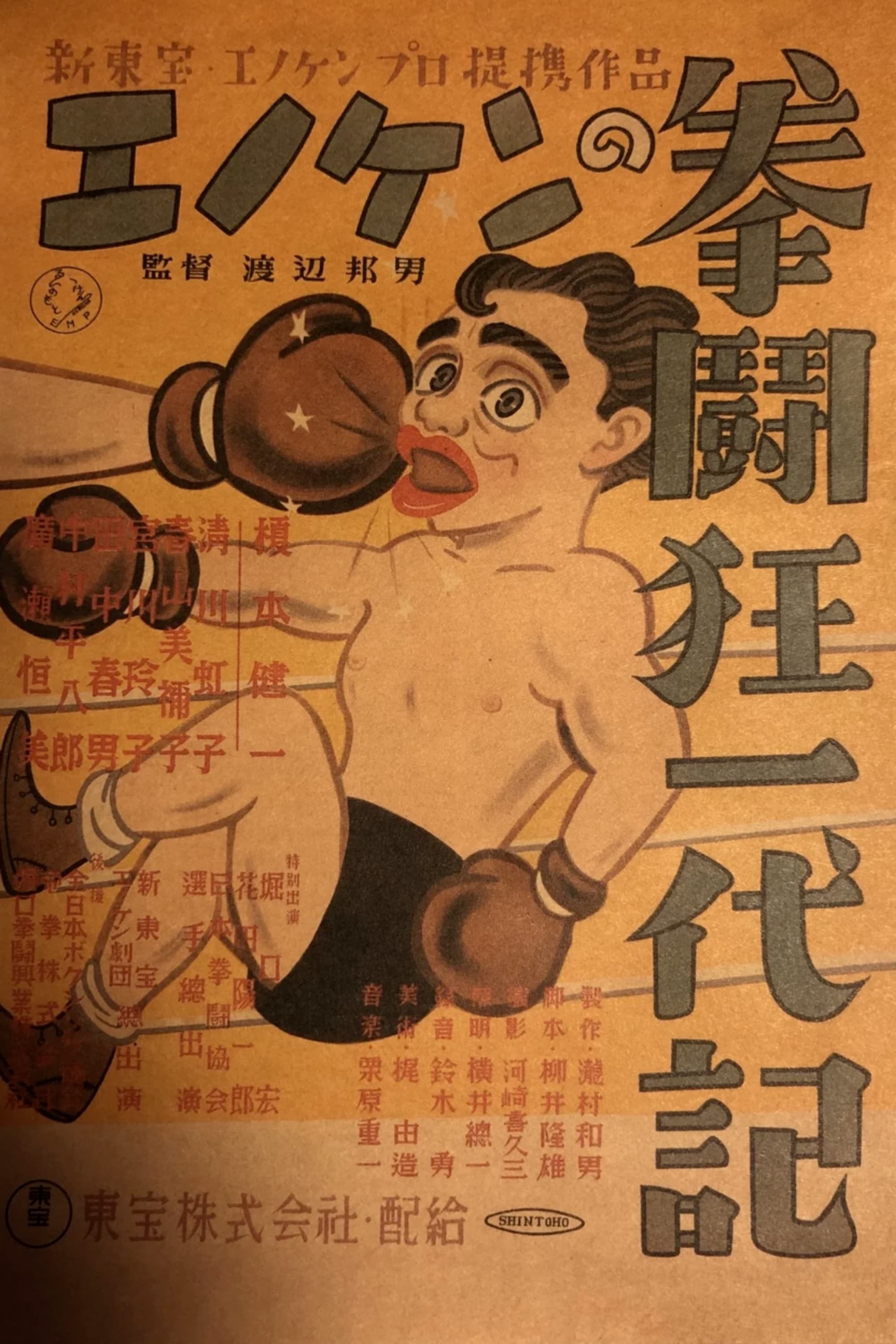
Near the end of the Taisho era (1912-1926), Enokichi, a popular figure in the world of boxing entangled in the Yakuza business.
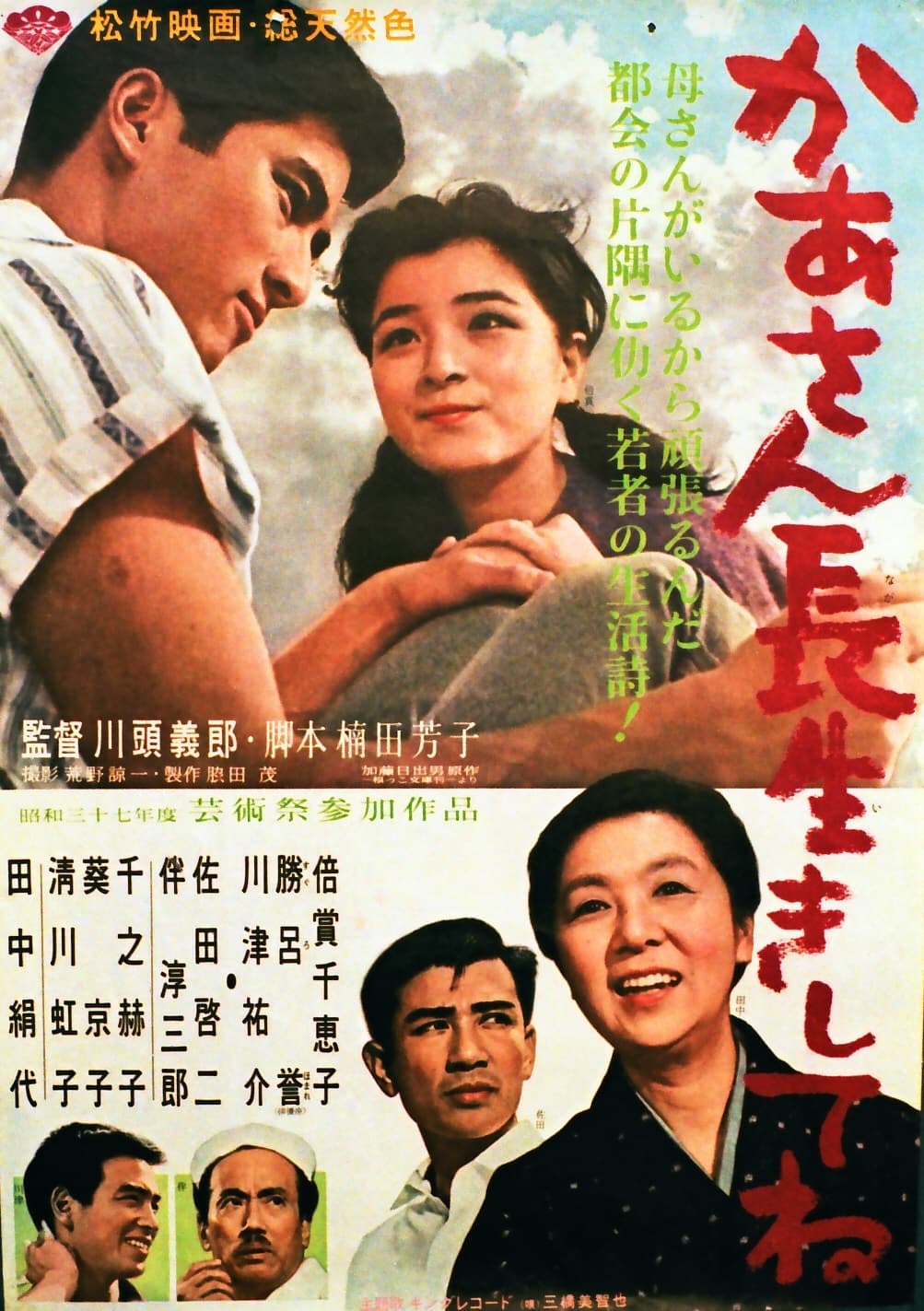
After finishing the course of junior high school, Kazuo comes up to Tokyo, leaving his mother alone in the unproductive northern district. He finds a job in a small laundry in downtown Tokyo and works hard till late at night. At a nearby restaurant a brother and sister are working, and Kazuo becomes friendly with the girl, Yoneko. Love blossoms between the two. However, Yoneko's brother objects to his sister marrying Kazuo.
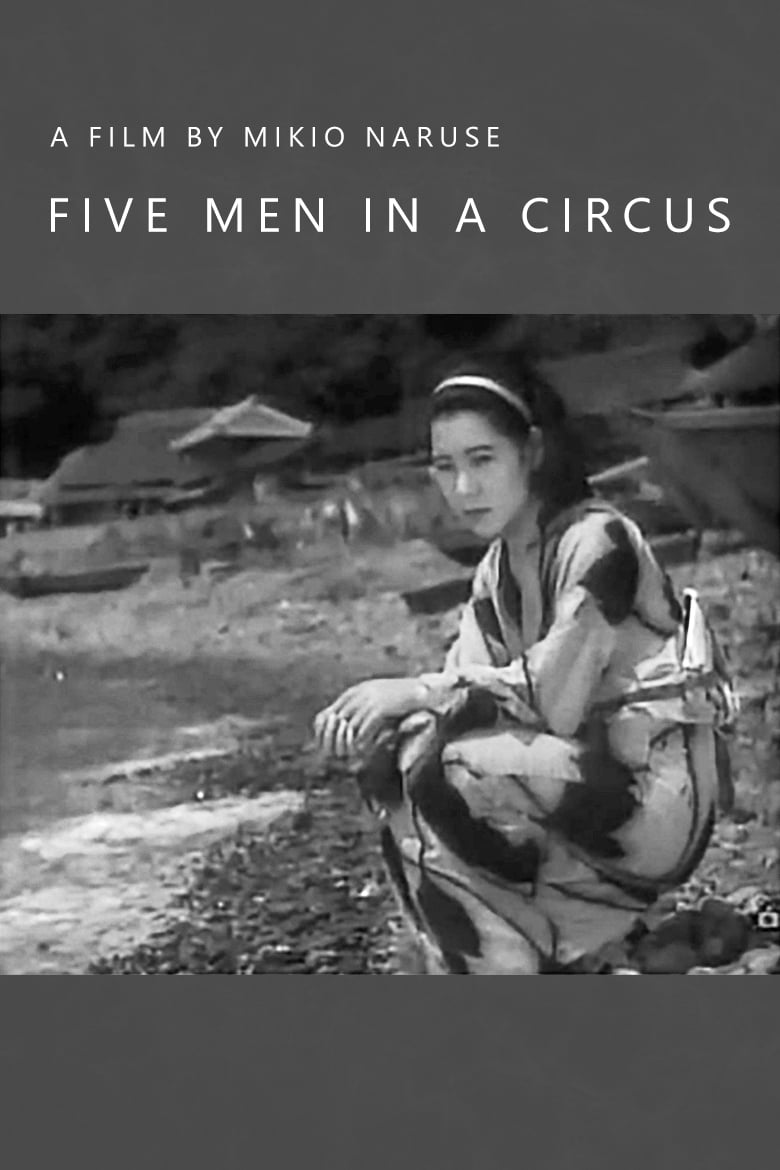
A five member circus runs into problems while touring rural Japan.
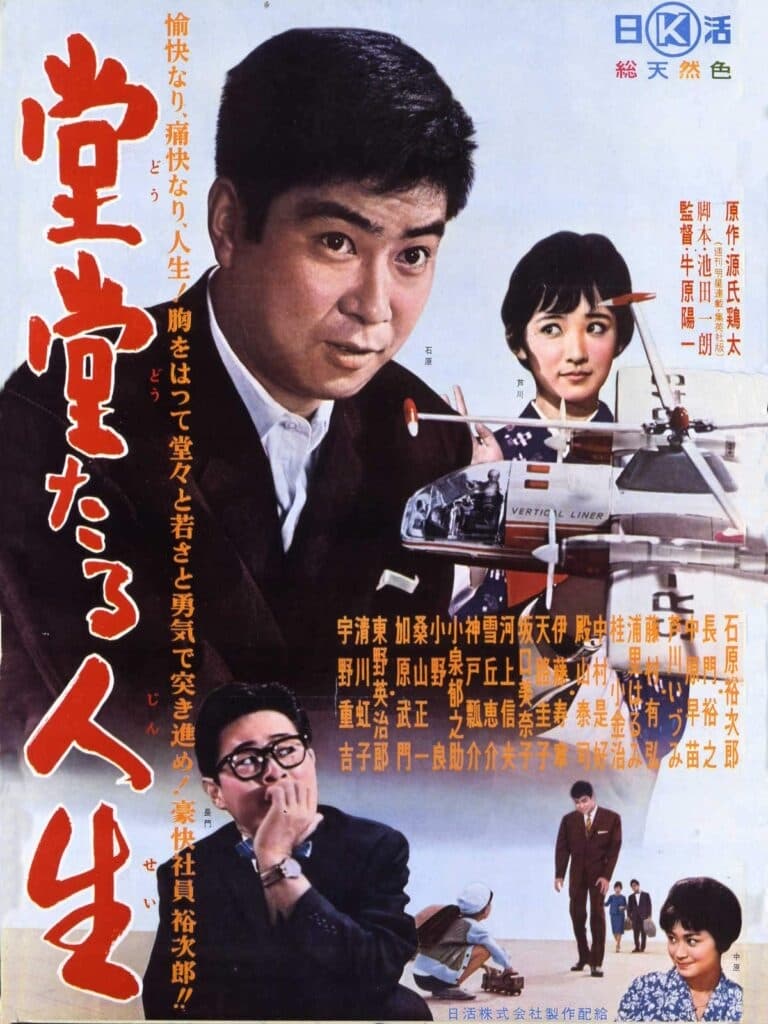
Depicts the checkered story of a businessman working for a toy company in financial trouble, who overcomes hardships to win a major victory.
This is the only surviving “Mito Komon Manyu-ki” film. This release also known as "Adrift Tour Memoir" or literally "Mito Komon's Pleasure Trip" is an 80-minute compilation of the first (東海道の巻 or "Tokaido no maki") and second (日本晴れの巻 or "Japan's Fine Weather Reel") parts (147 minutes), which were re-edited and screened at a time when presentable films were dried up immediately after the defeat of the war.
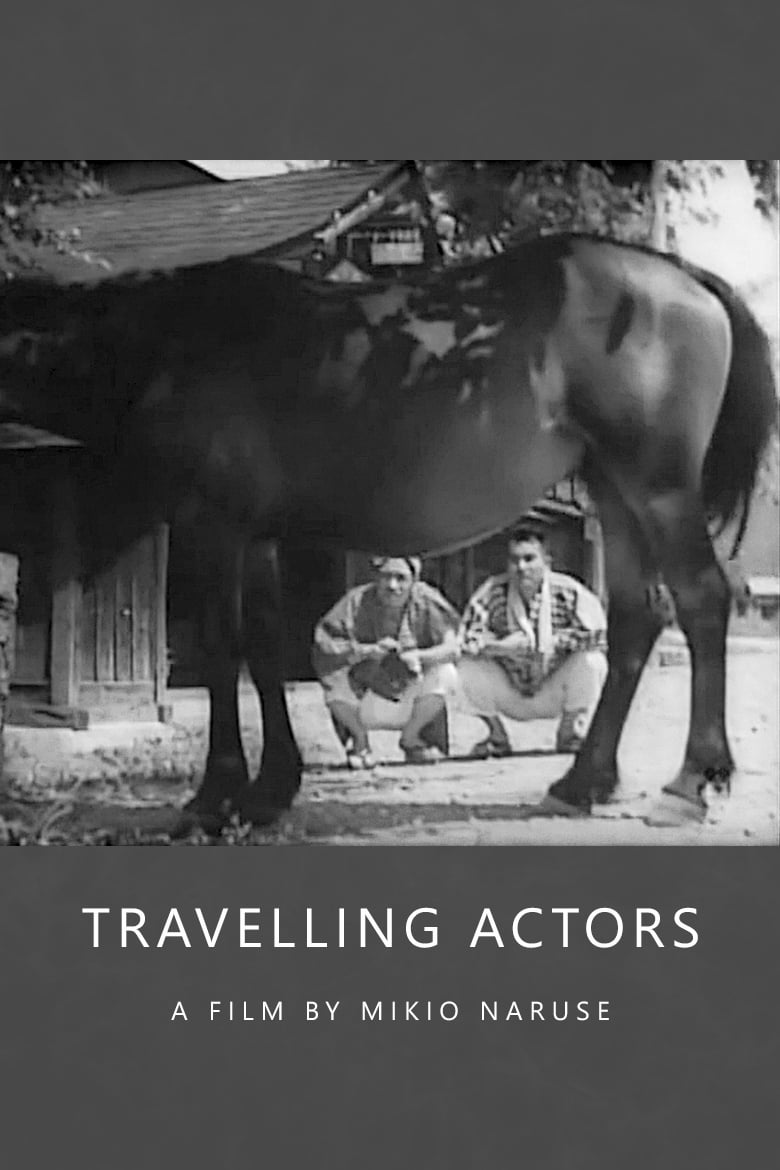
This film depicts a troupe of wandering kabuki players traveling through rural Japan.
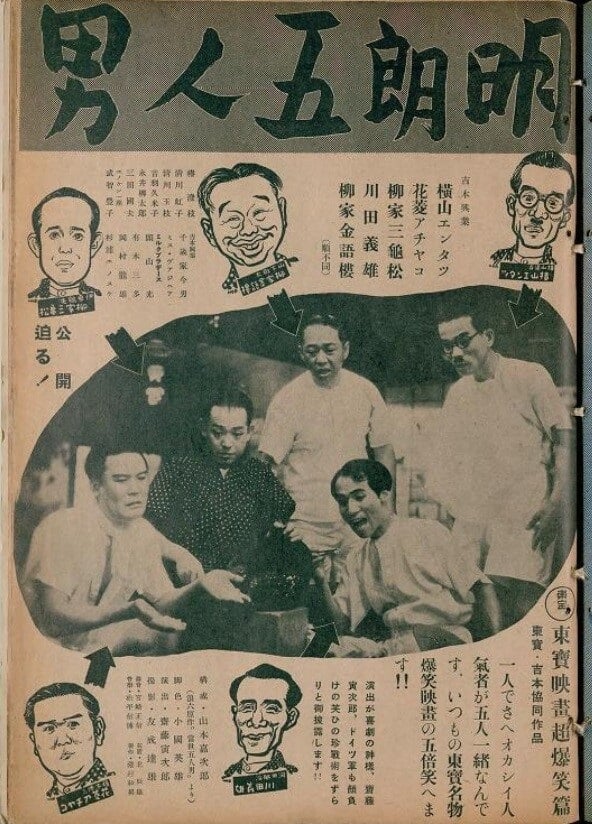
1940 Japanese movie
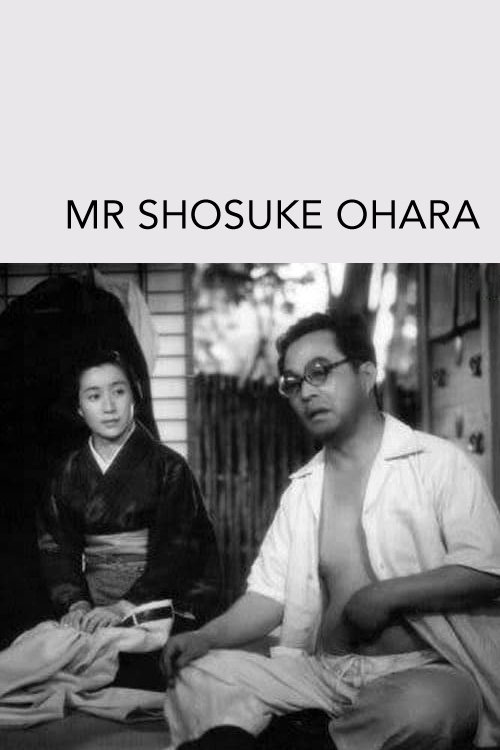
Saheita, the final heir of a once rich and respectable family, can't refuse the many villagers that come to him for favours and money, even though he is on the brink of bankruptcy. Around town he is better known by his nickname Mr. Shosuke Ohara.
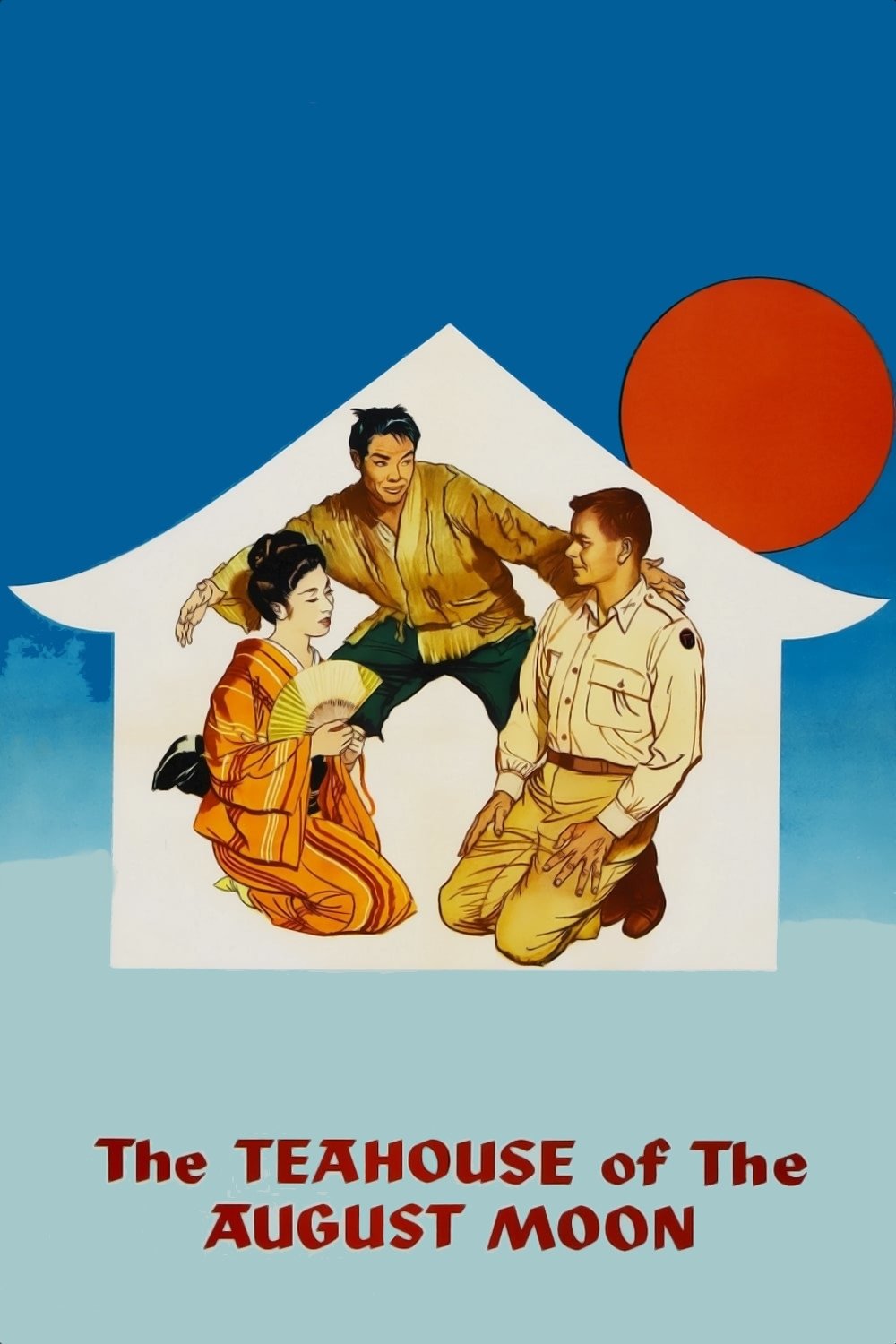
In post-WWII Japan, an American captain is brought in to help build a school, but the locals want a teahouse instead.
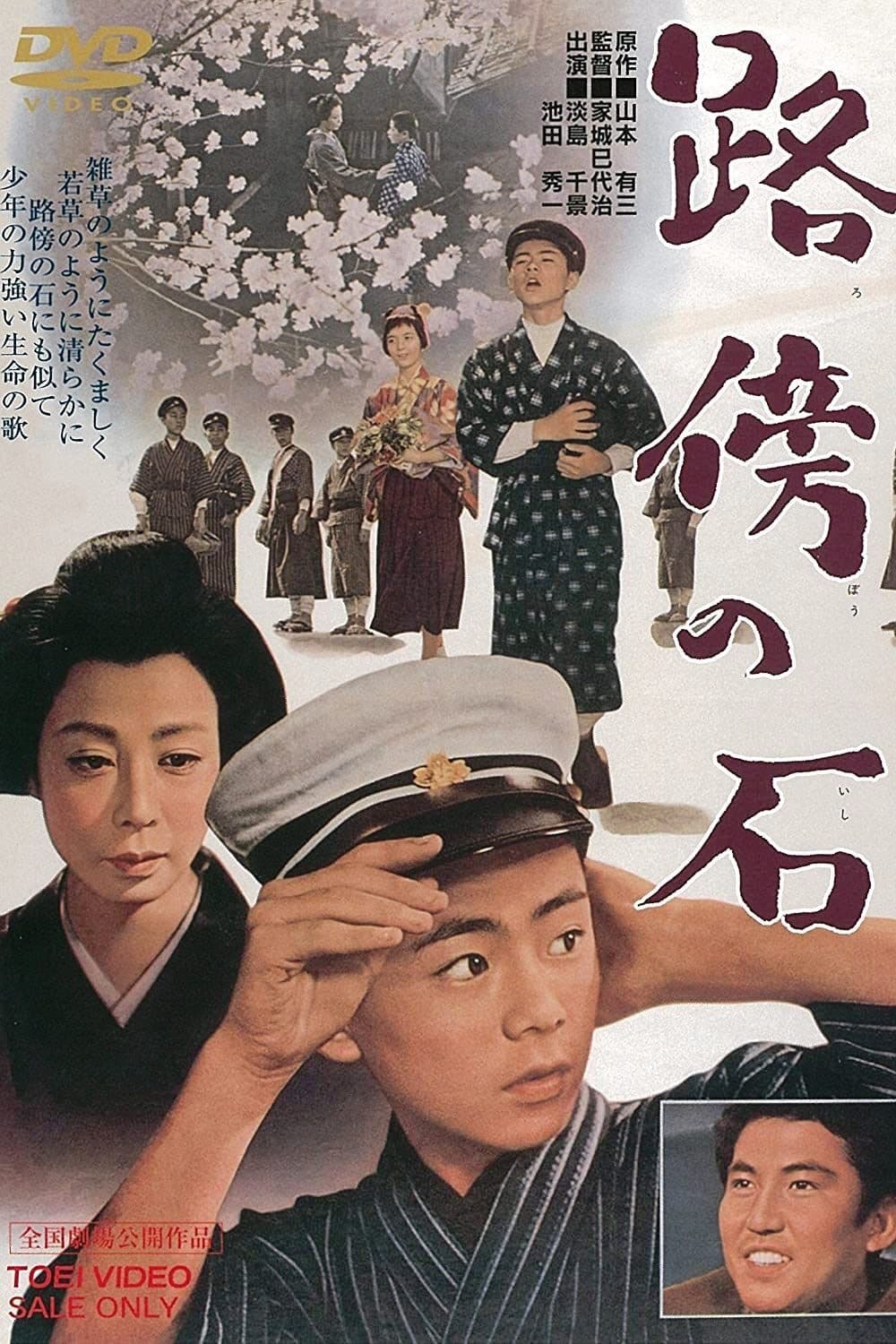
The Wayside Pebble is an effective drama about the hardships of a childhood spent with a brusque, cold-hearted father and a submissive mother. The year is 1910 and the place is a small Japanese village. Goichi is suffering because he wants to go to school, but his family is too poor to afford that luxury. Even when a kind friend agrees to help out, Goichi's father refuses to give in to his son's request for an education. Instead, he sends Goichi off to work as an indentured servant for a cold-hearted merchant and his family. As tragedy strikes and the suffering of the young boy increases, he begins to look for some way out of his bleak situation.
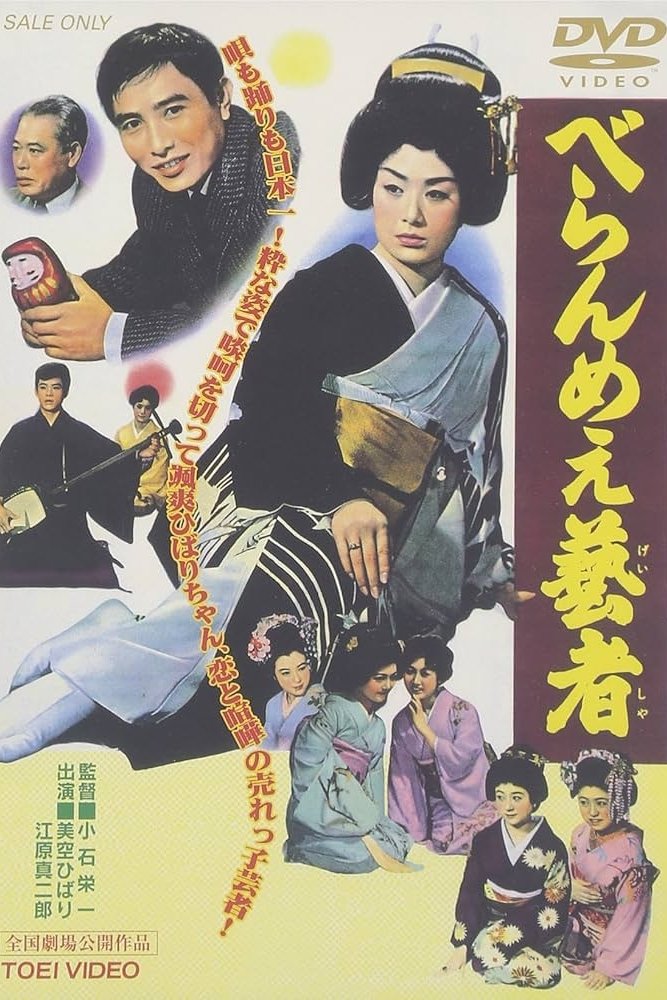
Koharu, a young geisha, is in love with Kenichi, an apprentice carpenter to her father Masagoro. Their love life comes to a sudden halt after an argument between their two fathers. Can their love survive in spite of the bitterness between their two families?
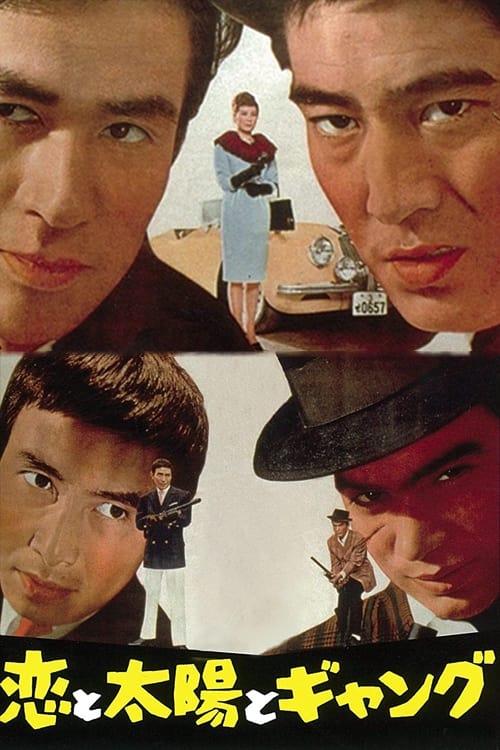
Ishihama is planning a casino robbery with his wife and mother-in-law. They meet a man named Tsuneda who is planning the same robbery and agree to work together.
A bar girl tries to pass her three children, each from a different father, to rural relatives.
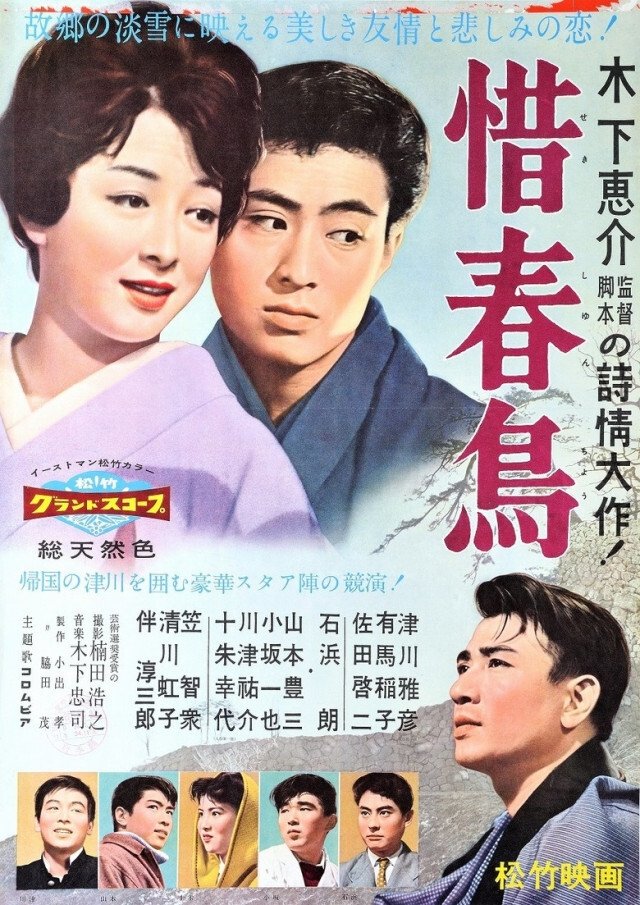
Five longtime friends get back together, but are disappointed to find that their bonds are not as strong as they once were.
Young geisha Kohana scrambles to realize her dream of bringing back her grandmother’s restaurant business.
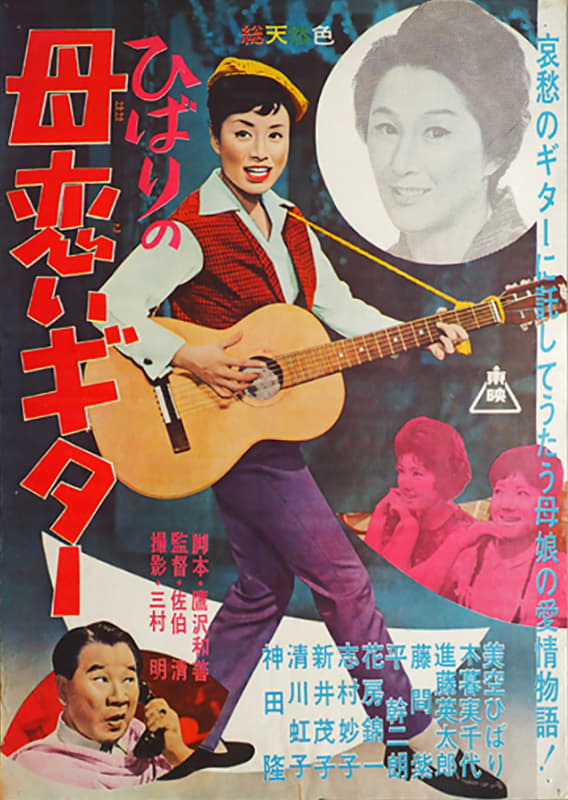
Kimie, a traveling guitarist, performs at various inns at help out her sickly mother. One night while out with her mother, Otoshi, Kimie unexpectedly sees her father, who had abandoned the family 20 years ago. Her hopes for a happy reunion are quickly dashed as her father, having married into a wealthy family, wants nothing to do with her. Will Kimie be able to regain her father’s love?
Japanese film.
Japanese comedy film.
Japanese comedy film.
Set in a bustling 1950s parlor, a beautiful counter clerk falls for a wealthy businessman’s son, only to have their romance derailed by a ruthless loan shark and a mounting family debt. As the parlor faces ruin, the narrative weaves through slapstick antics, musical numbers by Enka legends, and surreal interviews with real-life cultural figures. A chaotic "blueprint" for the Pachinko subgenre, this musical dramedy captures the obsession and desperation of the silver balls.

A gang of bank robbers plan a big robbery, but they all plot to betray each other after the heist for different reasons.
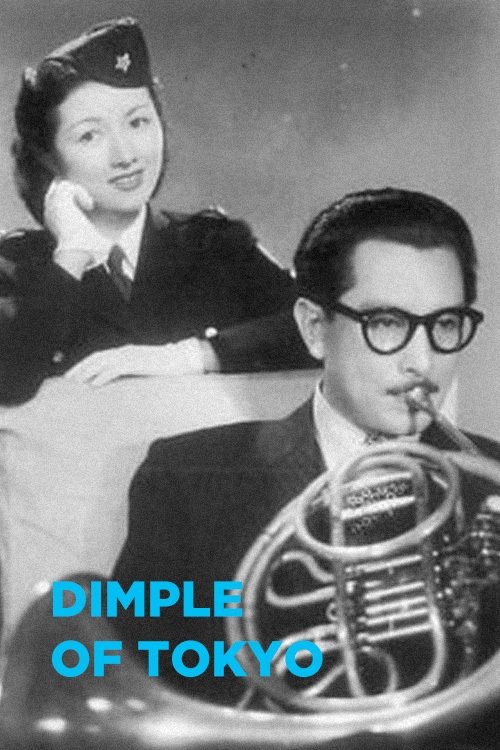
Buntaro, the president of a food trading company got tired of the day-to-day routine of life. The new secretary, Nobuko, suggested her "shacho-san" (the president) run away from the job. Nobuko took Buntaro to her home and introduced him to her own family as friend, "Sachio-san"...
Kingoro Yanagiya's 100th film.
Japanese film.
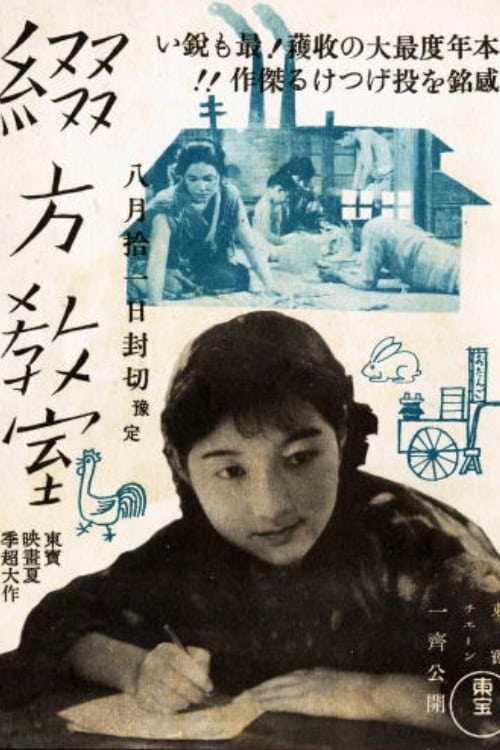
Masako, the daughter of an impoverished itinerant tinsmith, wins a grammar school composition contest with an essay about her neighborhood. The much publicized essay ends up causing the family problems and their chronic money troubles threaten Masako's further education.
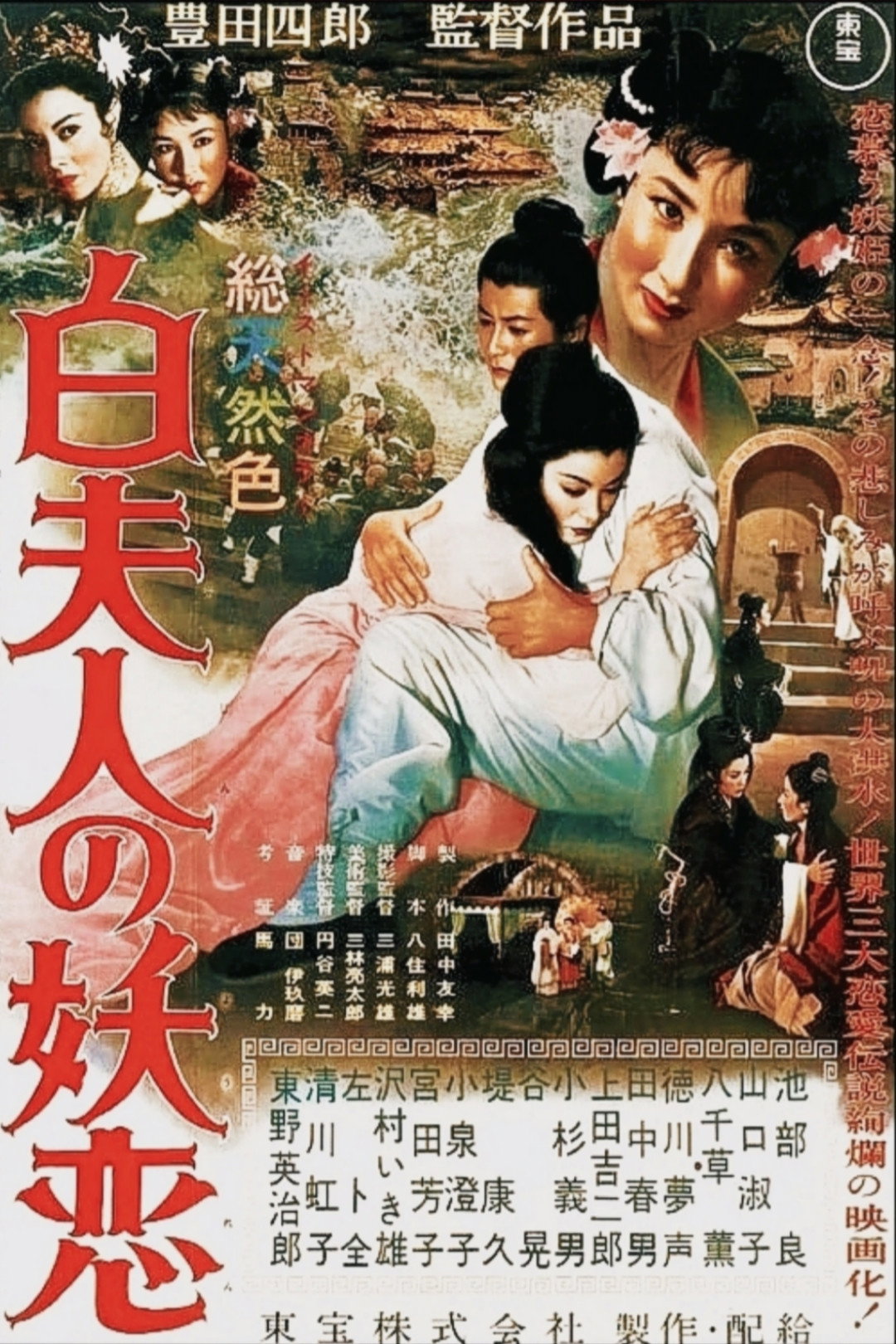
Lavish Japanese-Chinese coproduction based on an ancient Chinese legend about a man who falls in love with a snake goddess in human form.
Japanese film based on the life of writer Ichiyo Higuchi (1872-1896).
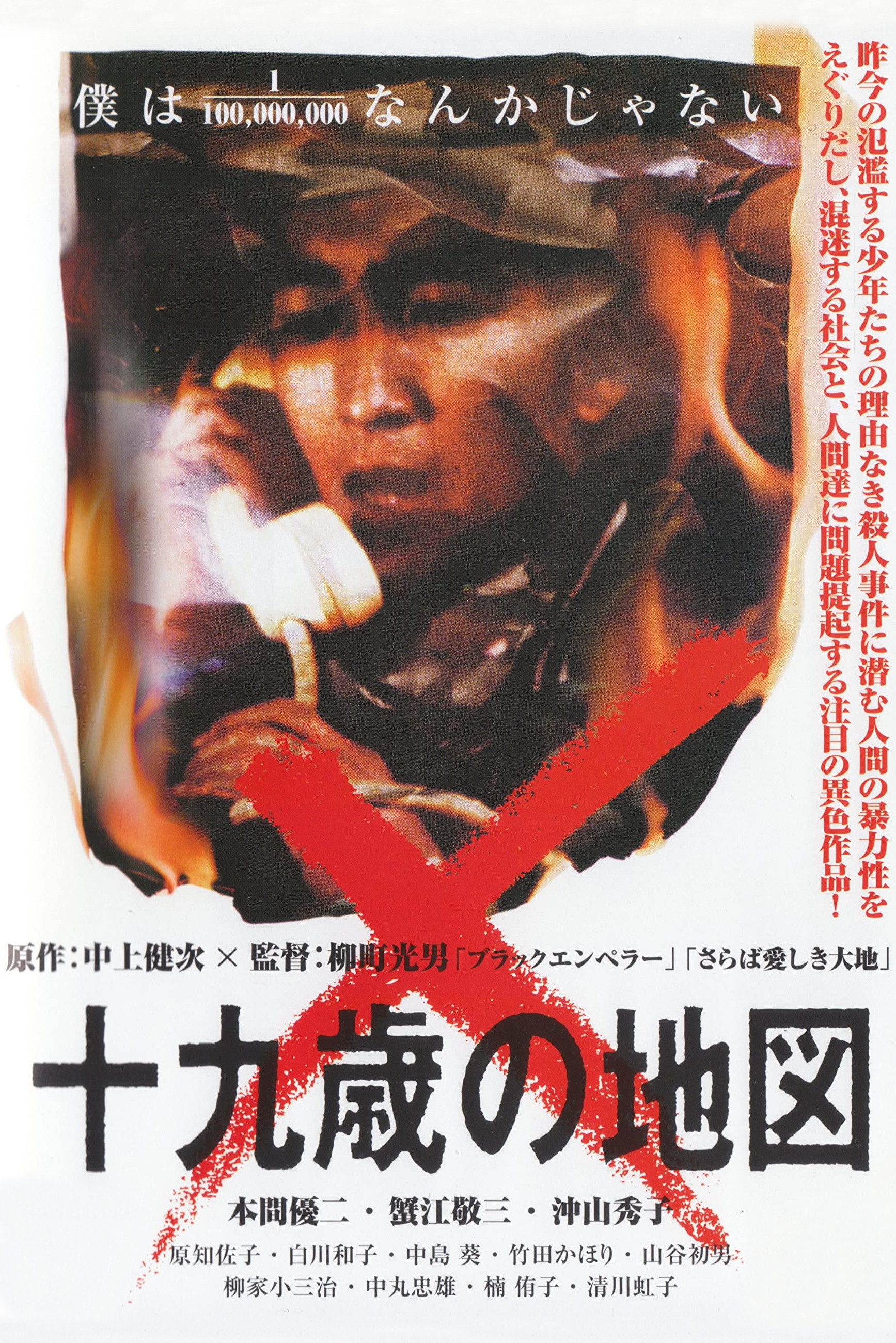
A 19-year-old newspaper delivery boy begins collecting information on the households in his neighborhood and keeping a journal of why he doesn't like them. Declaring himself a 'right-winger' and calling in bomb threats against the neighbors he doesn't like, the 19-year-old begins a war of psychological terror against the families in his neighborhood.
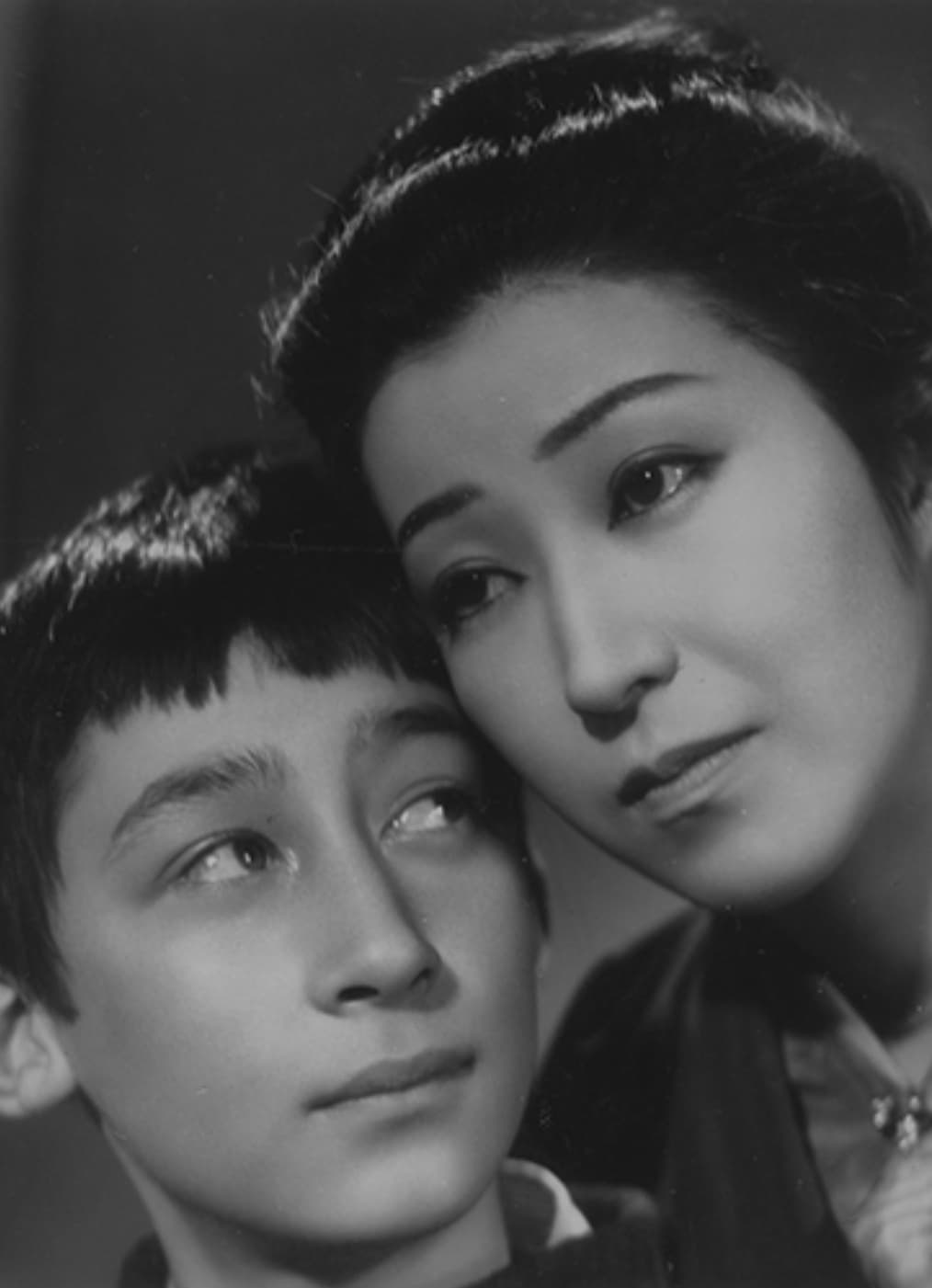
"Karayuki-san offers a no-holds-barred depiction of the discrimination faced by a former prostitute who returns to Japan from Singapore with her mixed-race son." - Alexander Jacoby (Oxford Brookes University)
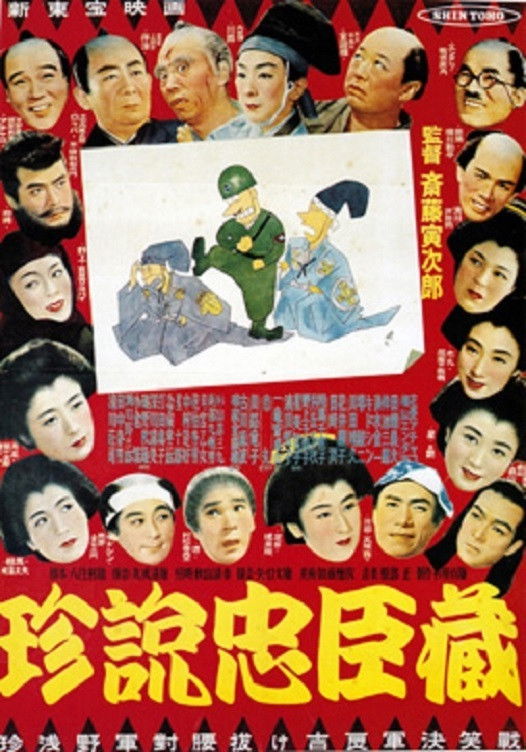
A comedic retelling of the legend of the loyal 47 ronin.

Tokijiro has the unfortunate duty according to the code of the gamblers to join in the fighting when afforded a night’s stay and meals at the home of a town boss. Though he dislikes killing, the strength of his swordsmanship will be tested time and time again in the bloody tale.

Just after WW2, a romance between an innkeeper and a man with tuberculosis unravels near a thermal spring.
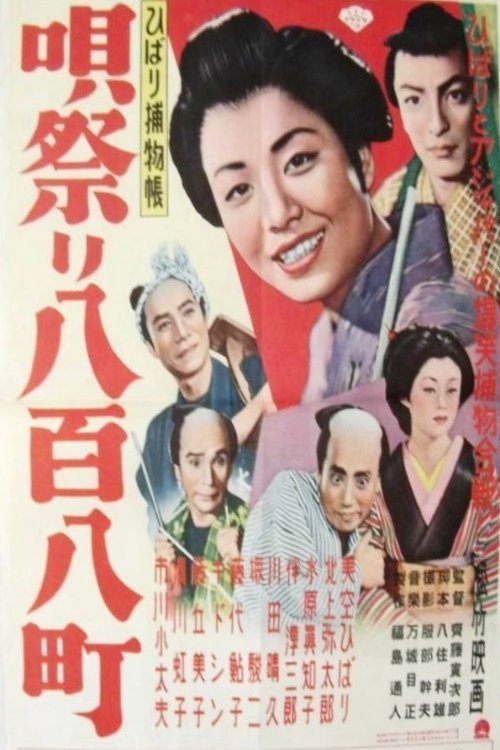
The feudal lord Kisaragi Yae no Kami (Minami Komyo) searches for a child he had with a low-borne woman, that was sent away from his home 16 years ago while carrying a special seal. At that time, Kanda's detective Zenshichi (Ichikawa Kodayu II) had three daughters, the third of whom, Omiyo (Misora Hibari), was a skilled singer and an expert with the lasso.
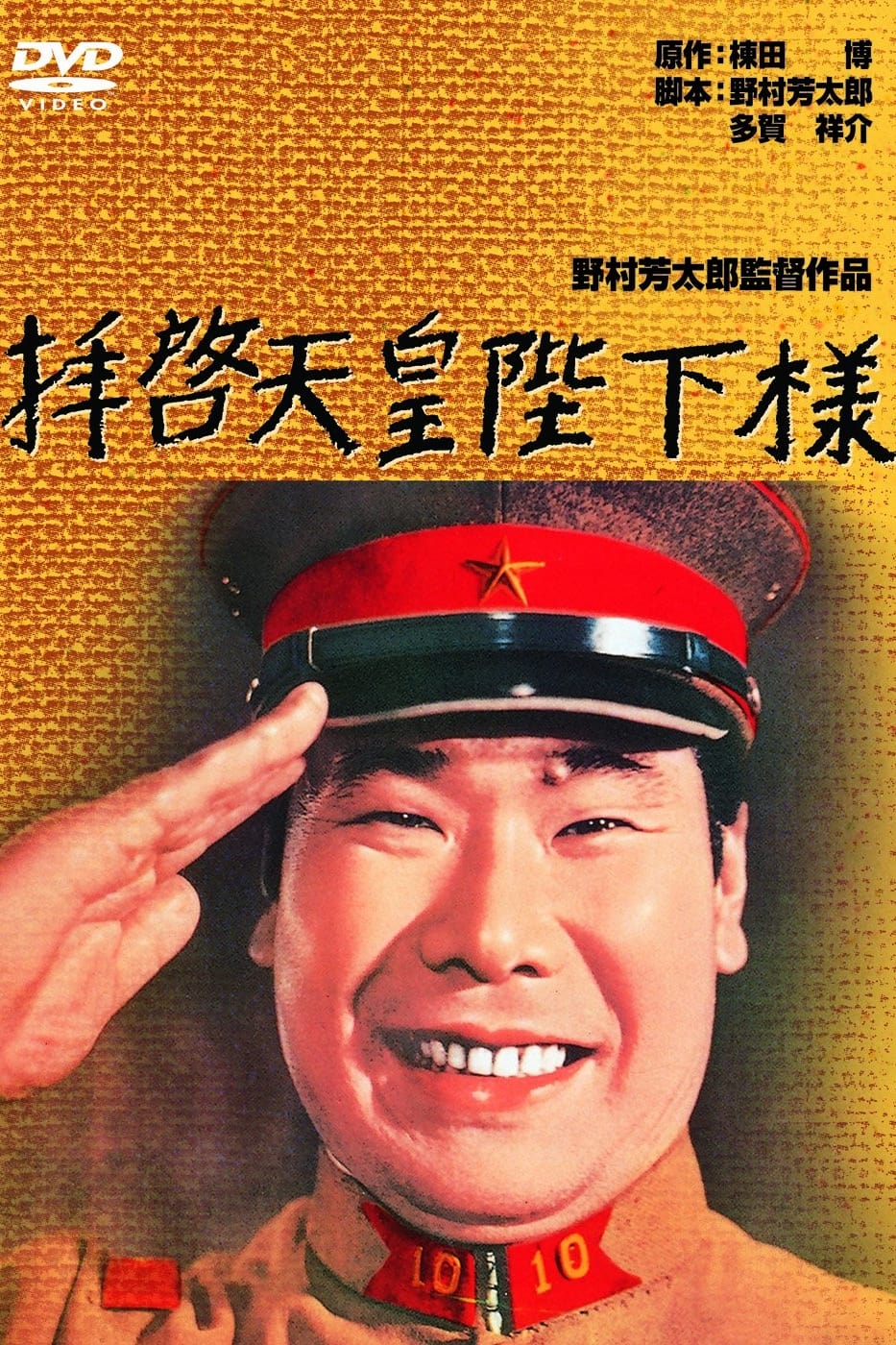
A conscript from a poor background writes the Emperor asking if he can stay in the army when his service is up.
A promising dancer asks her professor to write a libretto for a Nō play. He then introduces her to a student of classical literature, but also a classical theatre student in the hope that the latter will marry Senya..
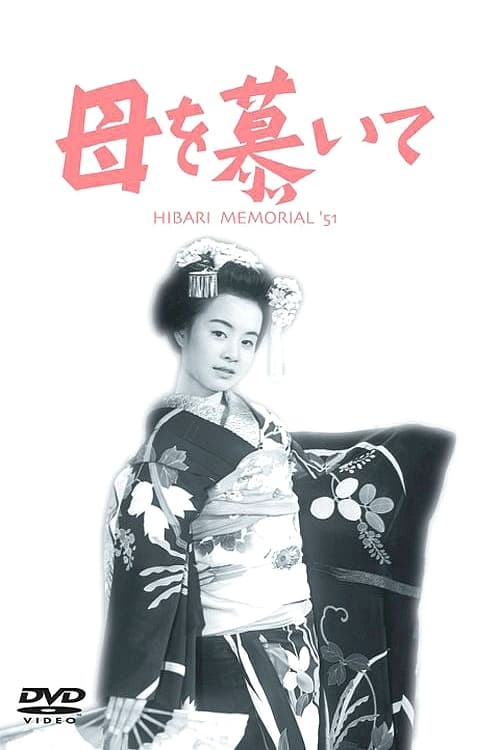
A human drama about the bond between parents and a child and family love. The daughter leaves her foster parents and ends up with her mother in Kyoto, who divorced her father, but her father in Tokyo, who has another family, takes her to himself out of guilt for breaking up with her. How does the daughter feel?
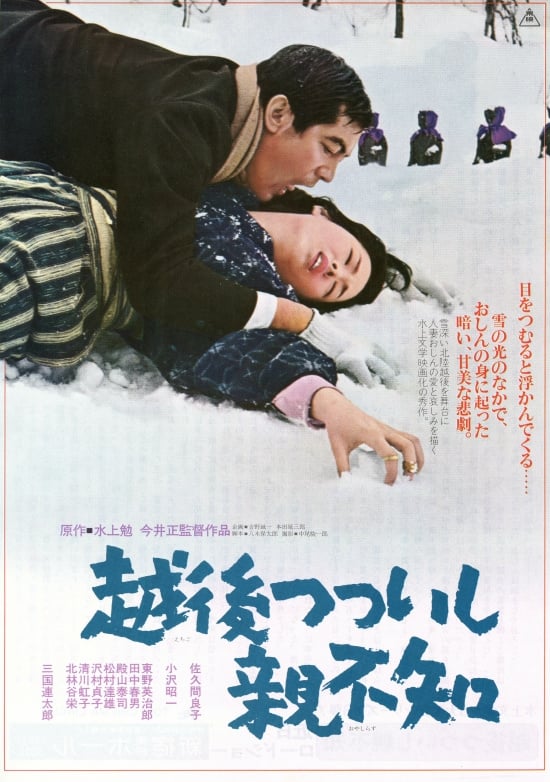
A sake factory worker on holiday returns to his home town, where he rapes the wife of one of his co-workers in the forest. The other man returns home to find his wife changed and suspects that she has been unfaithful.
As descendent of famed fishmonger Isshin Tasuke, young feisty Ishii Tasuke uses his talent to flourish his employer’s food business.
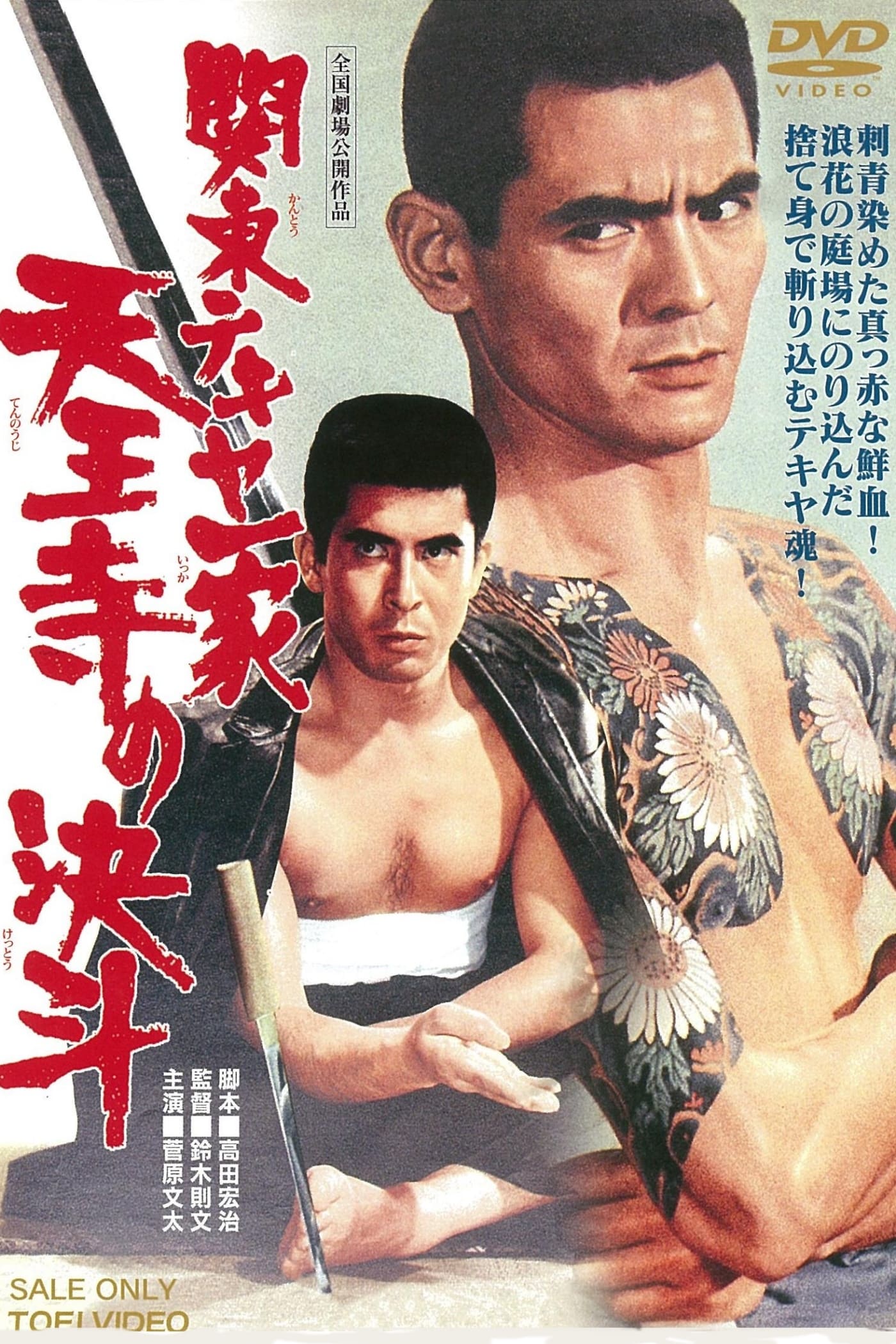
The third film in the Kanto Street Peddlers series. Sugawara still plays the same Kanto street peddler, who this time ventures to Osaka where he defends a blind girl at a street market. The area is targeted by rotten yakuza (Asao Koike and Tatsuo Endo), who have lured local senior female boss (Nijiko Kiyokawa’s) rebellious but not entirely indecent son Goro Ibuki to their side.
Live-action adaptation of Yoshiro Kato’s manga.
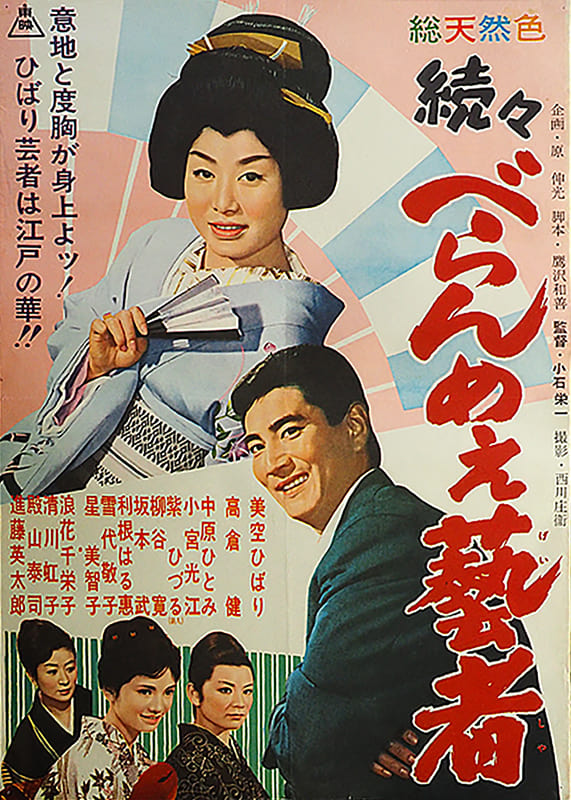
Popular geisha Koharu suspects that Yusaku, a handsome stranger she falls in love with, is involved in a robbery of precious diamond.
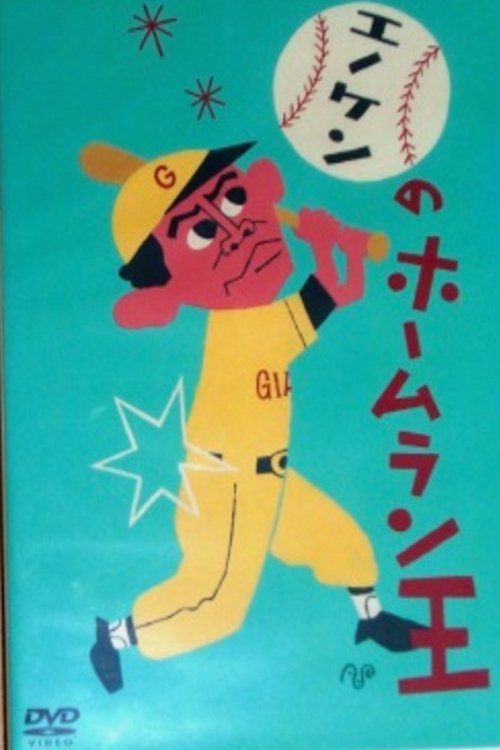
Postwar! Baseball! Comedy! Enoken plays a superfan of the Yomiuri Giants – the real Tokyo team, with many of its star players "acting" as themselves – who, despite his utter lack of athletic abilities, becomes embroiled in their successes, and their personal lives. Will Enoken help the Giants take the pennant?

A study of uneasy relationships among the inhabitants of a tiny rural community.
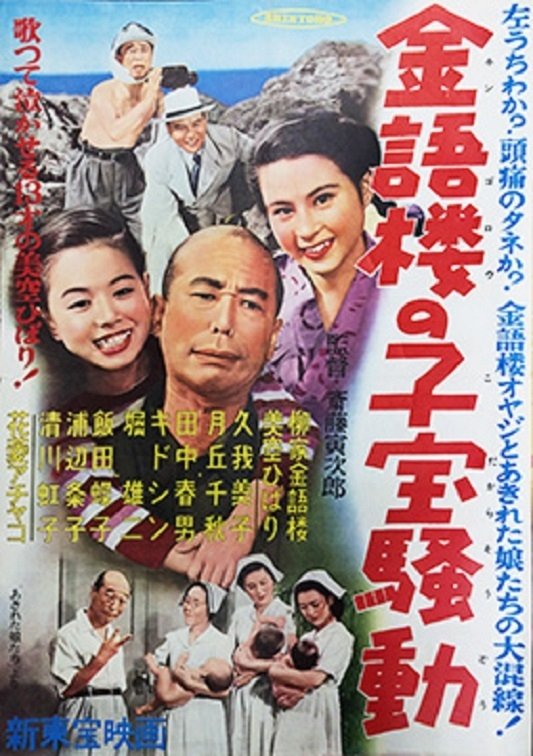
Japanese comedy film.
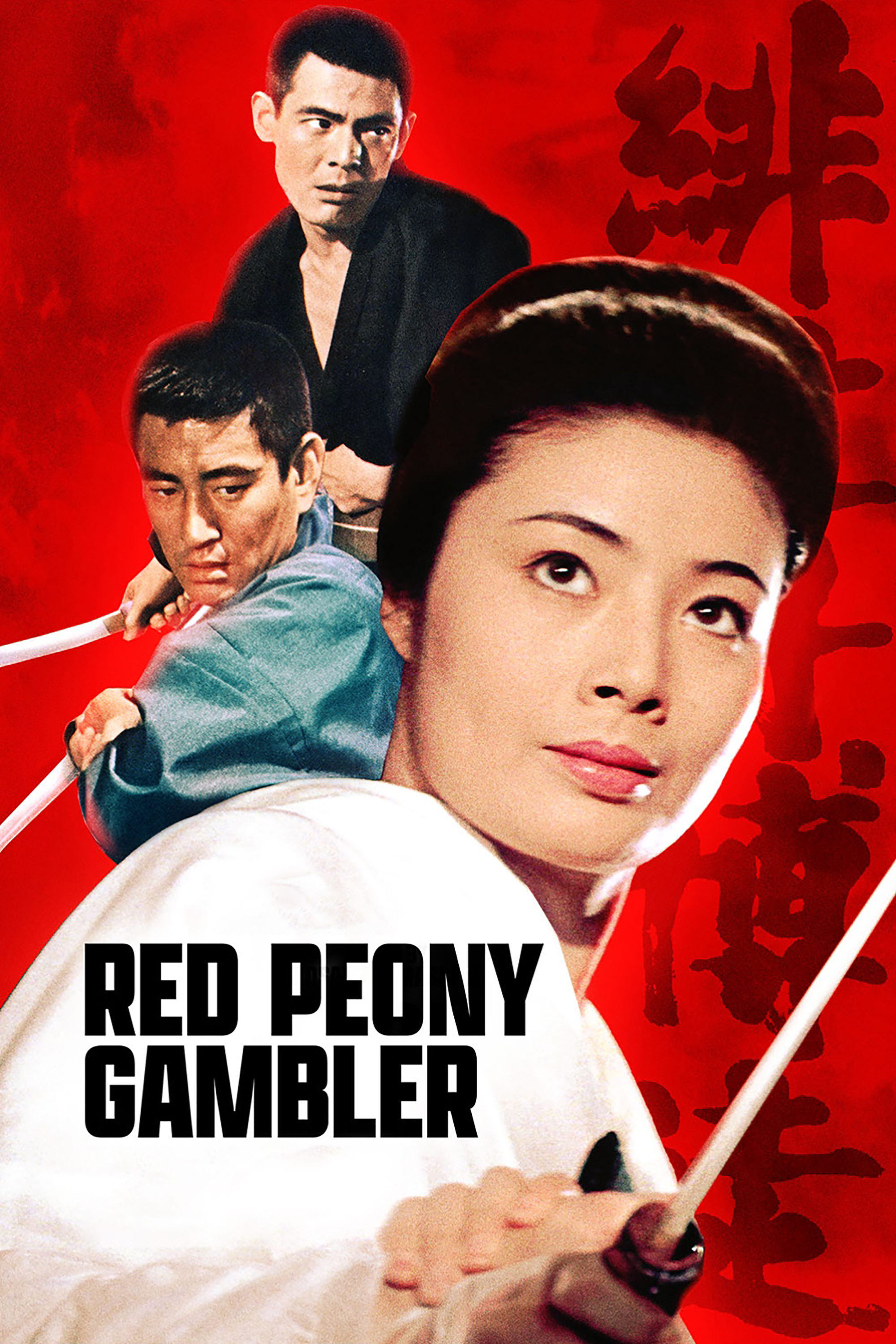
Ryuko was raised by her father, a gambler named Senzo Yano in Kumamoto, Kyushu, after her mother died when she was little. When she turned 18 years old, her father was attacked and killed by a stranger in alley. Ryuko then dissolves her yakuza family, and, carrying the wallet left by the killer, she sets out on a journey to avenge her father’s death. Five years later, she wanders the nation, known only as! Red Peony Oryu who has a red peony tattooed on her shoulder and has the defiance and courage of a man. She meets Katagiri - a loner gambler, Kumatora - boss of a family in Shikoku, and Otaka - female boss of the Doman Family in Osaka. With their help, she finally catches up with the man who murdered her father.
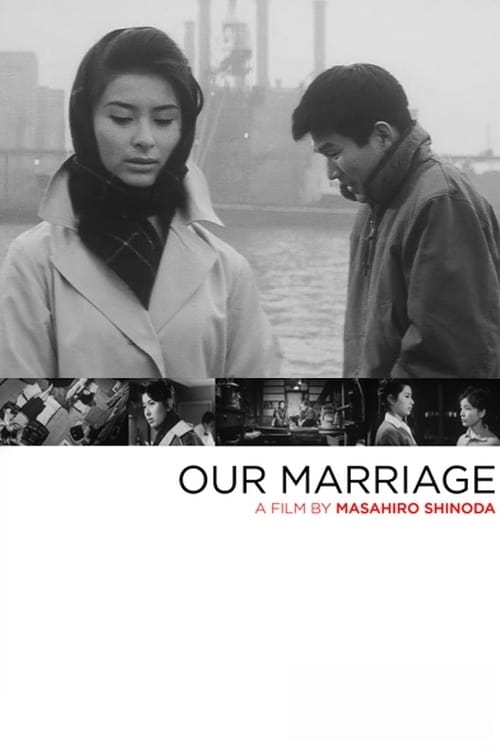
When two sisters fall in love with the same man, one must decide to look elsewhere.
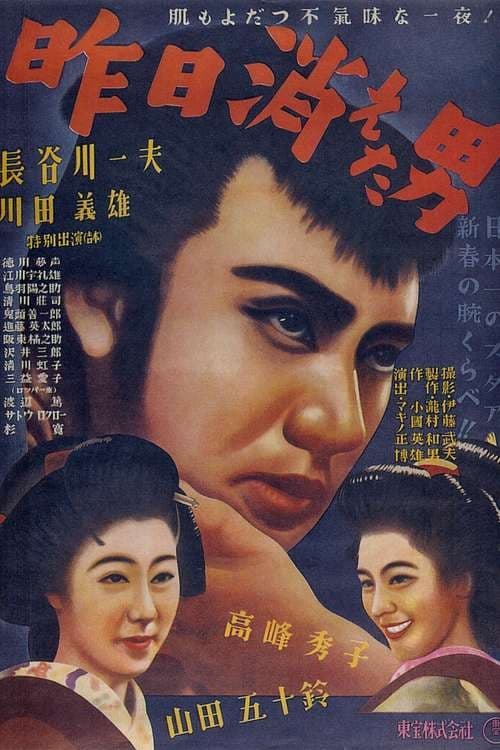
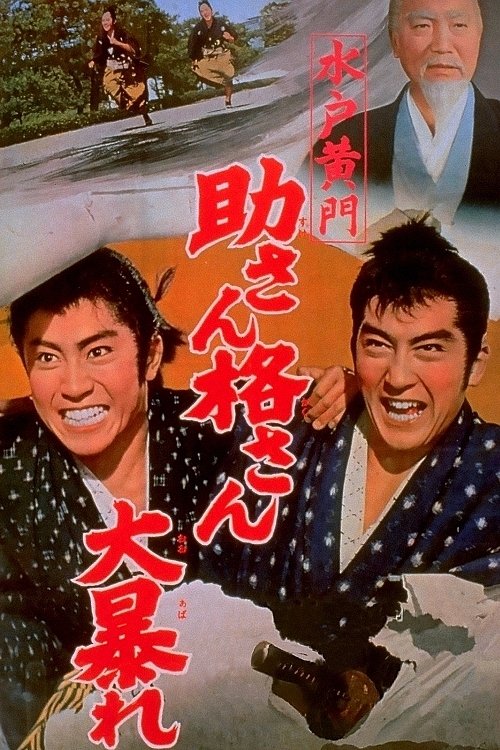
The story of two young men whose ambition is to become the personal bodyguards to the Shogun's uncle, Lord Mito Komon. Portrayed by a pair of up and coming stars, Sasaki Sukesaburo (Matsukata), the son of a widower and Atsumi Kakunoshin (Kitaoji), whose mother is a widow find themselves constantly in trouble and are forced to become two of the most powerful fighters in all Japan. The stories about Mito Komon and his travels througout Japan are many, but this is one that had yet to be told. The struggles of Suke-san and Kaku-san faced in order to join the Elder in his quest to fight against injustice and corruption during the samurai era.
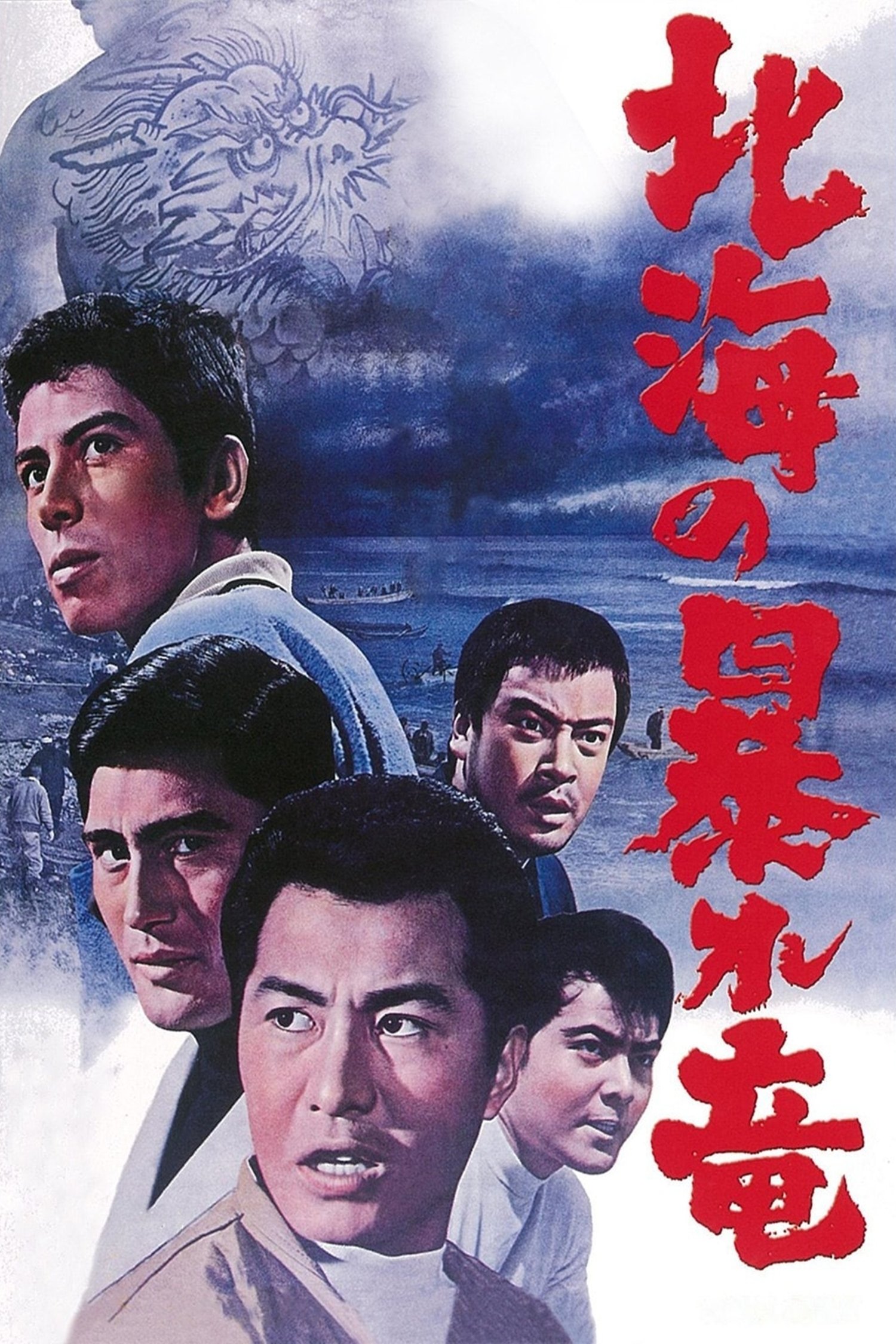
The son of a prominent member of a fishing community returns home after a stint with the yakuza to find his father has died under orders of a local gang leader. He sets out to avenge his father, keeping his plans secret from his mother who is cold to him since his perceived abandonment of the family. This wonderful, if little-seen, Fukasaku gem deals with family, community and what it means to do right by both.
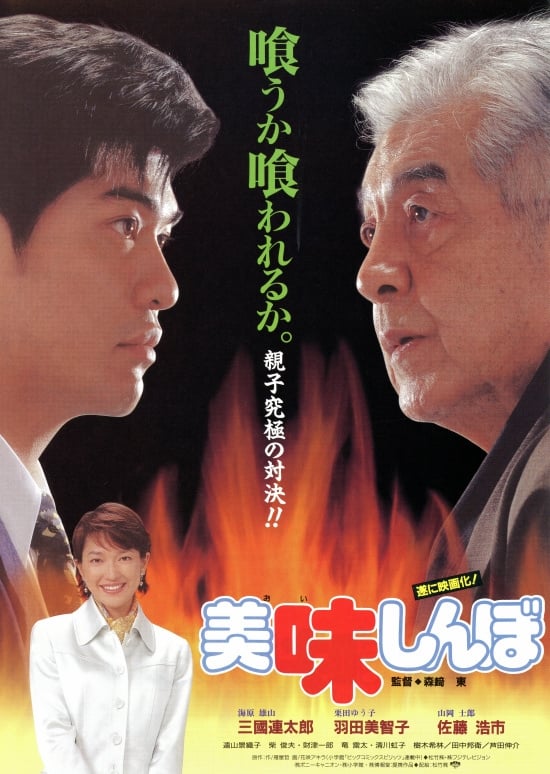
Based on the comic by Tatsu Kariya. Featuring journalist Shiro Yamaoka who works for Touzai Shimbun. He is a cynical food critic who is tasked by the newspaper's owner, along with the young Yuko Kurita, to provide recipes for the "ultimate menu".
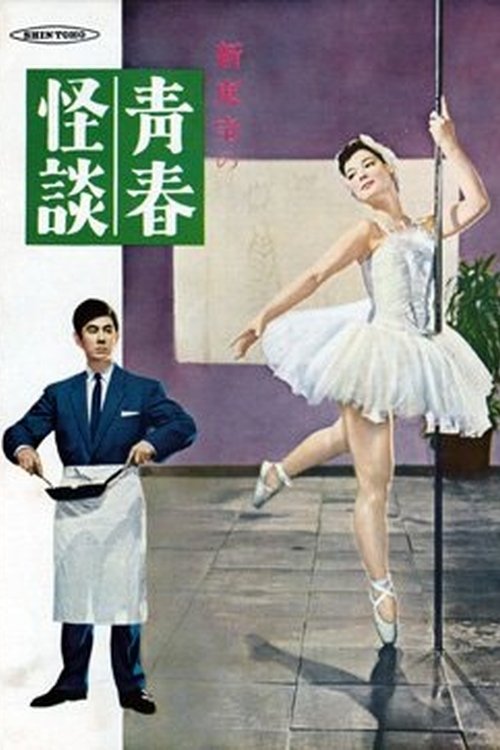
Adaptation of the novel by Bunroku Shishi.
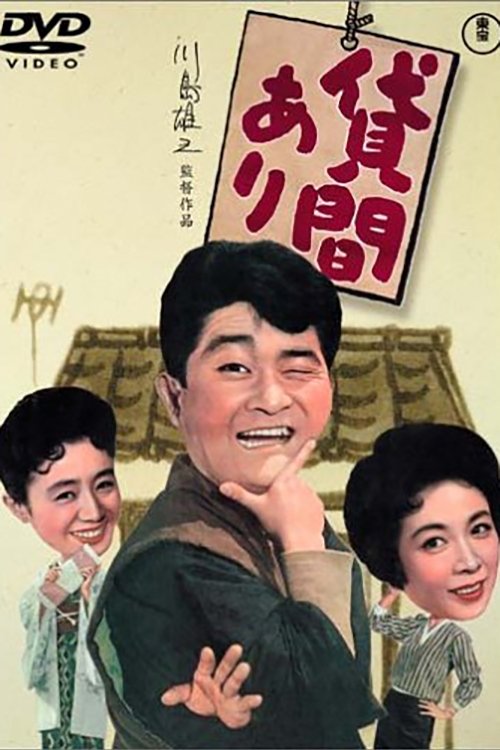
When Yumiko Tsuyama, a potter by profession, comes inquiring about a room for rent in an old mansion overlooking Osaka, she finds a bizarre collection of characters already living there. The unlikely leader of this menagerie is Yoda Goro, who speaks four languages fluently, is an expert in cabbage rolls, and has written how-to books encompassing every aspect of human existence.
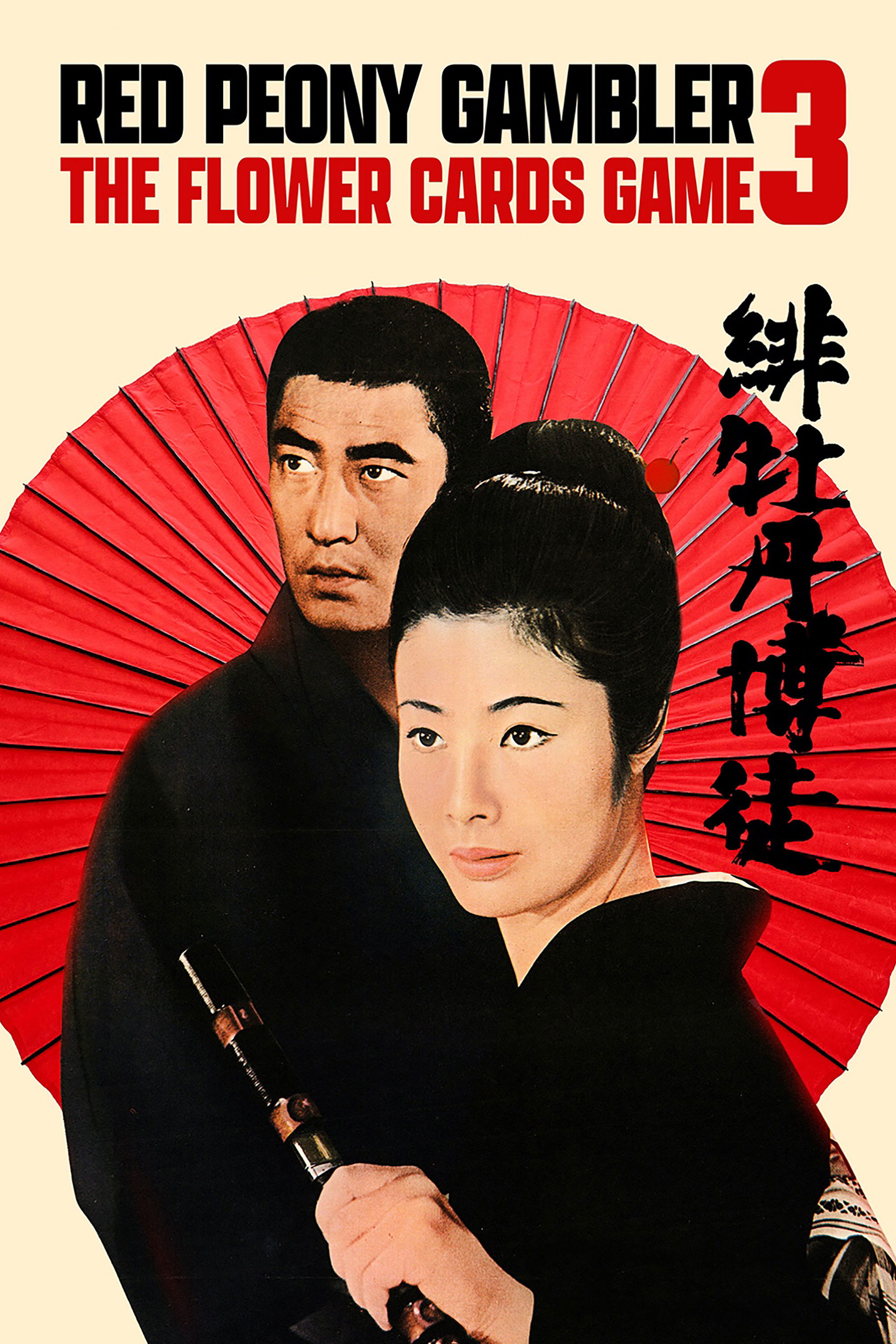
The third chapter of the ‘Red Peony Gambler’ saga depicts the happiness and sadness of Red Peony Oryu’s life as she seals her femininity with a red peony tattoo and lives in world of chivalry and honor of the yakuza. This story takes place in the middle of the Meiji era in Nagoya. Oryu is wandering the country, training herself to reinstate her family name. With a written recommendation from Kumatora, she appears at the door of the Nishinomaru family. At the same time, the family is preparing for the gambling competition at the Netsuda Shrine Festival, which they have been hosting for generations. Meanwhile, the crooked Kinbara family is plotting to take over the competition. And now Oryu is forced to get involved in the struggle…
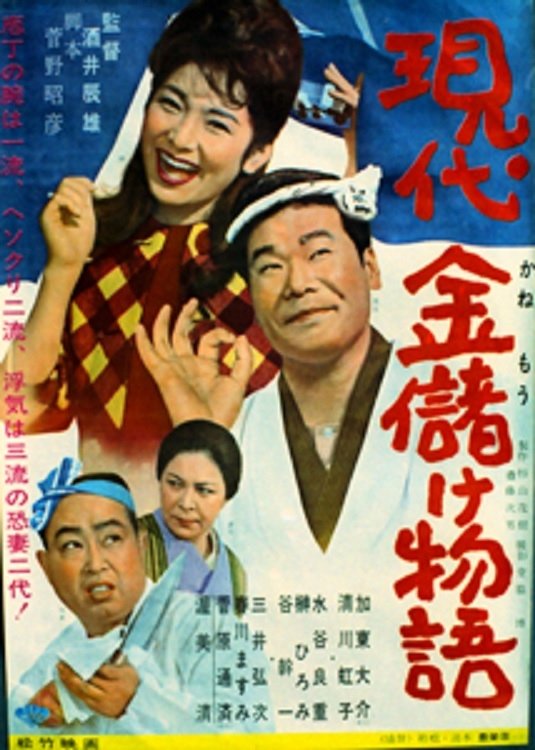
Japanese comedy film.
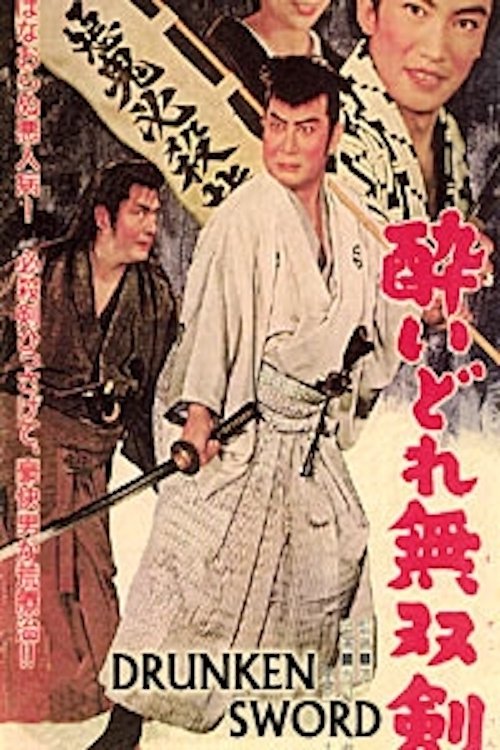
Tetsunosuke, an eccentric doctor and an owner of a fencing school, takes aim against corrupt authorities.
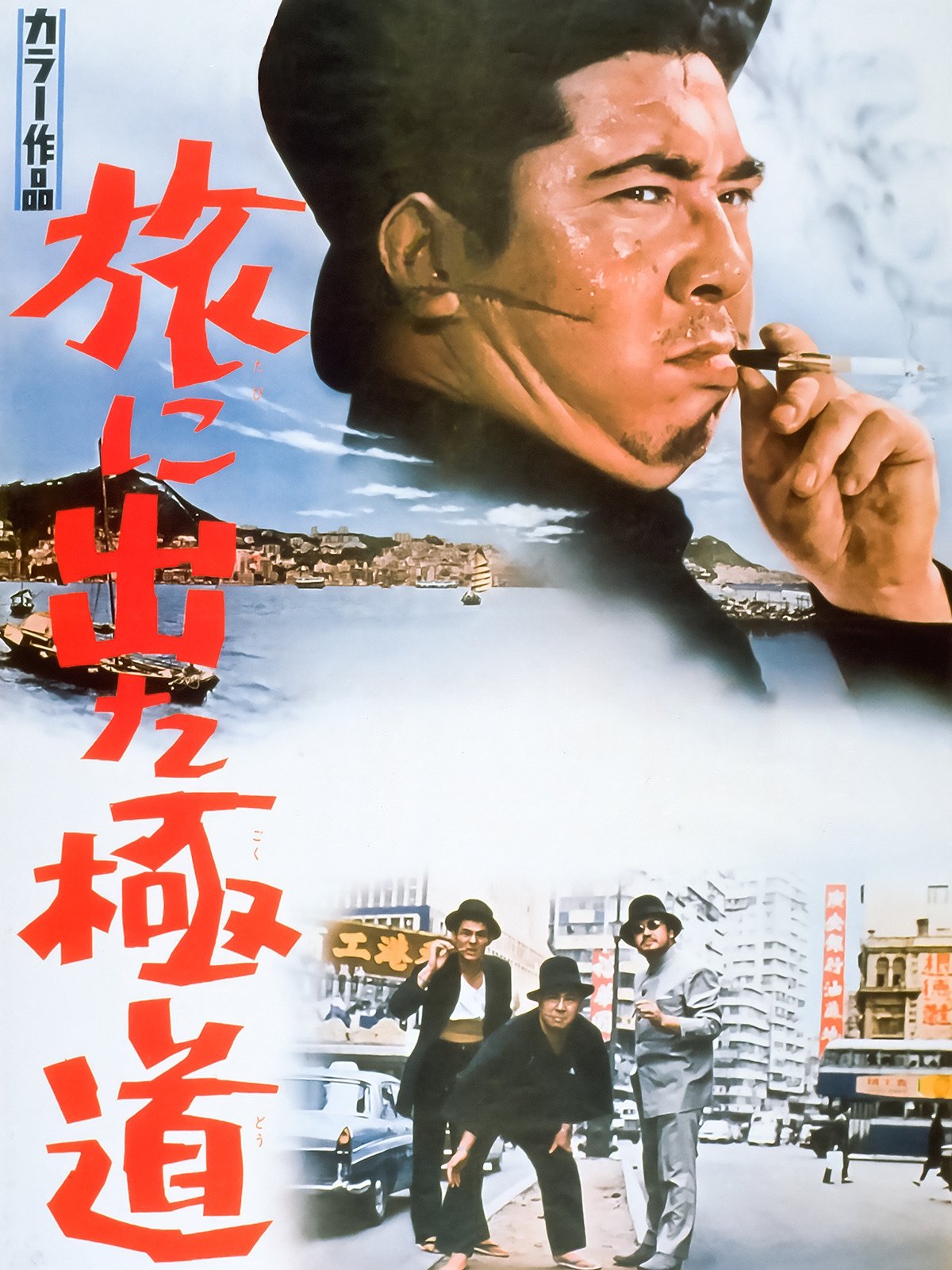
An Osaka gangster Shimamura just got married. His new bride, Mineko is also involved in drug trafficking. When she goes to China to make a deal, things get botched pretty badly. Shimamura must travel to save her and recoup his employers’ losses.
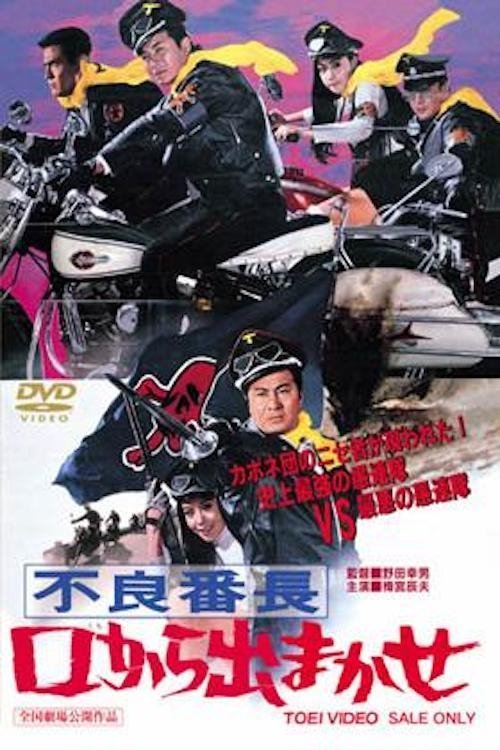
Interesting fights between the "Capone Group" and "Jumbo Group".
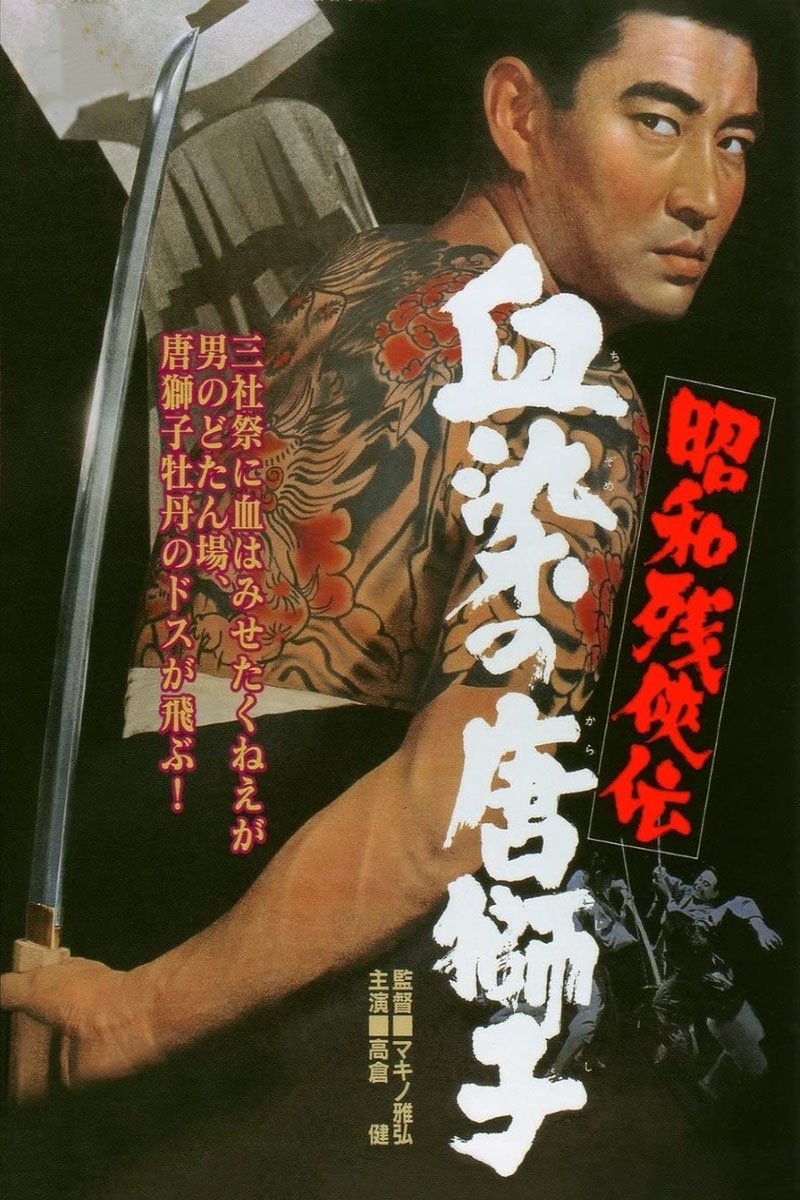
Fierce war breaks out when Shujiro’s rival clan attempts to sabotage his lucrative construction business.
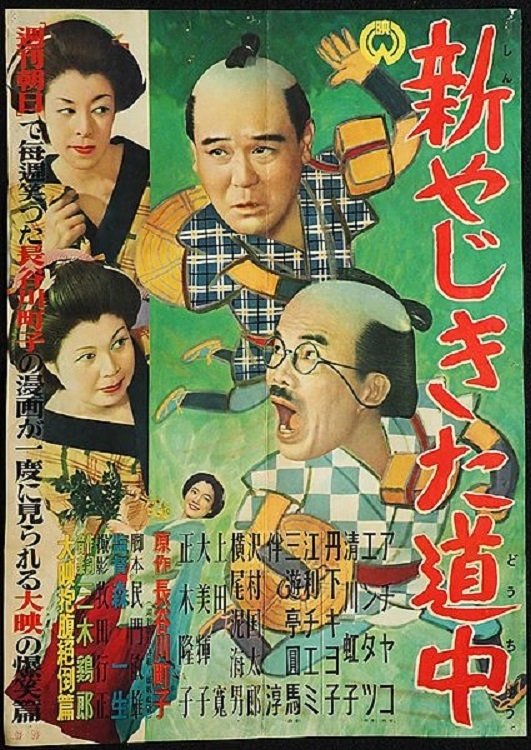
Based on the comic by Machiko Hasegawa
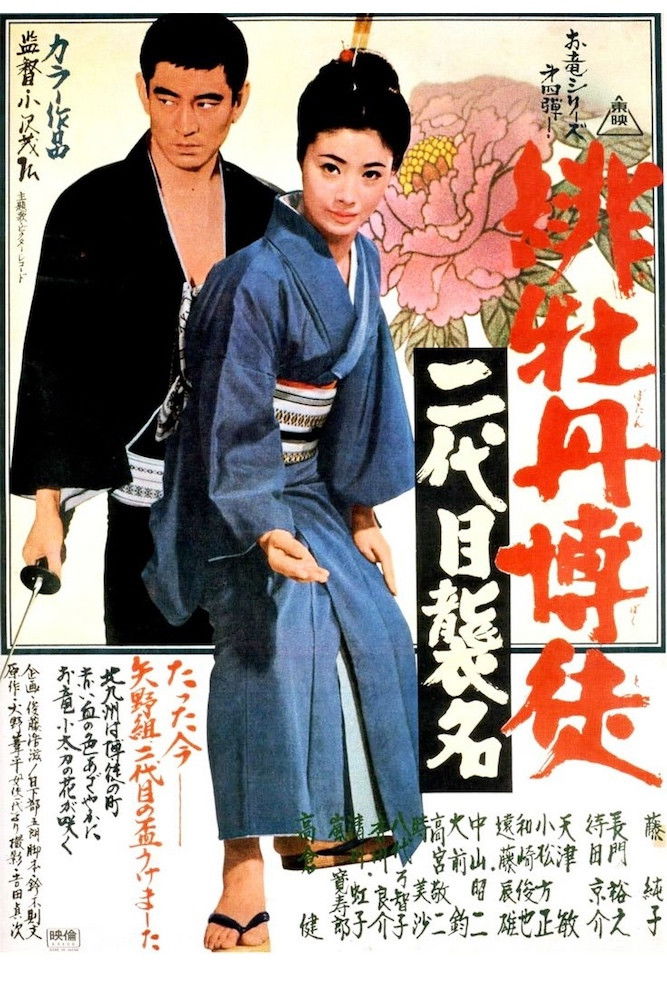
The industrial revolution comes to Japan with the introduction of the railroad system. This led to clashes between boatmen, who livelihoods are threatened, and the railroad construction workers. Oryu the Red Peony returns to her home in Kumamoto to accept her position as second generation leader of the Yano Family. But the ceremony is interrupted by fighting between local boatmen and railroad works. And it seems a rival family is pulling the strings behind the clashes.
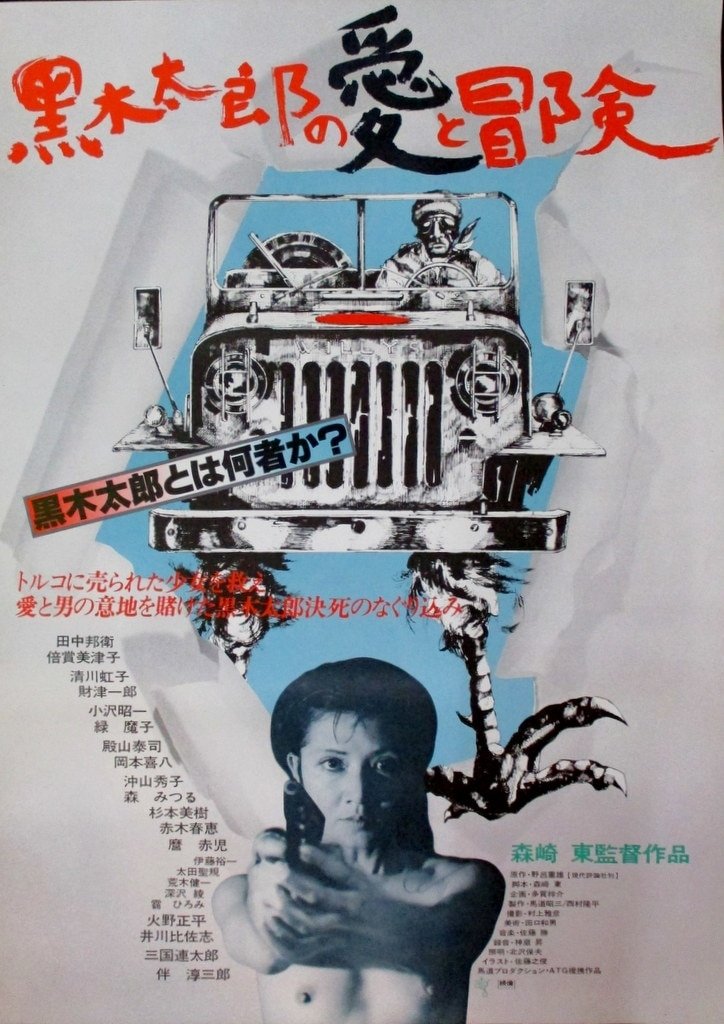
Taro Kuroki, 42, is a stuntman with a samurai's heart. He loves adventures, plays pranks with the police, tries to cure a cat lady by reversing her trauma, and finally, rescues his niece who is about to be lured into prostitution.
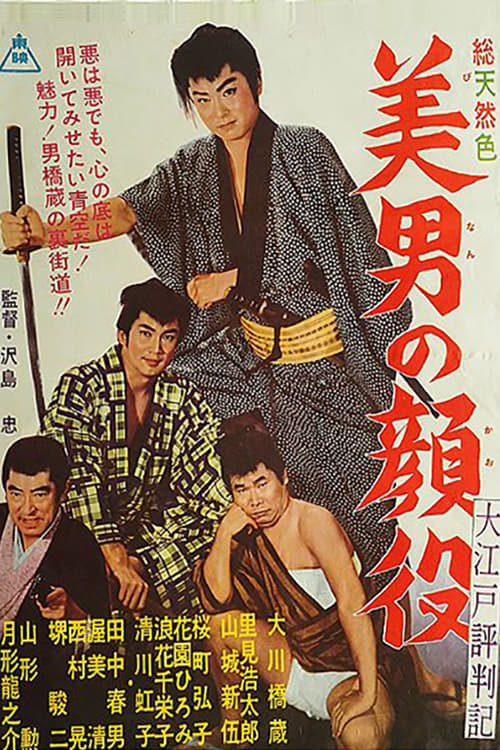
A group of men living a low life in Edo help each other to make the best out of their lives.
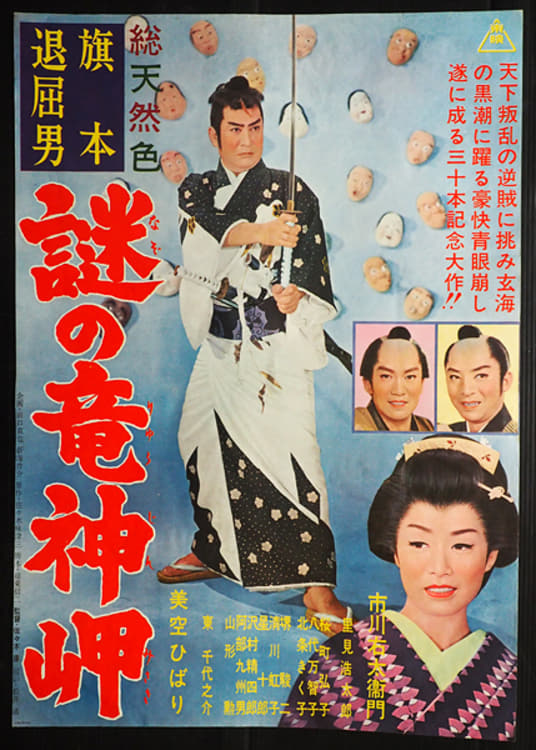
Ryujin Misaki, located at the edge of the Genkai Sea, is known as an isolation ward for leprosy patients. When Saotome, a sword master and guard of the Shogun, hears news of a doctor gone missing, he begins to suspect that things are not what they seem at Ryujin Misaki. Intent on discovering the truth, Saotome launches a private investigation.
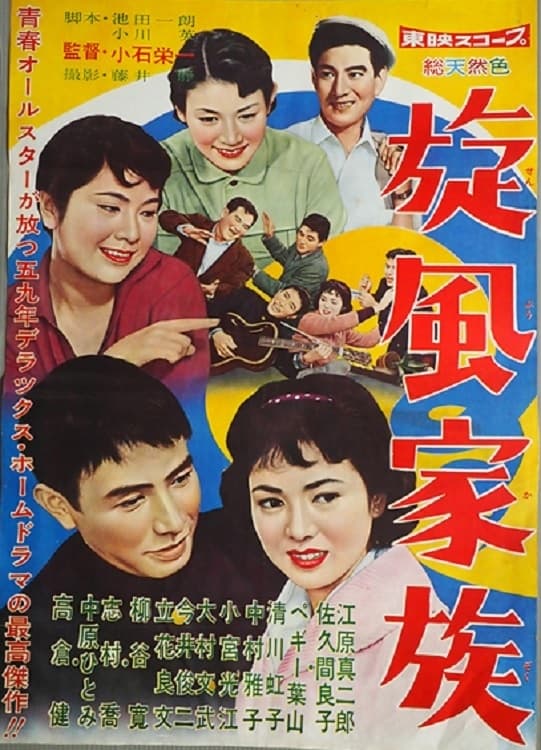
Japanese family drama.
This film focuses on Koreans living in Japan. The filmmaker’s humanism comes across in the portrayal of a girl living in a shabby tenement, the warmth of a Korean girl she meets, and the friendliness of this Korean girl’s family.

When poverty-stricken Korean-Japanese (Zainichi) discover there is valuable iron ore in the rubble of a destroyed shantytown they plan to haul it out for profit. Amidst this plan there is discrimination, war and an infatuation between a man and a woman, but like everything around them there and owing to the forces around them, there is as much chance that these may burn to ashes and be destroyed or be the beginning of something new.
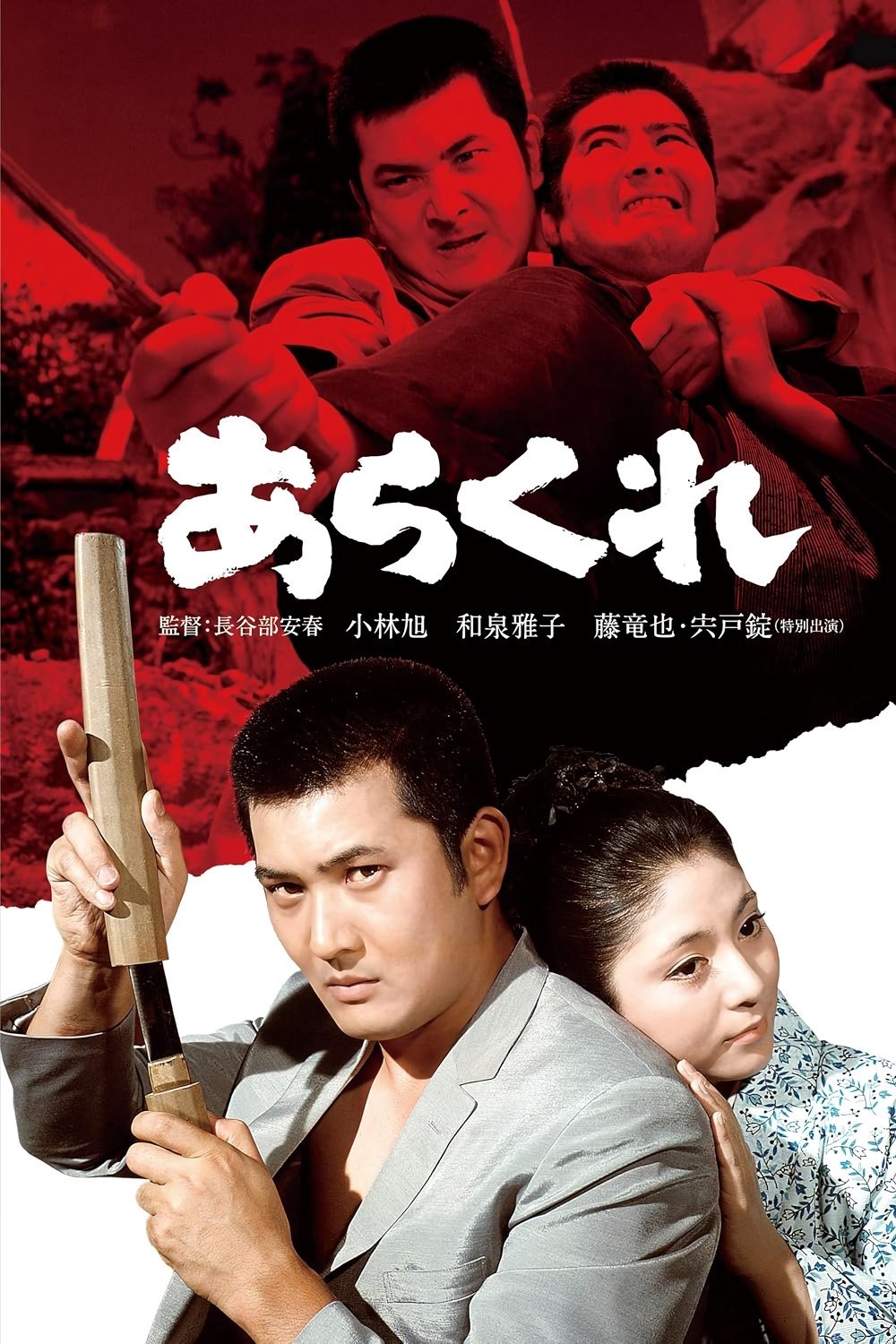
A tale of wannabe yakuza youths. When not cooking up scams with his buddies, Zenkichi develops a crush on Taro's disgusted sister, Miki. But soon the young hoods run afoul of their underworld idols when they rob the wrong gang, led by brutal boss Konno. When Zenkichi's pals start to bite the dust, he hooks up with a more traditional yakuza, Tetsugoro, to retaliate.
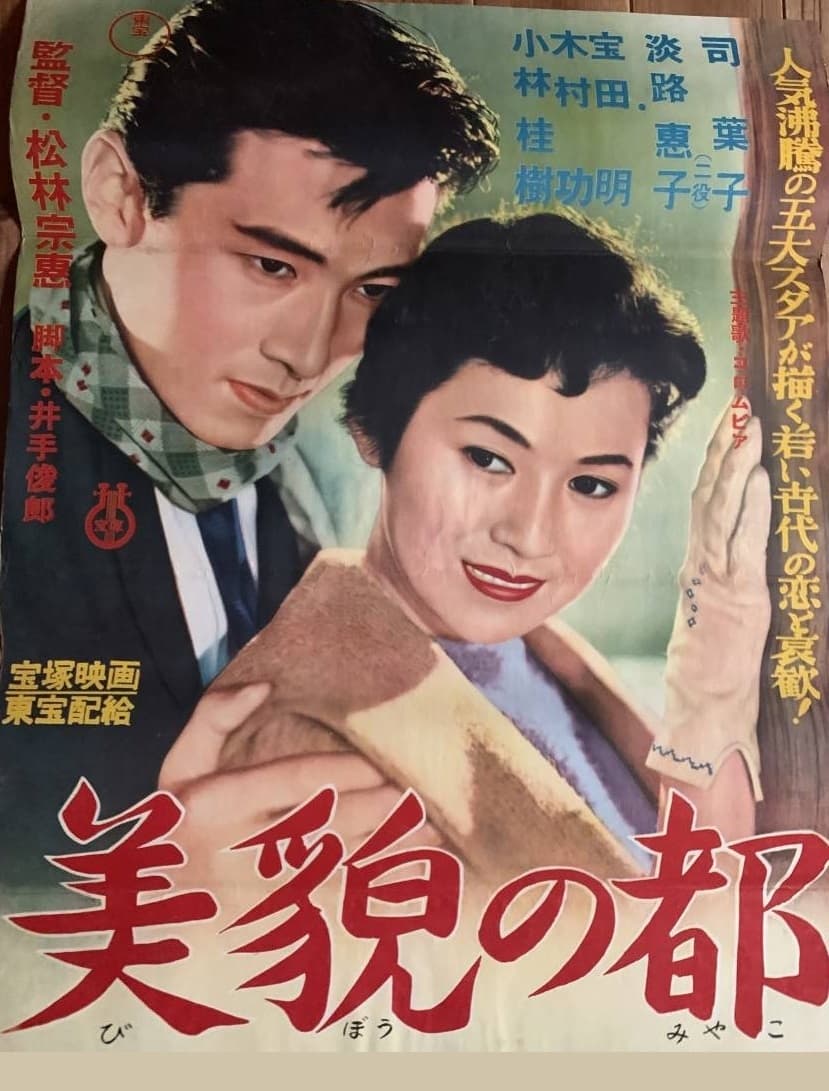
Melodrama about a young factory girl who "chooses riches over chastity".
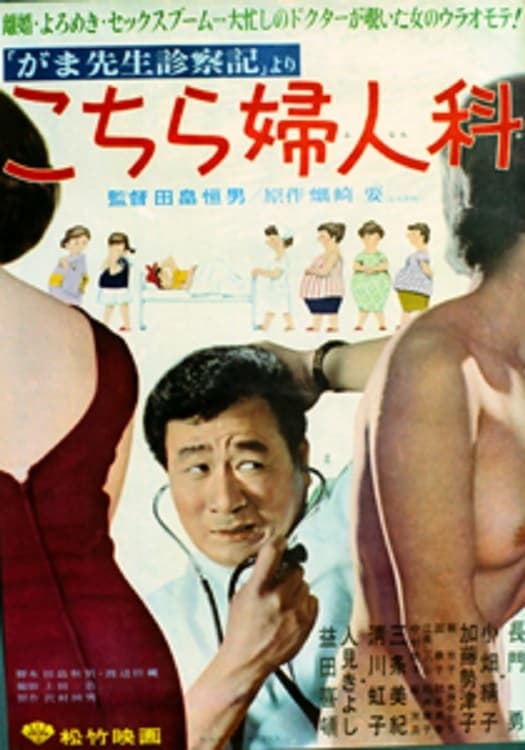
Life of a bachelor gynecologist in a hospital for women.
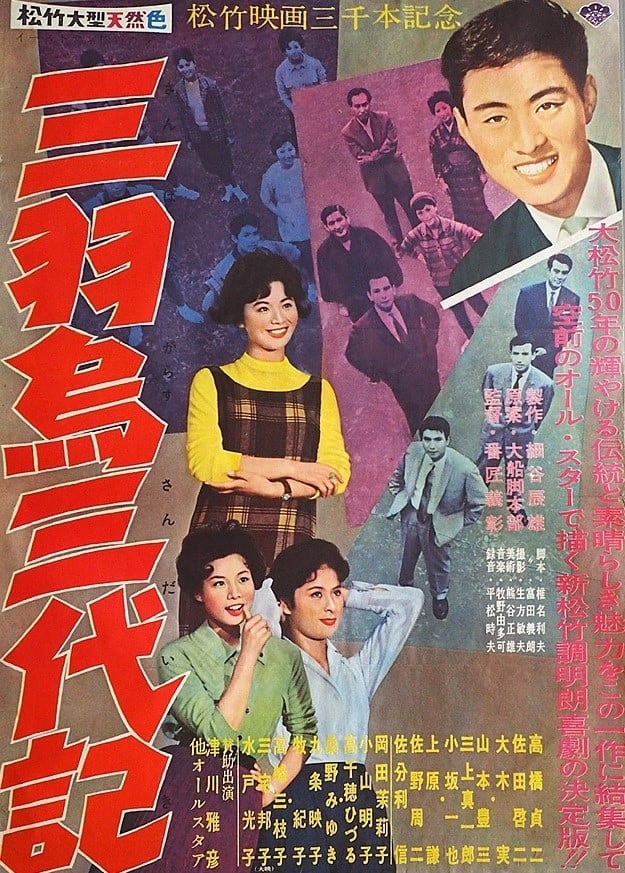
The story tells of Tsuchiya, a university professor and a widower who is in love with a widow who runs a small restaurant, and his son is in love with a runaway girl who turns out to be the leader of a religious sect. Kusano is the henpecked proprietor of a rice biscuit shop who dreams of owning a bird and dog shop and his daughter is in love with a boarder, employed by the private detective agency searching for the runaway girl. The agency head has his own dream of arranging thirty marriages and has already accomplished twenty-seven. Tatsumi is a newspaper reporter who dreams of a big scoop to enable him to marry a girl TV producer and his friend a mountain climbing enthusiast who dreams of joining a Himalayan expedition but is opposed by his wife. His love of the mountains is shared by a boarder in their home and by a fishmonger's son.
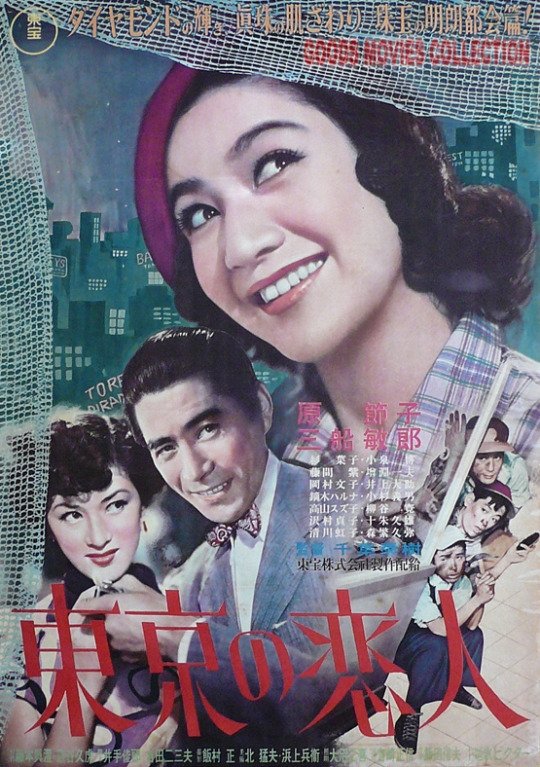
Following the Second World War, the lives of various people in a poverty-stricken area of Tokyo are entertwined. Pachinko parlor girls, shoeshine boys, a maker of costume jewelry, and a streetcorner artist all struggle to make their livings and to find happiness in difficult surroundings.
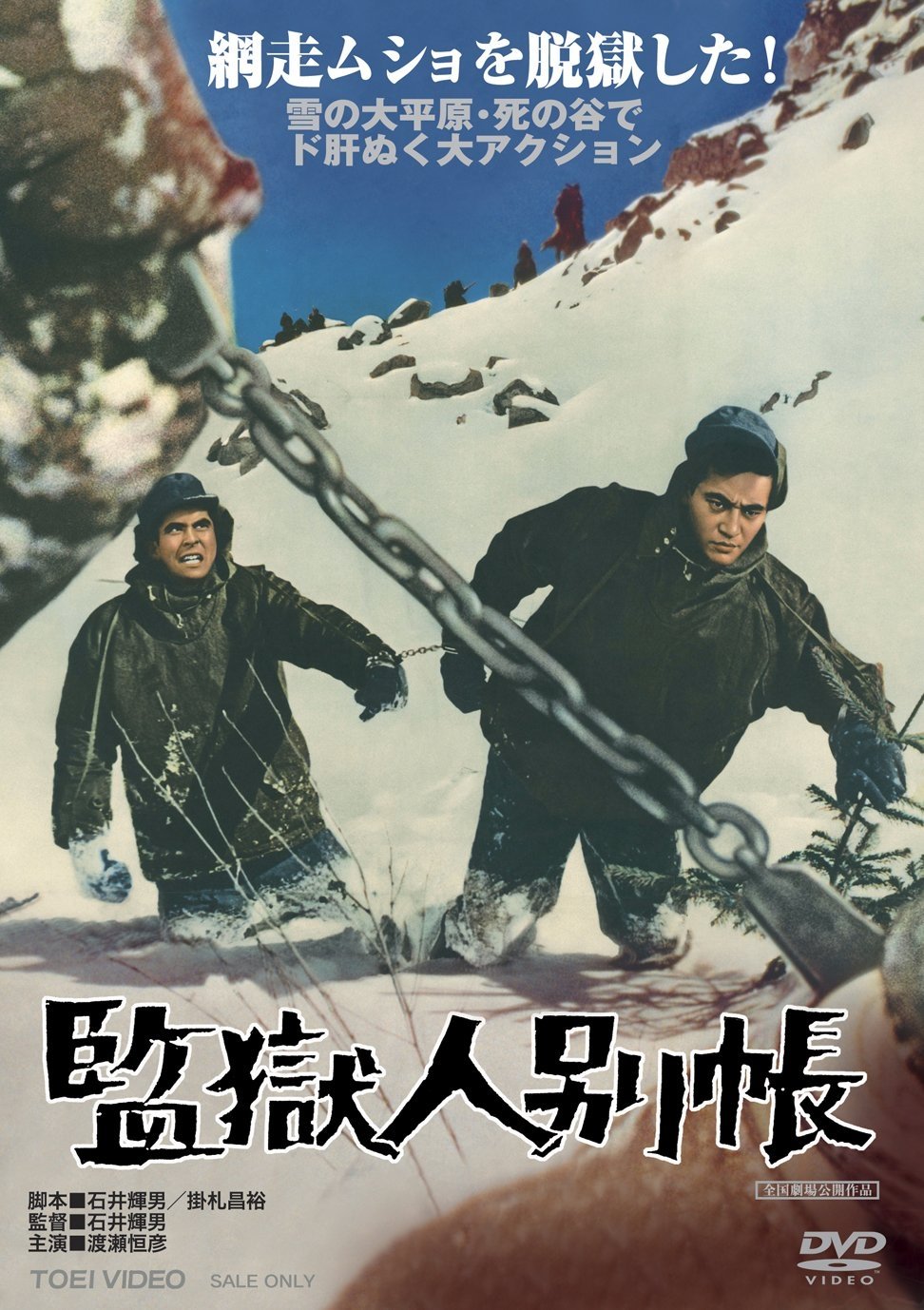
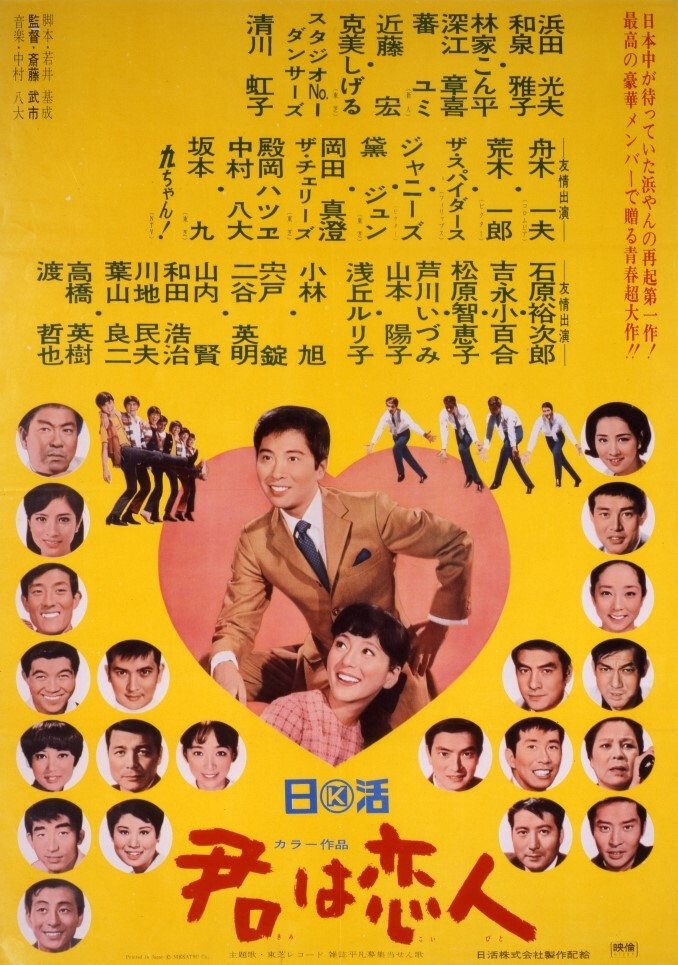
It had been a year and four months since Mitsuo was last on a movie set. Welcomed back by director Ishizaki and his film crew, Mitsuo is excited to star as the lead in "My Sweetheart". One day, half way through production, he meets his friends from a popular rock group, "The Spiders". Through their discussion regarding the climax scene, they criticize that the script is too grim. In a notion to protect their friend's career, they decide to pay the scriptwriter a little visit.
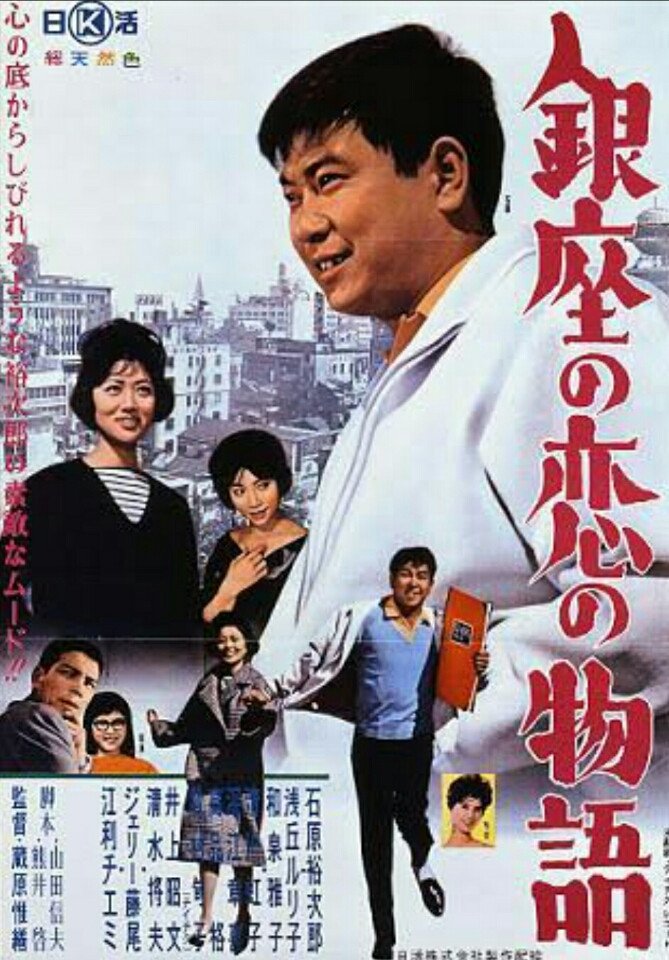
Hanjiro is a struggling painter that shares a tiny apartment in the back streets of Ginza with his jazz pianist friend who works at a bar. When he and his sweet heart, Hisako decide to get married, Hanjiro is faced with a tough decision. Needing to buy a ticket back home to tell his mother the good news, he compromises his creative principles for love and sells his portrait of Hisako. Hisako heads to the station to see him off, but gets hit by a car...
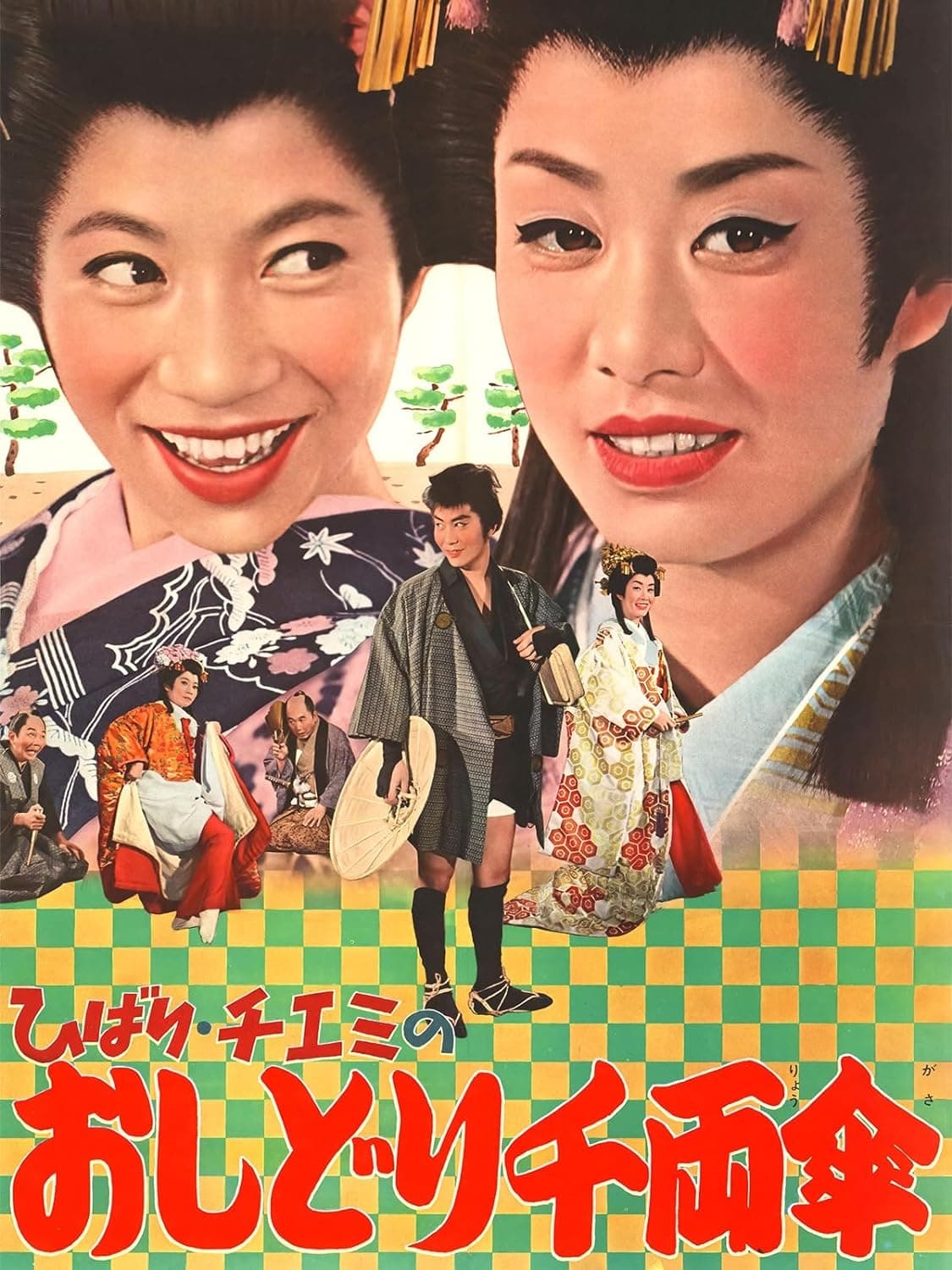
A princess seeks adventure and true love, with help from her loyal servant.
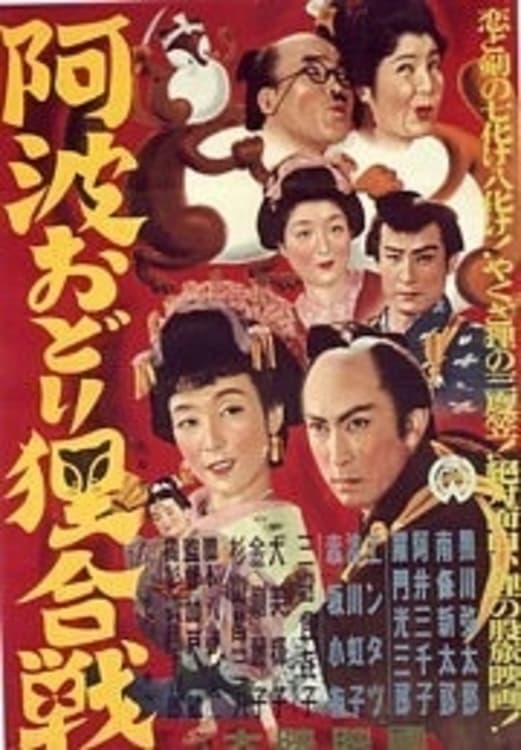
A tanuki-themed musical.

The son of a besieged Shogun in war-torn 17th century Japan travels to Spain to buy weaponry from the king.
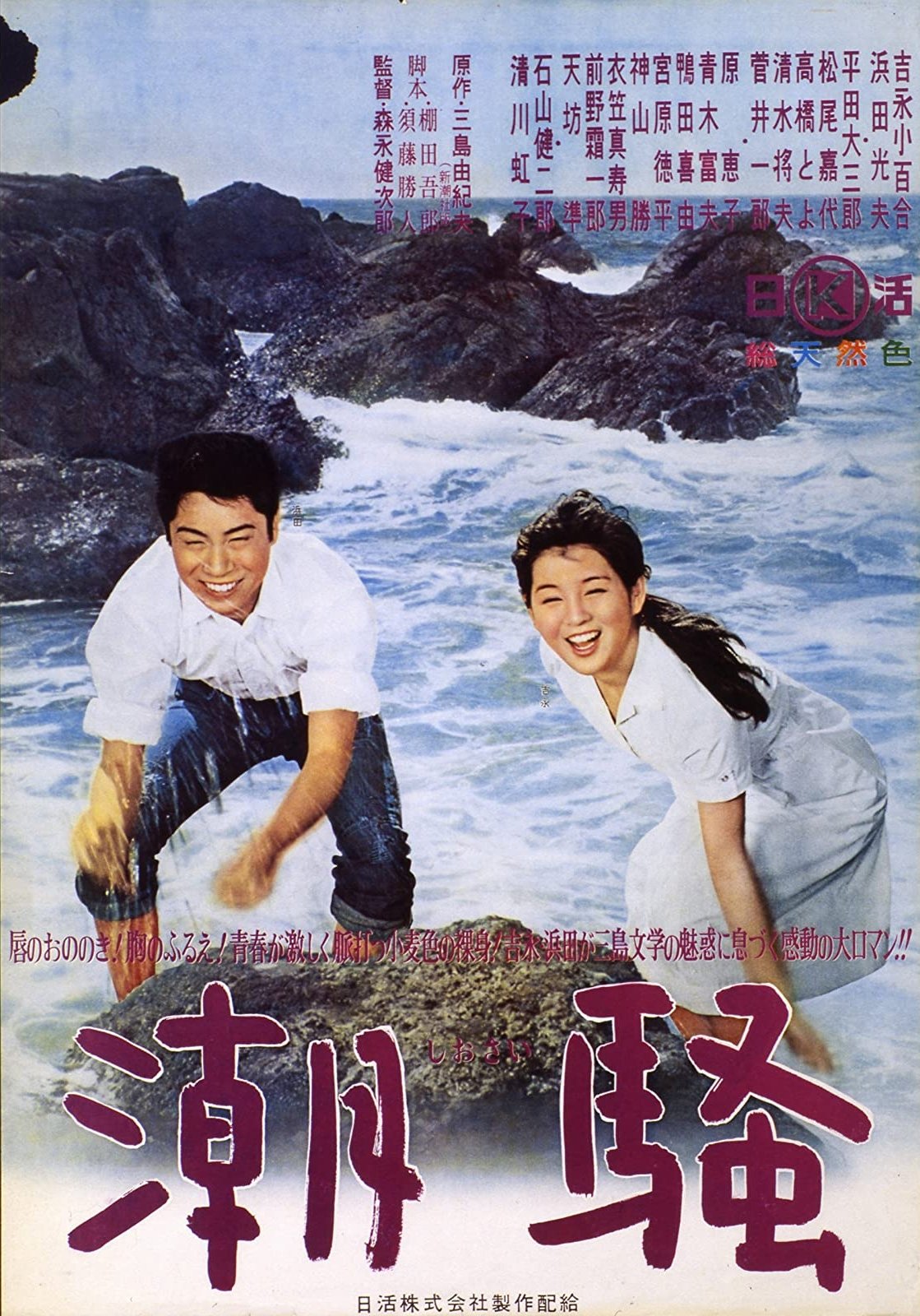
On a small island, inhabited by only fourteen hundred people, a young fisherman's son, Shinji falls in love with Hatsue, the daughter of the richest and most difficult man on the island. Despite their differences in class, they begin to meet and rumors spread of them having an illicit affair. Soon after, Shinji jumps into a stormy sea to help a ship in distress. The vessel turns out to be owned by Hatsue's arrogant father, who now becomes an understanding and sympathetic parent and allows the two lovers to marry.
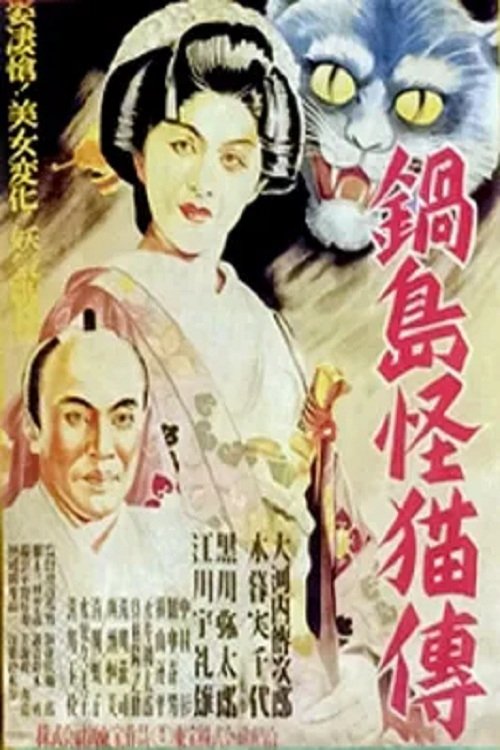
Tanuma Kandayuu is a high class samurai of the house of Nabeshima. He finds a lavish board of Go (a Chinese Board game) at Kinbei's store. He recommend Kinbei to offer it to his lord. Kinbei hesitates at first, since he knows the board has a mysterious legend surrounding it; it's believed that for every game played on the board, one death is required.
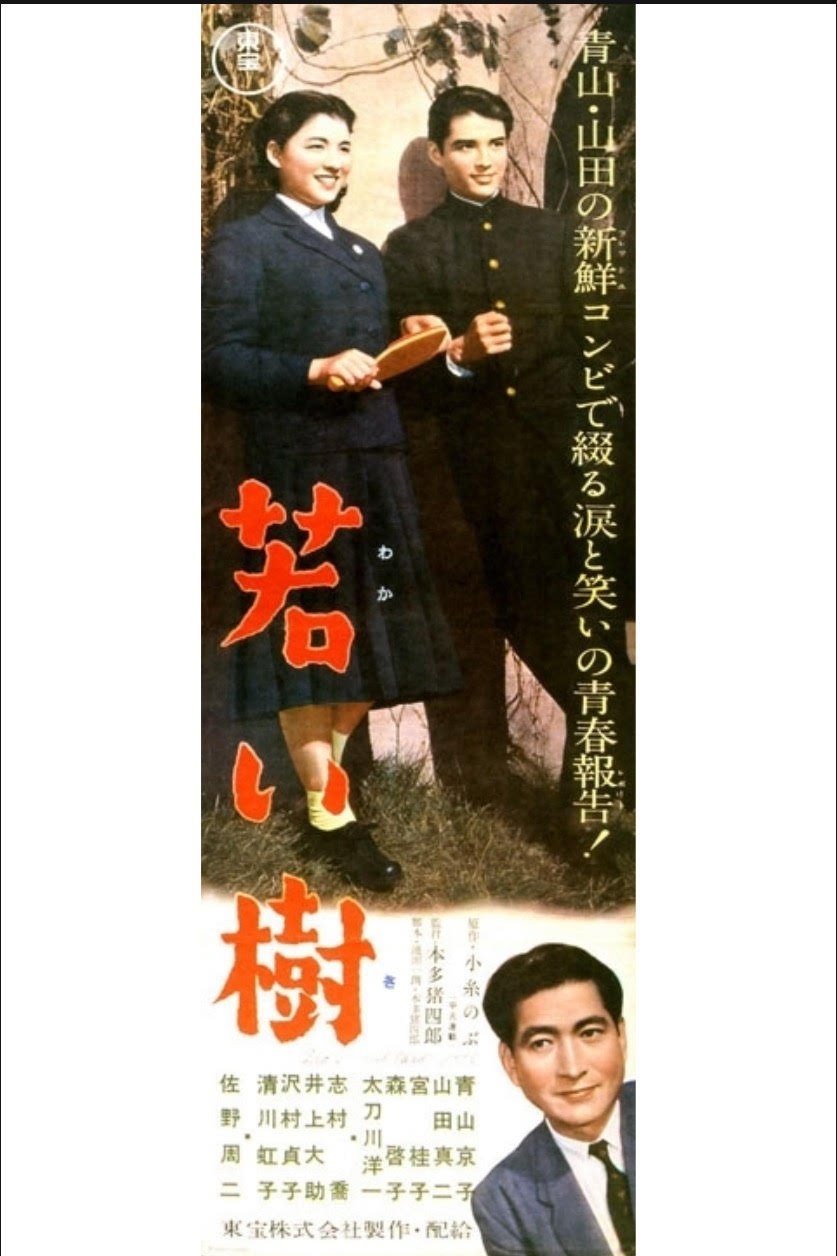
A young girl moves to Tokyo and endures the rivalries between other high school girls of varying cultural and economic backgrounds.

Toyomi is pregnant -- and while Shintaro and Yurie are on their extended honeymoon, she bears his child, a girl named Kiyoko. She is supported in adversity by close friend Michiko and her mother but also, surprisingly, Shintaro's mother and siblings. Even moreso, Toyomi and Yurie become friends. Part two of a two-part romance based on a story by noted author Kikuchi Kan.
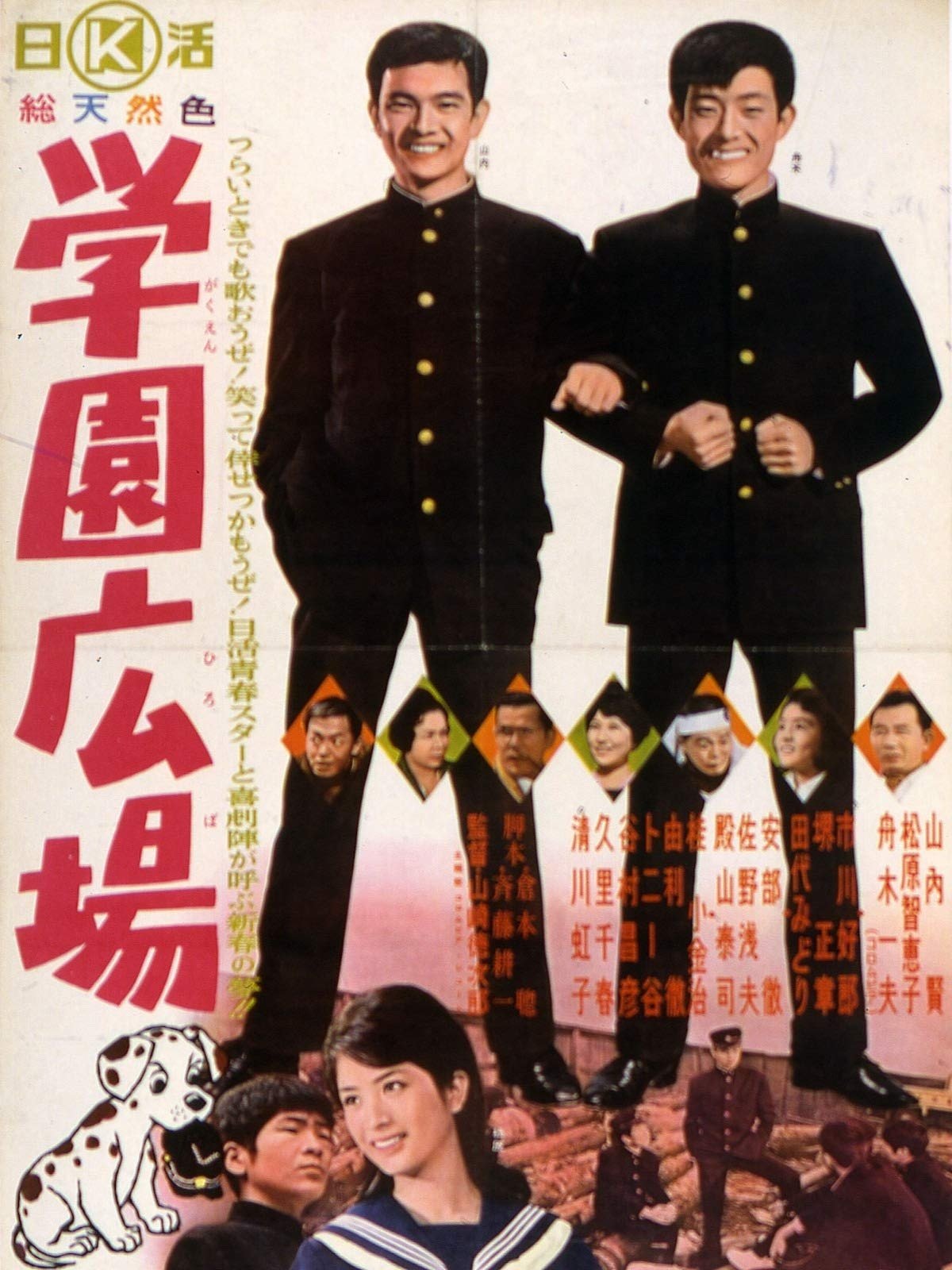
A Tokyo student transfers to a rural school and finds it difficult to adjust himself to its customs and traditions. One of the customs is the wearing of an old school cap by a senior. It is a symbol of courage and bravery and is handed down to a new senior each year.
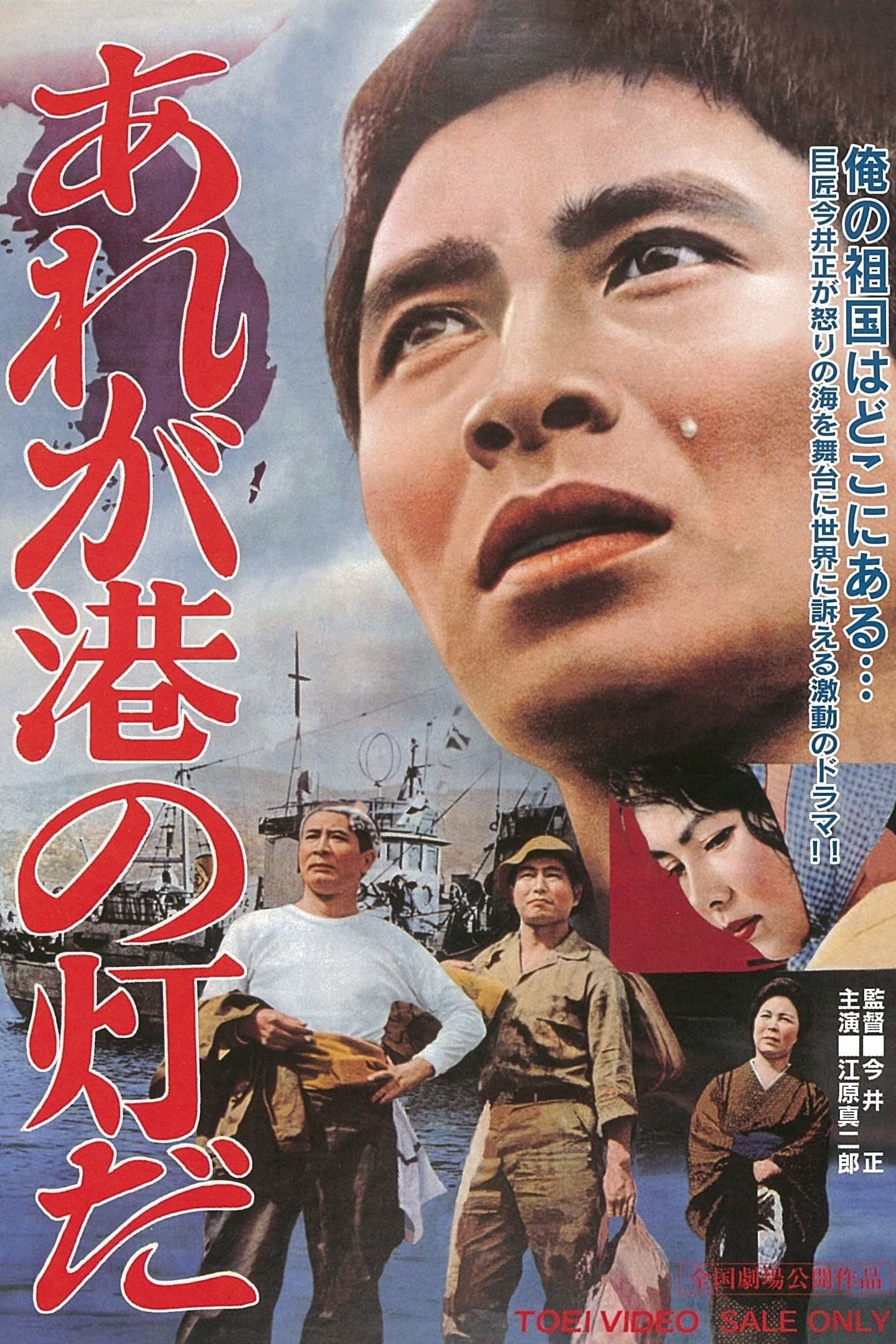
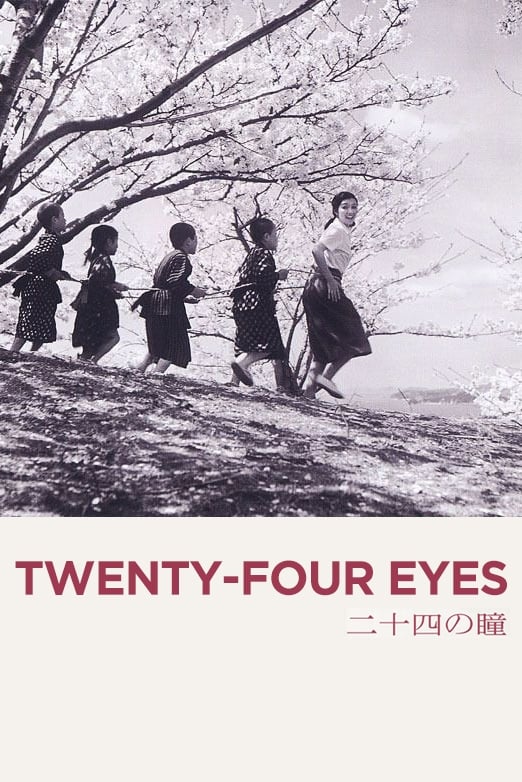
From 1928 to 1946, the lives of 12 young people and their school teacher in a poor Japanese village are profoundly affected by historical events and personal circumstances.
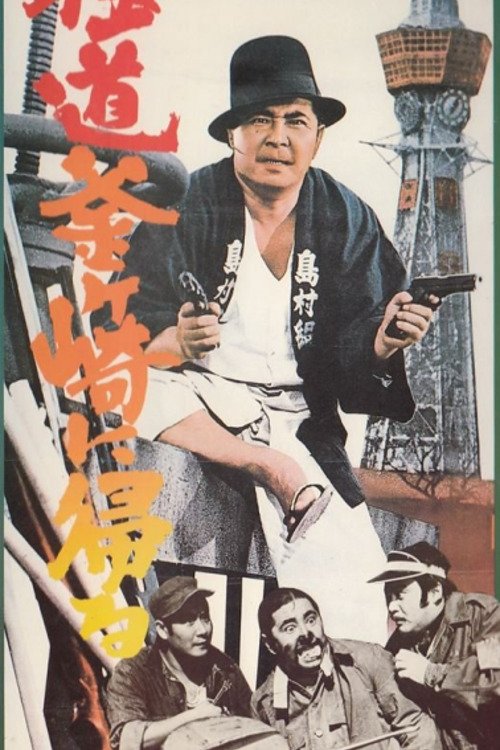
Shimamura & Mineko return to Kamagasaki in Osaka. In their return Shimamura quickly finds himself defending a lady in distress. During the skirmish he bumps into his old buddies who turns him on to the "new" goings on in town, Shimamura is angered to discover a Chinese triad organization has overthrown their gang, a situation they must reverse. Now he and the old gang finds themselves putting their lives on the line defending the honor of the "Yakuza Way", the locals of Osaka, even Japan!!
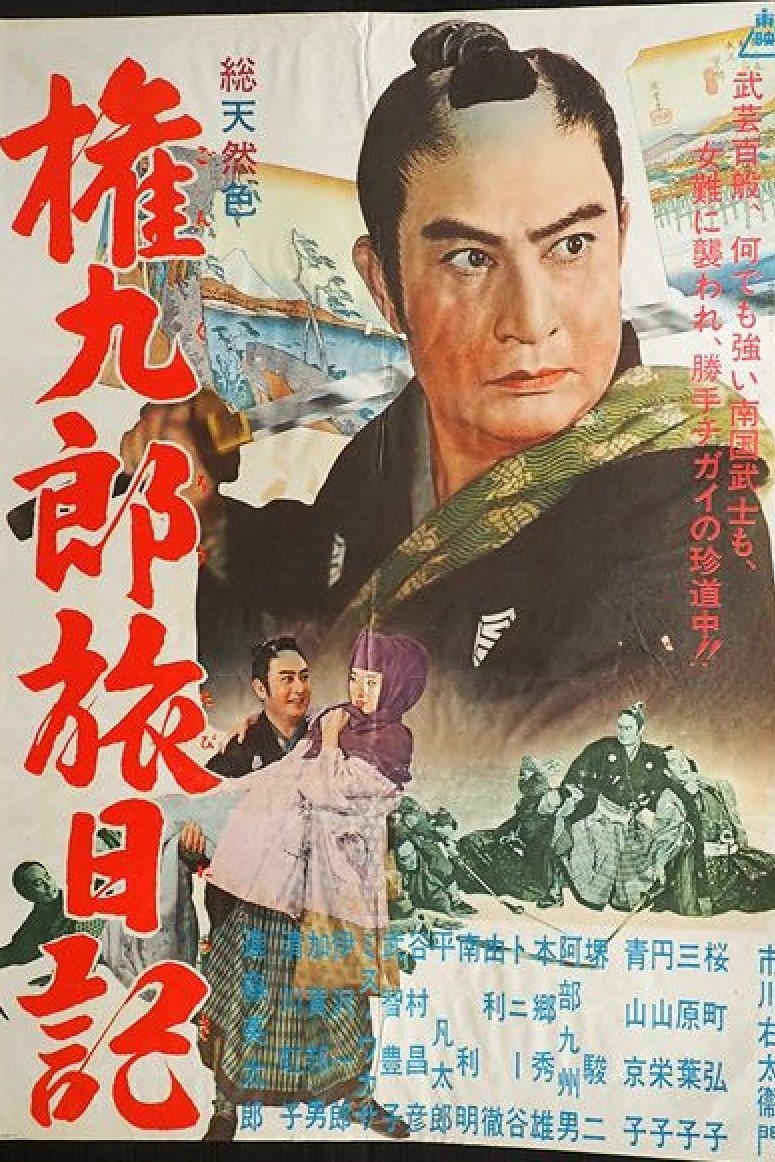
Sugimoto Gonkuro is travelling along from Tosa to Edo. On his journey he will meet both good and bad people.
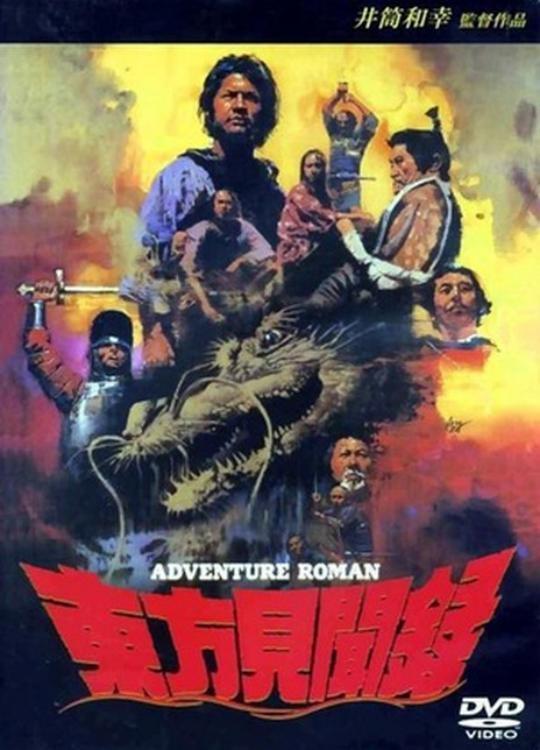
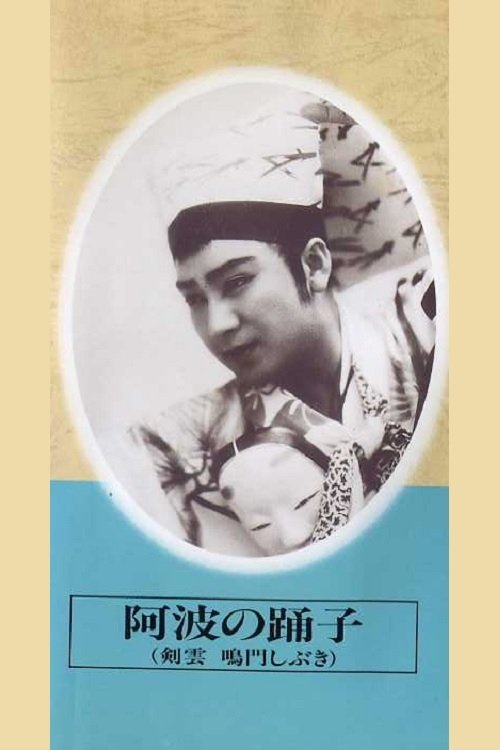
Jurobei, a kaisen tonya (wholesaler in port) in Awa, was wronged and killed on the day of the Dance Festival by the evil merchant & the chamberlin. His brother (Kazuo Hasegawa) vowed vengeance on the day of his brother's death. So every year the villains are worried during the Awa Dance Festival (which is part of the Obon festival), but nothing has ever happened, until seven years later...

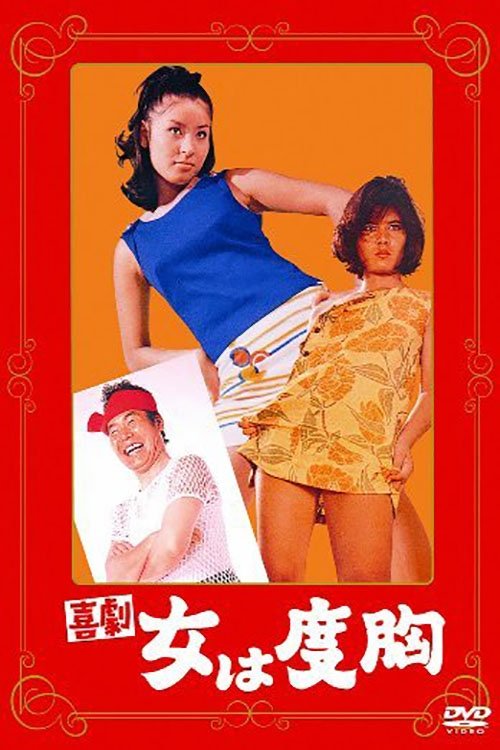
An uptight young man comes to suspect that his factory worker girlfriend has a secret involving his boorish older brother.
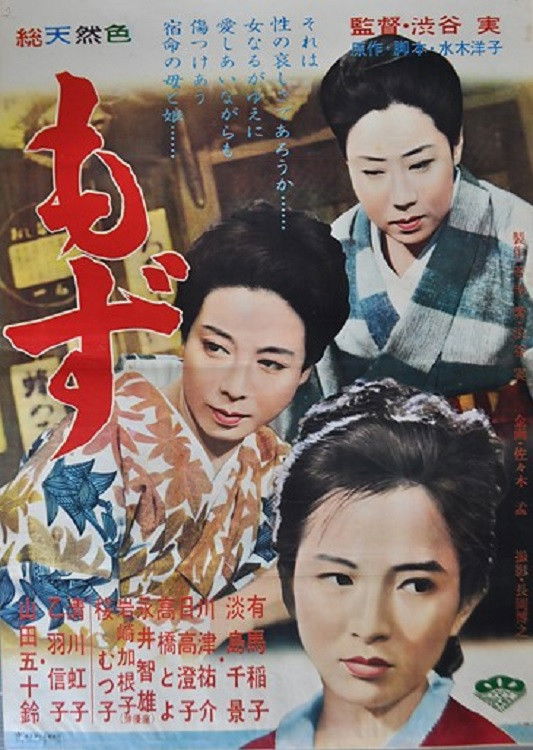
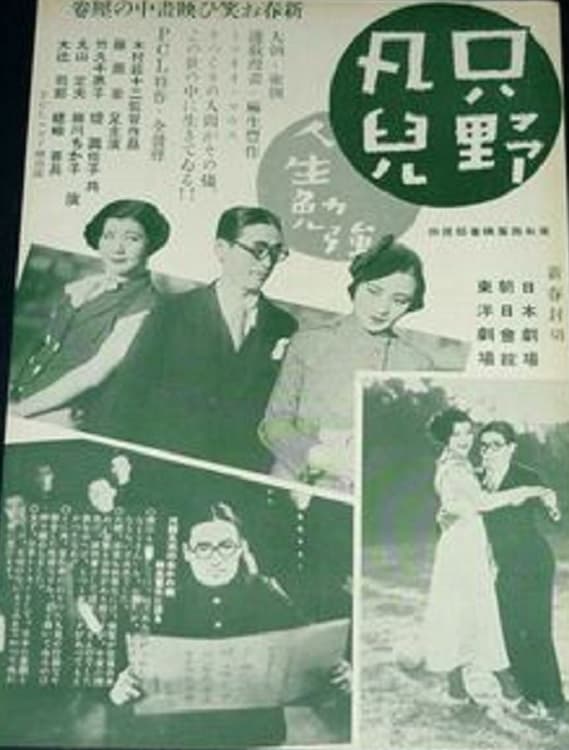
Based on the comic by Yutaka Asou
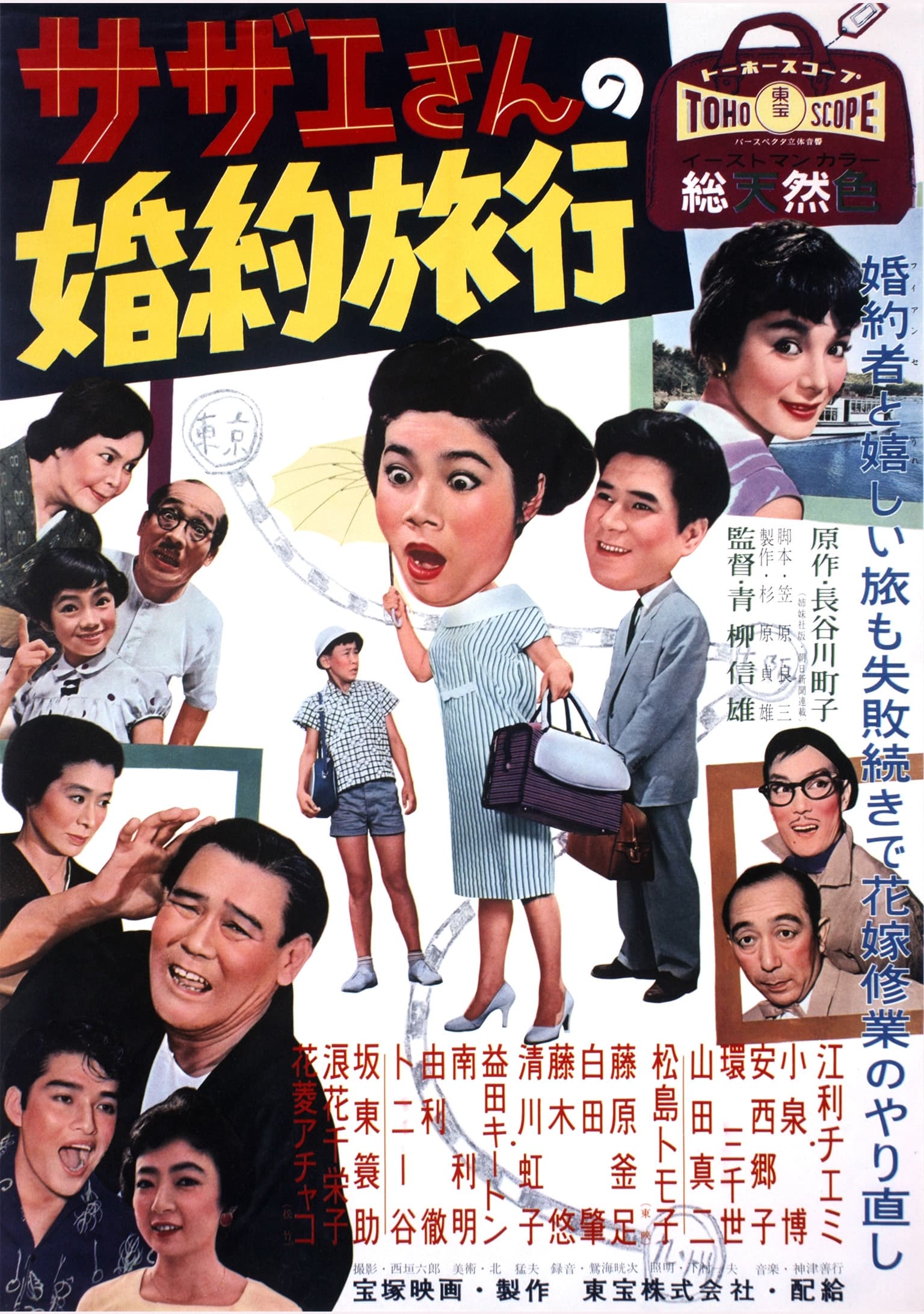
An adaptation of the popular Sazae-San comic strip. The first entry in the series shot in TohoScope.
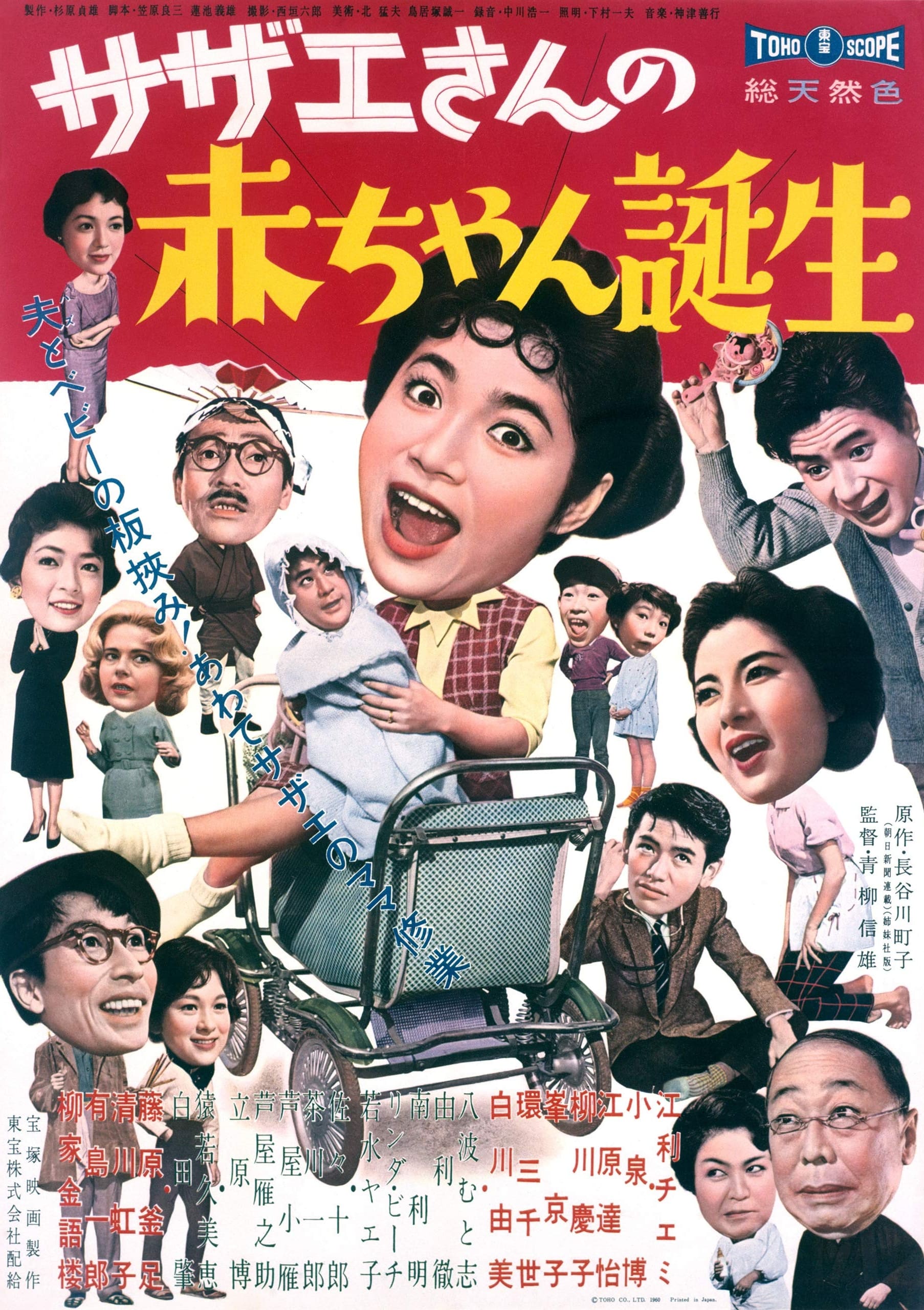
An adaptation of the popular Sazae-San comic strip.

With the Gyaos re-emerging, Gamera's ties to humanity have been severed with his bond to Asagi broken. Nagamine and Asagi investigate while an orphaned girl named Ayana discovers a new creature she names Iris. Nagamine and Asagi must reach Ayana before she takes her revenge on Gamera, who she blames for the death of her family.
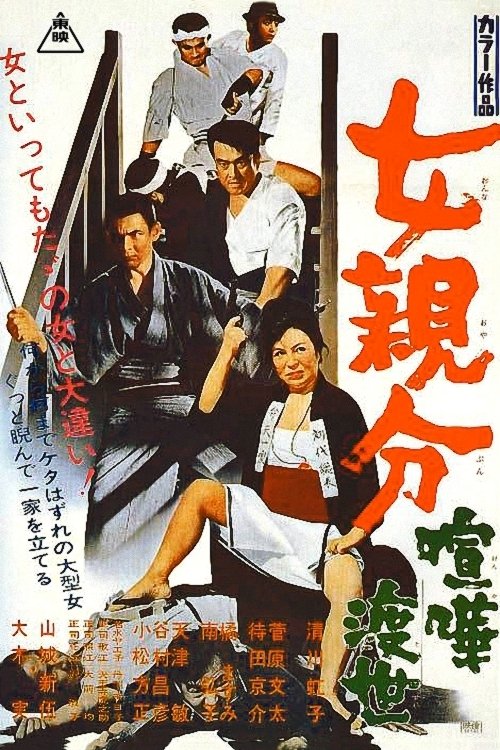
Sumi Muraoka, nicknamed "Sumi Banten", due to the fact that her back is decorated with a tattoo of the goddess Banten, the woman who heads the Banten Yakuza family. She comes into confrontation with a powerful of Yakuza group Mutsumi-kai, seeking to capture all power in their hands.
A family is brutally murdered in their own home and the official government's sake dealer is framed as a rebel by a corrupt member of the Shogun's Council of Elders. Young Lord decides to take on the Shogun's vile chief attendant.
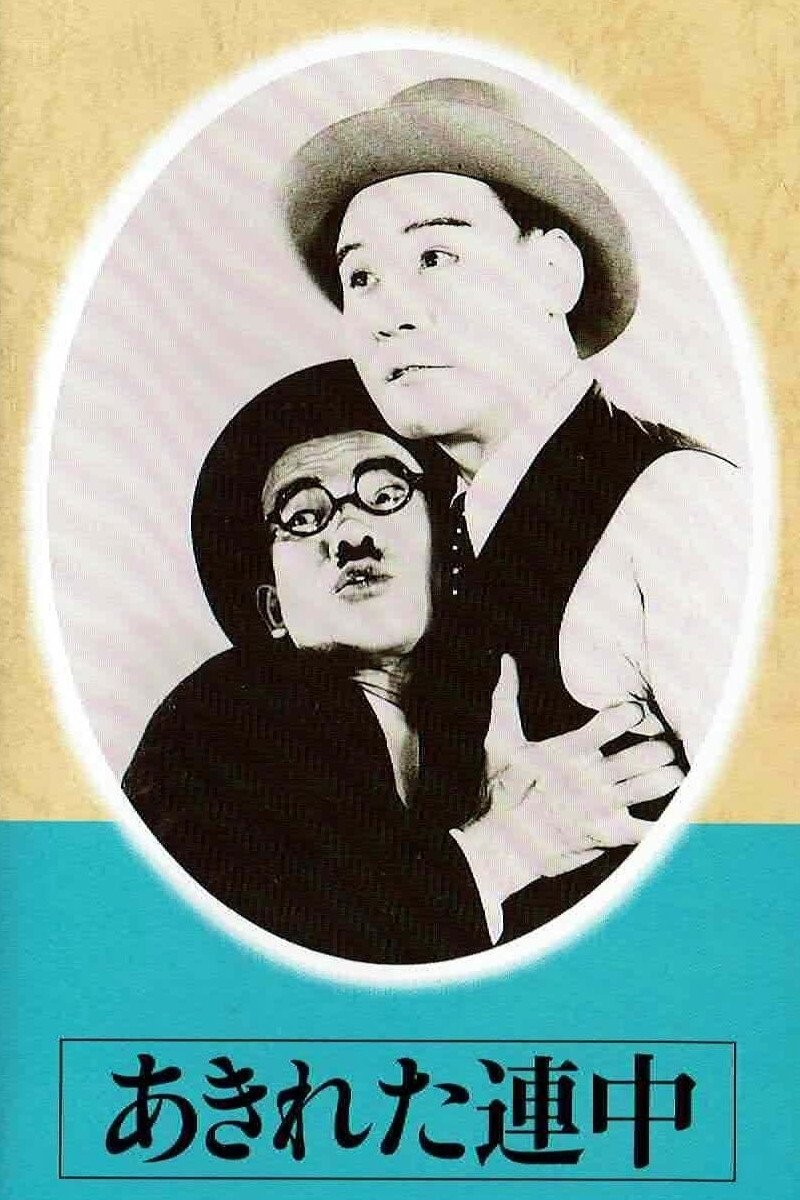
The first in a series of films featuring the comedy duo Entatsu-Achako, providing them with a background story to do their popular manzai-routines on film. Here, Entatsu and Achako start out as rivals for the affection of a young woman but ultimately pair up to face a bigger rival. Entatsu chooses to become a boxer to get his chance at punching the rival out of the way.
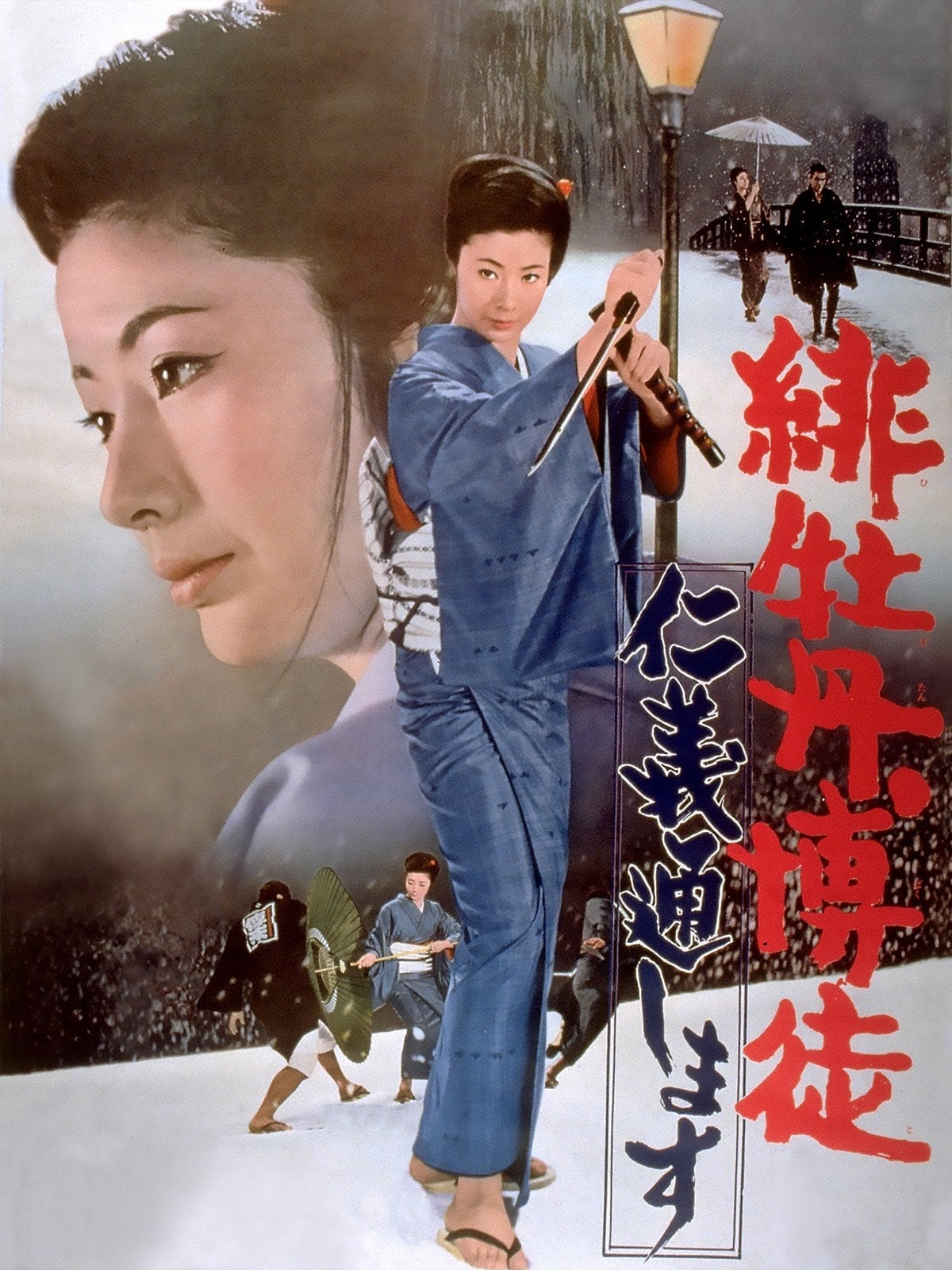
The final chapter of the Hibotan Bakuto series. Oryu the Red Peony visits an old dying Boss of an ally family and promised her that she would help guide the new Boss. Meanwhile a turf war breaks out. When the family is betrayed from within and the rival family becomes violent, Oryu takes things into her own hands…
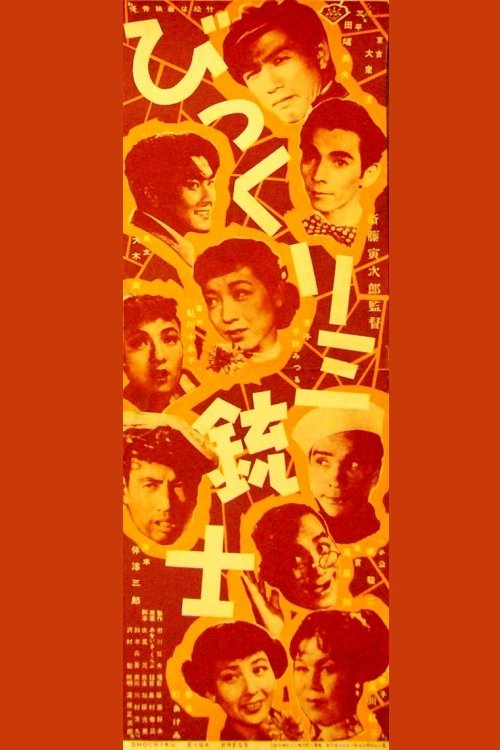
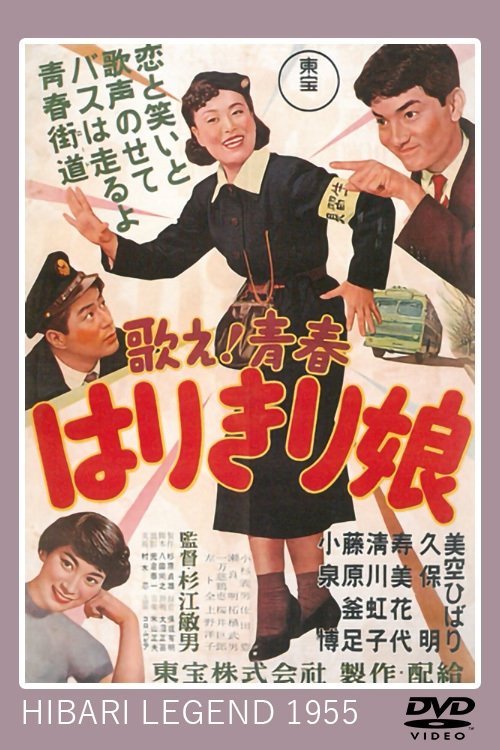


Hunting master Ginzo kills a man-eating bear. When he finds out the bear had a cub, Ginzo decides to raise the cub, but the bear later becomes a troublemaker.
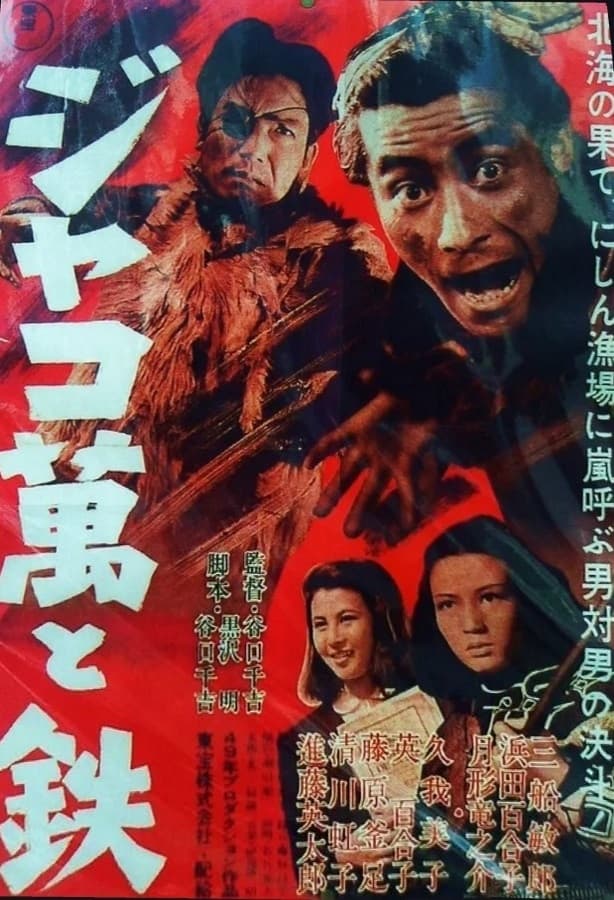
In a village subsisting on it herring fishery, a one-eyed criminal named Jakoman terrorizes the inhabitants. One of them, the son of the head of one of the fish companies by the name of Tetsu, decides to overthrow Jakoman and his cohorts.
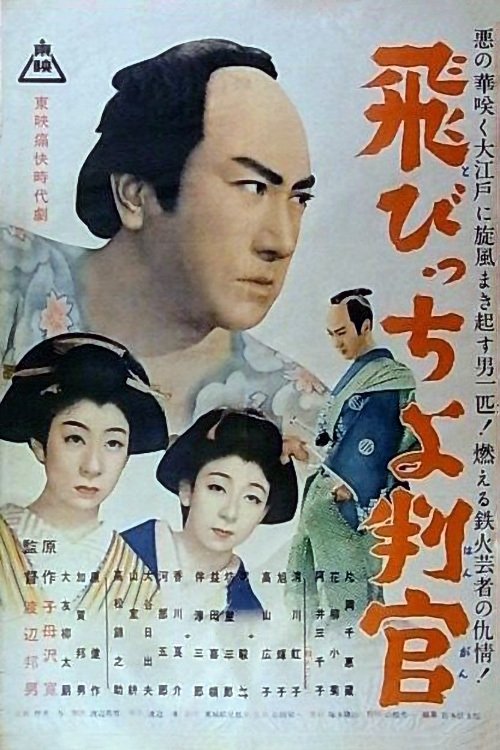
Hide-chan (Hideko Takamine) and her family are on a trip to Tokyo. While visiting a fairground, a pickpocket (Kamatari Furukawa) steals the father's wallet. While everyone is trying to hunt down the thief, Hide-chan decides to make the most of it and enjoy her stay, while the thief and his main pursuer (Akira Kishii) play hide-and-seek among the funfair's spectacles and freakshows
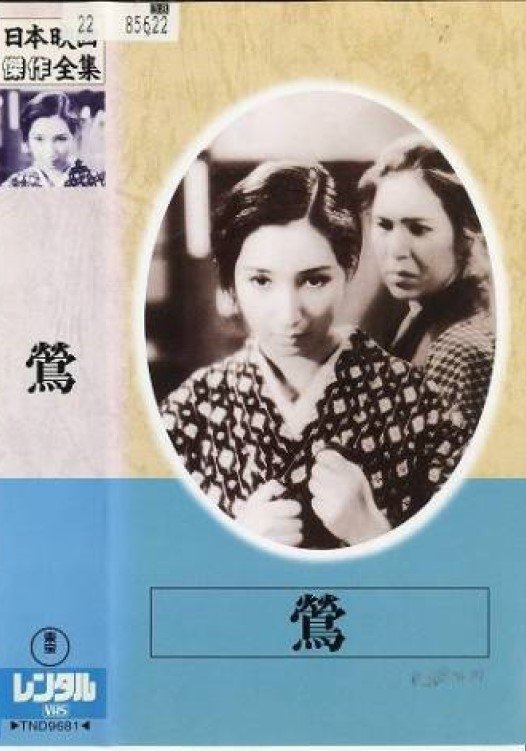
An episodic film about life in and around a rural police station and the people it serves.
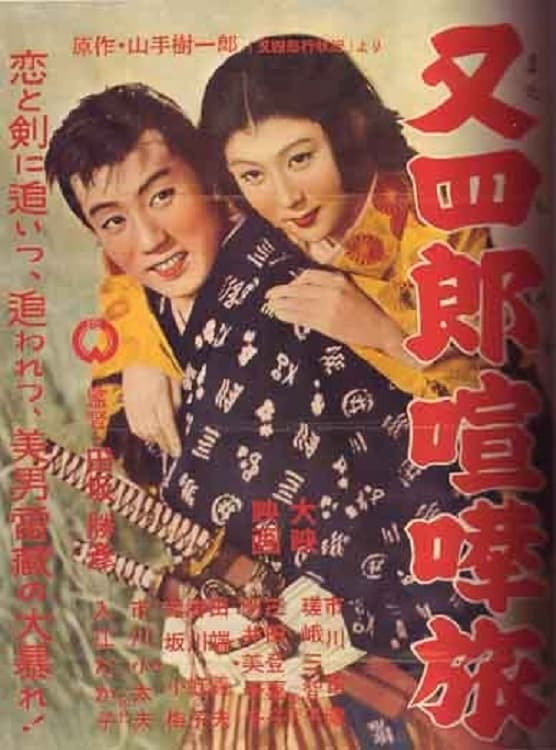
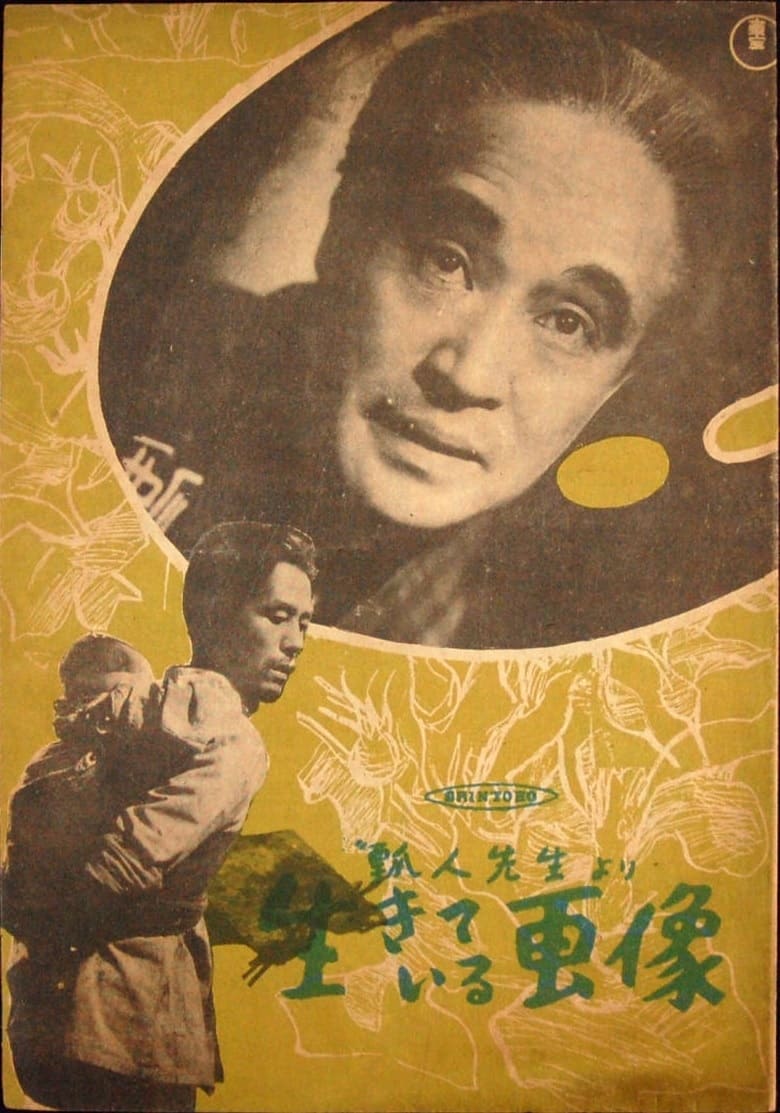
A film dealing with the comings and goings of individuals in the immediate postwar period.
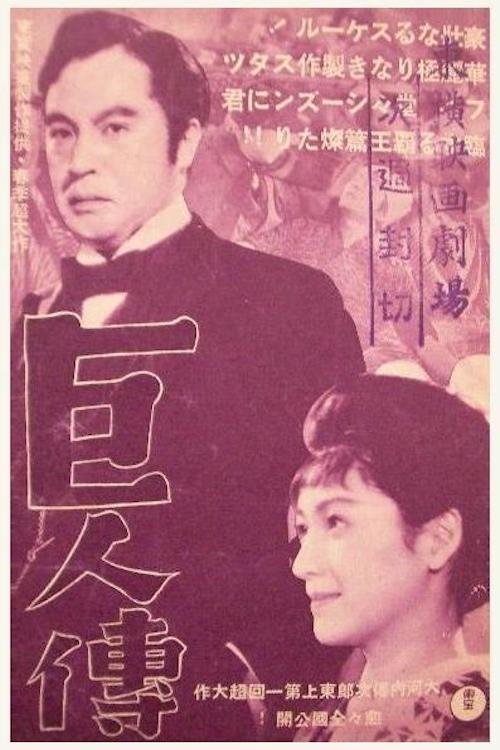
Japanese adaptation of LES MISERABLES. The last film of director Itami took inspiration from Les Miserables. Transpiring during the Southwestern War of 1877 in Japan, which was the last civil war in the country, a criminal escapes prison only to be found by a monk. The criminal decides to turn a new leaf based on their conversation and goes on to become a town's mayor. He hears news of a mistaken arrest and identity. The revelation of truth is the start of a series of miseries.
Song of the White Orchid was a co-production of Toho and Mantetsu, the railway that served the colonial region of Manchuria, and the first film in the Kazuo Hasegawa/Shirley Yamaguchi (Ri Koran) “Continental Trilogy.” Handsome Hasegawa (representing Japan) runs up against an impertinent Yamaguchi (representing the continent); not surprisingly, in the course of the film the woman comes around and realizes the benevolent intentions of the Japanese. In Song of the White Orchid Yamaguchi leaves Hasegawa, who plays an expatriate working for the railway, because of a misunderstanding. She joins a communist guerilla group plotting to blow up the Manchurian railway. Learning of the subterfuge that led to the misunderstanding, she renews her faith in Hasegawa—and by extension Japan—and tries to undermine the plot.
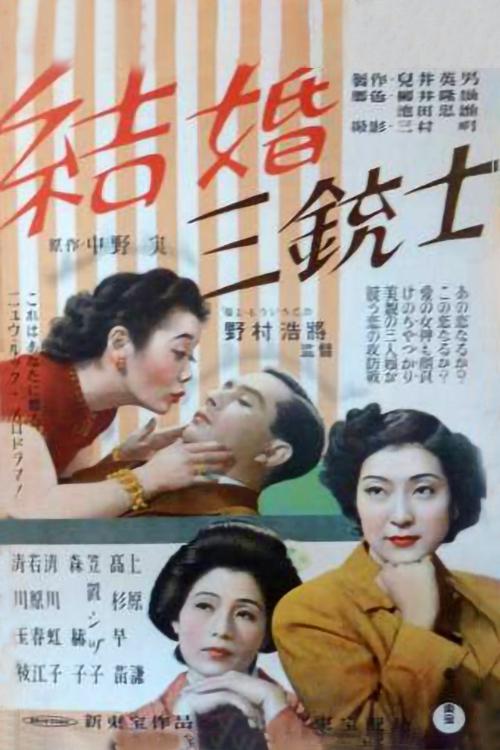
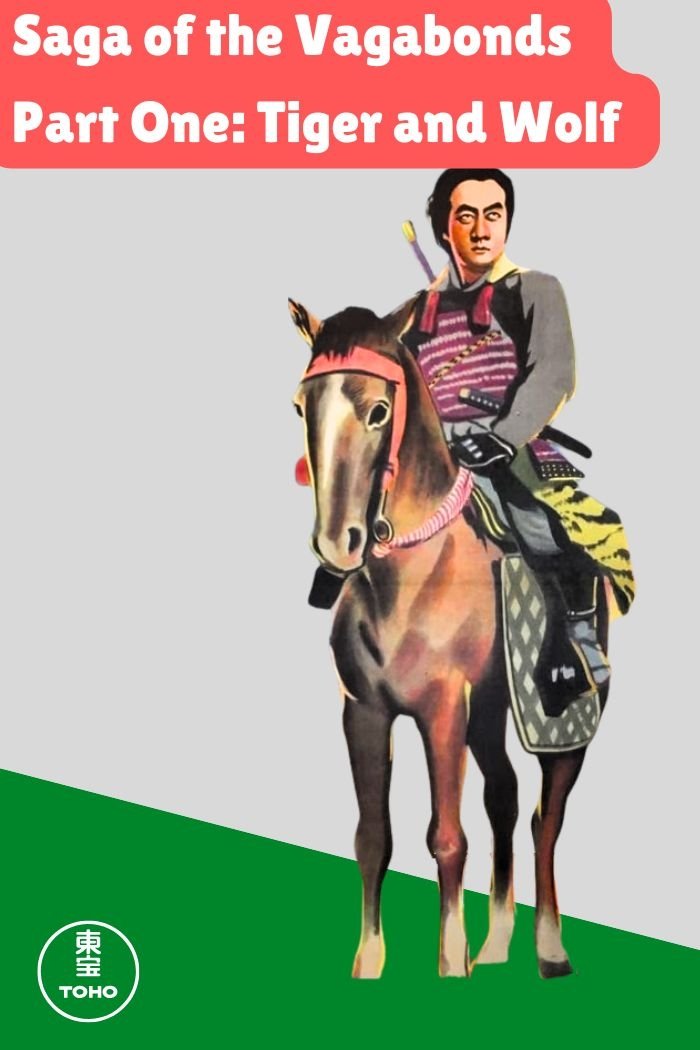
Story of a bandit king.
1936 P.C.L. adaptation of Natsume's novel.
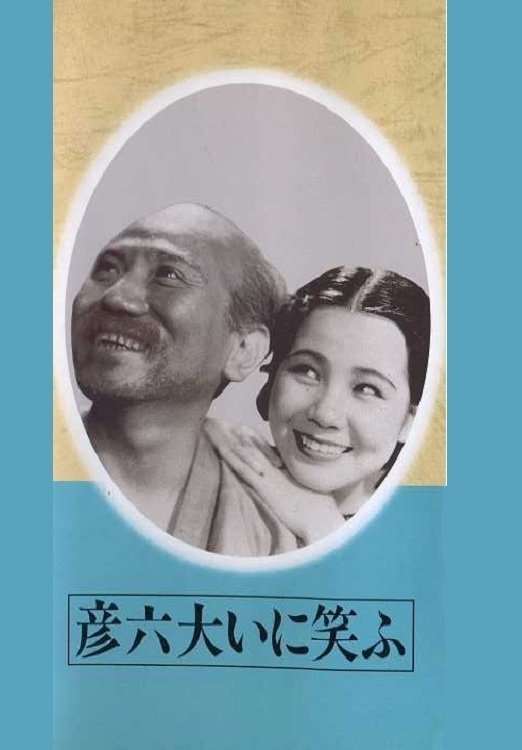
Hikoroku Laughs a lot
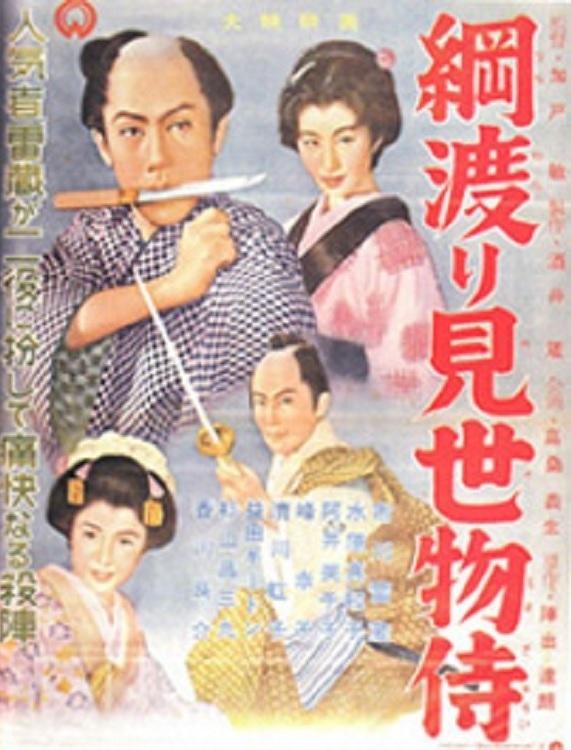
Rikitaro and Osayo are popular entertainers who throw knives. They are sweethearts. At one day They help Ocho, who is a beautiful pickpocket when she is attacked by Ronin. in Asakusa, However, they come to be surrounded by doubtful Ronin after that. Moreover, Rikitaro is called to stop by Kajima of Edo-Karo of Nihonmatsu-Han. He calls him a young lord and treats Rikitaro as one, because his young lord, Tetsunojo is missing. Kuni-Garo makes a plan to carry out. Kikumaru, the younger brother of the mother difference in him instead of Tetsunojo, Since Rikitaro is just like Tetsunojo, then, they are convinced that it is Tetsunojo of Rikitaro. Rikitaro and Osayo decide to help Kajima and Tetsunojo. Finally they success to crush Kikumarsu's group.
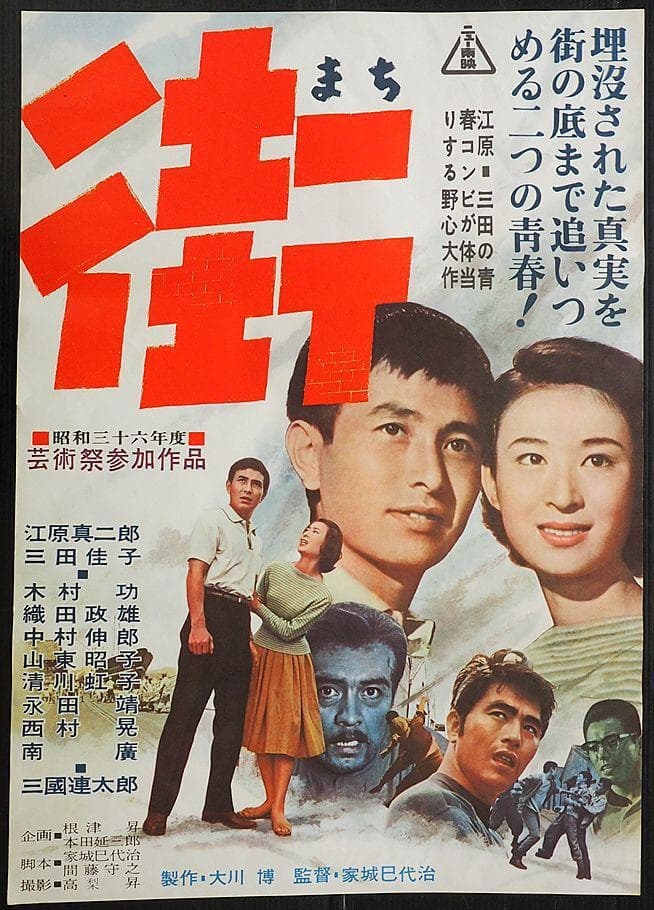
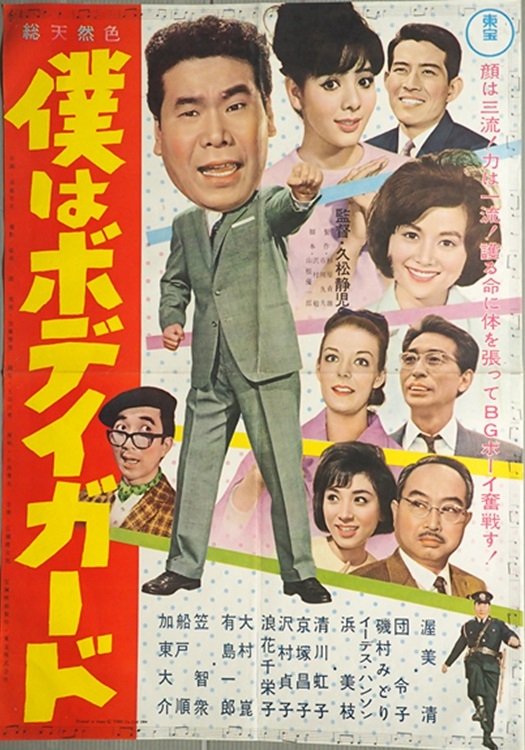
Kita Ippei (Atsumi Kiyoshi) became a security officer in the Metropolitan Police Department's Security Division after catching a thug who attacked a writer living in the area while working at a police box. His dream is to become a bodyguard (BG) for the Prime Minister, just like his senior, Detective Inspector Takagi (Ryu Chishu). Kita Ippei is very successful in both work and love, getting attacked while guarding a female minister, getting some perks as a BG for a foreign princess, and becoming friends with a woman at his favorite bar.
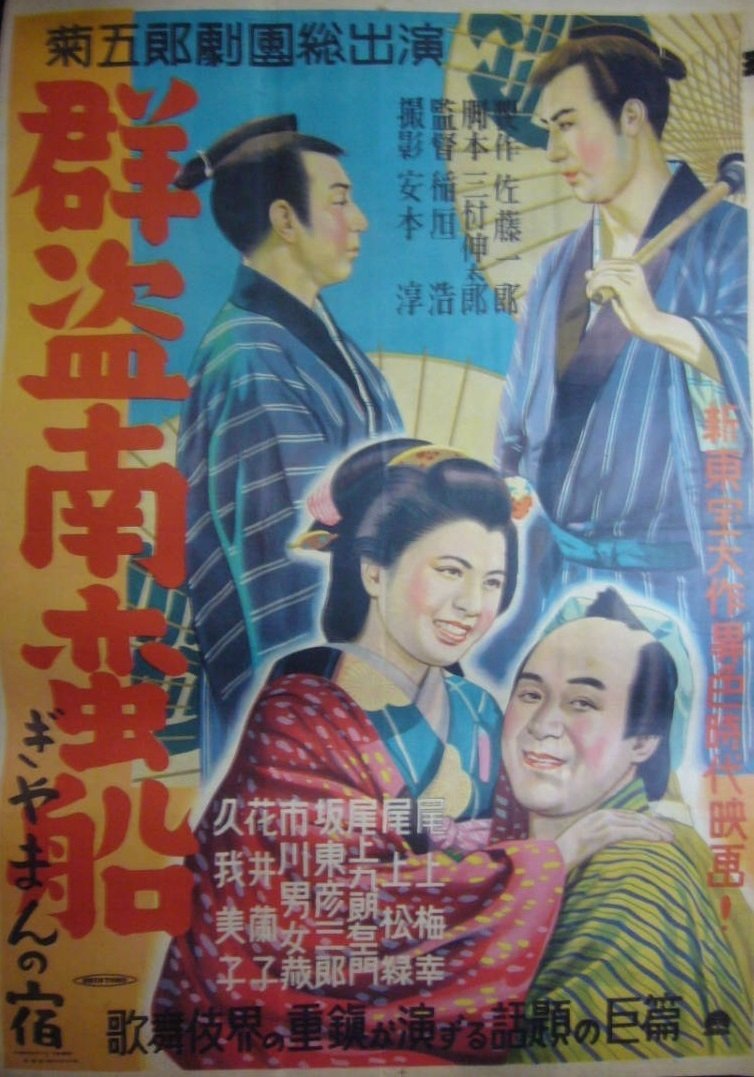
1950 Japanese movie
It's been a long time since the war. Since we haven't been at war with America yet, there is a line in the movie that asks, "How do you say "dried fish" in English?" Brothers who work at a factory that handles iron in Tokyo. After losing his parents, his older brother (Takada Minoru) sends his younger brother (Ito Kaoru) to night school, and the brothers help each other survive. The older brother wants his younger brother to study and attend a higher school (university?). A mysterious woman (Sachiko Chiba) moves into the apartment where the two live. The landlady of the apartment is busy gossiping about her and who she is.
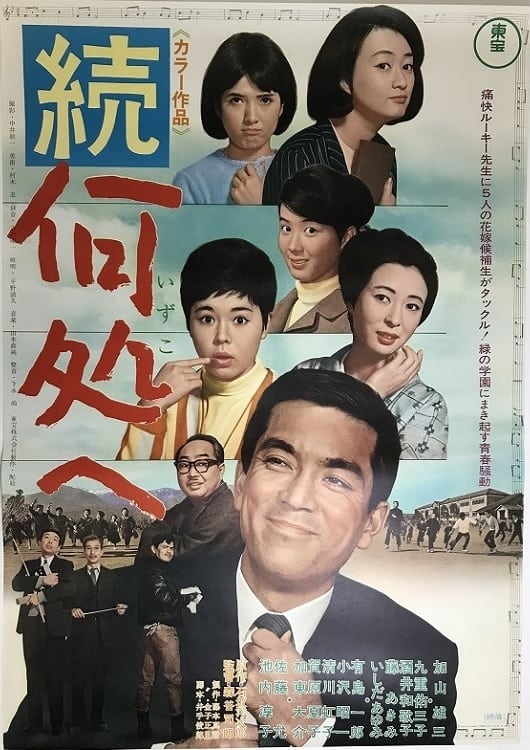
Sequel to "何処へ" (1966). A coming-of-age drama adapted from the novel by Yojiro Ishizaka.
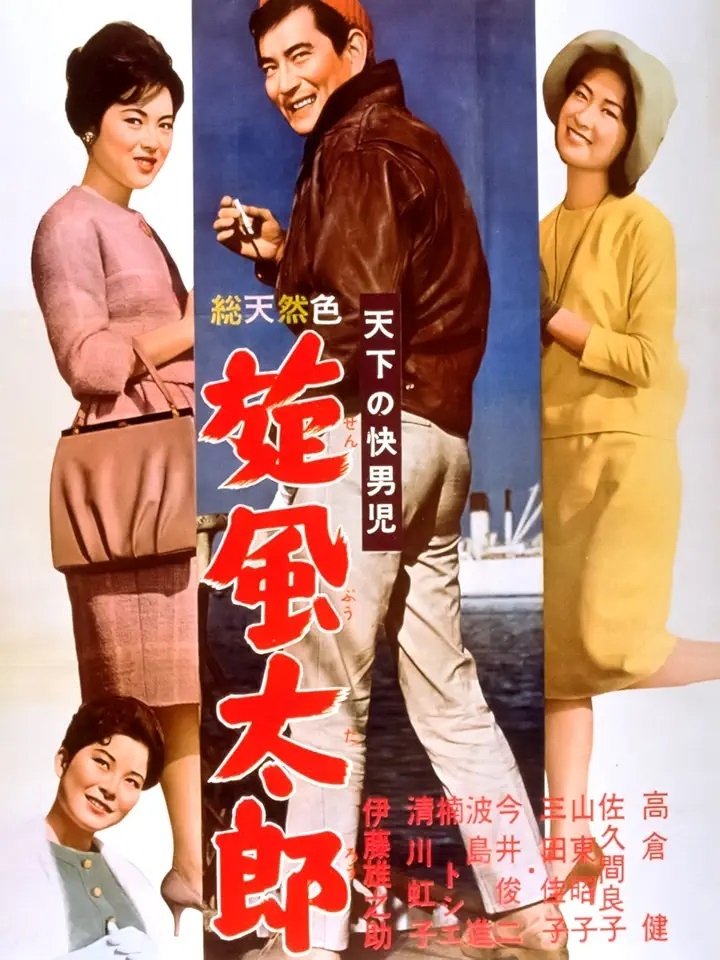
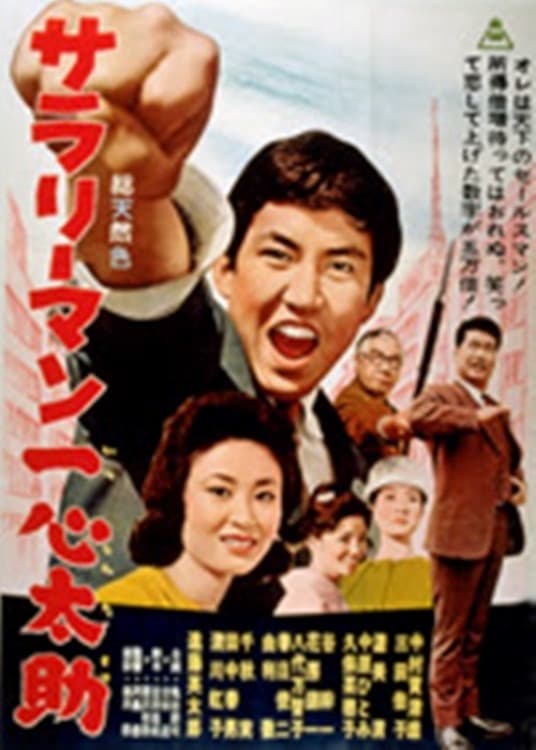
The third film in the Taro series, following "The World's Most Noble Guy: Taro's Eternity" and "The World's Most Noble Guy: Taro's Rush." Taro, who had painstakingly graduated from the University of Merchant Marine after six years, was on his way to work for Saikai Kaiun on a tourist ship on the Beppu route. He was in a euphoric mood, teasing a young lady playing golf on the deck, and helping the geisha Umeka who was being harassed by a drunkard, with his natural sense of justice, as the ship arrived at Beppu Port.
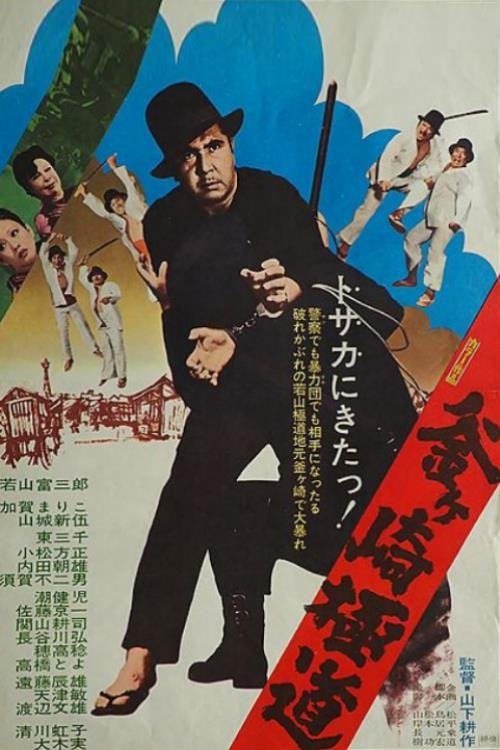
Ninth installment in the "Gokudo" series. Depicts the activities of Shimamura Seikichi and his henchmen.
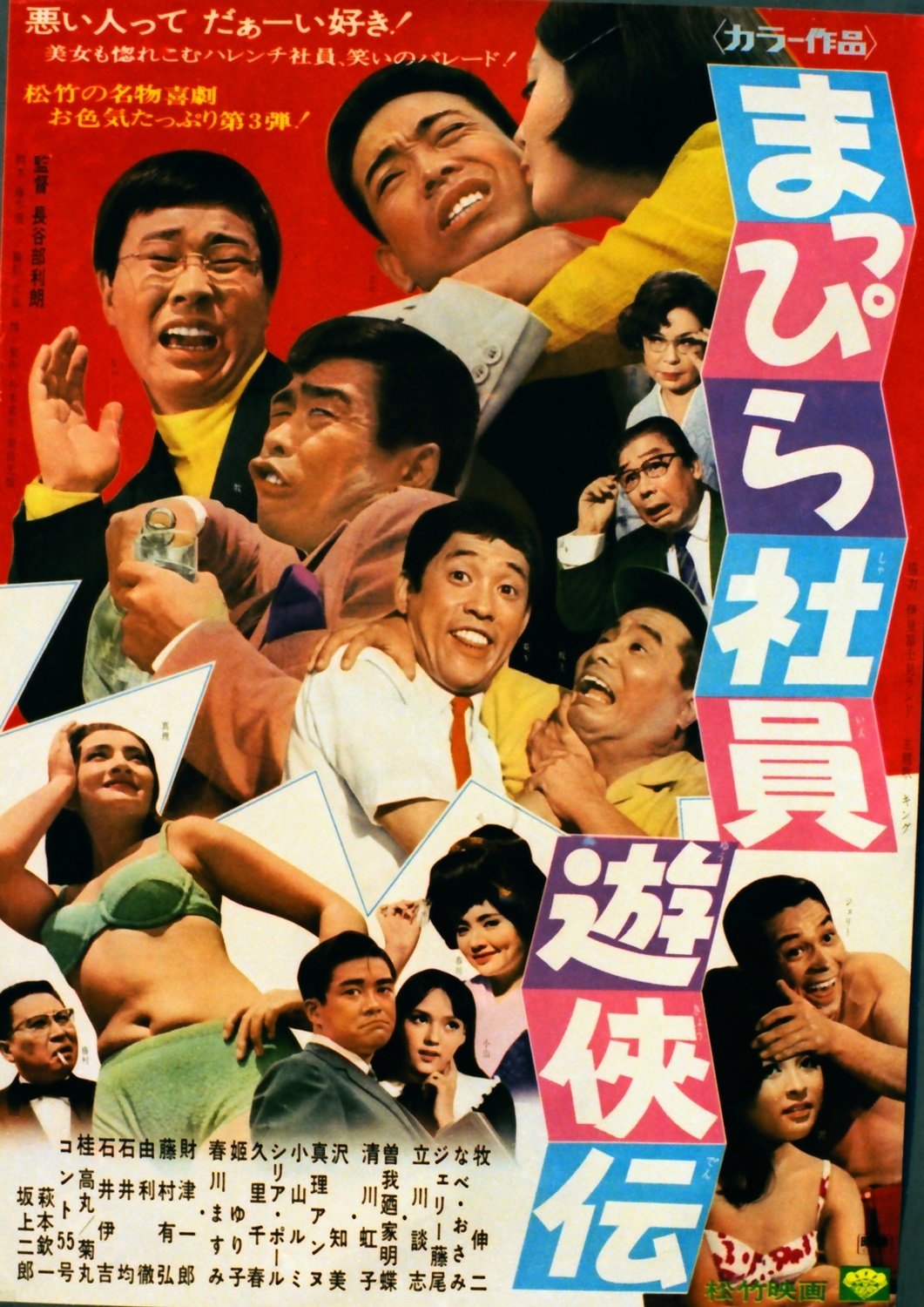
1968 Japanese movie
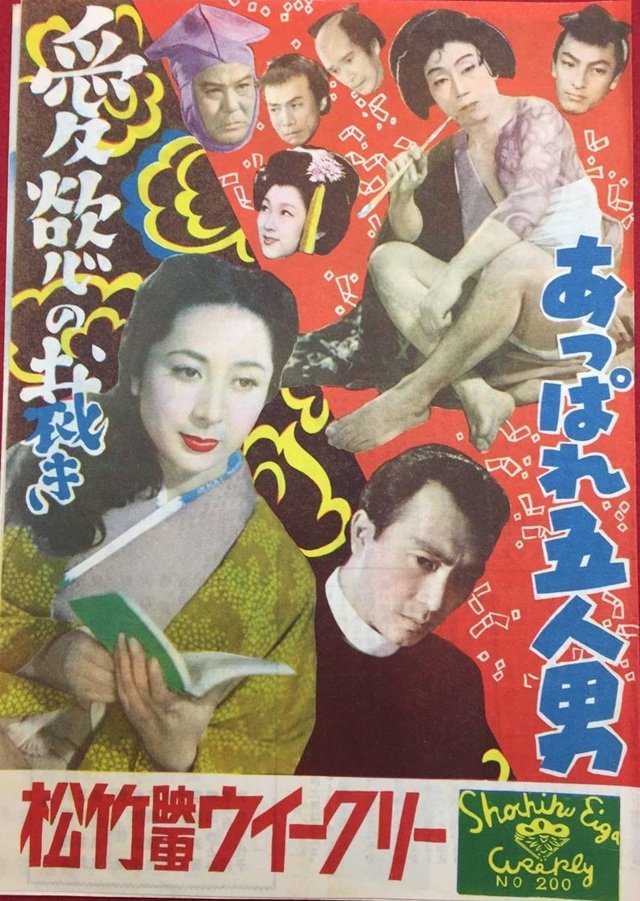
A parody of the Kabuki play about thieves, "Five Men of the White Waves".
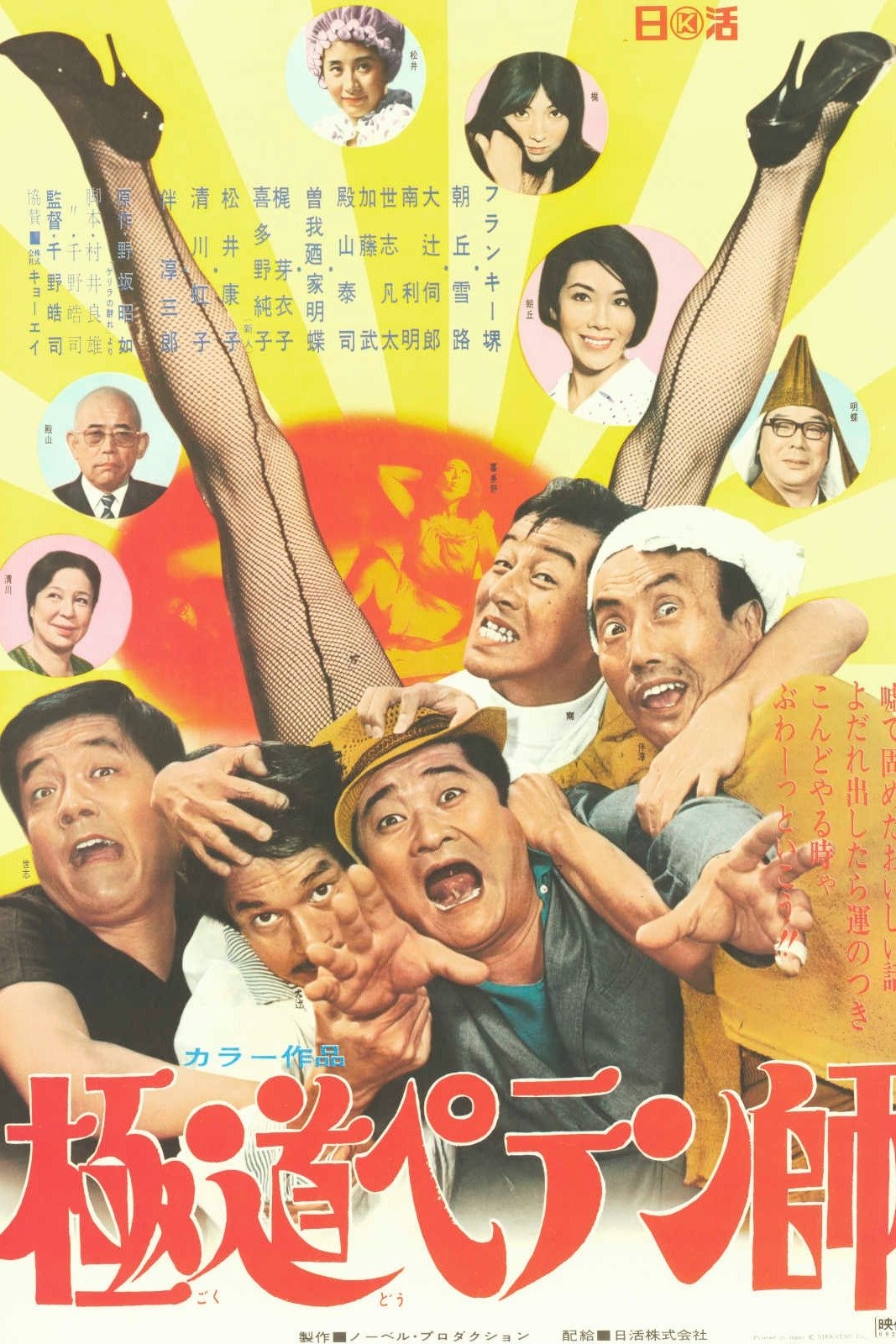
A group of one-hit wonder scam artists led by the troubled "Kanpai," dealing with impotence, embark on a lively and poignant societal comedy. They overturn the distorted trends and authorities of modern society through peculiar methods such as taking over temples and creating fake emerging religions.
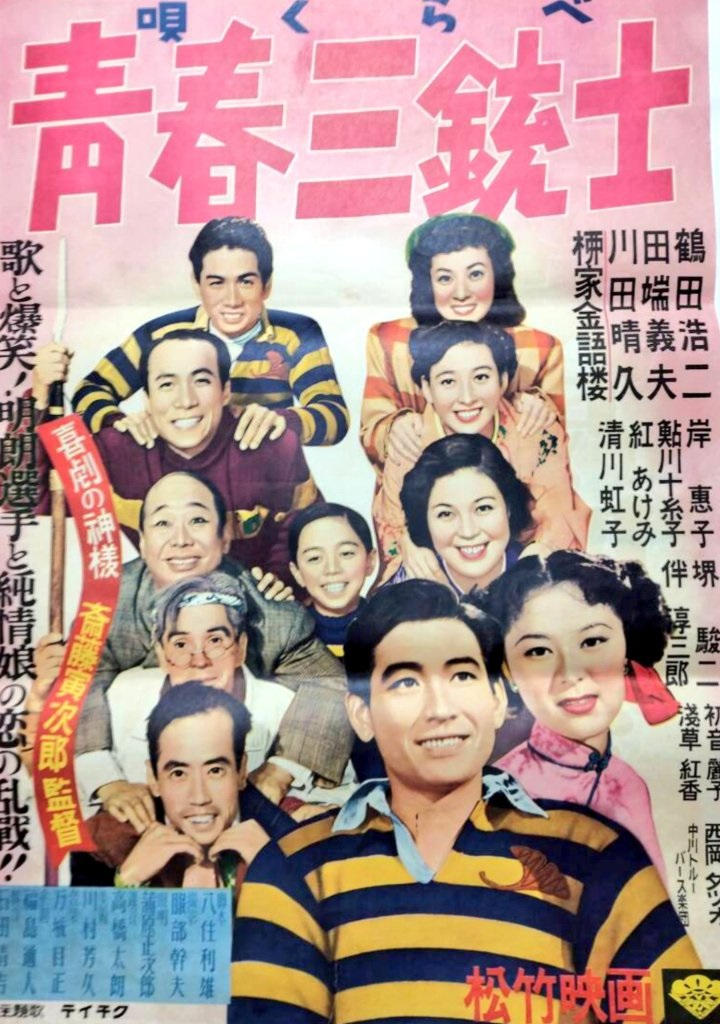
Saito Torajiro directed this light comic musical about the lives and loves of three cheerful, lively young men on the R University Rugby Club, Toshio (Tsuruta Koji), Kenkichi (Tabata Yoshio), and Shunzo (Kawada Haruhisa).

1970 Japanese movie
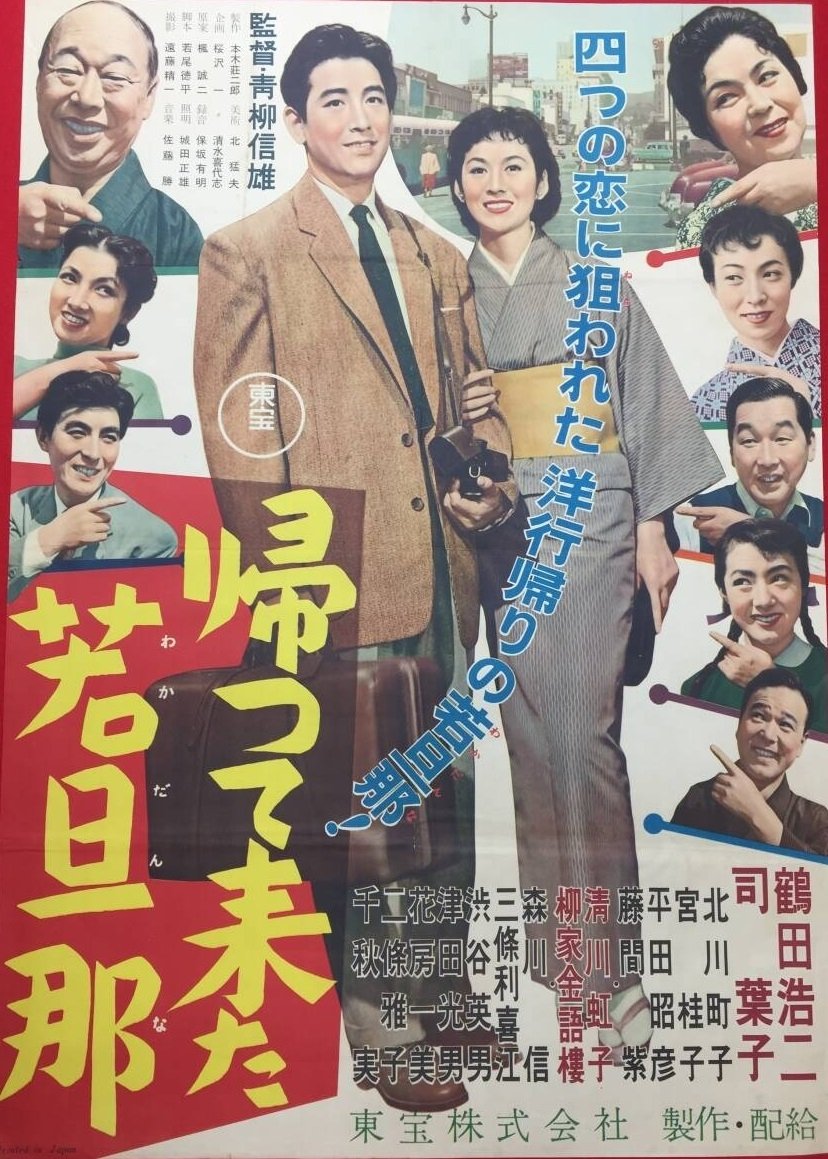
1955 Japanese movie
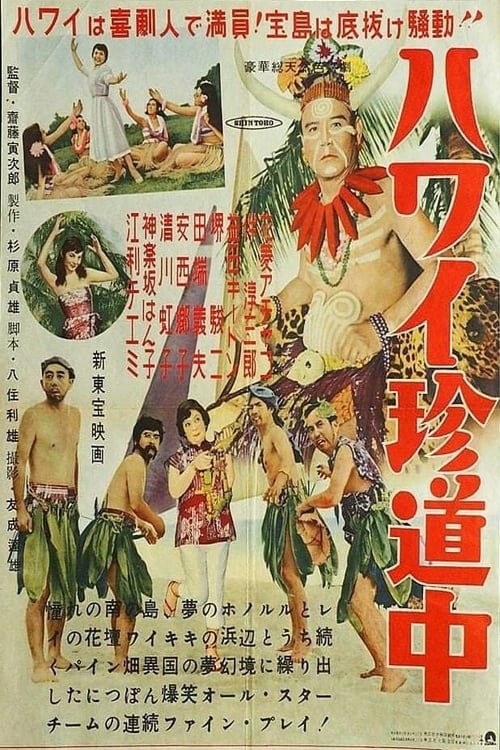
A 1954 film.
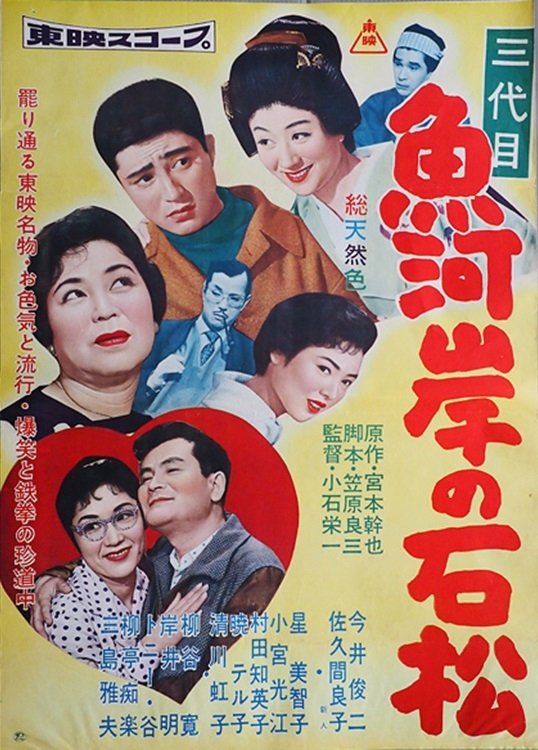
1958 Japanese movie
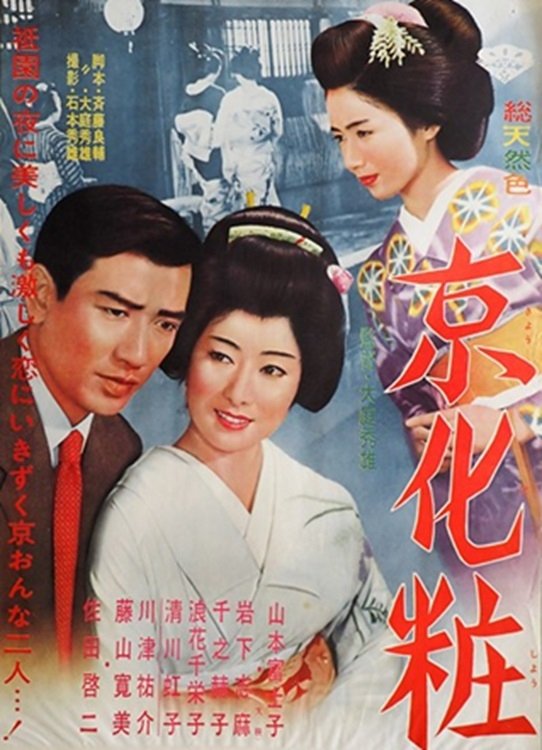
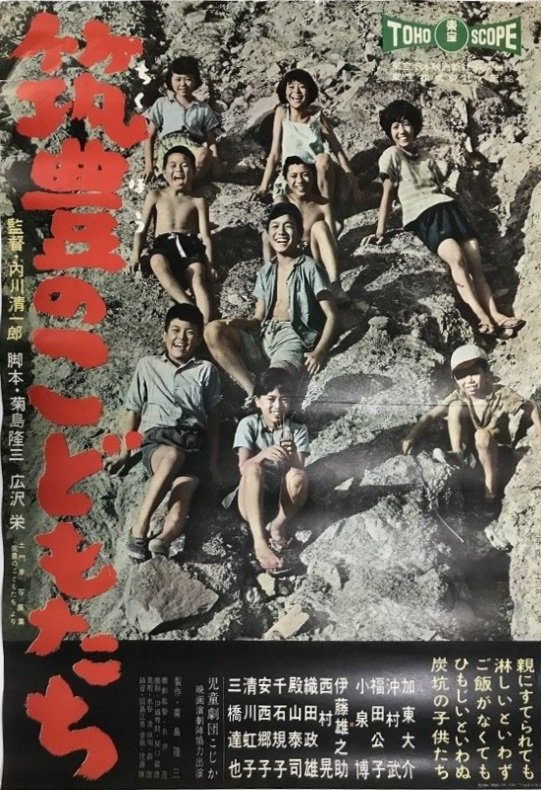
A drama film based on Ken Domon's photography of the children around the Chikuho coal mines.
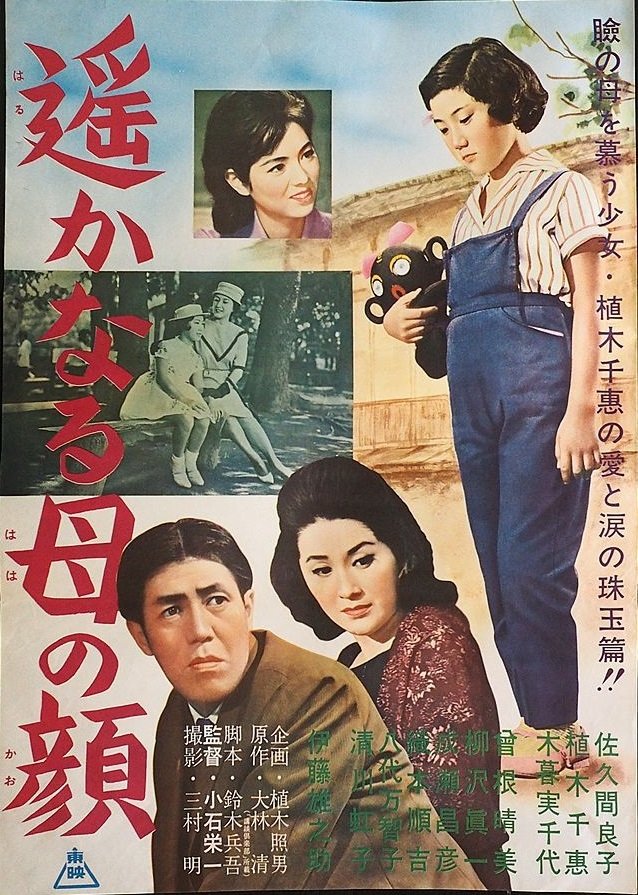
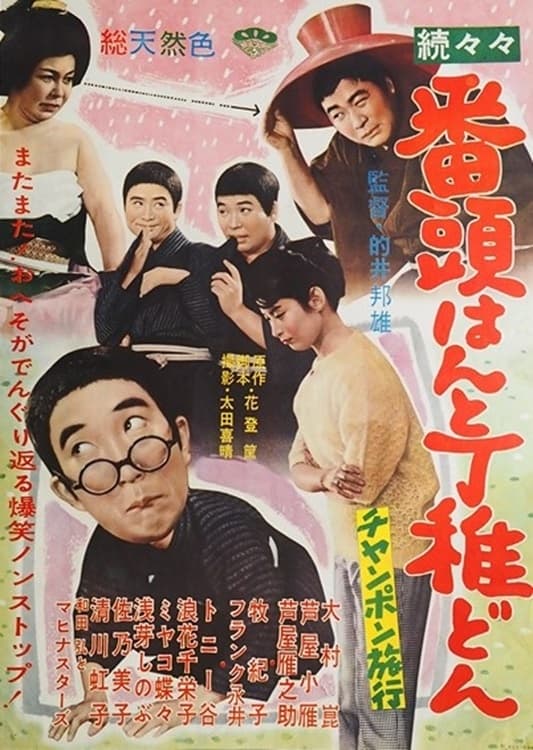
1961 Japanese movie
Kantaro, known as a rowdy boy in the town of Ina, attacked the local boss, Kaneoni's Arahira, all by himself, but was defeated by a large group of people and thrown into the Tenryu River, never to be seen again. Three years later, Kantaro, who was rumored to be dead, was reported to have appeared at a boarding house upstream of the Tenryu River by Genkō, a horseman who had been saved by Kantaro. O-Mitsu, the daughter of Chokai-ji Temple, who had secretly been in love with Kantaro, was thrilled by the rumor and told her father, the monk Ryokai, about it. However, Ryokai was none other than the one who had rescued Kantaro from the boarding house three years earlier and had secretly sent him to Edo.
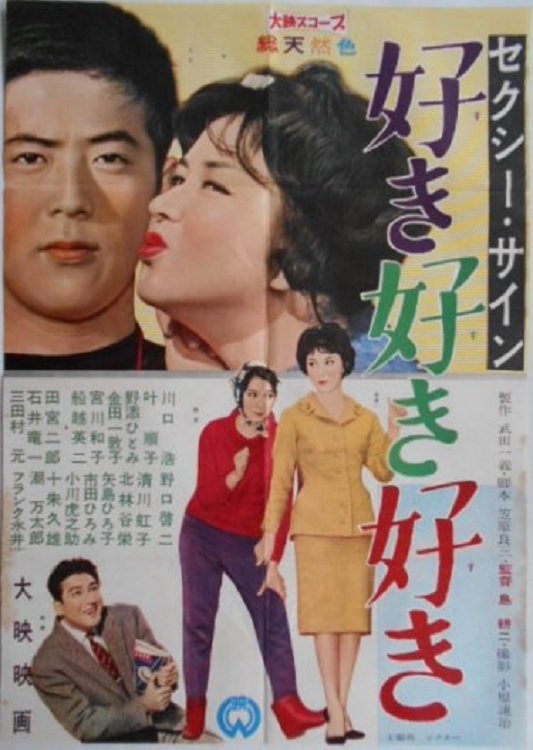
Yamazaki Ryotaro is an Olympics' athlete and an asset. He accepts two jobs and responsibilities that are thrust upon him. One involves a a painting and an advertising poster. The other is about coaching the hockey team. Simultaneously, however, he is head over heels for three gals, one is a hairdresser, one is a fashion model and of course the third is part of the cheering squad for the hockey team.
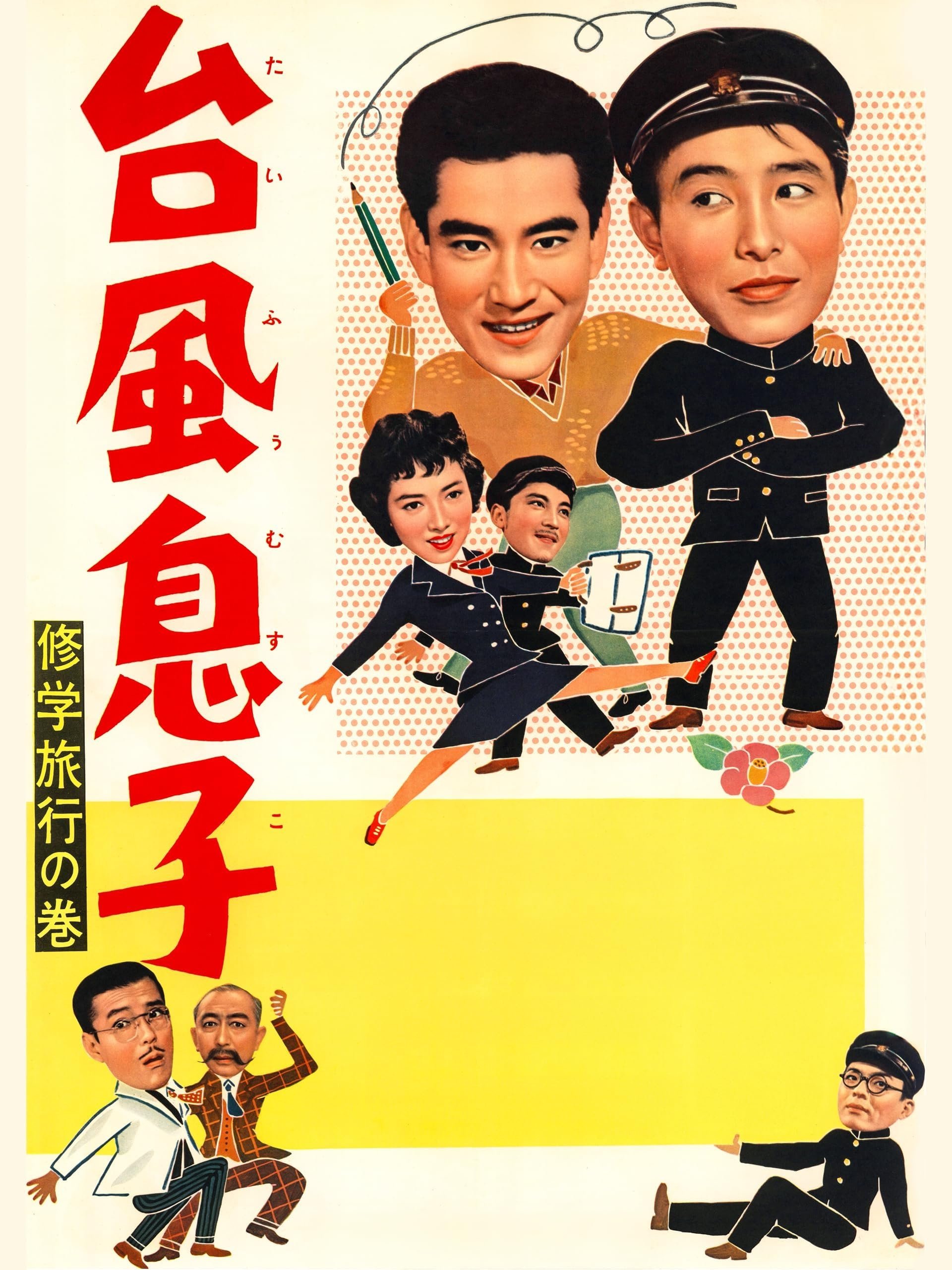
1958 Toei movie.
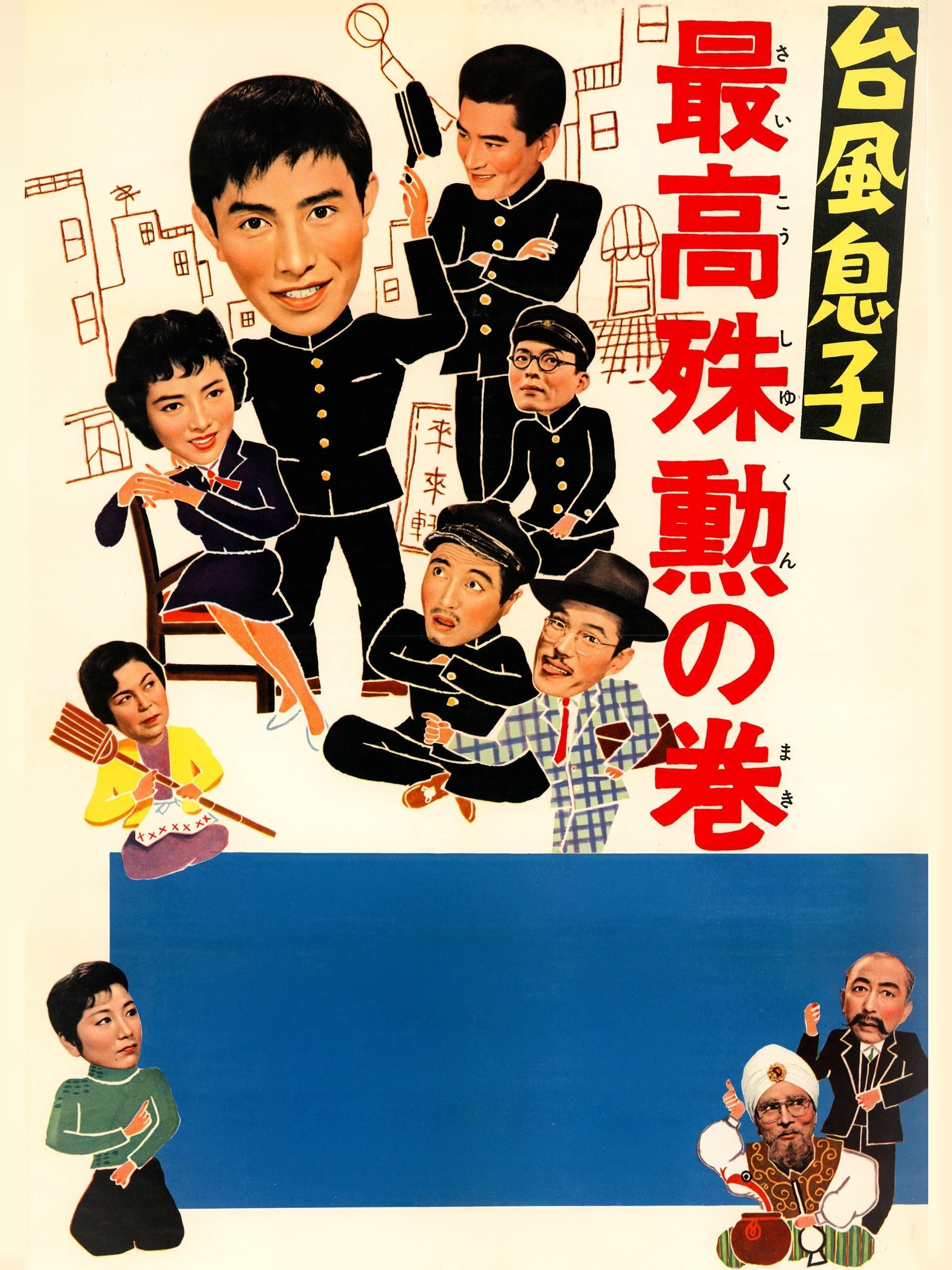
1958 Toei movie
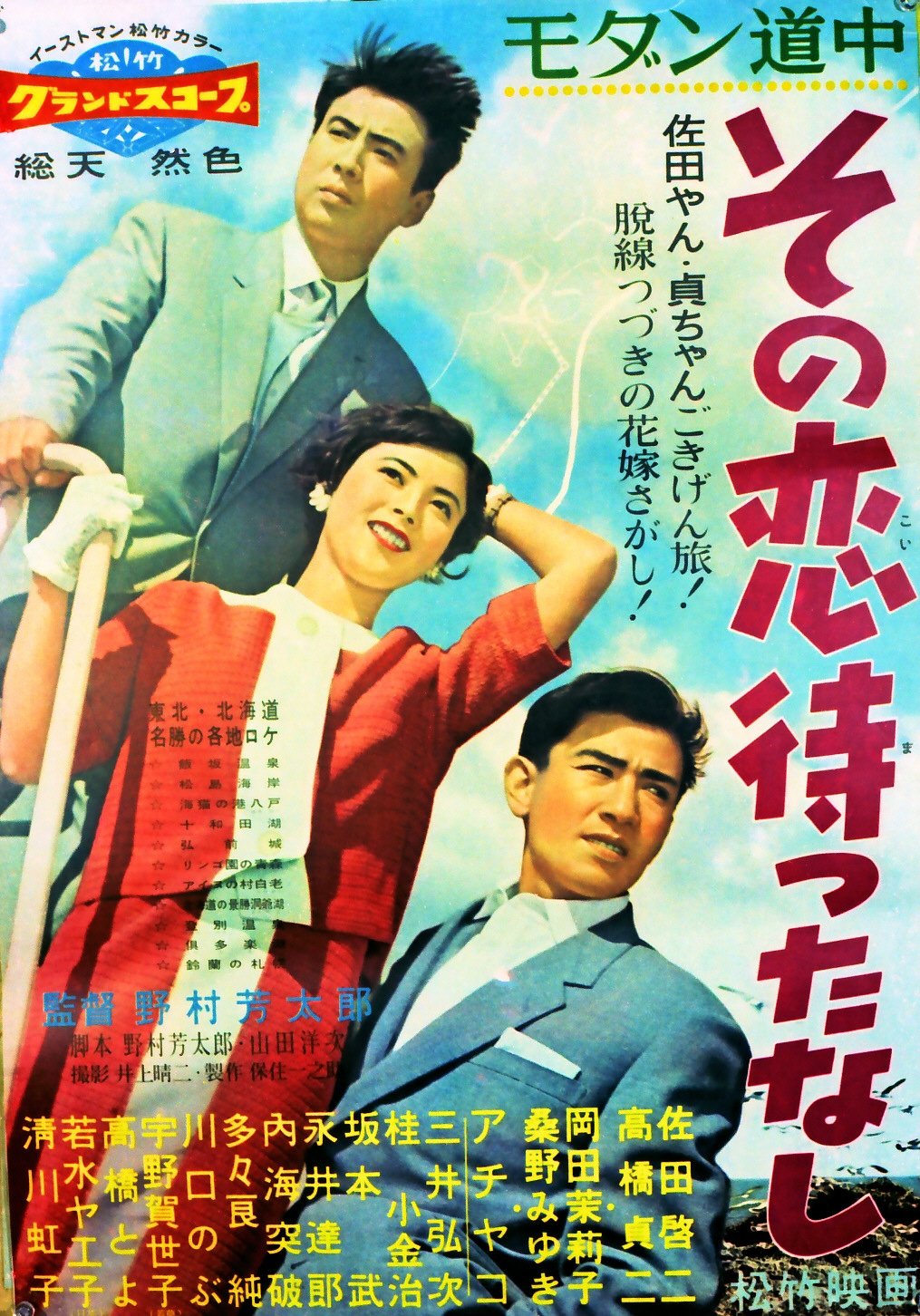
A road trip comedy set against the backdrop of the famous historical sites of Tohoku and Hokkaido.
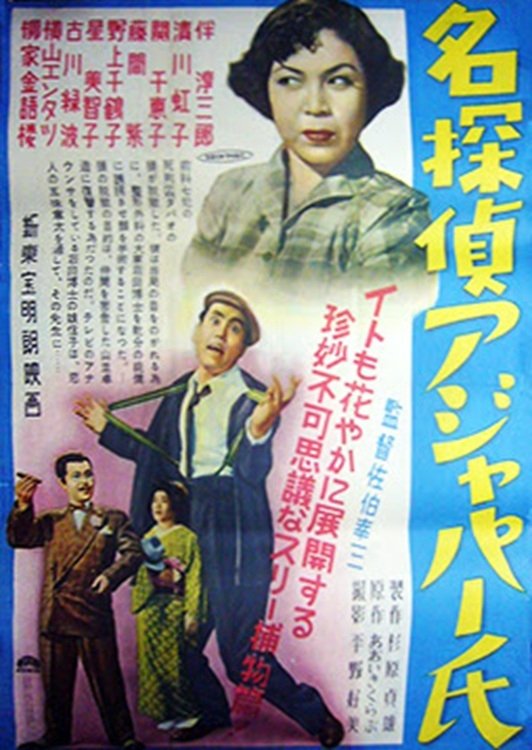
The Wolf of Davao, a death row inmate who escaped from prison to exact revenge on Yamanami Takuzo, who betrayed his former comrade, kidnaps Dr. Shoda, a leading orthopedic surgeon, and disfigures his own face. In an attempt to save Yamanami, who has now reformed and is living a peaceful life, private detective Aji Yahachi falls in love with Yamanami's daughter, Yoko of Valerina, during their great adventures with his assistant Gomi. The disfigured wolf's face looks just like Aji's, so Aji disguises himself as the wolf and rescues Dr. Shoda from their den, but the wolf disguises himself as a detective and breaks into the Yamanami residence. With Aji's help and the police's help, the wolf is cornered on the edge of a cliff with Yoko dragged along after a fierce chase, but commits suicide when he finds out that she is actually his child. Although he is heartbroken by Yoko, Aji has won the love of Shoda's daughter.
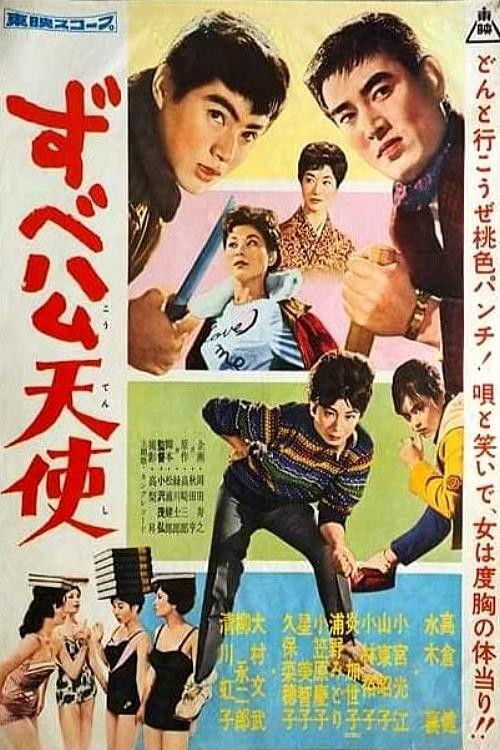
One of the earliest of sukeban / girl boss type eiga
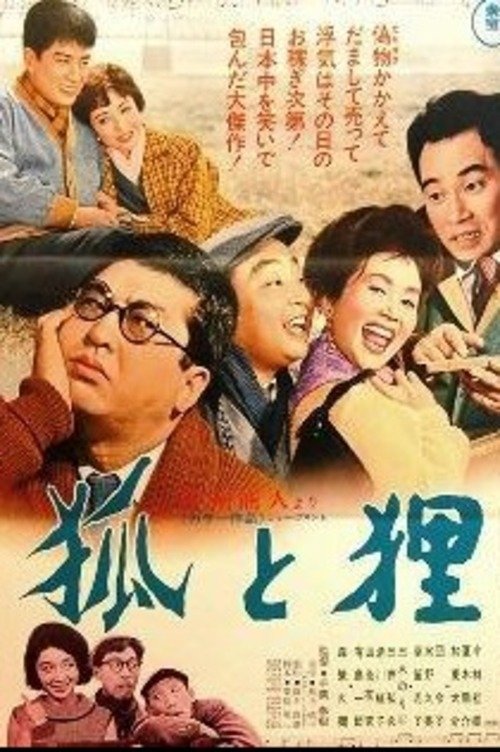
A group of hustling peddlers swindle rural towns with fake goods, facing betrayals, close calls, and constant setbacks as they chase survival and dream of a better future.
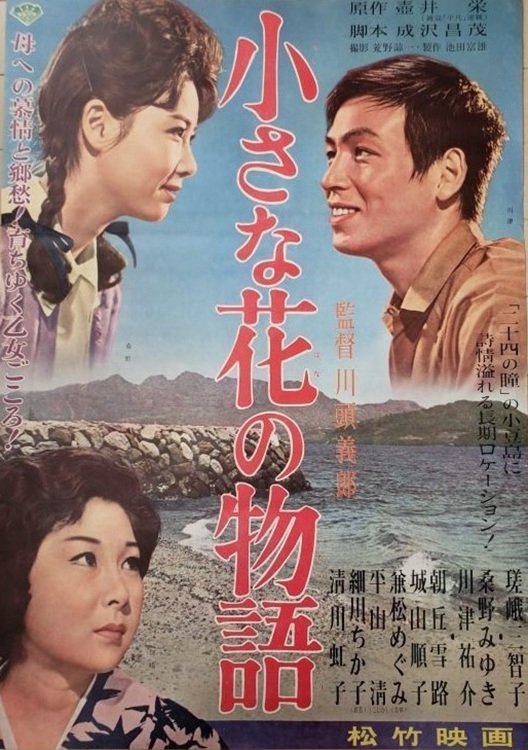
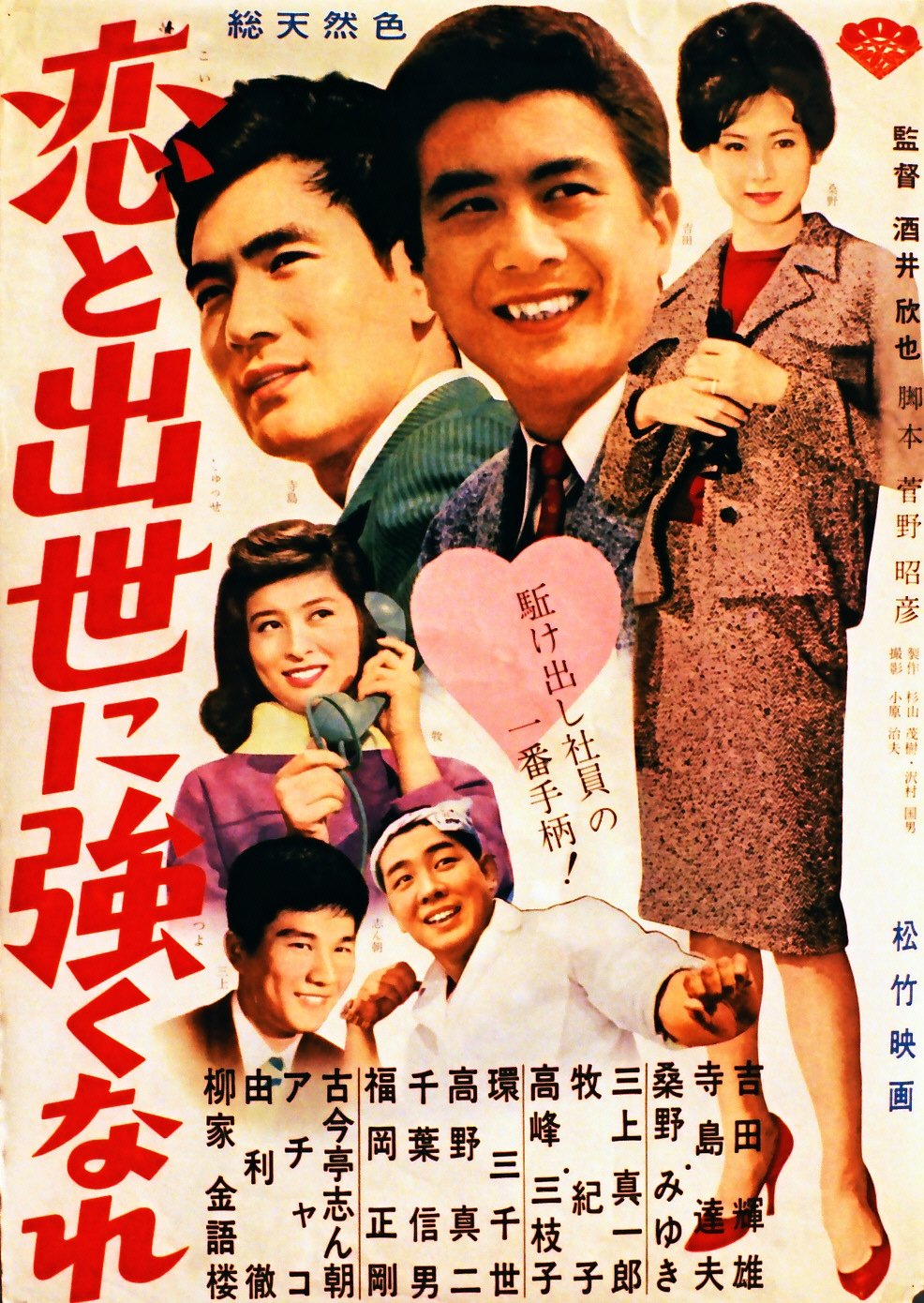
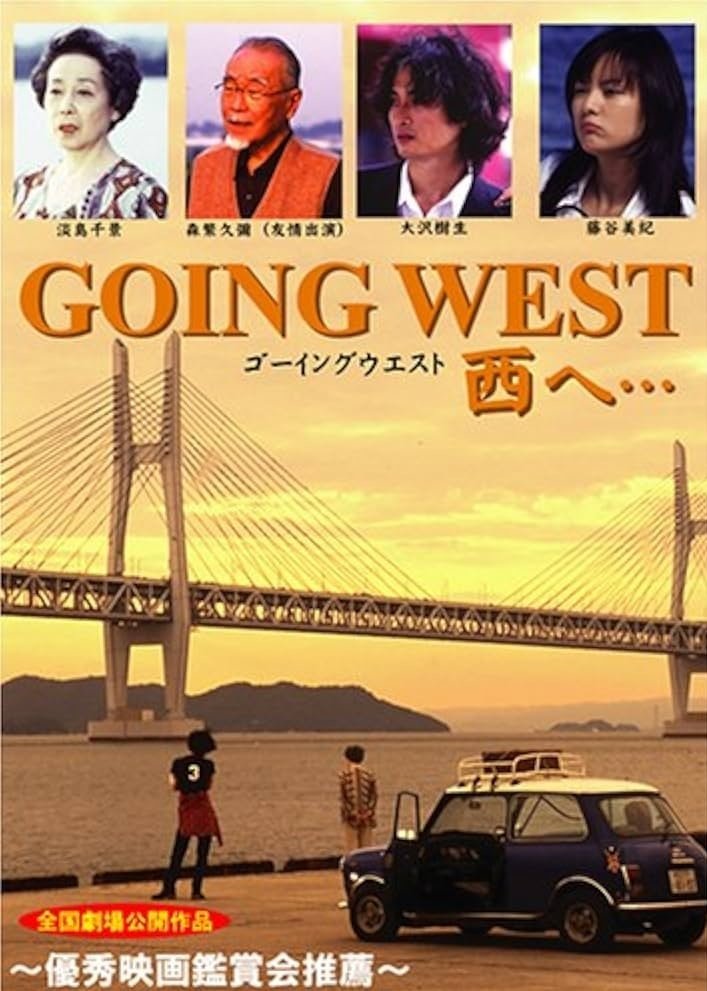
Sakuma Ryu, who runs a liquor store alone in downtown Tokyo, ends up living with his eldest son and his wife after a small fire breaks out. His sons are always there to help, but Ryu, who has stubbornly lived alone since her husband's death, feels uncomfortable there, and frequently visits his tea-drinking buddy Kinue to vent his frustrations. However, Kinue's sudden death and a postcard inspire Ryu to set off on a solo trip in her husband's beloved Mini Cooper. Her destination is Matsuyama in Shikoku, where she spent her childhood and where her first love, for whom she harbored a faint crush, still lives. The Mini Cooper speeds smoothly between Gifu and Kyoto. But when Shota and a young couple from the future join Ryu in the Mini Cooper, things start to look ominous...
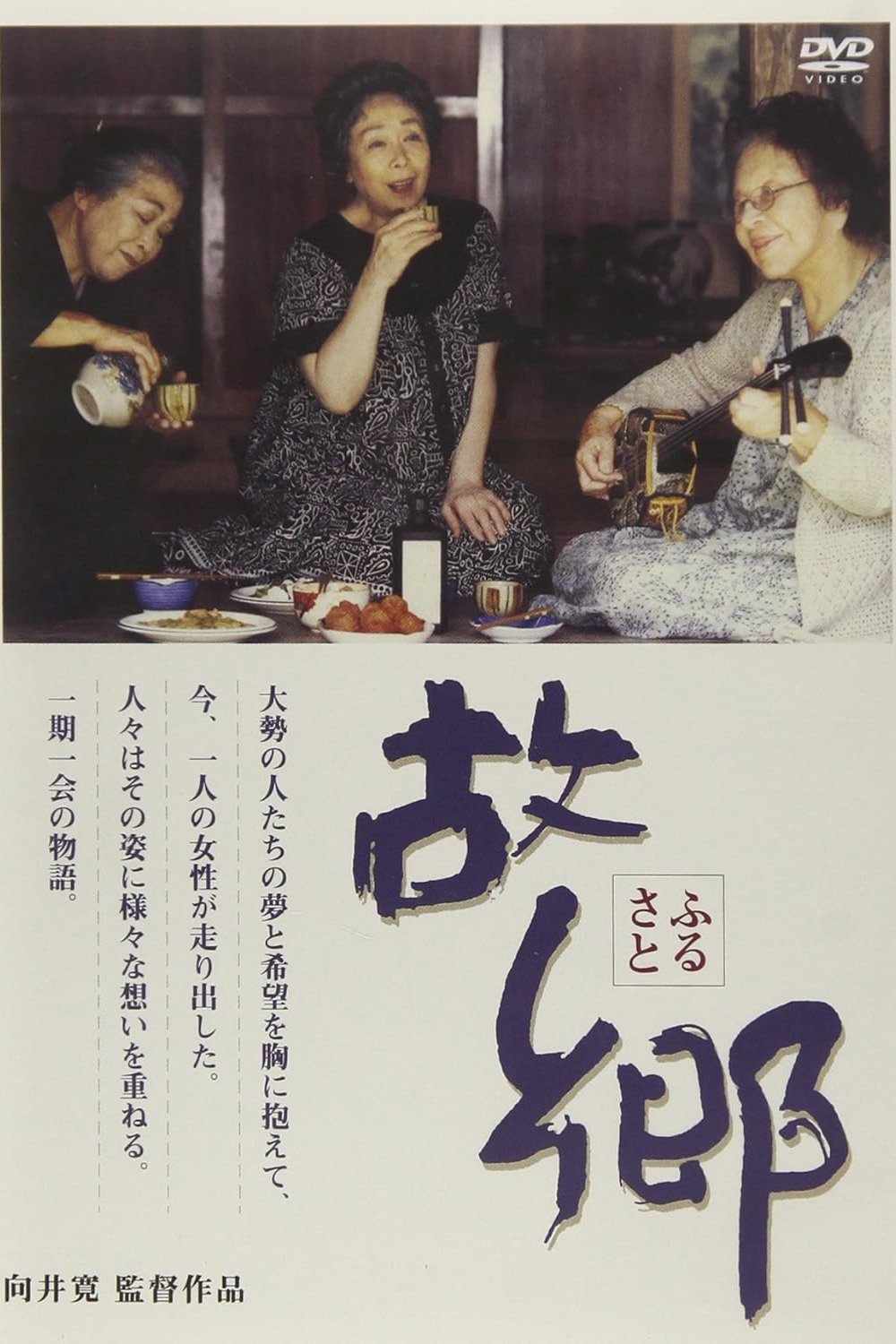
Tokiko Haebaru, a 76-year-old grandmother living in Nago, Okinawa. She soon embarks on a marathon across Japan.
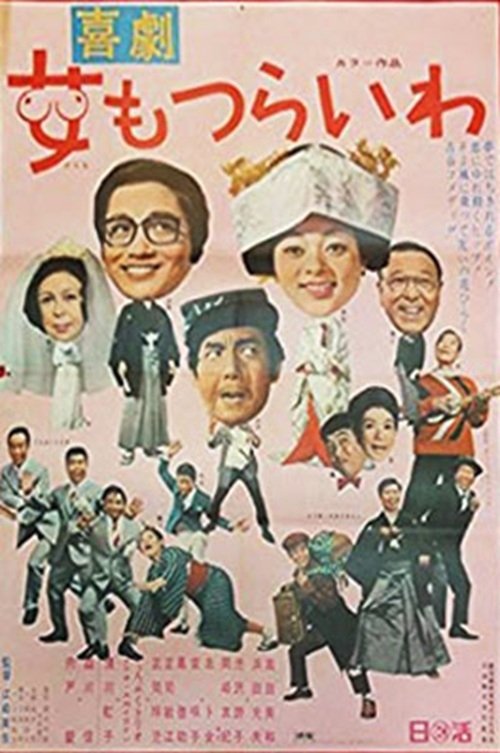
Comedy directed by Mio Ezaki.
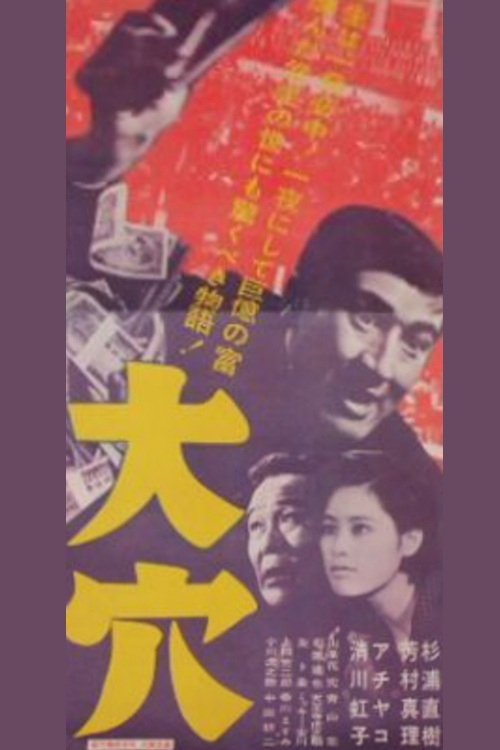
Film directed by Seiichirô Uchikawa.
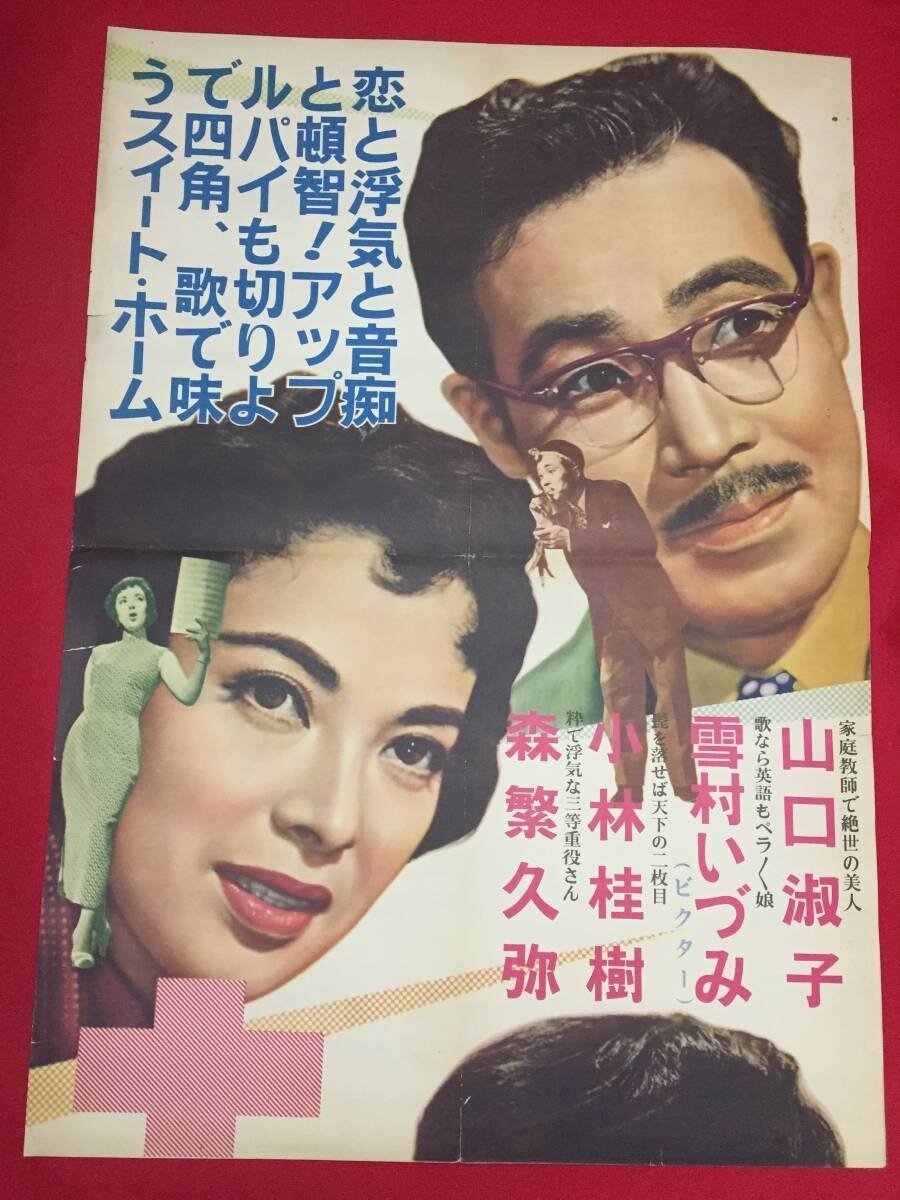
The story follows a dysfunctional family whose daily life is thrown into chaos when an English tutor from abroad moves into their home. Her presence awakens hidden desires, jealousy, and emotional conflicts among the father, mother, and children, gradually transforming the entire household. At its heart, the film explores love, rivalry, and the longing for a new beginning.
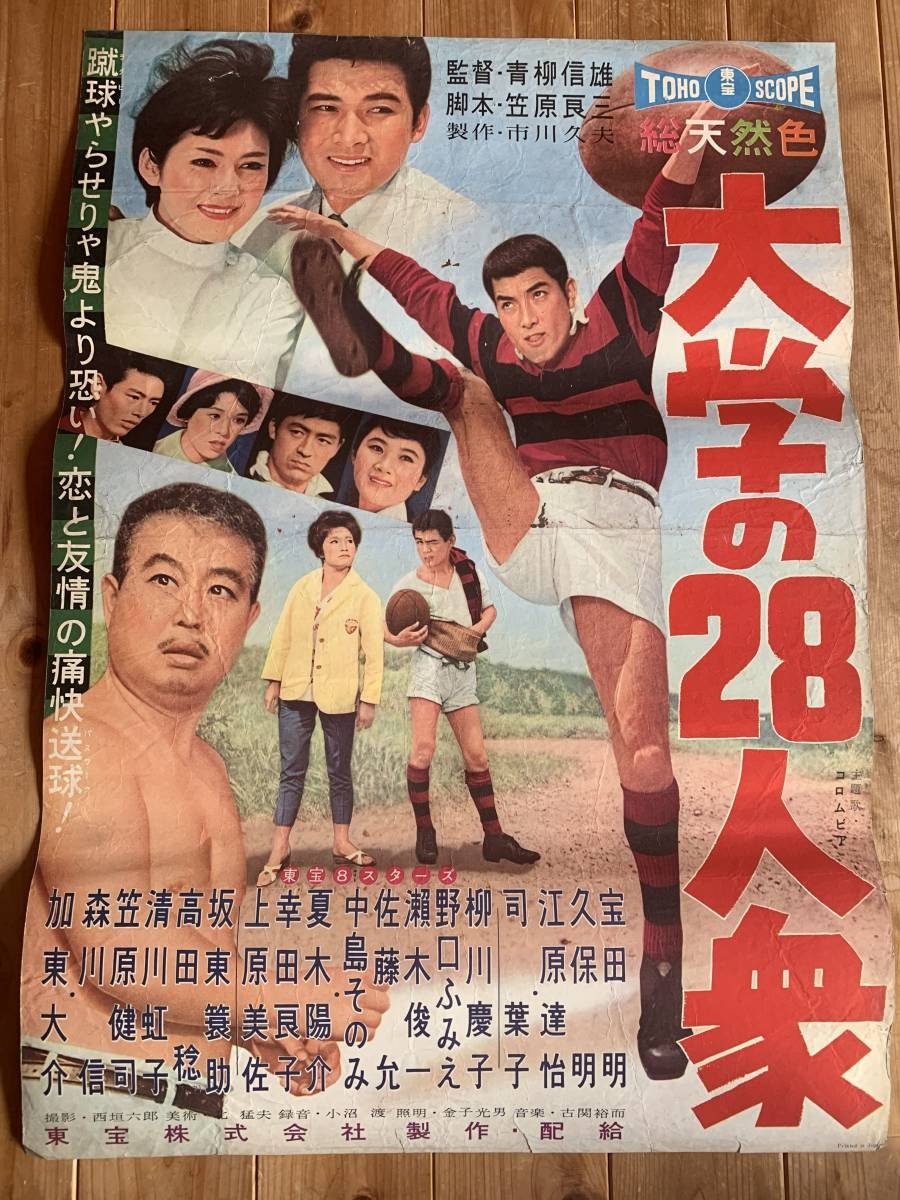
Story of love, friendship, and college sports.
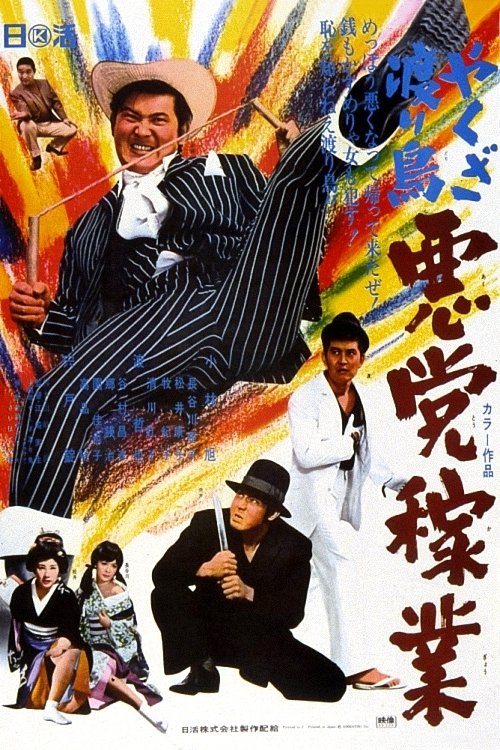
A humorous yakuza action melodrama with gangsters, drugs and that old comedy-standby, white slavery.
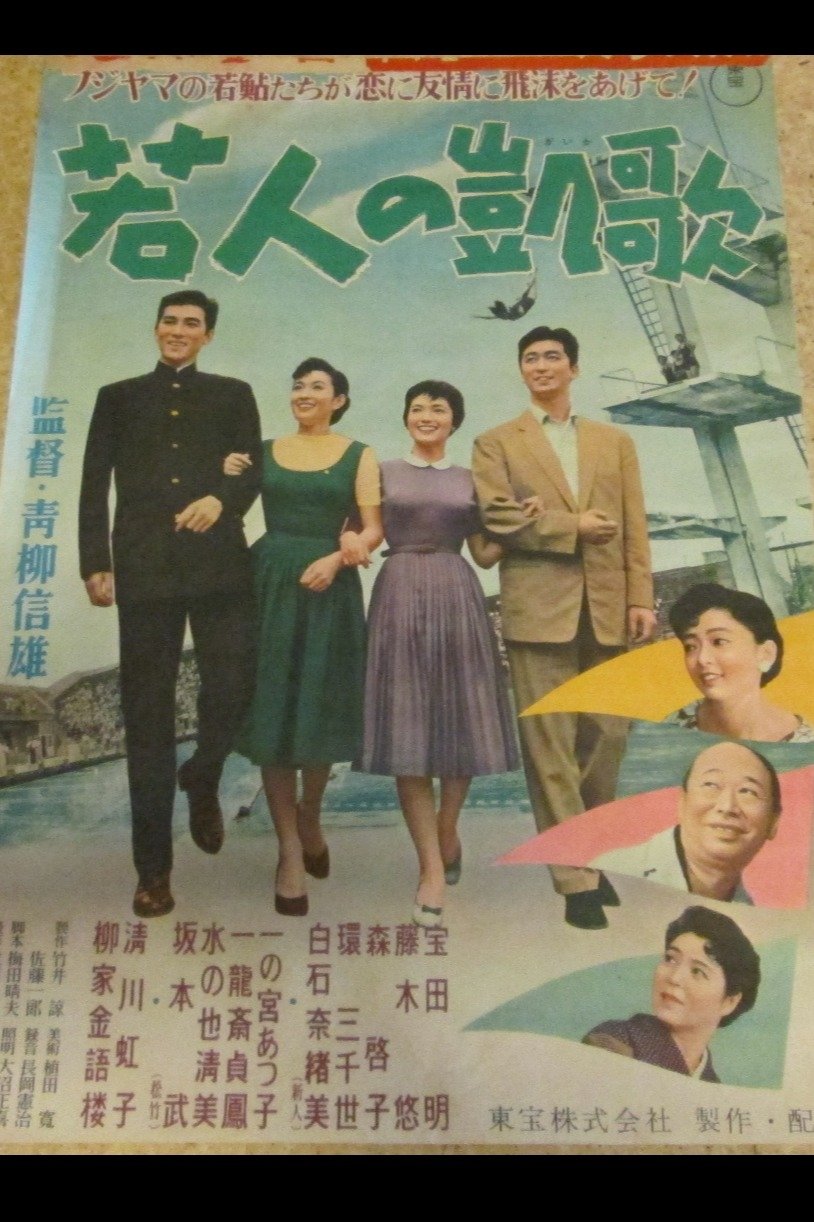
Swimmers Akio and Natsuko train hard for national competition while Natsuko struggles with family chaos — her father’s affair and her mother’s push for an arranged marriage. Pretending to date teammate Akio to escape pressure, Natsuko soon realizes her feelings are real.
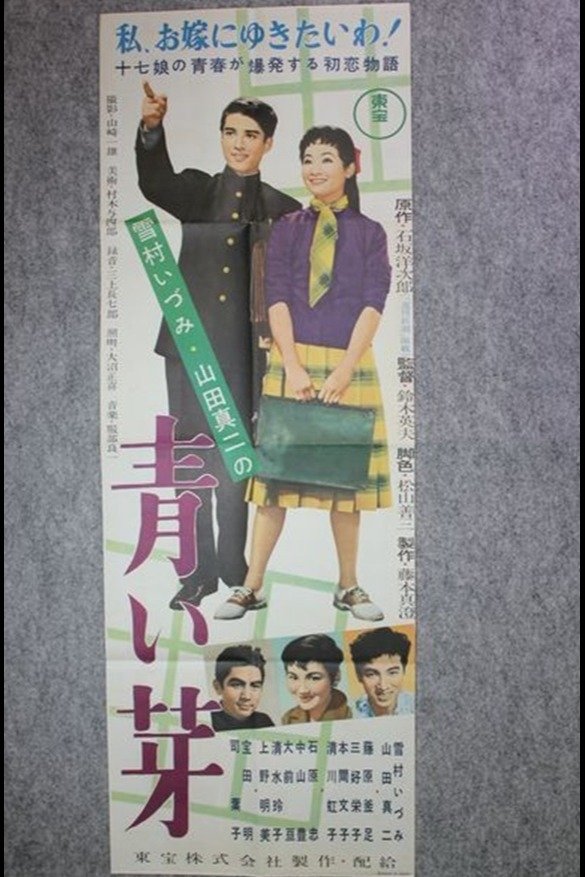
Outspoken student Noriko stands up to bullies and befriends pitcher Mitsuo. As their bond deepens, she impulsively declares she wants to marry him—then reconsiders, realizing both still have growing to do before love can truly begin.
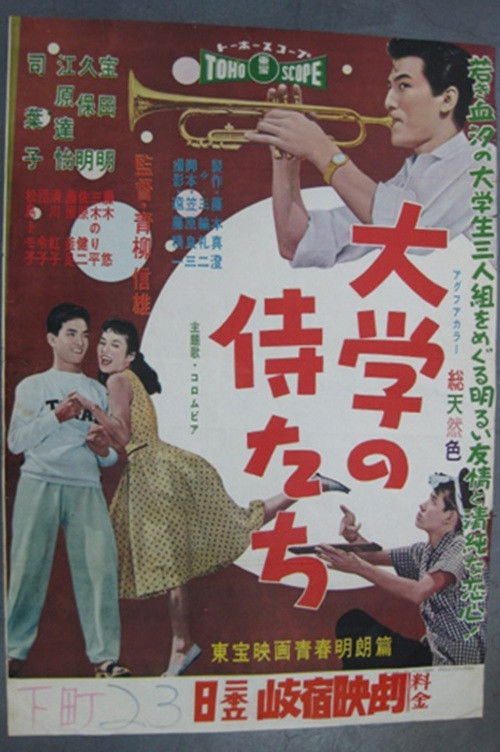
Three college friends support swimmer Okubo through family and financial troubles. Junko, a woman he helped, develops feelings for him, while a former classmate reappears. With his friends’ quiet help, Okubo regains focus and wins a major student swimming competition.
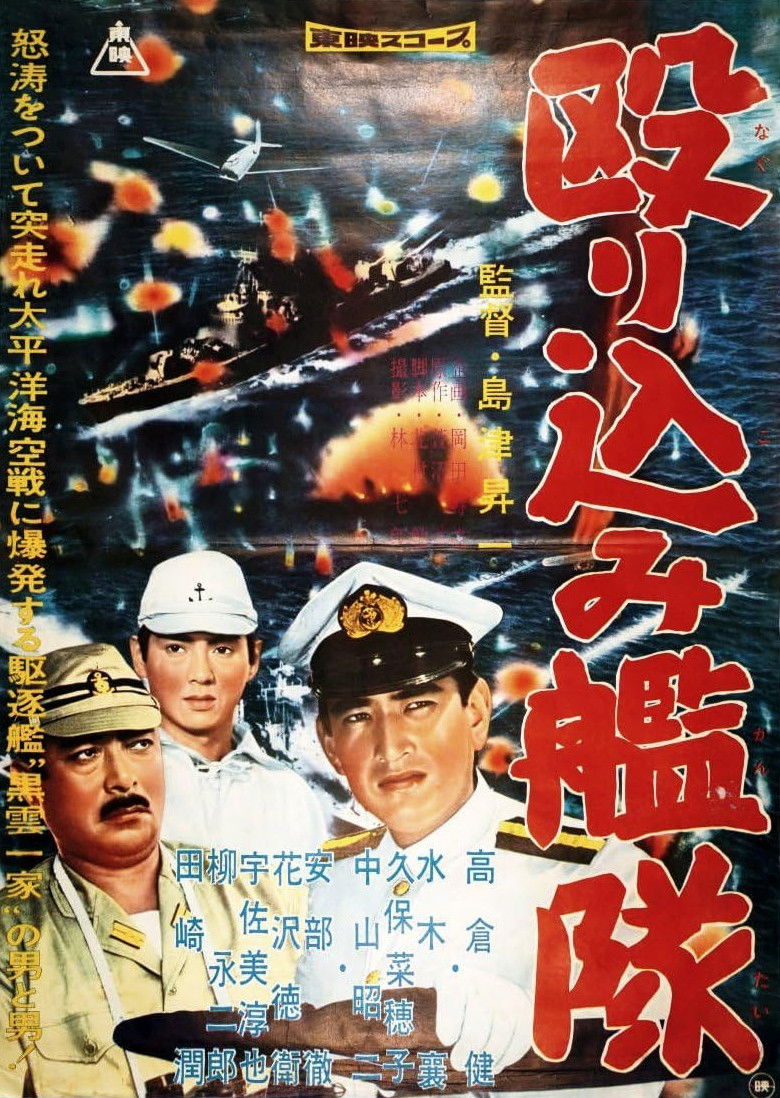
1960 Toei war movie.
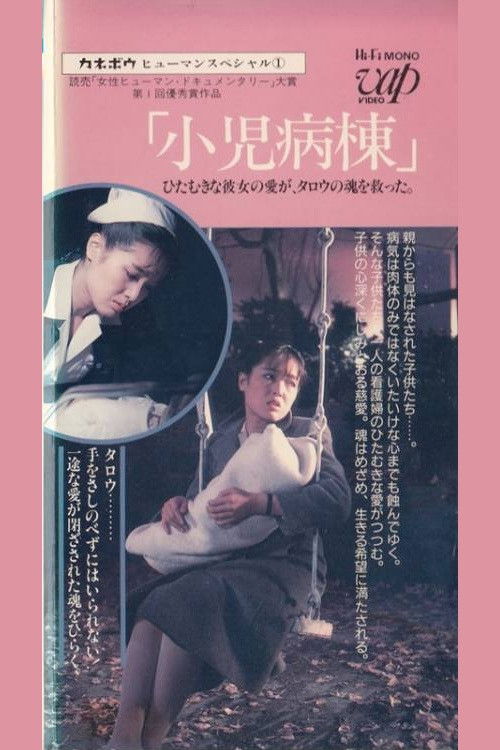
Hatsuko, a nurse who was put in charge of Room Zero in the pediatric ward, couldn't believe her eyes when she entered the room. There she found a boy named Tarou, 1 year and 4 months old, a lump of flesh with no human shape whatsoever. Hatsuko was so shocked that she even wanted to quit the hospital, but as she worked hard to nurse Tarou, who had never even been held by his own mother, she began to feel affection for him. Original work: "Pediatric Ward" by Egawa Haru