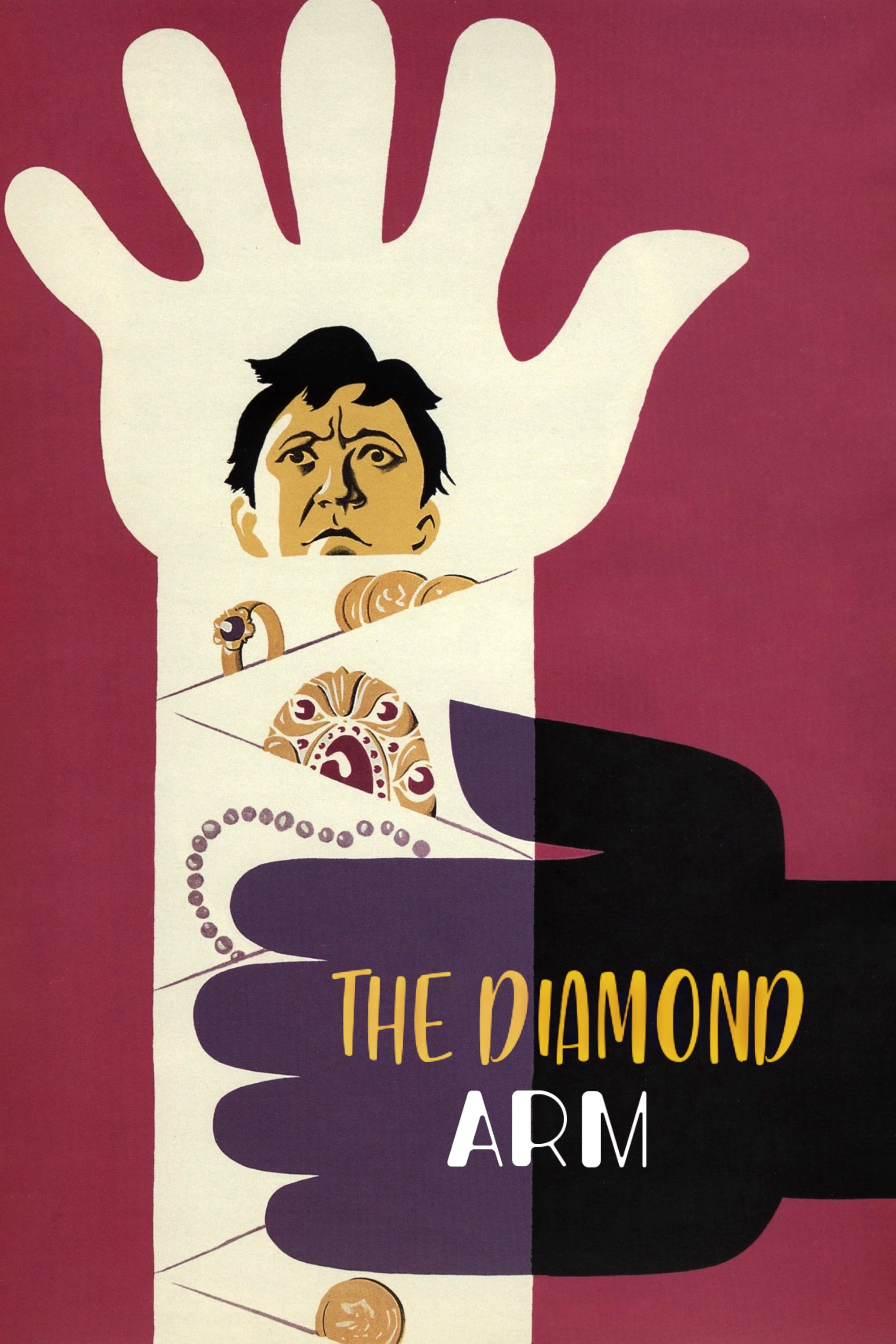
A diamond smuggling operation goes wrong when an ordinary Soviet citizen becomes unwittingly involved, and the criminals are forced to court him to retrieve their diamonds.
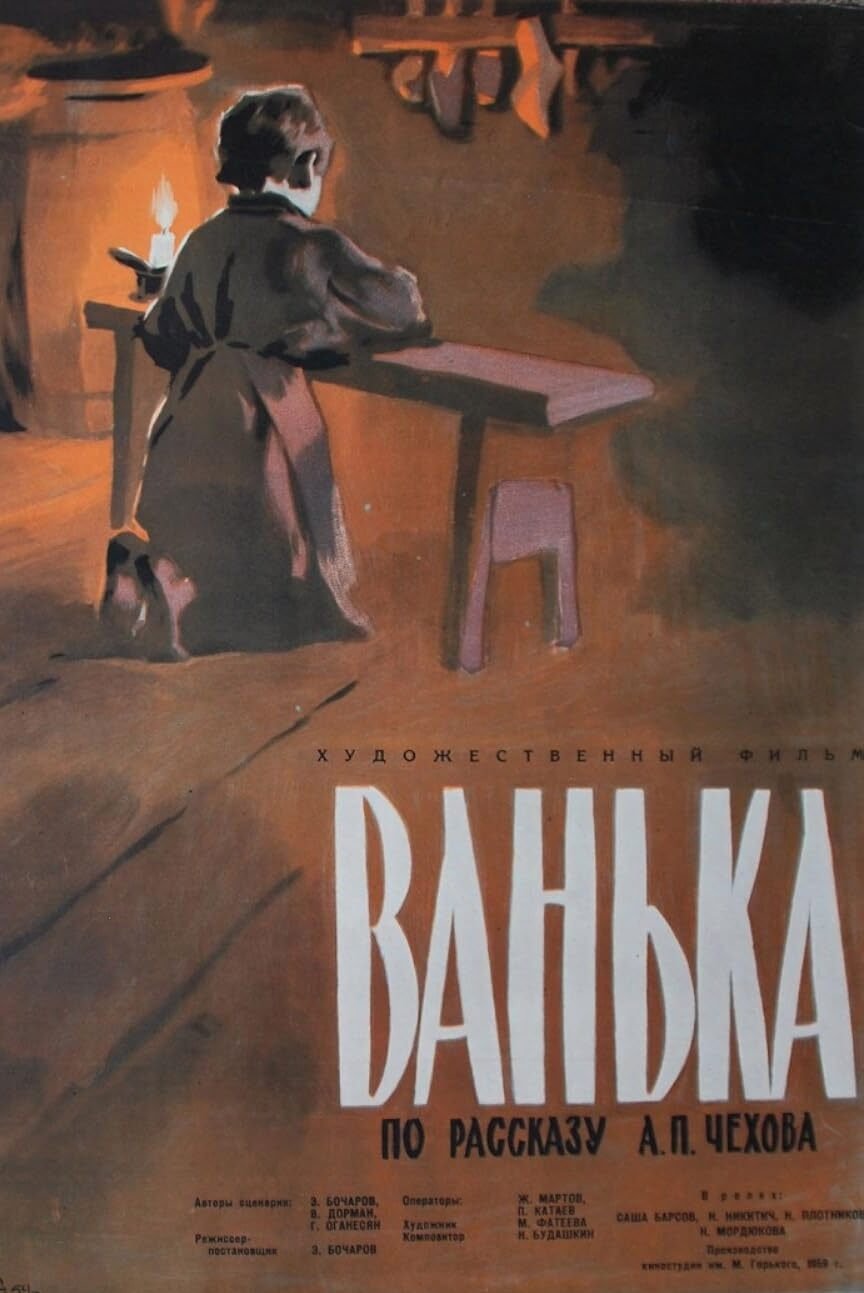
9-year-old boy complains about his hard life in a letter to his grandfather.
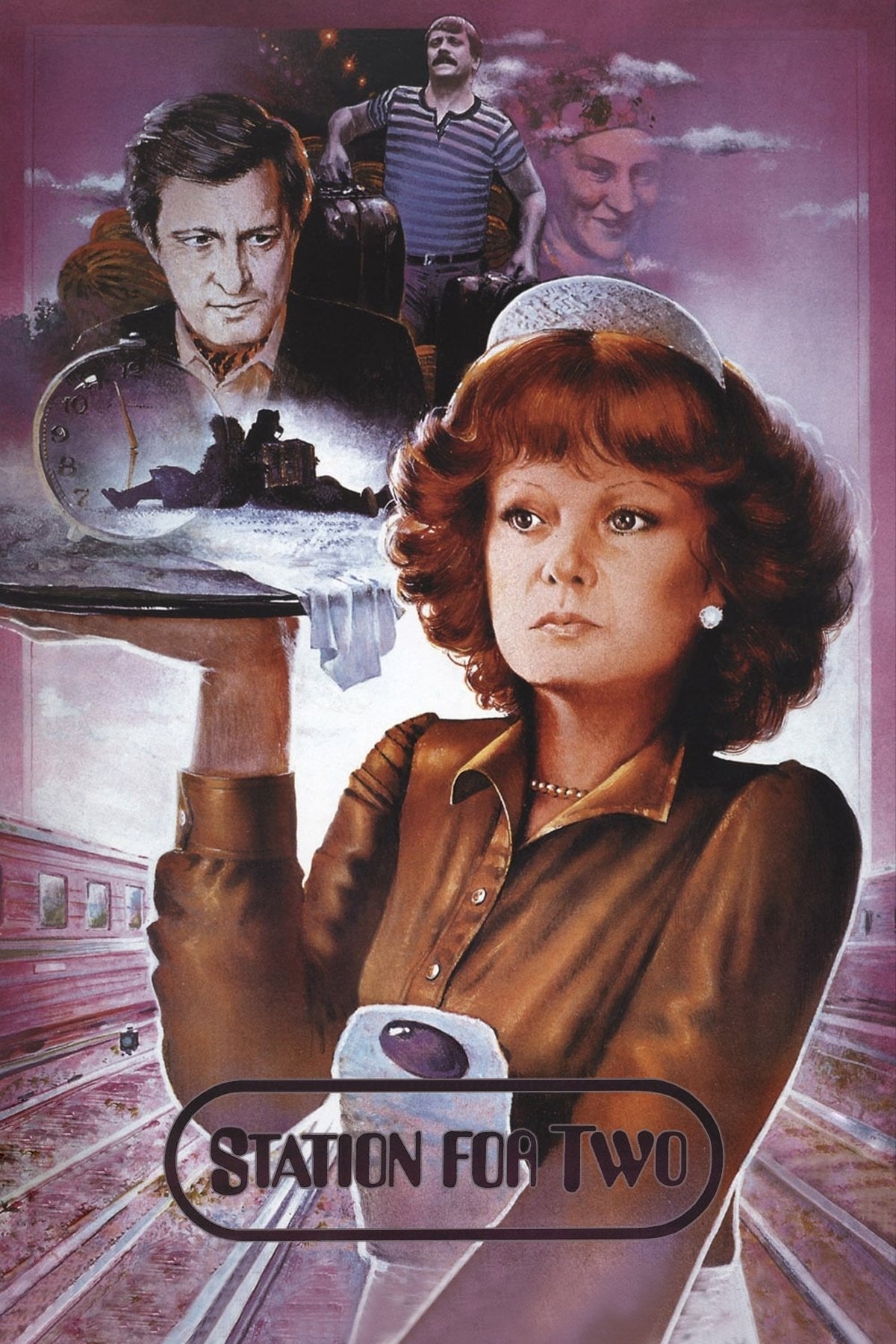
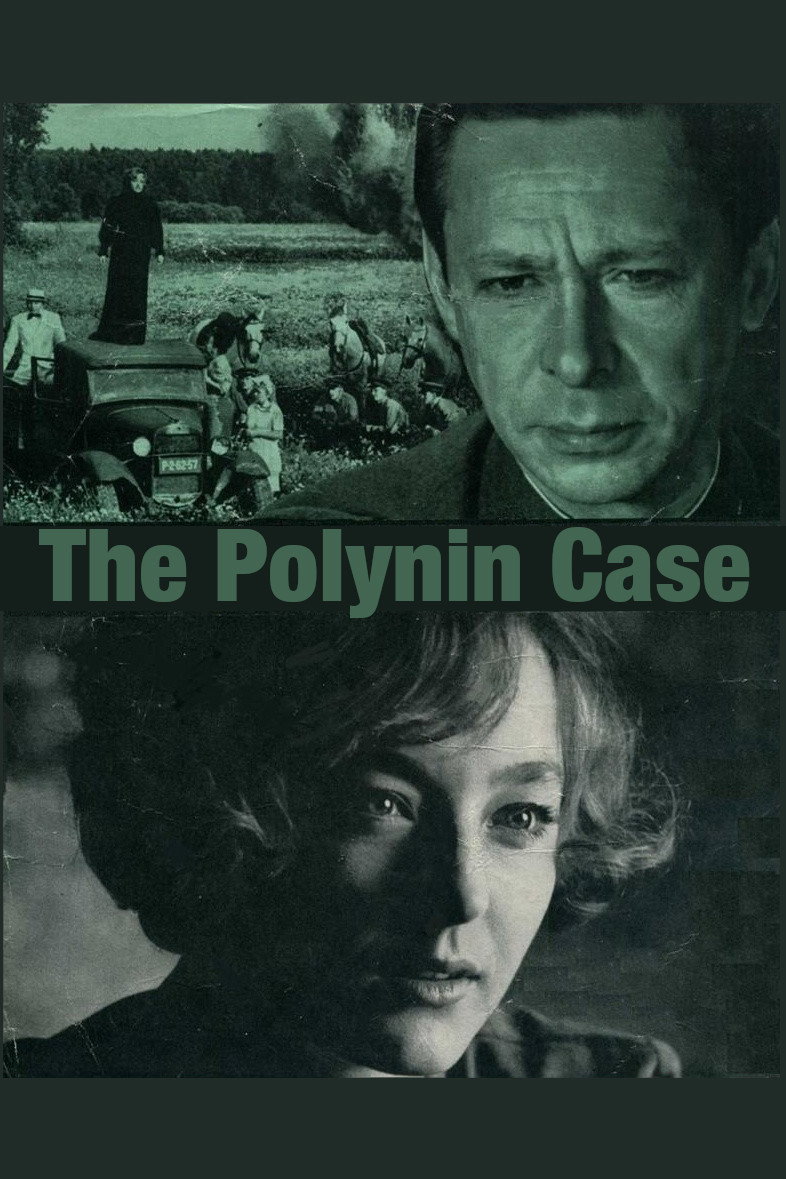
Platon Ryabinin, a pianist, is traveling by train to a distant town of Griboedov to visit his father. He gets off to have lunch during a twenty minute stop at Zastupinsk railway station. He meets Vera, a waitress, after he refuses to pay her for the disgusting food he doesn't even touch and misses his train due to police investigation of the incident. His passport is then accidentally taken away from him by Andrei, Vera's fiancé, and his money is stolen as he waits for the next train to Griboedov. Vera learns that Platon is about to get sentenced and sent to prison in the Far East for a car accident he isn't guilty for. During the few days that Platon has to spend in Zastupinsk he and Vera develop feelings for each other...
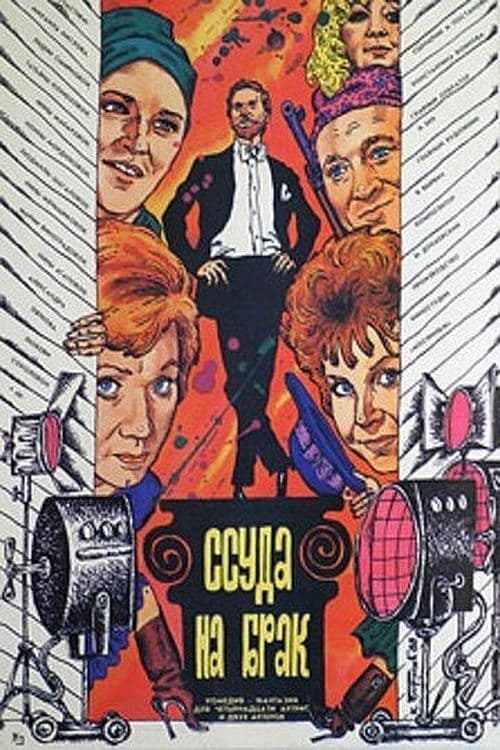
The reason for serious reflection by the staff of one of the typical enterprises in the country was the lack of powder necessary for production and the money to purchase it. The employees came up with a reason to get money from the director’s fund. Having issued a loan for a fictitious marriage between the only man in the department and an unmarried employee, the team thereby organized a completely happy marriage...

The dentist of the provincial town of Upper Yamki made an unexpected scientific discovery by finding the thirty-third tooth in the patient’s oral cavity, Ivan Sergeyevich Travkin. Travkin, exhausted from pain, was taken to Moscow. Ivan Sergeyevich first becomes a patient of a madhouse (thanks to envious persons), and then — a hero of a scientific international conference and, finally, a patient of a dentist professor Bruk.

The love story of young Countess Natasha Rostova and Count Pierre Bezukhov is interwoven with the Great Patriotic War of 1812 against Napoleon's invading army.

As 1809 nears its end, Natasha attends her first ball, where Andrei falls in love with her with the intent of marriage. However, as her father demands they wait, the prince travels abroad, leaving Natasha in desperate longing. But she meets Anatol Kuragin and forgets Andrei. Part two of the four-part adaptation of Leo Tolstoy's 1869 novel.
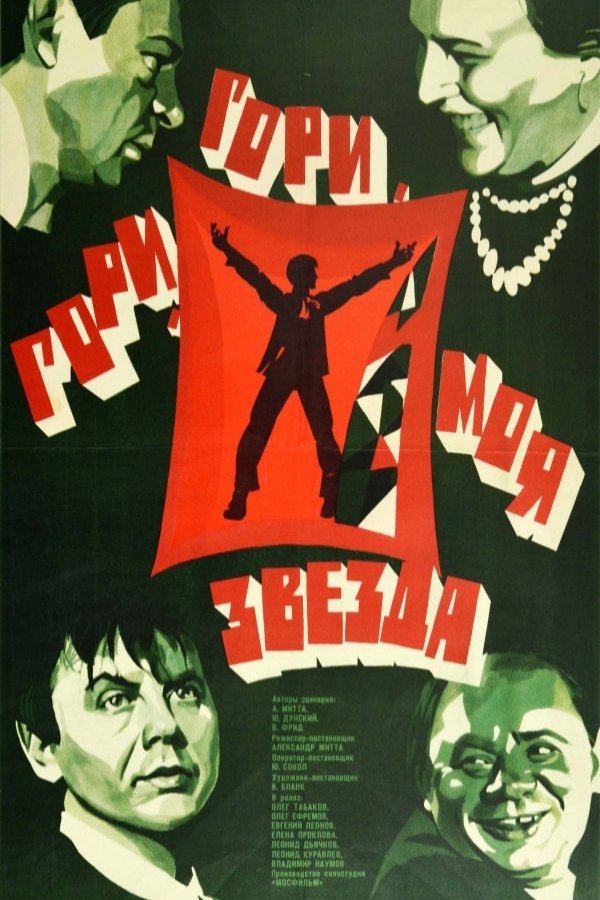
In 1920, just 3 years after the October revolution, the peoples had to decide between conforming to Bolshevism or national self-determination. In that torn-apart-time, one man, the comedian Volodya, tries to mediate, not between different ideologies, but social life and art. While others just want to wash away their gloom, he reflects on the everyday sorrows and the role of art in that time of changes.
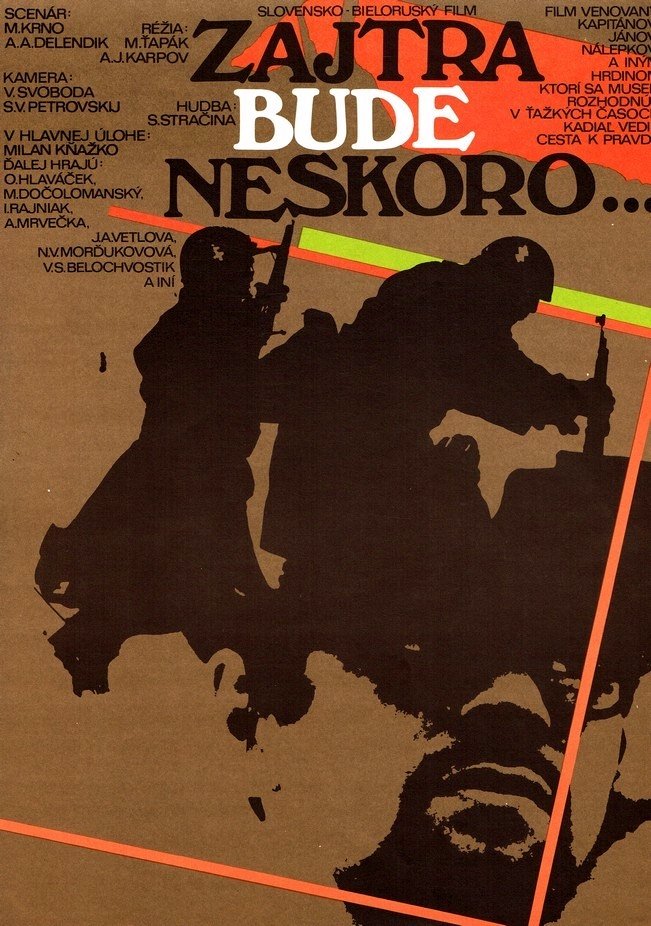
1943. Captain Ian Nalepke, Chief of Staff of the Slovak regiment, bearing protection of military facilities in the small town of Belarus contacts the partisansand passes to them the obtained information about upcoming operations of the German forces.
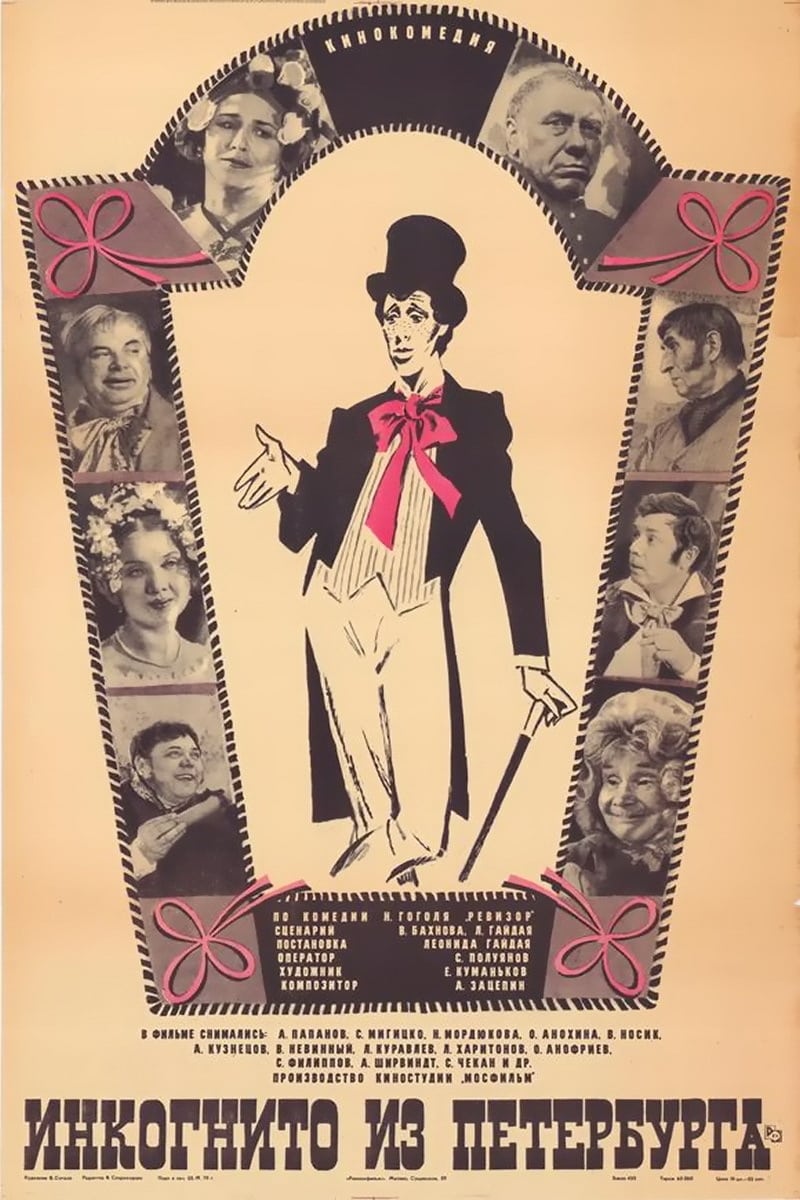
A comedy based on a classic play 'Revizor' by Nikolai Gogol.
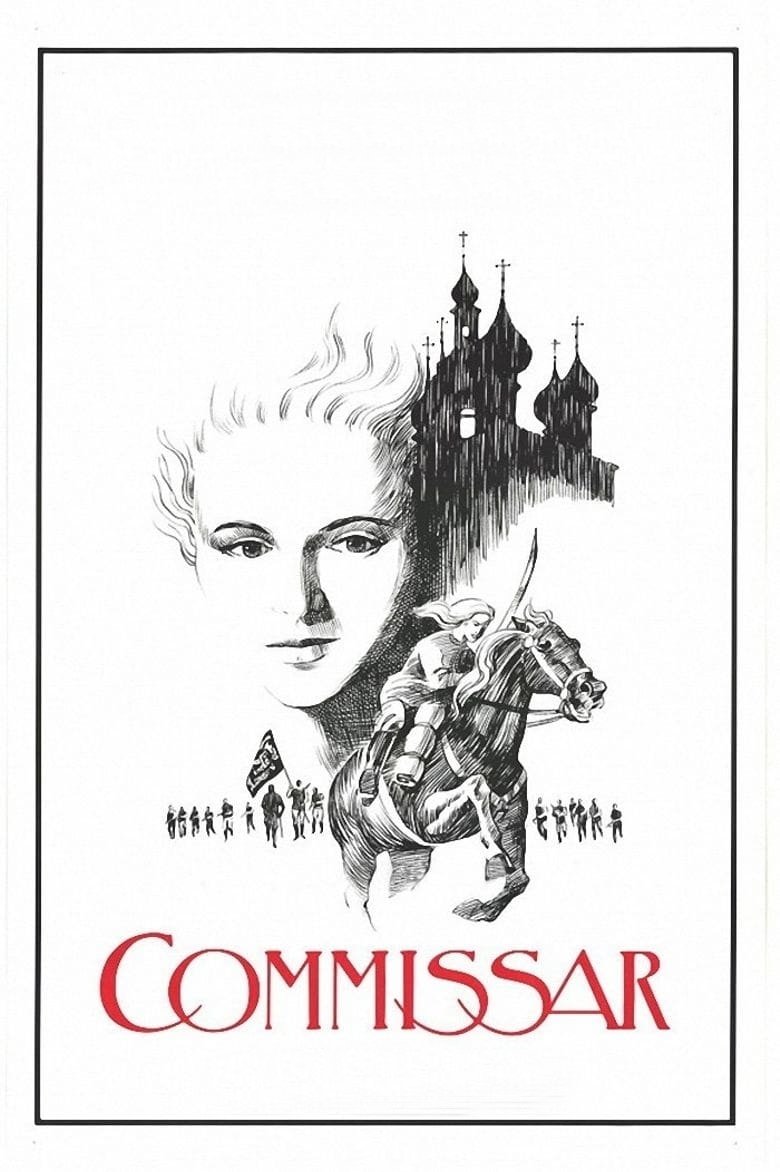
Klavdia Vavilova, a Red Army cavalry commissar, is waylaid by an unexpected pregnancy. She stays with a Jewish family to give birth and is softened somewhat by the experience of family life.
The story of the great traveler and explorer Vitus Bering.
The story follows Maria Konovalova who travels from her rural village to visit her daughter Nina in the city. Maria's arrival exposes the stark contrasts between rural and urban lifestyles and reveals deep-seated family tensions. Interestingly, Родня (Rodnya) in Russian sounds very similar to the word Родина (Rodina), which means "Motherland." The film features three generations of women — Maria, her daughter Nina, and her granddaughter Irina — symbolizing three different Russias: one from the past, one modern, and one representing the future.
Based on the trilogy of Aleksandr Ostrovsky. Moscow, XIX century. A small official Misha Balzaminov lives in a small house. He, like his mother, sees his happiness in marrying a rich bride. Misha images in dreams and fantasies that he is a general or even a king — rich and domineering. And in reality, poor Balzaminov is haunted by setbacks...
In July 1942, in the Second World War, the rearguard of the Russian army protects the bridgehead of the Don River against the German army while the retreating Russian troops cross the bridge. While they move back to the Russian territory through the countryside, the soldiers show their companionship, sentiments, fears and heroism to defend their motherland.
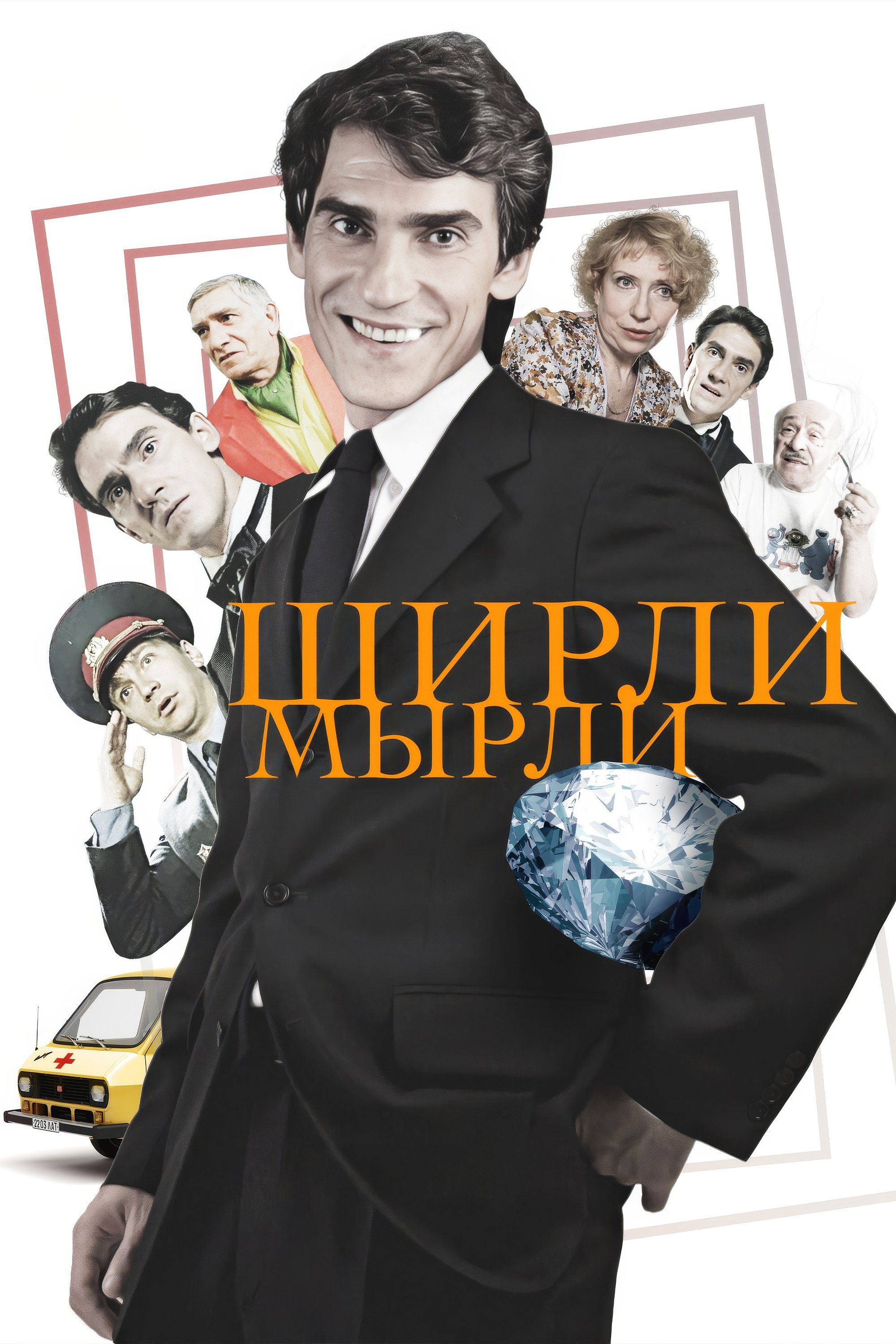
A Russian criminal steals a giant diamond from the Mafia, hides it, and suddenly runs into his unknown brothers; unexpected, absurd events with participation of the mob, doctors, musicians, Americans, militia, and gypsies ensue.
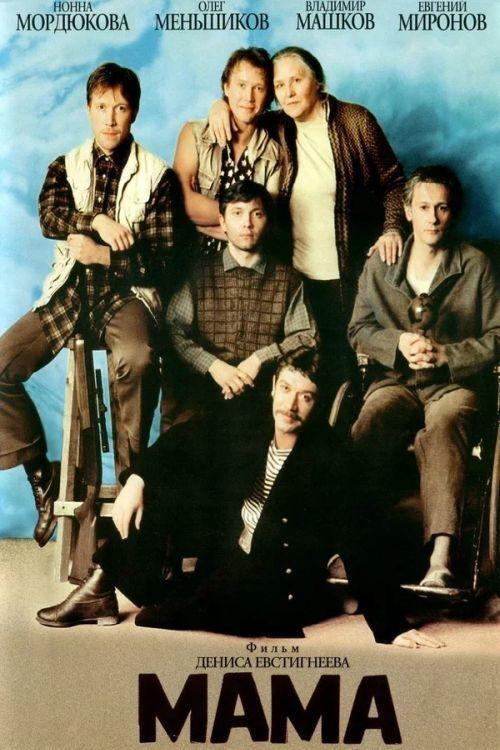
After Polina, a mother of six, loses her husband, who went to jail for stealing charcoal and was killed when he tried to escape, she stays behind without any support. To be able to survive, Polina and her family start a folk group. But soon she understands that her children deserve a better fate, and she takes the desperate decision to steal a plane and go abroad... Fifteen years later, Polina is released from prison and finds out that fate has scattered her children all over the country: one is in the army, another is a miner in the Donbass, and the oldest, Lyonchik, who used to be in a mental institution, now pretends to be insane. Polina gathers all of her sons to free their older brother from the psychiatric hospital...
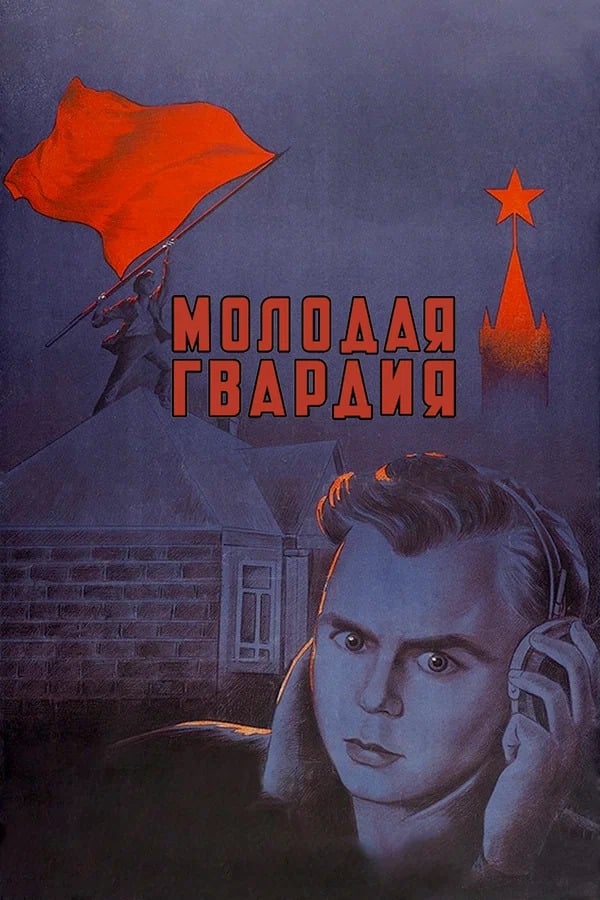
In 1942, local teenagers are organizing the underground resistance in the city of Krasnodon during the Nazi occupation of Russia. The teens manage to outsmart the Nazis in their fight, and their activity lifts the spirits of the surviving citizens.
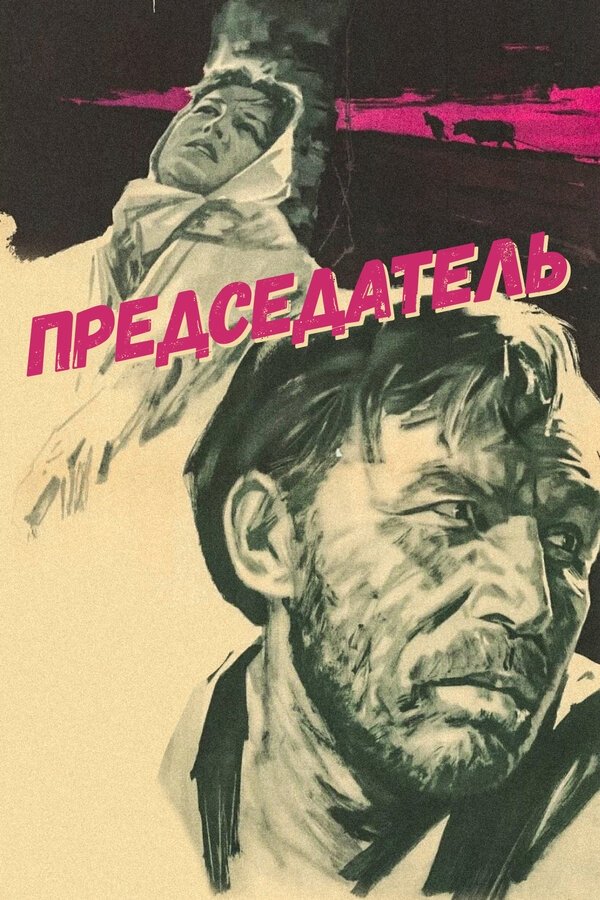
Year 1947... Yegor Trubnikov is giving all his powers to make life in his own Kolhoz better.
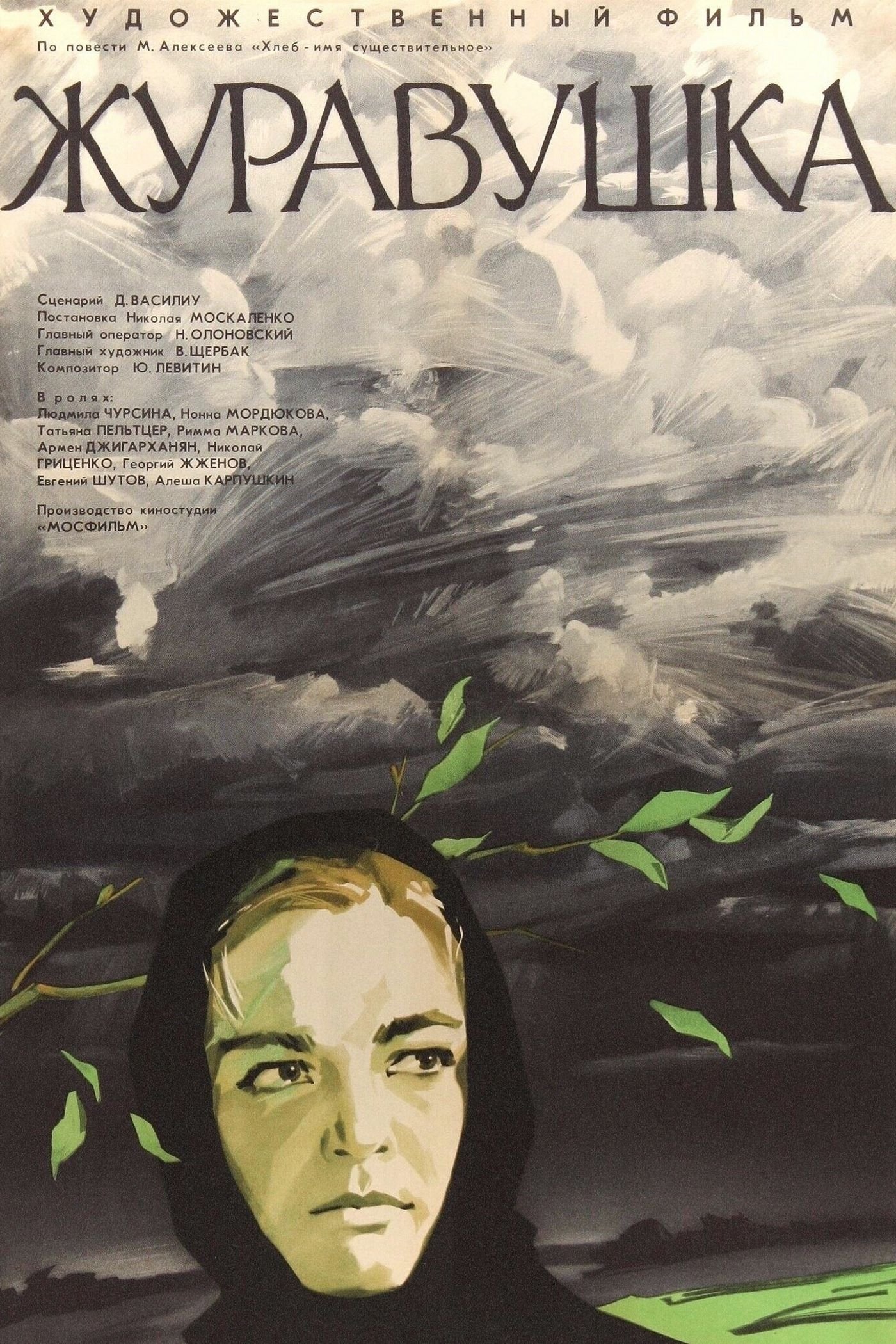
Based on the novel of Mikhail Alekseyev "Bread — as a Noun." About the fate of a Russian woman who endured all the hardships of war and post-war life. After the war, those few who survived at the front returned to their native village. But Marfa's husband, whom she had been waiting for for so many years, would never return. Marfa, a beautiful and proud woman, remains true to her only love...
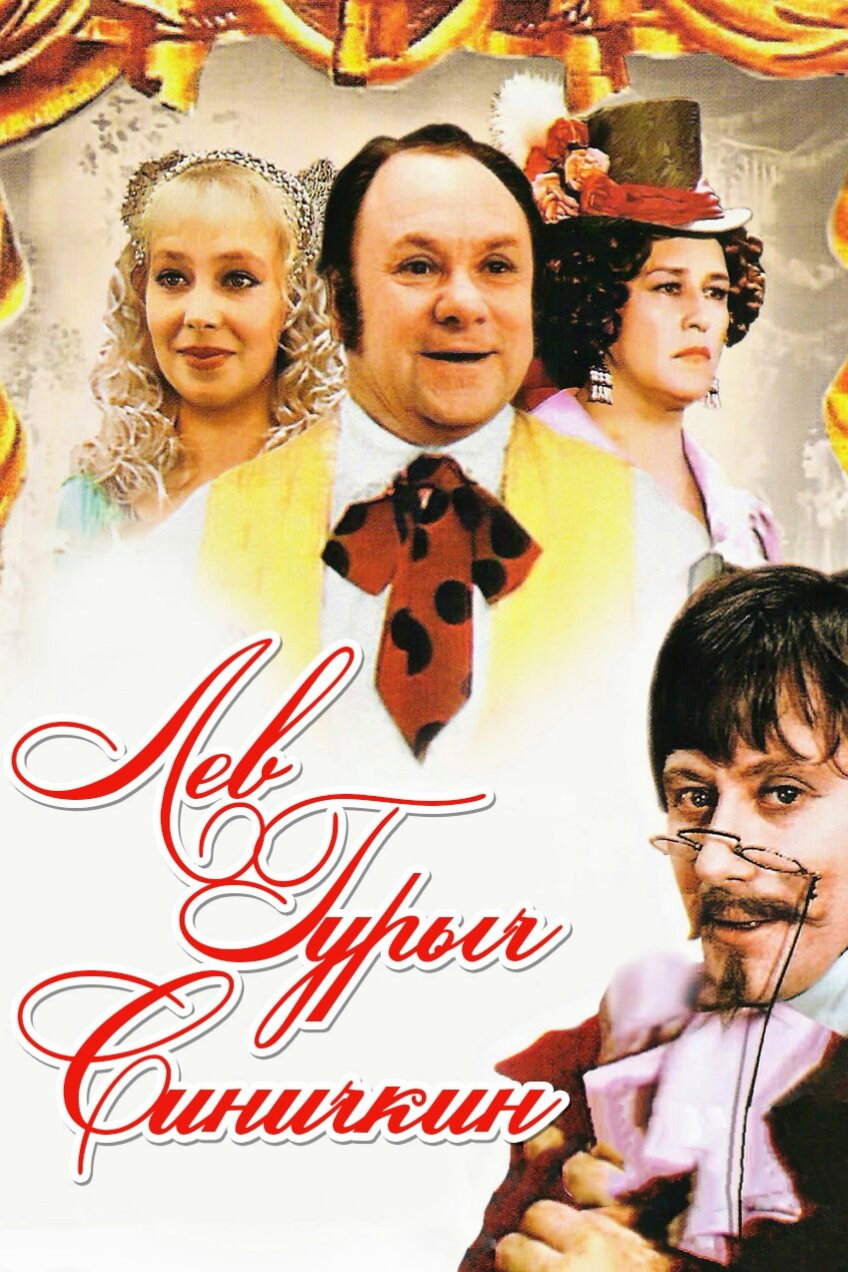
The old actor dreams of a leading role for his young talented daughter. However, she is opposed by a powerful diva of the troupe with a terrible character and great connections. After a series of efforts of the characters and hilarious misunderstandings, the old man's dream come true.
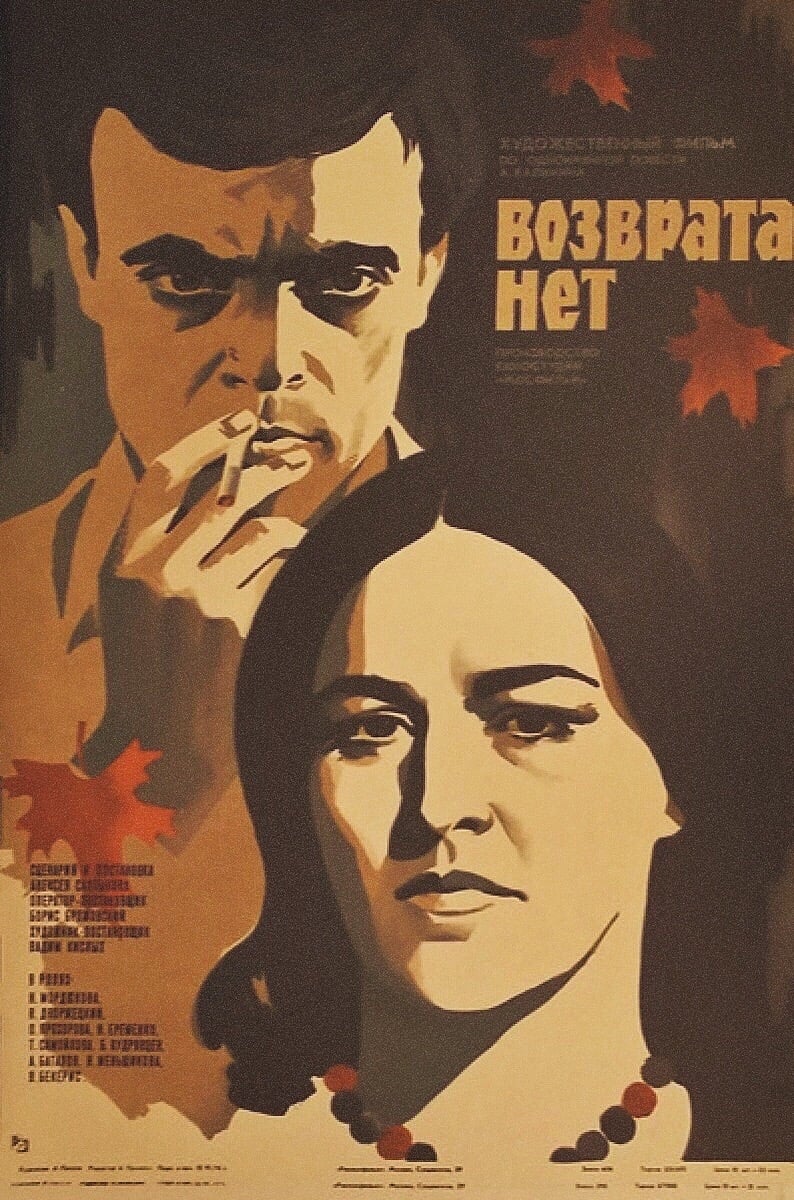
According to the story of the same name by Anatoli Kalinin. The love story of Antonina and the battalion commander Nikitin, whom she sheltered after a severe wound. Antonina Kashirina is wanted to be excluded from the party, accusing the Don Cossack woman living in the territory occupied by the Germans during the war. They don't believe that she hid and treated a wounded Soviet officer. Unable to withstand insulting suspicions, she leaves the party committee bureau. On the way home, Tonya recalls how she picked up a bleeding artillery — the battalion commander Nikitin, she hid him and treated him as she fell in love...
A story about a love between a Soviet Army officer and an actress set during the WWII.
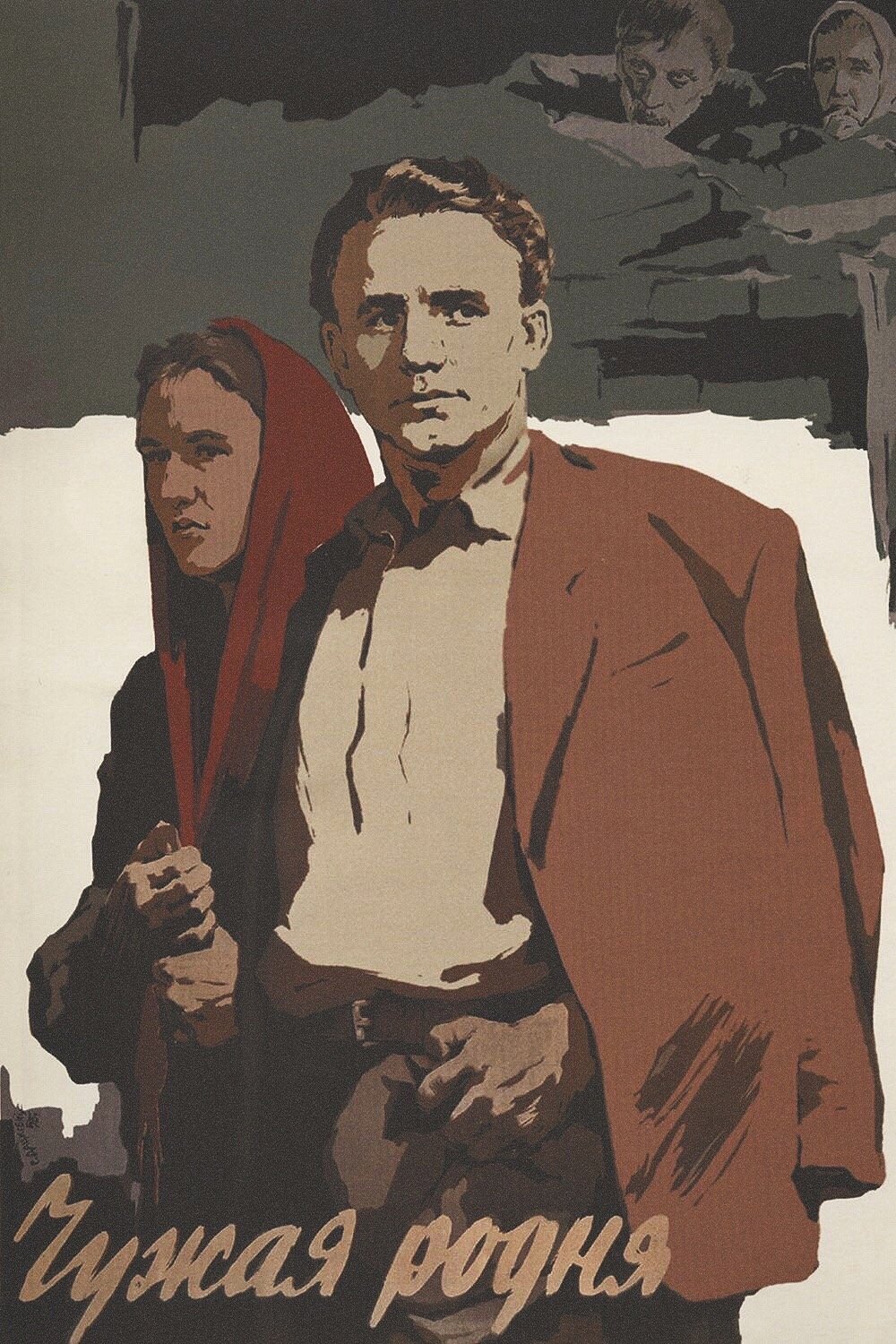
The young machine operator Fyodor Soloveikov marries Stesha from a neighboring village and moves to live with her parents in a house. Young and energetic, he suffocates in the petty bourgeois world of the family, living away from collective farm life. Quarrels arise between young people, where old men pour oil of discord. Not receiving proper support from his wife, Fyodor leaves home.
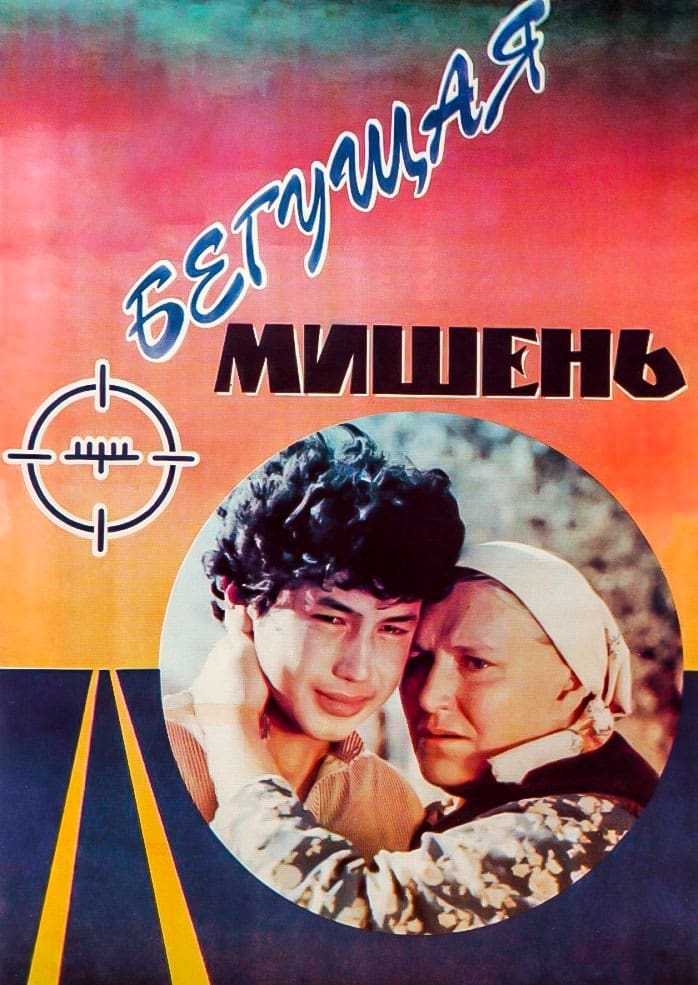
The story of how two lonely people met — a student Sanzhar, hiding from the authorities after student unrest, and baba Zina, who sheltered him in the house where she has been living since 1937.
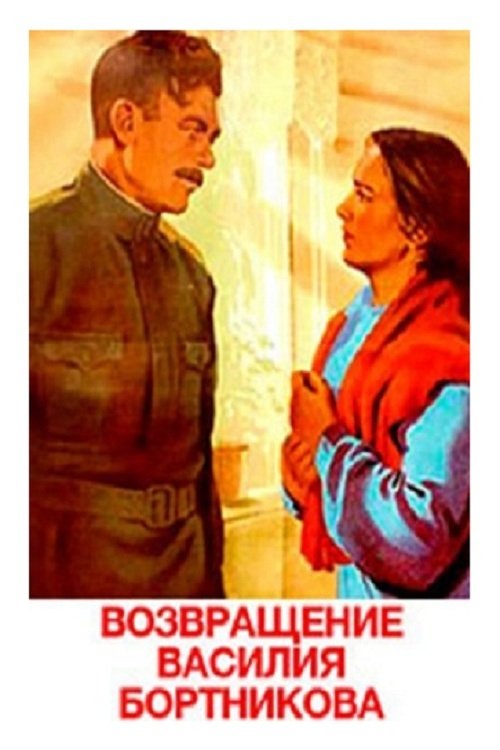
A veteran of World War II returns to civil life and the collective farm he once led, only to find his wife has re-married. Based on the novel "The Harvest," by Galina Nikolayeva.
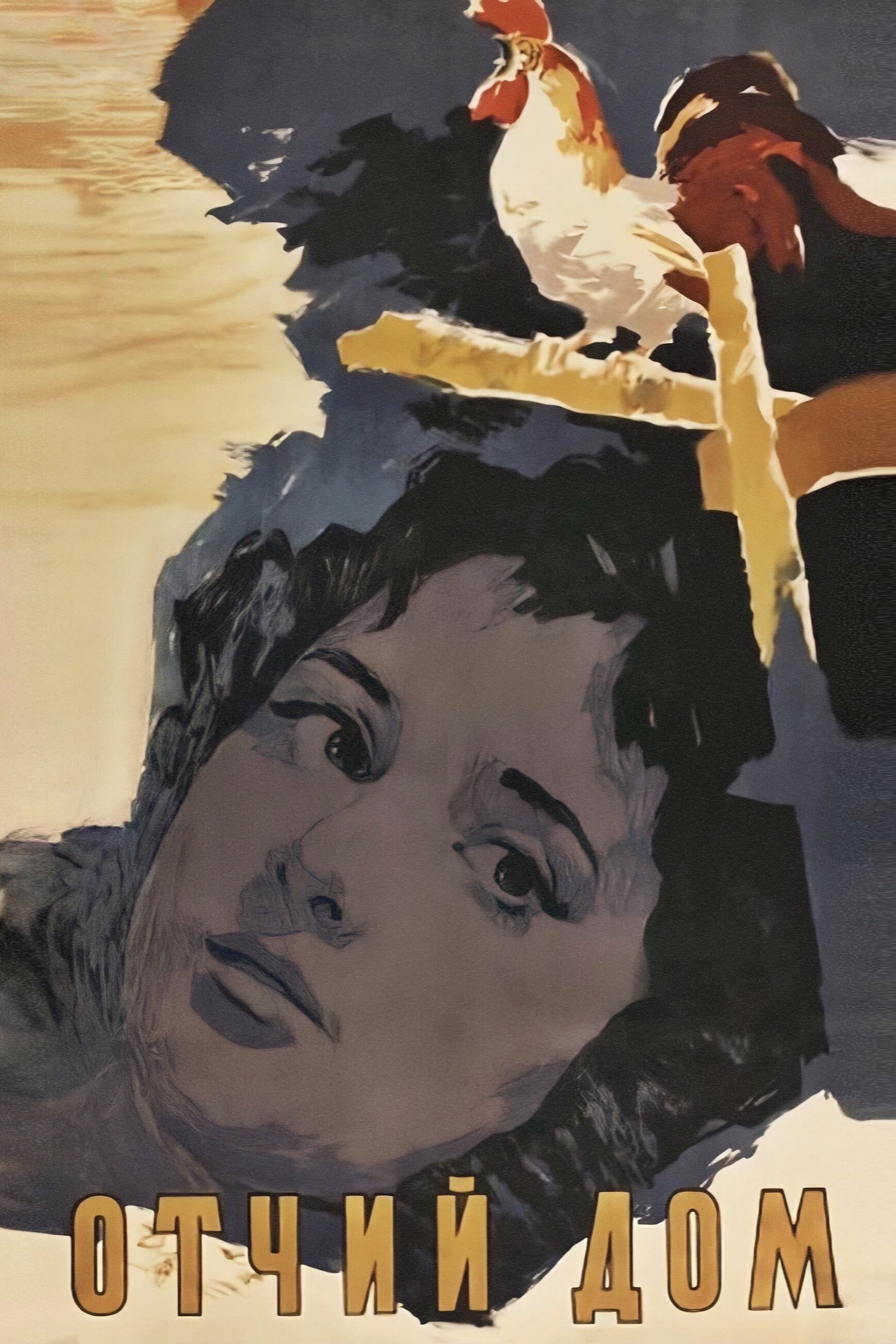
The adopted daughter of Dr. Skvortsov, Tanya, having learned that her mother Natalya Avdeyevna is alive, who was considered dead during the bombing of World War II, decides to go to her in a distant village on vacation. She recognizes the woman who gave her life and lost her husband and sons due to the war, but cannot call her mother. Meetings on the collective farm with interesting people make Tanya think a lot and experience a lot. She discovers for herself a completely new, largely alien world to her. It does not immediately penetrate the sense of inner kinship with this world, its people, so unusual for her.
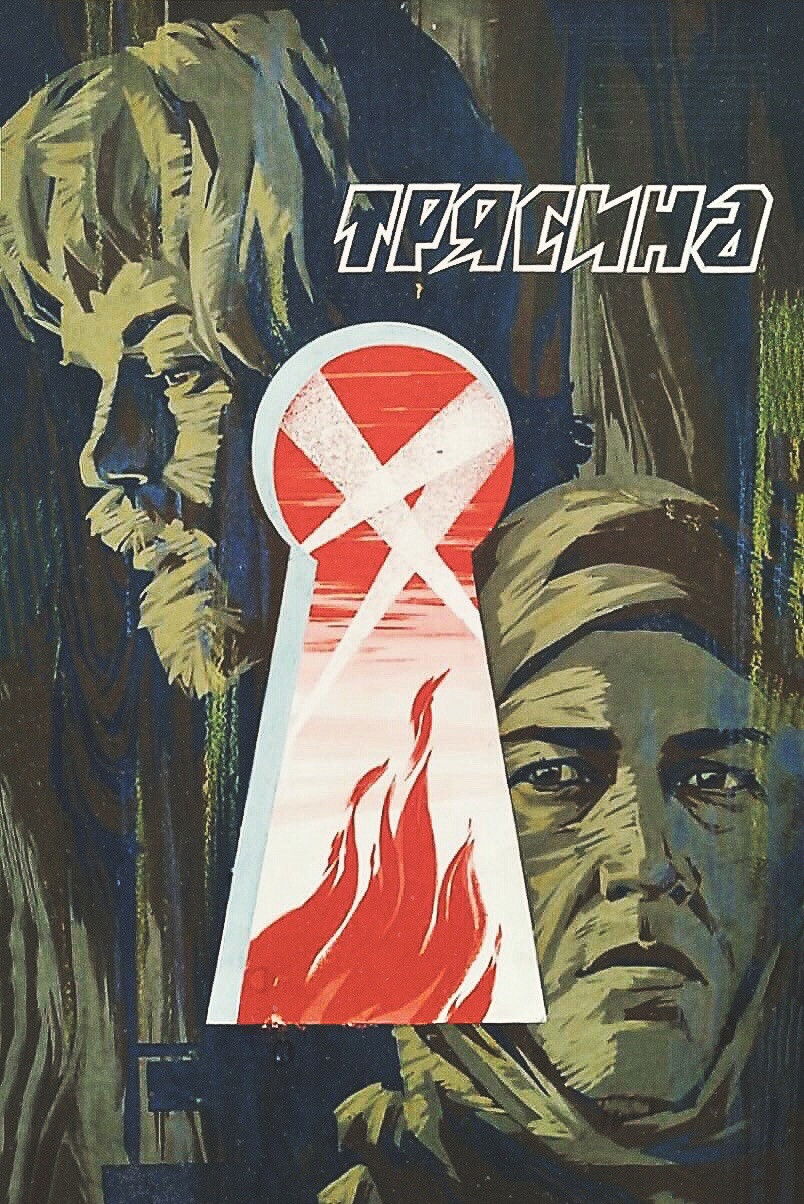
The action takes place during the Great Patriotic War. Peasant Matryona Bystrova loses her husband at the front, then her eldest son goes missing. Matryona decides to save the youngest son at all costs and shelters him from being drafted into the army in the attic of the house until the end of the war. But it turns out that saving her son, she condemns him to spiritual death, and herself to torment of conscience. A private story about the mother of a deserter grows to epic proportions...

It is a documentary story about five legends of russian cinema: Nonna Mordyukova, Tatyana Okunevskaya, Tatyana Samoylova, Lidiya Smirnova and Vera Vasileva. These wonderful women tell about their lifes and careers in hour interview.
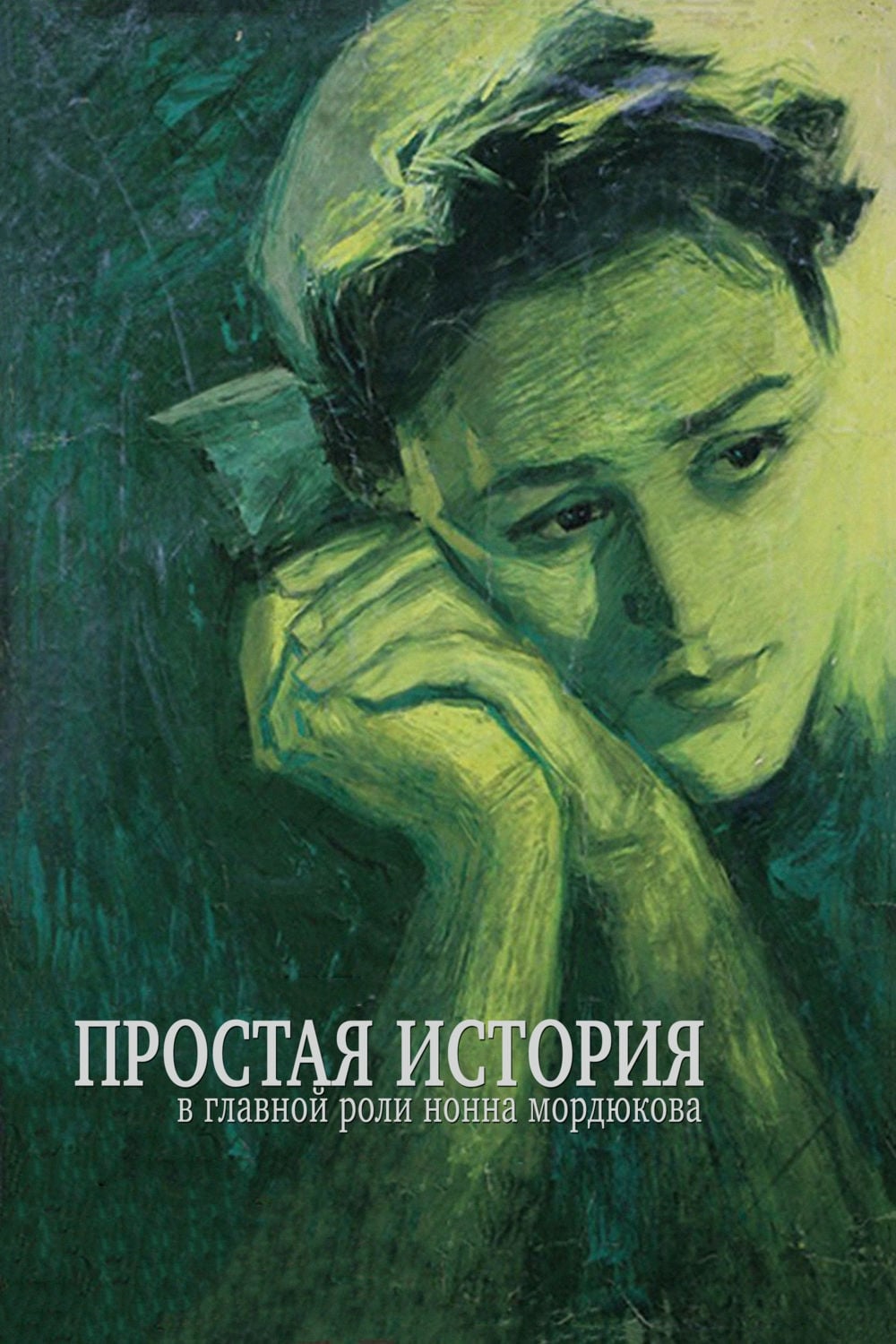
The war was over. Like many of her female friends, Sasha Potapova was left a widow. It was hard living without a man’s shoulder to lean on, without love and affection, yet no one had ever seen her crying or despairing. For her strong character, the fellow-villagers elected her a collective farm chairwoman. The work, with its cares and worries, helped all but forget about her personal misfortune and woman’s loneliness. And then she fell in love – a bittersweet, unshared love, but happy anyway…
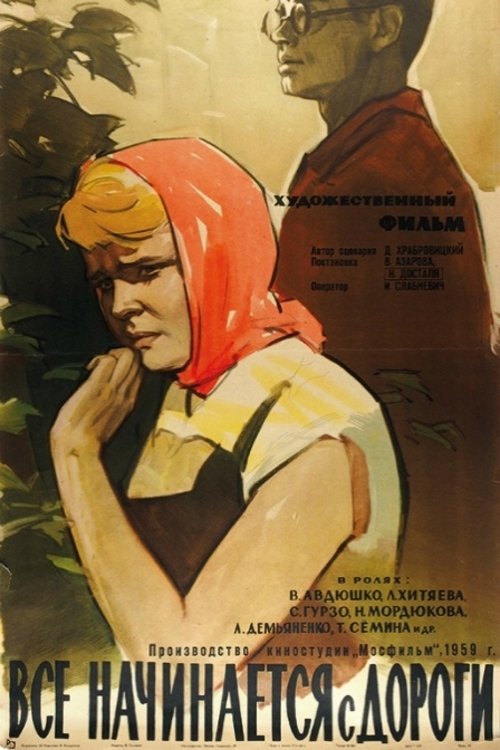
On the eve of departure to the Siberian shock construction site, the famous builder and installer Stepan Bobkov throws his wife. However, on the train he meets Annushka, a young concrete worker who also travels to Siberia on a Komsomol ticket. Sympathy arises between the heroes, which is also reinforced by the coincidence of the so-called “production interests”.
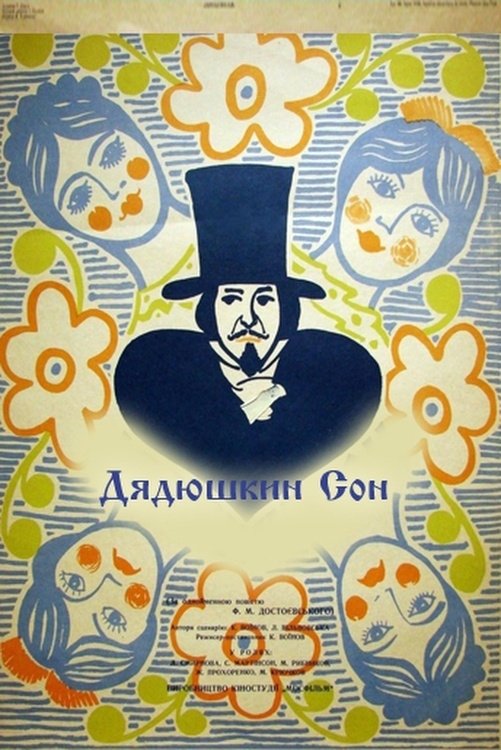
An important event is taking place in a small provincial town, an elderly rich prince arrives. The local "lioness" Maria Alexandrovna Moskaleva decides to marry him to her daughter Zinochka. But the "noble" Mordassov society is by no means inclined to voluntarily give up its positions: after all, in the head of every mother who has a marriageable daughter, the dream is to get a rich man as a son-in-law.

Andrei is the head of a gang of antisemitic skinheads clinging to the old communist ideals in post-Communist Moscow. When he learns that his long lost father actually is a Jewish bohemian living in Moscow, rather than an Afghanistan war hero, he traces him down in order to kill him. But the intriguing father and his "reactionary" lifstyle soon fascinates Andrei which leads to a clash with his gang.
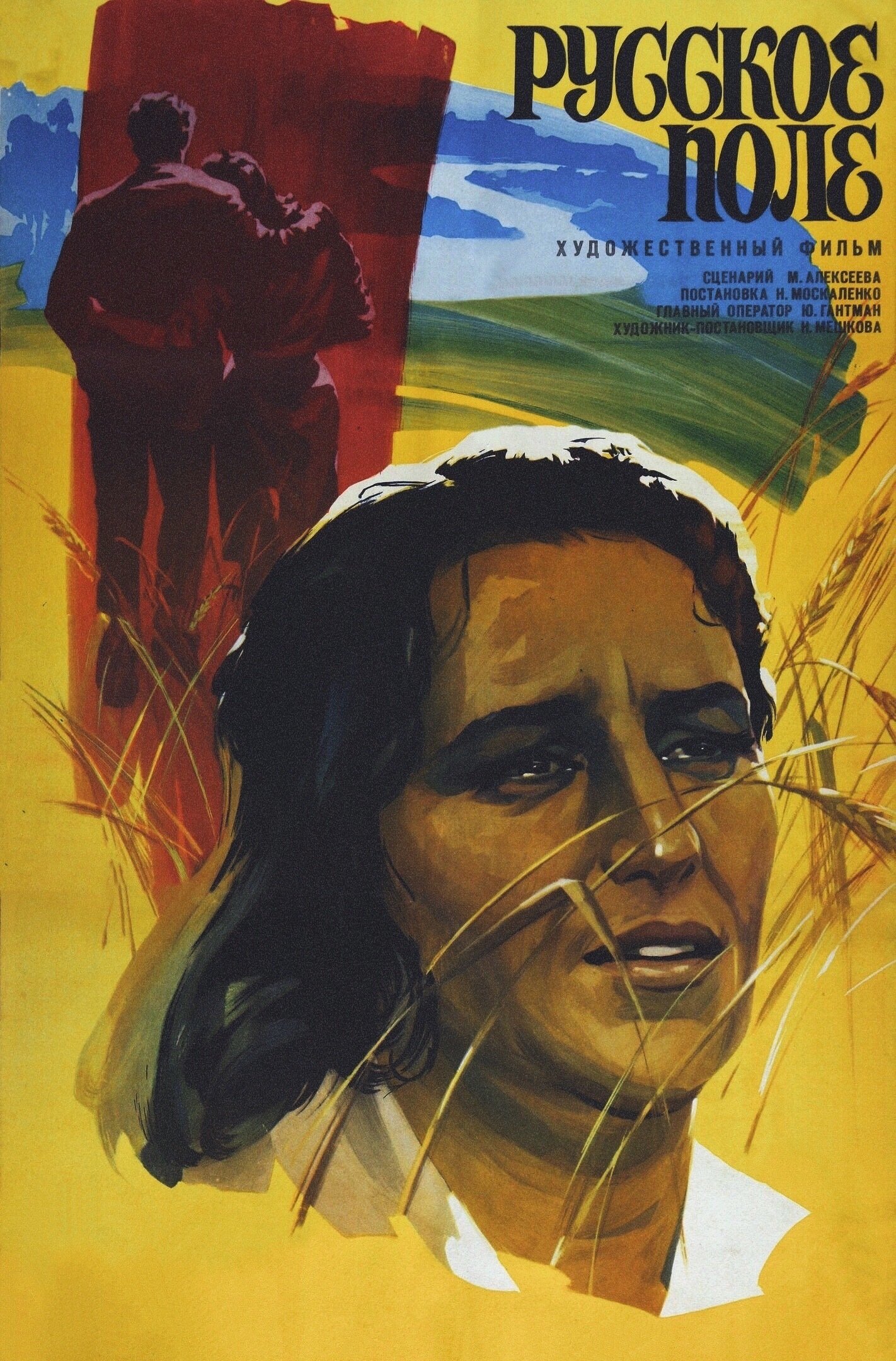
Avdey, the husband of the tractor forewoman Fedosya leaves her for another woman. Their 18-year-old son Filipp can not forgive his father and on the day of the new wedding even tries to run over a tractor car in which the father is driving with a new wife. Shortly after the wedding, Avdey realizes that he made a fatal mistake and is trying to return to Fedosya, but she cannot forgive. Filipp was taken into the army, on the border where Filipp serves, an armed violation of the border occurs, during which he dies.
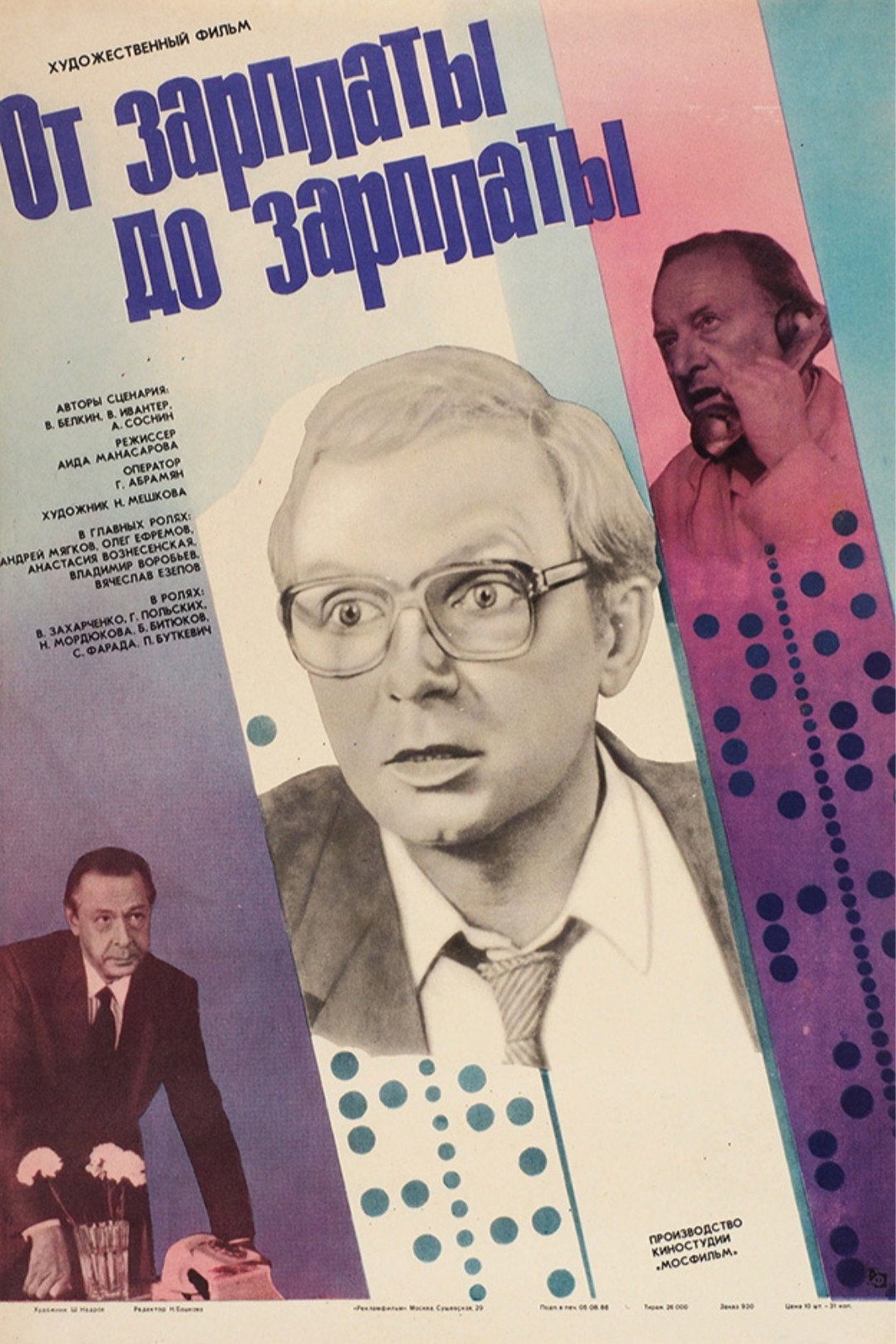
The shoe factory is undergoing production reform. Poor quality shoes no longer bring savings, the company began to suffer only losses. To get out of this crisis, the factory management decided to produce normal products designed for the wishes of the consumer. To do this, you must cope with new technologies.
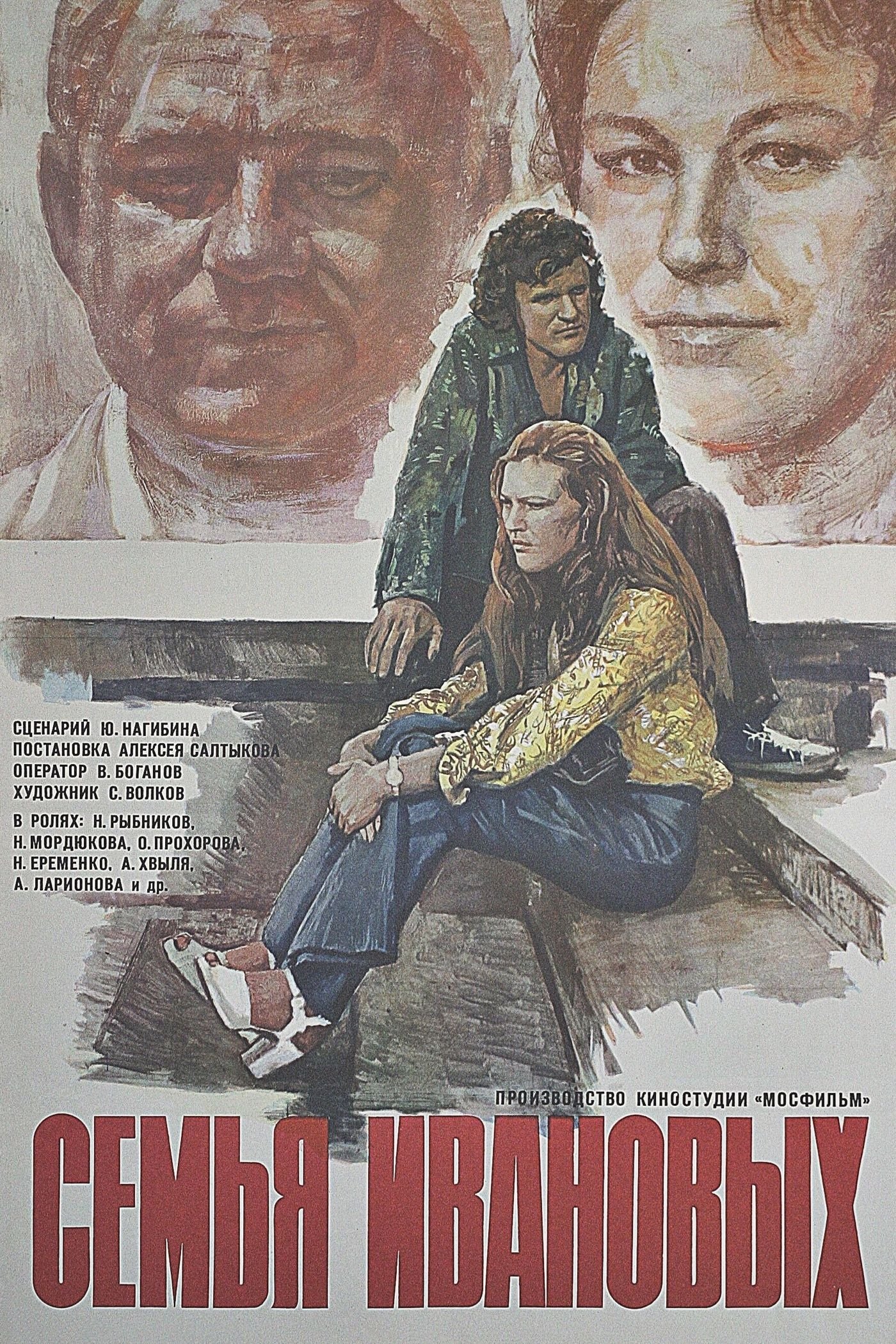
Aleksei comes to Chelyabinsk from Moscow — a young student who proclaims a free lifestyle, not constrained by everyday hard labor. Aleksei falls in love with a young singer Lyudmila, the daughter of hereditary workers. When a Moscow student enters the family of noble steelworkers — people who are proud of their working roots, his self-identity changes. From now on, to Aleksei idleness already seems shameful, and idleness is shameful. To be worthy of such highly respected people as the Ivanov family, Aleksei goes to work as a steelworker.
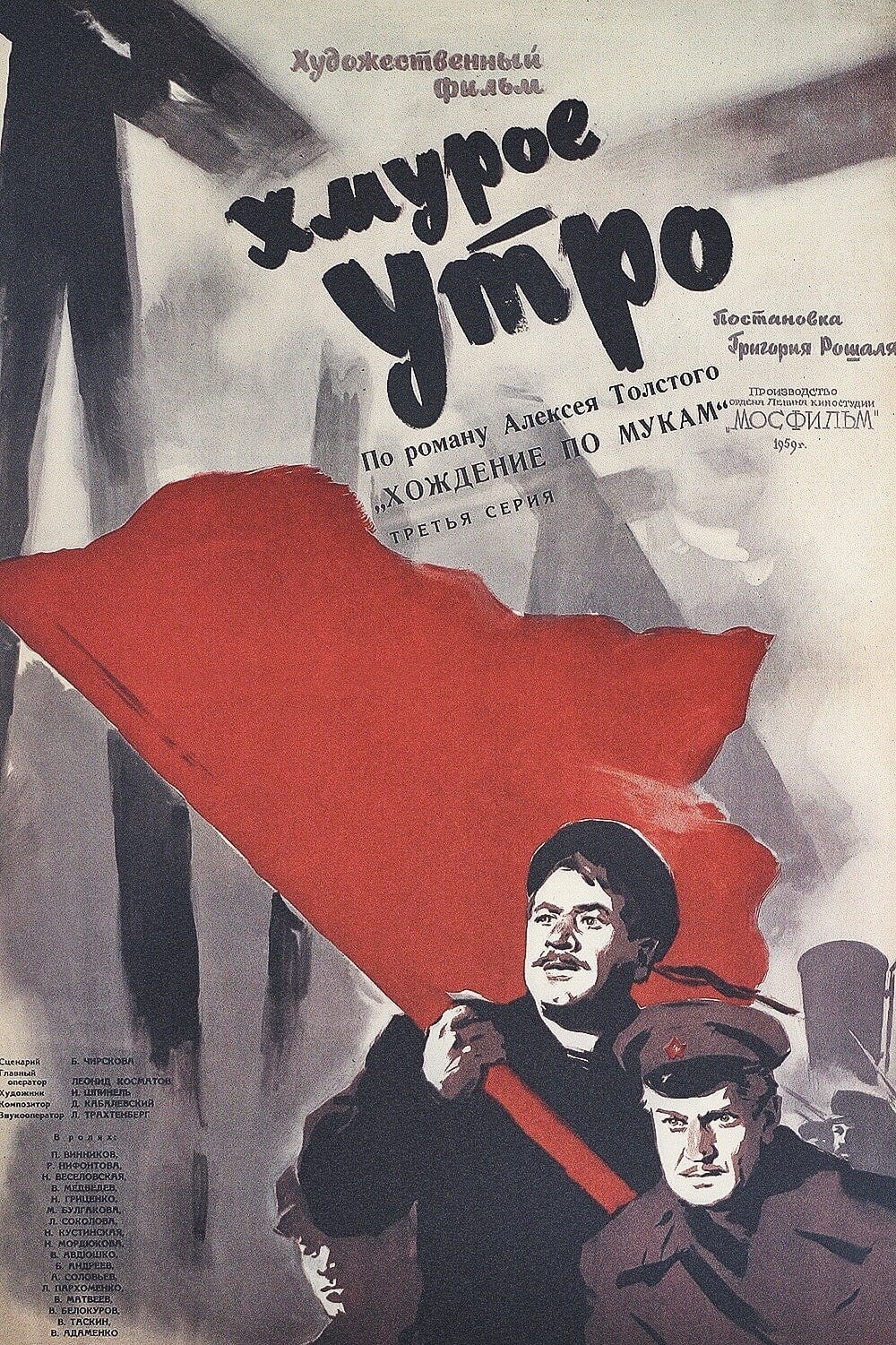
The third film in the trilogy ("The Sisters", "The Eighteenth Year", "The Gloomy Morning") based on the novel by Aleksei Tolstoy "The Road to Calvary". About the fate of the Russian intelligentsia against the background of the collapse of the Russian Empire and the civil war, which turned the lives of all the heroes of the film narration. Defending Tsaritsyn, the red commander Telegin was seriously wounded. At the hospital, he meets Dasha. After his recovery, the young spouses go together to the Red Army.
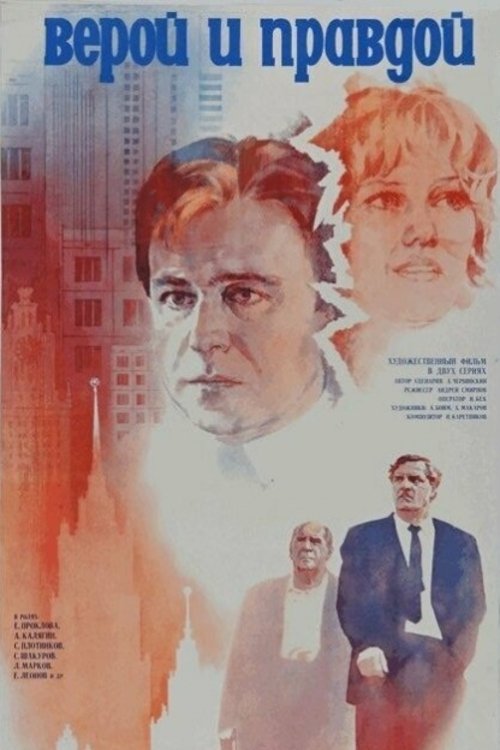
The question is what to build — palaces designed to last for centuries, or cheap concrete blocks that offer a quick fix to the housing crisis. Behind each of these choices stand scholars, architects, and Party officials.

Central Russia. The deputy chairman of the district executive committee, Tretyakova, was instructed to organize work to eliminate the consequences of a tornado that suddenly hit the village. She has to come to terms with the indifference of summer residents from a neighboring village, untouched by the disaster. Relying on her own experience and the will of the victims, Tretyakova will do her best...

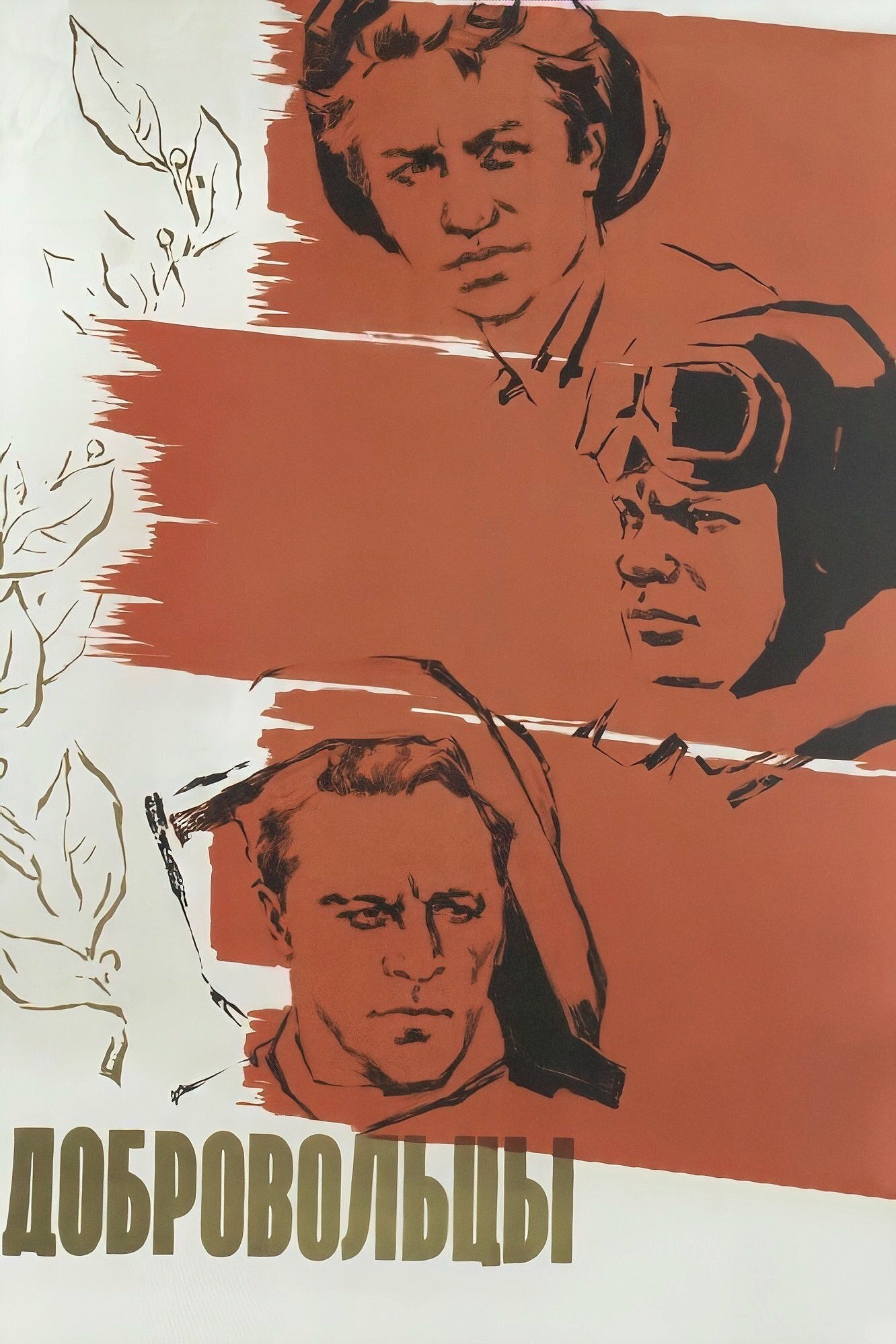
Based on the novel of the same name in the verses of Yevgeni Dolmatovsky. Together with hundreds of other boys and girls, Komsomol members Kolya Kaitanov, Slava Ufimtsev, Alyosha Akishin, Lyolya and Masha came to the construction of the first stage of the Moscow metro. They are united by the romance of the feat, the desire to always be on the most difficult and dangerous site. A romantic and heroic story about the Komsomol members of the 1930s, about the fate of the generation that endured the construction of the first stage of the Moscow Metro, the war, the post-war reconstruction of the country.
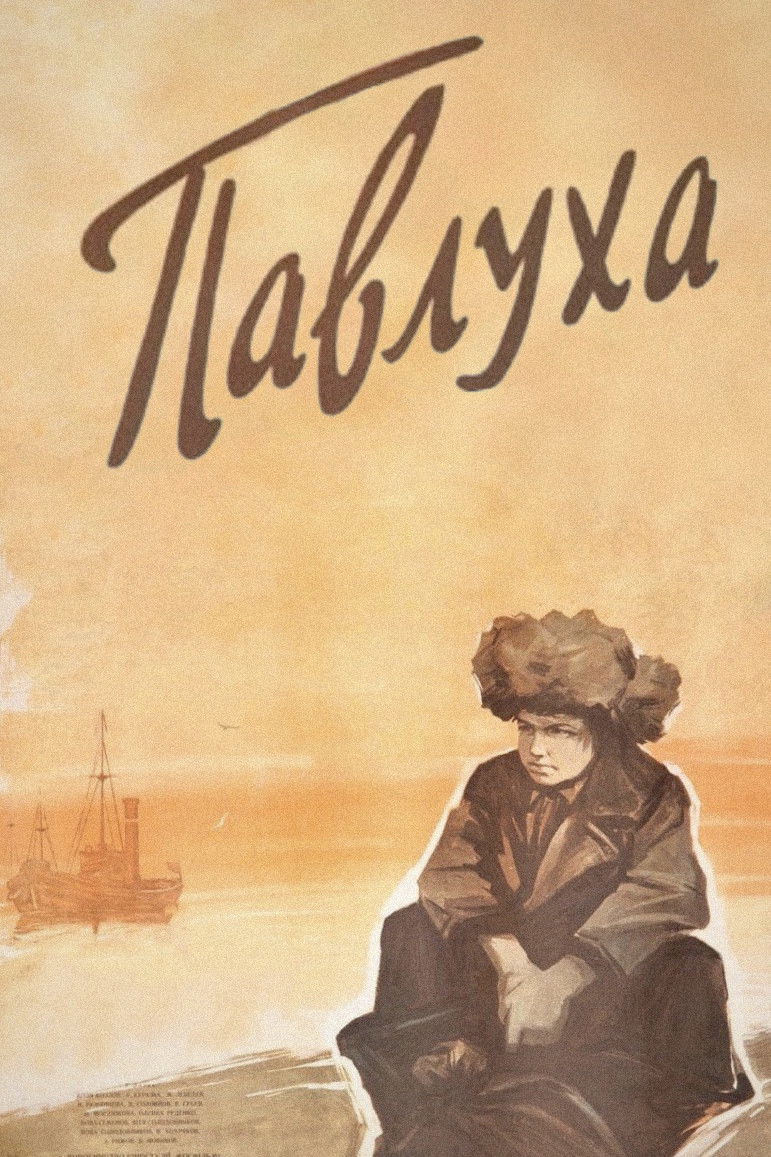
Twelve-year-old Pavlukha lives on a fishing farm with his mother. His father left his family long ago, in which, apart from Paulukha, he has two other children. To help his mother somehow, the boy goes to town to earn money...
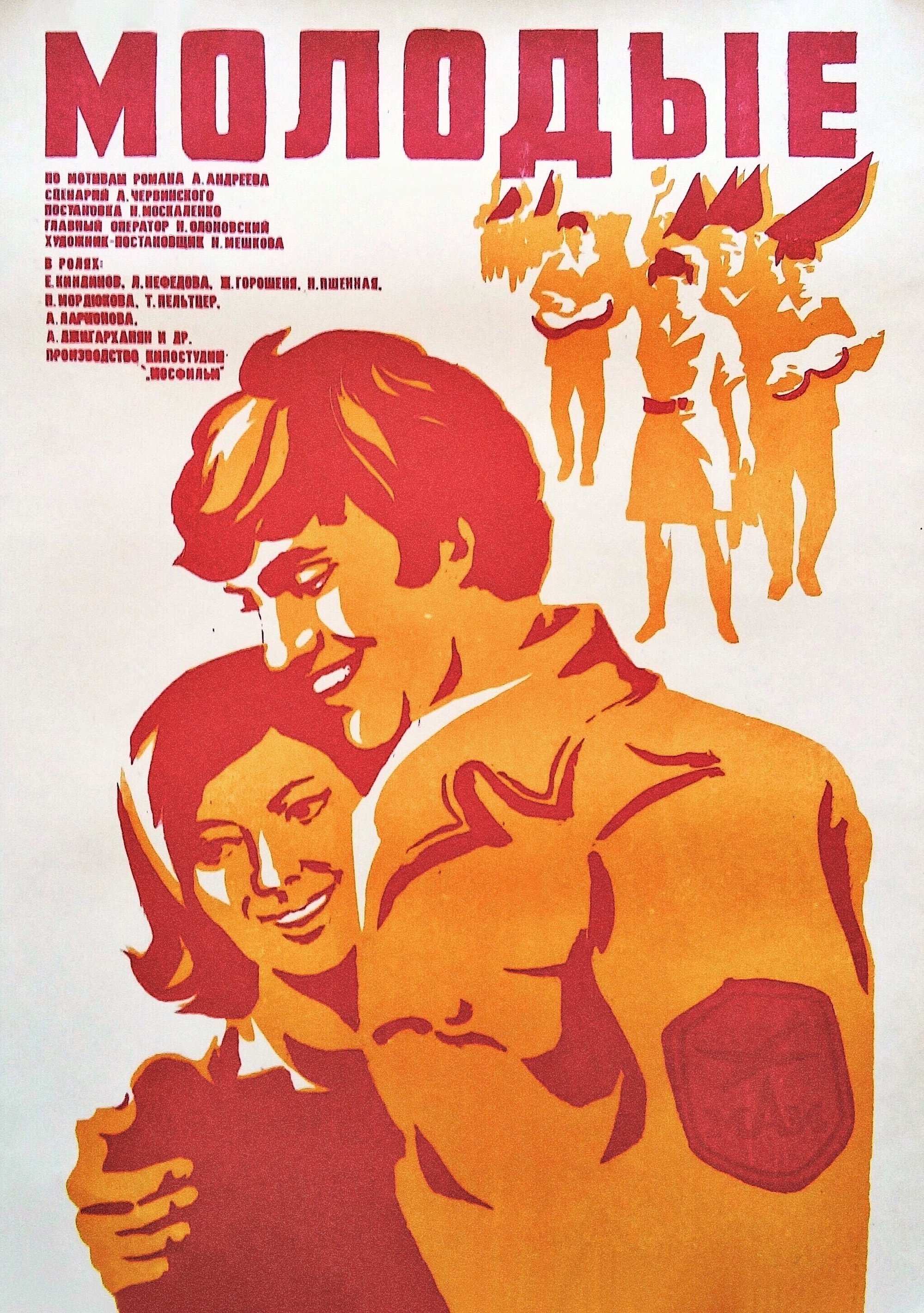
She is smart, surrounded by parental attention and therefore not completely independent, and he is one of those who cannot imagine himself without creation, since he is a builder. They are very different people, but the young are united by a keen sense of responsibility for everything that happens around. And so, having parted, they will definitely meet again...
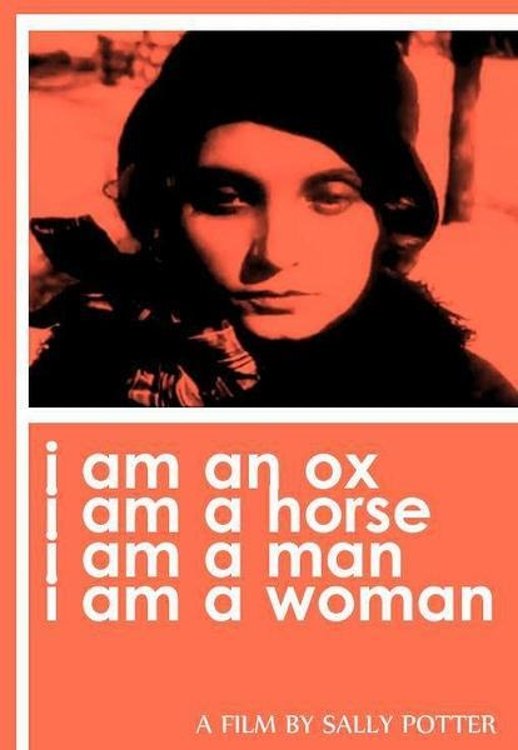
This glasnost-era documentary, which incorporates footage from films from the 1920s through the 1980s, looks at the history of women in Russian cinema through the eyes of Russian women directors, actors, and scriptwriters. The film’s title refers to a WWII slogan about women doing the work of absent men in the fields and at home. Featuring Kira Muratova, Natalia Ryazantseva, Inna Churikova, Nonna Mordyukova, and others.
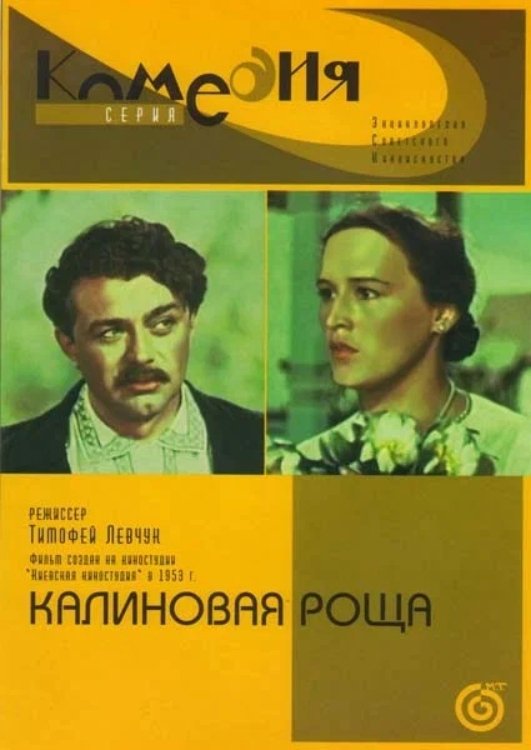
After working for twenty years in the village of Kalinovaya Roscha, the once energetic chairman of the collective farm, Ivan Romanyuk, "broke down" and became a bureaucrat. Natalya Kovshik, the glib-tongued chairman of the village Council, and Karp Vetrovoy, a former Black Sea sailor, join the fight with him.
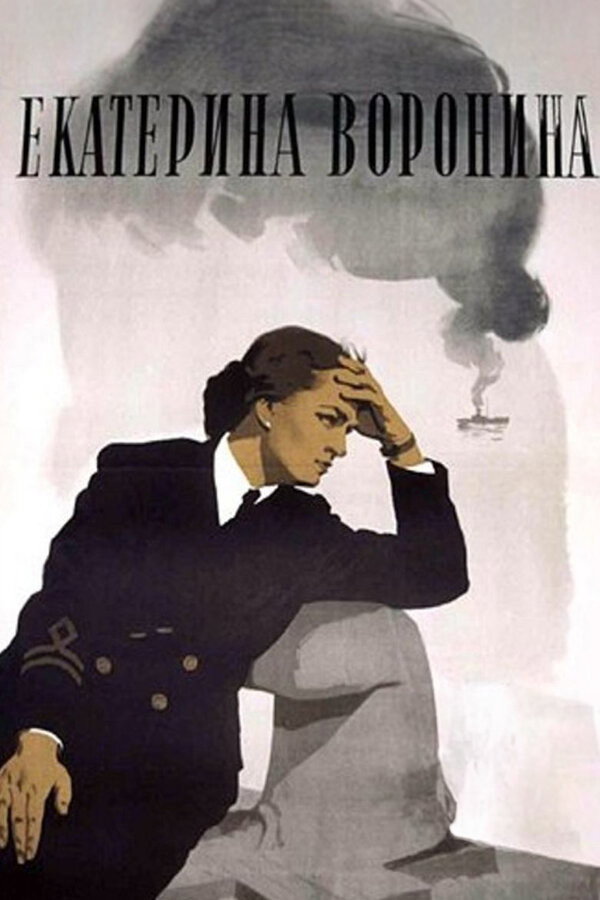
Born in Volzhsky, raised by a strict and domineering grandmother, Ekaterina lost her mother at an early age. Rare encounters with her father, an old, distinguished captain, shaped her into a strong and uncompromising character. War broke out. Without hesitation, Ekaterina went to work in a hospital. There she found her first love, which also brought her first disappointment. After the war, having graduated from university, Ekaterina became an engineer and head of a river port section. She had a complicated relationship with the head of the shipping company. When he was dismissed from his job due to justified complaints, Ekaterina realized that she had lost the person closest to her forever.
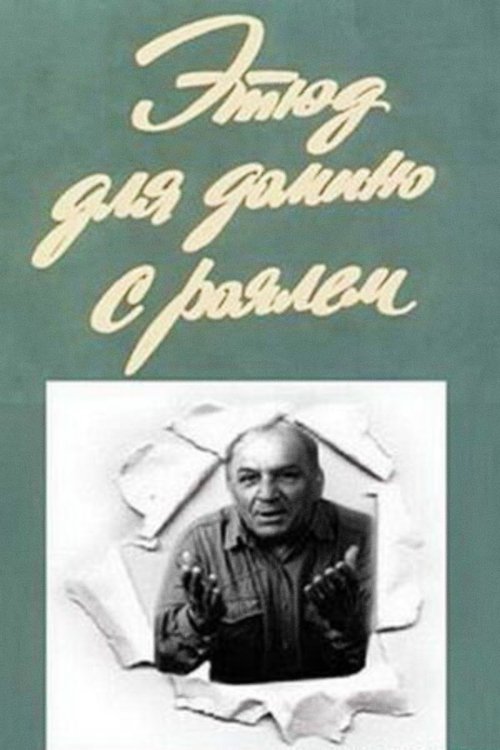
Life in an apartment house changes dramatically when a new lodger arrives with his grand piano.
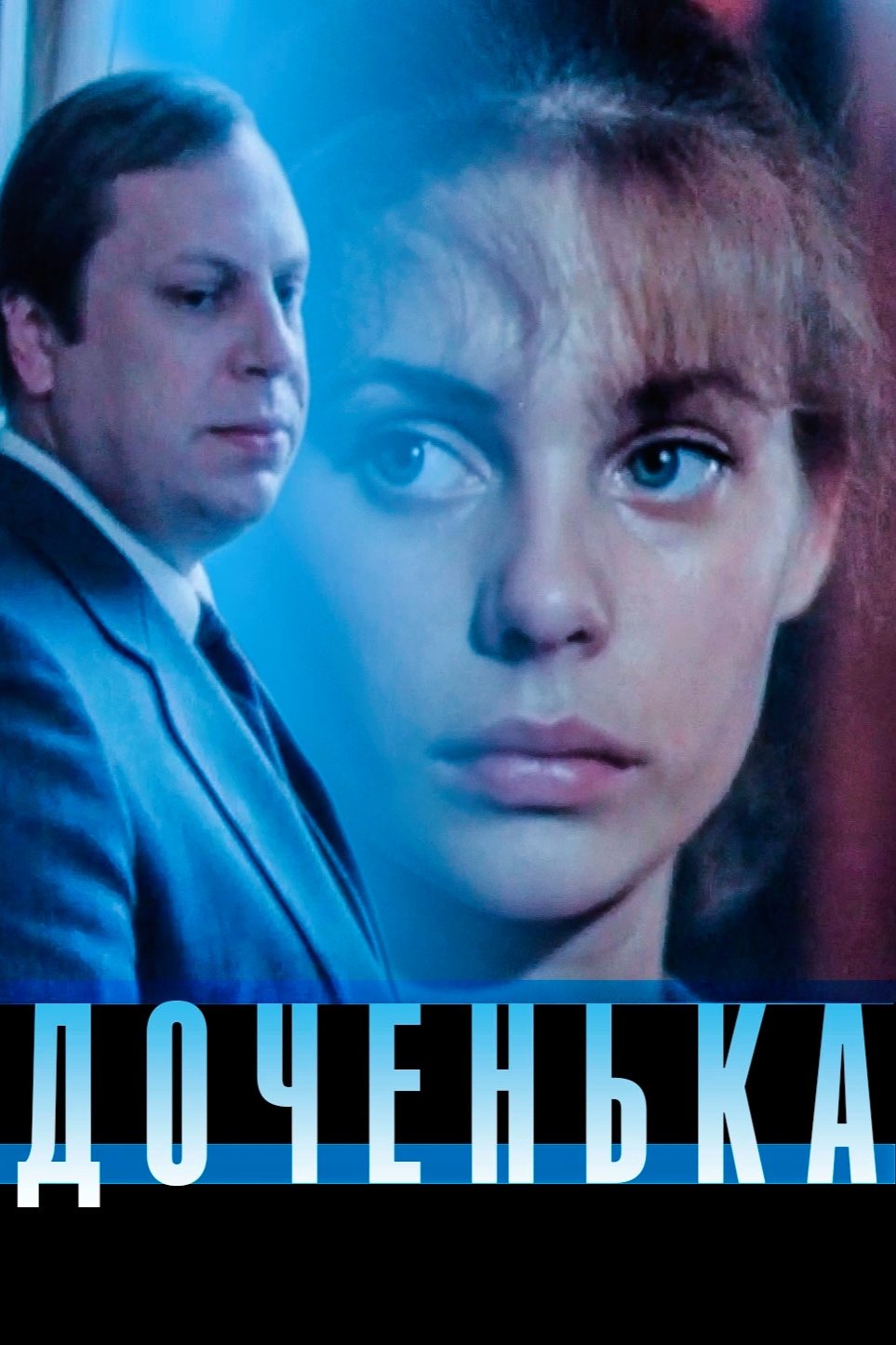
Yuri Stepanovich Ipatov, who once held a high-ranking position, is dismissed from his post due to financial misconduct. Coming to terms with his guilt and deeply remorseful, he decides to return to the factory where he began his working life — this time as an ordinary laborer. However, in making this choice, Ipatov did not expect that his beloved daughter Natasha would not only disapprove, but would see it as humiliating to be the daughter of a "small" man...
