
In this belated sequel to 'The Decline of the American Empire', middle-aged Montreal college professor, Remy, learns that he is dying of liver cancer. His ex-wife, Louise, asks their estranged son, Sebastian, a successful businessman living in London, to come home. Sebastian makes the impossible happen, using his contacts and disrupting the Canadian healthcare system in every way possible to help his father fight his terminal illness to the bitter end, while reuniting some of Remy's old friends, including Pierre, Alain, Dominique, Diane, and Claude, who return to see their friend before he passes on.

Jean-Marc is a man without qualities living in times that are out of joint. His wife and children ignore him; he's a mid-level government functionary in Montreal doing his job without care. He has an active imagination of sexual conquest, but his only real feelings come when he visits his aged mother, whose health is failing. When his wife leaves abruptly to work in Toronto, Jean-Marc sets out to reorder things with his daughters, his social life, and at work. In a world that at best is a farce, does he stand a chance?
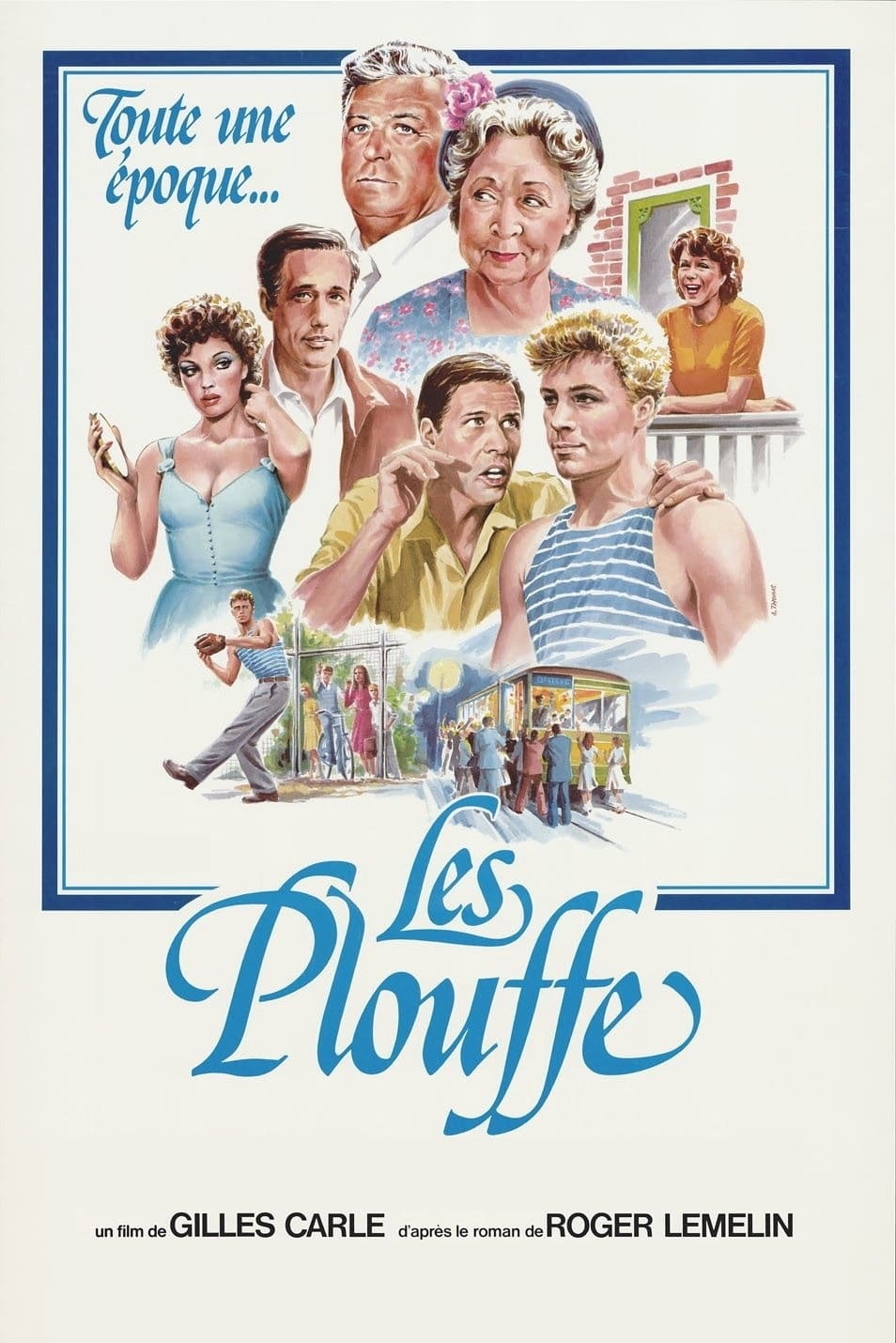
The lives of the average Quebecois Plouffe family during the final years of the depression and through World War II.

Four very different Montreal university teachers gather at a rambling country house to prepare a dinner. Remy (married), Claude (a homosexual), Pierre (involved with a girlfriend) and Alain (a bachelor) discuss sex, the female body and their affairs with them. Meanwhile, their four female guests, Louise (Remy's wife of 15 years), Dominique (a spinster), Diane (a divorcée) and Danielle (Pierre's girlfriend) are spending the time at a downtown health gym. They also discuss sex, the female body and, naturally, men. Later in the evening, they finally meet at the country house and have dinner. A ninth guest, named Mario, who used to know Diane, drops in on the group for some talk and has a surprise of his own.
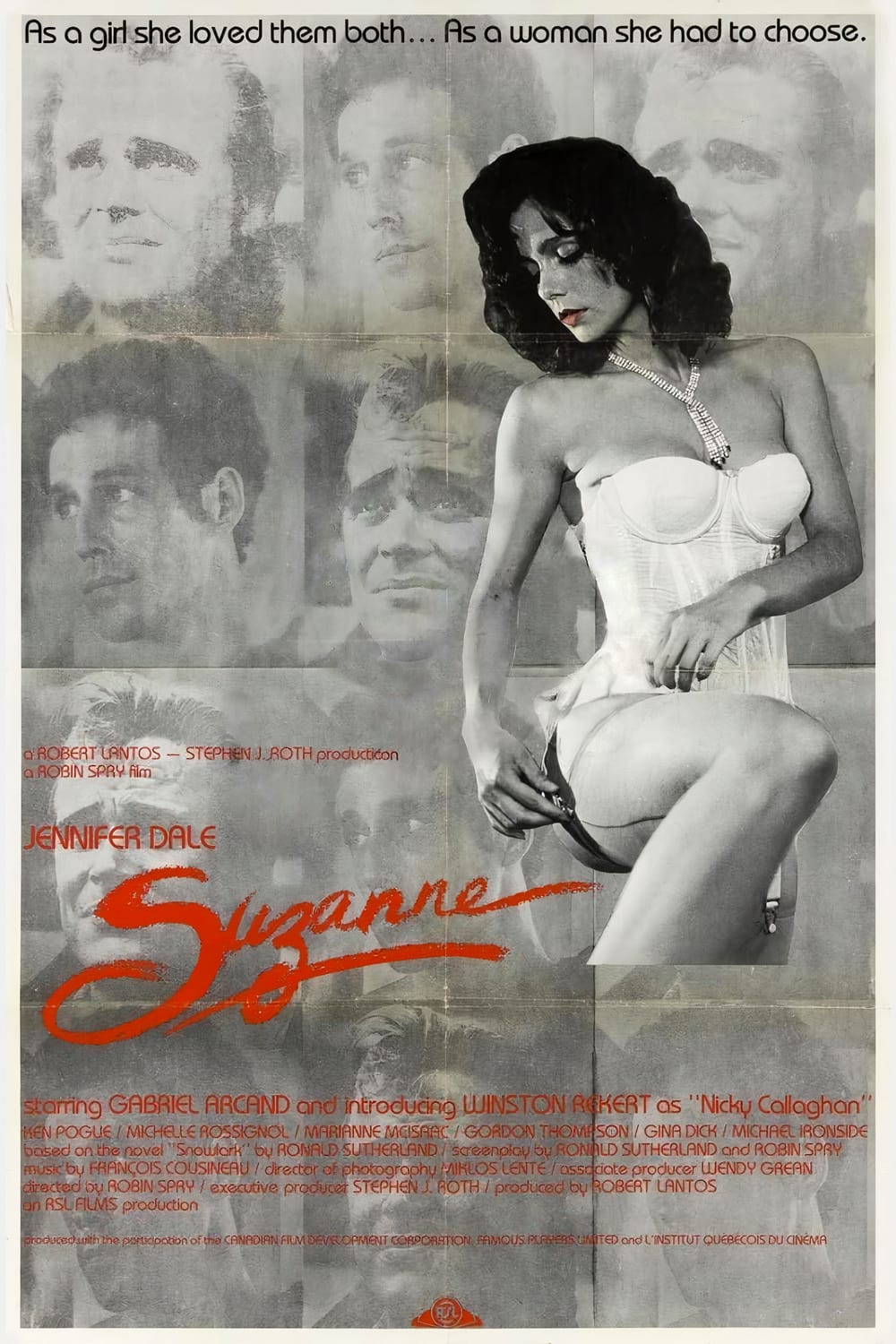
An unhappy married woman has an affair with a violent criminal. She gets pregnant with his baby, but he gets arrested and goes to prison. Now what?

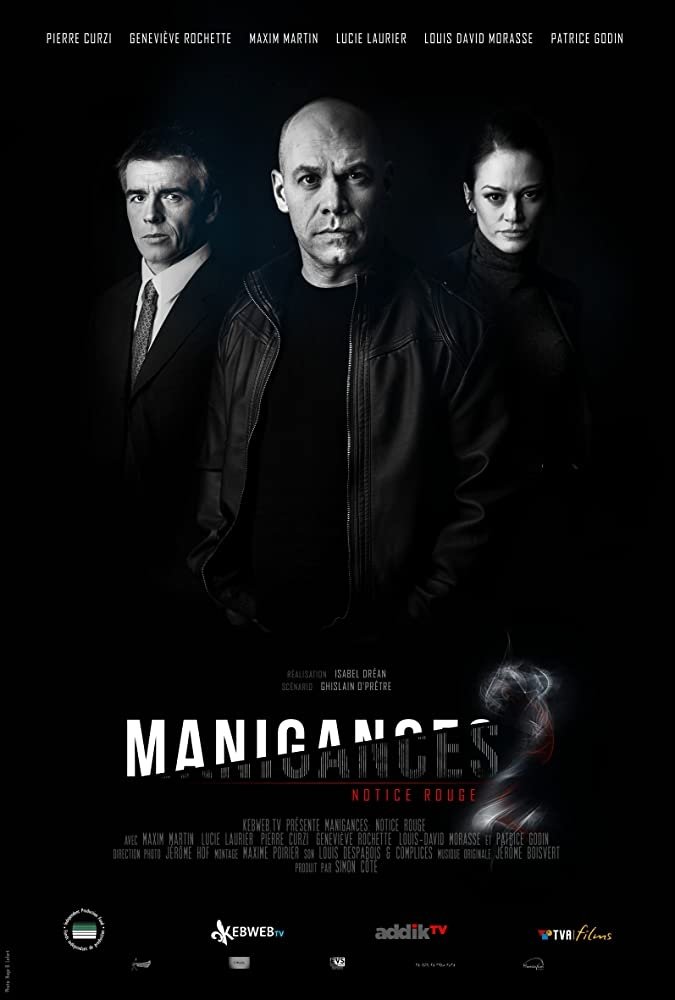
A government ministry's fast-rising head of security asks a shadowy fixer, Meursault, to steal a bag from an armored truck. Meursault goes to Théo, a former night club owner, in prison for two years on false charges, who's being released in exchange for information about Montreal's underworld. Théo agrees to steal the bag for money and safe passage to the US for himself and his son Robin. Théo brings in two helpers, Gilder, ex-con and set designer, and Roxanne, Gilder's friend, a tough-minded petty thief. Their elaborate plan blows up when a guard, Marcel, takes his responsibilities too seriously. What happens to father and son? Will any of the thieves escape?

Juliette, 15, is the only child of an eminent judge and has had the best of education in the best of schools. Her father is in the limelight because he’s been chosen to preside over one of the most important trials of the past 10 years: the case of Réal Lamontagne, a notorious criminal accused of killing a child. Roméo, 17, is the son of the accused. Even though they come from diametrically opposed universes, Juliette and Roméo fall for each other.
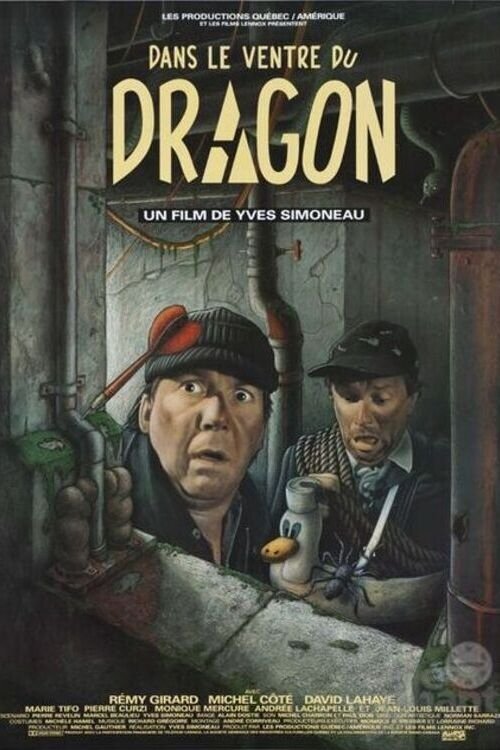
The title of this French-Canadian film translates to In the Belly of the Dragon, but don't assume that it's just another kung fu epic. Rather, the film is a likeable mixture of science fiction and humor, centered around the money-making schemes of star David La Haye. Unable to make ends meet with his minimum-wage job, La Haye hires himself out as a guinea pig to genially loopy scientist Marie Tifo. It is the doctor's contention that a person's intelligence can be artificially increased. La Haye proves her right...up to a point, that is. Extremely popular in Canada, Dans le Ventre du Dragon has yet to receive proper distribution in the States.
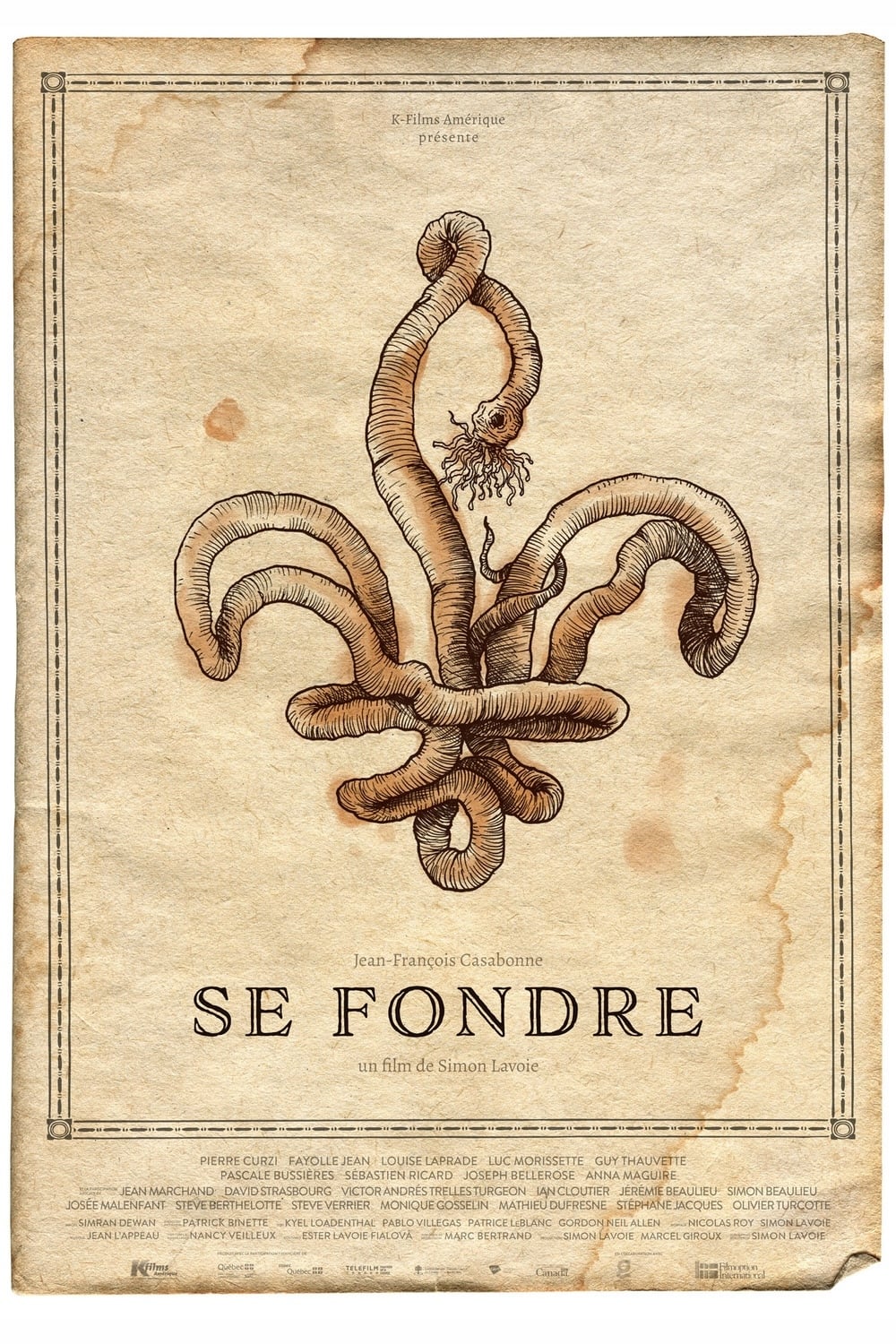
Elderly inmates are dying mysteriously one after another in their prison cells.
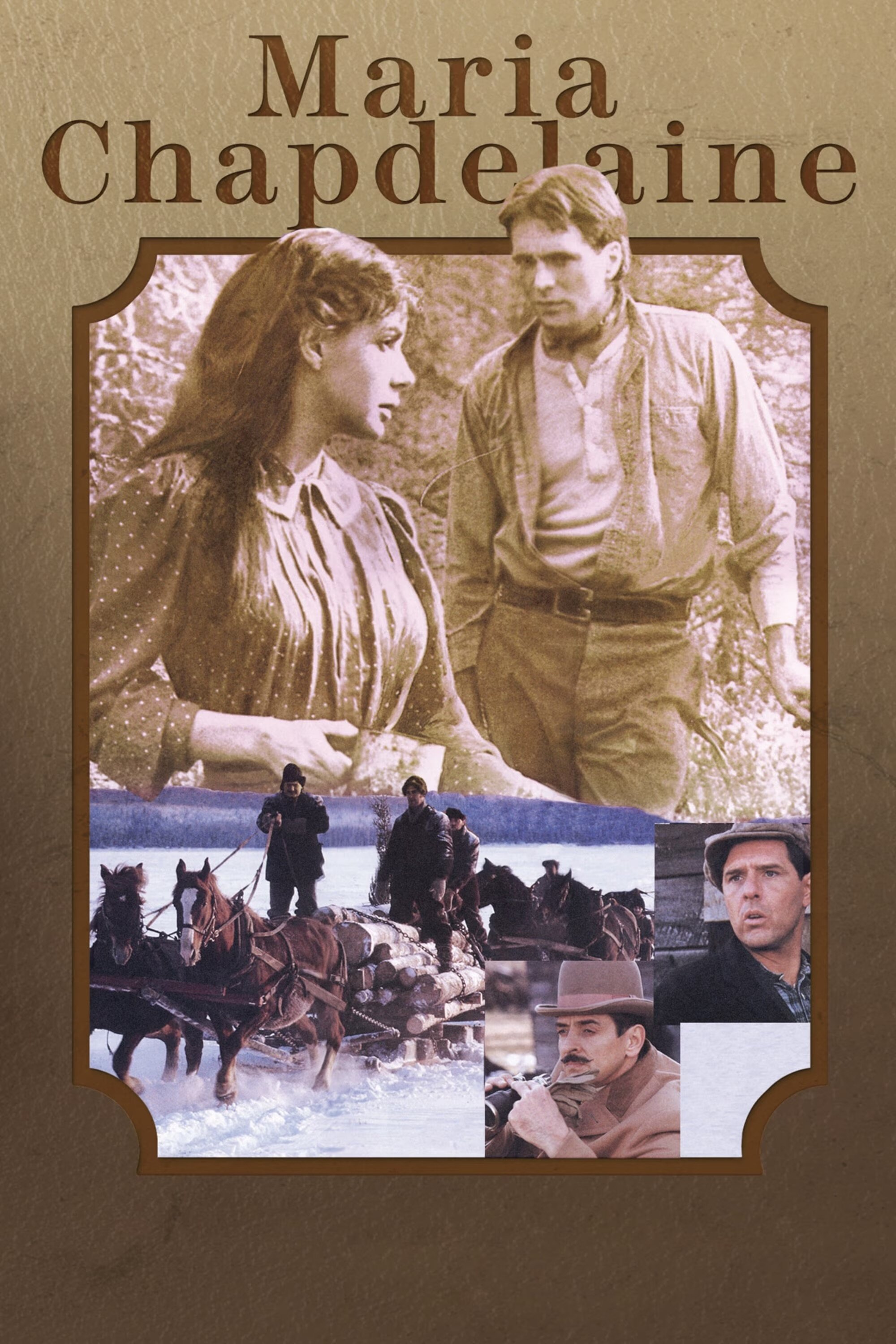
A young woman, living with her parents and siblings on a remote farm in harsh, picturesque northern Québec, has three suitors: a steady and unimaginative farmer, Eutrope, the Americanized and wealthy Lorenzo, who has sought his fortune in Boston, and François Paradis, a rough and virile logger who captures her heart despite the warnings of her parents and the village priest. For a year, marked by seasonal change in an atmosphere charged with the strangeness of Indians and the demons of the woods, we see Maria at work and prayer, struggling with decisions, choosing to stay in Canada, in love with François, seeking to change his rough behaviors, and dealing with extraordinary loss.
A city neighborhood is frightened by a strangler and a voyeur. The police detectives, headed by Léopold Latour, are not very efficient in their investigations, though detective Édouard Lambert does a little sleuthing on his own.

A separated couple meet again after 10 years when the body of their missing son is found. Amid the guilt of losing a loved one, they hesitantly move toward affirmation of life, acceptance of death, and even the possibility of reconciliation.

Three generations of a family struggle to be open with each other during a week of summer vacation at their country cottage.
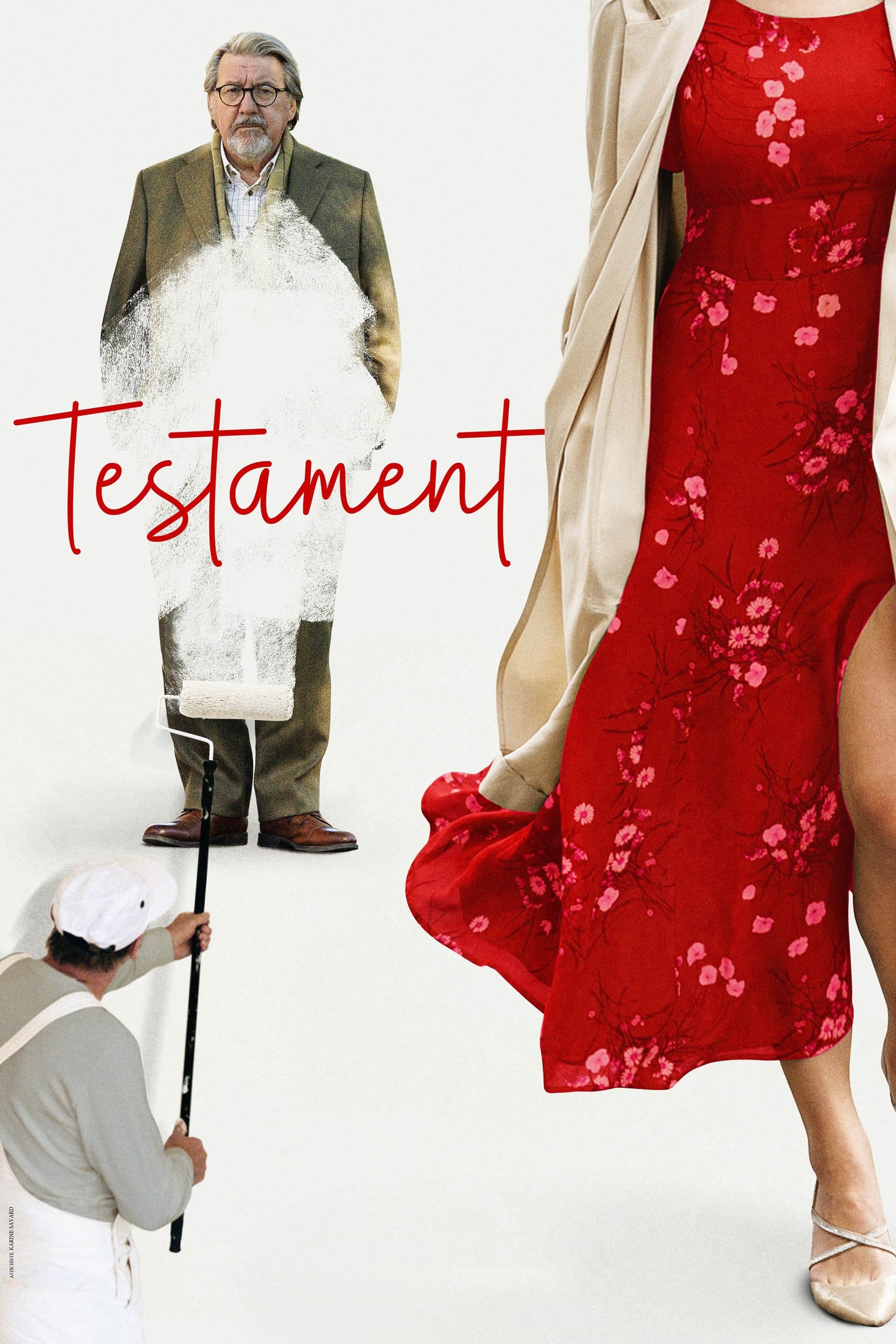
A retired archivist is annoyed and confused by a group of protestors who are angered by a mural inside the retirement home where he resides that glorifies colonialism.

A lonely divorced woman spends her evening in her apartment listening to a phone-in radio show. As she listens to strangers talk candidly about their personal problems, she has to come to terms with her own.

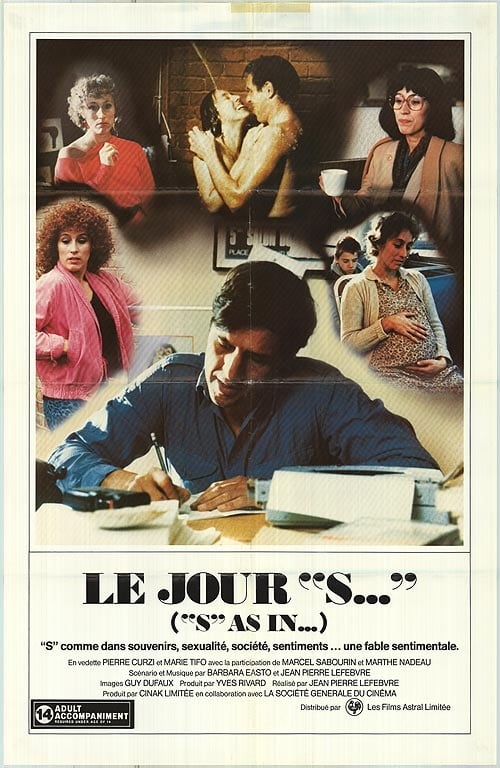
One day Jean-Baptiste Beauregard (Pierre Curzi) does not go out to face work or daily activities, instead he daydreams about the women in his past, about his teenage years, his failed marriage, and even his boyhood desires. His mental images follow each other across the screen, revealing that the women in his life are all the same (different wigs and costumes on the same actress), and his love life never changes either. This sameness can have a dulling effect on the viewers, indicating that if Jean-Baptiste's reminiscences were trimmed and his daydreams more varied and exciting, he would hold interest a little longer.

Following a rare accident, Paul Sneijder opened his eyes to the reality of his life as a "senior manager" in Montreal: his work no longer interested him, his wife annoyed him and deceived him, his two sons despised him ... How can we continue to live under these conditions? Starting with a change of profession: dog walker for example! Will his relatives accept this change that will turn him into a free man?
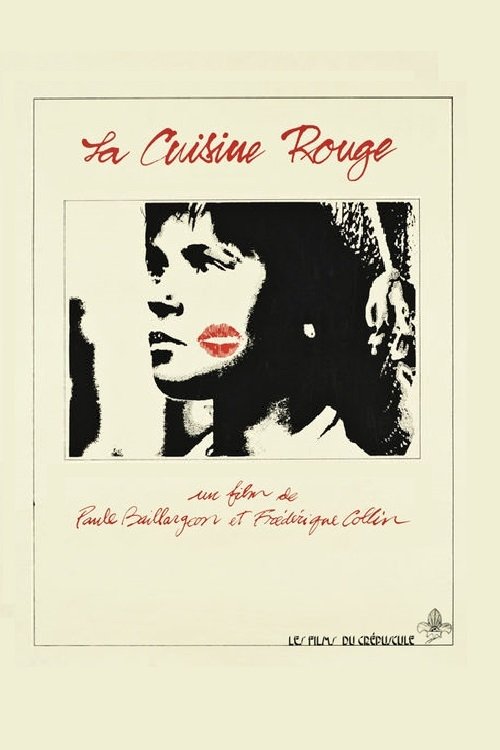
On a wedding day, women are confined to the kitchen to prepare the meal while the men wait to be served. While men talk politics and sports, women talk about their condition. A teenager observes the gap between the sexes. Co-directed by two actresses, Paule Baillargeon and Frederique Collin, The Red Kitchen is the birth of the Quebec women's cinema. The birth of the film was difficult, and funding has been largely achieved through donations from friends and a benefit concert. This war of the sexes takes place in a demanding formal research, based on the improvisation of the actors, whose preparation took place over long sessions in the workshop. The end result mixes black humour, horror and a very expressive fantasy that gave rise to heated debates.

The CEO of a recycling company blames lazy staff for declining results. To motivate them, he sends executives to a survival course in the Corsican maquis, hoping to transform them into conquerors. The executives, in suits and ties, find the hostile environment challenging.

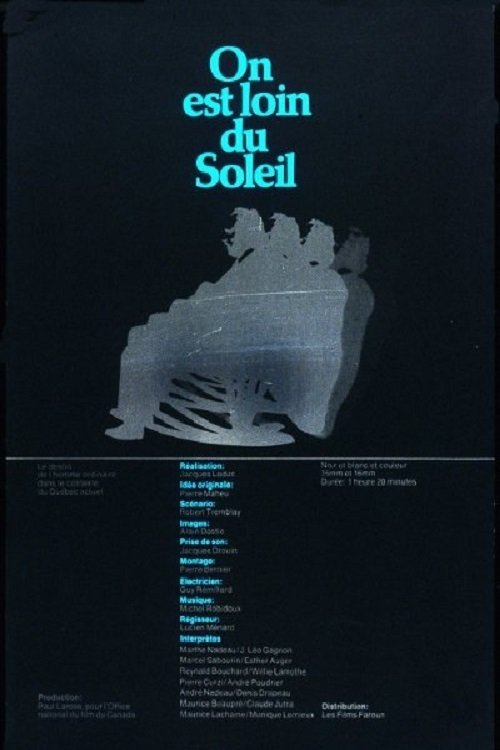
The six members of the working-class Bessette family each mimic a certain stage of the life of the iconic Brother André and are an incarnation of his values and characteristics.

Romain Dupree arrives to Montreal from France only to be informed that his son is dead. However, the deceased is not his son, but an individual who was using his passport. Dupree begins a frantic search for his son, who happens to be wanted by the local mob.
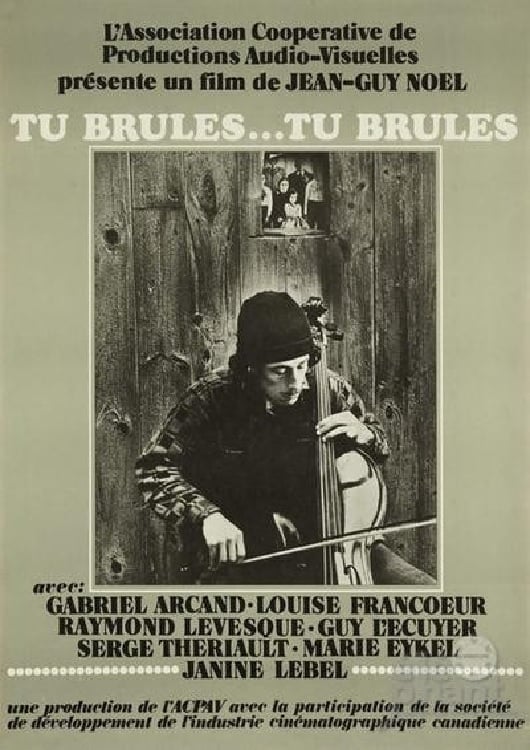
A dropout gets the margins of society and resists his father’s pressure to return to the bosom of the village. The film transcends anecdote by diving into a wacky and unusual universe, full of fantasy, imagination, and visual and sound gags.
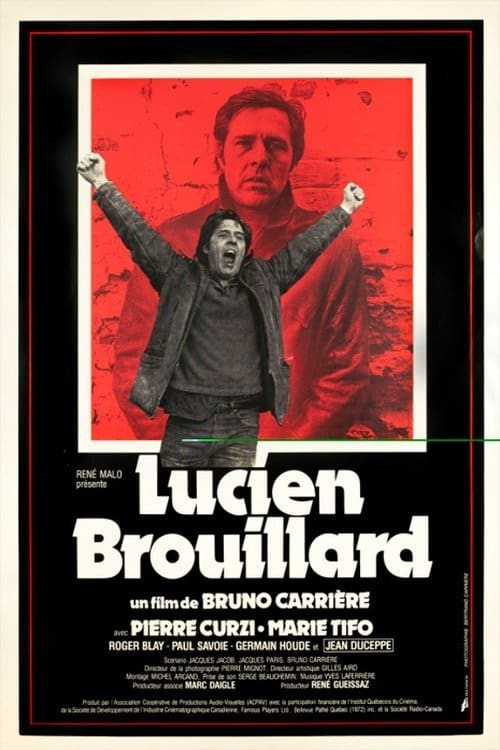
Solitary anarchist, Lucien Brouillard ceaselessly fights for his rights and those of his societal peers. His subversive whistleblower activities will bring him endless troubles, and he will begin a real descent into Hell after his former childhood friend, and now judge, Jacque Martineau.
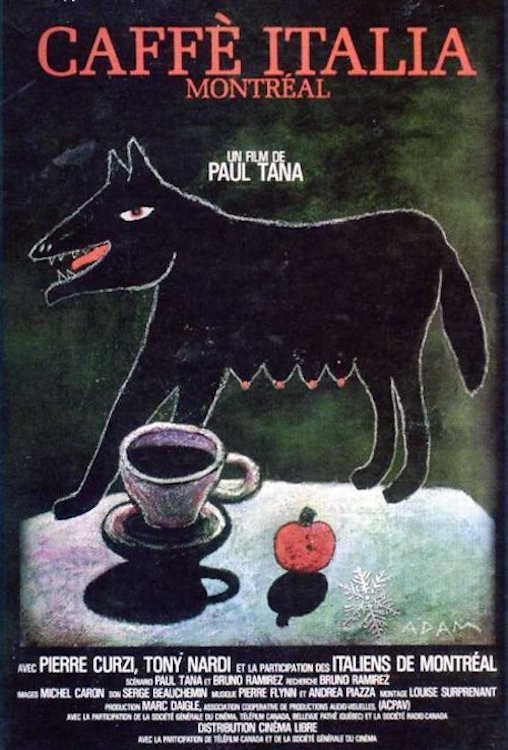
Using archival documents, fictions, current accounts, and excerpts from a theatrical creation, Paul Tana paints a nuanced portrait of the Italians of Montreal. From the first waves of immigration at the beginning of the century to the men and women taken to a prisoner of war camps during World War II, to the hardships and joys of building vibrant lives in Montréal. Caffè Italia Montréal chronicles a significant chapter in Canada’s history.

A shy and insecure delivery driver arrives on the scene of a robbery-gone-wrong and picks up two bags of cash and hides them in his truck. He is interrogated by two tough police detectives and manages to evade suspicion but he is warned that whoever owns the money will be looking for it. Only the help of a prostitute and a former biker recently released from jail might get him out of trouble.

A television host tries to react to the process of alienation that the public is subjected to from variety shows.
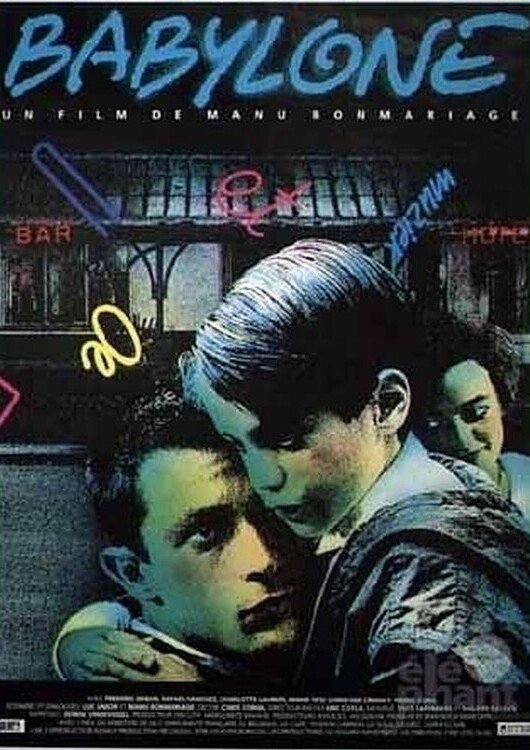
A son is accused of involuntary manslaughter while his younger brother is put in a foster home... .
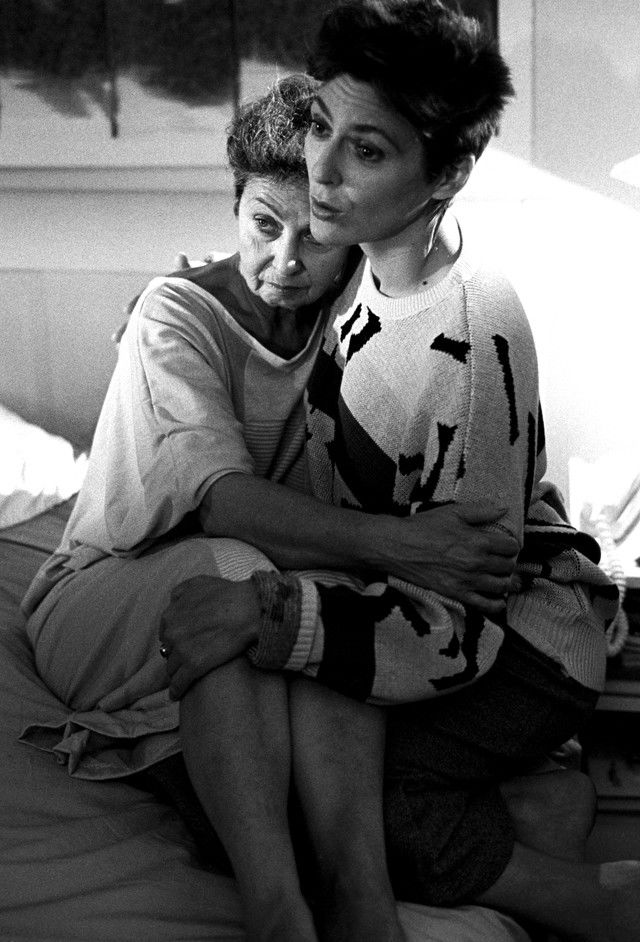
A woman deals with her mother, an arts professor, plunging into chaos due to Alzheimer's.
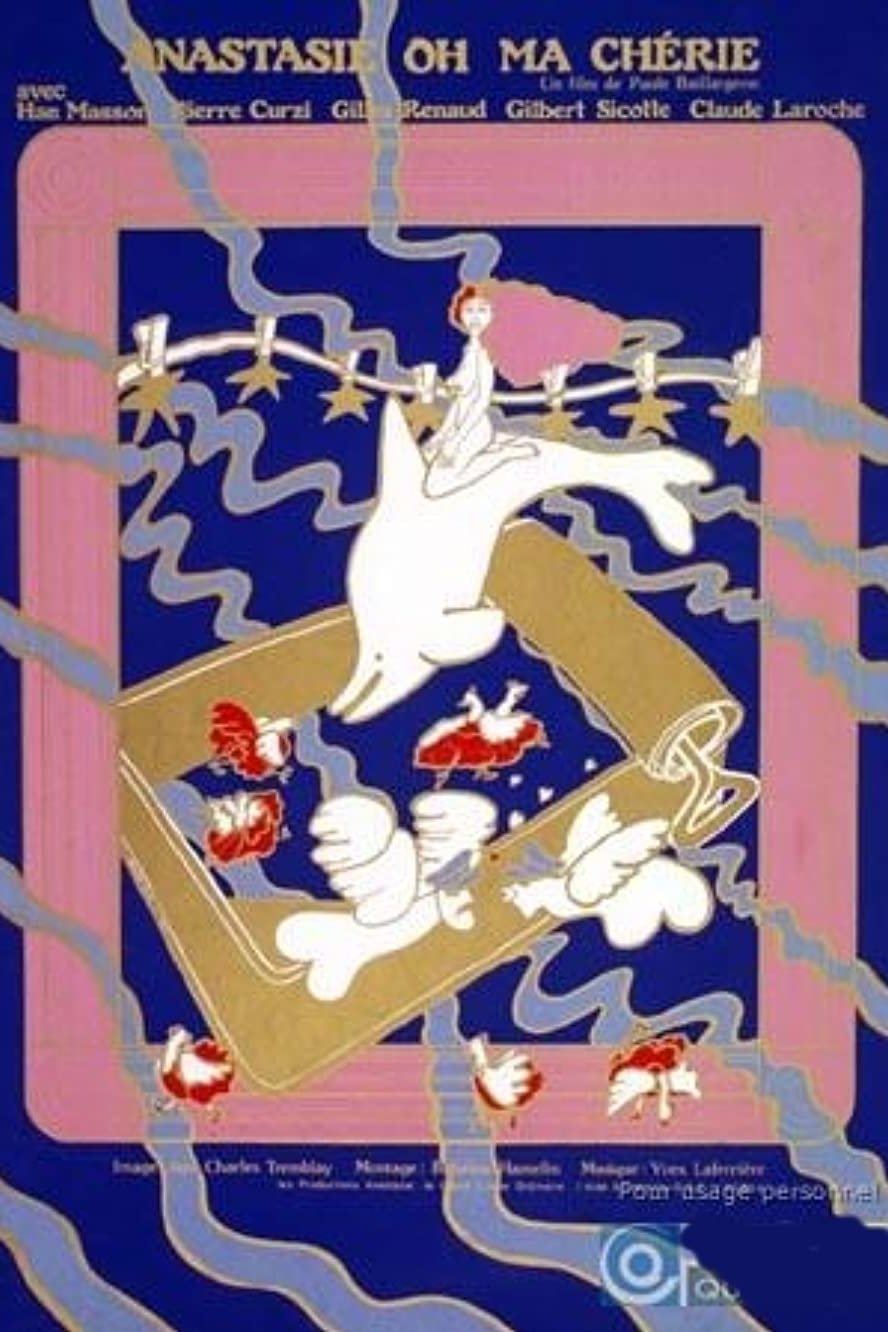
Anastasia chooses to lock herself in an apartment and tame through rituals. She barricades herself, to protect herself from external violence and the destructive invasion of family life.

In this French–Canadian oddity of music and drama, an actress in a traveling musical revue is involved with the show's director until she meets and falls for an aging ecological activist. He too is drawn to her, and together they try to stop a factory from being built over an old-growth forest.

Ovide Plouffe has married Rita. She still tries to attract other men even after their marriage. Unhappy Ovide feels for Marie - a young French woman he had met. But his catholic background and surrounding can't let him love another woman or divorce from his wife. So Ovide finishes with Marie and plans a trip with Rita hoping for reconciliation. At the last instant he announces to Rita that he can't make the trip. She goes alone. The plane explodes, and Ovide is suspected and arrested for this horrible crime.

Pierrot is serene and has no fear of his premature death. He asks his childhood friend Jacques to help him end his days well. This unusual approach will lead the two friends to a peaceful end.
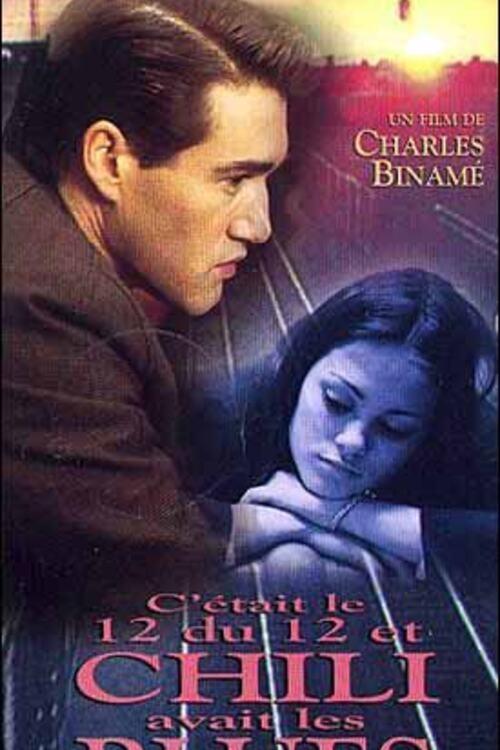
At a Montreal railway station, passengers are stranded because of a snowstorm. One of the stranded, Pierre-Paul, discovers a young schoolgirl on the brink of suicide. While he searches for someone to intervene, Chili, the young girl, disappears, only to reappear of her own accord after Pierre-Paul's fruitless search. This brief encounter leads to flashback revelations and interaction among the supporting characters also stranded in the storm.

A paraplegic is determined to rebuild her life on her own.

Four young women are participating on Idole Instantanée, a reality show produced by Omni Global, in which a complete stranger turns into a music star in just 24 hours.
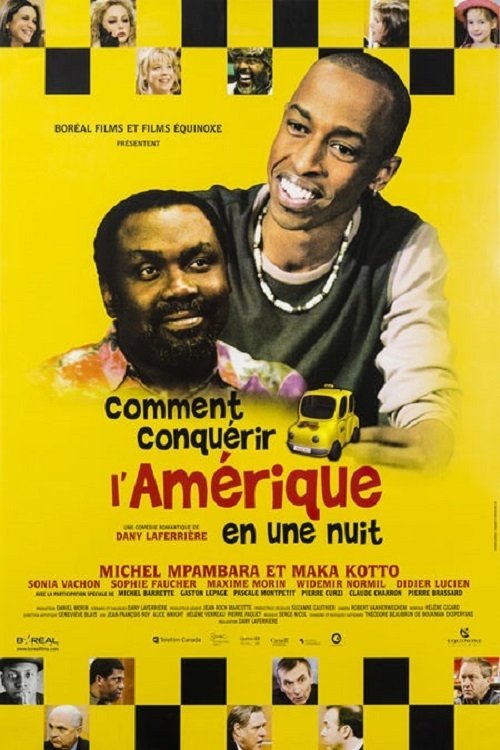
A young Haitian (Michel Mpambara) who loves America visits his uncle (Maka Kotto) in Montreal.

When Gérard finds a dead raccoon in his front yard, the old man becomes strangely distressed, shaken by thoughts of his own demise. Jocelyne watches the despair of her husband grow along with his obsession with the animal’s body, and his anguish takes root in her own mind. After a night of torment, they decide to go and bury the raccoon on the land where their house once stood in Joutel, a former mining town deserted since 1998. When they get there, the boreal forest is creeping in on the ruins of her former house, plunging Jocelyne into a deep nostalgia. Here, after a morbid picnic marking the raccoon’s burial, the couple meets a mystical being who leads them to make peace with their inner demons.
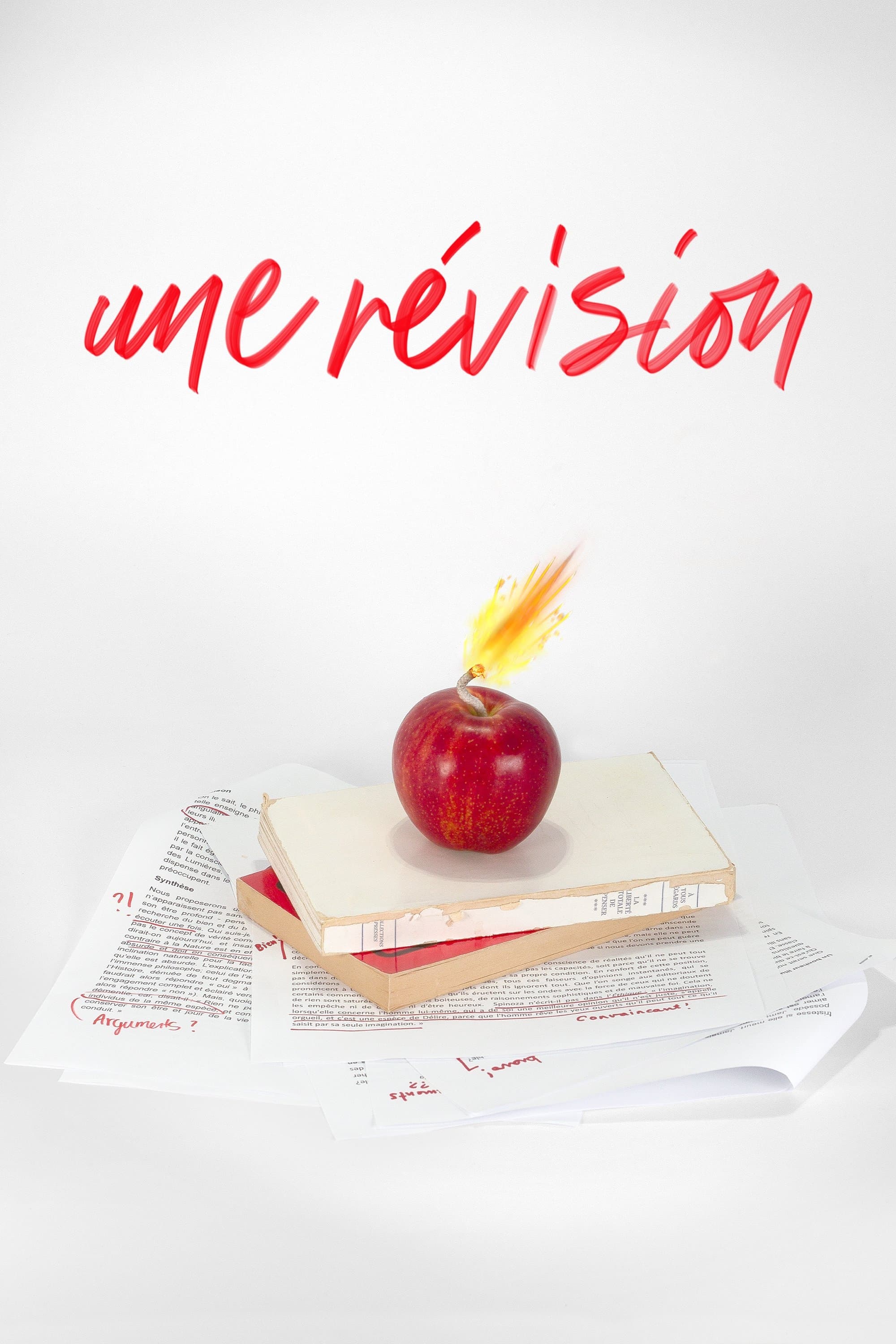
A professor of philosophy teaches lessons to his awakened students. One day, one of his students decides to put his lessons into practice, and she goes on a journey that shakes her deepest convictions.
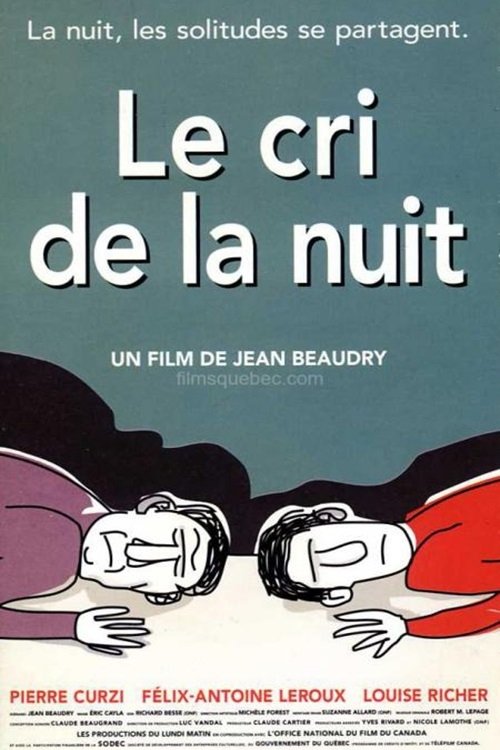
A lonely night watchman, whose quiet routine revolves around stargazing, faces emotional upheaval when his girlfriend reveals she's pregnant and leaves him, while a troubled young man records a farewell video to his ex.
Audrey, a woman in her mid-fifties, has never been able to make peace with her tumultuous family history. A clumsy mother, an emotionally distant father and sexual assaults that have gone unreported. She now decides to confront her demons. Supported by her son, the director of the documentary, she revisits a striking scene from her past: the moment when she told her parents that her grandfather had raped her. Together, through a year-long production process, they transform this awkward exchange into a moment of communion, thanks to actors, a set and Audrey's desire to do herself justice.

Gilles meets Guylaine on a beach. He's a bookish scholar with glasses; she's a waitress in a blue-collar bar in a rough part of Montreal. Gilles comes for a visit... Guylaine's brother Bob works for the brutal gangster Matroni. Two toughs have hijacked a tractor-trailer full of stolen car parts that Matroni was about to deliver to an even worse gangster, Boyd. Boyd is very dangerous and he wants those parts. Guylaine's friend Linda knows the hijackers and has left their names with her mum in a letter. The thugs have gotten to Bob and beaten him up, so that means only one person can take the letter to Matroni at his autowrecking yard, polite and courteous Gilles...
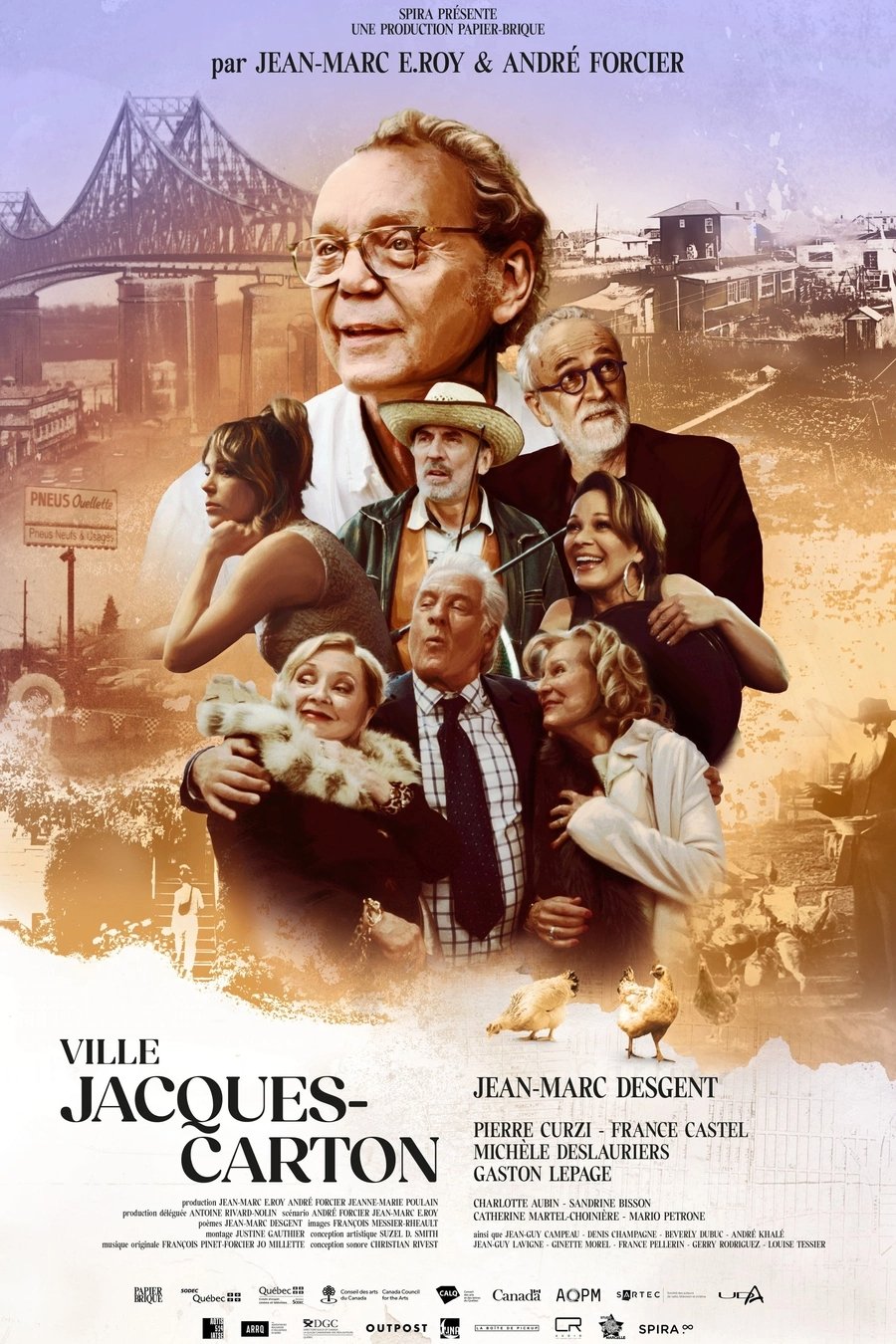
Against the voracious concrete and a ruthless developer, a poet stands tall, the last bulwark against oblivion, like a Gaul defying Caesar. He gathers voices from the past, revives memories, and weaves an ode to Ville Jacques-Cartier's working-class heritage, a haven where hopes and struggles once echoed.
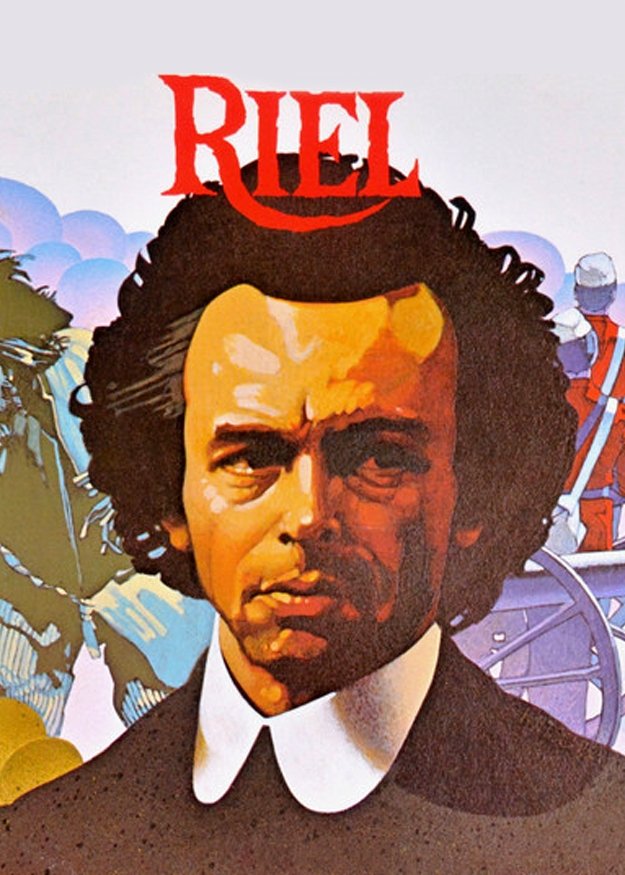
A film about the actions of the Metis rebel leader who opposed the Canadian government in two seperate rebellions.