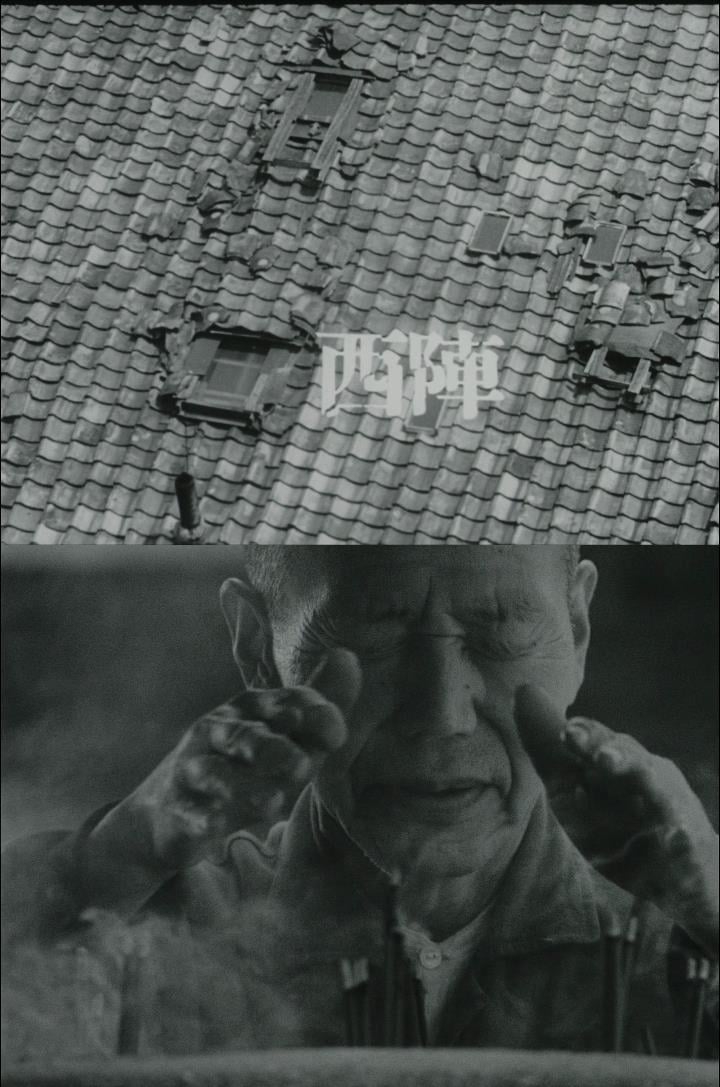
The Weavers of Nishijin captures the process of traditional textile manufacture in Nishijin.
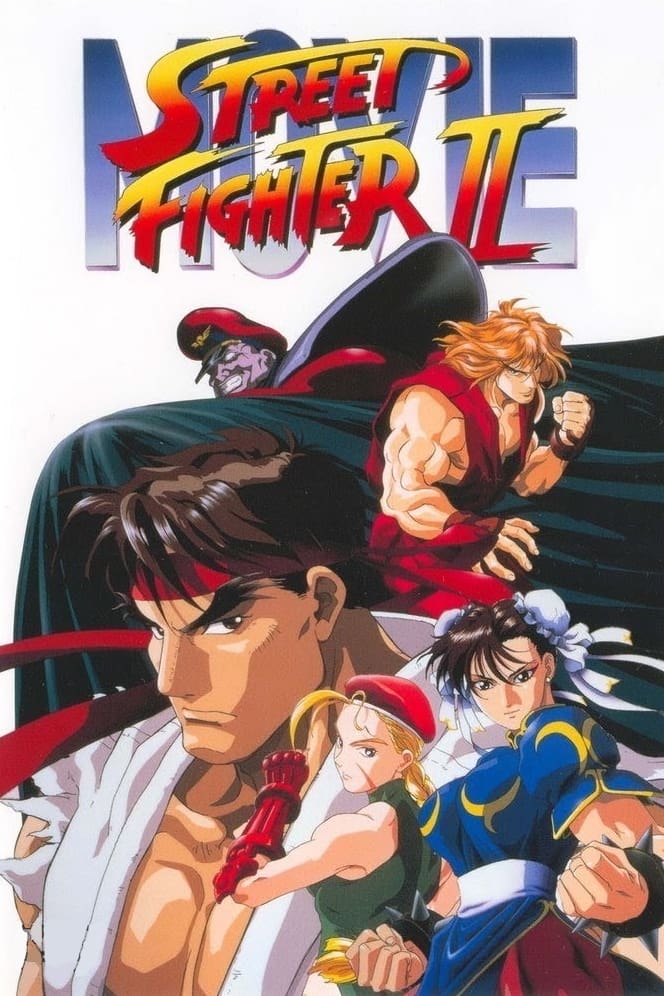
Bison, the ruthless leader of the international terrorist organization Shadowlaw, has been desperately searching for the greatest fighter on the planet for years. He finds it in Ryu, a young wanderer who never stays in one place long enough for Bison to find him. He does, however, get a fix on Ken Masters, an American martial arts champion who studied with Ryu as a child under the same master. Meanwhile, Major Guile of the United States Army is forced to team up with Chun Li from China in hopes of apprehending Bison and putting a stop his international ring of crime.
A motocross rider avenges his father's death

In postwar Tokyo, beloved writer-professor Hyakken Uchida retires and is buoyed through hardship by the fierce devotion of his former students, who honor him each year with a raucous “Not yet!” birthday toast. Told in warm, gently comic vignettes, Kurosawa’s farewell celebrates aging, friendship, and the sustaining ritual of teacher and pupils refusing to say goodbye.

Two Japanese scientists, Ushioda and Ochi, develop a bond with their sled dogs while on an expedition in Antarctica.

Years of warfare end in a Japan unified under the Tokugawa shogunate, and samurai spy Sasuke Sarutobi, tired of conflict, longs for peace. When a high-ranking spy named Tatewaki Koriyama defects from the shogun to a rival clan, however, the world of swordsmen is thrown into turmoil. After Sasuke is unwittingly drawn into the conflict, he tracks Tatewaki, while a mysterious, white-hooded figure seems to hunt them both. By tale’s end, no one is who they seemed to be, and the truth is far more personal than anyone suspected. Director Masahiro Shinoda’s Samurai Spy, filled with clan intrigue, ninja spies, and multiple double crosses, marks a bold stylistic departure from swordplay film convention.
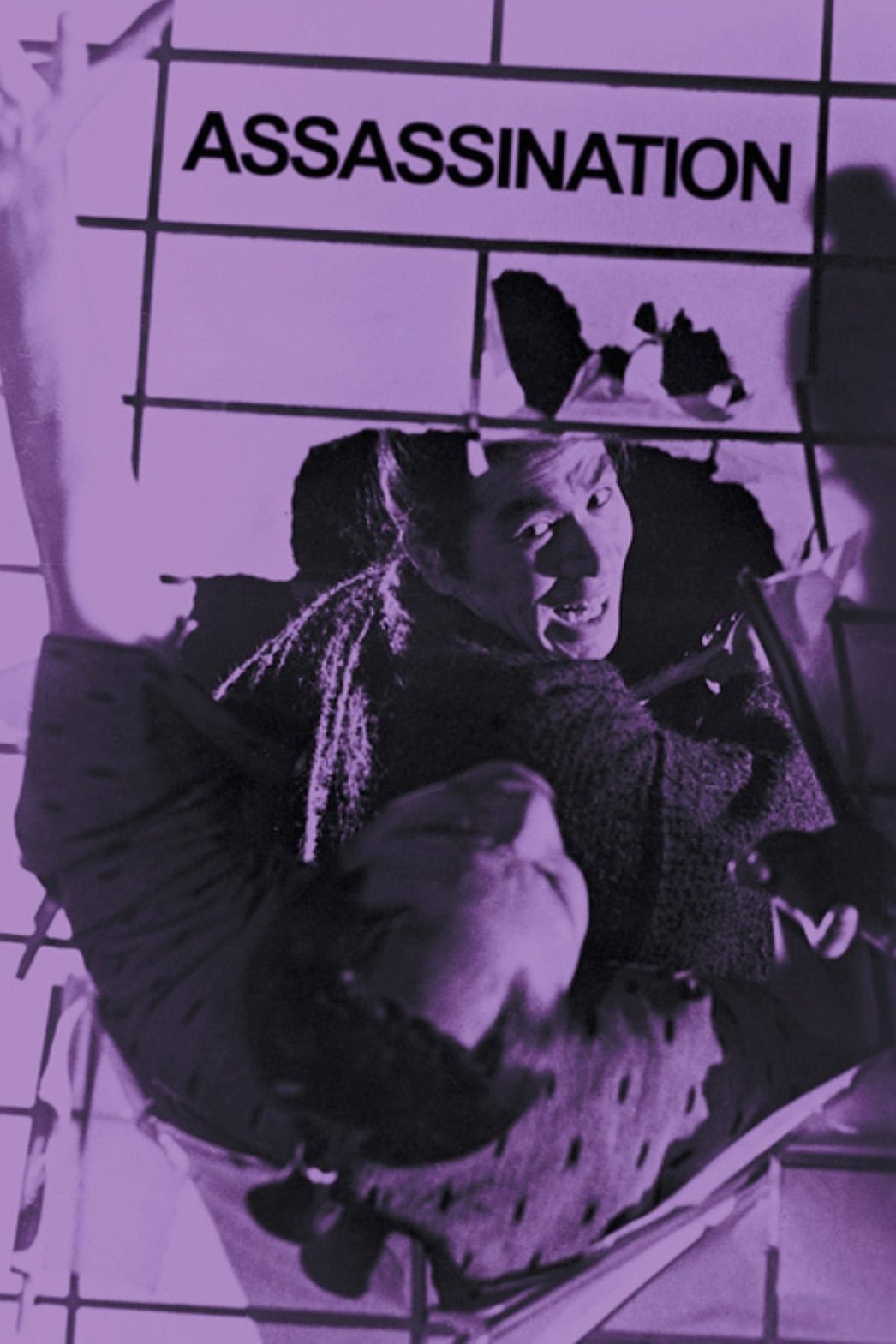
In 1863, when American warships approach Japan, an enigmatic ronin becomes an important figure in a complex game of power between the Shogunate and the empire.
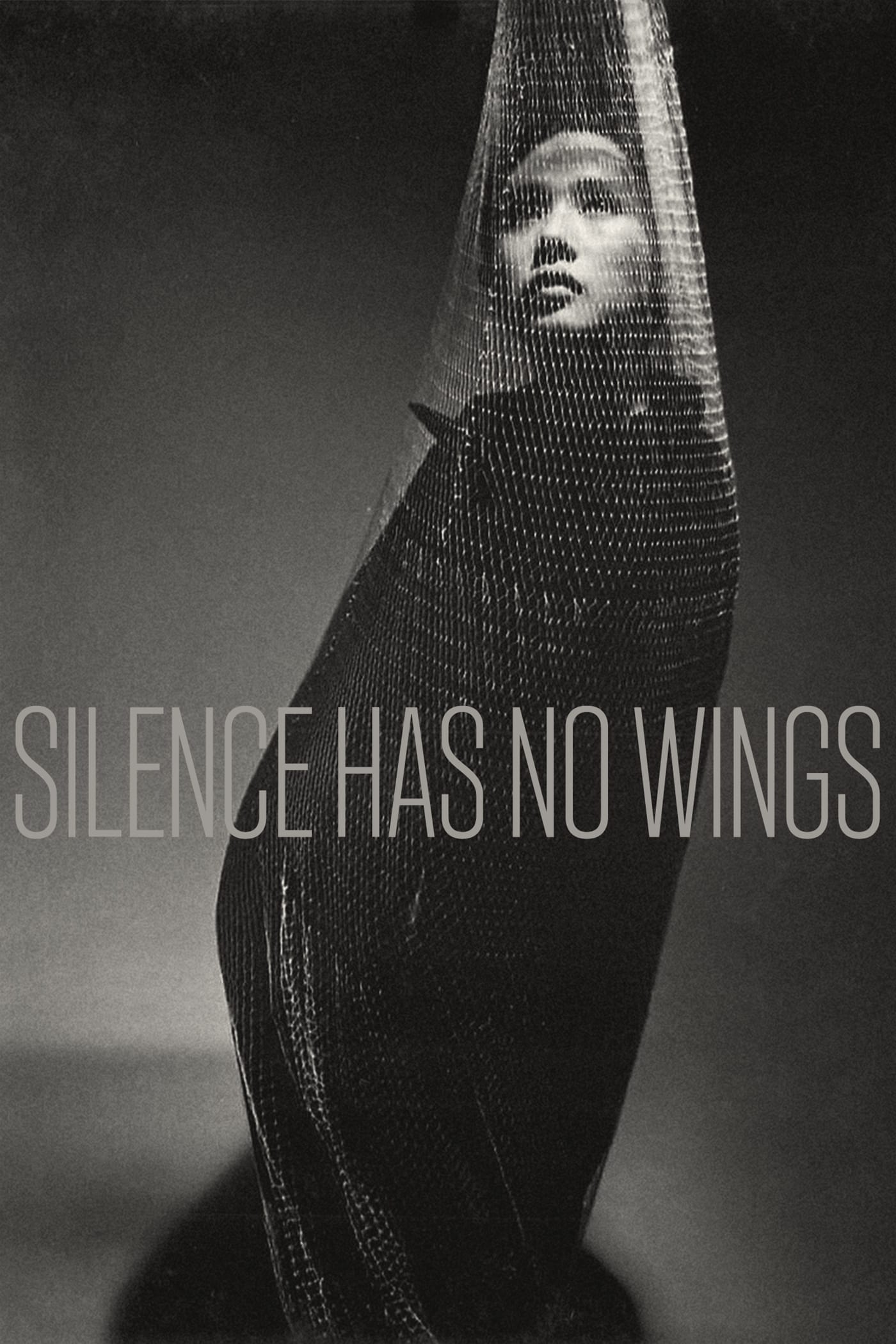
After a young boy captures a rare butterfly in Nagasaki, a caterpillar begins a relay-trip toward the northern tip of Hokkaido, serving as a silent witness to a series of vignettes featuring people struggling with the psychological and social scars of post-war Japan.
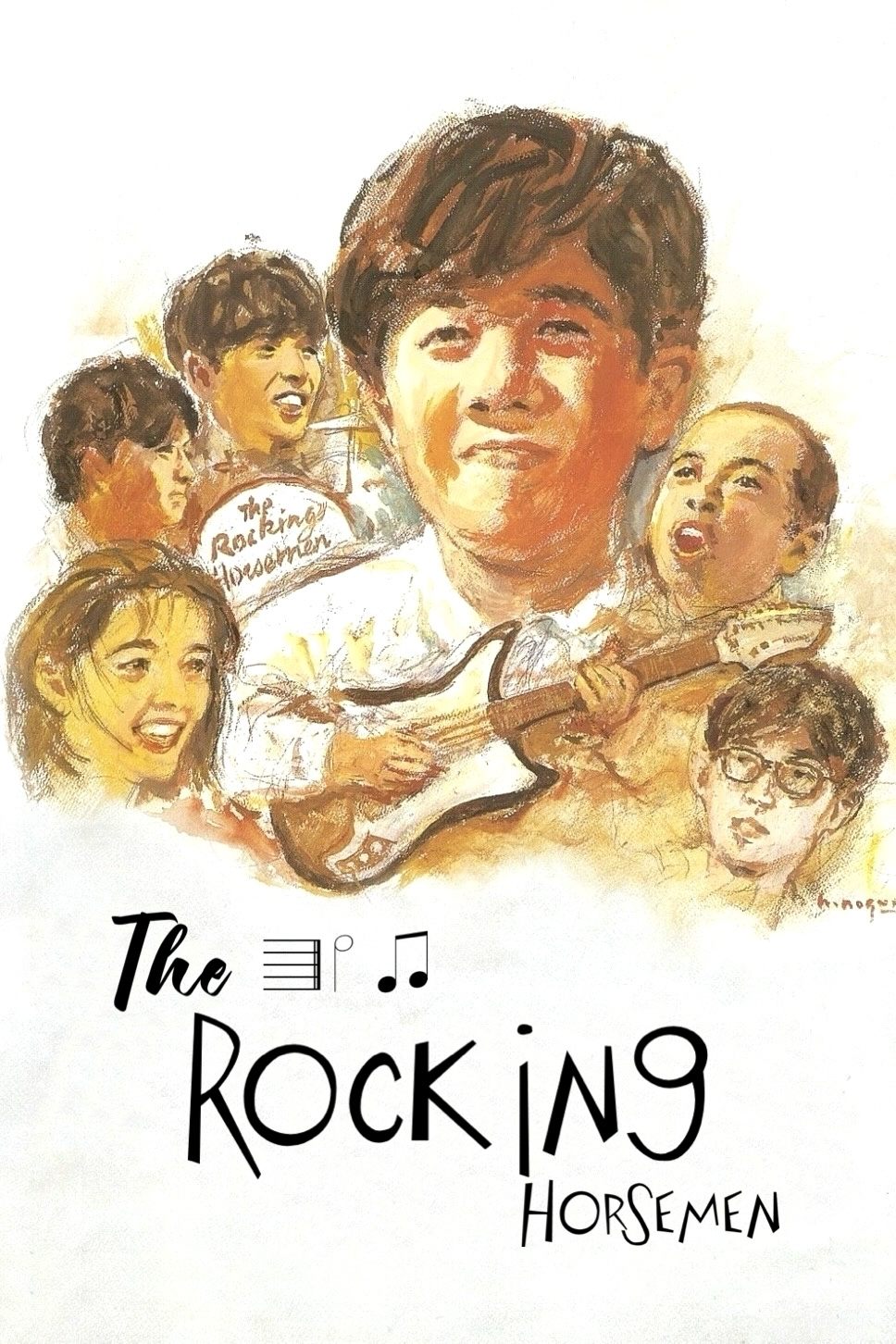
It is 1965. High-school student Takeyoshi Fujiwara hears "Pipeline" by the Ventures, and is mesmerized by their unique sound. With three friends, he forms a band called "The Rocking Horsemen." A warm and comic glimpse into high-school and small-town life in Japan in the 60's.

Follows a young med student's relationships with two women: a dangerous affair with a childhood friend and his mother's struggle to rebuild their estranged relationship.
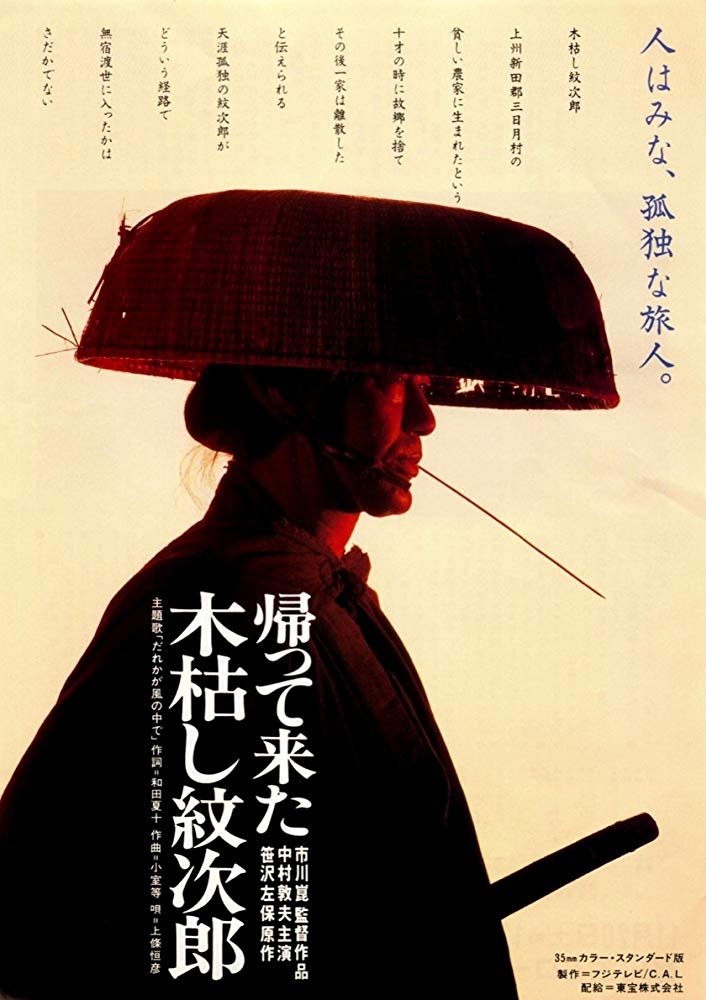

An adventurous young boy named Jack climbs a giant beanstalk to a magical kingdom governed by a greedy, tyrannical giant.
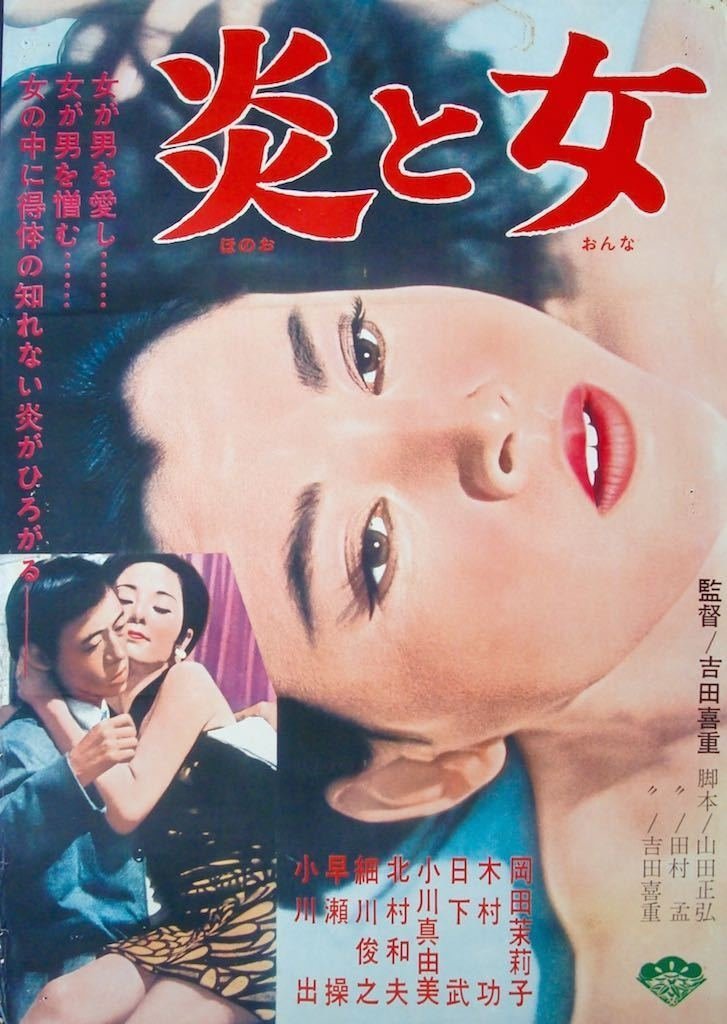
Shingo and Ritsuko have a baby: Takashi. They happen to be a happy couple, but soon Ritsuko wants to know who is the true father of Takashi, born by artificial insemination.
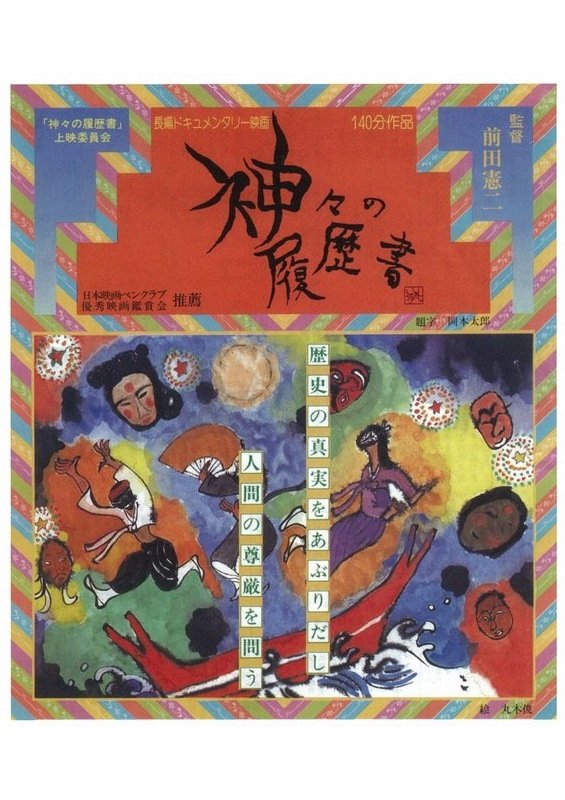
Documentary on Japan-Korea relations

The biography of Mifune Chizuko a woman clairvoyant.
Japanese crime film.
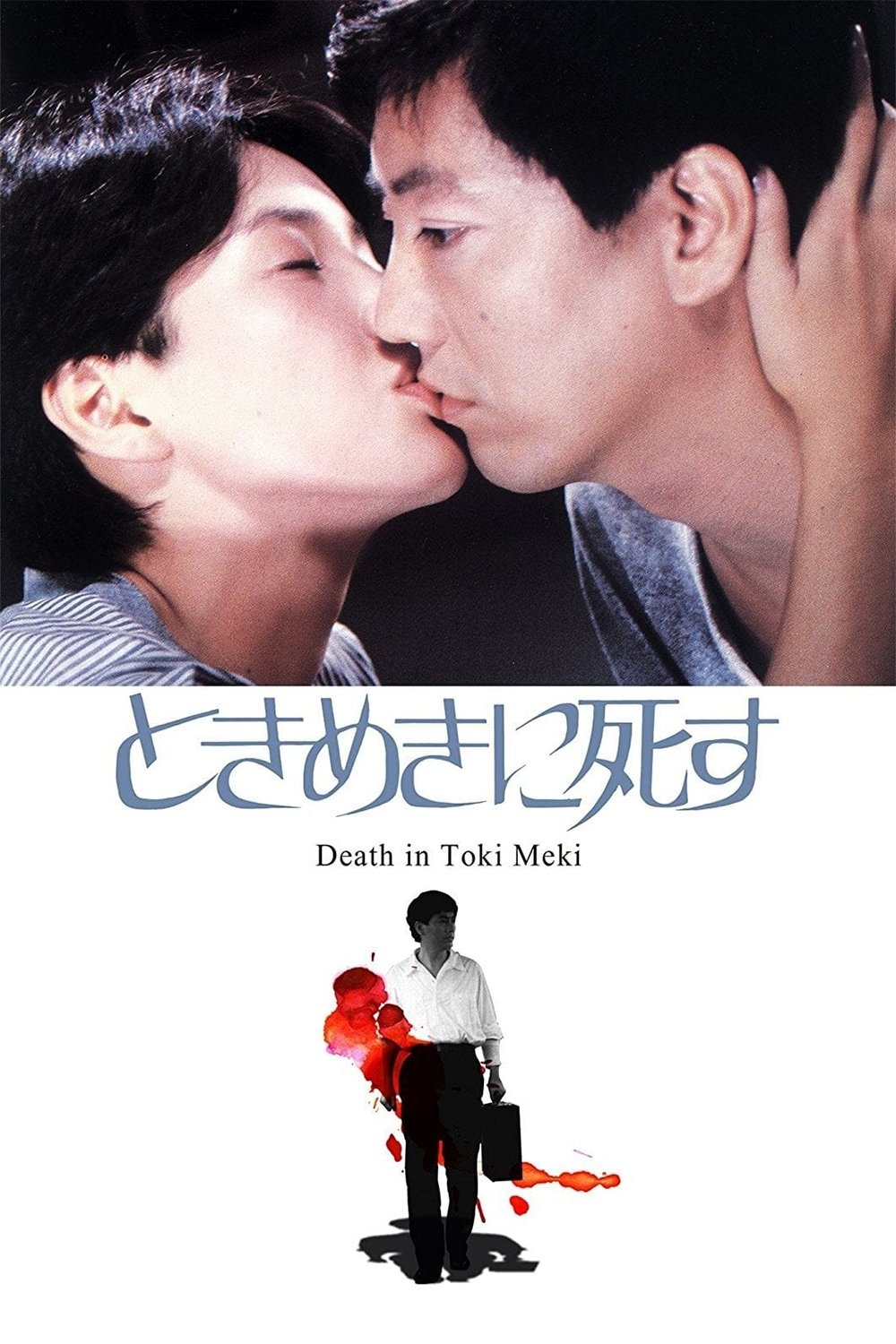
Deaths in Tokimeki tells the story of a nondescript hitman, in a remote country villa, waiting to carry out a job: the assassination of the leader of a religious cult.
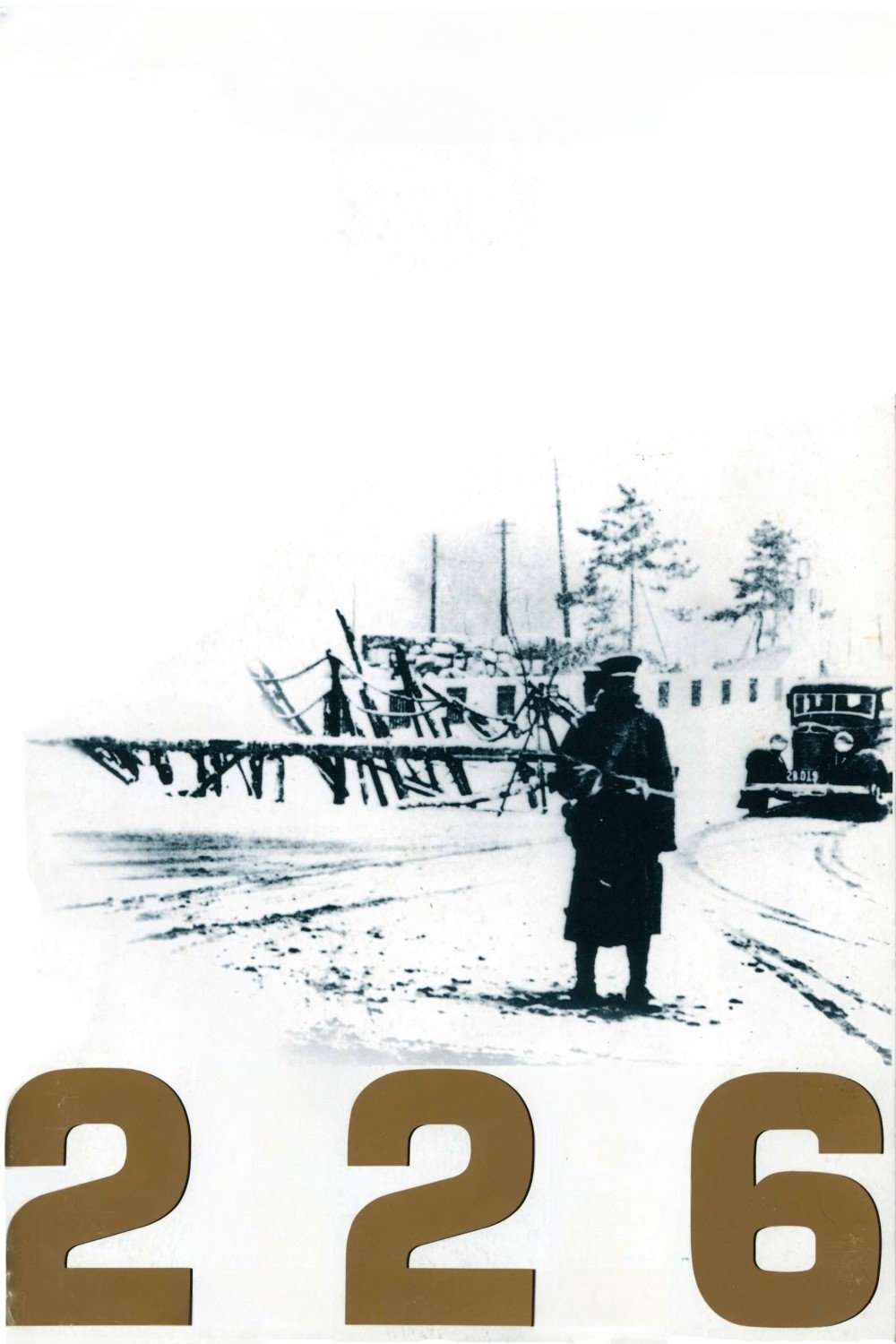
Based on the "2.26 Incident", an attempted coup d'état in Japan 1936, launched by radical ultra-nationalist parts of the military. Several leading politicians were killed and the center of Tokyo was briefly held by the insurgents before the coup was suppressed.
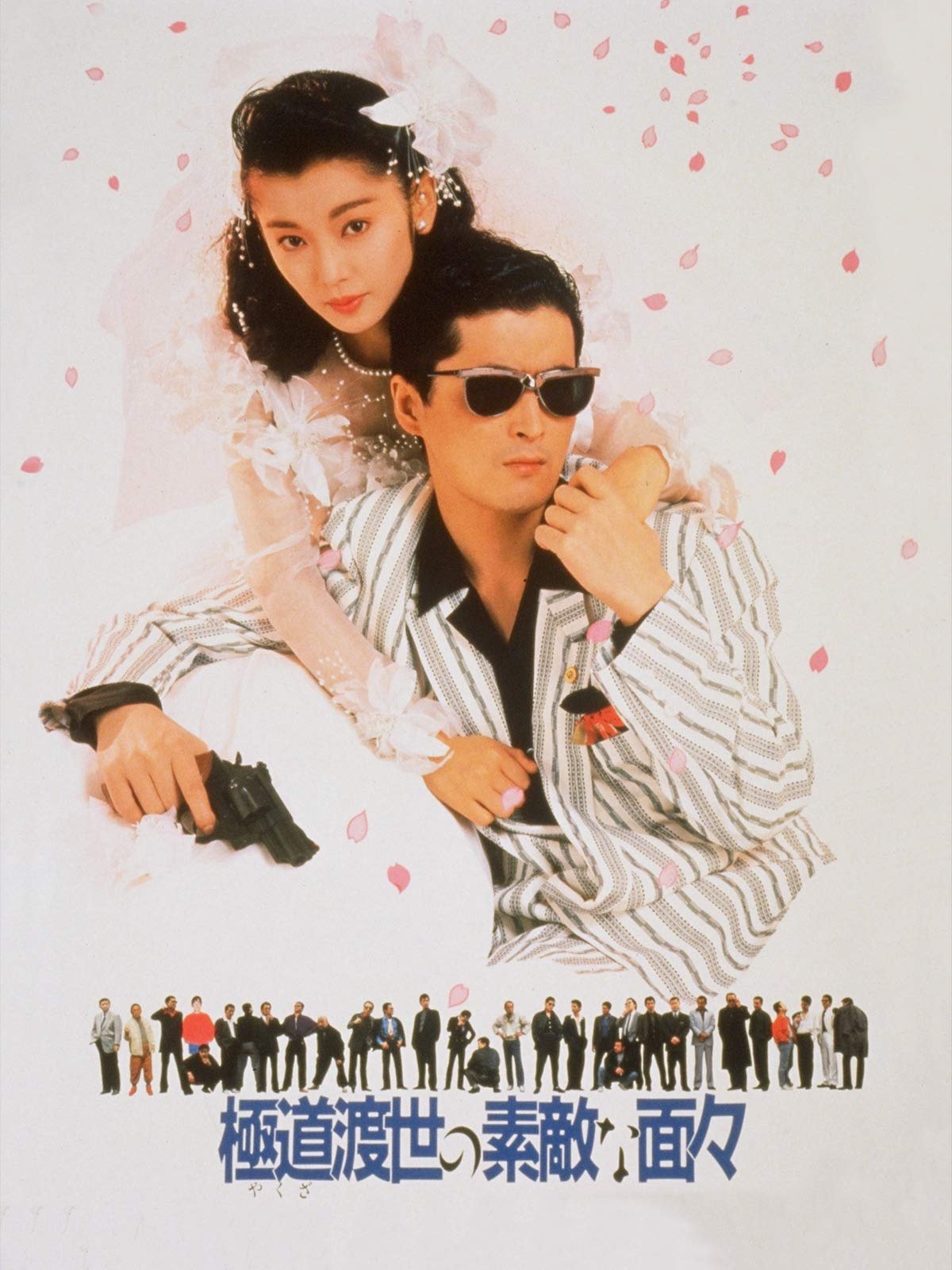
Ryo, a young former banker, gets beaten up over a debt from gambling. A yakuza boss saves him, and Ryo decides to train to become a yakuza under him.
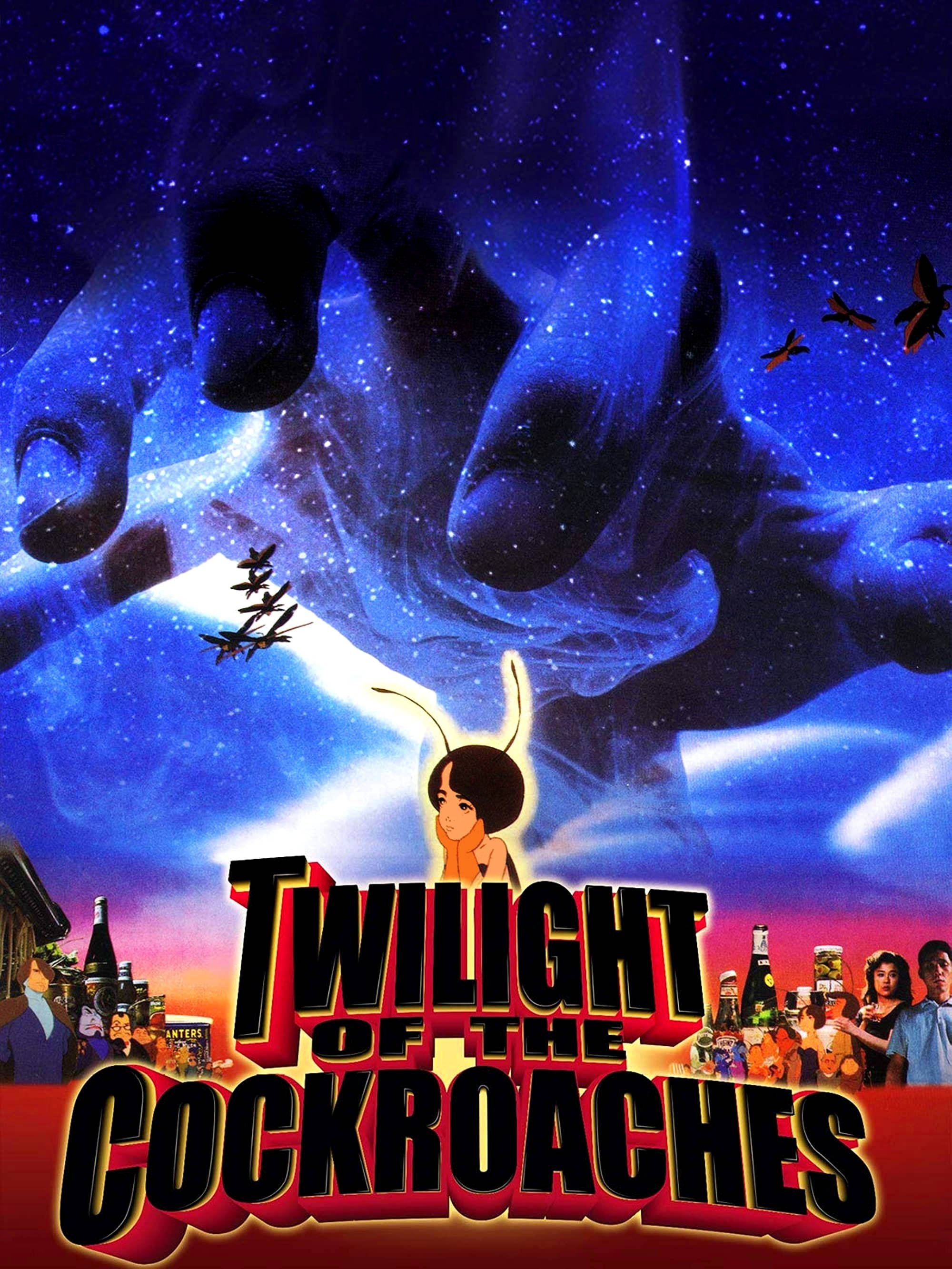
The cockroaches of Saito's apartment live in peace with their human host, who gives them lots of space to breed and plenty of leftovers to munch on. In the midst of these high living times, Naomi and Ichiro plan to get married and start a family. But when a hard-bitten stranger roach named Hans appears with news of war with the humans across the lawn, it foretells disruption-not only of Naomi and Ichiro's relationship, but of the hive's entire way of life.
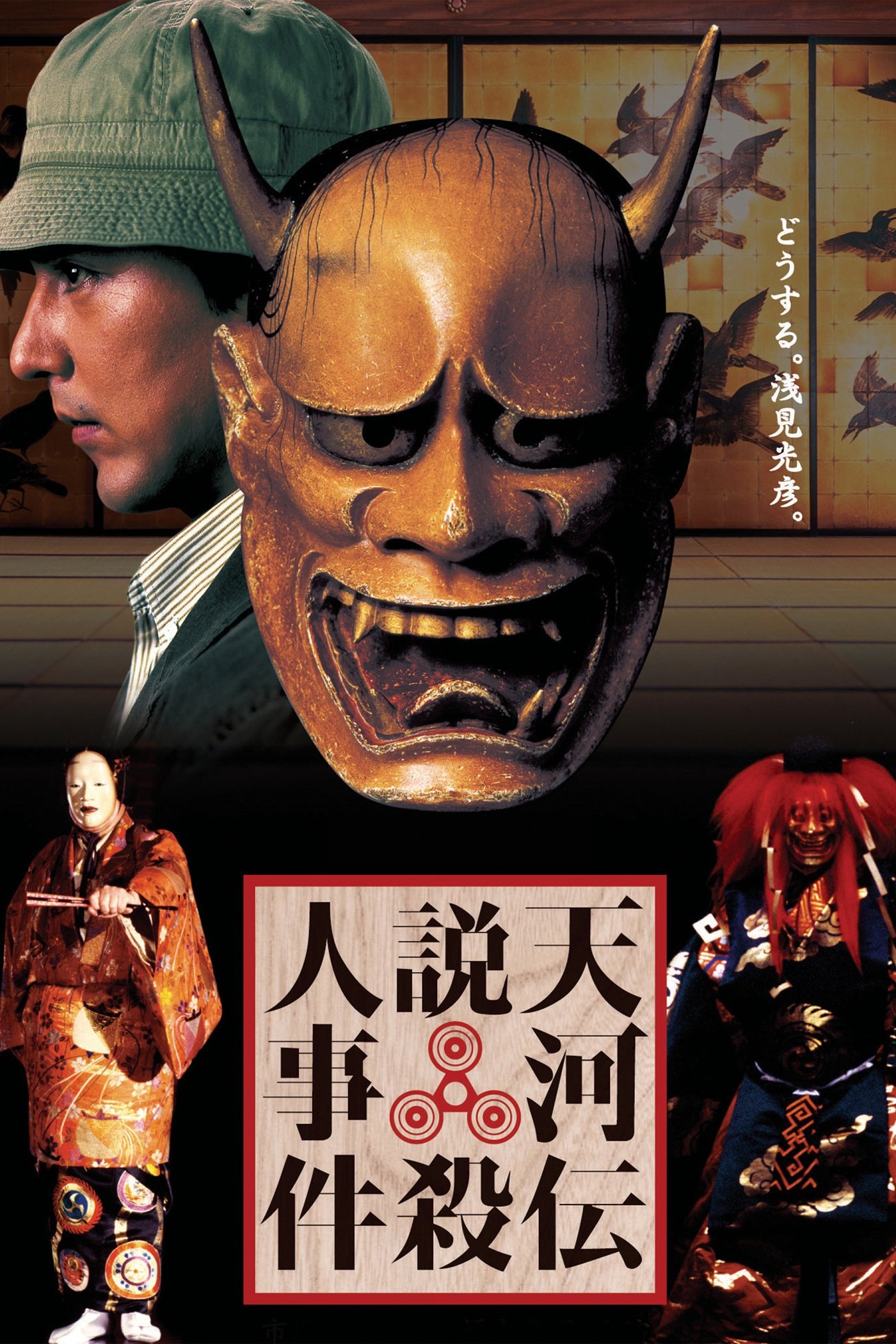
The patriarch of a bickering family announces his retirement, stirring competition about who will succeed him as a leading practitioner of Noh theater, his granddaughter or grandson.
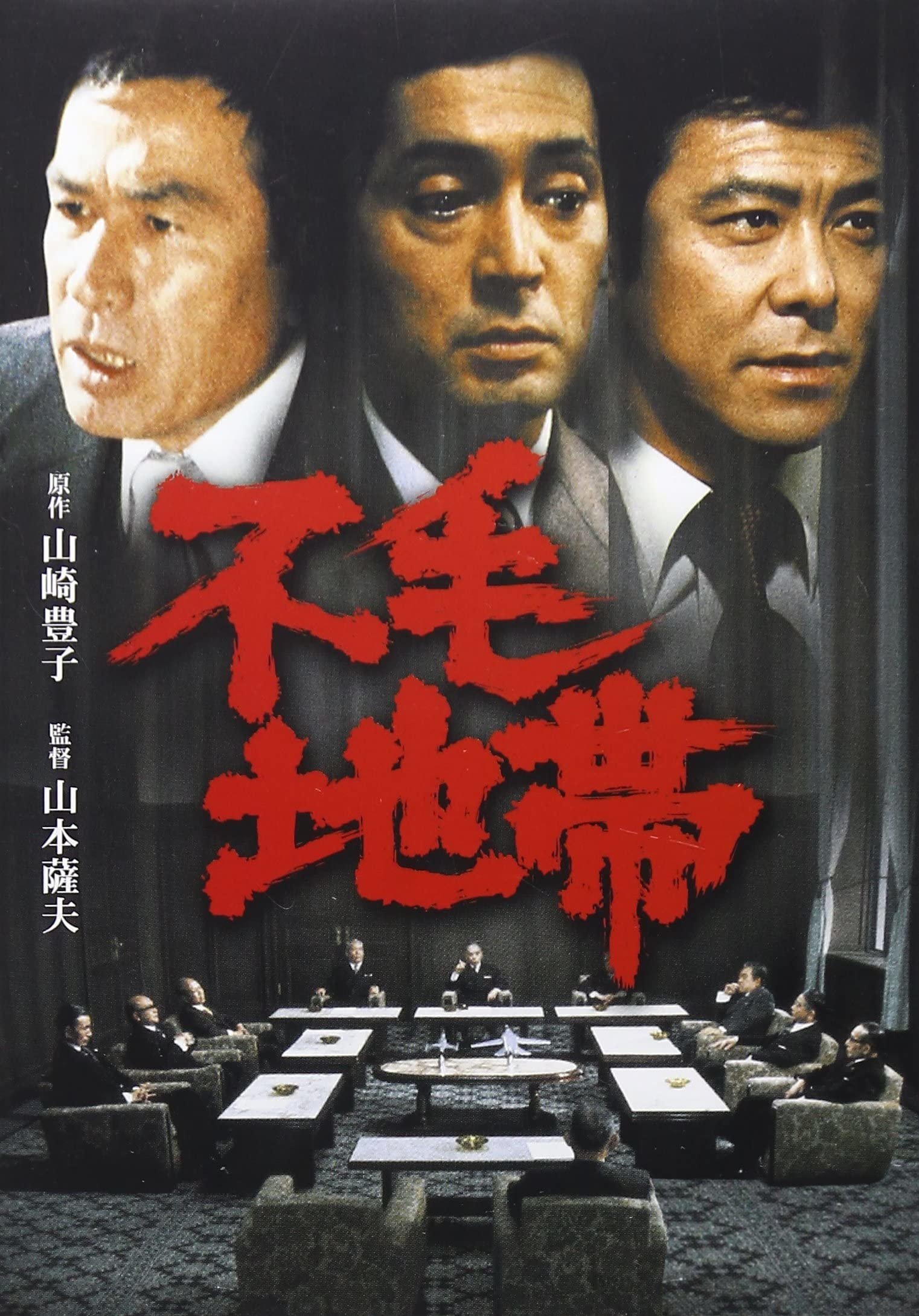
Tadashi Iki returns to Japan from a Soviet gulag 11 years after being captured during the invasion of Manchuria. He is offered a position in the expansive Kinki Corporation, but rival corporations are competing for a government contract to produce fighter planes.

A great famine struck all of Japan: the so-called Great Tenpō famine. It was a time when there were frequent uprisings in rural areas due to farmers losing their land as a result of strict tax collection. The Tonegawa area of Boso was a lawless area for a generation, as two major forces fought against each other: Sukegoro of Iioka, who wields power with his industrial capital behind him, and Shigezo of Sasakawa, a rising yakuza. Furthermore, the successive floods of the Tone River, which could be called fate, forced the farmers into even more poverty and despair. Meanwhile, farmers in Nabe Village continue to live a lethargic life, but agricultural reform is about to begin under the hands of Yugaku Ohara, a ronin who has settled in the village.
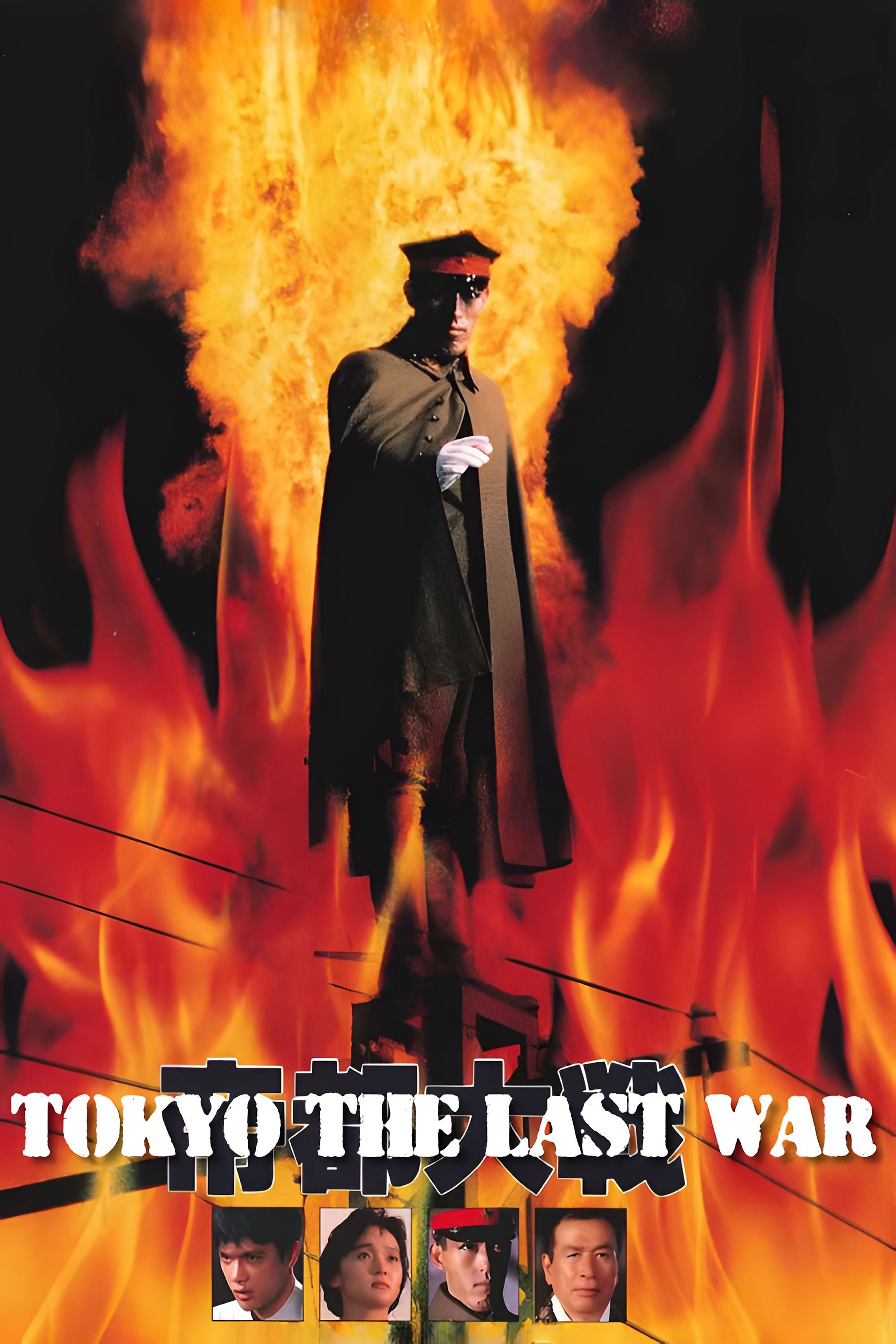
The year is 1945. After the horrific fire-bombings of the Pacific War levels Japan to the ground, the government decides to consult spiritual psychics to aid them in winning the war. Unfortunately, the resentment and agony of the souls of the fire-bombing victims culminate together to revive the evil Onmyoji, Yasunori Kato. Only a young, psychically imbued apprentice of the priests will dare fight against the evil magic user. However, can this lone man possibly contend with Kato's overwhelming power?
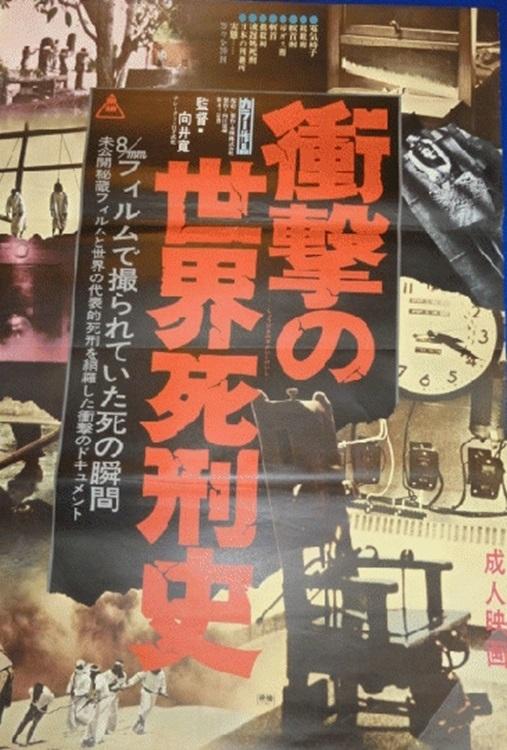
Do humans have the right to judge and kill other humans? This program includes a history of capital punishment around the world through documentary footage and commentary. The electric chair, firing squad, hanging, poison gas, beating to death, slow execution, crotch-splitting, iron maiden, guillotine, execution by running, and beheading... It features a military execution in a South American country, obtained from a former prison officer. It also includes footage of the reality of life in Japanese prisons, death row inmates facing death, the parents of death row inmates, the families of their victims, and the gallows.
The year is 1945. After the horrific fire-bombings of the Pacific War levels Japan to the ground, the government decides to consult spiritual psychics to aid them in winning the war. Unfortunately, the resentment and agony of the souls of the fire-bombing victims culminate together to revive the evil Onmyoji, Yasunori Kato. Only a young, psychically imbued apprentice of the priests will dare fight against the evil magic user. However, can this lone man possibly contend with Kato's overwhelming power?
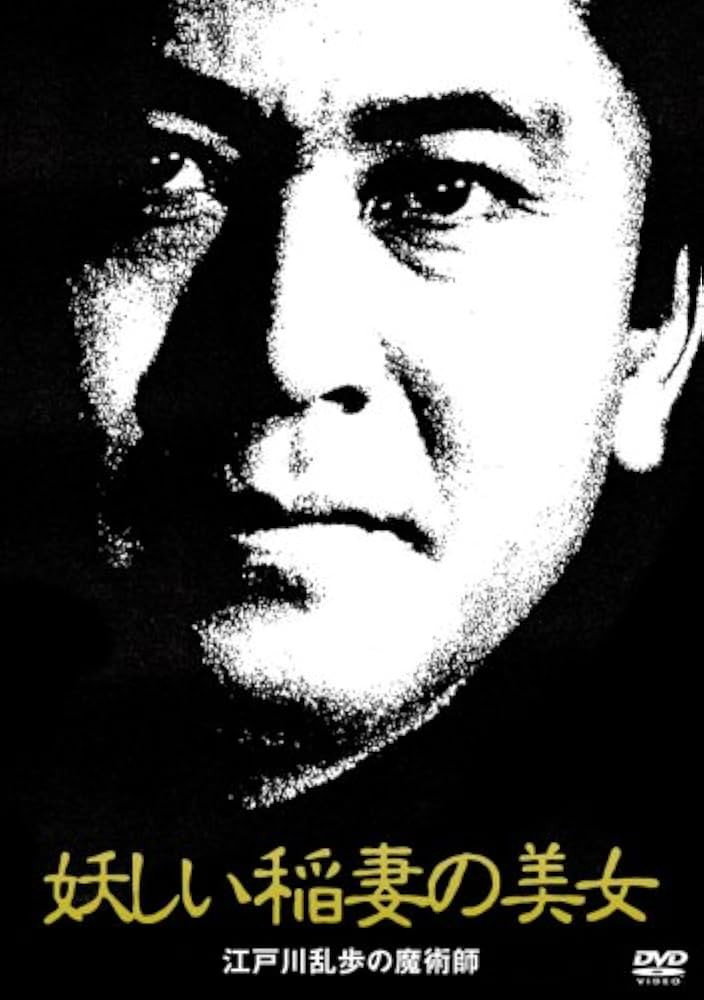
A series of mysterious numbers began arriving at the Tamamura family, a family of jewelers. They were terrifying death threats. Kogoro Akechi sets out to investigate, but the culprits strike first and kidnap him, holding him captive. With Akechi in a life-or-death situation, is there any way he can escape the man who calls himself “The Magician”? And why is this magician, possessing the cunning of a devil, targeting the Tamamura family?