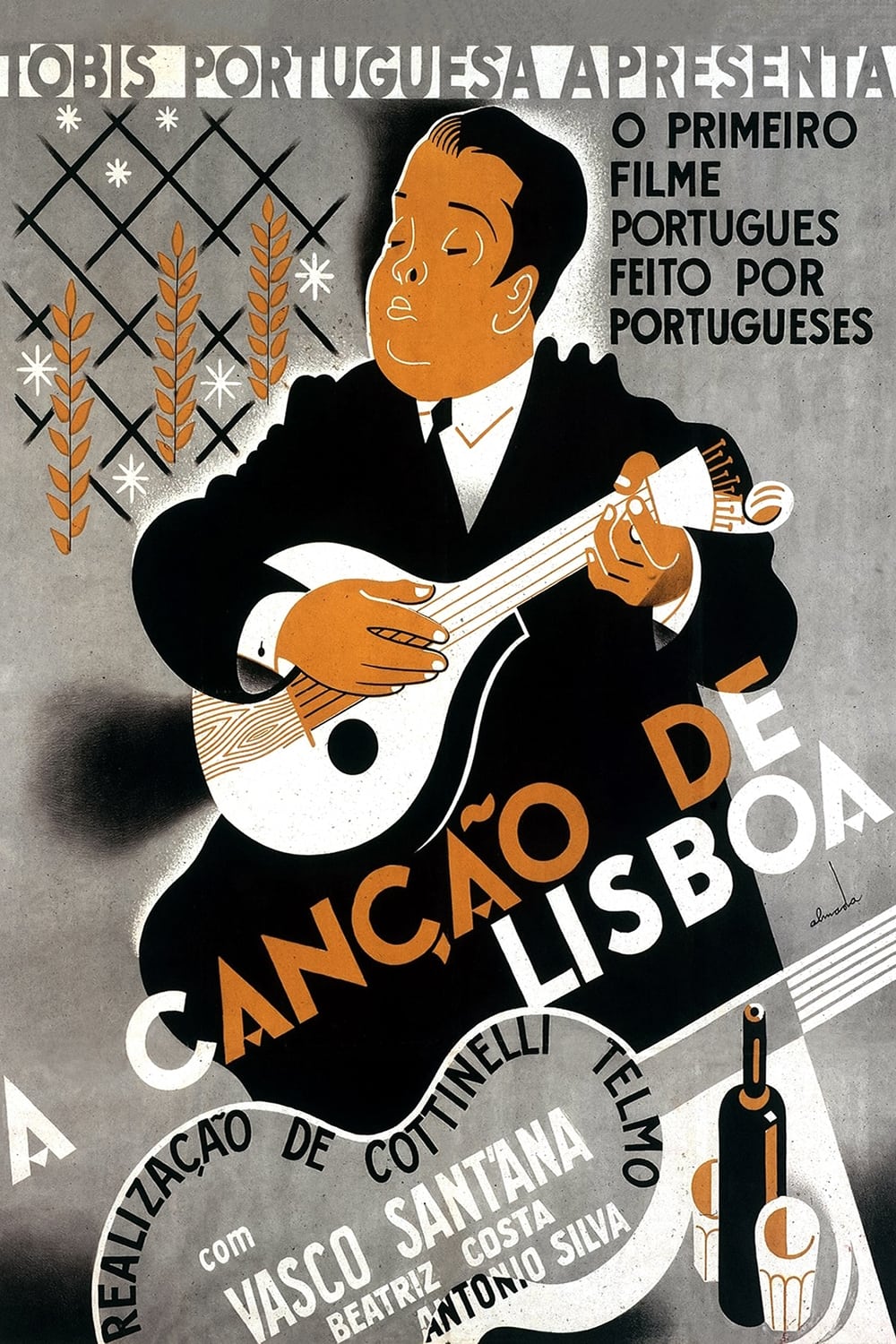
Vasco is a medical student in Lisbon, supported by his rich aunts, whom he had falsely told he had already graduated. In fact, he devotes himself to a bohemian life, preferring the popular fairs and pretty women, especially Alice, a seamstress from the Castelinhos quarter, which rather upsets her ambitious father, tailor Caetano, who is familiar with Vasco's debts. After failing yet another final exam, he is surprised by his aunts' announcement that they will visit him in Lisbon to see his practice.
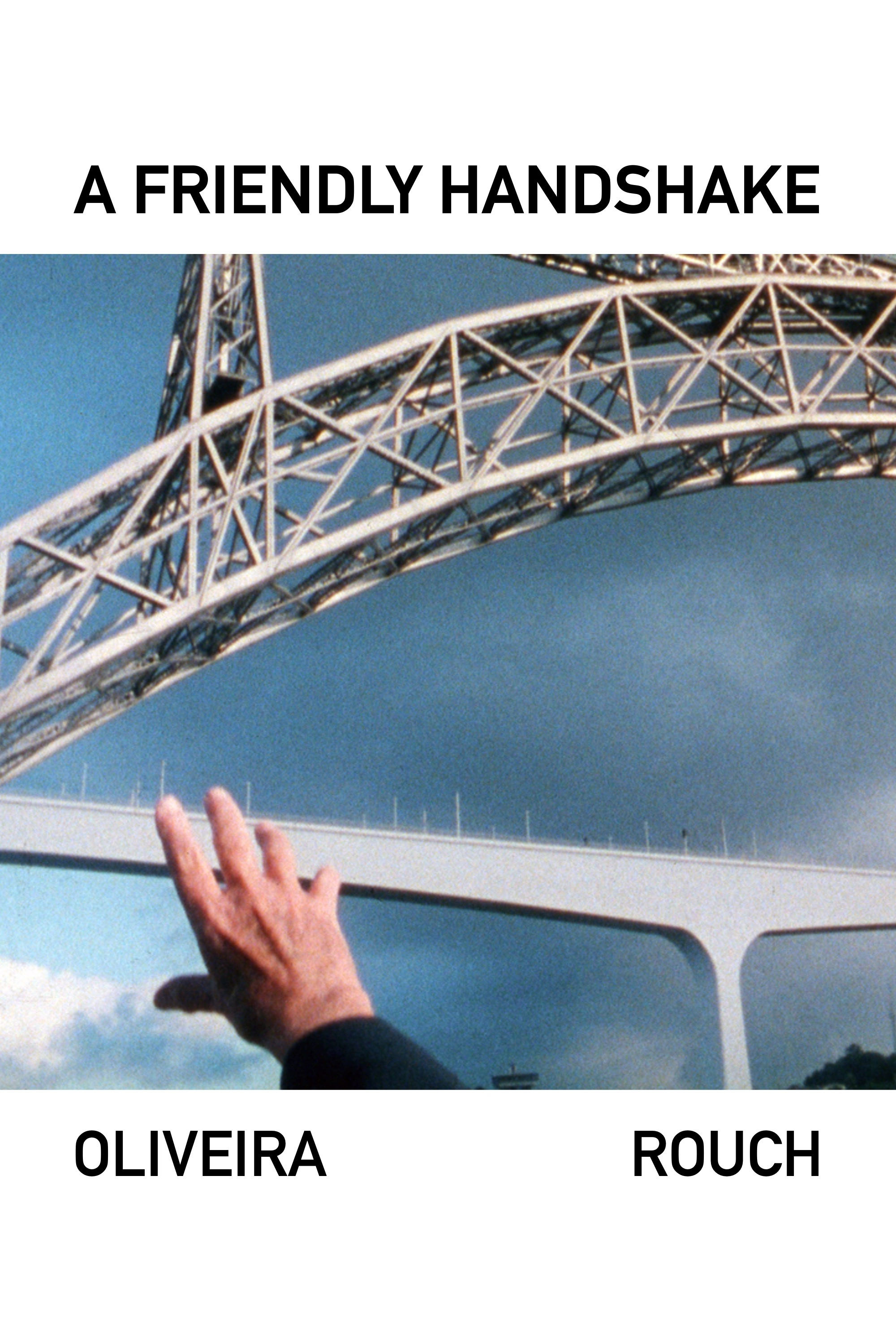
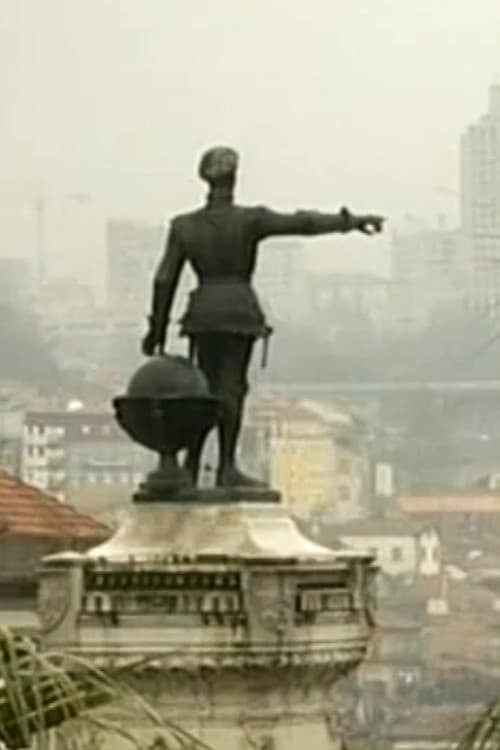
From the bridges of Porto to its estuary, two men are paying tribute to the elegant Douro River. Through Luís de Camões and Prince Henry the Navigator, through its Viking ships and dizzying bridges, the Douro is a great witness to the history and culture of Portugal. Jean Rouch and Manoel de Oliveira are walking alongside while reciting a poem written by de Oliveira himself. During their walk, they reflect upon documentary-making, the charm of the river, and what it represents to them.

A true story of a doctor and his wife who went on a journey in order to prove that discoverer Christopher Columbus was in fact Portuguese. Inspired by the book "Cristóvão Colon Era Português".
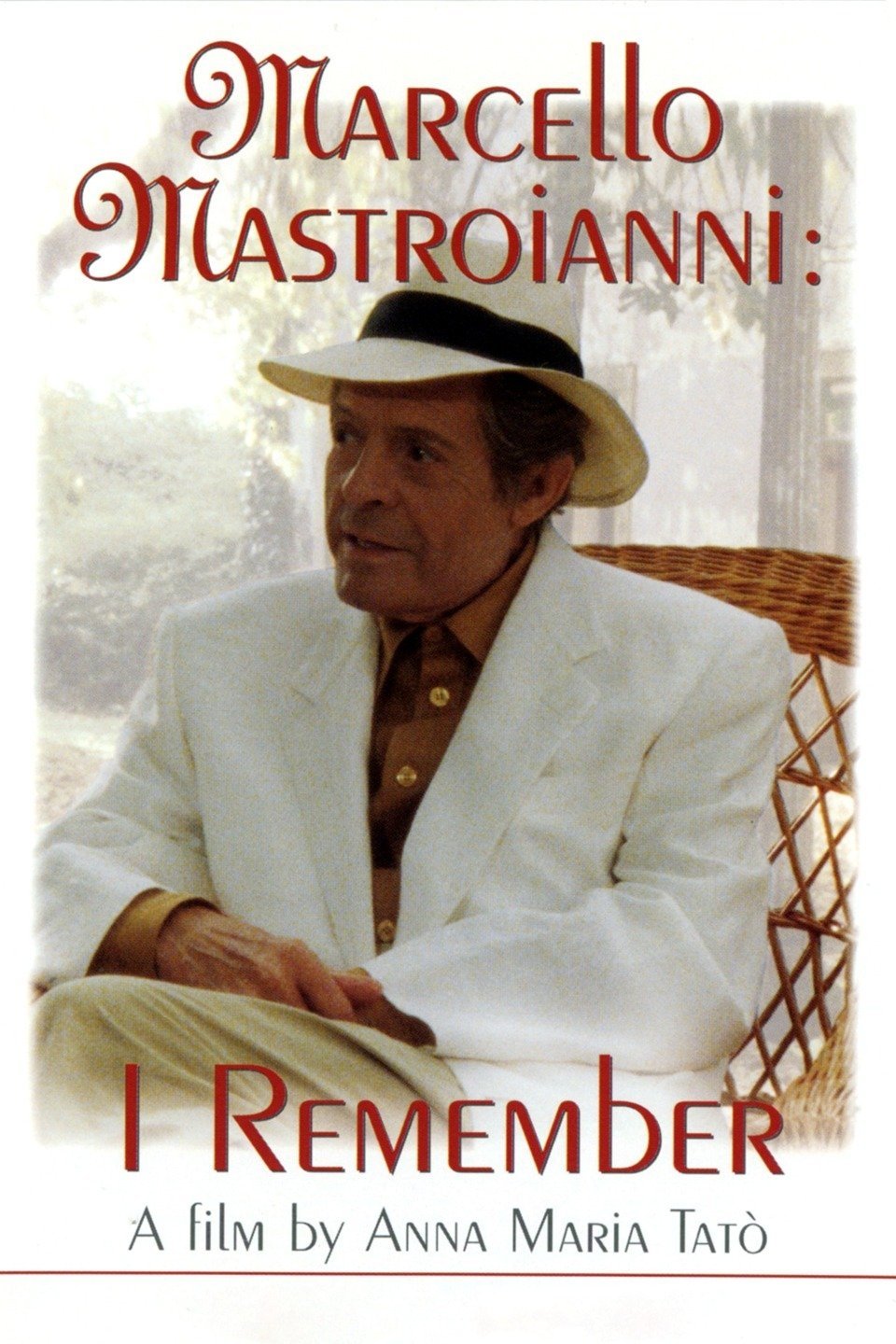
In 1996, Marcello Mastroianni talks about life as an actor. It's an anecdotal and philosophical memoir, moving from topic to topic, fully conscious of a man "of a certain age" looking back. He tells stories about Fellini and De Sica's direction, of using irony in performances, of constantly working (an actor tries to find himself in characters). He's diffident about prizes, celebrates Rome and Paris, salutes Naples and its people. He answers the question, why make bad films; recalls his father and grandfather, carpenters, his mother, deaf in her old age, and his brother, a film editor; he's modest about his looks. In repose, time's swift passage holds Mastroianni inward gaze.
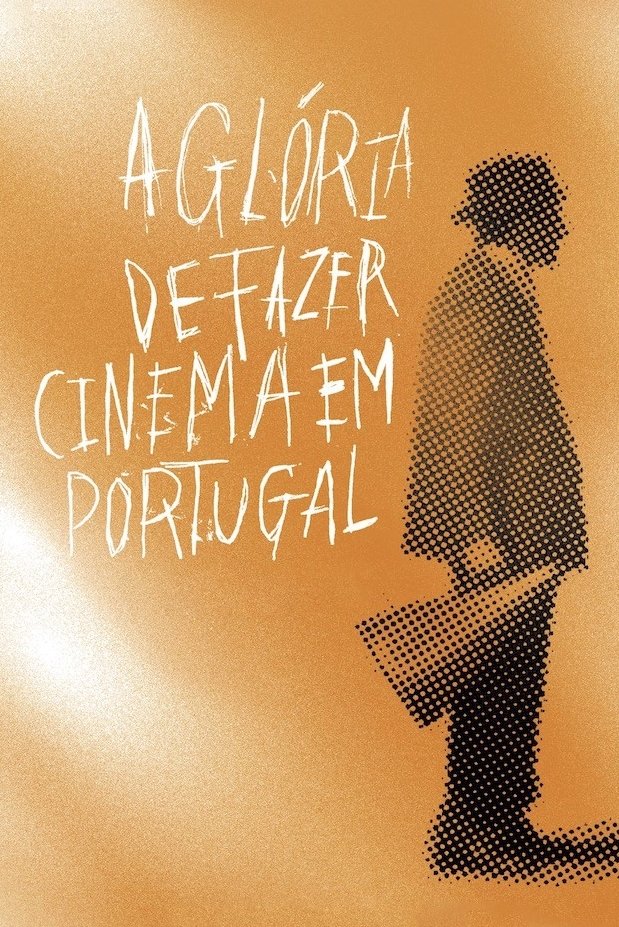
On 18 September 1929, José Régio sent a letter to Alberto Serpa expressing his desire to create a production company and start making films. For almost 90 years, nothing more was known: no reply was ever found and Régio never mentioned the subject again. The discovery of some old reels in a collector’s hoard seems to provide the ending to the story.
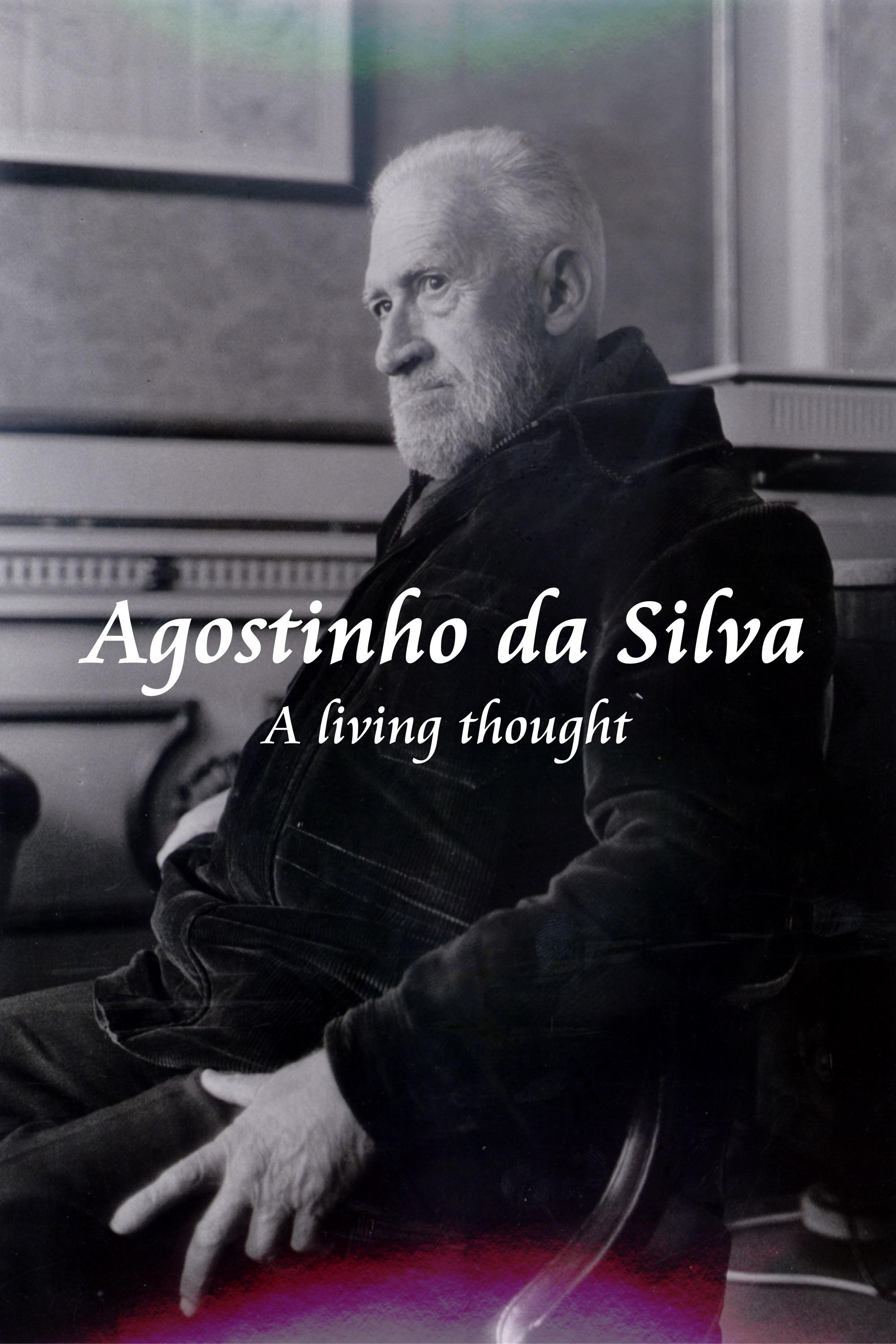
Life and legacy of Agostinho da Silva. Traversing the biographical journey, the life and work of the Luso-Brazilian philosopher, this work has testimonies from himself and various personalities of Portugal and Brazil that allow us to unravel his personality and multifaceted thought.
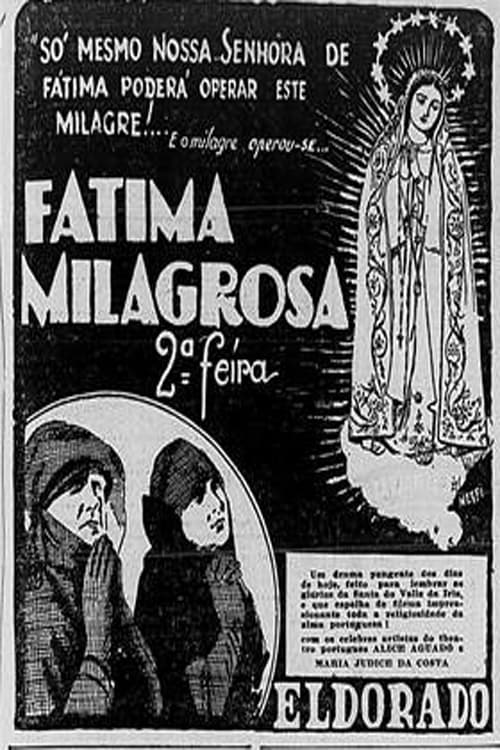
Aninhas (Aida Lupo), a paralyzed girl, asks for a miracle from the saint of her devotion, Our Lady of Lourdes, at the chapel of Penha (Guimarães), but her prayer is not heard - She turns her devotion to the Blessed Virgin directly, and joins the multitude that goes on a pilgrimage to the village where, ten years before, the Virgin Mary is said to have appeared to three child sheepherders.
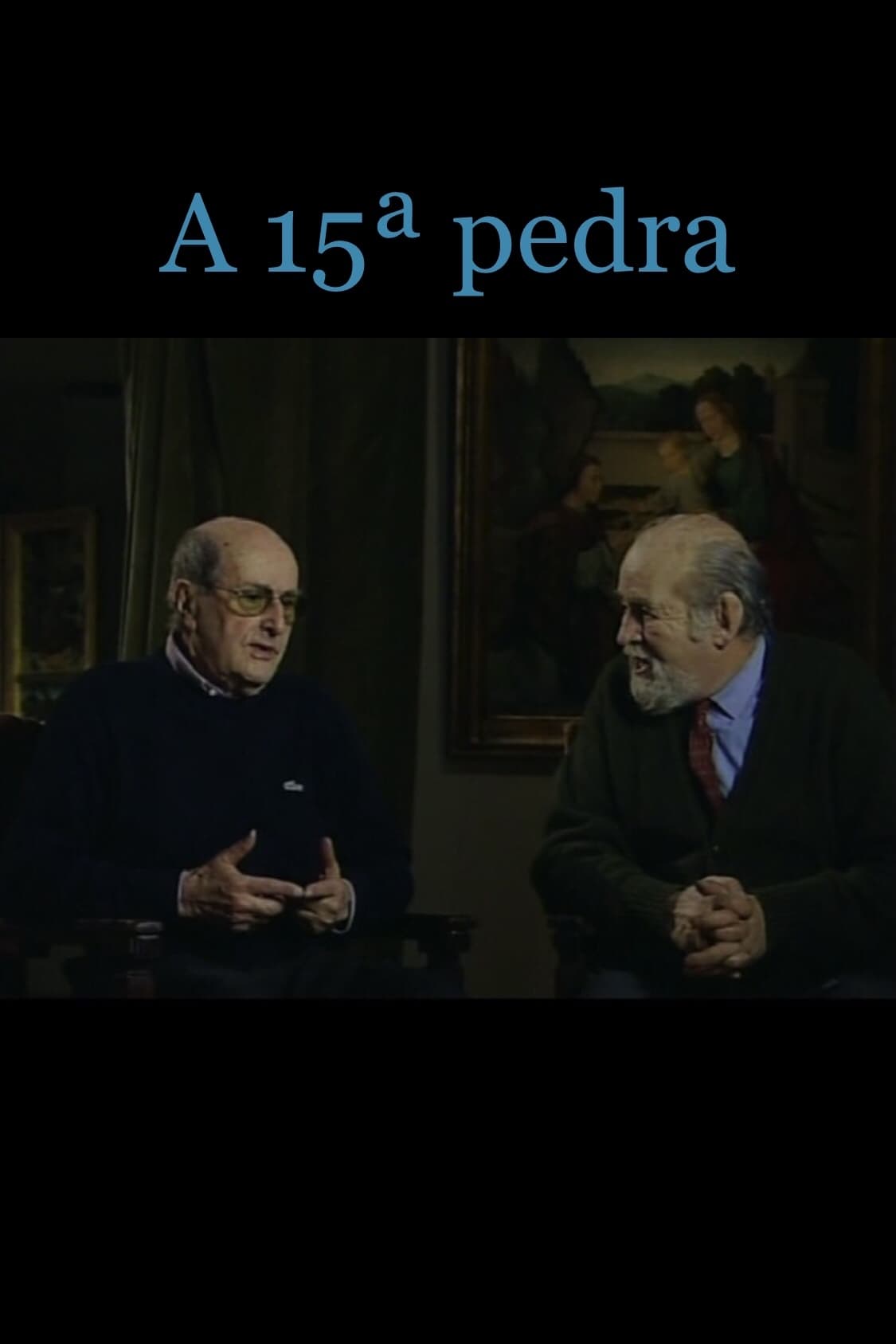
Joáo Bénard da Costa, director of the Portuguese National Film Archives [deceased in 2009], interviews the dean of contemporaneous film directors [96-years-old then]. Two humanists of different philosophical backgrounds, both with their long, entire lives dedicated to culture in general (music, painting, literature) and to film in particular, discuss freely, sometimes haltingly, the director's power as a creator or a magician, the philosophy beyond particular scenes in classic movies, film technique, the importance of color, sound and music to films, art versus entertainment, and much more. Their talk takes place in a museum room, seating in front of "The Annunciation" (a 1510 oil painting by João Vaz, a Portuguese artist), which eventually leads to a discussion of 'Leonardo da Vinci', and the relationship between a trend-setter master and his disciples.

Paulo Rocha catches up with his “beloved subject” in Porto, where he made Douro, Faina Fluvial in 1929, and where today Oliveira reminisces about the figure of his father, his first experience of cinema as an actor, his past as a racing driver, his first technical experiences…
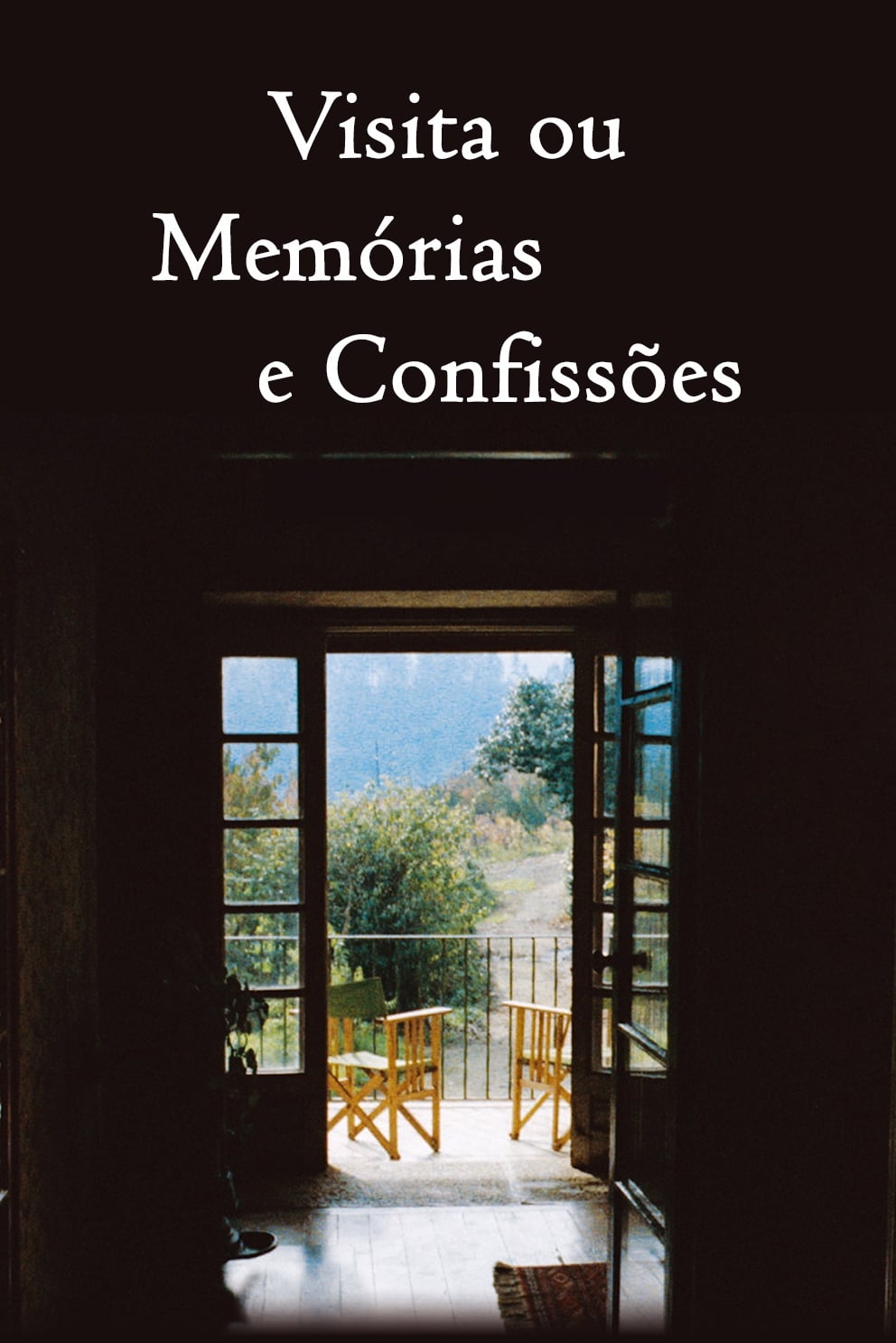
A long-hidden, personal doc about leaving a beloved house by the late, revered Portuguese director Manoel de Oliveira.
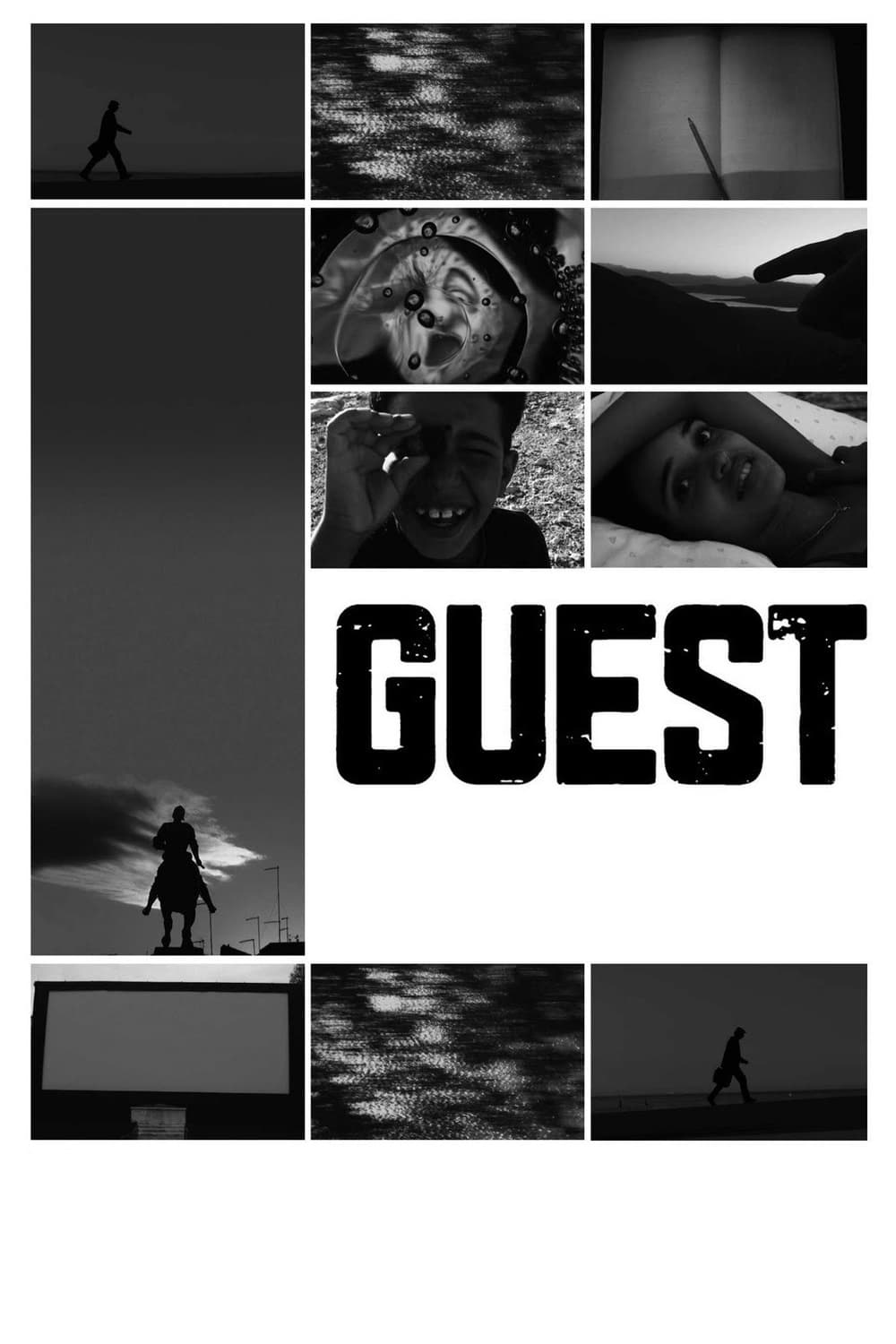
Filmmaker José Luis Guerin documents his experience during a year of traveling as a guest of film festivals to present his previous film. What emerges is a wonderfully humane and sincere portrayal of the people that he meets when he goes off the beaten track in some of the world's major cities.
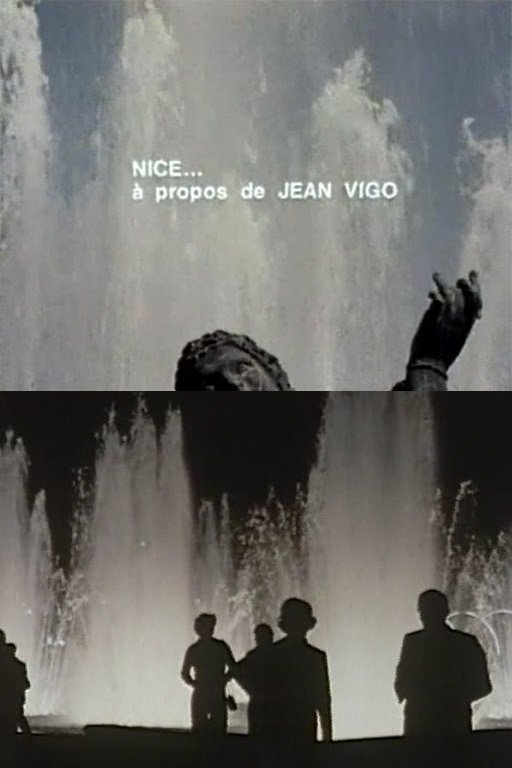
Part of a series in which foreign filmmakers portray a region or town in France. Manoel de Oliveira looks at Nice.

Manoel is an aging film director who travels with the film crew through Portugal in search of the origins of Afonso, a famous French actor whose father emigrated from Portugal to France and in process remembers his own youth.
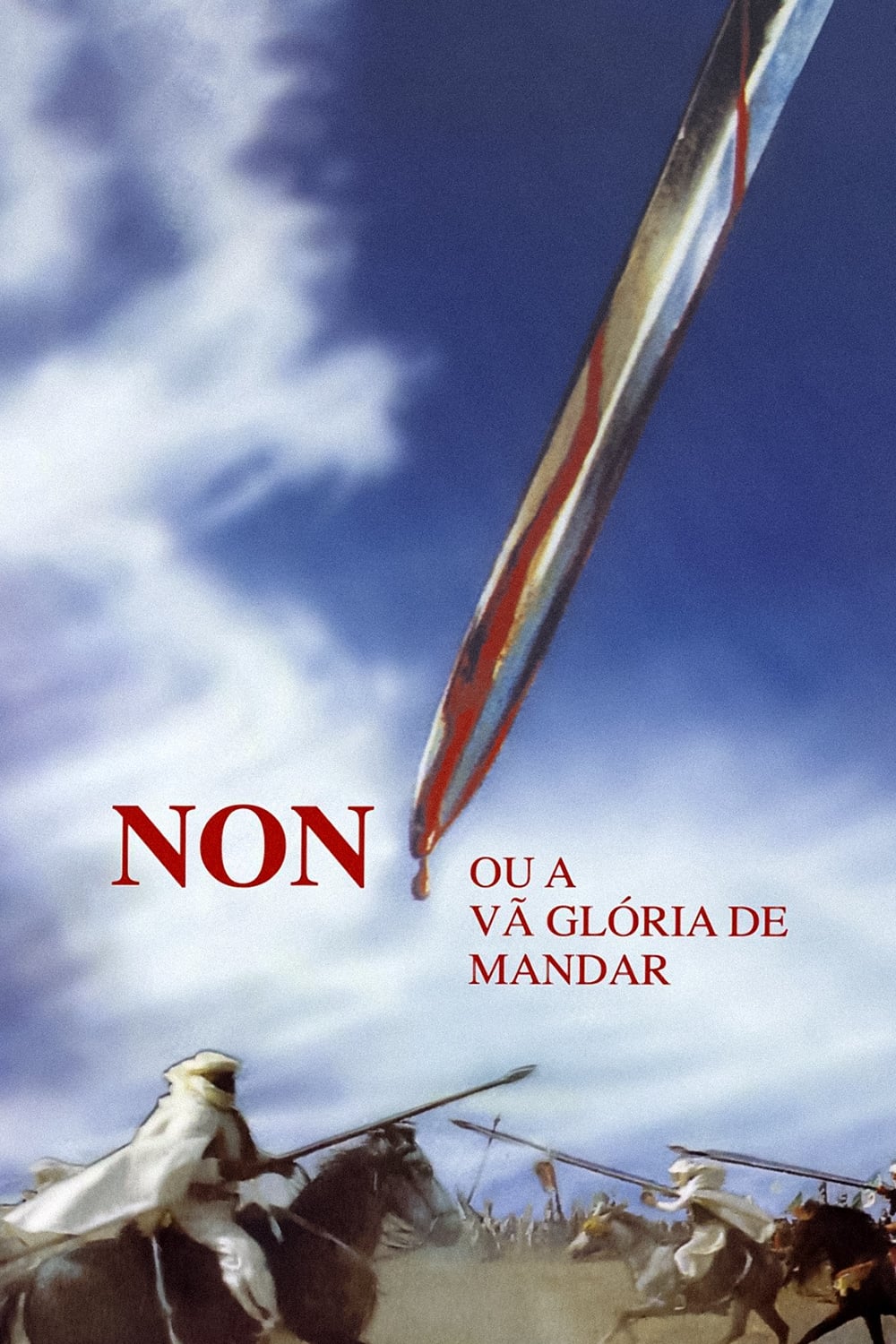
Episodes from throughout the entire military history of Portugal are told through flashbacks as a conscripted student of history recounts them to his fellow soldiers while they march through an African colony in revolt during 1973.
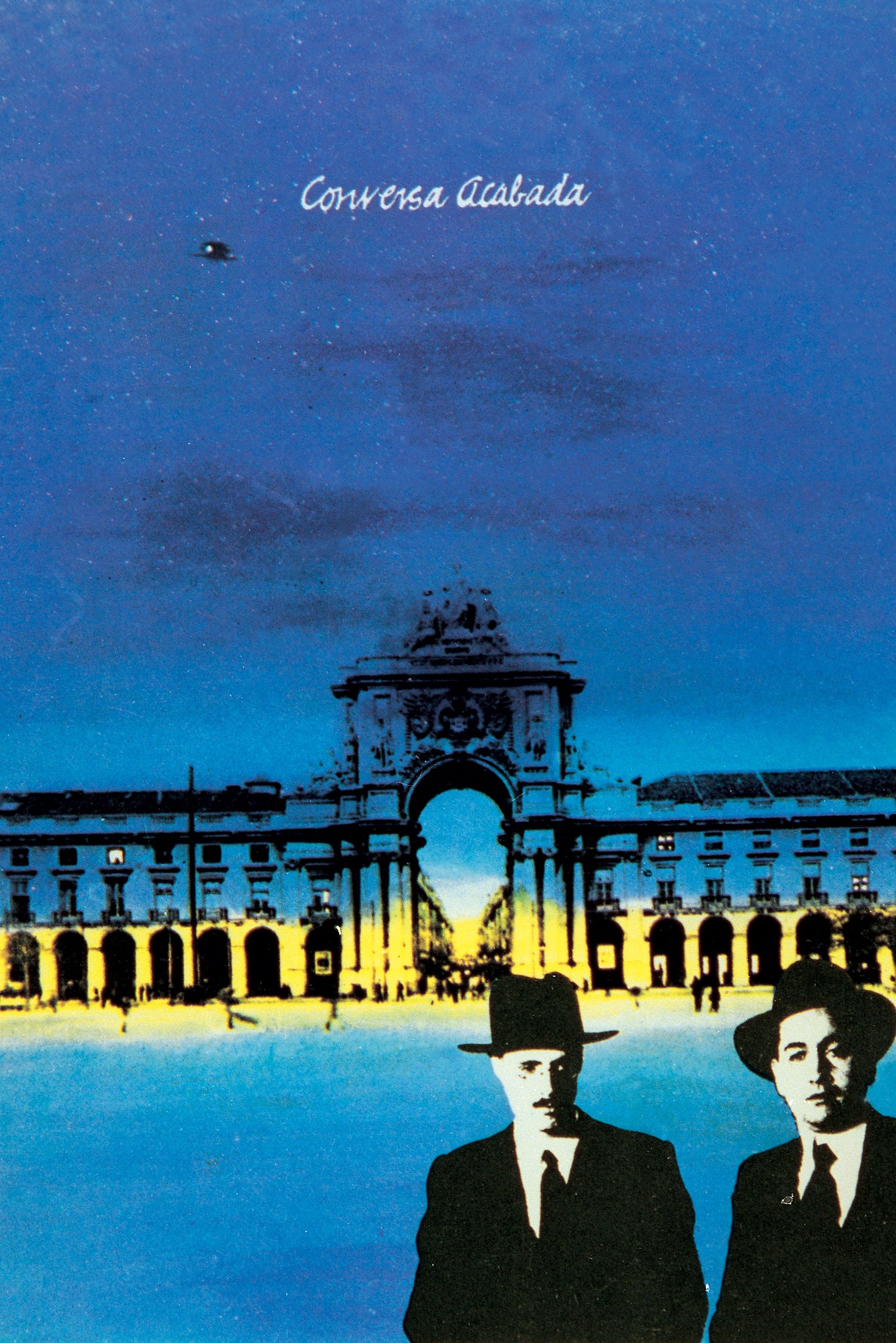
The film was to be a documentary, but evolved during production to a fictional film. It nevertheless adheres strictly to the poems and letters exchanged by two of the most outstanding names of the Modernist Movement, Fernando Pessoa (in Lisbon) and Mário de Sá-Carneiro (in Paris). Their endless conversation was dramatically and suddenly terminated.
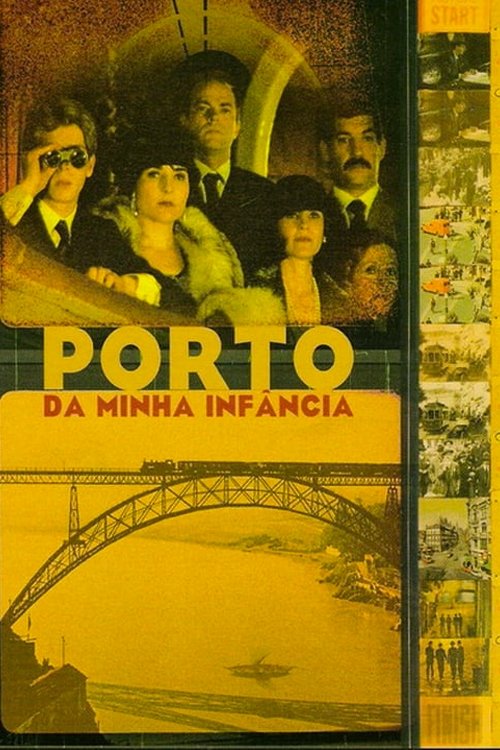
Manoel de Oliveira's autobiographical documentary about returning to his hometown.
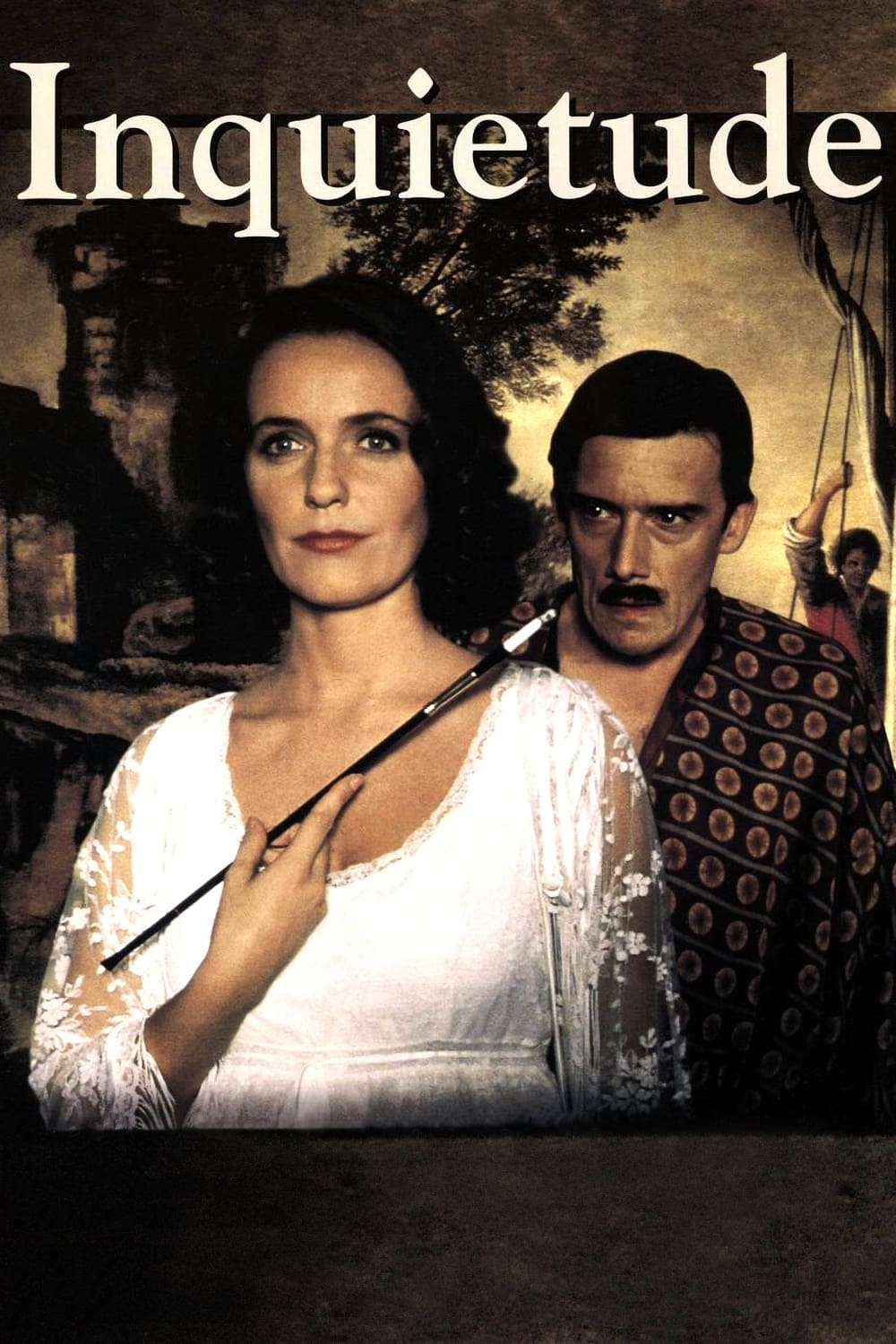
An anthology film drama featuring a poetic mirror structure based on existential identity. In "The Immortals," adapted from a Helder Prista Monteiro play, two famous doctors, an 80-year-old father, and his 60-year-old son, contemplate senility and death. "Suzy," from an Antonio Patricio story, is set in the '30s when a young courtesan dies on the operating table. "Mother of the River" is from an Agustina Bessa-Luis fable about eternal life.
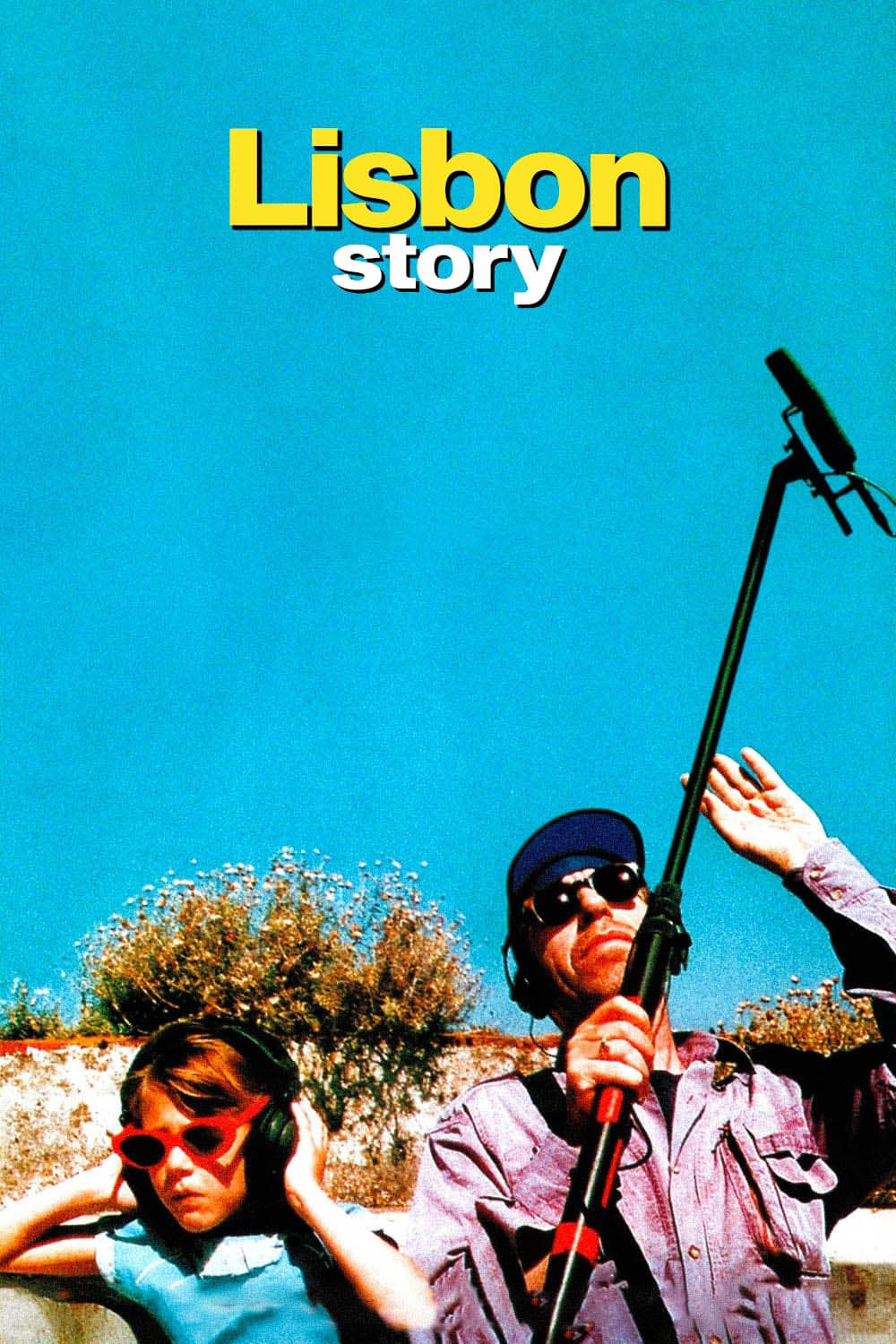
Wim Wenders' homage to Lisbon and films. A sound engineer obtains a mysterious postcard from a friend who at the moment is filming a film in Lisbon. He sets out across Europe to find him and help him.
A tribute documentary to Manoel de Oliveira, on occasion of his 100th birthday.
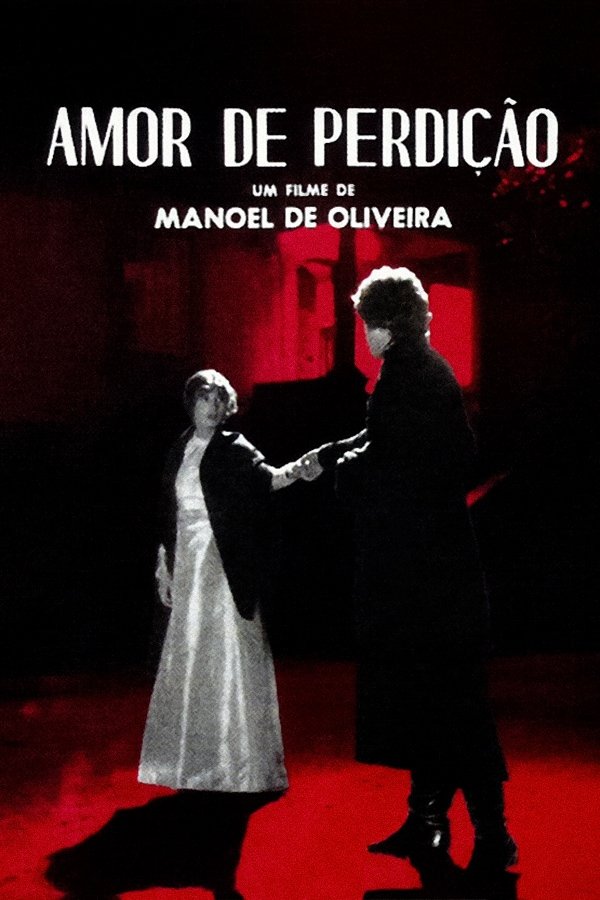
A story about doomed love between two people from different worlds and the impact in their lives.
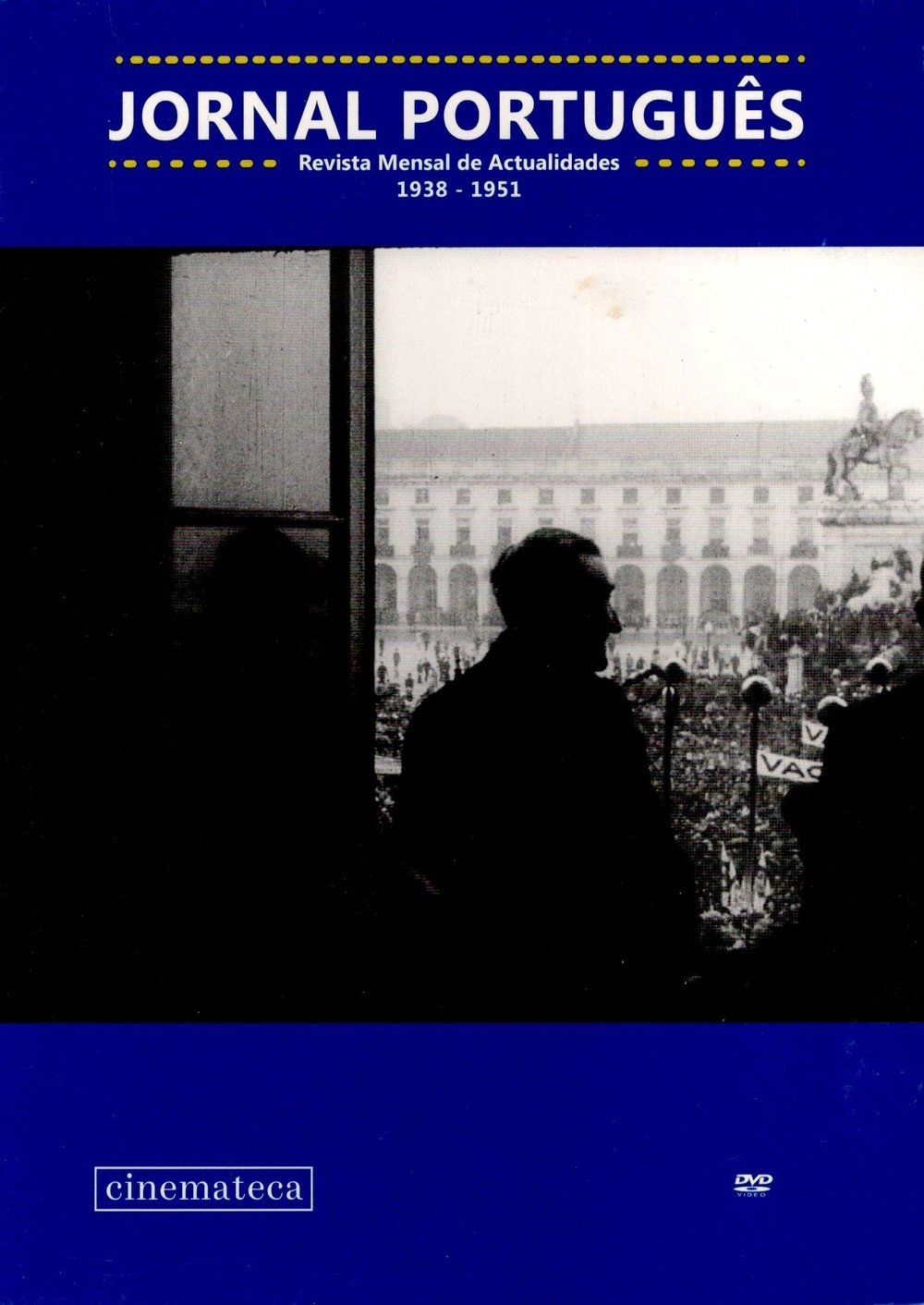
The newsreel series Jornal Português (1938-1951) was produced for the Secretariat of National Propaganda (SPN/SNI) by the "Portuguese Newsreel Society" (SPAC), under the technical supervision of António Lopes Ribeiro. It was conceived and employed as part of the propaganda machinery of Salazar's regime. Screened in cinema theatres prior to the main feature film, each issue of Jornal had approximately ten minutes in length and covered a variety of official government acts, national political news, major sports events and other assorted social and cultural affairs. Jornal Português is not only an indispensable document for the history of Estado Novo's propaganda, but also an unparalleled audiovisual archive of 1940s Portugal.
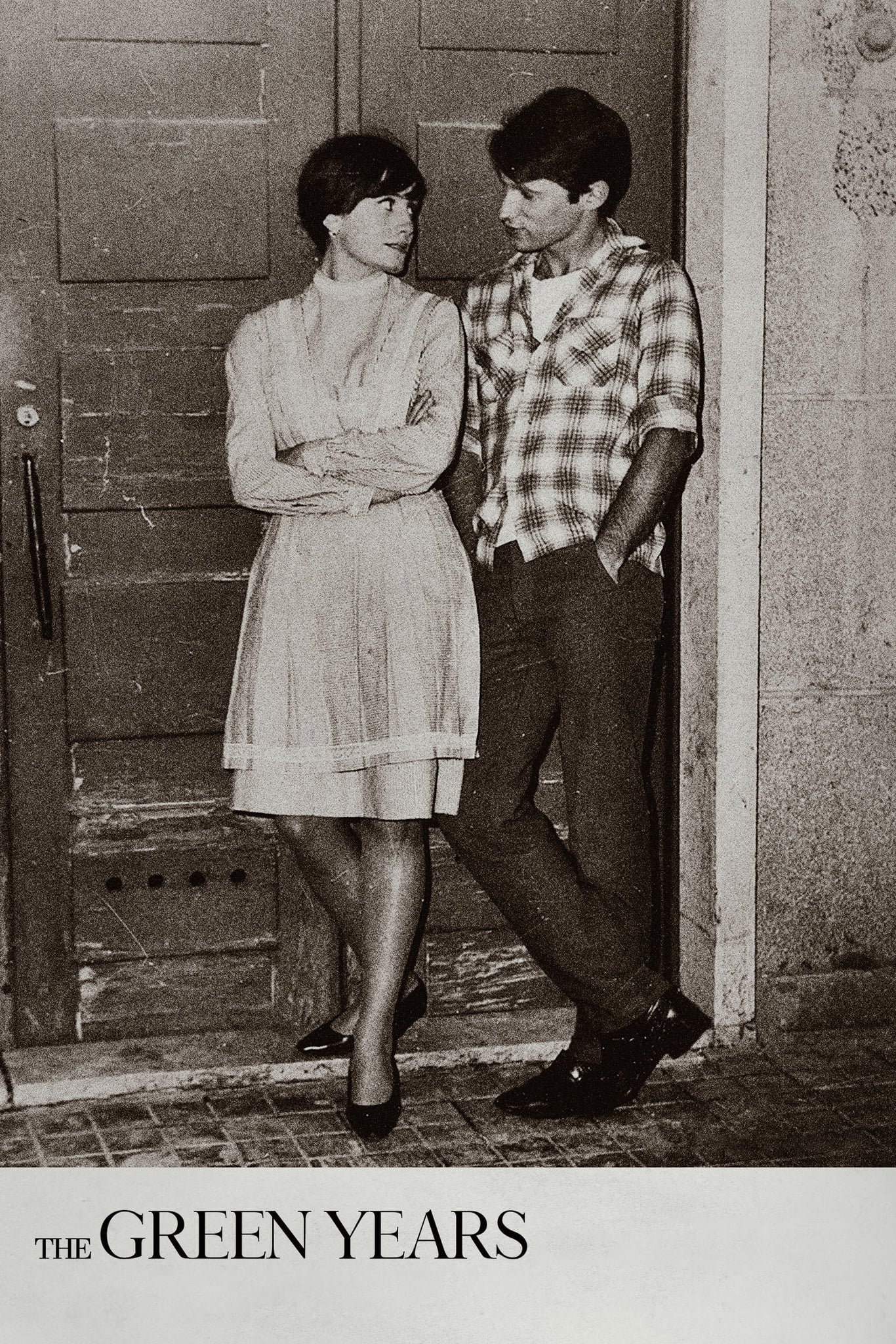
Nineteen-year-old Julio heads to Lisbon from the provinces and gets a job as a shoemaker for his uncle Raul. But when he meets Ilda, a confident young housemaid who becomes a regular shop visitor, his working-class values collide with the bourgeois trappings of modern life.
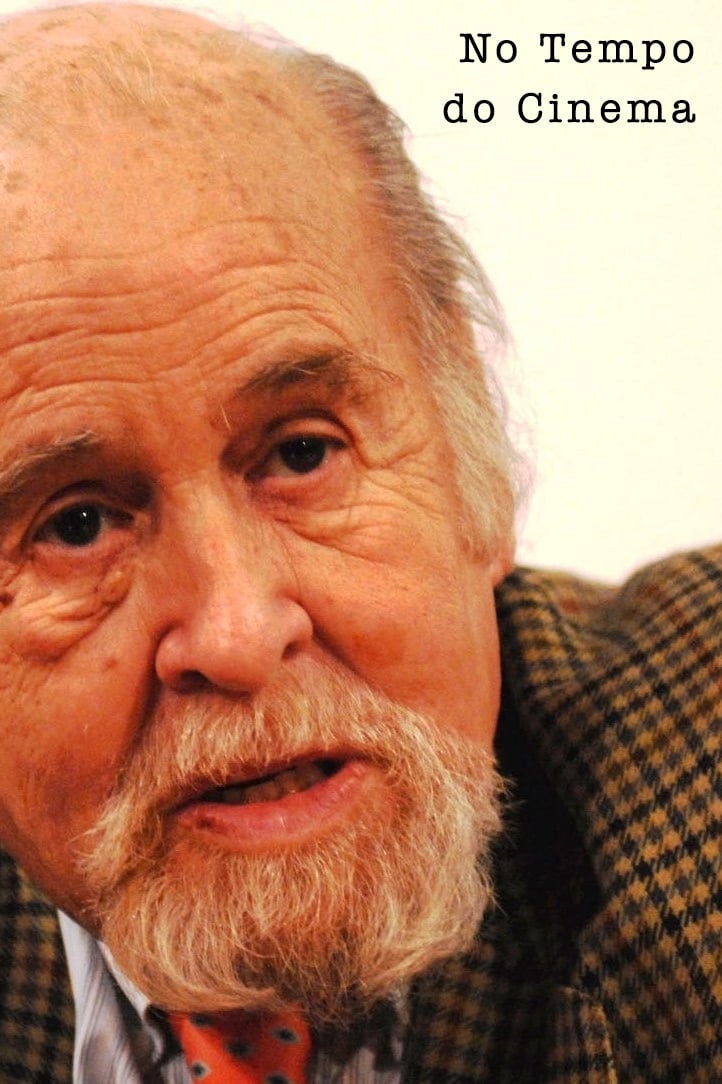
A 58 minute documentary about the life of João Bénard da Costa.
A conversation between the filmmaker Manoel de Olivieira and the writer Agustina Bessa-Luís.

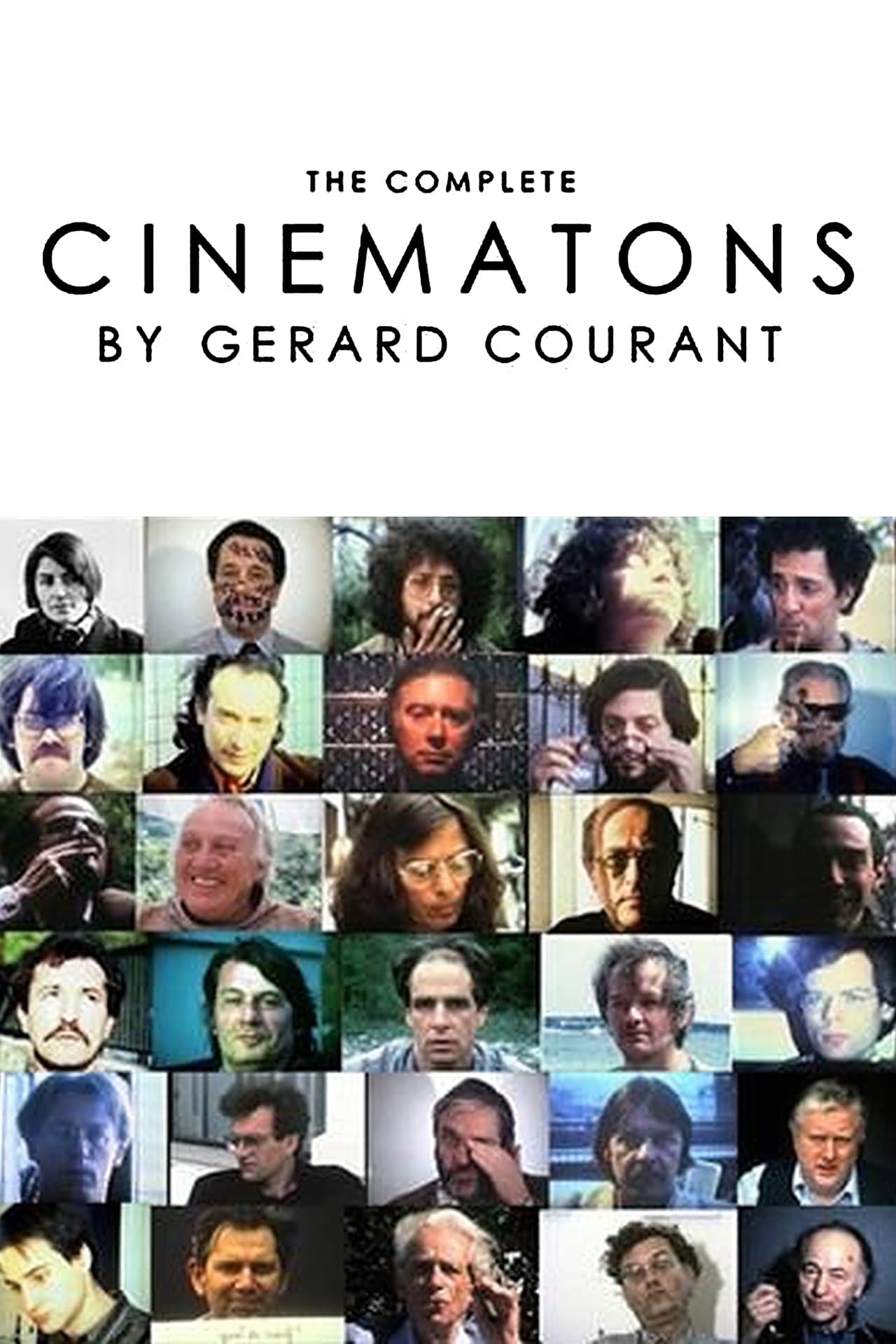
Cinématon is a 156-hour long experimental film by French director Gérard Courant. It was the longest film ever released until 2011. Composed over 36 years from 1978 until 2006, it consists of a series of over 2,821 silent vignettes (cinématons), each 3 minutes and 25 seconds long, of various celebrities, artists, journalists and friends of the director, each doing whatever they want for the allotted time. Subjects of the film include directors Barbet Schroeder, Nagisa Oshima, Volker Schlöndorff, Ken Loach, Benjamin Cuq, Youssef Chahine, Wim Wenders, Joseph Losey, Jean-Luc Godard, Samuel Fuller and Terry Gilliam, chess grandmaster Joël Lautier, and actors Roberto Benigni, Stéphane Audran, Julie Delpy and Lesley Chatterley. Gilliam is featured eating a 100-franc note, while Fuller smokes a cigar. Courant's favourite subject was a 7-month-old baby. The film was screened in its then-entirety in Avignon in November 2009 and was screened in Redondo Beach, CA on April 9, 2010.
An exploration of the movie "The strange case of Angelica" and an understanding Manoel de Oliveira's cinema.
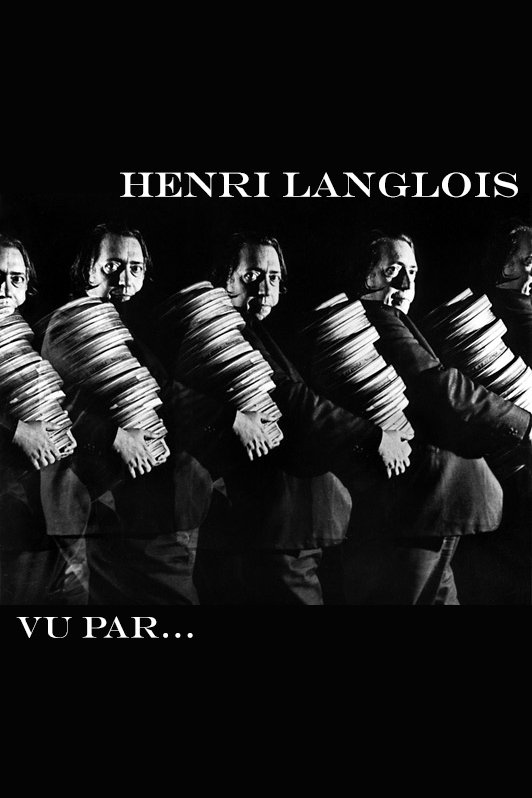
Thirteen filmmakers share personal reflections on Henri Langlois—the visionary founder of the Cinémathèque Française—recounting his influence on their lives, his role in preserving film history, and his enduring impact on world cinema.
Reel 11 of Gérard Courant's on-going Cinematon series.
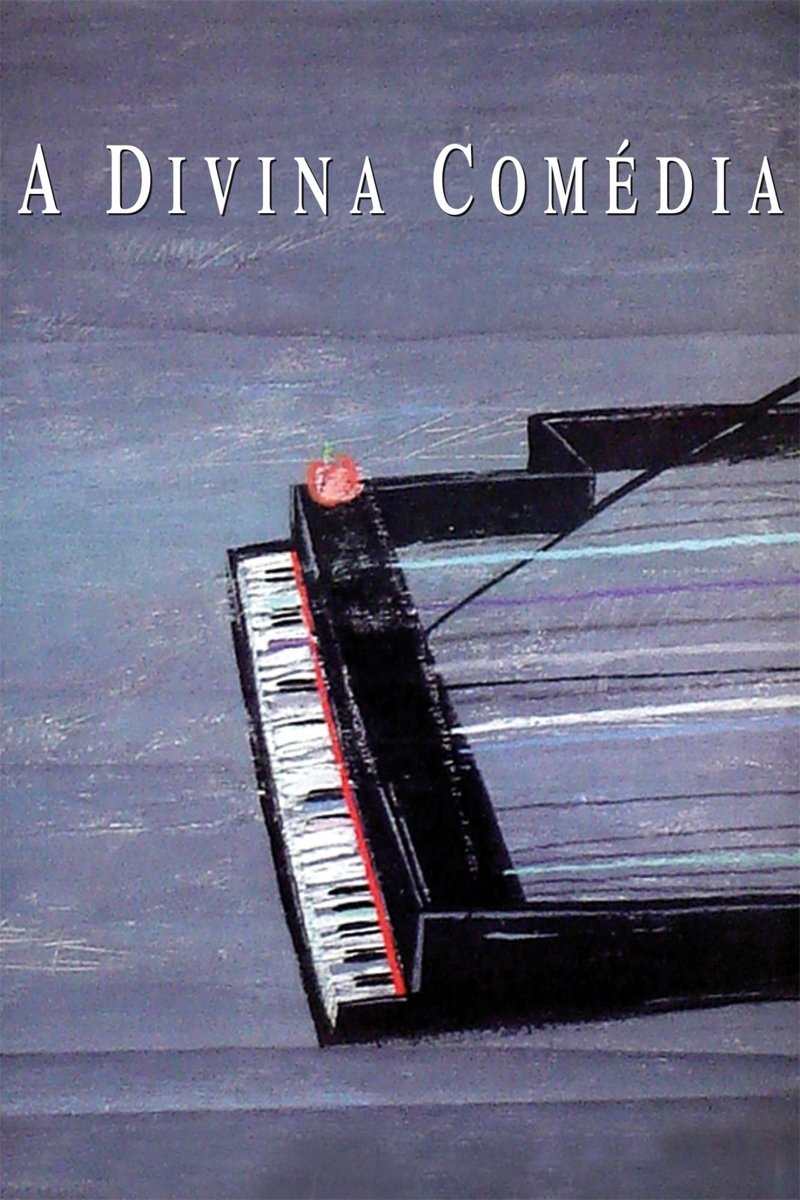
In a mental institution the patients see themselves as people like Jesus, Lázaro, Marta, Maria, Adão, Eve, Sonia, Raskolnikov, Aliosha e Ivan Karamasov, a Philosopher, a Profet, Santa Teresa d'Avila, reciting the Divine Comedy.
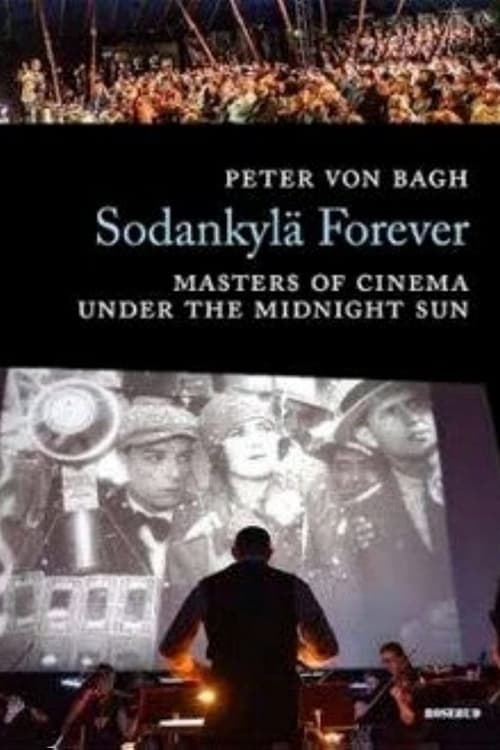
The Midnight Sun Film Festival is held every June in the Finnish village of Sodankylä beyond the arctic circle — where the sun never sets. Founded by Aki and Mika Kaurismäki along with Anssi Mänttäri and Peter von Bagh in 1985, the festival has played host to an international who’s who of directors and each day begins with a two-hour discussion. To mark the festival’s silver anniversary, festival director Peter von Bagh edited together highlights from these dialogues to create an epic four-part choral history of cinema drawn from the anecdotes, insights, and wisdom of his all-star cast: Coppola, Fuller, Forman, Chabrol, Corman, Demy, Kieslowski, Kiarostami, Varda, Oliveira, Erice, Rouch, Gilliam, Jancso — and 64 more. Ranging across innumerable topics (war, censorship, movie stars, formative influences, America, neorealism) these voices, many now passed away, engage in a personal dialogue across the years that’s by turns charming, profound, hilarious and moving.

Agnès Varda travels around the world to meet friends, artists and filmmakers for an expansive view of the global contemporary art scene.
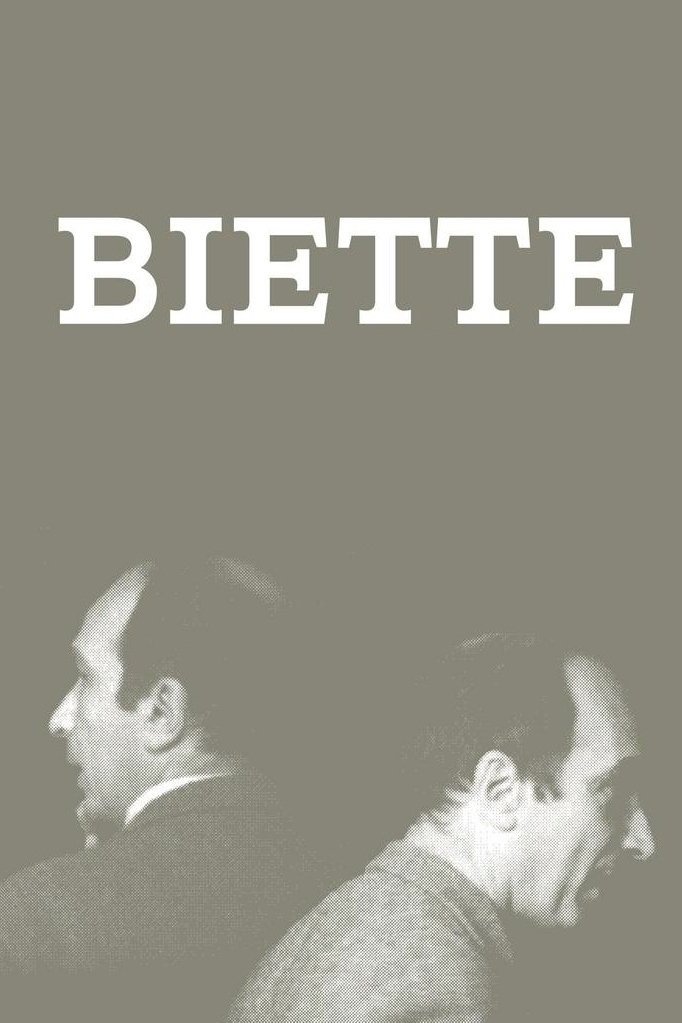
Documentary about the the film critic and filmmaker Jean-Claude Biette.
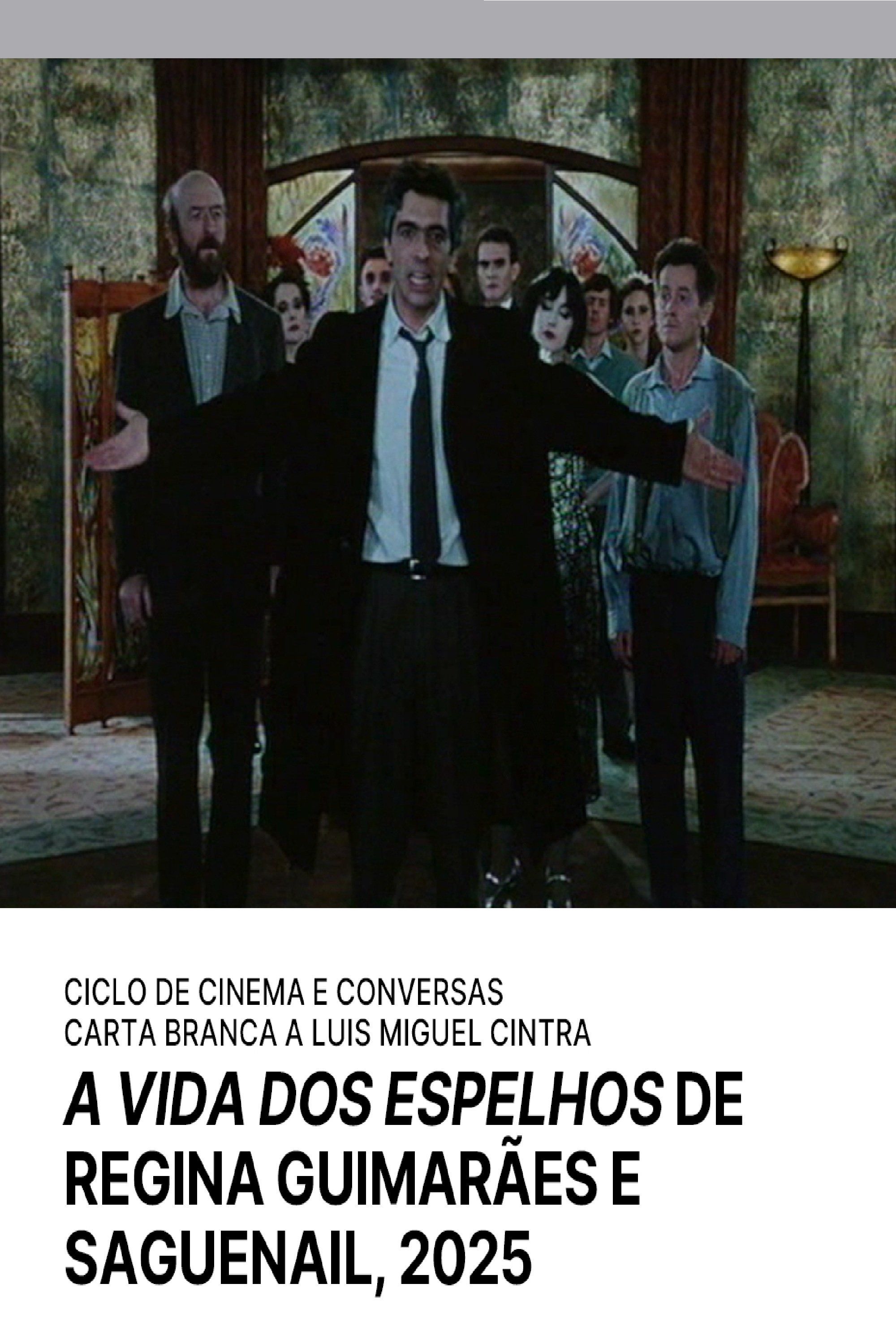
The Life of Mirrors is one of the sections of the exhibition Luis Miguel Cintra - Small Theatre of the World. A commission by Serralves Foundation to Regina Guimarães and Saguenail, and constructed after an unpublished interview with Luis Miguel Cintra, this film is the result of a long and painstaking exercise of selecting and editing excerpts from films by Manoel de Oliveira in which Cintra participates as an actor. In this way, The Life of Mirrors is a reflective, retrospective essay film, which opens the Carte Blanche, thus establishing a gateway to Luis Miguel Cintra's cinematographic and cinephile career.