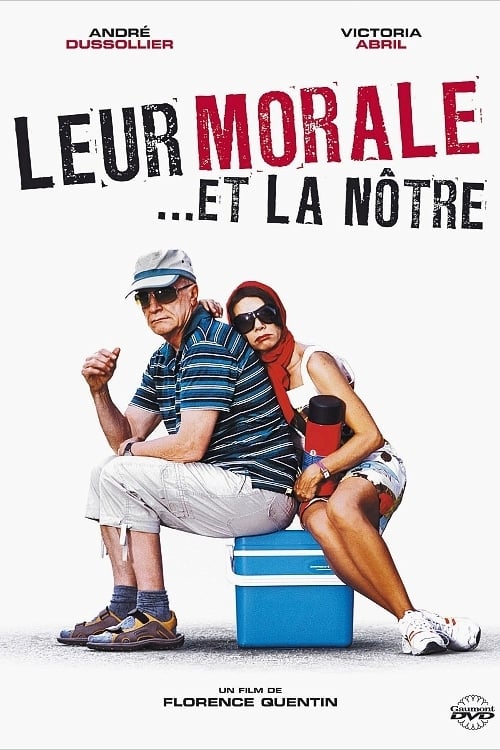
On peut être un couple de bons Français, toujours amoureux, parents modèles, travailleurs et économes jusqu'à la manie et écouler au noir dans le sous-sol de sa villa de Béziers hyper sécurisée, des godasses de son ancien magasin et des produits "satisfaits ou remboursés" qu'on détourne dans tous les supermarchés de la région. A chacun sa morale !
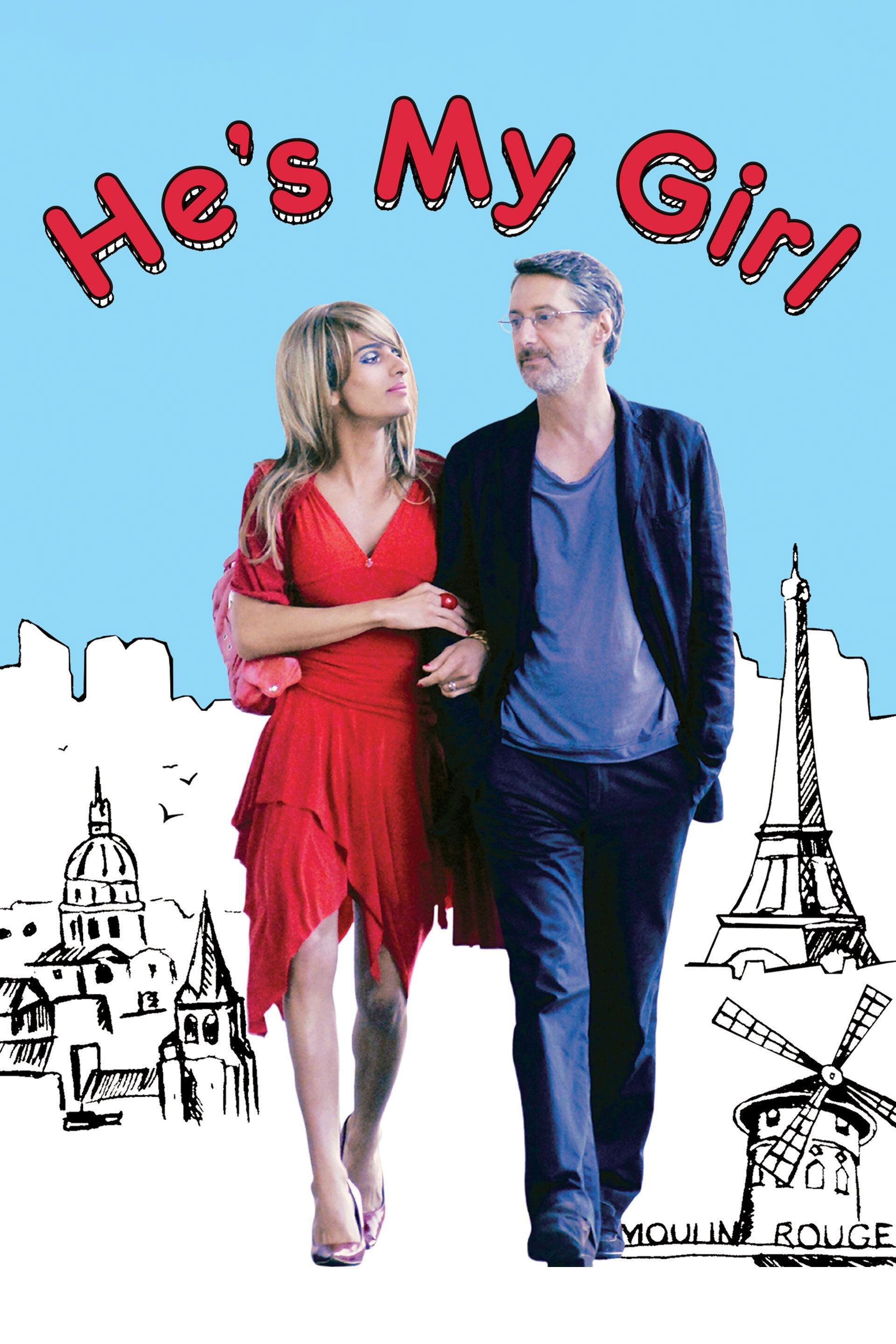
A clarinetist is trying to finish his record when his wife and ten year old son reappear in his life. His 10-year-old son whom he has never seen, and Naim, a young Muslim transvestite who will change his life ...
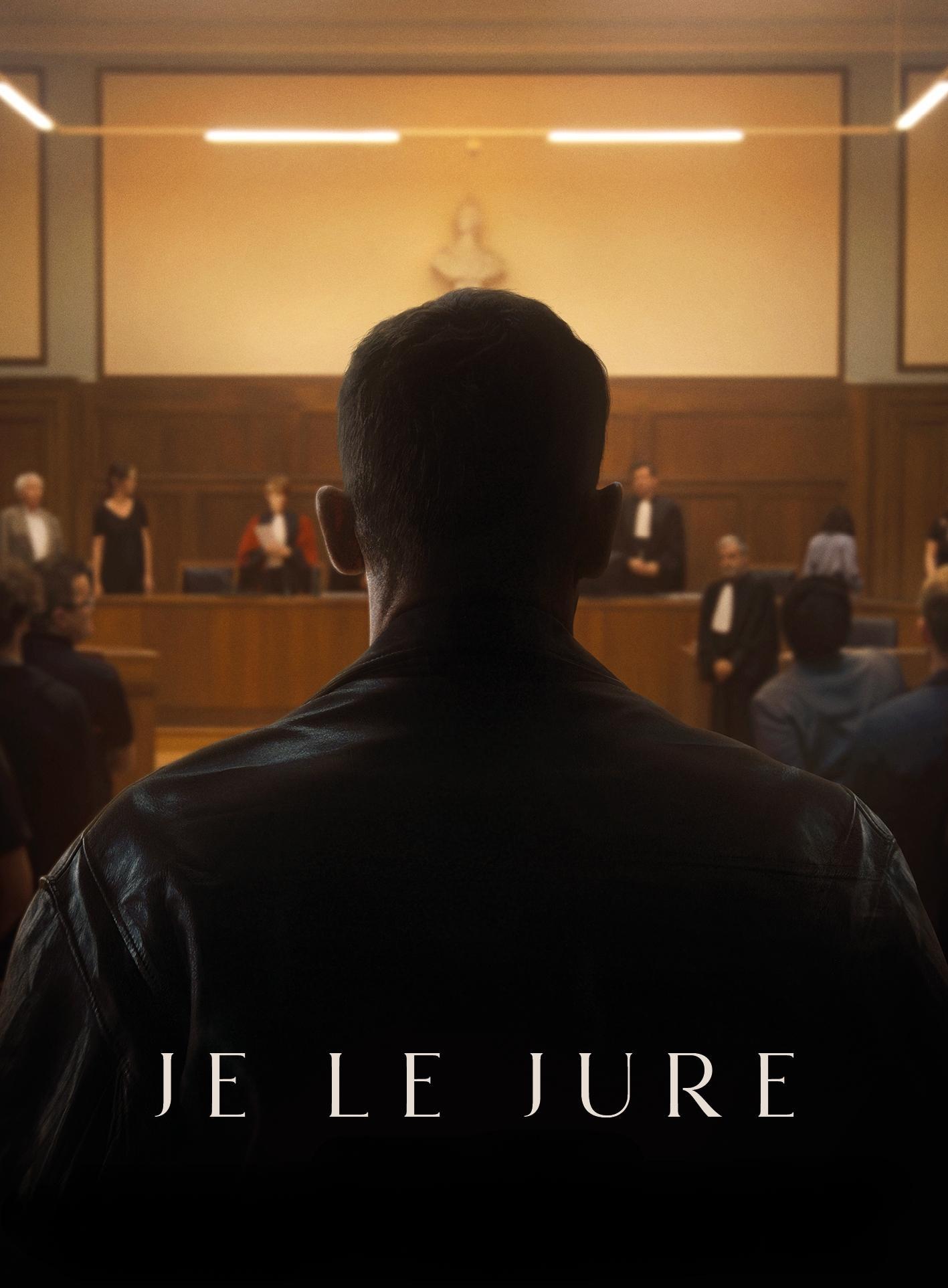
Thirtysomething Marco goes through life without a compass. Employed at a Forbach recycling center, he finds comfort in alcohol. And a little with Madeleine, a mature woman with whom he secretly has a relationship. One day, he is drawn by lot to be a juror of Assisi. Incapable of discernment for himself, Marco will have to decide the life of a young arsonist accused of manslaughter.

The life of Jeanne Bécu, who was born as the illegitimate daughter of an impoverished seamstress in 1743 and went on to rise through the Court of Louis XV to become his last official mistress.
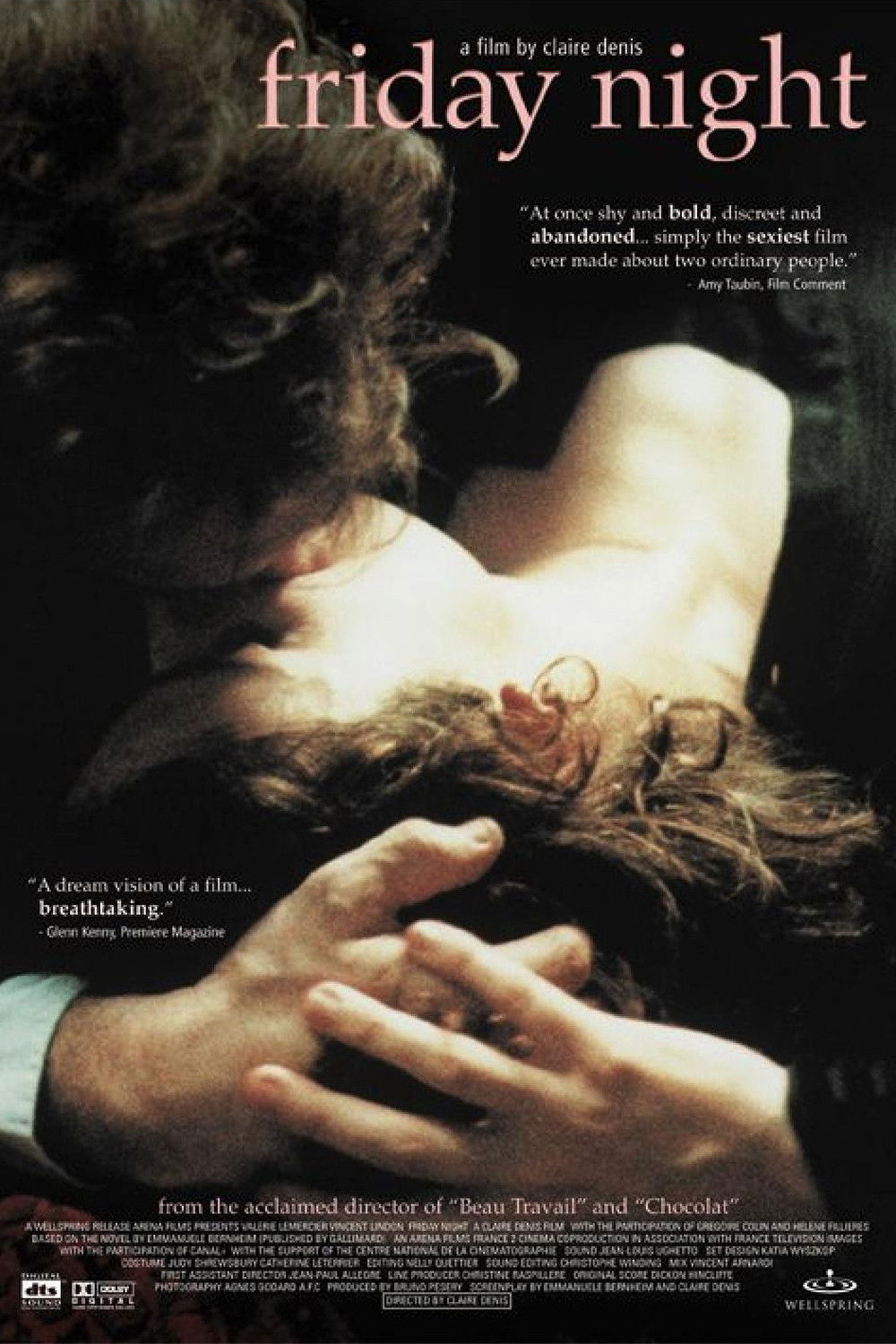
The night before she is to move in with her boyfriend, a young Parisian woman picks up a male hitchhiker, leading to a highly charged and impossibly erotic detour.
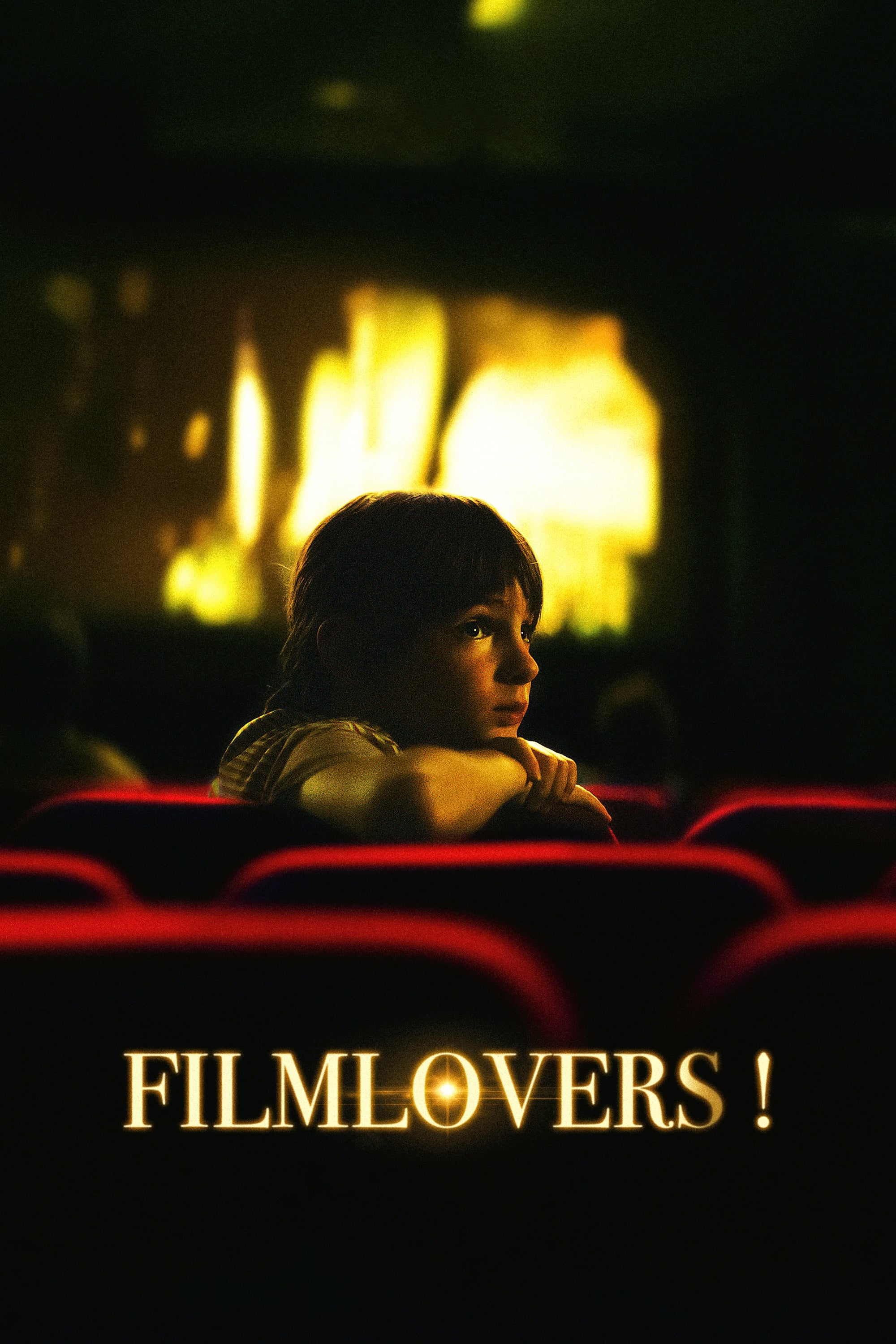
What does it mean, to go to the movies? Why have people been going for over one hundred years? I set out to celebrate movie theaters and their manifold magic. So I walked in the footsteps of young Paul Dédalus, as if in a filmgoer’s coming-of-age story. Memories, fiction, discoveries come together in an irrepressible torrent of pictures.
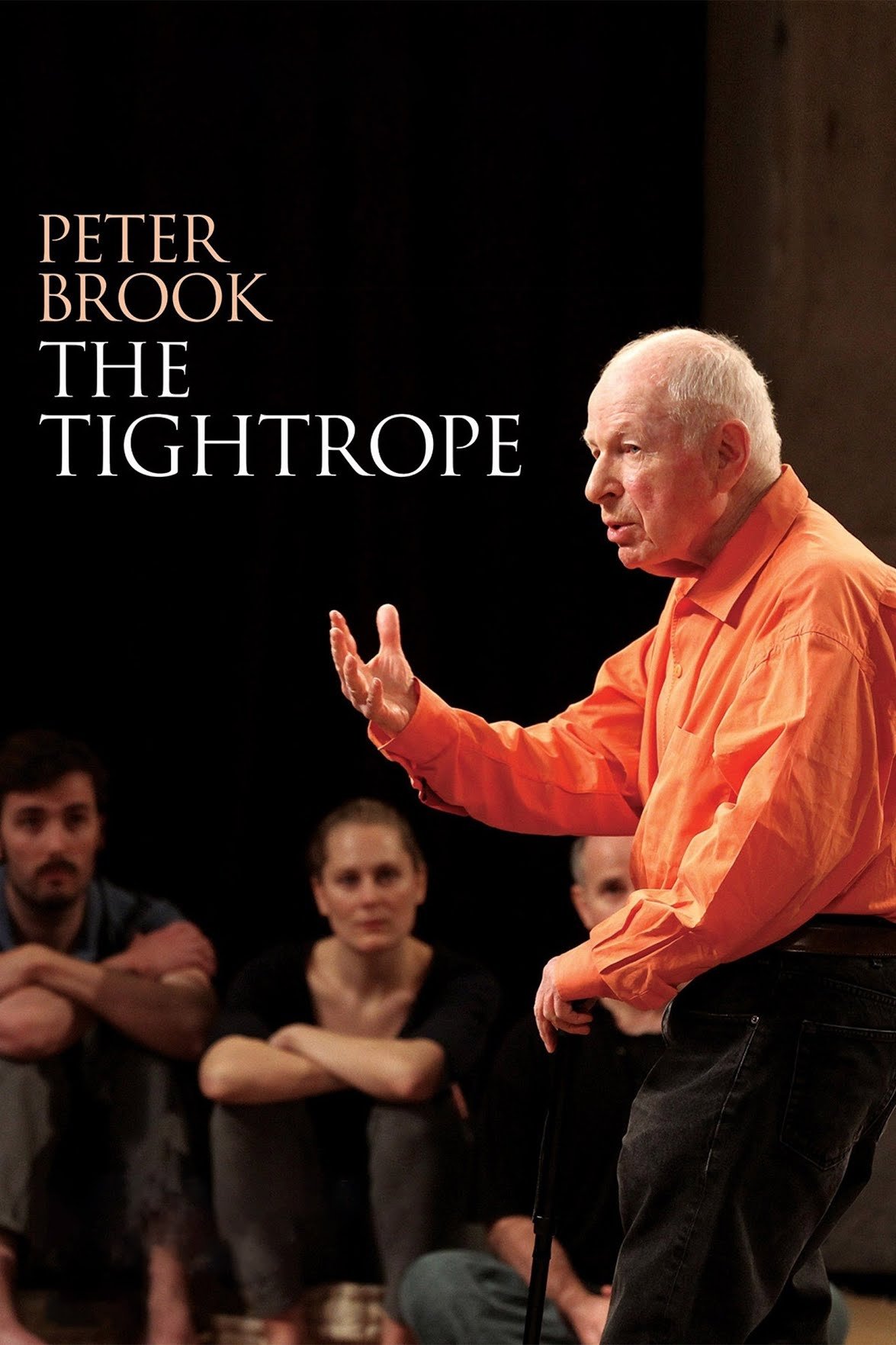
Filmed with five hidden cameras, The Tightrope is a total immersion into the creative process behind legendary theater director Peter Brook's work -- powerful, intimate, and emotionally thrilling. In this unique and deeply personal film, we get a dizzying glimpse from the Tightrope and an inkling of what it takes to make theater real...
Henry, a young actor, finds himself involved in a film by cinema superstar, Cédric Rovere. Charmed by his benevolence, feelings hitherto unknown are aroused, while Rovere, intrigued by Henry's dream, lives this shoot as an unexpected gift.
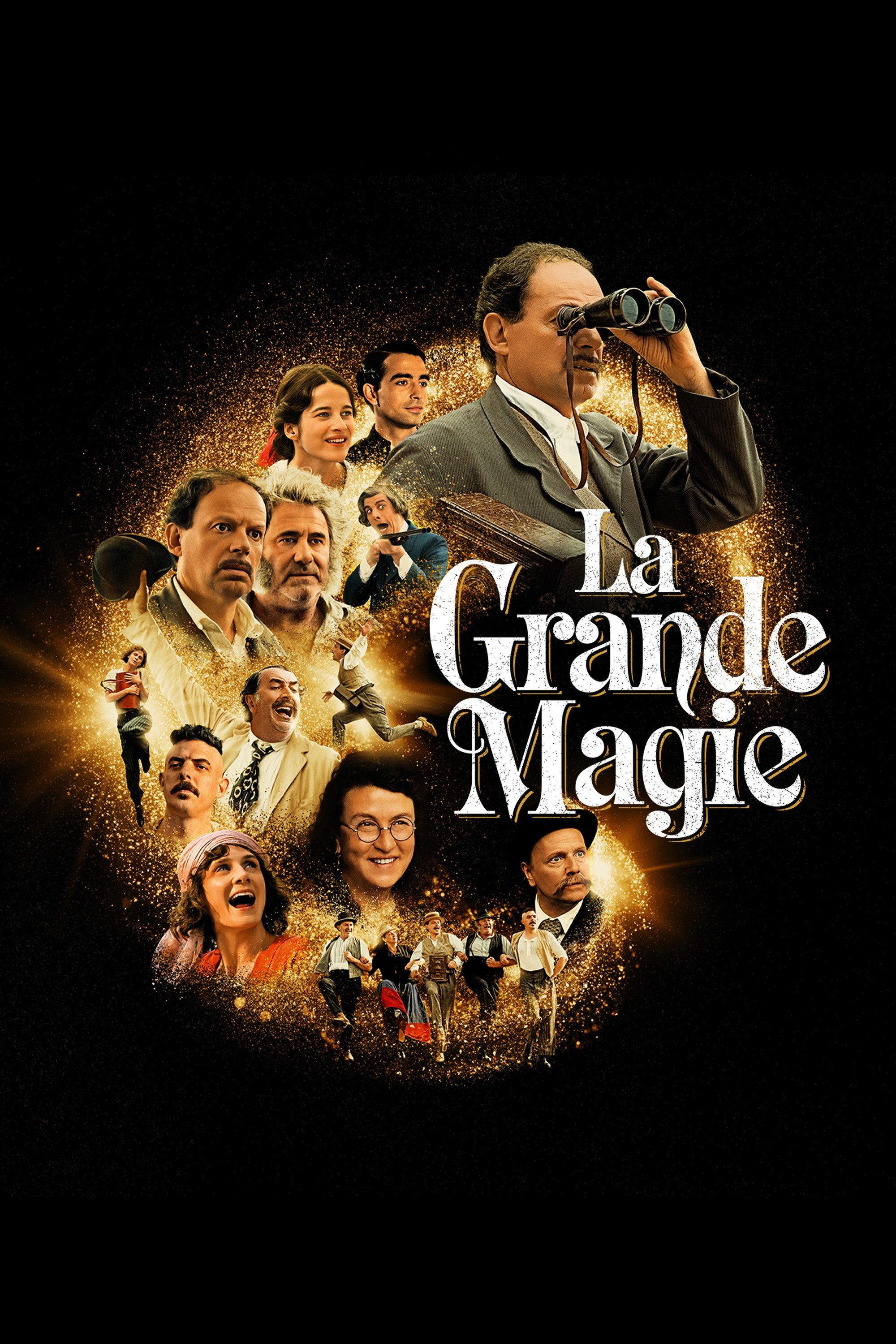
The 20s. In a seaside resort where everybody is bored, Albert Marvuglia, a slightly shabby conjurer, makes Marta, the wife of the wealthy bourgeois Charles Moufflet, disappear, who takes advantage of this tour to escape for good.

The French Trilogy showcases a series of 62 photographs taken by Philippe Terrier-Hermann with 25 actors in 6 French regions echoing his previous project, The American Tetralogy. Questioning the relationship between cinema, landscapes and representations, this project features a song by Edward Barrow and was visible in public space in France during the summer of 2013, through a distribution system borrowing from advertising strategies.
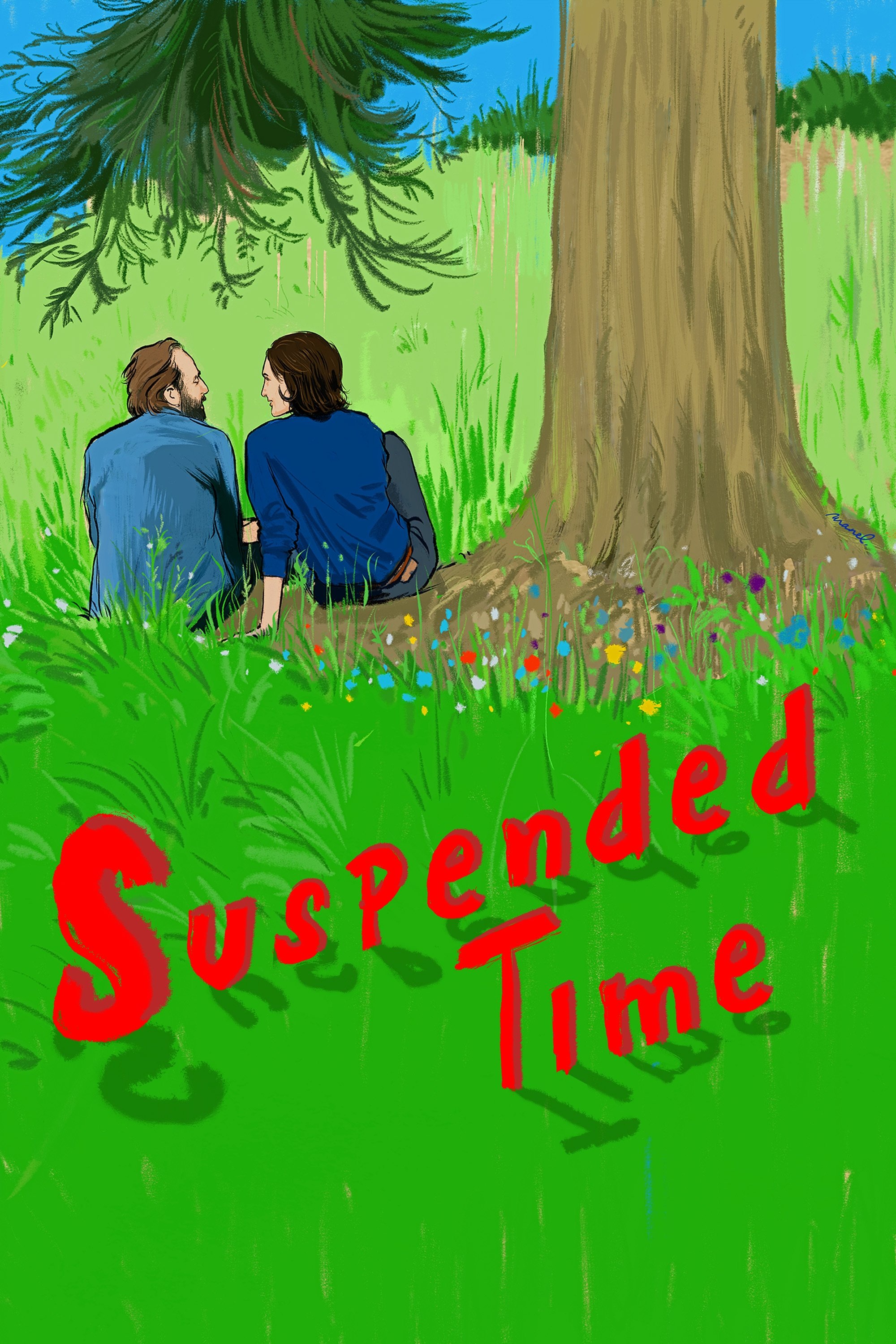
A film director returns to his childhood home in provincial France with his brother and his girlfriend and discovers isolation to be an artistic curative.
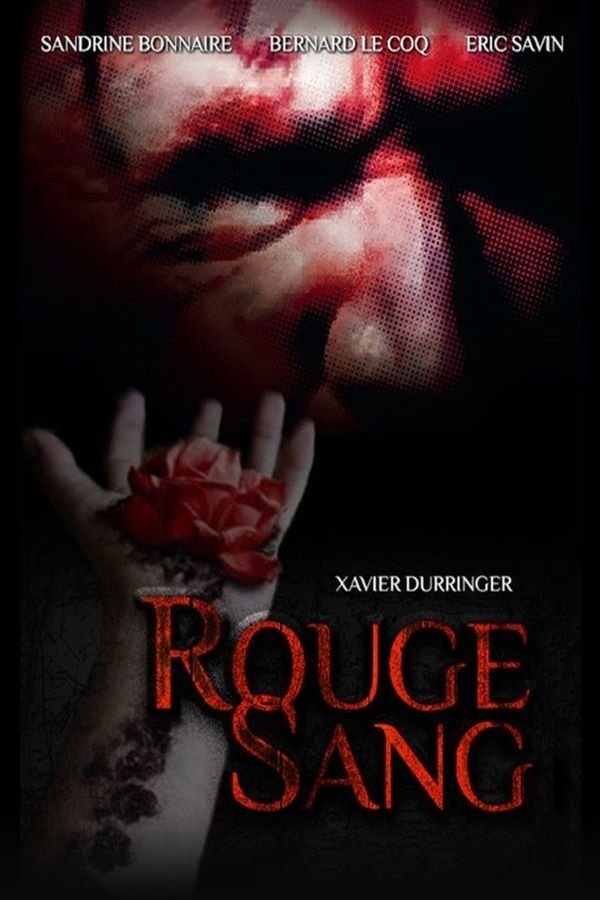
Brest, the end of the world. A young woman's foot is found near the sea. Alma Schneider, a cop fresh from Paris, leads the investigation. She can only count on the support of César Istria, forensic pathologist and passionate archaeologist. Together, they find the site where the victim is believed to have been buried. But the body they exhume is not that of a woman! It's that of a man, probably a sailor. Not one murder to solve, but two... And the mystery thickens still further when they realize that the young woman was in fact a transsexual named Diana, a veritable icon and influential figure in the whole town. Alma and César join forces to solve this enigma, which takes them deep into the bowels of Brest.

Born to dance, Neneh is a 12-year-old black girl who dreams of entering the Paris Opera Ballet School. Despite her enthusiasm, she will have to redouble her efforts to escape from her condition and be accepted by the director of the school, Marianne Bellage, the guarantor of traditions and the bearer of a secret that links her to the little ballerina.
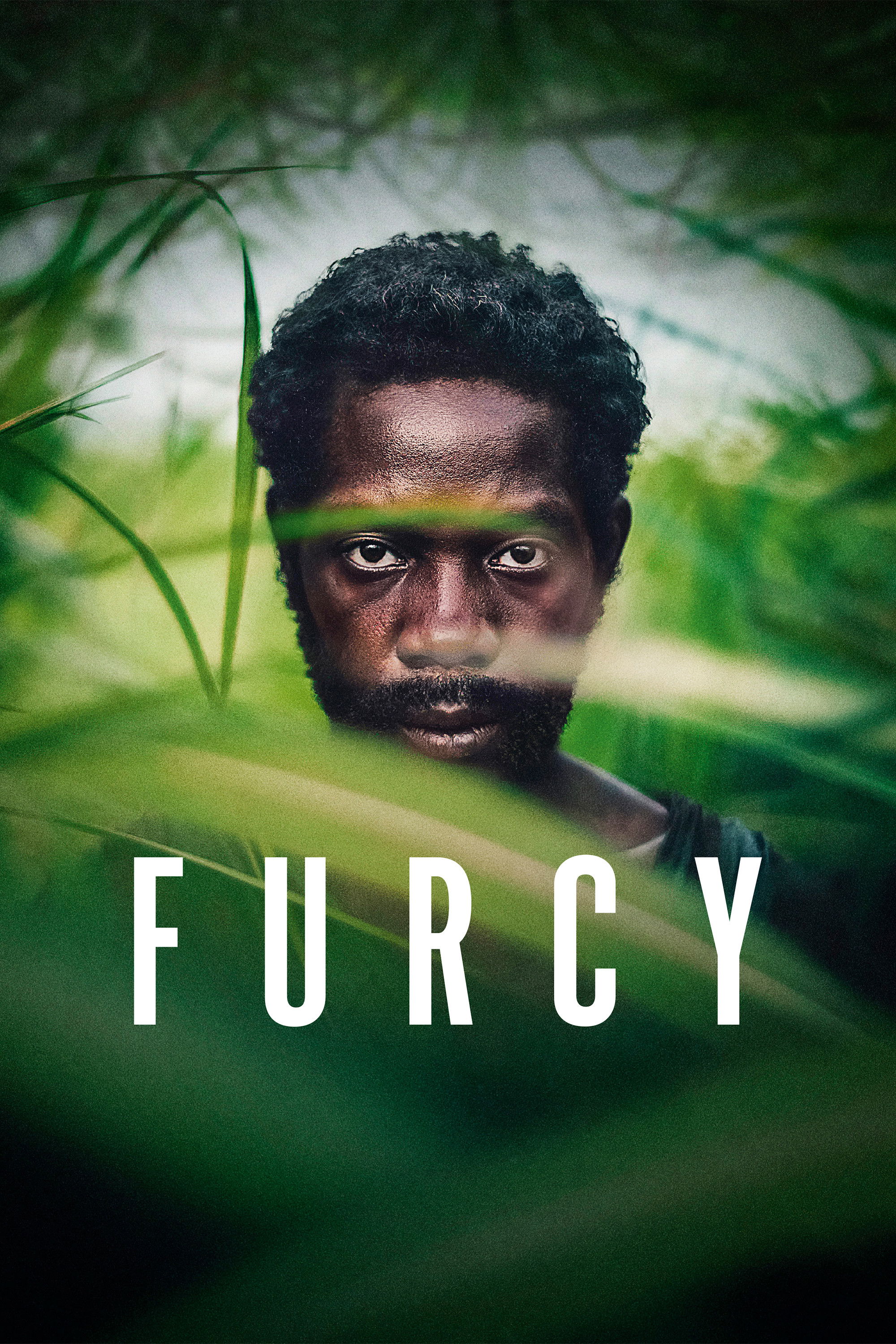
In 1817, on Bourbon Island (Reunion Island), a compelling narrative unfolds. Following the passing of his mother, the enslaved Furcy stumbles upon a letter of emancipation amidst her belongings – an unexpected key to his indirect liberation. Aided by the support of abolitionist prosecutor Gilbert Boucher, Furcy courageously embarks on a legal crusade against his master, Joseph Lory, in a bid to substantiate his claim to freedom. This legal saga, marked by numerous twists and turns, spans almost three decades. Furcy endures imprisonment and exile in Mauritius for a significant portion of this period. It is only in 1846 that he finally presents his case before the Royal Court of Paris. Furcy’s triumph in the courtroom distinguishes him as one of the rare slaves in French history to achieve legal emancipation several years prior to the definitive abolition of slavery.

Camille was only sixteen and still in high school when she fell in love with Eric, another student. They later married and a child and were happy for a while. But now twenty-five years have passed and Eric leaves her for a younger woman. Bitter and desperate Camille drinks so much liquor at a New Year Eve's party that she falls into an ethylic coma and she finds herself... propelled into her own past! Camille is sixteen again when she wakes up this morning, her parents are not dead anymore and she must go to school, where she will meet her schoolmates and, of course, Eric. Is she going to fall for him again and... be miserable twenty-five years later? Or will she avoid him with the result never having her beloved daughter? Who ever said that time traveling was fun?

The story revolves around Alain, a busy businessman who is always in a rush. In his life, there is no room for spare time or family. But one day, he suffers a stroke, which makes him lose his grasp of language and use one word in place of another.
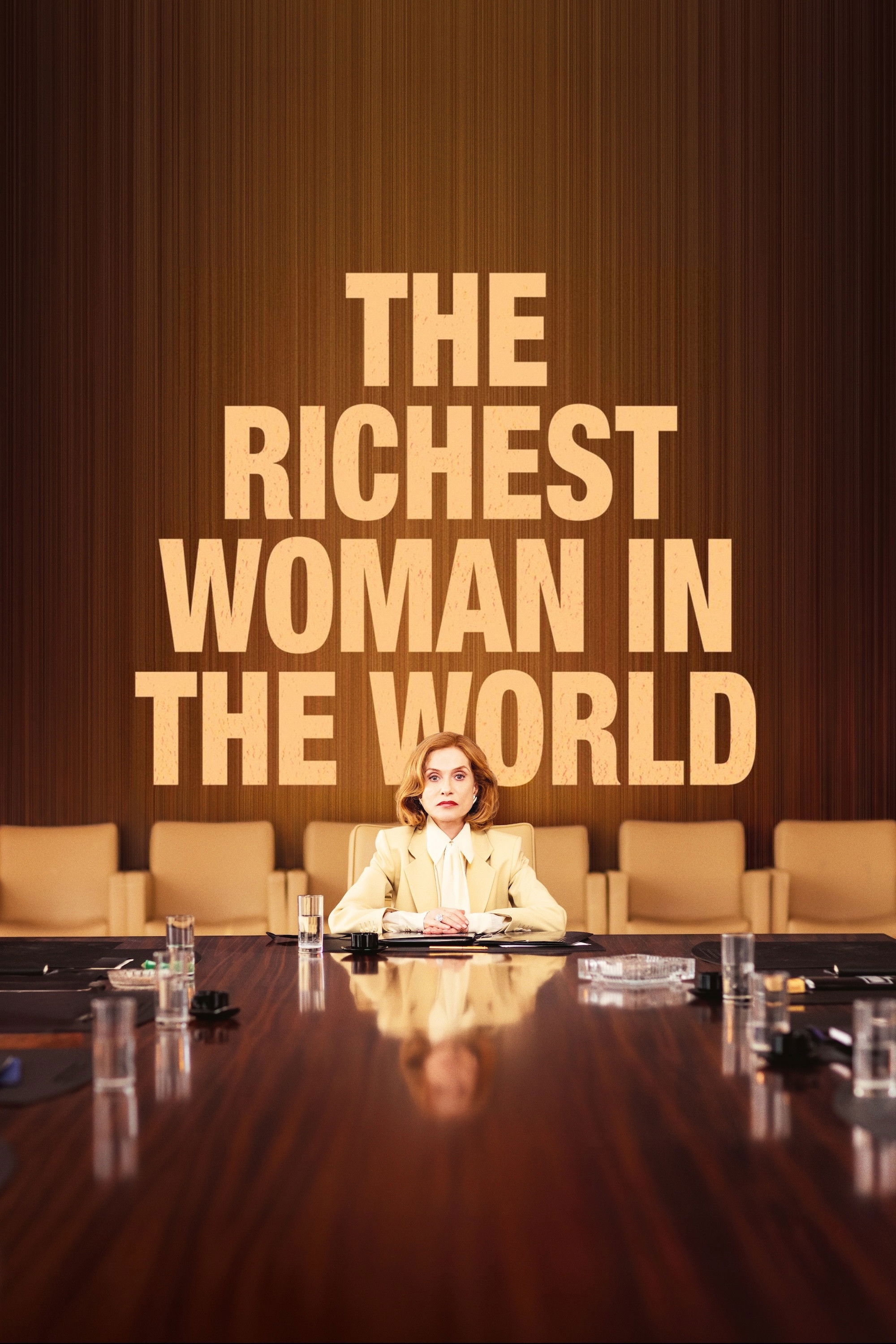
An elderly billionaire woman gives hundreds of millions of euros to a younger gay artist she is close to. Her daughter files a complaint for abuse of a vulnerable person and a scandal erupts.
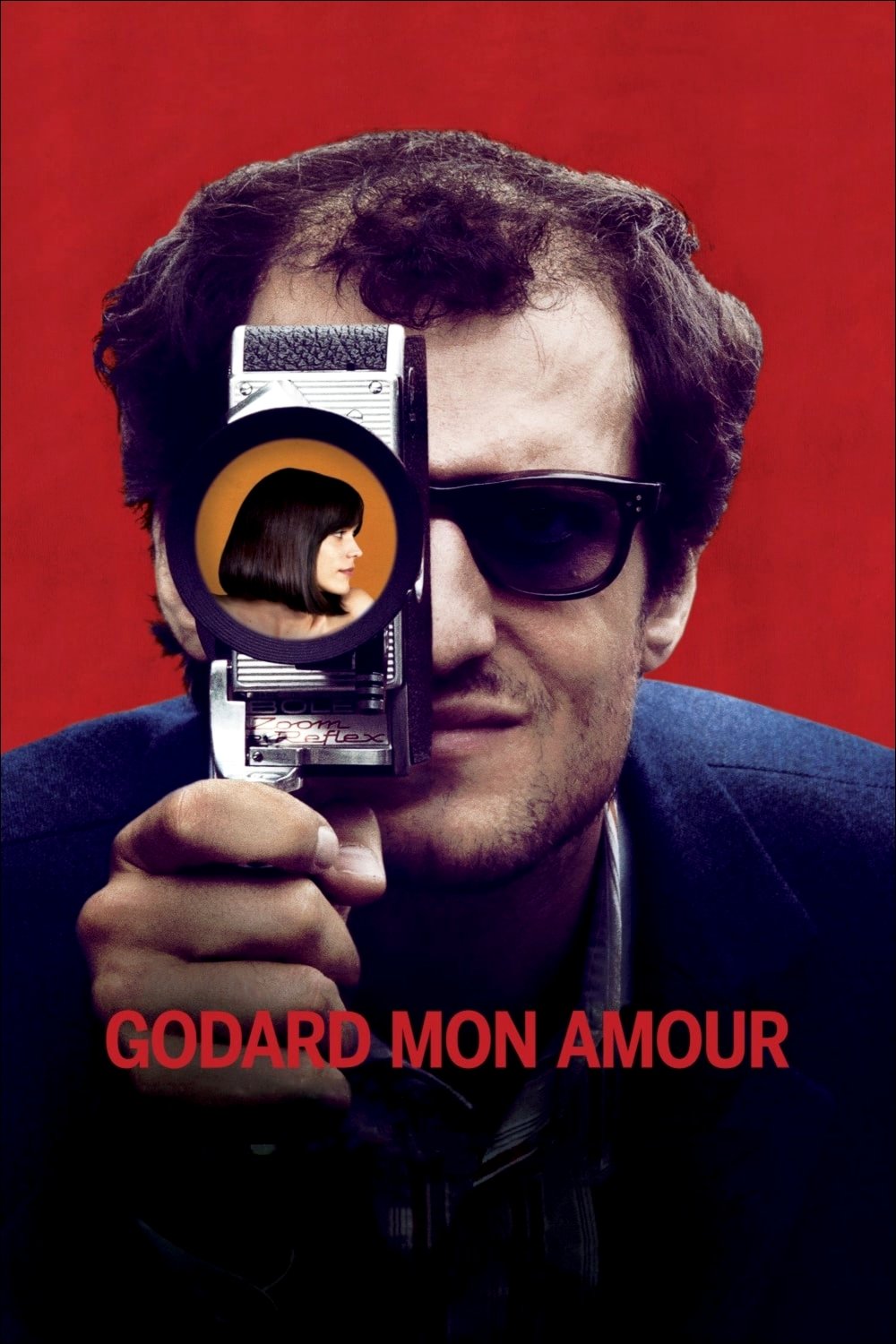
In 1967, during the making of “La Chinoise,” film director Jean-Luc Godard falls in love with 19-year-old actress Anne Wiazemsky and marries her.

In a near future, the world order has changed. With its 10 millions of unemployed citizens, France has now become a poor country. Its people wavers between rebellion and resignation and find an outlet in the shape of TV broadcast ultra brutal fights in which the players are legally doped and unscrupulous.

The life of Henri de Toulouse Lautrec, famous french painter, who lived, enjoyed, loved in the late 1800s Paris' Montmartre cultural life. He suffered from suffered from congenital health conditions traditionally attributed to inbreeding. His lifestyle and work are a testimony of the late-19th-century parisian bohemian lifestyle, as he was commissioned to produce a series of posters for the Moulin Rouge cabaret opening. As an alcoholic, he was addicted to absinthe. The movie related his love affair with the french painter Suzanne Valadon.
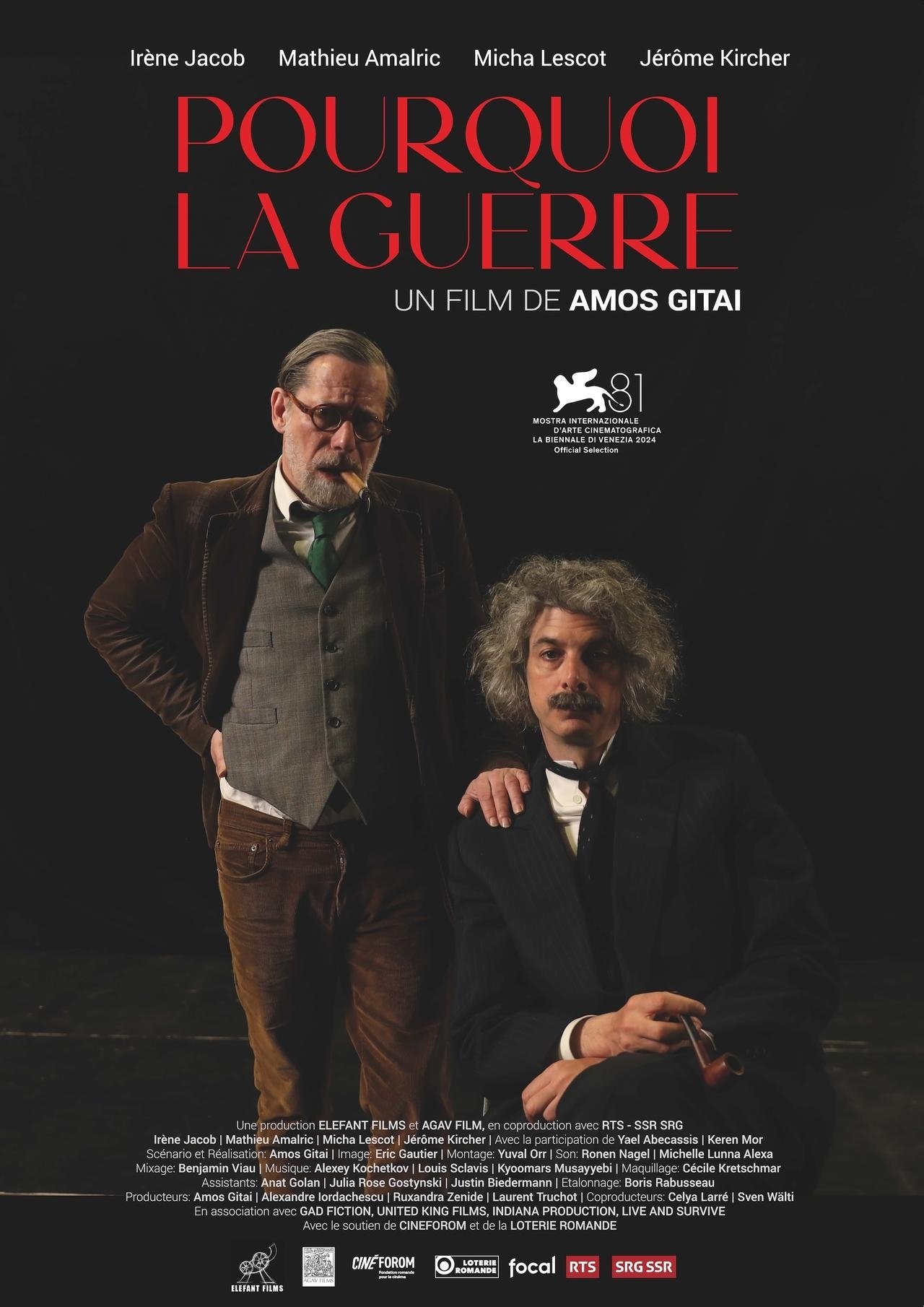
In 1932, Albert Einstein was invited by the League of Nations to address a letter on any subject to any person. He chose to correspond with Sigmund Freud about avoiding war. To this day, the correspondence about war of two great thinkers of all time proves to be more relevant than ever. Inspired by this correspondence between Albert Einstein and Sigmund Freud almost a century ago, the film Why War traces the roots of war, and embarks on a search for an explanation of the savagery of wars that inhabit our world.
Following a long prison term, 30 year-old Céline must find a place in society. Hiding her past, she introduces herself with a new identity to get work for a trial period in a hotel. Céline finds herself endlessly walking a tightrope between truth and fiction. When she meets Idir, despite the threat of being unmasked, Céline falls in love and finds herself a prisoner to her own lies. But how can one live without taking risks?
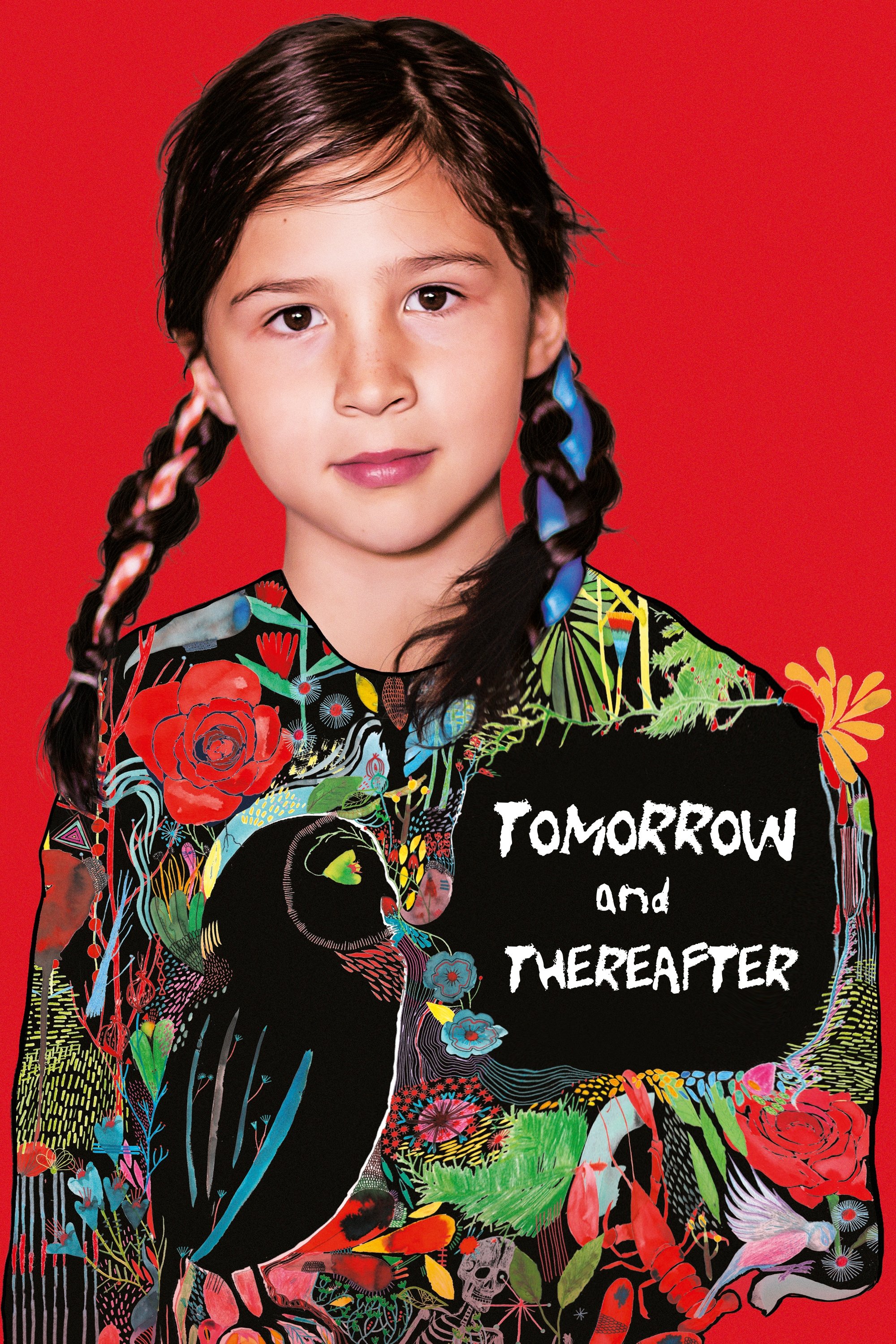
Mathilde is nine years old. Her parents have separated. She lives with her mother, a fragile person who hovers at the edge of madness. It is a story of a unique love between a daughter and her mother.
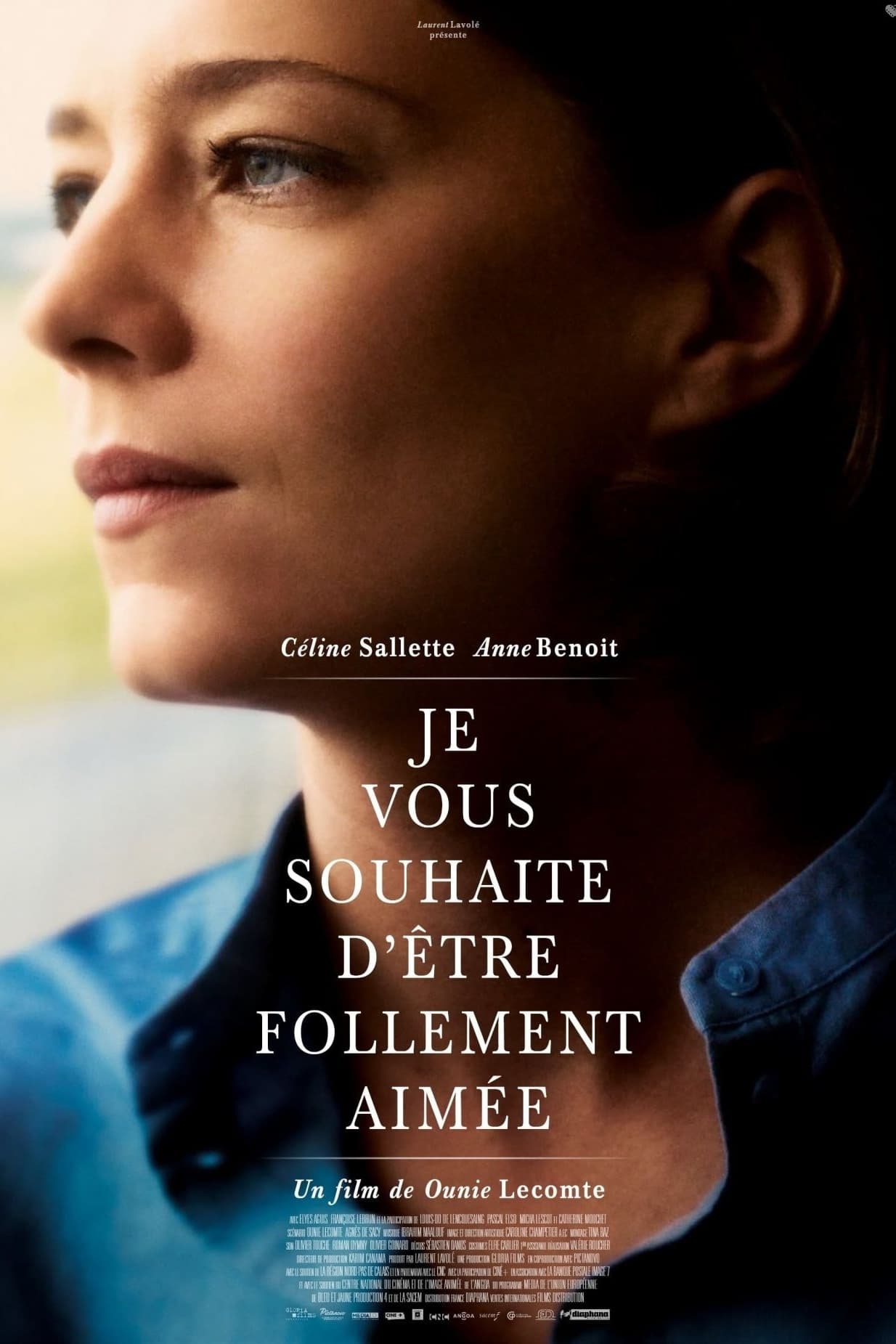
Elisa, on a verge of divorce, leaves Paris with her son Noe to settle in her hometown of Dunkerque to find the biological mother who gave her up for adoption 30 years before.
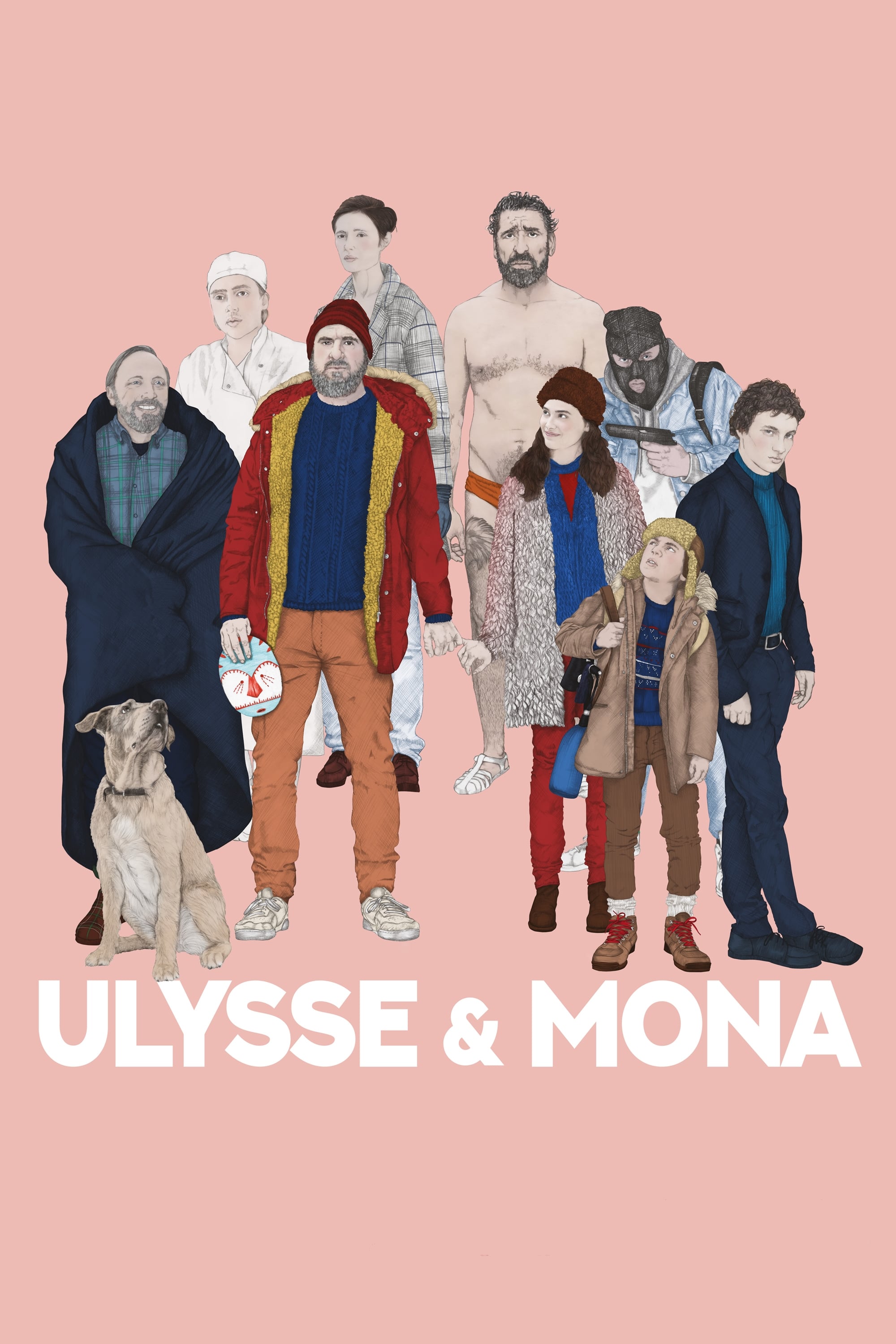
Ulysses, a secluded artist who mysteriously retired a few years ago, meets Mona, a young art student full of life. The encounter will change them both.
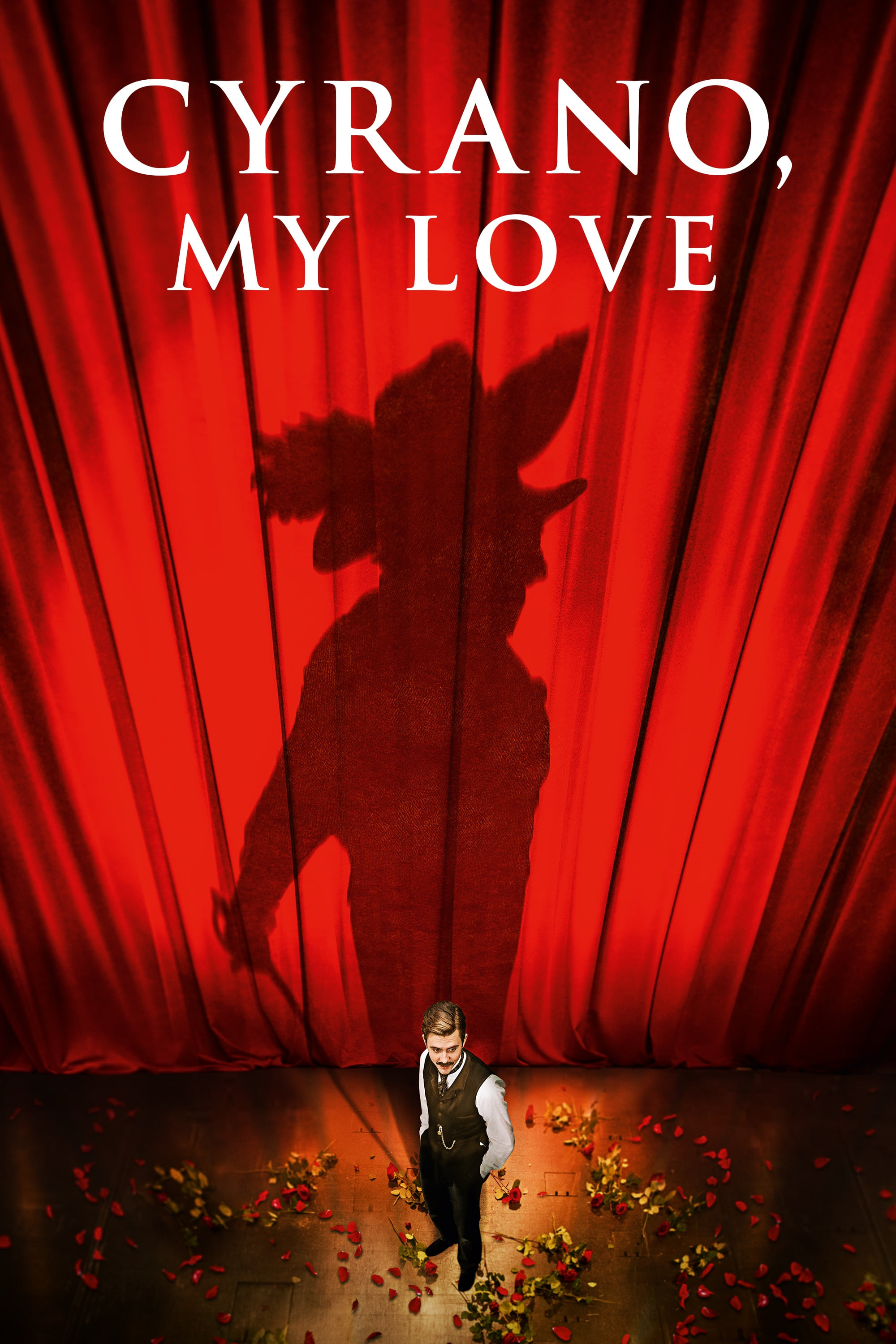
Paris, France, December 1897. The young playwright Edmond Rostand feels like a failure. Inspiration has abandoned him. Married and father of two children, desperate and penniless, he persuades the great actor Constant Coquelin to perform the main role in his new play. But there is a problem: Coquelin wants to premiere it at Christmas and Edmond has not written a single word.
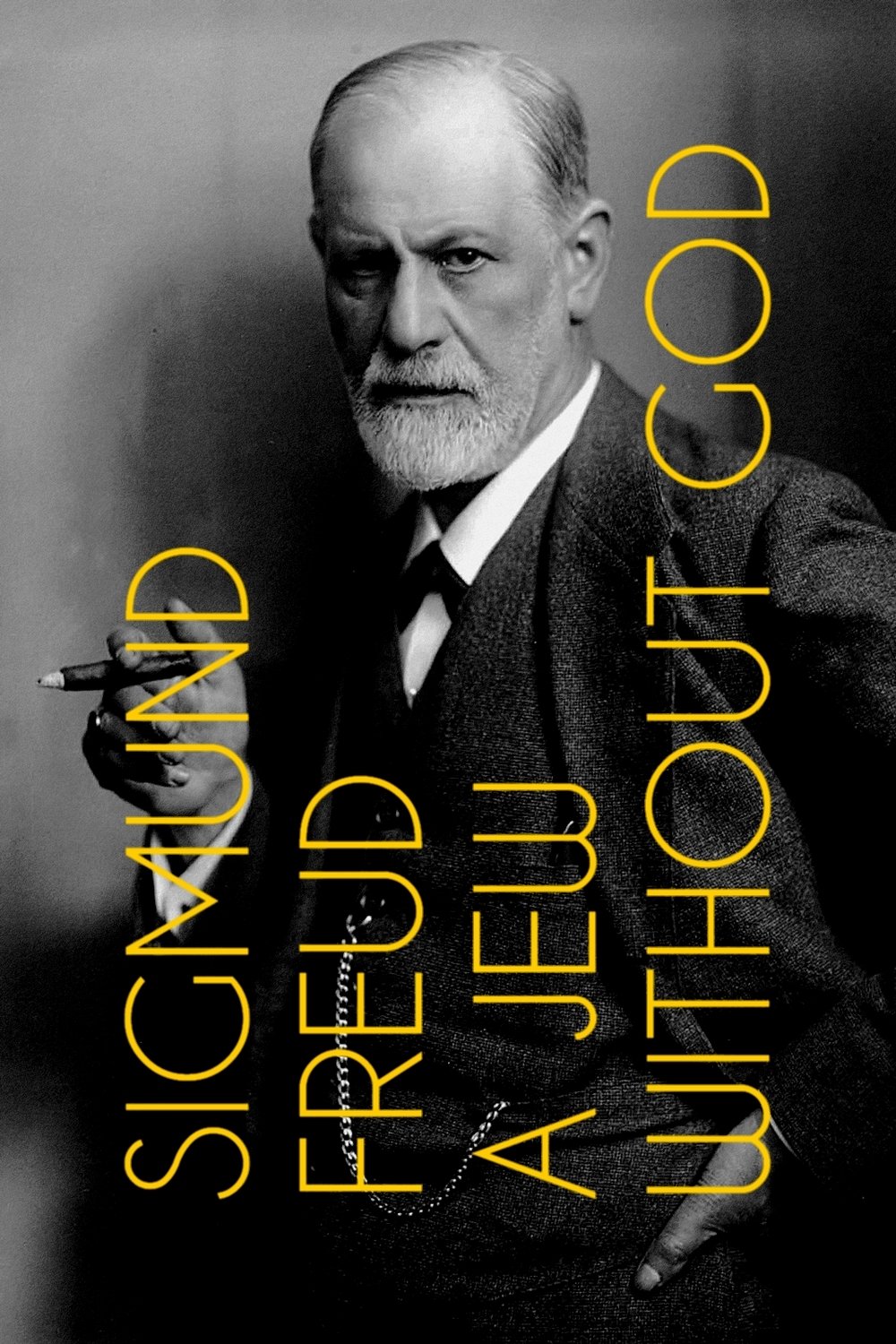
An account of the life and work of the influential Austrian psychiatrist Sigmund Freud (1856-1939), an iconic figure and a godless demigod who dared to enter the darkest depths of the human mind; through his correspondence and his own voice, and that of his family and friends.
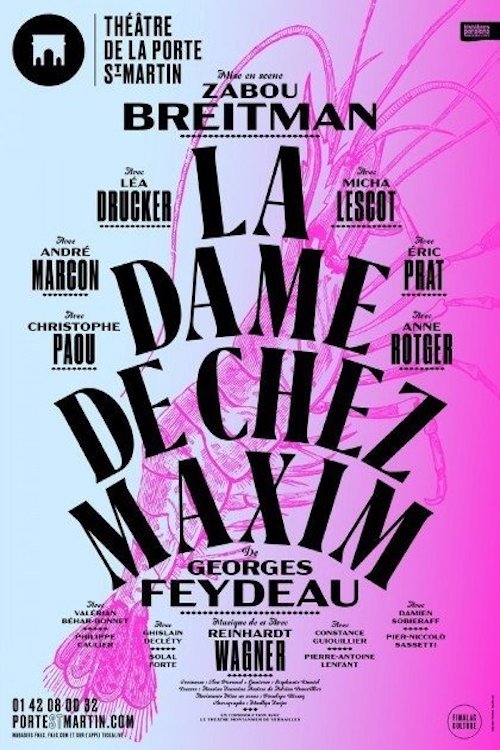
Doctor Petypon, a respectable doctor, partied until early morning at Maxim's. His best friend discovers him asleep at noon under an overturned sofa. From the bedroom comes the Môme Crevette, a dancer from the Moulin Rouge. She is forced to pretend to be his wife. It stings at the game and causes a cascade of misunderstandings, imbroglios and drama at a frantic pace.
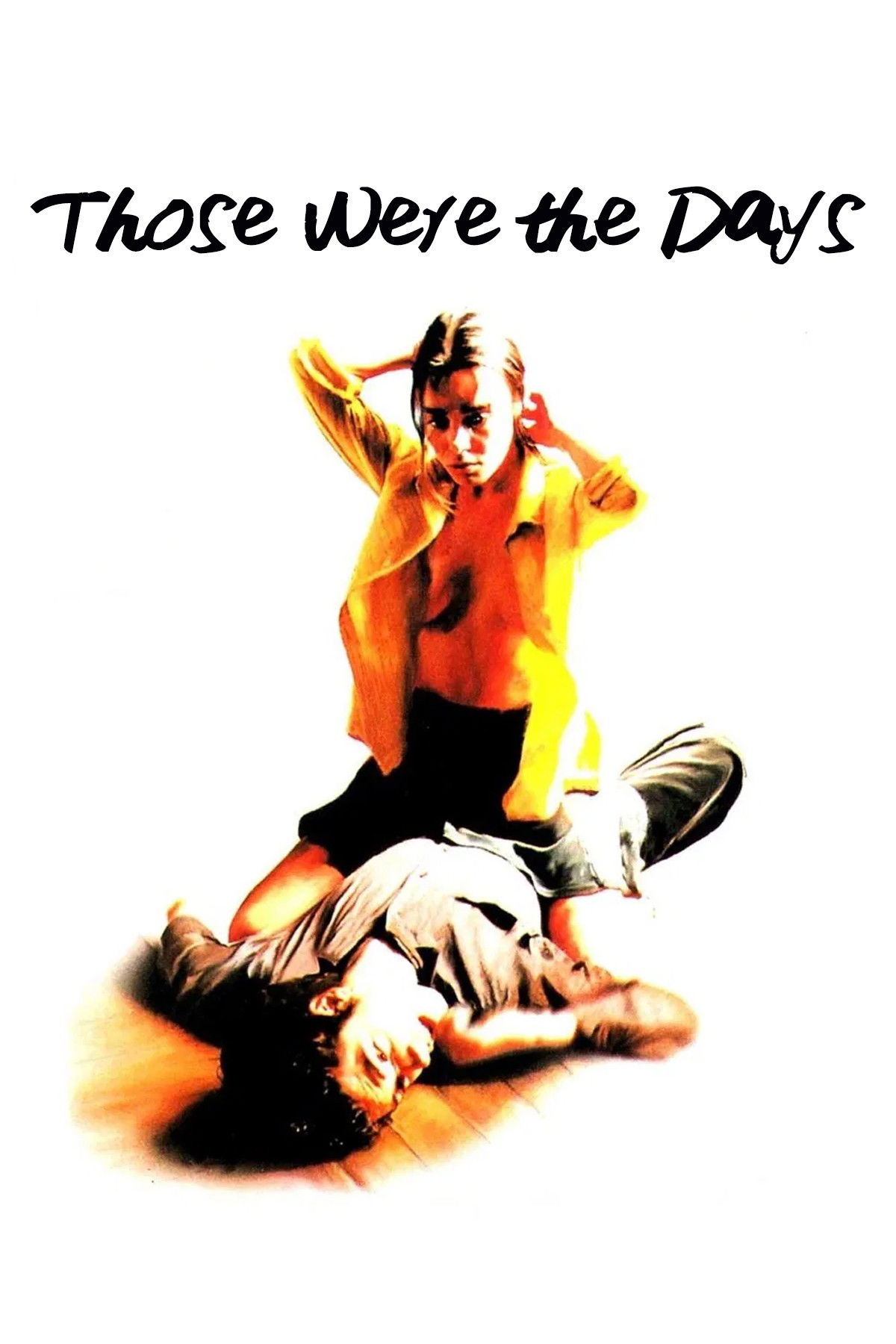
The grueling, emotionally torturous world of French preparatory schools provides the framework for this mystery. The deliberately rigorous courses are designed to prepare students to take the brutal examinations for entry into the elite Grand Ecoles, where a select few will gain the skills and education needed to insure a bright, prosperous future for themselves. The story centers on Delphine, a girl from the lower classes, and the upper class Claude. Both young women aspire to attend the Ecole Normale Superieure on the Rue d'Ulm. Delphine lives in humble public housing with her dull mother and two young brothers while Claude, who considers herself a Communist, lives in luxury with her own servant; she is sexually involved with fellow- student, Axel, who thinks himself a fascist.
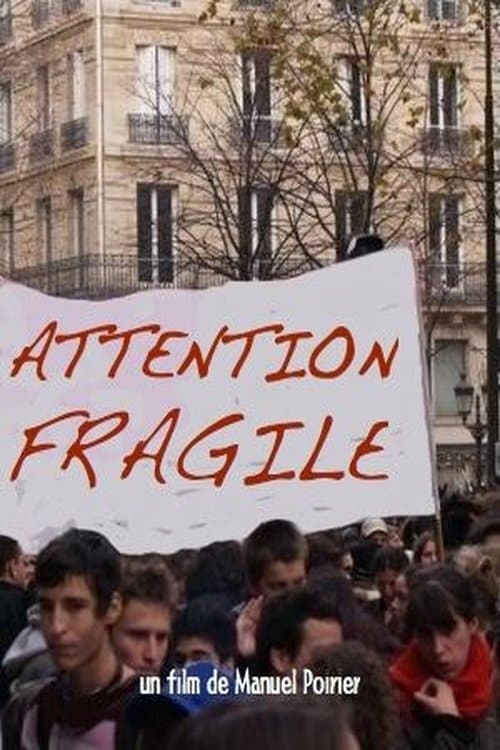
September, 1986. Alice and Martin are 17 years old. They come from provinces to Montesquieu high school in the capital. Like many youngs of their age, born in the 70s and nostalgic of a too comfortable childhood, they progress carefully in life. While Alice and Martin are finding their footing, demonstrations against the Devaquet law and the tragic death of Malik Oussekine are happening.

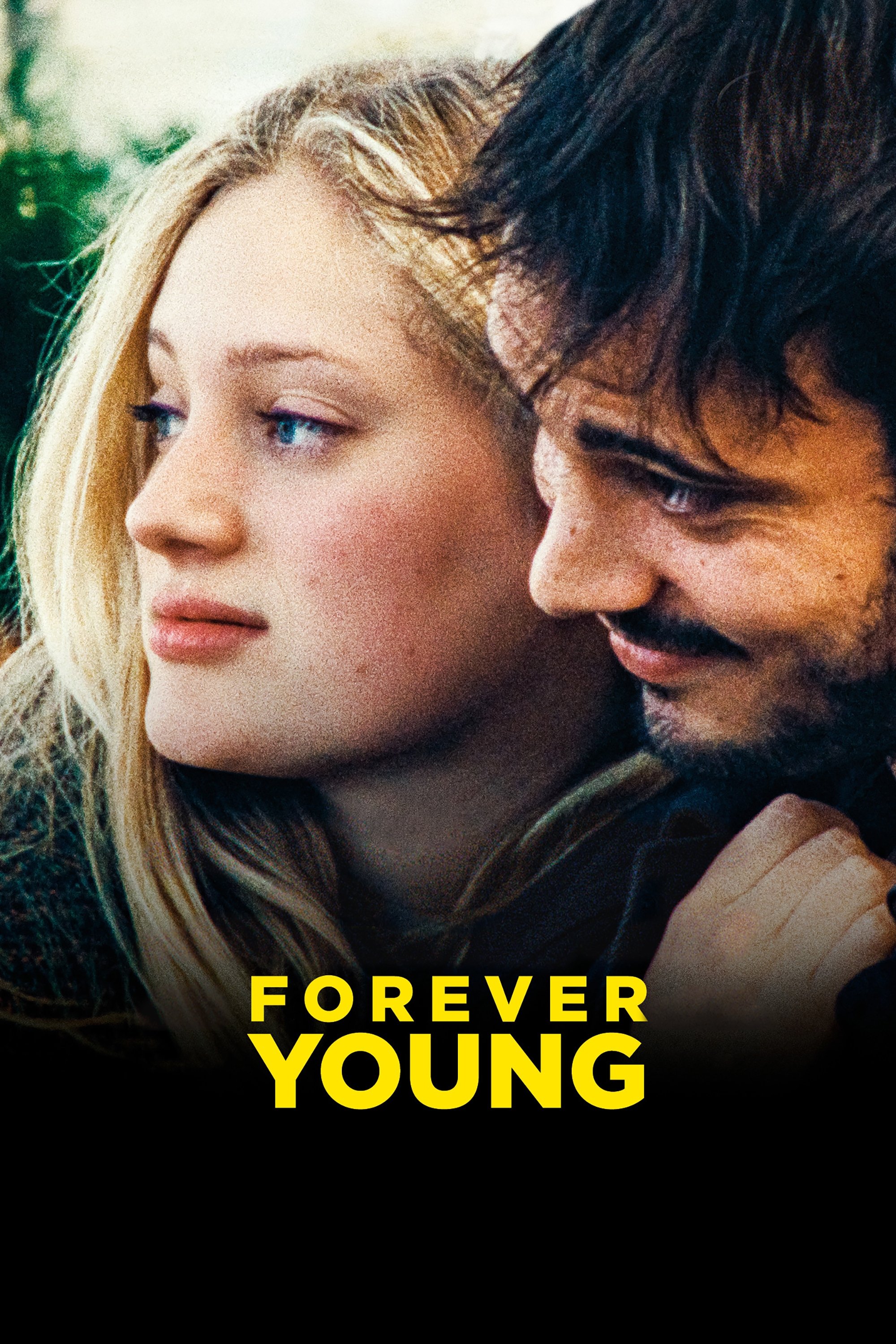
At the end of the 1980s, Stella, Victor, Adèle and Etienne are 20 years old. They take the entrance exam to the famous acting school created by Patrice Chéreau and Pierre Romans at the Théâtre des Amandiers in Nanterre. Launched at full speed into life, passion, and love, together they will experience the turning point of their lives, but also their first tragedy.
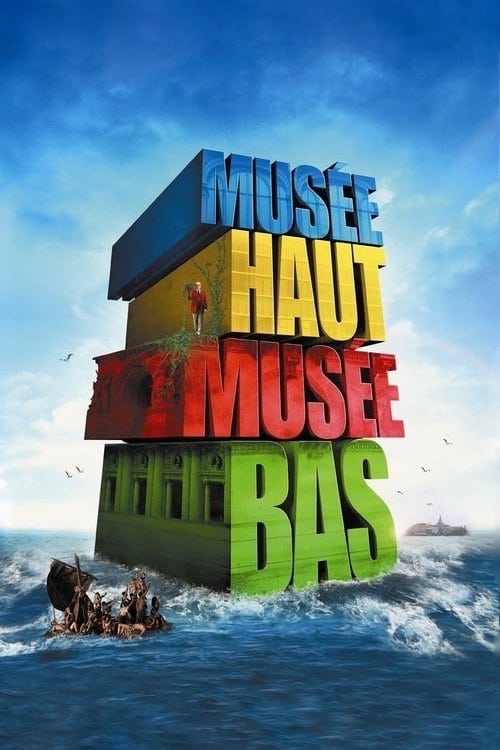
Un conservateur terrorisé par les plantes vertes, une mère plastifiée pour être exposée, un ballet de Saintes Vierges, des gardiens épuisés par Rodin, un ministre perdu dans une exposition de sexes, une voiture disparue au parking Rembrandt, des provinciaux amoureux des Impressionnistes, touristes galopins galopant d'une salle à l'autre, passager clandestin dans l'art premier, Picasso, Gauguin, Warhol, ils sont tous là dans ce petit monde qui ressemble au grand, dans ce musée pas si imaginaire que ça, valsant la comédie humaine jusqu'au burlesque.
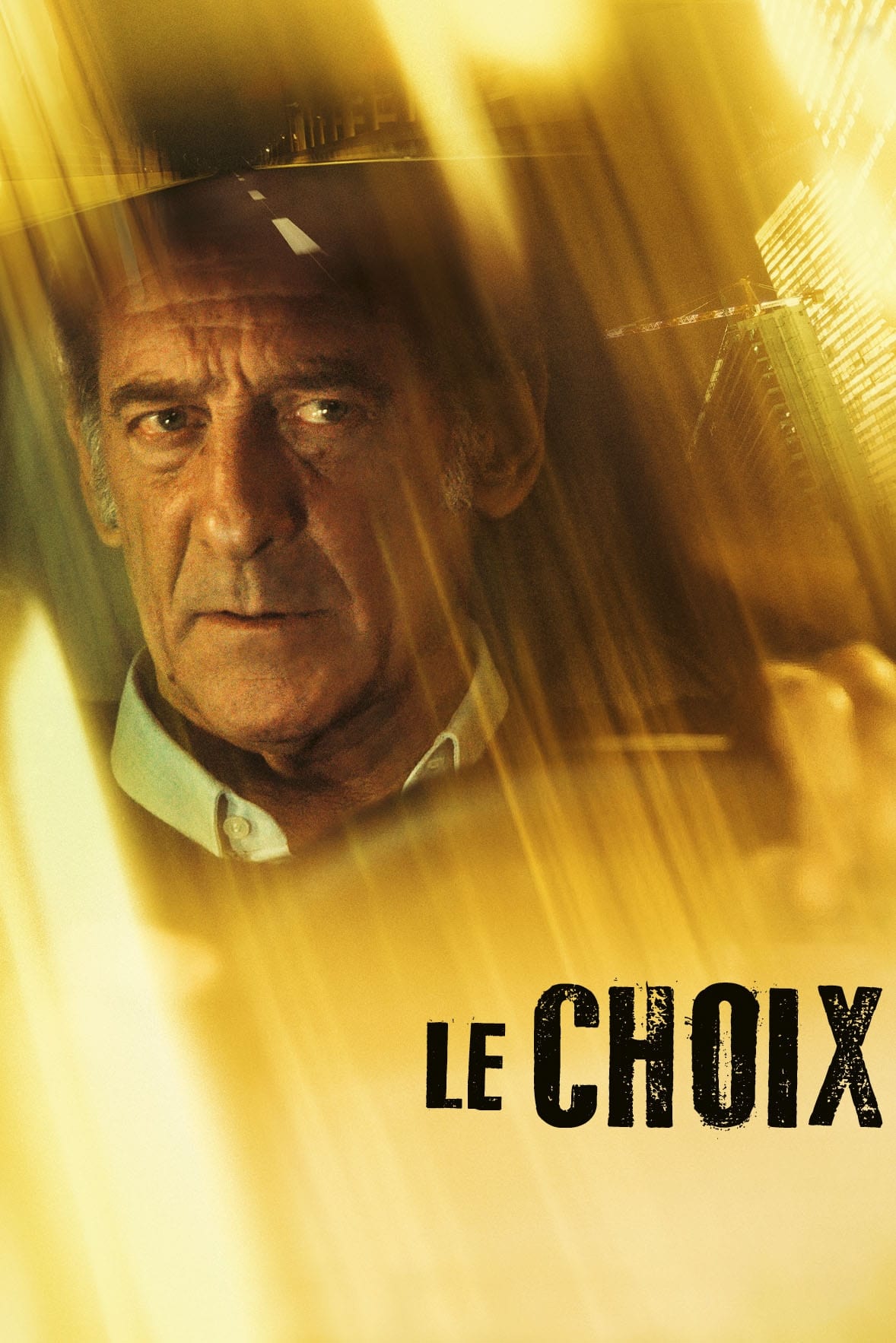
Joseph Cross looks like his job. Solid like concrete. Married, two children, his existence is perfectly organized. Yet this night, alone behind the wheel, he must make a decision that could ruin his life.
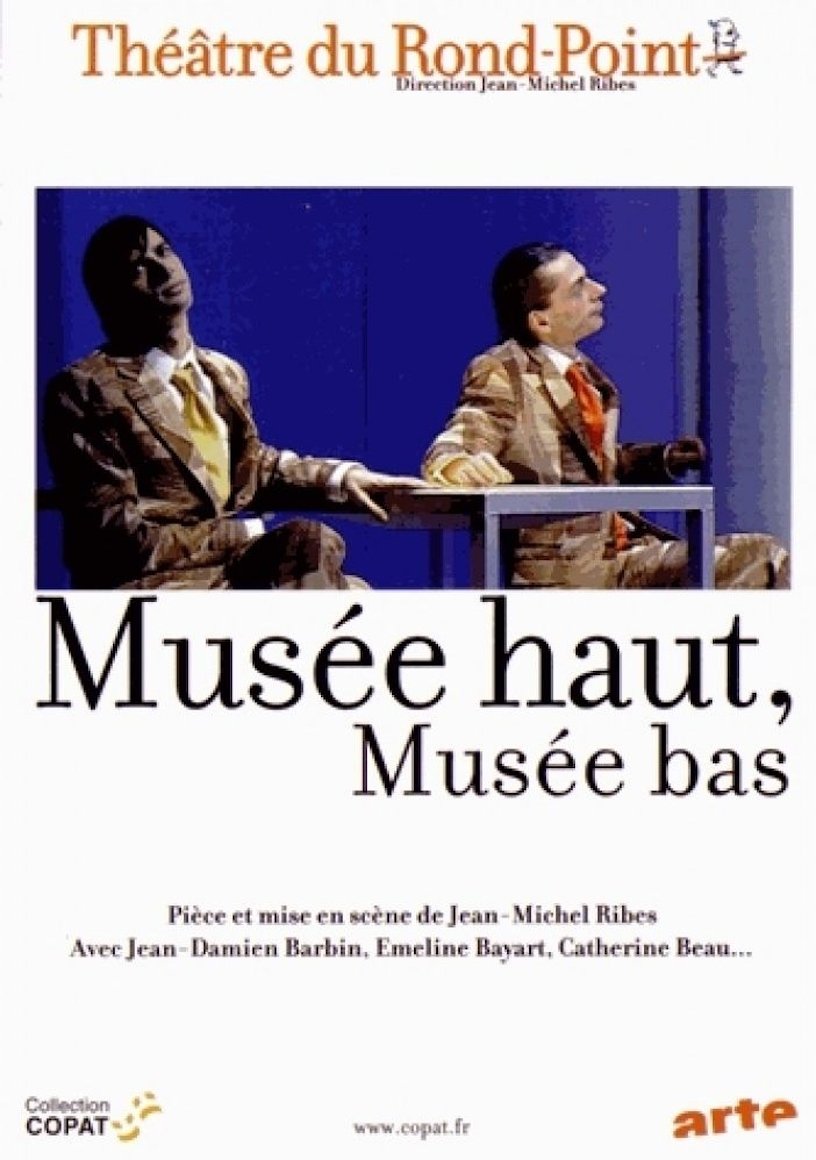
A staging of Jean-Michel Ribes' play "Musée haut, musée bas" by himself.

A staging of Frédéric Bélier-Garcia and Emmanuel Bourdieu's play "Le Mental de l'équipe" by Frédéric Bélier-Garcia and Denis Podalydès. In this comedy, two professional soccer teams go head-to-head. The players observe different tactical schemes proposed by the coach, under the guidance of a psychological trainer, who ensures the team's mental strength.
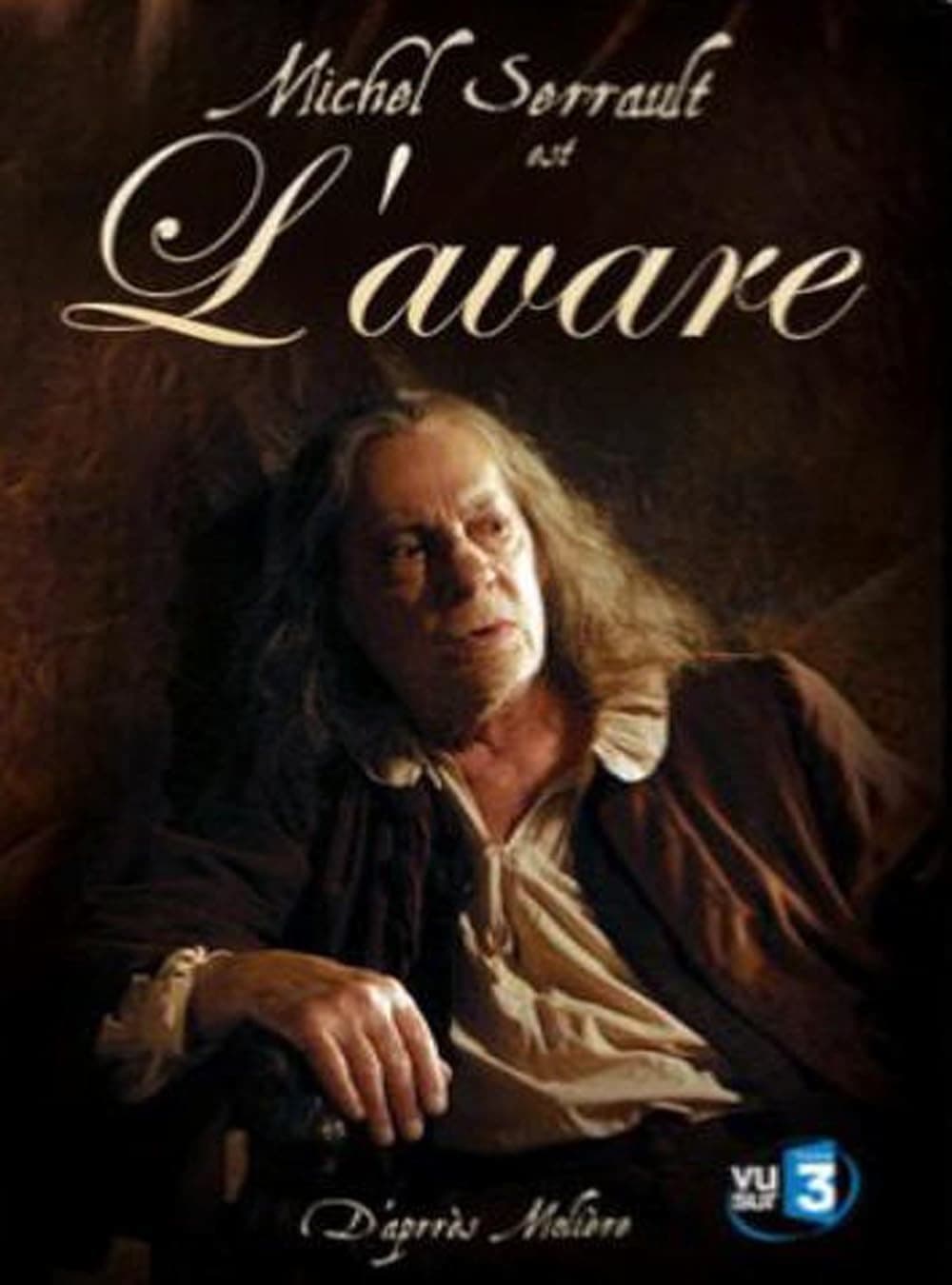
A beautiful translation of Molière's works.
short film by Anne Benhaïem
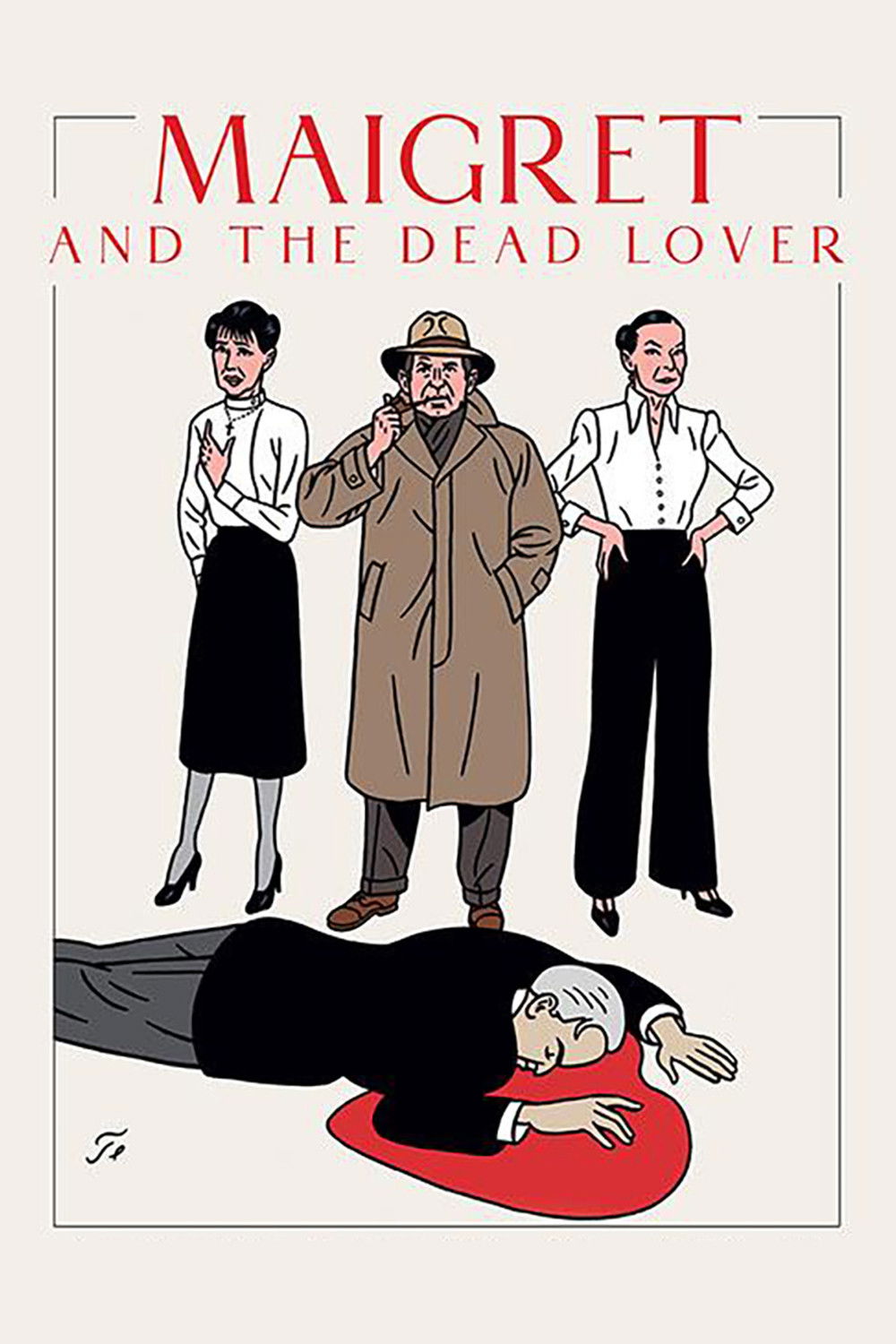
Commissioner Maigret rushes to the Quai d’Orsay with Lieutenant Janvier. There, they find Mademoiselle Larrieu in a state of shock. That very morning, she discovered the bullet-riddled body of Mr. Berthier-Lagès, a renowned former ambassador whom she had served as a housekeeper for 46 years. While searching the victim's apartment, Maigret and Janvier uncover hundreds of letters. The diplomat had maintained a fifty-year-long love correspondence with a certain Princess of Vuynes, whose husband - by a strange coincidence - had died just a few days earlier. As he confronts the various members of the two families and the suspicious silence of Mademoiselle Larrieu, Maigret finds himself faced with surprise after surprise, watching his certainties crumble - until the solution to the mystery finally hits him in the face at the very last moment...
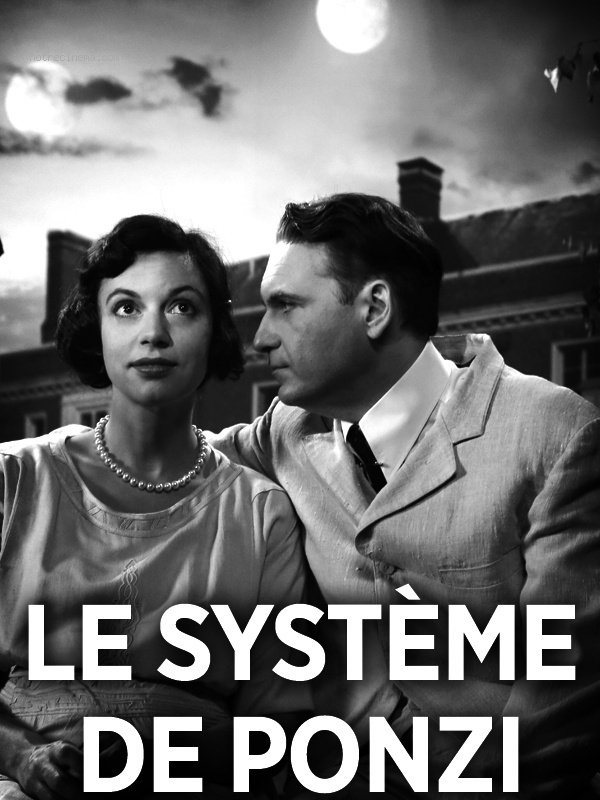
Ponzi, from his arrival in Boston in 1903, to hi death in Rio in 1949. He made himself famous in inventing the first fraud of modern times on a large scale, and inspired Bernard Madoff.
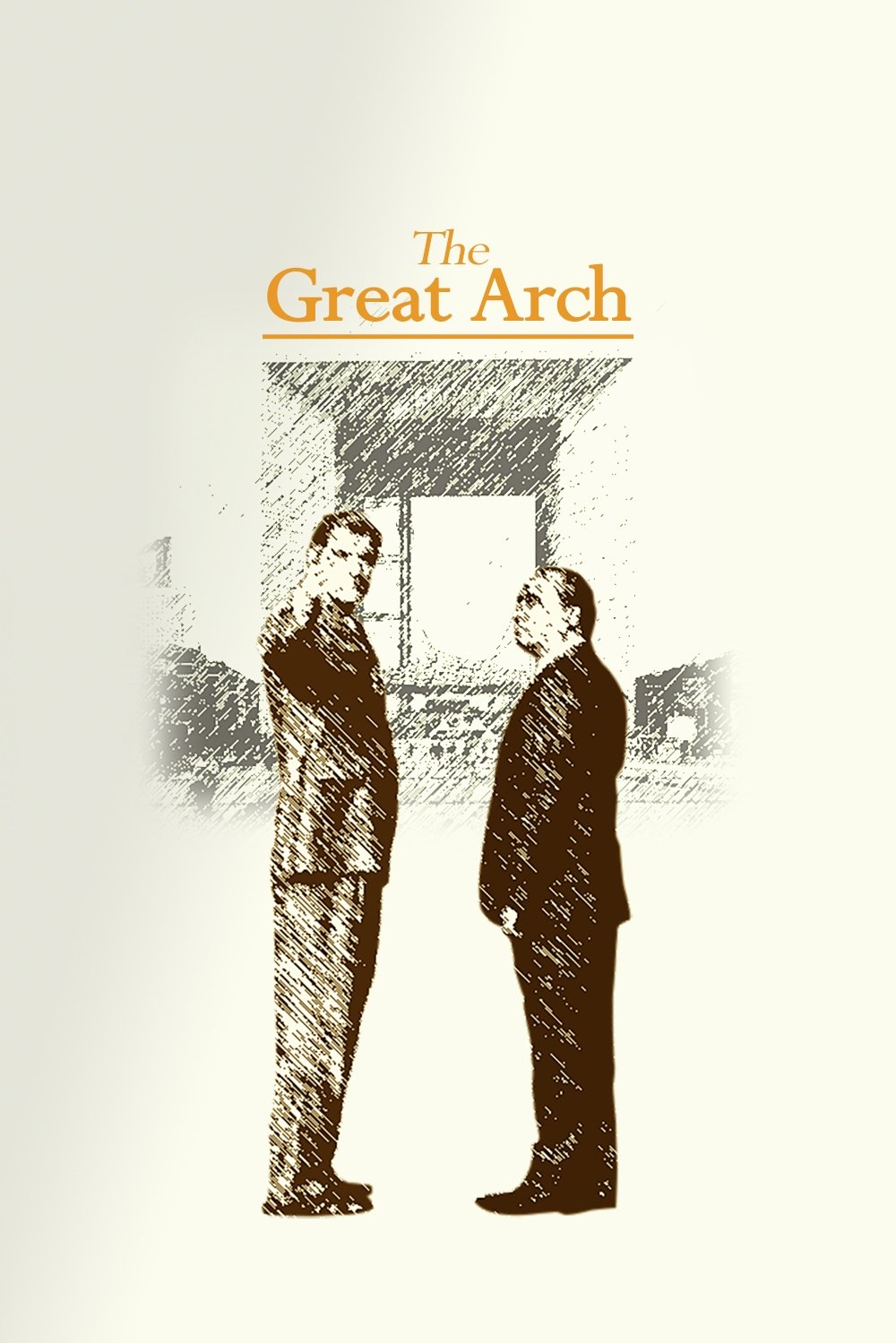
France, 1983. The biggest architectural competition in history is launched by the new socialist president, François Mitterrand. Coveted by all the biggest international architectural firms, the open-call competition is surprisingly won by an unknown: Johan Otto von Spreckelsen, an architecture teacher from Copenhagen. Until then, the fifty-year-old Dane had built only four buildings: his home, and three small chapels.
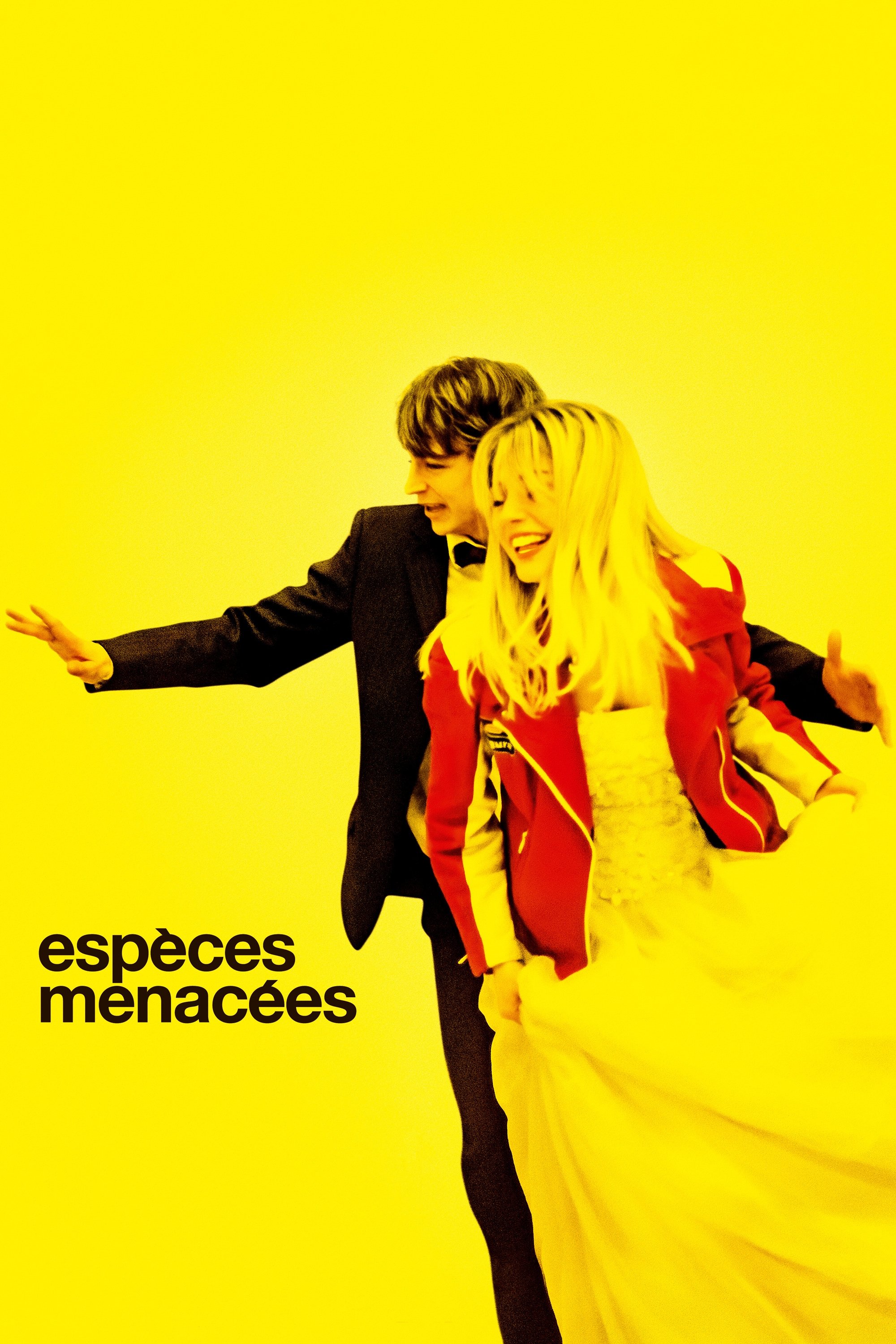
The fates of three entwined families. Joséphine and Tomas have just got married. It was a joyful celebration. But soon, Joséphine’s parents will discover a darker side lurking behind the couple’s sunny happiness. Meanwhile, Mélanie tells her parents that she is pregnant but the father is not ideal.
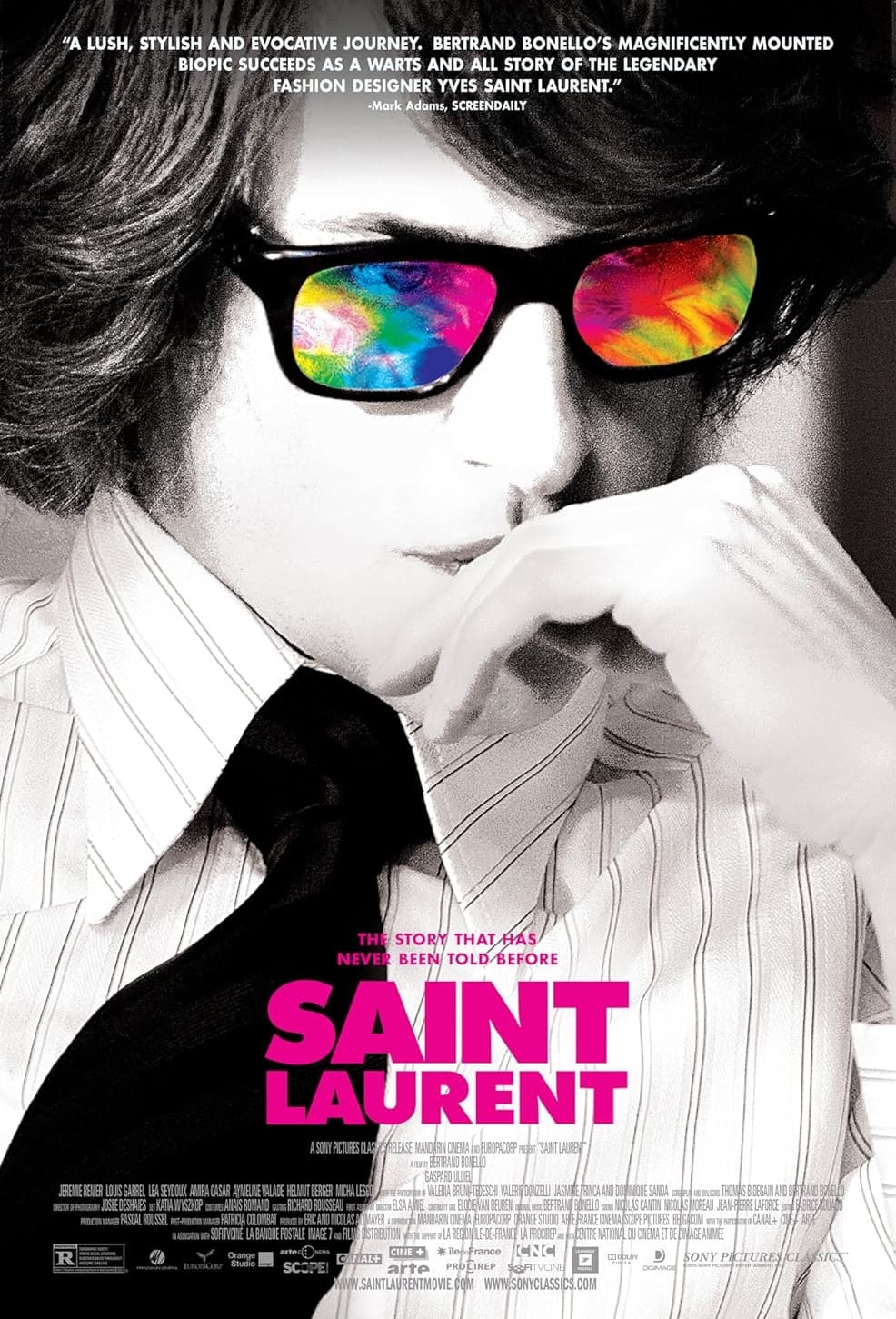
1967-1976. As one of history's greatest fashion designers entered a decade of freedom, neither came out of it in one piece.