In 1966, Bene presented The Pink and the Black, his successful theatrical adaptation of Matthew Gregory Lewis’ lurid Gothic novel from 1796. Experimental filmmaker Paolo Brunatto filmed some of the play’s rehearsals in a Rome apartment (also frequented also by the Living Theatre). Bene's artistry is encapsulated in one sentence: “One cannot continue to prostitute the idea of theatre, which stands only for a magical, brutal link with reality."
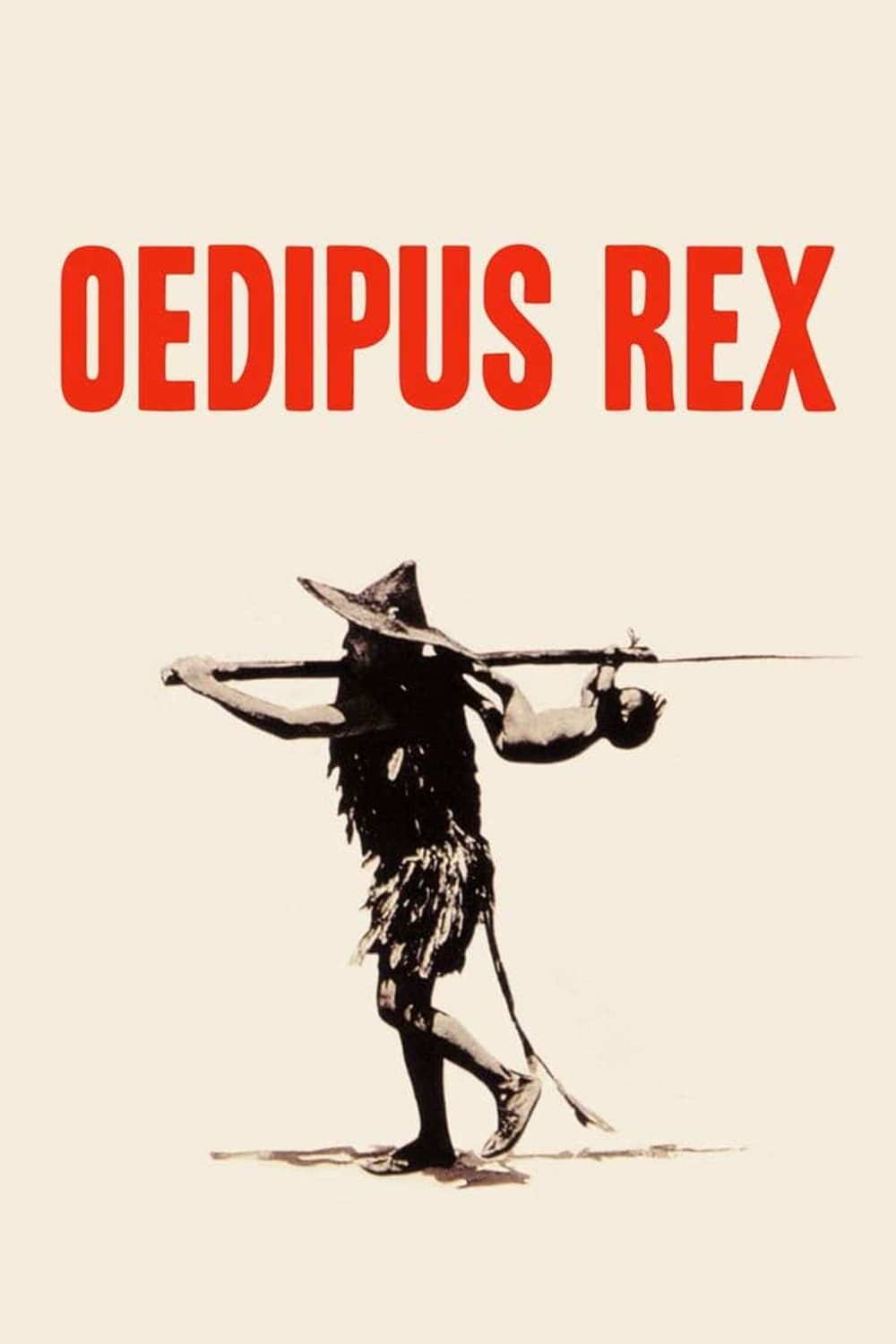
In pre-war Italy, a young couple have a baby boy. The father, however, is jealous of his son - and the scene moves to antiquity, where the baby is taken into the desert to be killed. He is rescued, given the name Oedipus, and brought up by the King and Queen of Corinth as their son. One day an oracle informs Oedipus that he is destined to kill his father and marry his mother. Horrified, he flees Corinth and his supposed parents - only to get into a fight and kill an older man on the road…
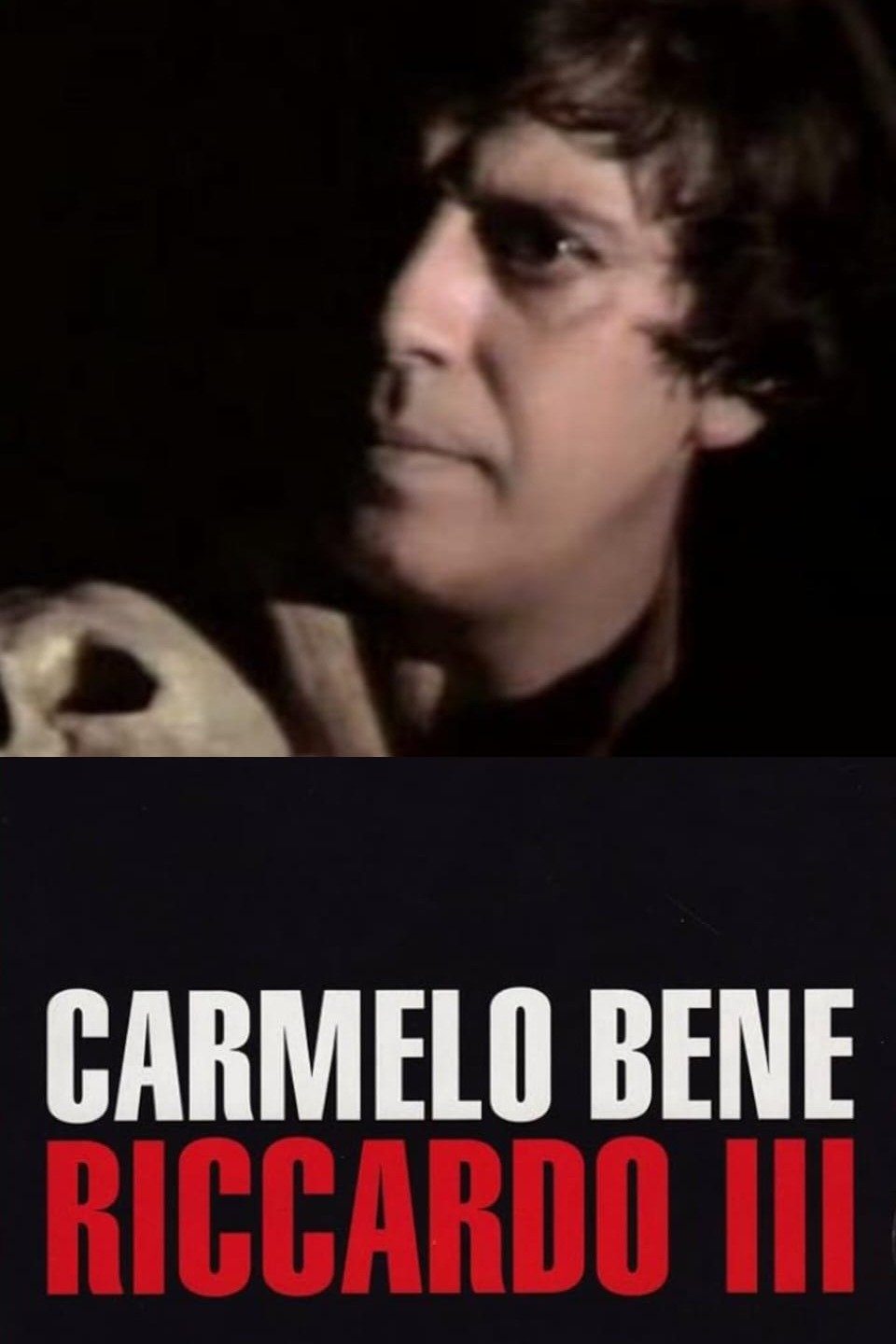
Riccardo III is a theatre play staged in 1977 and also edited for television and aired in 1981, which Carmelo Bene dedicated to his friend Gilles Deleuze, who wrote a book about it before even seeing it. Bene strips down the original Shakespeare play to the core, rejecting plot and characters, leaving on stage only Riccardo III and his ghosts, the female characters. The TV version is characterized by an exstensive use of close-ups and strong light contrast.
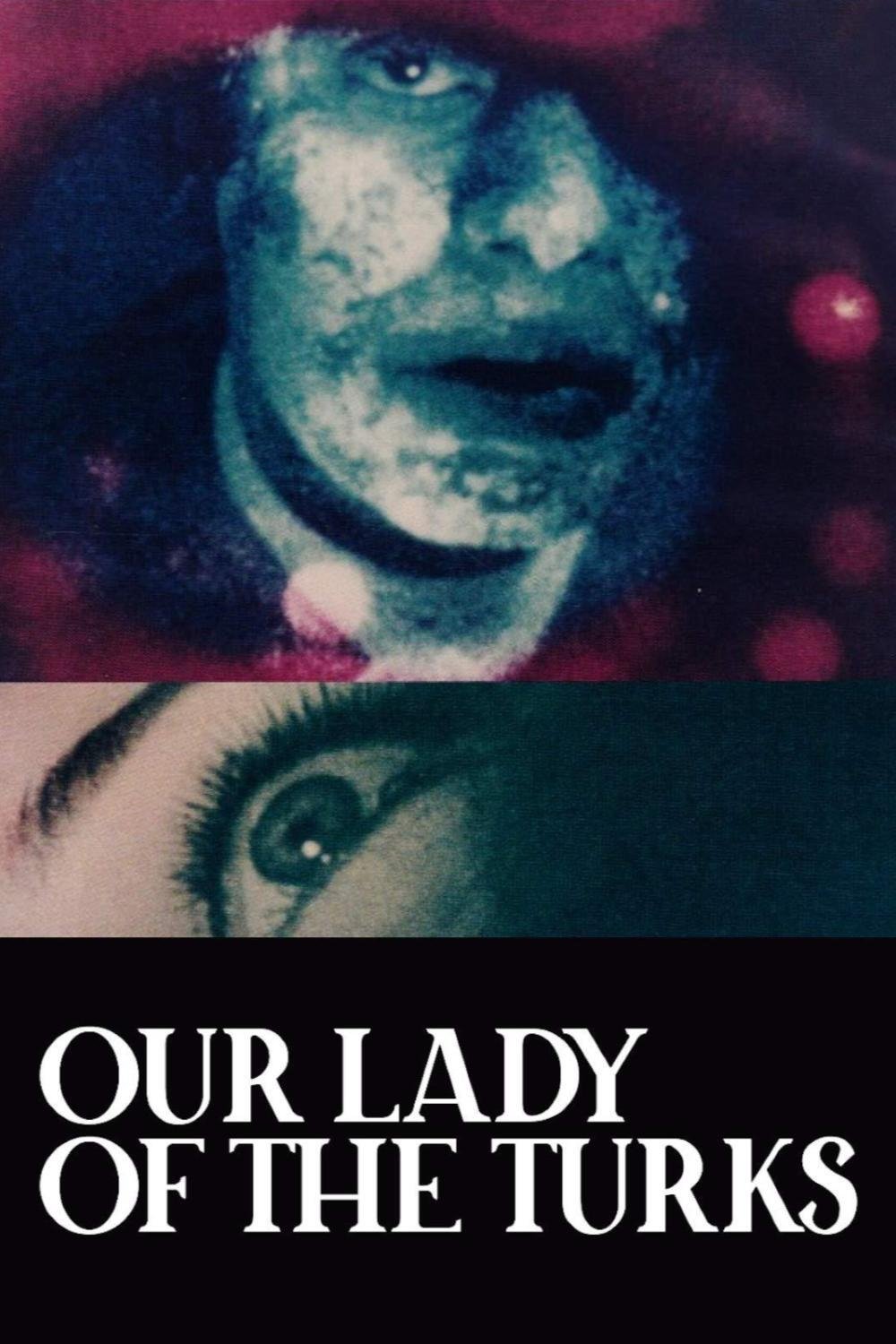
To the protagonist, an intellectual so feverish that he seems pathologically unrecoverable, a confused memory resurfaces of a massacre carried out by the Turks in Otranto. Immersing himself in one of the victims, in the unconscious desire to eviscerate himself, a woman appears to him, Margherita, who, in the guise of Santa Maria d'Otranto, treats him with compassionate love. In the hallucinating succession of memories intertwined with historical events, the protagonist finds himself in contact with his environment, his land, his country.

Carmelo Bene read a text by T. S. Eliot
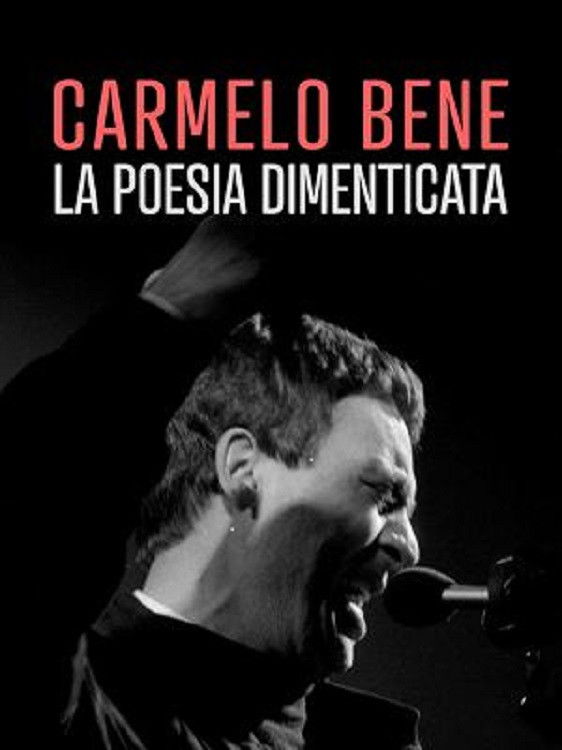
Carmelo Bene reads poems by Dino Campana
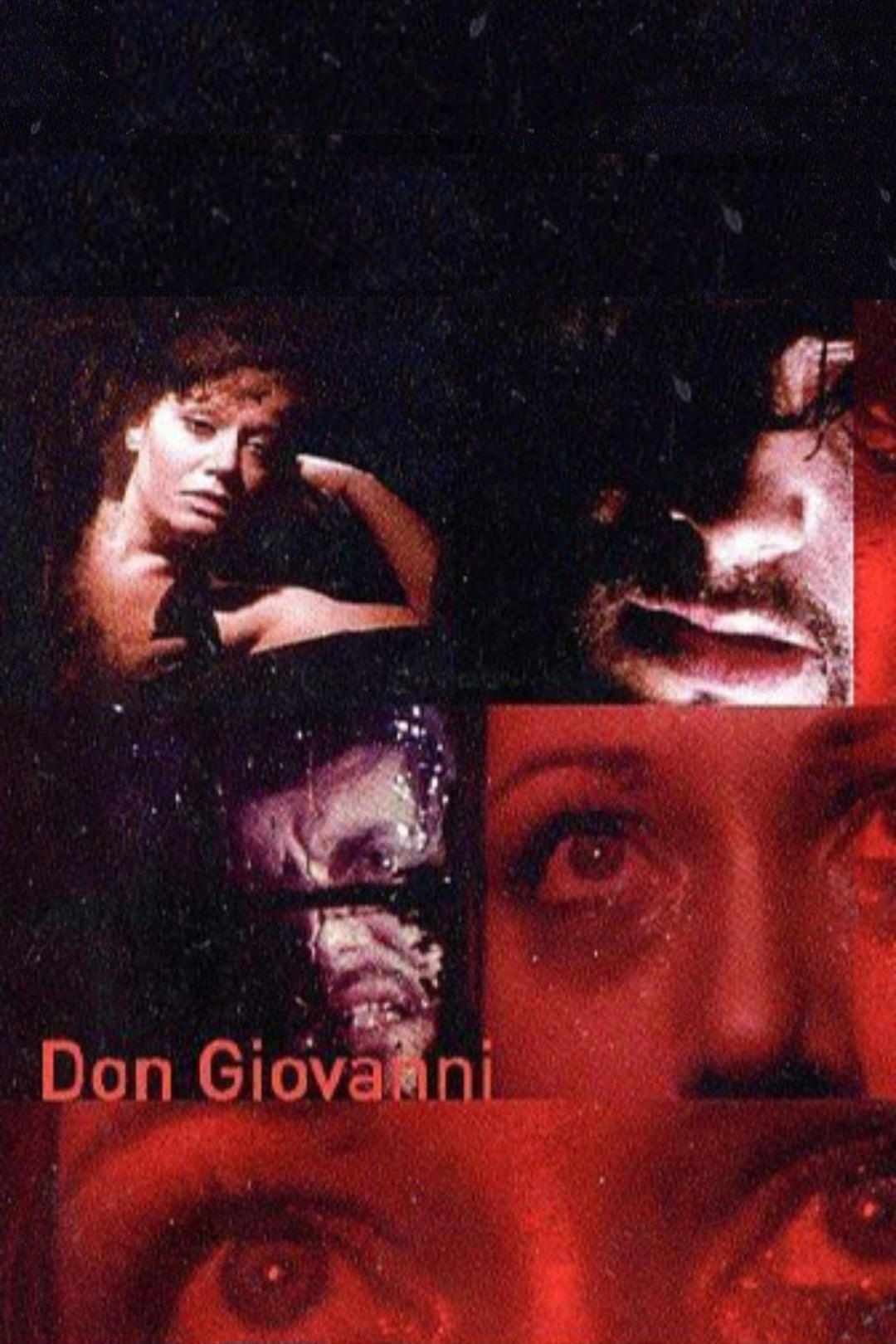
In this a baroque and claustrophobic take on Mozart’s opera of the same name, Don Giovanni tries to seduce a girl who is manically searching for Christian icons. Loosely based on Jules Barbey d'Aurevilly's short story "The Greatest Love of Don Juan".
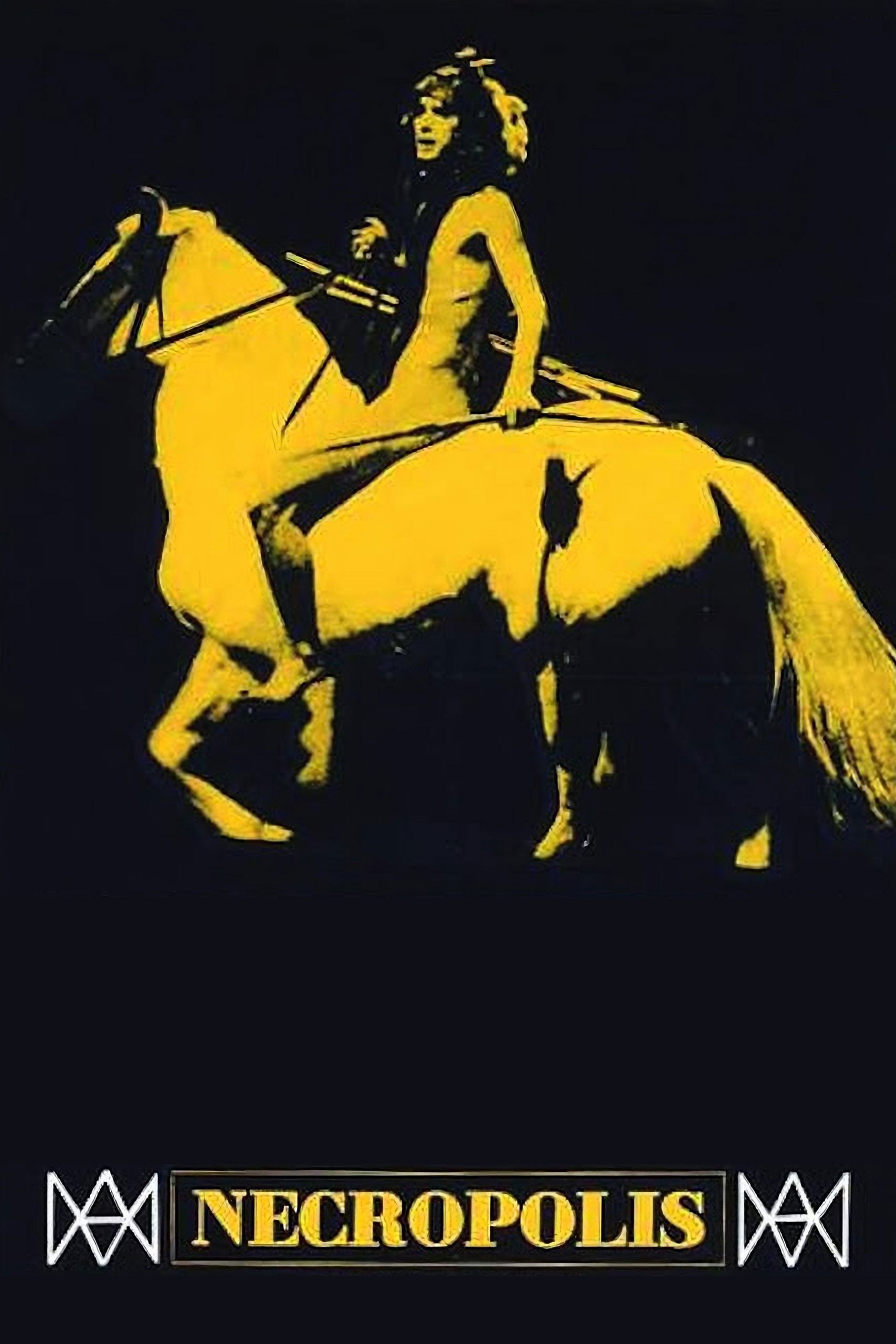
Frankenstein's monster gropes towards the awareness that his mind is a universe; Attila, naked on a white horse, liberates his people from their ignominy; the ultra-caustic Viva bemoans the frustrations of married life and drifts into the elegiac persona of the Bloody Countess Bathory; Louis Waldon is a hip American tourist searching for the (missing) Mona Lisa.
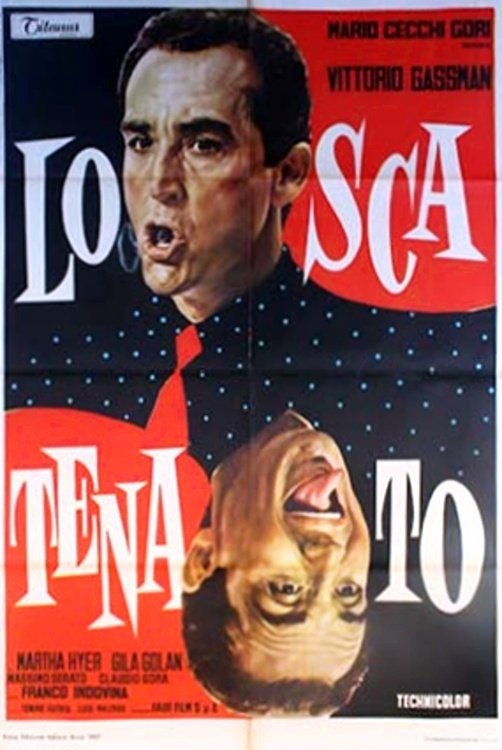
Bob is a successful actor, but his career gets doomed by a strange phenomenon: the animal kingdom is taking on him!
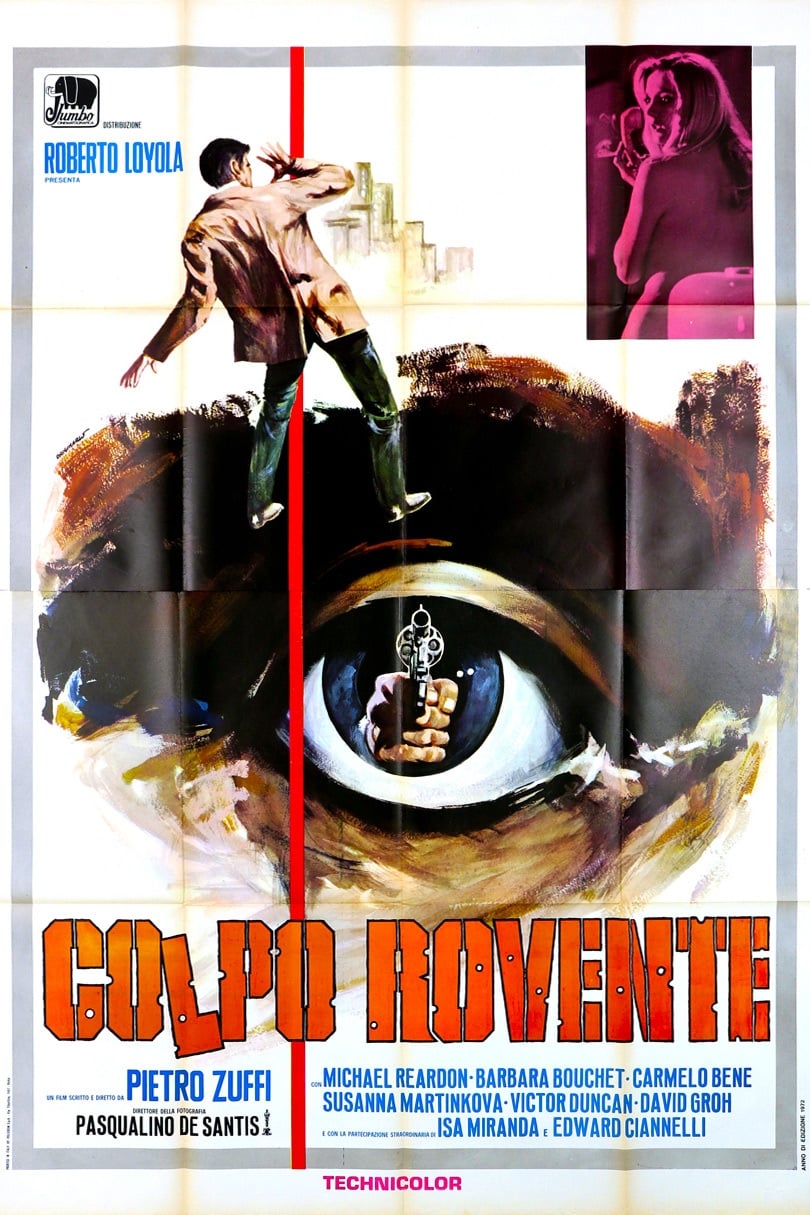
Frank was removed from an investigation into Mac Brown, the owner of a pharmaceutical company, who was suspected of drug trafficking and illegal experiments on teenagers. When Brown is murdered, Frank is called to investigate...
Recording by Rai Milan of Adelchi staged by Carmelo Bene at the Teatro Lirico in Milan in 1984, with the Rai orchestra and choir for the bicentenary of Alessandro Manzoni's birth. Broadcast only once on Rai 2 on September 9, 1985.
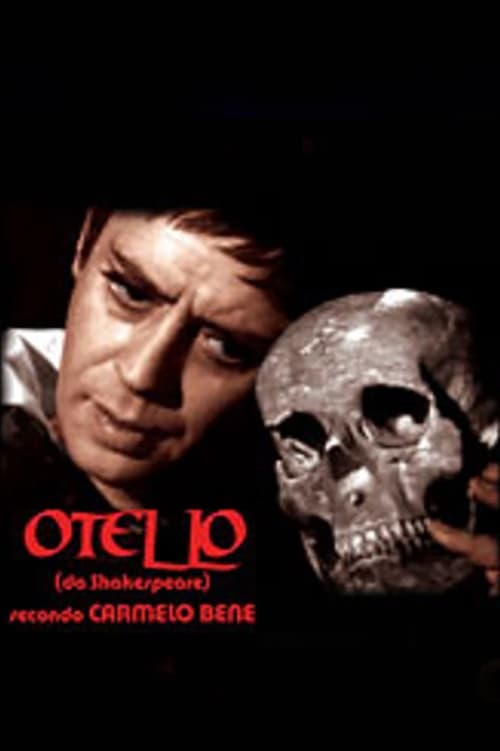
Produced by RAI and filmed in the Turin studios in 1979 but edited years later, in 2001-2002, this is the staging for TV of Carmelo Bene's play of the same name. One of his last works, it premiered in 2002, on March 18, immediately after his death, at the Teatro Argentina in Rome.
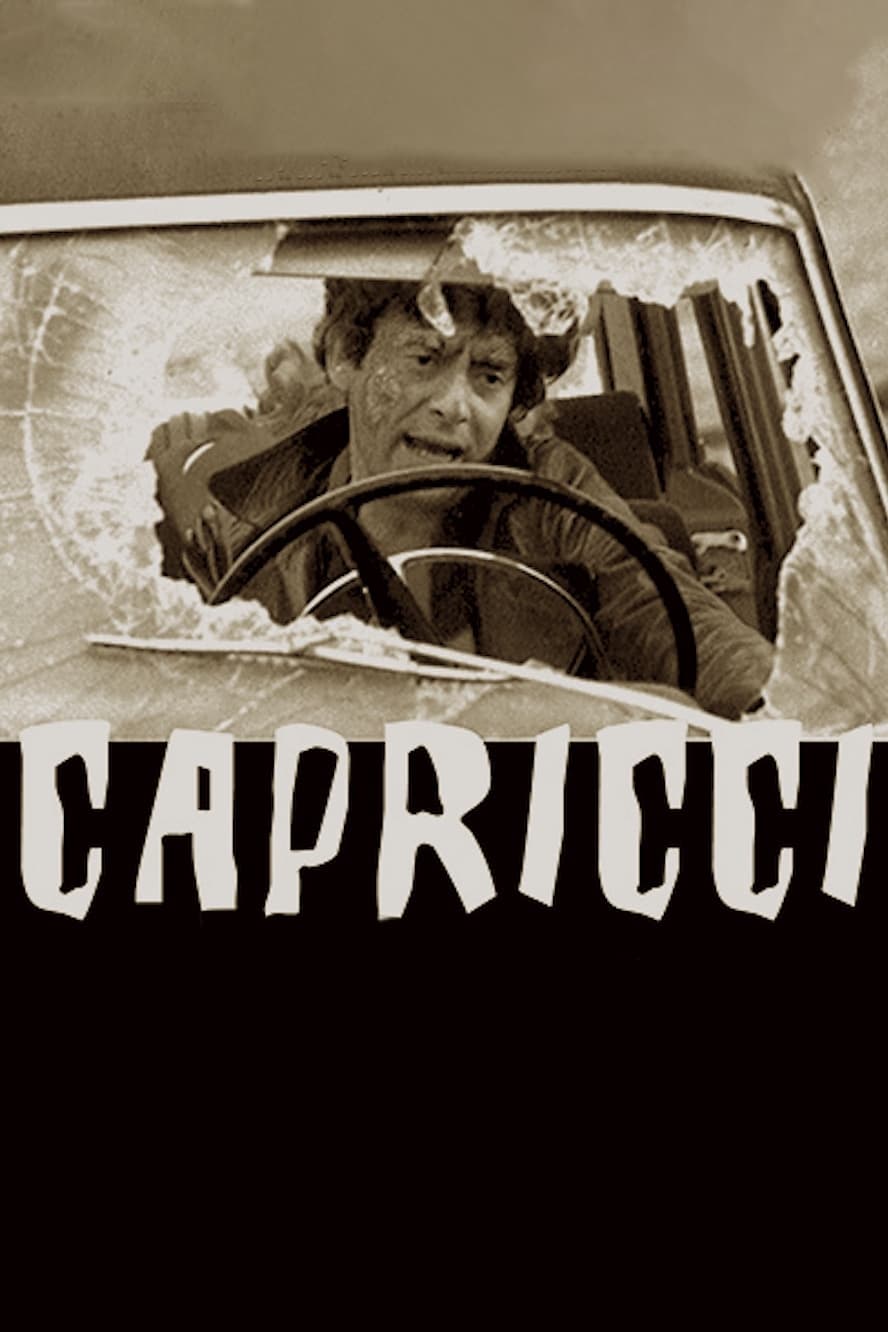
After a fight in their apartment, the story of a writer and a painter are divided. The writer is dedicated with his partner Manon to provoke continuous accidents in a field in which car carcasses abound. The painter is recruited to kill, through a poisoned picture, the old Arden to allow the latter's wife, Alice to live with her lover Mosbie.
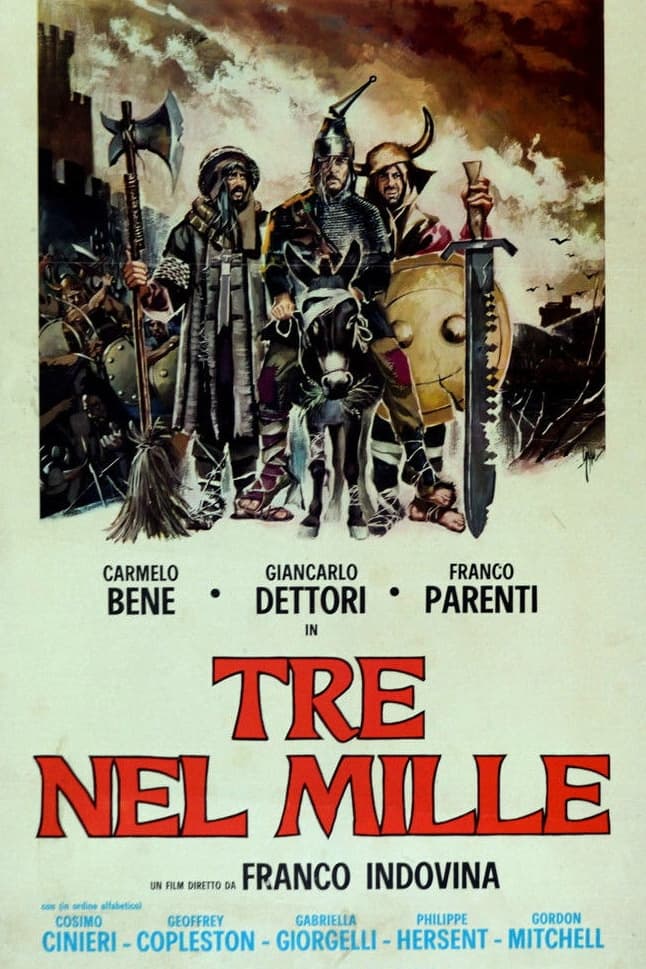
A few days after the arrival of the year 1000, bearer of great misfortune according to the Prophets, the cavalryman Fortunato and two soldiers, Pannocchia and Carestia, travel through Italy in the midst of numerous adventures: The prophetic year is marked only by the discovery on the part of the cavalryman of his wife's betrayal
Realized in 1980 for Rai 2, it recalls the main phases in the life of Giorgio Colli.
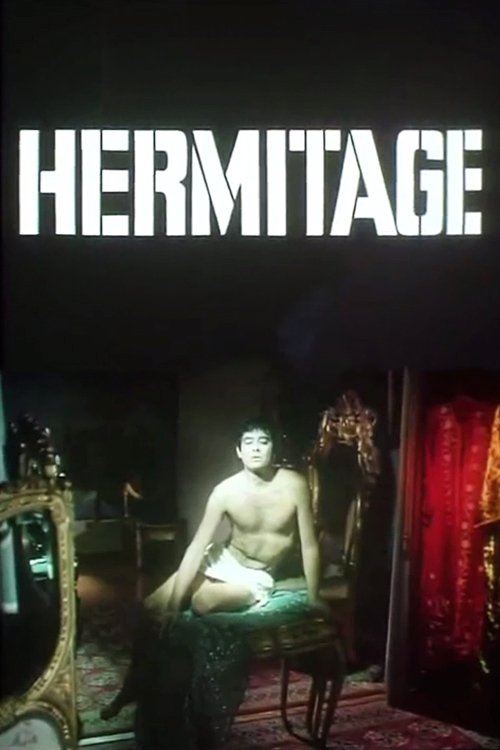
Hermitage, defined by Bene as "a rehearsal for lenses", beyond any literal rendition - its narrative trace comes from one of his anti-novels, Credito Italiano V.E.R.D.I - displays his immediate attitude to thinking a cinematic language completely based on actor's movements and actions, and more specifically, on his presence and his schemes. Camouflaged or naked, still or moving, his body seems to play and be played at the same time, shifted by objective and subjective tensions, both metaphorically and visually speaking.
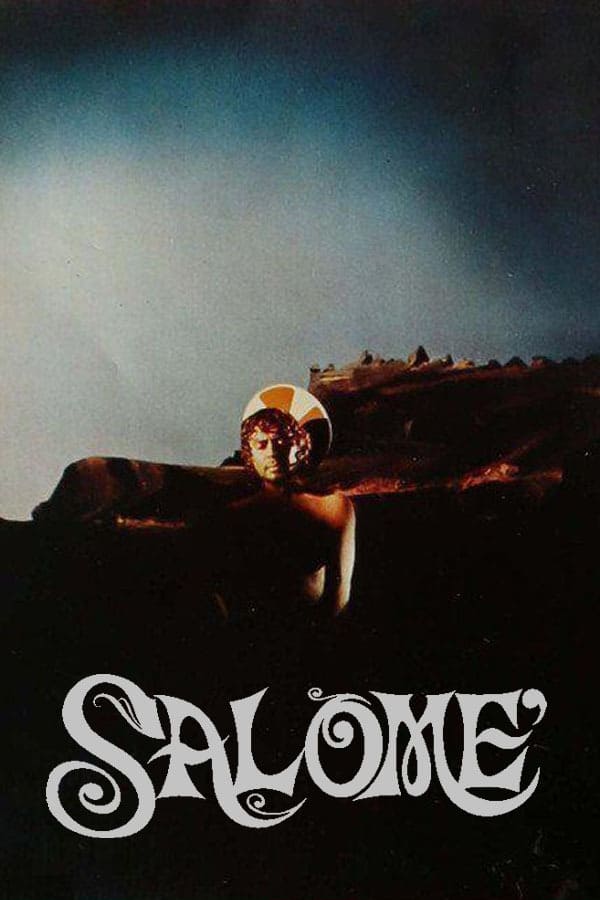
Salome is the daughter of the second wife of King Herod. The King is infatuated with her and, after she fails to seduce the prophet John The Baptist, she dances for the King in order to ask for his execution.
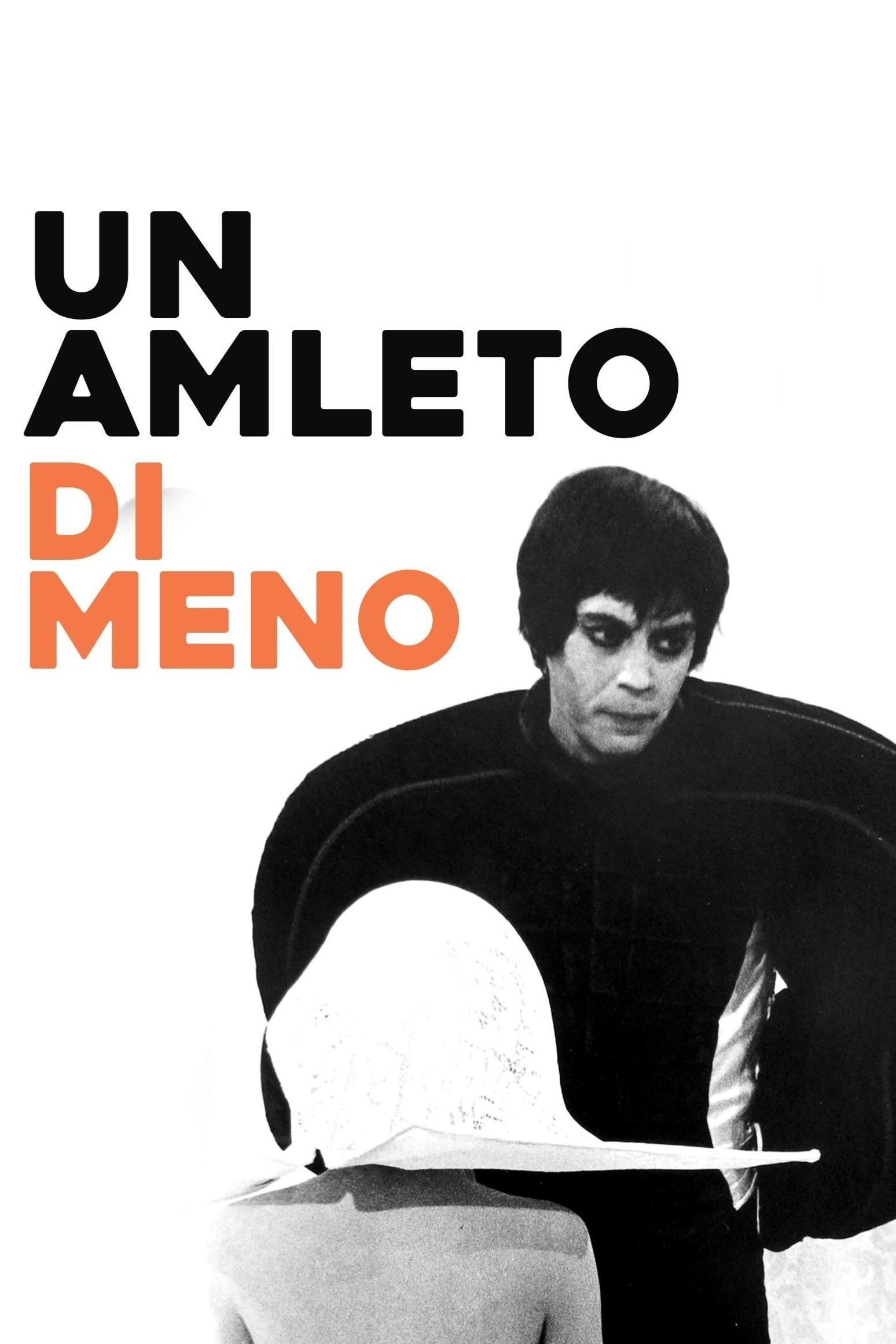
The Prince of Denmark, Hamlet, is little interested in family affairs and the fate of the kingdom, and not at all attracted by a doll-like Ophelia sucking his finger. Annoyed by his friend Horatio, who tells him of the apparition of his father's spectre that would like to drive him to revenge, and by Polonius, Ophelia's father, who psychoanalyses him by explaining the Oedipus complex, he imagines escaping to Paris with Kate, the leading actress of the company performing in Elsinore, to become a playwright.
An experimental video variation on Shakespeare's Hamlet.
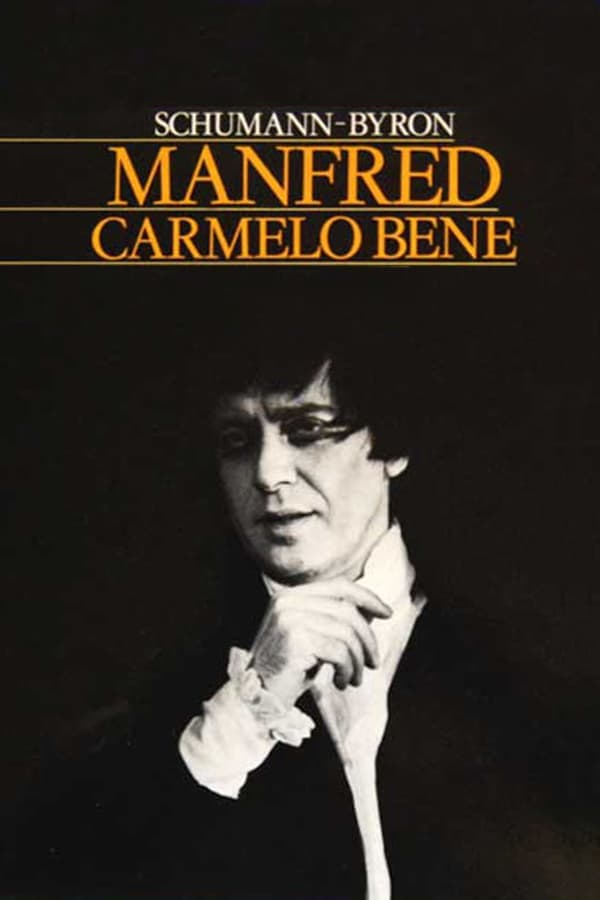
Drama by Lord George Byron, music by Robert Schumann. Filmed at Teatro Comunale di Bologna, 1979.
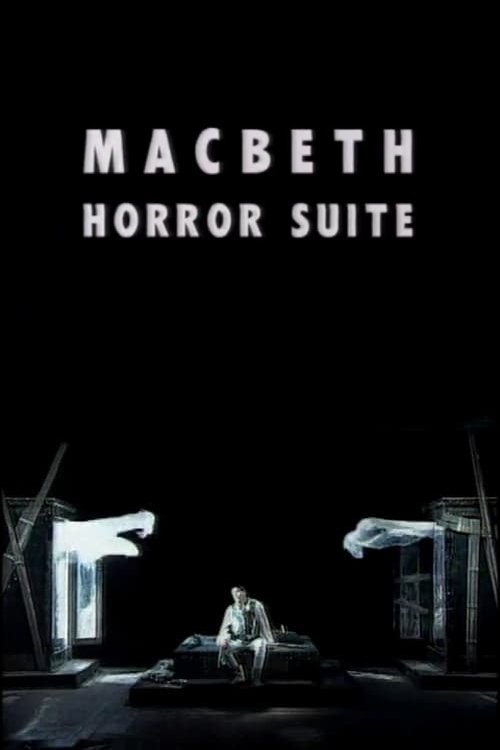
Macbeth, the Thane of Glamis, receives a prophecy from a trio of witches that one day he will become King of Scotland. Consumed by ambition and spurred to action by his wife, Macbeth murders his king and takes the throne for himself.
Performance shot in 1977, in which emblematic actor Carmelo Bene, in the charming reconstruction of the ruins of a theater on fire accompanied by the disturbing notes of Vittorio Gelmetti, reads four poems of the Twentieth Century russian poets Vladimir Majakovskij, Boris Pasternak, Aleksandr Blok and Sergej Esènin.
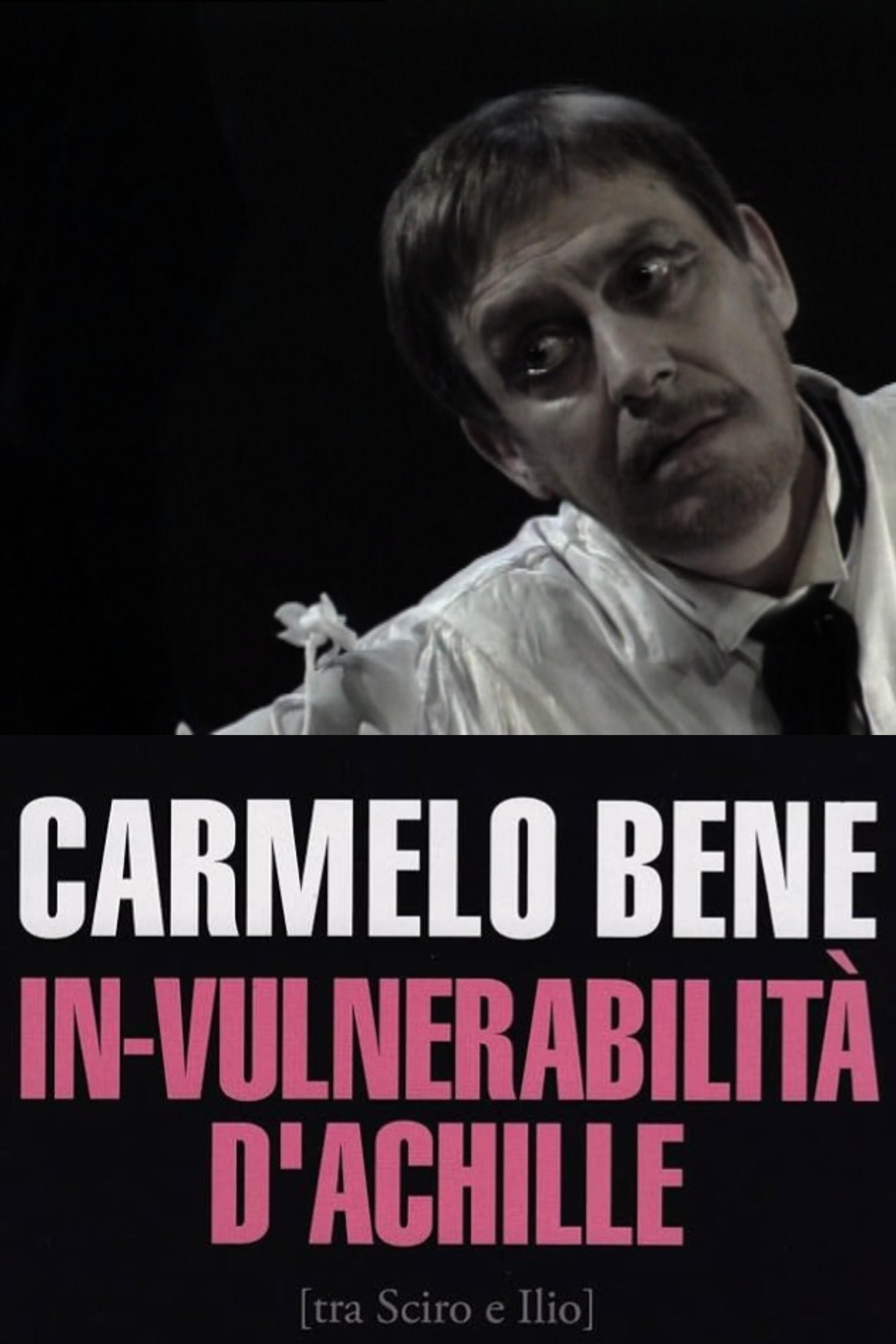
One of the last TV performances by Carmelo Bene, from Publio Papinio Stazio and Henrich Von Kleist, mixing the myth of the amazon Pentesilea with the invulnerability of the greek hero Achilles. Bene performs alone in a stage filled with mannequins, acting in playback.
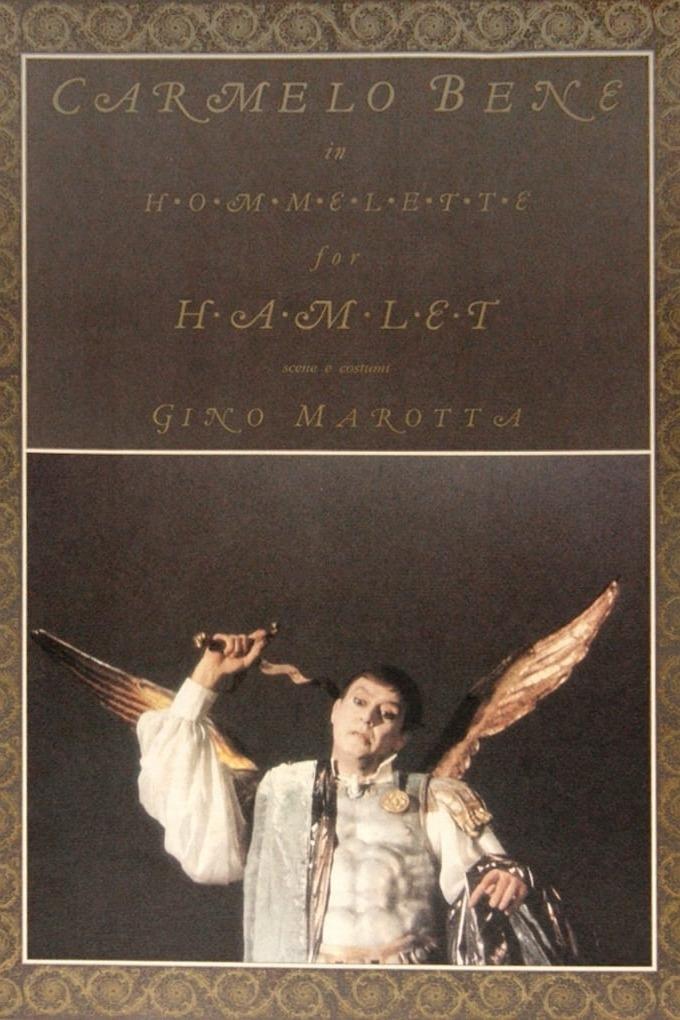
A TV movie variation on Shakespeare's Hamlet. The movie is a part of Carmelo Bene's multi-medial project on Hamlet, also including the theatrical movie "Un Amleto di meno", a stage drama and the experimental video "Amleto di Carmelo Bene (Da Shakespeare a Laforgue).
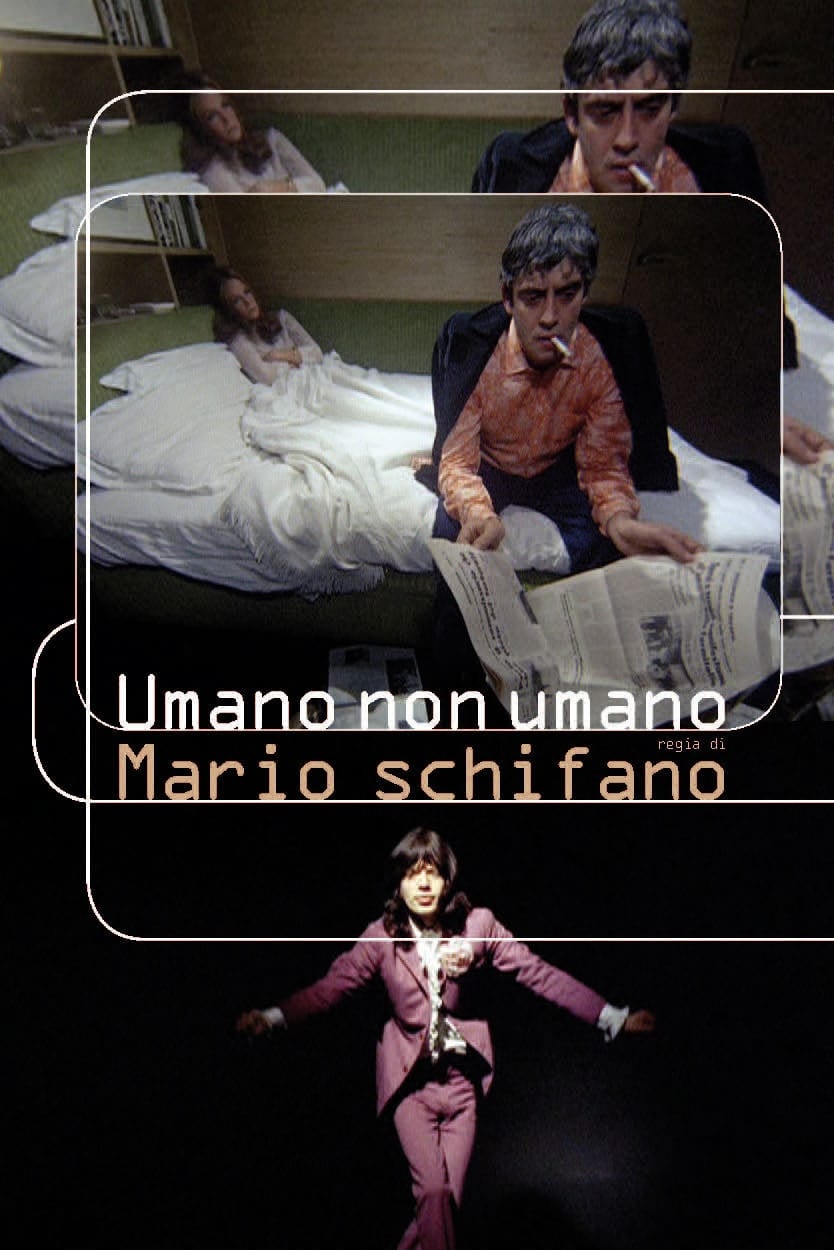
Artists and poets meet in a dreamlike space between walks and performances.
Adapted from the ninth chapter of the novel "Controcorrente" (1884) by Joris Karl Huysmans. Its narrative concentrates almost entirely on its principal character and is mostly a catalogue of the tastes and inner life of Jean des Esseintes, an eccentric, reclusive aesthete and antihero who loathes 19th-century bourgeois society and tries to retreat into an ideal artistic world of his own creation.
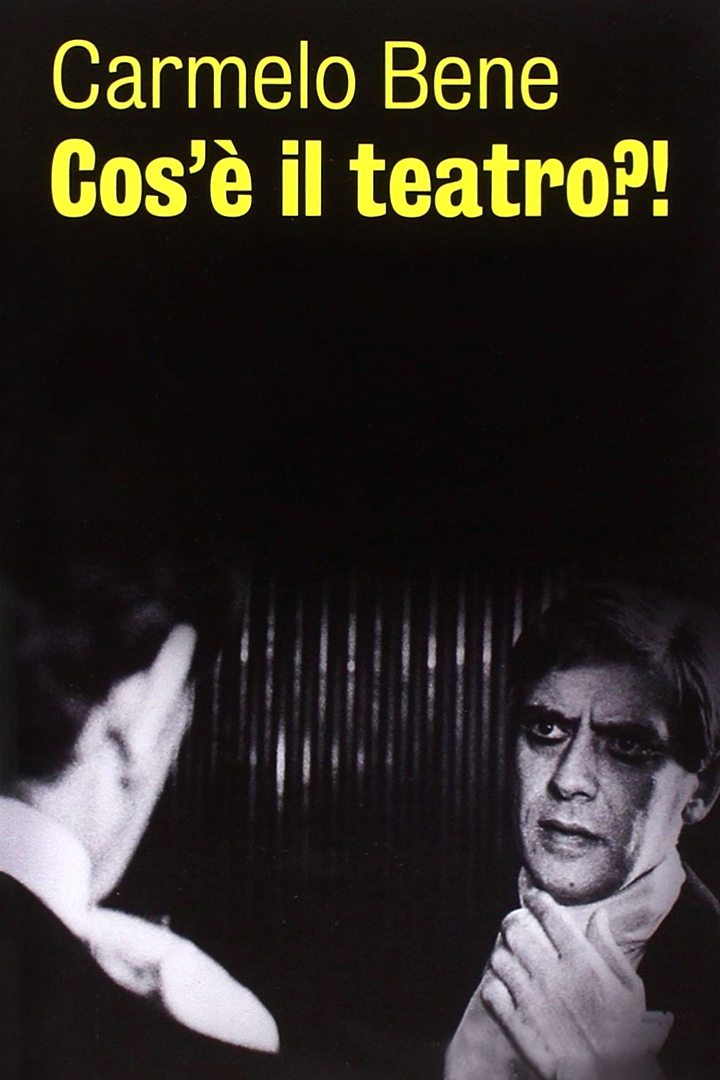
Rome, December 12th - 15th 1990.
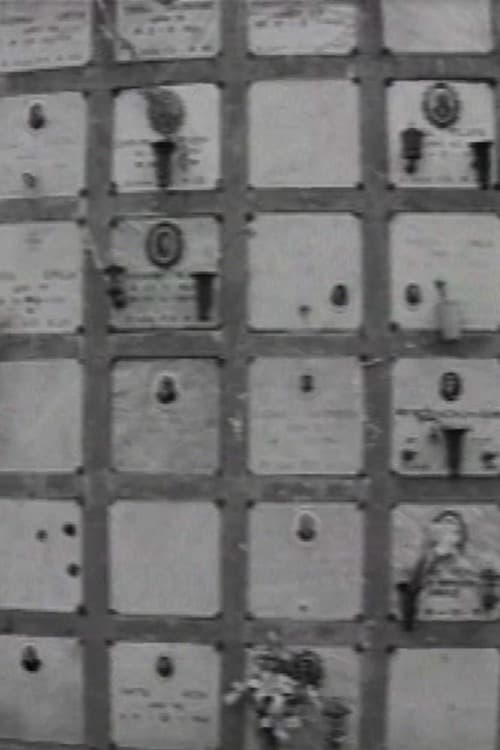
A visit to the Rotoli cemetery in Palermo, while film director Carmelo Bene reads a fragment of Antonio Pizzuto's book "Signorina Rosina".
Video registration of Carmelo Bene's play 'Lorenzaccio, al di là di de Musset e Benedetto Varchi', performed in Florence in 1986.
On the occasion of the bicentenary of the birth, Carmelo Bene returns to the verses of the poet from Recanati. In this film the most beautiful poems by Giacomo Leopardi (La Ginestra, Il Canto Notturno, Le Ricordanze, A Silvia, L'Infinito ...), but also some passages from the Moral Operettas, as well as the unfinished Project for a hymn at Ahrimane, follow one another with deep and moving simplicity, with a quiet immediacy that causes the void of every other voice: therefore the listenere is ensnared in the pauses, bewitched by the unexpected descents of silence. The voice assumes a dark and ancestral tone in which the words seem to find their original nuances.
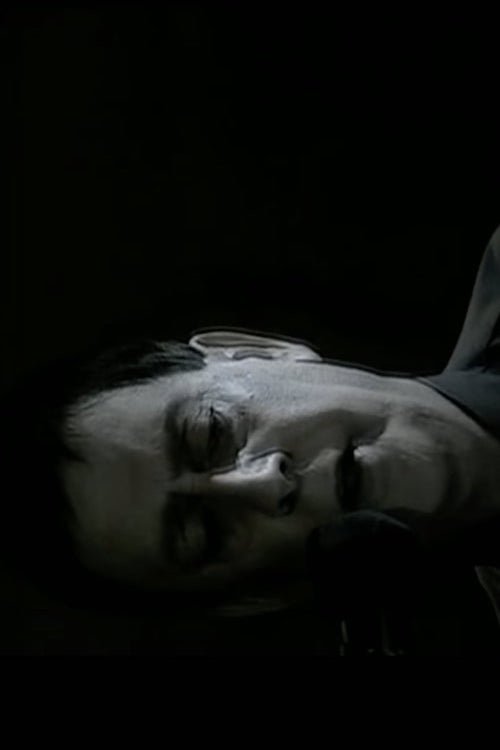
Actor, poet and playwright Carmelo Bene offers a reading of excerpts from the collection of literary compositions called Canti Orfici by poet Dino Campana.
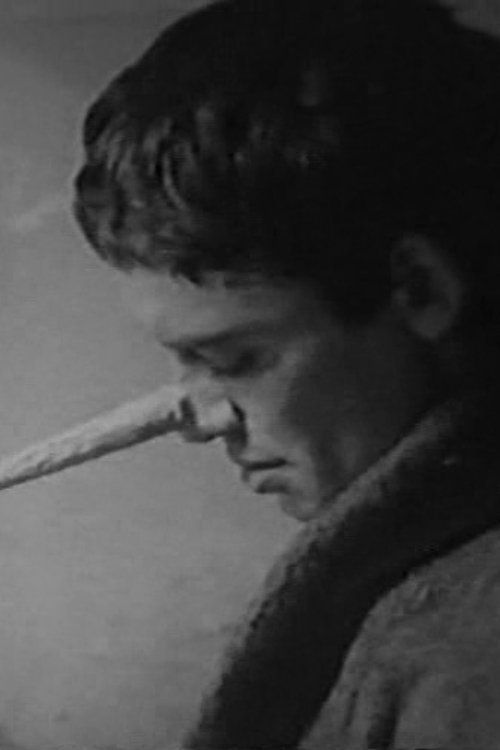
Backstage short documentary on Carmelo Bene’s theatre works Amleto and Pinocchio.

In the words of the director, a movie about 'the colonizers in the view of the colonized', the movie presents a series of disconnected happenings throughout Europe and Brazil emphasizing the perception of human life as trance-like experiences and thus offering a view of the human history as a connection of symbolic behavior.
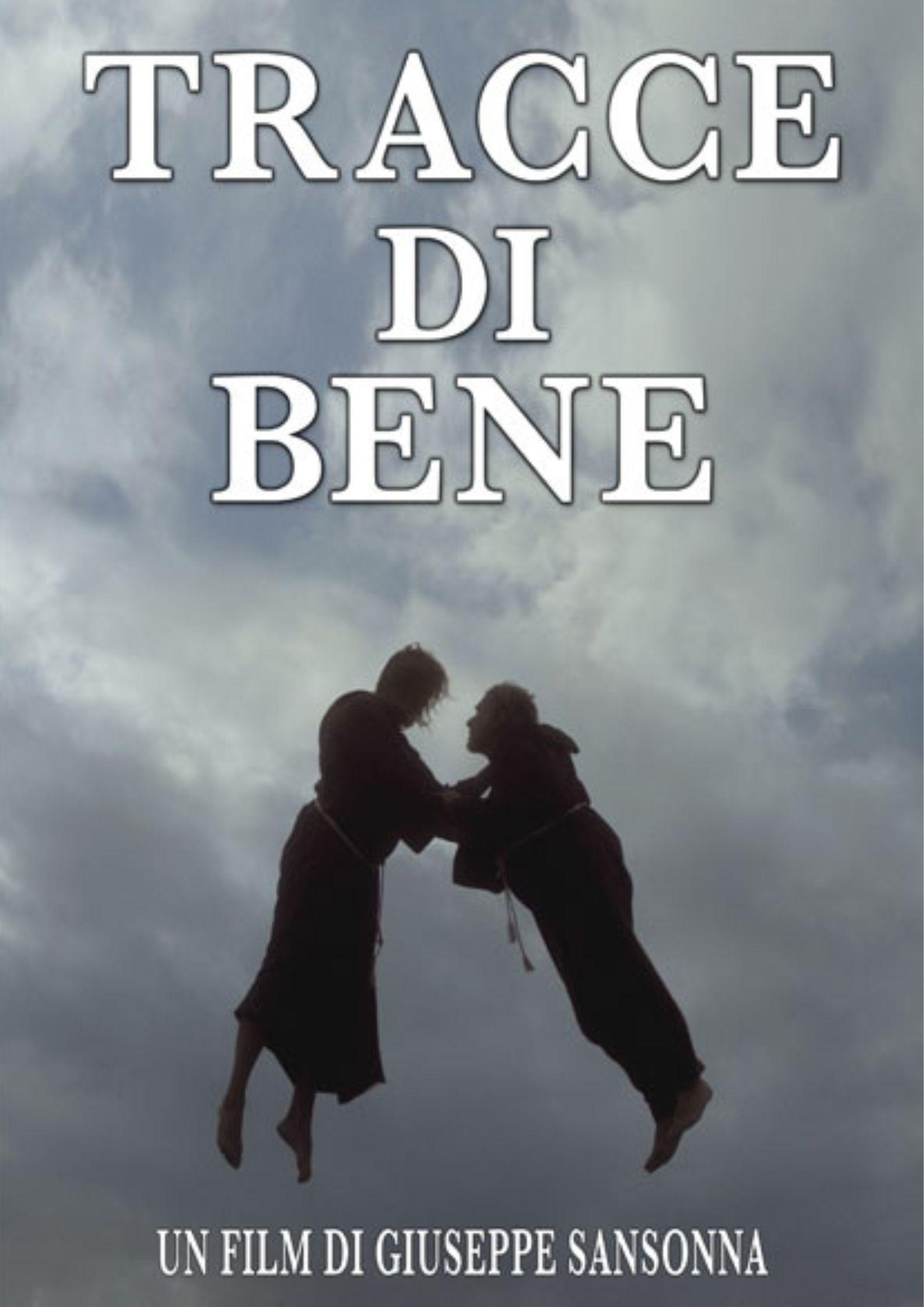
Videotape produced by Ferruccio Marotti for Roma's University theatre students. A presentation of Carmelo Bene's "Performative matrix": not a performance yet, but it's not just text or ideas. Essentially, a work-in-progress on his Macbeth.
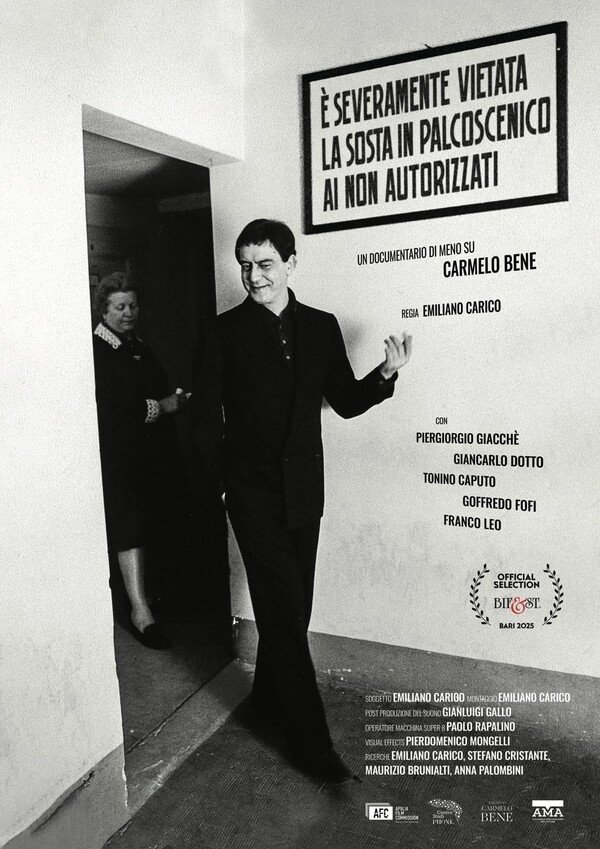
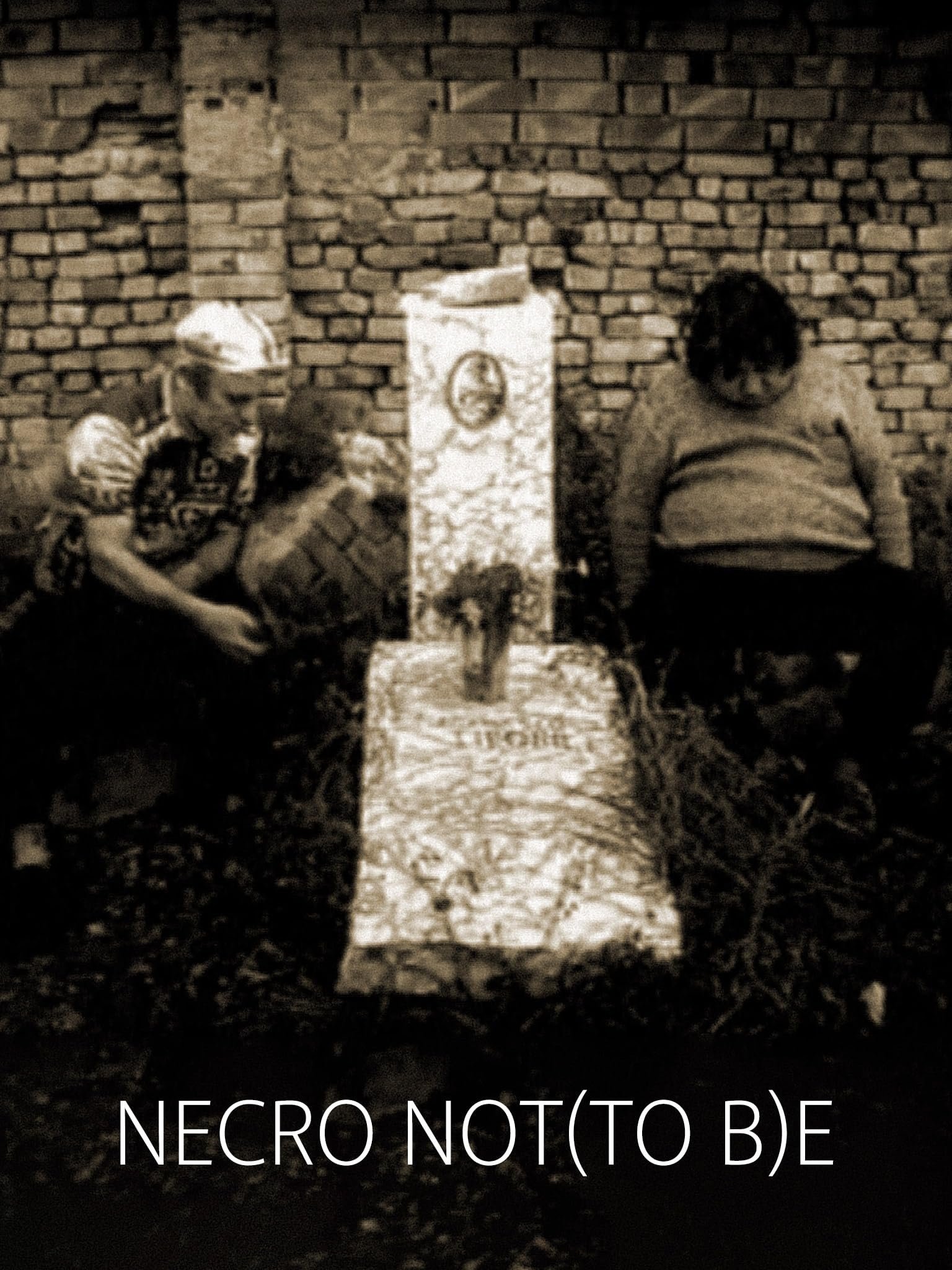
A montage dedicated to friends, actors and companions who have passed away over the years: from Francesco Tirone to Paviglianiti, two leading figures in the famous Cinico TV series, from Tommaso Lauria to Carmelo Bene. This journey down memory lane (and through pain), created especially for Fuori Orario, was broadcast on the night of Ferragosto.
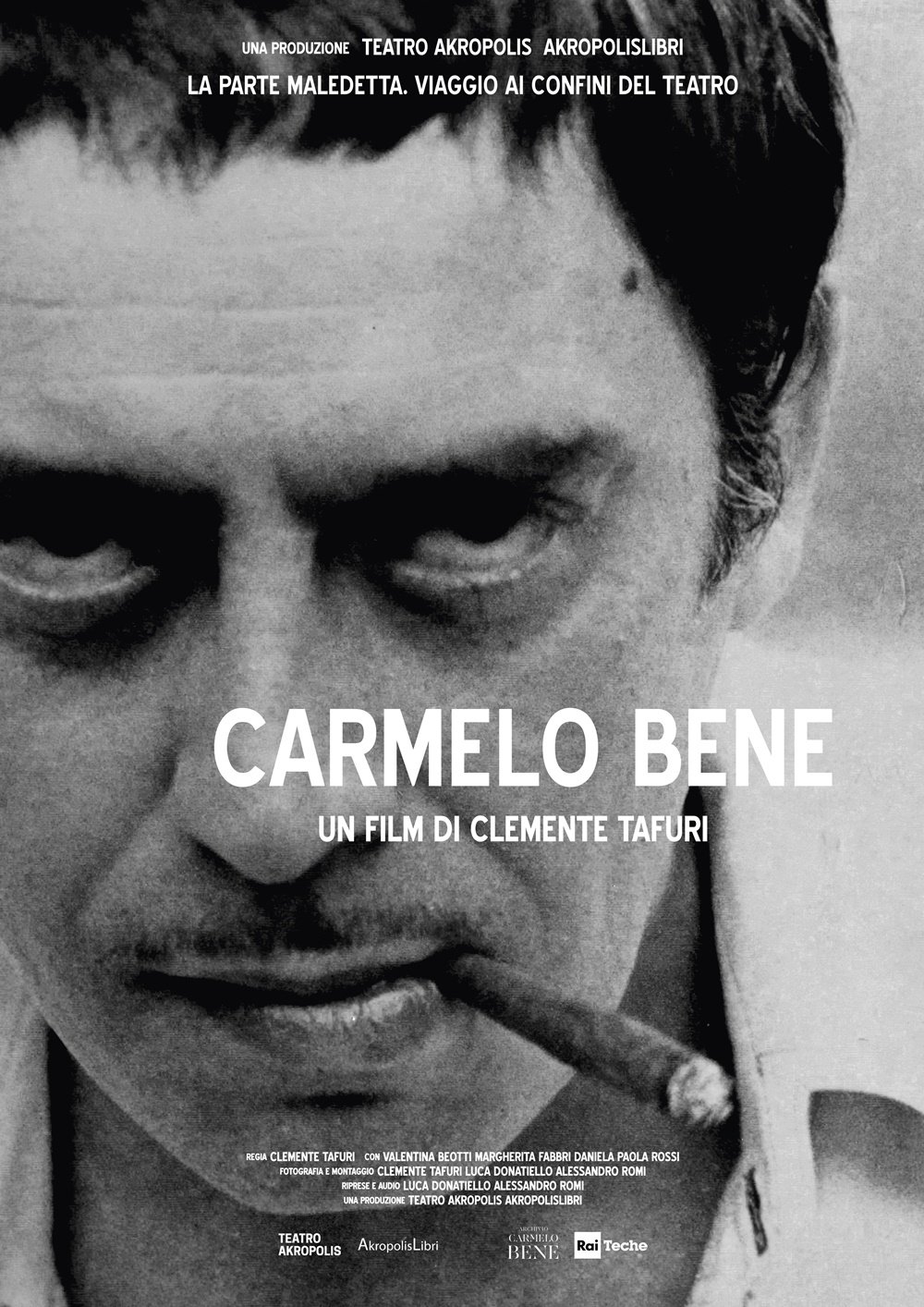
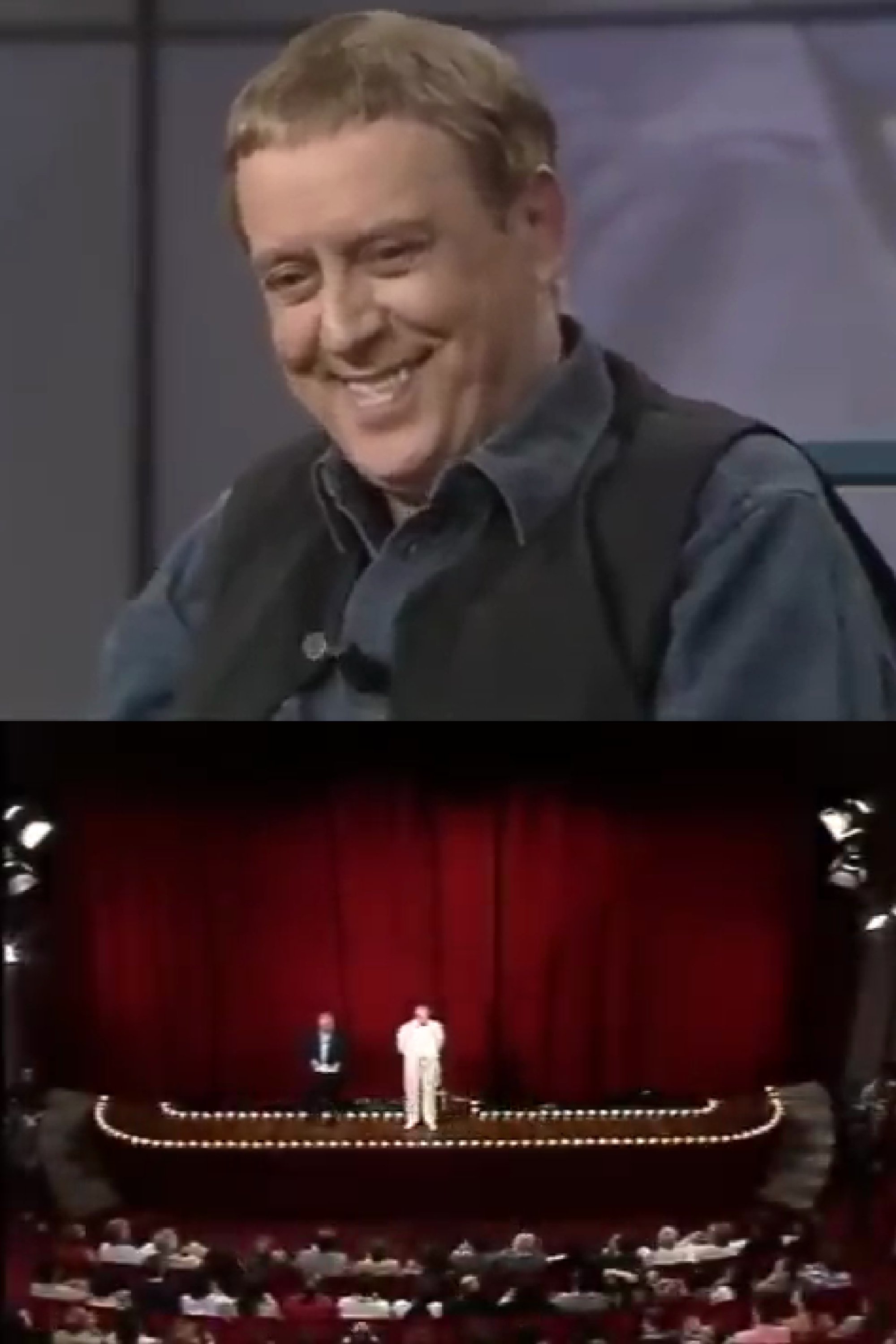
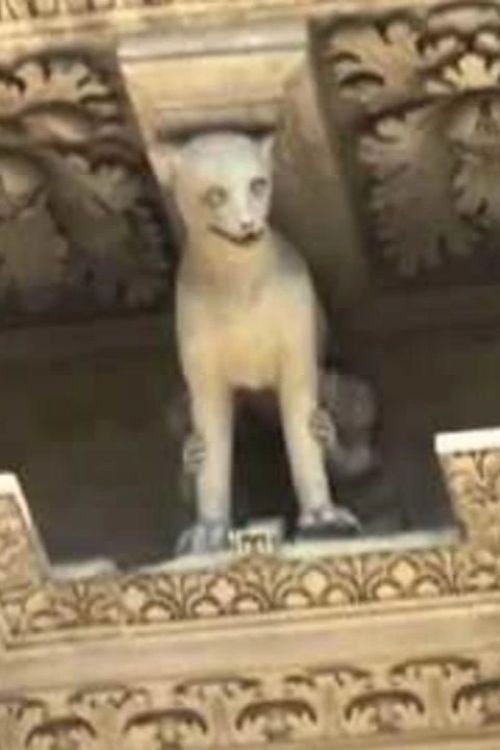
An experimental documentary short about Saint Cross's basilica of Lecce, Apulia. In 1968, Carmelo Bene made a deal with Nexus Film to shoot three documentaries. This is the only one that was actually made. He used the deal money to shoot his first feature Nostra Signora dei Turchi. It is still unsure if Bene actually shot the movie or if he just put his name on it to get the money.