
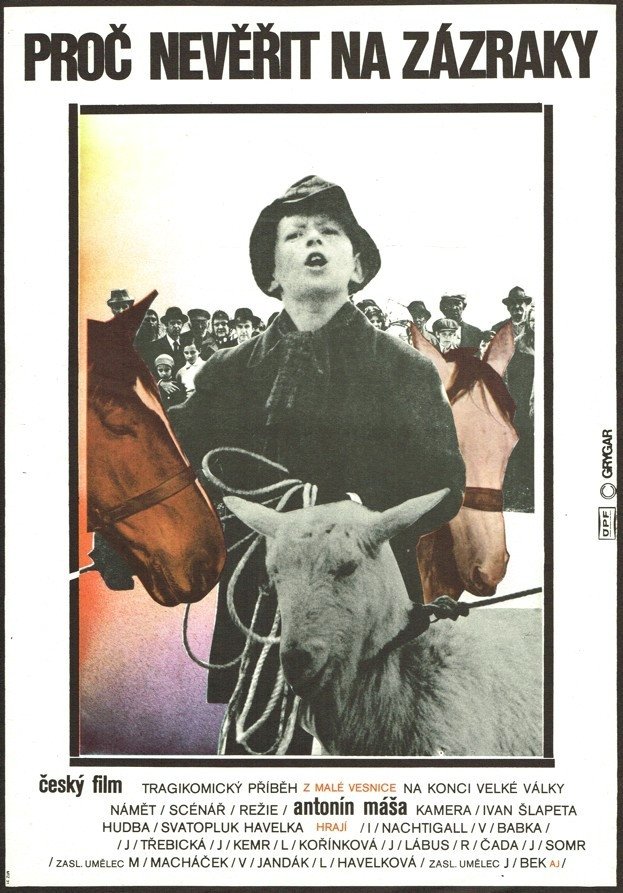
Wartime events from a child's perspective were a popular theme during the previous regime - here it is a twelve-year-old village boy who experiences dangerous situations with retreating Nazi troops in picturesque South Bohemia... Any attempt to achieve a more believable depiction is destroyed by the staging's grandeur, and in the end the result is an awkward piece, suitable at most for celebrating the relevant national holidays. A longer copy with a tragic ending is stored in the NFA. Milda is shot unnoticed by an SS major.
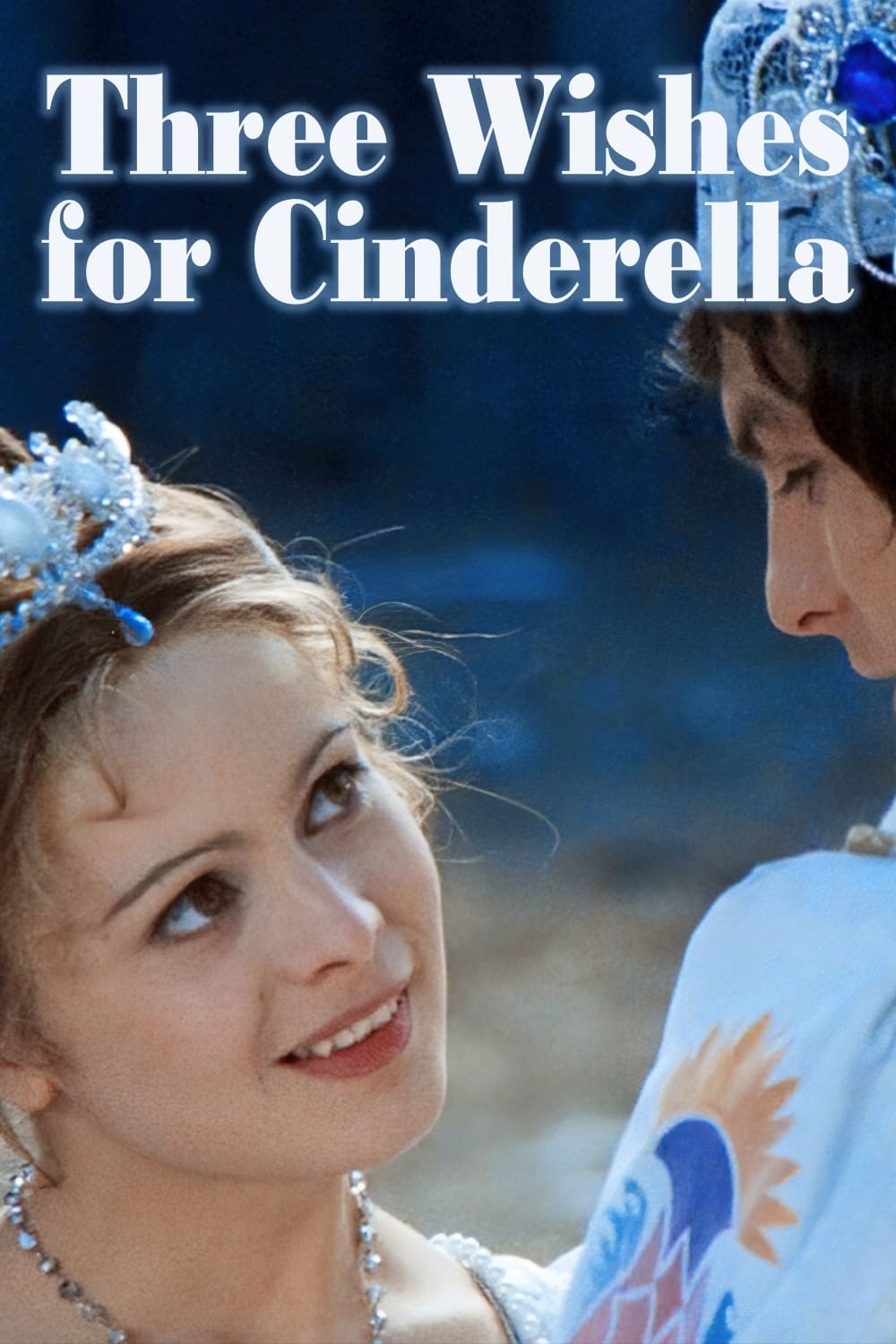
Popelka, a resourceful and independent young girl, is a servant in her stepmother's house and confides in her closest friend the owl. When she comes across three magical acorns, she's granted a single wish for each one of them.
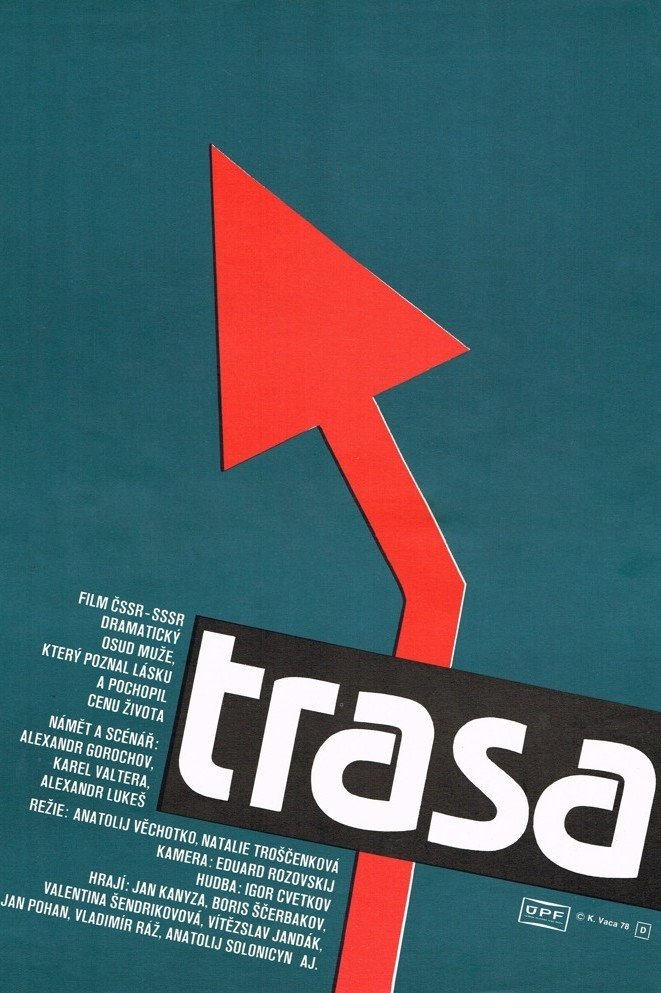
Experiences of a Tatra factory driver during demanding load tests of Tatra 148 trucks in extremely harsh climatic conditions during the construction of the Nizhnevartovsk oil pipeline.
Jiří Bartoška, in the role of police captain Hála, investigates the smuggling of hard drugs through a protected area in South Moravia. How does the military unit deployed in the border area and the strange behavior of animals around a nearby bear cave fit into the whole situation? This is answered by a television detective film made for a Brno studio in 1988 by director Rudolf Tesáček.
A young woman named Alena discovers her fiancé Pavel's repeated infidelity. After meeting with her former married boyfriend, she loses control of her car and crashes. The result is tragic: severe injuries to her head, spinal cord, and spine. Even after several months, doctors and parents consider her condition hopeless. The only ones who do not lose faith in her recovery are the doctor in the rehabilitation department and her grandmother, who takes care of her. The others cannot cope psychologically with the situation that has changed their lives. Hopelessness and helplessness influence their actions. Will they be able to find the strength to overcome their selfishness and help not only Alena but also themselves?
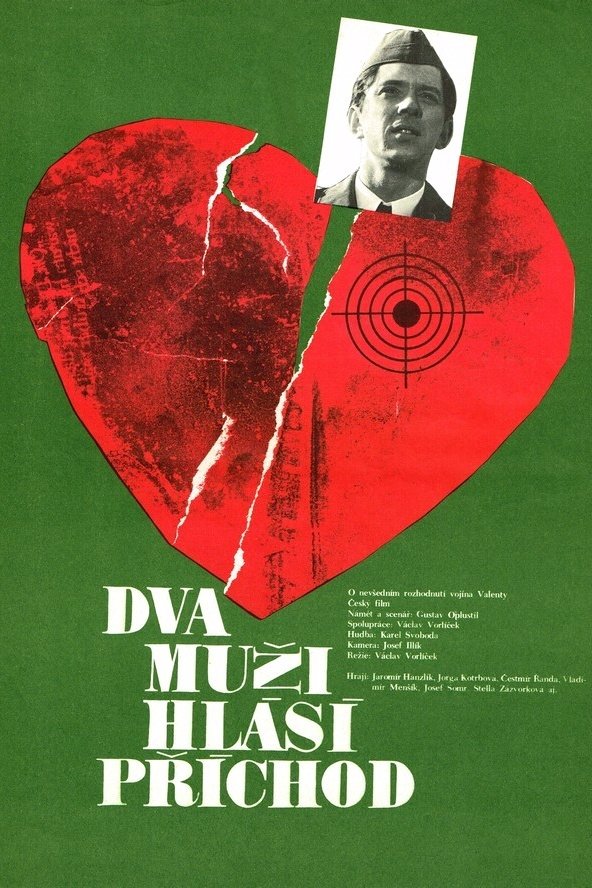
An only son, Jirí Valenta (Jaromír Hanzlík), has been drafted to the army. At the barracks he acquires the nickname Seamstress because he sews rugs in his spare time. One day, his friend introduces him to Julka Vávrová (Jorga Kotrbová), a girl he is desperate to get rid of. The naive Jirí falls in love with the girl and accepts her invitation to spend Easter together in the country. There he learns that the girl is the single mother of the young boy Martínek, whose father is the married tractor driver.
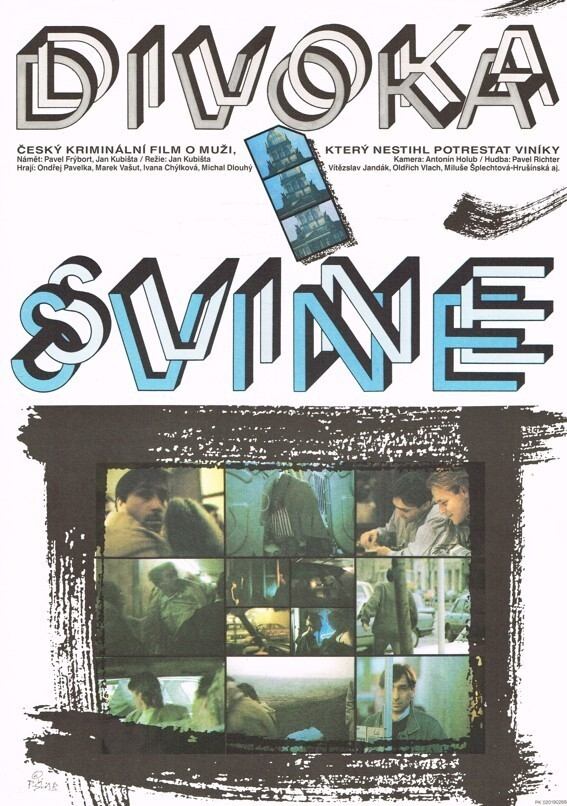
Wild Swine is actually an ironic name for the great search operation of Prague's criminologists, who in a tangle of criminal activity of various kinds were digging around like wild swine before they managed to solve a complicated case. The story takes place in a variety of social spheres, from the Roma people to the world of Prague prostitutes and bakshellers to prominent people.
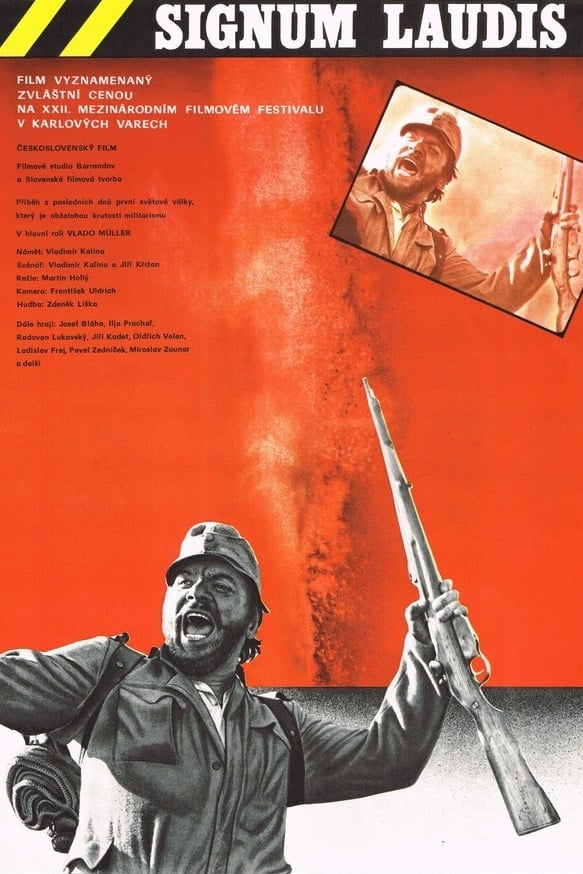
The trenches of World War I provide for a captivating backdrop to the drama of Corporal Hoferik. In his devotion to the Habsburg Monarchy, he fanatically carries out his military orders, but he ultimately suffers the Empire's disfavor.
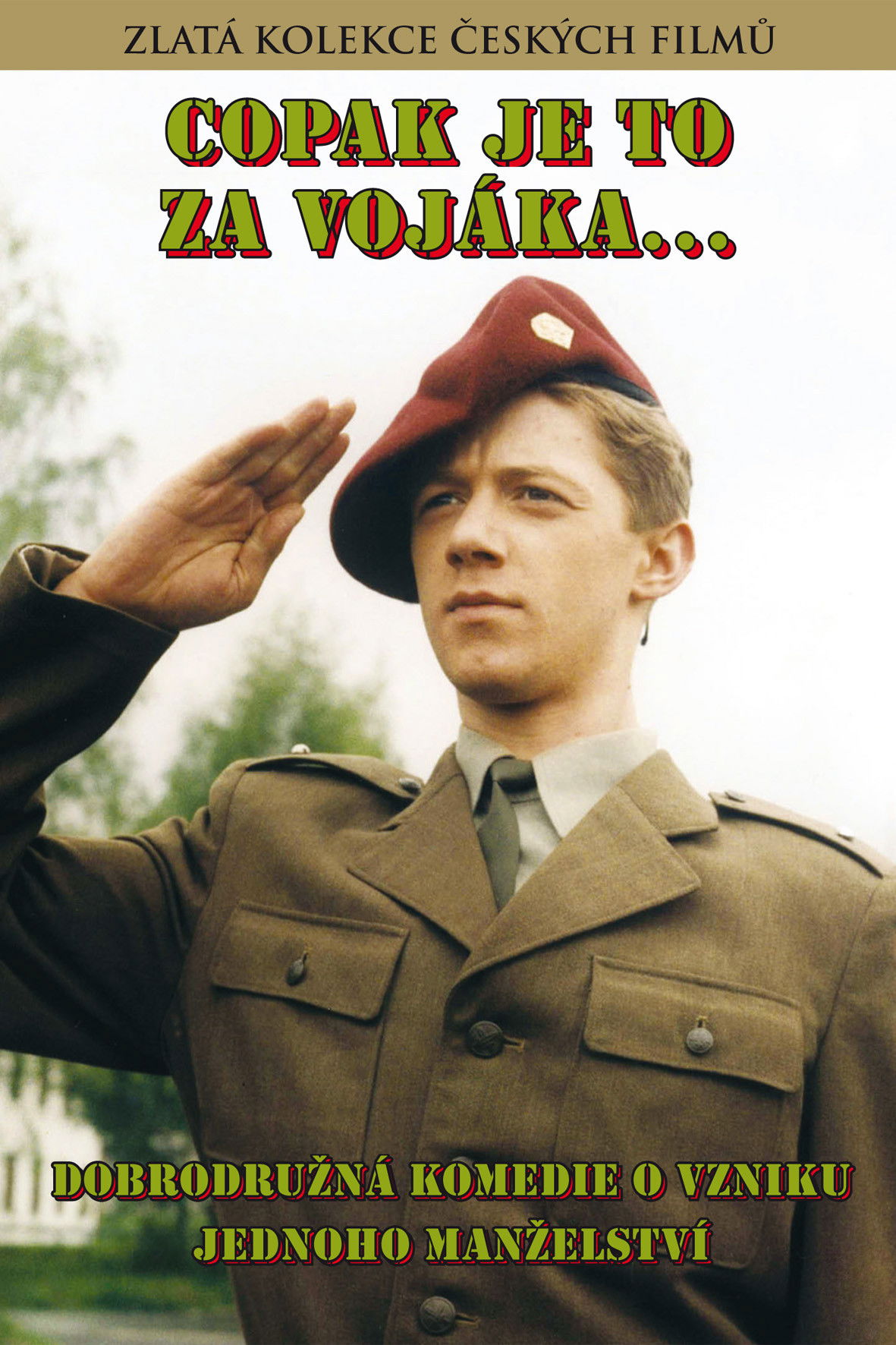
In the Czech film comedy from 1988, you can see for yourself that the war was not easy, but otherwise it was great fun. Sergeant Kouba serving with the paratroopers has a soft spot for women. His superior does not like him. However, during a military exercise on the way to the barracks, Kouba shows his true character when he saves the life of a little boy, convicts a thief and finds a lifelong partner in the commander's sister.
In the second half of the 1980s, so-called critical films began to emerge, but they were afraid to make a sharper statement, moving on the basis of an engaged morality that wanted to improve the existing conditions cosmetically at best. The theme of the search for a new anchor in life becomes a central element: the protagonist, after returning from the war, does not want to devote himself to the constraints of elite sports, he rejects the dubious business of a friend. Most of all, he would be attracted to a perfectly ordinary job in a bakery. The dance clip inserts, however, make it difficult to navigate the already rather confusing narrative.
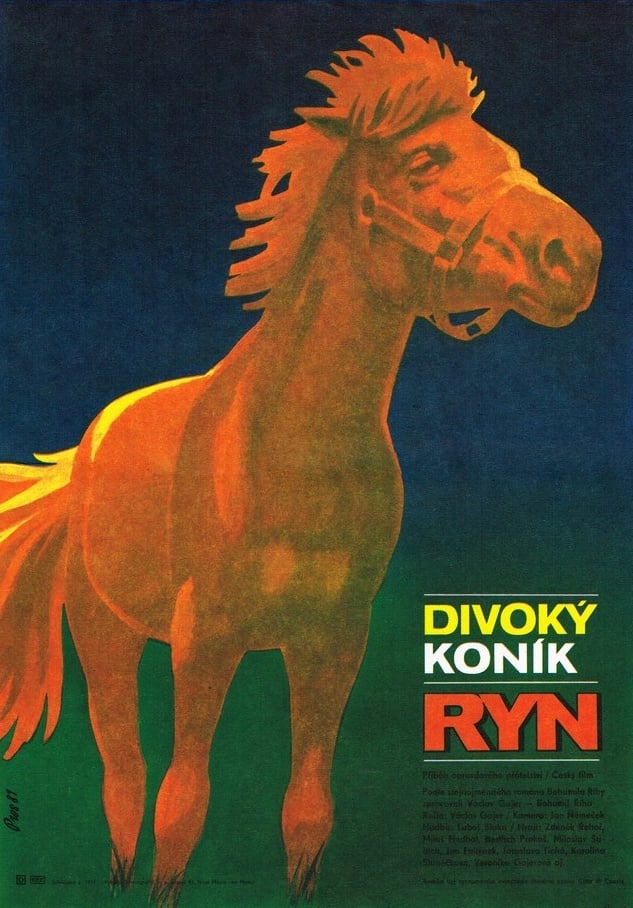
Several of the works of writer Bohumil Říha have been filmed. This novel by the pro-regime writer also inspired a children’s film, which was directed in 1981 by the experienced family filmmaker Václav Gajer. The story takes place in 1947 and it is based on the popular model of the relationship between a human hero and an indomitable animal protagonist. The tale of the freedom necessary for life, is, of course, beholden to the standards of the time: the Hucul horse that heals an old villager, has remained in the small village in Šumava after the Soviet soldiers have left. This is a pleasing movie that engages with the acting performance of Zdeněk Řehoř and the depiction of the indisputable beauty of the Šumava landscape as shot by cameraman Jan Němeček.
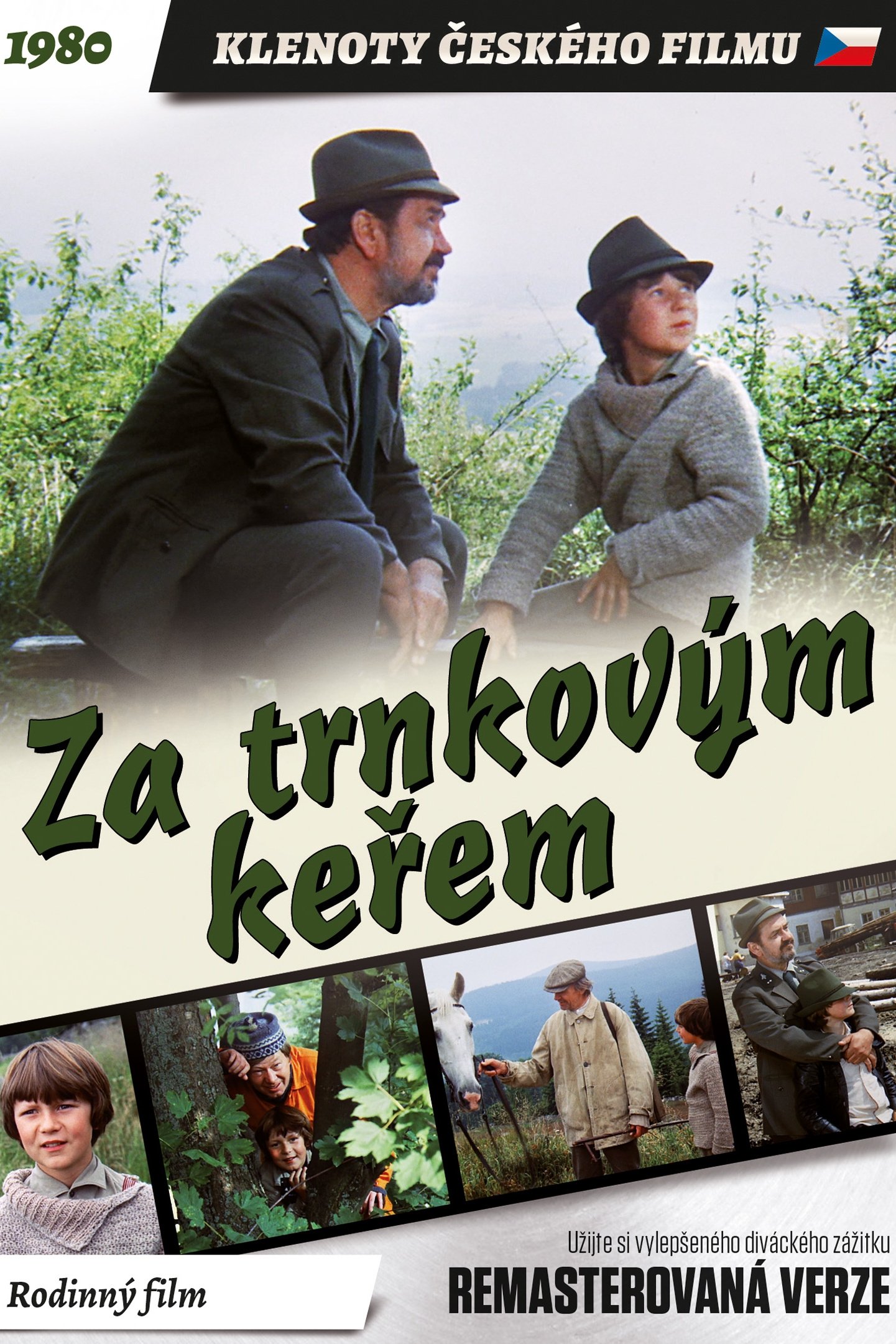
Third part of the trilogy. Vaska again is visiting his grandfather living in Bohemian Forest and understands the importance of guarding nature.
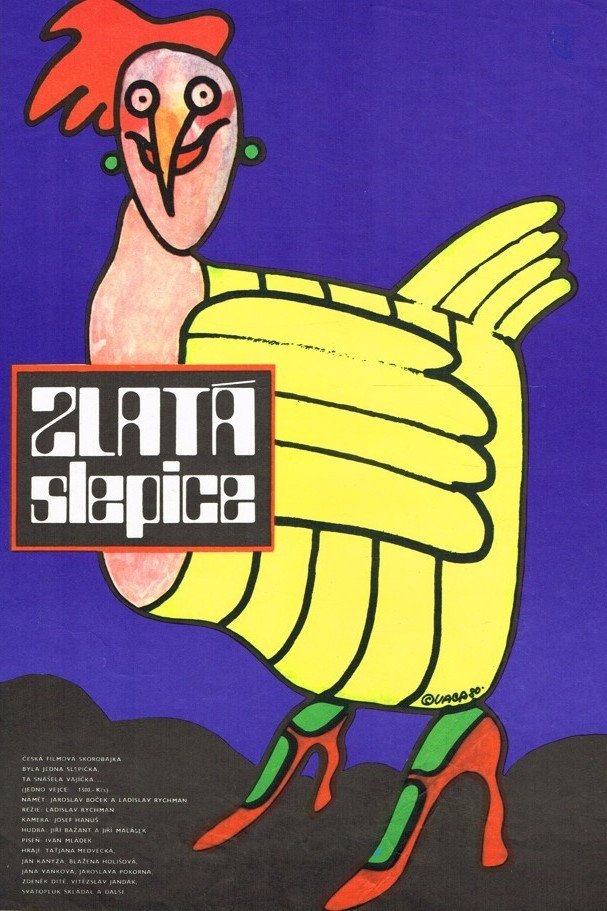
This fairy tale tells of a magical hen who lays golden eggs. When an enterprising taxi driver (greedy, of course) learns of such a miracle, he immediately realizes that he could easily and effortlessly get rich if he could get such a hen...
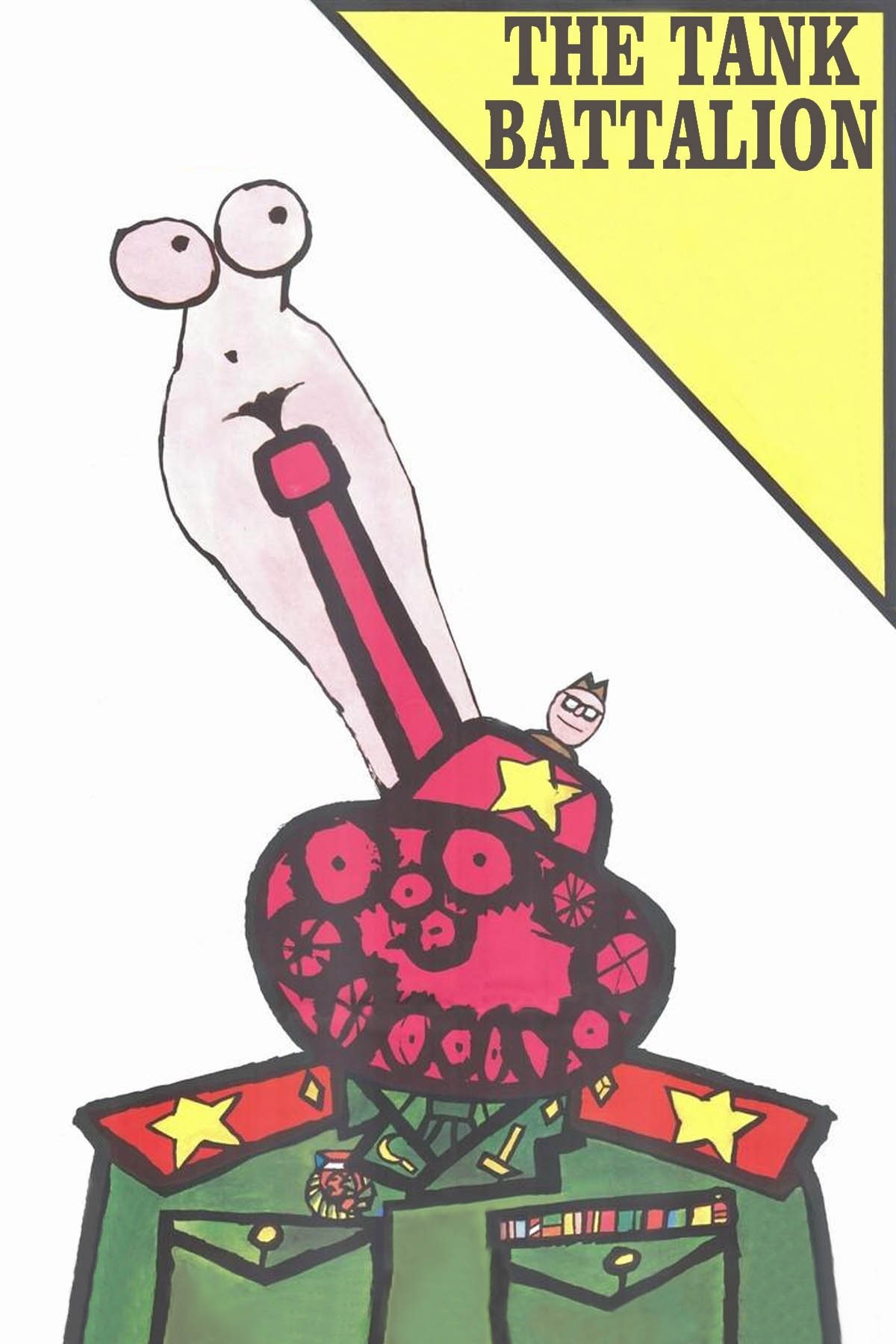
The lacking attitude of a conscripted university graduate places him at odds with the power and doctrine of his military superiors. His secret relationship with the wife of a superior officer along with the low discipline of his fellow conscripts only heightens the disrespect towards the new post world war two communist regime. The first privately produced movie in Czech Republic.
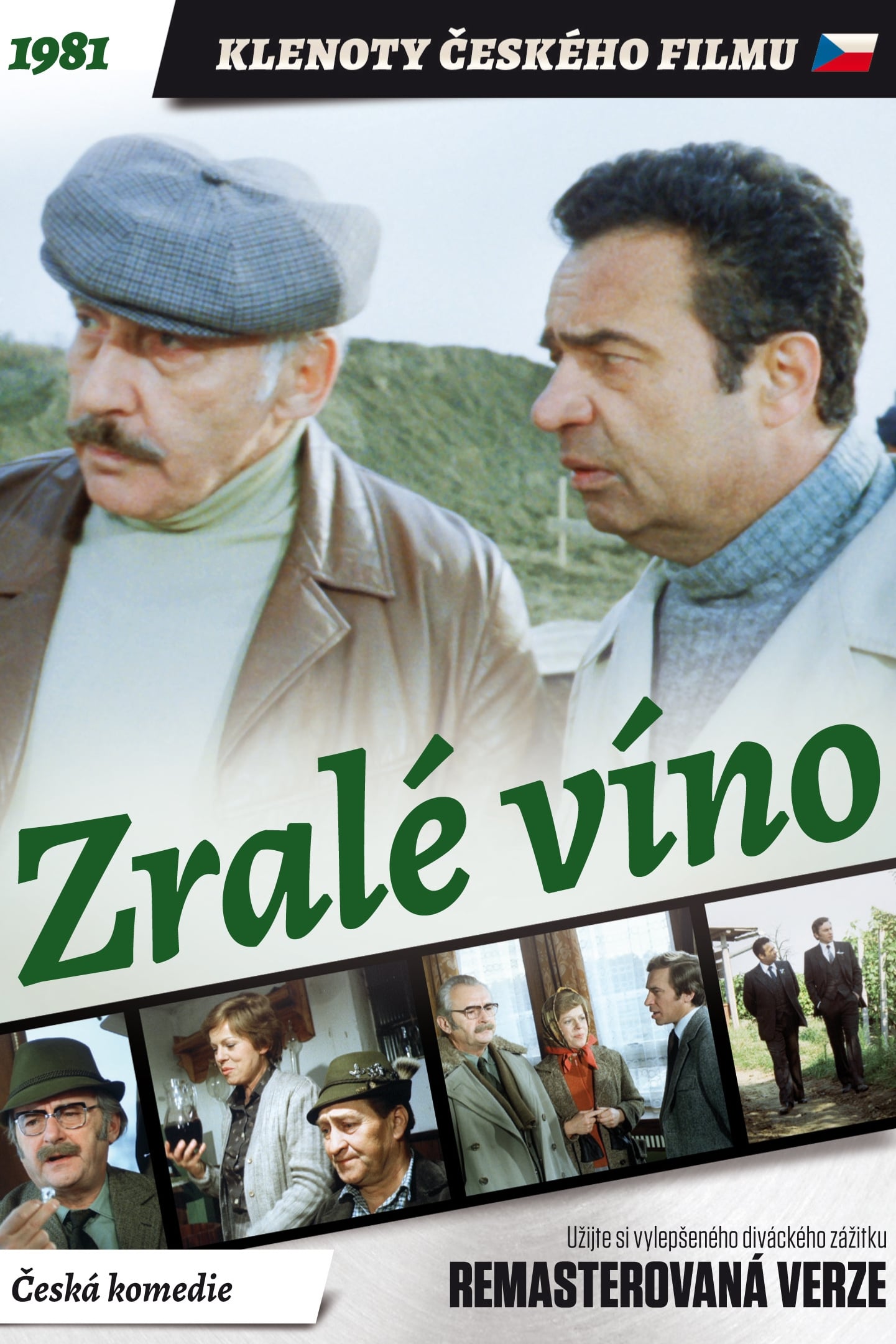
A loose sequel to the 1976 comedy Stormy Wine. The screenwriters and the director recreate on screen a number of characters from the South Moravian town of Pálavice, characterised by their different attitudes and approaches to work and private life. A number of serious issues touching on the times emerge around the story of the con man. The fundamental dispute between the vice-chairman Janák and the chairman of the merged cooperatives ing. Urban, as well as the satirical theme of illegal machinations and bribes, are undoubtedly of general validity.
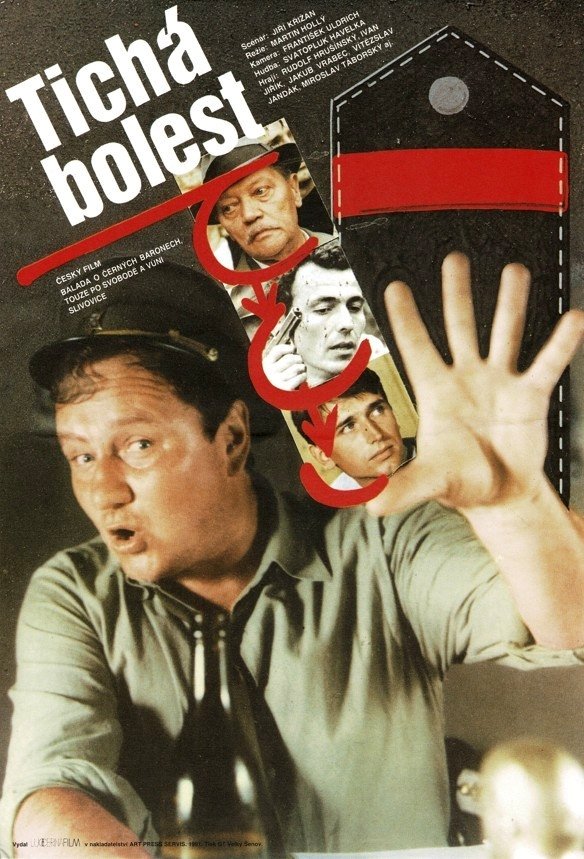
A young man has led his whole life with his grandfather. When he was in school, he was the only one who was refused to join the Youth Brigade, since his father was sentenced to death for spying. When it is time for him to do the compulsory military service, he has to do it in a platoon for "unreliable" persons.
In the spring of 1945, the last war clashes took place on the Czech-Moravian border. However, amidst the heavy gunfire, colourful boyhood adventures also take place. The main characters, however, are oblivious to the dangers lurking around them and bravely enter situations in which even adults would hesitate.
The hero of the story is a forty-something intellectual, a sensitive composer of classical music. His exclusive profession, his work, which is actually incomprehensible to those around him, and his deep inner passion set him apart from the conformist milieu. Therefore, he tries to search for the "lark's silence" - a new strength, purity, truth, essence and roots of Czechism. However, on his return from the oppressive, alienated big city to his native village, to his former home, to nature, a deep disillusionment awaits him: he discovers that the once idyllic village has lost not only its face, but also any manifestation of spiritual life in its foolish attempt to resemble the city.
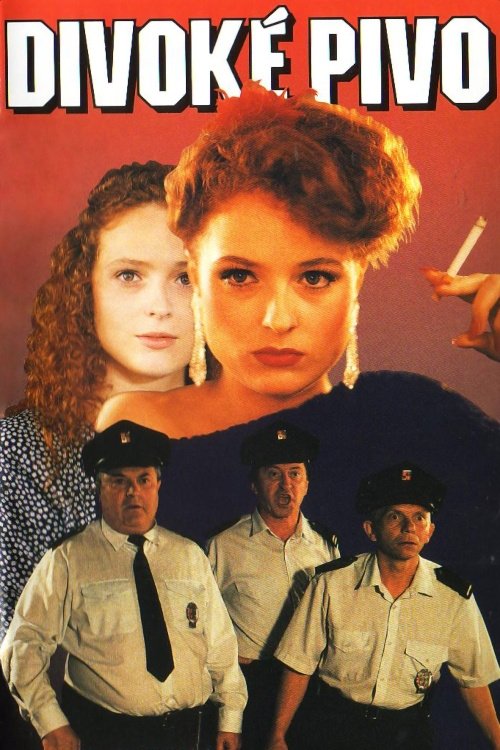
A classic Czech comedy about the privatization of a small South Bohemian brewery. In a series of comical situations, good Czech police officers encounter the mafia, and honest citizens encounter swindlers. This amusing story, which of course includes a romantic subplot, is significantly influenced by fairy-tale creatures that suddenly emerge from the distant past.
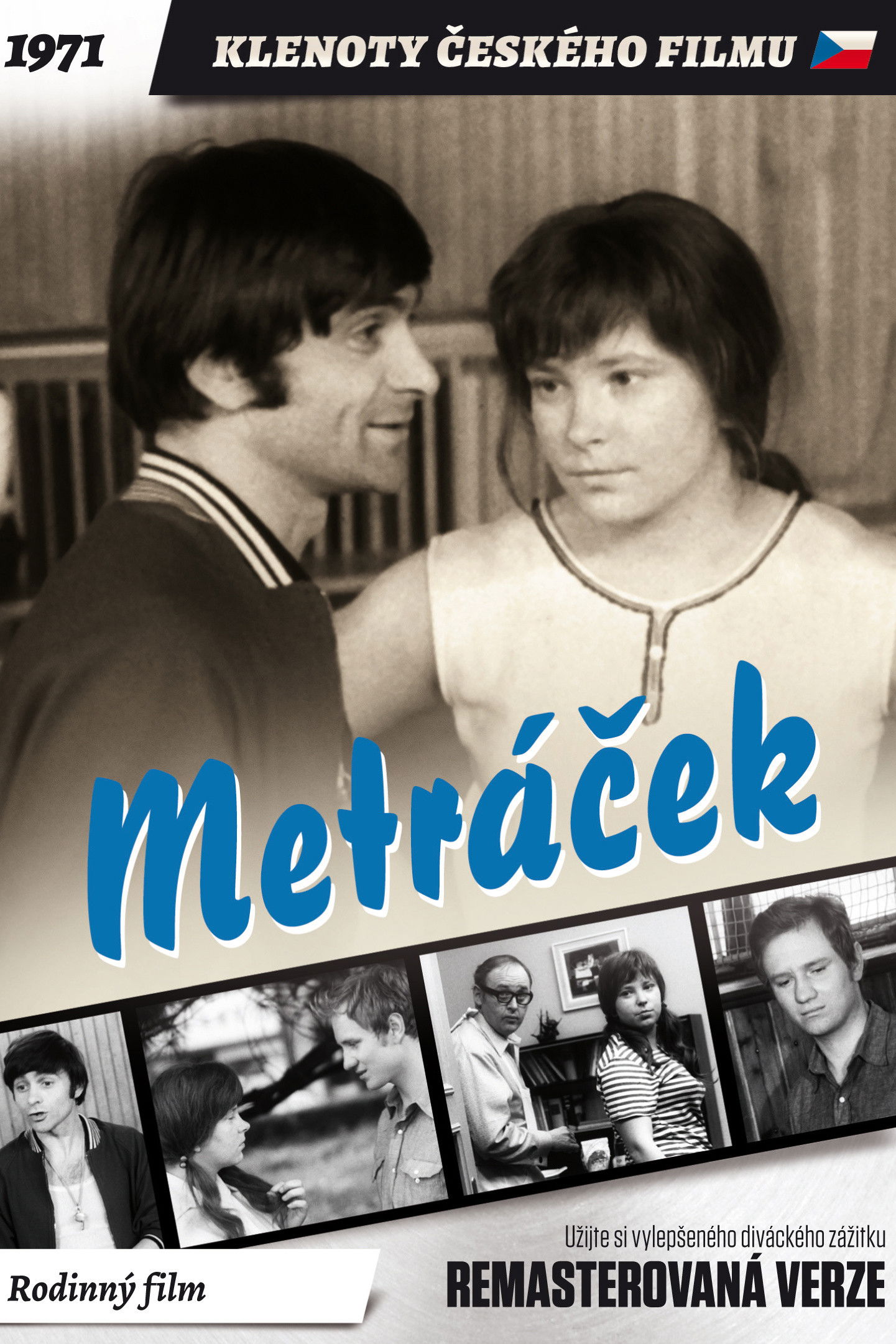
The heroine of the story is a teenage Jitka Pažoutová, suffering from her fatness and clumsiness. For her, the real torture is especially the gym classes led by a sympathetic gym teacher, nicknamed Bohoušek by the girls. A change for the better is a dodgeball match, which the girls win thanks to Jitka's "guns", which simply cannot be caught. At the tournament, Jitka meets Honza Koubek - a boy who insults her, but then apologizes to her and persuades her to try using her strength in the shot put...
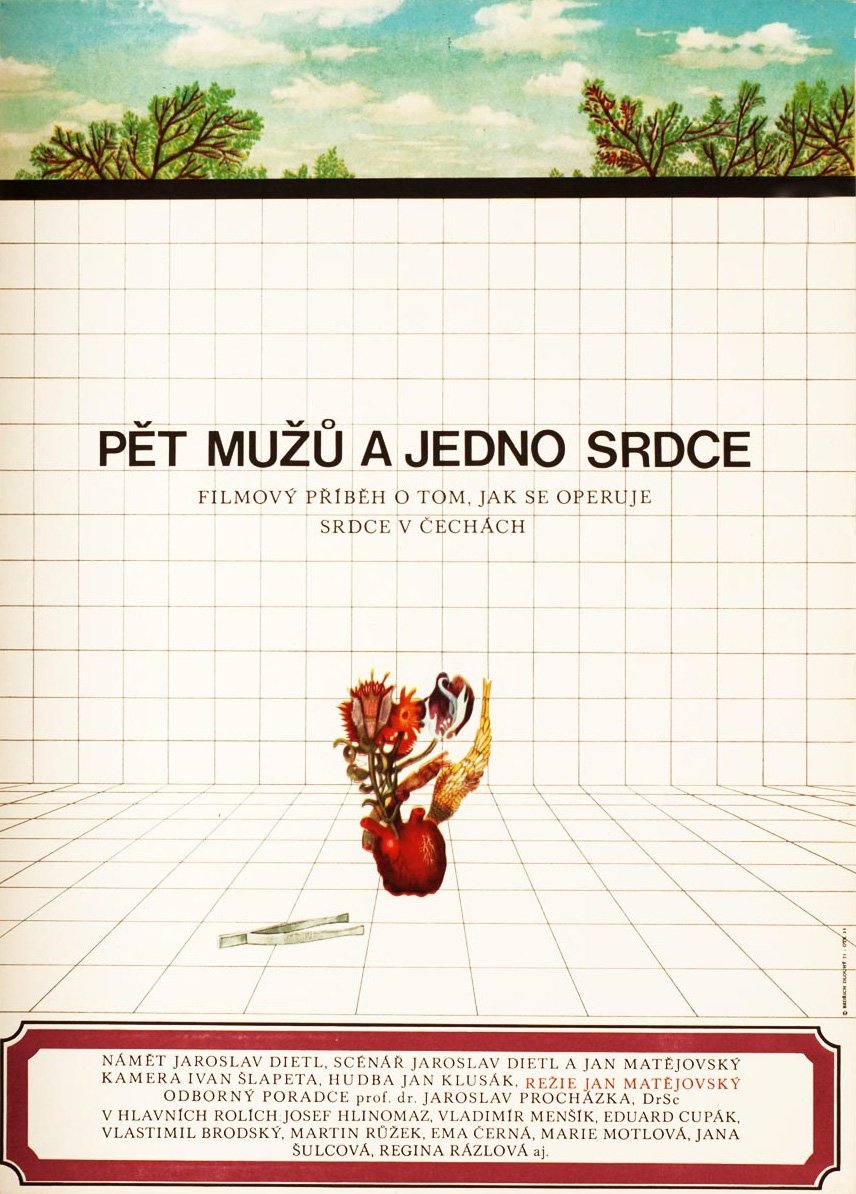
In modern hospitals are carried out intensive cardiac surgery. Daily operations individually comments attendant Cajthaml ... Stylized ,, dream "scene are combined with documentary footage of actual operations, which were filmed at the University Hospital in Hradec Králové. The unique cinematic experiment theater and TV director after only a few years remind viewers.
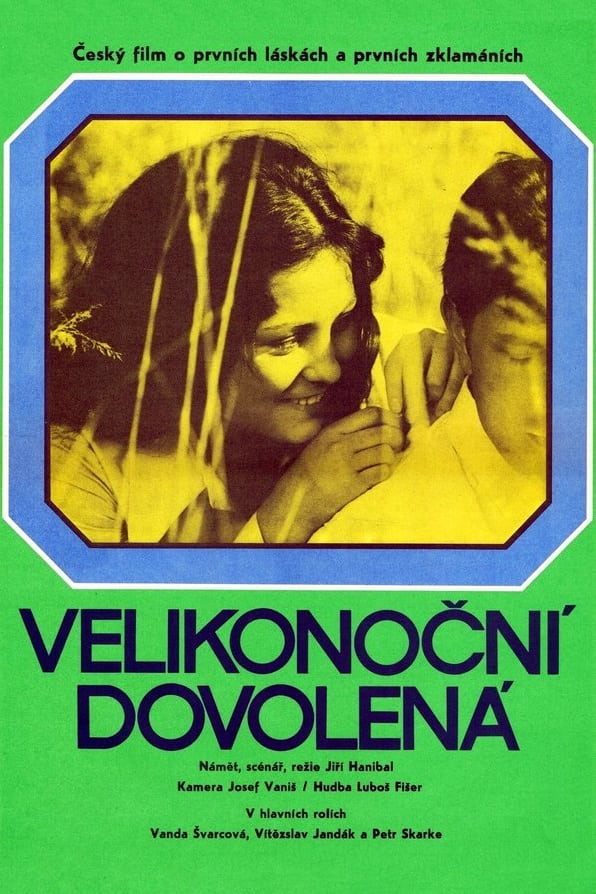
Soldier Honza Marek got a three-day leave. Marta, whom he dated before the war, did not wait for him, but she prefers him again to her new admirer, the impractical and still dreamy Ivan...
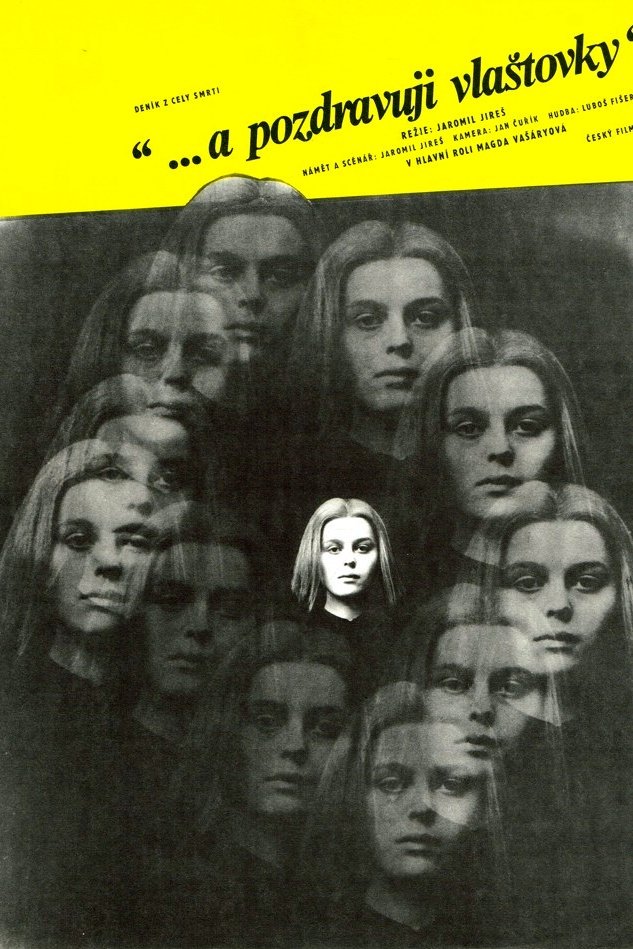
This film, chronicling the last days of Czech resistance fighter Maruska Kuderikova (played by Magda Vasaryova), is based on her diaries. Though she was tortured and eventually executed by the Nazis, her diaries indicate that she was optimistic for the humanity of her captors and did not by any means hate them. Told with simple dignity, this film makes clear why Maruska became a national hero.
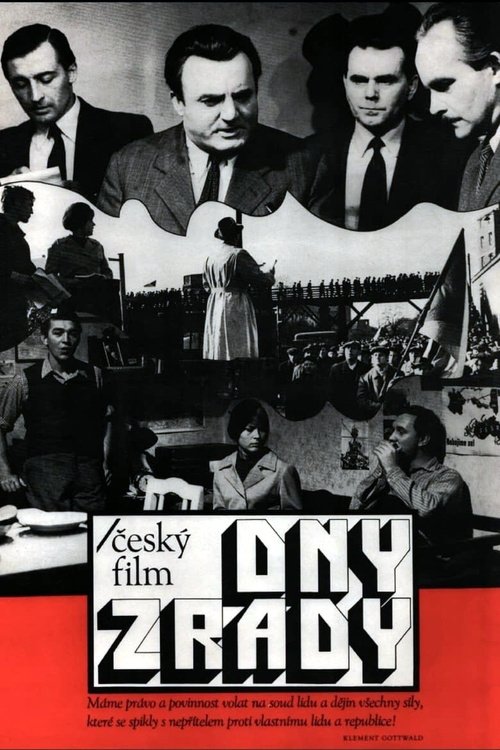
This feature film based on the events of 1938 is a chronicle of the futile efforts of the Czechoslovak president Edvard Benes (Jirí Pleskot), politicians and ordinary citizens, to save the independence and the territorial integrity of the state from the advance of Hitler's Germany. On the 29th of March 1938 the leader of the Sudeten Germans Henlein (Werner Ehrlicher) has a meeting with Hitler (Gunnar Möller). Hitler orders him to intensify pressure on the Czechoslovak government. On the 24th of April in Carlsbad, the Sudetendeutsche Partei (Sudeten German Party) decides upon eight demands that are unacceptable to the Czechoslovak President, since they would ultimately lead to the break-up of the Republic. Benes still shows a certain willingness to negotiate, and Henlein resents this. The Germans are determined to make further negotiations impossible through incidents and violence.
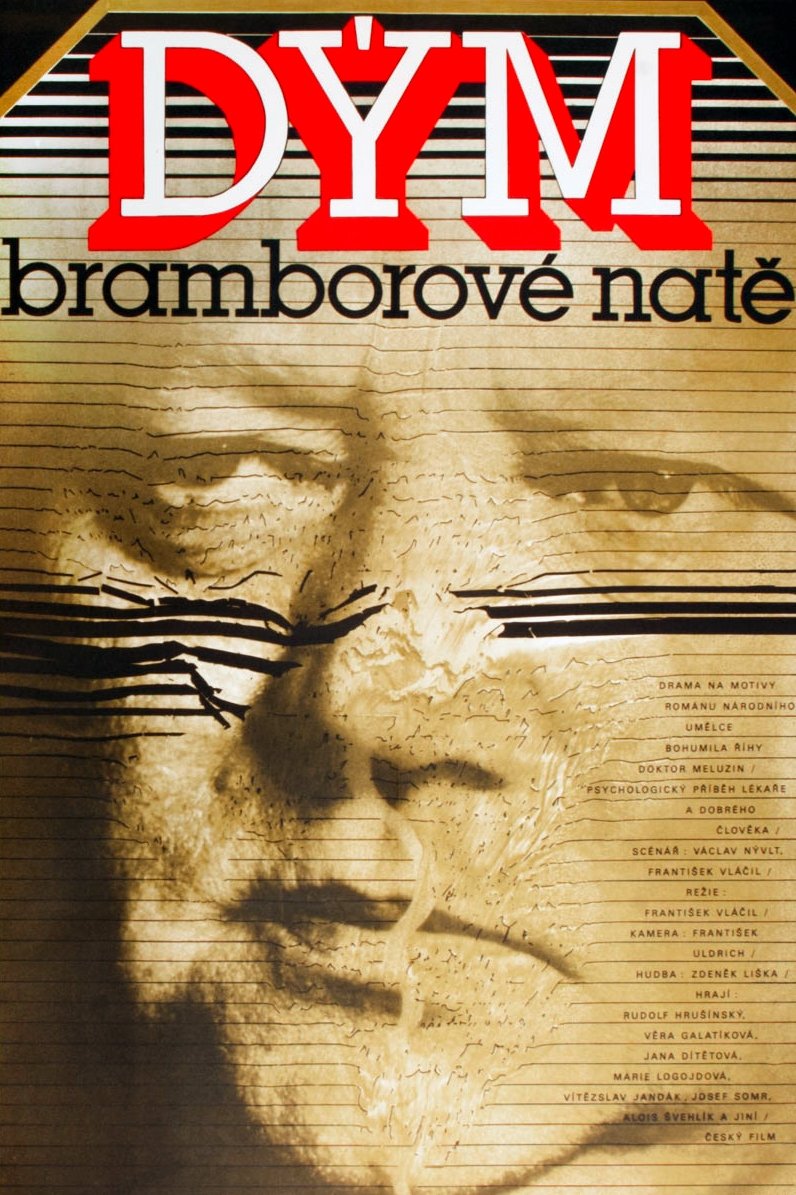
In this character study by Czech director Frantisek Vlacil, a stout middle-aged physician whose marriage has come apart establishes a practice in a small town. Gradually he's drawn into the lives of his patients—a childless couple, a pregnant girl with a stern mother, the son of a duck farmer—and each relationship reveals a bit more about him and the idyllic but insular community.
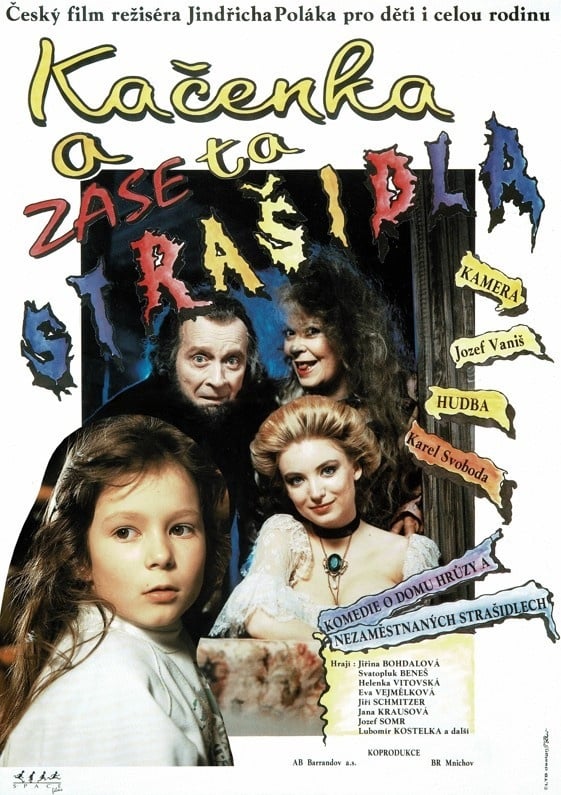
This time, the eight-year-old girl must fight to keep her parents from turning the House of Horrors, which she received as a gift from her grandfather, the Viennese Czech Swoboda, into a family villa. Helping her are her old friends, with the help of a magical clockwork mannequin, the witch Bertha, the charming Elvira and Dr Caligari. She arranges for notary Weber to come from Vienna to check that the terms of the gift agreement have been kept and that the attraction is fit for purpose...
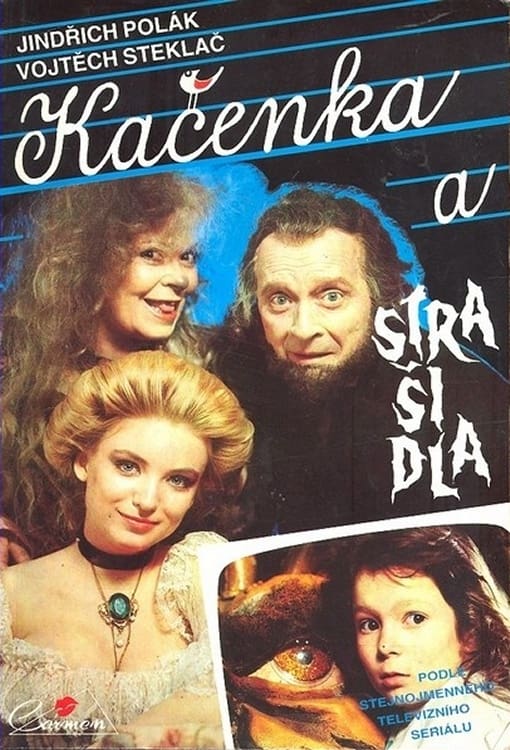
Jindrich Polák's modern fairy tale comedy tells the story of a girl who unexpectedly inherits a fairground amusement - a haunted house from Vienna's Prater fun park. With the help of a magic timepiece she is able to bring three of the ghosts to life.
Honza is a clever young man and a strong man who is not afraid of anything. Despite this, he cannot find friends in his village, and even the girls are just laughing at him. That is why he prefers to go out into the world to try his luck. He is not scared by the hastrman, he overcomes even the fear of the devils in the castle and frees the beautiful princess, whom he marries. The fearless Honza is only truly scared when the princess gets lost in the forest. When he finds her again, he is richer for the experience that losing a loved one is the worst thing that can happen to a person in the world.
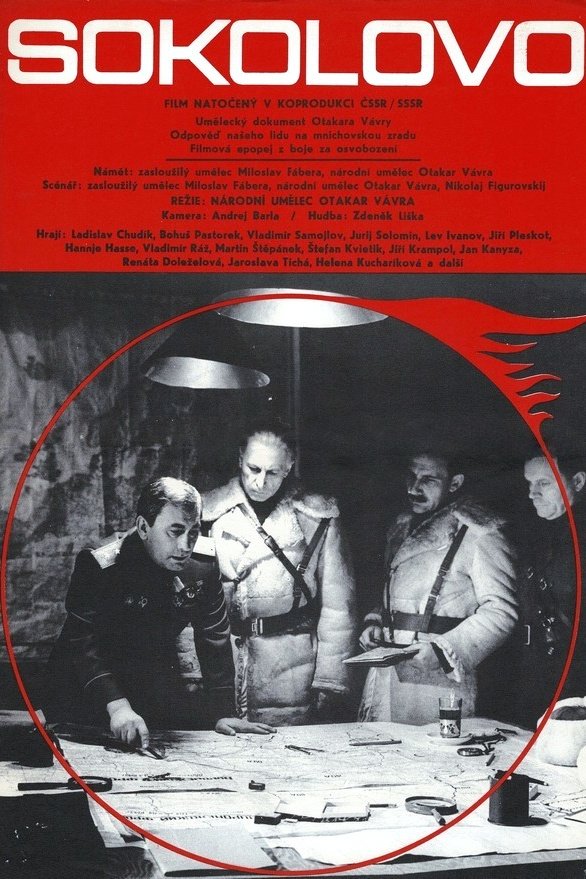
The plot begins in the Soviet Union showing first efforts to establish the Czechoslovak legion in 1942. The film also shows the assassination of Heydrich and the subsequent annihilation of Lidice. The main topis of the film is battles with German troops for Sokolovo.
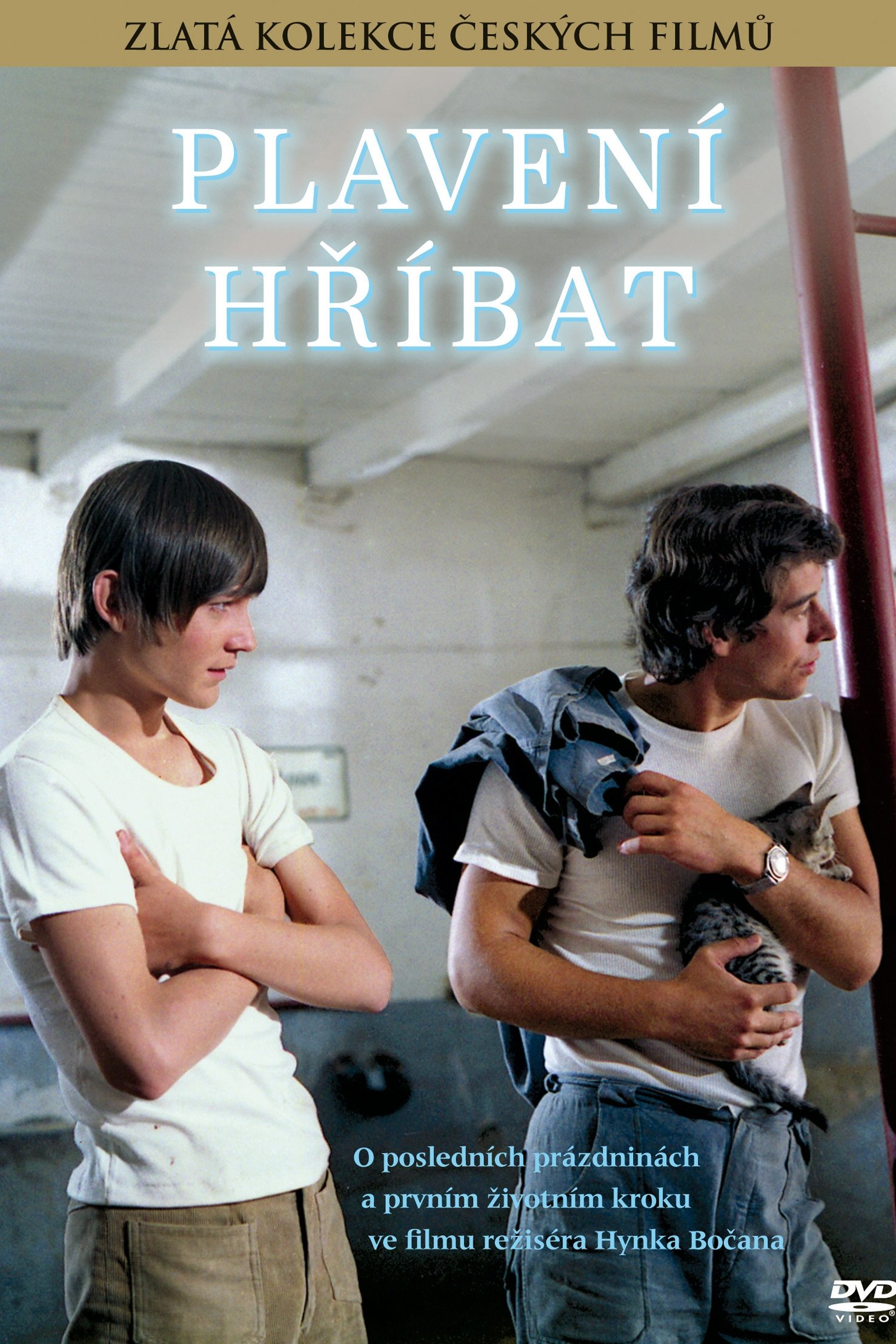
The holidays of Vince Adamek, a student of the agricultural school in his native village in South Moravia, are purely working. He likes his job as a zootechnician so much that he seems to turn down an assistant position at the university...
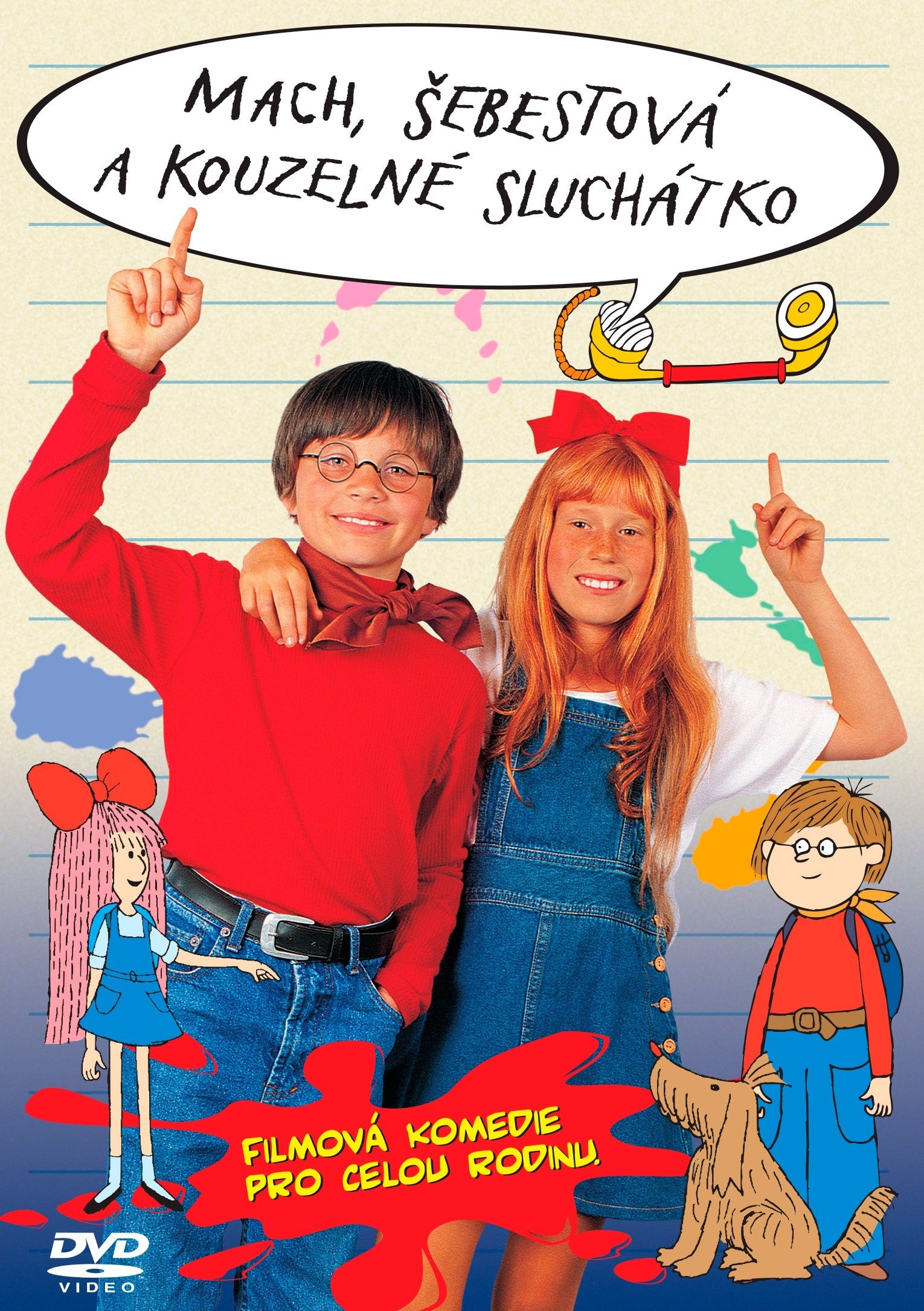
Max and Sally, the heroes of popular Czech animated series are leaving the TV in order to become a regular boy and girl.
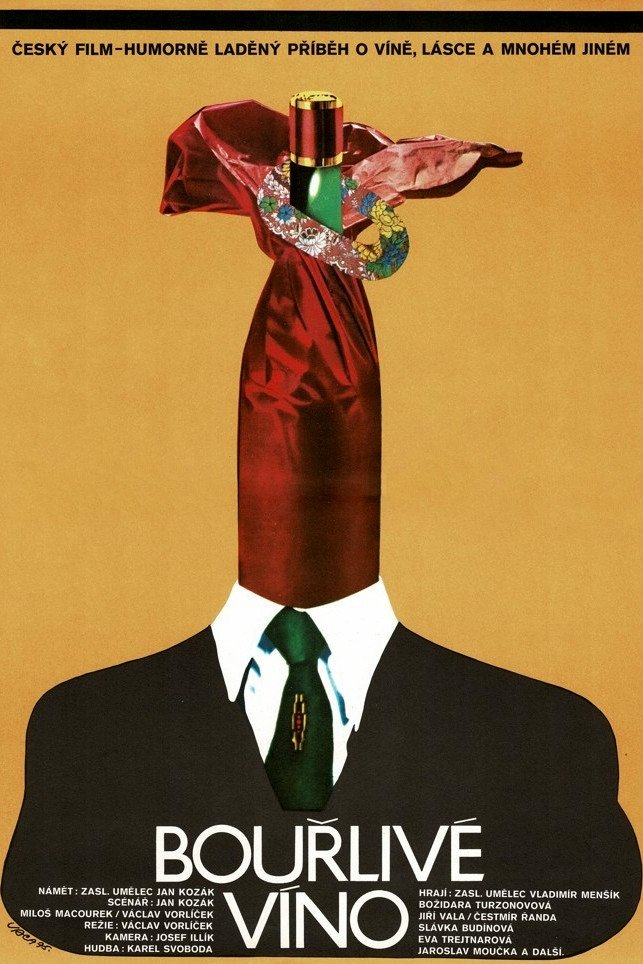
It is the summer of 1968 and also in South Moravian Pálavice appear political clashes. The so far peacefully farming Unified farmers' cooperative starts splitting. Some of the farmers have found the cooperative called Vidrupa and want to deal with wine in private trade. Michal Janák, chairman of the farmers' cooperative is a deliberate man and refuses the latent return to the capitalism. As an excellent farmer he continues preparing planting out new vineyards. His adversaries do not agree - the returns will come many years later. Jozka Hrdlicka, an émigré, notices on the Austrian TV the interview with the representatives of Vidrupa and decides to visit his native village. The new suit and the hired car transform the bankrupt and criminal to the successful businessman with wine.

The town is waking up. The bus driver Josef Král is saying goodbye to his wife Vera who is in a state of advanced pregnancy. At the rolling mill, the master craftsman Mares is preparing for retirement, which is now only two days away. Elderly Simon who grows and sells vegetables at the market has problems with his wife. Their little home has to give way to a new development but the wife Simonka refuses to move out. The chairman of the workers' council has troubles with the miner Adam, who has started drinking. He doesn't know that Adam is getting divorced and fears he may lose his young son to his wife.
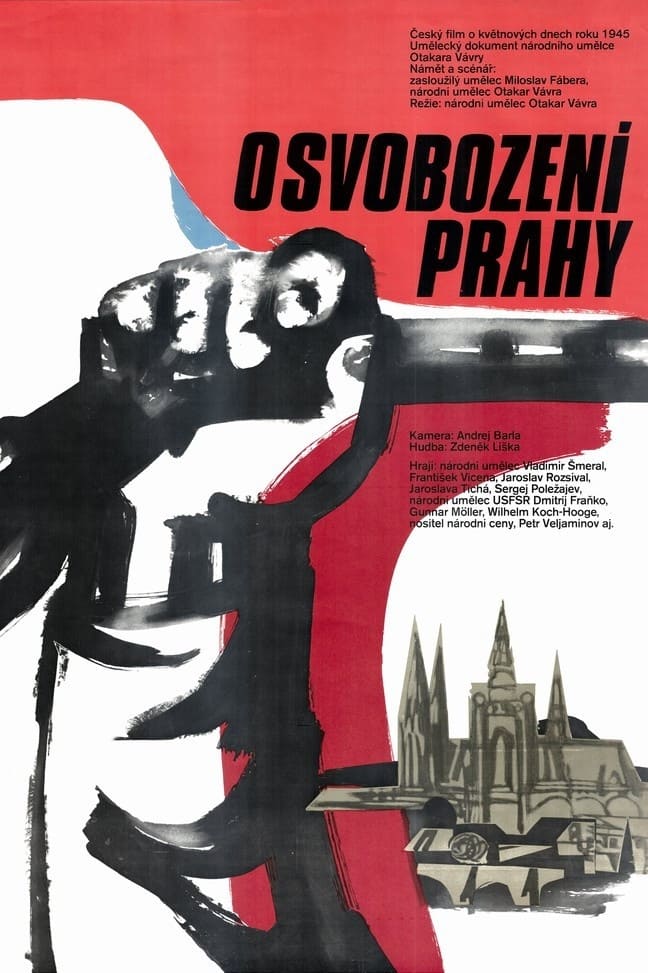
On 20th of April 1945 the Soviet army launches its attack on Berlin. The end has come for Nazi Germany and Hitler decides to commit suicide. In Prague K.H. Frank (Nazi Secretary of State and Chief of police in the Protectorate of Bohemia a Moravia) discusses with his commanders how to transform the city into an impregnable fortress, but the Praguers do not intend to wait any longer. From the early hours of 4th of May people start assembling in the streets and tearing down German signs. On the next day, the 5th of May, the uprising begins.
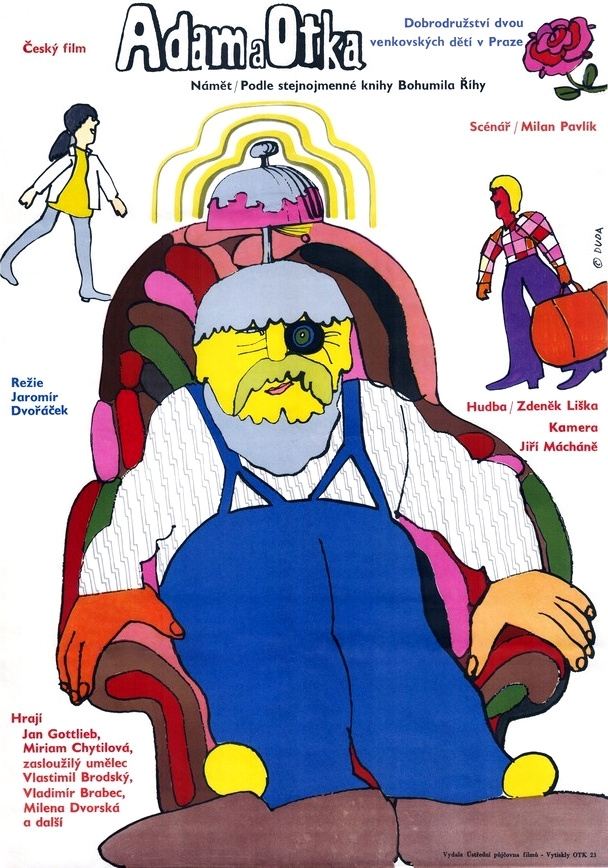
On the holidays, ten years old Adam and his little sister Otka, four years junior to him, travel from a village Vykán to their aunt to Prague. Their parents left for Hungary to the world championship in ploughing. The children have the address but they do not know the way to the Northern Town. They set out for a place on foot, across the historical parts of the town.
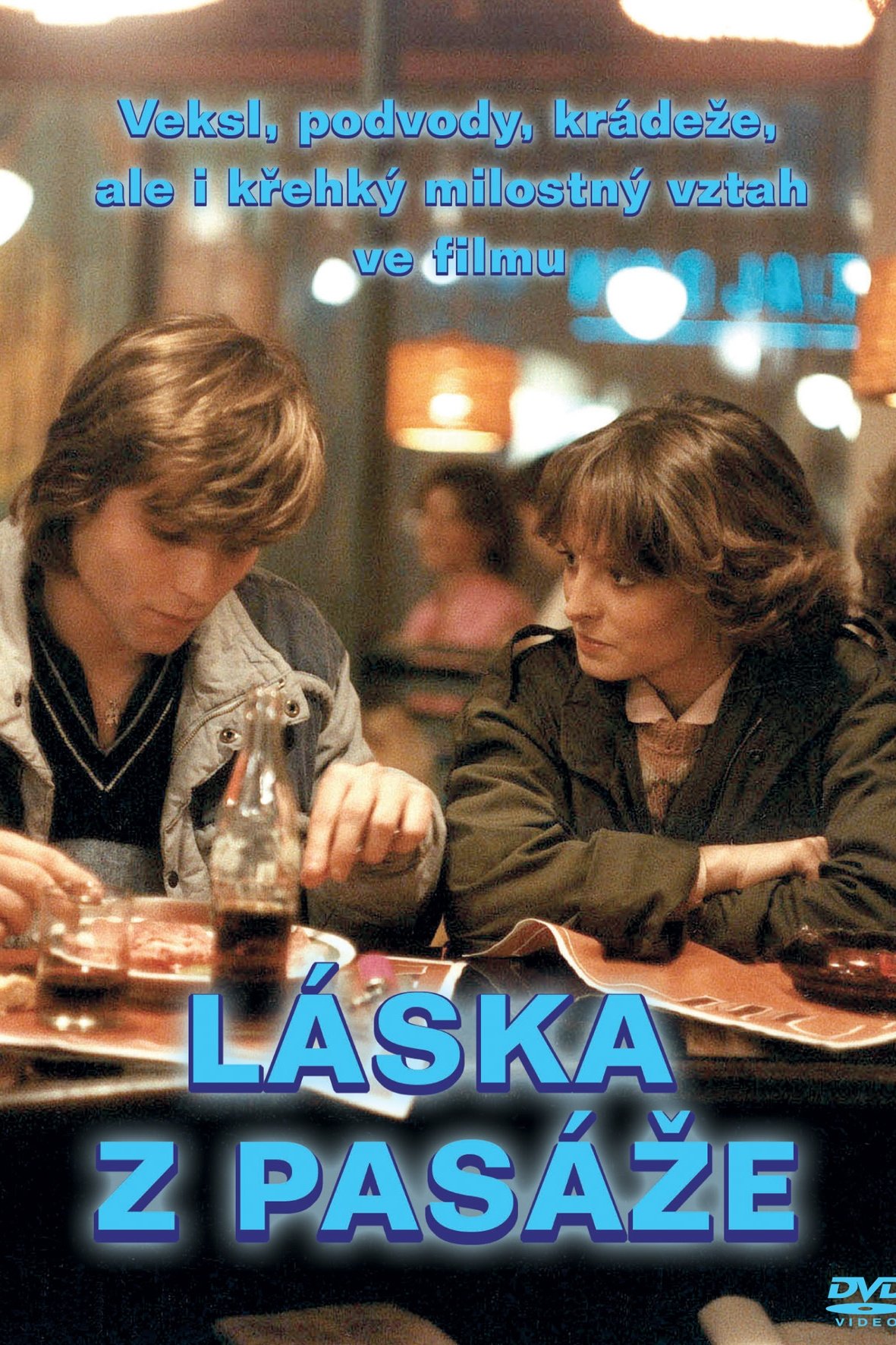
Nineteen-year-old Pavel Kříž spends all his free time in Prague's arcades, bistros and discos with a group of thieves called Roby. Pavel has a high school diploma, but works as a window cleaner, and a large part of his income comes from the scams, scams and thefts of Roby's crew, to whom he supplies guaranteed tips. So he's not too happy when the cleaning manager assigns him a young temp, Jana Hálková. Although the girl makes no secret of her distaste for Pavel's way of life, a fragile emotional bond develops between them. But this cannot last in the environment in which Pavel moves. The young man gets into more and more trouble - part of Roby's party is caught by the police and he cannot find the money to pay back the debt. The situation escalates when a group of thieves kidnap Jana...
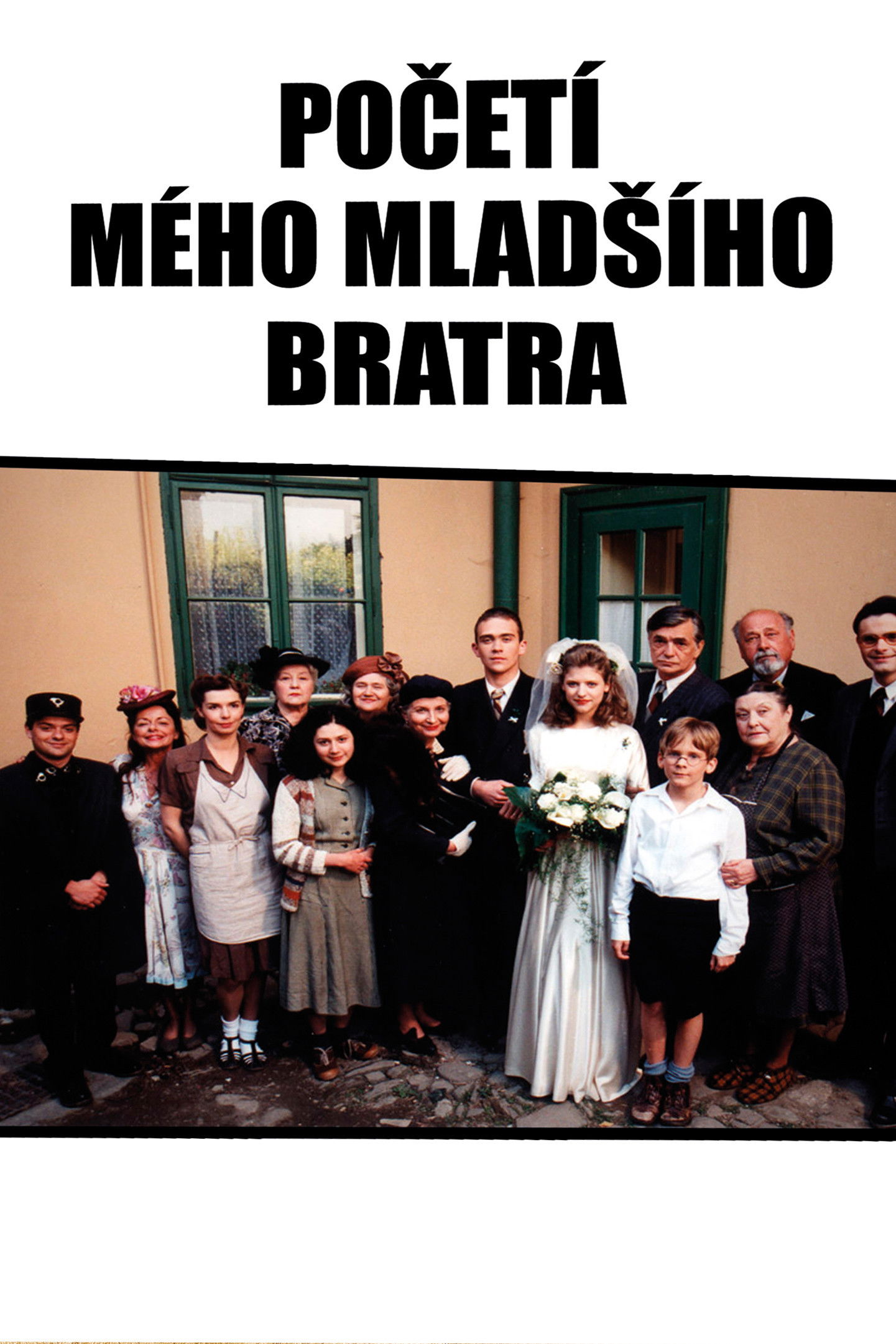
Director's memoirs of his childhood in a lively tenement house, in particular one hot summer day in 1949 when all tenants gathered to celebrate the wedding of the landlord's daughter. Small details slowly reveal that the narrator's recollection of the events may not be altogether correct.
This production of Ostrava TV Studios was inspired by actual events which occurred in the Ostrava region of Moravia during the 1920s and 1930s. A hedonistic bon vivant of a lawyer named Zajícek (played by Václav Postránecký) came up with a sophisticated finance speculation scheme which exceeded the bounds of law. When discovered it became one of the most closely-followed First Republic scandals.
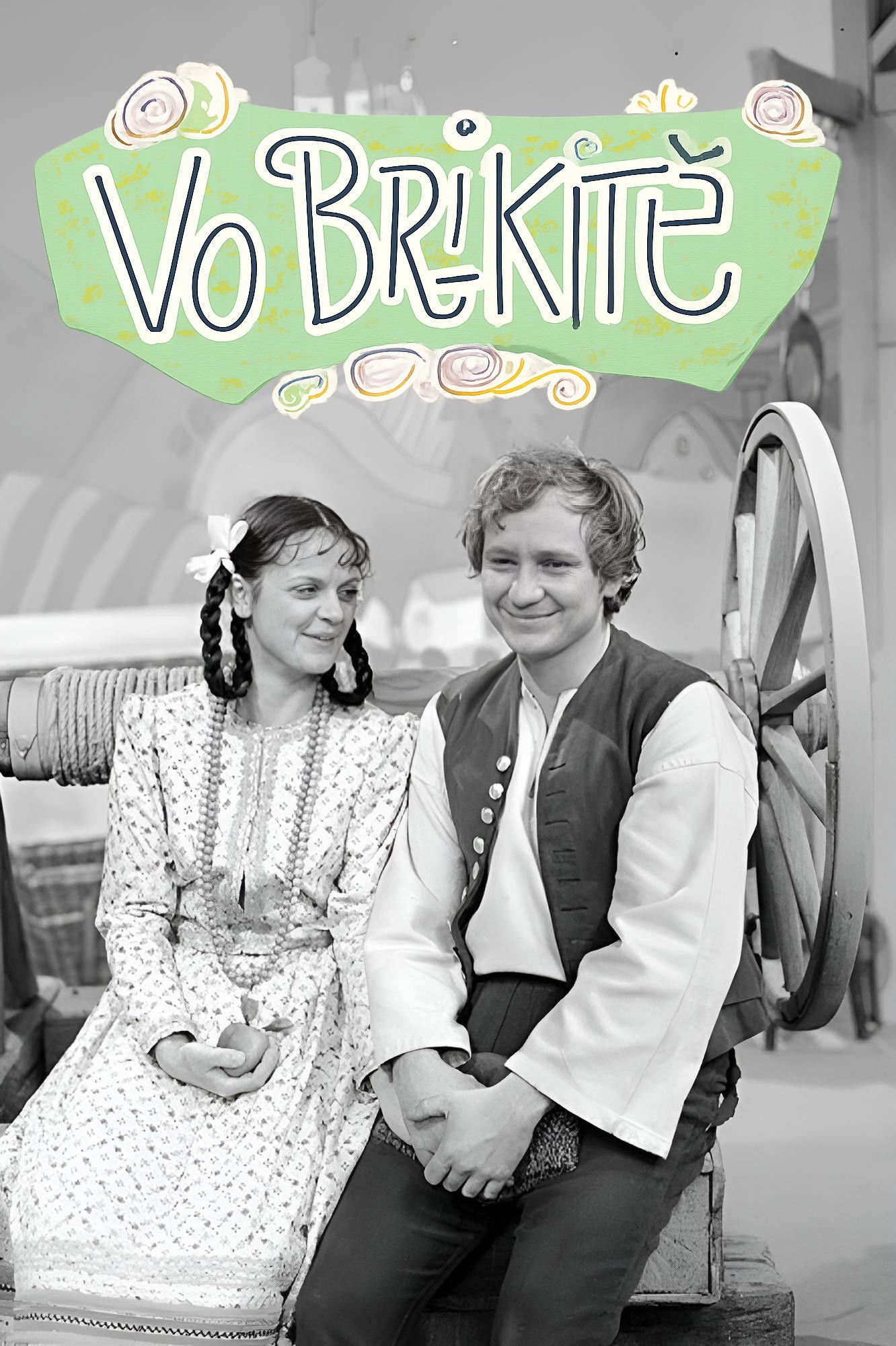
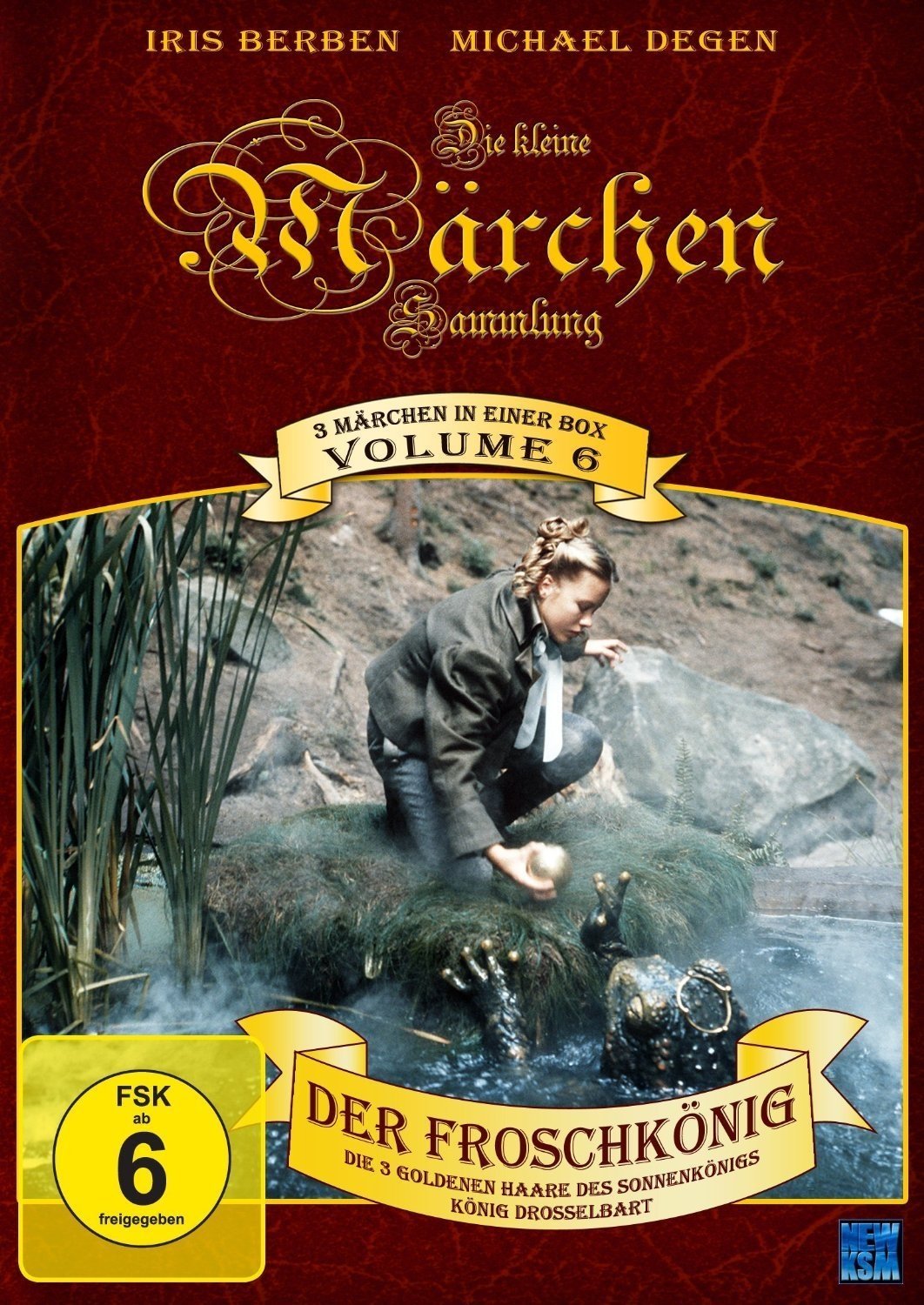
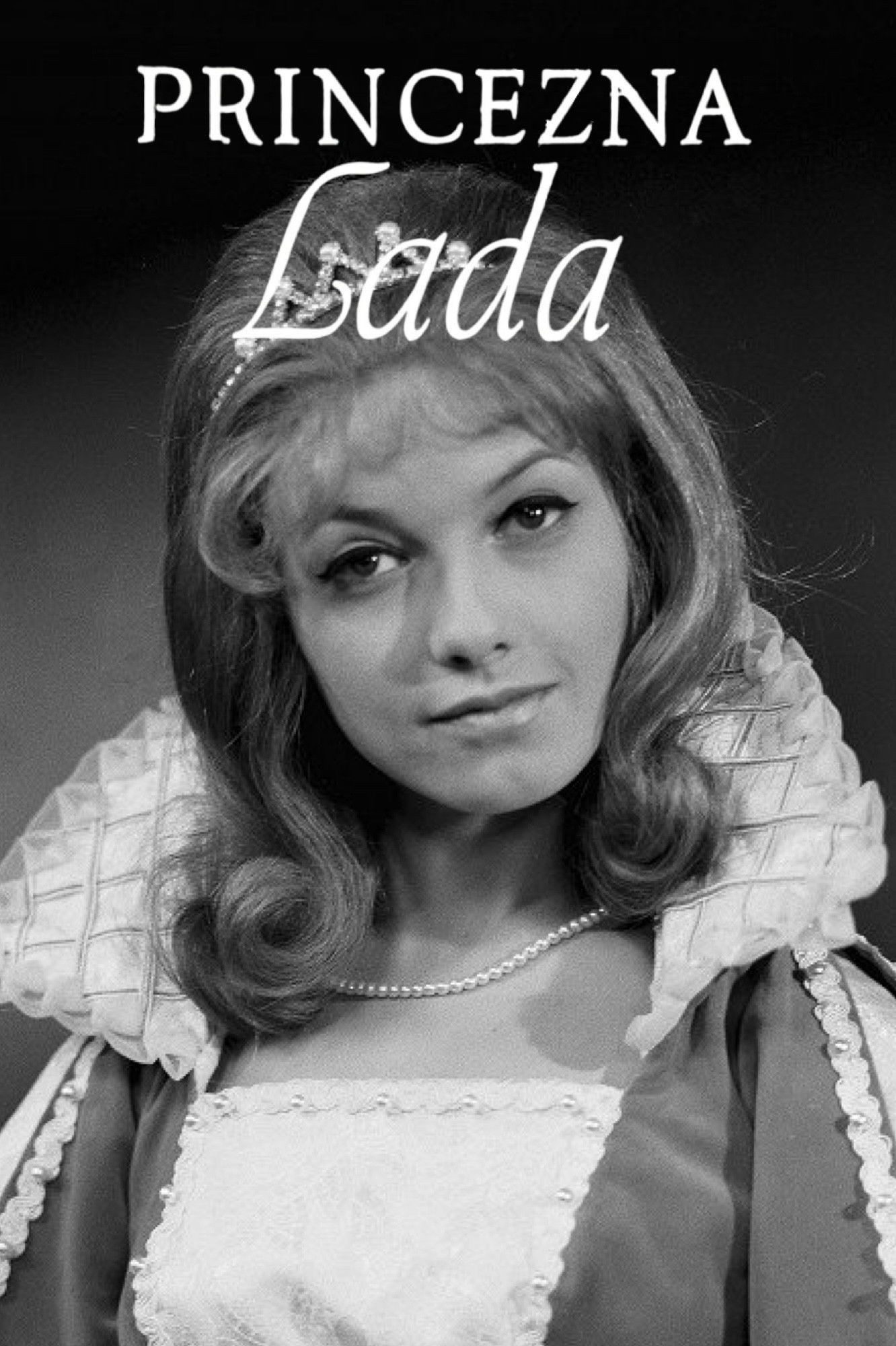
When a young princess, instead of being fully dedicated to her love, persists in running around like a tomboy and roaming the forests with her gang, and a young prince refuses to give up all his vices and mischief, an aquaphobic fairy takes their fate into her hands. The princess then falls in love with the prince, who declares eternal fidelity to her. When he however breaks this promise, the fairy turns him into a frog. With which the loyalty of the princess is being tested as well.
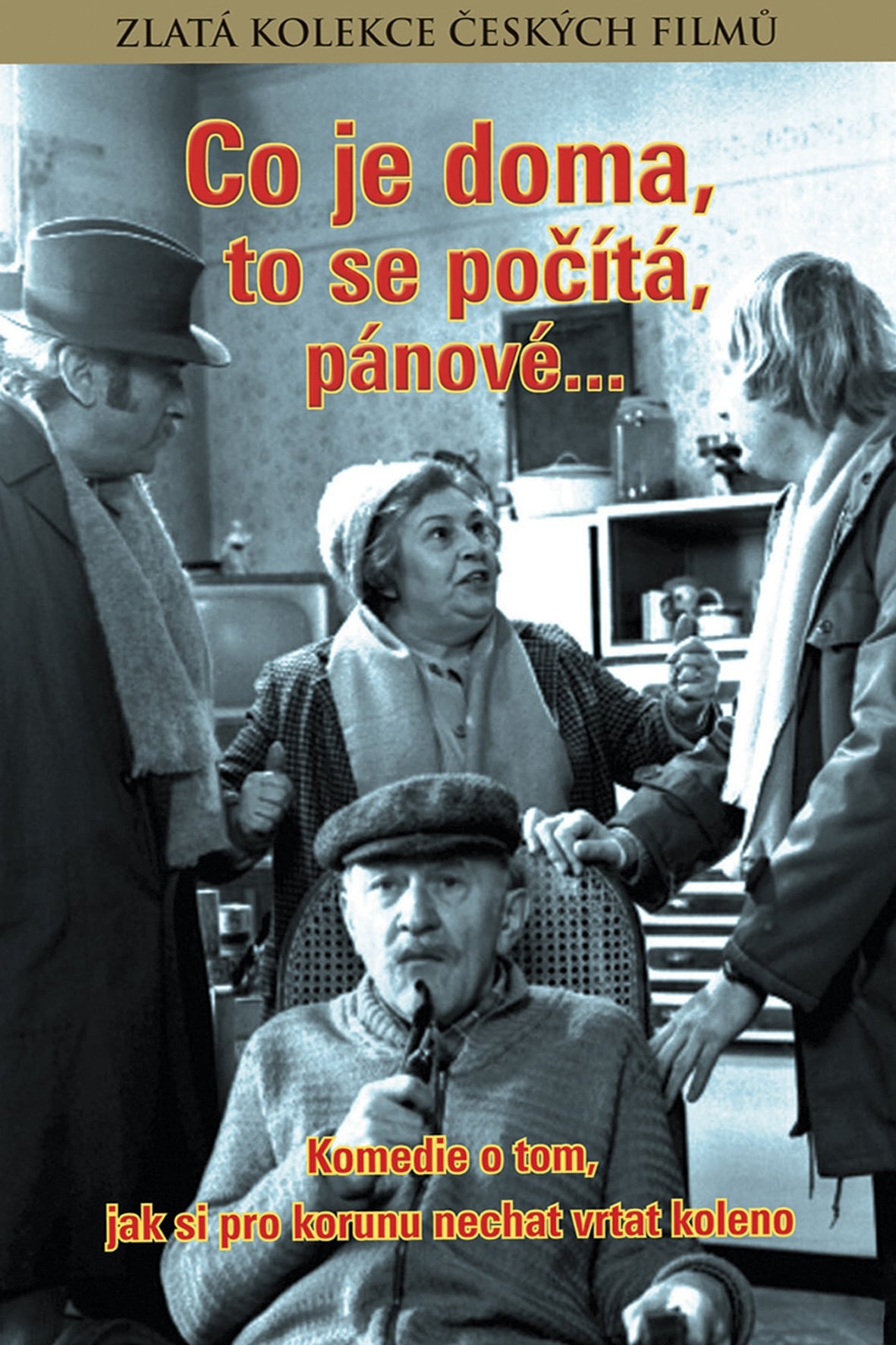
For the Novák and Bartáček families, money is king, and they'll do just about anything to get it. While René Novák pitches his parents a lucrative scheme to swindle as many people with the last name Novák in the country as possible, the Bartáček clan decides to pretend to be much poorer than they really are in order to siphon some dollars from an American relative. And it doesn't take long before these separate scams start to intertwine.
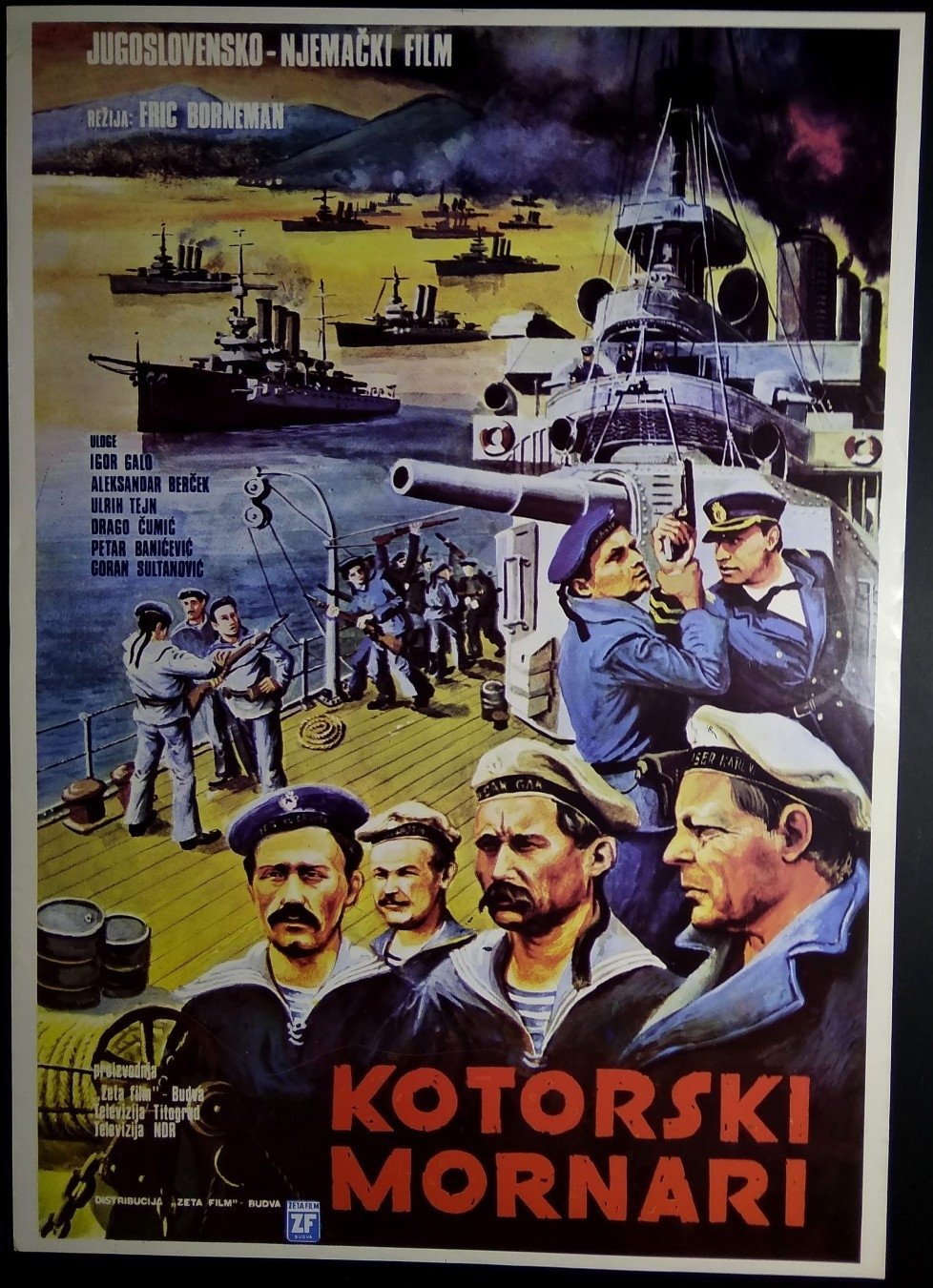
In February of 1918, in Boka Kotorska, the greatest uprising of Austrian sailors broke out. Forty warships, with 6.000 sailors, rebelled against the Austrian Monarchy. The uprising was bloodily crushed after two days, and it's leaders shot.
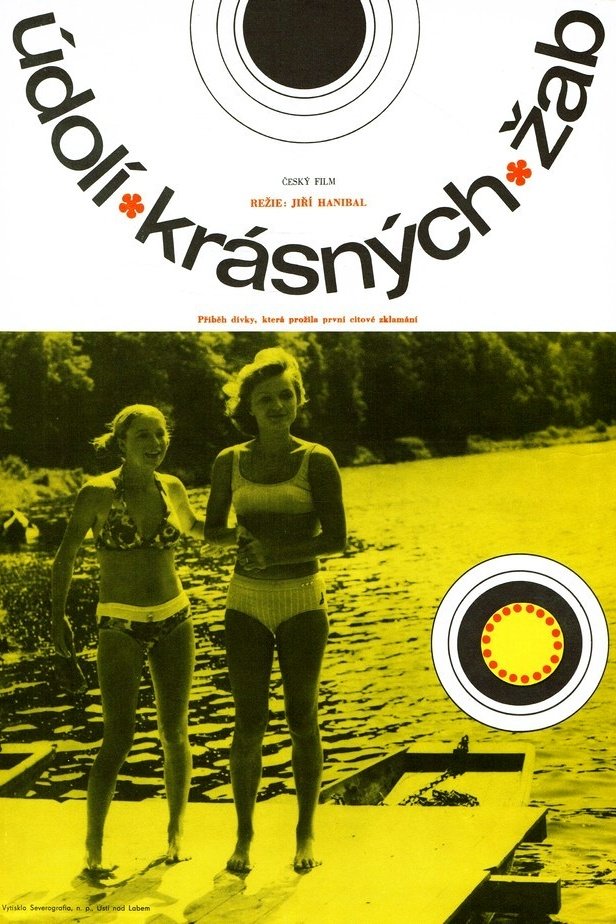
A fifteen years old Jana escapes summer camp wearing nothing but bikini...
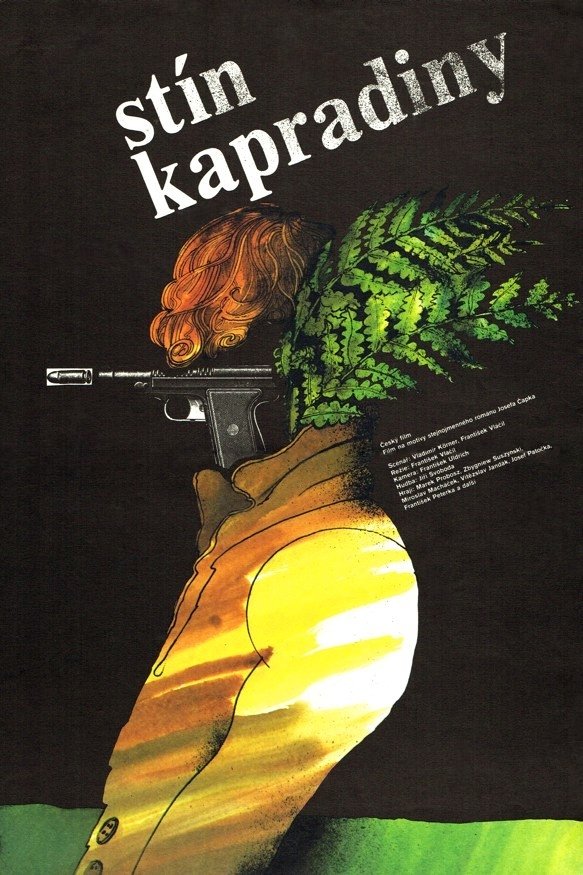
Based on the only extensive prose work by the surrealist painter Josef Capek, Shades of Fern most resembles the philosophical fairy tales and fables of Josef’s older brother, the legendary Czech novelist and playwright Karel Capek. Two young poachers, more boys than men, kill a gamekeeper when they are caught illegally hunting. Panicked, they retreat into a forest that grows steadily more forbidding and deadly as their fear for the future—and guilt over their action—mounts. Loosely based on hundreds of oral folk tales and legends that haunt the woods of Czechoslovakia, Vlácil’s contemporary updating artistically underscores the relationship between man and nature, crime and punishment, isolation and society, and guilt and memory.
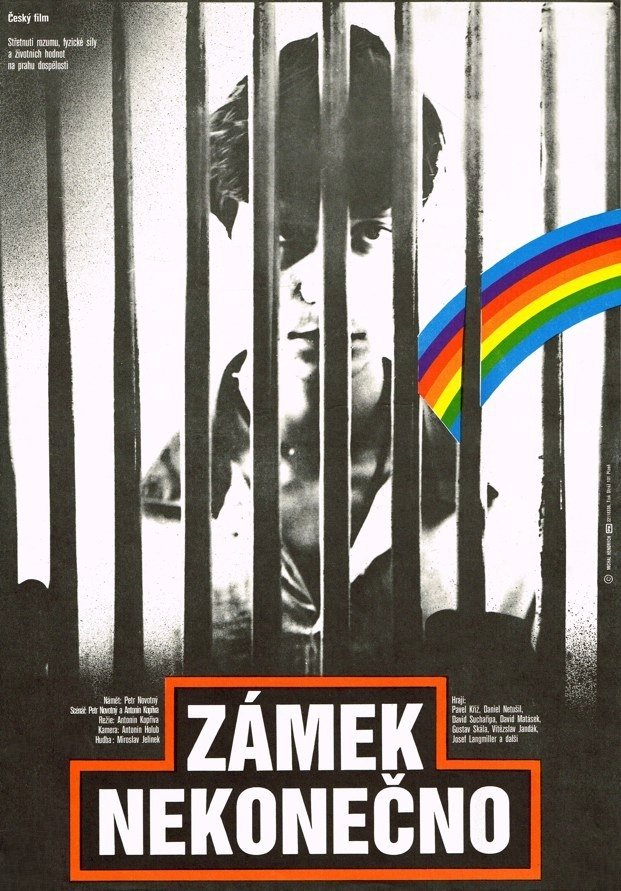
Technical school student Pavel Brychta, arrives at a youth correctional facility located within a chateau in Konečno. He is an atypical, but not hopeless case for the institution. Pavel comes from a well-off family and his antisocial behaviour on the verge of criminality was some kind of response to his difficult relationship with his authoritative father. However, it takes quite some effort for Pavel to find his place in this environment of bullying, and also diverse methods from the tutors
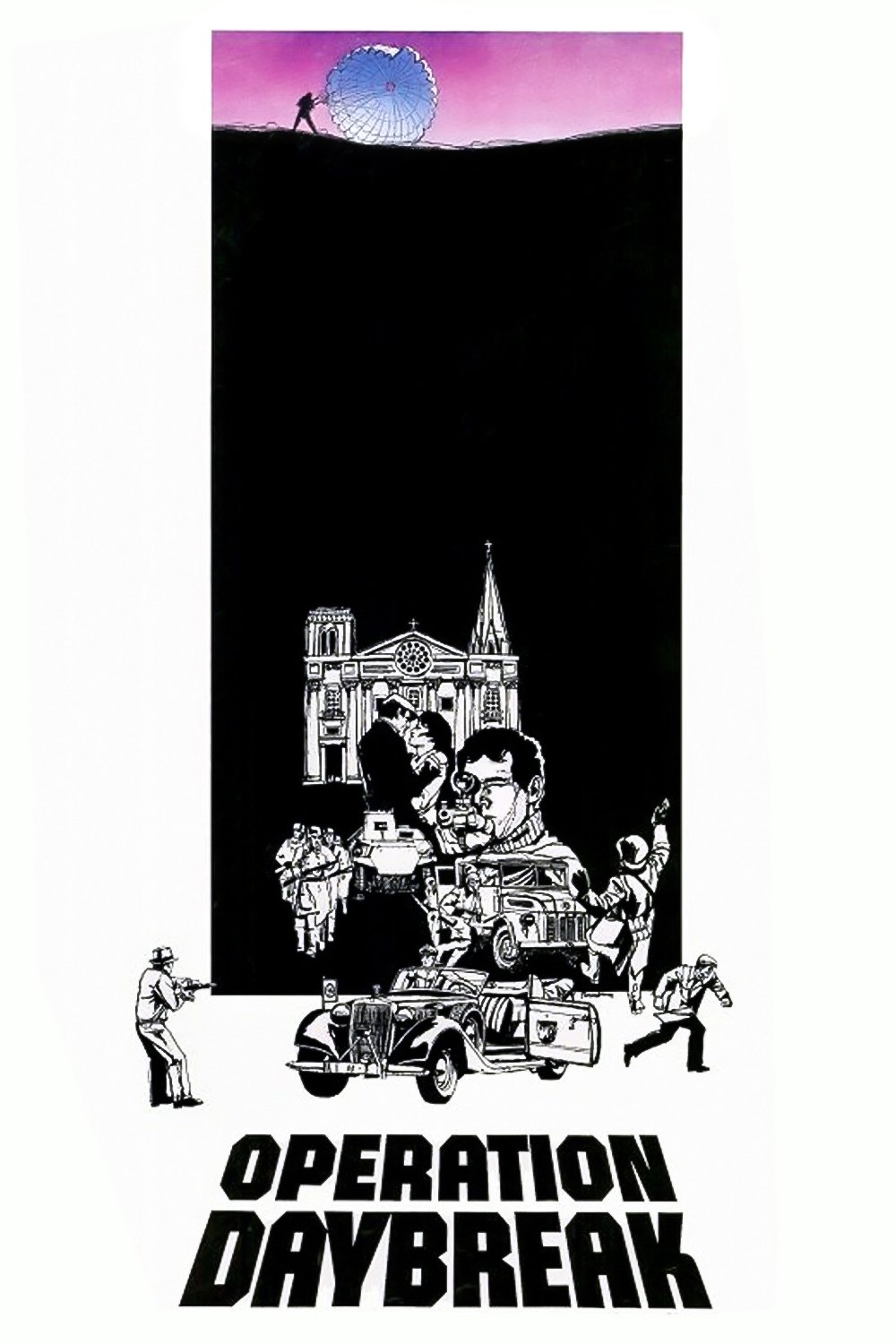
Czechoslovakia, 1942. Three brave Czech patriots risk everything to rid their country of its brutal Nazi leader, SS-General Reinhard Heydrich.
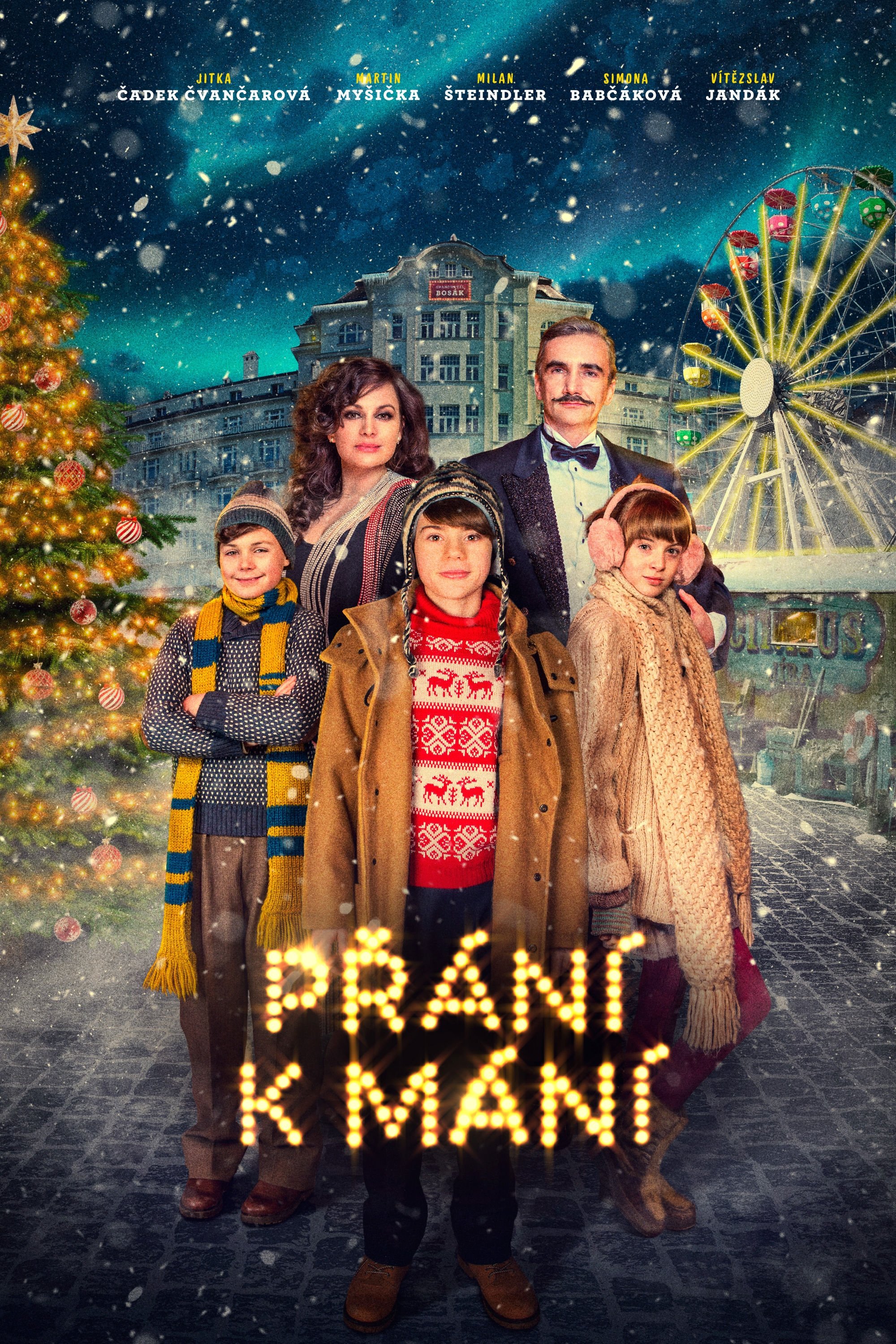
Kindly, mischievous and humorous story about the troubles of a lovesick teenager called Albert.
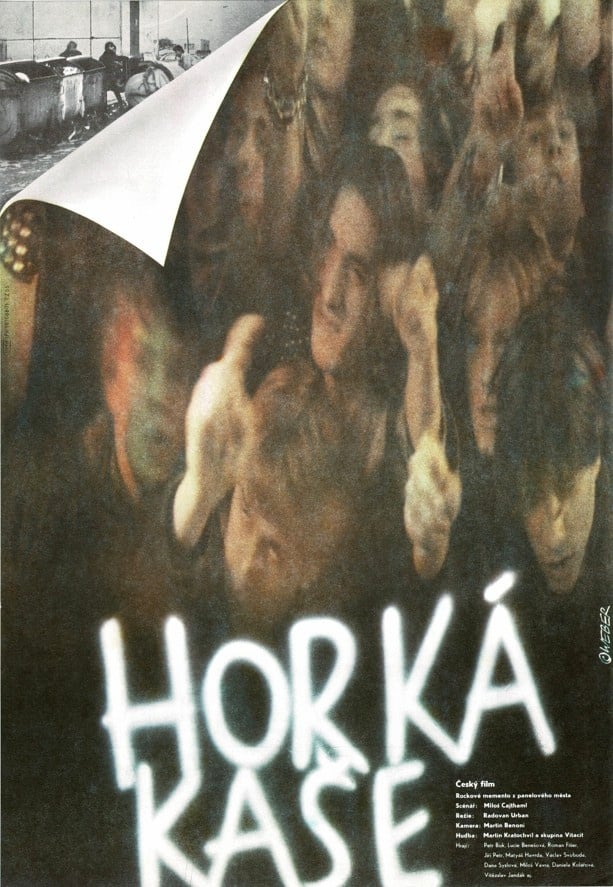
In the 1980s, a number of films were made about teenagers. At first they dealt with the confusing search for life orientation, the difficult entry into adult life - and gradually the interest shifted to delinquent youth. This film charts the conditions in a dehumanised housing estate, where youths, out of boredom, gather into gangs that wander aimlessly, humiliate passers-by, and attack the defenceless. He discovers that parents have too little time for these children, that their actions are downplayed until tragedy strikes.
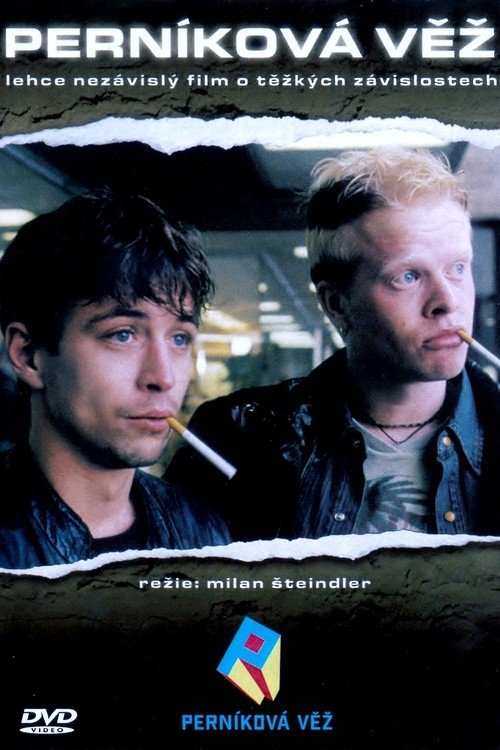
Jakub, a young, small time drug dealer, wakes up to find the police storming the apartment building while his parents are both away on holiday. After flushing all of his "secret stashes" in the toilet, he finds out they are actually there to investigate the death of the girl upstairs, a close childhood friend of his and the family. He slowly retraces the past week that she has been lying dead in her flat and remembers that he asked her to "receive a package" unbeknownst to her from his drug dealer, Pexeso.

Two seriously injured patients are brought to the hospital at almost the same time: truck driver Honza Linhart, who had an accident, and a young woman found unconscious in a forest by a man picking mushrooms. The woman is identified as Katerina Marková, the divorced mother of a young girl. Major Kalas (Rudolf Hrusínský) suspects that she is a victim of mugging since a bloodstained small ax has been found near the site of the crime and, according to witnesses, Ms Marková was missing her watch and a bracelet, from which a gemstone has also been discovered. Linhart has lost his only kidney in the accident; in order to live a normal life again, he will need a kidney transplant from the mugged woman if she dies.
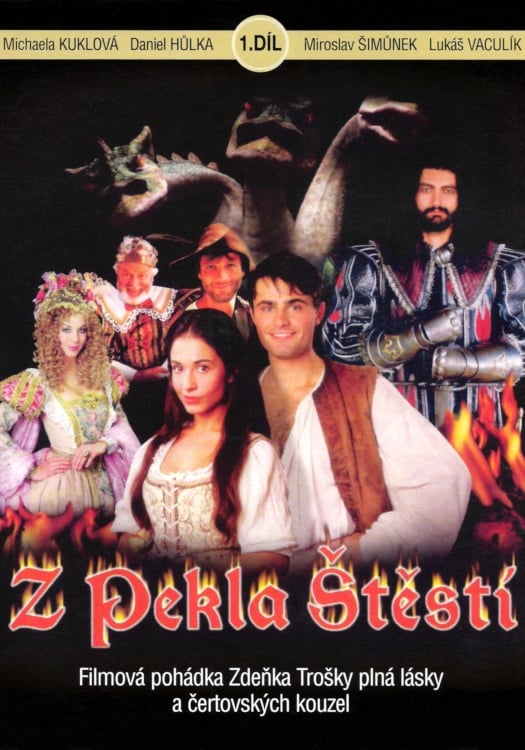
Dora, a lazy and evil woman, is in love with her servant, Hannes. Hannes, however, loves her sister-in-law, Margareta. When Dora learns about this, she vows revenge against the couple.
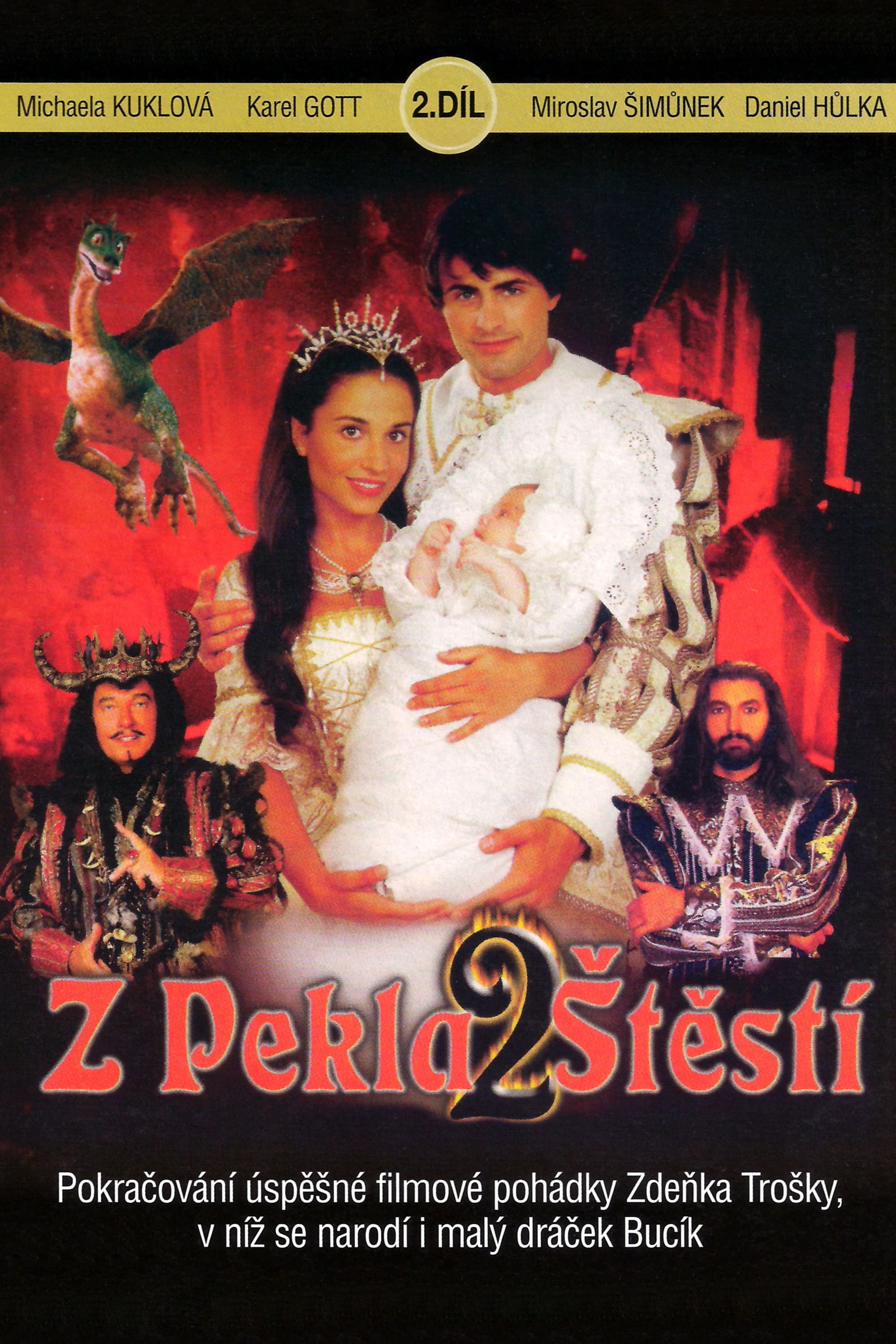
Markéta and Honza are a loving and beloved royal couple. The cunning princess Eufrozína beguiles Lucifer with her charm and, with the help of seven-league boots, flees from hell with her father to reunite with King Brambas and deprive Honza of his throne. Honza's evil sister Dora also takes advantage of his absence on a campaign against the enemy and sneaks into the castle, where she almost kills Markýta and her newborn son, just so she can win Honza for herself. This time, however, the lovers are supported by Kujbaba, Hnipírka, Valihrach, the wise godmother, a pair of devils, Lucifer himself, a three-headed dragon with a little dragon, and other characters.
A thrilling detective story based on a short story by writer Hana Prošková takes place shortly after the war in a castle, where a group of students work part-time to re-register the archive. During long evenings, they sit together and invent a fictional character, the "Ghost", who mysteriously moves around the castle and disturbs its peace. But the recession becomes an opportunity for someone to carry out their evil intentions. Fiction becomes materialized and the danger begins to become cruelly real...
The true story of a group of Czechoslovak citizens who are building a paper industry in Alto Catumbela, Angola, as part of economic development aid. Based on a true story, the film describes the raid on the settlement, the kidnapping by UNITA gunmen, the hardships of the devastating march and the mental and physical exhaustion resulting from the situation.
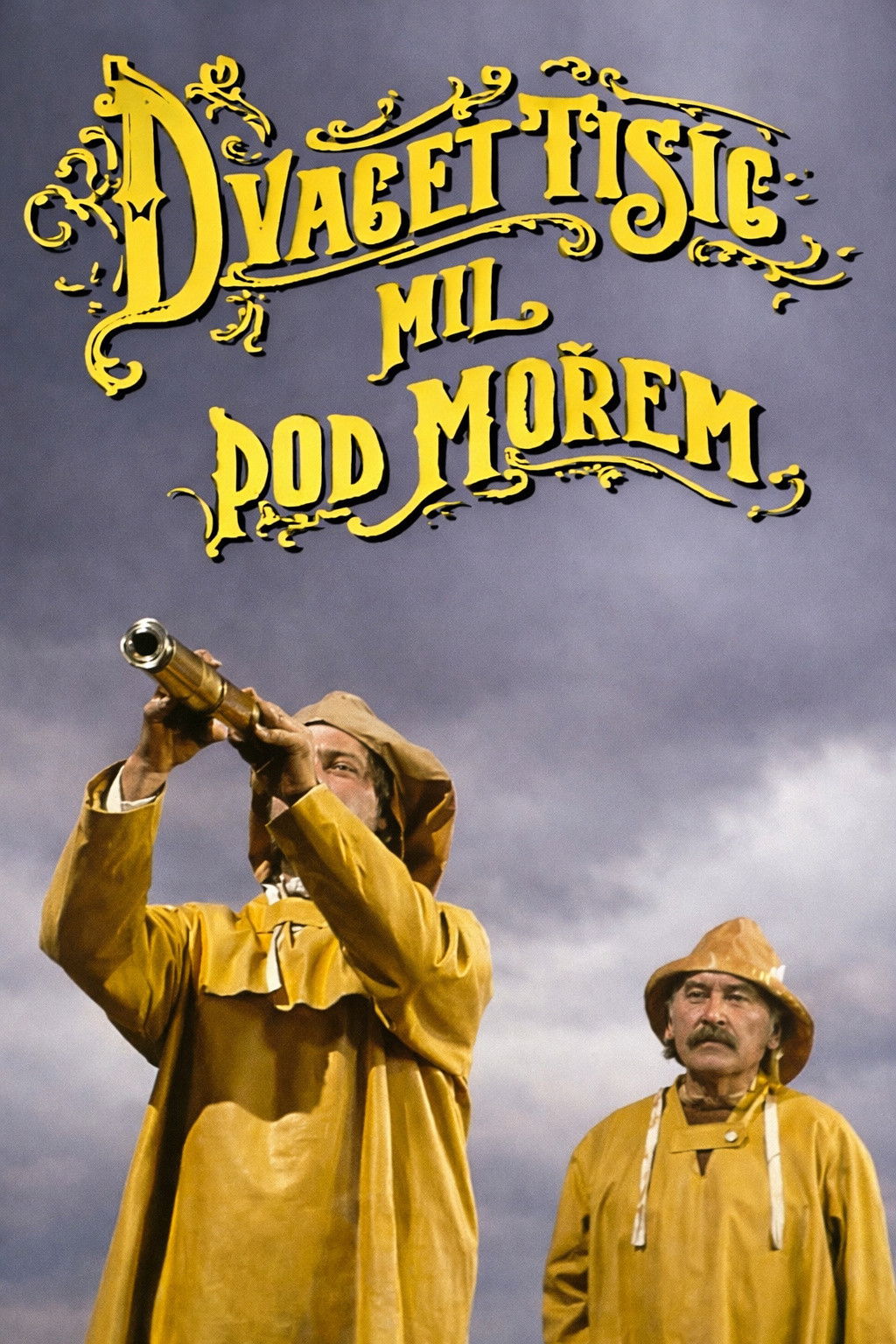
The television adventure film, based on Verne's novel of the same name, Twenty Thousand Leagues Under the Sea, tells the adventures of three shipwrecked prisoners aboard the legendary submarine Nautilus.
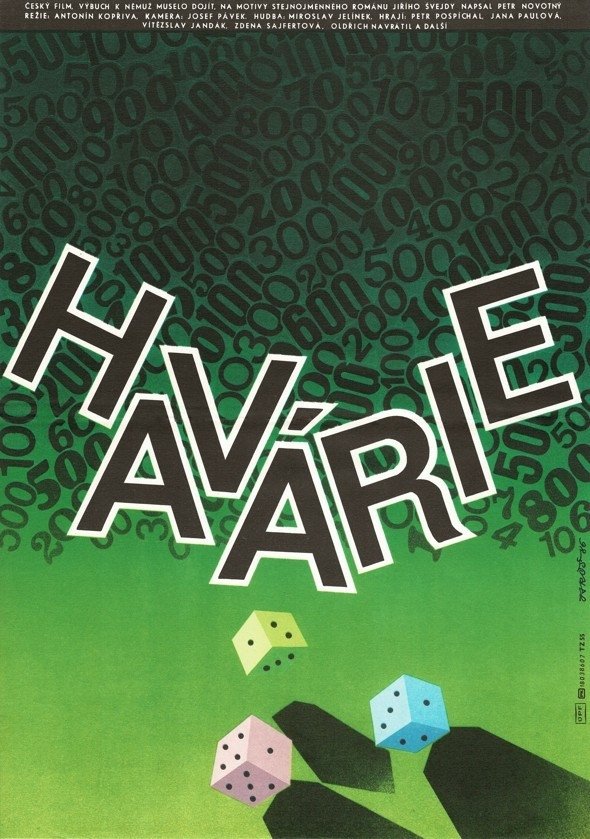
In the 1980s, the building themes were transformed into bipolar moral dilemmas involving overly ambitious individuals who wanted to excel at any cost. The hero is the head of a demolition crew that demolishes large buildings, initially a sympathetic young man who, in the pursuit of career and accolades, begins to transgress the boundaries of what was then called socialist morality and legality. He gradually finds himself at odds with the principles of ordinary but honest people. The narrative's bland, proclamatory film is closely connected to its time of creation, and there are hardly any more timeless insights to be found.

Jan Zika is the legendary hero of the communist resistance movement during World War II and leading functionary of the second underground Central Committee of the Communist Party of Czechoslovakia.
Sudetenland, May 1945. A group of retreating German soldiers capture a group of young female workers, totally deployed in a chemical factory. He wants to use them as hostages during his advance to the American demarcation line. Together with them, they take refuge in a nearby castle, which soon becomes the site of the last battle that takes place both in the minds and in the backdrop of war-torn Czechoslovakia, shortly before liberation. A psychological probe as well as an intimate drama set within the walls of a small castle, it is a mosaic of mini-stories charting the fates, attitudes and thought processes of individual characters on both sides of the barricade.
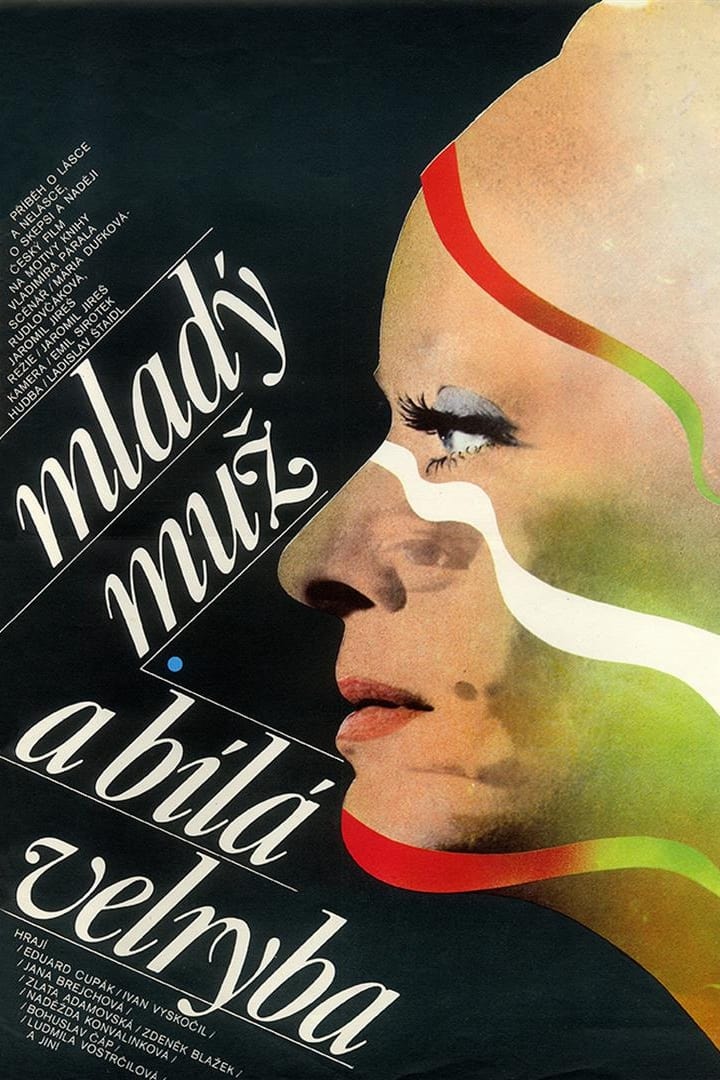
Good-looking Edita Beningerová (Jana Brejchová) arrives at a chemical factory in the North Bohemian town of Ústí nad Labem together with her young assistant Nada (Zlata Adamovská). She is hoping that her ex-husband, outstanding practical chemical engineer Vik Panc (Eduard Cupák), will help her conduct an experiment to validate her proposed theoretical method of isolating cholesterol from lanolin. The success of Edita's invention is crucial for her career at the Prague Institute of Chemistry. Vik's roommate from his hostel Bréta (Ivan Vyskocil) is thrilled. He will finally meet the mysterious and fascinating Edita about whom he has learned so much from Vik.
The theatre director encounters the disinterest and irresponsibility of the acting troupe, whose members are scheming and looking for side income. The tired and sick artist wants to finish his work at any cost.

An elderly tailor strangles young women with a black stocking. Inspired by a true crime.
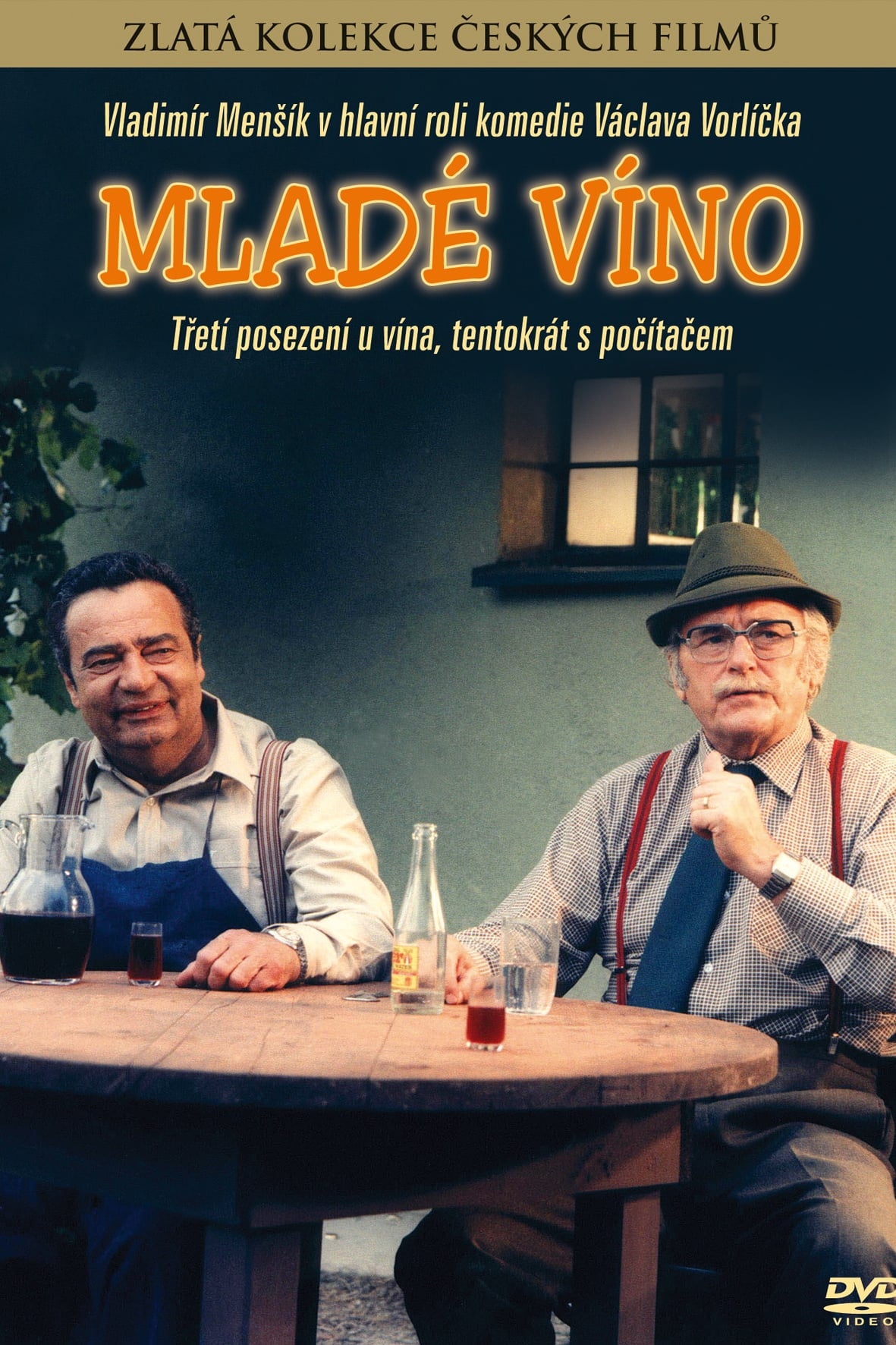
Third wine session, this time with a computer. The film was made in direct relation to the audience success of the previous two: "Stormy Wine" and "Ripe Wine". In the comedy-oriented story, the computer is an important actor, around which all the events actually revolve. It is reliable, powerful, but unused. Its future lies in the hands of those who do not yet know how to use it.
Elementary school student Jožka has a great love – horses. He is looking forward to turning this love into a profession. However, he is atoning for his father's criminal activities, he is not accepted into his dream school focused on horse breeding due to a bad report and has to be content with learning to be a tractor driver. However, he continues to do his best for horses, he trains the racehorse Palisander, who has never won. His outsider fate is similar to his. However, Jožka wins everything there is to win despite various ups and downs – he stands up to bullying in the youth home, an arrogant tutor, human weaklings, manages to study well even at a school that he doesn't enjoy and does sports. He also gains the respect of his classmates. Real jockeys also star in the film. It also features the birth and death of a horse. The scene where Jožka's father saves a horse from a burning truck is dramatic. The scenes with carrier pigeons are touching.
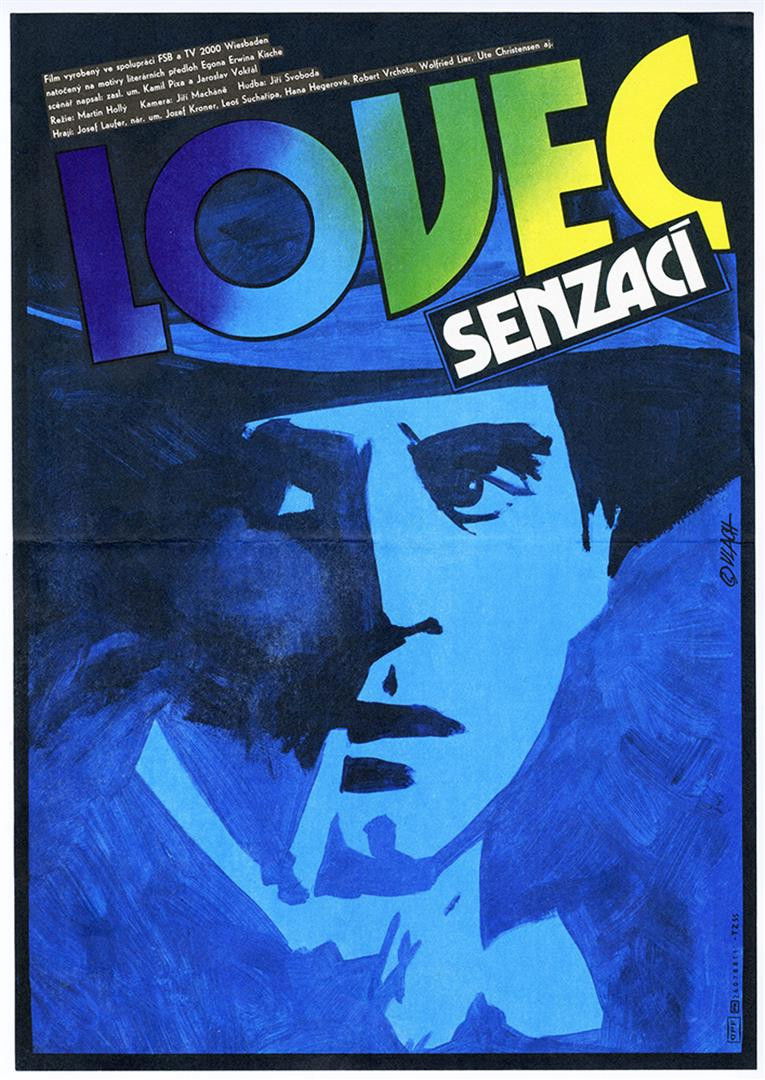
Journalist E. E. Kisch tells crime stories from old Prague, which he himself experienced in the years before World War I and recorded in his reports and stories: he participated in the discovery of the real murderer of a rich innkeeper, attended the wedding of a beggar's son with the daughter of a complacent rich man, and witnessed the mysterious murder of a money-changer's uncle.
Milda, a 13-year-old boy, loves to read adventure novels and imagines himself as a musketeer. He spends his summer vacation with his parents in a cottage in the Jizera Mountains, where he meets new friends and faces various challenges.