

Prince Louis Ottomar Charles XII, born Noble, is very close to his loving mother, Queen Ludmilla. However, Prince Louis is already a bit too old, he is 39 years old. He's afraid of almost everything, doesn't want to get married, and spends most of his life hanging around the sumptuous castle and adjacent fields. The wise King Radomil therefore prepares an unexpected gift for him - the prince wakes up one morning in the forest in ordinary clothes and, accompanied by the rough knight Hudroval, he is to go out into the world to learn what life is all about and perhaps finally grow up. On his great journey of adventure, he will encounter things he has only read about in books. He will meet a powerful wizard, evil witches, a ghost, and the Lady Death herself... and maybe even find the love of his life. What will Mummy say about all this? And will Father King be happy?
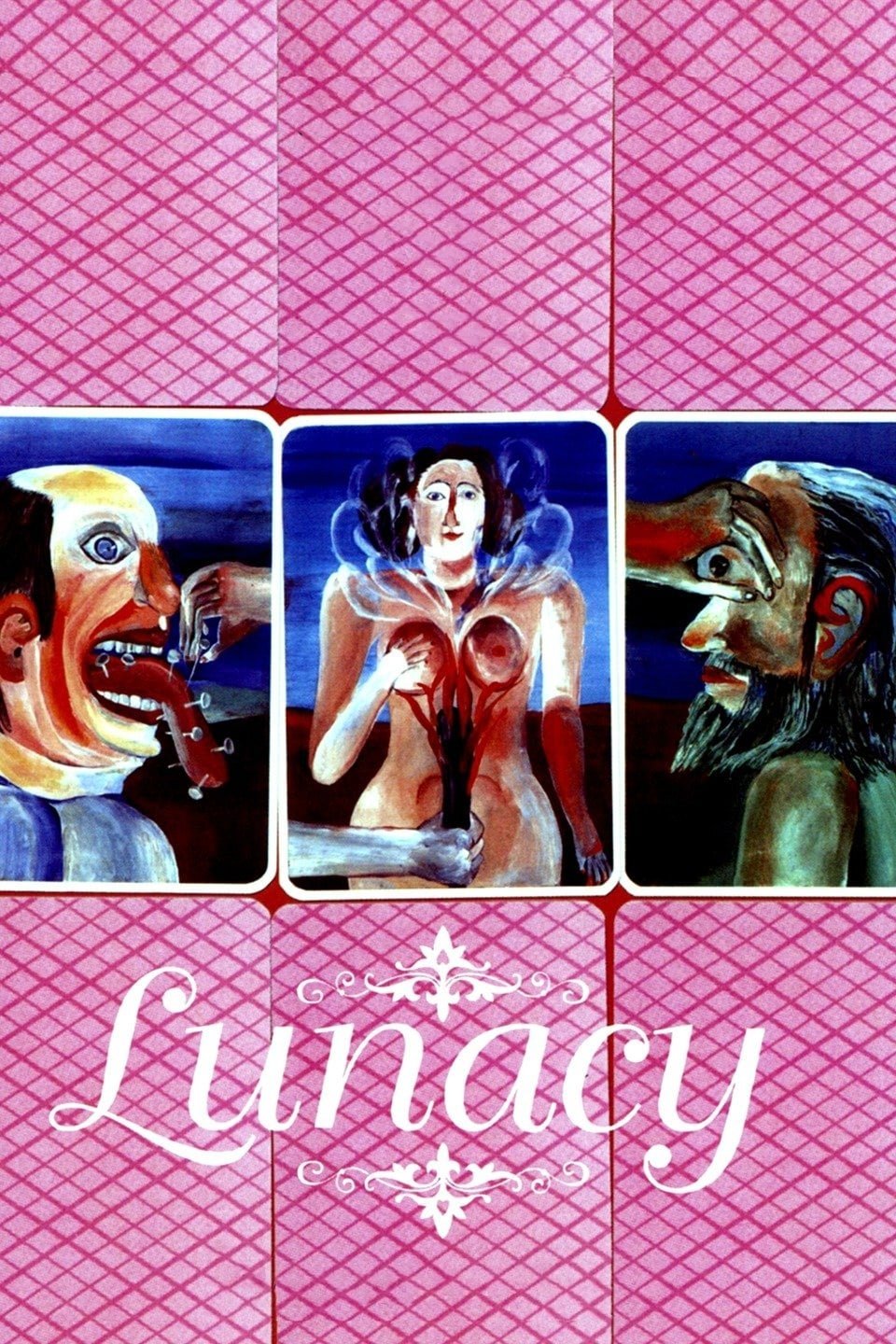
A man takes up residence with a mysterious marquis and is soon persuaded to enter into an asylum for preventative therapy. Things are not what they seem, and the marquis may be even more sinister than what the young man might have predicted.
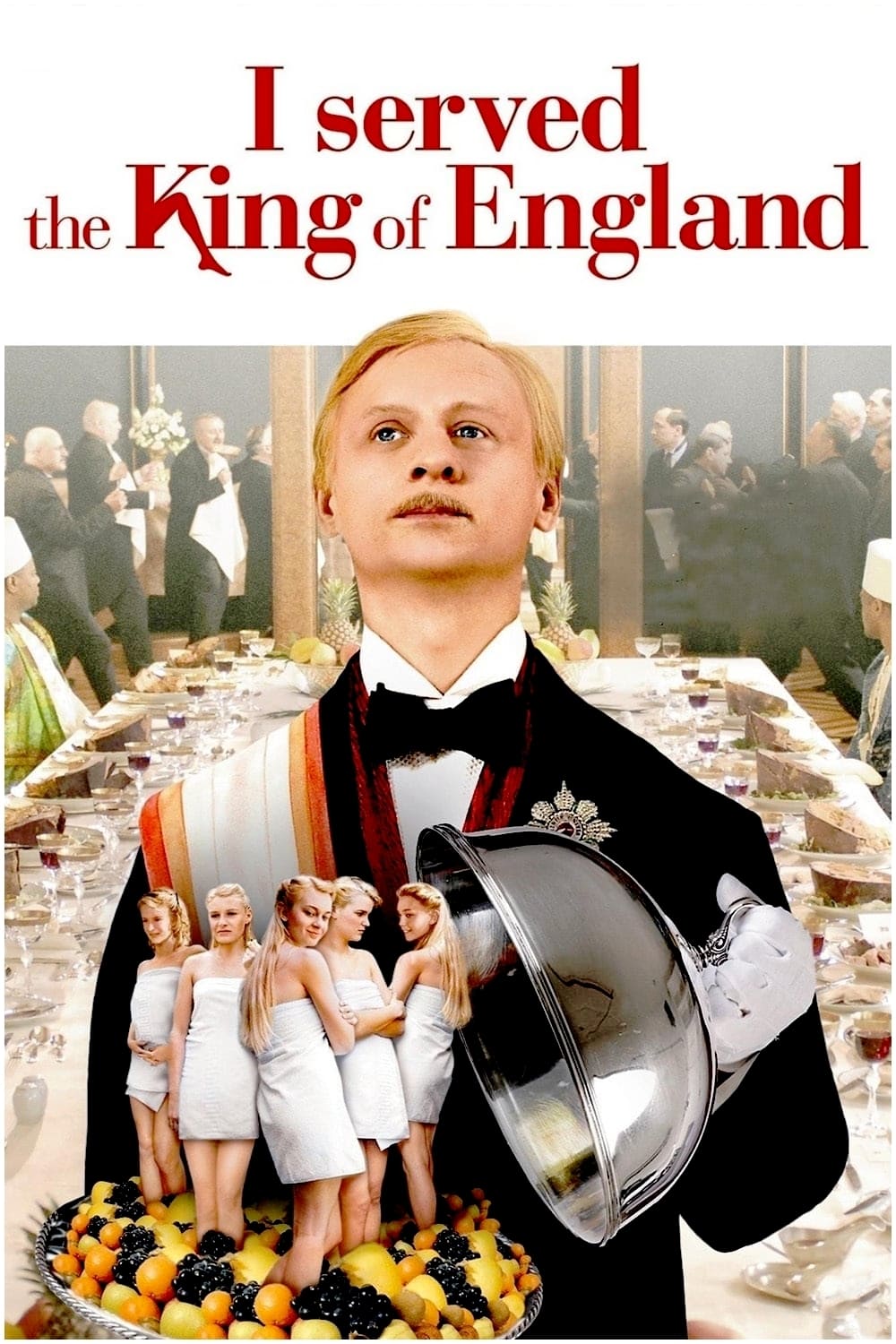
Prague, Czechoslovakia, during the inter-war period. Jan Dítě, a young and clever waiter who wants to become a millionaire, comes to the conclusion that to achieve his ambitious goal he must be diligent, listen and observe as much as he can, be always discreet and use what he learns to his own advantage; but the turbulent tides of history will continually stand in his way.
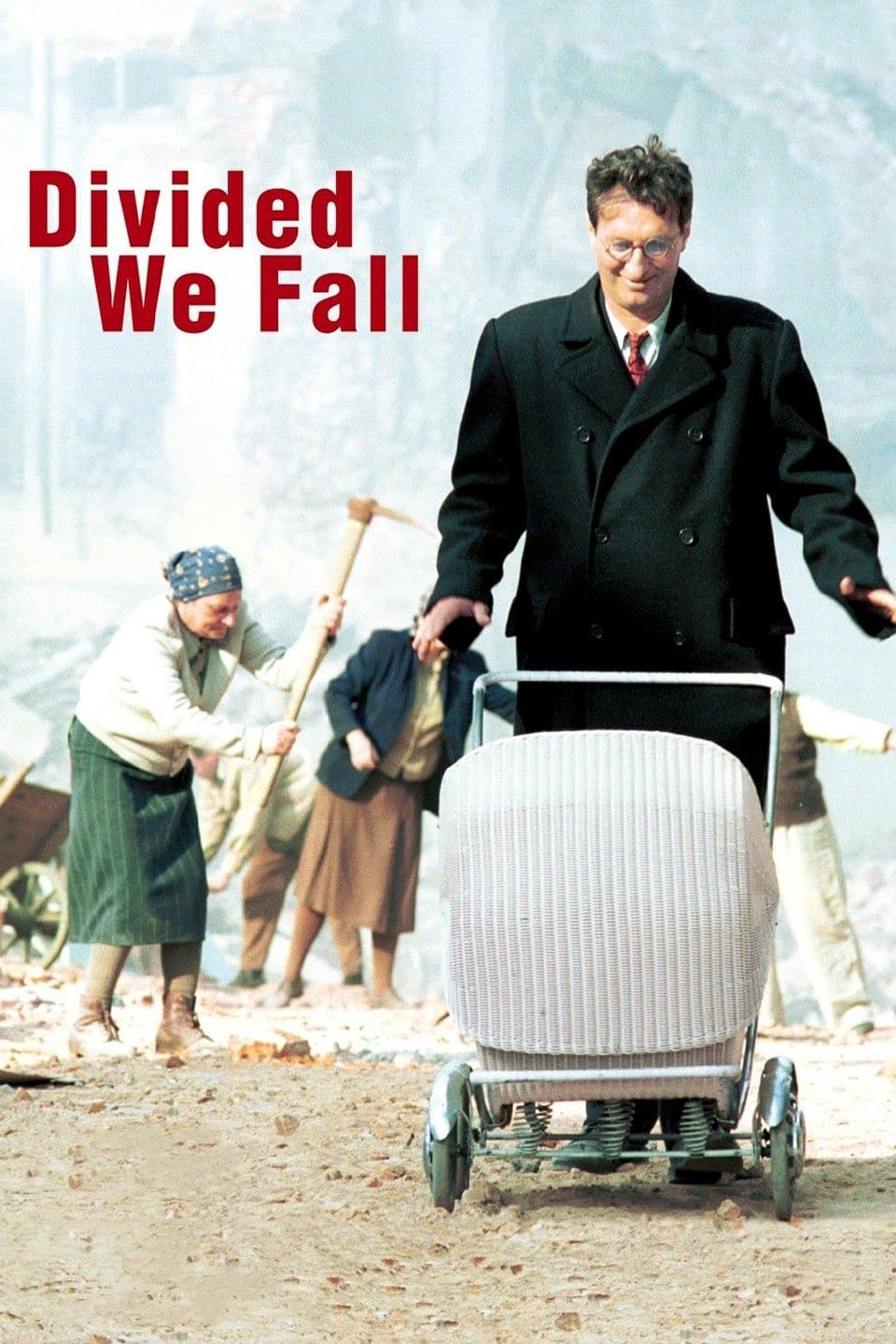
In 1943, a childless couple, the Čížeks, decide to hide a Jewish refugee, David Wiener, the son of Čížek's former employer, in the secret pantry of their apartment. Čížek is aware of the danger into which he has brought his household and his neighbours, but he takes helping his fellow man in need for granted. But at the same time, as a largely unheroic hero, he is dying of fear. His personal situation is greatly complicated by the approaching end of the war, when he faces danger from both the Germans and his "honest" fellow Czechs...
A television adaptation of Shakespeare's tragedy about the destructive power of wealth. Timon, a rich and generous Athenian citizen, gives gifts to his friends generously and magnanimously. He helps everyone in need, regardless of their status. However, he is surrounded by false friends who refuse to help him when his coffers are empty and his barrels no longer overflow with wine. The attitude of his friends shakes his faith in the goodness of humanity, and he retreats to a cave on the seashore, where he dies by his own hand, cursing the entire human race. Even the famous warrior Alcibiades knows the ingratitude of Athens. When he speaks on behalf of a soldier sentenced to death for a minor offense, the senators expel him from the city. Alcibiades, a man of action, does not give up, defeats Athens, and conquers it. However, he finds Timon already dead.
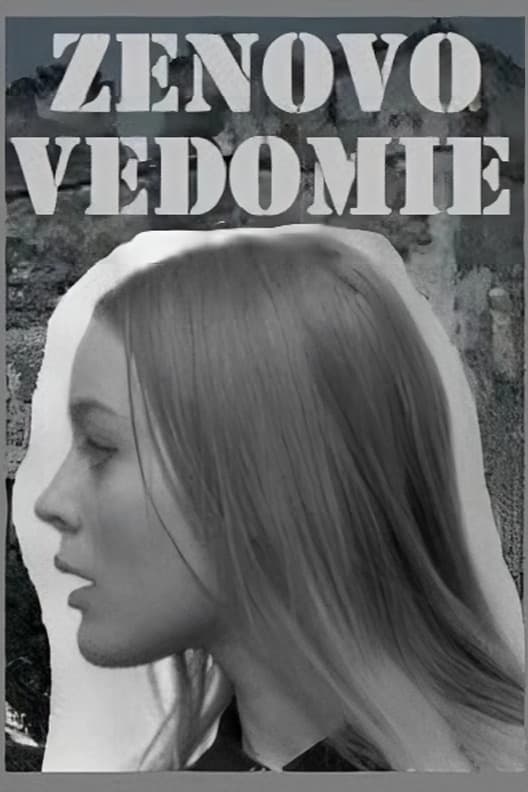
Television adaptation of the novel by the Italian writer Italo Svevo. His hero is Zeno Cosini, the son of a merchant in Trieste. He is a type of useless person, defeated by life and incapable of action. The ironic insight with which the author draws a picture of the townspeople of Trieste at the turn of the century sounds like an accurate diagnosis of a social class that is doomed with its entire lifestyle and morality.
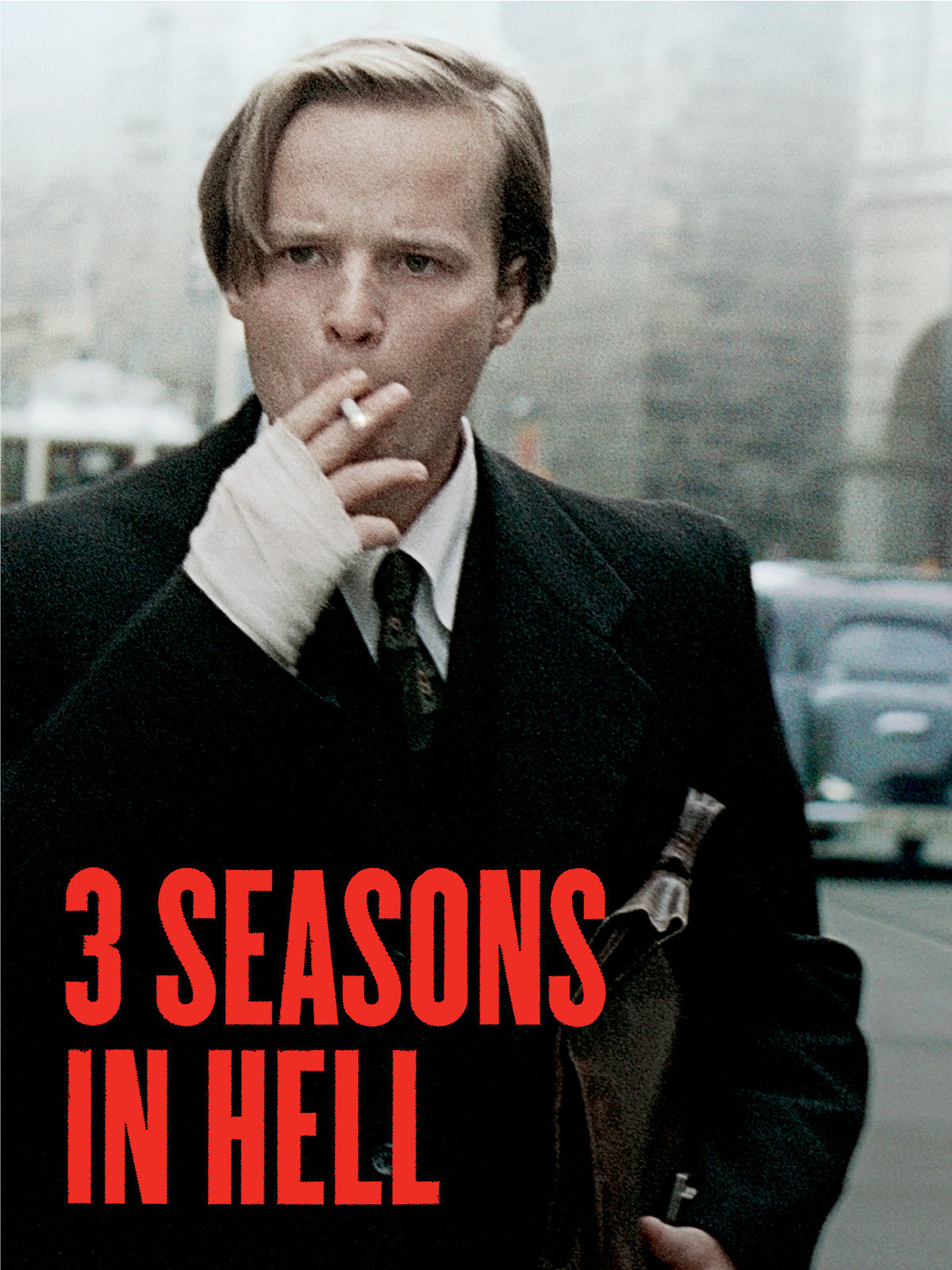
A 19 year old nonconformist poet living in 1947 Czechoslovakia is blind to the Communist behemoth looking over him, and instead lives a bohemian life with sexually liberated girls.
Television adaptation of the short stories "Laughter" and "The Man with the Heart in the Highlands" by the American writer William Saroyan.
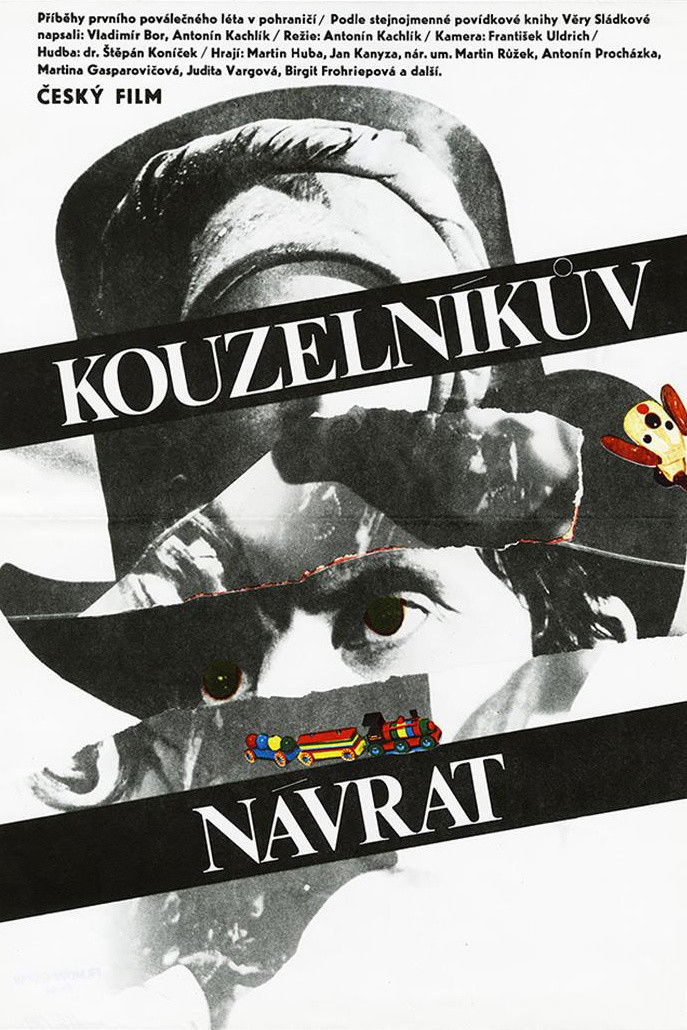
Although the title would suggest it, this film has nothing to do with fairy tales at all: it takes place in the North Moravian border region just after the end of the Second War. It presents a fragmented mosaic of the fates of many people, returnees and immigrants, who tried to start a new life and believed in a happier tomorrow. Although the director Antonín Kachlík tried to give the story a certain credibility, he submits to the ideological demands of the 1980s. North Moravian borderlands in the first post-war year: a disparate and fragmented sequence of episodes depicts the individual fates of returnees and new immigrants. Another title that perhaps did not even need to be created.
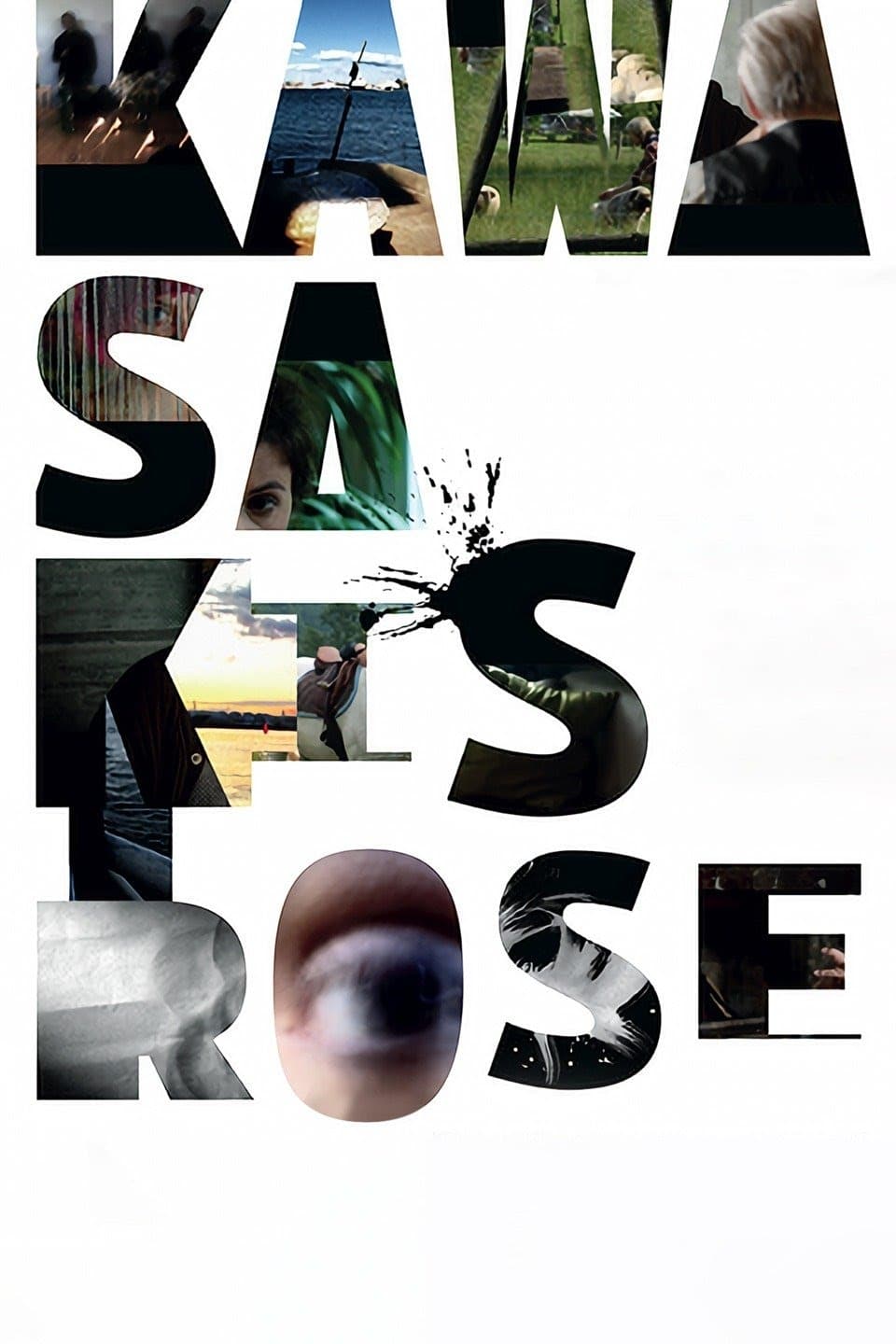
Loyalty, history and regret take center stage for university professor Pavel Josek, lauded for standing up to the communist regime when it counted most. But as a TV documentary starts to focus in on the facts of his past, new truths are uncovered which may threaten his reputation.
This satirical comedy gives a grotesque portrayal of social absurdities during the 1905 revolution in Russia. Somewhere in a remote province, the governor and the revolutionaries switch roles in order to pursue their selfish interests and conceal some serious "butter on their heads". Love affairs, fake assassination, lying as a way of existence, abuse of position, corruption and intrigue of the powerful - does this remind you of anything? If so, the resemblance is purely intentional.
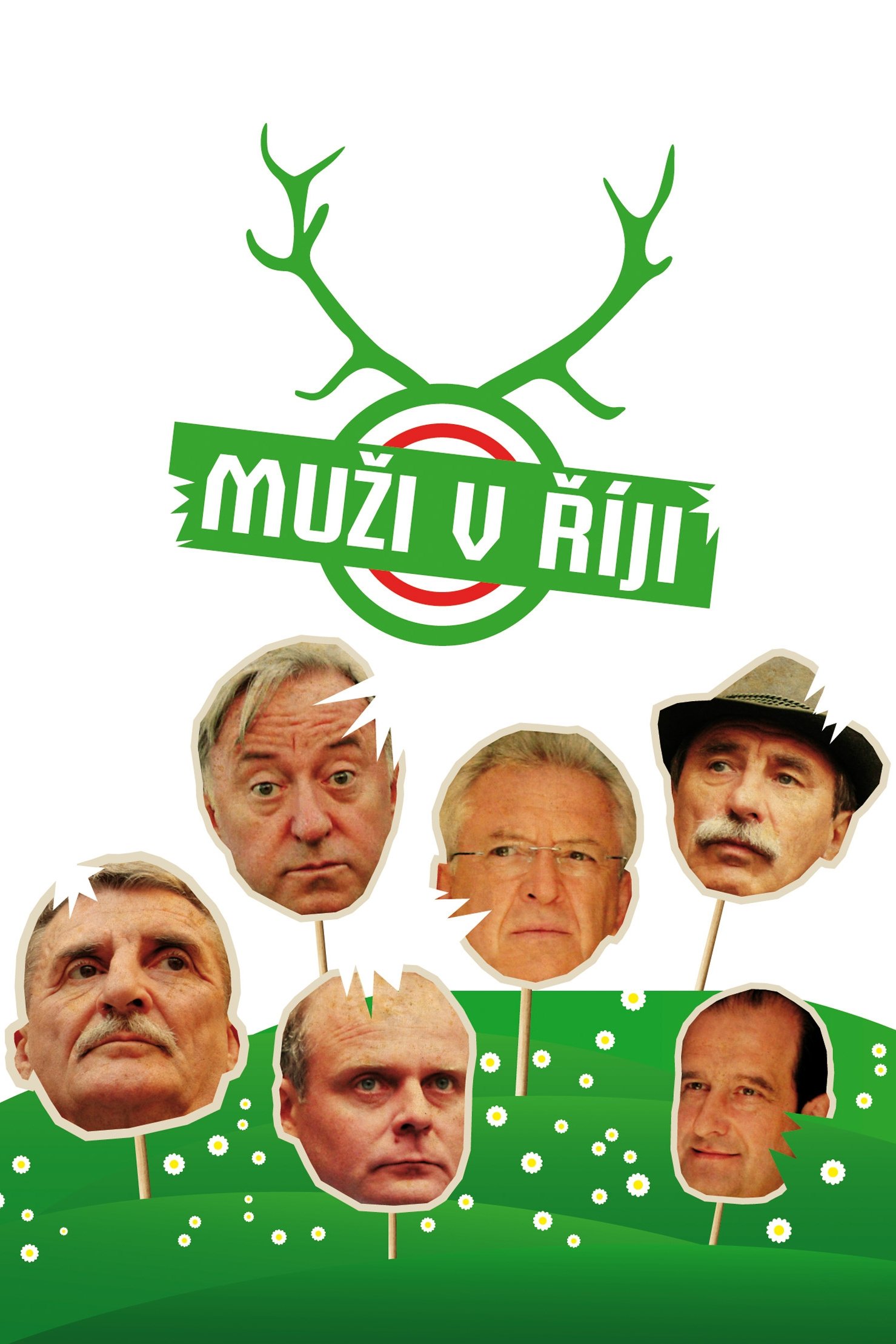
The story takes place in the small South Moravian village of Mouřínov, where the road ends. The residents long to become a "transit" village, and since there is a champion deer caller among them, they make a great effort to host the European Championship in this unique but interesting discipline. The village is busy with preparations, but that's not all. At the same time, the residents' obvious and unspoken relationships are developing, and just as the preparations affect their lives, their relationships affect the course of the preparations. And one day, the championship finally begins...
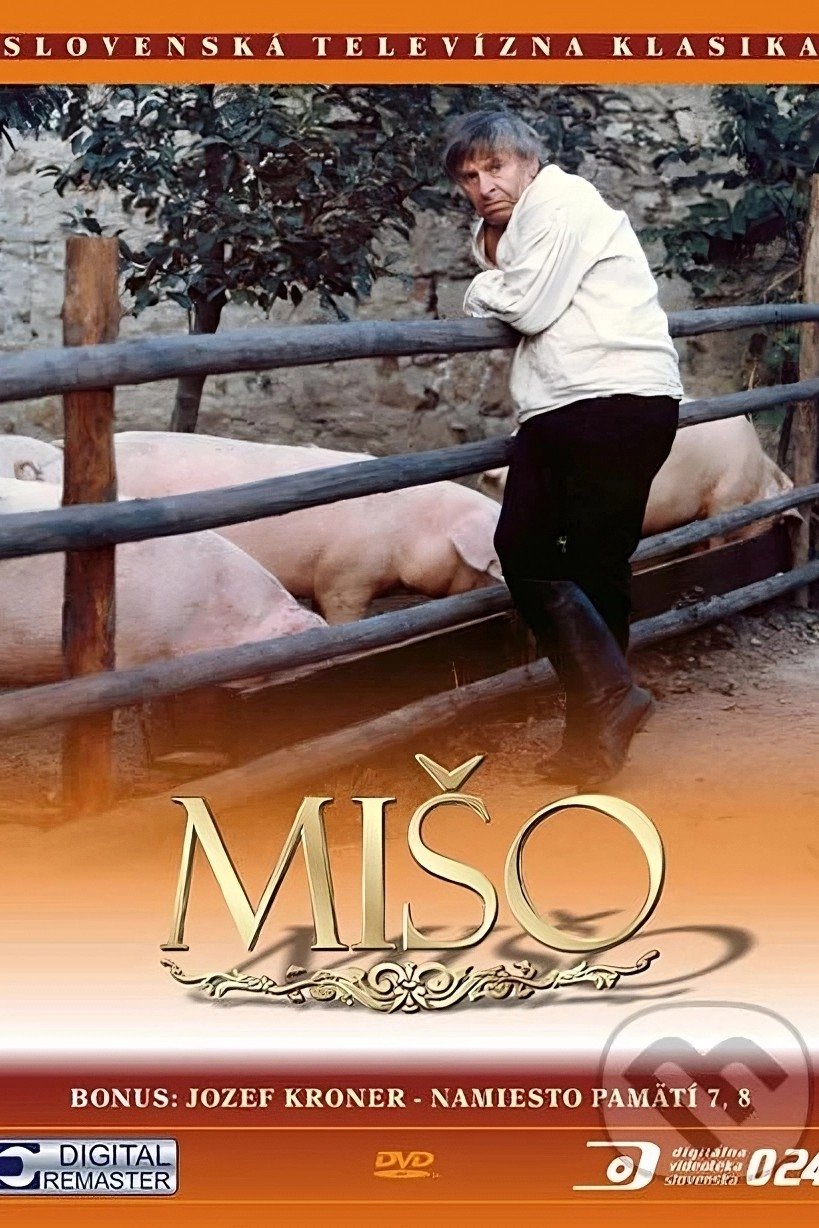
The author has endowed the main character of the humorous story, Miša, with a human weakness - a love for a drink. He struggles between the word of honor he gave to the priest Drozdík that he would not drink and the temptations of the surrounding world and the opportunities in the vineyards and at the fair, where everyone lets a tear fall down their throats.
Two 14-year-old girls Radka and Jožka are going through adolescent difficulties. One of them wants to buy a new dress, which her parents, who are building a house, cannot give her money for. In loosely connected episodes, both girls eventually achieve their goal, even though they almost sell the dress from the window. In the end, they get lucky.
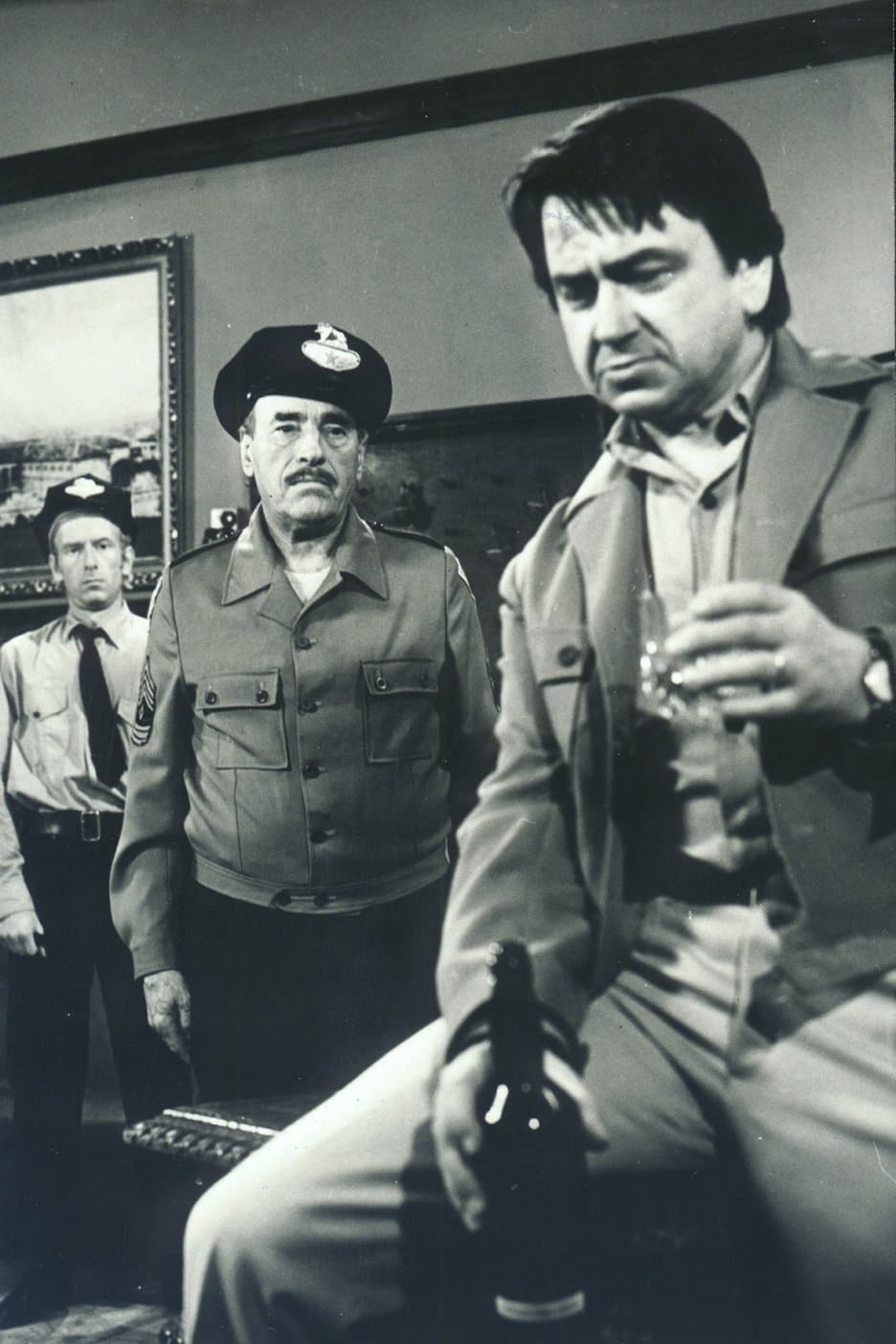
The drama of a man driven to crime by the mechanism of violence in an American prison. It is an indictment of American justice and the barbarically cruel methods of prison staff. Based on Jack London's novel "The Star Rover".
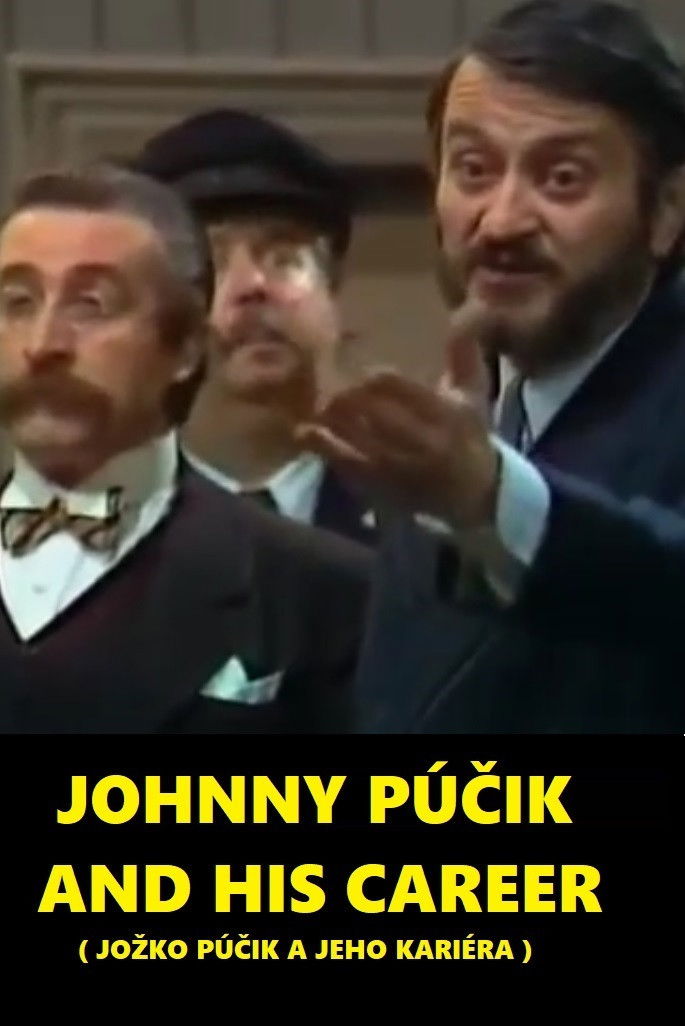
The TV adaptation of Ivan Stodola's satirical theatre comedy tells the story of a shy charity official who is looking forward to a definitive life with a charming colleague. One day, however, in return for a promised favor, he confesses to the embezzlement of three thousand crowns, which his womanizing boss "borrowed" from the treasury. When forty thousand disappears from his table, Jožko Púčik is automatically considered a thief and ends up in custody. The man passively accepts his fate because he believes in justice. Moreover, charitable associations begin to get ahead of themselves in paying support for him and his poor sister. However, the existing accusations are also added to the accusation of murdering the janitor. Jožko has a lot to do to convince the investigating judge that he is an honest man. However, as it turns out, this is the worst thing Púčik could have done...
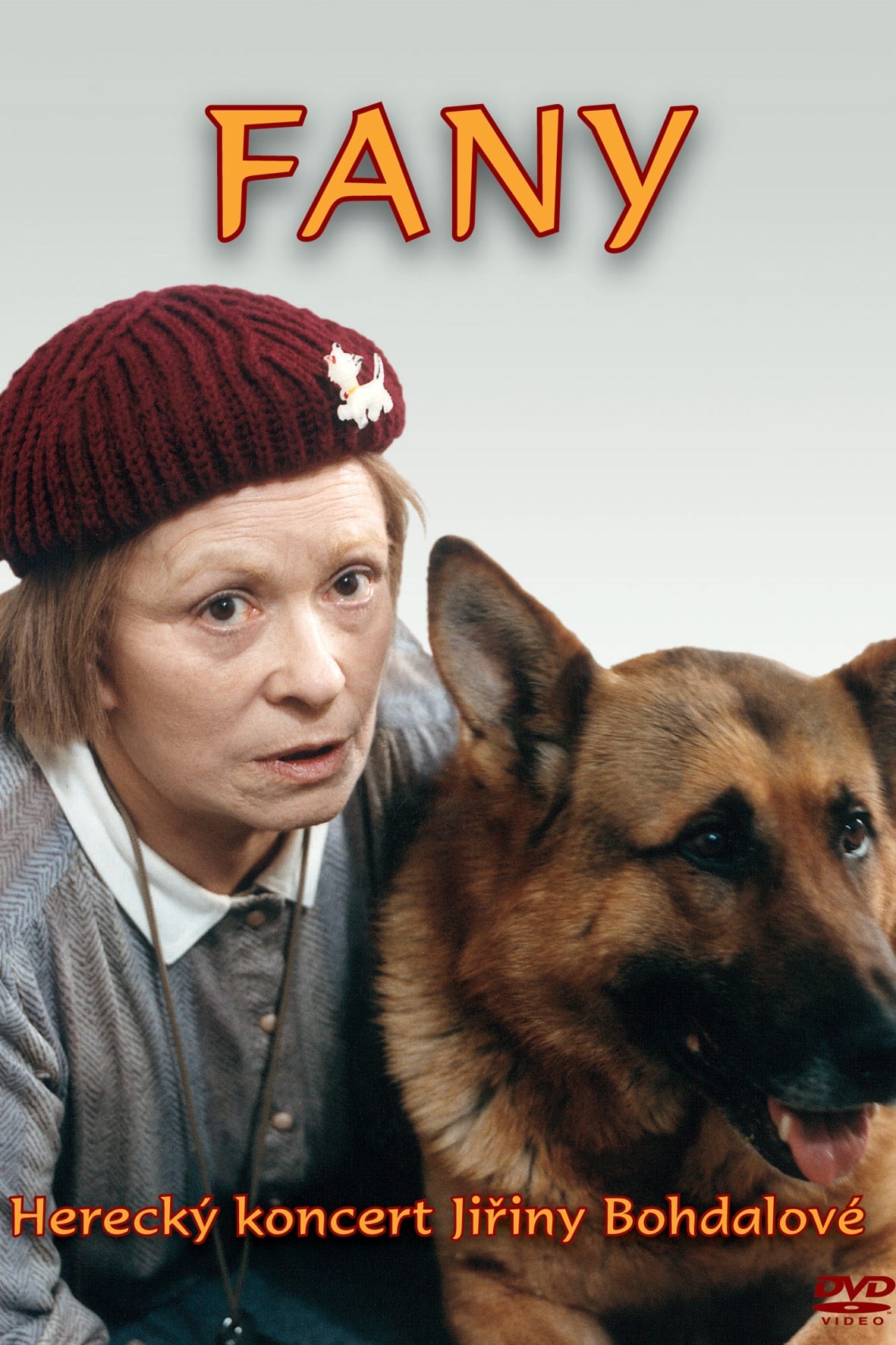
Oligophrenic Fany (Bohdalová) lives with her aunt who suddenly manages to travel abroad. Fany has to move to her sister (Jirásková). Two very different women, one mentally disabled and the second one intelligent doctor has to live together and learn from each other about tolerance, loneliness, life and why call dogs "Mister".
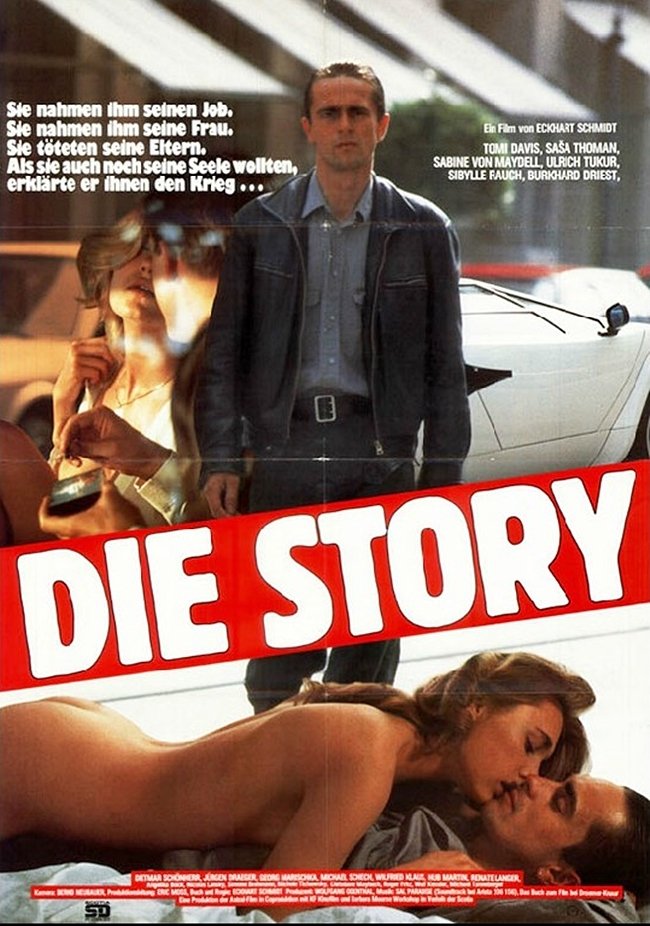
The young Munich sensational reporter Raoul Miller has attacked a lot of people in his cocaine report, who now take terrible revenge: they kill his girlfriend Raphaela and his parents. The drug mafia also ensures that Raoul loses his good reputation and becomes an outsider. But Raoul does not give up...
The original TV production of the fairy tale by M. Rázusová-Martáková.
Television production based on the short story by S. Zweig. The chess game played by two men is not only the central event, but also a metaphor for a story about human aggression, guilt and liberation.
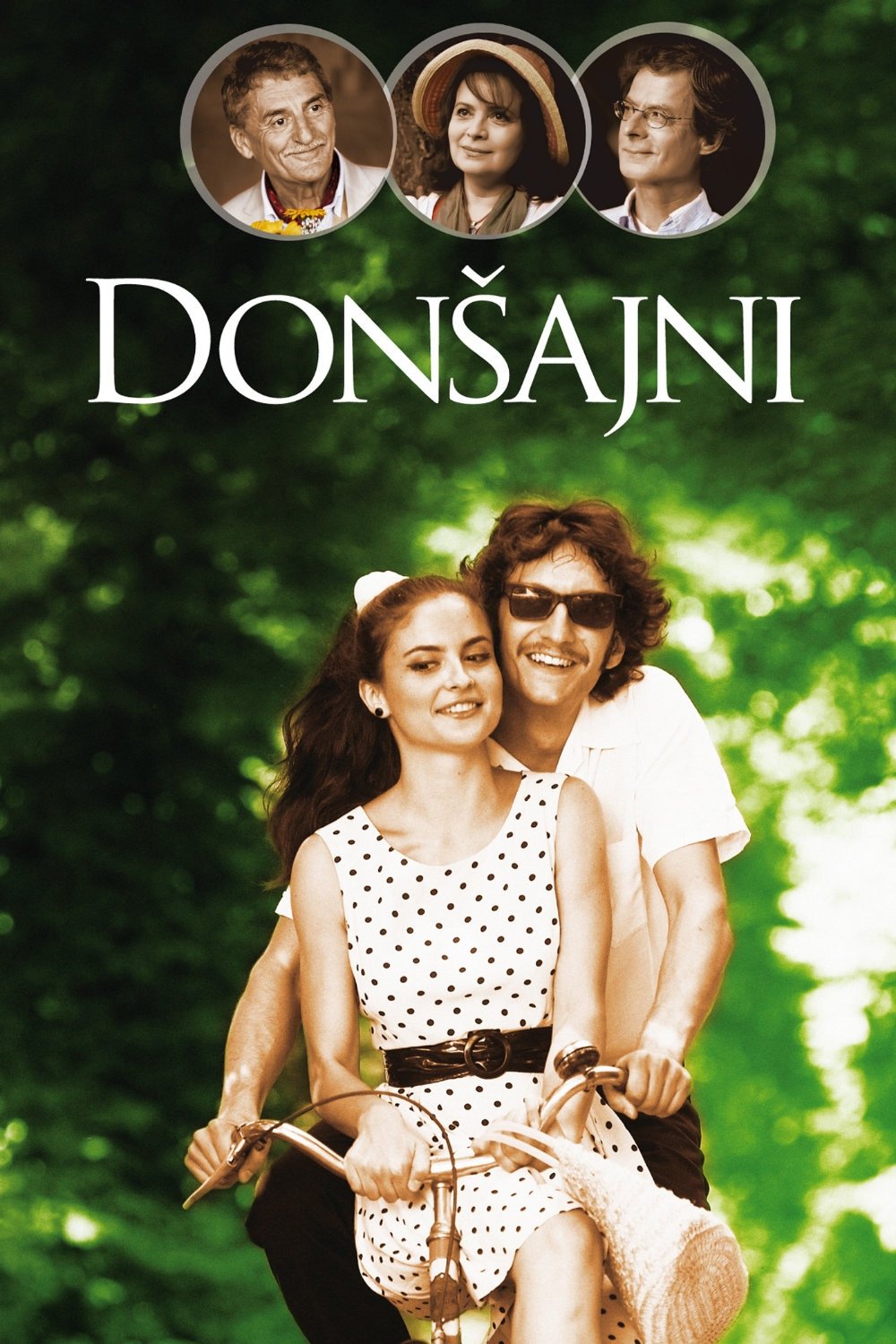
An opera troupe in a small town decides to perform Mozart's Don Giovanni. The view behind the scenes uncovers the world of opera without the glitter. A tale of love and disappointment, about music and passionate love-making and about people that live their lives in spite of the opera.
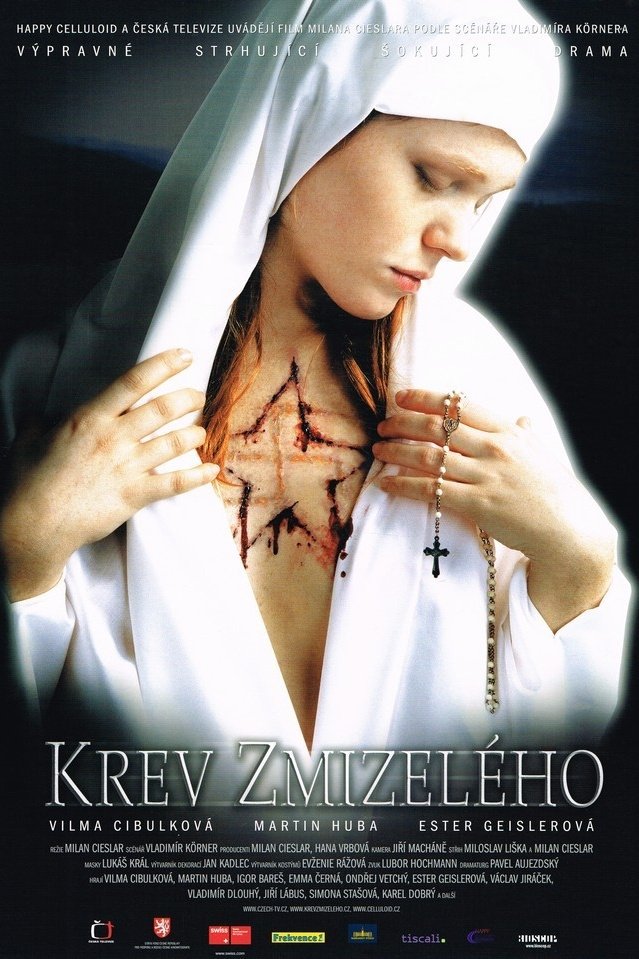
The nurse Helga meets Baltic nobleman Arno when he's wounded in the Russo-Finnish war. They have a short but passionate affair before Arno is called back to the front and dies. Helga has a daughter, Dorli, as a result of the affair and they have to struggle to survive after the Red Army wins the war.
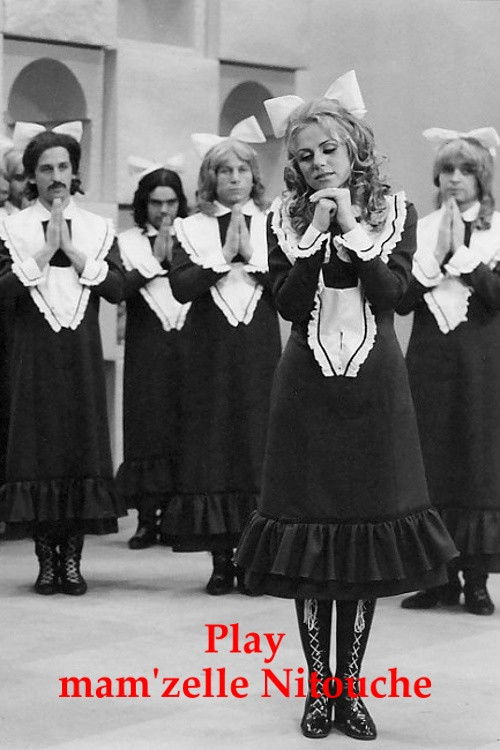
Television movie based upon motives of novel "Dávid Šťúbrik" by G. K. Zechenter - Laskomerský. Supposed natural healer Dávid is infamously known to worsen the health of people he heals. His daughter and town notary make him face a serious problem.
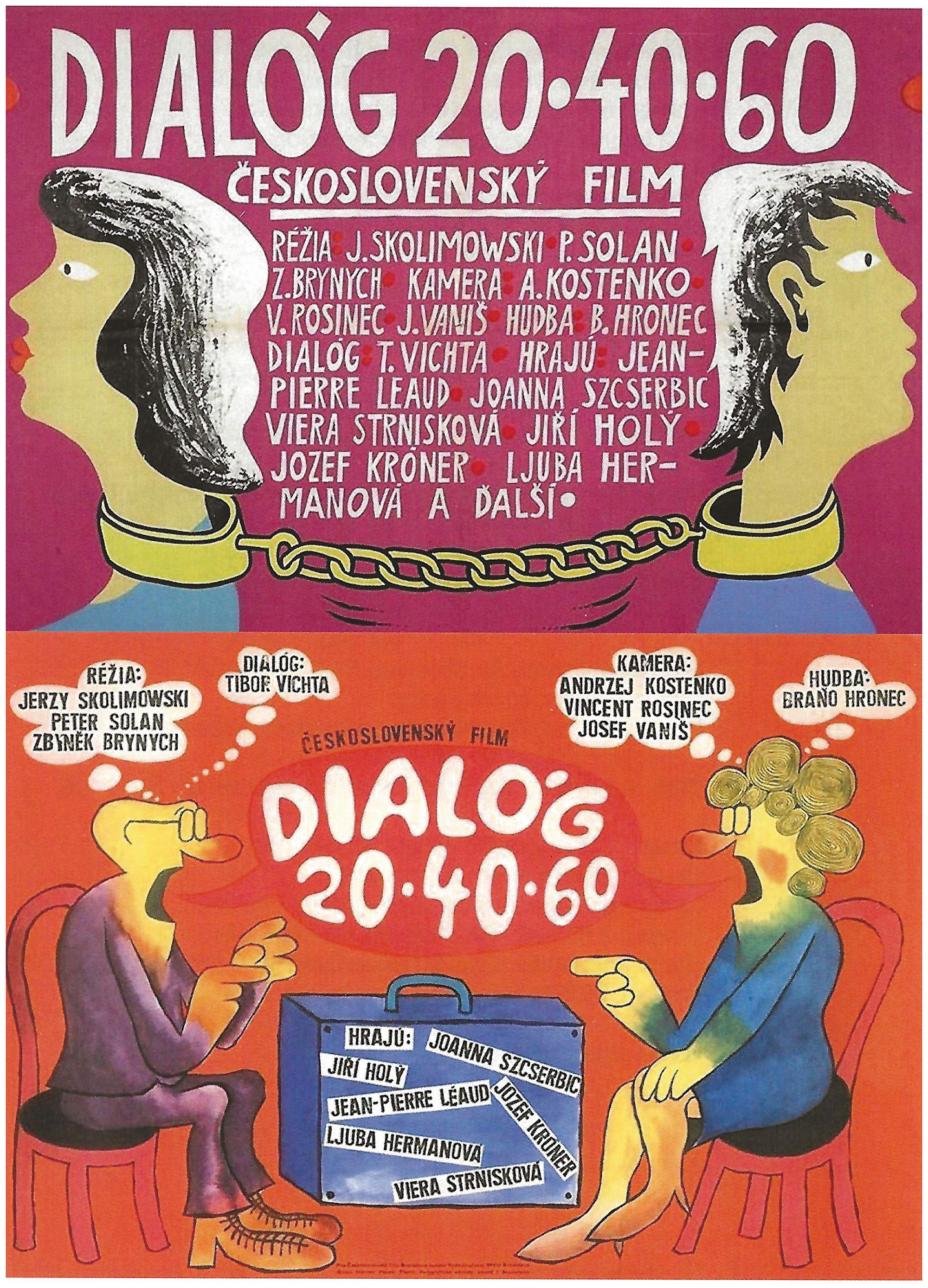
"Using the same, three times repeating dialogue – dramatic conversation between man and woman – Jerzy Skolimowski from Poland, Slovak director Peter Solan and Czech director Zbynìk Brynych shot three different stories. The result was an extraordinary experiment in the world cinema, which we can call an insight in the relationships of men and women of different age groups, an analysis of love and marriage of those who are at the beginning, in the middle or going towards the end of their life."
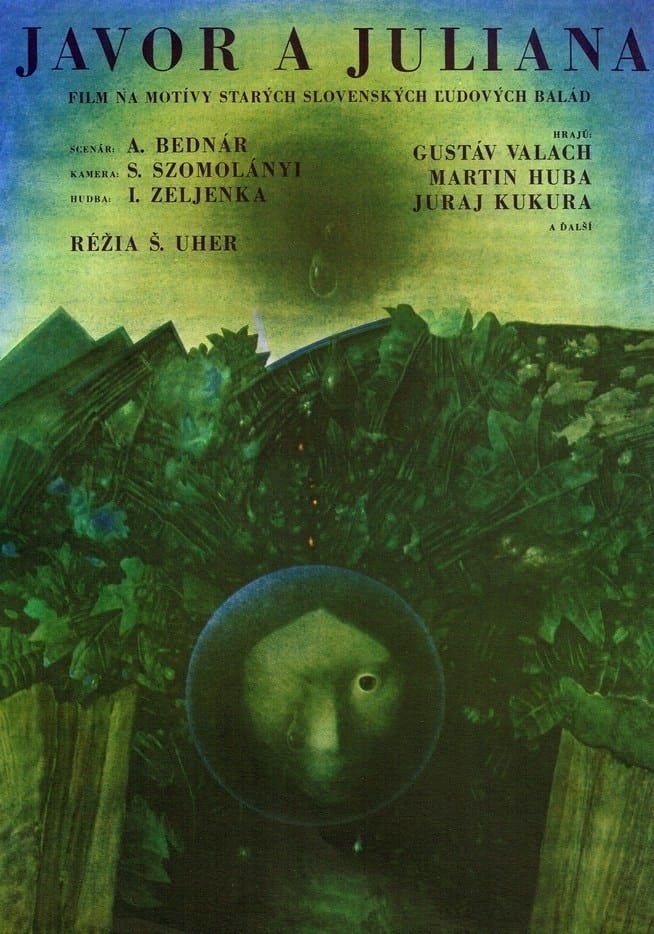
A girl is transformed into a maple tree by her impulsive and angry mother. Three poor wandering musicians come by the tree and create instruments from it. Walking around the country instead of happiness they bring death everywhere with their cursed instruments. However they cannot get rid of them, unless they bury the wooden instruments at the place of the tree. The three are anything but harmonious, each taking in their disputes various stances.
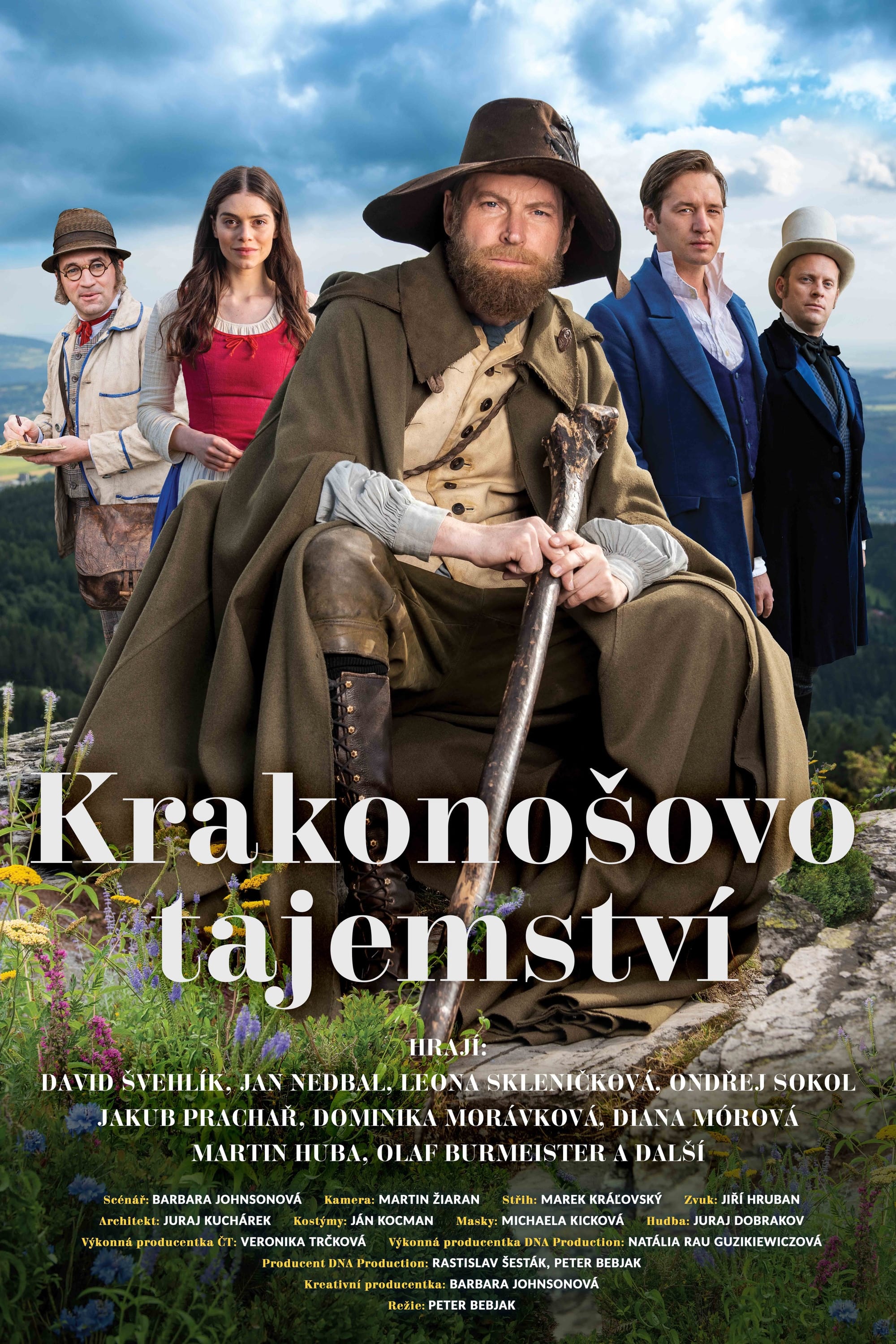
The new owner Štěpán arrives at the castle at the foot of the Krkonoš Mountains with his fiancée, the beautiful countess Blanka, and his younger brother Adam. There is another new visitor in the mountain town, the ethnographer Jiráček, who collects local legends and is amazed that the local people still believe in Krakonoš. Štěpán's carriage knocks down a passing girl, whom Adam helps and she falls in love with him. Will Liduška's love for Adam come true? What mystery does the painting at Hůrka Castle hide and what terrible thing once happened in the mountains? Who will decipher the mysterious marks of the Italian book? And who is Krakonoš and what is his biggest secret?
The characters in this fairy tale dream of love, but they also crave power. They are capable of helping and loving, but also of betraying. They are brave and weak, beautiful and twisted. A painting of a beautiful maiden was hidden in the darkest tower of the kingdom. The prince discovered it and decided to search for his beautiful maiden in the wide world. His dream girl Mahulena really exists and has long been dreaming of the prince. The prince must overcome the intrigues of the evil stepmother and also fulfill three wishes that Mahulena came up with to get rid of her suitors...
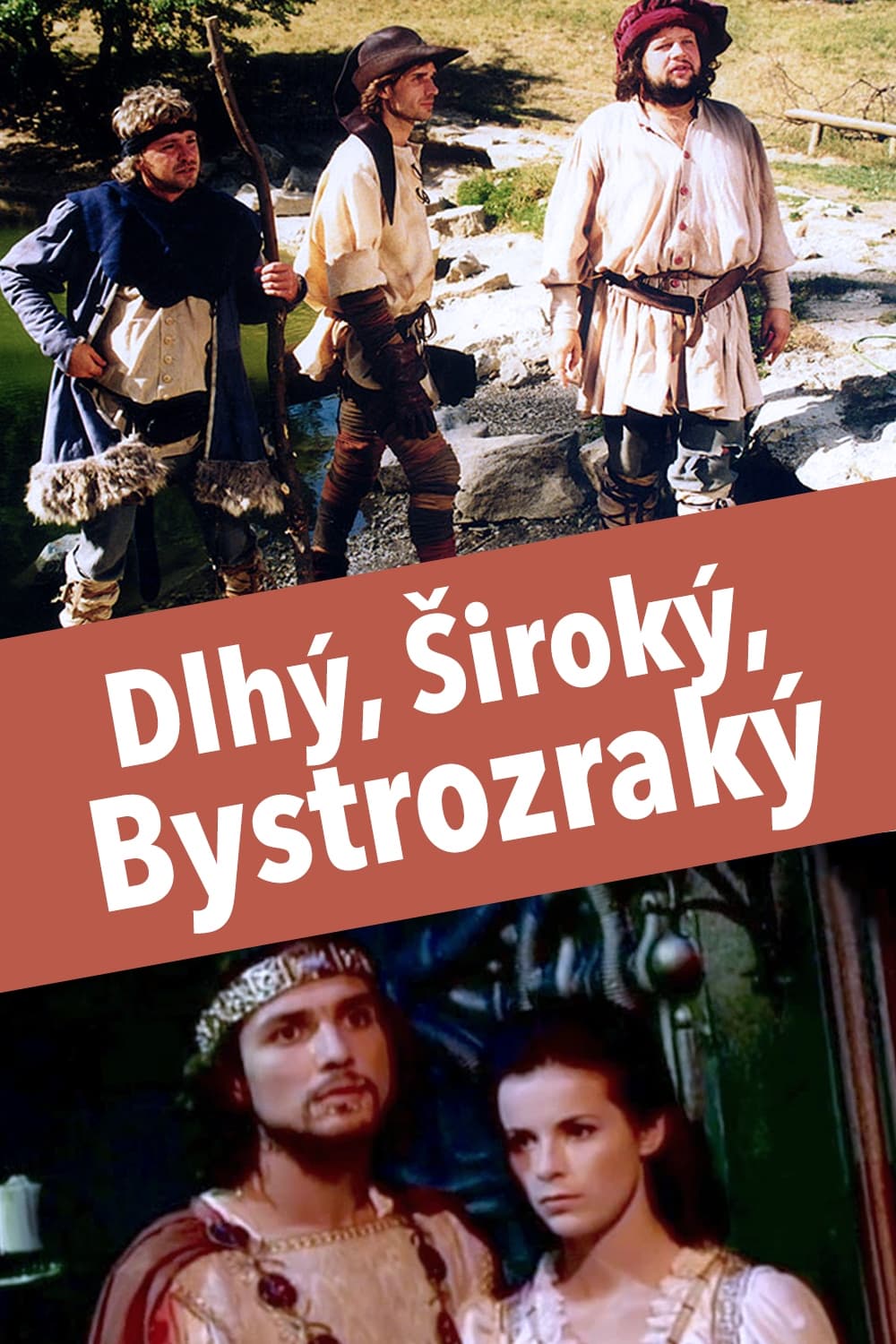
When magic and malice combine to gain power, bad times can come to the land - and that's exactly what happened in the kingdom our story takes you to. An evil sorcerer decides to kidnap Princess Kvetusha, and out of his desire to control everything, he is aided in his quest by his sister. The young prince decides to set Quetusha, his bride, free. In order to do so, he must not only overcome many hardships along the way, but also accomplish almost impossible tasks at the wizard's castle. He succeeds only thanks to the help of three friends: the Long One, who, when stretched, can reach perhaps to the stars; the Wide One, who, when stretched, can hold more than all the barrels in the world; and the Bright One, who, even blindfolded, can see more and better than the others in broad daylight. They free the princess, punish the evil, and go out into the world to help more. Who knows, maybe these - or other - friends will one day help you too.
Based on the paradoxical life story of a small-time Viennese postman, a former classmate of the "great" Hermann Göring, this television drama depicts the difficult position of the so-called "little man," first under the Nazi regime and later in the postwar years, when fascist tendencies continued to survive.
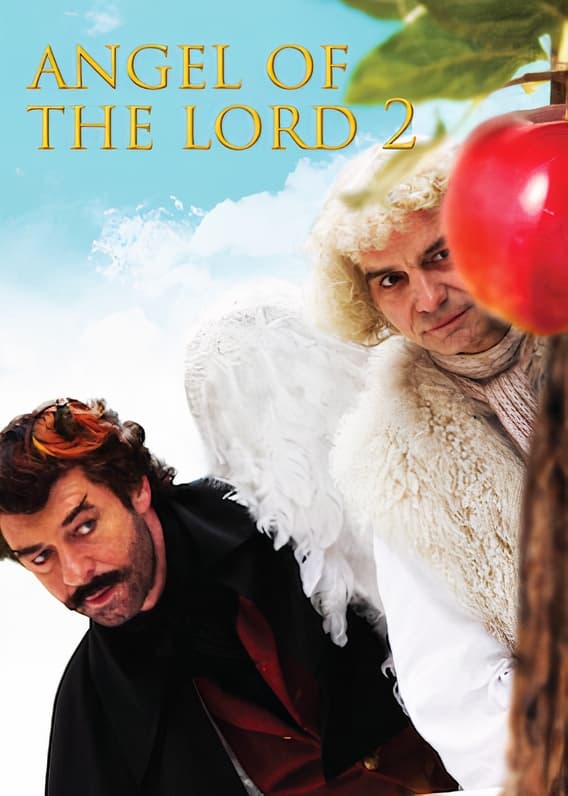
A story that takes place during Advent, we'll meet again with your favorite pair angel Petronel and devil Urias. Their eternal wrangling causes the rare apple from the tree of the knowledge to roll on earth. And that God is really angry. Petronel with Urias find themselves in a small Czech town on the eve of the feast of St. Nicholas. And after a series of human and "divine" tests our heroes eventually find that the path to knowledge leads primarily through self discovery through the strength of friendship, love and forgiveness skills.
A tragedy of great and bloody conflicts, turbulent emotions and clashes, centred on a couple torn by passion – Macbeth and his wife, who persuades him to seize the throne. Macbeth murders the king, but must fight for power against the king's descendants.
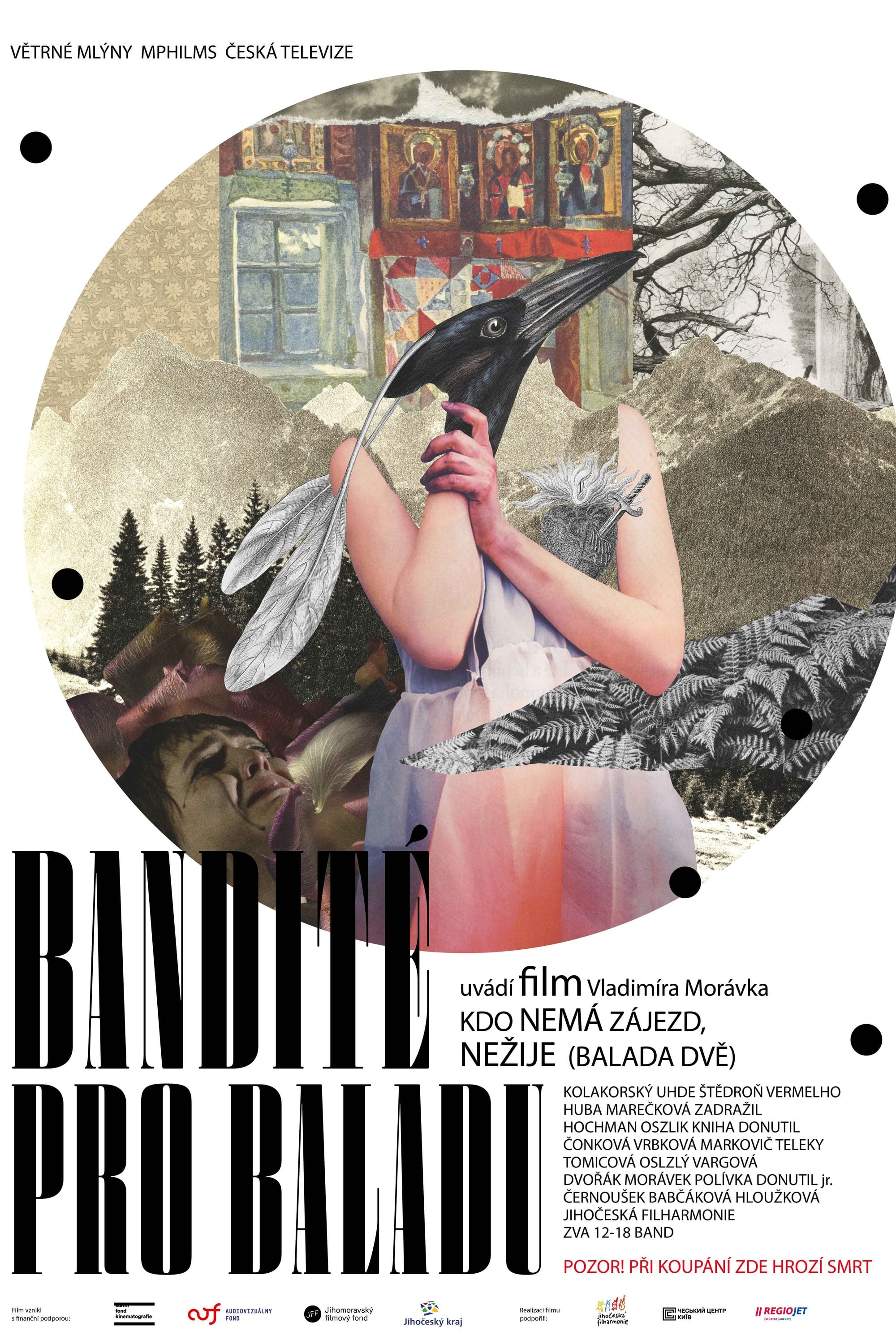
“A burned-out group of Brno intellectuals decides to go to Kolochava in Ukraine to perform ‘A Ballad for a Bandit’ there.” With these words, the author's collective presents their film, in which they use primarily documentary imagery to compose a lyrical grotesque about an epochal trip, which might be their goal. But it doesn't have to be. The main tool of expression here is the film’s edit, which places various shots, statements, and meanings next to each other, often in a sort of productive conflict. Just like in a poem, the “poetic function” of art and its ability to serve as the primary tool for expressing beauty is manifested in full force before our very eyes.
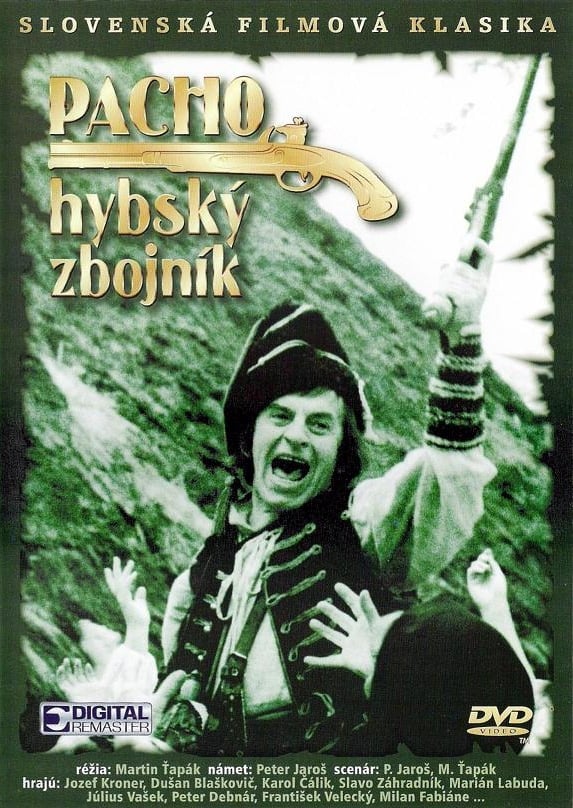
A funny outlaw tale inspired by traditional folk humour. Pacho is no ordinary outlaw. He detests injustice and feudal oppression and he copes with each troublesome situation with the help of his cleverness and wit.
A dangerous maniac is on the loose in the city, targeting women... The last episode of the free Slovak crime series depicts the fight between law enforcement officers and a maniac who threatens women. An unknown young man cuts several girls with a razor on the street. The victims only remember that the perpetrator was wearing a hat with a pompom, like many men wear. There are also many suspects. The investigator of the case, Captain Hroncová, is in a difficult situation, especially after another crime occurs. This is the murder of her classmate, whom the perpetrator even warned about his intention by phone. The captain, risking her life to uncover the murderer and, with the help of her colleagues, eliminate him...
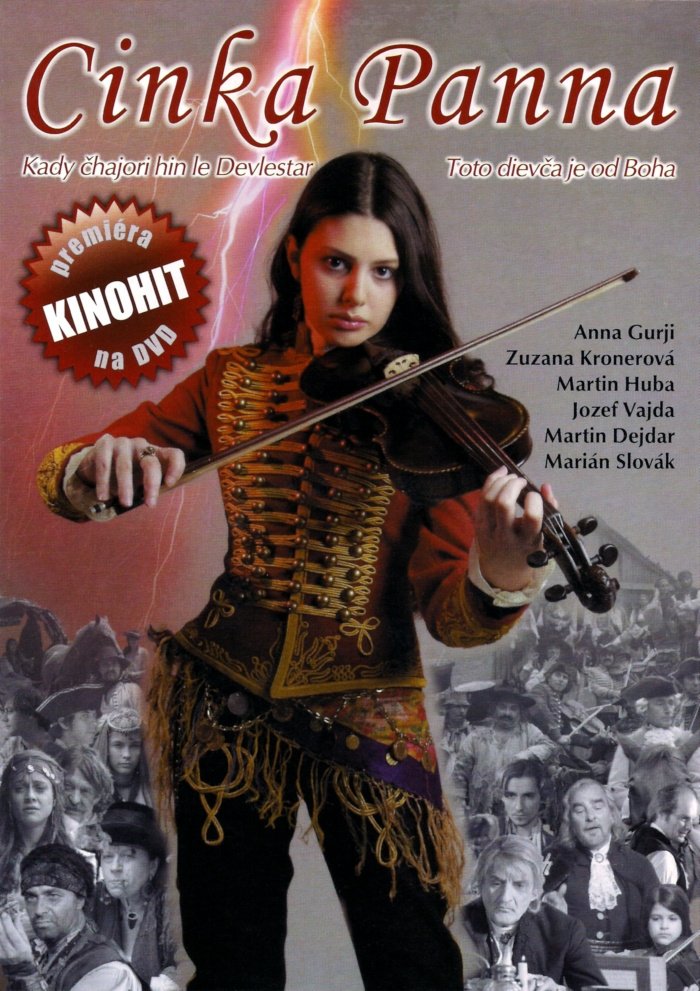
The most famous gypsy prima donna, Cinka Panna, lived and worked in the 18th century at the crossroads of two worlds: the aristocracy she played for and the gypsy community in which she lived her private life. A community that had its own rules of existence. In the spirit of tradition, she was sold into marriage. A young woman's desire is to succeed in a traditionally male profession. To become the first prima donna. But the goal requires sacrifice. Historical, narrative, the story captures a universal theme: the struggle for recognition and a place in the world. It reminds us that times and costumes change, but human problems remain... And these are what make the film's story timeless.
The story takes place at the beginning of the 20th century. Little Lojzík, whose mother was killed by lightning, lives on a farm with his father and an old farmhand. The harsh world has taught him to perceive images that remind him of his lost mother's embrace. He searches in vain among people for someone to whom he can once again become emotionally attached. He finds no support or security in his father, his mother's sister, or his stepmother Róza, even though she was the only one who showed compassion for the boy at the beginning of their life together. The only one who truly shares Lojzík's fate as an abandoned child is an ordinary chicken...
Television adaptation of F.M.Dostoyevsky's short story. In a comedic form it presents a picture of the life of the St. Petersburg bourgeoisie, who fill their lives with amorous adventures.
Dancing through Slovak history of the twentieth century. Based on the Theatre du Campagnol performance "Le Bal" by Jean-Claude Penchenat, written by M. Huba and M. Porubjak. A dance locale - a place where people who are looking for partners come together. Lonely individuals become couples, people who were strangers not so long ago become partners and lovers. Outside, conditions change and regimes change, the country is overwhelmed by great history, the whirlwind of the World War, the communist coup, the hopeful spring of 1968, the fraternal occupation, the Hussite normalisation, November 1989 and the collapse of Czechoslovakia. Only those lonely dancers on the dance floor remain the same - with their human longings, their ridiculousness and their unfulfilled dreams.

Film makes the creative process visible by letting its narrative flow in the mind of a foreign director who is researching a film about Franz Kafka in Prague. Based on the principle of dreams and free association, segments unfold that deal with the various points of view that Kafka's work, personality and fate offer. In the labyrinth of his mind, the fictional director projects himself into situations from the author's life, with Kafka himself as his guide. At the same time, he delves into the history of the persecution of the Jews and glimpses the monstrosity of the bureaucratic apparatus that Kafka anticipated but could not have foreseen the monstrous size and function it would grow to a few years after his death in the institutionalized genocide and overall machinery of Nazism.
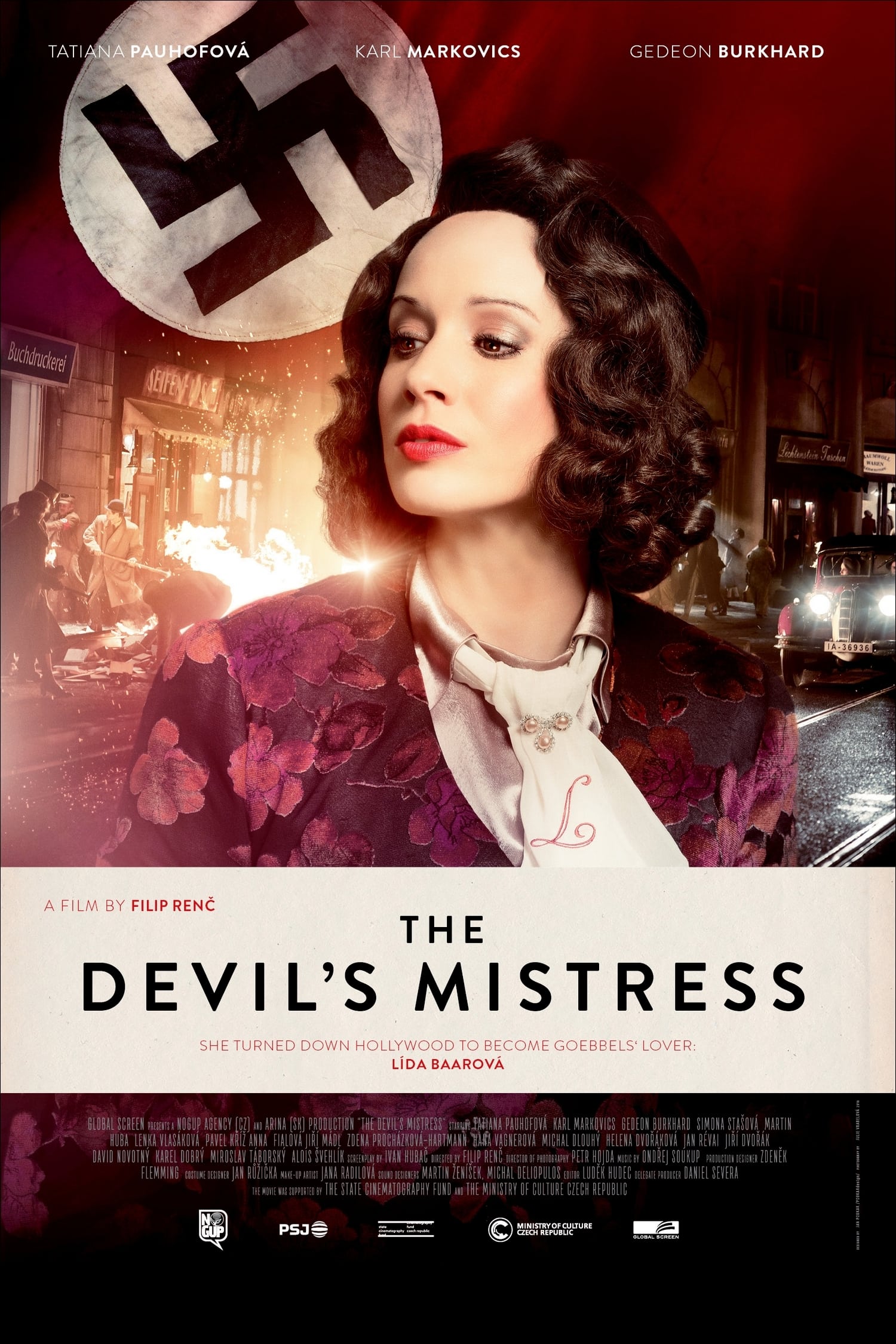
Salzburg, Germany, 2000. The elderly Czech actress Lída Baarová tells a journalist the tumultuous story of her rise to fame in 1930s Berlin and her passionate relationship with the sinister Joseph Goebbels, Minister of Propaganda of the Third Reich.
Zivorad, unassuming young man from the village, is 'pushed' from his uncle to high positions, becoming a police inspector who is looking for hashish, a scientist, a man who rises agriculture land and whatnot...
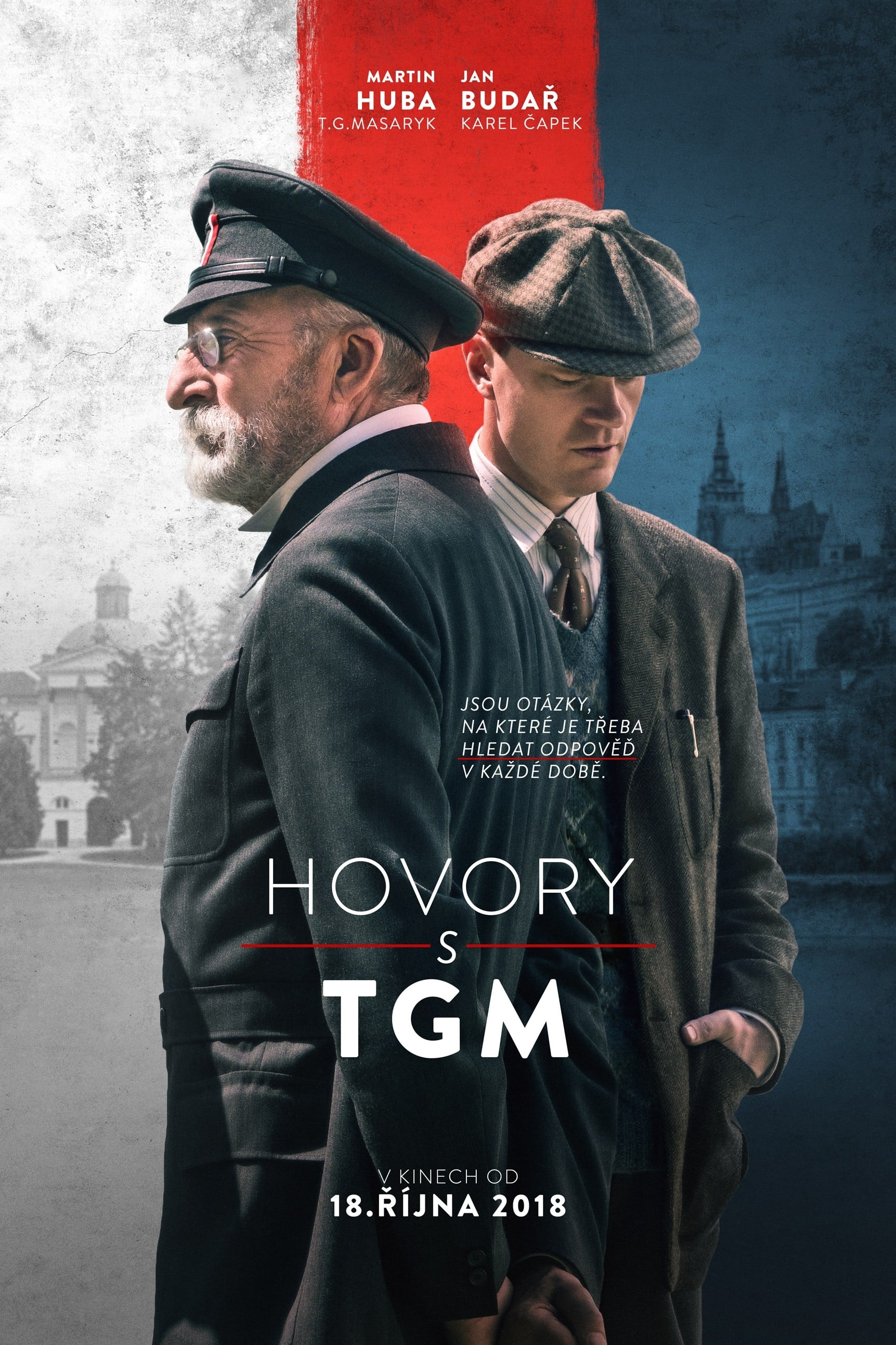
On 26 September 1928, Karel Capek and President T.G. Masaryk meet in the gardens of Topolcianky castle to decide about the fate of their joint literary work. Their fiction film dialogue is based on quotes from a future book and their mutual correspondence, considerably freeing the original format of literary conversation from binding conventions. Capek and Masaryk reproach and offend each other, but they also ask key personal questions and questions about the social functions of a writer and politician respectively. "It's a film about two extraordinary men; it's about the fact that emotions can be sometimes more powerful than ideas even in such exceptional people.
The film tells the story of the relationship between a mentally disabled uncle and his nephew, whom fate brings together at a certain moment, gradually forming a bond between them that is a demonstration of the strength and "power" of friendship. This is then put to the test by those who, for various reasons, try to separate them. Among other things, the film is a confrontation between the two main, innocent protagonists and those who lost their innocence long ago and are guided primarily by what can benefit them, often at any cost.
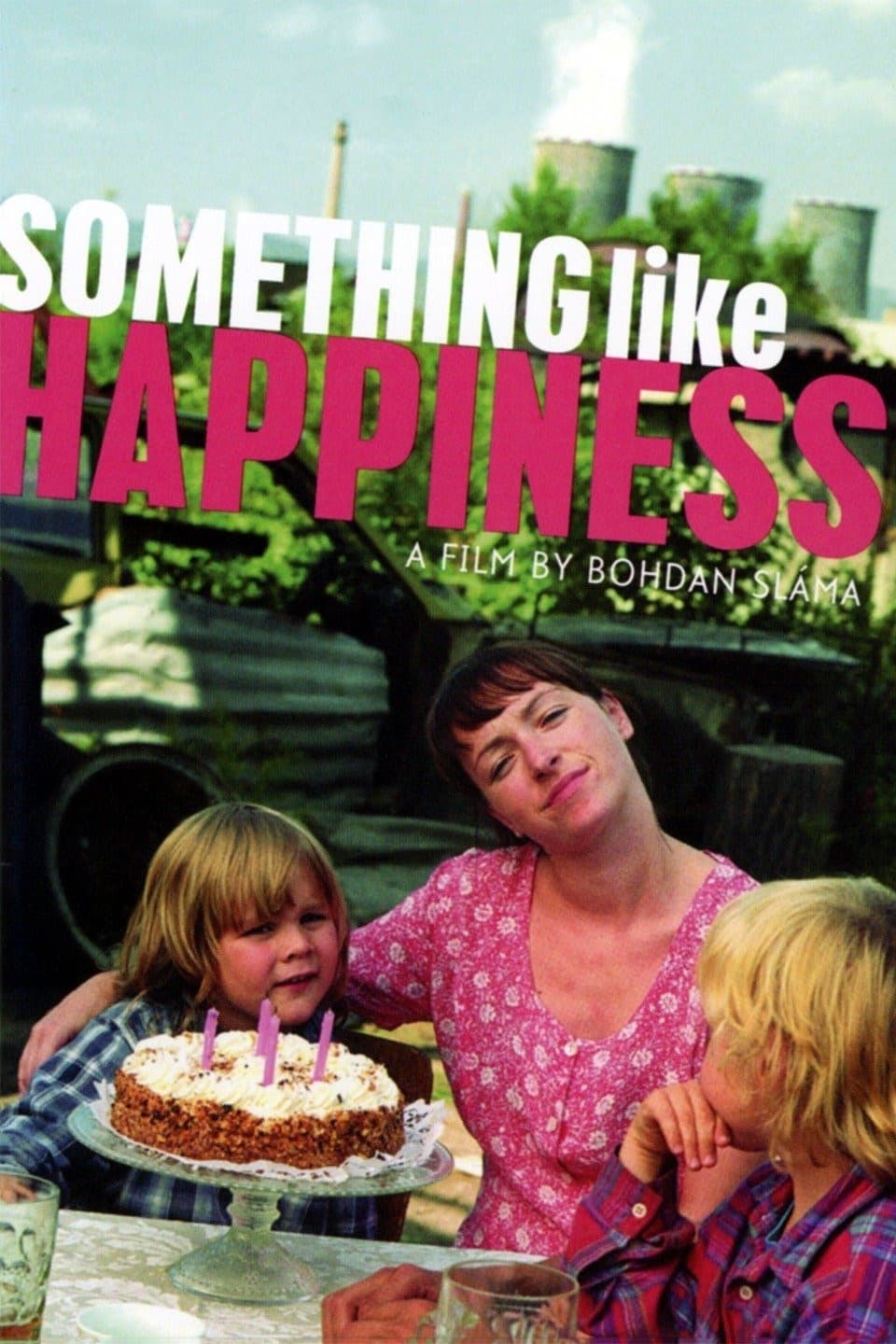
Over the course of a year, in a small town scarred and beaten down by industrialization, Tonda and Monika, friends since childhood, come to experience what life might be like if they could be with one another – which they seemingly can't. Or can they?
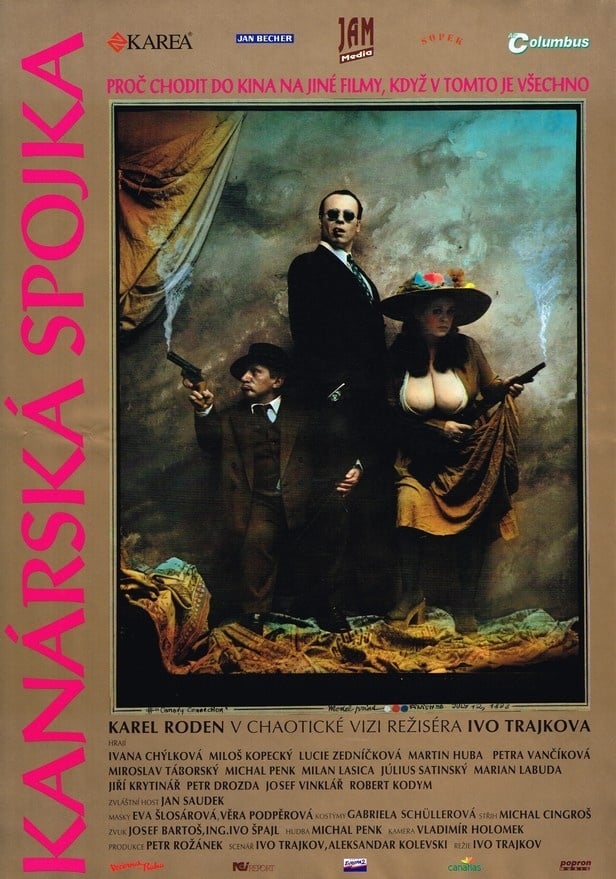
An interesting attempt at a postmodern crazy comedy with elements of parody. The plot turns on the search for the recipe of a liqueur made by the film’s financial backer.
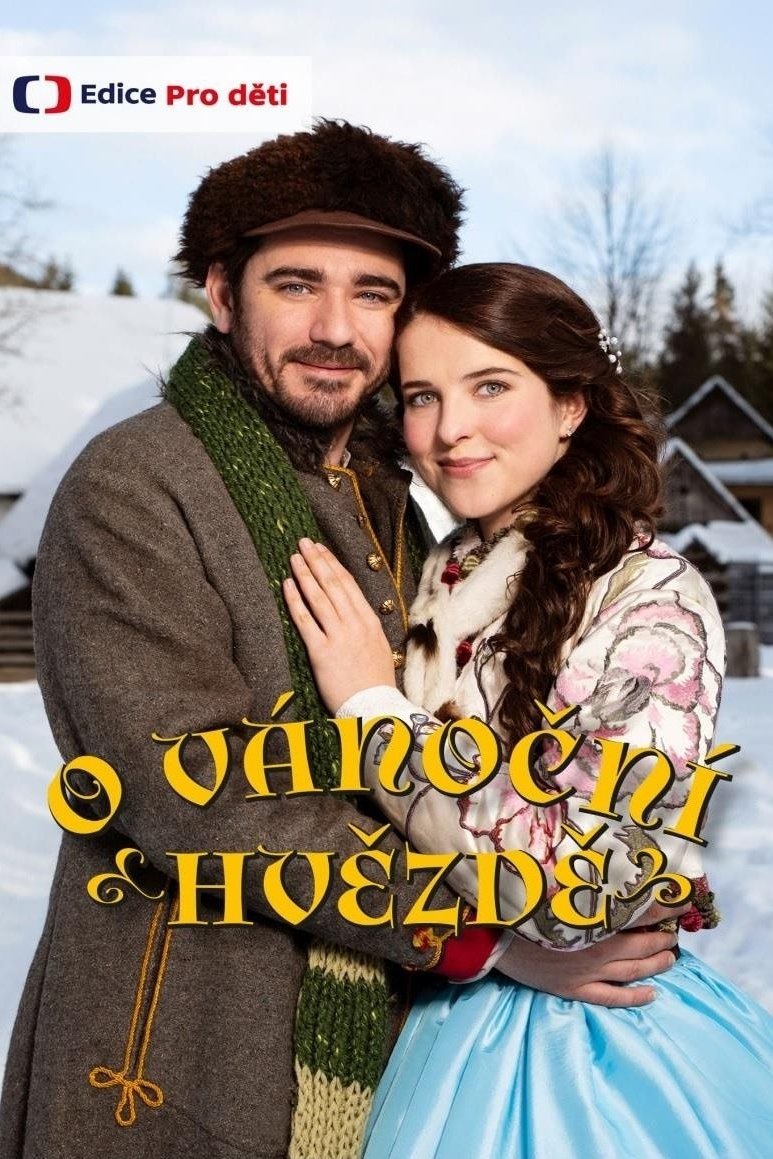
The star Svituška, paired with the admired Sirius, is one day cast down to earth by the jealous star Proxima. Svituška falls into a village where she is found and cared for by a teacher named Václav. Svituška has only a few days to return to the sky or she will perish. She relies on Sirius to rescue her, but intrigues by Proxima keep him away. Each evening, Václav watches the princess skating on the frozen lake and harbors a secret love for her. One night, Svituška accompanies him and, upon seeing the princess, rekindles her own light, fueled by the power of Václav’s pure love for the princess. With Václav’s help, Svituška will survive until she can return to the heavens.
A dramatization of a novella by American writer Henry James. This subtle, psychologically profound story is narrated by young literary scholar Henry Jones, who, while searching for documents related to the romantic poet Jeffrey Aspern, finds himself in Venice at the end of the 19th century. Juliana Bordereau, whom Aspern sang about in his work and who owns much of his correspondence, still lives there. However, Juliana refuses to show it to Jones because these letters are the only link connecting her to life. Jones therefore decides to resort to trickery. He moves in with Juliana under a false name as a lodger and, by pretending to be in love, wins over her niece Tina, who is ultimately willing to help him. However, it soon becomes clear that such manipulation of people, even if motivated by a noble goal, does not pay off.
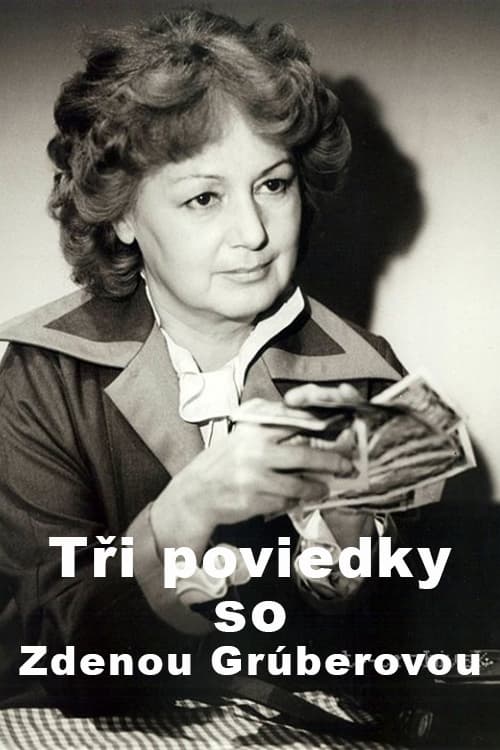
TV adaptation of short stories from the world of humour. In the dramatised short stories Seven Teapots by M. Saki, The Substitute by G. Maupassant and Signora by L. Pirandello, we will see in the main role the outstanding Slovak actress Zdena Grúberová.

The story of little orphan Michálek, whom the greedy greengrocer Haboš wants to rob of his cottage, so he lures him on a journey to find treasure and abandons him in a dark cave. Dobroděj, Lord of Radhošť, shows Michálek the way to a magical flower in an enchanted garden. The boy must overcome many of the sorcerer's traps and returns as a grown man. The evil sorcerer kidnaps Countess Bělinka from the castle, and Michal sets out to find her.
A television film about the life and times of Slovak emigrant Štefan Banič, who was granted a patent in the United States for the invention of the parachute.
A TV adaptation of a novel by Austrian writer Stefan Zweig. The tragic love story of a lame girl and a lieutenant provides a framework for reflection on human compassion. A young officer wants to gain status and is looking for a "good match." He insinuates himself into the home of a local wealthy man, partly because he loves his niece. Under unfortunate circumstances, he discovers that the wealthy man's daughter has been paralyzed from the waist down for some time. She takes the officer's apologies and frequent visits as a sign of affection. She believes him and begins to hope again that she will recover. This is also so that she can be an equal partner to him, like other women. At first, the officer plays along.
At the beginning was the Slovak television series Lekár umierajúceho czasu (Doctor of Dying Time), dedicated to the Rudolphine-era scientist Jan Jesenius. He ended up on the scaffold along with other gentlemen after losing the anti-Habsburg uprising. When director Miloslav Luther conceived the idea of making an abridged version of the footage for cinema, he had to not only rebuild the storyline but also dub it into Czech. However, the result was only an illustrative puzzle, describing the various stages of the hero's turbulent life.
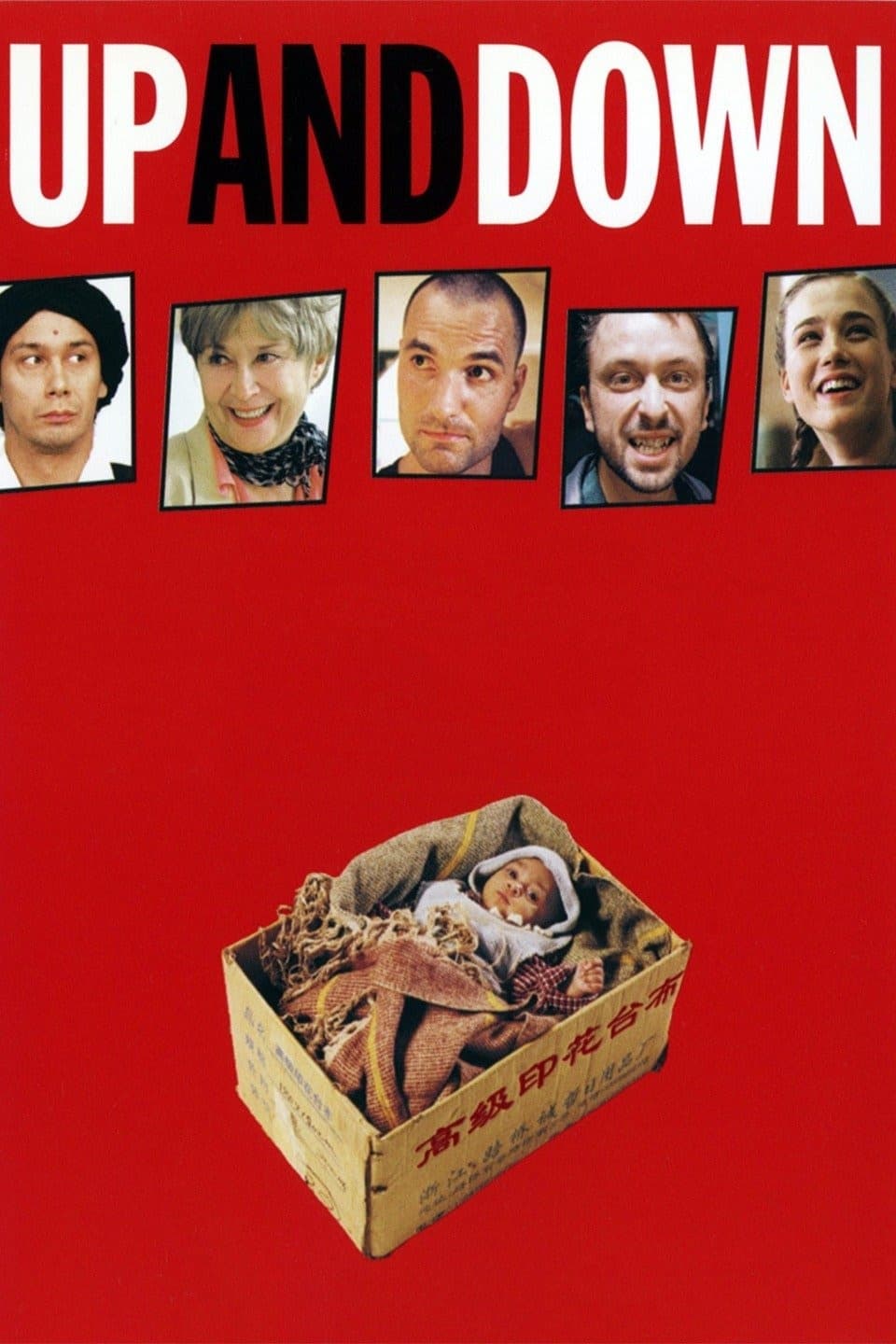
Milan and Goran are two criminals who smuggle illegal immigrants. One night after they complete a smuggle, they discover that one of the immigrants has left a baby behind. Milan and Goran decide to sell the baby to Lubos and Eman, who are responsible for running an illegal baby adoption center. Lubos and Eman make attempts to sell the baby to Miluska and Frantisek, a barren couple.