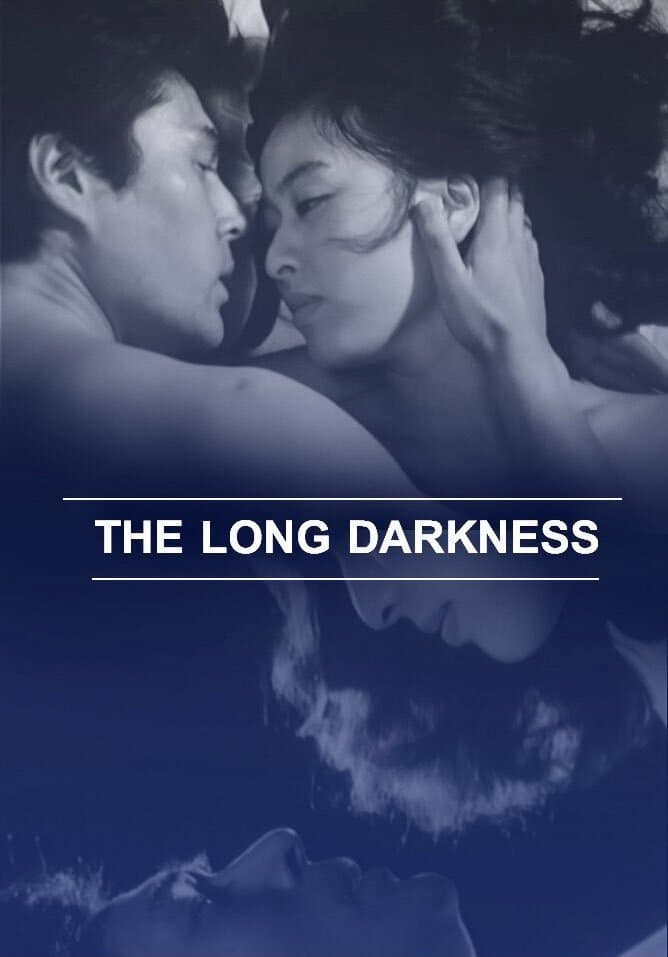
The relationship between Tetsuro, a university student from a disgraced, burdened family, and Shino, a waitress supporting her impoverished relatives. The couple decides to marry despite the significant emotional and social hardships each faces, viewing their love as a means to overcome the shame and despair inherited from their pasts.
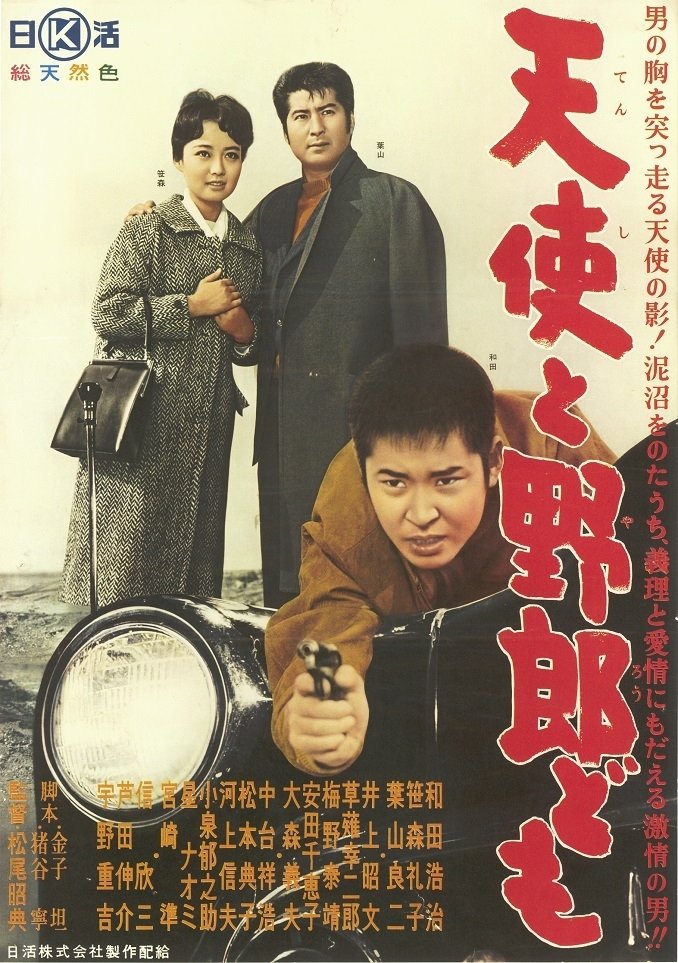
1962 Japanese movie
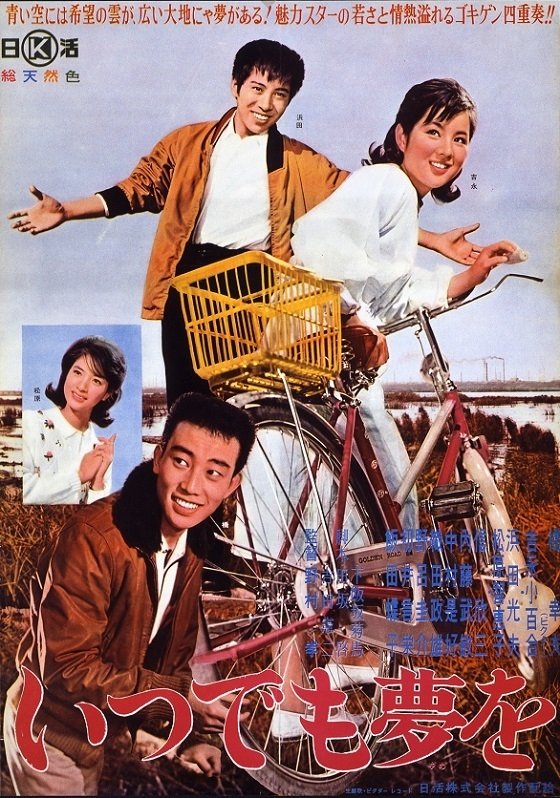
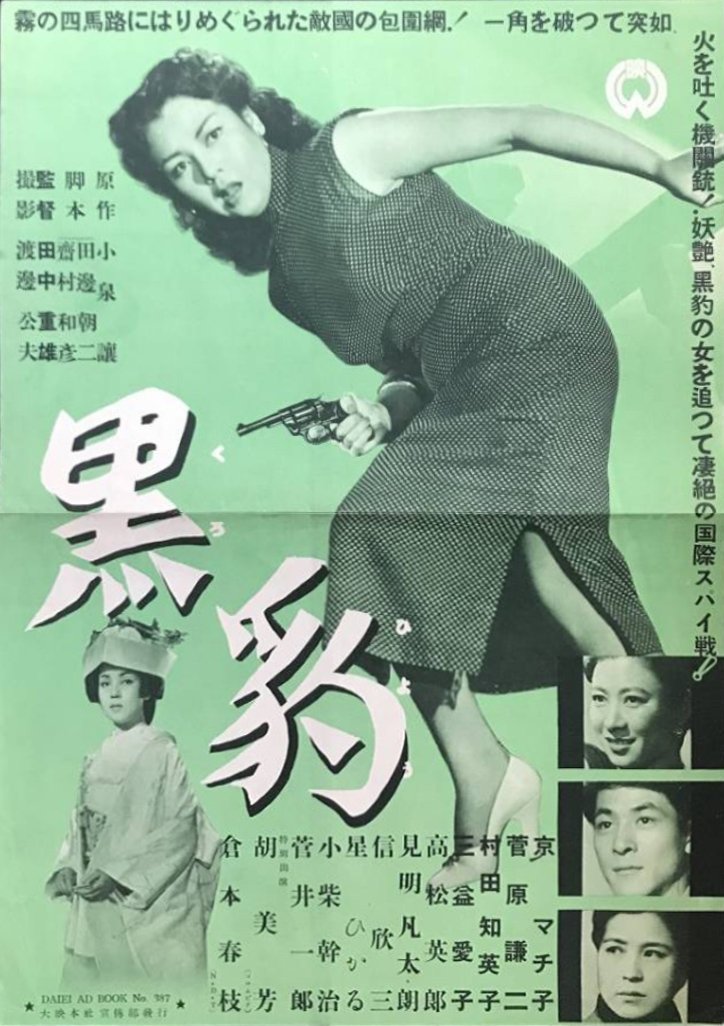
This is a factory area in downtown Tokyo, and Hikaru, nicknamed Pika-chan, is a nurse at the Mihara Clinic, a friend of the poor.
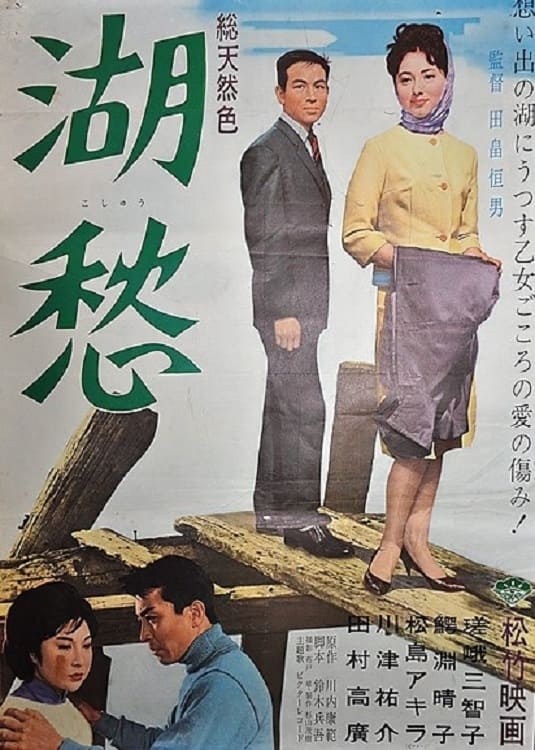
1962 Japanese movie
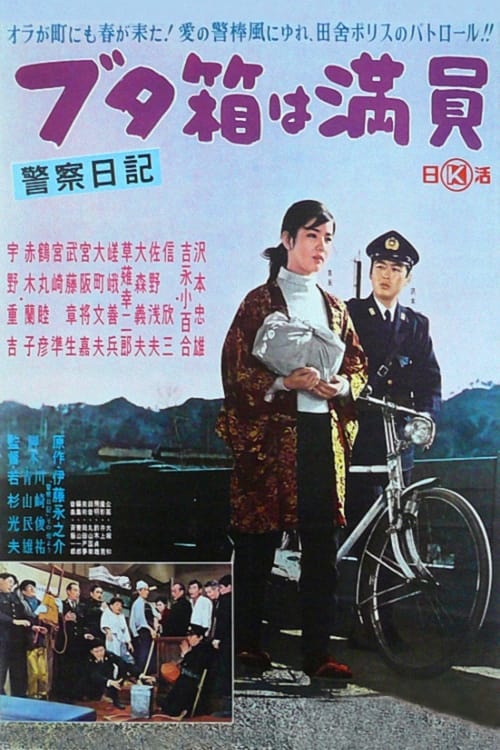
A small provincial town surrounded by mountains and fields in northeastern Japan. Here a group of eight policemen solve a series of unusual cases, ranging from extortion, to drunken fathers, to corruption and even the persecution of a man who claims to be an alien. This entertaining film shows these cops with a human heart with humor.
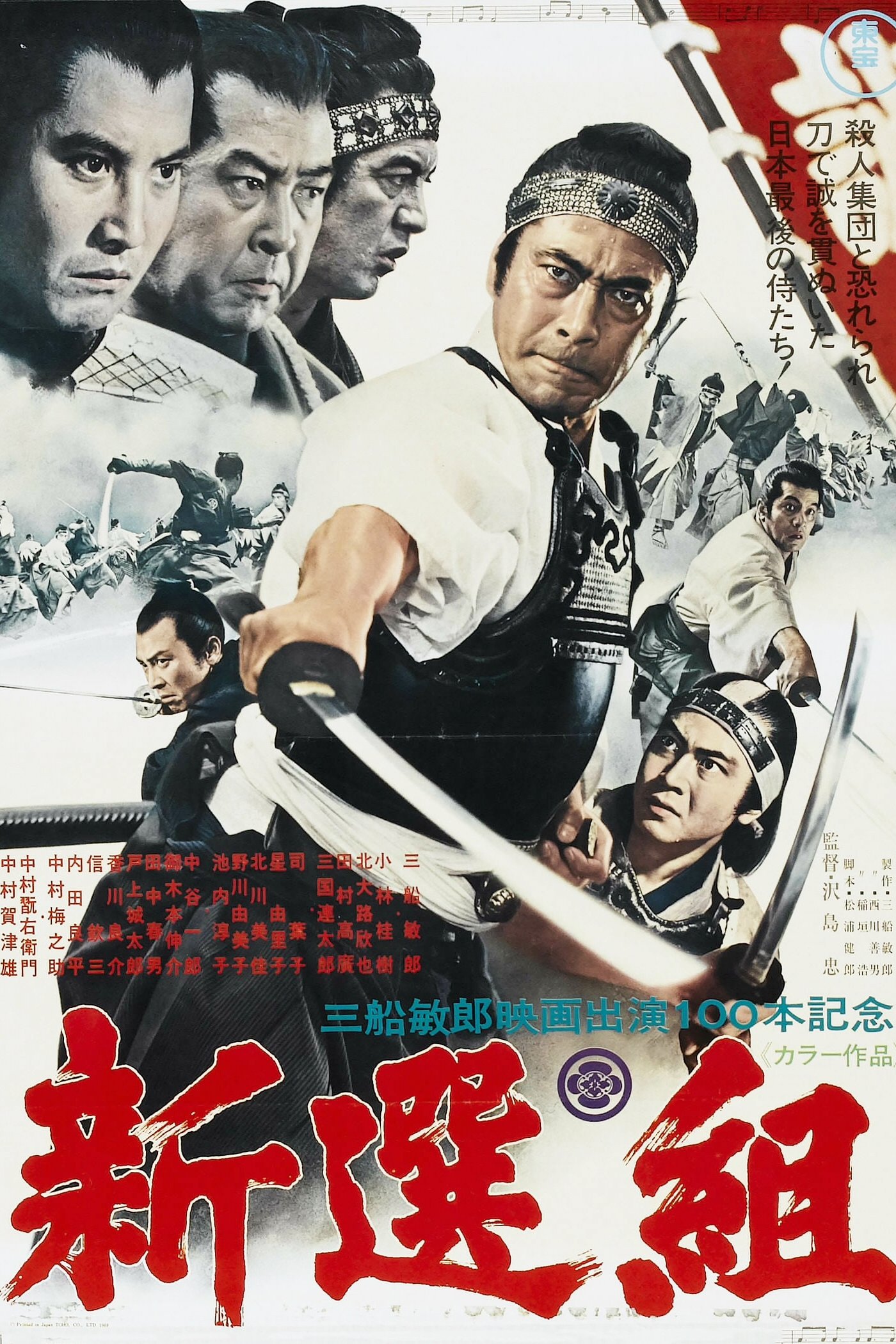
Near the end of the nineteenth century, as the balance of power shifts from Shogunate towards the Emperor, Japan restlessly awaits the dawning of a new age. But not all are content...The Shinsengumi, a small army of samurai, farmers and peasants, band together to do battle against the tide of history. Their leader, Isami Kondo is a man who rises from farmer to fighter to head the fierce Shinsengumi brigade. Using a stern hand and a heart of gold, he rallies his men in defense of the tottering Shogunate. But bloodshed and treachery lurk around every corner.
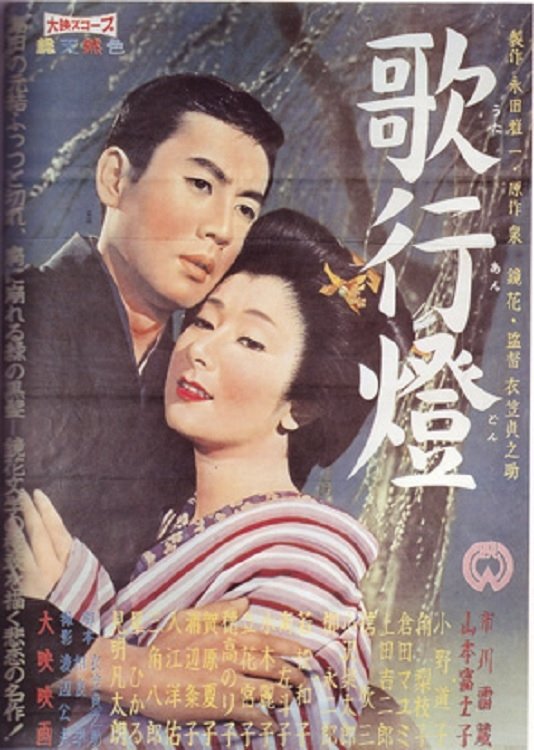
The title of the film reflects the custom of writing poems and lyrics on paper lanterns. The film tells about the difficult relationship between the actors of the Japanese classical theater No, friendship, hatred and love…
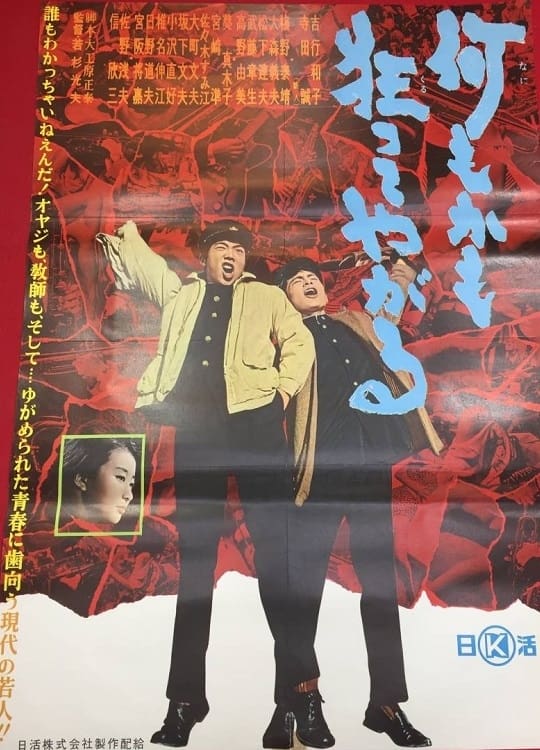
1962 Japanese movie

Based on the novel by Yoshie Hotta
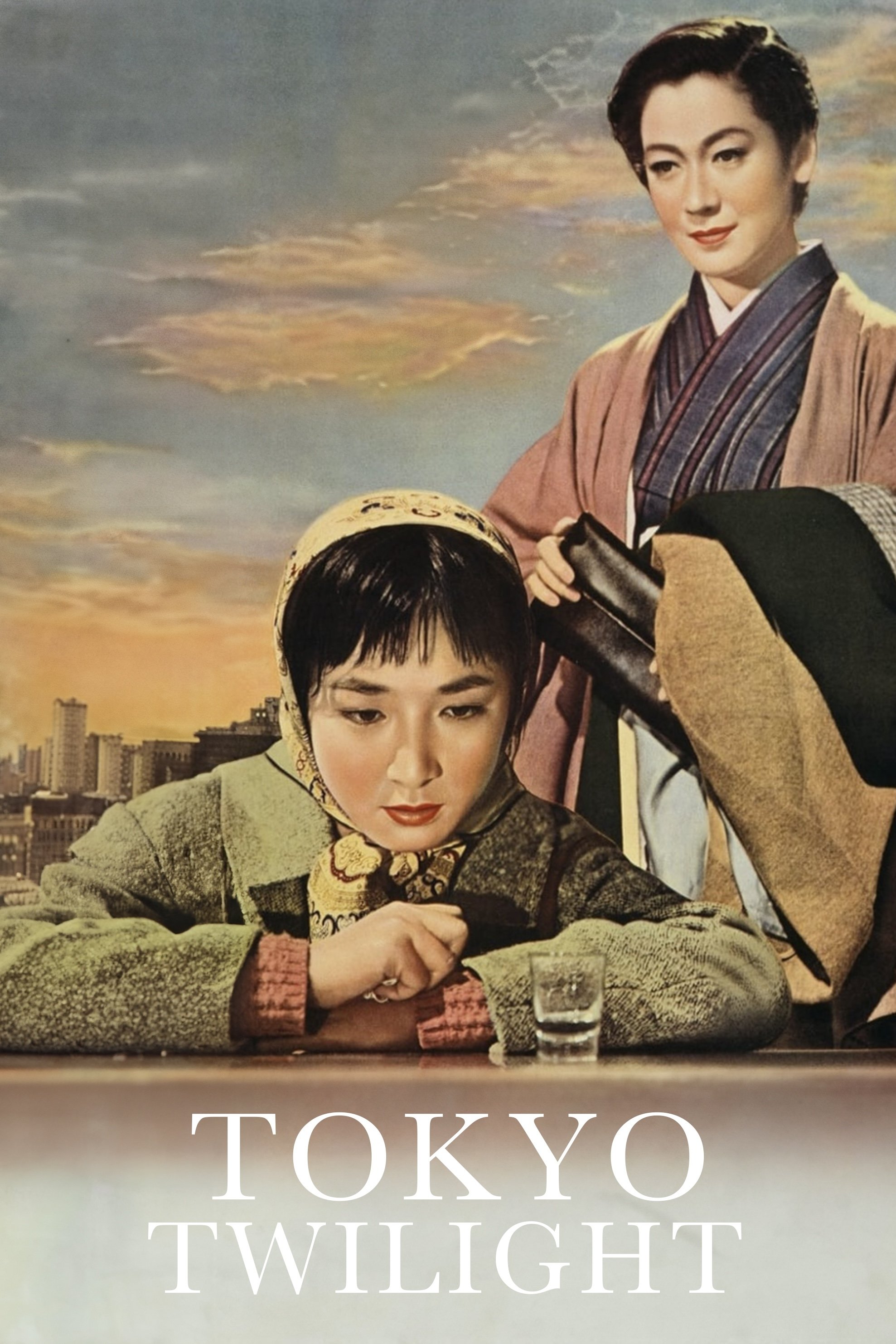
Two sisters find out the existence of their long-lost mother, but the younger cannot accept the fact that she was abandoned as a child.
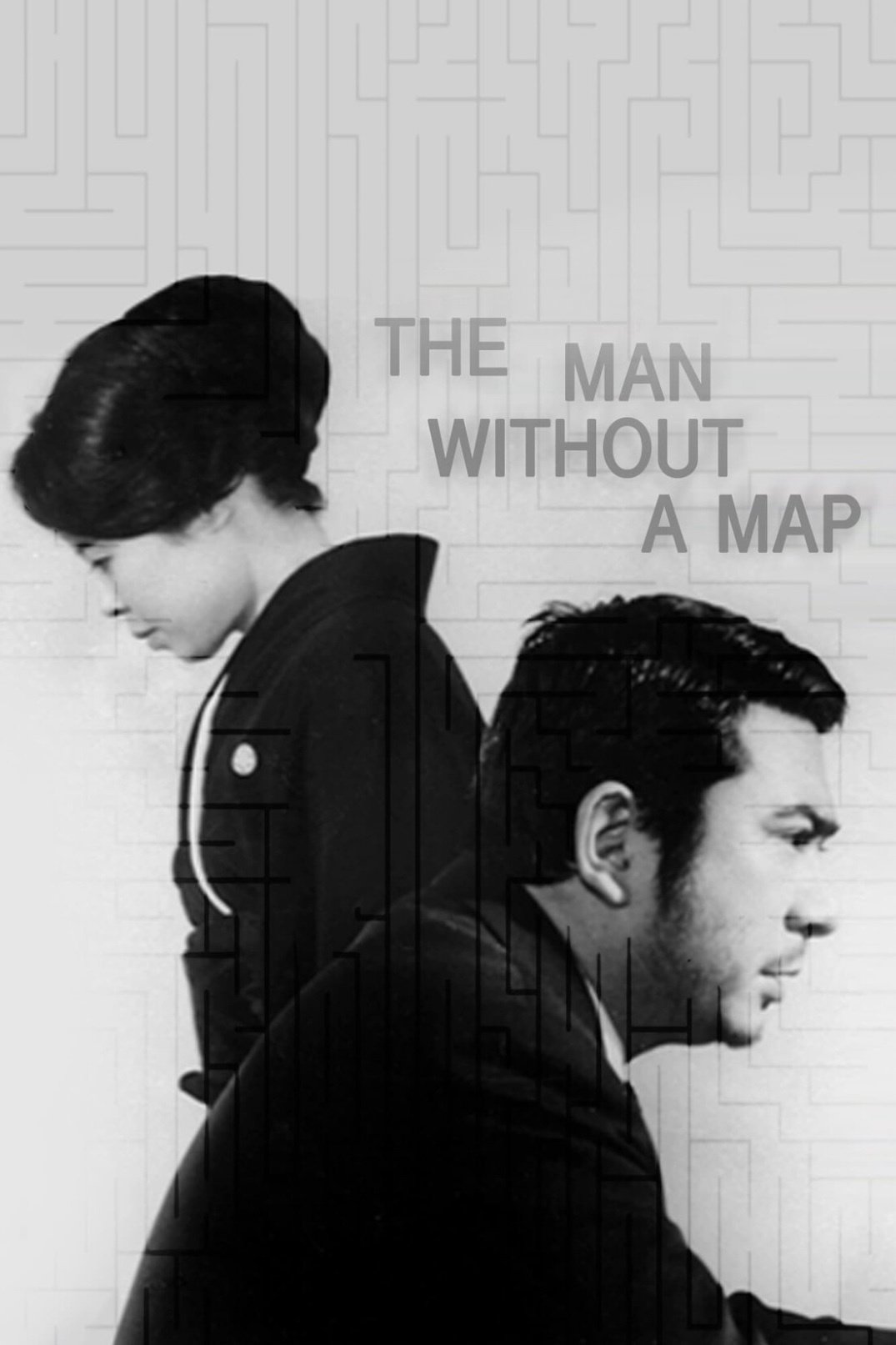
A private detective is hired to find a missing man by his wife. While his search is unsuccessful, the detective's own life begins to resemble the man for whom he is searching.

Nishi is an advertising executive for a caramel company that is planning to launch a new product, in fierce competition with two other companies.
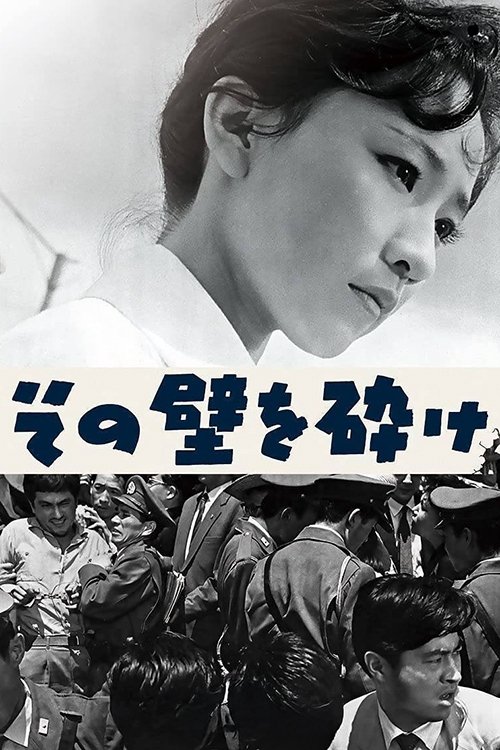
A man is wrongfully accused of murder.
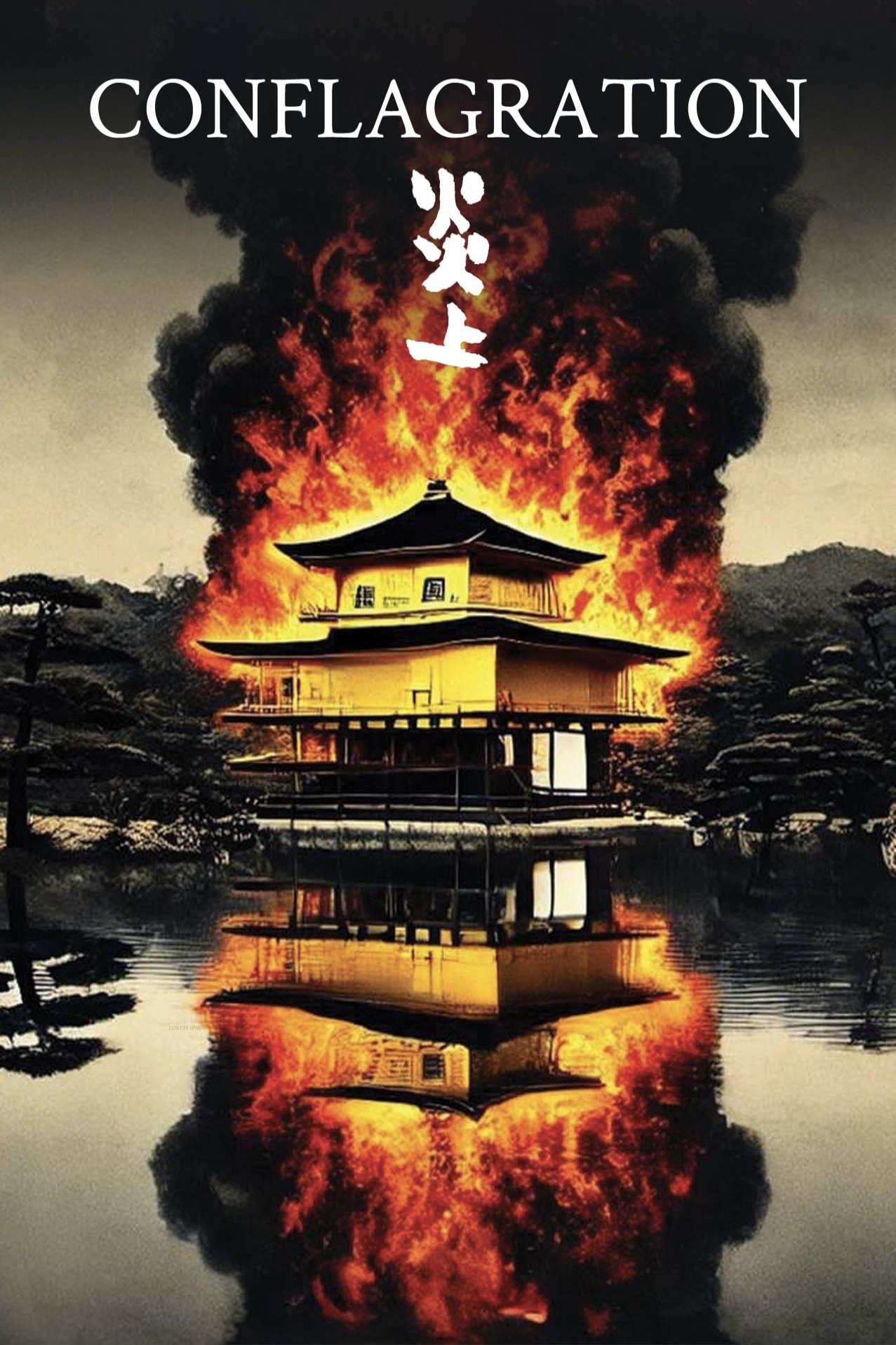
Learning of his family's collapse, acolyte Goichi, sent to study silently at the Temple of the Golden Pavilion, must endure acute psychological distress.

A group of rank-and-file soldiers are jailed for crimes against humanity, themselves victims of a nation refusing to bear its burdens as a whole.
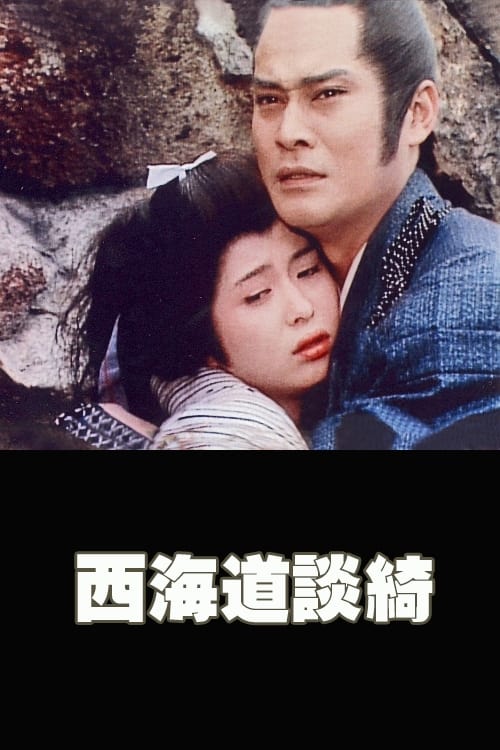
Set in the Kyushu area of the Edo period. This is a large-length bizarre story that incorporates elements such as mysteries and adventures surrounding hidden gold mines.
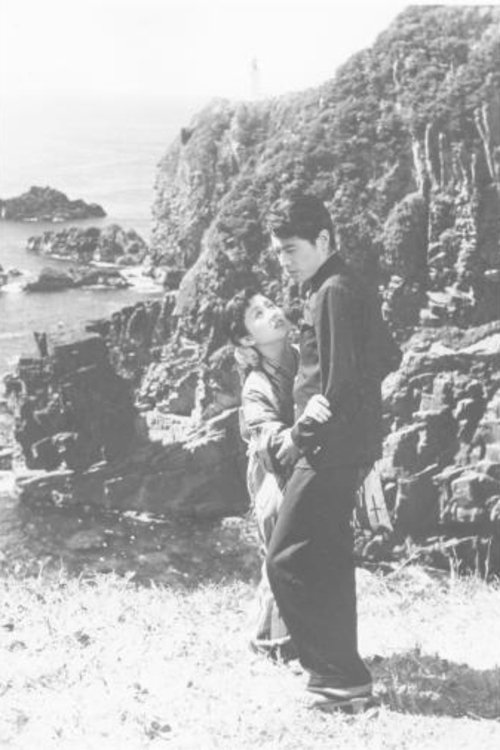
Among Yoshimura’s complex and political works, this episodic film, set in the early 1930s, follows the life of a young left-wing student activist disenchanted by the increasingly hawkish state of Japanese society.
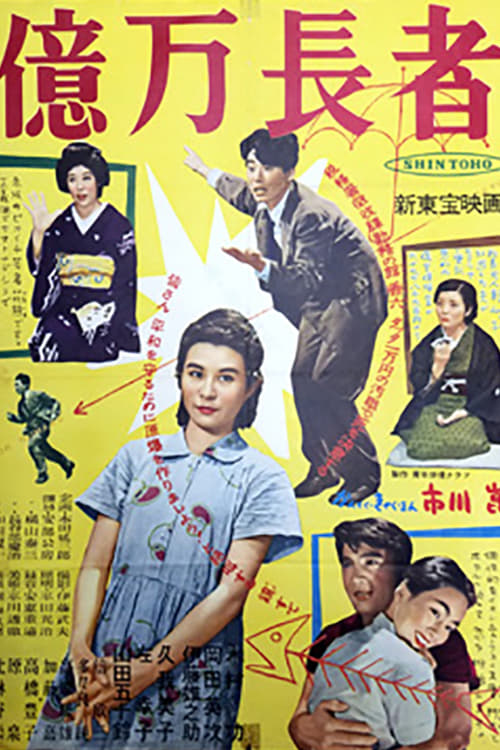
An ethical, young tax collector new to his area encounters increasingly absurd individuals and groups coping with their post-war woes.
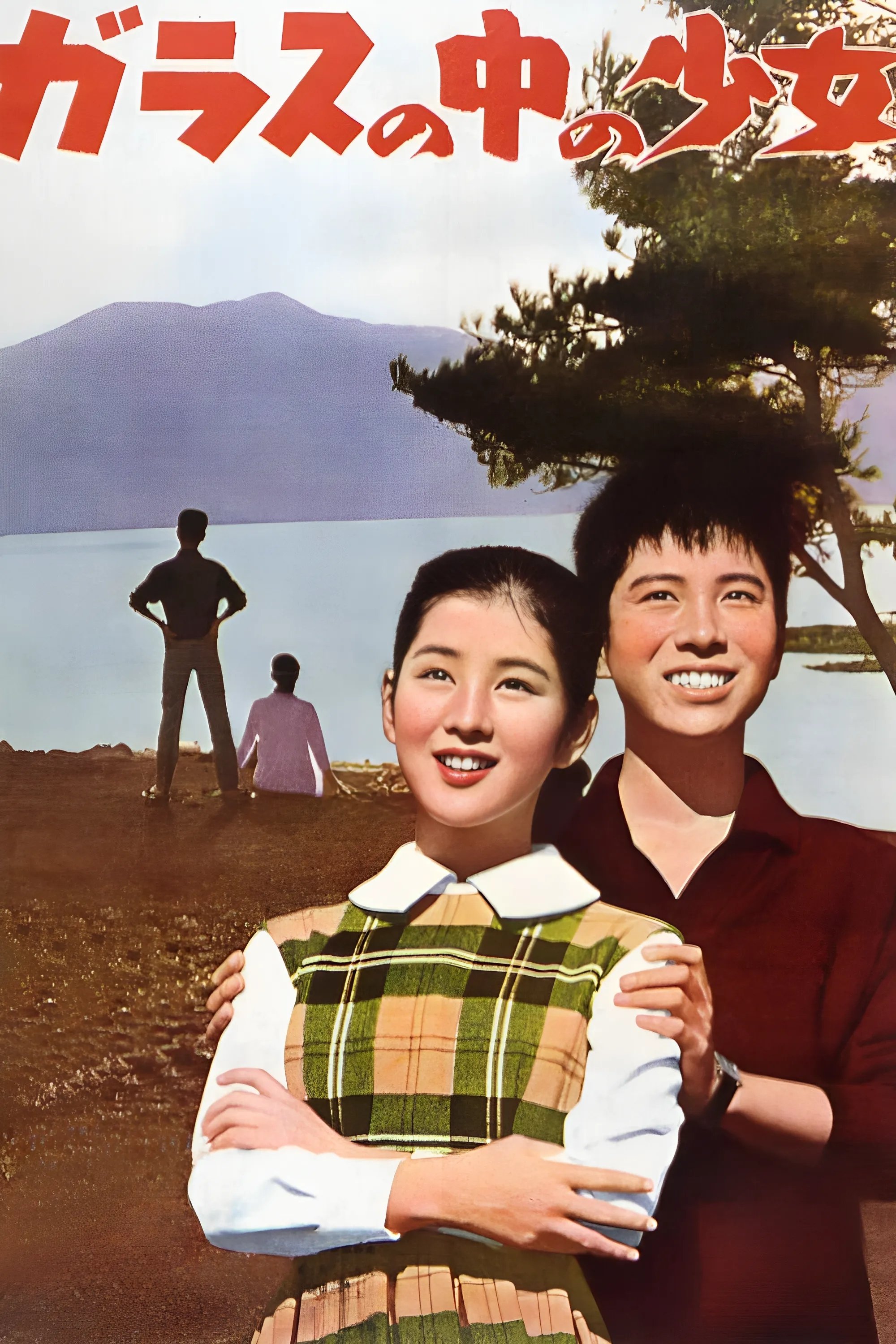
This film depicts the pure love between a girl raised by a strict father and a young man working in a small factory to support his family. The friendship that had blossomed between them eventually grew into love. Yet the purer it was, the more it seemed destined for a tragic conclusion...
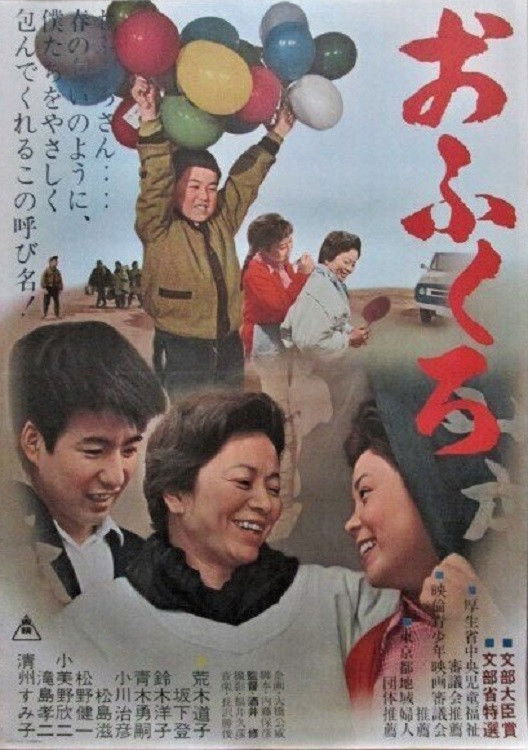
Shizuka, Eiichiro, and Mineko, their father and son, live modestly in a certain suburb, leading a dreary but happy life. Eiichiro is troubled by Shizuka's desire to live together in familiar Tokyo. Mineko is the exact opposite of Eiichiro. A literary masterpiece depicting the fateful sorrow and humor of a mother and child
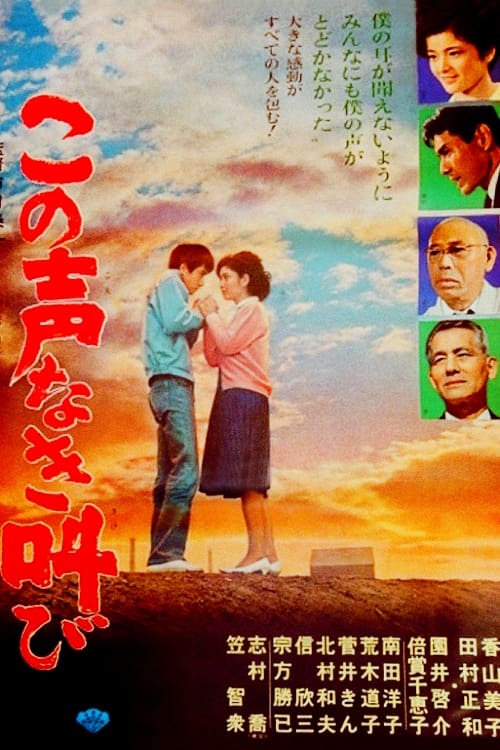
Shinichi is not only poor, he is also deaf, and leads a joyless life with his sick mother. His one happiness is his friendship with a girl who works in a bar nearby. Then, one day, his mother dies after drinking the medicine that Shinichi himself gave her. It is discovered that the pills contained poison. He is apprehended on suspicion of murder and taken away for interrogation, unable to defend himself - being deaf and dumb - or even to proclaim his innocence.
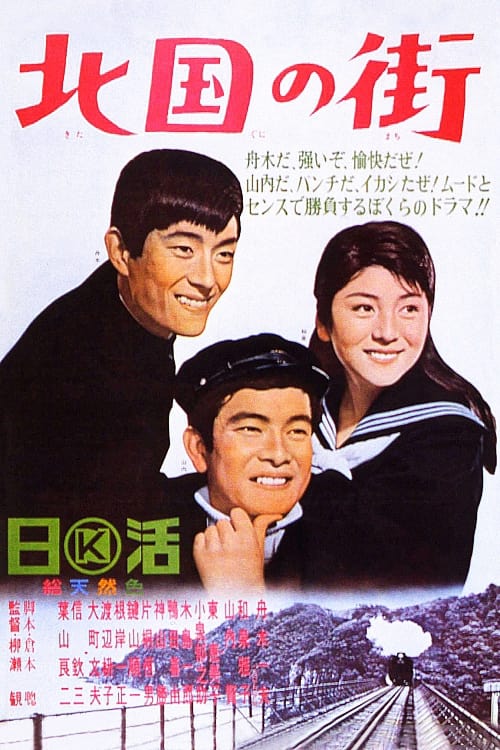
Nikkatsu youth masterpiece, which celebrates the love and friendship of young people who have blossomed in a beautiful northern spring with a lot of young dreams. Based on the novel "Memory of Snow" written by Takeo Tomishima.
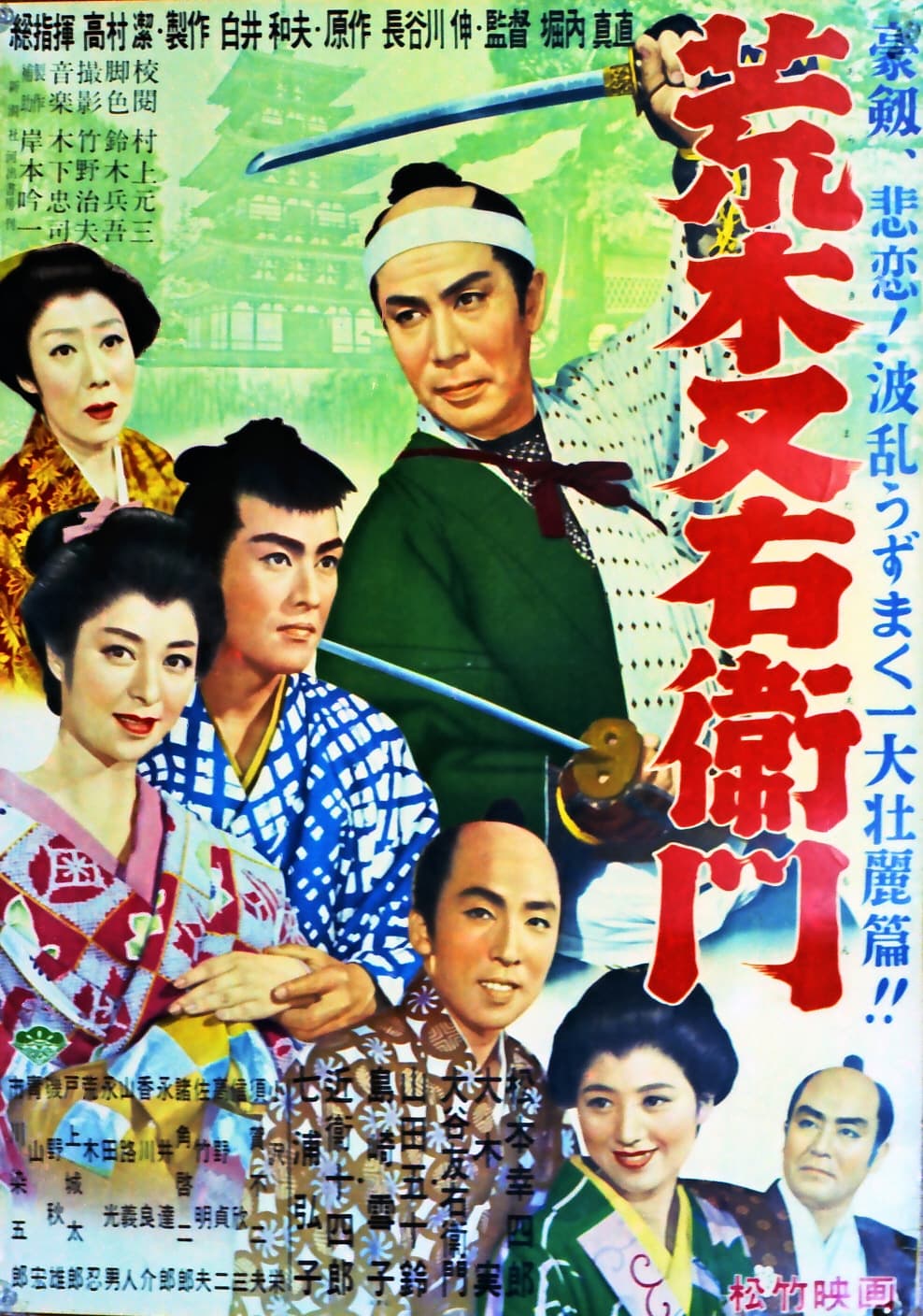
Watanabe Kazuma and Kawai Matagorō from the Bizen Okayama Ikeda clan were close friends, but they inevitably became enemies after Matagorō killed Kazuma's younger brother, Gentayū, and fled. Seeking assistance, Kazuma asked his brother-in-law, Araki Mataemon, for help, but Mataemon refused, saying that it was against the code for a brother to avenge another brother's death. On the other hand, the lord of the clan, Ikeda Tadao, ordered a search for Matagorō, who was found to be sheltered by the Hatamoto, including Andō Jiemon, in Edo. Tadao was furious but unable to act. Matagorō, in Edo, came to regret his birth as a samurai. He met and fell in love with Okō, a bathhouse maid. As the discord between the Hatamoto and the Ikeda clan deepened, Tadao died of illness. Seizing the opportunity to ease the conflict, the shogunate ordered the Ikeda clan to be succeeded by the young lord Katsugorō and to relocate to the Ikeda clan of Inshū Tottori. Meanwhile, Matagorō was exiled from Edo.
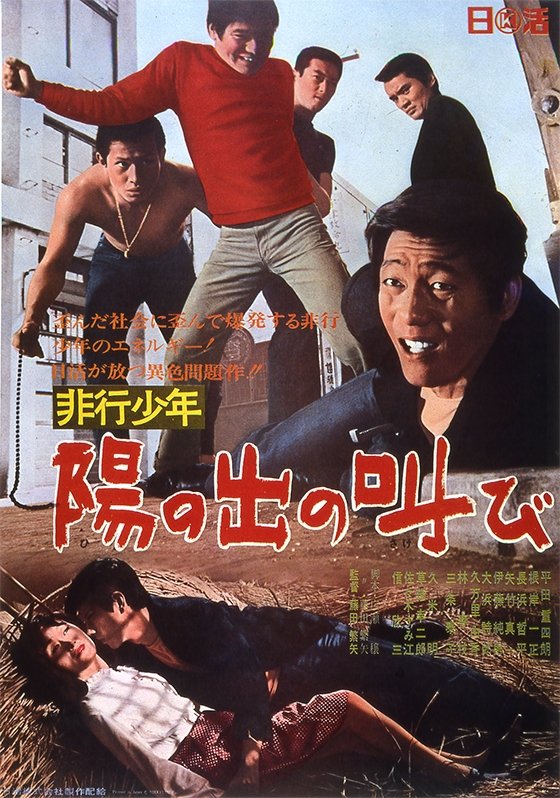
A film about a juvenile delinquent who swears, yet fails, to rehabilitate.
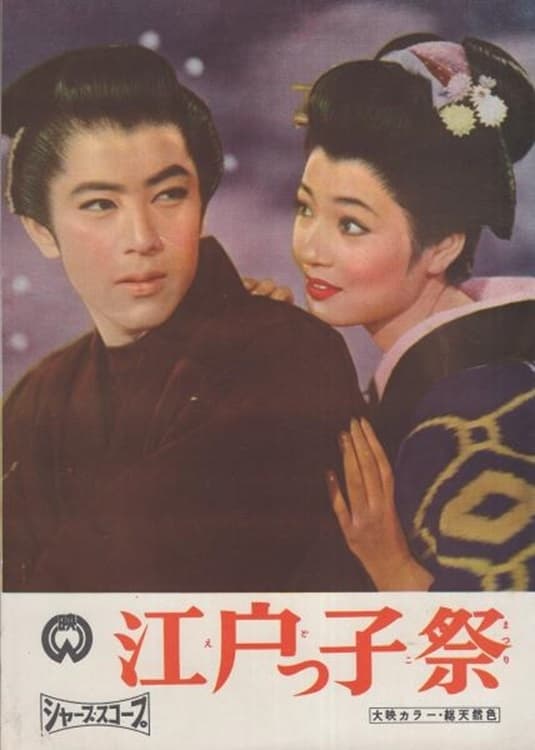
During the reign of Hidetada, the second shogun of the Tokugawa dynasty, the advisor Okubo Hikozaemon (Ganjiro Nakamura) entrusts the young Takechiyo (Hiroshi Kawaguchi) to the fishmonger Isshin Tasuke (Kazuo Hasegawa) to help him understand the world. Tasuke, who does not know that Takechiyo is the shogun's heir, trains him harshly. Tasuke's wife Naka (Michiko Ai) is concerned about his harsh teaching style, but Takechiyo gains strength day by day and adapts to his new life. Soon, Takechiyo begins secretly talking about love with a city girl named Otoyo (Hitomi Nozoe), but...

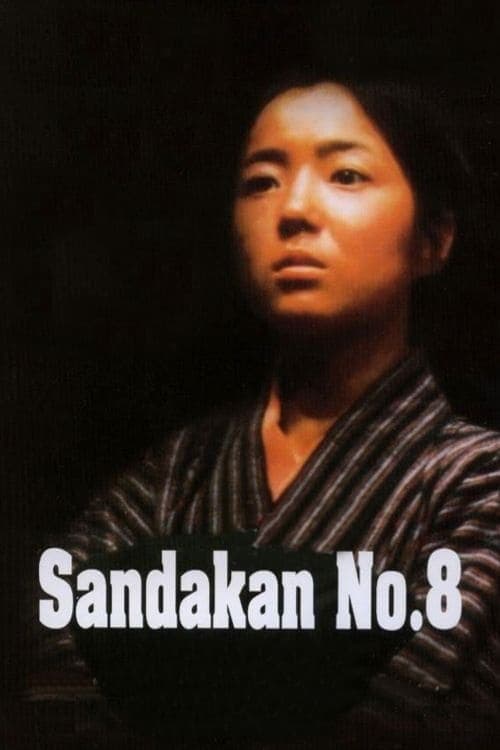
A young journalist interviews an elderly woman about being forced into prostitution in Borneo at a brothel called Sandakan No. 8.
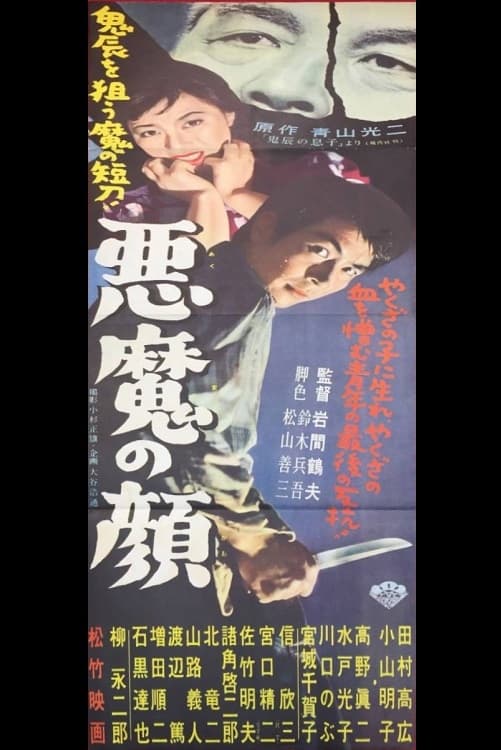
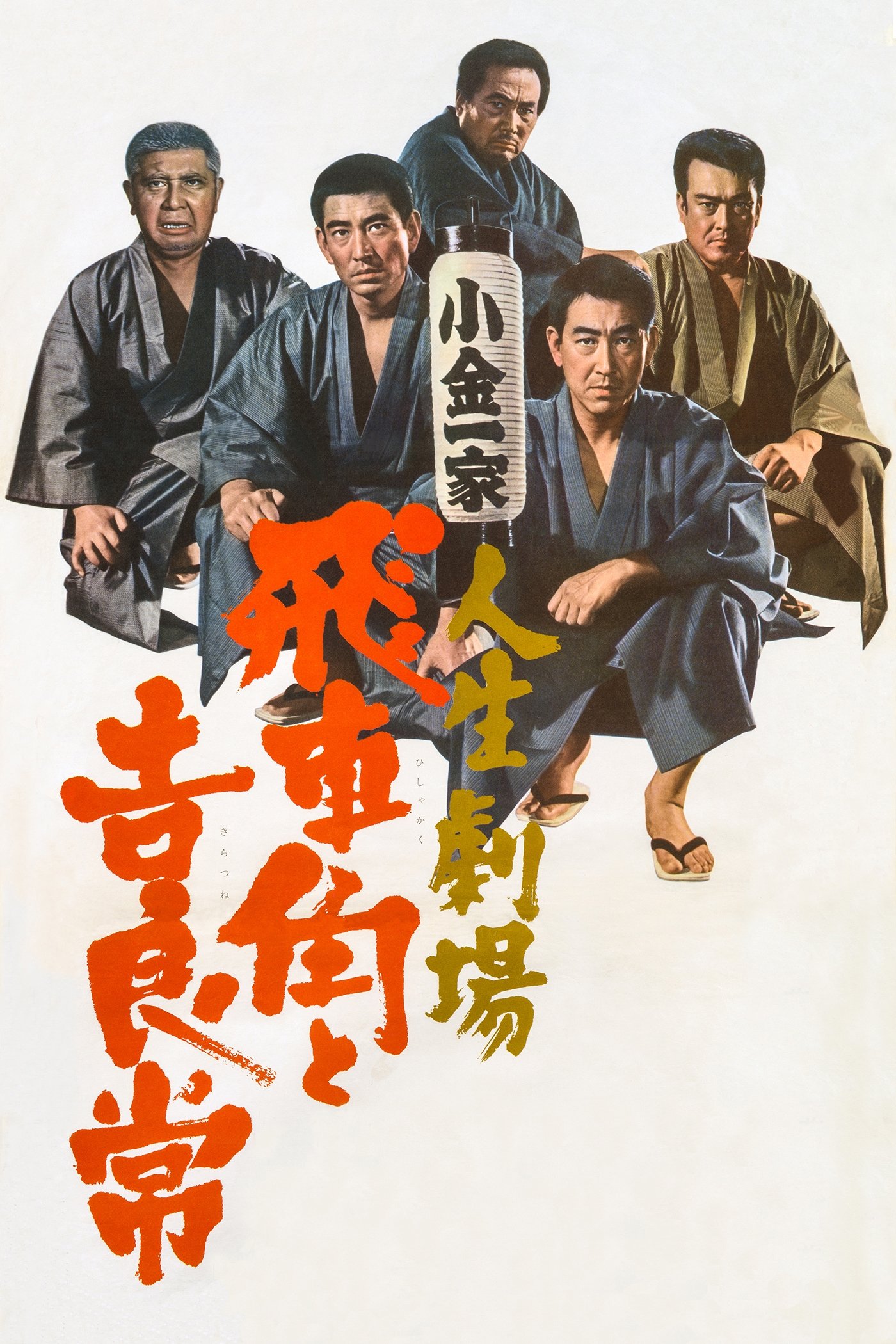
With his penultimate film, Uchida revisited one of his popular prewar titles, 1936’s Theatre of Life, an adaptation of Shiro Ozaki’s eponymous novel. Three-time Seijun Suzuki collaborator Goro Tanada wrote a gangsterized adaptation of Ozaki’s story for Uchida at a time when the yakuza had eclipsed the samurai genre as Toei's main cash crop. Protagonist Hishakaku murders a man in a quarrel over a barmaid and goes to jail. In his temporary absence, his girlfriend Otoyo, a former geisha, falls for Hishakaku’s brother, inciting a dangerous love triangle that, in typical yakuza fashion, ends tragically.
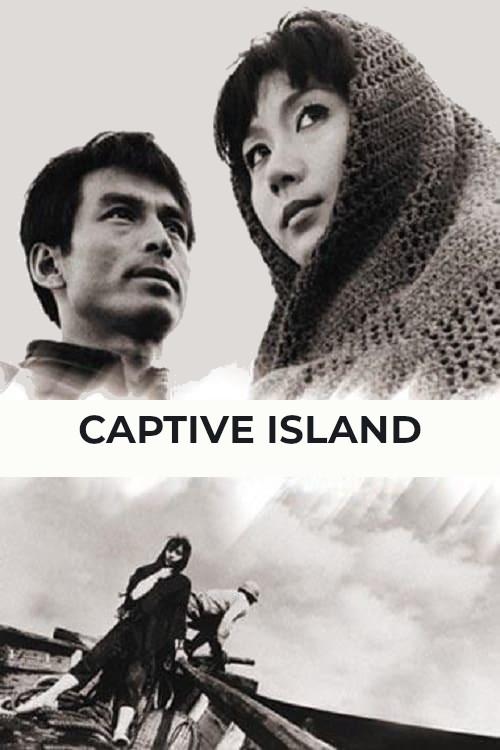
Seeking revenge against the guard who tormented him, a young man returns to the island where he was imprisoned in reform school. But his plans for vengeance are disturbed when he encounters a strange and beautiful young woman.
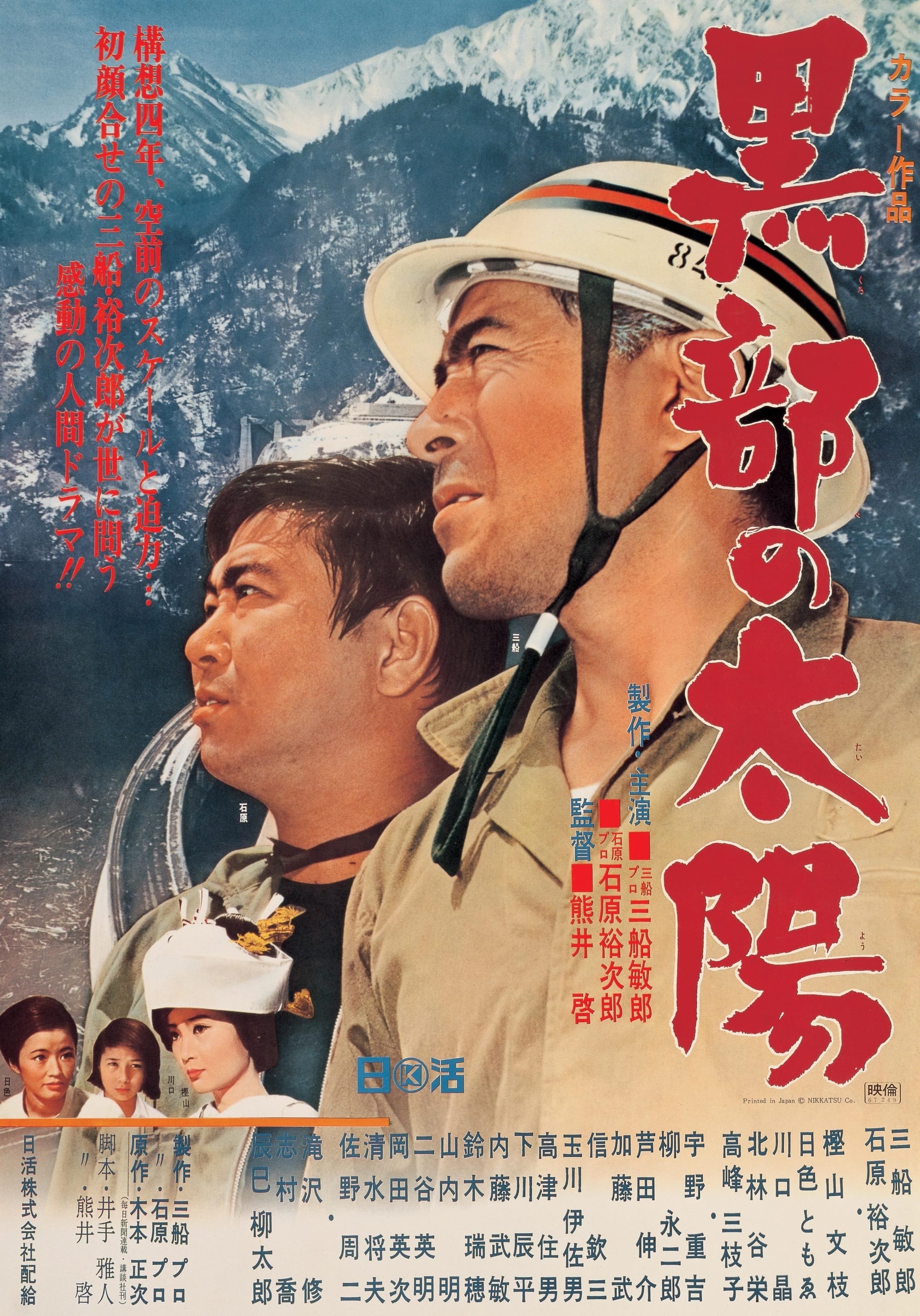
Kitagawa is an engineer charged with construction of a gigantic tunnel through the Japan Alps for the transportation of equipment in the building of the massive Kurobe Dam. The tunnel crosses an earthquake fault and Kitagawa is beleaguered not only by cave-ins and flooding, but by strife between management and the workers's union. Adding to Kitagawa's stress is the knowledge that as his attention is pulled inexorably toward the tunnel construction, his youngest daughter is dying from leukemia.
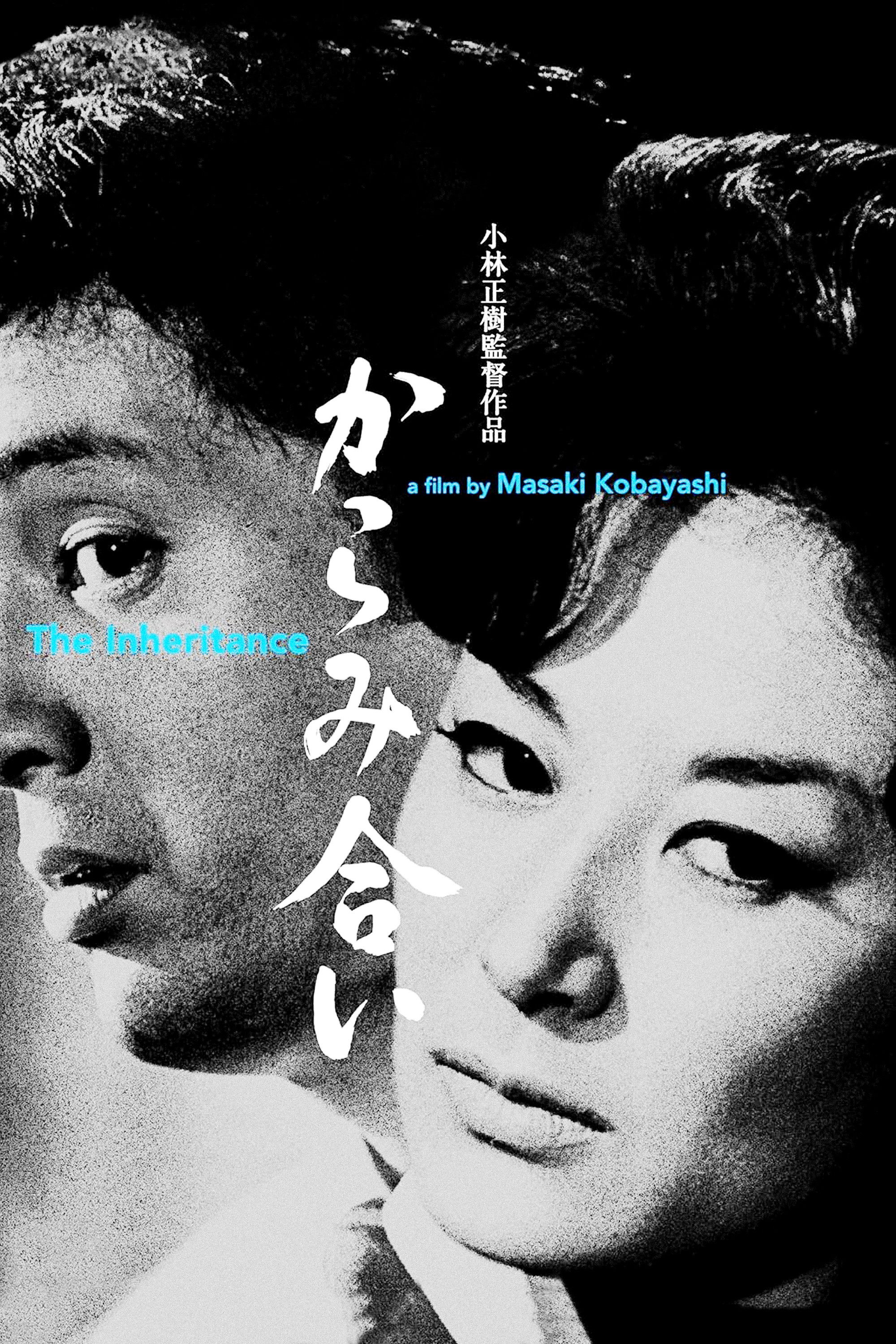
A dying businessman intends to will ¥200 million to his three illegitimate children, but his associates scheme to take advantage of the situation.
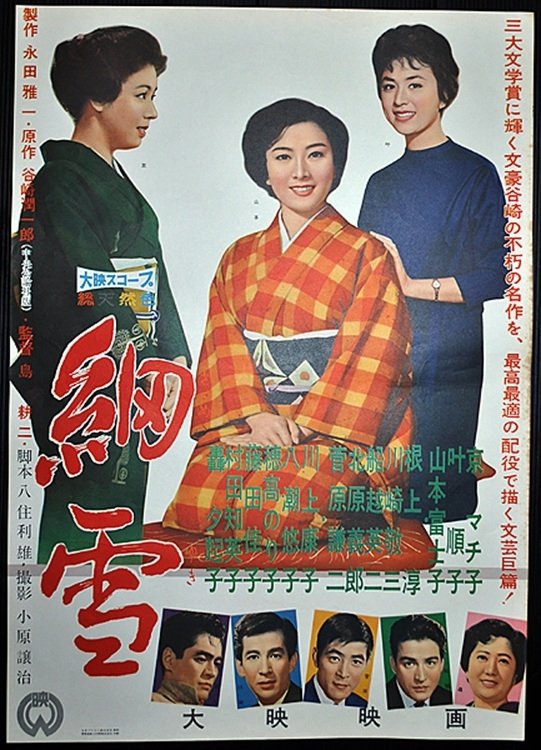
Based on the famous novel by Junichiro Tanizaki, this is a story of the four sisters of the ancient and reputable Makioka family of Osaka.
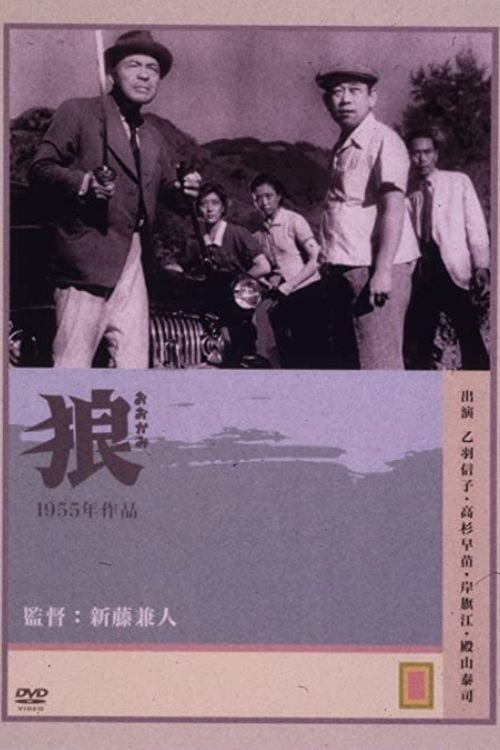
A group of five rookie insurance salespersons, driven to desperation by the impossibility of their work in Japan's failing postwar economy, form a plan to rob a cash delivery truck in order to provide for their families.
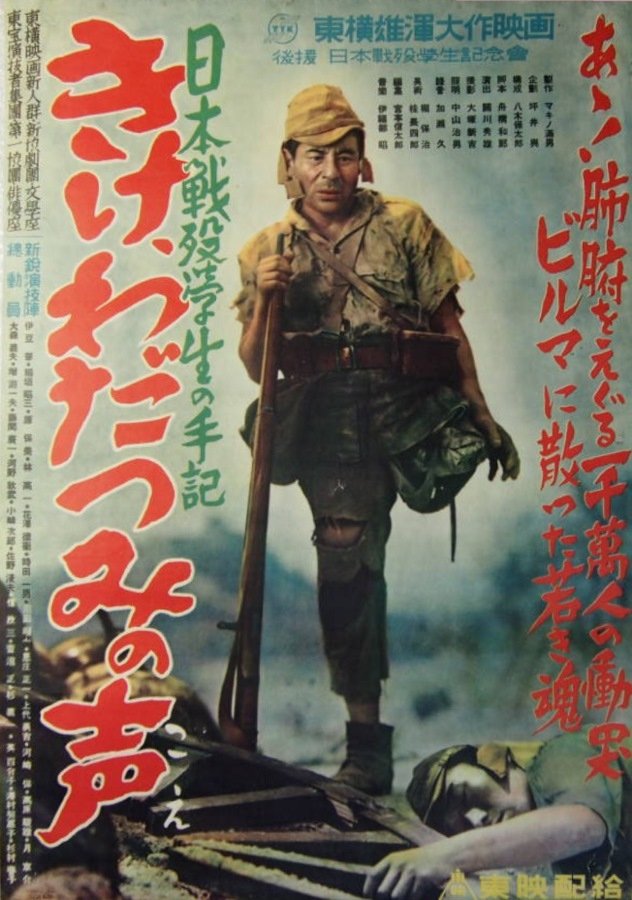
This film is strongly anti-war film. The film is based on the collection of writings by Japanese student soldiers who died during World War II. The film is located to Burma. It shows the everyday problems of soldiers in contrast of their ideas and the cynicism of their commanders. Soldiers are also victims of military bullying by their commanders.

The story of a novelist whose wife is confined in a mental hospital. His love for her drives him to write about her, though he runs into trouble when her parents accuse him of cashing in on her misfortune.

TV film about the "Nishiyama Incident", a scandal surrounding the 1972 return of Okinawa to Japan. Produced to commemorate the 20th anniversary of TV Asahi in 1978 and released theatrically by Office Henmi in 1988.
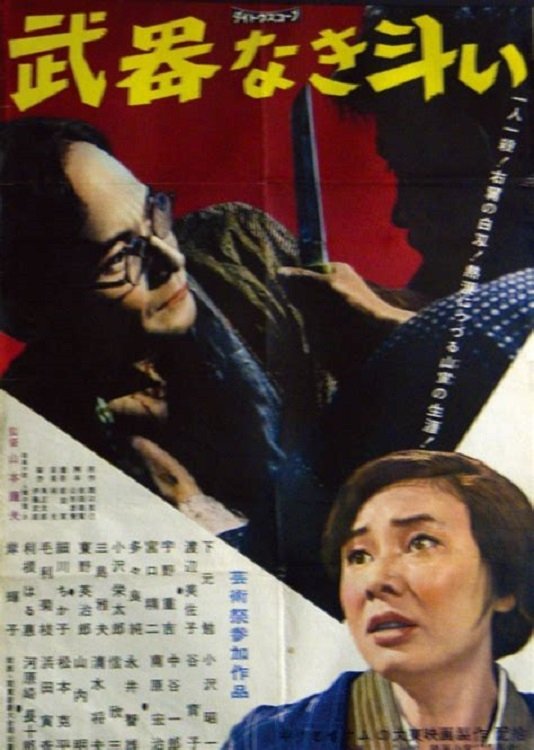
It's a story of the life of a man who advocated the necessity of sex education to children, which was unusual at the time, solely opposed to the amendment of the Peace Preservation Law, and was assassinated by a rightist prior to his opposition speech.
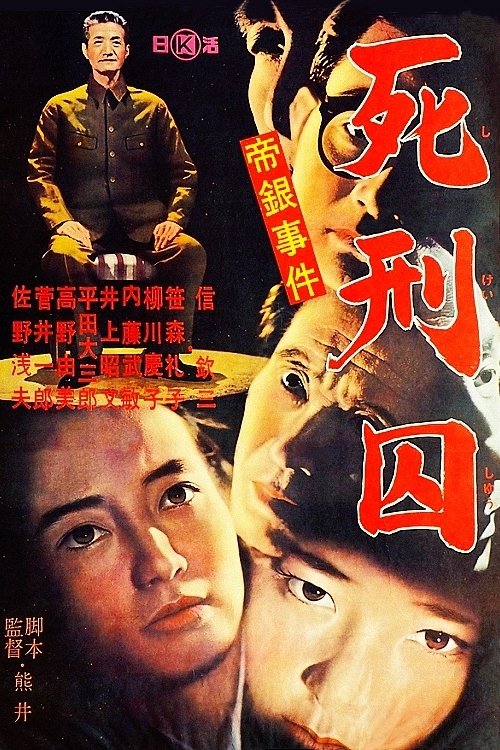
On January 26, 1948, a robbery of the Teigin bank took place in Tokyo - the criminal poisoned the bank employees and fled the scene with a large amount of money. In parallel with the investigation conducted by the Japanese police, journalists are also trying to find the culprit. Based on a true incident.
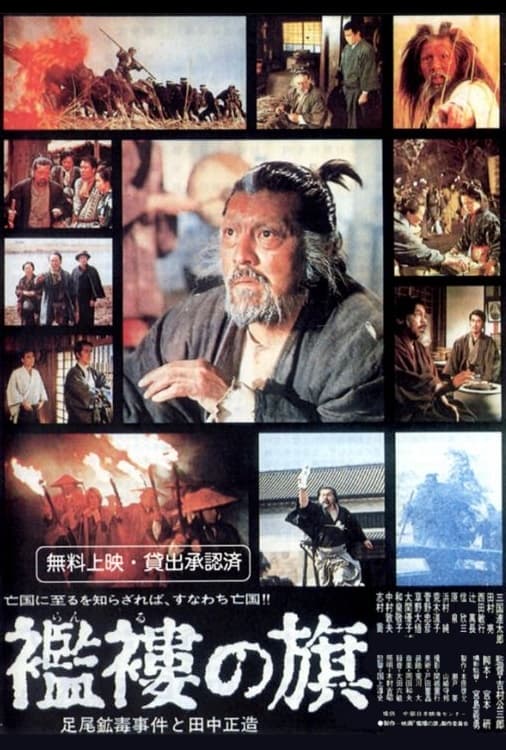
Film about the Ashio Copper Mine Incident and Shozo Tanaka.
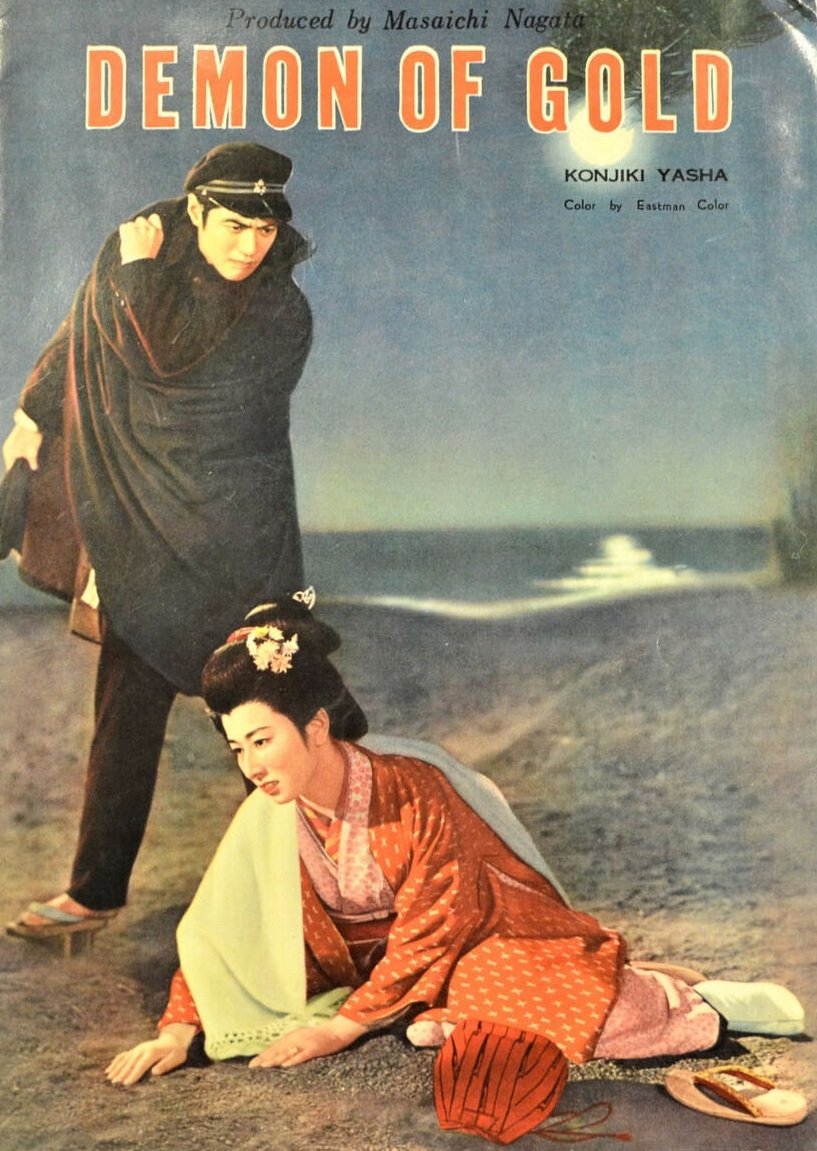
Tokyo, 1890. Through avarice, a series of misunderstandings, and failures of courage, the engagement of Kan-ichi (a student) and Miya (the daughter of Kan-ichi's debtor) is canceled to enable Miya to marry Tomiyama, a wealthy banker's son. In bitter despair, Kan-ichi breaks with his friends, drops his studies, and declares he has ceased to be human. He apprentices to a money-lender, and he's soon ruthless and wealthy. Several years later, Miya's in misery, her husband mistreats her. She goes to Kan-ichi to beg forgiveness; he pushes her away. He's now pursued by Akagashi, herself a cold-hearted loan shark. Can anything free Kan-ichi's hard heart from the golden demon
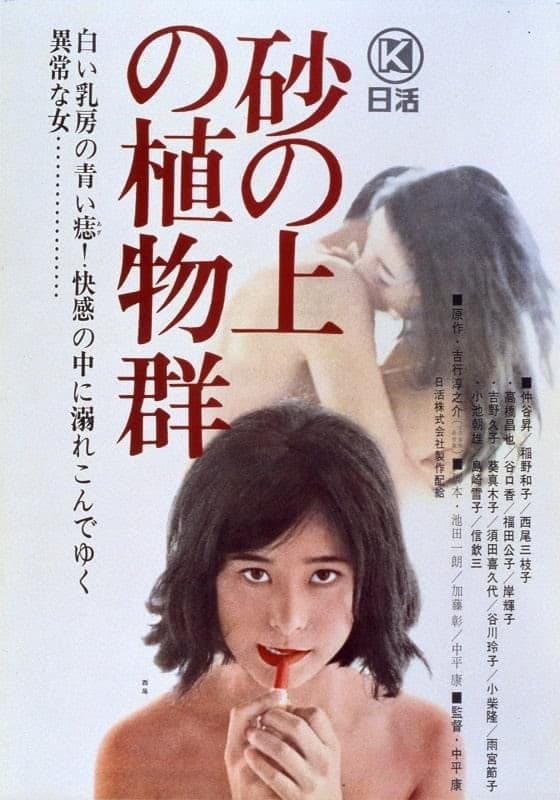
One evening, at the Marine Tower observatory, cosmetics salesman Ichiro Iki is drawn into conversation with an unfamiliar young lady Akiko. She invites Ichiro back to a hotel where they make love but part without even exchanging names. A week later, they have a second chance encounter at the observatory. This time, Ichiro is the one who pursues her. Back at the hotel, Akiko begs Ichiro to give her sister – Kyoko, a bar hostess – absolute hell. Akiko resents her sister for lecturing on chastity, while wantonly indulging in promiscuous activity. Ichiro takes an interest in Kyoko and sets out towards her bar…
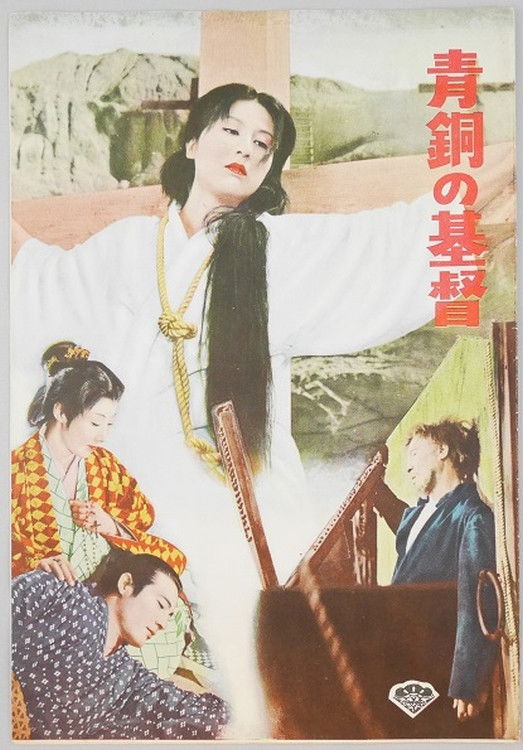
Christian converts face persecution in the feudal society of 17th century Japan.
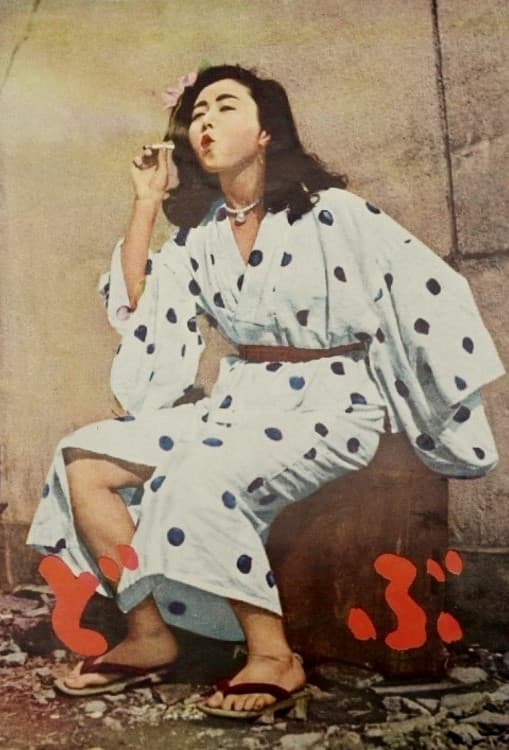
Postwar Tokyo. Pin and Toku live in the squatter area of Kappanuma. Pin and Toku are avid gamblers. They take in Tsuru, a slightly demented woman who has run away from a geisha house.

Tajima is a private detective in charge of his own company, Detective Bureau 2-3. When warring criminal gangs go overboard by robbing U.S. military munitions, Tajima steps in to stop what the cops can't.
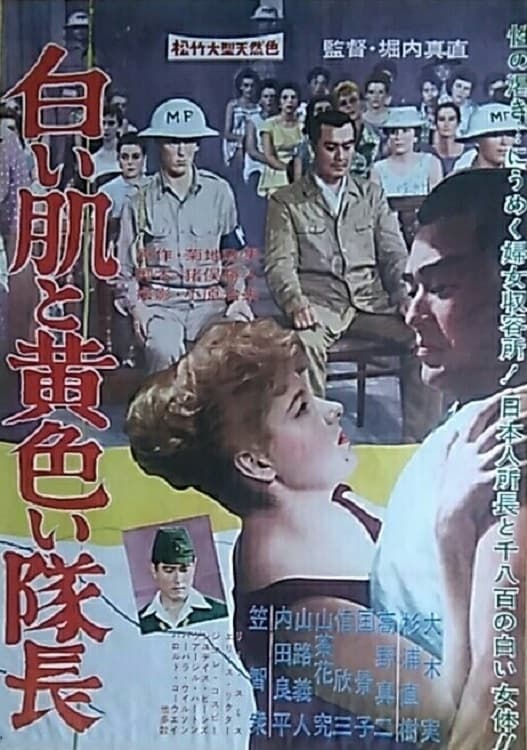
In the autumn of 1945, Petty Officer Tadashi Yamaji is among the numerous war crimes suspects facing death on the gallows for maltreatment of Allied women and children interned in camp Kampili. Kampili is located some ten kilometers outside Macassar on the island of Celebes. Eighteen-hundred Allied women and children were interned for the duration of the war. Yamaji's iron rule for camp administration is : No violence; hands off internees; He also endeavors to establish self-administration by internees while aiming at a self-supporting camp economy within six months. His ingenuity gains the camp numerous pigs to enrich their diet, and sewing machines with to make fatigue uniforms for the military. The internees are grateful for what little aid he can give them. As the tides of war changes, Allied planes bomb the camp in error. But the surrender of Japan changes everything, and the internees join forces to save their former camp commander from the gallows.
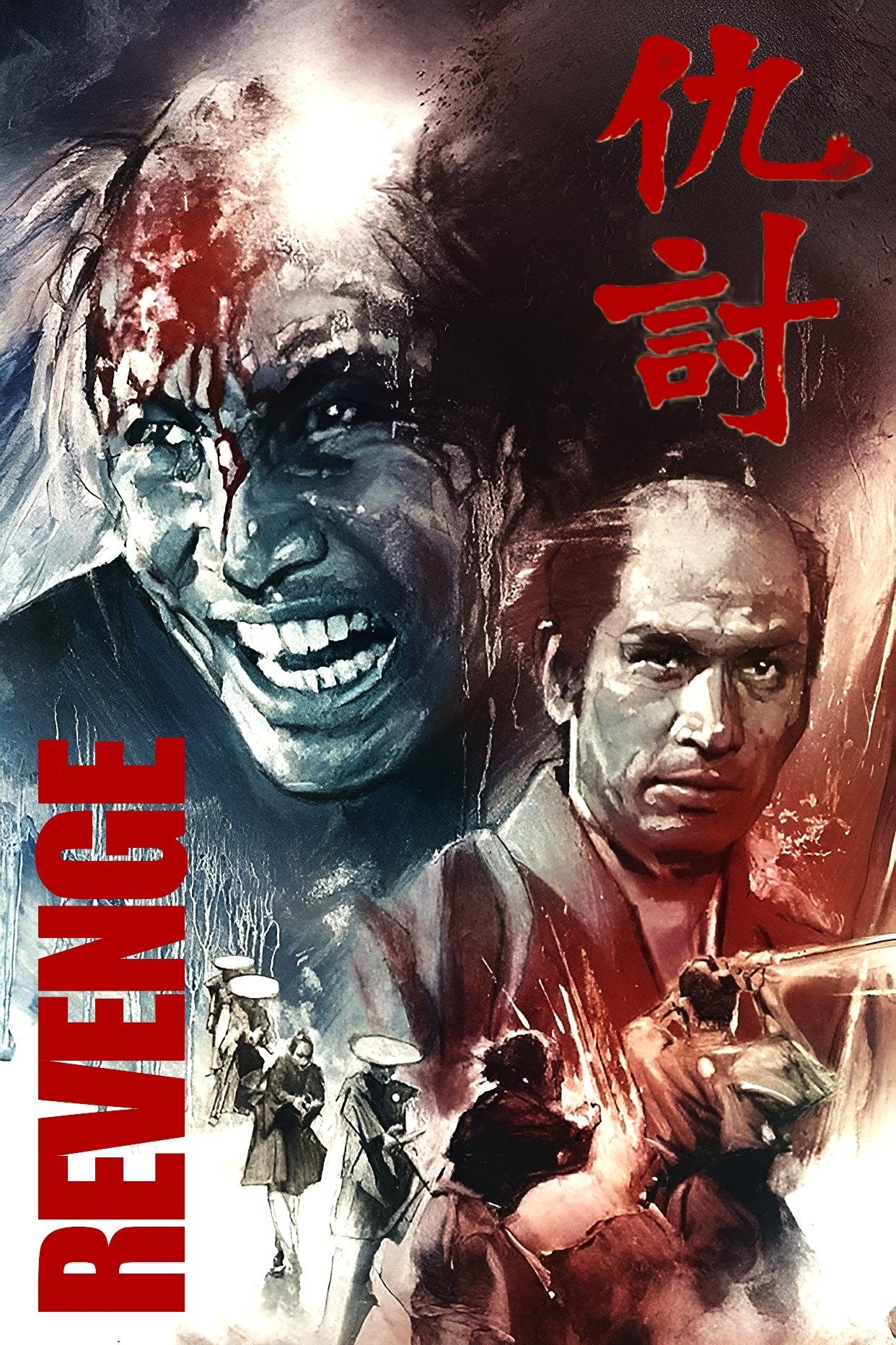
An innocuous comment during a weapon inspection wounds the pride of low-ranking samurai Shinpachi, leading to an argument with his superior. The situation snowballs out of control, leading to a deadly duel and political fallout which threatens the entire clan. Declared mentally unstable by the corrupt authority, Shinpachi begins his descent into true insanity…

A study of uneasy relationships among the inhabitants of a tiny rural community.
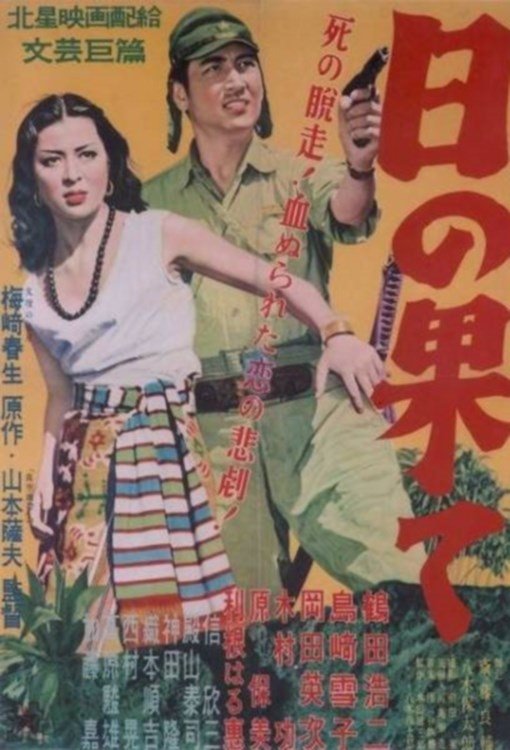
Military doctor Leutenant Hanada deserts during the war in the Philippines with a local girl. The officer in command orders Lieutenant Uji to shoot Hanada. Uji takes a sharpshooter called Takagi and tracks him. At first Uji cannot forgive Hanada but as Uji is isolated from the main force he too starts to think of desertion.
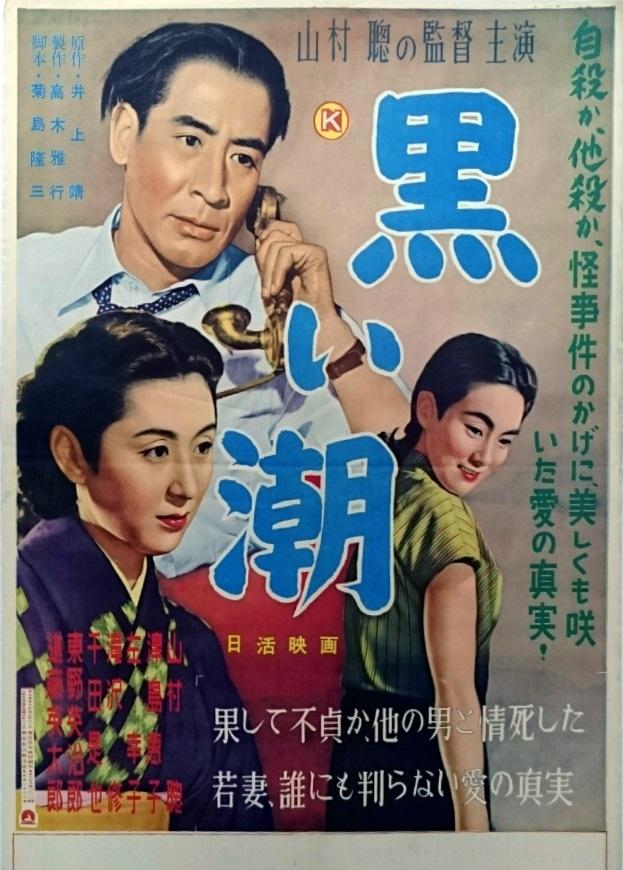
A reporter Takuo, who is sleeping in the newspaper room of the Maichō newspaper company, receives a sudden report from a reporter that the missing Akiyama JNR president was found dead.
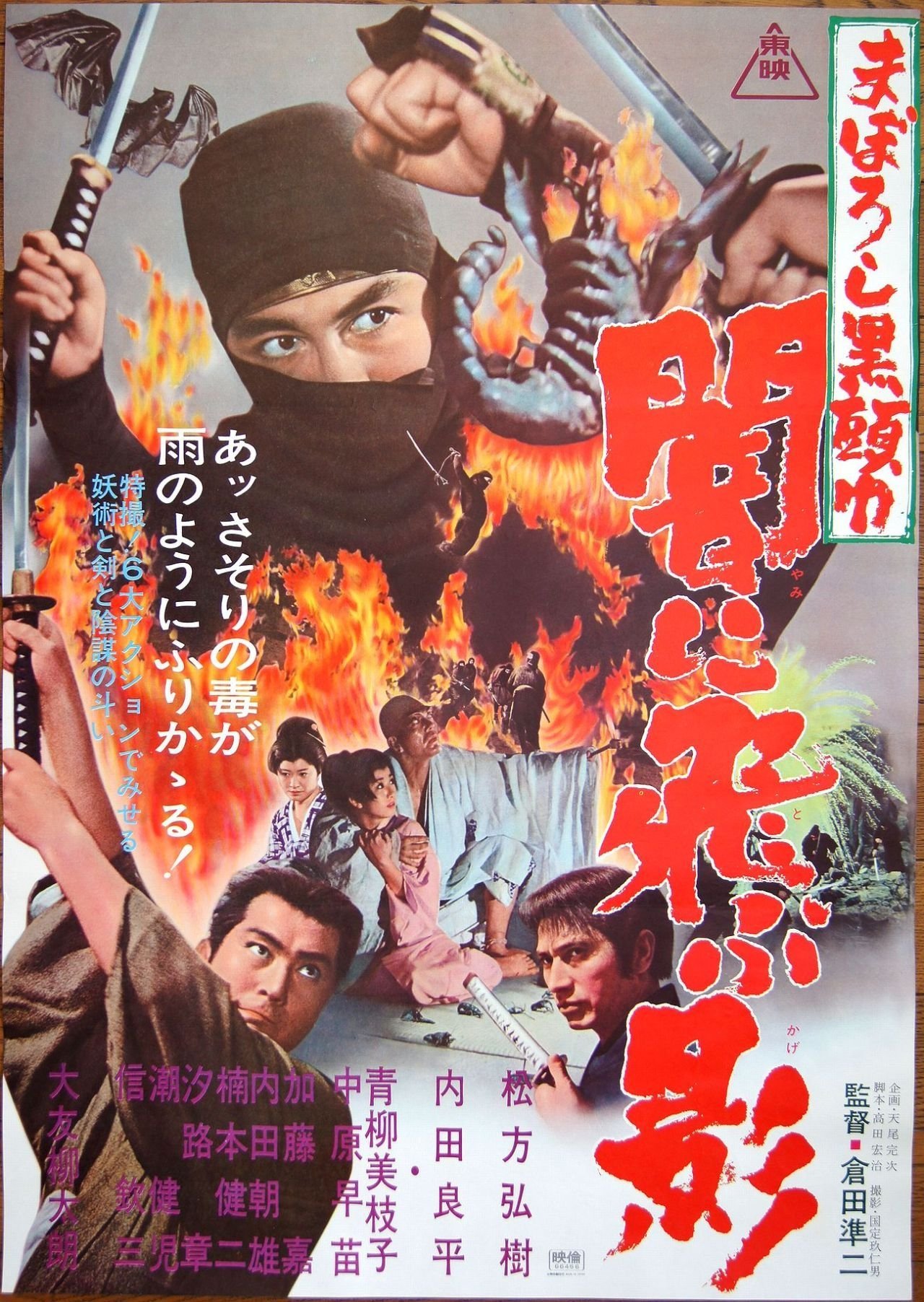
Historical action film about the struggle for gold of two feudal clans in the Edo period.
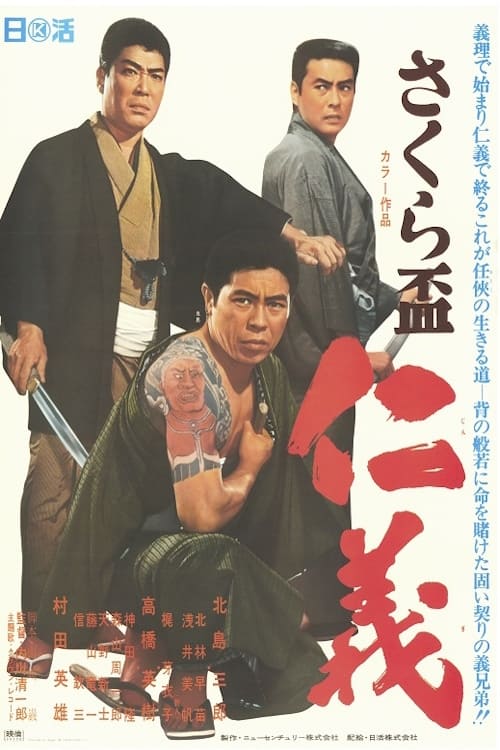
Cold-blooded obligations and loyalty in the gambler's world.
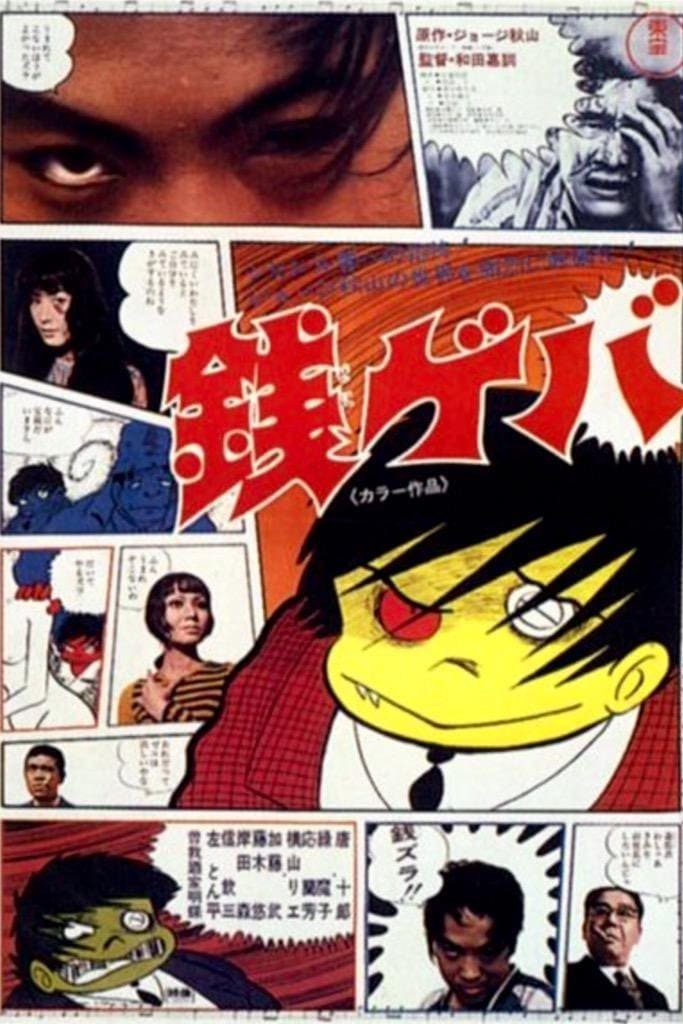
Based on the comic by George Akiyama
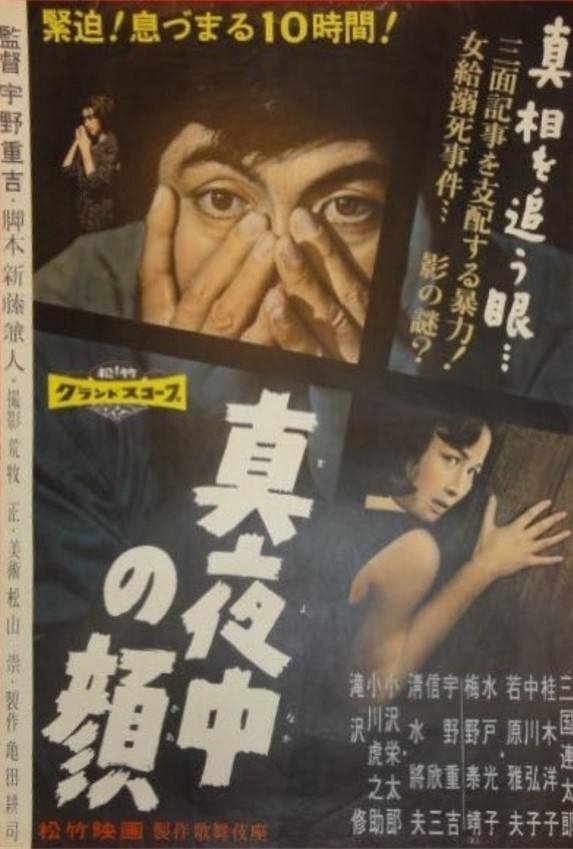
Japanese suspense film.
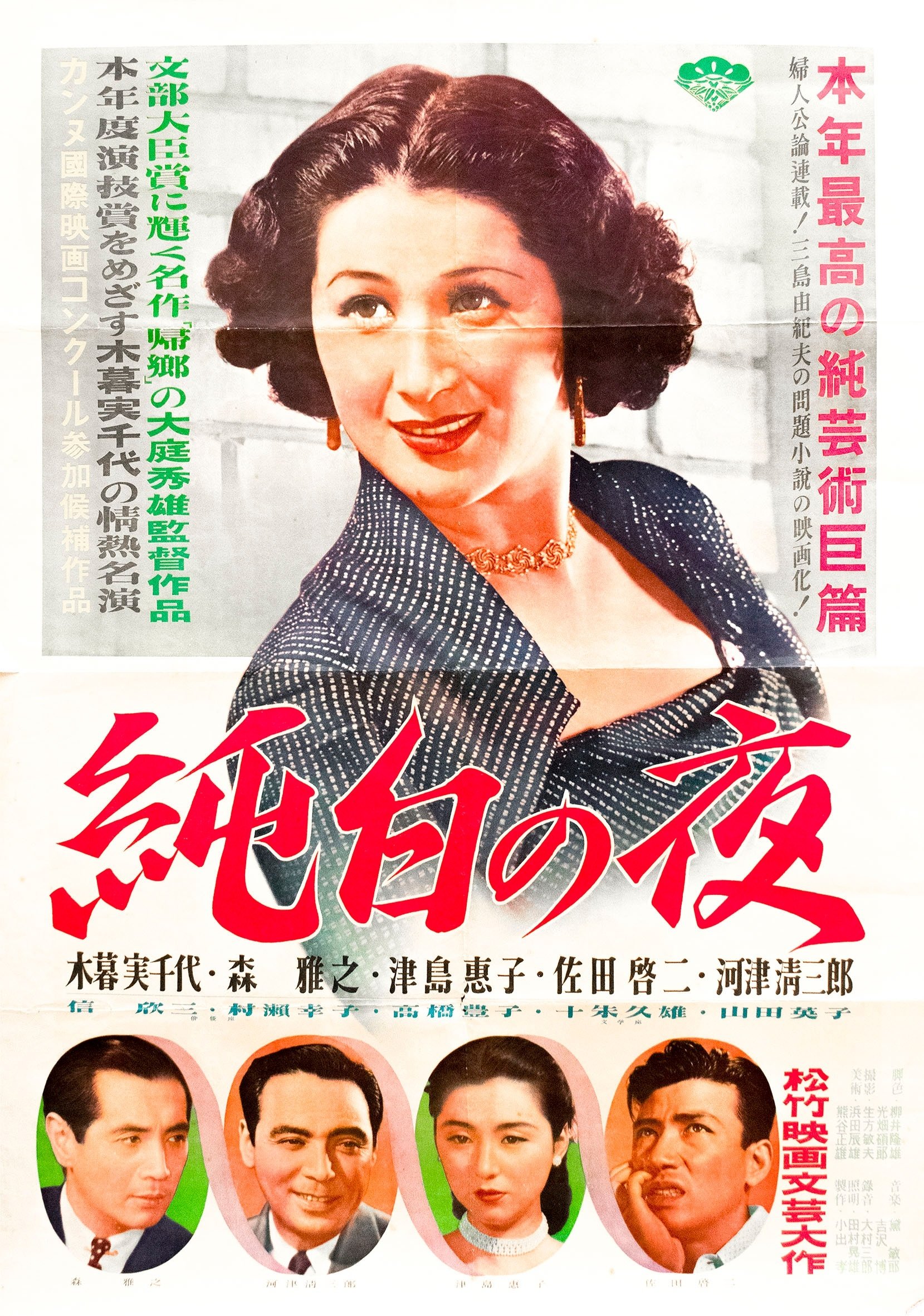
"Pure White Nights" - A romantic tale that depicts love between married people and the psychology of their marriage with elegant and a controversial touch. Love, art and suffering until the tragic and absurd ending.
This film focuses on Koreans living in Japan. The filmmaker’s humanism comes across in the portrayal of a girl living in a shabby tenement, the warmth of a Korean girl she meets, and the friendliness of this Korean girl’s family.
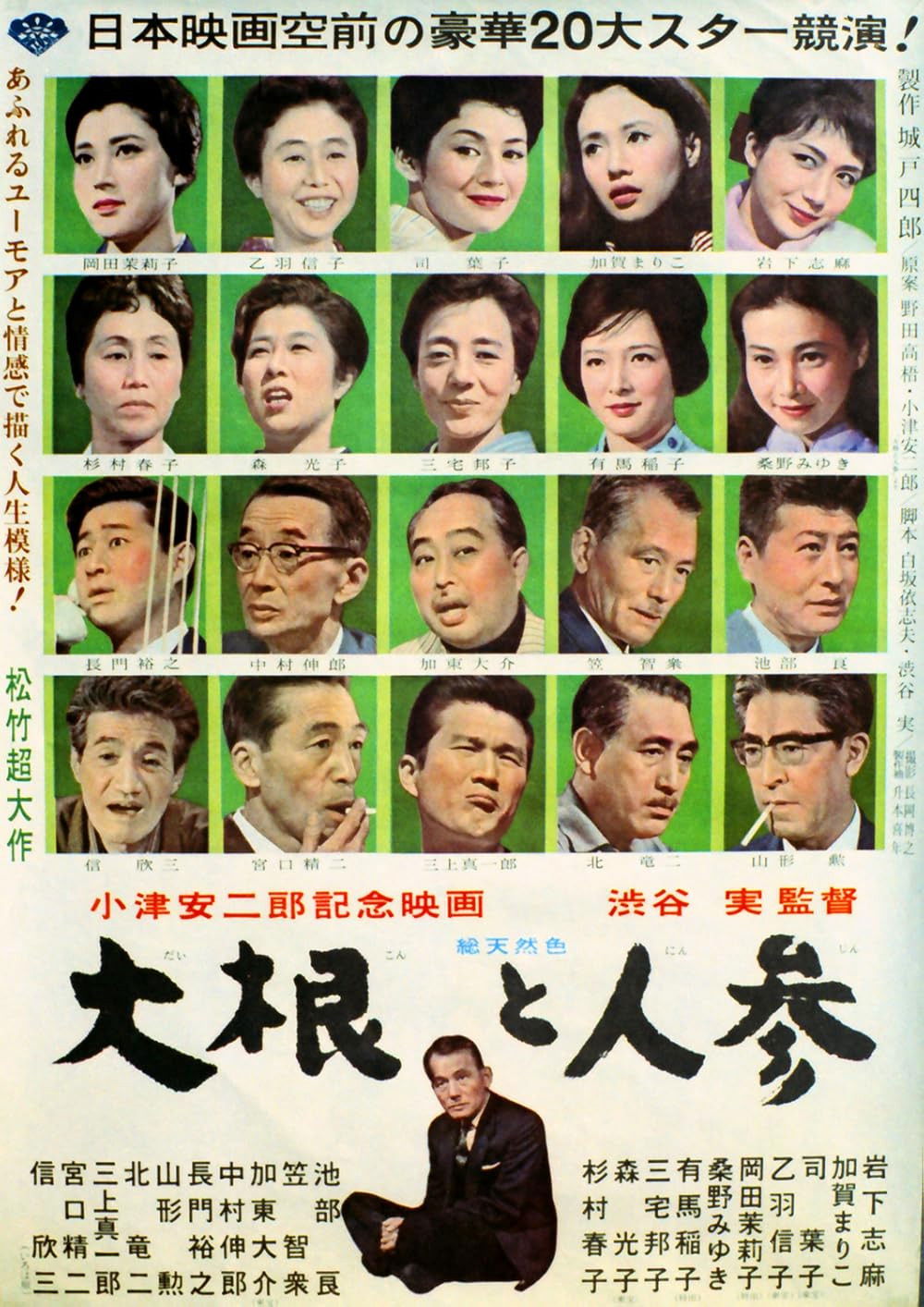
One day a company executive learns that his younger brother, whom he recommended, embezzled company funds. To save the situation he withdraws his life savings and gives money to his younger brother. He then suddenly disappears…

A woman who grew up in a prestigious household, begins to have an affair outside the marriage.
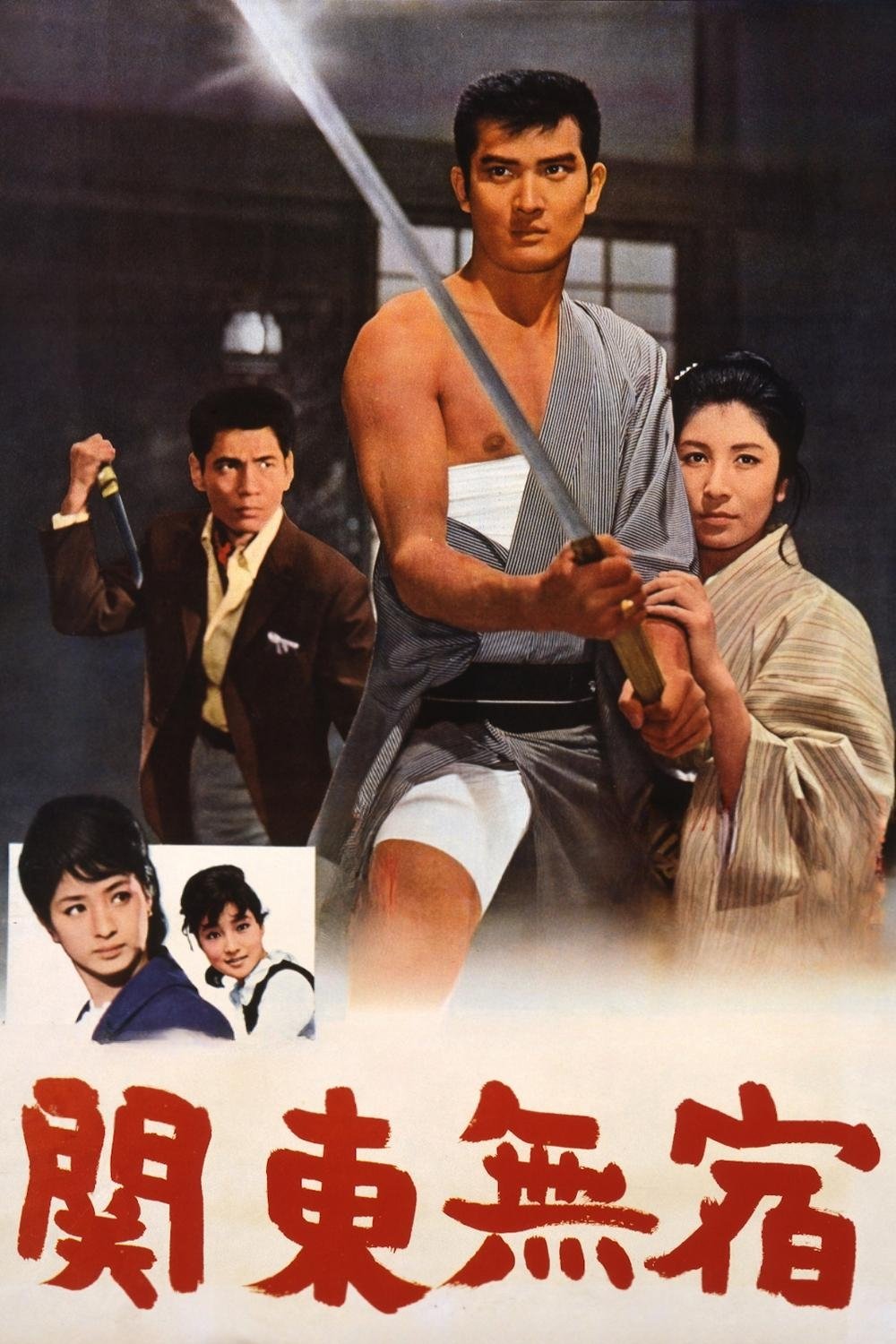
Handsome young Katsuta tries to follow the yakuza code, but even his boss doesn't believe in it. Diamond Fuyu is less ethical, and allows the idiotic Tetsu to trick a schoolgirl he fancies, Hanako, into a type of bonded prostitution. Because of gang conflict, the Izu family (to whom Katsuta belongs) has their last gambling den taken over, and he seeks revenge. This brings him back into contact with a former lover who is also a card trickster - she is also Diamond Fuyu's sister, and is now married to Okaru-Hachi, who has mastered a clever card cheating trick called Okaru, which involves the deft use of mirrors.
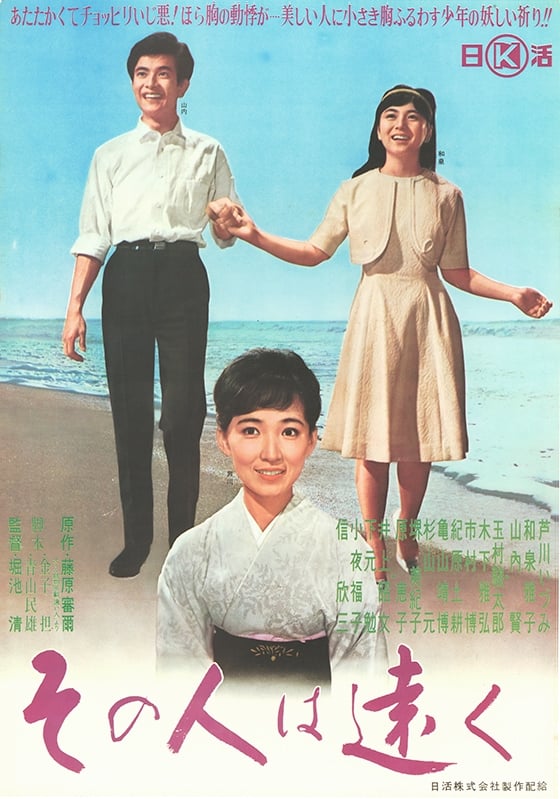
A romance of a pure young lover and his heartbreak for a beautiful older woman.
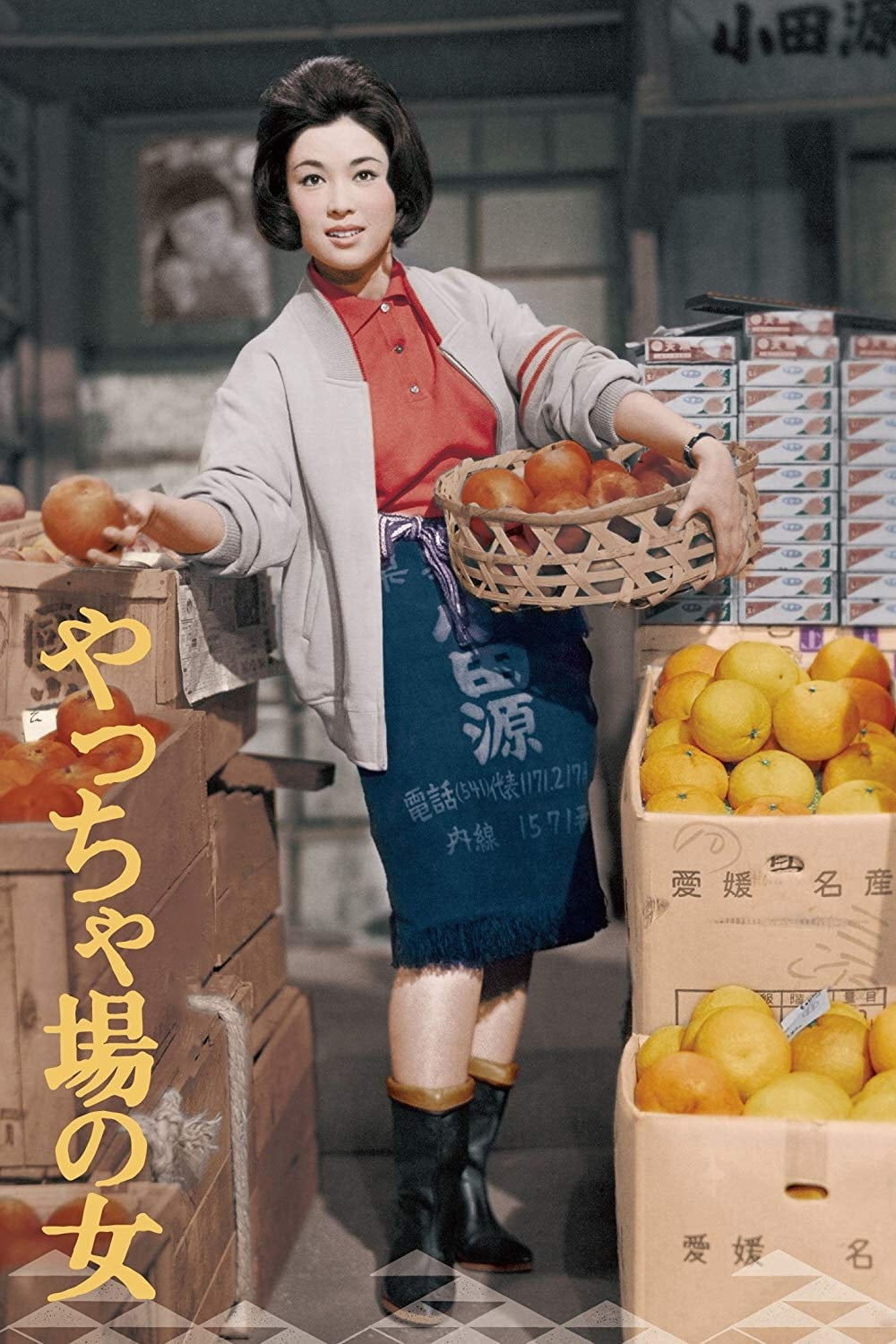
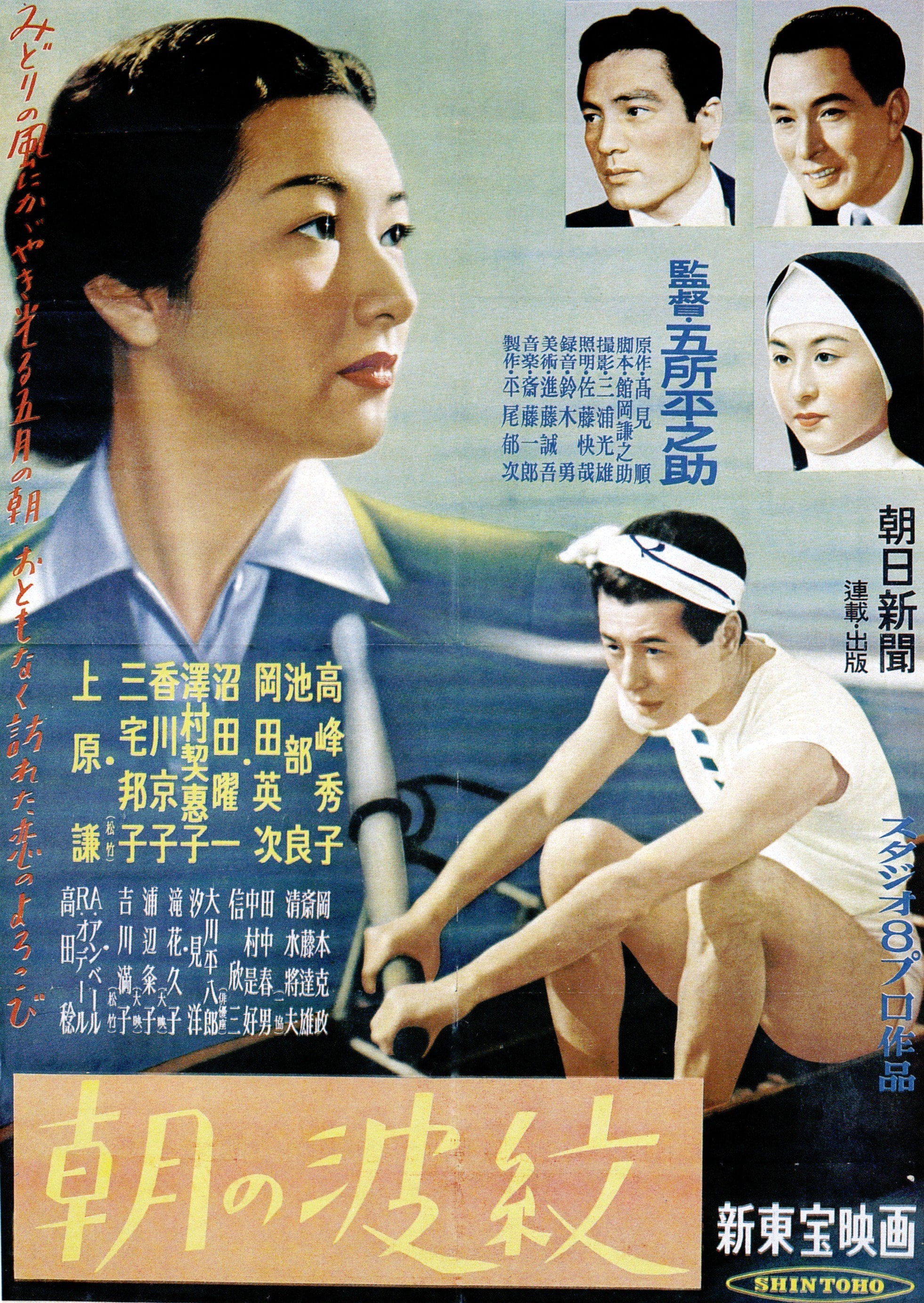
Atsuko is an office secretary who is also her family's primary source of income and caretaker in postwar Japan.
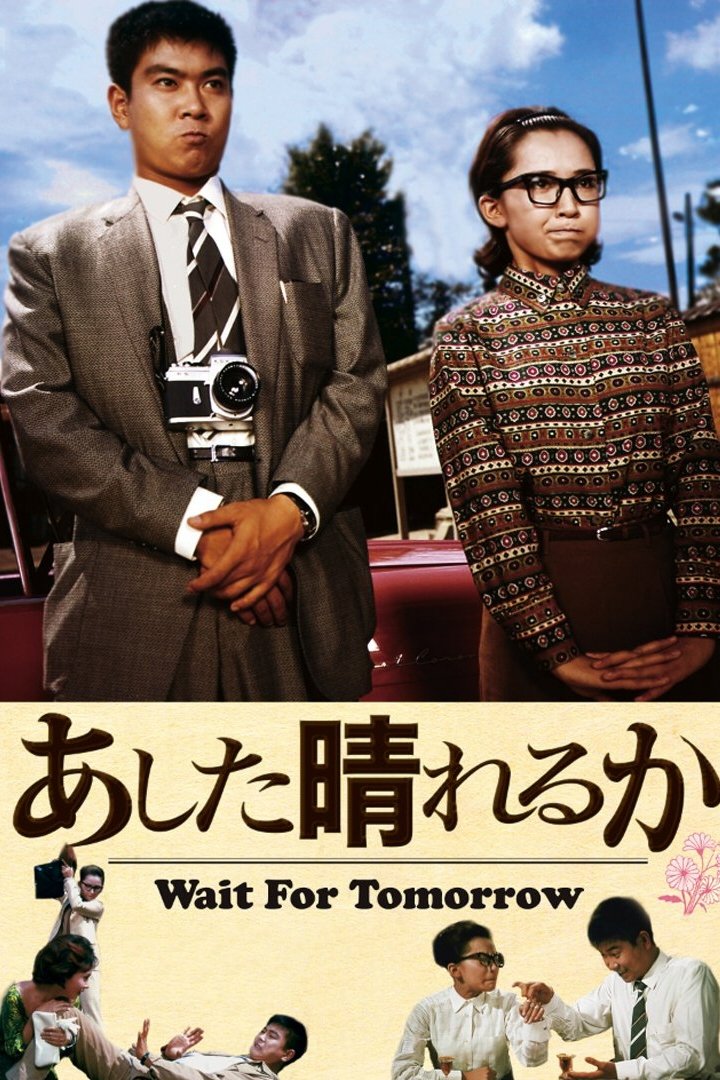
Kohei Misugi works in a vegetable market, but his ambition is to be a photographer. He is given his first opportunity to demonstrate his talent by the Sakura Film Company which offers him an assignment to "Cover Tokyo" with a camera. But he is disillusioned when he is told he must work together with Miharu, a good looking girl in the film company's publicity department. Then the fun begins.
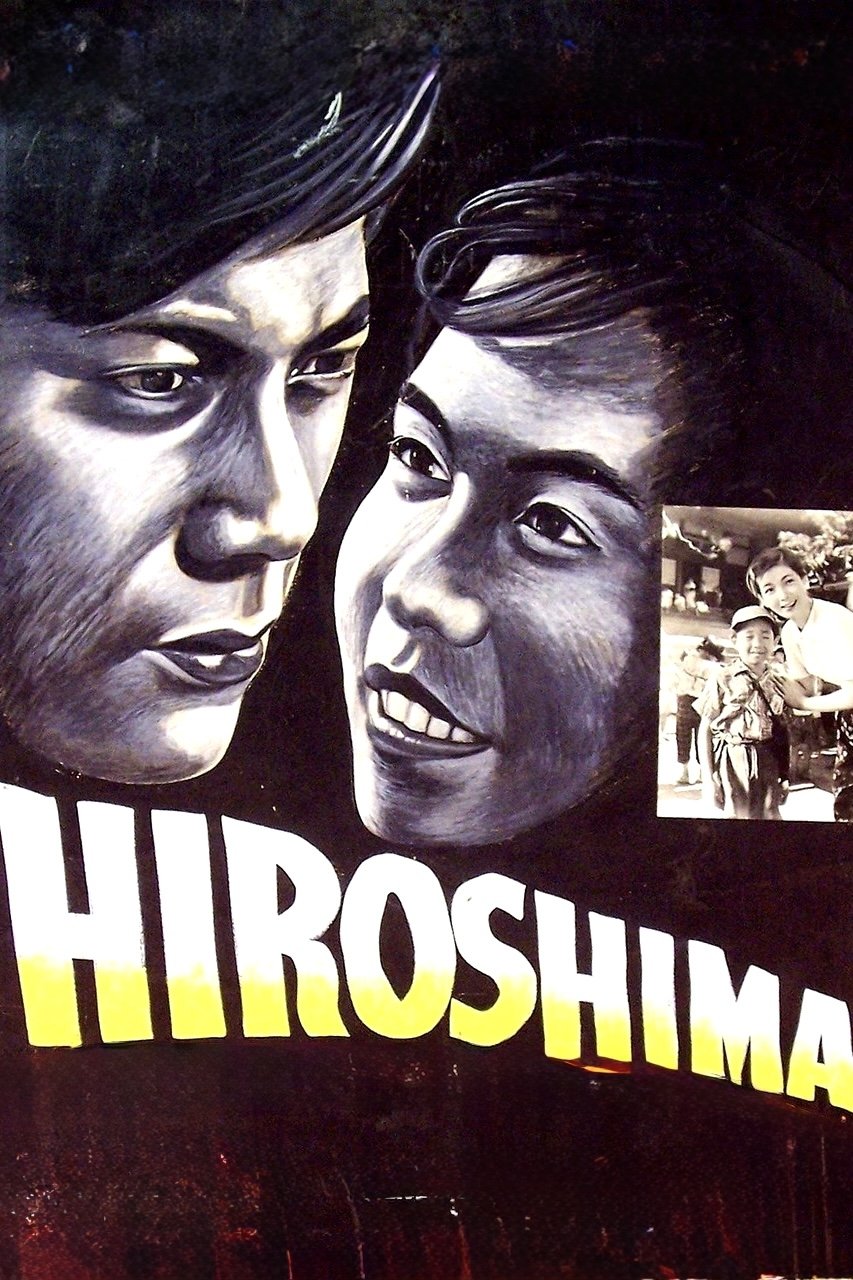
Historical fiction about the aftermath of the atomic bombing of Hiroshima, Japan, on 6 August 1945, and its effects on various civilians, especially children, of that city.
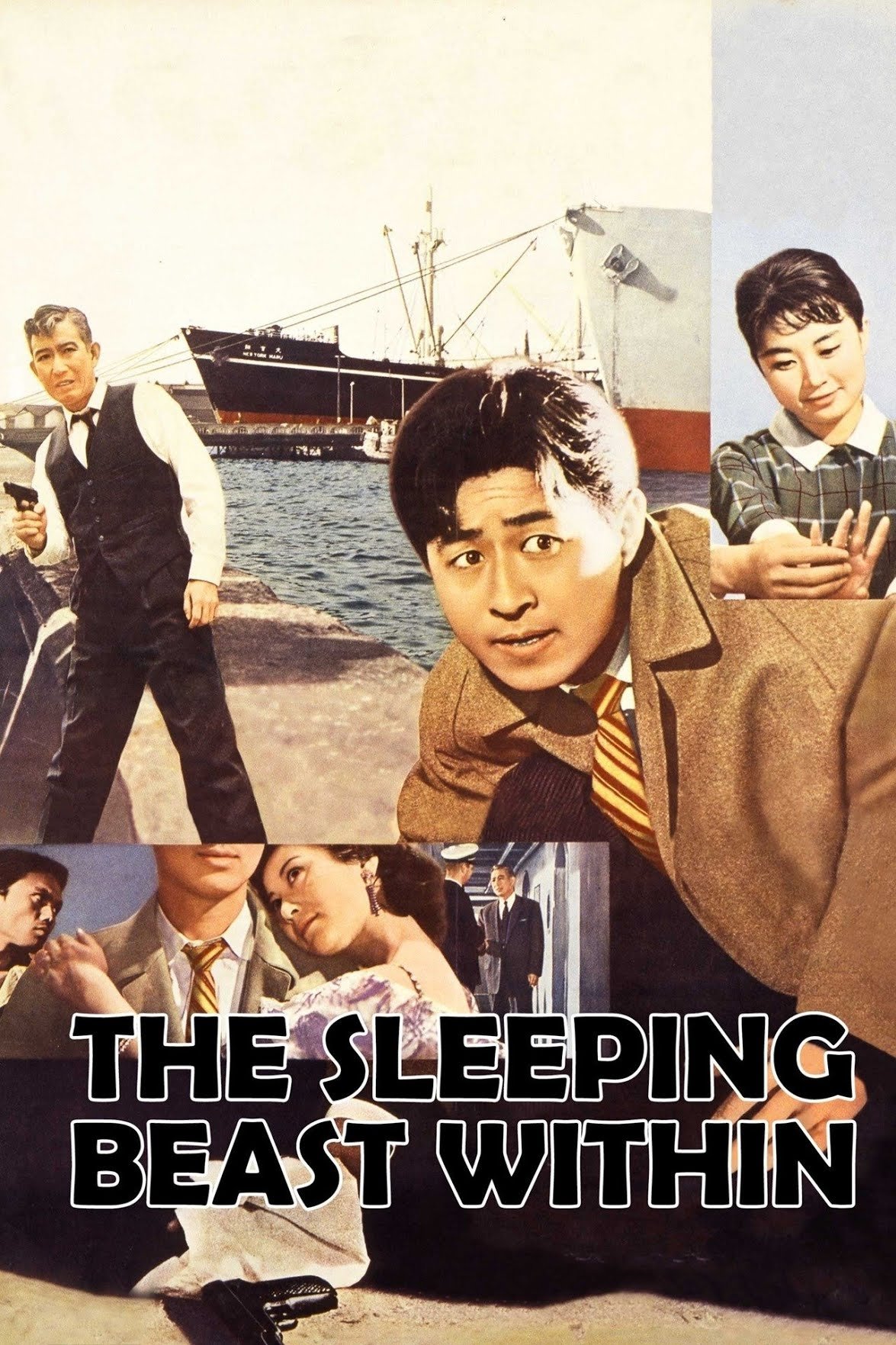
A newspaper reporter's search for his girlfriend's missing father lead him into heart of the criminal underworld of Yokohama's Chinatown.
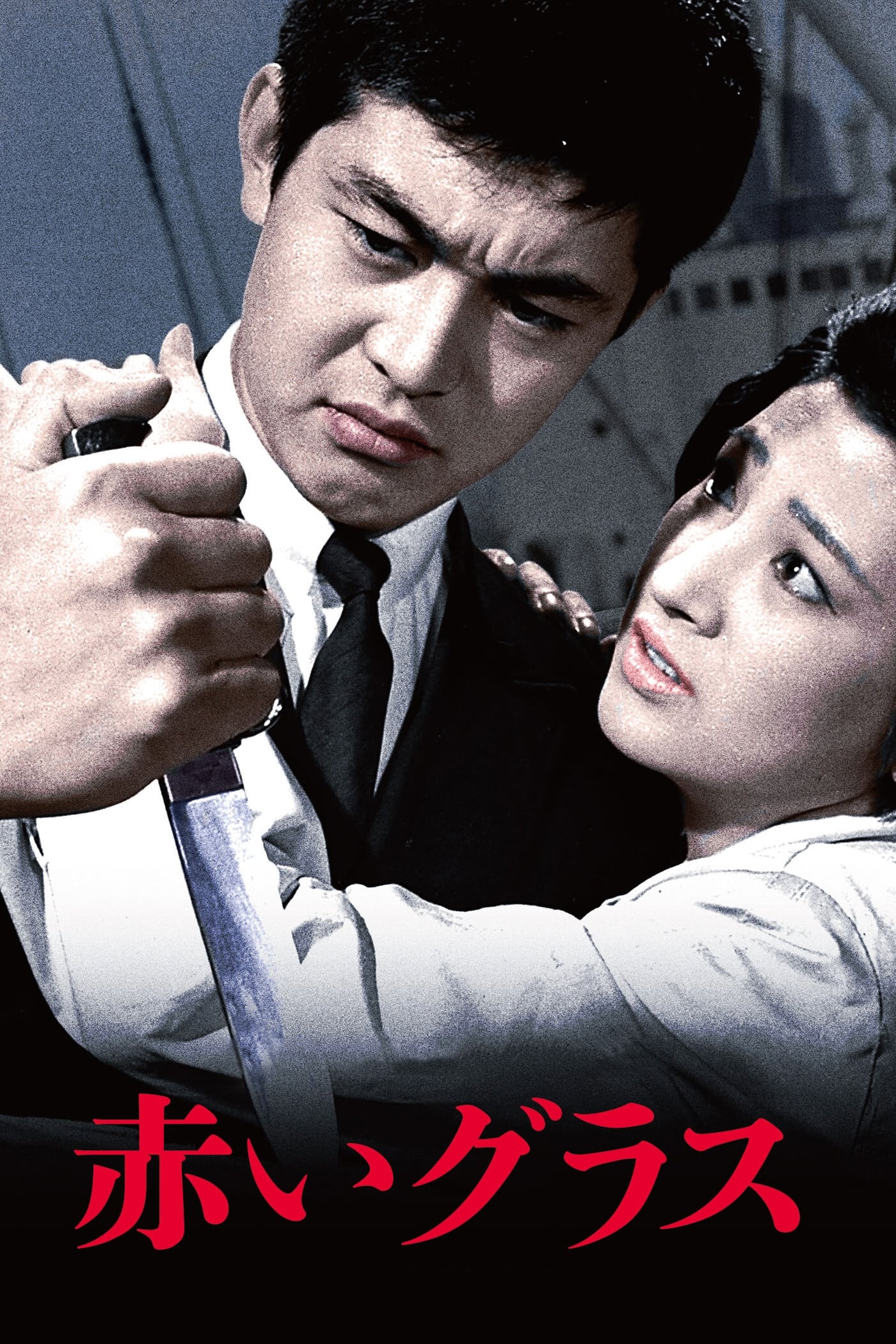

A group of Okinawan high school girls are drafted as nurses during the American invasion of the island. As the enemy army advances further, the situation for the girls becomes increasingly desperate as food and shelter run out and the number of injured climbs, leading to the film's tragic finale.
Prisoners with special skills from all over Japan are sent to the battlefront on a mission.

When a mysterious stranger muscles into two rival yakuza gangs, Tokyo's underworld explodes with violence.
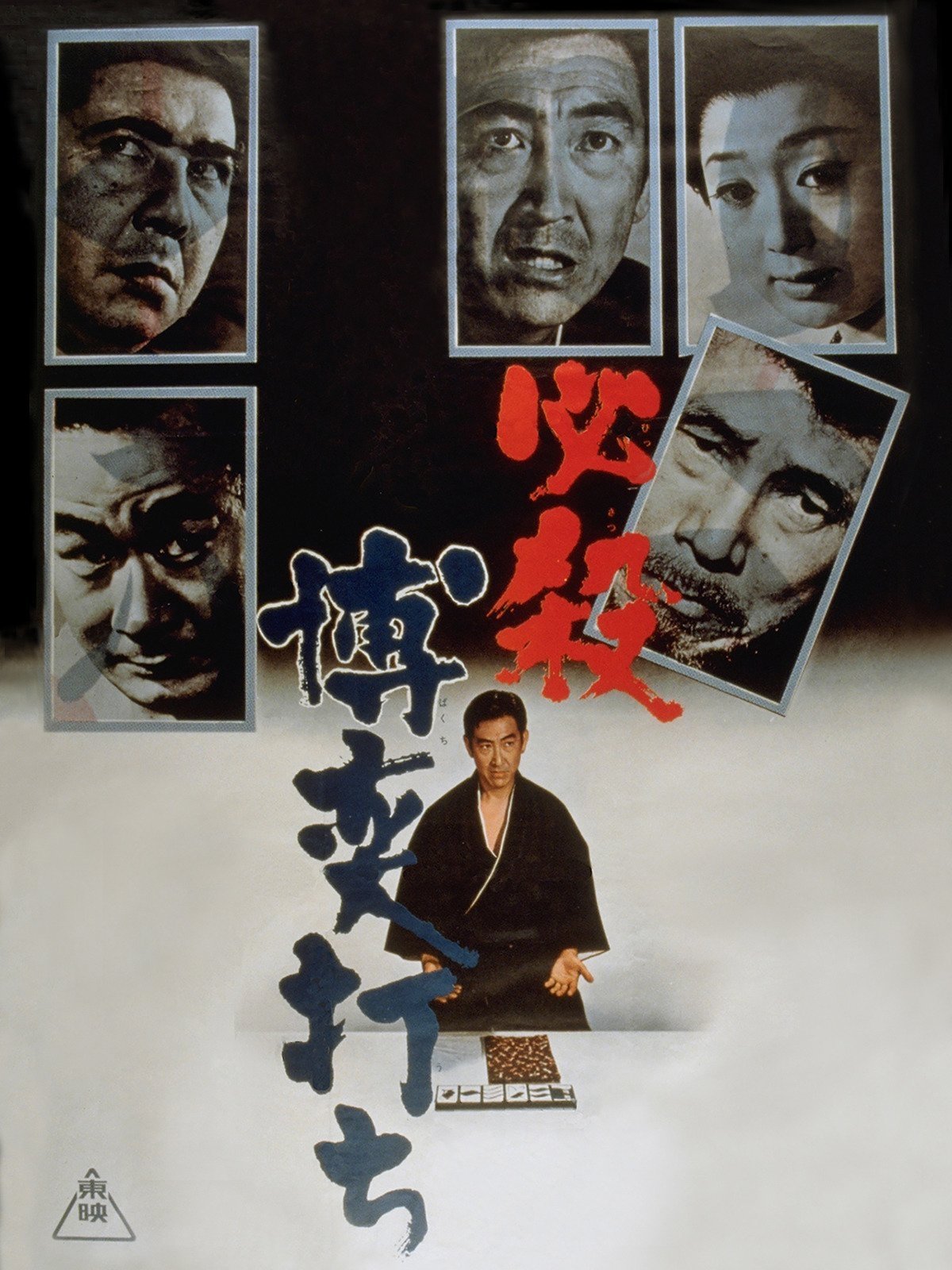
Part 7 in the Gambling Den series. This time Koji Tsuruta is a gambler who feels sympathetic towards a woman whose naive husband is driven to a debt trap by a rotten gambling den owner (Tatsuo Endo) and his dishonest card dealer (Isamu Nagato). The plot is standard stuff and features too much talk, but there's also a decent balance between melodrama and lyricism in the form and storytelling. Tsuruta was a perfect fit for these kind of roles, with the stoic and emotional sides nicely mixed in his screen persona.
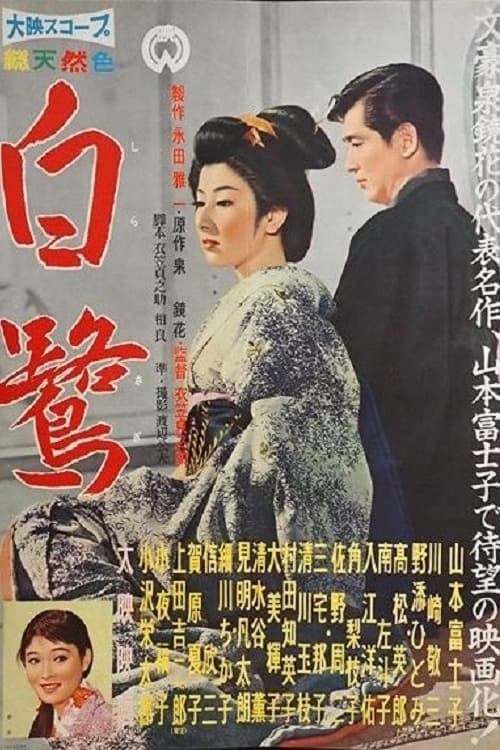
The story follows Oshino, a geisha who is trying to start a new life with a lover who is a painter. However, her past filled with debts and pimps catches up to her.
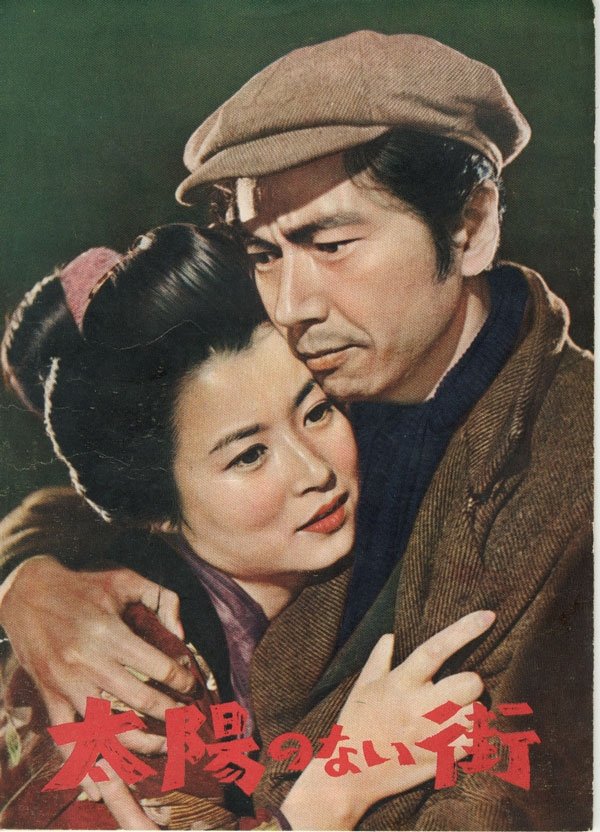
Based on the novel by proletarian writer Sunao Tokunaga. The story is about a long strike by workers at a large printing house and the strikers' steadfastness, which neither hunger nor violence could break. The heroine of this story actively participates in her colleagues' struggle against layoffs, oppression, and police brutality.

The events of the film are based on the real facts of the Pacific War, when in June 1944 the American troops began landing on the Saipan island. On July 7, an order comes that everyone must die in order not to be captured by the enemy.
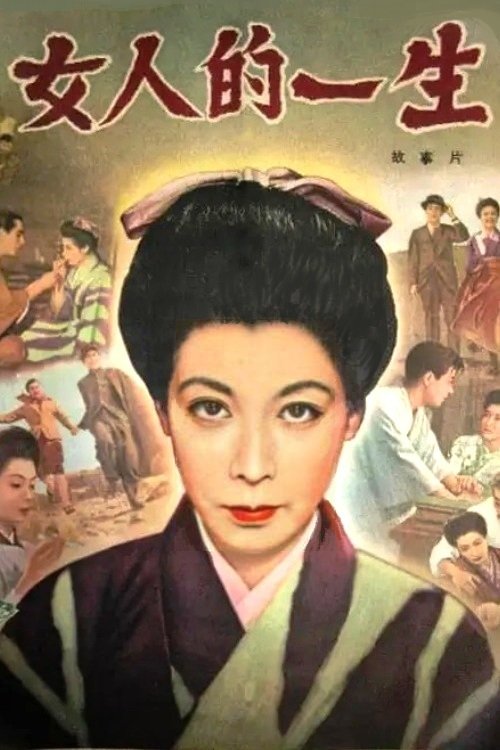
The film adaptation of Yuzo Yamamoto's novel tells the story of the difficult fate of a single mother in pre-war Japan.
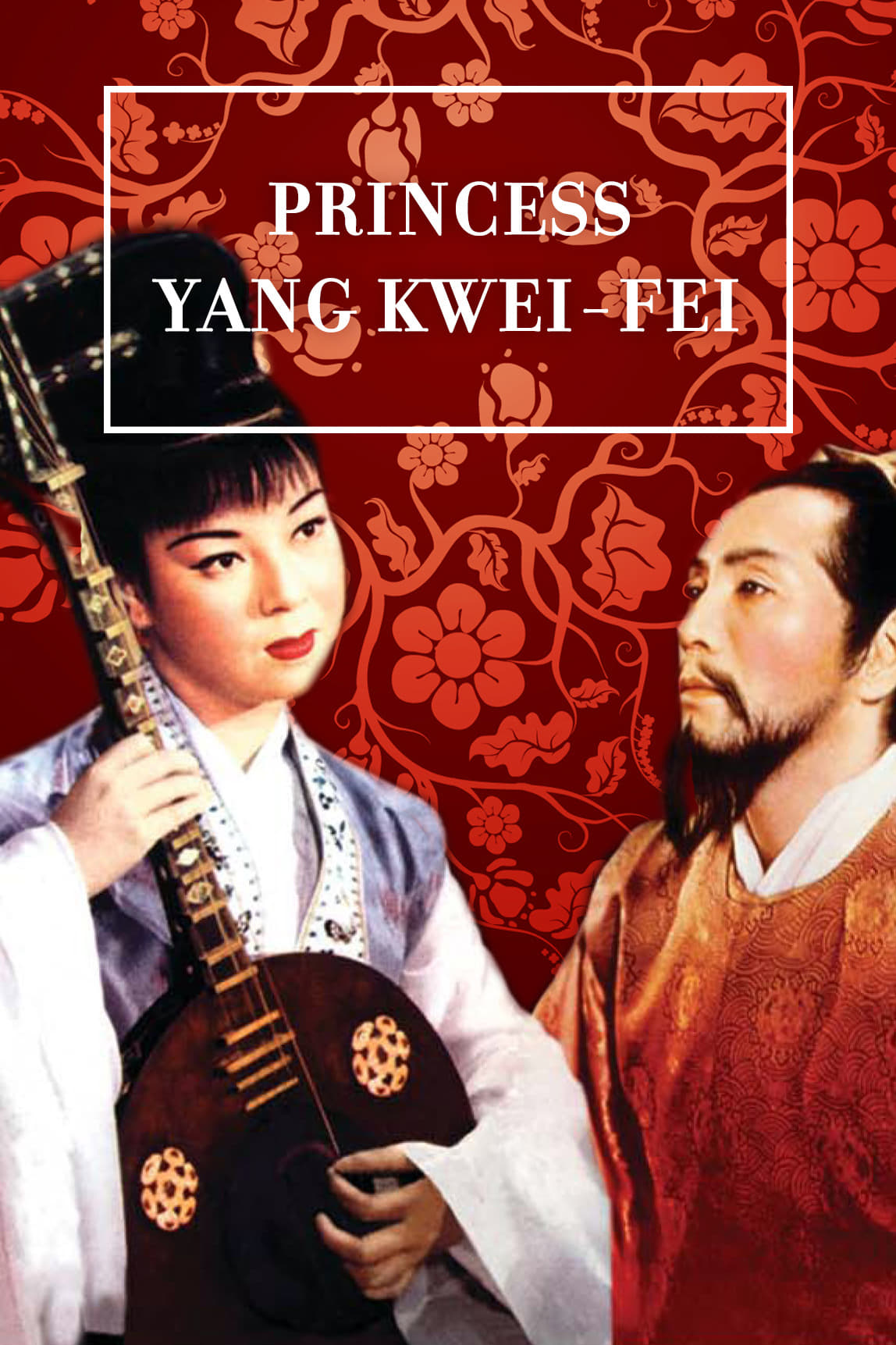
In 8th-century China, the Emperor grieves the death of his wife. The Yang family wants to provide the Emperor with a consort so that they may consolidate their court influence. General An Lushan finds a distant relative working in their kitchen, whom they groom to present to the Emperor. The Emperor falls in love and she becomes the Princess Yang Kwei-fei. The Yangs are then appointed important ministers, though An Lushan is not given the court position he covets.
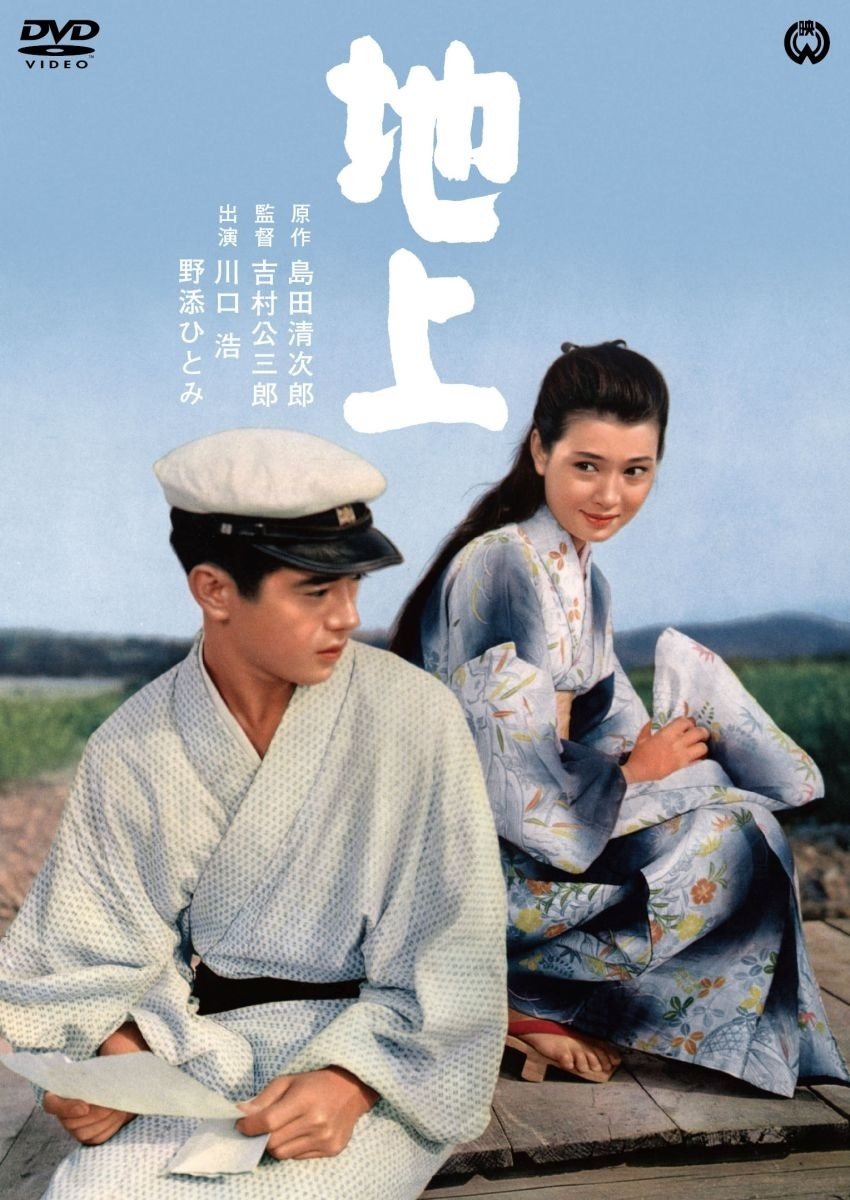
Ichiro’s family used to be a large landowner, but now he is living in poverty with his mother. His mother works hard to get her son through school. Under such circumstances, Ichiro meets Wakako, the daughter of a wealthy man, and they fall in love with each other, but they are opposed by those around them because of their different social status.
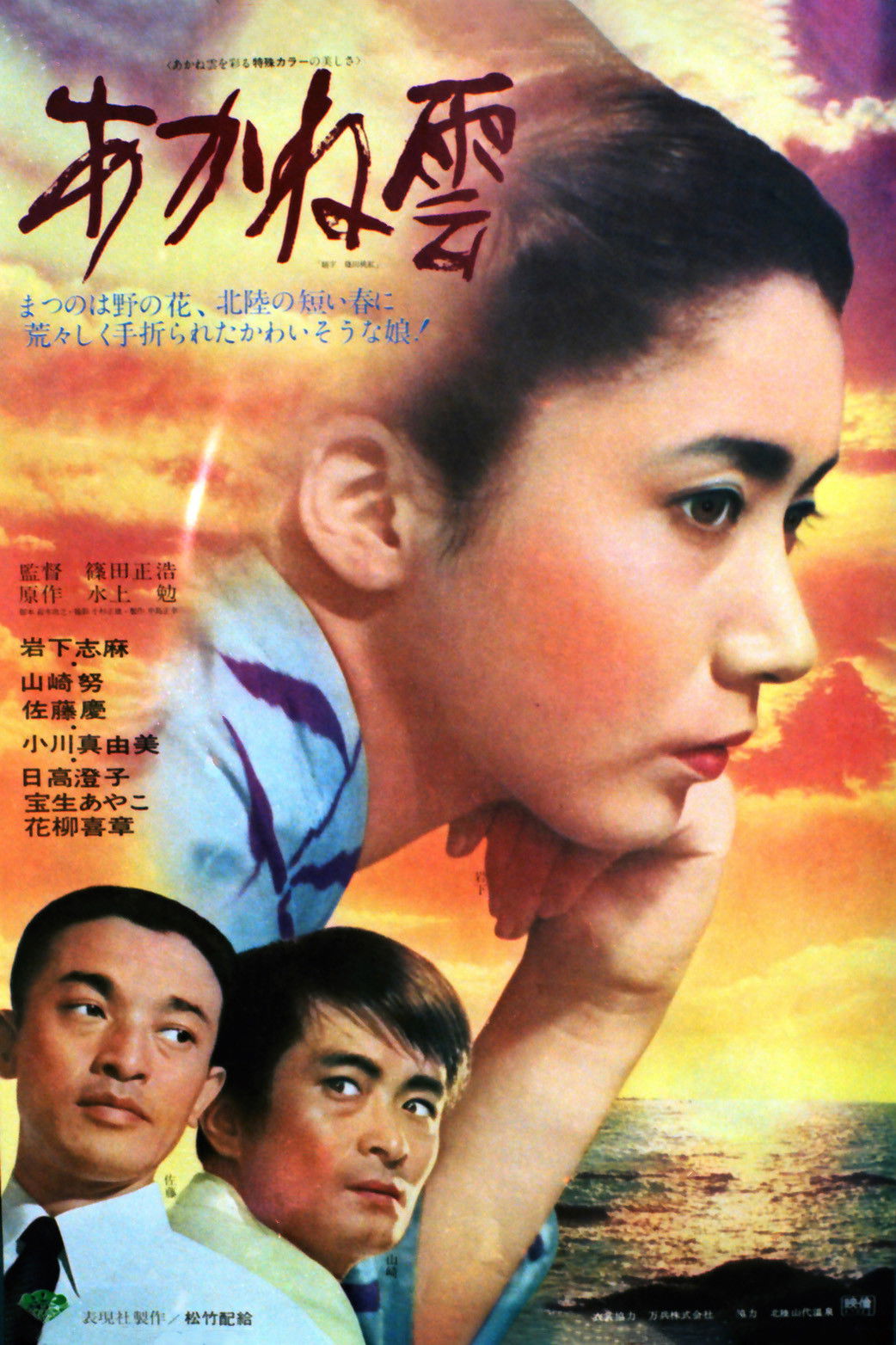
A Japanese soldier deserts his position and travels to a small town on the Sea of Japan to start over. When a young maid falls for him, he talks her into sleeping with an older man for money.
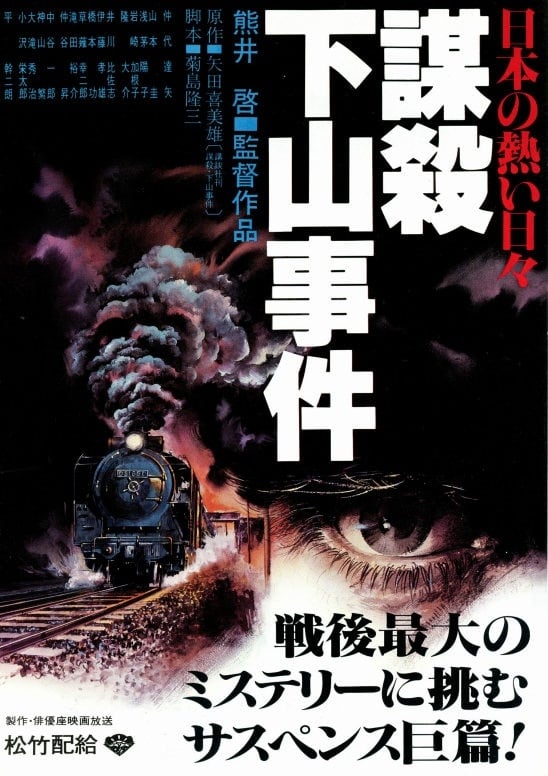
The president of the Japanese National Railways is found dead during a period in which train service is plagued by numerous layoffs, strikes and shutdowns. The government says that the president was murdered; the police claim it was a suicide. A quizzical reporter follows the case for years, but the basic question remains unanswered: was the victim killed by members of the burgeoning Communist movement in Japan, or was the death stage-managed by the authorities in hopes of discrediting the Communists?
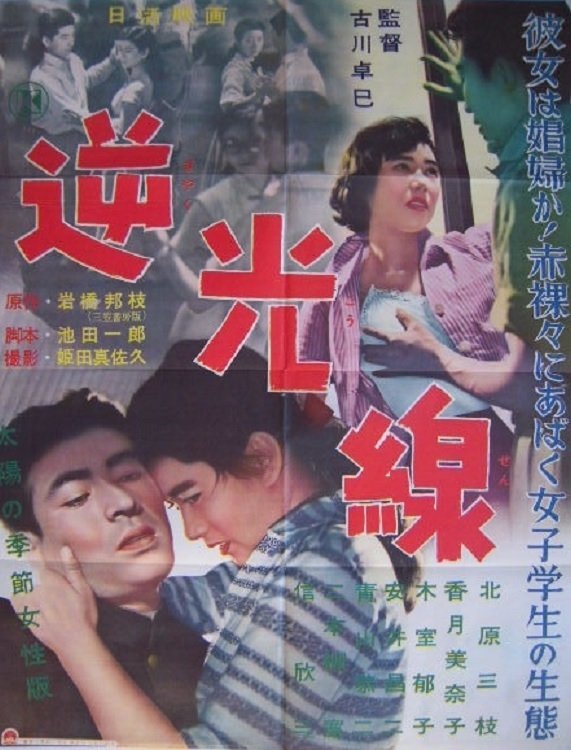
Reiko, a free-spirited college girl not bound by social conventions, ends up having an affair with an older, married man even though she already has a boyfriend.
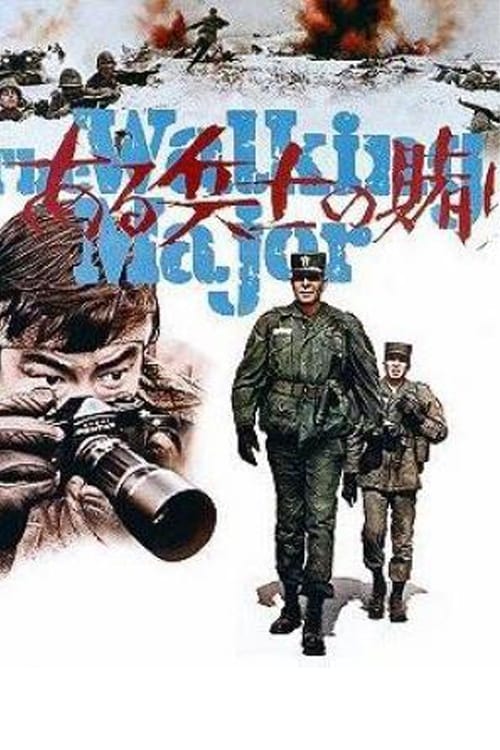
U.S. Army Captain Clark Allen gains attention by walking back and forth, the length of Japan, gambling with U.S. servicemen in order to raise funds to rebuild an orphanage. Suspicious of Allen's motives, a Japanese newsman, Hiroshi Kitabayashi, traces the American's background until he discovers the motive behind Allen's long walk.
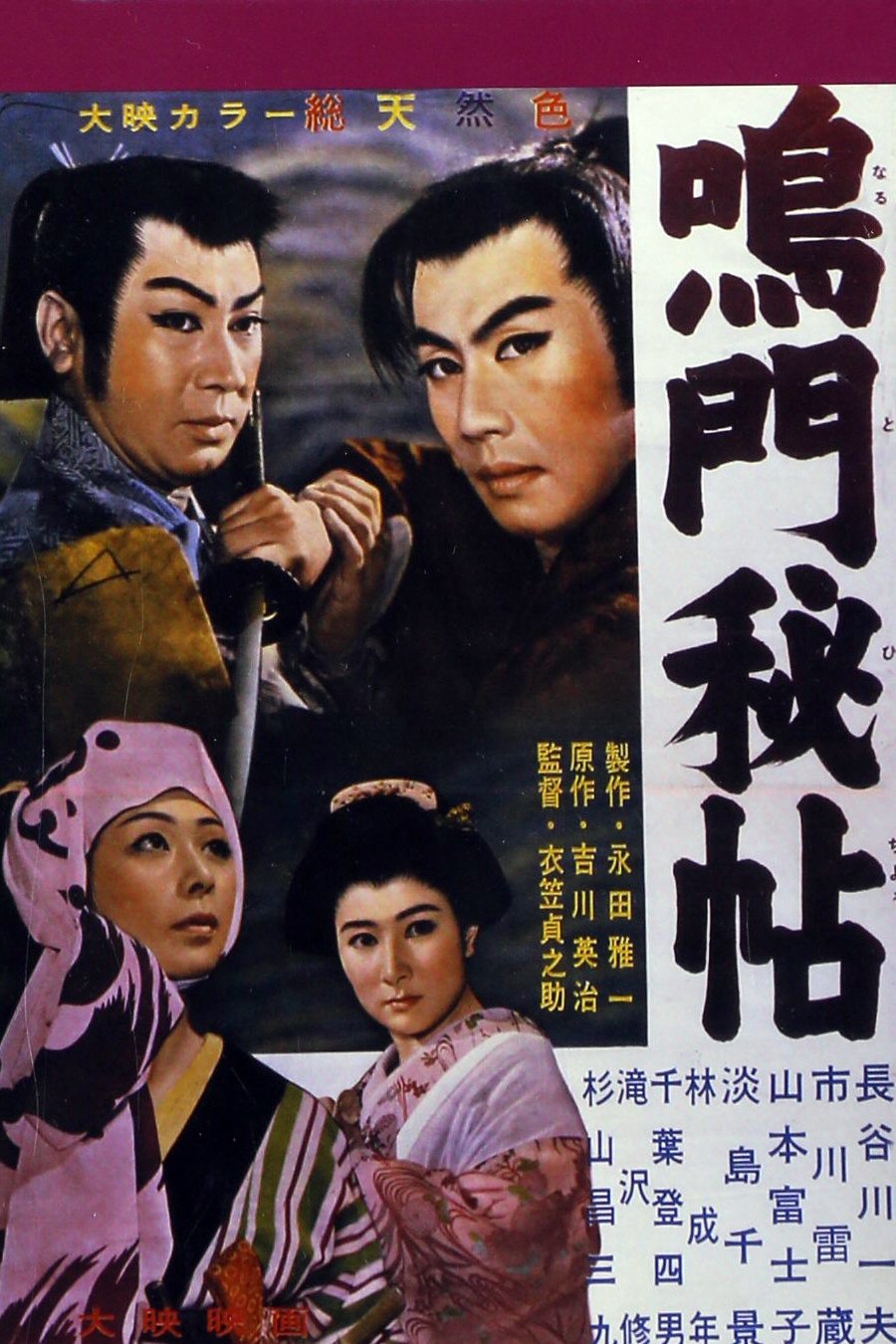
From the pen of Yoshikawa Eiji comes this exciting story. The Naruto Strait separates Tokushima from the islands of Awaji and Honshu. On Tokushima the mad lord dreams of conquest and forges a bloody revolt against the Tokugawa shogunate. A mysterious swordsman named Noriyuki Gennojo has crossed Naruto’s waters to uncover the Awa clan’s secrets. He puts his life on the line after finding a testament of Awa’s secrets, written in blood by a dying man. Joining Noriyuki are a female ninja who loves him, and the beautiful daughter of an enemy who’s sworn to kill him. Awa’s defenders willl stop at nothing to prevent the blood-soaked letter from reaching the shogun.
Two detectives are tasked to investigate the murder of an old man, found bludgeoned to death in a Tokyo rail yard.
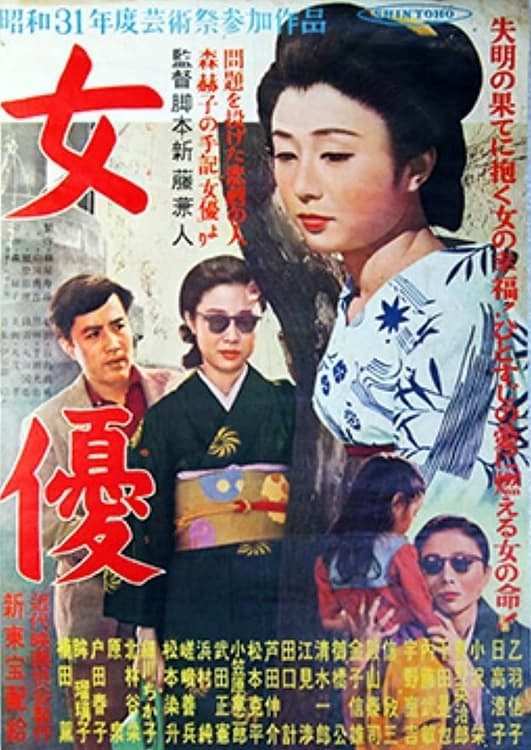
Based on Kakuko Mori's autobiography, about her life and retirement from acting due to her increasing blindness.
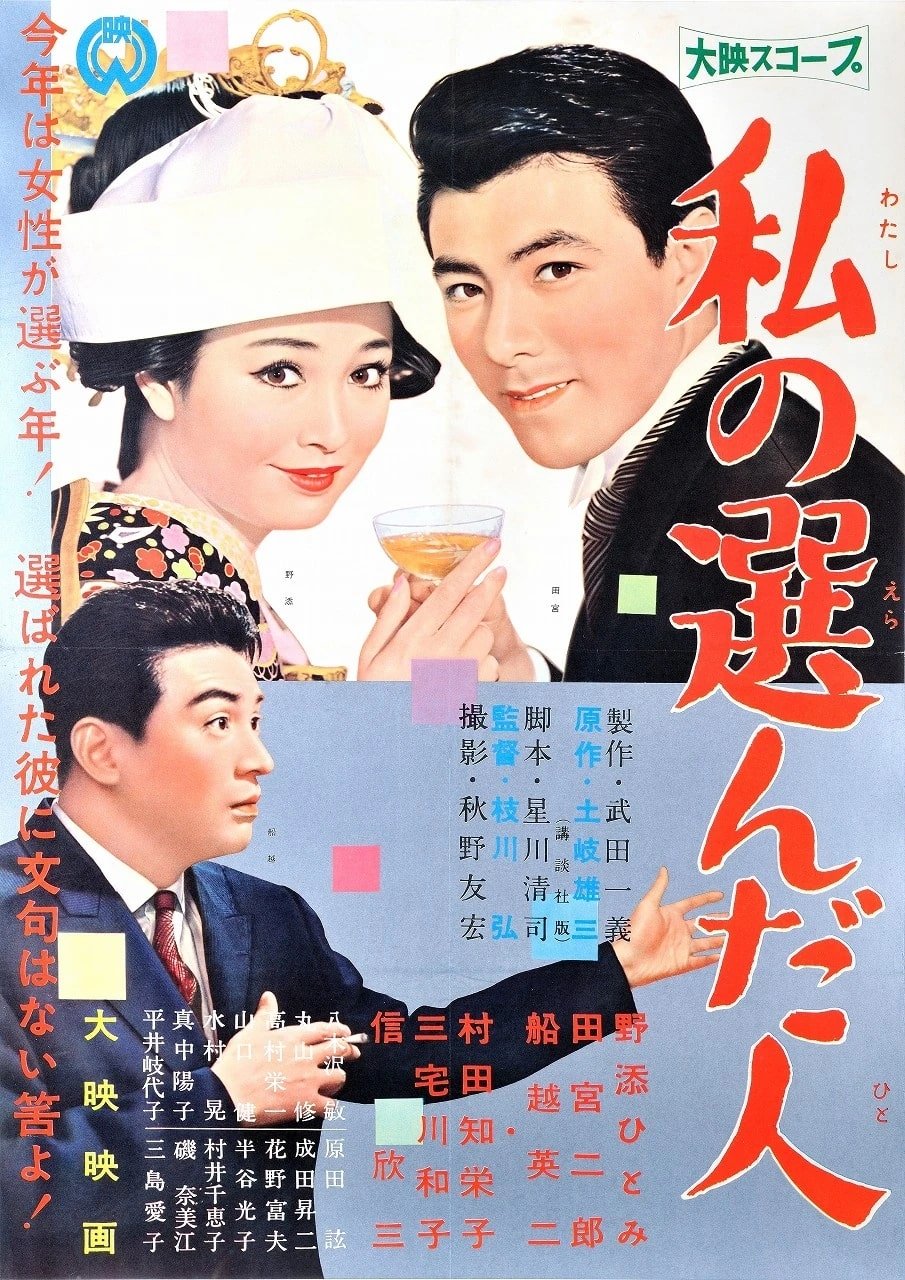
A 1959 film directed by Hiromu Edagawa.
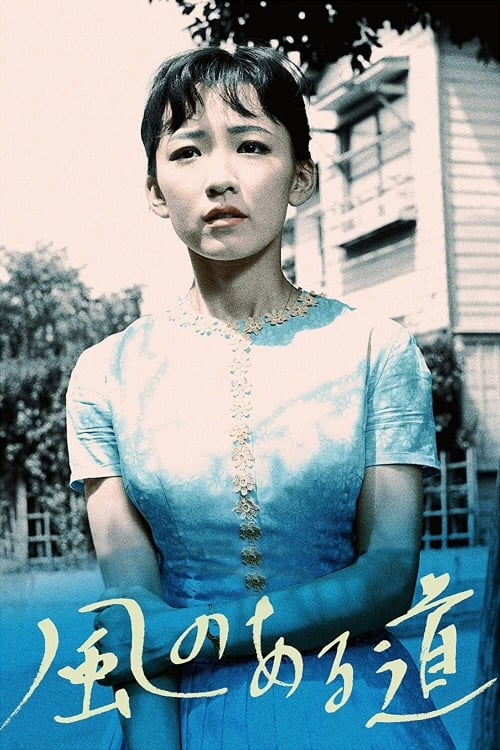
Adapted from the original work by the literary giant Yasunari Kawabata. Through the lives of three sisters each following their own path, the film offers a richly poetic exploration of what constitutes happiness for women.
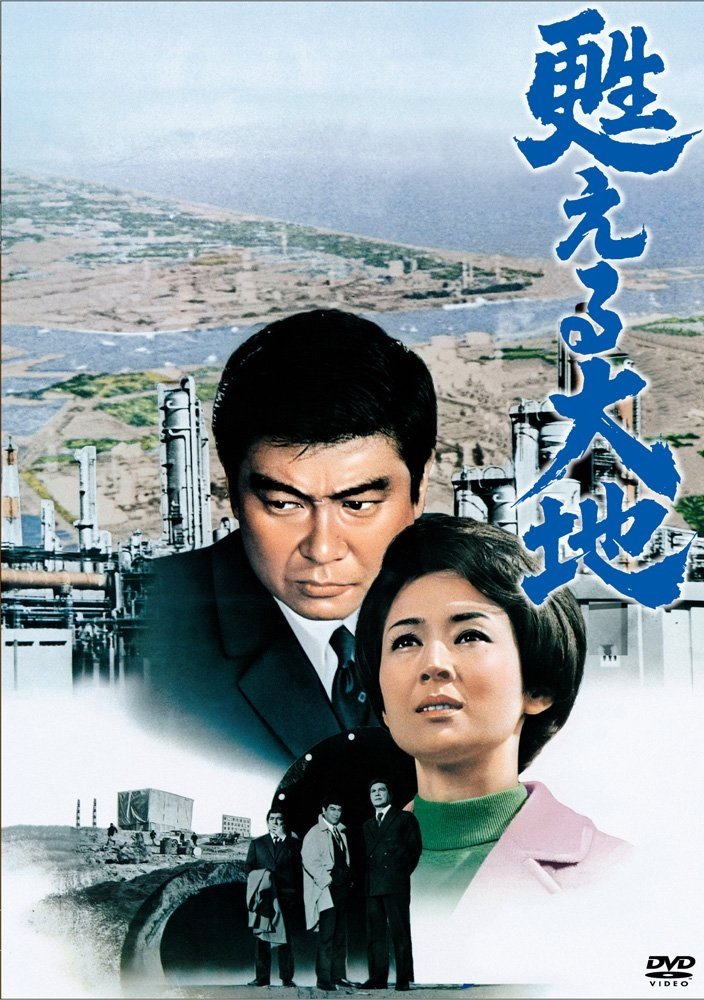
A dramatic film that recorded the history of Japan in the period of high economic growth. This work deals with Kashima Rinkai industrial zone development. The men who dream of making the overlooking wasteland as a big industrial area draw the courage to realize the ideal purely with the fishy desire swirling back to the coastal industrial area of Kashima Nada in Ibaraki prefecture.
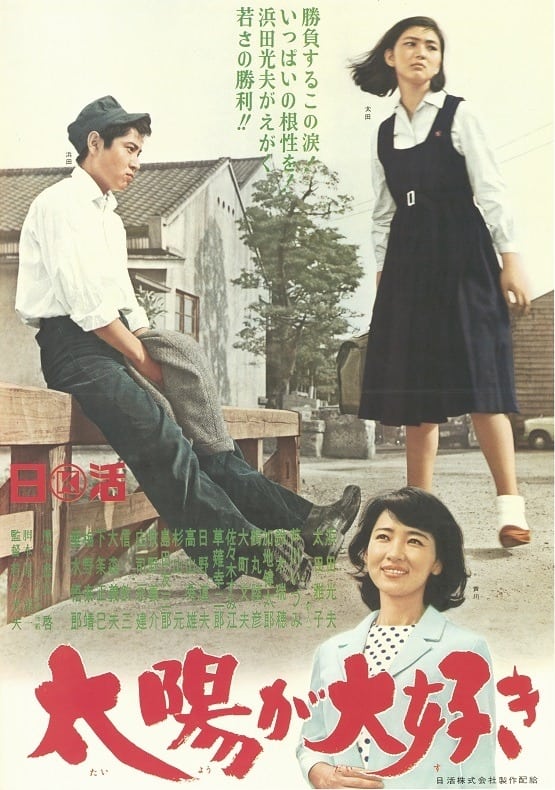
A coming-of-age drama based on a novel by Kei Moriyama.
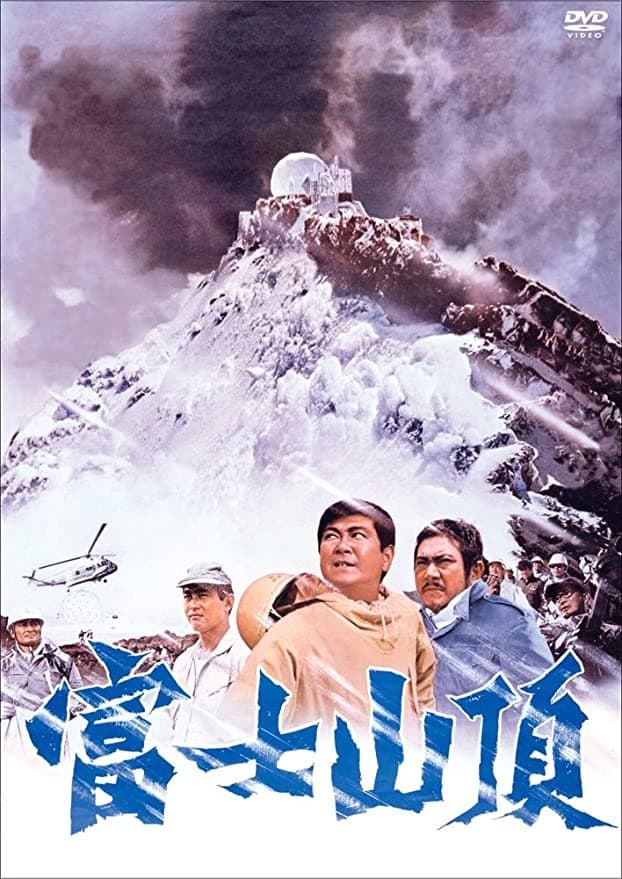
The Japanese government decides to install a radar on the top of Mt. Fuji, in order to detect typhoons as far as 800 km south of the Japanese archipelago, but the task will not be easy.
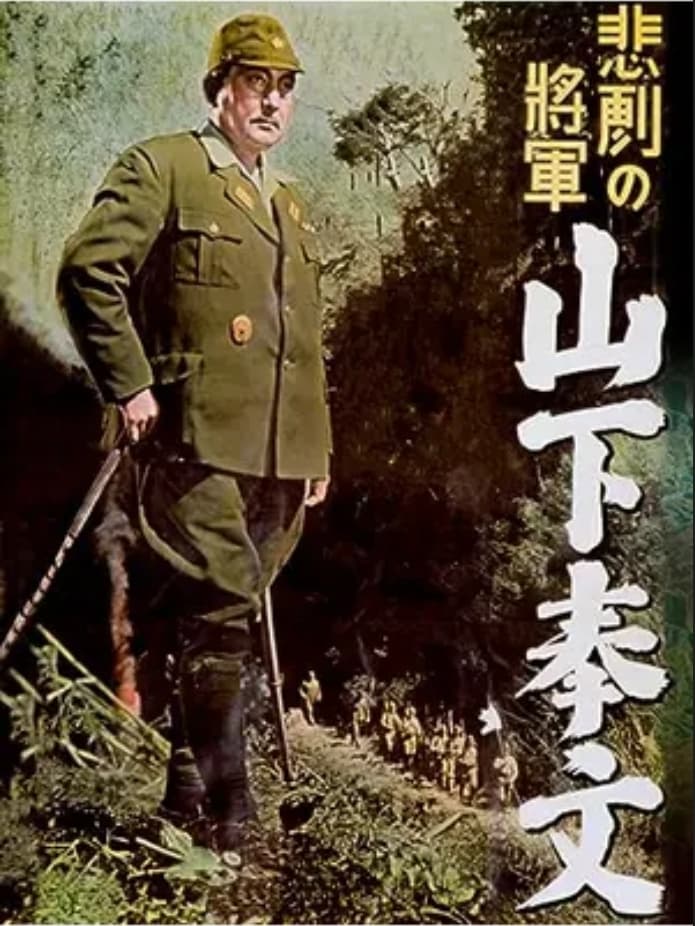
When Japan entered into the great tragedy that was unforgettable, the general general of the history of the Ming Dynasty, hokudai Yamashita, left the Malay front and occupied Singapore at once, and was praised as a "Malay tiger." However, the situation in Japan changed steadily by the failure of Sai pan from the GA Talca translation.
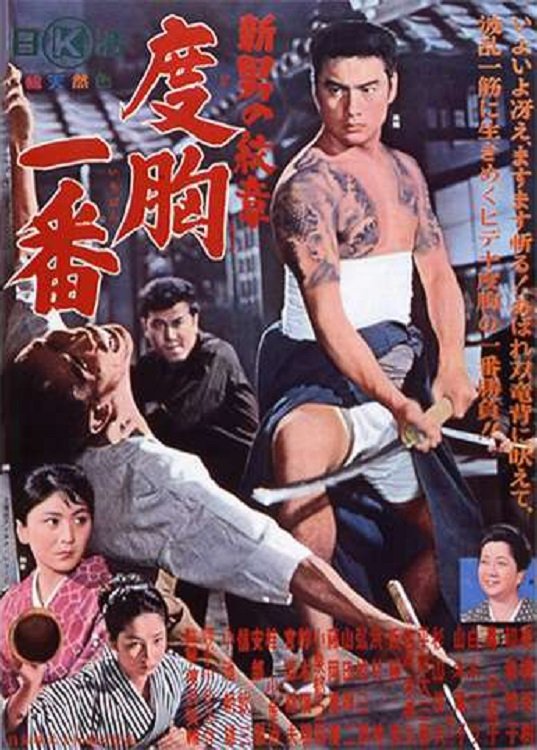
A war veteran clashes with a mob boss in this crime saga. When Ryuji returns from the war, he finds himself torn by the death of an old friend - the son of crime kingpin Kiyomiya. A death Ryuji feels responsible for.
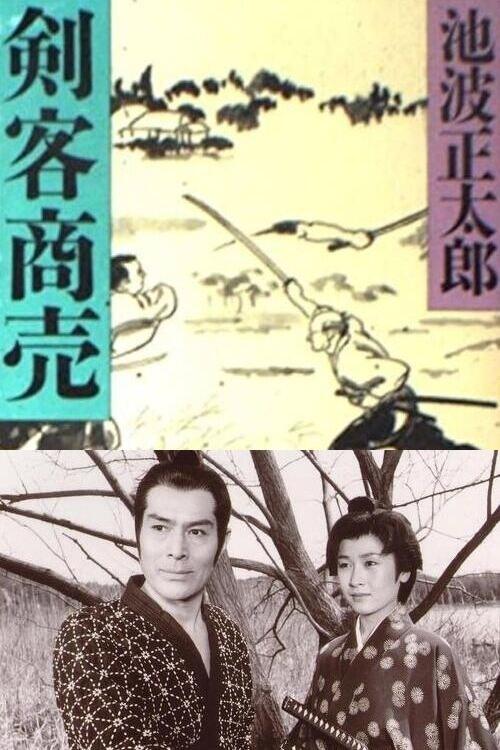
Kohei Akiyama, a popular master swordsman, and his son Daijiro live in the town of Edo in good faith. While running a dojo, Daijiro and his father find themselves wrapped up in a series of events with the town's people.
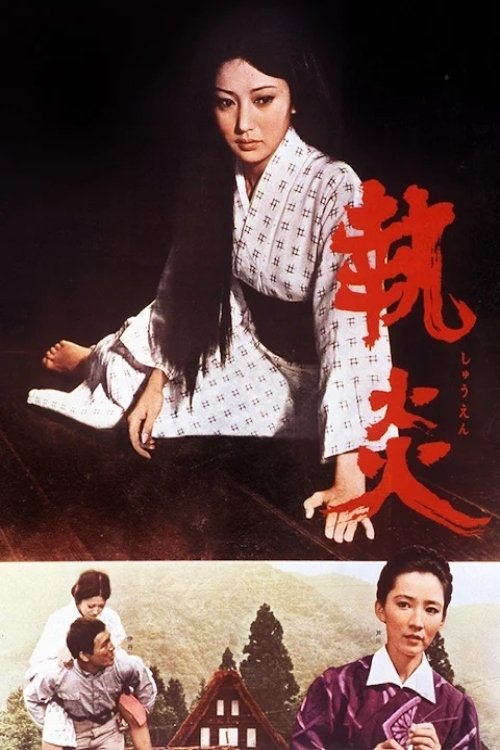
The tragic tale of Kiyono, a young woman from the mountain who fell in love with Takuji, a fisherman's son, and her devotion to him during a time of war.
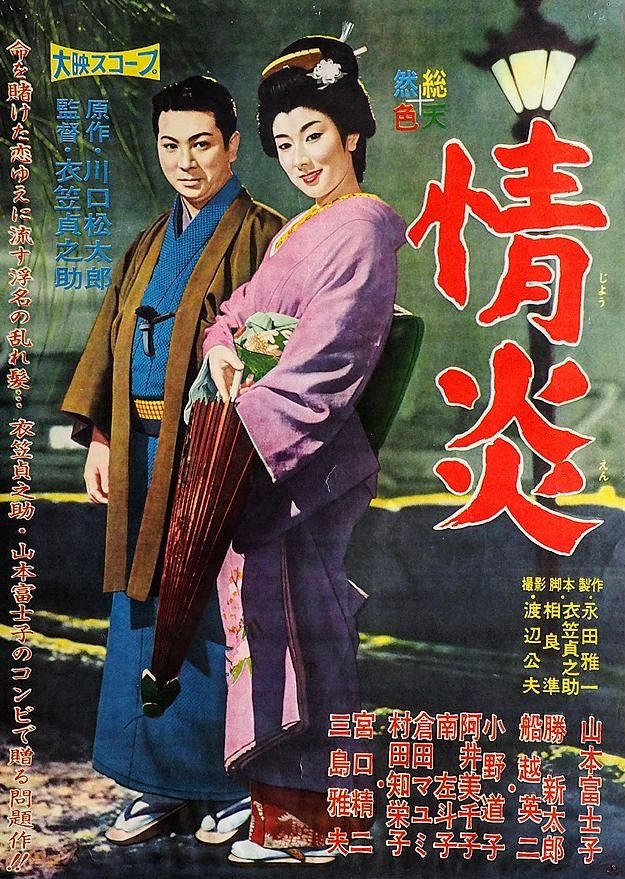
1959 Japanese movie
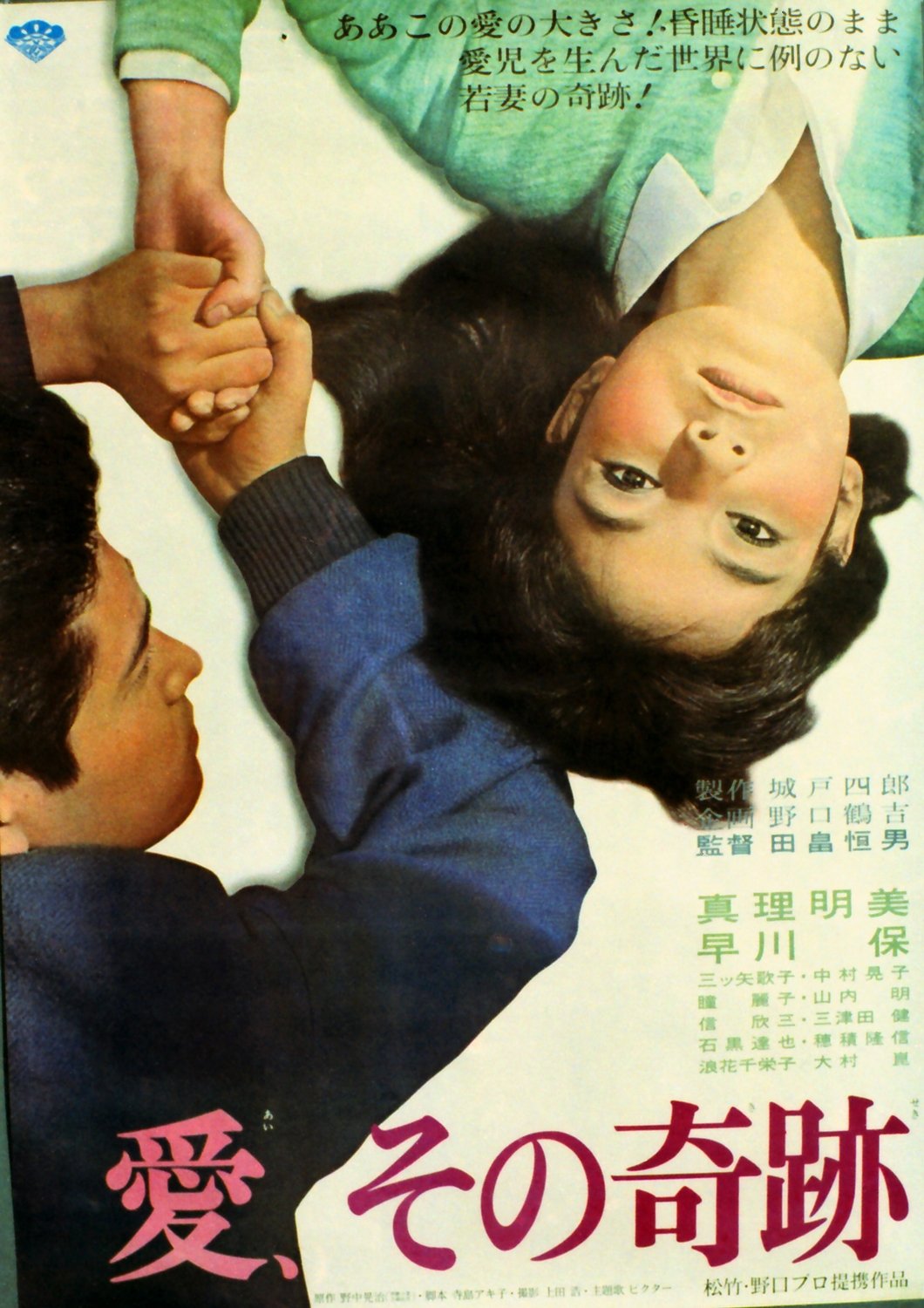
1964 Japanese movie
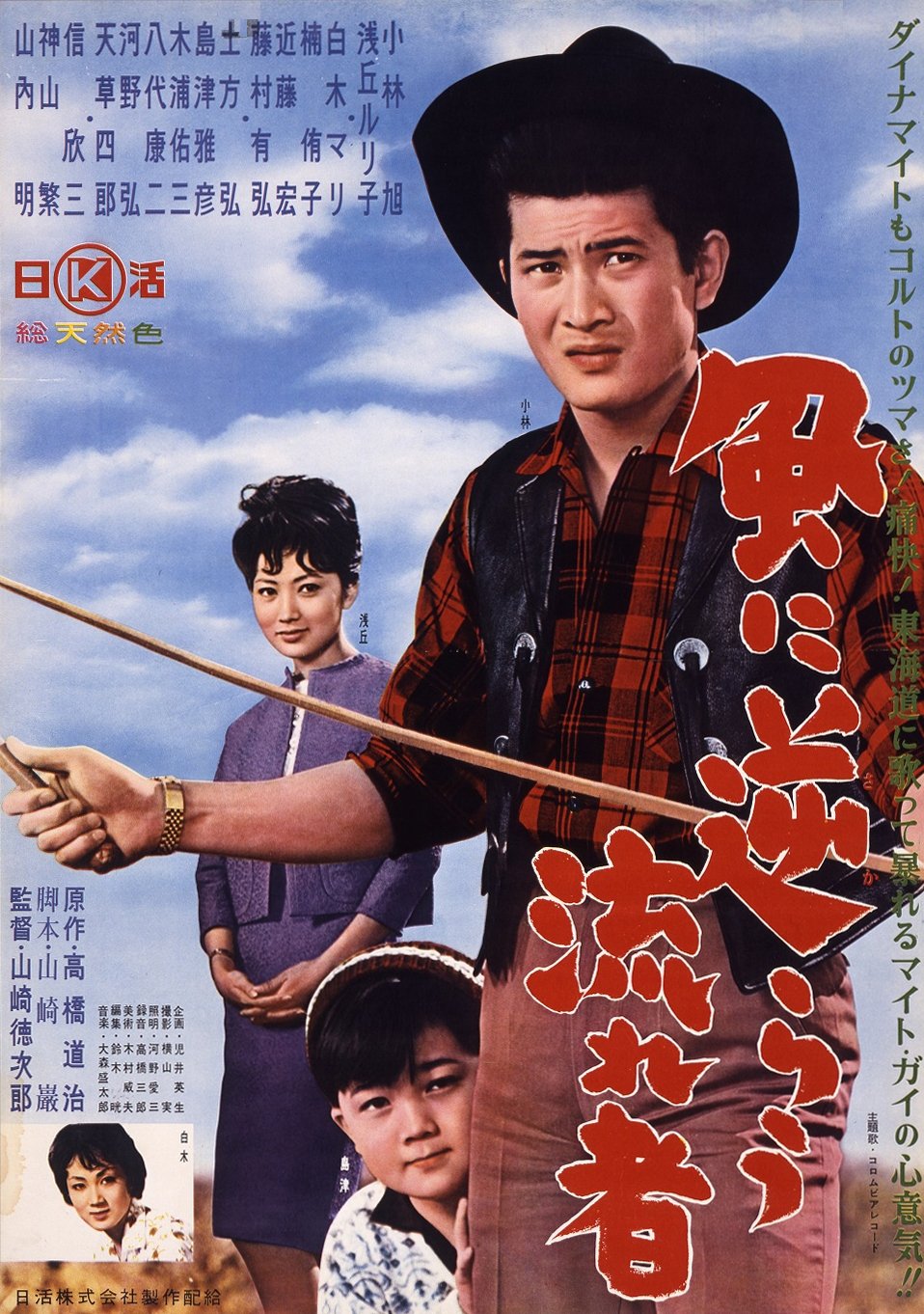
Set in Toyohashi, the fifth and final installment of the ‘The Wanderer’ series sees Kobayashi Akira delve into the mystery of a friend's death.
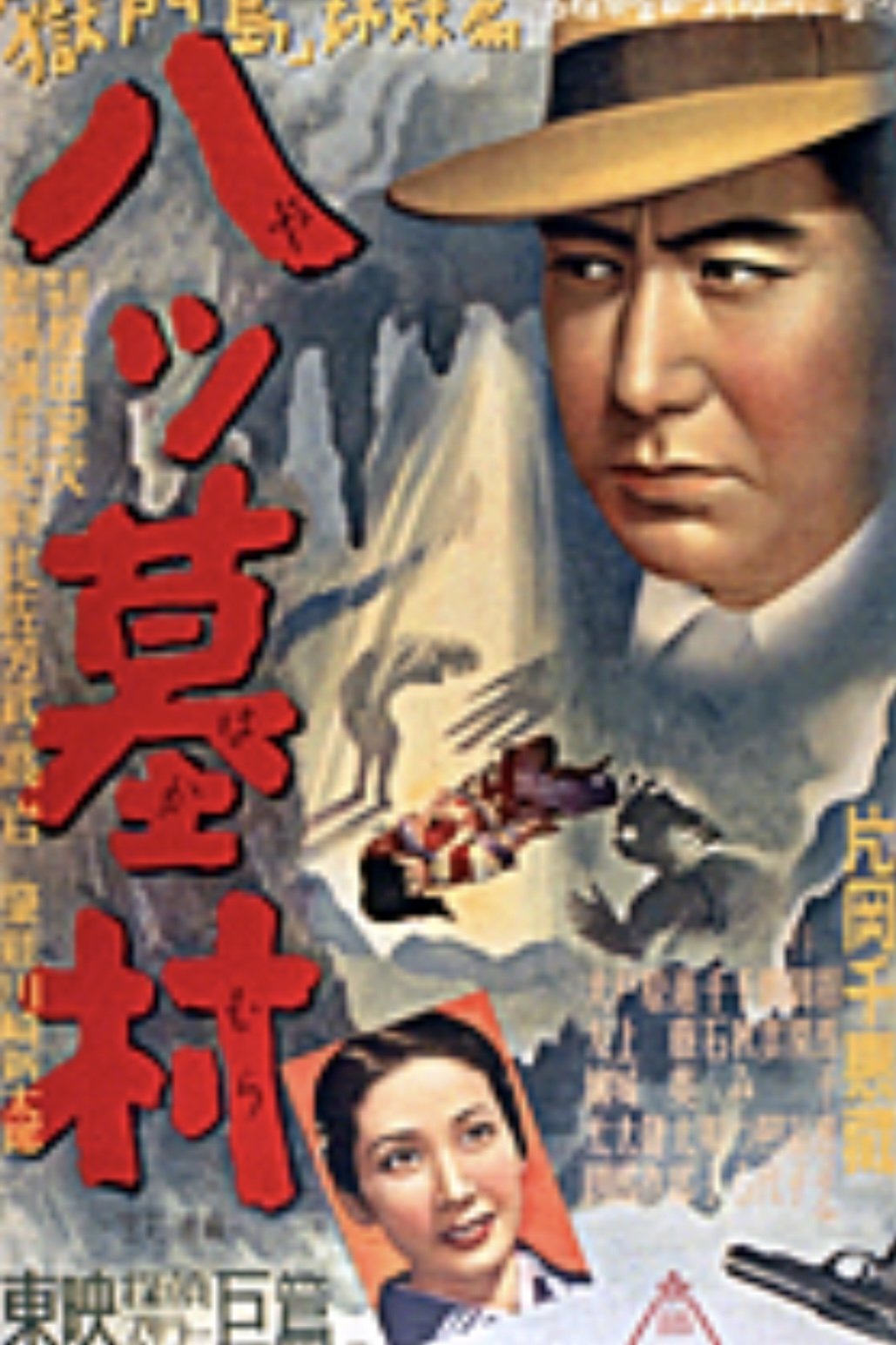
Original work by Yokomizo Seishi. The third part of Kindaichi Kosuke's story, which was collected by Chie Kataoka.
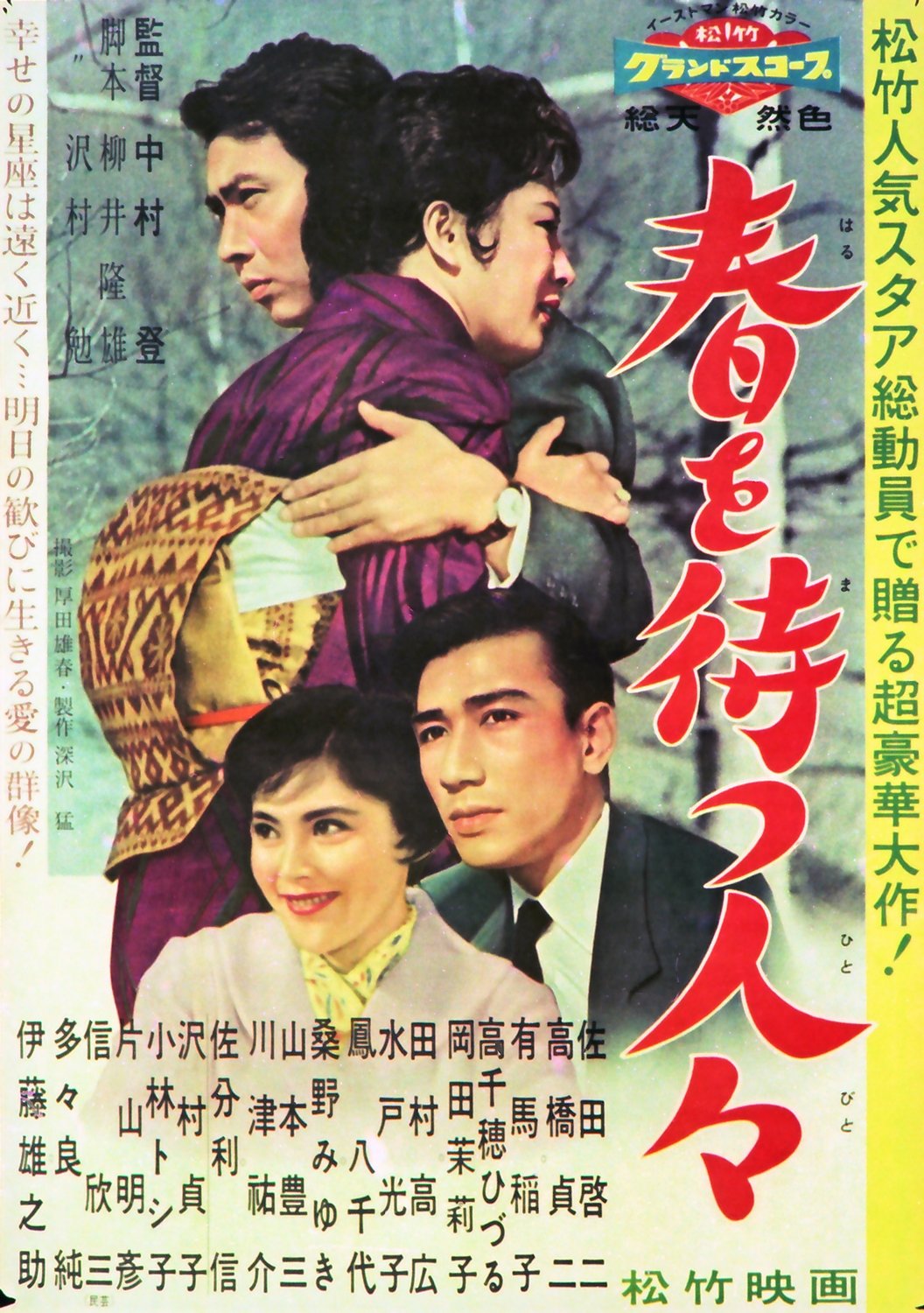
This drama centers on an elderly politician and depicts how humans can return to their true selves when they are freed from selfish desires and self-interest.
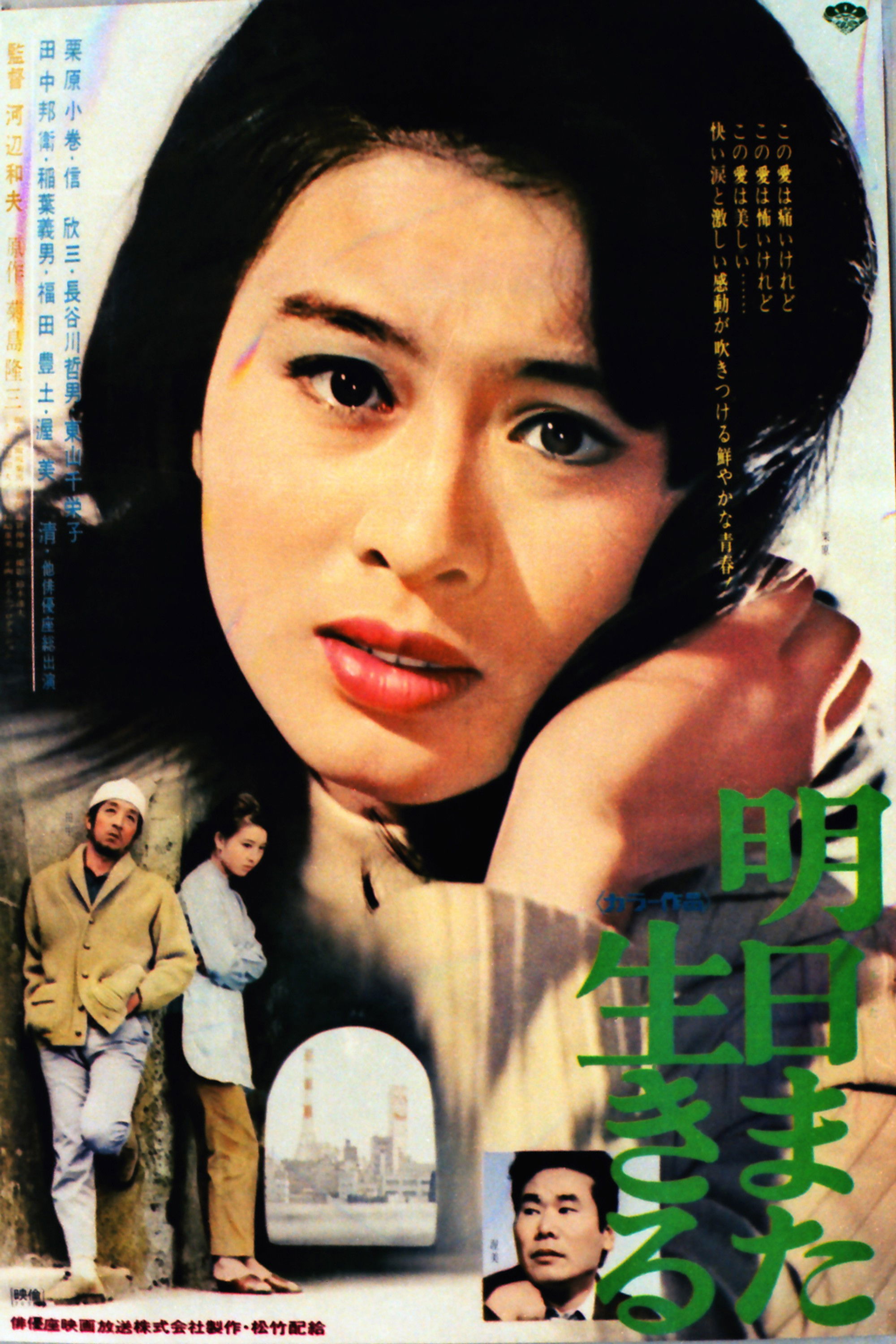
Yamada Maki, who has a strained relationship with her father and a protective older brother, Katsuyoshi, faces a series of emotional challenges, including a failed marriage proposal and a complicated romance with her boyfriend, Ishiyama. After a series of events, including a fight with Ishiyama and a revelation about her parentage, Maki chooses to dedicate herself to Katsuyoshi. Their happiness is in danger.
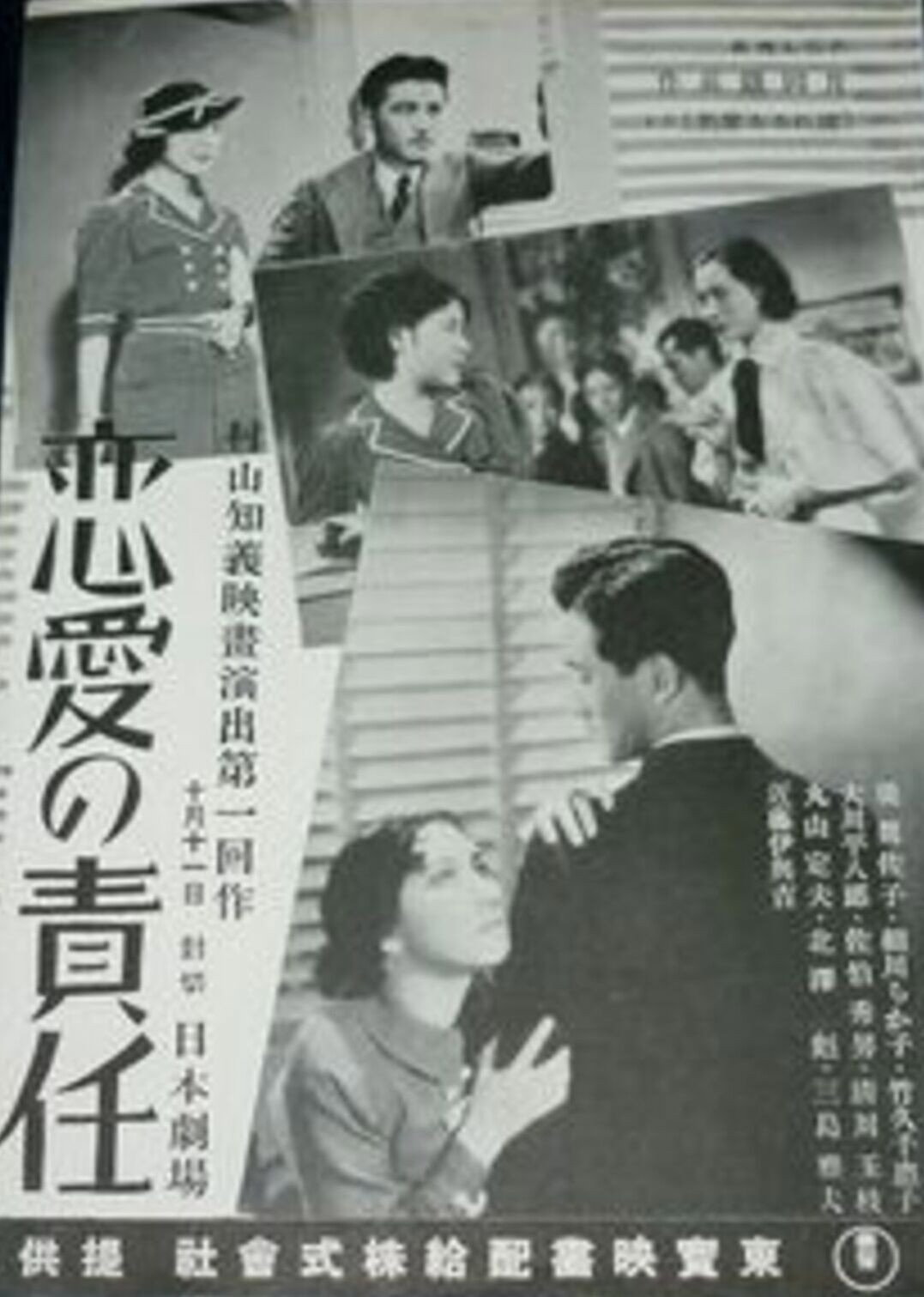
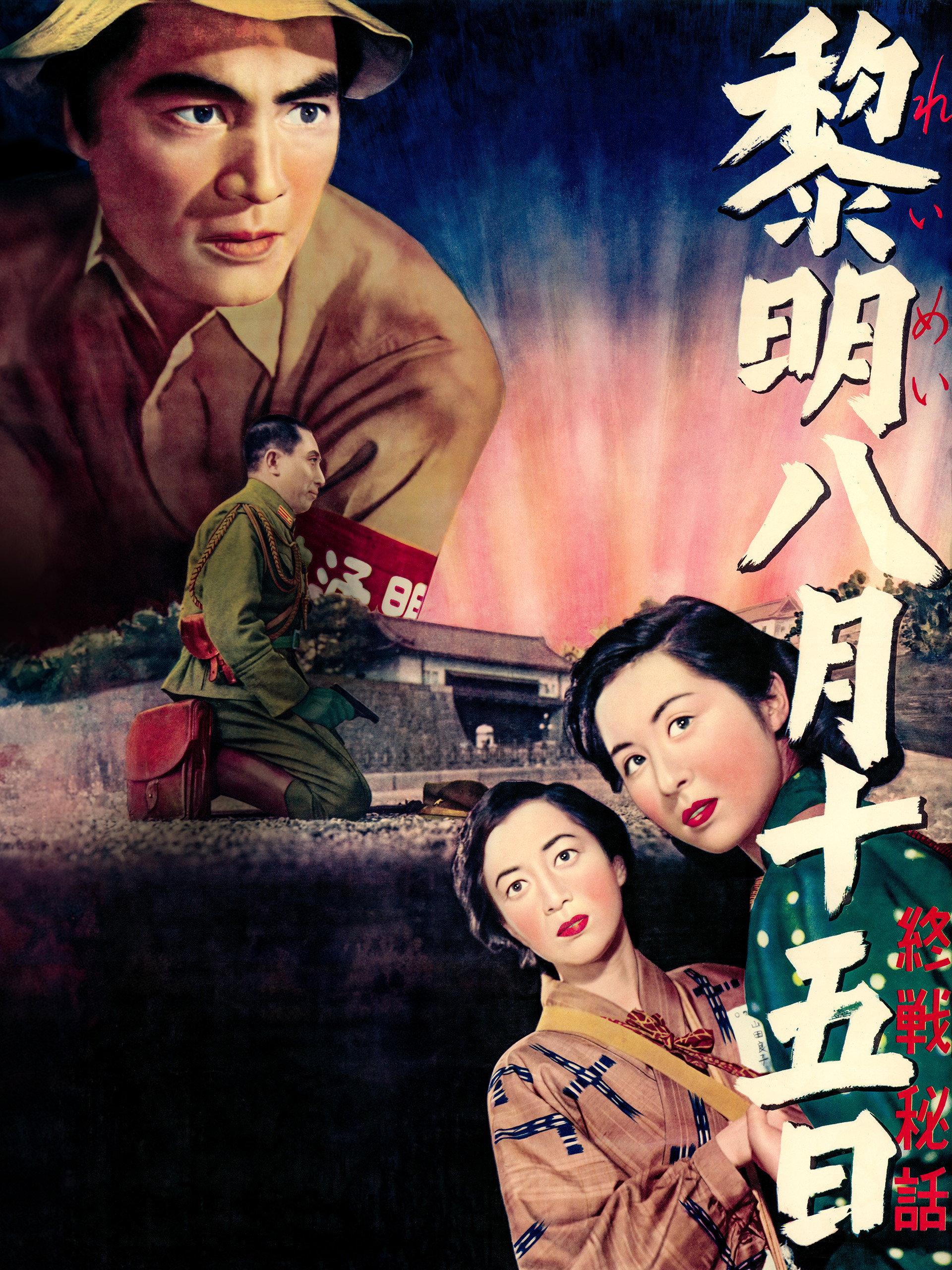
July 1945. War‑exhausted Japan groans under the heel of a brutal military regime. Young journalist Saeki struggles to cling to a fading sense of justice. Writer Yoshida slowly loses his convictions to the darkness of unquestioning orders. Kimiko, a young woman, bears the scars of cruelty from the cold‑hearted military police. Private Yamada has deserted the army. His wife, Ryōko, is branded a traitor's wife and relentlessly hunted. When Yamada finally reaches home, he finds his sick child Toshiko lying in bed. The military police drag him away in front of his family; a struggle ensues, and Yamada is shot dead before his wife's eyes. Hiroshima is annihilated by an atomic bomb. Rumors spread of a final decisive battle on the mainland. The people clutch bamboo spears with gaunt hands. Then August 15th arrives: Japan's defeat is laid bare before the stunned populace.
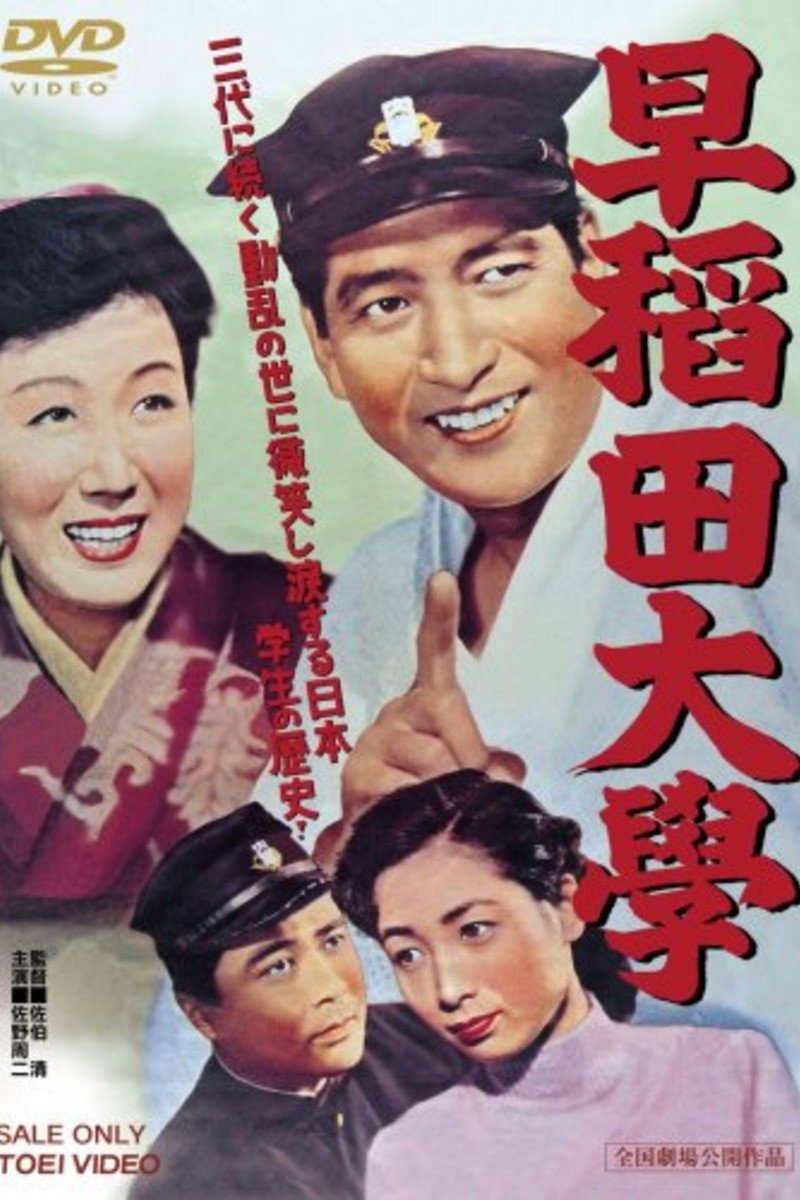
In the 15th year of the Meiji era (1882), Ōkuma Shigenobu, expelled from the Council of State by the Satsuma-Chōshō clique, poured his personal fortune into establishing the Tokyo Professional School in a tea field in Waseda Village. With seven professors, including Takada Sanae and Tsubouchi Yūzō, and eighty-seven students, government interference extended even to finances; Ono Azusa, who tirelessly worked to secure funding, died from overwork.