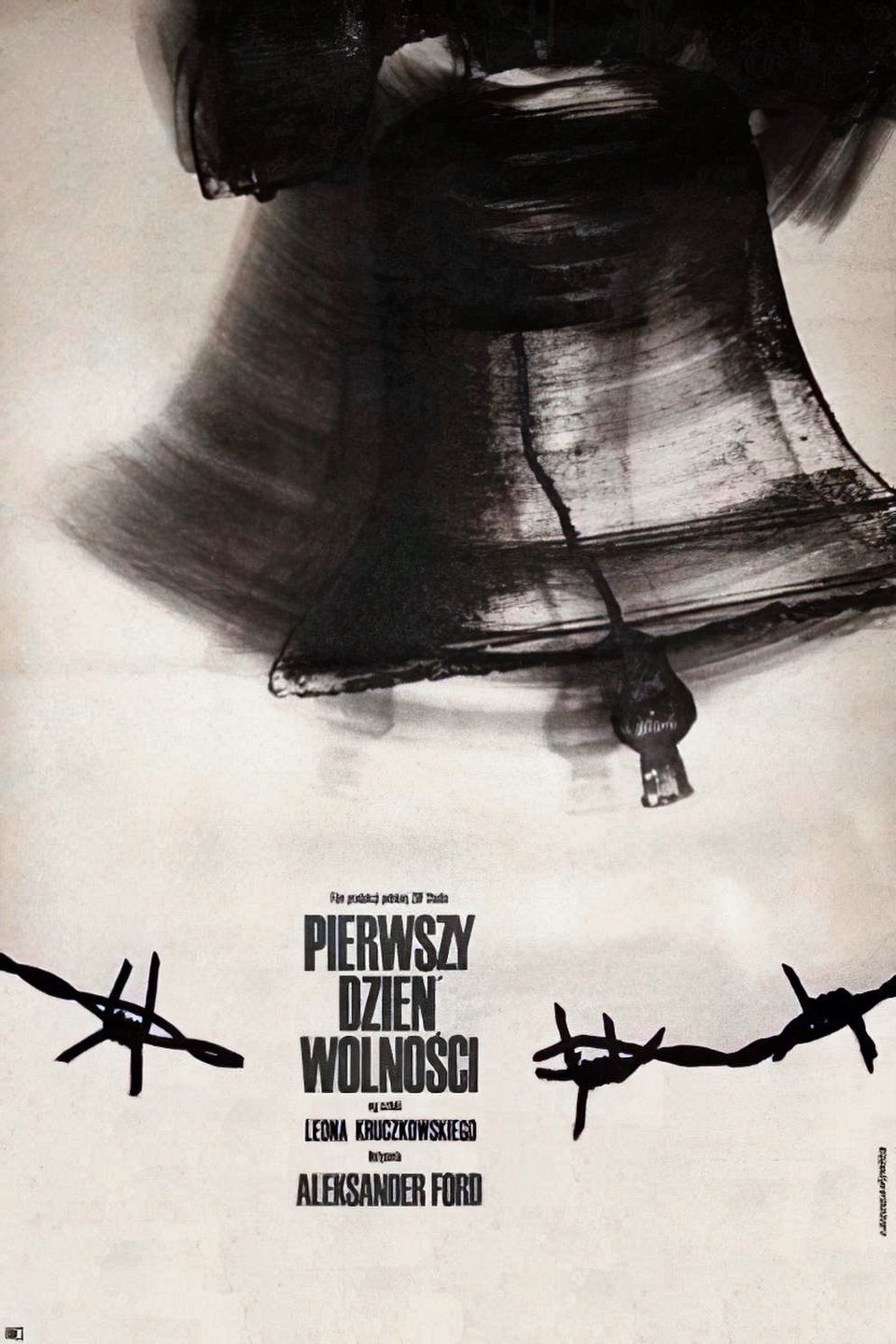
Freed Polish soldiers are trapped in a small town in Germany during the last days of World War II. After a doctor's daughter is raped by a concentration camp worker, the Poles allow her and her father to stay in the house that is their temporary quarters. While waiting to be repatriated, the war-weary group is forced to fight some German soldiers who invade the town. The war brings out conflicting emotions of the Poles who find themselves trapped in the house and once again under fire from the enemy.
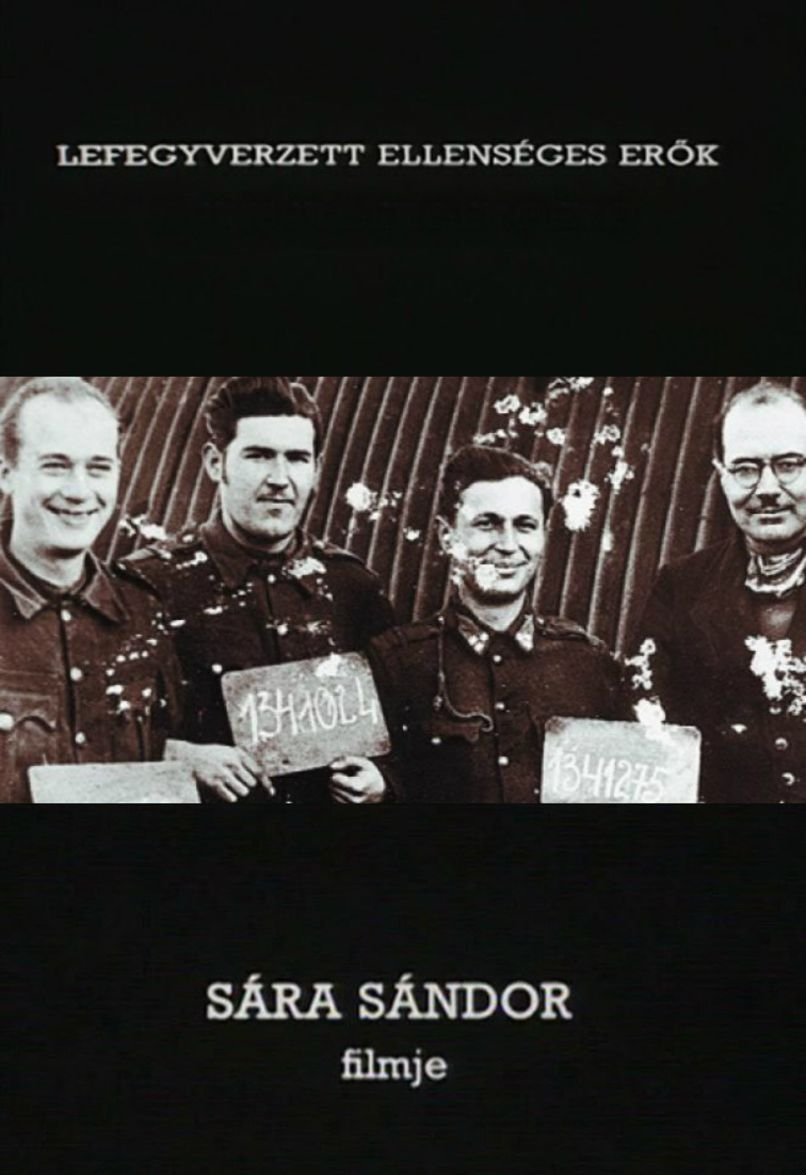
A documentary about Hungarian prisoners of war in the World War II
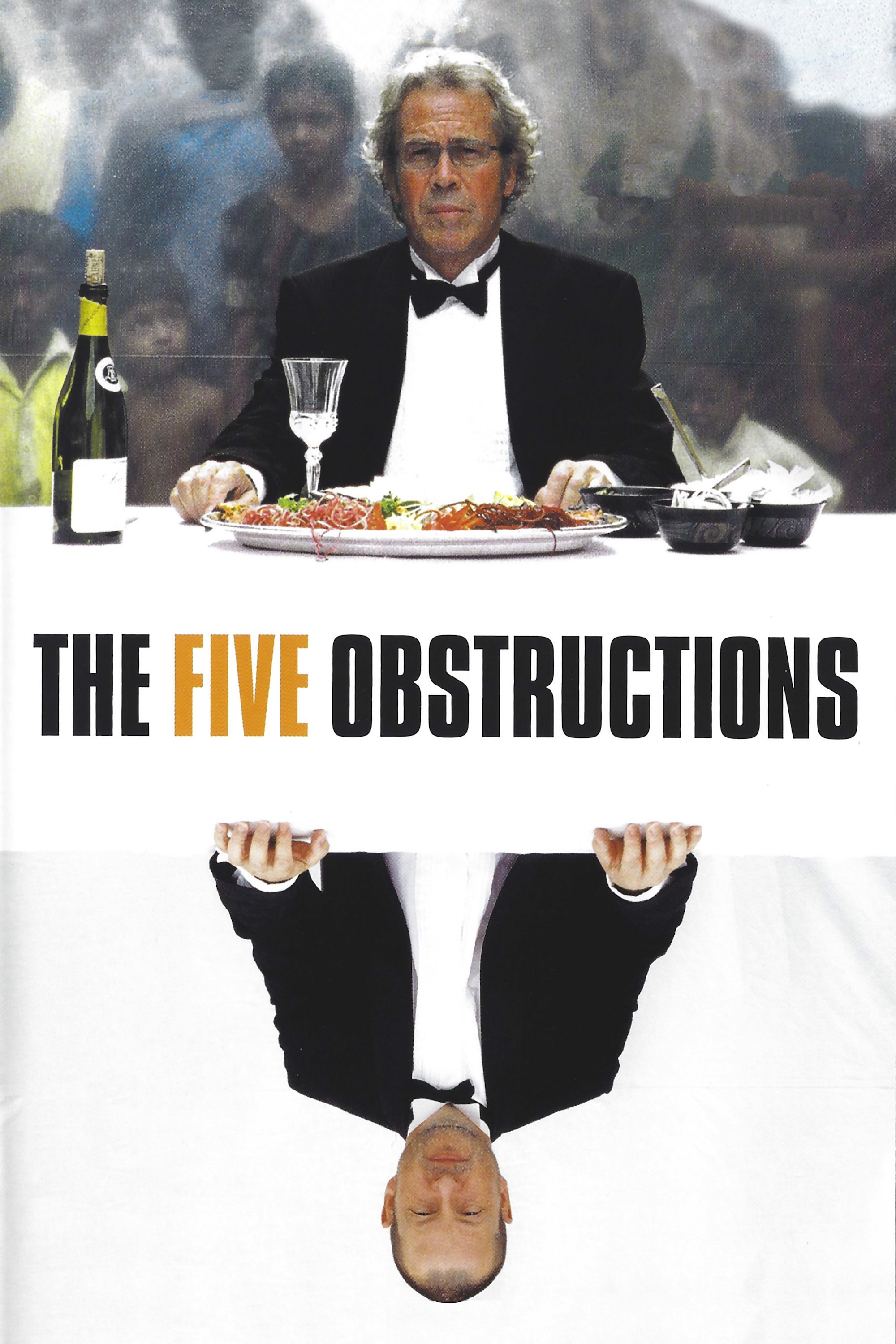
In 1967, experimental filmmaker Jorgen Leth created a striking short film, The Perfect Human, starring a man and women sitting in a box while a narrator poses questions about their relationship and humanity. Years later, Danish director Lars von Trier made a deal with Leth to remake his film five times, each under a different set of circumstances and with von Trier's strictly prescribed rules. As Leth completes each challenge, von Trier creates increasingly further elaborate stipulations.
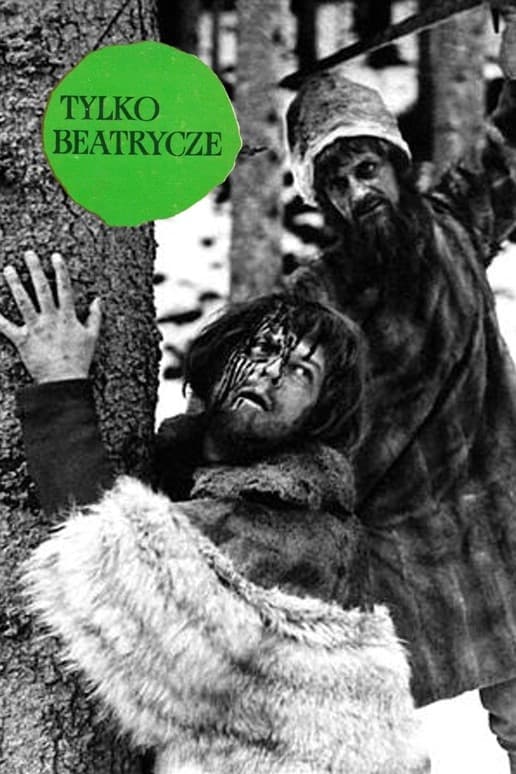
Raised by the monks, Stanisław gets involved in a scheme to murder the king.

A young man gets stuck in an elevator just as it passes the 13th floor.
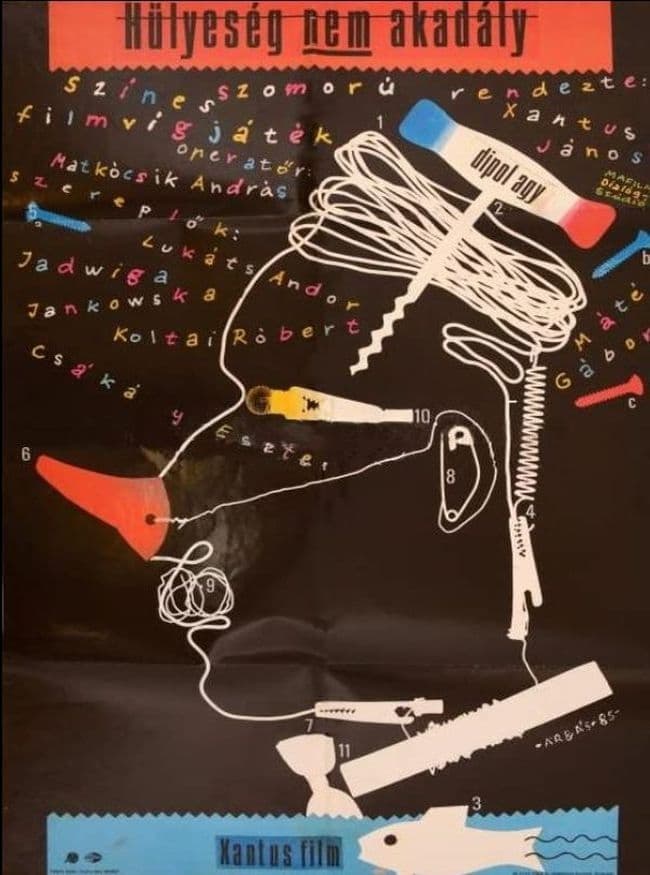
1982, Budapest. Two 18-year-old Hungarian boys think Hungary is boring so they decide to travel to Poland and have a real adventure. Their plan to escape to Sweden fails and they find themselves in a Polish prison.
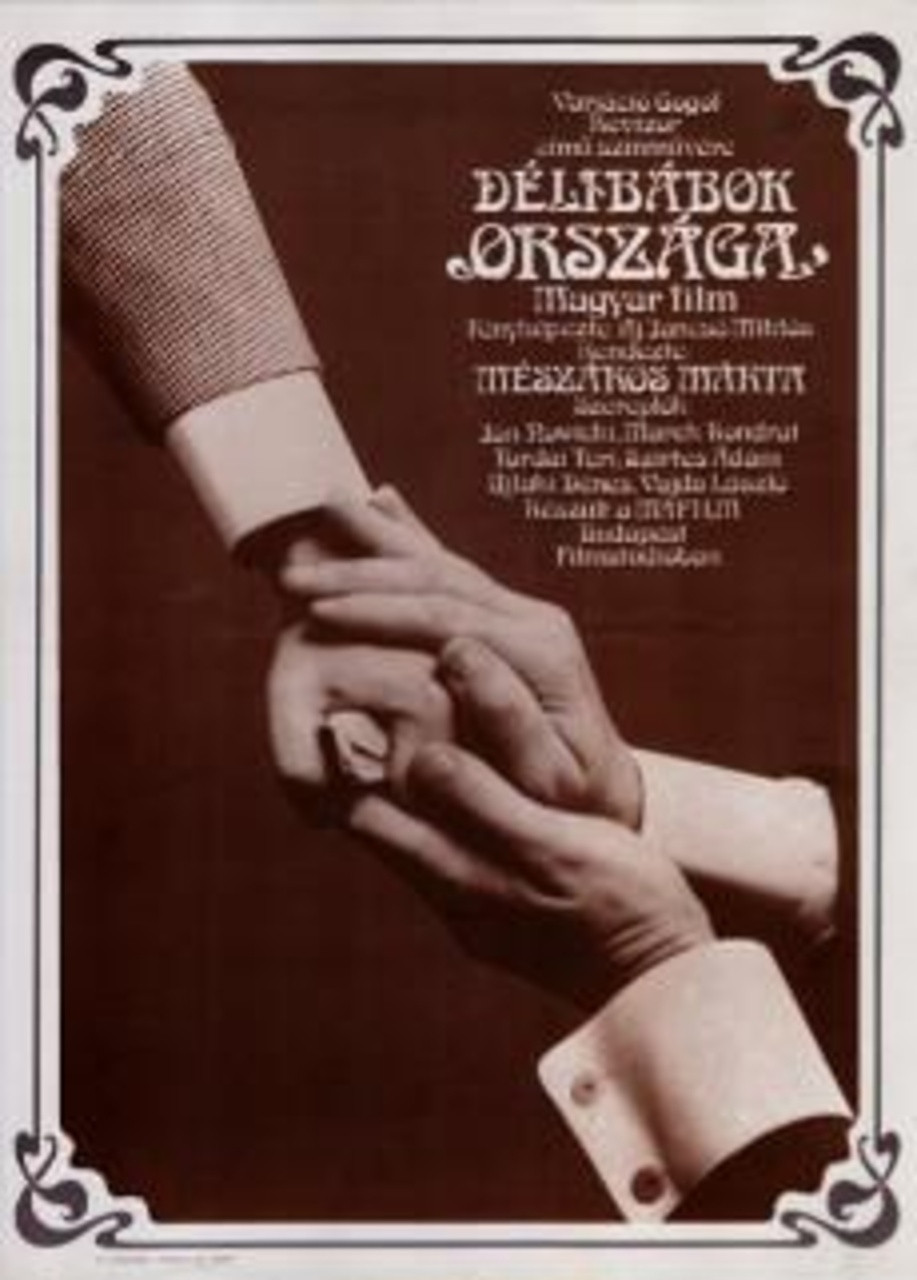
Officer Karikas from Petersburg should be in Saratov with her servant,in the way he played cards and losing much,even to stuck in the hotel.Local officials took him for anticipated auditor.With this error starting a chain of events.
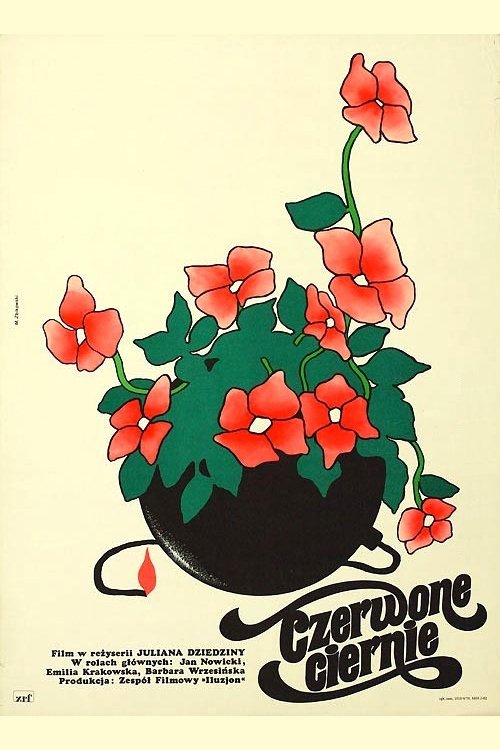
A descendant of a noble family takes the side of the proletariat, fighting against the mistreatment of factory owners and the oppresion from the Tsar during the 1905 revolution.
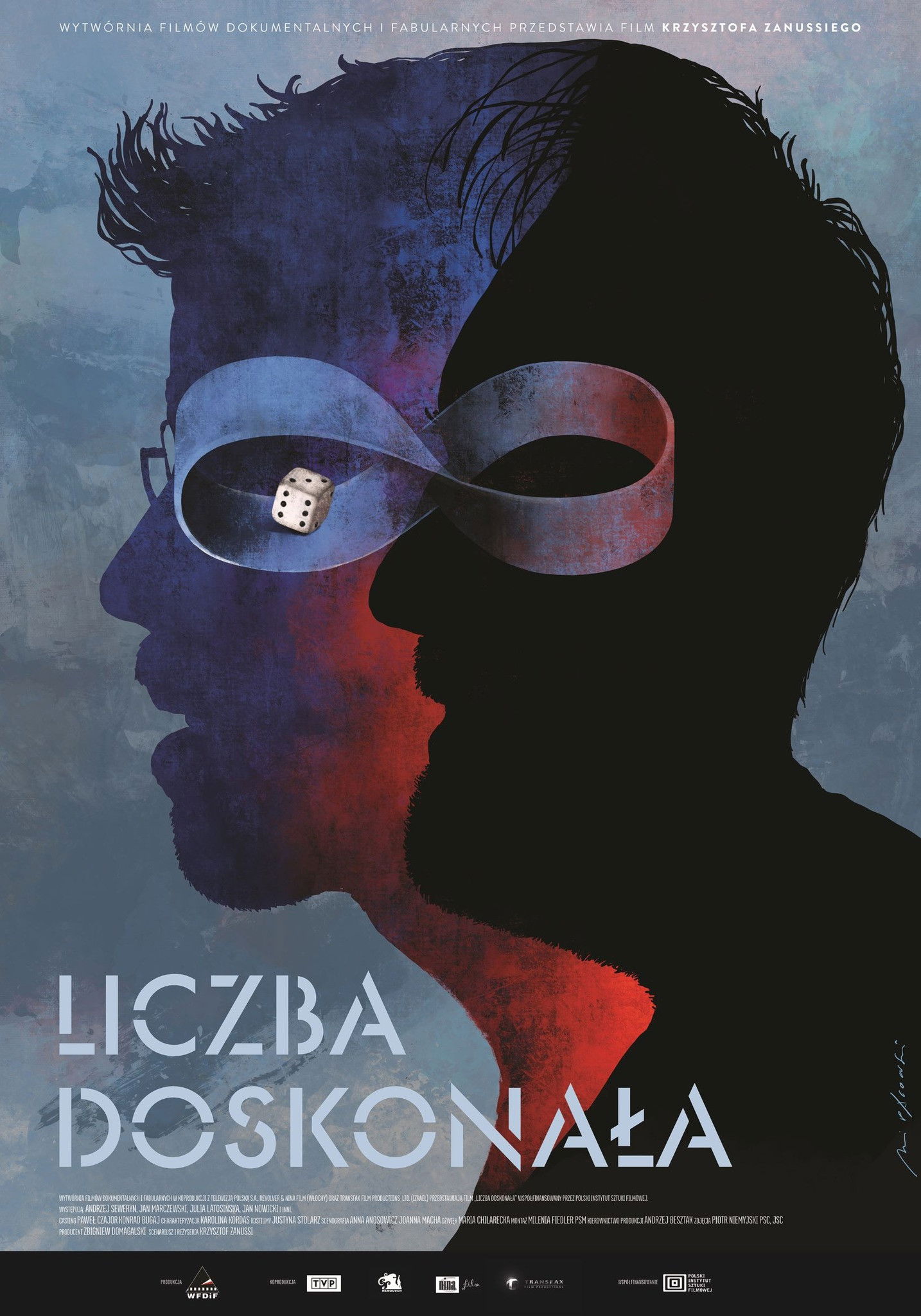
The young mathematician David dedicated his whole life to the study of prime numbers. Getting to know his distant cousin, Joachim, causes the man to gradually reevaluate his priorities. This meeting will have a huge impact on both of them and will provoke a long discussion on the mysterious world order, the meaning of life and its passing.
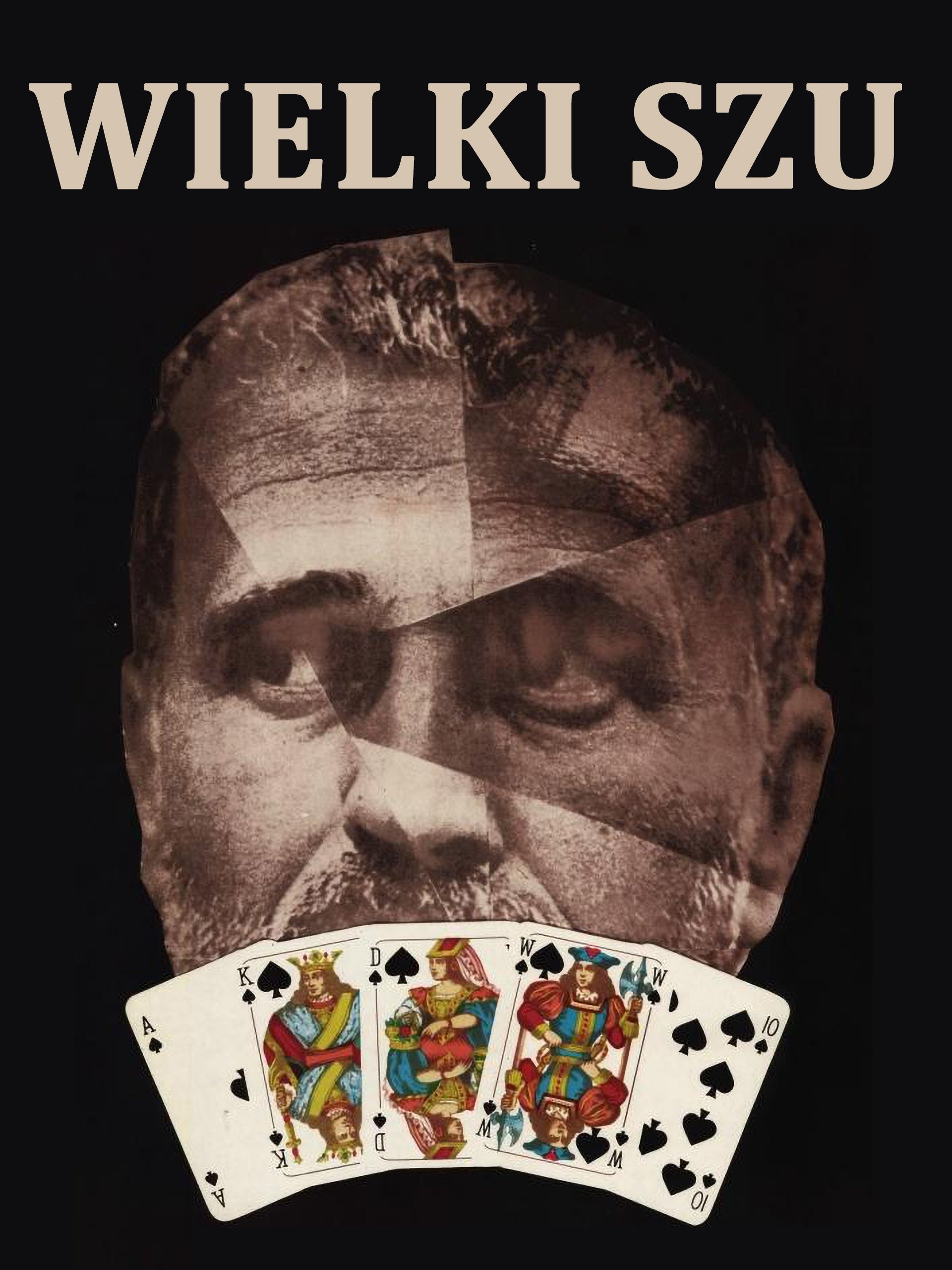
Fresh out of prison, a seasoned poker hustler finds himself teaching the trade to a young cab driver chasing his first big win.

The world has been ravaged by nuclear war. The planet is frozen and radiation kills anyone or anything that ventures outside of 'The Dome'. Soft is a shepherd for the last remnants of humanity who have gathered together as they await rescue from a mysterious craft known only as 'The Ark.' He wanders among the masses, performing his regular daily tasks; keeping morale from plummeting, wooing prostitutes, squashing rebellions, and sometimes feeding the hungry. But as the true and sinister nature of 'The Dome' comes to light, Soft must ask himself if humanity is worth saving...
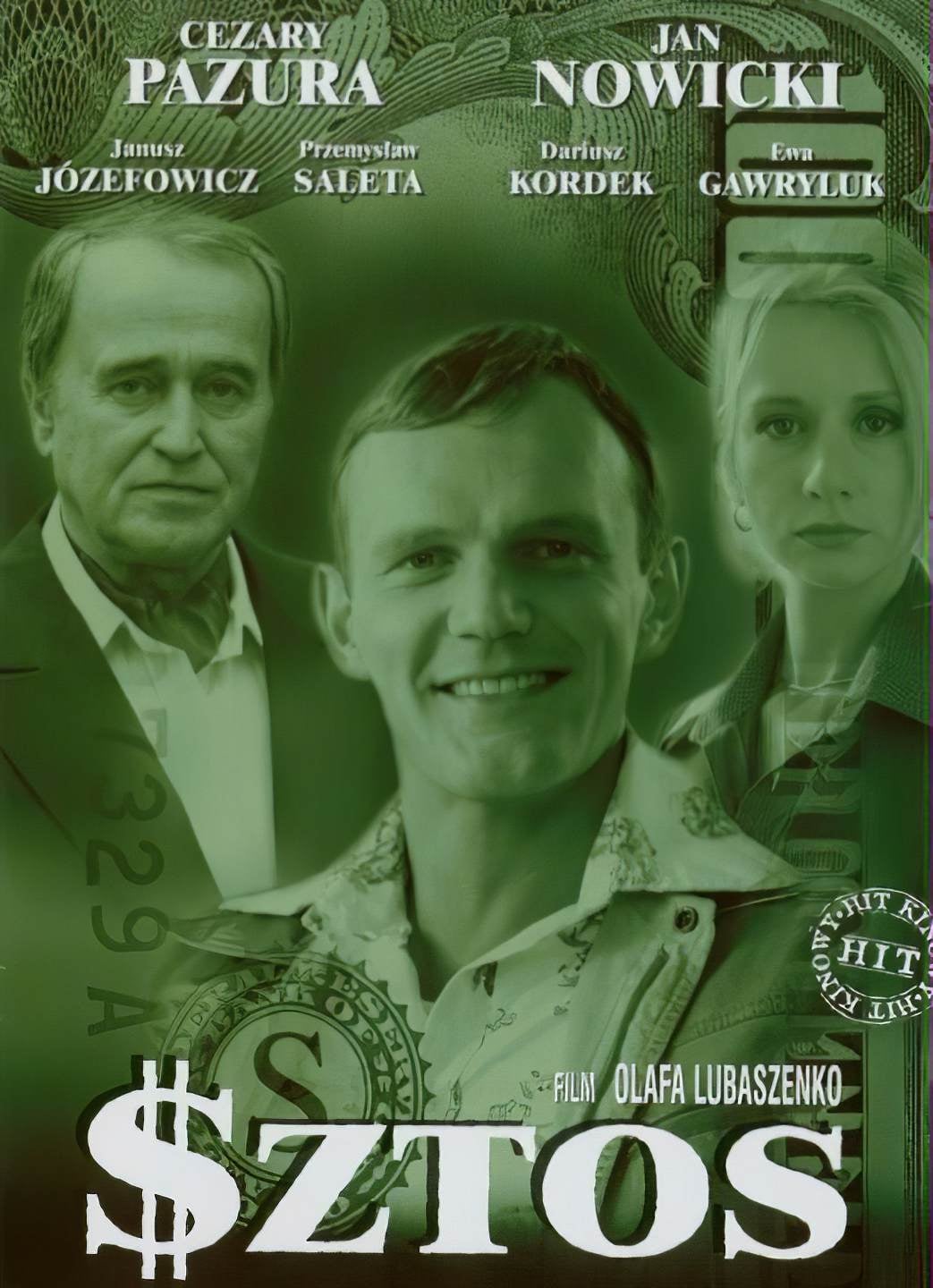
Two friends recall the PRL. After serving time in jail, they took up an illegal currency exchange. Cheated by partner - they decide to take revenge. Preparations take many months, but the action ends differently than it was planned.
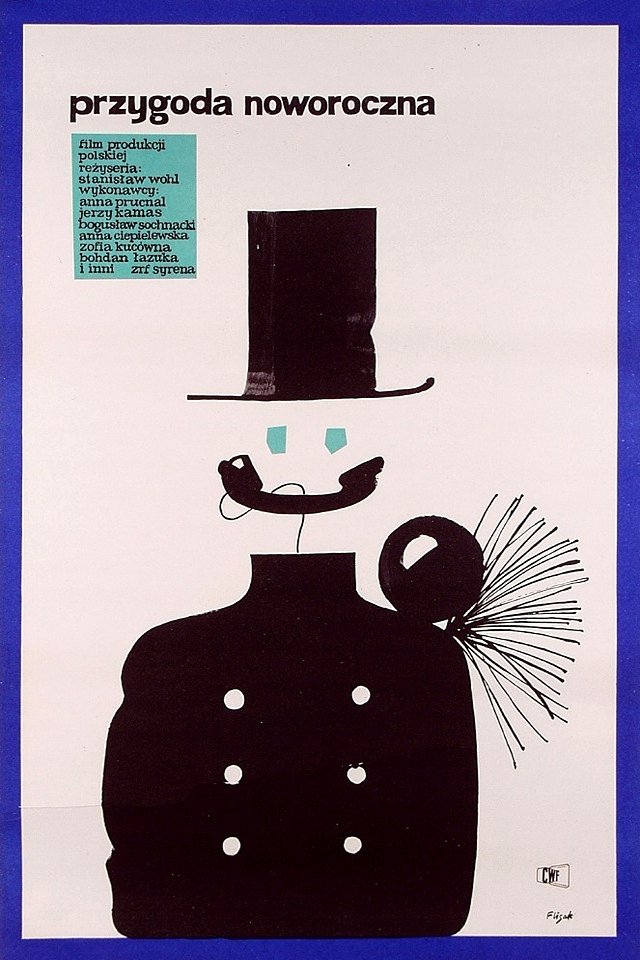
A couple plans to spend a New Years Eve in a friend's empty apartment.

Scope is a prisoner on a behemoth space station and is chosen, like all his fellow prisoners, to 'volunteer' for the exploration of far-away planets. Landing on planet Australia 458, he is given a hero's welcome with all the sex, booze, and violence that any one man can stomach. But as his new caretakers push him towards even more heinous and deplorable acts, Scope finds that his freedom comes with a high price; his own violent demise, broadcast live for the viewing pleasure of Australia 458's inhabitants.
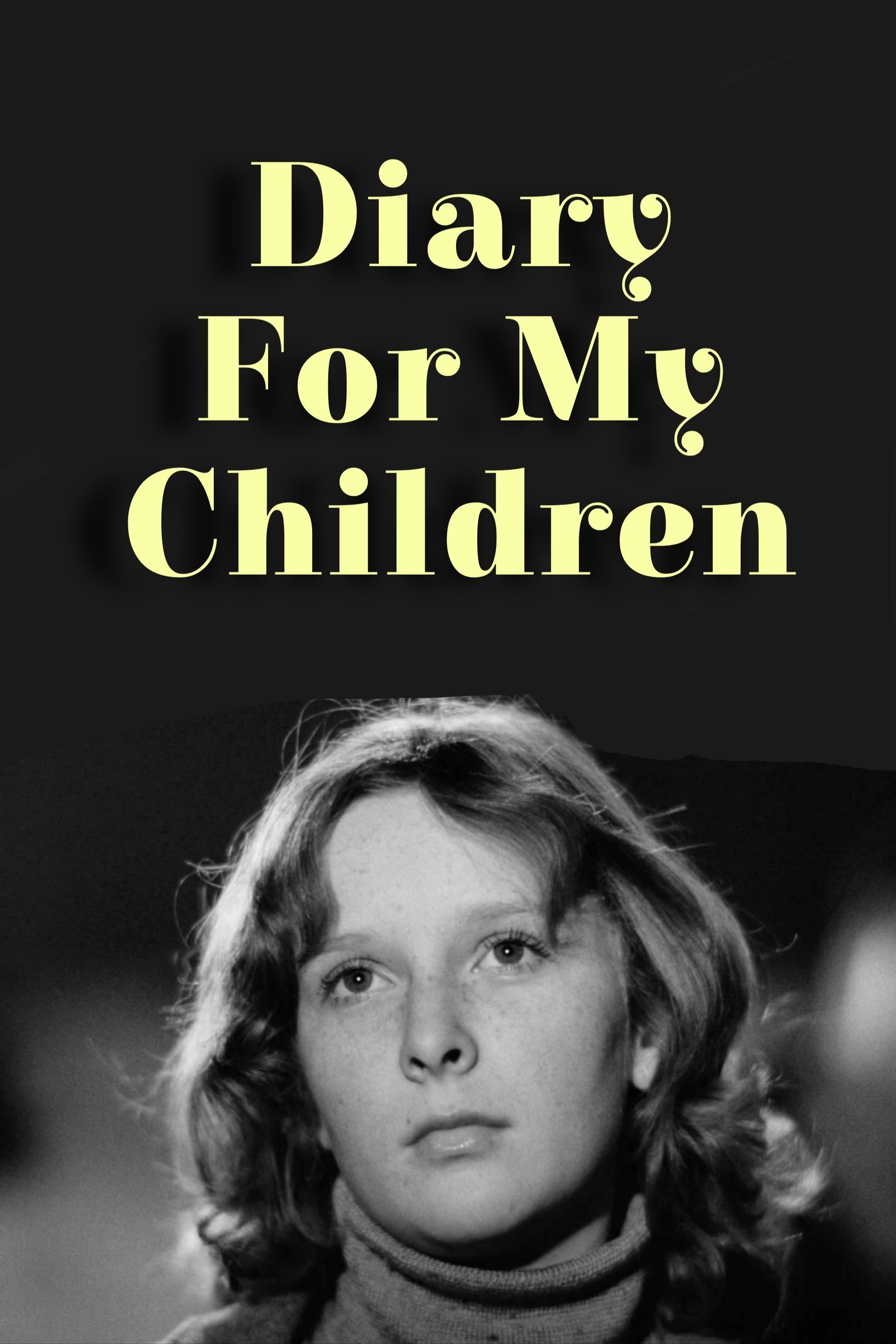
After having lost her parents, young Juli returns from the Soviet Union to her native Budapest. Scarred by the wounds of the past, the ghost of Stalin’s oppression haunts her as she reunites with her aunt and adoptive mother Magda.
Reminiscences from the life of the tragically deceased poet named And, based on the memoirs of his friend Stanisław Czycz.
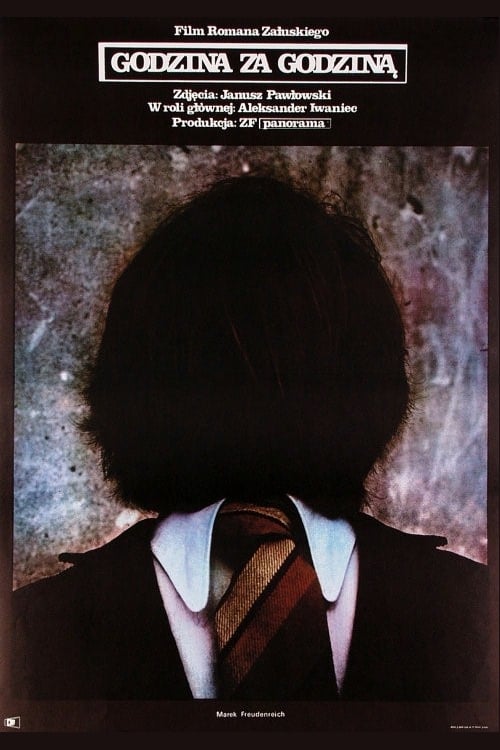
Tadeusz documents his work as a driver by writing short stories to papers.
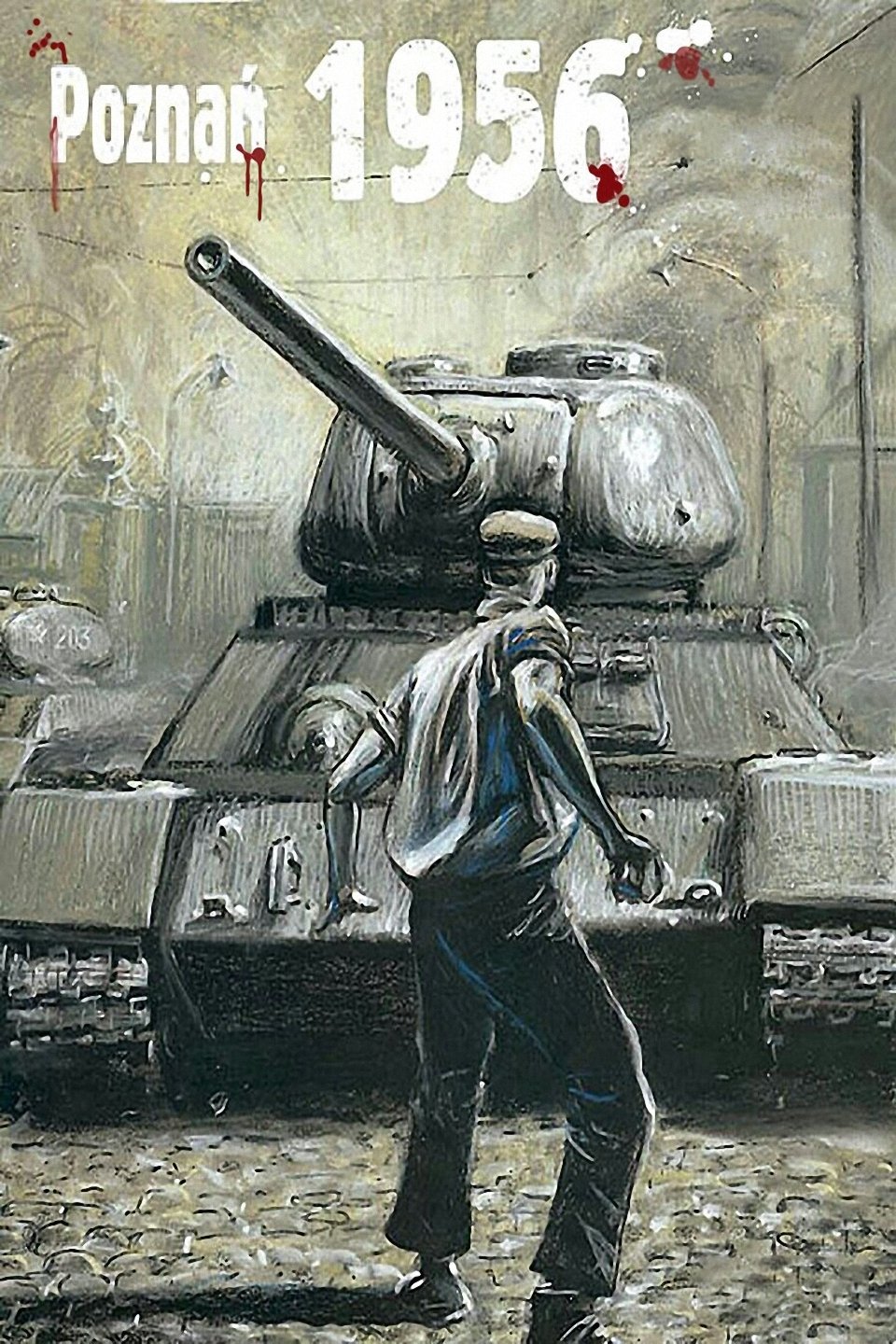
The film depicts the momentous and tragic history of the Poznan uprising of 1956. The memory of the director, who was a nine-year-old boy at the time, is the only canvass of the script. The main characters of the black-and-white film are two boys aged ten and twelve. From their perspective, the viewer follows the development of events. From the depths of the gates, through the rails of fences and cluttered backyards, through the eyes of the children we watch the street riots. The film, without action in the literal sense of the word, was made using a reportage technique that perfectly captures the spontaneity of the Poznan uprising. Among other things, the author of the picture depicts the adventures of a young worker Zenek, who becomes the unwitting leader of the protest, and five professors, who by chance find themselves in the very center of events.
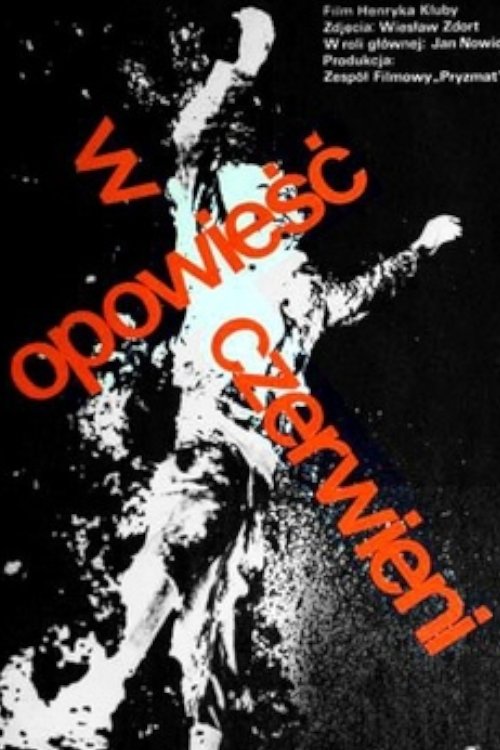
Former soldier take up a fight with a bunch who attacks his home village
A critique of consumerist life.
A study of two people involved in the story of the love triangle. However, not the plot itself is the essence of the film. It is a study of moral attitudes, it tells about dying physically, as well as about the dying of feelings.
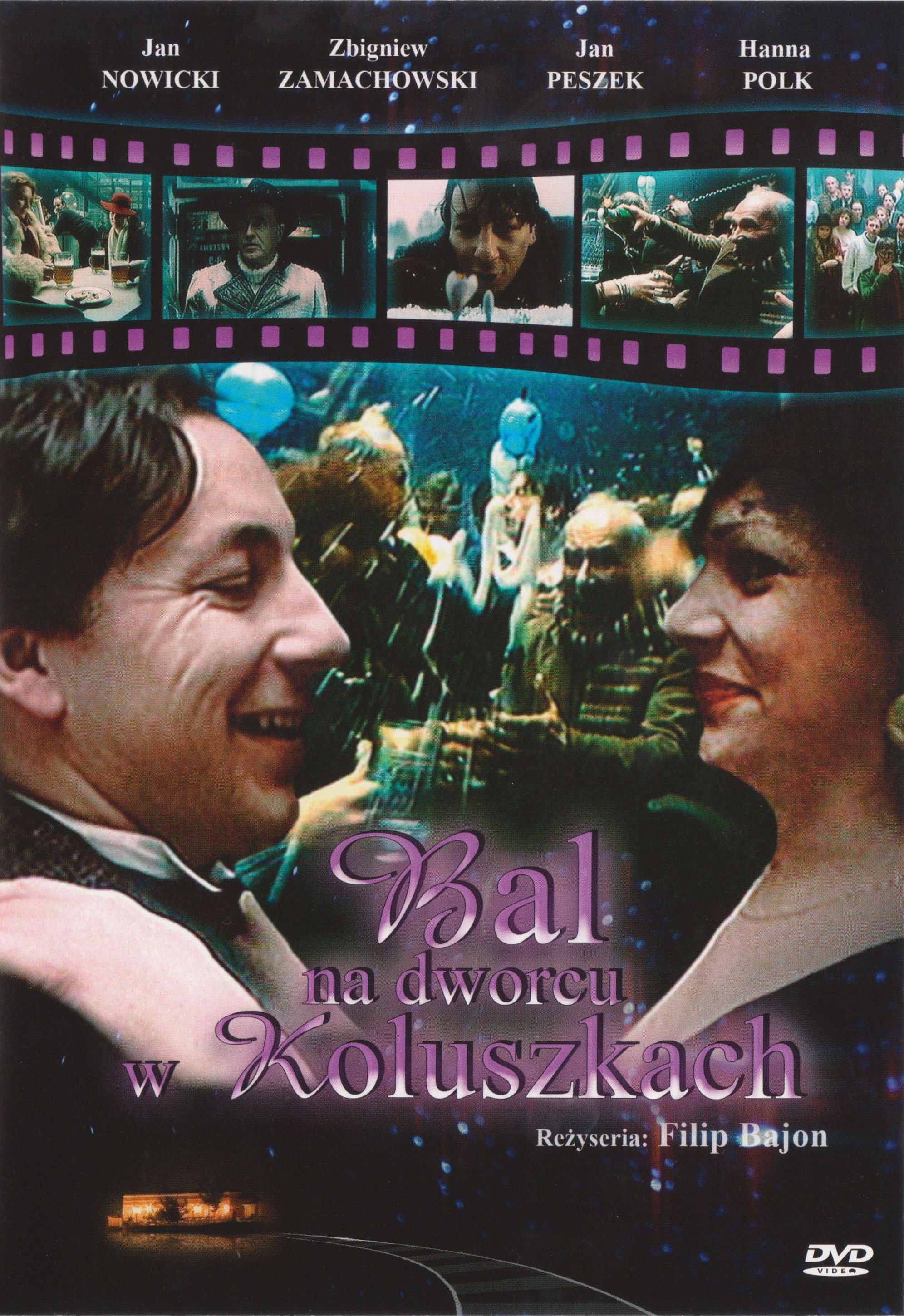
During the "winter of the century," impatient passengers wait for the train to arrive at the station in Koluszki. Railway communications are disrupted. At the same time, a train is stuck in snowdrifts near Koluszki. The atmosphere in its carriages is cheerful. Some passengers, who are in a hurry to connect to other stations, get off and walk to the station in Koluszki. Among them is Andrzej Roszak, a young man rushing to Warsaw, and probably his peer Basia. Shortly after them, Mr. Walerek, a political activist who was on his way to a ball at the Central Committee, Mr. Rozbicki and his wife, who had just returned from a contract in Iraq, Matyjak, a television star, journalist Przoniak, and others arrive at the station in Koluszki. At the deserted station, the passengers efficiently organize a New Year's Eve party. During the revelry, the participants gradually reveal their hidden complexes, frustrations, and hopes.

A dream-like meditation on post-industrial life in Communist Poland.
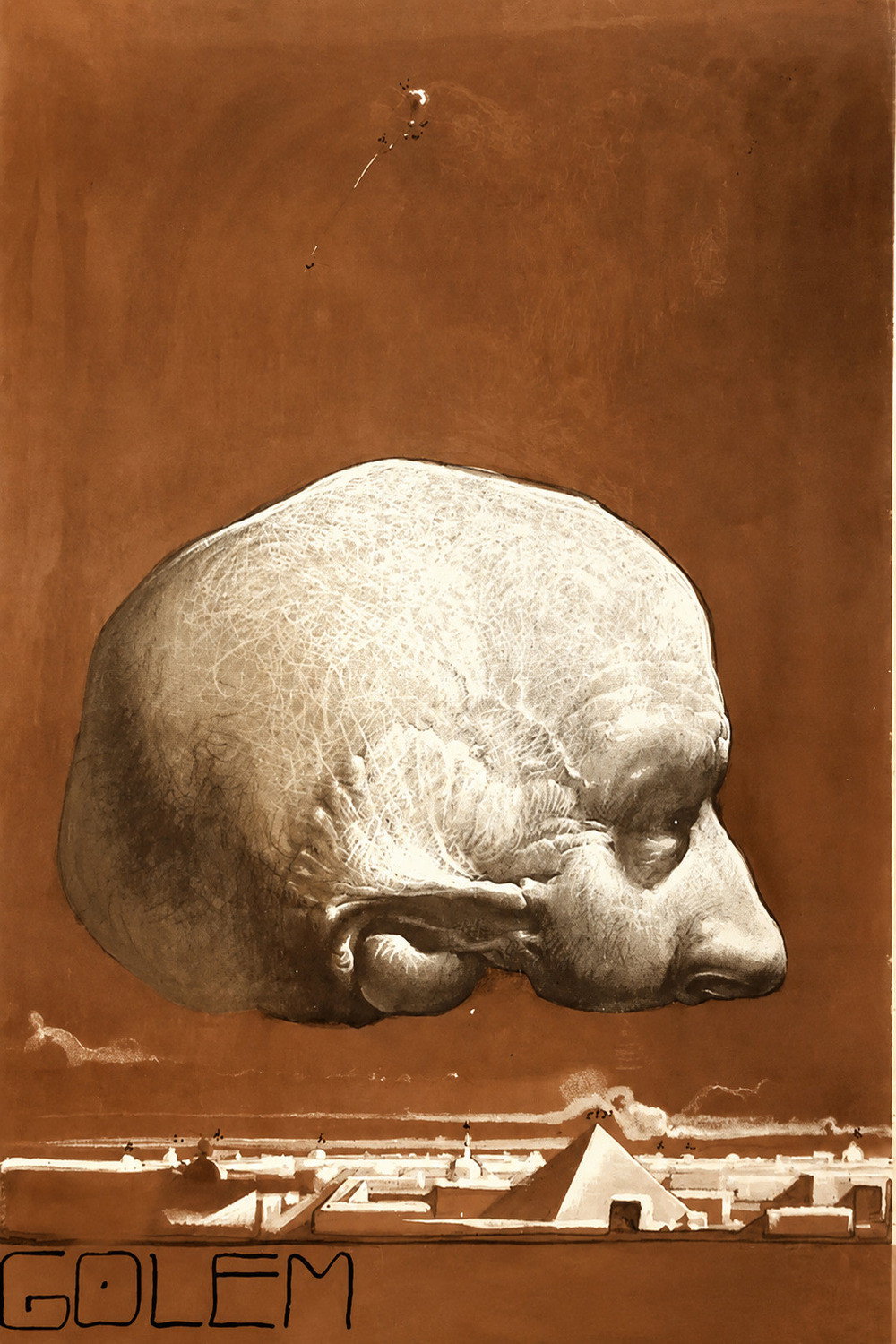
Pernat finds himself in a police interrogation, accused of a murder, and unable to recall any details of the crime, or even his own life. He's released back into a world of raving lunatics and deranged dentists, murderous doctors and scientists who believe the secret of human creation is inside the walls of a cast-iron oven.

A talented boy from the block dreams of making an album together with complete members of a hip-hop band. It's not easy for him. An alcoholic father, taking care of his younger sister and lack of perspective is his everyday life.
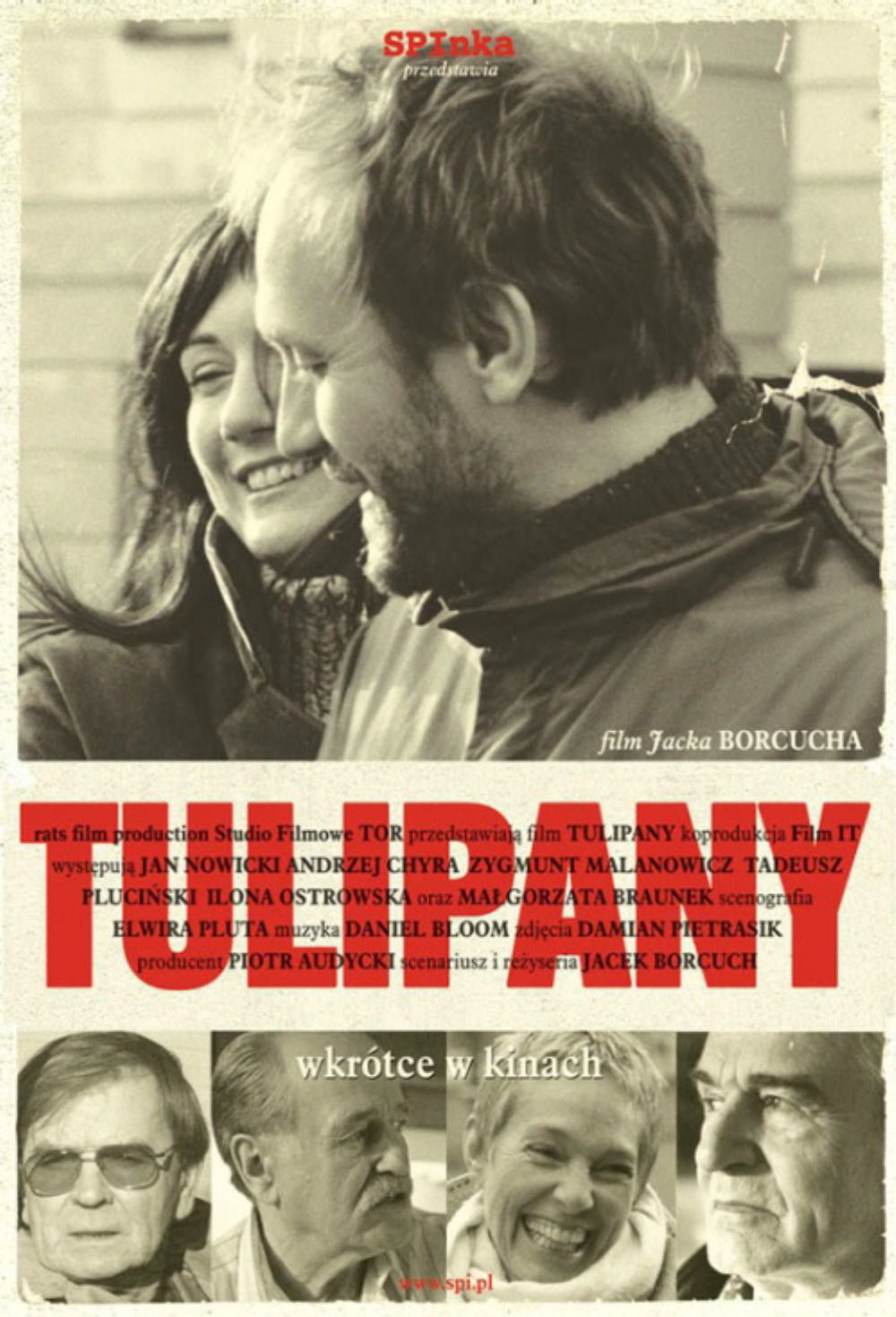
The story of male friendship, vitality and the joy of living, even after turning 60 years old. When one of the three friends is taken to hospital, the others are there for him.

In 1776 Vienna, imperial counselor Henryk Klein investigates allegations that the charismatic Jewish nobleman Jakub Frank is a fraud whose sect has ruined Galician Jew Jakub Goliński’s family and fortunes. As Klein’s inquiry uncovers Frank’s secret militia, escalating influence, and suspected treason against Empress Maria Theresa’s court, he must decide how far to expose the messianic impostor without igniting sectarian unrest.
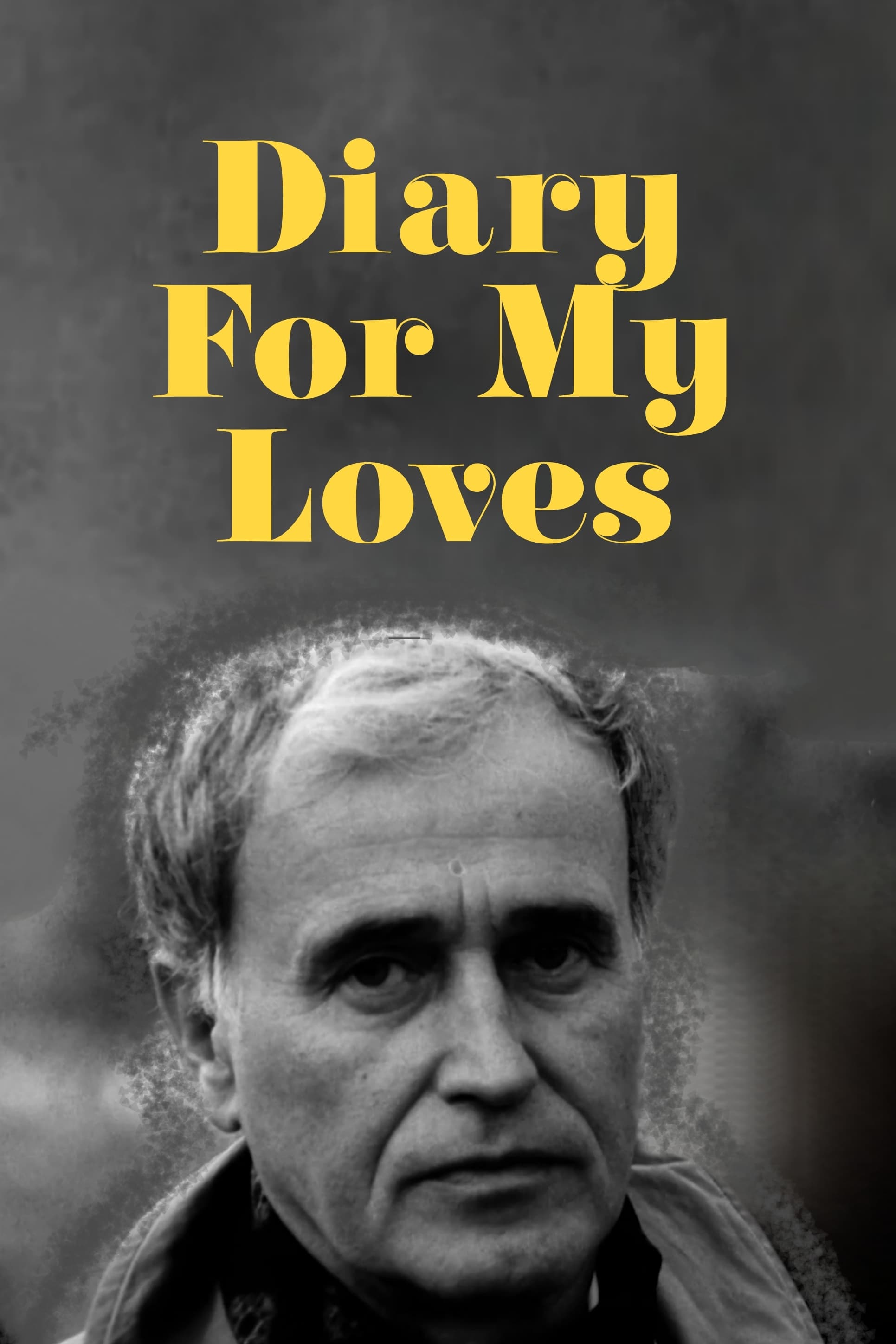
A continuation of "Diary for My Children," the film picks up in 1950, when Juli, the diarist, is 18 and determined to become a movie director.

A young attractive widow has a one-night stand with a handsome architect. The couple soon starts a tumultuous relationship.
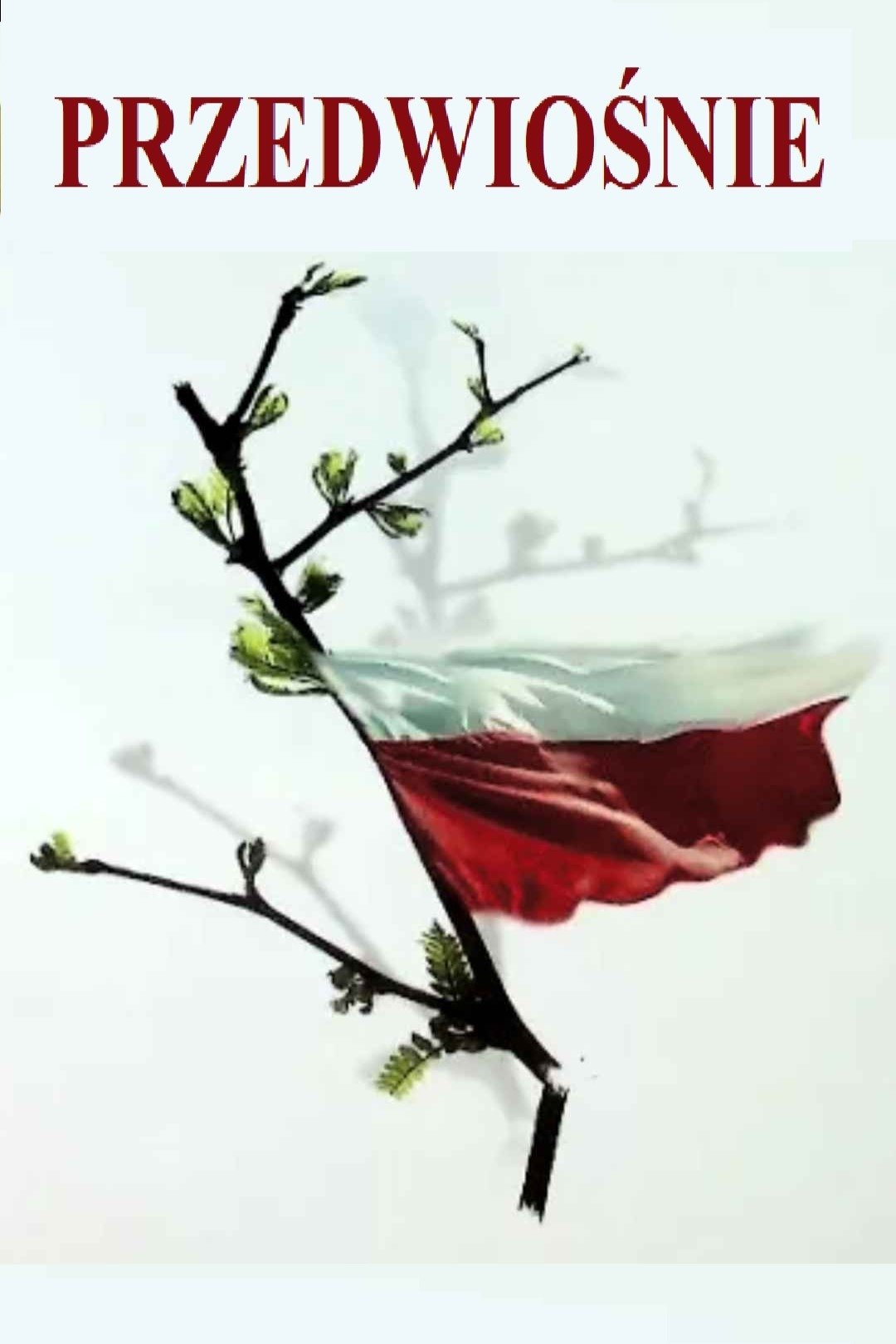
Polish-born Russian subject Cezary Baryka comes of age during a tumultous period of ten years from 1914 to 1924, during which he witnesses revolution, rebirth of Poland, war with the Soviets and communist plots.

A story of a mother who had to change her profession from a teacher to a high class prostitute to make a living.

Emotional adventures of a 40-year-old Warsaw businesswoman whose life lacks nothing but a man. One day, the protagonist, busy running a large advertising agency, faces a life choice: her ex-husband, who returns from the US after ten years, her current lover, an architect, or her former love from school...
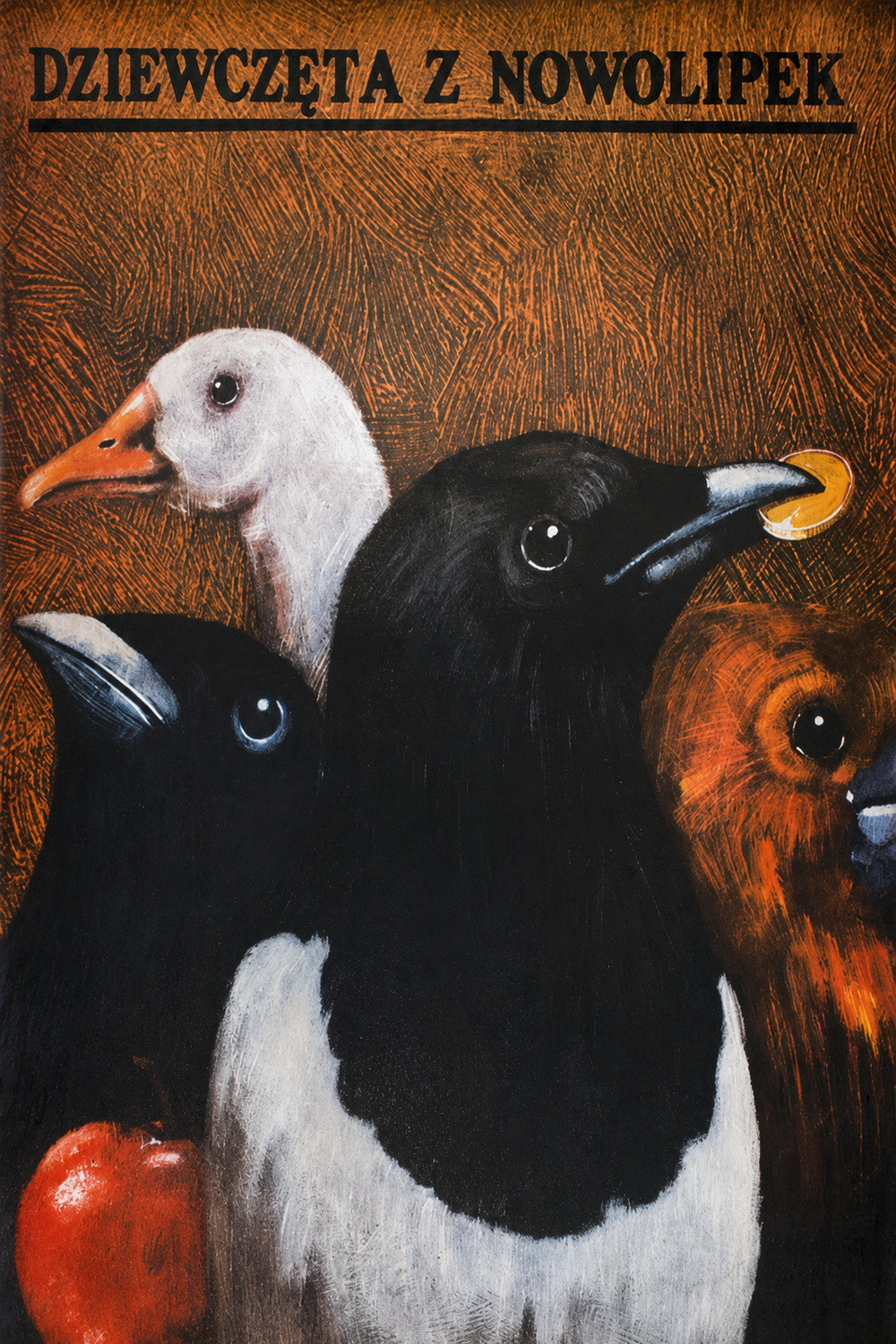
Coming of age story of four girls living in the same poor district of Warsaw just before the outbreak of World War One.

An intelligence agent's murder bring upon a national investigation into a spy organisation called Korn.
Years later, Lena returns to Poland, accompanied by a French journalist, to learn the truth about her father.
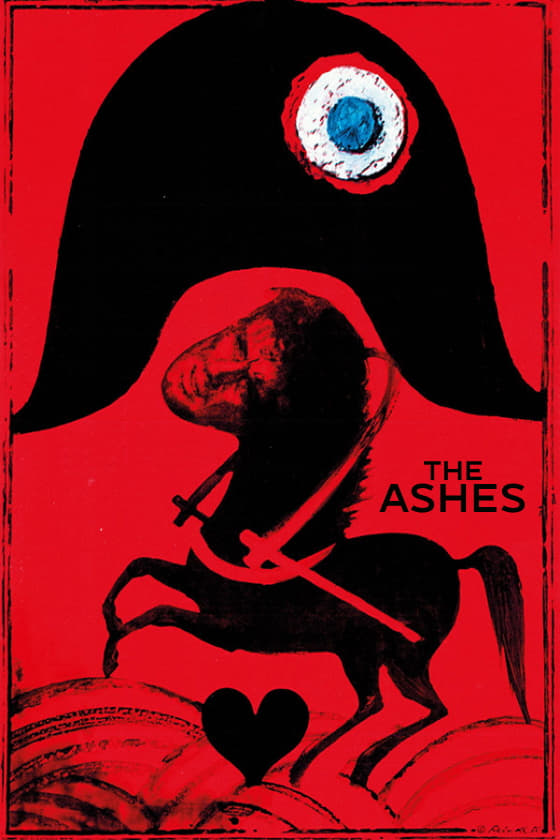
Set in the time of Napoleon wars, shows how the wars swept over the unfortunate Polish country at the beginning of the XIX-th century. Story revolves around the Polish legion under command of General Dabrowski, who then fought on Napoleon's side with the hopes of Poland's revival.

An expressionist biography of Edith Stein, who converted from the Jewish faith to the Catholic one and became a Carmelite sister. She would die in a German concentration camp.
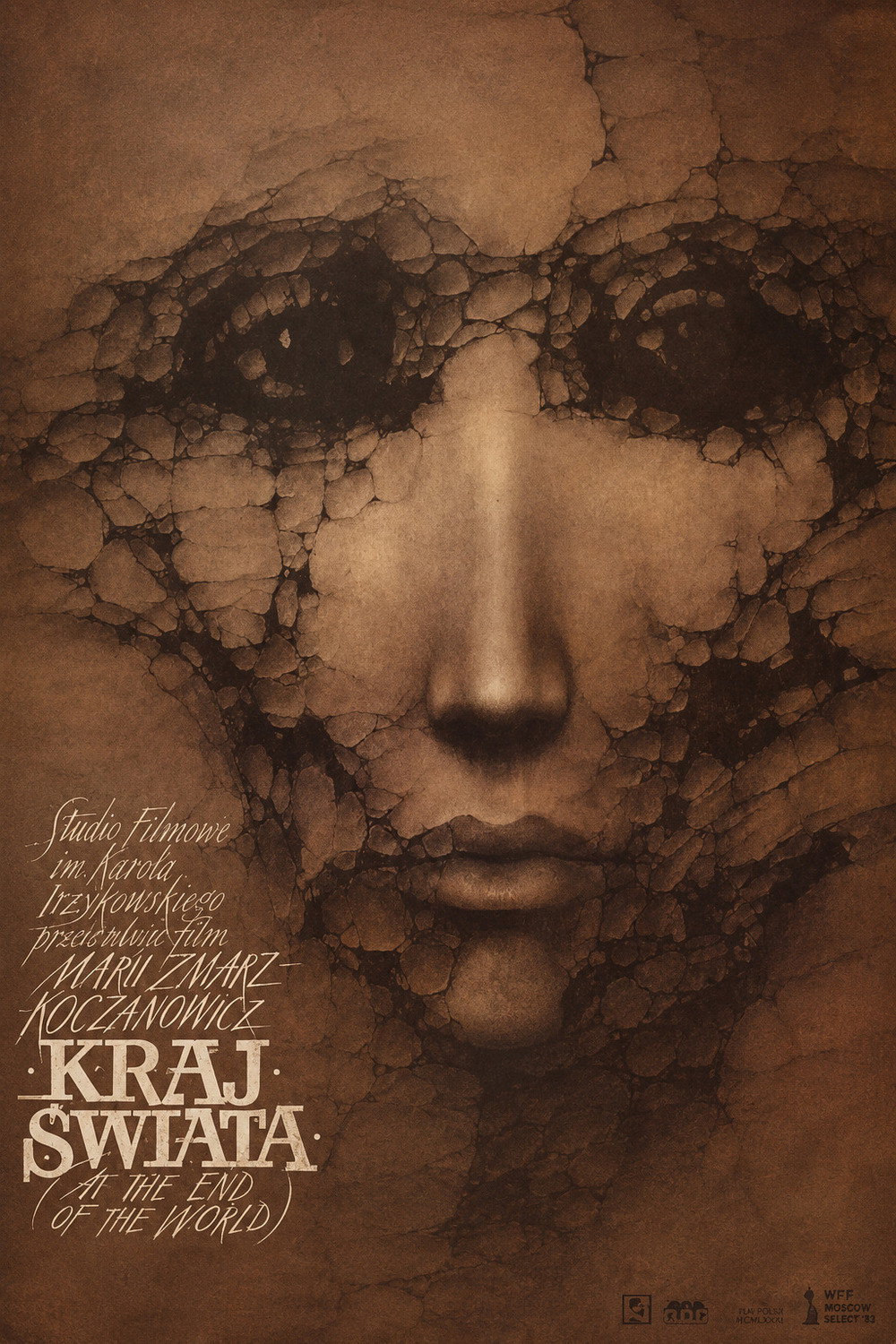
The year is 1989, and the country's first free elections in a long time are approaching. A man in a cycling cap organizes a chain of clean hands, using it as a tool in his election campaign. In the queue outside the passport office, people chat, make plans, and ponder what's worth selling abroad. Writers observe the world around them. One of them is applying for a passport. In Dzierżyński Square, the monument to Feliks Edmundowicz is being dismantled. Two drunk men sleep on a bench, and behind them is a sign reading: "All is well." The two writers observe the ongoing transformation of the political system.
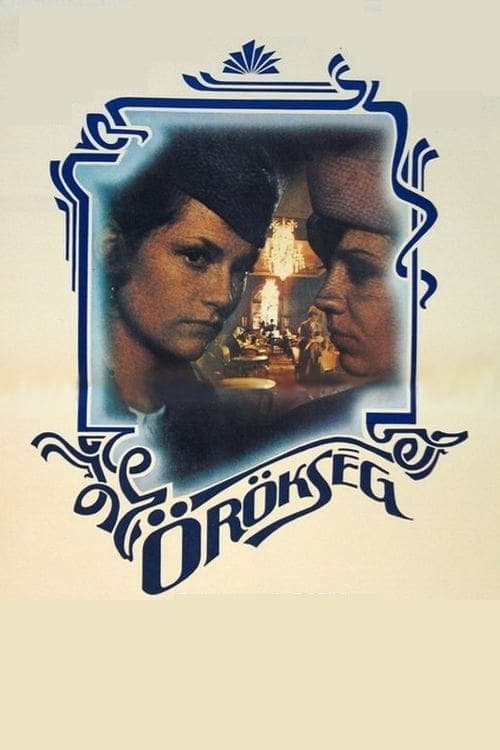
During the rising of nazism, Sylvia, a rich but sterile woman, needs an heir to inherit her father's money. So she bribes Irene, a Jewish girl, to have a child by her husband.
A world of the future where society is addicted to the drug of television. Supervision sessions create a perfect illusion of reality, making it almost impossible to return to reality.
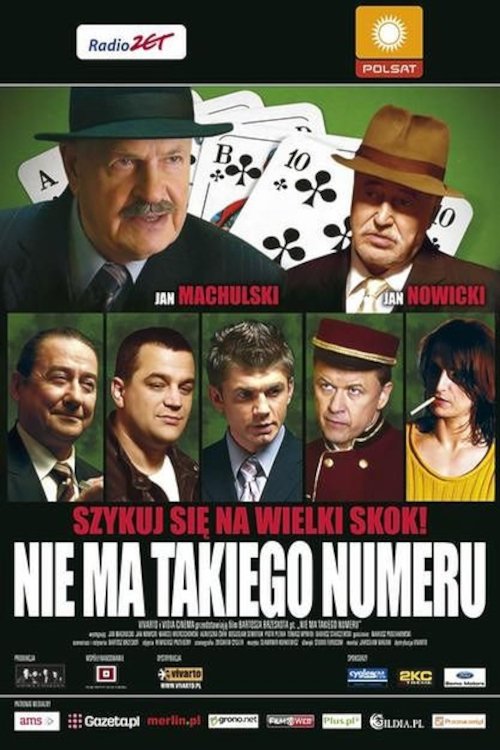
A classic of cinema with a twist, that is, the story of how to intelligently empty the casino safe where the gambling underworld launders government money. The young team, which can't miss a trusted butler, an experienced gambler, an attractive thief and a powerful, though not always brilliant donkey, will follow in the footsteps of the aged legends of the criminal film world. And although there will be a number of unexpected obstacles and surprises along the way, the old team will help the new crooks realize the scam of all time. The gallant Kwinto will pave the way for the thieves to get into the safe, and the reliable Big Shoo will give the roulette specialist an accelerated course in poker.
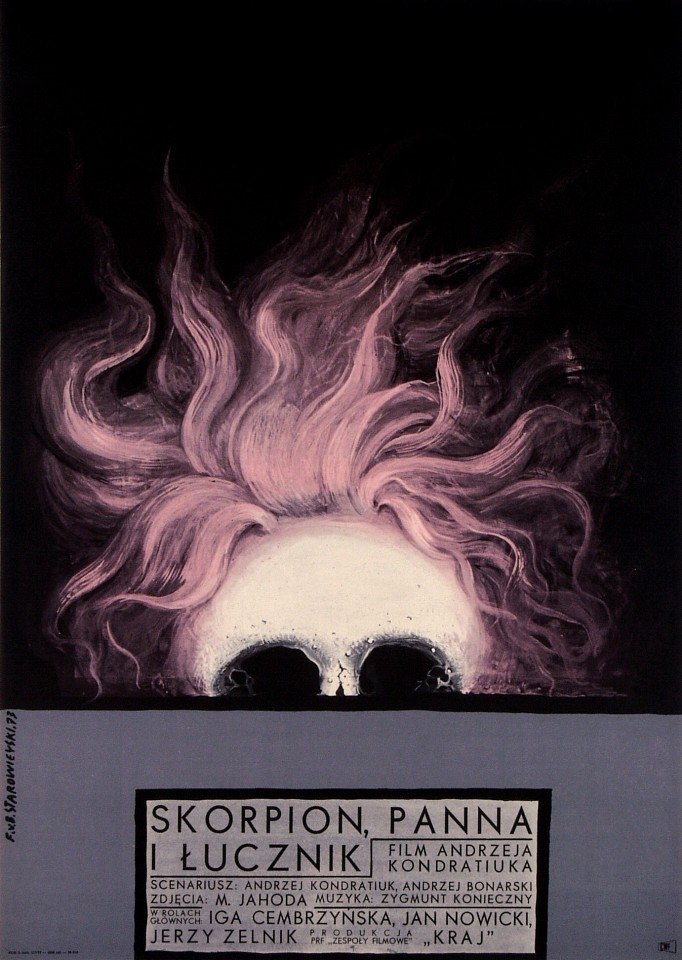
Three young friends travel round Poland, making a living by acting out religious scenes at fairs and selling photographs. Problems arise when a mysterious man joins them.
Looking for a safe place to live after being harassed by her husband, a depressive and violent man, Juli stays at a women's shelter run by Mária.
As Poland is placed under martial law in 1981, two confidence tricksters try to evade both the police and the army. They become embroiled in a web of schemes engineered by the secret service, fellow criminals and the democratic resistance.
On the eve of the Day of the Dead, among mysterious old rituals of the Vilnius region, ghosts of the past and present start to appear.
Set during the Nazi occupation of Poland, the story follows Michał, who witnesses the murder of his mother, wife and child and then is hurled into a life that literally is not his own; a surreal world littered with trapdoors, doppelgängers and wormholes.
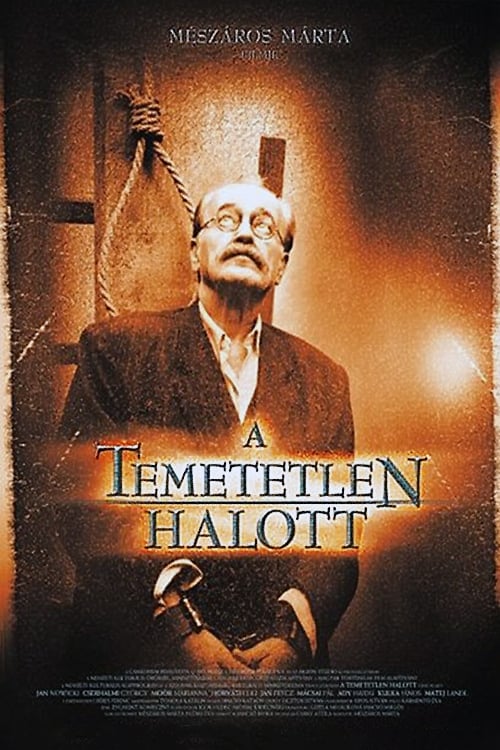
One of the doyennes of Hungarian film deals with a dark period of national history: the Soviet regime in Hungary. She portrays it through the fate of the former prime minister and national hero, Imre Nagy. The script is based on the diary written by Imre Nagy, and the memories of his daughter, Erzsébet Nagy, as well as authentic documents and records.
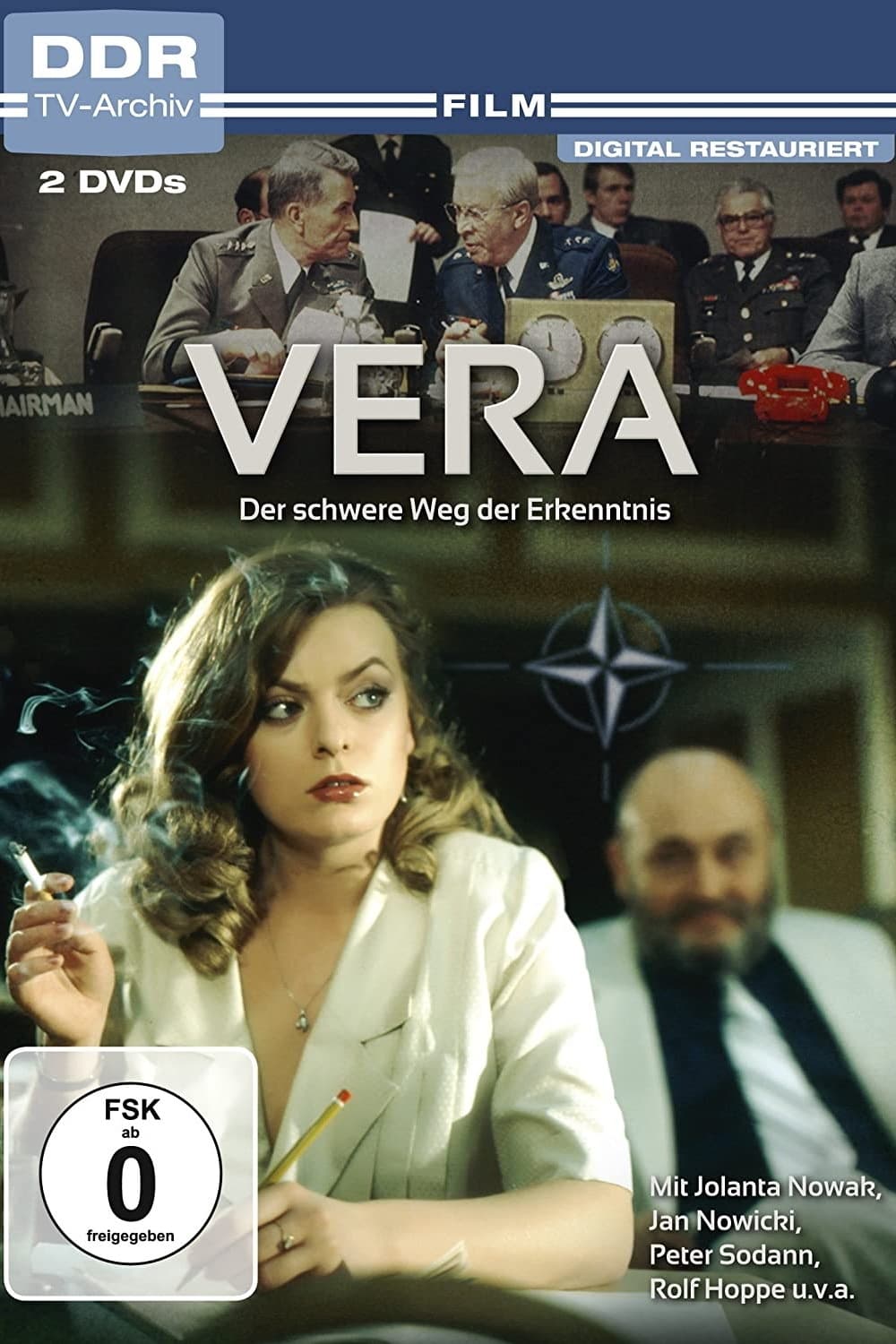
The story of Vera Lenz, a young and very attractive woman who is the daughter of a pastor and comes from a small coastal village on the North Sea (FRG). She is intelligent, determined, but also hungry for adventure, and she fascinates the world of men. She has developed into an accomplished secretary with excellent foreign language skills - predestined for an international career. Her meeting with Colonel Shelvin paves the way for this: Vera is able to take up a position at NATO headquarters in Brussels and, thanks to her achievements, she travels to many countries and meets countless interesting people.
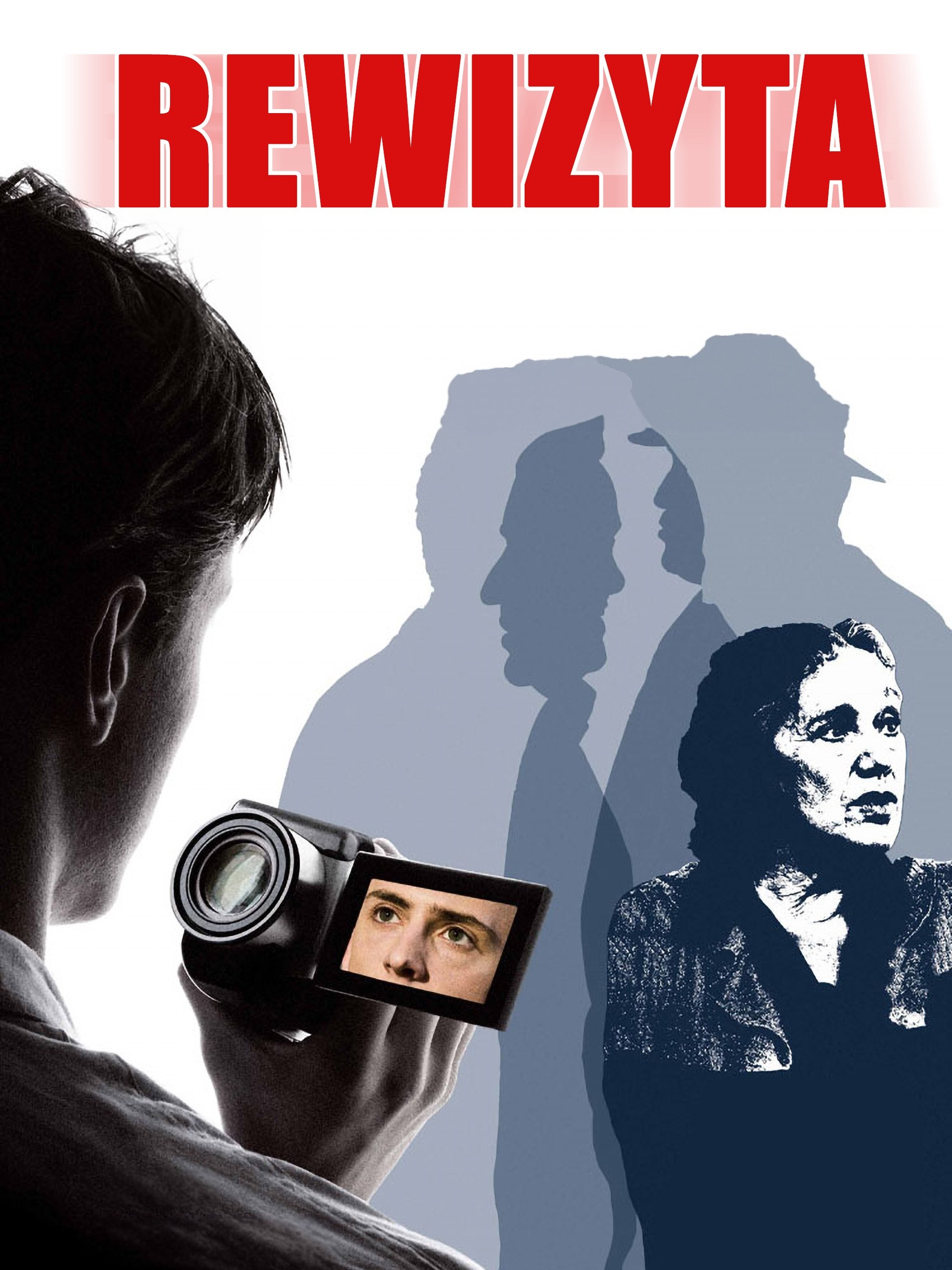
In this mixture of fiction and documentary Krzysztof Zanussi invites a number of Poland’s great actors—Maja Komorowowska, Daniel Olbrychski, and Jan Nowicki—to "revisit" characters they played in the director's earlier works.
In the first half of the fifties Júlia, the weaver meets engineer Szél on a visit with "educative" purpose, who raises his three children alone in a mighty villa. Júlia is willing to take care of the adolescent children and she moves in to the villa. She falls in love with the man but he is not able to express true, deep feelings.
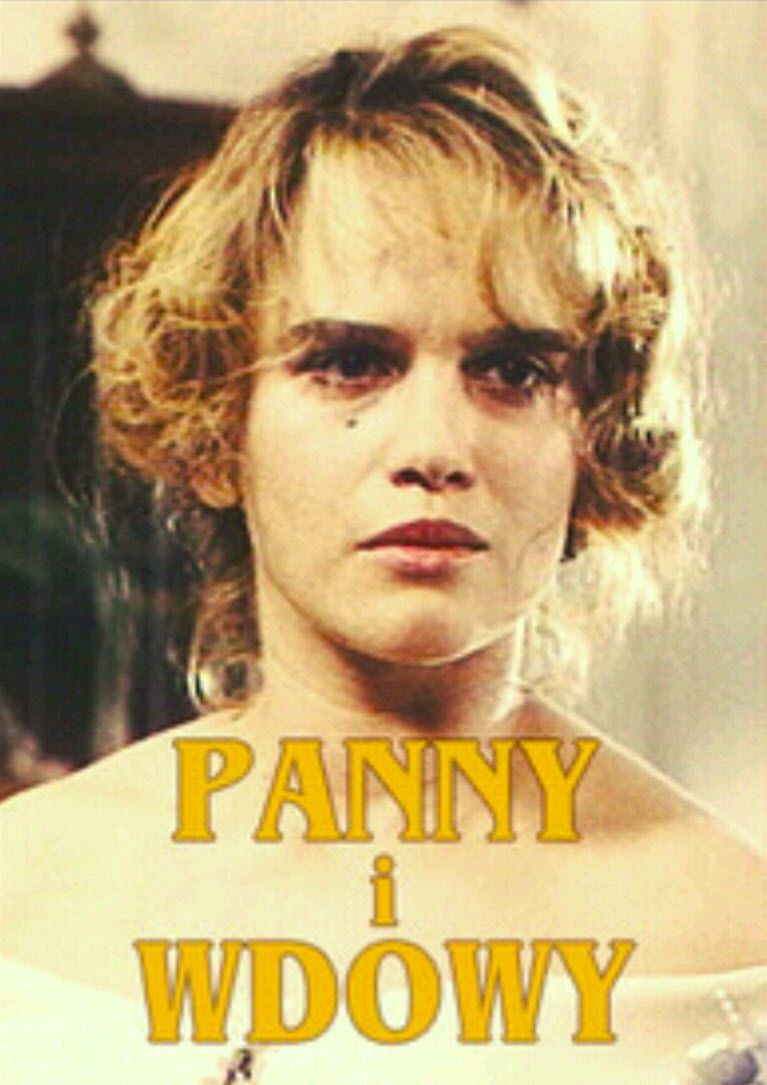
Maidens and Widows is an epic tale of a hundred years of Polish history from the perspective of women, the titular maidens and widows. Set against the backdrop of turbulent historical events.
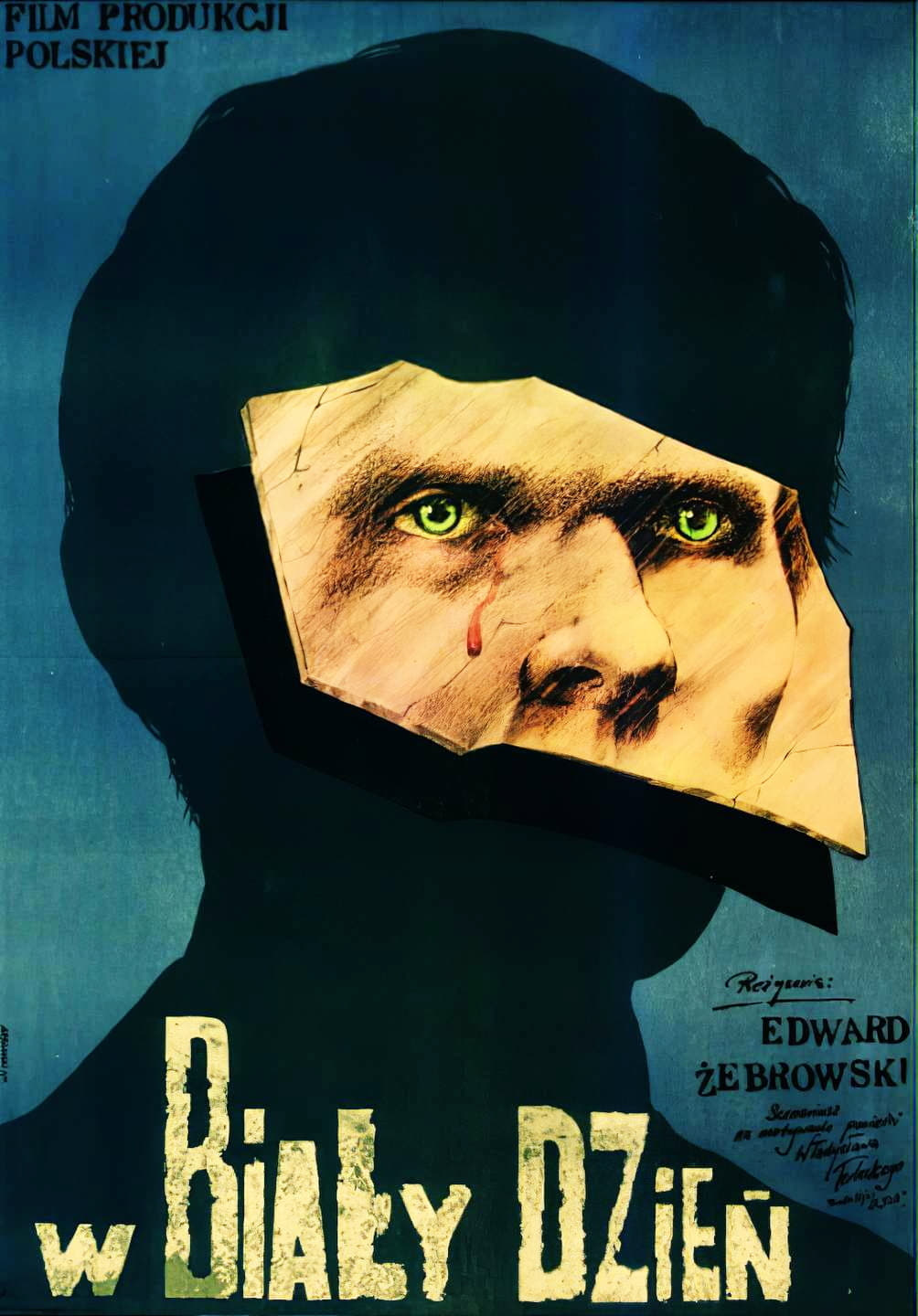
Set in 1905. The story focuses on a young and inexperienced man in a revolutionary execution squad. He does his killing job out of idealism, and for the love of a woman. The young student murders a Russian spy and is afterwards arrested by the police. Much to his surprise he is released after a session with the traitor-judge, hinting at some leaks in the organisation. Student reports his suspicions back to the organisation, but in response is given a new hit mission.
A Polish guest and Finnish engineer both fall for the same mysterious woman.
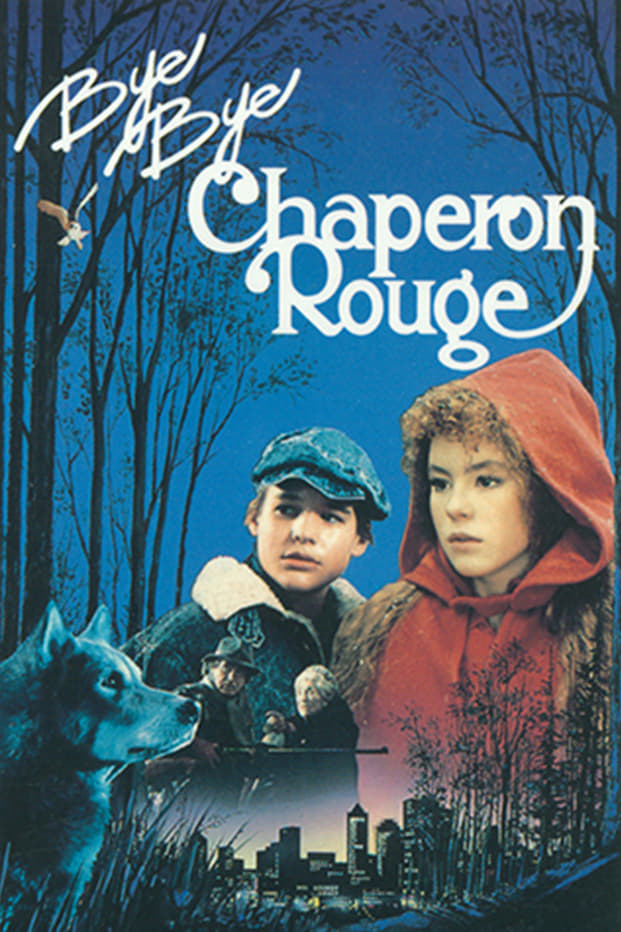
Fanny lives in the forest with her meteorologist mother. One day on her way across the forest to visit her grandmother and great grandmother, she has three encounters that will change her life forever: an apparently kind and gentle wolf, a city boy and an ornithologist who bears a striking resemblance to the father who long ago abandoned her and her mother.

This story follows a young student, who is orphaned as she grows to adulthood in the shadow of the 1956 Hungarian uprising. Coming from the Communist intelligentsia, she sees her friends and family react differently. Her lover, a married factory manager, supports the patriots and later assists fellow workers in staging a strike. Meanwhile her sister and others express anger at being forced from their homes during the revolution and continue to express a hatred for the rebels afterwards. But in the end they realize that for all people, real life is not possible after the revolt and its brutal suppression by the Soviets and their collaborators.
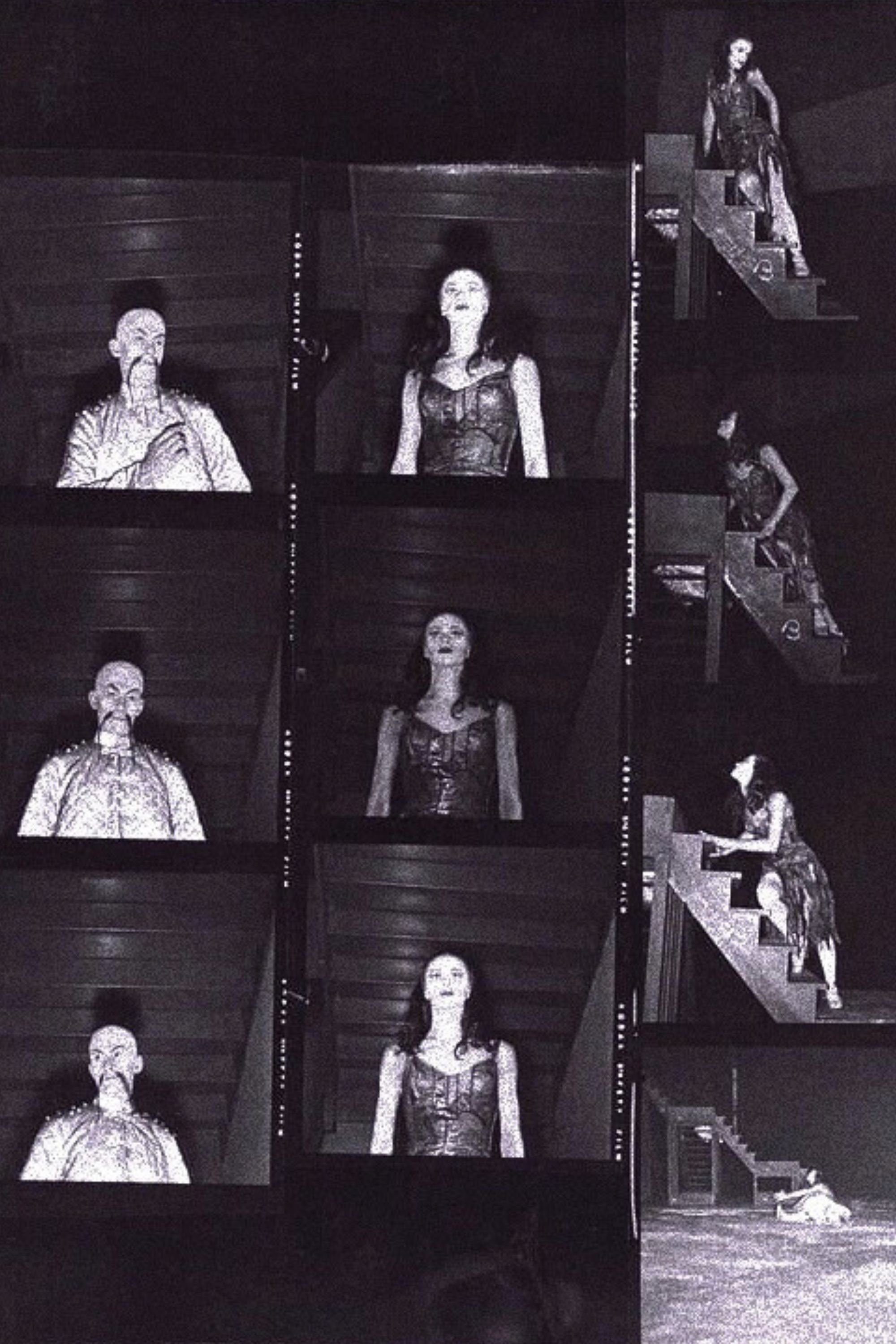
A modernized version of the famous ballet work by Bela Bartok
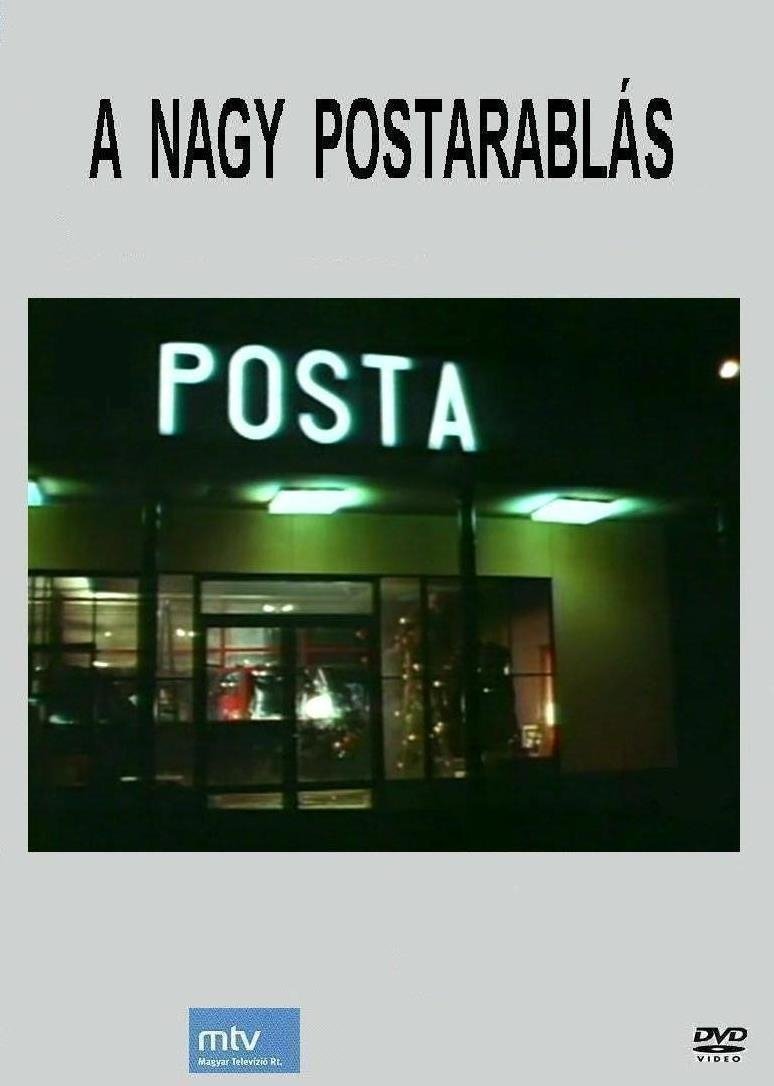
The heroes of this crime-comedy attempt to get hold of money by a funny trick. They start operating the new post-office of the housing estate a week before the official opening, pocketing the revenue themselves. The inhabitants of the estate do not understand the trick, and loads of money pour to the swindlers.
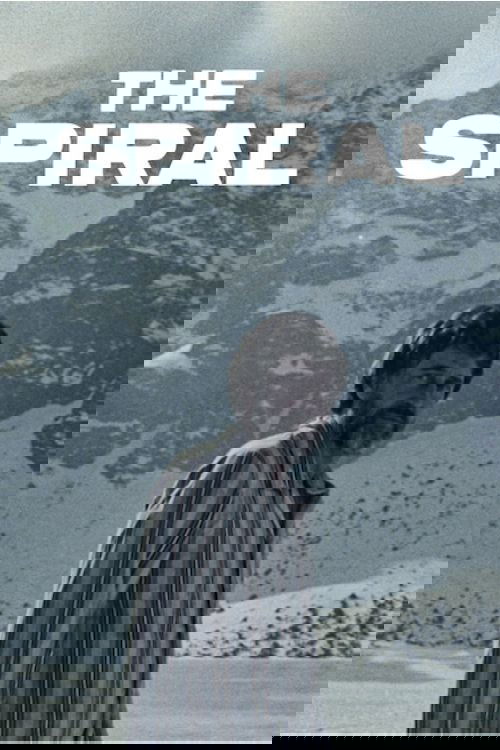
In what appears to be an inexplicable incident, a man drives up to a resort hotel in midwinter, throws away his car keys, enters, and proceeds to agitate everyone he meets with his urgency -- a message he is somehow unable to communicate. Then he leaves, disappearing in the snow. Later, the people he appeared to have upset have gathered to search for him and find him frostbitten, but alive. Visiting him at the sanatorium to which he has been taken, they gradually discover what was really happening.

Juli, who works in a brick factory, begins a romantic relationship with her boss, to whom she hides the fact that she has a son.
Polish teleplay based on Ephraim Kishon's play, concerning the characters of Romeo and Juliet and their alternate fate had they survived the events of Shakespeare's play and grew old together.
A young woman, Anna, is getting ready to make her own movie. After a while, she discovers that she is just a heroine in the movie and nothing really depends on her. Rebellious against the author, she writes her own film, recreating the characters from scratch - but neither do her characters want to be heroes in someone else's film. The story of the heroine is intertwined with the story of a critic who "chased" writers all his life to finally find out that his efforts were pointless.
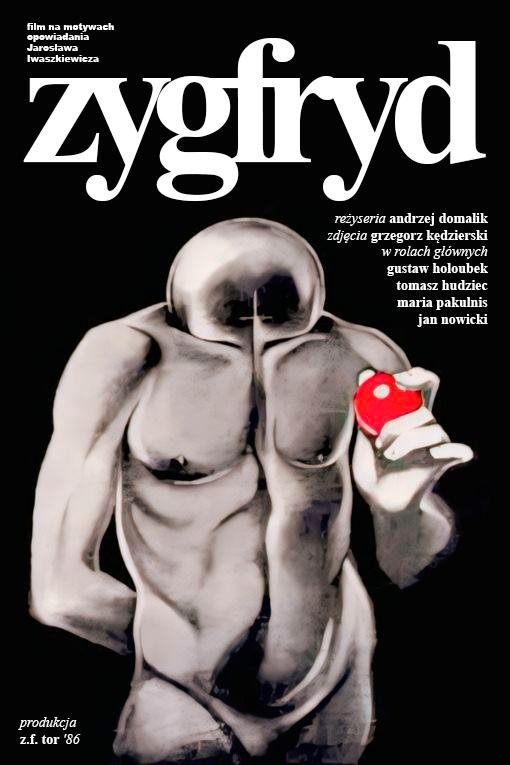
The eponymous Zygfryd is a reclusive young circus acrobat. Professor Drawicz is overwhelmed by Zygfryd's circus act and tries to make the world of art accessible to him - with tragic consequences.
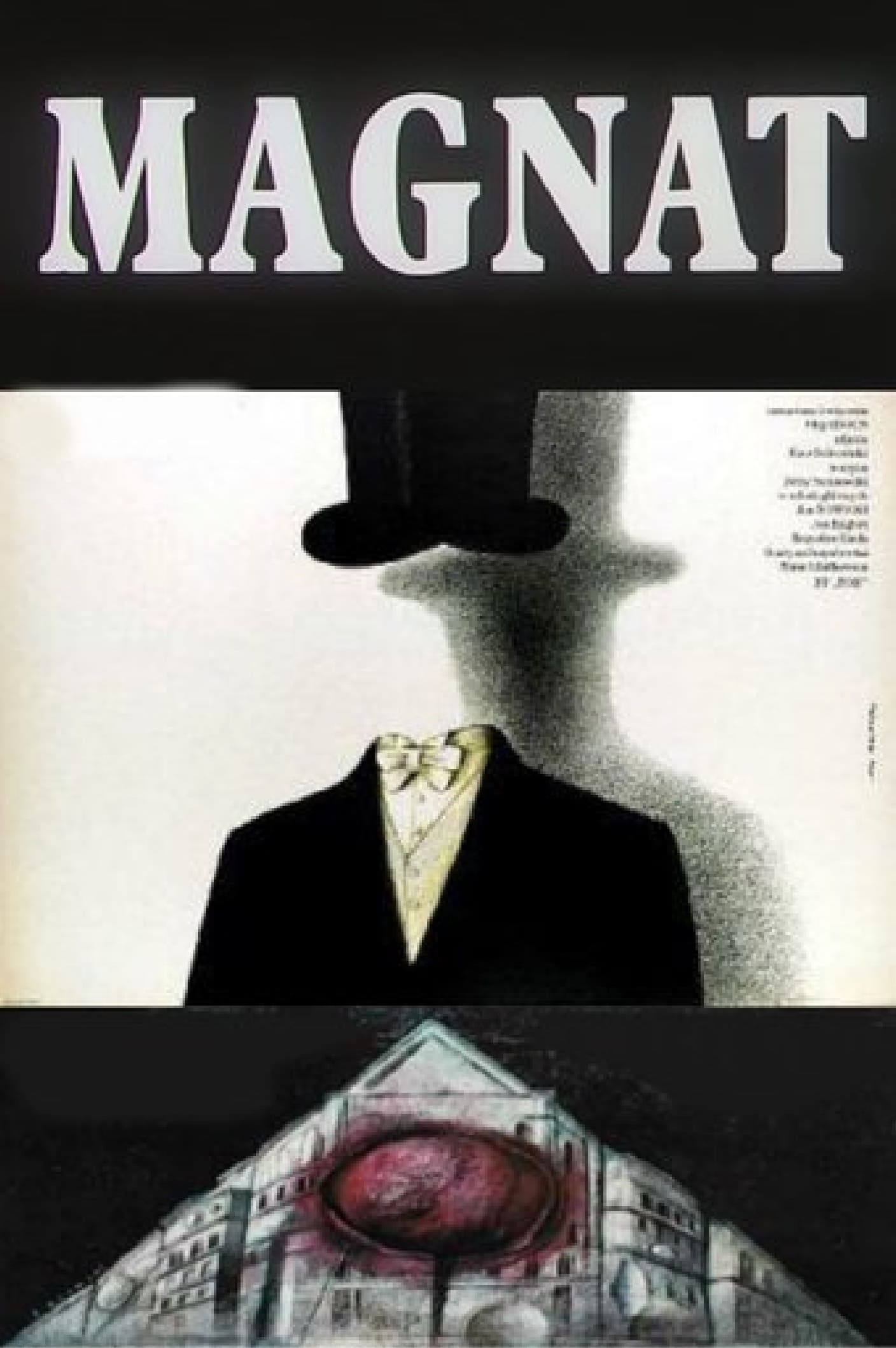
This Polish historical drama film traces the fascinating saga of a wealthy, princely Polish dynasty in years 1900-1935.
The lives of urbanites intertwine in a world where anything can happen at any time.
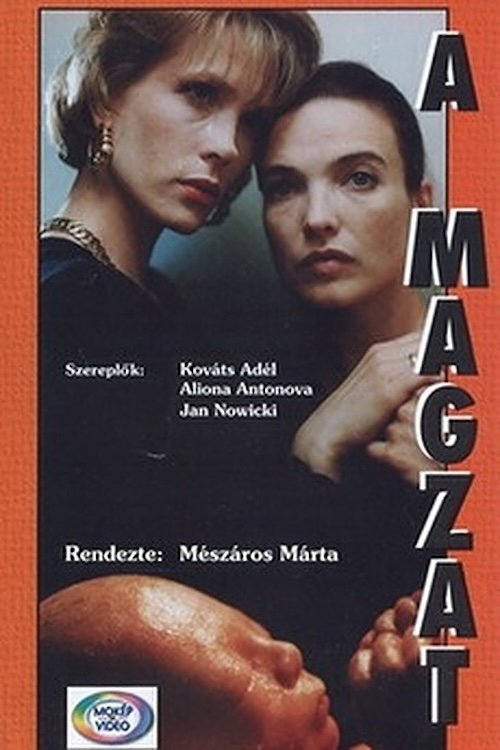
This drama follows the dilemma of a young, unwillingly pregnant wife who gives her child up for adoption by a businesswoman. Anna doesn't need another mouth to feed. She can barely afford to care for the two she already has so when she discovers that she is six weeks pregnant she readily accepts the cash offer from Terez, her tough boss at the store where she works. If she will isolate herself throughout the pregnancy, secretly bear the child and immediately allow Terez to sign for it, Anna will receive $50,000. Most of the story then focuses upon Anna's emotional processes as she evaluates her choice. Included are dream segments and shots an unborn baby in the womb.
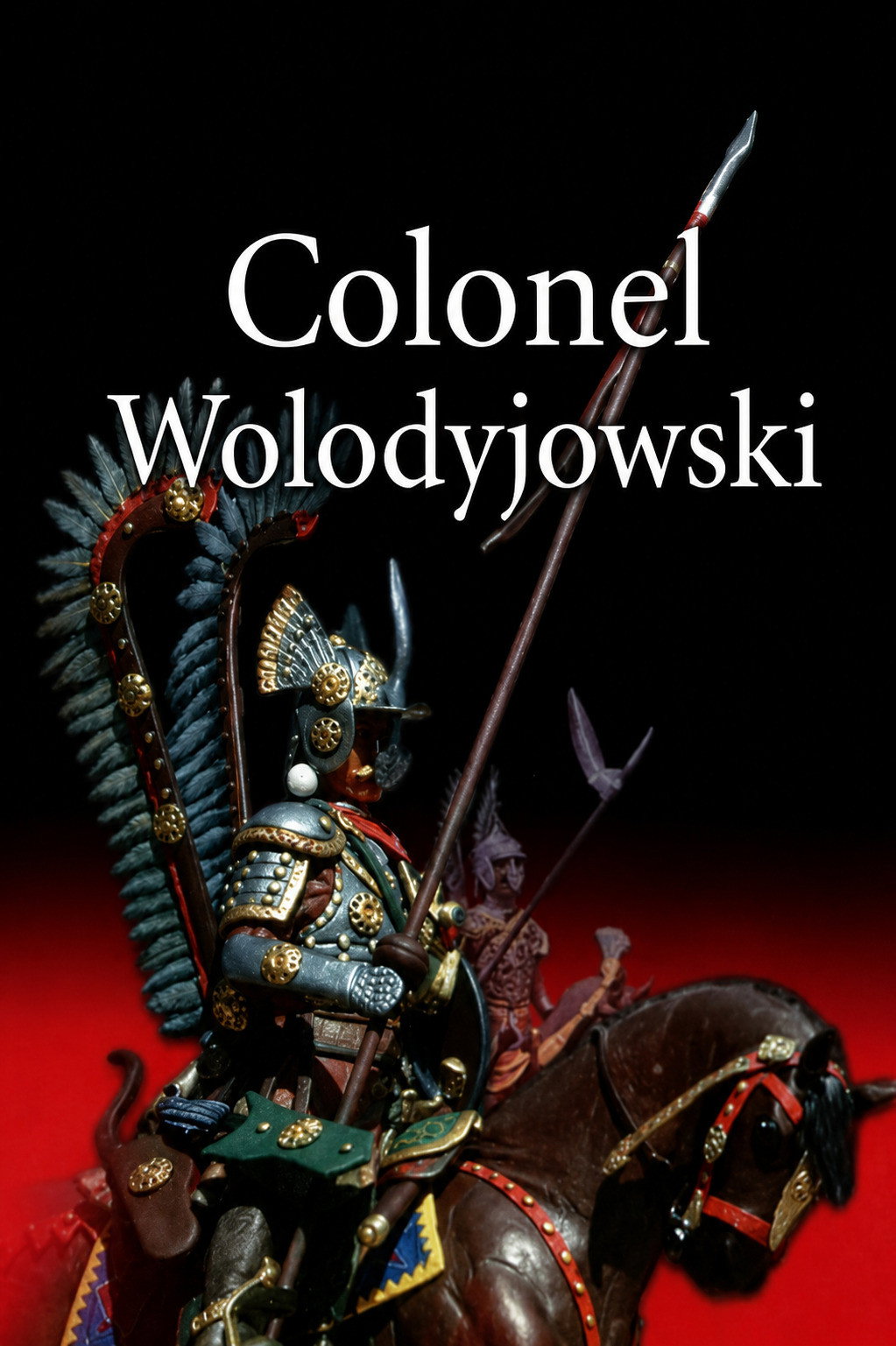
In 1668 Polish colonel Michał Wołodyjowski, who recently retired to a monastery, is recalled to active duty and takes charge of Poland's eastern frontier defenses against invading Tatar hordes and Ottoman armies.
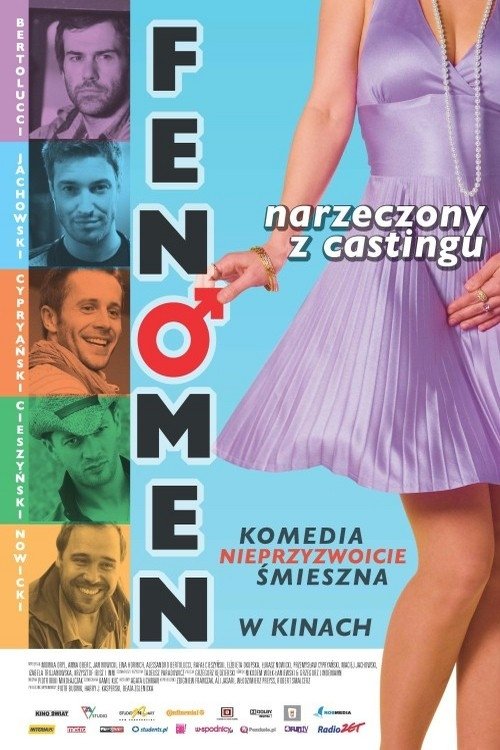
Olive is the daughter of a millionaire, spoiled by her loving dad, who fulfills her every whim. Deep down she dreams of true romantic love. Her best friend Jadźka tries to match her at every turn. Just like her friend she ends up with the wrong men. Their search for love is woven into the story of an unusual film production. Despite having no experience, the girls become producers. What will come out of this? Agnieszka is a star of soap operas, a top actress who has already achieved "everything" at a young age. She has fame, money, a boyfriend. She runs away from the set, swaps her limousine for a toddler, abandons her man. Is this just a star's fad? Meanwhile, a huge casting is organized in Plock, thousands of people come together. Everyone wants to present themselves as well as possible.

As a son deals with his own struggles, he must calm his father's obsession with fishing before his outlandish behavior ruins the entire family.

Set before the first World War in part of Poland under Austrian occupation, the story of a young boy in primary school who later grows up to become a rebellious, poetic-minded teen in the same school when the national movement toward liberation is under way. The story of a country where church and state work together to suppress the human spirit.
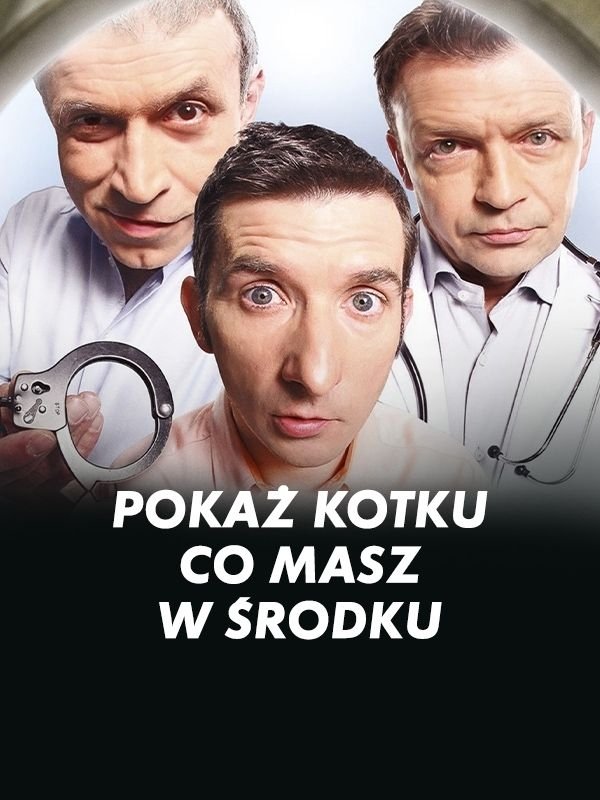
The plot is a series of unfortunate events happening to unremarkable characters. The father of the main character, Sigismund, unexpectedly decides to marry an unknown, mysterious woman. Shortly after this event, he loses all his money, and his son, Andrew, decides to get it back by abducting a suspicious girl, with whom he immediately falls in love. In addition, Sigismund has to face his wife's relentless admirer, and the whole, already tense enough family situation is complicated by the affair of his adult daughter. In addition, the plot is enriched by Jan Frycz in the role of a doctor who is not indifferent to the charms of his sexy nurse, an attractive student with a head full of crazy ideas, the head of a gas station, whose refueling has become a habit, as well as many unusual characters.
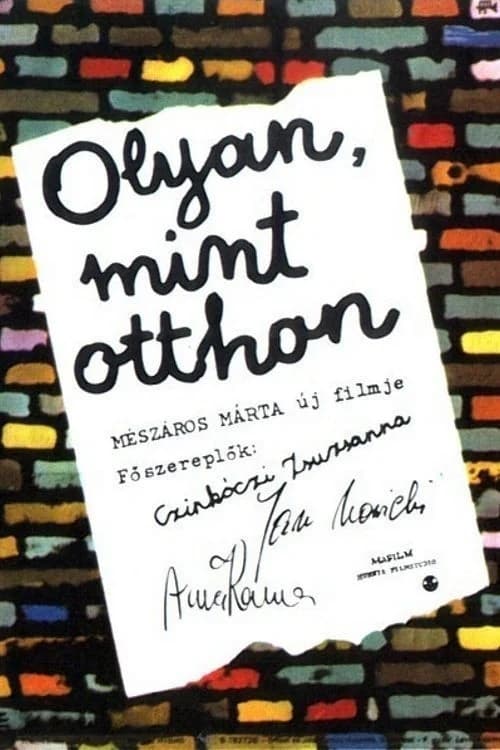
On his return from America, András simply cannot find his place: he has lost his wife, friends and job, and he cannot even find his way back to his former great love. Eventually, as a surrogate father, he takes in a wild young girl (Zsuzsa Czinkóczi) and a particularly strong bond is formed between these two rootless people. Márta Mészáros’s remarkable movie starring Jan Nowicki and Anna Karina is about displacement, loneliness and attachment.
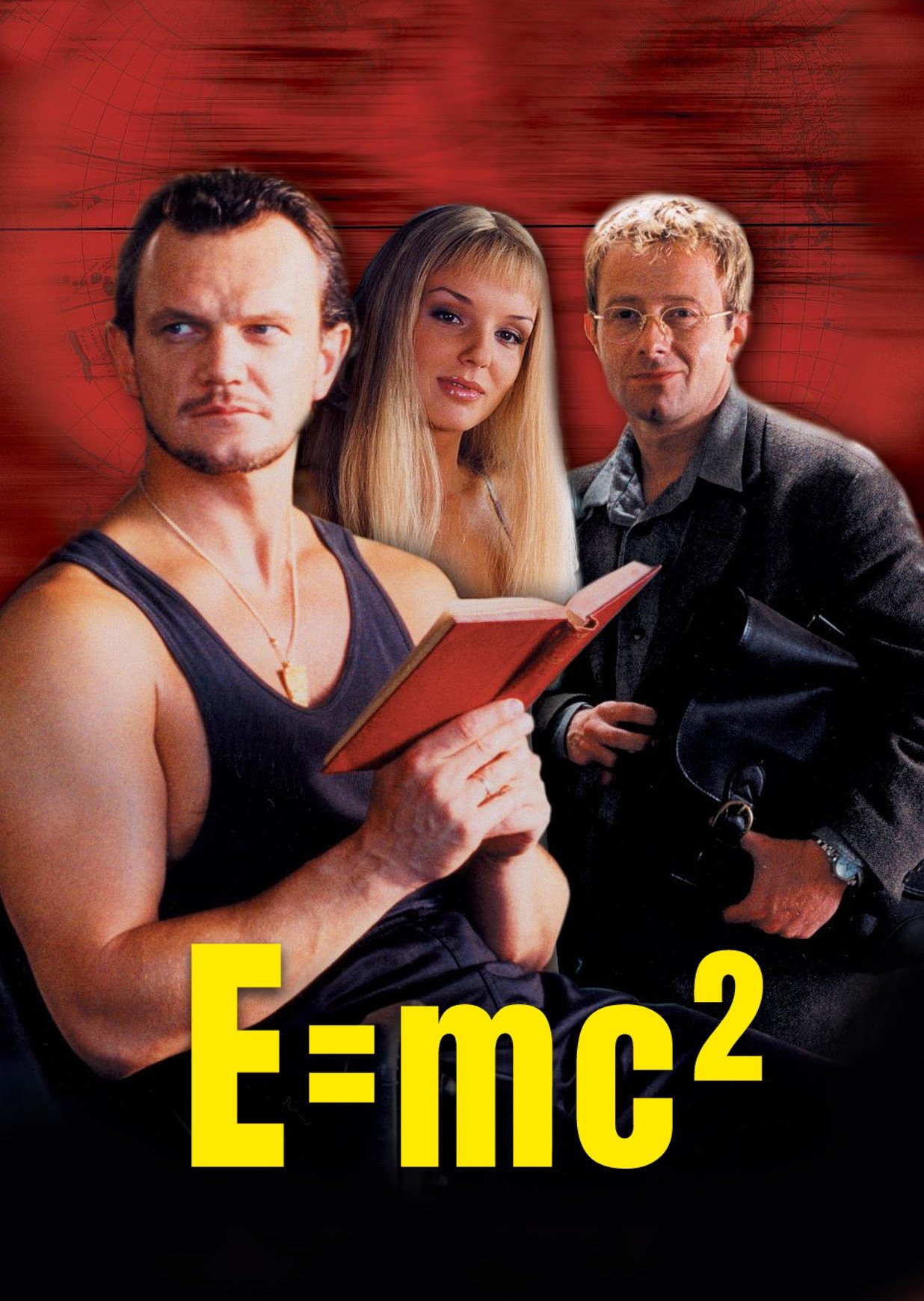
The film tells about mainly three people - Max, a bored, smart, poor University Professor of Philosophy; Ramzes, a mafia leader, cool, strong, merciless bully and Stella, Ramzes girlfriend.
The film is about a group of old retired theatre actors in a retirement home for actors who aim to regroup and stage Goethe's Faust.
The movie is inspired by writer-director Márta Mészáros' own childhood. The film is a grim reminder of horrible days under Stalinist period when several innocent people were persecuted for no fault. A good film which allow people to know how people in Europe were tortured before second world war by dictators and authoritarian regimes.
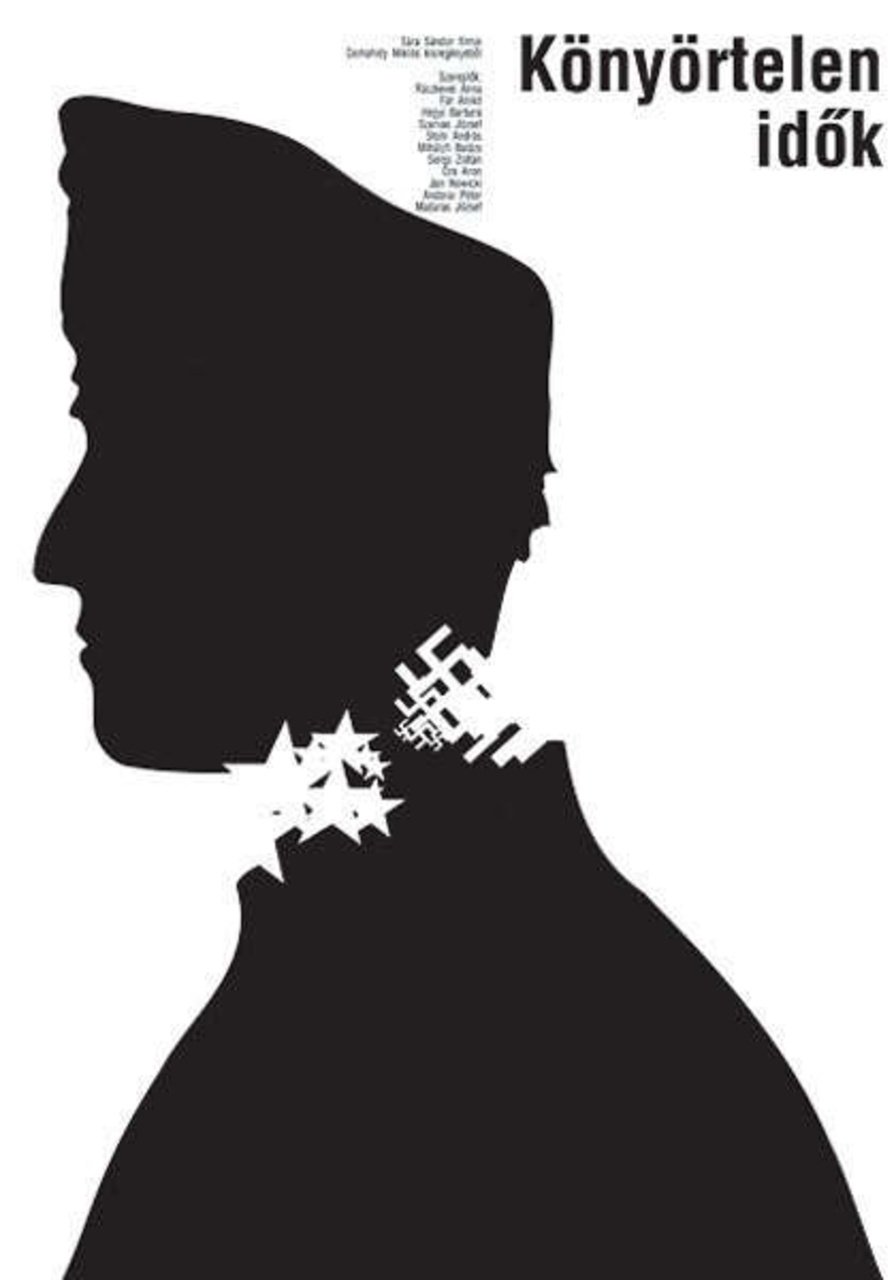
Hungary, end of World War II. Five Hungarian soldiers desert their troop which has been directed to Germany. They are escaping with the help of a stamp and unfilled travelling warrants, trying to survive until the war ends.
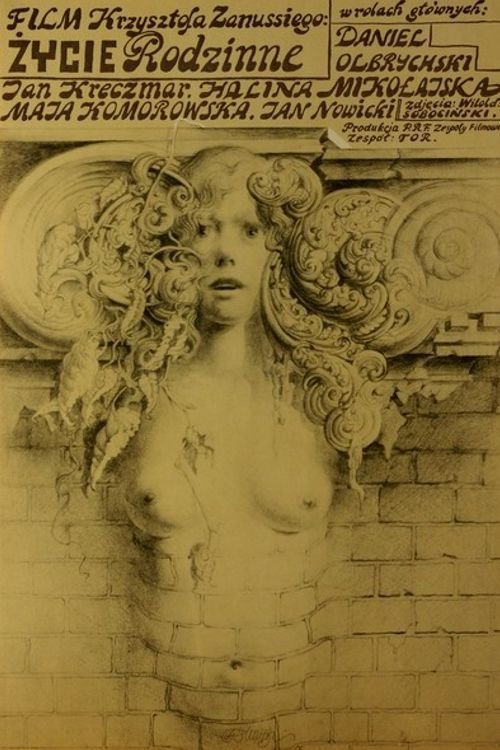
A young industrial designer named Wit reluctantly returns to his family home to look after his gravely ill father. Upon entering the dark confines of a house he has not visited in six years, Wit once again finds himself exposed to the idiosyncratic pathologies of his father, sister, and aunt.
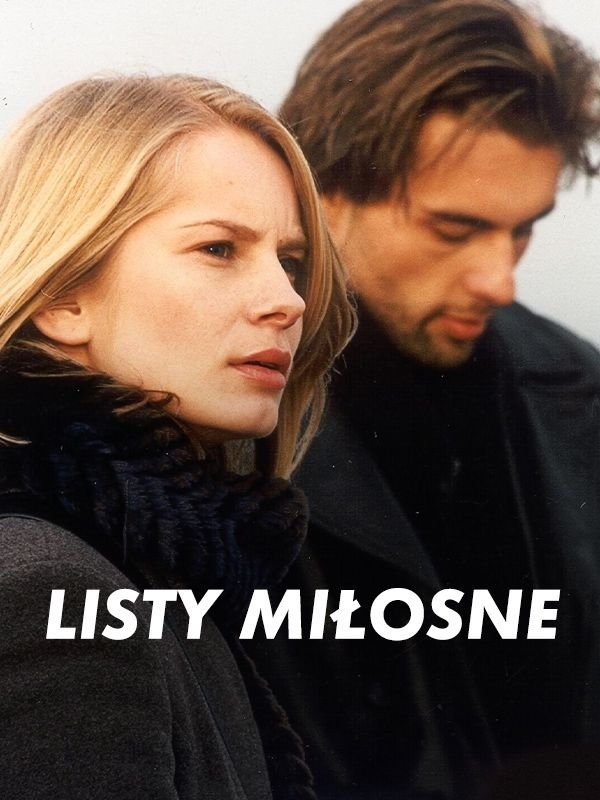
Thirty-year-old nurse Teresa spends her days caring for elderly, dying people. Janusz, a young man she met at an amusement park, enters the life of this bitter and disillusioned woman. Teresa doesn't have the courage to tell him how she feels, and he also has trouble expressing his emotions. They are helped by Julka, a girl from the neighborhood who likes Teresa. She finds a pile of love letters from the beginning of the century in the trash. By forging Teresa and Janusz's handwriting, she starts a love correspondence between them, rewriting fragments of other people's confessions.
The end of the 70s of the last century. A team of surveyors goes to a small provincial town. Magister ( Jan Nowicki ) and the experts accompanying him plan to build a new road in the vicinity. The geodesists' projects arouse the indignation of one of the local farmers, Biernacki ( Wiesław Gołas ). The envisaged route is to run through the land belonging to it. To save his patrimony, Biernacki is ready to pay a bribe. The dispute between the host and the surveyors is cruelly resolved in front of the party dignitaries participating in the nearby banquet. Jerzy Gruza's painting is a sharp satire of manners, criticizing social relations from the end of the Gierek era.
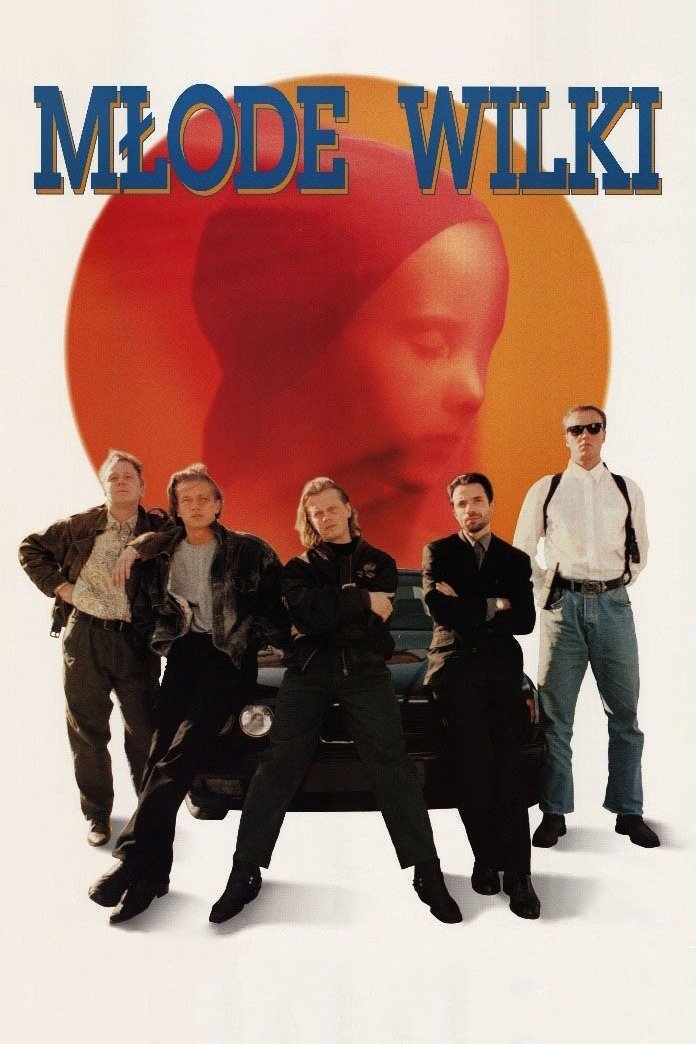
"Ladybug," "Silent" and "Cobra" are 19-year-old young men who have everything, but want even more. They are smugglers working for "Black" - the head of a Szczecin smuggling gang. Unexpectedly, a certain Chmielewski, the richest man in Szczecin and former boss of "Black", gives up his illegal business. The good "deals" with customs officials come to an end. The boys decide that they will continue to manage on their own. However, in order to continue doing "business", they need to hire someone with a "clean" passport. The choice falls on Robert - the class primer.
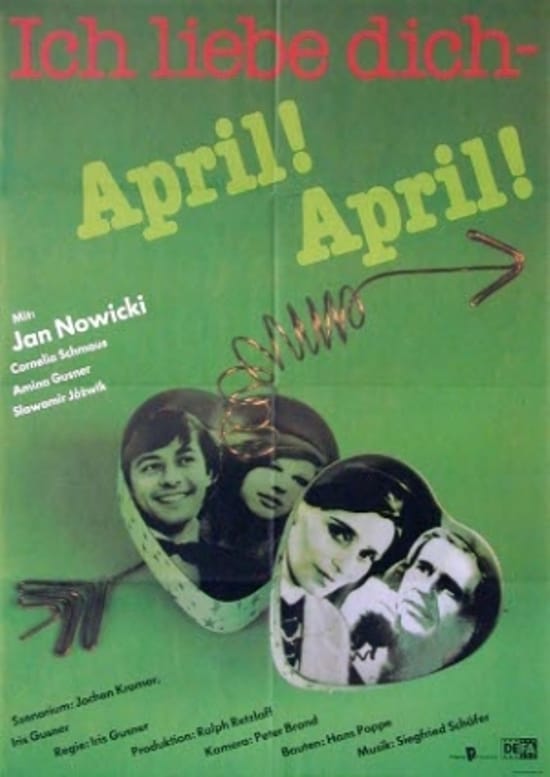
The law student Caroline and the assistant professor Tom are husband and wife, but they keep their marriage a secret. While Caroline is afraid of annoying her mother Hella who ever since her divorce twenty years ago distrusts men in general, Tom dreads the criticism of his professor, a family law specialist who objects to the concept of marriage. By chance, Caroline gets hold of some juicy information: Her mother and the professor used to be a couple and she is their child. With almost missionary zeal she addresses herself to the task of convincing the two grown-ups to get back together. In the process, however, she steers both her academic studies and her own marriage into a crisis.
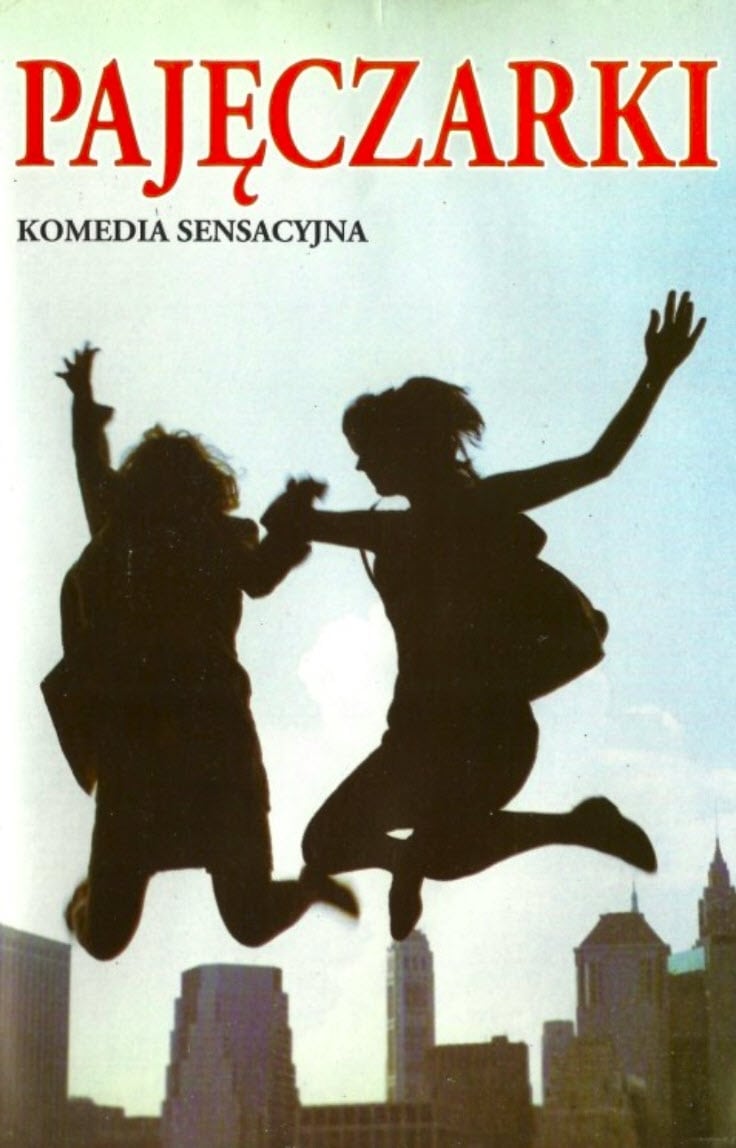
Two sisters, a journalist and a student, are struggling with financial problems. They decide to save their budget by stealing from wealthy men. They break into their apartments through windows in order to realize their American dream...
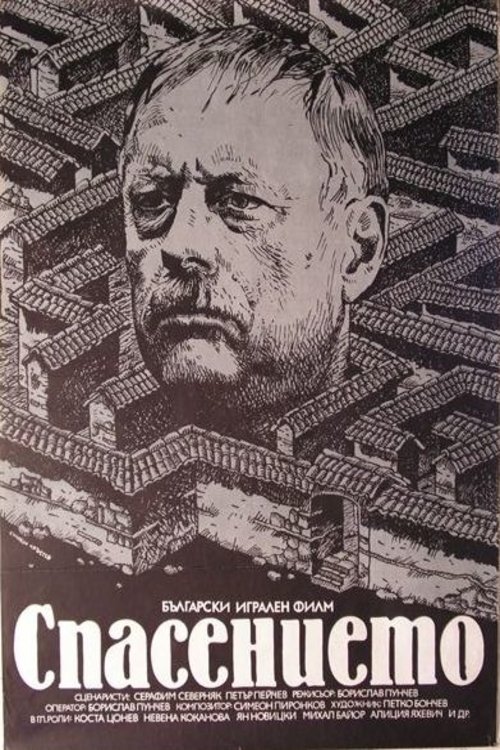
Bulgarian prisoners of war escape from the Germans in the town of Ohrid.
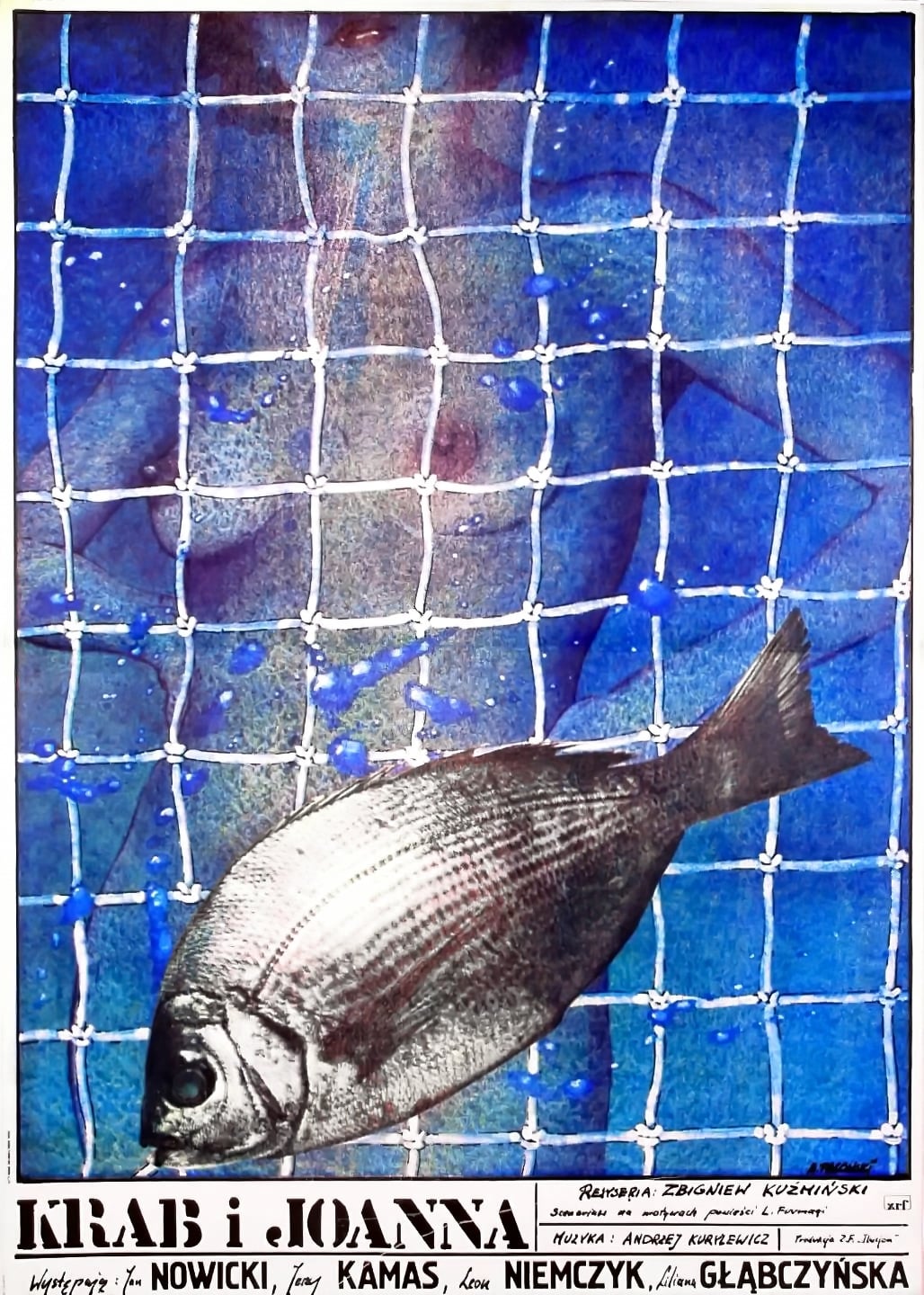
Just before the end of an 18-month-long journey from Africa, a fishing ship is sent on another 2-month cruise. The crew members miss their loved ones a lot.
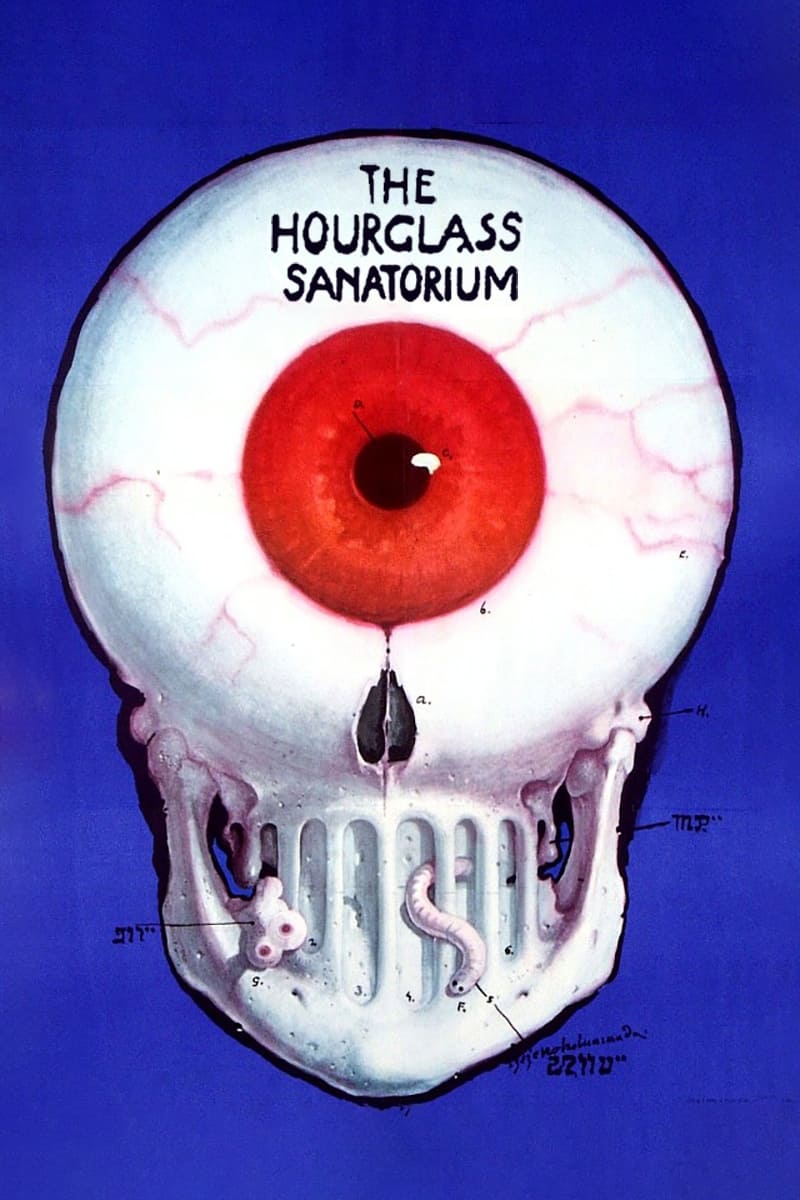
Jozef visits a dilapidated Sanatorium to see his father. Jozef undertakes a strange journey through the many rooms of the sanatorium, each which conjures worlds composed of his memories, dreams and nightmares.
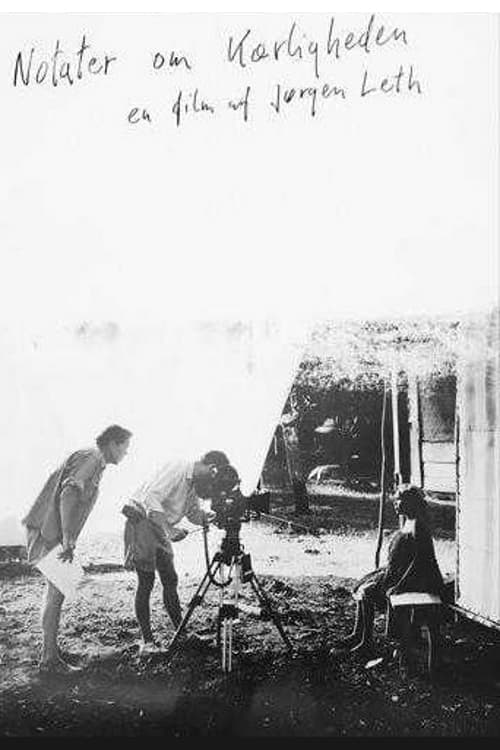
Poet-filmmaker Jørgen Leth taps his own earliest inspirational veins by free-floating through a camera/microscope-enhanced set of poems with love as their first and final subject. For example, how a tropical island woman prepares for a meeting with her lover. The film was shot partly in the South Pacific with more than a nod to social anthropoliogist B. Malinowski's historical work The Sexual Life of Savages.
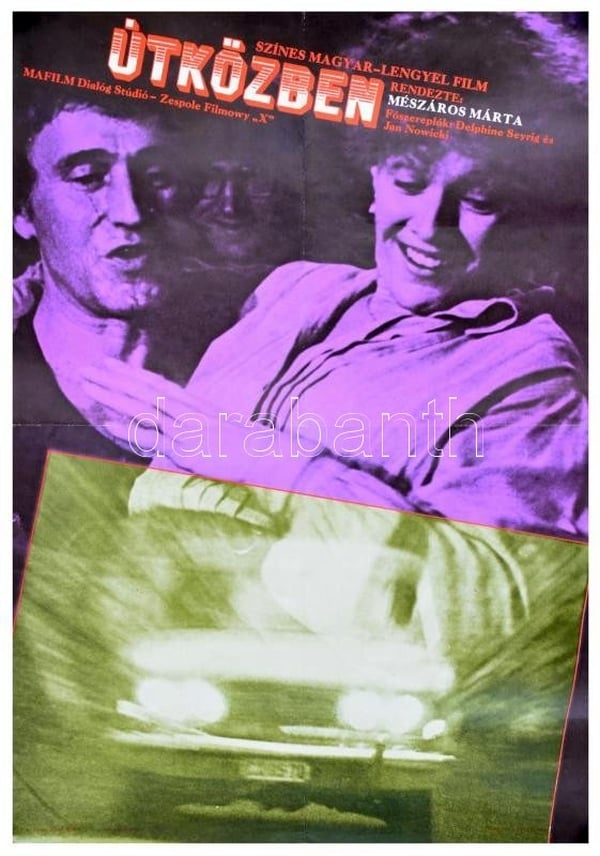
Barbara is a forty-year-old woman of Polish origin living in Budapest. She is a biologist, a wife and a mother. The death of her woman friend opens her eyes to the fact that she is lonely, unable to find her place.
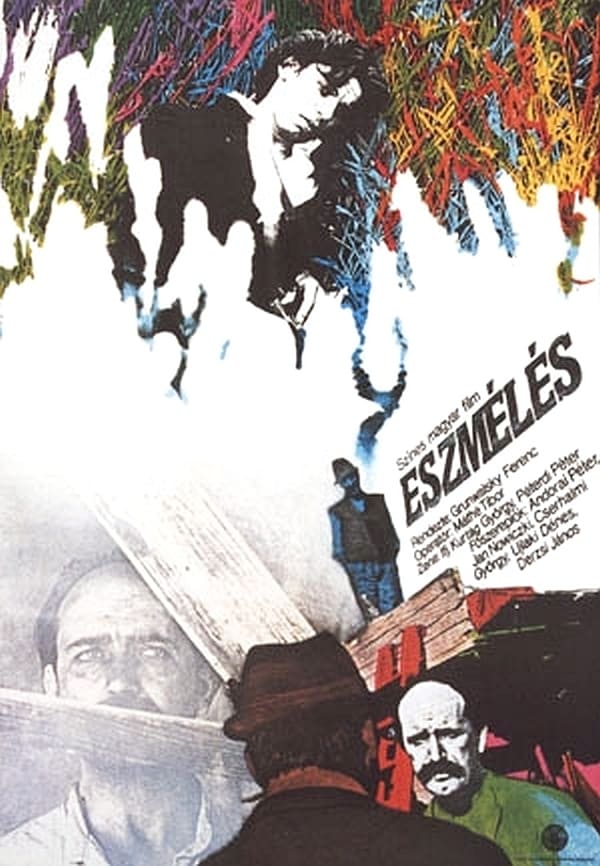
1894. The mortal remains of Lajos Kossuth are brought home from abroad, the railways are lined with people with their hats in hand, and among them stands the teenager Imre Tányér. 1910. The grown-up Imre undertakes the task to solve the question unsolved since 1848-49, i.e. the transformation of peasant life. He fights for the rights of his class, for justice, for human dignity in a society distorted, backward and built on inequality.
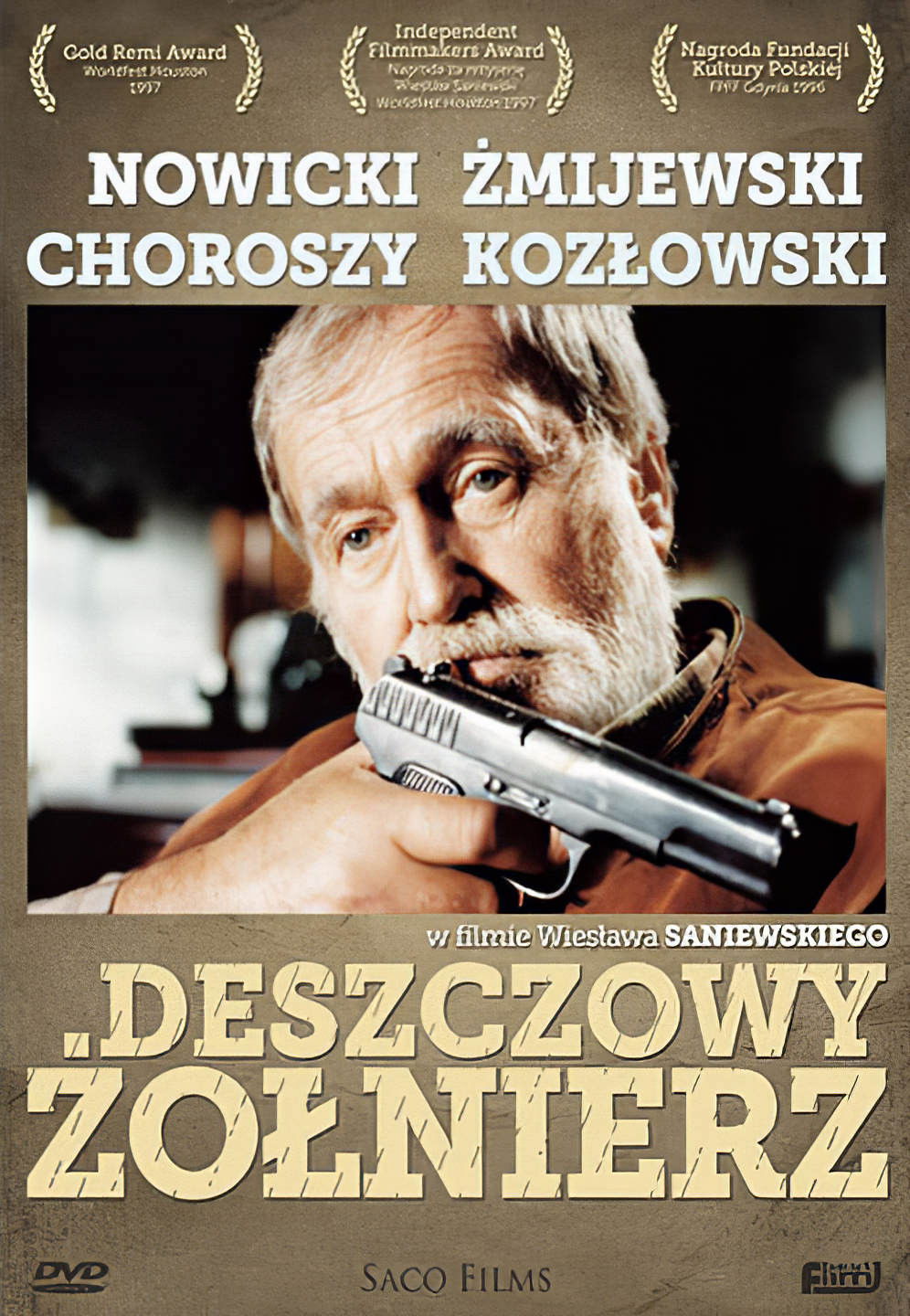
After being raped by her lover, Anna, lawyer investigating top-level corruption, nearly hits an amnesiac man while driving. This event begins a series of flasbacks back to communist takeover of Poland in 1949.
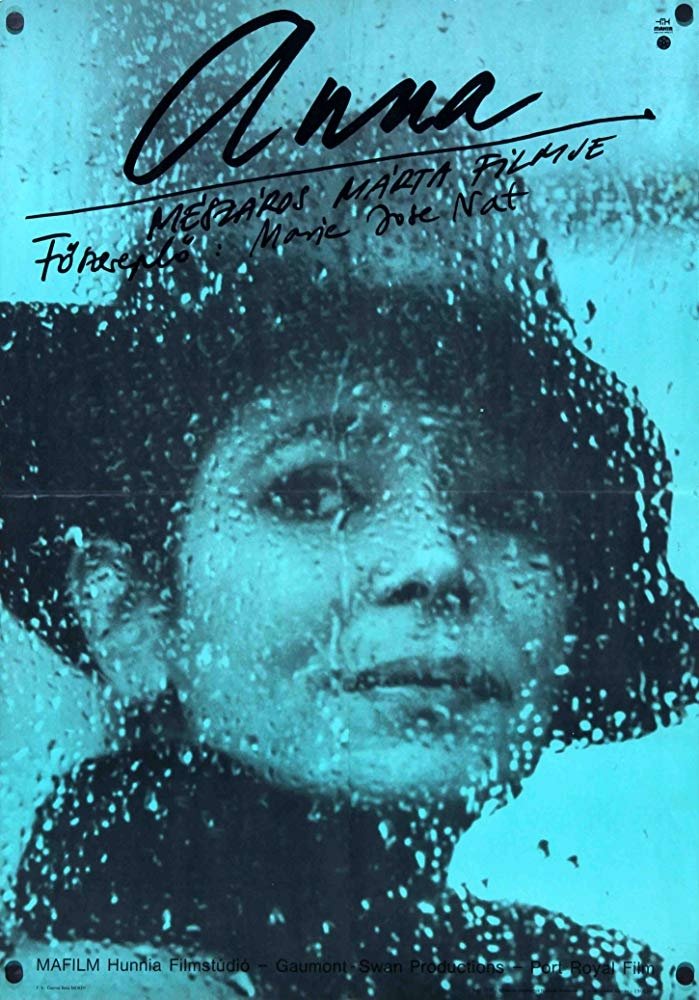
Anna is a stylist in Budapest. One day at a restaurant, she thinks she recognizes Marie Aubier, a 22-year-old French girl, her own daughter.
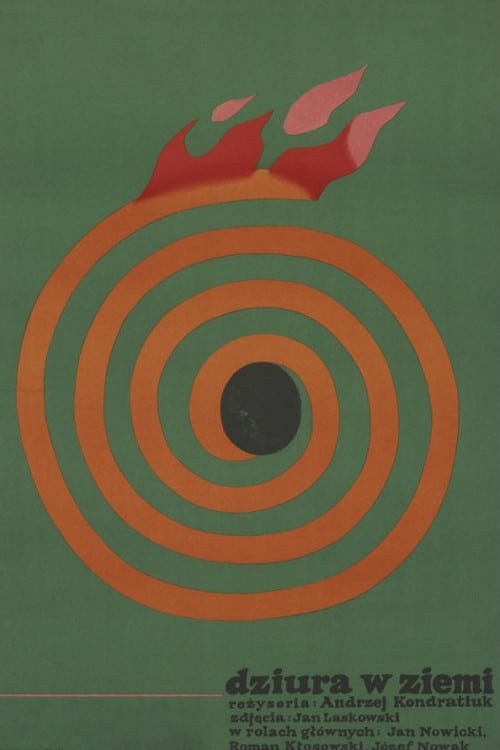
An ambitious, enthusiastic young geologist is entangled in bureaucratic red tape when he tries to drill for oil. Frustrated with the situation, he torches an abandoned mill, ignores his girlfriend, and fights with his friends who do not share his exuberance about the project.
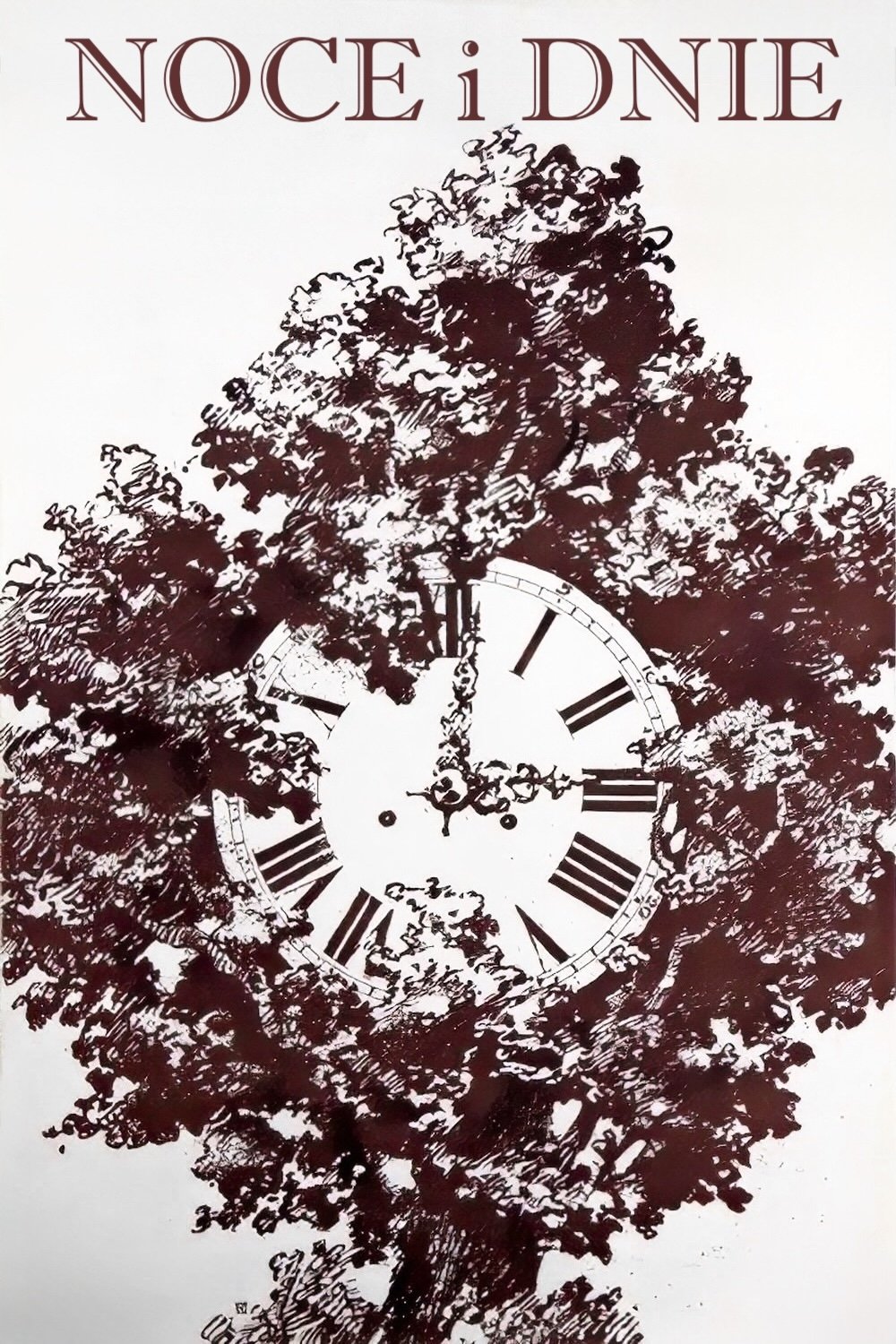
A family saga of Barbara Ostrzeńska-Niechcic and Bogumił Niechcic against the backdrop of the January Uprising of 1863 and World War I. The film is a rather straightforward and faithful adaptation of a novel by Maria Dabrowska with the same title. The plot is woven around the changing fortunes of a noble (upper-class) Niechcic family in the pre-WWI Poland. There are two main crossing threads: a social history one and an existential one.
Returning from Rome, Warsaw writer Wacław Kisielecki's car breaks down late one evening on a country road, forcing him and his chauffeur, Konstanty, to seek lodging at a nearby manor house. Its owner is a young man, Jan, who has been managing the dilapidated estate since his mother's death. All that remains of the former estate are the manor house, a vast orchard, and two servants: Stanisław, the caretaker, and his beautiful young wife, Faustyna, who runs Jan's household.
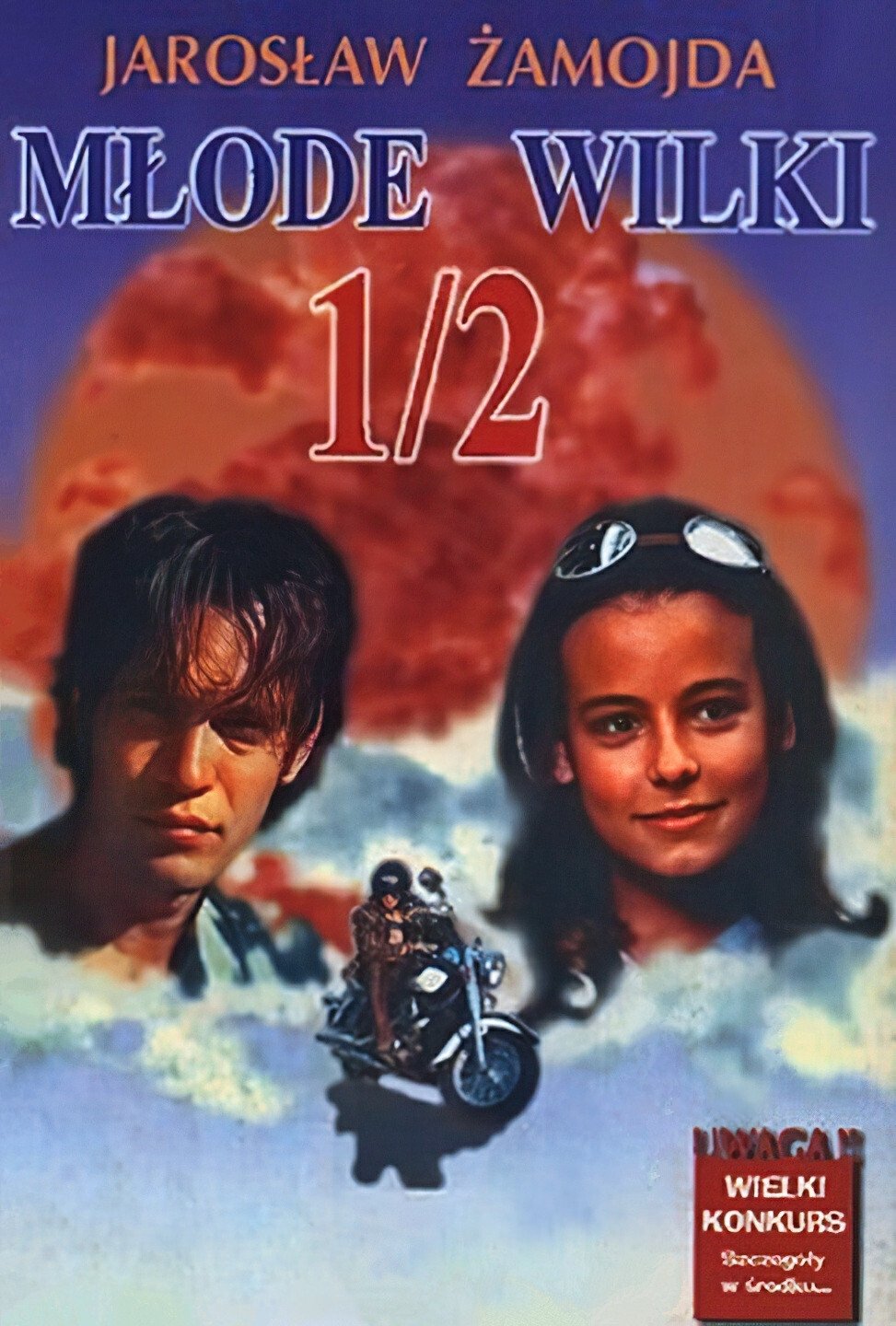
The second part of a story about young people entering adulthood in the harsh reality of predatory capitalism. The action takes place in 1994, a few months before the events of the first part.
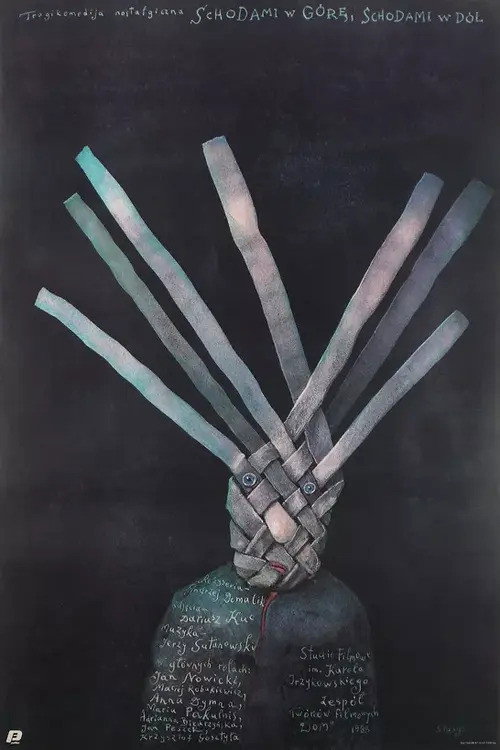
Young artist arrives at Zakopane and meets local people.
A film adaptation of six short stories by Marek Nowakowski from the collection Mizerykordia.
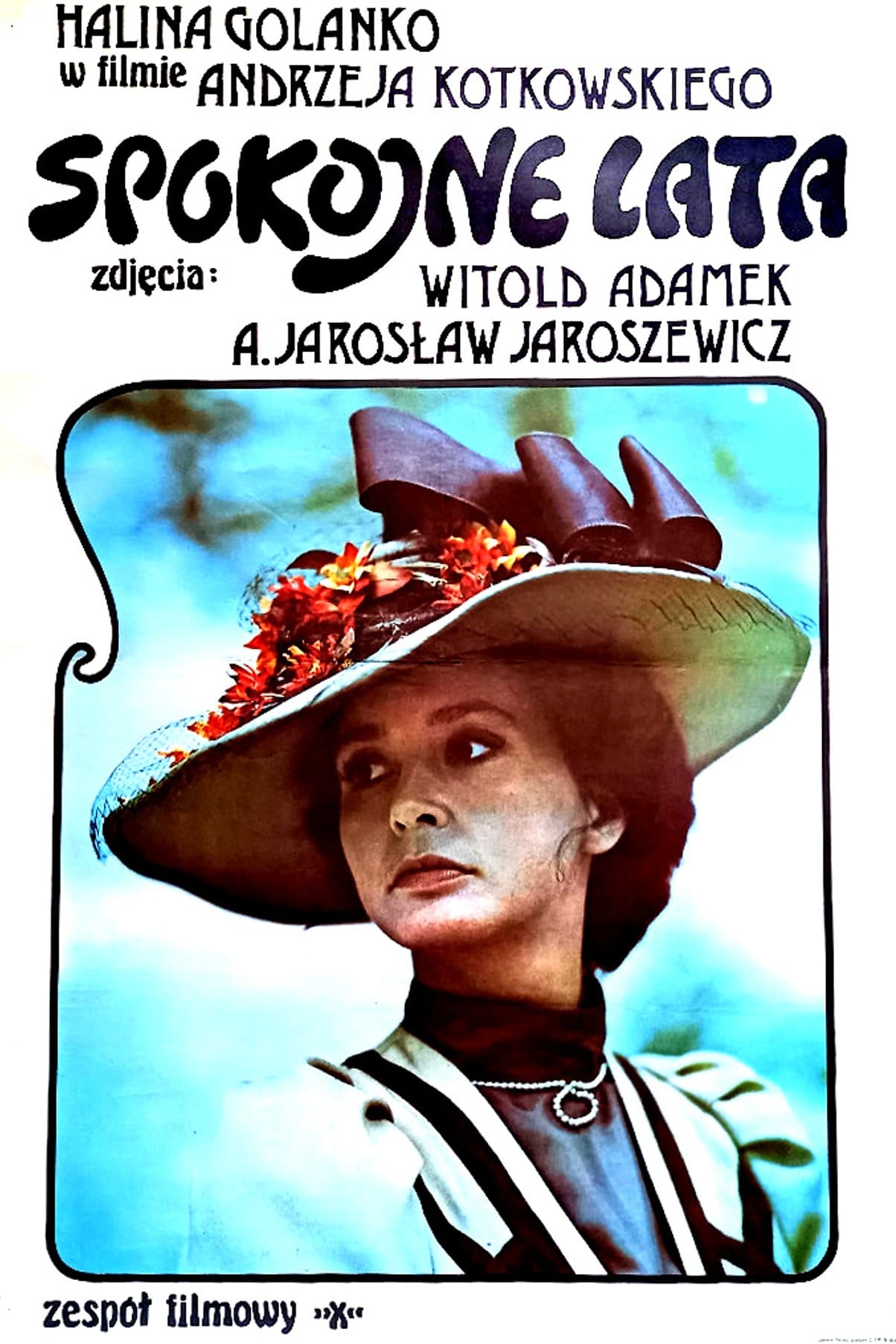
Young Poland period in Kraków before WWI. Young doctor Edward comes back from Paris and meets his friends belonging to artistic bohema.
Television play adaptation of Wajda's stage play of Stanisław Wyspiański's November Night. The drama takes place on two levels - historical and metaphorical. The first one is almost a chronicle of several hours of the uprising - it shows the drama of the attitudes of Poles at the beginning of the armed struggle, in confrontation with the attitude of Grand Duke Constantine, the Tsar's deputy in Poland. The second one presents the world of gods playing out their arguments. Man becomes a plaything in their hands, but it is he who experiences his fear, heroism and hope.
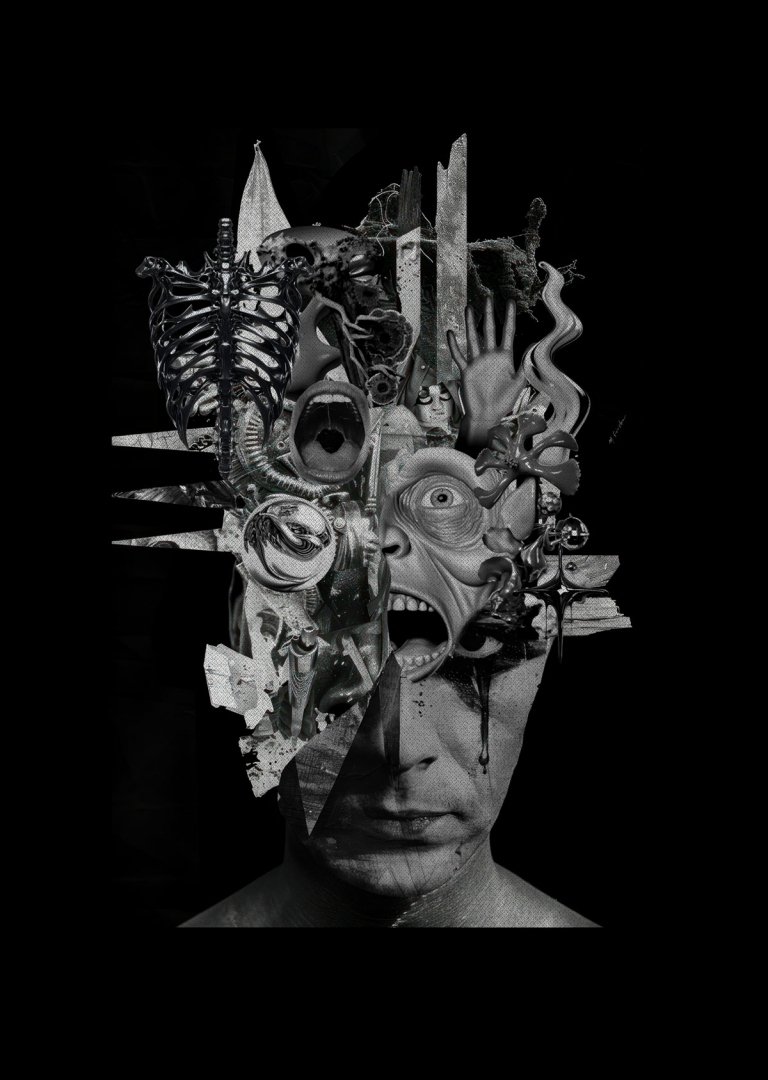
A theatrical attempt to reconstruct the last, lost play by Stanisław Ignacy Witkiewicz. An amalgam of themes permeating the author's oeuvre.
A sophisticated conman starts a foundation helping the victims of drunk drivers. In reality, all the money goes to his own pocket.

At the Old Theater in Krakow Wajda staged a play in 1971, based on Dostoevsky's novel "Demons". In this documentary Wajda tells the story of the unique play that went on uninterrupted for 10 years despite opposition from the authorities.