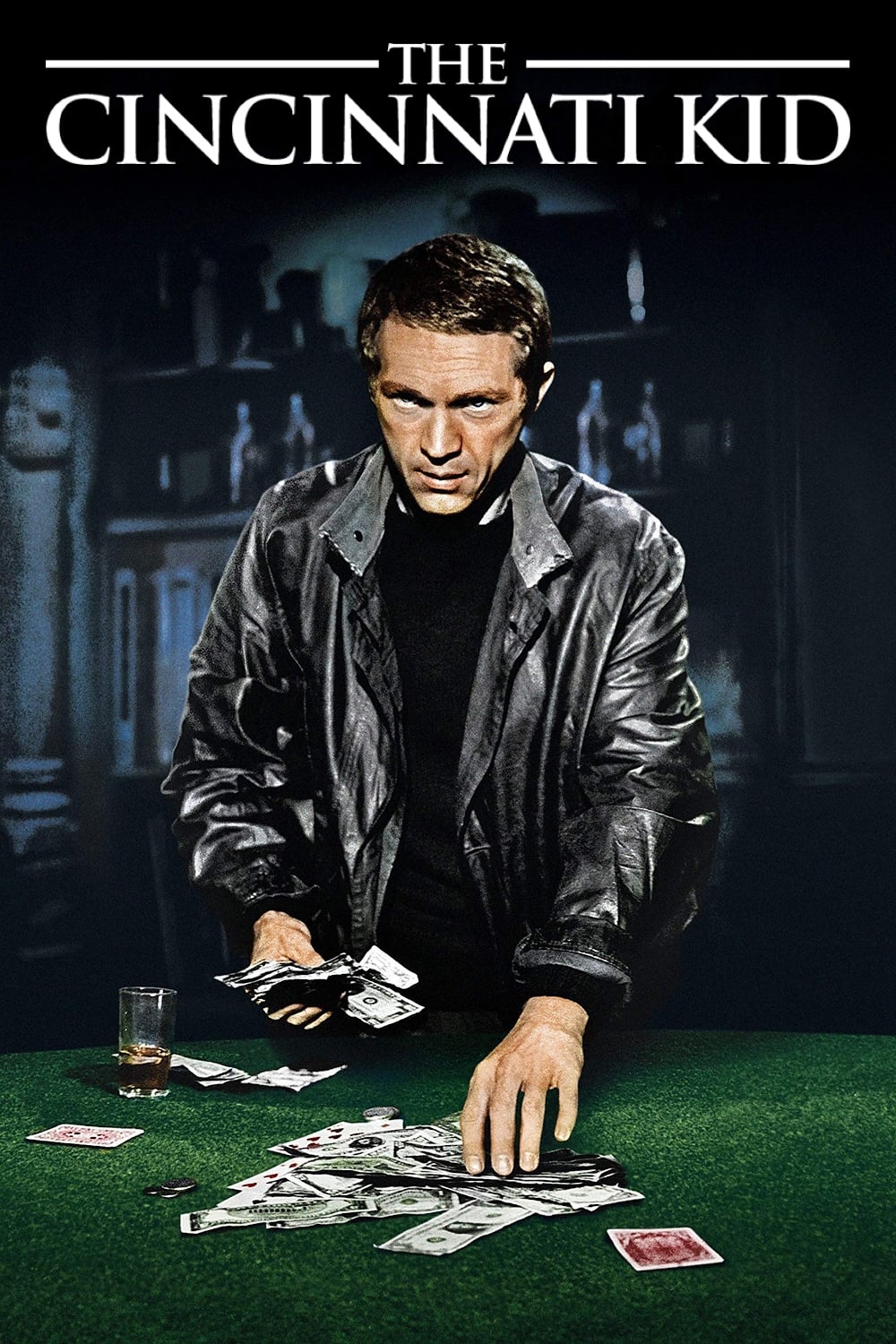
An up-and-coming poker player tries to prove himself in a high-stakes match against a long-time master of the game.
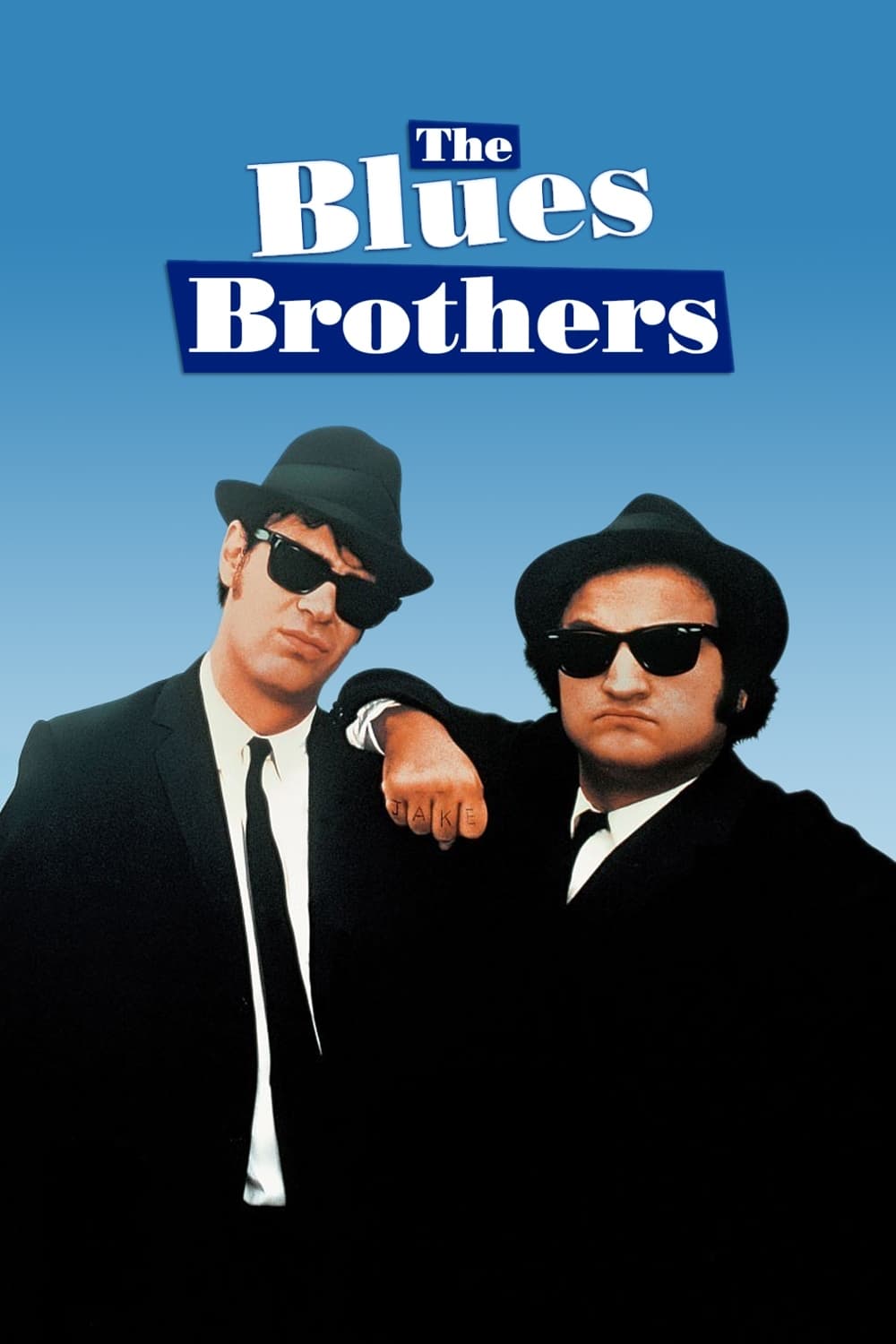
Jake Blues, just released from prison, puts his old band back together to save the Catholic home where he and his brother Elwood were raised.
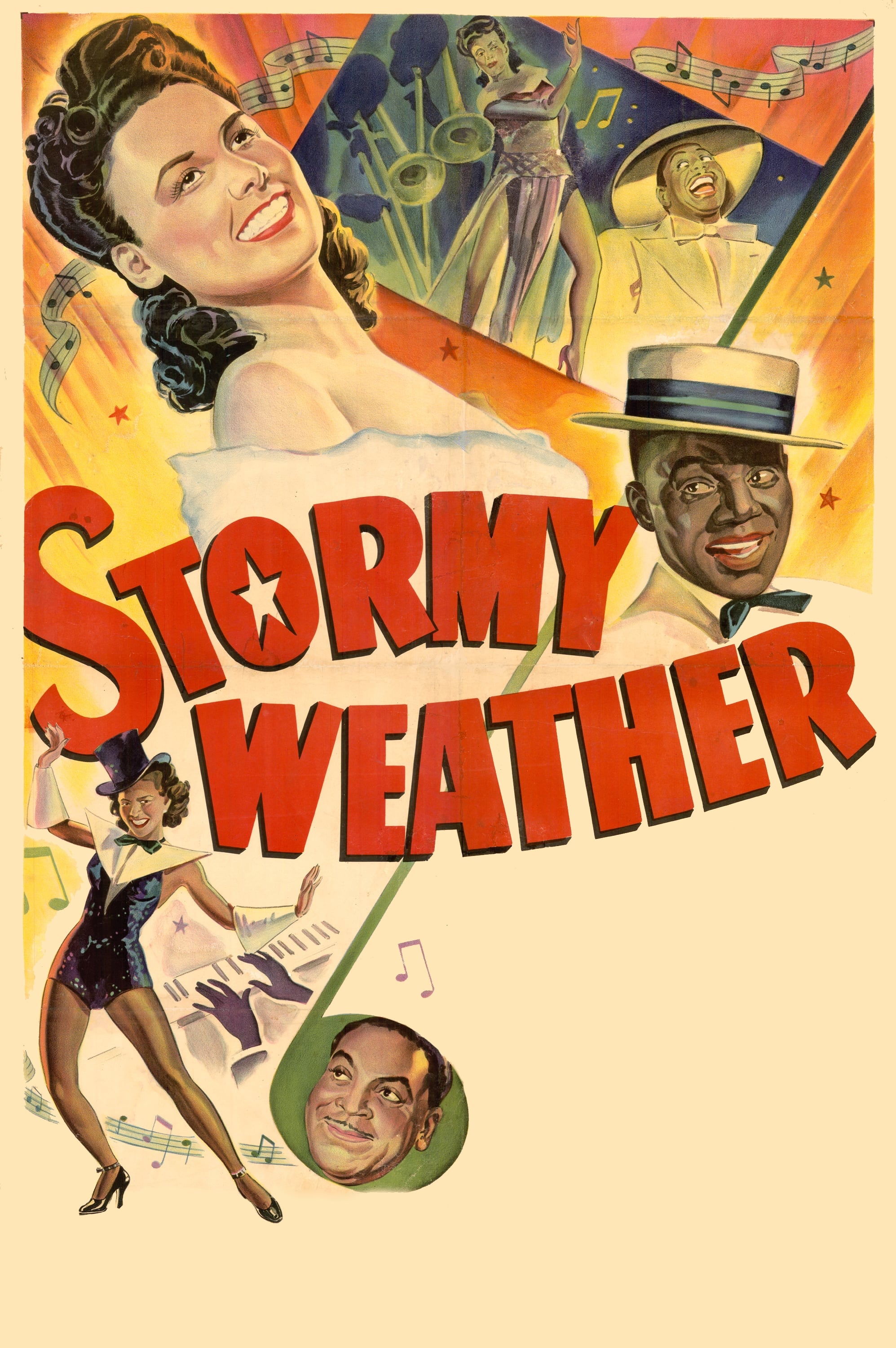
The relationship between an aspiring dancer and a popular songstress provides a retrospective of the great African-American entertainers of the early 1900s.
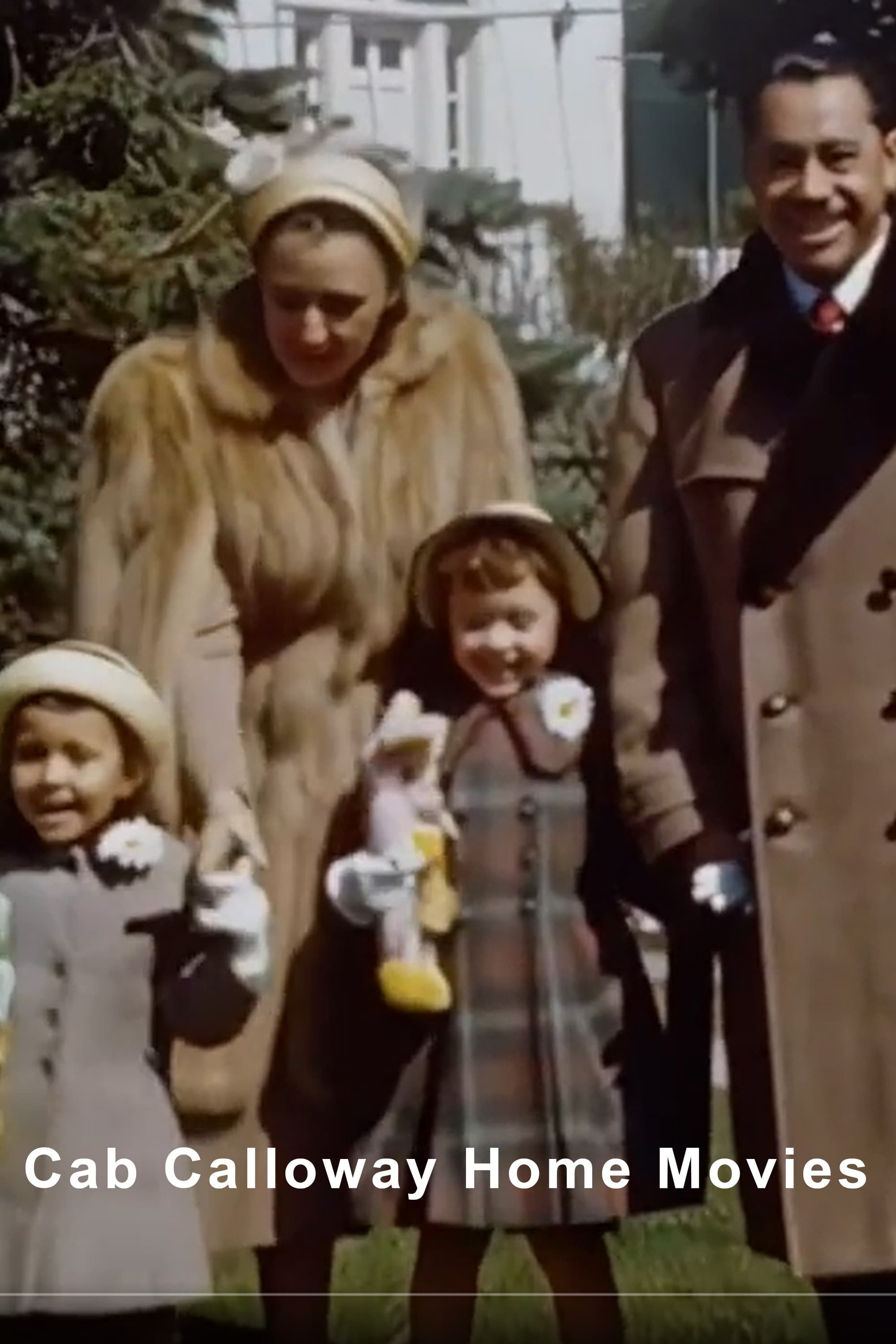
A collection of home movies filmed from 1948-1951 featuring the legendary entertainer Cab Calloway and his wife Nuffie in their home on Long Beach and on their travels across both of the Americas.

Will Handy grows up in Memphis with his preacher father and his Aunt Hagar. His father intends for him to use his musical gifts only in church, but he can't stay away from the music of the streets and workers. After he writes a theme song for a local politician, Gogo, a speakeasy singer, convinces Will to be her accompanist. Will is estranged from his father for many years while he writes and publishes many blues songs. At last the family is reunited when Gogo brings them to New York to see Will's music played by a symphony orchestra.
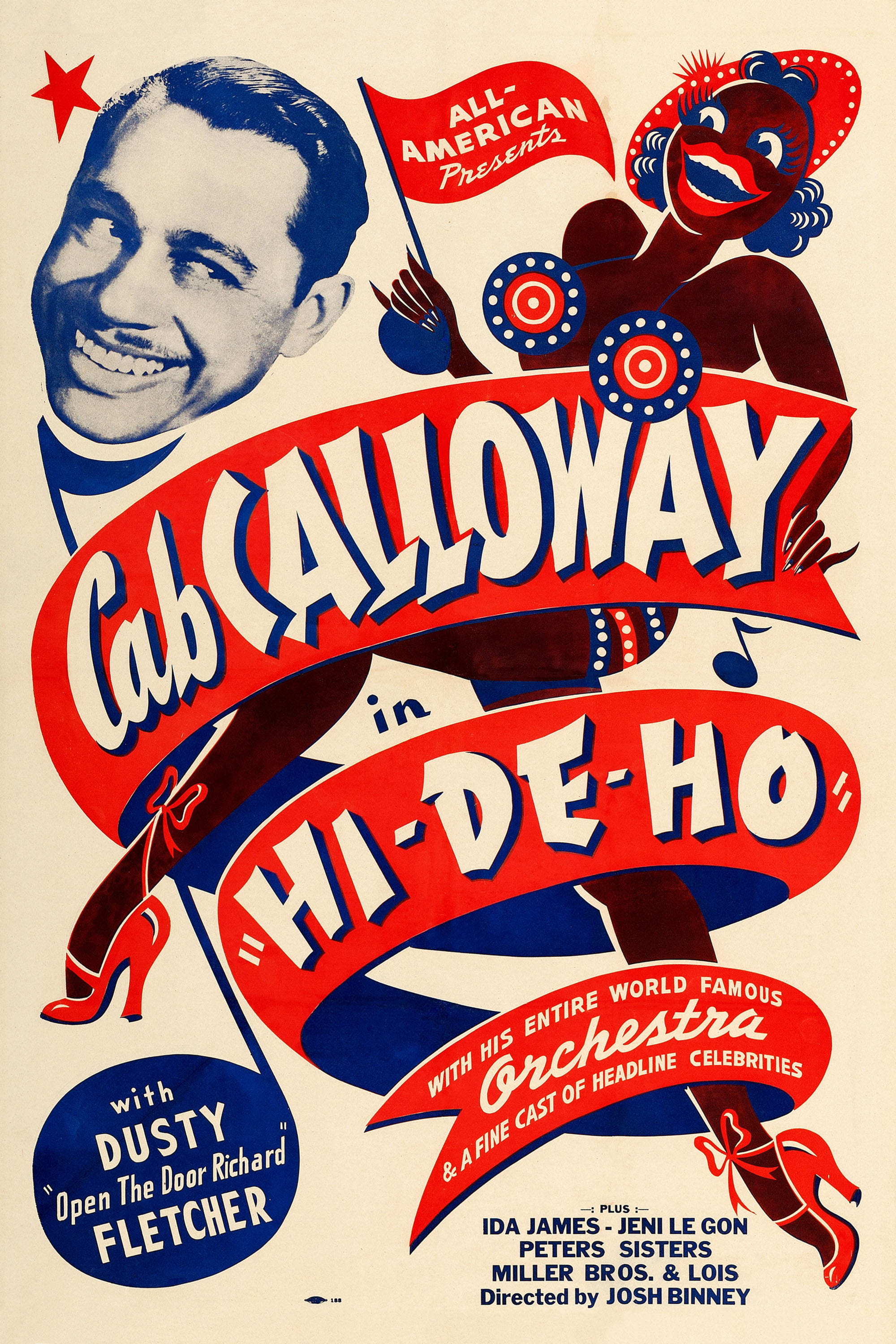
Cab Calloway plays himself in a plot about jealousy, night clubs, and gangsters. Ends with a series of musical numbers.
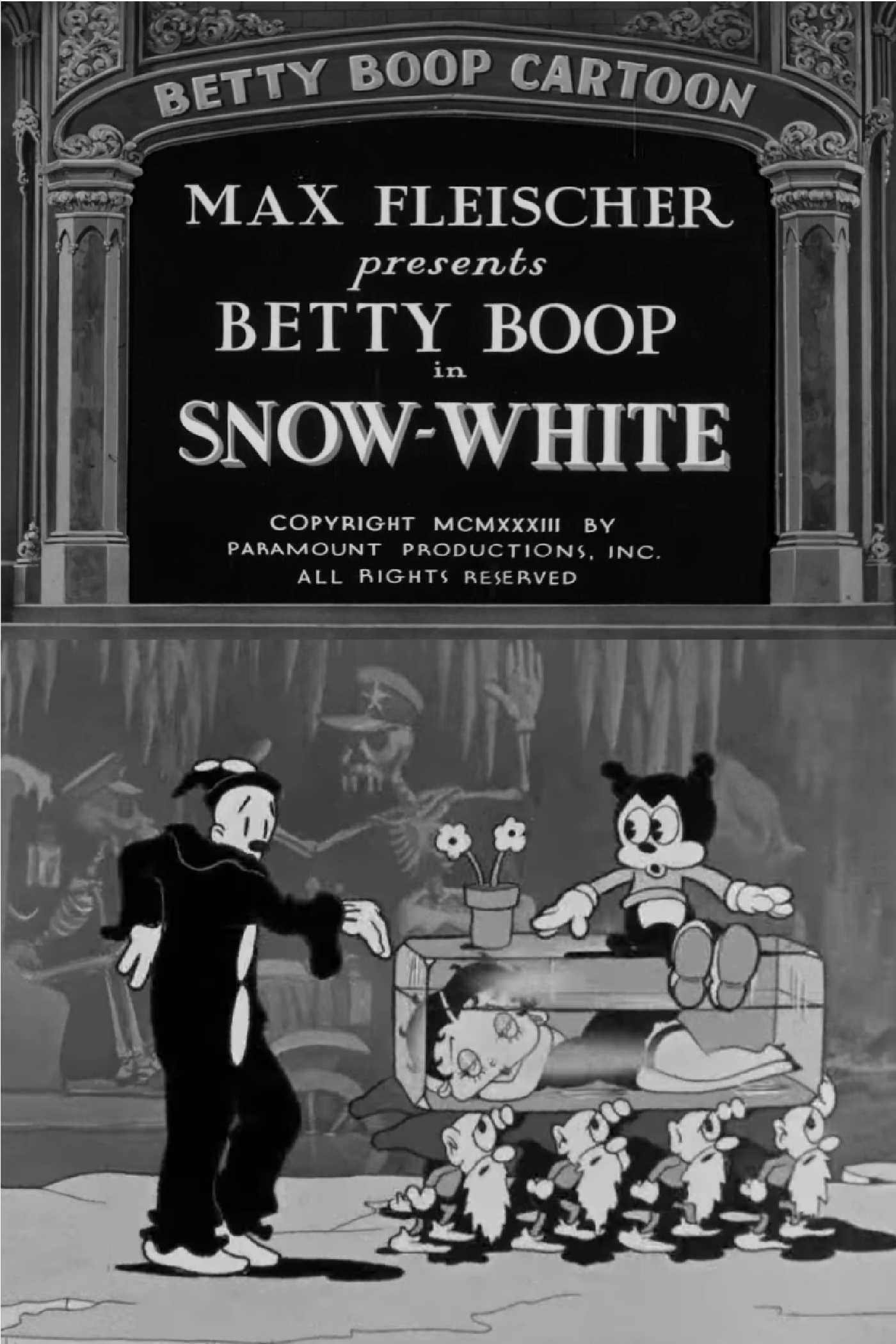
Trouble starts when the queen's magic mirror says Betty Boop is fairest.
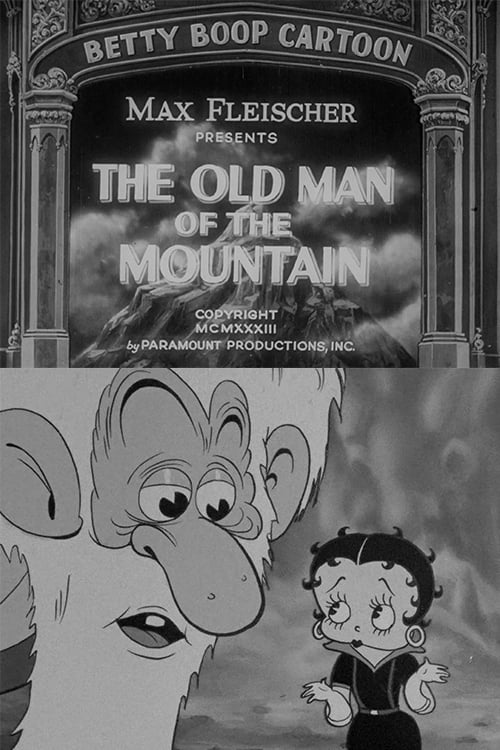
Betty Boop goes to see the fearsome Old Man of the Mountain for herself; he sings the title song and a duet with Betty.

Neurotic Broadway star Al Jackson faces professional ruin when he loses his voice. While recuperating in the country, he falls in love with farm girl Ruth Haines, the pretty aunt of precocious little Sybil Haines.
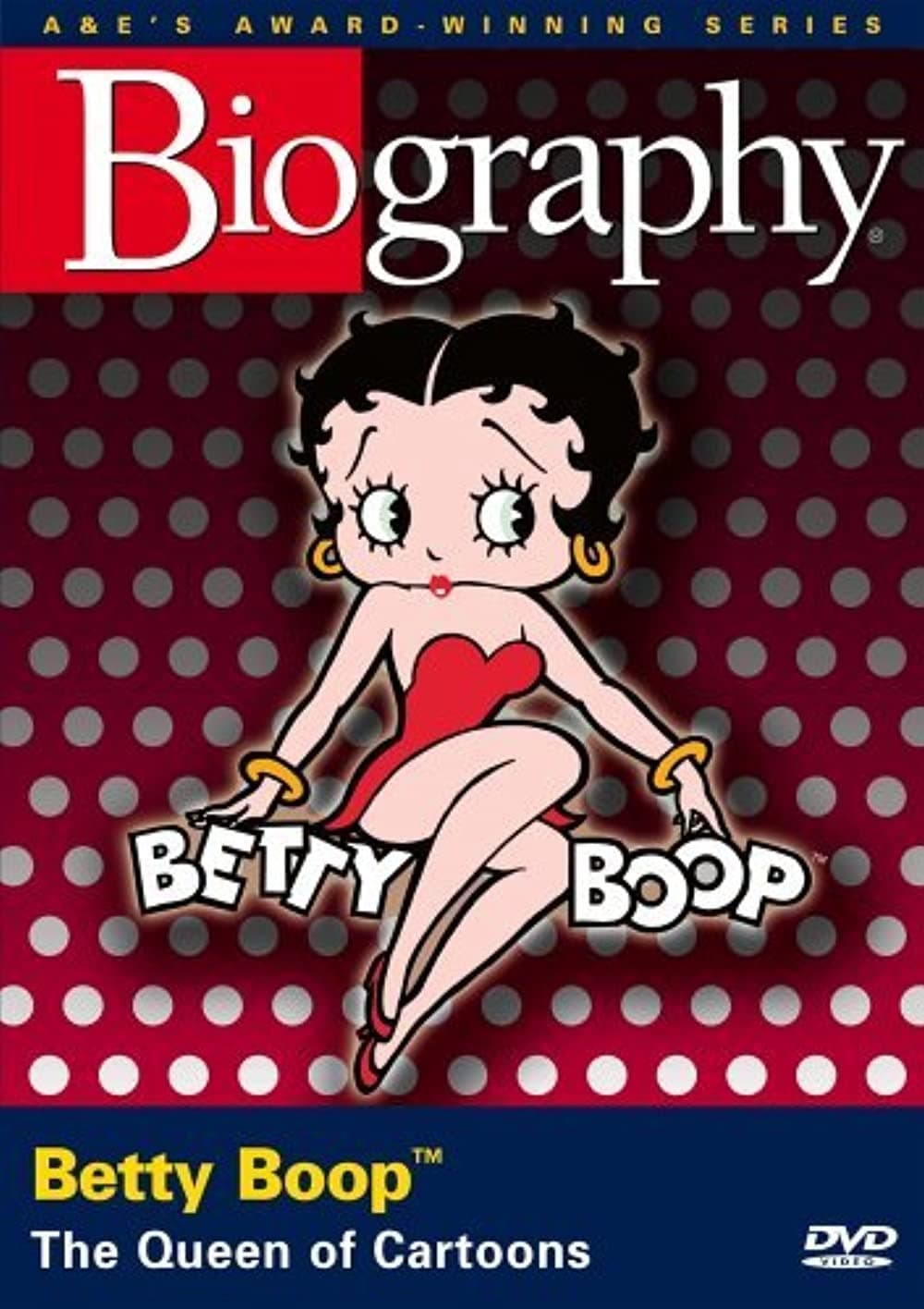
From the A&E "Biography" series, a review of the birth, development and cinematic history of Betty Boop, the flapper cartoon character who has been a popular icon since the 1930s.
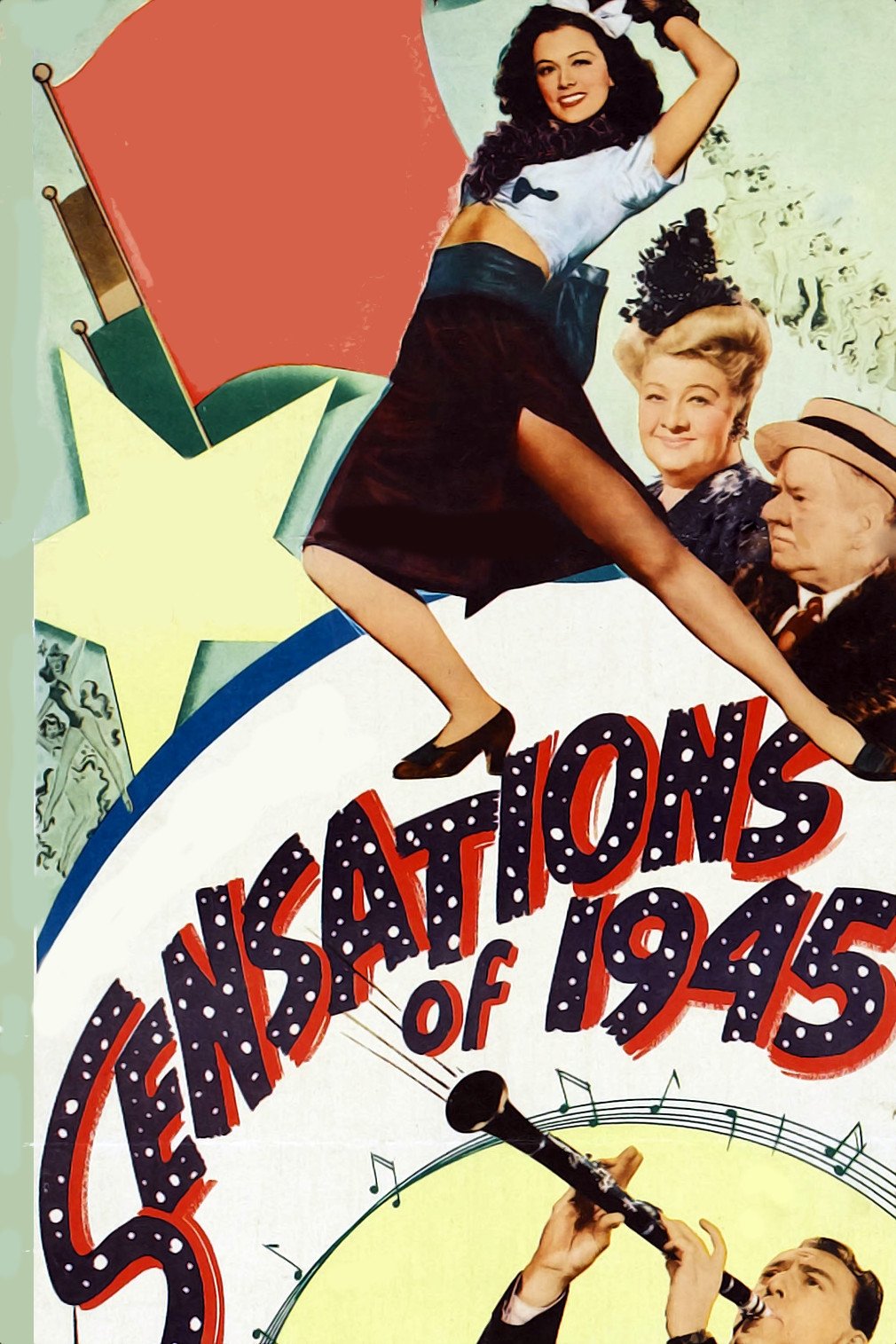
As dancer Ginny Walker performs on stage, a veiled woman in the audience stands up, accuses Ginny of stealing her husband and then fires a gun at her. After Ginny collapses and is taken to her dressing room, the woman, Julia Westcolt, a friend of Ginny's, dashes backstage, discards her veil, and then congratulates her friend on their successful publicity stunt. When Ginny's press agents, Gus Crane and his son Junior, visit their client backstage, she brags about her feat and chides them for not being more creative in promoting her. Horrified at Ginny's brashness, Junior, a conservative Harvard graduate, chastises her and leaves the room.
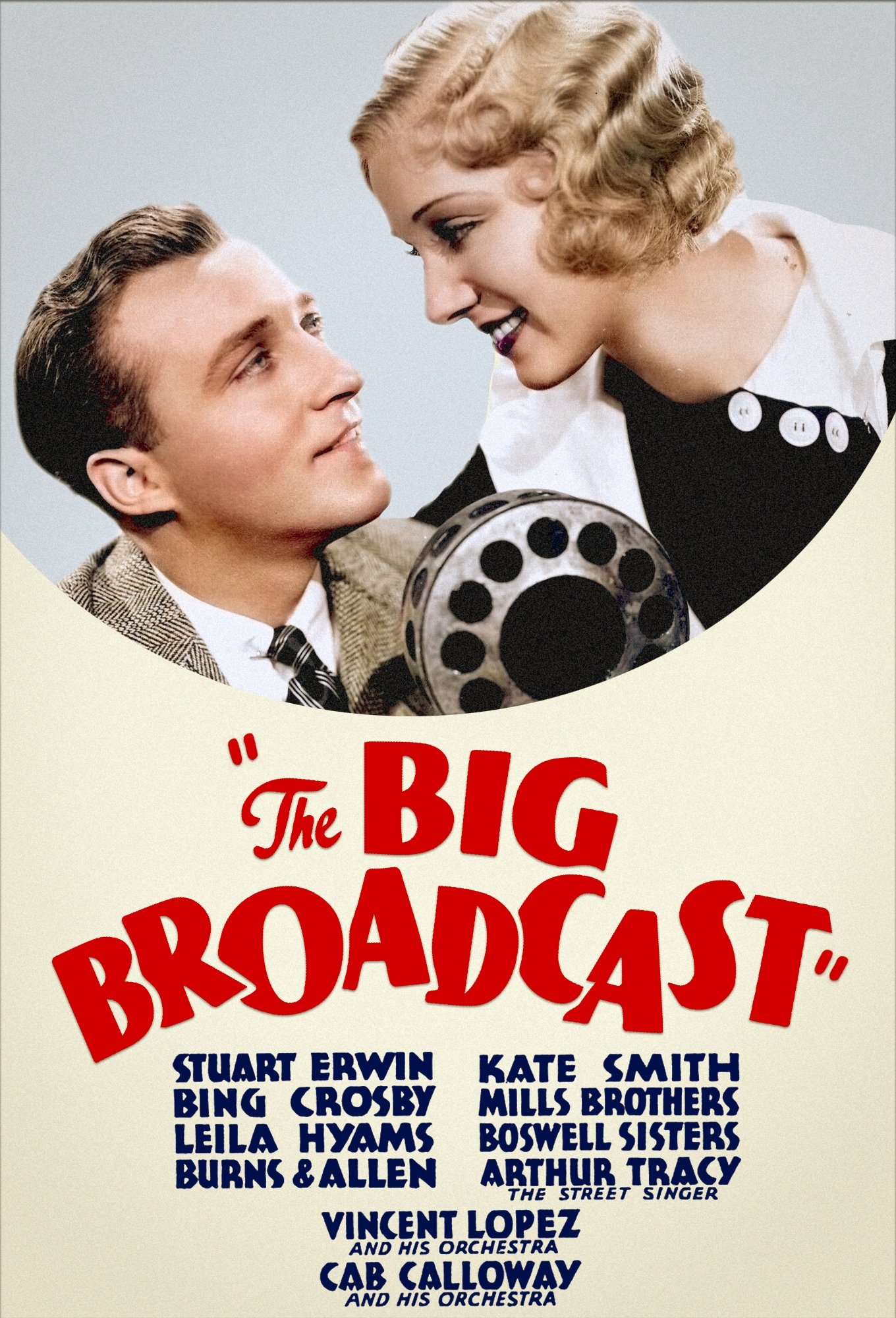
The top brass at a radio station believe their popular new star singer is paying more attention to his love life than to his career.
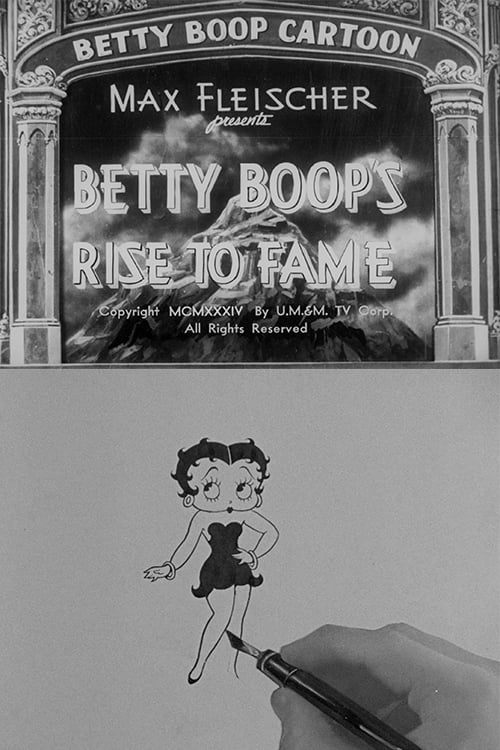
A reporter interviews Max Fleischer about his creation, and Betty illustrates with excerpts from three prior cartoons.
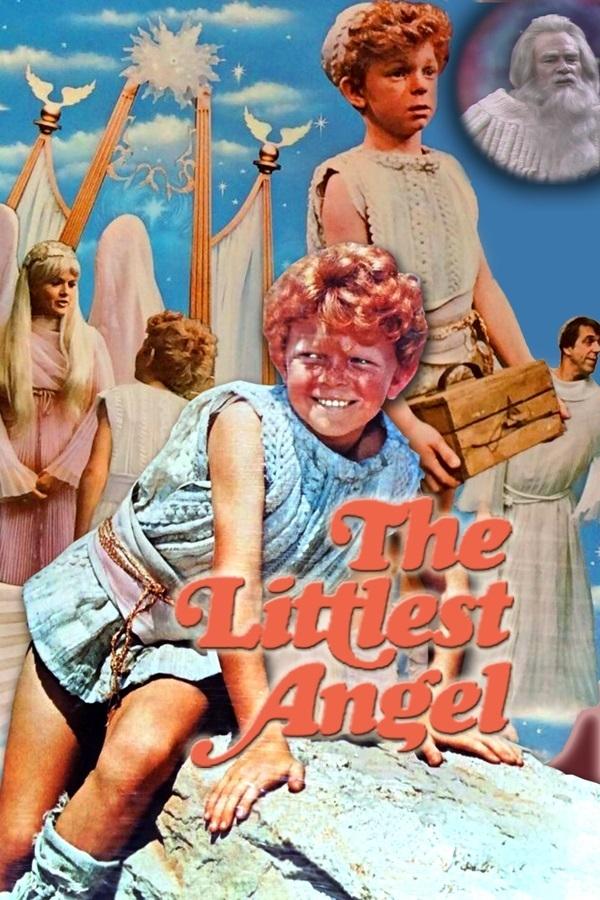
Adapted from the book by Charles Tazewell. Michael, a shepherd boy living in Biblical times, finds himself transported to Heaven on his eighth birthday. Michael doesn't fully understand where he is, or why he's there. A guardian angel named Patience is given the task of showing Michael the joys of Heaven and helping him find his place in the Hereafter.
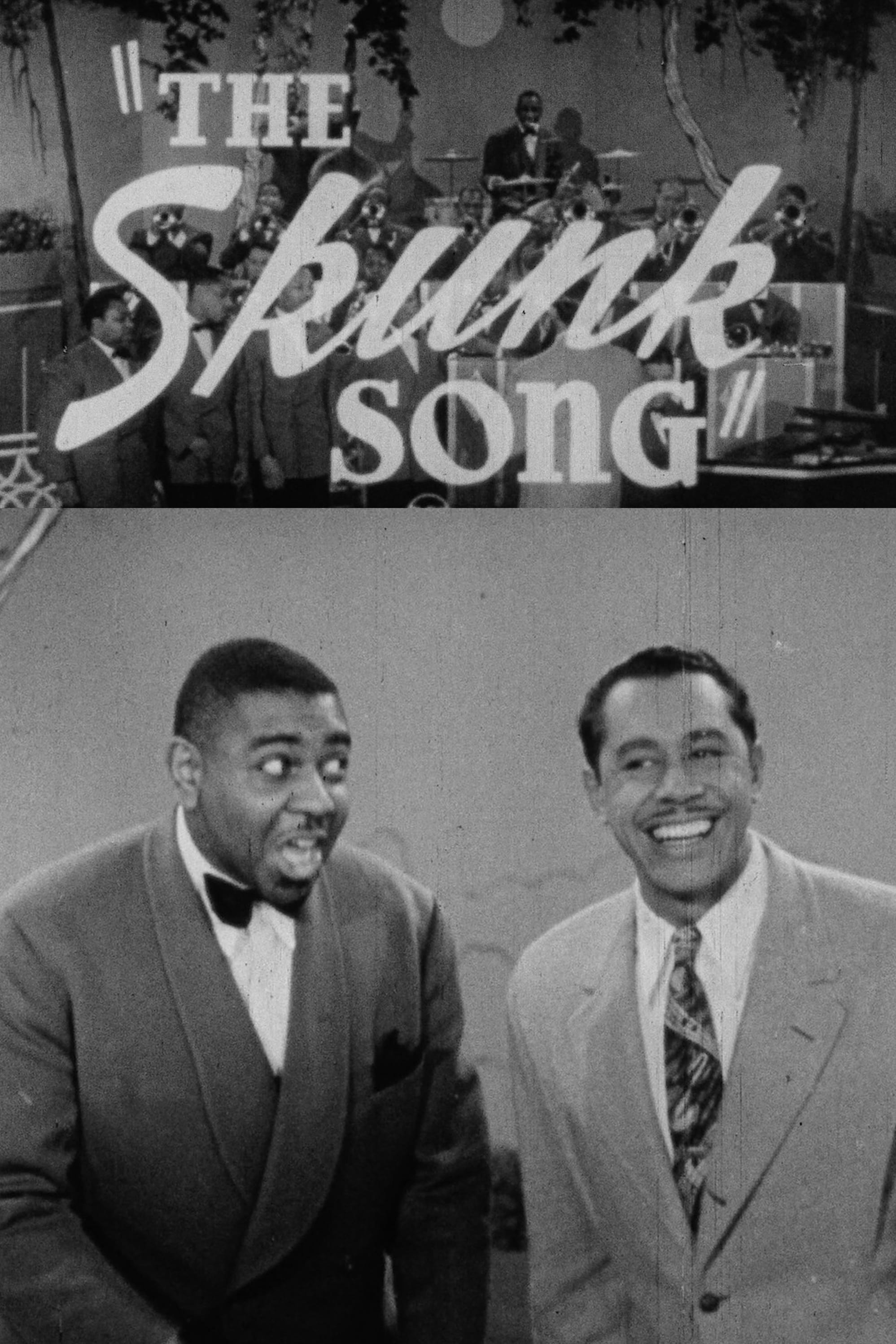
Cab Calloway and The Cabaliers are singing about how The Big Bad Wolf only talks about his Disney money, Felix the Cat is fat and rich, and Mickey the Mouse is riding in his motor car, while the skunk moans about how "nobody loves me" on account of him just being a "dirty old skunk".

Cab Calloway and his Orchestra perform "Walking with My Honey".
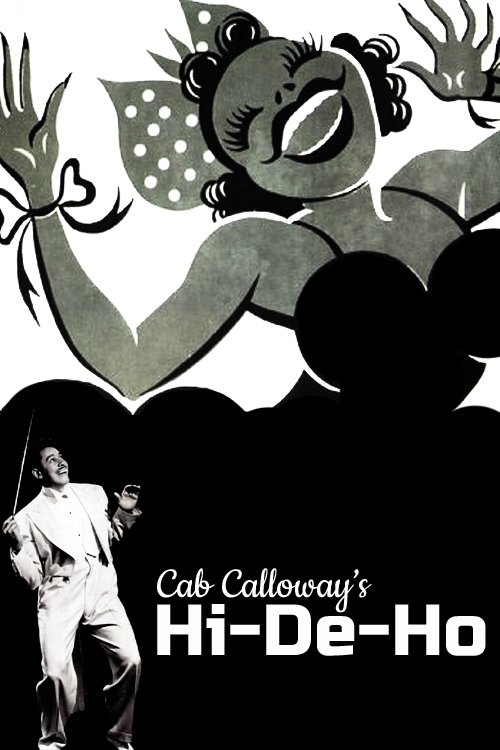
This jazz musical short has a comedy plot about marital infidelity. Bandleader Cab Calloway plays a ladies man who dates the wife (Fredi Washington) of a train porter who is frequently absent from home. Calloway and his Orchestra perform "Zaz-zuh-zaz" and "The Lady with the Fan" at the Cotton Club in Harlem.
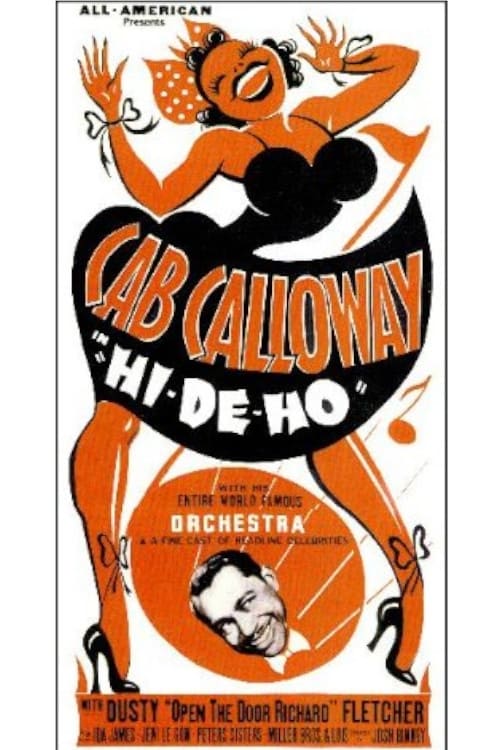
Young Cab Calloway's mother is concerned, because Cab spends his days listening to the radio, pretending to lead a miniature orchestra. A deacon passing by the apartment hears him singing and advises him go to his wife's gypsy tea room. As she reads the tea leaves, she sees situations which lead to Cab and his orchestra performing musical numbers.
Cab Calloway performs at the Cotton Club before he takes his friends down to Harlem for a jitterbug party.
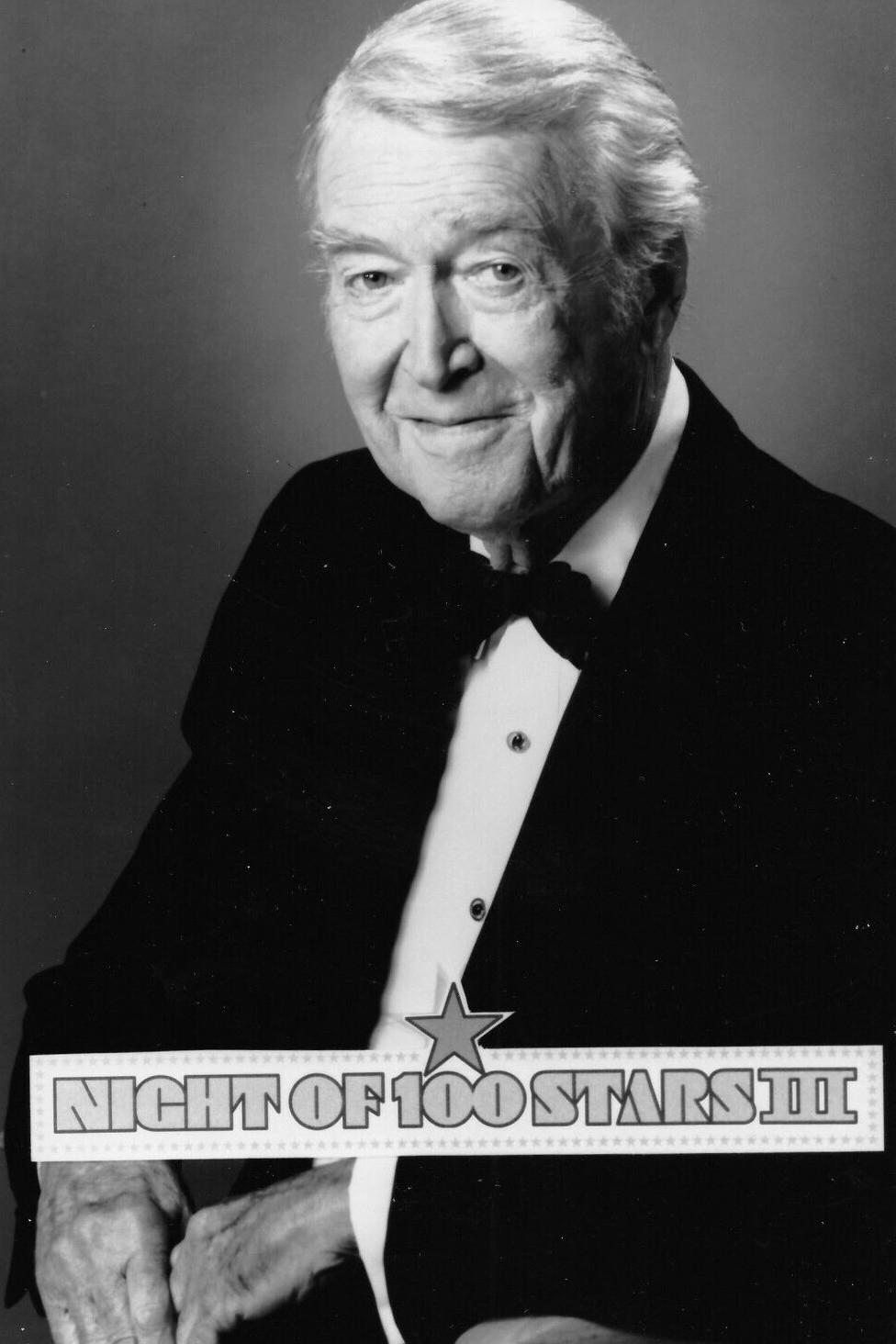
A celebrity benefit for The Actors' Fund of America, featuring music, songs, dance and comedy.
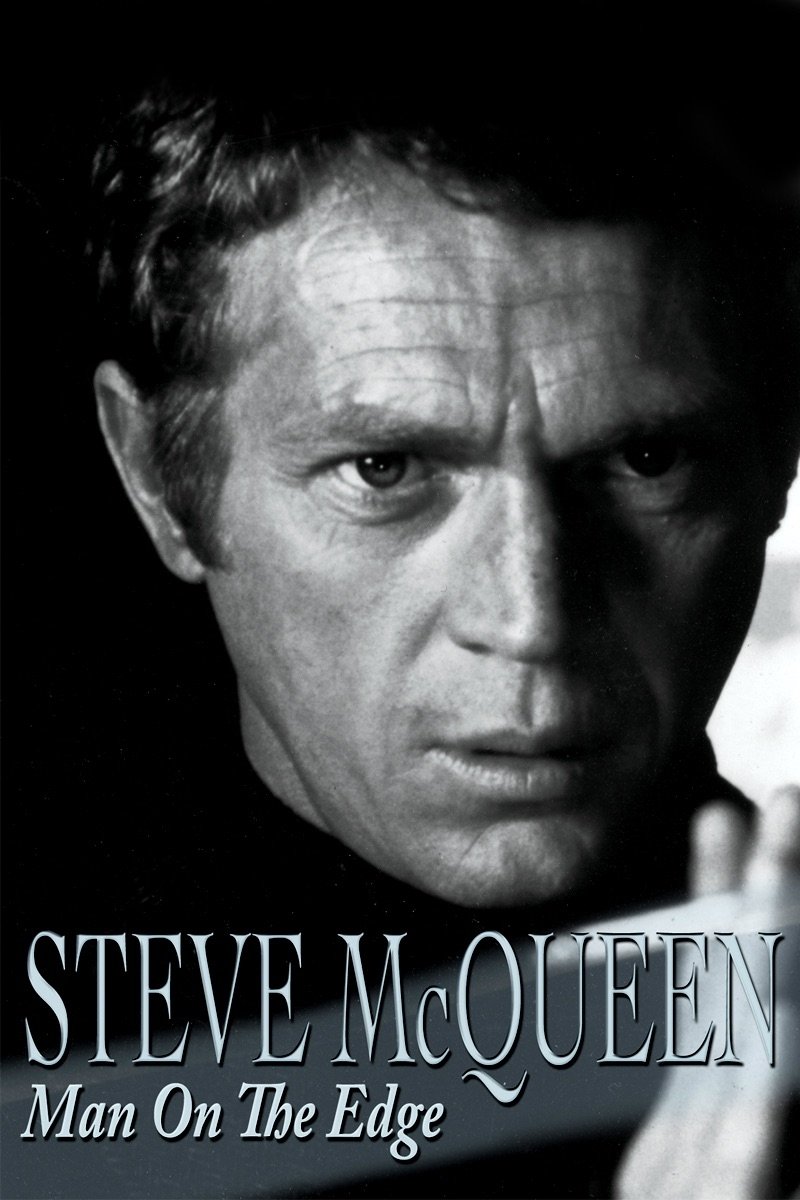
Abandoned by his father, he was a reform school kid with nothing going for him and a giant chip on his shoulder. He joined the Marines but never stayed far from trouble. Then he discovered acting — and the woman who would be with him for most of his meteoric career. He was Steve McQueen, one of Hollywood's highest paid stars — and one of its most difficult, most rebellious and, when he wished, most charming.
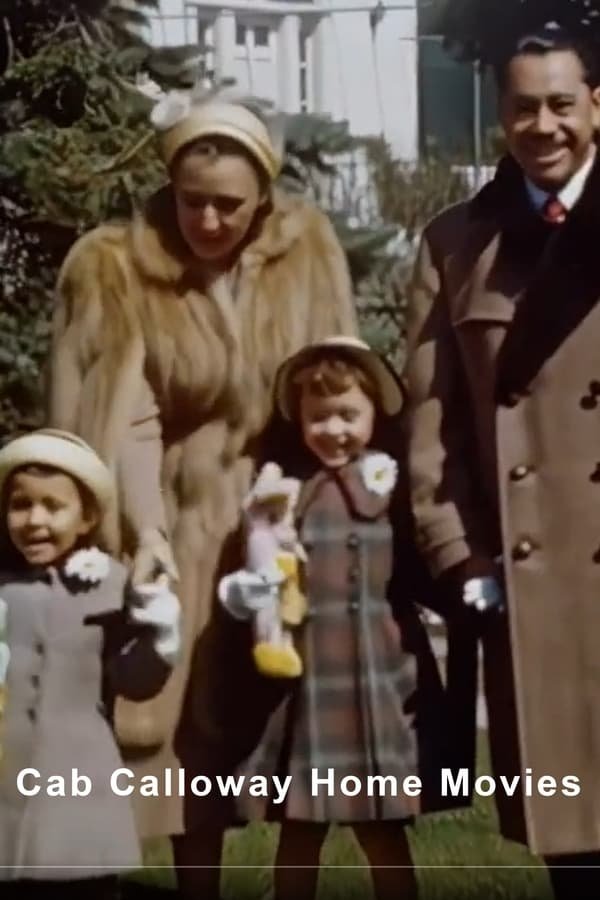
Compilation reel of 16mm color home movies of Cab Calloway and his family in Long Island, New York at Easter. The film also has footage of Calloway's tour of South America in 1951 including carnival and beach scenes in Montevideo, la Plaza Independencia, a horse racing track in Rio de Janeiro, and an airport in Puerto Rico.
A compilation reel of silent, black-and-white home movies featuring Cab Calloway and his family at their home in Long Island, NY and at the beach. It consists of 16mm film, an original 400-foot film reel, and original 400-foot film can.
16mm silent color film shot by Cab Calloway during his 1951 tour in Haiti. This film features footage of Cab Calloway and his band performing on an outdoor stage, the local townspeople, a local Haitian pottery market, and the Presidential Palace and Holy Trinity Cathedral in Port-au-Prince.
A 16mm black-and-white, silent home movie film by Cab and Zulme "Nuffie" Calloway during a tour of the Caribbean, with film edge code indicating a year of 1951.
A compilation reel of 16mm home movies filmed by Cab Calloway during a tour of South America, with both Kodachrome and black-and-white film edge codes indicating years of 1950 and 1955.
A compilation reel of 16mm home movies filmed by Cab and Zulme "Nuffie" Calloway during a tour of the Caribbean, with both Kodachrome and black-and-white film edge codes indicating the year 1951.
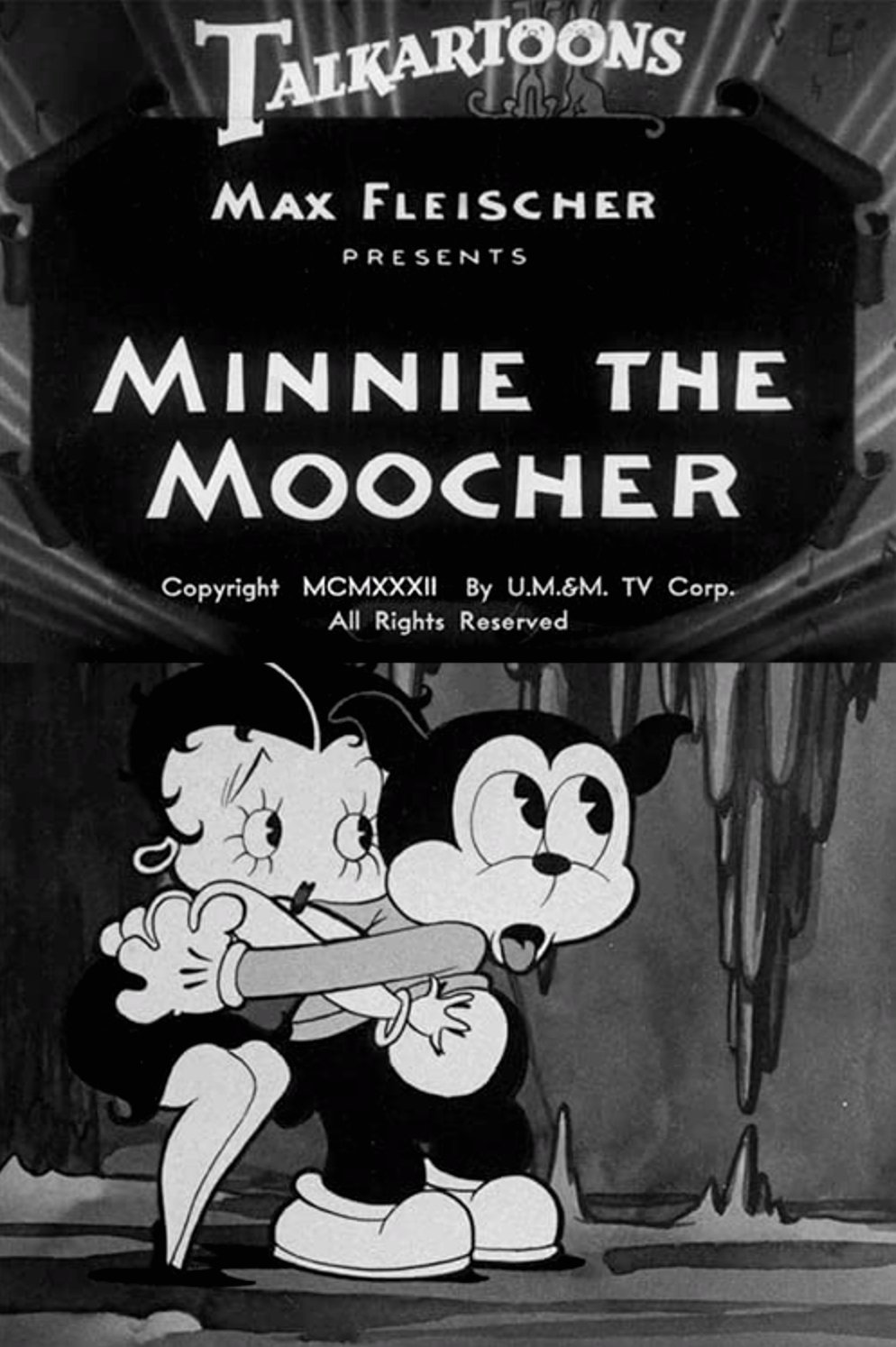
Betty Boop and Bimbo run away from home, but that night they are scared by a chorus of ghosts singing the title song.
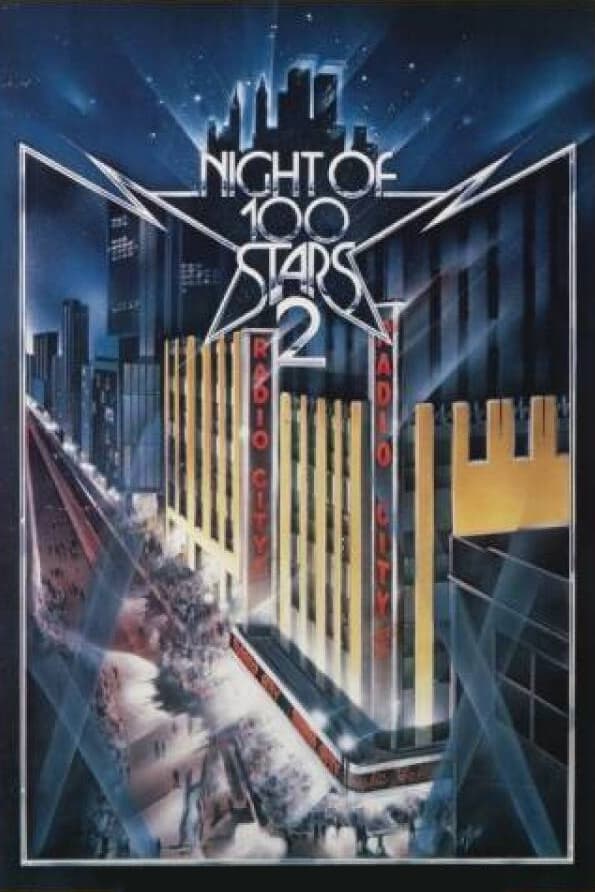
This special is the second "Night of 100 Stars" to benefit The Actors Fund of America. Edited from a seven-hour live entertainment marathon that was taped February 17, 1985, at New York's Radio City Music Hall, this sequel to the 1982 "Night of 100 Stars" special features 288 celebrities.
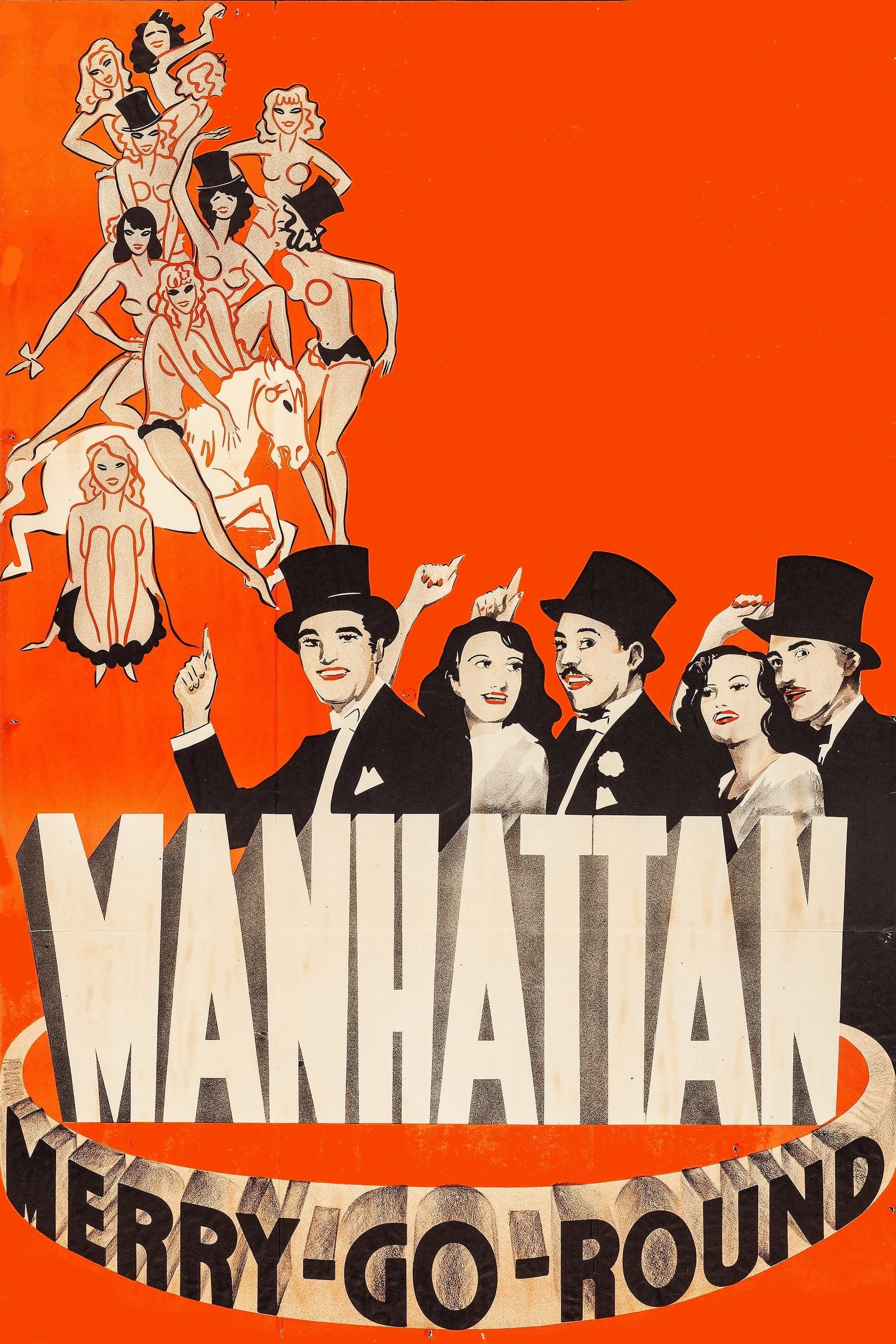
In this musical comedy, a crooked record producer uses his mob connections to force performers to do their stuff. The trouble really begins when the gangster's strong-arm tactics nearly cause a singer to lose his fiancée. A wide variety of entertainers appear including cowboy crooner Gene Autry, baseball hero Joe DiMaggio, and big band stars Cab Calloway, Ted Lewis, and the Kay Thompson Singers. Songs include "Mamma I Wanna Make Rhythm," "Manhattan Merry-Go-Round," "Heaven?," "I Owe You," and "It's Round-up Time in Reno."
A celebration of art by legendary animator Max Fleischer. Features: KoKo's Kozy Korner (1928), Somewhere in Dreamland (1936), Any Rags? (1932), Small Fry (1939), Dinah (1933), The Old Man of the Mountain (1933), and Popeye the Sailor Meets Sindbad the Sailor (1936).
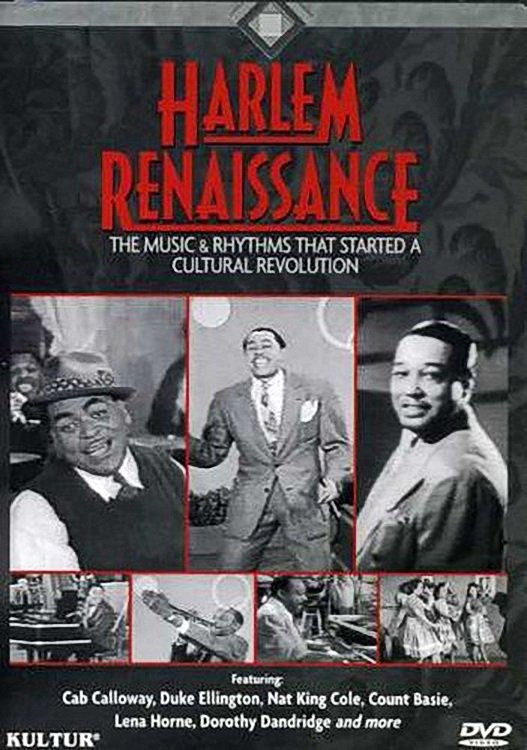
Chronicling the Harlem Renaissance era, this retrospective documentary tracks the origins of the soulful music of the period, along with the challenges many of the genre's artists faced when trying to gain recognition within conventional society. Included are anecdotes from musicians and historians, plus footage of performances and interviews with Cab Calloway, Duke Ellington, Count Basie and more.

An experimental short film using only free archival footage.
This riveting collection of jazz singer and bandleader Cab Calloway's most electrifying performances brings to life a bygone era of swinging jazz and heart-stopping musical numbers. One of the great jazz artists of his time, Calloway was closely associated with the musical movement of 1930s and 40s Harlem, and was a regular performer at the famed Cotton Club.
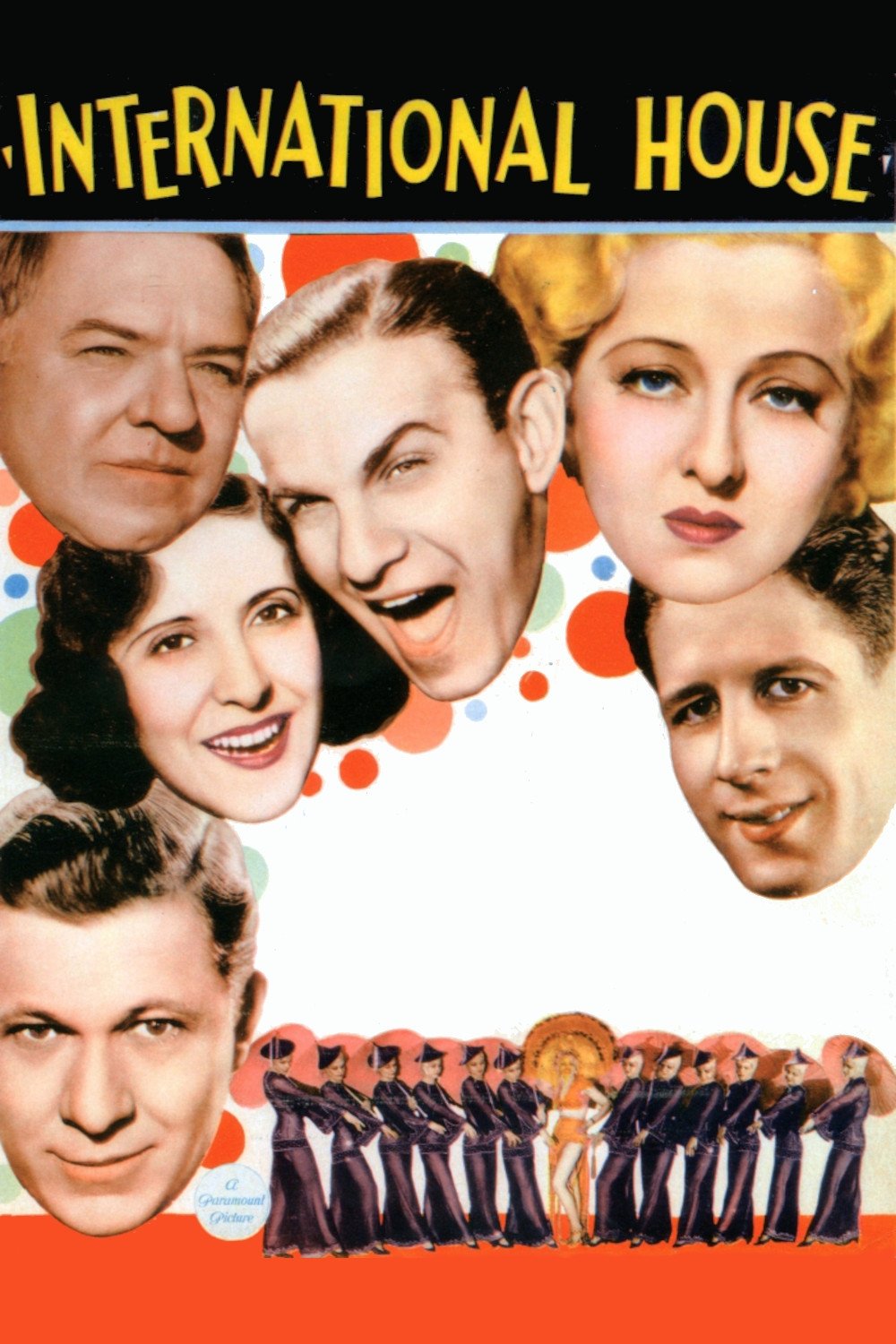
Foreign investors converge on a luxury hotel in China to bid on a new kind of radioscope. But, this is a hotel where Burns and Allen are the in-house medical staff, a measles risk sends the whole building into quarantine, and a madcap millionaire crashes dinner in his autogyro. Hotel and radioscope become a stage for an all-star cast of comedians and musicians, from vaudeville to the new generation.
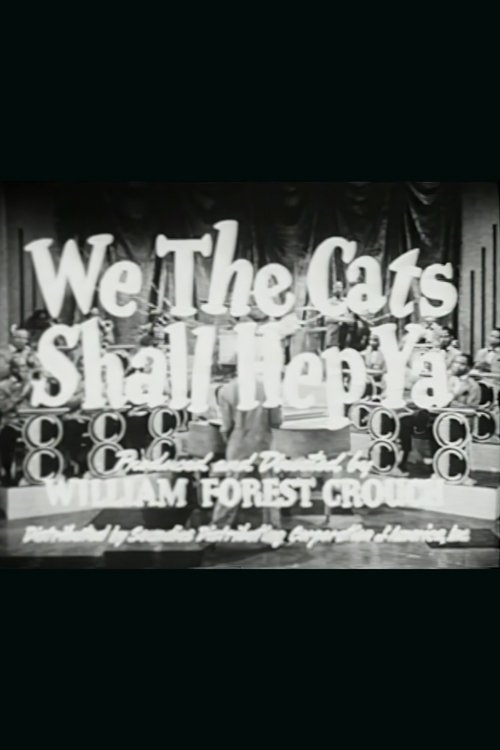
Cab Calloway sings "We the Cats Shall Hep Ya".
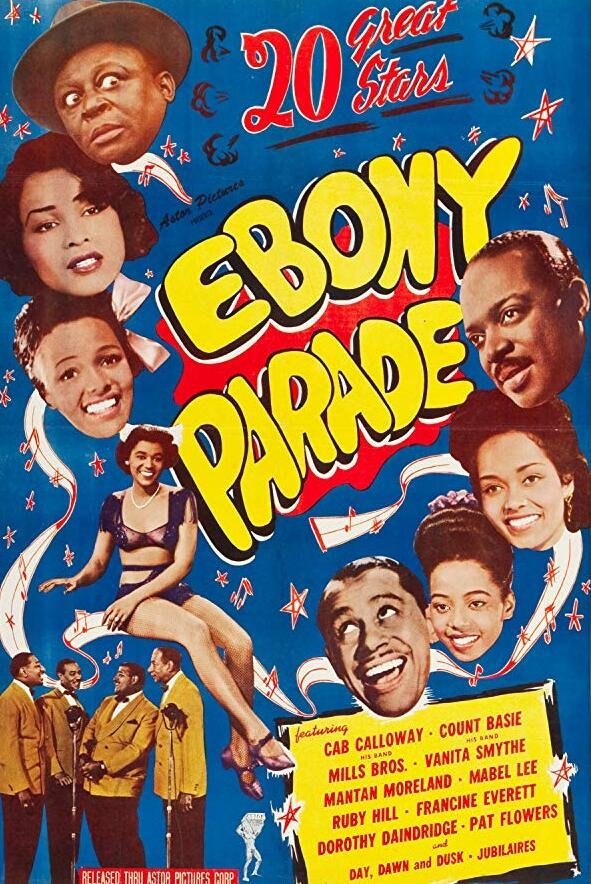
Mantan Moreland hosts a series of filmed song, dance and band numbers by various artists, mostly released previously as individual "soundies".
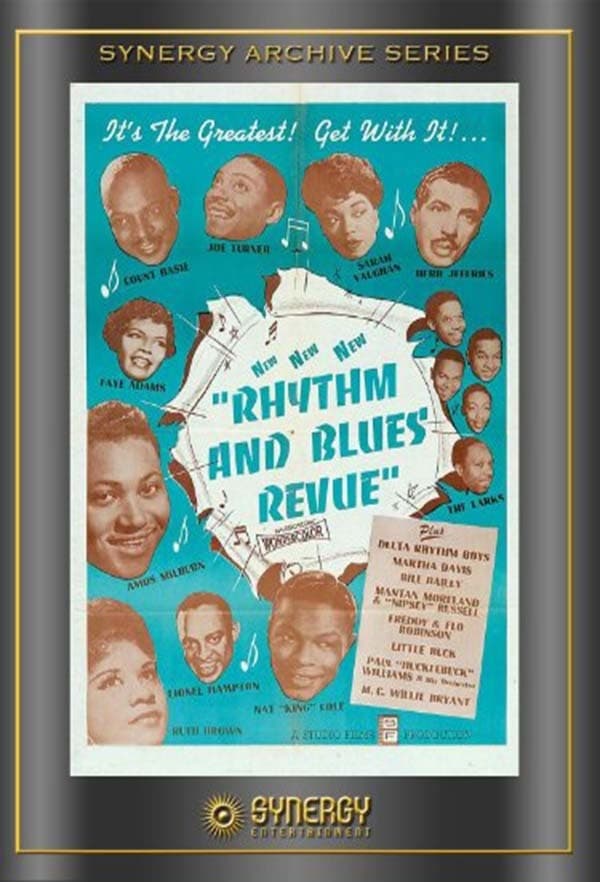
Rhythm and Blues Revue is a plotless variety show, one of several compiled for theatrical exhibition from the made-for-television short films produced by Snader and Studio Telescriptions, with newly-filmed host segments by Willie Bryant. Originally 86 minutes, the "short" version available on public domain collections and websites is missing a reel
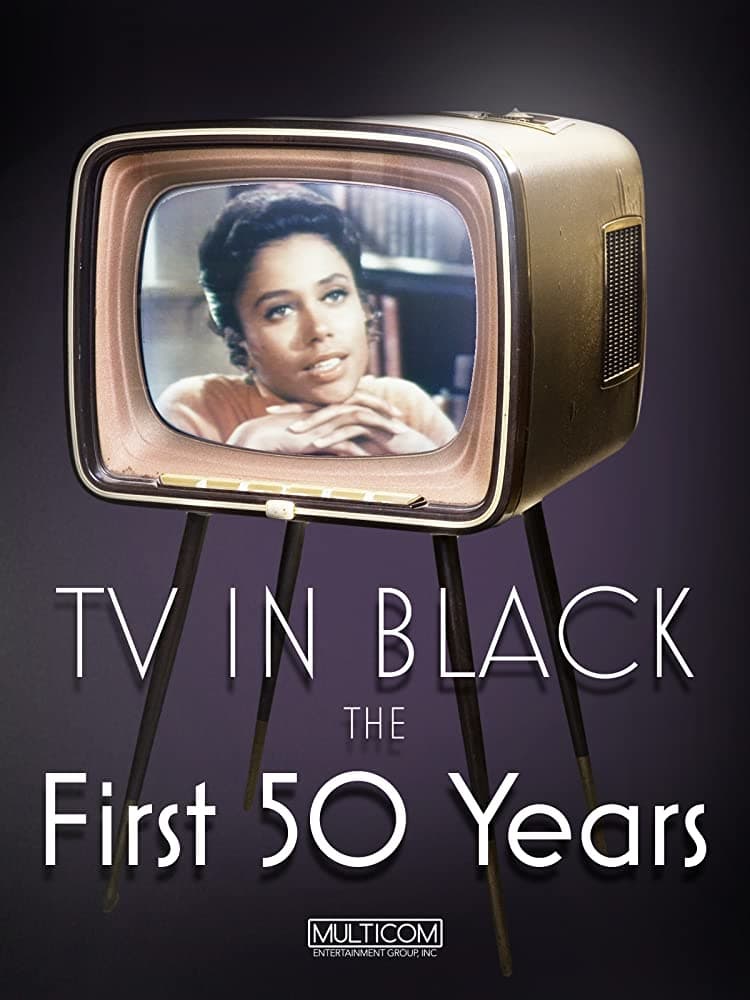
Discover how television has reflected the African American experience in this retrospective of the medium's first half-century. Actors, writers and historians discuss the image of black America on television from Amos and Andy to the present day. The interviews accompany clips from groundbreaking shows and performances by entertainment pioneers that create a timeline of the portrayal of African Americans throughout TV history.
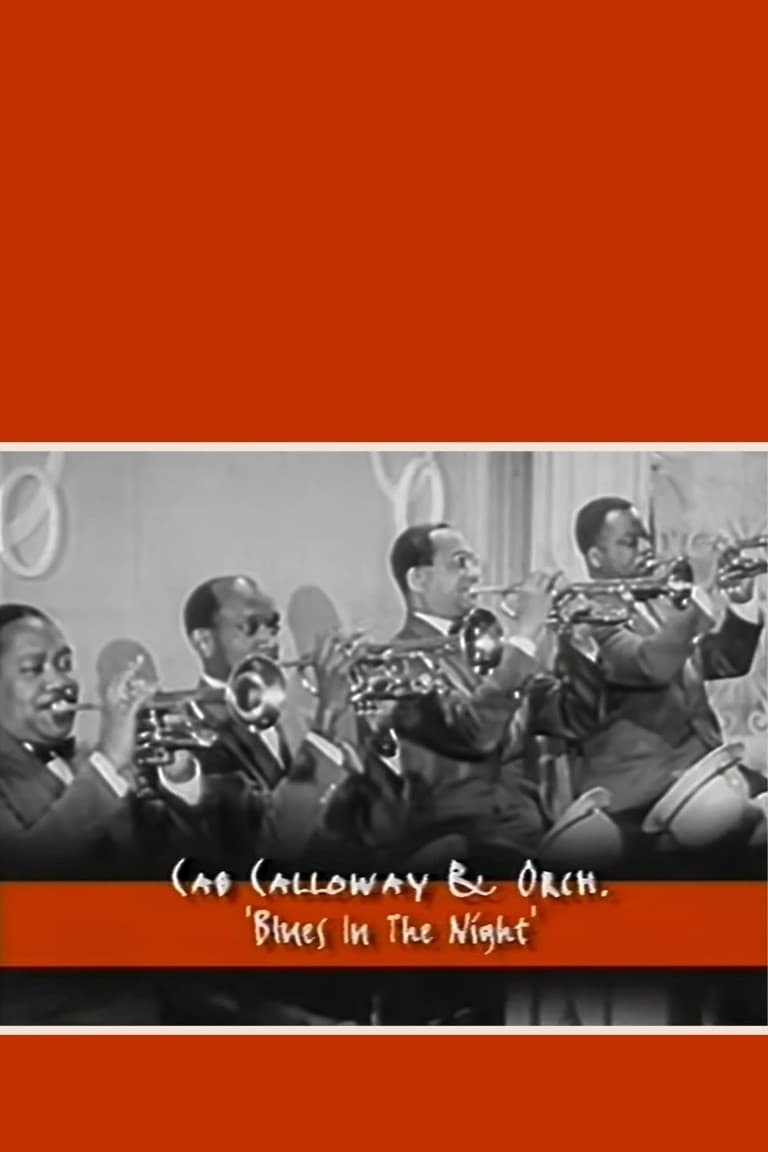
Cab Calloway and his Cabaliers sing "Blues in the Night".
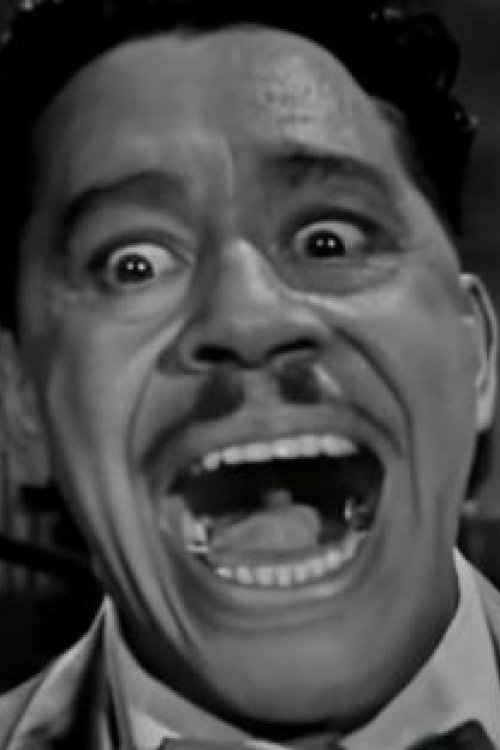
Cab Calloway performing his famous hit "Minnie the Moocher".
A film by Chris Robinson.
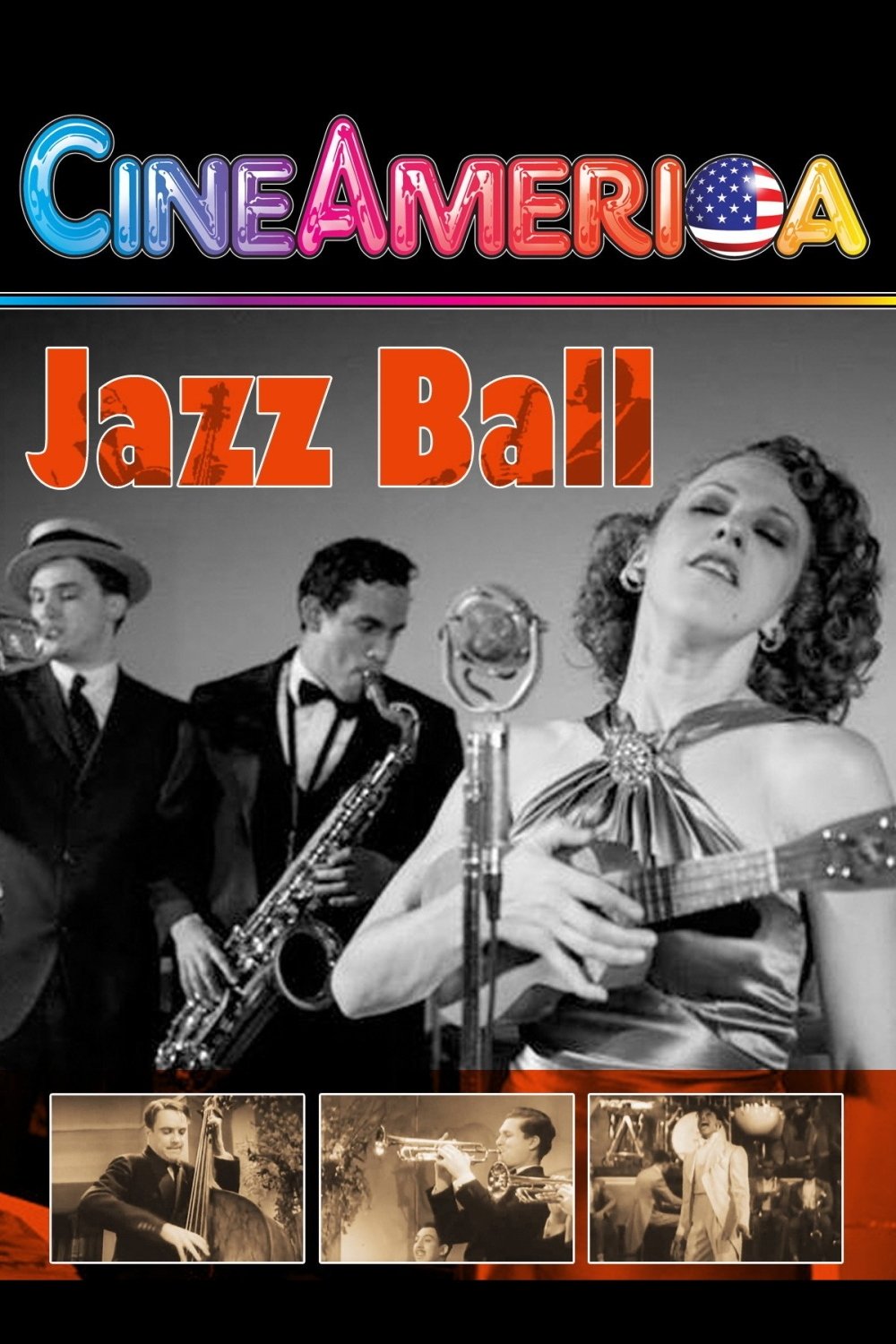
A made-for-TV musical revue, compiled from soundies and film and TV performances by jazz greats from the 1930s to the 1950s.
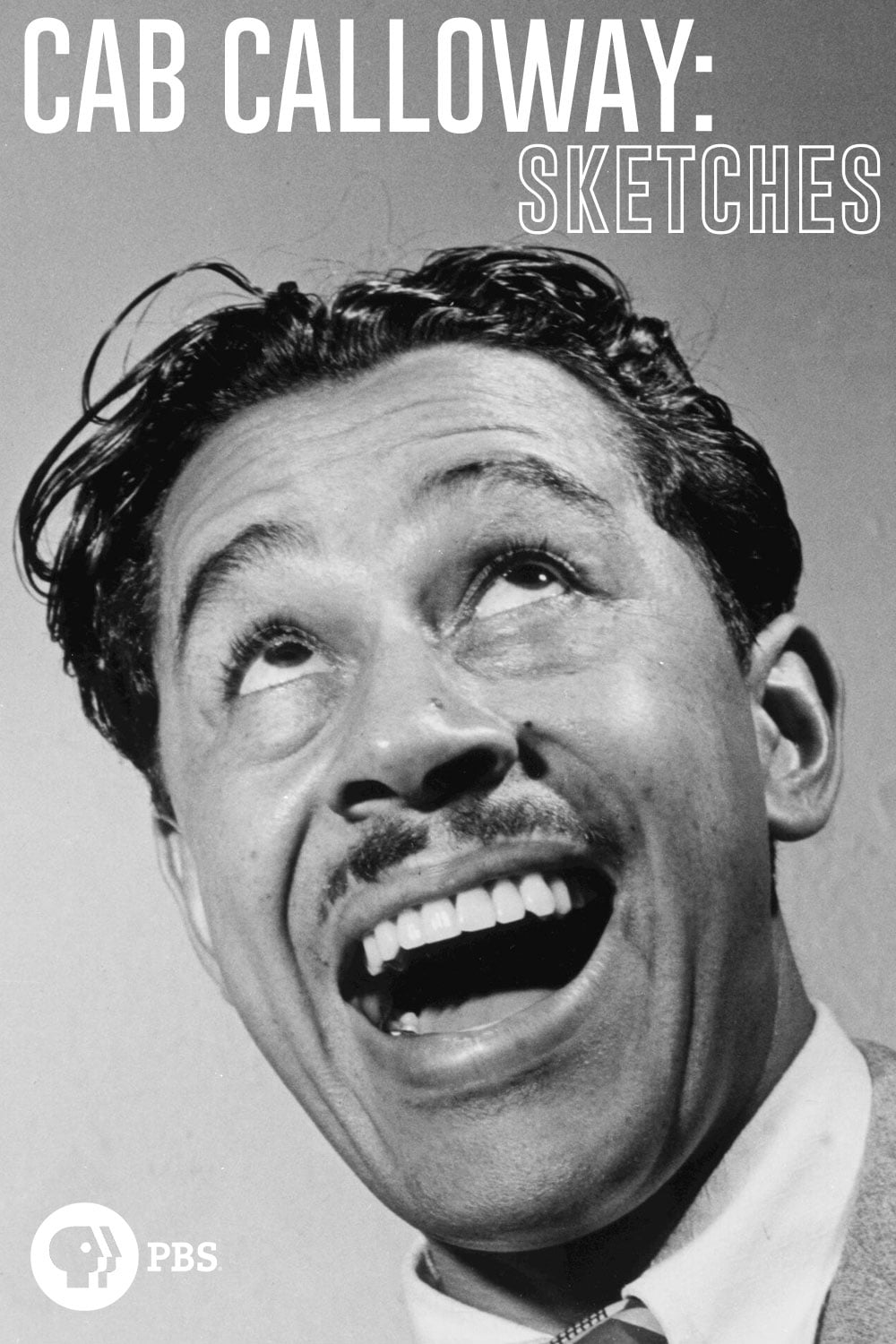
A singer, dancer, and bandleader, Cab led one of the most popular African American big bands during the jazz and swing eras of the 1930s-40s, with Harlem’s famous Cotton Club as his home stage. Best known for his “Hi de hi de hi de ho” refrain from signature song “Minnie the Moocher,” portrayal of Sportin’ Life in Porgy and Bess (1952), and role in The Blues Brothers (1980), Cab influenced countless performers, including Michael and Janet Jackson, and many of today’s hip-hop artists.
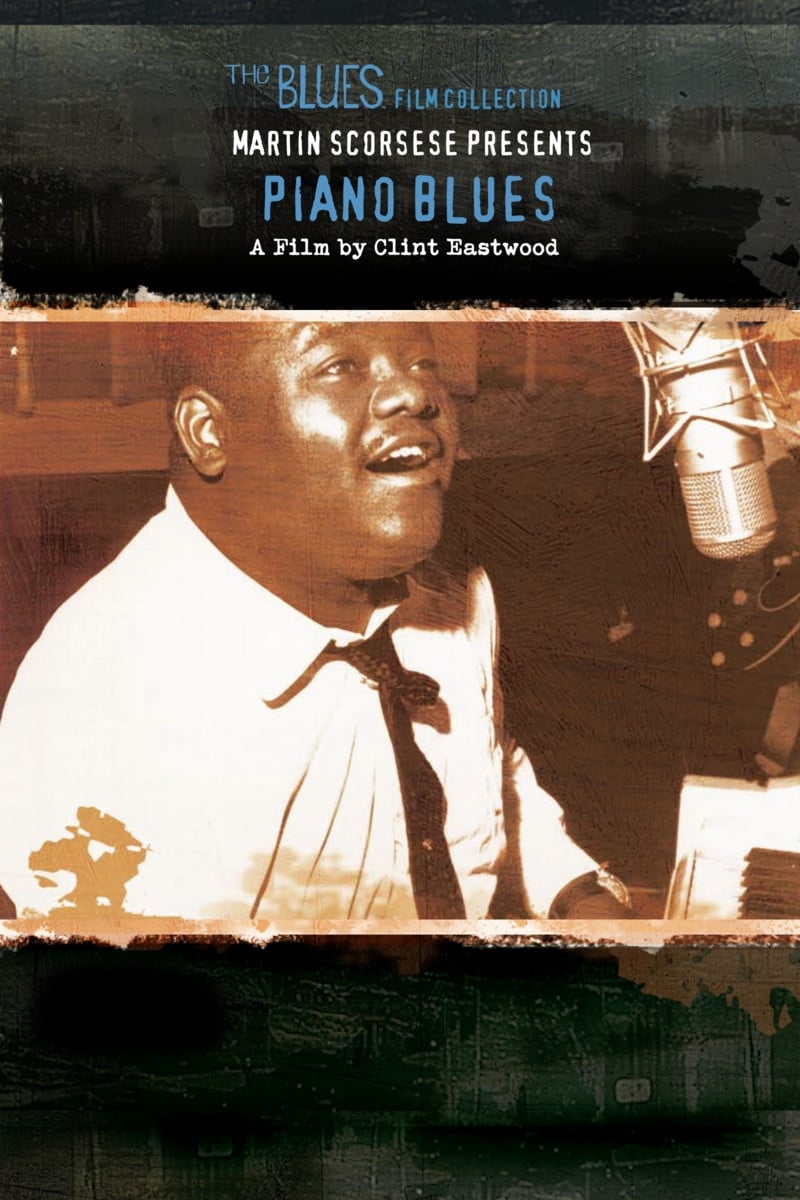
Director — and piano player — Clint Eastwood explores his life-long passion for piano blues, using a treasure trove of rare historical footage in addition to interviews and performances by such living legends as Pinetop Perkins and Jay McShann, as well as Dave Brubeck and Marcia Ball.
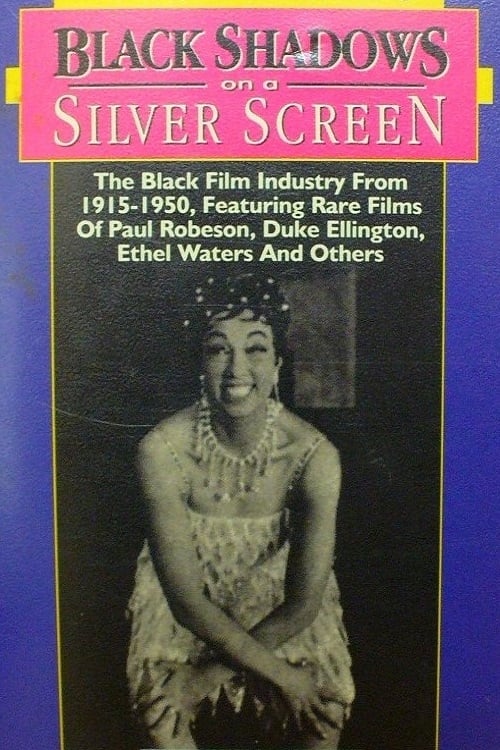
Ossie Davis narrates a history of "race films," films made before 1950 which catered to a primarily black audience.
Cab Calloway performs "Blowtop Blues".
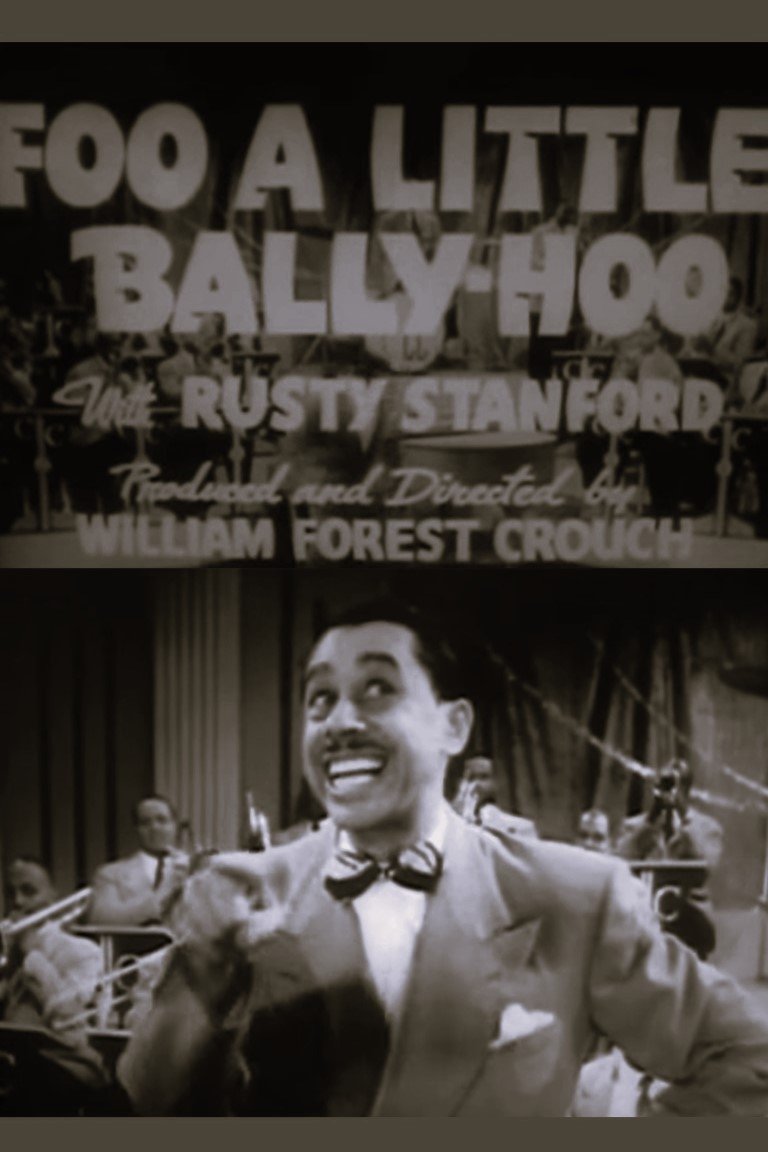
Cab Calloway sings "Foo a Little Bally-Hoo".
Cab Calloway & Dotty Saulter perform "I Was Here When You Left Me".

The Stories Behind the Making of The Blues Brothers is an hour- long documentary featuring every participant from the film. Star and co-writer Dan Aykroyd explains how a joke that he and best friend John Belushi shared with friends evolved from a Saturday Night Live skit to a best-selling album and then to a film. Director John Landis covers the difficult production, from the outrageous stunts to Belushi's disappearances from the set.
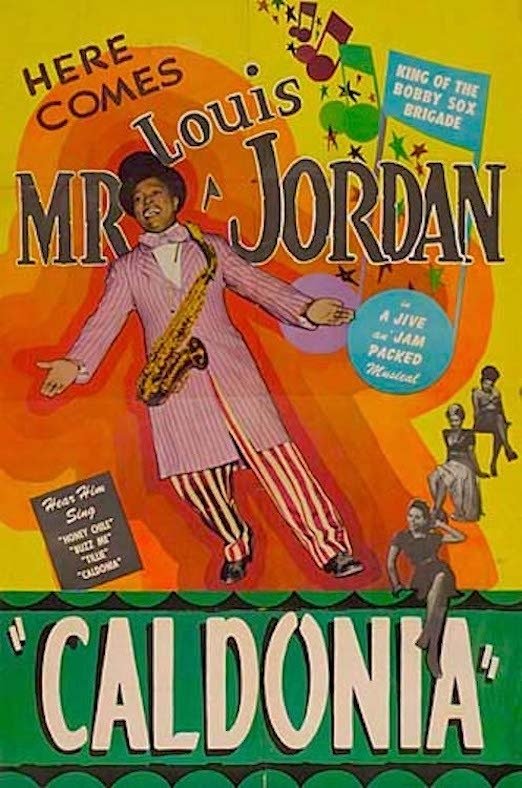
Louis Jordan, with his band, sings and performs the title song, "Caldonia,", and "Honey Child," "Tillie" and 'Buzz Me", wowing the jitter-buggers, zoot suits and bobby-soxers of the mid-1940s, all built around a wisp of a plot dealing with the difficulties of production in Harlem.
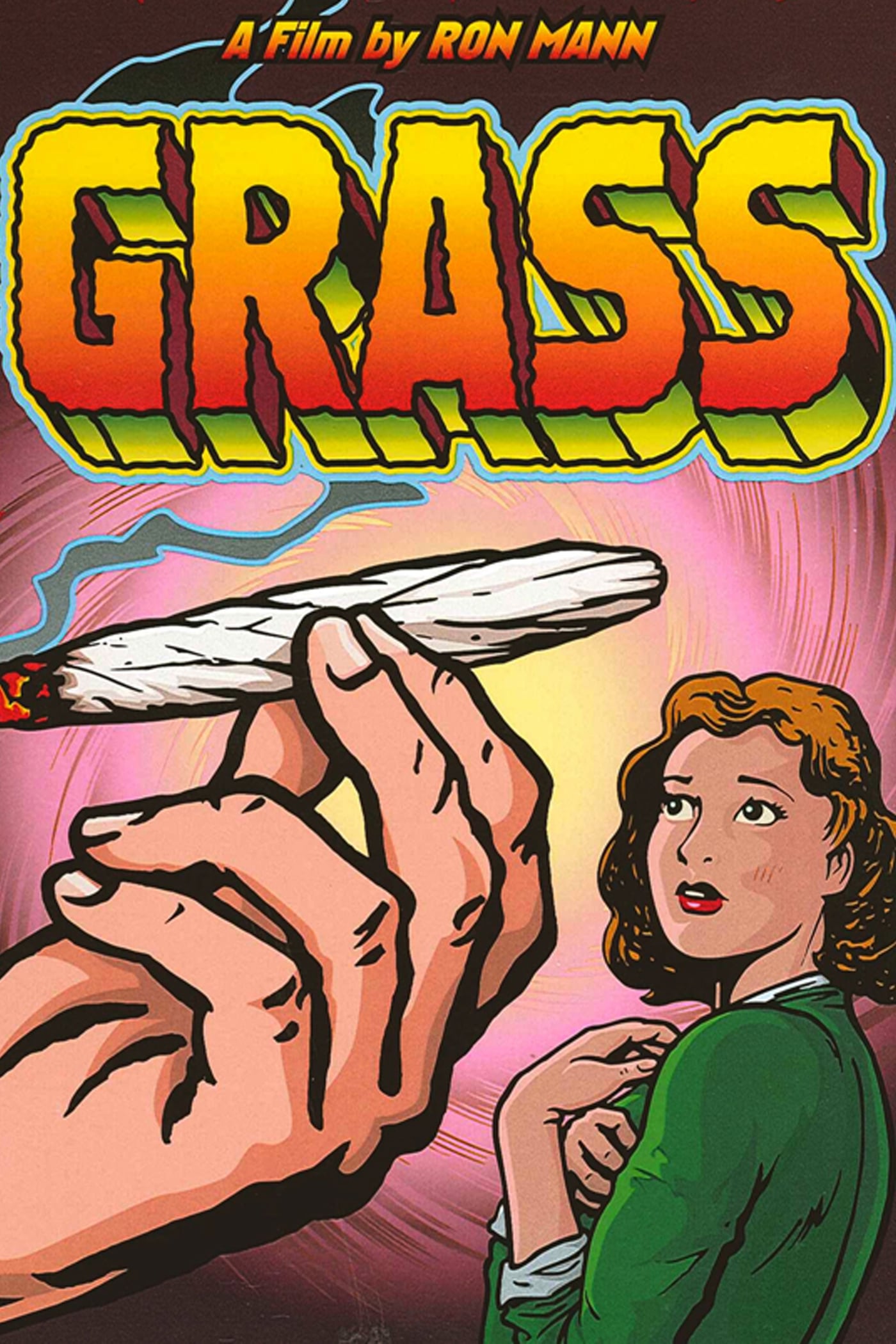
Marijuana is the most controversial drug of the 20th Century. Smoked by generations to little discernible ill effect, it continues to be reviled by many governments on Earth. In this Genie Award-winning documentary veteran Canadian director Ron Mann and narrator Woody Harrelson mix humour and historical footage together to recount how the United States has demonized a relatively harmless drug.
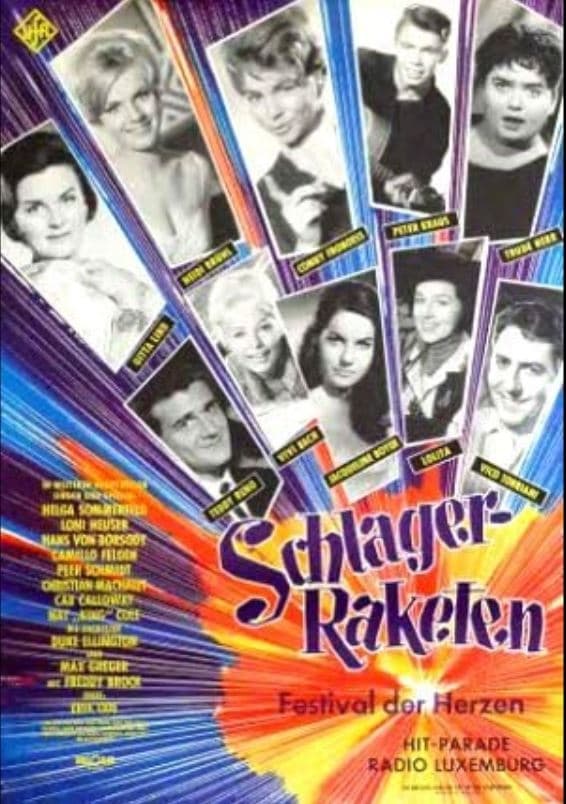
"Festival of Hearts" is the name of the new pop music show by popular DJ Camillo. He came up with the idea by chance. Marcel, a young bank employee, almost hit a charming young girl with his car. Angry, she lent him her jack, but then disappeared forever. He cannot forget her and tries to find her again through the show "Schlagerfreunde" (Schlager Friends). And that becomes the idea for Camillo's new show: to bring couples who have lost each other back together through a melody. For Marcel, it happens faster than expected, because his great love is none other than Camillo's secretary, who can follow his cries for help from the control room.

Romm pulls out all the stops in its selection of documentary material to draw the viewer not only into absolute horror about fascism and nazism in the 1920s–1940s Europe, but also to a firm conviction that nothing of the sort should be allowed to happen again anywhere in the world.
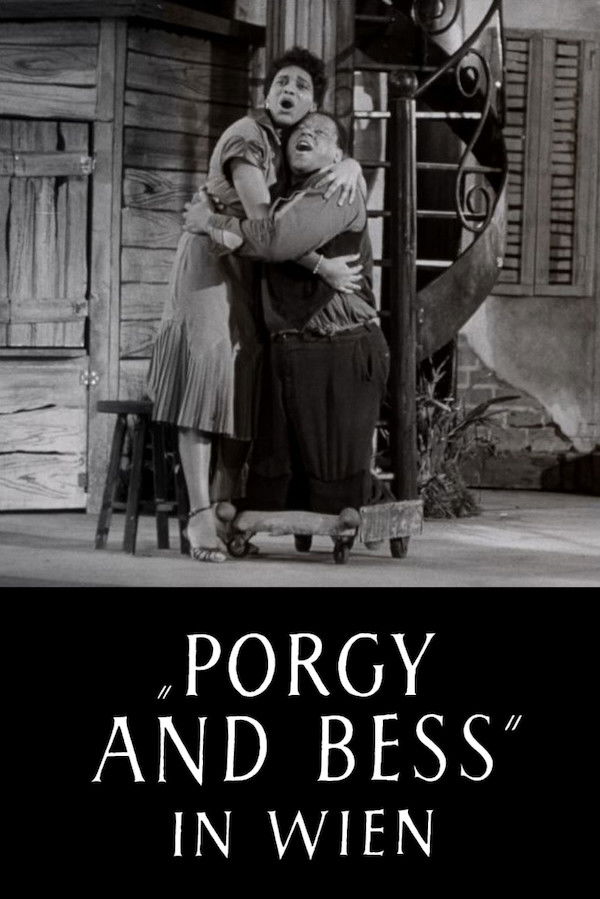
Featuring the opera star Leontyne Price, the concert baritone William Warfield, and the irrepressible jazz bandleader Cab Calloway, this virtually unknown short film documents the first stop on what would become a four-year US State Department–sponsored tour of the Everyman Opera Company's production of the Gershwin-Heyward opera Porgy and Bess.