
Somewhere on the coast of Taiwan is Hotel Iris, a mouldering seaside establishment run by a cold and thrifty Japanese woman (Nahana) and her lonely half-Taiwanese daughter Mari (Lucia). One night, Mari hears the cries of a woman from the upper floors. Heading up to investigate, she witnesses a distraught woman in a red camisole dress escape an impeccably dressed but violent man (NAGASE Masatoshi) whose cold voice is entrancing. Mari’s initial shock turns into a strange fascination which drives her to follow the man to discover more about him. He is a translator who lives on an isolated island one can only reach by boat and rumours swirl around him and recent murders. The closer she gets to the man, the more a hidden layer of Mari’s personality awakens as she allows herself to be engulfed by his strange passions…
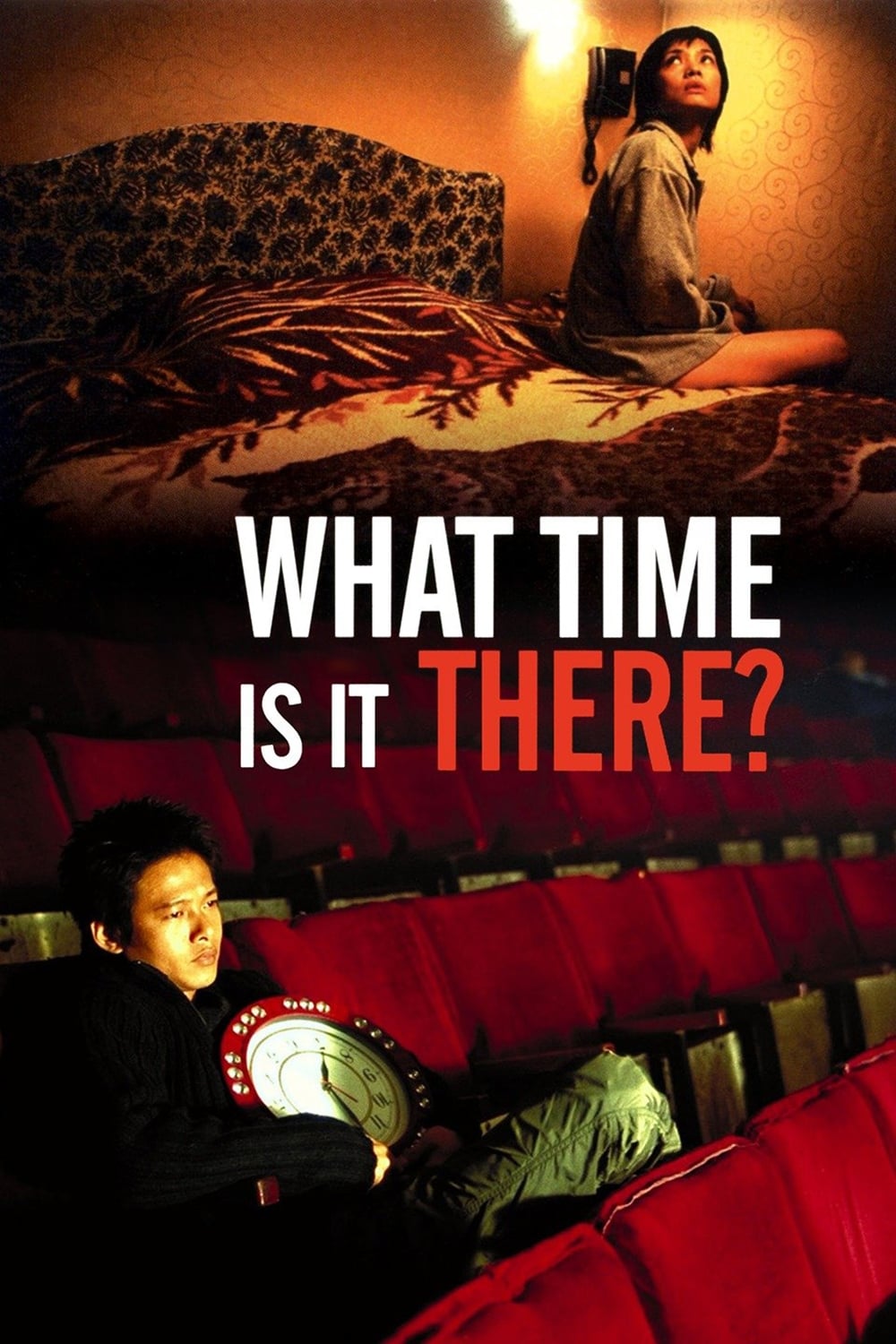
A street vendor with a grim home-life forges a connection with a young woman on her way to Paris.

Three lonely young denizens of Taipei unknowingly share an apartment: May, a real estate agent who uses it for her sexual affairs; Ah-jung, her current lover; and Hsiao-kang, who's stolen the key and uses the apartment as a retreat.

Rawang, an immigrant from Bangladesh living in awful conditions, takes pity on a Chinese man, Hsiao-kang, who is beaten up and left in the street. Rawang lovingly nurses him on a mattress he found. When he is almost healed, Hsiao-kang meets the waitress Chyi. His love for Rawang is put to the test.

Hsiao-Kang, now working as an adult movie actor, meets Shiang-chyi once again. Meanwhile, the city of Taipei faces a water shortage that makes the sales of watermelons skyrocket.
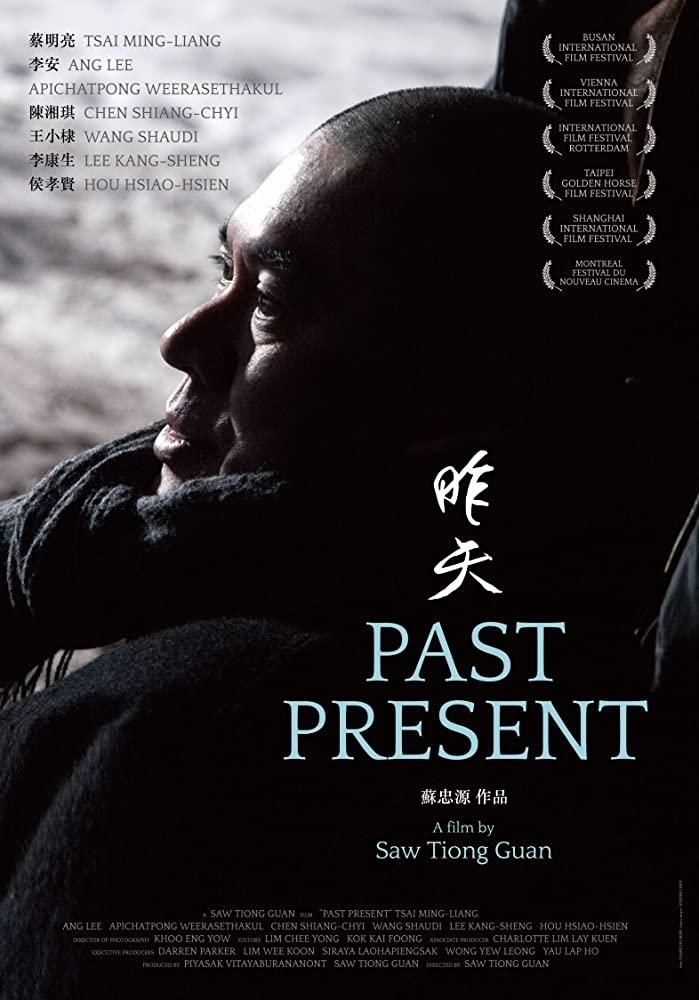
A contemplative trip down memory lane with one of the leading voices of the Second New Wave of Taiwanese Cinema. Saw Tiong Guan clearly established a very personal bond with his subject, and also found many of Tsai Ming-liang’s colleagues prepared to complete this portrait of a quiet yet outspoken artist.
A behind-the-scenes documentary on the making of Ming-liang Tsai’s I Don’t Want to Sleep Alone.
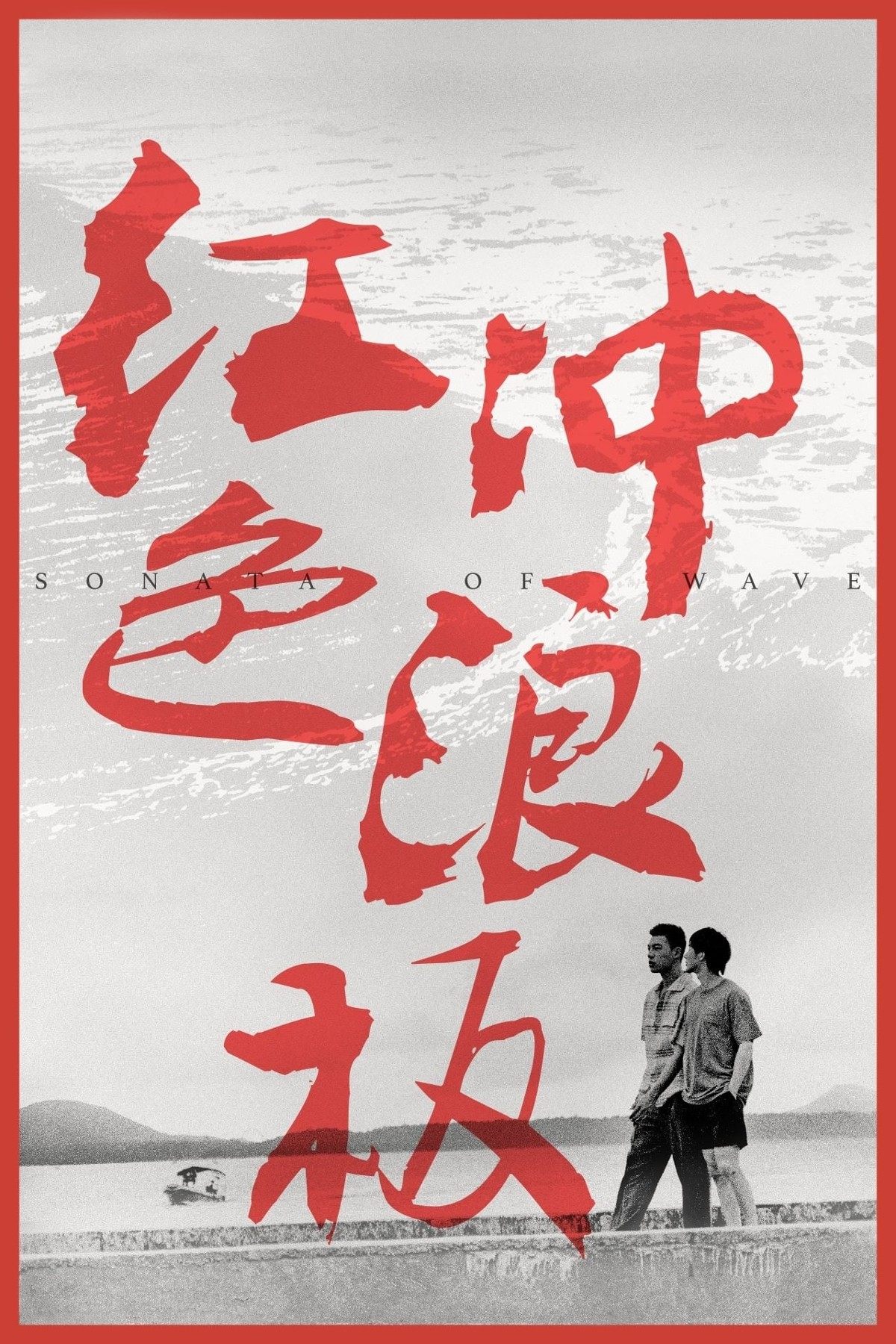
Dong Bin has opened a surfing shop by the sea where Xiao Fang started working. The young man, however, seems to be on the run from himself, not being able to move beyond his grief and guilt for an accident that took place when he was still in school. He spends his days doing nothing outside of working, essentially just waiting for time to pass, with no particular purpose. Things change when two individuals his age, Yuan Yong and Yang Fan, appear in the shop, searching for a surfing board not to surf, but to take photographs on. An initially aggravated Xiao Fang eventually becomes friends with them, and the three start hanging out, with their relationship finding its zenith on a night out that ends up in a rather eventful karaoke. It turns out that Yuan Yong is trying to escape his parents' arrangements and Yang Fan is looking for a future in a life that seems as vague as Xiao Fang's.

In the final days of the year 1999, almost everyone in Taiwan has died from a strange plague that ravished the island. As rain pours down relentlessly, a single man is stuck with an unfinished plumbing job and a hole in his floor. This results in a very odd relationship with the woman who lives below him.

Hsiao-Kang, a Taiwanese film director, travels to the Louvre in Paris, France, to shoot a film that explores the Salomé myth.

A young man develops severe neck pain after swimming in a polluted river for a movie shoot, but nobody can provide him any relief.

Having lost all his money in the stock market, a depressed man falls in love with a woman over a suicide helpline.
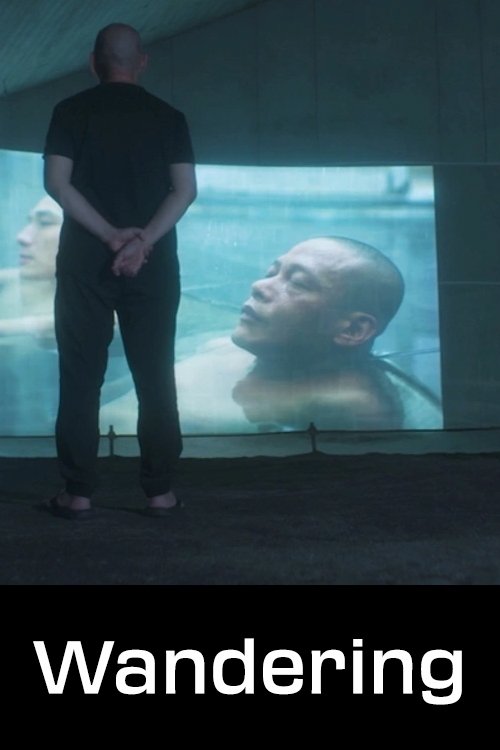
This short by Tsai Ming-liang, completed in 2021, was filmed at "the Dune" in Yilan, Taiwan, where the eight films in his Walker series were being shown.
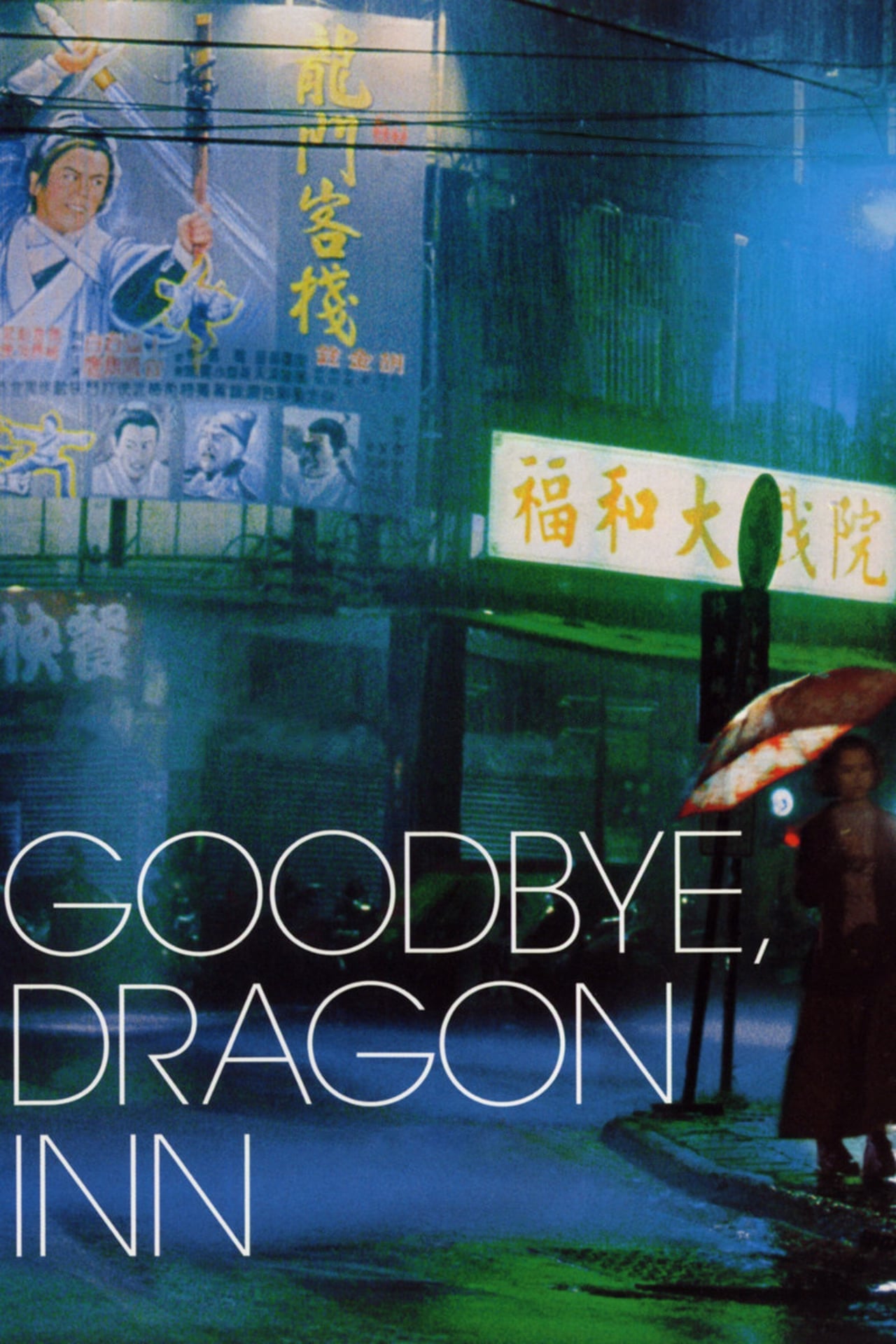
On a dark, wet night in Taipei City, a cavernous old picture palace is about to close its doors forever. A meager audience, the remaining few staff, and perhaps even a ghost or two, watch King Hu’s wuxia classic "Dragon Inn", each haunted by memories and desires evoked by cinema itself.

In Taipei, four youths face alienation, loneliness, and moments of existential crisis amidst a series of minor crimes.
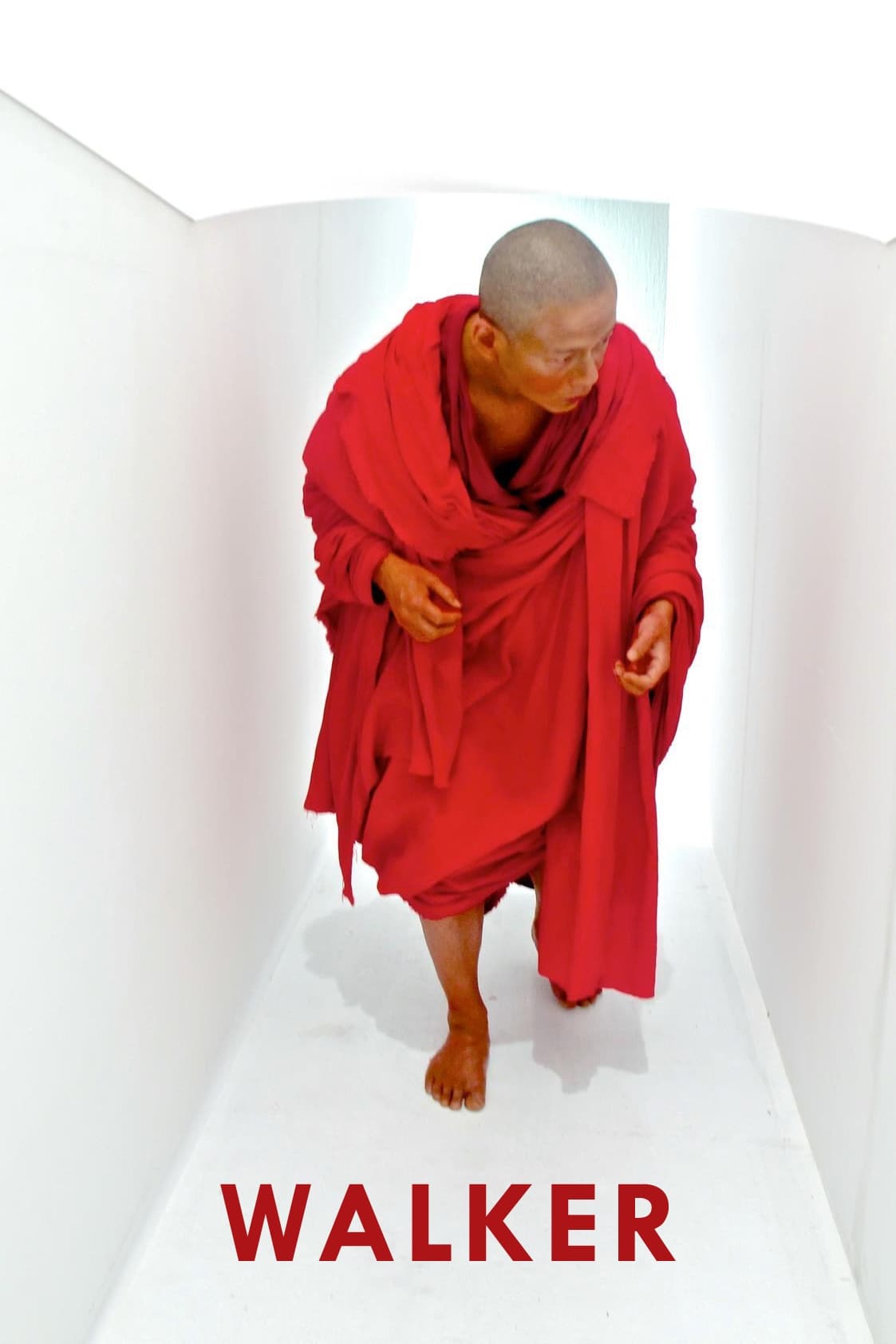
In 2012, the Hong Kong International Film Festival invited Tsai Ming-Ling to make the opening short film. Having grown up with Hong Kong's popular culture, Tsai Ming-Liang decided to pay homage by making a "Walker" film, contrasting the Walker's slowness with the frenzied pace of Hong Kong's cosmopolitan life. The film ends with a song by Hong Kong actor and singer Samuel Hui, who was Tsai Ming-Liang's idol during his youth. The film was invited to be the closing short film for the Cannes Film Festival in 2012.
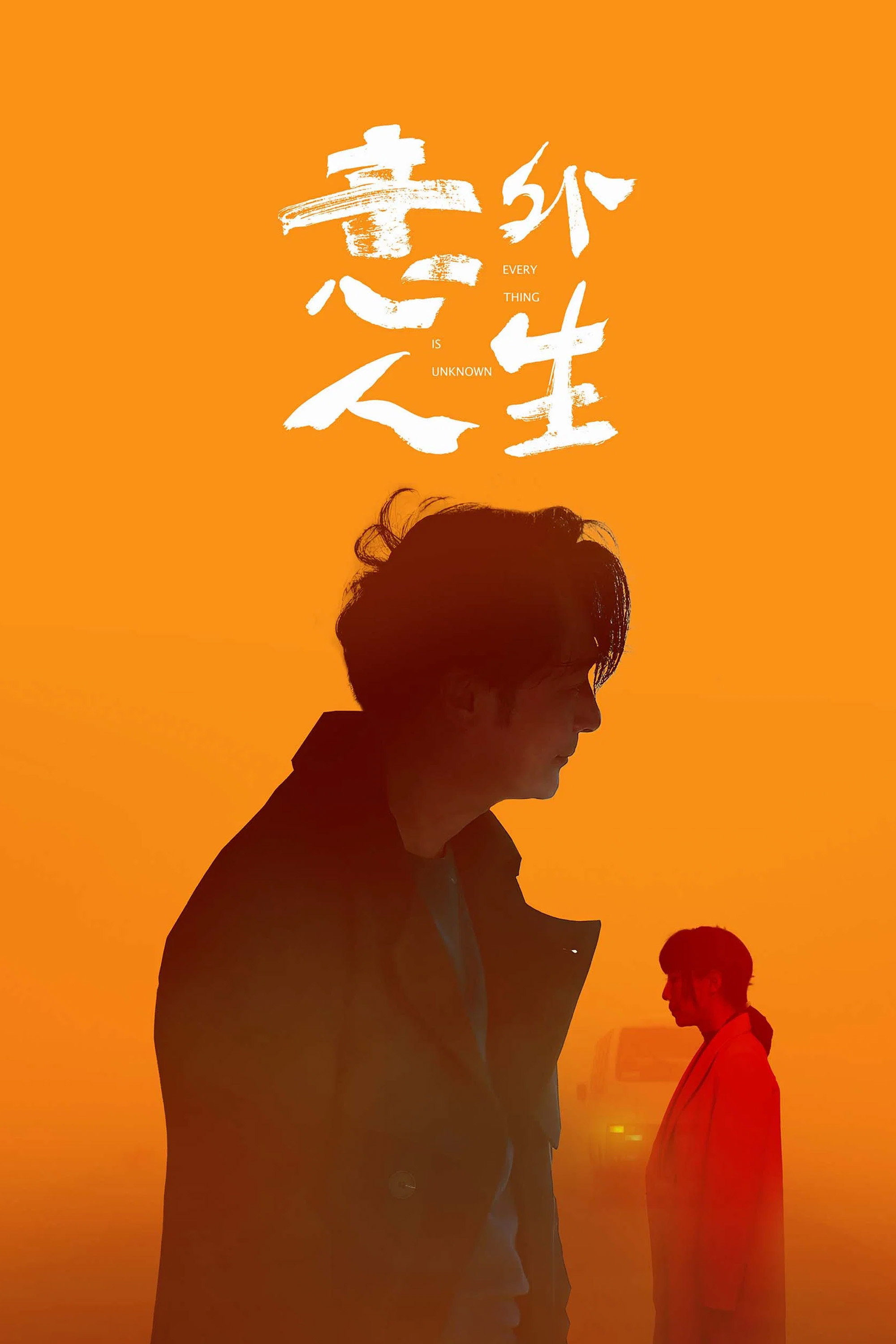
While he was in Macau, Pan Yiming unexpectedly receives a will from his father. They haven't seen each other in 30 years, still father left Pan Yiming with a huge hesitance, asking him to attend the funeral in order to inherit it. Pan Yiming returns to the small village in southern China, where he founds out his former lovers, daughters he has never met, and some residual memories and intricate secrets.
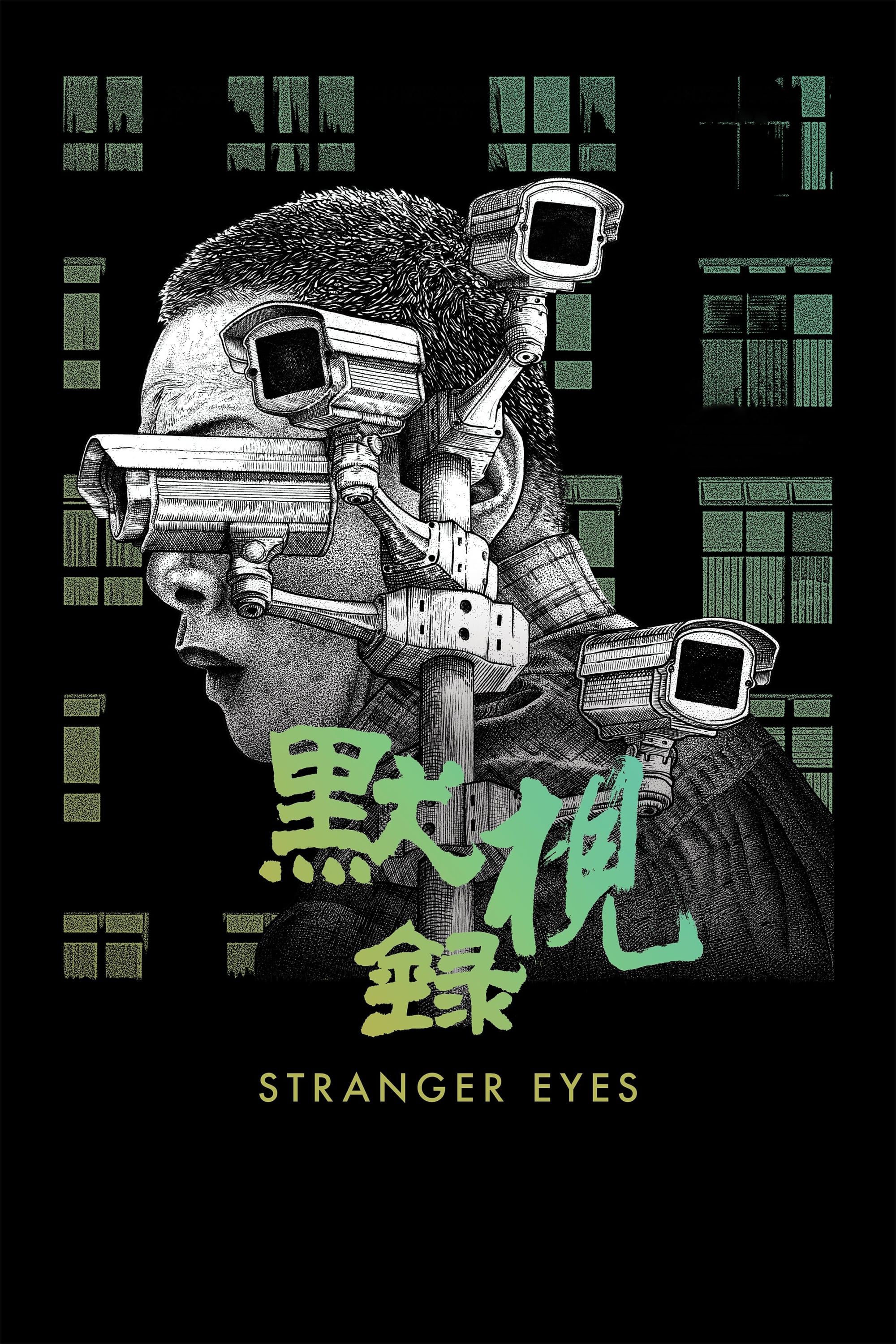
After the mysterious disappearance of their baby daughter, a young couple receives strange videos and realizes someone has been filming their daily life — even in their most intimate moments. The police set up surveillance around their home to catch the voyeur but the family starts to crumble as secrets unravel under the scrutiny of eyes watching them from all sides.

In order to recreate a photograph, two actors undergo a transformation.
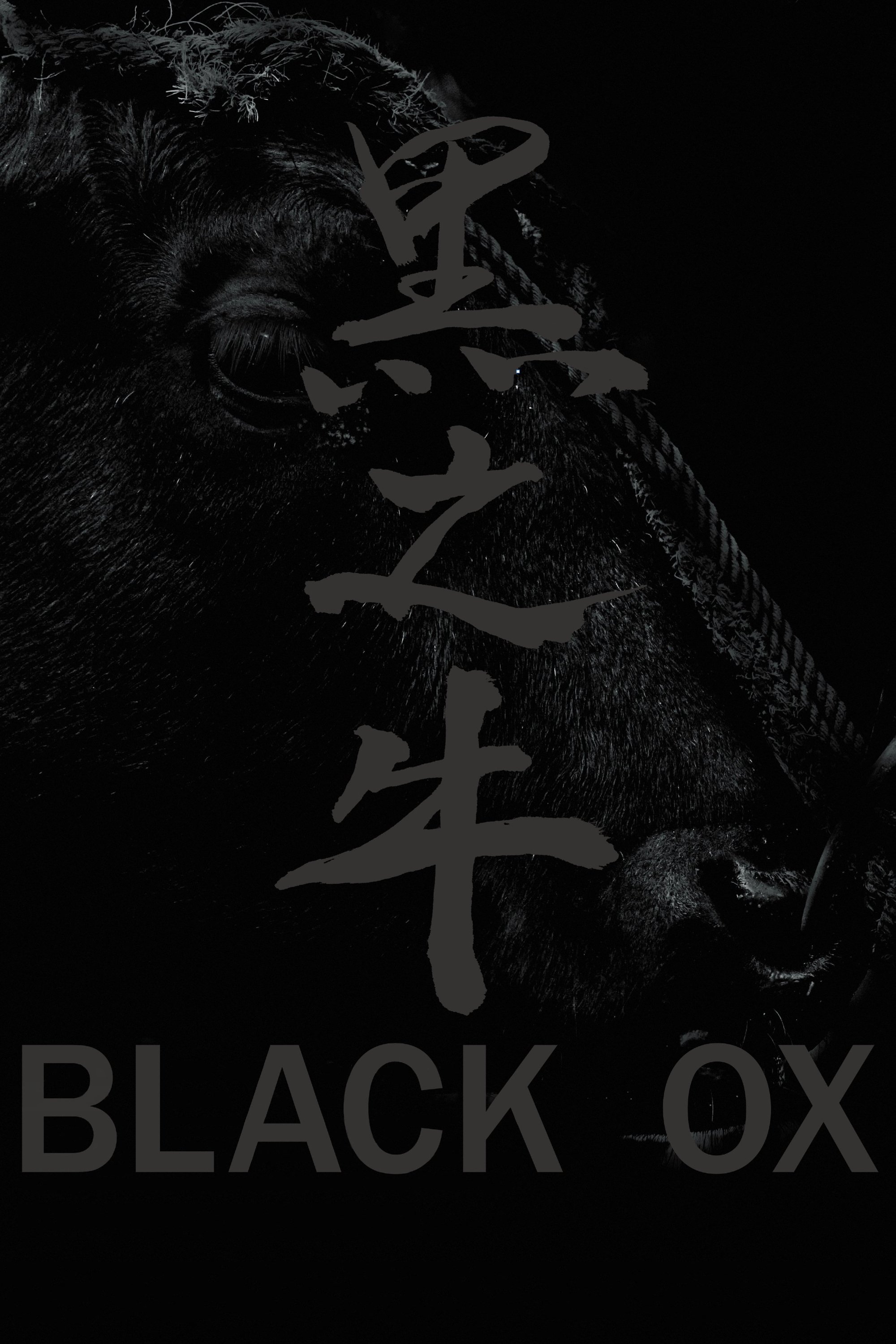
The life of a man, transitioning from a hunter-gatherer existence in the mountains to a life in the farm. One day, he comes across an ox, which somehow, he succeeds in leading back to his home. He lives with the animal, which becomes his companion in a life of changing seasons.

A cold, hard-nosed lawyer, Zhang, discovers that his past client, Tang, is involved in yet another case of sexual assault. Thirteen years ago, Zhang was a rookie and mentored by a senior lawyer, Tu. Young and ambitious as Zhang was, his outstanding performance successfully helped Tang exonerated from the charge. However, the brutal cross-examination on the victim inevitably became his nightmare. After so many years, tormented by guilt, Zhang finally has the opportunity to atone for his mistakes and avenge the girl he loved. Challenged by Tu and Tang, he decides to pursue justice at any cost.
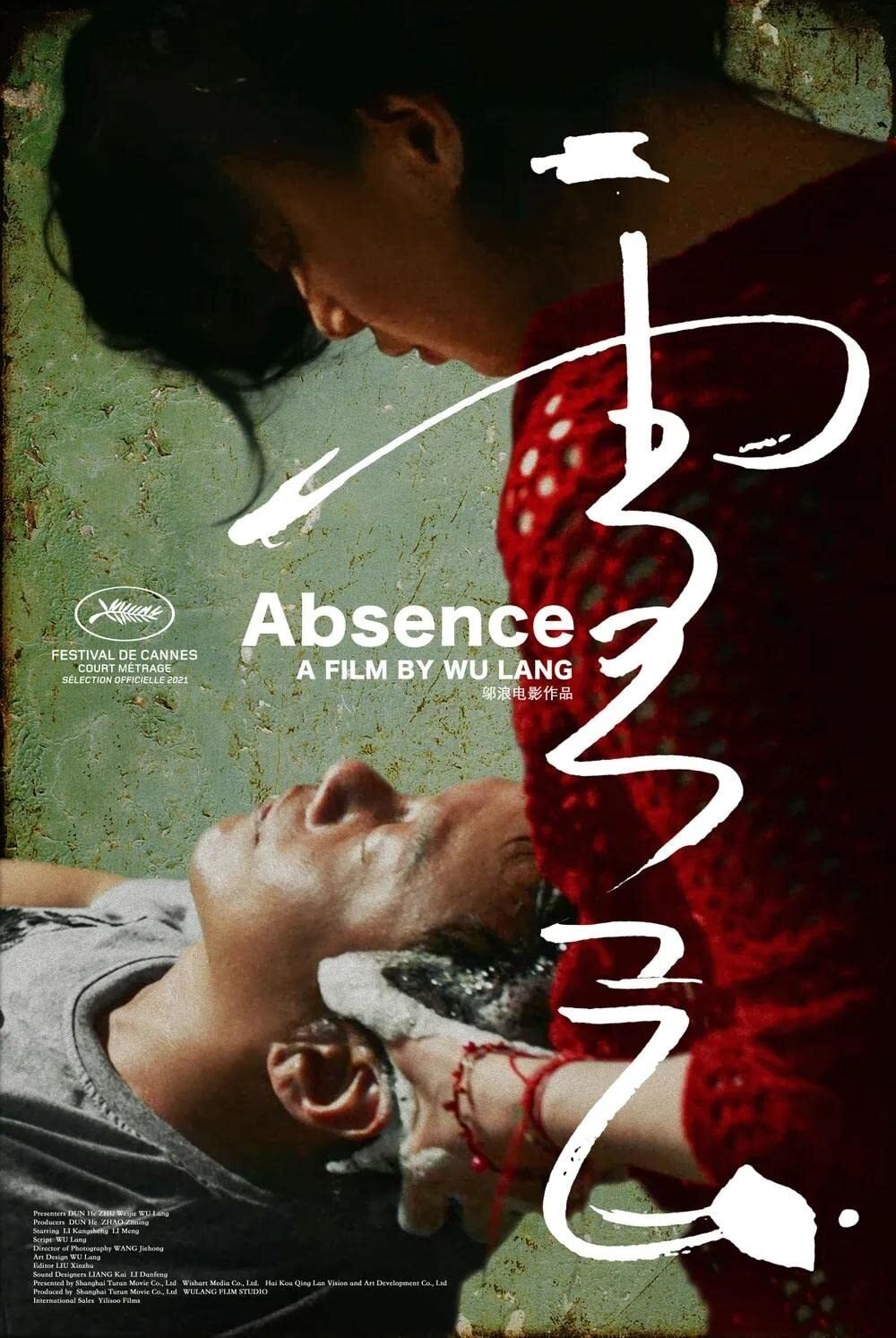
Short film directed by Lang Wu. In 2021, Absence was nominated for Best Short Film at the 74th Cannes. After ten years in prison, Han Jiangyu returns to Hainan Island. Housing construction is booming, his childhood friend is now rich. Searching for traces of the familiar, Jiangyu meets his old love who now has a daughter.
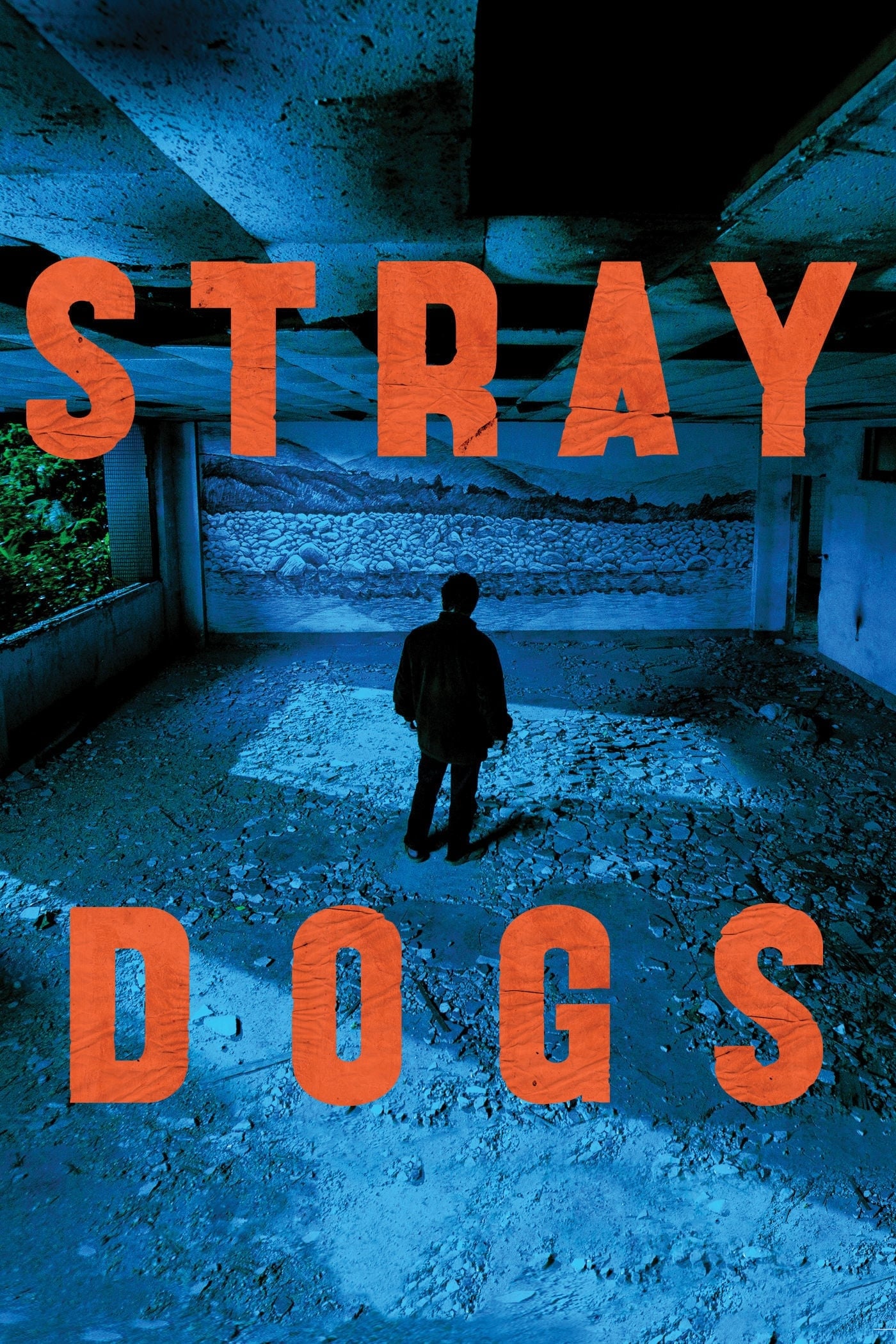
An alcoholic man and his two young children barely survive in Taipei. They cross paths with a lonely grocery clerk who might help them make a better life.

In 2011, Tsai Ming-Liang staged a play, "Only You", for Taiwan's National Theater and Concert Hall. In it, there was a powerfully moving scene where monk Xuanzang walked at an extremely slow pace for half an hour. Lamenting the transient nature of theater, Tsai decided to make a movie out of this slow-walking performance, "No Form", the first of his "Walker Films" series.
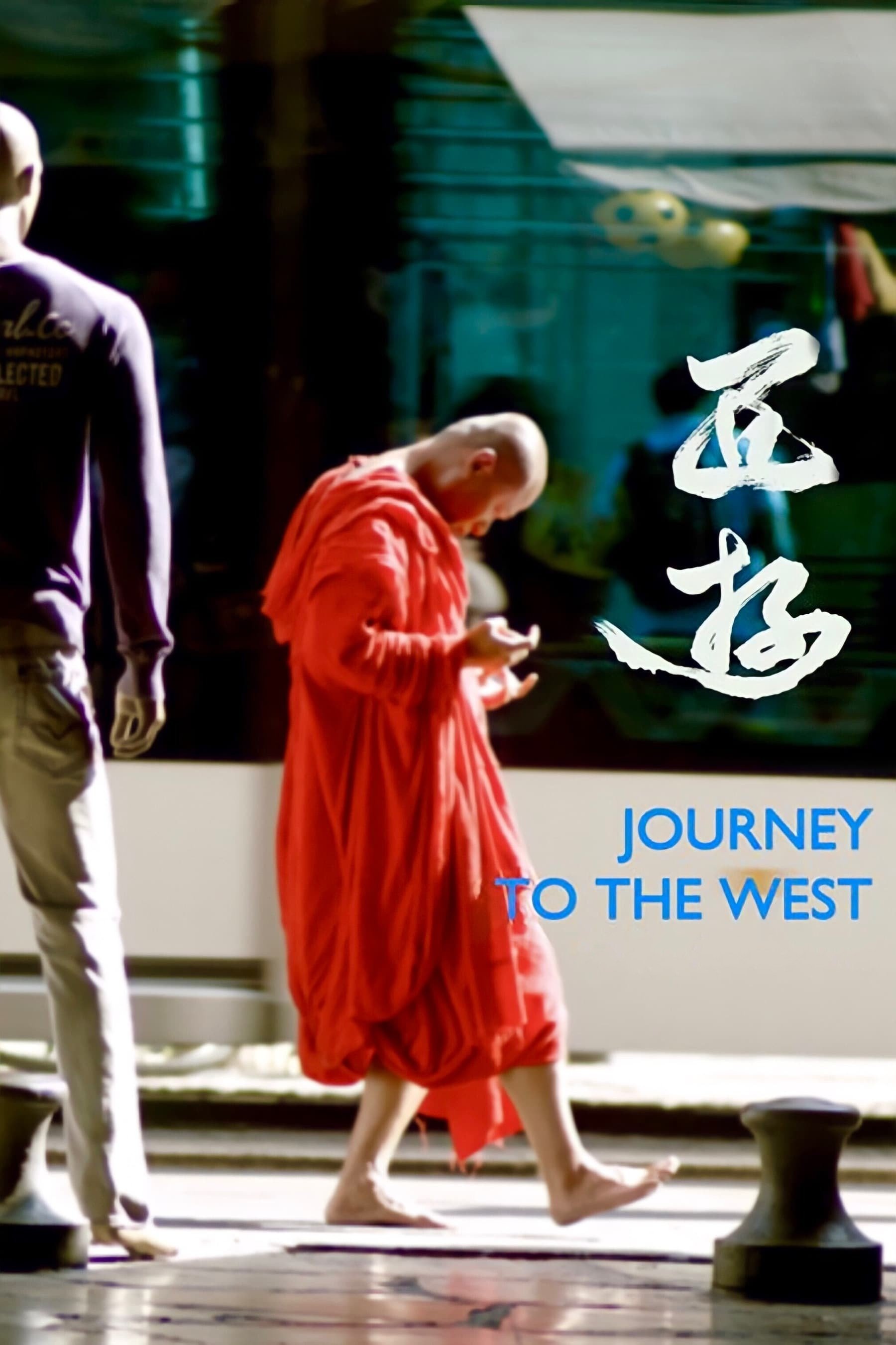
In 2014, Tsai Ming-Liang was invited to make a film for the MarseilleFID, Marseille International Film Festival. Since he was not familiar with Marseille, he decided to make a film as tourist, capturing the beautiful Mediterranean sunshine in the late summer of that year. He also invited famous French actor, Denis Lavant, to appear alongside Lee Kang-Sheng playing Xuanzang. "Journey to the West" was invited to be the opening short film at the Berlin International Film Festival the same year.

After his wife dies during childbirth, Ku-cheng leaves his children behind in their rural village while he finds work on a construction site in the city. He develops a relationship with a widow but despite their intimacy, he refuses to remarry.

With a singular voice that distinguishes him from his New Taiwan Cinema contemporaries, Lin Cheng-sheng adds to his brief, but already remarkable, filmography with Sweet Degeneration, his third film in two years. As with A Drifting Life and Murmur of Youth, Lin’s new film delicately unfolds, gradually building to a climax of stunning emotional reverberations. Drawn from a particularly painful episode in the director’s past, Sweet Degeneration delves into the uneasy bonds a brother and sister have with each other and the people around them.
A young woman wandering around meets a young man going to a casting call for a pornographic film.

Asheng, once a gang member of the Zhongshan District, was sent to jail for 12 years after saving his friend Shaou. He is released and returns to Linsen North Road, his old turf, finding it familiar yet perplexing after being away for so many years. Shaou is now a mob boss with his own turf. When the son of Seagull’s patron, Mr. Xiao, is murdered, the evidence points to up-and-coming mobster Monkey. Shauo tries to ambush Monkey and fails, getting shot by the drugged up gangster instead. Asheng, who initially refused to help Shaou, is now filled with rage and decides to avenge his friend.

A collection of shorts by four East Asian directors: Ann Hui on a male-to-female sex change, Kim Tae-yong on an emotional imposture, Gu Changwei on pregnancy in China and Tsai Ming-Liang on time and the city of Hong Kong.
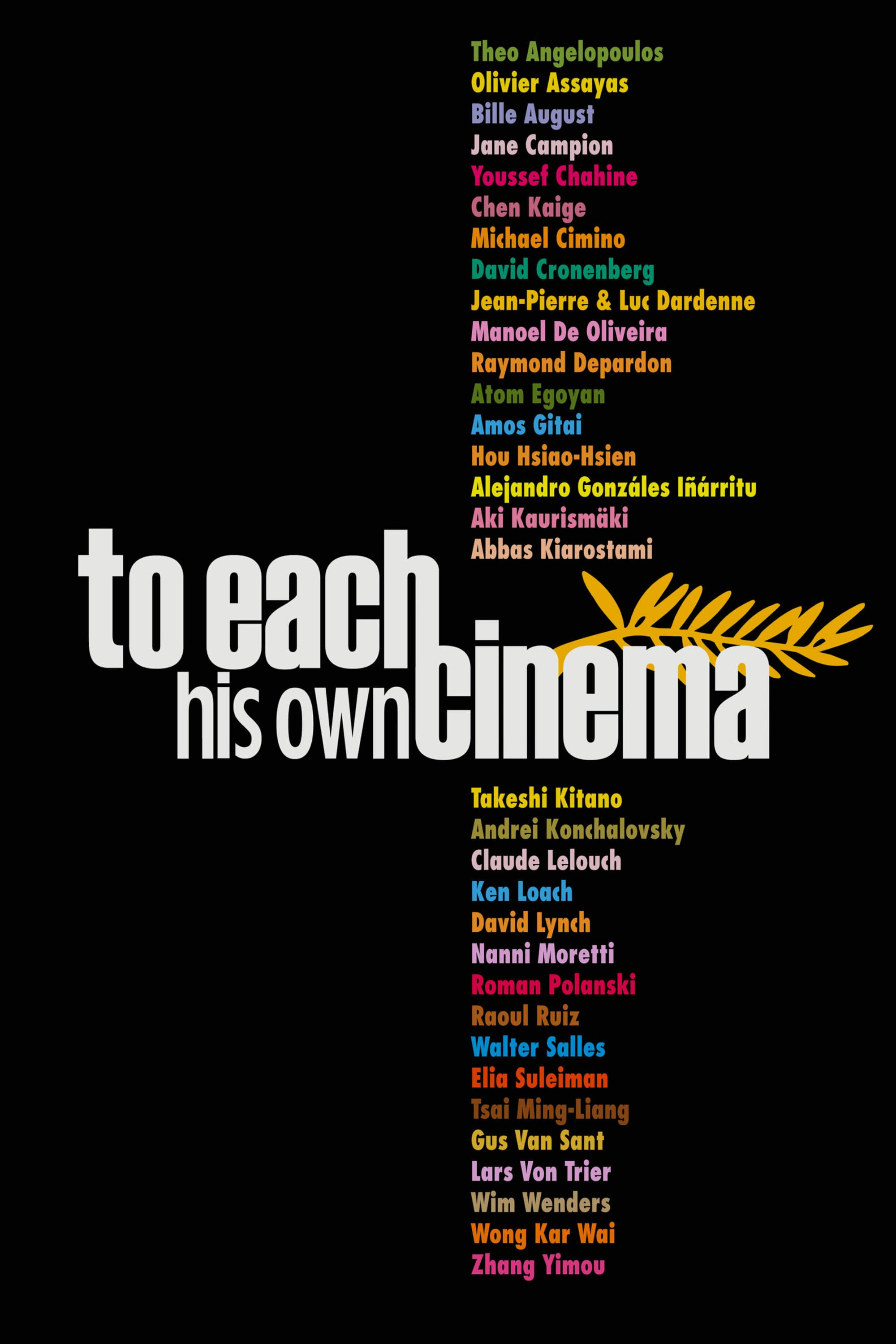
Commissioned to mark the 60th anniversary of the Cannes Film Festival, "To Each His Own Cinema" brought together 33 of the world's pre-eminent filmmakers to produce short pieces exploring the multifarious facets of cinema and their perspective on the state of their chosen artform in the early 21st century.
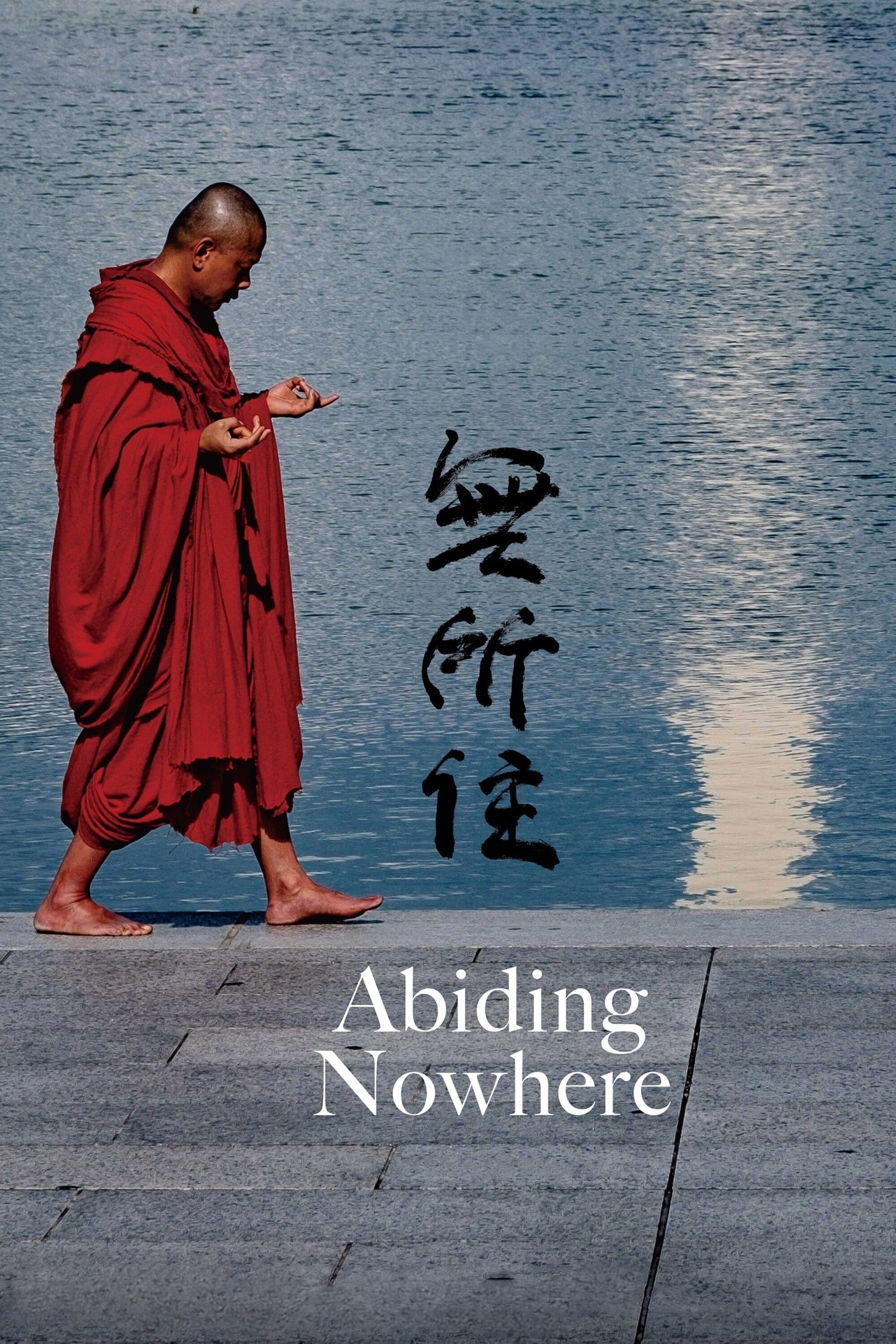
The walker with the shaved head and dressed in a red robe is barefoot. He walks slowly but determinedly through the forest, over stones and grassland. He also makes his way through the shadows of trees and houses. He sets foot in the train station, the church and the museum. The sun rises and sets again. The walker passes through Washington, D.C. Another stranger is also on the move in the city. We are unsure whether or not he is following the walker.
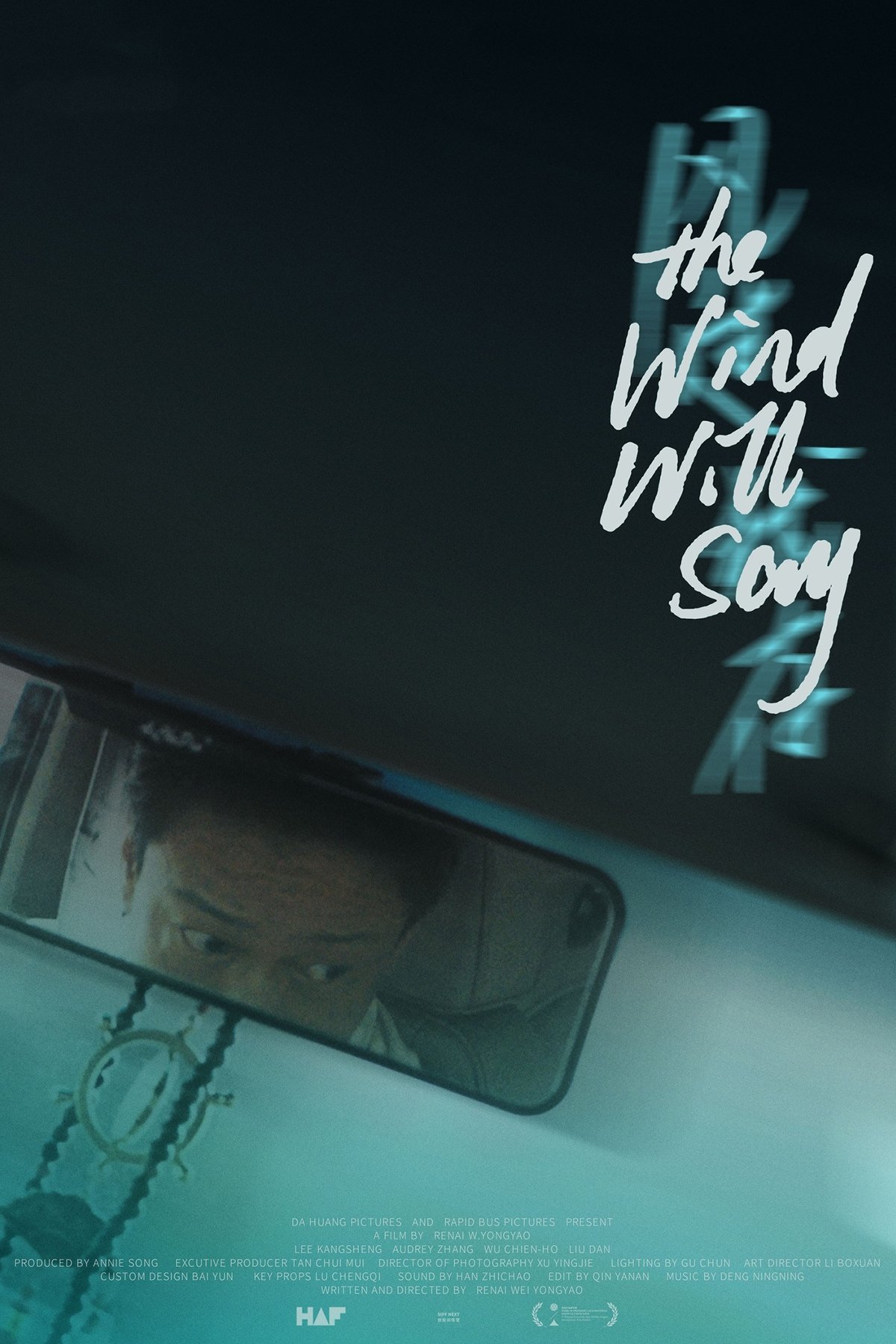
Chen’s daughter is returning from the UK after her university graduation. On the weekend of her return, Chen accidentally learns her secret when they are hijacked by two ruffians.
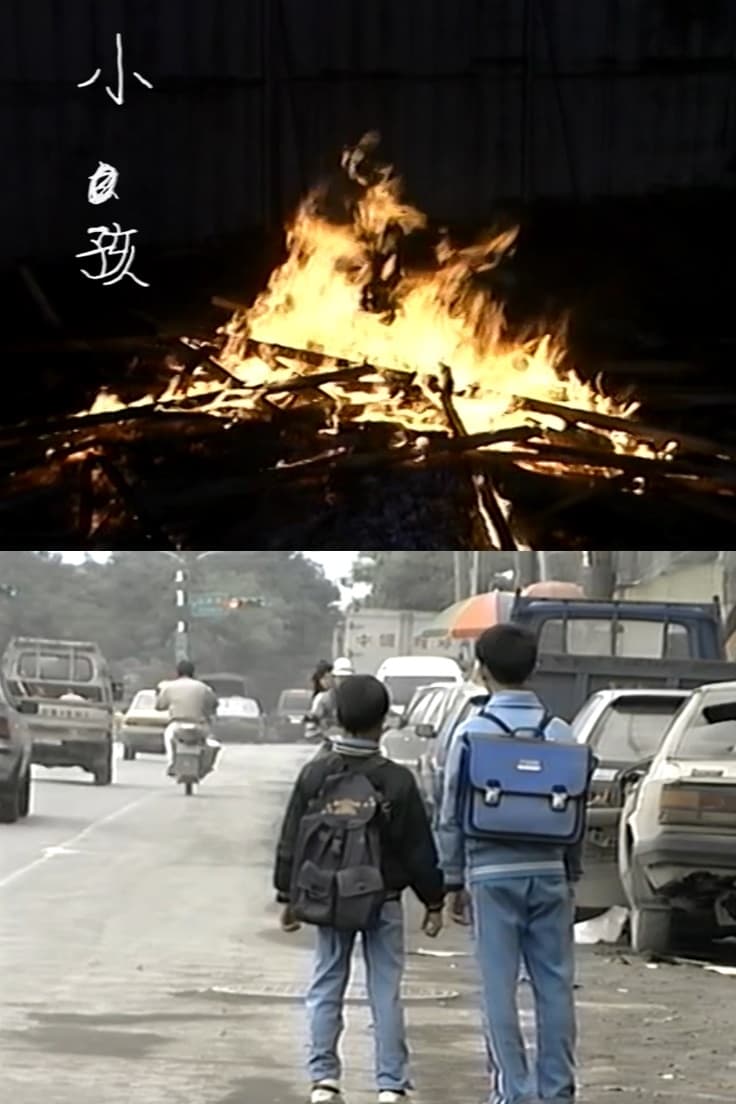
A junior-high student bullies and blackmails a younger boy, then receives the same treatment at the hands of some older students.
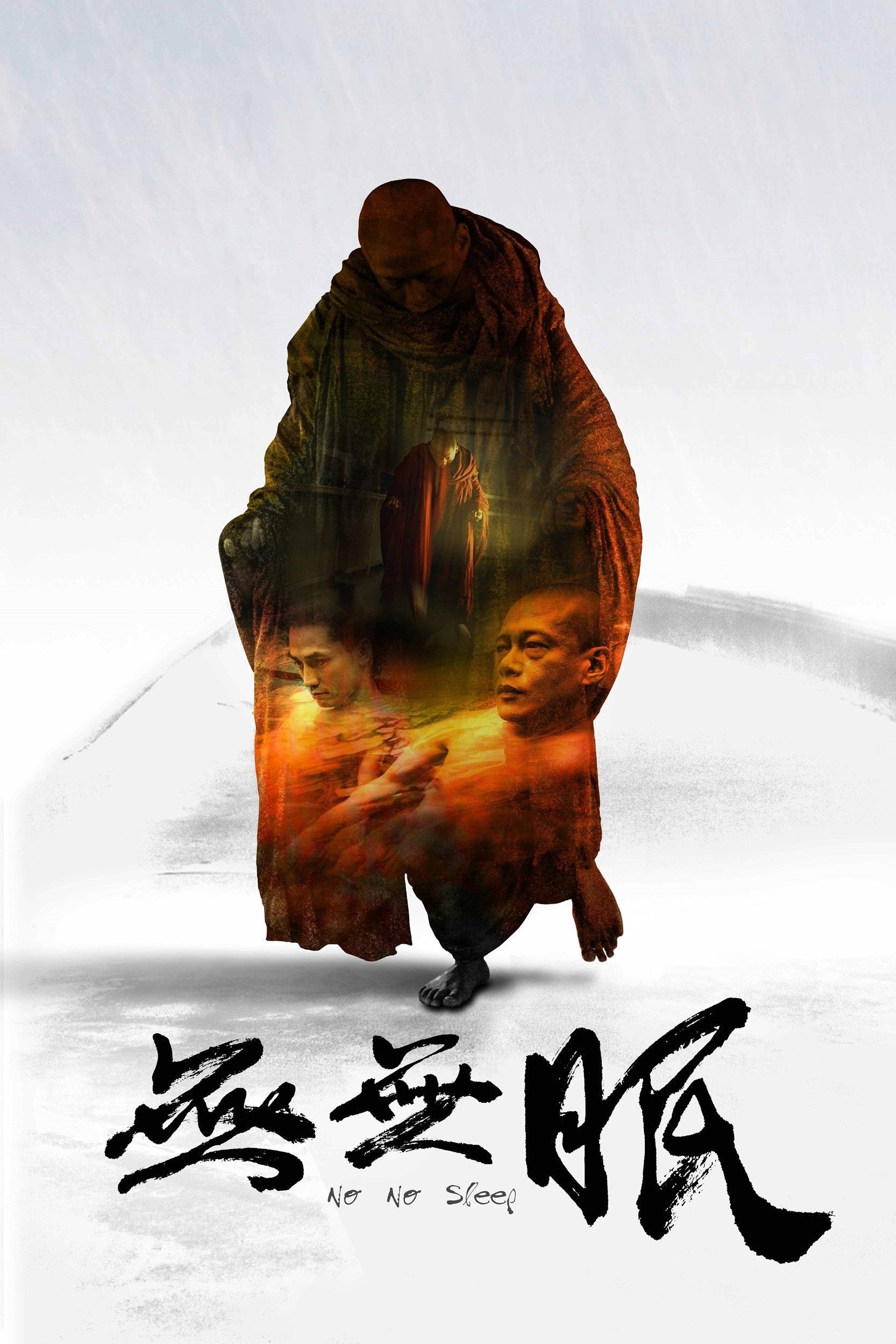
In 2015, Tsai Ming-Liang was once again invited by the Hong Kong International Film Festival to make the opening short film. This time, he selected Shibuya station in Tokyo as his main filming location and invited the famous Japanese actor Masanobu Ando to appear alongside Lee Kang-Sheng. They sleep separately at a capsule hotel and cleanse themselves at a public bath. Their fatigued bodies yearn for sleep but restless minds keep them for falling asleep. "No No Sleep" won the Best Director Award at the Taipei Film Festival.
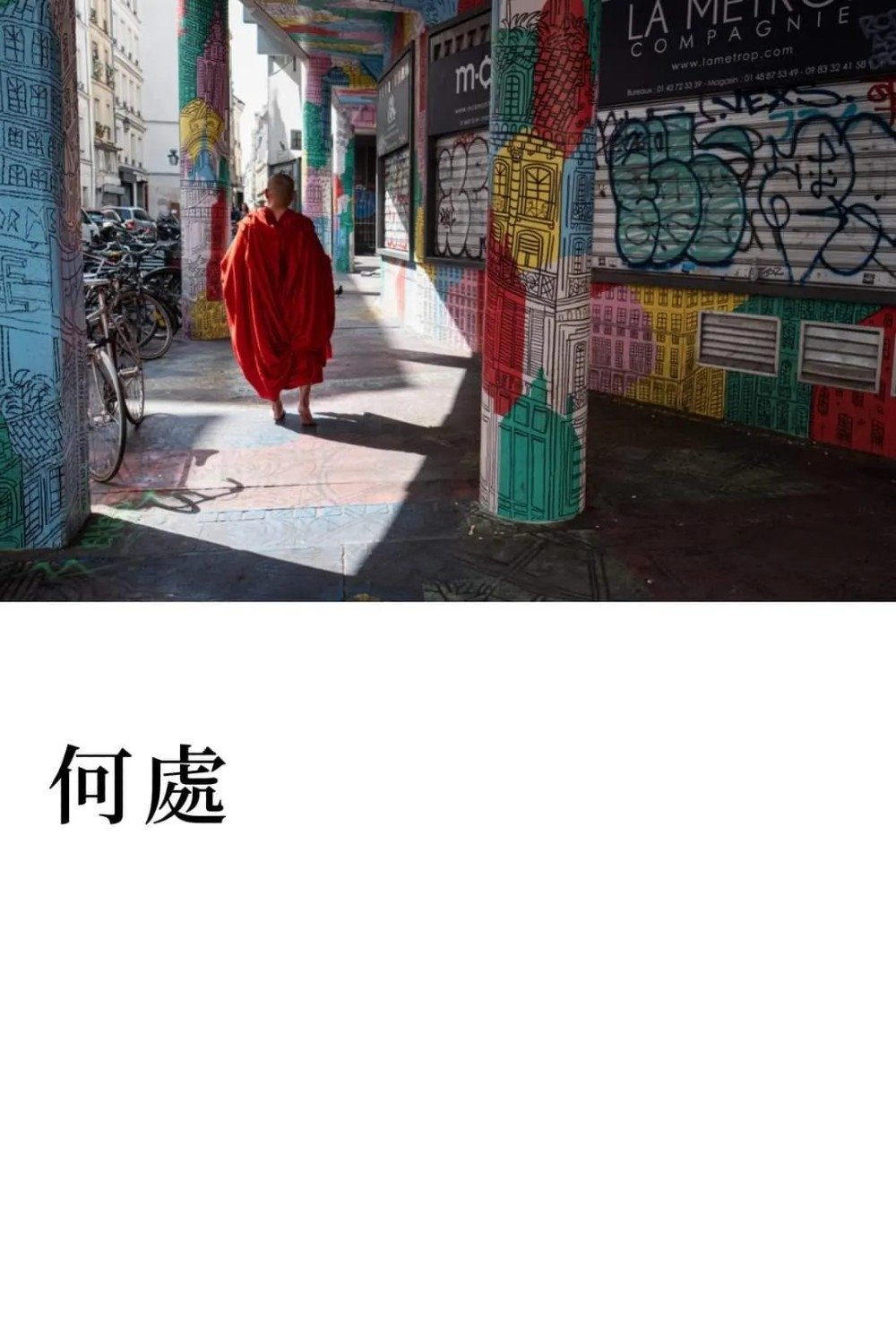
The ninth opus of his Walker Films series, which was shot at Centre Pompidou.
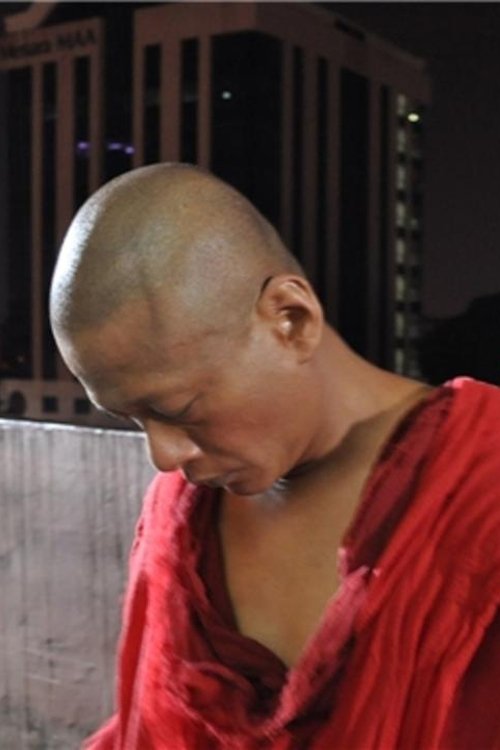
A continuation of Tsai Ming-Liang's Walker series, featuring Lee Kang-Sheng as a barefoot monk who walks very slowly.
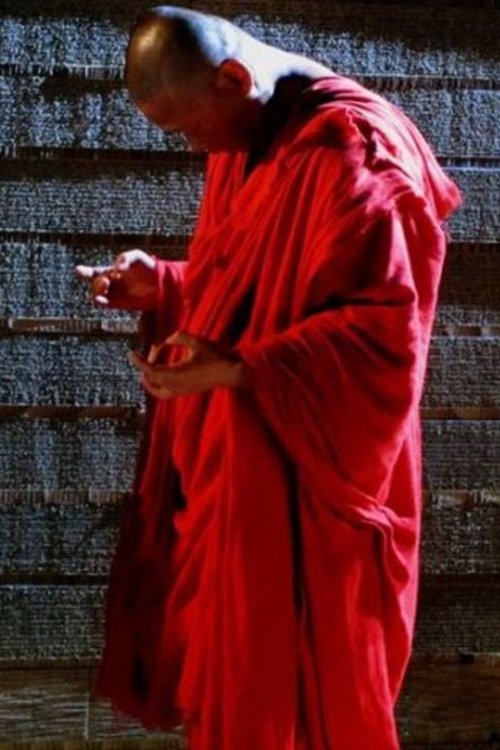
In 2012, Taiwanese architects Michael Lin and Liao Wei-li invited Tsai Ming-Liang to create moving visuals for their exhibit at the Venise Architecture Biennale. Using the space at their preview exhibition in Taiwan, Tsai Ming-Liang made two short films, "Sleepwalk" and "Diamond Sutra", using the "Walker" concept. "Diamond Sutra" was later selected to be the opening short film for the Venise Film Festival. Tsai-Ming Liang said that gazing at the steam rising from a rice cooker reminded him of his mother's face as she laid dying, exhaling her final breath.
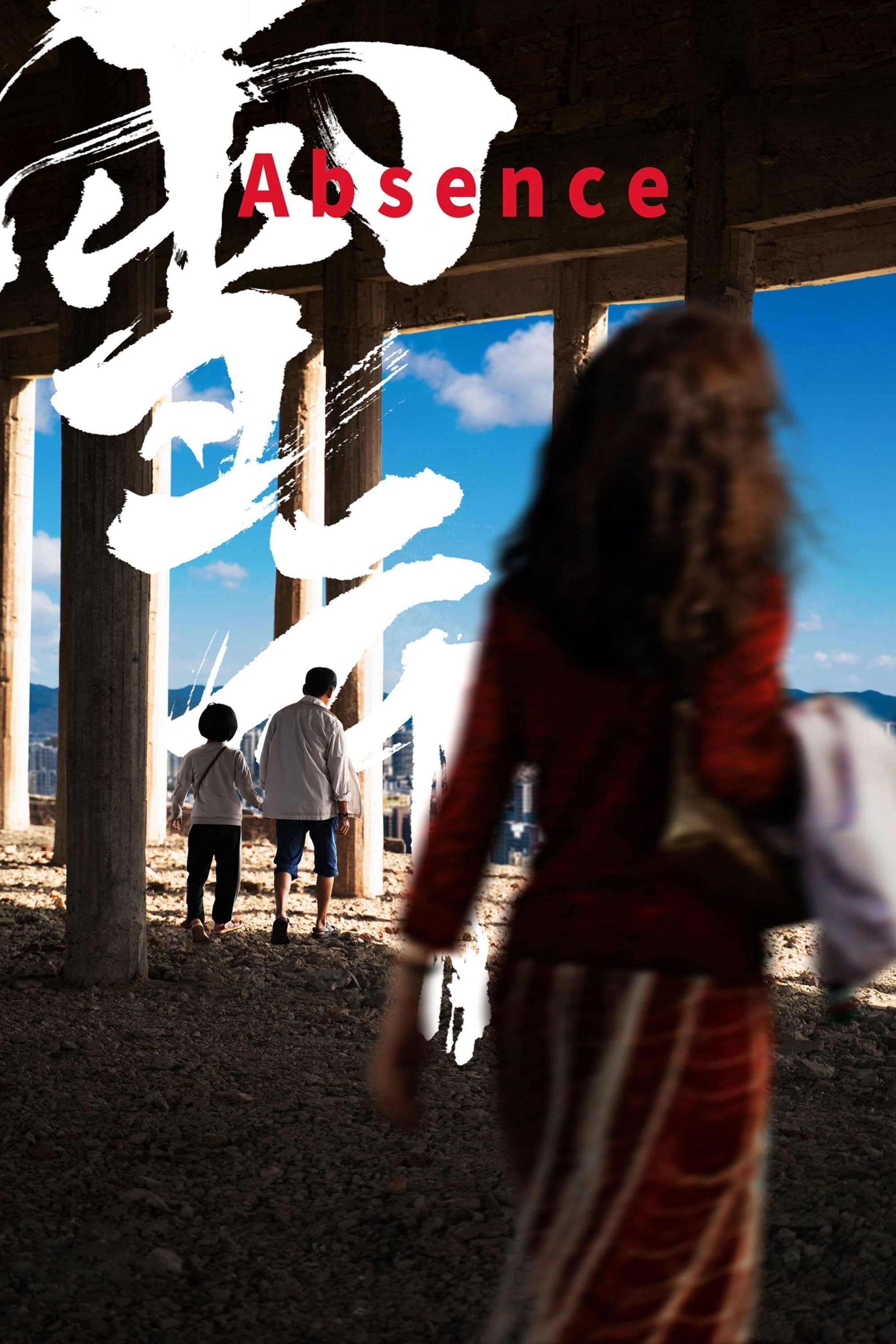
After ten years in prison, Han Jiangyu returns to Hainan Island. Housing construction is booming, his childhood friend is now rich. Searching for traces of the familiar, Jiangyu meets his old love who now has a daughter.
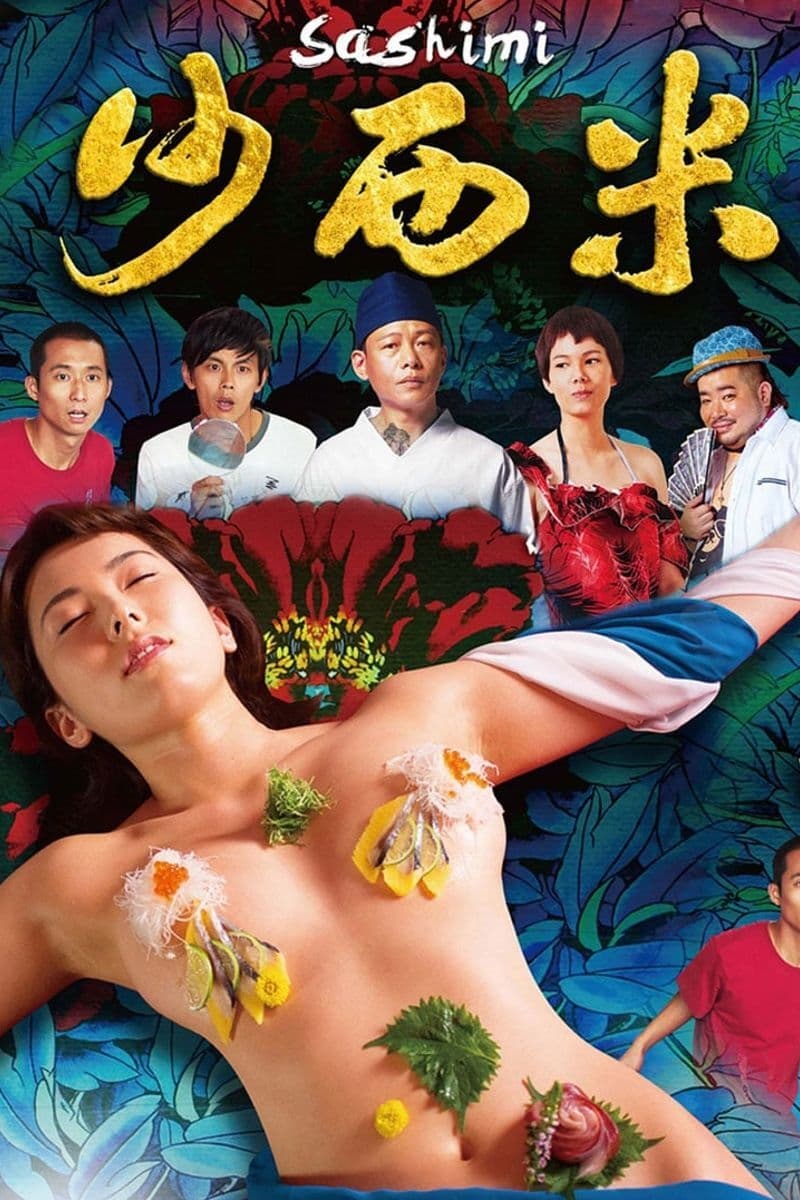
A Japanese porno actor, HIV positive, commits suicide. Natsumi, a popular porno actress who has often worked with him, learns that she is also HIV positive and becomes desperate. She receives mysterious post cards at times from Taiwan, and decides to go to Taiwan to solve the mystery. The latest film by director PAN Chih-yuan of “The Touch of Fate”, which brought him multiple nominations at the Golden Horse Awards. LEE Kang Sheng, Golden Horse Awards’ Best Actor winner, plays the leading role. Co-star HATANO Yui gives a wonderful performance in her debut feature.
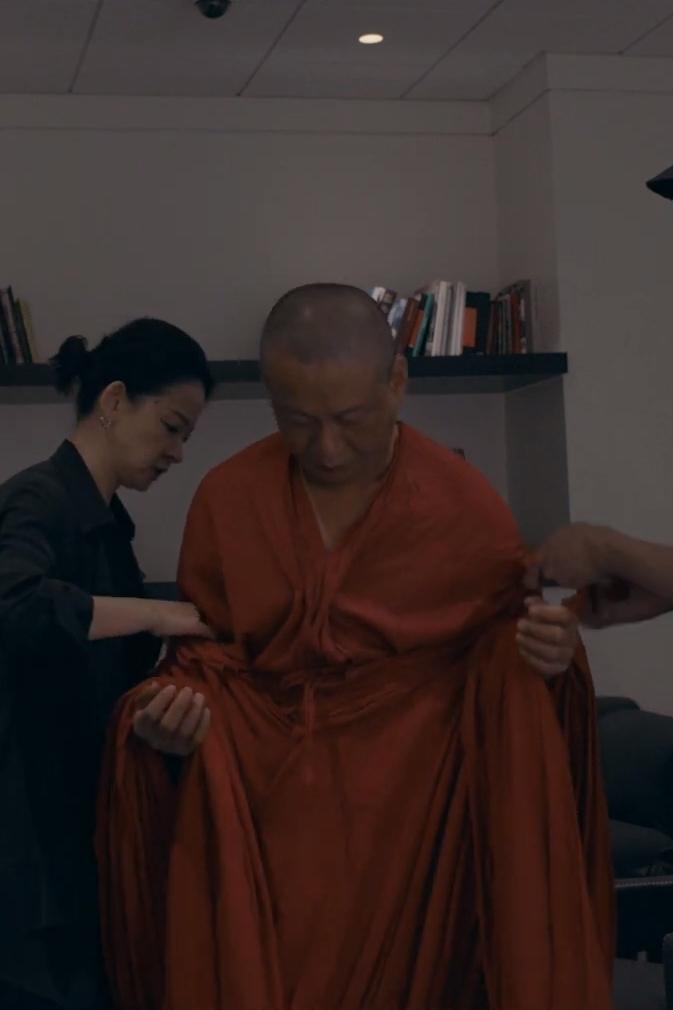

A sudden loss catalyzes an unlikely bond between two migrants in the Chinese community of Queens. Navigating lives far from home and the painstaking labor that supports them, they journey through grief together in hopes of finding family.
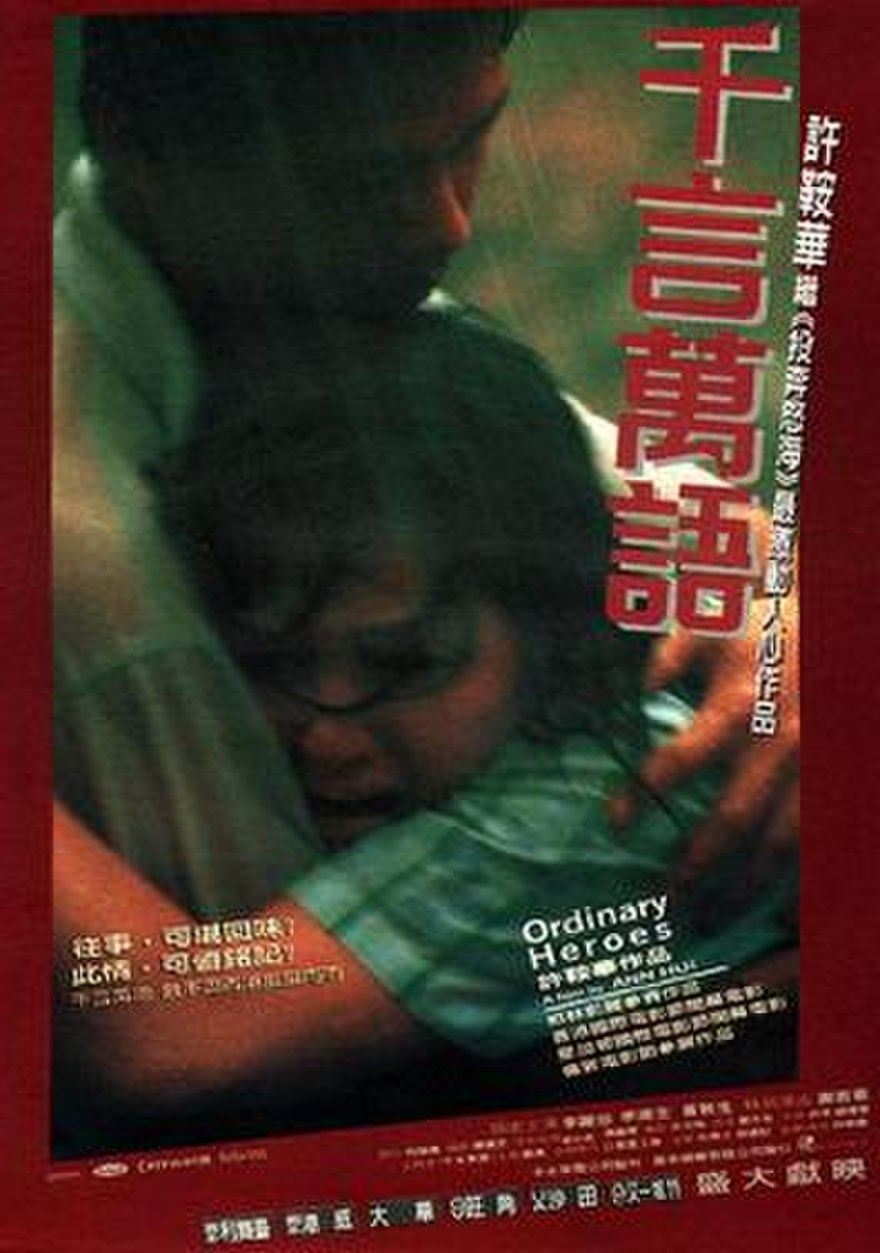
Ordinary Heroes is a narration about the life stories of an advocate, a prostitute, a social worker, and a priest during the social movements from 1970s to 1980s in Hong Kong. The film is based upon true stories.
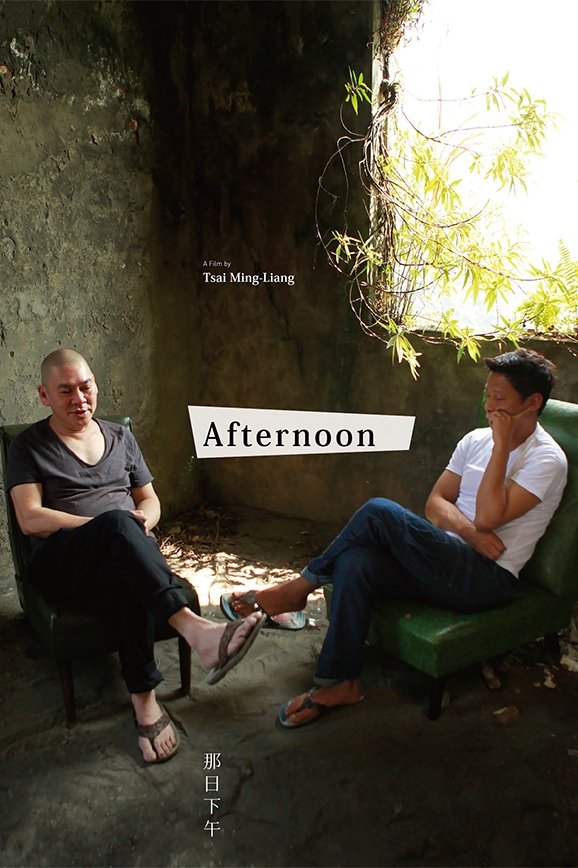
Lush jungle and a building in ruins are the ideal stage for a film-confession that defies storytelling and goes beyond conversation on cinema. Tsai Ming-Liang and his actor Lee Kang-sheng confess and put on stage a pièce in which attention and slowness are in tune with the rhythm of memory. The unveiling of Tsai Ming-liang’s filmmaking: from Stray Dogs to the most intimate notes of the director-actor relationship.

A loafer inherits an apartment block and lets out the place to a group of tenants, including a lusty gymnastics teacher, a geeky college student, a single father with his young daughter, a gay couple, a writer and a sexy female office worker. An incredible story is about to unfold as they start their lives in the same building.
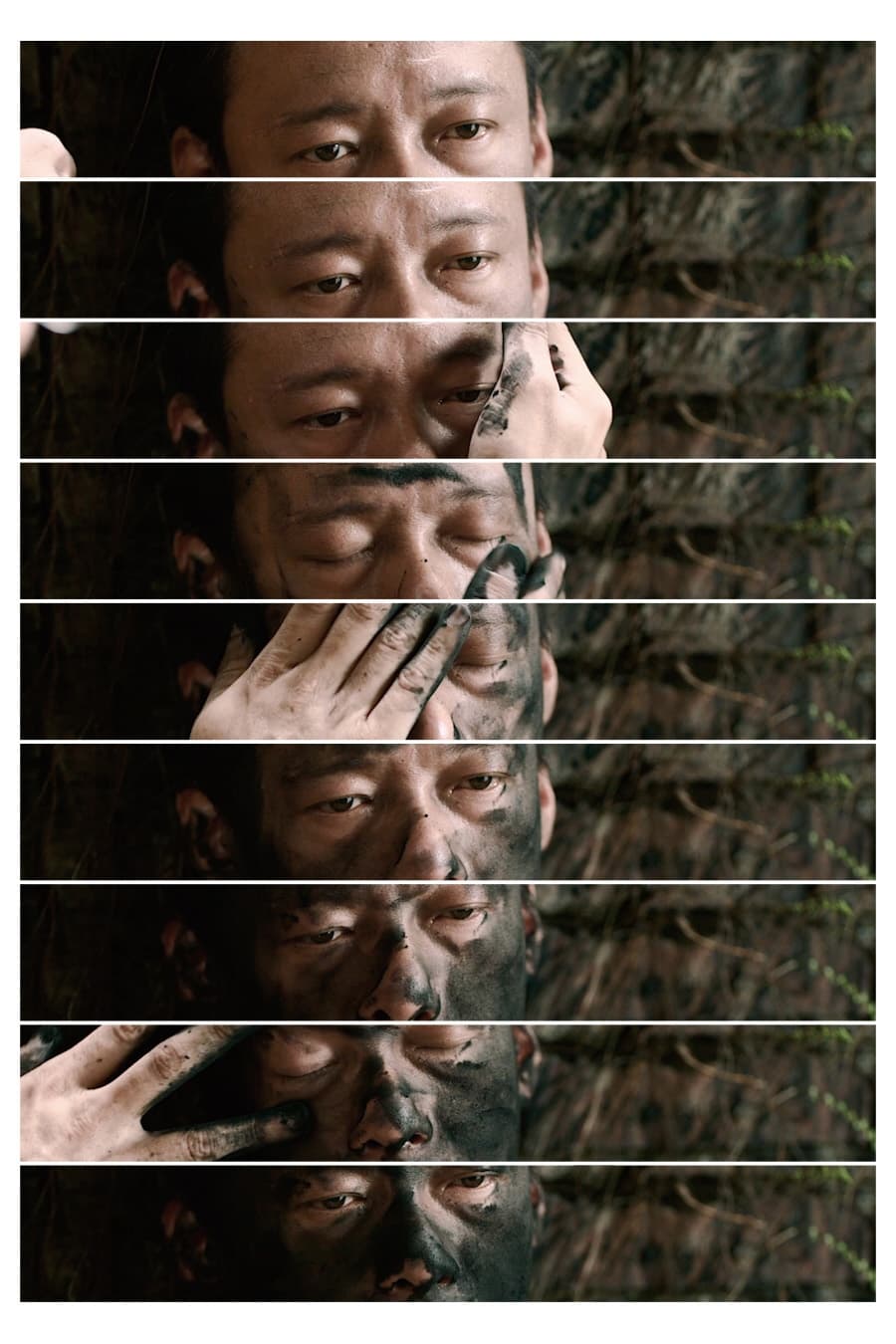
Tsai Ming-liang has been living in an abandoned house in the mountains since 2014. Around the same time, his persona, actor Lee Kang-sheng, wanted to quit acting due to severe spinal pains. Tsai decided to capture Lee Kang-sheng's face as well as the home, skies, trees, and abandoned ruins that surround him.
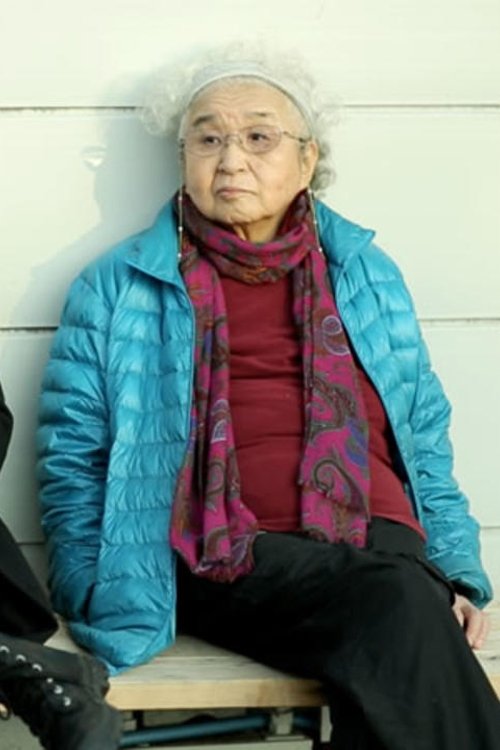
A documentary about Nogami Teruyo, who for nearly half a century stood by Akira Kurosawa as a screenwriting collaborator, a script supervisor, and a companion.
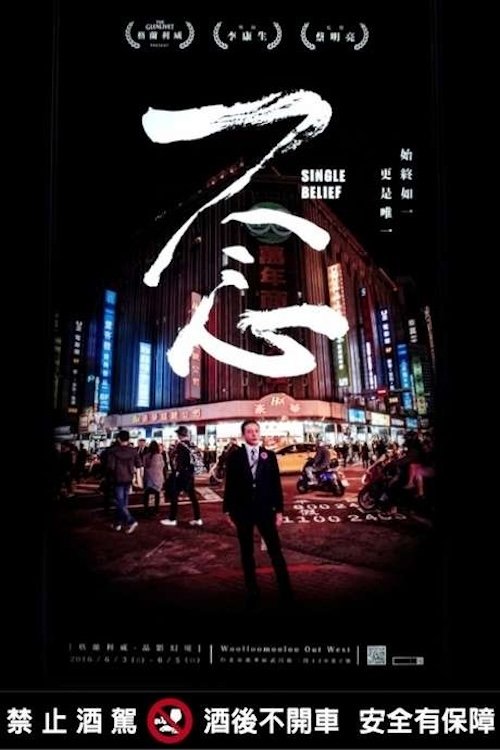
Ximending was once the trendiest area in Taipei, and it's also where Kang-sheng Lee's first film was shot. Twenty years ago, director Ming-liang Tsai asked Lee if he wanted to be in his film, and Lee's answer changed the course of his own life forever. Now Lee returns to where his career began to shoot a film about himself.
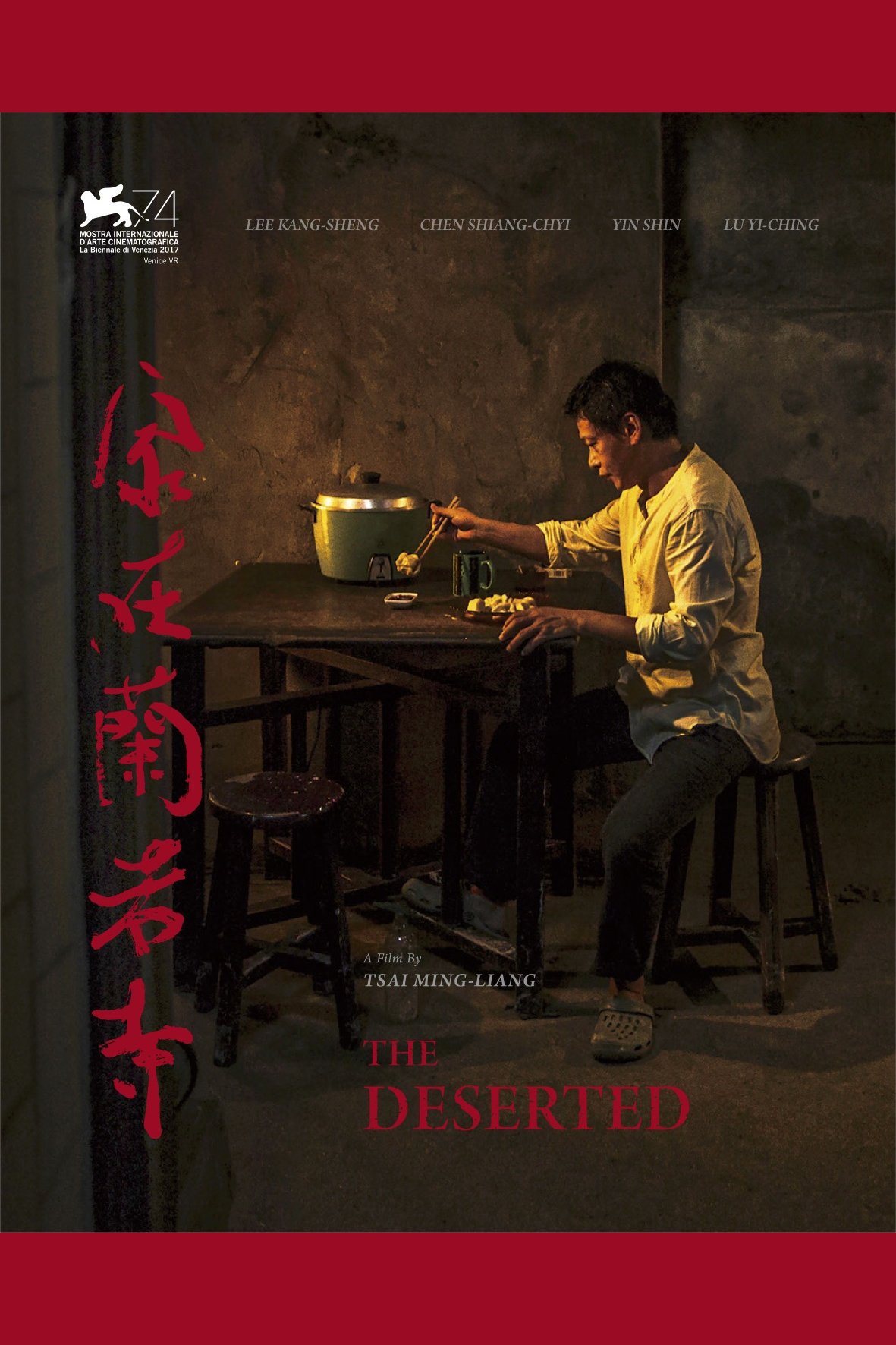
Tsai Ming-Liang, the artisan of cinematography approaches virtual reality, pushing the boundaries of VR film. The Deserted stripped away traditional film techniques and is presented in 360 degrees, like a theatre. The viewer is placed in the scene and is allowed to look freely at the construction of the environment. And immersed in the handcraft of the scenes.
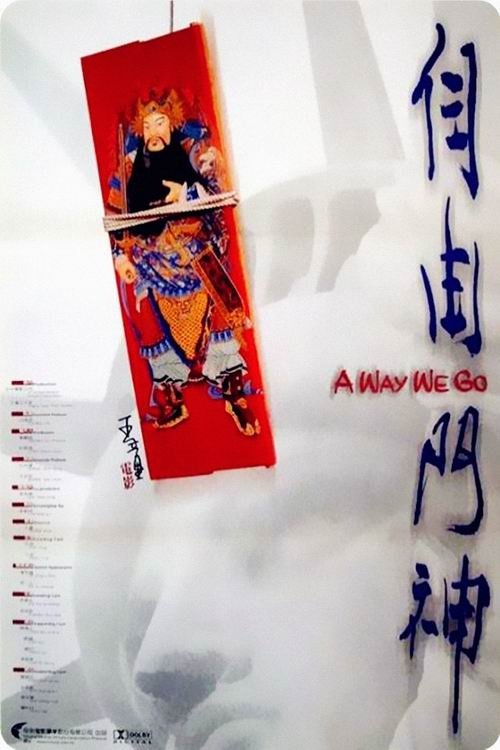
For the past forty years, Ah Long has headed up a traditional Chinese musical troupe. But times are changing, and the troupe members leaving one by one, Ah Hui, is an aimless slacker with no plans for the future. Ah Hui’s best friend is Ah Gou, a young man who works as a welder making metal gates.

Six filmmakers present six short films about the experiences of Chinese immigrants. Shot across Malaysia, Thailand, Singapore and Myanmar, the anthology depicts the crisis of identity that accompanies international migration.
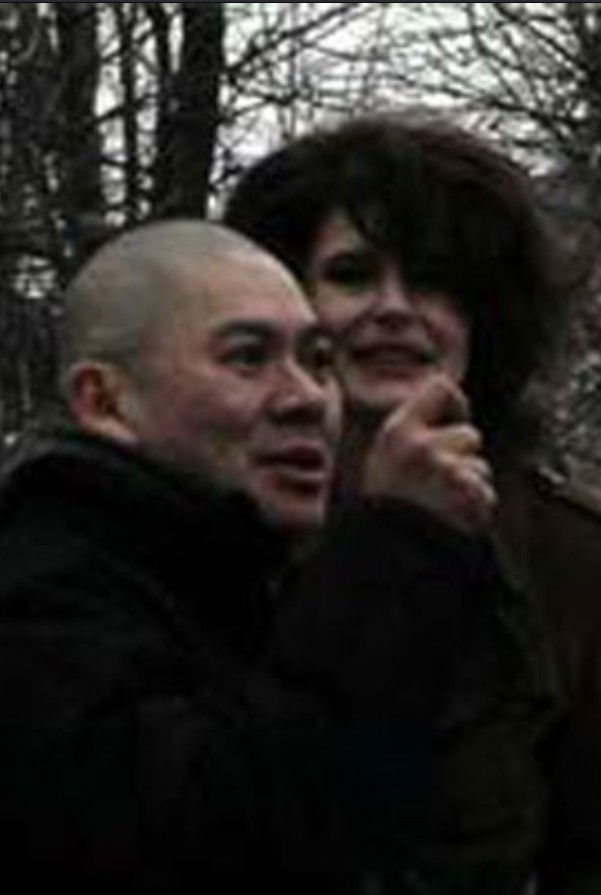
The title of the François Lunel film is the Buddhist proverb concluding by: "all is but illusion". His movie draws the Tsai Ming-Liang's face during the shooting of his movie Visage, which itself is also a movie within a movie.
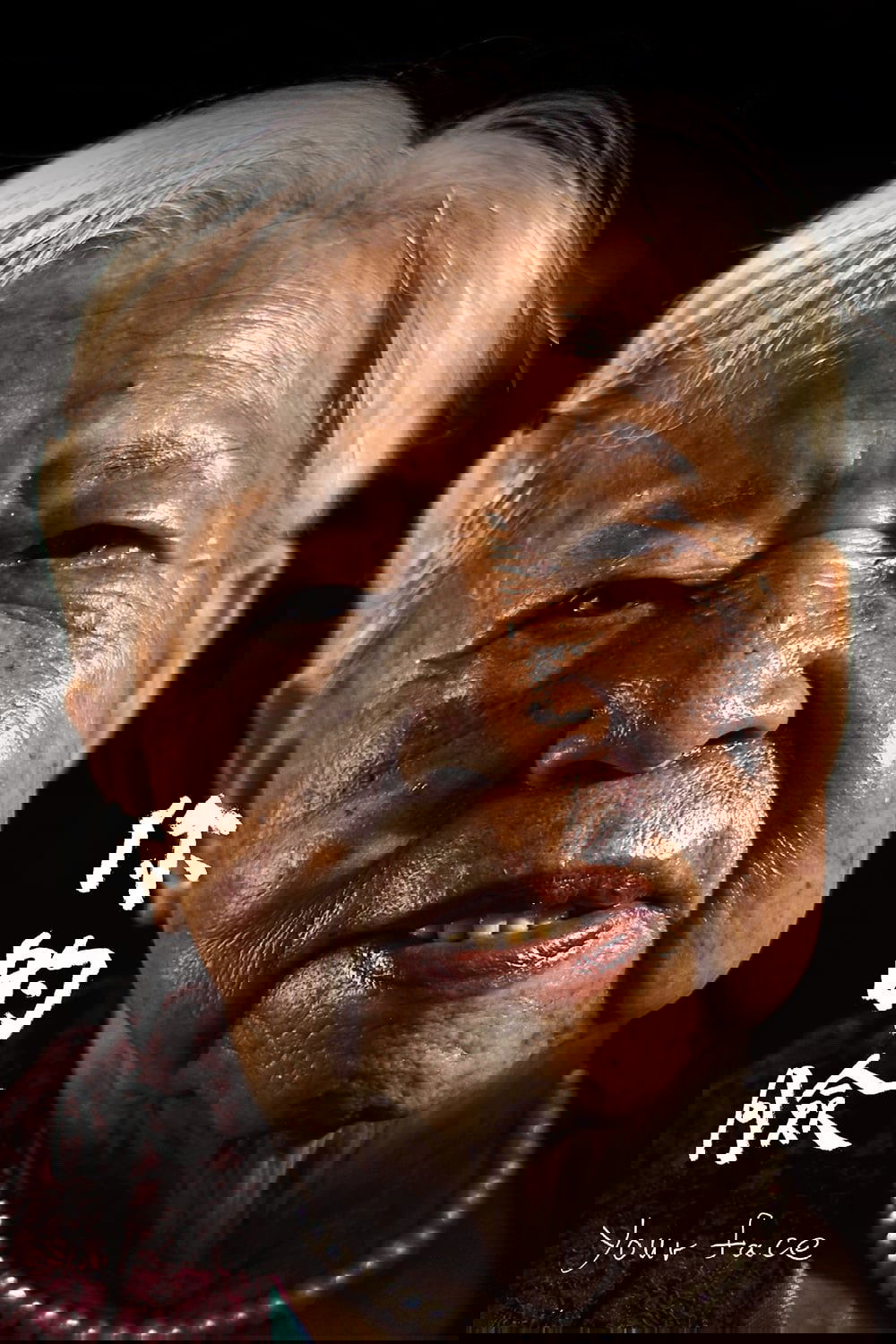
Composed of a series of portrait shots of mostly anonymous individuals, filmmaker Tsai Ming-liang's digital experiment turns the human face into a subject of dramatic intrigue.
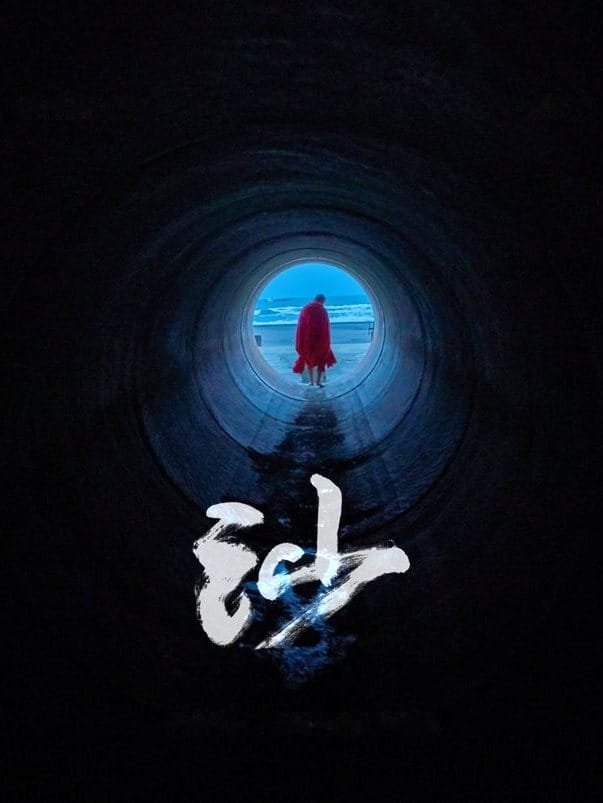
In 2018, Tsai Ming-Liang was invited by the Northeast and Yilan Coast National Scenic Area Administration to make this film, his eighth in the "Walker" series. In the constant passage of time, the Zen-like footsteps of the Walker has finally allowed us to see the Pacific Ocean, the open sky, the seagulls, the black sand, an eel catching settlement that arose in the cold winter rain, the twisting branches of the lintou trees, flotsam piled up like mountains, and a newly constructed cement house, which seems to offer a temporary place of rest for the Walker. "Sand" premiered together with the opening of the Zhuangwei Dune Visitor Center.
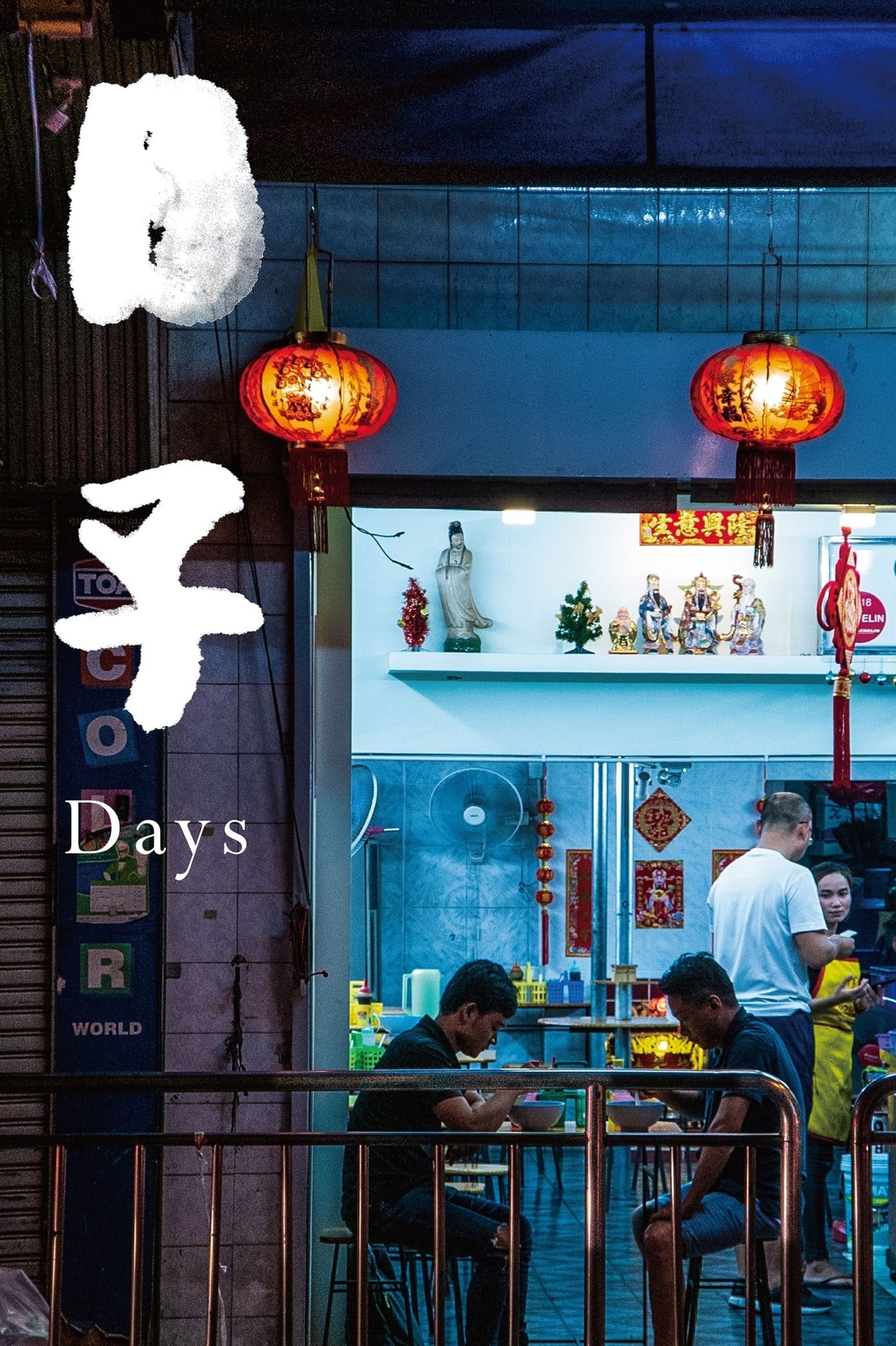
Kang lives alone in a big house, Non in a small apartment in town. They meet, and then part, their days flowing on as before.
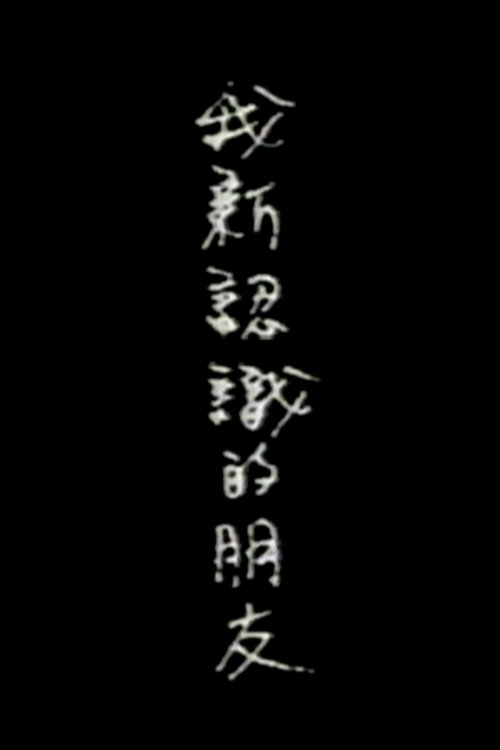
Tsai interrupted his pre-production for The River to make this pioneering documentary for Taiwan's nascent AIDS-awareness campaign. Ignoring instructions to 'play down the gay angle', he centres the film on his own very candid conversations with two HIV+ young men. Sadly the identities of the interviewees have to be concealed, and so the freewheeling camerawork focuses most often on Tsai himself; but the sense of rapport between the director and his 'new friends' is palpable and very moving, even to Western viewers already only too familiar with these issues.
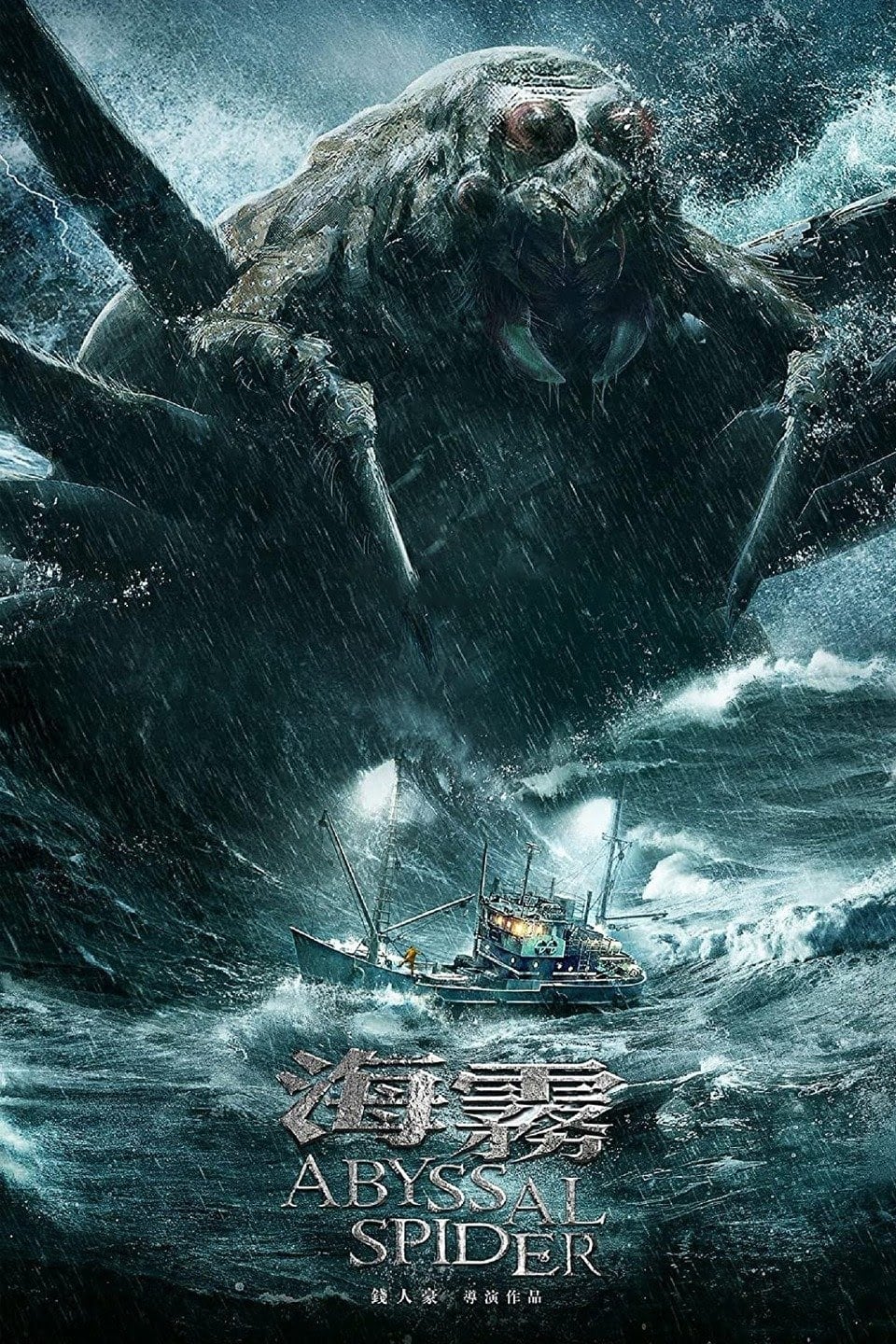
Rescue member Jie and his companions rescued a reef tanker in the storm, but met the captain who was stubborn and unwilling to give up. At the same time, a dark shadow haunted the deep sea and dragged everyone into the sea. From then on, the surviving Jie, bearing the shadow of his colleagues' deaths, became decadent and disheartened. Many years later, Jie overcomes the shadow and boards a fishing boat again. They rescue Xiaojing, who had fallen into the sea after his yacht overturned. Once onboard, things start growing strange. When the trapped people face the storm's severe test, they find the most dangerous thing is far more than this. There are unknown creatures coveting under the water. The savage people must put aside their prejudices and work together to survive.
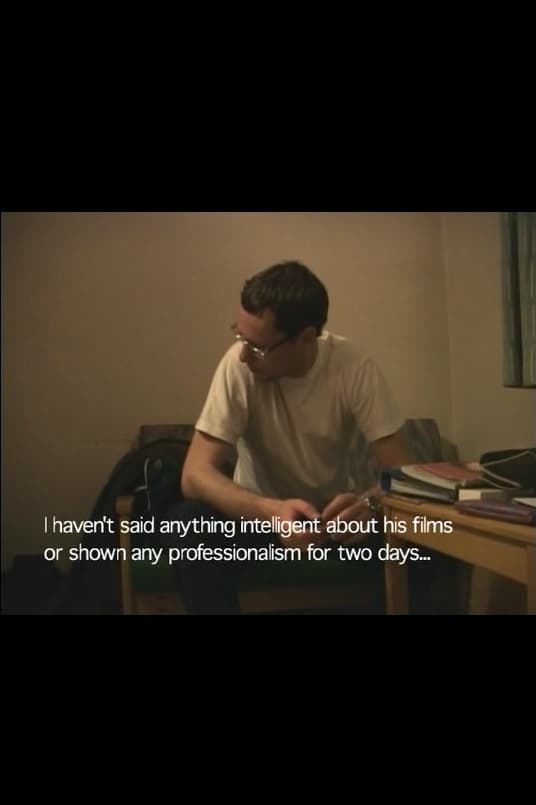
Human shortcomings in the pursuit of an idol. Two film school students travel to interview Taiwanese film director Tsai Ming-liang and actor Lee Kang-sheng in Oslo.

Jia-min, who was born sensitive to the paranormal, tries to summon "Yi-A-Gu" with two streamers. Huo-ge helps Jia-min subdue the spirit when the situation goes out of hand. Huo-ge possesses supernatural powers but lost his will to exorcise demons during a battle with the Thai Demon five years ago. As the wave of suicides continues, the village is thrown into chaos. Another battle is about to begin.

Hsin-He, a high school sophomore who can get along just fine on her own, lives with her father. At school, the days pass slowly by, until one day, she is assigned to be the student teacher. Since she loaths math, her teacher orders Ke-Lei, student teacher from another class, to tutor her.

Tourists, foreigners and outcasts converge on the streets of Osaka in this sprawling ensemble drama by Japan-based, Malaysia-born filmmaker Lim Kah Wai. His eighth feature explores the lesser-known aspects of the Asian melting pot city through the eyes and experiences of a dozen characters who struggle to find their place in society: among them a Nepali refugee with dreams of opening a restaurant, a Burmese student struggling to make ends meet while working two jobs, and a Taiwanese sex tourist who travels to meet his favorite adult video actress.
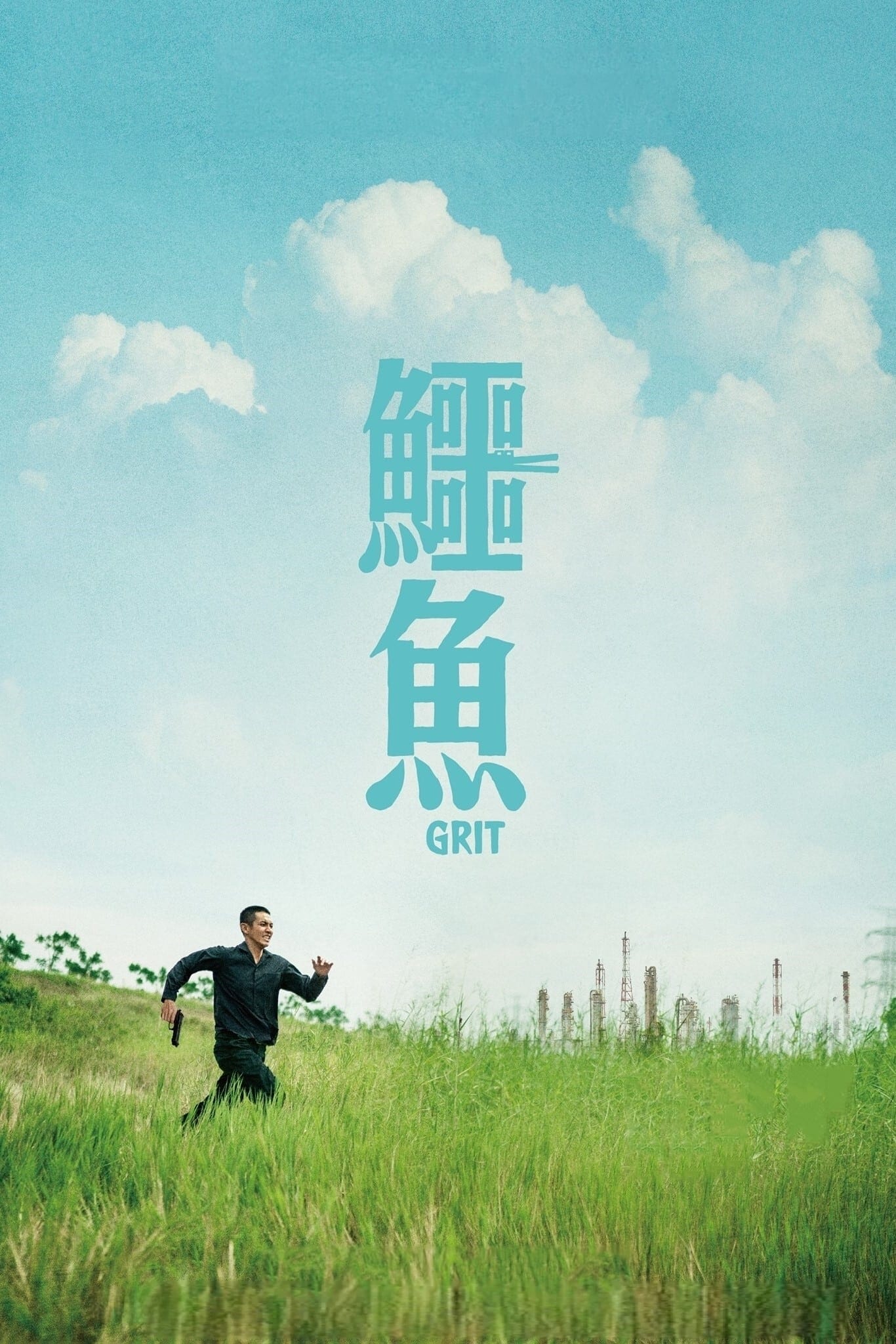
Croc is a young gangster who goes back to work for his former boss at a city councilor’s office after his release from jail. Croc’s latest task is to deal with Ping, a headstrong farmer who adamantly refuses to give up her land for redevelopment. As Croc and Ping develop feelings for each other, Croc is determined to become a better man and hang on to his newfound happiness — even if it means defying his own mob.
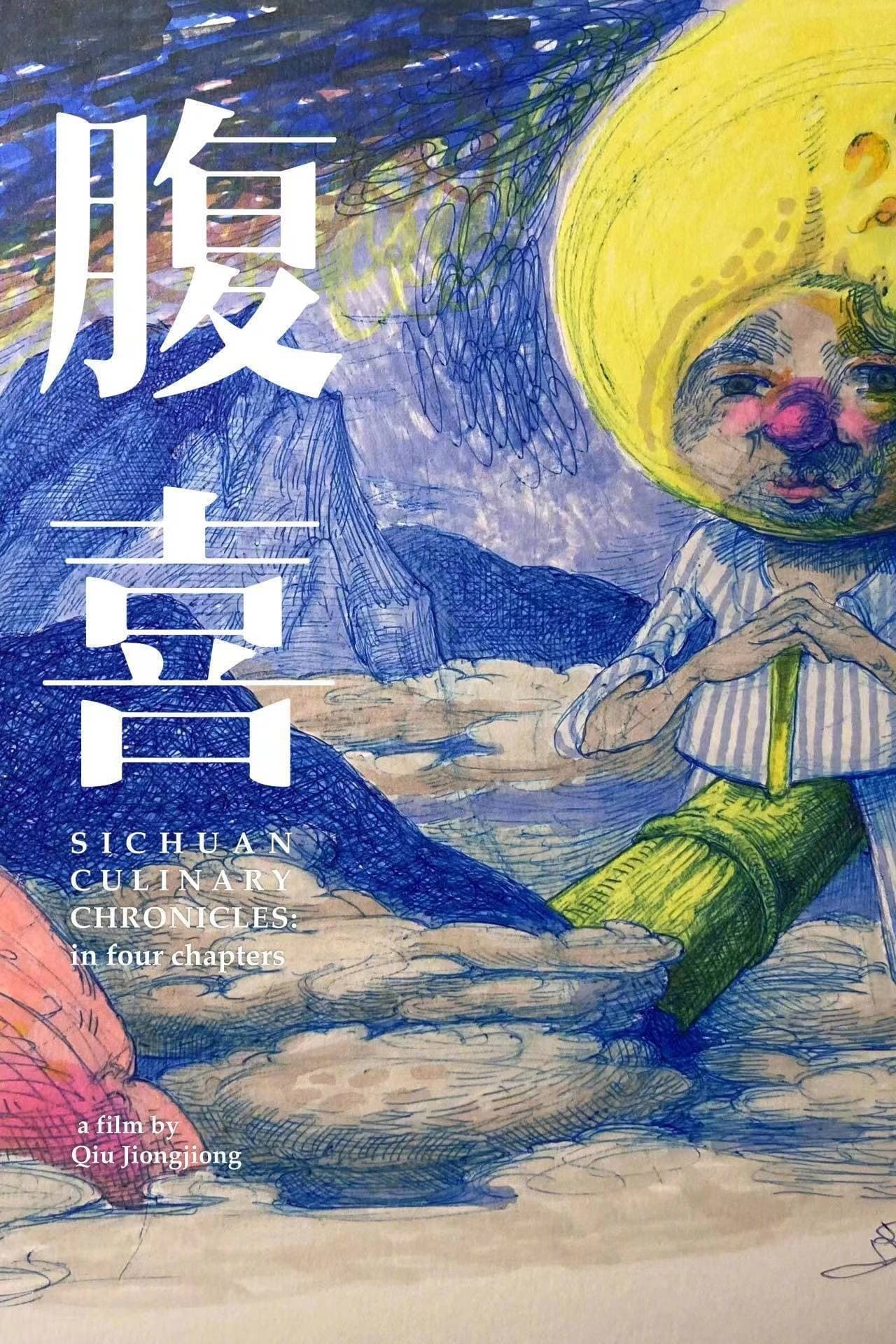
The film continues to blend myths, legends, literature and folktales to further expand his narrative of history and weird tales. The story, set in Sichuan cuisine, is divided into four parts: a funeral banquet more than 4,000 years ago in which a grandmother cuts off her own tail to give to her children and grandchildren; a Spring Festival more than 3,000 years ago in which an ancestor king returns in the guise of a bird and is crucified at the banquet; a Mid-Autumn feast in the 1990s in which the gods gather to pay tribute to a millennia-old poet; and a birthday banquet in which a wandering child meets the gods of the underworld .
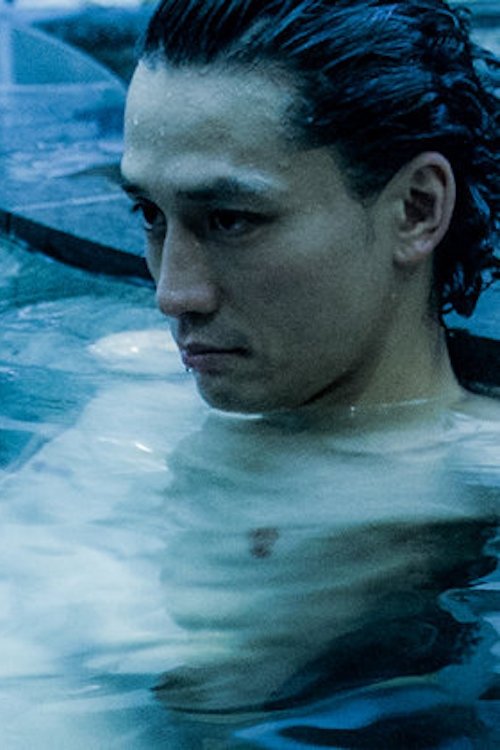
Understanding "beauty" for 2015... From Beijing, Huang Jianxin wonders if it's nobler to sleep or not to sleep in Insomniac Diary. In London, Mohsen Makhmalbaf's Tenant tells the misadventures of an Iranian boy trying not to lose his bed-sit. With Three Days After My Death, Yim Ho creates a parable: a woman who wants to die must save someone's life before her death wish be granted. Tsai Ming-Liang returns with No No Sleep, where bare-footed Lee Kang-Sheng walks Tokyo streets in the depth of winter.
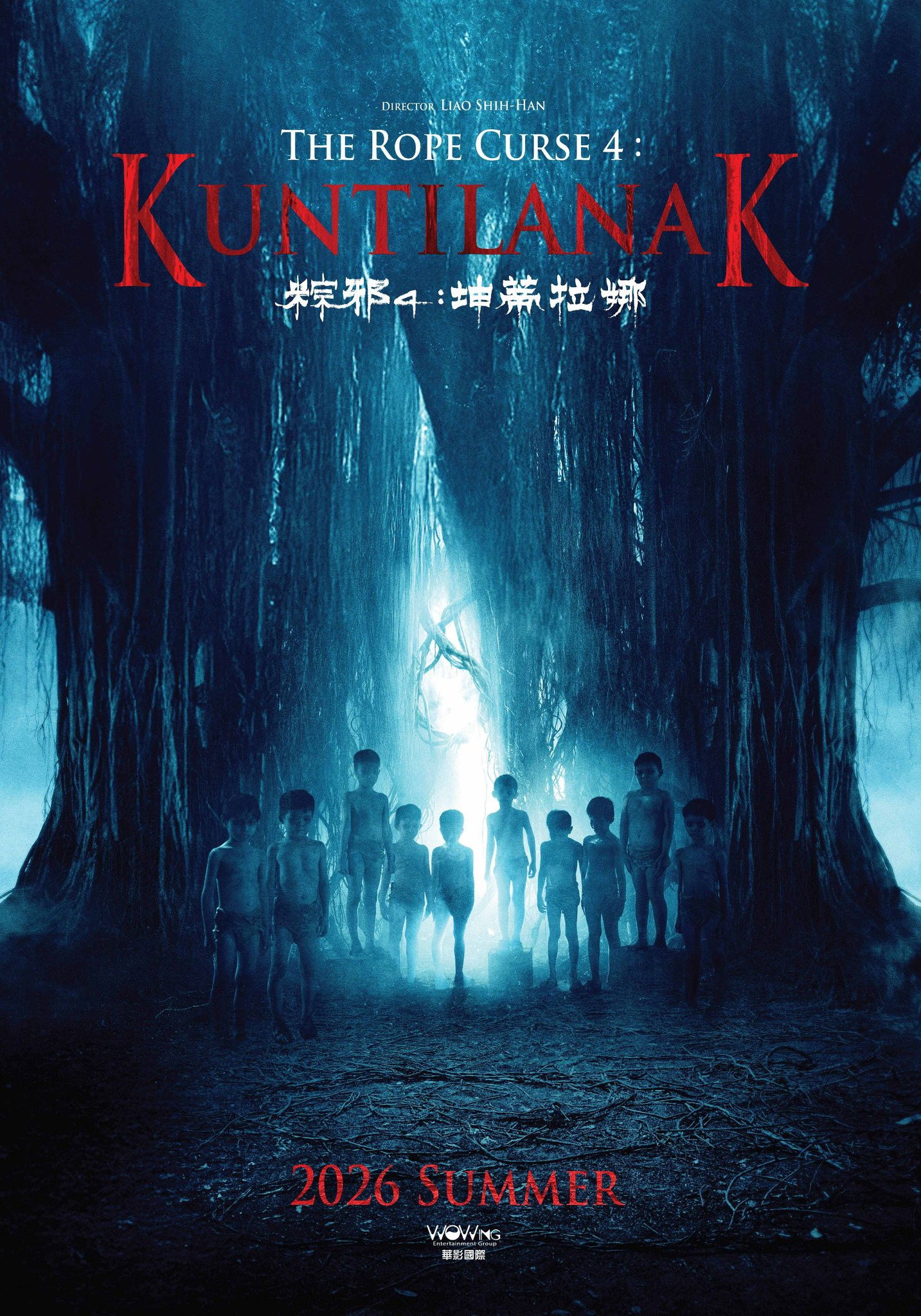
A forbidden exorcism is livestreamed in Indonesia, awakening the legendary female spirit Kuntilanak. What begins as an online spectacle quickly turns deadly. In Taiwan, Mila watches the ritual—and becomes the curse’s first victim. Soon, mysterious deaths and violent possessions follow. When Yulan collapses and is found to have lost part of her soul, it becomes clear that this is not an isolated incident, but a transnational curse. Seeking answers, Mila’s son returns her ashes to Indonesia, hoping to uncover the truth behind her death. Instead, he steps into a nightmare rooted in ancient folklore and unresolved hatred. As supernatural violence escalates, the group realizes that once Kuntilanak is summoned, the curse will not stop—until it claims everything in its path.
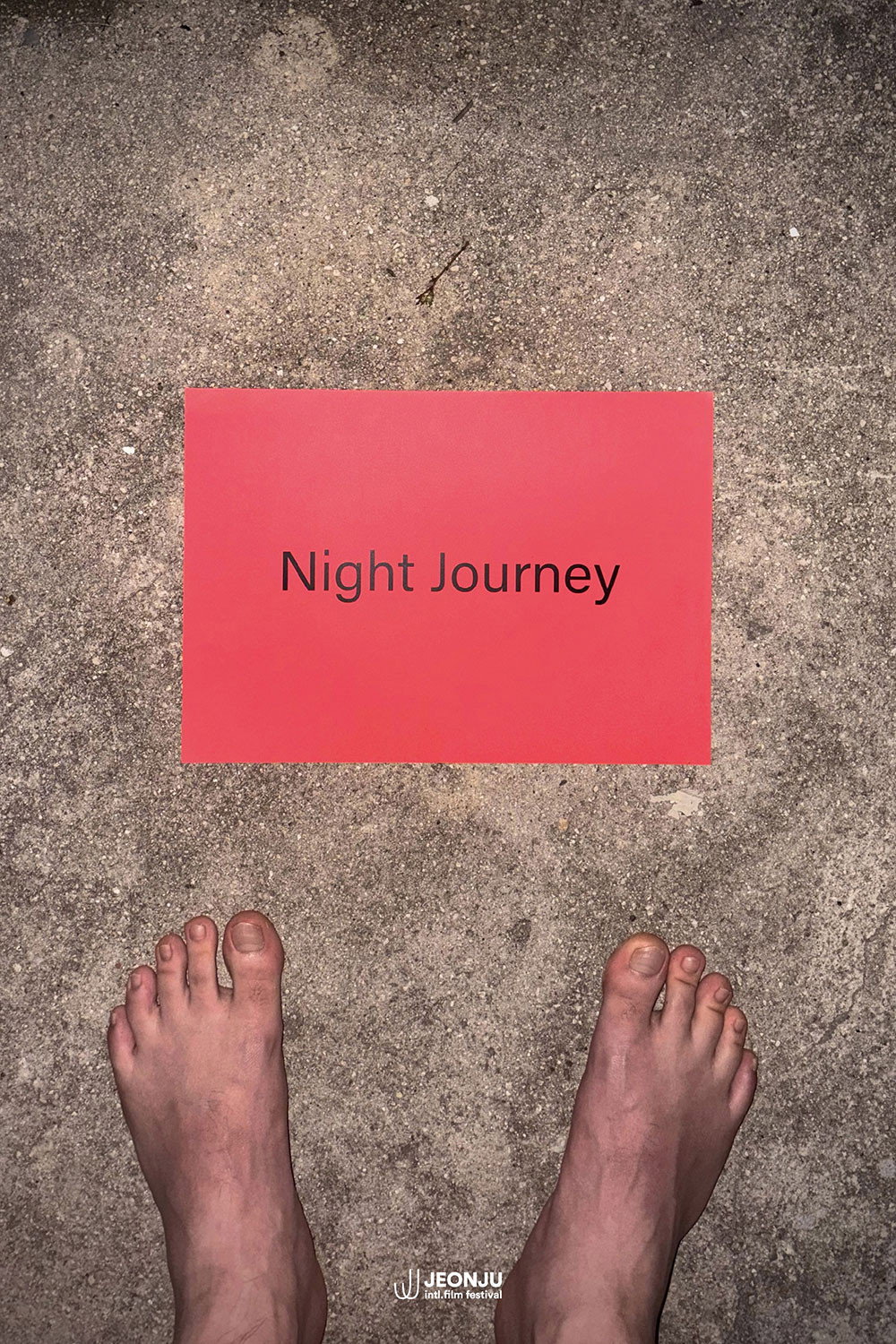
A sleeping city, streets without people. A figure in a red robe walks slowly — across a carpet of leaves, over cobblestones, along the cold pavement. Autumn night fog descends upon the city. In the cinema, people watch the monk’s slow steps and fall asleep. Can phantoms meet and understand each other? Night Journey was created in just ten days through a collaboration between Tsai Ming-liang and FAMU students — a tribute to cinema and to Jihlava as a place of silent dreaming.

Chang Er, a fairy maiden, embarks on a journey to the dark side of the moon to search for her lover Ho Yi, a sun-shooting archer who vanished on his quest to save the dying sun.
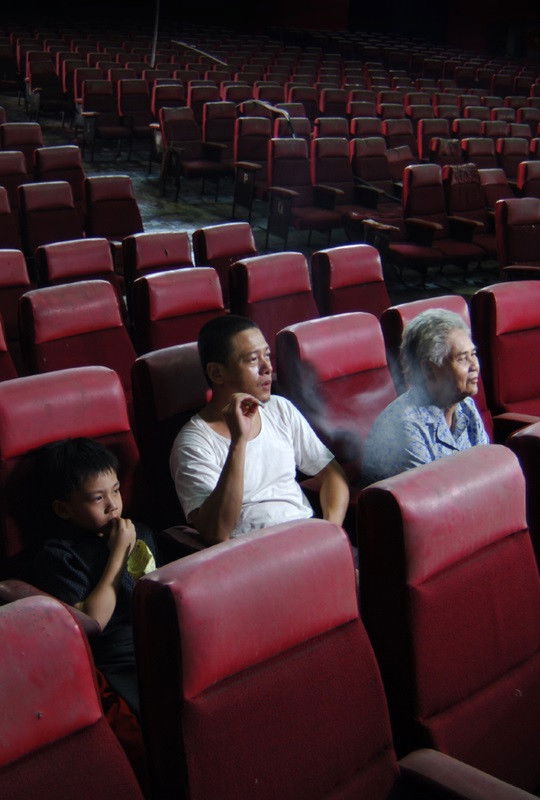
Shot in an abandoned cinema in Malaysia, Tsai Ming-Liang's home country, It's a Dream evokes the filmmaker’s earliest encounters with cinema and recalls the golden age of Asian film culture. An extended version of the filmmaker's short created for the Canne Film Festival's "To Each His Own Cinema".
Led by acclaimed actors David WANG Yao-qing, a beloved uncle figure in Taiwan, and Sally CHEN So-li, a cherished grandmotherly figure, the film invites audiences into a closely observed portrait of Taiwan’s urban realities—revealing the challenges of an aging society and the pressures faced by migrant workers, while offering a deeply humane and socially attentive look at another, often unseen side of Taiwanese life.