In nineteenth-century Łódź, Poland, three friends want to make a lot of money by building and investing in a textile factory. An exceptional portrait of rapid industrial expansion is shown through the eyes of one Polish town.

A teenager works in a car repair shop and makes a living from petty thefts. In order to impress the boss of a gang of car thieves, he decides to steal a jaguar. What’s more, he can realize his grandmother's dream – he can drive her to mass in the basilica.

Story of a girl from Surrey who visits Jozef, a Slovenian artist living in Poland, and embarks on an affair.

A provincial town in the early 1980s. Among its residents is the Kolęda family. Mrs. Kolęda is an energetic community leader, her husband, a gentle soul, takes care of raising ducks and cultivating flowers in "tunnels" at home. Their daughter, Dorota, is a pretty and unemployed young woman. The intrigue begins when the community leader finds out that she is going to become a grandmother. Fear of losing authority, scandal, and embarrassment inspires her to come up with a truly diabolical idea - they need to buy a fiancé for Dorota with a pre-arranged divorce.
In Stalinist Poland, cabaret singer Tonia decides to spend the evening drinking with a group of friends. The next morning, she awakes to find that, for reasons unknown to her, she has been jailed as a political prisoner. As prison officials interrogate, torture and humiliate her, she fights for survival and to maintain her innocence by refusing to sign a false confession. As her years of imprisonment pass, her relationship with her captors grows more complicated.
A famous surgeon is beaten by drunken bullies, loses his memory and cannot recollect who he was before. He gets to a village, lives in a not so well to do family and becomes the Quack - he slowly regains his talent for medicine and saves the lives of several village patients.
After getting a university degree, Marek Grzyb comes back to his village and does his best to convince the people to modernize.

It is a bitter story about a middle-aged man, who hates his life and other people, including himself. Adam Miauczynski, the character known from director Marek Koterski's previous films, is a 44 year-old teacher, who reads poetry during school lessons and later goes home swearing and calling his neighbours' names. The worst pain for him is the next 5 minutes of living. He doesn't accept himself and even everyday contacts with others cause his aggression. Though constantly dreaming of a romantic love, he is not bold enough to make his dreams come true. The desperate Miauczynski personalizes our own fears and obsessions, which have become so visible recently.

Scope is a prisoner on a behemoth space station and is chosen, like all his fellow prisoners, to 'volunteer' for the exploration of far-away planets. Landing on planet Australia 458, he is given a hero's welcome with all the sex, booze, and violence that any one man can stomach. But as his new caretakers push him towards even more heinous and deplorable acts, Scope finds that his freedom comes with a high price; his own violent demise, broadcast live for the viewing pleasure of Australia 458's inhabitants.
After the death of the director of the Polish company "Gont", the competition for his position begins. It is attended by the chief accountant Joachim Mackiewicz. However, the fight for the director's chair is skilfully manipulated by a certain Szczurowski. Mackiewicz, who wants to remain honest at all costs, quickly becomes his victim. At the same time, serious problems arise in Joachim's life.

Adaś Miauczyński, a Polish intellectual, has severe alcohol problems which affect his relationship with his son Sylwek.

A UFO lands at night in a typical Masovian village. The villagers feel honored and want to be as hospitable as possible for the unexpected alien guests.
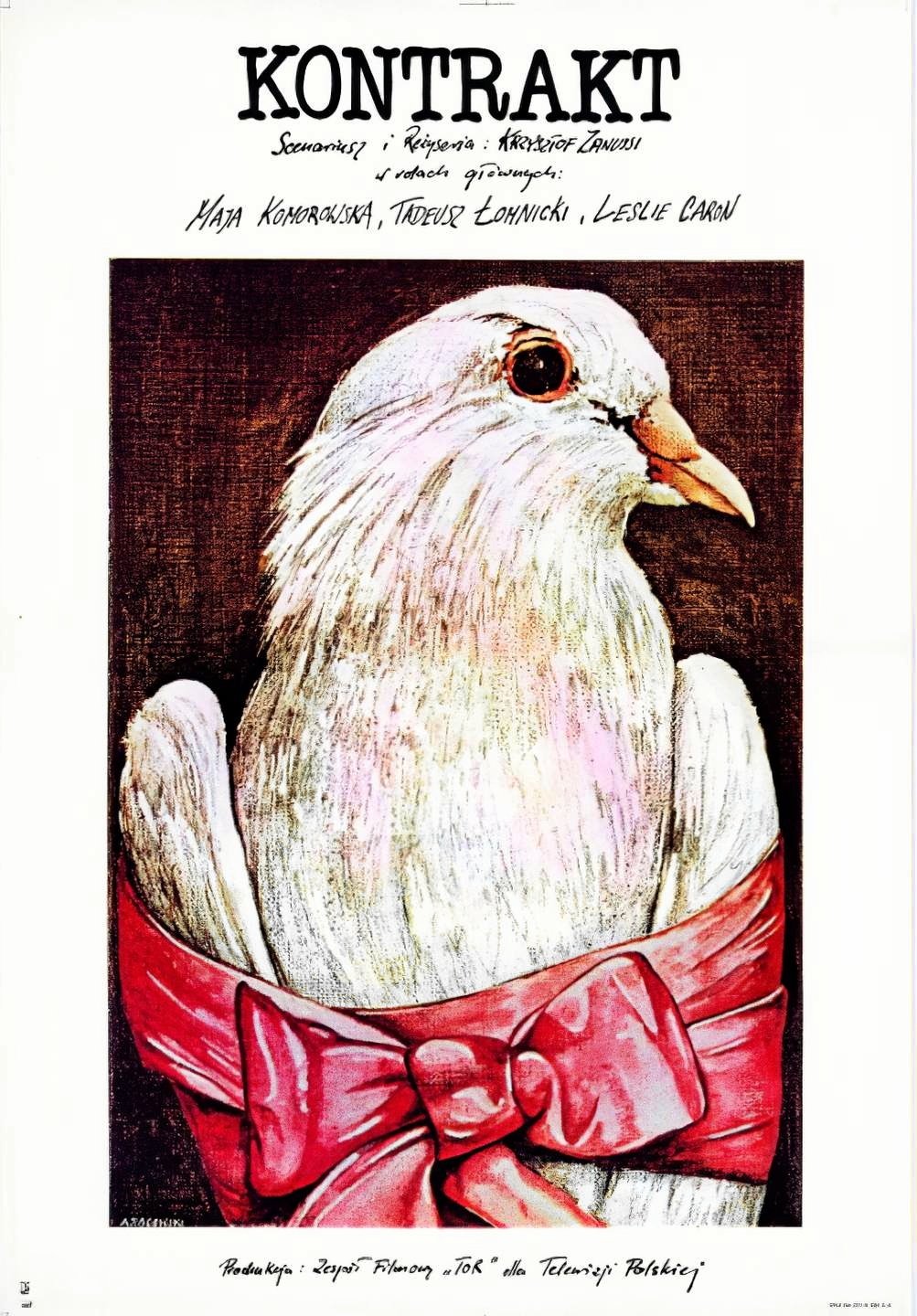
Bearing traces of the old Anton Chekhov play The Wedding, The Contract is set during an "arranged" ceremony. The bride and groom barely know each other, but this matters not at all to their tradition-bound families. At the last minute, the bride balks. Only slightly nonplused, the groom's father, a status-seeking doctor, decides to go ahead with the expensive reception anyway. Polish director Krzysz Zanussi uses this scenario to stick it to capitalist corruption, and to society's destruction of the individual spirit. Leslie Caron, the one recognizable member of the cast, is outstanding as a wealthy, over-the-hill ballerina who happens to be a kleptomaniac.

There is a writer who in the late 1970s managed to publish a poem in the monthly "Nowy Wyraz". It was enough to become a self-confessed writer whose name began to appear in the state media. The writer takes full advantage of his privileges - he flirts with power, sympathizes with the opposition, and collapses his studies at the same time. He is saved from going to the army by an exalted essayist whose sister is the head of the psychiatric hospital in Tworki. In a psychiatric institution, a writer meets a schizophrenic who writes a novel. After his suicide, the protagonist takes over the draft, which he publishes outside of censorship under his name, thanks to which he gains fame, fame and money. August '80 breaks out....
Reminiscences from the life of the tragically deceased poet named And, based on the memoirs of his friend Stanisław Czycz.
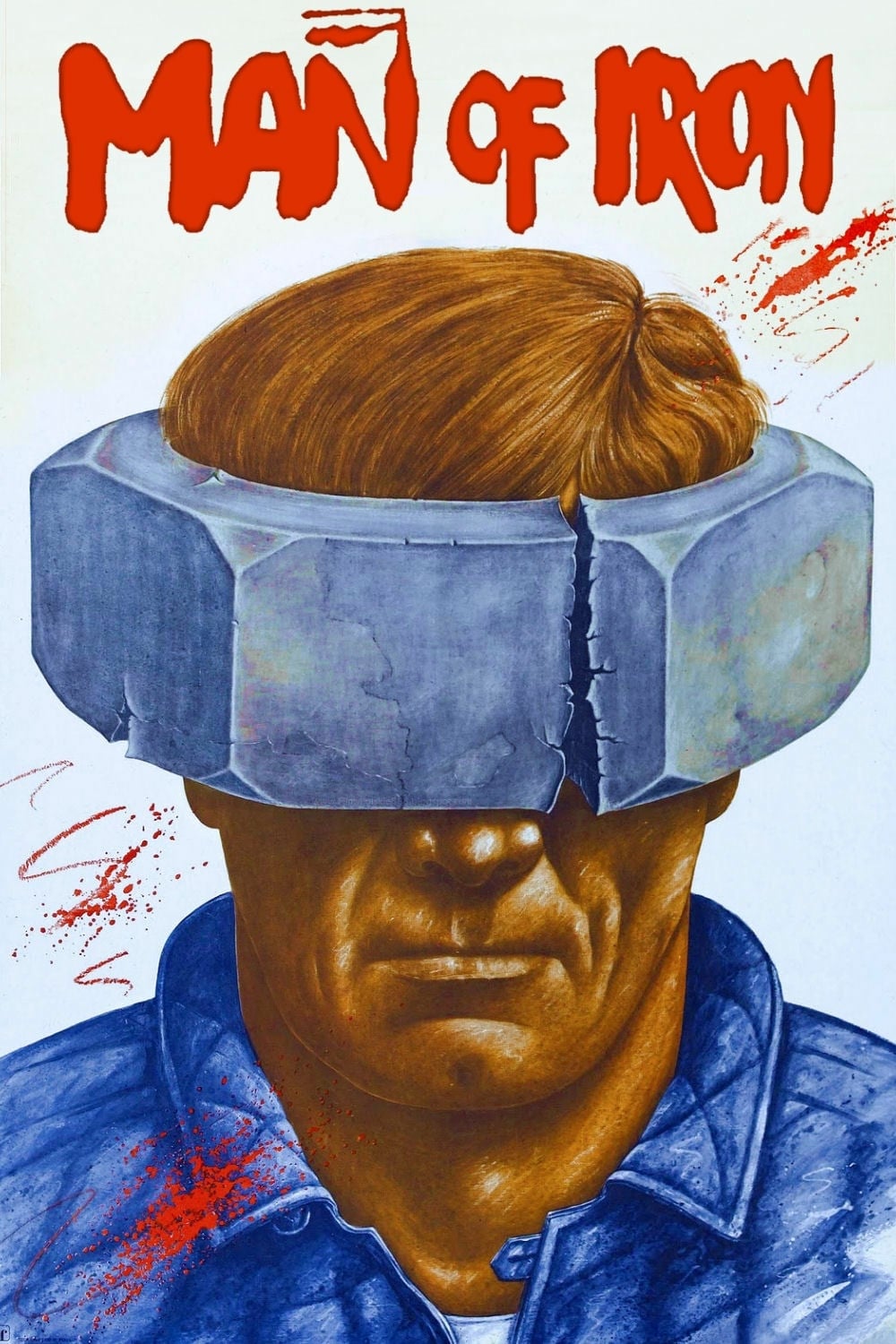
In Warsaw in 1980, the Communist Party sends disgruntled radio reporter Winkel to Gdańsk to dig up dirt on the shipyard strikers - particularly on Maciek Tomczyk, an independent labour union leader whose father was killed in the December 1970 protests. Posing as sympathetic, Winkel interviews the people surrounding Tomczyk, including his detained wife, Agnieszka.
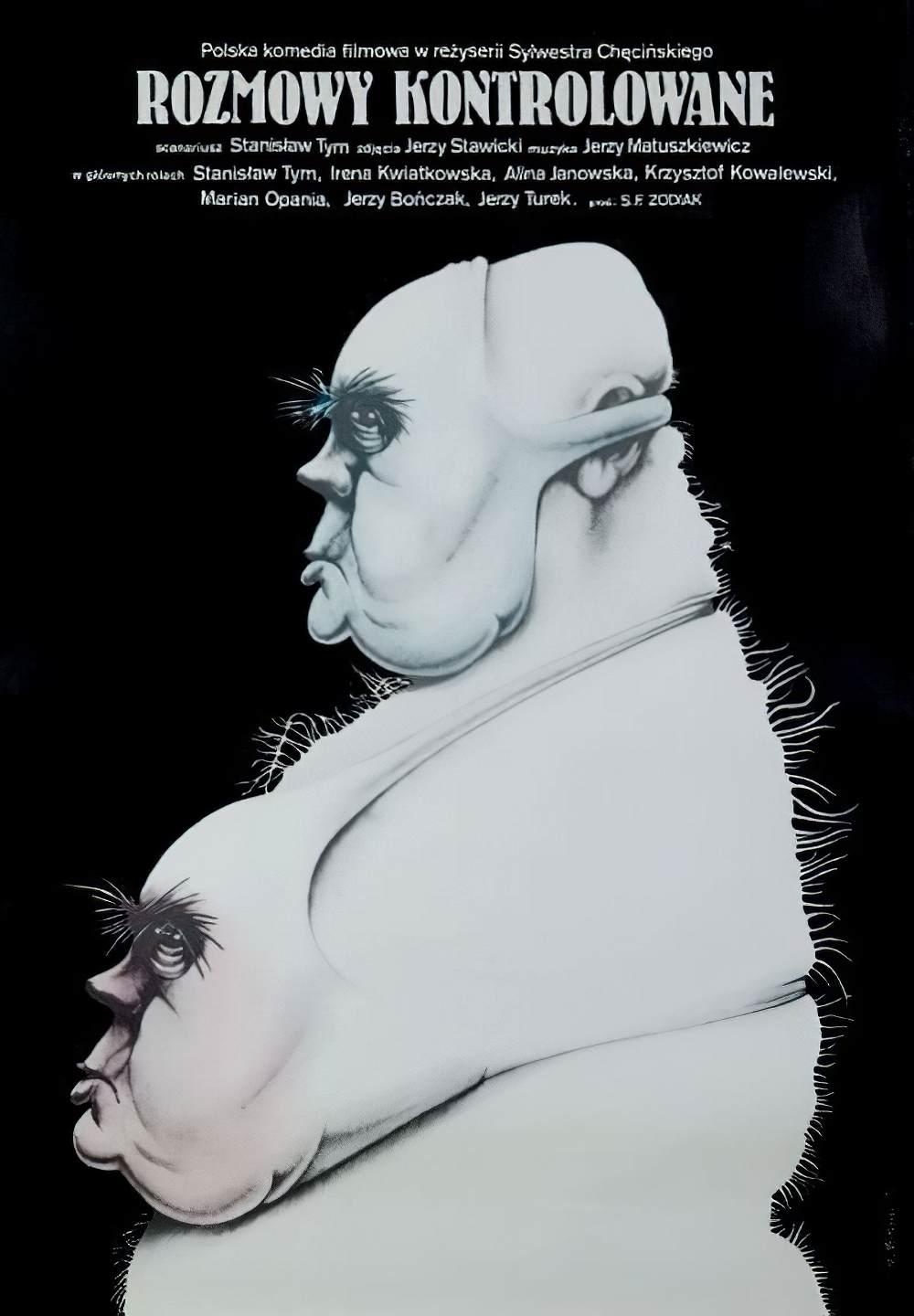
Ryszard Ochódzki receives a special assignment for UB - infiltrating the "Solidarity" party branch in Suwałki. His arriving there coincides with the imposition of martial law on Poland.
The film, which is a reconstruction of the life and work of Stanisław Ignacy Witkiewicz, known under the pseudonym Witkacy, was produced especially on the occasion of the artist's 100th birthday. Witkacy is one of the outstanding European artists of the early twentieth century. Author of many short stories and plays translated into eighteen languages. Author of his own philosophical system, art theorist, painter of Formist paintings and portraits, a man who left behind a legend of a unique personality.
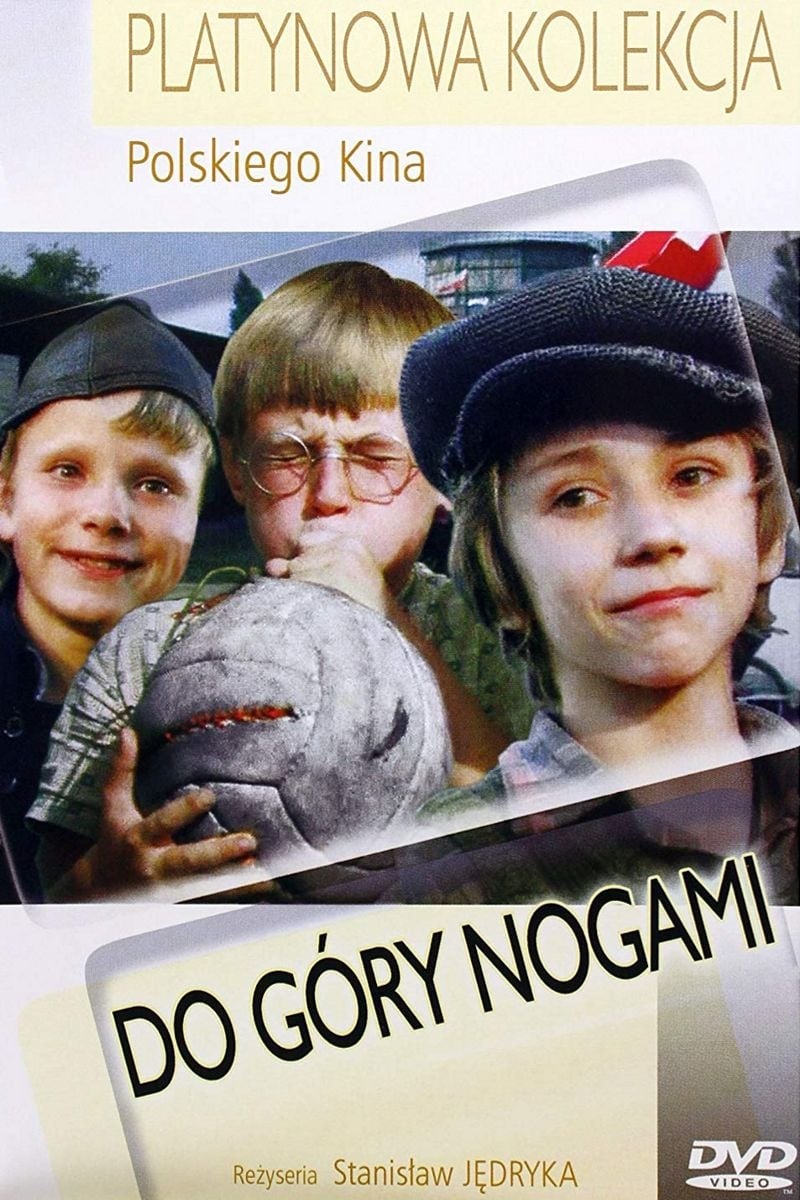
With the Nazi occupation of Poland, several children in a village there become very unhappy and then get in deep trouble for a drawing of the Nazi Führer hanged from a tree.
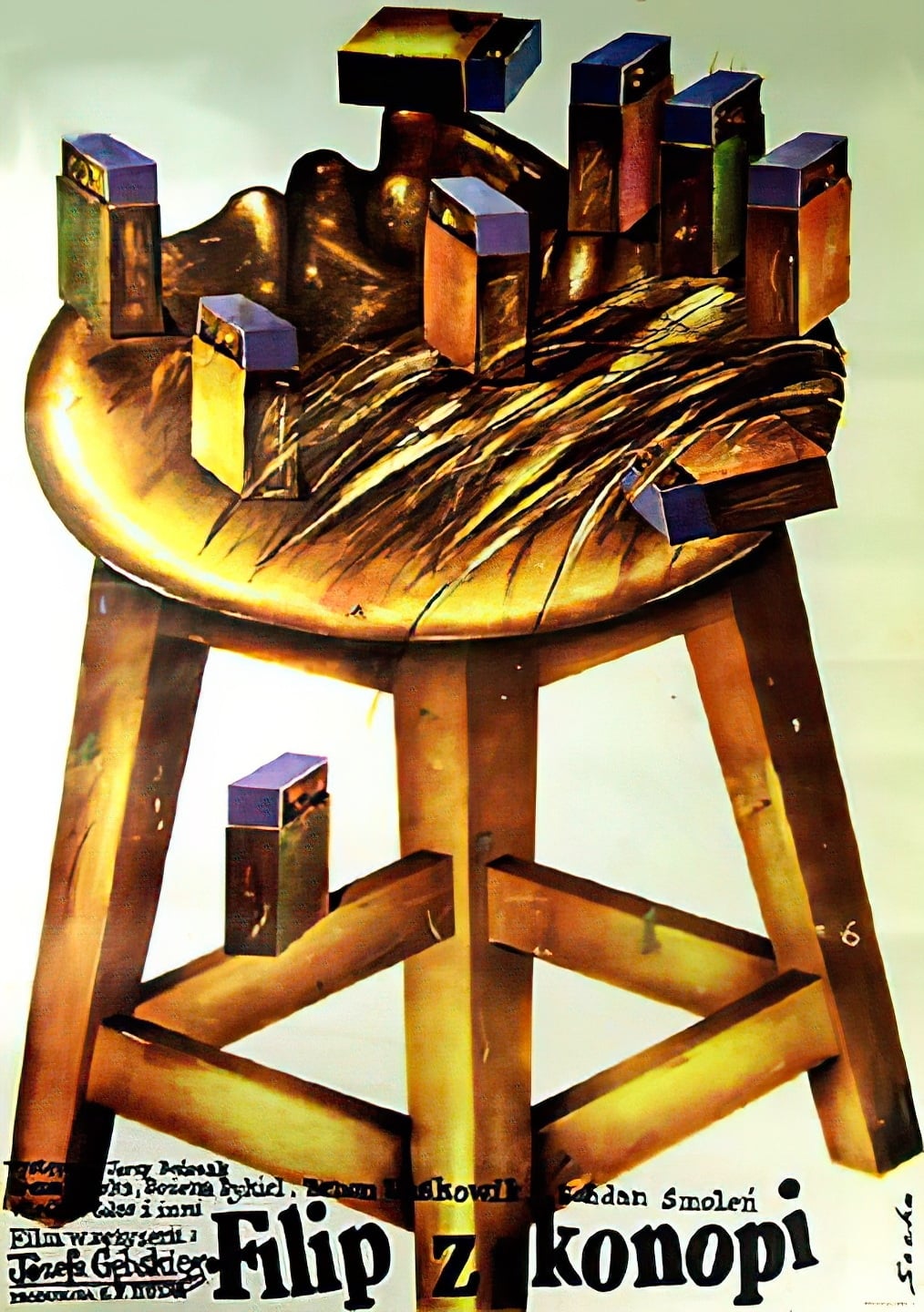

Prior to her wedding a nineteen years old Anna can't stop wondering whether she made the right choice? So she decides to seek the advice of a well-known sexologist...

As a high school student, Majka bore a child, Ania, whom Majka’s mother, Ewa, has been raising as her own. Now that Majka is ready for motherhood, Ewa refuses to let go, leading Majka to kidnap her own daughter, with unexpected emotional consequences.
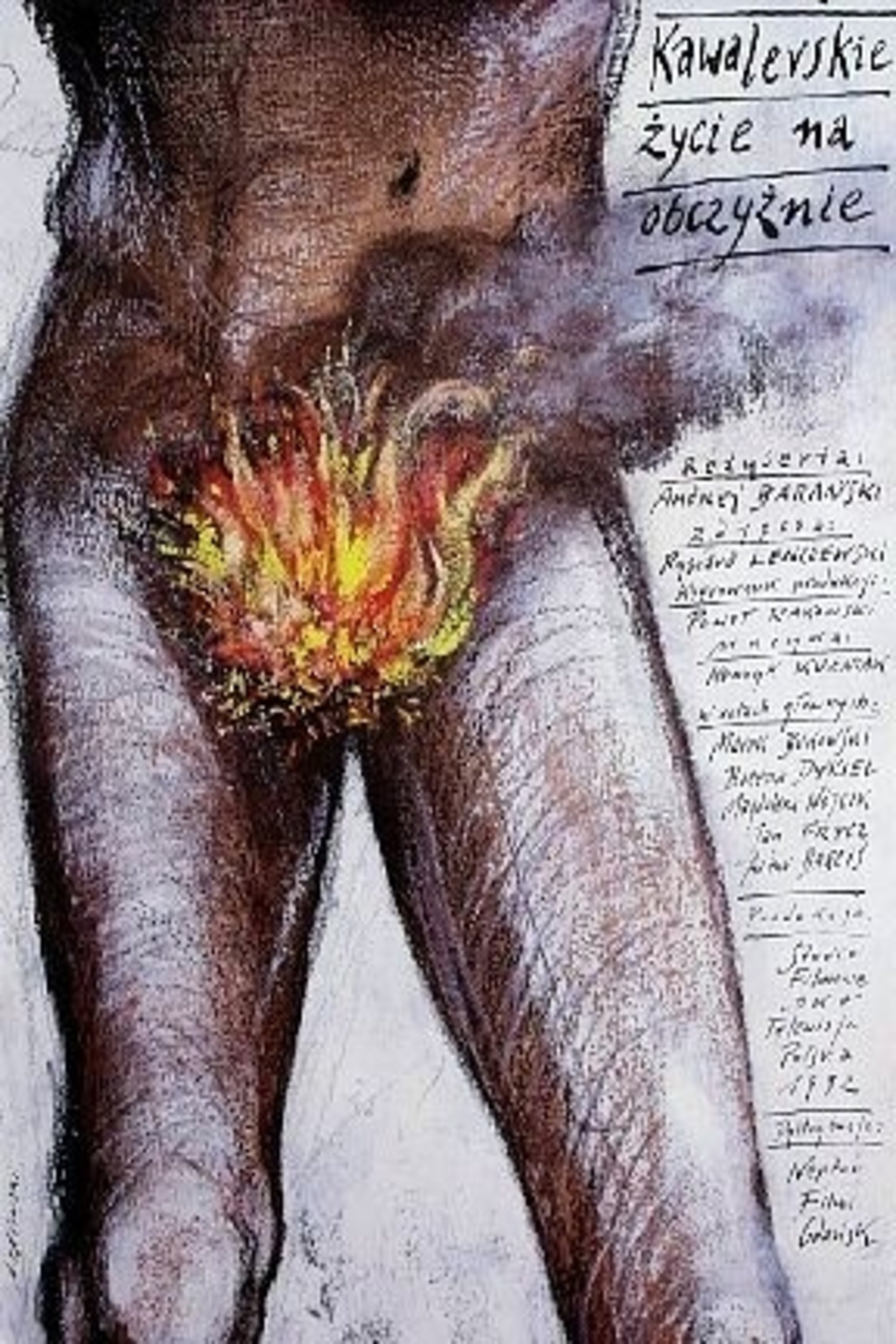
The action is set in the early 20th century. The film is made up of six sequences. In the first, Michal, young man who came from Poland to Germany, enrolls in a course on how to behave in social situations and on etiquette. However when he tries to approach girls using the rules which he's been taught... he only makes a fool of himself. Then, he goes to work for a man who owns a carousel and who loves to chase other women. In the next sequence, Michal meets the divorced landlady, Mrs. Luther, and goes through a whole lot of erotic experiences. When he escapes exhausted from his landlady, he starts working in a mine and visits brothels on a regular basis. He looks on women in a totally cynical manner. However, his persistent wandering must finally result in a true love.
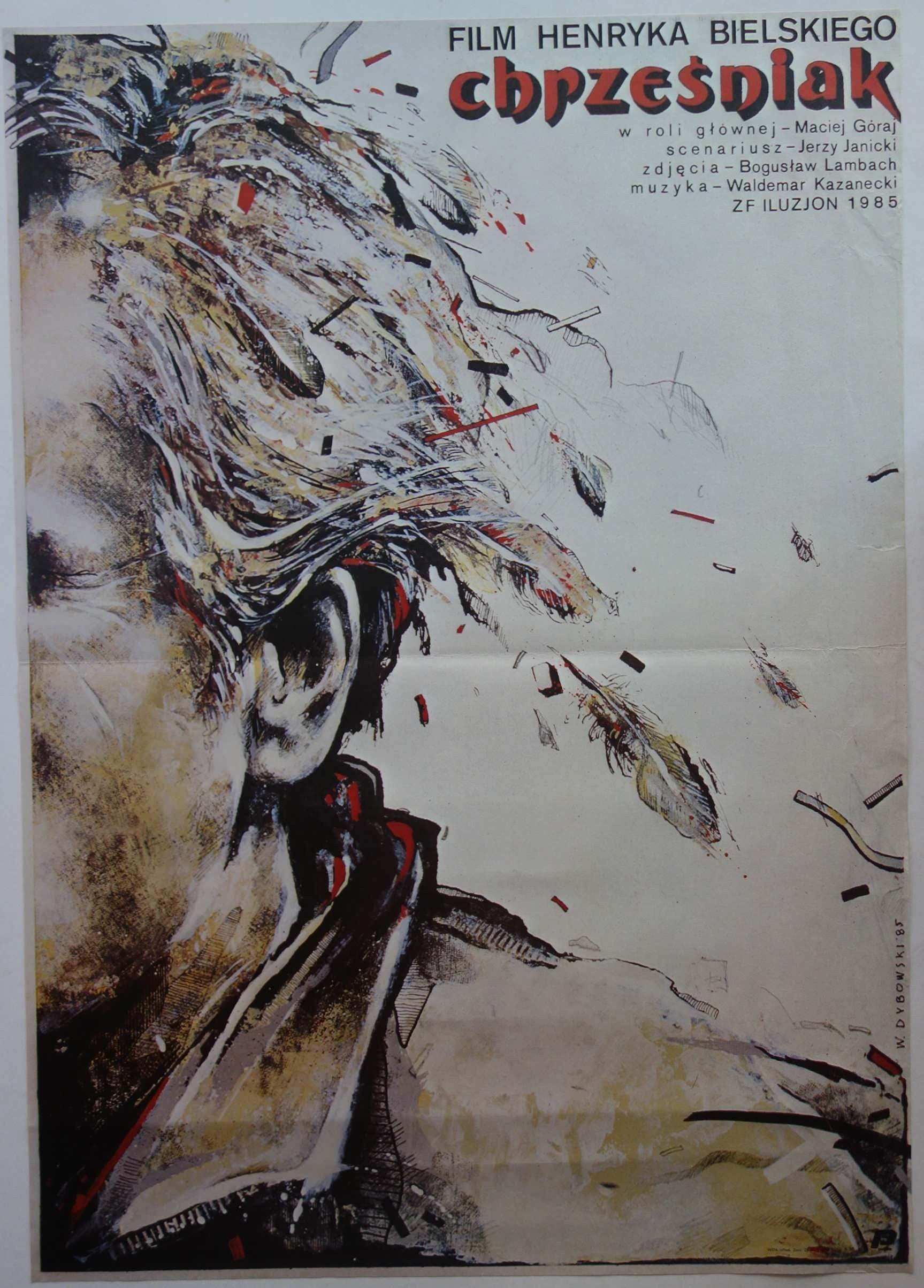
The film depicts three days in the life of a state farm director, during which he celebrates his 40th birthday. He was adopted by four godfathers who have helped him throughout his life and have reached positions of prominence themselves. He makes a mistake at work turning away some foreigh investors and is required to cover the losses, but even his godfathers are unable to help him. He regains affection of his son instead.

Andrzej Wajda's English-language film of a novella by Józef Teodor Konrad Korzeniowski, aka Joseph Conrad, about a young man in his first command as a sea captain. A series of crises prove incredibly difficult for his new authority, for the sea is curiously becalmed and the crew is weakened by feverish malaria. When the first mate's fear convinces many that the ship is haunted and cursed by the malevolent spirit of the previous captain, the young man must cope with their superstition as well as the conspicuous absence of much-needed medicine.
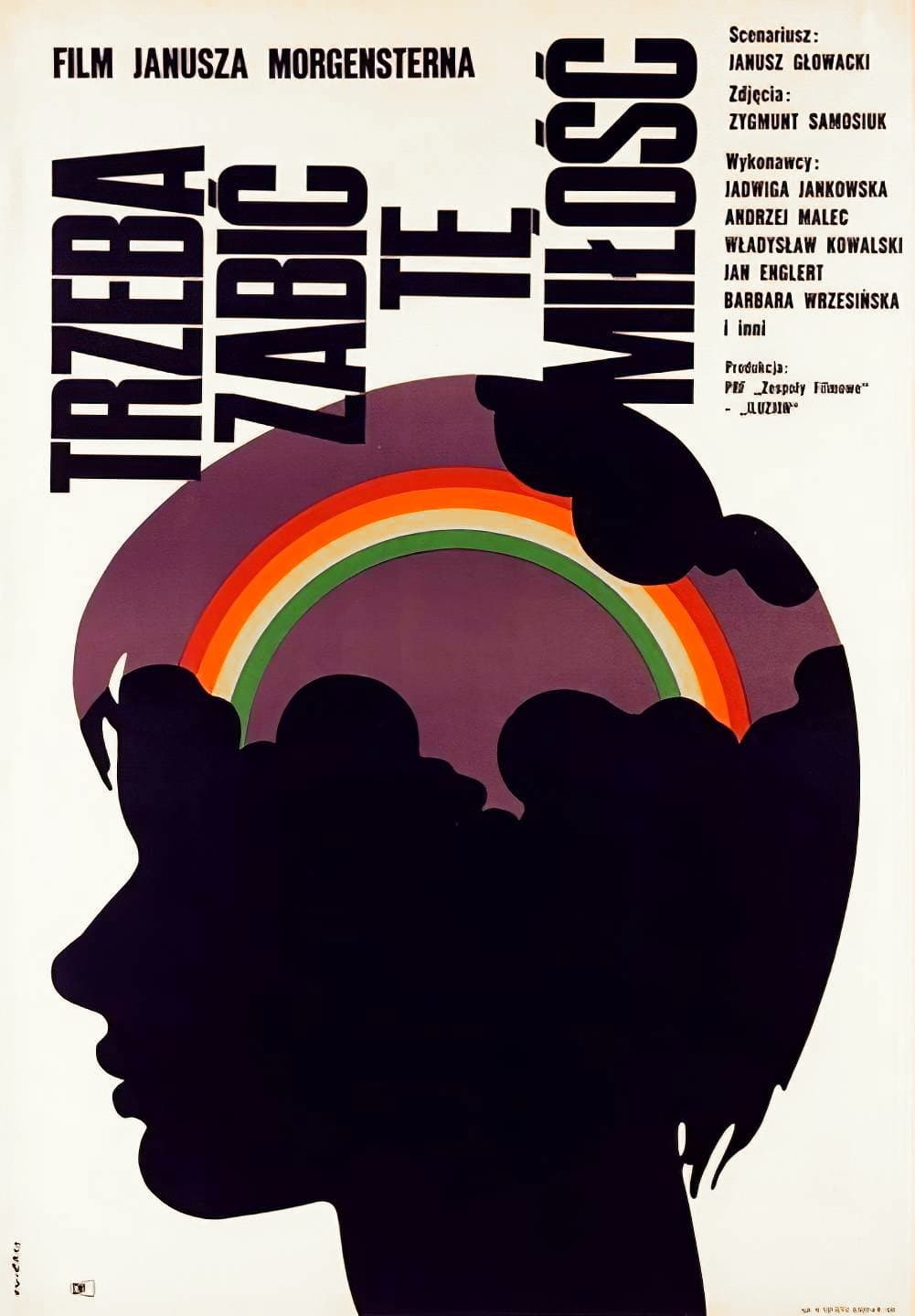
A dramatization of problems faced by a young couple in 1970's Poland - job uncertainty, conflicts with parents, living together, unfaithfulness.
Tomek, a fresh banking graduate, moves to the big city to start his adult life with a bang. He dreams of spectacular success, thanks to which he will get his ex-girlfriend back. He rents a room in an old, crumbling house, inhabited by a group of eccentrics. But the very first night there makes him realize he will sooner end up in a psychiatric hospital than in his dream corporation.
An American actress temporarily stops in Warsaw on her way to Japan, where she gets acquainted with the Polish writer.
Jakub is coming back to his home town only to discover his former girlfriend has leukemia. He has to confront the past he wanted to escape from.
Two typists confront their dreams, fears and failed personal and professional lives. Based on a play by Murray Schisgal.
A television staging of the 1941 Brecht play, The Resistible Rise of Arturo Ui.
Christmas is coming. Little Ania dreams of a doll she saw in a shop window.

Set at the turn of the century, the story concerns a Polish poet living in Cracow who has decided to marry a peasant girl. The wedding is attended by a heterogenous group of people from all strata of Polish society, who dance, get drunk and lament Poland's 100-year-long division under Russia, Prussia, and Austria. The bridegroom, a painter friend, and a journalist each in turn is confronted with spectres of Polish past.
Russia, 1870. A group of young anarchist revolutionaries set out to overthrow the Czarist regime through violence. Their attacks create a climate of psychosis and mutual distrust among the population, but in reality, both revolutionaries and repressors are being manipulated by a diabolical individual.
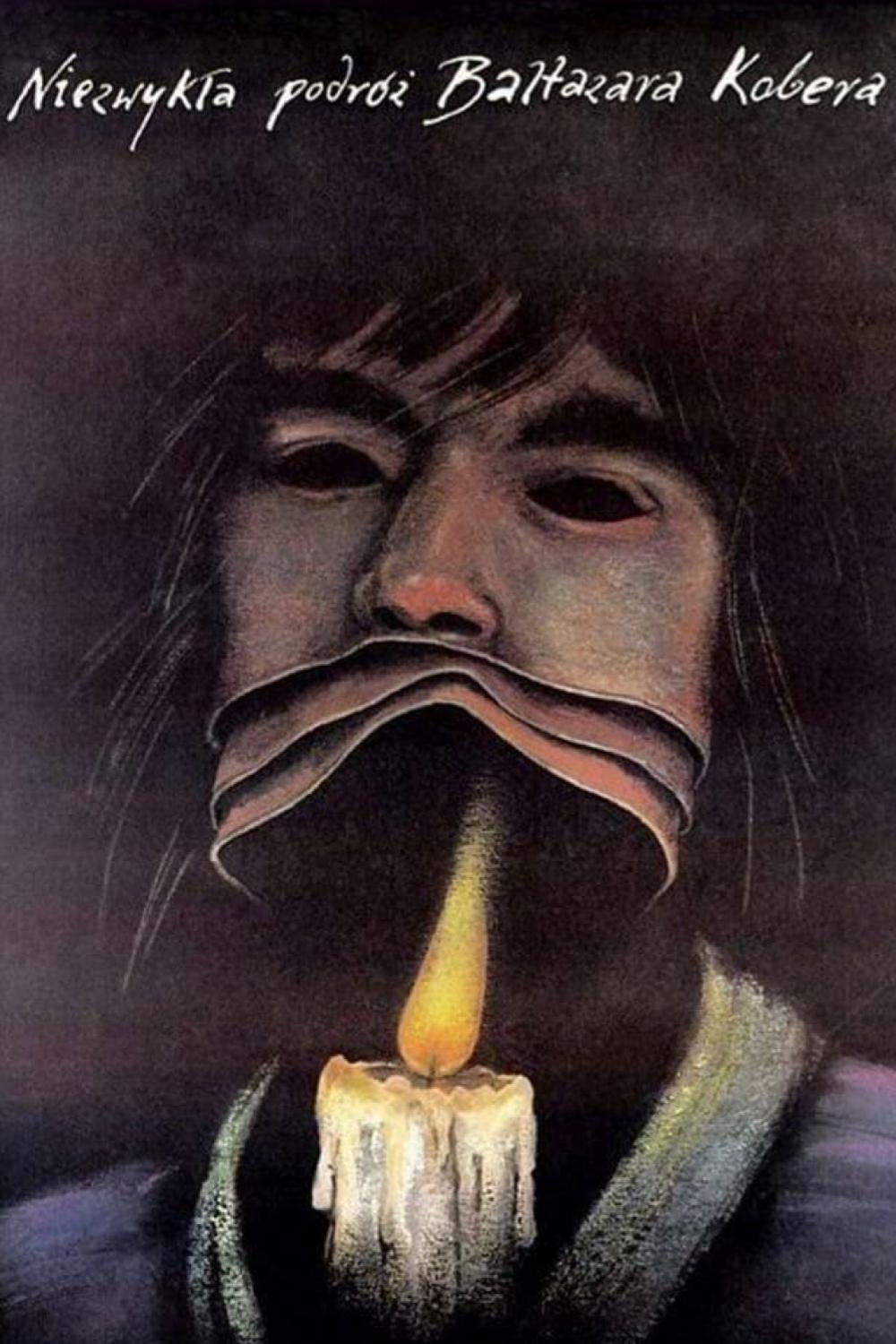
Story about the young Balthazar thrown from one remarkable event to the other. On his way through a plague hit the landscape, he meets the Kabbalists, priests - and himself.
Panoramic view of a resort town in the summer of 1930. In seventeen episodes we get a glimpse at the microcosm of its colourful inhabitants and visitors, Poles and Jews, the high society and the desperately poor.

During the Nazi era, a Jewish woman on the run takes a trolley which passes near the Warsaw ghetto, where the uprising battle is taking place, and some passengers are struck by stray bullets. They take temporary refuge in an empty building, and there she has a chance meeting with her ex-fiancé. He offers to put her up--that is, hide her--for a few days. He's now married, a professional who lives in an idyllic suburb reached by a trolley that runs through the woods. His wife seems more committed to putting up the fugitive than he is. The story involves the neighbors, the building owner who avoids involvement and seeks solace in classic poetry, and the super and his suspicious wife.
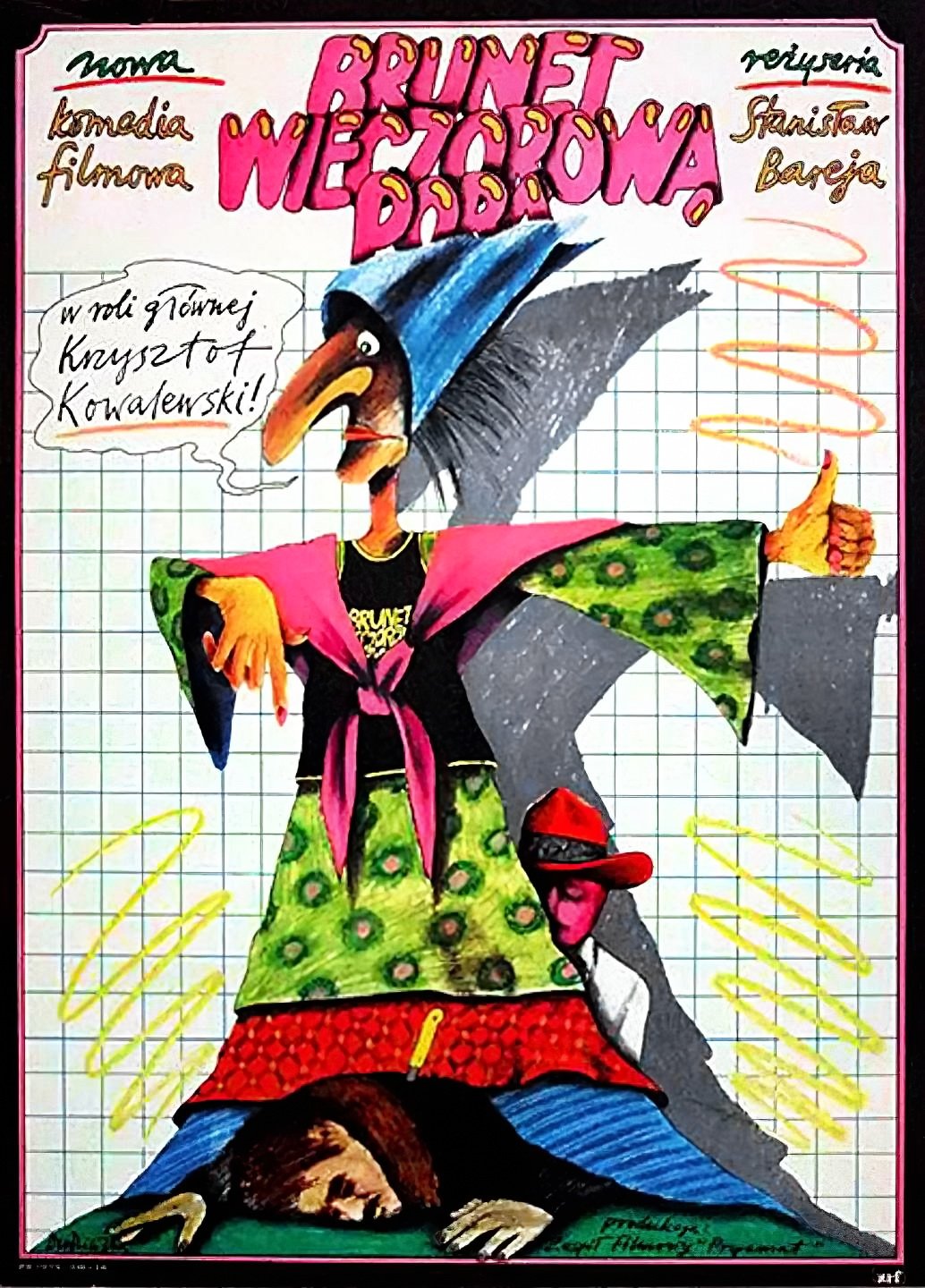
Modest editor, has shipped his wife and kids for the weekend, and is trying to relax in his house at the outskirts of Warsaw. His quiet evening is only disturbed by the accidental forecast made by a Gypsy woman, that at evening time he will murder a mysterious brunet.
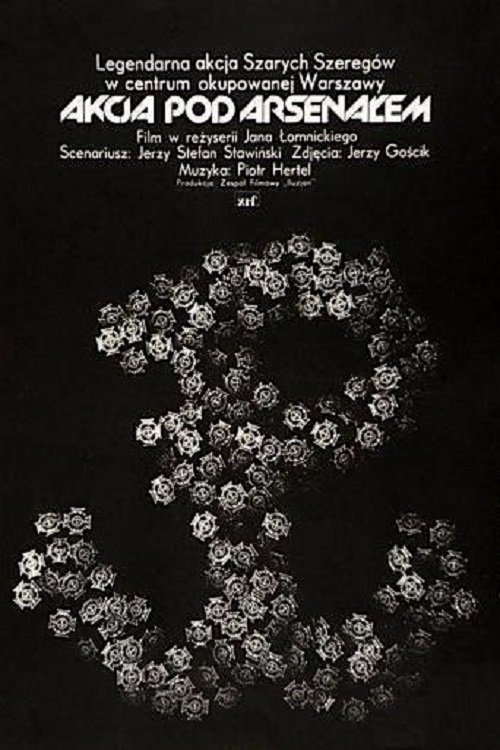
In Nazi-occupied Warsaw, teenage scouts Alek, Rudy, and Zośka risk their lives pulling down a swastika and hoisting the Polish flag atop the German “Zachęta” cultural center and then blowing up a mobile propaganda cinema.
The 1920s, the southern border of Poland. Smuggler Józef Trofida is released from prison. From his friend Władek, he learns that he has lost his dominant position in the world of smuggling to the Alińczuk clan. To change this, Trofida organizes further expeditions, which multiply his wealth many times over. The next smuggling operation—exposed by Alińczuk—ends with Józef's death. Władek decides to take revenge on the hated clan.
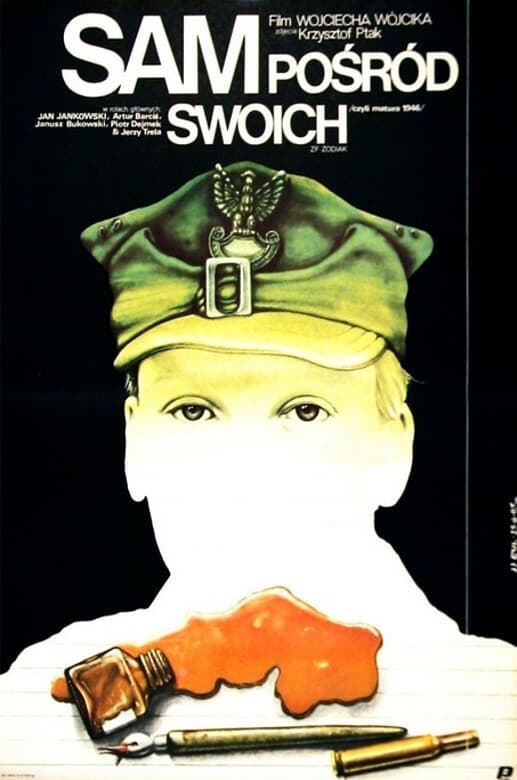
The year 1946 - a young officer between service, love, school...

Poland, Christmastime. A band of hyperintelligent, bloodthirsty Martians take over the country and enlist hapless television newscaster Iron Idem as the voice of their propaganda machine. But when Iron dares to go off message, he makes an enemy even greater than the aliens—the state itself.

Hanka Ordonówna is a star of pre-war Polish cabarets. The film begins in 1942 in the Middle East, in a British military camp located near the front line. Hanka runs a shelter for homeless Polish children. In her moments of respite, the singer, who is suffering from tuberculosis, recalls the various stages of her career.
The protagonist of the film is Wojtek, who works in finding amber. One day, someone attacks him and steals a whole bag of them. Wojtek decides to find the attacker. However, it is going to be very dangerous.
Old couple dreams about a cruise.
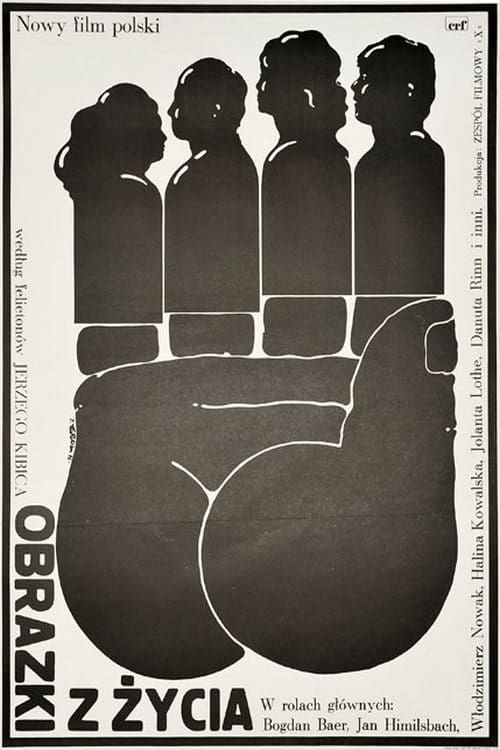
Seven stories based on unusual court cases from Poland.

One day, hospital orderlies, watching corpse in the morgue, recognize film director. Man, even though he died, he begins to remember his life. He made a career making movies, had numerous mistresses, but never realized their dreams. His life was interspersed with many setbacks that enfeebled him from the inside. Although he made a career in film, he was not happy with his life.
One June evening, a Krakow prostitute nicknamed Rączka is accosted by a bloody man who wants to spend the night with her. The girl agrees, but when the next day she learns that a gruesome crime has been committed near the place where the mysterious customer accosted her, she reports the night's meeting to the police.
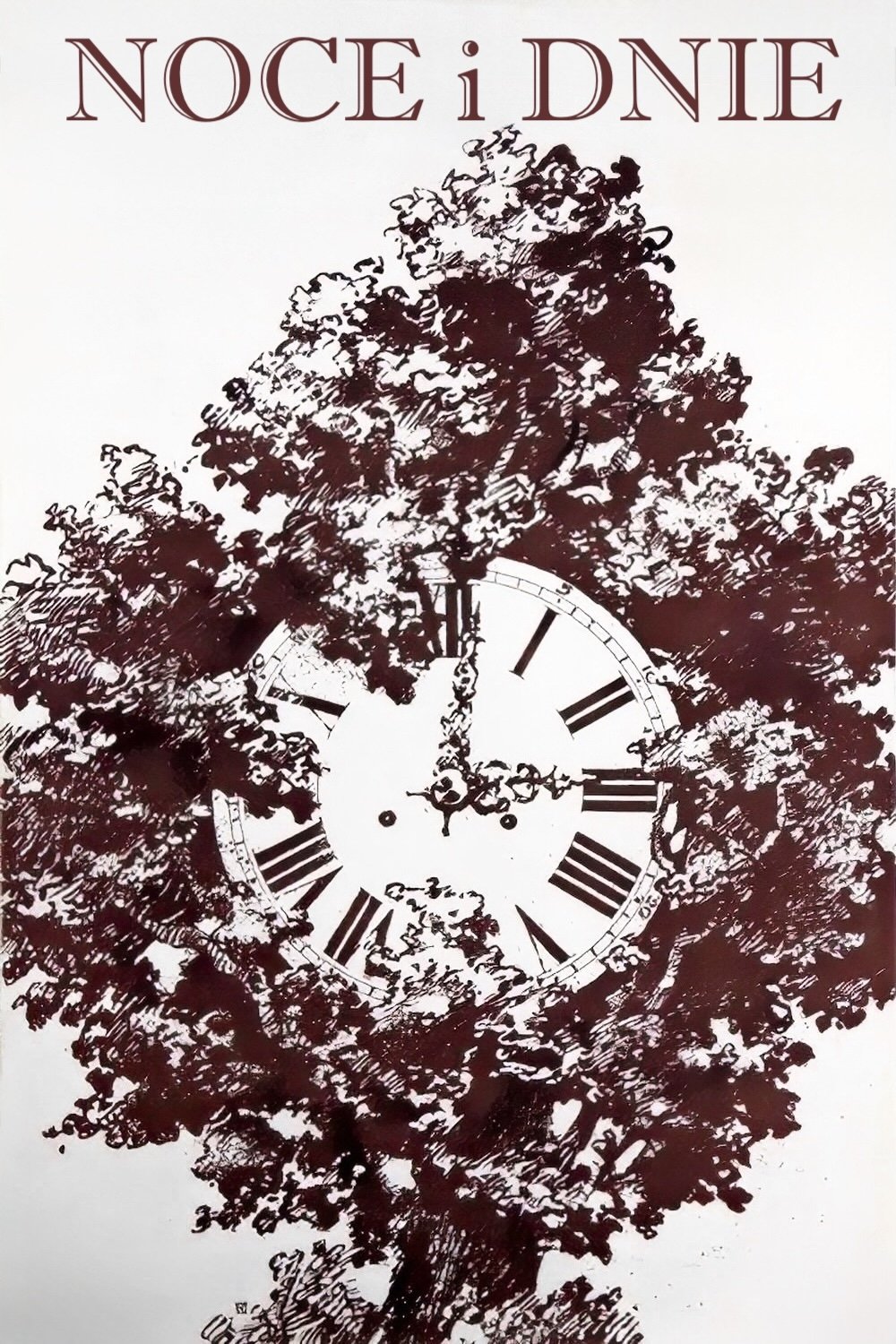
A family saga of Barbara Ostrzeńska-Niechcic and Bogumił Niechcic against the backdrop of the January Uprising of 1863 and World War I. The film is a rather straightforward and faithful adaptation of a novel by Maria Dabrowska with the same title. The plot is woven around the changing fortunes of a noble (upper-class) Niechcic family in the pre-WWI Poland. There are two main crossing threads: a social history one and an existential one.
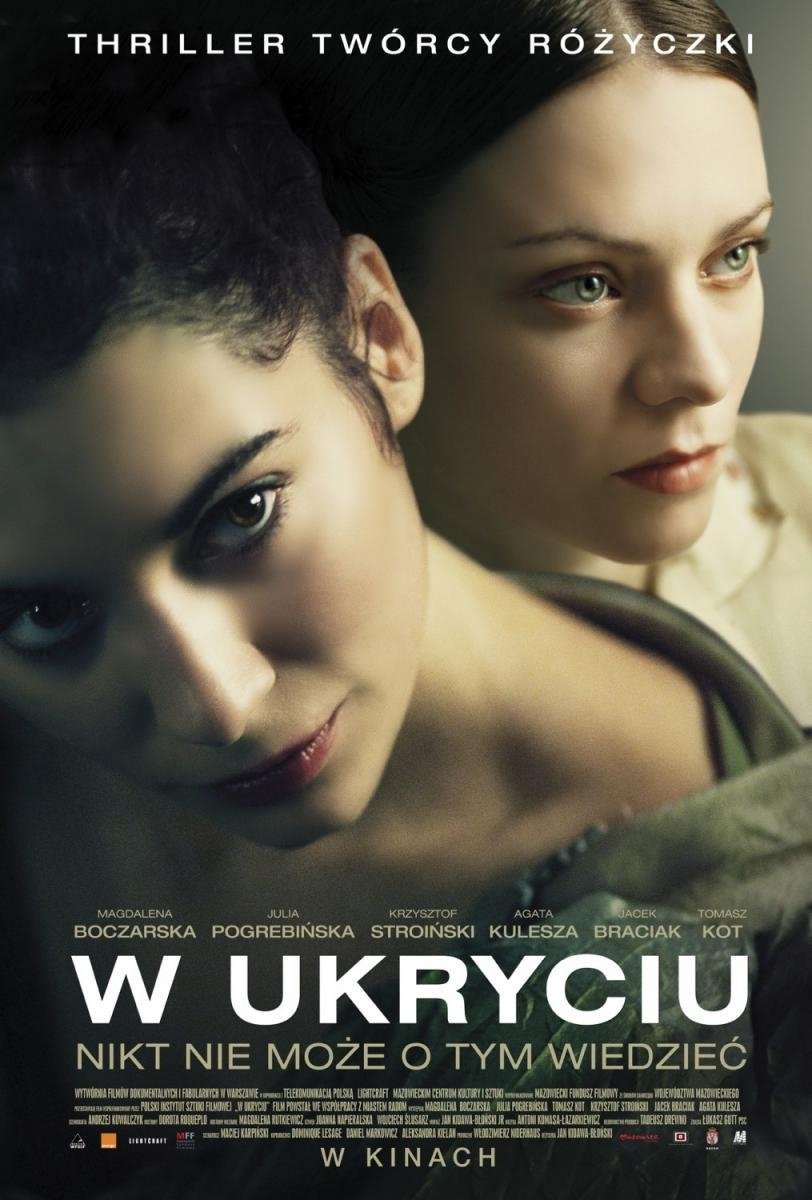
In the spring of 1944 in Poland, near the end of WWII, Janina faces a huge change in her life when her father decides to offer a shelter to his Jewish friend’s daughter Ester. One day, her father is arrested and Janina starts to take care of Ester by herself and in doing so secret emotions rise between them.
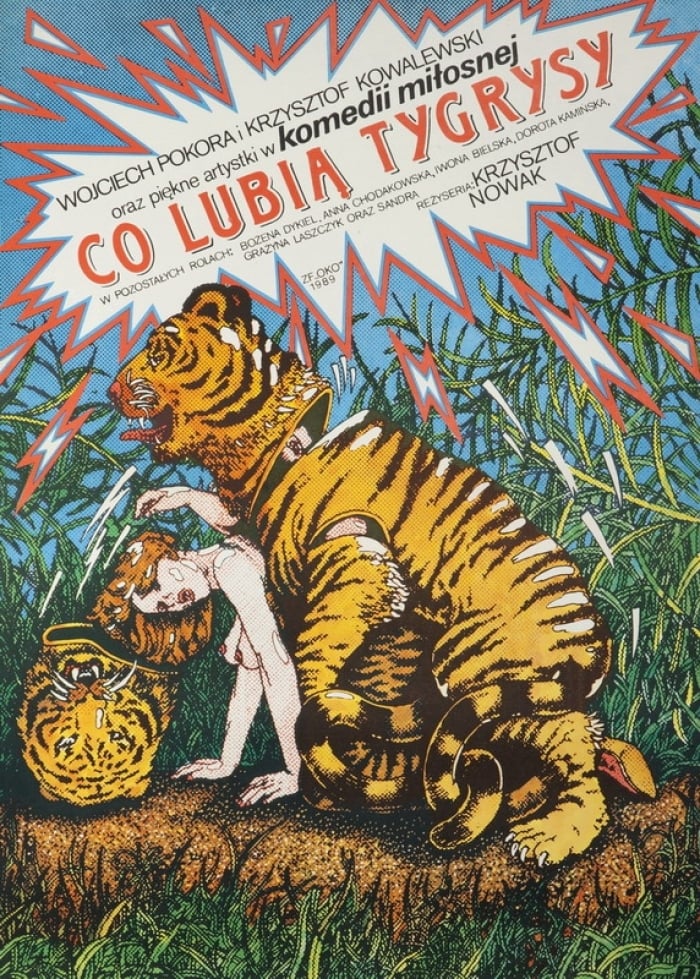
Piotr tries to committ suicide after his wife leaves him. His friend Marek takes him on a trip to seaside resort Sopot to find love again. After many misadventures, Piotr tries to kill himself again, but finds love at the last moment.
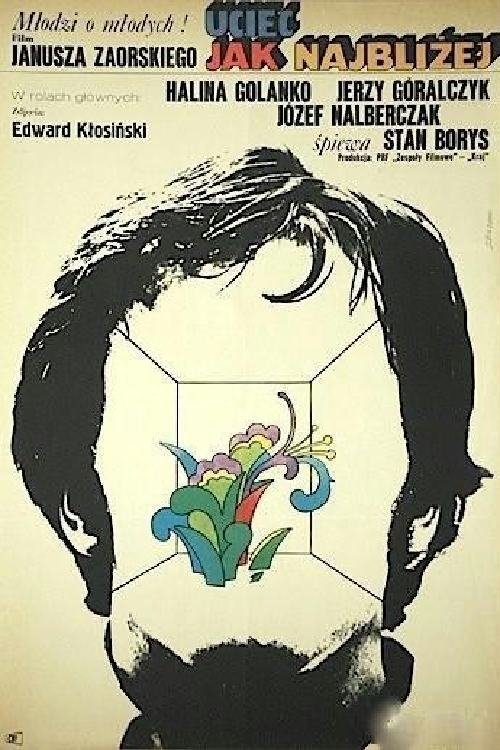
A young man meets and falls in love with a woman met on a business trip.
A student theater company returns home after an unsuccessful performance.
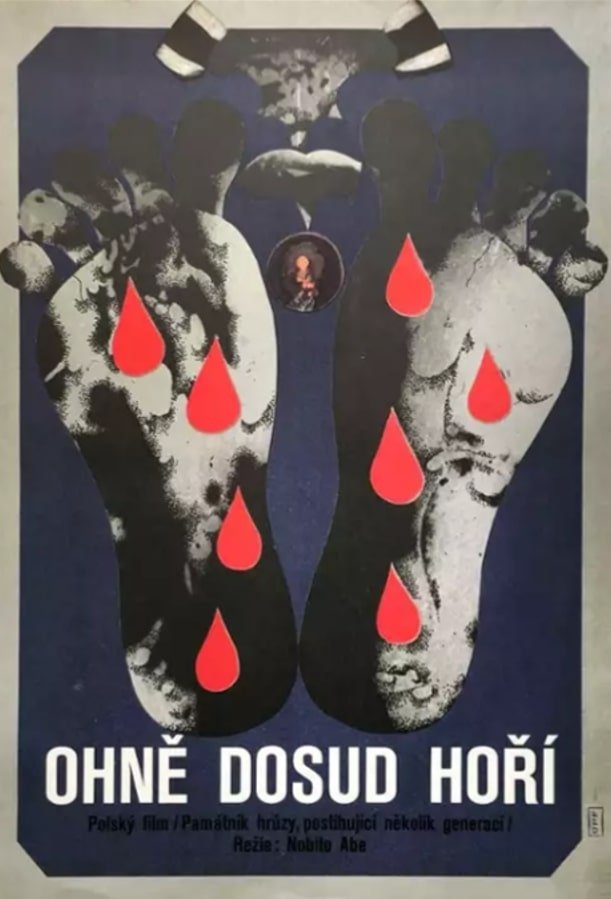
A Japanese man dying of radiation sickness recalls his love for a Polish woman he met in Paris.