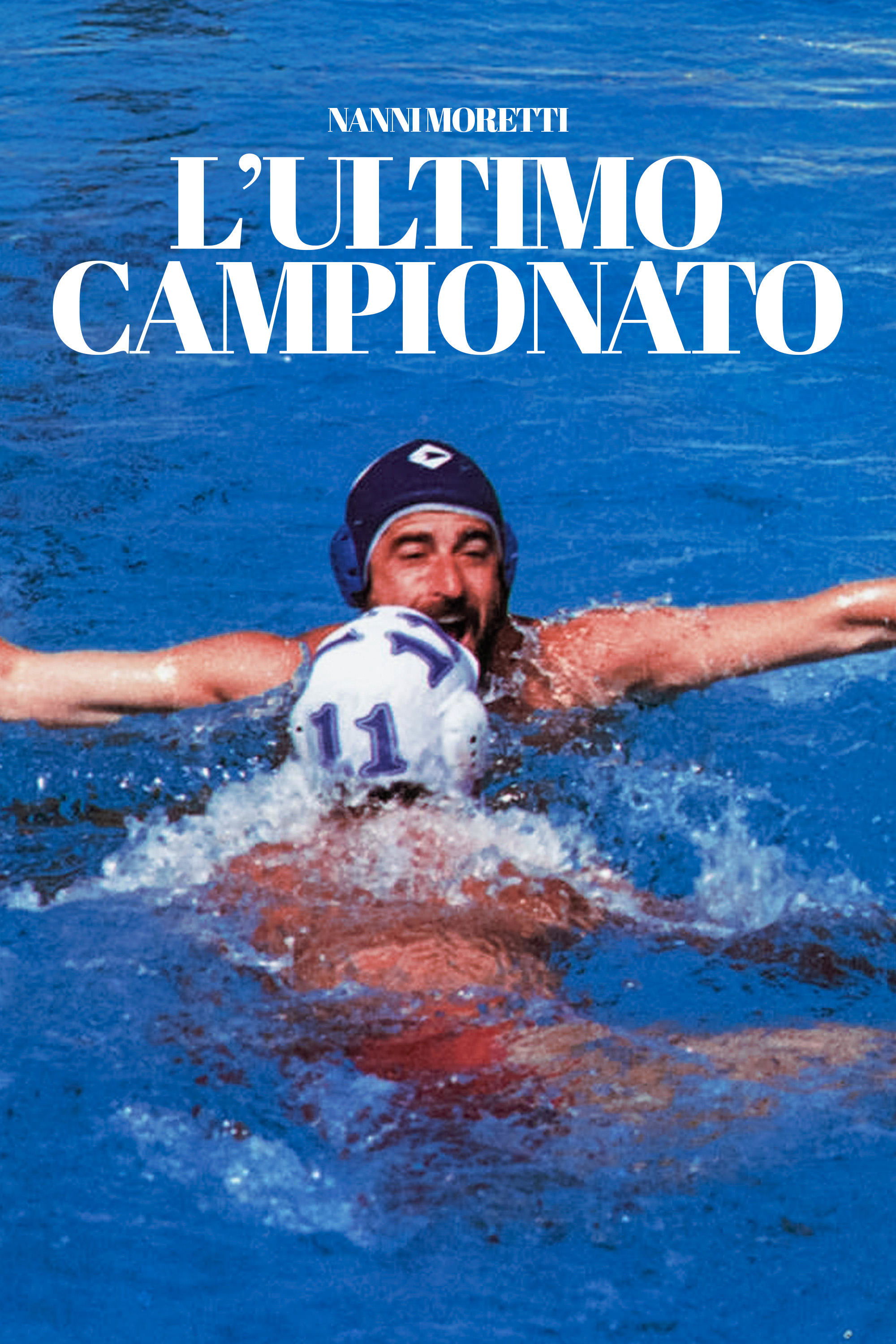
Documentary by Moretti (later to become “Palombella rossa”) about his last competitive waterpolo tournament (1986), accompanied by his voice-over. It narrates the different stages, the character of the coach, the teammates, the final and his last real match, in the open sea.

Pietro is a successful businessman with a wife and a daughter. One day he helps his brother save two women from drowning at the beach. When he returns home he finds that his wife has died. Now Pietro has to take care of his daughter, Claudia. When he drives her to school soon after, he decides to wait for her all day in front of the school, and soon that's what he does every day.
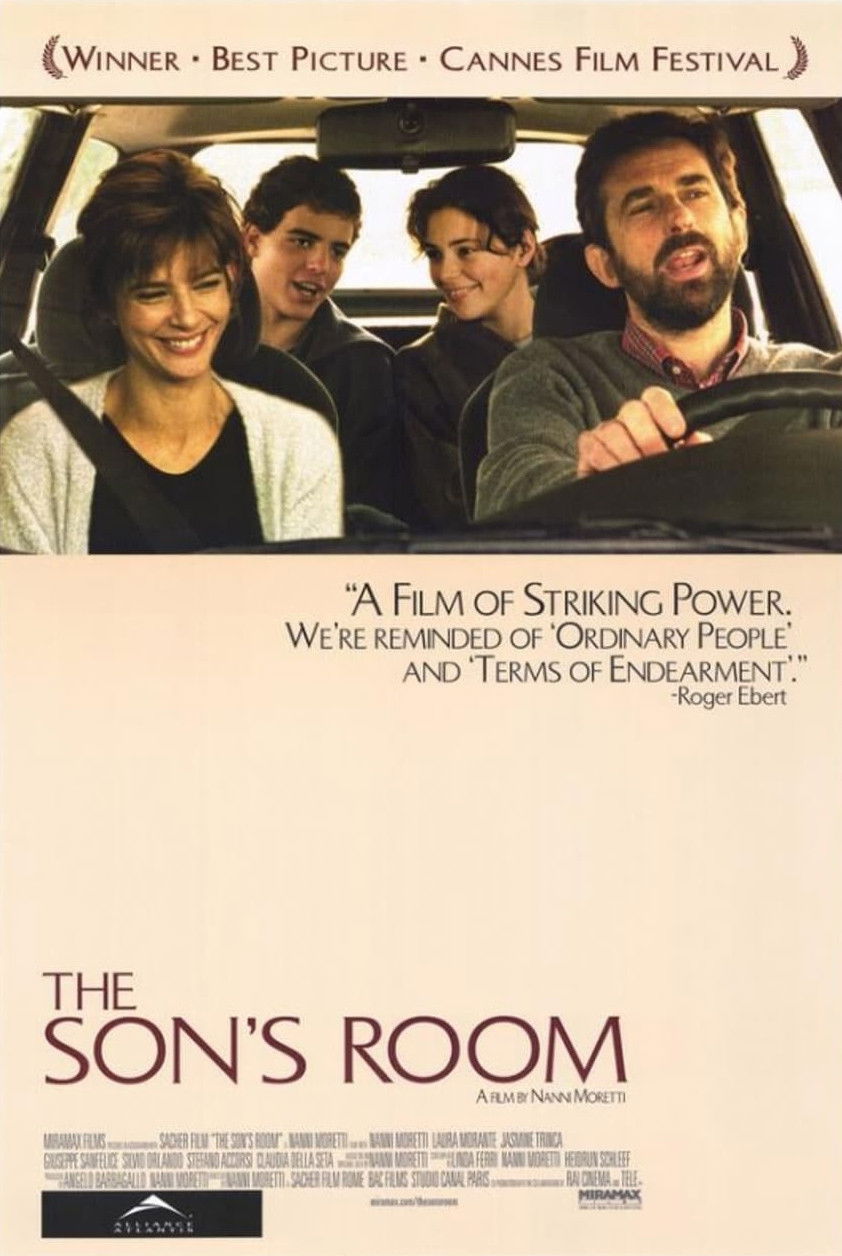
A psychoanalyst and his family go through profound emotional trauma when their son dies in a scuba diving accident.
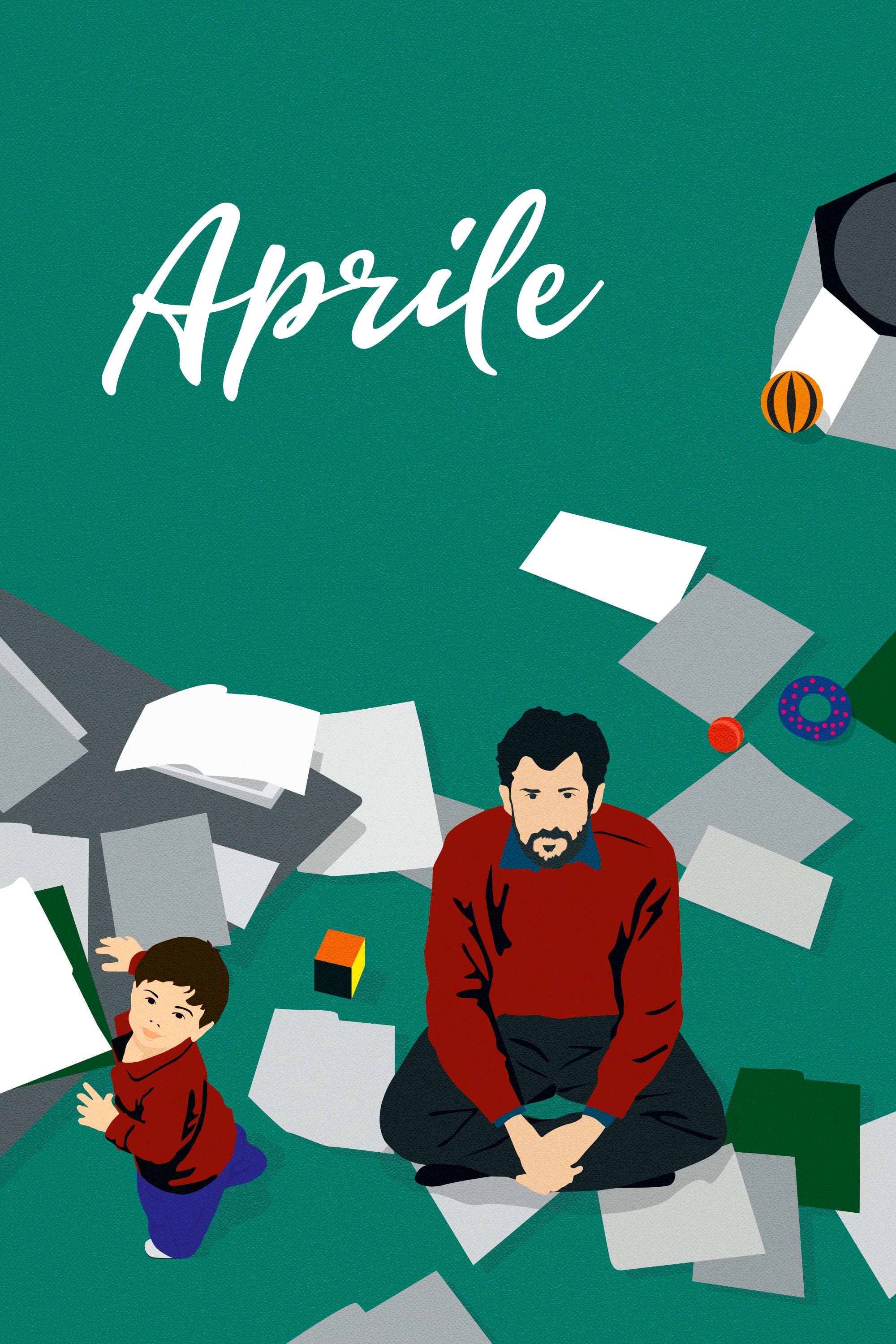
Nanni Moretti takes another look at the ebbs and flows of life in April 1996, as he becomes a father for the first time and seems unable to focus on his documentary about the upcoming national elections.
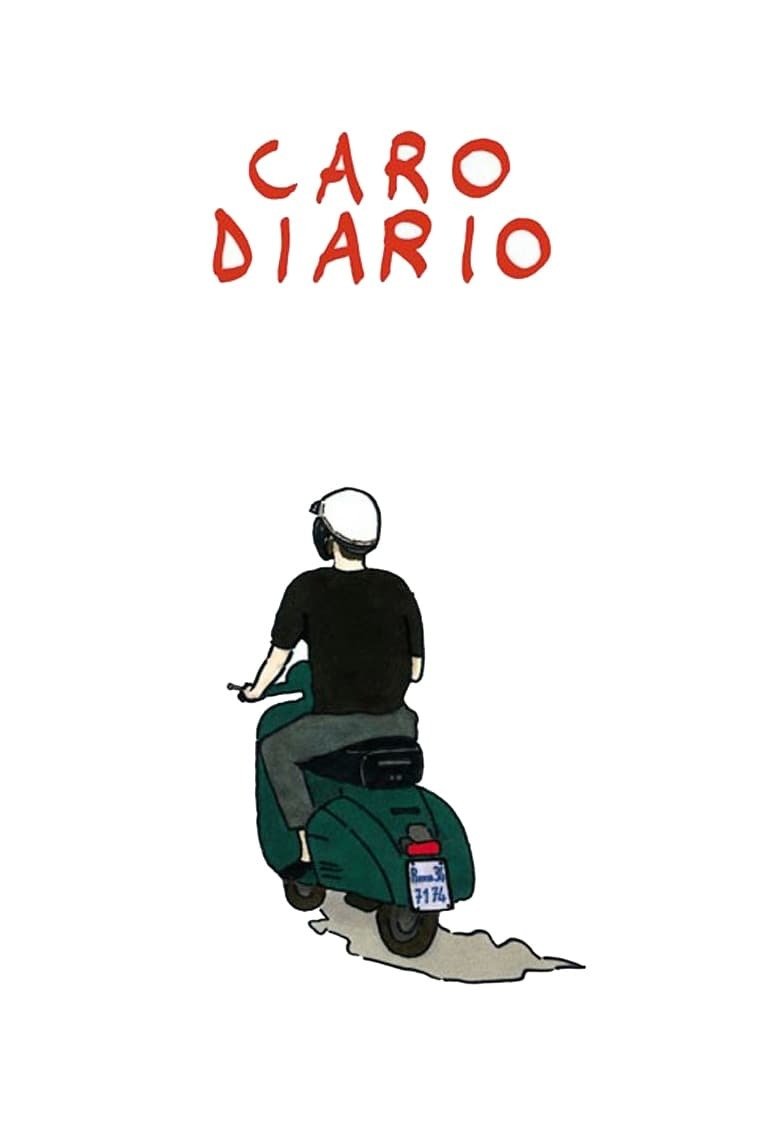
Nanni Moretti recalls in his diary three slice of life stories characterized by a sharply ironic look: in the first one he wanders through a deserted Rome, in the second he visits a reclusive friend on an island, and in the last he has to grapple with an unknown illness.
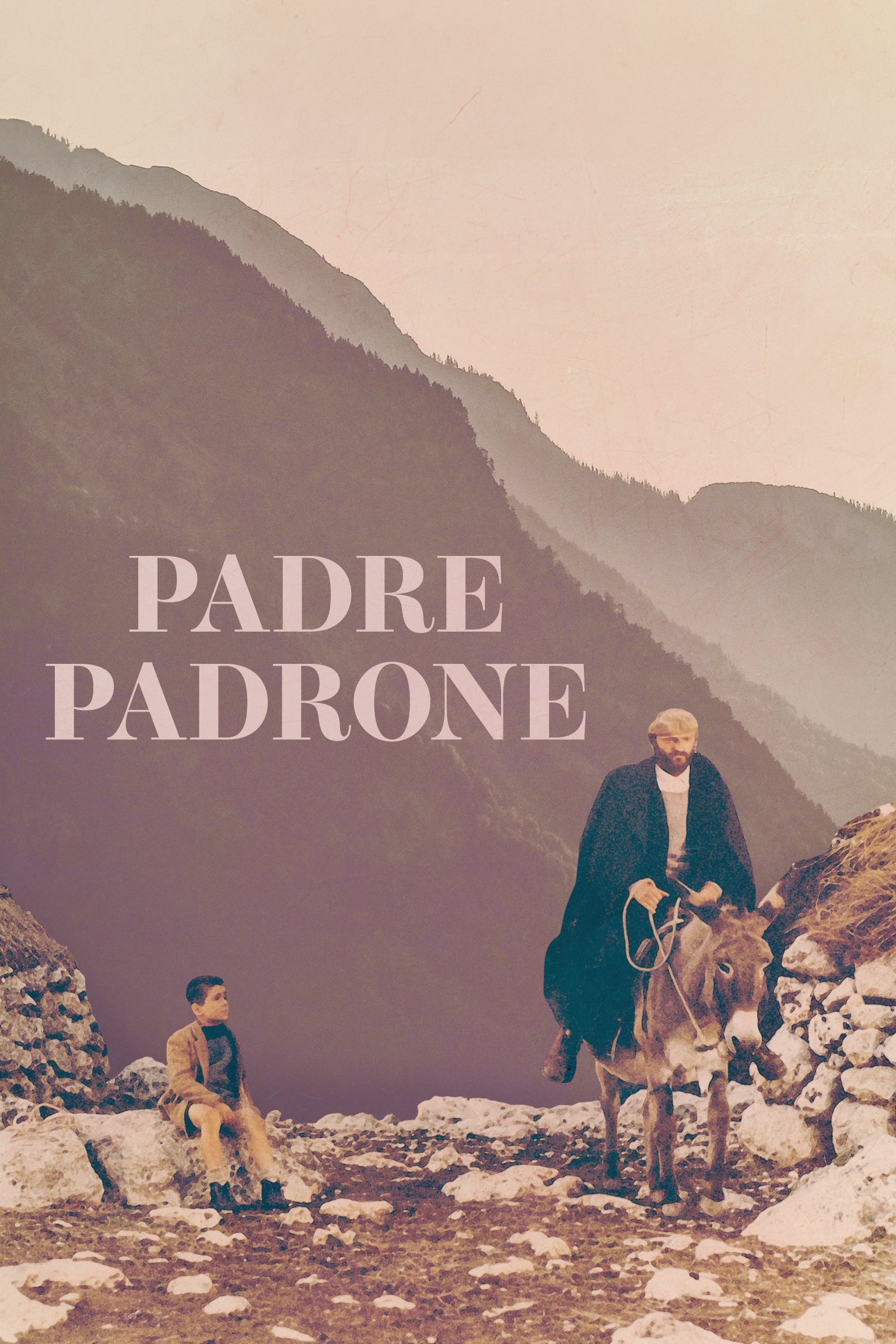
The true story of the life of Gavino Ledda, the son of a Sardinian shepherd, and how he managed to escape his harsh, almost barbaric existence by slowly educating himself, despite violent opposition from his brutal father.
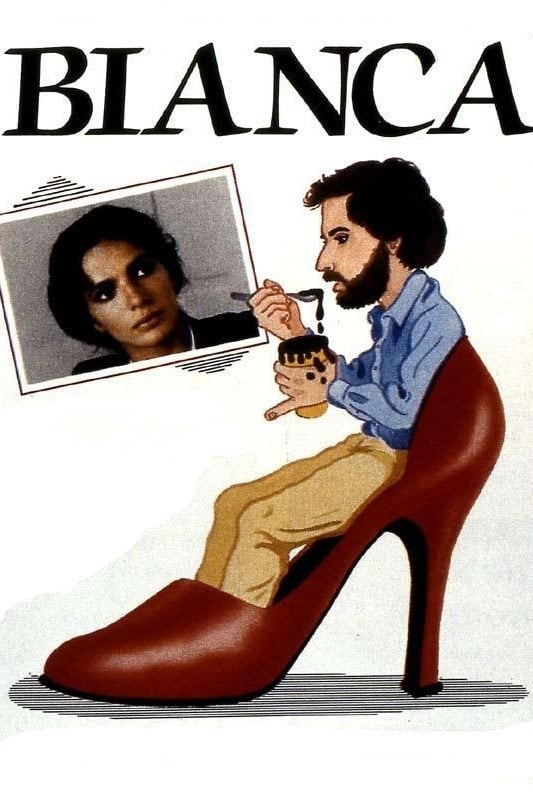
Eccentric and full of manias, Michele is a young high school professor who defines himself as “not used to happiness”. He realizes his life is meaningless if he doesn’t have a woman by his side but, after a series of rather disastrous experiences, he feels more alone than ever. Then, out of the blue, a new French teacher called Bianca arrives at school. Amongst uncertainties and contradictions, the two start dating. In the meantime, a series of homicides take place and a police officer begins to suspect that Michele is involved. Bianca will save him providing an alibi at the right moment, but then, everything goes wrong again.
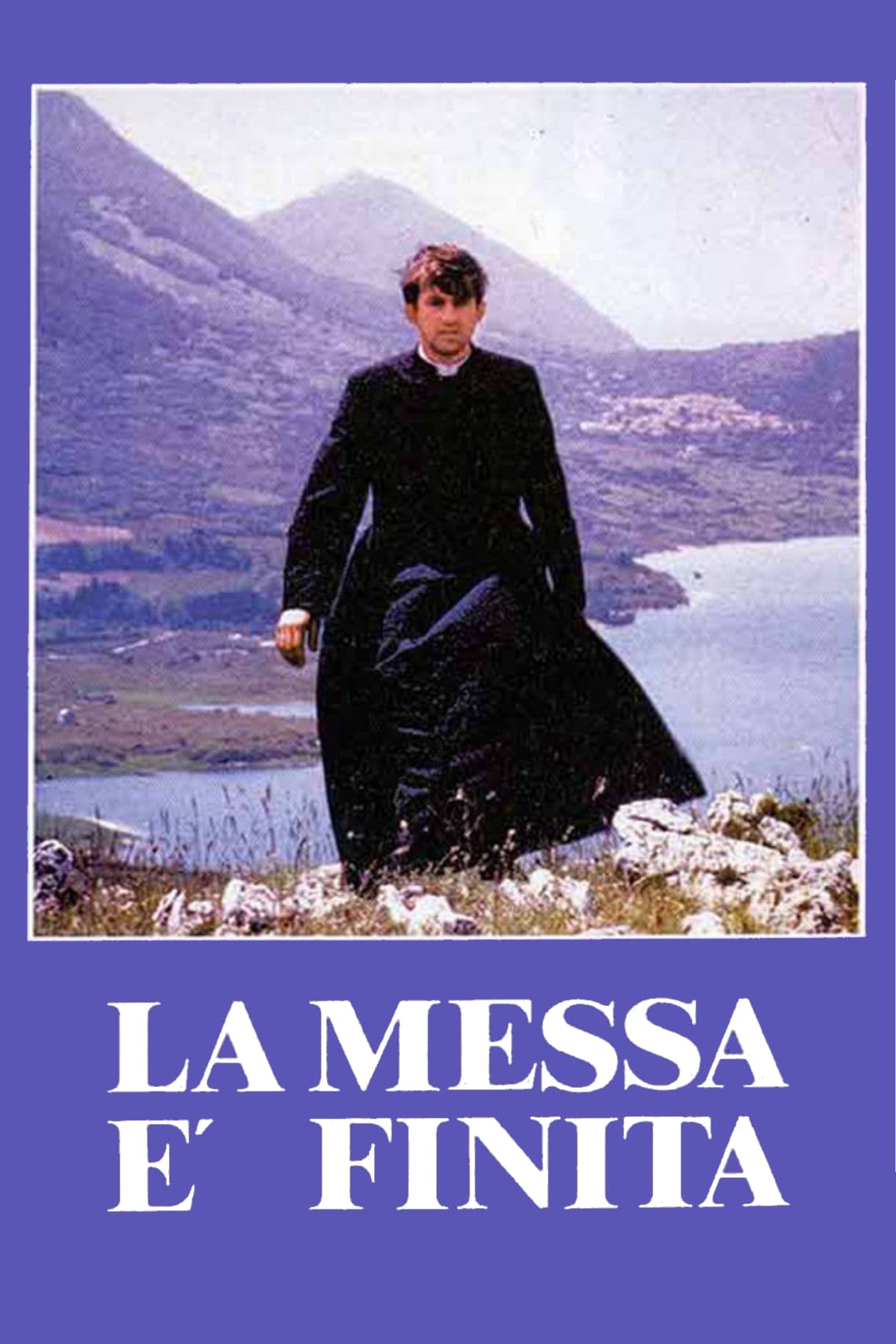
The young priest Father Giulio returns to Rome, his hometown, after a long pilgrimage. Don Giulio hopes to live peacefully with his family and his friends, but discovers that many of them are depressed or frustrated, and some suicidal.
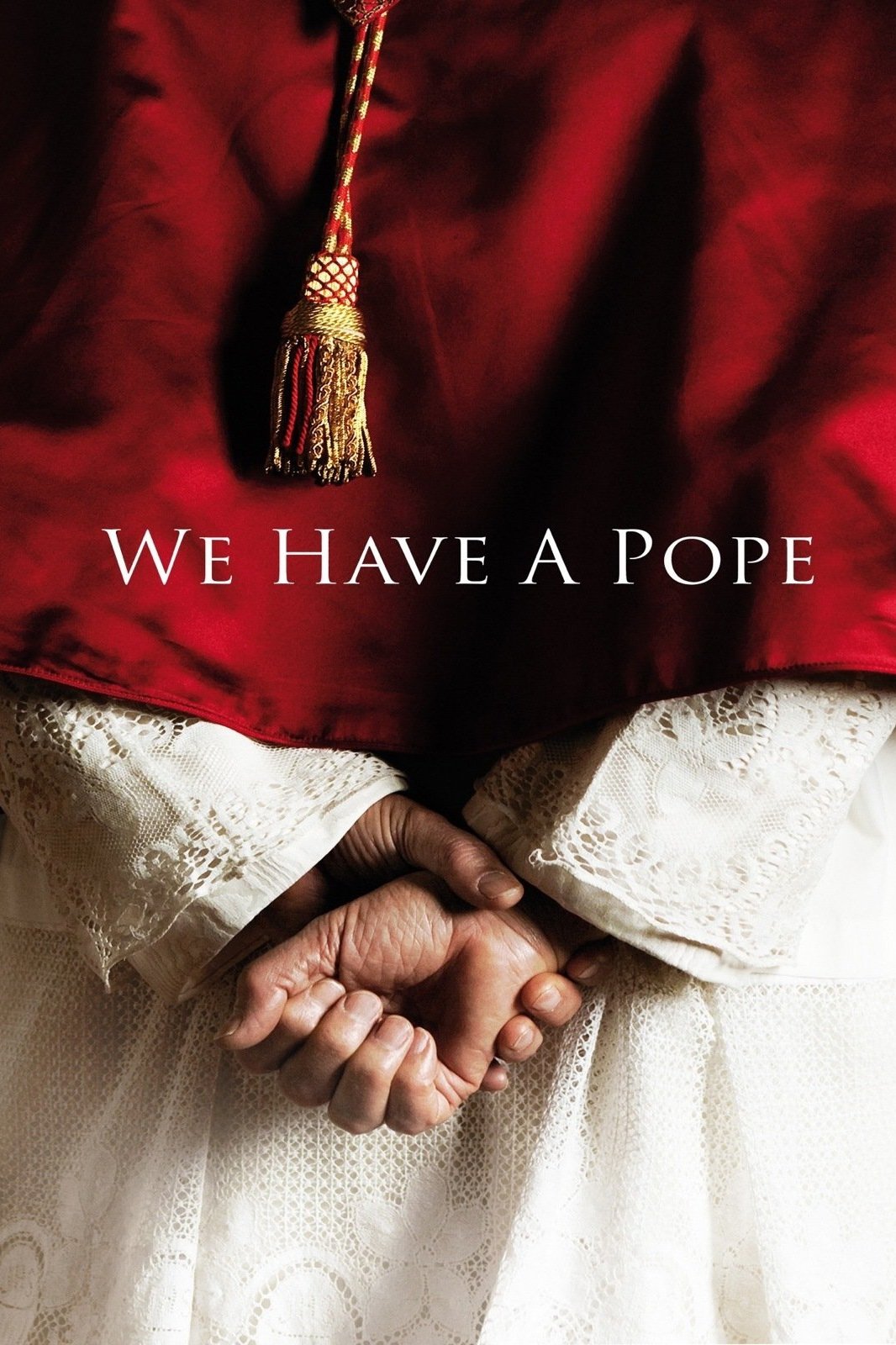
The newly elected Pope suffers a panic attack just as he is about to greet the faithful who have gathered to see him. His advisors, unable to convince him he is the right man for the job, call on a renowned therapist who also happens to be an atheist. But the Pope's fear of his newfound responsibility is one he must face alone. Winner Best Film at the Italian Golden Globes.
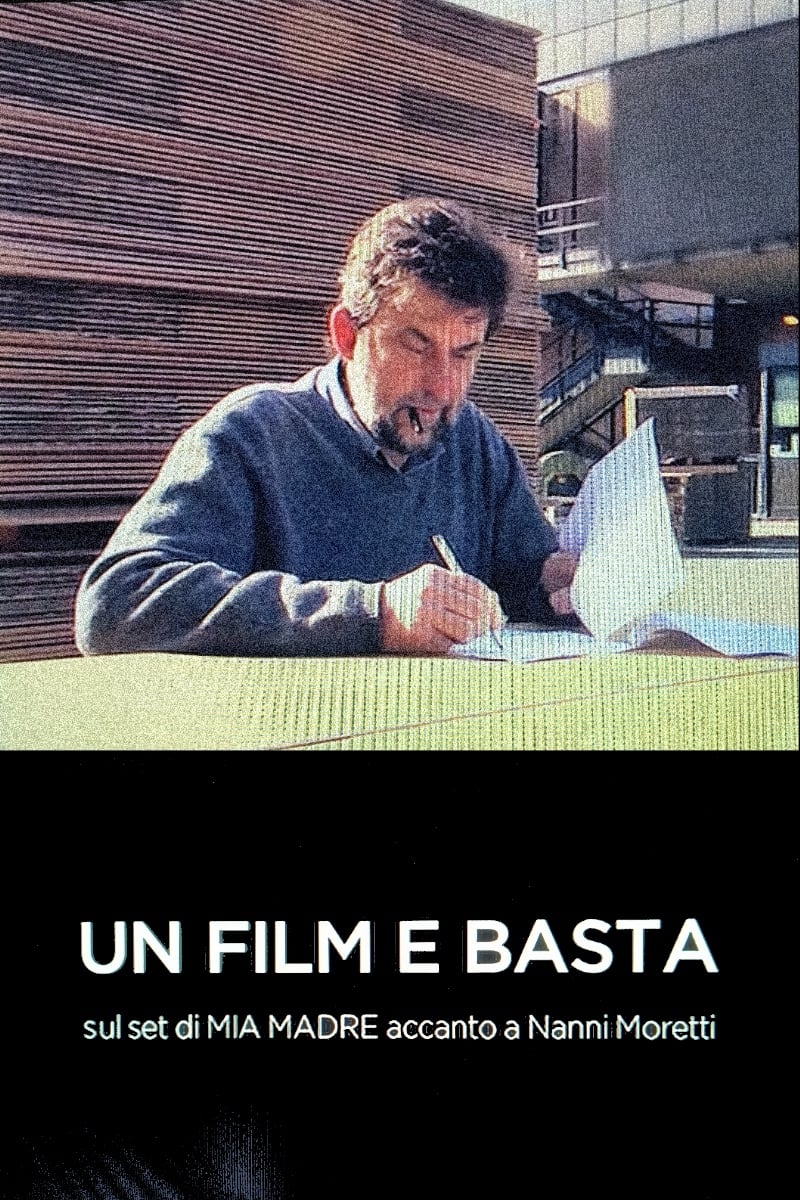
A documentary on the making of Mia Madre (2015).
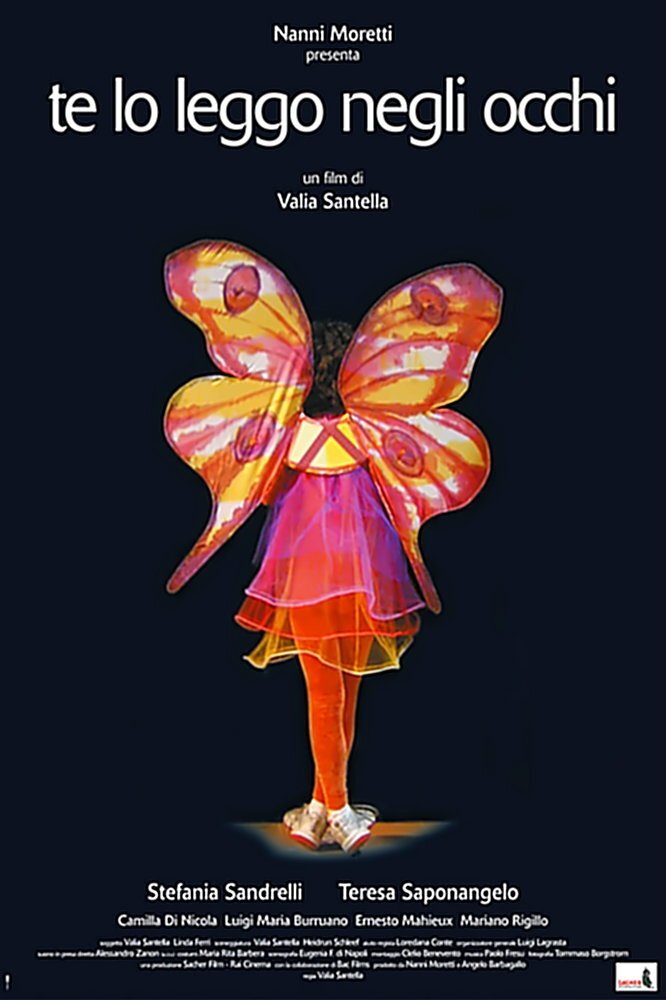
Naples. Margherita, a singer who has always been distracted from her husband and daughter Chiara, is experiencing a profound existential crisis as she approaches her sixties. Life is not easy for Chiara either, given her conflictual relationship with Lucia, the daughter she had with a partner who is now expecting another child with a new girlfriend. When Lucia is with her grandmother, she savors the taste of freedom, and Margherita has the relationship with her granddaughter that she was unable to have with Chiara.
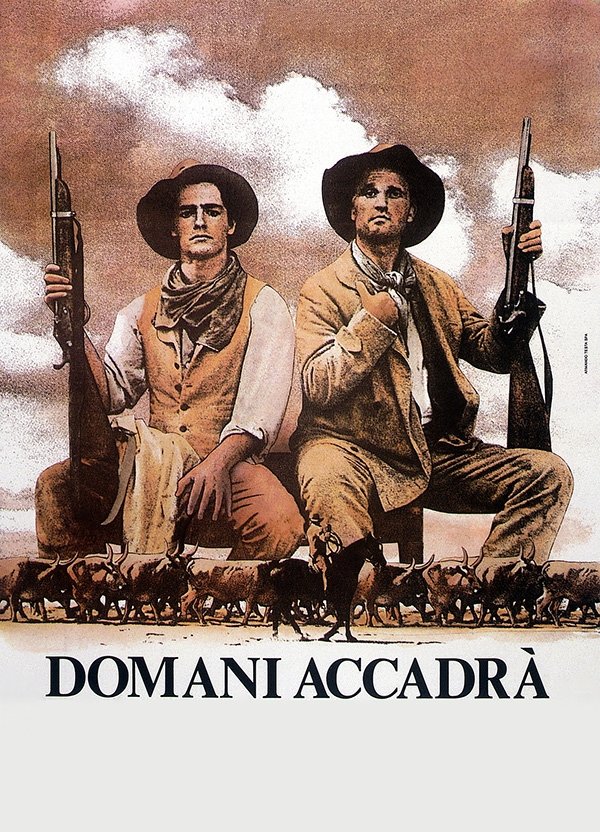
1848, Tuscan countryside. Edo and Lupo are two peasants running away after having robbed their boss. Chased by mercenaries, they'll meet bandits, damsels in distress, eccentric nobles, and revolutionaries along the way.
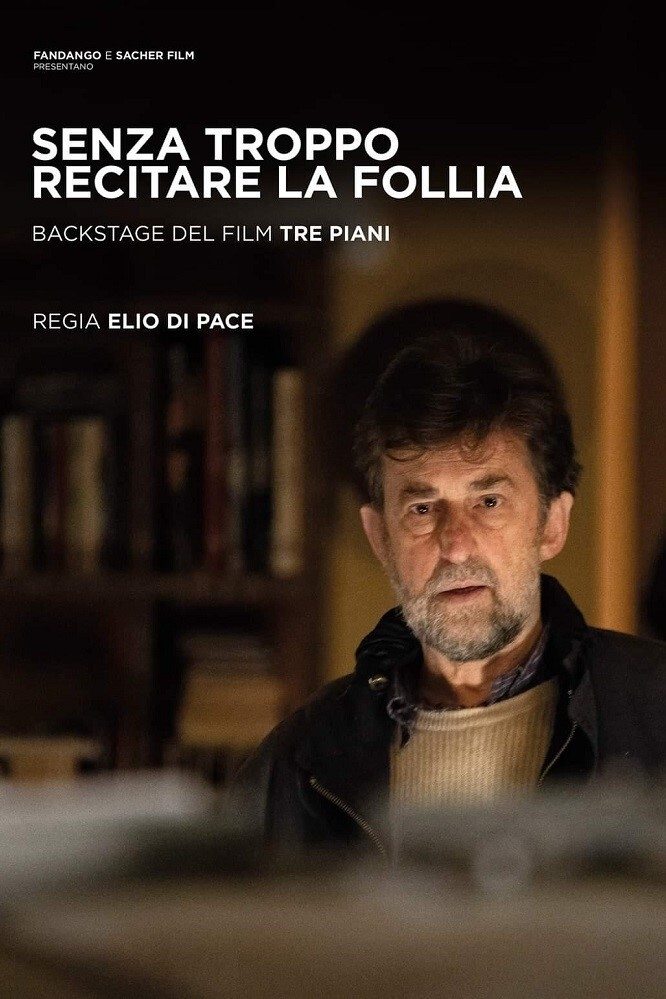
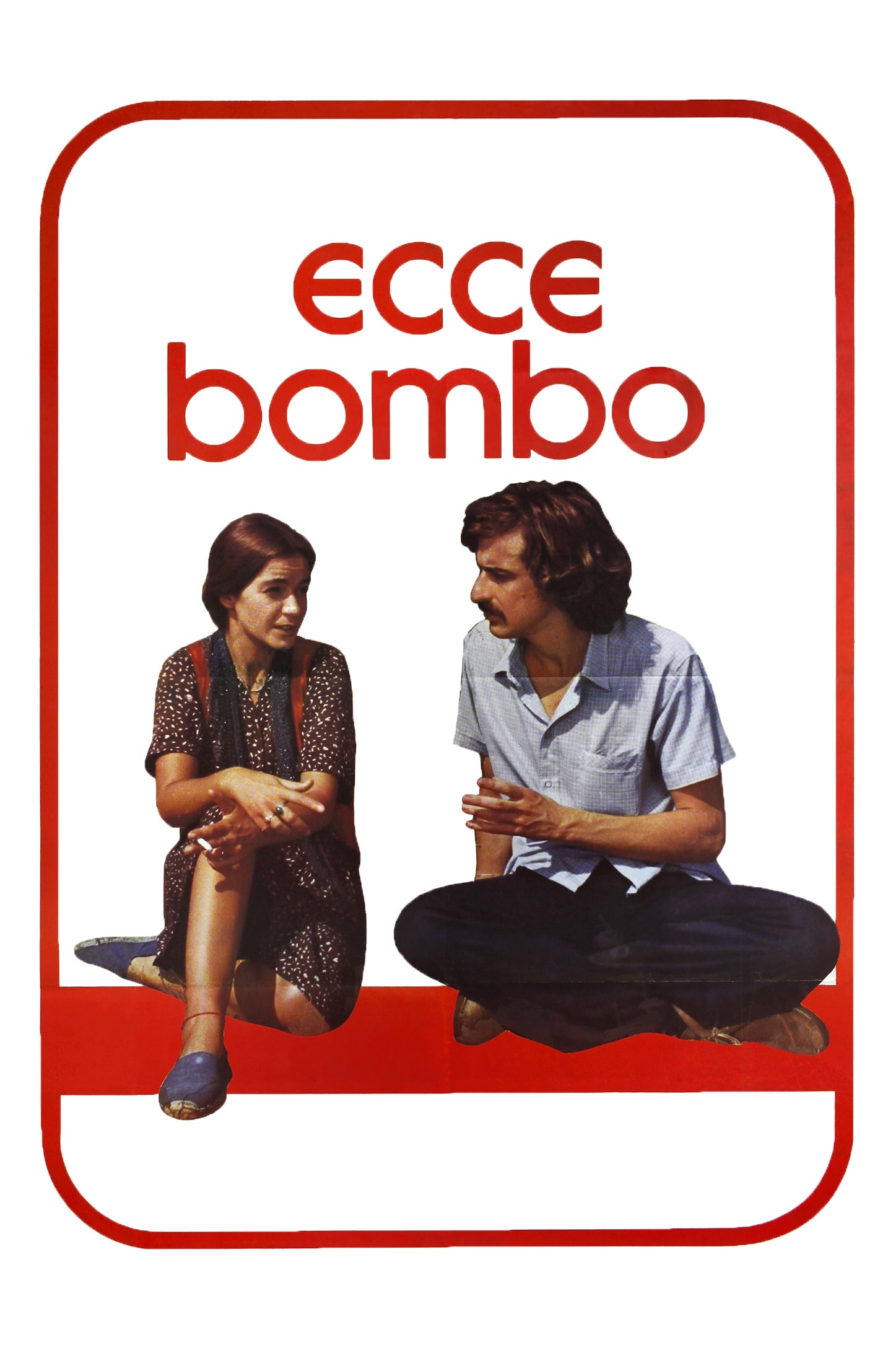
Michele Apicella, Goffredo, Mirko, and Vito are four high school friends who were on the forefront of the political protests that characterized the second half of the 1960s. Now a few years older, the four friends are no longer politically active and struggle to come to terms with their present. Intellectually marginalized and disenchanted with contemporary society, they form a collective consciousness group to try to understand what to do with themselves.
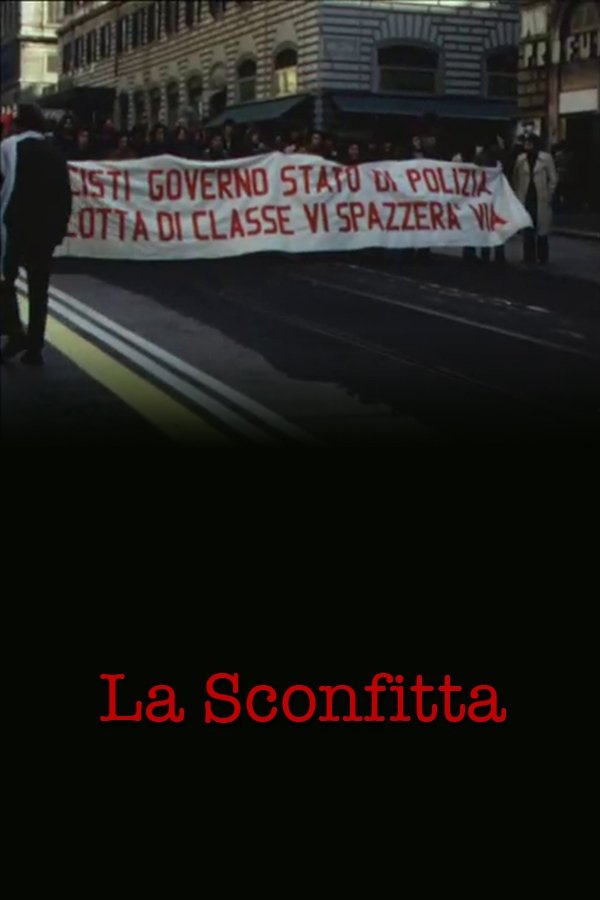
Demonstrations of metalworkers, students, and their allies on the left, seen from the point of view of an increasingly disillusioned young leftist. Film produced for Nuova Sinistra.
An old film director, unhappy with the movie he's shooting about a Hungarian circus stranded in Rome during the 1956 anti-Soviet uprising, faces divorce from his producer wife and other problems.
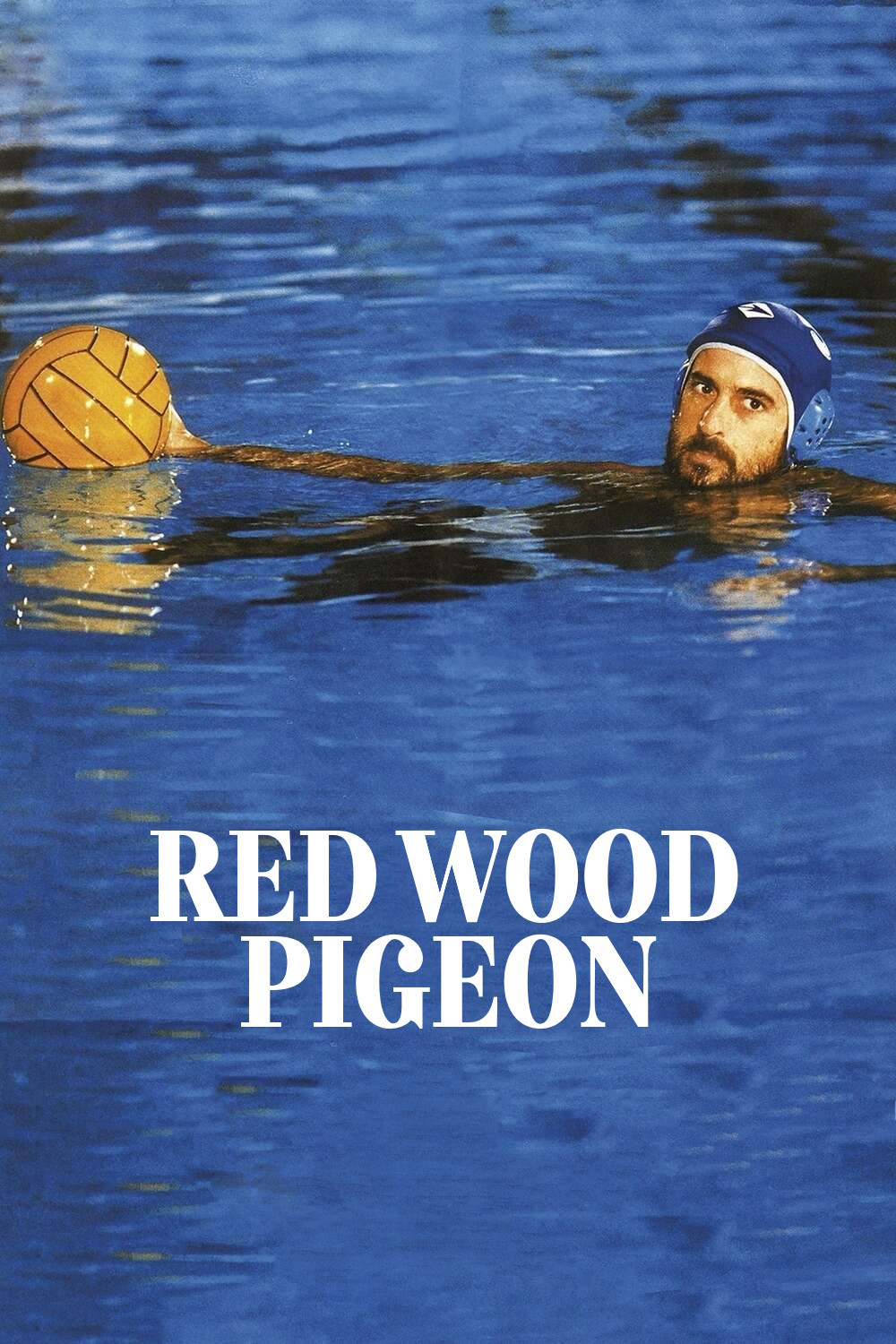
Michele is a Communist MP who loses his memory in a car crash—although nobody seems to notice. Over the course of a water polo match ahead of election day, he begins to remember his past life, revealing the picture of a man whose personal and political identity crisis mirrors the one of Italian communism.
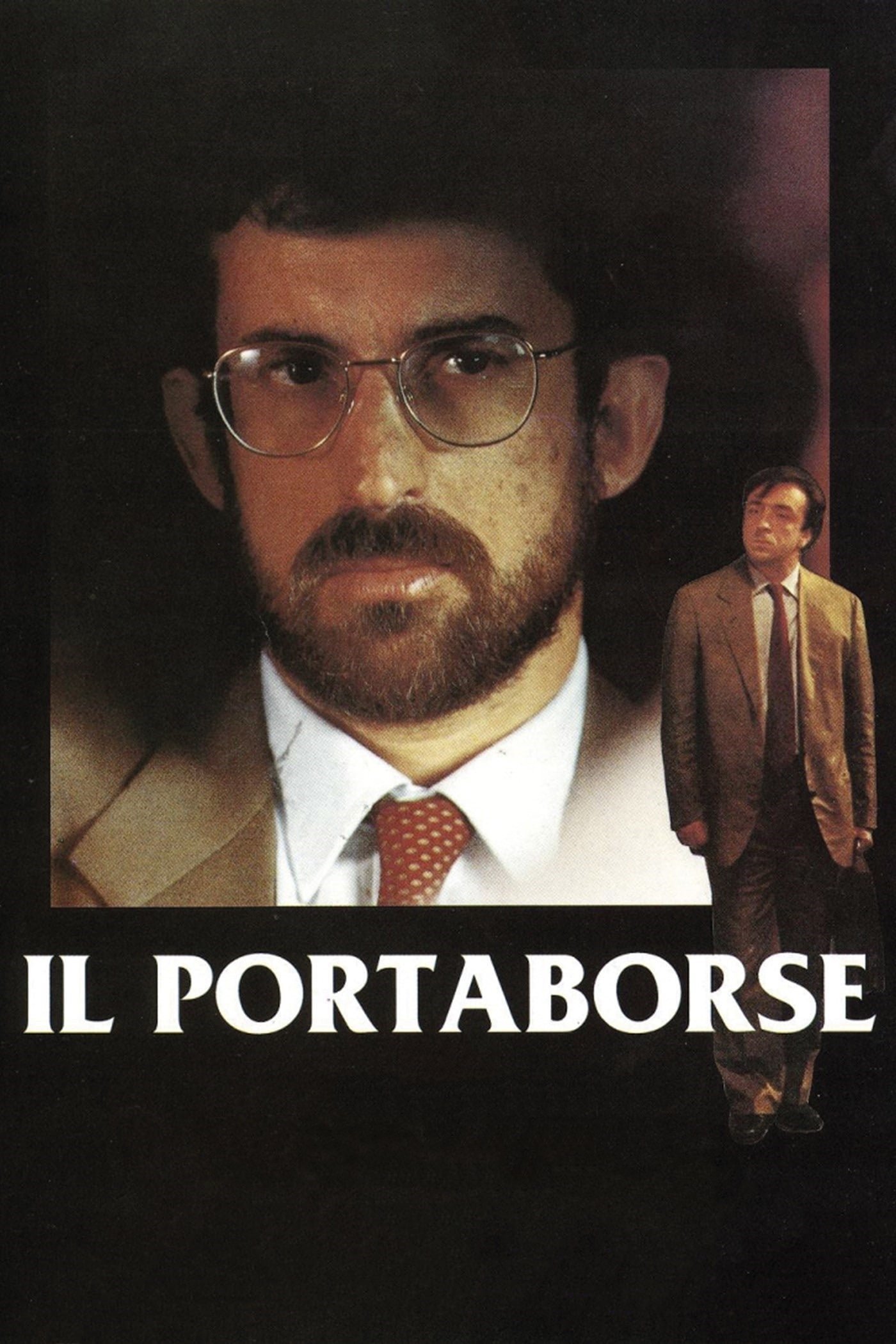
Cesare Botero, an ambitious and corrupt young minister, hires a new spokesman, honest and polite high school professor Luciano Sandulli.
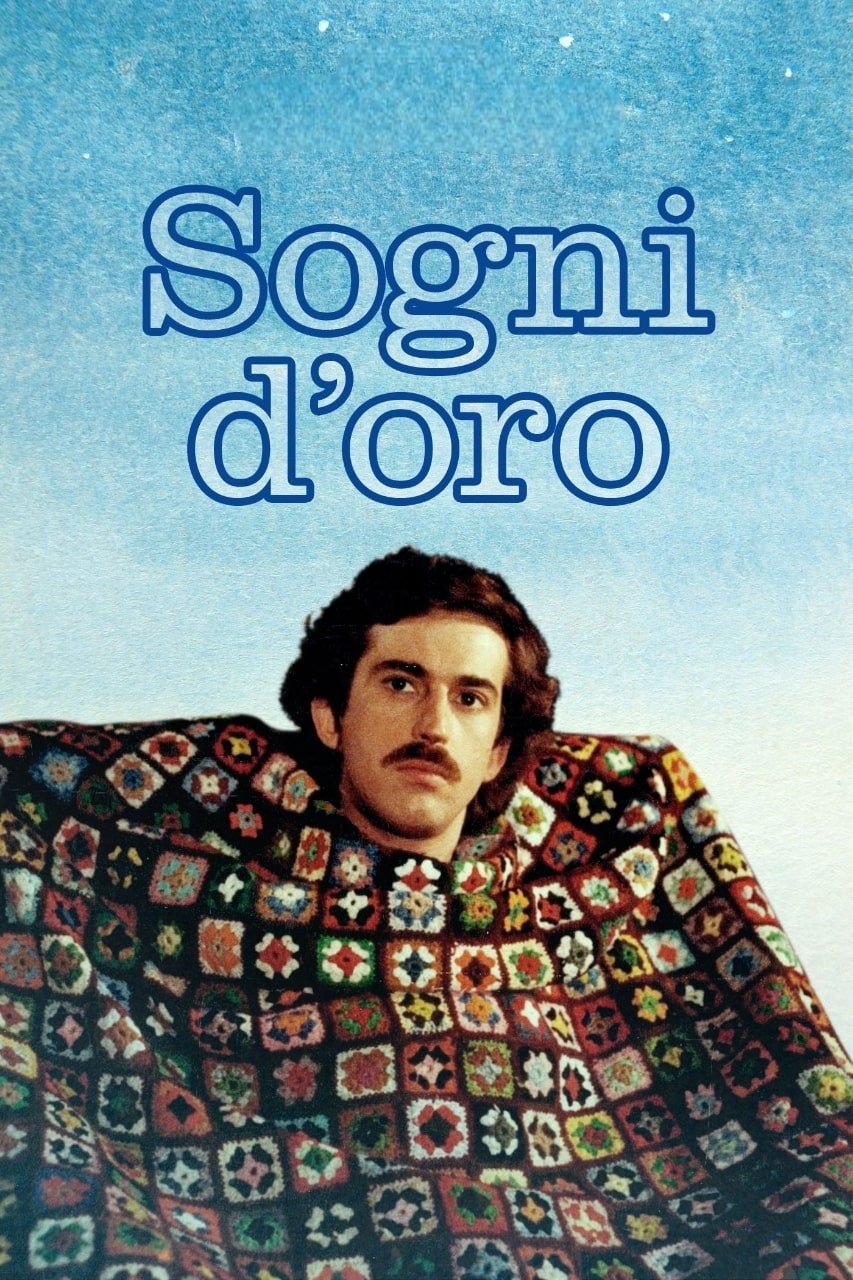
Michele criticizes the film industry and its inhabitants, and is particularly embattled with a Neapolitan director making a musical about the 1968 student demonstrations. At the same time, Michele has a creative block and struggles to finish his film titled "Freud’s Mother." Nanni Moretti’s self-inquiry into filmmaking, political ennui, and men’s relations with their mothers.

A convicted terrorist out on parole meets a man she nearly murdered 15 years before, without recognizing him. He does so, but he chooses to keep quiet and spend time with her—desperate to understand the reasons behind her gesture.
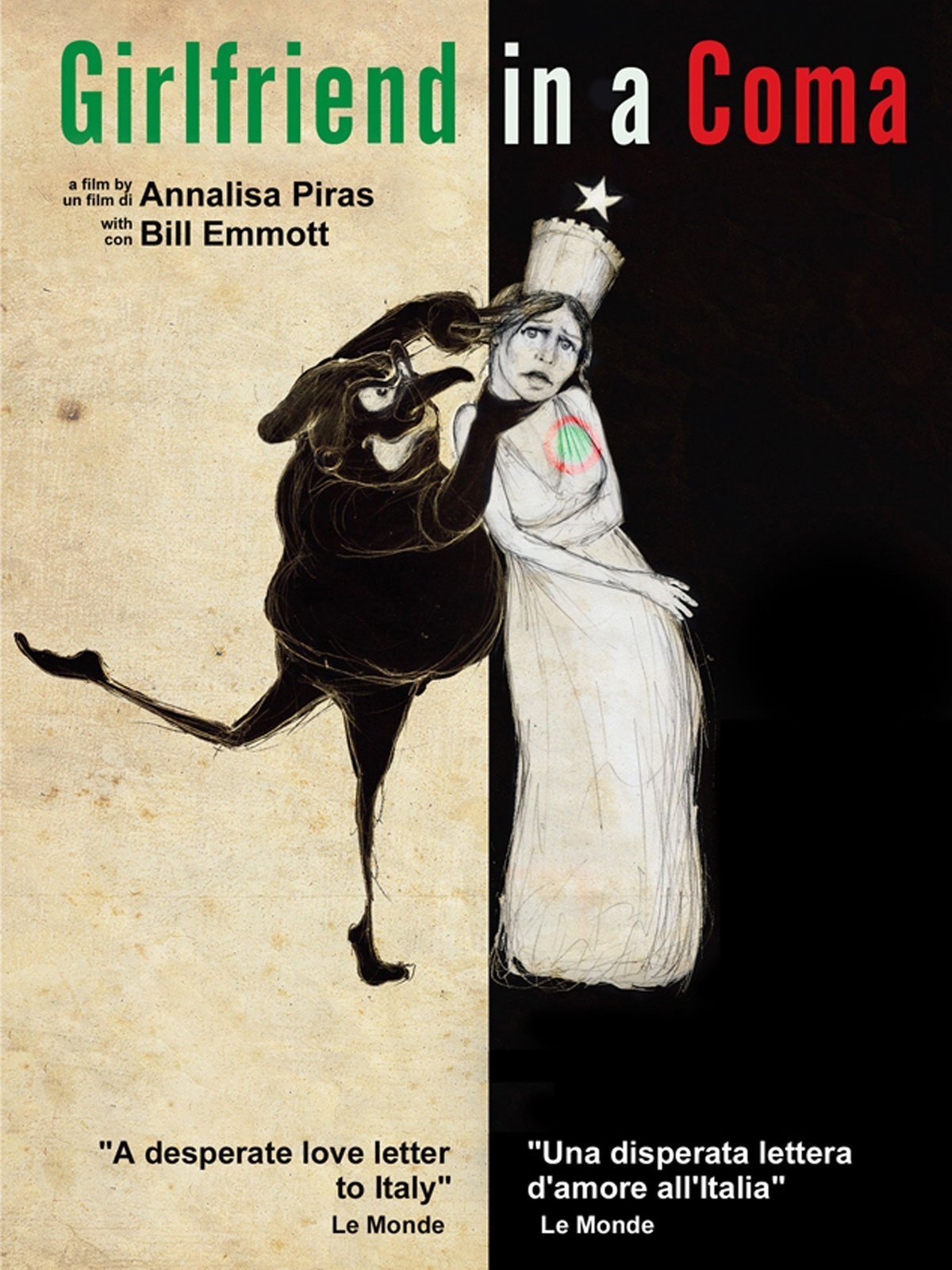
Girlfriend in a Coma is a documentary that exposes the dire situation of Italian politics and the process of economic and social decline the country has suffered during the last two decades, treating the decline as a warning of what might happen elsewhere in the West. The decline has occurred amid a collapse of moral values and the victory of “Mala Italia” over “Buona Italia”. It has been lauded as being ground-breaking in its creative combination of animation, interviews and hard facts, and has caused fierce controversy in Italy.
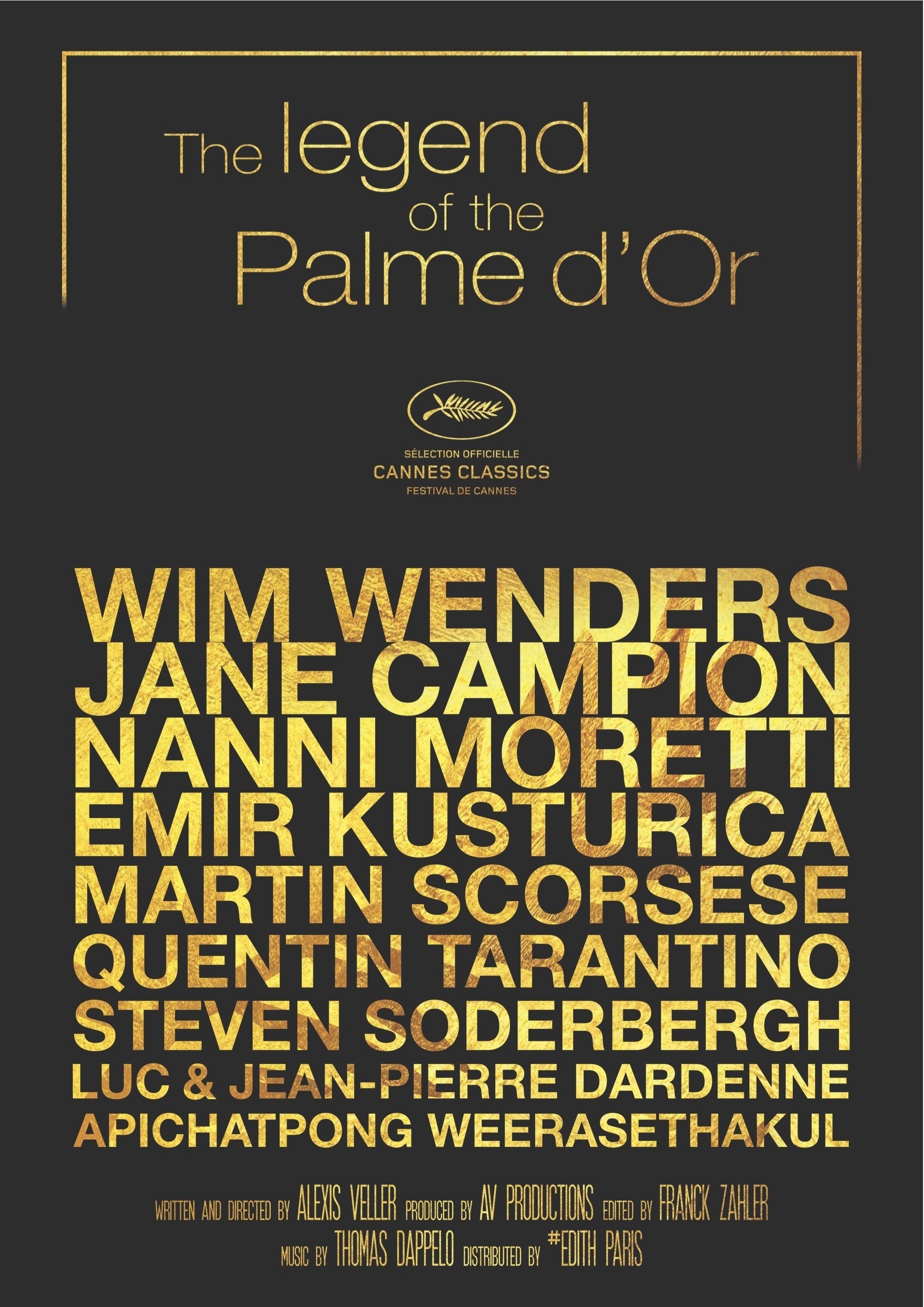
From Martin Scorsese to Jane Campion, from Emir Kusturica to Quentin Tarantino, some of the greatest recipients of this trophy recall special moments relating to the award ceremony which closes the Cannes Film Festival. This film brings to light moving and personal stories, as surprising as they are varied, which all contribute to further enhancing the legend of the Palme d’Or.

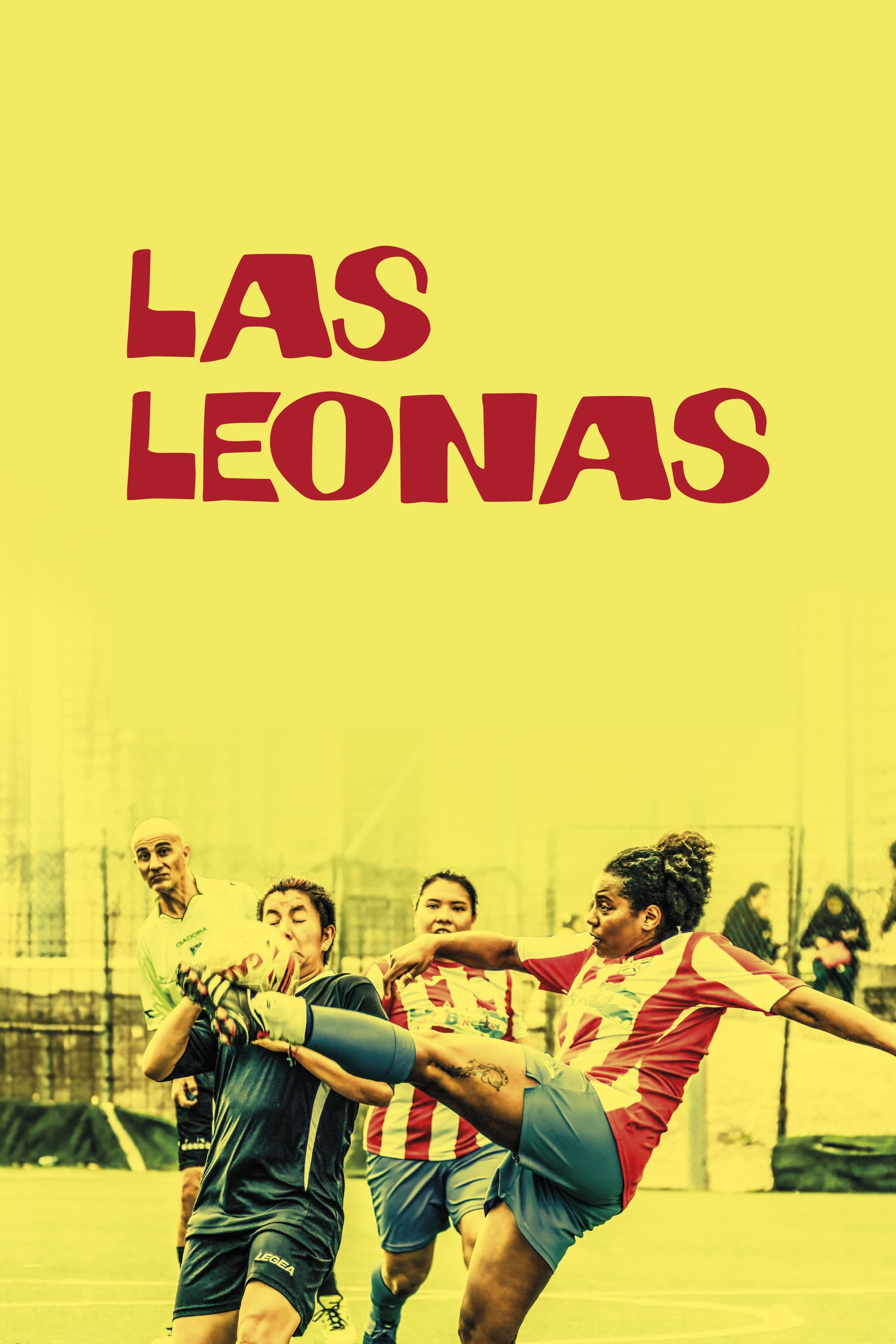
The story of a group of women immigrants in Rome, the majority from South America, working as caregivers or house cleaners, and all of them avid soccer fans. The film follows them during the Las Leonas Trophy matches and shares with us their private lives, jobs, perspectives, hopes, and expectations over the course of their very busy days.
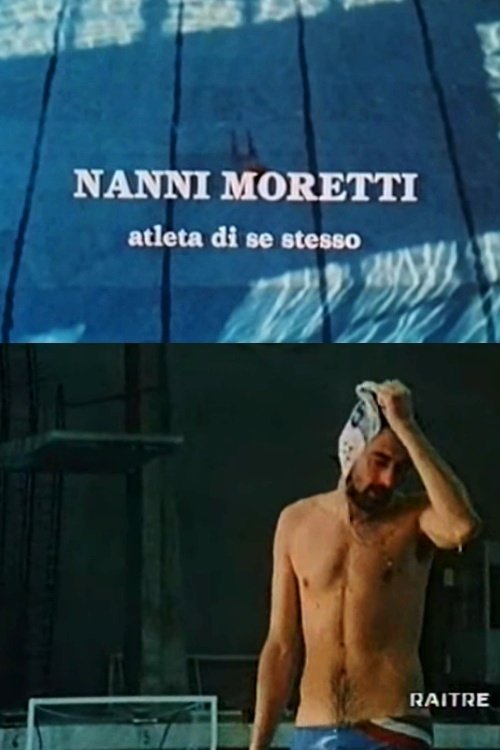
Part interview, part monologue, part documentary with Nanni Moretti talking about his work.
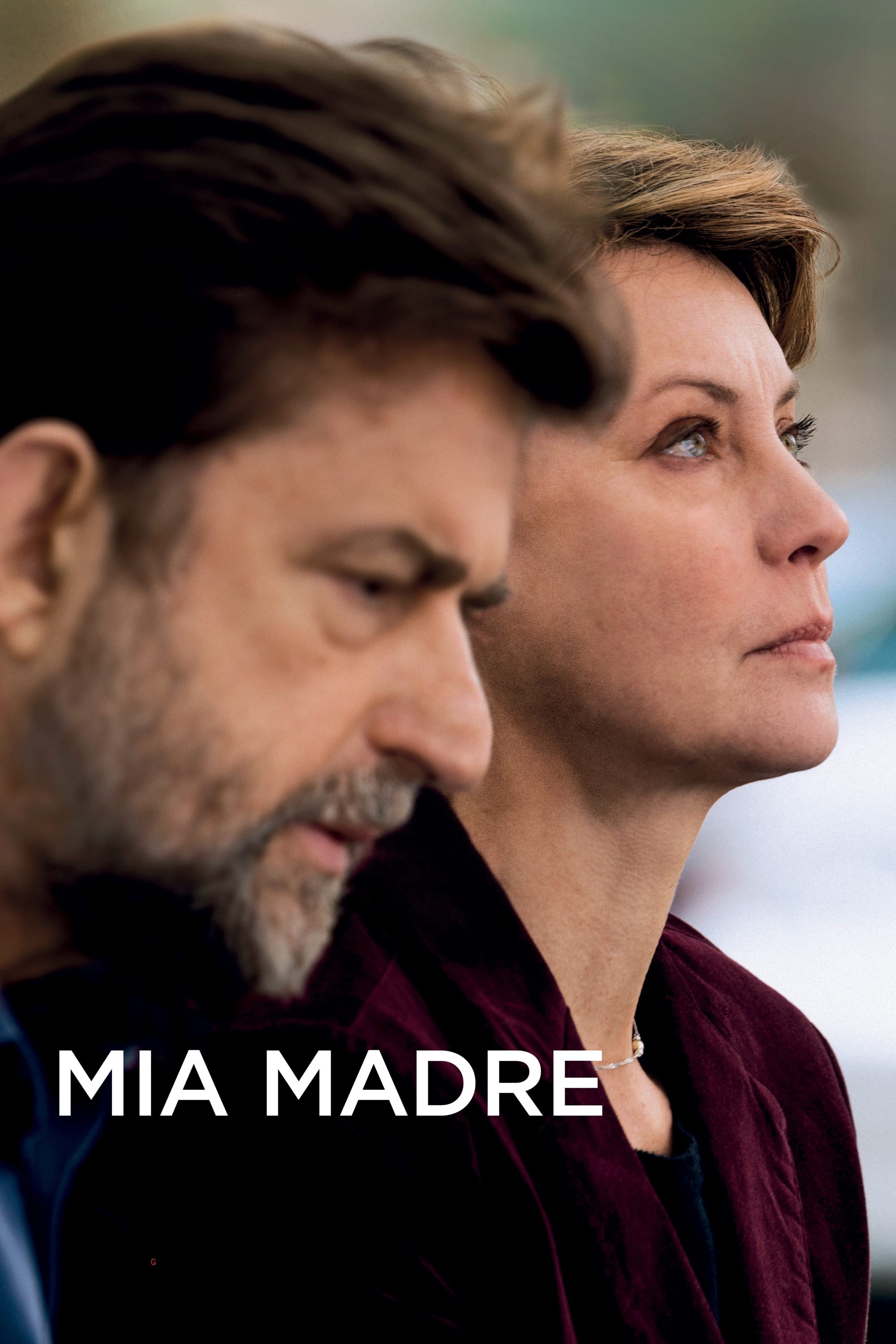
Margherita, a director in the middle of an existential crisis, has to deal with the inevitable and still unacceptable loss of her mother.
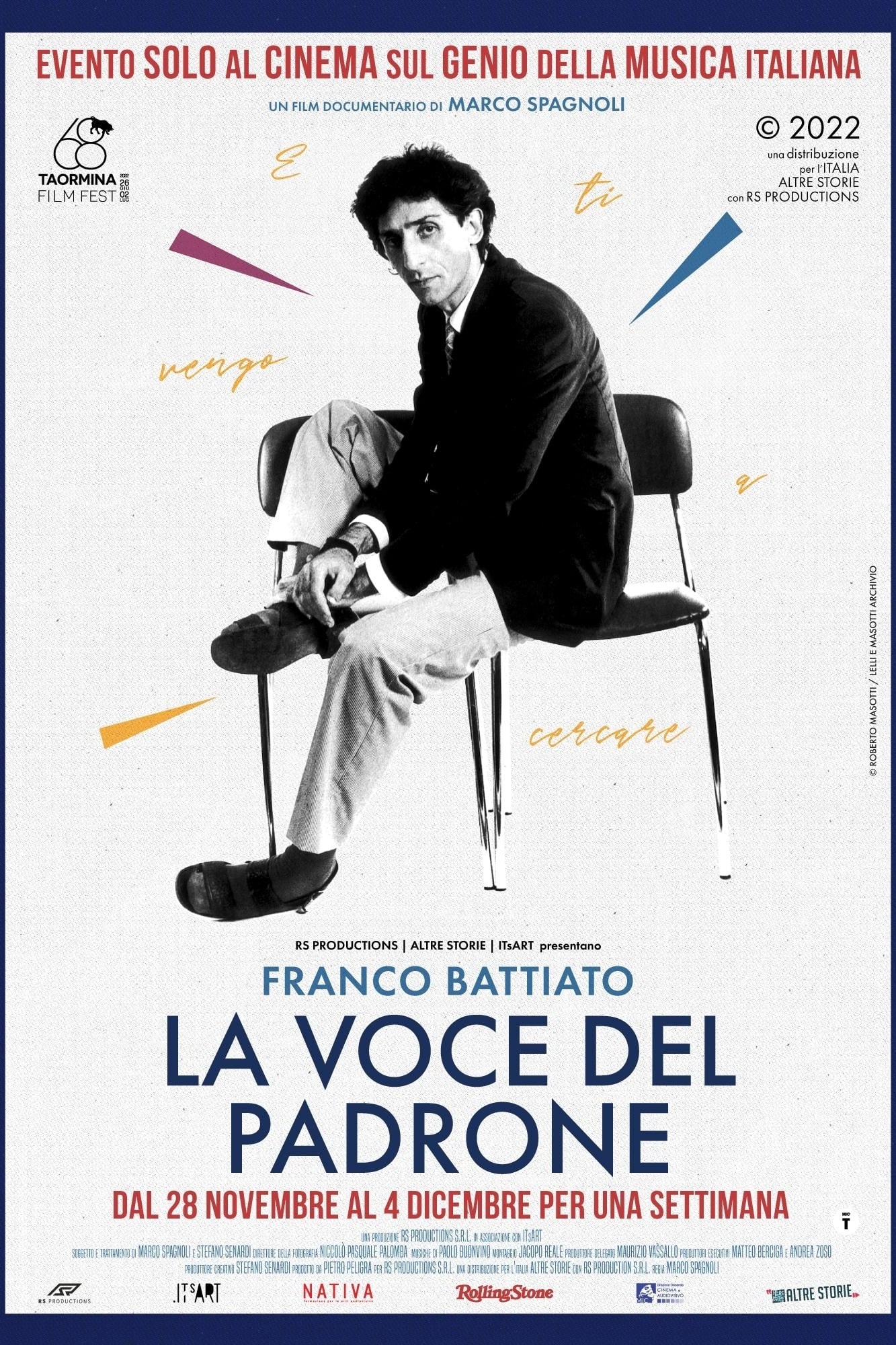
Documentary by Marco Spagnoli.
An Italian documentary about Italian cinema.
Michele Apicella lives in Rome, in an apartment paid for by his father. Abandoned by his wife and his son Andrea, he occupies his time acting in an experimental theater company under the artistic direction of his friend Fabio.
A selection of deleted scenes from Nanni Moretti's 1998 film "Aprile".
At his cinema in Rome, the Nuovo Sacher, Nanni Moretti anxiously oversees preparations for the premiere of the film Close-up, by Iranian director Abbas Kiarostami. Meanwhile Disney's The Lion King is taking Italy by storm.

Making of "Caro Diario"
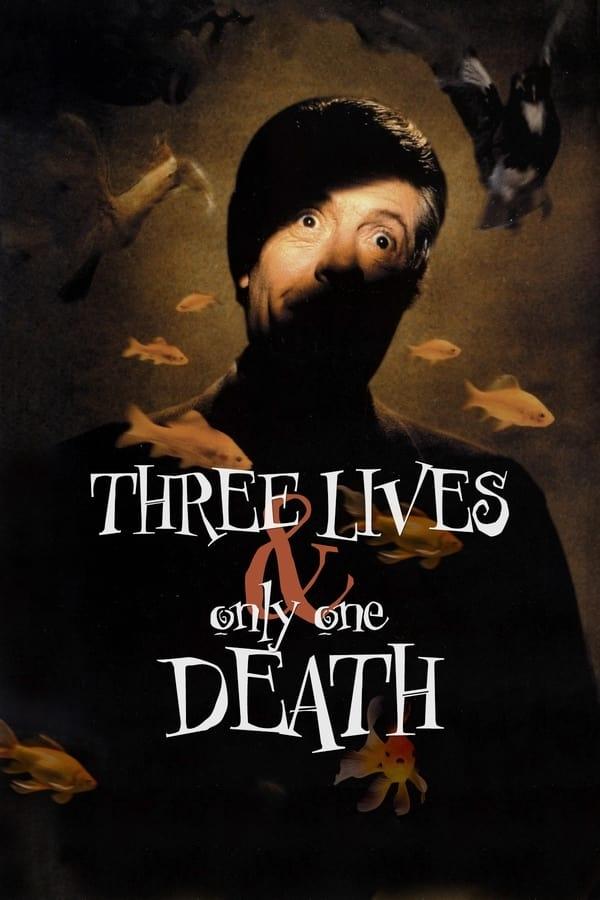
Four intertwining stories of bizarre occurrences in Paris featuring a man who was stolen away by fairies, a professor who becomes a tramp, the lovers who inherit a chateau – and the last tale that connects all that has gone before.

At the 60th anniversary of Cannes Film Festival, 34 famous directors are followed by camera.
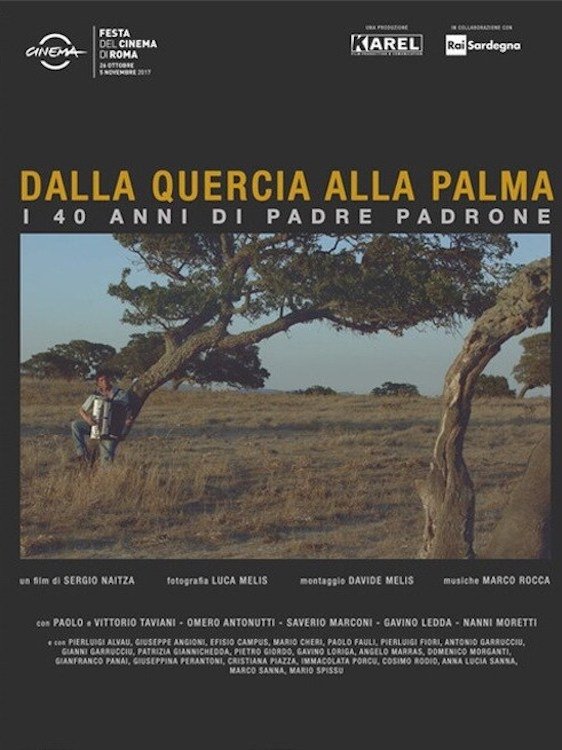
Memories and anecdotes of the making of "Padre Padrone"
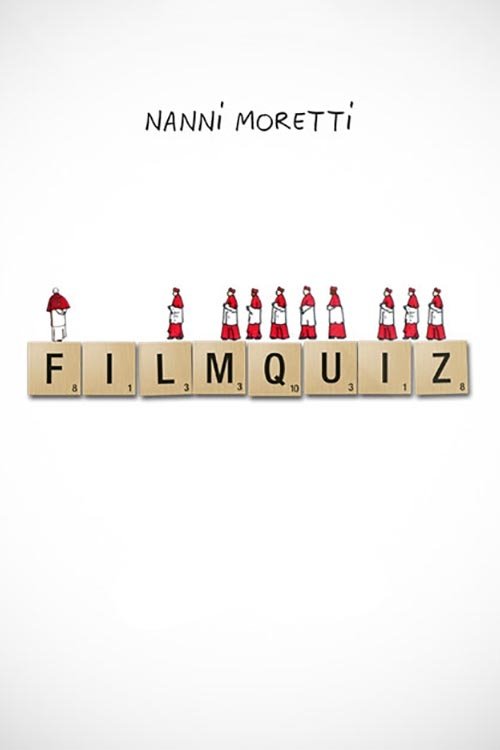
Nanni Moretti speaks of the forty films that have inspired him.
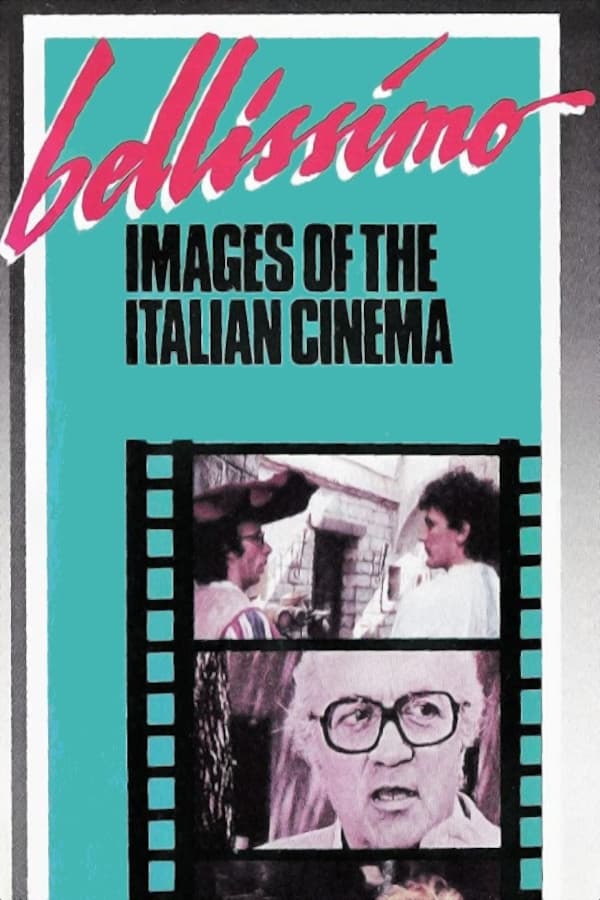
A documentary about the Italian cinema as art form and industry.
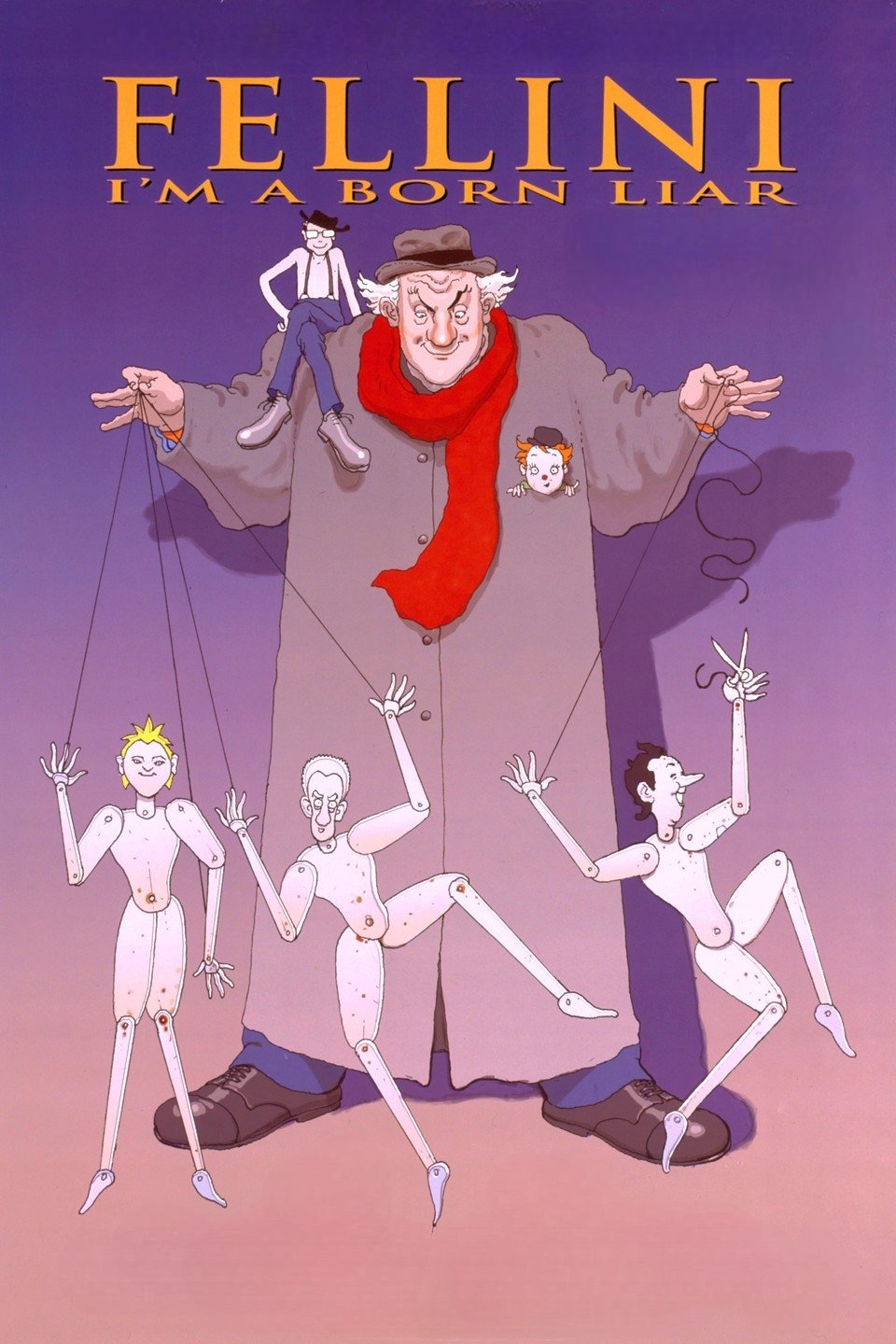
A look at Fellini's creative process. In extensive interviews, Fellini talks a bit about his background and then discusses how he works and how he creates. Several actors, a producer, a writer, and a production manager talk about working with Fellini. Archive footage of Fellini and others on the set plus clips from his films provide commentary and illustration for the points interviewees make. Fellini is fully in charge; actors call themselves puppets. He dismisses improvisation and calls for "availability." His sets and his films create images that look like reality but are not; we see the differences and the results.
The filmmaker Nanni Moretti recounts the story of his relationship with politics, both through his films and his political activism.
A parody of Manzoni's canonical 19th-century novel "I promessi sposi" (The Bethroded) from the point of view of the villain Don Rodrigo, who, however, in this upended version of the story is the victim rather than the perpretator of the violence.
A story of a group of friends and a couple in crisis, exposing the hypocrisy of the bourgeoisie.
A short about the film "I Am Self-Sufficient"
Various generations of filmmakers talk about what cinema means for them.
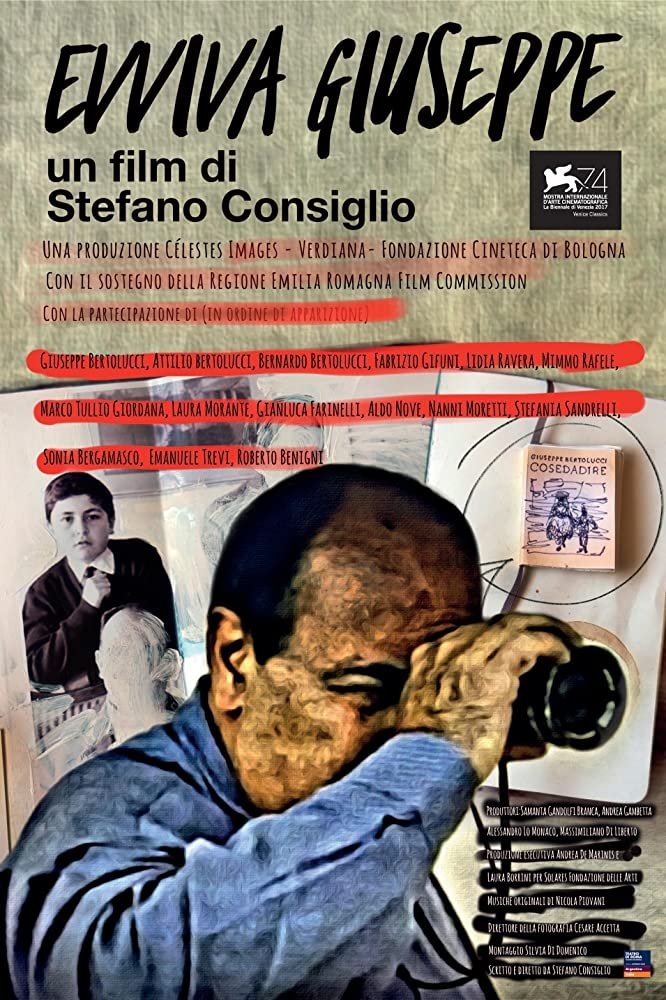
The life and work of Giuseppe Bertolucci, as told by his father and brother, friends and colleagues.
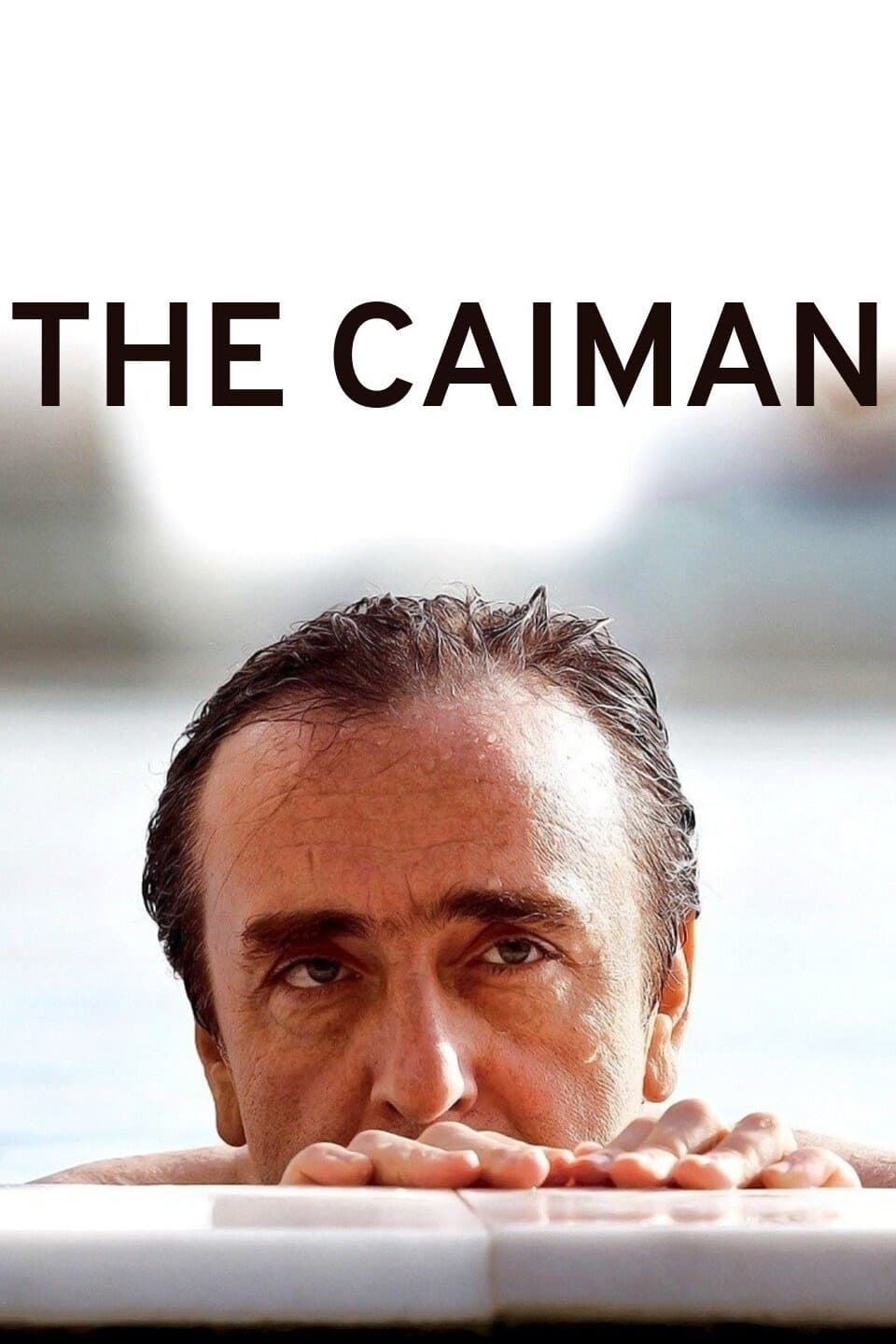
Bruno Bonomo was a famous producer of B-movies in the ‘70s. After a long hiatus, Bonomo offers a screenplay to RAI centered on the figure of Italy’s prime minister and media tycoon Silvio Berlusconi, a subject so controversial that even the public television broadcaster refuses to produce it
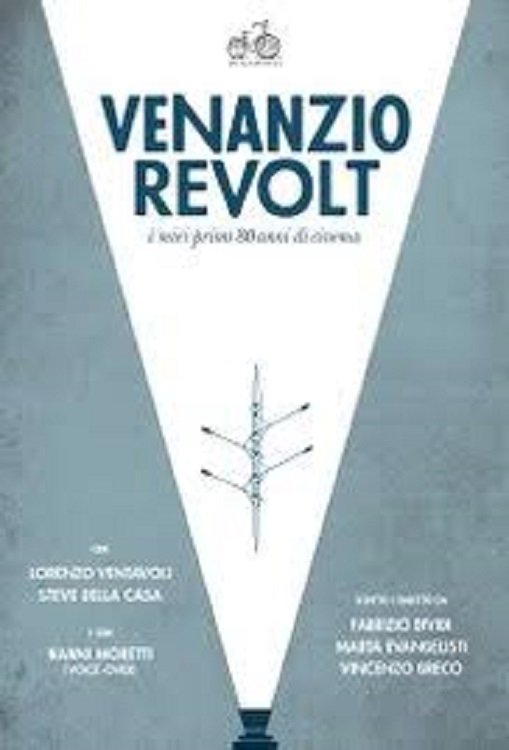
The producer and writer from Turin, Lorenzo Ventavoli, talks to his friend, the critic Steve Della Casa, in a brilliant conversation that touches on the most diverse subjects, from Yiddish cinema and his encounters with Bunuel, Bergman, and Woody Allen.
Nanni Moretti talks about the making of Ecce bombo while working out with his personal trainer.
Nanni Moretti talks about films while he works out with a personal trainer.
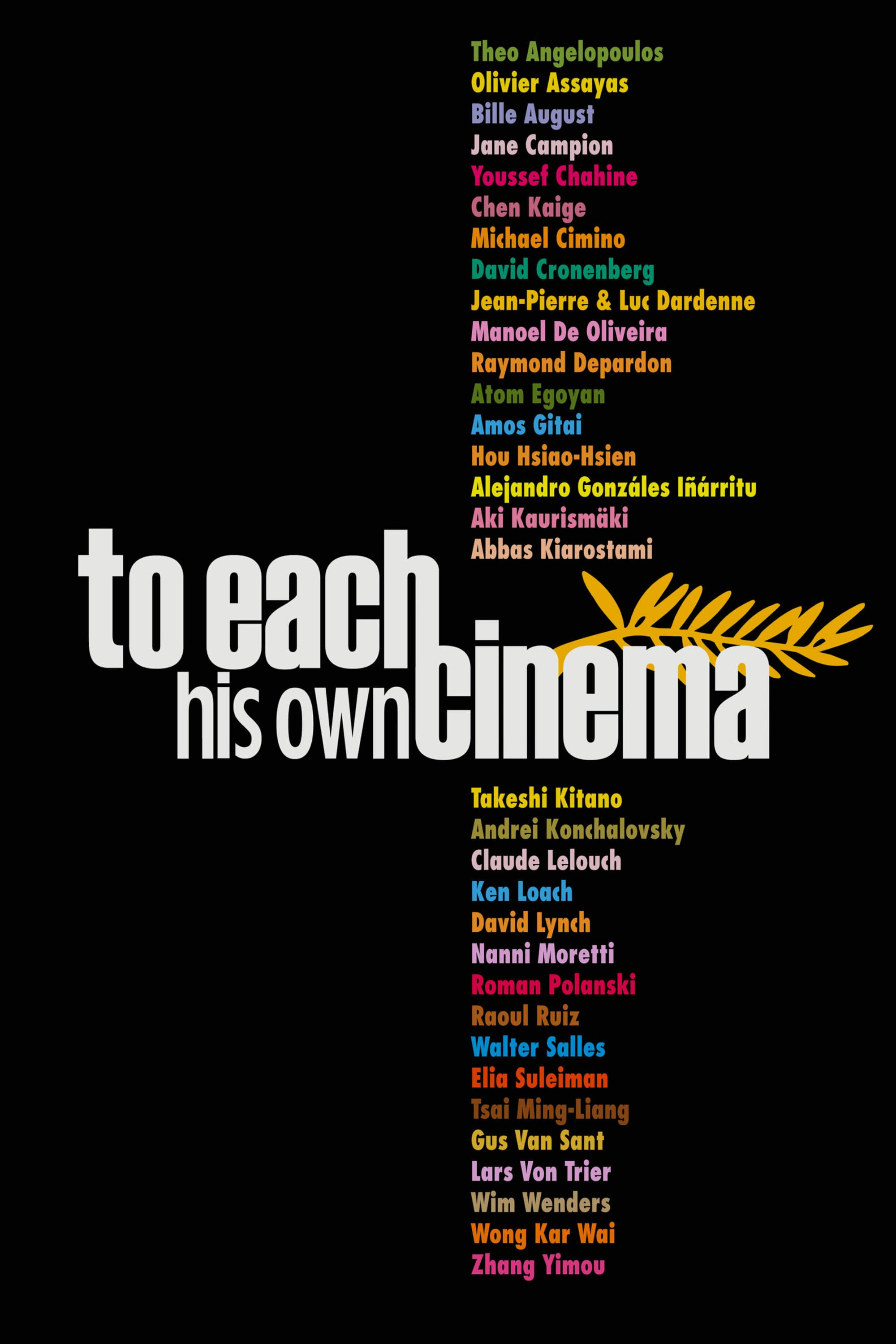
Commissioned to mark the 60th anniversary of the Cannes Film Festival, "To Each His Own Cinema" brought together 33 of the world's pre-eminent filmmakers to produce short pieces exploring the multifarious facets of cinema and their perspective on the state of their chosen artform in the early 21st century.
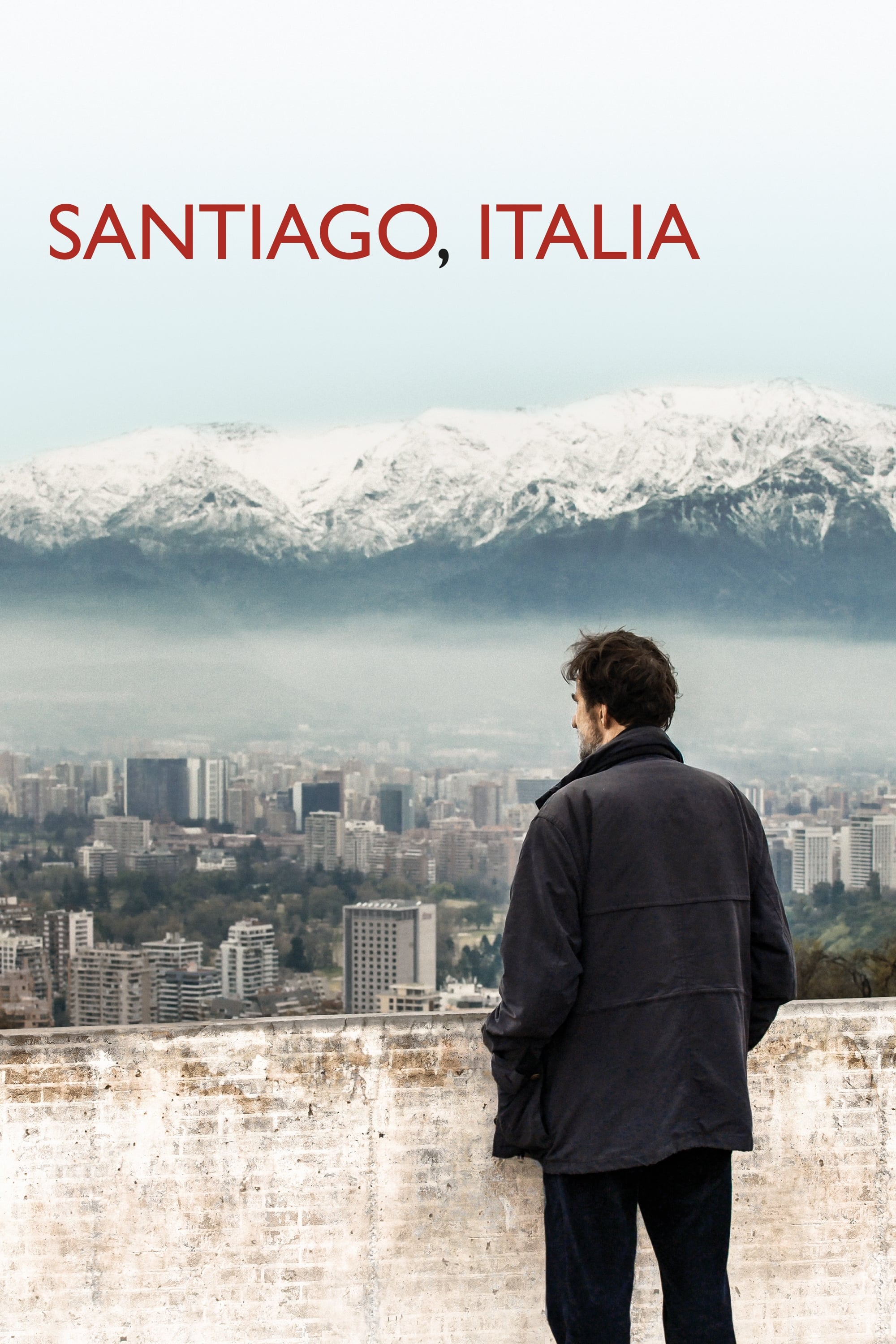
After the coup d'État of the Democratic government of Allende, the embassy of Italy in Santiago played a major role in helping the opposers of the regime, and extradited many of them to Italy.

Follows the lives of three families who live in a three-story building in a Roman neighbourhood.
Anthology short film with segments by nine directors against Silvio Berlusconi and its Forza Italia party — released ahead of the 1994 Italian general elections, which Berlusconi nevertheless won in a landslide. In Nanni Moretti's segment, he and Silvio Orlando reprise their roles from The Yes Man (1991).

Everyone in Marco's life seems constantly restless, from his brilliant but unhappily married parents to his own wife Marina, or even Luisa, the real love of his life, a girl he met during a fateful summer in the '70s and always stayed in touch with. Tragedy and fate seem to haunt him, yet he somehow manages never to get ensnared in the chaos—like his namesake, “the hummingbird”, he focuses all his energy at standing still.
A passionate, disillusioned and possibly (self)ironic portrait of a generation of filmmakers who decided to tread the rugged paths of real cinema.
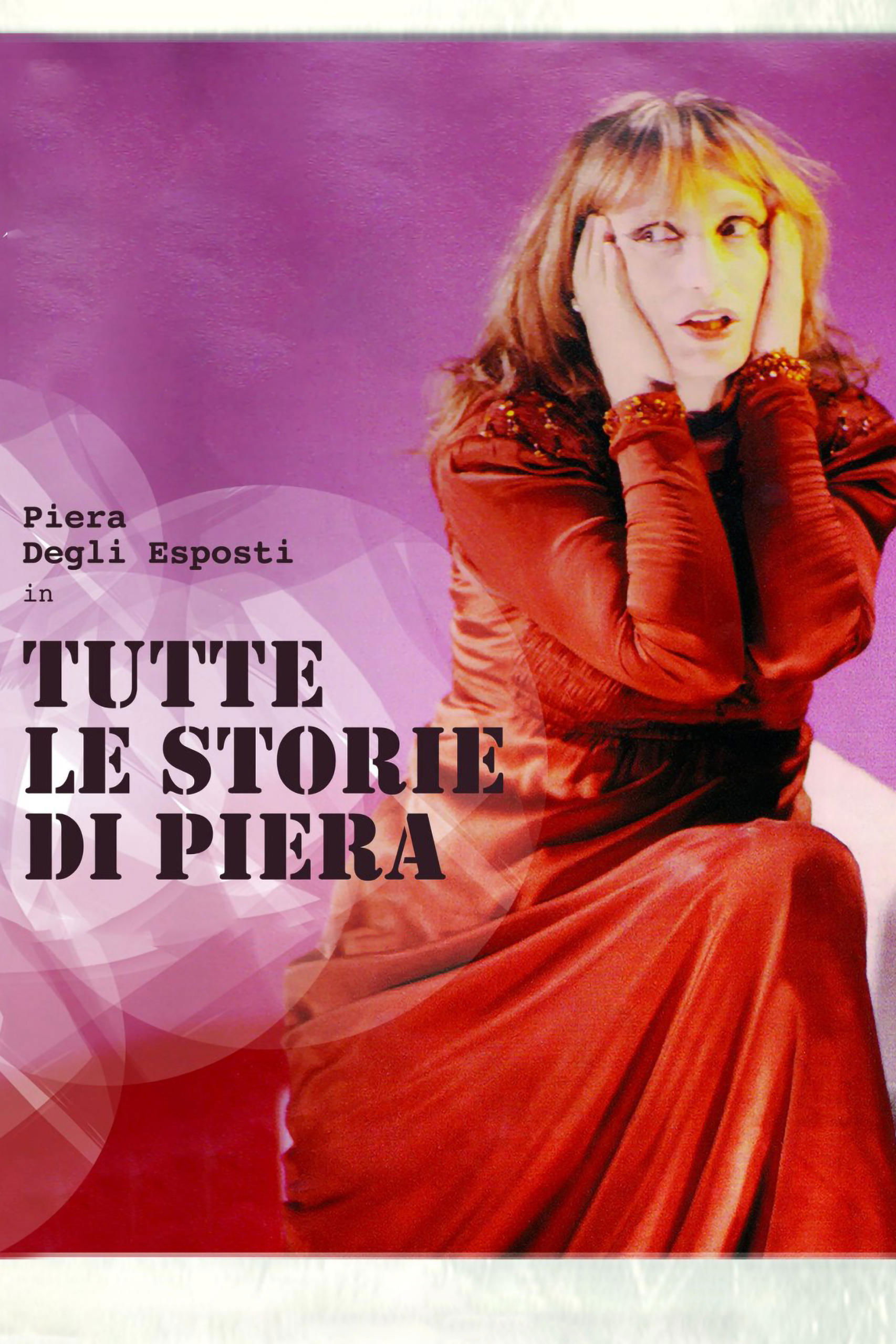
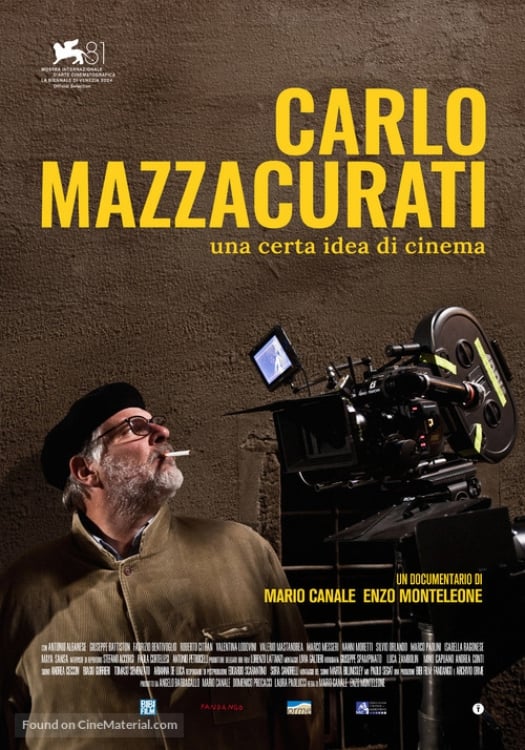
Explore the life and work of acclaimed Italian filmmaker Carlo Mazzacurati, who passed away in 2014. It delves into his distinctive poetic style, blending genres, and portraying rarely seen parts of Italy with empathy and dignity.
The film will explore contemporary emotions, fears, and relationships through intertwined stories, resembling Nevo's narrative style.
New short film by Nanni Moretti starring Louis Garrel