
The Spanish Civil War (1936-1939) caused a great impression on the lives of most of the American artists of that era, so many movies were made in Hollywood about it. The final defeat of the Spanish Republic left an open wound in the hearts of those who sympathized with its cause. The eventful life of screenwriter Alvah Bessie (1904-1985), one of the Hollywood Ten, serves to analyze this sadness, the tragedy of Spain and its consequences.
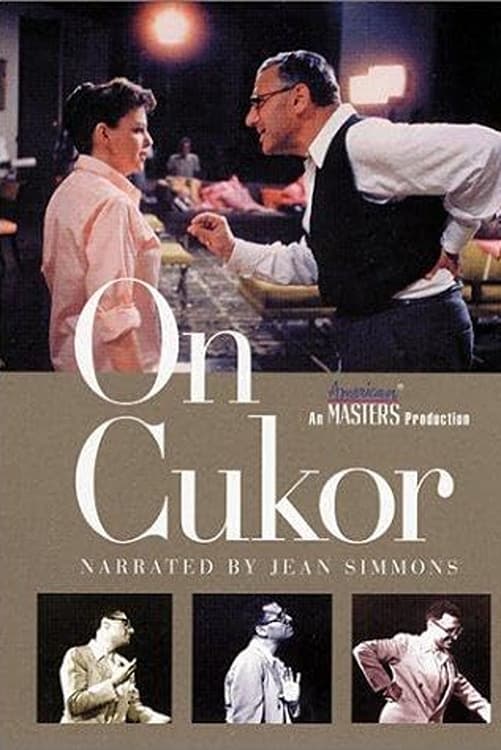
Widely thought of as “a woman’s director,” legendary film director George Cukor is profiled with the use of film clips and interviews with his friends and colleagues to provide a picture of the director’s unique accomplishments and to trace the arc of his career.
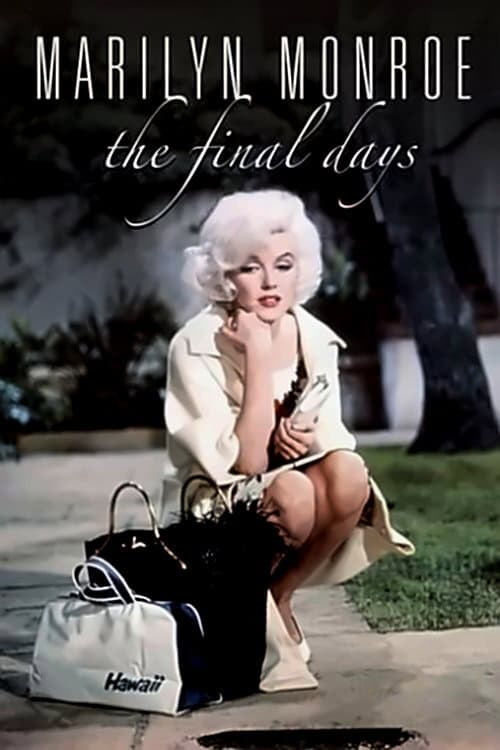
Marilyn Monroe's final project, "Something's Got to Give", has become one of the most talked about unfinished films in history. The story of the film and Marilyn's last days were seemingly lost… until now. Through interviews, never-before-seen footage and an edited reconstruction of "Something's Got to Give", Marilyn Monroe: The Final Days provides a definitive and fascinating look at the last act in the life of the world's most famous and tragic superstar.
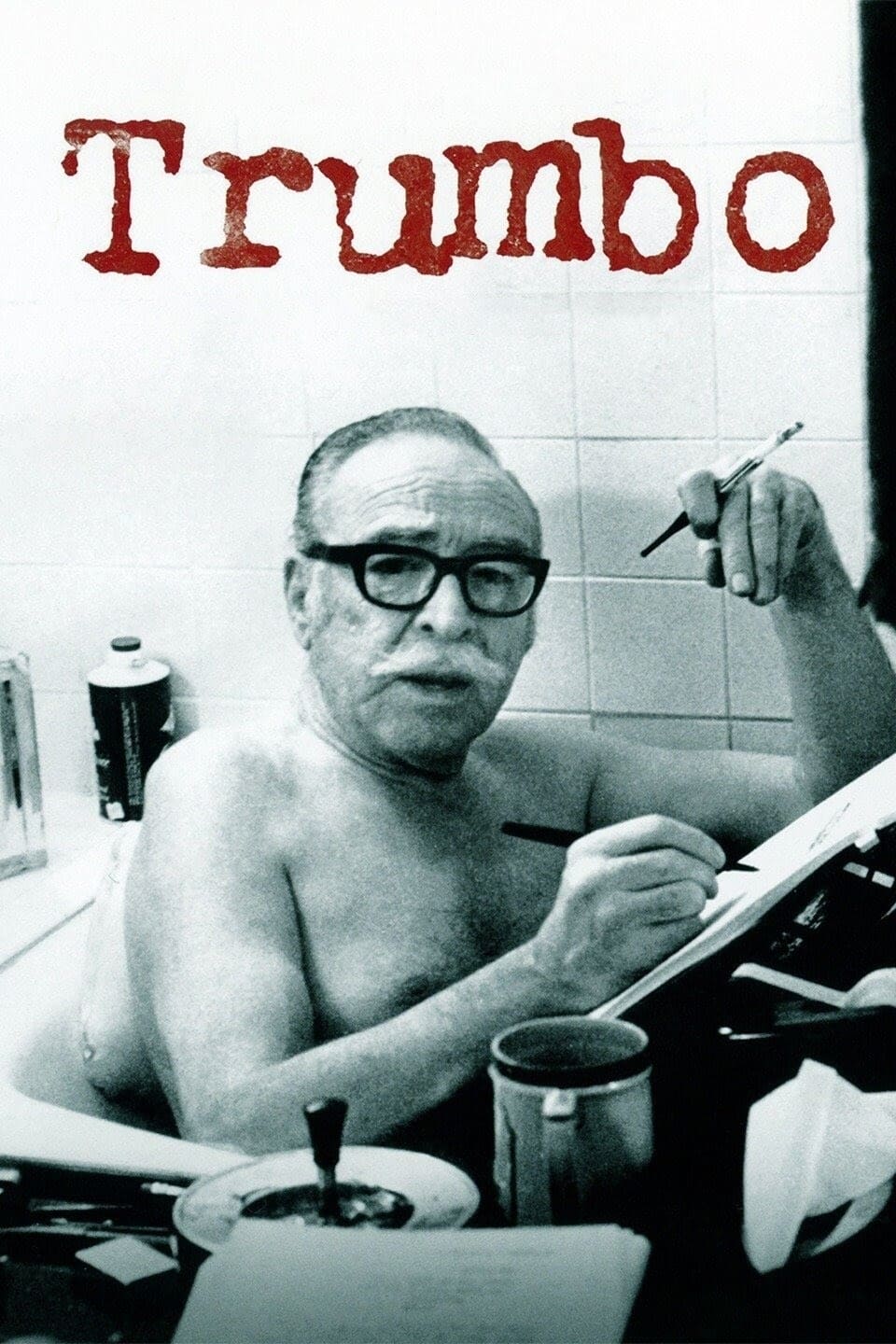
Through a focus on the life of Dalton Trumbo (1905-1976), this film examines the effects on individuals and families of a congressional pursuit of Hollywood Communists after World War II. Trumbo was one of several writers, directors, and actors who invoked the First Amendment in refusing to answer questions under oath. They were blacklisted and imprisoned. We follow Trumbo to prison, to exile in Mexico with his family, to poverty, to the public shunning of his children, to his writing under others' names, and to an eventual but incomplete vindication. Actors read his letters; his children and friends remember and comment. Archive photos, newsreels and interviews add texture. Written by
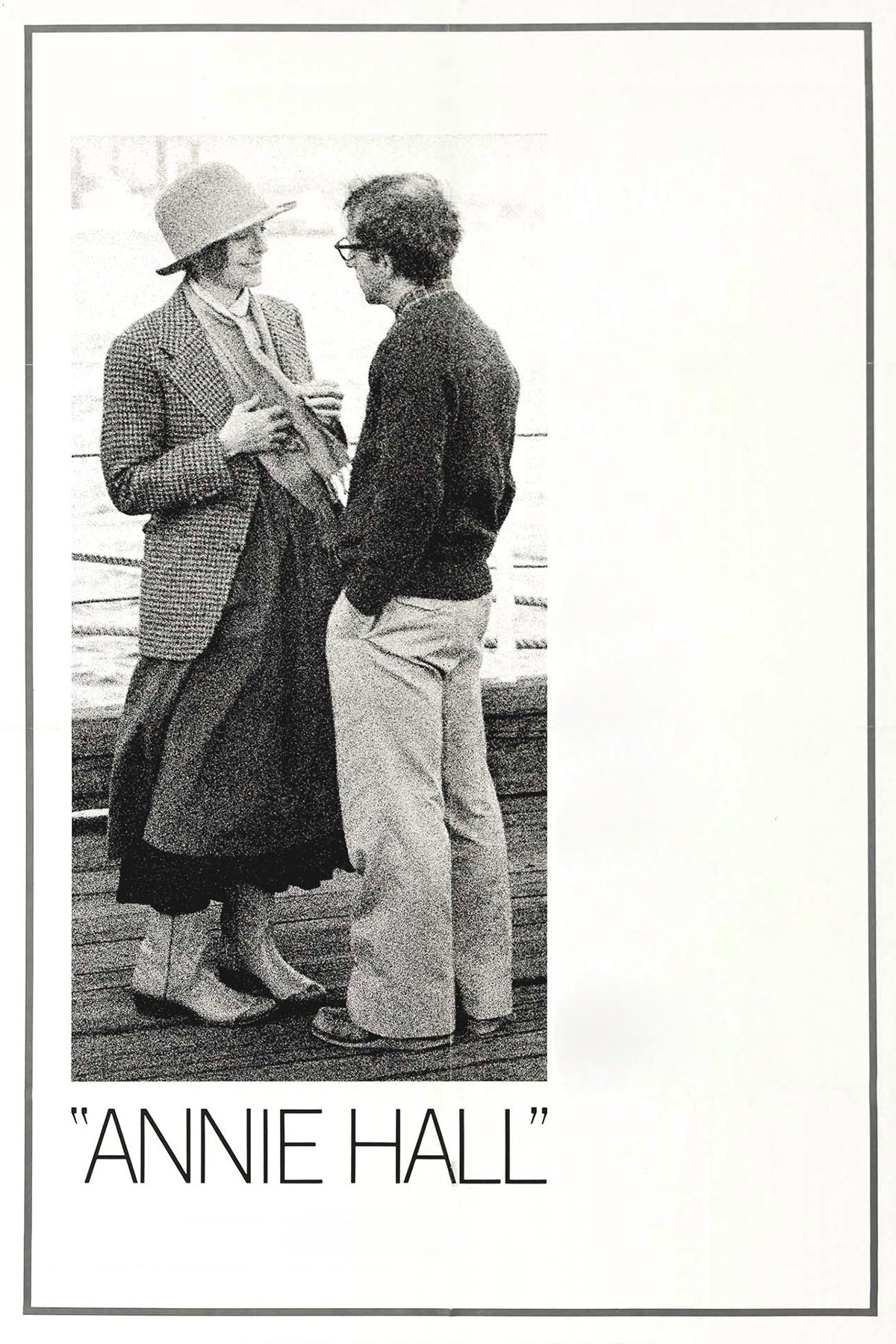
New York comedian Alvy Singer falls in love with the ditsy Annie Hall.
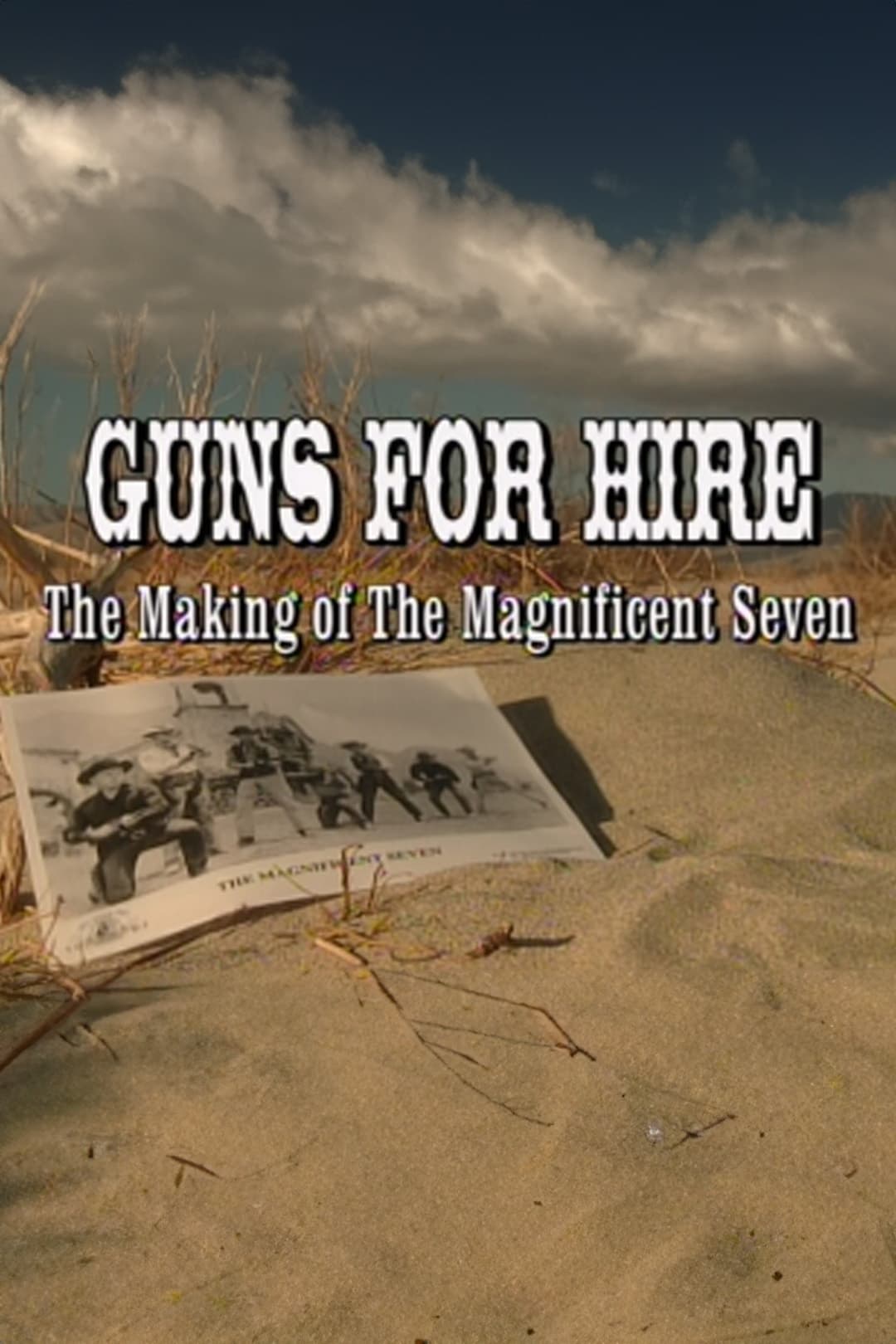
A documentary about 'The Magnificent Seven'.
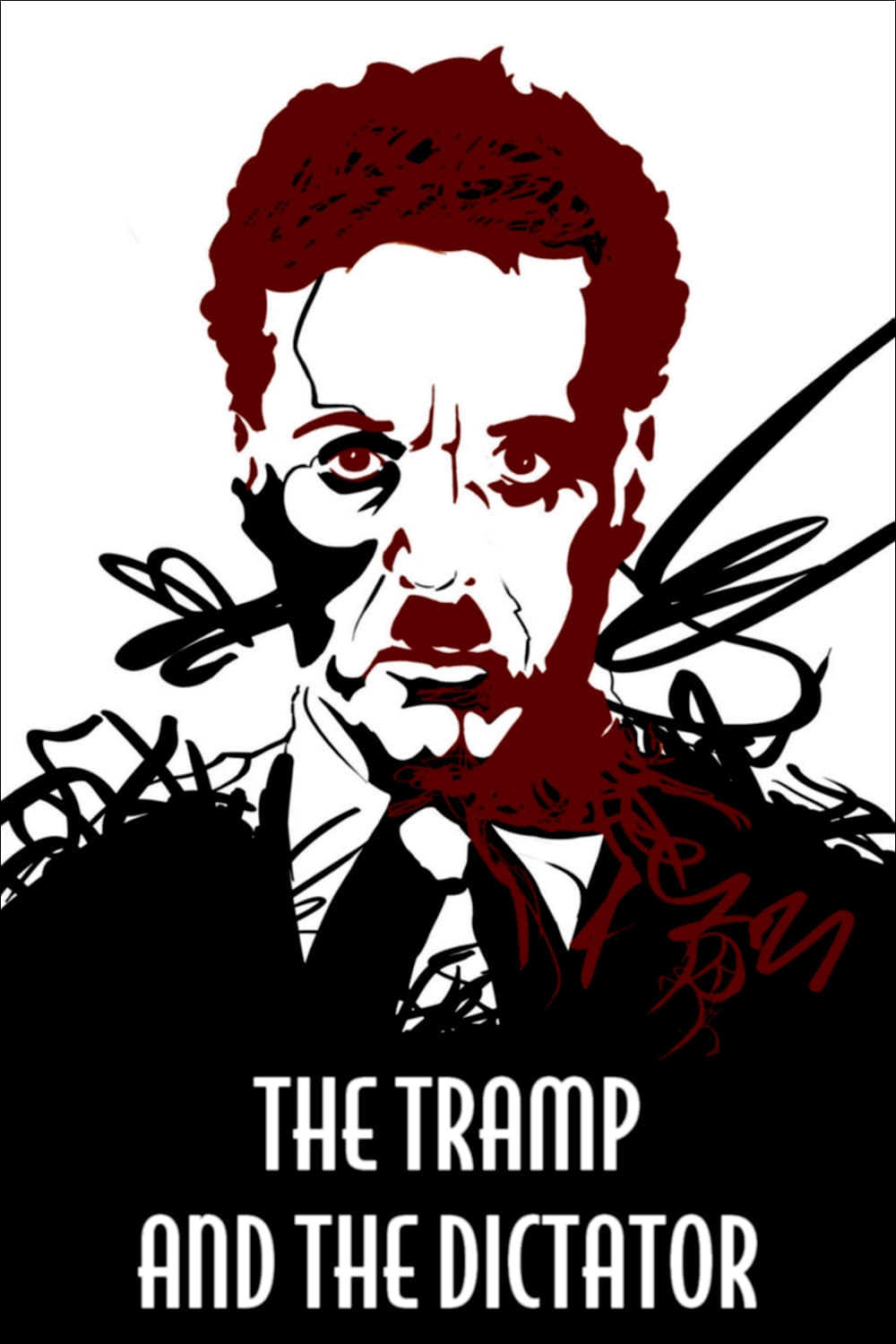
A look at the parallel lives of Charlie Chaplin and Adolf Hitler and how they crossed with the creation of the film “The Great Dictator,” released in 1940.
Larry Ceplair, co-author of The Inquisition in Hollywood, and blacklisted screenwriter Walter Bernstein, a former member of the Communist Party, discuss the socio-political environment in Hollywood during the 1940s and 1950s, as well as unusual production history of "Johnny Guitar."
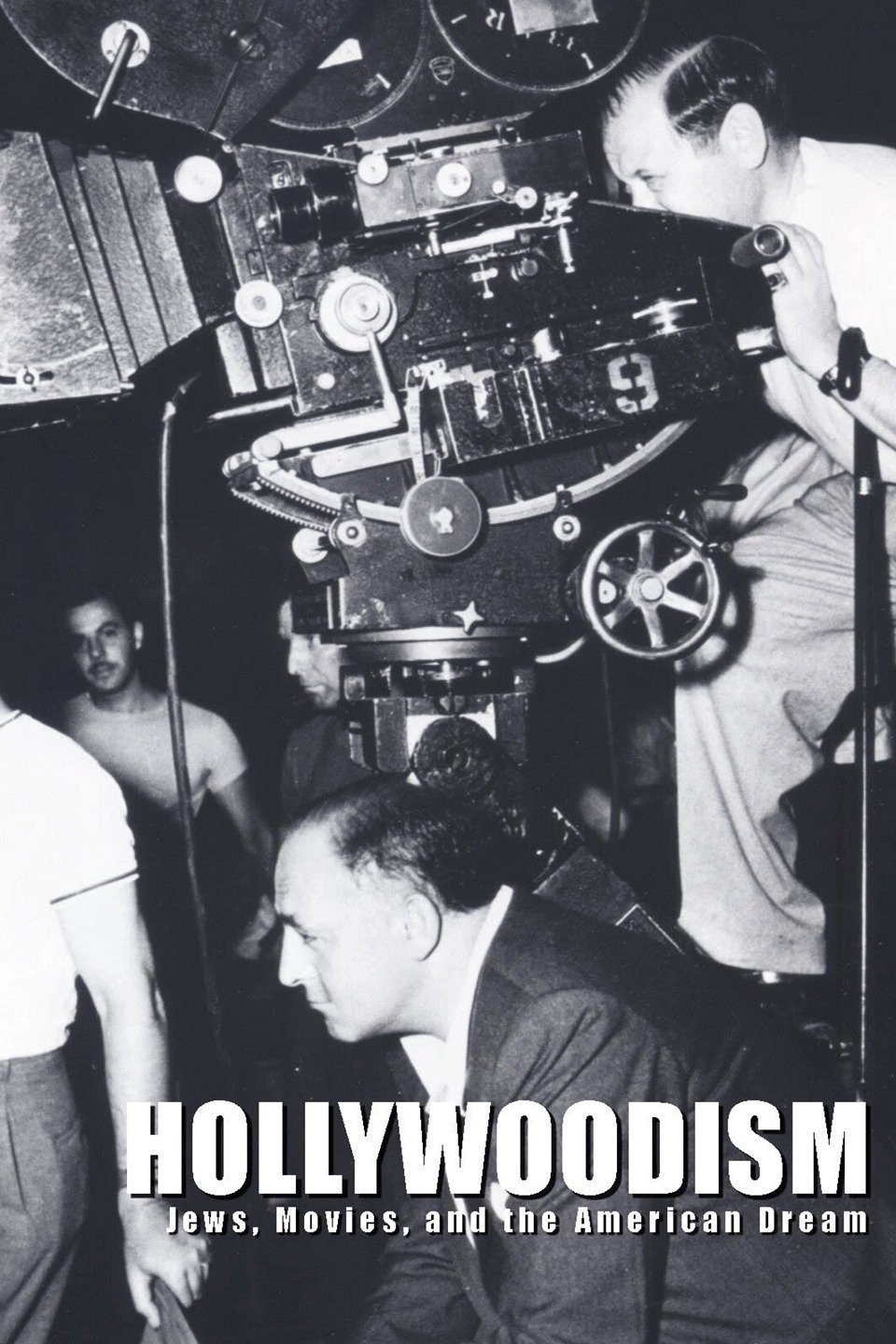
This film discusses the effect on how major American films in Hollywood were influenced by the Eastern European Jewish culture that most of the major movie moguls who controlled the studios shared. Through clips of various films, the filmmakers illustrate the dominant themes like that of the outsider, the outspoken American patriotism, and rooting for the underdog in society.
Documentary featuring interviews with director Sidney Lumet, "Fail-Safe" (2000) producer George Clooney, star Dan O’Herlihy and screenwriter Walter Bernstein.
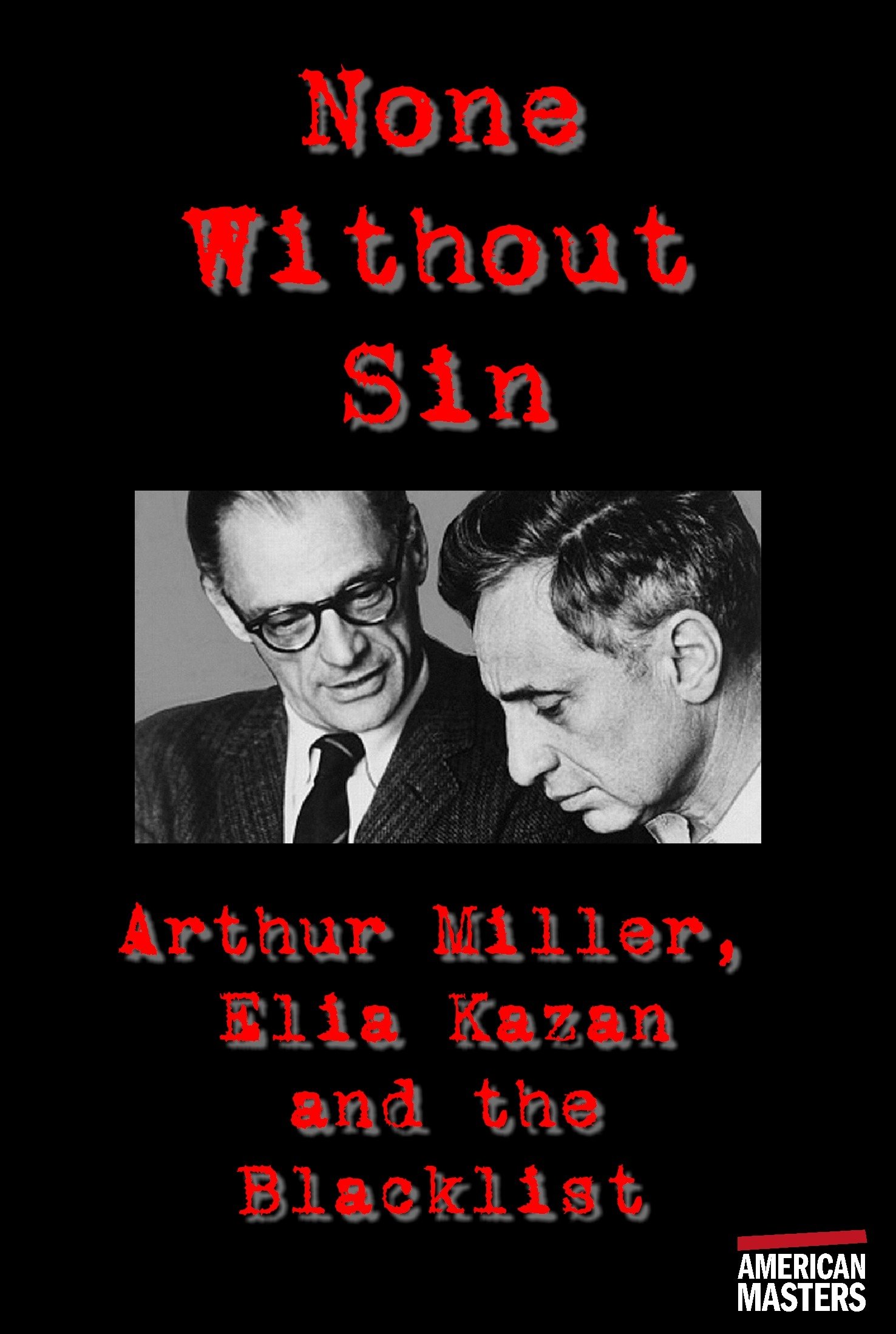
Director Elia Kazan and playwright Arthur Miller were once best friends and professional colleagues, to most that knew them then in both capacities as soul mates. Their politics were similar which was reflected in their work. Kazan was a Communist Party member for a few years in the mid-1930's, but Miller never officially joined the party ranks. Their relationship changed in the early 1950's when Kazan was subpoenaed to testify in front of the House Un-American Activities Committee where he named names of Communist Party members past and present.

Historian Larry Ceplair and blacklisted screenwriter Walter Bernstein discuss the production history of High Noon, Carl Foreman's blacklisting, and the McCarthy era.