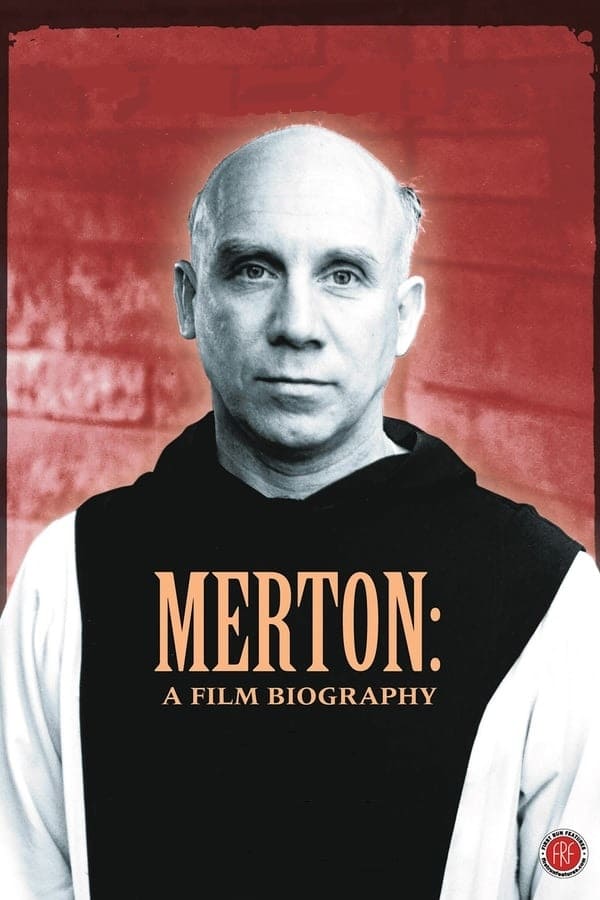
In his lifetime, Thomas Merton was hailed as a prophet and censured for his outspoken social criticism. For nearly 27 years he was a monk of the austere Trappist order, where he became an eloquent spiritual writer and mystic as well as an anti-war advocate and witness to peace. Merton: A Film Biography provides the first comprehensive look at this remarkable 20th century religious philosopher who wrote, in addition to his immensely popular autobiography The Seven Storey Mountain, over 60 books on some of the most pressing social issues of our time, some of which are excerpted here. Merton offers an engaging profile of a man whose presence in the world touched millions of people and whose words and thoughts continue to have a profound impact and relevance today.
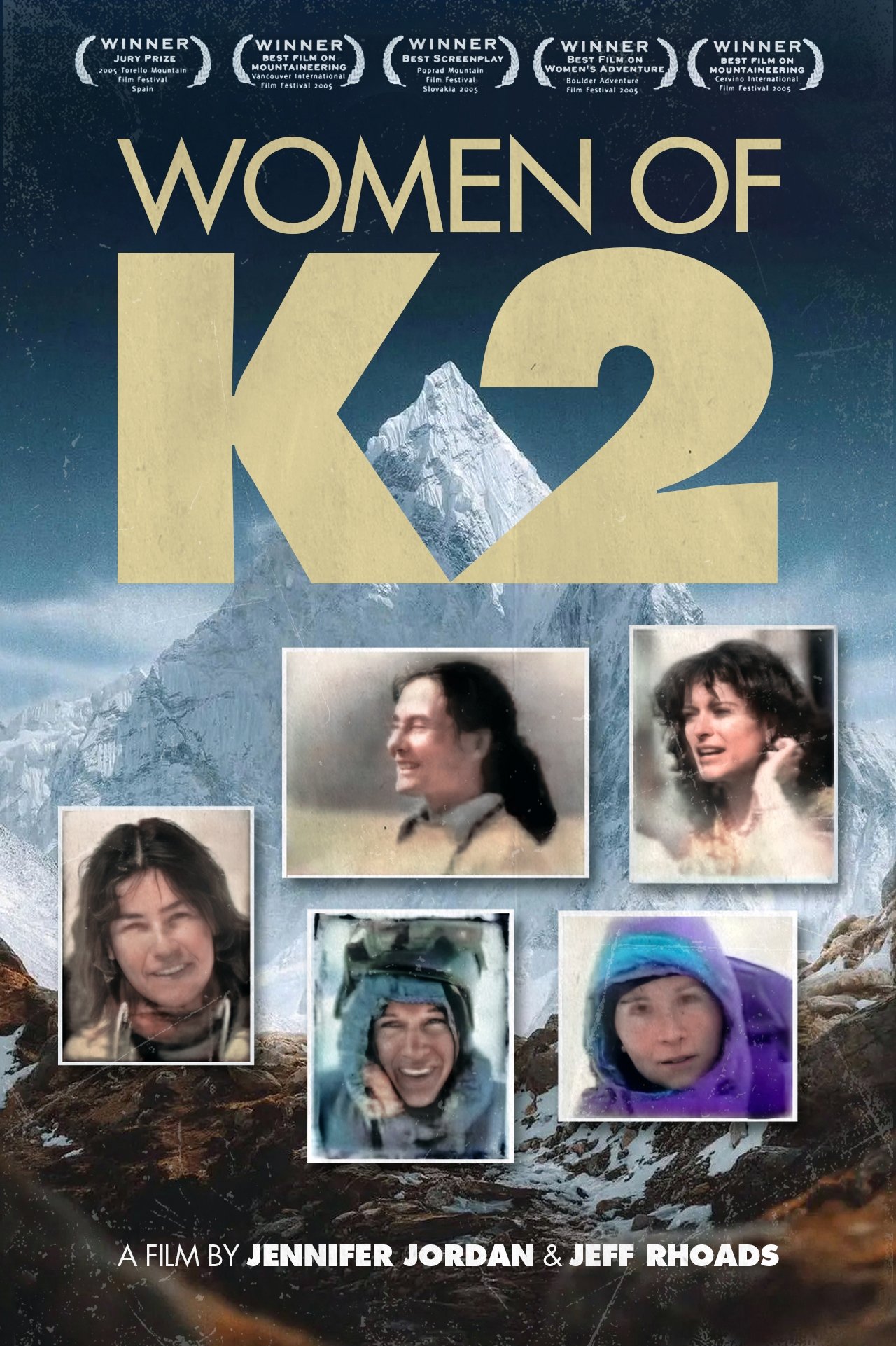
On some peaks in 2003, the statistics are impressive. For the K2 dubbed "wild mountain" or "ruthless mountain", only 240 reached the summit and more than 60 perished in the ascent. An unimaginable rate of one death in four to survive. And these statistics are even worse At the start of the 2004 climbing season, only five talented and determined women had reached the 8,616-meter summit of K2, but only two made it out alive. , they too perished while climbing other peaks of 8000 meters, these five women all disappeared in the mountains.
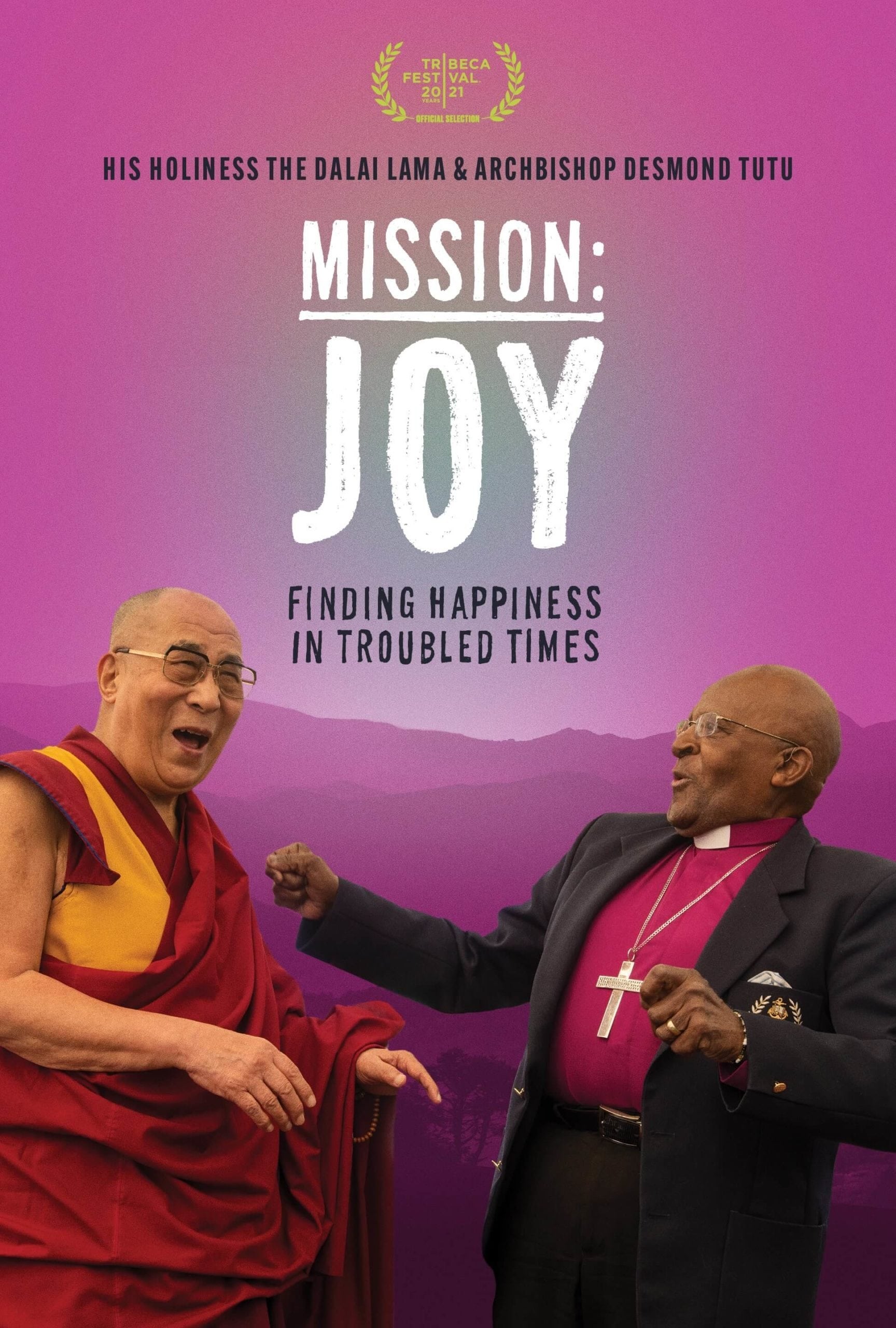
An exploration of the remarkable friendship between Archbishop Desmond Tutu and His Holiness the Dalai Lama.
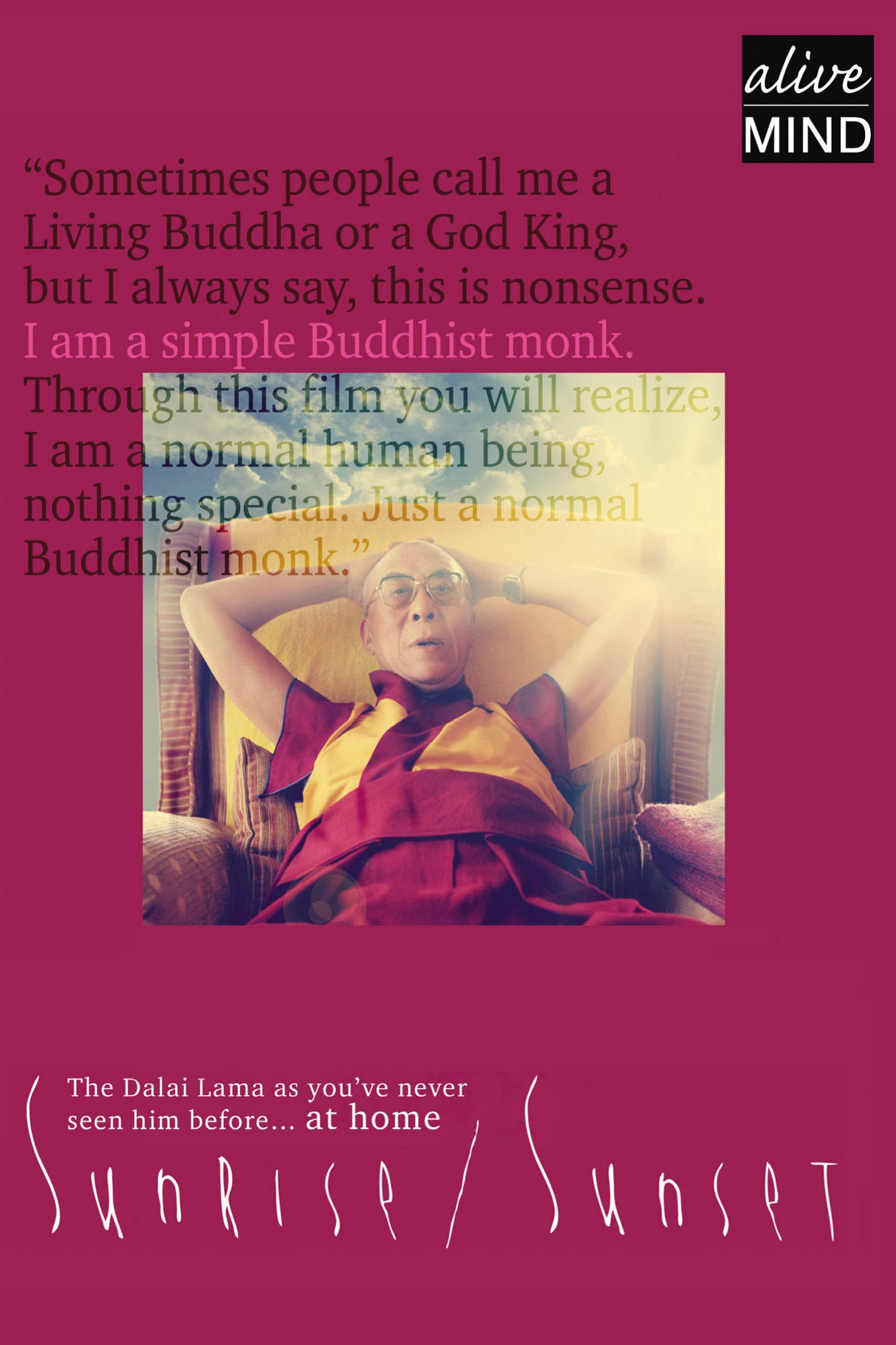
The daily life of the Dalai Lama is brought home with remarkable intimacy in SUNRISE/SUNSET. Granted total access to His Holiness for 24 hours, this is a day in the life of the Dalai Lama from when he wakes up at 3 a.m. until his bedtime at dusk.

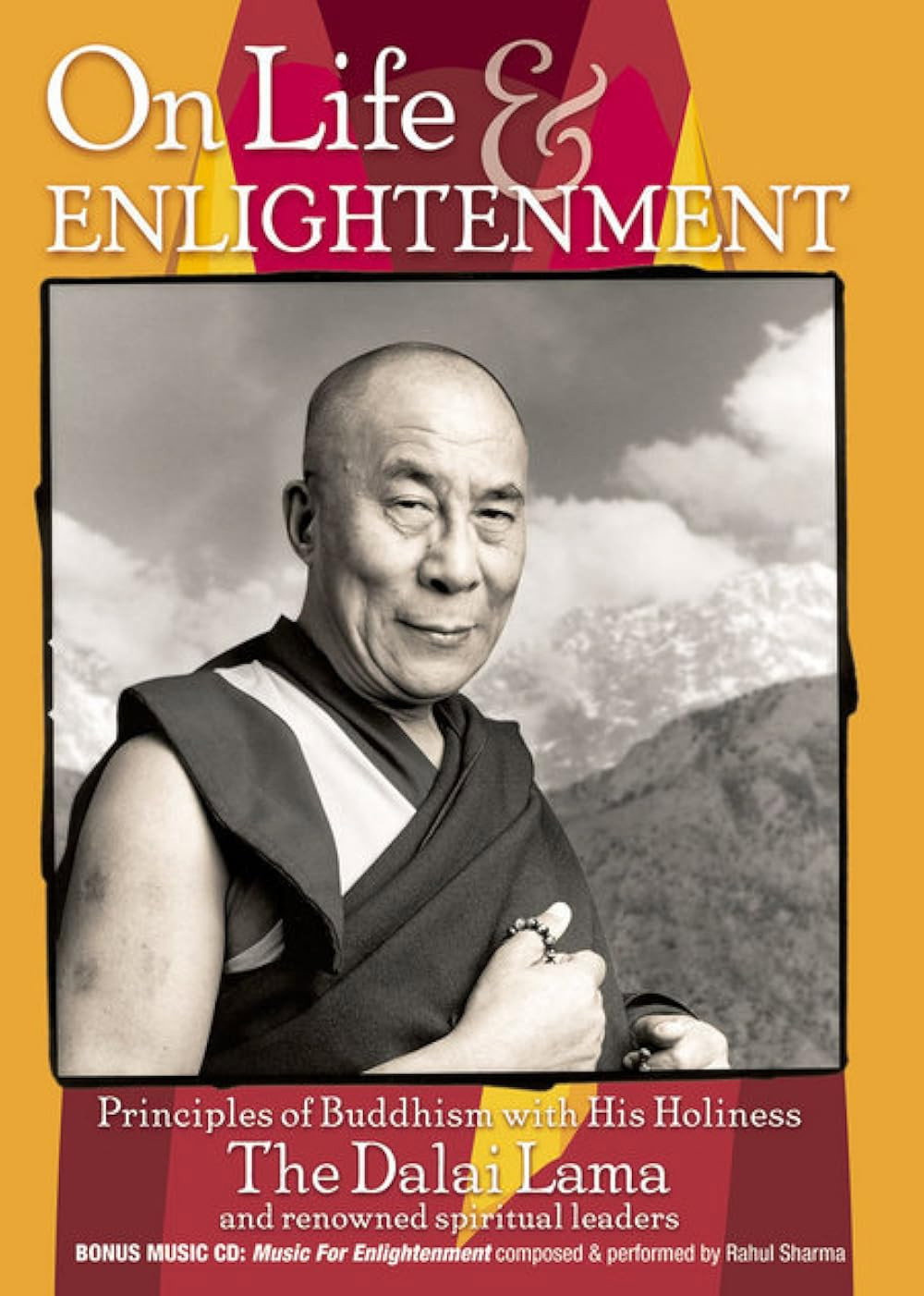
How do you reconcile a commitment to non-violence when faced with violence? Why do the poor often seem happier than the rich? Must a society lose its traditions in order to move into the future? These are some of the questions posed to His Holiness the Dalai Lama by filmmaker and explorer Rick Ray. Ray examines some of the fundamental questions of our time by weaving together observations from his own journeys throughout India and the Middle East, and the wisdom of an extraordinary spiritual leader. This is his story, as told and filmed by Rick Ray during a private visit to his monastery in Dharamsala, India over the course of several months. Also included is rare historical footage as well as footage supplied by individuals who at great personal risk, filmed with hidden cameras within Tibet.
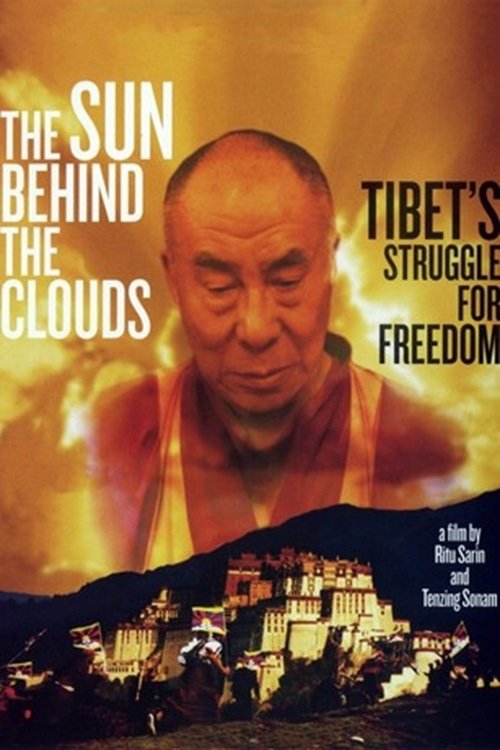
Fifty years after the fall of his country, can the Dalai Lama make a breakthrough in his efforts to find a solution to the Tibet question?
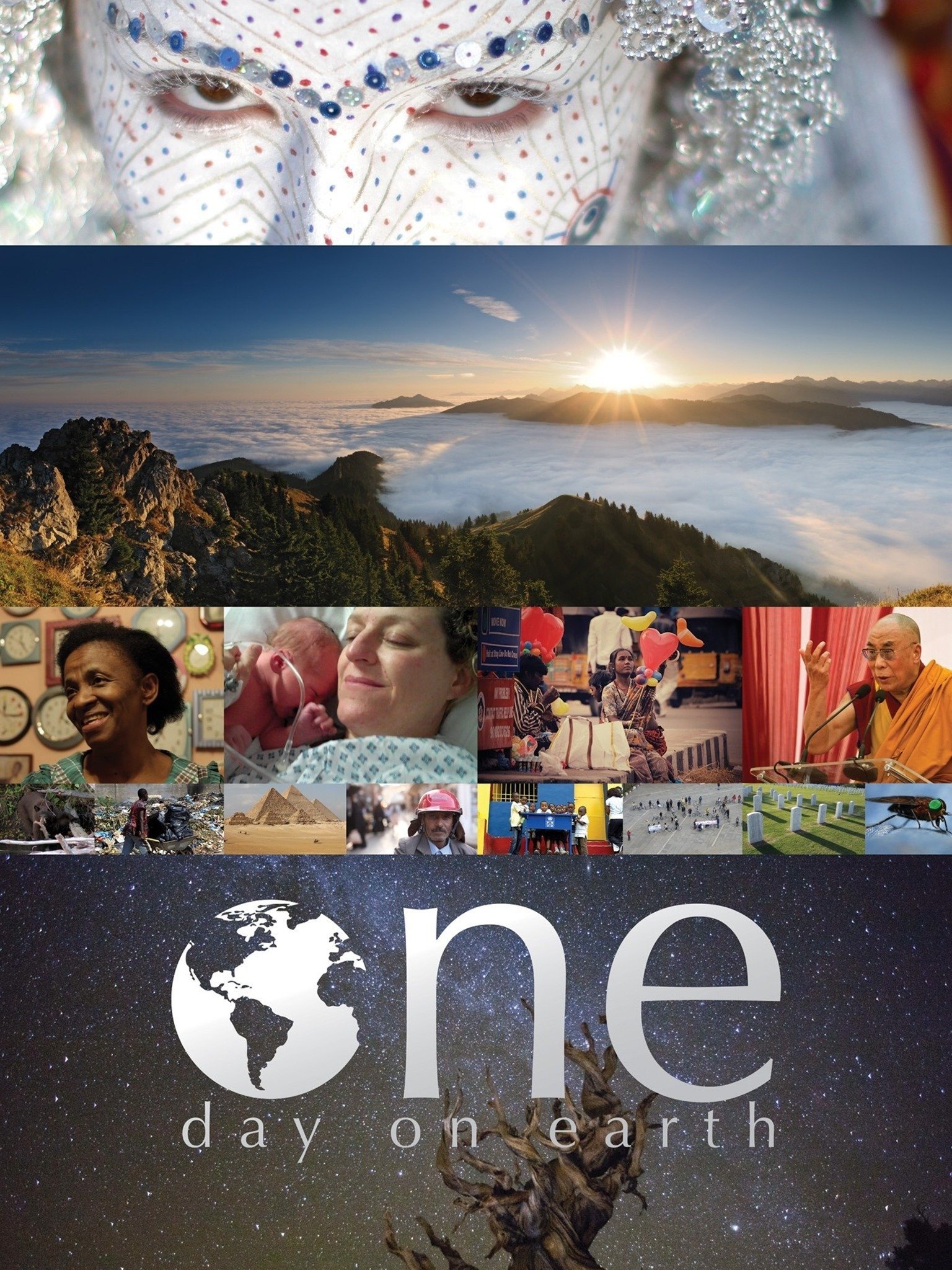
Recording a 24-hour period throughout every country in the world, we explore a greater diversity of perspectives than ever seen before on screen. We follow characters and events that evolve throughout the day, interspersed with expansive global montages that explore the progression of life from birth, to death, to birth again. In the end, despite unprecedented challenges and tragedies throughout the world, we are reminded that every day we are alive there is hope and a choice to see a better future together. Founded in 2008, it set out to explore our planet's identity and challenges in an attempt to answer the question: Who are we?
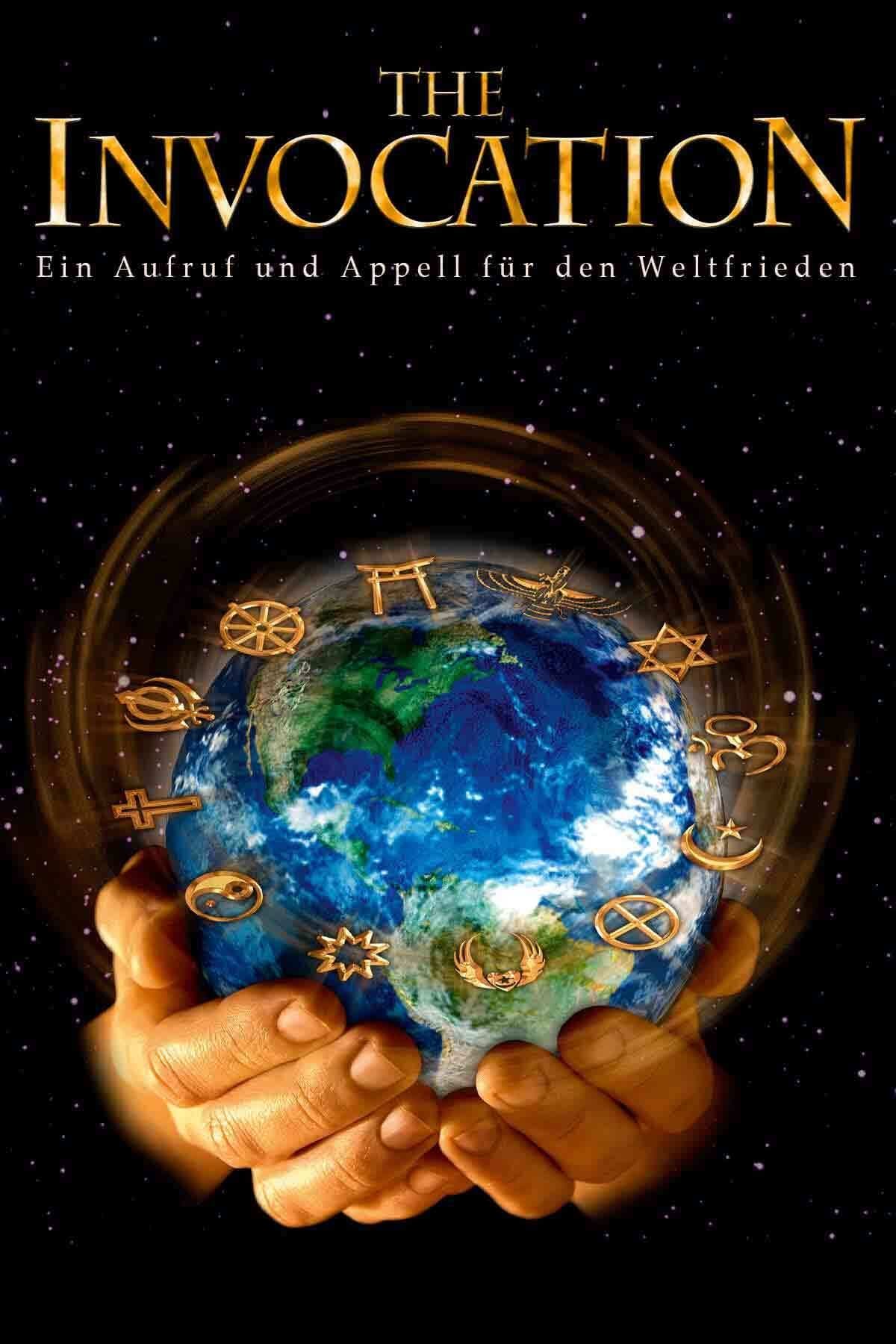
An exploration of the notion of 'God' and World Peace through Religion, Spirituality, History, Science, Politics and Arts.
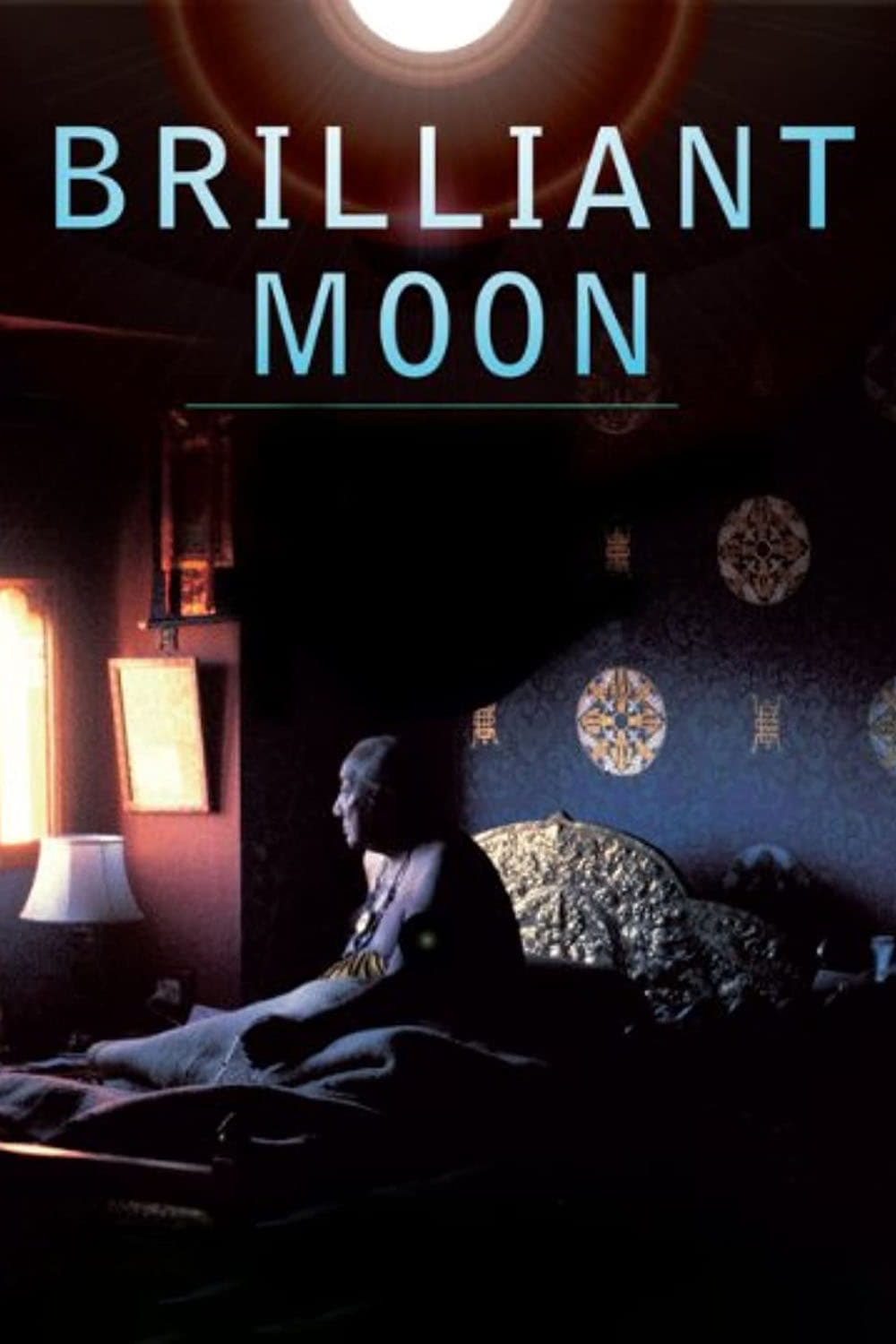
Brilliant Moon chronicles the life of the writer, poet, and meditation master Khyentse Rinpoche, one of Tibet's most revered 20th-century Buddhist teachers. Spiritual guide to His Holiness the Dalai Lama and the Royal Family of Bhutan, his life and teachings were an inspiration to all who encountered him. Richard Gere and Lou Reed provide the narration for his dangerous journey out of China, the subsequent spread of his influence and the search for his reincarnation after his death.

Listen in as one of the world’s most recognized and charismatic spiritual leaders discusses the recipe for living peacefully and joyfully in this multipart series. The key, the Dalai Lama says, is truly knowing one’s self and understanding personal foibles, thus making it easy and natural to reach out to others. The program includes an introduction to the benefits of meditation as well as a discussion of the power and practice of compassion.
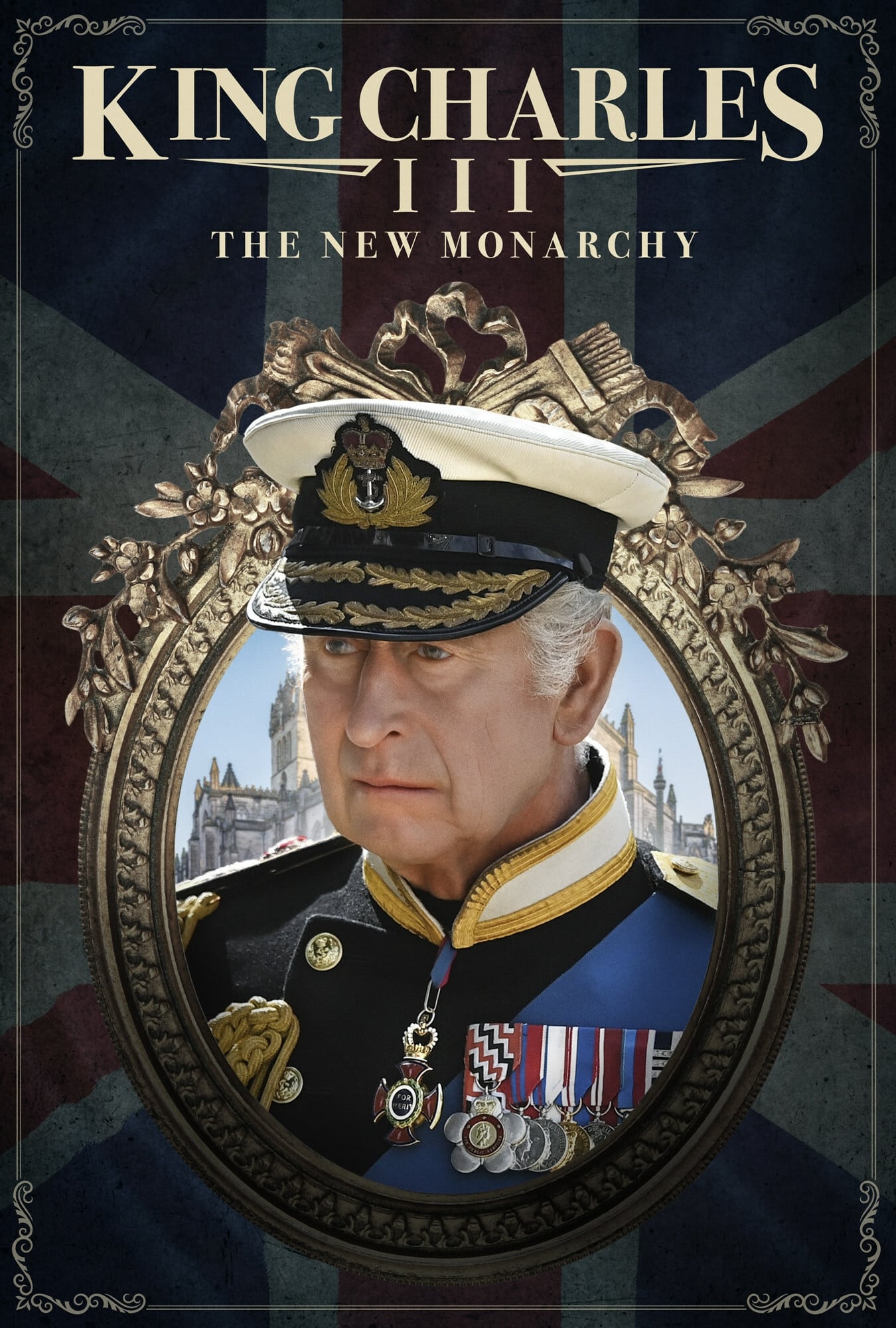
Prince Charles was always destined to wear the crown. From the royal childhood in Buckingham Palace to his naval career and life as the Prince of Wales, he's had his successes and hardships. From a young prince to now the king, he's been a constant in the British royal family, hoping one day not only to wear the crown, but to usher the British royals into a new modern era as King Charles III.
In his new film, Erwin Wagenhofer is looking for the good and beautiful in this world.
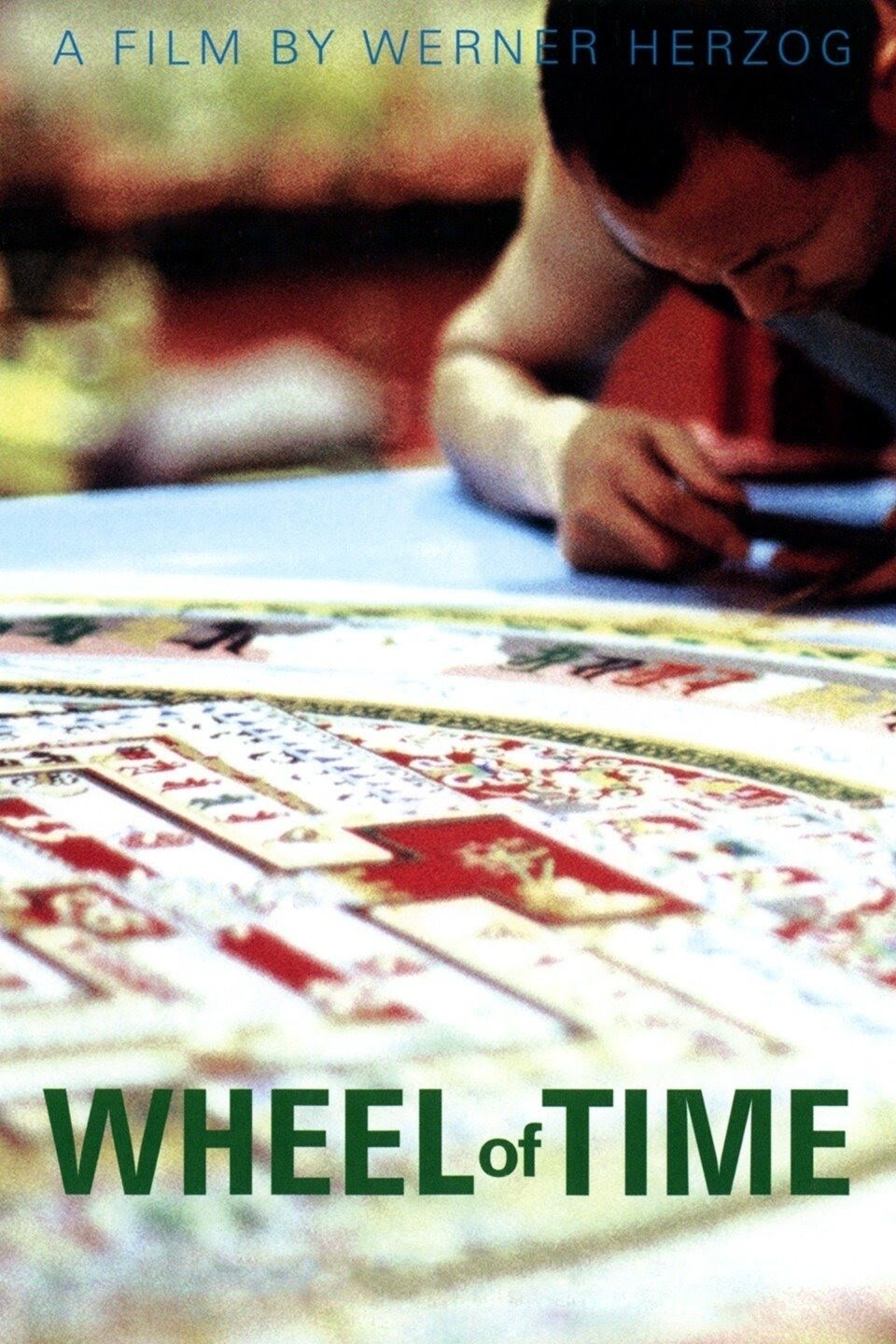
Wheel of Time is Werner Herzog's photographed look at the largest Buddhist ritual in Bodh Gaya, India.

Within each of us, there are special Gifts simply awaiting discovery. The sense of joy, power, fulfillment, freedom, and unconditional love that we experience in our lives is directly related to these Gifts, yet so many of us have yet to unlock their full potential, leaving us longing for a sense of happiness and fulfillment. For sister and brother team Shajen Joy Aziz and Demian Lichtenstein, something was missing in their lives until they tapped into the power of their own unique Gifts, leading to a profound personal transformation that has enabled them to connect to the fullness of life. Their incredible personal journeys of spiritual growth have fueled their desire to share what they have learned and in Discover The Gift, they share their story and take us step-by-step through this journey of discovery which has the power to change not only individual lives, but can transform our entire world.

Happy is a 2011 feature documentary film directed, written, and co-produced by Roko Belic. It explores human happiness through interviews with people from all walks of life in 14 different countries, weaving in the newest findings of positive psychology. Director Roko Belic was originally inspired to create the film after producer/director Tom Shadyac (Liar, Liar, Patch Adams, Bruce Almighty) showed him an article in the New York Times entitled "A New Measure of Well Being From a Happy Little Kingdom". The article ranks the United States as the 23rd happiest country in the world. Shadyac then suggested that Belic make a documentary about happiness. Belic spent several years interviewing over 20 people, ranging from leading happiness researchers to a rickshaw driver in Kolkatta, a family living in a "co-housing community" in Denmark, a woman who was run over by a truck, a Cajun fisherman, and more.
Over the course of a three-day series of teachings and a public lecture, the Dalai Lama discusses numerous Buddhist tenets, such as maintaining compassion despite the pressures of modern society, achieving inner peace and living a responsible life.
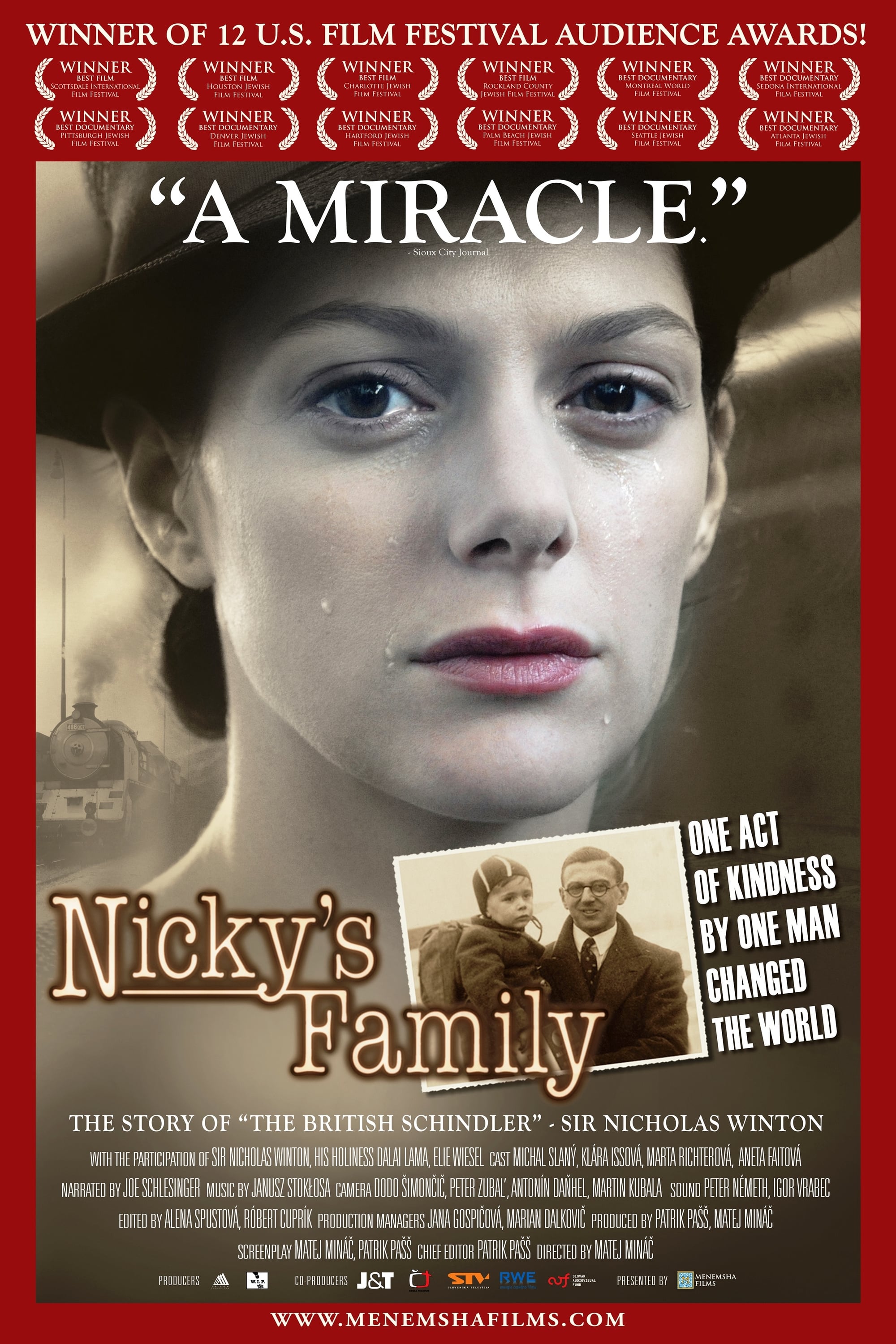
Nicky's Family is a gripping documentary from the International Emmy Award winning producers Patrik Pass and Matej Minac about a rescue operation of the “British Schindler” - Sir Nicholas Winton who will celebrate this year 103rd birthday. His story has no parallel in modern history. Dramatic reenactments, some of the archive footage never seen before, rescued "children" together with Mr. Winton himself recount this unique story which even after 70 years continues to inspire people, especially children, to make this world a better place. World personalities His Holiness Dalai Lama and Nobel Prize winner Elie Wiesel also took part. ( - from the film's press kit)
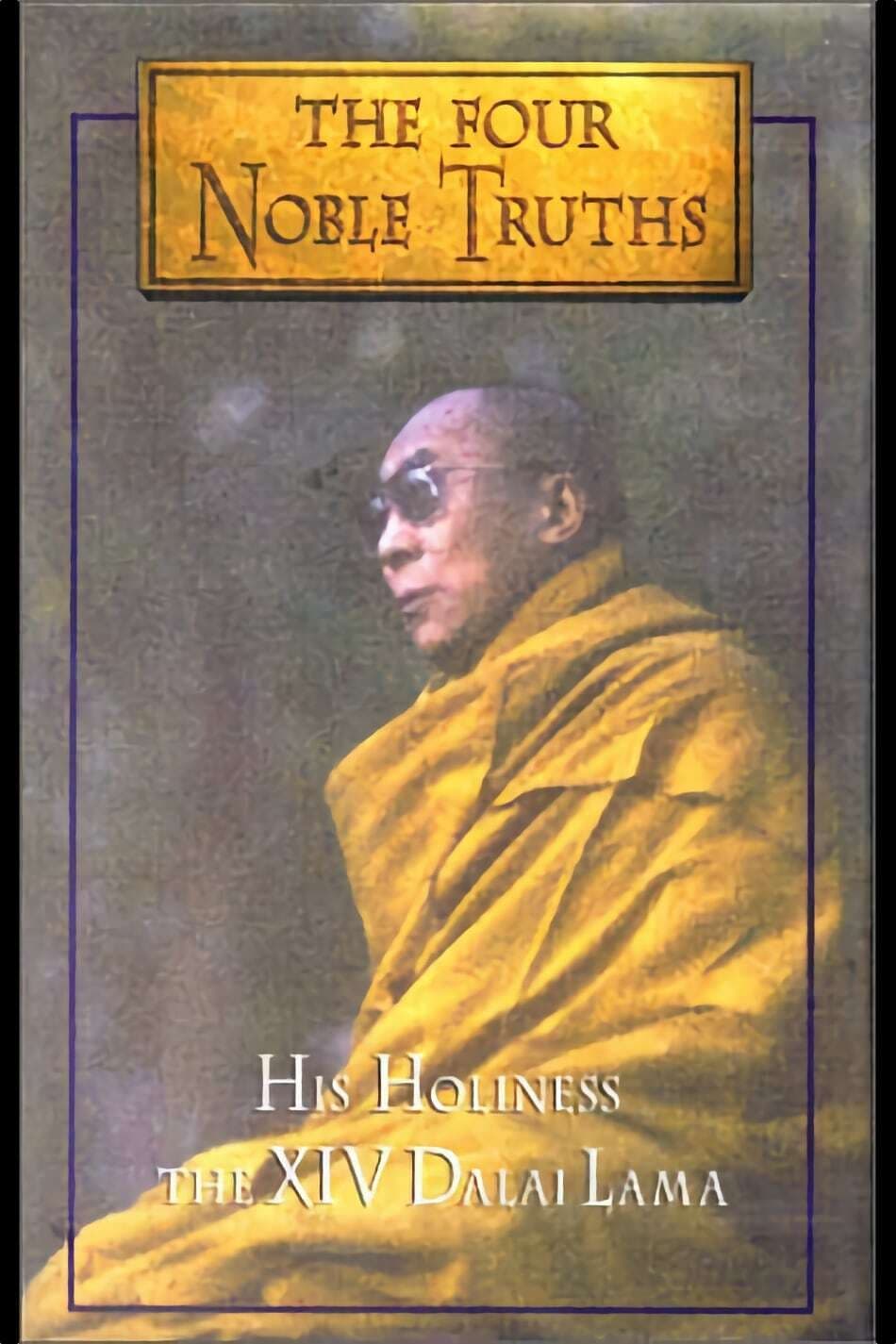
Filmed in London in 1997, this documentary chronicles a series of lectures given by the 14th Dalai Lama. Over the course of six hours, he covers the four basic principles of Buddhist thought: The existence of suffering, the cause of suffering, the cessation of suffering and the way that leads to the cessation of suffering. He then explains the Buddhist worldview and how one can reach the path to inner peace through meditation.
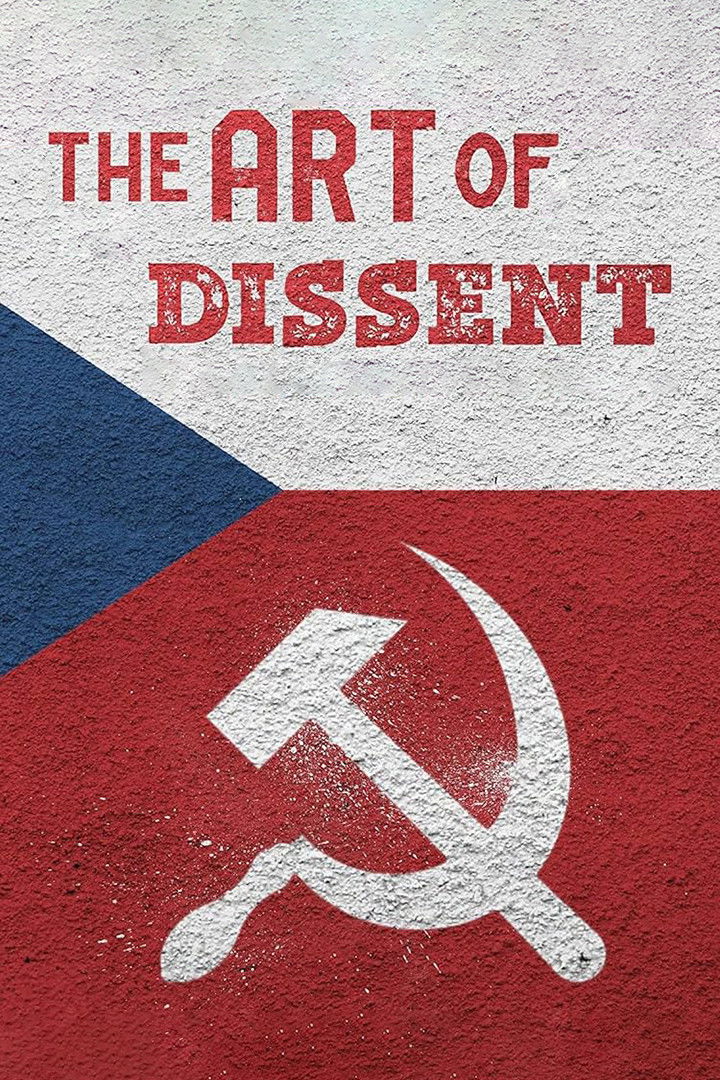
"The Art of Dissent" celebrates the resilience and power of artistic engagement in Czechoslovakia before and after the 1968 Soviet-led invasion. The documentary's main protagonists - Václav Havel, banned singer Marta Kubisová, and the underground rock group the Plastic People of the Universe (PPU) - became the most recognizable dissidents during the 1970-80s. Havel bridged the disparate clusters of individuals and fused the literary, musical, political, and philosophical nonviolent elements into a hybrid network that eventually toppled the totalitarian regime in 1989.
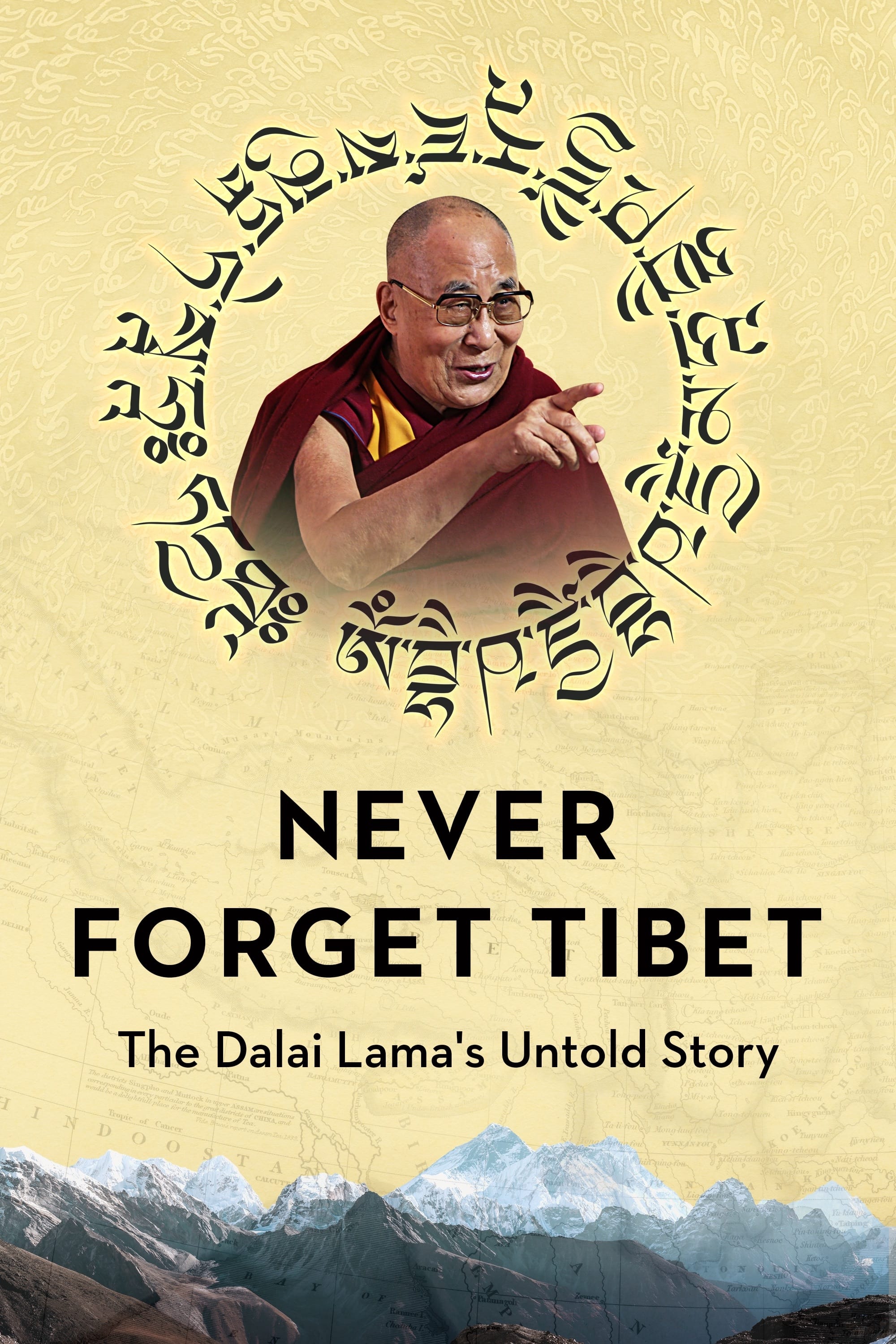
The story of the Dalai Lama's journey and escape into exile in 1959.
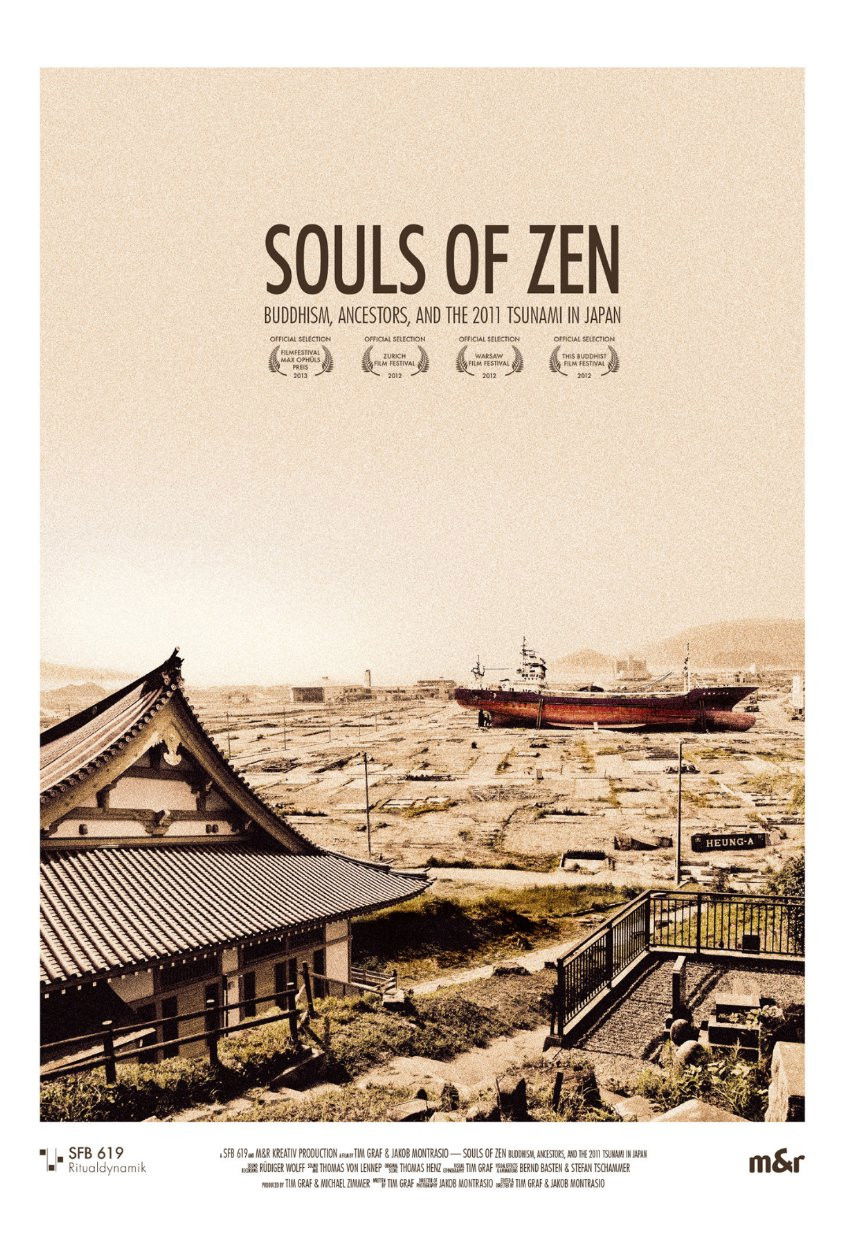
The Japanese population’s reaction to the catastrophe of March 2011 has been described as “stoic” by the Western media. The Japanese code of conduct is indeed deeply rooted in their Buddhist traditions, and young filmmakers Tim Graf and Jakob Montrasio observe in detail what this means for the people and their religion. At graveyards, in temples, at monasteries and with families, they question the impact this triple affliction has had on the lives and beliefs of the inhabitants. How deeply do their beliefs affect their grieving? What role do the monks play in assisting people with their grief? And, what effects has this enormous catastrophe had on their religious rituals? SOULS OF ZEN inserts the events of March 2011 into the context of traditional Zen Buddhism, examining Japan’s religiousness and the beliefs of those practising it at a crucial turning point.
Happiness Is is a road trip documentary that explores American's "pursuit of happiness".
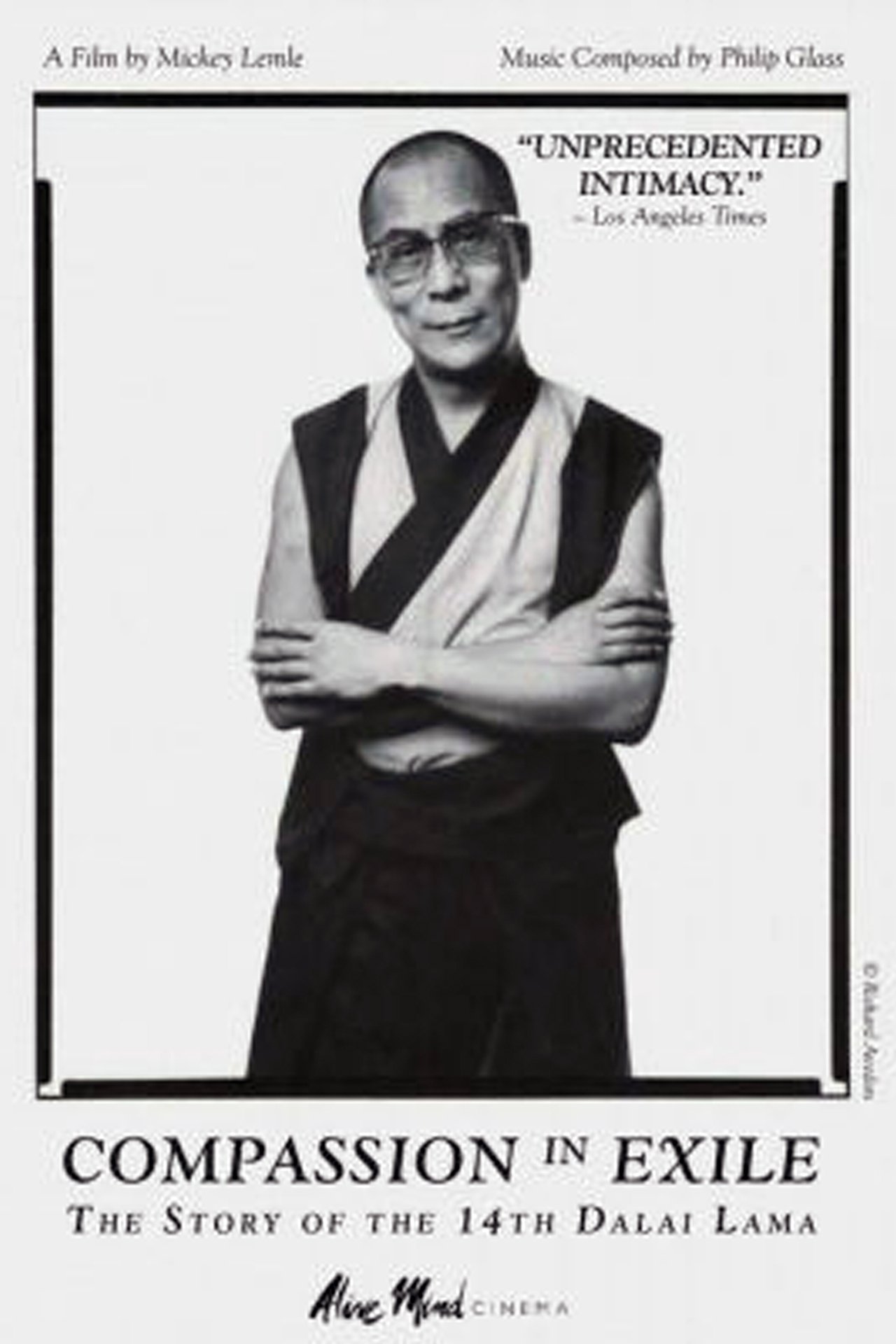
A portrait of His Holiness, the 14th Dalai Lama, which includes historical footage of China's repression of Tibetan Buddhism in 1959.
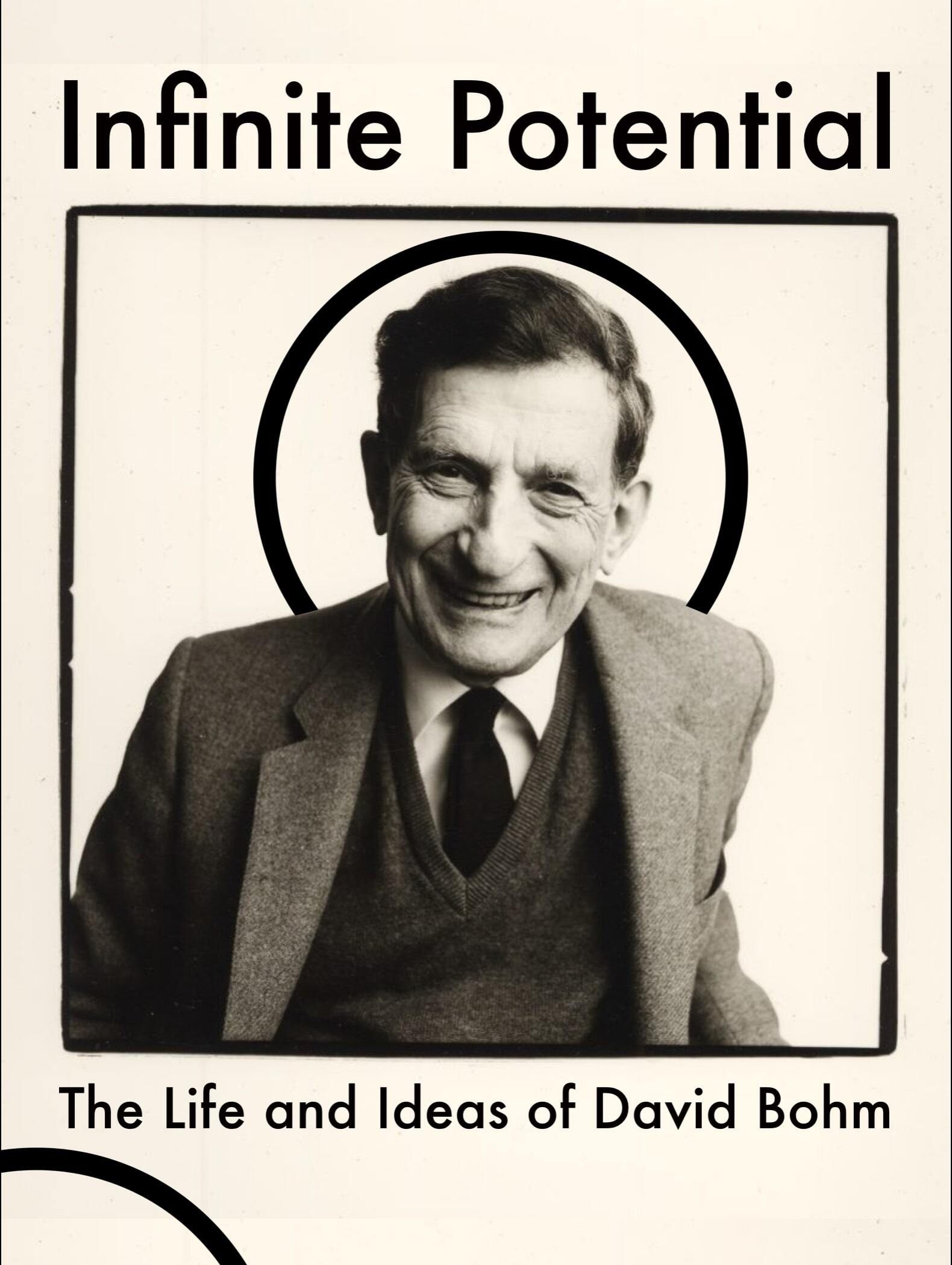
INFINITE POTENTIAL takes us on a mystical and scientific journey into the nature of life and reality with David Bohm, the man Einstein called his "spiritual son" and the Dalai Lama his "science guru." A physicist and explorer of Consciousness, Bohm turned to Eastern wisdom to develop groundbreaking insights into the profound interconnectedness of the Universe and our place within it.
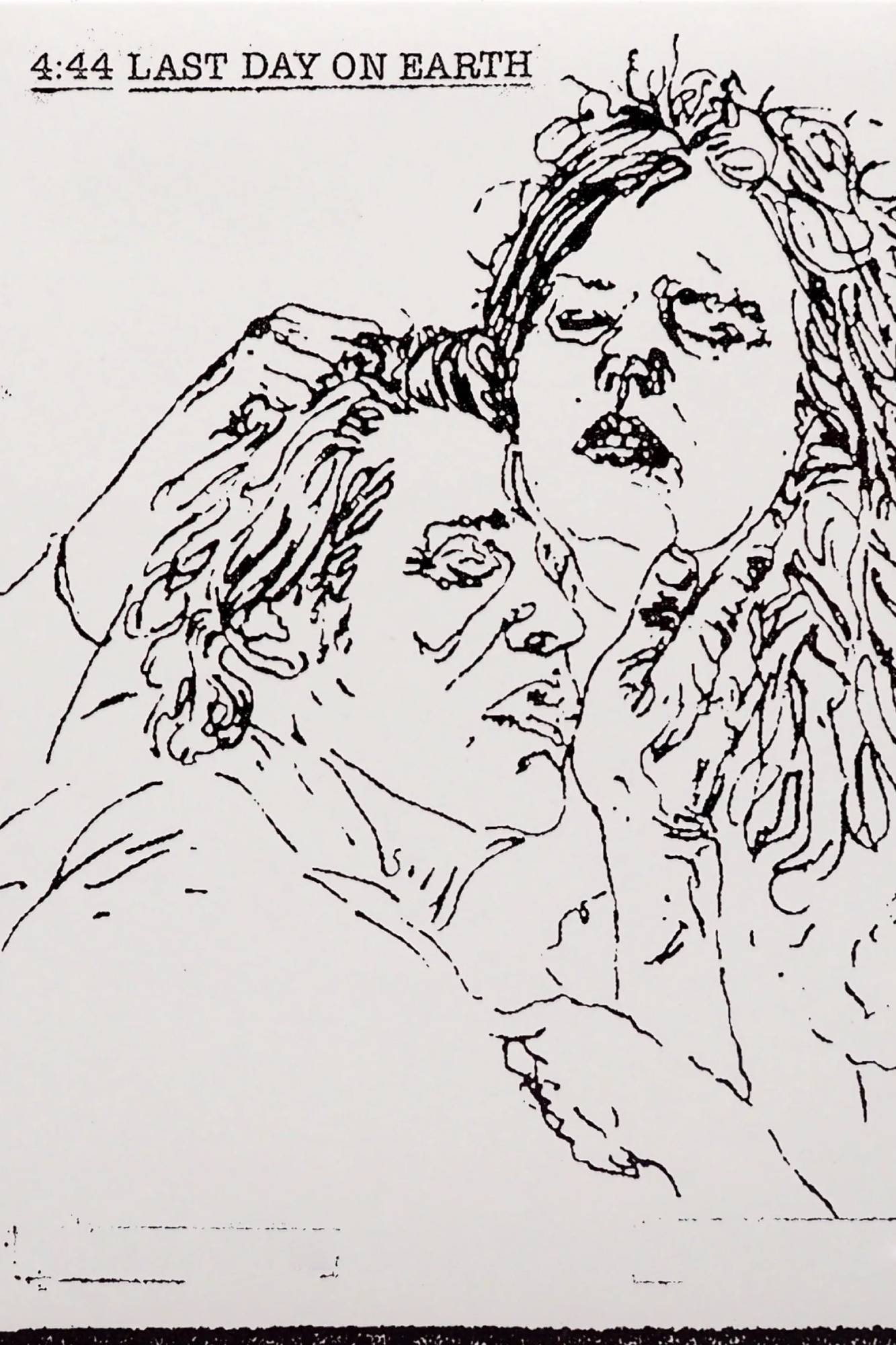
A look at how a painter and a successful actor spend their last day together before the world comes to an end.
This documentary tells the tragic story surrounding one of the world's most influential spiritual leaders, the Dalai Lama, and the lengths to which people will go in order to experience his power Tibetan Refugee film. After the Chinese government forced him out of his native Tibet, the Dalai Lama settled in Northern India. Featuring interviews with scholars and those who made the same trek over the mighty Himalayas, TIBETAN REFUGEE is a testament to the power of the human spirit.
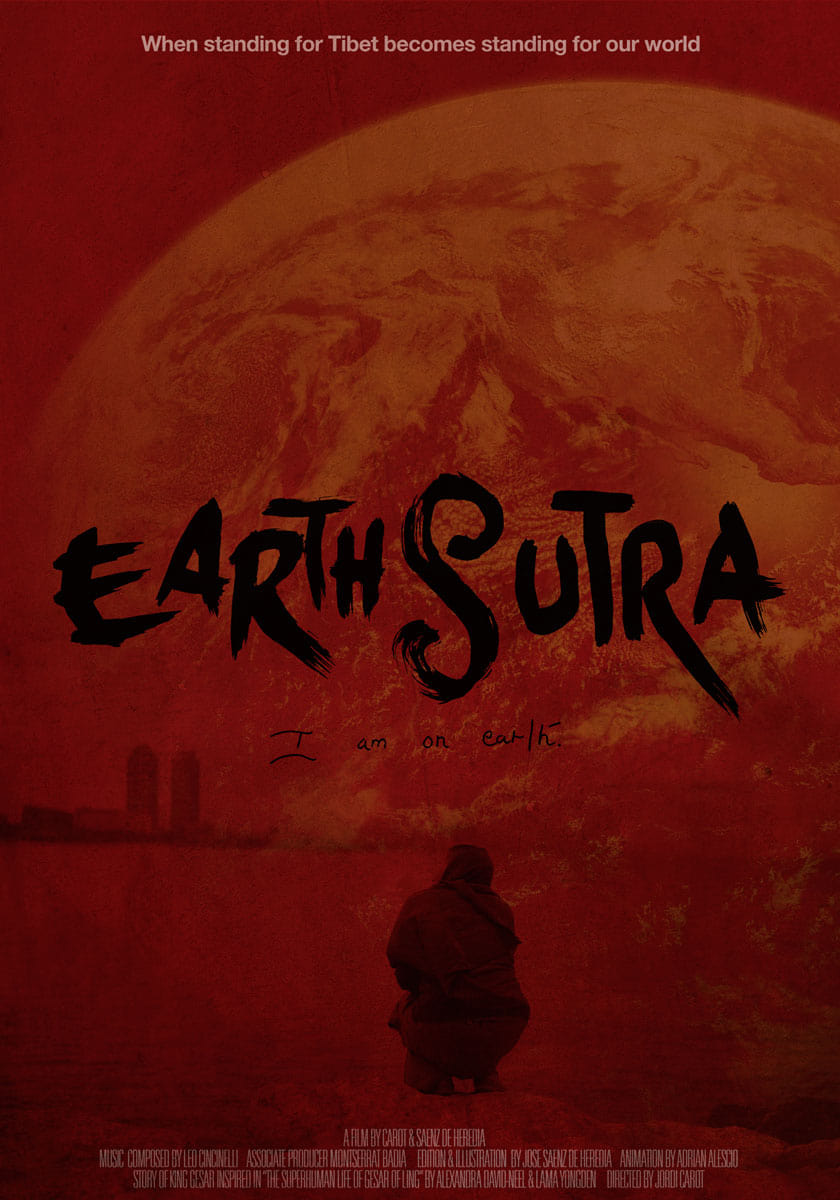
'Earth Sutra' is the documentary that will change your vision of Tibet after six decades of control under Chinese oppression. Dare to reflect on your relationship with the Earth and your relationship with other humans through Earth Sutra, a portrait of Tibet's survival in exile and how their ancient culture can positively influence our planet for the challenges and crises presented in the 21st century.
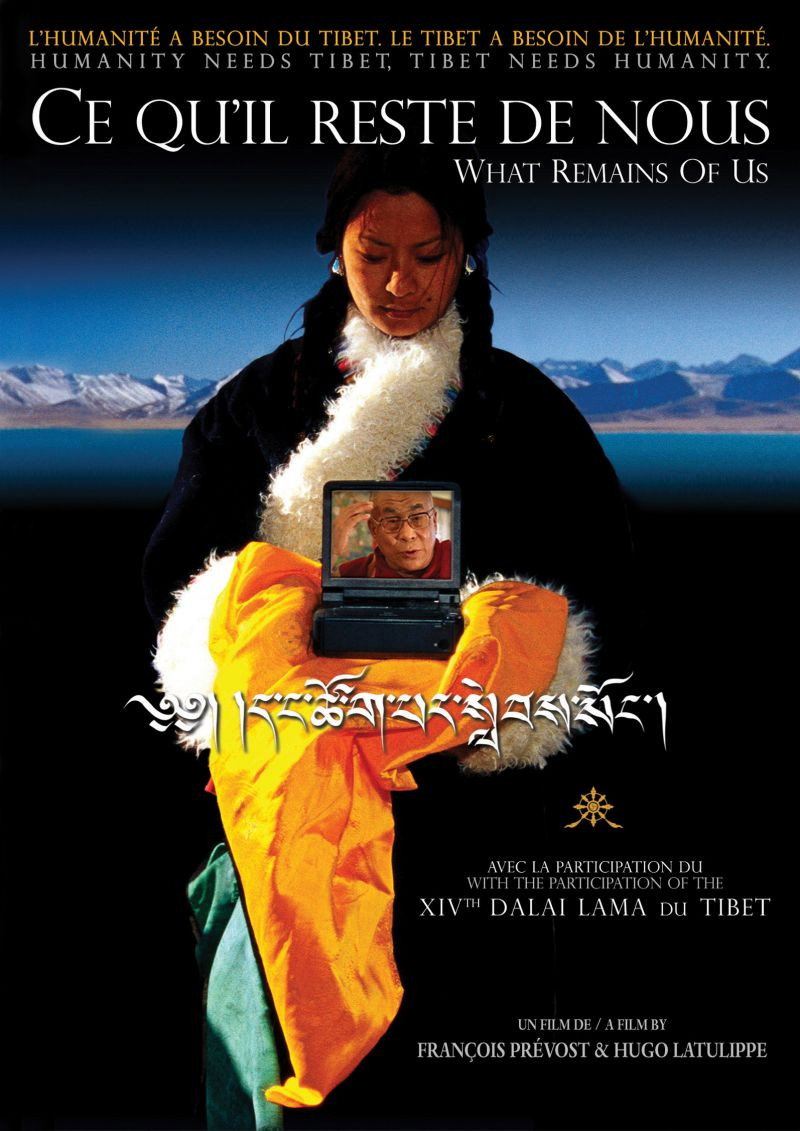
A Tibetan immigrant returns to her home country to witness the Chinese occupation.

Tells how Rodger Kamenetz, author of the best-selling 1994 book by the same title, found his way back to Judaism - the tradition of his birth.
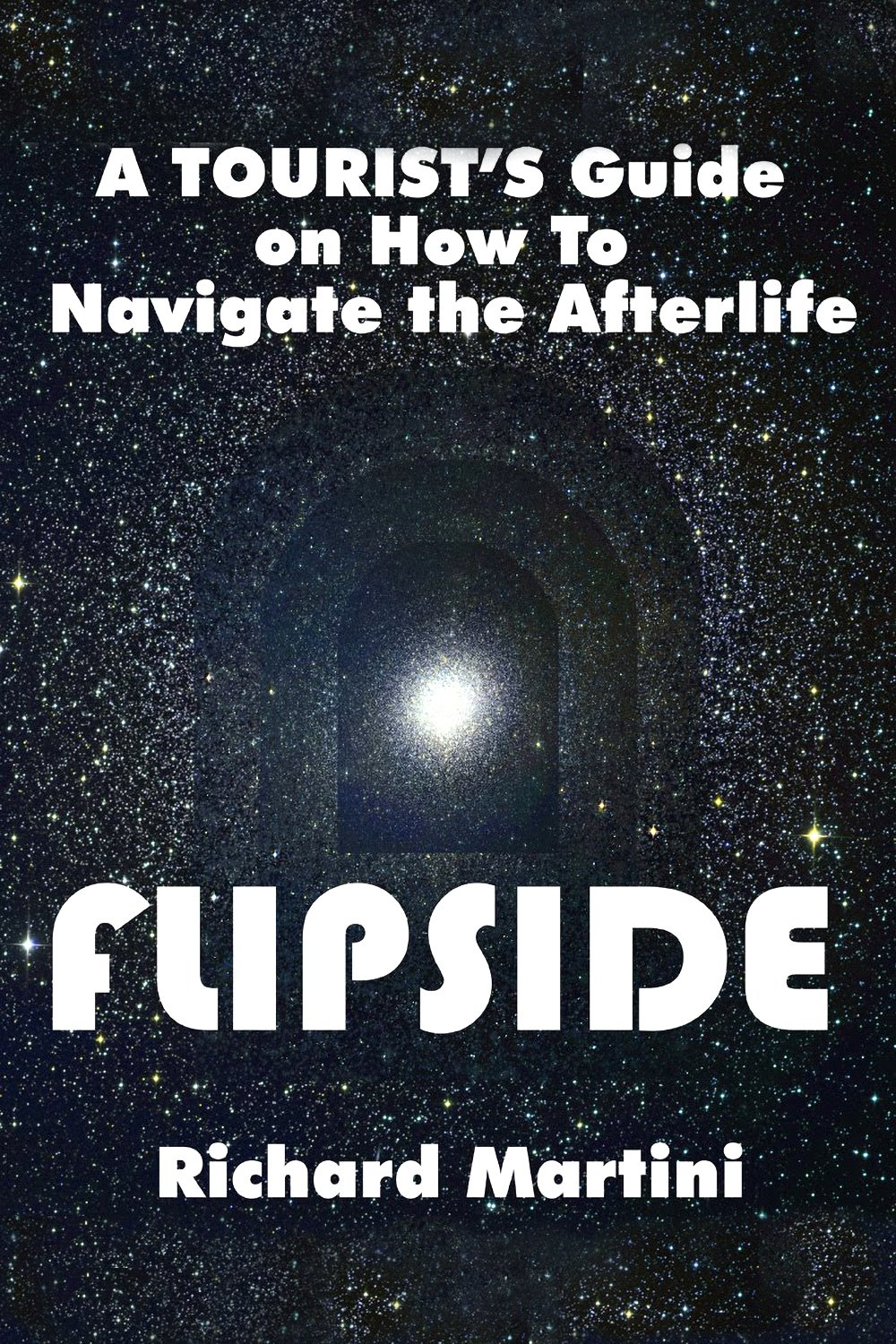
Award winning filmmaker Richard Martini examines the work of Michael Newton who pioneered deep hypnosis over 30 years; thousands of his patients claim the same information about the afterlife.

This documentary for PBS by award-winning filmmaker David Grubin and narrated by Richard Gere, tells the story of the Buddha’s life, a journey especially relevant to our own bewildering times of violent change and spiritual confusion. It features the work of some of the world’s greatest artists and sculptors, who across two millennia, have depicted the Buddha’s life in art rich in beauty and complexity. Hear insights into the ancient narrative by contemporary Buddhists, including Pulitzer Prize winning poet W.S. Merwin and His Holiness the Dalai Lama. Join the conversation and learn more about meditation, the history of Buddhism, and how to incorporate the Buddha’s teachings on compassion and mindfulness into daily life.
Is it possible to shed light on the states of grace experienced by mystics and meditators? Mystical Brain shows us the most recent discoveries of scientific research on this phenomenon in North America and abroad. It seems that mystical ecstasy is a profoundly transformative experience. It could contribute to people's psychic and bodily health, treat depression and speed up the healing process in patients who combine meditation with conventional medicine.
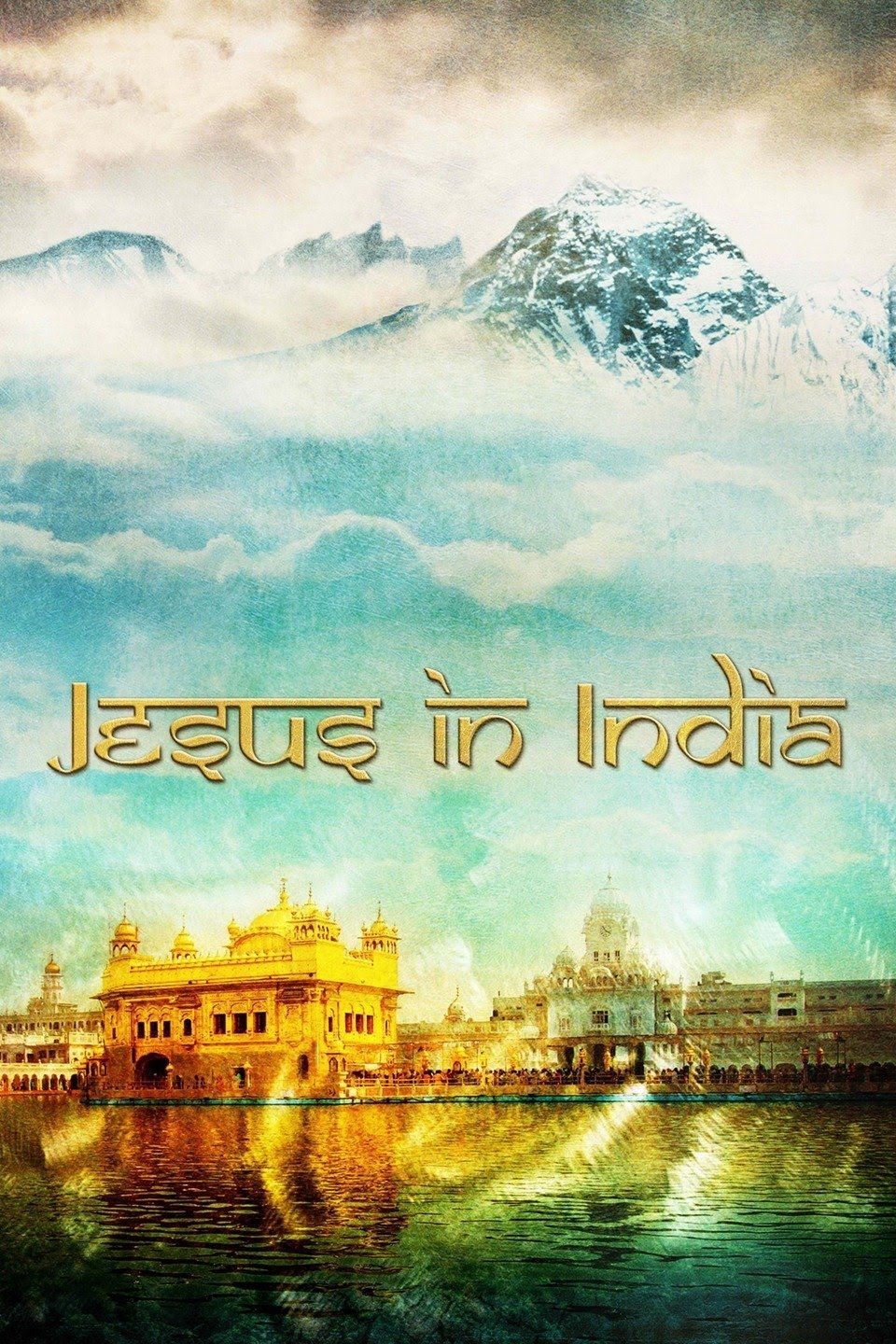
A seeker's quest across 4000 miles of India in search of answers about where Jesus was during the "Hidden Years" from ages 12 to 30.

Here's a little story they're about to tell... Mike Diamond and Adam Horovitz share the story of their band and 40 years of friendship in a live documentary experience directed by friend, collaborator, and their former grandfather, Spike Jonze.
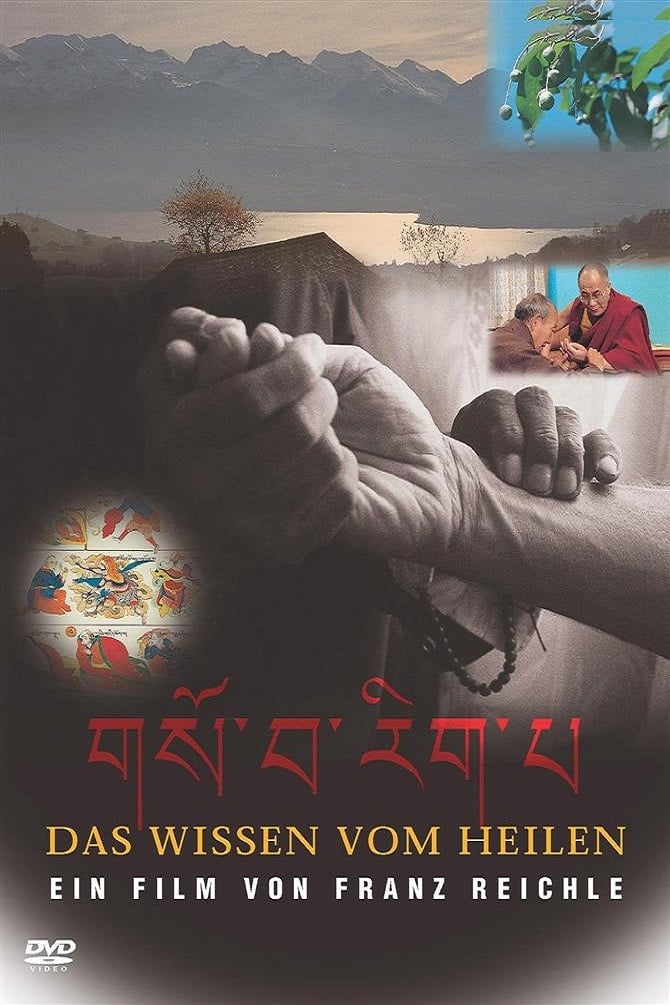
A documentary film about Tibetan traditional medicine.
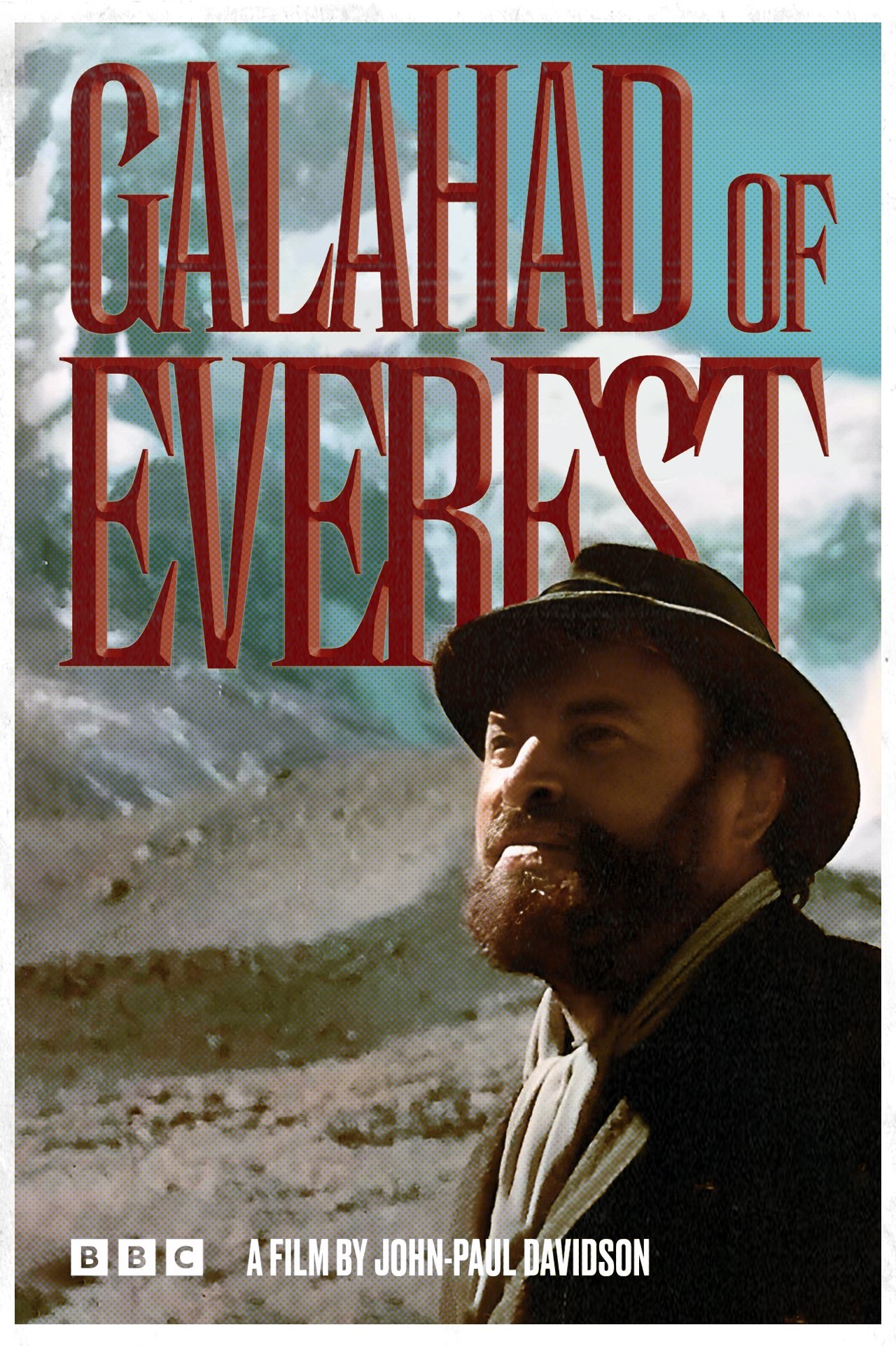
Brian Blessed plays George Mallory in this intrepid recreation of his ill fated 1924 climb to Everest. Meeting Sir Chris Bonington, Rheinhold Messnerhe learns of the pitfalls that await him before setting off for his epic struggle with the mountain. Against all odds he reaches 26000 feet on the North face of Everest, and is a changed man
Interviews with Dalai Lama and some Chinese intellectuals about Tibet/China relations and related issues.
Explores the past-life experiences of various celebrities.
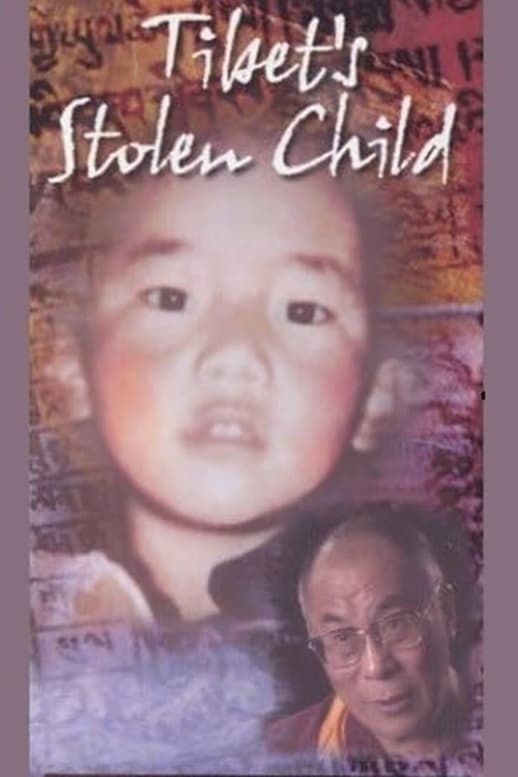
A film about the abduction of Tibet's second highest ranking Lama by the Chinese authorities.
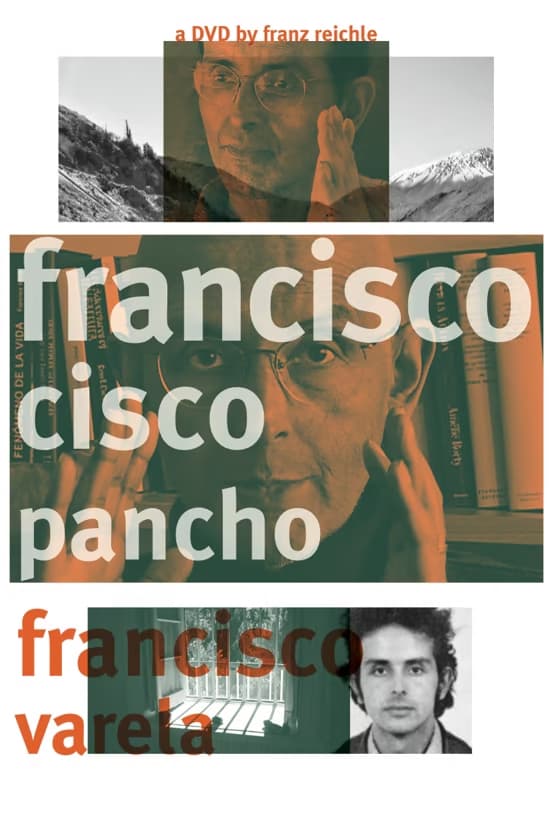
AUTOBIOGRAPHY: The personal history of Francisco Varela as told by him on his veranda in Monte Grande, Chile, on February 17, 2001 when he was already greatly weakened by chemotherapy but still extremely present and awake, three months before he died on May 28, 2001. As very few before him have done, Francisco Varela attained levels of accomplishment in Western science as well as in Buddhist philosophy and meditation. ORAL ANTHOLOGY: Individual interviews with Francisco Varela, Amy Cohen Varela, Bruno Latour, H.H. Dalai Lama, Tsoknyi Rinpoche; and poems by Francisco Varela, read by his father, Raúl Varela Rodríguez.
In this sold-out 2007 lecture recorded at Radio City Music Hall, the esteemed Dalai Lama speaks with grace and humor to a receptive audience about how all people can foster peace and create prosperity in their lives -- and in the world at large. The insightful spiritual leader also discusses how to apply fundamental Buddhist principles to everyday life. Actor Richard Gere provides an introduction.
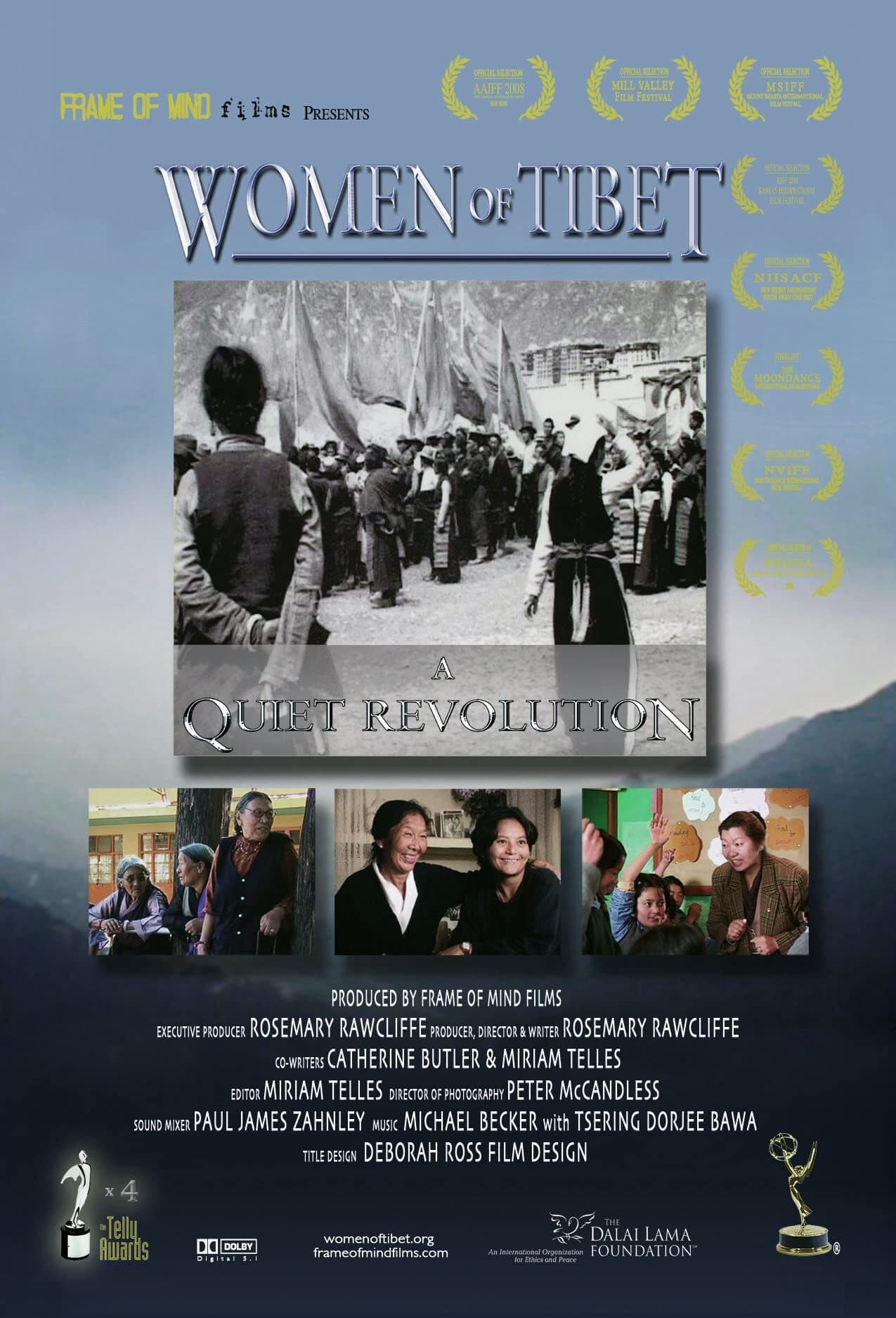
In 1959 thousands of unarmed Tibetan women took to the streets of Lhasa to oppose the violent Chinese occupation of their country. For the first time on film, three generations of Tibetan women and His Holiness the Dalai Lama recount one of the great movements of nonviolent resistance in modern history.
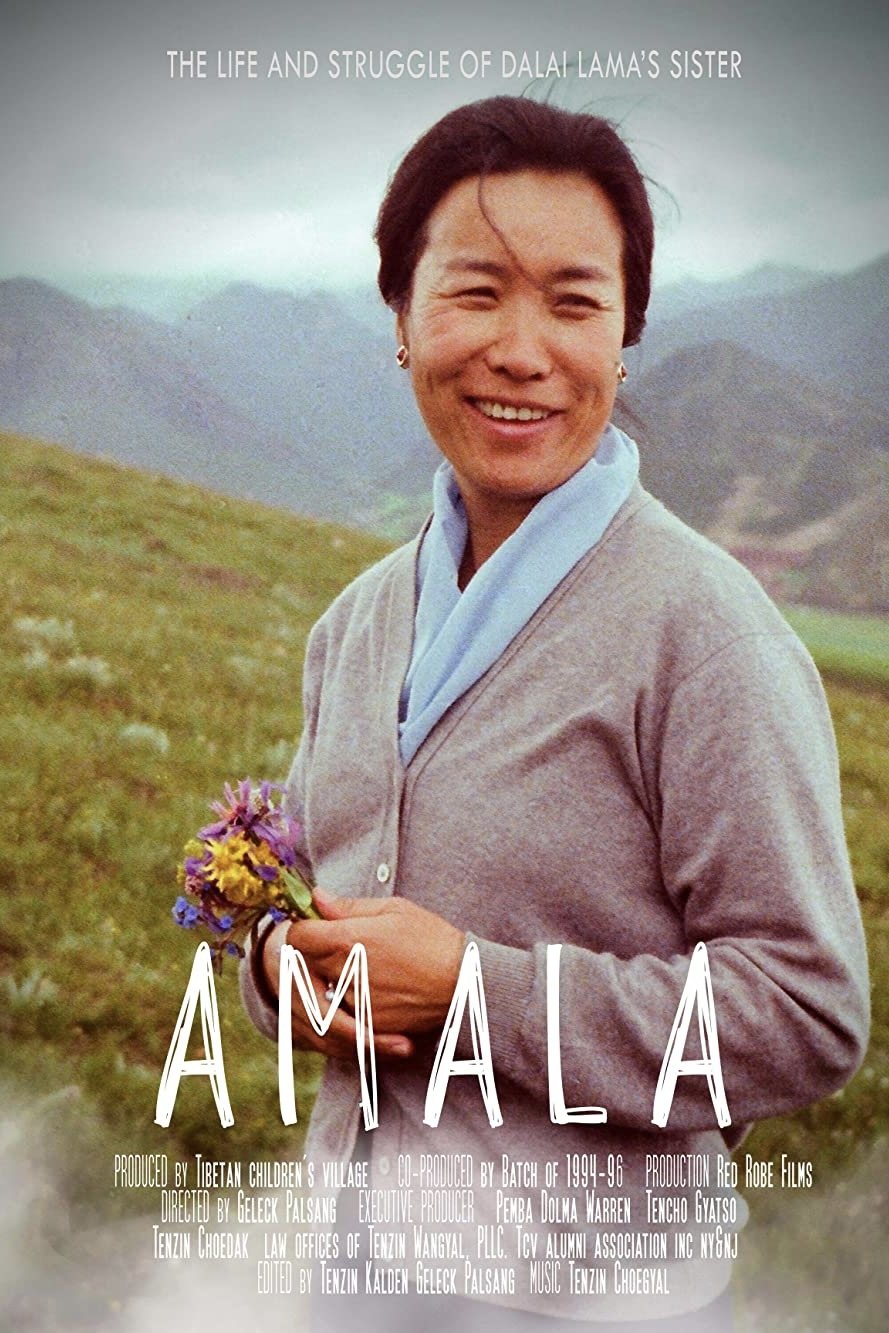
Amala tells the story of the Dalai Lama’s younger sister Jetsun Pema, her struggles, loss and success that earned her the epithet Amala or ‘mother’. Using rare footage from her historic visit to Tibet in 1980, the film also gives insight on the state of education inside Tibet. After her sister died, she took charge of the Nursery for Tibetan Refugee Children in a small town in northern India. Under her leadership, the nursery transformed into one of the most successful Tibetan refugee schools – the Tibetan Children’s Village schools (TCV).
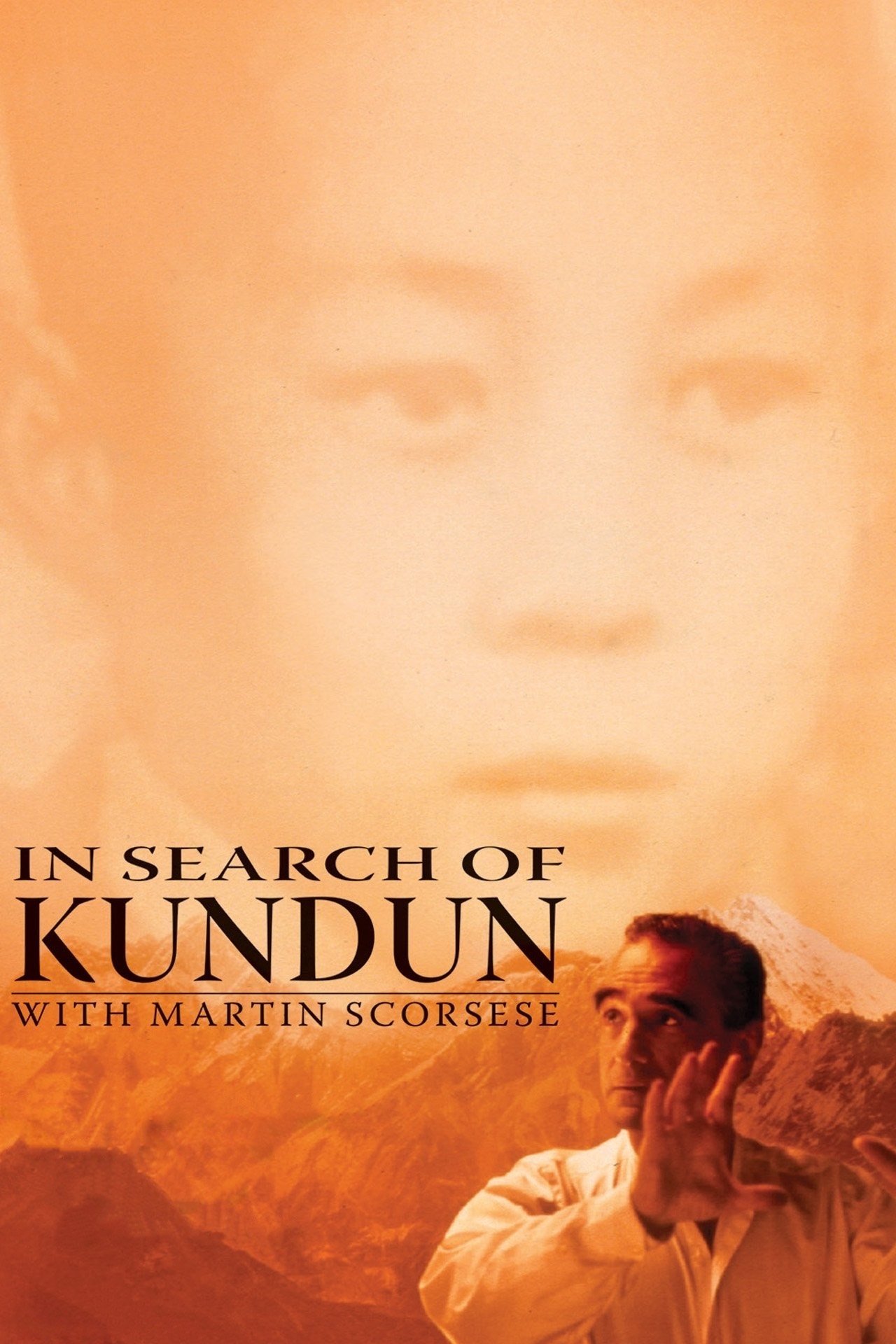
In Search of Kundun, a “making-of” documentary that is so much more, follows Scorsese as he plans his epic film and shoots in Morocco, and continues on to an audience with the Dalai Lama himself in the foothills of the Himalayas. Edited from over a hundred hours of footage, the documentary captures Scorsese’s fervor as a filmmaker and a man, the modest yet charismatic Dalai Lama, and the plight of the exiled Tibetans. -Denver Film Society
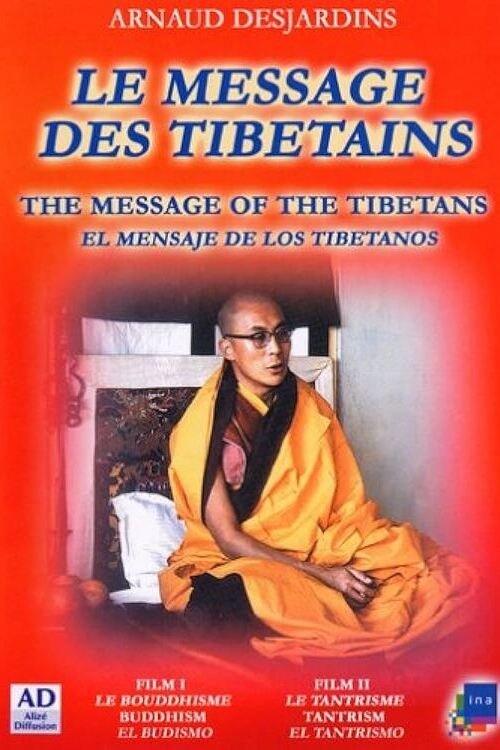
In 1963, for the first time, the Dalai Lama allowed a Westerner, Desjardins, to film the heart of the Tibetan tradition. These two films were originally shown on French television in the 1960's and are a wonderful testimony, revealing some of Tibet's foremost masters as they were then. It includes footage of Dilgo Khyentse Rinpoche, the Sixteenth Karmapa, Dudjom Rinpoche, Ling Rinpoche, Chatral Rinpoche, Sakya Trizin, and the yogis Apo Rinpoche and Lopon Sonam Zangpo. "These portraits of the legendary Tibetan masters are not simply a unique historical record, not only a stunning and moving inspiration for now and for the future, but an extraordinary testimony, a treasure." Sogyal Rinpoche.
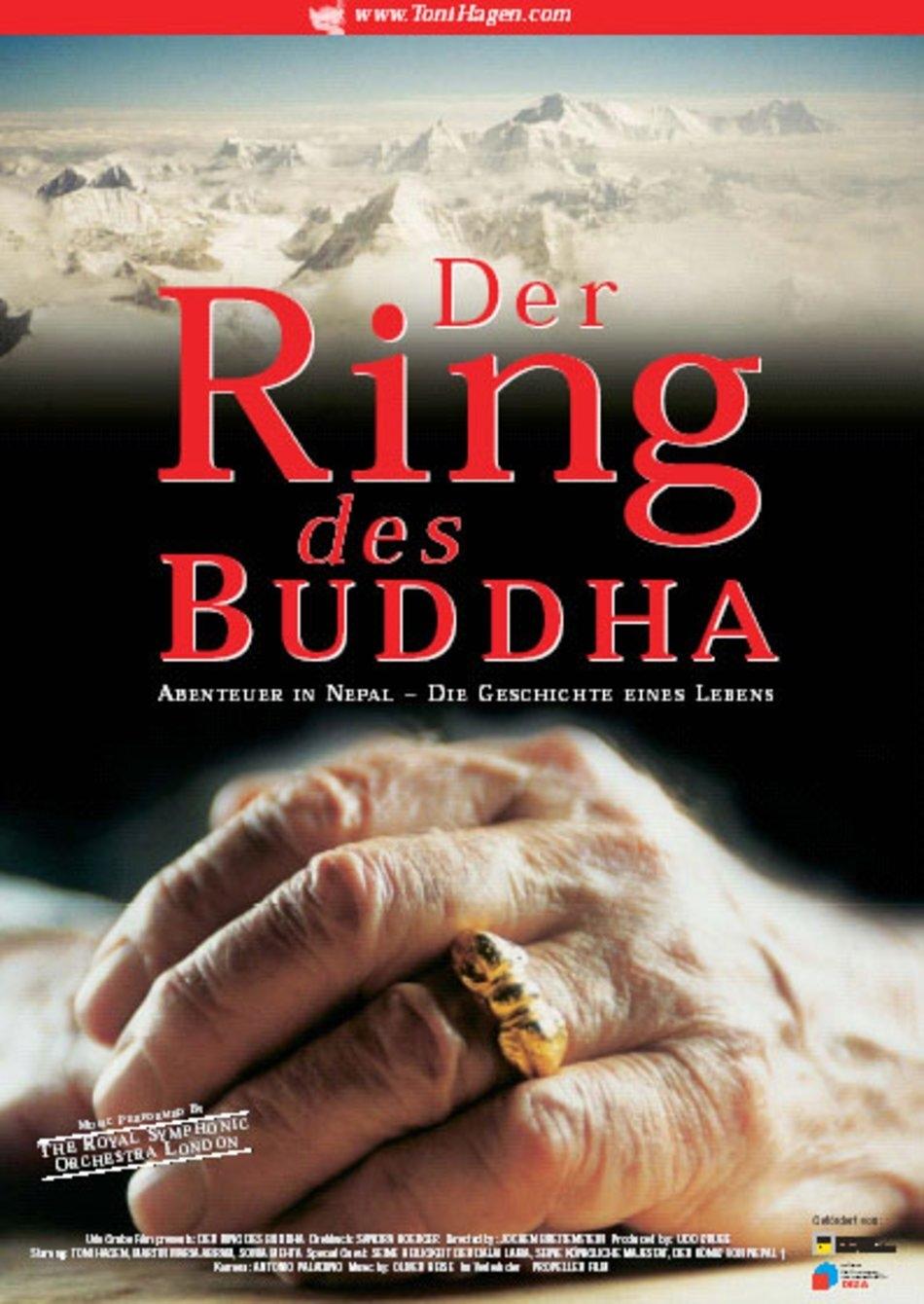
Nepal 1950. A mysterious, unexplored country. The Swiss geologist Toni Hagen, was the first European to pass through the "forbidden" kingdom. He doesn't discover any mineral resources there. Yet he does uncover the mysteries of life and penetrates towards a more profound truth which lends a new dimension to his life. In the spring of 1999, Hagen returns to Nepal to keep a promise of almost 50 years: At that time a Buddhist monk had presented him with the gift of a valuable and mystical ring.
An intimate glimpse into the life and world of one of Tibet's most revered teachers: Dilgo Khyentse Rinpoche (1910-1991). A writer, poet and meditation master, Khyentse Rinpoche was an inspiration to all who encountered him. His many students throughout the world included the Dalai Lama. This unique portrait tells Khyentse Rinpoche's story from birth to death... -- from his escape following China's invasion of Tibet to his determination to preserve and transmit Buddhist teachings. Along with rare photographs of Tibet, Bhutan and Nepal, this film features interviews with the Dalai Lama. Director Matthieu Ricard -- French photographer, Buddhist monk and bestselling author -- travelled with Khyentse Rinpoche for over 14 years.
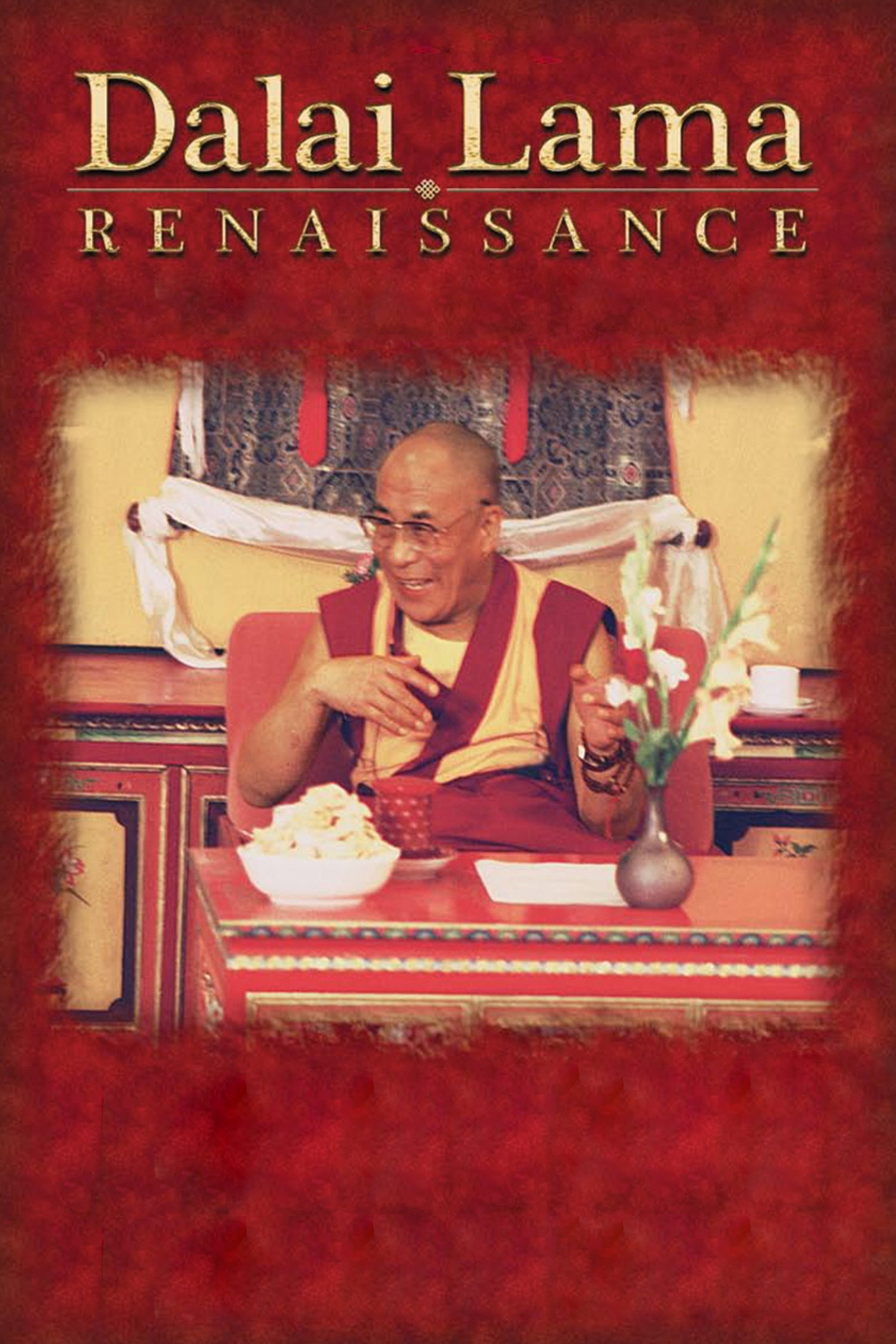
A documentary about HH the Dalai Lama.
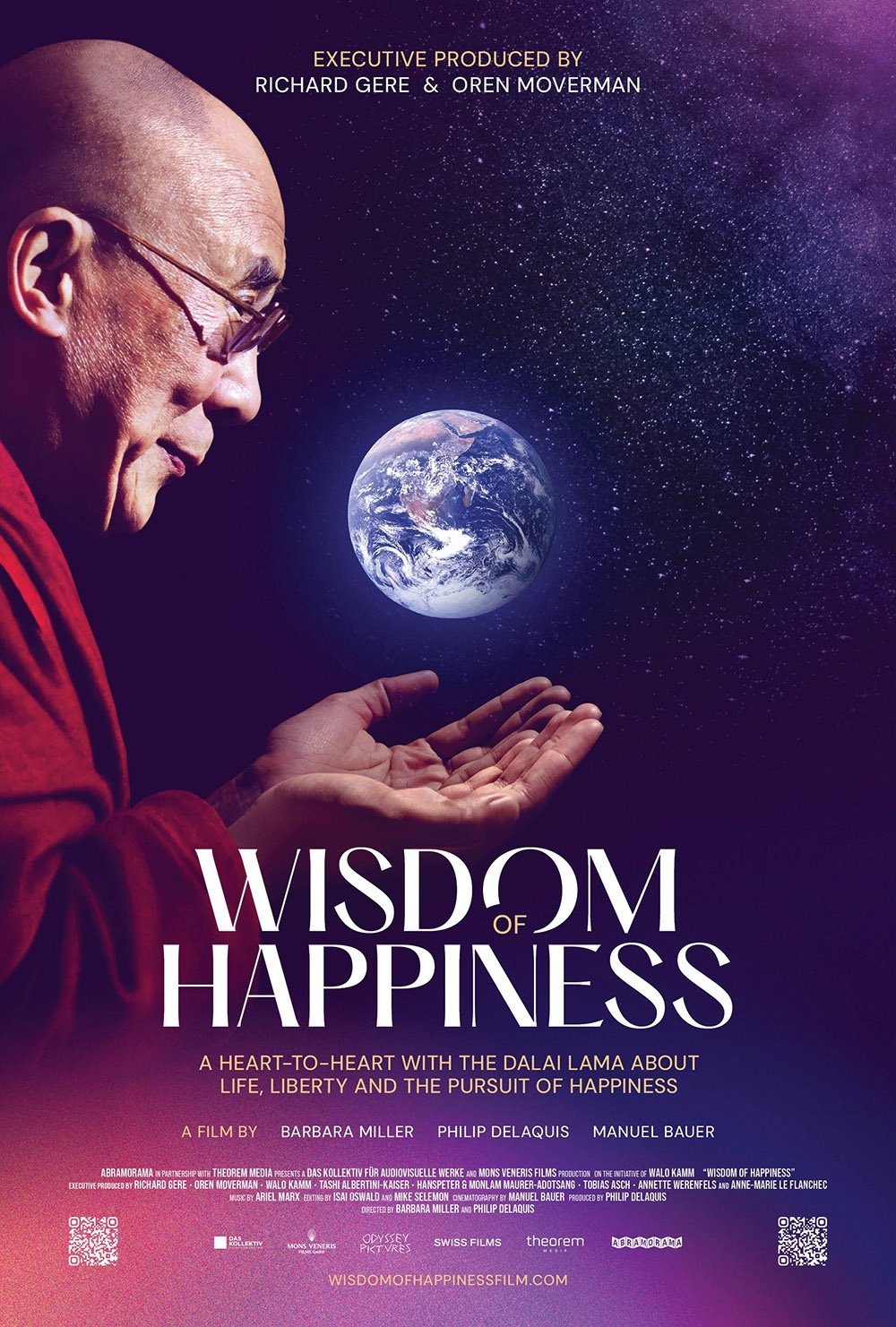
A deeply intimate and highly cinematic documentary featuring the Dalai Lama, who, at nearly ninety year of age, offers practical advice for navigating the 21st century's challenges.
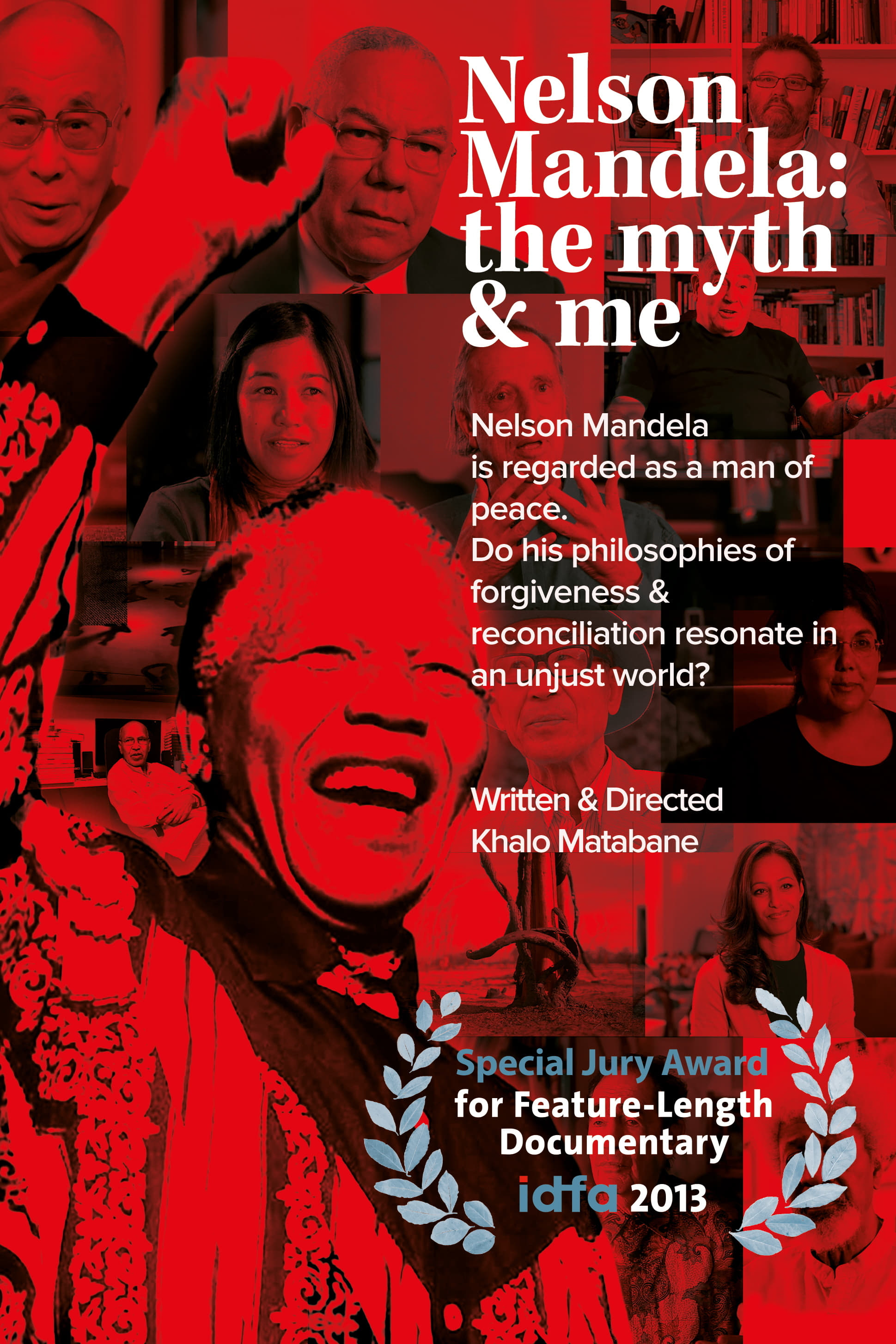
Khalo Matabane spent two years making the film, interviewing those who knew and loved Mandela, and also those who criticised him. Global thinkers, politicians and artists including the Dalai Lama, Henry Kissinger and Ariel Dorfman talk about the effect of his policies and his decision making. Their thoughts are weighed equally with ordinary South Africans like Charity Kondile, who refuses to forgive her son's apartheid operative murderer. Through these interviews, completed in the last months of Mandela's life, Matabane interrogates for himself the meaning of freedom, reconciliation and forgiveness. By doing so he challenges Mandela's enduring impact in today's world of conflict and inequality. Thought-provoking and reflective, Mandela, the Myth and Me is a moving film which frames Mandela from a fresh, deeply personal perspective. (Storyville)
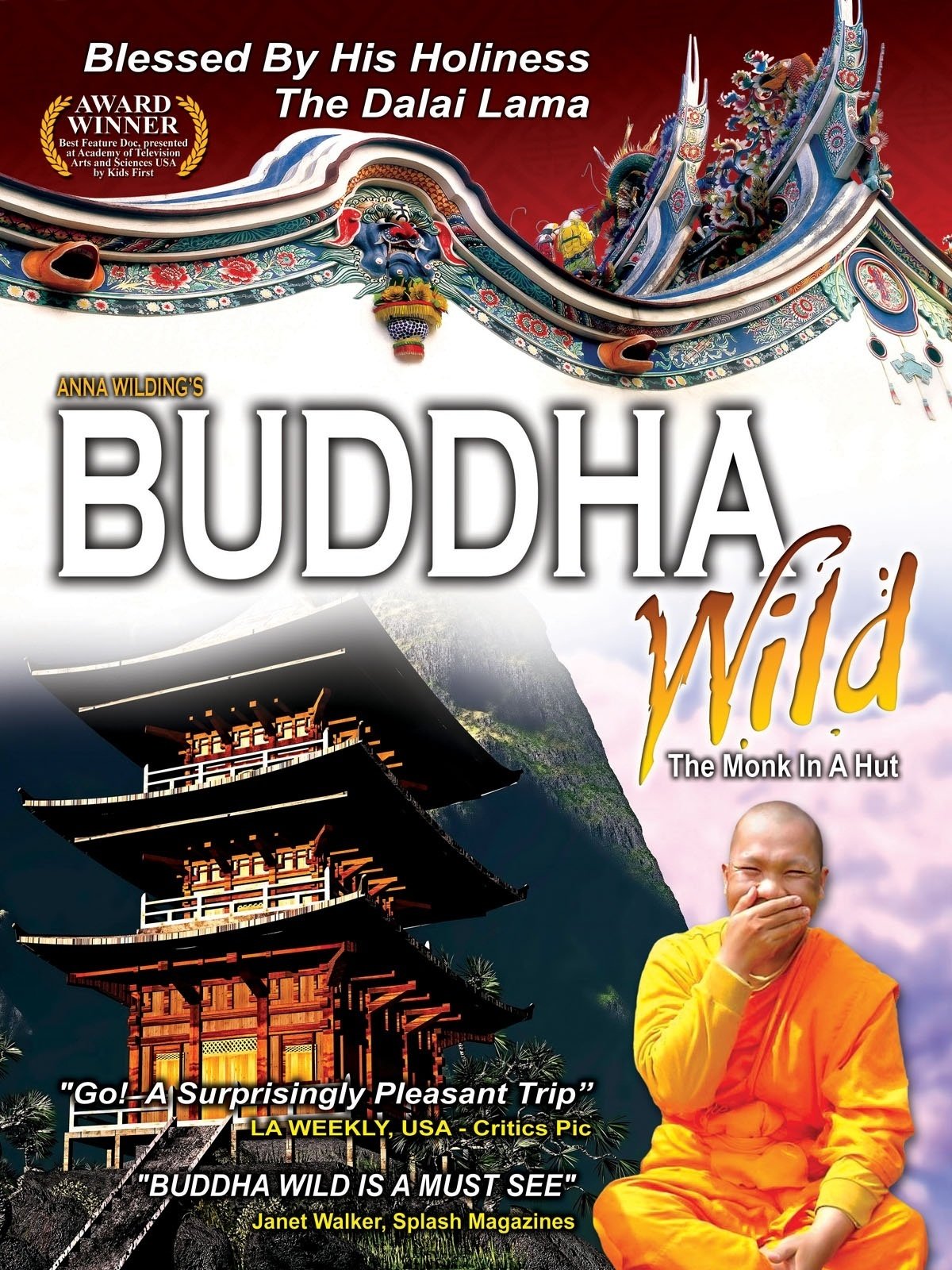
Buddhist monks open up about the joys and challenges of living out the precepts of the Buddha as a full-time vocation. Controversies swirling within modern monastic Buddhism are examined, from celibacy and the role of women to racism and concerns about the environment.
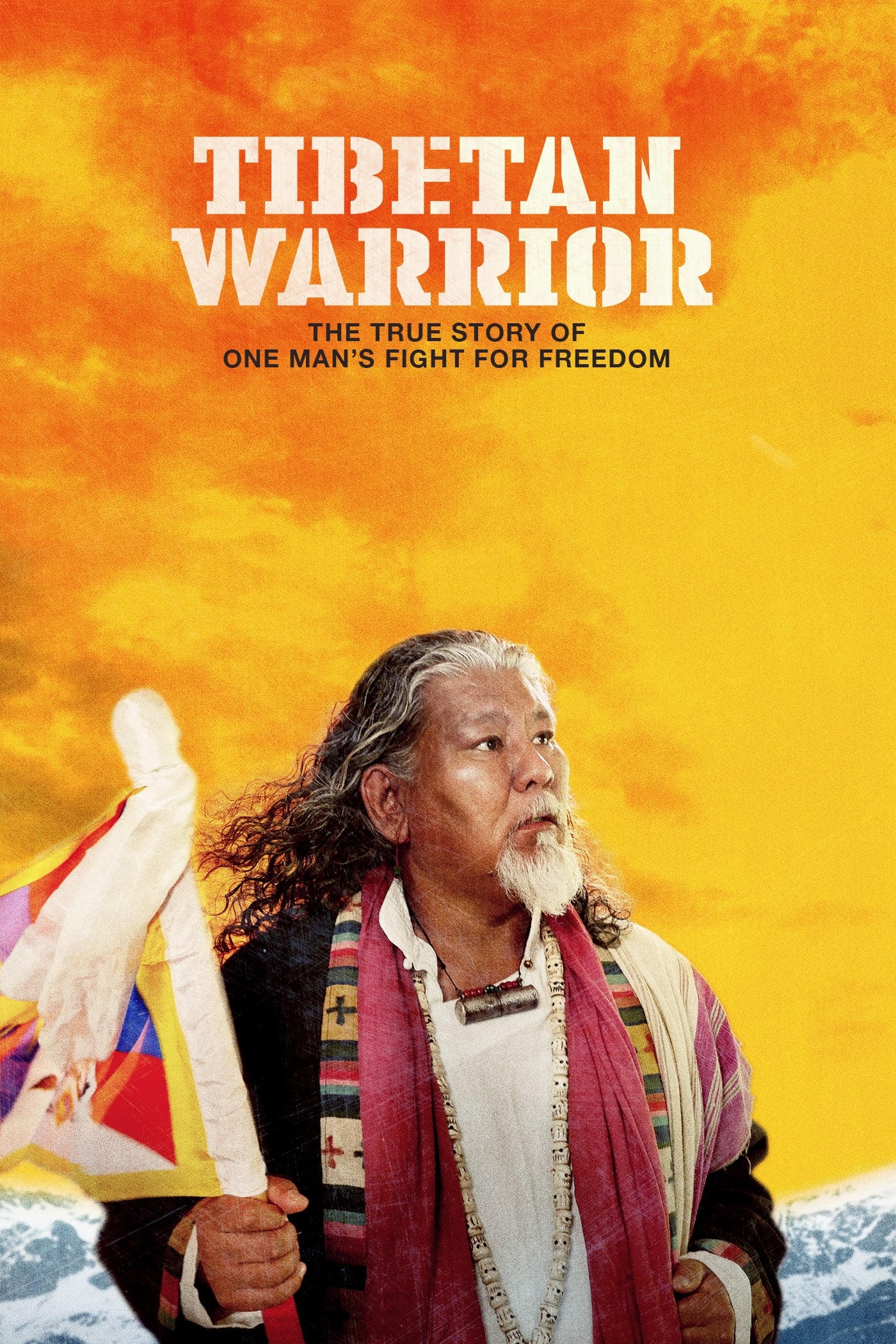
The true story of one man's fight for freedom. For more than 60 years Tibetans have been fighting Chinese oppression. But their non-violent struggle appears to be in vain. Now, as a new form of peaceful protest, Tibetans are setting themselves on fire. Loten Namling - an exiled Tibetan and musician living in Switzerland - is deeply disturbed by such self-destructive action. So he sets off from Europe to India, on a one-man mission to meet top politicians, experts and young radicals. He himself becomes increasingly radical and is on the verge of violent protest. Finally he ends up at The Office of the Dalai Lama in India to seek the advice of the exiled Tibetan leader.
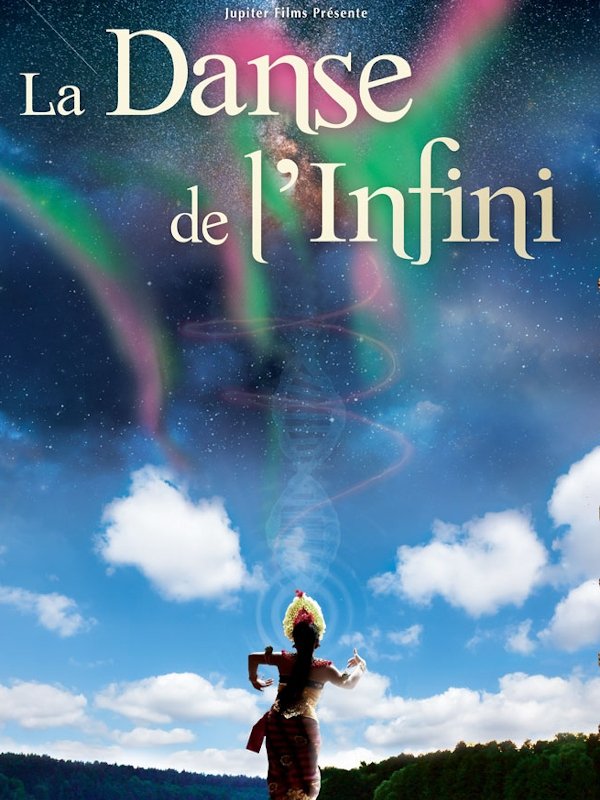
True happiness is based on the realized life and development of humanity to the Highest. The film tells us about the Great Search for Paradise, Happiness, Love, Truth, Freedom, Holiness, Joy, Knowledge, Creativity and High Perfection carried out by humanity.
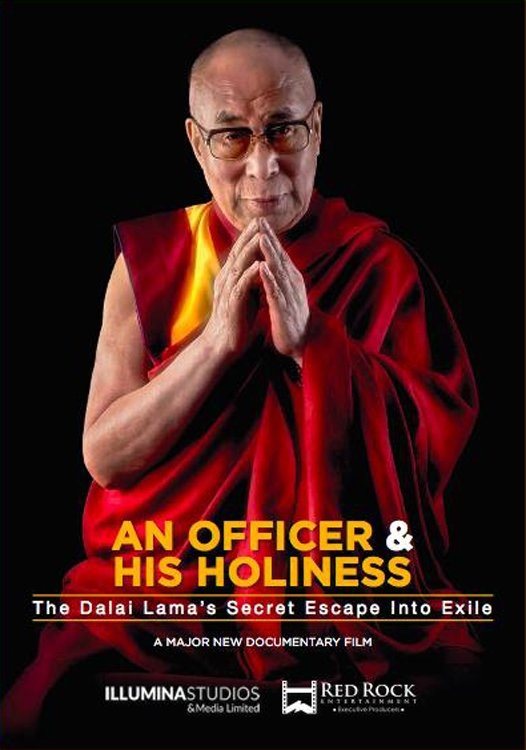
Told in his own words on film, the documentary reveals how in 1959, His Holiness the Dalai Lama escaped from Tibet into India on foot over the Himalayas. This perilous trek took 13 days, with the Dalai Lama only able to travel at night to evade detection. This singular event has influenced the lives of millions worldwide.
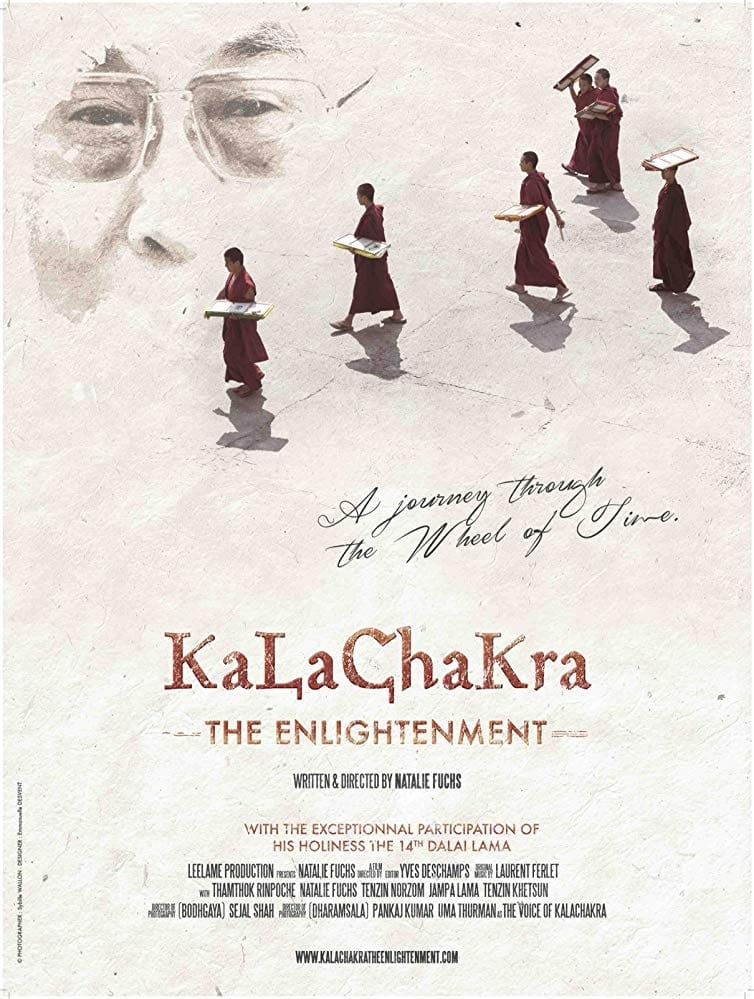
Immersed in the colorful and vibrant setting of Dharamsala (India), four individuals from very different backgrounds come together to face their deepest fears as they approach the transformational power of the Kalachakra initiation, led by the Dalai Lama. Through this film, we enter and discover an ancient yet unknown dimension where death meets life, a dimension that changes someone forever.
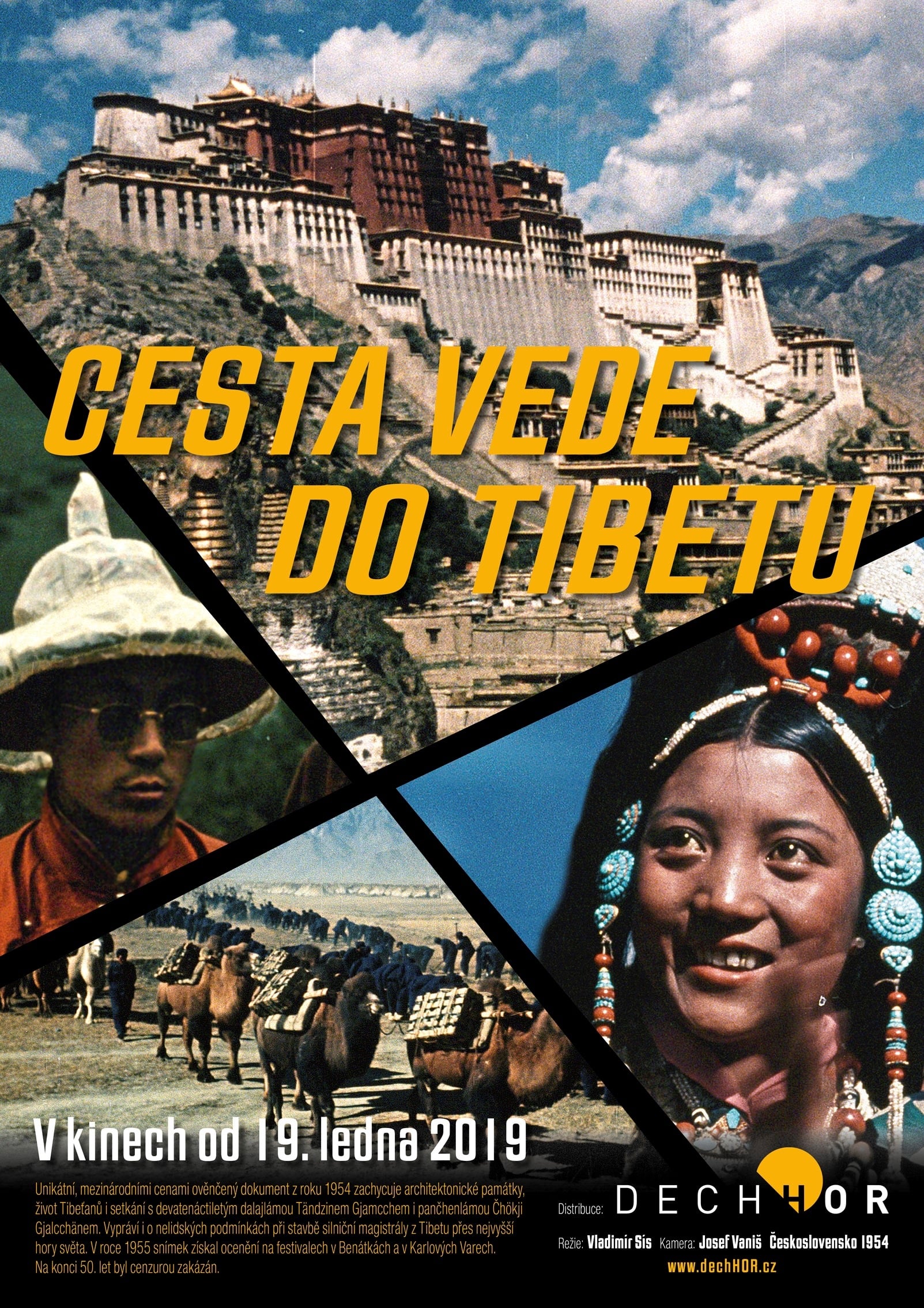
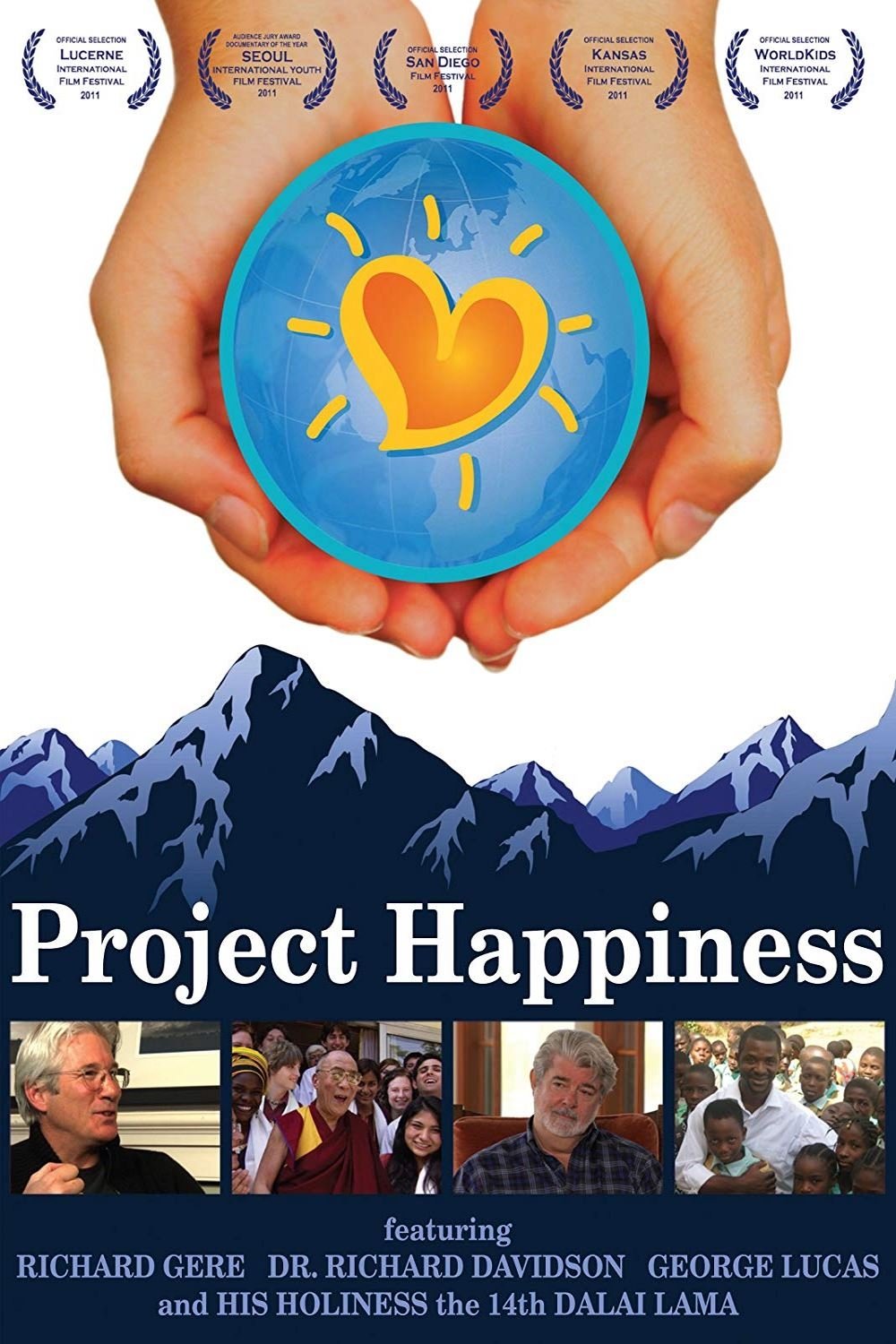
Happiness, I want more! From the alleys of Nigeria and the beaches of California to the mountains of India, ordinary young people lead us on an extraordinary journey to explore the nature of lasting happiness and end up starting a movement.
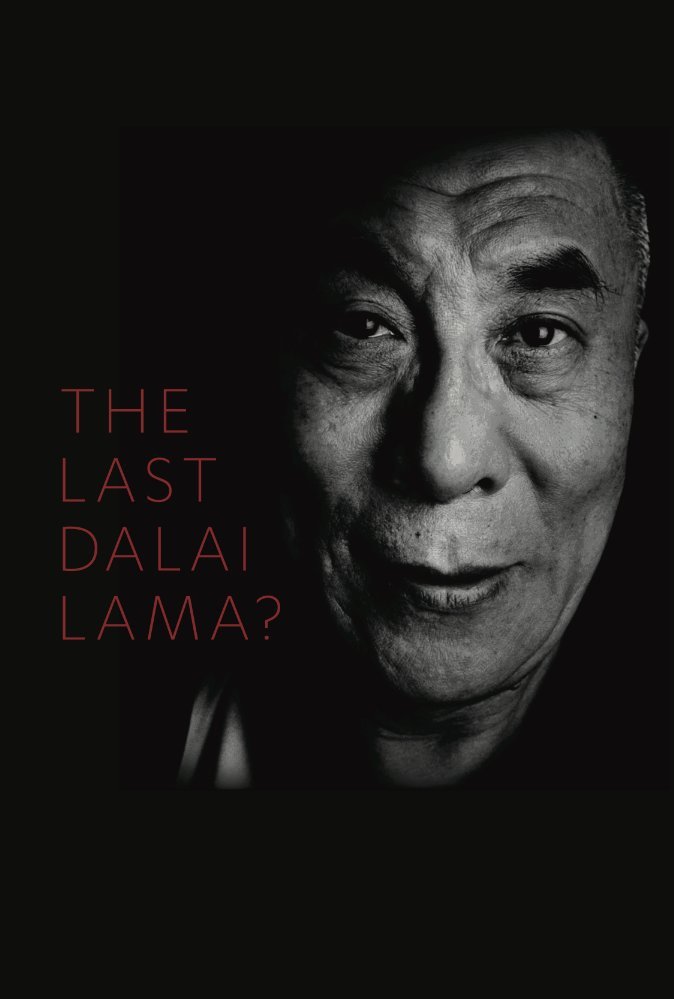
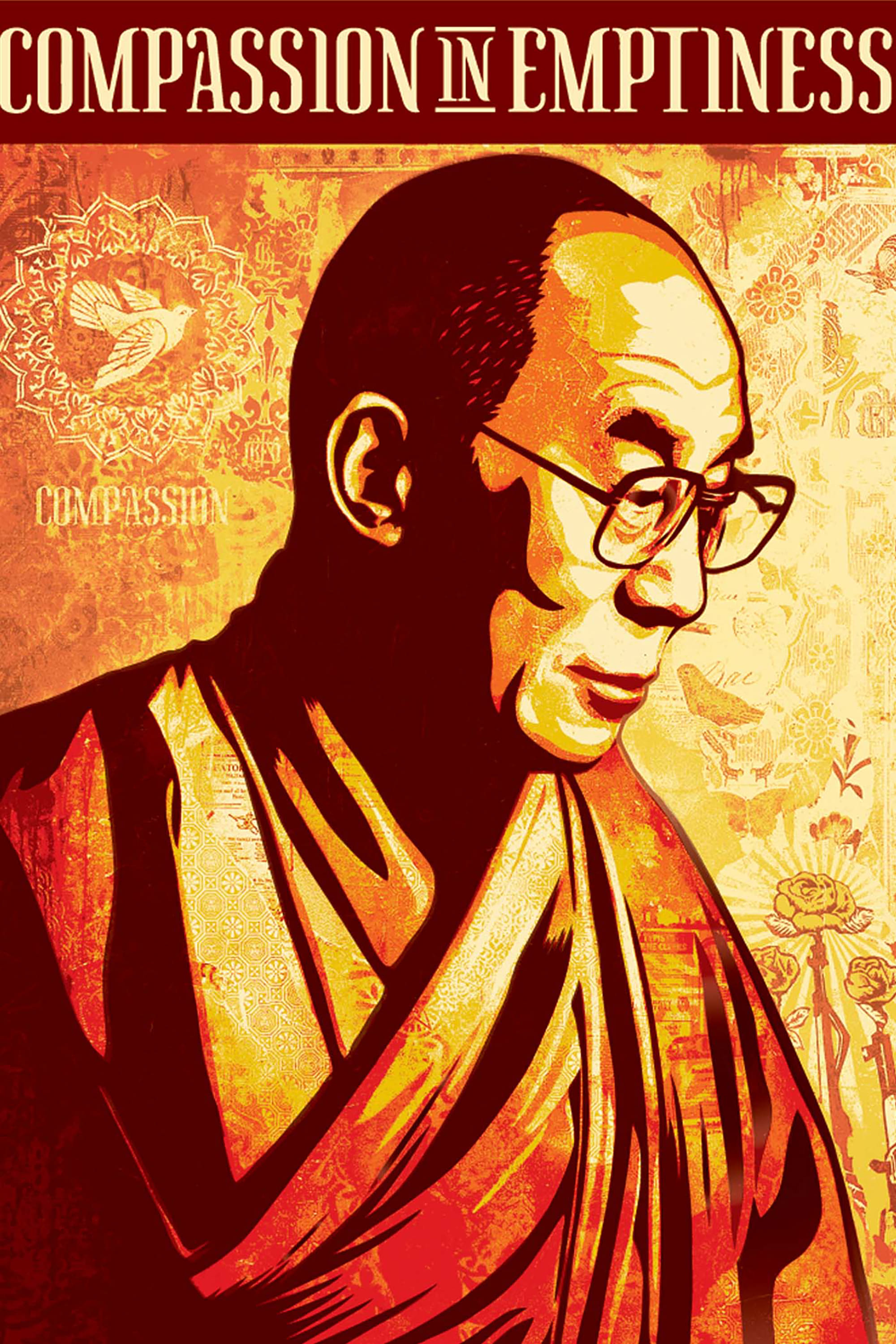
In his 1992 documentary "Compassion in Exile", filmmaker Mickey Lemle created a groundbreaking portrait of the 14th Dalai Lama. His new film takes a fresh look at what is important for His Holiness, who is now in his 80s: the historic confrontation between Tibet and China; his influence in political, spiritual and educational spheres; his work with neuroscientists; and his personal feelings on aging, dying and whether he will be the last Dalai Lama. His impact on the West has grown over the 25 years since the earlier film, and we see some of his influence at work in classes and scientific studies. Artfully weaving interviews and accounts from family, friends and people he inspired, this film vibrantly conveys the Dalai Lama’s humor, wisdom and compassion
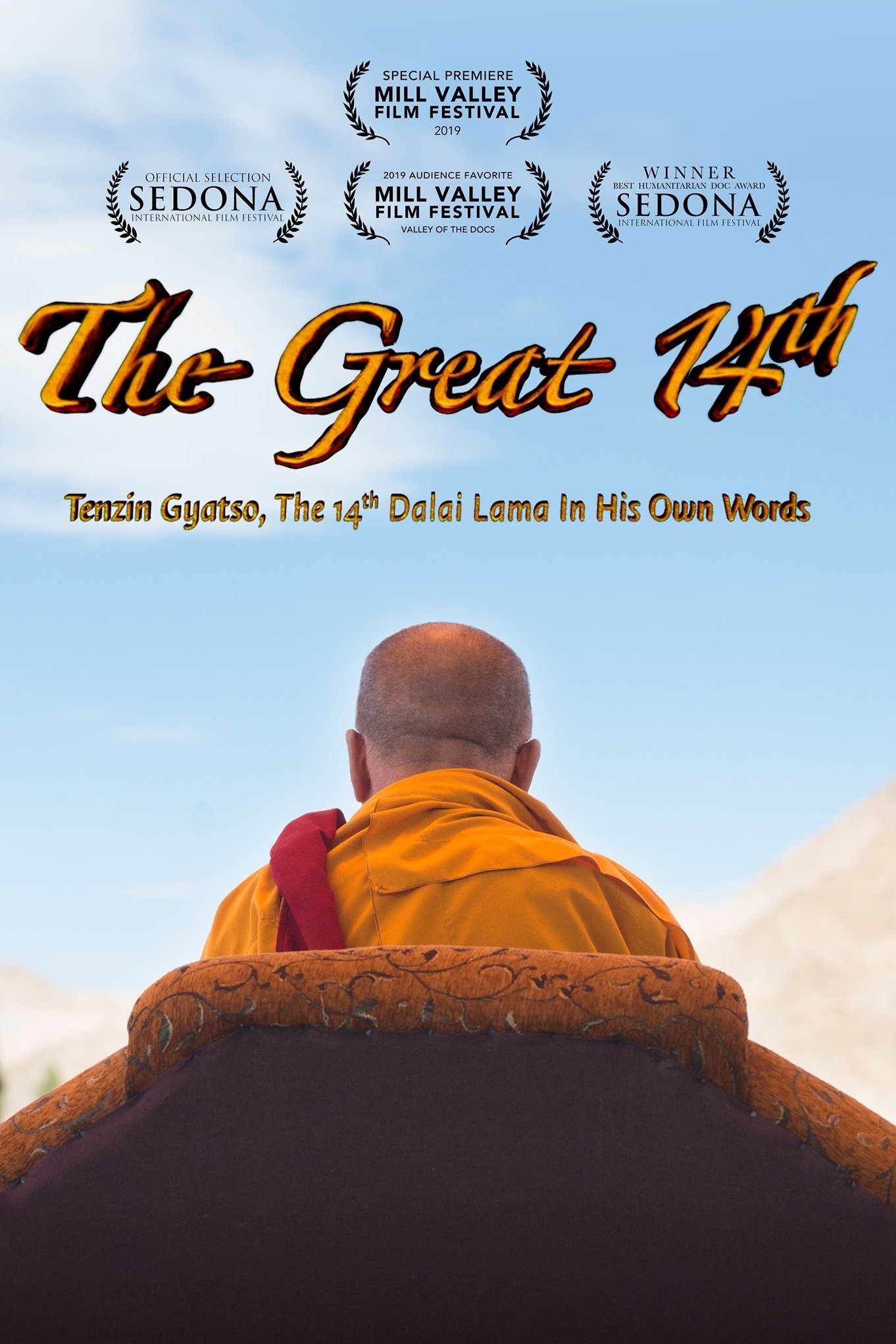
“The Great 14th: Tenzin Gyatso, The 14th Dalai Lama In His Own Words", uniquely and exclusively features Tenzin Gyatso as both subject and narrator as he presents the full arc of his epic and very public life as the 14th Dalai Lama. Based on intimate conversations, it's a portrait both profound and inspiring.
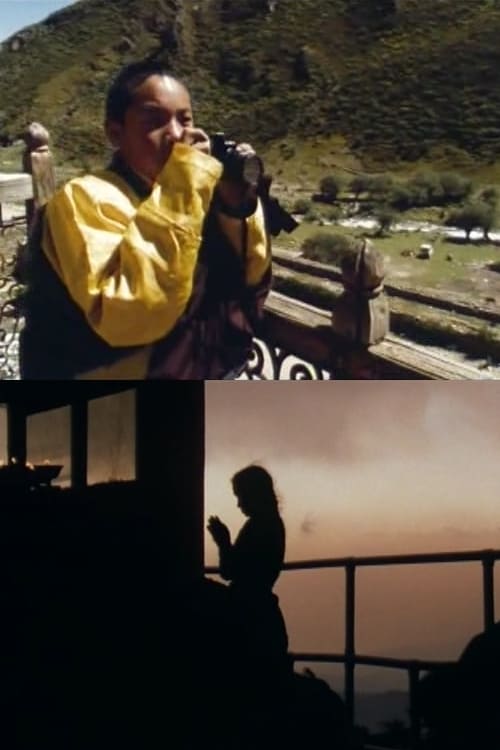
The main characters of the film are two small boys who share the throne of Karmapa, the highest office of one of Tibetan Buddhism's main sects and the third in line after the Dalai Lama and Panchen Lama. As with the Dalai Lama, Karmapa is the same soul which reincarnates in each successor to the office, who is identified by omens, portents and other signs. The Karmapa line actually pre-dates the Dalai Lama's, and their respective importance has alternated in the course of history with either the Karmapa or Dalai Lama holding precedence. Only one of the current Karmapas lives in Tibet, who is recognized by the Dalai Lama but controlled by the Chinese government for political ends. The second Karmapa lives in New Delhi, India and was selected by a Tibetan group in exile. The film was shot in India, Nepal and Tibet and features the Dalai Lama as narrator, providing an incisive spiritual and political view of occupied Tibet.
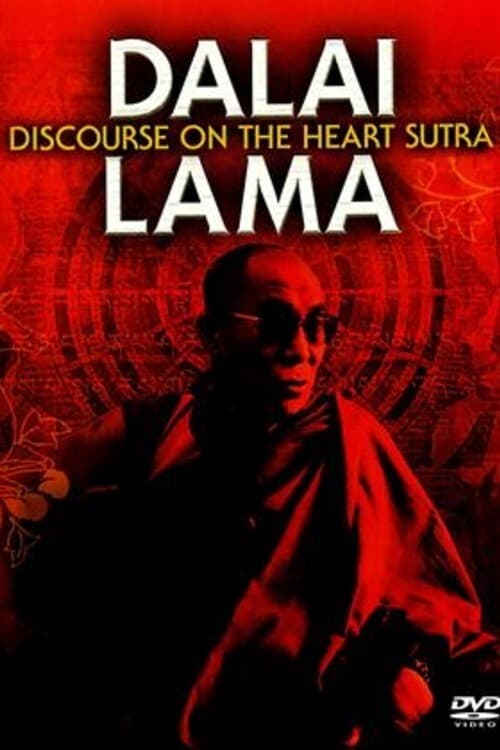
The Heart Sutra is the shortest and the most popular sutra in Buddhism and is regarded as a summation of the wisdom of Buddha. It expresses perfectly the insight attained by non-attachment, the doctrine of emptiness. In Buddhism, reciting Buddha-name and sutra has great merit and virtues and it is one of the effective ways in the cultivation of the Buddhist Way. The Heart Sutra reveals the entire secret of truth of the universe and life. Many Buddhists around the world recite The Heart Sutra daily. Although some may have incredible responses and benefits from it, they may not really and fully understand what it is.
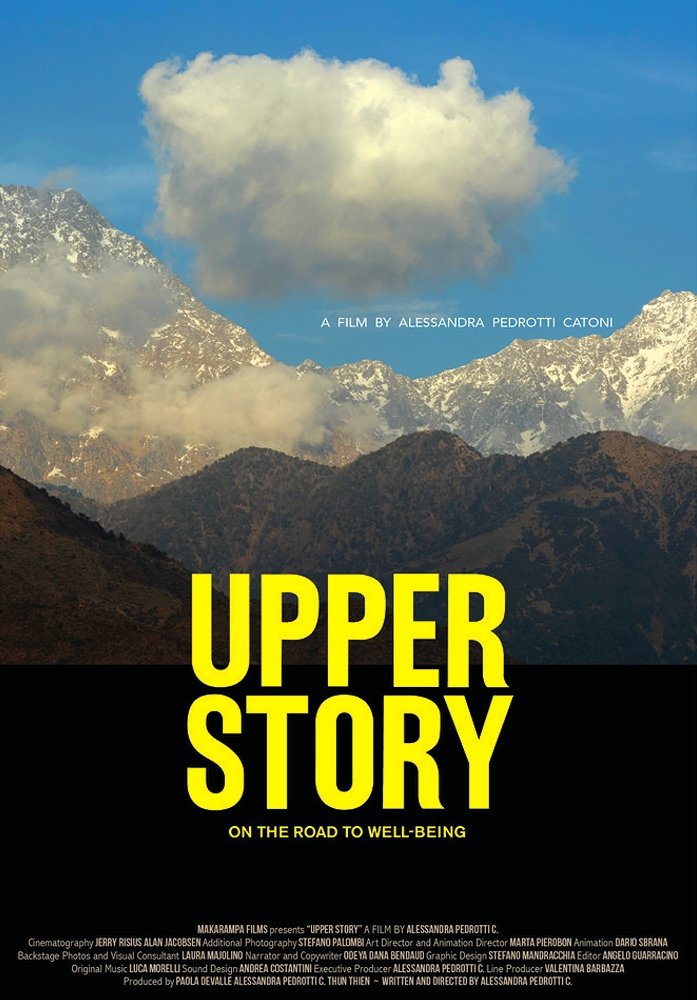
Today, over 10% of the global population suffers from mental health problems. This documentary reveals three decades of collaboration between Western scientists and Buddhist scholars. The meeting of their minds and scientific research reveals how mental training techniques can help us develop well-being, become more compassionate and ultimately improve the impact we have on our planet, and how humanity is much more deeply connected that we would ever think.
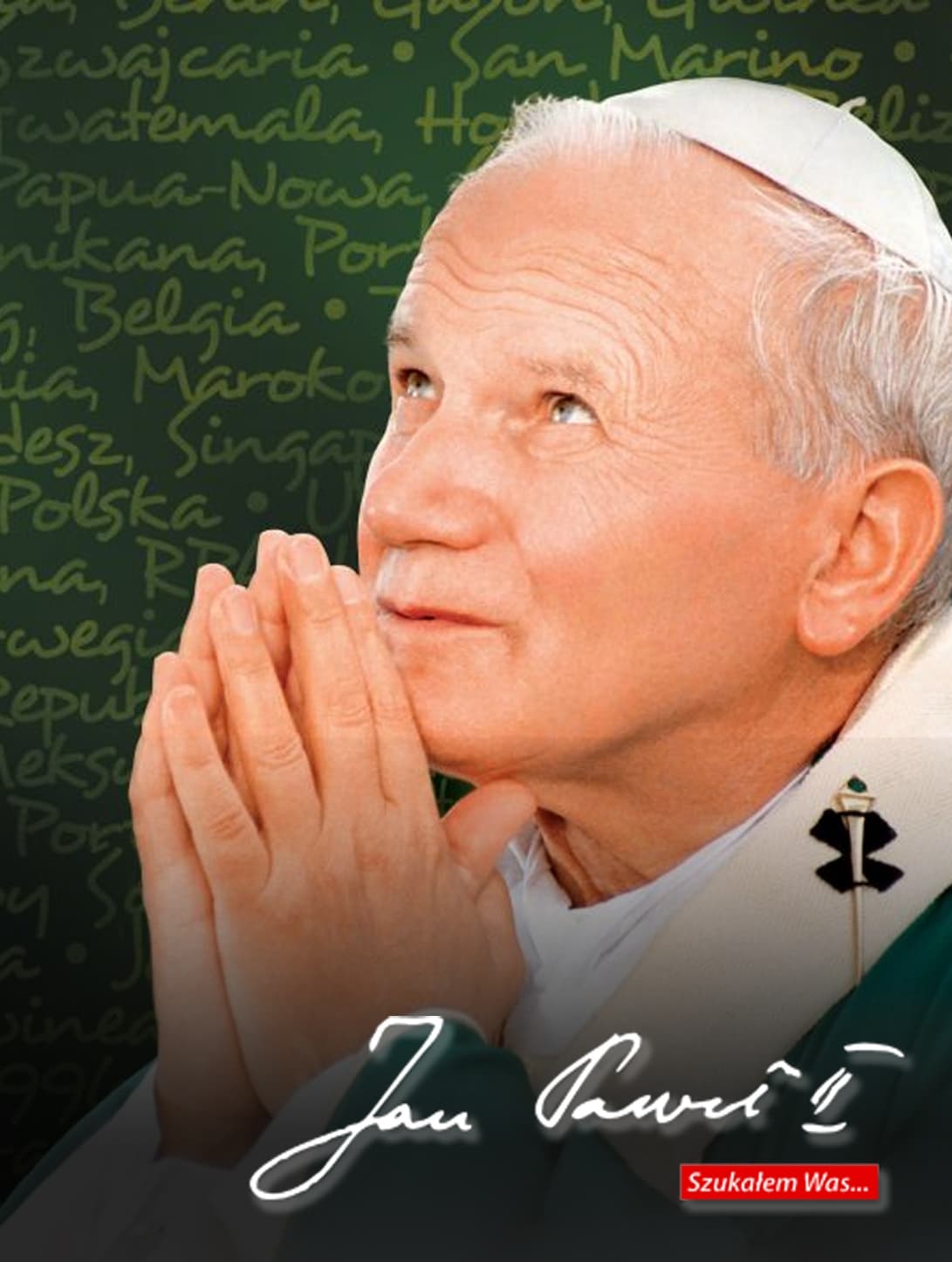

Documentary account of a man’s life in the face of imminent death – Francisco Varela's story told affectionately and gently, touchingly and astutely. Varela spent his life building bridges: between Western science and Eastern wisdom, neurobiology and philosophy, abstract theory and practical life. This film seeks to deconstructs the prevailing division between science and art.
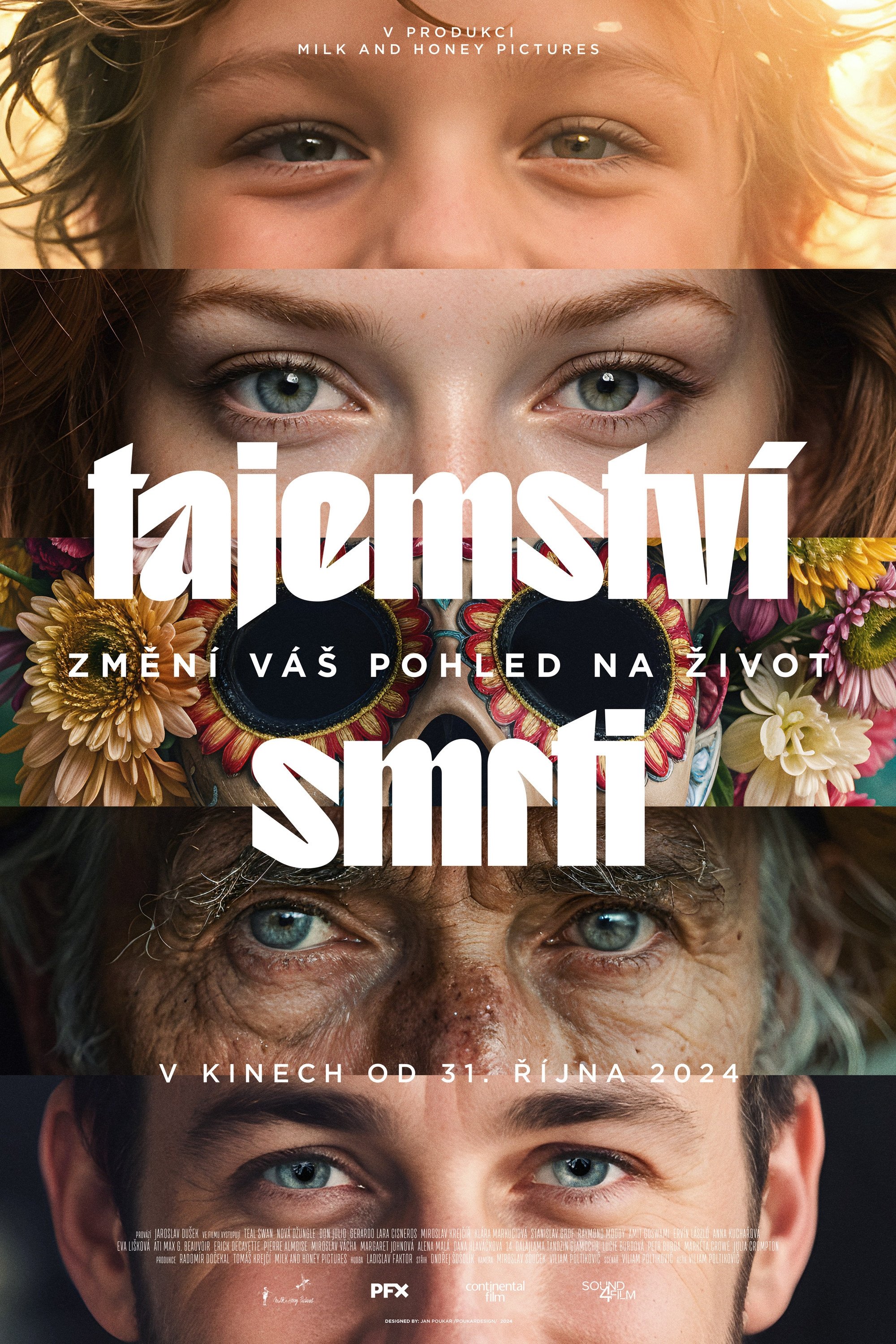
This feature-length documentary embarks on an adventurous journey to questions about death and the fear associated with it. Through Jaroslav Dušek's acting guide, he explores how we can use and control people's behavior through fear of death. The film looks at various cultural approaches to the topic of death, including those that do not perceive death as a scarecrow. Modern science, like traditional wisdom, offers alternative perspectives on death that can change our understanding of life. Through the personal stories of people who have overcome their fear of death, the film shows us that our approach to death can affect the quality of our lives.
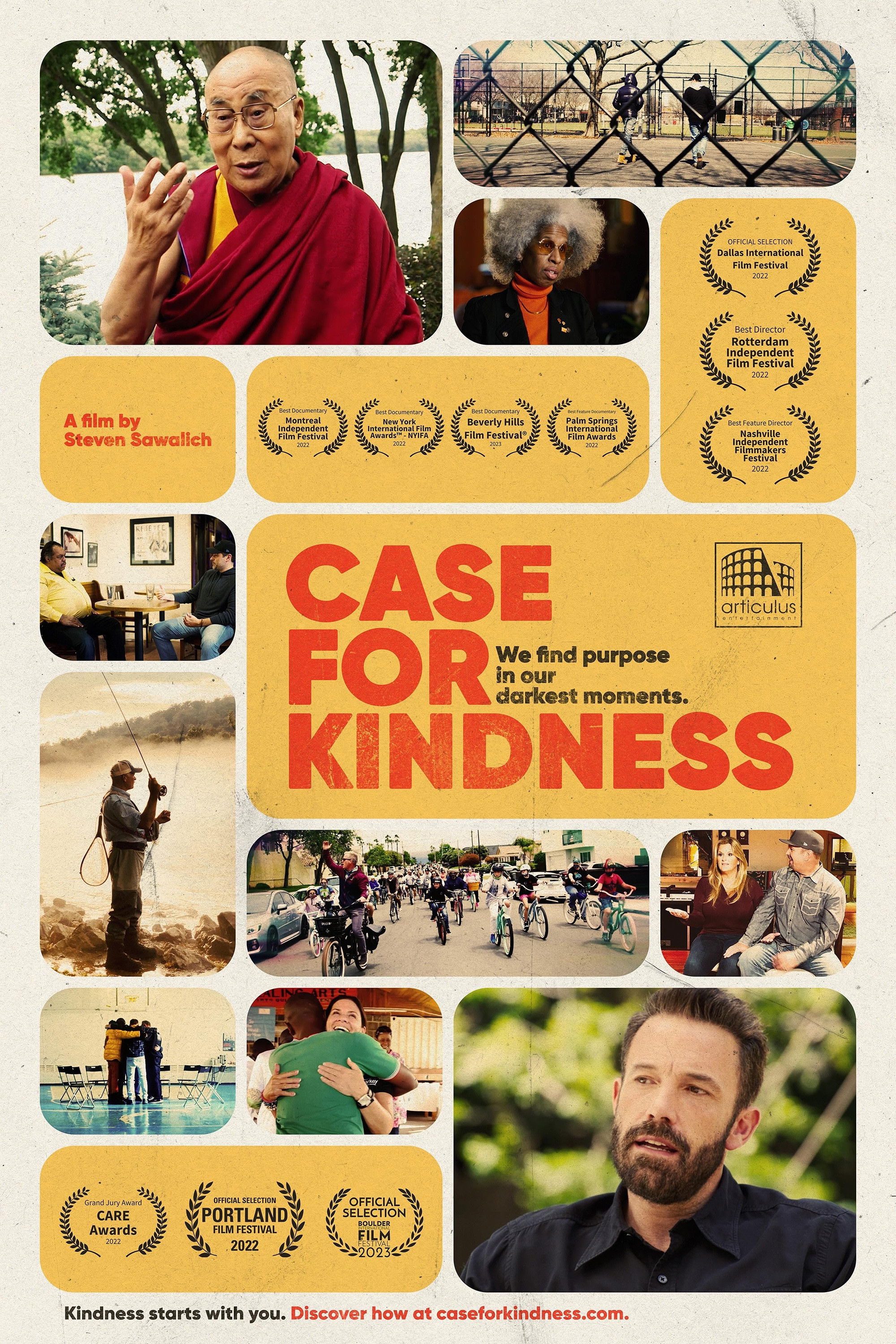
A Case For Kindness is a journey to understand the true nature of Kindness, making a case for why it is our best way forward as a society. The film will examine different themes of kindness while exploring various stories, cultures and conversations. We thread the themes of bullying, hate, mental health, racial injustice, food insecurity and climate change. We interview experts, leading authorities and find real life moments to build the case that inspires humanity to adopt Kindness.

Most of us think of death as something clear-cut, and that medical science has it neatly figured out. This feature documentary explodes such assumptions through its exploration of a phenomenon that blurs life and death to an unprecedented degree. In what Tibetan Buddhists call tukdam, advanced meditators die in a consciously controlled manner. Though dead according to our biomedical standards, they often stay sitting upright in meditation; remarkably, their bodies remain fresh and lifelike, without signs of decay for days, sometimes weeks after clinical death. Following ground-breaking scientific research into tukdam and taking us into intimate death stories of Tibetan meditators, the film juxtaposes scientific and Tibetan perspectives as it tries to unravel the mystery of tukdam.

A visual montage portrait of our contemporary world dominated by globalized technology and violence.
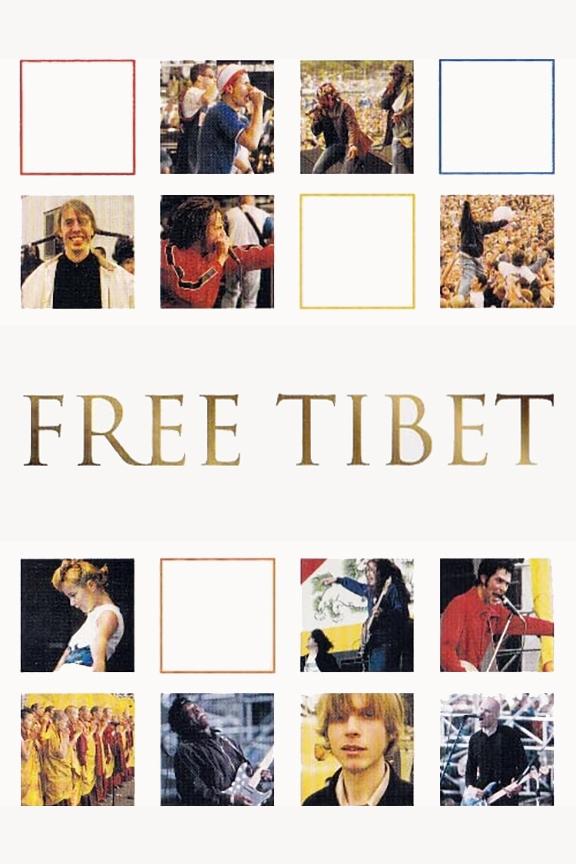
A film about the Tibetan Freedom Concert in San Francisco in 1996.
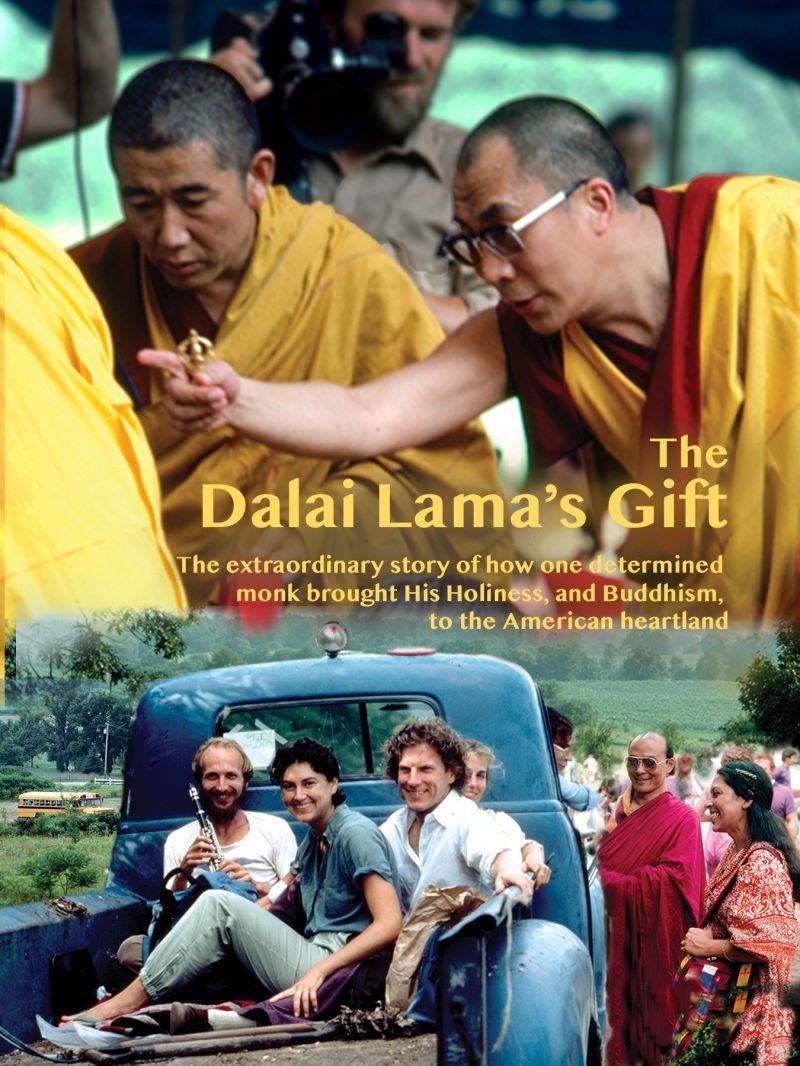
In 1981, a Buddhist monk teaching at the University of Madison, Wisconsin, made the bold request of the Dalai Lama to come and perform a rare ritual, never before done outside of India or Tibet: the Kalachakra, among the highest of the Buddhist tantric teachings. In just a few months, with a team of dedicated students, and cameras rolling, they constructed a temple and organized an event for over a thousand spiritual seekers, in a cornfield outside Madison. The incredible footage was tucked away in the Smithsonian vaults, until now. What unfolds is the story of a powerful ritual, its impact on the people that made it happen, and the meaning behind this ancient initiation.
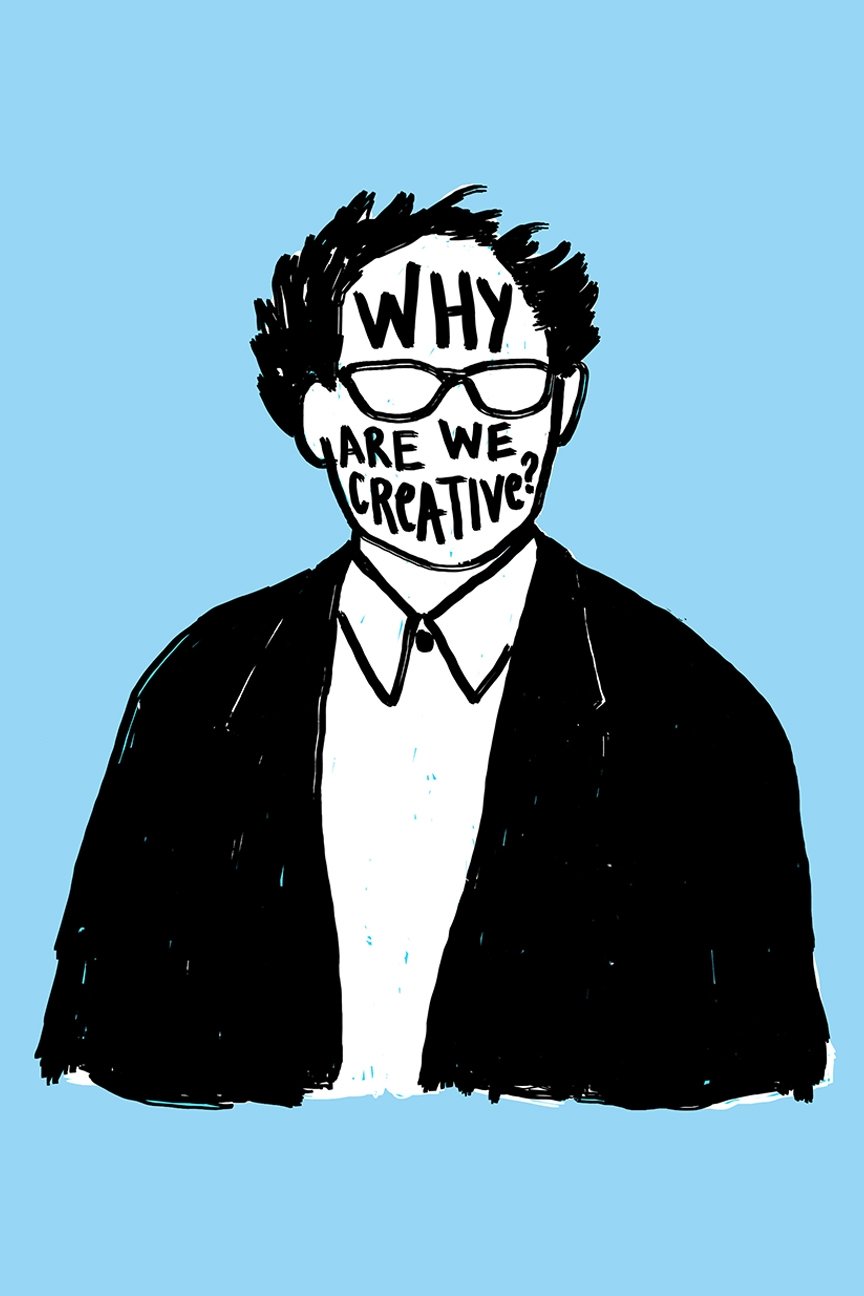
A 30 years odyssey: the world's most intriguing artists and thinkers from the fields of visual art, music, filmmaking, acting, literature, philosophy, politics, business and science, are asked the same question: "Why are you creative?"
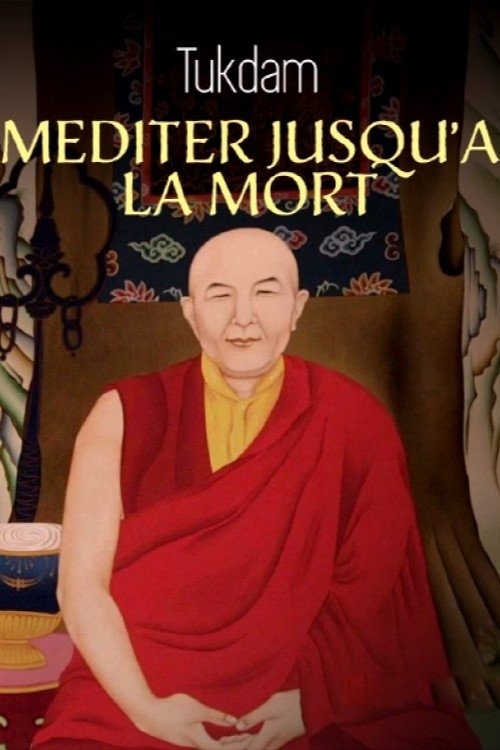
Irish director Donagh Coleman explores the extraordinary phenomenon of Tukdam, whereby some Tibetan Buddhist practitioners are able to forestall physical decay at the point of clinical death for days, even weeks, by entering a deep meditative state. Supported by His Holiness the Dalai Lama a group of leading scientists conduct groundbreaking research into the phenomenon, which challenges Western medical understanding of the line between life and death.
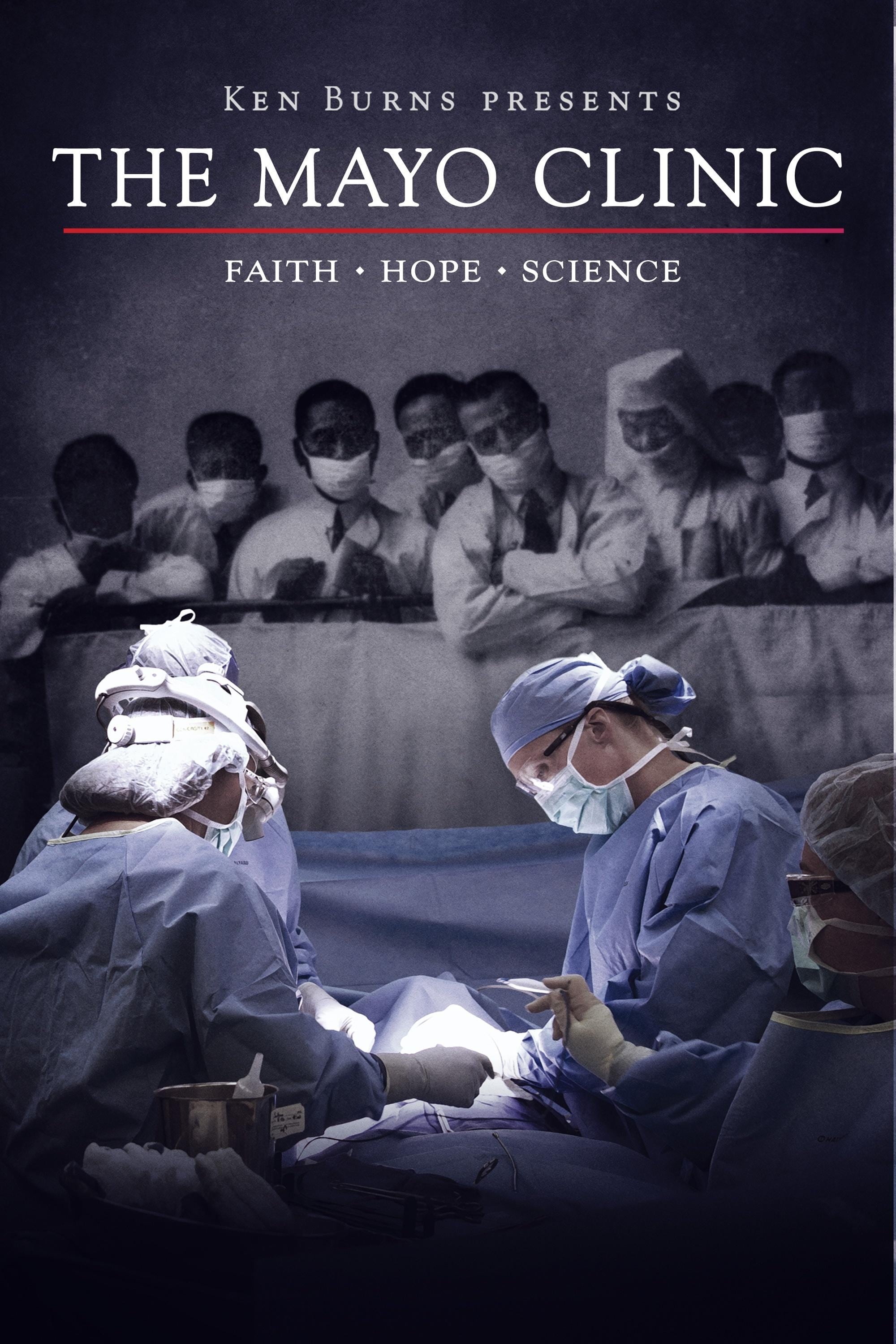
The Mayo Clinic tells the story of a unique medical institution that has been called a "Medical Mecca," the "Supreme Court of Medicine," and the "place for hope where there is no hope." The Mayo Clinic began in 1883 as an unlikely partnership between the Sisters of Saint Francis and a country doctor named William Worrall Mayo after a devastating tornado in rural Minnesota. Since then, it has grown into an organization that treats more than a million patients a year from all 50 states and 150 countries. Dr. Mayo had a simple philosophy he imparted to his sons Will and Charlie: "the needs of the patient come first." They wouldn't treat diseases...they would treat people. In a world where healthcare delivery is typically fragmented among individual specialties, the Mayo Clinic practices a multi-specialty, team-based approach that has, from its beginnings, created a culture that thrives on collaboration.
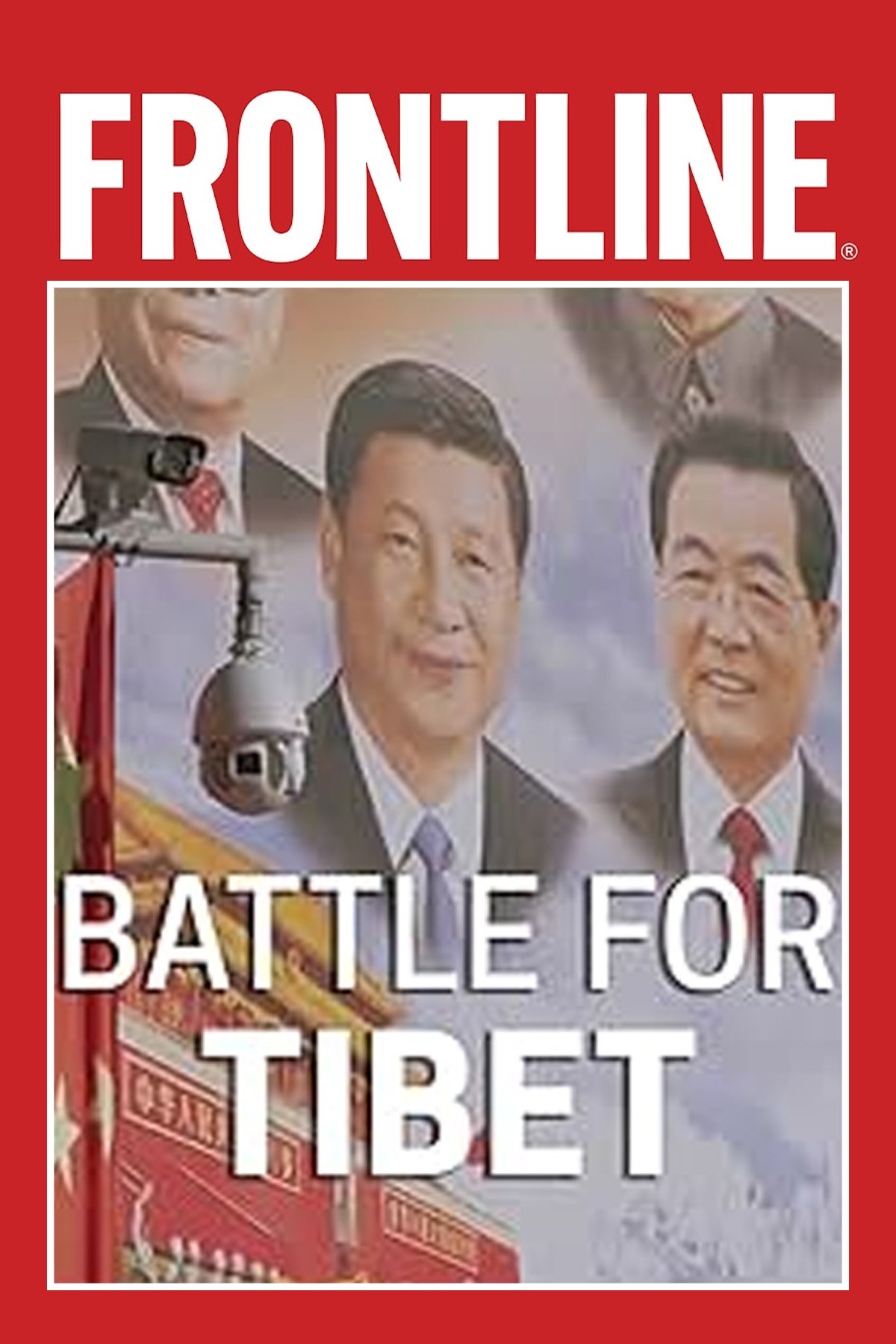
FRONTLINE investigates China’s rule over Tibet. With footage from inside the region, the documentary examines how the Communist regime controls Tibet’s Buddhist population, and the battle over the succession of its spiritual leader, the Dalai Lama.
1992 TV documentary about the Reincarnation research by prof. Ian Stevenson
Owned & Operated is a mosaic of the world through the lens of the internet. Showing our lives as consumers, under the thumbs of privileged individuals and their methods of control. But the world is awakening, and the experience is something outside the normal rules of social interaction, causing excitement in those who are not served by the current system... and fear in those who are pampered by it. This documentary attempts to present these events using the video, audio and written content uploaded to the internet by the collective human consciousness comprised of every individual participant.
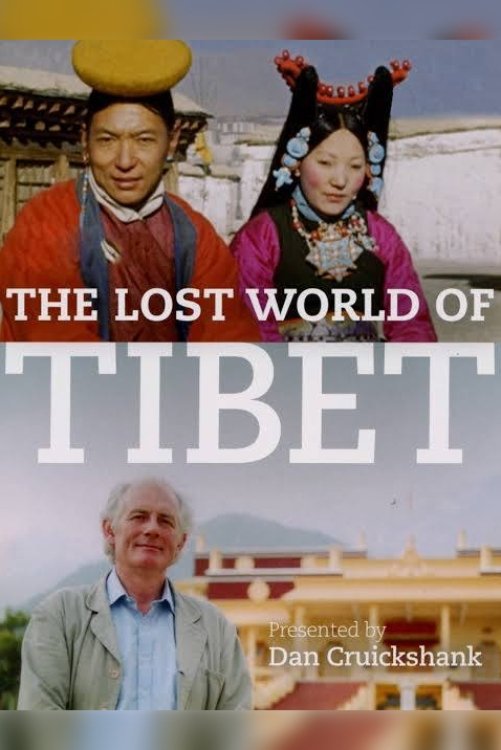
Through vintage amateur movies as well as archival Communist propaganda documentaries, this program turns back the clock to see what Tibet was like from the 1930s to 1950. After the popular and successful TV and DVD collaborations The Lost World of Mitchell & Kenyon and The Lost World of Friese-Greene, the BFI and BBC co-produced The Lost World of Tibet, broadcast on BBC Four on 3 March 2008.
Asking important questions about the nature of God, this National Geographic program compiles interviews from a range of religious and spiritual leaders around the world, adding the perspective of everyday people to paint a global portrait of faith. Topics covered include: Who or what is God? What is death? What is worth dying for? And how can we explain fanaticism and violence waged in the name of God?
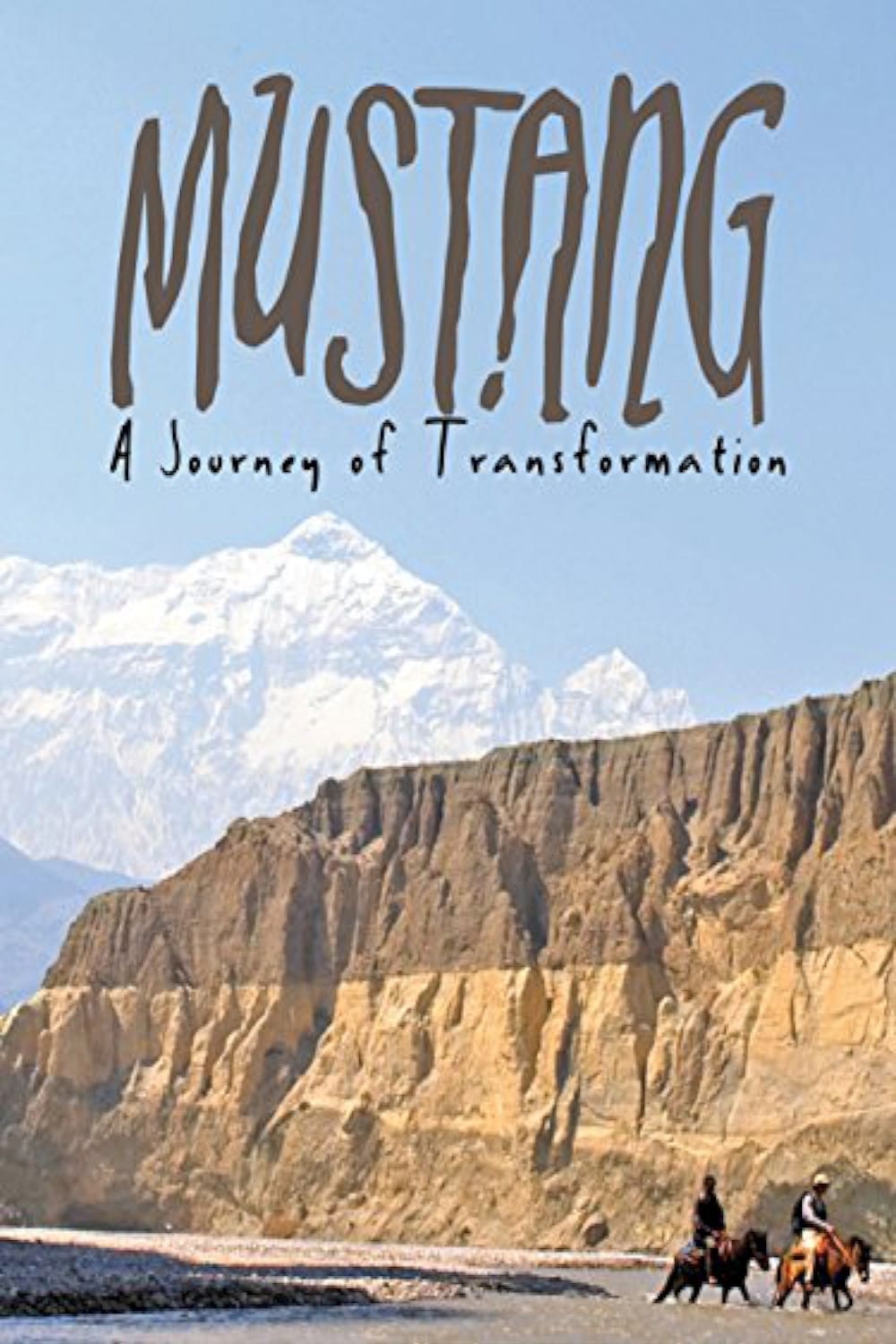
Lost in time, the Himalayan Kingdom of Mustang is one of the last sanctuaries of authentic Tibetan Buddhist culture. But, long isolated by geography and politics, the people struggle to survive and the center of their culture, the fifteenth century monasteries and the art within are dangerously close to collapse. Mustang - Journey of Transformation, tells the compelling story of the efforts to rescue this ancient place from the brink of extinction and help spark a cultural renaissance. Storytellers include His Holiness the Dalai Lama; the King of Mustang; and Luigi Fieni, the chief art restorer.
Every 12 years over 70 million pilgrims gather at the meeting of India's holiest rivers, the Ganges and the Yamuna, for a spectacular spiritual festival: the Kumbh Mela. This documentary takes a voyage of discovery through this colorful event through the eyes of several Westerners and an ebullient young Hindu monk, Swami Krishnanand. Featuring encounters with some of India's most respected holy men and exclusive footage of His Holiness the Dalai Lama.
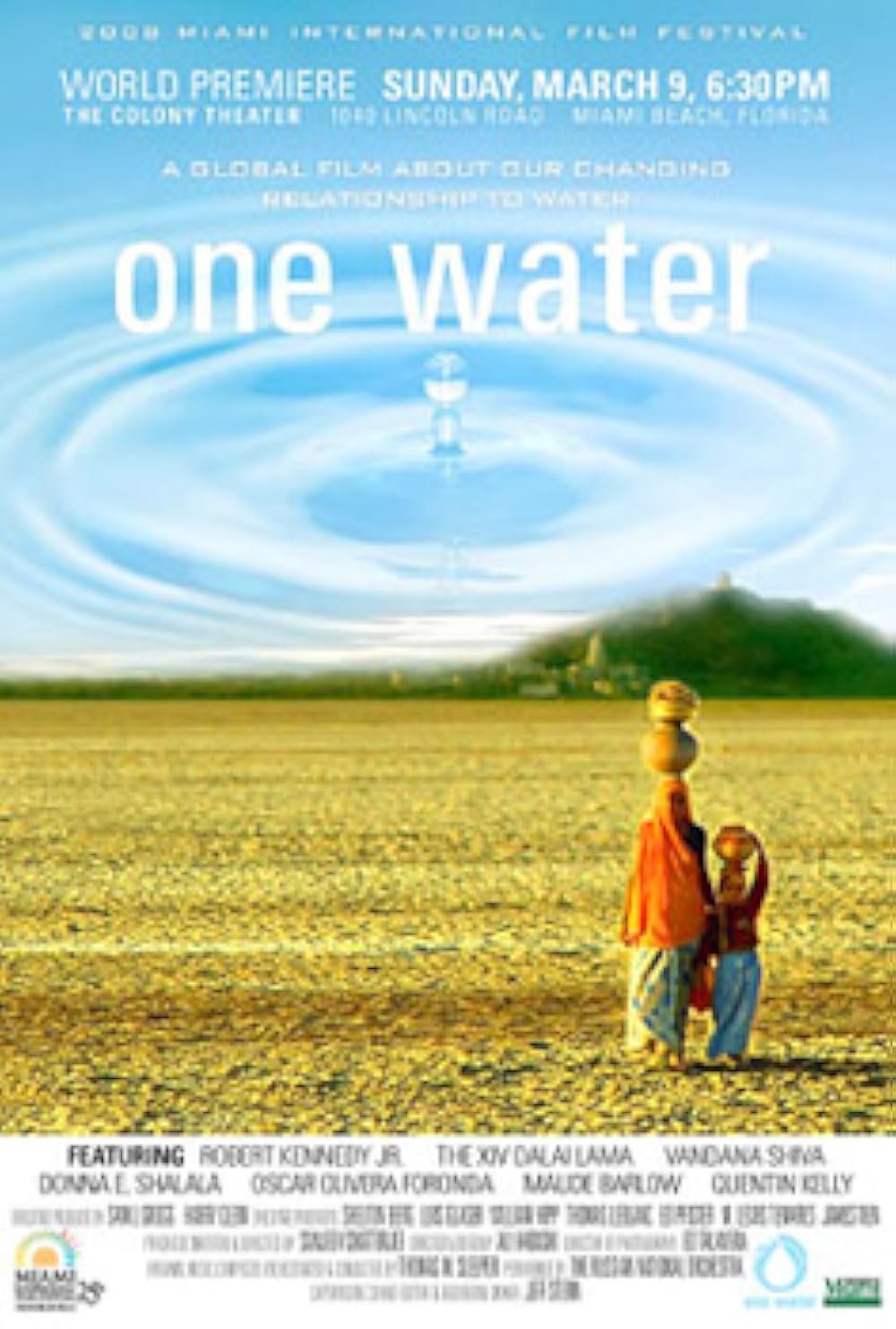
One Water is a film that celebrates all the myriad ways water has touched human lives around the globe and explores our changing relationship to water as it grows ever more perilously scarce. The film leaves audiences with a series of provocative questions that culminate in one that will impact all of our futures: is water a human right or a commodity? Through a starkly emotional journey, the audience is invited to bear witness and encouraged to recognize this major global crisis as his or her very own. Filmed in 15 countries in both hemispheres, One Water churns together stirring visual sequences, compelling expert commentary, hypnotic local music and a score performed by the world-renowned Russian National Orchestra to immerse audiences in a direct and exhilarating experience of the meaning of water to humanity. The film highlights a world where water is exquisitely abundant in some places and dangerously lacking in others.
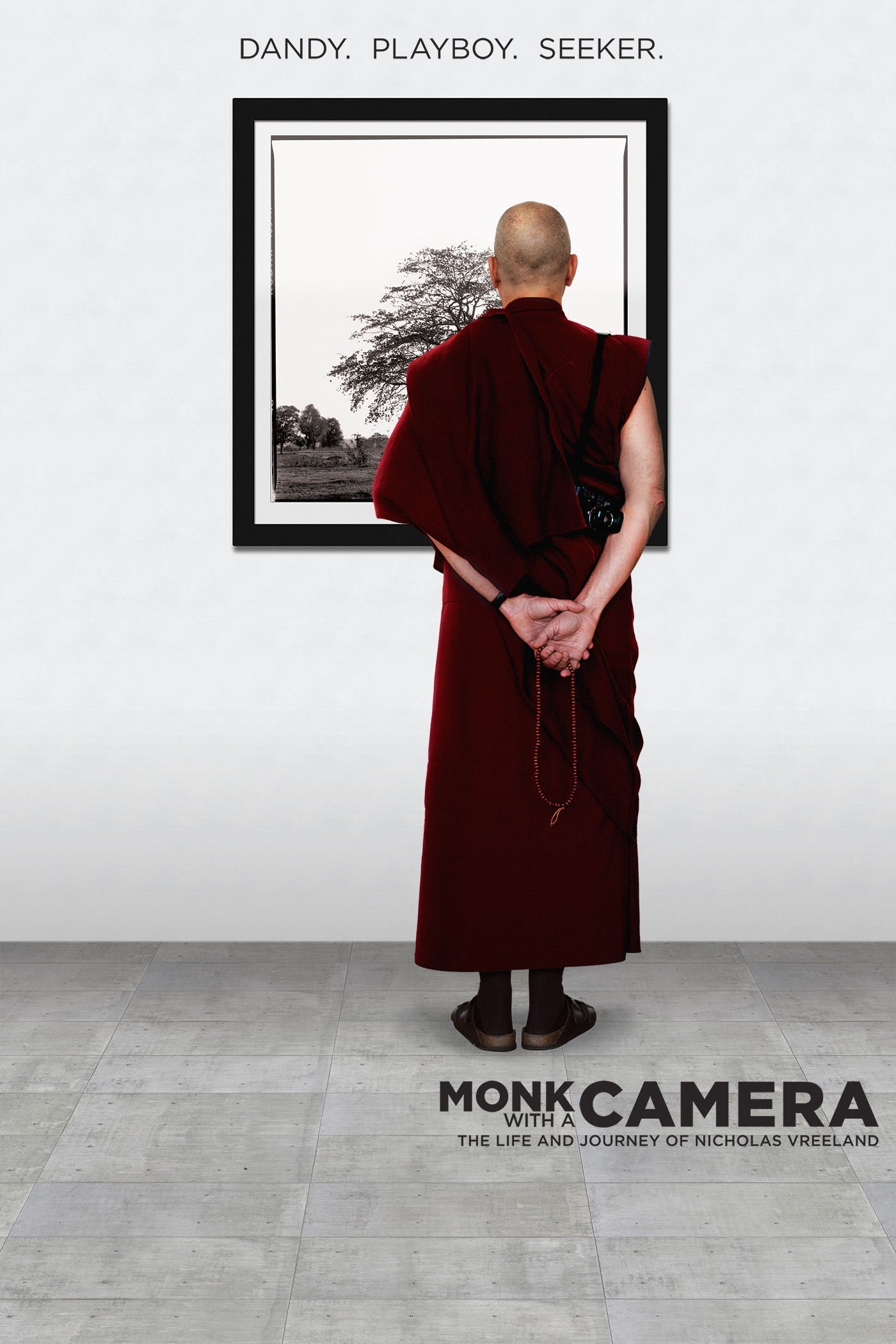
Nicholas Vreeland walked away from a worldly life of privilege to become a Tibetan Buddhist monk. Grandson of legendary Vogue editor Diana Vreeland and apprentice of photographer Irving Penn, Nicholas' life changed drastically upon meeting one of the Dalai Lama's teachers. Soon thereafter, he gave up his glamorous life to live in a monastery in India, ultimately returning to his roots in photography to help his fellow monks rebuild their monastery.
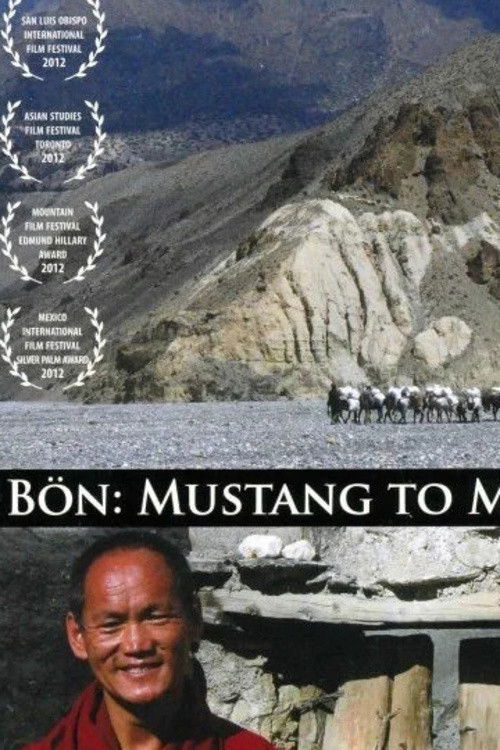
Bön: Mustang to Menri tells the story of Asonam, a 10 yr. old boy, who made a journey from his homeland, the ancient kingdom of Mustang (now part of Nepal) to Menri Monastery in Northern India. There Asonam made the commitment to become a Geshe, equivalent to a PhD, and after 13 additional years of education in languages, philosophy, debate, and Bön traditions he achieved this goal.
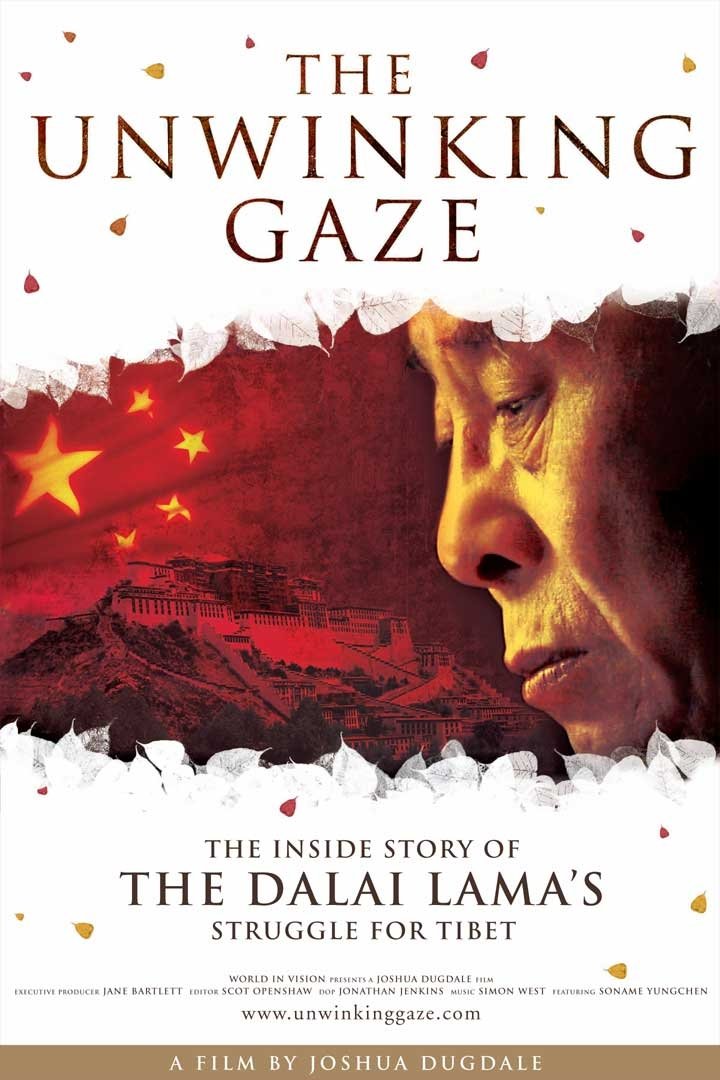
A rare behind-the-scenes glimpse into the life of Tibet's revered leader, the Dalai Lama.
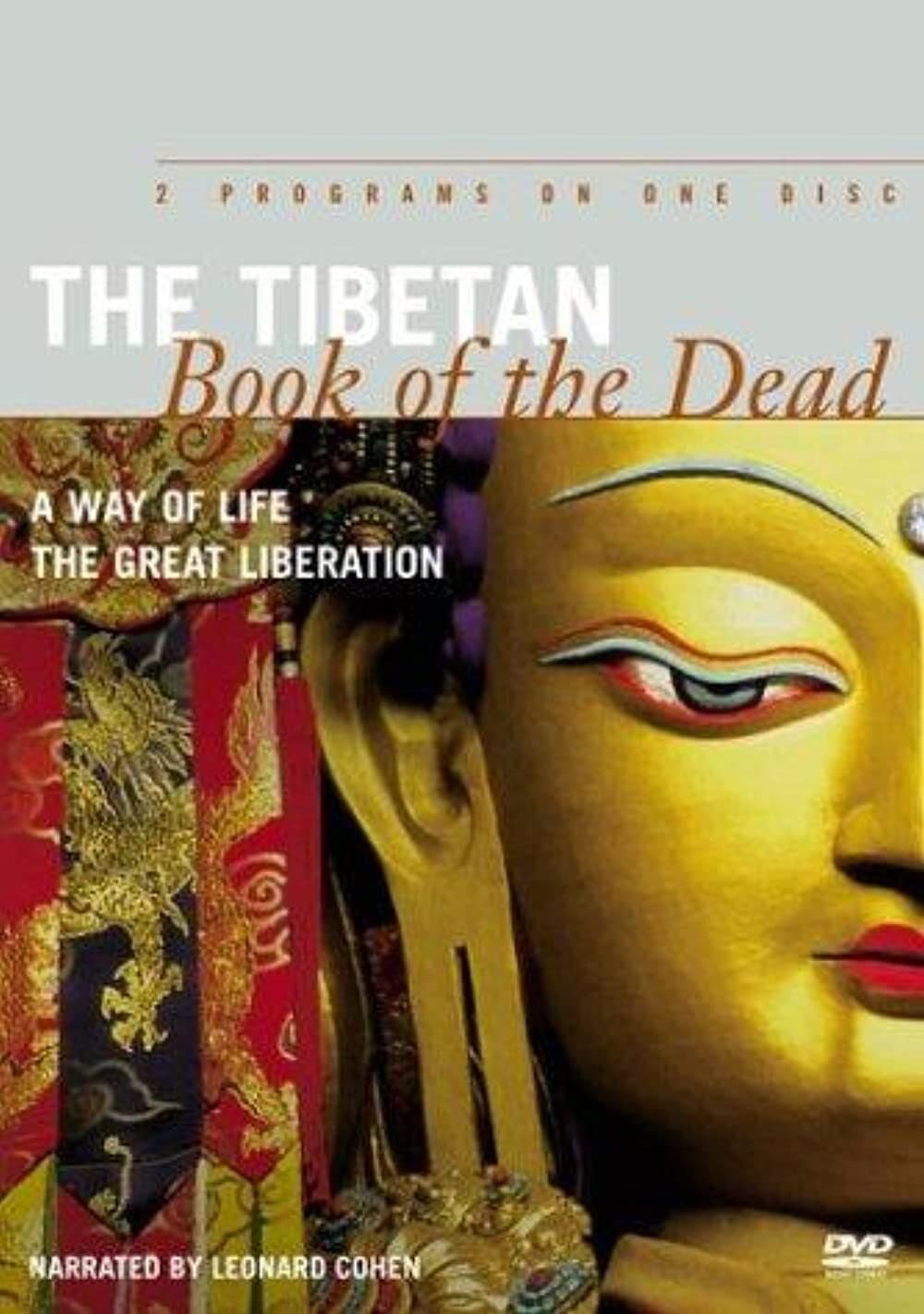
Narrated by Leonard Cohen, this two-part series explores ancient teachings on death and dying and boldly visualises the afterlife according to Tibetan philosophy. Tibetan Buddhists believe that after a person dies, they enter a state of "bardo" for 49 days until a rebirth. Program 1, The Tibetan Book of the Dead: A Way of Life documents the history of The Tibetan Book of the Dead, tracing the book's acceptance and use in Europe and North America. Program 2, The Tibetan Book of the Dead: The Great Liberation observes an old Buddhist lama and a 13-year-old novice monk as they guide a deceased person into the afterlife.
The Tibetan Book of the Dead remains an essential teaching in the Buddhist cultures of the Himalayas.

Two American filmmakers travel undercover in China and Tibet during one of the most precarious times in the country's recent history. Their journey begins in hot-bed areas of Tibetan activism in India and Nepal, before continuing into the most closed off regions of Tibet, during the full scale media blackout that began in 2008 and continues to this day. Their goal is to meet with leading Tibetan activists who are risking their lives to peacefully protest against oppression by the Chinese government's police state in a region kept "in the dark". Traveling undercover, a dangerous cat-and-mouse game unfolds as secret police maintain 24 hour surveillance of the filmmakers. Unable to document their intended subjects, they are forced to turn the cameras on themselves as they become the targets. All their moves are followed, leading to hotel break-ins, equipment theft, and cyber-hacking and spying - ultimately putting the filmmakers' very lives in danger. Forced to flee and return to the US.