
Left-wing politician Sahra Wagenknecht’s working day is marked by applause and admiration but also doubts and intrigues. This film follows her and her team: from the 2017 election campaign to her withdrawal from political leadership in 2019.
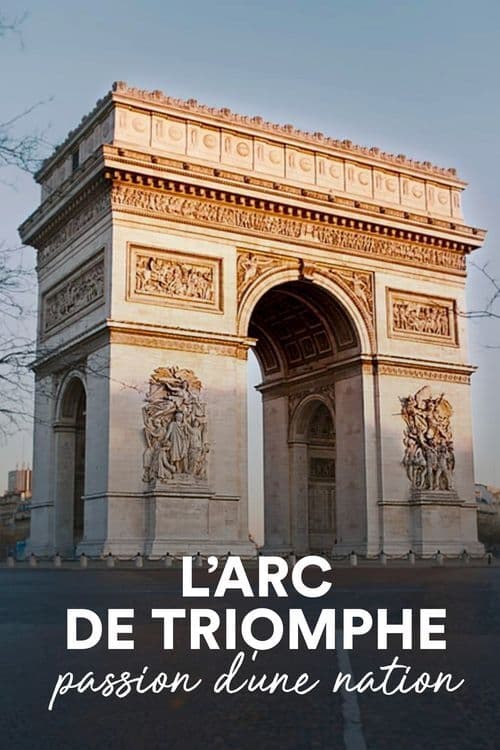
The pride of Napoleon's victories, the Arc de Triomphe, whose first stone was laid in 1806 at the top of the Champs-Élysées, is, along with the Eiffel Tower, one of the most visited monuments in the French capital. Wanted by an emperor, inaugurated under the reign of a king (Louis-Philippe) and sanctuarized by the Republic, this patriotic temple polarizes the passions of a whole nation. A historical portrait before "packaging", which teems with anecdotes and unsuspected details.
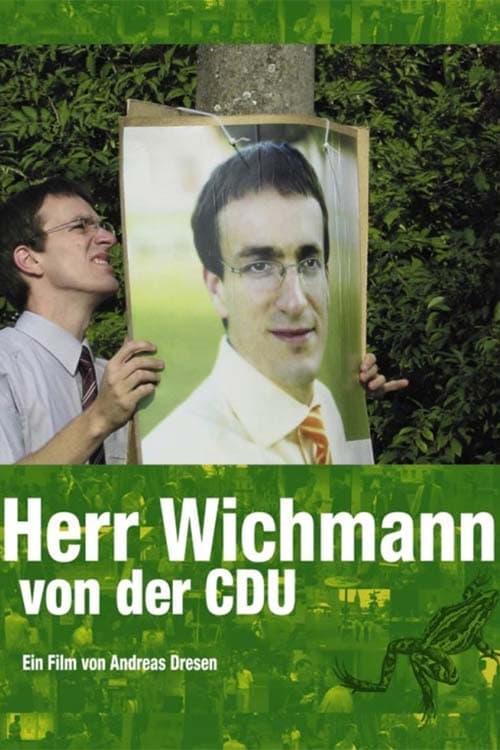
German national election campaign 2002: Henryk Wichmann from the conservative party is fighting a lost battle in the Uckermark.
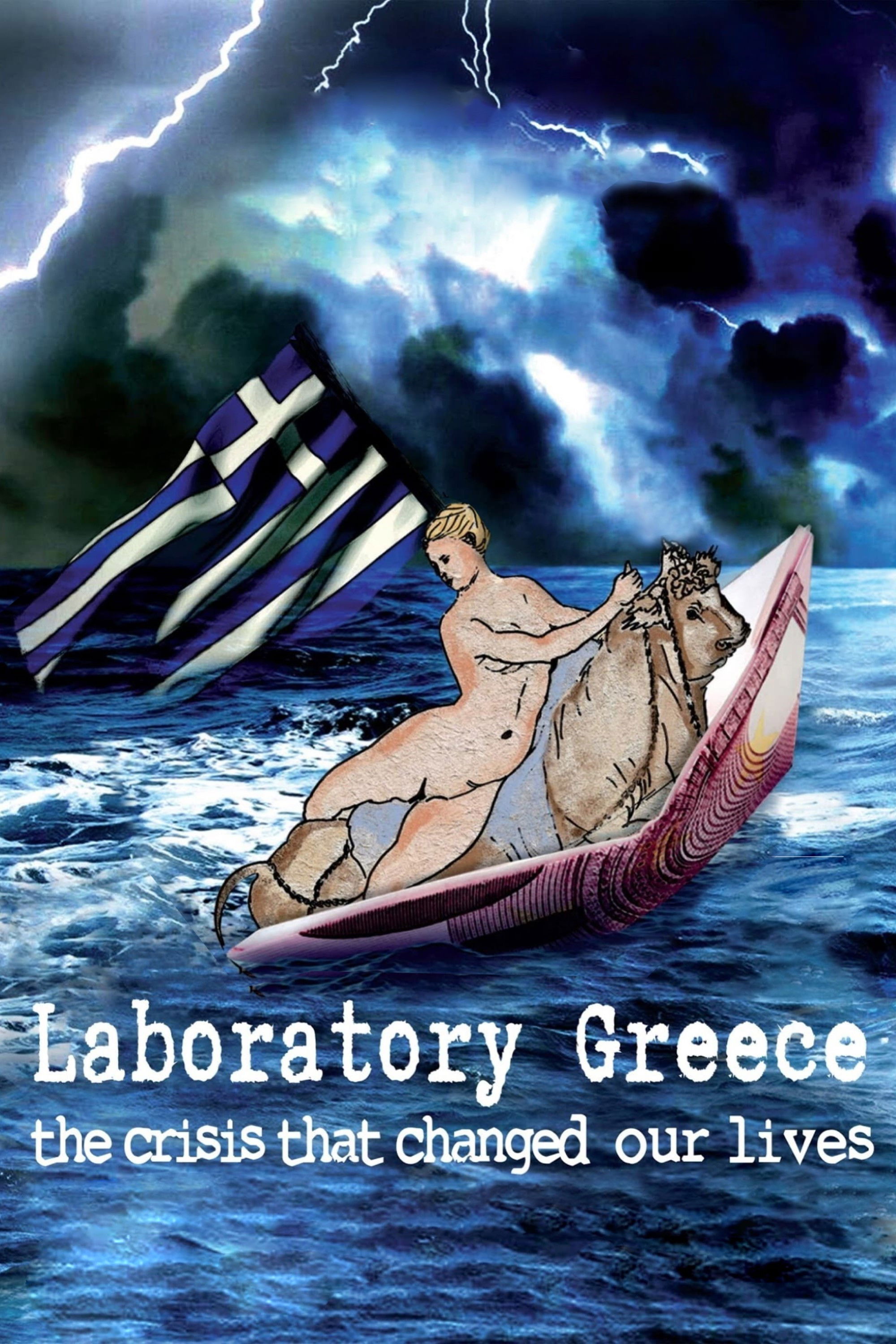
A journey through Greece and Europe’s past and recent history: from the Second World War to the current crisis. It is a historical documentary, a look into many stories. «If Democracy can be destroyed in Greece, it can be destroyed throughout Europe» Paul Craig Roberts
Too high, misused, unfair... a large part of the French and Europeans criticize taxes. From tax-rascal to tax revolt, the movement of yellow vests in France has returned to the center of attention the question of consent to tax. How to explain a different resistance to taxes from one country to another without tax pressure being an explanation? Is there a "good" tax? Jean Quatremer takes us on a journey to the tax center across Europe, to meet those who pay it, those who decide it, those who study it... or those who allow to avoid it.
The war in the Ukraine has changed the way many European countries view Russian politics. Suddenly it became clear how dependent countries had become on Russian gas imports for decades and what Vladimir Putin was up to. However, no country needs more gas than Germany. It was only after Russia's invasion of the Ukraine that the German government realized that Russia had long used gas as a weapon to impose its will on states. The instrument created for this purpose is the natural gas production company GAZPROM. So how did Germany become so dependent on Russian gas? The documentary shows how, over several decades and several changes of government, a broad alliance of politicians and business representatives did everything possible to secure Germany's energy supply with cheap Russian gas, while the Kremlin's foreign policy became increasingly aggressive and the warnings of experts went unheeded.

A historical perspective to understand Neoliberalism and to understand why this ideology today so profoundly influences the choices of our governments and our lives.
As going through an economic vortex, Greece is experiencing condition in post-war history. Homeless people, unemployment, poverty, violent conflicts and the rise of the extreme-right are found all over the county. Is there any possible way to break through the crisis? This film follows development of the crisis and its impact on people’s lives, as well as rise of fascism, while seeking answers from interested parties.
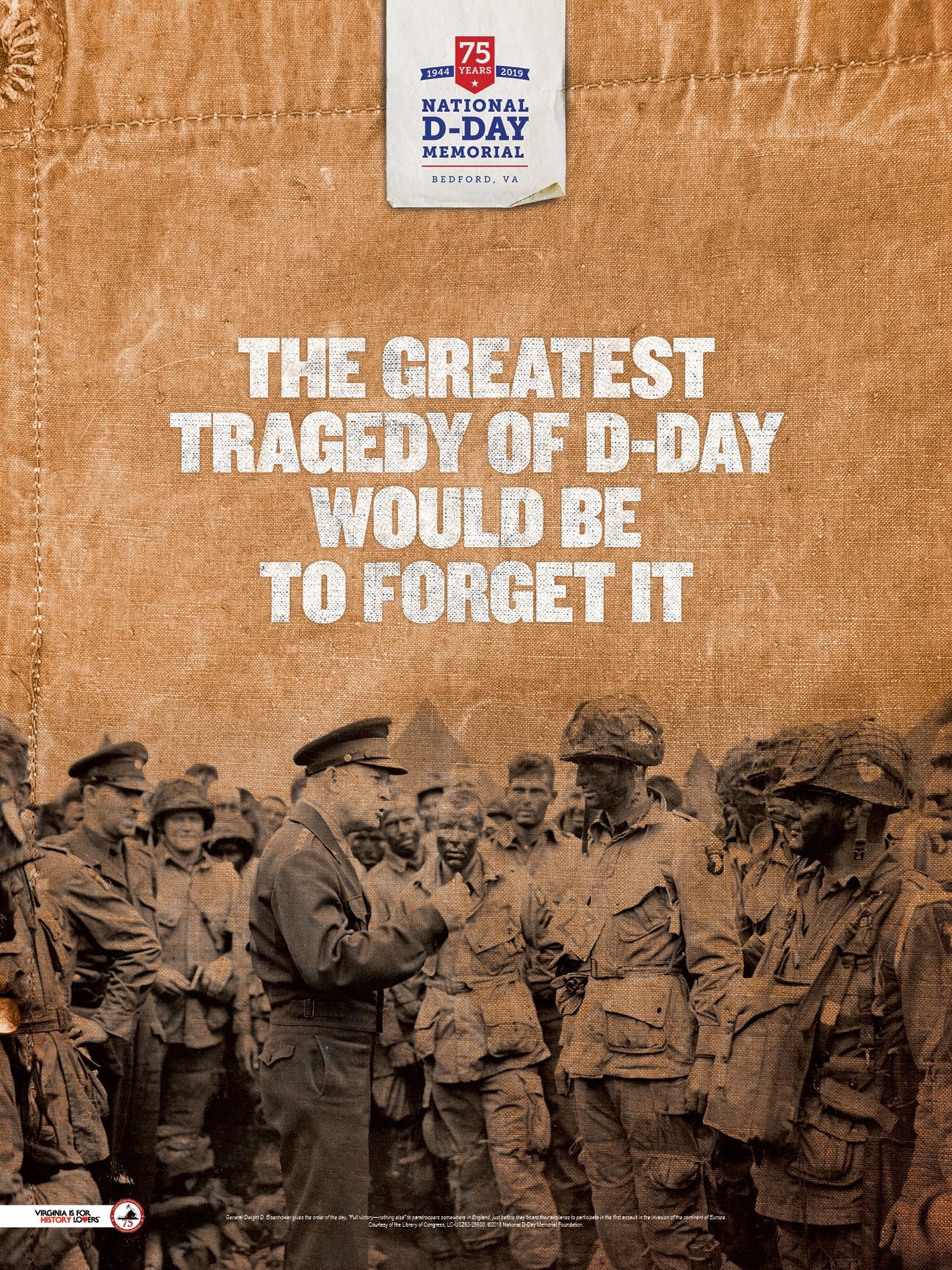
Live from Southsea Common in Portsmouth, Huw Edwards introduces coverage of the National Commemorative Event taking place to mark the 75th anniversary of D-Day.
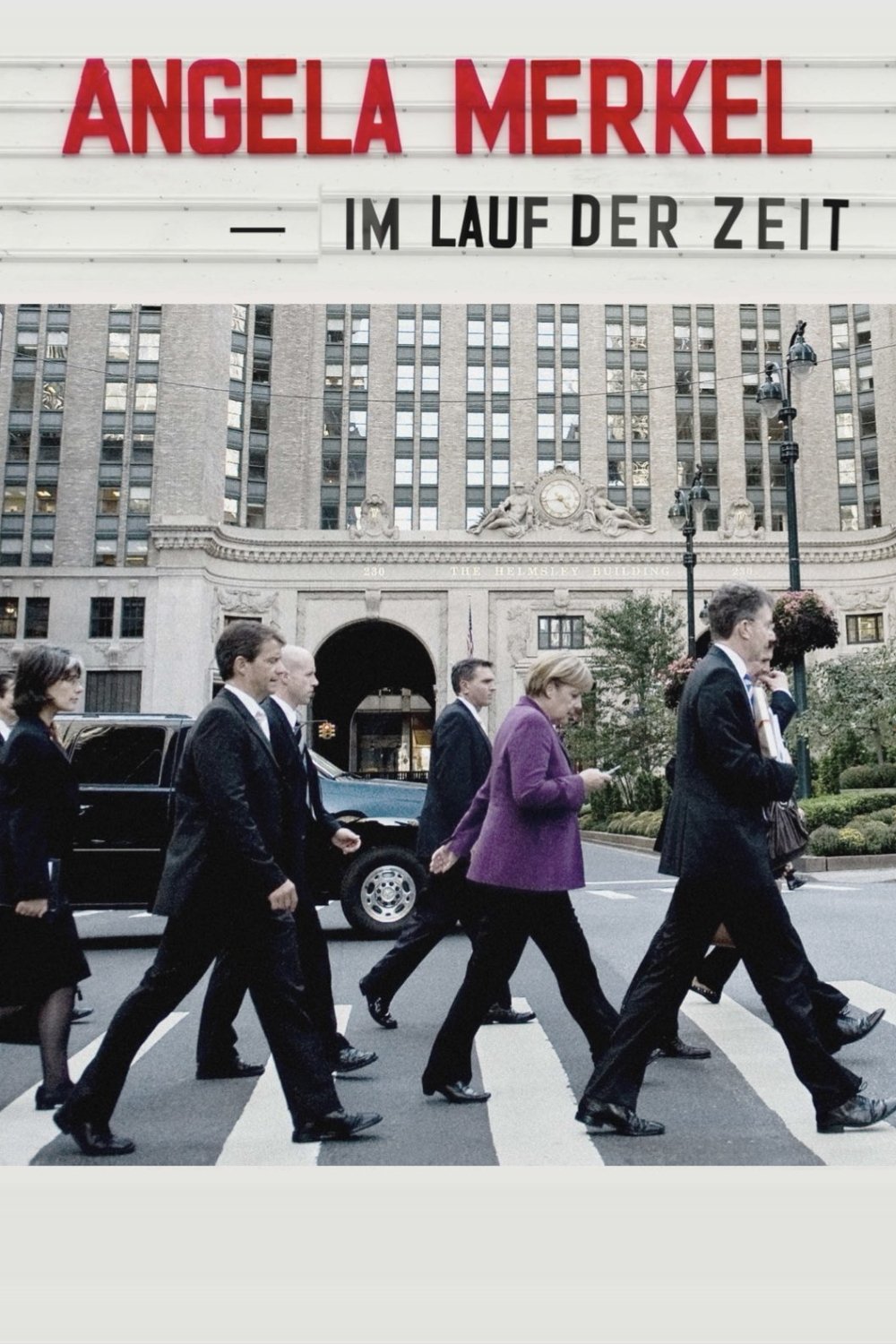
Documentary about former German chancellor Angela Merkel’s political ascent and mental strength, featuring interviews with her and a variety of notable politicians.
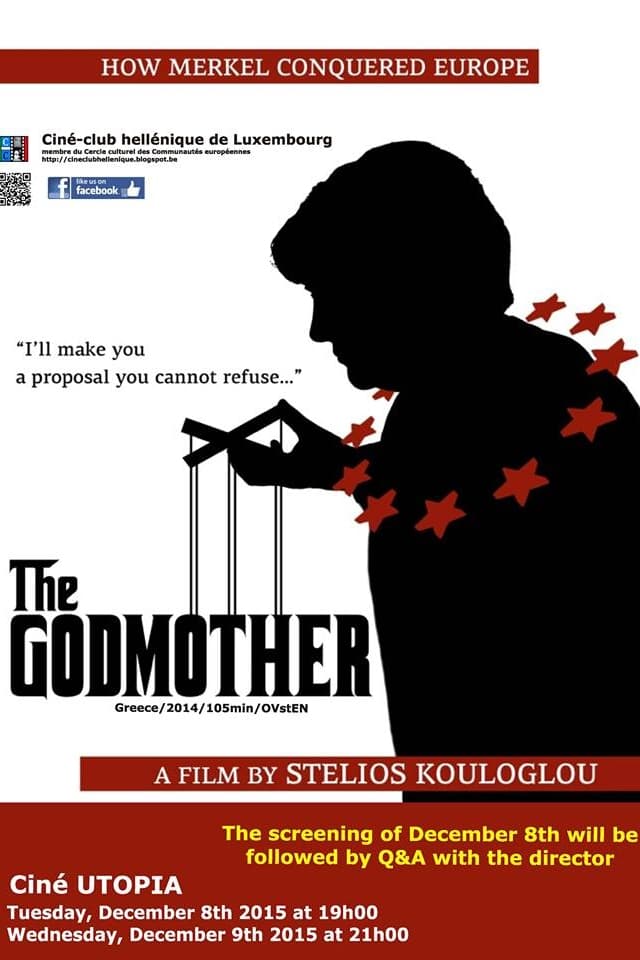
Α few years after the Fall of the Berlin Wall, an unknown physicist from Eastern Germany, who was not interested in politics, is the most powerful woman in the world. Her teacher in the small town where she grew up remembers that she was the smartest student he ever had. Those who have worked with her claim that “Merkiavelli” exercises power without moral barriers, just as Machiavelli taught. A journalist, who knows her well, claims that she uses the methods of a Mafia godmother. In 2008, the German Chancellor was asked to handle the international financial crisis. The countries of the South were placed in the test tube. “If I had to write a book on the Shock Doctrine at this moment,” says Naomi Klein, “it would be on Greece.” How did Merkel manage to impose German hegemony in Europe?
Follows the man who survived an assassination attempt by poisoning with a lethal nerve agent in August 2020. During his months-long recovery, he makes shocking discoveries about the attempt on his life and decides to return home.
In March 2020, the world shuts down. Billions of people were confined to their homes by a virus. As it became clear that only a vaccine could stop the pandemic, a race began between the four great powers: the USA, Europe, Russia and China. The first to develop a vaccine would gain a significant advantage in global geopolitics.

He has always been there. No one has been in German politics as long as Wolfgang Schäuble. He looked back on 50 years as a member of the German Bundestag. Schäuble was a man who helped shape the fate of the Republic for decades. He shaped politics - as the manager of German unity, for example. In 1990, he was the victim of an assassination attempt and fought his way back to life. He died in December 2023.
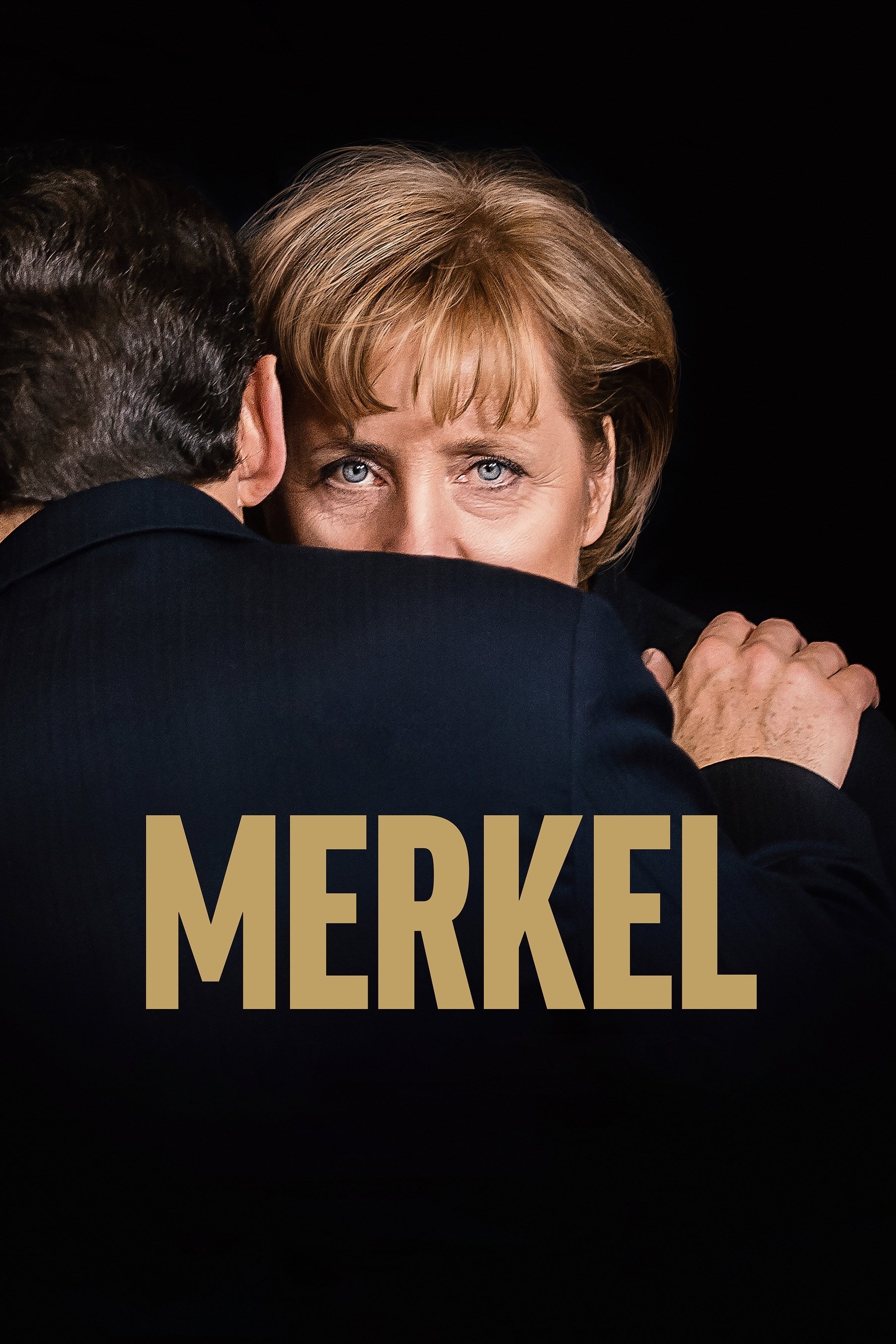
Driven by extensive archive material and interviews with those who know her, this is the astonishing story of how a triple outsider – a woman, a scientist, and an East German – became the de facto leader of the “Free World”, told for the first time for an international audience.
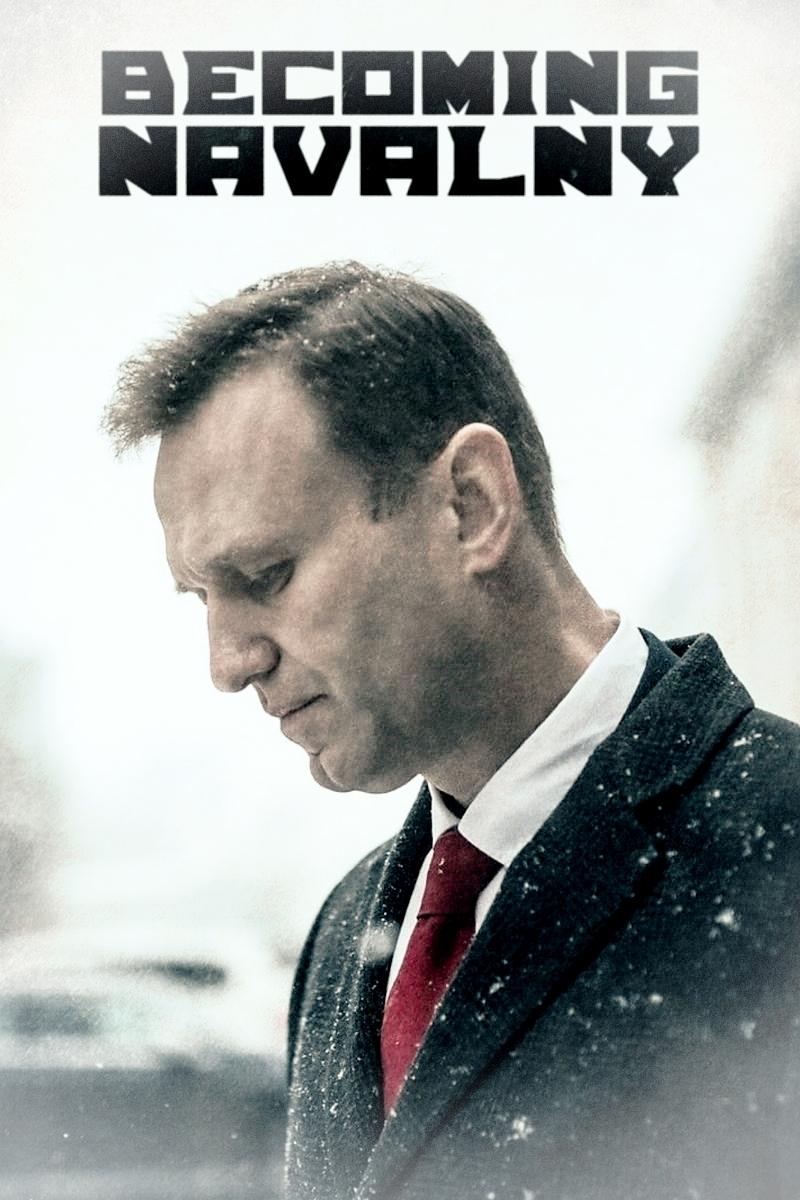
A portrait of Alexei Navalny (1976), the staunchest opponent of Russian President Vladimir Putin, severely poisoned in 2020, arrested in 2021 and died on February 16, 2024 in a Siberian prison camp under unclear circumstances.
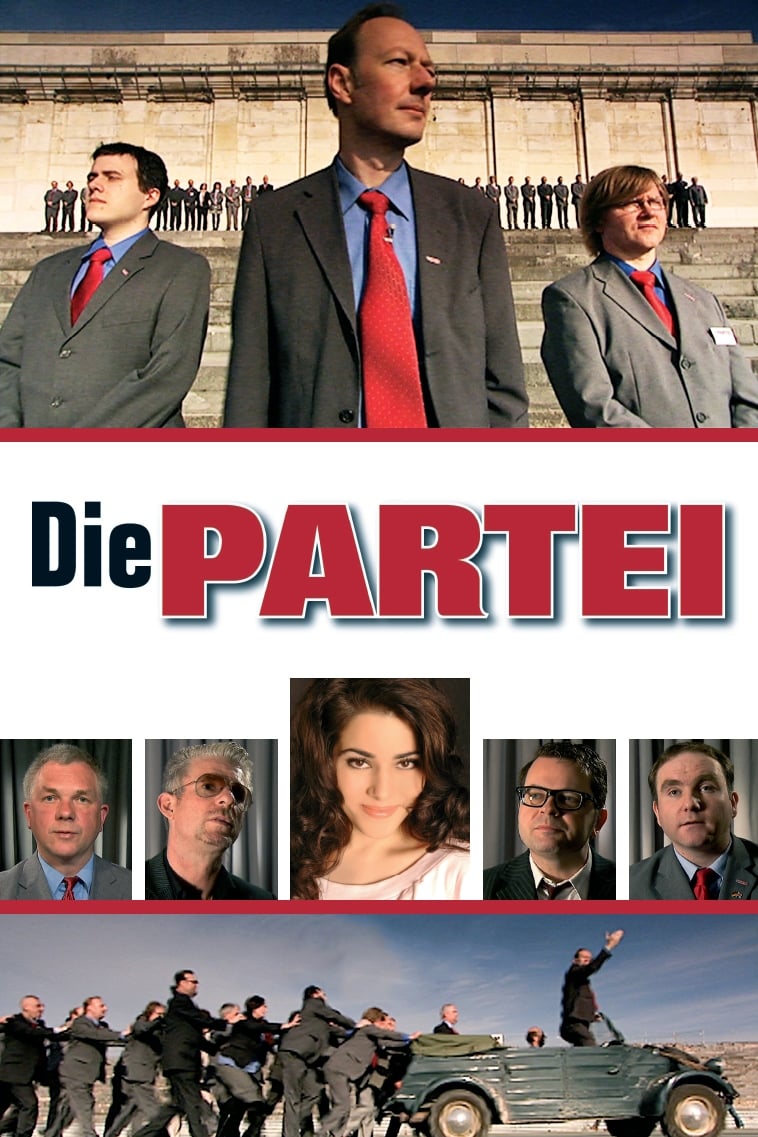
20 years after the fall of the Wall, the economic crisis prevails. In the ruined peripheral areas of West Germany, resentment towards the new federal states is growing. The consequences of decades of uncontrolled transfers from West to East are now clearly visible: while the zone has the highest density of water parks in Europe and the East German cities are being pimped out with designer street lighting, entire city archives are collapsing in the run-down West and weeds are sprouting up on the pothole-strewn streets. The times when Merkel was still locked away behind the Wall and the Federal Republic was in full bloom are long gone. The former people's parties SPD and CDU are just as incapable of acting as the fun party FDP, only Die PARTEI continues to gain popularity and now has over 8,200 members. Is it Germany's last resort?
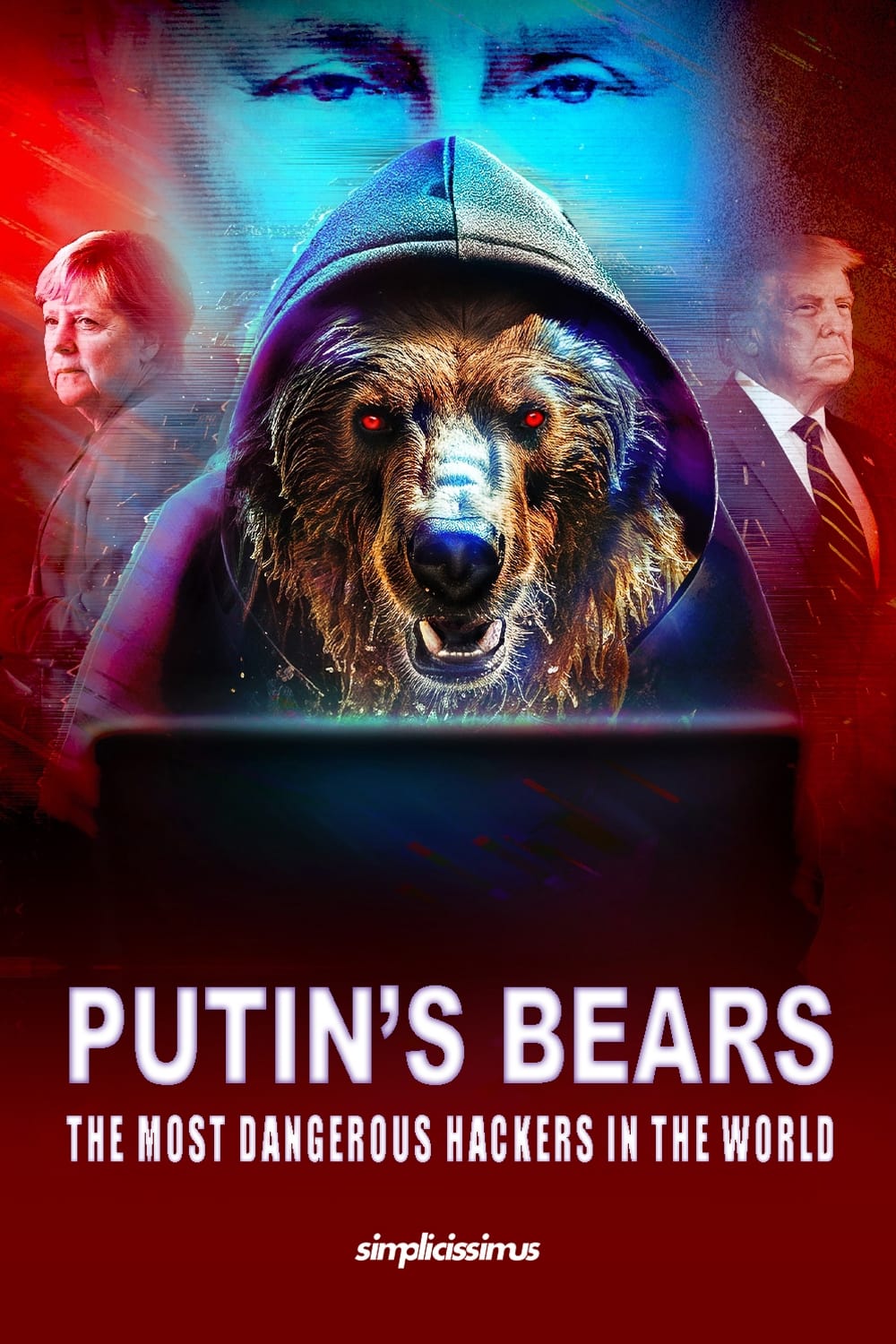
They call themselves Fancy Bear, Cozy Bear or Voodoo Bear. Elite units of the Russian secret services are hidden behind these code names. They are among the most dangerous hackers in the world. The bears were already in the computer of then-Chancellor Angela Merkel in 2015, interfered in the US election campaign in 2016 and are currently influencing the war in Ukraine. The makers of the successful YouTube channel “Simplicissimus” in co-production with funk and SWR are back and show the destructive potential of state hacking with this documentary. With the help of leading German hackers, cyberspace experts and a lot of humor, they delicately demystify the Russian bears: Who are the people behind them? How do they operate? And what makes them so incredibly dangerous?
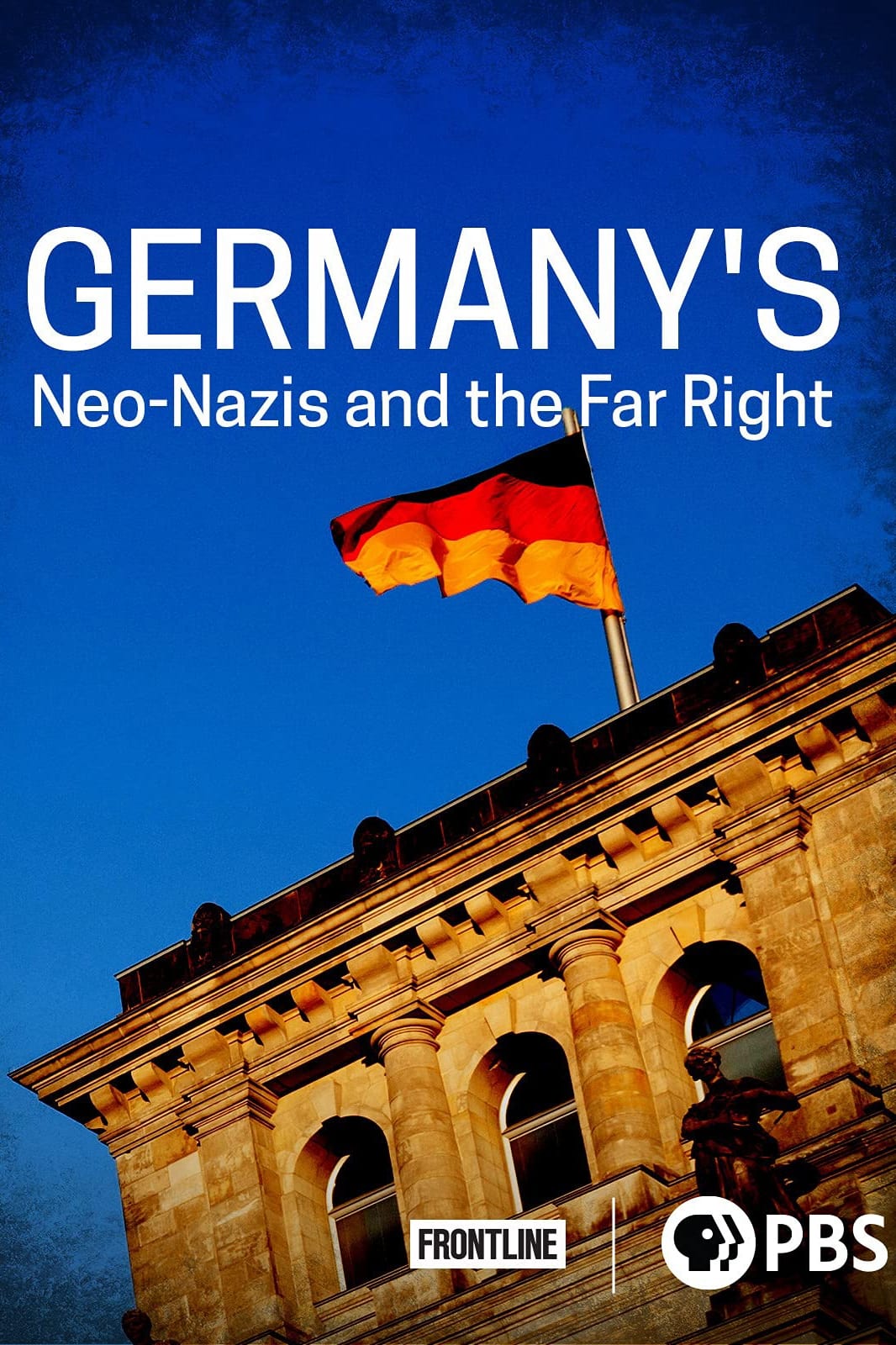
Right-wing extremist acts of violence are increasing in Germany. The documentary traces how extremists have developed plans of overthrow and have carried out terrorist plots as well as assaults on Jews or migrants and also how far-right extremists infiltrated security services, which are actually there to protect the population and the state from such attacks. This raises the question of what the German authorities are doing to confront the growing problem and what options they have for action to counter the rising right-wing extremism in Germany. FRONTLINE journalist Evan Williams goes on a journey through Germany, meets the people involved and investigates these burning questions.
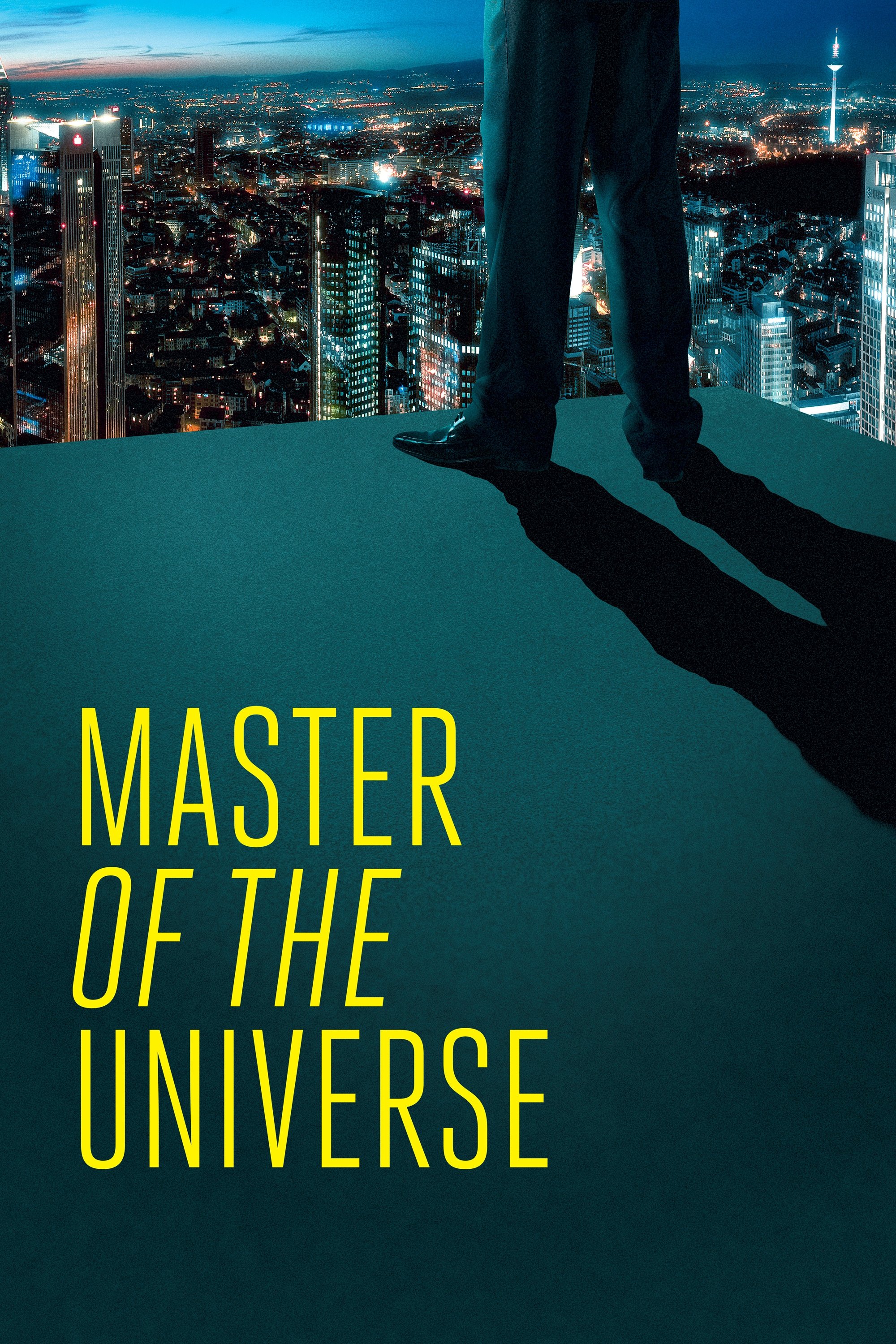
He was one of Germany's leading investment experts with an income of several million Euros per day. Now, he sits on one of the upper floors of an empty bank building in the middle of Frankfurt, overlooking a skyline of glass and steel. And talks. In an extended mix of a monologue and an in-depth interview, which is as frightening as it is fascinating, he shares his inside knowledge from a megalomaniac parallel world where illusions are the market's hardest currency. Marc Bauder's 'Master of the Universe' is based on meticulous research and provides us with geniune insight into the notoriously secretive and self-protective 'universe' of which our nameless protagonist experiences himself a master. Where other films on the financial meltdown have focused on the epic nature of larger-than-life business, Bauder probes the mentality that made it possible in the first place. A tense drama where psychology meets finance - two things that are more closely linked than you would like to believe.
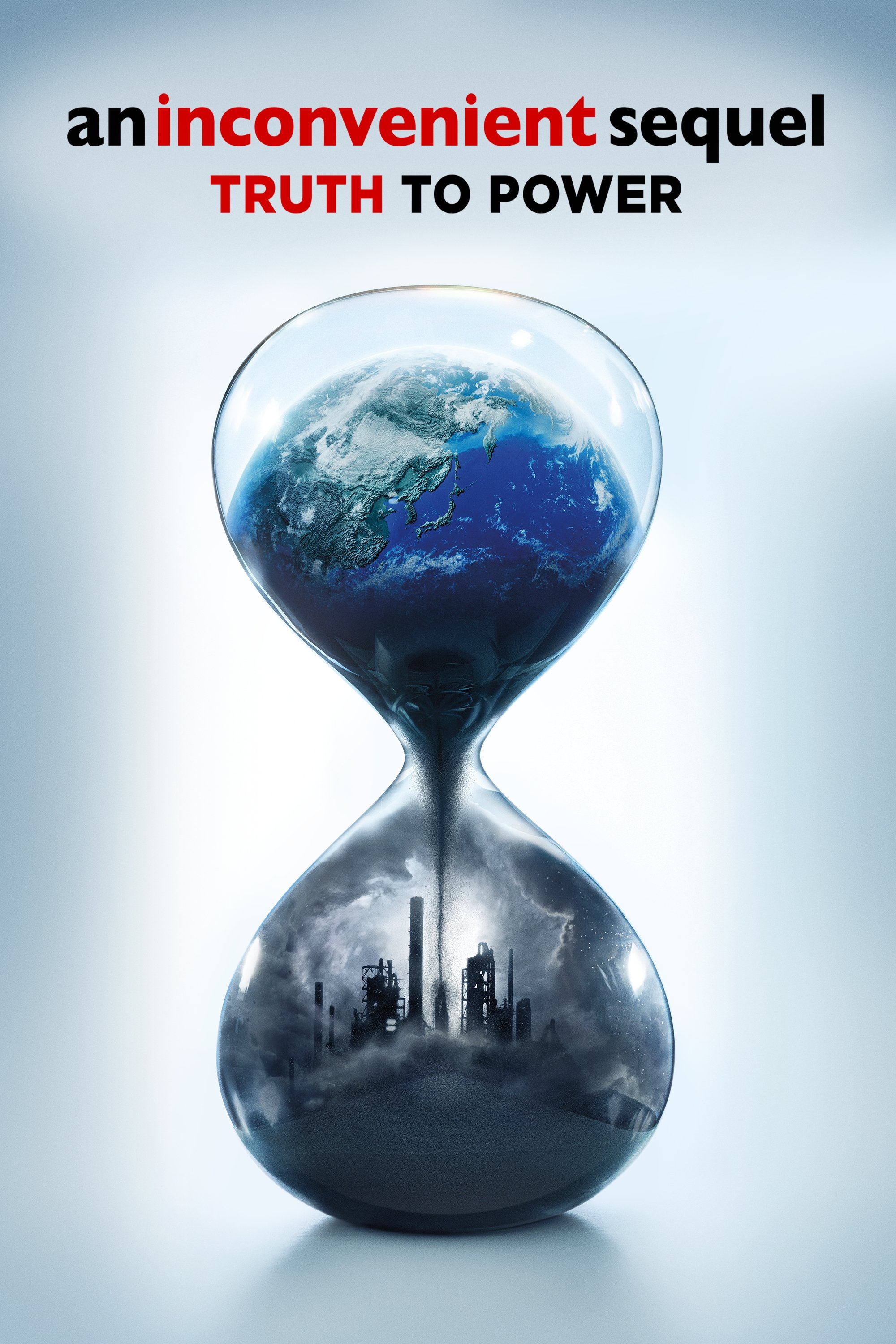
A decade after An Inconvenient Truth brought climate change into the heart of popular culture comes the riveting and rousing follow-up that shows just how close we are to a real energy revolution. Vice President Al Gore continues his tireless fight, traveling around the world training an army of climate champions and influencing international climate policy. Cameras follow him behind the scenes—in moments private and public, funny and poignant—as he pursues the empowering notion that while the stakes have never been higher, the perils of climate change can be overcome with human ingenuity and passion.
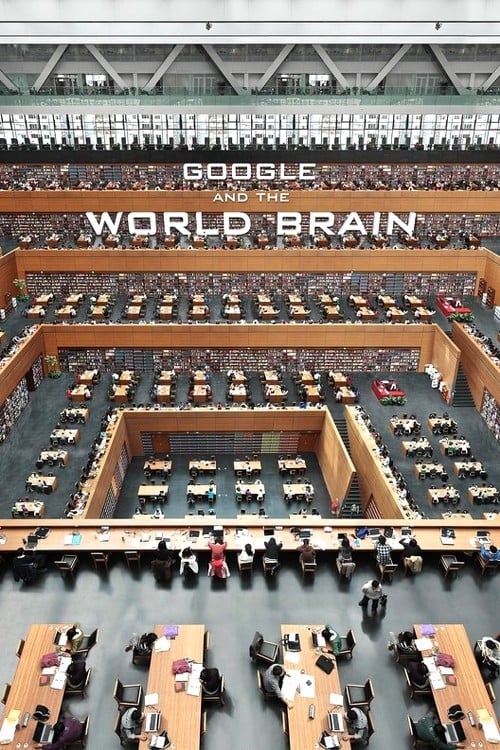
The most ambitious project ever conceived on the Internet: Google's master plan to scan every book in the world and the people trying to stop them. Google says they are building a library for mankind, but some say they also have other intentions.
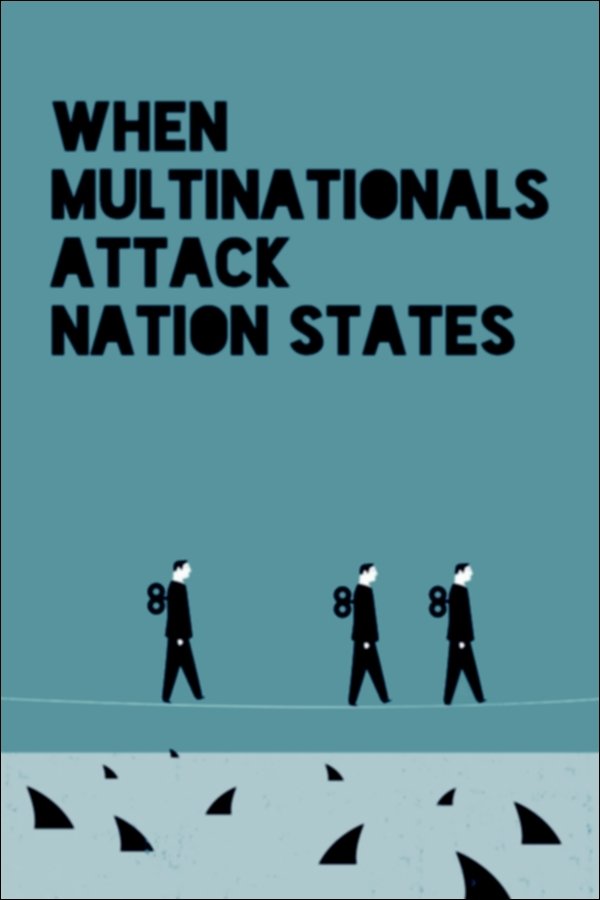
In autumn 2016, demonstrations sprang up all over Europe against the CETA free-trade agreement between the European Union and Canada. The reason? An obscure clause which allows multinationals to sue nation states if they feel their profits may be damaged by government decisions. An investigation into the hidden world of international arbitration.

Donald Trump's daughter Ivanka has been appointed to an official role within the White House, but what does she believe in and how much political clout does she actually have?
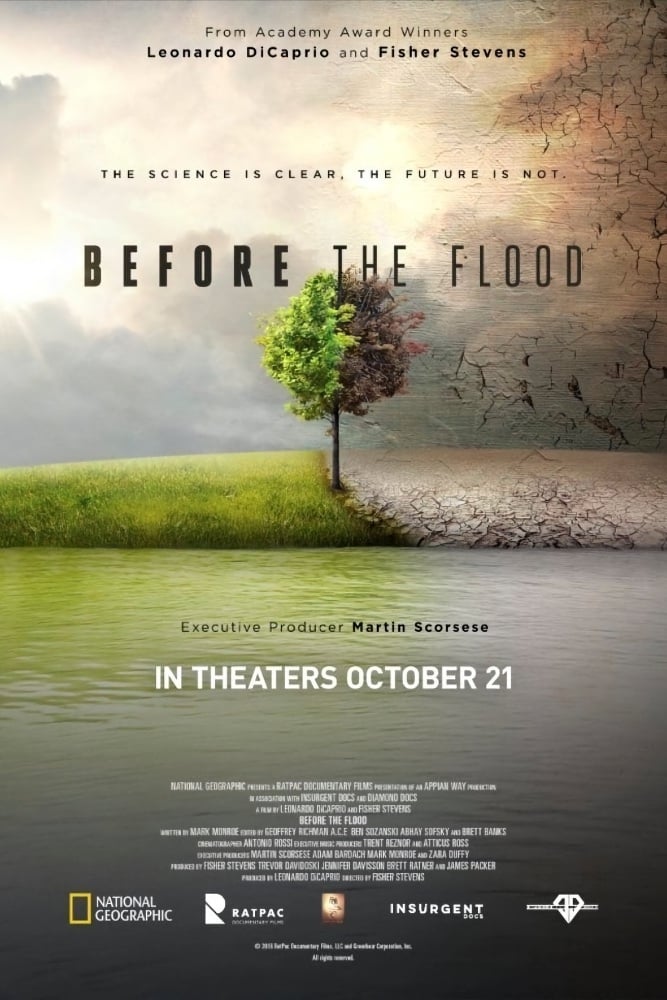
A look at how climate change affects our environment and what society can do to prevent the demise of endangered species, ecosystems, and native communities across the planet.
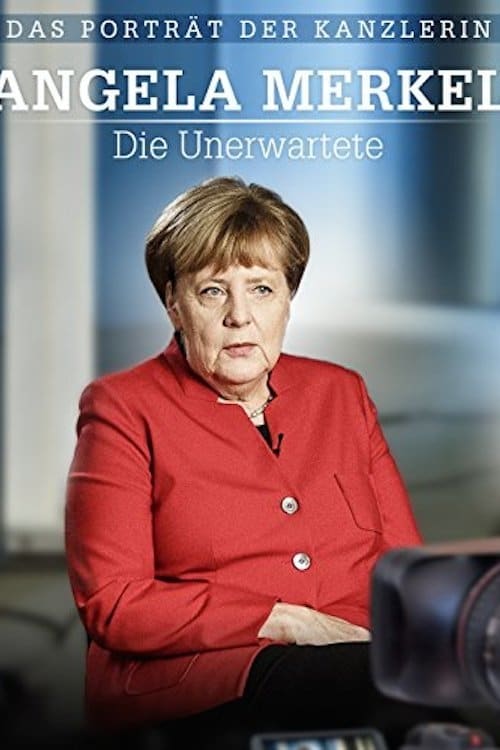
The film documents the life and political career of Angela Merkel. It shows archive images and interviews with contemporaries, including Franz Müntefering, Edmund Stoiber and Norbert Blüm, as well as an exclusive interview with Angela Merkel.
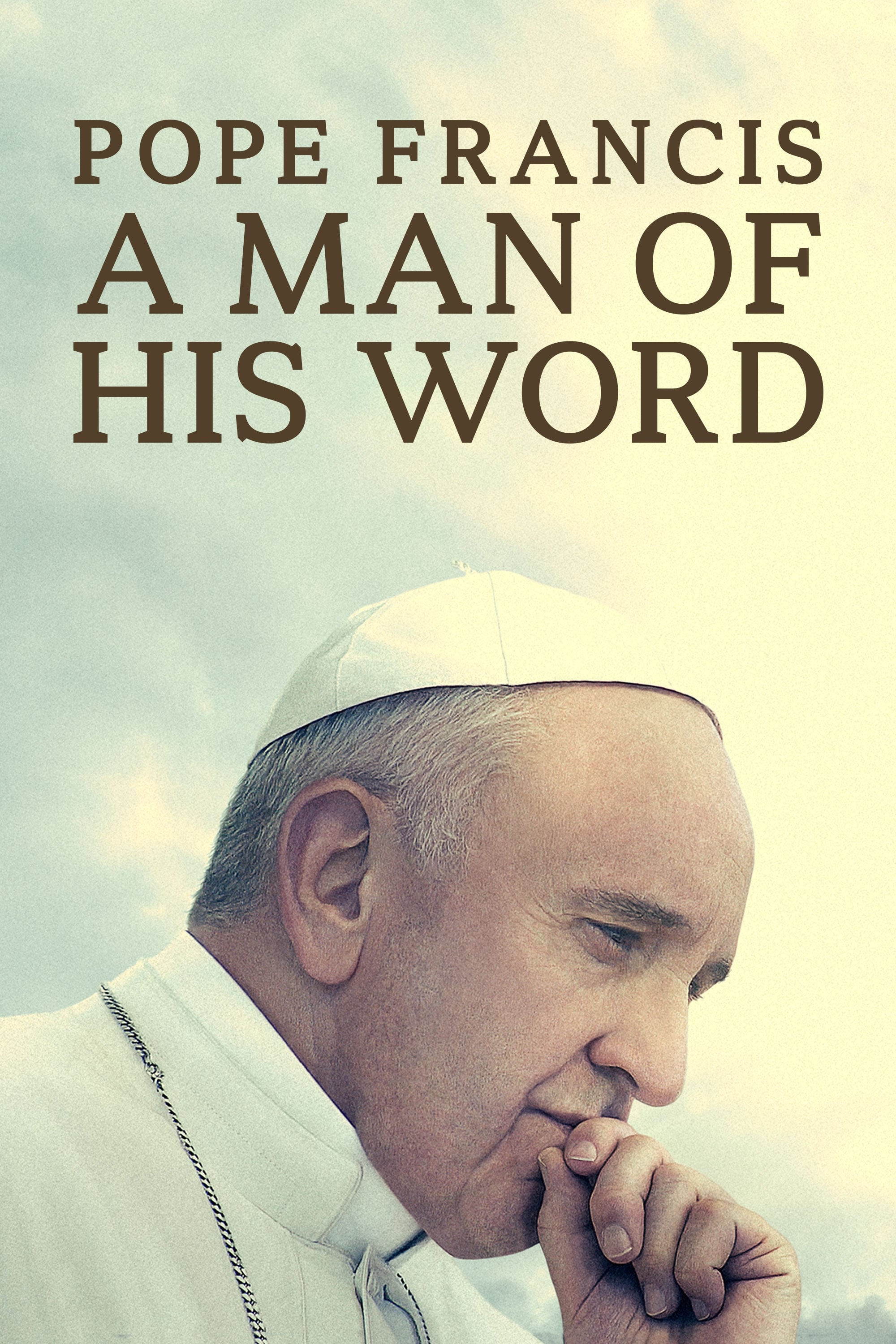
Pope Francis responds to questions from around the world, discussing topics including ecology, immigration, consumerism and social justice.
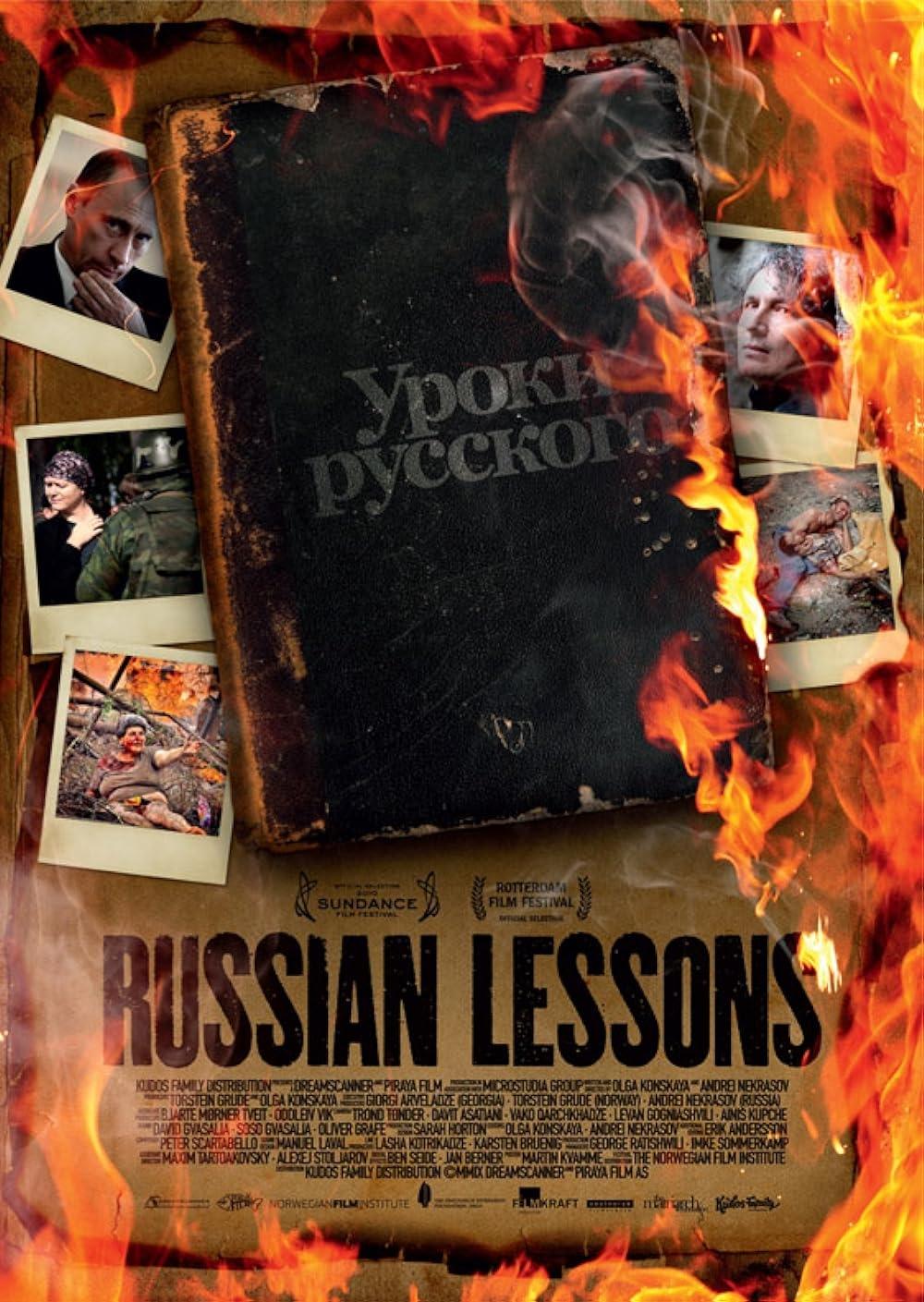
Russian Lessons sees its two filmmaker-protagonists, Olga Konskaya and Andrei Nekrasov, report from different posts on the frontline of the 2008 Russian-Georgian war.

A documentary of the German national soccer team’s 2006 World Cup experience that changed the face of modern Germany.
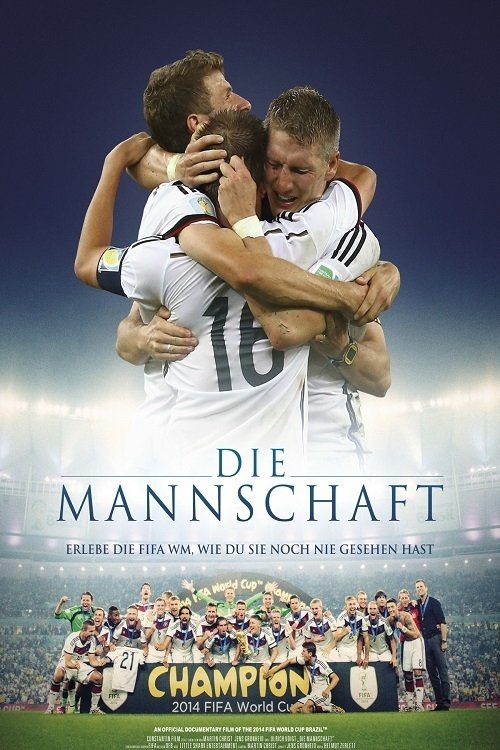
Documentary about the victorious German national football team - called "Die Mannschaft" - and their journey to the 2014 FIFA World Cup in Brazil.
2014-2015: 17. The Great European Disaster Movie Authored documentary by Italian director Annalisa Piras and former editor of The Economist Bill Emmott, which explores the crisis facing Europe. Through case studies of citizens in different countries, the film explores a range of factors that have led to the present crisis, economic and identity challenges across Europe. High-level experts analyse how and why things are going so wrong. The film includes fictional scenes, set in a post-EU future, which feature archaeologist Charles Granda (played by Angus Deayton) travelling on a flight through a menacing storm, explaining to a child passenger what the EU was. Sombre, thought-provoking and witty, the film frames Europe through the eyes of those who have most at stake - the Europeans themselves.
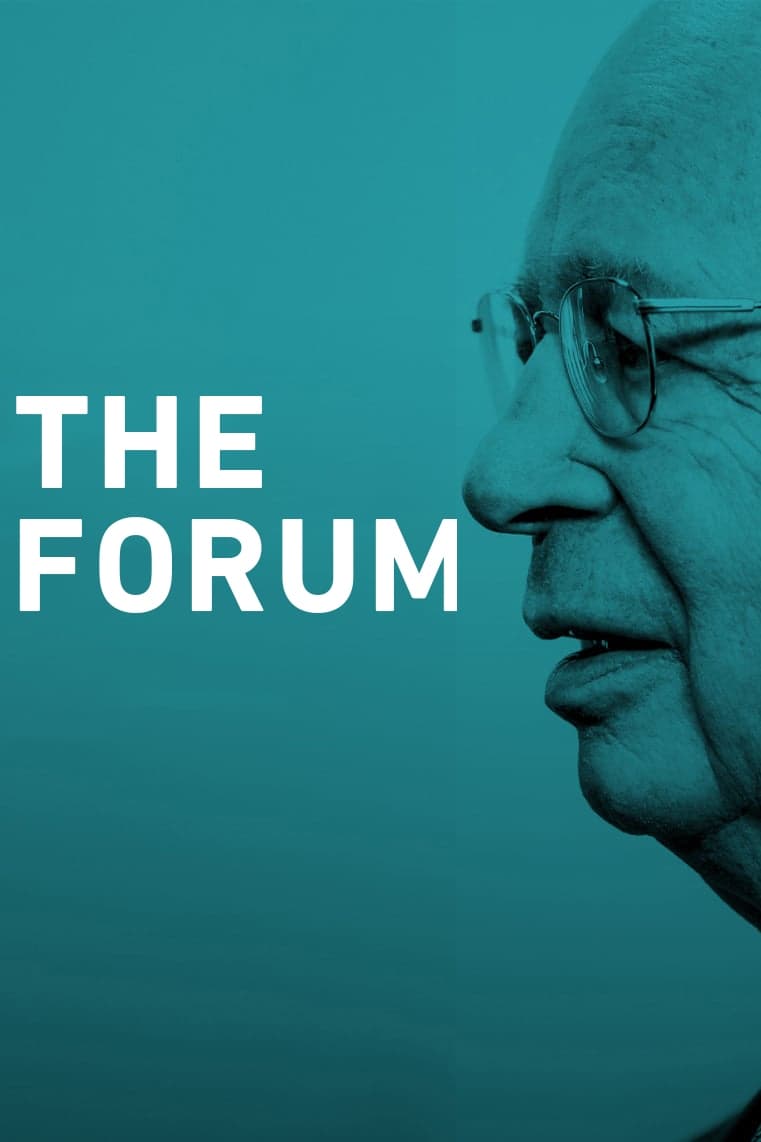
In times of rampant populism and increasing distrust of the elite, the filmmaker accompanies the 81-year-old founder of the controversial World Economic Forum over the period of one year in his efforts to implement his leitmotif: to improve the state of the world. Can the WEF contribute to solving global problems? Or is it rather an integral part of the problem?
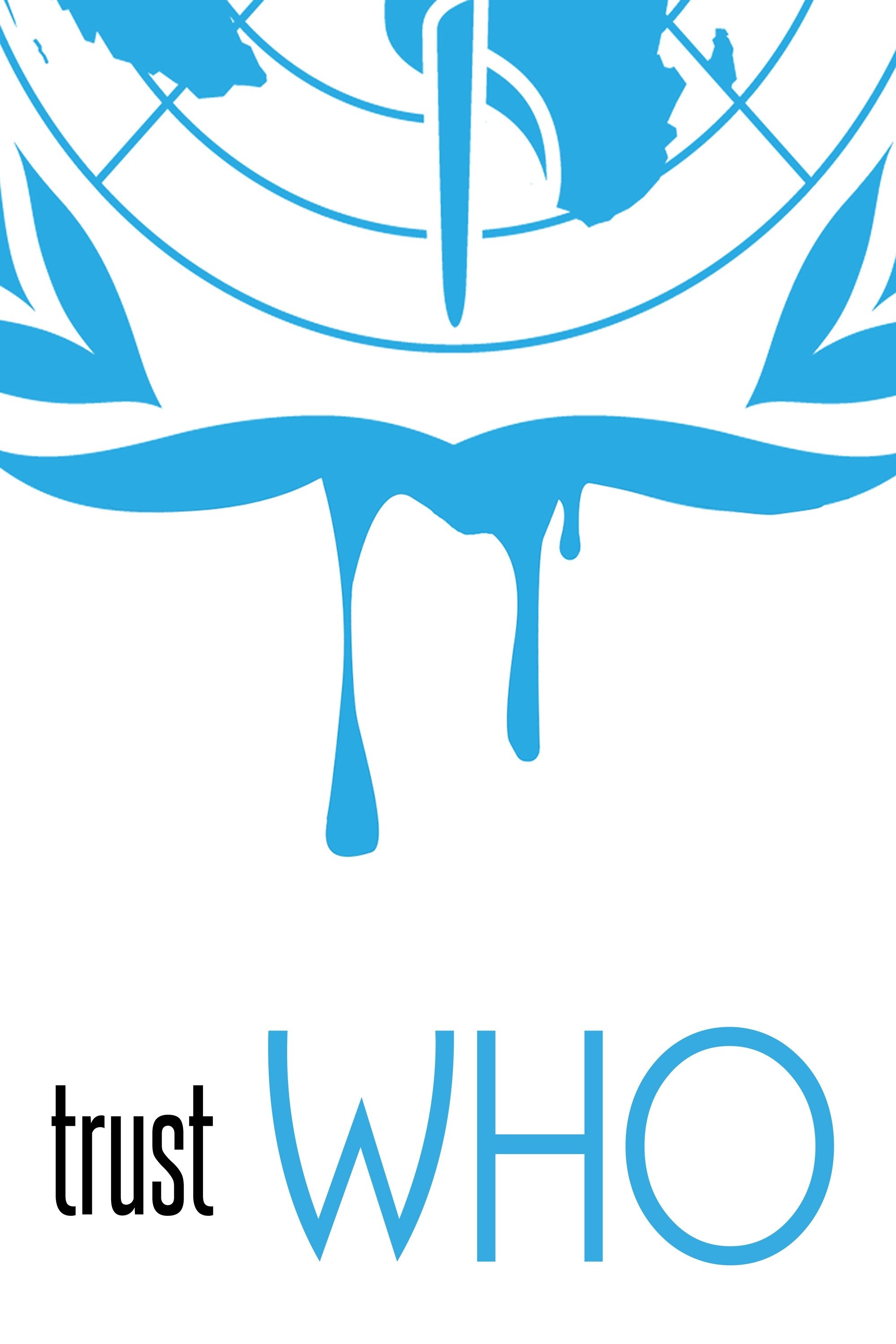
Is the WHO sick? The filmmaker and mother Lilian Franck reveals clandestine influences by the tobacco, pharmaceutical and nuclear industries on the organization. She shows a frightening portrayal of our present society, in which governmental politics is becoming obsolete. "Of all the forms of inequality, injustice in health care is the most shocking and inhumane." - Martin Luther King
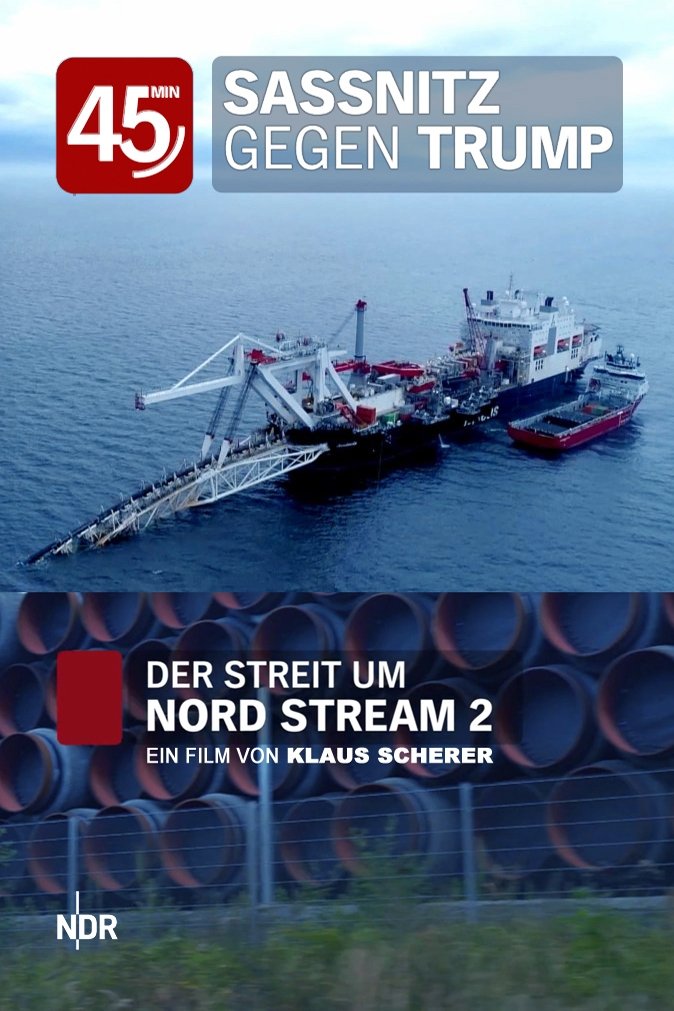
Sassnitz is a small coastal town at the Baltic Sea on the Island of Rügen. In its vicinity are the world-famous chalk cliffs, a tourist magnet. The Mukran Port is also part of the municipality. The overseas port is the starting point for the construction of Nord Stream 2, a natural gas pipeline that connects Germany directly with Russia. In 2020, the port town hit the international headlines. Even the New York Times reported and cited Mayor Frank Kracht as a staunch opponent from the northeast German province against the rumbling America of Donald Trump. The reason is the undisguised threat from Washington to ruin the international port economically if the natural gas pipeline continues to be built from there. Many jobs and the region's economic stability are at risk. Reporter Klaus Scherer documents the case, questions experts as well as those affected and looks at the behavior of national politicians towards the USA and how they react to the interference in internal affairs.
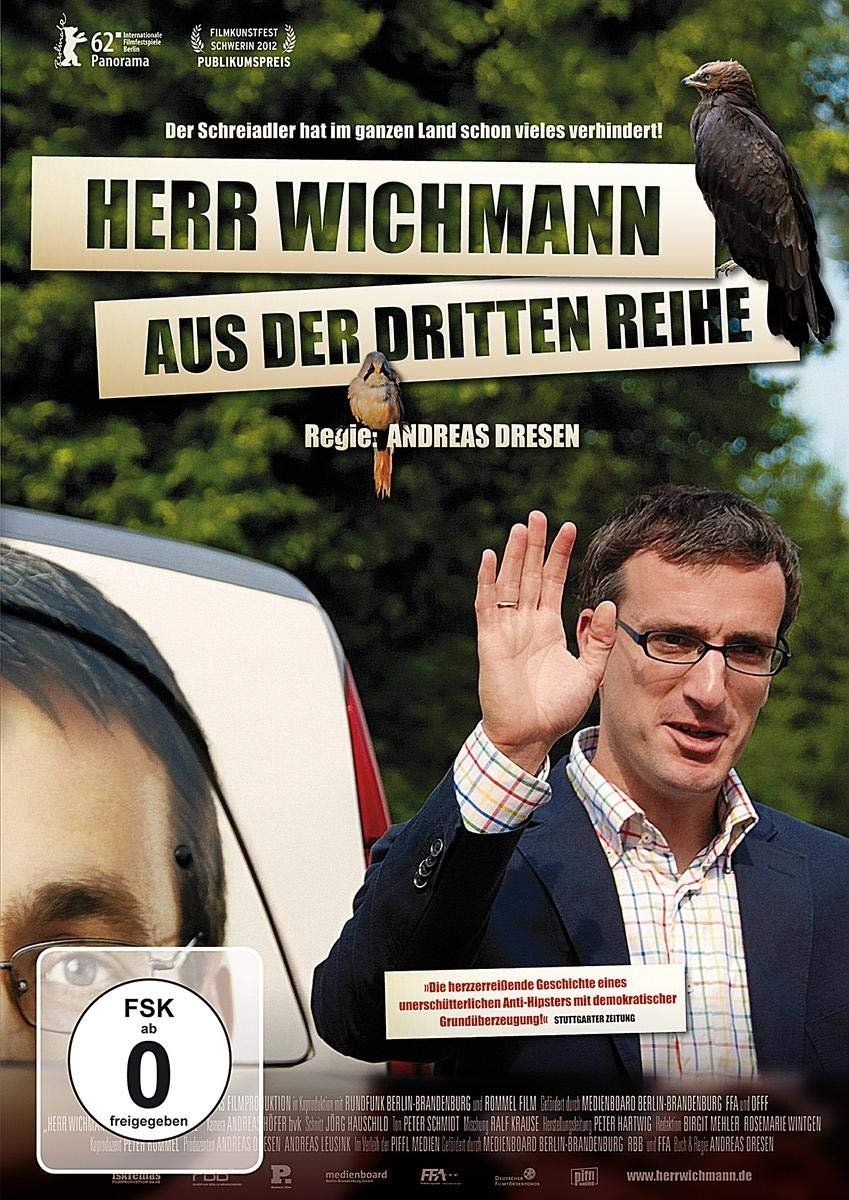
A new dramedic documentary about what politics and democracy mean when your working in the rough business of parlamentarian tasks, assemblies and your every day live in your constituency. Are there things that need to be changed?

Climate is changing. Instead of showing all the worst that can happen, this documentary focuses on the people suggesting solutions and their actions.
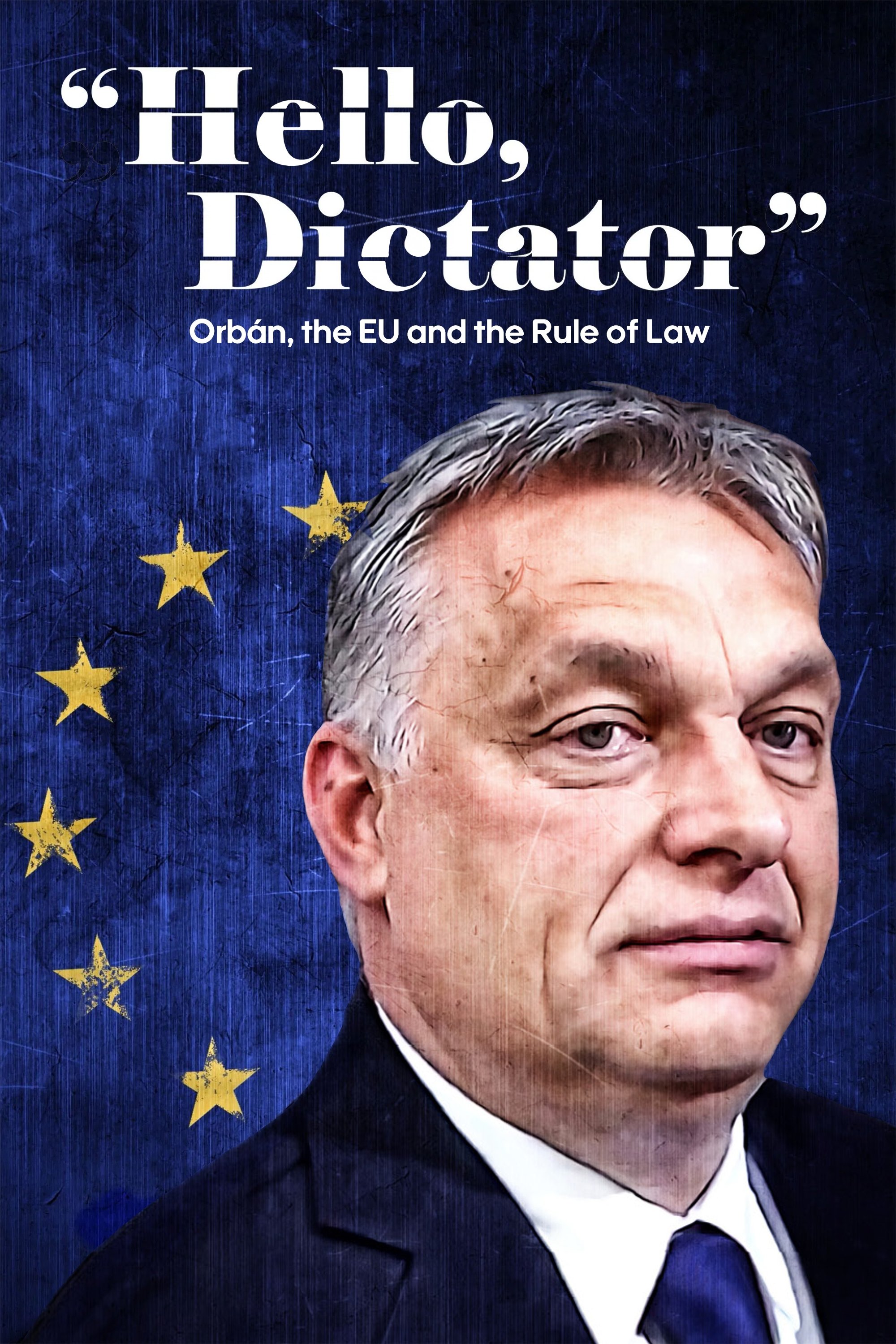
Since the summer of 2020, a battle has been raging between the European Union and Hungary: while the Fidesz party, led by Prime Minister Viktor Orbán, seems to question certain principles, inherent to any democratic country, and harasses members of the opposition, the European Union is reluctant to contribute funds to the coffers of countries which, like Hungary itself, and Poland, in turn question the pillars of the common European policy.
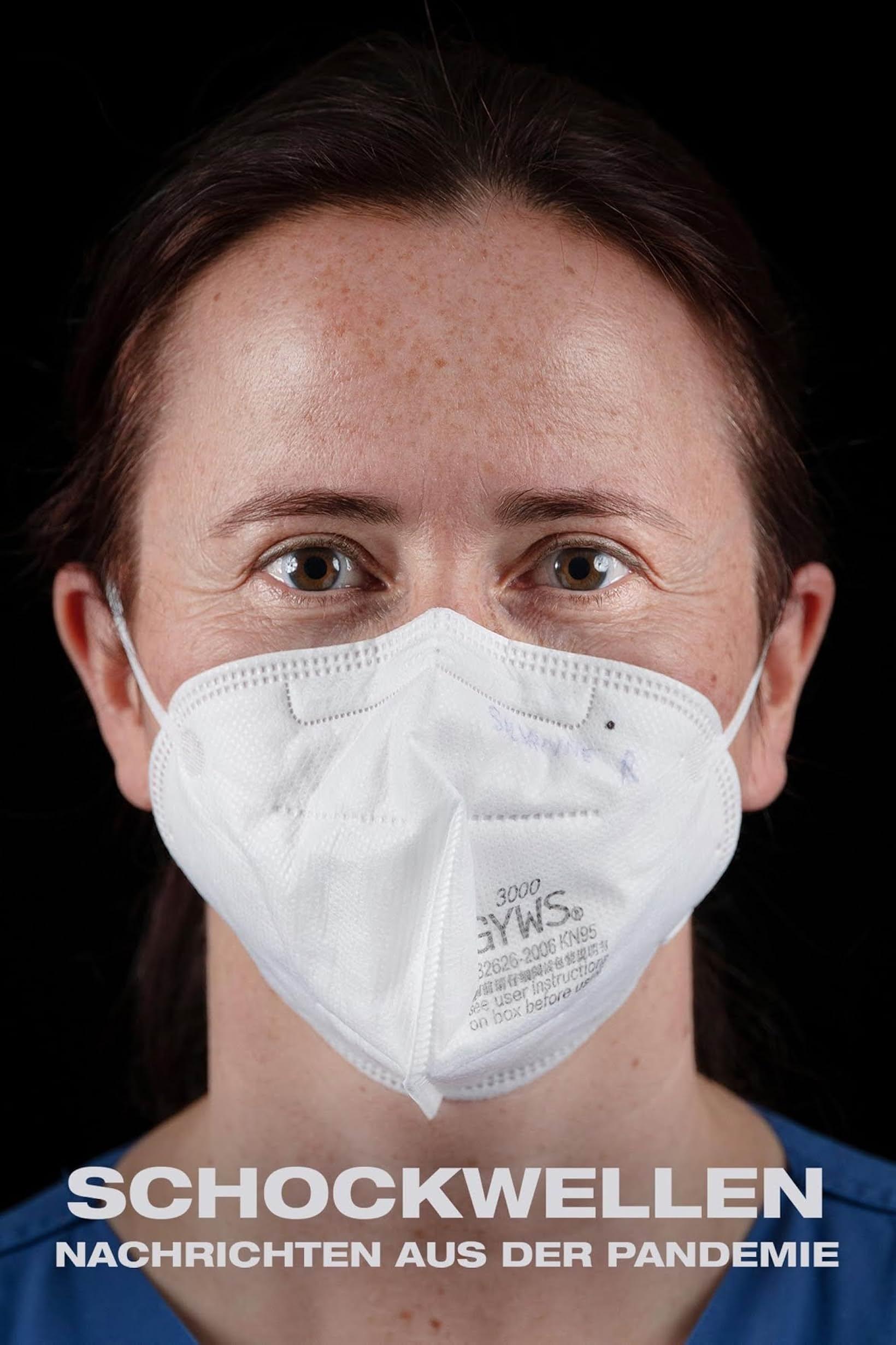
Montage of news, reports, talk shows, live broadcasts, video blogs. Together, they form the basis for a polyphonic choir that intones, condenses and follows the story of the pandemic, from January 2020 to the present day, with a focus on Germany. A chronicle of devastation can be seen as well as a chronicle of discord and rebellion: against the virus, against fate, against reality.
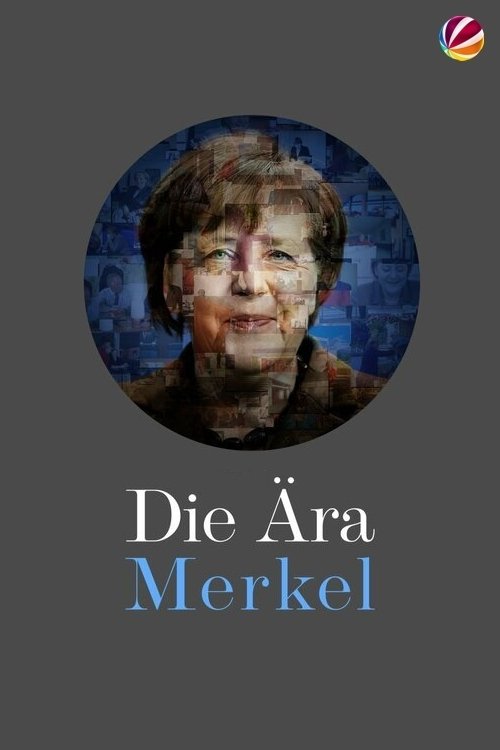
On October 10, 2005, Angela Merkel becomes German Chancellor. After 16 years, she now wants to clear the field. We take a look back at the many different faces of our Chancellor. In addition to Wolfgang Bosbach, Gregor Gysi and Kai Diekmann, extreme mountaineer Reinhold Messner, presenter Nina Eichinger, comedian Wigald Boning, former minister Annette Schavan, former President of the Bundestag Nobert Lammert, actress Uschi Glas and entrepreneur Gloria von Thurn und Taxis share their very personal views.
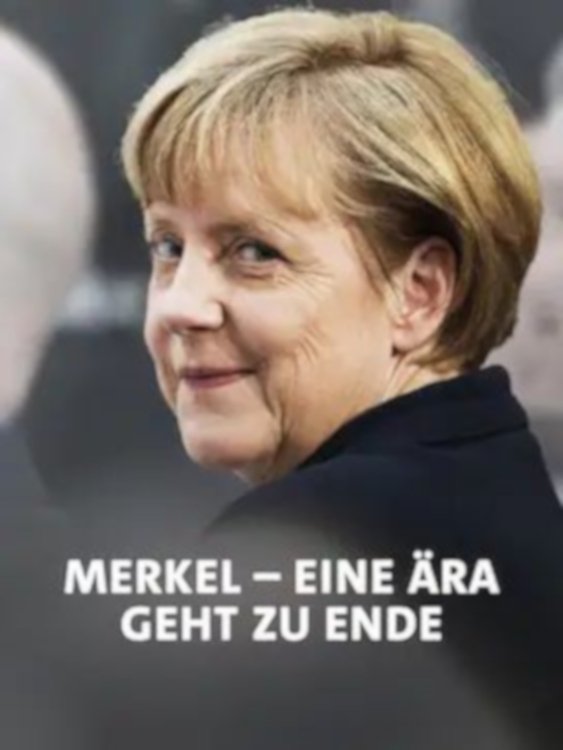
The film shines a light onto federal chancellor Angela Merkel and her now ending 16-year-long tenure. An era, not an episode. And a vagarious relationship history between the chancellor and the Germans. Who has changed whom here?
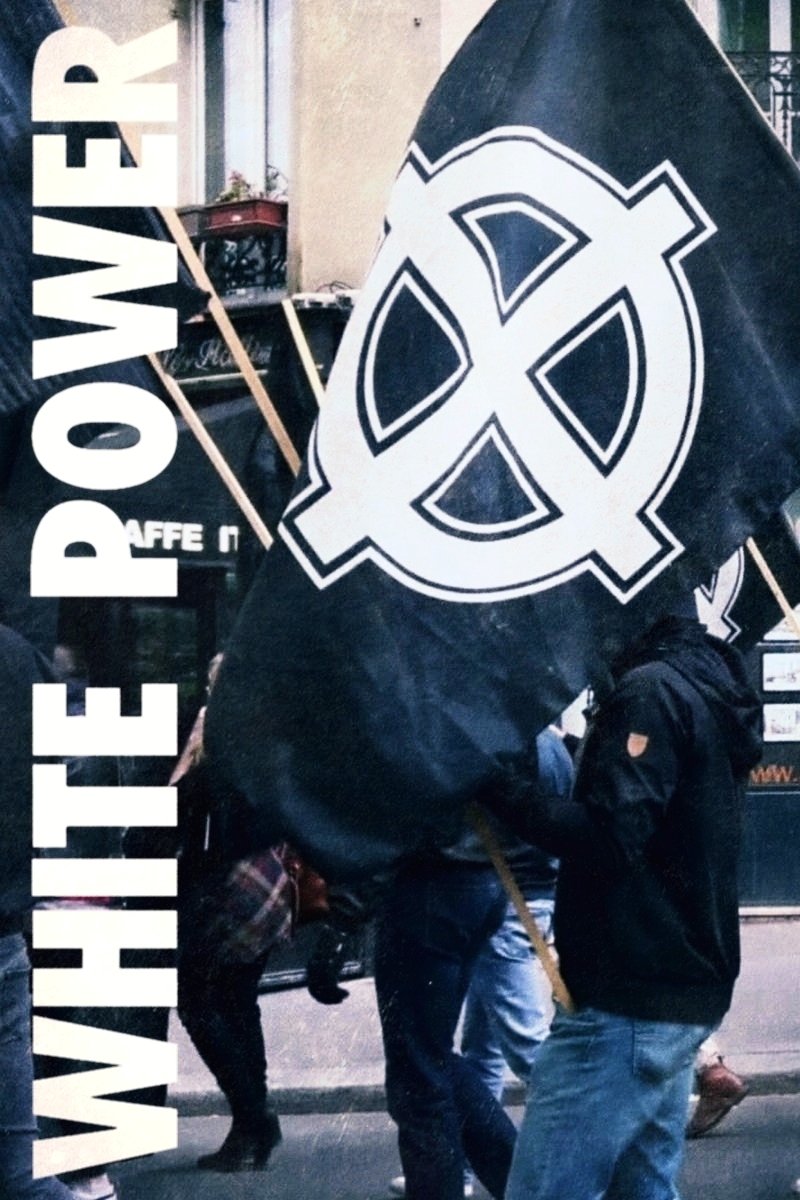
An analysis of the rise of the European far-right, increasingly present in both politics and everyday life: an inquisitive journey through France, Germany and Belgium.
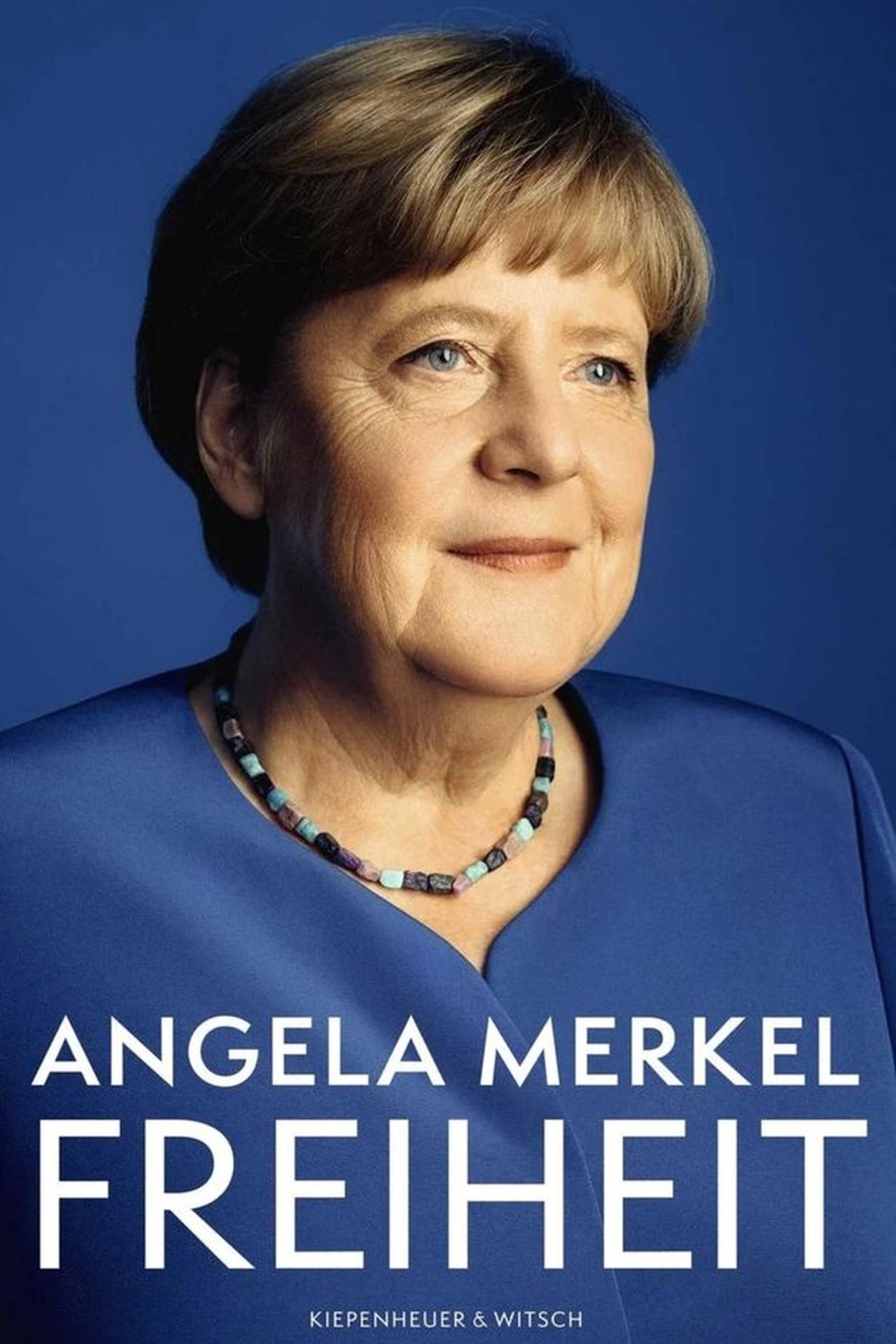
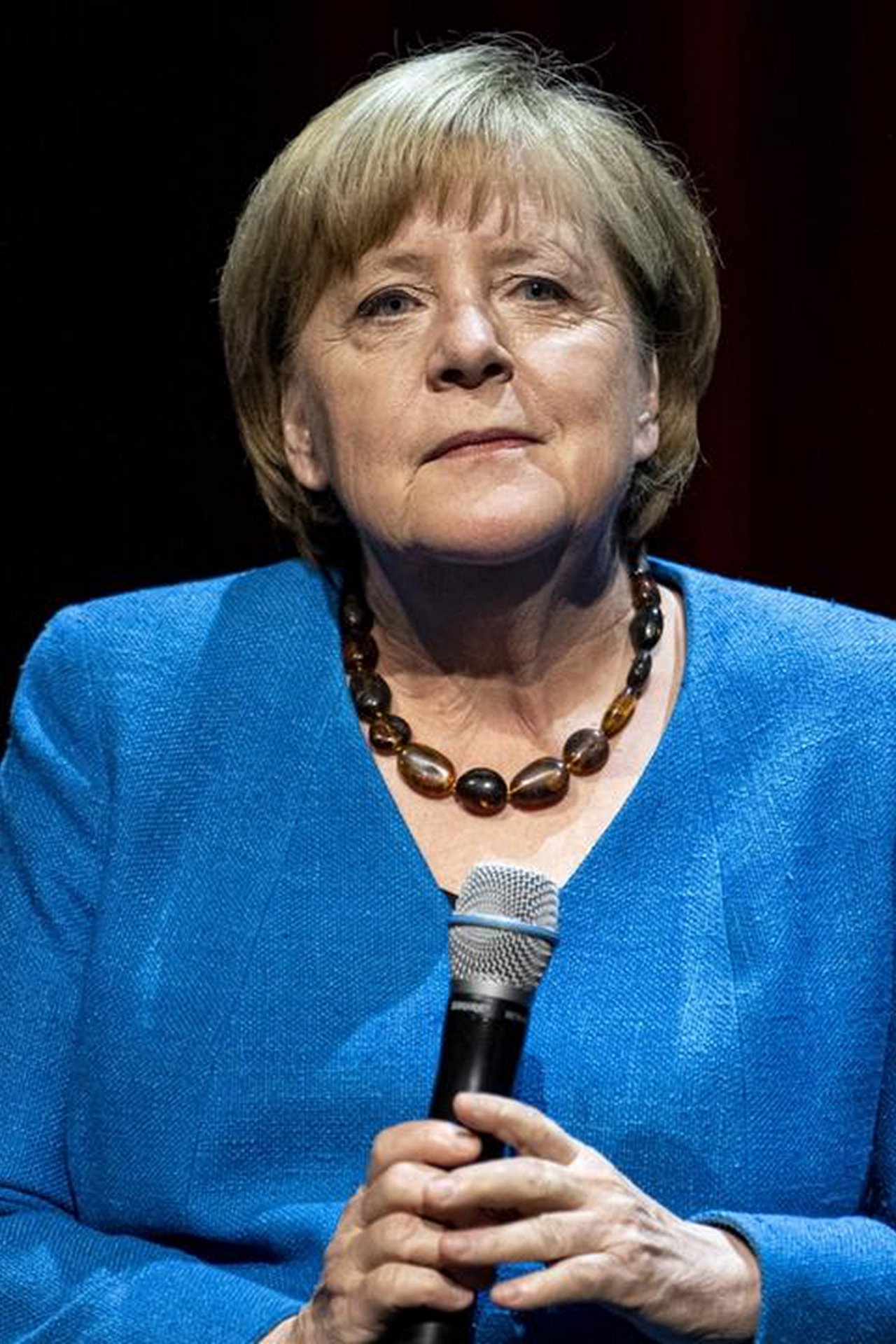

An organised arts teacher has only one main problem in life, which is his father – a painter always going from one party to the next. When the father lives through his second heart attack and still refuses to change his lifestyle, Julius will have to find a way to influence his behaviour.
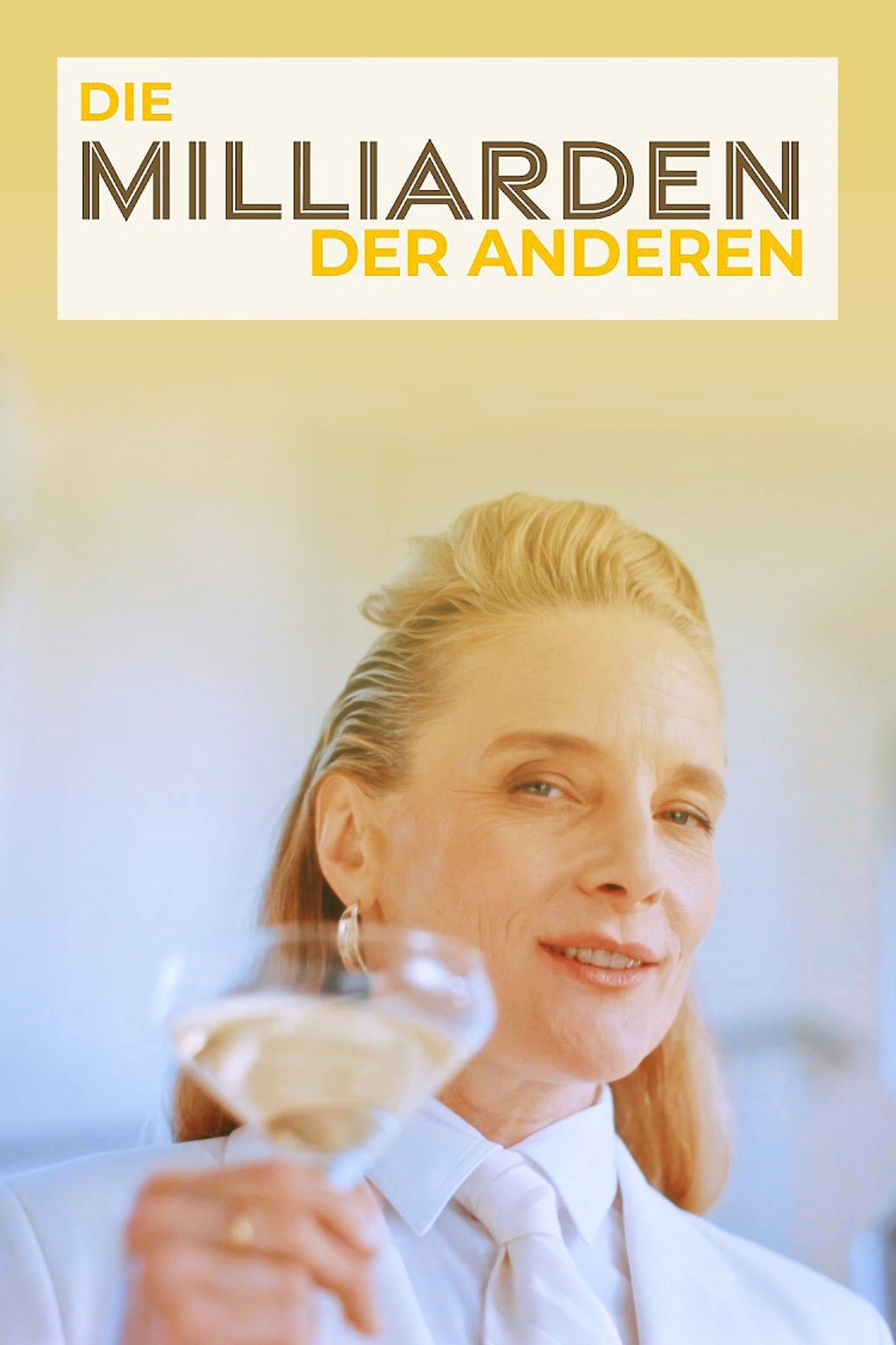
The market regulates everything! Diligence and work create prosperity! Capitalism needs growth! What is the truth behind the great principles of capitalism? And how do they work in Eastern Germany - a region that has been a capitalist test laboratory for around 30 years? It is symbolic of various places in the world that are going through similar processes. Renowned economic experts answer questions. How does a large-scale settlement of a global corporation like DHL take place and what must politics make possible for this? What happens when investors pour around a billion euros into one of the largest real estate projects in Europe in the Baltic Sea resort of Binz (Prora) on the Island of Rügen and no place is created that is worth living in? And how are the people in places like Zeitz, which capitalism has obviously forgotten? The film takes you through various stations, through the strongholds of Eastern German capitalism and the places where capitalism has not yet arrived.
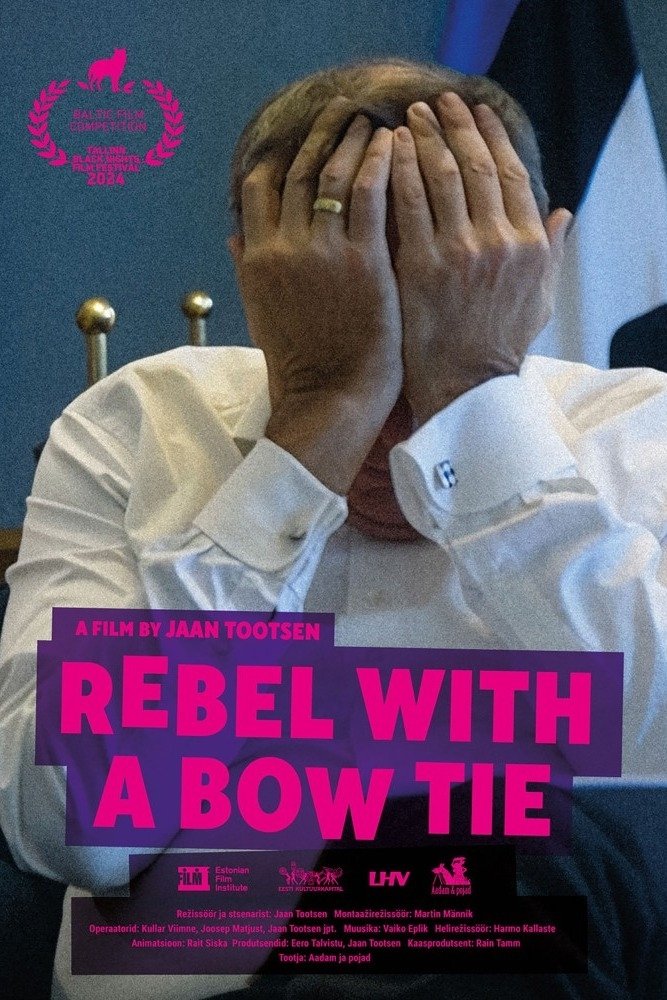
Jaan Tootsen’s documentary follows President Toomas Hendrik Ilves in the last year and a half of his term in office – as he grapples with the complexities of world politics and his private life. Tootsen’s keen camera eye follows Ilves at his most difficult moments, showing no mercy, but creating a gripping, rather harsh and at the same time very human portrait of the President.
Ten years ago this summer, she said the historic sentence: “We can do it”. In the WDR interview, Angela Merkel speaks publicly for the first time with refugees about the refugee movement of 2015.
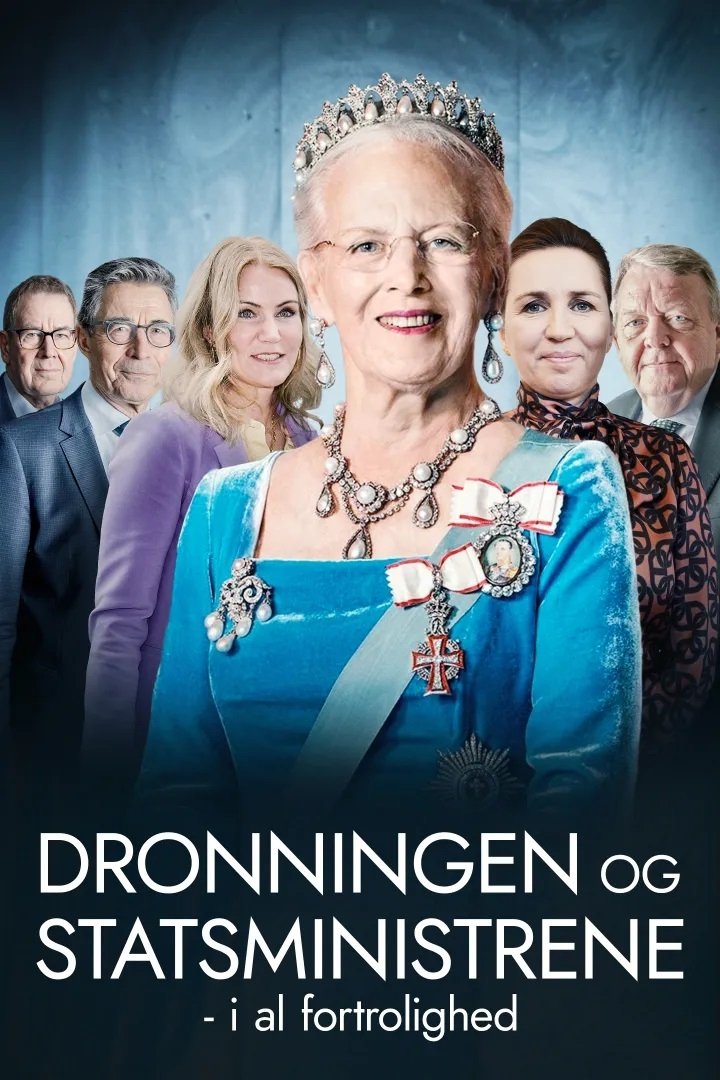
Danish documentary about the relationship between Queen Magrethe II and the prime ministers.
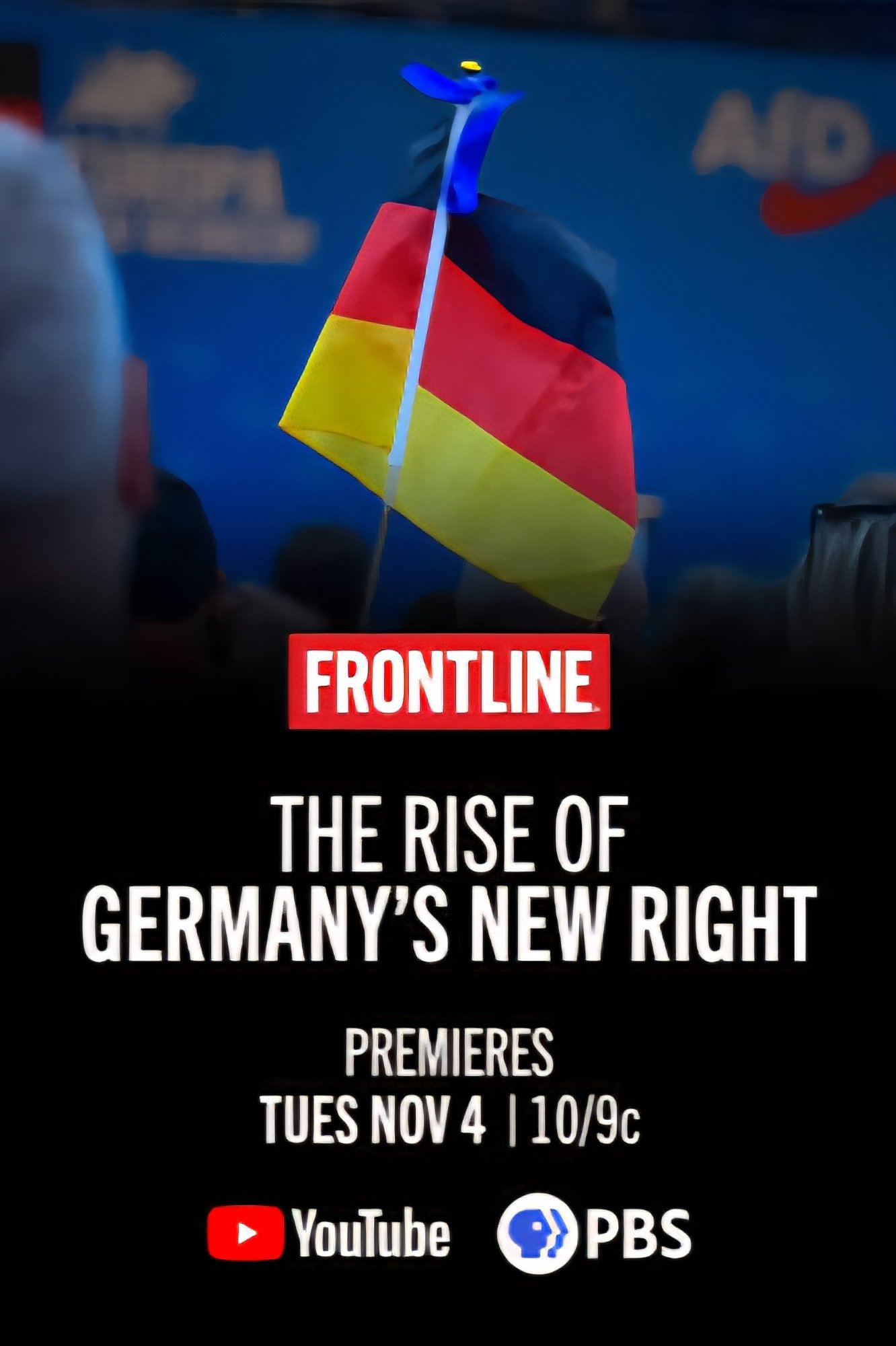
An investigation into how far-right leaders in Germany have risen to the brink of power. Reporter Evan Williams examines the reasons behind the surge in support for their brand of hardline nationalist politics, and the roles of Russia and the U.S.