
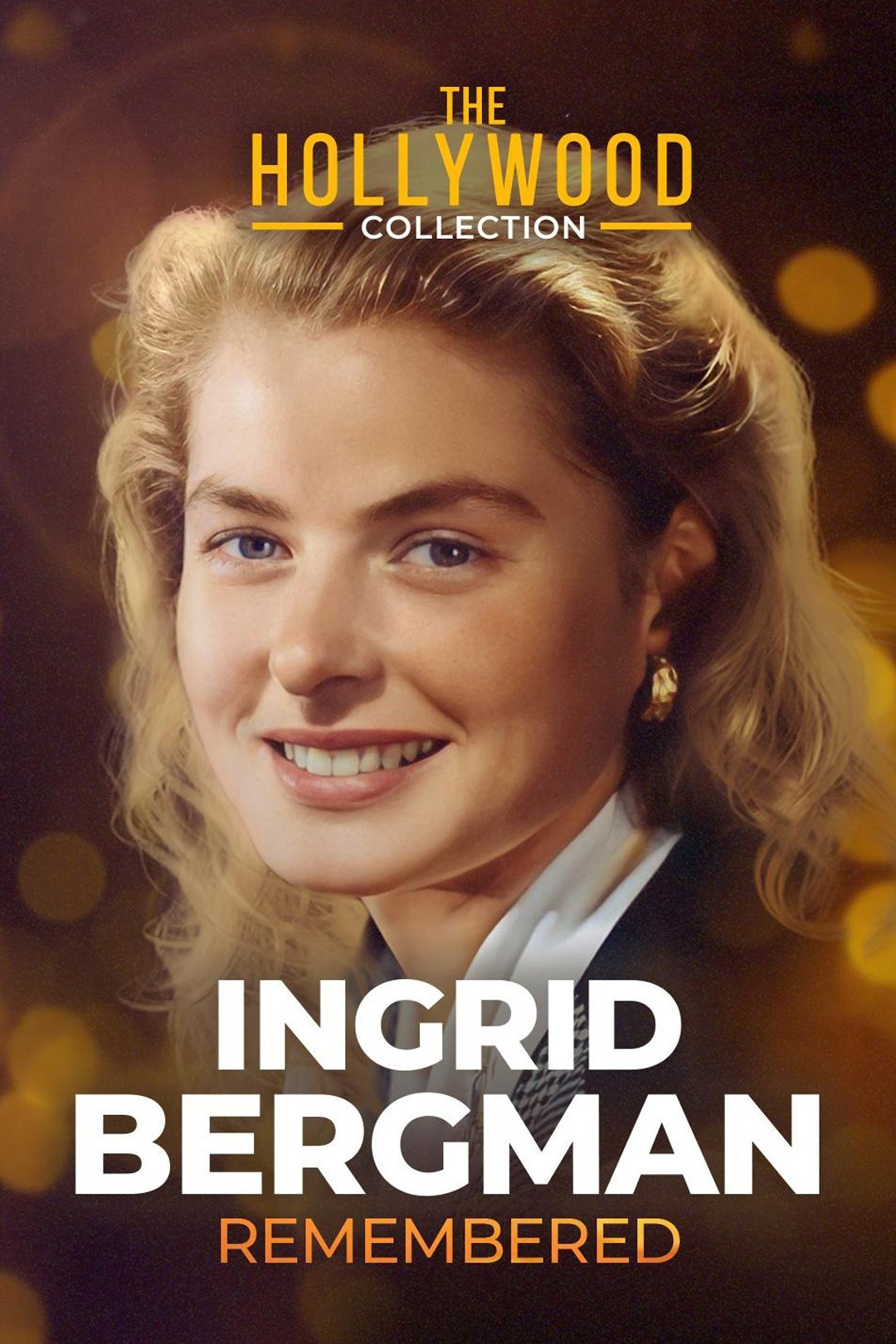
Her name conjures up beauty, grace, talent and style. One of the greatest actresses of her time, she is best remembered for a natural and vulnerable persona which was so genuine and alluring. Her cinematic contributions produced such classics as "Casablanca," "Gaslight" and "Anastasia." But Ingrid's story goes deeper than the triumphs of her movie career.
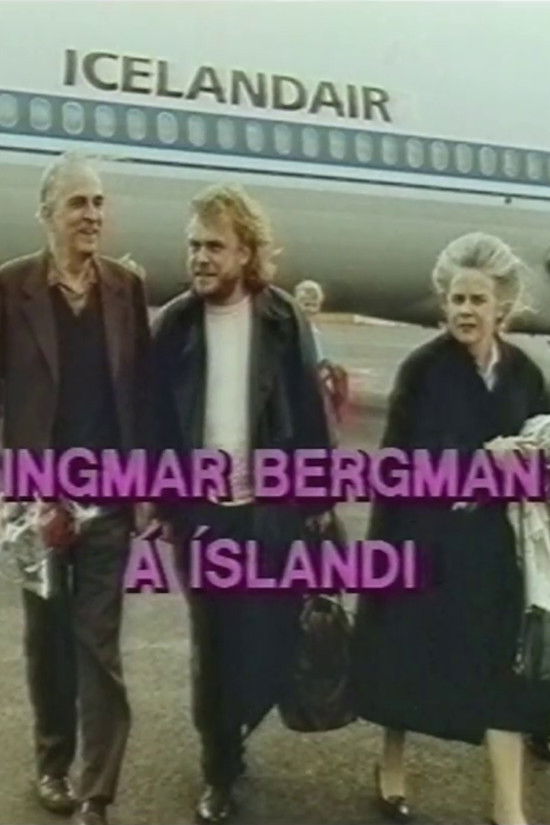
Based on an interview with Ingmar Bergman and footage taken during the director's visit to the Reykjavík Art Festival in 1986, this film focuses on Mr. Bergman's methods and philosophy on film direction.
Filmed during the first ever Guldbaggen (golden scarab) awards, it was edited and developed that night and shown for the first time to the guests at the after party.
Using original footage and interviews, family photos, and excepts from many of the actress's screen and stage performances, the film explores sources of Liv Ullman's creativity, the influence of her Norwegian heritage, her relationship with Ingmar Bergman, her views on being a woman and mother in contemporary society, and the writing of her autobiography,
In this 87 minute long conversation with Ingmar Bergman, he talks about his relation to the art of film. He expresses his passion for filmmaking and filmmakers. The film doesn't include any extracts from Bergman's films.
A short documentary about the work of Swedish cinematographer and Ingmar Bergman collaborator, Sven Nykvist, emphasizing his style of lighting and sense of humanity through interviews and film clips from key Bergman and Nykvist productions.
Called to court on obscenity charges, a theatre troupe are forced to expose their neuroses and inner psychological torments.

Two violinists in the same orchestra fall in love and get married, but they can't get along.
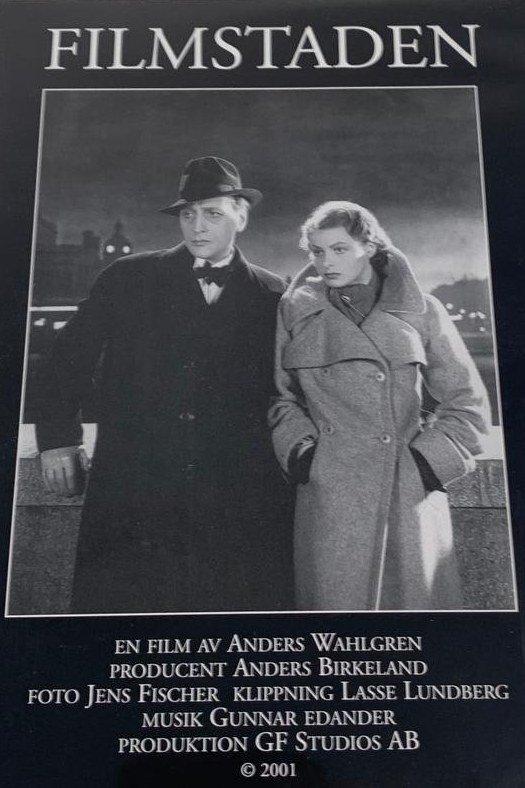
'Filmstaden', a film studio in Stockholm where directors Victor Sjöström, Mauritz Stiller, Ingmar Bergman among others worked - as well as many prominent actors - was built 1919-1920. This documentary tells its rich history featuring many of the people involved.
Two different women – a young photo model and her boss – dream about a happy life with beloved men. Their dreams are as different as they are.
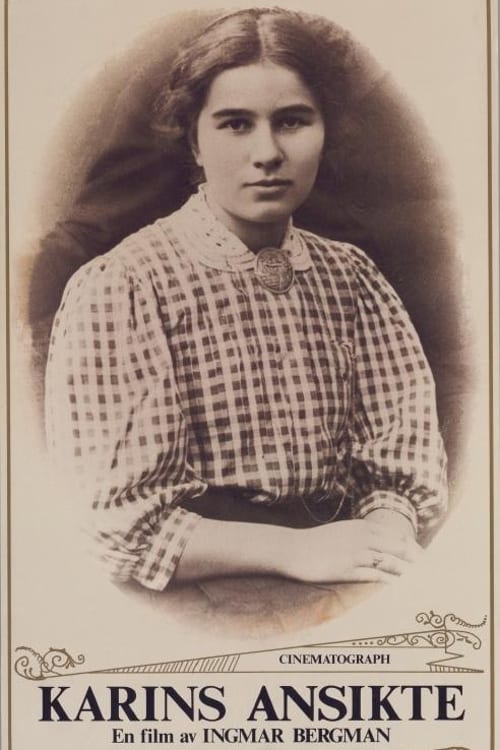
A film based on the pictures from Ingmar Bergman's personal photo album, especially the pictures of his mother Karin.
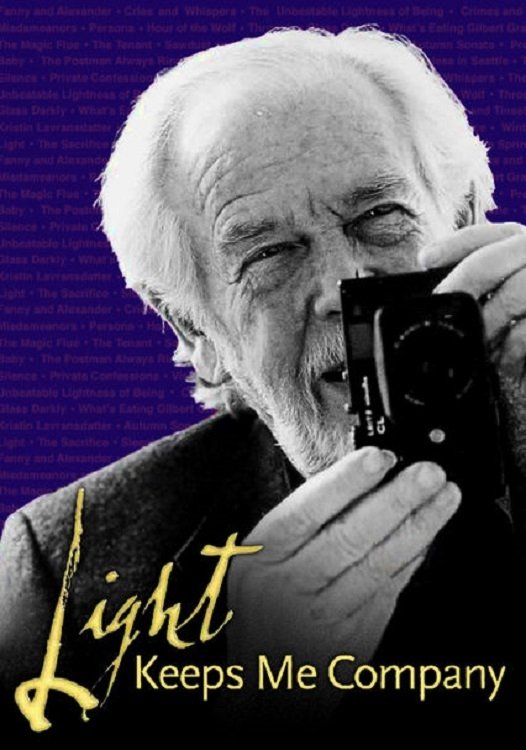
Carl-Gustaf Nykvist's documentary about his father, Sven Nykvist. The film is based on Sven's memoirs with Sven himself as narrator. A journey to the place of birth, Moheda, constitutes the hub of the film and during the journey friends and memories emerge. Written by Fredrik Klasson
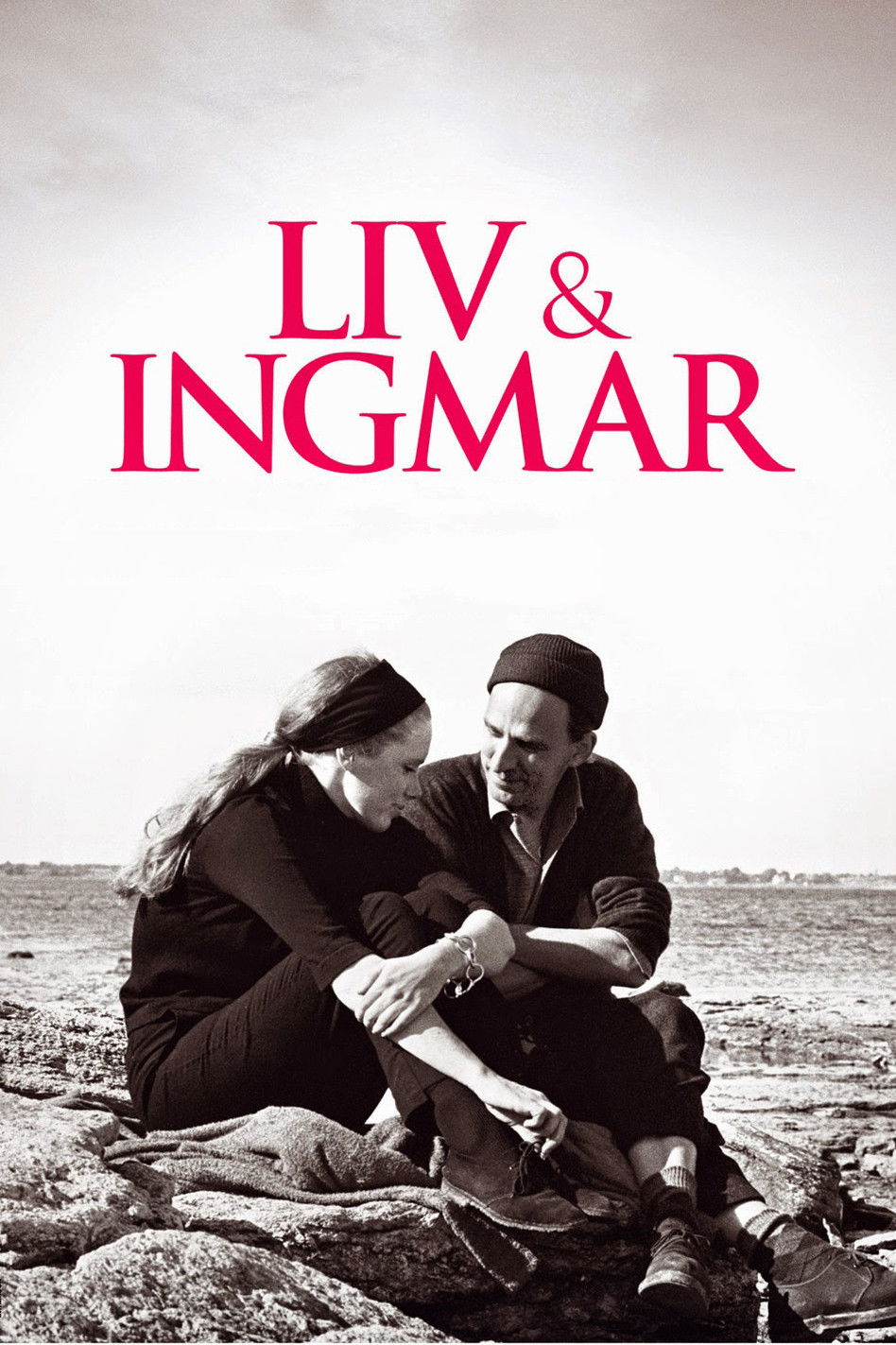
The 42 year long relationship between legendary actress Liv Ullmann and master filmmaker Ingmar Bergman.
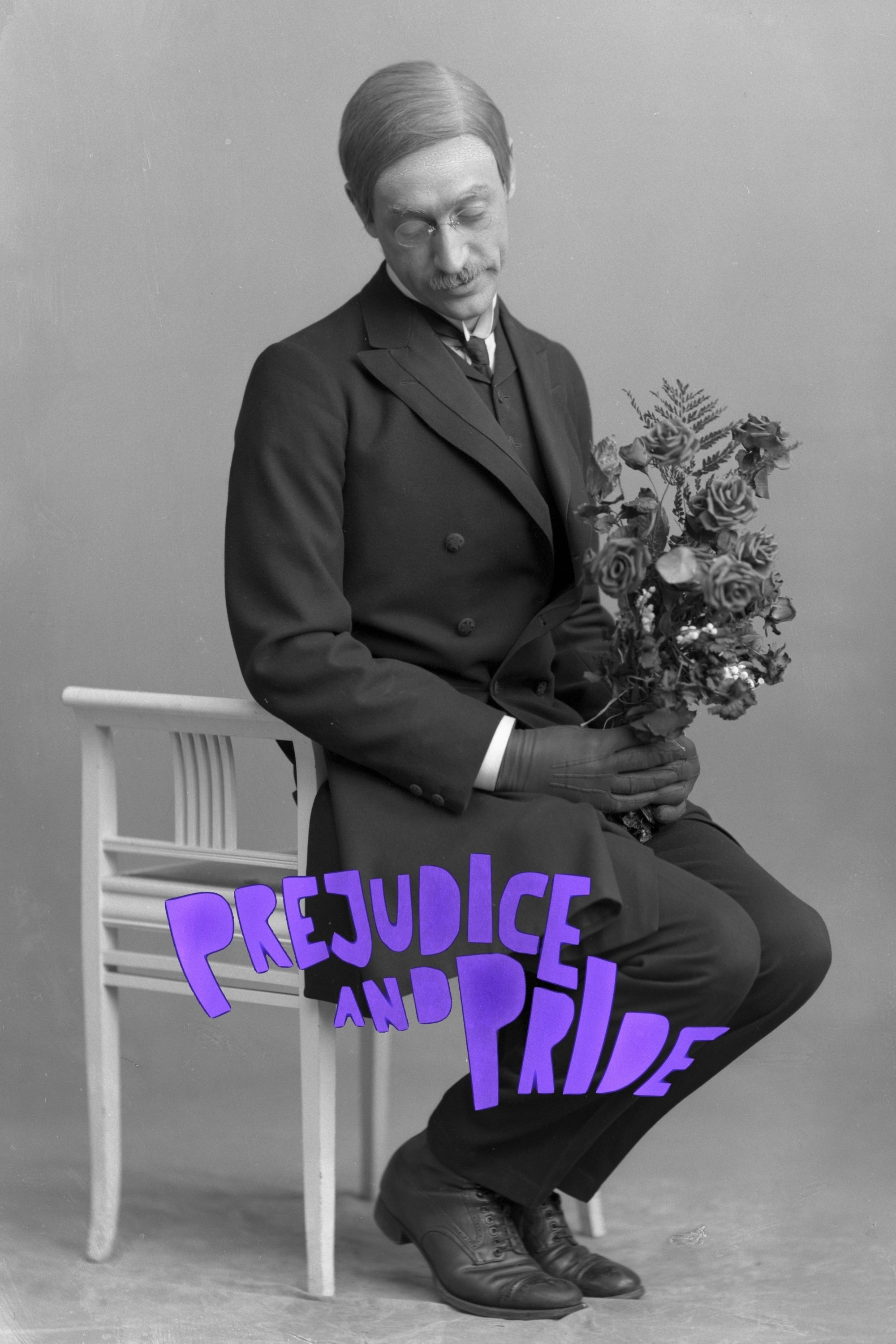
A journey through Swedish queer film history.
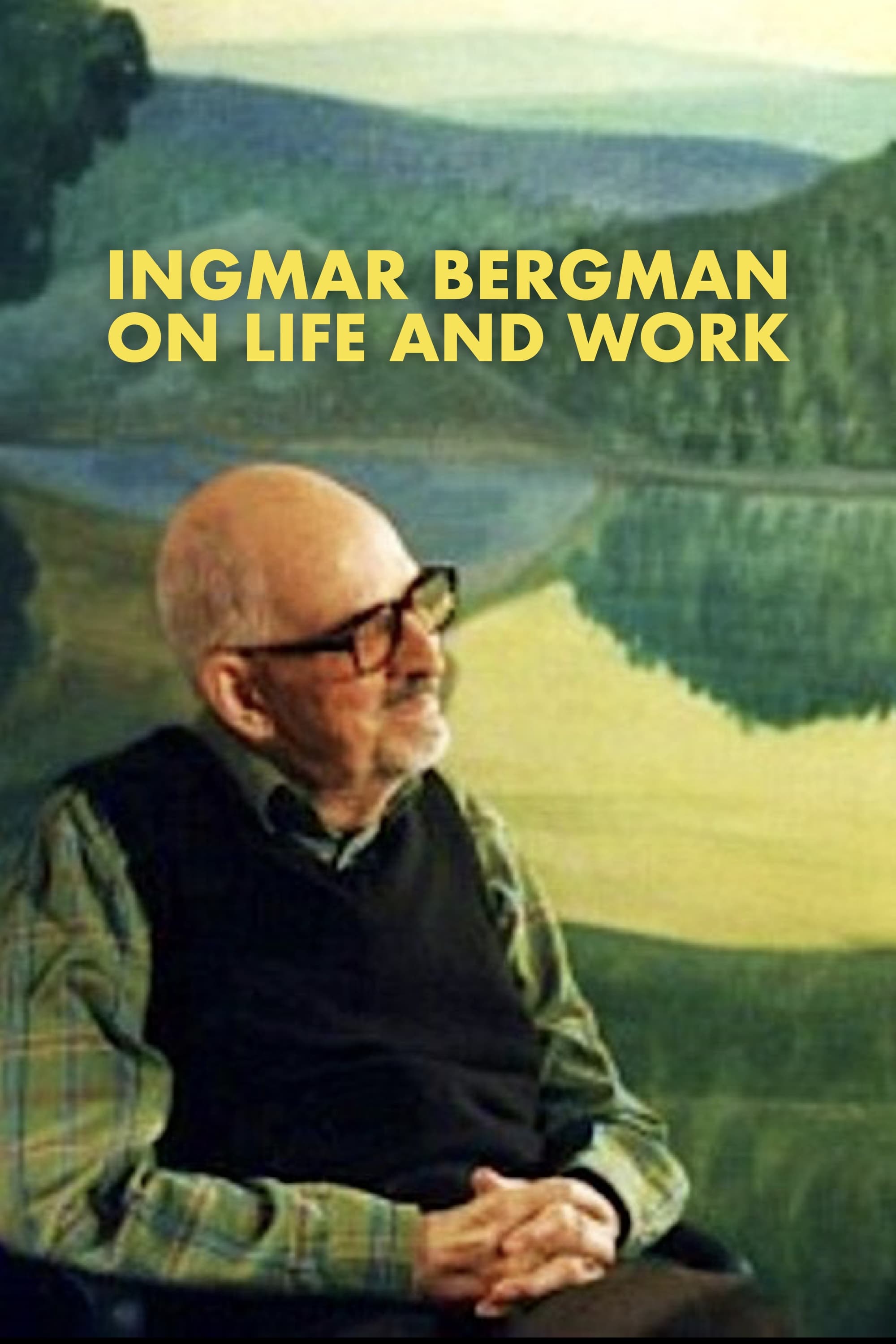
TV Documentary about Ingmar Bergman from 1998.
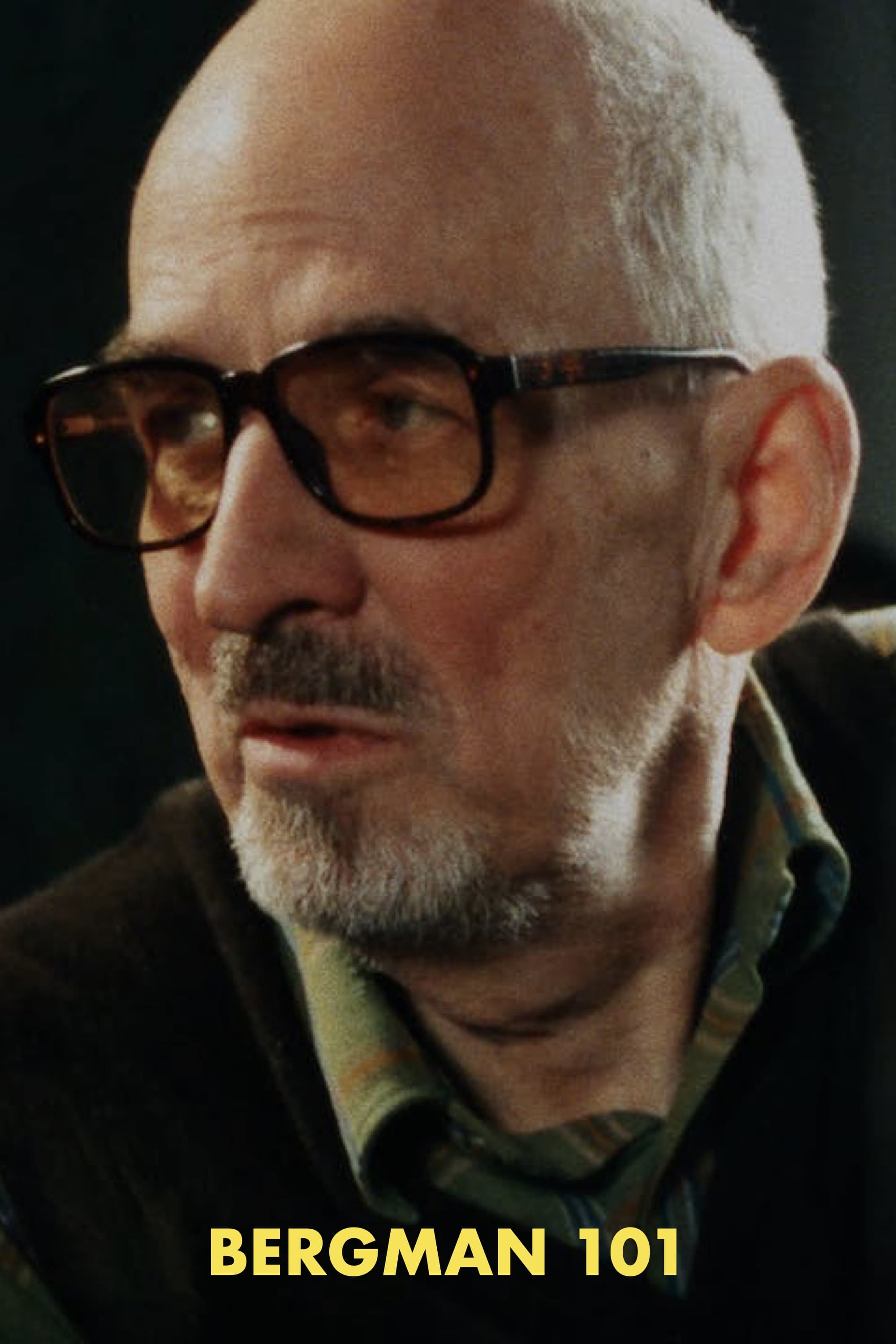
In this 2009 video piece, film scholar Peter Cowie walks us through Ingmar Bergman’s career by way of film stills, behind-the-scenes photos, and clips from many of the director’s films and television productions.
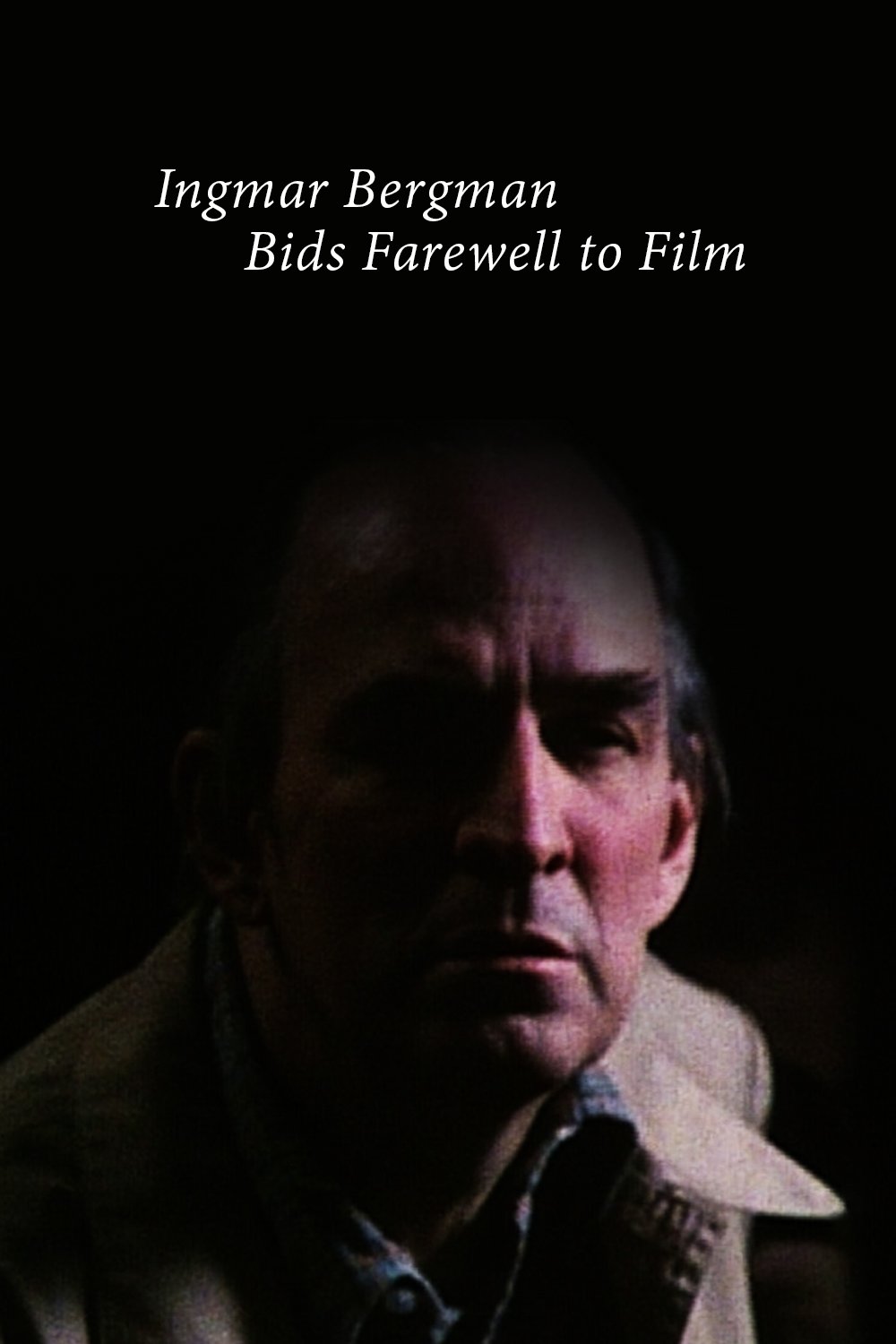
A conversation between Bergman and film critic Nils Petter Sundgren recorded for Swedish television in 1984.
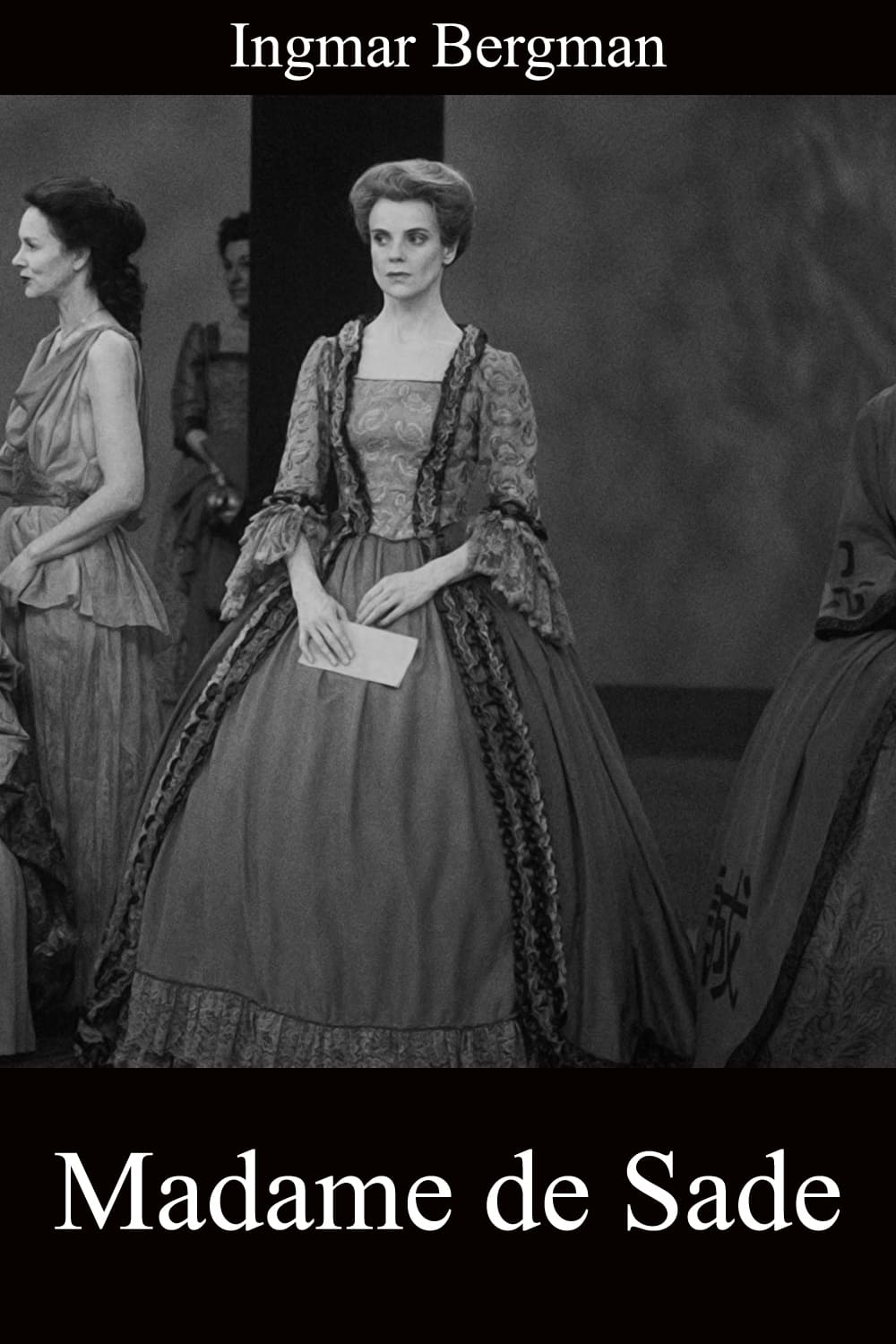
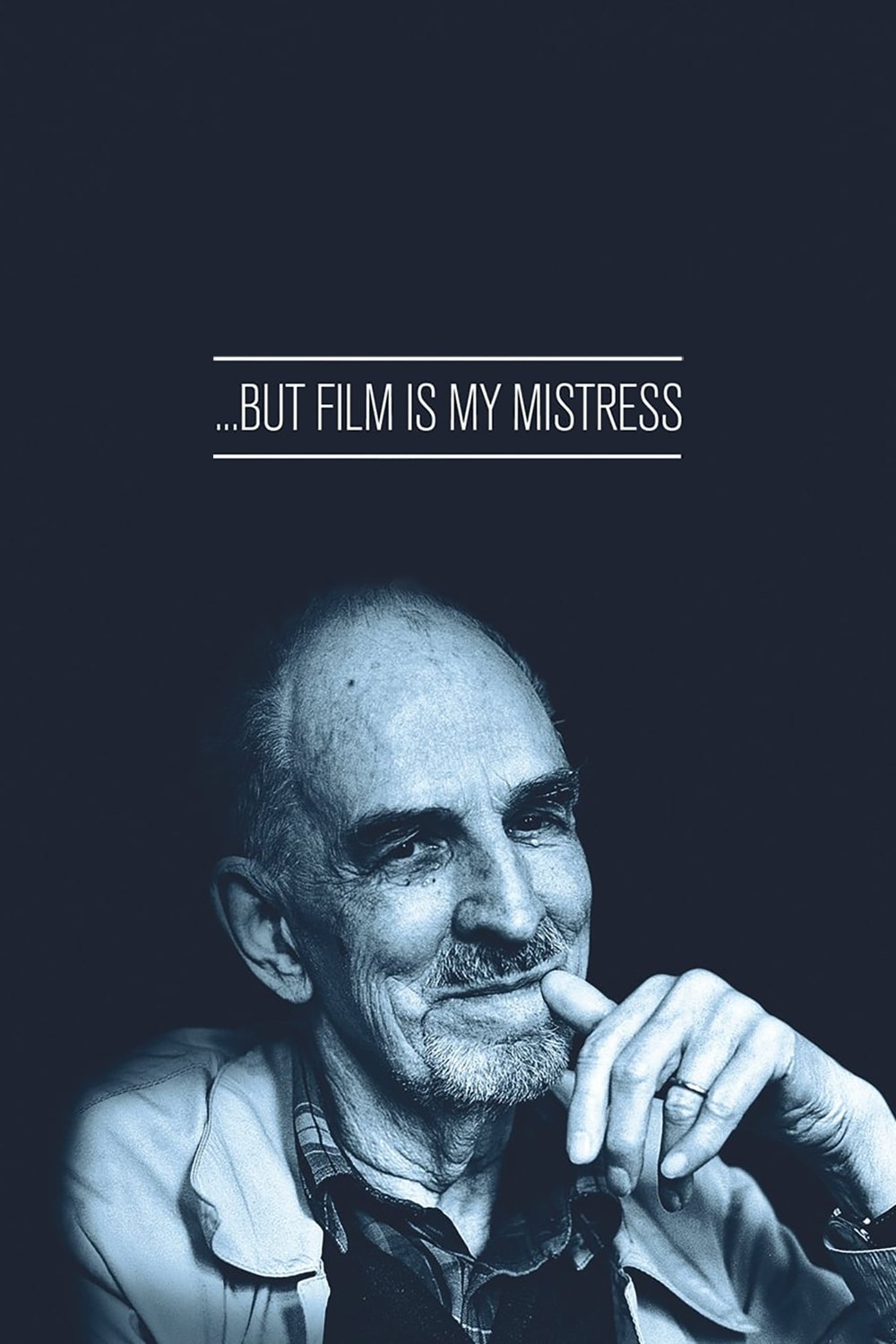
Guided by Liv Ullmann and with commentaries from a number of prominent filmmakers for whom Bergman is and remains an important influence - such as Woody Allen, Olivier Assayas, Bernardo Bertolucci, Arnaud Desplechin, John Sayles, Martin Scorsese and Lars von Trier, the film provides a vivid portrait of the artist who in each new project found a challenge for himself and for the people he worked with - both actors and colleagues behind the camera.
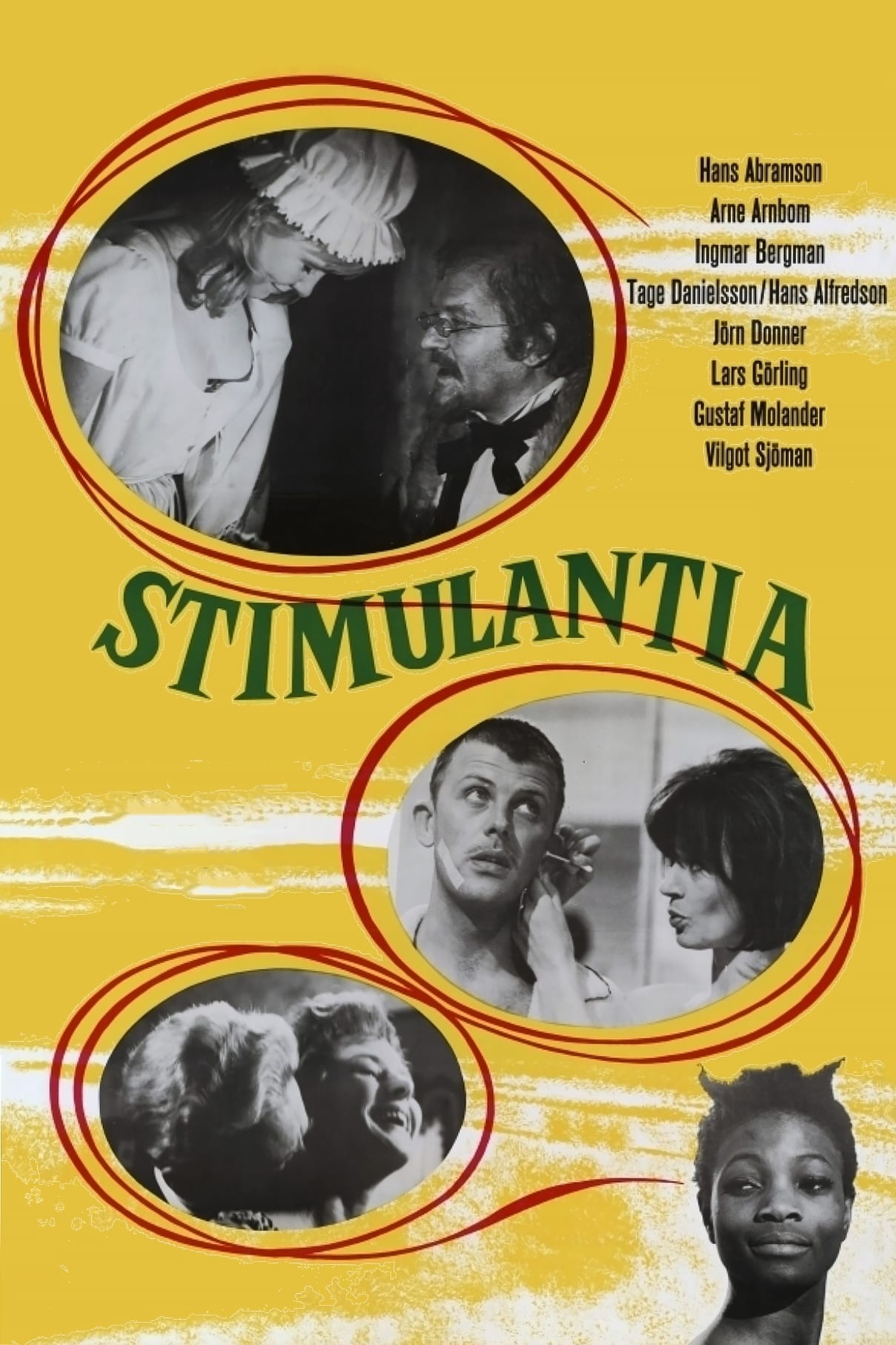
Eight vignettes on a variety of topics, including a baby growing up, Charlie Chaplin, Birgit Nilsson, the racing track at Le Mans, erotic cleanliness, French literature, and a black woman in a cupboard in the neighborhood of Farsta near Stockholm.
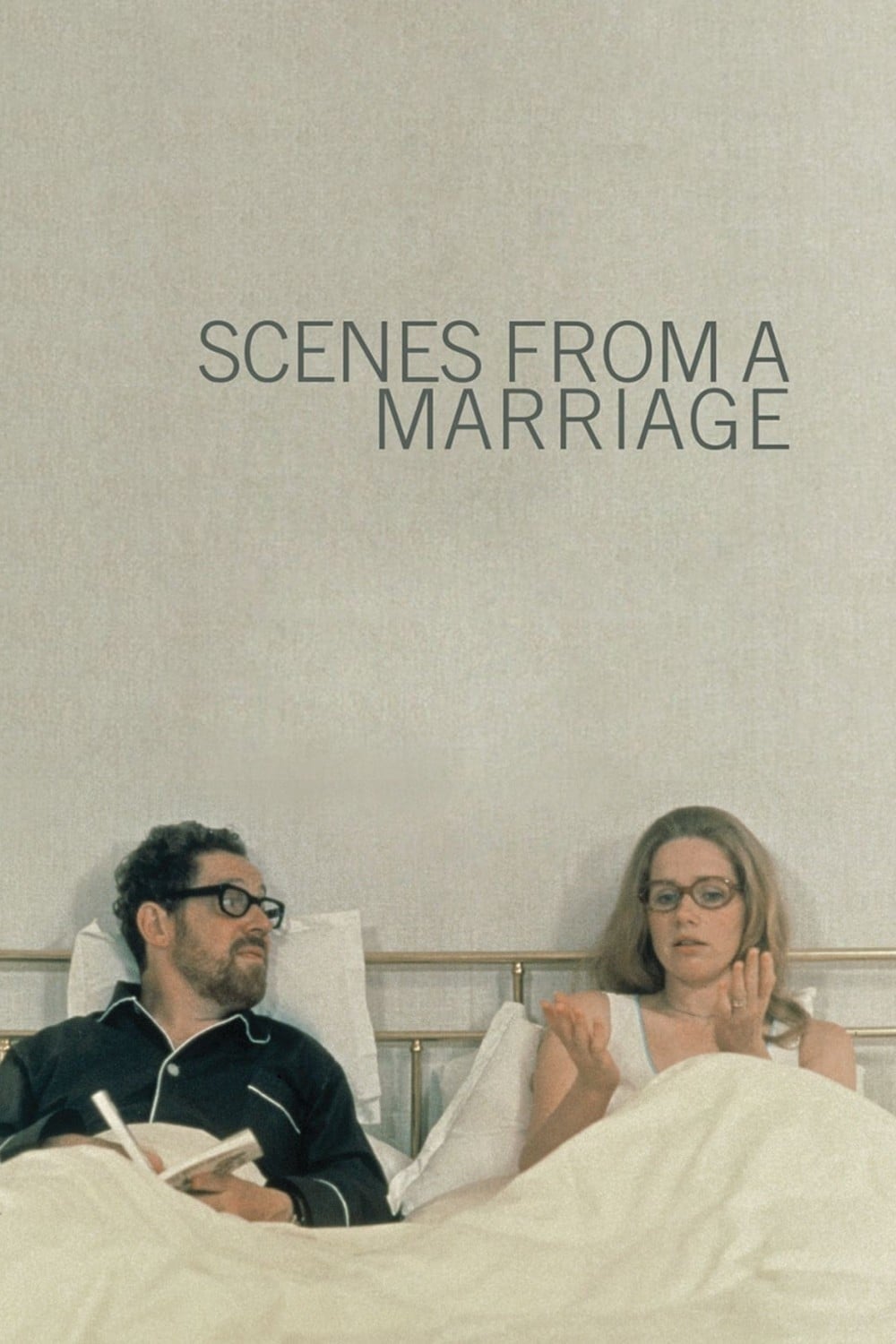
Johan and Marianne are married and seem to have it all. Their happiness, however, is a façade for a troubled relationship, which becomes even rockier when Johan admits that he's having an affair. Before long, the spouses separate and move towards finalizing their divorce, but they make attempts at reconciling. Even as they pursue other relationships, Johan and Marianne realize that they have a significant bond, but also many issues that hinder that connection.

The Queen of the Night enlists a handsome prince named Tamino to rescue her beautiful kidnapped daughter, Princess Pamina, in this screen adaptation of the beloved Mozart opera. Aided by the lovelorn bird hunter Papageno and a magical flute that holds the power to change the hearts of men, young Tamino embarks on a quest for true love, leading to the evil Sarastro's temple where Pamina is held captive.

The desolate and mysterious island of Fårö, Sweden, Baltic Sea, 2004. Swedish master filmmaker Ingmar Bergman (1918-2007) looks back on his personal and artistic life; a journey through more than sixty years devoted to film, plays and television programs. (An abridged version of Ingmar Bergman Complete, 2004; a collection of three thematic documentaries: Bergman and Film; Bergman and Theater; and Bergman and Fårö Island.)
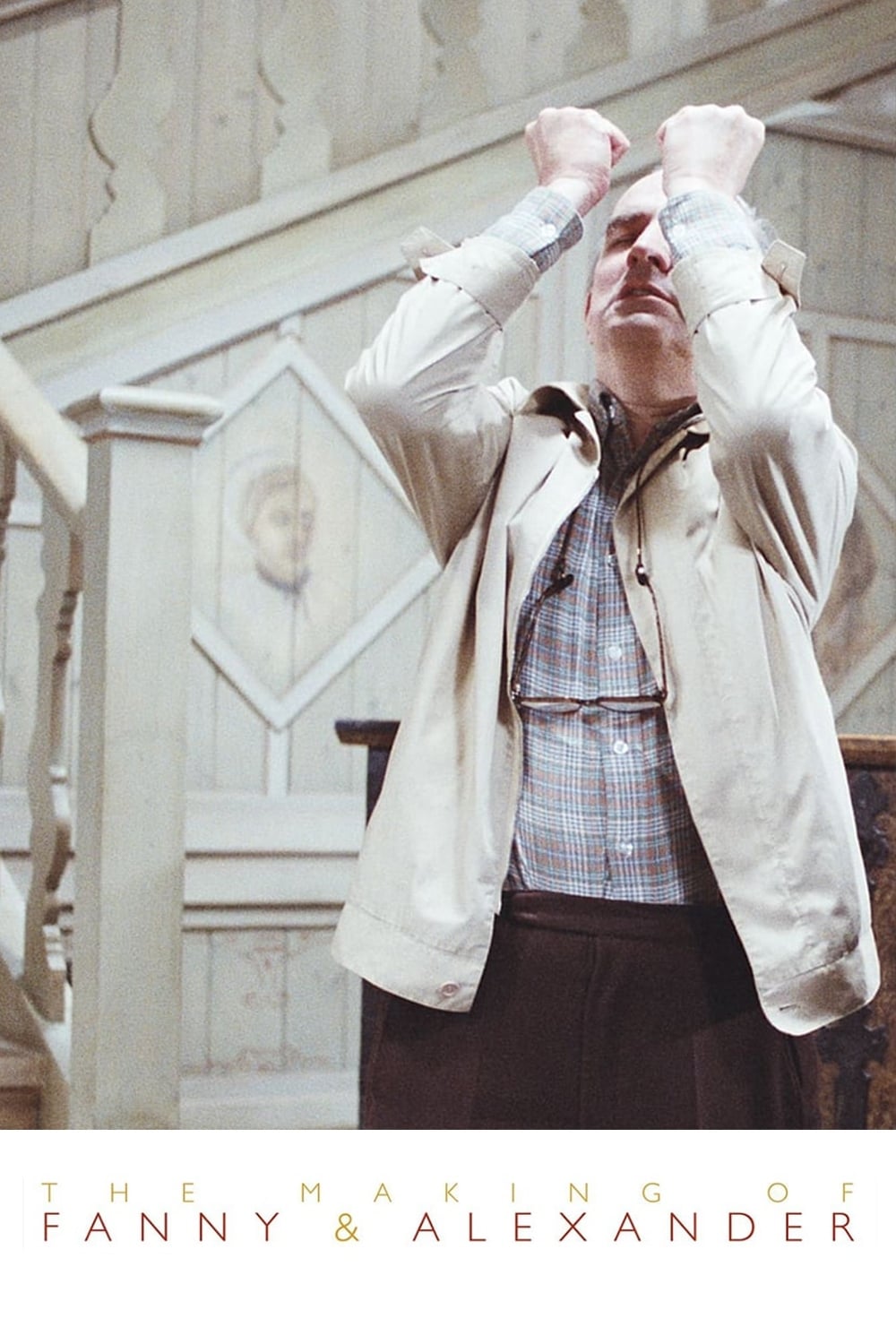
The Making of Fanny and Alexander is a fascinating look at the creation of a masterpiece. Directed by Ingmar Bergman himself, this feature-length documentary chronicles the methods of one of cinema’s true luminaries as he labors to realize his crowning production.
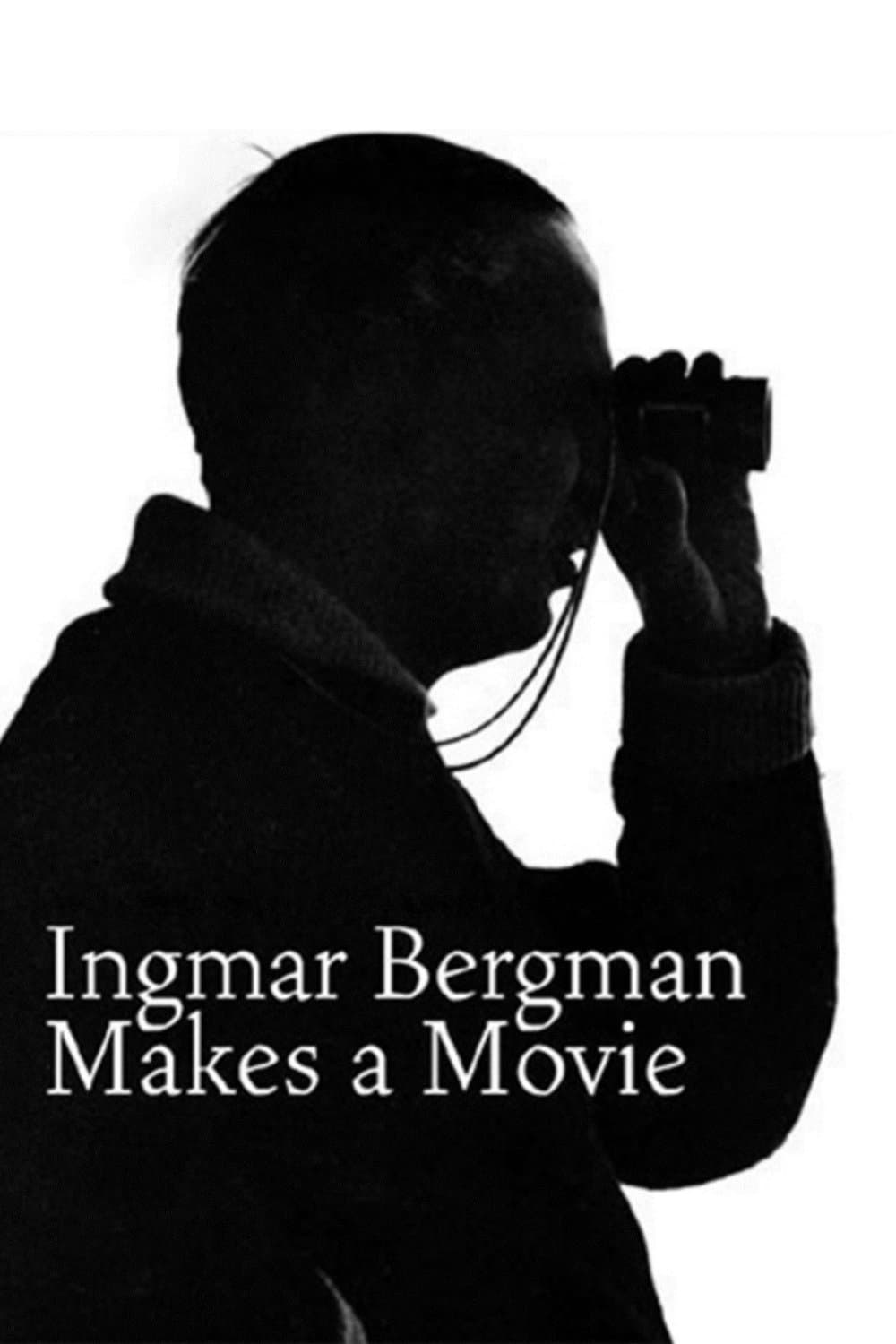
The year is 1961 and Ingmar Bergman is making a movie. While planted on the scene as apprentice to Bergman, Vilgot Sjöman (director, I Am Curious–Yellow, 1967), suggests to Swedish Television that they take the opportunity to record with the acclaimed director. In August, Sjöman and the television crew begin to capture what would become a comprehensive five-part documentary on the making of Winter Light, offering views of script development, set construction and lighting, rehearsals and editing, as well as intimate conversations with Bergman and members of his cast and crew. Footage from the film’s Swedish premiere delivers immediate audience reactions and the critics’ reviews the following day.
A documentary behind the scenes of Ingmar Bergman's The Magic Flute.
Interview with Ingmar Bergman by the Swedish Film Institute's then CEO Jörn Donner about the filming of Fanny and Alexander.
Ingmar Bergman tells Olle Häger about "The Seventh Seal" and "Wild Strawberries". 1957 was one of Ingmar Bergman's great years. Then both "The Seventh Seal" and "Wild Strawberries" had their theatrical premieres. In an interview, which was conducted at Fårö the summer of 2006, the then 87-year-old director talks about what he considers the happiest years of his professional life.
"Three Scenes with Ingmar Bergman" is quite an interesting documentary which is basically a sequence of interviews with Ingmar Bergman where Bergman himself talks about his life and work, beginning with his birth and childhood, relationship with his parents, particularly with his father, which had influence on his work later. Then he talks about how he became writer and than director at Film Studious in Stokholm and about the movies he made during this period. Then he describes how he discovered the island of Faro and come to live and work there later. Particularly interesting because of it's autobiographical aspect: we see Ingmar Bergman´s life and how he made his films through his own eyes and described with his own words.
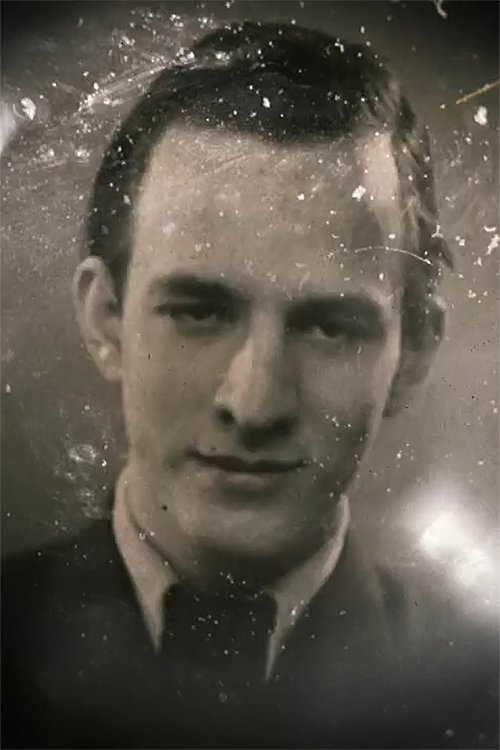
Documentary relating Ingmar Bergman's life, from his high school graduation up until he became an established filmmaker in the latter half of the 40's.

Interviews with Kjell who is a cancer patient, children who smoke and various celebrities on their views and experiences on smoking.

Jan-Erik Widgren meets the lonely Bertha Olsson, a woman struggling with alcoholism. Though Bertha is already linked to Caligula, Jan-Erik's heartless teacher, she begins a relationship with the boy anyway. When Caligula learns that Jan-Erik is having an affair with Bertha, he begins to torture his student psychologically. He reserves his cruelest behavior for Bertha, however, which results in a tragic turn of events.
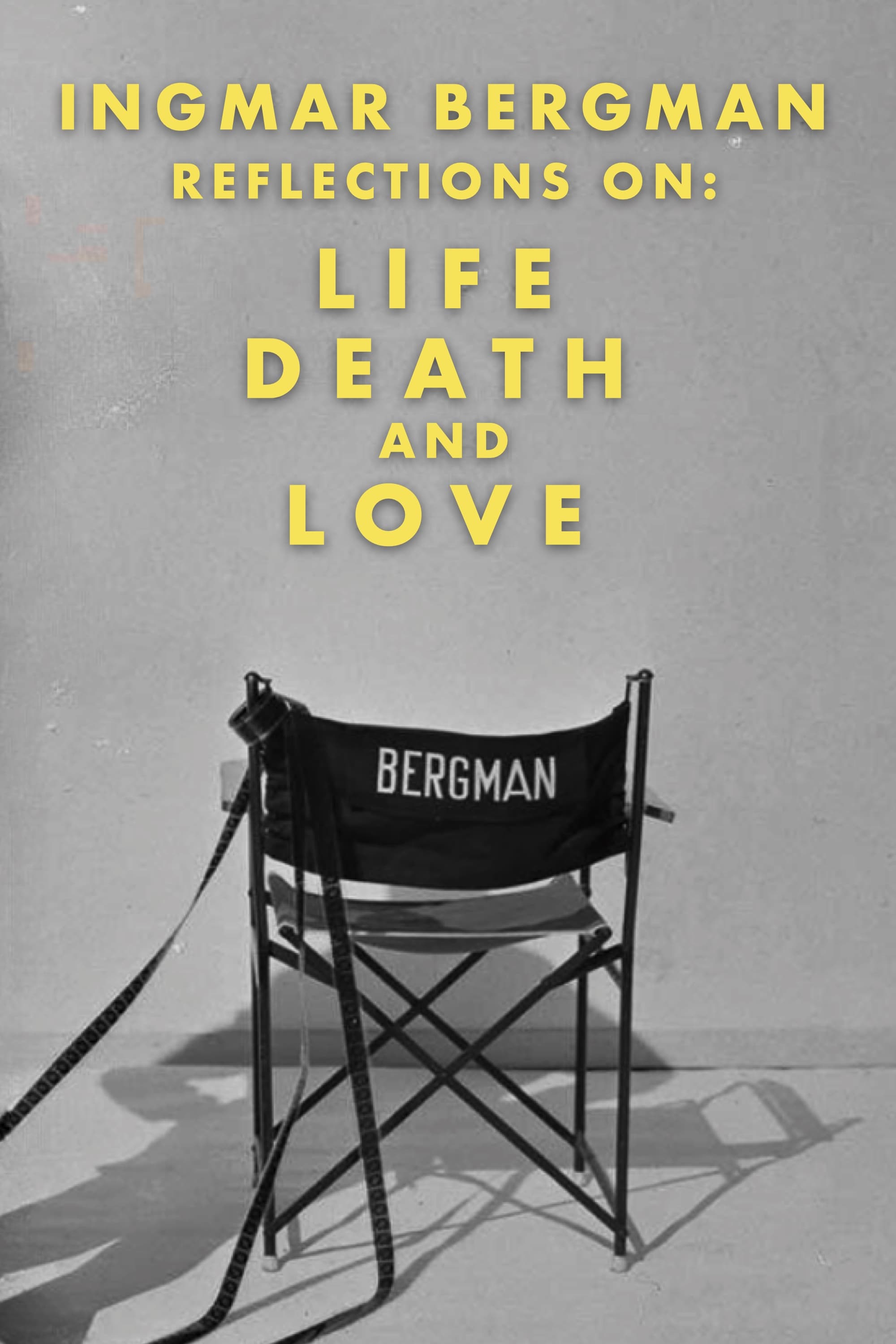
Malou Von Sivers is the hostess of a popular Swedish talk show in which she quizzes famous people about their public and private lives. Through the noted Swedish actor Erland Josephson, Malou extended an invitation to the legendary -- and notoriously reclusive -- director Ingmar Bergman to appear on her show. To Malou's surprise, Bergman agreed, under the condition that Josephson appear on the show with him. In the course of this 52-minute interview, Bergman discusses his personal life rather than his films, shedding light on his temper, his mood swings, his problems with women, his marriage, and the trials of his advancing age. The interview was later re-edited into expanded form for international release as Malou Meets Ingmar Bergman and Erland Josephson. The documentary was screened at the 2000 Cannes Film Festival.
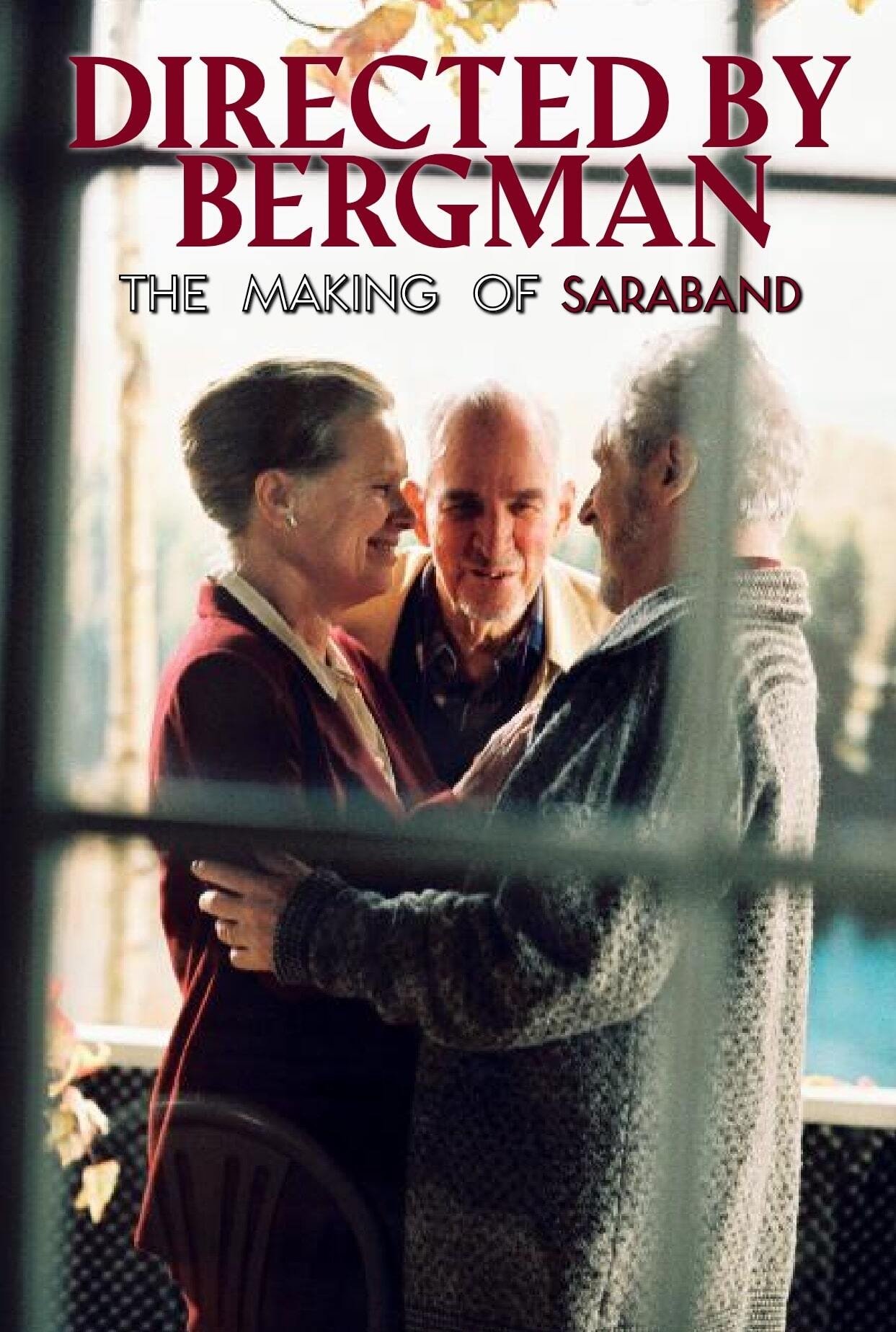
A documentary about the production of Ingmar Bergman's TV film "Saraband."
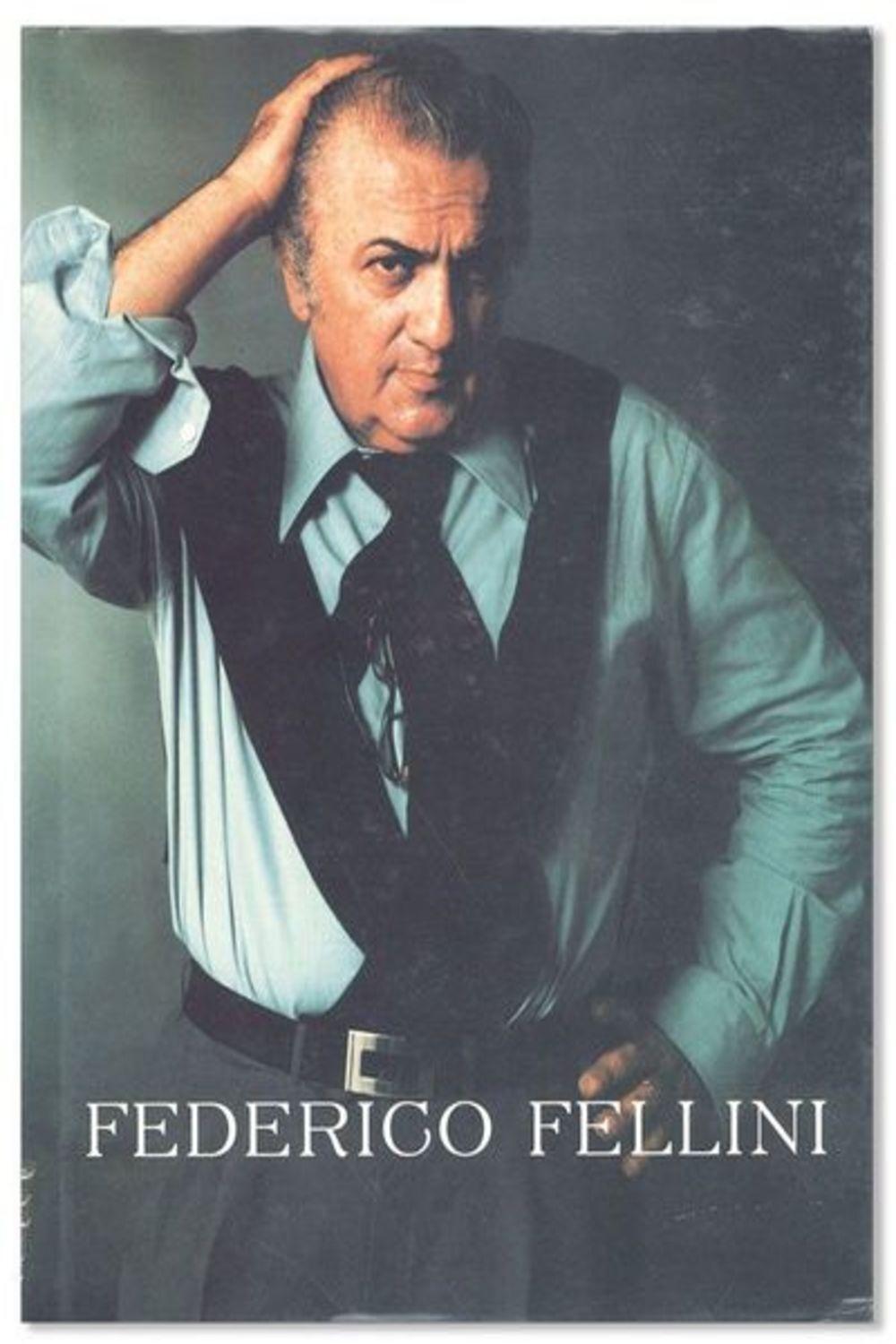
Federico Fellini was one of the most individual and thought provoking directors who based most of his films upon his own reflections, dreams, life events and fantasies, who did not convey any special message for humanity but regarded cinema simply as entertainment. Is there an answer to everything? Can it possibly be? If yes, then life can no longer be so curious, so dynamic, so creative...
The first of two documentaries about Ingmar Bergman produced to mark his 70th birthday. Includes behind the scenes "home movies" from Bergman's personal archive, interviews with Bergman recorded over his 40 years in the film industry and passages from his autobiography read by Max von Sydow and Bergman himself.
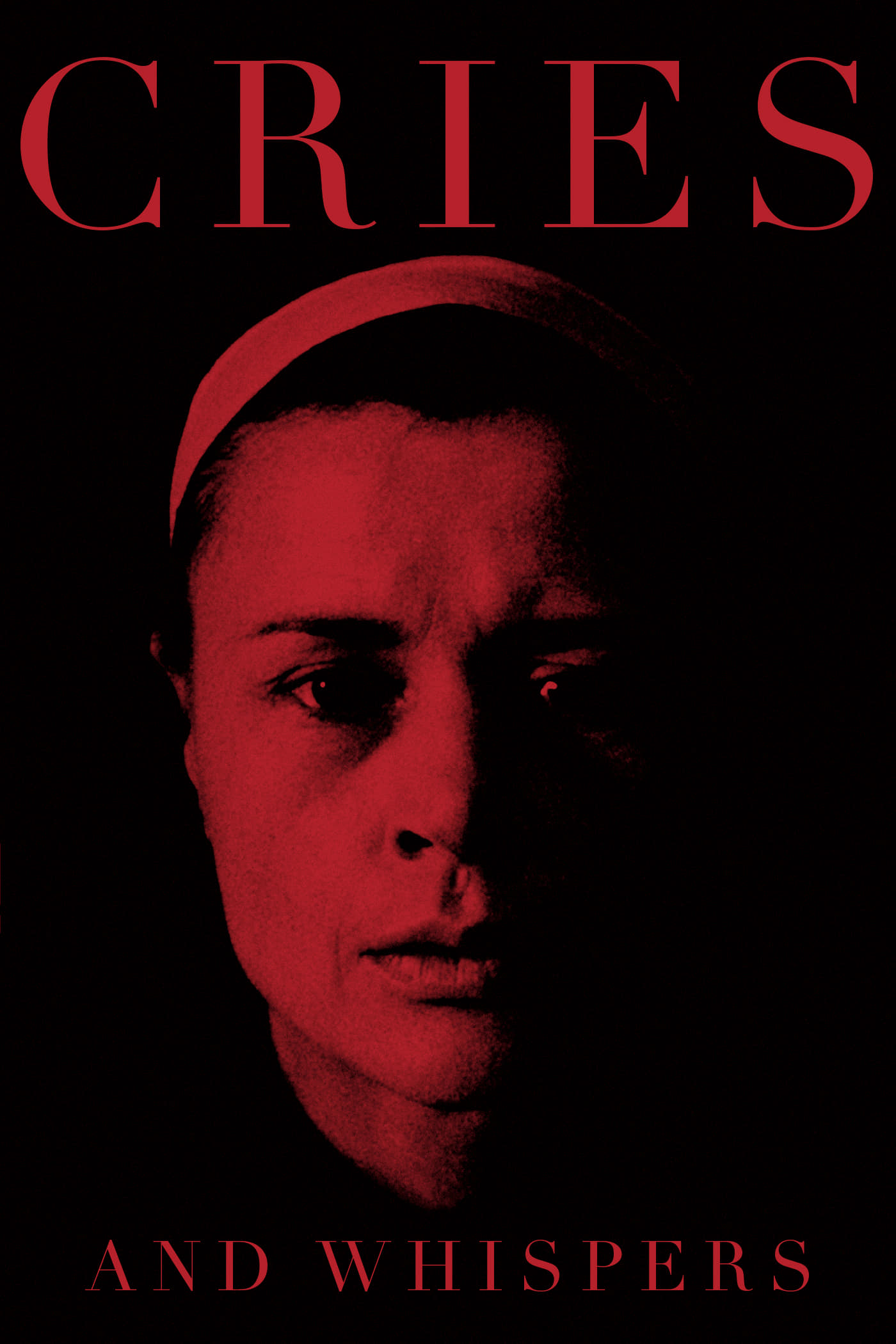
As Agnes slowly dies of cancer, her sisters are so immersed in their own psychic pains that they are unable to offer her the support she needs.
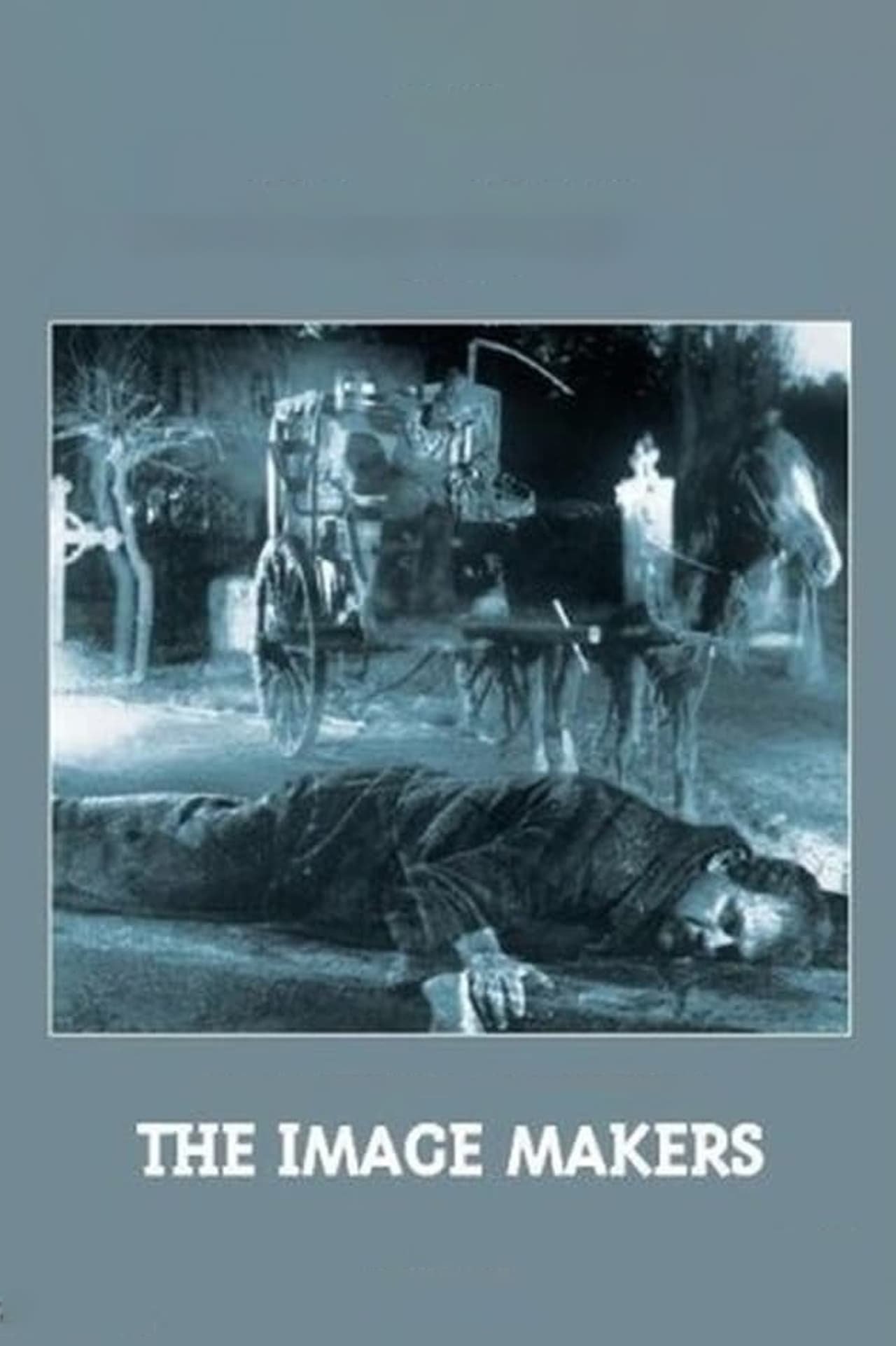
Making of-documentary about Ingmar Bergman's The Image Makers, featuring behind the scenes footage and an interview with its writer, Per Olov Enquist.
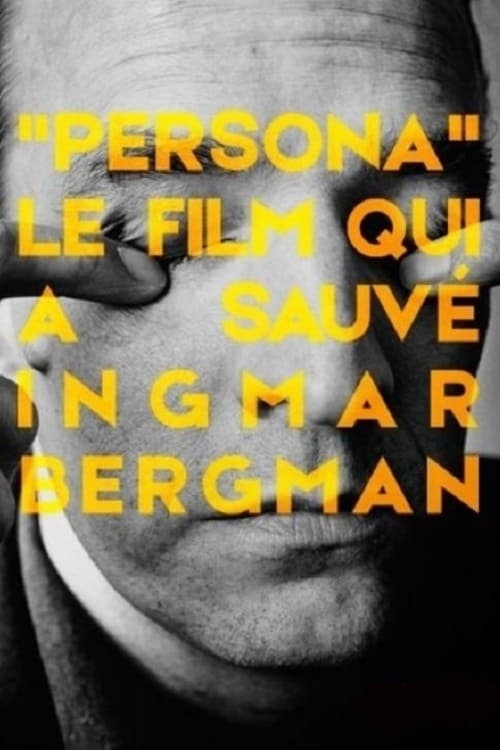
In 1965 Ingmar Bergman filmed “Persona”, the cult film that brought together all of the Swedish filmmaker’s obsessions and became a turning point in his career.
Documentary of the Swedish actor/director Victor Sjöström and his work - from Terje Vigen (1917) to Smultronstället (1957) Director Ingmar Bergman is interviewed about his memories of and experiences of Sjöström.
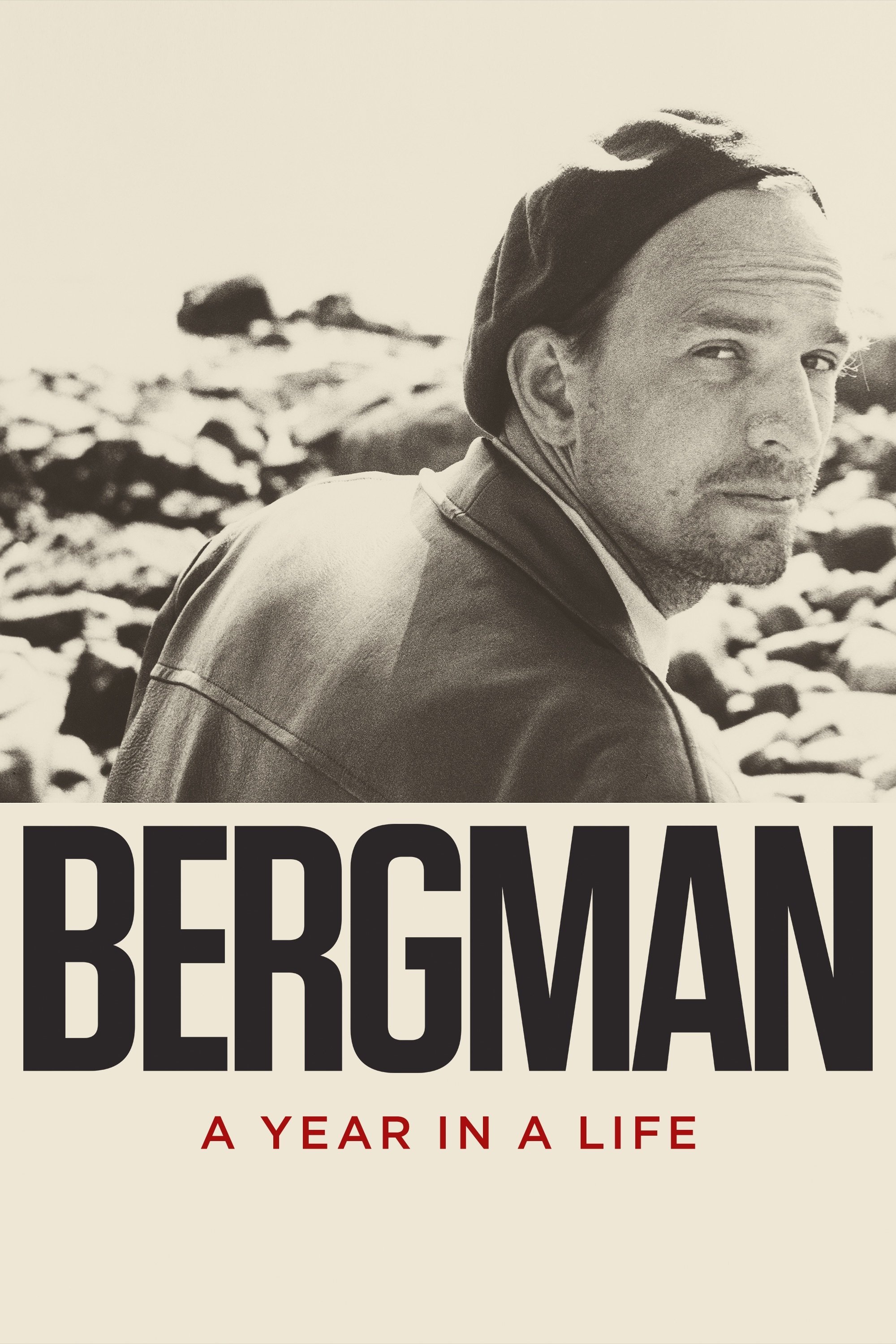
The year 1957 was one of the most prolific for the Swedish filmmaker Ingmar Bergman: he shot two films, released two of his most celebrated films and produced four plays and a TV movie while juggling with a complicated private life.
A documentary about En Passion
A short documentary about Skammen

Short film with footage Bergman shot of his infant son and later included in the Swedish omnibus film "Stimulantia" (1967).
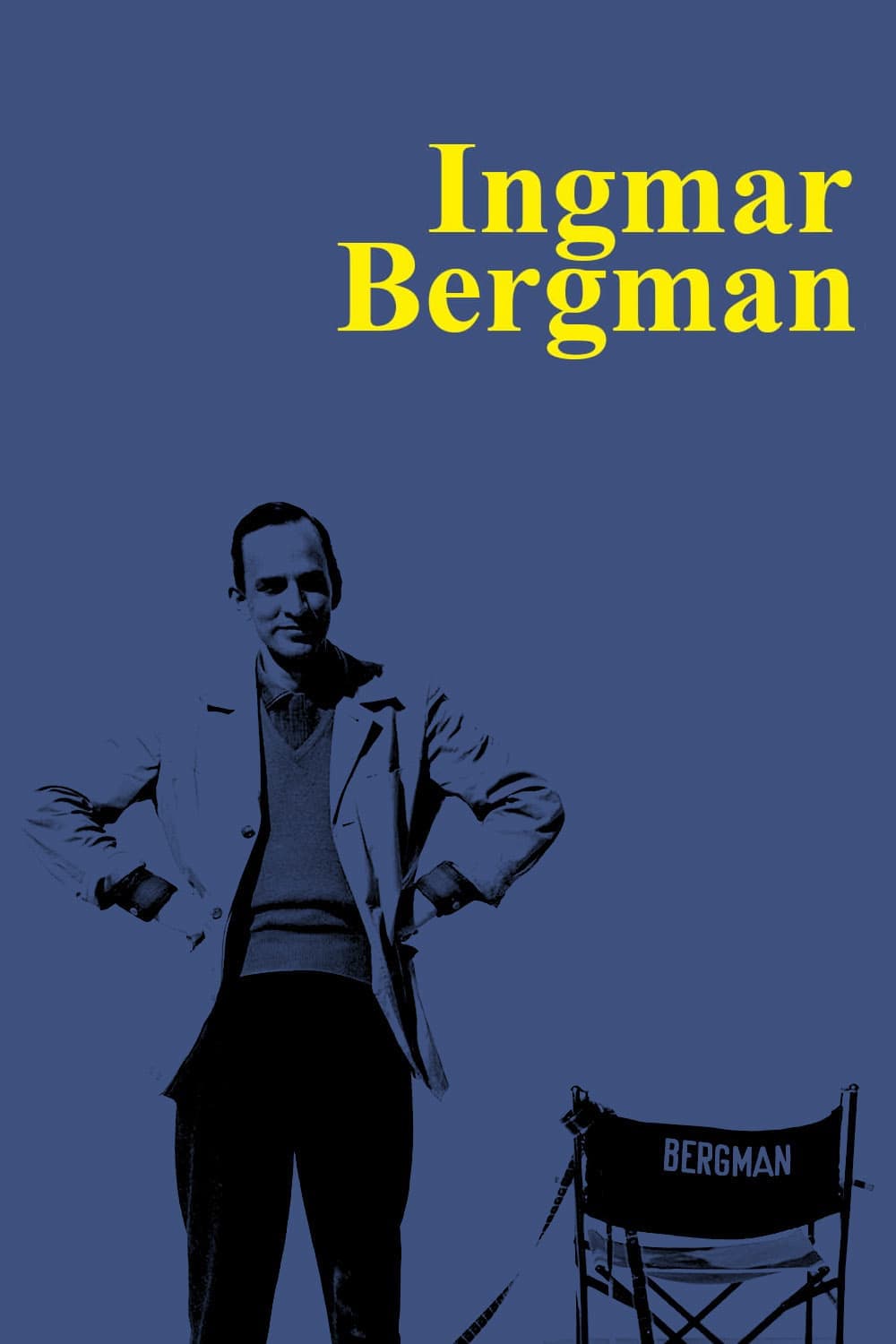
Portrait of Ingmar Bergman, made while he was working on The Touch, about his professional and private life in the early 1970s.
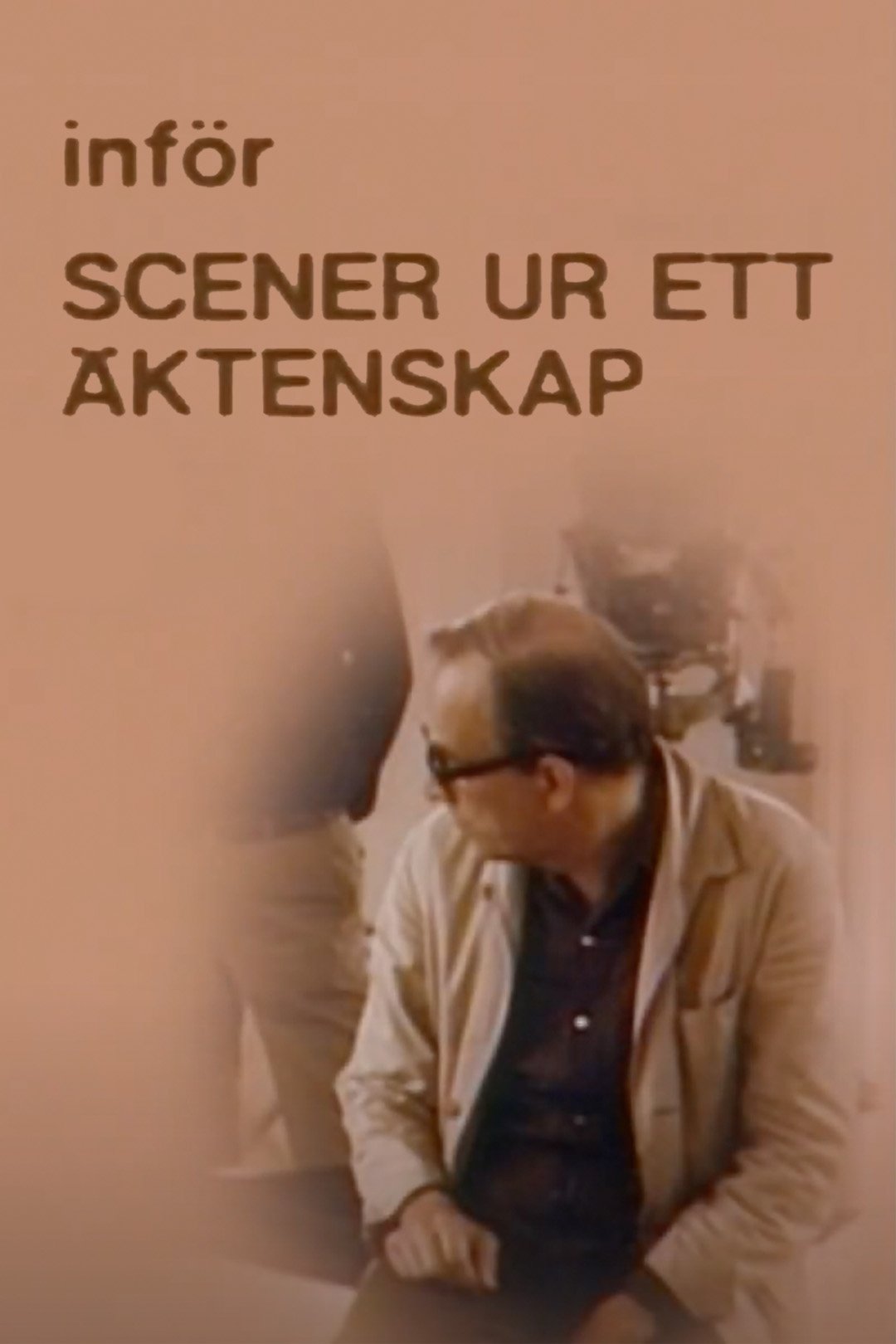
A short documentary about "Scenes from a Marriage" (1973).
A short documentary about Hour of the Wolf.
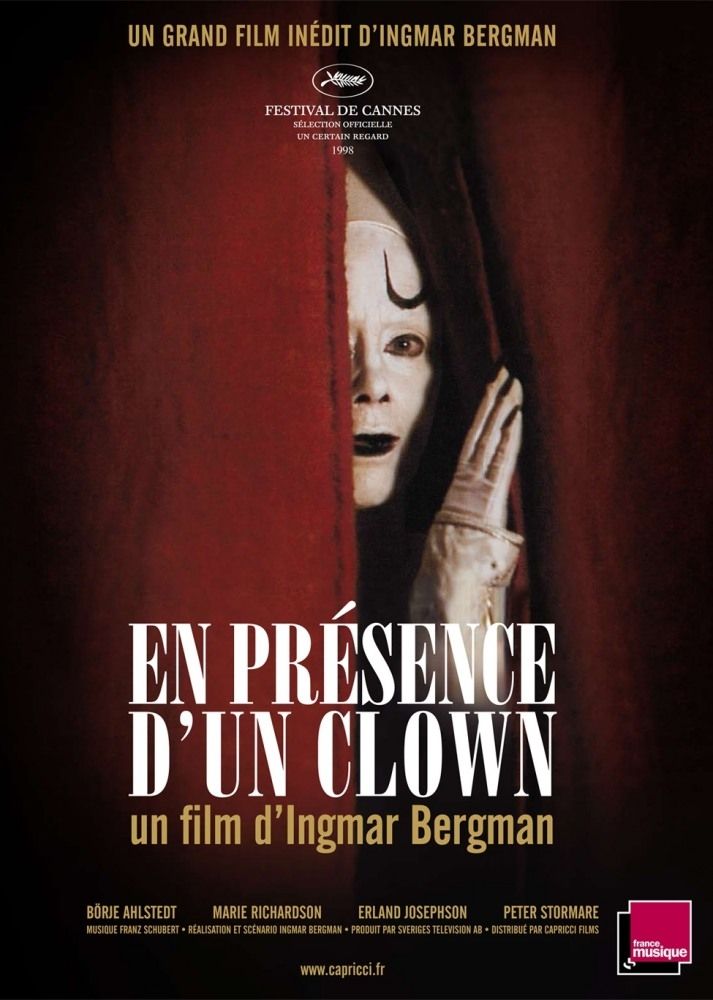
One hour making-of of Bergman's In The Presence of A Clown.
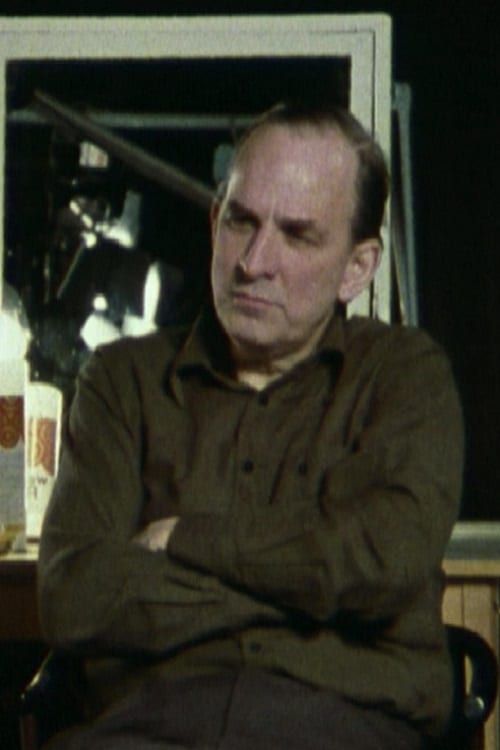
In commemoration of the 100th anniversary of Ingmar Bergman the Finnish writer and director Jörn Donner shares his memories of his friend and collaborator. The movie is based on two as yet unpublished TV interviews with Bergman which Donner filmed in 1975 and 1987.
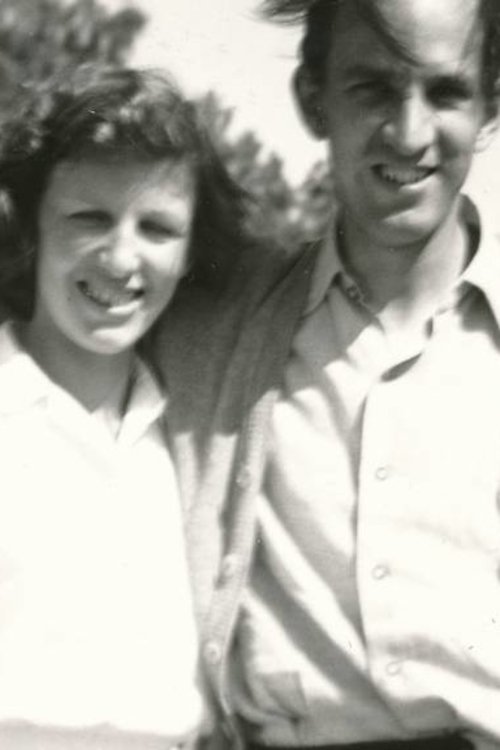
"The Undefeated Femininity" - a film about Gun Grut Bergman. In September 1949 Ingmar Bergman left his wife and five children, and escaped to Paris with a new woman, Gun Grut. It was the beginning of a passionate love affair, an enduring jealousy drama and a new theme in Bergman's films. Now their son, Ingmar Bergman Jr, walks in his parents' footsteps, from Paris to the home on Grev Turegatan 69 in Stockholm.

Produced in 1968 for New York's WNET public television station and filmed by Gunnar Fischer, host Lewis Freedman visits director Ingmar Bergman during the production of SHAME. They discuss some of Bergman's major works leading up to SHAME as well as the just-released HOUR OF THE WOLF.
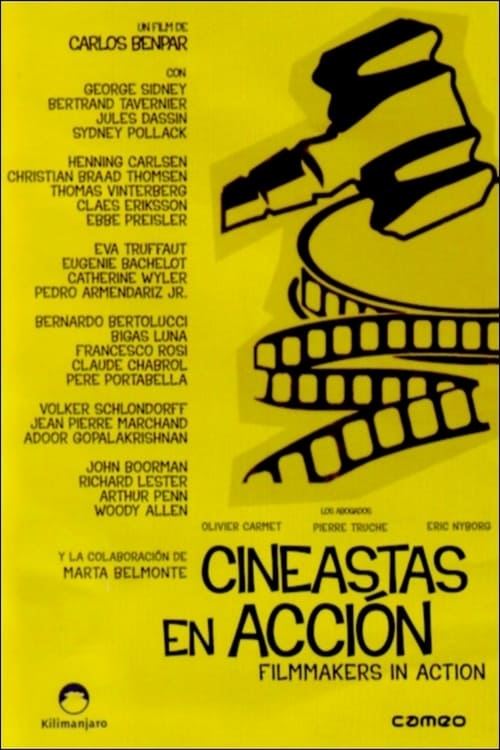
What is the state of cinema and what being a filmmaker means? What are the measures taken to protect authors' copyright? What is their legal status in different countries? (Sequel to “Filmmakers vs. Tycoons.”)
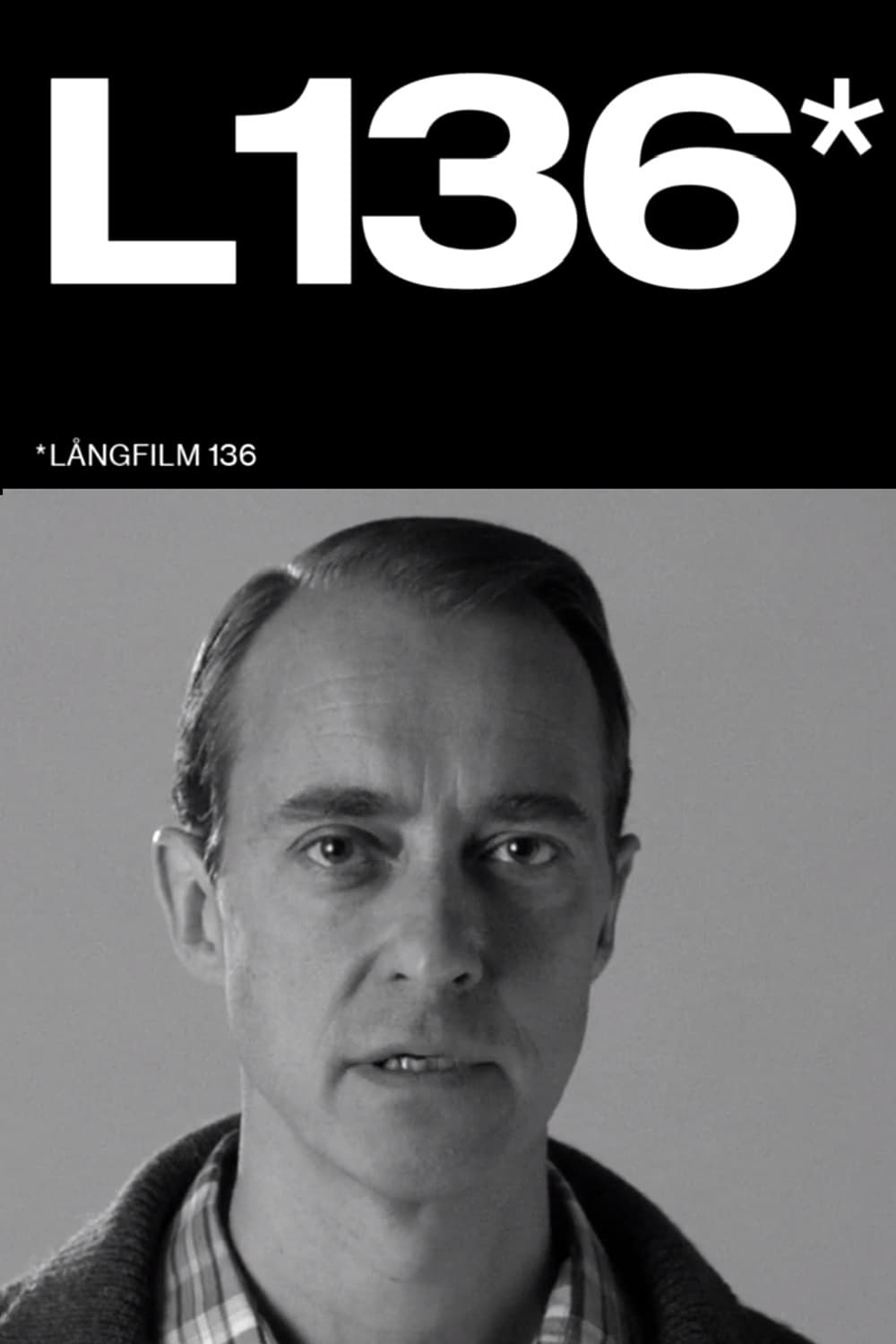
Ingmar Bergman's film Winter Light from 1963 is one of the most mythical and discussed films in Swedish history. In this documentary, director Kristian Petri uses unique archival footage to tell about the making of the film and, together with two actors bringing Bergman and Vilgot Sjöman to life, he tells about creativity, friendship, power and fear.
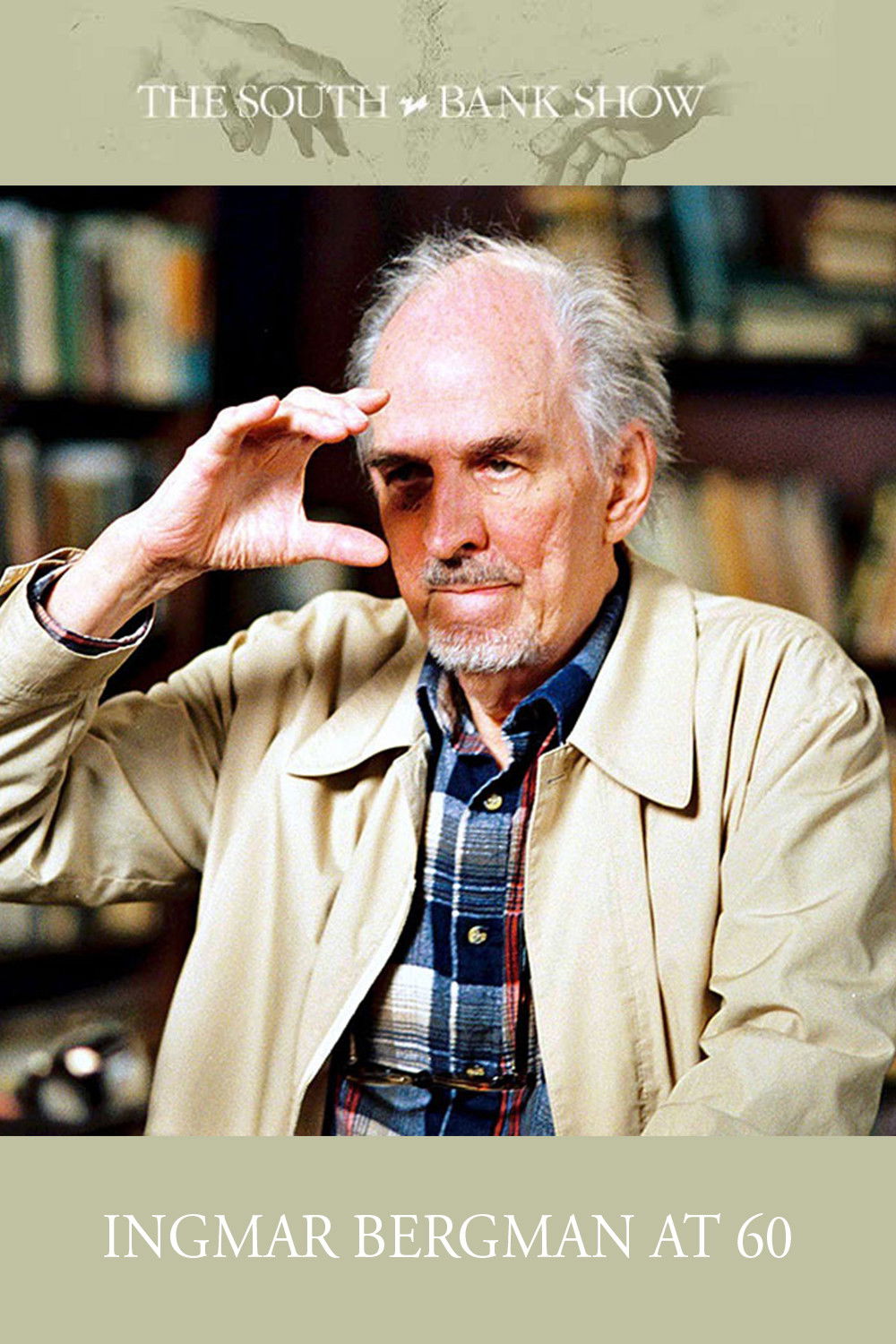
Documentary about the Swedish film director, produced for the UK television program "The South Bank."
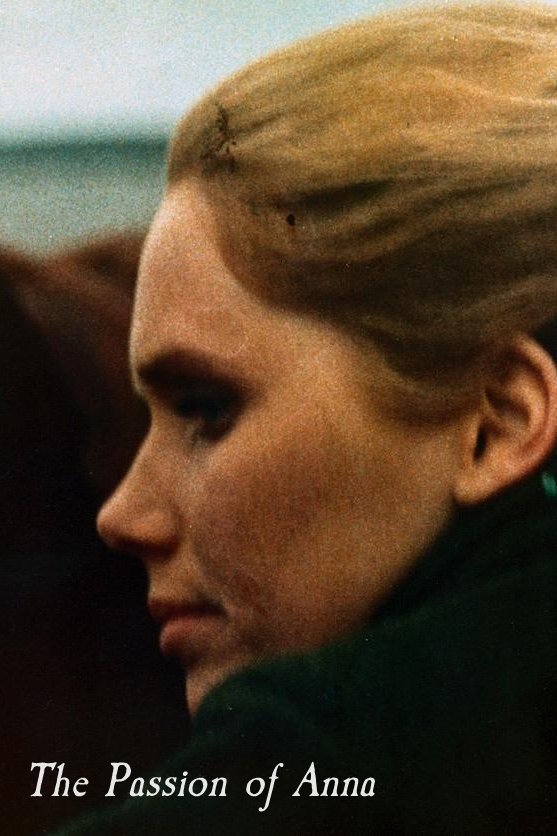
A recently divorced man and an emotionally devastated widow begin a love affair.
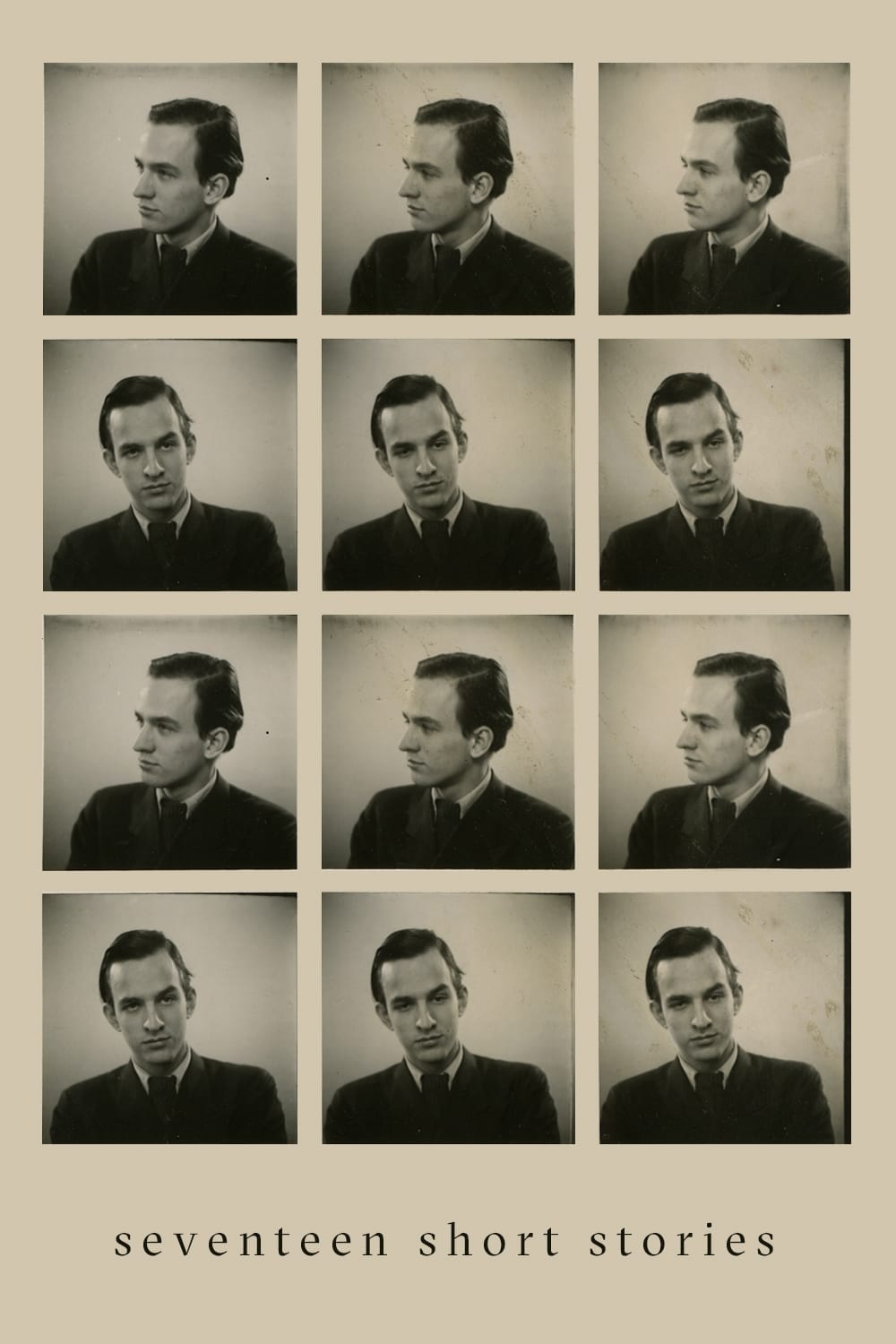
In 2017, journalist and filmmaker Marie Nyreröd created this series of topical short films using outtakes from footage she had recorded with director Ingmar Bergman for her 2006 feature documentary BERGMAN ISLAND.
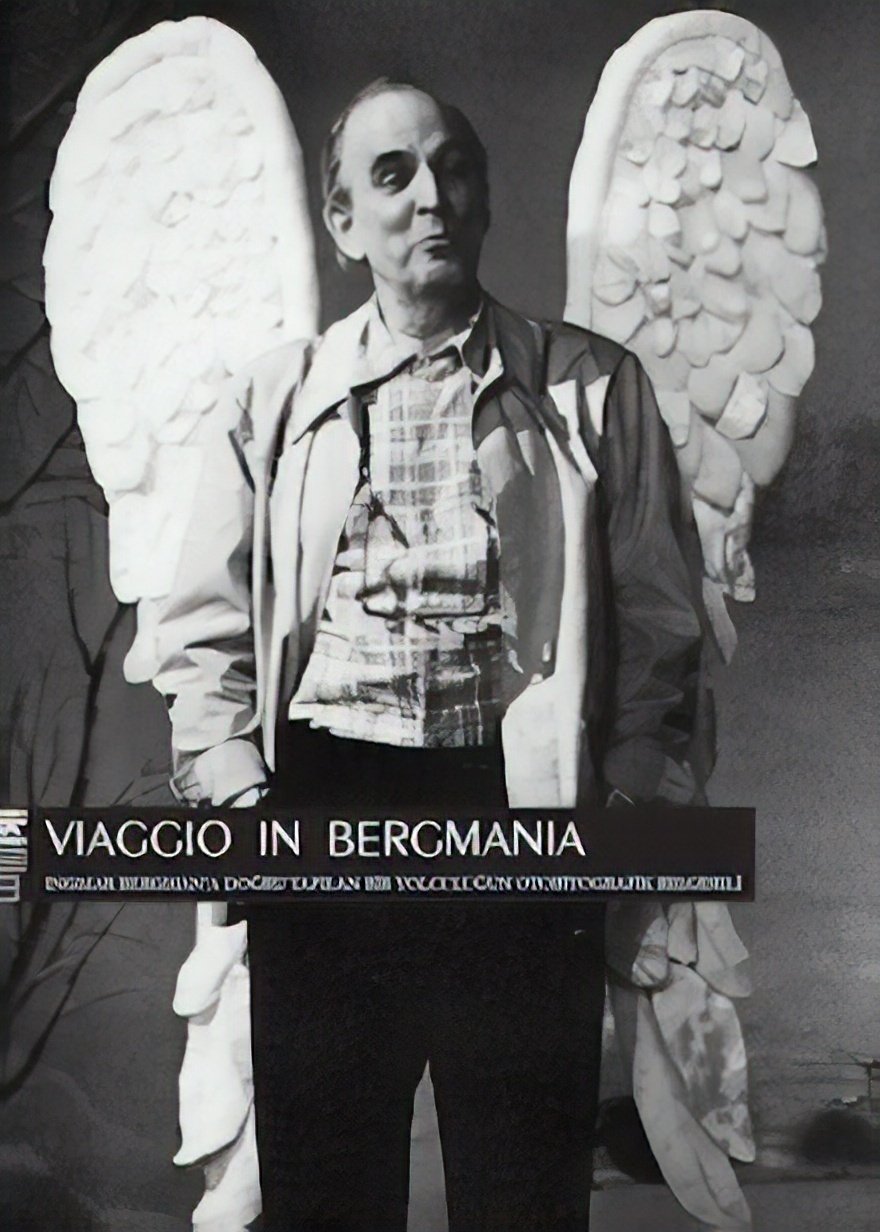
This is a cinematic pilgrimage by two young Turkish directors to their biggest source of inspiration, Ingmar Bergman. Their desire to approach even further to Bergman and to his work leads them to make this journey from their hometown Istanbul to Sweden, the land of Bergman. Their journey passes through not only to Stockholm, Uppsala, Dalarna, Gotland and of course Faro, but will also be an inner journey to their own selves.
An interview with film director Ingmar Bergman, conducted by journalist Sigvard Hammar, originally broadcast on Swedish television.
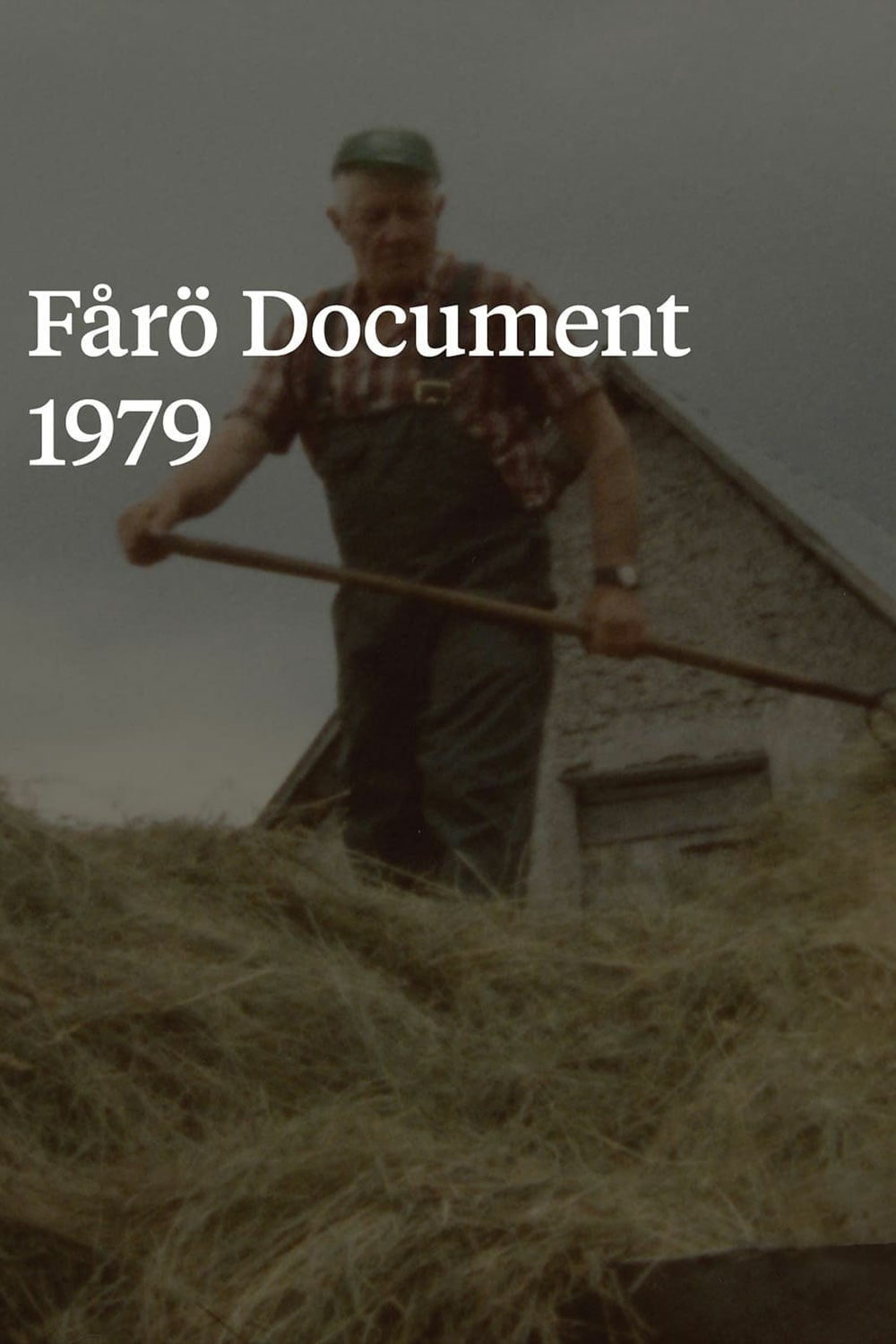
In 1969, with Sven Nykvist as cinematographer, Ingmar Bergman made The Fårö Document, a film that ended with a rather pessimist view of the island’s future. One of the scenes in the film is of a school-bus and its young passengers. To these and to the realities ten years later Bergman returns in the long documentary Fårö Document 1979.
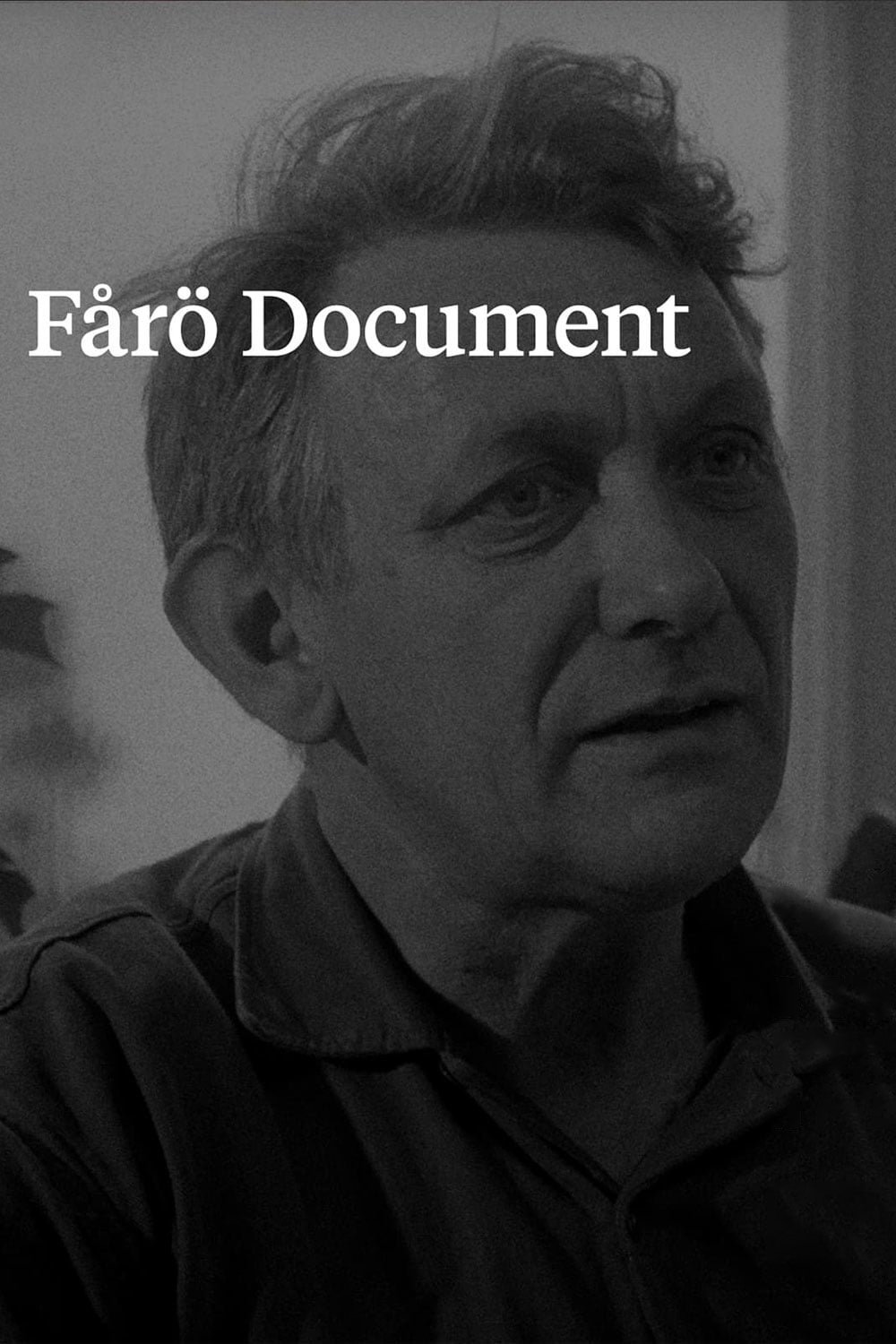
Bergman interviews the locals of Fårö in this fascinating documentary. An expression of personal and political solidarity with the fellow inhabitants of his adopted home, the island of Fårö in the Baltic Sea, this documentary investigates the sometimes deleterious effects of the modern world on traditional farming and fishing communities. The young, especially, voice doubts about remaining in such a remote, quiet place.
Ingmar Bergman speaks with Gunnar Bergdahl.
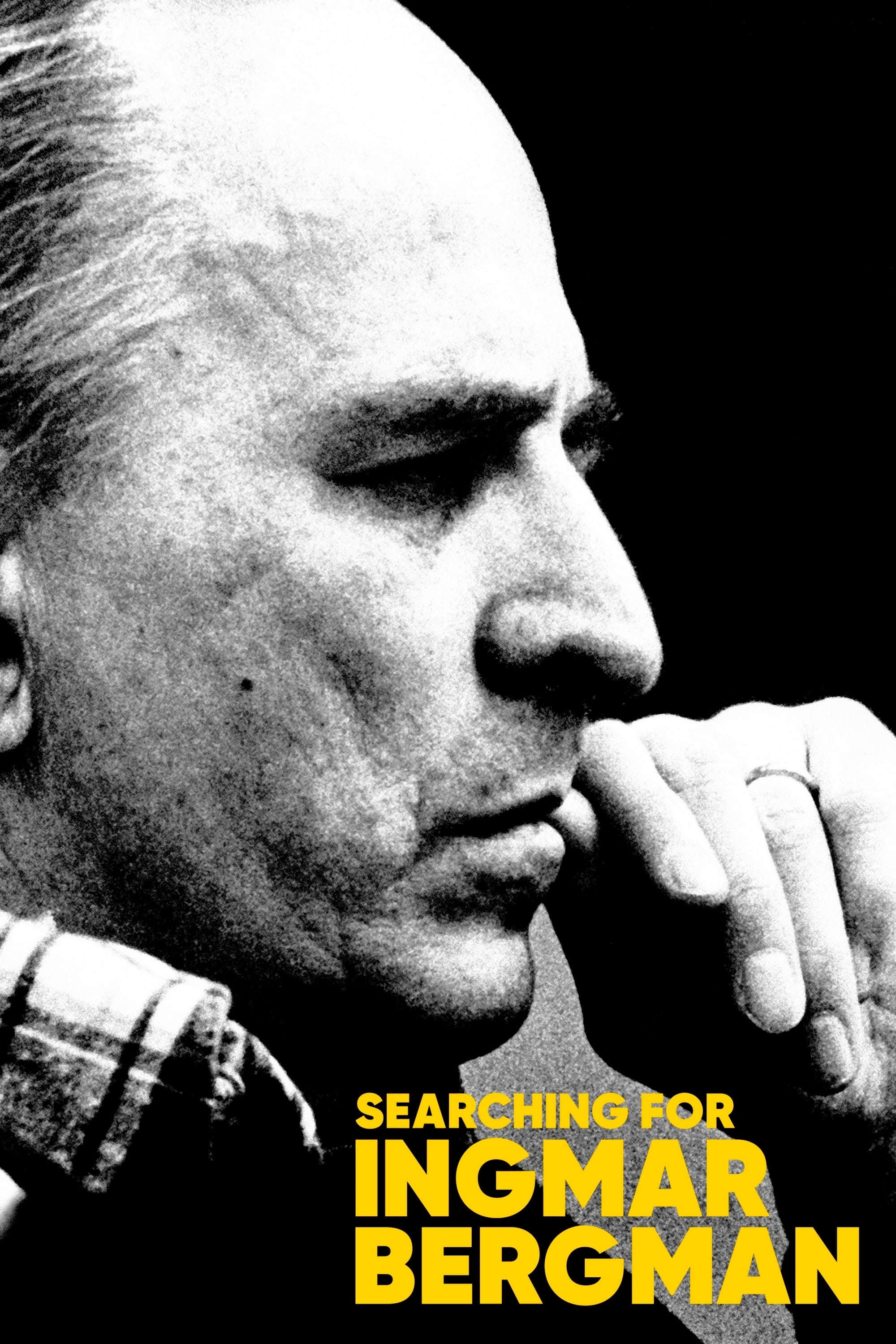
A meaningful account of the personal and professional life of the great Swedish filmmaker Ingmar Bergman (1918-2007) that explores his film legacy, with interviews with his closest collaborators and a new generation of filmmakers.
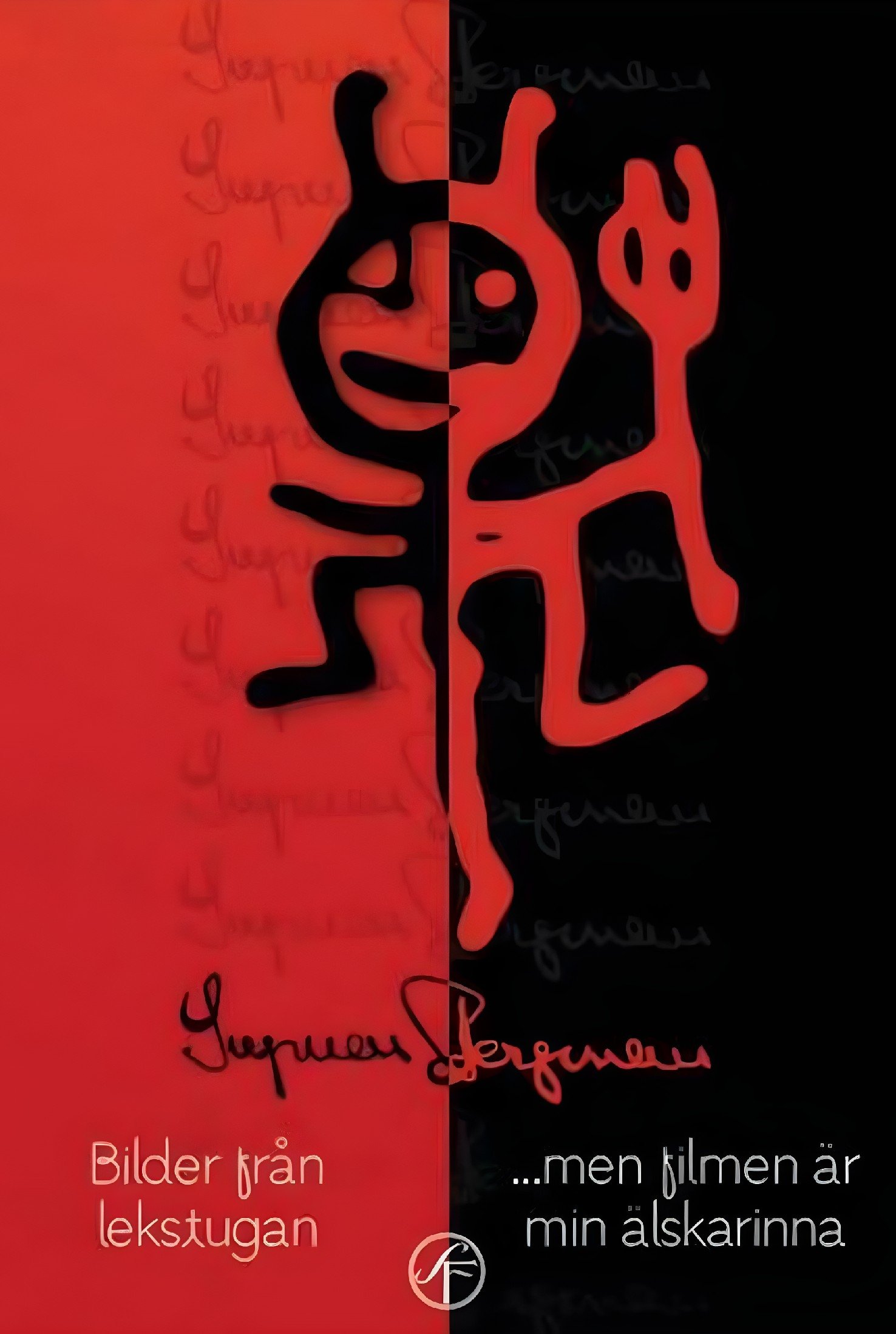
In the early fifties Ingmar Bergman got himself a cine-camera, a 9.5 mm Bell & Howell, which he often used both privately and in his work. "Bilder från lekstugan" ("Images from the Playground") embark on these films, giving a diverse representation of one of the greatest artists in cinema.

The four wives of four brothers share stories of their marriages as they wait for their husbands in a small, secluded cottage.
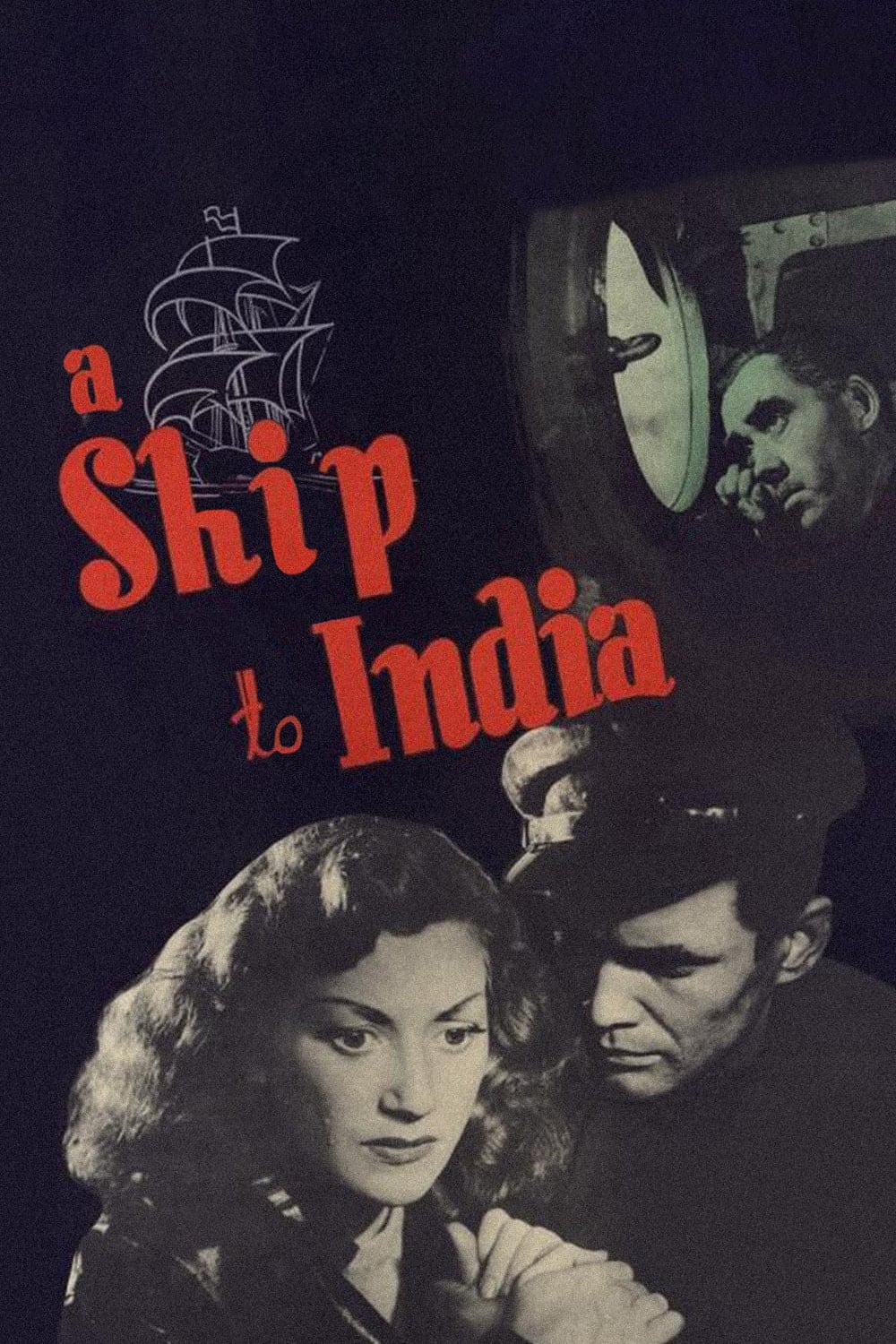
Seven years after leaving home, a sailor returns and remembers both the dark and the light moments of his past.
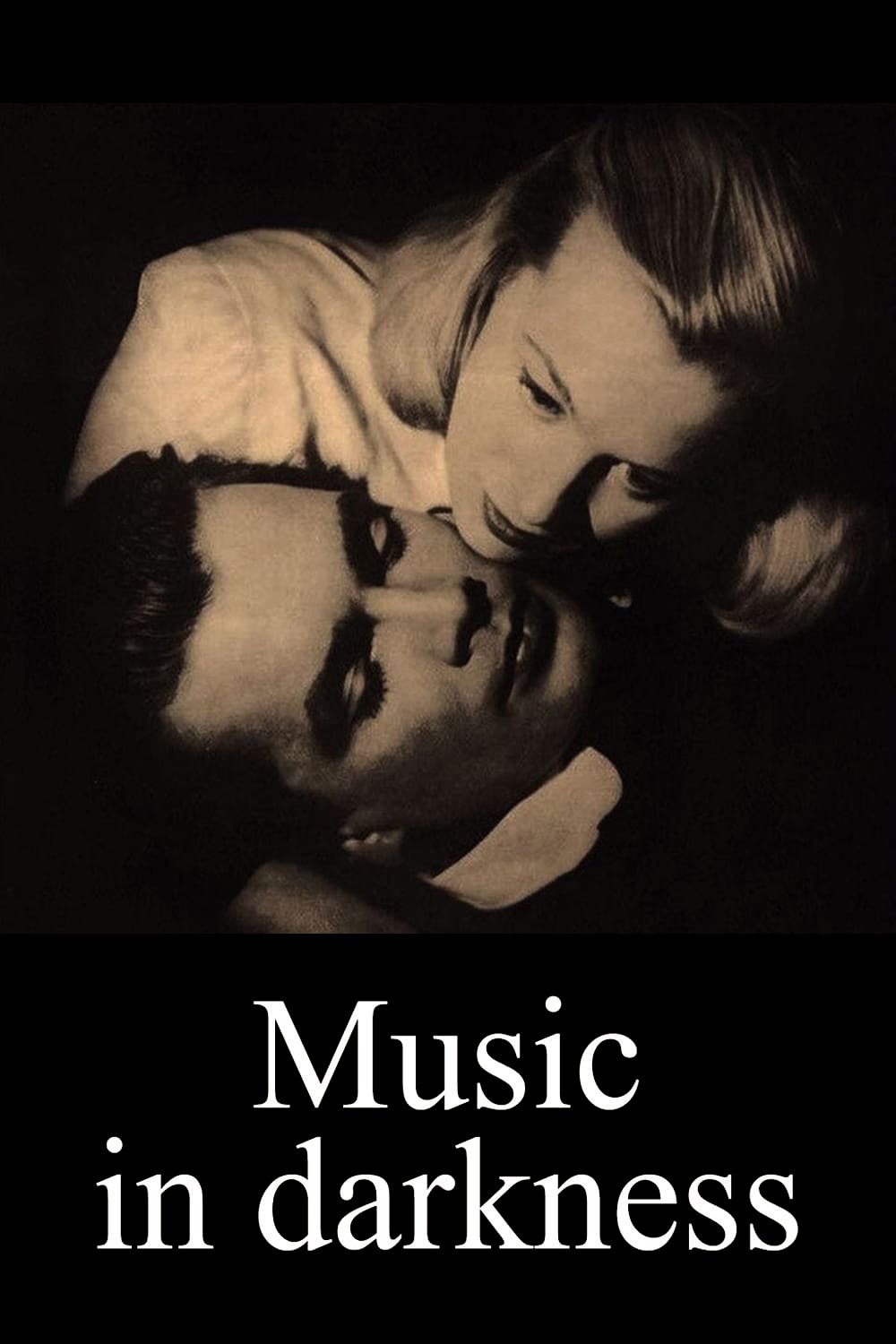
A blind upper-class pianist falls in love with a young servant.
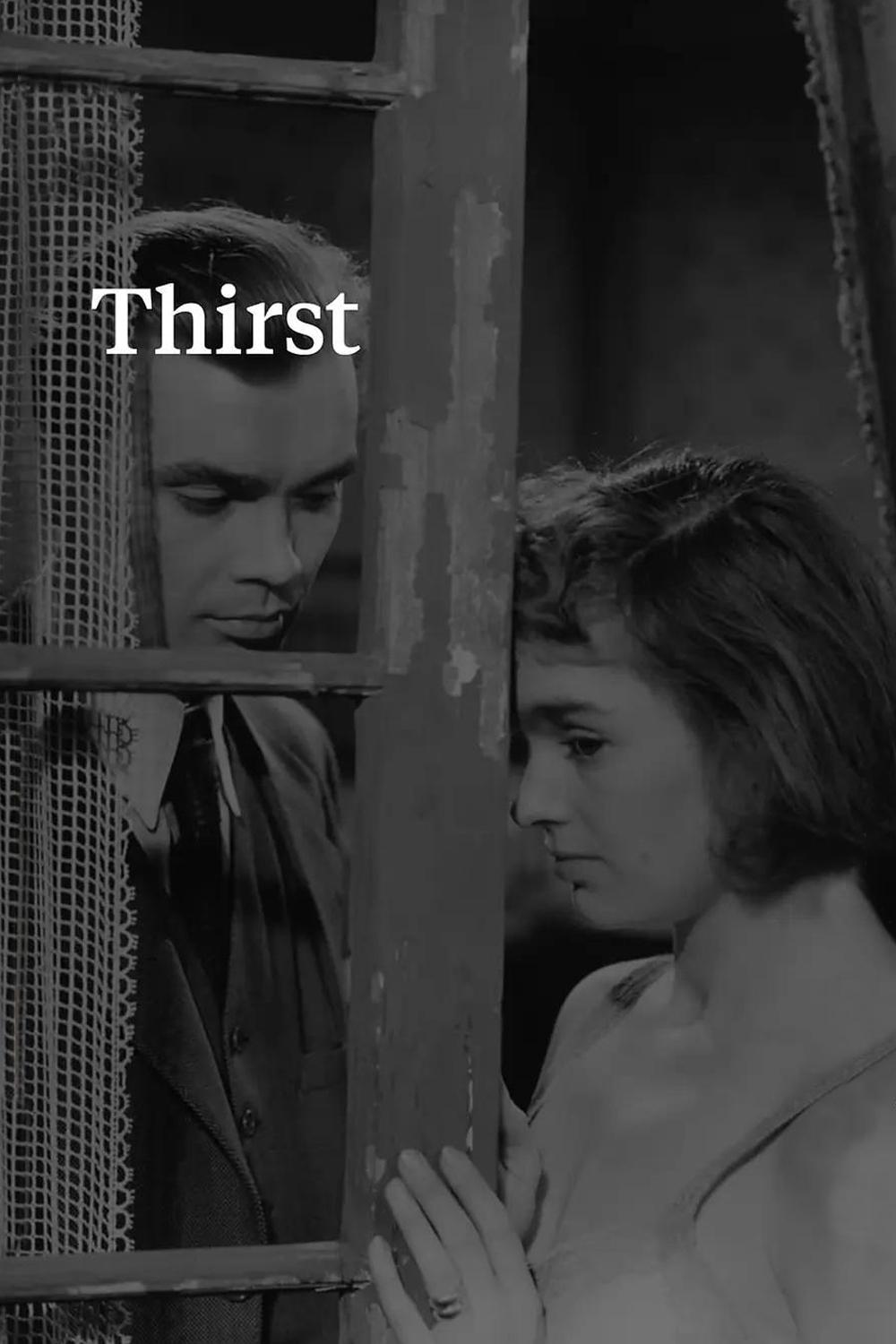
A troubled couple return to Stockholm after vacationing in Italy. Meanwhile, a widow resists seductions from two different individuals: her psychiatrist and a lesbian friend.
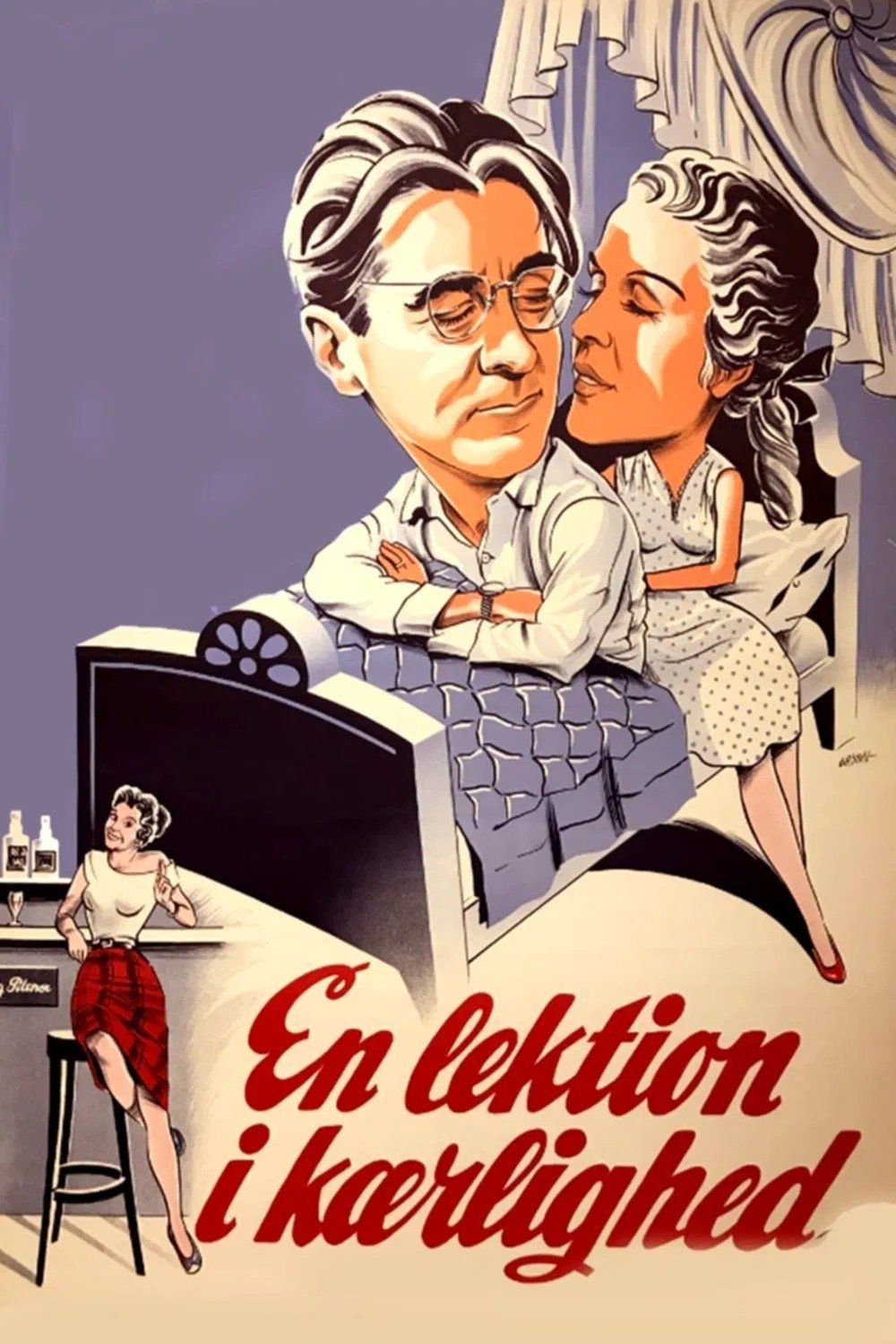
After a 15-year marriage, a couple readies for divorce but suddenly realize that their feelings haven't vanished yet.
A fictional meeting at the headquarter of the Swedish Film Industry between the former director Georg af Klercker and the business man behind SF (Svensk film): Director Charles Magnusson. A drunk and bitter Klercker baffles on about old movies, shared memories from their time together in Lidingö. Can he get a chance to make a new movie?
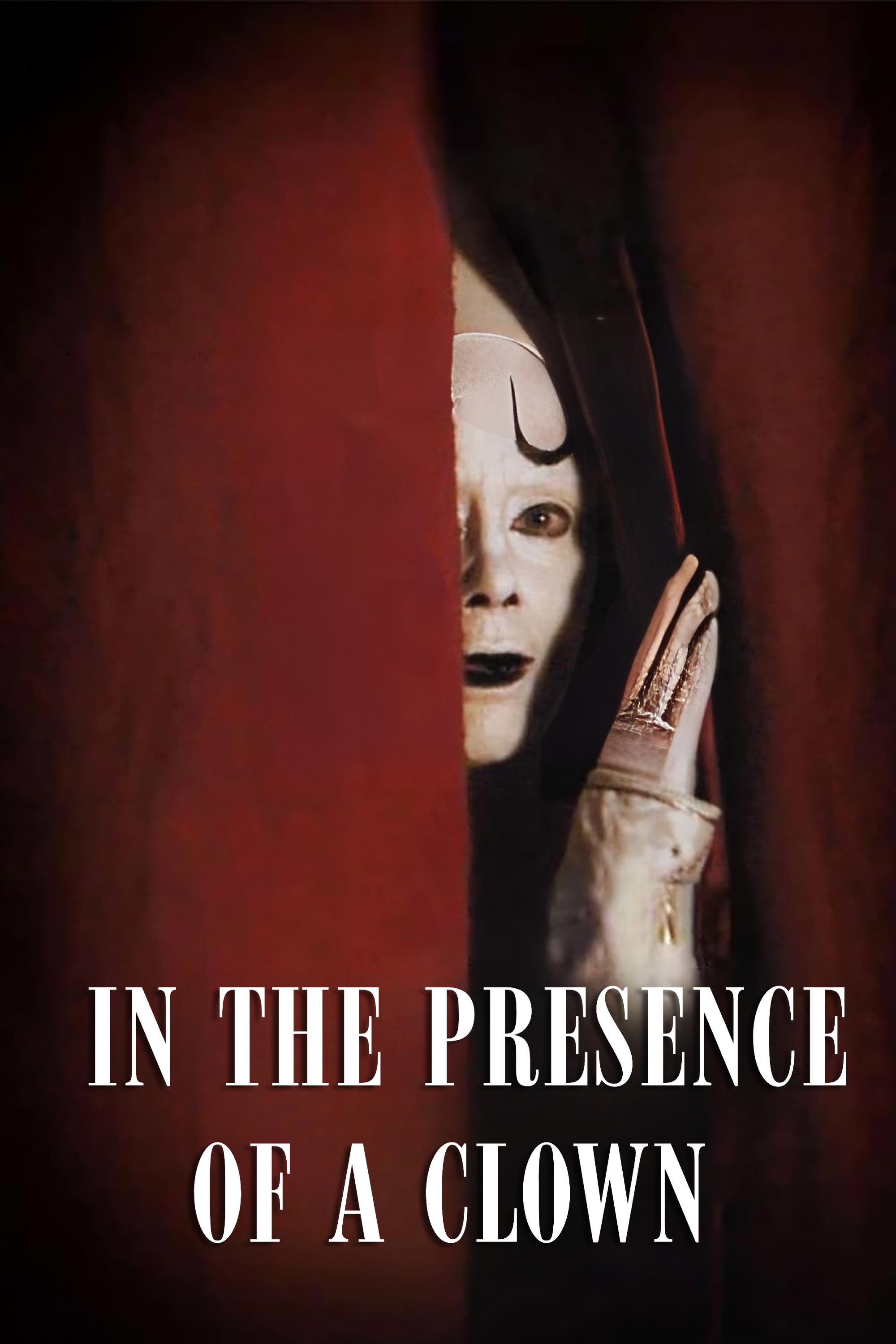
54-year-old Franz Schubert fan Carl, admitted the psychiatric ward of Akademiska Hospital following a murder attempt on his fiancée, sets up a film project alongside a fellow patient: the living talkie.
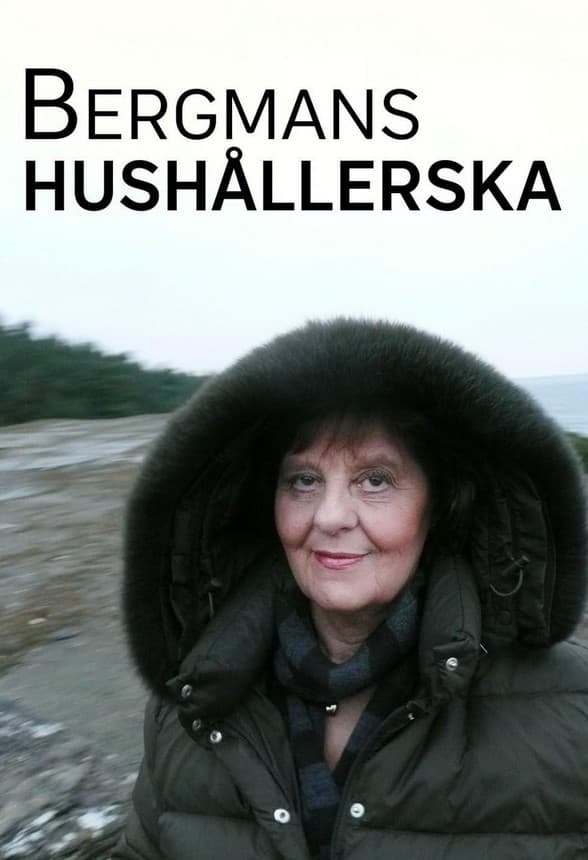
Anita Haglöf was Ingmar Bergman's housekeeper for eight years, in his home at Karlaplan in Stockholm and at Fårö. She constantly accused him of harassment in her diary, but didn't quit the job.
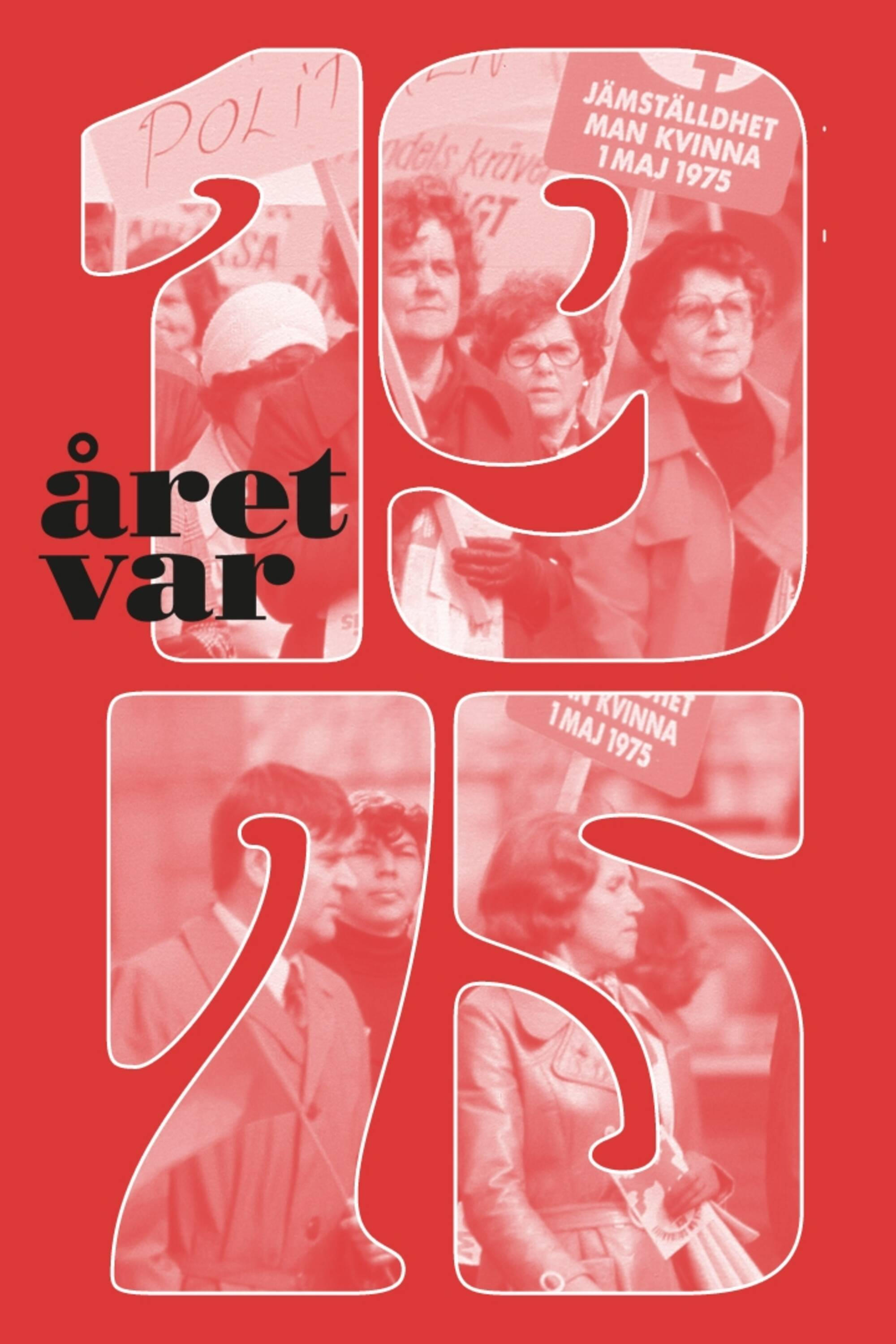
This is the year when the Vietnam War ends and terrorists take over the West German embassy in Stockholm. On TV, Staffan Westerberg's "Vilse i Pannkakan" coincides with Ingmar Bergman's "The Magic Flute". Despite the cold war, the USA and the Soviet Union take the opportunity to meet - in space! And Davis Cup tennis is played in Båstad. Sweden meets Chile and the police fear riots. This and much more in "The year was 1975" by Jonas Fohlin and Eva Tillberg.
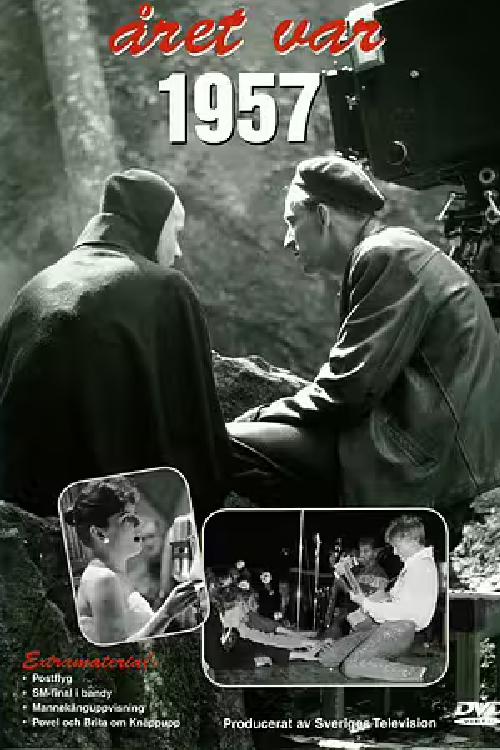
1957 - this is when the space age begins. The Soviets send up Sputnik 1 and 2. The whole world searches the sky for moving stars and the radio amateurs listen in their headphones for beeps from space. Ingmar Bergman's The Seventh Seal and Wild Strawberries are shown in cinemas. Stockholm gets its first female parking attendants and Tommy Steele comes to visit.
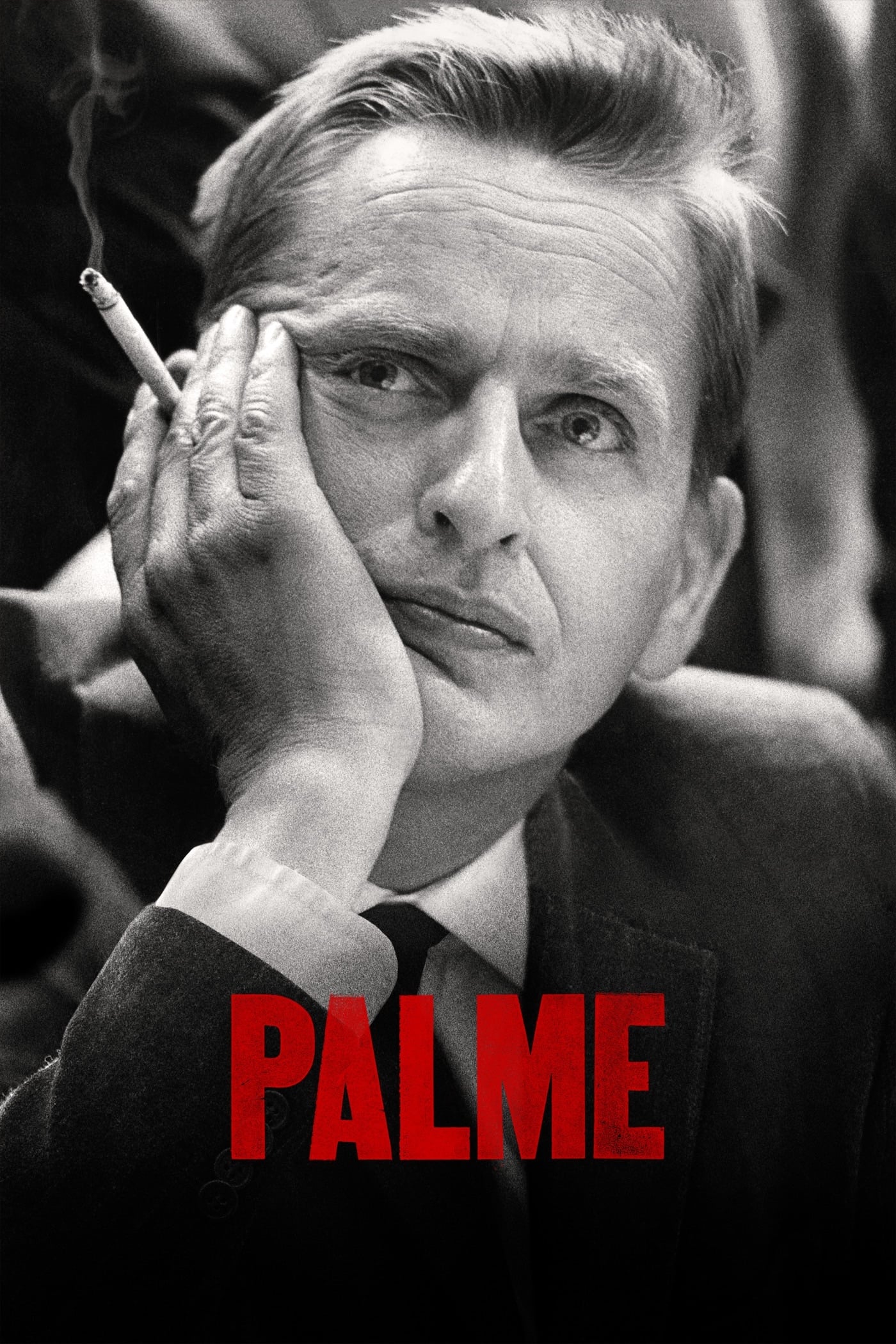
Swedish Prime Minister Olof Palme was openly shot to death on a February evening 1986 on the streets of Stockholm. In one night, the country of Sweden was transfigured. “Palme” is about his life, his time, and about the Sweden he had created. About a man who altered history.
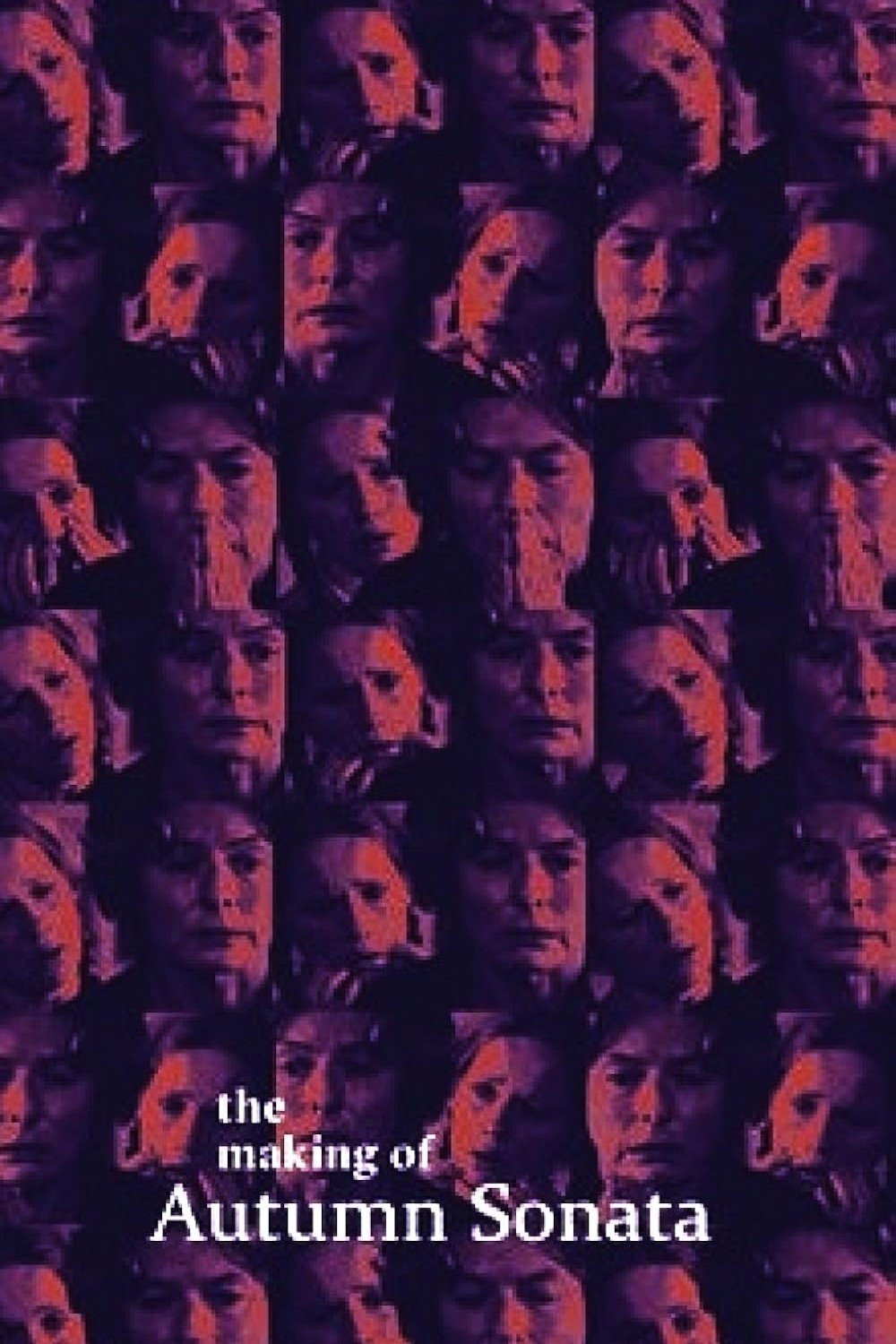
This documentary, shot by Arne Carlsson on the set of AUTUMN SONATA, charts the process of bringing the film to the screen, from the extensive rehearsals with cast and crew to shooting.