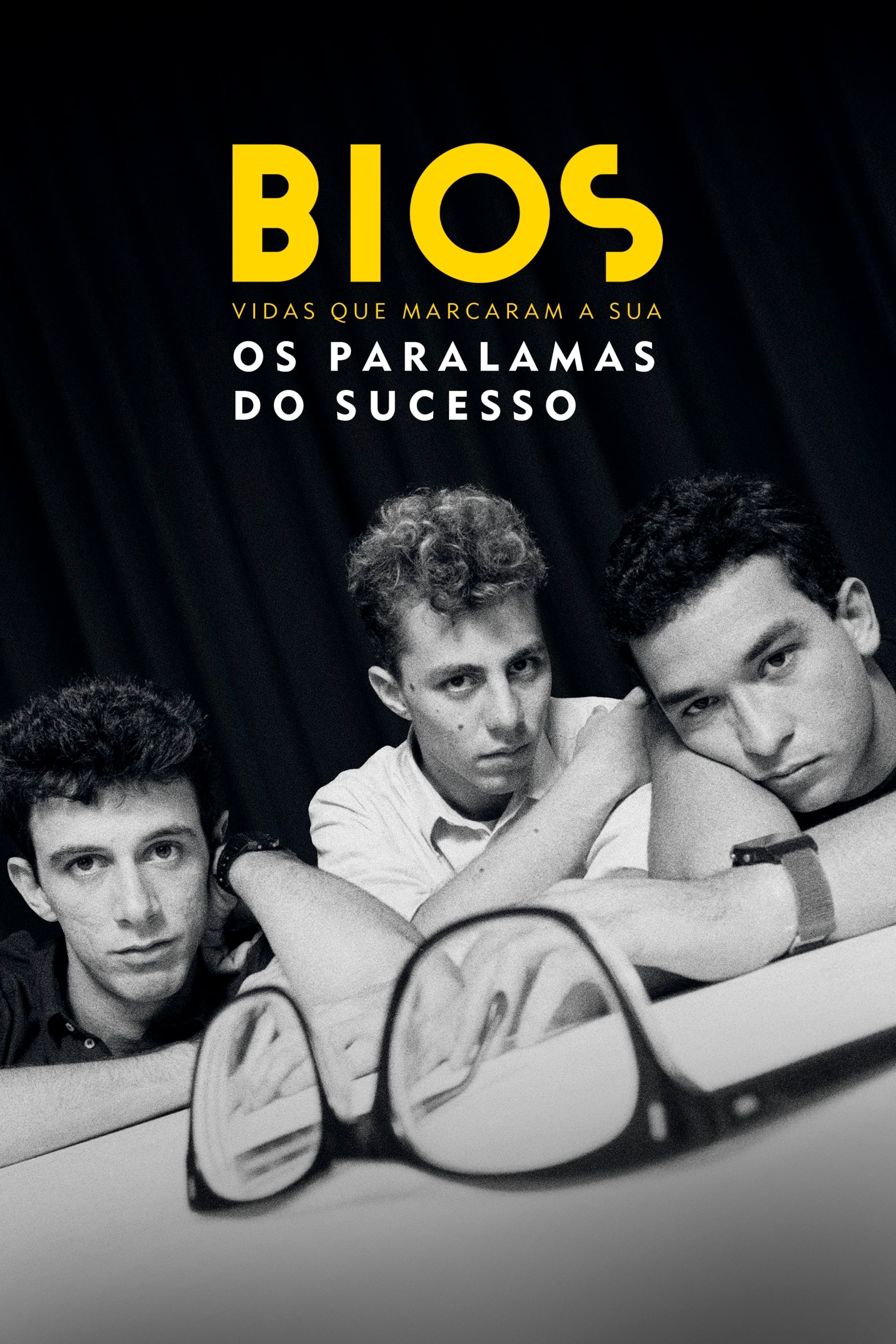
The backstory and legacy of Brazilian rock band Os Paralamas do Sucesso is examined in this fascinating music documentary. With previously unseen footage, access to present-day rehearsals, and a visit to where it all began, TV presenter Roberta Martinelli shines a light on the lives of Herbert Vianna, Bi Ribeiro and João Barone like never before.
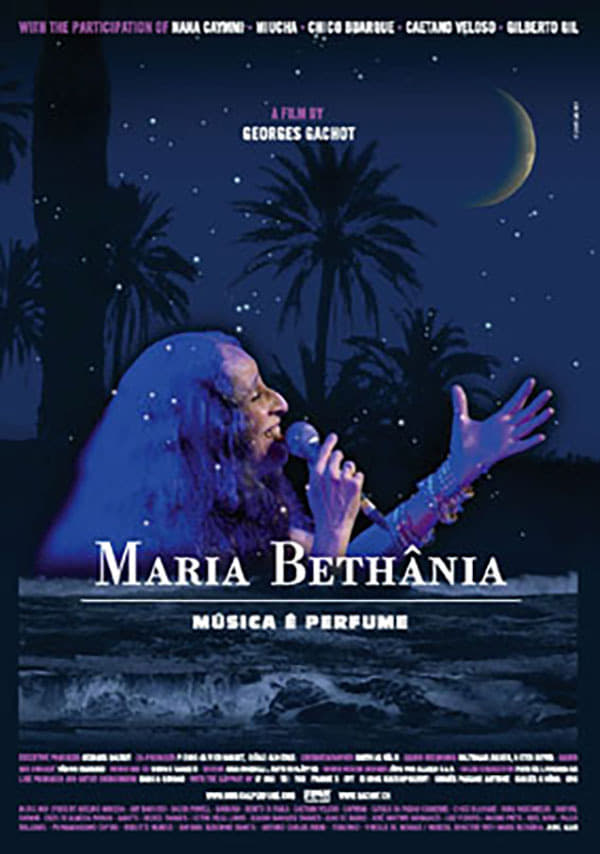
Brazilian singer Maria Bethania has a 40-year singing career. A documentary shows her concerts and famous family.
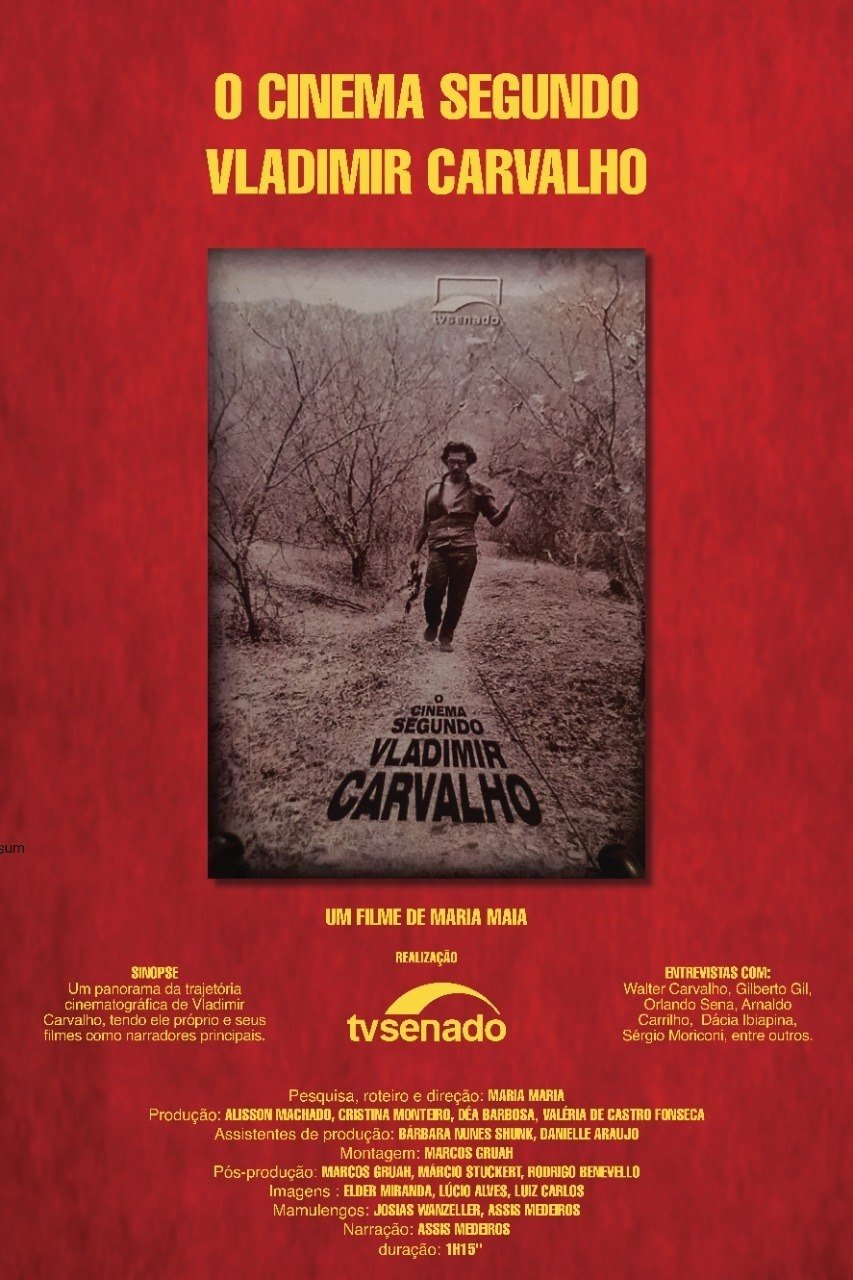
The documentary presents an overview of Vladimir Carvalho's cinematographic career, from the very beginning, as a co-writer of “Aruanda” (1960), directed by Linduarte Noronha, to the present day. With Vladimir himself as the main narrator and illustrated by scenes from his films, the documentary also features interviews with Gilberto Gil, Orlando Senna, Arnaldo Carillo, Dácia Ibiapina, Fernando Duarte, Sérgio Moriconi, among others.

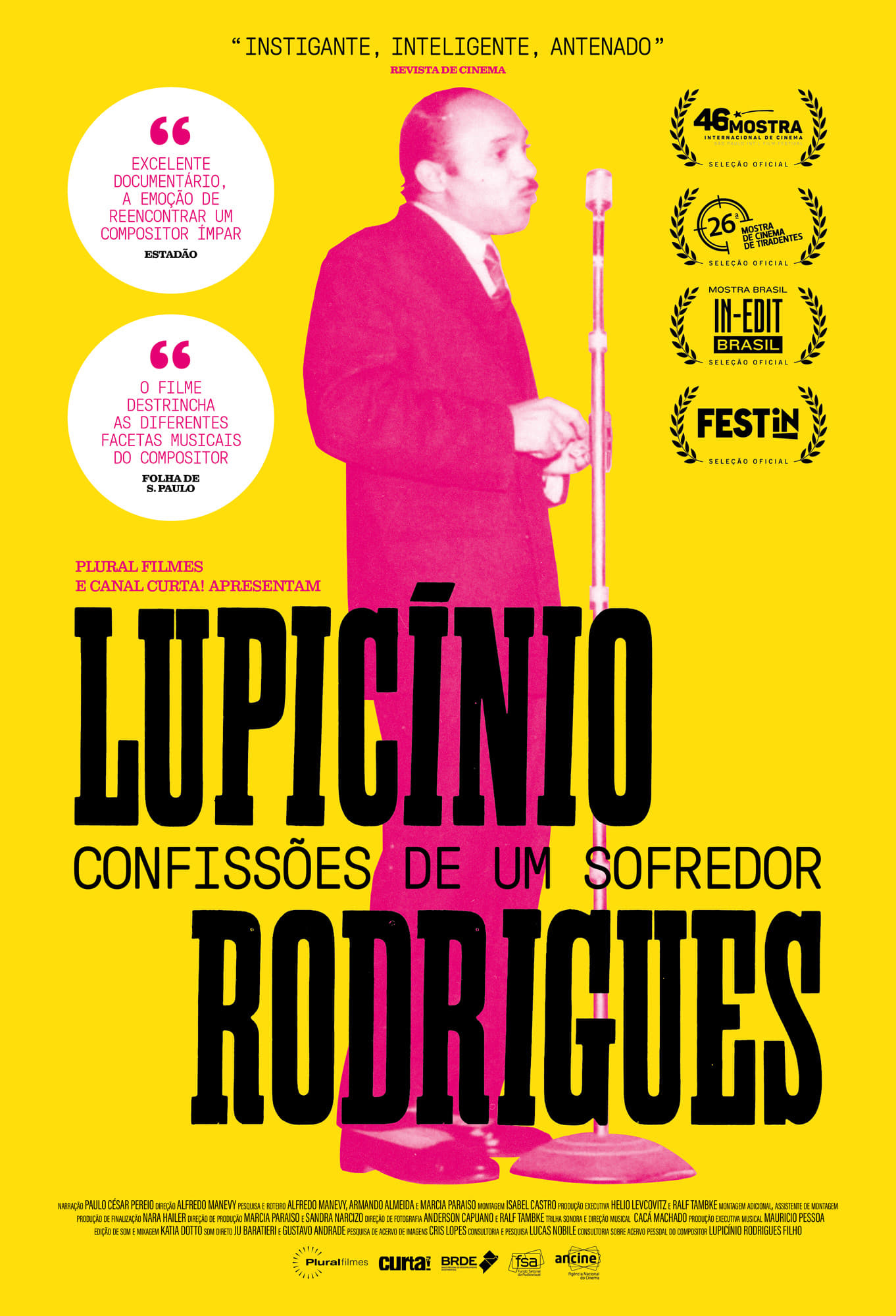
The documentary celebrates the poetic legacy of Lupicínio Rodrigues, investigating the musical contribution and historical context of this composer born in Rio Grande do Sul and author of hits that surpass generations.
The film is an unprecedented and exclusive testimonial of Maria Bethânia from director and screenwriter Carlos Jardim, interspersed with rare footage of rehearsals and concerts by the singer throughout her 57-year career. Actress Fernanda Montenegro narrates five texts by authors such as Ferreira Gullar and Caio Fernando Abreu about Bethânia's importance on the Brazilian cultural scene.
Portrait of various figures in Brazilian pop music.
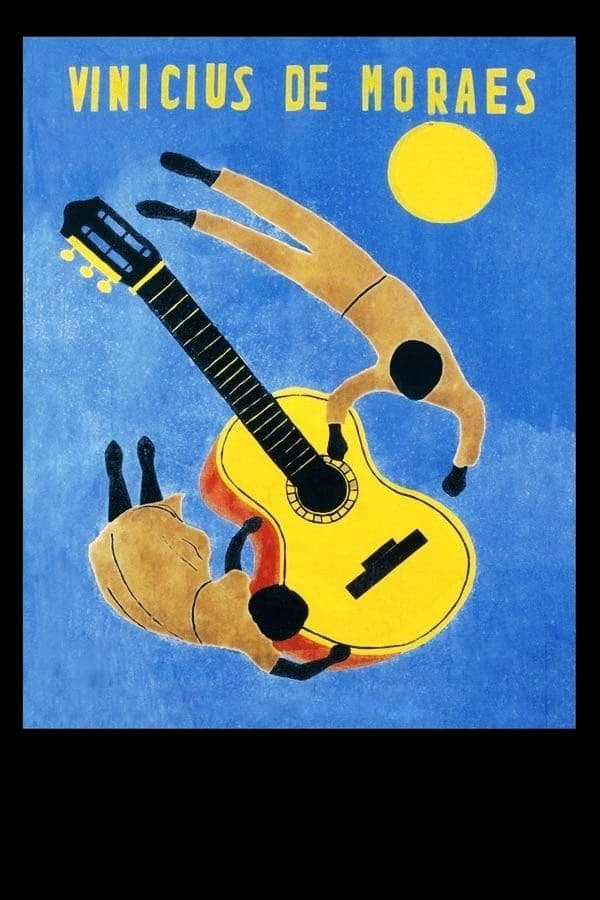
To celebrate the life and the work of a multifaceted creator – playwright, poet, partner of the most important names of Brazilian pop music and, above all, an enlightened character of the Brazilian cultural history - director Miguel Faria Jr. gathered an incomparable cast of partners, singers, friends and rare images from the archives recalling Vinícius’ genial simplicity, with the spontaneity, the humor, and the freedom of a person chatting over a bar table, exactly how the eternal Vinícius would enjoy.
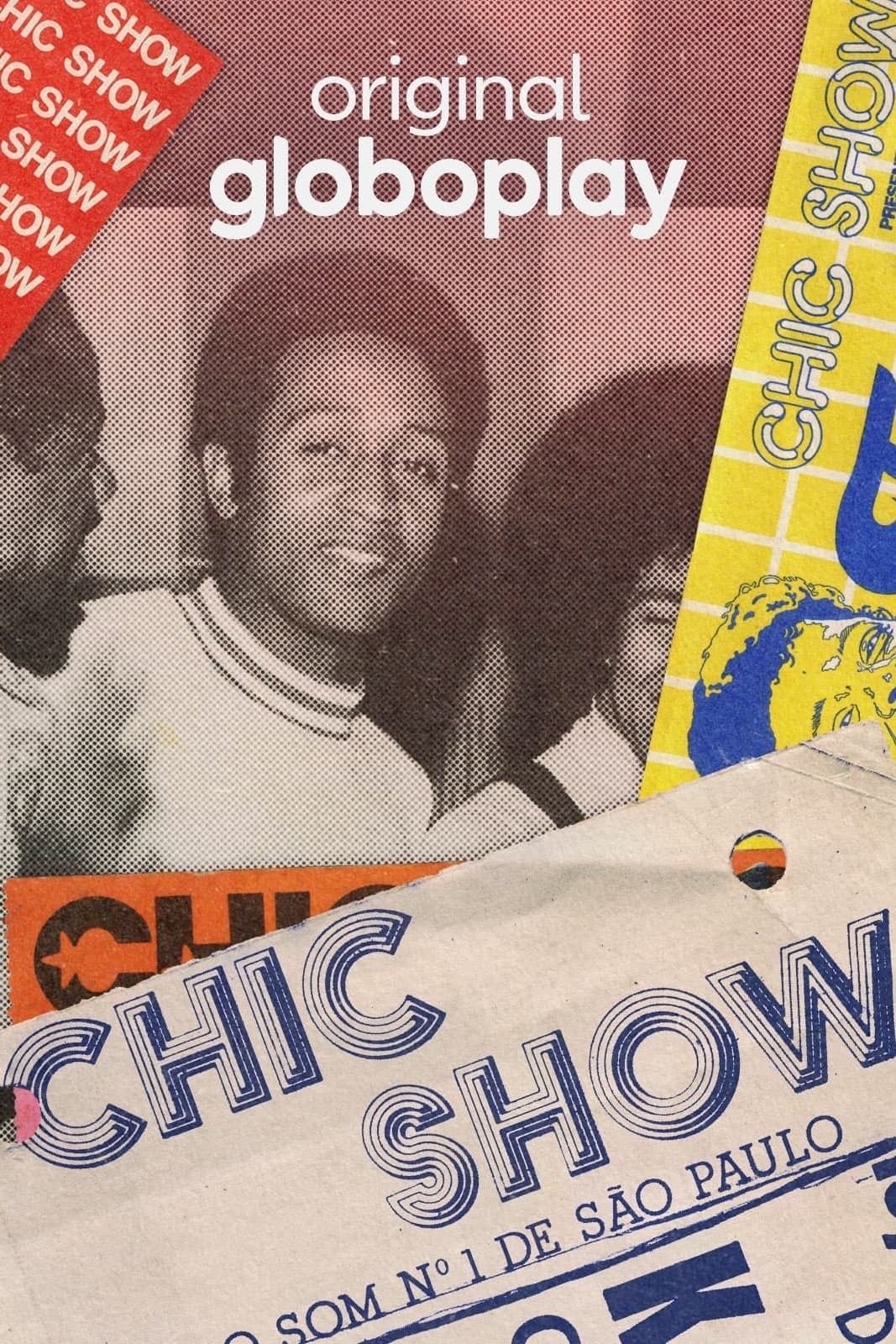
Discover the history of the Chic Show ball, an iconic black music party in São Paulo. The event was a milestone in the life of São Paulo. Held in halls across the city in the 1970s and 1980s, the show became a meeting point for black culture and opened up space for funk, soul, rap and pagode, among other rhythms. The party welcomed names such as Tim Maia, Sandra de Sá, Gilberto Gil, Djavan, Bebeto and Carlos Dafé, as well as international artists such as Kurtis Blow, Betty Wright and James Brown.
A Brazilian theatre group that through talent, irony and humour confronted the Brazilian violent dictatorship in the 1970s revolutionising the gay movement worldwide and changing theatre and dance language to an entire generation.
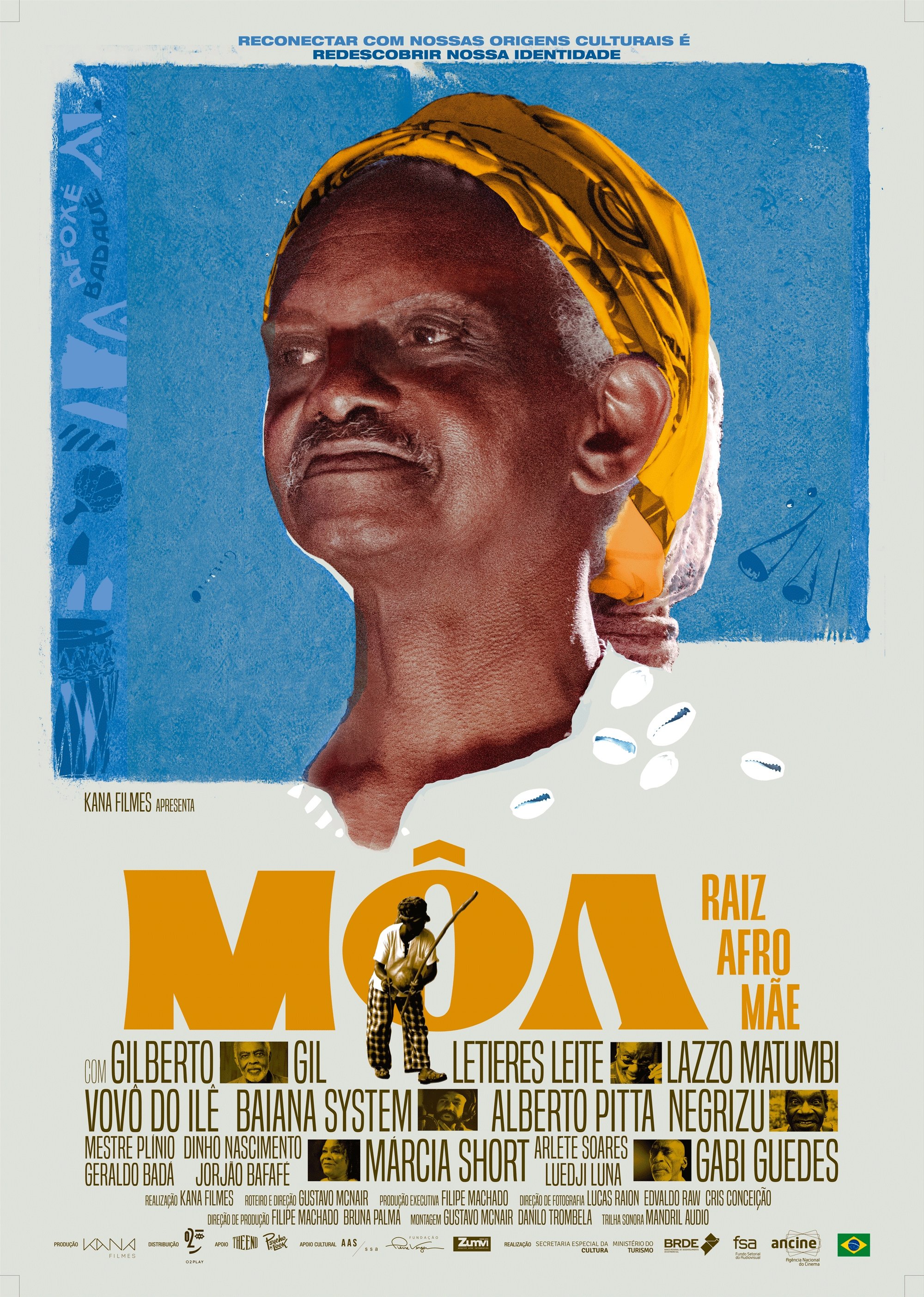
The documentary that began together with Mestre Môa do Katendê before his political murder, tells the life story of this capoeirista and founder of Afoxé Badauê, intertwined with the rise of black cultural manifestations in Bahia, based on a last interview left by him.
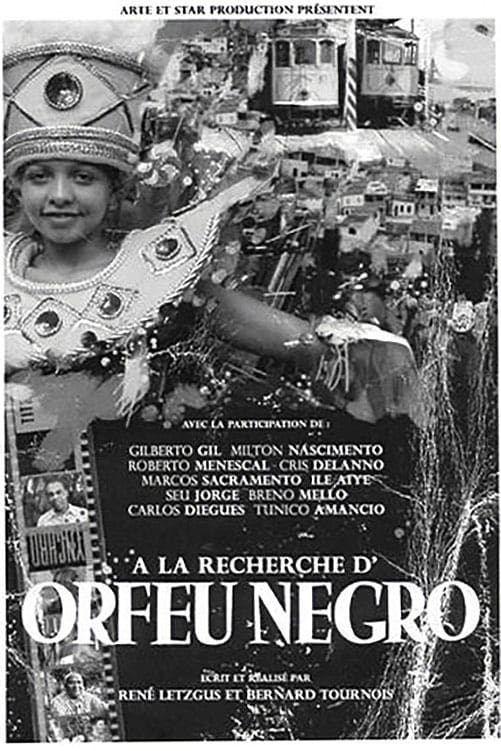
Documentary about Marcel Camus' 1959 film Black Orpheus, its cultural and musical roots, and its resonance in Brazil today.
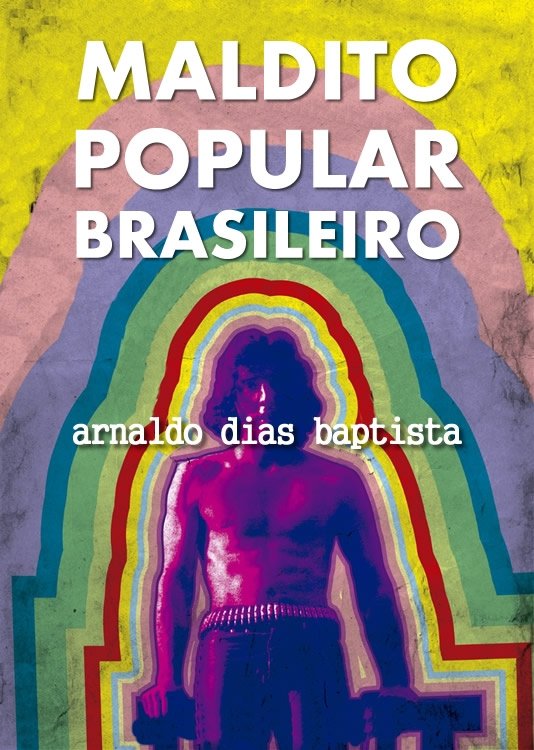
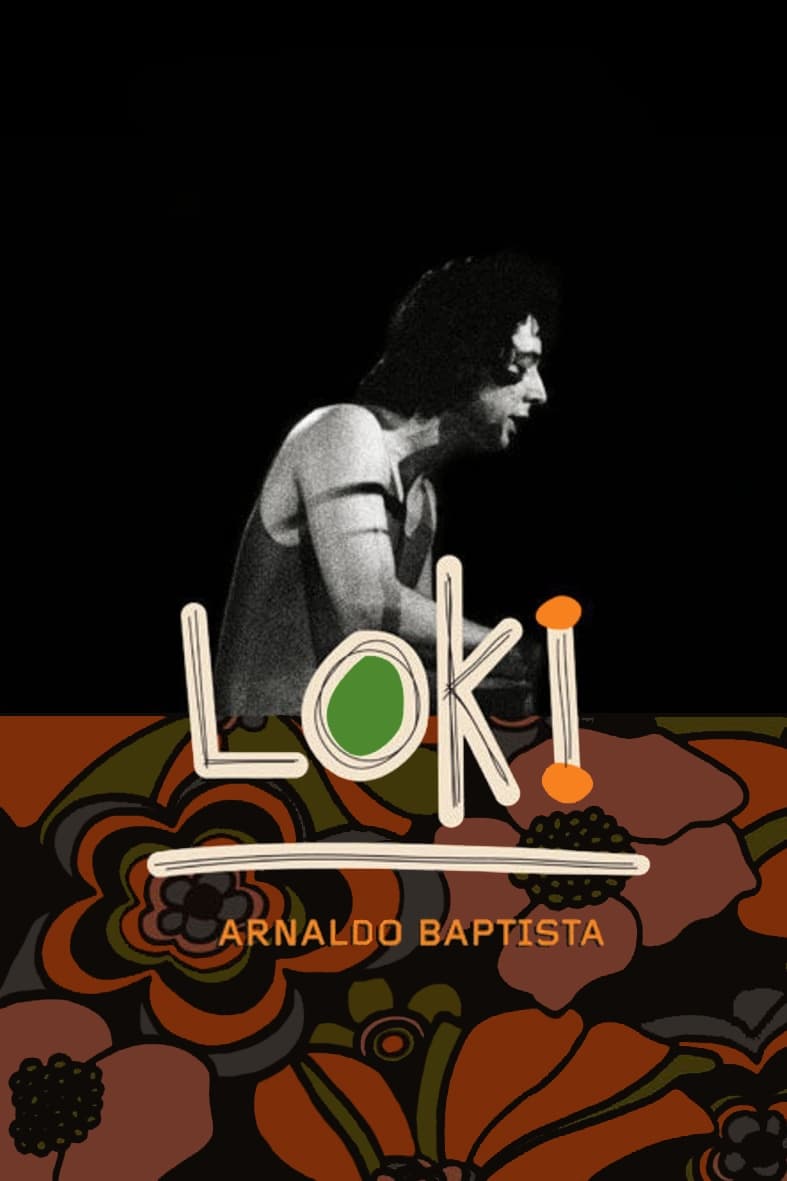
Loki brings the trajectory of Arnaldo Baptista from childhood, passing through the most successful phase as leader of the Mutantes, marriage to singer Rita Lee and then separation. He also goes through the depression that devastated his life after the group ended and that led him to attempt suicide, his solo career, rapprochement with his brother and member of the Mutantes, Sérgio Dias, culminating in the band's return in 2006.
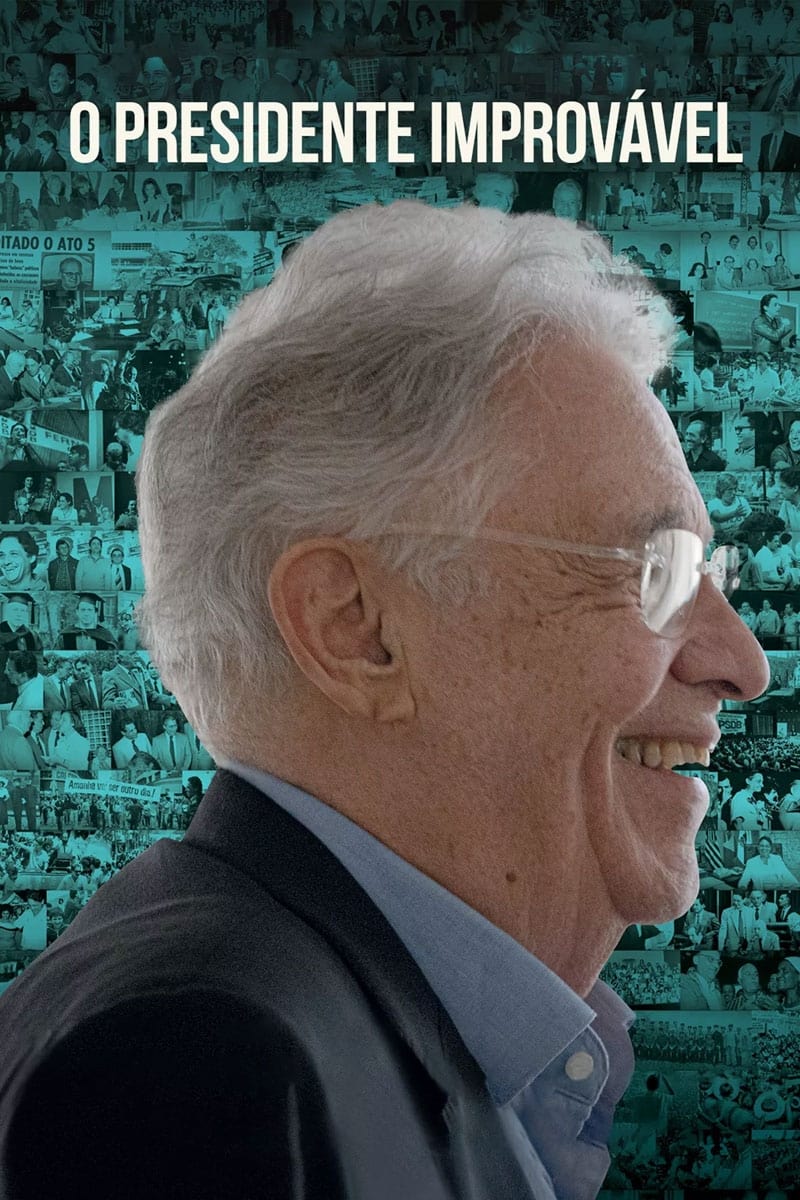

Two kids merrily play make-believe inside their house, unaware of the inequality that exists in the world.
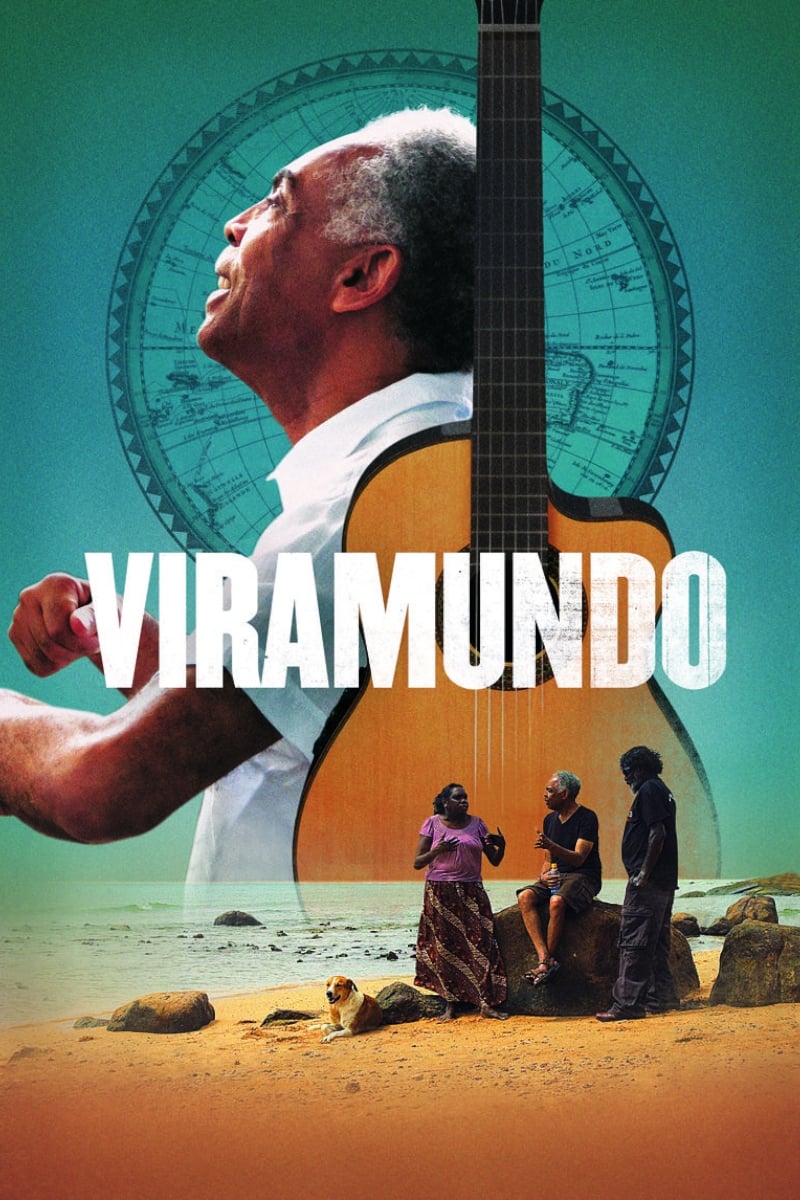
Gilberto Gil is among Brazil's most famous musicians, having influenced an entire generation in South America and beyond. Now in his seventies, he is serving as Brazil's first black Minister of Culture. Preoccupied with many realities of the modern world, such as racism and poverty, he embarks on a tour through the southern hemisphere— from aboriginal communities in Australia and the townships of South Africa, to the Brazilian Amazon— seeking to promote the power of cultural diversity in a globalized world.

The film has Gal's career as its guiding principle, drawing a parallel with the movement of which the singer was the muse and one of the main interpreters, and reaching the present day.
A documentary on the amazing Brazilian music movement known as Tropicália.
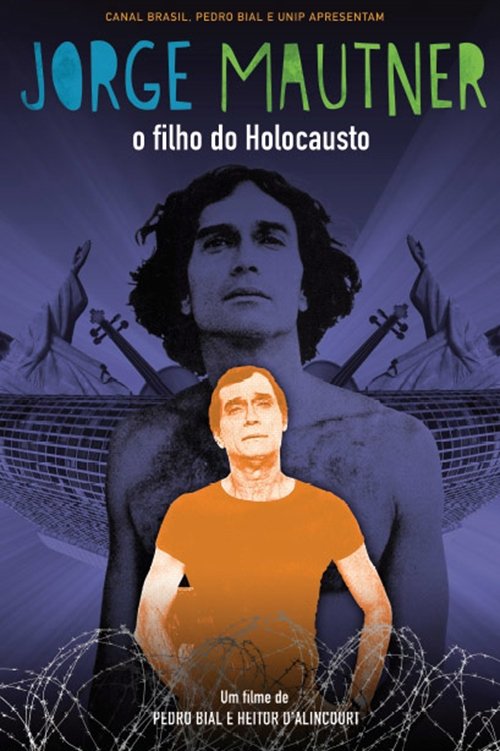
The film follows the birth of Jorge Mautner up to his 17 years. He was born in Brazil shortly after his parents fled the Holocaust. Raised by a nanny who introduced him to Candomblé, Mautner became a precursor of the Tropicália, contributing to the construction of the identity of Brazilian music.
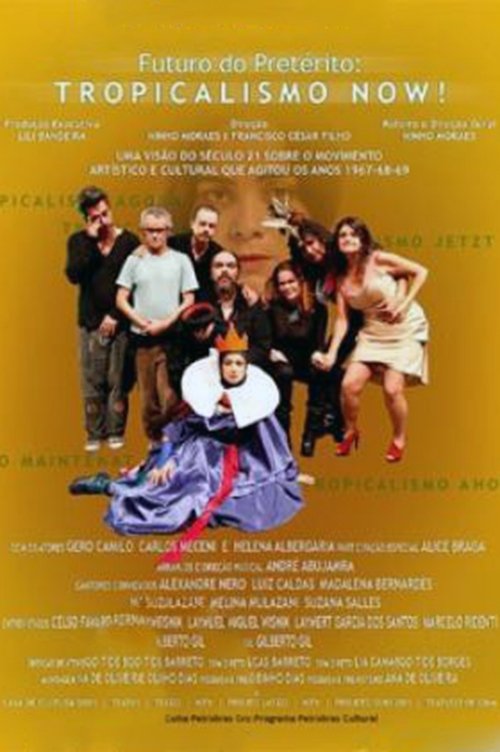
A look of the 21st century for one of the most important cultural movements in Brazilian history. The production brings a mix of interviews, concerts, artistic interventions and actors in small sketches. An intersection of the social and artistic contexts of 68 with the current one.

Tempo Rei is the first audiovisual record of Gilberto Gil's vast work, celebrating the artist's thirty-year career, celebrated in 1996. Gil recalls his artistic trajectory, recalls striking facts and reveals some intimacies. Completely filmed on film, it includes great successes of the artist like Madalena, Cores Vivas, Vamos Fugir, Procissão and Expresso 2222.
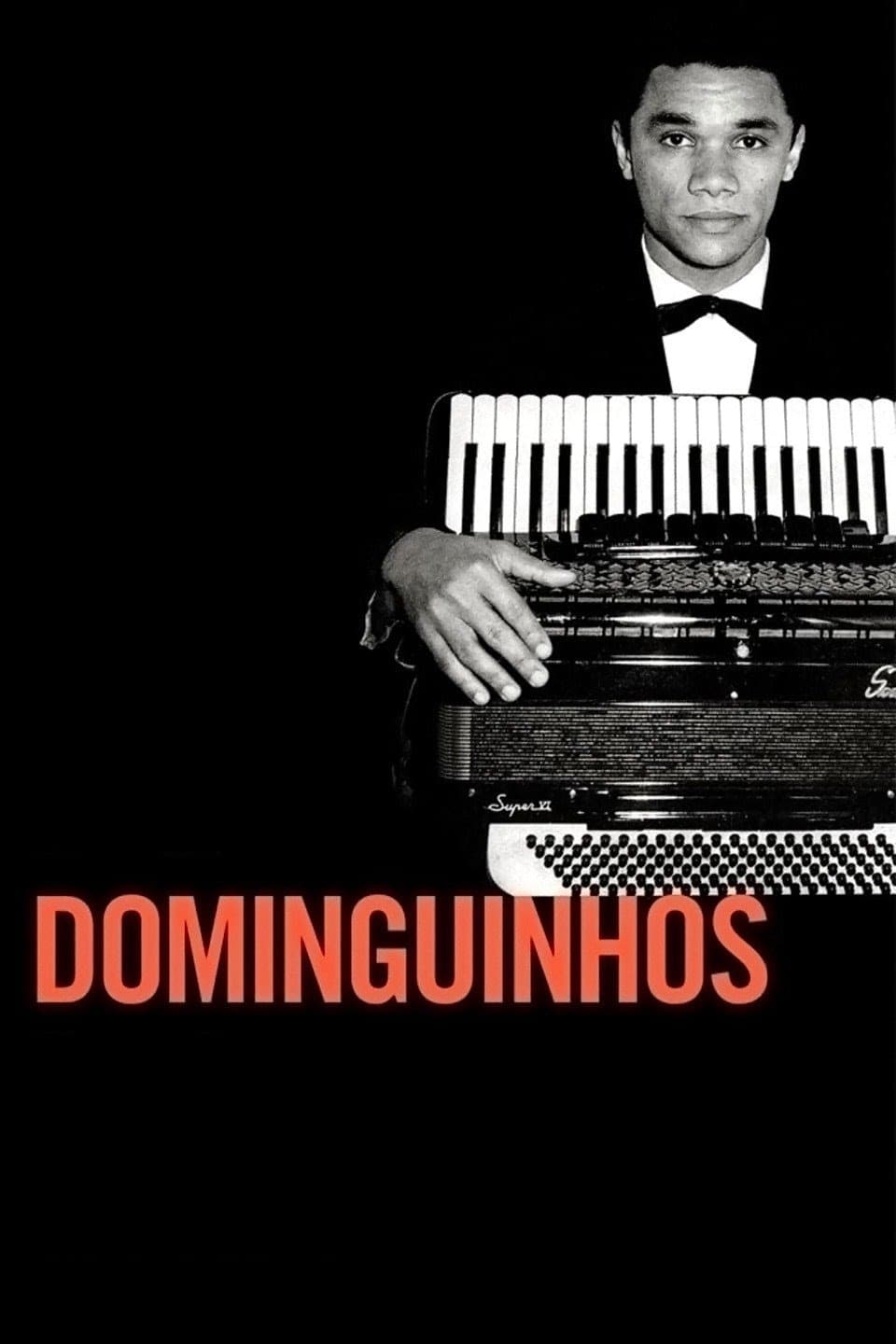
Through rare and precious footages and gigs with great artists such as Gilberto Gil, Gal Costa, Hermeto Pascoal, Djavan, Nara Leao, Luiz Gonzaga, among many others, "Dominguinhos" reveals this genius of Brazilian music, creator of a deeply authentic, universal and contemporary work. The film values the sensory cinematic experience, a journey driven by Dominguinhos his own.
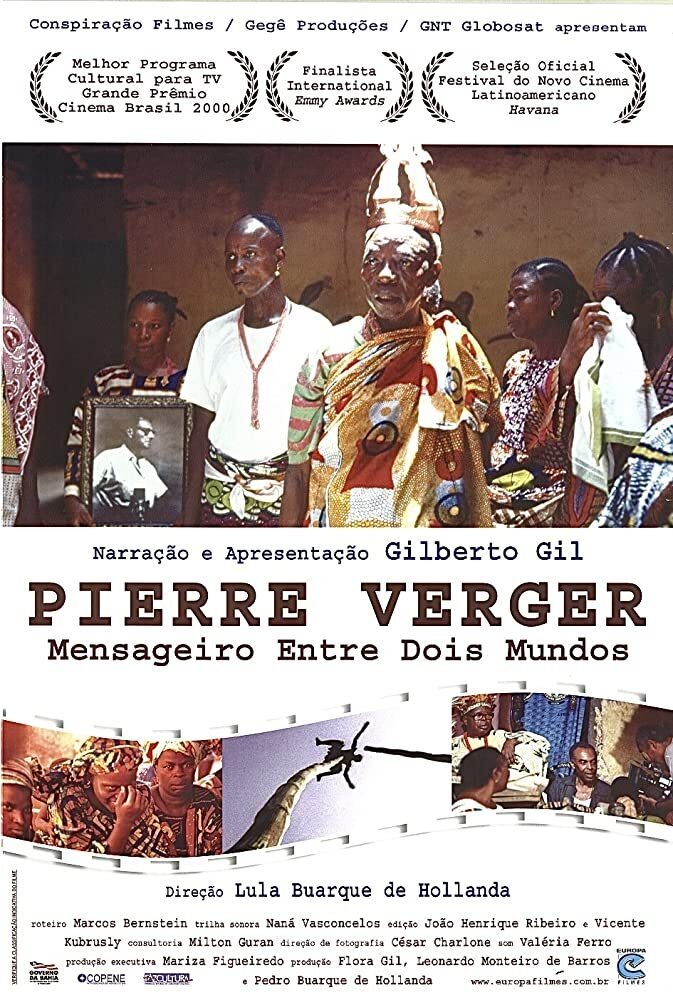
Inspired by the life of the french-born photographer and ethnographer, Pierre Verger, the movie follows his journey between Bahia, Brazil and Benin, Oriental Africa, showing places and people he met and his life study project: the Candomblé culture.
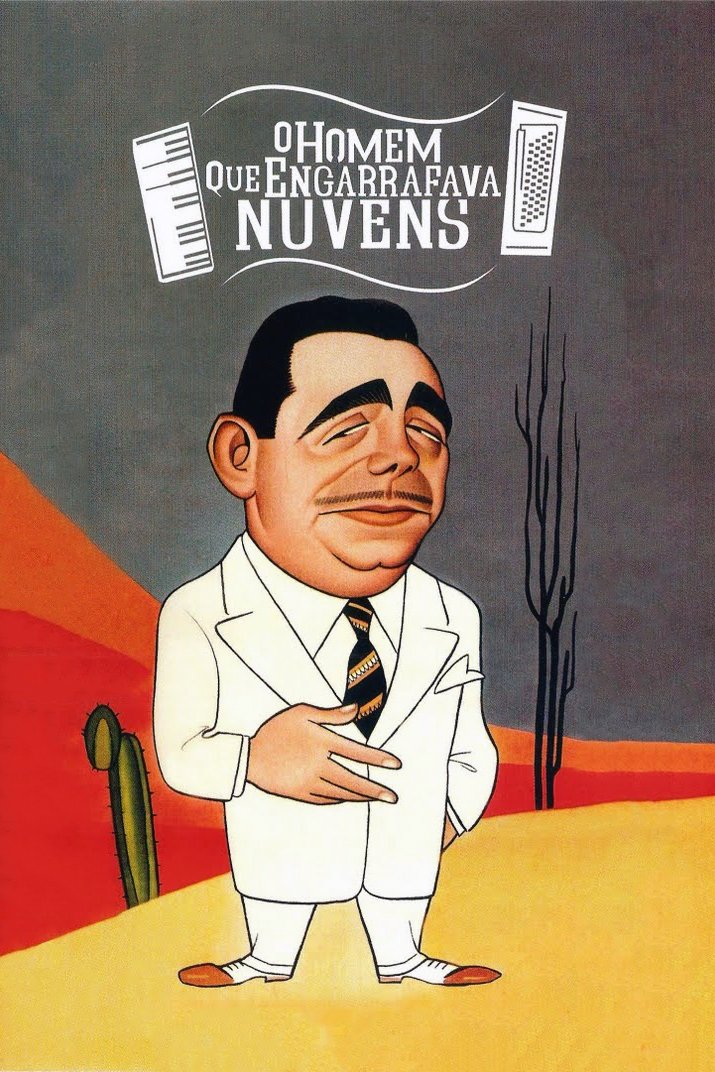
A host of personalities reminisce about the life and work of songwriter, lawyer, and congressman Humberto Teixeira — aka "Baião Doctor" — the author of such classic Brazilian popular songs as "Asa Branca". A musical film about the baião, a movement in Brazilian music in the 1940s and 1950s that was later snowed under by samba and bossa nova.
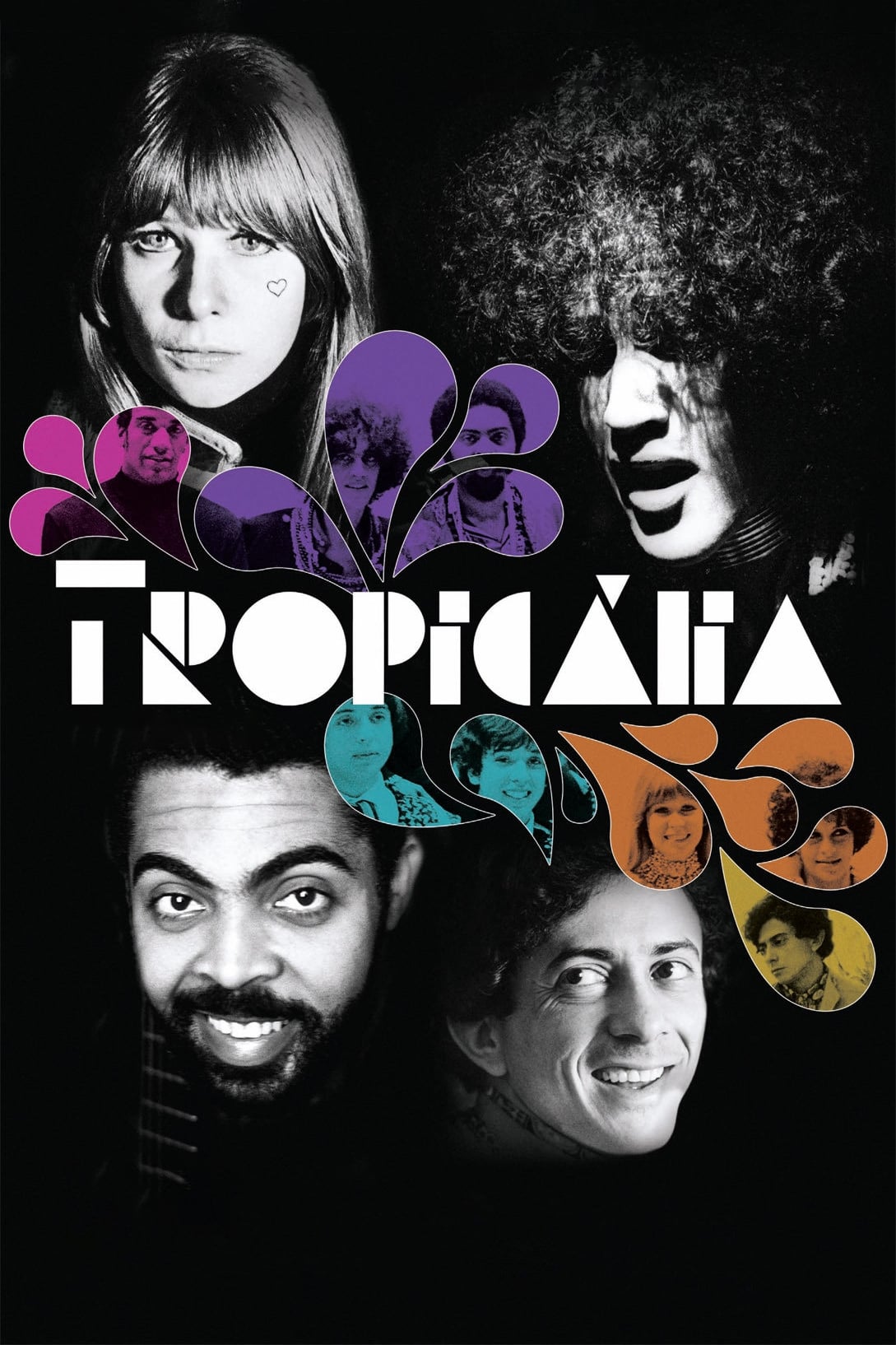
Set against the turbulent atmosphere of the 1960s, Tropicália is a feature length documentary exploring the Brazilian artistic movement known as Tropicália, and the struggle its artists endured to protect their right to freely express revolutionary thought against the traditional Brazilian music of that time.
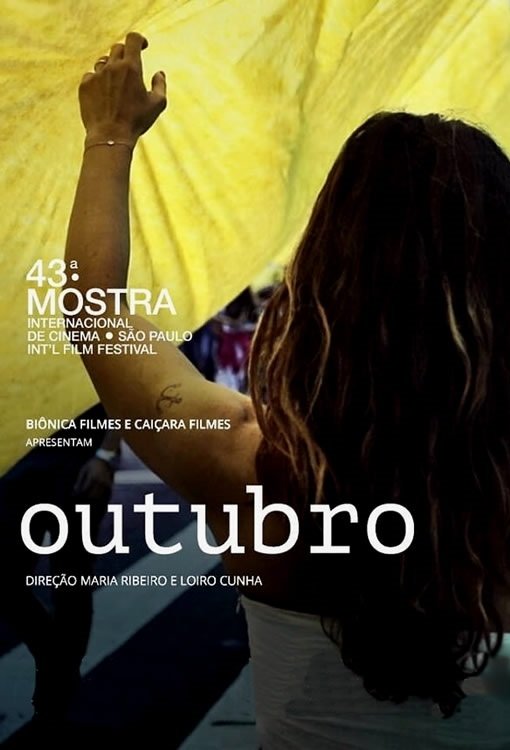
A view of Brazil's 2018 Presidential Elections, held in October of that year. The polarizing Election led to the rise of far-right President Jair Bolsonaro
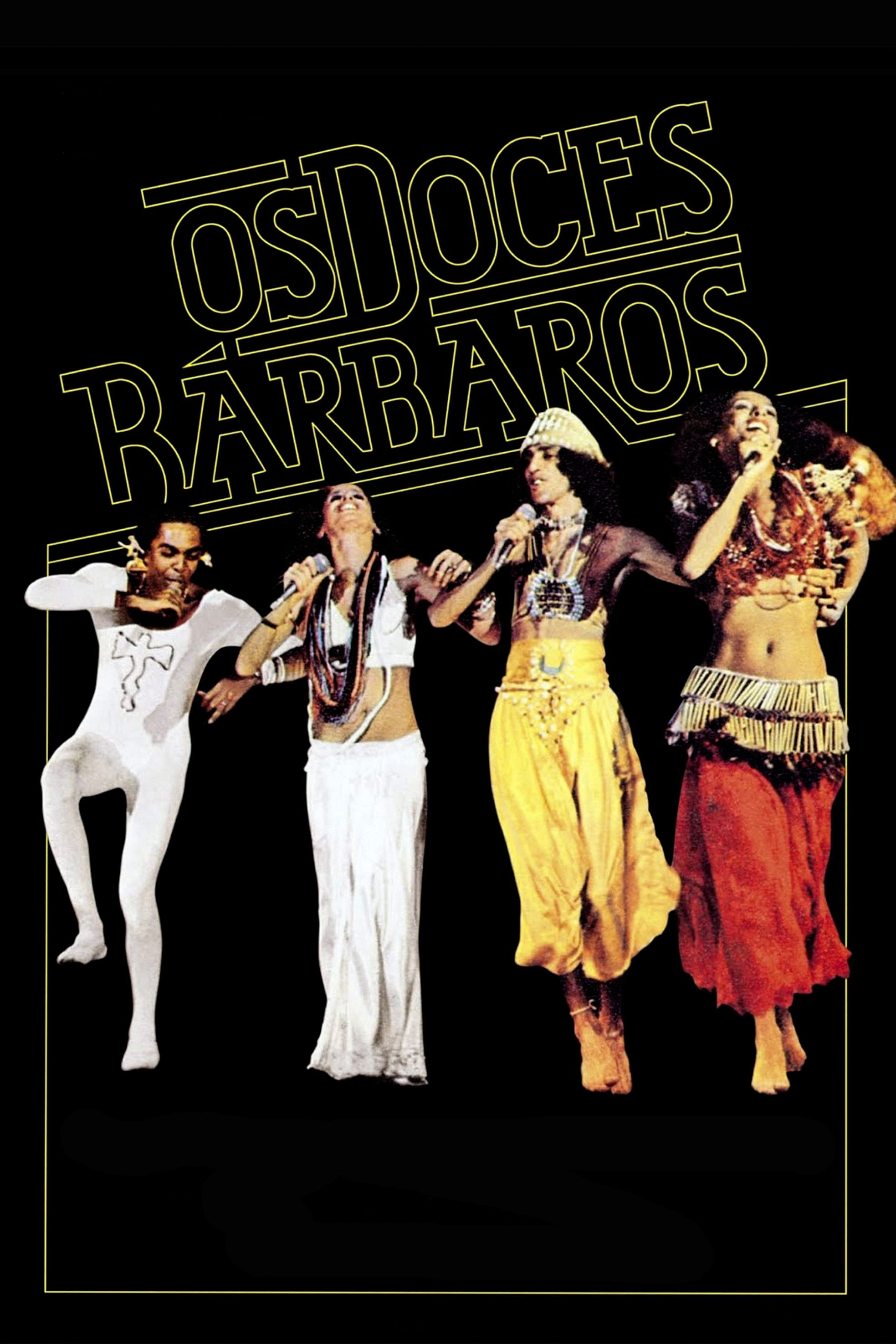
The film records the commemorative tour of the ten years of the career of the Bahia singers Caetano Veloso, Gilberto Gil, Maria Bethânia and Gal Costa, who formed the group with the name of Doces Bárbaros (Sweet Barbarians), at the suggestion of Bethânia. Conceived to present the shows of the live album that would be released (Doces Bárbaros - Live), the documentary changed of tone when registering the arrest and judgment of Gilberto Gil and of a companion by possession of drugs. Gil was forced to go to a detox clinic, and only went out to participate in the programmed shows.
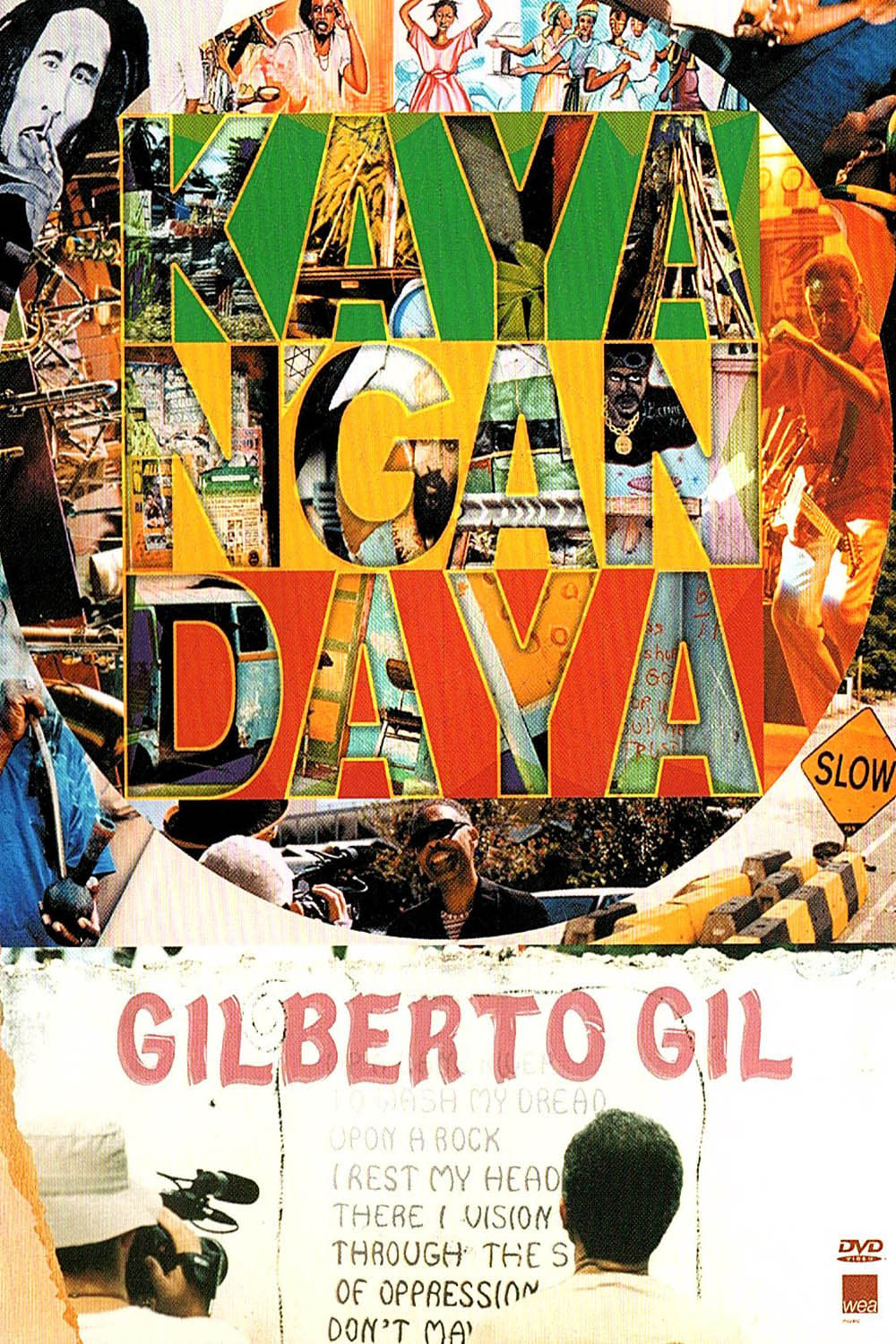
Gilberto Gil's 2002 album combines Brazilian pop with roots reggae. Featuring 11 of Bob Marley's greatest hits recorded in Tuff Gong Studios, Kingston, Jamaica. Includes special guest appearances from members of Bob Marley & The Wailers group. 16 tracks. Warner Music Latina.
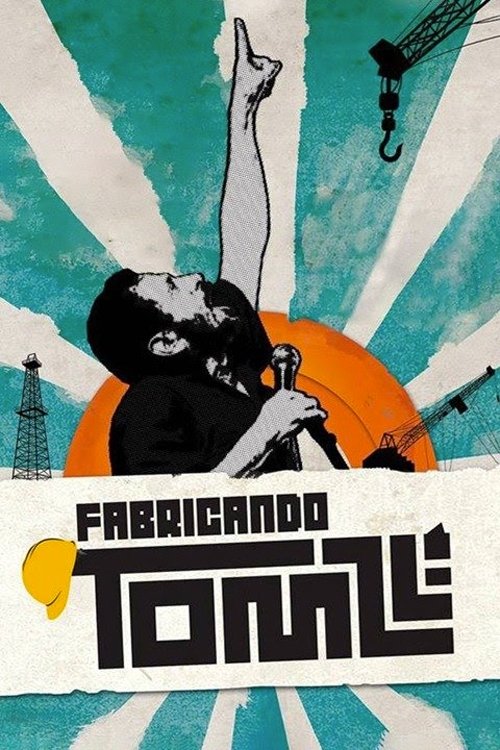
The life and work of one of the most controversial Brazilian musicians, having as its backdrop Tom Zé's 2005 European Tour. The documentary shows a detailed vision of Tom Zé's personal musical universe, in which a guitar and a vacuum cleaner have the same melodic importance. In intimate interviews, he narrates different parts of his life and tells us about his musical debut in the early 60s, his downfall during the 70s, and his 90s comeback.
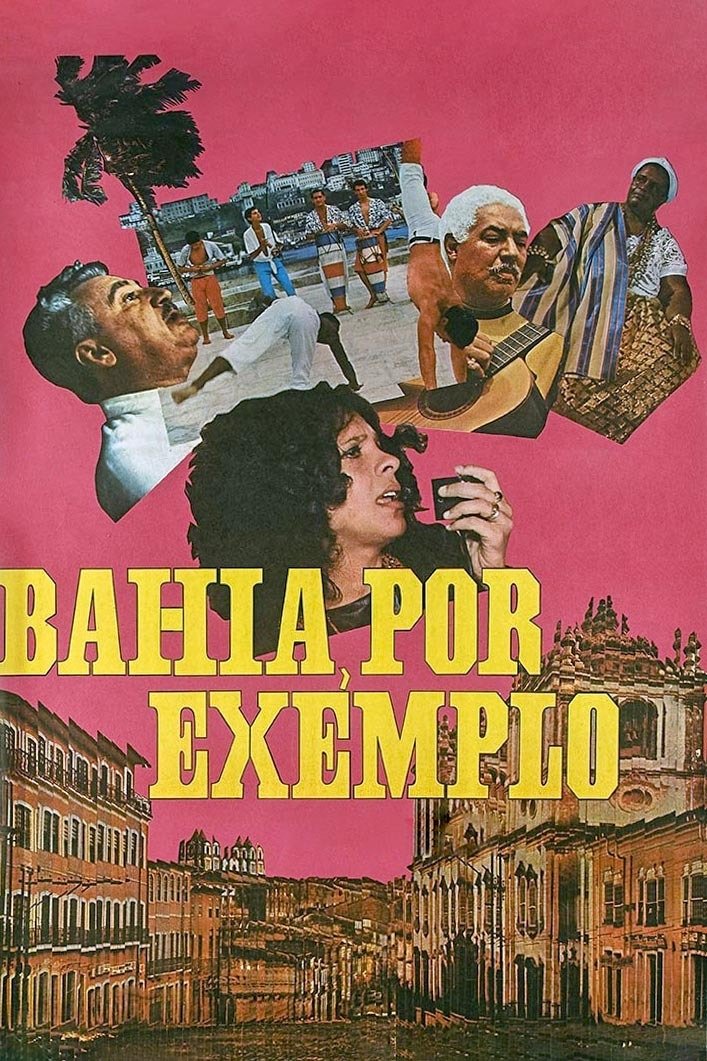
Through folklore manifestations and diverse artistic expressions, the film is a document that exalts and honors the Bahian culture.

This documentary from filmmaker Guto Barra takes you beyond the 1960s bossa nova hit "The Girl from Ipanema" to explore how samba, Brazilectro and other Brazilian music styles have long captivated audiences and influenced musicians around the world. Mixing archival footage, fresh performances and interviews with leaders in the global music scene, Barra examines why Brazil's music consistently transcends boundaries of time and musical taste.
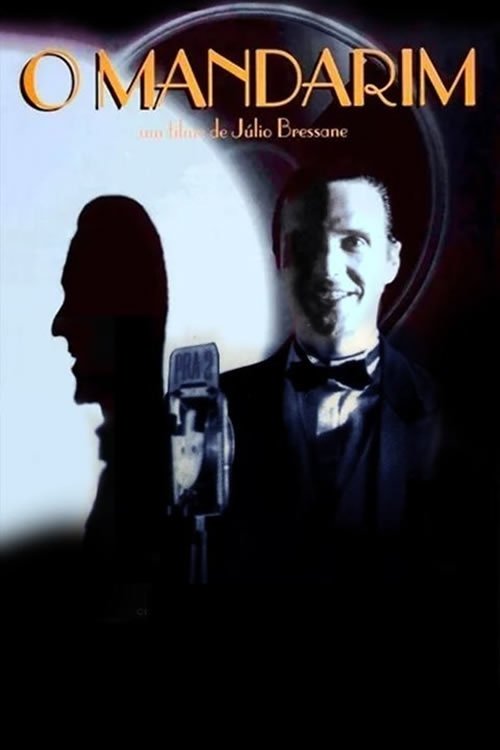
The history of Brazilian popular music in the 20th Century, focusing specially on the life and works of intriguing singer Mário Reis, a loner who, with his special way of singing - whispering and softly saying the words - in a time when singers with potent voices ruled, was in a way a forerunner of Bossa Nova style.
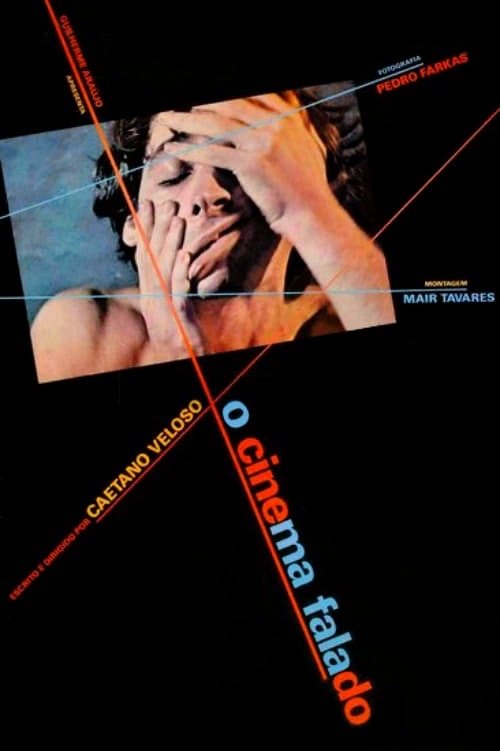
A fragmented style, patchwork of interviews with Caetano Veloso's friends, mixed with conversations, thoughts, scenes of dance and literature excerpts.
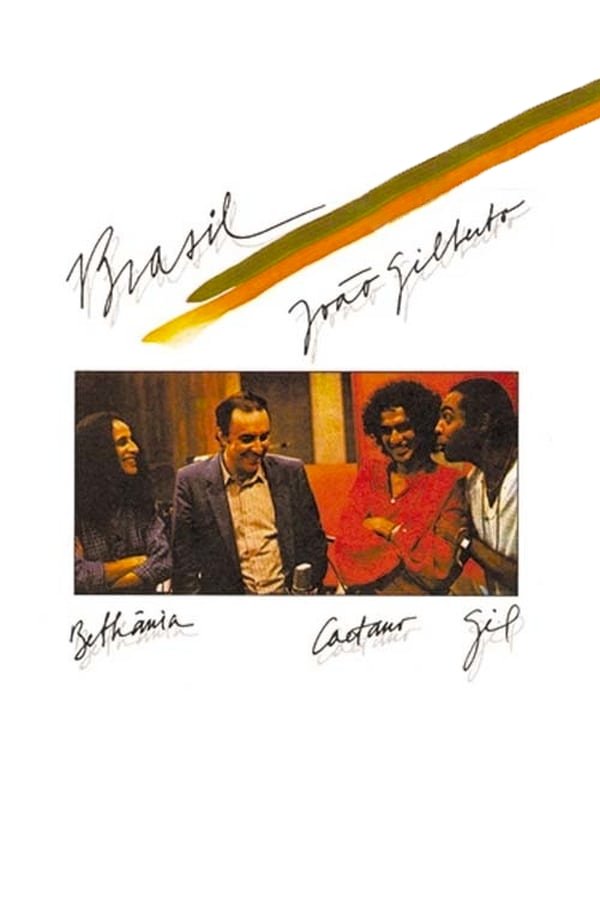
João Gilberto receives Caetano Veloso, Gilberto Gil and Maria Bethânia during the recording of his album Brasil.
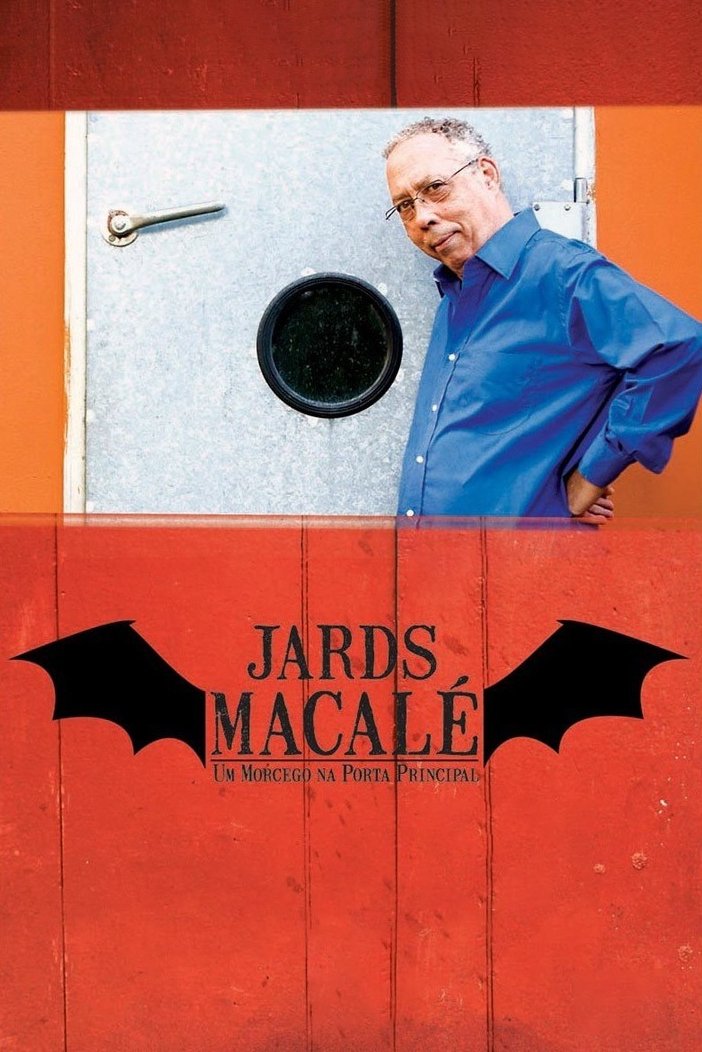
This film shines a light at the story of Jards Macalé, polemic artist and controversial character of Brazilian culture over the last four decades. Author of songs such as "Vapor Barato" and "Movimento dos Barcos", a partner in crime of poet Waly Salomão, guitar player and songwriter for Gal Costa and Caetano Veloso, actor and author of soundtracks in Nelson Pereira dos Santos' films, a personal friend of visual artists Lygia Clarke and Hélio Oiticica, but, first and foremost, someone who dreams of seeing the word "love" in the Brazilian flag.

In the 1970s, "festivals" were incredibly popular in Brazil, as they were recorded before a live studio audience, and usually featured a number of elimination rounds. They also formed the springboard for the career of many a big-name stars, such as Chico Buarque, Caetano Veloso, Roberto Carlos and Gilberto Gil. Appearing on such a program was no cakewalk, however: audiences could be as wild in their condemnation as in their appreciation of an artist. Extensive archive footage (including performances and behind-the-scenes interviews) from the turbulent final evening of the Festival of Brazilian Popular Music 1967 paints a fascinating picture, not only of the transformation of Brazilian music into real "festival" music, but also of a society starting to buck against the yoke of military rule.
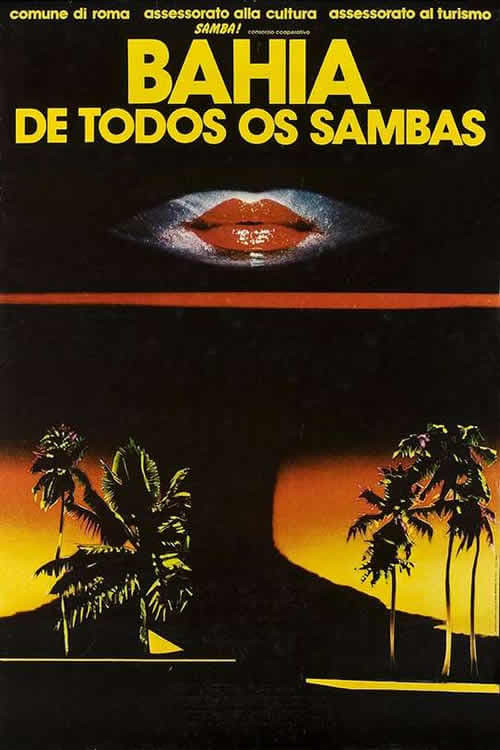
Between August 23 and 31, 1983, at the "Circo Massimo", in Rome, there was a musical event that brought together artists from Bahia. This film brings a recording of the event, also featuring backstage, rehearsals, testimonies and some relaxing moments of these great names in Bahia's music.
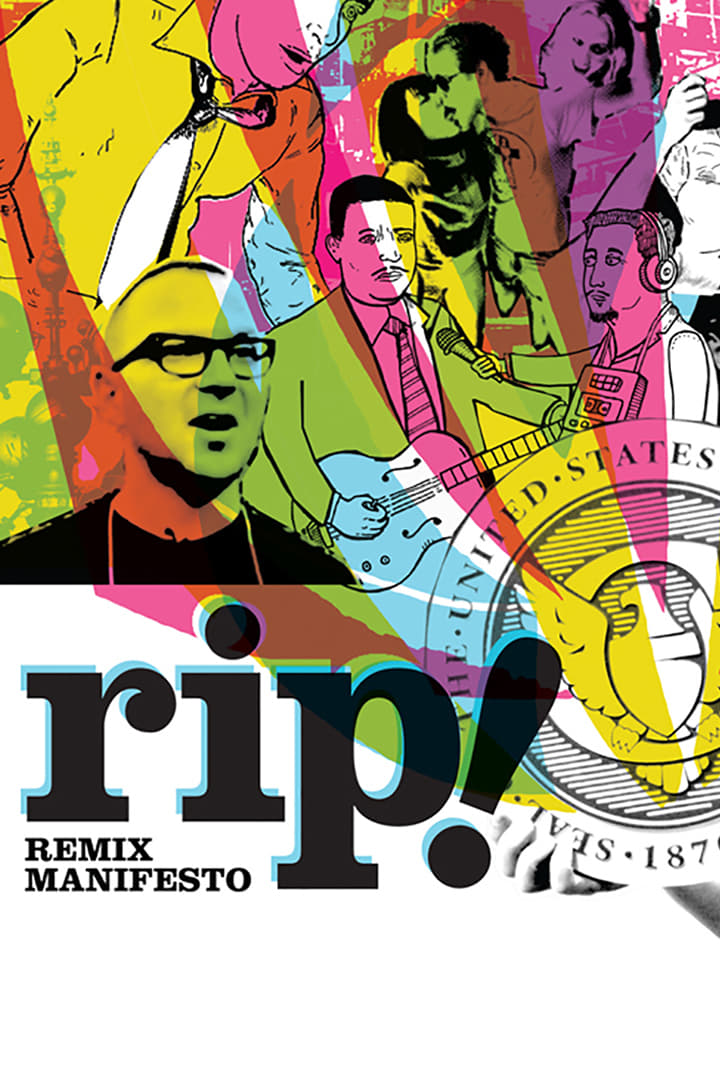
RiP!: A Remix Manifesto is a 2008 open source documentary film about the "the changing concept of copyright" directed by Brett Gaylor.
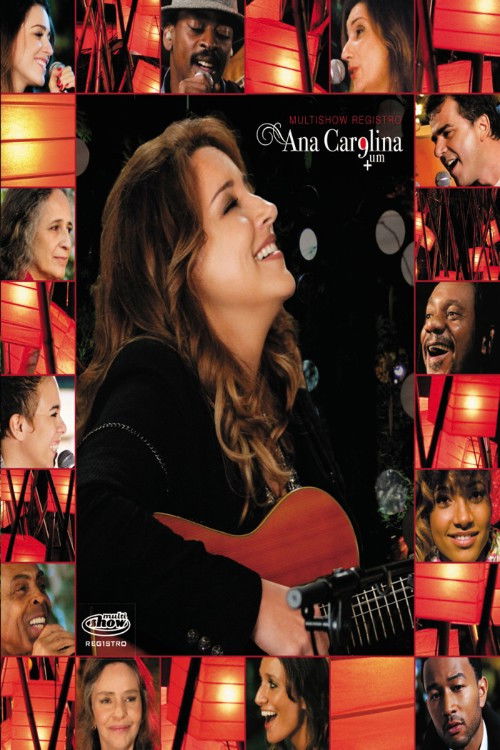
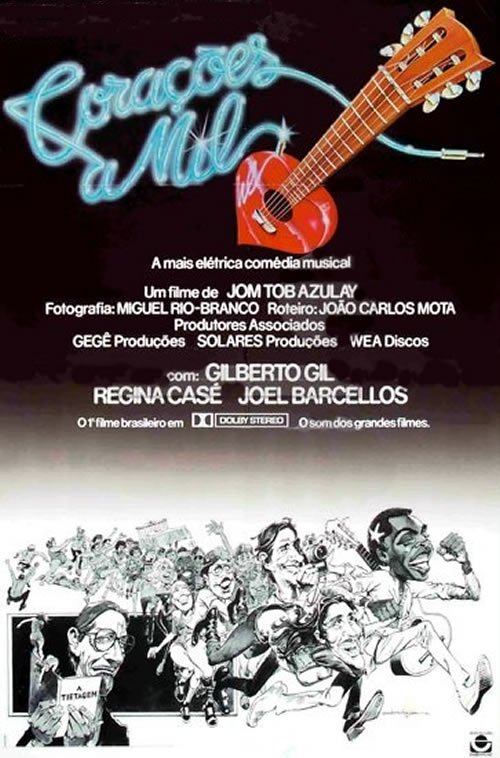
University teacher investigates the life of a famous Brazilian musician, trying to discover the secret of mass communication through his songs and performances, while ultimately falling in love with one of his groupies.
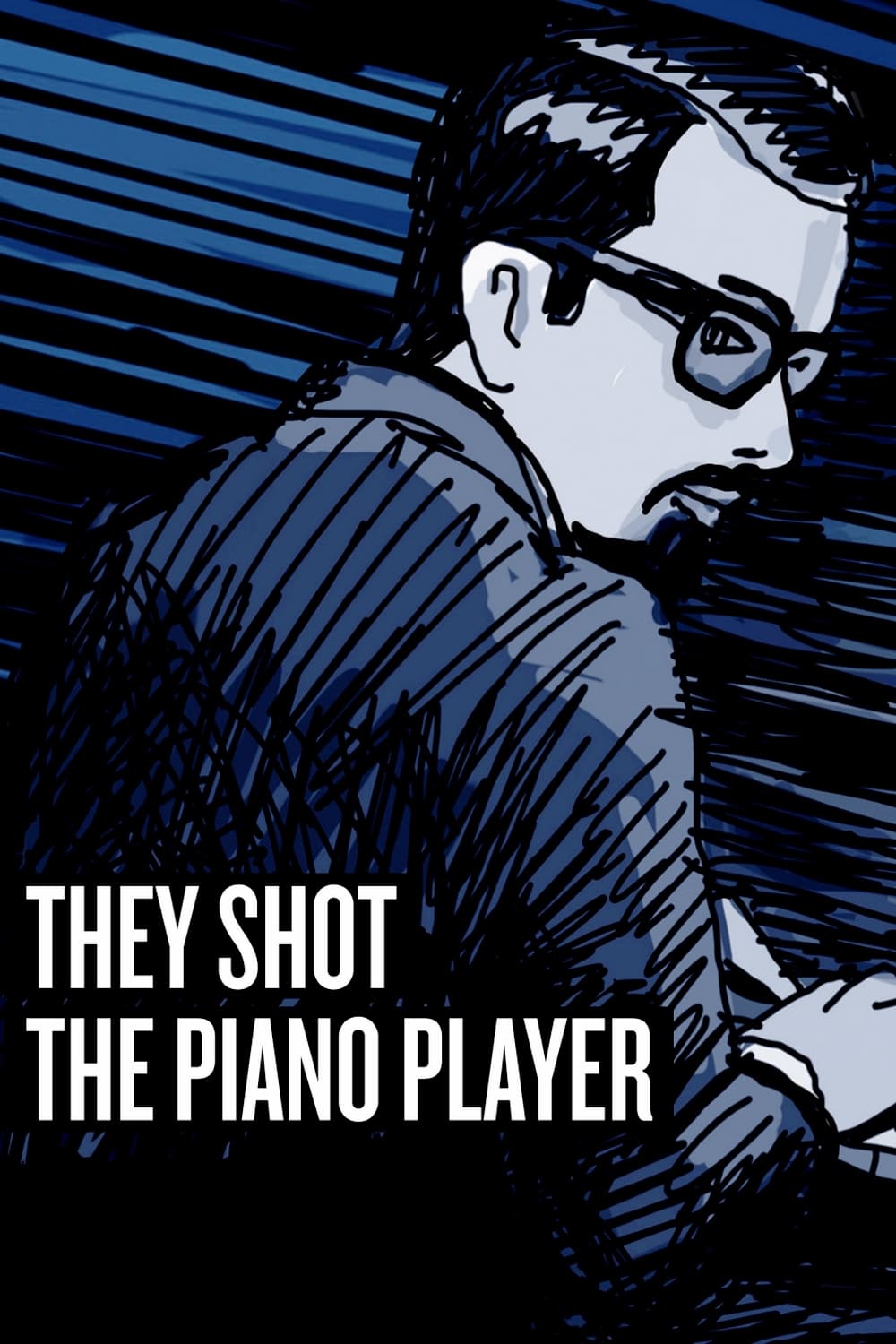
New York, 2010. Jeff Harris, a music journalist, sets out to uncover the truth about Francisco Tenório Júnior, a young Brazilian samba-jazz pianist who disappeared in Buenos Aires on March 18, 1976.

Festive Land examines one of the largest and most extraordinary popular celebrations in the world, the week-long Carnival that brings more than two million people to the streets of Salvador, the capital of Bahia, in northeastern Brazil. Carnival is the most expressive showcase of the unique cultural richness of Bahia, where African culture has survived, prospered, and evolved, mixing with other Brazilian influences to create forms found nowhere else in the world. The film captures this unique cultural energy through extraordinary footage of musical performances, dances, religious manifestations, and street celebrations. At the same time, Carnival reflects the racial and social tensions of Brazil's heterogeneous society. At first glance there appear to be two million people chaotically mixed on the streets, but a more detailed look reveals how patterns of segregation driven by racial, social and economic differences continue in Carnival.
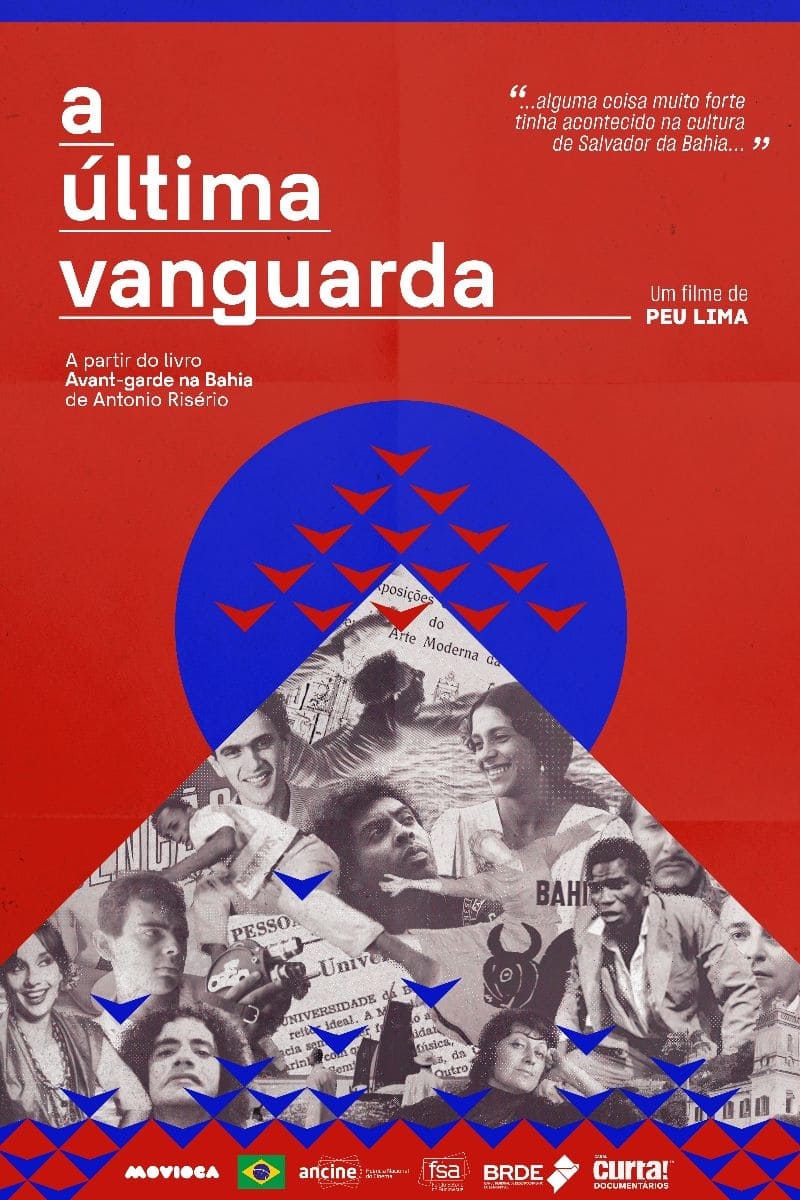
70 years ago, a visionary management in education and culture as a political strategy for the dissemination and development of Bahia gave rise to an artistic vanguard that still impacts Brazilian culture today.
Three blind sisters, Regina, Maria and Conceição, earn their living by singing in front of churches, in Brazil... They tell their amazing stories, full of drama, heartache, rape, poverty, death and hope.
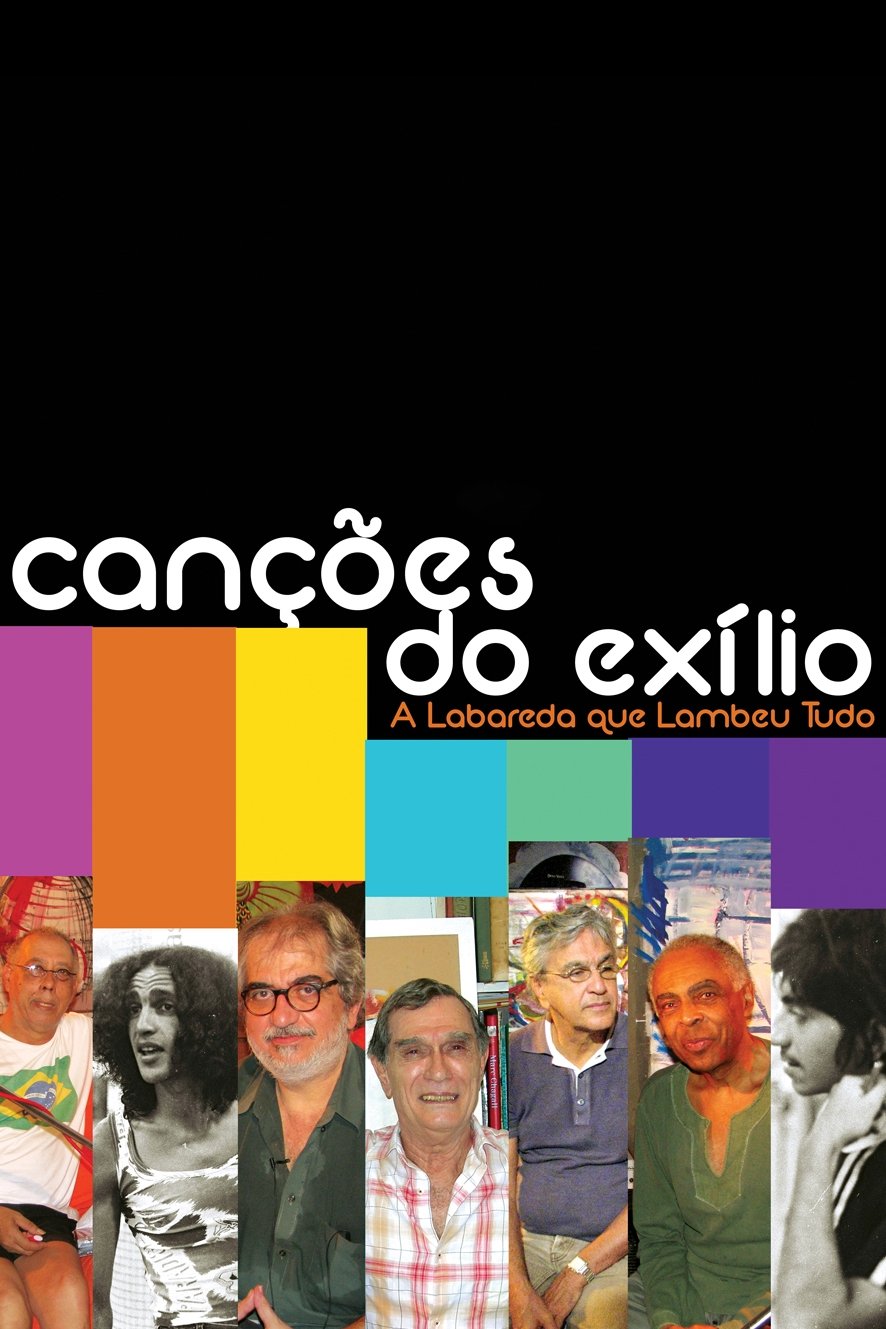
Caetano Veloso, Gilberto Gil, Jards Macalé and Jorge Mautner recall important moments during the military dictatorship the befell in Brazil from 1964 to 1985. The film presents the events of the prison, life in exile and the return to the country.
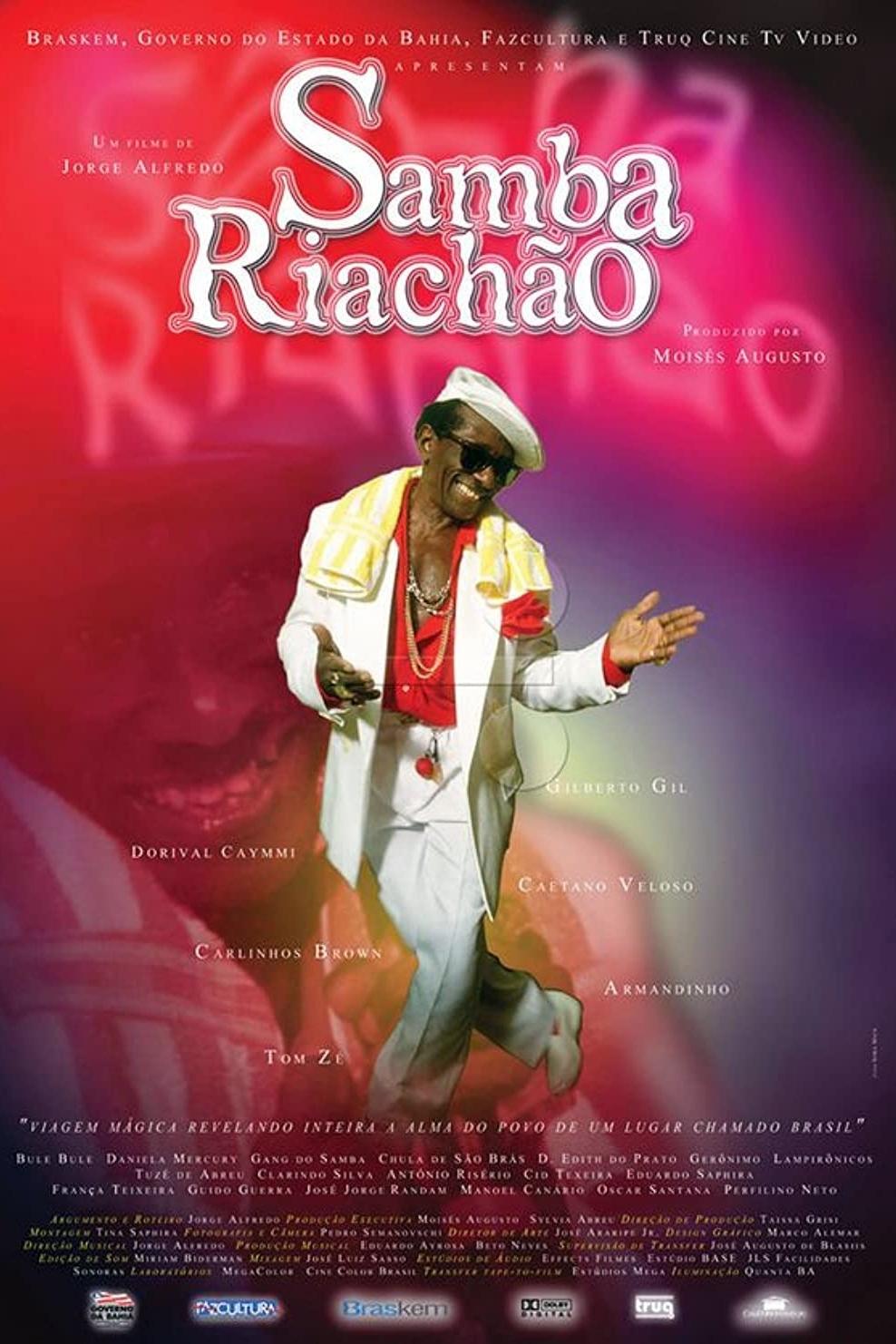
Documentary about samba musician from Bahia Clementino Rodrigues, aka Riachão.
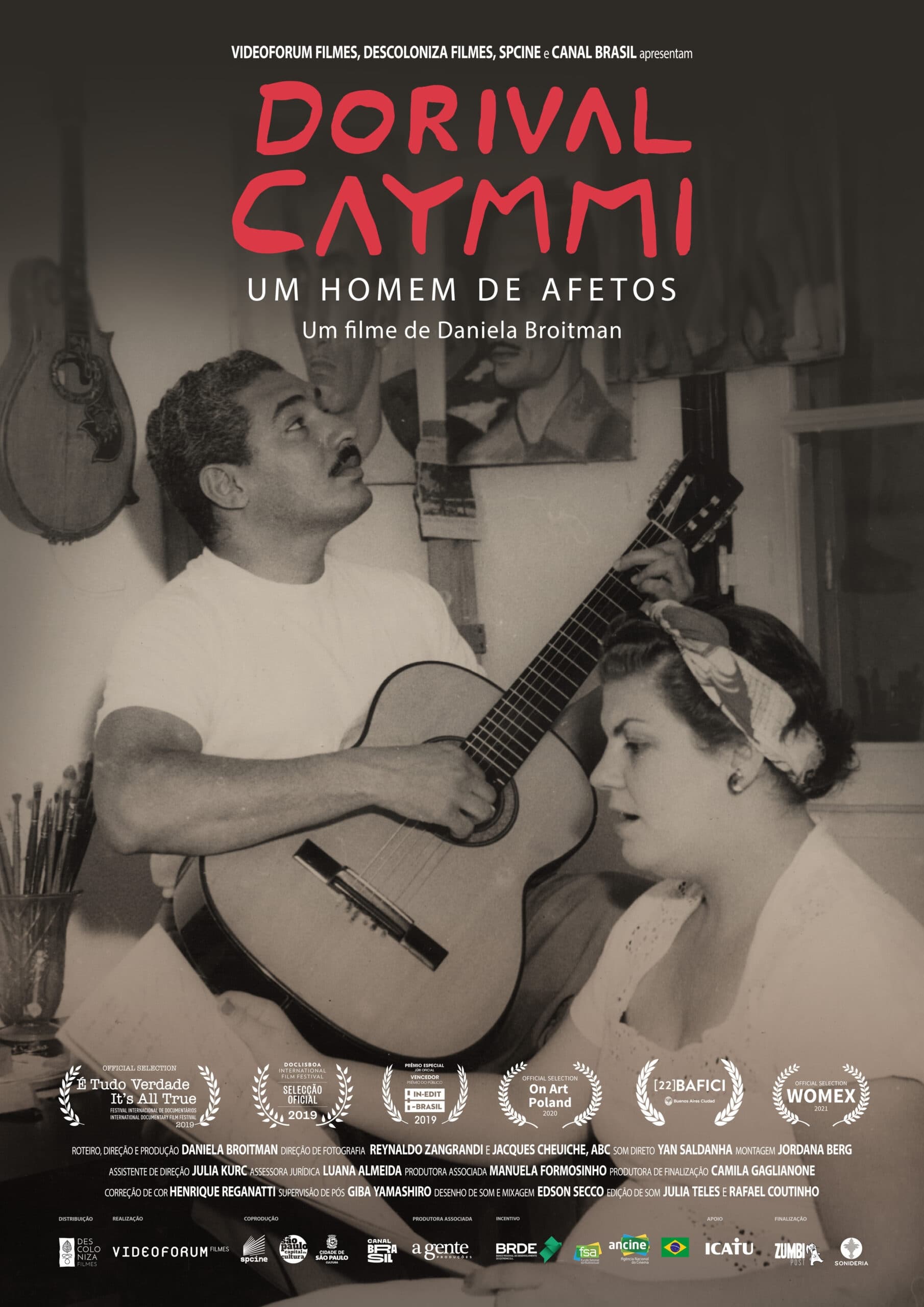
An irresistible journey through the universe of the singer and composer that revolutionized the song in Brazil and influenced generations of musicians, paving the way for movements such as Bossa Nova and Tropicália.
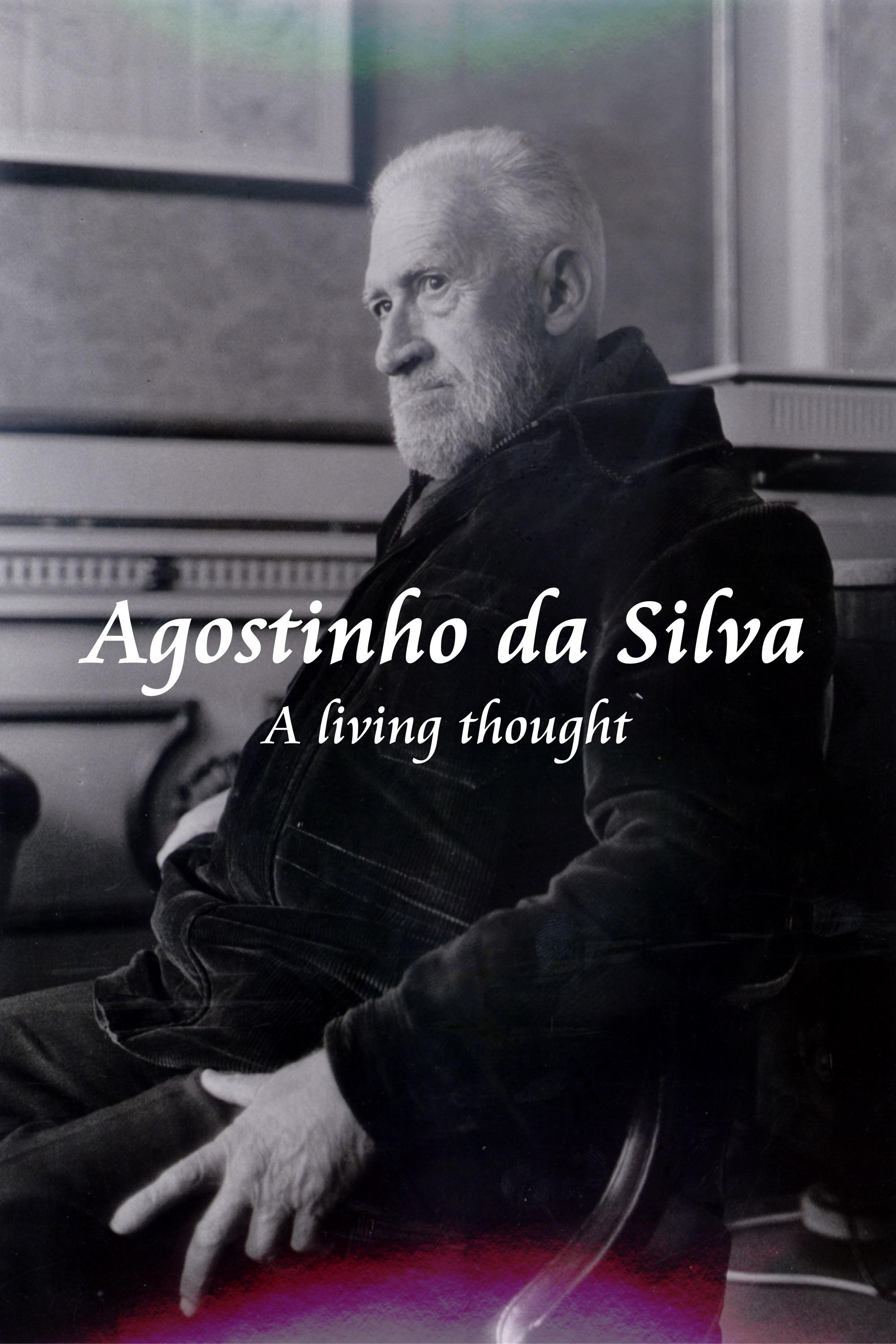
Life and legacy of Agostinho da Silva. Traversing the biographical journey, the life and work of the Luso-Brazilian philosopher, this work has testimonies from himself and various personalities of Portugal and Brazil that allow us to unravel his personality and multifaceted thought.

The biggest Brazilian historical festival of all time. The great cast of the 1973 Phonogram (now Universal Music) meets in three nights to protest against the curtailment of freedom of expression in those dark years of the dictatorship. With the images rescued in 2005, revealing exciting moments, containing the incredible presentations, it brings a team of all greatness and the opportunity to understand the path that Brazilian music has taken to the present day.
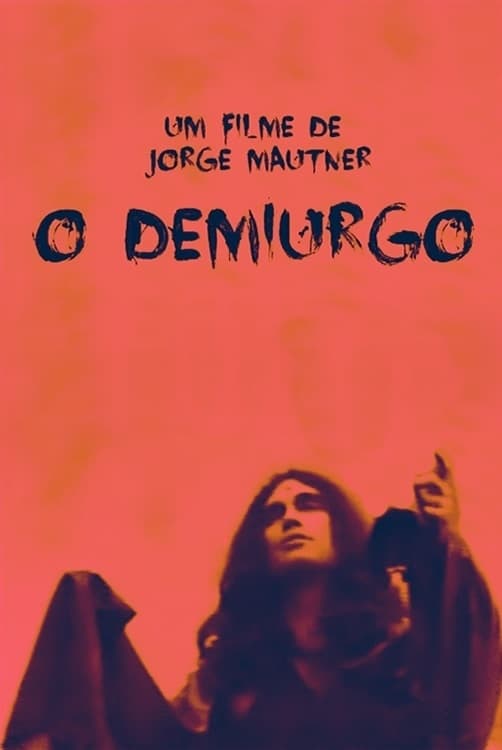
A colorful feature film that mixes exile with the figure of the poet Rimbaud and the feminist revolution. "It's super-intellectual. A fable-musical-philosophical-chanchada", Mautner says. He also affirms that the work focuses a lot on the longing for Brazil, on the will that the exiled had to return to their homeland. The idea came from conversations between the musician and his old father, "always talking about the pre-Socratics", he recalls. Glauber Rocha states that "The Demiurge" is the best film "of" and "about" exile.
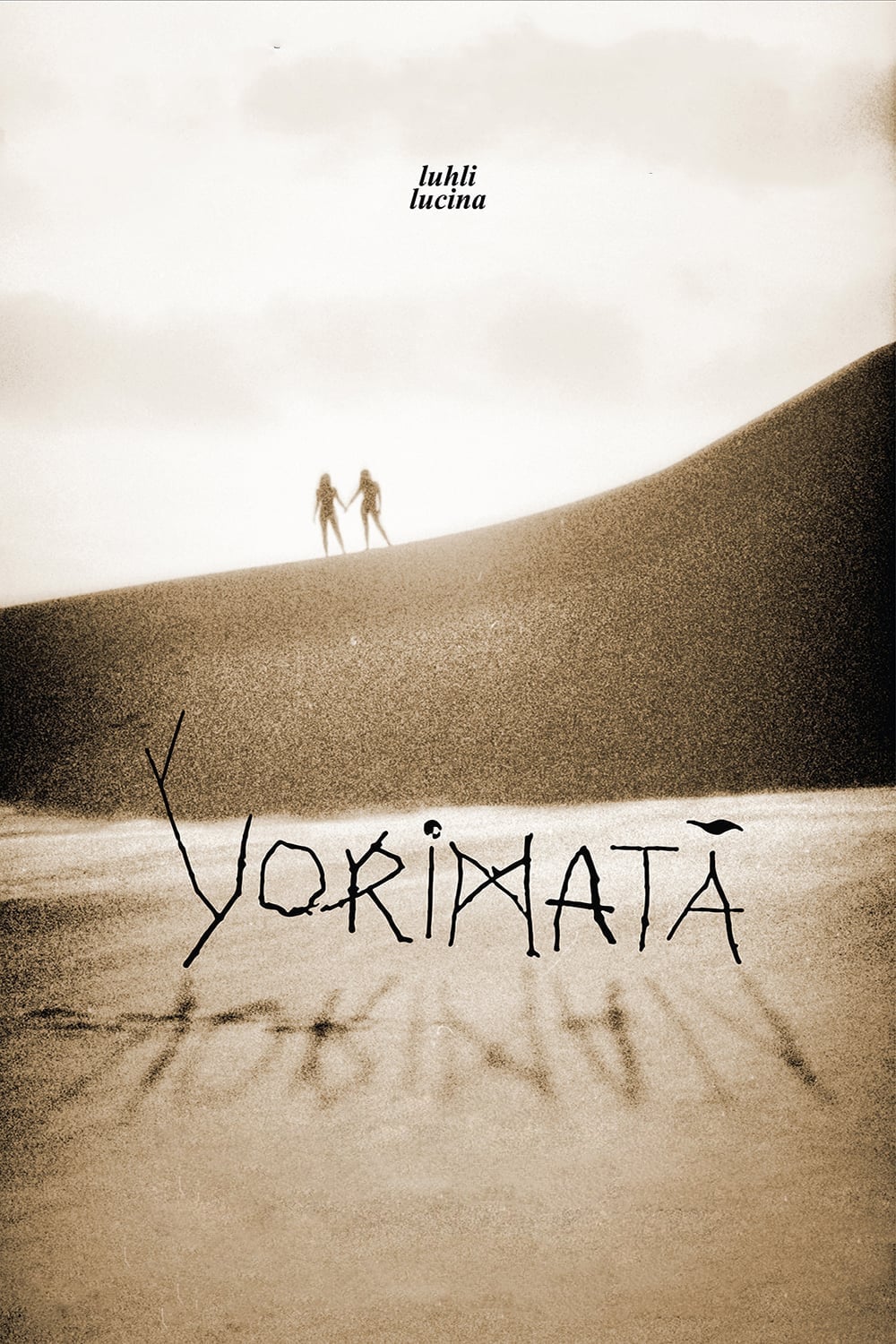
The lives of Luhli and Lucina, two especially important artists in the alternative cultural scene during the 1970s. In a time when transgression, love and peace guided behavior, we discover the love of two women for art, their spiritual universe, their lives in community and their three-way relationship with photographer Luiz Fernando Borges da Fonseca.
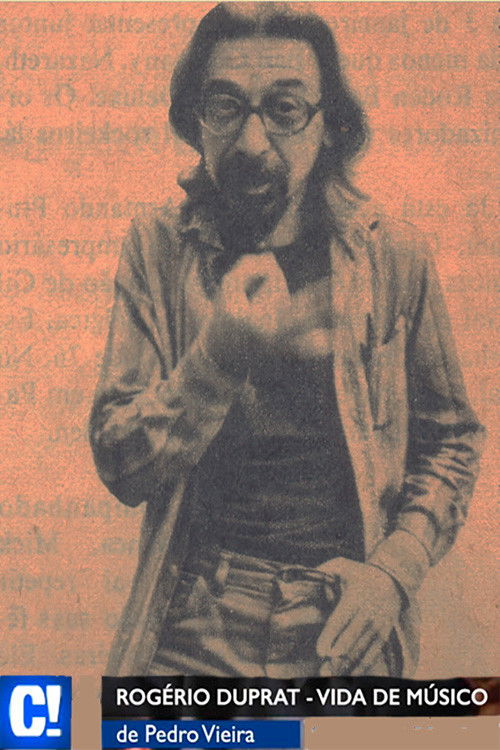
Documentary about amazing Brazilian musician Rogério Duprat, main orchestrator of Tropicália, his rehearsals with Gal Costa, Os Mutantes, Gilberto Gil and Caetano Veloso. There's also the first performance of his 1958 "5 Pieces for a Solo Cello" and pieces of the only recording of "Organismo", serial work inspired by a Décio Pignatari's poem.
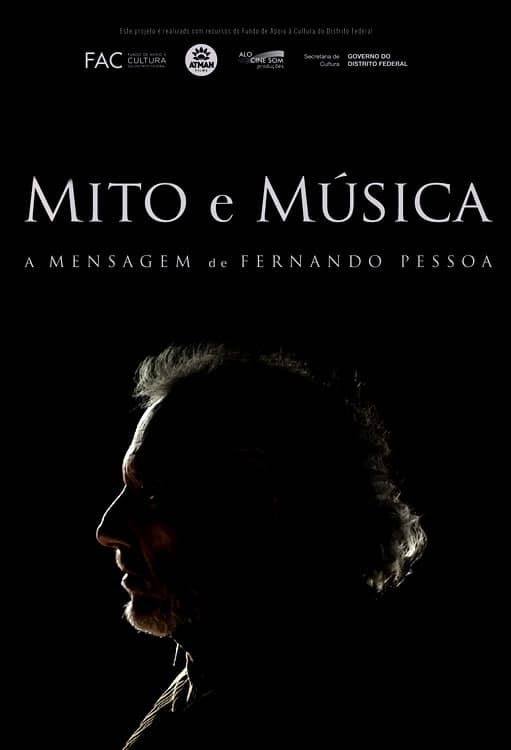
The documentary addresses the project, which took 30 years to complete, about the recording of 44 songs created for each poem in Mensagem, one of Fernando Pessoa's most emblematic books.

For this behemoth, Bressane took his opera omnia and edited it in an order that first adheres to historical chronology but soon starts to move backwards and forward. The various pasts – the 60s, the 80s, the 2000s – comment on each other in a way that sheds light on Bressane’s themes and obsessions, which become increasingly apparent and finally, a whole idea of cinema reveals itself to the curious and patient viewer. Will Bressane, from now on, rework The Long Voyage of the Yellow Bus when he makes another film? Is this his latest beginning? Why not, for the eternally young master maverick seems to embark on a maiden voyage with each and every new film!
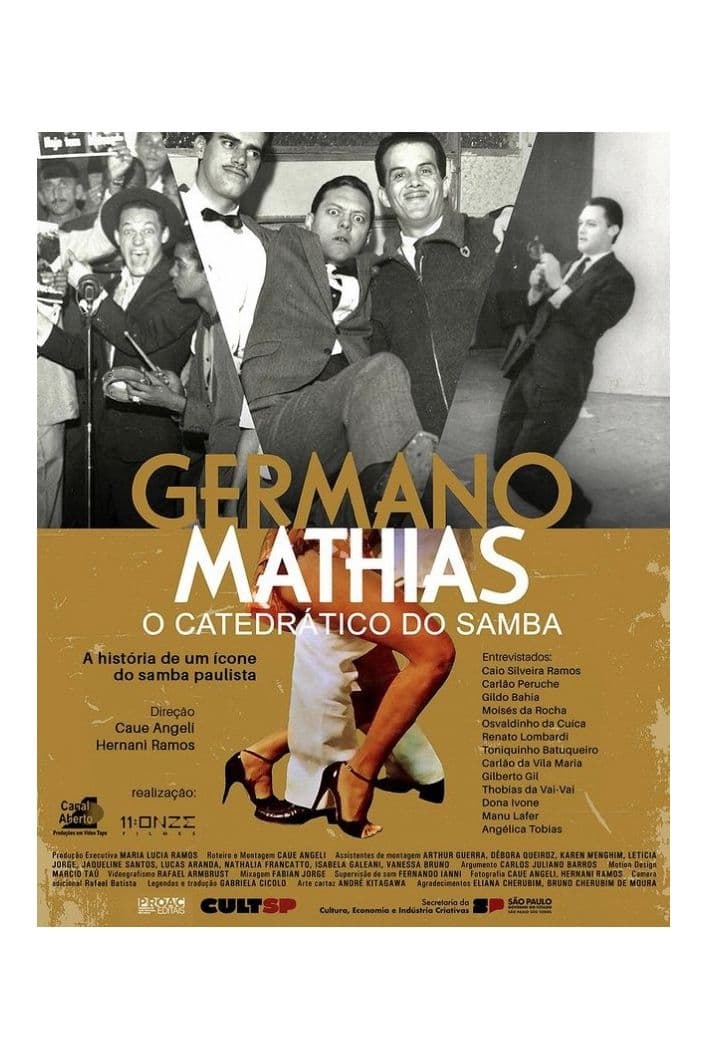
A white man, yet forged in the samba de engraxate that had its main stronghold in downtown São Paulo, Germano Mathias became an icon of a musical style that mixed a lot of "malandragem" and poetry. We follow Germano as he recounts his life, journey, and brings us memories of a city that, while it no longer exists, is still hidden from our distracted gazes.
Based on the life of the player Afonsinho, who was banned from playing football for growing his beard and hair and refusing to cut them. Fighting for his rights, the player managed to become the owner of his own transfer rights, that is, he obtained a "free transfer". From this incident, the film examines labor relations in Brazilian football.
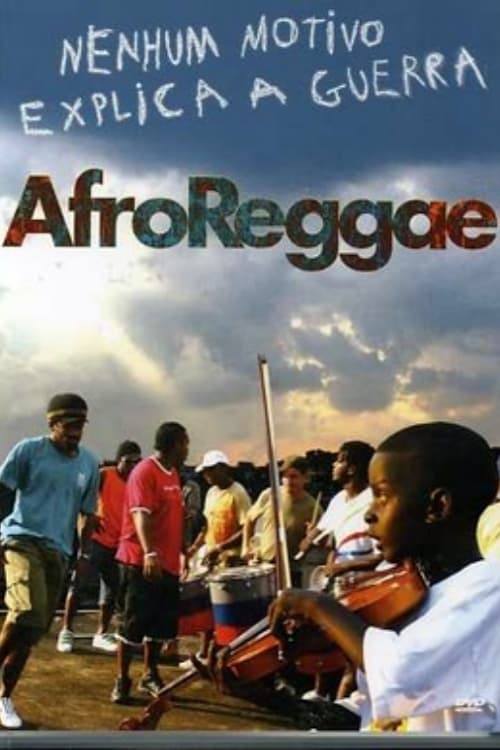
Afroreggae Cultural Group DVD containing a concert and a documentary about the group's social and cultural work at the favelas in Rio de Janeiro.

A detective is hired by a mysterious woman to find her missing husband, a master of disguises, and important industry executive.

Originally from Bahia and considered today one of the most globalised musical movements in the world, Axé is a musical rhythm that carries in its essence a good part of all the musical and cultural syncretism of Bahia. The documentary brings together interviews and archive images outlining the birth of Axé.
Composer Gilberto Gil accompanies filmmaker Andrucha Waddington to the Northeast of Brazil. Among the rural communities in the region, Gil and Waddignton participate in the Catholic celebration of Saint John's Day with music and dance. Waddington also analyzes the suffering of the population trying to survive through agriculture in difficult terrain.
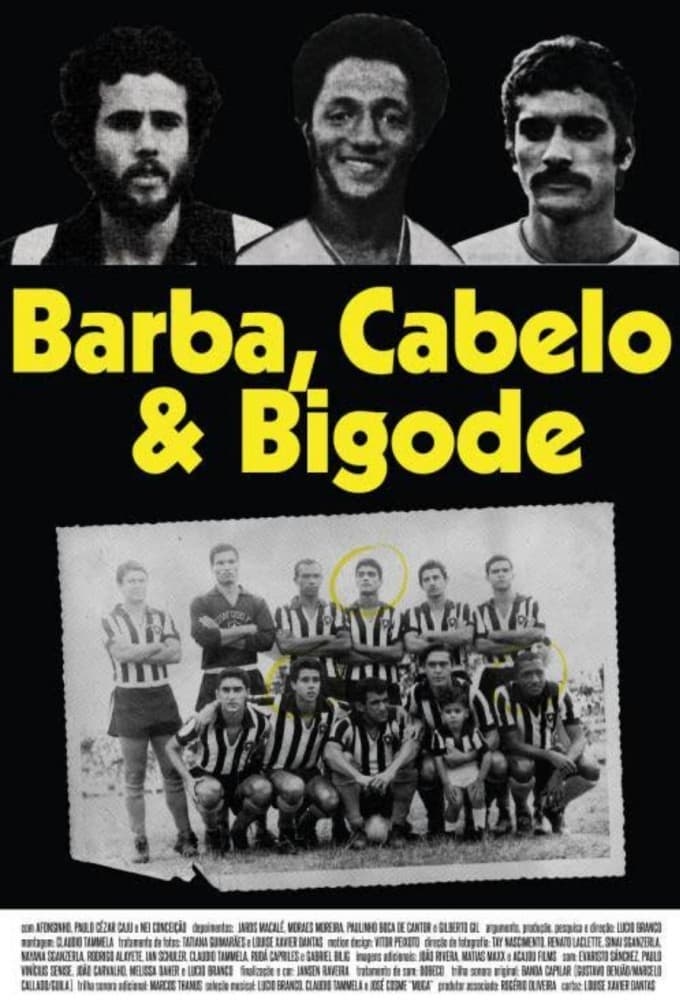
Afonsinho, Paulo Cézar Caju and Nei Conceição started their careers in the mid-1960s, a time of strong political repression in Brazil. Originally teammates of a celebrated generation of the Botafogo football team superstars, they did not give up their freedom when the military dictatorship decided to take control of the field.

Hunting Season deals with the wave of homosexual murders that plagued São Paulo and Rio de Janeiro in the 1980s. With street statements and cultural and artistic figures such, such as Zé Celso, Jorge Mautner, Roberto Piva and others.
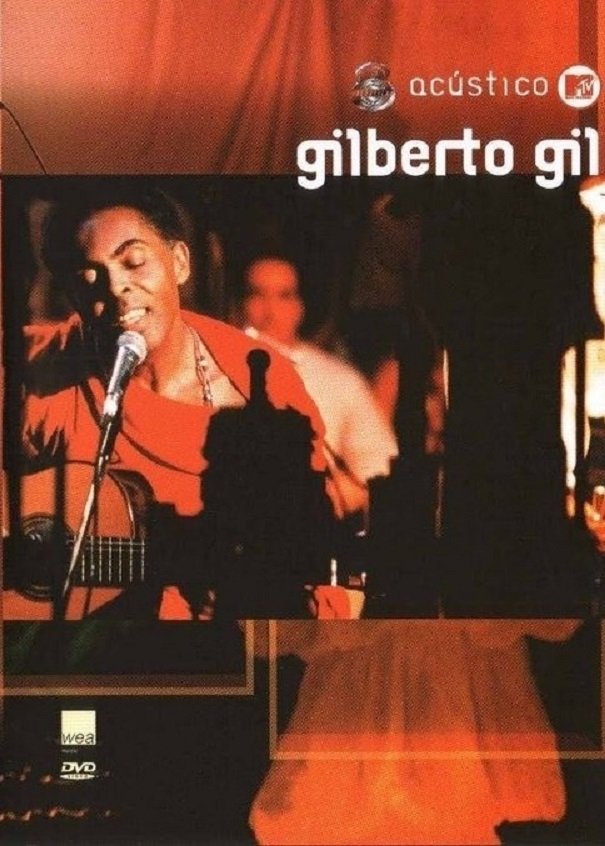
This performance by Gilberto Gil was recorded live at Estúdio Frame in São Paulo on January 18, 1994, as part of the MTV Unplugged series. It was originally broadcast on MTV later that year and released in 1994 on CD, LP and cassette. In 2001, the concert was also issued on home video DVD. The set featured songs such as "A novidade", "Drão", "Expresso 2222", "Aquele abraço", "Palco" and "Tempo Rei". Gil (vocals and acoustic guitar) was accompanied by Arthur Maia (acoustic bass guitar and double bass), Jorginho Gomes (drums and mandolin), Celso Fonseca (acoustic guitar), Marcos Suzano (percussion) and Lucas Santtana (flute).
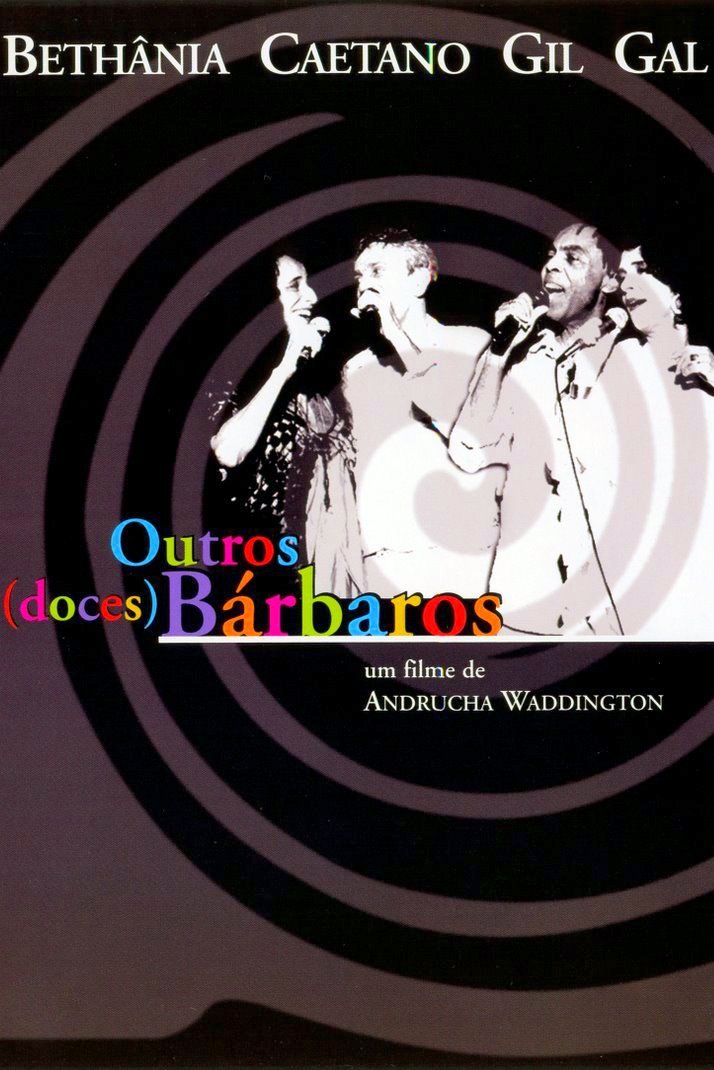
Almost thirty years after the first reunion of Doces Bárbaros (four of Brazil's major popular music stars: Caetano Veloso, Gilberto Gil, Gal Costa and Maria Bethânia), the artists involved decided to get together again for limited concerts in São Paulo and Rio de Janeiro, in December 2002. The film documents the group's live performances, rehearsals and interviews.
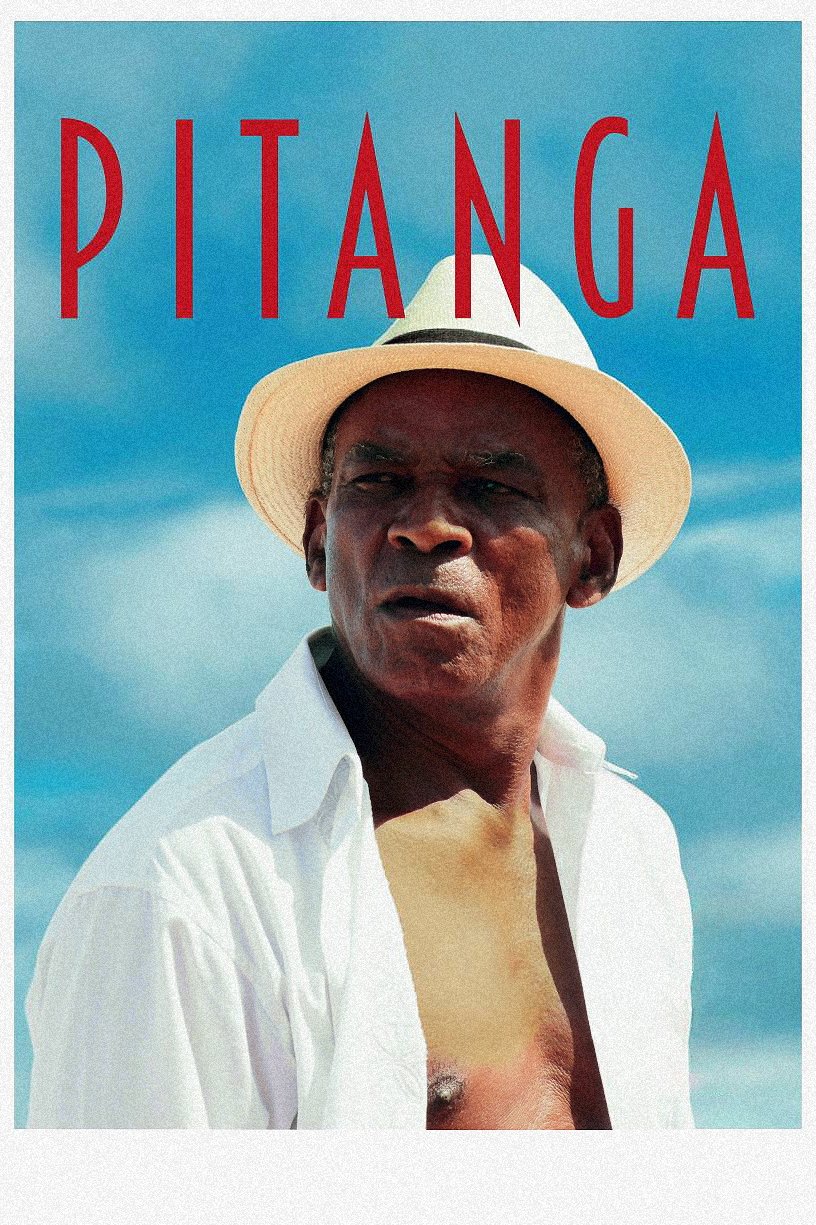
This documentary investigates the aesthetic, political and existential trajectory of emblematic Black Brazilian actor Antônio Pitanga. His career spans over five decades, and he has worked with iconic Brazilian filmmakers Glauber Rocha, Cacá Diegues and Walter Lima Jr. He was a prominent figurehead and outspoken activist during the Brazilian dictatorship, a period of unrest in Brazilian cinema. "Pitanga" deep dives into the world of Antônio and the history of Brazil. The documentary was directed by his daughter Camila Pitanga, one of widely recognised faces in Brazilian television and cinema right now. The film is also a poem, and a tender ode to fatherhood.
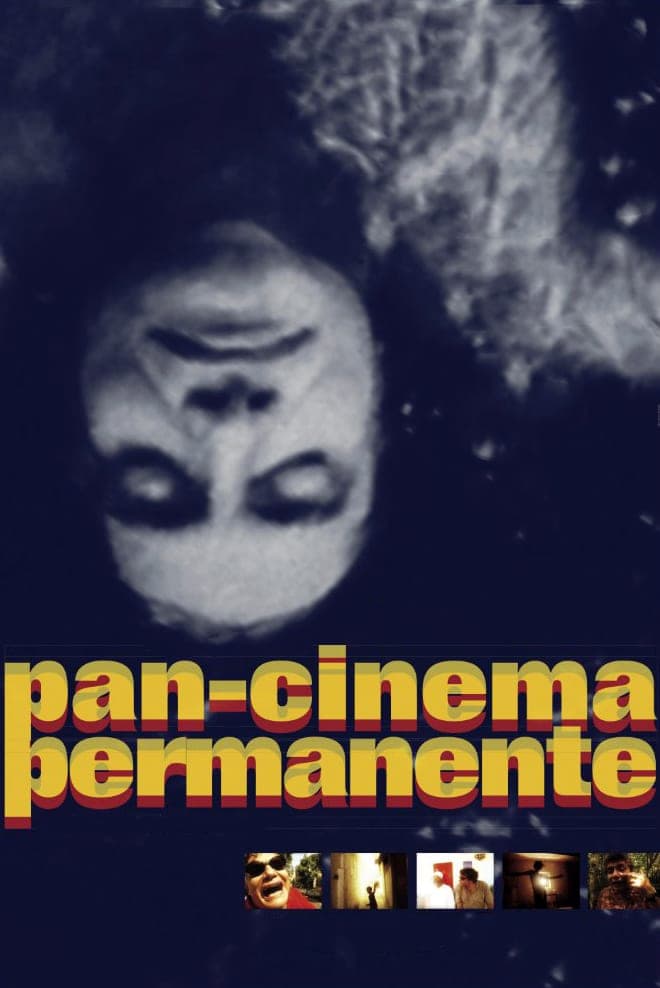
Documentary about Brazilian poet Waly Salomão, for whom life was always a fictional film and poetry was a way to expose any naturalistic pretention. His convictions affected many friends like Antonio Cícero, Caetano Veloso and Carlos Nader, who documented Waly's life for 15 years. But how does one make a documentary about someone who believes everything is fiction?

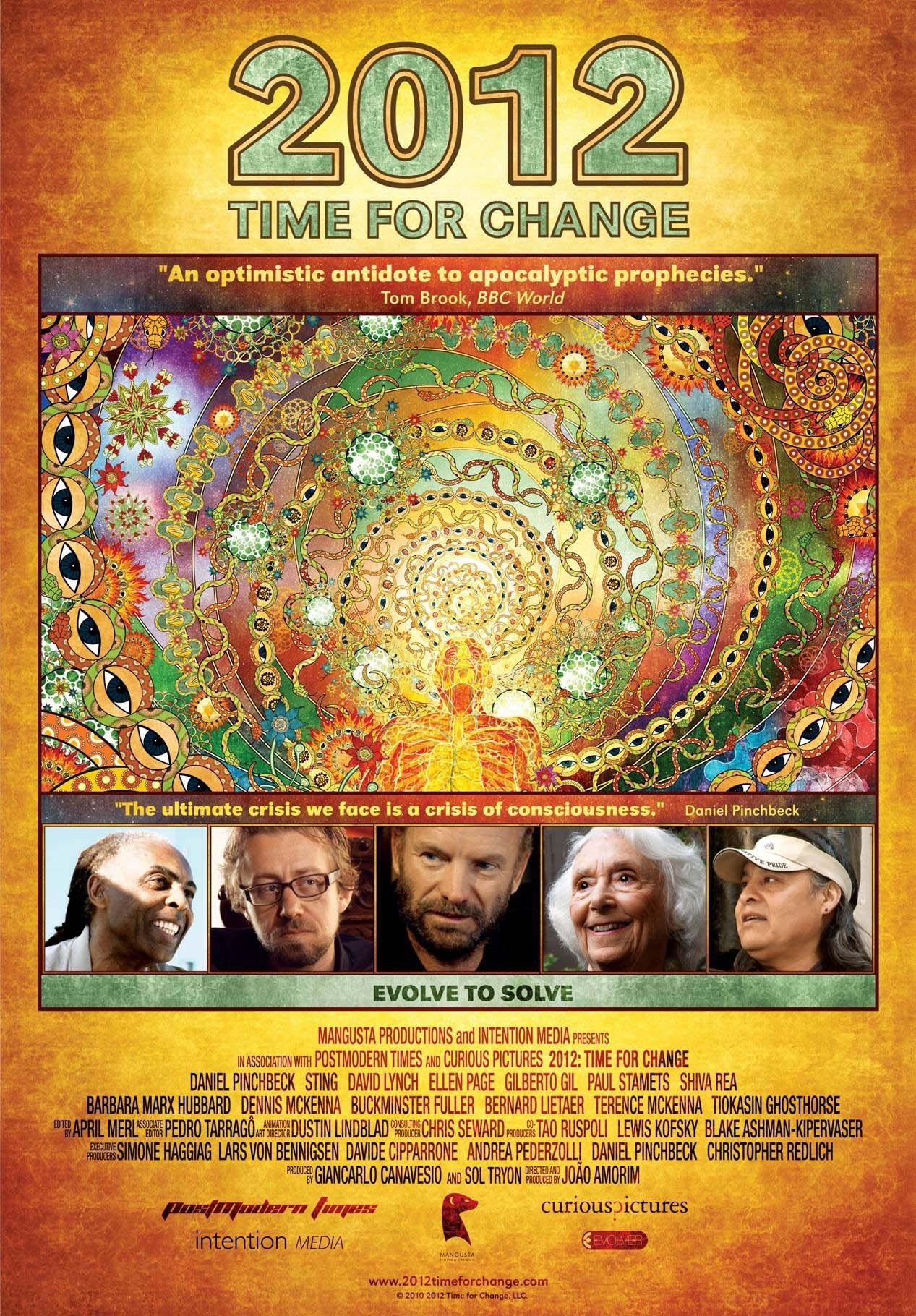
2012: Time For Change is a documentary feature that presents ways to transform our unsustainable society into a regenerative planetary culture. This can be achieved through a personal and global change of consciousness and the systemic implementation of ecological design.
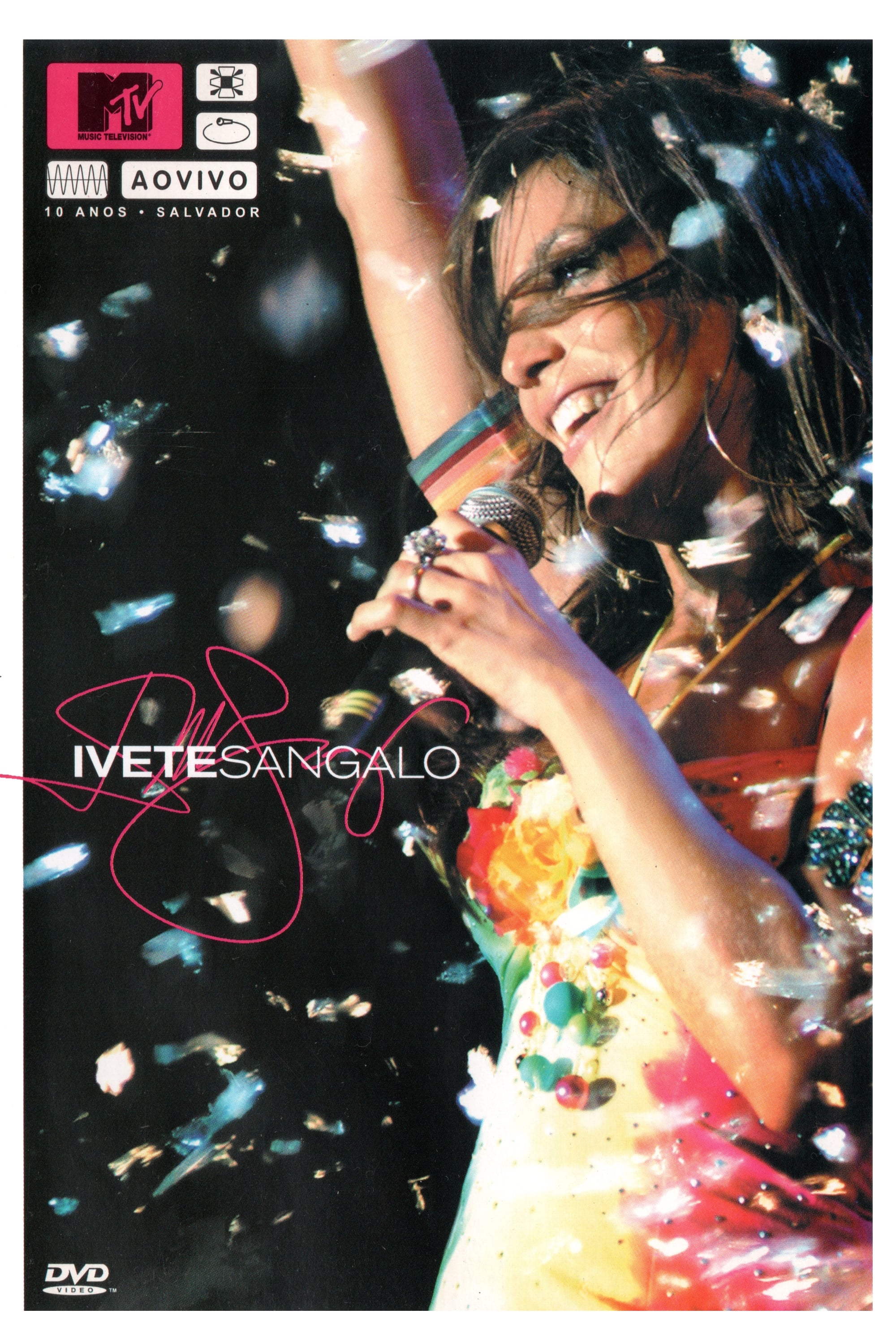
Live performance by brazilian singer Ivete Sangalo recorded at Salvador, Brazil, presented by MTV.
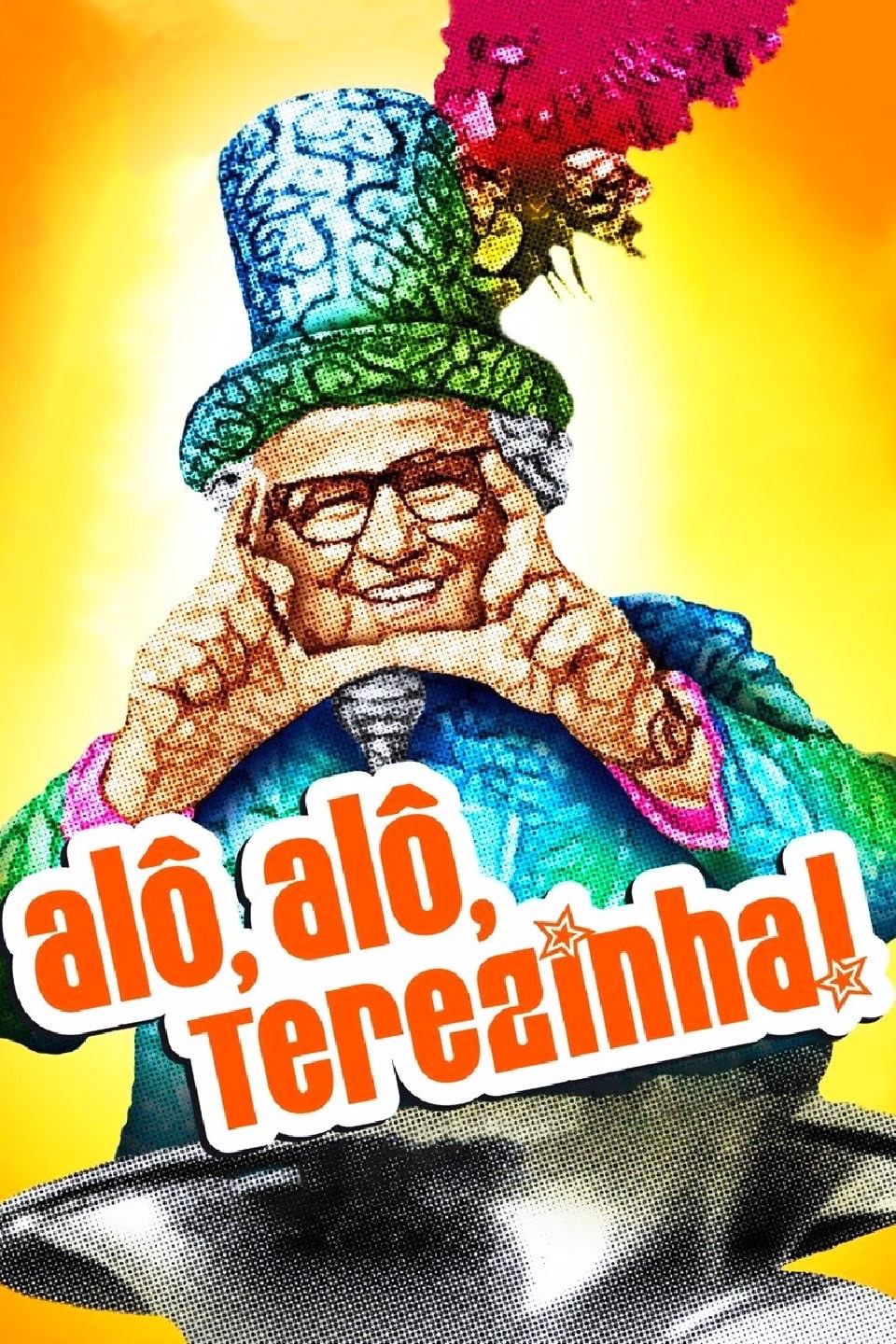
Hello, Hello, Terezinha! is a feature-length documentary about the country's biggest communication phenomenon. Politically incorrect, radical, renewing, Chacrinha changed Brazilian television forever and expressed a Brazil that was around it, but was not perceived. The film tells the great adventure of Abelardo Barbosa through the eyes of the presenter. It gathers the nuclei of its constellation - chacretes, fledglings and artists who passed through its programs - to identify their individualities and their emotions.
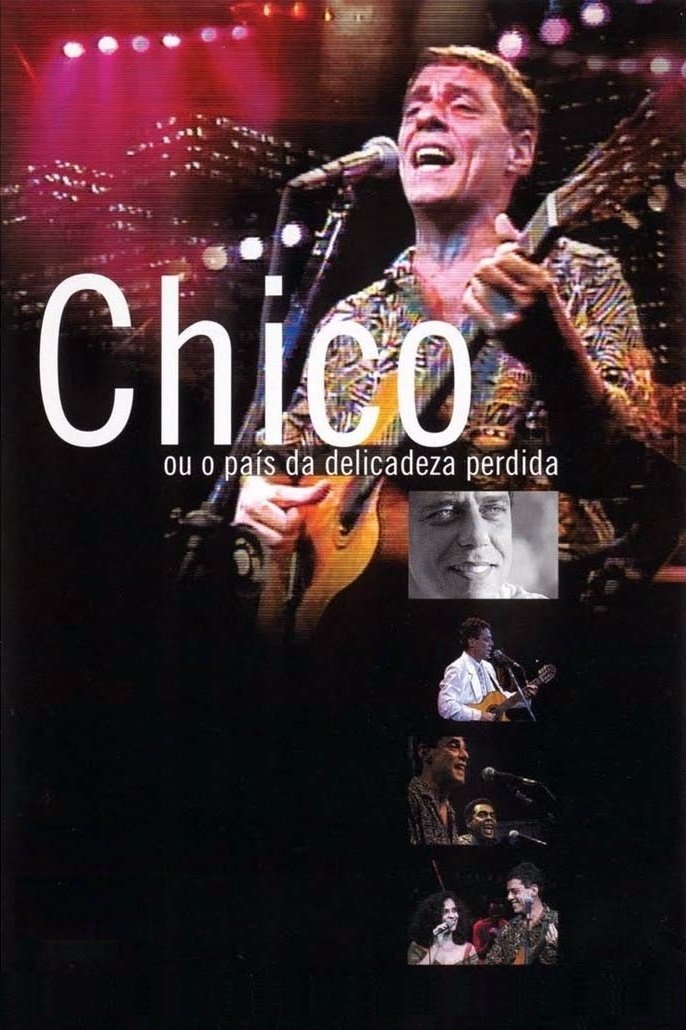
A look into the 25 years of career of famous musician Chico Buarque and his influence in Brazilian culture.

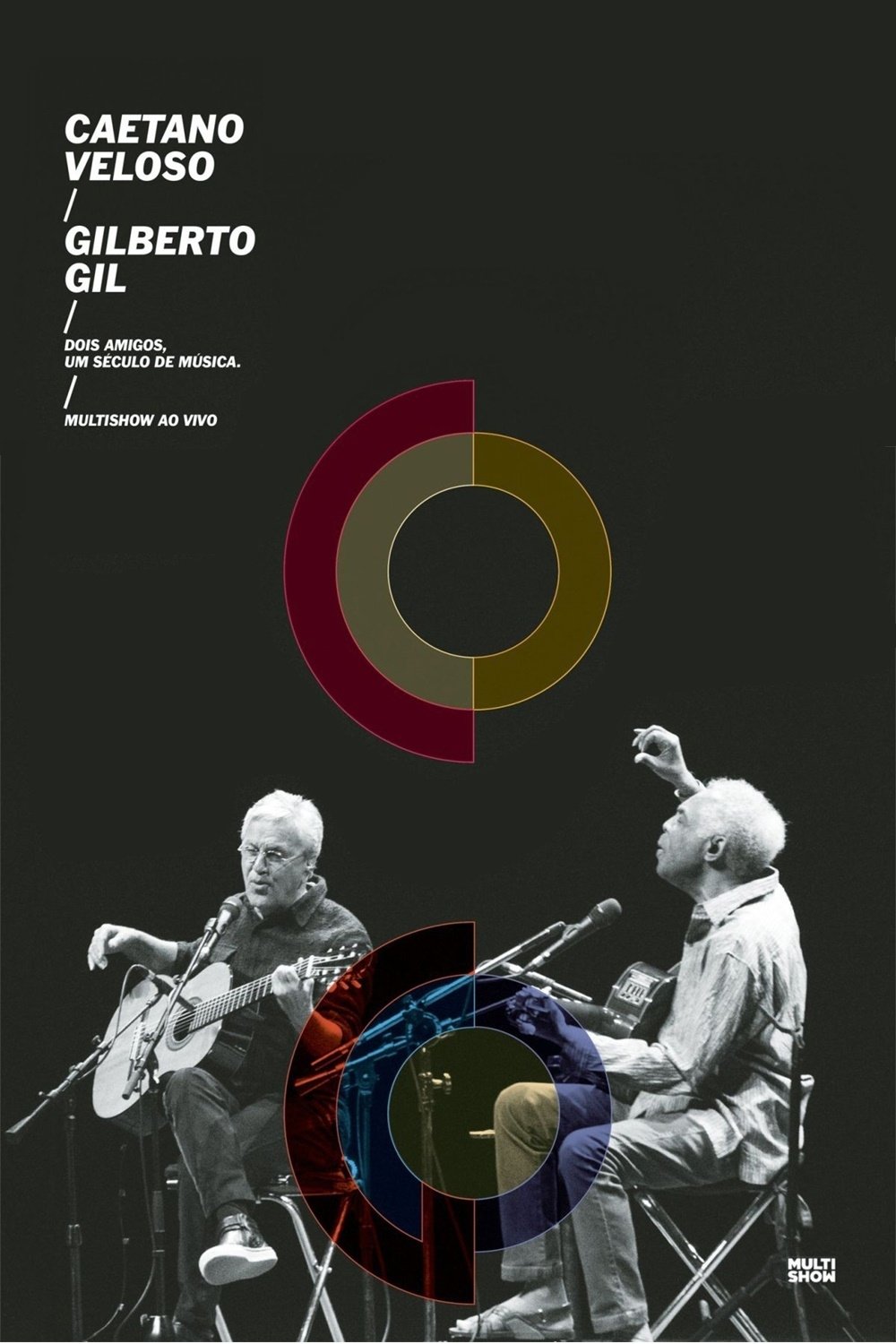
Two of the biggest names in 20th century pop music together on stage, accompanied by their guitars. In "Two Friends, A Century of Music", Caetano Veloso and Gilberto Gil celebrate their 50 years of career by retaking the partnership on stage. In simple and intimate arrangements, Gil and Caetano celebrate brilliant trajectories that began in the same place: Bahia. It was from the friendship that began at the time that they were students, that the two singers and composers gave origin to a partnership that, years later, would base one of the most expressive movements of Brazilian art, Tropicália.
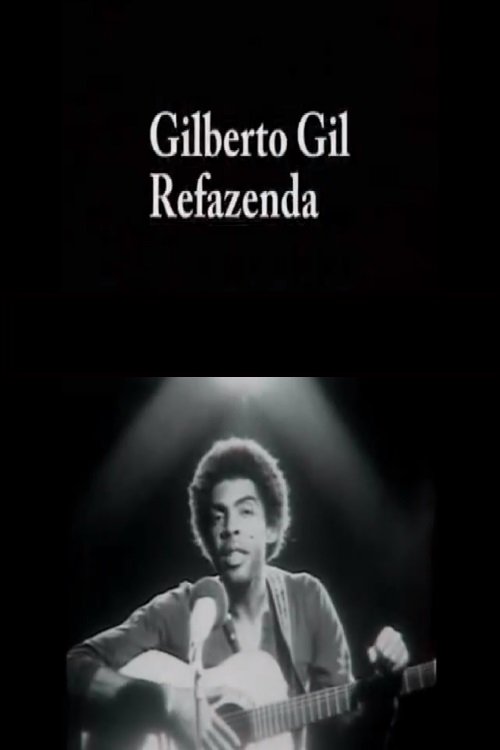
In 1975 Gilberto Gil was releasing his album 'Refazenda', and talk a little about it in this interview.
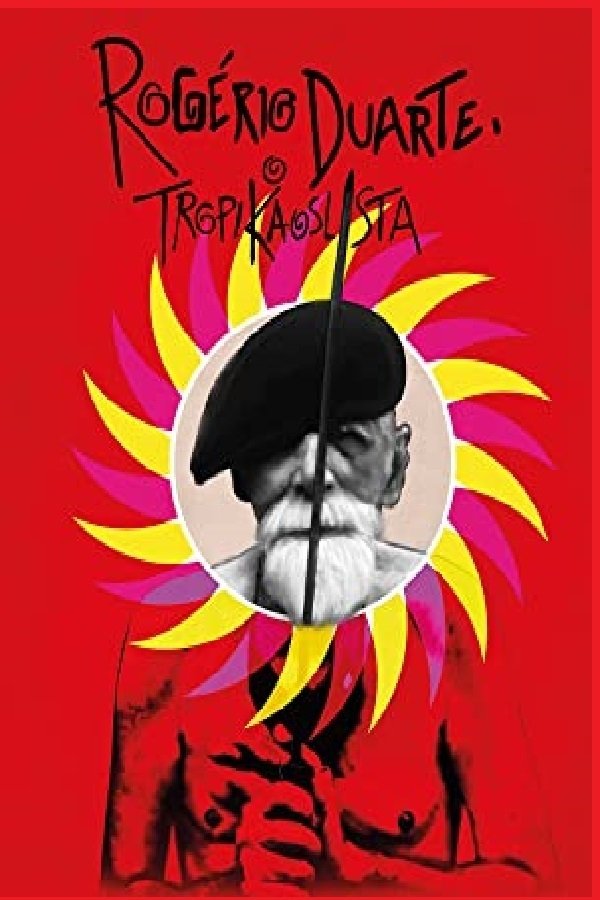
Rogério Duarte is one of the most important names in Tropicália, a Brazilian cultural movement of the 1960s. The plastic artist was one of the first to publicly denounce the tortures committed in the military regime. During the dictatorship, its political action and its cultural achievements mobilized many artists and inspired a whole generation.
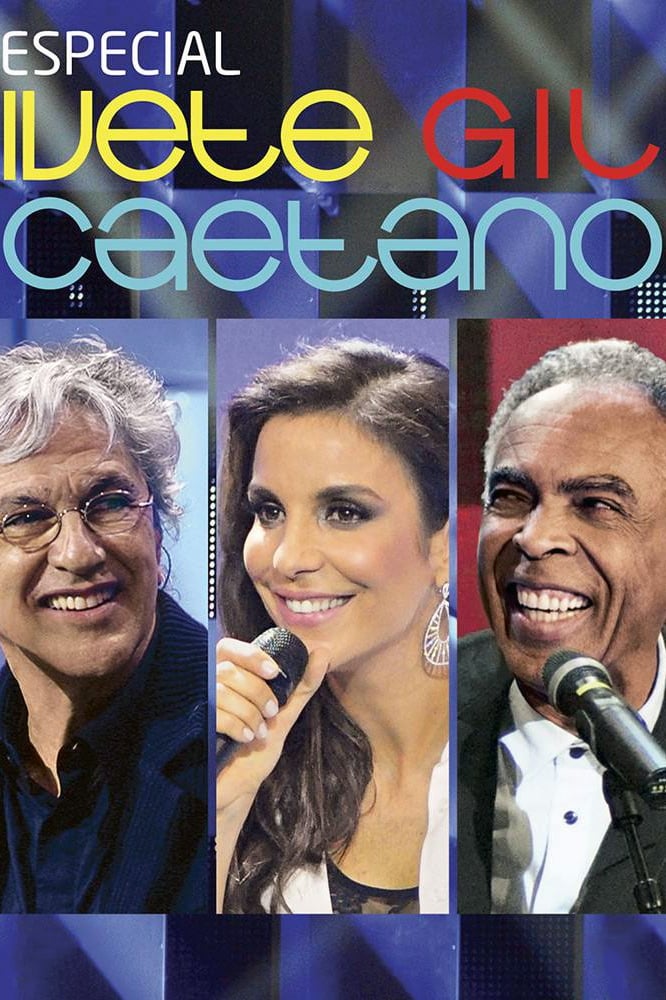
Year-end special brought together three interpreters of Brazilian popular music - Gilberto Gil, Caetano Veloso and Ivete Sangalo - to honour the Brazilian woman.

Chico and Ana move to an apartment in São Paulo. As they unpack Ana found a cassette tape. It's a mix-tape that Clarisse made 20 years earlier to her husband Daniel. Albeit separated by time, both stories will cross paths in a unique way.
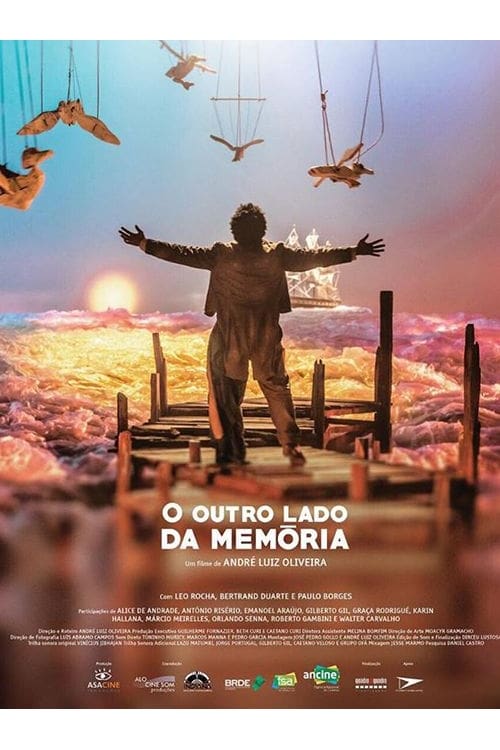
In 1996, filmmaker André Luiz Oliveira started preproduction of Viva o Povo Brasileiro, a film adaptation of the novel by João Ubaldo Ribeiro. Principal photography went on for nine years, but the production was shut down after a series of unfortunate events. This documentary retells that story, repurposing the fictional footage and chronicling the work both in front and behind the scenes.
A documentary on the restoration of Rogério Sganzerla's 1970 film "Copacabana, Mon Amour".
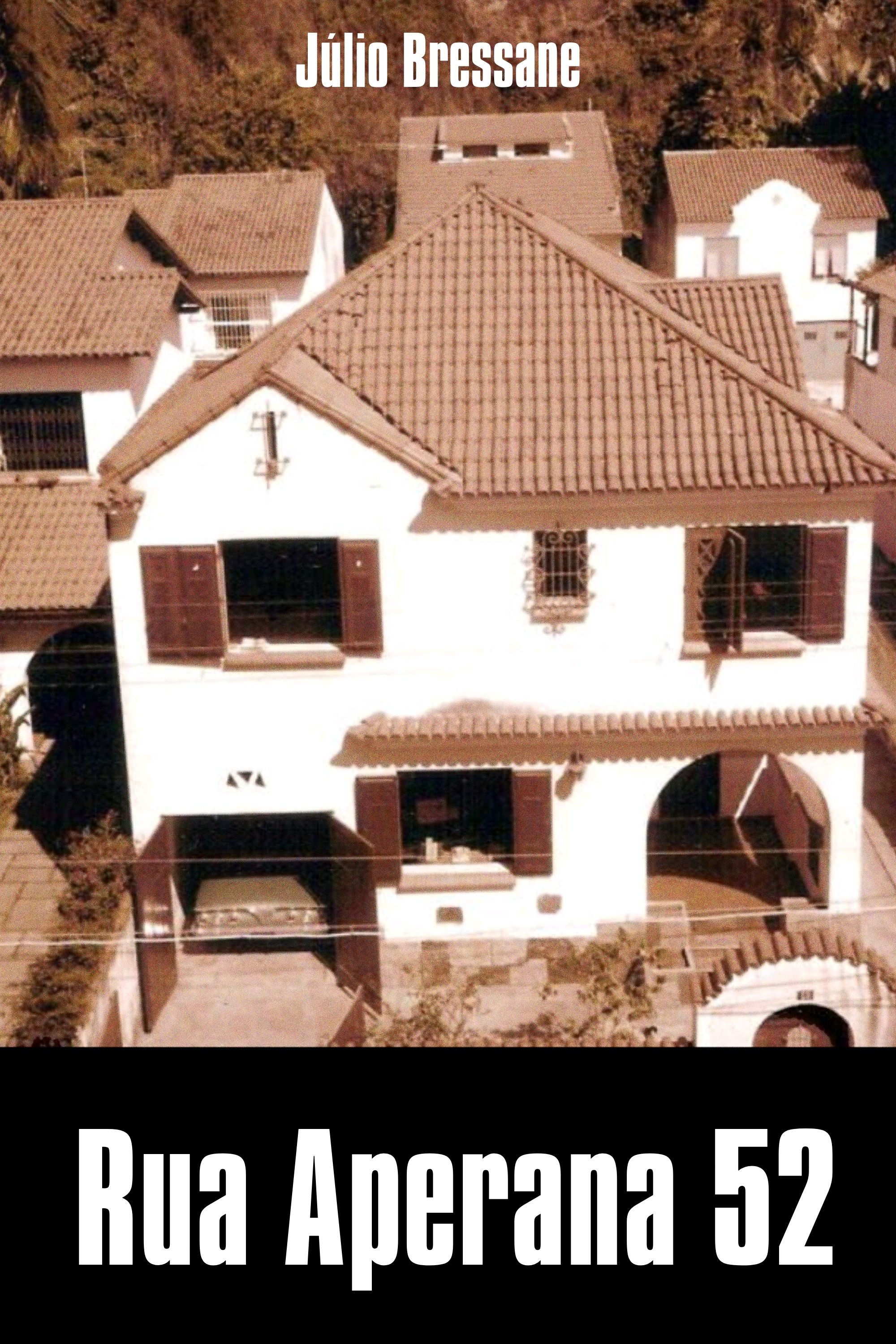
In his film Rua Aperana 52 Júlio Bressane describes the invention of a landscape, the topology of a corner of Rio de Janeiro. The film consists of a series of photographs taken between 1909 and 1955 by, among others, Bressane's parents at and around the address used as a title. These are interlarded with scenes from films made between 1957 and 2005, bringing the total fictional time the film covers to almost a century; one hundred years in which the winding road featured in almost every shot structures the new landscape behind the Aperana, which means 'wrong road'. Rua Aperana 52 is autobiographical, as it is a landscape from Bressane's youth, but it is also not so; it is more a multi-subjective mythology of a place seen through all those films and photographs. Bressane refers to his editing as an intuitive form of thinking aimed at evoking moods which make the viewer the new witness of the fictional landscape. A fiction about a fiction,
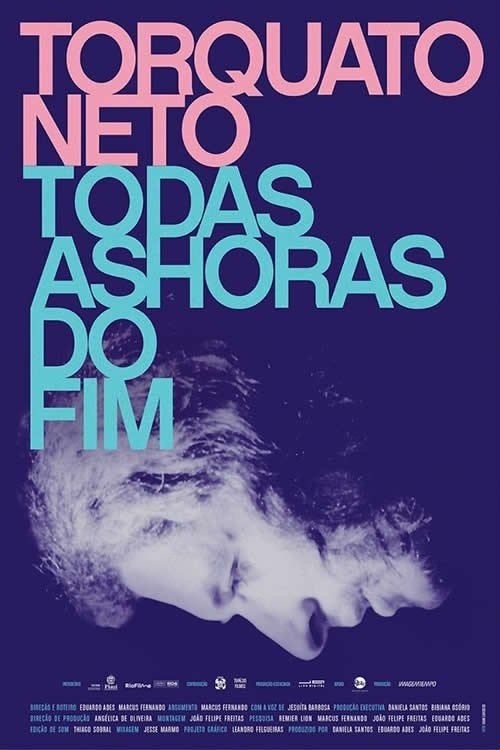
The story of Brazilian poet Torquato Neto, who lived passionately through fracturous times and worked in several fields, including music, journalism, and cinema. He was an active participant in the revolution of Tropicália and marginal art, which changed the course of Brazilian culture in the 1960s and 1970s, until he committed suicide on his 28th birthday.
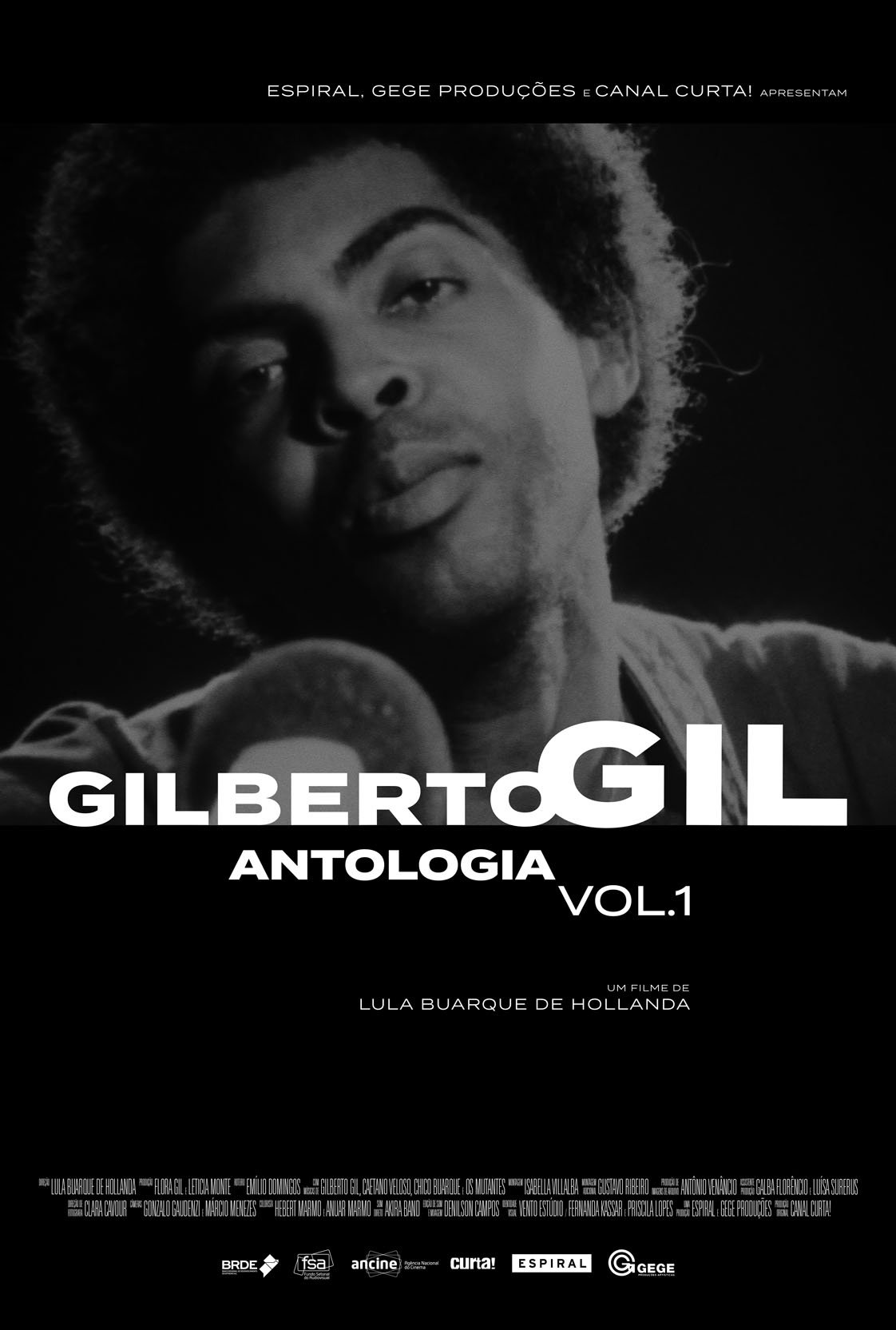
The documentary goes through works composed by the Bahian musician between 1968 and 1987. Brazilian musician Gilberto Gil, one of the most well-known members of the Tropicália generations, revisits some of his most famous works on this documentary.
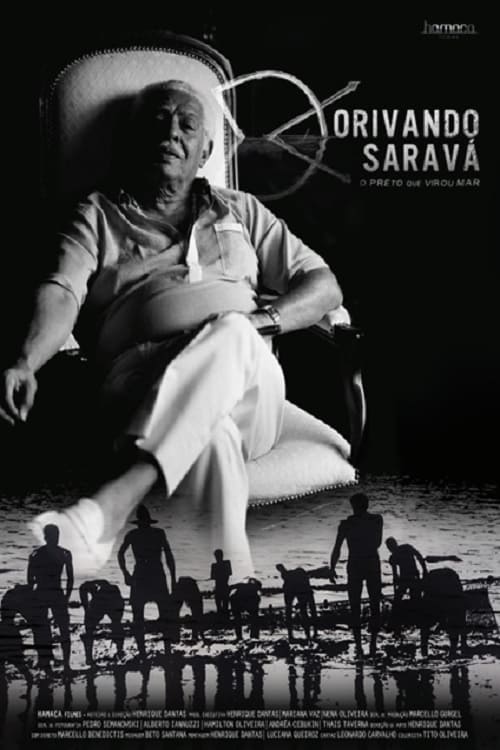
Singer, composer, actor and painter, Dorival Caymmi was a multiple artist, but what they may not know is his pioneering work in introducing candomblé into Brazilian popular music. Recreating in a poetic way concepts present in Caymmi's work and life, the documentary revelation of the artist from his own lines, mined in old magazines.
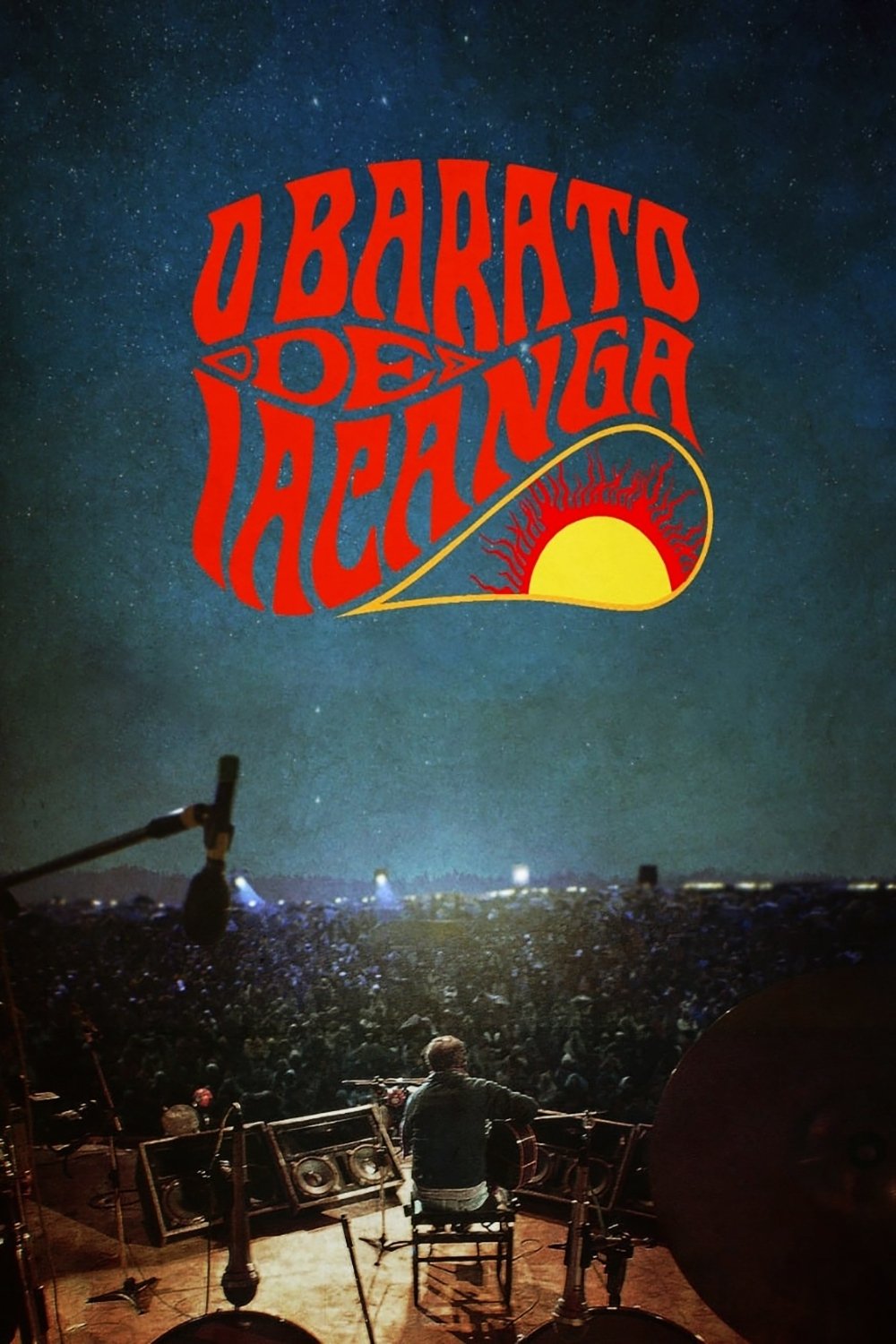
Participants recall a series of festivals held on a farm in Brazil during the '70s and '80s that evolved into liberating celebrations of music.
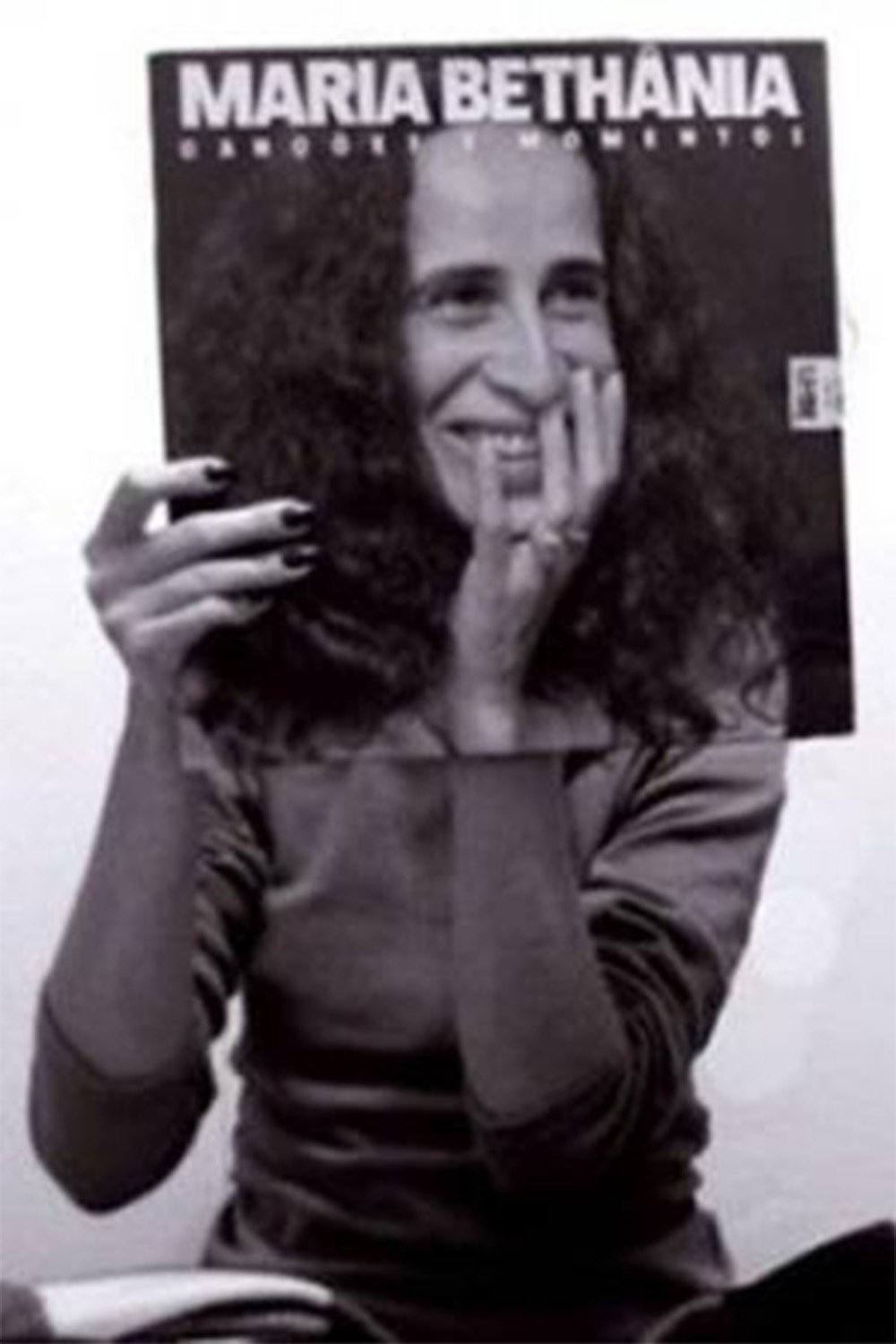
This is a journey of friendship, an Argentinian is going to rediscover his continent while searching for his friend from Bahia. And while the work, the records and the career of this great lady of Brazilian music are well known, the starting point, the training, the first years remained till now in a vaguely legendary and imprecise blur. Thanks to many investigations that concern as many places as times, thanks to journeys back in time through the towns and regions, the film seeks the origins of Maria Bethânia’s voice and style. Helped and led by Bethânia herself, with the assistance of Caetano Veloso and Chico Buarque, the two princes of Brazilian music, along with the complicity of the great Gilberto Gil, the author is allowed to go to the first context : the North-East. In the family home in Santo Amaro, the film finally touches the childhood of Maria Bethânia – and her brother Caetano, and this mysterious point – from which the music radiates.
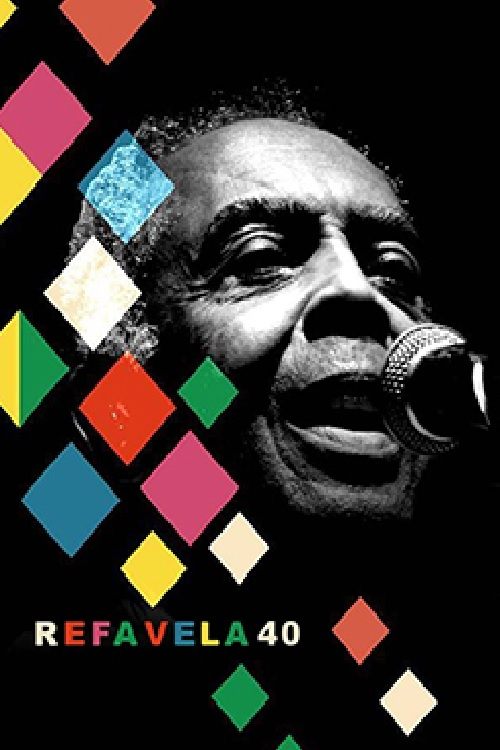
In 1976, Gilberto Gil traveled to Lagos (Nigeria) with the purpose of participating in the Second Festival of Black Art and Culture. The event had the participation of approximately fifty thousand Afro-descendant and Diaspora artists. After the trip, Gil released the album Refavela. The documentary celebrates the 40th anniversary of this album essential album for the Brazilian Popular Music.
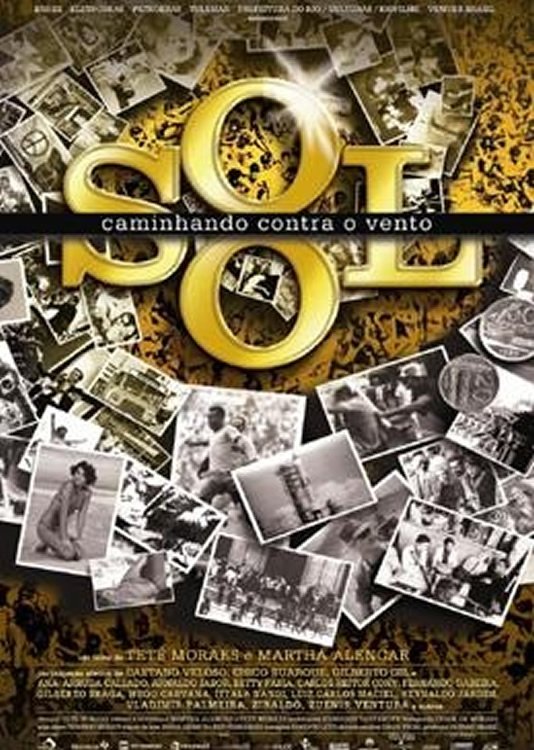
Documentary about the 68-generation, told through the story of the newspaper “O Sol”, one of the first vehicles of the alternative Brazilian press, produced daily for six months, in the 1960s. The newspaper spoke of culture, politics and education through satires and prominent figures in the cultural scene of the time passed through him. Archive scenes and music from the period seek to reconstitute the spirit of the 68-generation. The film has the participation of personalities such as Ziraldo, Zuenir Ventura, Arnaldo Jabor, Chico Buarque, Caetano Veloso, Carlos Heitor Cony, Fernando Gabeira, Betty Faria, Hugo Carvana, among others.

In 1982, the Arpoador Beach, in Rio de Janeiro, received the first "incarnation" of Circo Voador, a venue for artists of diverse aspects showing their art to the public. Months later, Circo landed at Lapa, the city's most bohemian neighborhood. Today, more than three decades later, the venue has become a cultural reference in the country. This documentary is directed by Tainá Menezes and has testimonials from artists such as Gilberto Gil, Lobão, Evandro Mesquita and more than 50 personalities that were part of the history of Circo Voador.
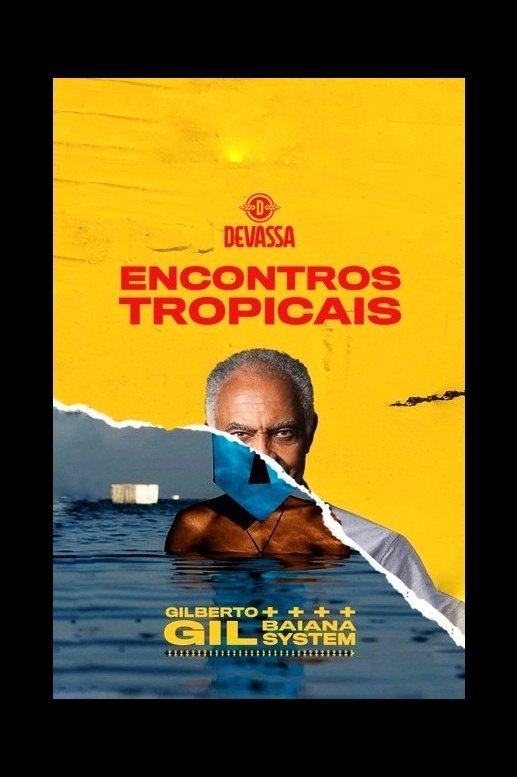
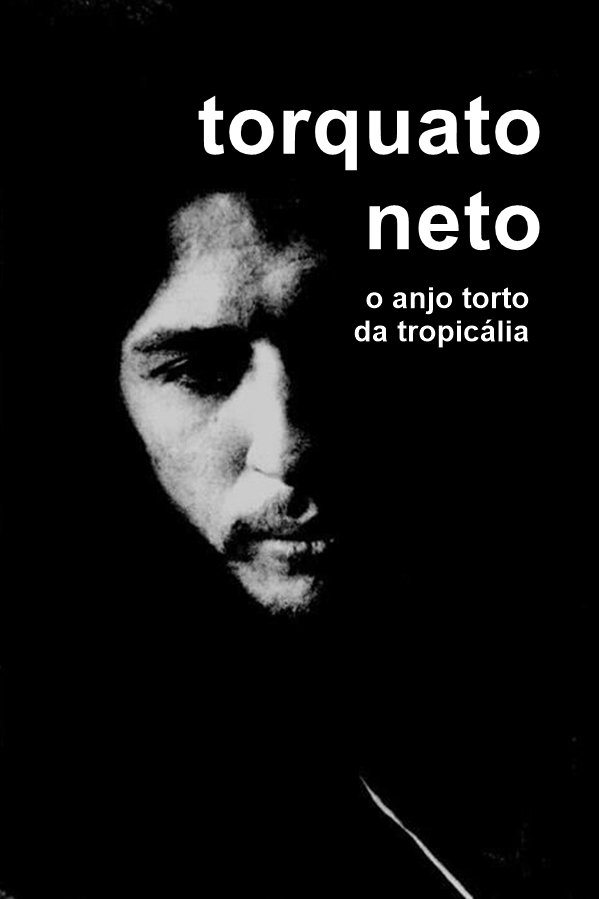
A documentary chronicling the life and works of Brazilian poet, songwriter, journalist and avant-garde filmmaker Torquato Neto, from his beginnings to his suicide at the age of 28.
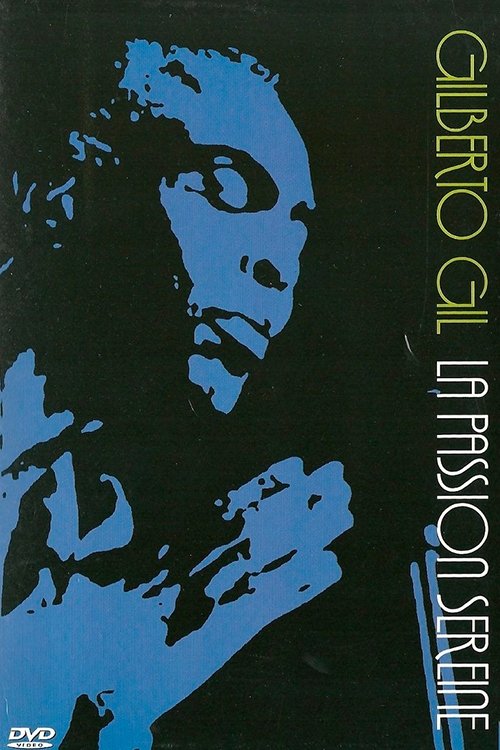
Gilberto Gil talks with friends and share his thoughts, influences and reveal his impact on brazilian music and vision of the black people.
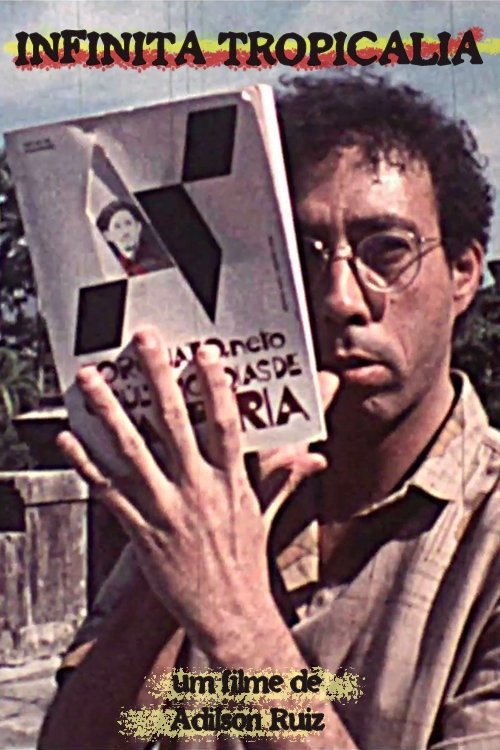
Tropicália was a Brazilian cultural movement that occurred between 1967 and 1968, inspired by Oswald de Andrade's anthropophagic ideals, pop art and the concretism. Twenty years later, this film revisits the movement and shows that Tropicalismo will never die.
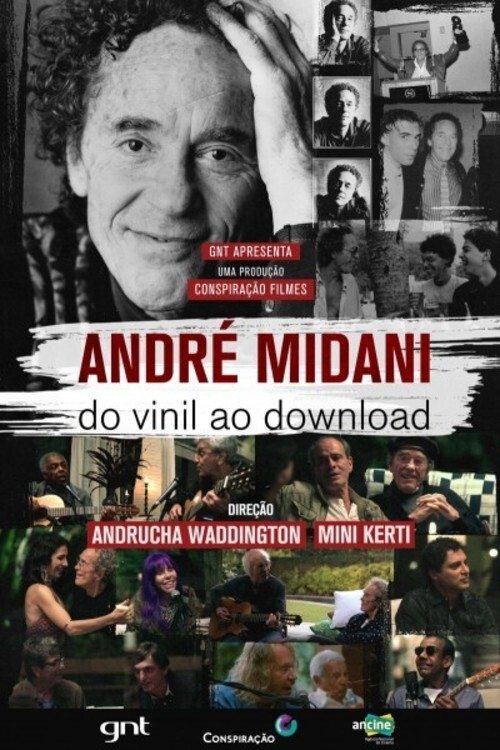
Based on the autobiography of noted music executive André Midani, André Midani — An Insider’s Story of Brazilian Music (2015) explores Brazilian music throughout his five-decade career through informal gatherings and jam sessions at his home, featuring Caetano Veloso, Jorge Ben Jor, Gilberto Gil, and Marisa Monte, among other luminaries of the industry.
A look at the Brazilian black movement between 1977 and 1988, going by the relationship between Brazil and Africa.
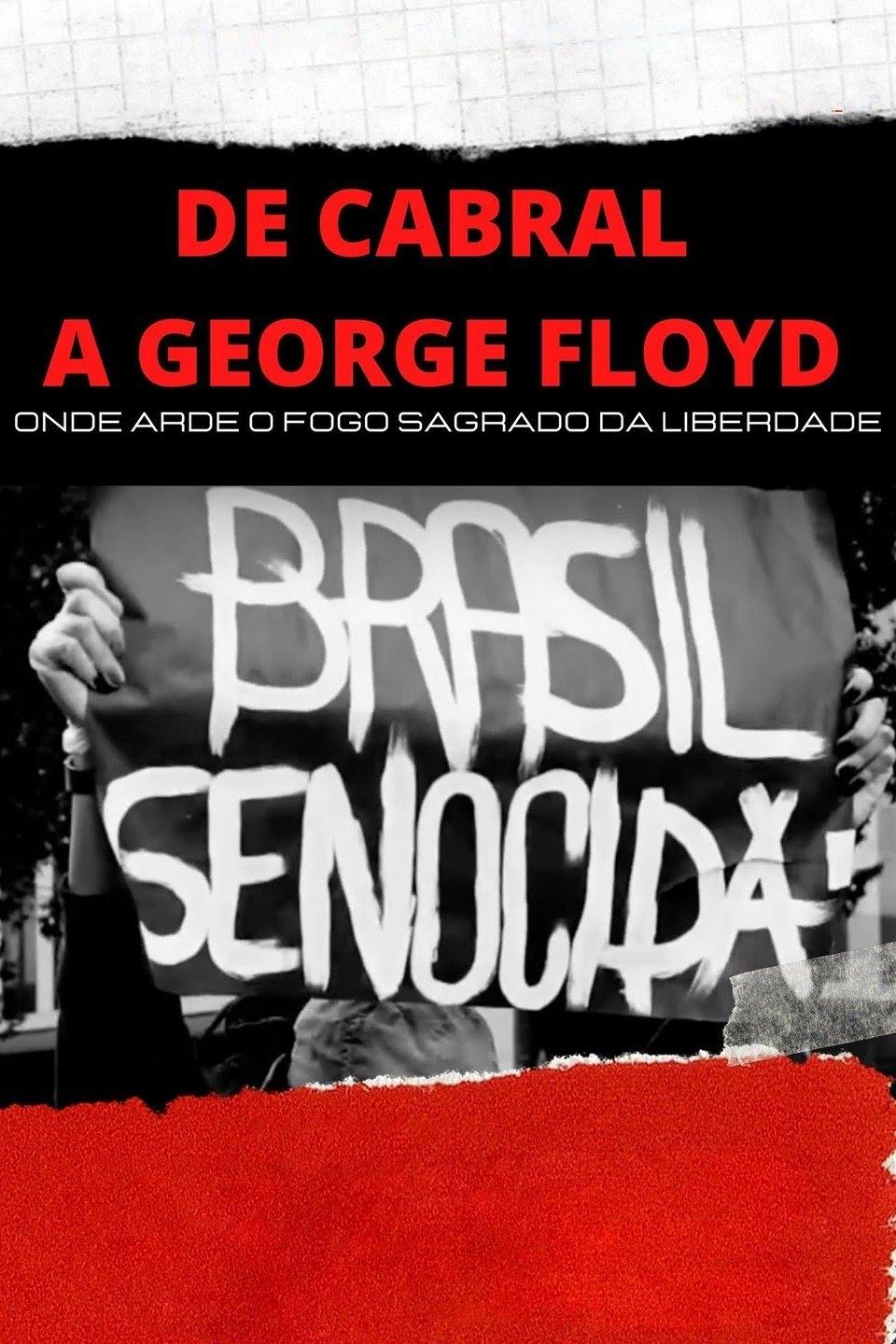
Through clippings, the film draws a narrative line between the construction of racism in Brazil and the United States, having as base the European invasion of the continent, police violence, the genocide of the black people, the massacre of indigenous peoples, religious violence, the criminalization of funk music, structural racism in art and education, the importance of quota policy and the need urgent historical repair as a commitment by the Brazilian state to the black people.
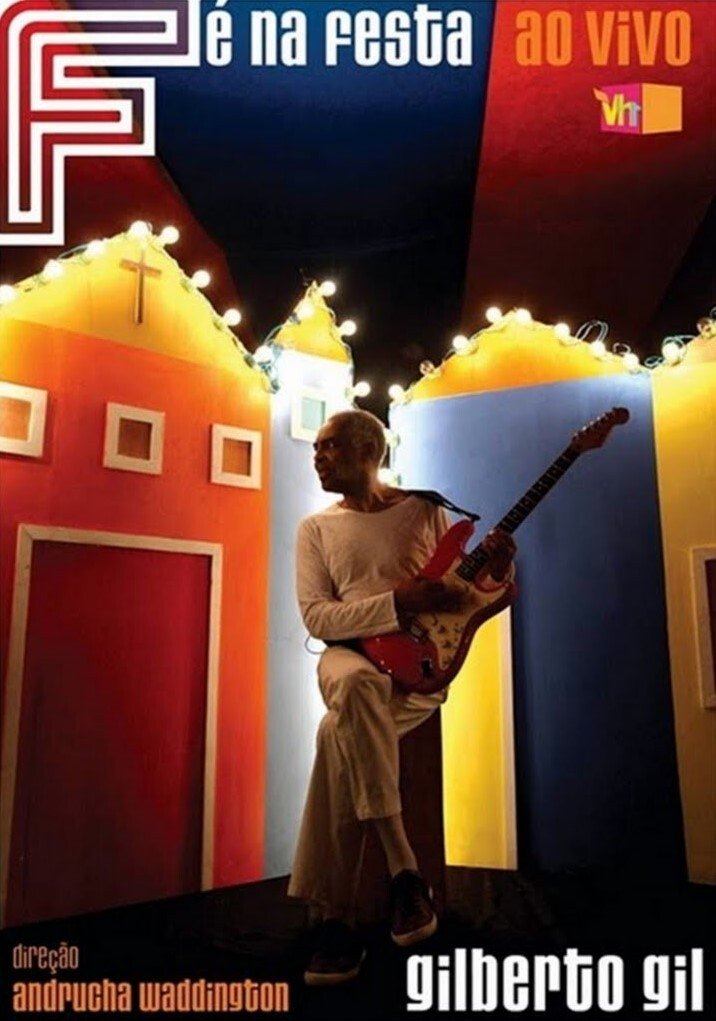
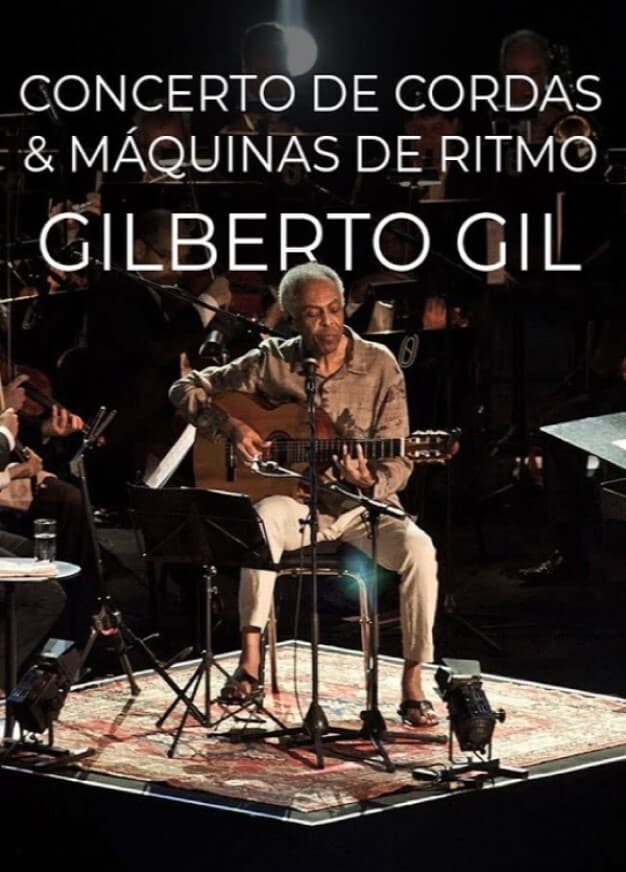
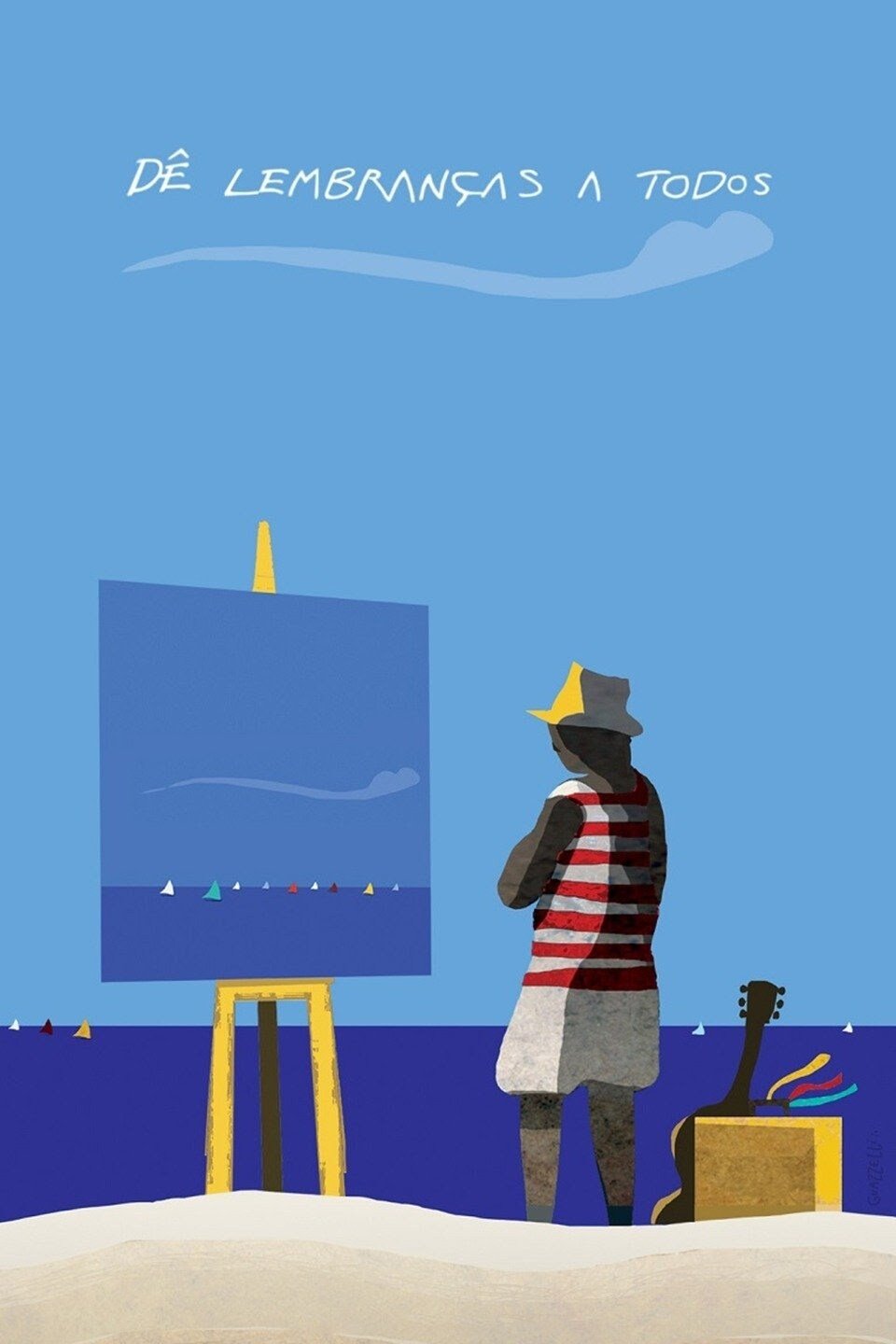
Dorival Caymmi was one of the inventors of the Bahian imagination. In his 94 years of life, Caymmi composed, sang, wrote, illustrated and thought about his Bahia, even far from it. His family, partners, friends and fans remember his history, which made him one of the pillars of Brazilian culture.
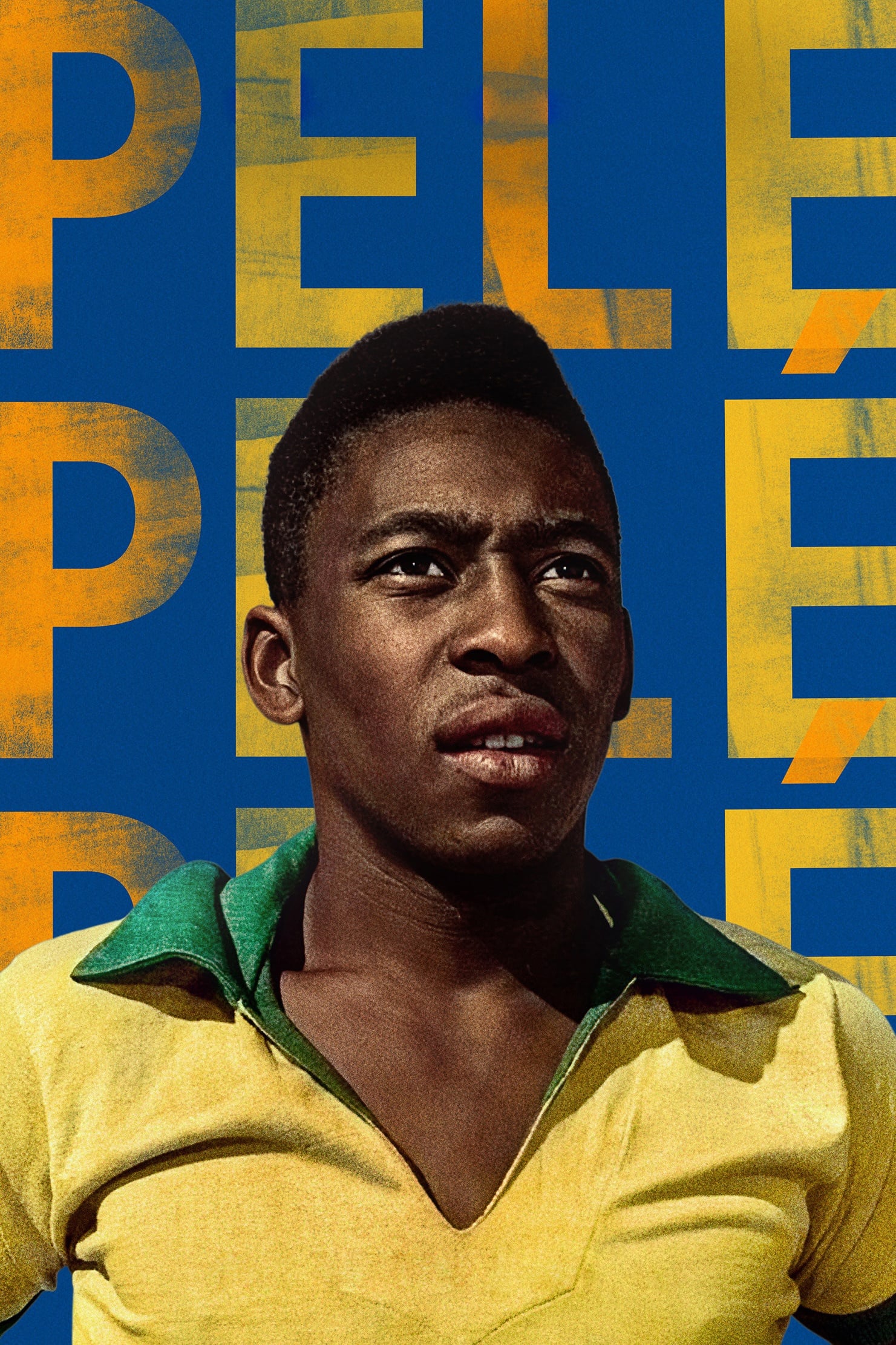
Against the backdrop of a turbulent era in Brazil, this documentary captures Pelé's extraordinary path from breakthrough talent to national hero. Mixing rare archival footage and exclusive interviews, this documentary celebrates the legendary Brazilian footballer who personified football as art.
This documentary highlights the evolution of Brazil's Circo Voador venue from homespun artists' performance space to national cultural institution.

With fireworks forming the word “Rio” in the sky and supermodel Gisele Bundchen shimmering to the tune of “The Girl from Ipanema,” Rio de Janiero welcomed the world to the first Olympic Games in South America with a serious message underlying the celebration: Let’s take care of our planet.
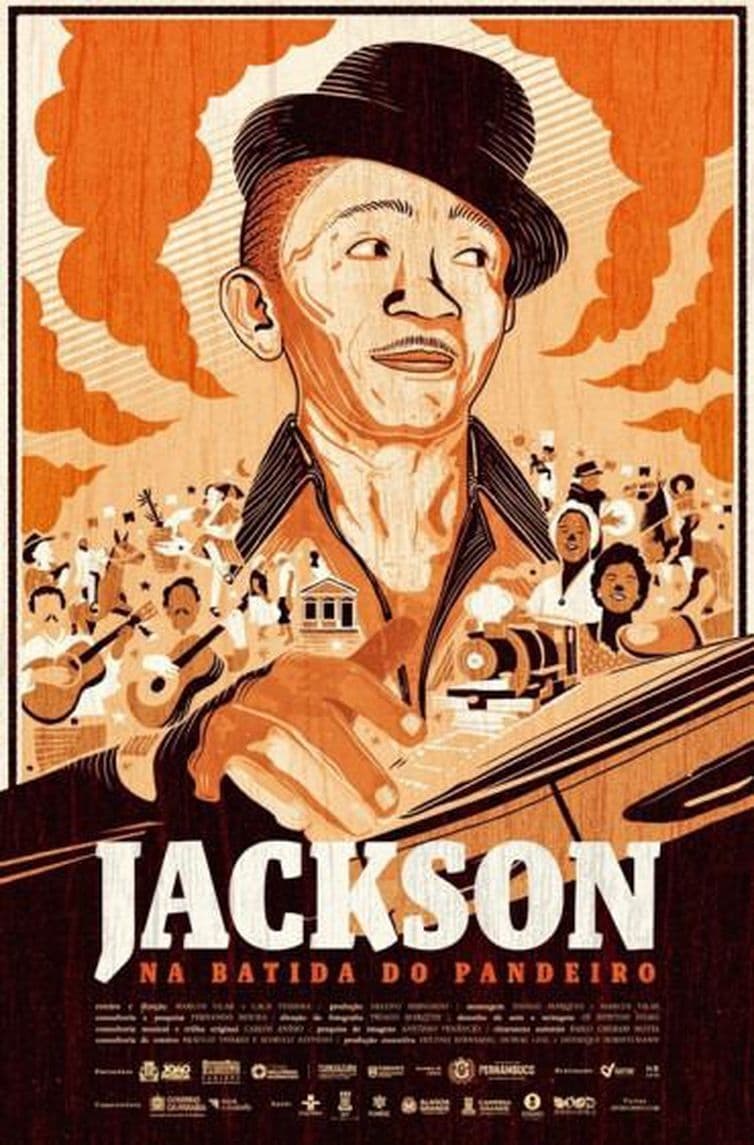
The life and career history of singer and percussionist Jackson do Pandeiro, whose originality and unusual rhythmic quality influenced several prominent artists in Brazilian popular music. With unpublished testimonies from professional colleagues and family members, as well as archival footage of their participation in cinema and radio, the documentary traces their journey between troubled relationships, dramas, controversies, stardom, ostracism, the return to the artistic milieu, even his death in 1982.
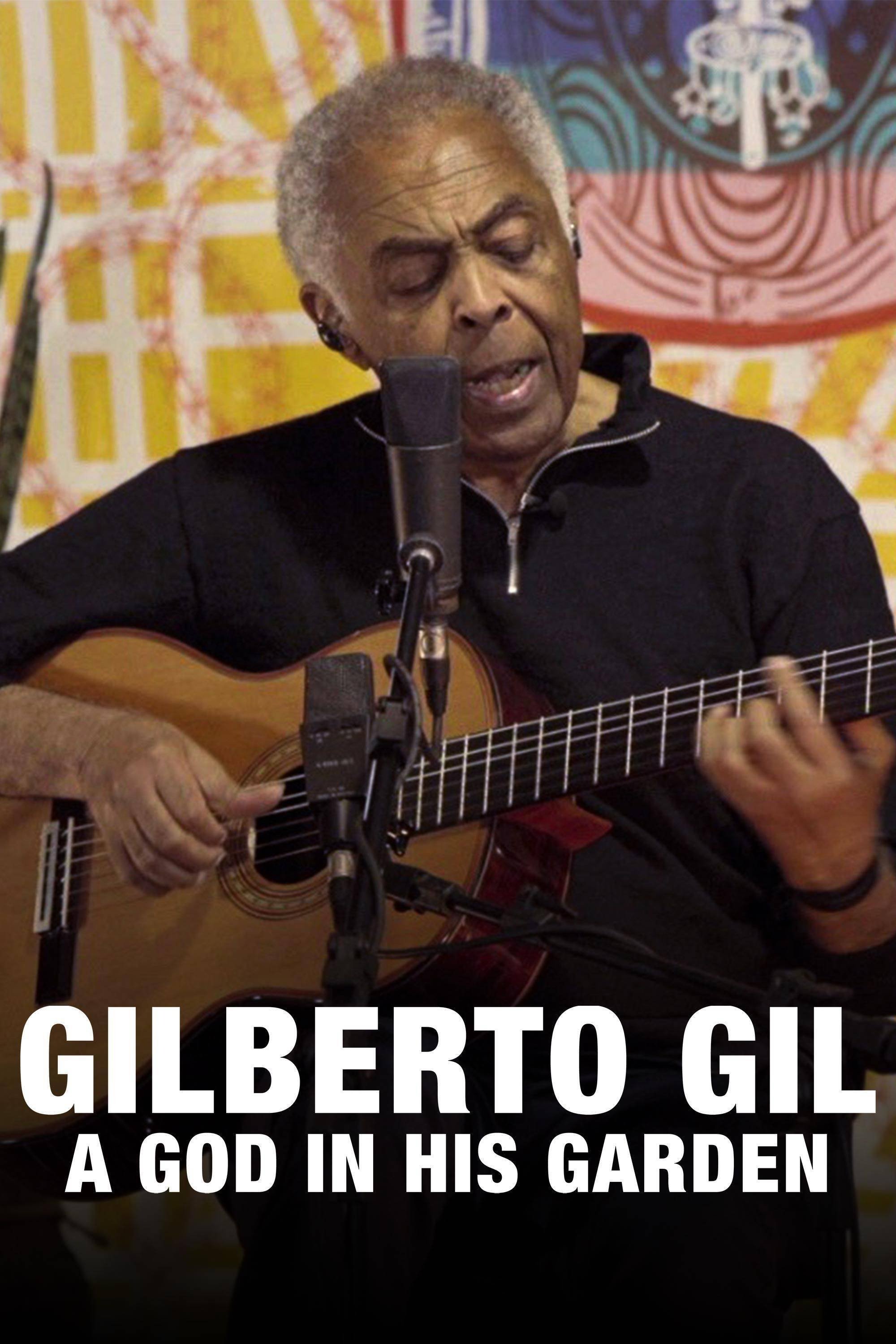
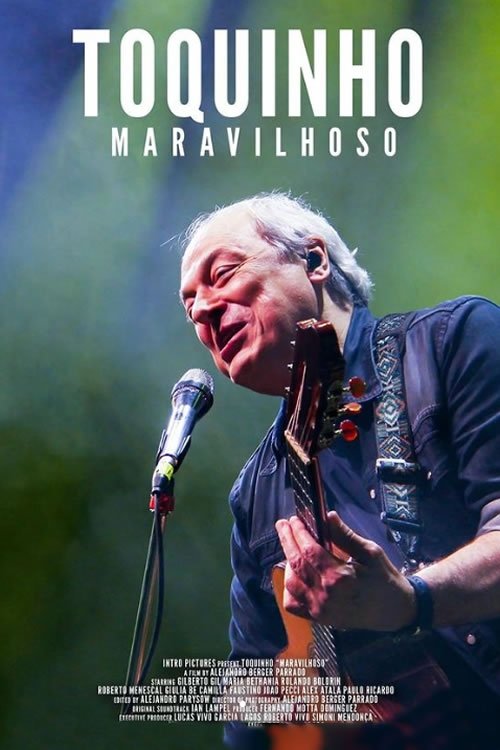
The documentary narrates the life of Toquinho, one of the greatest Brazilian artists, a musician who transcends the barriers of time and language with his sensitivity. A story that shapes Brazilian popular music.
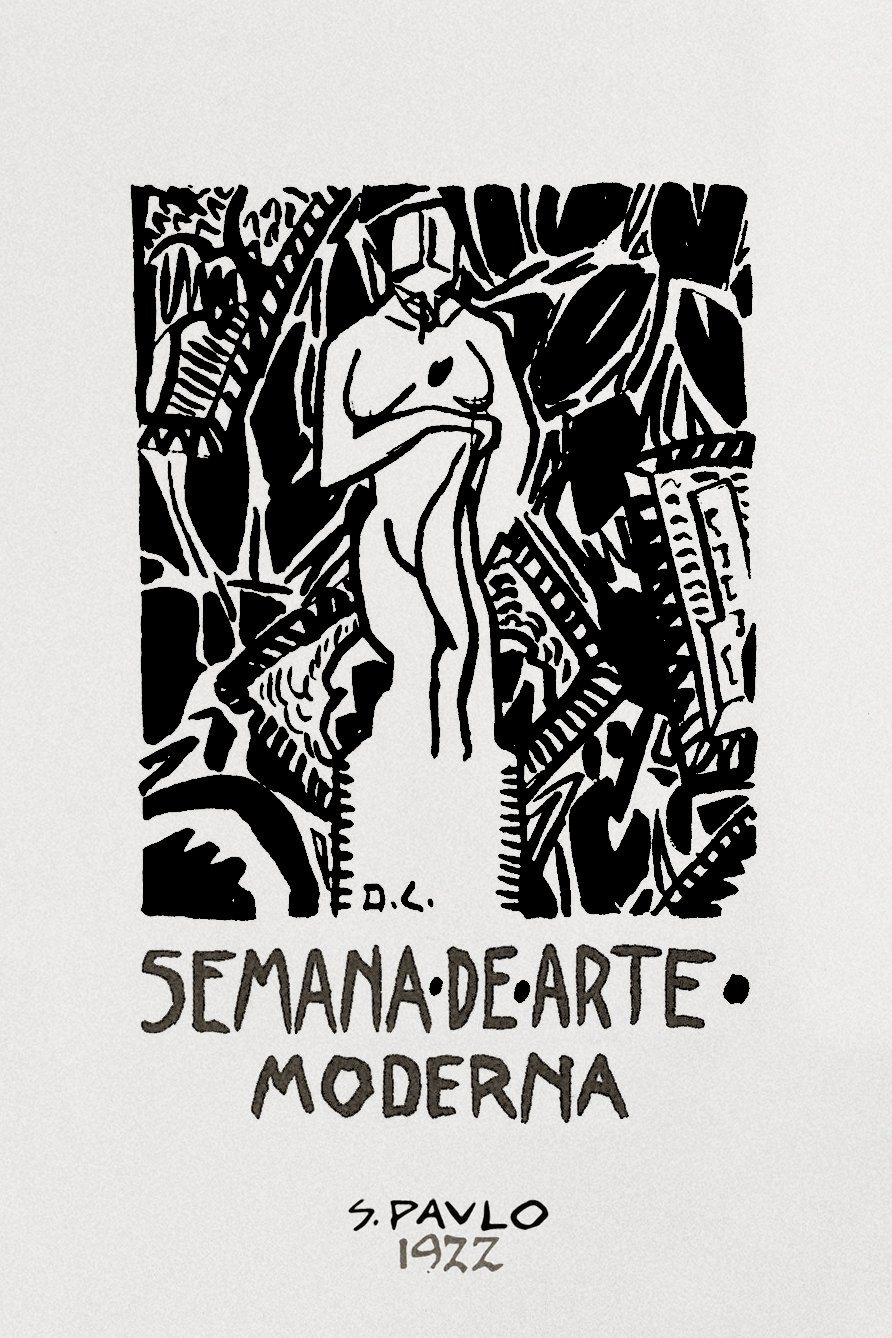
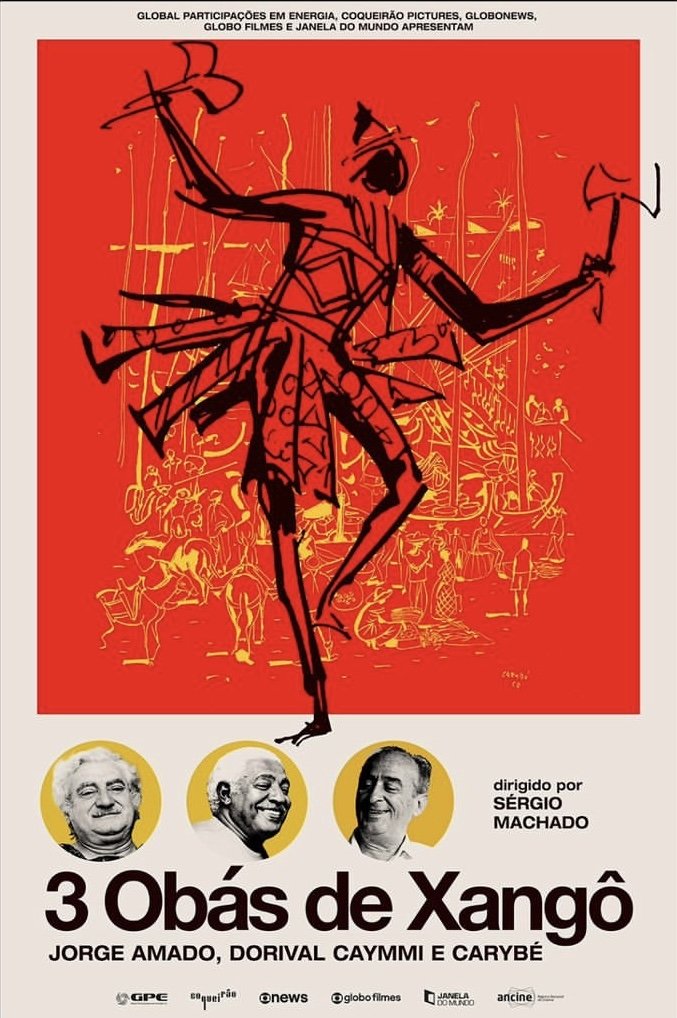
The friendship between Jorge Amado, Dorival Caymmi, and Carybé, artists who were largely responsible for creating an image of the culture of Bahia that persists to this day, and who believed that the strength of their work lay in documenting what they saw on the streets.
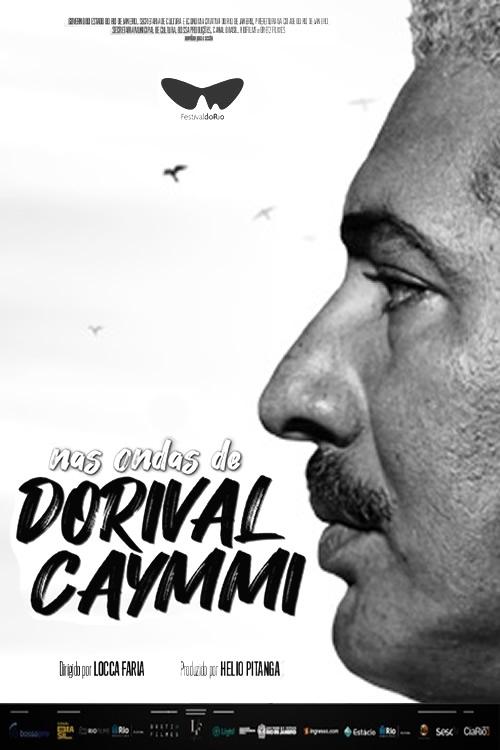
The film reveals the creation of poet Dorival Caymmi's musical works with testimonies from researchers, journalists and friends who lived with him and were able to enjoy his wisdom and talent.
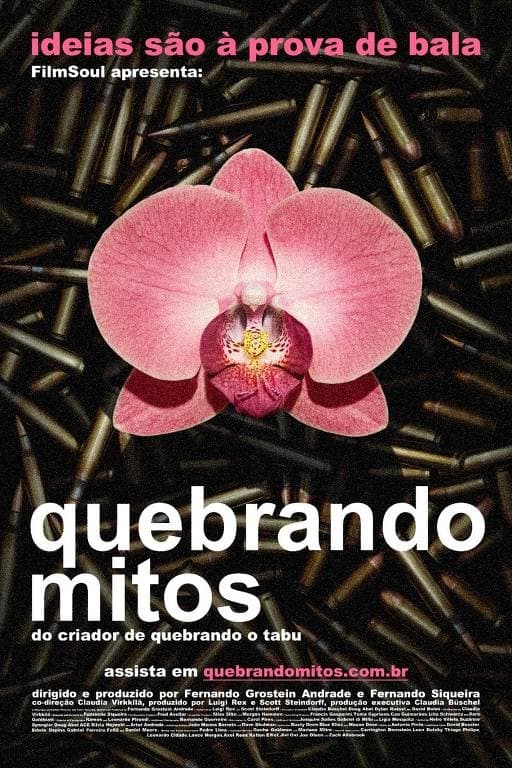
“Breaking Myths” aims to open the world’s eyes to the fragile and “catastrophic masculinity” of Brazil’s current President Jair Bolsonaro, a fanatical far-right politician who can best be described as the Brazilian Donald Trump — and who is up for a second term this October. The story is told through the lens of the critically acclaimed Brazilian filmmaker and LGBTQ activist Fernando Grostein Andrade (“Abe” Sundance 19), who directed, wrote, and produced the feature alongside creative partner Fernando Siqueira as the first release under his production company in California, FilmSoul Studios.

Record of the 1989 elections, when Brazil was divided between Lula and Fernando Collor. It brings together material gathered from the streets of São Paulo, television broadcasts, and support from artists like Djavan, Chico Buarque, Gilberto Gil, Lobão, and Leci Brandão. Additionally, it features footage of the marches and Lula's first interview after his electoral defeat. A work that recounts fragments of the struggle for democracy in the country.
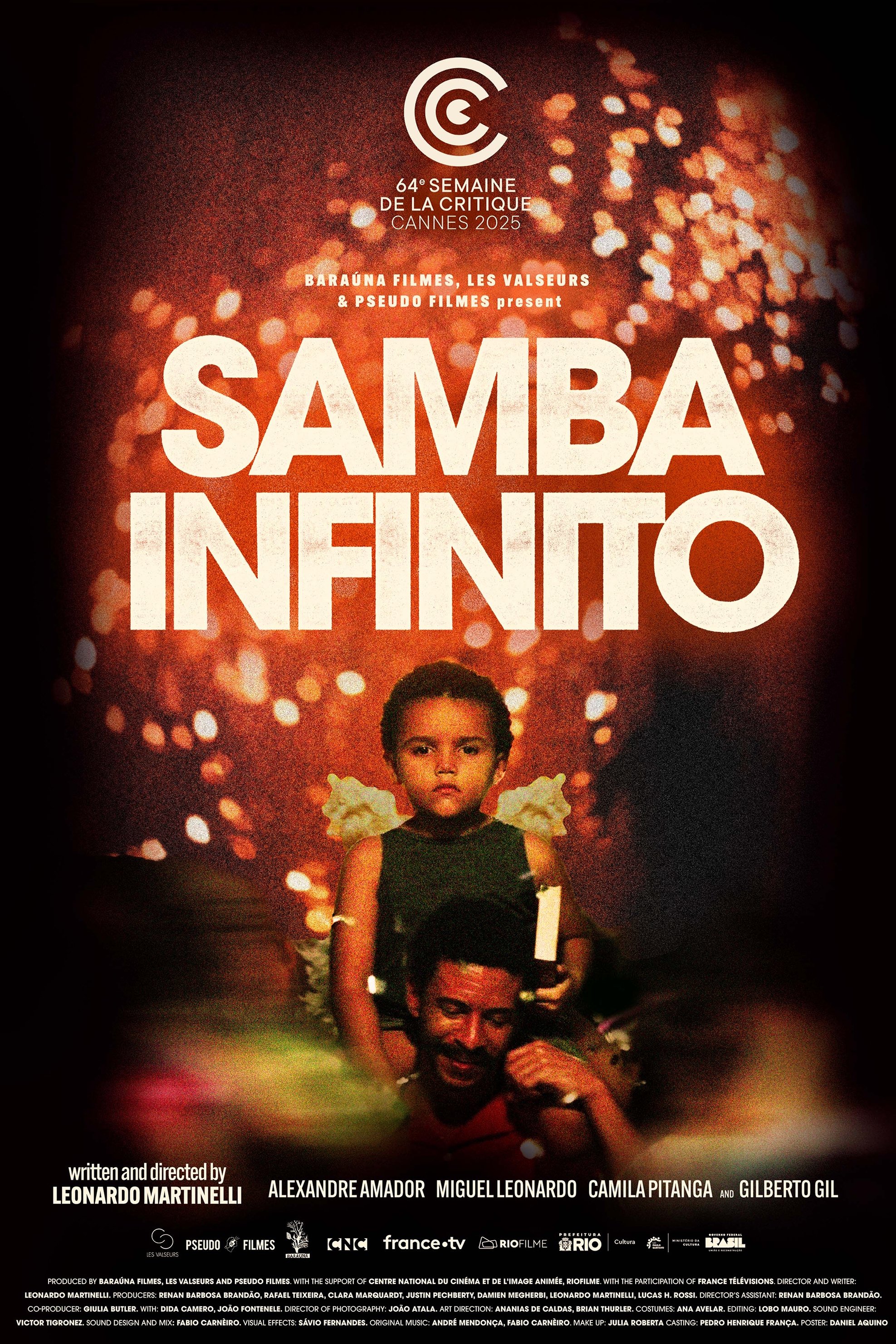
During Rio's Carnival, a street cleaner struggles with the loss of his sister and his work obligations. Amid the celebrations, he finds a lost child and sets out to help him.
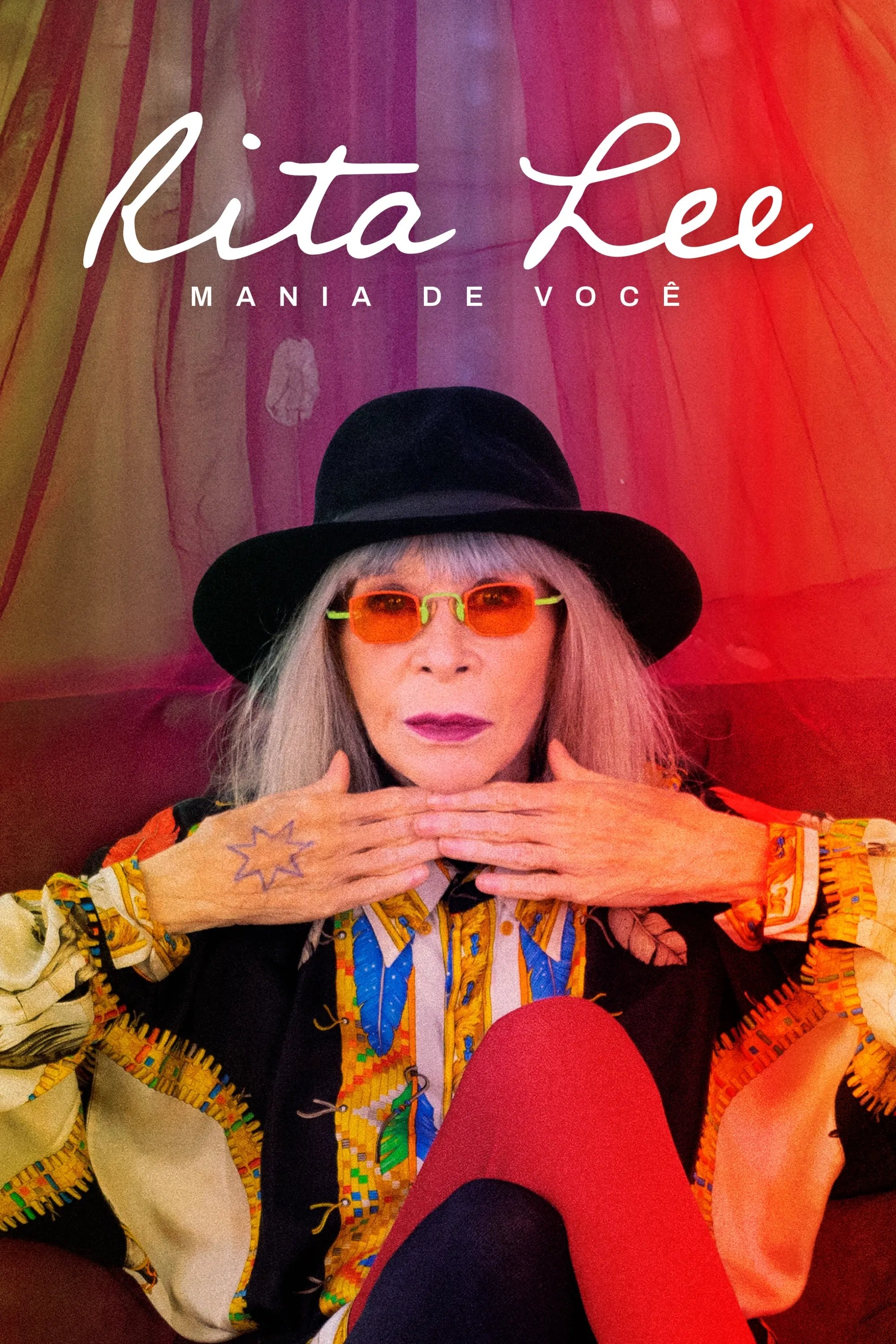
Just before her departure, Rita Lee writes a farewell letter to her three children and her husband and musical partner, Roberto de Carvalho, in which she reflects on her life and joyfully celebrates her family. Her final moments also mark the time to look back and review a career full of unforgettable successes, which led her to sell more than 55 million records. But it is also a time to reveal her downfalls, her vulnerable side, and her excesses as the queen of rock. With completely unseen personal archives and exclusive testimonies from her own family, as well as producers, journalists, musicians, and celebrities such as Gilberto Gil and Ney Matogrosso, "Rita Lee: Mania de Você" presents her definitive legacy.
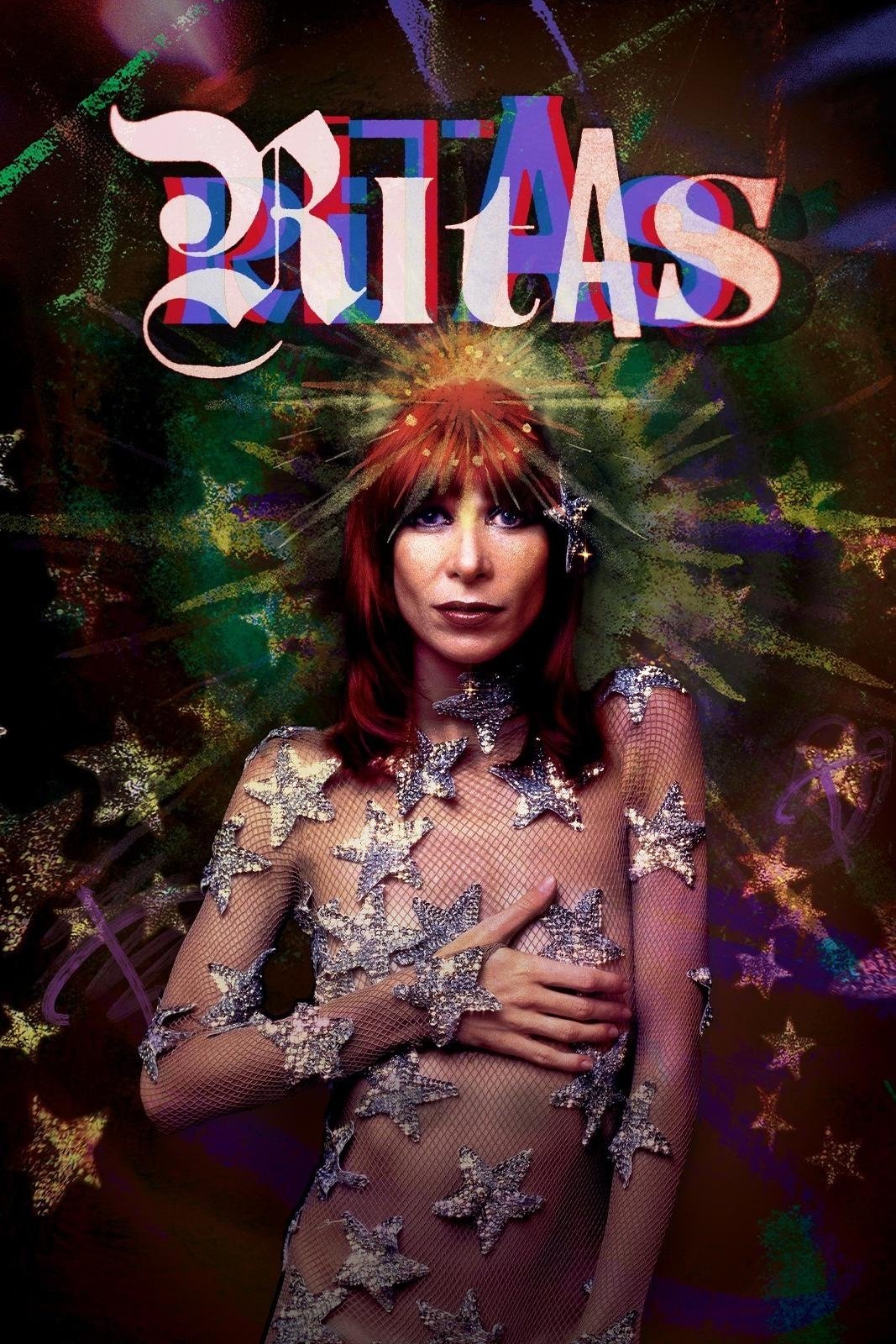
It explores Rita Lee's personal life and her creative process, revealing her musical talent and her ability to transform on stage. Rita herself guides the narrative through past interviews she gave throughout her career and current testimonies.
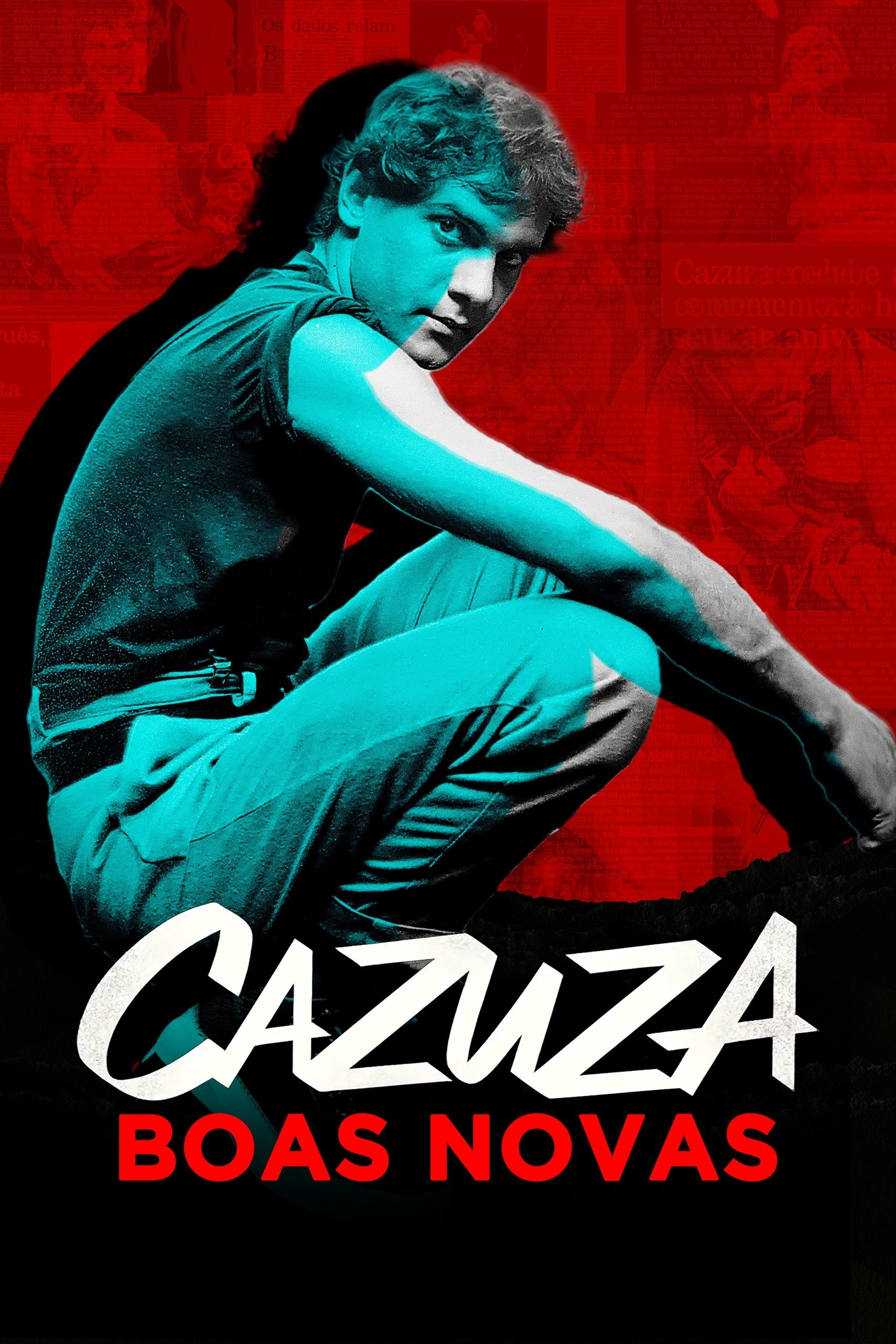
It explores the last two years of Brazilian singer Cazuza's life, from his AIDS diagnosis until his death. Nilo Romero, Cazuza's music producer and the film's director, created a collection of rarely seen and controversial images.
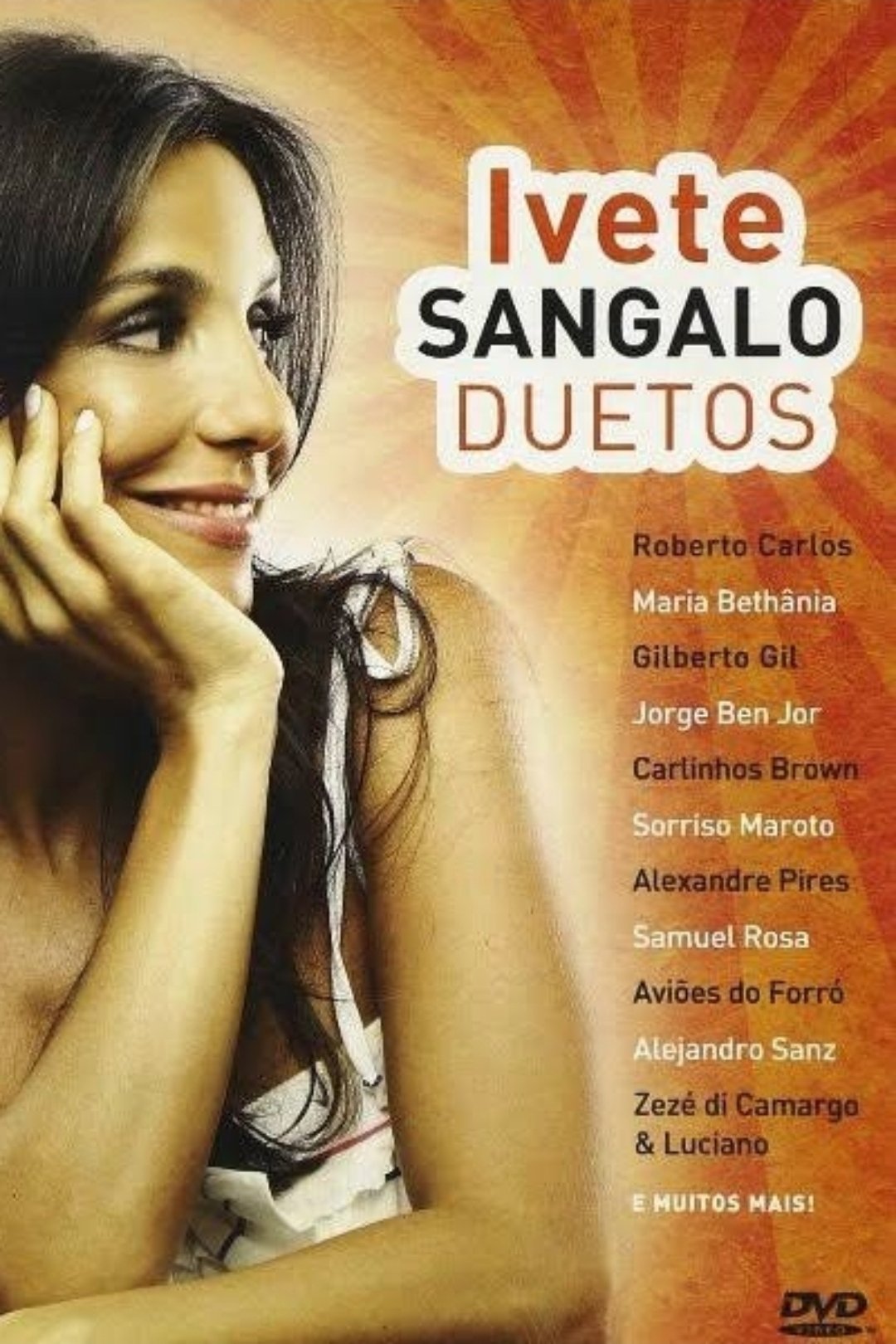
"Duetos" is the sixth compilation by Brazilian musical artist Ivete Sangalo, released on May 5, 2010 by Universal Music. The collection brings together 16 duets that Ivete made throughout her career, from 1999 to 2009. It's an opportunity for fans to be close to the singer's unforgettable and memorable moments. Duets with Alejandro Sanz, Alexandre Pires, Gilberto Gil, Jorge Ben Jor, Roberto Carlos, Maria Bethânia, Sorriso Maroto, Zezé di Camargo & Luciano, among others.
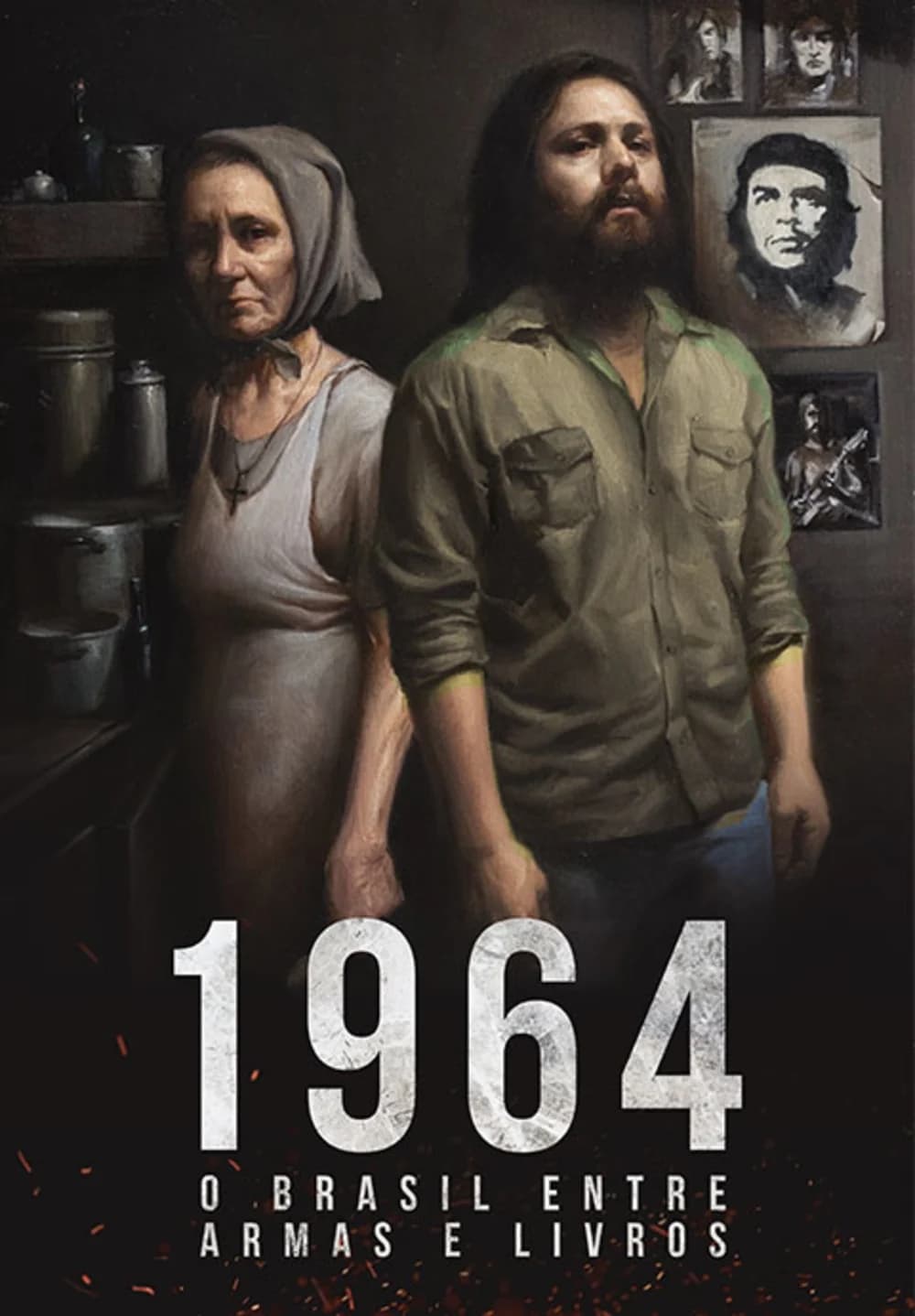
We question the most unquestionable period in our history. The result was an international investigation with part of secret attempts, discovery of Soviet documents and a lot of investigation by the Brazilian media. It was all under our eyes.
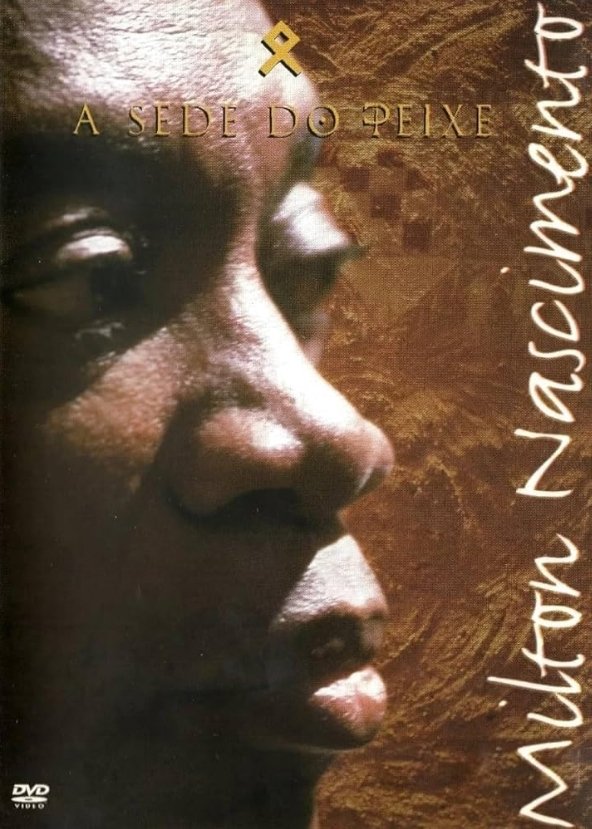
In December 1997, in Rio de Janeiro, Minas Gerais composer Milton Nascimento brought together friends and career partners for the special "A Sede do Peixe" (The Thirst of the Fish). Featuring Caetano Veloso, Alcione, Skank, Nana Caymmi, and Gilberto Gil, the film is a cultural treasure, portraying unforgettable, often lighthearted moments in the career of one of the greatest icons of Brazilian Popular Music.
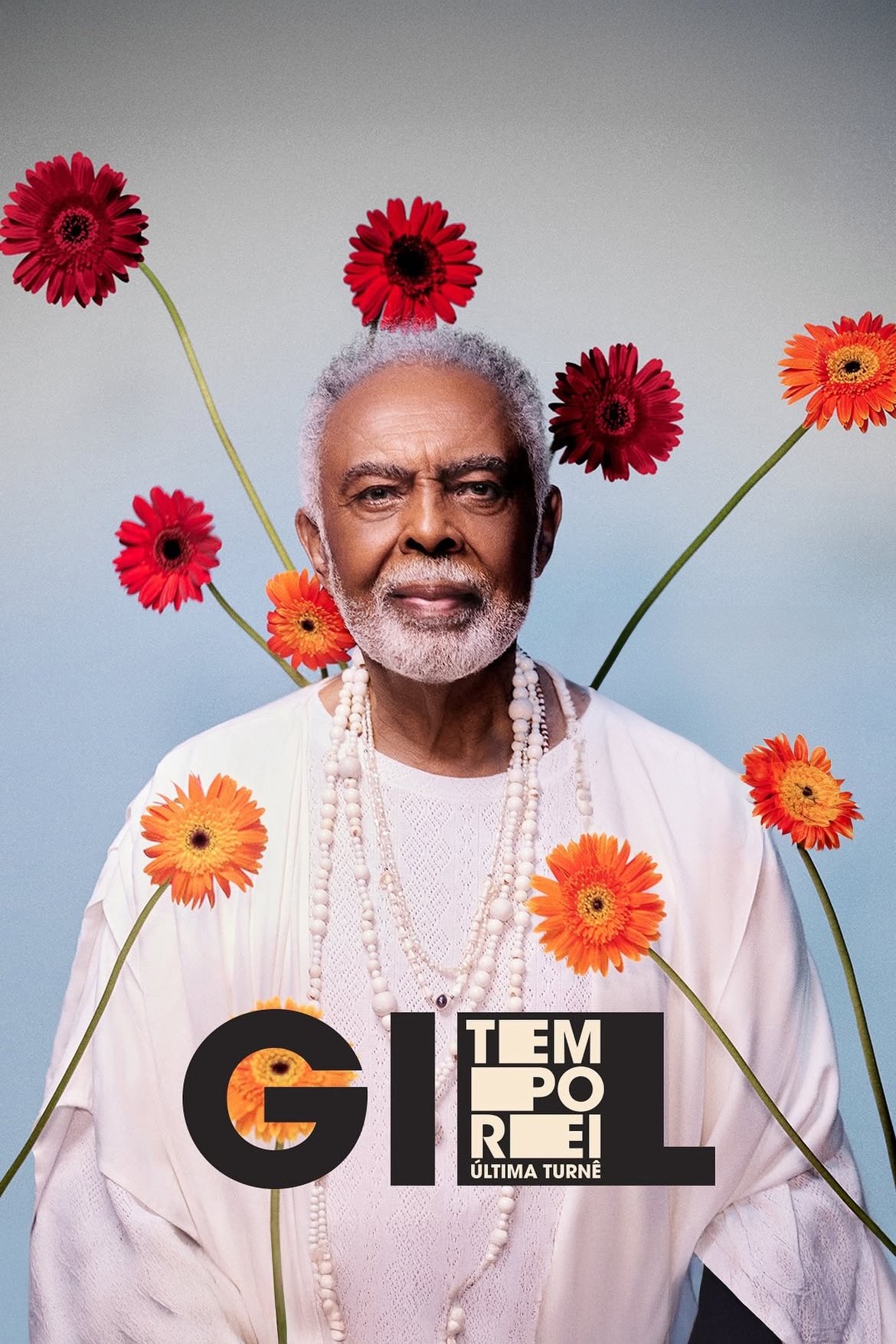
After touring across Brazil — from Rio de Janeiro to Brasília, Belo Horizonte, Curitiba, and Belém — the Tempo Rei concert series brought to life a repertoire that spans decades of musical history, winning over new audiences with every stop. Now, this cinematic concert film invites viewers to experience from home the grand finale of an unforgettable musical journey — a celebration of legacy, rhythm, and time itself.

The story of the portuguese serial kisser, who travelled the whole world searching famous people to kiss.
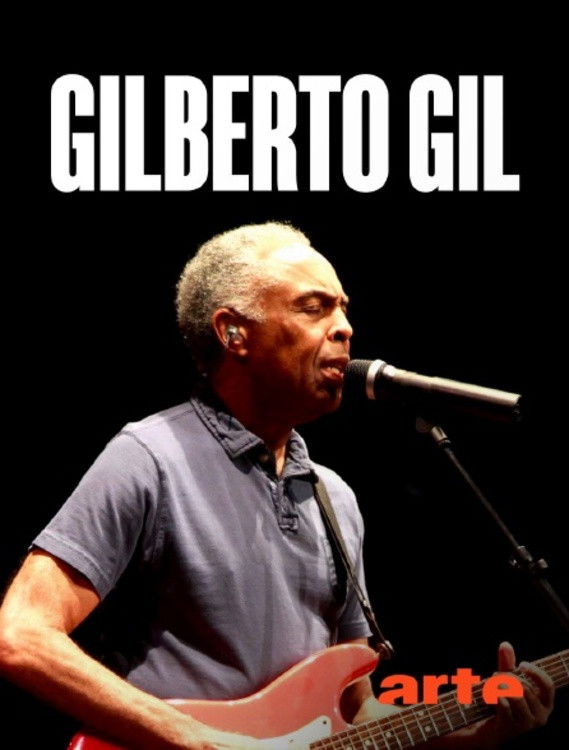
At the Philharmonie de Paris, Brazilian music legend Gilberto Gil revisits half a century of his career in a gentle, committed, and eclectic concert.
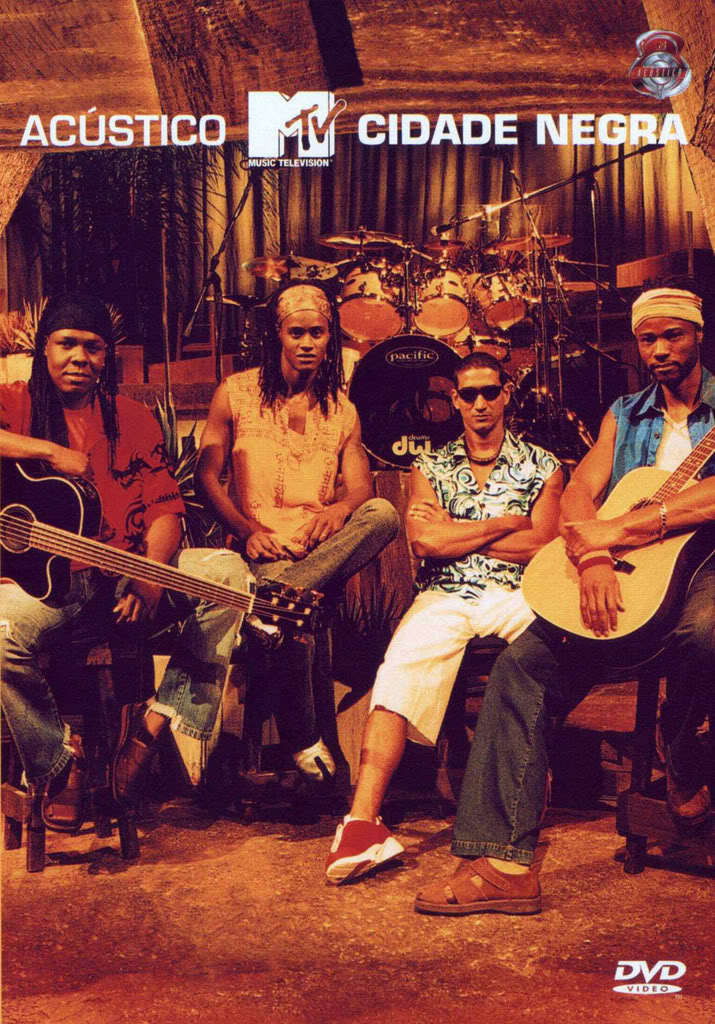
This acoustic album features the band's main successes, played in the MTV Acústico house-style.
The freedom of free thought in a visual discourse that blends art with science, biography with transcendence, and geography with destiny. Inspired by the legacy of physicist Mario Schenberg.
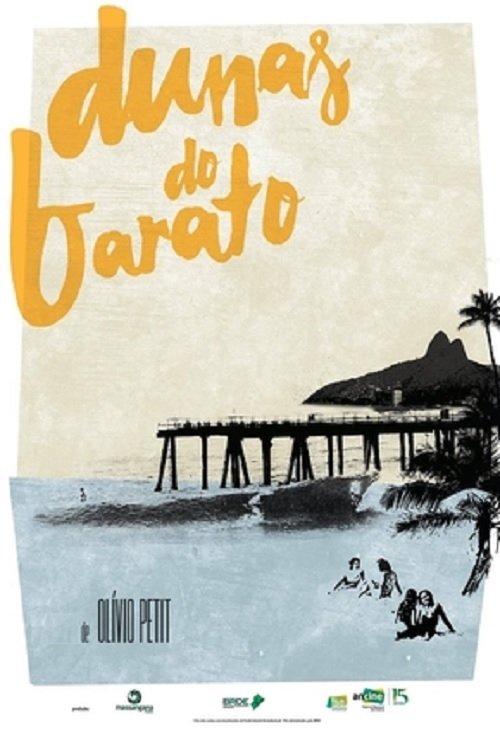
A rescue of the history of Ipanema beach in the 1970s, when the construction of a pier changed the landscape and created fertile soil for a generation of artists and sportsmen.