This historical and analytical documentary draws attention to the background of the roots of "New Austrian Cinema" and presents Austria as a film country to be taken seriously. The audience gets to see rare early works by well-known filmmakers as well as shots of landscapes that served as a source of inspiration and locations that have produced important Austrian films since the end of the 19th century.
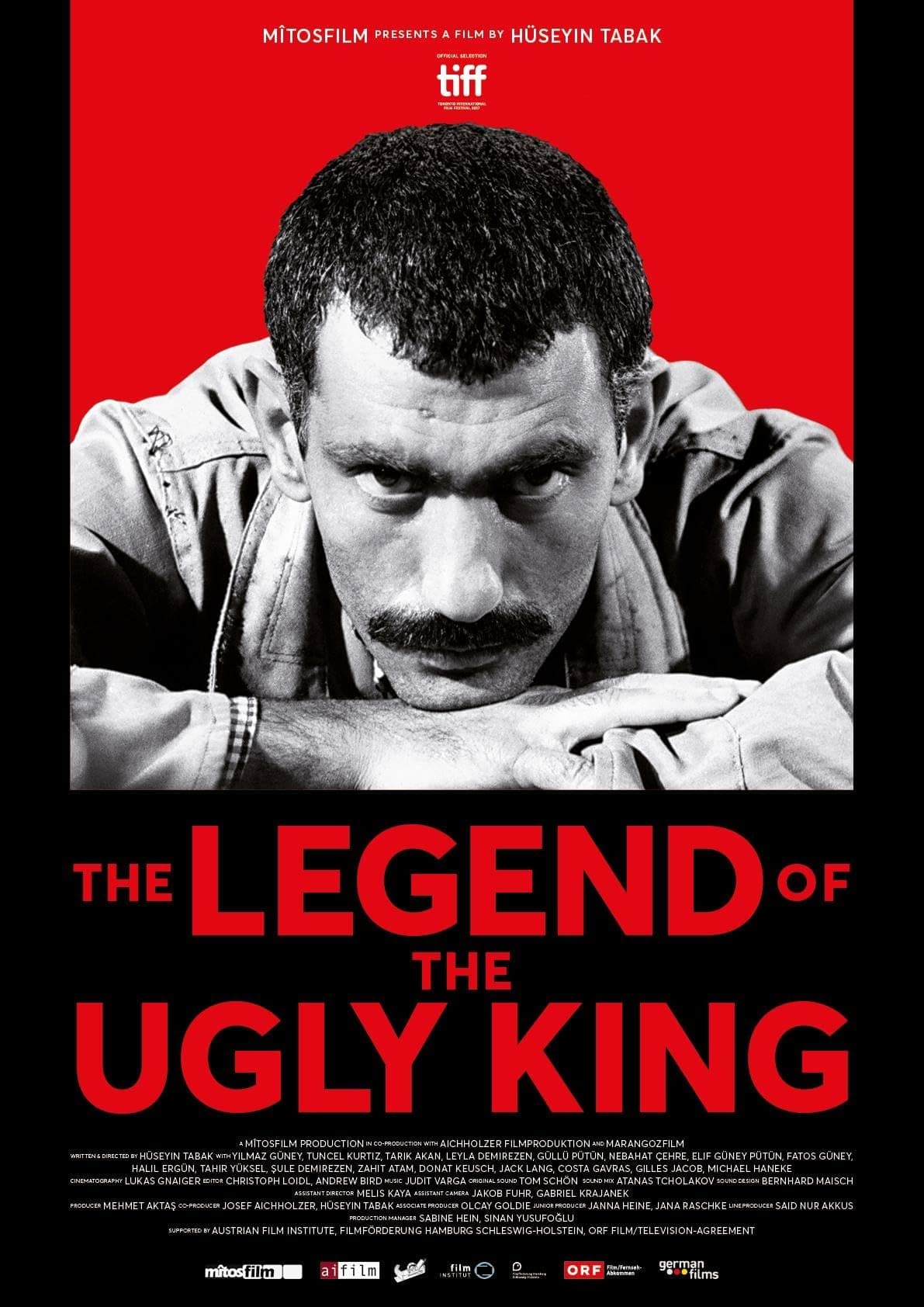
Director Hüseyin Tabak explores the legacy of Yilmaz Güney — political dissident, convicted murderer, and visionary Kurdish filmmaker — who directed the 1982 Palme d'Or–winning Yol from inside prison and died in exile just two years later.
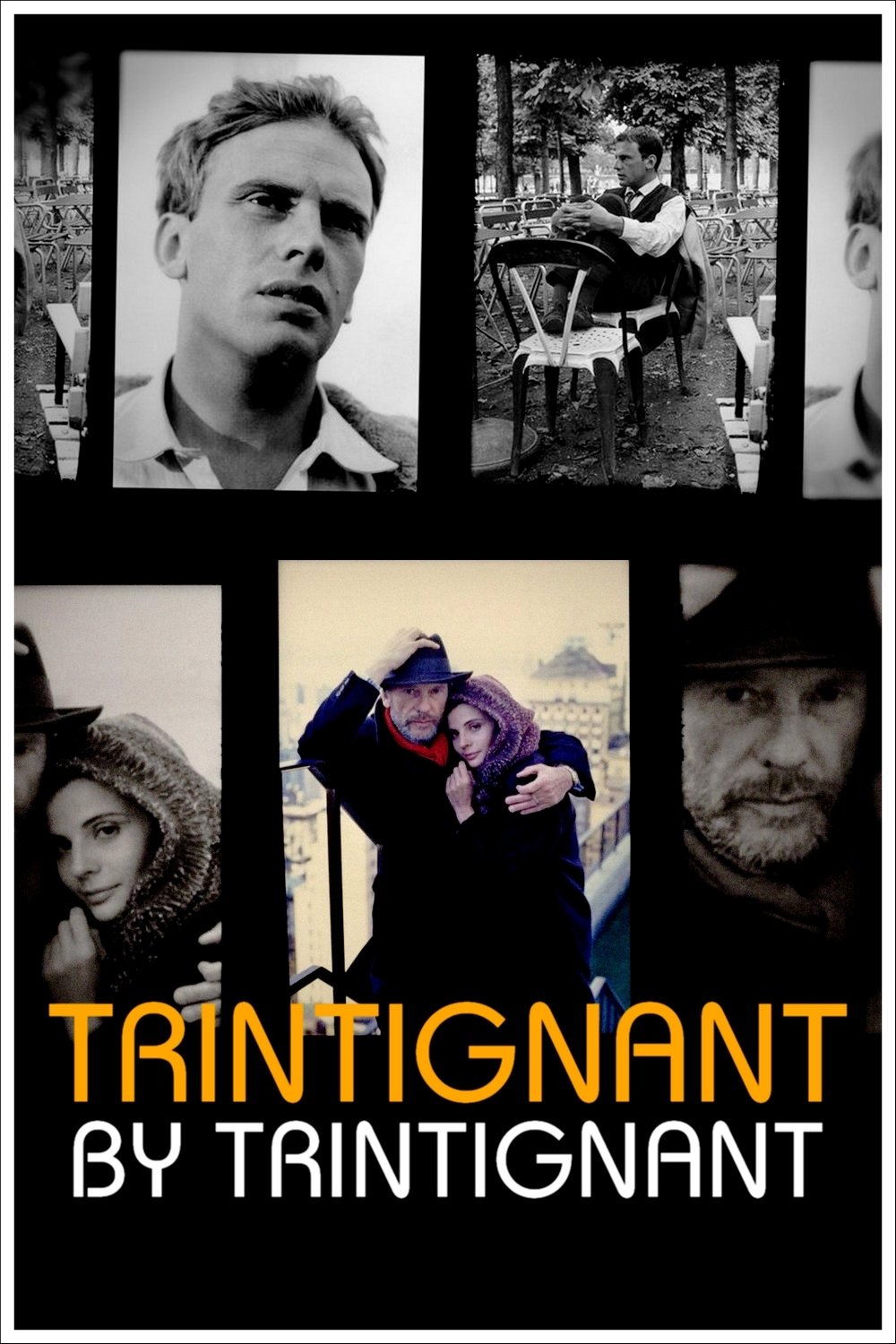
A portrait of a man of rare elegance and enigmatic charm, versatile and successful: Jean-Louis Trintignant, one of the most critically acclaimed French actors of the last sixty years, known for his numerous roles on stage and screen.

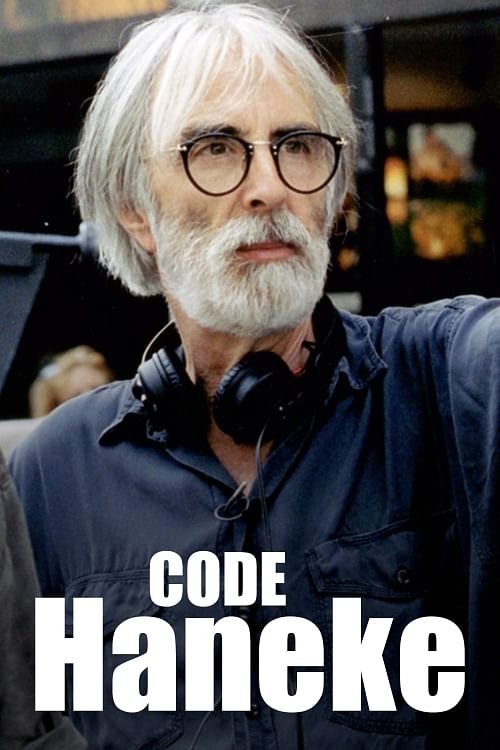
Features interviews with two-time Palme d'Or winner Michael Haneke and his key collaborators, alongside excerpts from his films.
A portrait of a dedicated filmmaker who is a charming yet elusive figure in thrall to cinema and the constant perfection of his craft.
Over the past twenty-five years, director Michael Haneke has established himself as a towering figure in modern cinema whose rigorous focus on the craft of filmmaking has produced works of profound artistry. This career-spanning documentary gives unprecedented access and covers the body of Haneke’s work, offering insight into his creative process through on-set footage and interviews with the man himself and collaborators including Emmanuelle Riva, Isabelle Huppert and Juliette Binoche.
A history of the Cannes Film Festival's Director's Fortnight selection.
His new film "The White Ribbon" received the Palme d'or at Cannes this year. Felix and Gero von Boehm have accompanied the German and French film director for several months and were able for the first time watch him exclusively in work and in private. An interesting insight into one of the worlds most notable modern directors.
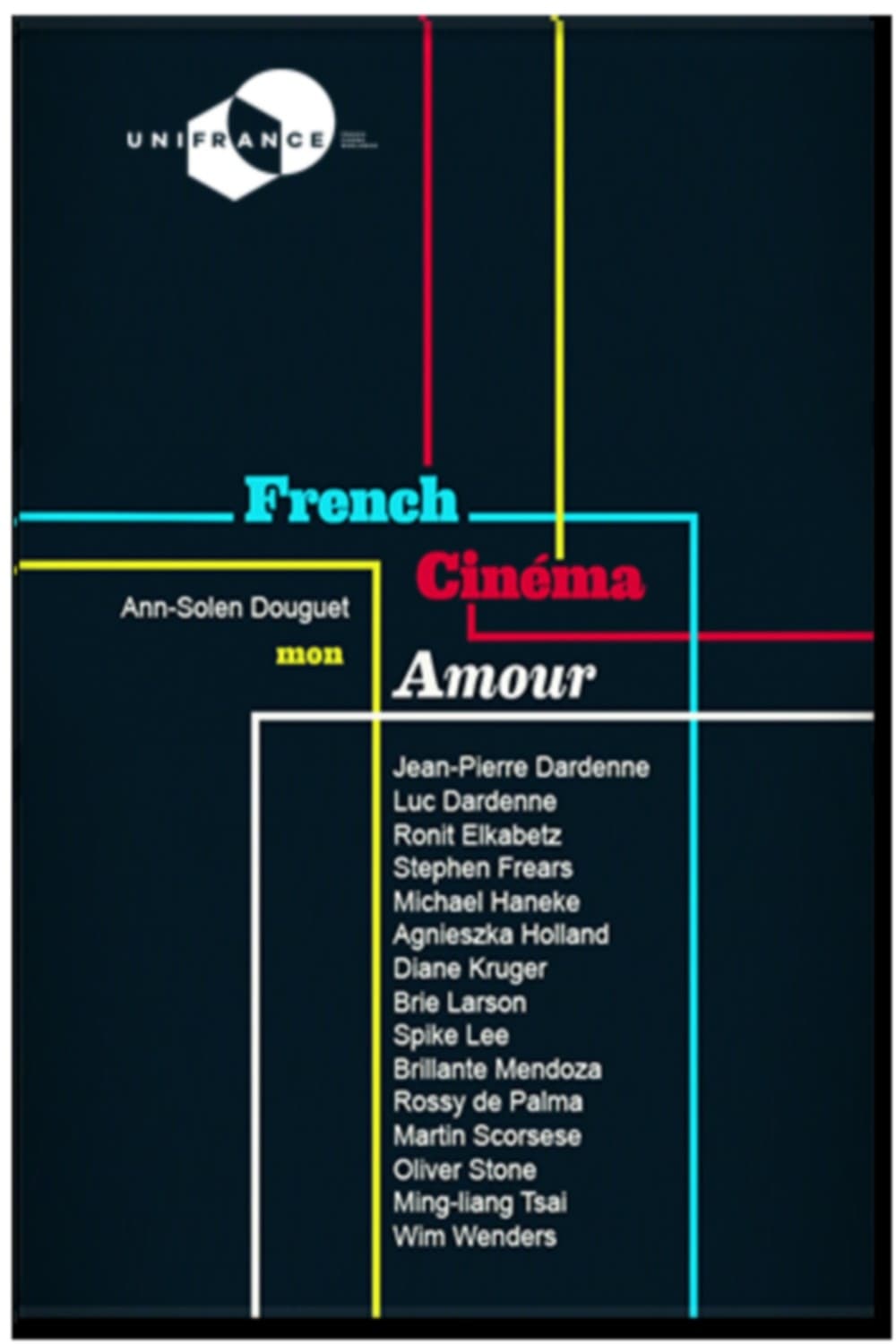
French Cinema Mon Amour is an ensemble film in which each contributor brings their own voice, their own particular approach, their culture, and their language to produce a portrait of French cinema.
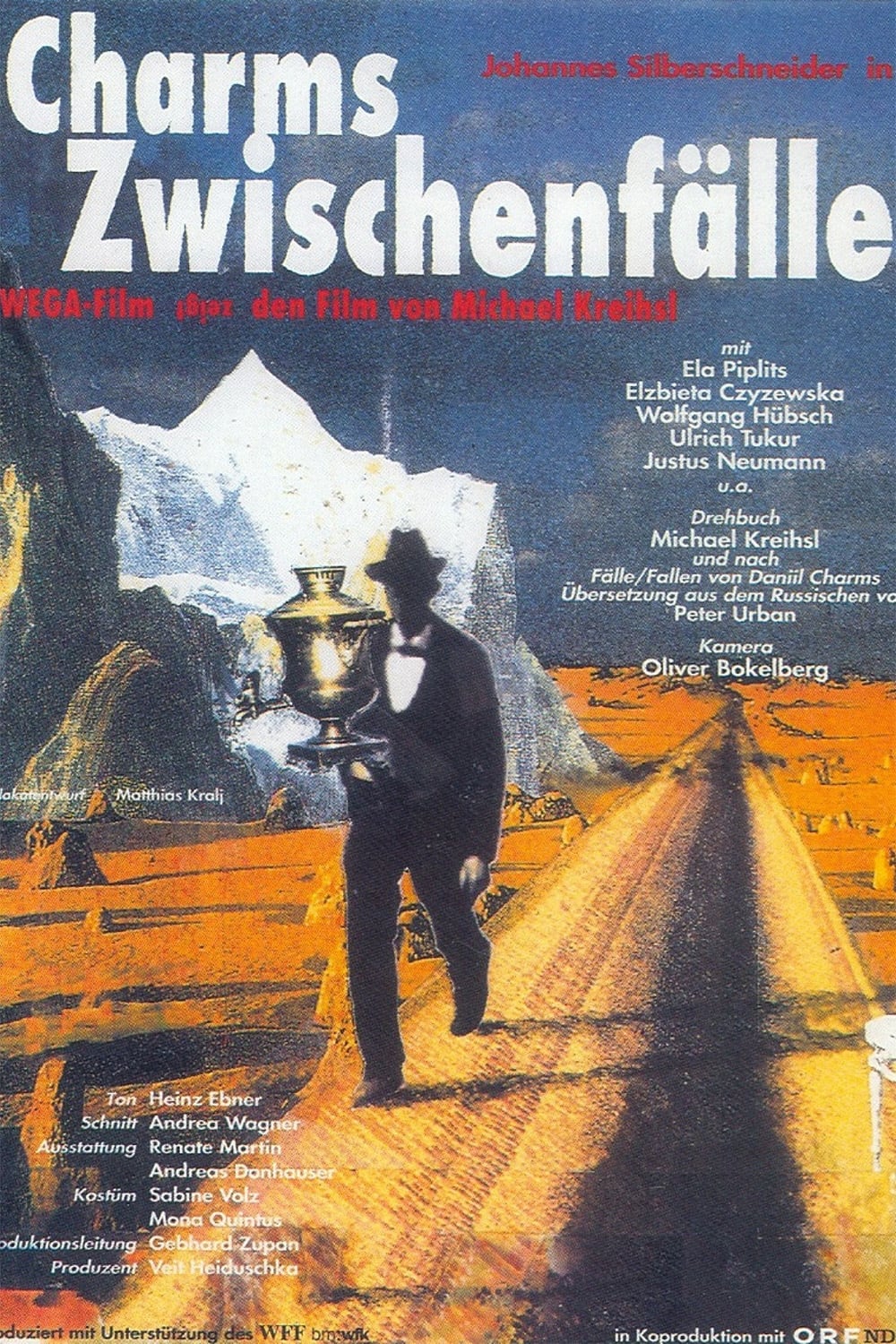
Humourous interpretation of the poems and writings of Soviet dadaist Daniil Charms. These are organized into a sequence, suggesting a storyline, about a poor Russian poet who lives in Vienna, falls in love and has several bizarre adventures.
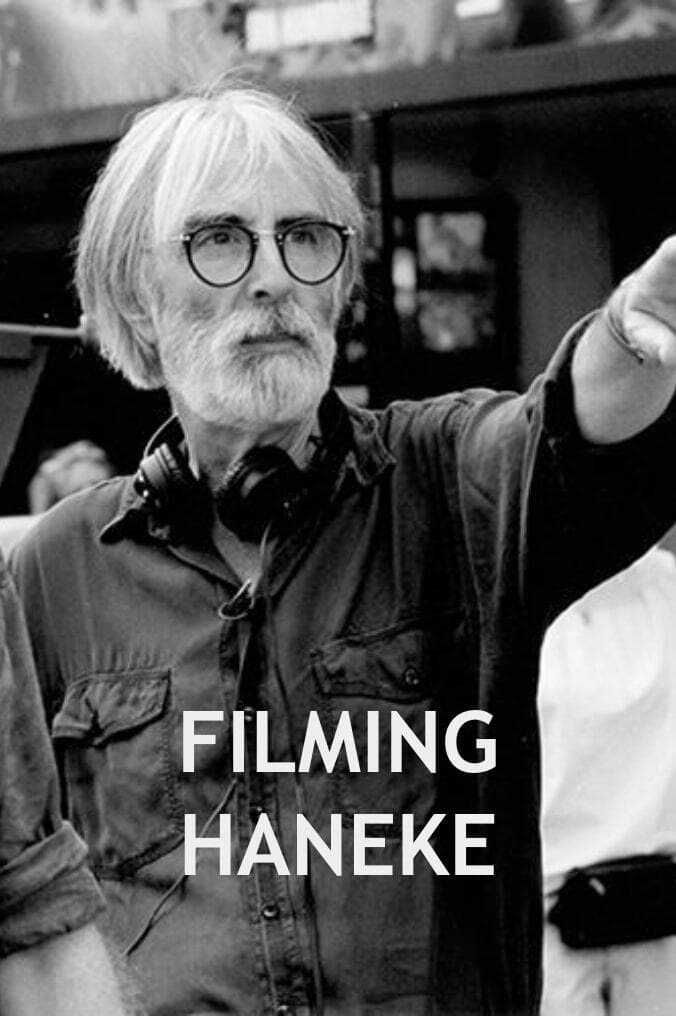
A making-of documentary featuring interviews with director Michael Haneke, actor Juliette Binoche, and producer Marin Karmitz, as well as on-set footage of cast and crew of "Code Unknown".
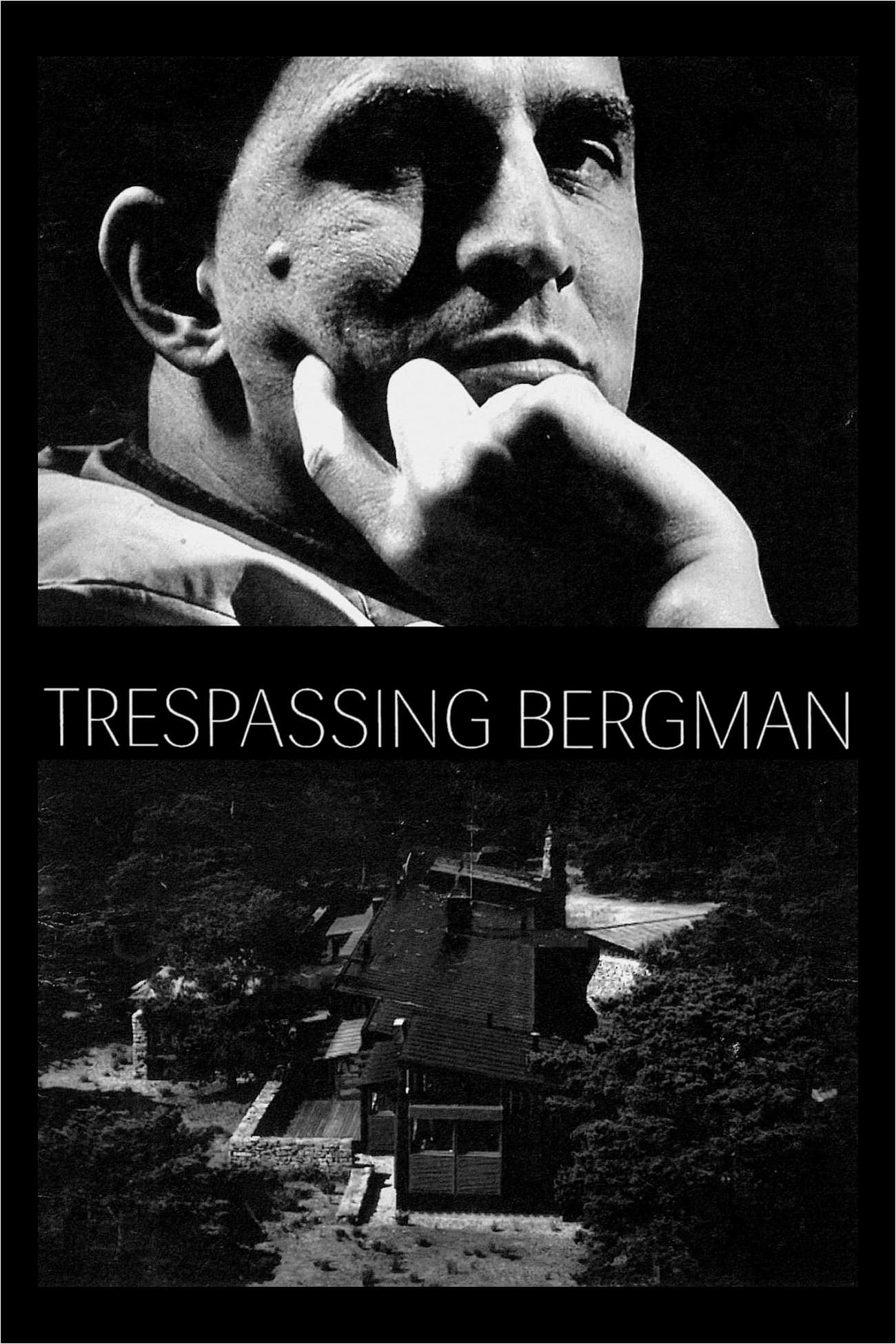
In the sixties, Swedish filmmaker Ingmar Bergman (1918-2007) built a house on the remote island of Fårö, located in the Baltic Sea, and left Stockholm to live there. When he died, the house was preserved. A group of very special film buffs, came from all over the world, travel to Fårö in search of the genius and his legacy. (An abridged version of Bergman's Video, 2012.)
A documentary on the shooting of Michael Haneke's movie 'Hidden' (Caché). Including interviews with Michael Haneke, Juliette Binoche and Daniel Auteuil.
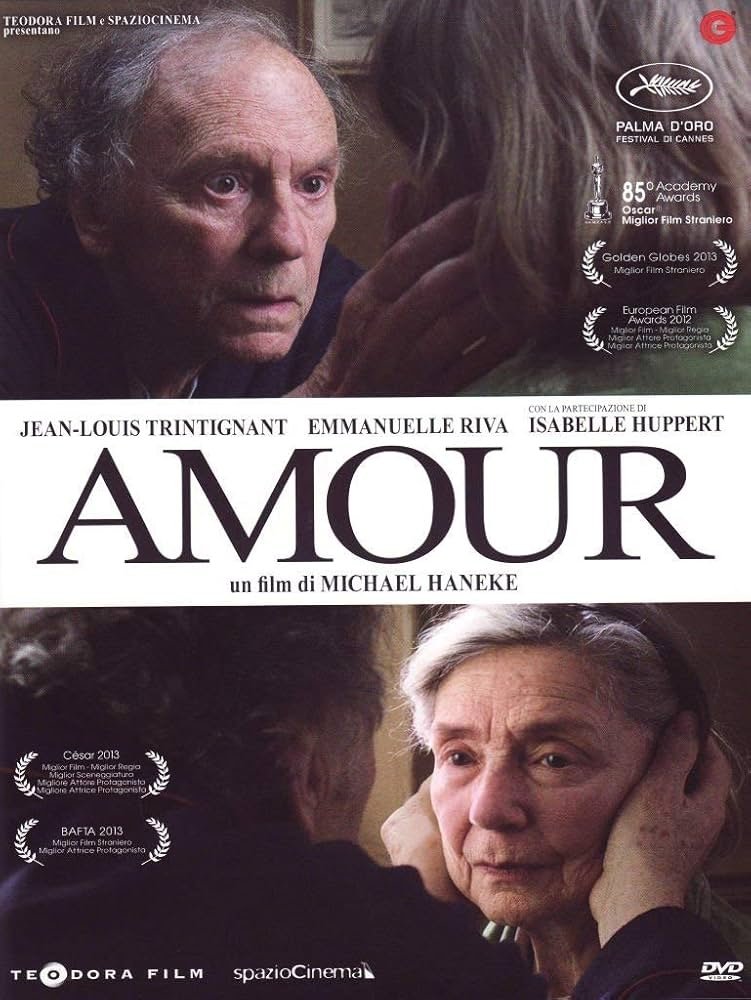
The Making of Amour
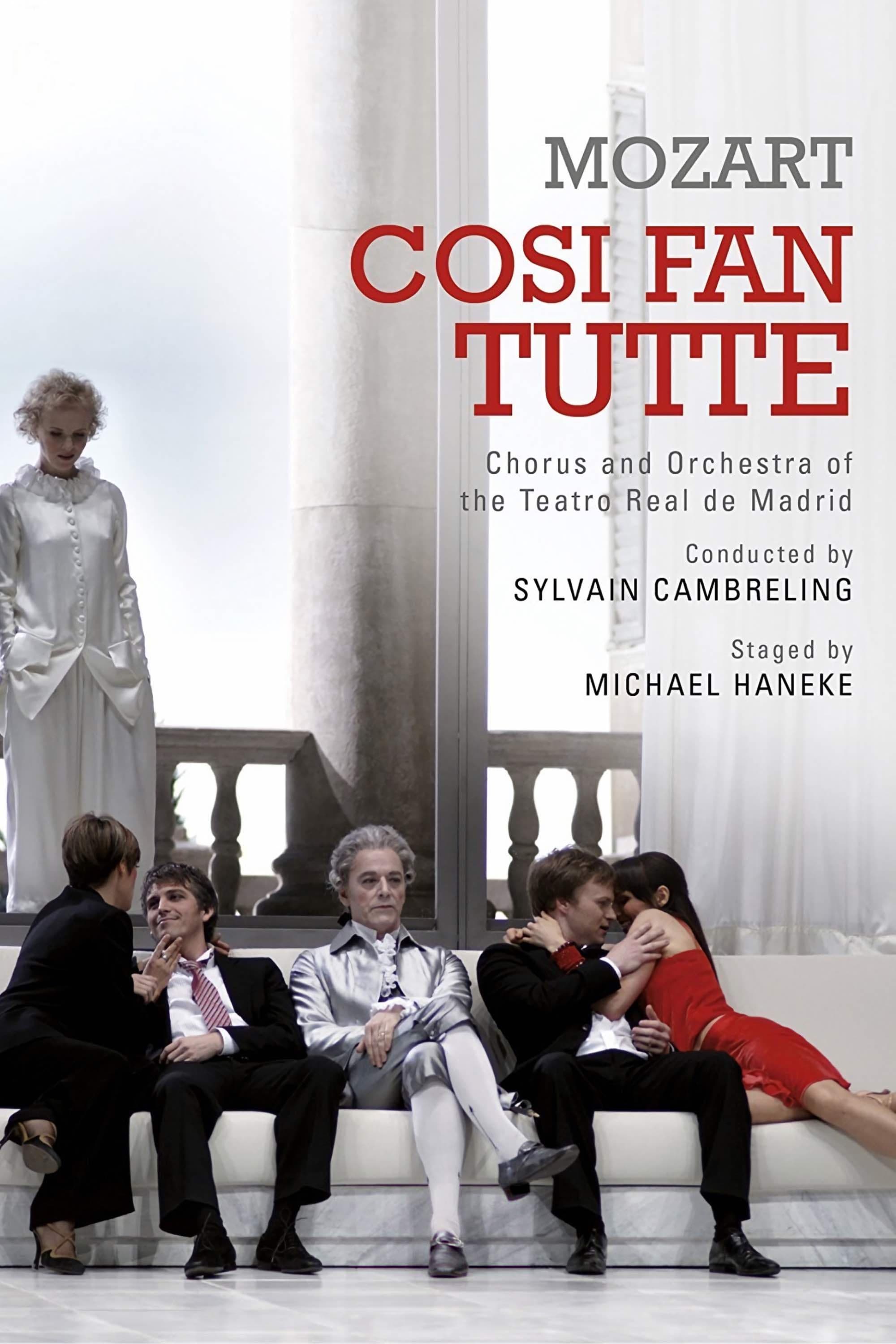
Who loves whom in Così fan tutte, Mozart’s and Da Ponte’s cruelly comic reflection on desire, fidelity and betrayal? Or have the confusions to which the main characters subject one another ensured that in spite of the heartfelt love duets and superficially fleetfooted comedy nothing will work any longer and that a sense of emotional erosion has replaced true feelings? Così fan tutte is a timeless work full of questions that affect us all. The Academy Award-winning director Michael Haneke once said that he was merely being precise and did not want to distort reality. In only his second opera production after Don Giovanni in 2006, he presents what ARTE described as a “disillusioned vision of love in an ice-cold, realistic interpretation”.
A series of events unfold like a chain reaction, all stemming from a minor event that brings the film's five characters together. Set in Paris, France, Anne is an actress whose boyfriend Georges photographs the war in Kosovo. Georges' brother, Jean, is looking for the entry code to Georges' apartment. These characters' lives interconnect with a Romanian immigrant and a deaf teacher.
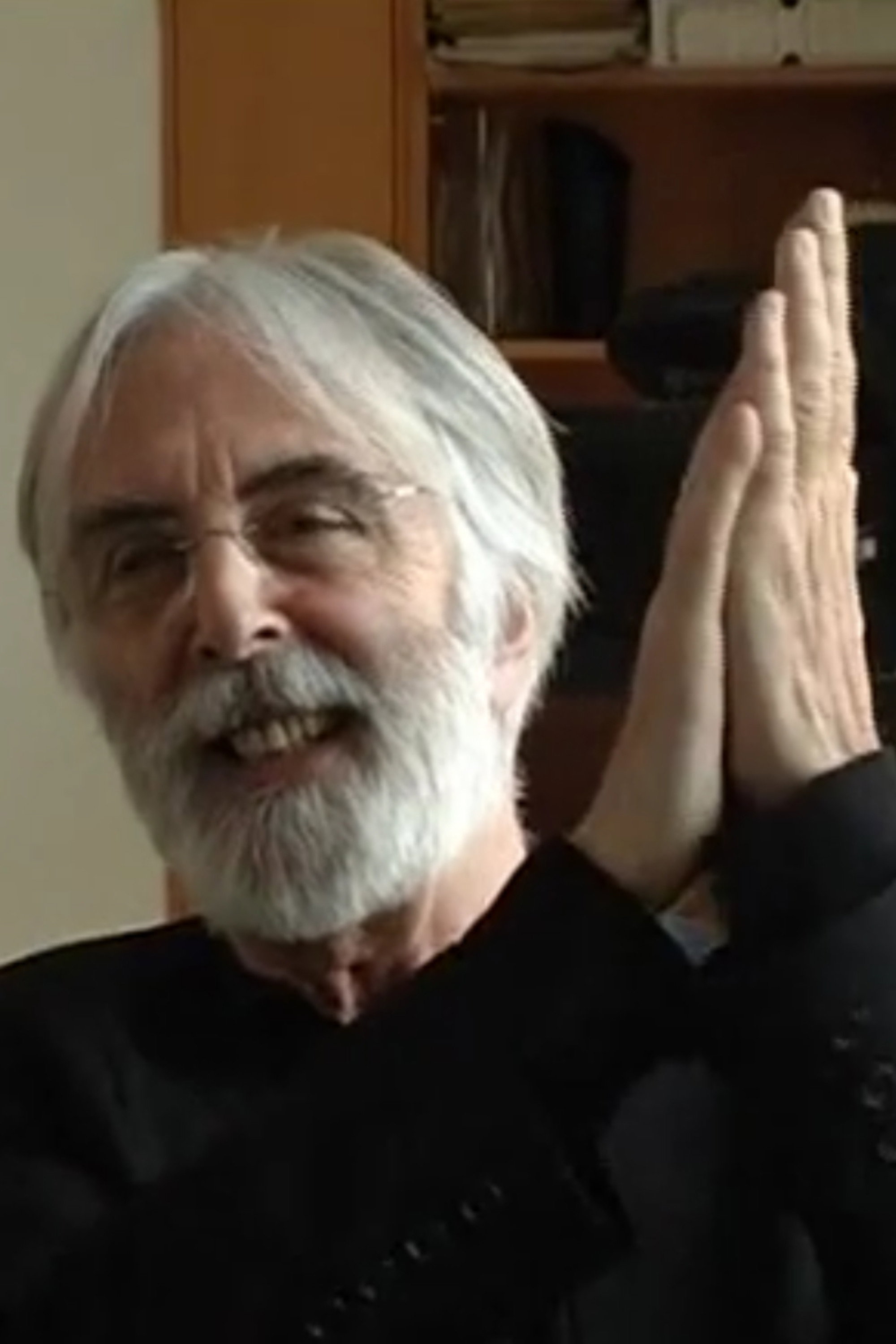
An interview with Michael Haneke on his Glaciation Trilogy. Included as a bonus in the DVD containing the films.