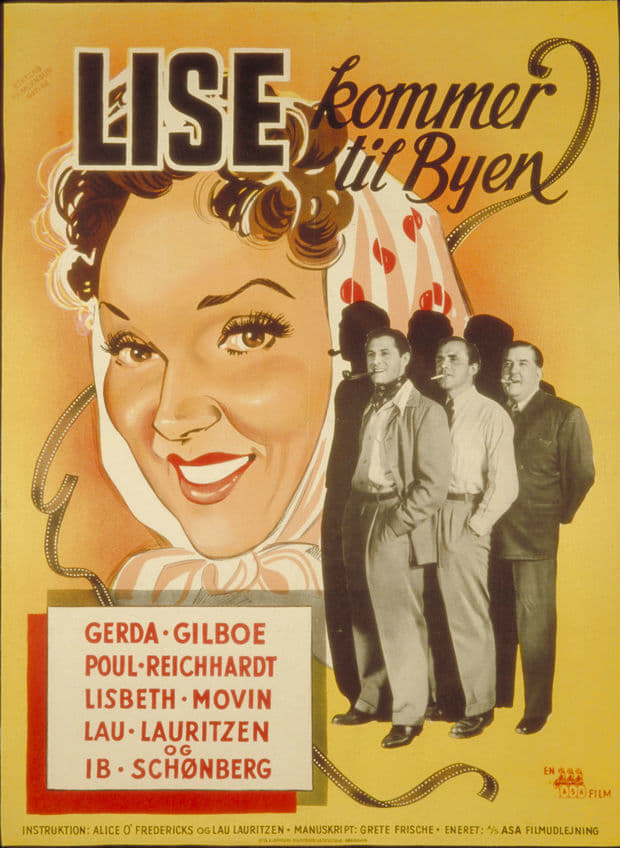
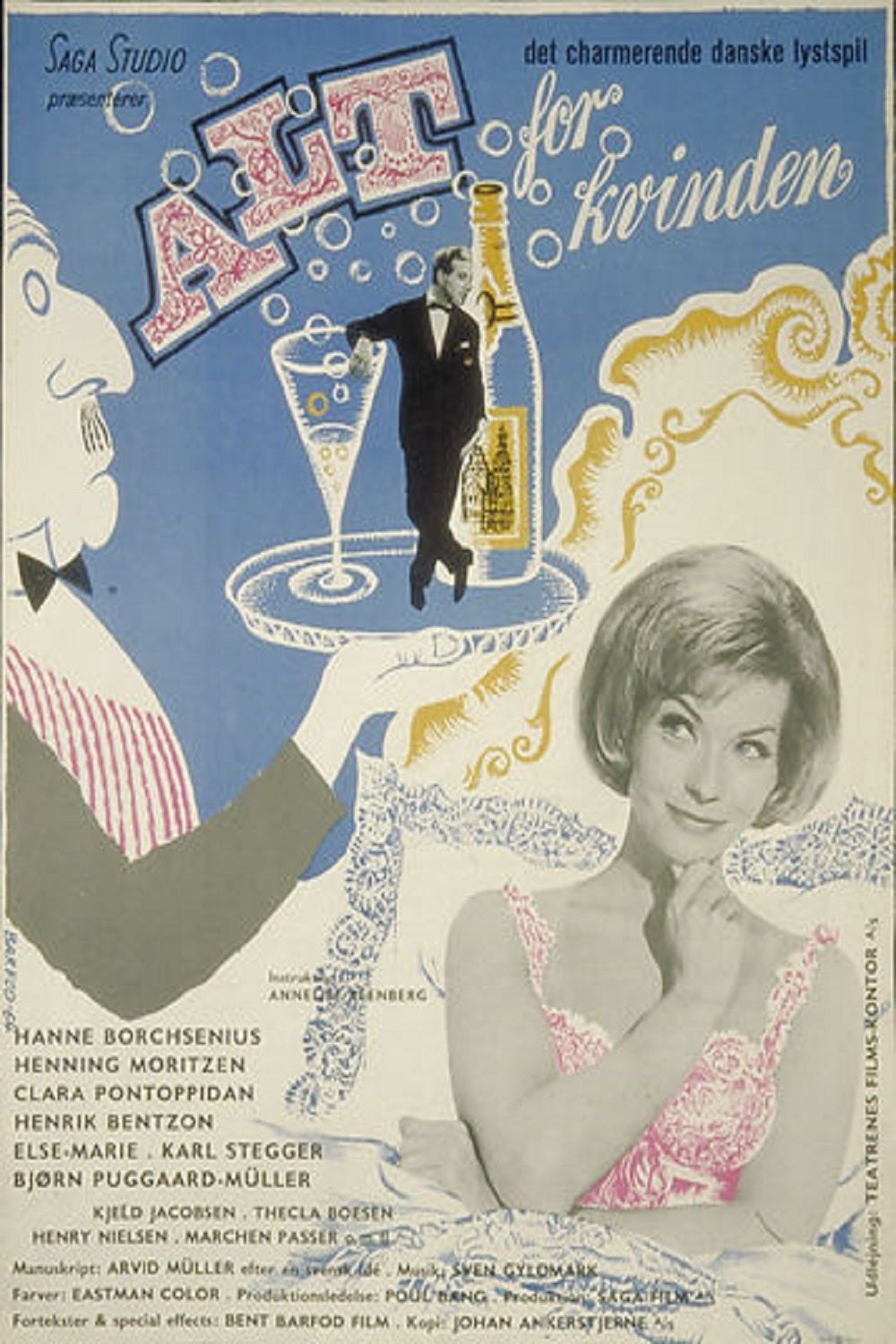
During the filming of a movie in Køge, Lise accidentally knocks down the director, Dan Burling. When the film crew leaves Køge, Dan invites Lise to come to the city. When Lise shows up in Copenhagen, she thinks she has been offered a role in a movie, while Dan was hoping to find a new housekeeper. Lise becomes Dan's housekeeper, and soon her love for him grows. He, on the other hand, only has eyes for himself. While completing his film dream, Dan saves script girl Irma from burning to death in the editing room. Meanwhile, Lise has decided to leave Copenhagen.
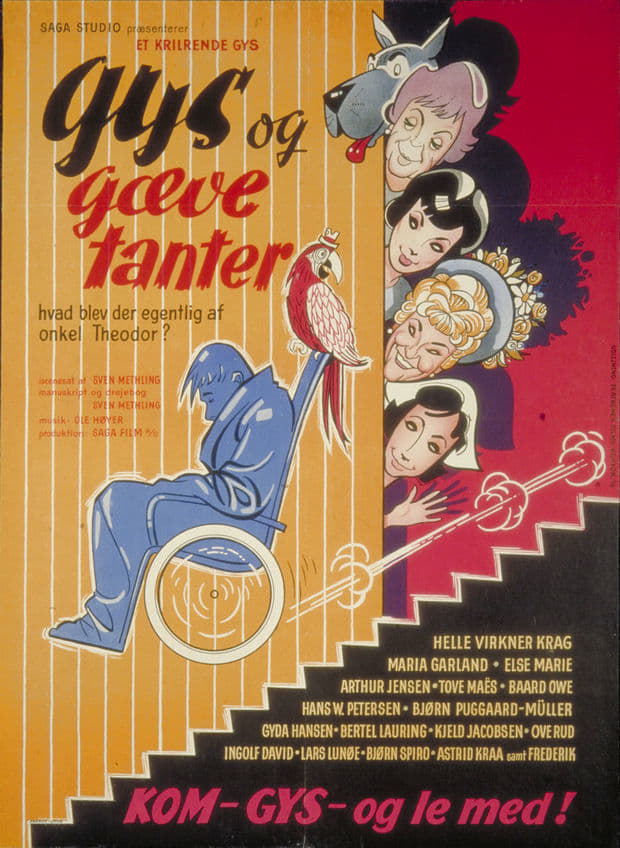
Bettina Eriksen, manager of her Uncle Teodor's nursing home, is being framed for murder. With the help of 2 older ladies, Bettina sets out to find out the murderer's identity and motive.

Somewhere on the island of Funen, where the hedgerows surround the meandering fields, lies Uglegaarden. It is the largest and richest farm in the parish, and is owned by the widow Dora and her three brooding stepsons Karl, Viggo and Thomas. Their regular haunt is the village inn, where the crone Sara has to put up with their coarse-grained advances. The three brothers have big plans for the small neighboring farm Mosegaarden. They have discovered that under Mosegaarden's lean fields and high slopes there are large quantities of raw gravel. Chr. Thorup, who owns the site, has mortgaged the farm far above the chimneys. Now the Uglegaards brothers are just waiting for the right time to take over Mosegaarden. But when Thorup's son, Henrik, unexpectedly shows up at Mosegaarden, the three brothers' sinister plans are thrown into disarray.
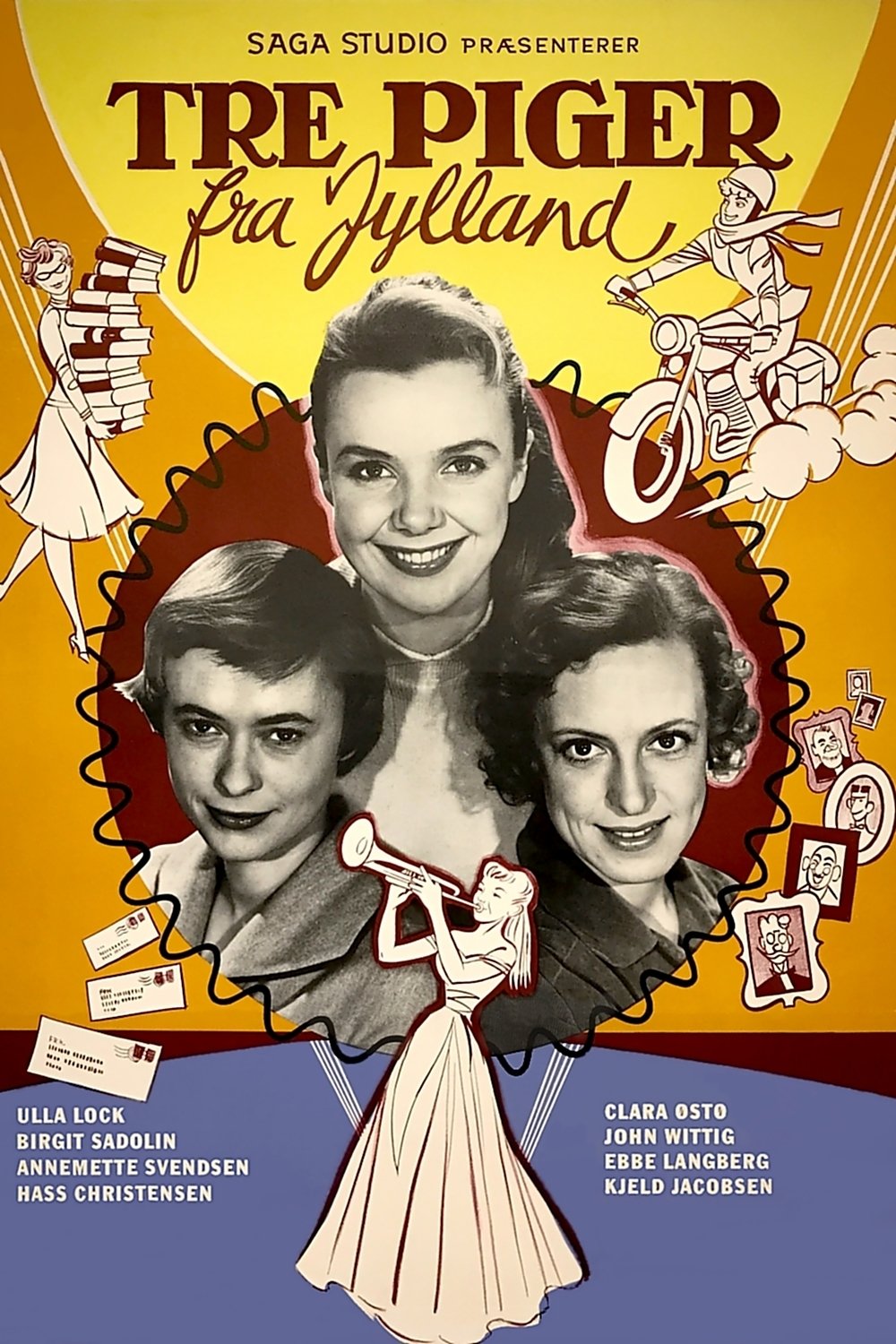
Three girls (around 20 years old) who have grown up in different parts of Denmark get a strange letter. It turns out they are sisters, and will inherit from their late mother, if the can stay together one month in the same house. They end up in a lot of (romantic) trouble, because of speculations of who their father(s) might be.
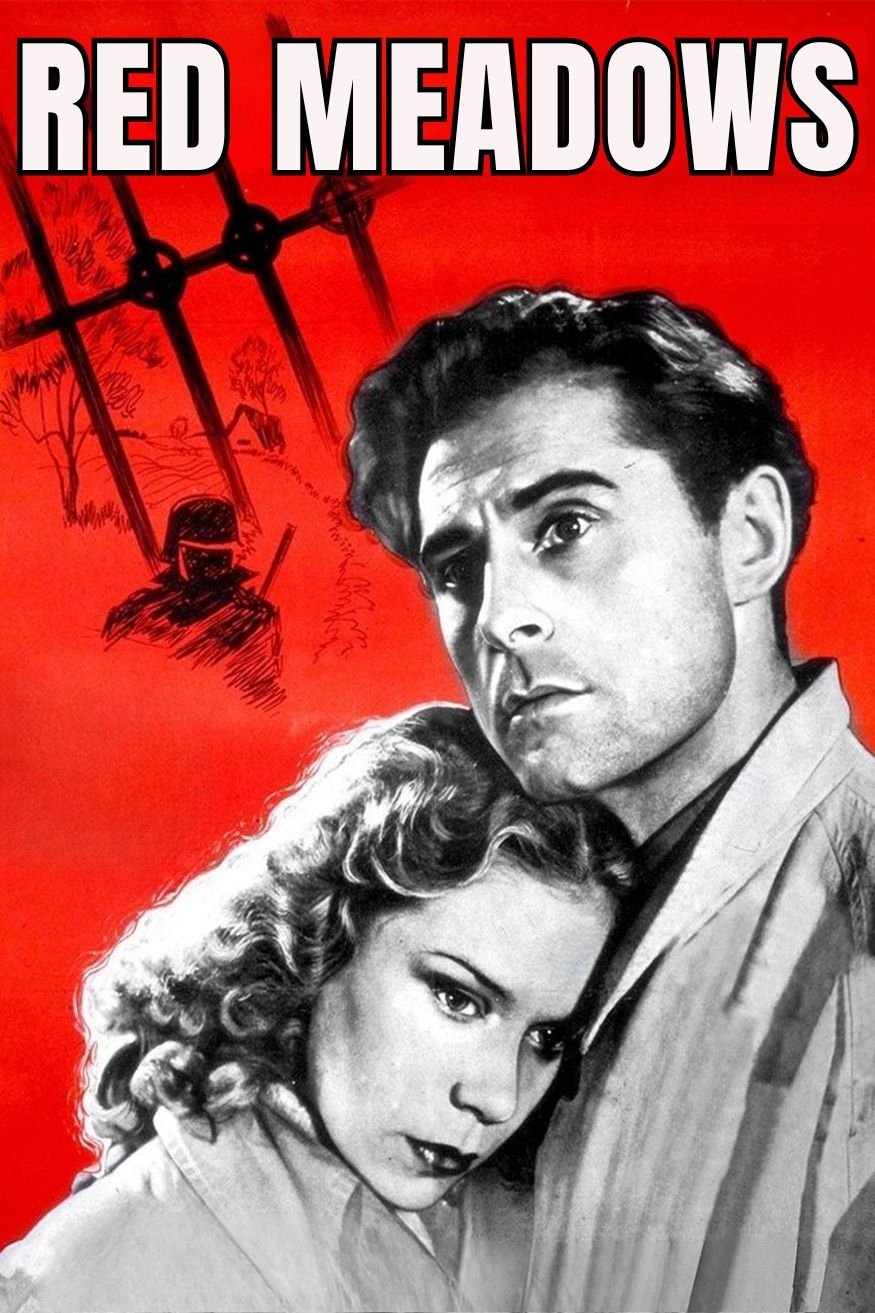
A suspense tale revolving around the memories of a Danish saboteur as he awaits his execution in a German war-time prison.
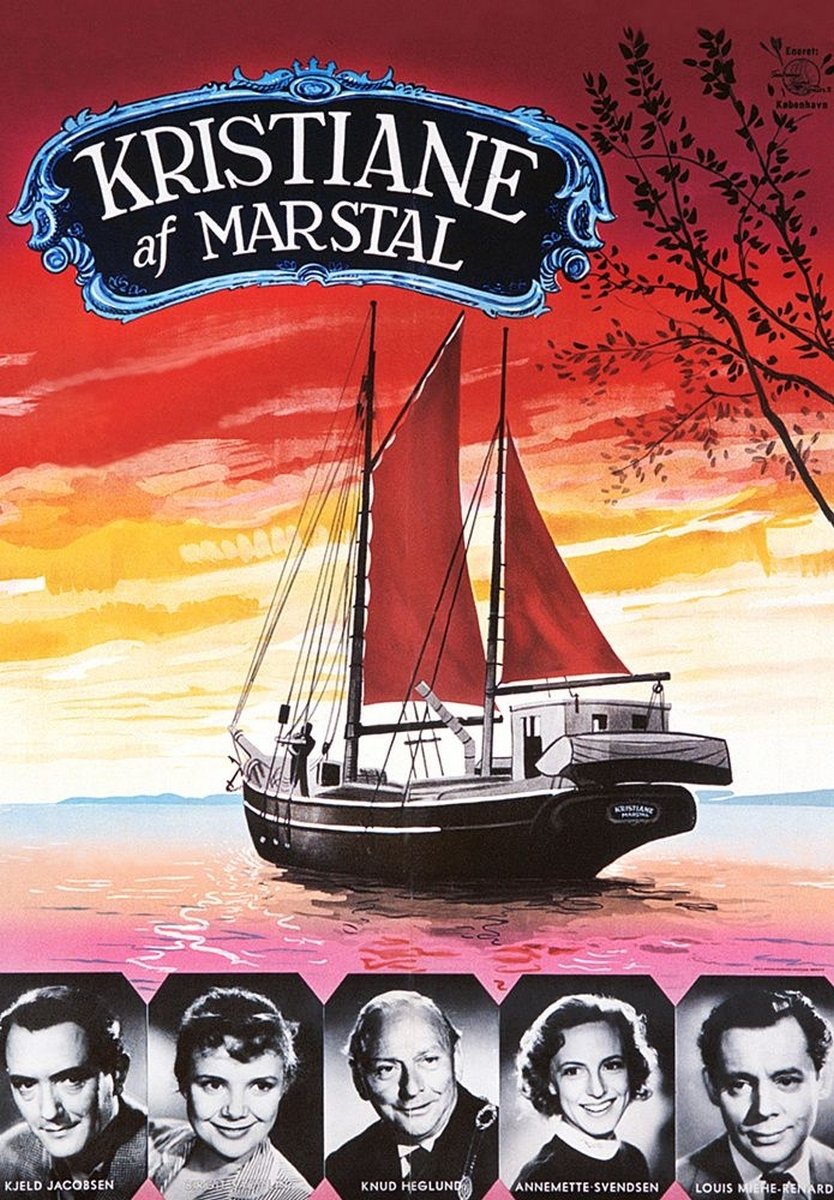
Two young skippers, Hans Tønnesen and Poul Nielsen, have a small cargo ship that transports freight from Copenhagen to the provinces. Poul and Hans are in love with the same girl, Margit, who is the daughter of master baker Bonnekamp. However, Margit chooses Poul. On their wedding night, Hans cannot sleep. He sits in his boat and hears a splash in the water. He jumps into the water and rescues a young girl, Kristiane, from drowning. She is distraught because she is pregnant and does not dare tell her parents. Hans offers to marry her and acknowledge paternity, but on the way to his own wedding, his engine stalls.
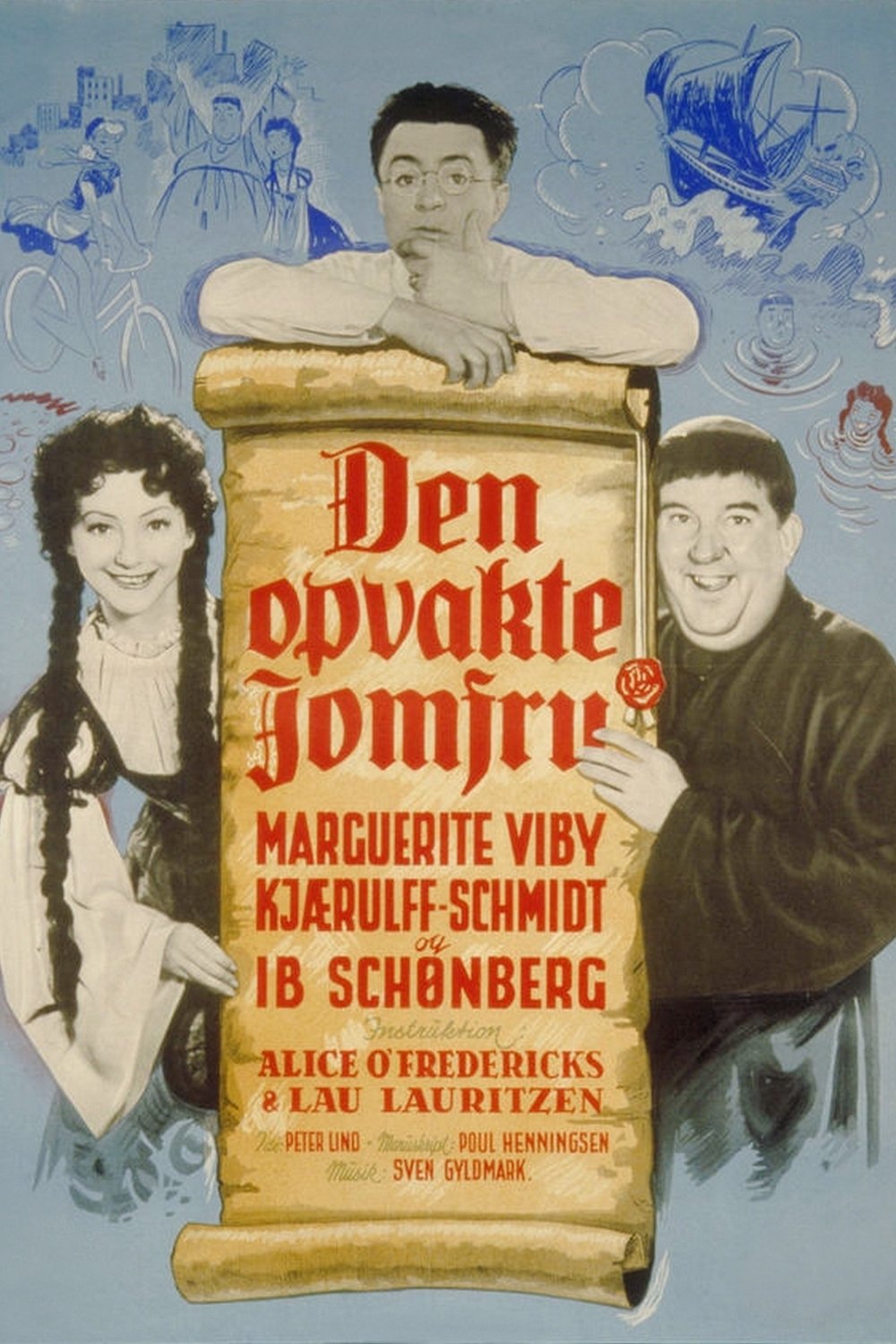
In the year 1520, during a violent hurricane in the North Sea, a ship in distress. The sailors are convinced that the abbot they have aboard is causing this. They throw him overboard with his holy scriptures.
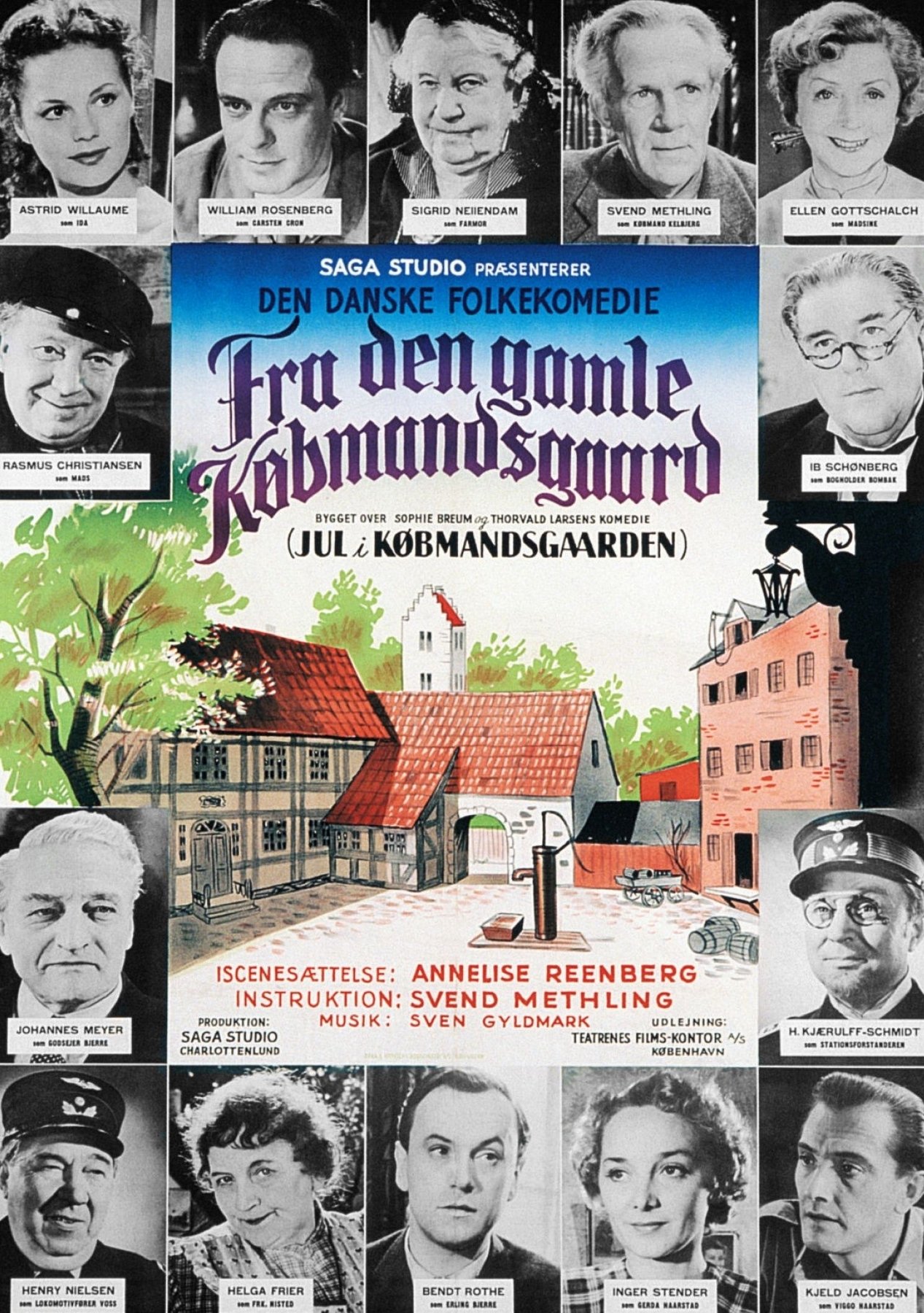
Two rival young men both desire the merchant's pretty daughter, a bad young man robs the merchant's safe and blames it on "mother-in-law's dream", a worldly-wise grandmother directs the battle of love from her living room, and a couple of silly railway workers spread song and joy.

We follow two randomly selected destinies: two young girls whose data could have been taken straight from the police files, which contain so many human documents—many sad, but also many joyful, because a large proportion of those who were initially weak and frivolous are saved from the temptations of the big city.

Like all other fairy tales, this one begins with: Once upon a time. Once upon a time, there were two friends, one was an actor in Copenhagen, the other in Oslo. The one in Copenhagen was called Osvald, and one day he was very angry. He stood in front of his director and told him what he thought of him in general and the tasks he was given at his theater in particular. So Osvald left. By a twist of fate, something similar happened in Oslo. Einar felt that his director did not take him into consideration, so he also left. Now the two meet in Copenhagen, and they experience an adventurous evening together, spiced with several well-known revue numbers.

Lau Lauritzen plays an ordinary architect, with a wife and a son. He gets accused for killing a 10-year old girl, and of course nobody doubts he's the one. Even his wife and his uncle has trouble believing him, but at least they don't tell him.
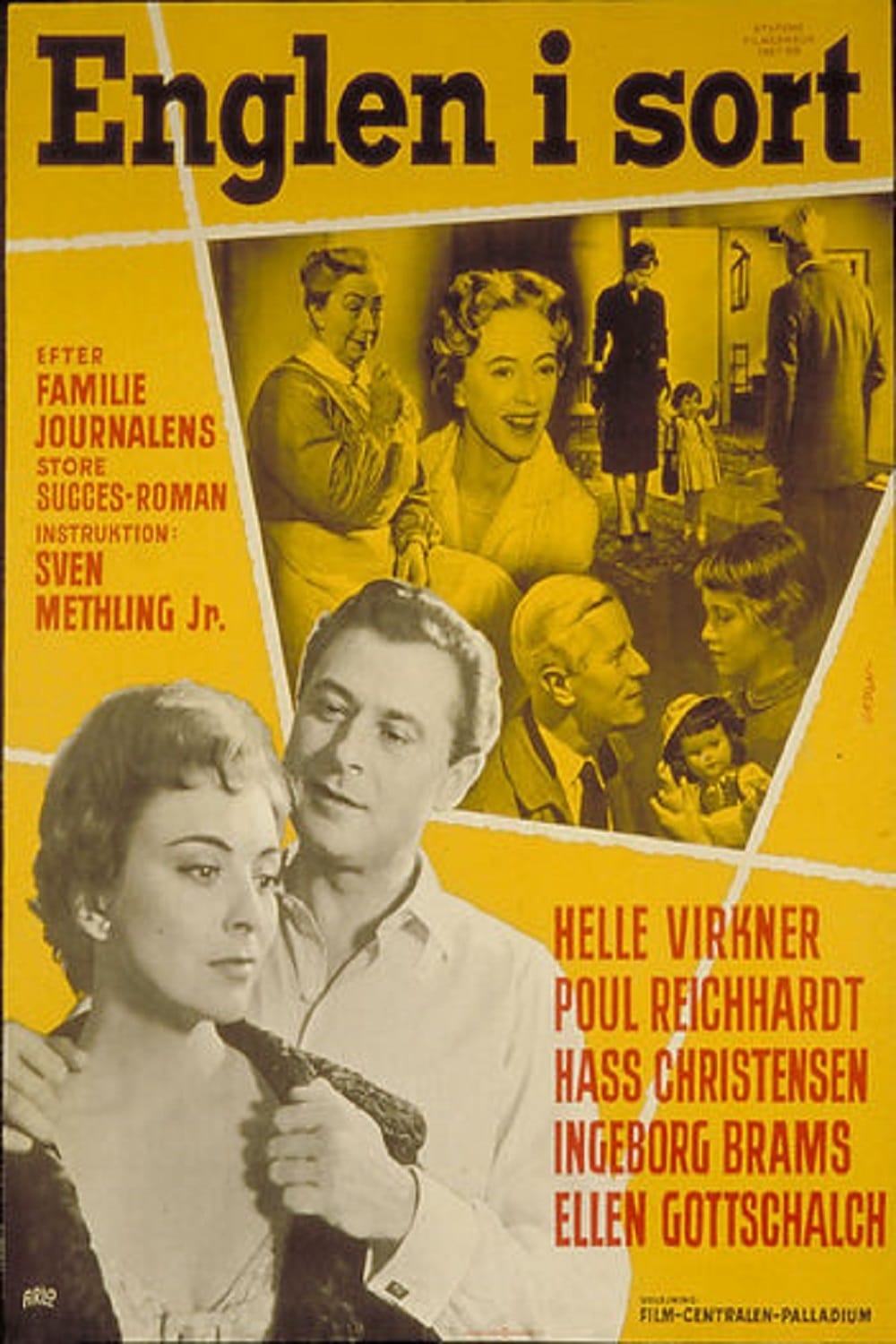
The beautiful and charming Betina has been married for three years to psychiatrist and senior physician Dr. Arne Brant. They live in comfortable circumstances, have an adorable little daughter, Bente, and thus have everything they need to live happily in their comfortable villa. But Betina is restless. All year round, she devotes her time, and her husband's money, to helping those in need in the community. It has become her passion to participate in aid committees and to lead philanthropic work. The refined, elegant woman, always dressed in black, this "angel in black," is admired for her self-sacrifice.

Sabotage of a Nazi factory is carried out by the husband of the lover of a resistance leader.
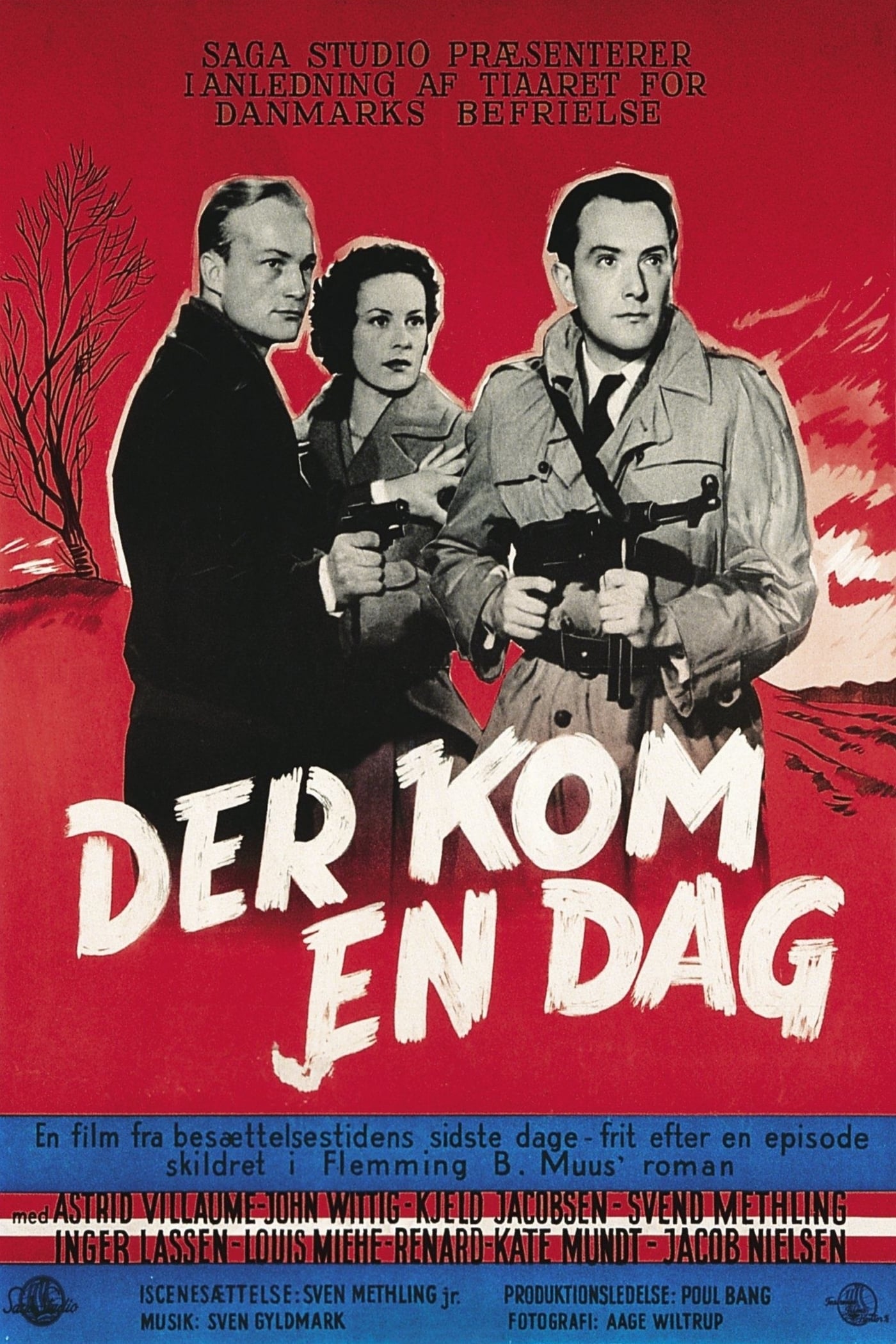
This film is based on a true story, depicted in the novel of the same name, "Der kom en dag" (The Day Came), written by Flemming B. Muus. Quote: On April 9, 1940, we surrendered, under protest, to an army that broke all treaties, attacked our borders, occupied our country, and seized all executive power. But soon, the will to resist was born. Groups of people came together in a common desire to help win the war and liberate our country.
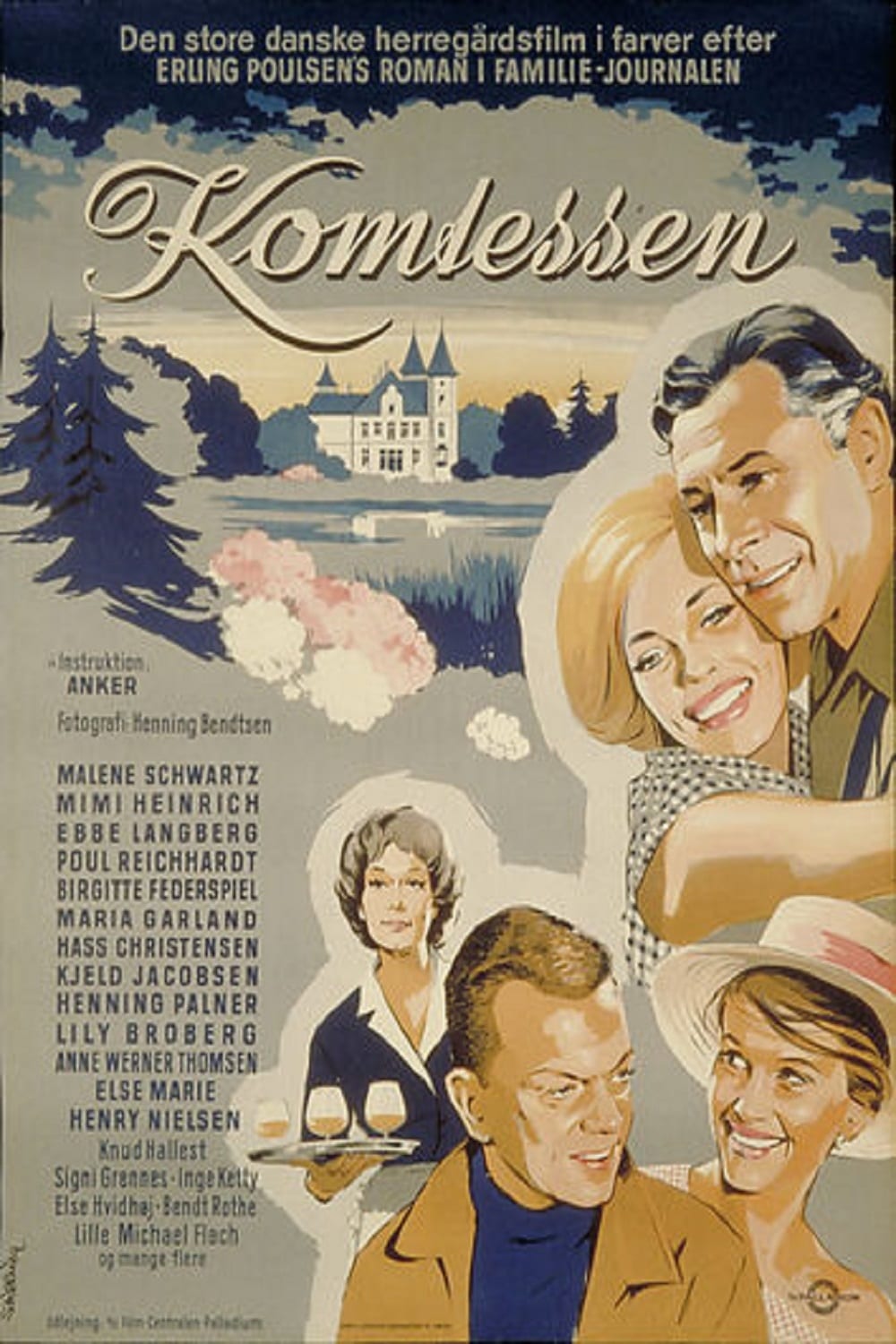
In the village Karrild, the Countess Sonia Hardenborg and a young unmarried woman, Marta, give birth to a daughter on the same day. Marta dies after birth, so Marta's daughter, Betina, come under the care of the countess. 17 years later, Betina and Countess Sonia's daughter, Maria, meet, as Betina is living in a home for orphaned girls, which is adjacent to the Hardenborg estate. The two girls become friends, and Maria invites Betina to visit her at Hardenborg, to greet her parents Sonia and Otto Hardenborg and her brother Count Flemming. Meanwhile, Betina's father, Frank Jensen, starts working in the estate's woods, and when the two girls come to visit him, he is shocked by the resemblance between the young countess and Betina's mother Marta.

A whirlwind romance between a Danish storeclerk and an American G.I. in Copenhagen takes them to a dance club base for prostitutes, whom she befriends and whose pimp he antagonizes.
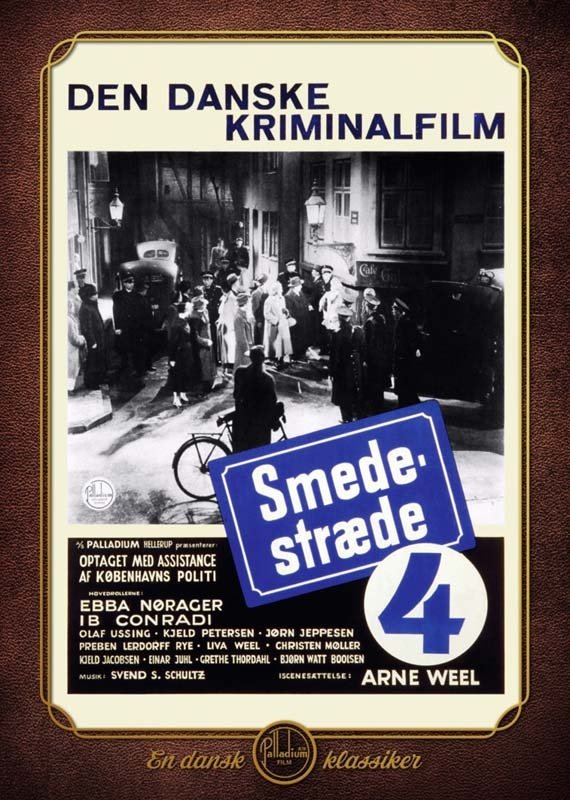
At Smedestræde 4 in Copenhagen, a young orphan girl named Elsebeth Jacobsen lives next door to Carl Thomsen, a somewhat dubious character. Elsebeth, who works in a small greengrocer's shop, has only two real friends. One is a young bicycle courier, Poul Andersen. The other is a small Icelandic horse that brings fresh vegetables to the shop every morning. She and Poul Andersen spend a lot of time at the youth center.
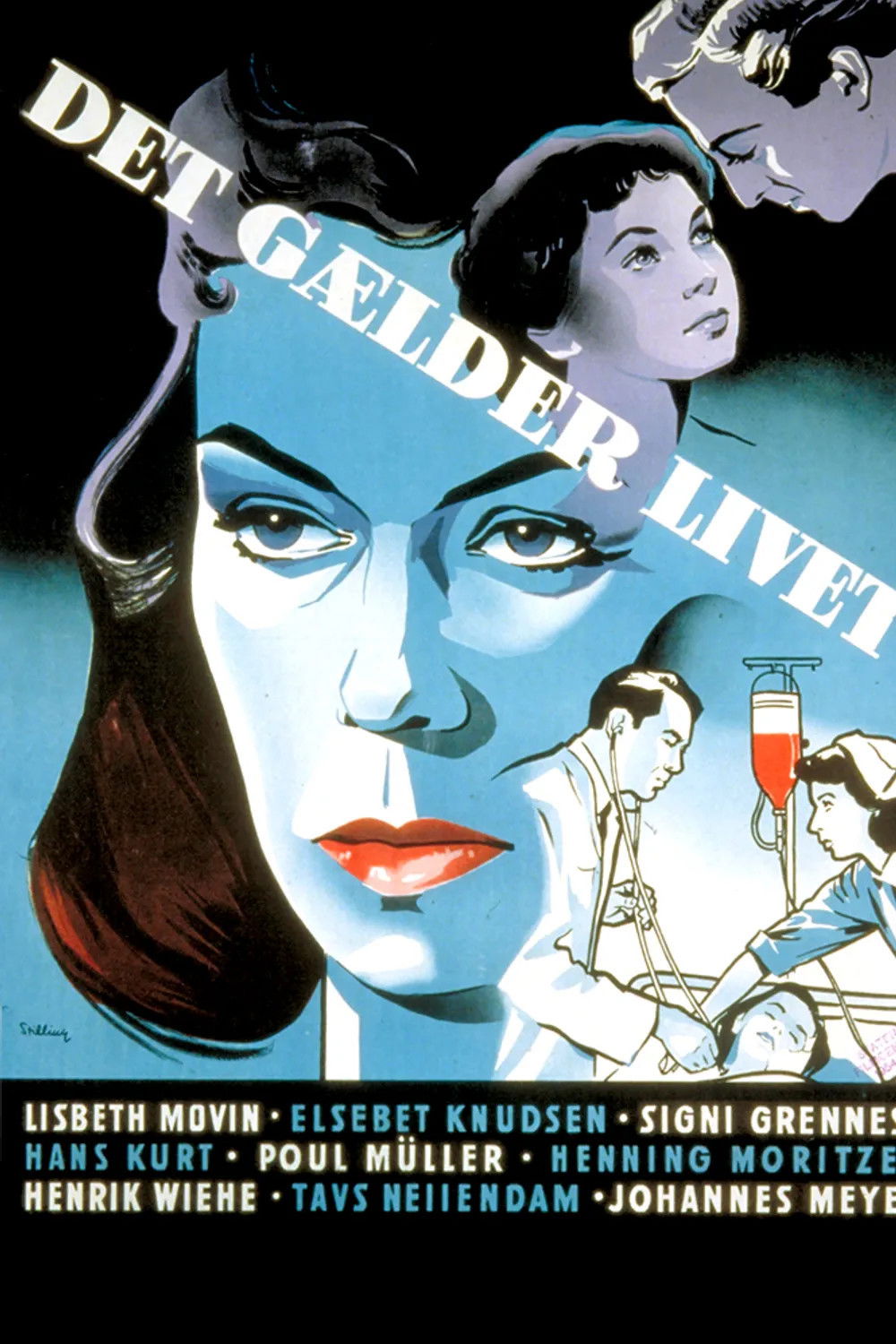
Ella and Olaf are in love but childless. Their neighbors Viggo and Polly have three children, but their marriage is in ruins. When Ella and Viggo happen to be alone on a motorboat, she gives in to his advances and becomes pregnant. Ella conceals the circumstances, but when her daughter is seriously injured, only Viggo can be used as a blood donor.

The bank is located in the square of a small, idyllic market town, and its manager, Anders B. Schmidt, is seriously ill in the town hospital. At the beginning of the story, he is quietly passing away. In the wealthy neighborhood of the market town, we find the bank manager's villa, which has been his pride and joy for many years. He leaves behind a deeply grieving widow and four adult children. It soon emerges that the respected citizen had a love affair before he got married, and this causes outrage.

"Modern vaudeville," where the entire story takes place at Dyrehavsbakken. In an impressionistic style, it tells the story of the waiter Mowitz, who ponders whether he loves the singer Myrna and what true love really is. He ponders too long; Myrna instead becomes engaged to the pianist Bertram, who can get her into the Circus Revue. Mowitz also takes too long to discover the singer Lillian's interest, so his friend Max snatches her up instead, while Mowitz can continue his search for the one and only.

In "Ugens Ekko," the editor's greatest asset is "Aunt Oda," the renowned "love doctor" who provides the magazine's readers with advice and guidance on matters of the heart every week. Only those in the know are aware that "Aunt Oda" is in fact the young poet Ambrosius Hansen, who once impressed editor Vestergaard with some words about women.

The heavy prison door in Vridsløse opens, and freedom beckons once again to counterfeiter P. Krone-Strøm. He has served an eight-year sentence, but believes it was a miscarriage of justice. He was one of the many who could not find employment during the crisis years of the 1930s in Denmark. Now he is once again in contact with the world outside the prison walls, but conditions have changed completely during the years he has spent in isolation. Now it is not money that is lacking in society, but labor and goods.
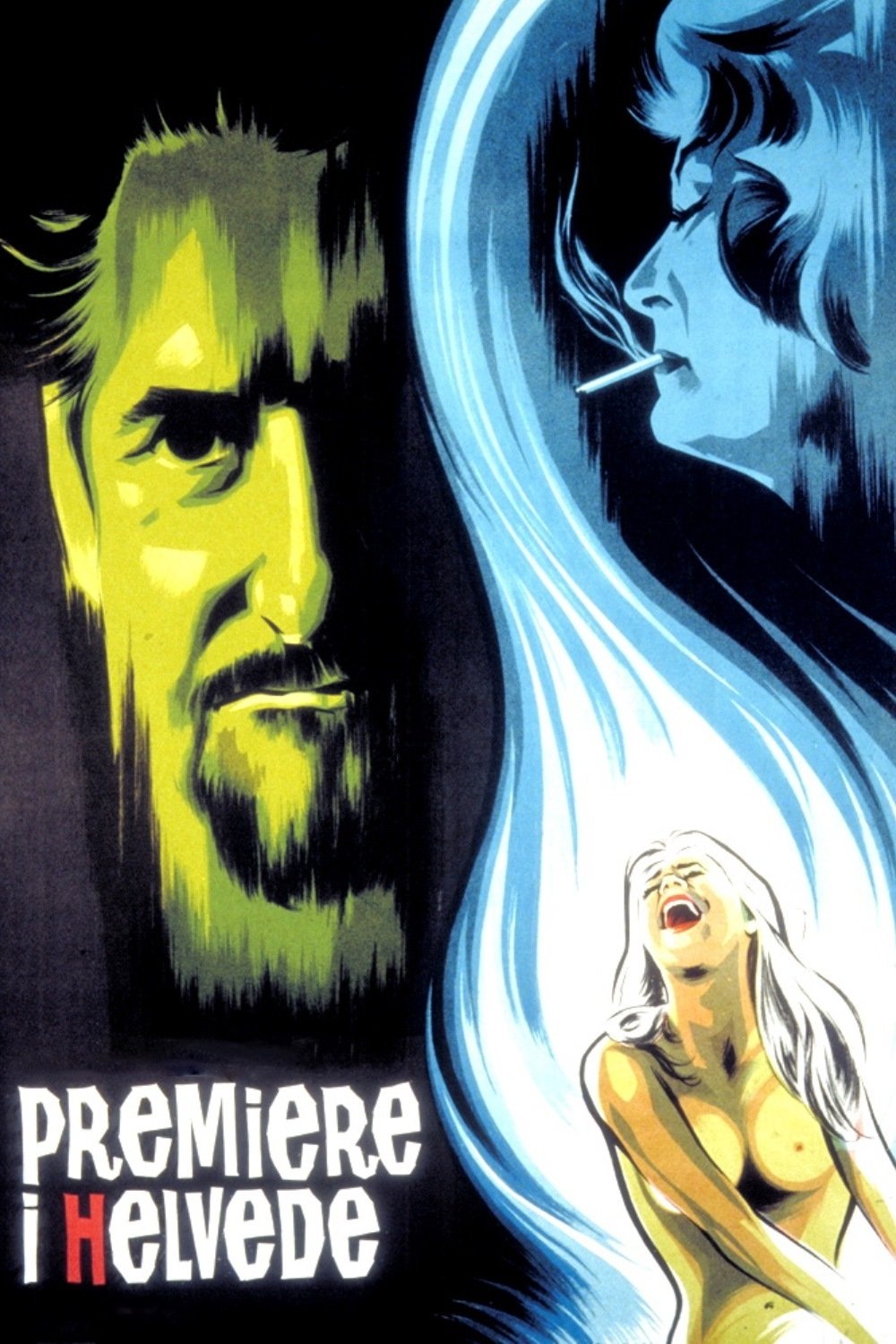
About an American's reaction to the Dane's way of chatting about each other. Behind their backs. A rumor begins to flourish. A serious one. About death. perhaps even murder.
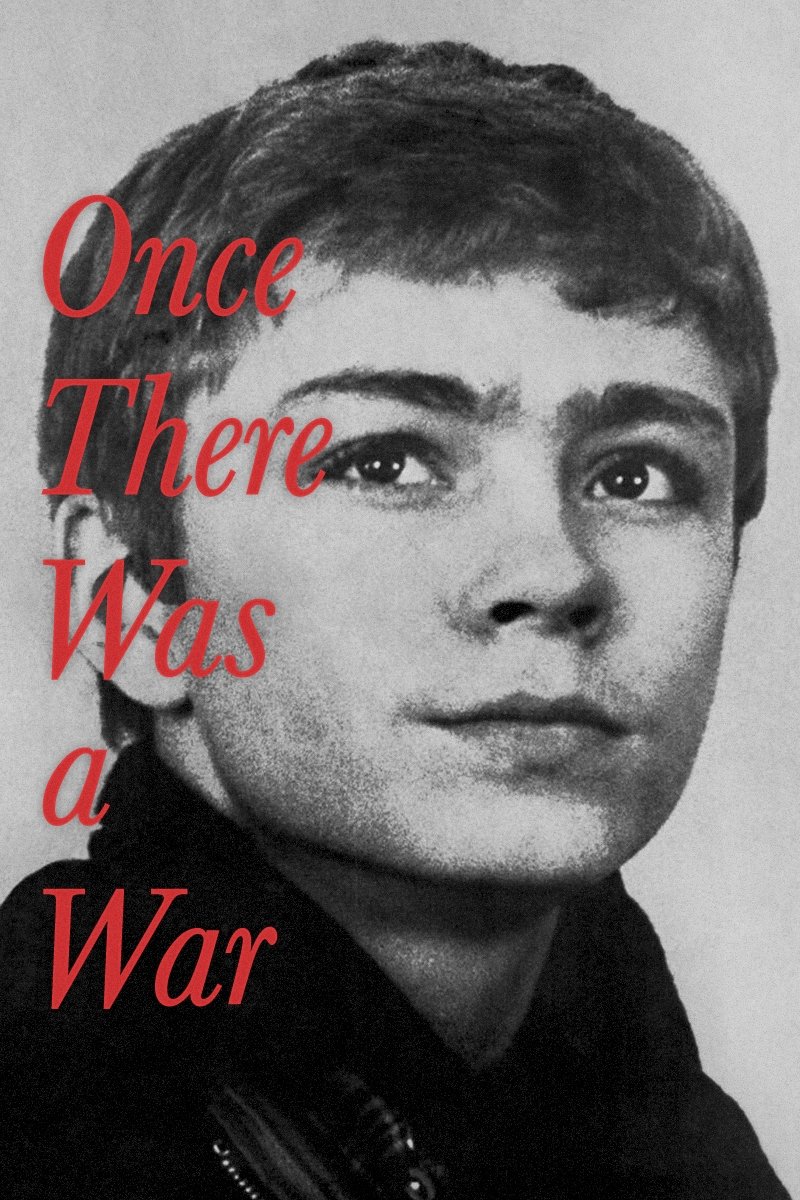
The film is a window into the world of fifteen-year-old Tim, sharing his joys and sorrows and his first encounter with love, during the German occupation of Denmark in World War II.

The German agent, 503 June Harvey, has caused serious losses to the Danish resistance movement during the occupation, and it is decided to liquidate her. When this is to happen, she is in Stockholm. A new man is sent there to lure her to Denmark, but she prevails over him. The group leader then decides to take care of the matter himself. A young resistance fighter falls in love with her, and it takes great effort for him to carry out the order.

Bella is surrounded by external security, comfort, and expensive luxury. In her cold, unconnected everyday life, she randomly meets 20-year-old hippie Jacob. They share a sense of loneliness.
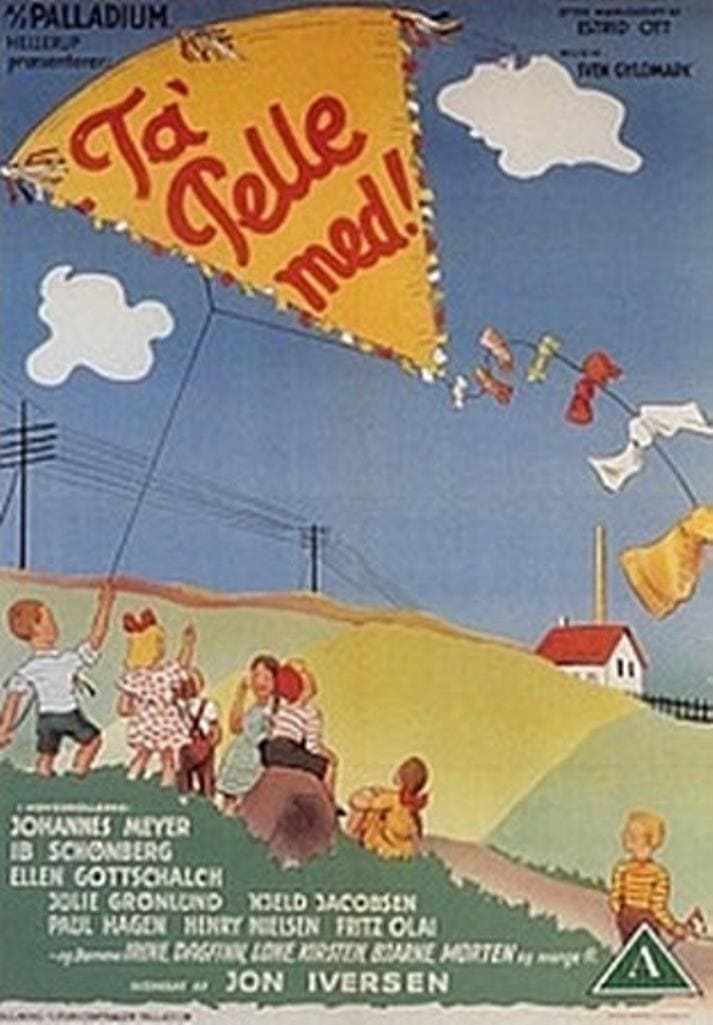
Laurits lives with his granddaughter Adda on a small farm. He has always had difficulty making ends meet, and the bailiff often has to visit Lauritz to try to collect the outstanding taxes. The friendly parish bailiff and dairy manager Rasmus wants to help Lauritz, but he won't hear of it. Rasmus is a kind man who takes care of Pelle, a child in foster care, and also supervises another foster child, Ole, who works at Bakkegården, where the strict manager Børge Andersen makes life difficult for him. Lauritz is popular among the local children and skilled at building kites. One summer...

On the 9th of April 1940, the crew of a Danish merchant ship receives the news of Germany's invasion of Denmark. Instead of returning home, they vote in favor of setting course for England. The crew will undergo much hardship over the next five years ...
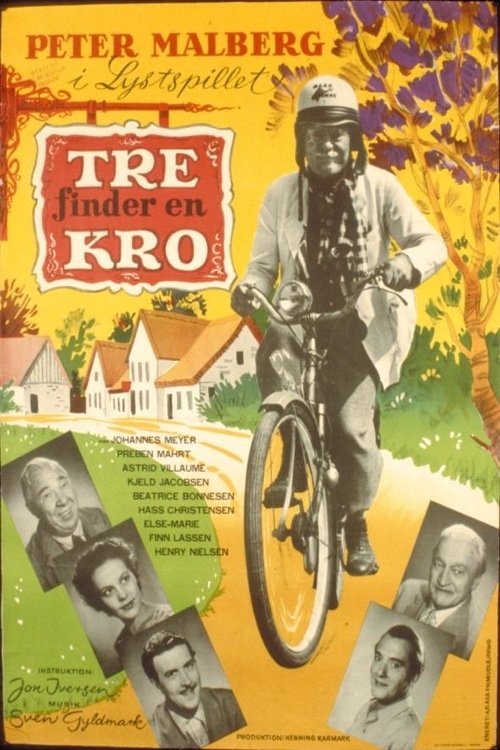
A romantic comedy about Ingrid, the innkeeper's daughter, and Karsten, the landowner, who are in love. Ingrid's father is strongly opposed to the relationship because of an event that took place 40 years ago – and the estate's financial problems don't exactly help matters. Then three very different people arrive at the inn. The poet Ole, the Supreme Court lawyer Aagesen, and the record producer Blanquet. With their help, the landowner solves his financial problems and wins Ingrid's heart.

A U.S. lawman busts Copenhagen counterfeiters to help his sister, falsely accused of murder.
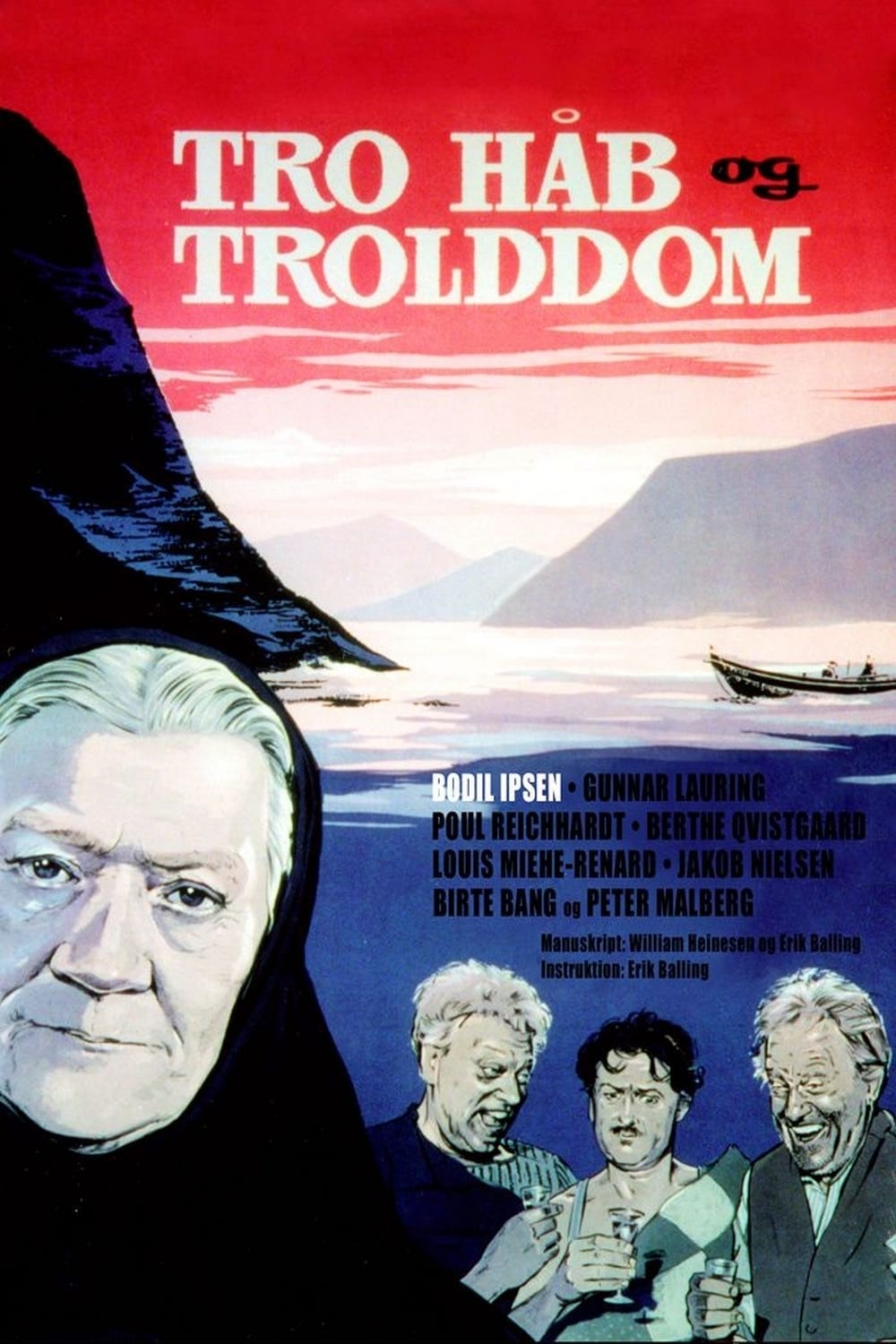
In the northern part of the Atlantic Ocean on the island of Troldø lives a single farming family. The grandmother Gunhild is the only woman on the island and her son Enok is unable to find a wife. Gunhild's advanced age causes her to worry for the future of the family. So she initiates a plan to get Enok married, a plan that is put into action when the young Eva becomes stranded on the island. But the community must be shaken by several dramatic events before Gunhild can breathe a sigh of relief.
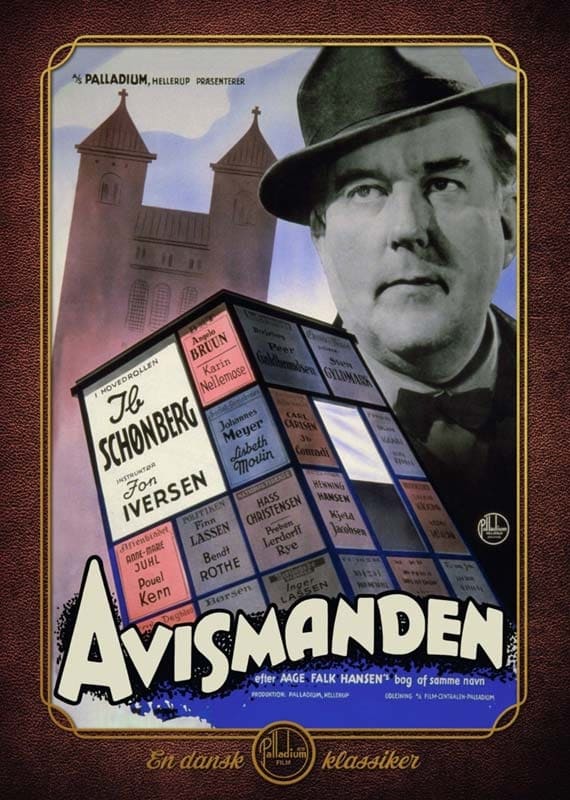
At Vesterbros Torv in Copenhagen, Olsen has his newspaper kiosk. Here comes high and low in society: Homeless, a district attorney with pain in marriage, a barmaid and a writer. They all fight with theirs, while Olsen's good heart makes him interfere in everything he can.

In this romantic drama, Niels (Jens Osterholm) is a petty thief and irresponsible lout who meets Lone (Yvonne Ingdal), a hospital lab assistant who is just the opposite of Niels. The two meet, fall in love, and must learn the old adage that opposites attract. The unenviable Niels and the model citizen Lone are helpless to fight their passionate chemistry when they are together.
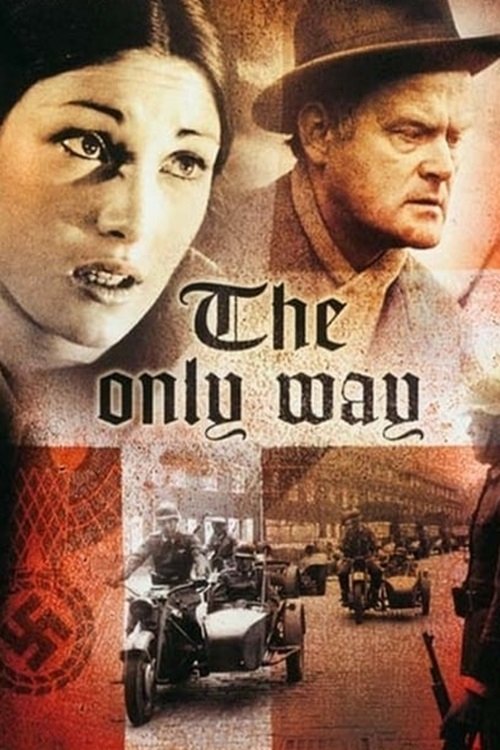
In April 1940, the armies of Nazi Germany invaded Denmark. The Danish government promised peaceful cooperation on the condition that Denmark's Jews remained free. The Nazis agreed. In October 1943, the agreement was broken... This is the true and magnificent saga of Denmark's valorous actions to save Danish Jews from Nazi extermination at peril of death!