
Maintained in the convention of a daydream, or rather a psychedelic vision, an impression on the works of Stanisław Ignacy Witkiewicz. Individual sequences of the film depict fragments of Witkacy's works, and the whole seems to be a commentary on the sentence: "I remember that night, when boundless terror took over the innermost fibers of my brain, and all I could hear was that terrible babble in the gaping maw of the unknown, that something blind, turning its blade toward itself."
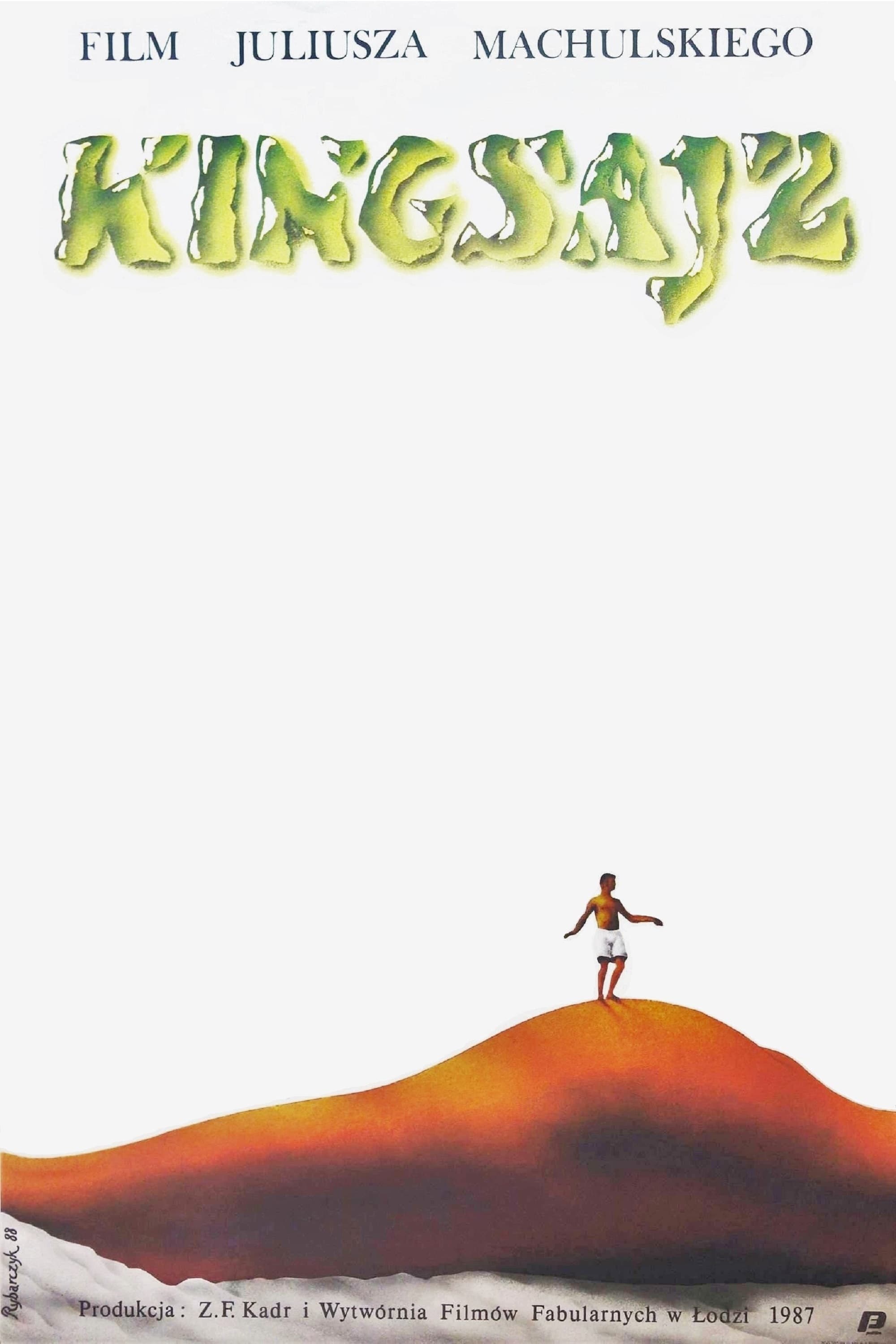
The story follows a young scientist in the contemporary world, who actually came from the world of dwarves, thanks to a magic potion, held by the Big Eater, ruler of the dwarves. The dwarf kingdom, Shuflandia, exists in a cellar of a library, and only the most obedient get the chance to grow to king size and inhabit the larger world. Once there, nobody wants to return to Shuflandia. Also, there are no women in Shuflandia.

Anthropology professor Michal develops two overwhelming obsessions. The first one is a mummified, 3,000 year-old, perfectly preserved body of a shaman he and his colleagues have recently dragged out of a swamp. The second is an enigmatic student he meets by chance at a railway station.
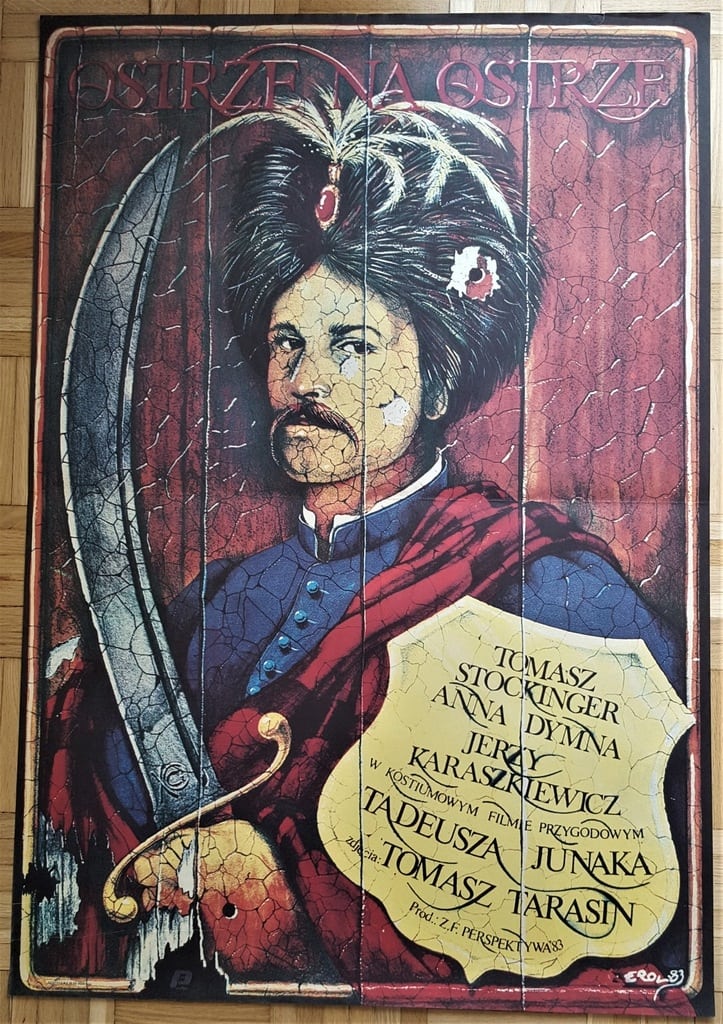
The action of the film takes place in the 17th century. Piotr Wolski returns to the country and is appointed juridic governor. A man tries to rule fairly and restore order. He soon falls in love with Konstancja, but his background causes problems.
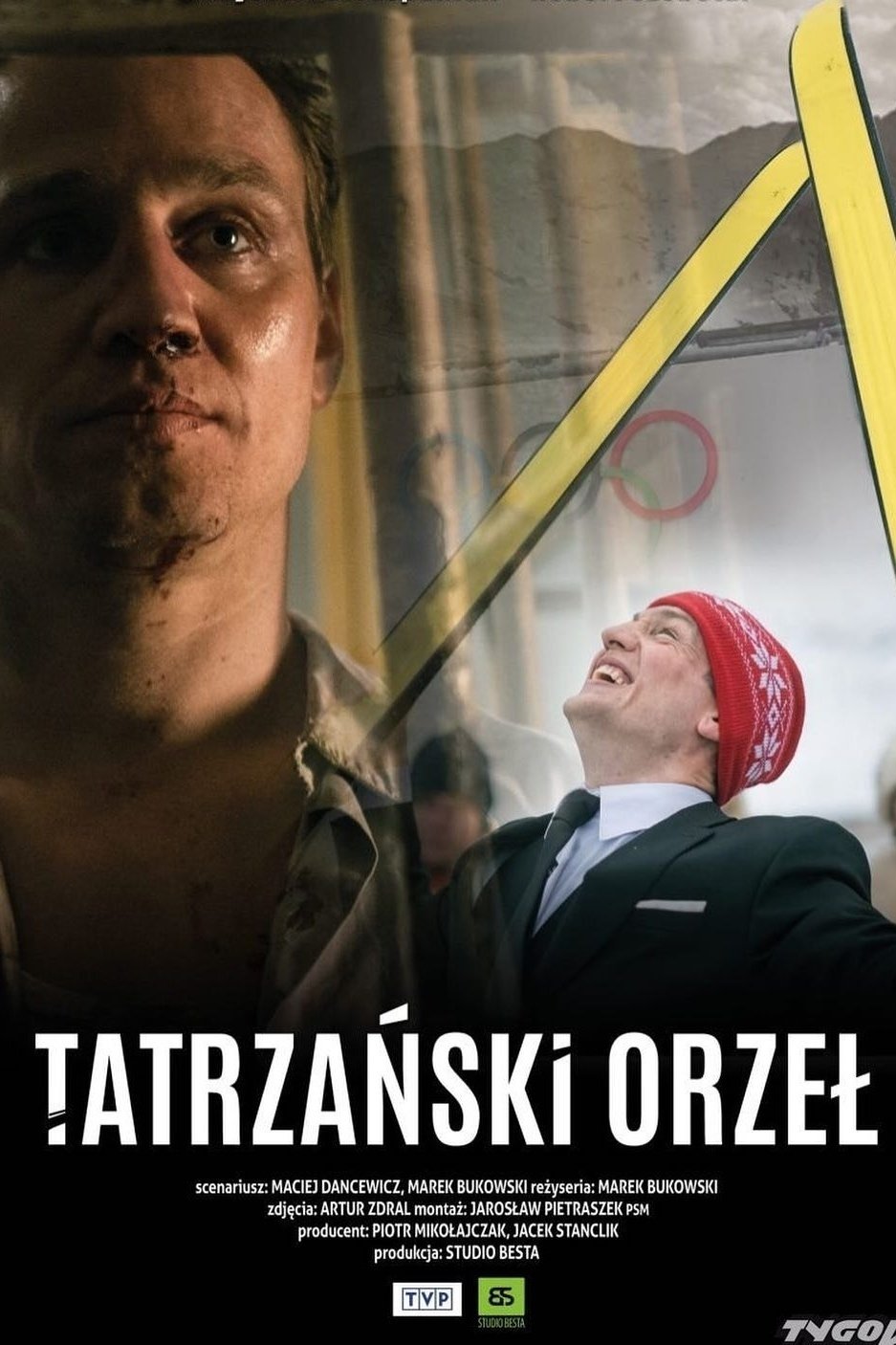
Stanislaw Marusarz, a well-known Polish jumper, including: the 1938 world vice-champion in Lahti, four-time Olympian, seven-time participant in the ski world championships, as well as a second lieutenant of the Home Army, a Tatra courier. From the first months of the occupation, he was active in the underground as a courier of the Underground State to Hungary. In 1940, he jumped from the second floor and escaped from the Gestapo prison in Krakow. After the war, he was one of the longest active ski jumping athletes in the world. Marusarz became the guest of honor at the 4-Hills-Tournament in the 1965-66 season. He stood on the famous Gross-Titlis-Schanze at the age of 53 - his jump in a suit and tie has made his legacy. Marusarz's spectacular jump in a suit during the Four Hills Tournament '66 became a pretext to tell his fate, as well as the story of his sister Helena - a talented skier, participant of the Resistance Movement, murdered by the Nazis in 1941.

The screening of a movie "Daybreak" at the "Liberty" Cinema is interrupted by an unusual event - actors come to life on the screen, start conversations among themselves, draw the audience into them. Crowds gather around the cinema, the relevant authorities and services wonder what to do in this complicated situation. Also arriving is the censor, a man reaching his fifties, a one-time literary critic and journalist. The line between fiction and reality begins to blur.
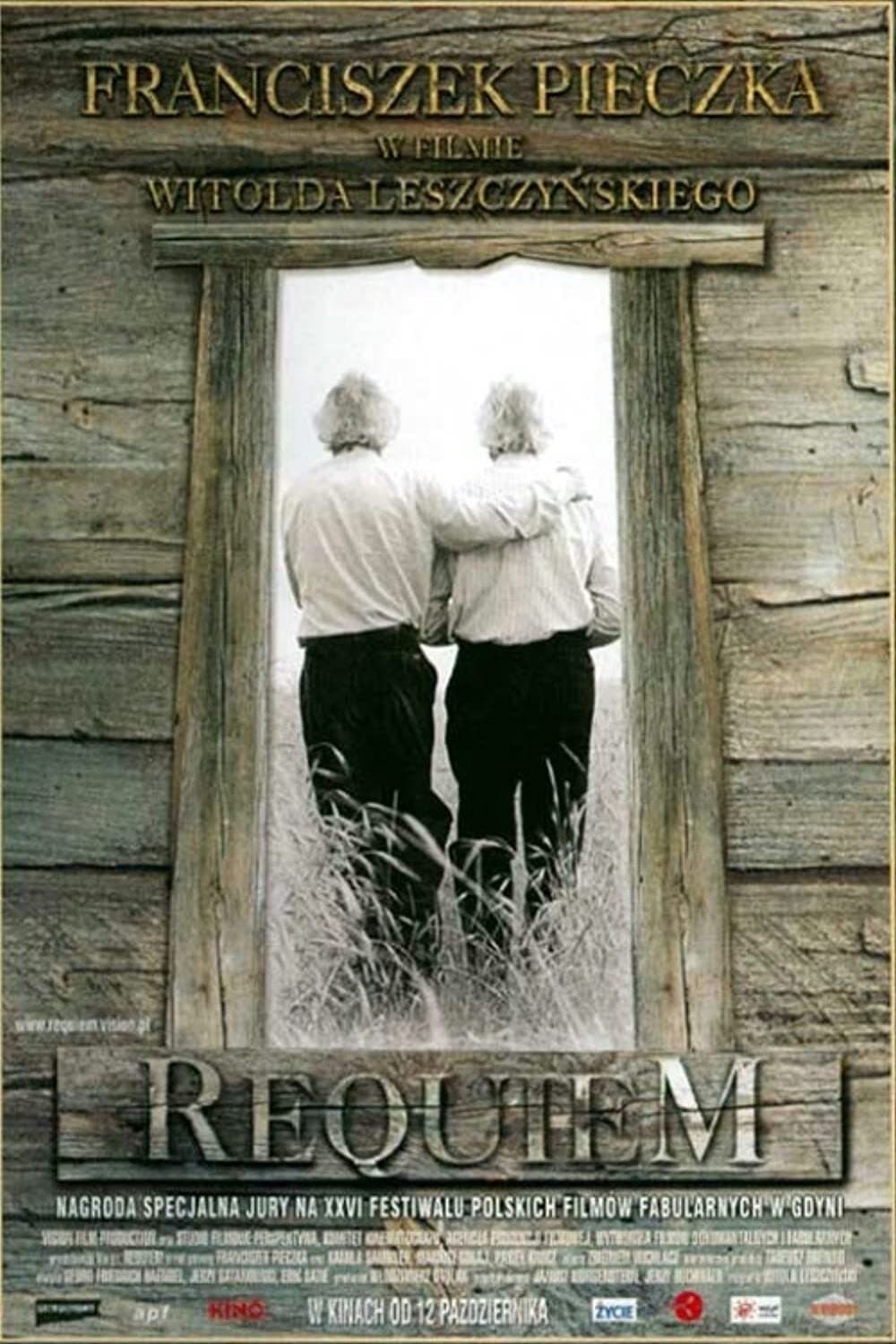
Bartłomiej, community elder and orator, must choose an appropriate successor, but finds difficulty in the aftermath of a local girl's tragic hit-and-run death. A community's pain reverberates through fractured relationships and the burden of funereal responsibility.
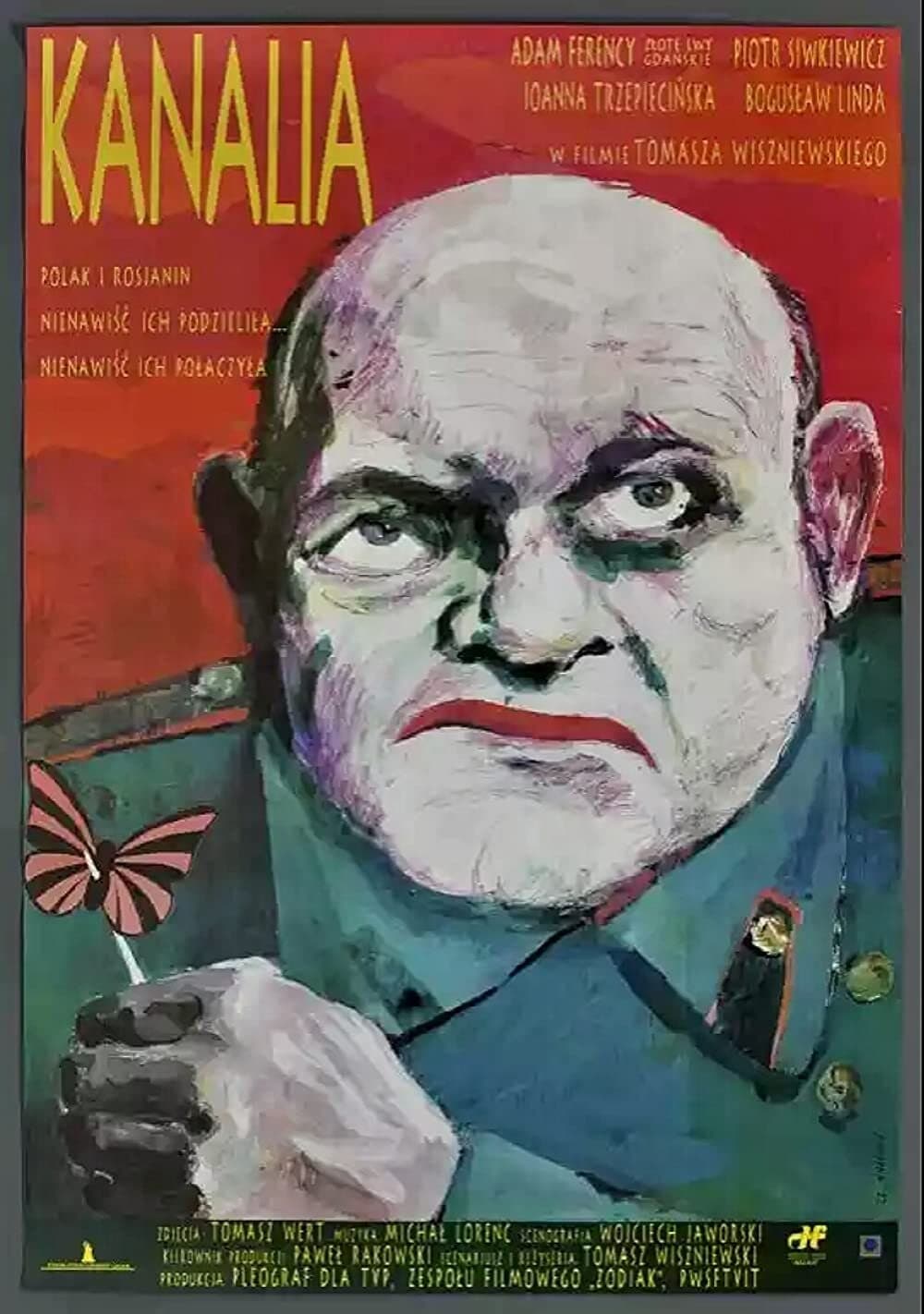
A Russian investigator is demoted after a young PPS militia escapes from Poland and vows revenge.
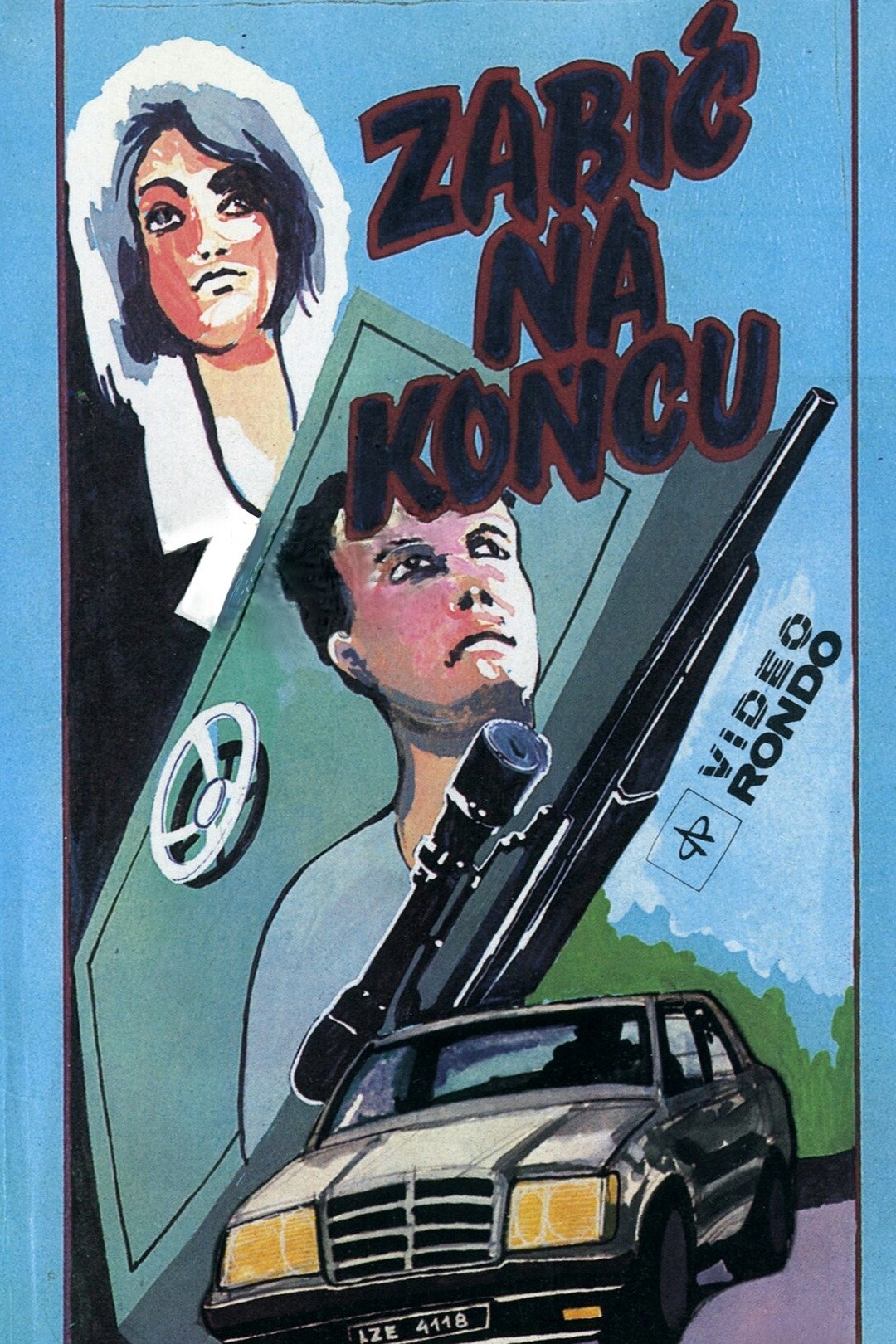
Two workers, bored with their current situation, decide to rob a famous movie director.
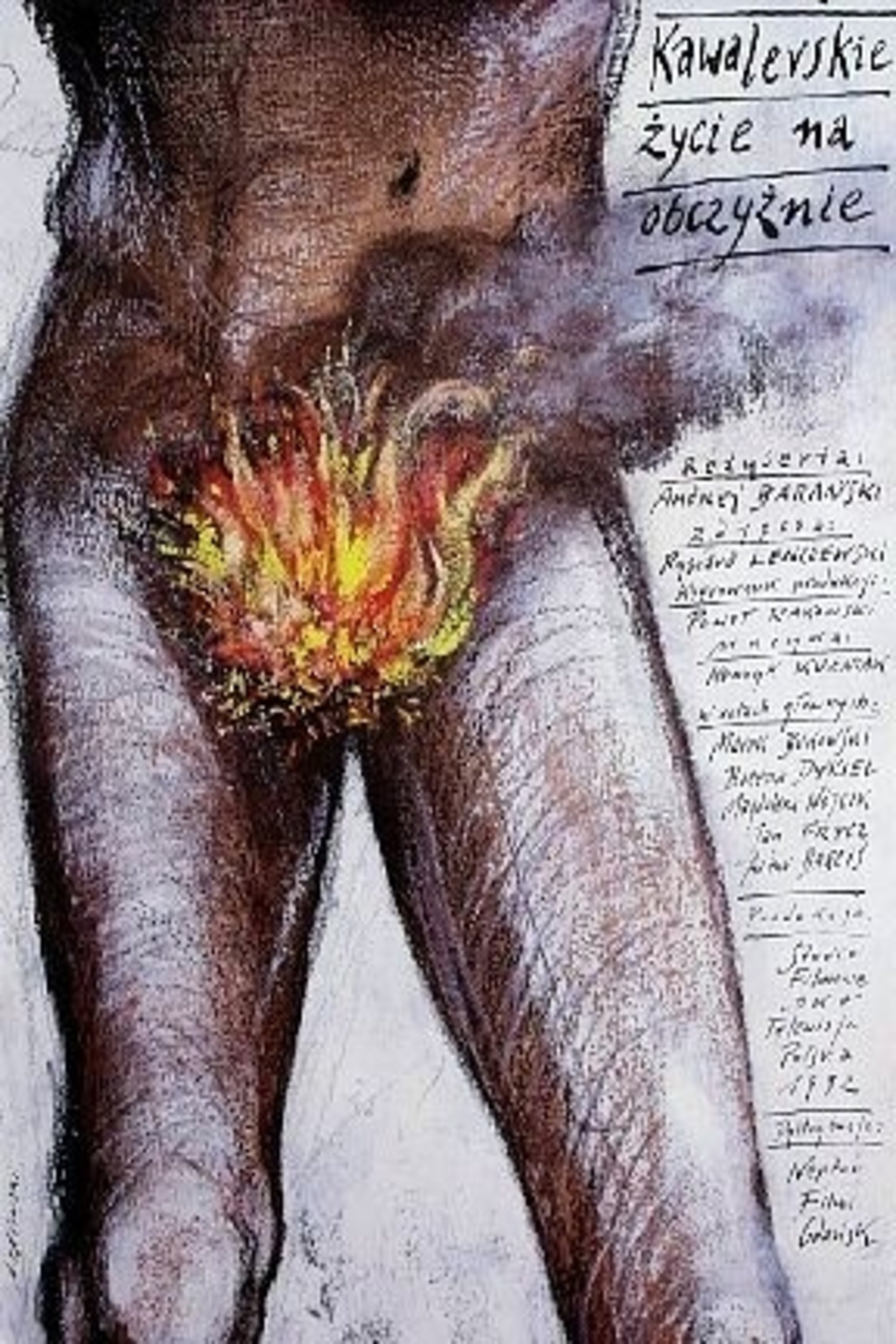
The action is set in the early 20th century. The film is made up of six sequences. In the first, Michal, young man who came from Poland to Germany, enrolls in a course on how to behave in social situations and on etiquette. However when he tries to approach girls using the rules which he's been taught... he only makes a fool of himself. Then, he goes to work for a man who owns a carousel and who loves to chase other women. In the next sequence, Michal meets the divorced landlady, Mrs. Luther, and goes through a whole lot of erotic experiences. When he escapes exhausted from his landlady, he starts working in a mine and visits brothels on a regular basis. He looks on women in a totally cynical manner. However, his persistent wandering must finally result in a true love.

The film, which is a reconstruction of the life and work of Stanisław Ignacy Witkiewicz, known under the pseudonym Witkacy, was produced especially on the occasion of the artist's 100th birthday. Witkacy is one of the outstanding European artists of the early twentieth century. Author of many short stories and plays translated into eighteen languages. Author of his own philosophical system, art theorist, painter of Formist paintings and portraits, a man who left behind a legend of a unique personality.
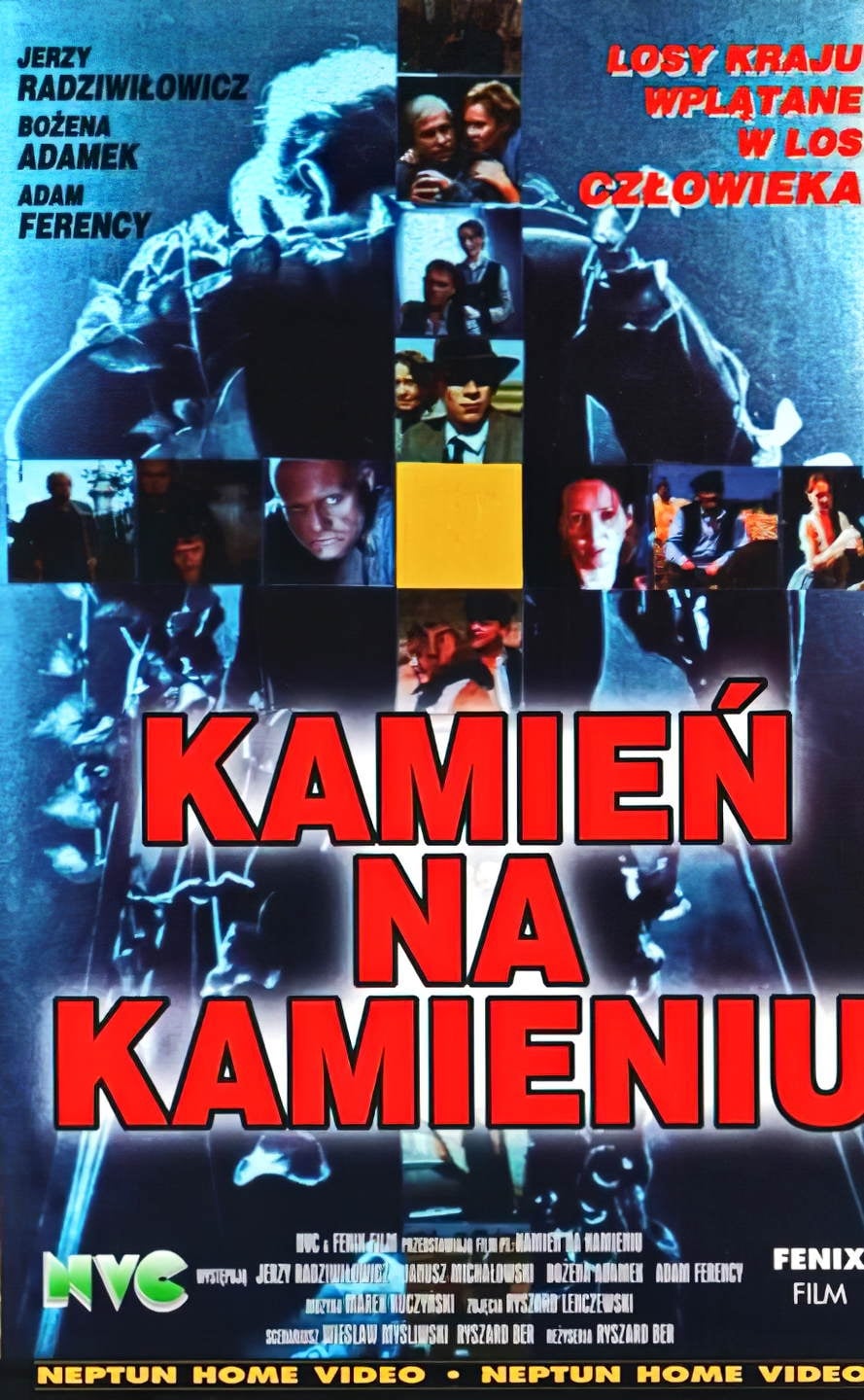
A story about the fate of post-war Polish villages. Szymon Pietruszka's life is dominated by Michał, his older brother, who left for the city before the war. There, he became involved in the leftist movement. He returned to his home village after the war in a dignitary's car. Soon, however, he left again, only to reappear a few years later—this time penniless, mired in apathy, betrayed by his ideals. The only person who guesses Michał's secret is Szymon, who is also unable to break down the wall separating him from his brother.
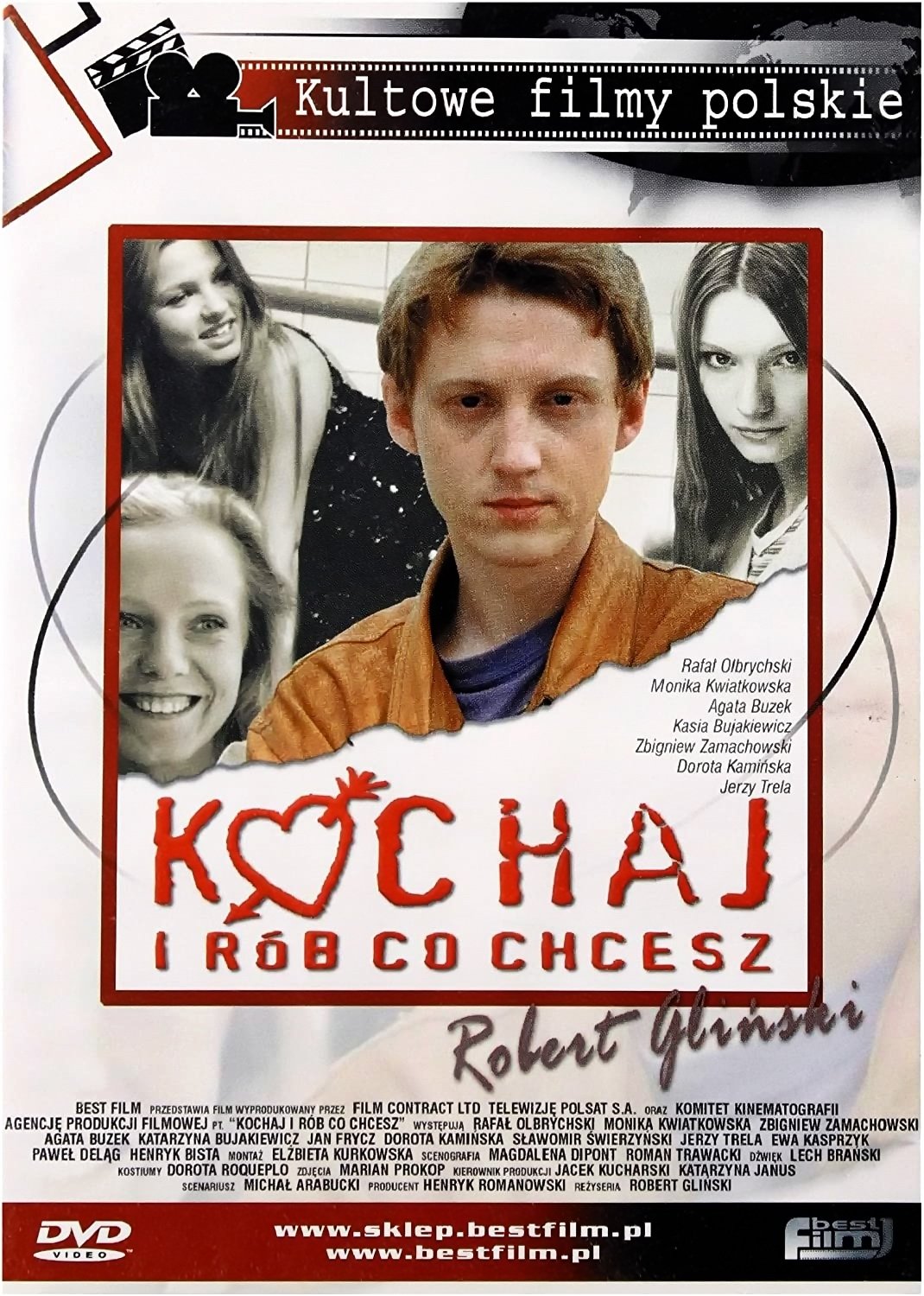
Sławek Wiśnik, a young, ambitious musician and graduate of the conservatory's organ class, wants to escape from Kaliszewo, a small town near Suwałki, and pursue a career in music. Unfortunately, he does not receive the expected scholarship to study in Heidelberg and has to start a new life in his hometown. His girlfriend, Agnieszka, plans to get married soon, especially since her father, Zenon Nowak, offers Sławek a job running his business. However, this does not suit Sławek, who prefers to play as a substitute organist, and even... as a disco-polo musician.
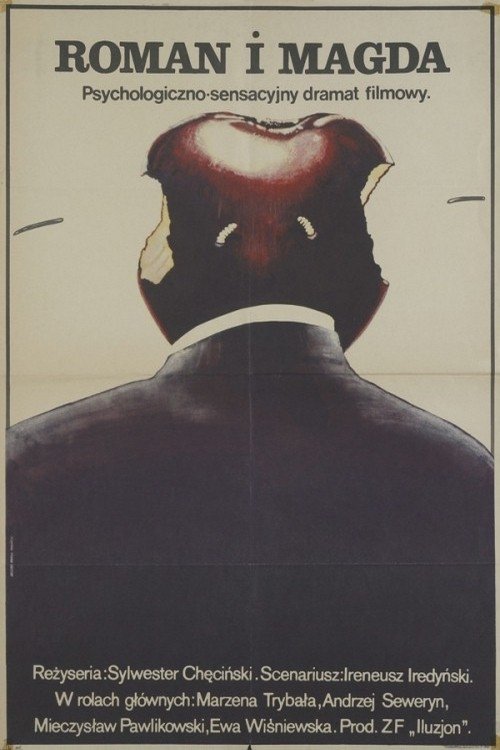
A moral action drama showing a crisis and breakup of a married couple from the perspective of the both spouses, Roman and Magda. Through flashbacks the film reveals a shocking study of the disintegration of the relationship between two adult people and their gradual dehumanization.
A journalist from "Gazeta Wyborcza" recalls his investigative reports and the consequences he suffered while trying to reveal the truth.
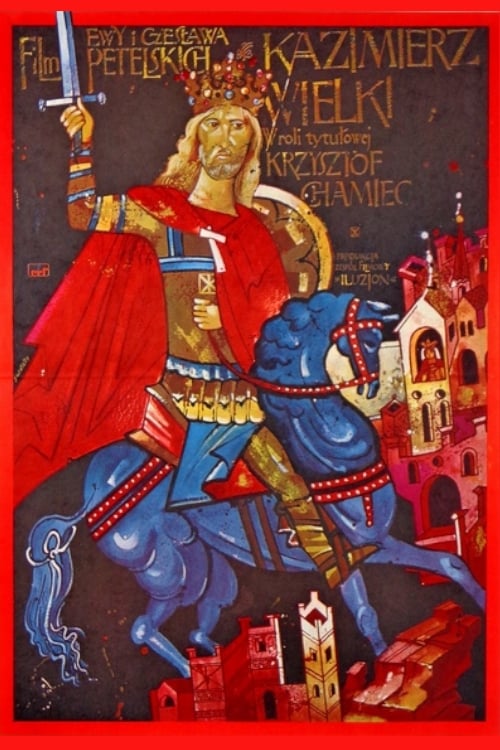
The life and reign of Polish king Casimir III The Great.
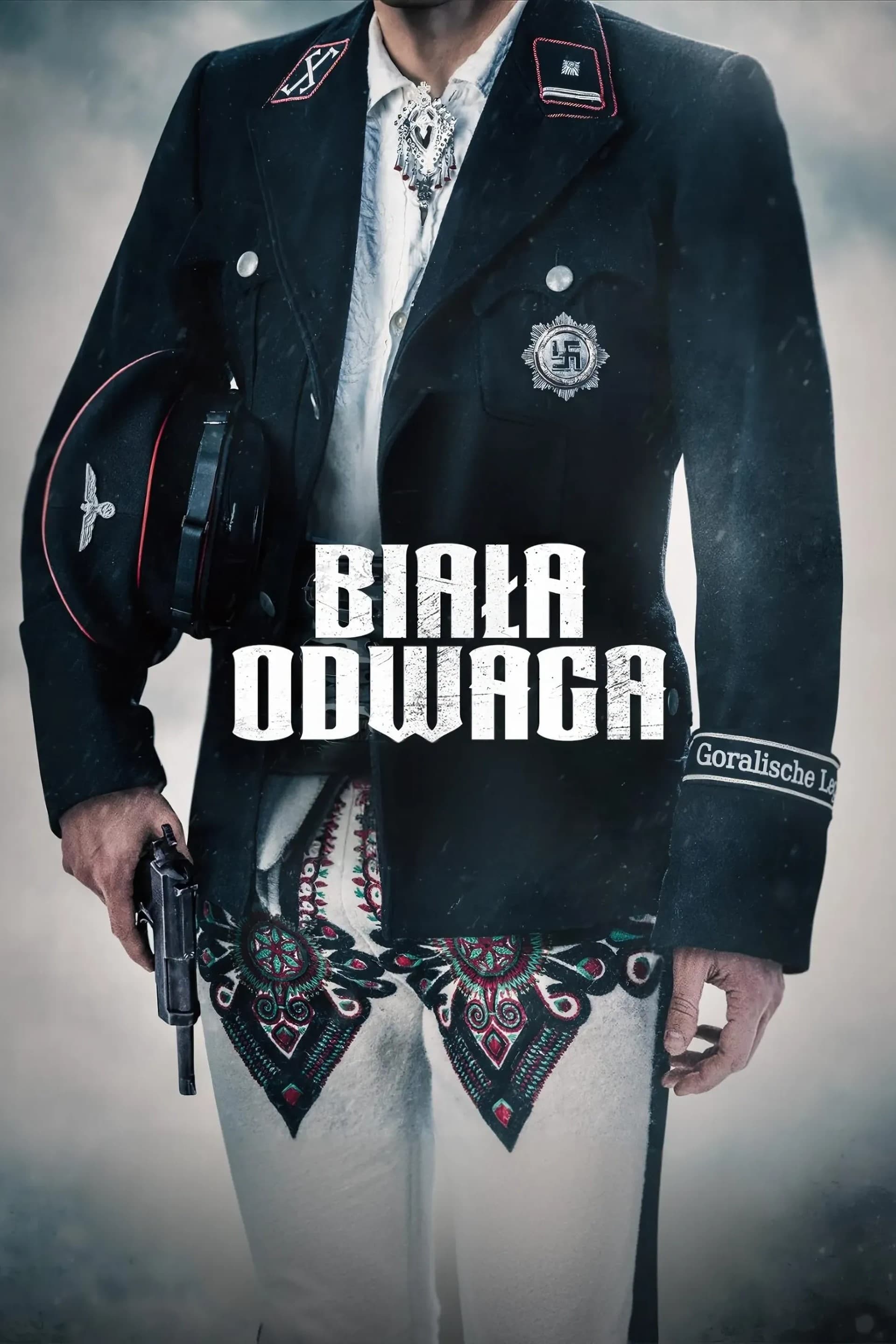
The film tells the story of two Highlander brothers – Maciek and Andrzej. After the death of their father, which Andrzej contributed to, and the loss of his beloved Bronka, Andrzej leaves the family home. On his way, he meets the mysterious Wolfram, an anthropologist and climber. He shares with him his mountaineering technique and knowledge about the Prague origins of the highlanders. Andrzej returns to Zakopane, war breaks out. To protect the Highlanders from wartime destruction, he wants to persuade them to cooperate with the Germans. Andrzej and Maciek are standing on opposite sides of the barricade. The brothers' confrontation is bloody and painful.
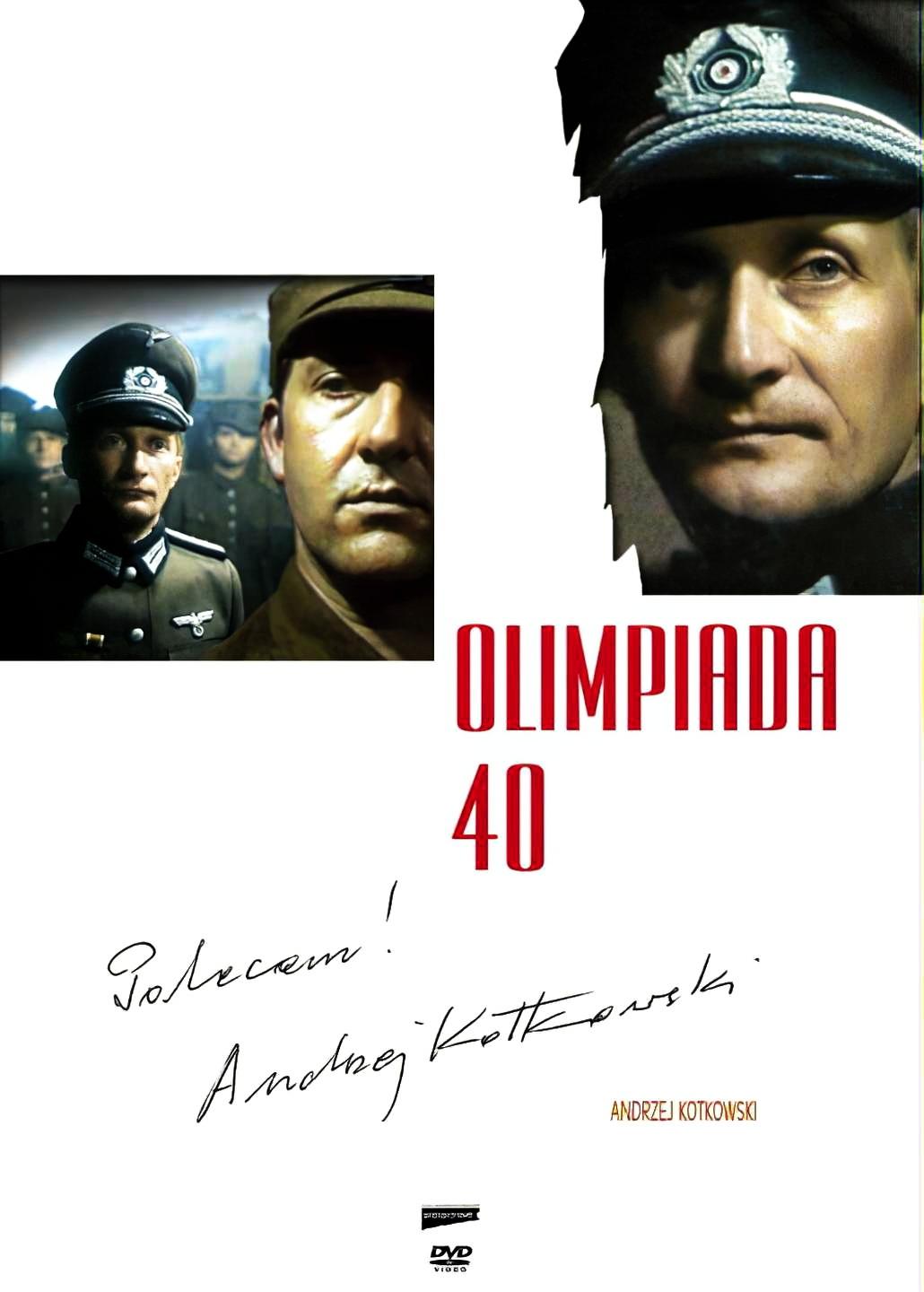
The film deals with the a clandestine Olympiade held in a German POW camp during WW II, housing many Poles, but also French and Brits. A spit and a Polish German lieutenant is added to the staff of a prison camp. He sees a Pole, the acknowledged leader of the Polish prisoners, against whom he had competed during the Berlin Olympics in 1936. He asks the Pole to train with him but is refused; the Pole points out out that he is a prisoner and nothing more. But that plants the seed and the Pole proposes and Olympics 40 to be held among the prisoners. They ingeniously make a flag and medals, set up a number of races; a croaching hop race is unwittingly organized by a German prison guard who uses it as a torture. The German lieutenant knows that something is going on but cannot find out. Finally the Germans realize the idea and the Polish chief is sent to concentration camp but the others disobey the orders.
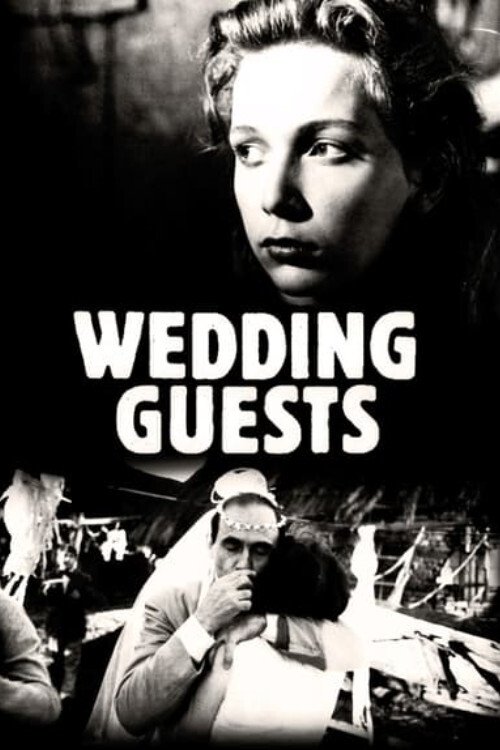
A female photographer from Western Europe drives through Poland and stops in a village. By chance, her eye is caught by the arrival of a wedding party. This marks the point of departure for several stories which unfold during the course of the wedding.
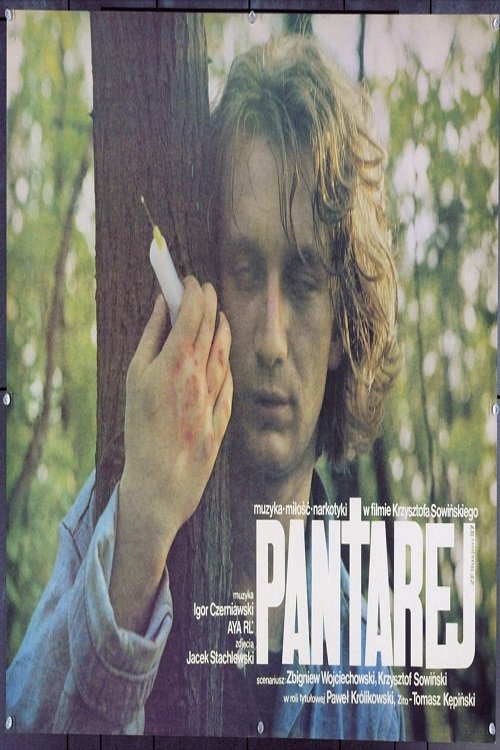
Wanting to get drugs, Pantarej and Zito decide to break into the hospital.
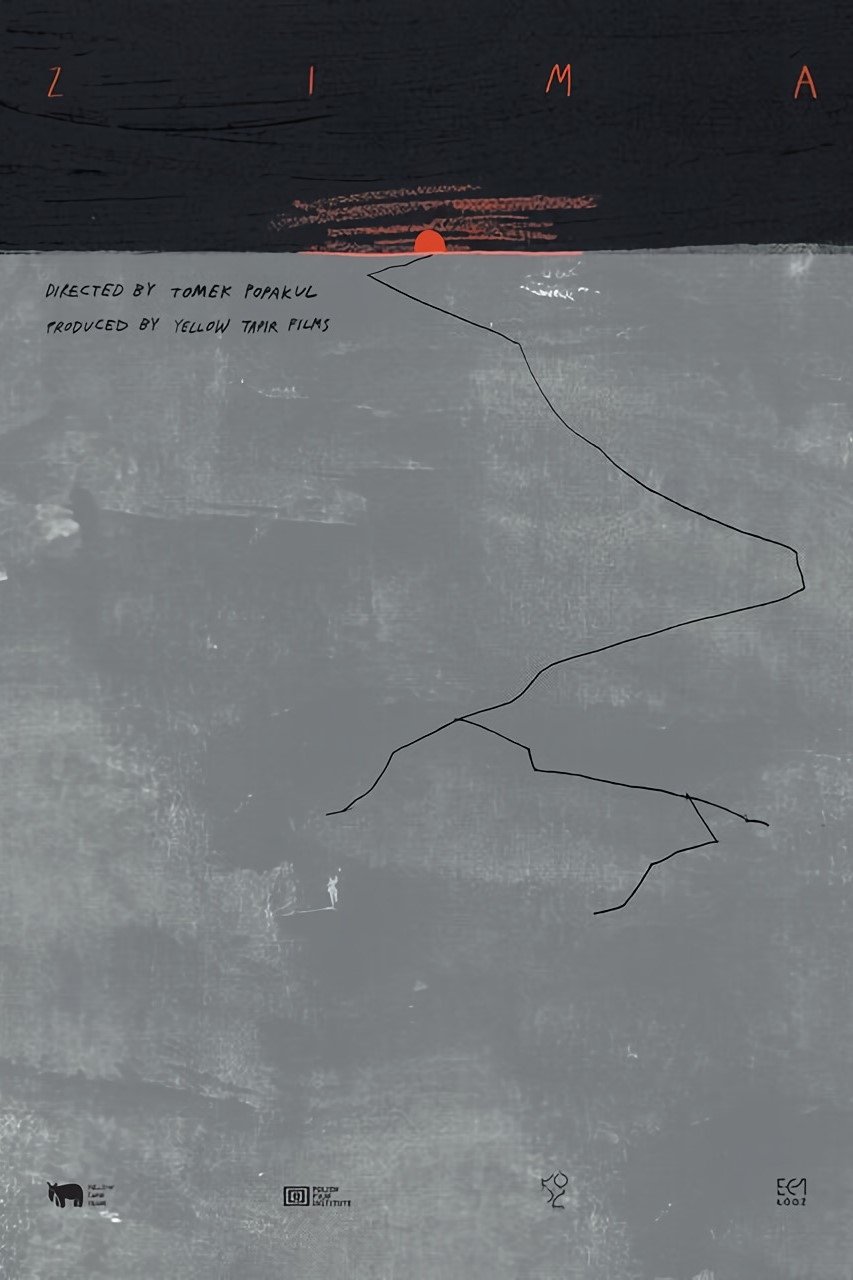
A cat lover, Jesus leaving the cross and Christmas carollers holding pitchforks are set against a snowy and icy scenery. ‘Zima’, a psychodelic journey to a small fishing village, collects as if in a lens the behaviour, customs and vices of the Polish provinces. In this small community, different views, the behaviour of people and animals and their mutual relations clash like ice floes on a lake. Maintained in the convention of magic realism, this animation is like a horror playing out to the accompaniment of barking dogs and a punk metal music score.

Based on a true story dating back to 1985 when two Polish boys, a teenager and his little brother, escaped from communist Poland all the way to Sweden, hidden under a truck. In the movie, their destination has been changed to Denmark.
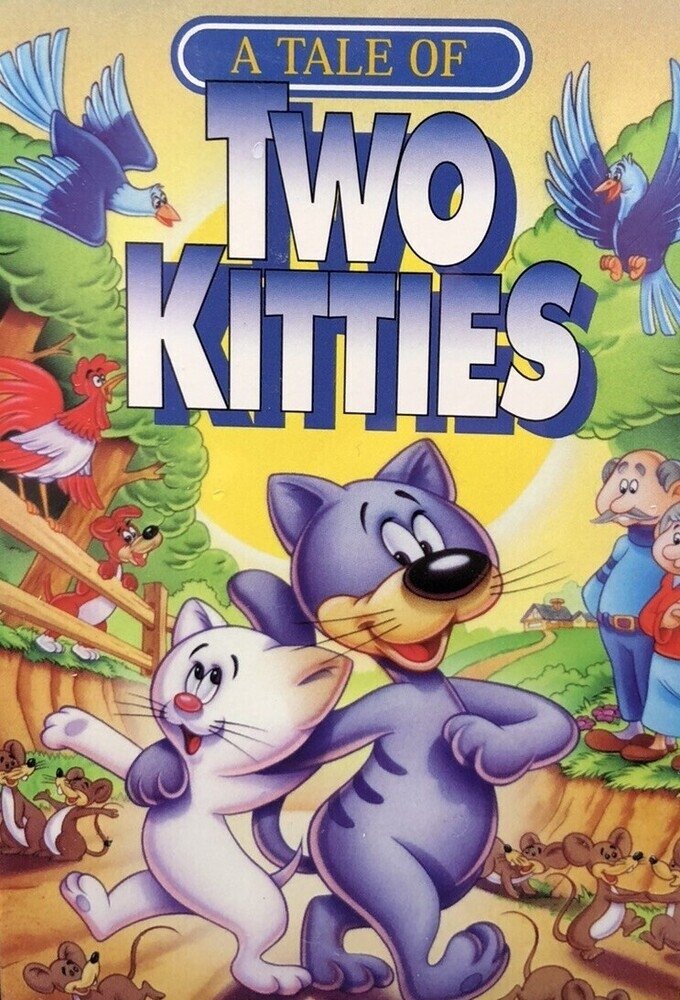
Once upon a time, there wa a kitty named Gatsby. There was a second kitty named D. Gatsby was young, handsome, and everyone loved him. D was jealous of Gatsby... and hated how everyone fawned over cute little Gatsby. So one day, D tricked Gatsby and put him into a FedEx box that was post marked for Paris, France. This movie follows the tail of young Gatsby trying to make it out of the "City of Lights" as a young kitten in a big cat's world.
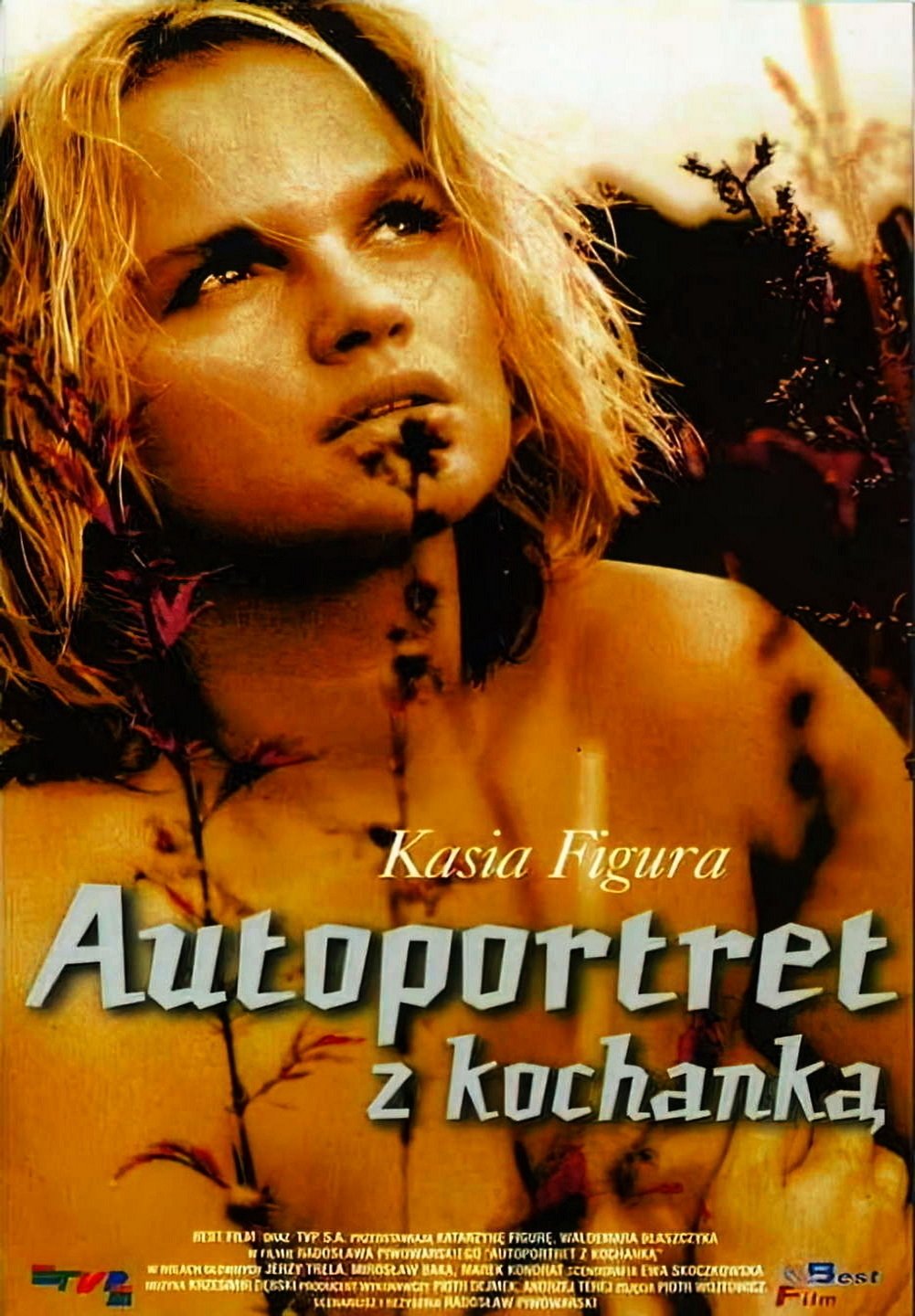
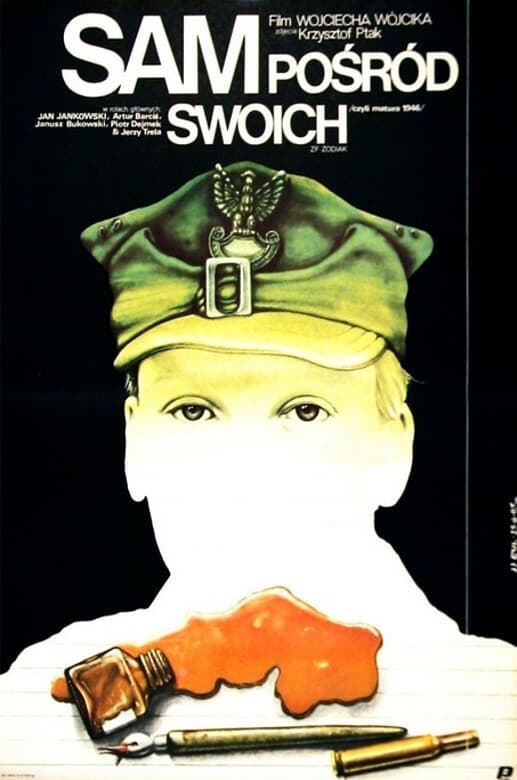
The year 1946 - a young officer between service, love, school...
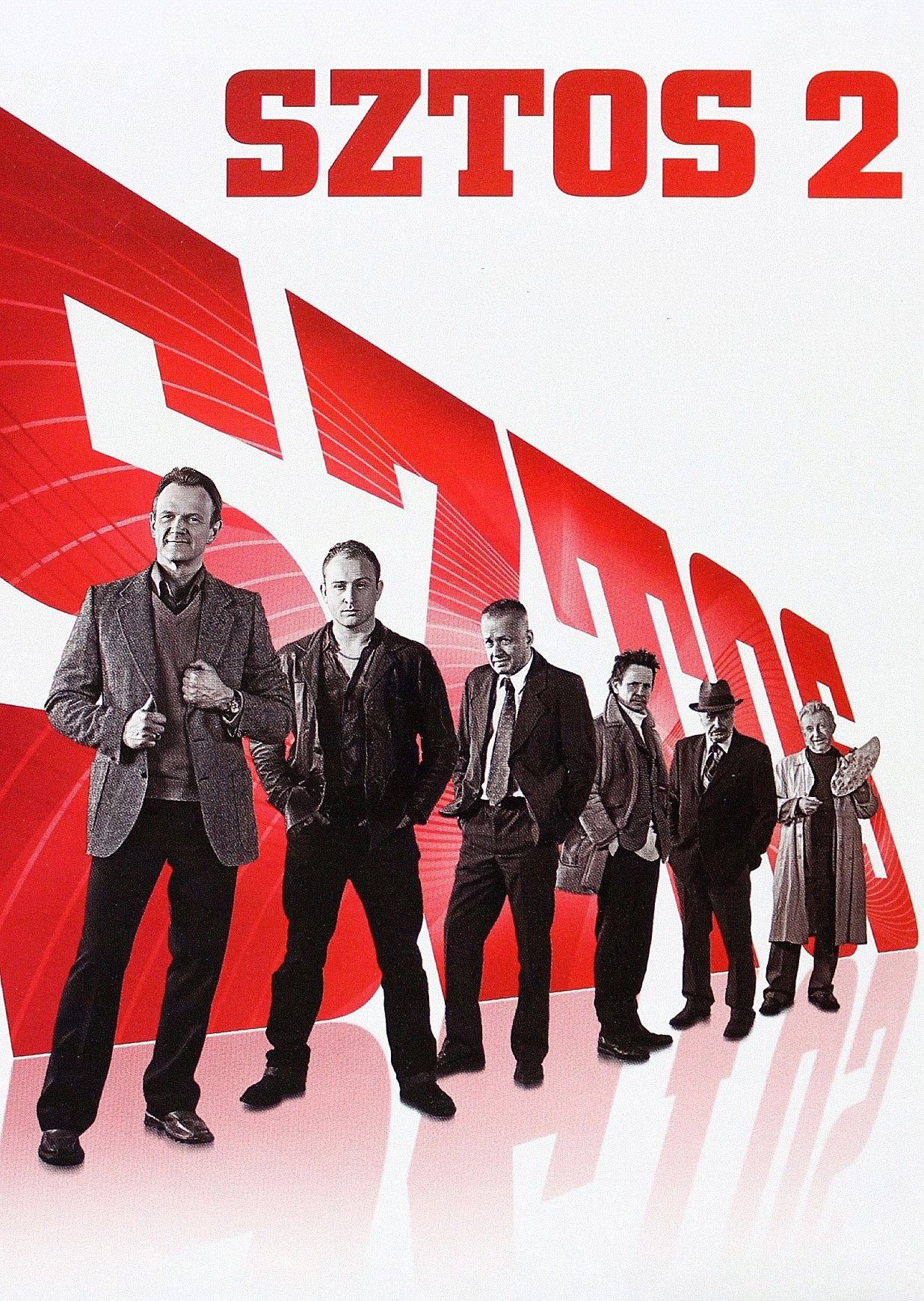
As Poland is placed under martial law in 1981, two confidence tricksters try to evade both the police and the army. They become embroiled in a web of schemes engineered by the secret service, fellow criminals and the democratic resistance.