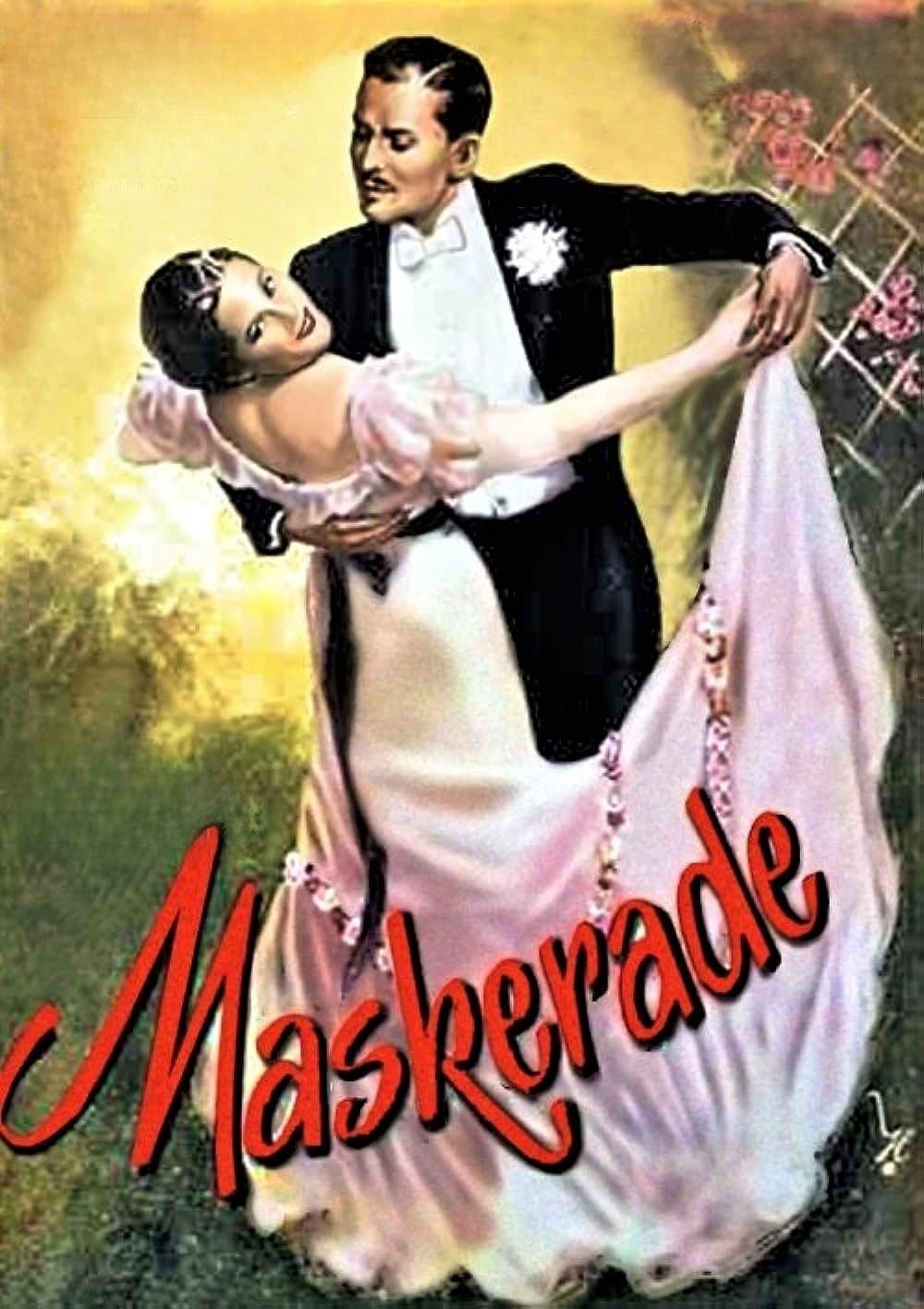
After a masked carnival ball, Gerda Harrandt, wife of the surgeon Carl Ludwig Harrandt, allows the fashionable artist Ferdinand von Heidenick to paint a portrait of her wearing only a mask and a muff. This muff however belongs to Anita Keller, in secret the painter's lover but also the fiancée of the court orchestra director Paul Harrandt. The picture is then published in the newspaper. When Paul sees it and asks von Heidenick some questions about the identity of the model, the artist is forced to improvise a story and on the spur of the moment invents a woman called Leopoldine Dur as the alleged model. Leopoldine Dur however turns out to be a real woman whose acquaintance Heidenick makes shortly afterwards.
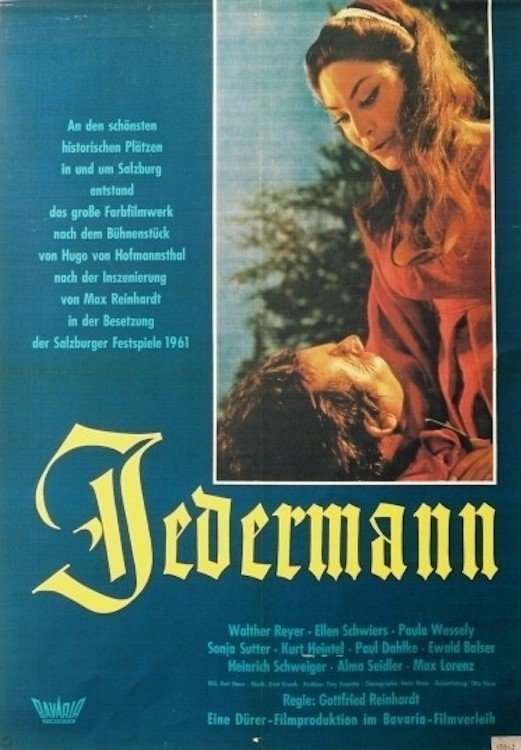
Everyman (German: Jedermann) is a 1961 Austrian drama film directed by Gottfried Reinhardt, based on the play written by Hugo von Hofmannsthal. The film was selected as the Austrian entry for the Best Foreign Language Film at the 34th Academy Awards, but was not nominated.
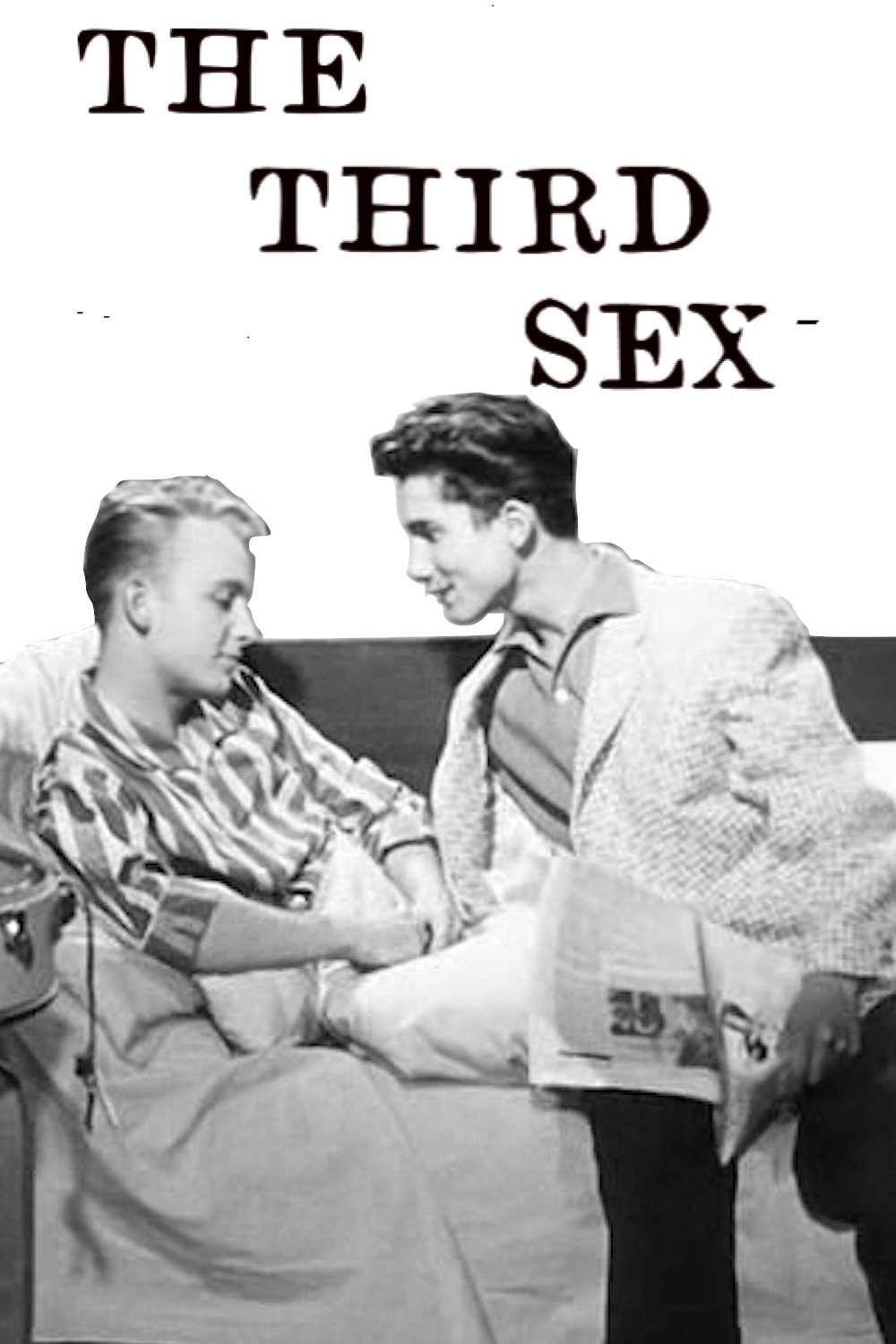
Klaus is a young man in post-war Berlin. He is drawn to his friend Manfred and, under the encouragement of their acquaintance, Dr. Winkler, explore the underground world of gay clubs and electronic music. His family begins to learn of his other life and do everything they can to set him straight.

Vienna, 1922. Due to a sudden financial tragedy, a young woman begins accepting checks from an older, rich gentleman for companionship in order for her to keep attending college. Their relationship is purely platonic, but eventually she begins a romance with the tutor of the older man's sons who has a completely wrong impression as to the nature of her arrangement with his employer.
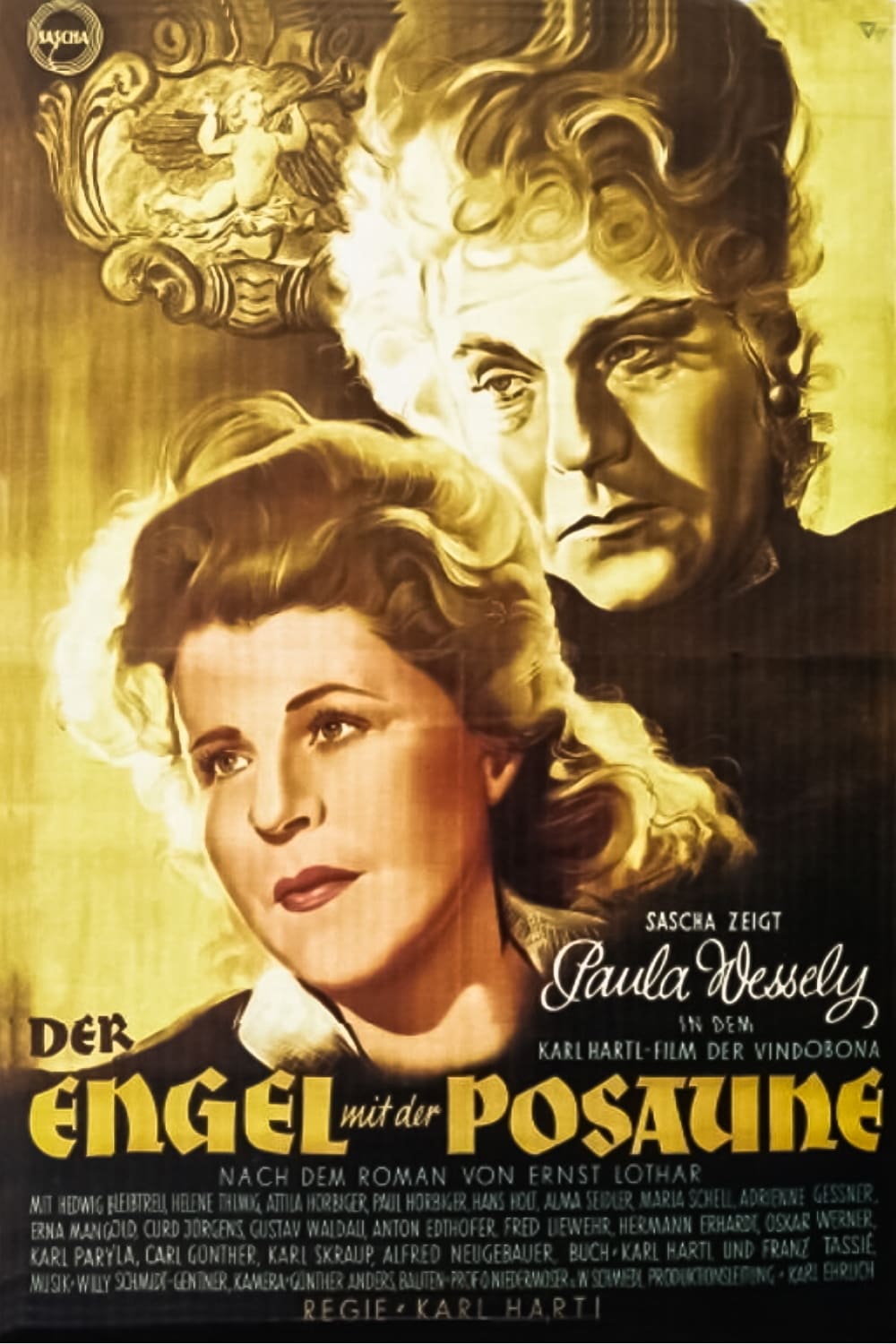
A long time-span of Austrian history (from the late 19th century to the years after world war II) is reflected in the ups and downs of a family of piano-makers in Vienna.
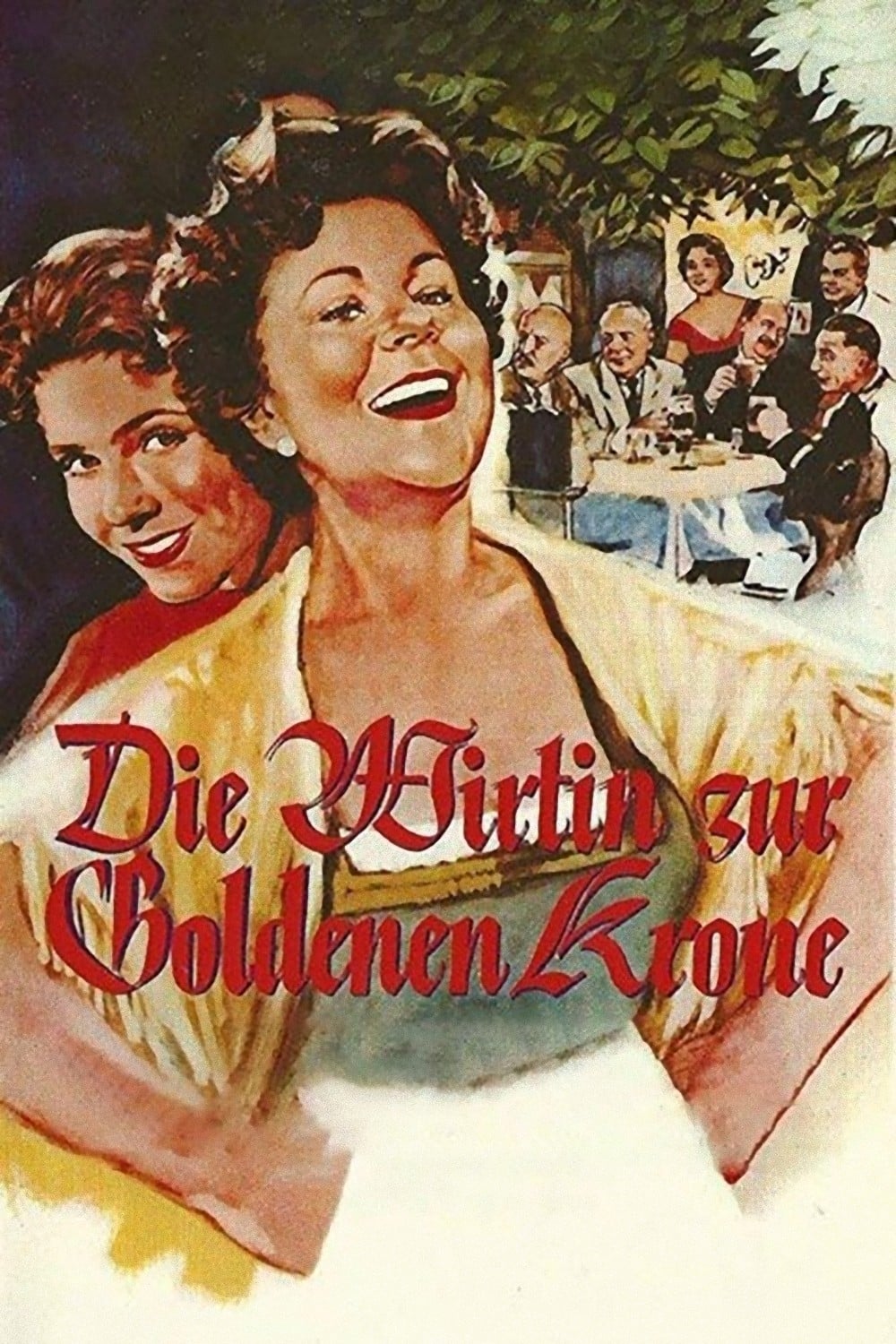
Since the capable landlady Maria bears a striking resemblance to the ruler of a miniature state, she is tasked with playing the role of princess during her absence. The deceitful and corrupt ministers attempt to seize the opportunity and gain one-sided advantages for themselves. When the son of the real princess falls in love with Maria's daughter and wants to marry her, a national crisis almost erupts.
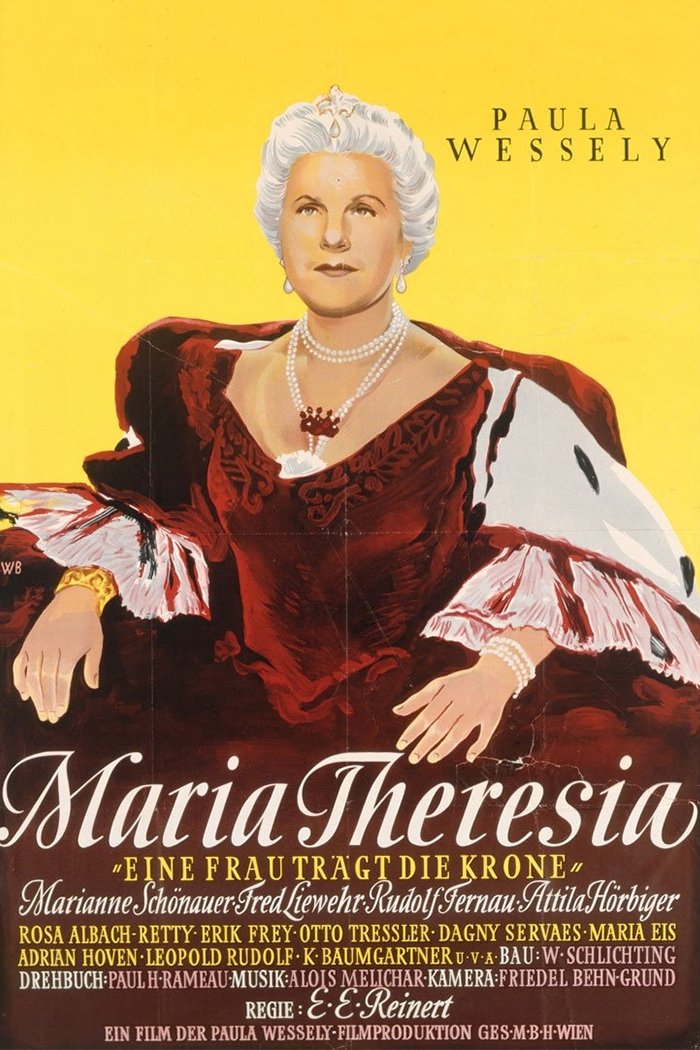
A biography of the eighteenth century Habsburg Empress Maria Theresa.
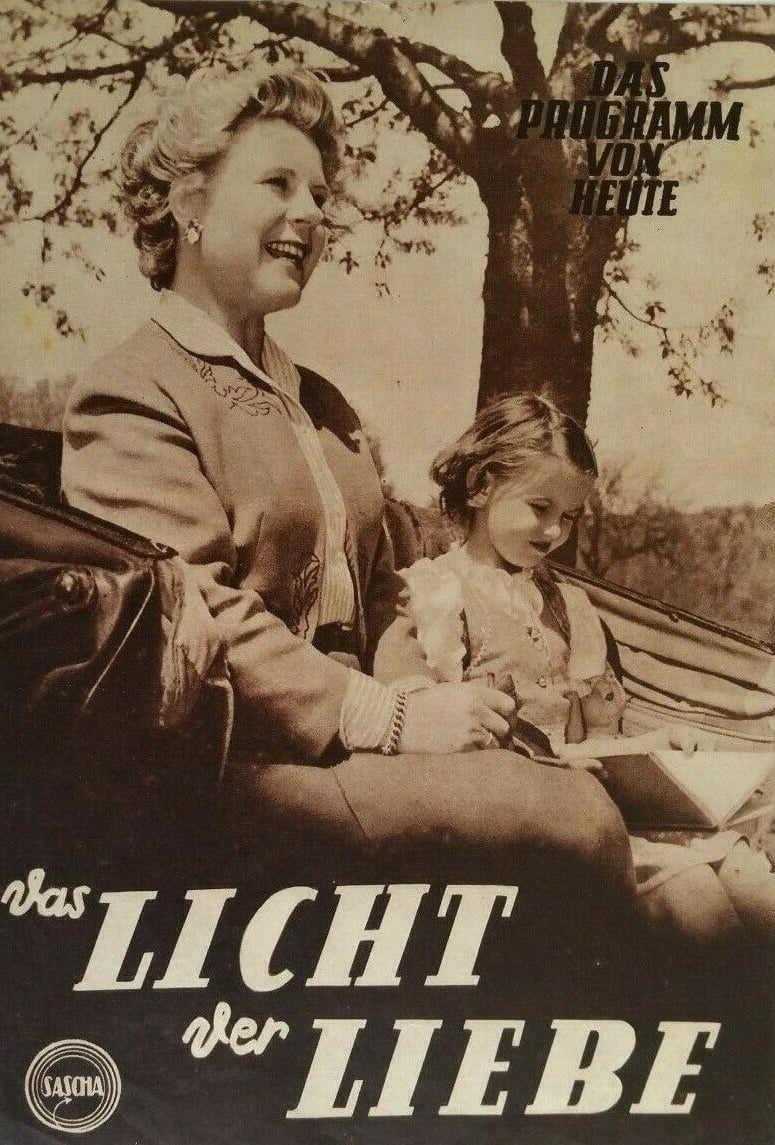
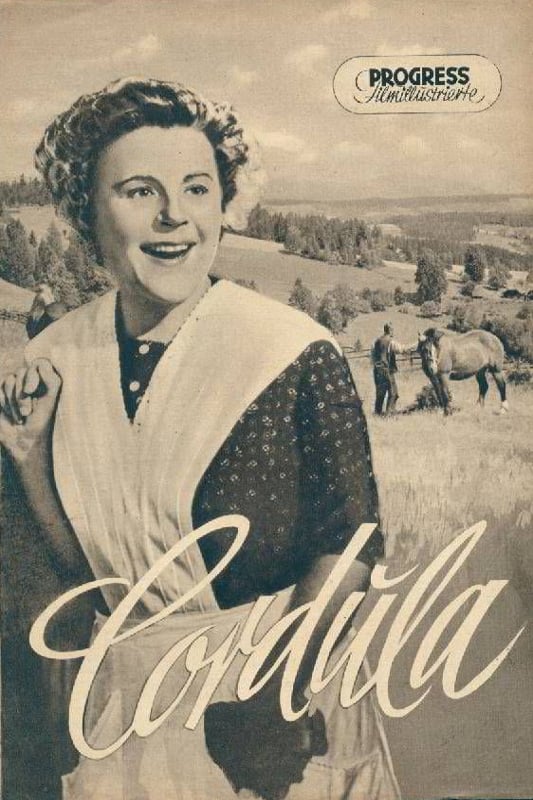
After her husband's death, Kate Zeller had to sell the farm and move with her four children from the countryside to Vienna. There she opened a small laundry and raised her children. When they grew up, they thought they no longer needed their mother. But it turns out that they still need her...
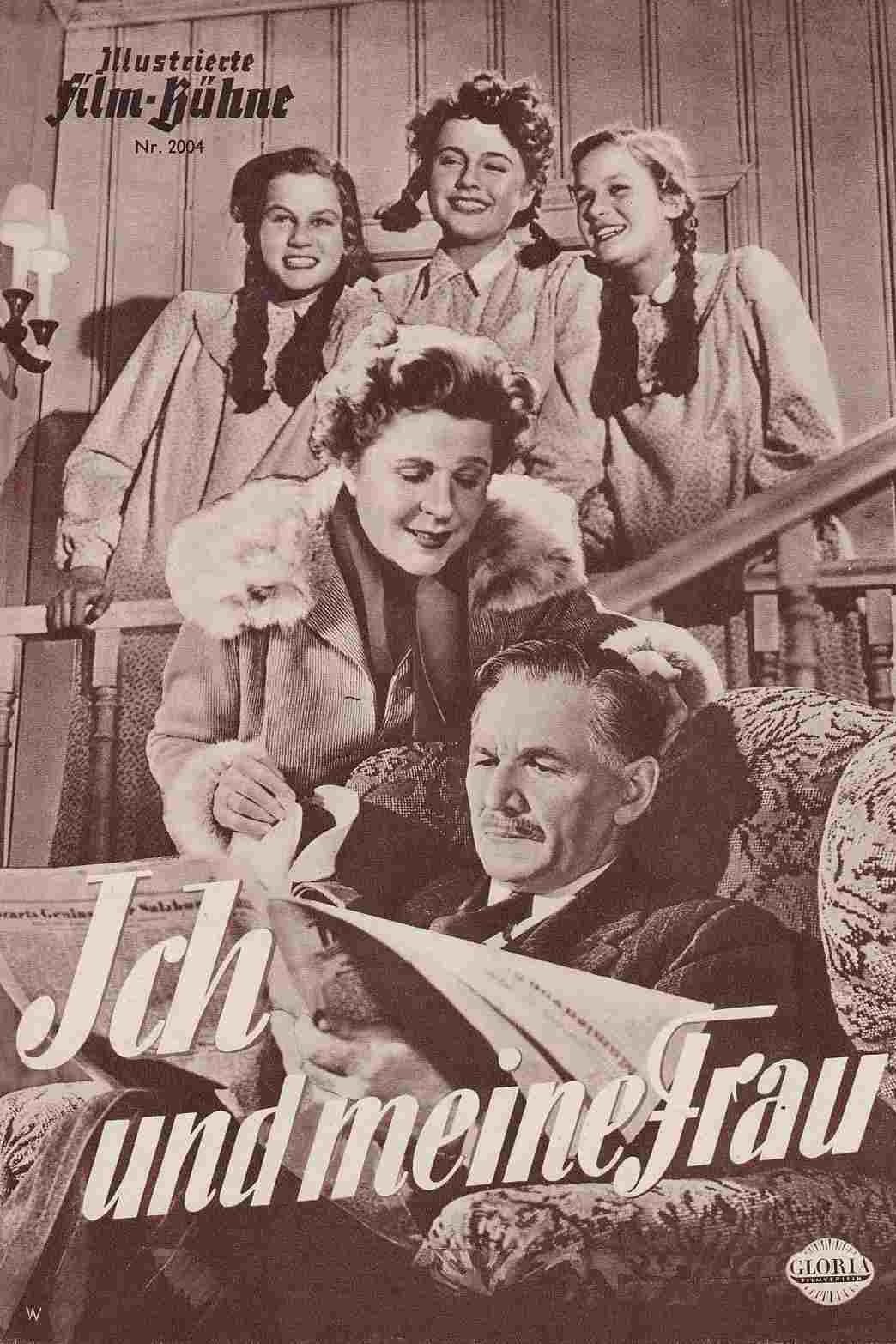
The conversion of a pedantic family tyrant into an understanding husband and father.

A drama about marriage in a small town, which takes place at the turn of the 19th into the 20th Century.
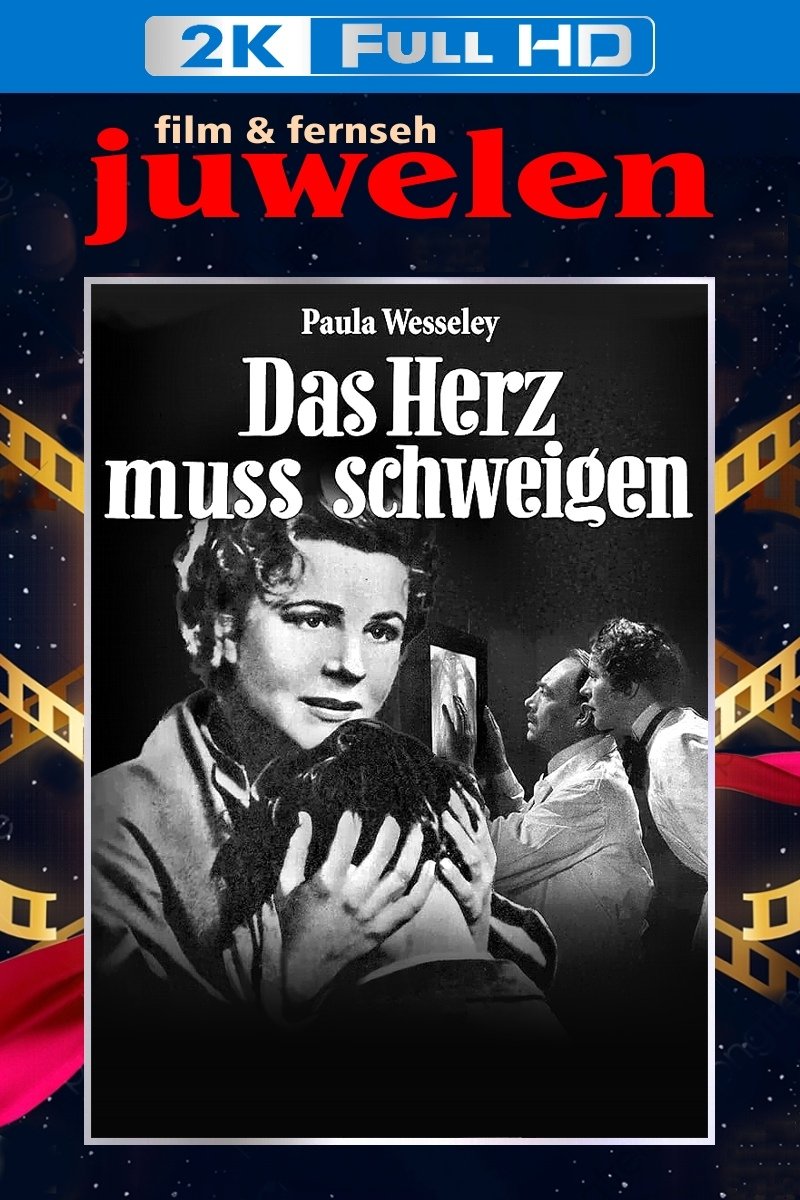
On New Year's Eve 1900, Paul Holzgruber started a new praxis as a radiologist. The young Maximiliane Frey is his assistant and they have worked side by side for years helping people. Holzgruber repeatedly points out the dangers of radiation to Maximiliane, but is silent about the ulcers on his hand and the severe pain they have caused. Maximiliane has gotten to know the widower Axel von Bonin and has fallen in love with him. But then she is diagnosed with incurable cancer. To spare Axel the inevitable grief over her impending death, she leaves him and dedicates what is left her life to medicine.
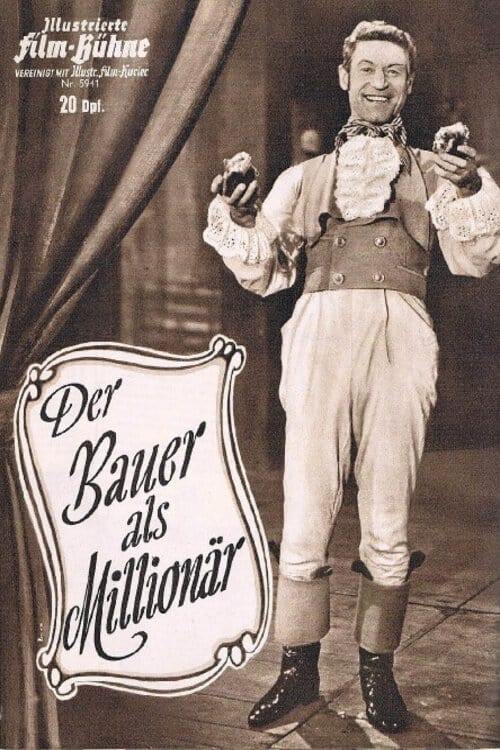
The fairy Lacrimosa's daughter lives with a forest farmer. If she marries a poor man, her mother will regain her magical powers. «Envy» wants to prevent this and turns the forest farmer into a hard-hearted millionaire.
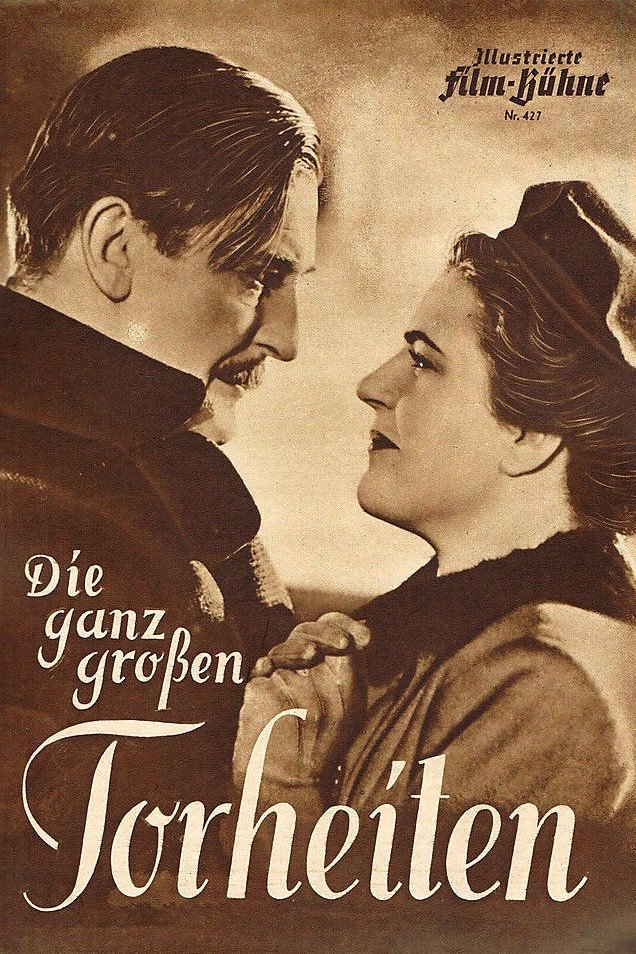
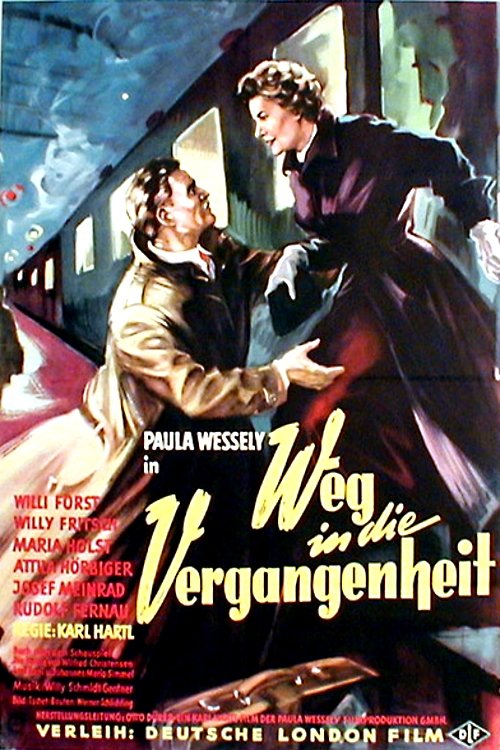
The young Styrian woman Therese Brandl desperately wants to work in the theater and therefore travels by train to Vienna to pursue artistic training. The scholarship granted by the elderly Countess Hoyer is intended to guarantee her financial independence. Unaware that she is to be picked up from the Vienna train station, the student immediately takes a taxi upon arrival and asks for recommendations for both an affordable hotel and a charming little pub. Therese gets approached by an older gentleman, a gray-haired bon vivant with considerable life experience. After several glasses of wine, they leave the establishment together and go to Therese's room. Apparently, things escalate there, and they spend the night together without having been introduced. The surprise is all the greater for Therese when she goes to the drama academy the following day to begin her training: her future teacher is none other than the gallant and lover from the previous night, Dr. Alexander Dahlen.
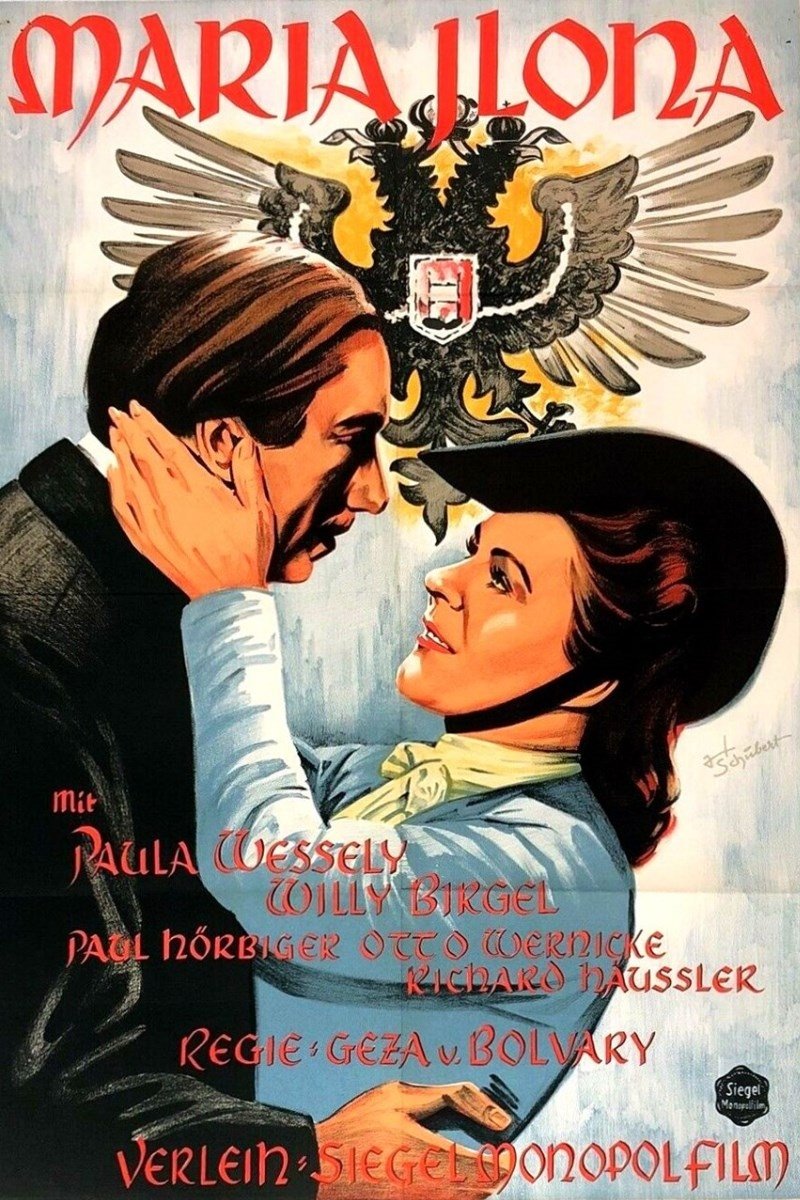
In 1848, the freedom-loving Hungarian people, led by Ludwig Kossuth, rose up against the hated rule of the Austrian Habsburg dynasty. In its expansionist policy, the Austrian monarchy had long relied on Hungarian feudal lords who betrayed the interests of their people. The anger of the rebels was directed against the Austrian oppressors and their Hungarian supporters. Against the backdrop of these historical events, the personal fate of the Hungarian patriot Maria Ilona is shown.

Divorce lawyer Dr. Winifred Lert tries to convince her daughter Susi of the futility of marriage. But Susi has long since married herself. Susi also wants to use trickery to bring her parents back together.
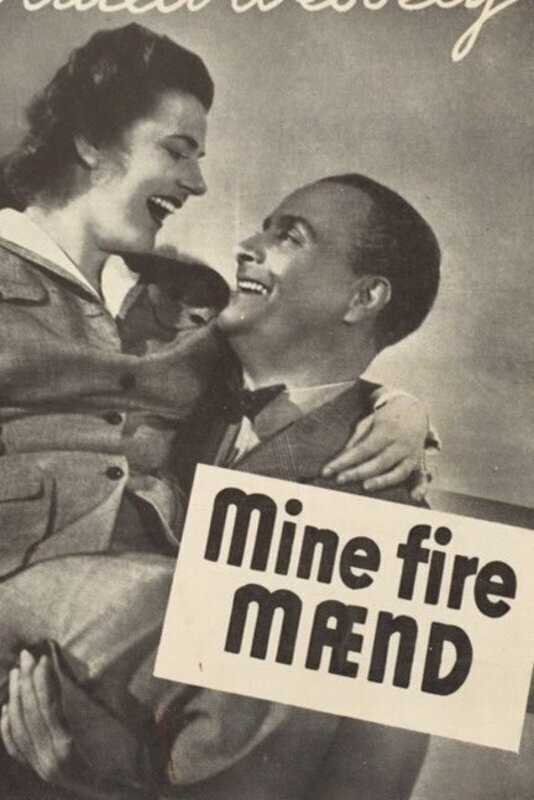
Peter, a writer, lives the life of a carefree bachelor, but soon gets to know a charming girl during a trip, falls in love with her, and marries her right away. Only after he returns to his elegant apartment in Vienna, does he start to wonder, whether Marianne will fit in amidst his circle of spoiled acquaintances. His well-meant advice on how she should behave makes Marianne so insecure, that she ends up acting quite clumsy and scares off his friends. Peter is angry and Marianne is so upset, that she wants to return back to her parents. On the way there, she has an experience, which shows her her mistake. She turns around and now strives to become an elegant lady of the world.
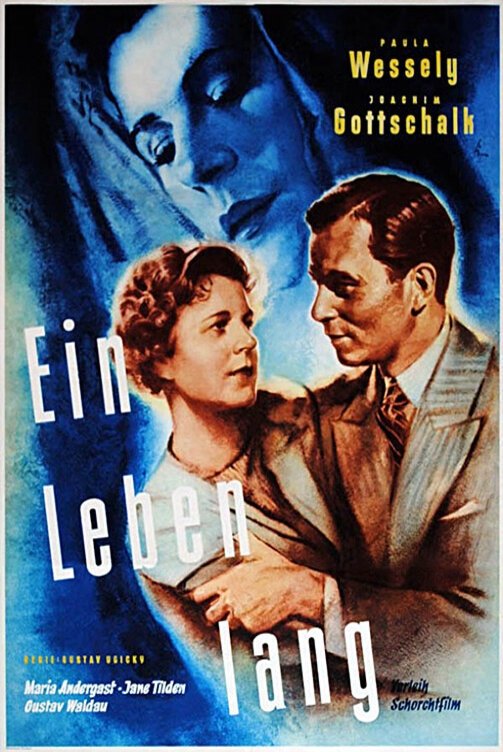
In 1910, the landlord's daughter Agnes from the Steiermark gets to know the diplomat Hans. They have a short love affair and then part from one another. Hans gets sent to Beijing, where he marries and American and has a son with her. Agnes, too, has a son by Hans and moves to Vienna, where she works in a restaurant. She is still in love with Hans ...
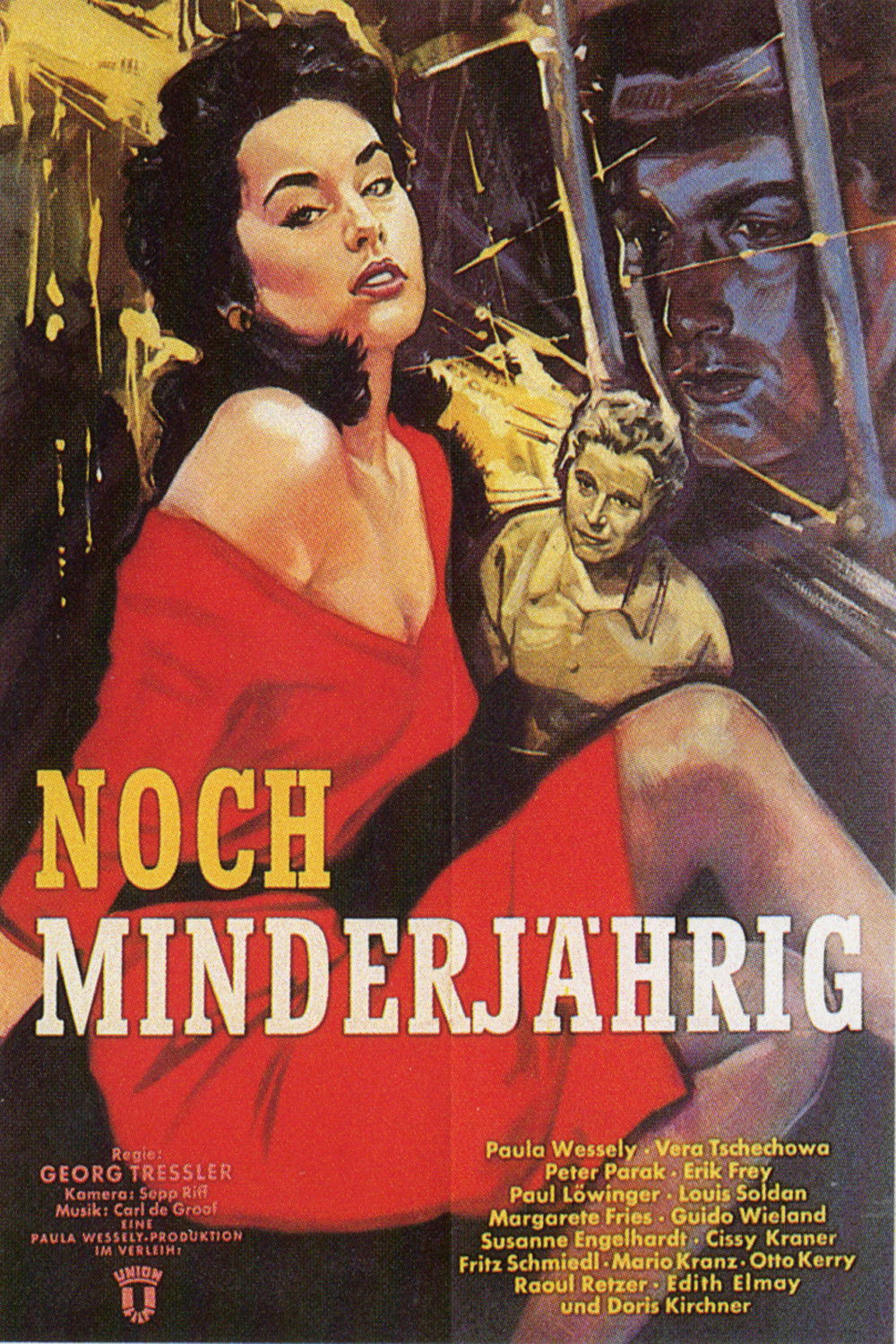
The social worker Luise Gottschalk dedicates all her passion to the Viennese caretakers and derailed young people. Tirelessly, she advertises to adults for understanding the needs of adolescents. She is particularly committed to a girl named Elfie Breitner who is at risk of drifting into prostitution.
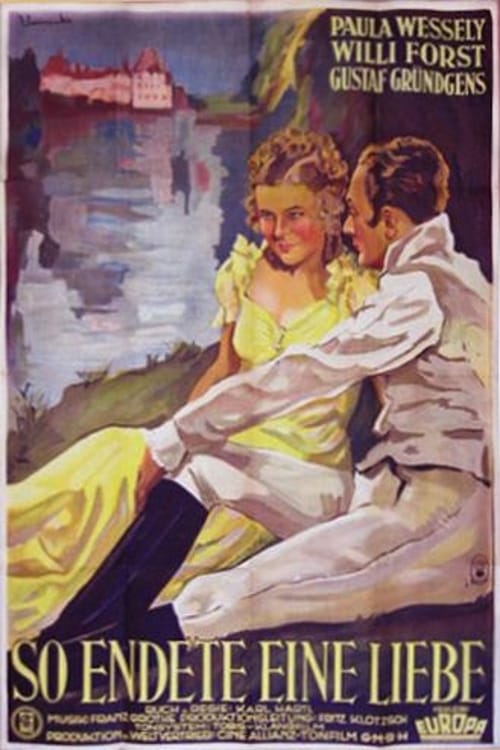
The political advisor to the French emperor Napoleon, and the Austrian emperor Franz I, arrange a marriage between Napoleon and the Austrian archduchess Marie-Luise in order to prevent another war.
A Nazi propaganda film which aims to justify the invasion of Poland by portraying the plight of ethnic Germans in Poland who were discriminated against and oppressed by the Poles, and how they were saved by the intervention of the German army.
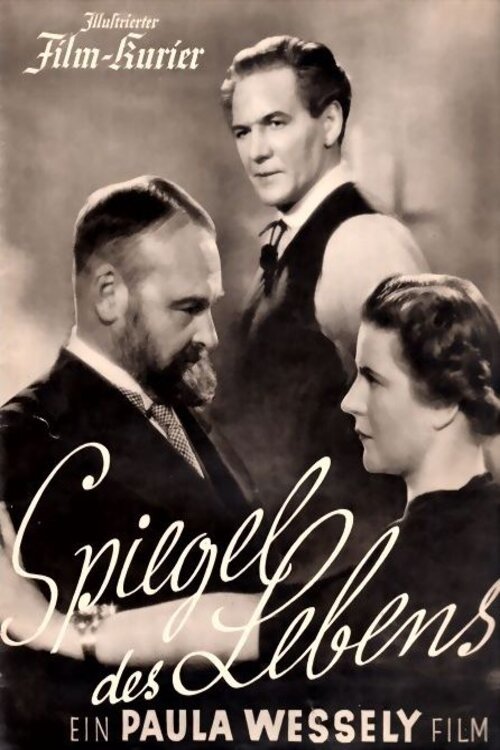
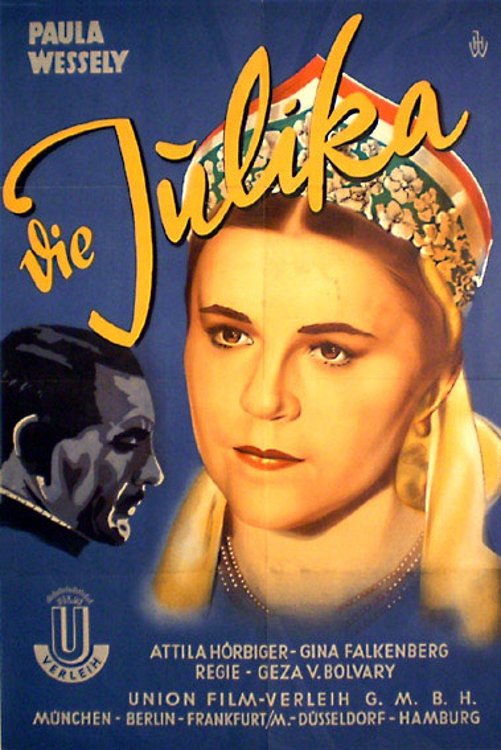
1936 Austrian film.
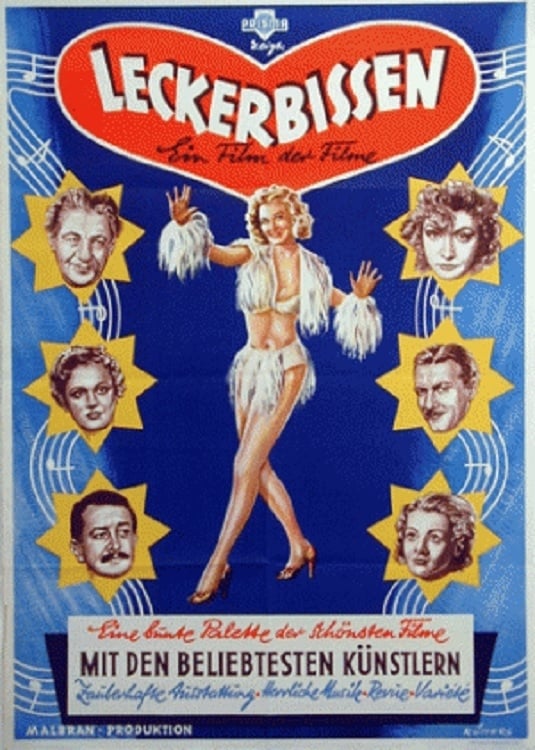
"Gems" - Embedded in a frame story, the film shows excerpts from 18 entertainment films of the time, among others, "The Gypsy Baron", "The Three Codonas", "La Habanera", "Viennese Blood", "Sophienlund", and "Mask in Blue".
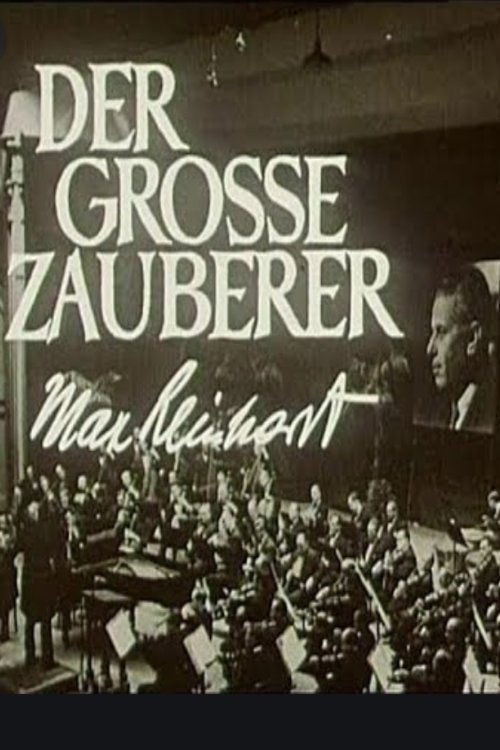
"The Great Magician" - Max Reinhardt (1873-1943) was an Austrian theater and film director, director, theater producer and theater founder. With his Jedermann production on August 22, 1920, he founded the Salzburg Festival.
For thirty years Anna sat at the checkout in the supermarket; now she is retired and doesn't know what to do with her life. She drifts through Viennese museums and cafés until one day in the park she gets into a conversation with a group of bikers. And suddenly the old lady reveals quite unexpected talents ...