
Shakespeare's 17th century masterpiece about the "Melancholy Dane" was given one of its best screen treatments by Soviet director Grigori Kozintsev. Kozintsev's Elsinore was a real castle in Estonia, utilized metaphorically as the "stone prison" of the mind wherein Hamlet must confine himself in order to avenge his father's death. Hamlet himself is portrayed (by Innokenti Smoktunovsky) as the sole sensitive intellectual in a world made up of debauchers and revellers. Several of Kozintsev directorial choices seem deliberately calculated to inflame the purists: Hamlet's delivers his "To be or not to be" soliloquy with his back to the camera, allowing the audience to fill in its own interpretations.
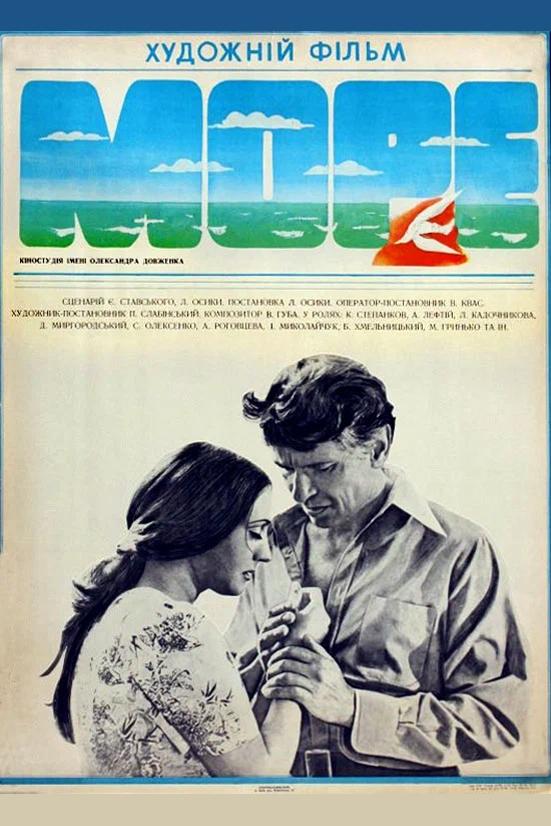
A fisheries inspector is killed while on night duty in a small fishing village on the shores of the Azov Sea. The murder draws the attention of the authorities and local residents to the problems of protecting and restoring the endangered nature of the once-rich region.
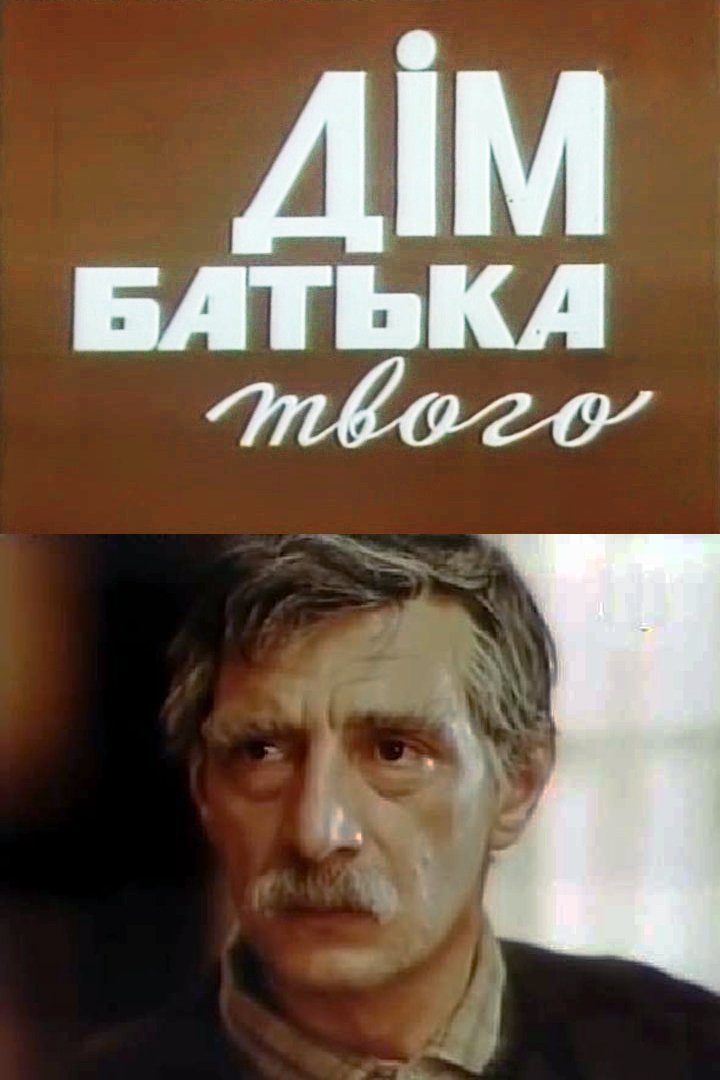
The film is about a large family whose relationships are regulated by the father, a man who is honest but sometimes too direct.
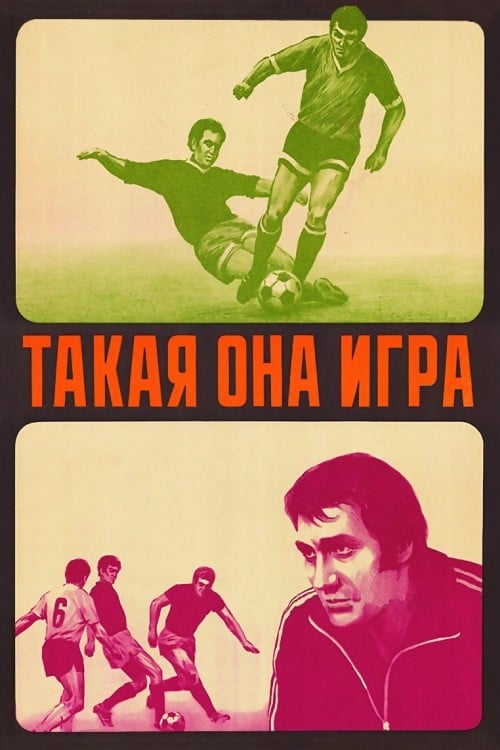
A conflict between the football team's coach and its best players, Bushuev and Milenkov, led to the players leaving the team. Milenkov returned to the research institute, while Bushuev moved to a provincial town, became a coach, and, basing his training on a scientific approach to the game, achieved great success in a short period of time...

Another shipment of drugs arrives in Ukraine from Istanbul in a cargo of expensive carpets. The drug traffickers are closely followed by Interpol officers, whose goal is to uncover the entire chain of the criminal business. But it soon turns out that the criminals have access to the police information. A police officer is involved in the drug trade...
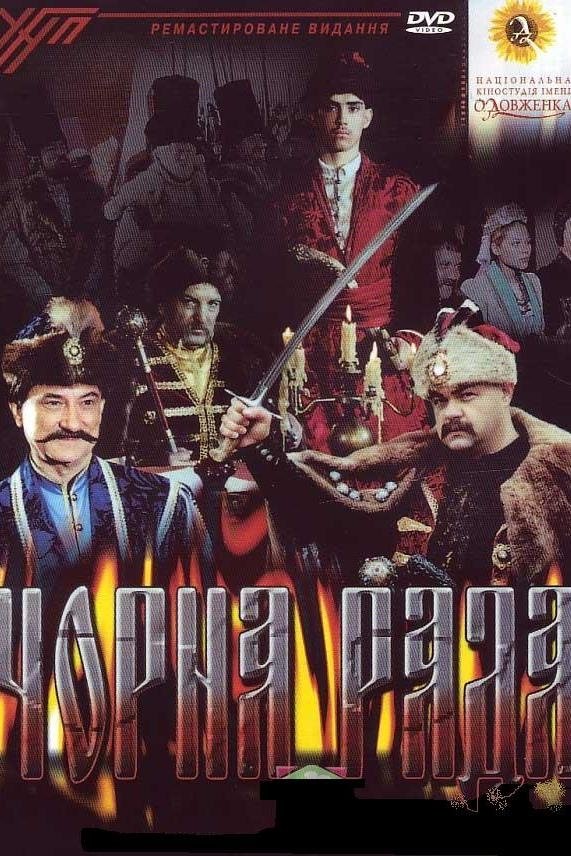
The Black Council gives a vivid picture of the different levels of society in seventeenth-century Ukraine. The main theme is the need for people to be motivated by high ideals as they engage in the struggle of truth with injustice.

A story about a heroic nurse working for Soviet Intelligence during and after WWII.
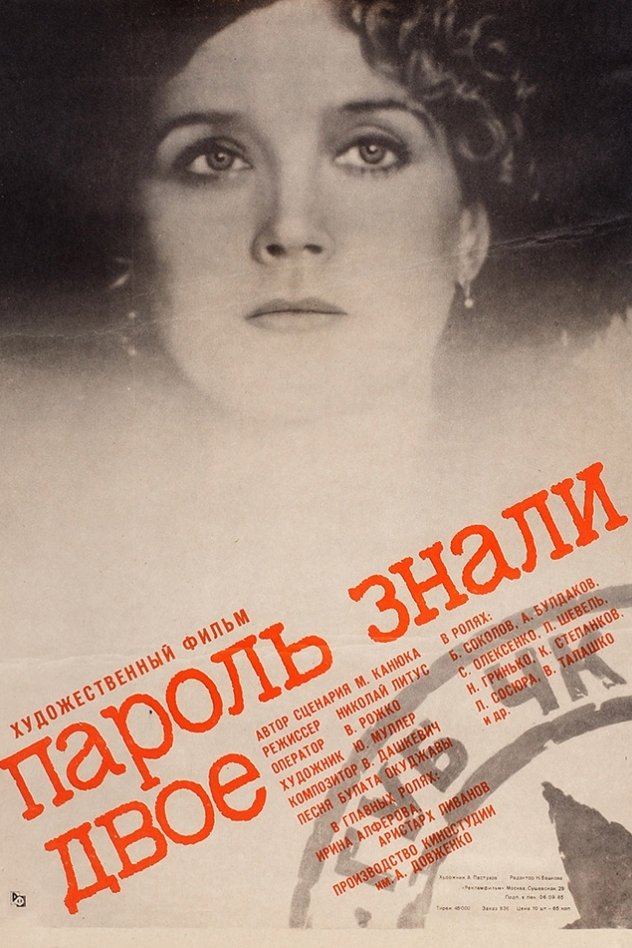
The 1920s. Count Kabardin, who emigrated to France, sends Colonel Lavrov to Russia with the aim of bringing his daughter Irina to Paris. Irina married Chekist Andrei Slavinsky and joined the revolution. Under the guise of a White Guard lieutenant, Andrei is sent to France. He carries out a secret intelligence mission. But Irina believes that her husband has died. The chairman of the Cheka, learning of Lavrov's visit, gives him the opportunity to take Irina to France and gives her a new assignment and a password for Andrei.
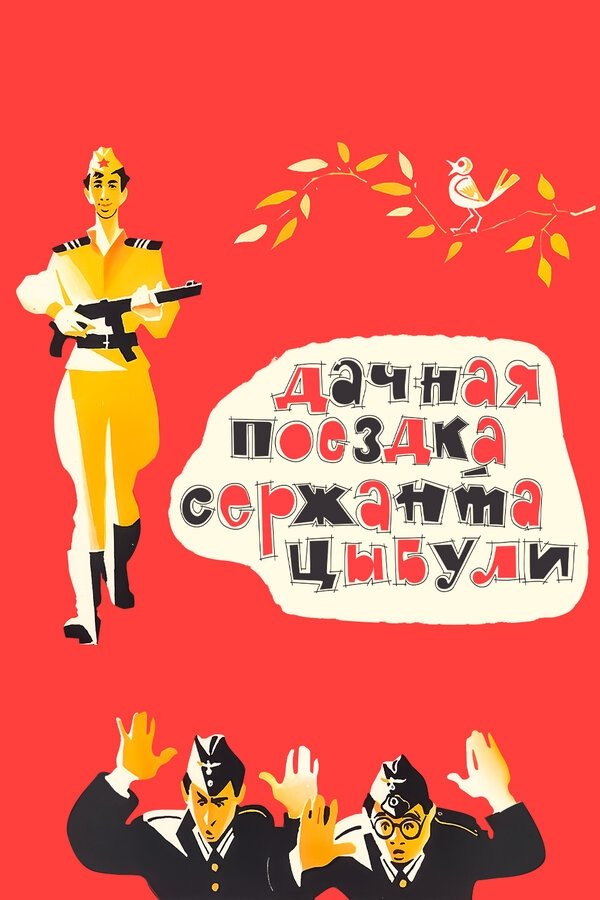
On the way to Partisans camp Sgt. Tsybulya suddenly lands in the middle of German troops. Now he must find a way to return to the Red Army.
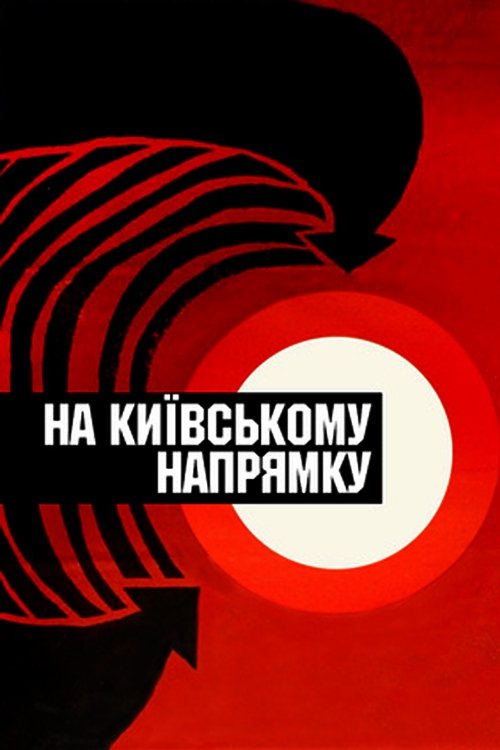
Historical and military film about the exploits of fighters during Kyiv defense against the onset of the Nazi troops. In virtually hopeless situation soldiers fulfilled their duty to the end. Capture of Kyiv was the first Pyrrhic Hitler’s victory that in the end led to defeat of Germany during the war.
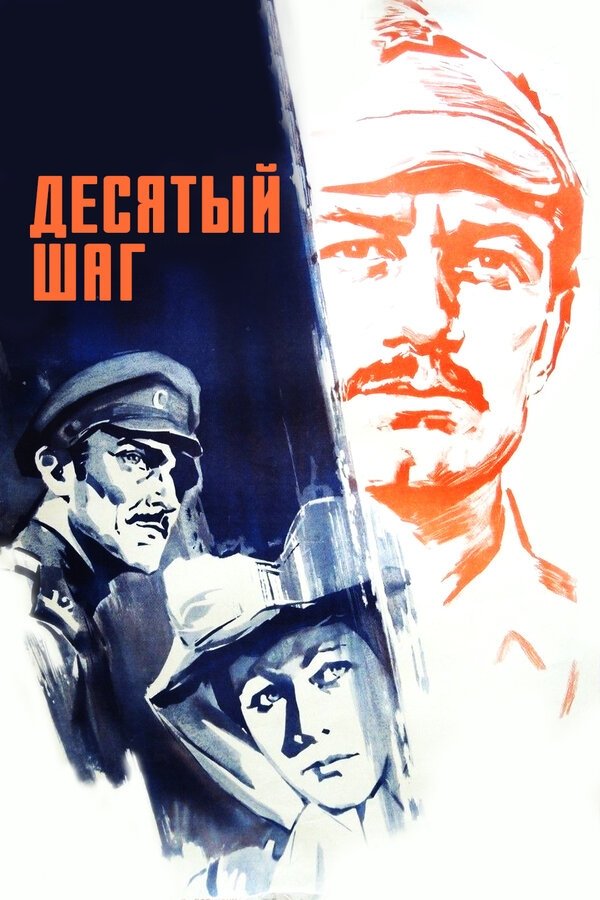
After the end of the Civil War, nurse and intelligence officer Anna Dzyuba returns to her hometown with her commissar husband. Here she has to make a difficult choice between ideological associates who establish Soviet power and childhood friends associated with the anti-Soviet underground.
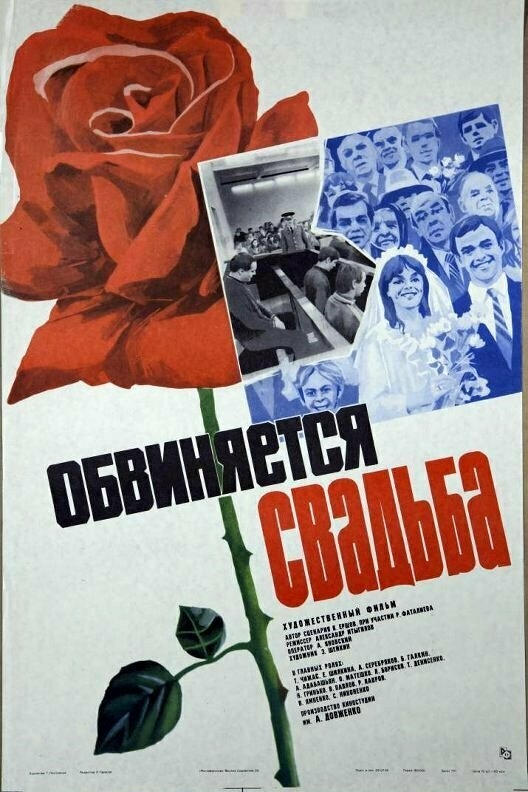
The wedding turns into a crime scene. The wedding is like the apotheosis of meaninglessness, a metaphor for society. The story of the generation of the eighties with a tragic ending. The film uses the true facts of the criminal case.

On May 1, 1960, on the eve of the meeting of the heads of government of the USSR and the United States, American pilot Francis Powers carried out a provocative "Flight" action on a Lockheed U-2 aircraft. While crossing the border, the plane was shot down, and a secret CIA agent, pilot Powers, appeared in court, and soon fully admitted his guilt. Fragments of the process and all the events related to the provocative flight are reproduced with documentary accuracy.
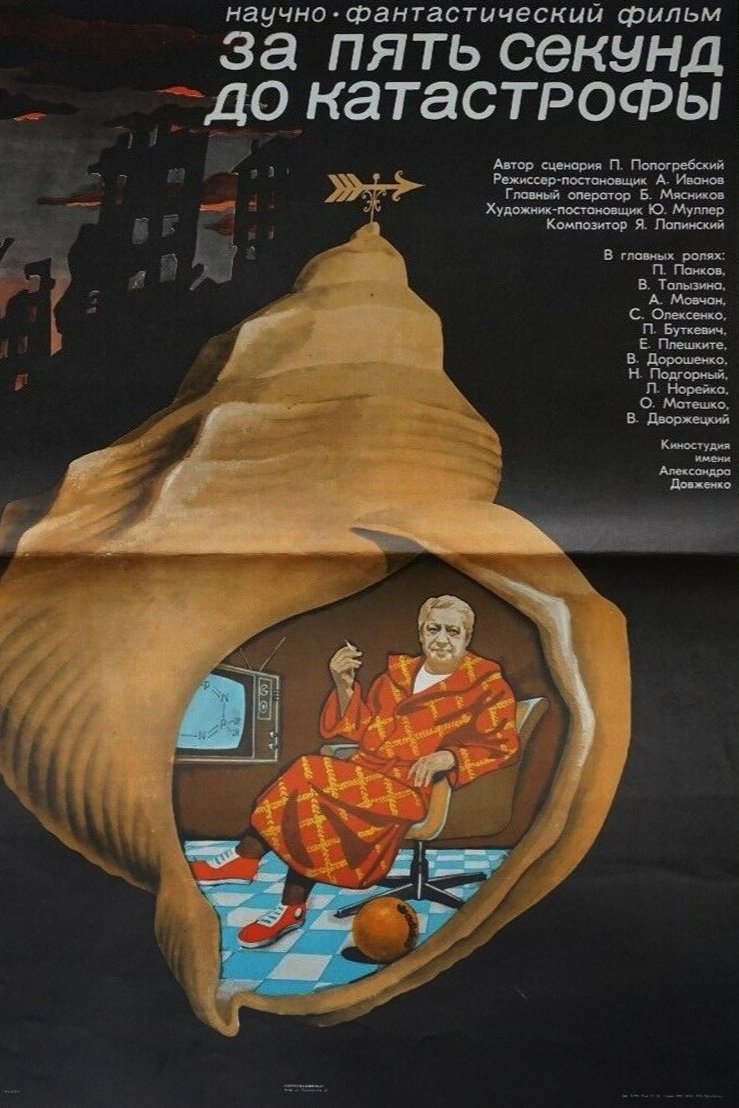
A perfect perpetual material is created that will help humanity to reduce costs of building houses, bridges and roads.

Stepan Stepanovich fumbles in the engine of his car. A sociable little girl with a doll in her hands talks to him, and he learns from the girl that some kind of drama is going on in her house, because mom and dad urgently sent their daughter for a walk because a mysterious uncle in a white raincoat appeared.
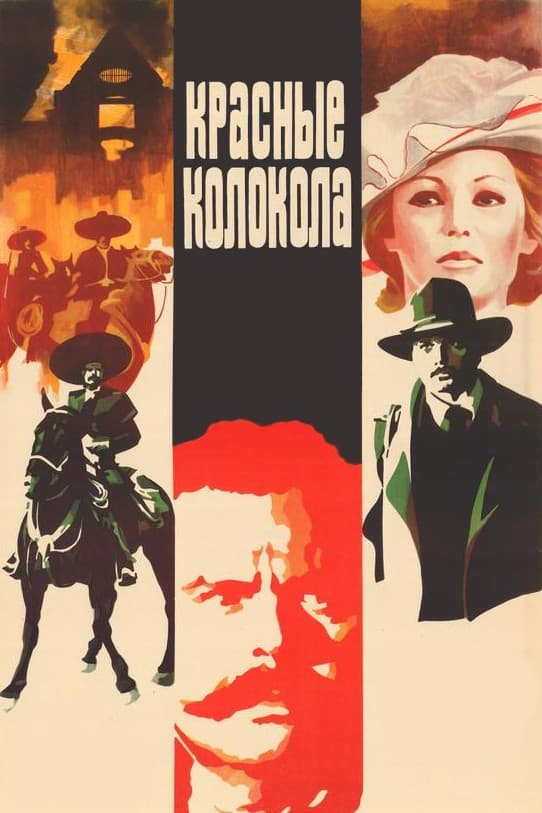
The second part of Soviet filmmaker Sergei Bondarchuk's epic biography of John Reed. It is October 1917 and the American journalist has found himself and his wife, Louise Bryant, in Petrograd on the eve of the Bolshevik revolution.