
The movie's main storyline follows the life of Otík, a young man, in a tight-knit village community. The sweet-tempered Otík works as an assistant truck driver with Mr. Pávek, his older colleague and practical-minded neighbor. Pávek's family takes care of Otík, whose parents are dead. However, the two coworkers become at odds over Otík's inability to perform even the simplest tasks. Pávek demands that Otík be transferred to assist another driver, who happens to be a choleric and suspicious man named Turek (Turk in Czech). Rather than work with Turek, Otík decides to accept an offer of employment in Prague, but finds he does not fit in to the city life. After discovering that the transfer of Otík to Prague was a trick by a crooked politician to get a deal on Otík's large inherited house, Pávek agrees to give Otík a second chance and retrieves him from the city to resume their work together.

Anna, a celebrated Transylvanian actress starring at Hungary’s National Theatre in the mid-1960s, falls in love with an Olympic champion she meets at a reception, much to the regime’s displeasure, which has other plans for the multilingual star as an official hostess for visiting dignitaries. As the secret service weaves its manipulative web across every facet of her life, Anna, fortified by her love, proves a formidable opponent to their schemes.
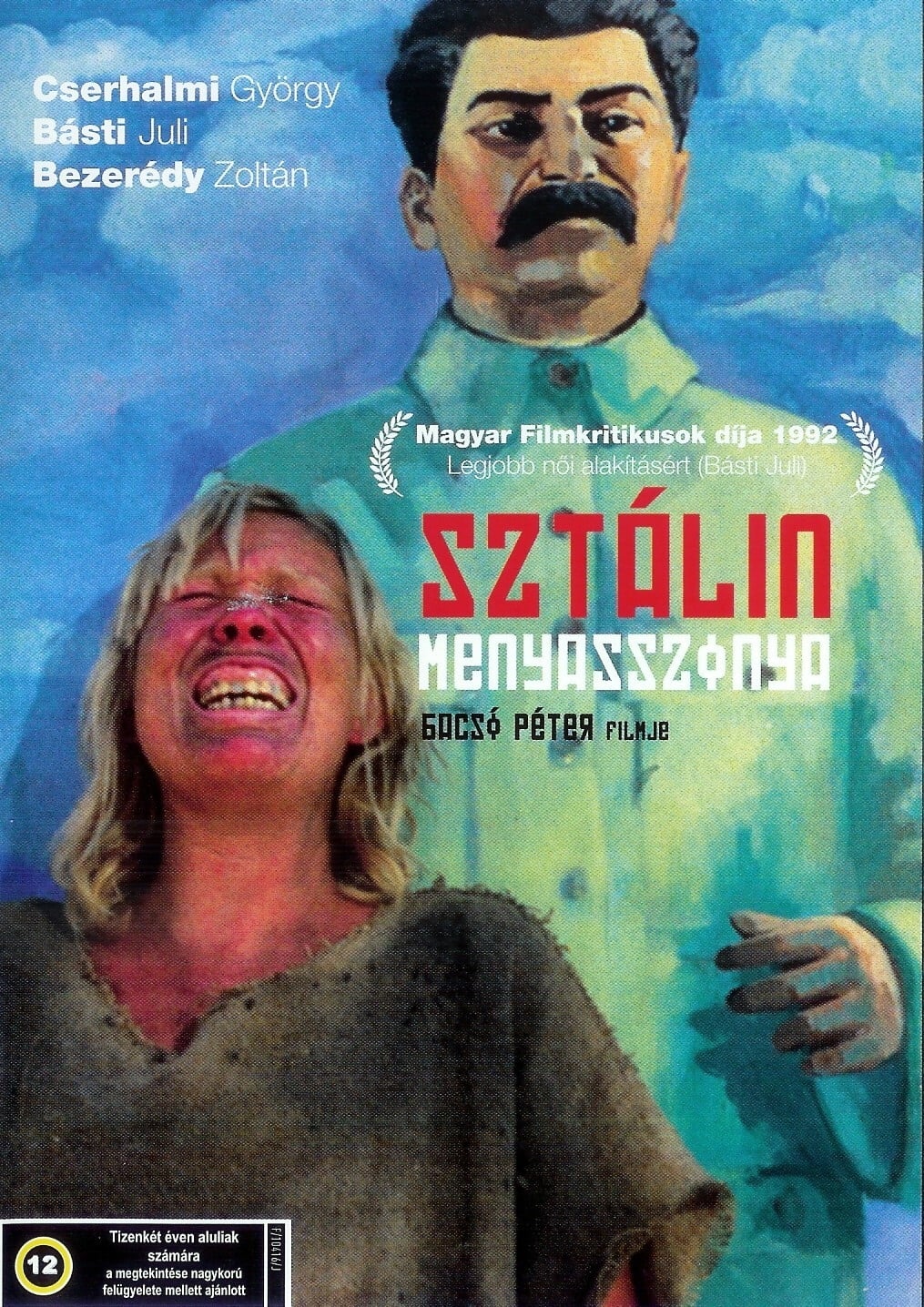
At a dusty crossroads in the Soviet Union villagers surrender their possessions - a horse, a samovar, a goat - to the state. The train which takes them away brings to the village a physically and mentally handicapped woman, barely able to speak. She makes herself bracelets of burrs and studies herself in a cracked and cloudy mirror. Befriended by very few, teased and tormented by many she seeks protection at a huge portrait of Stalin.
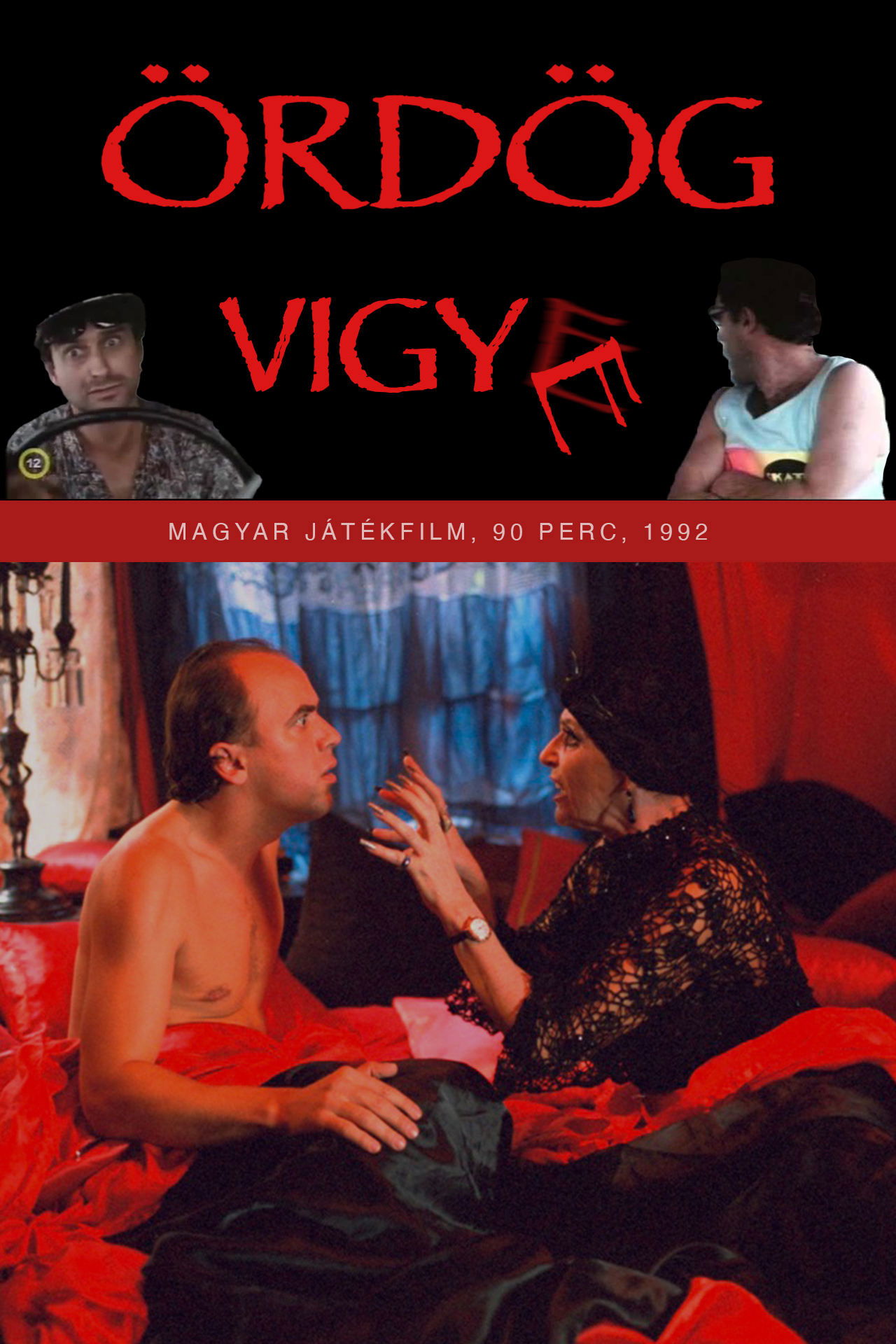
The devil arrives in Budapest because he has got wind that a hermit scientist has discovered the elixir of eternal life. Soon the lives of oh-so-some upstanding citizens living in the peace of the peaceful little people are in turmoil. Irén Psota, Zoltán Bezerédy and the unforgettable Buczella brothers.
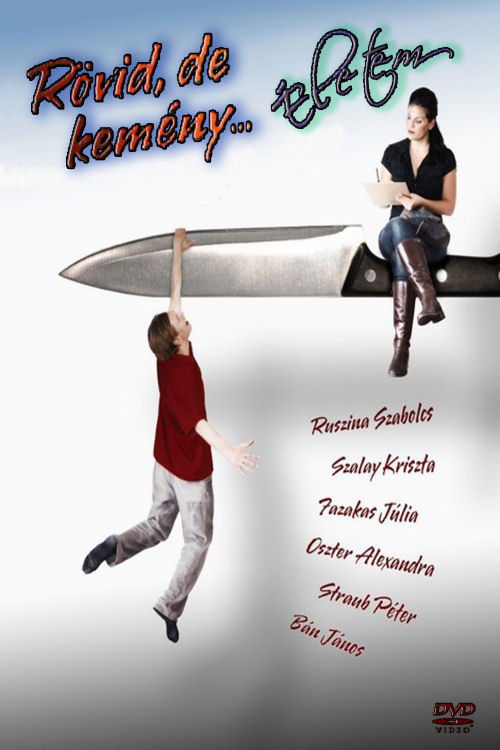
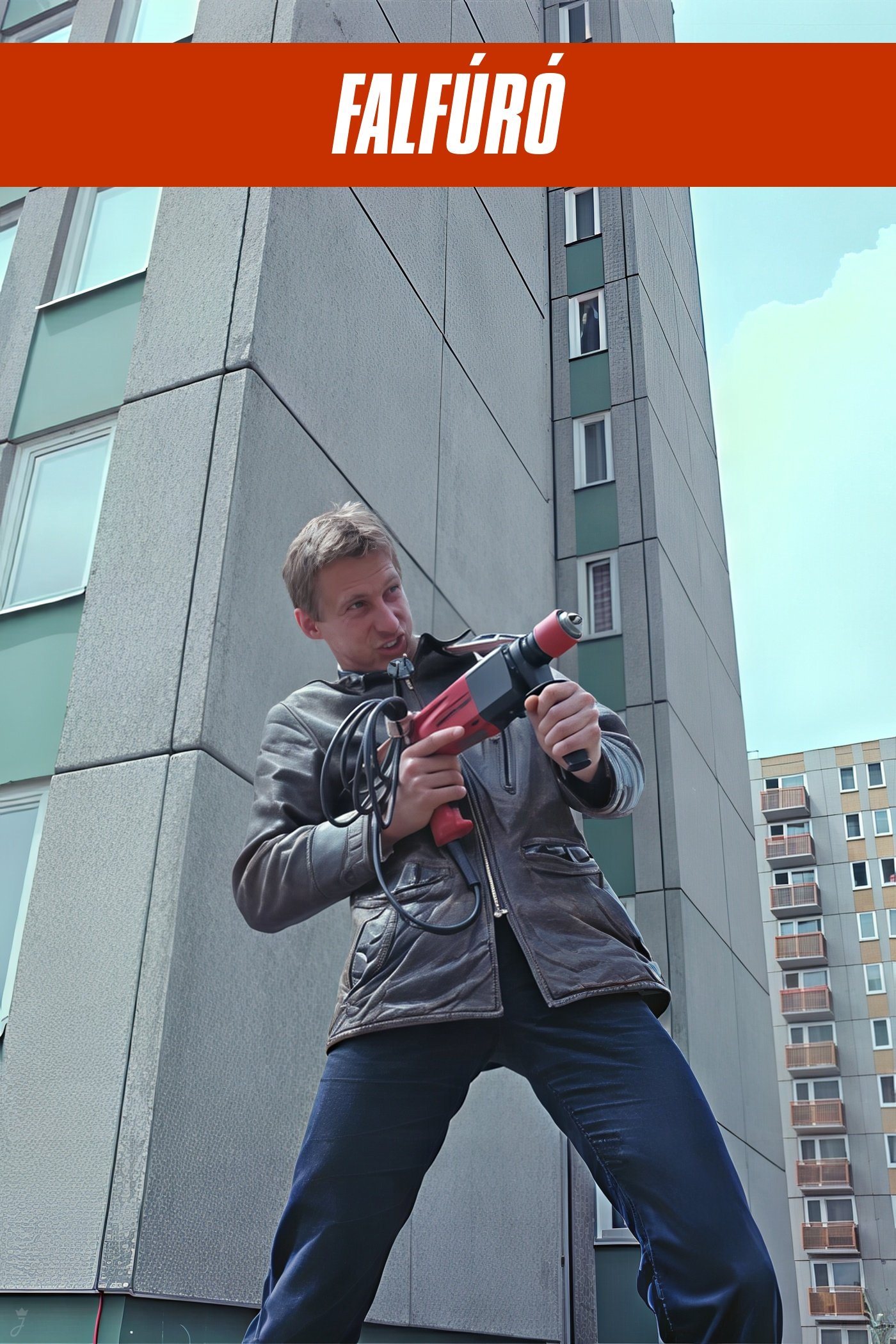
The sad tale of a proletarian malcontent ensconced in a monstrously depressing housing project who—even less effectually than the heroes of Bald-Dog Rock—attempts to change his life. Purchasing a power drill and slinging it across his shoulder like the anti-hero of a spaghetti western, he turns entrepreneur, boring holes in his neighbors’ walls so that they can hang mirrors or pictures.
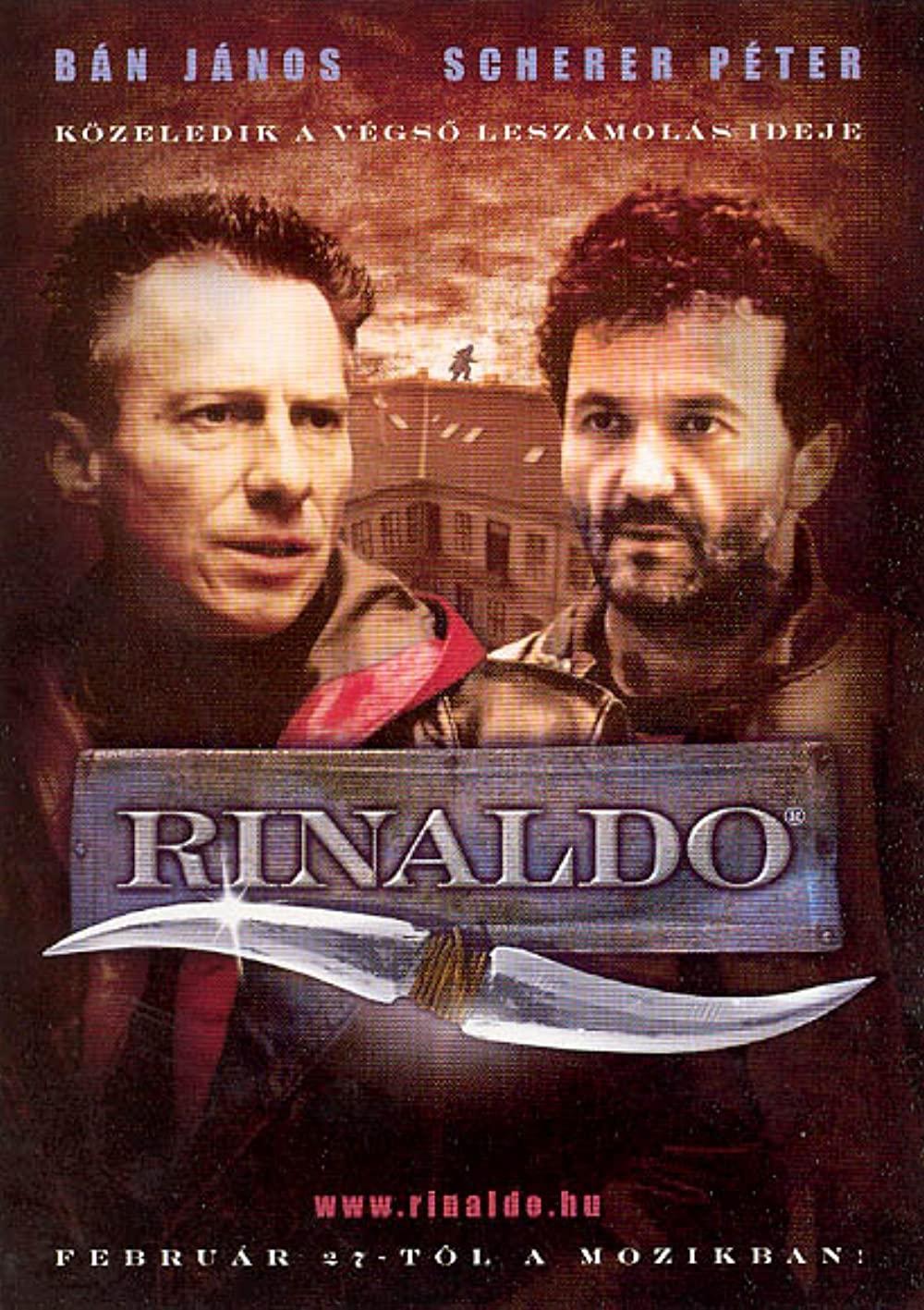
The Hungarian version of the "The Seven Samurai" and "The Magnificent Seven". A ruthless bandit gang terrorizes the residents of a crumbling Budapest tenement until a group of unemployed steelworkers, rather than samurai or gunmen, steps in to defend them. Amid fierce battles, intrigue and blossoming friendships and romances, a wandering circus knife‐thrower ensures that, unlike the originals, none of the heroes need be buried at the end.
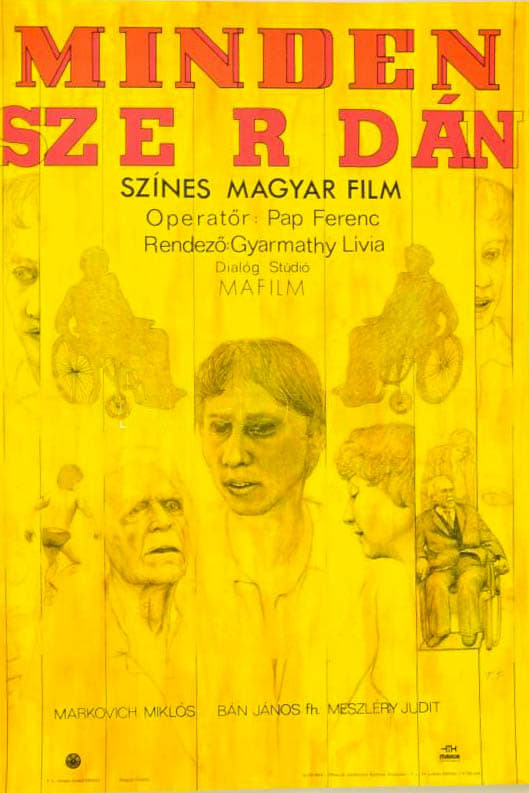
Stephen, living in a troubled family, breaks into a grocery store and wreaks vandalism. He is sent to a reform school. Later he works in a cleaning brigade and accidentally meets József Draskóczi, who denounced him. Draskóczi lives in an unloving, troubled atmosphere with his barren daughter and cynical son-in-law, ascetic about his youthful communist beliefs. He feels responsible for Istvan's fate, offering him a human voice and love. Despite his daughter's hysterical jealousy, he sends Istvan to school and then, through his previous connections, provides him with an apartment...

The story of two sisters from the Slovak-Hungarian border who, after a long separation, reveal the common moments of their complicated childhood. They return to a bleak landscape and an abandoned hotel, forced to deal with urgent questions of responsibility towards themselves and their loved ones.
In the mid-1960s, the Communist Party saw that the time had come to attack some of the key figures of domestic economic life, showing the country and the world who was the master of the house. Lajos Onódy, the successful catering industry manager, was selected for the main role of the showcase trial.
Poetic movie about 3 generations of women.
The story of a murder out of jealousy. After his release from prison, the perpetrator tells the story of his marriage and tries to understand the reasons for his actions.
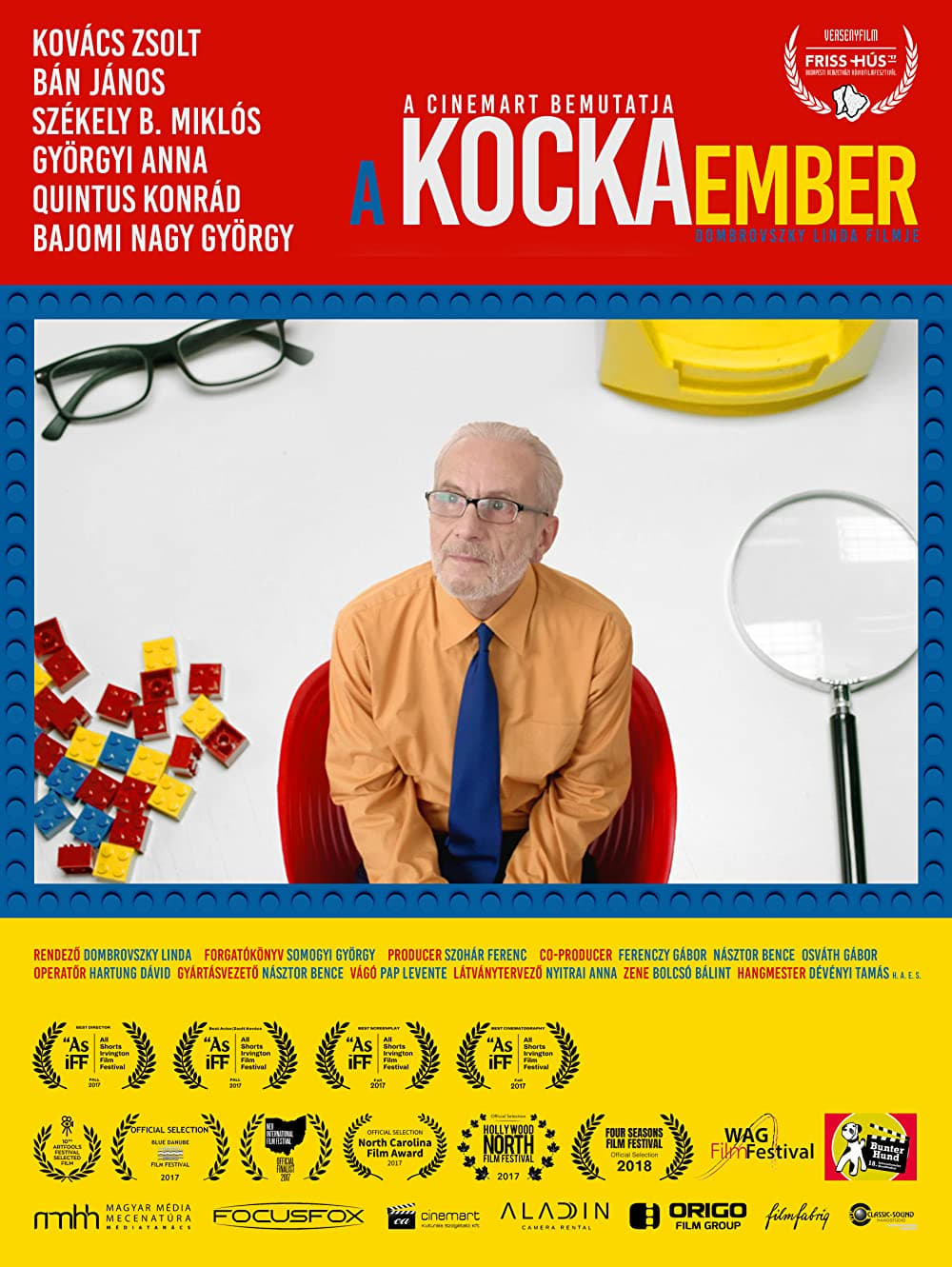
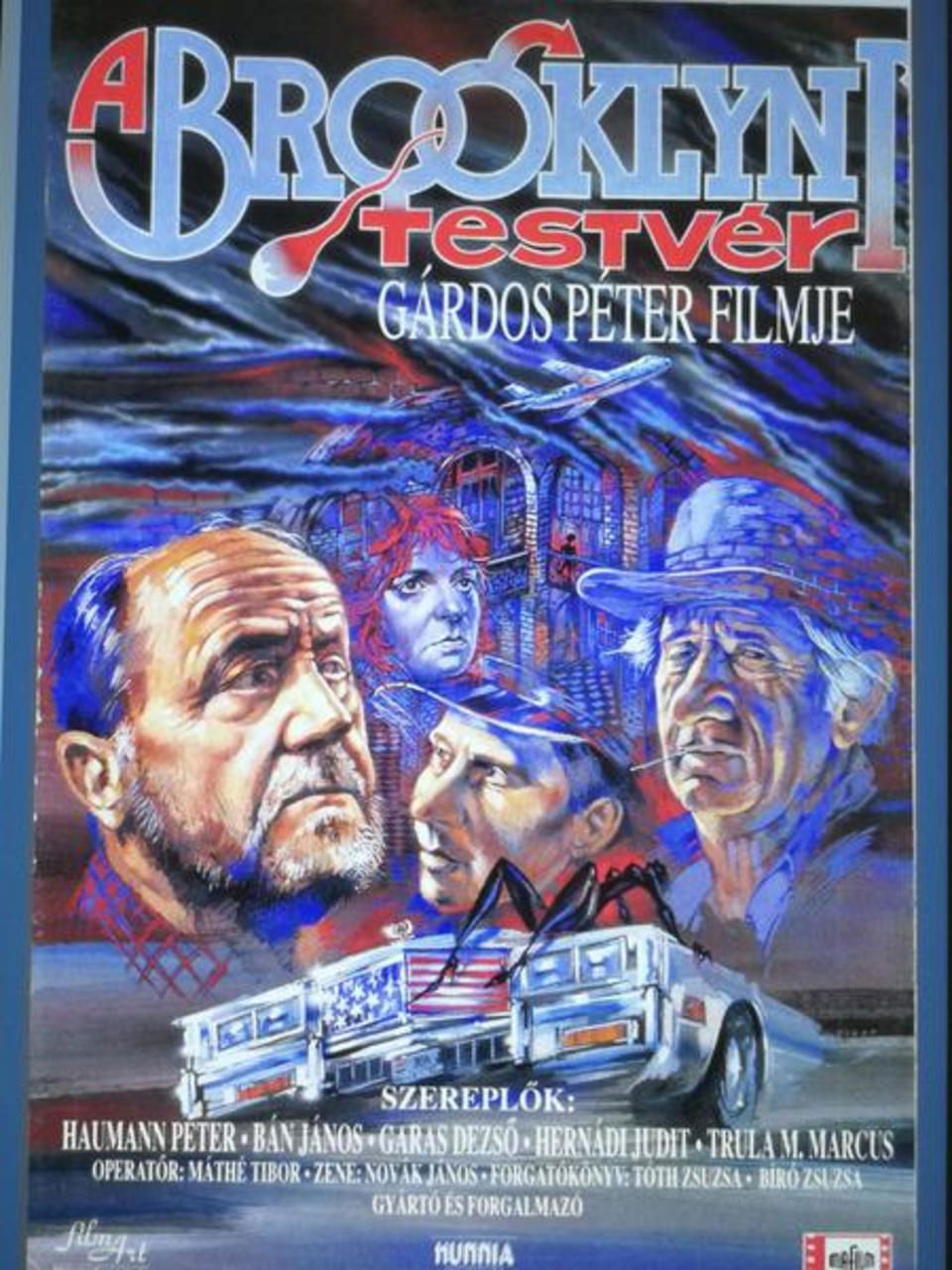
A comedy about the return home of an expatriate Hungarian after 38 years in the U.S.
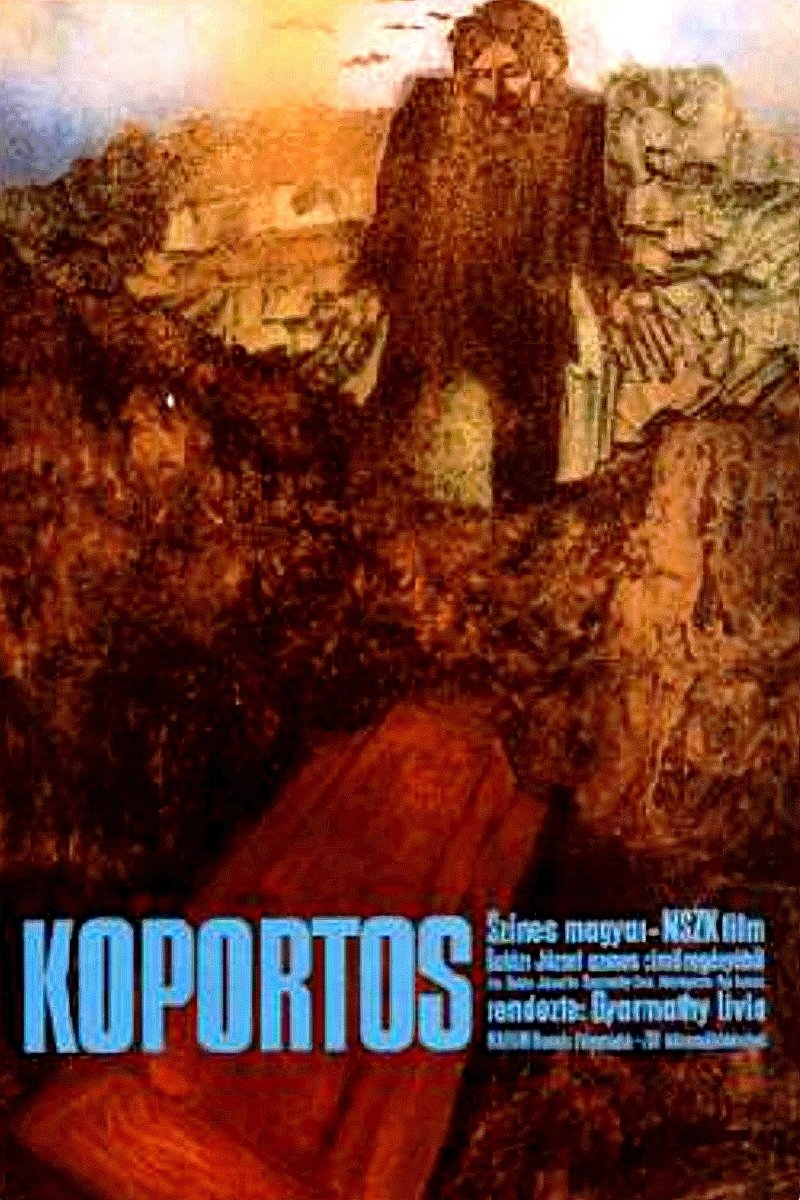
A Roma laborer living in a shantytown strives to organize a traditional, dignified funeral for his wife following her sudden death. He travels to the city to secure the necessary funds and arrangements, navigating various bureaucratic and social obstacles along the way.
The parents of Kabala (Lucky Charm) and Facsiga (Wooden Top) are divorced. Kabala, an adolescent girl was awarded to the father, while Facsiga, the younger brother was awarded to the mother, but they do not really belong to anyone. The two children want to live together at all costs.

El ángel de Budapest (Angel of Budapest) is a Spanish 2011 television World War II-Holocaust miniseries based on the book "Un español frente al Holocausto" (A Spanish against the Holocaust) written by journalist and radio executive director Diego Carcedo. The plot focuses on Ángel Sanz Briz, a Spanish ambassador in Hungary during World War II who helped to save the lives of thousands of jews from the Holocaust by lodging them in Spanish safe houses in Budapest.

Tibi and his small‐time crook crew haven’t grown wiser in ten years and are hired by a shadowy Japanese syndicate to steal a priceless data drive. Clueless about IT, they drag along a computer‐science teacher, only to trigger revenge from a Roma mafia boss, face off against Japanese hitmen and even anger the Slovak army. As their dream of escaping to a Malibu beach with the loot fades, Tibi’s street smarts might be their only hope.
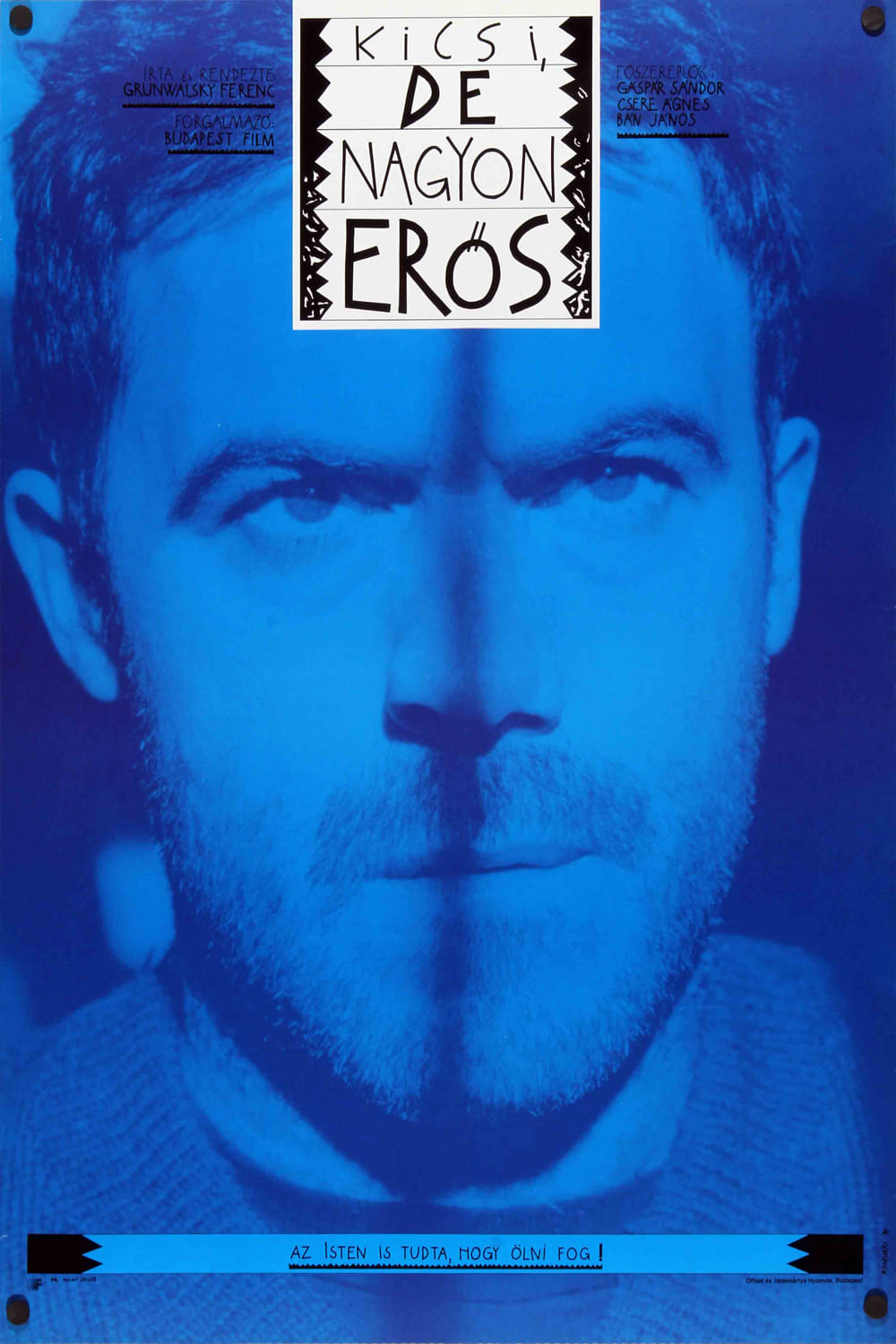
Paul Bogár is released after a year in custody on suspicion of burglary - due to lack of evidence. The man seems to accept society's declared norms, taking a hard physical job in a factory. In his spare time, however, he resumes burglarising houses, carefully and without a trace. He gives the money and the gold he gets to his sister and her family. Although he always works alone, he takes his helpless brother-in-law with him as a driver. Beetle's principle: they too have the right to a good life, and it is impossible to provide it through work. However, a rival gang takes advantage of his brother-in-law to trap him...
International peace conference, events take place in the last week of 1899. Tragic love story between Vilma, daughter of the Austro-Hungarian envoy/ambassador, and Zoluk of Montenegro.
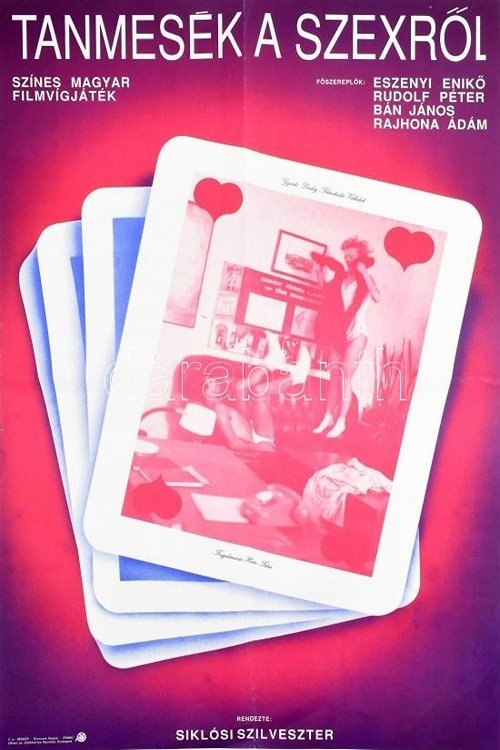
The film is made up of two independent episodes, which only have the basic setting in common. The little schoolteacher in Free Saturday, when she wakes up in a hotel room with 100 marks in her handbag, invents the "quickest way" to get to her flat. The newlyweds in The Council Fairy Tale find the "surest way" to an apartment by moving into the council building. There is no doubt then, what is the common default position, the impossibility of getting an apartment...
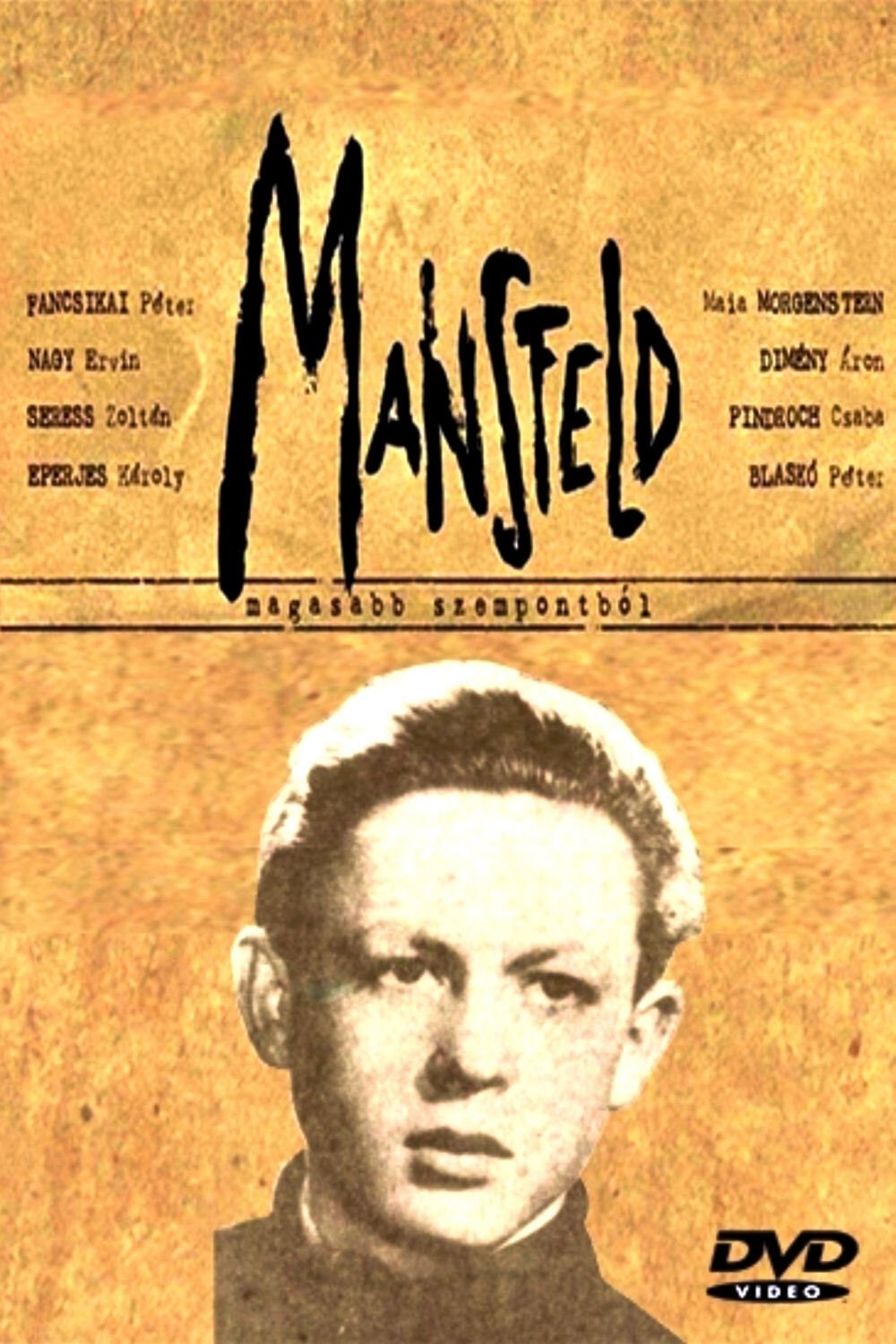
At 15 he and his family became victims of state terror. At 16 he became a freedom fighter to participate in the 1956 Revolution against Soviet oppression. At 17 he is betrayed and arrested by the dreaded Secret Police (AVH). Now he has to spend the remainder of his life in a political prison, called Hell's Hallway, to reach the legal age of 18 before his death penalty can be carried out. Peter Mansfeld was 18 when he was unjustly executed by the totalitarian regime of Hungary. Today he is remembered as one of the national heroes of Hungary.
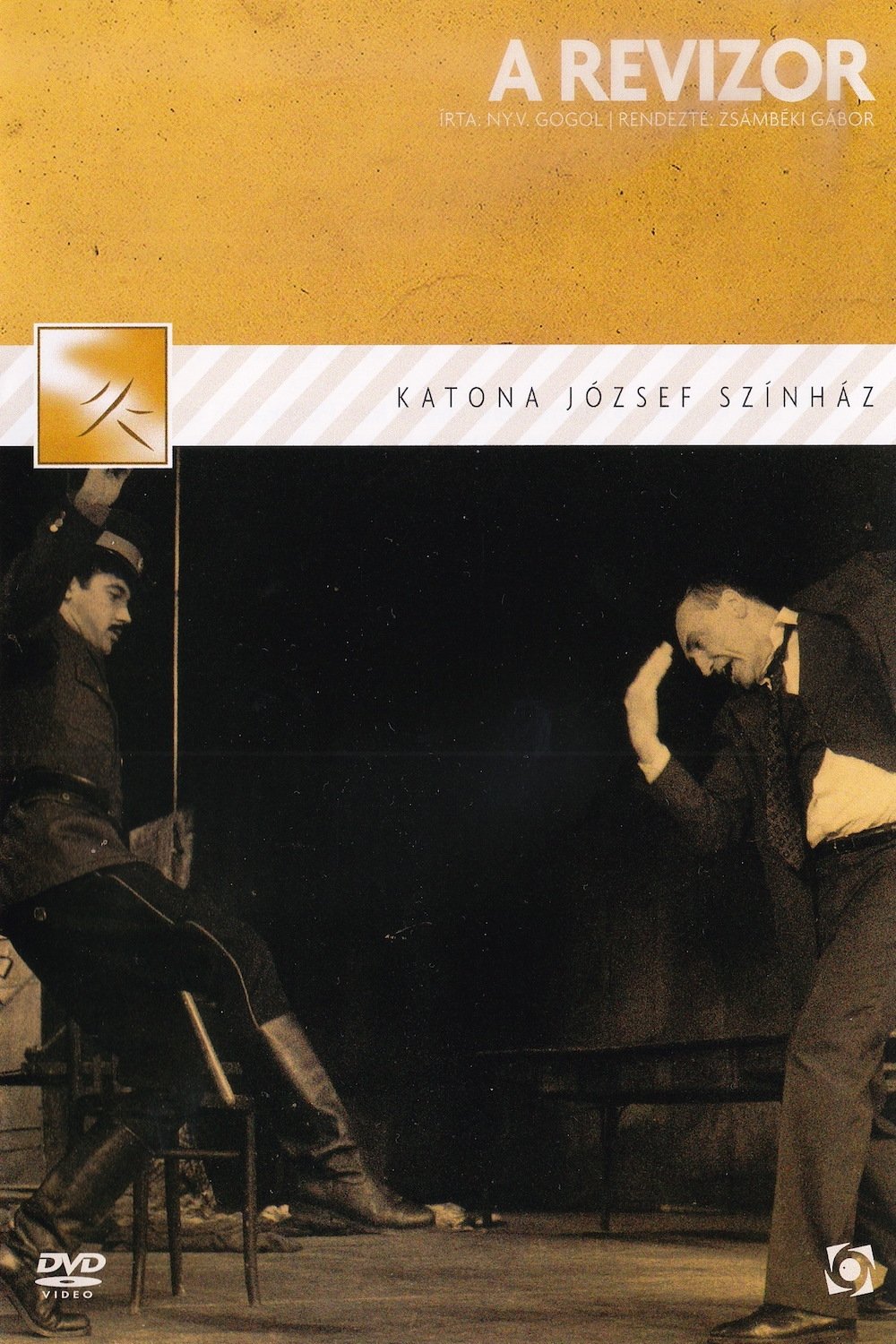
The corrupt leaders of a small rural town learn that an auditor is coming from St Petersburg. Frightened, they try to put things in order. Hlesztakov, a Petersburg official, has been starving for days in his inn in the small town, having gambled away all his money and no credit. In a misunderstanding and a bit of backstabbing, the town's corrupt leaders mistake him for an auditor. The bureau chiefs are watching his every move, and the mayor's daughter is a hit. When he leaves, the whole town celebrates and expects him back for a wedding. But a letter reveals the fraud, and at the same time the real auditor arrives.
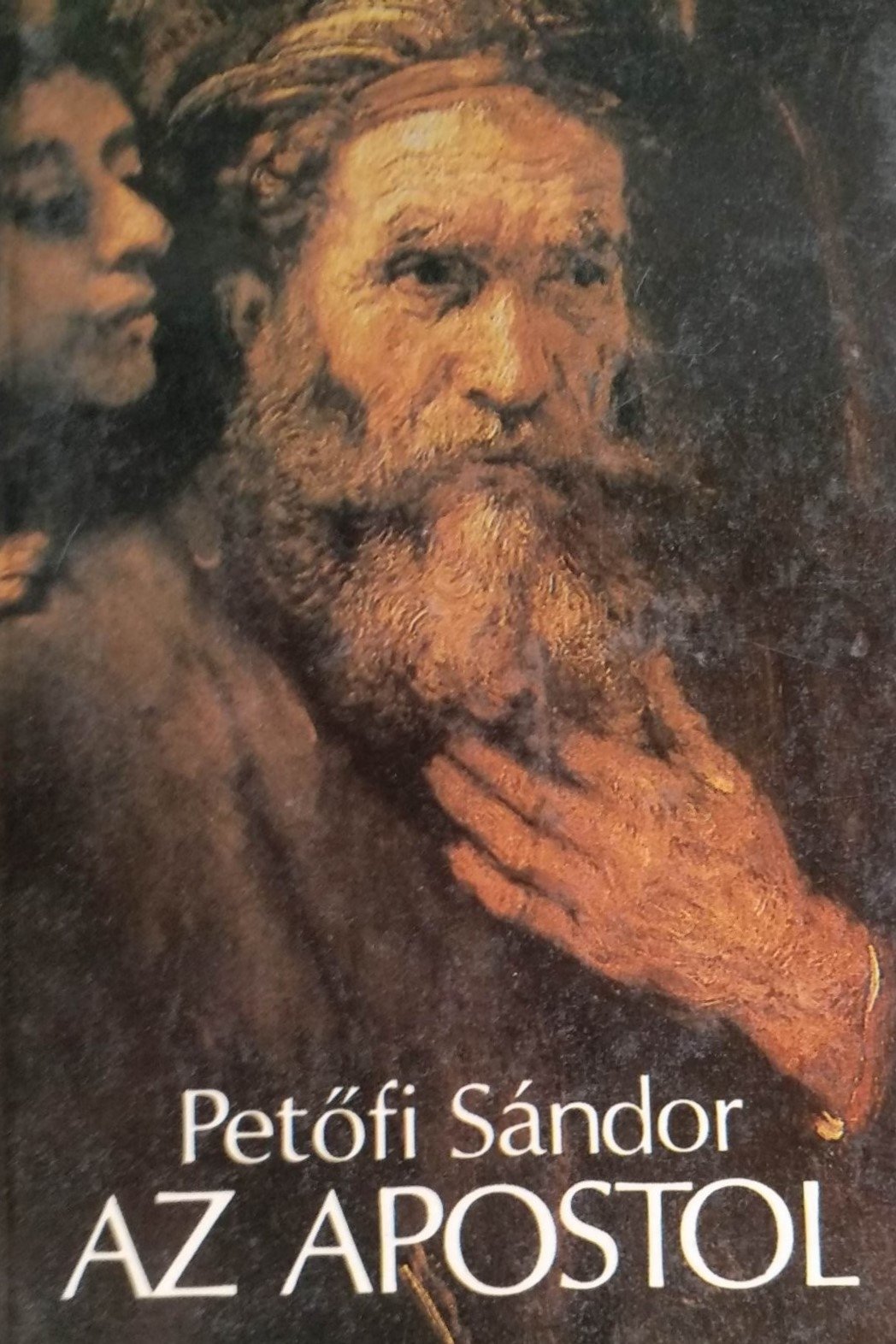
"Who are you, wonderful creature, Who are you, man? The garment of your soul A bright robe woven of starry rays, And your body Worn rags cover your body. Your family is hungry, you are hungry yourself, And it is your Sunday, If soft bread should chance to be On your tableclothless table, And what is there for you and yours Thou canst not get, The world at large Thou strivest to make the world happy."
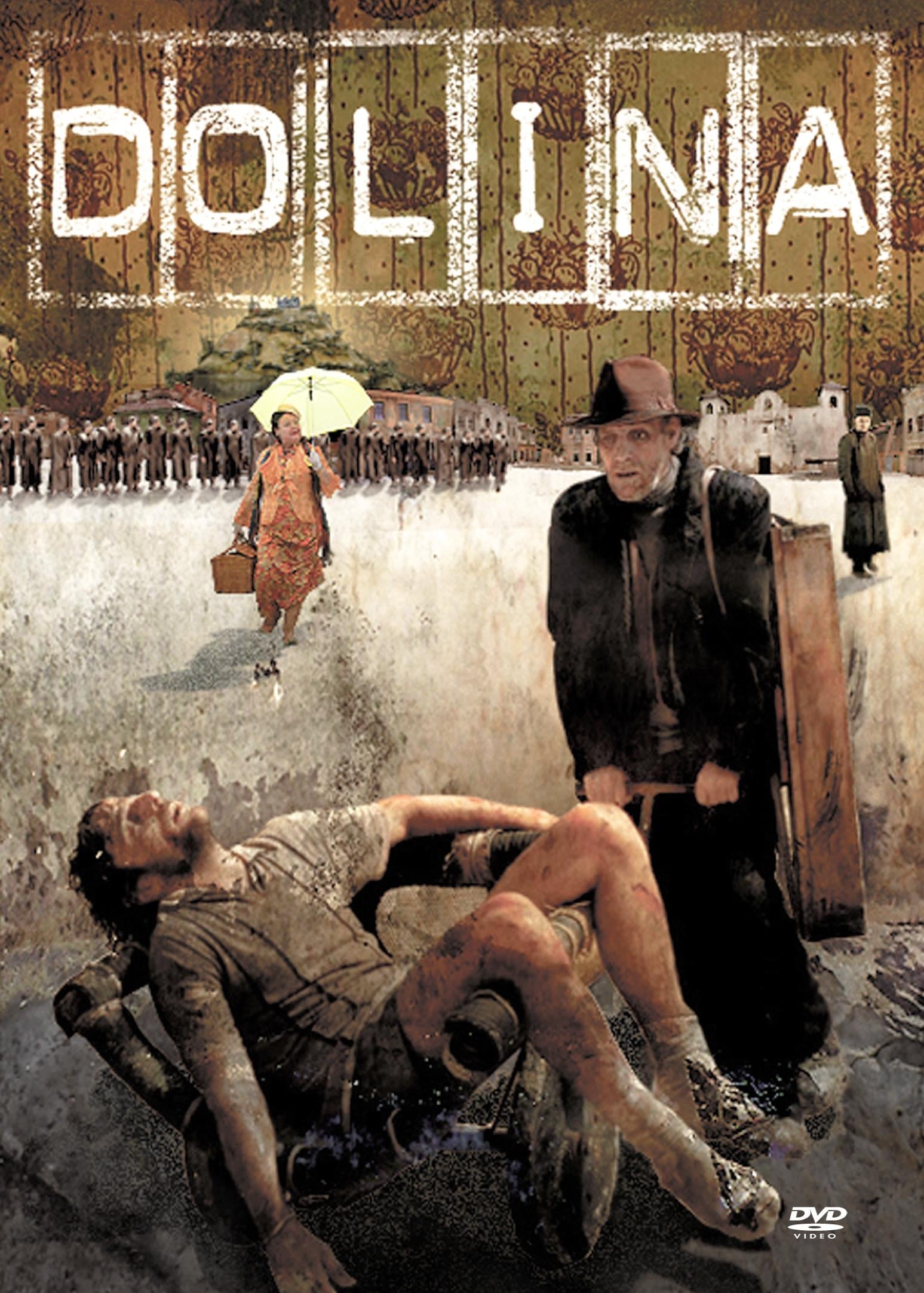
Gabriel Ventuza lives the peaceful life of a herbalist, growing and cultivating medical herbs in Italy. One day he receives an order from his older brother who is just out of prison for one day. Gabriel should go to the remote little town of Bogdanski Dolina in Far-Eastern Europe, the place of their childhood and take out the mortal remains of their father, the late people smuggler, the famous Victor Ventuza. Gabriel leaves his "eventless" life behind and goes to accomplish his mission. He is robbed on the way, his belongings, passport, money and even his clothes are stolen and finds himself in a small closed town surrounded by hills of stinking toxic waste, where strange priests rule and fear keeps people quiet, producing a general atmosphere of insecurity.
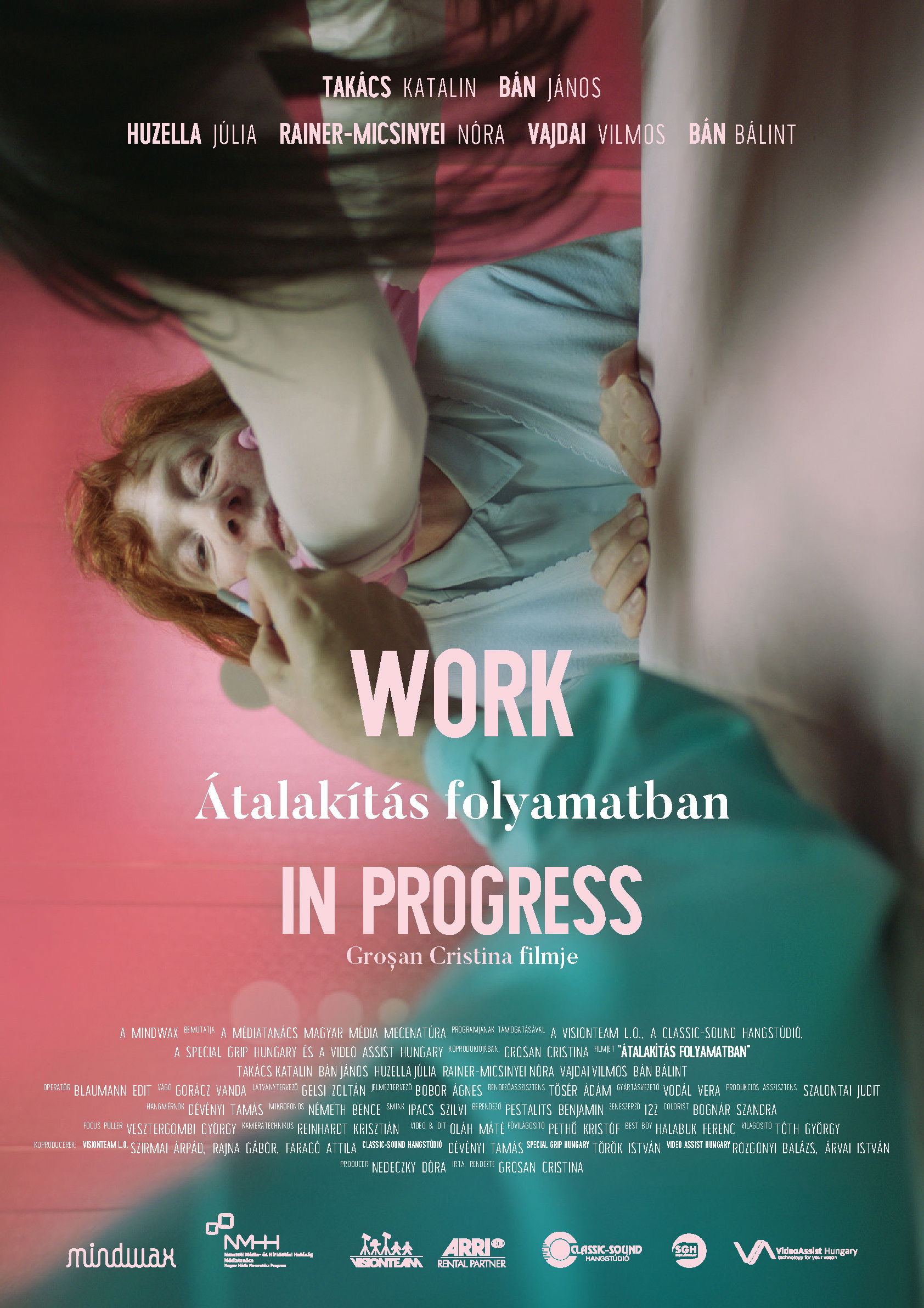
"Everyone here wants a new bum, new tits. What do you hate so much about yourself? Or maybe your husband?" A 66-year-old woman, Dorottya, or Mimi, receives a gift from her husband, a plastic surgery coupon, to try to look younger. The film is a romantic comedy about the decisions of an ageing woman, her unexpected encounter with a man, the possibility of a fresh start, while social prejudices about the elderly are shattered.
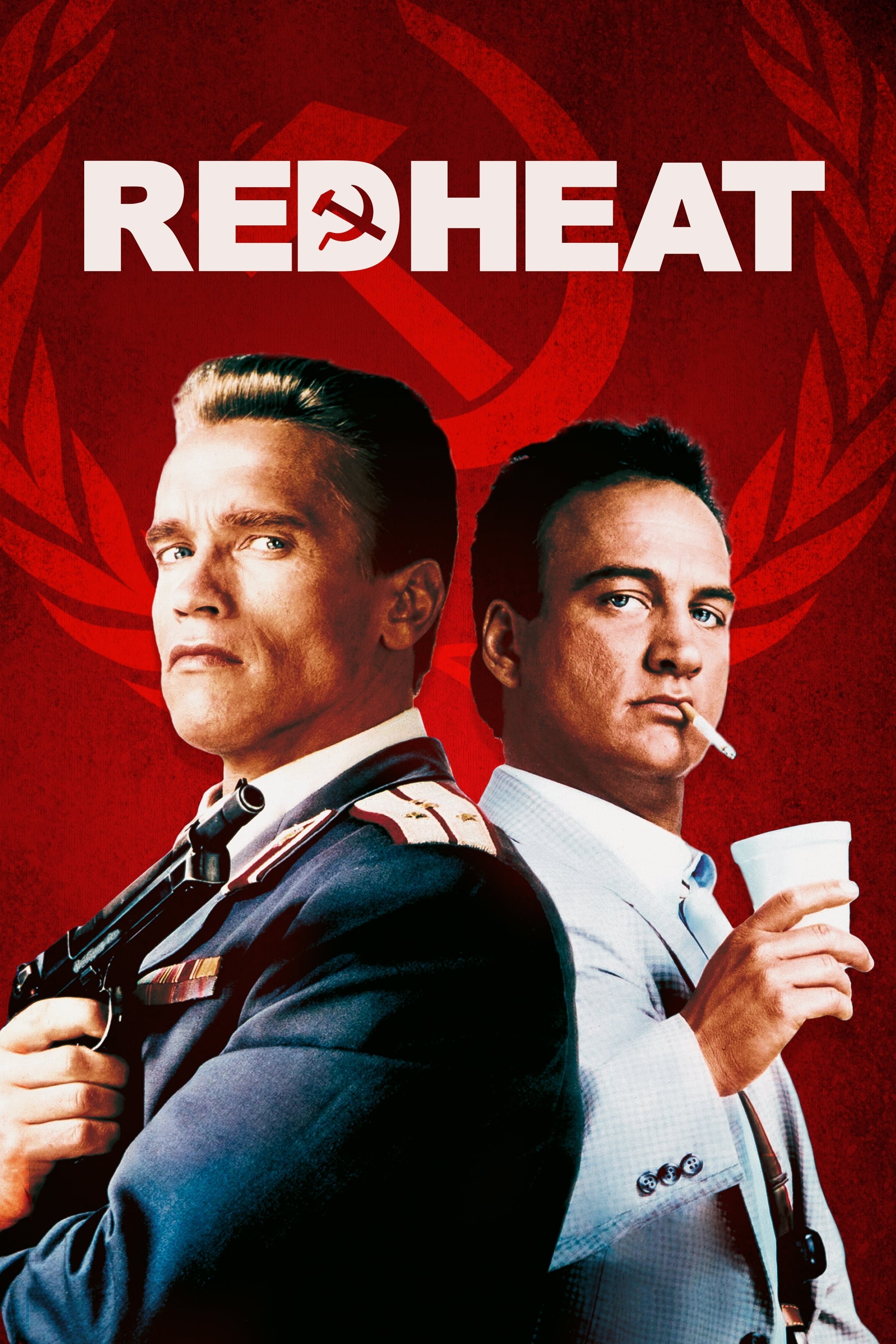
A tough Russian policeman is forced to partner up with a cocky Chicago police detective when he is sent to Chicago to apprehend a Georgian drug lord who killed his partner and fled the country.
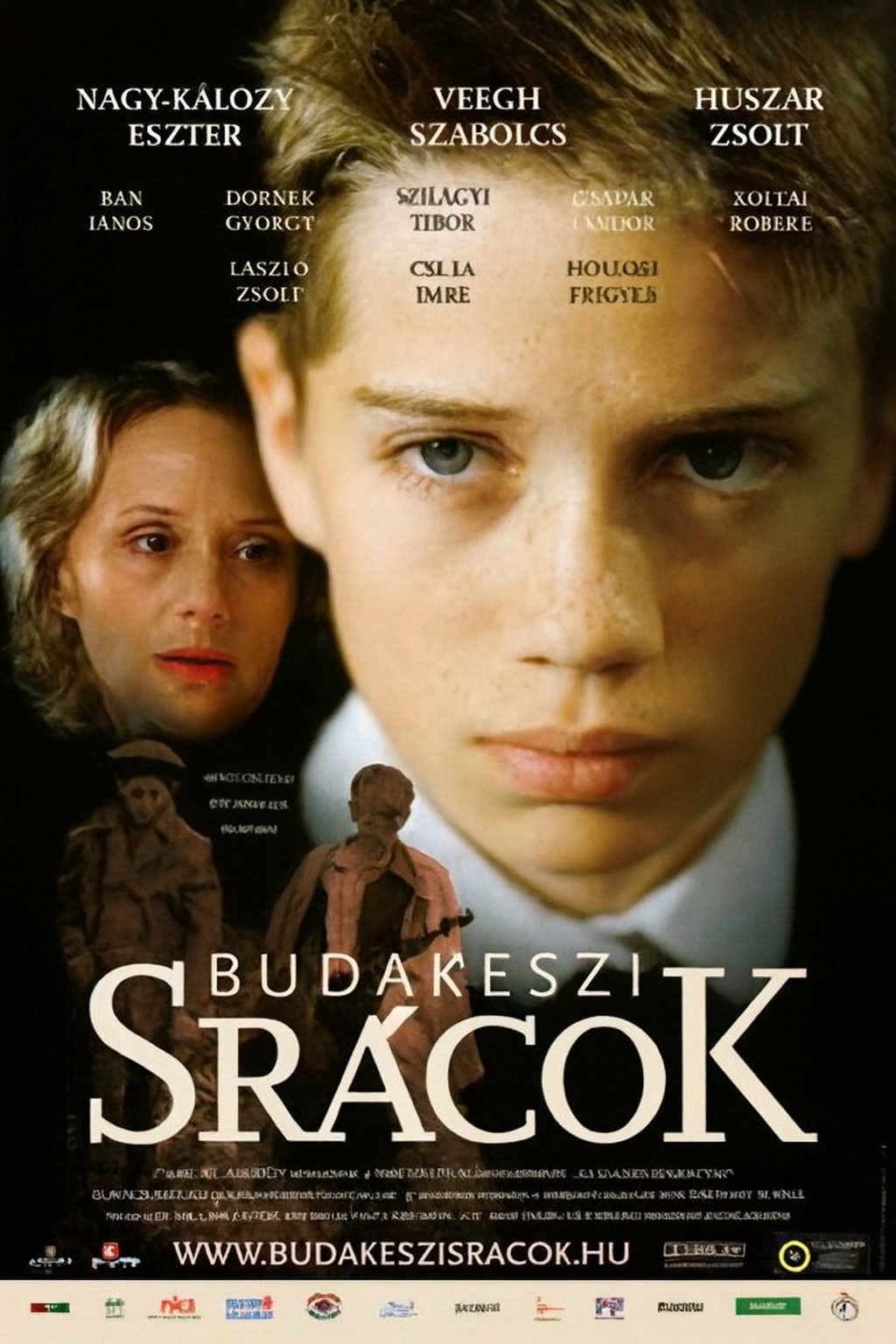
Hungary, 1950s. Istvánka is a sensitive little boy, longing for a role model and friendship, whose father died in the war before he was born. Before school starts, his mother takes him from the countryside to the capital. One day, he meets Lacy Márity, a 21-year-old big boy from Budakeszi, who from then on not only goes to play football with him, but also answers his most secret questions. He becomes his friend. Istvánka then becomes more tolerant of the local children's digs and the often incomprehensible behaviour of the adults. But the 1956 revolution intervenes. Laci Márity takes the lead in the rebellion.
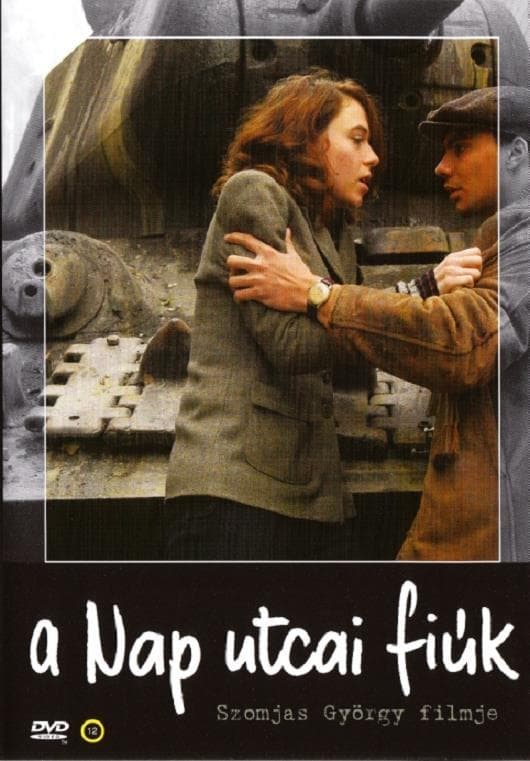
Some of the most symbolic moments of the 1956 Revolution in Hungary were the tooth-and-nail battles fought by the so-called 'Pest Lads' who dared to defy odds by taking on the panzers of one of the world's superpowers. The story begins on October 23rd, 1956 and ends on November 4th of the same year. Juli is Totya's girlfriend but also loves Gábor. Their love triangle will have to endure the trials and tribulations of these stirring times. A group of boys living in the outskirts of the capital are playing football in abandoned lot when Juli, a ticket inspector, brings news of protests breaking out in the city. Only Gábor accompanies her into town and together they become part of this historical event. At dawn, when the boys too come under fire from Soviet forces, they decide to join in the fight.
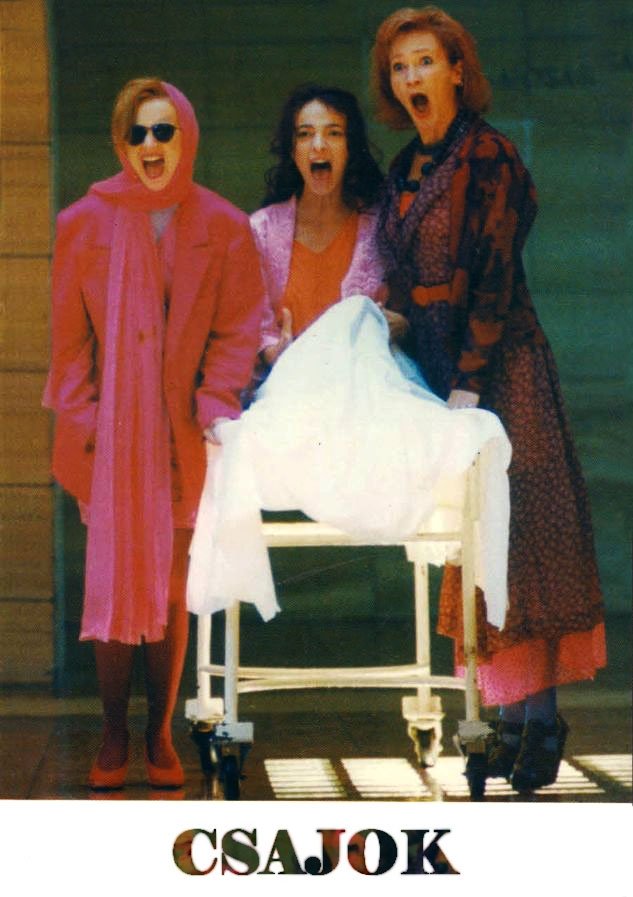
Enikős and Dorkas marriage is unbearable. Hysterical, cruel and humiliating scenes are enacted in front of the childrens eyes, while the childless Barbara is held by her husband, the painter, to be a toy and sometimes a painting screen.
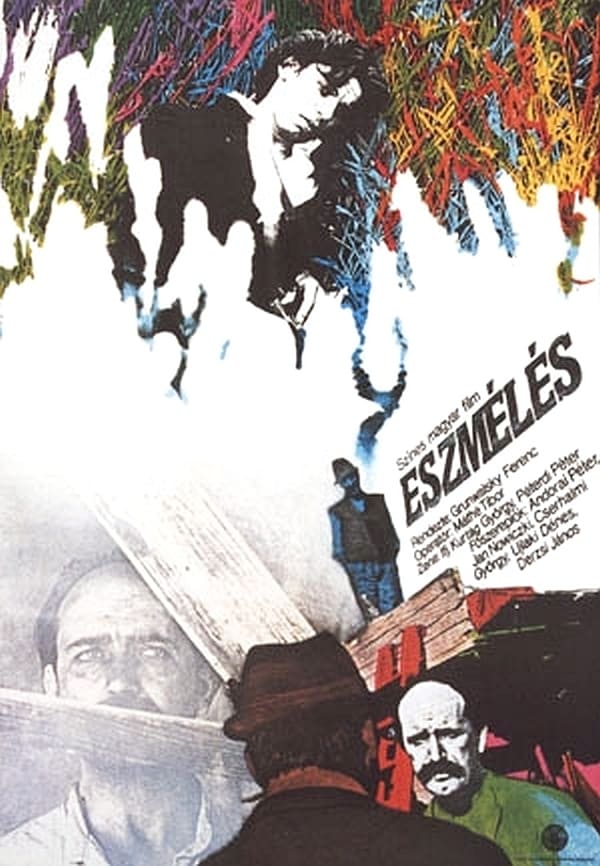
1894. The mortal remains of Lajos Kossuth are brought home from abroad, the railways are lined with people with their hats in hand, and among them stands the teenager Imre Tányér. 1910. The grown-up Imre undertakes the task to solve the question unsolved since 1848-49, i.e. the transformation of peasant life. He fights for the rights of his class, for justice, for human dignity in a society distorted, backward and built on inequality.
The fates of famous slovak individuals in history bring strong dramatic stories and a witness to the age in which they lived. Tragic and complicated life of the physician Albert Škarvan, who was a friend and admirer of the great russian writer Leo Nikolayevich Tolstoy, is also a noteworthy confrontation of worldview of two individuals in times, whe pacifist ideas sharply colided with the reality
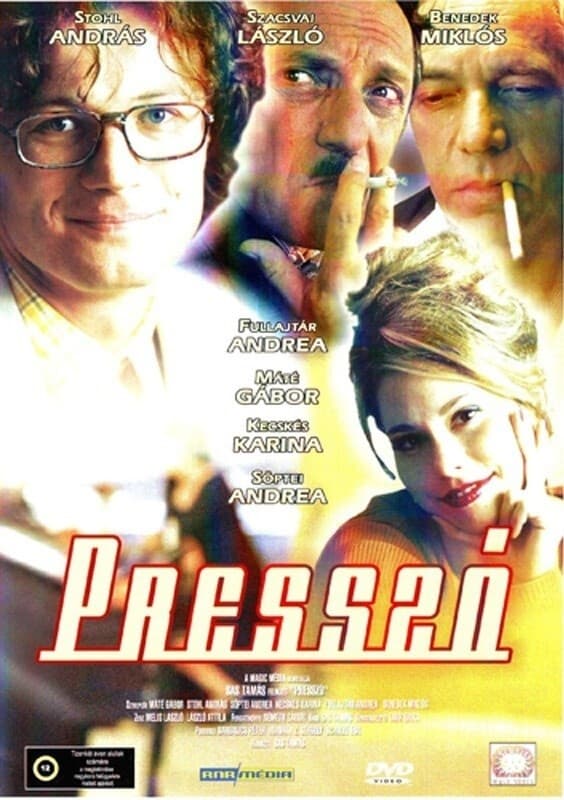
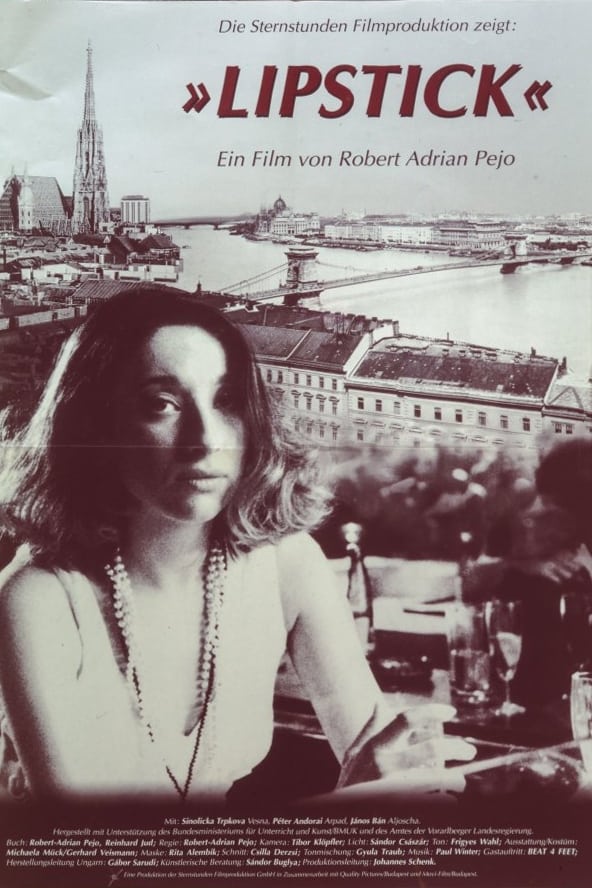
Lipstick strives to depict the inner conflicts of the protagonist Vesna as subjectively as possible. Vesna, apparently unmoved by the armed conflicts in her homeland Yugoslavia, leads a happy-go-lucky life. A form of denial, the causes of which should be explored. Her visit in Budapest and therefore her compromise with her possibly true, though repressed, identity, evokes a feeling of happiness for a short time. The next morning, reality catches up with her again. She is taken off the train and is forced, since her passport and Austrian visa have both expired, to assume a new identity. Despite the futility of her undertaking, she refuses to make a statement concerning her person while in jail. What remains is the memory of a short-lived feeling of emotional success by delaying the course of events. The suggestion to consider a denial while in a condition of statelessness.
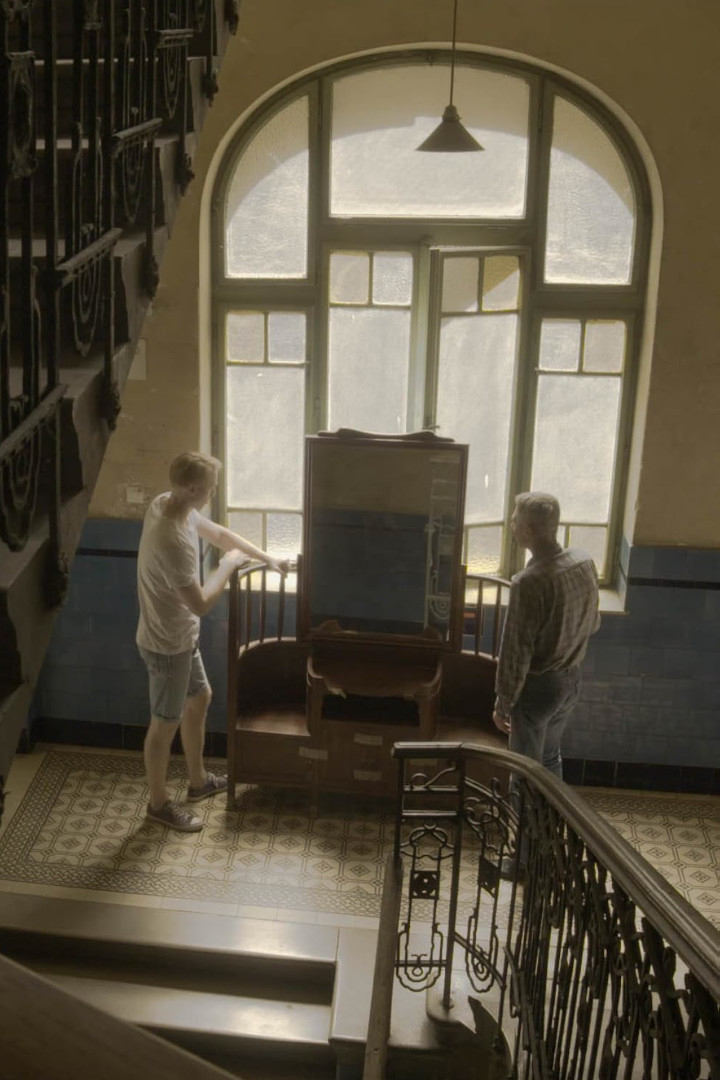
The film deals with the relation of a father and his son. They are carrying a huge mirror to the fifth floor. To achieve their goal they must work as a team. On the way, their family life is also revealed.
A remote cottage becomes the scene of a thrilling drama: two criminals who have robbed a car transporting payroll money break into the weekend home. They capture the residents and hold them hostage to protect themselves from the encroaching police siege. However, director Dušan Trančík is more interested in portraying social ills, especially ruthlessness and petty bourgeoisie, than in telling a thrilling crime story involving a double murder.
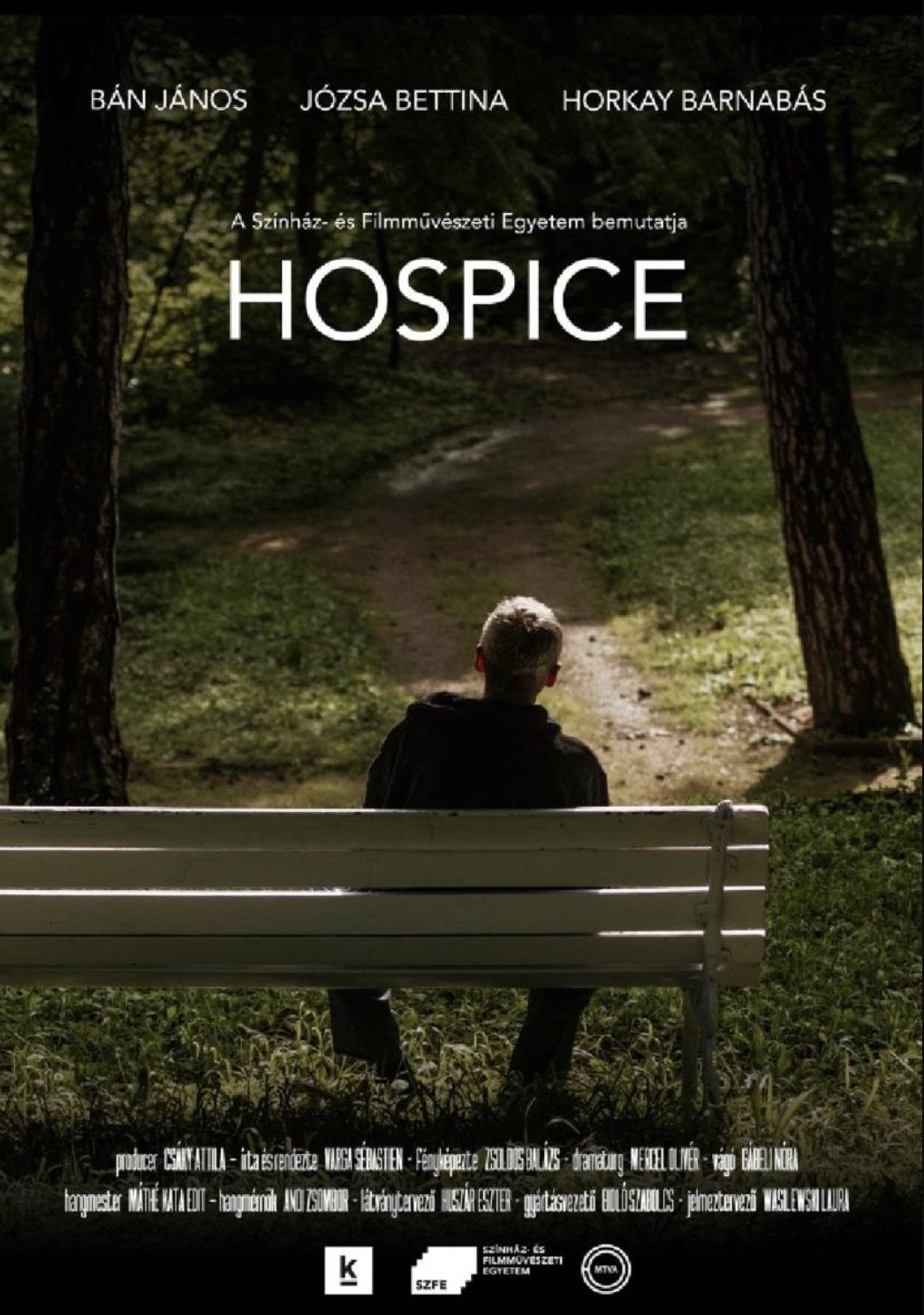
Béla, the bad guy, is released from prison and decides to get back on the right track. But the first person he encounters is his old friend, Feri Buczella, whose brother has just arrived home from America with a suitcase of dollars.