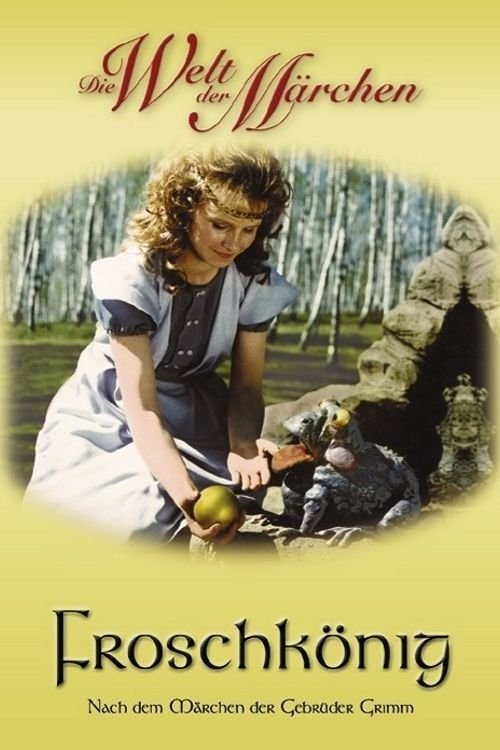
Henriette is a princess; she is playing with her ball, but drops it into a well. A talking frog replaces it with a golden ball, on condition that he can eat and drink with her, and rest in her bed. She accepts, but then is repelled at the thought of the frog eating and drinking with her, etc., but her Father makes her do so. In her bedroom, the frog turns into a handsome prince, and she falls in love with him, but he leaves immediately because of her broken promises. She pines and eventually seeks him out, braving various tests of her truthfulness in the process.

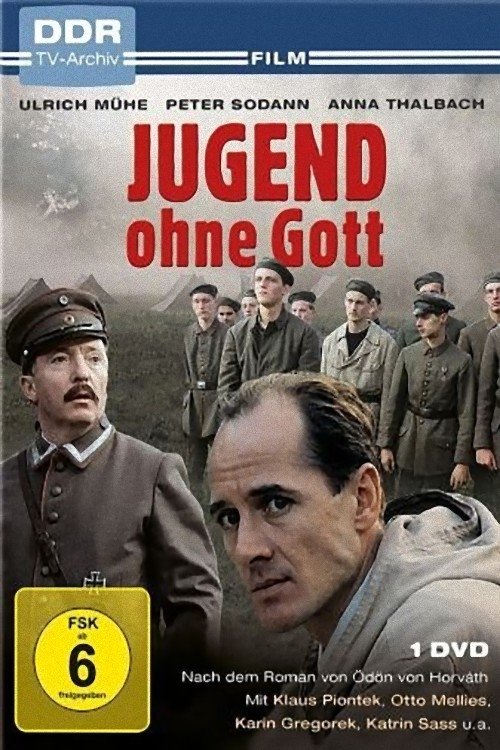
A teacher at a German high-school in the nineteen thirties has issues with his students who seem to be getting less human and more convinced of Nazi ideals as time goes on.

The two computer specialists Frank and Kamminke are not the type of citizens the party likes. Thus they are sent to the landscape where they still find enough stuff to do: They repair the software of a western type factory which is currently not working.
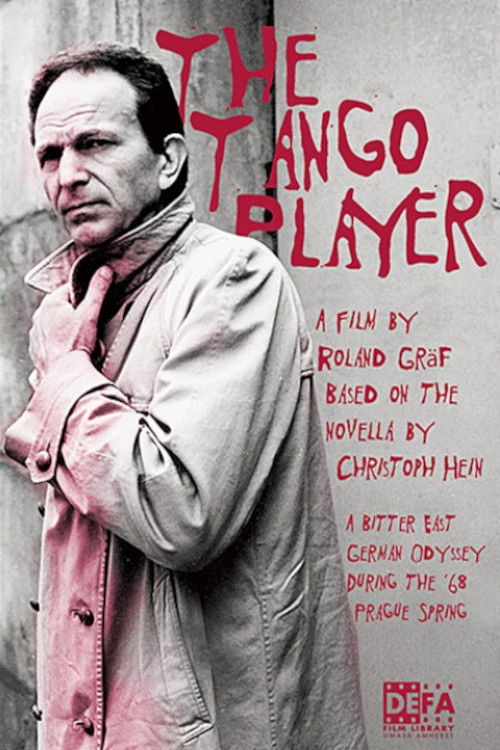
Winter 1968. Historian Dr. Dallow is released from prison. He is still trying to cope with and understand why he was put behind bars for 21 months for defamation of the state. His supposed "crime:" for five minutes he accompanied a cabaret chanson on the piano. The film shows what "ordinary socialism" was like, letting the audience feel the threat under which the people in the GDR had to live over many years.

For the career of her husband, Irina has renounced her journalistic career and has become a housewife. After countless job-related processions, the two return to their hometown of Munich to finally start a family. When Reinhard has to leave for New York in the short term and leaves his wife with empty accounts and a debt mountain, Irina is forced to take the initiative for the first time. She founds a housekeeping agency. Her old school friend Frank stands by her side.

This elaborate two-part television film features a section from the life of communist worker leader Ernst Thälmann. It begins with the bloody riots on May 1, 1929 in Berlin, in which police officers shot at demonstrating workers, and ends with February 7, 1933, when Thälmann appeared as a speaker at the illegal meeting of the Central Committee of the Communist Party of Germany in goat neck. This period was marked by the struggle of the Communists against the ever stronger National Socialists and the rise of Adolf Hitler.
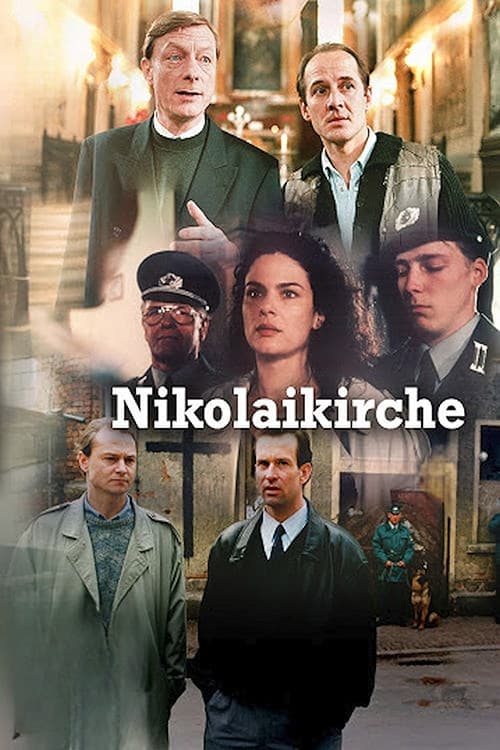
The story of a Leipzig family from 1987 to the Monday demonstrations in 1989. After the death of her father, a high-ranking officer in the People's Police, the daughter joins the resistance movement around St. Nicholas Church. Phenomena such as obedience, followership, spying and resistance are illustrated in this haunting film based on individual people. A film that provides food for thought for the discussion about the fall of the Berlin Wall and recapitulates contemporary history.

On June 17, 1953, there was an outrageous action between the Elbe and the Oder: the people in the GDR refused obedience to their political leadership. The story takes place in Bitterfeld and tells the story of a family involved in the political events around 17 June.
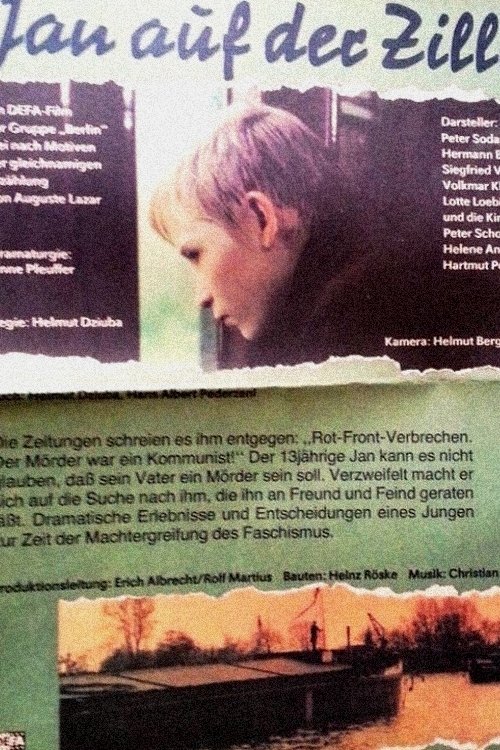
1934, Germany. Jan is a 13 year old boy, who is raised without a mother. His father, a communist, is accused of a political murder, and predicted to be shot by the police when he was on the run. Jan lives with his aunt and finds a friend, Max, who wants to help him to find out what really with his father happened. During a conspirative gathering Max is shot by SA (Nazi paramilitary) and Jan succeed to escape in a barge. Erika, the daughter of the captain of the barge, and a boatman hide him. They try to help Jan to escape from police and find his father, who really survived.

Young construction worker Ralf Reider leaves his home village Katzsprung in the Rhön mountains during the "Berlin Initiative". In the capital, he wants to earn enough money in construction to build his own house for his wife and his child. But Ralf is an unconventional character who soon becomes an outsider because of his behaviour.
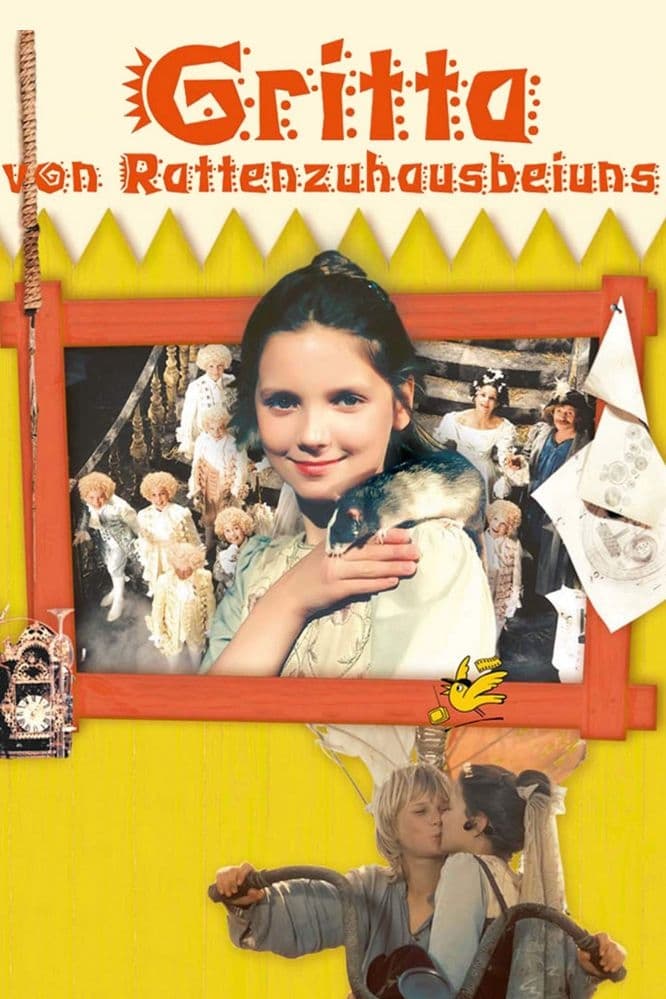
The tale of young Gritta who lives with her father, an unsuccessful inventor. When her new stepmother tries to put her away in a convent she discovers some dark secrets there.

Twenty-year-old electronics technician Liane, desperate to escape her broken home, resists a demotion at work and falls for research student Jürgen. Fiercely defending colleague Kalle against unfair accusations, she overshadows her own troubles, including an unplanned pregnancy. When Jürgen betrays her, Liane collapses, and she wonders if a new beginning with steadfast Kalle is possible.

Berlin in the 1930s - Adolf Hitler comes to power, communists and social democrats are persecuted, books are burned and Jewish citizens are ostracized. The outwardly shiny façade of Berlin, the capital of the Reich, reveals nothing of the unequal struggle of young people against the increasing oppression...

Romantic comedy about a series of mix-ups. Brigitte Kaufmann wants to divorce her husband Jörg who is an engineer and chief executive of an electronics company – and a hopeless pedant. Benno, a former boy friend of Brigitte, has a slightly bizarre idea how they could save their marriage. A piano player, whom Benno has seen in a bar, and who looks exactly like Jörg, is asked to work his charms on Brigitte and to try to dissuade her from divorce while Jörg is on a business trip. Piano player Engel agrees on the plan and acts as Jörg at home with Brigitte as well as in Jörg′s workplace.

When their ship is sunk in the Indian Ocean during the first world war, 50 men have to cross infinite stretches of sea and desert, avoid enemies, find allies and finally make it home to Germany. A breathtaking real-life odyssey.

Hammer & Tickle: The Communist Joke Book is a 2006 propaganda documentary film about "jokes" under the Soviet Union.

The story of Vera Lenz, a young and very attractive woman who is the daughter of a pastor and comes from a small coastal village on the North Sea (FRG). She is intelligent, determined, but also hungry for adventure, and she fascinates the world of men. She has developed into an accomplished secretary with excellent foreign language skills - predestined for an international career. Her meeting with Colonel Shelvin paves the way for this: Vera is able to take up a position at NATO headquarters in Brussels and, thanks to her achievements, she travels to many countries and meets countless interesting people.
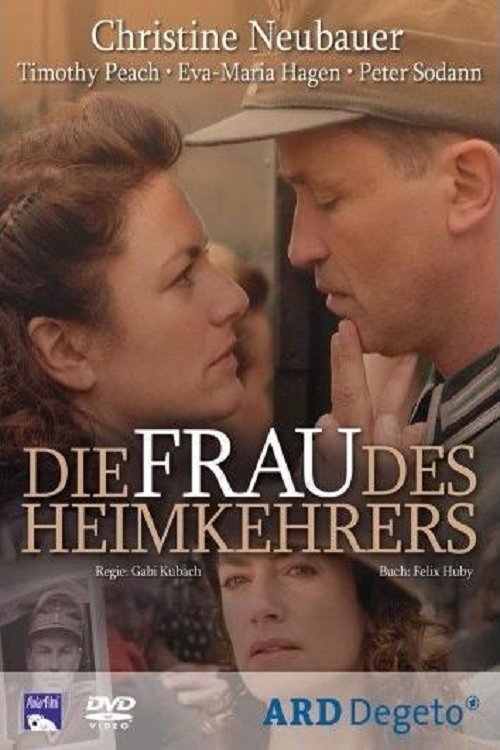
The elaborately staged and lovingly furnished melodrama tells the moving story of a wife and mother after the Second World War. In the title role Christine Neubauer shows another facet of her versatility. Timothy Peach and Martin Feifel play at their side. Other main roles include Eva-Maria Hagen and Peter Sodann. Gaby Kubach directed a book by the renowned author Felix Huby.

He could have had women, he could have climbed the ladder of his accountancy career, and he could have stood on the podium next to the highest in the land. If only he had wanted to! But Farssmann, shaken by divorce and unwilling to better himself, wants to remain what he is: an ordinary bookkeeper like you and me. And so the dollar deal with Mr. Osbar from Utah (USA) is not the first time he comes into conflict with the very palpable unreality of a country called the German Democratic Republic.
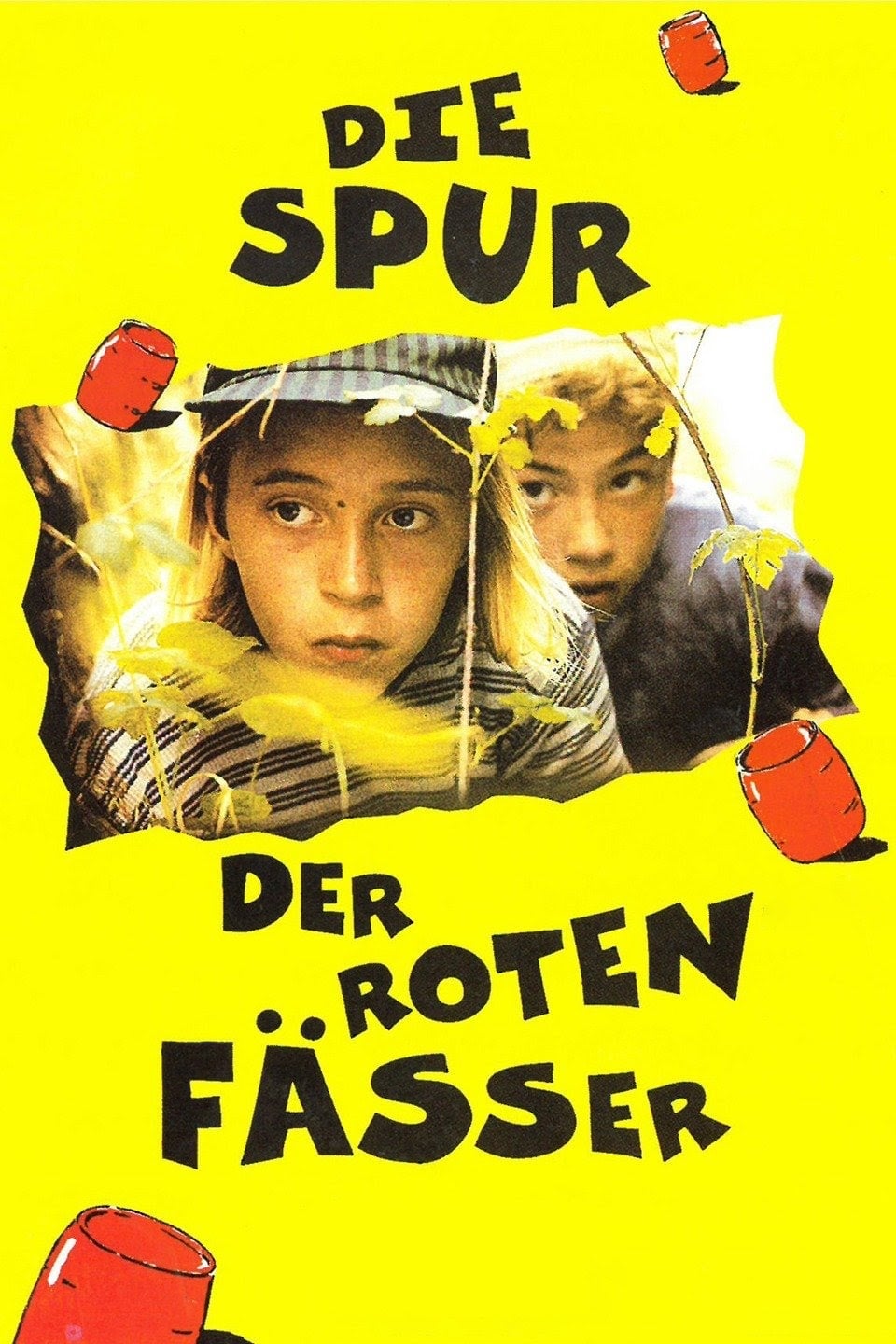

18-year old Georg and 13-year old Barbara have been playing together as children. Play becomes love later, which leads to a catastrophe , as their parents are hostile leading to file a report to the court, as Barbara is still under age.
Victory and demise of the first proletarian dictatorship in the history of mankind, about the struggling, bleeding workers of Paris who enthusiastically defend their historical initiative. The little Cabet family from Rue Pigalle and their friends let the spectator participate in the action.
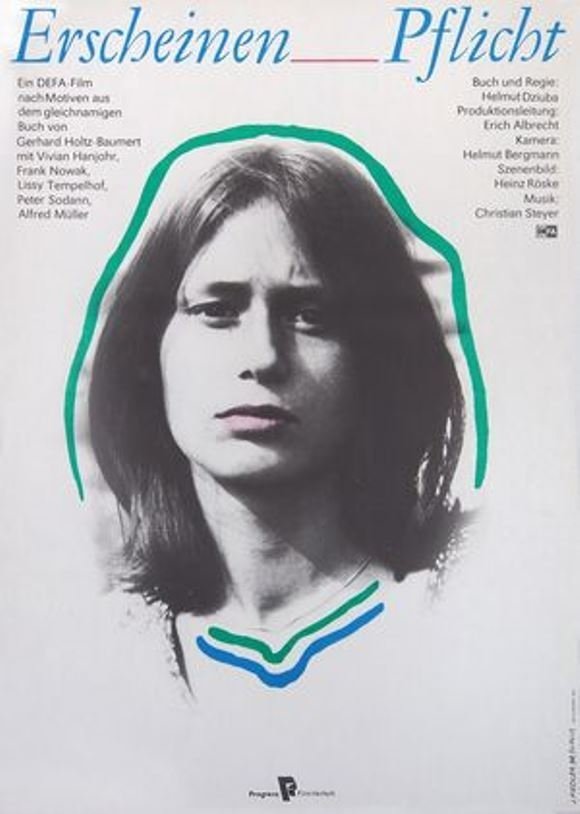
Elizabeth is an open-minded young person - curious and unbiased. She is sixteen, goes to secondary school and things are really going well, not least because her father, a Party member, occupies a privileged position. But then the father suddenly dies. Elizabeth feels lonely and abandoned, all the more so because her brother has long since severed all ties with his father.
After a hot and steamy company party, Sibylle and Harald, both in their late thirties, spend the night together. He is a widower with two sons, with the younger son just entering school. She is single and relatively satisfied in her current relationship with a married colleague. When they meet again later, they resolve to enter into a strictly intellectual relationship.

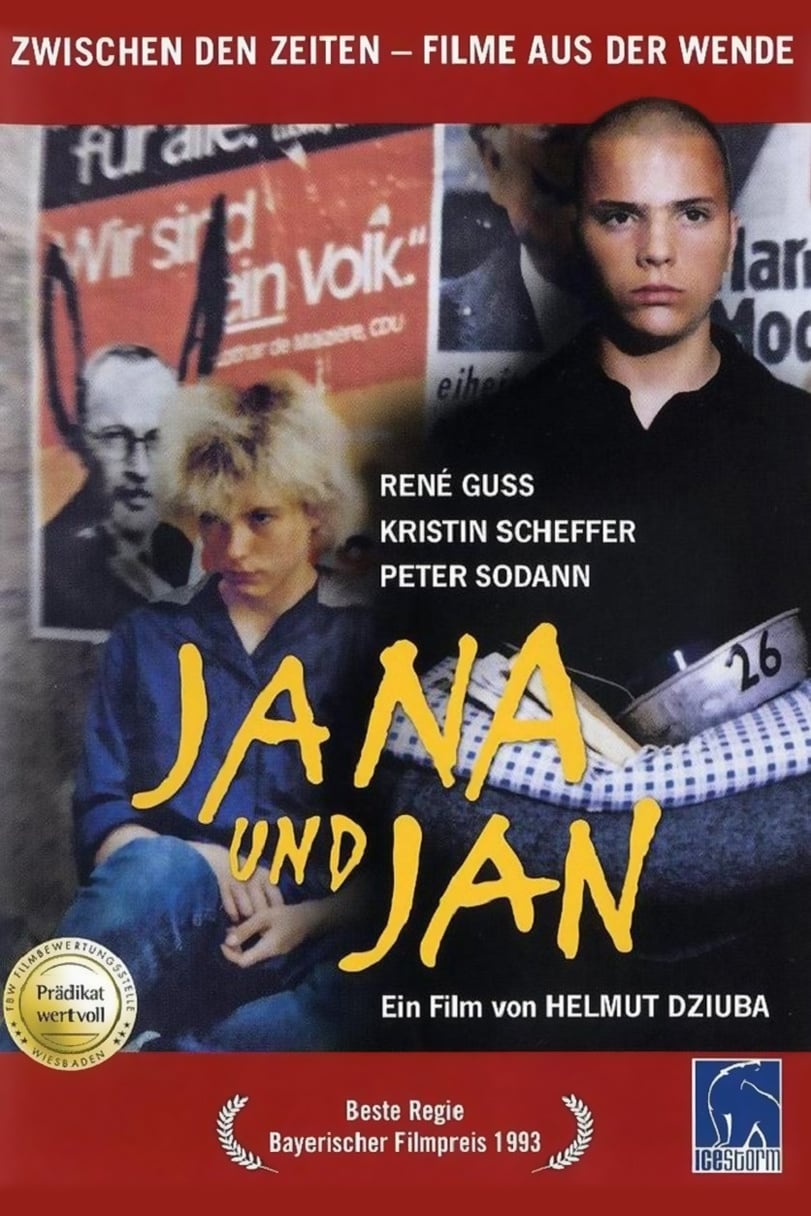
Fall 1989: Jan is almost 16. Caught while trying to escape to West Germany, he is transferred from prison to a juvenile detention center. Here, he meets Jana ... and what starts as a bet, becomes true love. When Jana gets pregnant, the situation spirals out of control. In the summer of 1990, Jana and Jan flee into the unknown, insecure future of a new Germany.

Shortly before the outbreak of World War II, the paths of three people on the run cross by chance in the small Baltic Sea port of Rerig: Gregor, a member of the Communist Party of Germany (KPD); Judith, a Jewish woman; and a pastor who wants to save an Ernst Barlach sculpture classified as degenerate art. All those involved share a common fate and the dream of a fisherman's boy from Zanzibar, which is less a real goal than a utopia of a better future. Adaptation of Alfred Andersch's novel.


Last years in the Life of german Dramatican Georg Büchner. Around the year 1830 he and his fellow students try to initiate a revolution in Germany, but they are not successful. Büchner has to leave the country and seeks exile in France and Switzerland, where he falls ill with typhus.
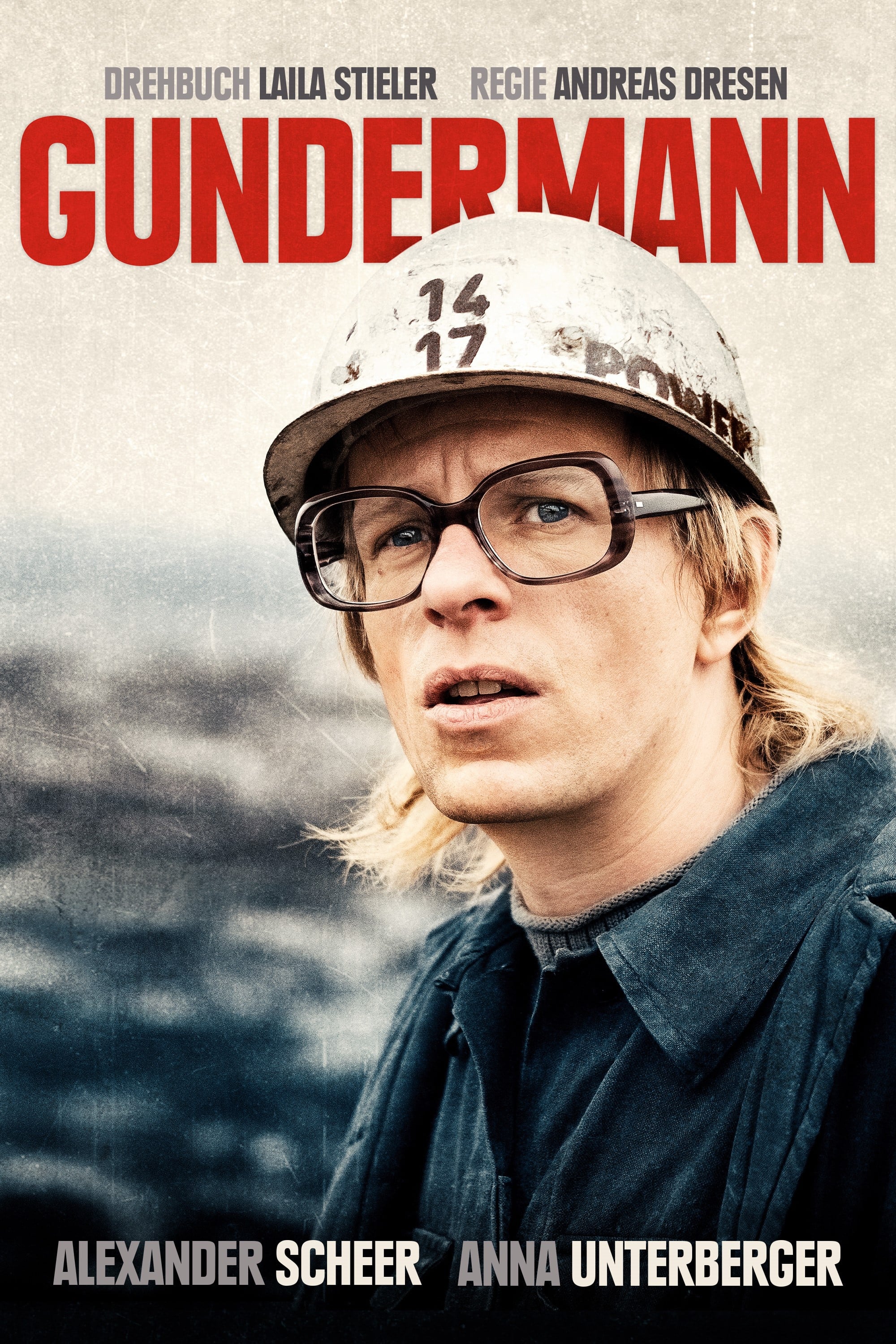
The real life story of East German singer and writer Gerhard Gundermann and his struggles with music, life as a coal miner and his dealings with the secret police (STASI) of the GDR.
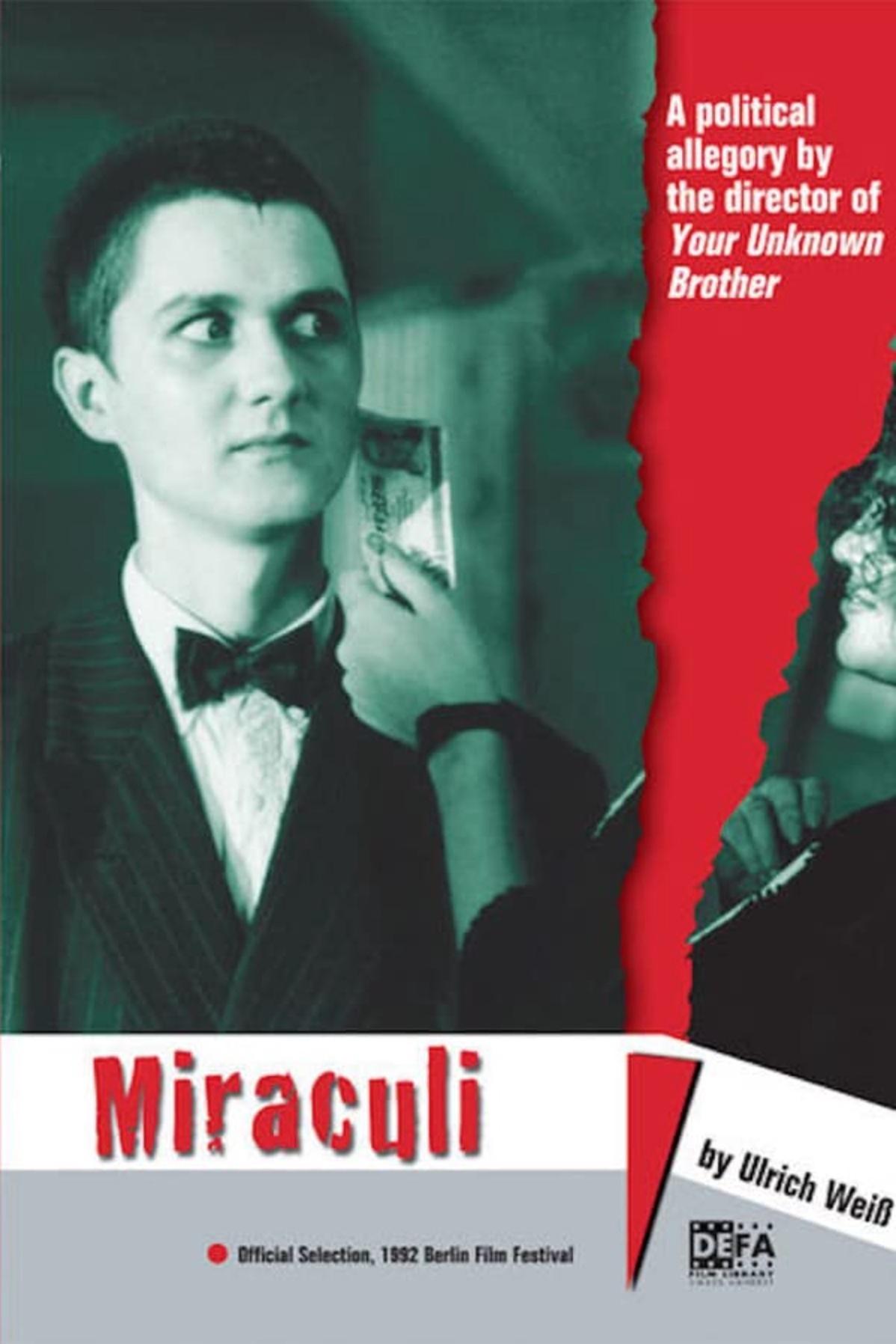
A group of young people draws straws to see who'll steal some cigarettes. With this theft, Sebastian starts a bizarre, symbolic odyssey through a sclerotic world, in search of himself and of truth and justice. When he tries withdrawing from one social paradigm, he finds himself caught in another.
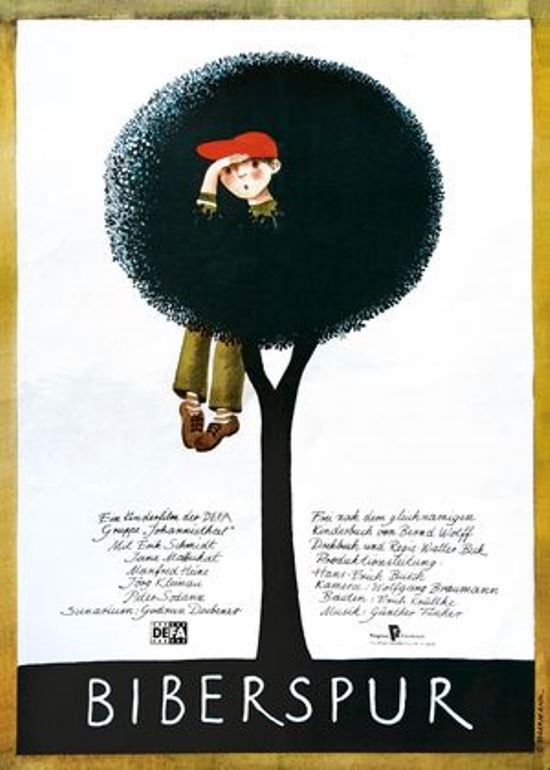
Twelve-year-old Joochen lives in a village on the Elbe. He finds a shot beaver and takes it to school with him. The animals are a protected species and he wants the culprit to be found. He also wants to impress the others a little, especially the girl Corina. However, his discovery is met with disinterest and he goes off on his own in search of the culprit. In the process, he makes friends with the hunter "Eule", his future brother-in-law. Joochen finds out that "Eule" has shot the beaver, turns away from him in disgust and reports him to the police. His stubborn behavior does not meet with the approval of the others, because "Owl" did not kill the beaver on purpose. Despite his dislike, Joochen suggests "Owl" as a chaperone for the school trip, but doesn't want to go himself. At the last minute, he decides to go after all and reconcile with "Owl".
A young woman named Karin Schröder studied biophysics in Moscow and has now returned to the GDR with her diploma. She is thirsty for action, eager to work and now wants to put her specialized knowledge into practice. But at Professor Angerer's institute, where she ends up, there are no opportunities to apply her knowledge. Although Angerer shows her a safe route up the career ladder, Karin sees this more as a means of keeping her quiet - so she turns down the offer. On her own initiative, she goes in search of allies in order to find her way after all. Angerer then instructs her to abandon her self-initiated work - which leads to both professional and personal disaster for the young woman.